
Courville at Nashua

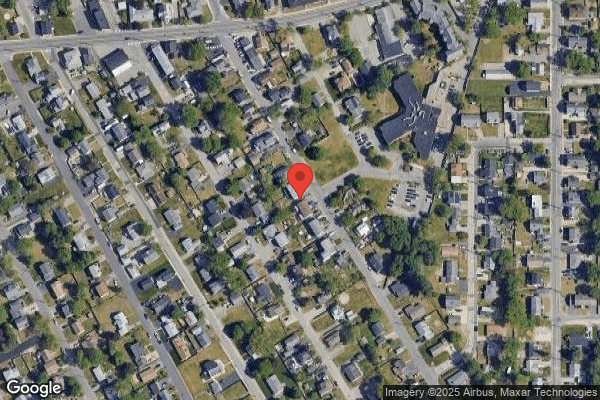
22 HUNT STREET, NASHUA, NH 03060 (603) 889-5450
For profit - Corporation 94 Beds Independent Data: November 2025
Trust Grade
80/100
#18 of 73 in NH
Last Inspection: July 2025

Inspected within the last 6 months. Data reflects current conditions.

Overview

The Courville at Nashua has a Trust Grade of B+, indicating it is above average and recommended for families seeking care. It ranks #18 out of 73 facilities in New Hampshire, placing it in the top half of the state, and #6 out of 21 in Hillsborough County, meaning only five local options are better. The facility is improving, as issues dropped from 5 in 2024 to 2 in 2025. Staffing is average with a 3/5 rating and a turnover rate of 51%, which is similar to the state average. While there have been no fines reported, some concerning incidents were noted, such as failing to maintain the cleanliness of kitchen equipment and not ensuring a resident had access to their communication device, which could impact their ability to express needs. Overall, while there are strengths in care quality and no fines, the facility has areas that need attention.

Trust Score
B+
80/100
In New Hampshire
#18/73
Top 24%
Safety Record
Low Risk
No red flags
Inspections
Getting Better
5 → 2 violations
Staff Stability
⚠ Watch
51% turnover. Above average. Higher turnover means staff may not know residents' routines.
Penalties
✓ Good
No fines on record. Clean compliance history, better than most New Hampshire facilities.
Skilled Nurses
○ Average
Each resident gets 38 minutes of Registered Nurse (RN) attention daily — about average for New Hampshire. RNs are the most trained staff who monitor for health changes.
Violations
○ Average
8 deficiencies on record. Average for a facility this size. Mostly minor or procedural issues.
★★★★☆
4.0
Overall Rating
★★★☆☆
3.0
Staff Levels
★★★★★
5.0
Care Quality
★★★☆☆
3.0
Inspection Score
Stable
2024: 5 issues
2025: 2 issues

The Good

  • 5-Star Quality Measures · Strong clinical quality outcomes
  • Full Sprinkler Coverage · Fire safety systems throughout facility
  • No fines on record

Facility shows strength in quality measures, fire safety.

The Bad

Staff Turnover: 51%

Near New Hampshire avg (46%)

Higher turnover may affect care consistency

The Ugly 8 deficiencies on record

Jul 2025 2 deficiencies
CONCERN (D)

Potential for Harm - no one hurt, but risky conditions existed

Food Safety (Tag F0812)

Could have caused harm · This affected 1 resident

Based on observation and interview, it was determined that the facility failed to ensure that equipment was clean and sanitary for 1 of 1 kitchen observed and handling of food for 1 of 2 kitchenettes ...

Read full inspector narrative →
Based on observation and interview, it was determined that the facility failed to ensure that equipment was clean and sanitary for 1 of 1 kitchen observed and handling of food for 1 of 2 kitchenettes observed. Findings include: Observation on 7/22/2025 at approximately 8:30 a.m. of the ice machine in the main kitchen with Staff B (Food Service Director) revealed a greenish brown film located in the interior of the ice machine below the ice cube metal grid.Interview on 7/22/25 at approximately 8:30 a.m with Staff B confirmed the above observation.Review on 7/24/25 of the manufacturer's instructions of the facility's ice machine revealed, .General : Clean and sanitize the ice machine every 6 months for efficient operation. If the ice machine requires more frequent cleaning and sanitizing, consult a qualified service company to test water quality and recommend water treatment .Observation on 7/22/25 at approximately 8:40 a.m. of the first floor satellite kitchenette refrigerator with Staff B revealed 5 supplemental shakes with a hand written date of 7/20/25.Interview on 7/22/25 at approximately 8:40 a.m. with Staff B confirmed the above finding. Staff B stated that the handwritten date on the above supplemental shakes was the use by date which was the 14th day from the thaw date. Review on 7/23/25 of the supplemental shake container revealed the following instructions: .Use thawed product within 14 days. Keep Refrigerated .
CONCERN (F)

Potential for Harm - no one hurt, but risky conditions existed

Infection Control (Tag F0880)

Could have caused harm · This affected most or all residents

Based on interview and record review, it was determined that the facility failed to implement and review, at least annually, the facility's water management program, which had the potential to effect ...

Read full inspector narrative →
Based on interview and record review, it was determined that the facility failed to implement and review, at least annually, the facility's water management program, which had the potential to effect the facility census of 69 residents who resided at the facility.Findings include:Review on 7/24/25 of the facility's Water Management Program revealed that the facility had identified multiple at-risk areas in the facility, including water heaters, expansion tanks in the maintenance office; pipes, valves and fittings in the bathrooms, shower rooms and kitchen; faucets, aerators, faucet flow restrictors in the bathrooms/kitchen; shower heads and hoses in the first/second floor shower rooms; air washer and humidifiers in the second floor resident rooms; eyewash stations in the laundry, shower, chemical rooms, housekeeping closets and shower rooms; ice machines in the kitchen and 1st and 2nd floors; CPAP machines, bubblers for oxygen, nebulizers in the resident rooms; hydrotherapy equipment, heater-cooler units in the therapy office; water filters in the employee lounge and the [brand name omitted] coffee maker. Further review revealed the program did not describe what control measures would be applied and monitored to the at risk areas. Interview on 7/24/25 at 12:05 p.m. with Staff D (Maintenance Director) revealed that the facility identified the above areas where Legionella could grow and spread. Staff D was unable to provide additional documentation for control measures for the identified at-risk areas in the facility. Staff D did not know what nationally-recognized standard was used to developed their facility's water management program. Interview on 7/24/2025 at 12:18 p.m. with Staff F (Infection Preventionist) revealed that Staff D managed the Water Management Program. Staff F confirmed that they did not have documentation that Water Management Plan was discussed at a committee meeting and did not know which nationally-recognized standards the facility used to develop the facility's water management program. Review on 7/24/25 of the facility's policy titled Legionella Policy revealed it was last reviewed/updated on 11/20/2018. Interview on 7/24/2025 at 1:32 p.m. Staff E (Administrator) confirmed that there was no additional documentation to identify how control measures were applied and monitored and confirmed there was no documentation to show the policy had been reviewed since 2018.
May 2024 5 deficiencies
CONCERN (D)

Potential for Harm - no one hurt, but risky conditions existed

Deficiency F0676 (Tag F0676)

Could have caused harm · This affected 1 resident

Based on observation, interview, and record review, it was determined that the facility failed to provide the necessary care to ensure that a resident's ability to communicate was maintained with a co...

Read full inspector narrative →
Based on observation, interview, and record review, it was determined that the facility failed to provide the necessary care to ensure that a resident's ability to communicate was maintained with a communication device for 1 of 1 resident reviewed for communication in a final sample of 19 residents (Resident Identifier is #40). Findings include: Interview on 5/13/24 at approximately 12:10 p.m. with Resident #40's Durable Power of Attorney (DPOA) revealed that Resident #40 has difficulty with communication due to his/her advanced Parkinson's Disease and was admitted in March 2024 with a communication board that he/she used to allow for easier communication. Resident #40's DPOA stated that he/she has not seen the communication board since shortly after admission. Interview on 5/14/24 at approximately 8:30 a.m. with Staff M (Registered Nurse) revealed that he/she did recall Resident #40 being admitted with a communication device that he/she used at home. Staff M confirmed that it could not be located at the time of the interview. Interview on 5/14/24 at approximately 8:35 a.m. with Staff K (Licensed Nursing Assistant (LNA)) and Staff F (LNA) revealed they were unaware of Resident #40 using a communication board. Staff K stated that Resident #40 can answer simple yes or no questions when asked if you give him/her enough time to respond. Interview on 5/14/24 at approximately 8:45 a.m. with Staff M revealed that the communication board was located in a drawer in Resident #40's room. Interview on 5/14/24 at approximately 11:50 a.m. with Resident #40 revealed that communication with the staff has been difficult without his/her communication board.
CONCERN (D)

Potential for Harm - no one hurt, but risky conditions existed

Deficiency F0688 (Tag F0688)

Could have caused harm · This affected 1 resident

Based on observation, interview, and record review, it was determined that the facility failed to ensure that residents receive appropriate treatment to maintain mobility for 1 resident reviewed for l...

Read full inspector narrative →
Based on observation, interview, and record review, it was determined that the facility failed to ensure that residents receive appropriate treatment to maintain mobility for 1 resident reviewed for limited range of motion in a final sample of 19 (Resident Identifier is #28). Findings include: Review on 5/14/24 of Resident #28's care plan revealed: Interventions for Preventing Pressure Injury, dated 3/19/24, Place face cloth rolled into R [right] hand, change with care and re-apply should resident remove. Observation on 5/13/24 at approximately 10:00 a.m. revealed Resident #28 was asleep in bed with his/her right hand clenched. There was no rolled face cloth in his/her right hand. Observation on 5/13/24 at approximately 12:15 p.m. revealed Resident #28 was up in his/her chair in the dining room. His/Her right hand was clenched. There was no rolled face cloth in his/her right hand. Observation on 5/14/24 at approximately 11:00 a.m. revealed Resident #28 was up in his/her chair in the hallway. His/her right hand was tightly clenched with no rolled face cloth in his/her right hand. Interview on 5/14/24 at approximately 11:30 a.m. with Staff I (Licensed Nursing Assistant) revealed that Staff I did not know that Resident #28 should have a rolled face cloth to hold in his/her right hand. Review on 5/14/2024 or Resident #28's Physical Therapy Discharge Summary, dated 2/20/23, revealed: discharge goal met if Pt [patient] tolerates folded/rolled wash cloth in right hand between palm and thumb >/= [less than or equal to] 8 hours without evidence of skin integrity issues or new/worsening pain.
CONCERN (D)

Potential for Harm - no one hurt, but risky conditions existed

Deficiency F0849 (Tag F0849)

Could have caused harm · This affected 1 resident

Based on interview and record review, it was determined that the facility failed to ensure that an ongoing collaboration and communication process was established between the nursing home and the hosp...

Read full inspector narrative →
Based on interview and record review, it was determined that the facility failed to ensure that an ongoing collaboration and communication process was established between the nursing home and the hospice company for 1 out of 1 hospice residents reviewed in a final sample of 19 residents (Resident Identifier is #6). Findings include: Review on 5/13/24 of Resident #6's Medical Record revealed they had been admitted to hospice services as of 4/26/24. Review on 5/14/24 of Resident #6's Hospice Team Care Plan as of 5/3/24 revealed the visit frequency for aide to be 3 x [times] week x [for] 9 weeks. Review on 5/14/24 of Resident #6's Hospice Aide Weekly Visit Record revealed the following: Week of 4/29/24-5/3/24 had one aide visit that was documented on 5/2/24; Week of 5/6/24-5/10/24 had one aide visit that was documented on 5/9/24. Interview on 5/14/24 at approximately 10:00 a.m. with Staff N (Unit Manager) confirmed the above finding. Staff N stated that there was no actual schedule for the facility staff to know when the Hospice Aide is coming in to see Resident #6. Interview on 5/14/24 at approximately 11:30 a.m. with Staff O (Hospice Aide) confirmed that he/she had only documented one visit for each of the above two weeks for Resident #6. Staff O stated he/she came only once the week of 4/29/24-5/3/24, as he/she was new to their case load and that was normal. Staff O stated that they did come three times the week of 5/6/24-5/10/24, but had only documented one visit. Staff O confirmed that there is no schedule for the days or times that they come to see Resident #6.
CONCERN (D)

Potential for Harm - no one hurt, but risky conditions existed

Infection Control (Tag F0880)

Could have caused harm · This affected 1 resident

**NOTE- TERMS IN BRACKETS HAVE BEEN EDITED TO PROTECT CONFIDENTIALITY** Based on observation, interview and record review, it was determined that the facility failed to follow facility policy on conta...

Read full inspector narrative →
**NOTE- TERMS IN BRACKETS HAVE BEEN EDITED TO PROTECT CONFIDENTIALITY** Based on observation, interview and record review, it was determined that the facility failed to follow facility policy on contact precautions to reduce transmission of communicable diseases in 1 of 1 residents reviewed for Transmission Based Precautions in a final sample of 19 residents. Findings include: Standards: Per Centers for Disease Control (CDC) Follow specific recommendations when treating a patient with confirmed or suspected C. Difficile infection .When entering the room of a patient with C. difficile, the priority should be to ensure glove use (in addition to a gown) and proper technique when removing gloves to minimize the risk of self-contamination. (Accessed at https://www.cdc.gov/clean-hands/hcp/clinical-safety/ on 5/16/24). Observation on 5/13/24 at approximately 8:30 a.m. of Staff H (Licensed Practical Nurse (LPN)) revealed them entering a Transmission Based Precaution (TBP) room [ROOM NUMBER]-1 without donning a gown and/or gloves. Further observation revealed that Staff H was administering resident's medications without a gown and gloves. Interview on 5/13/24 at approximately 8:30 a.m. with Staff H revealed that the resident was on contact precautions for Clostridium Difficile (CDiff). Staff H stated when he/she is not providing direct care he/she does not put on PPE. Interview on 5/13/24 at approximately 2:10 p.m. with Staff G (Unit Manager/Infection Preventionist) revealed it is the facility's policy for the staff to wear a gown and gloves before entering a room with transmission based precautions for CDiff. Review on 5/13/24 of Facility Infection Prevention and Control Program, on page 5 revealed: .C-Difficile gastroenteritis, contact precautions .
MINOR (B)

Minor Issue - procedural, no safety impact

Deficiency F0553 (Tag F0553)

Minor procedural issue · This affected multiple residents

Based on interview and record review, it was determined that the facility failed to notify the resident and/or residents representative of care plan meetings for 2 residents reviewed for care plans in...

Read full inspector narrative →
Based on interview and record review, it was determined that the facility failed to notify the resident and/or residents representative of care plan meetings for 2 residents reviewed for care plans in a sample of 19 residents (Resident Identifiers #16 and #40). Findings include: Resident #16 Interview on 5/13/24 at approximately 11:50 a.m. with Resident #16's activated Durable Power of Attorney (DPOA) revealed he/she has not been invited to any care plan meetings for over 6 months. The DPOA would like to be in attendance to share thoughts about the care of Resident #16. Review on 5/14/24 of Resident #16's Medical Record revealed no documentation of care plan meeting notifications to Resident #16's DPOA. Interview on 5/14/24 at approximately 9:20 a.m. with Staff J (Social Worker) confirmed that their was no documentation that could be provided showing Resident #16 and/or their DPOA were invited to or attended a care plan meeting for the time period of December 2023 through May 2024. Resident #40 Interview on 5/13/24 at approximately 12:00 p.m. with Resident #40's activated DPOA revealed he/she did not get invited to care plan meetings. The DPOA revealed that he/she did not know what a care plan meeting was or when they had been scheduled. The DPOA would be able to attend as he/she is at the facility almost every day visiting Resident #40. The DPOA would like to be in attendance to share thoughts about the care of Resident #40. Review on 5/14/24 of Resident #40's Medical Record revealed no documentation of care plan meeting notifications to Resident #40's DPOA. Interview on 5/14/24 at approximately 9:21 a.m. with Staff J confirmed that their was no documentation that could be provided showing Resident #40 and/or their DPOA were invited to or attended a care plan meeting. Review on 5/14/24 of the facility policy titled Care Planning- Interdisciplinary Team, revised on March 2022, revealed: .4. The resident, and the family and/or the residents's legal representative/guardian or surrogate are encouraged to participate in the development of and revisions to the resident's care plan. 5. Care plan meetings are scheduled at the best time of the day for the resident and family when possible. 6. If it is determined that participation of the resident or representative is not practicable for development of the care plan, an explanation is documented in the medical record .
Mar 2023 1 deficiency
CONCERN (D)

Potential for Harm - no one hurt, but risky conditions existed

Deficiency F0554 (Tag F0554)

Could have caused harm · This affected 1 resident

Based on observation, interview, and record review, it was determined that the facility failed to assess a resident's ability to self-administer medications for 1 of 1 residents reviewed for choices i...

Read full inspector narrative →
Based on observation, interview, and record review, it was determined that the facility failed to assess a resident's ability to self-administer medications for 1 of 1 residents reviewed for choices in a final survey of sample of 19 residents (Resident identifier #60). Findings include: Observation on 3/30/23 at 11:00 a.m. of Resident #60's overbed table revealed a medicine cup containing 7 medications. Resident #60 was not present in the room. Interview at 11:05 a.m. with Staff B (Registered Nurse) confirmed that the Resident #60 had not been assessed to self-administer medications and that the medications should not have been left at the bedside. Interview at 11:10 a.m. with Staff C (Licensed Practical Nurse) revealed that he/she did leave the medications on the bedside table for Resident #60 to take when he/she gets out of the bathroom. Staff C confirmed that the medications in the cup were Resident #60's a.m. medications. Medications in the medication cup were: Losartan 50 milligrams (mg) Oxybutin Chloride ER (extended release) Vitamin D3 25 micrograms (mcg) Tylenol 325 mg 2 tablets Tramadol 50 mg Lasix 40 mg Valium 2 mg Review on 3/30/23 at 11:20 a.m. of Resident #60's medical record revealed that Resident #60 had no documented evidence of an assessment to self-administer medications. Interview on 3/30/23 at 11:30 a.m. with Staff A (Director of Nursing) confirmed that Resident #60 was not assessed to self-administer medications.
Understanding Severity Codes (click to expand)
Life-Threatening (Immediate Jeopardy)
J - Isolated K - Pattern L - Widespread
Actual Harm
G - Isolated H - Pattern I - Widespread
Potential for Harm
D - Isolated E - Pattern F - Widespread
No Harm (Minor)
A - Isolated B - Pattern C - Widespread

Questions to Ask on Your Visit

  • "Can I speak with families of current residents?"
  • "What's your RN coverage like on weekends and overnight?"

Our Honest Assessment

Strengths
  • • Grade B+ (80/100). Above average facility, better than most options in New Hampshire.
  • • No major safety red flags. No abuse findings, life-threatening violations, or SFF status.
  • • No fines on record. Clean compliance history, better than most New Hampshire facilities.
Concerns
  • • No significant concerns identified. This facility shows no red flags across CMS ratings, staff turnover, or federal penalties.
Bottom line: Generally positive indicators. Standard due diligence and a personal visit recommended.

About This Facility

What is Courville At Nashua's CMS Rating?

CMS assigns Courville at Nashua an overall rating of 4 out of 5 stars, which is considered above average nationally. Within New Hampshire, this rating places the facility higher than 99% of the state's 100 nursing homes. This rating reflects solid performance across the metrics CMS uses to evaluate nursing home quality.

How is Courville At Nashua Staffed?

CMS rates Courville at Nashua's staffing level at 3 out of 5 stars, which is average compared to other nursing homes. Staff turnover is 51%, compared to the New Hampshire average of 46%. RN turnover specifically is 57%, which is notably high. RNs provide skilled clinical oversight, so turnover in this role can affect medical care quality.

What Have Inspectors Found at Courville At Nashua?

State health inspectors documented 8 deficiencies at Courville at Nashua during 2023 to 2025. These included: 7 with potential for harm and 1 minor or isolated issues.

Who Owns and Operates Courville At Nashua?

Courville at Nashua is owned by a for-profit company. For-profit facilities operate as businesses with obligations to shareholders or private owners. The facility operates independently rather than as part of a larger chain. With 94 certified beds and approximately 68 residents (about 72% occupancy), it is a smaller facility located in NASHUA, New Hampshire.

How Does Courville At Nashua Compare to Other New Hampshire Nursing Homes?

Compared to the 100 nursing homes in New Hampshire, Courville at Nashua's overall rating (4 stars) is above the state average of 3.0, staff turnover (51%) is near the state average of 46%, and health inspection rating (3 stars) is at the national benchmark.

What Should Families Ask When Visiting Courville At Nashua?

Based on this facility's data, families visiting should ask: "Can I visit during a mealtime to observe dining assistance and food quality?" "How do you handle medical emergencies, and what is your hospital transfer rate?" "Can I speak with family members of current residents about their experience?"

Is Courville At Nashua Safe?

Based on CMS inspection data, Courville at Nashua has a clean safety record: no substantiated abuse findings (meaning no confirmed cases of resident harm), no Immediate Jeopardy citations (the most serious violation level indicating risk of serious injury or death), and is not on the Special Focus Facility watch list (a federal program monitoring the lowest-performing 1% of nursing homes). The facility has a 4-star overall rating and ranks #1 of 100 nursing homes in New Hampshire. While no facility is perfect, families should still ask about staff-to-resident ratios and recent inspection results during their visit.

Do Nurses at Courville At Nashua Stick Around?

Courville at Nashua has a staff turnover rate of 51%, which is 5 percentage points above the New Hampshire average of 46%. Moderate turnover is common in nursing homes, but families should still ask about staff tenure and how the facility maintains care continuity when employees leave.

Was Courville At Nashua Ever Fined?

Courville at Nashua has no federal fines on record. CMS issues fines when nursing homes fail to meet care standards or don't correct problems found during inspections. The absence of fines suggests the facility has either maintained compliance or corrected any issues before penalties were assessed. This is a positive indicator, though families should still review recent inspection reports for the full picture.

Is Courville At Nashua on Any Federal Watch List?

Courville at Nashua is not on any federal watch list. The most significant is the Special Focus Facility (SFF) program, which identifies the bottom 1% of nursing homes nationally based on persistent, serious quality problems. Not being on this list means the facility has avoided the pattern of deficiencies that triggers enhanced federal oversight. This is a positive indicator, though families should still review the facility's inspection history directly.