PHEASANT WOOD CENTER

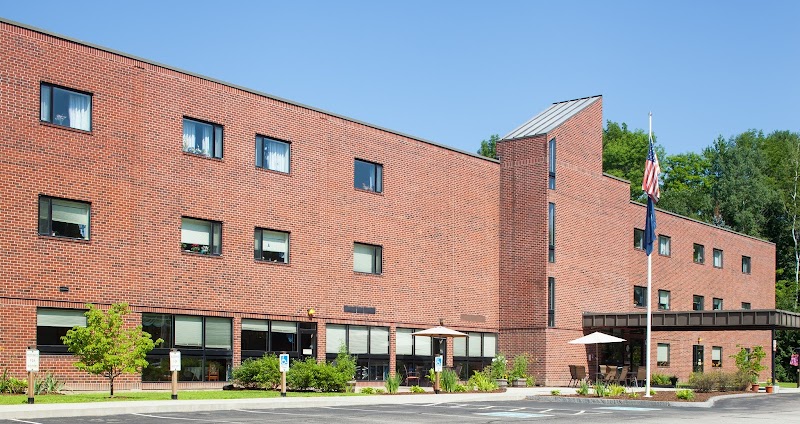
50 PHEASANT ROAD, PETERBOROUGH, NH 03458 (603) 924-7267
For profit - Corporation 99 Beds GENESIS HEALTHCARE Data: November 2025
Trust Grade
53/100
#55 of 73 in NH
Last Inspection: June 2025

Inspected within the last 6 months. Data reflects current conditions.

Overview

Pheasant Wood Center in Peterborough, New Hampshire has a Trust Grade of C, which means it is average and falls in the middle of the pack. It ranks #55 out of 73 facilities in the state, placing it in the bottom half, and #16 out of 21 in Hillsborough County, indicating limited local options for better care. Unfortunately, the facility's performance is worsening, with issues increasing from 5 in 2024 to 7 in 2025. Staffing is a relative strength, with a turnover rate of 28%, which is considerably lower than the state average of 50%, but the facility has less RN coverage than 86% of New Hampshire facilities, raising concerns about oversight. While there have been no fines recorded, which is positive, there have been significant concerns, such as staff failing to properly sanitize dishes in the kitchen and residents reporting delays in response to call bells, indicating potential issues with timely care.

Trust Score
C
53/100
In New Hampshire
#55/73
Bottom 25%
Safety Record
Low Risk
No red flags
Inspections
Getting Worse
5 → 7 violations
Staff Stability
✓ Good
28% annual turnover. Excellent stability, 20 points below New Hampshire's 48% average. Staff who stay learn residents' needs.
Penalties
✓ Good
No fines on record. Clean compliance history, better than most New Hampshire facilities.
Skilled Nurses
⚠ Watch
Each resident gets only 27 minutes of Registered Nurse (RN) attention daily — below average for New Hampshire. Fewer RN minutes means fewer trained eyes watching for problems.
Violations
⚠ Watch
21 deficiencies on record. Higher than average. Multiple issues found across inspections.
★★☆☆☆
2.0
Overall Rating
★★☆☆☆
2.0
Staff Levels
★★★★☆
4.0
Care Quality
★★☆☆☆
2.0
Inspection Score
Stable
2024: 5 issues
2025: 7 issues

The Good

  • 4-Star Quality Measures · Strong clinical quality outcomes
  • Low Staff Turnover (28%) · Staff stability means consistent care
  • Full Sprinkler Coverage · Fire safety systems throughout facility
  • No fines on record
  • Staff turnover is low (28%)

    20 points below New Hampshire average of 48%

Facility shows strength in quality measures, staff retention, fire safety.

The Bad

2-Star Overall Rating

Below New Hampshire average (3.0)

Below average - review inspection findings carefully

Chain: GENESIS HEALTHCARE

Part of a multi-facility chain

Ask about local staffing decisions and management

The Ugly 21 deficiencies on record

Jun 2025 7 deficiencies
CONCERN (D)

Potential for Harm - no one hurt, but risky conditions existed

Grievances (Tag F0585)

Could have caused harm · This affected 1 resident

Based on interview and record review it was determined that the facility failed to follow its grievance policy for grievances for 2 out of 5 residents reviewed for grievances (Resident Identifiers are...

Read full inspector narrative →
Based on interview and record review it was determined that the facility failed to follow its grievance policy for grievances for 2 out of 5 residents reviewed for grievances (Resident Identifiers are #67 and #80). Finding include: Review on 6/12/25 of the facility's policy Grievance/Concern revised 10/15/24, revealed .3. Upon receipt of the grievance/concern, the Grievance/Concern Form will be initiated by the staff member receiving the concern. Patients and/or patient representatives/families may complete a Grievance/Concern form and submit the completed form to a staff member .4. Upon receipt of the Grievance/Concern Form, the Administrator or designee will document the grievance/concern on the Grievance Concern Log . 6. The department manager will: . 6.2 Investigate the grievance; 6.3 Take corrective action, if needed .6.5. Notify the person filing the grievance in a timely manner . Resident #67 Interview on 6/11/25 at 10:25 a.m. with Resident #67 revealed he/she had filed numerous grievances about waiting over an hour for his/her call bell light to be answered during the 3-11 shift. He/she indicated there had been no resolution. Review on 6/12/25 of the facility 2024/2025 grievance log revealed that there were no grievances from Resident #67 about call bell lights. Review on 6/12/23 of Resident #67's care plan note, dated 5/22/25, revealed that . [Pronoun omitted] has filed a couple of grievances and set up weekly check in meetings with the Unit Manager to discuss problems . Interview on 6/13/25 at 8:42 a.m. with Staff K (Unit Manager) revealed that Resident #67 had complained about an LNA (Licensed Nursing Assistant) who he/she felt had an attitude with him/her and waiting a long time for as needed pain medication. Interview further revealed that Staff K had not documented Resident #67's complaints on a grienvance/concern form. Resident #80 Interview on 6/11/25 at 10:15 a.m. with Resident #80 revealed that Resident #80 was admitted to the facility in 3/2025 and he/she had filed multiple grievances to staff since he/she was admitted . He/she stated that he/she waited for over 2 hours in a soiled brief a few weeks ago and that he/she had told an LNA the next day and no one had come to talk to him/her about it. Interview on 6/12/25 at 11:58 a.m. with Staff I (LNA) revealed that Resident #80 had complained approximately three weeks ago about sitting in a soiled brief for a long time. Staff I stated that he/she reported the grievance to Staff K. Review on 6/12/25 of the facility 2025 grievance log revealed that there was no grievances documented for Resident #80. Interview on 6/13/25 at approximately 1:30 p.m. with Staff E (Administrator) confirmed that the grievances from Resident #67 and Resident #80 were not forwarded to him/her and therefore there were no grievances documented on the grievance log for Resident #67 and Resident #80.
CONCERN (D)

Potential for Harm - no one hurt, but risky conditions existed

Deficiency F0605 (Tag F0605)

Could have caused harm · This affected 1 resident

Based on record review and interview, it was determined that the facility failed to ensure as needed (PRN) orders for psychotropic drugs were limited to 14 days for 1 of 1 residents reviewed for medic...

Read full inspector narrative →
Based on record review and interview, it was determined that the facility failed to ensure as needed (PRN) orders for psychotropic drugs were limited to 14 days for 1 of 1 residents reviewed for medication side effects in a final sample of 18 residents. (Resident identifier is #8.) Findings include: Review on 6/11/25 of Resident #8's June 2025 MAR (Medication Administration Record) revealed the following order: Lorazepam Oral Tablet 0.5 mg (milligrams) (Lorazepam) Give 1 tablet by mouth every 4 hours as needed for increased anxiety, dated 5/9/25. The order had no stop date indicated. Review on 6/11/25 of Resident #8's May 2025 MAR (Medication Administration Record) revealed the following order: Lorazepam Oral Tablet 0.5 mg (milligrams) (Lorazepam) Give 1 tablet by mouth every 4 hours as needed for increased anxiety, dated 5/9/25. The order had no stop date indicated. Further review revealed Resident #8 received 2 doses on 5/31/25. Interview on 6/12/25 at approximately 11:30 a.m. with Staff C (Director of Nursing) confirmed the above findings. Review on 6/12/25 of the facility policy titled, Medication Management, Dated 1/25 revealed: .Type of PRN (as needed) PRN orders for Psychotropic medications, excluding antipsychotics, Time Limitation 14 days, Order may be extended beyond 14 days if the attending physician or prescribing practitioner believes it is appropriate to extend the order .
CONCERN (D)

Potential for Harm - no one hurt, but risky conditions existed

Deficiency F0658 (Tag F0658)

Could have caused harm · This affected 1 resident

**NOTE- TERMS IN BRACKETS HAVE BEEN EDITED TO PROTECT CONFIDENTIALITY** Based on interview and record review, it was determined that the facility failed to ensure the physician was notified of a weigh...

Read full inspector narrative →
**NOTE- TERMS IN BRACKETS HAVE BEEN EDITED TO PROTECT CONFIDENTIALITY** Based on interview and record review, it was determined that the facility failed to ensure the physician was notified of a weight change for 2 of 2 residents reviewed for notification of changes in a final sample of 18 residents. (Resident identifiers are #85 and #143.) Findings include: Standard: [NAME], [NAME] A., and [NAME]. Fundamentals of Nursing. 10th ed. St. Louis, Missouri: Mosby Elsevier, 20212, Chapter 19, page 267 revealed the following Communication with other health providers needs to be timely, acurate, and relevant to the patient's clinical situation. Resident #85 Review on 6/11/25 of Resident #85's May 2025 Treatment Administration Record (TAR) revealed the following physicians order: CHF (Congestive Heart Failure) Daily Weight: Notify the provider if: gain >(greater than) 2 lbs (pounds) in 1 day, or 5 lb in a week, one time a day for 7 days, start date 5/28/25. Further review revealed that there was no documented weight obtained on 5/29/25. Review on 6/11/25 of Resident #85's June 2025 TAR (Treatment Administration Record) revealed the following physicians order: CHF Daily Weight: Notify the provider if: gain > 2 lbs in 1 day, or 5 lb in a week, one time a day for 7 days, start date 5/28/25. Further review revealed: June 1st weight was 193.2 lbs; June 2nd no weight obtained; June 3rd weight was 205 lbs (11.8 lb gain) Resident #143 Review on 6/11/25 of Resident #143's June 2025 TAR revealed the following physicians order: Daily weight CHF: Notify the provider if: gain >2 lbs in 1 day, or 5 lb in a week in the morning, Start Date 6/8/25. Further review revealed: June 8th no weight obtained; June 9th no weight obtained; June 10th no weight obtained; June 11th weight refused. Interview on 6/12/25 at approximately 12:45 p.m. with Staff C (Director of Nursing) confirmed that there was no documentation of the provider being notified of the above findings. Interview on 6/12/25 at approximately 1:00 p.m. with Staff D (Nurse Practitioner) confirmed that he/she was not notified of the above findings as ordered.
CONCERN (D)

Potential for Harm - no one hurt, but risky conditions existed

Deficiency F0725 (Tag F0725)

Could have caused harm · This affected 1 resident

**NOTE- TERMS IN BRACKETS HAVE BEEN EDITED TO PROTECT CONFIDENTIALITY** Based on record review and interview, it was determined that the facility failed to provide sufficient nursing staff, as determi...

Read full inspector narrative →
**NOTE- TERMS IN BRACKETS HAVE BEEN EDITED TO PROTECT CONFIDENTIALITY** Based on record review and interview, it was determined that the facility failed to provide sufficient nursing staff, as determined by their facility assessment, to assure resident safety and attain or maintain the highest practicable physical, mental, and psychosocial well-being of the residents on the 2nd floor with a census of 47 residents. (Resident identifiers are #8, #33,#67, and #80 Findings include: Resident #33 Interview on 6/11/25 at approximately 8:45 a.m. with Resident #33 revealed he/she was concerned with not having enough staff at times for him/her to go to the bathroom. A lot of times, I end up wetting myself because it takes up to 30 minutes for them (the staff) to answer my call bell. This happens here all the time. Resident #8 Interview on 6/11/25 at approximately 9:00 a.m. with Resident #8 revealed he/she was concerned with not having enough staff at times for him/her to be able to go outside and smoke. Especially on the weekends when there is only 3 aides, sometimes I can't even get outside to smoke at times. Interview on 6/11/25 at approximately 9:10 a.m. with Staff F (Anonymous) revealed that he/she did not feel that there is enough staff to meet the residents needs on the 2nd floor, Residents are incontinent because we don't have enough staff to get to them in time. Further interview revealed that Resident #8 sometimes can not get outside to smoke because there is not enough staff. Interview on 6/11/25 at approximately 10:25 a.m. with Resident #67 revealed that call bell wait times were not answered timely on the 3-11 shift. He/she states that he/she uses oxygen continuously and he/she has had waited over an hour to be connected to his/her portable tank when he/she had wanted to leave his/her room in the afternoon or early evening to go to an activity or go outside for fresh air. Interview on 6/11/25 at approximately 10:15 a.m. with Resident #80 revealed that he/she had waited a long time for his/her call bell to be answered. He/she stated that it was worse on the 3-11 and 11-7 shift. He/she was unable to ambulate on his/her own when he/she was admitted . He/she stated that he/she had waited up to 2 hours in a dirty brief. Resident #80 stated that they waited over 30 minutes for help in the bathroom [ROOM NUMBER] nights ago. Review on 6/12/25 of Resident #80's care plan, initiated on 4/1/25, revealed that Resident #80 was incontinent of bowel with potential for improved control and management of bowel elimination. Further review under interventions included . Encourage resident to call for assistance if need to defecate before next schedule time .Provide assistance as needed . Review on 6/11/25 of the Resident Council Meeting Minutes, dated 4/29/25, revealed that .Sometime call-lights can take a while for staff to respond. This is inconsistent, and appears to be more prevalent on the weekends . Interview on 6/12/25 at approximately 10:23 a.m. with the Resident Council revealed that 7 residents in attendance who reside on the 2nd floor had concerns with call bells being answered timely. Residents stated that it was worse on the 3-11 shift or before 7:00 a.m. when there are only 2 Licensed Nursing Assistants (LNA) on the floor trying to get residents up for the day. One resident stated that they feel like residents were not able to attend activities due to not enough staff to help get them there especially in the late afternoon or early evening hours. Interview on 6/12/25 at approximately 7:00 a.m. with Staff N (Anonymous) revealed that residents have complained to him/her multiple times about waiting long for care. He/she stated that residents have been put to bed in their day clothes or left up for them to be to put to bed for the next shift. Interview further revealed that at times, residents may have to wait longer when there were only 2 LNA's scheduled and there was a resident that would need both LNA's for care. Interview on 6/13/25 at 9:47 a.m. with Staff M (Anonymous) revealed that residents were often not up out of bed or dressed and ready to get to activities. Staff M revealed that it happened more on the weekends and on the 2nd floor.
CONCERN (D)

Potential for Harm - no one hurt, but risky conditions existed

Pharmacy Services (Tag F0755)

Could have caused harm · This affected 1 resident

Based on record review, interview, and policy review, it was determined that the facility failed to establish and maintain a system of records of receipt and disposition of controlled drugs in suffici...

Read full inspector narrative →
Based on record review, interview, and policy review, it was determined that the facility failed to establish and maintain a system of records of receipt and disposition of controlled drugs in sufficient detail to enable an accurate reconciliation for 1 of 5 residents reviewed for choices in a final sample of 18 residents. (Resident identifier is #8.) Findings include: Interview on 6/11/25 at approximately 9:00 a.m. with Resident #8 revealed he/she was concerned with receiving the wrong dose of his/her pain medication recently. Review on 6/13/25 of Resident #8's April 2025 Medication Administration Record (MAR) revealed the following as needed (PRN) physician orders: Hydromorphone HCL (Hydrochloric Acid) Tablet 2 mg (milligrams), Give 0.5 tablet (1mg) by mouth every 6 hours as needed for breakthrough pain 8-10, Start Date 4/1/25. Further review revealed on 4/16/25 a dose was signed as being administered at 11:18 p.m Hydromorphone HCL Tablet 2 mg, Give 1 tablet by mouth every 4 hours as needed for pain 8-10 for 30 days, discontinued on 4/1/25. Review on 6/13/25 of Resident #8's Individual Patient's Narcotic Record for the above discontinued order revealed that 1 tablet [2 mg] was given on 4/16/25 at 8:30 p.m. Interview on 6/13/25 at approximately 9:45 a.m. with Staff C (Director of Nurses) confirmed the above findings. Review on 6/13/25 of Resident #8's May 2025 MAR revealed the following physician's orders: Hydromorphone HCL (Hydrochloric Acid) Tablet 2 mg (milligrams), Give 0.5 tablet (1 mg) by mouth two times a day for chronic pain, Start Date 4/1/25. Review on 6/13/25 of Resident #8's Individual Patient's Narcotic Record for Hydromorphone 2 mg revealed on 5/3/25 one 2 mg tablet was documented as being administered at 7:20 p.m. Interview on 6/13/25 at approximately 9:45 a.m. with Staff C confirmed that Resident #8 received the wrong dose of Hydromorphone on 5/3/25. June 2025 Review on 6/13/25 of Resident #8's June 2025 MAR revealed the following physician's orders: Hydromorphone HCL (Hydrochloric Acid) Tablet 2 mg (milligrams), Give 0.5 tablet (1 mg) by mouth two times a day for chronic pain, Start Date 4/1/25. Review on 6/13/25 of Resident #8's Individual Patient's Narcotic Record for Hydromorphone 2 mg revealed on 6/4/25 one 2 mg tablet of Hydromorphone was documented as being administered at 10:00 p.m. Interview on 6/13/25 at approximately 1:00 p.m. with Staff C confirmed that Resident #8 received the wrong dose of Hydromorphone on 6/4/25. Review on 6/13/25 of Resident #8's Individual Patient's Narcotic Record for Hydromorphone 2 mg 1/2 tablets, dated 4/3/25 revealed: The quantity indicated was the facility received 23 tablets. Further review revealed 2 nurses documented receiving 12 tablets. Interview on 6/13/25 at approximately 1:00 p.m. with Staff C confirmed that there was a discrepancy with the quantity received. Further interview revealed that he/she was unaware of the discrepancy. The facility did not follow their policy for notifying a supervisor of the discrepancy, did not complete a Controlled Drug Discrepancy Investigation Form, and did not initiate an investigation into the discrepancy. Review on 6/13/25 of the facility policy titled, NSG300 Controlled Drugs: Management of, Revision Date 1/31/25, revealed . The management of controlled substances-including the ordering, receipt, storage, administration, ongoing inventory, and destruction-is conducted under the direction and ultimate responsibility of the Administrator and Director of Nursing, and follows safe practice . Receipt: Controlled substances are received in separate containers with separate invoices. Licensed nursing staff must accept delivery and take responsibility for receipt of controlled substances Discrepancies noted at any step of the process will be reported to appropriate persons. If a discrepancy is noted, the nursing supervisor will be notified and immediately initiate investigation using the Controlled Drug Discrepancy investigation form .
CONCERN (D)

Potential for Harm - no one hurt, but risky conditions existed

Deficiency F0761 (Tag F0761)

Could have caused harm · This affected 1 resident

Based on interview, observation and record review it was determined that the facility failed to follow currently accepted professional principles for labeling and/or storing drugs and biologicals in 2...

Read full inspector narrative →
Based on interview, observation and record review it was determined that the facility failed to follow currently accepted professional principles for labeling and/or storing drugs and biologicals in 2 of 3 medications carts observed. (Resident identifiers are #16 and #41.) Findings include: Observation on 6/11/25 at approximately 8:05 a.m. of the 2nd Floor Medication Cart revealed: One open bottle of Brimodine eye drops opened with no open date or open expiration date and no resident identifier; One box of Cipro ear drops for Resident #16 labeled with an expiration date of 6/6 stored in the medication cart with eye drops; and one open Breyna inhaler for Resident #41 with no open date or open expiration date. Interview on 6/11/25 at approximately 8:10 a.m. with Staff A (Licensed Practical Nurse) confirmed the above findings. Observation on 6/12/25 at approximately 7:00 a.m. of the Celtics Court Medication Cart revealed Resident #37's open Incruse Ellipta inhaler was not labeled with an open date or an open expiration date. Interview on 6/12/25 at approximately 7:00 a.m. with Staff B (Licensed Practical Nurse) confirmed the above finding. Review on 6/1/25 of the instructions for use for Incruse Ellipta, date 12/2023, revealed . Safely throw away Incruse Ellipta in the trash 6 weeks after you open the tray or when the counter reads 0, whichever comes first. Write the date you open the tray on the label on the inhaler . Review on 6/12/25 of the patient instructions for Breyna inhaler, revision date 9/2020, revealed . Throw away Breyna when the counter shows zero ('0) or 3 months after you take your Breyna inhaler out of its foil pouch, whichever comes first . Review on 6/12/25 of the Consumer Medicine Information for Brimodine, Dated May 2017, revealed . Storage . Discard the eye drops 4 weeks after opening . Review on 6/12/25 of the facility policy titled, 4.1 Storage of Medication, Dated 1/25, revealed . 4. Medications should be stored so that various routes of administration are separated 6. Eye medications are stored separately from ear medications . 14. Outdated, . are immediately removed from stock .
MINOR (B)

Minor Issue - procedural, no safety impact

Deficiency F0582 (Tag F0582)

Minor procedural issue · This affected multiple residents

Based on interview and record review, it was determined that the facility failed to provide the resident and/or resident representative a Notice of Medicare Non-Coverage (NOMNC) and/or the Skilled Nur...

Read full inspector narrative →
Based on interview and record review, it was determined that the facility failed to provide the resident and/or resident representative a Notice of Medicare Non-Coverage (NOMNC) and/or the Skilled Nursing Facility Advance Beneficiary Notice (SNF ABN) for 3 of 3 residents reviewed for beneficiary notices. (Resident identifiers are #69, #145 and #146.) Findings include: Resident #69 Review on 6/13/25 of Beneficiary Notice - Residents discharged Within the Last Six Months form, completed by the facility, revealed that Resident #69's last covered day of Medicare Part A Services was on 6/4/25 with benefit days remaining. Resident #69 remained in the facility. The facility was unable to provide Resident #69's NOMNC and SNF ABN. Resident #145 Review on 6/13/25 of Beneficiary Notice - Residents discharged Within the Last Six Months form, completed by the facility, revealed that Resident #145's last covered day of Medicare Part A Services was on 1/6/25 with benefit days remaining and Resident #145 was discharged home. The facility was unable to provide Resident #145's NOMNC. Resident #146 Review on 6/13/25 of Beneficiary Notice - Residents discharged Within the Last Six Months form, completed by the facility, revealed that Resident #146's last covered day of Medicare Part A Services was on 2/6/25 with benefit days remaining and Resident #146 was discharged home. The facility was unable to provide Resident #146's NOMNC. Interview on 6/13/25 at approximately 8:15 a.m. with Staff E (Administrator) confirmed that he/she could not provide the above NOMNC or SNF ABN.
Jun 2024 5 deficiencies
CONCERN (D)

Potential for Harm - no one hurt, but risky conditions existed

Drug Regimen Review (Tag F0756)

Could have caused harm · This affected 1 resident

Based on interview, record review, and policy review, it was determined that the facility failed to act upon the Medication Regimen Review (MRR) recommendations for 1 of 5 residents reviewed for unnec...

Read full inspector narrative →
Based on interview, record review, and policy review, it was determined that the facility failed to act upon the Medication Regimen Review (MRR) recommendations for 1 of 5 residents reviewed for unnecessary medications in a final sample size of 23 residents (Resident Identifier #59). Findings include: Resident #59 Review on 6/27/24 of Resident #59's pharmacy consultation report dated 4/23/24 revealed that Resident #59 received an anticholinergic medication Benzotropine 0.5 milligram (mg) three times a day for prevention or treatment of extrapyramidal symptoms without evidence of a Gradual Dose Reduction (GDR). Pharmacy recommendation was to attempt a GDR of Benzotropine 0.5 mg to two times a day with the end goal of discontinuation. Further review of Resident #59's pharmacy consultation report revealed that the provider accepted the recommendation and to implement as written on 4/26/24. Review on 6/27/24 of Resident #59's active physician orders revealed that the Benzotropine 0.5mg medication order remained at three times a day instead of a GDR of two times a day as mentioned in the above pharmacy recommendation for Resident #59. Interview on 6/27/24 at approximately 9:00 a.m. with Staff A (Director of Nursing) confirmed the above findings for Resident #59. Review on 6/27/24 or the facility's policy titled, Medication Regimen Review, revision date of 6/1/24, revealed: .Facility should encourage physician/prescriber or other responsible parties receiving the MRR and the director of nursing to act upon the recommendations contained in the MRR .For those issues that require physician/prescriber intervention, facility should encourage physician/prescriber to either accept and act upon the recommendations contained within the MRR or reject all or some of the recommendations contained in the MRR .
CONCERN (D) 📢 Someone Reported This

A family member, employee, or ombudsman was alarmed enough to file a formal complaint

Potential for Harm - no one hurt, but risky conditions existed

Deficiency F0761 (Tag F0761)

Could have caused harm · This affected 1 resident

Based on observation, interview and facility policy review, it was determined that the facility failed to have a secondary lock secured for a controlled medication in 1 of 2 medication rooms (Resident...

Read full inspector narrative →
Based on observation, interview and facility policy review, it was determined that the facility failed to have a secondary lock secured for a controlled medication in 1 of 2 medication rooms (Resident Identifier #76). Finding includes: Review on 6/25/24 of Resident #76 medical record revealed an order for Lorazepam 2 milligram (mg) 1/milliliter (ml), give 0.5 ml (1 mg) by mouth twice a day and as needed every 6 hours for anxiety. Observation on 6/25/24 at approximately 8:45 a.m. of the second floor medication room with Staff D (Licensed Practical Nurse) revealed the medication refrigerator was not locked with one 30 ml bottle of Lorazepam 2 mg/1 ml labeled with Resident #76's name inside. Interview on 6/25/24 at approximately 8:45 a.m. with Staff D confirmed the findings. Staff D indicated controlled substances should be double locked in the medication room. Interview on 6/25/24 at approximately 10:30 a.m. with Staff A (Director of Nursing) confirmed the above finding. Review of the facility policy titled, NSG300 Controlled Drugs: Management of, with a last revised date of 4/1/22, revealed: .All controlled substances are stored under double lock, separate from other medications .
CONCERN (D)

Potential for Harm - no one hurt, but risky conditions existed

Room Equipment (Tag F0908)

Could have caused harm · This affected 1 resident

Resident #3 Observation on 6/25/24 at approximately 9:00 a.m. revealed that Resident #3's wheelchair had built up dust and a dark substance on his/her wheelchair. Interview 6/25/24 at approximately 9...

Read full inspector narrative →
Resident #3 Observation on 6/25/24 at approximately 9:00 a.m. revealed that Resident #3's wheelchair had built up dust and a dark substance on his/her wheelchair. Interview 6/25/24 at approximately 9:00 a.m. with Resident #3 revealed he/she had asked to have his/her wheelchair cleaned before and that the LNA had refused to do it .The LNA would only clean the seat. Interview on 6/27/24 at approximately 8:04 a.m. with Staff F (Infection Preventionist) confirmed the above findings. Review of the facility's policy on 6/27/24 titled, Second Floor Shower Schedule, updated 2/9/24 revealed: .Wheelchairs should be sprayed down and dried on shower time 11-7 shift: wash all wheelchairs/walkers for each shower that day if not done during shower. Easy to assess chairs during rounds . Review of the manufacturer's instruction Edition 1, dated 7/9/2020, for M3 Corpus user manual revealed: . 5. Maintenance .For the wheelchair to work well, it is important that you use it correctly and maintain it regularly. A well maintained wheelchair lasts longer and has lower of defects .5.2 Cleaning .Regular care and maintenance will prevent unnecessary wear and damage to your Permobile product .Maintenance and inspection schedule chart clean the wheelchair and upholstery weekly, check upholstery, seating, and postural supports for wear weekly . Resident #2 Observation on 6/25/24 at 8:40 a.m. of the second floor dining area revealed that Resident #2 was sleeping in a tilt-n-space wheelchair with tube feed running. Further observation revealed that Resident #2's tube feed kangaroo pump had dried off-white substance covering the top of the tube feed kangaroo pump and the screen. Observation on 6/26/24 at 1:50 p.m. of Resident #2's tube feed kangaroo pump revealed the pump had dried off-white substance covering the top of the tube feed kangaroo pump and the screen, as observed above. Interview on 6/26/24 at 2:05 p.m. with Staff E (Licensed Practical Nurse (LPN)) confirmed above findings. Observation and interview on 6/27/24 at 8:05 a.m. with Staff F (Infection Control) confirmed that Resident #2's tube feed kangaroo pump had dried off-white substance on top of the pump and dried brown substance in the grooves on the front of the pump and around the screen. Review on 6/27/24 of facility policy titled, IC201 Cleaning and Disinfecting with revision date of 5/1/24 revealed: .POLICY - Cleaning and disinfecting of frequently touched items and surfaces, patient/resident (hereinafter patient) care items and the environment, including common areas of the Center, will be conducted routinely and based on risk of infection involved PRACTICE STANDARDS- .3. Clean items of all foreign materials such as blood, feces, dust, or dirt before disinfecting. 4. Follow manufacturer's recommendations . Review on 6/27/24 of manufacturer's operating manual for Kangaroo Connect Enteral Feeding Pump with revision date of 11/2017, revealed: GENERAL CLEANING DIRECTIONS- Cleaning Frequency: It is recommended that the pump .be cleaned after each feeding set use for a minimum duration of 30 seconds, to prevent bacterial contamination of the pump . Based on observation, interview, and record review, it was determined that the facility failed to maintain wheelchairs and tubefeeding pumps according to manufacturer's instructions for 3 of 5 residents reviewed for physical environment in a final sample of 23 residents (Resident Identifiers are #2, #3, and #65). Findings include: Resident #65 Observation on 6/25/24 at approximately 11:00 a.m. and 1:00 p.m. revealed that Resident #65 was in the common area sitting in a wheelchair with yellow dried liquid splatters that differed in sizes on the left wheel, left inner side panel, and left arm rest on the wheelchair. Further observation revealed that there was clumps of dried yellow food-like substance that differed in sizes on the left side of the chair cushion between Resident #65 and the left inner side panel of the wheelchair. Observation and interview on 6/26/24 at approximately 1:23 p.m. with Staff H (Unit Manager) confirmed the above findings of Resident #65's wheelchair conditions. Staff H stated that the wheelchairs were to be cleaned by nursing staff weekly on residents shower days. Interview on 6/26/24 at approximately 1:25 p.m. with Staff I (Licensed Nursing Assistant) revealed that he/she was not aware of a current schedule for cleaning wheelchairs for nursing staff to complete. Staff I stated that in the past there was a weekly cleaning schedule of wheelchairs on residents shower days. Review on 6/26/24 of the facility's third floor shower schedule protocol, updated date of 6/12/24, revealed that wheelchairs should be sprayed down and dried during shower times and that the 11-7 shift was to wash all wheelchairs and walkers for each shower that day if not done during shower days. Further review of the shower schedule protocol revealed that Resident #65's shower was scheduled for Tuesdays on 3-11 shift, which indicates that Resident #65's wheelchair should have been cleaned on 6/25/24. Review on 6/26/24 of Resident #65's wheelchair manufacturer's instruction revealed .Maintenance and Care .Clean your wheelchair. See the Cleaning schedule section in this manual for instructions .weekly .Cleaning .Axles, Wheels, Tires and Moving Parts: 1. Clean around the axles and wheels weekly with a damp rag .Painted Surfaces 1. Hand wash using a cloth and mild detergent 2. Dry using a clean cloth or allow wheelchair to air dry .Upholstery: 1. Hand wash using a cloth and mild detergent. 2. Allow upholstery to air dry .Plastic Components 1. Hand wash using a cloth and mild detergent .Sanitizing 1. Disinfect surfaces with over the counter disinfecting sanitizer of at least 70% [percent] alcohol wipes. Do not soak or allow pooling of cleaning solutions. 2. Allow sanitizer to remain on surface for at least 15 minutes and remove with aseptic cloth .
CONCERN (E)

Potential for Harm - no one hurt, but risky conditions existed

Food Safety (Tag F0812)

Could have caused harm · This affected multiple residents

Based on observation, interview, and policy review, it was determined that the facility failed to ensure that dishes were sanitized according to manufacturer's instruction for food services safety in ...

Read full inspector narrative →
Based on observation, interview, and policy review, it was determined that the facility failed to ensure that dishes were sanitized according to manufacturer's instruction for food services safety in the main kitchen. Findings include: Interview on 6/25/24 at approximately 8:45 a.m. with Staff L (Dietary Manager) revealed that the facility utilized a high temperature dish machine to sanitize utensils and dishes. Observation and interview on 6/25/24 at approximately 8:45 a.m. during dishwashing in the kitchen revealed that Staff K (Dietary Aide) was washing food debris off dishes with water and lining them on a tray. The tray with dishes was then placed in the dish machine. During the rinse cycle, the rinse temperature was 170 degrees Fahrenheit (F). Staff K and Staff L (Dietary Aide) did not check the wash and rinse temperature gauge on the dish machine while it was running. After the rinse cycle, Staff L removed the tray with dishes from the dish machine and was going to store the dishes to air dry. Interview with Staff K confirmed the observation on the rinse cycle temperature. The tray went through the dish machine the second time and the rinse temperature was 175 degrees Fahrenheit. The tray with dishes went through the dish machine the third time and the rinse temperature was 180 degrees Fahrenheit. Observation and interview on 6/25/24 at approximately 2:19 p.m. during dishwashing in the kitchen with Staff K and Staff L revealed that a tray with dishes was placed in the dish machine and during the rinse cycle the rinse temperature was 176 degrees Fahrenheit. Staff K and Staff L did not check the wash and rinse temperature gauge while the dish machine was running. Staff L was going to store the dishes on the tray to air dry. Interview with Staff K confirmed the observation on the rinse cycle temperature. The tray with dishes went through the dish machine the second time and the rinse temperature was 178 degrees Fahrenheit and the third time the rinse temperature was 180 degrees Fahrenheit. Review on 6/25/24 of the FDA Food Code 2017, retrieved from:https://www.fda.gov/media/110822/download, revealed: .4-501.15 Warewashing Machines, Manufacturers' Operating Instructions. (A) A WAREWASHING machine and its auxiliary components shall be operated in accordance with the machine's data plate and other manufacturer's instructions .501.112 Mechanical Warewashing Equipment, Hot Water Sanitization Temperatures. (A) Except as specified in ¶ (B) of this section, in a mechanical operation, the temperature of the fresh hot water SANITIZING rinse as it enters the manifold may not be more than 90oC (194oF), or less than: .(2) For all other machines, 82oC (180oF) . Review on 6/25/24 of the ECOLAB XL-HT dish machine specification revealed .Operating temperatures sanitizing rinse (minimum) 180° F . Review on 6/25/24 of the facility's policy titled, Machine Warewashing and Sanitizing, effective date of 5/1/23, revealed: .The dishwasher is used for machine warewashing. High temperature or low temperature machines are acceptable for use. 1.1. For a high temperature machine, the wash cycle temperature ranges between 150-165° [degrees] F [Fahrenheit] the final rinse temperature is a minimum of 180° F or 165° F for a stationary, single temperature machine. 1.1.1 Manufacturer's specifications for temperatures are followed .If temperatures fall below the standard for either wash or final rinse, or the chemical sanitizer does not test at the appropriate concentration, The Director of Dining Services/Director of Culinary Services or Maintenance Department is notified immediately .If the issues cannot be corrected by facility staff, the chemical supply service representative is notified and warewashing is discontinued until the issues is corrected .
MINOR (B)

Minor Issue - procedural, no safety impact

Assessment Accuracy (Tag F0641)

Minor procedural issue · This affected multiple residents

Resident #56 Review on 6/26/24 of Resident #56's active physician's order revealed an order for Apixaban (anticoagulant) 2.5 milligram (mg) by mouth two times a day for atrial fibrillation with a star...

Read full inspector narrative →
Resident #56 Review on 6/26/24 of Resident #56's active physician's order revealed an order for Apixaban (anticoagulant) 2.5 milligram (mg) by mouth two times a day for atrial fibrillation with a start date of 1/2/24. Review on 6/26/24 of Resident #56's Quarterly MDS with an ARD of 5/9/24 revealed that under Section N, High-Risk Drug Classes: Uses and Indication, anticoagulant was not checked as is taking and/or indication noted. Review on 6/26/24 of Resident #56's May 2024 revealed that Resident #56 received Apixaban medication from 5/2/24 to 5/8/24 during the assessment timeframe for the 5/9/24 Quarterly MDS. Interview on 6/26/24 at 1:50 p.m. with Staff A confirmed the above findings. Interview with Staff A revealed that anticoagulant use and indication noted should have been coded as is taking and indication noted in the above mentioned MDS. Based on interview and record review, it was determined that the facility failed to ensure that the resident's Minimum Data Set (MDS) accurately reflected the resident's status for 3 of 23 residents reviewed for MDS in a final sample of 23 residents (Resident Identifiers are #22, #29 and #56). Findings include: Resident #22 Review on 6/26/24 of Resident #22's Quarterly MDS with an Assessment Reference Date (ARD) of 5/6/24 revealed under Section O, Special Treatments, Procedures, and Programs, that the resident was receiving chemotherapy, radiation, dialysis, hospice, isolation/quarantine for active infectious disease, and Intravenous (IV) therapy all while a resident. Review on 6/26/24 of Resident #22's medical record revealed no documentation that the resident was receiving the above coded treatments/services during the 5/6/24 Quarterly MDS timeframe. Interview on 6/26/24 at 1:45 p.m. with Staff A (Director of Nursing) confirmed Resident #22 did not receive the above special treatments during the above MDS timeframe and that the MDS had been coded in error. Resident #29 Review on 6/27/24 of Resident #29's Quarterly MDS with an ARD of 5/23/24 revealed under Section P, Restraints and Alarms, that Trunk Restraint was coded as being used less than daily when in a chair or out of bed. Interview on 6/27/24 at approximately 2:00 p.m. with Staff E (Licensed Practical Nurse (LPN)) revealed that Resident #29 had not used a restraint since his/her admission to the facility, including the above timeframe in May 2024. Interview on 6/27/24 at approximately 2:00 p.m. with Staff G (Assistant MDS Coordinator) confirmed that Resident #29's 5/23/24 Quarterly MDS was incorrectly coded for a restraint.
Nov 2023 2 deficiencies
CONCERN (D) 📢 Someone Reported This

A family member, employee, or ombudsman was alarmed enough to file a formal complaint

Potential for Harm - no one hurt, but risky conditions existed

Investigate Abuse (Tag F0610)

Could have caused harm · This affected 1 resident

Based on interview and record review, it was determined that the facility failed to fully thoroughly investigate neglect after a resident fall in 1 of 4 residents reviewed for falls (Resident Identifi...

Read full inspector narrative →
Based on interview and record review, it was determined that the facility failed to fully thoroughly investigate neglect after a resident fall in 1 of 4 residents reviewed for falls (Resident Identifier is #1). Findings include: Review on 11/7/23 of the facility's policy titled Accidents/Incidents revised on 10/24/22 revealed, . An accident is defined as any unexpected or unintentional incident which may result in injury .Response . Do not move the individual until a physician/advance practice provider (APP), nurse, or EMS [Emergency Medical Services] has evaluated them for possible injuries. Once evaluated and if the individual has no physical or verbal indication of injury, the patient can be moved to a safe and comfortable place . Evaluation/Assessment, Medical Assistance, Documentation . The nurse will . Document the accident/incident in the patient's chart; Documentation will include all pertinent information, date, time, place, notifications, post-accident/incident evaluation, and ongoing evaluations . The Director of Nursing (DON) and Administrator must review the event for completion . Follow-up/Investigation . The Administrator, DON, or designee will review all accidents/incidents to determine if . Required documentation has been completed . Review on 11/7/23 of Resident #1's Progress Note dated 10/23/23 at 12:20 p.m. and signed by Staff A (Licensed Practical Nurse) revealed, This nurse was at the med cart when . heard a bang. Went into room and saw resident on the floor with [his/her] head up against the dresser . Mechanical lift was used to put resident into bed so [he/she] could be assessed for any injuries . had a skin tear on . right elbow . no injuries noted to the head and resident complained of severe pain to the right hip. NP [Nurse Practitioner] was called up to check the resident and [he/she] said to send to the ED [Emergency Department] for evaluation to [rule out] fracture. Interview on 11/7/23 at 8:15 a.m. with Staff A confirmed the above and revealed that Resident #1 said that his/her hip and bottom hurt. Staff A stated that along with Staff B (Licensed Nursing Assistant) rolled Resident #1 on their left side to place the mechanical lift pad under Resident #1 to lift him/her into bed to check for injuries. Interview on 11/7/23 at 1:30 p.m. with Staff A revealed that he/she did not check Resident #1's for range of motion (ROM) prior to using the mechanical lift to transfer to bed. Staff A revealed that Staff C (Nurse Practitioner) arrived to assess Resident #1 within five minutes of the fall and that Resident #1 had already been transferred to bed. Staff A revealed that he/she did not fully document all the facts and full assessment of Resident #1's fall. Interview on 11/7/23 at 8:27 a.m. with Staff B confirmed that he/she responded on 10/23/23 when Resident #1 was on the floor and revealed that he/she was not asked to provide any statement to the facility regarding the fall or as part of a fall investigation for Resident #1. Interview on 11/7/23 at 9:30 a.m. with Staff C revealed that he/she assessed the resident, who was already in bed, and confirmed that he/she did not document a progress note. Interview on 11/7/23 at 12:30 p.m. with Staff D (Unit Manager) revealed that he/she had reviewed the fall documentation for Resident #1, but did not identify that the facility's policy for an assessment after a fall was not followed and that the resident was not assessed for range of motion in the legs prior to mechanically transferring to bed. Staff D revealed the documentation did not have a timeline/description/assessment of the event. Staff D revealed that if a resident had pain and suspected injury, they should left in place until emergency services arrive. Interview on 11/7/23 at 2:20 p.m. with Staff E revealed that Resident #1 was not discussed at the weekly Fall Committee Meeting. Review on 11/7/23 of the facility policy titled Clinical Record: Charting and Documentation revised 2/1/23, revealed, . Only authorized personnel or individuals may provide documentation in the clinical record that will include the medical plan of treatment, assessments, interventions, responses to care and treatment by multiple health care providers, or identification of significant changes, accidents, or unusual occurrences that may impact the patient's/resident's . physical or emotional well being . To provide a complete account of the patient's total stay from admission through discharge, provide information about the patient that will be used in developing a plan of care, and as a tool for measuring the quality of care provided to the patient . 2. Document pertinent changes in the patient's condition, reaction to treatment, medication, etc., as well as routine observations. 3. Documentation will be concise, accurate, complete, factual, and objective . Review on 11/7/23 of the facility's policy titled Falls Management revised 8/7/23, revealed, .Post-Fall Management . Document circumstances of the falls, post-fall assessment, and patient outcome .
CONCERN (D) 📢 Someone Reported This

A family member, employee, or ombudsman was alarmed enough to file a formal complaint

Potential for Harm - no one hurt, but risky conditions existed

Deficiency F0658 (Tag F0658)

Could have caused harm · This affected 1 resident

Based on interview and record review it was determined that the facility failed to thoroughly assess a resident for injury (diagnosed with a fractured right hip) after a fall prior to mechanically tra...

Read full inspector narrative →
Based on interview and record review it was determined that the facility failed to thoroughly assess a resident for injury (diagnosed with a fractured right hip) after a fall prior to mechanically transferring the resident back to bed in 1 of 4 residents reviewed for falls (Resident Identifier is #1). Findings include: Journal of Nursing; AJN, November 2007 Vol. 107, No. 11. Retrieved from https://www.nursingcenter.com/pdfjournal?AID=751198&an=00000446-200711000-00030&Journal_ID=54030&Issue_ID=751137 on 11/9/23: When a Fall Occurs Step one: assessment. When a patient falls, don't assume that no injury has occurred-this can be a devastating mistake. Before moving the patient .Observe the leg rotation, and look for hip pain, shortening of the extremity, and pelvic or spinal pain . Be aware of the following warning signs . back pain . or an externally rotated or shortened leg. These symptoms suggest spinal cord injury, leg or pelvic fracture . Follow your facility's policies and procedures for documenting a fall. Thorough documentation helps ensure that appropriate nursing care and medical attention are given . documentation for a fall should include . all observations . patient statements . assessments . notifications . interventions . evaluation Review on 11/7/23 of Resident #1's Progress Note dated 10/23/23 at 12:20 p.m. and signed by Staff A (Licensed Practical Nurse) revealed, This nurse was at the med cart when . heard a bang. Went into room and saw resident on the floor with [his/her] head up against the dresser . Mechanical lift was used to put resident into bed so [he/she] could be assessed for any injuries . had a skin tear on . right elbow . no injuries noted to the head and resident complained of severe pain to the right hip. NP [Nurse Practitioner] was called up to check the resident and [he/she] said to send to the ED [Emergency Department] for evaluation to [rule out] fracture. Interview on 11/7/23 at 8:15 a.m. with Staff A confirmed that he/she was the nurse who responded to Resident #1's fall on 10/23/23 and documented the above note. Staff A revealed that he/she along with Staff B (Licensed Nursing Assistant) rolled Resident #1 on their left side to place the mechanical lift pad under Resident #1 to lift him/her into bed to check for injuries. Interview on 11/7/23 at 8:27 a.m. with Staff B confirmed that he/she responded on 10/23/23 when Resident #1 was on the floor and revealed that along with Staff A, they transferred Resident #1 via a mechanical lift to bed. Interview on 11/7/23 at 9:30 a.m. with Staff C (Nurse Practitioner) revealed that he/she was in the building when Resident #1 fell and was called and came immediately to assess the resident who was already in bed. Staff C revealed that Resident #1 was complaining of right hip pain, with noted shortening and external rotation of the right leg, and was transferred to the local hospital for assessment. Interview on 11/7/23 at 1:30 p.m. with Staff A revealed that he/she did not check Resident #1's for range of motion (ROM) prior to using the mechanical lift to transfer to bed. Review on 11/7/23 of the facility's policy titled Accidents/Incidents revised on 10/24/22 revealed, . An accident is defined as any unexpected or unintentional incident which may result in injury .Response . Do not move the individual until a physician/advance practice provider (APP), nurse, or EMS [Emergency Medical Services] has evaluated them for possible injuries. Once evaluated and if the individual has no physical or verbal indication of injury, the patient can be moved to a safe and comfortable place . Evaluation/Assessment, Medical Assistance, Documentation . The nurse will . Document the accident/incident in the patient's chart; Documentation will include all pertinent information, date, time, place, notifications, post-accident/incident evaluation, and ongoing evaluations . The Director of Nursing (DON) and Administrator must review the event for completion . Follow-up/Investigation . The Administrator, DON, or designee will review all accidents/incidents to determine if . Required documentation has been completed .
Apr 2023 7 deficiencies
CONCERN (D)

Potential for Harm - no one hurt, but risky conditions existed

Accident Prevention (Tag F0689)

Could have caused harm · This affected 1 resident

Based on interview and record review, it was determined that the facility failed to ensure that the resident's environment remains as free of accident hazards as possible for 1 of 3 residents reviewed...

Read full inspector narrative →
Based on interview and record review, it was determined that the facility failed to ensure that the resident's environment remains as free of accident hazards as possible for 1 of 3 residents reviewed for accidents in a final sample of 23 residents. (Resident identifier is #68). Findings include: Review on 4/13/23 of Resident #68's medical record revealed a Change in Condition note dated 4/9/23 stating Resident #68 had been found to have acrylic paint on lips and tongue. Further review of Resident #68's medical record revealed a diagnosis of Alzheimer's disease with an on set date of 4/11/22. Interview on 4/13/23 at approximately 2:20 p.m. with Staff C (Activities Director) revealed that they were informed by nursing on 4/11/23 that on 4/9/23 Resident #68 was found with a tube of the acrylic paint and had paint on and in their mouth. Staff C stated that on 4/9/23 the activities staff were painting Easter eggs on the memory care unit as a scheduled activity. Staff C stated there is a locked cabinet that these items are to be placed in when not in use. Interview on 4/14/23 at approximately 8:57 a.m. with Staff E (Licensed Nursing Assistant) revealed they were working on 4/9/23 and saw Resident #68 wandering on the unit with a tube of acrylic paint in their hands. Staff E stated that when they removed the tube from Resident #68's hands they also noticed they had paint on their lips and inside their mouth. Staff E stated they reported this to nursing immediately. Staff E stated that they discovered an uncovered container with several tubes of acrylic paint that had been placed out in the open on a shelf in the TV area of the dinning/activities room. Interview on 4/14/23 at approximately 1:00 p.m. with Staff D (Director of Nursing) confirmed that Resident #68 had been found to have acrylic paint in their mouth on 4/9/23 and that the paint was left unattended and unsecured on the memory care unit. Staff D stated that staff were reeducated about ensuring that paint was secured in the locked cabinet when not being used with staff supervision.
CONCERN (D)

Potential for Harm - no one hurt, but risky conditions existed

Deficiency F0725 (Tag F0725)

Could have caused harm · This affected 1 resident

Based on interview, resident council interviews, and record review, it was determined that the facility failed to provide sufficient staff to meet the resident's needs on the Skilled Nursing Unit (Res...

Read full inspector narrative →
Based on interview, resident council interviews, and record review, it was determined that the facility failed to provide sufficient staff to meet the resident's needs on the Skilled Nursing Unit (Resident identifiers are #2, #24, #40, and #182). Findings include: Resident #182 Interview at 4/12/23 at approximately 10:30 a.m. with Resident #182 revealed that he/she felt that there was not enough staff, Even if it is as simple as going to the bathroom, you can wait up to an hour for help. Resident #40 Interview on 4/12/23 at approximately 10:35 a.m. with Resident #40 revealed that he/she felt that there was not enough staff. Interview on 4/13/23 at approximately 10:30 a.m. with Staff M (Licensed Nursing Assistant (LNA)) revealed that there are suppose to be four LNAs on the second floor during day shift. We are lucky if we have three LNAs on the floor, we are unable to give care that the residents need. This morning from 7-9 a.m. there was only one LNA to provide care on the North Unit for 26 residents. Review on 4/14/23 of 3 residents' shower records from 3/16/23 to 4/14/23 on the second floor revealed: Resident #2 had not had a shower or tub since 4/1/23. Resident #40 from 3/22/23 to 4/12/23 had not had a shower or tub. Resident #24 from 3/16/23 to 4/14/23 had not had a shower or tub. Review on 4/14/23 of the second floor shower schedule, updated 4/7/23 revealed: Resident #2 scheduled shower day is Saturday 3-11 shift Resident #40 scheduled shower day is Wednesday 7-3 shift Resident #24 scheduled shower day is Tuesday 3-11 shiftReview on 4/12/23 of nursing staff schedules for the second floor nursing unit, from 3/11/23 to 4/11/23, revealed the following information: 13 of 30 day shifts reviewed had at least three LNAs scheduled; 1 of 30 day shifts reviewed had a 6a.m.-2p.m., a 7a.m.-3p.m. and a 9a.m.-3p.m. LNA scheduled; 9 of 30 evening shifts reviewed had at least three LNAs scheduled; 6 of 30 evening shifts reviewed had two 3p.m.-11p.m. LNAs scheduled and at least one other LNA working 3-6 hours of the 8 hour shift. Interview on 4/13/23 at approximately 12:30 p.m. with Staff L (Administrator) revealed that the staffing is based on a one LNA to 14-16 residents for first and second shift and will vary with the level of assistance and complexity of the resident. Staff L stated that when there is a unit manager scheduled and they need assistance with patient care the unit managers will assist in care. Staff L stated that there is always a nurse on call that is expected to come in and assist with care when it is needed to meet appropriate staffing levels. Interview on 4/13/23 at approximately 10:00 a.m. with the Resident Council revealed concerns with staff not answering call bells timely. Interview further revealed a Resident Council member stated they have had bathroom accidents because of long wait times.
CONCERN (D)

Potential for Harm - no one hurt, but risky conditions existed

Deficiency F0761 (Tag F0761)

Could have caused harm · This affected 1 resident

Based on observation, interview, review of manufacturer's instructions, and review of the facility's policy and procedure it was determined that the facility failed to label an opened insulin vial and...

Read full inspector narrative →
Based on observation, interview, review of manufacturer's instructions, and review of the facility's policy and procedure it was determined that the facility failed to label an opened insulin vial and opened insulin pen with an expiration date on 1 of 2 medication carts observed (3-North Medication Cart) (Resident identifier is #29). Findings include: Observation on 4/12/23 at approximately 8:45 a.m. of the 3-North Medication Cart revealed the following opened insulins without an open date or open expiration date labeled on them: Resident #29 Lispro Insulin Pen Resident #29 Lantus Insulin Vial Interview on 4/12/23 at approximately 8:45 a.m. with Staff B (Medication Nursing Assistant) confirmed the above medications were opened and not labeled with an open date or an open expiration date. Review on 4/13/23 of the manufacturer's instructions for Lantus insulin, Revised 11/2018 revealed: .How should I store Lantus? .The Lantus vials you are using should be thrown away after 28 days, even if it still has insulin in it Review on 4/13/23 of the manufacturer's instructions for Humalog [Lispro], Dated 11/2019 revealed: .16.2 Storage and Handling .Humalog KwikPen, . Must be used within 28 days or be discarded, even if they still contain Humalog. Review on 4/13/23 of the facility policy titled, 5.3 Storage and Expiration Dating of Medications, Biologicals, Revision Date 7/21/22 revealed: .5. Once any medication or biological package is opened, Facility should follow manufacturer/supplier guidelines with respect to expiration dates for opened medications. Facility staff should record the date opened on the primary medication container (vial, bottle, inhaler) when the medication has a shortened expiration date once opened or opened. .10. Facility should ensure that medications and biologicals are stored at their appropriate temperatures according to the United States Pharmacopeia guidelines for temperature ranges.
CONCERN (D)

Potential for Harm - no one hurt, but risky conditions existed

Room Equipment (Tag F0908)

Could have caused harm · This affected 1 resident

Based on interview, observation, and record review, it was determined that the facility failed to follow manufacturer's instructions for cleaning the Hydrocollator in physical therapy and maintaining ...

Read full inspector narrative →
Based on interview, observation, and record review, it was determined that the facility failed to follow manufacturer's instructions for cleaning the Hydrocollator in physical therapy and maintaining equipment for multi patient use. (Resident identifier is #27.) Findings include: Hydrocollator Review on 4/13/23 of the facility form titled, Hydrocollator's Daily Physical Agent Modality Temperature/Cleaning Log dated February, March, and April 2023 revealed: February 2023 Cleaning was done on 2/2/23 March 2023 Cleaning was done on 3/8/23 April 2023 Cleaning was done on 4/13/23 Interview on 4/13/23 at approximately 2:00 p.m. with Staff F (Director of Therapy) revealed that he/she cleans the Hydrocollator monthly per facility policy and was unaware of the manufacturer's instructions for cleaning every two weeks. Review on 4/14/23 of the facility policy titled, Hydrocollator Machine Maintenance Cleaning Procedures revealed: .3. Once a month the units will be cleaned as follows: .Scrub inside of tank and rack with industrial strength cleaner Review on 4/14/23 of the manufacturer's instructions for the Hydrocollator, undated revealed: .1. The interior of the unit should be scoured, usually every two weeks, using a low abrasive bathroom cleaner. Resident #27 Observation on 4/12/23 at approximately 9:30 a.m. of Resident #27's wheelchair, located in Resident #27's room, revealed substances adhered to bilateral leg rests and in seat of chair. Observation on 4/13/23 at approximately 10:25 a.m. of Resident #27's wheelchair, located in Resident #27's room, revealed the same substances adhered to bilateral leg rests and in seat of chair. Interview on 4/13/23 at approximately 10:25 a.m. with Staff G (Unit Manager) confirmed the above findings and stated that Resident #27's wheelchair should have been cleaned on 4/11/23. Second Floor Equipment Observation on 4/13/23 at approximately 2:10 p.m. with Staff D (Director of Nursing) and Staff H (Infection Preventionist) of the second floor revealed the following: a shared Hoyer lift on the South side with handle-bars containing caked-on brown debris and a platform with brown stains and dust; a pill crusher on the North Side medication cart with a layer of brown debris; an electric wheel chair with cracked vinyl arm rests exposing foam; and on the third floor North side a Hoyer lift with handles containing caked-on debris. Interview on 4/13/23 at approximately 2:10 p.m. with Staff D and Staff H confirmed the above findings.
MINOR (B)

Minor Issue - procedural, no safety impact

Deficiency F0583 (Tag F0583)

Minor procedural issue · This affected multiple residents

Based on interview and policy review, it was determined the facility failed to ensure residents received their mail promptly. Findings include: Interview on 4/12/23 at 10:30 a.m. with the Resident Co...

Read full inspector narrative →
Based on interview and policy review, it was determined the facility failed to ensure residents received their mail promptly. Findings include: Interview on 4/12/23 at 10:30 a.m. with the Resident Council revealed that residents do not receive mail on Saturdays. Interview on 4/12/23 at 2:00 p.m. with Staff C (Activities Director) revealed that mail is delivered to the residents, by the Recreation Department, Monday through Friday and every other Saturday when activities staff are working. Staff C hired staff to work every other Saturday starting in mid-March. Interview further revealed that the mail received at the facility on Saturdays that activities staff are not working is delivered to the residents on Monday. Review on 4/12/23 of facility policy titled Patient/Resident Mail Delivery, revised on 4/1/18, revealed .1.2 Ensure that mail is delivered to the person unopened or postmarked (for outgoing mail) within 24 hours, including Saturday .
MINOR (B)

Minor Issue - procedural, no safety impact

Safe Environment (Tag F0584)

Minor procedural issue · This affected multiple residents

Resident #2 Observation on 4/12/23 at approximately 10:00 a.m. of Resident #2's room on the second floor revealed 4 cardboard boxes stacked on top of each other, with items hanging out of the top box ...

Read full inspector narrative →
Resident #2 Observation on 4/12/23 at approximately 10:00 a.m. of Resident #2's room on the second floor revealed 4 cardboard boxes stacked on top of each other, with items hanging out of the top box at the head of Resident #2's bed. Interview on 4/14/23 at approximately 7:50 a.m. with Staff D (Director of Nursing) revealed that Resident #2 had not had a recent room change and did not know why his/her belongings were packed in boxes at the head of Resident #2's bed. Staff D also confirmed that Resident #2 was not the one to do this as Resident #2 is unable to move items in or about his/her room. Resident #19 Observation on 4/12/23 at approximately 10:27 a.m. of Resident #19's room revealed the floor board was missing on his/her wall with an approximately 2 inch metal piece showing on the corner of the wall (where floor board was missing). Interview and observation on 4/13/23 at approximately 10:20 a.m. with Staff G (Unit Manager) confirmed the above findings. Staff G stated that a maintenance request is made when repairs are in order. Staff G was unable to provide a maintenance request with the above findings. Second Floor Dining Area Observation on 4/12/23 at approximately 12:00 p.m. of the second floor dining area revealed a thick layer of debris noted under a book case, a resident recliner, and other ancillary furniture in the area. Interview on 4/13/23 at approximately 1:00 p.m. with Staff G revealed that maintenance and an outside company were replacing ceiling tiles on 4/11/23 and the area should have been cleaned when they were done. Review on 4/14/23 of the facility policy titled, Resident Rights Under Federal Law, dated 11/28/16 revealed: . 9. Safe environment. The resident has a right to a safe, clean, comfortable and homelike environment, including but not limited to receiving treatment and supports for daily living safety. The facility must provide: . 9.2. Housekeeping and maintenance services necessary to maintain a sanitary, orderly, and comfortable interior. Based on observation and interview, it was determined that the facility failed to ensure a homelike environment in 2 of 2 resident units (Resident Identifiers are #2, #11, and #19). Findings include: Resident #11 Observation on 4/14/23 at 10:30 a.m. with Staff L (Administrator) and Staff J (Maintenance Director) of Resident #11's room on the second floor revealed approximately 2 one foot long by approximately 2 inch holes in the wall. Review on 4/14/23 at 11:20 a.m. of facility work orders with Staff J revealed Resident #11's wall holes were reported 3 months prior in February 2023 and the wall remained in disrepair. Interview on 4/14/23 at 11:20 a.m. with Staff J confirmed the above finding.
MINOR (B)

Minor Issue - procedural, no safety impact

Deficiency F0645 (Tag F0645)

Minor procedural issue · This affected multiple residents

**NOTE- TERMS IN BRACKETS HAVE BEEN EDITED TO PROTECT CONFIDENTIALITY** Based on interview and record review, it was determined that the facility failed to ensure that residents with a mental disorder...

Read full inspector narrative →
**NOTE- TERMS IN BRACKETS HAVE BEEN EDITED TO PROTECT CONFIDENTIALITY** Based on interview and record review, it was determined that the facility failed to ensure that residents with a mental disorder received a Level I Pre-admission Screening and Resident Review (PASRR) for 2 of 3 residents reviewed for PASRR in a final survey sample of 23 residents (Resident identifiers are #45 and #74). Findings include: Resident #45 Review on 4/14/23 of Resident #45's diagnosis list in the electronic medical record revealed that Resident #45 had a diagnosis of Bipolar Disorder and Epilepsy on admission. Interview on 4/14/23 at 11:20 a.m. with Staff N (Director of Social Services) revealed he/she stated they completed a Level I PASRR for Resident #45 on 3/29/23 that included the diagnosis of Bipolar and Epilepsy. Interview further revealed Staff N never received correspondence from [Company name omitted] if Resident's #45 did or did not require a Level II PASRR screen. Resident #74 Review on 4/14/23 of Resident #74's medical record revealed that Resident #74 was admitted to the facility on [DATE] from a hospital and Resident #74 had not had a Level I PASRR prior to admission. Review on 4/14/23 of Resident #74's diagnosis list in the electronic medical record revealed that Resident #74 had a diagnosis of Post-Traumatic Stress Disorder. Review on 4/14/23 of Resident #74's Level I PASRR form (completed on 2/10/23) revealed: Section 2: Screening for Mental Illness (MI), Yes and Other, specify: PTSD were both checked. Section 3: Screening for Intellectual Disability/Developmental Disability (ID/DD), No was checked. Section 4: Screening for Related Condition (RC), No was checked. Section 5: Undiagnosed Condition, No was checked. Further review revealed no additional information was documented. Interview on 4/14/23 at 11:25 a.m. with Staff N revealed that Resident #74 did not have a Level I PASRR upon admission so they completed a Level I PASRR on 2/10/23. Interview further revealed Staff N never received correspondence from [Company name omitted] if Resident's #74 did or did not require a Level II PASRR screen. Review on 4/14/23 of facility policy titled Pre-admission Screening for Mental Disorder [MD] and/or Intellectual Disability [ID] Patients, revised on 1/15/21, revealed .Purpose: To ensure that individuals identified with MD or ID are evaluated and receive care and services in the most integrated setting appropriate for their needs . 2.2 Incorporate recommendations into the patient's assesment, care planning, and transitions of care .
Understanding Severity Codes (click to expand)
Life-Threatening (Immediate Jeopardy)
J - Isolated K - Pattern L - Widespread
Actual Harm
G - Isolated H - Pattern I - Widespread
Potential for Harm
D - Isolated E - Pattern F - Widespread
No Harm (Minor)
A - Isolated B - Pattern C - Widespread

Questions to Ask on Your Visit

  • "Can I speak with families of current residents?"
  • "What's your RN coverage like on weekends and overnight?"

Our Honest Assessment

Strengths
  • • No major safety red flags. No abuse findings, life-threatening violations, or SFF status.
  • • No fines on record. Clean compliance history, better than most New Hampshire facilities.
  • • 28% annual turnover. Excellent stability, 20 points below New Hampshire's 48% average. Staff who stay learn residents' needs.
Concerns
  • • 21 deficiencies on record. Higher than average. Multiple issues found across inspections.
  • • Grade C (53/100). Below average facility with significant concerns.
Bottom line: Mixed indicators with Trust Score of 53/100. Visit in person and ask pointed questions.

About This Facility

What is Pheasant Wood Center's CMS Rating?

CMS assigns PHEASANT WOOD CENTER an overall rating of 2 out of 5 stars, which is considered below average nationally. Within New Hampshire, this rating places the facility higher than 0% of the state's 100 nursing homes. A rating at this level reflects concerns identified through health inspections, staffing assessments, or quality measures that families should carefully consider.

How is Pheasant Wood Center Staffed?

CMS rates PHEASANT WOOD CENTER's staffing level at 2 out of 5 stars, which is below average compared to other nursing homes. Staff turnover is 28%, compared to the New Hampshire average of 46%. This relatively stable workforce can support continuity of care.

What Have Inspectors Found at Pheasant Wood Center?

State health inspectors documented 21 deficiencies at PHEASANT WOOD CENTER during 2023 to 2025. These included: 16 with potential for harm and 5 minor or isolated issues.

Who Owns and Operates Pheasant Wood Center?

PHEASANT WOOD CENTER is owned by a for-profit company. For-profit facilities operate as businesses with obligations to shareholders or private owners. The facility is operated by GENESIS HEALTHCARE, a chain that manages multiple nursing homes. With 99 certified beds and approximately 86 residents (about 87% occupancy), it is a smaller facility located in PETERBOROUGH, New Hampshire.

How Does Pheasant Wood Center Compare to Other New Hampshire Nursing Homes?

Compared to the 100 nursing homes in New Hampshire, PHEASANT WOOD CENTER's overall rating (2 stars) is below the state average of 3.0, staff turnover (28%) is significantly lower than the state average of 46%, and health inspection rating (2 stars) is below the national benchmark.

What Should Families Ask When Visiting Pheasant Wood Center?

Based on this facility's data, families visiting should ask: "Can you walk me through typical staffing levels on day, evening, and night shifts?" "Can I visit during a mealtime to observe dining assistance and food quality?" "How do you handle medical emergencies, and what is your hospital transfer rate?" "Can I speak with family members of current residents about their experience?" These questions are particularly relevant given the below-average staffing rating.

Is Pheasant Wood Center Safe?

Based on CMS inspection data, PHEASANT WOOD CENTER has a clean safety record: no substantiated abuse findings (meaning no confirmed cases of resident harm), no Immediate Jeopardy citations (the most serious violation level indicating risk of serious injury or death), and is not on the Special Focus Facility watch list (a federal program monitoring the lowest-performing 1% of nursing homes). The facility has a 2-star overall rating and ranks #100 of 100 nursing homes in New Hampshire. While no facility is perfect, families should still ask about staff-to-resident ratios and recent inspection results during their visit.

Do Nurses at Pheasant Wood Center Stick Around?

Staff at PHEASANT WOOD CENTER tend to stick around. With a turnover rate of 28%, the facility is 18 percentage points below the New Hampshire average of 46%. Low turnover is a positive sign. It means caregivers have time to learn each resident's needs, medications, and personal preferences. Consistent staff also notice subtle changes in a resident's condition more quickly.

Was Pheasant Wood Center Ever Fined?

PHEASANT WOOD CENTER has no federal fines on record. CMS issues fines when nursing homes fail to meet care standards or don't correct problems found during inspections. The absence of fines suggests the facility has either maintained compliance or corrected any issues before penalties were assessed. This is a positive indicator, though families should still review recent inspection reports for the full picture.

Is Pheasant Wood Center on Any Federal Watch List?

PHEASANT WOOD CENTER is not on any federal watch list. The most significant is the Special Focus Facility (SFF) program, which identifies the bottom 1% of nursing homes nationally based on persistent, serious quality problems. Not being on this list means the facility has avoided the pattern of deficiencies that triggers enhanced federal oversight. This is a positive indicator, though families should still review the facility's inspection history directly.