BIRCH HEALTHCARE CENTER
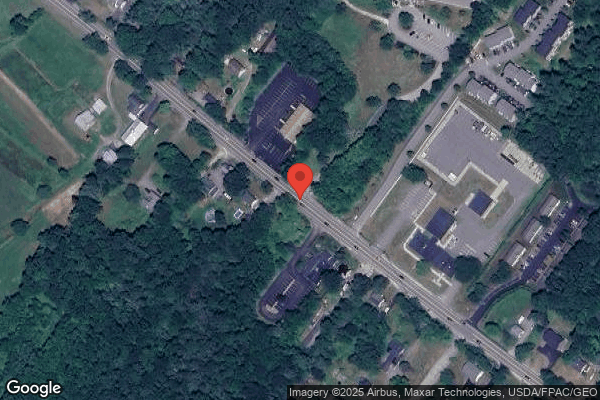

62 ROCHESTER HILL ROAD, ROCHESTER, NH 03867 (603) 335-3955
For profit - Limited Liability company 79 Beds Independent Data: November 2025
Trust Grade
48/100
#46 of 73 in NH
Last Inspection: August 2024

Within standard 12-15 month inspection cycle. Federal law requires annual inspections.

Overview

Birch Healthcare Center has a Trust Grade of D, indicating below-average performance with some significant concerns. Ranked #46 out of 73 facilities in New Hampshire, they fall in the bottom half of state options, and at #4 of 6 in Strafford County, only one nearby facility performs better. While the facility is showing improvement, having reduced issues from 7 in 2023 to 3 in 2024, staffing is a major weakness with a poor rating of 1 out of 5 stars and a 67% turnover rate, which is concerning compared to the state average of 50%. The facility has incurred $10,655 in fines, which is higher than 82% of other New Hampshire facilities, and there are reports of serious incidents, including a resident suffering a lumbar fracture from an improper transfer and failures in medication management and infection control practices. Despite these challenges, the quality measures rating is relatively good at 4 out of 5 stars, indicating some strengths in resident care.

Trust Score
D
48/100
In New Hampshire
#46/73
Bottom 37%
Safety Record
Moderate
Needs review
Inspections
Getting Better
7 → 3 violations
Staff Stability
⚠ Watch
67% turnover. Above average. Higher turnover means staff may not know residents' routines.
Penalties
○ Average
$10,655 in fines. Higher than 69% of New Hampshire facilities. Some compliance issues.
Skilled Nurses
○ Average
Each resident gets 30 minutes of Registered Nurse (RN) attention daily — about average for New Hampshire. RNs are the most trained staff who monitor for health changes.
Violations
○ Average
10 deficiencies on record. Average for a facility this size. Mostly minor or procedural issues.
★★☆☆☆
2.0
Overall Rating
★☆☆☆☆
1.0
Staff Levels
★★★★☆
4.0
Care Quality
★★★☆☆
3.0
Inspection Score
Stable
2023: 7 issues
2024: 3 issues

The Good

  • 4-Star Quality Measures · Strong clinical quality outcomes
  • Full Sprinkler Coverage · Fire safety systems throughout facility
  • No fines on record

Facility shows strength in quality measures, fire safety.

The Bad

2-Star Overall Rating

Below New Hampshire average (3.0)

Below average - review inspection findings carefully

Staff Turnover: 67%

20pts above New Hampshire avg (46%)

Frequent staff changes - ask about care continuity

Federal Fines: $10,655

Below median ($33,413)

Minor penalties assessed

Staff turnover is elevated (67%)

19 points above New Hampshire average of 48%

The Ugly 10 deficiencies on record

1 actual harm
Aug 2024 2 deficiencies
CONCERN (D)

Potential for Harm - no one hurt, but risky conditions existed

Deficiency F0761 (Tag F0761)

Could have caused harm · This affected 1 resident

Based on observations, interviews, and record review, it was determined that the facility failed to ensure open injectable medications were labeled in accordance with the manufacturer's instructions i...

Read full inspector narrative →
Based on observations, interviews, and record review, it was determined that the facility failed to ensure open injectable medications were labeled in accordance with the manufacturer's instructions in 1 out of 2 medication carts observed. Findings include: Observation on 8/27/24 at approximately 8:30 a.m. of the orange medication cart on the B wing revealed an open multiple-dose vial of Lantus (Insulin Glargine) Solution without an open date and/or an open expiration/discard date that was in use for Resident #50. Interview on 8/27/24 at 8:40 a.m. with Staff A (Licensed Practical Nurse) confirmed the above finding. Review on 8/27/24 of the Lantus (Insulin Glargine) manufacturer's instructions revealed: The Lantus vials you are using should be thrown away after 28 days, even if it has insulin left in it.
CONCERN (D)

Potential for Harm - no one hurt, but risky conditions existed

Infection Control (Tag F0880)

Could have caused harm · This affected 1 resident

Based on record review, observation, interview, and policy review, it was determined that the facility failed to follow Center For Disease Control (CDC) guidance for wearing Personal Protective Equipm...

Read full inspector narrative →
Based on record review, observation, interview, and policy review, it was determined that the facility failed to follow Center For Disease Control (CDC) guidance for wearing Personal Protective Equipment (PPE) for Enhanced Barrier Precautions (EBP) for 1 of 6 residents reviewed for infection control (Resident Identifier #55) and the facility failed to perform hand hygiene during medication administration for 3 of 5 residents observed (Resident Identifiers are #21, #44 and #49). Findings Include: Resident #55: Review on 8/27/24 of Resident #55's medical record revealed they had an order for EBP for medication received through a peripheral line and an infected wound. Observation on 8/27/24 at approximately 10:00 a.m. of Resident #55 revealed an EBP sign and PPE inside the resident's room. Staff B (Licensed Nurse Aide) was observed assisting Resident #55 with transfers and positioning without wearing a gown or gloves. Interview on 8/27/24 at approximately 11:35 a.m. with Staff B confirmed the above finding and revealed that they were aware that Resident #55 was on EBP. Review on 8/29/24 of Implementation of Personal Protective Equipment (PPE) Use in Nursing Homes to Prevent Spread of Multidrug-Resistant Organisms (MDROs) on the CDC website, found at https://www.cdc.gov/hai/containment/PPE-Nursing-Homes.html and updated on 7/12/22, revealed: .Enhanced Barrier Precautions expand the use of PPE and refer to the use of gown and gloves during high-contact resident care activities that provide opportunities for transfer of MDROs to staff hands and clothing [11-15]. MDROs may be indirectly transferred from resident-to-resident during these high-contact care activities. Nursing home residents with wounds and indwelling medical devices are at especially high risk of both acquisition of and colonization with MDROs [3,5,6]. The use of gown and gloves for high-contact resident care activities is indicated, when Contact Precautions do not otherwise apply, for nursing home residents with wounds and/or indwelling medical devices regardless of MDRO colonization as well as for residents with MDRO infection or colonization .Examples of high-contact resident care activities requiring gown and glove use for Enhanced Barrier Precautions include: Dressing, Bathing/showering,Transferring,Providing hygiene, Changing linens, Changing briefs or assisting with toileting, Device care or use: central line, urinary catheter, feeding tube, tracheotomy/ventilator, Wound care: any skin opening requiring a dressing. Review on 8/29/24 of the facility's policy titled, Enhanced Barrier Precautions, last revised 5/31/24 revealed: An order for enhanced barrier precautions will be obtained for residents with any of the following: i. Wounds .PICC lines .3. Implementation of Enhanced Barrier Precautions: a. Make gowns and gloves available immediately near or outside of resident's room .4. High-contact resident care activities include: a. Dressing .c. Transferring . Unit A Wing Medication Administration: Observation on 8/28/24 from 7:30 a.m. to 7:50 a.m. of medication administration of 3 residents (#21, #44, and #49) revealed Staff C (Medication Nurse Assistant) did not perform hand hygiene between each of the 3 residents. Interview on 8/28/24 at approximately 8:00 a.m. with Staff C confirmed the above finding. Review on 8/29/24 of the facility's policy titled, Medication Administration, last revised 3/19/24 revealed: Medications are administered by licensed nurses, or other staff who are legally authorized to do so in this state, as ordered by the physician .in a manner to prevent contamination or infection .Wash hands prior to administering medication per facility protocol and product. Review on 8/29/24 of the facility's policy titled, Hand Hygiene, last revised 6/14/23 revealed: All staff will perform hand hygiene procedures to prevent the spread of infection to other personnel, residents, and visitors.
Apr 2024 1 deficiency 1 Harm
SERIOUS (G) 📢 Someone Reported This

A family member, employee, or ombudsman was alarmed enough to file a formal complaint

Actual Harm - a resident was hurt due to facility failures

Accident Prevention (Tag F0689)

A resident was harmed · This affected 1 resident

Based on interview and record review, it was determined that the facility failed to ensure that staff use equipment properly during transfers, resulting in a fall with a fracture for 1 of 1 residents ...

Read full inspector narrative →
Based on interview and record review, it was determined that the facility failed to ensure that staff use equipment properly during transfers, resulting in a fall with a fracture for 1 of 1 residents reviewed for accidents (Resident Identifier #1). Finding include: Review on 4/16/24 of Resident #1's nurse's note dated 3/25/24 revealed that Staff A (Registered Nurse) heard a loud noise in Resident #1's room. Upon entering, Resident #1 was on the floor. The Licensed Nursing Assistants (LNAs) informed Staff A that Resident #1 slid off the Hoyer pad while being lifted. Resident #1 was complaining of back pain. Resident #1 was sent to the hospital for further evaluation. Resident #1 returned to the facility from the hospital and the hospital nurse reported that Resident #1 had a first lumbar (L1) fracture. Review on 4/16/24 of Resident #1's diagnostic imaging reports from the hospital dated 3/25/24 revealed that the indication for the diagnostic imaging was for fall and trauma. Further review of the diagnostic imaging reports revealed that Resident #1 was found to have an acute L1 compression fracture and a tiny avulsive fracture to the dorsal aspect of the right talar neck (right foot). Interview on 4/16/24 at 10:46 a.m. with Staff B (LNA) revealed that on 3/25/24 while Staff B and Staff C (LNA) were Hoyering Resident #1 from the bed to the chair, Staff B noticed the strap was slipping, Resident #1 was tilted and Staff B guided Resident #1 to the floor. Resident #1 landed on [pronoun omitted] right side. Staff B stated that after the incident, it was identified that the top Hoyer pad strap was twisted. Interview further revealed Staff B would use any Hoyer pad found in the resident's room or get one from stock but was not aware residents were assessed for Hoyer pad size. Staff B would use his/her judgement based on what size he/she needed. Interview on 4/16/24 at 11:07 a.m. with Staff D (LNA) revealed that he/she was unaware that there were specific Hoyer pads for specific residents and used what was available. Interview on 4/16/24 at 11:15 a.m. with Staff E (LNA) revealed that he/she visualized what size Hoyer pad to use based on the size of the resident and was not aware residents were assessed for Hoyer pad size. Interview on 4/16/24 at 11:16 a.m. with Staff F (Unit Manager) revealed that if it was determined that a resident required lift assistance an assessment would be done to determine what size Hoyer pad to use based on the resident's weight. Review on 4/16/24 of Resident #1's device/transfer evaluation dated 3/13/24 revealed that Resident #1's transfer/mobility assessment indicated Resident #1 met the criteria for total mechanical lift (for example Hoyer lift) and Resident #1's sling size was an extra large. Review on 4/16/24 of Resident #1's weight records revealed a weight of 153 pounds dated 3/1/24. Review on 4/16/24 of the manufacturer's instructions for the Proactive Medical Products: Full Body Sling revealed .Features and Benefits: Sling size can vary significantly depending on the patients' weight and girth .Patient Sling Guide: It is very important to use the correct sized sling and make sure it is fitted properly prior to lifting .Limited Life Warranty .Useful life of this product is size months from date of purchase under normal use .Size and Weight Range Guide .Small (S): 75-150lbs [pounds] 59[inches]-64, Medium (M): 125-200lbs 63-68, Large (L): 175-300lbs 67-72, Extra Large (XL): 275-500lbs 71-76, Extra Extra Large (XXL): 350-600lbs Determine PRN . Review on 4/16/24 of the manufacturer's instructions for the Lumex: LF 1090 Bariatric Patient Lift revealed: .WARNING: Ensure that lifting sling loops are correctly attached to the hooks to prevent the patient from sliding or falling out of the sling, which could result in personal injury . Review on 4/16/24 of the facility's policy titled Safe Resident Handling/Transfers revised 11/29/23, revealed .14. Staff will perform mechanical lifts/transfers according to the manufacturer's instructions for use of the device . Interview on 4/17/24 at 8:30 a.m. with Staff G (Director of Nursing) confirmed the above findings. Staff G stated that it was identified that Resident #1 was in the wrong Hoyer sling on the day of the incident.
Jul 2023 4 deficiencies
CONCERN (D)

Potential for Harm - no one hurt, but risky conditions existed

Deficiency F0658 (Tag F0658)

Could have caused harm · This affected 1 resident

**NOTE- TERMS IN BRACKETS HAVE BEEN EDITED TO PROTECT CONFIDENTIALITY** Based on interview and record reviews, it was determined the facility failed to follow physician orders related to notifying the...

Read full inspector narrative →
**NOTE- TERMS IN BRACKETS HAVE BEEN EDITED TO PROTECT CONFIDENTIALITY** Based on interview and record reviews, it was determined the facility failed to follow physician orders related to notifying the provider when blood sugar level was above 400 milligram/deciliter (mg/dl) for 1 of 5 residents reviewed for unnecessary medications (Resident Identifier is #38). Findings include: [NAME], [NAME] A., and [NAME]. Fundamentals of Nursing. 7th edition St. Louis, Missouri: Mosby Elsevier, 2009. Page 336- Physicians' Orders, The physician is responsible for directing medical treatment. Nurses follow physician's orders unless they believe the orders are in error or harm clients . Review on 7/25/23 of Resident #38's active physician orders revealed the following orders: 1. Insulin Lispro 100 units/milliliters (ml) inject 10 units subcutaneously before meals for a diagnosis of diabetes mellitus type 2, notify the physician or nurse practitioner for blood sugar levels less than 60 or greater than 400 mg/dl with a start date of 6/6/23, scheduled for 7:30 a.m., 11:00 a.m., and 4:00 p.m. 2. Insulin Lispro 100 units/ml inject 7 units subcutaneously at bedtime for a diagnosis of diabetes mellitus type 2, notify physician or nurse practitioner for blood sugar levels less than 60 or greater than 400 mg/dl with a start date of 6/6/23, and scheduled for 8:00 p.m. Review on 7/25/23 of Resident #38's July 2023 Electronic Medication Administration Records revealed the following blood sugar level above 400 mg/dl corresponding to the above-mentioned physician's orders: 7/2/23 at 4:00 p.m. blood sugar of 444 mg/dl 7/5/23 at 8:00 p.m. blood sugar of 400 mg/dl 7/6/23 at 7:30 a.m. blood sugar of 417 mg/dl 7/7/23 at 7:30 a.m. blood sugar of 403 mg/dl 7/9/23 at 11:00 a.m. blood sugar of 400 mg/dl 7/11/23 at 7:30 a.m. blood sugar of 415 mg/dl 7/12/23 at 4:00 p.m. blood sugar of 400 mg/dl 7/16/23 at 7:30 a.m. blood sugar of 414 mg/dl 7/16/23 at 8:00 p.m. blood sugar of 402 mg/dl 7/17/23 at 4:00 p.m. blood sugar of 532 mg/dl Review on 7/25/23 of Resident #38's July 2023 medical records revealed that there was no documentation of physician and/or nurse practitioner notifications of Resident #38's blood sugar above 400 mg/dl, on the above-mentioned dates and times, which were within the timeframe of when the blood sugars were obtained. Review on 7/26/23 of the nurse practitioner communication book revealed no documentation that the provider was notified of the blood sugar above 400 mg/dl on above mention dates and times. Interview on 7/26/23 at 8:37 a.m. with Staff D (Licensed Practical Nurse) revealed that if there was an order to notify the provider for blood sugar above 400 mg/dl, he/she would notify the provider at close proximity of the time when blood sugar was obtained by phone or by the nurse practitioner communication book. Staff D also stated that he/she would document the notification in the nurse's notes and/or the medication administration notes. Interview on 7/26/23 at 10:26 a.m. with Staff E (Regional Registered Nurse) confirmed the above findings on Resident #38. Staff E was unable to provide documentation of physician or nurse practitioner notifications of Resident #38's blood sugar above 400 mg/dl per physician order. Interview on 7/26/23 at 11:06 a.m. with Staff F (Medical Director) revealed that he/she was not notified of Resident #38's blood sugar above 400 mg/dl during the above-mentioned dates and times. Review on 7/26/23 of the facility policy titled, blood glucose monitoring, reviewed/revised date of 3/22/22, revealed: .Procedure: Verify the physician's order .report critical test results to the physician timely .Document the procedure.
CONCERN (D)

Potential for Harm - no one hurt, but risky conditions existed

Deficiency F0761 (Tag F0761)

Could have caused harm · This affected 1 resident

Based on observation, interview, and record review, it was determined that the facility failed to store refrigerated medications within required temperatures per manufacturer's specification for 1 of ...

Read full inspector narrative →
Based on observation, interview, and record review, it was determined that the facility failed to store refrigerated medications within required temperatures per manufacturer's specification for 1 of 1 medication room observed (Birch Unit, A-Wing, medication room). Findings include: Observation on 7/24/23 at 8:45 a.m. of the medication room refrigerator revealed 2 unopened vials of Novolog insulin, 2 unopened vials of Humalog insulin, an unopened Levemir insulin pen, an unopened Lantus insulin pen, and an unopened Trulicity insulin pen stored up against an ice-frosted wall in the refrigerator. Review on 7/24/23 of manufacturer specifications for Novolog, Humalog, Levemir, Lantus, and Trulicity for insulin vials and pens indicates to store unopened items refrigerated between 36 degrees Fahrenheit (°F) to 46 °F. Review on 7/24/23 of the medication room Refrigeration Temperature Log revealed no temperature recordings on July 22 and 23, 2023, and temperatures were out of required range on 6/2/23 (34 degrees °F), 6/23/23 (34° F), 5/12/23 (32° F), and 5/14/23 (34° F), with no follow-up noted by staff. Interview on 7/24/23 at 12:15 p.m. with Staff B (Unit Manager) confirmed the above findings.
CONCERN (D)

Potential for Harm - no one hurt, but risky conditions existed

Food Safety (Tag F0812)

Could have caused harm · This affected 1 resident

Based on observation, interview, and policy review, it was determined that the facility failed to ensure food was prepared and served in a sanitary environment in 1 of 1 main kitchens observed. Findin...

Read full inspector narrative →
Based on observation, interview, and policy review, it was determined that the facility failed to ensure food was prepared and served in a sanitary environment in 1 of 1 main kitchens observed. Findings include: Observation on 7/24/23 at 8:44 a.m. in the main kitchen with Staff A (Food Service Director) revealed that the range hood was last inspected on 11/20/22 with a next service date of 180 days (approximately 5/20/23). Further inspection revealed dust particles encapsulating the light fixtures under the hood. In addition, all fire suppression discharge nozzles under the hood had dust particles on them. Interview on 7/24/23 at 8:48 a.m. with Staff A confirmed the above findings. Review on 7/27/23 of the facility's policy titled, Sanitation Inspection, last revised 3/20/23 revealed: All food service areas shall be kept clean, sanitary, free from litter, and rubbish, and protected from rodents, roaches, flies, and other insects. Review on 7/27/23 of the FDA [Food and Drug Administration] Food Code, dated 2022, retrieved from: https://www.fda.gov/media/164194/download, revealed . 4-602.13 Nonfood Contact Surfaces Nonfood contact surfaces or equipment shall be cleaned at a frequency necessary to preclude accumulation of soil residues .
CONCERN (D)

Potential for Harm - no one hurt, but risky conditions existed

Safe Environment (Tag F0921)

Could have caused harm · This affected 1 resident

**NOTE- TERMS IN BRACKETS HAVE BEEN EDITED TO PROTECT CONFIDENTIALITY** Based on observation, interview, and policy review, it was determined that the facility failed to ensure a safe and sanitary env...

Read full inspector narrative →
**NOTE- TERMS IN BRACKETS HAVE BEEN EDITED TO PROTECT CONFIDENTIALITY** Based on observation, interview, and policy review, it was determined that the facility failed to ensure a safe and sanitary environment in 7 of 41 resident rooms observed on the Birch Unit. Findings include: Birch Unit Observation on 7/24/23 at approximately 11:30 a.m. revealed the following: Resident room [ROOM NUMBER] the bathroom door had large black scrapes along the bottom of the entire door that went up approximately 2 feet high. The bathroom door frame also had dark black marks from the bottom of the frame to approximately 12 inches high. Resident room [ROOM NUMBER] had approximately 10 white drywall patches on the wall behind the television. Each patch was approximately 2 inches by (x) 5 inches. Further inspection revealed a 12 inch x 2 inch large hole behind bed A. Resident room [ROOM NUMBER] the bathroom had black writing approximately 4 feet high on the wall opposite the toilet. This area was approximately 3 inches x 2 inches. The bathroom door had large black scrapes along the bottom of the entire door that went up approximately 2 feet high. The bathroom door frame also had dark black marks from the bottom of the frame to approximately 12 inches high. Resident room [ROOM NUMBER] the radiator cover had large black marks running the entire length of the radiator cover. In addition, the cover that attaches the two pieces of the radiator cover together was missing. This revealed the inner parts of the radiator which showed the fins of the radiator which were jagged and had a sharp edge. The resident was sitting in their wheelchair approximately 12 inches away from the radiator. Observation on 7/25/23 at 12:30 p.m. with Staff C (Regional Director of Operations) revealed the following environmental findings on the Birch Unit: Resident room [ROOM NUMBER] the bathroom had cracked (un-cleanable surface) floor tiles around the toilet with brown debris and mal-odor of urine and had 4 broken plastic blinds approximately 4 inches in length. Resident room [ROOM NUMBER] the bathroom had a missing seal around the toilet exposing brown debris and and mal-odor of urine and had 5 broken plastic blinds approximately 4 inches in length. Resident room [ROOM NUMBER] had two floor mats in use that were frayed across the surface and at the corners exposing foam that was an un-cleanable surface. Interview on 7/25/23 at 12:30 p.m. with Staff C confirmed the above findings. Staff C acknowledged the need for environmental repairs. Review on 7/24/23 of facility policy titled, Environmental Services Inspection, last revised 5/2/23, revealed: It is the polity of this facility to regularly monitor environmental services to ensure the facility is maintained in a safe and sanitary manner and assessed on a regular basis.
Feb 2023 3 deficiencies
CONCERN (D)

Potential for Harm - no one hurt, but risky conditions existed

Deficiency F0554 (Tag F0554)

Could have caused harm · This affected 1 resident

Based on observation, interview, and record review, it was determined that the facility failed to assess residents' ability to self-administer medications for 2 of 2 residents reviewed for self-admini...

Read full inspector narrative →
Based on observation, interview, and record review, it was determined that the facility failed to assess residents' ability to self-administer medications for 2 of 2 residents reviewed for self-administration of medication in a final survey of sample of 20 residents (Resident identifiers are #4 and #56). Findings include: Resident #4 Observation on 2/5/23 at approximately 9:30 a.m. of Resident #4's room revealed a bottle of prescription Ammonium Lactate 12 percent (%) lotion on the bedside table. Interview on 2/5/23 at approximately 9:30 a.m. with Resident #4 revealed that he/she is capable of applying lotion to the upper portion of his/her legs, not entire length of legs. Interview on 2/6/23 at approximately 1:00 p.m. with Staff C (Regional Nurse) confirmed Resident #4 did not have an order for self-administration of the topical medication. Resident #56 Observation on 2/5/23 at approximately 10:00 a.m. in Resident #56's room revealed an opened bottle of antacid tablets, 1000 milligrams (mg) on his/her night stand. Interview on 2/5/23 at approximately 10:00 a.m. with Resident #56 revealed that he/she takes the antacid tablets whenever he/she needs to take them. Interview on 2/5/23 at approximately 12:00 p.m. with Staff D (Licensed Practical Nurse) confirmed Resident #56 did not have an order for self-administration of the antacid. Review on 2/7/23 of the facility policy titled, Resident Self-Administration of Medication, revision date 5/4/22 revealed: A resident may only self-administer medications after the facility's interdisciplinary team has determined which medications may be self-administered safety.
CONCERN (D)

Potential for Harm - no one hurt, but risky conditions existed

Deficiency F0658 (Tag F0658)

Could have caused harm · This affected 1 resident

**NOTE- TERMS IN BRACKETS HAVE BEEN EDITED TO PROTECT CONFIDENTIALITY** Based on record review and interview, it was determined that the facility failed to follow physician's orders and standards of p...

Read full inspector narrative →
**NOTE- TERMS IN BRACKETS HAVE BEEN EDITED TO PROTECT CONFIDENTIALITY** Based on record review and interview, it was determined that the facility failed to follow physician's orders and standards of practice regarding a psychiatric consult for 1 of 1 residents (Resident identifier is #57). Findings include: [NAME], [NAME] A., and [NAME]. Fundamentals of Nursing. 7th edition St. Louis, Missouri: Mosby Elsevier, 2009. Page 336- Physicians' Orders, The physician is responsible for directing medical treatment. Nurses follow physician's orders unless they believe the orders are in error or harm clients. Therefore you need to assess all orders . Review on 2/6/23 of Resident #57's record revealed a diagnosis of unspecified dementia with psychiatric and behavioral disturbance and an antipsychotic medication order for Quetiapine Fumarate 50 milligram (mg) tablet for agitation/anxiety. Further review on 2/6/23 of Resident #57's record revealed a physician order dated 12/14/22 for a psychiatric consult for gradual dose reduction (GDR) and the current care plan states, prescribed psychotropic medication .psychiatric evaluation as ordered . Interview on 2/7/23 at approximately 9:15 a.m. with Staff B (Licensed Practical Nurse) revealed Resident #57 experiences some delusional thought process, and that the psychiatric provider had not yet met with the resident per physician orders. Interview on 2/7/23 at approximately 11:15 a.m. with Staff C (Regional Nurse) revealed the psychiatric provider had been in the facility 3 times (12/22/22, 1/11/23, and 1/25/23) since the psychiatric consult order dated 12/14/22 and confirmed the finding. Review on 2/7/23 of the facility policy titled, Behavioral Health Services, Revision Date 1/29/23 revealed: It is the policy of the facility to ensure all residents receive necessary behavioral health services to assist them in reaching and maintaining their highest level of mental and psychological functioning.
MINOR (B)

Minor Issue - procedural, no safety impact

Transfer Notice (Tag F0623)

Minor procedural issue · This affected multiple residents

**NOTE- TERMS IN BRACKETS HAVE BEEN EDITED TO PROTECT CONFIDENTIALITY** Based on interview and record review, it was determined that the facility failed to notify the resident and the resident's repre...

Read full inspector narrative →
**NOTE- TERMS IN BRACKETS HAVE BEEN EDITED TO PROTECT CONFIDENTIALITY** Based on interview and record review, it was determined that the facility failed to notify the resident and the resident's representative, in writing, of a transfer to the hospital; and also failed to send a copy of the transfer notice to a representative of the Office of the Long-Term Care (LTC) Ombudsman for 1 of 1 resident reviewed for hospitalization in a final sample of 20 residents (Resident identifier is #66). Findings include: Review on 2/6/23 of Resident #66's electronic medical record revealed that Resident #66 was admitted to the facility on [DATE]. Review on 2/6/23 of Resident #66's nurse's notes revealed the following: - On 11/24/22 Resident #66 had an oxygen saturation of 85 percent (%) in room air, shortness of breath at rest, and was sent to the hospital for evaluation. The provider and Resident #66's daughter was notified. - On 12/2/22 Resident #66 returned to the facility. - On 12/19/22 Resident #66 had hypotension, abdominal pain, minimal urine output, low oxygen level on oxygen, pale and lethargic. The provider was notified, Resident #66 was sent to hospital, Resident #66's spouse was notified. Interview on 2/7/23 at approximately 10:00 a.m. with Staff A (Social Worker) revealed that Staff A did not provide Resident #66 or Resident #66's representative a written notice of transfer for transfer to the hospital on [DATE] and 12/19/22. Staff A was unable to provide any documentation of a written transfer notice for Resident #66's transfer to the hospital on [DATE] or 12/19/22 or documentation that transfer notice was sent to the Office of the LTC Ombudsman. Staff A stated that he/she was the one that fills out the written discharge/transfer notice form and sends the notices to the Office of the LTC Ombudsman. Staff A also stated that he/she did not have to provide any residents or resident's representative or the Office of LTC Ombudsman with a transfer notice if the transfer was to a hospital.
Understanding Severity Codes (click to expand)
Life-Threatening (Immediate Jeopardy)
J - Isolated K - Pattern L - Widespread
Actual Harm
G - Isolated H - Pattern I - Widespread
Potential for Harm
D - Isolated E - Pattern F - Widespread
No Harm (Minor)
A - Isolated B - Pattern C - Widespread

Questions to Ask on Your Visit

  • "Why is there high staff turnover? How do you retain staff?"
  • "Can I speak with families of current residents?"
  • "What's your RN coverage like on weekends and overnight?"

Our Honest Assessment

Strengths
  • • Licensed and certified facility. Meets minimum state requirements.
Concerns
  • • 10 deficiencies on record, including 1 serious (caused harm) violation. Ask about corrective actions taken.
  • • $10,655 in fines. Above average for New Hampshire. Some compliance problems on record.
  • • Grade D (48/100). Below average facility with significant concerns.
  • • 67% turnover. Above average. Higher turnover means staff may not know residents' routines.
Bottom line: Trust Score of 48/100 indicates significant concerns. Thoroughly evaluate alternatives.

About This Facility

What is Birch Healthcare Center's CMS Rating?

CMS assigns BIRCH HEALTHCARE CENTER an overall rating of 2 out of 5 stars, which is considered below average nationally. Within New Hampshire, this rating places the facility higher than 0% of the state's 100 nursing homes. A rating at this level reflects concerns identified through health inspections, staffing assessments, or quality measures that families should carefully consider.
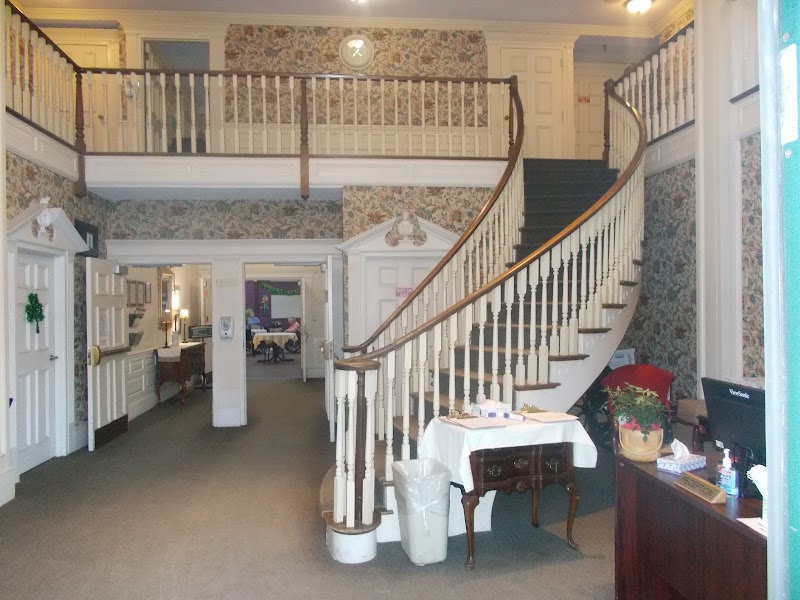
How is Birch Healthcare Center Staffed?

CMS rates BIRCH HEALTHCARE CENTER's staffing level at 1 out of 5 stars, which is much below average compared to other nursing homes. Staff turnover is 67%, which is 20 percentage points above the New Hampshire average of 46%. High turnover can affect care consistency as new staff learn residents' individual needs. RN turnover specifically is 71%, which is notably high. RNs provide skilled clinical oversight, so turnover in this role can affect medical care quality.

What Have Inspectors Found at Birch Healthcare Center?

State health inspectors documented 10 deficiencies at BIRCH HEALTHCARE CENTER during 2023 to 2024. These included: 1 that caused actual resident harm, 8 with potential for harm, and 1 minor or isolated issues. Deficiencies causing actual harm indicate documented cases where residents experienced negative health consequences.
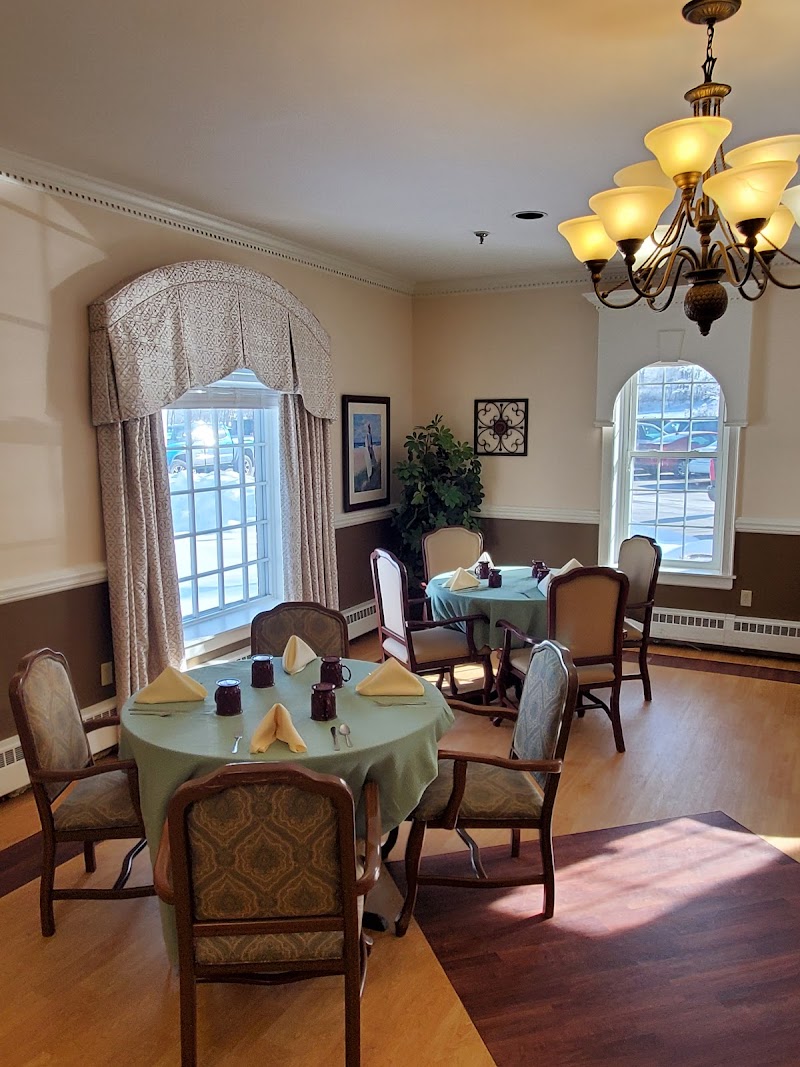
Who Owns and Operates Birch Healthcare Center?

BIRCH HEALTHCARE CENTER is owned by a for-profit company. For-profit facilities operate as businesses with obligations to shareholders or private owners. The facility operates independently rather than as part of a larger chain. With 79 certified beds and approximately 65 residents (about 82% occupancy), it is a smaller facility located in ROCHESTER, New Hampshire.
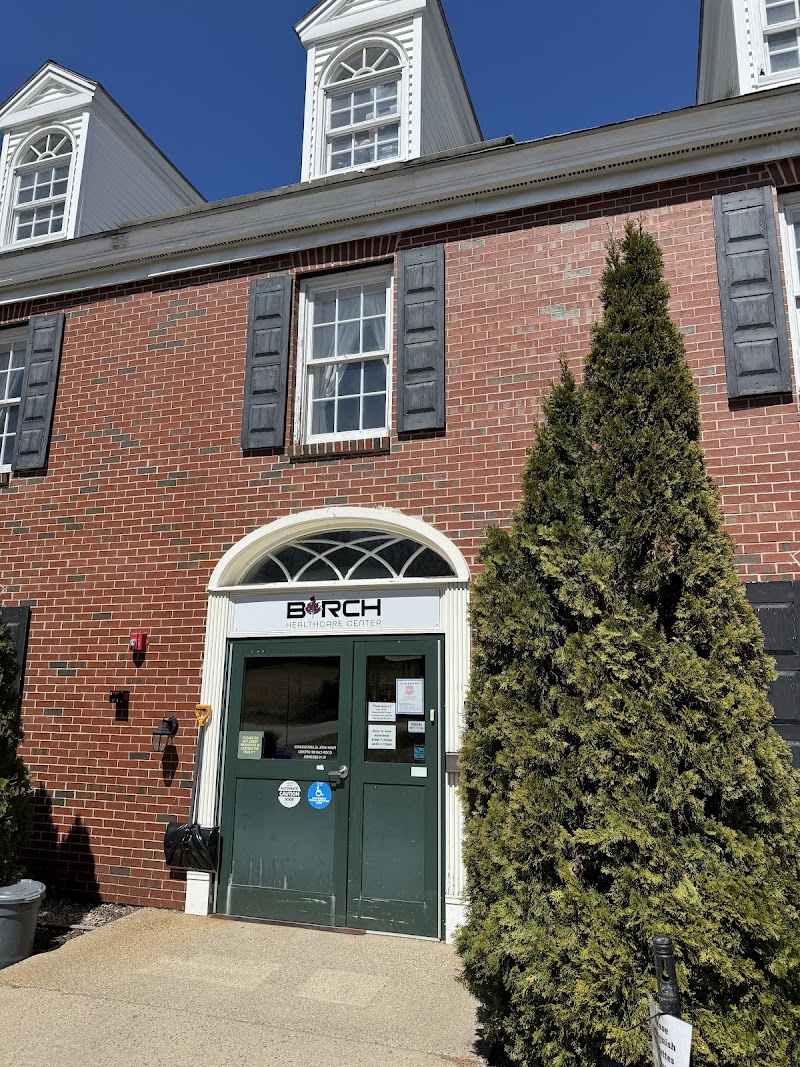
How Does Birch Healthcare Center Compare to Other New Hampshire Nursing Homes?

Compared to the 100 nursing homes in New Hampshire, BIRCH HEALTHCARE CENTER's overall rating (2 stars) is below the state average of 3.0, staff turnover (67%) is significantly higher than the state average of 46%, and health inspection rating (3 stars) is at the national benchmark.

What Should Families Ask When Visiting Birch Healthcare Center?

Based on this facility's data, families visiting should ask: "How do you ensure continuity of care given staff turnover, and what is your staff retention strategy?" "Can you walk me through typical staffing levels on day, evening, and night shifts?" "Can I visit during a mealtime to observe dining assistance and food quality?" "How do you handle medical emergencies, and what is your hospital transfer rate?" These questions are particularly relevant given the facility's high staff turnover rate and the below-average staffing rating.

Is Birch Healthcare Center Safe?

Based on CMS inspection data, BIRCH HEALTHCARE CENTER has a clean safety record: no substantiated abuse findings (meaning no confirmed cases of resident harm), no Immediate Jeopardy citations (the most serious violation level indicating risk of serious injury or death), and is not on the Special Focus Facility watch list (a federal program monitoring the lowest-performing 1% of nursing homes). The facility has a 2-star overall rating and ranks #100 of 100 nursing homes in New Hampshire. While no facility is perfect, families should still ask about staff-to-resident ratios and recent inspection results during their visit.

Do Nurses at Birch Healthcare Center Stick Around?

Staff turnover at BIRCH HEALTHCARE CENTER is high. At 67%, the facility is 20 percentage points above the New Hampshire average of 46%. Registered Nurse turnover is particularly concerning at 71%. RNs handle complex medical decisions and coordinate care — frequent RN changes can directly impact care quality. High turnover means new staff may not know residents' individual needs, medications, or preferences. It can also be disorienting for residents, especially those with dementia who rely on familiar faces. Families should ask: What is causing the turnover? What retention programs are in place? How do you ensure care continuity during staff transitions?

Was Birch Healthcare Center Ever Fined?

BIRCH HEALTHCARE CENTER has been fined $10,655 across 1 penalty action. This is below the New Hampshire average of $33,185. While any fine indicates a compliance issue, fines under $50,000 are relatively common and typically reflect isolated problems that were subsequently corrected. Families should ask what specific issues led to these fines and confirm they've been resolved.

Is Birch Healthcare Center on Any Federal Watch List?

BIRCH HEALTHCARE CENTER is not on any federal watch list. The most significant is the Special Focus Facility (SFF) program, which identifies the bottom 1% of nursing homes nationally based on persistent, serious quality problems. Not being on this list means the facility has avoided the pattern of deficiencies that triggers enhanced federal oversight. This is a positive indicator, though families should still review the facility's inspection history directly.