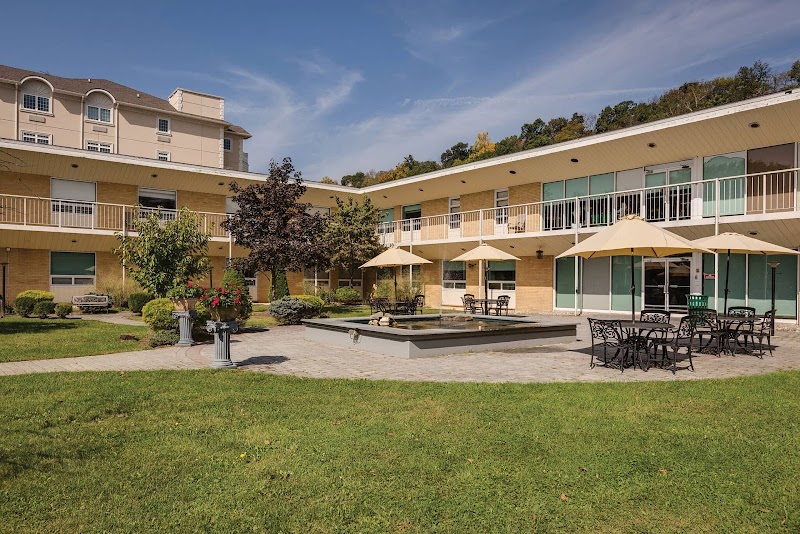
LINCOLN PARK RENAISSANCE

521 PINE BROOK ROAD, LINCOLN PARK, NJ 07035 (973) 696-3300
For profit - Limited Liability company 189 Beds CENTER MANAGEMENT GROUP Data: November 2025
Trust Grade
63/100
#142 of 344 in NJ
Last Inspection: October 2024

Within standard 12-15 month inspection cycle. Federal law requires annual inspections.

Overview

Lincoln Park Renaissance has a Trust Grade of C+, indicating it is slightly above average but still not without concerns. It ranks #142 out of 344 nursing homes in New Jersey, placing it in the top half of facilities statewide, and #11 out of 21 in Morris County, meaning only a few local options are better. The facility's trend appears stable, with the same number of issues reported in both 2023 and 2024. Staffing is a weakness, rated at 2 out of 5 stars with a high turnover rate of 54%, which is concerning compared to the state average of 41%. While the facility has a good overall star rating of 4 out of 5, it does have areas of concern, including $16,043 in fines, which is average but could indicate compliance problems. RN coverage is average, which means they meet general requirements but may not excel in providing specialized care. Specific incidents of concern include a failure to monitor a resident's significant weight loss, which went unaddressed for weeks, and lapses in pain management assessments for residents, suggesting that some residents may not be receiving optimal care. Overall, while Lincoln Park Renaissance has strengths in some areas, families should weigh these alongside the identified weaknesses when considering this facility for their loved ones.

Trust Score
C+
63/100
In New Jersey
#142/344
Top 41%
Safety Record
Moderate
Needs review
Inspections
Holding Steady
10 → 10 violations
Staff Stability
⚠ Watch
54% turnover. Above average. Higher turnover means staff may not know residents' routines.
Penalties
✓ Good
$16,043 in fines. Lower than most New Jersey facilities. Relatively clean record.
Skilled Nurses
⚠ Watch
Each resident gets only 28 minutes of Registered Nurse (RN) attention daily — below average for New Jersey. Fewer RN minutes means fewer trained eyes watching for problems.
Violations
⚠ Watch
27 deficiencies on record. Higher than average. Multiple issues found across inspections.
★★★★☆
4.0
Overall Rating
★★☆☆☆
2.0
Staff Levels
★★★★★
5.0
Care Quality
★★★☆☆
3.0
Inspection Score
Stable
2023: 10 issues
2024: 10 issues

The Good

  • 5-Star Quality Measures · Strong clinical quality outcomes
  • Full Sprinkler Coverage · Fire safety systems throughout facility
  • No fines on record

Facility shows strength in quality measures, fire safety.

The Bad

Staff Turnover: 54%

Near New Jersey avg (46%)

Higher turnover may affect care consistency

Federal Fines: $16,043

Below median ($33,413)

Minor penalties assessed

Chain: CENTER MANAGEMENT GROUP

Part of a multi-facility chain

Ask about local staffing decisions and management

The Ugly 27 deficiencies on record

1 actual harm
Oct 2024 10 deficiencies
CONCERN (D)

Potential for Harm - no one hurt, but risky conditions existed

Deficiency F0558 (Tag F0558)

Could have caused harm · This affected 1 resident

**NOTE- TERMS IN BRACKETS HAVE BEEN EDITED TO PROTECT CONFIDENTIALITY** Based on observation, interview, and review of pertinent facility documents, it was determined that the facility failed to maint...

Read full inspector narrative →
**NOTE- TERMS IN BRACKETS HAVE BEEN EDITED TO PROTECT CONFIDENTIALITY** Based on observation, interview, and review of pertinent facility documents, it was determined that the facility failed to maintain the call bell within reach of residents. This deficient practice was identified for 2 of 38 residents reviewed for accommodation of needs (Resident #59 and #127), and was evidenced by the following: On 10/1/24 at 11:34 AM, the surveyor observed Resident #59 in bed on a specialty mattress, with his/her eyes open. Resident #59 did not respond to the surveyor's greeting. The surveyor observed the resident's call bell (a bell used to summon staff for assistance) was intertwined with their roommates call bell cord and entangled in the bed electrical cords, not within his/her reach. The surveyor reviewed the medical record for Resident #59. A review of Resident #59's admission Record reflected that the Resident was admitted to the facility with diagnoses which included but were not limited to hemiplegia (mild or partial weakness or loss of strength on one side of the body) and hemiparesis (severe or complete loss of strength or paralysis on one side of the body, dysphagia and gastrostomy status (surgical procedure creating an opening into the stomach through the abdominal wall to provide nutrition). A review of Resident #59's Annual Minimum Data Set (MDS) an assessment tool dated 7/25/24 revealed Resident #59 had a long- and short-term memory problem and had a severe cognitive impairment. The MDS further revealed that the resident was dependent on staff for personal hygiene, and he/she was always incontinent of bowel and bladder. A review of Resident 59's individualized comprehensive care plan (ICCP) initiated on 2/5/20, with a revision date of 9/12/24 included the resident had a communication problem r/t history of intercranial hemorrhage with aphasia, she is non-verbal. The interventions included but were not limited to; ensure/provide a safe environment: keep call light in reach. On 10/1/24 at 11:34 AM, the surveyor observed Resident #127 in bed. The resident did not respond to the surveyor's greeting. The surveyor observed the resident's call bell was intertwined with their roommates call bell and twisted together in the bed electrical cords not within his/her reach. A review of Resident #127's admission Record reflected that the resident was admitted to the facility with diagnoses which included dementia, insomnia and dysphagia. A review of the most recent quarter MDS dated [DATE] revealed the resident had a brief interview for mental status (BIMS) score of 3 out of 15, which indicated a severe cognitive impairment. A further review indicated they required supervision and contact guard from staff for transfers and toileting. A review of the ICCP initiated 6/26/23 revised 7/12/24 reflected, resident has potential for activities of daily living (ADL) self-care performance deficit r/t cognitive deficits secondary to dementia with interventions that included but not limited to: encourage resident to use bell to call for assistance. On 10/4/24 at 8:00 AM, the surveyor interviewed the Certified Nursing Aide (CNA) who had Resident #59 and Resident #127 on their assignment on 10/1/24. The CNA acknowledged that the call bells should be kept within the resident's reach at all times and could not speak to why she did not ensure that the resident's call bells were within their reach. On 10/7/24 at 10:35 AM, the Licensed Nursing Home Administrator (LNHA), in the presence of the Regional Director of Nursing (RDON) and DON acknowledged that all residents should have their call bells within reach. A review of the facility's Call Light Use policy revised 1/5/24 included .the purpose is to respond promptly to resident's call for assistance .when providing care to residents be sure to position the call light conveniently for the resident to use. Tell the resident where the call light is and show him/her how to use the call light .be sure call lights are placed on the bed as all times never on the floor or bed side. A review of the facility's Certified Nursing Assistant job description included .answers all call bells and places them in reach of the resident . NJAC 8:39- 31.8 (c)(9)
CONCERN (D)

Potential for Harm - no one hurt, but risky conditions existed

MDS Data Transmission (Tag F0640)

Could have caused harm · This affected 1 resident

**NOTE- TERMS IN BRACKETS HAVE BEEN EDITED TO PROTECT CONFIDENTIALITY** Based on interview and record review, it was determined that the facility failed to start, complete and transmit the Minimum Dat...

Read full inspector narrative →
**NOTE- TERMS IN BRACKETS HAVE BEEN EDITED TO PROTECT CONFIDENTIALITY** Based on interview and record review, it was determined that the facility failed to start, complete and transmit the Minimum Data Set (MDS) for a Death in facility and a Discharge Return not Anticipated in accordance with federal guidelines. This deficient practice was identified for two (2) of 38 residents reviewed for Resident Assessment (Resident #144, and 54) and was evidenced by the following: 1. The surveyor reviewed the closed medical record for Resident #144. A review of the resident's admission Record (an admission summary) reflected that Resident #144 was admitted to the facility with diagnoses that included but was not limited to heart failure. On [DATE] at 10:14 AM, the surveyor reviewed the electronic Medical Record, Minimum Data Set (MDS) tab that reflected a Death in the facility tracking discharge was not completed and was 102 days overdue. On [DATE] at 10:28 AM, during an interview with the surveyor, the MDS-Director stated that the facility had 14 days to submit the death in the facility tracking. At that time the MDS- Director confirmed Resident #144 expired on [DATE] and the Death in the facility was not started, and was over 102 days overdue. A review of the facility provided policy Resident Assessment Instrument (RAI), dated [DATE], reflected that the Assessment Coordinator was responsible for ensuring that the Interdisciplinary Assessment Team conduct timely resident assessments and reviews according to the following schedule: within 14 days of the resident's admission; when there is a significant change; at least quarterly, and once every 12 months. 2. Resident #54 was discharged from the facility to home on [DATE] as noted in a [DATE] electronic Nurses Note and the electronic Census. The resident was not expected to return to the facility. A review of the completed MDS assessments revealed the following submissions: A [DATE] Entry and a [DATE] Admission/Medicare 5 Day assessment. The surveyor interviewed the RN Assessment Coordinator on [DATE] at 11:50 AM. She stated the MDS Discharge/Return Not Anticipated assessment should be done within 14 days of the discharge date . She stated the assessment was not done and was late. On [DATE] at 10:44 AM, during a meeting with the survey team, the Licensed Nursing Home Administrator, and the Regional Nurse, and the DON, the surveyor discussed the concern Regarding the Death in the facility tracking discharge for Resident #144 that was not started and was 102 days overdue. A review of facility policies regarding resident MDS assessments failed to address discharge assessment, however the RN Assessment Coordinator stated the facility follows the Resident Assessment Instrument (RAI) 3.0. NJAC 8:39 - 11.1
CONCERN (D)

Potential for Harm - no one hurt, but risky conditions existed

Assessment Accuracy (Tag F0641)

Could have caused harm · This affected 1 resident

**NOTE- TERMS IN BRACKETS HAVE BEEN EDITED TO PROTECT CONFIDENTIALITY** 4. On 10/1/24 at 11:45 AM, during the initial tour, Resident #25 was not in their room. A staff member identified Resident #25 ...

Read full inspector narrative →
**NOTE- TERMS IN BRACKETS HAVE BEEN EDITED TO PROTECT CONFIDENTIALITY** 4. On 10/1/24 at 11:45 AM, during the initial tour, Resident #25 was not in their room. A staff member identified Resident #25 in the dayroom asleep, not roused by the surveyor's voice, seated on a geri chair (geriatric chair or medical recliner; a large, padded chair with wheels, designed to assist seniors with limited mobility) with legs elevated and heels off-loaded (practice of reducing or removing pressure on a part of the body to help with healing or prevent wounds). The surveyor reviewed the medical record for Resident #25 According to the electronic Medical Record, Resident #25 had diagnoses which included, but were not limited to, unstageable pressure ulcer of unspecified site. Review of the quarterly Minimum Data Set, an assessment tool dated 6/28/24, reflected a Brief Interview for Mental Status (BIMS) score of 7 out of 15, which indicated a severely impaired cognition. Further review of the qMDS revealed Resident #25 had an unstageable deep tissue injury (DTI) that was not present upon admission. Review of the admission MDS dated [DATE], under section M. Skin Conditions revealed the resident had 1 unstageable DTI that was present upon admission. Review of the Wound Physician's Note dated 8/16/22, reflected Resident #25 had an unstageable DTI of the right heal. On 10/4/24 at 12:37 PM, the surveyor interviewed the Registered Nurse /MDS Director (RN/MDS-D) who stated she signed the submissions for the MDS and that the signature was an attestation that she had checked all the areas for accuracy to the best of her knowledge. At that time, the surveyor and the RN/MDS-D reviewed Resident #25's medical record. The RN/MDS-D confirmed that the MDS submitted was inaccurate and that the accuracy of the MDS was important because the assessment can affect the care given to the resident. On 10/4/24 at 1:26 PM, during a meeting with the survey team, the Director of Nursing (DON), Licensed Practical Nurse/Infection Preventionist (LPN/IP) and the Regional Nurse, the surveyor discussed the concern regarding the inaccuracy of the MDS for Resident #25. On 10/7/24 at 10:44 AM, during a meeting with the survey team, the License Nursing Home Administrator, and the DON, the Regional Nurse, stated the MDS coding should be accurate. A review of the facility provided policy, Certifying Accuracy of the Resident Assessment, dated /revised on 1/5/24 included: All personnel who complete any portion of the MDS assessment, tracking form or correction request form must sign a hard copy of such assessment certifying the accuracy of that portion of that assessment. NJAC 8:39-11.2(e)1 Based on observation, interview, and record review it was determined that the facility failed to accurately assess: a) a resident's oral health; b) a resident's use of a hand splint; c) a resident's use of an indwelling urinary catheter; and d) a resident's skin condition in the Minimum Data Set (MDS) assessment tool. The deficient practice was identified for 4 of 38 residents reviewed for MDS accuracy (Resident #88, 77, 129, 25) and evidenced by the following. 1. The surveyor interviewed Resident #88 on 10/2/24 at 9:53 AM. The resident was observed with multiple broken and missing teeth. The surveyor interviewed the Registered Dietician (RD) on 10/4/24 at 8:46 AM regarding the resident's oral health. The RD referred the surveyor to the Speech Language Pathologist's (SLP) admission evaluation. The surveyor reviewed the 9/12/24 Speech Therapy SLP Evaluation and Plan of Treatment. In the document, the SLP noted pt with poor natural dentition, many missing/broken teeth. The 9/17/24 admission MDS assessment, Section L - Oral/Dental Status failed to identify broken or missing teeth. The surveyor interviewed the RN Assessment Coordinator on 10/4/24 at 12:00 PM. She stated the broken or missing teeth should have been triggered in the admission MDS. 2. The surveyor observed Resident #77 on 10/1/24 at 11:19 AM. The resident had a blue hand splint on the over bed table. A review of the electronic medical record revealed a 1/10/24 physician's order for a right-hand roll with a wrist support (an orthopedic device used for muscle contractures). The 8/9/24 Annual MDS assessment, Section O - Special Treatments, Procedure, and Programs failed to address the daily placement of a splint or brace. The surveyor interviewed the RN Assessment Coordinator on 10/04/24 at 12:00 PM. She stated the splint should have been identified in Section O. 3. Resident #129 was admitted to the facility with an indwelling urinary catheter for chronic urinary bladder outlet obstruction as noted by the nurse in the 7/2/24 electronic admission Summary Note. The 7/8/24 admission MDS assessment Section H failed to identify that the resident used an indwelling urinary catheter. The surveyor interviewed the RN Assessment Coordinator on 10/4/24 at 12:00 PM. She stated the catheter should have been coded in the admission MDS. The facility policy titled Certifying Accuracy of the Resident Assessment, revised 12/2009, contained the following Policy Statement: All personnel who complete any portion of the Resident Assessment (MDS) must sign and certify the accuracy of that portion of the assessment.
CONCERN (D)

Potential for Harm - no one hurt, but risky conditions existed

ADL Care (Tag F0677)

Could have caused harm · This affected 1 resident

**NOTE- TERMS IN BRACKETS HAVE BEEN EDITED TO PROTECT CONFIDENTIALITY** Based on observation, interview, record review, and review of facility-provided documentation, it was determined that the facili...

Read full inspector narrative →
**NOTE- TERMS IN BRACKETS HAVE BEEN EDITED TO PROTECT CONFIDENTIALITY** Based on observation, interview, record review, and review of facility-provided documentation, it was determined that the facility failed to ensure that incontinence care was provided to dependent residents in a timely manner for 3 of 10 residents (Resident #59, #82 and #29), observed for incontinence care on 1 of 2 units (B1 Unit). This deficient practice was evidenced by the following: On 10/1/24 at 11:34 AM, the surveyor observed Resident #59 in bed on a specialty mattress, with his/her eyes open. Resident #59 did not respond to the surveyor's greeting. The surveyor observed a strong unpleasant odor in the resident's room. On 10/1/24 at 11:40 AM, the surveyor interviewed the Certified Nursing Assistant (CNA) who had been assigned to Resident #59's care for the 7AM-3:00 PM shift. During the interview, the CNA stated that she had 10 residents on her assignment and that this was the first opportunity she had to provide care to Resident #59. The surveyor asked the CNA how often she provided incontinence care to the residents on her assignment. The CNA replied she would usually provide incontinence care 3 x daily, but today it would be only twice since it was already so late. On 10/1/24 at 11:45 AM, the CNA exposed Resident #59's incontinence brief. The surveyor and CNA observed that the Resident's incontinence brief had a bladder absorbency pad inserted within the adult brief. The adult brief, pad and pad under the resident were all saturated with urine. A review of Resident #59's admission Record reflected that the Resident was admitted to the facility with diagnoses which included but were not limited to hemiplegia (mild or partial weakness or loss of strength on one side of the body) and hemiparesis (severe or complete loss of strength or paralysis on one side of the body, dysphagia and gastrostomy status (surgical procedure creating an opening into the stomach through the abdominal wall to provide nutrition). A review of Resident #59's Annual Minimum Data Set (MDS) an assessment tool dated 7/25/24 revealed Resident #59 had a long- and short-term memory problem and had a severe cognitive impairment. The MDS further revealed that the resident was dependent on staff for personal hygiene, and he/she was always incontinent of bowel and bladder. A review of Resident 59's Individualized Care Plan (ICP) initiated on 2/5/20, with a revision date of 9/12/24 included the resident was totally dependent on staff with activities of daily living (ADLs) with Interventions which included but were not limited to: providing incontinence care every 2 hours and as needed. On 10/4/24 at 7:20 AM, the surveyor completed an incontinence tour on the B1 Unit and observed the following: On 10/4/24 at 7:26 AM, the surveyor accompanied by the CNA observed Resident #82 in bed. The surveyor and CNA noted a strong urine odor in the resident's room. The surveyor observed that Resident #82's incontinence brief was saturated with urine and feces. The pad under the resident was also saturated with urine. The CNA acknowledged the brief and under pad were saturated with urine and feces and stated that the resident could not have received incontinence care recently due to the extent of the saturation. A review of Resident #82's admission Record reflected that the Resident was admitted to the facility with diagnoses which included but were not limited to bipolar disorder, dementia, and dysphagia. A review of Resident #82's Quarterly MDS dated [DATE] revealed Resident #82 had a had a long and short-term memory problem and had a severe cognitive impairment. The MDS further revealed that the resident required staff assistance for personal hygiene, and he/she was always incontinent of bowel and bladder. A review of Resident 82's ICP initiated on 12/5/22, with a revision date of 8/12/24, revealed the resident had an ADL self-care performance deficit with interventions which included but were not limited to the resident required extensive assistance of 1 staff for personal hygiene; and to keep skin clean and dry. On 10/4/24 at 7:38 AM, the surveyor accompanied by the CNA observed Resident #29 in bed with a strong unpleasant odor in the resident's room. The CNA exposed Resident #29's incontinence brief which was saturated with urine and feces. At that time when the CNA exposed the incontinence brief the surveyor observed that the Resident's gown and bed pad were also saturated. The CNA stated that the resident could not have received incontinence care at 5:00 AM, due to the saturated brief, gown and pad. On 10/4/24 at 7:40 AM, the unit manager accompanied the surveyor to Resident #29's room. The unit manager acknowledged that the resident was saturated with urine and feces and stated that it was unacceptable. A review of Resident #29's admission Record revealed Resident #29 was admitted to the facility with diagnoses which included but were not limited to Alzheimer's disease, acute kidney failure, psychosis and major depressive disorder. A review of Resident #29's Annual MDS dated [DATE] revealed Resident #29 had a Brief Interview for Mental Status (BIMS) of 3 of 15 indicating a severe cognitive impairment. MDS further assessed Resident #29 was dependent on staff for personal hygiene and was always incontinent of bowel and bladder. A review of Resident #29's ICP initiated on 12/24/19 with a revision date of 9/19/24 revealed that the resident had an ADL self-performance deficit and required extensive assistance of staff for personal hygiene. On 10/4/24 at 12:35 PM, the survey team met with the administration to discuss the above observations and concerns. On 10/7/24 at 6:50 AM, the surveyor attempted an interview with the assigned 11 PM-7 AM CNA for Resident's #82 and #29. The Registered Nurse (RN) stated that the 11-7 CNA had called out. The surveyor attempted a phone interview and left a message, with no return call. The surveyor asked the Director of Nursing (DON) to contact the CNA. On 10/7/24 at 7:00 AM, the surveyor interviewed the RN who stated that the CNAs should perform incontinence rounds and provide incontinence care 3 times per shift at 11:30 PM, 2:30 AM and again between 4:30-5:00 AM. The RN/UM stated that on 10/4/24 one of the CNAs left their shift early around 6:00 AM and there was only 1 CNA on the floor from 6:00 AM-7:00 AM. On 10/7/24 at 10:35 AM, in the presence of the survey team, the DON stated that despite the number of residents the CNAs have on their assignments, incontinence care should be provided to the residents 3 times on the night shift and every 2 hours on the day shift. On 10/7/24 at 11:30 AM, the DON stated that the 11-7 CNA did not return her call and therefore was not available for an interview. A review of the facility's Urinary and Fecal Incontinence Care policy dated as revised 6/24/24 reflected .residents must be cleaned after each episode of incontinence. NJAC 8:39-27.1 (a), 27.2 (h)
CONCERN (D) 📢 Someone Reported This

A family member, employee, or ombudsman was alarmed enough to file a formal complaint

Potential for Harm - no one hurt, but risky conditions existed

Quality of Care (Tag F0684)

Could have caused harm · This affected 1 resident

**NOTE- TERMS IN BRACKETS HAVE BEEN EDITED TO PROTECT CONFIDENTIALITY** Complaint NJ 177694, NJ 176286 Based on interviews and record review and review of pertinent facility documentation, the facilit...

Read full inspector narrative →
**NOTE- TERMS IN BRACKETS HAVE BEEN EDITED TO PROTECT CONFIDENTIALITY** Complaint NJ 177694, NJ 176286 Based on interviews and record review and review of pertinent facility documentation, the facility failed to ensure an abnormal urine lab result was communicated to the physician, received treatment and care, in a timely manner, and in accordance with professional standards of practice that meet the resident's physical, mental and psychosocial needs. This deficient practice was identified for one (1) of two (2) residents reviewed for abuse and neglect, (Resident #319) and was evidenced by the following: The surveyor reviewed the closed record for Resident #319. According to the admission Record, Resident #319 was admitted to the facility with diagnoses which included but were not limited to chronic kidney disease (gradual loss of kidney function), heart failure (a condition when the heart does not pump enough blood to meet the body's needs) and hyperparathyroidism (excessive secretion of parathyroid hormone resulting in abnormally high levels of calcium). Review of the quarterly Minimum Data Set (qMDS), an assessment tool used to facilitate the management of care, dated 8/11/23, reflected the resident's Brief Interview for Mental Status (BIMS) score of three (3) out of 15 which indicated the resident's cognition was severely impaired. Further review of the MDS revealed the resident did not exhibit behaviors associated with rejection of care. Resident #319 had occasional urinary and fecal incontinence. Review of Resident #319's person-centered care plan (CP) included a focus that the resident had a potential for impairment to skin related to impaired mobility, incontinence, and poor safety awareness. The interventions included to provide prompt toileting needs for incontinence care, that was initiated on 11/9/22. Further review of the CP for activities of daily living reflected the resident required a Hoyer lift (mechanical lift) with two (2) to three (3) staff member assistance. The CP did not reflect an intervention to monitor for signs and symptoms of urinary tract infection (UTI). Review of the facility provided, Antibiotic Order Listing Report for October 2023, reflected Resident #319 had a physician order on 10/26/23, for a facility acquired cystitis (a type of UTI that causes inflammation of the bladder). Review of the Nurse's progress notes (NPN), dated 11/29/23 at 12:22 PM, included that a urinalysis (UA; a test to detect urinary tract infection, kidney disease or diabetes), with culture and sensitivity (C&S; a test to identify the cause of an infection) was collected from Resident #319. Review of the NPN, dated 11/30/23 at 1:03 AM, reflected Resident #319 received intravenous (IV) hydration (formulated liquid injected into the vein) and that the UA C&S was pending. Review of the NPN note dated 11/30/23 at 2:36 PM included that the UA/C&S was still pending. Review of the abnormal urine lab report, with a reported date of 11/30/23 at 9:07 PM, included a preliminary report of gram-negative rods, and colony count of over 100,000. Review of the final abnormal urine lab report for Culture and Sensitivity, with a final report date on 12/2/23, included the following: Colony count 100,000+ Gram negative rods Organism identification: Pseudomonas Aeruginosa Review of the Infectious Disease Note, dated 12/6/23 at 4:22 PM, included that the resident was seen for UTI evaluation of reported positive urine culture. The assessment plan included an order for renal ultrasound and an antibiotic, IV Cefepime that was renally dosed. On 10/8/24 at 8:45 AM, during an interview with the surveyor, the Licensed Practical Nurse/Infection Preventionist (LPN/IP) stated that if a resident had frequency in urination, with or without a fever, and an altered mental status, a UA/C&S was ordered by the physician. When the UA result showed colony counts greater than (>) 100,000, and either gram positive (+) or gram negative (-). The physician usually orders an antibiotic when the culture and sensitivity report is available. At that time, the LPN/IP also stated that any abnormal labs were reported to the physician, by any of the nurses or the supervisors. The standard of practice was to document the communication into the electronic medical record (eMR). On 10/8/24 at 9:24 AM, during an interview with the surveyor, the Licensed Practical Nurse/Unit Manager (LPN/UM) could not provide evidence that the physicians were made aware of the final abnormal urine lab report for culture and sensitivity result that returned on 12/2/24. The communication was not documented in the eMR. The LPN/UM stated she would look into the matter further, discuss with the supervisors and care team regarding the surveyor's concern. On 10/8/24 at 11:49 PM, during an interview with the surveyor, the NP stated that he did not treat infections until the culture and sensitivity came back. In the case of Resident #319, who had renal failure, the NP stated he had to involve the infectious disease ID/physician or the ID/NP to renally dose the resident. At that time, the NP stated that the expectation was the ID prescriber would see the resident within 2 to 3 days of the requested consult. The NP was asked if it was an acceptable standard of practice for Resident #319 not to be evaluated, and treated until 12/6/23, four (4) days from when the culture and sensitivity was available on 12/2/24. The NP stated that it was not an acceptable standard of practice however he had no control of when the ID prescriber saw the resident. On 10/8/24 at 12:52 PM, during a follow-up interview with the surveyor, the LPN/UM stated that she was on vacation prior to 12/6/23 and was the one who called the ID/NP to see Resident #319 that day. At that time, the LPN/UM stated that the nurses or the supervisors should have followed-up preliminary result and communicated with the NP when the finalized abnormal urine lab culture and sensitivity results was available and documented into the eMR. Review of the provided policy, Facility assessment dated [DATE], reflected: It is the policy of [name redacted] to conduct, document and annually review a facility-wide assessment, which included both resident population and the resources the facility needs to care for the residents. Review of the provided policy, Test Results dated 2/5/24, included that Attending physicians will be notified promptly of the the test results provided to the facility. NJAC 8:39-27.1 (a)
CONCERN (D)

Potential for Harm - no one hurt, but risky conditions existed

Deficiency F0688 (Tag F0688)

Could have caused harm · This affected 1 resident

Based on observation, interview, and record review it was determined that the facility failed to consistently follow a physician's order for placement of an orthopedic device for 1 of 3 residents revi...

Read full inspector narrative →
Based on observation, interview, and record review it was determined that the facility failed to consistently follow a physician's order for placement of an orthopedic device for 1 of 3 residents reviewed for positioning and mobility, Resident #77. The deficient practice is evidenced by the following. The surveyor observed the door to Resident #77's room was closed on 10/1/24 at 11:19 AM. The surveyor knocked and entered the room to see the resident had completed receiving morning care from the Certified Nursing Assistant (CNA). The CNA stated she was done with care and left the room. The surveyor observed a blue hand splint placed on the over bed table. The surveyor returned to the resident's room later the same day at 1:03 PM. The splint was observed on the over bed table. The resident was seated in a geri-chair (a reclining lounge-type chair) at the bedside. A review of the electronic medical record revealed the following information. An admission Record noting the resident was admitted with a diagnosis of a right-hand contracture. A 4/26/24 Physician's Order for the application of a right-hand roll with a wrist support (an orthopedic device used for muscle contracture) to be placed on the resident during AM care and removed during PM care daily. A 10/1/24 Treatment Administration Record (TAR) contained a nurse signature indicating the splint was placed at AM care and removed at PM care on 10/1/24. The surveyor interviewed the nursing Unit Manager on 10/4/24 at 8:36 AM. She stated if the splint was not put on the resident during AM care, the nurse should not have documented that it was in place. The Regional Registered Nurse stated on 10/7/24 at 11:04 that if the nurse documented the placement of the splint, it should have been on. The facility policy titled Orthotic Devices, revised 4/2007, included the Standard as follows: Residents receive appropriate services and interventions in response to physical and functional needs. NJAC 8:39-27.1(a)
CONCERN (D)

Potential for Harm - no one hurt, but risky conditions existed

Respiratory Care (Tag F0695)

Could have caused harm · This affected 1 resident

**NOTE- TERMS IN BRACKETS HAVE BEEN EDITED TO PROTECT CONFIDENTIALITY** 2. On 10/1/24 at 10:53 AM, the surveyor observed Resident #136 in bed asleep, wearing a nasal cannula with the oxygen (O2) conce...

Read full inspector narrative →
**NOTE- TERMS IN BRACKETS HAVE BEEN EDITED TO PROTECT CONFIDENTIALITY** 2. On 10/1/24 at 10:53 AM, the surveyor observed Resident #136 in bed asleep, wearing a nasal cannula with the oxygen (O2) concentrator (a medical device used for delivering oxygen) set at 1.5 liters per minute (LPM) and the head of the bed was elevated. On 10/2/24 at 9:12 AM, the surveyor observed Resident #136 asleep, who did not rouse from the surveyor voice. The resident was wearing a nasal cannula and the O2 concentrator was on and set to 1.5 LPM. The surveyor reviewed the medical record for Resident #136. According to the admission Record, an admission summary, the resident was admitted to the facility with diagnoses that included but was not limited to palliative care. The significant change Minimum Data Set (SCMDS), an assessment tool used to facilitate the management of care, dated 8/22/24, reflected a Brief Interview for Mental Status (BIMS) score that was blank, and that the resident was rarely/never understood. Further review of the SCMDS reflected the resident required respiratory treatment. A review of the residents comprehensive person-centered care plan reflected Resident #136 had altered respiratory status/difficulty breathing related to hypoxia (a condition when the respiratory system cannot adequately provide oxygen to the body). The interventions included Oxygen via nasal cannula at 2 LPM continuously, initiated on 4/17/24. The goal reflected that the resident would maintain normal breathing [NAME] as evidenced by normal respirations, normal ski color and regular respiratory rate/pattern through the review date. A review of the Treatment Administration Record (TAR) reflected an order for October 2024 included a physician's order for O2 at 2 LPM via nasal every shift. The O2 order start date was on 8/15/24. Further review of the TAR revealed the administration of oxygen was signed on all three shifts on 10/1/24 and on the day shift of 10/2/24. On 10/2/24 at 12:40 PM, during an interview with two surveyors, the Licensed Practical Nurse (LPN) informed the surveyors that he was assigned to Resident #136. The LPN stated that Resident #136 was on hospice and had a hospice aide, but the aid did not provide care involving the resident's oxygen. The LPN also stated that he checked the resident's oxygen that morning and ensured the head of the bed was elevated. On 10/2/24 at 12:42 PM, the surveyor and the LPN entered the Resident #136's room who was asleep and observed the O2 concentrator was on and set at 1.5 LPM. The LPN observing the O2 concentrator was set at 1.5 LPM, the surveyors and the LPN exited the resident's room. On 10/2/24 at 12:44 PM, the surveyor and the LPN reviewed the electronic medical record for Resident #136 which reflected the physician's order for O2 saturation was 2 LPM. At that time, the LPN acknowledged the order should have been followed. On 10/2/24 at 12:47 PM, the surveyor and the Licensed Practical Nurse/Unit Manager (LPN/UM) entered Resident #136's room. Resident #136 was awake, conversant and did not want to eat. The LPN/UM adjusted the setting on the O2 concentrator to 2 LPM while speaking with the resident. The LPN/ UM explained to the resident that she needed to use a pulse oximeter to measure the amount of oxygen in their blood. The resident was agreeable, and pulse oximeter reading was 99, which indicated the O2 saturation was normal. On 10/2/24 at 12:55 PM, the LPN/UM stated the physician's order should have been followed. The LPN/UM informed the surveyor that she would check the functionality of the machine and provide education to the nurses. All nurses on all shifts were responsible to ensure the O2 saturation for Resident #136 was correct. A review of the facility provided policy for Oxygen Administration, dated/revised on 5/13/24, included the following: The purpose of this procedure is to provide guidelines for safe oxygen administration. NJAC 8:39-27.1(a) Based on observation, interview, record review, and review of pertinent facility documents, it was determined that the facility failed to administer oxygen therapy according to the physician's order for 2 of 4 residents, (Resident #29 and #136). This deficient practice was evidenced by the following: 1. On 10/1/24 at 12:46 PM, the surveyor observed Resident #29 in bed. The resident did not respond to the surveyor. The surveyor observed Resident #29 wearing a nasal cannula (NC) with a portable oxygen tank on and the gauge was set at 2 liters per minute (LPM). On 10/4/24 at 7:38 AM, the surveyor observed Resident #29 in bed with the head of the bed positioned at approximately 45 degrees with a tube feeding running via a machine at 65 mililiters (mls) per hour. The resident did not respond to the surveyor. The surveyor observed Resident #29 was wearing a NC with a portable oxygen tank on and the gauge was set at 1 LPM. A review of Resident #29's admission Record revealed Resident #29 was admitted to the facility with diagnoses which included but were not limited to Alzheimer's disease, acute kidney failure, psychosis and major depressive disorder. A review of Resident #29's Annual Minimum Data Set (MDS), an assessment tool, dated 6/7/24 revealed Resident #29 had a Brief Interview for Mental Status (BIMS) of 3 of 15 indicating a severe cognitive impairment. A review of the resident's comprehensive person-centered care plan initiated on 10/3/24 reflected that Resident #29 had altered respiratory status/difficulty breathing related to hypoxia (low levels of oxygen in body tissues.) The interventions included Oxygen via nasal cannula at 2 LPM continuously. A review of the September 2024 Order Summary Report (OSR) revealed an active physician order (PO) with an order date of 9/30/24 for Oxygen 2 LPM via NC for hypoxemia. On 10/4/24 7:40 AM, the surveyor asked the UM/LPN to accompany her to Resident #29's room. The surveyor and the UM/LPM entered Resident #29's room, and both observed the resident in the bed at approximately 45 degrees with tube feeding running via a machine. The resident was wearing a NC and the oxygen tank was on with the gauge set at 1LPM. The UM/LPN confirmed the oxygen tank was on and the gauge was set at 1LPM. On that same day at the same time, the surveyor and the UM/LPN reviewed the electronic medical record (EMR) for the resident's order for oxygen. The UM/LPN stated that the resident's PO was for 2LPM, not 1LPM and she did not know who changed the oxygen to 1LPM. The UM/LPN acknowledged the order should have been followed. On 10/4/24 at 12:35 PM, the survey team met with the administration to discuss the above observations and concerns.
CONCERN (E)

Potential for Harm - no one hurt, but risky conditions existed

Deficiency F0658 (Tag F0658)

Could have caused harm · This affected multiple residents

Based on observation, interview, record review, and review of other facility's documentation, it was determined that the facility failed to ensure a.) the Professional Standards of Practice to assess ...

Read full inspector narrative →
Based on observation, interview, record review, and review of other facility's documentation, it was determined that the facility failed to ensure a.) the Professional Standards of Practice to assess a resident's pain at least each shift for significant changes in levels of chronic pain, b.) a physician order for administration with parameters was followed (Resident #131) and c.) a narcotic medication for pain was administered when documented as administered (Resident #367). The deficient practice was identified for one (1) of one (1), Resident #14, reviewed for pain management, one (1) of (4) four residents administered by one (1) of four (4) nurses observed during the medication administration, and for one (1) of (5) medication carts observed during the medication storage and labeling inspection. Reference: New Jersey Statutes, Annotated Title 45, Chapter 11. Nursing Board The Nurse Practice Act for the State of New Jersey states; The practice of nursing as a registered professional nurse is defined as diagnosing and treating human responses to actual or potential physical and emotional health problems, through such services as case finding, health teaching, health counseling, and provision of care supportive to or restorative of life and wellbeing, and executing medical regimens as prescribed by a licensed or otherwise legally authorized physician or dentist. The evidence was as follows: 1.) On 10/01/24 at 11:20 AM, the surveyor observed Resident#14 lying in bed, alert, awake and oriented able to make needs known. The resident did not appear to be in distress. The resident complained of chronic aching pain on the right hip upon movement. On 10/03/24 at 10:00 AM, the surveyor reviewed the following records: Review of admission Records revealed the following Diagnosis which include but not limited to Encounter for Palliative Care, Alcoholic Cirrhosis of Liver, Chronic Pain Syndrome and Pain , unspecified. Review of Quarterly Pain Interview Assessment record dated 8/29/2024 revealed severe frequent pain. A review of Pain Level Summary revealed that there were only pain assessments done on the following month of August: 8/26/2024, month of May: 5/23/2024, and month of February: 2/26/2024. Review of Care plan for chronic pan, initiated on 12/23/19, and revised on 11/23/2020, revealed that Resident # 14 had chronic pain related to non-healing right hip surgical wound, impaired mobility and diabetic neuropathy. Review of Medication Order for Resident # 14 revealed the following pain management regimen which included but was not limited to Acetaminophen (a non-steroidal anti-inflammatory drug used for pain management) Tablet 325 milligram (mg) give 2 tablets by mouth every 6 hours as needed for pain. Celebrex (a non-steroidal anti-inflammatory drug used for pain management) Oral Capsule 100 mg give 1 capsule by mouth in the morning for chronic pain. Gabapentin (a medication used for nerve pain) Oral Tablet 600 mg, give 1 tablet by mouth three times a day for neuropathy and chronic pain. Morphine Sulfate ER (a non-synthetic narcotic medication used for pain; Extended Release) Oral Tablet 30 mg, give 1 tablet by mouth three times a day for chronic pain. On 10/02/24 at 10:30 AM, the surveyor interviewed the Unit Manager (UM) Licensed Practical Nurse (LPN) working full time in the facility about pain management for Resident #14. She described the Resident # 14 is on palliative care due to poor prognosis. She further explained that the floor nurses were the ones doing pain assessment and were responsible for monitoring the effectiveness of the pain regimen. When the surveyor requested documentation related to pain, the UM/LPN showed the surveyor a list of pain levels which were not consistent and did not show pain assessments done every shift. On 10/7/24 at 11:05 AM, the surveyor discussed the concern with the Director of Nursing (DON), who acknowledged that the pain assessments were not done every shift. The surveyor reviewed the Pain Assessment and Management Protocol policy, revised on 6/24/2024, which revealed to assess the resident's pain and consequences of pain at least each shift for acute pain or significant changes in levels of chronic pain. 2.) On 10/3/24 at 8:23 AM, the surveyor observed the Registered Nurse (RN) prepare medications for Resident #131 that included a physician order for Losartan 25 milligram (mg) tablet, one (1) tablet by mouth in the morning for hypertension. Hold for systolic blood pressure (SBP) less than 110. On 10/3/24 at 8:36 AM, the surveyor observed the Certified Nursing Assistant (CNA) and the RN use an alcohol-based hand rub (ABHR), then put on their personal protective equipment prior to entering the resident's room. The RN informed, the surveyor that they will adjust the resident to a seated position prior to the administration of the medications. The surveyor observed the RN enter the resident's room with the resident's medication in a medication cup. The resident was adjusted to a seated position, the RN was about to administer the medications, and the surveyor requested to speak with the RN outside the room. At 8:37 AM, during an interview with the surveyor, the RN stated she took Resident #131's blood pressure reading at 8:00 AM and confirmed she did not take the SBP prior to entering the resident's room for medication administration. At that time, the RN stated that the parameters should have been taken immediately prior to the medication administration of the high blood pressure medicaiton, Losartan. 3.) On 10/4/24 at 11:04 AM, the surveyor and RN #2 began the narcotic medication inspection, which was stored in a mounted, double locked portion of the medication cart (narcotic box) located in 2A. RN #2 stated her cart was called 2A split. At that time, in the presence of RN #2, the surveyor observed Resident #367's bingo card (blister packet which contains the medication) with a pharmacy label for Methadone 5 mg (narcotic medication; a controlled-dangerous substance medications, that due to their high potential for abuse, are tracked with a degree of detail and attention). The bingo card contained two (2) tablets. At that time, in the presence of RN#2 the surveyor compared the bingo cared against Resident #367's Individual Patient's Controlled Drug Record (IPCDR; declining inventory sheet used to track removal of a controlled drug from inventory) for Methadone 5 mg. The IPCDR log reflected a documented quantity of one (1). At that time, during an interview with the surveyor, RN #2 stated that she did not administer the medication but had signed the IPCDR. The surveyor and the RN reviewed Resident #367's electronic Medication Administration Record (eMAR) which revealed the RN's initials attesting the resident had consumed the medication. On 10/4/24 at 11:15 AM, the surveyor and the RN entered Resident #367's room. The resident informed, the surveyor that she had pain every day and stated that she took her methadone that morning and was feeling a little better. The RN informed the resident that she made an error and had not administered the Methadone and informed the resident that she would be administering it at that time. The surveyor and the RN exited the resident's room. On 10/4/24 at 11:20 AM, during a follow-up interview with the surveyor the RN stated that she would call the physician and inform her supervisor. The surveyor reviewed the medical record for Resident #367. According to the admission Record, Resident #367 was admitted to the facility with diagnosis that included but was not limited to pulmonary hypertension (a chronic condition that occurs when blood pressure in the lungs is higher than normal). Review of the incomplete admission Minimum Data Set (MDS), an assessment tool with an Assessment Record Date of 9/25/23, reflected a Brief Interview for Mental Status (BIMS) score of 6 out of 15, which indicated that the resident was cognitively impaired. The pain asssessment section of the MDS was incomplete. Review of the eMAR for Resident #367 included a physician order for Methadone 5mg, give 1 tablet by mouth every 12 hours for pain management. The administration was scheduled at 9:00 AM and 21:00 [9:00 PM]. On 10/8/24 at 1:45 PM, during an interview with the surveyor, the MDS-Director stated that the MDS for Resident #367 was incomplete, the section for pain assessment was incomplete and the comprehensive person-centered care plan for pain was also incomplete. On 10/4/24 at 1:26 PM, in the presence of the survey team, the Licensed Practical Nurse/ Infection Preventionist (LPN/IP), the DON, and the Regional Nurse, the surveyor discussed the concern regarding RN #1 who failed to obtain a parameter for Resident #131 prior to administration of the high blood pressure medication, in accordance with the physician's order and professional standards of practice. At that time, the surveyor also discussed the concern regarding Resident #367's routine Methadone physician's order that was documented as administered, but was not and was documented removed from the IPCDR, but was not. On 10/7/24 at 10:44 AM, during a meeting with the survey team, the Licensed Nursing Home Administrator, and the Regional Nurse, the DON stated that education was given to the nurses for medication administration, parameters, and an investigation was conducted for the missed administration of the Methadone. The resident was assessed, and the physician was notified. A review of the provided facility policy, Medication Pass dated/revised 6/24/24, included the following: -Medication Preparation; Hold parameters: Check blood pressure and/or pulse rate immediately prior to pouring. -Signing for Medications; Sign the MAR/eMAR immediately after the administration of the medication to each resident. NJAC 8:39-27.1(a), 29.2(d)
CONCERN (E)

Potential for Harm - no one hurt, but risky conditions existed

Deficiency F0698 (Tag F0698)

Could have caused harm · This affected multiple residents

2. On 10/2/24 at 9:25 AM, the surveyor observed Resident #134 asleep, covered with a blanket, and did not rouse to the voice of the surveyor. On 10/2/24 at 9:33 AM, the surveyor observed Registered N...

Read full inspector narrative →
2. On 10/2/24 at 9:25 AM, the surveyor observed Resident #134 asleep, covered with a blanket, and did not rouse to the voice of the surveyor. On 10/2/24 at 9:33 AM, the surveyor observed Registered Nurse/Unit Manager verbally requested permission from Resident #134 to assess their arteriovenous (AV) fistula (a surgically created connection between the artery and the vein to provide access for dialysis). At that time the RN/UM and the surveyor observed the AV fistula shunt was intact. The surveyor reviewed the medical record for Resident #134. According to the admission Record, Resident #134 was admitted with diagnoses that included, end stage renal disease and congestive heart failure. Review of the admission Minimum Data Set (MDS), an assessment tool used to manage care dated 8/27/24, revealed Resident #134 had a Brief Interview for Mental Status (BIMS) score of 15 out of 15 which indicated the resident was cognitively intact and while a resident received dialysis services. Review of Resident #134's medical record revealed that the resident was scheduled for hemodialysis (HD) on Monday, Wednesday, and Friday at 1:00 PM. During an interview with the surveyor on 10/2/24 at 9:36 AM, the Licensed Practical Nurse/Unit Manager (LPN/UM) stated that the process for communication with dialysis was that the nurses would fill out a pre-dialysis communication log prior to the HD appointment which would be kept in the dialysis communication book. The log contained information such medications sent with the resident, meals sent, labs drawn, weight and vitals. The HD communication book would go with the resident to the HD center. After dialysis the HD center would fill out the post dialysis communication log that contained information such as completion of treatment as ordered, pre dialysis weight and post dialysis weight, treatment complications, when a physician was notified, the AV shunt report and the Registered Nurse completing the report. The HD communication book traveled back with the resident to the facility. The LPN/UM stated that when the resident returned to the facility, the receiving nurse would assess the resident's AV fistula's thrill (vibration or buzzing when fingers are place on the fistula) and bruit (a swooshing sound heard near fistula when using a stethoscope), obtain vital signs and write the result of the assessment on the bottom of the HD communication log. A review of the September 2023 HD communication log reflected the following: - 9-2-24 the post dialysis communication to be filled out by the HD center was blank, and did not include pre-weight post dialysis weight, treatment complication. The AV fistula assessment completed by the facility staff was documented as positive however no vitals were documented after returning to the facility. - 9-20-24 the post dialysis communication to be filled out by the HD center was blank, and did not include pre-weight post dialysis weight, treatment complication. The AV fistula assessment completed by the facility staff was documented as positive however no vitals were documented after returning to the facility. - 9-25-24 the pre-dialysis communication log did not contain information such medications sent with the resident, meals sent, labs drawn, weight and vitals. the post dialysis communication to be filled out by the HD center was blank, and did not include pre-weight post dialysis weight, treatment complication. The AV fistula assessment completed by the facility staff was documented as positive however no vitals were documented after returning to the facility. - 9-27-24 The AV fistula assessment completed by the facility staff was documented as positive however no vitals were documented after returning to the facility. - 9-30-23 The AV fistula assessment completed by the facility staff was documented as positive however no vitals were documented after returning to the facility. On 10/4/24 at 1:26 PM, in the presence of the survey team, the Director of Nursing (DON), the Licensed Practical Nurse/Infection Preventionist (LPN/IP) and the Regional Nurse, the surveyor discussed the concerns regarding the failure to consistently and completely assess Resident #134's vitals upon return from the HD center as reflected on the HD communication log. On 10/7/24 at 10:44 AM, in the presence of the survey team, the DON acknowledged that the communication log was not always done and would be addressed, A review of the facility provided policy End-Stage Renal Disease, Care of a Resident dated/revised 1/28/24 reflected that Agreements between this facility and the contracted ESRD facility included all aspects of how the resident's care will be managed, including how information will be exchanged between the facilities. The general medical nurse should document in the resident's medical record every shift as follows: location of catheter, condition of dressing (interventions if needed), if dialysis was done during shift, any part of report from dialysis nurse post-dialysis being given and observation post dialysis. NJAC 8:39 - 27.1 (a) Based on observation, interview, and record review it was determined that the facility failed to assess residents' vital signs and dialysis access site for complications upon return from the renal dialysis (RD) center for 2 of 2 residents reviewed for dialysis care, Resident #90 and 134. Evidence of the deficient practice is as follows. 1. The surveyor interviewed Resident #90 on 10/1/24 at 1:09 PM. The resident stated they had RD appointments on Monday, Wednesday, and Friday at 5:30 AM. The resident stated they are not assessed promptly when returning from RD. A review of the electronic medical record revealed the following information. The 8/15/24 quarterly Minimum Data Set (MDS) assessment tool, Section C - Cognitive Patterns, indicated the resident was cognitively intact (Brief Interview for Mental Status score 15 of 15). Section I - Active Diagnoses triggered for renal disease. Section O - Special Treatments, Procedures, and Programs indicated the resident received RD. The physician's 10/2024 Order Summary Report included the following RD-related orders. RD Monday, Wednesday, Friday chair time 5:30 AM. Enhanced Barrier Precautions related to the presence of an arterio-venous fistula (RD access site). Monitor left arm fistula for signs and symptoms of infection and active bleeding. The surveyor interviewed the nurse Unit Manager (UM) on 10/04/24 at 8:02 AM. The UM stated the nurses should be documenting promptly in the electronic progress notes vital signs and assessment of the RD access site when the resident returns from RD. The UM was unable to locate the documentation in the electronic record when asked to do so by the surveyor. The Director of Nursing (DON) spoke with the surveyor on 10/07/24 at 10:41 AM. The DON stated the post dialysis assessments were not done consistently on the resident. She stated the vital signs and the access site monitoring must be done post dialysis and documented in the progress notes.
CONCERN (E)

Potential for Harm - no one hurt, but risky conditions existed

Deficiency F0725 (Tag F0725)

Could have caused harm · This affected multiple residents

On 10/1/24 at 11:34 AM, the surveyor observed Resident #59 in bed on a specialty mattress, with his/her eyes open. Resident #59 did not respond to the surveyor's greeting. The surveyor observed a stro...

Read full inspector narrative →
On 10/1/24 at 11:34 AM, the surveyor observed Resident #59 in bed on a specialty mattress, with his/her eyes open. Resident #59 did not respond to the surveyor's greeting. The surveyor observed a strong unpleasant odor in the resident's room. On 10/1/24 at 11:40 AM, the surveyor interviewed the Certified Nursing Assistant (CNA) who had been assigned to Resident #59's care for the 7AM-3:00 PM shift. During the interview, the CNA stated that she had 10 residents on her assignment and that this was the first opportunity she had to provide care to Resident #59. The surveyor asked the CNA how often she provided incontinence care to the residents on her assignment. The CNA replied she would usually provide incontinence care 3 times a shift, but today it would be only twice since it was already so late. On 10/1/24 at 11:45 AM, the CNA exposed Resident #59's incontinence brief. The surveyor and CNA observed that the Resident's incontinence brief had a bladder absorbency pad inserted within the adult brief. The adult brief, pad and pad under the resident were all saturated with urine. On 10/7/24 at 10:35 AM, in the presence of the survey team, the DON stated that despite the number of residents the CNAs have on their assignments, incontinence care should be provided to the residents three times on the night shift and every 2 hours on the day shift. Refer to F677D NJAC 8:39-5.1(a); 27.1(a); 27.2(d); 27.2(h) Based on observation, interview, and review of pertinent facility documentation, it was determined the facility failed to maintain the required minimum direct care staff-to-resident ratios as mandated by the state of New Jersey. This deficient practice was evidenced by the following: Reference: NJ State requirement, CHAPTER 112. An Act concerning staffing requirements for nursing homes and supplementing Title 30 of the Revised Statutes. Be It Enacted by the Senate and General Assembly of the State of New Jersey: C.30:13-18 Minimum staffing requirements for nursing homes effective 2/1/21. 1. a. Notwithstanding any other staffing requirements as may be established by law, every nursing home as defined in section 2 of P.L.1976, c.120 (C.30:13-2) or licensed pursuant to P.L.1971, c.136 (C.26:2H-1 et seq.) shall maintain the following minimum direct care staff -to-resident ratios: (1) one certified nurse aide to every eight residents for the day shift; (2) one direct care staff member to every 10 residents for the evening shift, provided that no fewer than half of all staff members shall be certified nurse aides, and each staff member shall be signed in to work as a certified nurse aide and shall perform certified nurse aide duties; and (3) one direct care staff member to every 14 residents for the night shift, provided that each direct care staff member shall sign in to work as a certified nurse aide and perform certified nurse aide duties b. Upon any expansion of resident census by the nursing home, the nursing home shall be exempt from any increase in direct care staffing ratios for a period of nine consecutive shifts from the date of the expansion of the resident census. c. (1) The computation of minimum direct care staffing ratios shall be carried to the hundredth place. (2) If the application of the ratios listed in subsection a. of this section results in other than a whole number of direct care staff, including certified nurse aides, for a shift, the number of required direct care staff members shall be rounded to the next higher whole number when the resulting ratio, carried to the hundredth place, is fifty-one hundredths or higher. (3) All computations shall be based on the midnight census for the day in which the shift begins. d. Nothing in this section shall be construed to affect any minimum staffing requirements for nursing homes as may be required by the Commissioner of Health for staff other than direct care staff, including certified nurse aides, or to restrict the ability of a nursing home to increase staffing levels, at any time, beyond the established minimum . A review of New Jersey Department of Health Long Term Care Assessment and Survey Program Nurse Staffing Report for the period of 9/15/24 to 9/28/24 (2 weeks prior to the standard survey of 10/10/24) and the period of 5/5/24 to 5/11/24 (the time period covering complaint investigations) revealed the following: For the 2 weeks of staffing prior to survey from 09/15/2024 to 09/28/2024, the facility was deficient in CNA staffing for residents on 13 of 14 day shifts as follows: -09/15/24 had 18 CNAs for 170 residents on the day shift, required at least 21 CNAs. -09/16/24 had 20 CNAs for 170 residents on the day shift, required at least 21 CNAs. -09/17/24 had 16 CNAs for 170 residents on the day shift, required at least 21 CNAs. -09/19/24 had 19 CNAs for 170 residents on the day shift, required at least 21 CNAs. -09/20/24 had 19 CNAs for 174 residents on the day shift, required at least 22 CNAs. -09/21/24 had 18 CNAs for 174 residents on the day shift, required at least 22 CNAs. -09/22/24 had 19 CNAs for 174 residents on the day shift, required at least 22 CNAs. -09/23/24 had 21 CNAs for 174 residents on the day shift, required at least 22 CNAs. -09/24/24 had 21 CNAs for 178 residents on the day shift, required at least 22 CNAs. -09/25/24 had 21 CNAs for 178 residents on the day shift, required at least 22 CNAs. -09/26/24 had 20 CNAs for 177 residents on the day shift, required at least 22 CNAs. -09/27/24 had 21 CNAs for 177 residents on the day shift, required at least 22 CNAs. -09/28/24 had 19 CNAs for 177 residents on the day shift, required at least 22 CNAs. For the week of Complaint staffing from 05/05/2024 to 5/11/24, the facility was deficient in CNA staffing for residents on 5 of 7 day shifts as follows: -05/05/24 had 21 CNAs for 181 residents on the day shift, required at least 23 CNAs. -05/06/24 had 21 CNAs for 179 residents on the day shift, required at least 22 CNAs. -05/07/24 had 21 CNAs for 179 residents on the day shift, required at least 22 CNAs. -05/08/24 had 20 CNAs for 179 residents on the day shift, required at least 22 CNAs. -05/11/24 had 20 CNAs for 176 residents on the day shift, required at least 22 CNAs. On 10/8/24 at 12:15 p.m., the surveyor informed the Director of Nursing and Licensed Nursing Home Administrator (LNHA) of the staffing ratio and resident care concerns.
Jul 2023 10 deficiencies
CONCERN (D)

Potential for Harm - no one hurt, but risky conditions existed

Safe Environment (Tag F0584)

Could have caused harm · This affected 1 resident

**NOTE- TERMS IN BRACKETS HAVE BEEN EDITED TO PROTECT CONFIDENTIALITY** Based on observations, interview, record review, and policy review the facility failed to provide a safe, clean, and homelike en...

Read full inspector narrative →
**NOTE- TERMS IN BRACKETS HAVE BEEN EDITED TO PROTECT CONFIDENTIALITY** Based on observations, interview, record review, and policy review the facility failed to provide a safe, clean, and homelike environment for its residents. Specifically, two residents (Resident (R)106 and (R)40) windows were found to be dirty and broken and a request for bed replacement for R40 had not been fulfilled; and R23's room was found to have leaking insulated ceiling pipes. This deficient practice had the potential to affect three out of 175 residents. In addition, the facility failed to exercise reasonable care for the protection of a resident's (R40) property from damage or theft for one out of one resident sampled for missing items. The deficiency had the potential to significantly impact the residents' quality of life, safety, and overall well-being. The lack of a safe, clean, and homelike environment compromised the residents' sense of dignity and comfort. Findings include: 1. Review of R40's undated admission Record located in R40's electronic medical record (EMR) located under the Profile tab indicated she was admitted on [DATE]. Review of R40's annual Minimum Data Set (MDS) with an Assessment Reference Date (ARD) of 02/12/23 located in the EMR under the MDS tab revealed R40 was assessed to have a Brief Interview for Metal Status (BIMS) score of 13 out of 15 which indicated the resident was cognitively intact. The MDS further revealed that R40 felt it was very important to take care of her belongings and things, and to have a place to lock her things to keep them safe. During an interview on 07/17/23 at 1:19 PM R40 stated that the inside and outside of her bedroom windows were dirty and that they haven't cleaned the outside of the windows since she has been admitted to the facility. Review of the facility Resident Council Minutes dated 05/19/23 revealed that [R40] requested a full room cleaning. Follow Up column indicated: [R40] scheduled for full room cleaning 05/22/23. During an interview on 07/17/23 at 1:19 PM, R40 stated she had a pair of Guess prescription, transitional lens glasses taken out of her room about a month ago. She stated that she reported it to nursing and she told the Administrator. She stated that she went to take a shower and when she came back the glasses were gone. Review of the facility Resident Council Minutes dated 06/23/23 revealed that [R40] requested follow-up on missing items and that [R40] met privately with SW [Social Worker]. Review of the facility Grievance/Concern Tracking log dated 06/08/23 revealed a grievance for R40 which was made to SW/Administration regarding missing glasses. The column titled Resolution was blank. On 07/19/23 at 9:53 AM during a tour of R40's bedroom window, the Director of Plant Operations (DPO) stated that cleaning of the outside windows was completed once per year. When asked for documentation that the windows had ever been cleaned, he stated they [maintenance] don't have any paperwork to show that that they cleaned the outside of the windows. There was no schedule for cleaning the outside, only a schedule for the total room cleaning. During an interview on 07/19/23 at 10:16 AM the SW2 stated that the process for missing items was They come speak to me and I grab a missing items log and ask them to describe it. She stated she would investigate what happened with the items. She stated that sometimes they misplaced the items. She stated she checked the inventory log, the chart, laundry, and maintenance. SW2 stated if it could not be found, they reimbursed them [the residents] or reordered the item if possible. She stated that she tried to do it within a week or so. Ultimately it is up to the discretion of the Administrator to check on what to do next. The grievance log and missing items are together in a book. The glasses weren't in her inventory and staff stated that never saw the glasses. Her son does come to visit. She stated she followed up with him last week. She stated when it happened, the other SW checked the room with R40 sitting there and they didn't see anything. During an interview on 07/20/23 at 9:59 AM the unit manager, Registered Nurse (RN2) stated that she looked in the inventory for the glasses and spoke to SW2. She stated nobody had ever seen the glasses. During an interview on 07/20/23 at 10:06 AM RN3 stated that R40 did report the missing glasses, but he had never seen them. During an interview on 07/20/23 at 10:49 R40's family member stated that R40 did have a pair of sunglasses that her grandson gave her. He stated he hadn't heard back from the facility yet about the glasses. During an interview on 07/20/23 at 1:06 PM the Administrator stated that the process for missing items/ grievances was for the report to go to the SW. He stated R40's glasses issue was brought to his attention, they [staff] checked and couldn't find the glasses. He stated everyone looked for the glasses. He stated that any valuables should have been left with nursing. He stated in the past they have replaced stuff for R40. The Administrator stated if they could prove that they came in with it, then usually he would replace it. He stated we [he and social work] spoke about it last week. He stated he was trying to make sure that she wasn't making up a story about glasses. He stated she did not usually do that, but she misplaced things. 2. Review of R106's undated admission Record located in R106's EMR located under the Profile tab indicated she was admitted on [DATE]. Review of R106's quarterly MDS with an ARD of 05/08/23 located in the EMR under the MDS tab revealed R106 was assessed to have a BIMS score of 15 out of 15 which indicated the resident was cognitively intact. Interview on 07/17/23 at 1:25 PM, R106 conveyed the following concerns: The windows have not been cleaned inside or outside since she has been here and the left side window in the resident's bedroom had no handle so when the resident had the window open, she was unable to close it easily without using her fingernail. R106 stated she had been getting bitten in bed and she was not sure if it was mosquitoes, though they [staff] thought it was a spider bite. The resident had requested a new bed. The window was observed to have a film of dirt and dust which was able to be smudged with a paper towel. On 07/19/23 at 9:33 AM in a follow up interview, R106 stated that the maintenance man came and sprayed something on the bed, and it made it better. During an interview and tour of the windows in R106's bedroom on 07/19/23 at 9:47 AM, the DPO stated that They do spot cleaning on the windows, whenever it is needed. If something spilled on the window or they can't see out of it, they will clean it right away. He stated that the air conditioner (AC) caused the film on the window. It's not dirt .it's not like something spilled on the window. He said they washed the screens once a year, but he was not aware that the handle on her left side window had been broken off. He stated the process was that the resident would tell nursing and then nursing would add it to the maintenance log for the unit. The DPO stated in this case she may not have told nursing, or they may not have added it into the maintenance log. The DPO further stated that he did know that the resident wanted a new mattress but that the resident wanted to be in the room when he changed the mattress. He added that the pest control did spray R106's side of the room, and that he [pest control] didn't see anything. Review of the facility's Maintenance Log from 01/01/23 - 06/30/23 provided by the DPO failed to show the resident reported the problem with the window. Review of the facility's Renaissance Room Total Cleaning Log from 01/01/23 - 06/30/23 provided by the DPO revealed the following: In January, February, and April 2023 a total cleaning was not performed on R106's or R40's room. In March and May 2023, a total cleaning was not performed on R106's room. In June 2023, a total cleaning was performed on R106's room and was not performed on R40's room. In July 2023, a total cleaning was not performed on R106's or R40's room as of 07/17/23. During an interview on 07/19/23 at 9:39 AM, Housekeeping/Environmental Services (HSK1) stated that as part of the everyday cleaning she cleans the bed, the bathroom, the sink and the porter does the floors. Sometimes she will clean the outside of the refrigerators. She stated that sometimes clean the windows. She stated if she saw something was dirty, she would clean it. Licensed Practical Nurse (LPN)2 assisted in the interview and translated for HSK1 that when she does a total clean, she cleans the windows and they [the facility] have a schedule for the total clean. She stated there was a schedule that she gets from the DPO. Review of the facility's policy titled General Daily Cleaning effective date 07/2005, revision date 12/2022 revealed The entire facility will be kept clean at all times. The facility is cleaned on a daily basis. The resident rooms .need the following areas cleaned on a daily basis: Mirrors are completely cleaned, and window are [sic] spot cleaned with a glass cleaner .All repair work must be logged in the Maintenance Log Book. Review of the facility policy titled Personal Property revision date 01/20/23 revealed Residents are permitted to retain and use personal possessions and appropriate clothing, as space permits .The resident is encouraged to maintain his/her room in a home-like environment by bringing personal items to place on nightstands, televisions, etc.The facility will promptly investigate any complaints or allegations of misappropriate or mistreatment of resident property. 3. Observation on 07/17/23 at 12:10 PM in R23's room revealed a wet, stained spot on the floor near the window. Observation of the ceiling above the spot revealed a water stain, and a wet spot in the ceiling. A drop of water fell during this observation. Observation on 07/18/23 at 10:20 AM revealed the floor and ceiling were still wet. Observation on 07/19/23 at 10:42 AM revealed the floor and ceiling were still wet. During an observation and interview with the Director of Environmental Services (DES) and the Administrator on 07/19/23 at 12:16 PM of R23'S room; the DES acknowledged the stain on the ceiling and moisture on the floor. The DES stated the water was due to condensation from the ac [air conditioning] unit coming from the insulated pipes. The DES stated he was unaware of the leakage in R23's room. Observation on 07/20/23 at 9:11 AM revealed the floor in R23's room was still damp. NJAC 8:39-4.1(a)11
CONCERN (D) 📢 Someone Reported This

A family member, employee, or ombudsman was alarmed enough to file a formal complaint

Potential for Harm - no one hurt, but risky conditions existed

Report Alleged Abuse (Tag F0609)

Could have caused harm · This affected 1 resident

**NOTE- TERMS IN BRACKETS HAVE BEEN EDITED TO PROTECT CONFIDENTIALITY** Complaint #NJ165572, NJ155763 Based on interview, record review, and facility policy review the facility failed to report timely...

Read full inspector narrative →
**NOTE- TERMS IN BRACKETS HAVE BEEN EDITED TO PROTECT CONFIDENTIALITY** Complaint #NJ165572, NJ155763 Based on interview, record review, and facility policy review the facility failed to report timely, within two hours and not later than 24 hours for initial notification to the state survey agency (SSA), a witnessed resident to resident altercation for one of one sampled resident (R)21 and an injury of unknown origin for R122 reviewed for facility reported incidents (FRIs). Failure to report resident to resident altercations or injuries of unknown origin could potentially lead to continued abuse and neglect. Findings include: 1. Review of R122's admission Record from the facility electronic medical record (EMR) under the Profile tab showed an admission date of 06/08/21, readmission on [DATE], with medical diagnoses that included moderate dementia with mood disturbance, sepsis, and metabolic encephalopathy. Review of R122's EMR Progress Notes tab showed a practitioner's note on 07/06/23 at 12:48 PM that stated, .Chief Complaint .Patient was noted with a bruise behind left ear. I was noted this morning. Will send patient to hospital for evaluation. Review of the facility investigation showed a statement by the Licensed Practical Nurse (LPN)1 on 07/06/23 at 8:15 AM that the Certified Nurse Aide (CNA)1 found a bruise behind R122's left ear. The written summary of the investigation revealed the bruise was 18 centimeters (cm) x 20 cm (7 inches x 7.9 inches). Review of the facility reported event regarding the bruise showed an investigation with staff interviews completed on 07/06/23 starting at 8:15 AM determining it was an injury of unknown origin and the injury was reported to the State Agency on 07/07/23 at 12:22 PM. In response to a request for verification of the date and time of the injury of unknown origin report date and time, on 07/19/23 at 5:20 PM the Administrator provided and confirmed the reportable form showing the 07/07/23 at 12:22 PM report time. When queried about the delay, the Administrator stated that he did not recognize the injury as a significant event until they discussed it that morning (07/07/23) in the meeting. 2. Review of a FRI, dated 03/23/22, revealed a witnessed resident-to-resident physical altercation between R21 and R75 occurred on 03/22/22 at 4:45 PM. R75 was witnessed to .slap . R21 in the face during a verbal exchange between the two residents. No injuries were observed, or noted, to R21 and the two residents were immediately separated. Continued review of the FRI revealed the facility identified the altercation as a significant event and was called in to the SSA on 03/22/22 at 7:32 PM. Further review of the FRI revealed the 24-hour report was faxed to the SSA on 03/23/22 at 12:18 PM. During an interview on 07/21/23 at 3:30 PM, the Regional Director of Nursing (RDON) stated the SSA required the facility to call in FRI's to a state .hotline . and then fax over the 24 hour and five-day report. The RDON was unable to provide any verification that the SSA had received the information called in on 03/22/22 at 7:32 PM. Review of the facility policy titled Abuse, Neglect, Misappropriation Prevention Policy and Procedure, reviewed 01/25/19, showed: .F. Reporting 1. Staff must immediately report any allegation or actual instance of any type of abuse, neglect, misappropriation of resident property, involuntary seclusion [sic] or injury of unknown origin to their supervisor who must report any occurrence immediately to the DON [Director of Nursing]/Administrator. 2. The Director of Nursing/Administrator/designee will report the incident to the Department of Health, Ombudsman program and law enforcement as required according to regulatory requirements if there is reason to suspect abuse, neglect [sic] or mistreatment. 3. CMS [Centers for Medicare and Medicaid Services] and NJDOH [New Jersey Department of Health] reporting guidelines will be followed since allegations or actual instances of abuse or neglect as defined above are considered potential or actual crimes and must be reported to NJDOH within one hour of occurrence. 4. The facility will keep a copy of all documents sent to regulatory and/or law enforcement agencies and includes the name of the person, date, and time information was sent. 9. All appropriate regulatory agencies will be notified of any allegations of abuse of neglect according to required timeframes. NJAC 8:39-9.4(f)
CONCERN (D)

Potential for Harm - no one hurt, but risky conditions existed

Transfer Notice (Tag F0623)

Could have caused harm · This affected 1 resident

**NOTE- TERMS IN BRACKETS HAVE BEEN EDITED TO PROTECT CONFIDENTIALITY** Based on record review, interview and policy review, the facility failed to ensure the Resident Representative and two residents...

Read full inspector narrative →
**NOTE- TERMS IN BRACKETS HAVE BEEN EDITED TO PROTECT CONFIDENTIALITY** Based on record review, interview and policy review, the facility failed to ensure the Resident Representative and two residents (Resident (R)122 and R154) of two residents reviewed for facility initiated emergent hospital transfer were provided with written transfer/discharge notice that stated the reason for transfer, the place of transfer, and other information required on the transfer notice. This failure has the potential to affect the resident and their Resident Representative (RR) by not having the knowledge of where and why a resident was transferred, and/or how to appeal the transfer, if desired. Findings include: 1. Review of R122's admission Record from the facility electronic medical record (EMR) Profile tab showed an admission date of 06/08/21, readmission on [DATE], Review of R122's EMR Progress Notes tab showed a practitioner's note on 07/06/23 at 12:48 PM that stated, .Chief Complaint .Patient was noted with a bruise behind left ear. I was noted this morning. Will send patient to hospital for evaluation. 7/6/2023 13:06 [1:06 PM] . Seen by [Practitioner name] with orders to transfer resident to [name] Hospital for evaluation. [Name] resident daughter called left a message to voicemail and awaiting [sic] for a return call. 7/6/2023 13:34 [1:34 PM] Note Text: @ [at] 1:34pm [name] resident daughter called back and aware of resident transferred to [NAME] ER [sic emergency room] for evaluation. In response to a request for evidence of written transfer notification provision to the resident and RR, the Administrator provided a form dated 07/07/23 which indicated that R122 was transferred to the ER for evaluation. The form did not show any date and time of email or mailing to the RR or documentation of provision to R122. The form also did not have any information regarding the appeal of the transfer or required Ombudsman (or other agencies) contact information. 2. Review of R154's entry Minimum Data Set (MDS)showed an Assessment Reference Date (ARD) of 06/02/23. Review of R154's EMR Progress Notes tab showed on 06/23/23 at 12:54 PM R154 was complaining of chest tightness and pain and had family at bedside; the chest pain increased, the physician was contacted, and an order received to send R154 to the emergency room for evaluation. On 06/07/23 at 3:42 PM the Progress Note revealed the physician ordered that R154 was to be transferred to the emergency room for abnormal lab values requiring a blood transfusion. On 07/18/23 at 4:00 PM the Administrator provided emails regarding the written transfer notices for both hospitalizations. The notice does not address the Ombudsman or appeal information. The notices had evidence of provision via email to the RR. At 4:35 PM evidence of provision of the notice to R154 was made and the Administrator stated he would check with the Social Workers. No evidence of provision was provided. During an interview on 07/19/23 at 3:56 PM regarding the required contents of the written emergent transfer notice, the Chief Operating Officer (COO) stated, The transfer form does not have all the information. They are on the involuntary discharge notice, so we will be looking at our forms. Review of the facility policy titled Notice of a Transfer and/or Discharge, revised February 25, 2023, showed: Policy Interpretation and Implementation . Contents of Notice The resident and/or representative (sponsor) will be provided with the following information: a. The reason for the transfer or discharge; b. The effective date of the transfer or discharge; c. The location to which the resident is being transferred or discharged ; d. The name, address, and telephone number of the state long-term care ombudsman; e. The name, address, and telephone number of each individual or agency responsible for the protection and advocacy of mentally ill or developmental disabled individuals (as applies); and f. The name, address, and telephone number of the person at the NJ State Department of Health & Senior Services designated to handle appeals of transfers and discharge notices. NJAC 8:39-4.1(a)31 NJAC 8:39-5.3(b)
CONCERN (D)

Potential for Harm - no one hurt, but risky conditions existed

MDS Data Transmission (Tag F0640)

Could have caused harm · This affected 1 resident

Based on record review, interview and review of the Resident Assessment Instrument (RAI) Manual, the facility failed to ensure one of one resident (Resident (R)150), reviewed for not having a Minimum ...

Read full inspector narrative →
Based on record review, interview and review of the Resident Assessment Instrument (RAI) Manual, the facility failed to ensure one of one resident (Resident (R)150), reviewed for not having a Minimum Data Set ([MDS) discharge assessment transmitted to Centers for Medicaid and Medicare Services (CMS) in a timely manner, in that the MDS was not transmitted until 120 days after the resident was discharged from the facility This failure has the potential to have Medicare or Medicaid services denied due to the payment system having the R149 as being a nursing facility resident. Findings include: Review of R150's admission Record from the electronic medical record (EMR) showed a facility admission date of 02/08/23. Review of R150's EMR Orders tab showed an order on 03/24/23 to discharge to home. Review of R150's EMR MDS tab showed a discharge return not anticipated (DCRNA) with an assessment reference date of 03/26/23. Review of the history of the assessment showed an accepted status date of 07/17/23. In an interview on 07/19/23 at 3:14 PM regarding the MDS history screen in the EMR, the MDS Coordinator (MDSC) stated, It [the DCRNA] was missed. It showed up on the report, was completed on 07/13/23 and submitted on 07/17/23. During an interview on 07/20/23 at 9:55 AM, the Regional Director of Nursing (RDON) stated the facility uses the RAI manual regarding MDS encoding and transmitting. Review of the October 2019 Resident Assessment Instrument [RAI] Manual, page 2-17, showed a DCRNA MDS assessment needed to be encoded by the discharge date plus 14 days and transmitted within 14 days of the MDS completion date. NJAC 8:39-11.2(e)
CONCERN (D)

Potential for Harm - no one hurt, but risky conditions existed

Assessment Accuracy (Tag F0641)

Could have caused harm · This affected 1 resident

Based on interview, record review, and review of the Resident Assessment Instrument (RAI) Manual, the facility failed to accurately assess] and encode the Minimum Data Set [MDS] related to the presenc...

Read full inspector narrative →
Based on interview, record review, and review of the Resident Assessment Instrument (RAI) Manual, the facility failed to accurately assess] and encode the Minimum Data Set [MDS] related to the presence of an indwelling catheter for one of six residents reviewed for urinary catheters. for one of six residents (Resident (R)15) reviewed for urinary catheter or urinary tract infection (UTI). This failure could lead to inaccurate care planning and/or care provision for the resident. Findings include: Review of R15's admission Record from the electronic medical record (EMR) showed a facility admission date of 01/08/20, readmission date of 05/09/23, with medical diagnoses that included cancer of the bladder and colon, colostomy, bacteremia, and sepsis. Review of R15's EMR Orders tab showed orders for colostomy care, but nothing regarding a catheter. Review of R15's EMR Minimum Data Set (MDS) under the MDS tab showed an admission MDS, with an assessment reference date (ARD) 05/16/23 that did not show a catheter coded; however, the 5-day MDS with an ARD of 06/01/23 showed R15 coded as having an indwelling catheter. During an interview on 07/19/23 at 3:05 PM, the Director of Nursing (DON) reviewed the EMR MDS assessments and stated there was nothing in [EMR name] about a catheter and she [R15] did not come to the facility with a foley. I don't know why she was coded for a catheter. In an interview on 07/19/23 at 3:13 PM, the MDS Coordinator (MDSC) stated, It was an error. I track catheters and she [R15] does not have one. It was coded wrong. Sometimes the CNAs [Certified Nurse Aides] code for catheter instead of colostomy and she [the other MDS coordinator] must not have corrected it. Review of the October 2019 RAI Manual, page H-1 showed: Health-related Quality of Life -It is important to know what appliances are in use. Steps for Assessment 1. Examine the resident to note the presence of any urinary or bowel appliances. 2. Review the medical record, including bladder and bowel records, for documentation of current or past use of urinary or bowel appliances. NJAC 8:39-11.2(e)1
CONCERN (D)

Potential for Harm - no one hurt, but risky conditions existed

ADL Care (Tag F0677)

Could have caused harm · This affected 1 resident

**NOTE- TERMS IN BRACKETS HAVE BEEN EDITED TO PROTECT CONFIDENTIALITY** Based on observation, interview, record review, and policy review, the facility failed to provide assistance with facial groomin...

Read full inspector narrative →
**NOTE- TERMS IN BRACKETS HAVE BEEN EDITED TO PROTECT CONFIDENTIALITY** Based on observation, interview, record review, and policy review, the facility failed to provide assistance with facial grooming, and preserve and promote the dignity of two (Residents (R)84 and R117) of two residents reviewed for activities of daily living out of 39 sampled residents. This failure resulted in residents' appearing in a manner that failed to preserve the residents' dignity. Findings include: 1. Review of R84's admission Record, located under the Profile tab of the electronic medical record (EMR) revealed R84 was admitted to the facility on [DATE] with diagnoses that included Alzheimer's disease, muscle wasting and atrophy, and anxiety disorder. Review of R84's quarterly Minimum Data Set (MDS), with an Assessment Reference Date (ARD) of 04/05/23, located in the EMR under the MDS tab, revealed R84 had a Brief Interview for Mental Status (BIMS) score of 3 out of 15, indicating severe cognitive impairment. The MDS indicated R84 required extensive assistance of one staff member for personal hygiene. Review of R84's Care Plan, last revised 07/11/22 and located under the Care Plan tab of the EMR, indicated R84 is dependent on staff for meeting .physical . needs .has cognitive deficits and physical limitations. Observations on 07/18/23 at 12:03 PM in the activity room revealed R84 had a long tuft of chin hairs. Observation on 07/19/23 at 9:05 AM revealed R84 still had long facial hair, approximately half an inch. Observation on 07/20/23 at 9:05 AM revealed no facial hair. During an interview with Certified Nurse Aide (CNA)4 on 07/20/23 at 9:09 AM CNA4 stated she had been instructed to shave R84 that morning and had done so. During an interview with Licensed Practical Nurse (LPN)1 on 07/20/23 at 9:38 AM she stated it was her expectation that CNAs shave resident's facial hair every other day, or when they observe growth. When asked about R84's facial hair, LPN1 stated that she was the person who instructed CNA4 to shave R84 that morning. 2. Review of R117's admission Record located under the Profile tab of the Electronic Medical Record (EMR) revealed R117 was admitted to the facility on [DATE] with diagnoses that included encounter for palliative care, anxiety disorder, and Alzheimer's disease. Review of R117's quarterly Minimum Data Set (MDS), with an Assessment Reference Date (ARD) of 04/23/23, located in the EMR under the MDS tab, revealed R117 had a Brief Interview for Mental Status (BIMS) score of 1 out of 15, indicating severe cognitive impairment. The MDS indicated R117 required total dependence on staff for personal hygiene. Review of R117's Care Plan, last revised 02/23/23 and located under the Care Plan tab of the EMR, indicated R117 has an ADL self-care performance deficit r/t (related to) cognitive deficits and impaired mobility. Observation on 07/18/23 at 12:36 PM in R117's room revealed R117 had long chin hair, half an inch. Observation on 07/19/23 at 12:02 PM revealed R117 still had chin hairs. Observation on 07/20/23 at 9:43 AM accompanied by LPN1 revealed R117 still had long chin hairs. LPN acknowledged the presence of R117's chin hairs. During an interview on 07/20/23 at 1:29 PM, the Director of Nursing stated it was her expectation that staff shave residents as needed as part of the AM care, that R84 and R117 should not have visible facial hair. Review of policy titled Quality of Life - Dignity dated 12/22 revealed: . 1. Residents shall be treated with dignity and respect at all times. 2.'Treated with dignity' means the resident will be assisted in maintaining and enhancing his or her self-esteem and self-worth. 3. Residents shall be groomed as they wish to be groomed (hair styles, nails, facial hair, etc.). NJAC 8:39-4.1(a)12 NJAC 8:39-4.1(a)22 NJAC 8:39-27.2(g)
CONCERN (D)

Potential for Harm - no one hurt, but risky conditions existed

Infection Control (Tag F0880)

Could have caused harm · This affected 1 resident

Based on review of facility policy, observations, and staff interviews, the facility failed to follow appropriate infection control practices for hand hygiene and glove wearing for one (Resident (R120...

Read full inspector narrative →
Based on review of facility policy, observations, and staff interviews, the facility failed to follow appropriate infection control practices for hand hygiene and glove wearing for one (Resident (R120) of one resident observed during resident care. Findings include: Observation on 07/20/23 at 8:52 AM revealed Certified Nurse Aide (CNA)5 with R120. There was blood on R120's sheet due to R120 scratching herself. CNA5 donned a right-hand glove only and lifted R120's left leg to find the source of the bleeding. When told she was only wearing one glove, CNA5 stepped into the hallway to obtain another glove and donned it on her left hand without performing hand hygiene. On 07/20/23 at 08:57 AM, CNA5 removed her gloves, did not perform hand hygiene, and walked down the hall to R68's room. CNA5 touched R68's shoulder and hands and exited R68's room, still without performing hand hygiene. Continued observation on 07/20/23 at 9:01 AM CNA5 entered the activities/dining area and assisted R173 to drink by lifting her cup of thickened juice and touching R173's shoulder, without performing hand hygiene on 07/20/23 at 9:02 AM CNA5 walked into R116's bathroom and washed her hands at the sink. During an interview on 07/20/23 at 9:04 AM, the above observations were discussed with CNA5, and she acknowledged that she had not performed hand hygiene after removing her gloves in R120's room, and possibly coming into contact with R120's bloody sheet. During an interview Licensed Practical Nurse/Unit Manager (LPN)1 on 07/20/23 9:30 AM LPN1 stated it was her expectation that CNA5 should have performed hand hygiene immediately after removing her gloves. Review of the facility's policy titled, Infection Prevention & Control Program revised 01/21 revealed: (7) following established general and disease-specific guidelines such as those of the Centers for Disease Control (CDC). Review of the CDC document titled Hand Hygiene in Healthcare Settings located at https://www.cdc.gov/handhygiene/providers/index.html, revealed .When and How to Perform Hand Hygiene .During Routine Patient Care: Use an Alcohol-based hand sanitizer - Immediately before touching a patient; Before moving from work on a soiled body site to a clean body site on the same patient; After touching a patient or the patient's immediate environment; After contact with blood, body fluids or contaminated surfaces; Immediately after glove removal Review of policy titled Handwashing/Hand Hygiene reviewed 11/22 provided by the facility revealed: .This facility considers hand hygiene the primary means to prevent the spread of infections .2. All personnel shall follow the handwashing/hand hygiene procedures to help prevent the spread of infections to other personnel, residents, and visitors . 5. Employees must wash their hands for at least twenty (20) seconds using antimicrobial or non-antimicrobial soap and water under the following conditions .c. Before and after direct resident contact (for which hand hygiene is indicated by acceptable professional practice) .g. Before and after assisting a resident with meals; h. Before and after assisting a resident with personal care (e.g., oral care, bathing): 1. Upon and after coming in contact with a resident's intact skin . NJAC 8:39-19.4(a)1
CONCERN (D)

Potential for Harm - no one hurt, but risky conditions existed

Deficiency F0883 (Tag F0883)

Could have caused harm · This affected 1 resident

**NOTE- TERMS IN BRACKETS HAVE BEEN EDITED TO PROTECT CONFIDENTIALITY** Based on interview, record review, review of the Centers for Disease Control and Prevention (CDC) guidelines, and facility polic...

Read full inspector narrative →
**NOTE- TERMS IN BRACKETS HAVE BEEN EDITED TO PROTECT CONFIDENTIALITY** Based on interview, record review, review of the Centers for Disease Control and Prevention (CDC) guidelines, and facility policy review, the facility failed to ensure that five of five residents (Resident (R) R8, R9, R113, R117, and R132) reviewed for pneumococcal vaccinations were up to date with their pneumococcal vaccines per CDC guidelines out a total sample of 39. This practice had the potential to increase the risk for these residents to contract pneumonia. Findings include: 1. Review of R8's quarterly Minimum Data Set (MDS) located in the Electronic Medical Record (EMR) under the MDS tab with an Assessment Reference Date (ARD) of 04/05/23 revealed R8 was admitted to the facility on [DATE] R8 was over the age of sixty-five at the time of her admission to the facility. Review of R8's immunization record located under the Immunization tab of the EMR revealed R8 received a dose of the Prevnar13 pneumococcal vaccine on 05/13/21 The record failed to reveal that R8 had received any further pneumococcal vaccines. There was no documentation of resident offered the vaccine nor refusal of vaccine. 2. Review of R9's quarterly MDS with an ARD 06/29/23 revealed R9 was originally admitted to the facility on [DATE] and readmitted on [DATE]. Review of R9's immunization record revealed R9 received the Prevnar 13 pneumococcal vaccine on 10/08/17. R9 was over the age of sixty-five at the time of admission. The record failed to reveal that R9 had received any further pneumococcal vaccines. There was no documentation of resident offered the vaccine nor refusal of vaccine. 3.Review of R113's quarterly MDS with an ARD 05/12/23 revealed R113 was originally admitted to the facility on [DATE] and readmitted on [DATE] with diagnoses that included diabetes and Alzheimer's. Review of R113's immunization record revealed R113 received the Prevnar 23 pneumococcal vaccine on 11/12/21. R113 was over the age of sixty-five at the time of admission. The record failed to reveal that R113 had received any further pneumococcal vaccines. There was no documentation of resident offered the vaccine nor refusal of vaccine. 4. Review of R117's quarterly MDS, with an ARD of 04/23/23, located in the EMR under the MDS tab, revealed R117 was admitted to the facility on [DATE]. Review of R117's immunization record revealed R117 received the Prevnar 23 pneumococcal vaccine on 05/13/21. R117 was over the age of sixty-five at the time of admission. The record failed to reveal that R113 had received any further pneumococcal vaccines. There was no documentation of resident offered the vaccine nor refusal of vaccine. 5. Review of R132's admission MDS with an ARD 06/14/23 revealed R132 was admitted to the facility on [DATE] with diagnoses that included Alzheimer's disease and hyperlipidemia. Review of R132's immunization record revealed no record of any pneumococcal vaccines. R132 was over the age of 65 years at the time of admission. There was no documentation of resident offered the vaccine nor refusal of vaccine. During an interview with the facility's infection preventionist (IP) on 07/19/23 at 3:07 PM the IP acknowledged the facility's pneumococcal vaccine policy was not up to date with the latest CDC guidelines. When asked what the facility current pneumococcal practice was, the IP stated residents over sixty should receive either the Prevnar 13 or the Prevenar 23 every five years. During an interview with the Director of Nursing (DON) on 7/20/23 at 1:11 PM, the DON stated the current practice of the facility regarding pneumococcal vaccine was if residents had received the Prevnar 23 by the age of 55 and above, then it will not be repeated, but if received below the age of 55 might be repeated. When told this did not reflect the current clinical practice and CDC guidelines, she acknowledged that the facility was not up to date. The DON acknowledged that R8, R9, R113, R114 and R132 were not up to date with the pneumococcal series per CDC guidelines. Review of the facility's policy titled Pneumococcal Vaccine revised 06/08 provided by the facility revealed All residents will be offered the Pneumovax® (pneumococcal vaccine) to aid in preventing pneumococcal infections (e.g., pneumonia) . 1. Prior to or upon admission, residents will be assessed for eligibility to receive the Pneumovax® (pneumococcal vaccine), and when indicated, will be offered the vaccination within thirty (30) days of admission to the facility unless medically contraindicated or the resident has already been vaccinated. 2. Assessments of pneumococcal vaccination status will be conducted within five (5) working days of the resident's admission if not conducted prior to admission . 4. Pneumococcal vaccinations will be administered to residents (unless medically contraindicated, already given, or refused) per our facility's physician-approved pneumococcal vaccination protocol . 6. For residents who receive the vaccine, the date of vaccination, lot number, expiration date, person administering, and the site of vaccination will be documented in the resident's medical record. 7. Administration of the pneumococcal vaccination or revaccinations will be made in accordance with current Centers for Disease Control and Prevention (CDC) recommendations at the time of the vaccination. Review of the CDC recommendations, revised on 02/13/23, indicated .CDC recommends pneumococcal vaccination for all adults 65 years or older.For adults 65 years or older who have not previously received any pneumococcal vaccine +, CDC recommends you.Give 1 dose of PCV15 or PCV20.If PCV15 is used, this should be followed by a dose of PPSV23 at least 1 year later. The minimum interval is 8 weeks and can be considered in adults with an immunocompromising condition, cochlear implant, or cerebrospinal fluid leak.If PCV20 is used, a dose of PPSV23 is NOT indicated. For adults 65 years or older who have only received PPSV23, CDC recommends you.Give 1 dose of PCV15 or PCV20. The PCV15 or PCV20 dose should be administered at least 1 year after the most recent PPSV23 vaccination. Regardless of if PCV15 or PCV20 is given, an additional dose of PPSV23 is not recommended since they already received it. For adults 65 years or older who have only received PCV13, CDC recommends you either.Give 1 dose of PCV20 at least 1 year after PCV13.or Give 1 dose of PPSV23 at least 1 year after PCV13. NJAC 8:39-19.4(i)
CONCERN (F)

Potential for Harm - no one hurt, but risky conditions existed

Deficiency F0868 (Tag F0868)

Could have caused harm · This affected most or all residents

Based on interview, review of facility documents and review of facility policy, the Quality Assurance (QA) committee failed to ensure required members of the committee attended the quarterly meetings....

Read full inspector narrative →
Based on interview, review of facility documents and review of facility policy, the Quality Assurance (QA) committee failed to ensure required members of the committee attended the quarterly meetings. This failure had the potential to affect all 175 residents who currently live in the facility. Findings include: Review of the undated facility's policy titled, Quality Assurance Performance Improvement [QAPI] Program, revealed, .The Administrator, or designee is responsible for assuring that all QAPI activities and required documentation is completed and/or up-to-date [sic]. Review of the facility's policy titled, Quality Assessment and Assurance Plan, dated December 2009, revealed, .Authority: 2. The Administrator is responsible for assuring that his facility's Quality Assessment and Assurance Program complies with federal, state, and local regulatory agency requirements. The facility was unable to provide documentation of who attended the third quarter Quality Assurance Performance Improvement Meeting, dated 07/22/22. Interview on 07/20/23 at 4:55 PM, the Administrator stated that The QAPI committee meets quarterly and is attended by the Medical Director, Director of Nursing (DON), Administrator and department heads. The Administrator was only able to provide sign in logs for the past three quarterly meetings and was not able to provide the sign in log for the meeting held on 07/22/22. The Administrator stated, I don't have any record of the sign in sheet for that meeting. NJAC 8:39-33.1(b)
MINOR (C)

Minor Issue - procedural, no safety impact

Deficiency F0949 (Tag F0949)

Minor procedural issue · This affected most or all residents

Based on record review, interview, facility policy review and review of facility assessment, the facility failed to ensure three Certified Nurse Aides (CNAs) (CNA1, CNA2, and CNA3) of three CNAs and o...

Read full inspector narrative →
Based on record review, interview, facility policy review and review of facility assessment, the facility failed to ensure three Certified Nurse Aides (CNAs) (CNA1, CNA2, and CNA3) of three CNAs and one Registered Nurses (RN)1 of one RN reviewed had received behavioral health training to care for residents diagnosed with mental health illnesses indicated on the facility assessment. This failure had the potential for direct care staff to lack current knowledge to work with the unique challenges mental health illnesses present. Findings include: Review of the Facility Assessment, reviewed 02/20/23, showed: Purpose The purpose of the assessment is to determine what resources are necessary to care for residents competently during both day-to-day operations and emergencies. This assessment will be used to make decisions about the direct care staff needs, as well as the capabilities to provide services to our residents. Using a competency-based approach focuses on ensuring that each resident is provided care that allows the resident to maintain or attain their highest practicable physical, mental, and psychosocial well-being. 1.3 Patients with diseases/conditions that may be accepted by [Facility Name]. Psychiatric/Mood Disorders Psychosis (Hallucinations, Delusions, etc.), Impaired Cognition, Depression, Bipolar Disorder (i.e., Mania/Depression), Schizophrenia, Post-Traumatic Stress Disorder, Anxiety Disorder. According to the Resident Census and Conditions of Residents form, completed by the Director of Nursing (DON) on 07/17/23, the facility's current census included: 86 residents with signs and symptoms of depression; 36 residents with documented psychiatric diagnoses (excluding dementia and depression); and 9 residents with behavioral healthcare needs. 118 residents that are prescribed psychoactive medications; 20 residents that are prescribed antipsychotic medications; 33 residents that are prescribed anxiolytic medications; 77 residents that are prescribed antidepressant medications; and 7 residents that are prescribed hypnotic medications. Review of employee training files showed: CNA1, Date of Hire (DOH) 05/24/21, showed 17.5 hours of in-service training, but no behavioral health training was documented. CNA2, DOH 01/18/88, showed 17.5 hours of in-service training, but no behavioral health training was documented. CNA3, DOH 08/05/19, showed 17.5 hours of in-service training, but no behavioral health training was documented. RN1, DOH 03/28/22 showed dementia and abuse training, but no behavioral health training was documented. During an interview with Licensed Practical Nurse (LPN 5, LPN4 and LPN3 regarding behavioral health training for working with residents with mental health diagnoses on 07/20/23 at 4:38 PM LPN 5stated We get in-services, but nothing like that. LPN4 stated she had not received that type of training before she went on the floor or since; and LPN3 stated, No, not about those behaviors. In an interview on 07/20/23 at 5:17 PM, regarding behavioral health training, the Chief Operating Officer (COO) stated, I can't produce any evidence they had the training. During an interview on 07/20/23 at 5:56 PM, the Regional Director of Nursing (RDON) stated, There is no separate policy [regarding behavioral health training]. We follow the Department of Health requirements for in-services. Review of the facility policy titled In-Service Training Program, revised December 2011, stated, .In-service training will be based on the outcome of the annual performance reviews, addressing weaknesses identified in the reviews and per DOH guidelines. The policy only addressed CNA in-service training and did not discuss behavioral health training needs. NJAC 8:39-Appendix B XI-5
Dec 2022 1 deficiency
CONCERN (E)

Potential for Harm - no one hurt, but risky conditions existed

Infection Control (Tag F0880)

Could have caused harm · This affected multiple residents

**NOTE- TERMS IN BRACKETS HAVE BEEN EDITED TO PROTECT CONFIDENTIALITY** Based on observations, interviews, and review of the facility's policy, it was determined that the facility failed to ensure the...

Read full inspector narrative →
**NOTE- TERMS IN BRACKETS HAVE BEEN EDITED TO PROTECT CONFIDENTIALITY** Based on observations, interviews, and review of the facility's policy, it was determined that the facility failed to ensure the signage on the door of five rooms indicated the type of isolation the resident was on and the type of personal protective equipment (PPE) to be worn before staff, other residents and/or visitors entered the residents' rooms. This affected 5 of 5 residents' rooms observed that were on isolation. The facility identified eight residents on isolation. Findings included: The facility's policy, titled Isolation - Categories of Transmission-Based Precautions, revised April 2012, indicated, Contact Precautions In addition to Standard Precautions, implement Contact Precautions for residents known or suspected to be infected with microorganisms that can be transmitted by direct contact with the resident or indirect contact with environmental surfaces or resident-care items in the resident's environment. The policy further indicated, Signs - The facility will implement a system to alert staff to the type of precaution resident requires (1) The facility utilizes the following system for identification of Contact Precautions for staff and visitors: Door Signs (Stop sign). On 12/02/2022 at 12:30 PM, an observation on the 2A unit revealed an isolation cart outside of room [ROOM NUMBER] and an isolation cart outside of room [ROOM NUMBER]. The rooms were across the hallway from each other. The doorway of each room had a red shaped stop sign that indicated, stop - see the nurse for instructions. The doorways did not indicate if the residents in the rooms were on isolation, the type of isolation or the type of PPE that was required to be worn before a staff, other resident and/or visitor entered the room. On 12/02/2022 at 12:34 PM, Licensed Practical Nurse (LPN) #2 was interviewed. LPN #2 stated the residents in room [ROOM NUMBER] and room [ROOM NUMBER] were on contact isolation and if someone visiting either of the residents needed more information, the visitor would have to come ask the nurse. On 12/02/2022 at 12:50 PM, an observation on the 2A unit revealed an isolation cart outside of room [ROOM NUMBER] and an isolation cart outside of room [ROOM NUMBER]A. The rooms were across the hallway from each other. The doorway of each room had a red shaped stop sign that indicated, stop - see the nurse for instructions. The doorways did not indicate if the residents in the rooms were on isolation, the type of isolation or the type of PPE that was required to be worn before a staff, other resident and/or visitor enter the room. On 12/02/2022 at 12:52 PM, Certified Nursing Assistant (CNA) #5 was interviewed. CNA #5 stated she did not know what type of isolation the residents were on but thought maybe the residents were being observed for an exposure to the influenza (flu) virus. CNA #5 stated when she did not know what type of PPE to wear, she wore a gown, face shield, N95 mask, and gloves. During an observation on 12/02/2022 at 1:48 PM of the 3rd floor of The [NAME] building, a resident was observed walking in the hallway and returned to room [ROOM NUMBER]. The surveyor observed that outside of room [ROOM NUMBER] was an isolation cart and on the door frame of the room was a red shaped stop sign that indicated, stop - see nurse for instructions. CNA #9 was present and observed the resident in the hallway. When interviewed during the observation, CNA #9 revealed she did not know why there was an isolation cart outside of room [ROOM NUMBER]. CNA #9 stated there was nothing posted on the doorway of room [ROOM NUMBER] to advise her what type of isolation the resident was on or what PPE should be worn. According to CNA #9, she had floated over to that unit after the shift had started and was not given a report about the residents. Per CNA #9, she was not told that the resident in room [ROOM NUMBER] was on any type of isolation. On 12/02/2022 at 1:50 PM, LPN #10 was interviewed. LPN #10 stated the resident in room [ROOM NUMBER] was on contact isolation and was supposed to remain in their room. LPN #10 stated if CNA #3 needed to know what type of isolation the resident was on, all the CNA had to do was ask a nurse. LPN #10 further stated, there should be a sign on the resident's room door that indicated the type of transmission-based precautions the resident was on and what PPE should be worn before anyone entered the resident's room. On 12/02/2022 at 2:13 PM, LPN #1 was interviewed on the 2A unit. LPN #1 confirmed Rooms 235, 235A, 242, and 243 did not have signage on the door that indicated what type of transmission-based precautions the residents were on. Per LPN #1, the facility would only place a sign on the resident's room door, if a resident was on droplet precautions, but she had not seen a sign when a resident was on contact precautions. On 12/02/2022 at 2:25 PM, the Corporate Director of Nursing (CDON) was interviewed. The CDON stated it was her expectation that information about residents being on transmission-based precautions would be passed along during the shift change report. The CDON stated the facility was only using the sign that indicated, stop - see nurse for instructions for the residents that were on contact isolation. The CDON further stated that it was the responsibility of the nurses to check the rooms of all residents on transmission-based precautions to ensure the correct signage was in place. In a follow-up interview on 12/02/2022 at 7:01 PM, the CDON stated it was her expectation that all rooms with residents on transmission-based precautions should have a sign that indicated the type of precaution and a sign that indicated what PPE was expected to be worn before entering the room, along with instructions on how to wear the PPE. On 12/02/2022 at 7:14 PM, the Director of Nursing (DON) was interviewed. The DON stated she had been at the facility for only three weeks and part of the reason she was recruited to the facility was to help the facility develop a stronger infection control program. The DON confirmed there were eight residents on contact isolation. The DON indicated the current stop signs that were currently being used could be easily missed and there should be clear signs on the residents' room doors about contact isolation. The DON explained that if the facility posted signage with the correct type of precaution and the PPE required, then no one could make a mistake. New Jersey Administrative Code § 8:39-19.4(a)1-6
Jun 2021 6 deficiencies 1 Harm
SERIOUS (G)

Actual Harm - a resident was hurt due to facility failures

Deficiency F0692 (Tag F0692)

A resident was harmed · This affected 1 resident

**NOTE- TERMS IN BRACKETS HAVE BEEN EDITED TO PROTECT CONFIDENTIALITY** Based on observation, interview, record review, and review of facility documents, it was determined that the facility failed to ...

Read full inspector narrative →
**NOTE- TERMS IN BRACKETS HAVE BEEN EDITED TO PROTECT CONFIDENTIALITY** Based on observation, interview, record review, and review of facility documents, it was determined that the facility failed to prevent a severe weight loss of 8.6 pounds (lbs) which was 9.6% in 50 days from 3/2/21 through 4/21/21, a 7.7 lbs loss which was 9.5% in 14 days from 4/21/21 through 5/5/21, and an additional 2.1 lb loss from 5/5/21 through 6/2/21. The facility failed to a.) identify significant weight losses and obtain reweights in a timely manner, b.) implement and monitor weekly weights, c.) ensure prescribed fortified foods were provided, d.) evaluate and adjust nutritional interventions, e.) comprehensively assess the resident after a significant weight change and f.) revise the nutritional care plan. This was identified for 1 of 9 residents (Resident #30) reviewed for nutrition. The evidence was as follows: On 6/8/21 at 1:10 PM, two surveyors observed Resident #30 in his/her room in a reclined chair with eyes closed. The lunch tray was on an overbed table. Review of the lunch tray meal ticket listed pureed Philly cheese steak on a bun, pureed peppers & onions, mashed potatoes (not identified on the meal ticket as fortified), pureed cauliflower, pudding (not identified on the meal ticket or labeled as fortified), four-ounce whole milk, coffee, salt, pepper and sugar. On 6/9/21 at 9:15 AM, the surveyor observed the residents breakfast tray on an overbed table. Review of the breakfast tray meal ticket listed grits (not identified on the meal ticket or labeled as fortified cereal), one slice of puree French toast, puree breakfast sausage, four-ounce orange juice, eight-ounce whole milk, coffee, margarine, salt, pepper, sugar packets and maple syrup. On 6/10/21 at 8:40 AM, two surveyors observed the residents breakfast tray on an overbed table. Review of the breakfast tray meal ticket listed farina cereal (not identified on the meal ticket or labeled as fortified), pureed scrambled eggs, four-ounce orange juice, eight-ounce whole milk, coffee, margarine, salt, pepper, sugar packet and jelly. The resident's assigned Certified Nurse Aide (CNA) #1 was present. She stated that the resident needed to be fed and had a varied consumption of the pureed meals but consumed 100% of fluids, the supplement Two Cal HN and typically preferred fluids and sweets. On 6/11/21 at 9:25 AM, the surveyor observed the residents breakfast tray on an overbed table. Review of the breakfast tray meal ticket listed Maypo cereal (not identified on the meal ticket or labeled as fortified), pureed Western omelet, puree wheat toast, four-ounce orange juice, eight-ounce whole milk, coffee, margarine, salt, black pepper, sugar, and jelly. CNA #1 was present and stated the resident consumed 25% of meal, mainly hot cereal, and drank 100% of the liquids. The surveyor reviewed the medical record for Resident # 30. The resident's Face Sheet (an admission record) reflected the resident was admitted on [DATE] with diagnoses that include dementia. A further review of the resident's medical diagnoses included unspecified protein-calorie malnutrition dated 12/8/20. A review of the Quarterly Minimum Data Set (MDS), an assessment tool used to facilitate the management of care, dated 3/27/21 reflected a Brief Interview for Mental Status (BIMS) score of 99 which indicated the resident cognition was severely impaired. A review of the Order Summary Report reflected a physician's order (PO) dated 8/21/20 for a puree diet with Fortified foods (cereal/mashed/pudding); a PO dated 8/20/20 for Two CAL HN (a nutrient dense supplement) eight ounces two times a day with med pass at 9 AM and 6 PM. Further review of the order summary reflected a PO dated 10/15/20 to Monitor behavior every shift (crying/screaming/physically aggressive with staff during am care) every shift. A review of the March 2021 electronic Medication Administration Record (eMAR) did not reflect the above corresponding PO for fortified foods. There was no documented evidence of monitoring for prescribed fortified foods. Further review of the eMAR revealed that the resident consumed 100% of the Two Cal HN eight ounces 53 times and four ounces of the Two Cal HN eight times and only refused once. Review of the March 2021 behavior monitoring in the eMAR record reflected the resident did not exhibit any behaviors. Review of the April 2021 eMAR did not reflect the above corresponding PO for fortified foods. There was no documented evidence of monitoring for prescribed fortified foods. Further review of the eMAR revealed that the resident consumed 100% of the Two Cal HN eight ounces 48 times and four ounces of the Two Cal HN 12 times. Review of the April 2021 behavior monitoring indicated the resident exhibited behaviors on 4/1/21, during the 11-7 shift. The behavior exhibited was not documented. There was no other documented evidence of the resident exhibiting behaviors until the 23 rd of the month for the 7-3 and the 3-11 shift. Review of the May 2021 eMAR did not reflect the above corresponding PO for fortified foods. There was no documented evidence of monitoring for prescribed fortified foods. Further review of the eMAR revealed that the resident consumed 100% of the Two Cal HN eight ounces 43 times and four ounces of the Two Cal HN 19 times. Review of the May 2021 behavior monitoring indicated the resident exhibited behaviors on 5/7/21, during the 7-3 shift, 5/14/21, during the 3-11 shift, and on 5/16/21, during the 7-3 shift. There was no other documented evidence of behaviors exhibited by the resident for the month of May 2021. Review of the June 2021 eMAR did not reflect the above corresponding PO for fortified foods. There was no documented evidence of monitoring for prescribed fortified foods. Further review of the eMAR revealed that the resident consumed 100% of the Two Cal HN eight ounces 21 times and four ounces of the Two Cal HN four times. Review of the June 2021 behavior monitoring indicated the resident exhibited behaviors on 6/3/21 during the 3-11 shift, and 6/9/21 through 6/11/21 during the 7-3 shift. The surveyor reviewed the weight record in the electronic medical record (EMR). Weights documented were as follows: 3/2/21 89.2 lbs 4/21/21 80.6 lbs 5/5/21 72.9 lbs 5/24/21 72.6 lbs 6/2/21 70.8 lbs Review of the Registered Dietitian's (RD) Quarterly Nutrition Note dated 3/25/21, reflected the resident was on a puree diet with fortified foods (cereal, mashed and pudding) at meals and eight-ounces of Two cal HN twice a day each of which provided 475 calories and 20 grams (gm) of protein. The RD's note reflected that the resident's meal intake was between 26-50% and supplement intake was 76-100%. She further indicated that the resident was receiving an appetite stimulant Megace, had a history of significant weight loss and had not gained weight over the last six months. The RD questioned the effectiveness of the Megace and indicated that the resident may benefit from the discontinuation of Megace. The RD made no nutritional recommendations. Review of the RD's Weight Change Note dated 4/21/21, indicated she had witnessed the resident's weight obtained on 4/21/21. The resident weighed 80.6 lbs. The RD documented It suggests significant weight loss of 8.6 lbs (9.6%) x 30 days and 10.4 lbs (11%) x 6 months. Weight loss is not desired and seems to be due to suboptimal PO [by mouth] intake. Resident was taken off Megace (3/25/21) in lieu of no weight gain, however, Megace may have been keeping resident weight stable. [Resident] is fed regular puree thin liquid diet at meals with noted decrease in po intake- now consuming 25-70 %. Fortified foods (cereal/mashed and pudding) provided as well as 8 oz [ounce] Two Cal HN bid [twice a day]. No recent labs and skin currently intact. Recommend to restart Megace 10 ml [milliliters] bid to stimulate appetite. The RD made no nutritional recommendations. Further review of the EMR and paper chart, revealed no documented evidence that the facility addressed the 5/5/21 severe weight loss of 7.7 lbs (5.6%) since 4/21/21 (15 days). The resident weighed 80.6 lbs on 4/21/21 and weighed 72.9 lbs on 5/5/21. The RD did not address the residents severe weight loss until 5/24/21 (19 days later). Review of the EMR and paper chart did not reveal that the physician was notified on 5/5/21 of the resident's severe weight loss of 5.6% within 15 days. Review of the RD's Weight Change Note dated 5/24/21, indicated (4/21) 80.6 lbs (5/5) 72.9 lbs. Re-weight requested to verify this May monthly weight. I witnessed weight taken (5/24) 72.6 lbs indicates significant weight loss of 17 lbs (19%) x 6 months and 8 lbs (10%) x 30 days. Weight loss not desired and is due to suboptimal po intake. Resident is fed regular puree thin liquid diet at meals. Appetite fluctuates with anywhere from 0-100% consumed. Appetite stimulants provided- currently on Megace, as well as Remeron to tx [treat] dx [diagnosis] depression with possible s/e [side effects]of increasing appetite. Nursing staff reports that his/her refusal of po is 'behavioral.' In order to meet estimated nutritional needs, 8 oz Two Cal provided BID [twice a day] (also accepted with fluctuation) and po fluids encouraged .Reviewed resident status with ADON [Assistant Director of Nursing.] Family will be informed, and plan of care options discussed. Recommend d/c [discontinue] Megace at this time due to ineffective. The RD made no nutritional recommendations. Review of the RD's Weight Change Note dated 6/9/21, indicated March-89.2 lbs, May-72.9 lbs, June-70.8 lbs indicates significant weight loss of 18.2 lbs (20%) x 6 months. Weight loss not desired and is due to suboptimal po intake. Resident has been on appetite stimulants Periactin and Megace with no effect. He/she remains on Remeron for depression with possible s/e [side effect] of stimulating appetite. Resident is fed regular puree thin liquid diet at meals. Despite encouragement, appetite fluctuates with anywhere from 0-100% consumed. No noted difficulty chewing/swallowing. Fortified foods (cereal at breakfast, mashed and pudding at lunch/dinner) provided. In addition, 8 oz TwoCalHN (475 kcal [calories]/19.9 gm [grams] protein) provided bid to better meet estimated nutritional needs. Resident also accepts this with fluctuation. Po fluids encouraged. No new labs and skin intact. MD aware of resident decline. Resident family has been informed of weight loss. Awaiting family to return calls to make decision of plan of care. The RD made no nutritional recommendations. Review of the Physicians note dated 4/6/21, indicated Weight not yet recorded this month. It also reflected that the residents baseline weight was 120 lbs and the resident's order for Megace was recently discontinued. It further reflected dietitian following. Review of the Physicians note dated 5/4/21, indicated Weight not yet recorded this month. It also reflected that the residents baseline weight was 120 lbs and the resident's order for Megace was increased. It further reflected dietitian following. Review of the Physicians note dated 6/1/21, indicated that the residents baseline weight was 120 lbs and was down to 72 lbs. It also reflected that the recent increase of Megace showed no improvement. It further reflected dietitian following and patient's family discussing hospice care. Review of the Physicians note dated 6/13/21, indicated that the Physician's Assistant (PA) and the ADON discussed the options of Hospice verse the risks and benefits of peg tube placement (nutrition support whereby liquid formula is delivered directly to the gastrointestinal tract via a tube) with the family post surveyor inquiry. Documentation reflected the family decided to proceed with the peg tube placement. A review of the resident's individual nutritional comprehensive Care Plan initiated on 12/26/19 and revised 3/25/21, reflected the resident had a history of fluctuating appetite and significant weight loss, but did not address the residents recent severe weight loss for April and May of 2021. The Care Plan Goal area had not been revised since 3/25/21 and reflected that the resident would show improved nutritional status as evidenced by maintaining weight with no continued significant weight loss. The Care Plan Interventions area reflected to monitor for significant weight loss which included a three lb weight loss in one week. This parameter could not be used since weekly weights were not implemented for monitoring. On 6/11/21 at 10:25 AM, the surveyor, in the presence of another surveyor interviewed the residents Licensed Practical Nurse (LPN) #1. She stated that the resident had dementia and had a varied meal intake and takes the supplement Two Cal HN well. The LPN also stated that the resident drinks better than eating the puree food and preferred sweet items. She further stated that she thought the resident received fortified foods and confirmed there was an order in the electronic medical Record (EMR), but it was not on the eMAR and acknowledged there was no documented evidence to ensure the resident received and consumed the items. The LPN stated that the resident had weight loss and that the supervisor, the family, the physician, and the RD were typically notified. She also stated that the RD would usually recommend a three-day calorie count, weekly weights and a change in supplementation, however she acknowledged that the RD did not do this for Resident #30. On 6/11/21 at 10:45 AM, the surveyor, in the presence of another surveyor interviewed the Food Service Director (FSD), the Food Service Supervisor (FSS), and the Dietary Secretary (DS). The FSD stated that they received diet change information which included the addition of fortified foods via email notification as well as in writing on a designated form which they kept on file over the last two years. The DS looked through these files and stated that there were no communication forms for Resident #30. The DS then gave the surveyor a copy of an email from the RD dated 6/9/21 which indicated Please update Prime to reflect the following: [Prime was the FS software program which was used to print the residents tray tickets]. Resident #30 was listed as should have been receiving fortified cereal at breakfast, mashed and pudding at lunch/dinner. The DS stated, this was the first time we got this. The FSD provided the surveyor with the fortified food recipes which reflected that oatmeal was the hot cereal specifically used to make the fortified cereal. On 6/11/21 at 11:23 AM, the surveyor interviewed the (Licensed Practical Nurse/Assistant Director of Nursing) (LPN/ADON #2) and LPN #3 in the presence of the survey team. They both stated that they would have notified the FS department about an order for fortified foods in writing via a designated communication form. LPN #3 had signed for Resident #30's fortified food order in the EMR on 8/21/20. The LPN and the surveyor reviewed the EMR together. LPN #3 acknowledged she had signed for the fortified food order but could not remember if she communicated the order to the FS department. LPN/ADON #2 and LPN #3 stated that the fortified foods would not have been reflected on the eMAR and could not speak to how there would have been accountability to ensure the resident had received the fortified food items. On 6/11/21 at 11:30 AM, the surveyor, in the presence of the survey team interviewed LPN/ADON #2 who stated that Resident # 30 had a significant weight loss last year and the physician contributed the significant weight loss to Covid-19. However, the resident had further significant weight loss since. LPN/ADON #2 stated that she worked with the RD for all the interventions for Resident #30 but could not speak to nutritional interventions. She stated there were medication changes as well as psychiatric interventions related to behaviors which were now managed. She further stated that since the resident continued to lose weight despite interventions, she contacted the family regarding Hospice versus a feeding tube. This occurred post surveyor inquiry. She added that the family called back today and had decided they wanted the facility to proceed with a feeding tube. She could not speak to whether a significant change MDS was completed. On 6/11/21 at 1:15 PM, the surveyor, in the presence of the survey team interviewed the RD who stated that monthly weights should be completed by the 10th of the month and that reweights were taken when there was a significant change from the previous weight. She further stated that reweights were not always documented in the weight section; at times it was documented in her progress notes. The RD could not speak to why the resident's monthly weight for April 2021 was not documented in the EMR until 4/21/21. She stated, I don't know why it took so long to get a weight. She also stated, I have to chase them to get weights and the resident has behavior issues. She could not speak to whether the behavior issues were in relation to obtaining weights. The RD stated that she did not recommend weekly weights for the resident because the April 2021 weight obtained was so close to May 2021. She further stated she couldn't get a reweight of the resident for May 2021 until 5/24/21 and by then it was so close to June 2021 that she again did not recommend weekly weights. The RD stated that weekly weights were typically implemented when a resident has a significant weight loss and could not speak to whether she notified anyone from nursing or administration regarding her inability to ascertain the resident weights in a timely manner. She stated that she asked LPN/ADON #2 to speak with the residents family about the weight loss and that we did everything we could on this end so the options are hospice or a feeding tube because he/she was still declining despite everything we were doing. The RD stated that she had not reassessed or adjusted the resident's nutritional needs after the significant weight losses or the continued weight loss this month since she assessed the resident's nutritional needs in the December 2020 annual assessment. She further stated that the resident's nutritional needs would not have changed since she based this on the resident's desirable body weight. The RD further stated that she had not seen the need to change the resident's nutritional interventions because I didn't think the weight loss was related to calories; I do not reassess specifically. She stated that she felt the resident's April weight loss was due to the discontinuation of the Megace in March 2021 and her April 2021 intervention was to restart the Megace. The RD acknowledged that the resident had an additional significant weight loss in May 2021 despite the restart of Megace and stated that was the reason the resident needed hospice or a feeding tube. The RD acknowledged that the resident was consuming the Two Cal HN well but did not recommend increasing it because I didn't think calories was the problem. The RD stated that she was responsible to update the nutritional care plan when there were changes and acknowledged she had not updated the residents care plan since 3/25/21. She stated, I did not update that. She acknowledged the care plan did not reflect the significant change weight losses, that the goals were not met and were not measurable as there was no target weight range. The RD further acknowledged that she was unable to implement the monitoring intervention of a three lb weight loss within a week parameter, since she had not implemented weekly weights for Resident #30. She also stated that she did not inform the MDS Coordinator about the resident's significant weight loss because the resident only had one decline in activities of daily living (ADLs), and two or more were required to proceed with a significant change MDS. She stated, I don't know when I would tell the MDS Coordinator about a significant weight loss. The RD stated that the resident received a puree diet and fortified foods which consisted of hot cereal at breakfast and mashed potatoes and pudding at lunch and dinner. She stated that she notified the FS department via an email about the addition of fortified foods but could not speak to why the surveyors had not observed fortified foods on the resident's breakfast and lunch meal trays. She stated that each fortified item provided approximately 250-400 calories each. The RD stated that she did meal rounds but I did not ask the residents regular CNAs what the resident likes to eat or drink. She stated that she did not see the need for further nutritional interventions prior to proceeding with a feeding tube and could not speak to why a feeding tube was not discussed with the resident family earlier. On 6/11/21 at 1:50 PM, the surveyor, in the presence of the survey team interviewed the MDS Coordinator #1. She stated that a significant change MDS would not have been done for weight loss alone and that more than one decline in ADLs was required to qualify. She further stated that the Resident Assessment Instrument (RAI) manual guided the process for a significant change MDS which included an assessment step and a team meeting. On 6/11/21 at 2:15 PM, the surveyor, in the presence of the survey team interviewed the residents PA. She stated that along with the Physician, they see the resident monthly. The PA stated that the resident had Covid-19 last year and had end stage dementia and was pretty healthy otherwise. She stated that the resident lost weight again after the new year and had a profound weight loss this month. She stated that appetite stimulants were tried, and psychiatry was involved for a while. The PA acknowledged that the facility just recently spoke with the resident's family about a feeding tube. She stated that when she documented in the progress notes dietitian following that it was both her and the physician's expectation that the RD was reassessing the resident's nutritional needs and implementing and adjusting nutrition interventions. She stated that we rely on and defer to the RD. She further stated that the expectation was that other nutritional interventions should have been tried before opting for a tube feeding. On 6/14/21 at 9:50 AM, the surveyor, in the presence of another surveyor interviewed CNA #2 assigned to care for Resident # 30. The CNA stated that they usually finish taking monthly weights by the third of the month and give the weights to LPN #1. She stated she would be given a list if a resident needed to be reweighed or weighed weekly. CNA #2 stated that Resident #30 was combative during weighing at times; however, she weighed the resident on a Hoyer lift (an assistive device) with another CNA and they were always able to get a weight for the resident. On 6/14/21 at 10:05 AM, the surveyor, in the presence of another surveyor interviewed LPN #1 who stated that monthly weights were done by the fifth of the month, and that weights were taken on the 7 -3 and 3-11 shifts. She also stated that the monthly weights were reviewed by the RD who informed her of which resident's required reweights or weekly weights. LPN #1 could not remember if the RD requested a reweight for Resident #30. She acknowledged that the resident was not on weekly weights and could not speak to why the April 2021 weight was not entered into the EMR until 4/21/21. When asked about nutritional interventions for this resident, LPN #1 stated that the RD was on top of it. On 6/14/21 at 11:10 AM, the surveyor, in the presence of the survey team interviewed the MDS Coordinator #1. She stated she had spoken to the Long-Term Care (LTC) MDS Coordinator #2 who stated that she had not been informed of Resident #30's significant weight loss. On 6/14/21 at 12:56 PM, the surveyor, in the presence of the survey team interviewed the MDS Coordinator #1 who stated that she spoke with the LTC MDS Coordinator #2 again who sent her copies of the form she used to meet with the team on 4/22/21 and 5/5/21 which indicated a decision not to proceed with a significant change MDS for weight loss for Resident # 30. Review of the 4/22/21, IDT (interdisciplinary team) determination on whether significant change in status assessment will occur or not indicated sig [significant] change will not occur secondary to inability to facilitate useful strategy to improve sig wt loss. Pt [patient] remains a feeder. No decline noted in any other areas. Collective decision has made not to proceed with sig change assessment. Further review of the IDT document indicated that K0300 Emergence of unplanned weight loss (5% in 30 days or 10% in 180 days) was marked as checked. Review of the 5/5/21, IDT determination on whether significant change in status assessment will occur or not indicated Sig [significant] change will not occur as PT [patient] remains a feeder. No decline noted in any other areas. Decision was made by IDT team not to proceed with sig change assessment. Further review of the IDT document indicated that K 0300 Emergence of unplanned weight loss (5% in 30 days or 10% in 180 days) was marked as checked. The MDS Coordinator #1 could not speak to the meaning of the verbiage on the form and could not speak to why the form was not part of either the EMR or the paper chart. On 6/14/21 at 2:05 PM, the surveyor attempted to conduct a telephone interview with the LTC MDS Coordinator #2 but was unable to complete the interview. On 6/14/21 at 2:34 PM, the surveyor, in the presence of the survey team interviewed the RD who stated that she sent a list of resident's who were on fortified foods via an email to FS on 6/9/21 to confirm they had the correct information. The surveyor asked the RD if she conducted tray audits for fortified foods to ensure residents received the items. The RD stated she did not conduct any tray audits. The RD provided the surveyor with the nutritional information for the fortified foods which revealed the following: Supercereal, a six-ounce portion was 427 calories and 9 gm of protein. Supermashed, a four-ounce portion was 286 calories and 9.7 gm of protein. Super Pudding, a four-ounce portion was 216 calories and 5.62 gm of protein. On that same date and time, the RD further stated that she did not conduct weight audits or weight meetings. She then stated that she had notified MDS Coordinator #2 regarding the resident's weight losses on 4/21/21 and 5/5/21. She stated that I don't recall why I told you I didn't tell the MDS Coordinator about the weight losses last week. The RD further stated that they met to decide if they were going to proceed with a significant change MDS or not and did not because there was only one decline in ADLs. The surveyor and the RD together reviewed the IDT determination on whether significant change in status assessment will occur, dated 4/22/21 and 5/5/21. She stated that she could not speak to or explain the rationale that was written on IDT documentation forms and did not remember the content discussed. She acknowledged that she signed the forms and stated, my lesson is to read what I sign before I sign it, now I've learned. The RD could not speak to what tools she used to monitor the resident. She again stated that weeks went by quickly and I couldn't get reweights. She stated that she couldn't speak to if she or anyone documented that a weight could not be obtained due to the residents behaviors; but stated that it should have been documented, you know what, from now on I will. The RD again acknowledged that she had not revised the resident's nutritional care plan and stated, I should have updated it. She also stated, I would have approached the family a lot quicker if I knew the appetite stimulants didn't work again. When asked about why nutritional interventions were not adjusted the RD stated, I didn't think anything else should have been done. On 6/14/21 at 3:27 PM, the surveyor, in the presence of the survey team interviewed the Director of Nursing (DON), the Licensed Nursing Home Administrator (LNHA) and the Administrator in Training (AIT). The DON stated that she was not involved with the MDS and would have to talk to the MDS coordinator regarding significant changes. On 6/14/21 at 4:01 PM, the surveyor, in the presence of the survey team interviewed the DON, the LNHA and the AIT. The DON stated that she could not speak to why the April 2021 monthly weight was not documented until 4/21/21. She also stated that she could not speak to what if any nutritional interventions were implemented and how the resident was being monitored related to the severe weight losses. The DON stated that the resident was consuming the supplements, well I think 75%. She acknowledged she did not see documented evidence of the RD monitoring the resident, how the resident was responding to the order for Megace, or staff unable to weigh the resident due to combative behavior. She further stated that once a significant weight loss was identified on 4/21/21 and 5/5/21, nutritional interventions should have been implemented even without a reweight. The DON stated that she assumed the RD would have implemented nutritional interventions, increased the supplements and recommended weekly weights. She stated that they rely on the RD. The DON stated she could not speak to why the resident had weight losses and could not recall team conversations about the same. She stated that the RD was responsible to update and revise the nutritional care plan and should have done so since the resident had a decline. The DON also acknowledged that the intervention for monitoring for a three lb weight loss in a week as significant was not possible since weekly weights were not implemented. On 6/15/21 at 9:36 AM, the surveyor, in the presence of the survey team interviewed the DON who stated that the order for fortified foods should have been on the eMAR for accountability. On 6/15/21 at 1:13 PM, the surveyor, in the presence of the survey team interviewed the DON, LNHA and AIT. The DON stated that the RD was unable to provide documentation that her method of estimating nutritional needs using desirable body weight were based on an accredited source. Review of the facility policy for Weight Assessment and Intervention with a revised date of 4/23/21, reflected that the policy statement was that the multidisciplinary team would strive to prevent, monitor, and intervene for undesirable weight loss. It also reflected that there was a weight change of 5% or more since the last weight a reweight should be taken and if confirmed the RD would be notified immediately and would respond within 72 hours. The policy reflected that the RD would review the weight records by the 15th of the month and that a 5% loss would be considered significant and greater than 5% would be considered severe. It further reflected that the team would meet and implement a care plan for weight loss and nutrition, including time frames and parameters for monitoring and reassessment. In addition, it reflected that interventions for undesirable weight loss should be based on careful consideration of the residents preferences, nutrition needs and the use of supplements. Review of the facility policy for MDS 3.0 Completion dated 1/1/21, reflected that residents are assessed, using a comprehensive assessment process, in order to identify care needs and to develop an interdisciplinary care plan. Review of the facility policy MDS Completion and Submission Timeframes with a revised date of 4/23/21, reflected that the facility would conduct and submit resident assessments in accordance with current federal and state submission guidelines. It further reflected that the Assessment Coor[TRUNCATED]
CONCERN (D)

Potential for Harm - no one hurt, but risky conditions existed

Pressure Ulcer Prevention (Tag F0686)

Could have caused harm · This affected 1 resident

**NOTE- TERMS IN BRACKETS HAVE BEEN EDITED TO PROTECT CONFIDENTIALITY** Based on observation, interview, and record review, it was determined that the facility failed to a.) ensure a Registered Profes...

Read full inspector narrative →
**NOTE- TERMS IN BRACKETS HAVE BEEN EDITED TO PROTECT CONFIDENTIALITY** Based on observation, interview, and record review, it was determined that the facility failed to a.) ensure a Registered Professional Nurse assessed and documented the development of a stage II facility acquired pressure ulcer identified on 5/21/21; b.) track and document the correct extremity until surveyor inquiry; c.) obtain a physician's order for the continuum of care for the wound from 5/28/21 through 6/3/21; d.) ensure accountability for offloading the left heel pressure ulcer in accordance with the Wound Consultant Recommendations; and e.) develop and implement a comprehensive care plan for the development of a facility acquired pressure ulcer to the left heel. This deficient practice was identified for 1 of 1 resident reviewed for facility acquired wounds, Resident # 52. The evidence was as follows: On 6/7/21 at 12:15 PM, the surveyor interviewed the Assistant Director of Nursing/Licensed Practical Nurse (ADON/LPN #1) who stated she was the charge nurse for units 2 A and 2 B. She further told the surveyor that there were no residents with a facility acquired wound on those units. On 6/7/21 at 8:17 AM, the Director of Nursing (DON) provided a typed paper list which revealed there was one resident in the facility with a facility acquired wound. Resident # 52. On 6/8/21 at 9:08 AM, the surveyor observed Resident # 52 laying in bed. The resident's heels were not offloaded, and the surveyor was able to observe a dressing to the left heel dated 6/8/21. The surveyor did not observe an air mattress in use. At that same time, the surveyor interviewed the residents Certified Nursing Assistant (CNA) who stated that the resident refused to eat breakfast. On 6/9/21 at 12:15 PM, the surveyor observed the resident awake, dressed, and seated in a wheelchair inside his/her room eating lunch. The resident's appetite was poor. The resident stated the broccoli and the meat was tough to chew. I don't enjoy it. The resident was observed wearing a black special shoe on the left foot. The bed was stripped of bed linens and there was no air mattress observed in use. On 6/10/21 at 9:53 AM, the surveyor observed a Licensed Practical Nurse (LPN) perform the wound treatment to the resident's left heel. The surveyor observed the wound bed to be 75 % black and 25 % pink in color. There was no odor. There was slight amount of serosanguinous drainage on the dressing removed. The skin surrounding the wound was dry and peeling. The resident denied pain when the LPN assessed the resident for pain. The surveyor did not observe an air mattress in use. The surveyor reviewed the medical record for Resident # 52. A review of the Quarterly Minimum Data Set (MDS), an assessment tool used to facilitate the management of care, dated 4/13/21 reflected that the resident was admitted to the facility on [DATE] with diagnoses which included but not limited to unilateral primary arthritis, left knee, presence of left artificial knee joint, and abnormal posture. The MDS assessment further revealed that the resident had a Brief Interview for Mental Status (BIMS) score of 7 which indicated that the resident's cognition was severely impaired. The resident was assessed to have no behaviors that impact care, and the resident required extensive assistance with bed mobility and transfers. The MDS further included that the resident was always incontinent (loss of control) of bladder and was always continent (in control) of bowels and was at risk for developing a pressure ulcer but had no pressure ulcers during the quarterly assessment. A review of the resident's individual comprehensive Care Plan initiated 1/22/20 and revised 1/13/21 reflected that the resident had the potential for impairment to skin integrity related to impaired mobility, incontinence, and fragile skin. A review of the goals reflected that the resident would maintain clean and intact skin by the next review date of 7/22/21. The interventions included were to encourage good nutrition and hydration in order to promote healthier skin, keep both lower extremities elevated at all times, no pillows under knees, provide incontinence care in a timely manner, provide pressure relieving device to bed, use turn sheet to avoid shearing of skin, and weekly skin assessment by a licensed nurse. There was no comprehensive care plan developed with interventions implemented to address the development of the 5/21/21 facility acquired stage II left heel pressure ulcer. A review of the quarterly Braden Scale for Predicting Pressure Sore Risk, an assessment tool used to determine risk of developing a pressure ulcer, dated 4/13/21 indicated a score of 15 which indicated the resident was at risk for developing a pressure ulcer. A review of the May 2021 electronic Treatment Administration Record (eTAR) reflected that a nurse signed that Resident # 52 had a weekly skin assessment on the evening shift on 5/17/21, four days before the wound was identified. There was no documented evidence for the findings of the complete skin assessment signed as conducted on 5/17/21 in the eTAR or in the electronic and paper medical records. A review of the electronic order summary report reflected a physician's order (PO) dated 11/1/20 for pressure reducing device to bed and wheelchair every shift. In addition, there was a PO dated 6/7/21 to provide Health Shake two times a day for risk of malnutrition 4 oz [ounces] at lunch and dinner. A review of the eTAR for May and June 2021 reflected the above corresponding PO for the pressure reducing device to bed and wheelchair every shift. A review of the eMAR for June 2021 reflected the above corresponding PO to provide Health Shake two times a day. A review of the electronic Progress Notes dated 5/21/21 timed at 13:43 and written by a Licensed Practical Nurse (LPN) reflected that the resident was received in bed in a supine position with the head of the bed elevated .resident has stage II pressure ulcer left heel 3 cm [centimeters] and called to NP [nurse practitioner] but did not received call back from them waiting for treatment for resident, safety in place will be monitoring. A review of the electronic Progress Notes dated 5/21/21 timed at 14:42 and written by an LPN reflected that the LPN received an order for the resident's left heel wound from the doctor. Further review of the electronic Progress Notes dated 5/21/21 timed at 16:27 and written by a physiatrist [physical medicine and rehabilitation doctor] physician assistant reflected that the resident was seen and examined in the morning secondary to nursing request . Nursing advised stage 2 left heel wound was noted this morning. Patient is sitting in wheelchair and in NAD [no apparent distress] .denies left heel pain. Left knee pain is stable with pain medication. The note further included stage 2 left heel wound: Rx [prescription] heel lifts b/l [bilateral] in bed. Rx rear off-loading darco shoe when OOB [out of bed]. Wound care provider to consult/follow as appropriate. Monitor for signs/symptoms of infection. Dressing changes per nursing .will continue to follow while on therapy program. The Progress Note did not indicate evidence of wound dimensions, tissue type/color, drainage/odor, and appearance of the periwound. A review of the electronic Progress Notes for the Initial Wound Consult written by the wound doctor dated 5/27/21, six days after the wound was identified on 5/21/21, reflected Pt [patient] presents with lesion to R [right] heel originally described as large in size, granulated content. Context of illness is that pt [patient] is limited in ambulation due to leg arthritis. Pt [patient] complains of R [right] heel and leg pain, denies any dyspnea R [right] heel= granulated 4.0 x [by] 4.7 x [by] 0.1 cm [centimeters], no L [left] extremity lesions. ALL WOUND MEASUREMENTS PERFORMED BY MYSELF. Further review of the progress notes under assessment indicated 1. Pressure ulcer of right heel, stage 2. Plan: 1. Pressure ulcer of right heel, stage 2 Notes: use daily Bactroban w/foam [with] dressings. Maintain offloading of heels. Rear offloading darco shoe when OOB [out of bed]. R [right] leg arthritis may be complicating factor in healing of lesion. There was no assessment of the facility acquired left heel pressure ulcer from a Registered Professional Nurse. There was no documented evidence of a complete and through assessment of the facility acquired left heel pressure ulcer by a Registered Professional Nurse or a physician from 5/21/21 through 5/27/21 (7 days). Furthermore, the documented assessment by the wound doctor indicated he documented the incorrect heel. A review of the electronic order summary report reflected a PO dated 5/21/21 for Bactroban Ointment 2% (Mupirocin) Apply to left heel topically every night shift for wound for 7 days post cleansing with NS [normal saline] and cover with foam dressing. Further review of the order summary reflected an end date for 5/28/21. A review of the May 2021 eTAR reflected the above corresponding PO. Further review of the eTAR revealed that the wound treatment on 5/23/21 was not signed. Further review of the electronic progress notes and the order summary did not reflect that a PO was obtained for the left heel pressure ulcer after the 7 days ended on 5/28/21. Further review of the electronic medical record revealed that from 5/28/21 through 6/3/21 (7 days) there was no PO obtained and no accountability that the resident received treatment to his/her facility acquired left heel pressure ulcer. Review of the order summary reflected a PO dated 6/4/21 for Mupirocin Ointment 2 % Apply to left heel topically every night shift for wound post cleansing with NS [normal saline], cover with foam dressing. Review of the June 2021 eTAR reflected the above corresponding PO. Further review of the order summary reflected a PO for heel lifts b/l [bilateral] when in bed dated 5/21/21 and a PO for rear off-loading darco shoe when OOB [out of bed] dx [diagnosis] heel ulcer dated 5/21/21. Review of the May and June 2021 eTAR did not reflect the above corresponding PO's. There was no accountability for the bilateral heel lifts when in bed from 5/21/21 through 6/13/21 and no accountability for the rear off-loading darco shoe when out of bed from 5/21/21 through 6/14/21. A review of the electronic wound tracking-V 2 form created by the Assistant Director of Nursing/Licensed Practical Nurse (ADON #1) reflected that an air mattress, pressure relieving device to wheelchair, supplements and routine turning and repositioning were preventative measures in place. She documented that the location of the pressure ulcer was the Right heel and that the date acquired was documented as 05/25/21. The area to describe the extent of the wound was left blank. The surveyor could not locate the electronic 6/3/21 wound tracking-V 2 in the electronic medical records (EMR). The ADON/LPN #1 provided the surveyor with a printed copy of the form on 6/10/21 at 12:10 PM. At that same time, the ADON/LPN #1 stated it was on my desk. On 6/10/21 at 10:50 AM, the surveyor interviewed the ADON/LPN #1 who stated that she documented right heel on the 5/27/21 wound tracking V 2 form because I read what the doctor wrote and documented what he wrote. He wrote right heel. The surveyor asked the ADON/LPN #1 if she looked at the wound. She stated, no, I didn't see the wound. She further stated that the purpose of the wound tracking- V 2 form was to track the wound but I don't fill it out until after the resident is seen by the wound care doctor. She further stated that Licensed Practical Nurses are allowed to take measurements of a wound and document the appearance of a wound. They are not allowed to stage the wound. The ADON/LPN #1 further stated that the facility's process when a wound is found is to call the doctor, get an order based on the appearance of the wound then refer for a wound consult. She further stated, the care plan should have been initiated by me or the MDS coordinator. I just didn't get that far yet. We usually have meetings weekly. Today we are having a meeting, usually on Thursdays. On that same date at 11:30 AM, the surveyor interviewed the physiatrist physician assistant who stated, I was asked by nursing to see the resident due to the pressure ulcer, but I don't assess the wound. The wound care doctor would do that. I examined [him/her] so that therapy would not hinder the wound. The wound care doctor would do the measurements and assess the wound. I did not do that. No, I would not assess the wound or order a treatment for the wound. I examined [him/her] on 5/21/21 so that the wound wouldn't get hindered by therapy. On that same date at 11:45 AM, the surveyor interviewed the Registered Nurse (RN) assigned to care for Resident # 52. The RN stated and confirmed that he was the assigned nurse who worked on 5/21/21 but he did not remember if he reported the wound to the nursing supervisor. He stated that the facility process when a wound is found is you would call the doctor, get an order for the wound after you have assessed the wound. If I found the wound myself, I would have obtained an order. I would have assessed the wound and documented the wound and documented my interventions. He further stated that usually the care plans are updated or revised by the supervisor or managers. Later, on that same date at 12:00 PM, the surveyor interviewed the wound doctor who stated and provided an addendum to his 5/27/21 progress note. He confirmed and acknowledged that he erroneously documented the right heel when he should have documented left heel. Review of the 6/9/21 wound doctor's Progress Note addendum reflected note discrepancy correction: note from 5/27/21 erroneously lists wound as being on R [right] heel when it is actually on L [left] heel, R [right] heel is completely intact at time of this visit. Treatment has however been ordered correctly to L [left] heel. On 6/10/21 at 12:34 PM, the surveyor conducted a telephone interview with the LPN who identified the facility acquired left heel pressure ulcer on 5/21/21. The LPN stated that he worked on 5/21/21 with an RN who was orientating him to that unit. He stated that the RN was the one who found the wound and showed him the wound and the both of them called the doctor to obtain a wound treatment order but he was the one who documented the wound in the progress notes. On 6/10/21 at 12:55 PM, the surveyor interviewed the ADON/LPN #1 who confirmed that there was no PO obtained from 5/28/21 through 6/3/21 (7 days). She further stated that there should have been a PO obtained and she did not know why is wasn't. She stated that even though there wasn't a PO the 11-7 nurse continued to do the wound treatment. On 6/11/21 at 11:00 AM, the ADON/LPN #1 provided the surveyor a handwritten statement from the 11-7 nurse, an LPN indicating he continued to do the treatment to the left heel without a PO. Review of the 11-7 nurses' handwritten statement reflected this is to inform your good office that in good conscience, I continued to do [ name redacted] L [left] heel daily wound tx [treatment] after the 7 days tx [treatment] order from May 27, 2021 onward. Seeing the wound not yet fully healed but did not get worse, I continued to do the same kind of wound tx [treatment] as previously ordered plus applied [his/her] heel bootie post tx [treatment]. It's my daily routine wound tx [treatment] since May 27, 2021. On 6/14/21 at 11:25 AM, the surveyor again interviewed the RN who had stated he did work on 5/21/21. He stated that he was not told about the wound on 5/21/21 and that he had no knowledge of the wound so that is why I did not assess or document the wound in the progress notes. On 6/14/21 at 11:30 AM, the surveyor observed Resident # 52 lying in bed. There was no air mattress in use and there were no bilateral heel booties in use. The surveyor observed the bilateral heel booties on the wheelchair seat. At that same time, the surveyor asked the RN assigned to care for the resident to show the surveyor the resident's feet. The RN applied gloves and lifted the blanket. The resident was observed without any heel booties in use and the left heel wound dressing was off and the wound was exposed and touching the bed linen. The RN stated, the heel booties should be on. The surveyor asked the RN who was responsible for applying the heel booties. The RN stated, the CNA. The surveyor asked who signs for or ensures that the heel booties are in use. The RN stated, I do. On 6/14/21 at 11:51 AM, the surveyor interviewed the CNA assigned to care for Resident # 52. The CNA stated I am responsible for applying his/her heel booties but because he was resisting this morning, I couldn't put them on. I told the male CNA an hour ago. No, I did not tell the nurse. On that same date at 12:00 PM, the surveyor interviewed the male CNA who stated yes, the other CNA came and got me because she didn't know what do to. The resident was resisting to wear the booties. I told the RN. On 6/14/21 at 1:33 PM, the surveyor attempted but was unable to conduct a telephone interview with the 11-7 LPN who continued to do the wound treatment to the left heel without a PO. Later, on that same day at 2:50 PM, the surveyor observed Resident # 52 lying in bed with bilateral heel booties in use. On 6/14/21 at 5:55 PM, the surveyor conducted a telephone interview with the 11-7 LPN who stated I continued to do the treatment to the left heel wound without an order because the treatment needed to be continued. In all honesty and in good consciousness I had to continue the treatment. The 7-3 nurse rounds with the wound doctor who should have obtained an order to continue the treatment. On 6/14/21 at 3:26 PM, the surveyor interviewed the DON who stated there should have been an RN assessment of the wound which should have been documented but the PA [physiatrist physician assistant] assessed [him/her] the wound. The DON further stated that there should have been a care plan developed and implemented for the wound and did not know why there wasn't one. She also acknowledged that there should have been a PO obtained after the 5/21/21 PO ended. The DON confirmed that the 11-7 LPN continued to do the wound treatment without a PO and that he should not have done so without an order. The DON could not speak to why there was no PO obtained from 5/28/21 through 6/3/21. She also could not speak to why an air mattress wasn't ordered until 6/14/21. On 6/15/21 at 10:32 AM, the surveyor observed Resident # 52 awake out of bed seated in a wheelchair inside his/her room. The resident was observed wearing the darco shoe on the left foot and the surveyor observed an air mattress in use. On 6/15/21 at 1:06 PM, the surveyor interviewed the DON who stated that the PA put the order for heel booties into the electronic medical records incorrectly and that was why there was no accountability for it. The DON acknowledged there should have been accountability for the offloading of the resident's heels prior to 6/13/21. The surveyor asked the DON why there was no air mattress in use until 6/15/21. The DON stated that the resident's mattress was a Lumex standard care foam mattress and that the mattress was effective in the prevention of a stage I pressure ulcer. She provided the surveyor with the specifications for the Lumex standard Care Foam Mattress. She further stated that we met yesterday with the PA [physiatrist physician assistant] as to what more we could have done to prevent his/her pressure ulcer, so he/she is having a doppler of the left lower extremity done today to see if there is any arterial issues going on. Review of the specifications for the Lumex Standard Care Foam Mattress 316 and 319 series provided by the DON indicated that the mattress is effective in the prevention or treatment of a stage I pressure ulcer. The resident was assessed by the wound care doctor on 5/27/21 with a stage II pressure ulcer on the left foot. The Lumex Standard Care Foam Mattress was not an appropriate intervention to facilitate the healing of a stage II pressure ulcer. A review of the Pressure Ulcer Investigation Worksheet dated 5/25/21 provided by the ADON/LPN #1 indicated that Resident # 52's facility acquired stage II pressure ulcer was identified on 5/21/21 on the left heel. The investigation also indicated the resident did not have a history of pressure ulcers and that the following preventative measures were implemented prior to the development of the stage II pressure ulcer to the left heel: turning and positioning program, pressure reduction surface to the bed and chair, incontinent care management, moisture barriers and recent weight loss. The risk factors identified were immobility and pain. Interventions that were implemented for the stage II pressure ulcer were to off load heels, supplements, and wound consult dated 5/21/21. The investigation conclusion indicated the stage II pressure ulcer was secondary to decreased mobility due to pain. A review of the facility's policy for Identifying a Nosocomial Pressure Ulcer dated 4/29/21 included that a nurse should evaluate the pressure ulcer and gather information to relay to the physician to obtain an appropriate plan of care .the physician should be notified to come assess the area and give orders .if physician is not present in the facility the nurse should notify the physician via telephone, describe the wound with the most accurate information, and obtain orders to ensure proper delivery of care .treatment orders should be obtained .pressure relieving intervention orders should be obtained .wound will be tracked and added to the quarterly QAPI meeting for review. A review of the facility's policy for Acute Condition Changes-Clinical Protocol dated 4/23/21 included that an LPN may assess under the supervisor of an RN, NP, PA or physician and report all findings to the physician for the purpose of obtaining proper orders to treat. A review of the facility's policy for Pressure Ulcers/Skin Breakdown-Clinical Protocol dated 4/23/21 included that the nursing staff and Attending Physician will assess and document an individual's significant risk factors for developing pressure sores. A review of the facility's policy for Using the Care Plan dated 4/23/21 included that Facility staff noting a change in the resident's condition must also report these changes to the Nurse Supervisor and/or the ADON. Changes in the resident's condition must be reported to the ADON so that a review of the resident's assessment and care plan can be made. According to the New Jersey Board of Nursing, Chapter 37 with a revision date of 10/19/20 indicated A registered professional nurse shall not delegate the physical, psychological, and social assessment of the patient, which requires professional nursing judgement, intervention, referral, or modification of care. NJAC 8:39-27.1 (e)
CONCERN (E)

Potential for Harm - no one hurt, but risky conditions existed

Comprehensive Care Plan (Tag F0656)

Could have caused harm · This affected multiple residents

Based on observation, interview, and review of medical records, it was determined that the facility failed to develop a person-centered comprehensive care plan to address an indwelling catheter for 1 ...

Read full inspector narrative →
Based on observation, interview, and review of medical records, it was determined that the facility failed to develop a person-centered comprehensive care plan to address an indwelling catheter for 1 of 3 residents (Resident #55) from 12/22/20 to 6/12/21. This deficient practice was evidenced by the following: On 6/8/21 at 12:50 PM, the surveyor observed Resident #55 seated in a wheelchair in the dining area during lunch. On 6/10/21 at 9:16 AM, the surveyor observed the resident seated in a wheelchair in his/her room. The resident stated that his/her has had an indwelling catheter for almost 4-5 months now. The resident showed to the surveyor the catheter leg bag on the right upper leg. A review of the resident's Face Sheet, an admission summary, indicated that the resident had diagnoses that included diabetes, dementia without behavioral disturbance, hypertension, (elevated blood pressure), and obstructive and reflux uropathy (occurs when urine cannot drain through the urinary tract). A review of the resident's individualized comprehensive care plans revealed that there was no care plan initiated for the resident's indwelling catheter. A review of the 4/14/21 Quarterly Minimum Data Set (QMDS), an assessment tool used to facilitate care management, revealed a Brief Interview for Mental Status (BIMS) score of 11, which reflected that the resident's cognition was moderately impaired. The QMDS noted that Resident #55 had an indwelling catheter. Further review of the MDS reflected that on the 12/28/20 assessment, Resident #55 had an indwelling catheter. A review of the June 2021 Order Summary Report reflected an order dated 12/22/20 for Foley catheter care every shift. The 12/22/20 order was transcribed onto the electronic Treatment Administration Record (eTAR) and signed by nurses every shift daily. On 6/10/21 at 9:21 AM, the Licensed Practical Nurse (LPN) informed the surveyor that Resident #55 was alert with some forgetfulness. The LPN stated that the resident had an indwelling catheter which was changed from an indwelling bag to a leg bag in the morning by the nurse. The LPN further stated that nurses do not do care plans, and care plans were the responsibility of the MDS and the Social Worker to initiate and update care plans. On 6/11/21 at 11:52 AM, the MDS Coordinator (MDS/C) informed the surveyors that it was the responsibility of the nurses and the Assistant Director of Nursing (ADON) to initiate a care plan and the MDS Coordinators to update the care plan when there was a due MDS assessment. The MDS/C stated that the indwelling catheter care plan should have been initiated immediately when it was first ordered according to facility policy and protocol. On 6/11/21 at 12:22 PM, the surveyors met with the Administrator, Director of Nursing (DON), and Administrator in Training (AIT), and discussed the above concerns. On 6/14/21 at 3:27 PM, the DON in the presence of the administrator and the AIT, informed the survey team that Resident #55's indwelling catheter care plan should have been initiated when the indwelling catheter was ordered. A review of the facility's policy for Using the Care Plan with a revised date of 4/23/21 provided by the DON included The care plan shall be used in developing the resident's daily care routines and will be available to staff personnel who have responsibility for providing care or services to the resident. Policy Interpretation and Implementation: #3. Changes in the resident's condition must be reported to the DON so that a review of the resident's assessment and care plan can be made. On 6/15/21 at 1:06 PM, there was no further information provided by the facility. NJ 8:39-11.2 (e)
CONCERN (E)

Potential for Harm - no one hurt, but risky conditions existed

Deficiency F0658 (Tag F0658)

Could have caused harm · This affected multiple residents

**NOTE- TERMS IN BRACKETS HAVE BEEN EDITED TO PROTECT CONFIDENTIALITY** 3. On 6/07/21 at 12:31 PM, the surveyor observed the resident in bed awake, but did not respond to the surveyor's questions. A r...

Read full inspector narrative →
**NOTE- TERMS IN BRACKETS HAVE BEEN EDITED TO PROTECT CONFIDENTIALITY** 3. On 6/07/21 at 12:31 PM, the surveyor observed the resident in bed awake, but did not respond to the surveyor's questions. A review of the resident's Face Sheet (an admission summary) and the Diagnosis Sheet, reflected that Resident #354 was admitted on [DATE] with diagnoses that included but not limited to acute respiratory failure with hypoxia (deficiency in the amount of oxygen reaching the tissues), and hemiplegia and hemiparesis following a cerebral infarction affecting left non-dominant side (paralysis of one side of the body due to a stroke). A review of the admission Minimum Data Set (MDS), an assessment tool used to facilitate the management of care, indicated a Brief Interview for Mental Status (BIMS) score of 3, which reflected that the resident's cognition was severely impaired. A review of the Psychiatric Follow-Up Form dated 4/15/21, revealed the resident had a diagnosis of anxiety disorder and cognitive deficit disorder. Review of the recommendation/plan indicated to start Xanax 0.5 milligrams (mg) by mouth every six hours as needed for 14 days and then re-evaluate. A review of the June 2021 Order Summary Report revealed an order dated 4/15/21 for Xanax Tablet 0.5 mg, give 1 tablet by mouth every six hours as needed for anxiety. The above corresponding physician orders were transcribed into the April, May and June 2021 electronic Medication Administration records (eMARs). A review of the comprehensive care plan revealed a care plan for the use of anti-anxiety medications related to anxiety disorder, dated 4/15/21. On 6/14/21 at 10:05 AM, the surveyor, in the presence of another surveyor interviewed LPN #1. The surveyors and LPN #1 reviewed the Psychiatric Follow-Up Form dated 4/15/21. LPN #1 acknowledged that the Xanax recommendation was written for 14 days. At that same time, the surveyors and LPN #1 reviewed the 4/15/21 PO. LPN #1 acknowledged she did not transcribe the Xanax order to reflect 14 days. She stated that the Xanax order should have been reassessed after 14 days. On 6/15/21 at 9:36 AM, the surveyor, in the presence of the survey team interviewed LPN #2 who stated that the 11-7 shift nurses were responsible for chart checks and review of orders from the day before up until and through their shift. LPN #2 further stated that the Xanax order should have been transcribed for 14 days which was a standard of practice. She also stated that the transcription error should have been identified. She further stated that after the 14 days, the physician should have reassessed the need and effectiveness of the medication. A review of the facility policy Transcribing Physician Orders, with a review date of 4/23/21, reflected that orders for medications must include Quantity or specific duration of therapy. It also reflected that the nurse shall ensure that the timing and scheduling of the order is correct and scheduled to be started and administered as ordered as well as to notify the physician immediately during the order confirmation process if any questions arise. 4. On 6/7/21 at 10:46 AM, the surveyor observed Resident #149 awake and laying on the bed. The resident informed the surveyor that his/her appetite varied, and the dietician had spoken to him/her about his/her food preferences. The resident stated, I feel nauseous when taking appetite stimulants. The resident further stated that the facility provided supplement milk and I can't take it. A review of the resident's Face Sheet (an admission summary), reflected that the resident was admitted to the facility with diagnoses that included hypertension (elevated blood pressure), diabetes, chronic kidney disease unspecified, and depression. A review of the 5/4/21 Quarterly Minimum Data Set (QMDS), an assessment tool used to facilitate the management of care, indicated a Brief Interview for Mental Status (BIMS) score of 7, which reflected that the resident's cognition was severely impaired. A review of the June 2021 Order Summary Report with an order date of 5/26/21, revealed an order to provide fortified cereal at breakfast in the morning and an order to provide fortified pudding at lunch daily. The above corresponding physician orders were transcribed into the June 2021 eMAR. Further review of the June 2021 eMAR's revealed checkmarks which indicated that the nurses signed the eMAR for the fortified cereal and pudding were provided to the resident. A review of the EMR indicated the resident weighed 96.0 pounds on 5/25/21 and weighted 97.8 pounds on 6/9/21. On 6/8/21 at 12:45 PM, the surveyor observed the resident seated on the bed, lunch served. There was no fortified pudding on the lunch tray. In addition, the resident's meal/diet ticket did not indicate fortified pudding. On 6/9/21 at 8:41 AM, the surveyor observed the resident seated on the bed, able to feed self and consumed 50% of grits cereal. There was no fortified cereal on the breakfast tray and the meal/diet ticket did not indicate that the resident should get a fortified cereal. On 6/9/21 at 10:12 AM, CNA #1 informed the surveyors that Resident #149 was alert with some forgetfulness, could verbalize his/her needs and wants, and had a variable appetite. CNA #1 stated that the resident's weight today was 97.8 pounds. CNA #1 further stated that the pudding was served at lunch but not every day. CNA #1 stated that the resident did not receive fortified cereals for breakfast today. CNA #1 informed the surveyor that it was the CNAs responsibility to distribute and check the residents' meal trays during meals. On 6/9/21 at 10:28 AM, the surveyor, in the presence of the survey team interviewed LPN #1 who confirmed that he was the assigned nurse who cared for Resident # 149. The LPN #1 stated that Resident # 149 was alert with some forgetfulness, able to make his/her needs known, had no weight loss and had a varied appetite. On 6/10/21 at 8:39 AM, during the breakfast meal, CNA #2 and the surveyor observed the resident's breakfast tray which had farina cereal on it. There was no fortified cereal on the resident's breakfast tray. Review of the meal/diet ticket indicated 4 oz [ounces] of Farina cereal. On 6/10/21 at 9:24 AM, the surveyor interviewed LPN #1 who stated it was the CNAs responsibility to distribute, pass the meal trays to the resident, and check the trays for accuracy. On that same date and time, LPN #1 stated, I didn't know that the resident wasn't receiving the pudding and the fortified cereal. The surveyor then asked LPN #1 why the eMAR was being signed that the resident was receiving the pudding and fortified cereal. LPN #1 could not speak to why the eMAR was signed and further stated, that moving forward, I will have to check the resident's meal tray to make sure the resident will receive the pudding and the fortified cereal. On 6/11/21 at 12:22 PM, the survey team met with the administrator, DON, and AIT, and discussed the above observations and concerns. The DON stated that it was the CNAs responsibility to distribute and check the meal trays for accuracy. On 6/15/21 at 9:35 AM, the DON informed the survey team that LPN #1 should have checked and ensured that the resident received and consumed the fortified pudding and cereals before documenting a checkmark in the eMAR. A review of the facility Dietary Supplements Policy provided by the DON with a revised date of 4/23/21 included Residents will be offered nourishments routinely and in accordance with physician orders. Nourishments are planned, prepared, and delivered by Dietary and served by nursing staff. Supplements are charted as to time and amount consumed. 5. A review of the May and June 2021 Order Summary Report with an order date of 5/28/21, revealed an order for Norvasc (a medication used to treat high blood pressure) 5 milligram tablet one time a day for Hypertension (HTN) hold for systolic blood pressure (SBP) less than 130. The above corresponding physician order was transcribed into the May and June 2021 eMAR. Further review of the May and June 2021 eMAR's revealed that nurses signed as administered from 5/28/21 through 6/9/21 with no documentation of the resident's SBP. The May and June 2021 eMAR reflected that the order was not followed. On 6/9/21 at 11:52 AM, LPN #1 informed the survey team that nurses should check the blood pressure (bp) at the time the bp medication would be administered to get the accurate bp to compare it with the with parameters as ordered. LPN #1 stated that a checkmark in the eMAR meant that the medication was administered and I'm not sure what would be the code to put if the medication was held or not given. On that same date and time, LPN #1 acknowledged that he was the nurse that signed the eMAR on 5/28/21, 5/31, 6/1, 6/2, 6/7, and 6/7/21 for Norvasc with no supplemental documentation of bp. LPN #1 stated, I know I did not give the medication today because I have to follow the order for parameters. He further stated, I don't know why it was a checkmark today which means it was administered even though I know I didn't give the medication because of the parameters. LPN #1 showed the surveyor a piece of paper with the handwritten name of Resident # 149 and the handwritten bp which indicated 111/60. LPN #1 stated, that the resident's bp was obtained around 8:30 AM. A review of the Order Details for Norvasc showed that it was a Registered Nurse#1 (RN#1) who confirmed the order of the Nurse Practitioner (NP) for Norvasc that was created on 5/27/21. On 6/9/21 at 12:37 PM, the surveyor, in the presence of the survey team interviewed RN #1 who stated, I confirmed the order but I don't need to check it for accuracy. On 6/11/21 at 12:22 PM, the survey team met with the administrator, DON, and the AIT, and discussed the above concerns. On 6/15/21 at 9:35 AM, the DON informed the survey team that LPN #1 should have documented the bp when administering the Norvasc according to the physician's order and clarified the physician's order if there was a concern. The DON further stated that RN #1 should have checked the physician's order for accuracy when confirming an order. She further stated that there was no negative effect on the resident. A review of the Transcribing Physician Orders Policy provided by the Regional Director with a revised date of 4/23/21 included Policy Interpretation and Implementation: #10. Orders shall be verified with the Physician and verified and confirmed into the EMR. #11. During the process of confirmation, the nurse shall ensure that the timing and scheduling of the order is correct and scheduled to be started/administered as ordered. #12. Nursing staff shall notify the physician immediately during the order confirmation process if any questions arise. NJAC: 8-39-27.1 (a) Based on observation, interview, and record review, it was determined that the facility failed to maintain professional standards of clinical practice by a.) not following a physician's order; b.) accurately transcribing physician orders (PO) for 3 of 34 residents (Resident #140,Resident #90, and Resident #354); and failed to c.) ensure nurses signed the electronic Medication Administration Record (eMAR) appropriately and followed a physician orders for a supplement for 1 of 8 residents (Resident#149) reviewed for nutrition and d.) follow a physician's order with regards to blood pressure medication with a parameter for 1 of 34 residents (Resident #149) reviewed for medications. The evidence was as follows: Reference: New Jersey Statutes Annotated, Title 45. Chapter 11. Nursing Board. The Nurse Practice Act for the State of New Jersey states: The practice of nursing as a registered professional nurse is defined as diagnosing and treating human responses to actual and potential physical and emotional health problems, through such services as case finding, health teaching, health counseling, and provision of care supportive to or restorative of life and wellbeing, and executing medical regimens as prescribed by a licensed or otherwise legally authorized physician or dentist. Reference: New Jersey Statutes Annotated, Title 45, Chapter 11. Nursing Board. The Nurse Practice Act for the State of New Jersey states: The practice of nursing as a licensed practical nurse is defined as performing tasks and responsibilities within the framework of case finding; reinforcing the patient and family teaching program through health teaching, health counseling and provision of supportive and restorative care, under the direction of a registered nurse or licensed or otherwise legally authorized physician or dentist. 1. On 6/11/21 at 9:50 AM, during the medication observation pass, the surveyor observed a Licensed Practical Nurse (LPN#1) preparing to administer medications for Resident #140. The surveyor observed LPN #1 prepared and administered Paxil 20 mg tablet for Resident #140. LPN #1 stated that the order for Paxil in the electronic medication administration record (eMAR) was for Paxil 10 mg give 2 tablets in the morning, but we are administering one tablet of Paxil 20 mg to Resident #140. LPN #1 further stated that the physicians order (PO) and the eMAR and the medication being administered should match. On that same date and time, the surveyor observed LPN #1 administer two sprays of Fluticasone Propionate (Flonase) nasal spray to each nostril to Resident # 140. The surveyor reviewed the medical record for Resident # 140. Review of the order summary reflected a PO for Paxil 10 mg, give two tablets by mouth in the morning for panic attacks dated 4/21/21. Further review of the order summary reflected a PO for Fluticasone Propionate nasal spray dated 2/4/21. The PO indicated to spray one spray in each nostril two times daily for allergies. On 6/11/21 at 11:00 AM, the surveyor interviewed LPN #1 who stated that he should have administered one spray Fluticasone Propionate nasal spray to each nostril. On 6/11/21 at 12:15 PM, the surveyor met with the Licensed Nursing Home Administrator (LNHA) and the Director of Nursing (DON). There was no additional information provided by the facility. 2. On 6/7/21 at 12:15 PM, the surveyor observed Resident #90 seated in a wheelchair eating lunch. On 6/14/21 at 1:10 PM, the surveyor reviewed the admission Record for Resident #90 which indicated that the resident was admitted to the facility on [DATE] with diagnoses which included presence of right Artificial knee joint, hypertension, type 2 diabetes mellitus and coronary artery disease. A review of the order summary reflected a PO dated 5/1/21 for Daily weights with a direction to notify the Medical Doctor (MD) for weight gain of three pounds or more in 24 hours or five pounds or more in one week every day shift for Congestive Heart Failure (CHF). A review of Resident #90's Weights and Vitals Summary revealed that the resident had an 18-pound weight increase from 328 pounds on 6/6/21 to 346 pounds on 6/7/21. The resident's weights from 6/7/21 to 6/11/21 ranged from 346 pounds to 343 pounds. Review of the 6/7/21 electronic Progress Notes (PN) did not indicate that the MD was notified regarding the 18-pound weight increase on 6/7/21. Further review of the June 2021 electronic PN's indicated that the MD was notified of the weight gain on 6/11/21 (5 days later). On 6/14/21 at 10:45 AM, the surveyor interviewed Resident #90's Certified Nursing Assistant (CNA) who stated that it's her job to weight the resident. She stated that she and another CNA weighed the resident every morning with a Hoyer lift and after obtaining the weight she would enter it in the EMR and then notify the nurse. On 6/14/21 at 11:15 AM, the surveyor interviewed the LPN #2 who stated that she reviewed the weights every day and would notify the physician if the resident had a weight change more than 3 pounds. The surveyor asked LPN #2 why she didn't call the physician when the resident had an 18-pound increase on 6/7/21. The LPN #2 stated she didn't know why the physician wasn't notified on 6/7/21. On 6/14/21 at 1:00 PM, the surveyor met the administrator, administrator in training (AIT) and the Director of Nursing (DON). The DON provided the surveyor with a progress note dated 6/15/21 timed at 9:19 which indicated late entry for 6/7/21 indicating that nursing notified the physician on 6/7/21. A review of the facility's policy for Transcribing Physician Orders dated 4/23/21 and the policy for Weight Assessment and Intervention dated 4/23/21, provided by the DON did not addressed the above concerns.
CONCERN (E)

Potential for Harm - no one hurt, but risky conditions existed

Deficiency F0761 (Tag F0761)

Could have caused harm · This affected multiple residents

Based on observation, interview, and record review, it was determined that the facility failed to a.) secure 1 of 7 medication rooms and b.) properly label, store and dispose of medications in 6 of 9 ...

Read full inspector narrative →
Based on observation, interview, and record review, it was determined that the facility failed to a.) secure 1 of 7 medication rooms and b.) properly label, store and dispose of medications in 6 of 9 medication carts inspected. This deficient practice was evidenced by the following: On 6/14/21 at 11:00 AM, the surveyor observed the Villa 1 medication room door that was wide opened, and the room contained supplements and expired medications. The door was observed opened for less than 5 minutes. The surveyor observed no staff or residents in the vicinity of the medication room. The surveyor interviewed a Licensed Practical Nurse (LPN #1) who stated that the medication room should always be locked and was unable to tell the surveyor why the medication room door was left opened. On 6/14/21 at 11:10 AM, the surveyor inspected the Villa 1 medication cart in the presence of LPN #1. The surveyor observed an unopened Humalog insulin pen and an unopened Lantus insulin pen that were stored in the medication cart. The surveyor interviewed the LPN #1 who stated that all unopened insulin pens and vials should be stored inside a refrigerator. On 6/14/21 at 11:20 AM, the surveyor inspected the Villa 2 medication cart in the presence of LPN #2. The surveyor observed an unopened Lantus insulin pen that was stored in the medication cart. The surveyor interviewed the LPN #2 who stated that an unopened Lantus insulin pen should have been stored in the medication refrigerator. On 6/14/21 at 11:25 AM, the surveyor inspected the Villa 4 medication cart in the presence of a Registered Nurse (RN #1). The surveyor observed an opened Anoro Ellipta inhaler that was not dated. The surveyor interviewed RN #1 who stated that an opened Anoro Ellipta inhaler should have been dated. On 6/14/21 at 11:35 AM, the surveyor inspected the unit B medication cart #1 in the presence of LPN #3. The surveyor observed an opened Travatan eye drop that had an opened date of 2/7/21 and an opened Pazeo eye drop that had an opened date of 3/3/21 which were both expired. The surveyor also observed a Tobradex eye drop that was discontinued and an opened Travatan eye drop that was not dated. The surveyor interviewed the LPN #3 who stated that all expired and discontinued eye drops should have been removed from the active inventory medication cart. LPN #3 also stated that all eye drops should have been dated when opened. On 6/14/21 at 11:40 AM, the surveyor inspected the unit B medication cart #2 in the presence of LPN #4. The surveyor observed an opened and undated Breo inhaler. The surveyor interviewed LPN #4 who stated that the opened Breo inhaler should have been dated. On 6/14/21 at 12:10 AM, the surveyor inspected the unit A medication cart #2 in the presence of LPN #5. The surveyor observed an opened Novolog insulin vial that had an expiration date of 6/12/21 in the active inventory medication cart. The surveyor interviewed LPN #5 who stated that the Novolog vial was expired and should have been removed from the medication cart. A review of the Manufacturer's Specifications for the above medications indicated the following: 1. Unopened Lantus insulin pen should be stored inside a refrigerator. 2. Unopened Humalog Insulin pen should be stored inside a refrigerator. 3. Anoro inhaler once opened had an expiration date of 42-days. 4. Pazeo eye drops once opened had an expiration date of 90-days. 5. Travatan eye drops once opened had an expiration date of 28-days. 6. Breo inhaler once opened had an expiration date of 42-days. 7. Novolog insulin vial once opened had an expiration date of 28-days. On 6/14/21 at 3:15 PM, the surveyor met with the Licensed Nursing Home Administrator and the Director of Nursing (DON). No further information was provided by the facility. A review of the facility's policy for Storage of Medications dated 4/23/21 that was provided by the DON indicated the following: The facility shall not use discontinued, outdated or deteriorated drugs or biologicals. All such drugs shall be returned to the dispensing pharmacy or destroyed., Compartments (including, but not limited to, drawers, cabinets, rooms, refrigerators, carts and boxes.) containing drugs and biologicals shall be locked when not in use, and trays or carts used to transport such items shall not be left unattended if open or otherwise potentially available to others. and Medications requiring refrigeration must be stored in a refrigerator located in the drug room at the nurses' station or other secured location. A review of the facility's policy for Labeling of Medication Containers dated 4/23/21 that was provided by the DON indicated the following: Labels for individual containers shall include all necessary information such as: (h), The expiration date when applicable. NJAC: 8:39-29.4 (a) (h) (d)
CONCERN (E)

Potential for Harm - no one hurt, but risky conditions existed

Infection Control (Tag F0880)

Could have caused harm · This affected multiple residents

Based on observation, interview, and review of facility documents, it was determined that the facility failed to a.) practice appropriate disposal of PPE for 2 of 5 staff members b.) practice appropri...

Read full inspector narrative →
Based on observation, interview, and review of facility documents, it was determined that the facility failed to a.) practice appropriate disposal of PPE for 2 of 5 staff members b.) practice appropriate hand hygiene for 2 of 12 staff members, and c.) practice appropriate use of personal protective equipment (PPE) for 2 of 5 staff members, observed in accordance with the Centers for Disease Control and Prevention guidelines for infection control to mitigate the spread of COVID-19. This deficient practice was evidenced by the following: According to the U.S. CDC guidelines Interim Infection Control Prevention and Control Recommendations to Prevent SARS-CoV-2 Spread in Nursing Homes, updated 3/29/21, included Position a trash can near the exit inside the resident room to make it easy for staff to discard PPE prior to exiting the room or before providing care for another resident in the same room. According to the U.S. CDC guidelines Interim Infection Prevention and Control Recommendations for Healthcare Personnel During the Coronavirus Disease 2019 (COVID-19) Pandemic, updated February 23, 2021, included 2. Recommended infection prevention and control (IPC) practices when caring for a patient with suspected or confirmed SARS-CoV-2: Personal Protective Equipment-HCP who enter the room of a patient with suspected or confirmed SARS-CoV-2 infection should adhere to Standard Precautions and use a NIOSH-approved N95 or equivalent or higher-level respirator, gown, gloves, and eye protection. In addition, the document indicated that Hand Hygiene - Health Care Personnel should perform hand hygiene before and after all patient contact, contact with potentially infectious material, and before putting on or after removing PPE, including gloves. Hand hygiene after removing PPE is particularly important to remove any pathogens that might have been transferred to bare hands during the removal process. Health Care Personnel should perform hand hygiene by using Alcohol Based Hand Sanitizer with 65-95% alcohol or washing hands with soap and water for at least 20 seconds. 1. On 6/08/21 at 12:32 PM, two surveyors observed a Licensed Practical Nurse (LPN) #1 and a Certified Nurses Aide (CNA) #1 enter Resident #144's room who was on Droplet Precautions due to the resident's new admission and unvaccinated status. Both staff members were observed with appropriate PPE inside the room. However, before exiting the room, the surveyors observed both staff members remove their PPE and discard it into an open trash bin located under the sink in the middle of the resident's room. The surveyors observed a black dedicated PPE trash bin located inside the room near the door. The surveyors observed CNA #1 perform hand washing in the resident's room with a friction time of five seconds. There was a large secondhand clock directly above the sink which the surveyors used to measure the five seconds. The surveyor interviewed CNA #1 who stated that she thought she applied friction for 20 seconds and further stated that she had not been in-serviced on handwashing. The surveyor asked CNA #1 why she didn't use the dedicated black PPE trash bin to dispose her PPE before exiting the room. The CNA #1 stated that she did not typically work on that unit and that she didn't pay attention and did not see it. LPN #1 also acknowledged that they should have used the black dedicated black PPE bin for soiled PPE and should have removed her PPE closer to the exit. She stated, I forgot. On 6/11/21 at 12:22 PM, the survey team met with Director of Nursing (DON), the Licensed Nursing Home Administrator (LNHA), and the Administrator in Training (AIT) who were made aware of the above observations and concerns. The DON stated that LPN #1 and CNA #1 should have removed their PPE and discarded it into the designated black covered PPE bin by the door and not into the open trash bin in the middle of the room. In addition, the DON acknowledged that CNA #1 had not performed appropriate hand hygiene. 2. On 6/14/21 at 11:22 AM, the surveyors observed CNA #2 and CNA #3 in the room of Resident #355 who was on Droplet Precautions due to the resident's new admission and unvaccinated status. Both staff members were observed wearing an N95 mask. CNA # 2 was wearing gloves but no gown or eye protection and CNA # 3 was only wearing an N95 mask. The resident was observed seated on the side of the bed with legs hanging over. The resident was not wearing a mask. CNA #2 was observed touching the resident's hair, and the resident's wheelchair next to the bed. She was observed assisting the resident back to bed. CNA #3 was observed at the head of the resident's bed. She was touching the residents side rail and top of the blanket. Both staff members were observed inside Resident #355's room for five minutes. On 6/14/21 at 11:27 AM, the surveyors observed CNA #2 wash her hands appropriately before she exited the room and observed CNA #3 exit the room without performing hand hygiene. She proceeded down the hallway and passed two opportunities to use Alcohol Based Hand Sanitizer [ABHS] (one was wall mounted to her left and one was on the medication cart to her right). The surveyor interviewed CNA #2 who stated that she heard the resident's bed alarm and she entered the room without applying PPE because the resident was a fall risk. CNA #3 stated that when she got to the room, CNA #2 and the resident were in the bathroom; however, she continued to enter the room without PPE because she was assigned to this resident and the resident was a fall risk. LPN #2 was present during the interviews and stated that both CNA's should have applied PPE which should have included a gown, gloves, eye protection and a surgical mask over their N95 masks. On that same date at 11:31 AM, the surveyor asked CNA #3 why she didn't perform hand hygiene before or immediately after exiting the resident's room. CNA #3 stated that she did not perform hand hygiene because the surveyors interrupted her. CNA #3 then proceeded to walk down the hallway toward the unit exit doors without performing hand hygiene. CNA #3 passed three opportunities to apply ABHS (two ABHS mounted to the wall on the left and one ABHS on the medication cart to the right) before exiting the unit double doors. On 6/14/21 at 12:20 PM, the surveyors interviewed LPN #2 who stated that Resident #355 was a new admission and not fully vaccinated. She again stated that the resident was placed in a private room on Droplet Precautions and that the staff should have worn a surgical mask over their N95 mask, a gown, gloves, eye protection and should have either washed their hands prior to leaving the room or should have applied ABHS after exiting the room. On 6/14/21 at 3:59 PM, the survey team met with the DON, LHNA and the AIT. The DON acknowledged that the CNA's should have worn full PPE and should have performed hand hygiene by washing hands or applying ABHS prior to leaving the unit. On 6/15/21 at 9:40 AM, the surveyor interviewed the Infection Control Preventionist (ICP)/LPN #3 in the presence of the survey team. She stated that when staff enter a Droplet Precaution room, they should wear a gown, gloves, eye protection (face shield or goggles) and a surgical mask over an N95 mask. She further stated that the staff should have washed their hands before they exited the rooms or should have used the antibacterial hand rub. In addition, the ICP/LPN #3 stated that the facility followed infection control guidance from the executive orders, the CDC, the Local Health Department and their facility policies. A review of the facility policy Policies and Practices - Infection Control, with a revised date of 4/23/21, reflected that that these policies and practices were intended to facilitate maintaining a safe, sanitary and comfortable environment and to help prevent and manage transmission of diseases and infections. The objectives are to establish guidelines for implementing Isolation Precautions, including Standard and Transmission Based Precautions. It further reflected that the policies were set forth by current CDC guidelines and recommendations. A review of the facility policy Isolation when admitting and readmitting, with a revised date of 5/13/21, reflected that an unvaccinated residents required isolation for 14 days after admission/readmission. A review of the facility policy Handwashing/Hand Hygiene, with a revised date of 4/23/21, reflected that employees must wash their hands or use ABHS after direct contact with a resident or with objects in their immediate vicinity. It also reflected that hand hygiene is always the final step after removing and disposing of PPE. NJAC 8:39-19.4 (a) (1) (n)
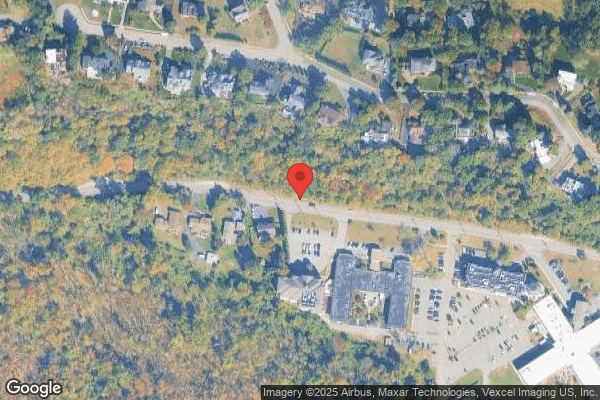
Understanding Severity Codes (click to expand)
Life-Threatening (Immediate Jeopardy)
J - Isolated K - Pattern L - Widespread
Actual Harm
G - Isolated H - Pattern I - Widespread
Potential for Harm
D - Isolated E - Pattern F - Widespread
No Harm (Minor)
A - Isolated B - Pattern C - Widespread

Questions to Ask on Your Visit

  • "Can I speak with families of current residents?"
  • "What's your RN coverage like on weekends and overnight?"

Our Honest Assessment

Strengths
  • • Licensed and certified facility. Meets minimum state requirements.
Concerns
  • • 27 deficiencies on record, including 1 serious (caused harm) violation. Ask about corrective actions taken.
  • • $16,043 in fines. Above average for New Jersey. Some compliance problems on record.
Bottom line: Mixed indicators with Trust Score of 63/100. Visit in person and ask pointed questions.

About This Facility

What is Lincoln Park Renaissance's CMS Rating?

CMS assigns LINCOLN PARK RENAISSANCE an overall rating of 4 out of 5 stars, which is considered above average nationally. Within New Jersey, this rating places the facility higher than 99% of the state's 100 nursing homes. This rating reflects solid performance across the metrics CMS uses to evaluate nursing home quality.

How is Lincoln Park Renaissance Staffed?

CMS rates LINCOLN PARK RENAISSANCE's staffing level at 2 out of 5 stars, which is below average compared to other nursing homes. Staff turnover is 54%, compared to the New Jersey average of 46%.

What Have Inspectors Found at Lincoln Park Renaissance?

State health inspectors documented 27 deficiencies at LINCOLN PARK RENAISSANCE during 2021 to 2024. These included: 1 that caused actual resident harm, 25 with potential for harm, and 1 minor or isolated issues. Deficiencies causing actual harm indicate documented cases where residents experienced negative health consequences.

Who Owns and Operates Lincoln Park Renaissance?

LINCOLN PARK RENAISSANCE is owned by a for-profit company. For-profit facilities operate as businesses with obligations to shareholders or private owners. The facility is operated by CENTER MANAGEMENT GROUP, a chain that manages multiple nursing homes. With 189 certified beds and approximately 181 residents (about 96% occupancy), it is a mid-sized facility located in LINCOLN PARK, New Jersey.

How Does Lincoln Park Renaissance Compare to Other New Jersey Nursing Homes?

Compared to the 100 nursing homes in New Jersey, LINCOLN PARK RENAISSANCE's overall rating (4 stars) is above the state average of 3.3, staff turnover (54%) is near the state average of 46%, and health inspection rating (3 stars) is at the national benchmark.

What Should Families Ask When Visiting Lincoln Park Renaissance?

Based on this facility's data, families visiting should ask: "Can you walk me through typical staffing levels on day, evening, and night shifts?" "Can I visit during a mealtime to observe dining assistance and food quality?" "How do you handle medical emergencies, and what is your hospital transfer rate?" "Can I speak with family members of current residents about their experience?" These questions are particularly relevant given the below-average staffing rating.

Is Lincoln Park Renaissance Safe?

Based on CMS inspection data, LINCOLN PARK RENAISSANCE has a clean safety record: no substantiated abuse findings (meaning no confirmed cases of resident harm), no Immediate Jeopardy citations (the most serious violation level indicating risk of serious injury or death), and is not on the Special Focus Facility watch list (a federal program monitoring the lowest-performing 1% of nursing homes). The facility has a 4-star overall rating and ranks #1 of 100 nursing homes in New Jersey. While no facility is perfect, families should still ask about staff-to-resident ratios and recent inspection results during their visit.

Do Nurses at Lincoln Park Renaissance Stick Around?

LINCOLN PARK RENAISSANCE has a staff turnover rate of 54%, which is 8 percentage points above the New Jersey average of 46%. Moderate turnover is common in nursing homes, but families should still ask about staff tenure and how the facility maintains care continuity when employees leave.

Was Lincoln Park Renaissance Ever Fined?

LINCOLN PARK RENAISSANCE has been fined $16,043 across 2 penalty actions. This is below the New Jersey average of $33,239. While any fine indicates a compliance issue, fines under $50,000 are relatively common and typically reflect isolated problems that were subsequently corrected. Families should ask what specific issues led to these fines and confirm they've been resolved.

Is Lincoln Park Renaissance on Any Federal Watch List?

LINCOLN PARK RENAISSANCE is not on any federal watch list. The most significant is the Special Focus Facility (SFF) program, which identifies the bottom 1% of nursing homes nationally based on persistent, serious quality problems. Not being on this list means the facility has avoided the pattern of deficiencies that triggers enhanced federal oversight. This is a positive indicator, though families should still review the facility's inspection history directly.