CAREONE AT PARSIPPANY

100 MAZDABROOK ROAD, PARSIPPANY TROY HILL, NJ 07054 (973) 952-5300
For profit - Limited Liability company 118 Beds CAREONE Data: November 2025
Trust Grade
80/100
#105 of 344 in NJ
Last Inspection: August 2024

Within standard 12-15 month inspection cycle. Federal law requires annual inspections.

Overview

CareOne at Parsippany has a Trust Grade of B+, which means it is recommended and above average in quality. It ranks #105 out of 344 nursing homes in New Jersey, placing it in the top half of facilities in the state, and #7 out of 21 in Morris County, indicating that only six local options are rated higher. However, the facility's trend is worsening, as the number of issues reported has increased from 3 in 2022 to 6 in 2024. Staffing is considered a strength, with a 3/5 stars rating and a turnover rate of 35%, which is lower than the state average of 41%. Notably, there have been no fines recorded, which is a positive sign. However, there are some concerning incidents. For example, kitchen sanitation practices were found lacking, with staff not maintaining proper handwashing techniques, which raises the risk of foodborne illnesses. Additionally, there were issues with food storage, including items being stored past their use-by dates, and a resident was found not receiving the necessary annual dental care, which led to visible health issues. While the facility has several strengths, these weaknesses highlight areas that need improvement.

Trust Score
B+
80/100
In New Jersey
#105/344
Top 30%
Safety Record
Low Risk
No red flags
Inspections
Getting Worse
3 → 6 violations
Staff Stability
○ Average
35% turnover. Near New Jersey's 48% average. Typical for the industry.
Penalties
✓ Good
No fines on record. Clean compliance history, better than most New Jersey facilities.
Skilled Nurses
✓ Good
Each resident gets 53 minutes of Registered Nurse (RN) attention daily — more than average for New Jersey. RNs are trained to catch health problems early.
Violations
⚠ Watch
12 deficiencies on record. Higher than average. Multiple issues found across inspections.
★★★★☆
4.0
Overall Rating
★★★☆☆
3.0
Staff Levels
★★★★☆
4.0
Care Quality
★★★★☆
4.0
Inspection Score
Stable
2022: 3 issues
2024: 6 issues

The Good

  • 4-Star Quality Measures · Strong clinical quality outcomes
  • Full Sprinkler Coverage · Fire safety systems throughout facility
  • No fines on record
  • Staff turnover below average (35%)

    13 points below New Jersey average of 48%

Facility shows strength in quality measures, fire safety.

The Bad

Staff Turnover: 35%

11pts below New Jersey avg (46%)

Typical for the industry

Chain: CAREONE

Part of a multi-facility chain

Ask about local staffing decisions and management

The Ugly 12 deficiencies on record

Aug 2024 5 deficiencies
CONCERN (D)

Potential for Harm - no one hurt, but risky conditions existed

Assessment Accuracy (Tag F0641)

Could have caused harm · This affected 1 resident

**NOTE- TERMS IN BRACKETS HAVE BEEN EDITED TO PROTECT CONFIDENTIALITY** Based on observation, interview, and record review it was determined that the facility failed to accurately code the Minimum Dat...

Read full inspector narrative →
**NOTE- TERMS IN BRACKETS HAVE BEEN EDITED TO PROTECT CONFIDENTIALITY** Based on observation, interview, and record review it was determined that the facility failed to accurately code the Minimum Data Set ((MDS), an assessment tool used to facilitate the management of care), in accordance with federal guidelines for 1 of 20 residents, (Resident #61) reviewed for accuracy for MDS coding. This deficient practice was evidenced by the following: 1. On 8/9/24 at 8:49 AM, the surveyor reviewed the closed medical chart for Resident #61. The Discharge Assessment MDS revealed that the resident was discharged to an acute hospital. The surveyor reviewed the nursing/clinical progress note dated 6/13/24, documented that Resident #61 Resident discharged home today. Review of Resident #61's Face Sheet (a one-page summary of important information about the patient) reflected that the resident was admitted to the facility with diagnosis that included but not limited to Pneumonitis, Lyme disease, Chronic Obstructive Pulmonary Disease, and Type 2 Diabetes Mellitus. Review of Resident #61's Discharge MDS dated [DATE] under Section A revealed that section A2105 Discharge Status documented, 04. Short-Term General Hospital. On 8/9/24 at 9:15 AM, the surveyor interviewed the Registered Nurse/MDS Coordinator (RN/MDS) who was responsible of completing the MDS's. The RN/MDS stated, The resident was discharged home from the facility. I made a mistake and miscoded that resident. According to the latest version of the Center for Medicare/Medicaid Services - Resident Assessment Instrument 3.0 Manual (updated October 2023) on Chapter 2-page 39 . According to the latest version of the Center for Medicare/Medicaid Services - Resident Assessment Instrument 3.0 Manual (updated October 2023). This item documents the location to which the resident is being discharged at the time of discharge. Knowing the setting to which the individual was discharged helps to inform discharge planning. Code 01, Home/Community: if the resident was discharged to a private home, apartment, board, and care, assisted living facility, group home, transitional living, or adult foster care. A community residential setting is defined as any house, condominium, or apartment in the community, whether owned by the resident or another person; retirement communities; or independent housing for the elderly. Code 04, Short-Term General Hospital (acute hospital/IPPS): if the resident was discharged to a hospital that is contracted with Medicare to provide acute, inpatient care and accepts a predetermined rate as payment in full. Code 99, Not Listed On 8/9/24 at 11:45 AM, the Licensed Nursing Home Administrator (LNHA) provided the surveyor with a facility policy titled, Certifying Accuracy of the Resident Assessment with a revision date of 11/2019. Review of the policy interpretation and implementation section of the policy states, 2. Any person who completes any portion of the MDS assessment, tracking form, or correction request form is required to sign the assessment certifying the accuracy of that portion of that assessment. On 8/9/24 at 12:58 PM, the survey team met with the Regional Clinical Nurse (RCN#1), LNHA, and Director of Nursing (DON) regarding the above concern. The RCN#1 stated all MDS assessments must be filled out correctly. The RCN also acknowledged there was an error regarding Resident #61 Discharge MDS. On 8/12/24 at 10:03 AM, the surveyor team met with RCN#2, LHNA and DON. There were no further information was provided. NJAC 8:39-11.1, 11.2(e)(1)
CONCERN (D) 📢 Someone Reported This

A family member, employee, or ombudsman was alarmed enough to file a formal complaint

Potential for Harm - no one hurt, but risky conditions existed

Deficiency F0655 (Tag F0655)

Could have caused harm · This affected 1 resident

Deficiency Text Not Available

Read full inspector narrative →
Deficiency Text Not Available
CONCERN (D)

Potential for Harm - no one hurt, but risky conditions existed

Deficiency F0658 (Tag F0658)

Could have caused harm · This affected 1 resident

Complaint #'s: NJ168223 NJ168554 Based on observation, interview, and record review, it was determined that the facility failed to: a.) clarify a physician's order (PO) for a medication route on a re...

Read full inspector narrative →
Complaint #'s: NJ168223 NJ168554 Based on observation, interview, and record review, it was determined that the facility failed to: a.) clarify a physician's order (PO) for a medication route on a resident who was NPO (nothing by mouth); b.) document the colostomy care performed; and c.) document an assessment on a resident who was transferred to the hospital for a scheduled surgical procedure. This deficient practice was identified for 3 of 12 Residents (Resident #22, #64, and #262) reviewed. Reference: New Jersey Statutes Annotated, Title 45. Chapter 11. Nursing Board. The Nurse Practice Act for the State of New Jersey states: The practice of nursing as a registered professional nurse is defined as diagnosing and treating human responses to actual and potential physical and emotional health problems, through such services as case-finding, health teaching, health counseling, and provision of care supportive to or restorative of life and wellbeing, and executing medical regimens as prescribed by a licensed or otherwise legally authorized physician or dentist. Reference: New Jersey Statutes Annotated, Title 45, Chapter 11. Nursing Board. The Nurse Practice Act for the State of New Jersey states: The practice of nursing as a licensed practical nurse is defined as performing tasks and responsibilities within the framework of case finding; reinforcing the patient and family teaching program through health teaching, health counseling, and provision of supportive and restorative care, under the direction of a registered nurse or licensed or otherwise legally authorized physician or dentist. This deficient practice was evidenced by the following: 1. On 8/6/24 at 10:10 AM, the surveyor observed Resident #22 in their room in bed with eyes closed. The surveyor interviewed Resident #22's family who stated the resident does not take any medications by mouth. On 8/6/24 at 11:16 AM, the surveyor reviewed Resident #22's paper and electronic medical chart which revealed the following: A review of the Resident #22's admission Record (AR) (an admission summary) documented that the resident was admitted to the facility with diagnoses that included but were not limited to: Dysphagia following Cerebral Infarction, Metabolic Encephalopathy, Muscle Weakness, and Type 2 Diabetes Mellitus. A review of Resident #22's Minimum Data Set (MDS), an assessment tool used for the management of care, dated 7/8/24, documented the resident had a Brief Interview for Mental Status (BIMS) and score of 9 out of 15, indicating that Resident #22 had moderately impaired cognition. A review of the August 2024 Order Summary Report (OSR) included a PO dated 6/27/24 for, NPO diet, NPO texture, for PEG-Tube feeding. (a medical device used to provide nutrition, hydration and medications directly into the stomach). Further review of the August 2024 OSR revealed the following PO: 1.Acetaminophen Tablet 325 MG, give 2 tablets by mouth every 6 hours as needed for Mild Pain (Pain Score 1-4), dated 6/27/24; 2. Milk of Magnesia Suspension 400 MG/5ML (Magnesium Hydroxide). Give 30 ml by mouth every 24 hours as needed for no bowel movement for 3 days, dated 6/27/24; 3. Losartan Potassium Tablet 25 MG, give 1 tablet by mouth one time a day for HTN, dated 6/28/24. 4. Sertraline HCl Tablet 100 MG, give 1 tablet by mouth one time a day for depression, dated 6/28/24; 5.Loperamide HCl Capsule 2 MG, give 1 capsule by mouth every 8 hours as needed for Diarrhea, dated 7/30/24. On 8/7/24 at 10:31 AM, the surveyor interviewed Registered Nurse (RN#3), who was the regular 7-3 shift nurse for Resident #22. RN#3 acknowledged to the surveyor that the above five (5) medications route were incorrect and should have indicated to be administered via the PEG-tube route. All the other medications of Resident #22 were administered via PEG tube route. On 8/9/24 at 11:45 AM, the Licensed Nursing Home Administrator (LNHA) provided the surveyor with a facility policy titled, Physician Services with a revision dated of 2/2021. Under the policy interpretation and implementation revealed under 6. Physician orders and progress notes are maintained in accordance with current OBRA regulations and facility policy. On 8/9/24 at 12:58 PM, the survey team met with the LNHA, Director of Nursing (DON), and Regional Clinical Nurse (RCN#2). The RCN stated acknowledged that the medication route was incorrect for Resident #22 who was NPO. No further information was provided. 2. On 8/06/24 at 12:17 PM, the surveyor reviewed the closed medical records of Resident #64 which revealed the following: A review of the AR reflected that the resident was admitted to the facility with diagnoses that included but not limited to Hyperlipidemia (a condition in which there are high levels of fat particles (lipids) in the blood), Hypothyroidism (a condition in which the thyroid gland doesn't produce enough thyroid hormone) Epilepsy (a disorder in which nerve cell activity in the brain is disturbed, causing seizures) and Hypertension (a condition in which the force of the blood against the artery walls is too high). A review of the admission MDS, an assessment tool used to facilitate the management of care, dated 5/20/23, reflected that Resident #64 had a BIMS score of 4 out of 15, indicating a severe impaired cognition. A review of the facility Progress Notes (PN) revealed a Physician/Practitioner Progress Note dated 9/18/23 at 13:40 (1:40 PM) documented the following: Patient is scheduled for surgical debridement of the right leg on Friday, September 22. Patient needs to arrive at hospital [name redacted] by 11:00 AM. A further review of the resident's medical records revealed no written PN or nursing assessment on the morning of 9/22/23 that would indicate the resident was admitted to the hospital for a surgical procedure. There was no full body assessment, vital signs (measurements of the body's basic functions including temperature, heart rate, respiratory rate, blood pressure and oxygen saturation (the amount of oxygen circulating in your blood), documentation regarding the resident's disposition and a PN which would indicate if the resident's family were notified when the resident was transferred to the hospital for a surgical procedure. The PN revealed a PO administration note from the facility nurse dated 9/22/23 at 19:47 (7:47 PM) which revealed the following: out for surg (surgery). On 8/9/24 at 11:00 AM, the surveyor interviewed the Licensed Practical Nurse (LPN#1) on the unit who stated that when a resident is being sent out to the hospital for a scheduled procedure, a nursing staff will review the resident's medical records and if they identify anything that could arise to a concern, the nurse will reach out to the physician. She also stated that all communication with the physician must be documented in the medical records. LPN #1 added that if a resident will be transferred out to the hospital, the nurses are also required to document in the resident's medical records. On 8/09/24 at 1:00 PM, the surveyor presented the above concerns to the LNHA, DON, and RCN#2. The DON acknowledged that the nurse should have written a PN documenting but not limited to full body assessment and vital signs prior to the resident being transferred to the hospital for the surgical procedure. There was no additional information provided. 3. On 8/05/24 at 12:17 PM, the surveyor reviewed the closed medical records of Resident #262 which revealed the following: A review of the AR reflected that the resident was admitted to the facility with diagnoses that included but not limited to encounter for attention to Colostomy (main purpose is to manage and care for a colostomy), Cognitive Communication Deficit (difficulties with communication that are caused by disruptions to cognition) and Dementia (a group of thinking and social symptoms that interferes with daily functioning). A review of the admission MDS, an assessment tool used to facilitate the management of care, dated 05/10/24, reflected that Resident #262 had a BIMS score of 15 out of 15, indicating that the resident was cognitively intact. A review of the OSR revealed the following PO: A PO dated 9/28/23, for Colostomy care every shift. A PO dated 9/28/23, for Colostomy output every shift. A review of the October 2023, electronic Treatment Administration Record (eTAR) and the October 2023 electronic Medication Administration Record (eMAR) did not indicate a PO for Colostomy care every shift and no PO for Colostomy output every shift. There were no documentation in the hybrid medical record which reflected that both Colostomy care or Colostomy output were documented every shift. A review of Resident #262's Comprehensive Care Plan dated 9/29/23, for Colostomy care which revealed the following interventions/tasks: -Change ostomy appliances as needed, dated 9/29/23. -Irrigate colostomy per physician's orders dated 9/29/23. -Record bowel movements and report abnormalities dated 9/29/23. On 8/9/24 at 8:30 AM, the surveyor interviewed LPN #1 regarding the process of documenting the colostomy care in the medical record. LPN #1 stated that a physician would write a PO for colostomy care and the nurses will document this in the eTAR. LPN #1 further stated that only the nurses can document colostomy care. LPN #1 added that changing a colostomy bag, documenting colostomy output, and assessing the colostomy stoma area (opening in your belly's wall that a surgeon makes for waste to leave your body if you can't have a bowel movement through your rectum) must be documented every shift in the eTAR. LPN #1 stated that assessing the stoma site around the colostomy is a separate assessment from the weekly skin assessments since nurses must assess the colostomy every shift. On 8/9/24 at 8:45 AM, the surveyor interviewed the Registered Nurse (RN) who stated to the surveyor that colostomy care must be documented in the resident's medical record and only the nurses could document. The RN added that it must be documented in the eTAR. On 8/09/24 at 1:00 PM, the surveyor presented the above concerns to the LNHA, DON, and RCN#2. Both the DON and RCN#2 acknowledged that nurses should have documented the colostomy care in the eTAR. There was no additional information provided. A review of the facility's policy for Colostomy/Ileostomy Care that was dated 10/2010 and was provided by the DON included the following: Under documentation: The following information should be recorded in the resident's medical record: 1. The date and time the colostomy/ileostomy care was provided. 2. The name and title of the individual (s) who provided the colostomy/ileostomy care. A review of the facility's policy for Charting and Documentation that was undated and was provided by the DON included the following: 4. The following information is to be documented in the resident medical record: a. Objective observations. b. Medications administered. c. Treatments or services performed. d. Changes in the resident's condition. e. Events, incidents, or accidents involving the residents; and f. Progress toward or changes in the care plan goals and objectives. NJAC 8:39-19.4 (a) (1) NJAC 8:39-11.2(b)
CONCERN (D)

Potential for Harm - no one hurt, but risky conditions existed

Deficiency F0698 (Tag F0698)

Could have caused harm · This affected 1 resident

Based on observation, interview, record review, and review of pertinent documentation, it was determined that the facility failed to ensure a resident on hemodialysis (artificial means of removing was...

Read full inspector narrative →
Based on observation, interview, record review, and review of pertinent documentation, it was determined that the facility failed to ensure a resident on hemodialysis (artificial means of removing waste from nonfunctioning kidneys) was consistently assessed, documented, and monitored after hemodialysis treatments. This deficient practice was identified for 1 of 1 resident's (Resident #10) reviewed for dialysis and was evidenced by the following: On 08/06/24 at 10:56 AM, the surveyor was touring the first-floor unit, and Resident #10 was not in their room and was informed that the resident was out at hemodialysis. On 08/07/24 at 11:15 AM, the surveyor observed Resident #10 in their room, but the resident declined to be interviewed. A review of the admission Record face sheet revealed that Resident #10 had diagnoses that included but were not limited to End Stage Renal Disease (kidney failure), Diabetes (too much sugar in the blood), and Dementia (a group of symptoms that affects memory, thinking and social abilities). A review of the Order Summary Report under special instructions revealed the resident goes to dialysis every Tuesday, Thursday, and Saturday. A review of the quarterly Minimum Data Set (MDS), an assessment tool used to facilitate resident care, dated 05/23/24, revealed a Brief Interview from Mental Status (BIMS) of 13 out of 15, which indicated the resident's cognition was intact. The MDS also indicated the resident received hemodialysis. A review of the resident-centered care plan included but was not limited to a focus area that the resident had Renal insufficiency related to Chronic Renal Disease and received hemodialysis on Tuesday, Thursday, and Saturday with interventions that included, confer with a physician and or dialysis treatment center regarding changes in medication administration time/dosage pre-dialysis as needed and coordinate dialysis care with the dialysis treatment center. A review of the form titled, Dialysis Center Communication Record for Resident #10 revealed the first section to be filled out by the facility nurse which included the resident's name, treatment date if the resident is receiving antibiotics, pain medication, had any emesis, diarrhea, or had fallen in the last 48 hours. An area was to be filled out for the resident's vital signs, including temperature, pulse, respirations, blood pressure, graft site, catheter site, and nurse signature-the following section was to be filled out by the Dialysis center nurse communication back to the center. The areas included the dialysis start and end time, the pre and post-weight, laboratory results, catheter size, treatment problems, medication administered, bowel movements, and the signature of the dialysis nurse. The last section, to be completed by skilled nursing facility nurse post-treatment, asked for information including blood pressure, temperature, pulse, bleeding at the access site, bruit, thrill palpated, receiving nurse signature, and date. A review of the Hemodialysis Communication binder, which started in May 2024 and documented the following: May 2024 included eight forms, and 6 out of 8 had incomplete post-treatment filled out. Further review revealed five forms dated 05/09/24 through 05/18/24 did not include the last section for the post dialysis treatment documentation. June 2024 included 13 forms in which 7 out of 13 forms had incomplete post dialysis treatment filled out. July 2024 included 13 forms in which 11 out of 13 forms had incomplete post dialysis treatment filled out. August 2024 included three forms in which 2 of the 3 forms had incomplete post dialysis treatment filled out. On 08/07/24 at 12:30 PM, the surveyor interviewed the Registered Nurse Supervisor (RN/S), who stated that the communication sheets in the book needed to be consistently filled out and that the nurses should fill them out. On 08/07/24 at 01:00 PM, the surveyor interviewed and reviewed the Communication binder with the Director of Nursing (DON), who stated that the nursing staff should be documenting on the sheets. On 08/13/24 at 11:03 AM, the surveyor interviewed the DON, who stated that the post-dialysis assessment was not completed on the communication sheet and acknowledged that it should have been filled out. The DON further stated that the forms for 05/09/24 through 05/18/24 were filled out but the nurses used the old forms which did not have the post dialysis treatment section area for documentation. The DON added that it was the reason why the facility changed the forms. A review of the facility provided policy titled, Hemodialysis Pre and Post Care policy dated 7/00 with a revision date of 3/2010, included but was not limited to; document all communications in the hemodialysis communication progress note or the dialysis center communication book .assess resident for vital signs .bleeding .significant change .Post dialysis care .the shunt should be assessed upon return ., and bandages should remain in place. NJAC 8:39-27.1(a)
CONCERN (F)

Potential for Harm - no one hurt, but risky conditions existed

Food Safety (Tag F0812)

Could have caused harm · This affected most or all residents

Based on observation, interview, and review of facility policies, it was determined that the facility failed to maintain proper kitchen sanitation practices in a manner to prevent food borne illness. ...

Read full inspector narrative →
Based on observation, interview, and review of facility policies, it was determined that the facility failed to maintain proper kitchen sanitation practices in a manner to prevent food borne illness. This deficient practice was observed and evidenced by the following: On 8/7/24 at 09:43 AM, the surveyor entered the kitchen for the follow up tour with the Director of Culinary Service (DCS). On 8/7/24 at 10:38 AM, the surveyor observed Chef (Chef #1) perform hand hygiene. Chef #1 scrubbed their hands with soap for 12 seconds and then rinsed their hands under running water. At 10:44 AM, the surveyor observed Chef #1 again perform hand hygiene. The surveyor observed Chef #1 scrubbed their hands with soap for 8 seconds and rinsed under running water. The surveyor interviewed Chef #1, who stated, I thought I scrubbed my hands for 20 seconds. I will wash my hands again. On 8/9/24 at 11:45 AM, the Licensed Nursing Home Administrator (LNHA) provided the surveyor with a facility policy titled Handwashing/Hand Hygiene, with a revised date of 10/2023. Under the procedure section and sub section washing hands it revealed, 2. Rub hands together vigorously for at least 15 seconds, covering all surfaces of the hands and fingers. On 8/9/24 at 12:58 PM, the survey team met with the LNHA, Director of Nursing (DON), and Regional Clinical Nurse (RCN#2). The surveyor reviewed the kitchen concerns. No further information was provided. NJAC 8:39-17.2(g)
Apr 2024 1 deficiency
CONCERN (D) 📢 Someone Reported This

A family member, employee, or ombudsman was alarmed enough to file a formal complaint

Potential for Harm - no one hurt, but risky conditions existed

Pharmacy Services (Tag F0755)

Could have caused harm · This affected 1 resident

Complaint #: NJ00165681 Based on interviews and record review, as well as a review of pertinent facility documents on 4/4/24 and 4/8/24, it was determined that the facility failed to administer the me...

Read full inspector narrative →
Complaint #: NJ00165681 Based on interviews and record review, as well as a review of pertinent facility documents on 4/4/24 and 4/8/24, it was determined that the facility failed to administer the medications in accordance with the acceptable standard of nursing practice and follow the facility policy on Medication Administration and Physician Services for 1 of 3 residents (Resident #1) reviewed for medication administrations. This deficient practice was evidenced by the following: 1. According to the admission RECORD (AR), Resident #2 was admitted with diagnoses including but not limited to Depression and Sepsis A review of Resident #2's care plan (CP), dated 4/27/23, indicated that Resident #2 was had Neurological deficiencies. Interventions included but not limited to administer medications per physician orders. A review of Resident #2's Order Recap Report (ORR) revealed an order for the following: On 4/26/23, Gabapentin Capsule 300 mg (milligram), give 2 capsules by mouth every 12 hours for Neuropathy. On 5/8/23, Vancomycin 125 mg, by mouth every 6 hours for Clostridium Difficile (is a bacterium that causes an infection of the colon, the longest part of the large intestine) for 10 days. A review of Resident #2's Medication Administration Report (MAR) for 05/2024 confirmed the abovementioned medications were scheduled and to be administered as follows: Gabapentin Capsule 300 mg at 9:00 a.m. and 9:00 p.m. Vancomycin 125 mg at 12:00 a.m., 6:00 a.m., 12:00 p.m., and 6:00 p.m. A review of Resident #2's Medication Admin Audit Report (MAAR) indicated that the abovementioned medications were not administered according to the scheduled time. The medications were administered as follows: Gabapentin Capsule 300 mg was scheduled to be administered at 9:00 a.m. and 9:00 p.m., however, on the following days the medication was given late. 5/2/23 was administered at 10:46 a.m. 5/5/23 was administered at 10:58 a.m. 5/7/23 was administered at 10:36 a.m. and at 10:40 p.m. 5/9/23 was administered at 10:38 a.m. 5/12/23 was administered at 10:25 a.m. and at 11:29 p.m. 5/13/23 was administered at 10:56 a.m. 5/16/23 was administered at 10:53 a.m. Vancomycin 125 mg at 12:00 p.m., 5/11/23 was administered at 4:14 p.m. 5/12/23 was administered at 2:26 p.m. 5/15/23 was administered at 4:58 p.m. A review of Resident #2's progress notes (PN) from 5/1/23 to 5/16/23, there was no indication in the PN that the Resident's Primary Care Physician (PCP) was notified that the aforementioned medications were not administered according to the scheduled time. In addition, there was no documented evidence of harm to the resident from the late administration of medications. During an interview with Registered Nurse (RN #1) on 4/4/24 at 1:07 p.m., RN #1 stated that if the medications were not administered according to the scheduled time or running late with medications, RN would document that the medications were given late and would call the doctor to notify that the medications were not administered according to the scheduled time. During an interview with the Administrator and the Director of Nursing (DON) on 4/4/24 at 3:02 p.m., the DON stated that the nurses were to administer the medications according to the schedule. DON further stated that if the medications were not administered on scheduled time, the nurse was to notify the doctor and document in the residents' PN. A review of the facility's policy titled Administering Medication, dated on 5/21/19, indicated Policy Statement Medications are administered in a safe and timely manner, and as prescribed 4. Medications are administered in accordance with prescriber orders, including any required time frame .7. Medications are administered within one (1) hour of their prescribed time, unless otherwise specified .21. If a drug is withheld, refused, or given at a time other than the scheduled time, the individual administering the medication .For centers utilizing electronic documentations (i.e., eMAR), utilize the appropriated documentation code . NJAC 8:39-29.2 (d)
Oct 2022 3 deficiencies
CONCERN (D)

Potential for Harm - no one hurt, but risky conditions existed

Assessment Accuracy (Tag F0641)

Could have caused harm · This affected 1 resident

**NOTE- TERMS IN BRACKETS HAVE BEEN EDITED TO PROTECT CONFIDENTIALITY** Based on observation, interview, record review, and review of pertinent facility documentation, it was determined that the facil...

Read full inspector narrative →
**NOTE- TERMS IN BRACKETS HAVE BEEN EDITED TO PROTECT CONFIDENTIALITY** Based on observation, interview, record review, and review of pertinent facility documentation, it was determined that the facility failed to accurately code a resident's oral/dental status on the resident's most recent quarterly and annual Minimum Data Set (MDS), an assessment tool used to facilitate the management of care. This deficient practice was identified for 1 of 20 residents, (Resident #10) reviewed for MDS assessments related to dental care services and was evidenced by the following: On 10/12/2022 at 12:55 PM, the surveyor observed Resident #10 in bed in his/her room watching television. The surveyor further observed that the resident's teeth were brown and discolored. The resident's front teeth were chipped and deteriorated. The surveyor asked the resident if he/she had soreness in their mouth and pain or discomfort when eating. Resident #10 stated that he/she did not have pain while eating. On 10/18/22 at 11:39 AM, The surveyor observed the resident in bed, chewing on the corner of his/her bed blanket. A review of the admission Record revealed the resident was admitted to the facility on [DATE] with a diagnosis that included Type 2 diabetes, dementia, and schizophrenia. The resident is a recipient of Medicaid Wellcare MLTSS (Managed Long-Term Services and Support) insurance. A review of the Resident Evaluation with Covid-19 Screen, dated 07/30/2020 at 21:15, it revealed under section E. Oral /Dental and Hearing/Speech/Vision/Diet with #4 was checked as: obvious or likely cavity or broken natural teeth. A review of the Quarterly MDS, dated [DATE], revealed the resident had Brief Interview for Mental Status (BIMS), score of 7, severe impairment. It further revealed under section L 0200, Oral/Dental status that no boxes were checked with any issues. A review of the Annual MDS, dated [DATE] revealed the resident had BIMS, score of 7, severe impairment. It further revealed under section L0200, Oral/Dental status that none of the above were present. A complete review of the resident's medical record did not reveal documentation that the resident was offered and refused dental care services. The surveyor conducted an interview with the Registered Nurse (RN) MDS coordinator, on 10/20/22 at 12:08 PM. The MDS Coordinator stated he had 13 years of experience performing MDS assessments and explained that he looked at all the documentation across the tabs, then based on his findings, he would interview the staff and the resident. The surveyor asked the RN MDS Coordinator if he assessed the resident's dentition during his assessment. The MDS Coordinator stated that he interviewed the resident and did not identify areas of concern regarding the resident's dentition. On 10/20/2022 at 01:34 PM, the above concern was discussed with the Assistant Director of Nursing (ADON) and Licensed Nursing Home Administrator (LNHA). A review of the facility's Routine Dental Care policy, revised April 2022, provided by the LNHA on 1/19/2022, indicated: 1.) Nursing care staff will conduct ongoing oral health assessments 2.) Attending physician will be notified of the residents need for dental treatment and order dental consultation as appropriate. 3.) The attending physician will include, as part of the initial medical assessment, an assessment of the resident's dental needs, Finding will be included in the residents' medical records. 4.) Our facility's routine dental care includes, but is not limited to: a.) An initial evaluation of the resident's dental needs. b.) Consultation with the resident, staff, and dental consultant A review of the Dental Services Agreement, dated June 6, 2006, provided by the LNHA on 10/20/2022 states: b) The dentist shall provide Dental Services in full compliance with all the applicable Federal, state, and local laws and regulations, including, without limitation, the applicable rules and regulations of any third-party reimbursement payors concerning Dental Services and that such licenses and certifications are in full force and effect. c.) The dentist shall maintain complete records at the facility of the dental services provided to the residents of the facility in accordance with applicable law . NJAC 8:39-33.2 (d)
CONCERN (D)

Potential for Harm - no one hurt, but risky conditions existed

Pharmacy Services (Tag F0755)

Could have caused harm · This affected 1 resident

Based on observation, interview, record review, and review of pertinent facility documentation, it was identified that the facility failed to: a.) acquire and administer a medication per Physician's O...

Read full inspector narrative →
Based on observation, interview, record review, and review of pertinent facility documentation, it was identified that the facility failed to: a.) acquire and administer a medication per Physician's Order (PO) for one of two residents', (Resident #229) reviewed for mood and behavior and b.) accurately reconcile a controlled substance stored in a medication cart. This deficient practice was identified during the controlled substance reconciliation count for one of two medication carts and identified for, (Resident #66 and #69). This deficient practiced was evidenced by the following: 1. On 10/12/22 at 12:25 PM, the surveyor observed Resident #229 in their room finishing up with his/her lunch. The surveyor asked the resident how they were, and the resident stated, No good, because I no sleep. On 10/13/22 at 1:10 PM, the surveyor observed Resident #229 walking in front of the nursing station on the sub-acute unit. The surveyor asked the resident how he/she slept last night, and the resident stated that he/she slept well because the nurse gave him/her the medication that helped them sleep. The surveyor reviewed the medical record for Resident #229. A review of the resident's admission Record reflected that the resident was recently admitted to the facility and had diagnoses which included but were not limited to muscle weakness, bipolar disorder (a disorder associated with episodes of mood swings ranging from depressive lows to manic highs) and anxiety disorder. A review of the resident's admission Minimum Data Set (MDS), an assessment tool used to facilitate the management of care dated 10/13/22, reflected that the resident had a Brief Interview for Mental Status (BIMS) score of 13 out of 15 which indicated the resident was cognitively intact. A review of the resident's October 2022 Order Summary Report (OSR) reflected a PO dated 10/12/22 for the antianxiety medication Clonazepam (Klonopin) 1 milligram (mg), give 1 tablet by mouth at bedtime for anxiety. A review of the resident's October 2022 Medication Administration Record (MAR) revealed a PO for the antianxiety medication Clonazepam (Klonopin) 1 milligram (mg), give 1 tablet by mouth at bedtime for anxiety. The October 2022 MAR reflected that on 10/11/22 Resident #229 was not administered the medication Clonazepam. A review of the corresponding Nursing Progress Note (NPN) dated 10/11/22 and timed at 23:36 (11:36 PM) indicated that the medication Clonazepam 1 mg was not administered to the resident and the facility was, awaiting delivery from pharmacy. A further review of the October 2022 MAR reflected that on 10/15/22 Resident #229 was not administered the medication Clonazepam. A further review of the corresponding NPN dated 10/16/22 and timed at 00:21 (12:21 AM) indicated that the facility was awaiting delivery of the medication, Clonazepam from the pharmacy. A review of the resident's Care Plan dated 10/11/22 reflected a focus area that the resident was at risk for changes in mood related to anxiety. The goal of the resident's Care Plan was the resident would accept care and medications as prescribed. The interventions within the resident's Care Plan included administer medications per physician orders. On 10/13/22 at 10:36 AM, the surveyor interviewed the resident's Certified Nursing Aide (CNA) who stated the resident was alert, oriented and able to make his/her needs known. The CNA further stated that when she started her shift at 7:00 AM that day, she observed the resident awake, lying in bed, and throughout the day the resident would freely walk around the unit. The CNA told the surveyor that the resident liked to joke around with staff and never mentioned to her that he/she did not get a good night sleep. On 10/18/22 at 11:14 AM, the surveyor interviewed the resident's Registered Nurse (RN) who stated that the resident was alert and oriented and was able to tell staff his/her needs. The RN told the surveyor that the resident was capable of specifically asking for medications that he/she needed and gave the example that the day before, the resident had asked her for a medication for constipation. The RN further stated that the resident had a routine PO for the antianxiety medication Clonazepam at nighttime. The RN explained that if a medication was not available, she would first check to see if the medication was available in the back-up at the facility and then let the resident's physician know if it wasn't. The RN stated that she would call the pharmacy to find out why the medication was not available and get a stat (immediate) delivery of the medication. The RN further explained that she would discuss with the resident's physician, resident, and resident representative an alternative medication or means to help the resident sleep in the meantime. The RN told the surveyor that after she implemented these interventions for the unavailable medication, she would then document what she did for the resident. On 10/20/22 at 11:57 AM, the surveyor conducted an interview with the Consultant Pharmacist (CP) over the telephone in the presence of the facility's Administrator. The CP stated that if a medication was not available, nursing should first check for availability in the back up medication dispensing machine at the facility. The CP further stated that the nurse should notify the supervisor working and the resident's physician if necessary. On 10/20/22 at 12:02 PM, the surveyor interviewed the facility's Administrator who stated that the nurse who was responsible for administering the medication should have followed facility protocol which included notifying the resident's physician and calling the pharmacy provider for a stat delivery. The Administrator further stated that the medication Clonazepam was not in the back up medication dispensing machine. A review of the facility's, Administering Medication Policy and Procedure edited 5/21/22 indicated that it was the facility's policy to administer medications in a safe and timely manner as prescribed. The Administering Medication Policy and Procedure further indicated, Medications are administered in accordance with prescriber orders, including any required time frame. 2. On 10/14/22 at 10:30 AM to 10:42 AM, the surveyor inspected Medication Cart #1 on the 200 unit in the presence of the RN. The surveyor reviewed the bingo card that contained Tramadol 50 mg for Resident #66 and identified that 23 Tramadol 50 mg were present. At that time, the surveyor reviewed Resident #66's corresponding Controlled Drug Administration Record in the presence of the RN which indicated 22 Tramadol 50 mg should have been present in the bingo card. This documentation reflected that there was an excess of one Tramadol 50 mg for Resident #66. The surveyor reviewed the bingo card that contained Tramadol with Acetaminophen 37.5/325 mg for Resident #69 and identified that 23 Tramadol with Acetaminophen 37.5/325 mg were present. At that time, the surveyor reviewed Resident #69's corresponding Controlled Drug Administration Record in the presence of the RN which indicated 24 Tramadol with Acetaminophen 37.5/325 mg should have been present in the bingo card. This documentation reflected that there was one less Tramadol with Acetaminophen 37.5/325 mg for Resident #69. The RN stated that the medication Tramadol 50 mg was signed on the wrong Controlled Drug Administration Record and that was why there was a discrepancy. The RN further stated that the medication Tramadol 50 mg was not administered to the resident. The RN explained that the foil behind the Tramadol with Acetaminophen 37.5/325 mg bingo card was ripped, making it easy for the medication to fall out, so her and another nurse decided to dispose of the medication. A further review of the Controlled Drug Administration Record revealed that two nurses did not sign as witnesses for the destruction of the controlled medication for the Tramadol 50 mg or the Tramadol with Acetaminophen 37.5/325 mg as required on the Controlled Drug Administration Record. The RN stated that the Controlled Drug Administration Record for Resident #69 containing the Tramadol with Acetaminophen 37.5/325 mg should have had two nurses' signatures because that was the medication that was disposed of. On 10/14/22 at 11:00 AM, the surveyor interviewed the Assistant Director of Nursing (ADON) who stated that the nurses should have notified the supervisor as soon as they signed for the wrong medication and had the medication destroyed properly. The ADON stated that the correct way to dispose of a controlled medication was for two nurses to put the medication in the drug buster and both nurses should have signed the Controlled Drug Administration Record for the destruction of the medication. On 10/17/22 at 11:14 AM, the surveyor interviewed the CP in the presence of the Administrator who stated that the nurses would count the narcotic inventory on each medication cart at the beginning and end of each shift for accountability. The CP further stated that the nurses had to make sure the count on the medication bingo card matched the count on the Controlled Drug Administration Record. The CP told the surveyor that the appropriate procedure was for two nurses to witness and sign for the destruction of the narcotic medication on the Controlled Drug Administration Record. On 10/18/22 at 1:35 PM, the surveyor interviewed the Administrator who stated that it was the facility's policy for two nurses to sign as witnesses for the destruction of the narcotic. A review of the facility's, Controlled Drugs Record/Controlled Drug Index Policy and Procedure revised 5/1/22 indicated that maintaining an accurate inventory of controlled drugs must occur and the facility was to ensure that all controlled substances were accounted for in a manner that promoted proper security and accountability. The Controlled Drugs Record/Controlled Drug Index Policy and Procedure further indicated that any discrepancy in the count must be reported to the supervisor immediately for investigation and that all sections of the Controlled Drug Administration Record form must be completed. NJAC 8:39-29.2(d),29.4(c),29.7(c)
CONCERN (E)

Potential for Harm - no one hurt, but risky conditions existed

Dental Services (Tag F0791)

Could have caused harm · This affected multiple residents

**NOTE- TERMS IN BRACKETS HAVE BEEN EDITED TO PROTECT CONFIDENTIALITY** Based on observation, interview, and record review it was determined that the facility failed to provide the mandatory annual de...

Read full inspector narrative →
**NOTE- TERMS IN BRACKETS HAVE BEEN EDITED TO PROTECT CONFIDENTIALITY** Based on observation, interview, and record review it was determined that the facility failed to provide the mandatory annual dental care services. This deficient practice was observed for 1 of 17 facility residents reviewed for dental care services, (Resident #10), as evidenced by the following: On 10/12/2022 at 12:55 PM, the surveyor observed that Resident #10 had dentition issues. The resident's teeth were brown and discolored with front teeth being chipped. When the surveyor inquired if his/her mouth was sore or if he had any problems eating? Resident #10 stated, no he/she did not have pain or eating issues. On 10/18/22 11:39 AM, The surveyor observed the resident in bed and chewing on the corner of the bed blanket. A review of the admission Record revealed the resident was admitted to the facility on [DATE] with a diagnosis that included Type 2 diabetes, dementia, and schizophrenia. The resident is a recipient of Medicaid Wellcare MLTSS (Managed Long-Term Services and Support) insurance. A review of the Resident Evaluation with Covid-19 Screen, dated 07/30/2020 at 21:15, it revealed under section E. Oral /Dental and Hearing/Speech/Vision/Diet with #4 is checked as: obvious or likely cavity or broken natural teeth. A review of the Quarterly Minimum Data Set (MDS), dated [DATE], revealed the resident had Brief Interview for Mental Status (BIMS), score of 7, severe impairment. It further revealed under section L, Oral/Dental status that none of the above were present. A review of the annual MDS, dated 0 7/28/2022 revealed the resident had BIMS, score of 7, severe impairment. It further revealed under section L, Oral/Dental status that none of the above were present. A review of the Order Summary Report with the Regional Registered Nurse (RRN) on 10/19/2022 at 11:55, it revealed that there was not an order for a dental consultation. A complete review of the resident's medical record did not reveal documentation that the resident was offered and refused dental care services. A review of the resident's Care Plan (CP), dated 07/30/2020, revealed an initiated revision date of 10/20/2022, to reflect a focus area for At risk for Dental or oral cavity health problem to carious teeth on admission. This care plan's revision date 10/20/2022, was initiated by the facility, post surveyor's inquiry. An interview on 10/19/2022 at 11:19 AM, with the RRN stated, that the dental consult should have been triggered from the Resident Evaluation with Covid-19 Screen, dated 07/30/2020 at 21:15. Upon record review with her during the interview, she was unable to find a physician's order (PO) for a dental consultation, nor was there evidence of a refusal of dental evaluation or services noted within the eMAR or hard chart. During a second interview 10/19/2022 at 12:06 PM, the Regional Registered Nurse stated, the resident has never been seen during his/her stay in the facility, but the unit manager reached out to the contracted dentist and faxed over his/her face sheet to start the process. An interview on 10/20/22 at 11:11 AM, the unit manager stated, after initial assessment of a newly admitted resident by the nurse, the nurse then calls the physician and gives a report of their findings, to include the medications the resident was on, and then telephone orders would be given according to the needs of the resident. The physician would then follow up either that day or the next day. During an interview with the Director of Nursing (DON) on 10/20/22 at 01:22 PM, he stated, The resident would have a PO for a referral for a dentist. If there was an issue they would reach out to the dentist. A Long-Term Care resident is required to be seen by a dentist every six months. Moving forward, the facility will audit all the residents to see if they need to be seen by a dentist for issues or annuals. The nurses would then request a PO for a dental consult, and document it. On 10/20/2022 at 01:34 PM, the above concern was discussed with the Assistant Director of Nursing (ADON) and Licensed Nursing Home Administrator (LNHA). A review of the facility's Routine Dental Care policy, revised April 2022, provided by the LNHA on 1/19/2022, indicated: 1.) Nursing care staff will conduct ongoing oral health assessments 2.) Attending physician will be notified of the resident's need for dental treatment and order dental consultation as appropriate. 3.) The attending physician will include, as part of the initial medical assessment, an assessment of the resident's dental needs. Finding will be included in the residents' medical record. 4.) Our facility's routine dental care includes, but is not limited to: a.) An initial evaluation of the resident's dental needs. b.) Consultation with the resident, staff, and dental consultant c.) Daily dental and oral hygiene plan of care d.) Inservice education; and e.) Preventative care and treatment A review of the Dental Services Agreement, dated June 6, 2006, provided by the LNHA on 10/20/2022 states: b) The dentist shall provide Dental Services in full compliance with all the applicable Federal, state, and local laws and regulations, including, without limitation, the applicable rules and regulations of any third-party reimbursement payors concerning Dental Services and that such licenses and certifications are in full force and effect. c.) The dentist shall maintain complete records at the facility of the dental services provided to the residents of the facility in accordance with applicable law . NJAC 8:39-15.1(a)
Mar 2020 3 deficiencies
CONCERN (E)

Potential for Harm - no one hurt, but risky conditions existed

Quality of Care (Tag F0684)

Could have caused harm · This affected multiple residents

**NOTE- TERMS IN BRACKETS HAVE BEEN EDITED TO PROTECT CONFIDENTIALITY** Based on observation, interview, record review and review of other pertinent documents, it was determined that the facility fail...

Read full inspector narrative →
**NOTE- TERMS IN BRACKETS HAVE BEEN EDITED TO PROTECT CONFIDENTIALITY** Based on observation, interview, record review and review of other pertinent documents, it was determined that the facility failed to a.) implement and revise interventions in a timely manner to impede a cognitively impaired resident with a history of intrusive wandering, from repeatedly wandering into a resident's room and b.) ensure a resident with a history of intrusive wandering (Resident #4) did not wander into multiple resident's room. This deficient practice was identified for 1 of 2 residents reviewed for choices (Resident #28) and 5 of 5 residents who participated in a group meeting (Resident #67, #51, #69, #46 and #13). This deficient practice was evidenced by the following: On 03/05/20 at 10:18 AM, the surveyor observed a white mesh sign with a stop sign in the center, affixed to one side of Resident #28's door. The sign was attached from one side of the doorway and was hanging toward the floor. Resident #28's bed was located next to the entrance of the room. The surveyor interviewed Resident #28 who stated Resident #4 would repeatedly self-propel himself/herself using his/her wheelchair and entered their room. Resident #28 stated, I don't know how long ago this is going on, but I am so nervous. Resident #28 stated Resident #4 would wander into the room and would call Resident #28 by their spouse's name. Resident #28 stated that Resident #4 had wandered into the room for a long time and I take anxiety pills. Resident #28 stated this would go on every night and that the stop sign did not deter Resident #4. Resident #28 stated that he/she would barricade the door to the room with a chair so Resident #4 could not enter. Resident #28 stated that the events would keep him/her up all night because that was when Resident #4 wandered. Resident #28 also stated when Resident #4 entered the room, Resident #28 would press the call button and the staff would remove Resident #4. Resident #28 stated, I can't take it. It goes on and on, it is every single night and I try not to scream but I get nervous. The surveyor noted that Resident #4's room was the room immediately next door to Resident #28. At that time, the surveyor observed two chairs directly placed to the side of the doorway in the immediate interior of Resident #28's room. Resident #28 stated when Resident #4 would enter the room, Resident #28 would scream at Resident #4 to please get out. Resident #28 also stated that he/she informed the wandering resident's son and granddaughter about what was happening and that Resident #4's family told Resident #4 not to go into Resident #28's room. Resident #28 stated he/she had also told the previous administrator that the wandering resident had not stopped and that the previous administrator had not addressed the issue. Review of Resident #28's admission Record revealed had diagnoses which included generalized anxiety disorder, major depressive disorder and essential, primary hypertension (elevated blood pressure). Review of the Quarterly Minimum Data Set (MDS), an assessment tool used to facilitate care, dated 01/15/20, revealed Resident #28 had a Brief Interview for Mental Status (BIMS) score of 15, which indicated the resident was cognitively intact. Review of the section, mood interview (PHQ-9), revealed the resident experienced feeling down, depressed or hopeless; had trouble falling asleep or sleeping too much which occurred for two to six days a week over the previous two-week period prior to 01/15/20. Review of the Annual MDS dated [DATE] section, mood interview (PHQ-9), revealed the resident never experienced feeling down, depressed or hopeless; had trouble falling asleep or sleeping too much for the previous two-week period prior to 04/15/19. Review of the Psychiatric Progress Note (PPN) completed by the Psychiatric Nurse Practitioner (NP) for Resident #28 dated 11/06/19 indicated that he/she was seen for an increase in depressive symptoms related to a close friend who was currently very ill with a poor prognosis. The PPN indicated that the resident was having difficulty sleeping, a poor appetite, and had a positive family history of depression. The PPN made recommendations for the resident to be administered the antidepressant medication Lexapro 20 mg by mouth daily for depression and Trazadone 25 mg at nighttime for insomnia. Review of March 2020 Order Summary Report (OSR) indicated the resident had a Physician Order (PO) dated 11/09/2019 for the antidepressant medication Lexapro 20 mg by mouth daily. A further review of the March 2020 OSR indicated the resident had a PO dated 11/09/2019 for the medication Trazadone 25 mg by mouth at bedtime for insomnia. Review of the January 2020 Medication Administration Record (MAR) indicated that Resident #28 was administered the medication Lexapro 20 mg by mouth daily for depression at 9:00 AM. Further review of the January 2020 MAR indicated that the resident was administered Trazadone 25 mg by mouth at bedtime for insomnia at 9:00 PM. Review of the February 2020 MAR indicated that Resident #28 was administered the medication Lexapro 20 mg by mouth daily for depression at 9:00 AM. Further review of the February 2020 MAR indicated that the resident was administered Trazadone 25 mg by mouth at bedtime for insomnia at 9:00 PM. Review of the March 2020 MAR indicated that Resident #28 was administered the medication Lexapro 20 mg by mouth daily for depression at 9:00 AM. Further review of the March 2020 MAR indicated that the resident was administered Trazadone 25 mg by mouth at bedtime for insomnia at 9:00 PM. Review of the Grievance/Concern Report, date received 01/13/20, completed by the Social Worker (SW) indicated that Resident #28 reported that Resident #4 kept wandering into his/her room despite the stop gate being up and the door being closed. The Grievance/Concern Report indicated that the concern was reported to the Interdisciplinary Care Team (IDCT). The action taken to resolve the concern was that the SW offered Resident #28 a room change to the other end of the hallway. The resident declined the offer. The Grievance/Concern Report did not indicate that Resident #28's Care Plan (CP) was updated to reflect the resident's concerns or if any interventions were implemented until 3/3/20. The resolution further indicated that the SW instructed the resident to press the call bell to have the wandering resident removed from the room. The resolution was signed by the Administrator, Unit Manager, Registered Nurse Supervisor (RNS) and the SW. A follow up note from the Grievance/Concern Report, dated 01/20/20, indicated that the resident was offered a room change and educated on different disease process' such as dementia and that Resident #28 was partially receptive to the discussion. The grievance follow-up note did not address any further interventions for Resident #28 and did not include follow up with Resident #28 regarding Resident #4's intrusive wandering, after the resident had declined the room change and was not fully receptive to the education. A SW Progress Note dated 01/13/20 at 16:10 revealed Resident [#28] spoke with this SW regarding having an issue with a confused resident who keeps wandering into [his/her] room. Resident states that the stop gate does not to do anything at this time and also [he/she] tries to keep the door close but the other resident will open it. SW validated feeling expressed and notified Nursing of concern. SW offered resident a room change to the opposite end of the hallway. Resident stated that [he/she] will take a look and if [he/she] decides to move will alert this SW. SW also added to notify staff if resident keeps entering room. Review of Resident #28's Care Plan (CP), created by the RNS, dated 03/03/20, revealed a focus area of a resident wandering into Resident #28's room. The CP goal was for no other residents to wander into the resident's room. Interventions of the CP included to alert staff to any residents wandering into the room, offer room change if available and placement of netted stop sign/gate all created by the UMRN and initiated 03/03/20. During an interview with the surveyor on 03/05/20 at 11:07 AM, the Certified Nurse Aide (CNA), stated she cared for Resident #4 and he/she wandered into every person's room and called other residents by his/her spouse's name. The CNA stated Resident #4 was confused and would enter Resident #28's room and Resident #28 would shout, get out of here, this is not your room! The CNA stated that Resident #28 did not like residents of the opposite sex going into their room so there was a stop sign up now. The CNA stated that she had witnessed Resident #4 enter Resident #28's room last night. The CNA stated she was providing care to another resident in their room when she heard Resident #28 yell, get out of the room and she observed Resident #4 in the doorway of Resident #28's room. The CNA stated Resident #28 had placed a chair at the doorway in front of the mesh stop sign to keep Resident #4 out of the room. The CNA stated she escorted Resident #4 away from the room and sat him/her in front of the fish tank with a snack. The CNA stated it depended on Resident #4's mood and that Resident #4 may go into Resident #28's room a few times per week and it has been going on for months. The CNA stated Resident #4 would also go into other resident rooms that did not have a stop sign. The CNA stated that she had been Resident #28's CNA for a long time and that Resident #28 had been getting more upset and very mad about Resident #4 entering the room. The CNA stated this had been going on for months and Resident #28 was bothered by Resident #4 calling them their spouse. Review of Resident #28's PPN, dated 01/08/20 at 15:28, completed by the NP, revealed NP was asked to see resident for possibly worsening depression. Snapping more often, less patient. The signs and symptoms were anxiety and depression and the NP received information from the resident, medical chart, nurse and staff. The history of present illness (HPI) revealed the resident was calm and alert, very irritated by their neighbors and by one man/woman who comes into their room nightly and thinks Resident #28 was that resident's spouse. NP noted that this caused Resident #28 to have difficulty sleeping and irritability. The diagnoses revealed depression, insomnia and anxiety and the plan was to increase Trazadone (medication to treat depression), from 25 milligrams (mg) po QHS (by mouth at hour of sleep), to 50 mg po QHS, depression target sleep. During an interview with the surveyors on 03/05/20 at 12:20 PM, NP #1 stated she had seen Resident #28 on 1/8/20. The NP stated Resident #28 was cognitively intact and was seen for psychotropic medications and for worsening depression quarterly and the staff requested that she see Resident #28 for anxiety and agitation which may be been exacerbated by Resident #4 behavior. NP #1 stated Resident #4 was severely demented and would wander with their wheelchair into Resident #28's room. The NP #1 stated that annoyed Resident #28 and Resident #4 also wandered into other resident's rooms. The NP stated that she was aware the facility added the stop sign across Resident #28's door. The NP stated she could not recall how frequently Resident #4 entered Resident #28's room and that she had increased Resident #28's Trazadone because Resident #28 had sleep changes related to being disturbed by Resident #4's wandering. During an interview with the surveyors on 03/05/20 at 12:50 PM, the SW stated she was the person responsible for any grievances on Resident #28's unit. The SW provided a copy of a Grievance/Concern Report, dated 01/13/20. The survey team interviewed the SW about the report which revealed Resident #28 had reported that Resident #4 kept wandering into their room despite a stop gate being up and the door closed. SW stated that it had to have bothered Resident #28 because the resident made a complaint with nursing and filed a grievance. The documentation of facility follow-up revealed the individuals(s) designated to act on this concern was that it was reported to the Interdisciplinary team. The specific action to resolve the concern, dated 01/13/20, was that the SW had a one to one conversation with Resident #28 and offered Resident #28 a room change which Resident #28 declined. SW also instructed Resident #28 to press the call bell to have staff assist with removing Resident #4. The SW stated she was familiar with Resident #28 and that the resident was alert and oriented. The SW stated the stop gate was added to the care plan the other day and the stop sign was supposed to stop wandering residents from entering into Resident #28's room. She stated Resident #28 had been complaining about a resident wandering into the room and that she had documented this about one and a half months ago. She stated that nursing had let her know and she followed up with Resident #28. She stated she did not know when the stop net was put up and that she had not followed up with Resident #28 to determine if the stop net worked to keep Resident #4 out of the resident's room. The SW stated that if she did not hear anything from the resident or from nursing, she would assume everything was ok. The SW stated that Resident #28 came to nursing to report Resident #4's wandering in January and she put the CP in about two months later and that the CP was used as a form of communication for the staff to know the resident's needs. During a later interview with the surveyors on 03/05/20 at 1:16 PM, the SW stated she wanted to change her prior statement. She stated that she read the grievance and it was resolved unless the resident mentioned something to nursing that I haven't heard. Review of a Quarterly meeting, dated 01/20/20, revealed the RN Unit Manager (UMRN) documented Resident #28 had been offered a room change again and declined. The documentation also revealed Resident #28 had been educated on different disease processes such as dementia and that Resident #28 was partially understanding and receptive to the discussion. During an interview with the surveyor on 03/06/20 at 8:53 AM, the UMRN stated Resident #28 requested the stop net about a month or two ago to keep people from wandering into his/her room. The UMRN stated Resident #28 did not want a room change and that Resident #4 wandered at night, however, nothing was reported to her until recently, [he/she] came to me sometime in January I think. The UMRN stated it should also have been documented in last month's quarterly meeting that Resident #28 complained of the wandering. At this meeting the resident was offered a room change again, and the resident declined the room change again. The UMRN stated Resident #4 wandered, it is just what he/she liked to do and that Resident #28 didn't like Resident #4 being in his/her room and the resident was upset and asked her if there was any way to keep Resident #4 out of their room. The UMRN was unable to tell the surveyor if Resident #28 was offered a room change two or three times, however the facility was able to provide documentation that Resident #28 was offered a room change on 01/13/2020 and 01/20/2020 in which he/she declined. The UMRN was unable to tell the surveyor if Resident #4 was offered a room change. During an interview with the surveyor on 03/06/20 at 9:23 AM, UMRN reviewed a progress note dated 01/20/20 and stated that was the quarterly meeting note but that she may not have wrote it down but I put it in a grievance report instead, but I know I discussed it with him/her. The UMRN could not provide any additional documentation regarding the CP meeting and documentation regarding any revised interventions to prevent Resident #4 from wandering into Resident #28's room which caused Resident #28 to be upset. During an interview with the surveyor on 03/06/20 at 9:33 AM, Resident #28 stated Resident #4 had wandered into their room again the previous night. Resident #28 stated they put the chair against the door again and yelled for the CNA to remove Resident #4 from his/her room, but that Resident #4 returned. Resident #28 stated she told the UMRN that Resident #4 thought of Resident #28 as their spouse. Resident #28 stated they were upset that they were asked to change their room. The resident stated, if he/she is aggravating me, why do I have to move? The resident stated that Resident #4 came into the resident's room at 10:00 PM when the resident went to bed at 8:30 PM and he/she doesn't stop! The resident stated that he/she told UMRN, CNA, everybody. The resident stated that she screamed and told Resident #4 that he/she could not come in, and the chair was also at the door to keep the resident out and Resident #4 stated to her the he/she could come in anytime he/she wants. The resident stated that when the resident had to yell to get Resident #4 out of the room it is upsetting because it also is not good for his/her roommate because the roommate does not feel well, and it is also disturbing him/her. The resident stated that he/she was having nightmares of their ex-spouse and what a bad relationship it was. Resident #28 further stated, this caused him/her to tense up and caused his/her stomach to get nervous. The resident stated that at night he/she was just trying to read or watch television and that Resident #4 entering the room was disturbing and upsetting to them. During an interview with the surveyor on 03/10/20 at 9:20 AM, Resident #28 stated Resident #4 had wandered to their room last night at 10 pm. Resident #28 stated they had used the chair to barricade their door but Resident #4 came in again and Resident #28 screamed and told them not to come in but that Resident #4 told him/her that they would come in anytime they wanted. During a telephone interview with the surveyors on 03/10/20 at 12:02 PM, the Licensed Clinical Social Worker (LCSW) stated she saw Resident #28 weekly and the resident had a history of depression and had recently lost a close friend. The LCSW stated Resident #28 had post-traumatic stress disorder (PTSD) related to their ex-spouse. The LCSW stated that Resident #4 would mistake Resident #28 for their spouse. During an in person interview with the surveyors on 03/12/20 at 11:35 AM, the LCSW stated she had met with Resident #28 who informed her that Resident #4 still wandered into his/her room at night while they were trying to sleep. The LCSW stated Resident #28 informed her that Resident #4 was targeting him/her for invasion and that he/she felt they should not have to change their room and that they had a right to be free of somebody unwanted from entering their room. The LCSW stated the staff was aware Resident #4's wandering into the room upsets Resident #28. The LCSW stated Resident #4 sees Resident #28 as his/her spouse and had a sense of entitlement to him/her and prior to that, Resident #28 had informed the facility about the concern. During an interview with the surveyor on 03/12/20 at 12:22 PM, Resident #67, the roommate of Resident #28, stated that Resident #4's wandering was terrible. Resident #67 stated Resident #4 was annoying and in and out of their room doorway and that the other night [he/she] came in and scared the hell out of [him/her]. Resident #67 stated it was not acceptable for Resident #4 to wander in their room while they and Resident #28 were sleeping. Resident #67 stated Resident #4's wandering would cause Resident #28 to scream and the screaming would wake him/her up. resident #28 was present during the interview Resident #67 stated Resident #4 would refer to Resident #28 by their spouse's name. Resident #67 stated both roommates were present when the LCSW spoke to Resident #28 and that after the conversation, Resident #28 confided to Resident #67 that now they felt they cannot defend themselves. During the interview, Resident #28 interjected and stated Resident #4 came into the room and stated to Resident #28 [spouse's name], I want to talk to you. Resident #28 stated that the SW told him/her again yesterday, But, I asked you if you want to change your room, and the resident said, again, she/he stated that he/she did not want to move and asked the surveyor, Why should I have to move? Review of resident #67's admission Record revealed the resident had been admitted to the facility with diagnoses that included but were not limited to major depressive disorder, essential primary hypertension, difficulty walking, lack of coordination and history of falling. Review of the Quarterly MDS dated [DATE], revealed Resident #67 had a BIMS of 15 which indicated intact cognition. During an interview with a surveyor on 03/05/20 at 11:59 AM, five alert and oriented residents selected by the facility, attended a group interview (Resident #13, #46, #51, #67 and #69). All five residents stated Resident #4 had wandered in and out of rooms through the facility all the time. Resident #46 stated the stop sign across the front of the doors was not keeping Resident #4 out of resident rooms and if they closed their door, their rooms would get too hot and uncomfortable. Resident #67 stated Resident #4 slept all day and was up wandering all night. On 03/06/20 at 8:49 AM, the surveyor observed Resident #4 sitting in bed and eating his/her breakfast. Review of Resident #4's admission Record reflected that the resident had diagnoses which included but were not limited to dementia with behavioral disturbances, psychosis not due to a substance or known physiological condition (a severe mental disorder in which thought and emotions are so impaired that contact is lost with external reality), major depressive disorder, anxiety disorder, unspecified [NAME] disorder, altered mental status, and metabolic encephalopathy (an alteration in consciousness caused by diffuse or global brain dysfunction). Review of the resident's most recent Annual MDS, dated [DATE], revealed the resident had a BIMS score of 03 out of 15 which indicated the resident had severely impaired cognition. A review of Section C1310 Signs and Symptoms of Delirium reflected the resident had fluctuating behaviors in severity of inattention and disorganized thinking. A further review of the resident's MDS Section E Behaviors, revealed the resident had wandering behaviors which occurred one to three days from 02/25/20 to 03/02/20. These wandering behaviors placed the resident at significant risk of getting into a potentially dangerous place and significantly intruded on the privacy or activities of other residents. Review of the resident's annual Progress Note (PN) dated 03/02/20 and timed at 15:29 (3:29 PM) documented by the SW #1 indicated that the resident had behaviors reported by staff of wandering at times and could be combative. Further review of the PN indicated Resident #4 demonstrated intrusive wandering into other residents' rooms on 02/24/20 at 23:08 (11:08 PM), on 02/18/20 at 17:05 (5:05 PM), on 02/17/20 at 19:09 (7:09 PM), on 02/11/20 at 23:03 (11:03 PM), and on 02/11/20 at 19:18 (7:18 PM). Review of the Psychiatry Progress Note (PPN) dated 11/20/19 indicated that the resident had frequent episodes of Sundown (when a person with dementia confusion and agitation gets worse in the late afternoon and evening), which usually started around 4:00 PM and the resident was unable to be redirected. Review of the resident's January 2020 Medication Administration Record (MAR) behavior monitoring for intrusive wandering indicated that Resident #4 during the 7:00 AM to 3:00 PM shift had two incidences of intrusive wandering on 01/04/20, and one incident of intrusive wandering on 01/10/20, and 01/20/20. The January 2020 behavior monitoring for intrusive wandering indicated that Resident #4 during the 3:00 PM to 11:00 PM shift had two incidences of intrusive wandering on 01/01/20, 01/03/20, 01/29/20, and 01/30/20, one incident of intrusive wandering on 01/06/2020 and 01/10/20, and three incidences of intrusive wandering on 01/08/2020 and 01/20/20. The January 2020 behavior monitoring for intrusive wandering further indicated that Resident #4 during the 11:00 PM to 7:00 AM shift had zero episodes of intrusive wandering. Review of the resident's January 2020 Psychoactive Medication Monthly Note indicated the Resident #4 had ten episodes of wandering. This contradicted the January 2020 MAR which indicated Resident #4 had 16 episodes of intrusive wandering behavior. Review of the resident's February 2020 MAR behavior monitoring for intrusive wandering indicated that Resident #4 during the 7:00 AM to 3:00 PM shift had three episodes of intrusive wandering on 02/03/20 and 02/27/20, and two incidences of intrusive wandering on 02/25/20. The February 2020 MAR behavior monitoring for intrusive wandering indicated that Resident #4 during the 3:00 PM to 11:00 PM shift had four incidences of intrusive wandering on 02/11/20, one incident of intrusive wandering on 02/12/20, 02/25/20, and 02/29/20, two incidences of intrusive wandering on 02/14/20, 02/20/20, and 02/27/20, three incidences of wandering on 02/15/20 and 02/19/20, and 15 incidences of wandering on 02/18/20. The February 2020 behavior monitoring for intrusive wandering further indicated that Resident #4 during the 11:00 PM to 7:00 AM shift had four incidences of intrusive wandering on 2/11/2020, three incidences of intrusive wandering on 02/15/20, two incidences of intrusive wandering on 02/20/20 and 02/27/20, and one incident of intrusive wandering on 02/25/20. Review of the resident's February 2020 Psychoactive Medication Monthly Note indicated the Resident #4 had six episodes of wandering. This contradicted the February 2020 MAR which indicated Resident #4 had 53 episodes of intrusive wandering behavior. Review of the resident's March 2020 Medication Administration Record (MAR) behavior monitoring for intrusive wandering indicated that Resident #4 during the 7:00 AM to 3:00 PM shift had two incidences of intrusive wandering on 03/01/20, three incidences of intrusive wandering on 03/03/20, one incident of intrusive wandering on 03/04/20, one incident of intrusive wandering on 03/05/20, one incident of intrusive wandering on 03/06/20, and five incidences of intrusive wandering on 03/09/20. The March 2020 MAR behavior monitoring for intrusive wandering further indicated that the resident during the 3:00 PM to 11:00 PM shift had one incident of intrusive wandering on 03/05/20. This indicated a total of 16 episodes of intrusive wandering behavior to date from 03/01/20 to 03/09/20. Review of the corresponding PN from 03/01/20 to 03/09/20 did not reflect that the nurses were documenting on the resident's intrusive wandering, how the wandering affected other residents in the facility, or interventions for the resident related to his/her intrusive wandering. Review of the Resident #4's CP, initiated 03/11/19, reflected a focus area for wandering/pacing related to dementia and wandering into other resident's rooms. The goal of the care plan reflected that the resident would wander safely within boundaries. The interventions of the care plan included attempt to minimize excess stimulation, help in locating own room, and provide supervision during recreational activities. During an interview with the surveyor on 03/10/20 at 9:16 AM, LPN #2 stated that she was an agency nurse and it was her third time working at the facility. LPN #2 stated that the MAR reflected that Resident #4 demonstrated behaviors of intrusive wandering and she thought maybe the behaviors occurred more at night. LPN #2 further stated that she had received report from the previous shift nurse who told her that the resident wandered into other resident's rooms. During an interview with the surveyor on 03/10/20 at 9:31 AM, the UMRN stated Resident #4 had behaviors of wandering and had other behaviors in the past that she, Couldn't remember. The UMRN stated that the last time she spoke with the Resident #28 was a couple of weeks ago and she couldn't remember the whole conversation. The UMRN stated that she did see Resident #4 sit outside of the Resident #28's bedroom door, so Resident #28 would close his/her bedroom door. The UMRN stated that the staff were responsible for documenting on resident's behaviors. The UMRN printed out Resident #4's March 2020 MAR and PN's. The UMRN reviewed the March 2020 MAR and PN's in the presence of the surveyor. The UMRN told the surveyor that when the nurses documented in the MAR, the were not required to document in the resident's PN's. After reviewing the Resident #4's medical record the UMRN was able to speak more on the resident's behaviors. The UMRN stated that the resident would go towards rooms with older residents who Resident #4 thought was his/her spouse. The UMRN further stated that the resident had behaviors of yelling, cursing, and being combative with staff during care, but never had hit another resident. During an interview with the surveyor on 03/13/20 at 9:30 AM, the Director of Nursing (DON) stated Resident #4 was visually and cognitively impaired. The DON stated that Resident #4's spouse had gone out of state in November 2019 and returned in January 2020 and that Resident #4's behavior had changed while the spouse was gone. The DON did not speak to if Resident #4's room was changed or if a room change was offered to the resident for his/her episodes of wandering into other resident in the facility's rooms. During an interview with the surveyor on 03/13/20 at 9:35 AM, the Administrator stated most of Resident #4's wandering was harmless and that some of the more feisty residents do not like Resident #4 because they think he/she is creepy. The Administrator stated Resident #28 was upset over the loss of a loved one and their grief was causing their reactions. Review of the facility's, Grievance/Complaints, Filing Policy revised, 04/11/18 revealed, The Administrator and staff will make prompt efforts to resolve grievances to the satisfaction of the resident and/or representative. A further review of the facility's, Grievance/Complaints, Filing Policy indicated, All grievances, complaints or recommendations stemming from resident or family groups concerning issues of resident care in the facility will be considered. Actions on such issues will be responded to in writing, including a rationale for the response. Upon receipt of the grievance and/or complaint, the Grievance Officer will review and investigate the allegations and submit a written report of such findings to the Administrator within five (5) working days of receiving the grievance and/or complaint. The Grievance Officer, Administrator and Staff will take immediate action to prevent further potential violations of resident rights while the alleged violation is being investigated. Review of the facility's, Grievance/Complaints- Staff Responsibility Policy revised October 2017 indicated, Staff members are encouraged to guide residents about where and how to file grievances and/or complaint when the resident believes that his/her rights have been violated. A further review of the facility's, Grievance/Complaints- Staff Responsibility Policy indicated, Should a staff member overhear or be the recipient of a complaint voiced by a resident, a resident representative (sponsor), or another interested family member of a resident concerning the resident's medical care, treatment, food, clothing, or the behavior of other residents, ect., the staff member is encouraged to guide the resident, or person acting on the resident's behalf, as to how to file a written complaint with the facility. Staff members will inform the resident or the person acting on the resident's behalf that he or she may file a grievance or complaint with the Administrator or other government agencies as noted on the resident's bulletin board, without fear of [TRUNCATED]
CONCERN (E)

Potential for Harm - no one hurt, but risky conditions existed

Infection Control (Tag F0880)

Could have caused harm · This affected multiple residents

Based on observation, interview, record review, and review of pertinent facility documentation it was determined that the facility failed to ensure: a.) transmission-based precautions were implemented...

Read full inspector narrative →
Based on observation, interview, record review, and review of pertinent facility documentation it was determined that the facility failed to ensure: a.) transmission-based precautions were implemented and followed for a resident with a positive wound culture for a Multi-Drug Resistant Organism. This deficient practice was identified for one of two residents reviewed for infections (Resident #25) b.) the facility's tracking of infections included accurate and appropriate tracking/surveillance data and c.) effective cleaning and disinfections procedures for environmental surfaces and equipment, the equipment observed was five of five medications carts and one of one medication refrigerators. These deficient practices were evidenced by the following: On 03/04/20 at 11:01 AM, the surveyor observed Resident #25 seated on a wheelchair in his/her bathroom. The surveyor observed that the resident was clothed and trying to close his/her abdominal binder with the assistance of the Certified Nursing Aide (CNA). The surveyor further observed that the resident had a Jackson Pratt (JP) drain (a closed-suction drain that is surgically inserted and collects bodily fluids), that was filled with a reddish yellow liquid and attached the resident's abdomen. The CNA was observed helping the resident position his/her clothing around the drain for comfort. Review Resident #25's admission Record reflected that the resident had diagnoses which included acute cholecystitus (inflammation of the gallbladder), surgical aftercare following surgery of the digestive system, elevated white blood cell count, dementia without behavioral disturbances, and Methicillin Resistant Staphylococcus Aureus (MRSA) (an highly contagious, infectious bacteria that is more difficult to treat then other infections because it is resistant to multiple antibiotics). Review of the resident's most recent admission Minimum Data Set (MDS), an assessment tool used to facilitate the management of care dated 12/24/2019 reflected that the resident had Brief Interview of Mental Status (BIMS) score of 11 out of 15 which indicated the resident's cognition was moderately impaired. Review of Resident #25's Progress Notes (PN) dated 02/19/20 and timed at 00:14 (12:14 AM) revealed the nurse changed the resident's JP drainage site and noticed a, Small amount of yellow crusty drainage on the old dressing. The PN reflected that the area around the site was inflamed, warm, and tender. The PN further reflected that the CNA observed the resident, tugging at drain continually despite teaching. Review of the resident's PN dated 02/20/20 and timed at 12:57 PM reflected that the resident's JP drainage site was red and warm to touch. The PN reflected that the nurse called the resident's physician and received a physician's order to culture swab the JP drainage site. Further review of the resident's PN dated 02/22/20 and timed at 15:07 (3:07 PM), reflected the Resident #25's physician was made aware of the JP drainage culture results and prescribed an antibiotic to treat the infection. Review of a Lab Report wound culture dated 02/22/20 and timed at 12:16 PM reflected heavy MRSA growth. The Lab Report further indicated to initiate isolation and notify infection control. Review of the resident's Comprehensive Care Plan (CCP) dated 02/20/20 reflected a focus area that the resident had an infection of JP drainage which had resolved. The goal of the CCP reflected that the infection would be resolved without complications. The interventions of the CCP included to administer medications per physician orders and obtain labs/diagnostic tests as ordered and to notify the physician of results. Complete review of the resident's medical record did not indicate that the resident was placed on transmission-based precautions related to the MRSA infection. Review of the facility's February 2020 Monthly Infection Surveillance Log indicated that Resident #25 had a positive MRSA infection which was a Multi-Drug Resistant Organism (MDRO), and the resident remained on standard precautions. The surveyor interviewed Resident #25's regular CNA on 03/06/20 at 9:30 AM, who stated that the resident was never on transmission-based precautions and she was never required to apply Personal Protective Equipment (PPE) (gown, gloves, or mask) prior to entering the resident's room and providing care. The surveyor interviewed the resident's Licensed Practical Nurse (LPN) on 03/06/20 at 9:34 AM, who stated that the resident was alert and oriented with confusion. The LPN stated that the resident would touch the area around his/her JP drain. The LPN further stated he recalled the area around the resident's JP drainage site was red and looked infected, so the doctor came in and assessed the area and ordered an antibiotic for the infection. The LPN was unaware if the area around the JP drainage site was cultured. The LPN stated that the resident was never placed on transmission-based precautions related to the infection which required him to apply PPE prior to entering the resident's room. The surveyor interviewed the Registered Nurse/Unit Manager (RN/UM) on 03/06/20 at 9:56 AM, who stated that the area around the resident's JP drain was infected and the resident's physician had ordered a wound culture to the area and started the resident on antibiotic treatment. The surveyor asked if the RN/UM if she recalled the results of the wound culture and asked if the resident was ever placed on a transmission-based precaution. The RN/UM stated that she couldn't remember. The surveyor interviewed the Assistant Director of Nursing/Infection Preventionist (ADON/IP) on 03/06/20 at 11:04 AM, who stated that the facility would place a resident on contact precautions if they had a MRSA infection. The ADON/IP stated that contact precautions meant staff who had direct contact with the resident had to apply PPE, like a gown, gloves, and mask. The ADON/IP stated that she kept track of the resident's in the facility that required antibiotic treatment for an infection. The ADON/IP stated that the resident was not placed on contact precautions because the infection was in the JP drainage and the JP drain was a, Closed system. The ADON/IP stated that the nurses did not come in contact with the infection because they weren't coming in contact, With the wound bed. The ADON/IP stated that she had to look back for specifics on the resident before she could answer further questions from the surveyor. The ADON/IP further stated that the facility followed CDC recommendations for implementing infection control practices. The surveyor conducted a follow up interview with the ADON/IP in the presence of the Director of Nursing (DON) on 03/10/20 at 9:45 AM, who stated the resident's infection was isolated to the skin surrounding the JP drainage site and not in the JP drainage. The ADON/IP further stated that when the resident's wound culture came back positive for MRSA, she did not think it was necessary to place the resident on contact precautions because the site was contained under a dressing. The surveyor interviewed the DON on 03/10/20 at 9:53 AM, who stated that if she had a question about infection control practices, she would consult with the ADON/IP. The DON agreed with the ADON/IP that the resident should not have been placed on contact precautions for the infection because the site was contained under a dressing. The DON stated, The care would have been the same. The surveyor interviewed the Advanced Practitioner Nurse (APN) who specialized in Infectious Disease on 03/12/20 at 9:22 AM. The APN stated that if a resident had active symptoms of an infection, was being treated with an antibiotic for the infection, and had a positive wound culture for MRSA, the resident should have been placed on transmission-based precautions. The APN further stated that a positive MRSA culture would indicate placing the resident on contact precautions for the infection. Review of the facility's, Isolation- Categories of Transmission-Based Precaution Policy revised October 2018 indicated, Transmission- based precautions are additional measures that protect staff, visitors and other residents from becoming infected. These measures are determined by the specific pathogen and how it is spread from person to person. The three types of transmission-based precautions are contact, droplet, and airborne. The facility's, Isolation- Categories of Transmission-Based Precaution Policy further indicated, Contact Precautions may be implemented for residents known or suspected to be infected with microorganisms that can be transmitted by direct contact with the resident or indirect contact with environmental surfaces or resident-care items in the resident's environment. Staff and visitors will wear gloves (clean, non-sterile) while entering the room. a. While caring for a resident, staff will change gloves after having contact with infectious material (for example, fecal material and wound drainage). b. Gloves will be removed and hand hygiene performed before leaving the room. Staff and visitors will wear disposable gown upon entering the room and remove before leaving the room and avoid touching potentially contaminated surfaces with clothing after gown is removed. MEDICATION STORAGE On 03/04/20 at 10:16 AM, in the presence of the Director of Nursing (DON), the surveyor observed the small, medication refrigerator in the subacute medication storage room. The top shelf, located on the door of the refrigerator, was visibly soiled with a ring of a reddish colored, sticky substance next to a blue and clear bag with medication bottle inside of it. The second shelf, located on the door of the refrigerator, was visibly soiled with a blue and clear bag with a medication bottle on one side and a medication bottle directly on top of the substance on the other side. At that time, the surveyor interviewed the DON. The DON stated there was no schedule to clean the medication refrigerator and no log showing accountability that the medication refrigerator had been cleaned. The DON stated the nurses are just expected to clean it. The DON further stated for infection control purposes, it was not ok for the medication refrigerator to be soiled. On 03/04/20 at 10:07 AM, the surveyor inspected the subacute, medication cart #2, in the presence of the Licensed Practical Nurse #1 (LPN). The surveyor observed the top draw with visibly soiled red, sticky substance and over the counter (OTC) medication bottles that had been in the direct contact with the substance. The surveyor observed the third draw with visibly soiled, red crystallized substance where the blood pressure (BP) cuff had been stored. LPN #1 stated the medication cart should have been cleaned every night and was not sure when it had been cleaned last. LPN #1 stated it was important to keep the medication cart clean because of infect control; dirt could stick to the surfaces and transfer to other medications and supplies which could contaminate them. On 03/04/20 at 10:31 AM, the surveyor inspected the subacute, medication cart #1, in the presence of the LPN #2. The surveyor observed the third draw with a visibly soiled brown, sticky substance with a small piece of paper stuck to it in close proximity to three medication bottles; also a red, sticky substance in close proximity to a box of inhalation medications and a box with an inhaler in it. The surveyor observed the fourth draw with visibly soiled, red sticky substance and a pink crystallized substance in close proximity to seven bottles of medications; and red, sticky substance in close proximity to and dripped on a bottle of laxative medication. LPN #2 stated she should have cleaned her medication cart because there could be germs especially on the medication bottles. On 03/04/20 at 10:36 AM, the surveyor inspected the subacute, medication cart #3, in the presence of the LPN #3. The surveyor observed a brown, lumpy substance in the bottom draw. The surveyor was able to touch and remove some of the substance. LPN #3 stated the medication carts should be kept clean. On 03/04/20 at 10:41 AM, the surveyor inspected the long term care (LTC), medication cart #2, in the presence of LPN #4. The surveyor observed the third draw with a visibly soiled, red substance in close proximity to a medication bottle and a bottle used to dispose of medications. LPN #4 stated the medication cart should be kept clean for infection control purposes and the visibly soiled areas, Were not clean enough. On 03/04/20 at 10:45 AM, the surveyor inspected the LTC, medication cart #1, in the presence of LPN #5. The surveyor observed a red, crystallized substance in the third draw in close proximity to a box of inhalation medication. The surveyor observed the bottom draw with a visibly soiled substance in close proximity to six bottles of medication and one single medication pour cup. LPN #5 stated the medication carts were cleaned twice a week but the nurses should clean their own carts as well. LPN #5 stated it was important to keep the medication carts clean because substances in contact could dissolve packaging and contaminate medications. LPN #5 stated she did not have a chance to clean her medication cart yet that day and had completed her morning medication pass with the soiled medication cart. During an interview with the surveyor on 03/10/20 at 9:40 AM, the Administrator stated she would expect if the medication cart was visibly dirty, the nurses should clean them. The Administrator stated there was no specific policy, procedure or log for cleaning the medication carts or the medication refrigerator. During an interview with the surveyor on 03/11/20 at 12:36 PM, the Assistant Director of Nursing / Infection Preventionist (ADON/IP) stated every shift was responsible for cleaning the medication carts and refrigerator but that it was preferred for the 11:00 PM - 7:00 AM shift to do this the most. The ADON/IP stated that she checked the medication carts every day usually after the morning medication pass was completed. The ADON/IP stated there was no log to account for any staff cleaning the medication carts or refrigerator and that it was just a Verbal communication. The ADON/IP stated she had checked the medication refrigerator on 03/03/20 and it was Not acceptable but I don't remember what I did about it. The ADON/IP further stated that the visibly soiled medication carts and refrigerator could cause cross contamination. Review of the facility, Storage of Medications, policy dated 4/2019, revealed the nursing staff were responsible for maintaining medication storage and preparation areas in a clean, safe, and sanitary manner. Review of the facility, Job Description Staff Nurse, dated 12/2006, revealed under daily tasks #11, maintain facility policies, procedures and practices for Infection Control. Review of the facility, Medication Administration Observation and Medication Pass Audit, revealed tasks which included Medication cart clean and orderly; medication cart prepared with supplies, clean, organized, and Medication room clean, refrigerator clean. Further review revealed that on 05/01/19, LPN #1 did not pass the medication cart clean and orderly task of her medication pass competency. NJAC 8:39-19.4 (a)(l); 31.4(a)(f)
CONCERN (F)

Potential for Harm - no one hurt, but risky conditions existed

Food Safety (Tag F0812)

Could have caused harm · This affected most or all residents

Based on observation, interview and review of pertinent documents, it was determined that the facility failed to a.) store potentially hazardous foods in a manner to ensure safe food temperatures are ...

Read full inspector narrative →
Based on observation, interview and review of pertinent documents, it was determined that the facility failed to a.) store potentially hazardous foods in a manner to ensure safe food temperatures are maintained, b.) store foods in a manner to ensure items are not used beyond safe use by dates, c.) monitor the temperature of a room used to store food to prevent potential food degradation, d.) wash hands in an appropriate manner and d.) maintain equipment in a manner to minimize microbial growth and cross contamination. This deficient practice was evidenced by the following: On 03/03/20 at 9:19 AM, the surveyor completed an initial tour of the kitchen with the Director of Culinary Services (DCS) and observed the following: Inside the walk-in refrigerator, located on an upper shelf, a loaf of Texas toast was stamped Use by 03/01/2020, one loaf of Texas toast was undated, and one loaf of wheat bread was stamped fresh through 02/17/20. The DCS stated he is throwing the items away. At 9:42 AM, the surveyor toured a separate storeroom with the DCS. The storeroom contained a battery of reach in freezers against a wall. The temperature in the room felt very warm and the DCS acknowledged there were no thermometers in the storeroom. The DCS stated the temperature of the storeroom should be 70 degrees Fahrenheit (F). At that time, the DCS took out his calibrated thermometer and took an ambient temperature of the room. The DCS thermometer read 79 degrees F. A pallet of items including various shelf stable food items, were wrapped tightly in plastic and labeled with a stop sign and emergency. A shelving unit was observed opposite of the battery of freezers against a wall. Food items were observed and identified as part of the emergency food supply by the DCS. On 03/04/20 at 1:28 PM, the surveyor observed the Activity Director (AD) inside the kitchen, at the sink washing her hands. The AD was not wearing a hairnet and stated she was helping a resident. On 03/10/20 at 1:17 PM, the surveyor toured the kitchen and observed a cook (Cook #1) remove two dirty dishes from the cook's area and placed the dishes by the dish machine. [NAME] #1 proceeded to wash his hands at the handwashing sink, placed soap on hands and rubbed hands for two seconds under running water, dried hands with a paper towel and donned gloves. [NAME] #1 then proceeded to remove turkey and cheese from the refrigerator and obtained a cutting board and bread. [NAME] #1 placed the items in the cook's area. [NAME] #1 removed his gloves and proceeded to apply soap on his hands, lathered for six seconds and placed his hands under the running water. The cook then donned gloves and proceeded to make a sandwich that was provided to the DCS. The surveyor interviewed [NAME] #1 at that time, who stated I am supposed to wash my hands for 3, 4,5 seconds. At 1:33 PM, [NAME] #1 approached the surveyor and stated, it was okay because he washed his hands often. The surveyor observed another cook (Cook #2) wash his hands appropriately. When finished, [NAME] #2 turned off the faucet with a paper towel and used the same paper towel to pick up a wet towel out of the sink. [NAME] #1 did not rewash his hands. At 1:38 PM, the DCS joined the surveyor. The DCS stated that staff should wash their hands for twenty seconds and it was not okay to wash for less. At that time, the surveyor observed the following: A reach in refrigerator inside of the storage area located near the handwashing sink. The temperature inside of the refrigeration unit felt warm and the thermometer revealed a temperature of 45 degrees F. The DCS stated the temperature should be 40 degrees F or below. The refrigerator contained a box of defrosted hot dogs, a box of partially frozen sausage patties and three undated, prepared sandwiches, one tuna, one egg salad and one peanut butter and jelly. The DCS stated the sandwiches and hot dogs were used for alternate food choices. The DCS and surveyor took the food temperatures of the egg salad sandwich which revealed: Surveyor, 58.3 degrees F and DCS, 55.7 degrees F. The DCS and surveyor took the food temperatures of two hot dogs and the temperatures were as follows: 1st: Surveyor, 60.2 degrees F, DCS, 58 degrees F; 2nd: Surveyor 60.8 degrees F, DCS, 59.8 degrees F. The DCS stated the sandwiches that were undated would be discarded and the refrigerator was not at a safe temperature so the other foods would also be discarded. A food temperature log was observed on the exterior of the refrigerator which revealed the AM internal temperature of 38 degrees. A plastic wrap dispenser located inside the storeroom was visibly soiled on the exterior and a second plastic wrap container that was not in a dispenser and located in the kitchen that was visibly soiled on the exterior of the container. A review of the Refrigerators and Freezers Policy, revised December 2014, revealed acceptable temperature ranges are 35 degrees F to 40 degrees F for refrigerators. All food shall be appropriately dated to ensure proper rotation by expiration dates (dates of delivery) will be marked on cases and on individual items removed from cases for storage. Use by dates will be compiled with expiration dates on all prepared food in refrigerators. Expiration dated on unopened food will be observed and use by dates indicated once food is opened. A review of the Food Receiving and Storage Policy, revised October 2017, revealed refrigerated foods must be stored at or below 41 degrees F or as otherwise specified by food service standards. Non-refrigerated foods, disposable dishware and napkins will be stored in a designated dry storage unit which is temperature and humidity controlled The Sanitation Policy, Revised October 2008, revealed kitchen and dining room surfaces not in contact with food shall be cleaned on a regular schedule and frequently enough to prevent and accumulation of grime. The Handwashing/Hand Hygiene Policy, Revised August 2015 revealed .apply soap and vigorously rub hands together creating friction to all surfaces for a minimum of 20 seconds . NJAC 8:39 17.2 (g)
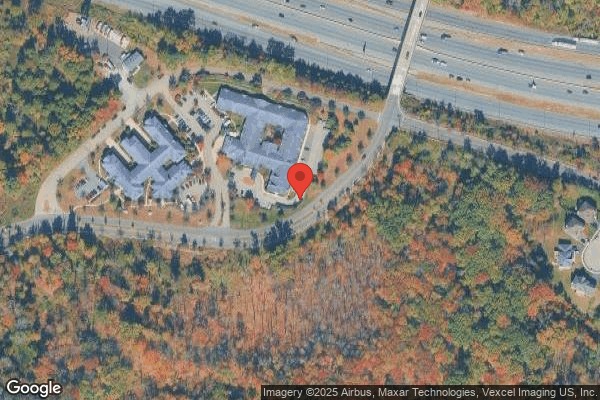
Understanding Severity Codes (click to expand)
Life-Threatening (Immediate Jeopardy)
J - Isolated K - Pattern L - Widespread
Actual Harm
G - Isolated H - Pattern I - Widespread
Potential for Harm
D - Isolated E - Pattern F - Widespread
No Harm (Minor)
A - Isolated B - Pattern C - Widespread

Questions to Ask on Your Visit

  • "Can I speak with families of current residents?"
  • "What's your RN coverage like on weekends and overnight?"

Our Honest Assessment

Strengths
  • • Grade B+ (80/100). Above average facility, better than most options in New Jersey.
  • • No major safety red flags. No abuse findings, life-threatening violations, or SFF status.
  • • No fines on record. Clean compliance history, better than most New Jersey facilities.
  • • 35% turnover. Below New Jersey's 48% average. Good staff retention means consistent care.
Concerns
  • • 12 deficiencies on record. Higher than average. Multiple issues found across inspections.
Bottom line: Generally positive indicators. Standard due diligence and a personal visit recommended.

About This Facility

What is Careone At Parsippany's CMS Rating?

CMS assigns CAREONE AT PARSIPPANY an overall rating of 4 out of 5 stars, which is considered above average nationally. Within New Jersey, this rating places the facility higher than 99% of the state's 100 nursing homes. This rating reflects solid performance across the metrics CMS uses to evaluate nursing home quality.

How is Careone At Parsippany Staffed?

CMS rates CAREONE AT PARSIPPANY's staffing level at 3 out of 5 stars, which is average compared to other nursing homes. Staff turnover is 35%, compared to the New Jersey average of 46%. This relatively stable workforce can support continuity of care.

What Have Inspectors Found at Careone At Parsippany?

State health inspectors documented 12 deficiencies at CAREONE AT PARSIPPANY during 2020 to 2024. These included: 12 with potential for harm.

Who Owns and Operates Careone At Parsippany?

CAREONE AT PARSIPPANY is owned by a for-profit company. For-profit facilities operate as businesses with obligations to shareholders or private owners. The facility is operated by CAREONE, a chain that manages multiple nursing homes. With 118 certified beds and approximately 80 residents (about 68% occupancy), it is a mid-sized facility located in PARSIPPANY TROY HILL, New Jersey.

How Does Careone At Parsippany Compare to Other New Jersey Nursing Homes?

Compared to the 100 nursing homes in New Jersey, CAREONE AT PARSIPPANY's overall rating (4 stars) is above the state average of 3.3, staff turnover (35%) is significantly lower than the state average of 46%, and health inspection rating (4 stars) is above the national benchmark.

What Should Families Ask When Visiting Careone At Parsippany?

Based on this facility's data, families visiting should ask: "Can I visit during a mealtime to observe dining assistance and food quality?" "How do you handle medical emergencies, and what is your hospital transfer rate?" "Can I speak with family members of current residents about their experience?"

Is Careone At Parsippany Safe?

Based on CMS inspection data, CAREONE AT PARSIPPANY has a clean safety record: no substantiated abuse findings (meaning no confirmed cases of resident harm), no Immediate Jeopardy citations (the most serious violation level indicating risk of serious injury or death), and is not on the Special Focus Facility watch list (a federal program monitoring the lowest-performing 1% of nursing homes). The facility has a 4-star overall rating and ranks #1 of 100 nursing homes in New Jersey. While no facility is perfect, families should still ask about staff-to-resident ratios and recent inspection results during their visit.

Do Nurses at Careone At Parsippany Stick Around?

CAREONE AT PARSIPPANY has a staff turnover rate of 35%, which is about average for New Jersey nursing homes (state average: 46%). Moderate turnover is common in nursing homes, but families should still ask about staff tenure and how the facility maintains care continuity when employees leave.

Was Careone At Parsippany Ever Fined?

CAREONE AT PARSIPPANY has no federal fines on record. CMS issues fines when nursing homes fail to meet care standards or don't correct problems found during inspections. The absence of fines suggests the facility has either maintained compliance or corrected any issues before penalties were assessed. This is a positive indicator, though families should still review recent inspection reports for the full picture.

Is Careone At Parsippany on Any Federal Watch List?

CAREONE AT PARSIPPANY is not on any federal watch list. The most significant is the Special Focus Facility (SFF) program, which identifies the bottom 1% of nursing homes nationally based on persistent, serious quality problems. Not being on this list means the facility has avoided the pattern of deficiencies that triggers enhanced federal oversight. This is a positive indicator, though families should still review the facility's inspection history directly.