TROY HILLS CENTER

200 REYNOLDS AVE, PARSIPPANY, NJ 07054 (973) 887-8080
For profit - Corporation 130 Beds GENESIS HEALTHCARE Data: November 2025 3 Immediate Jeopardy citations
Trust Grade
0/100
#342 of 344 in NJ
Last Inspection: November 2024

Within standard 12-15 month inspection cycle. Federal law requires annual inspections.

Overview

Troy Hills Center has received a Trust Grade of F, indicating significant concerns about the quality of care provided. With a state rank of #342 out of 344 in New Jersey and a county rank of #21 out of 21 in Morris County, it is in the bottom tier of facilities. The trend is worsening, with issues increasing from 15 in 2023 to 20 in 2024. Staffing is rated average with a turnover rate of 23%, which is better than the state average. However, the facility has accrued fines totaling $226,600, which is higher than 97% of New Jersey facilities, suggesting ongoing compliance problems. There are serious weaknesses highlighted by specific incidents, including a critical failure to implement proper infection control measures during a COVID-19 outbreak, putting residents at risk. Additionally, there were breaches in infection control practices observed across all resident care wings, which posed immediate threats to health and safety. On the positive side, the facility has good RN coverage, surpassing 93% of state facilities, which is essential for catching potential issues early. However, families should weigh these strengths against the significant concerns raised in the inspection findings.

Trust Score
F
0/100
In New Jersey
#342/344
Bottom 1%
Safety Record
High Risk
Review needed
Inspections
Getting Worse
15 → 20 violations
Staff Stability
✓ Good
23% annual turnover. Excellent stability, 25 points below New Jersey's 48% average. Staff who stay learn residents' needs.
Penalties
✓ Good
$226,600 in fines. Lower than most New Jersey facilities. Relatively clean record.
Skilled Nurses
✓ Good
Each resident gets 57 minutes of Registered Nurse (RN) attention daily — more than average for New Jersey. RNs are trained to catch health problems early.
Violations
⚠ Watch
40 deficiencies on record. Higher than average. Multiple issues found across inspections.
★☆☆☆☆
1.0
Overall Rating
★★★☆☆
3.0
Staff Levels
★★★☆☆
3.0
Care Quality
★☆☆☆☆
1.0
Inspection Score
Stable
2023: 15 issues
2024: 20 issues

The Good

  • Low Staff Turnover (23%) · Staff stability means consistent care
  • Full Sprinkler Coverage · Fire safety systems throughout facility
  • No fines on record
  • Staff turnover is low (23%)

    25 points below New Jersey average of 48%

Facility shows strength in staff retention, fire safety.

The Bad

1-Star Overall Rating

Below New Jersey average (3.2)

Significant quality concerns identified by CMS

Federal Fines: $226,600

Well above median ($33,413)

Significant penalties indicating serious issues

Chain: GENESIS HEALTHCARE

Part of a multi-facility chain

Ask about local staffing decisions and management

The Ugly 40 deficiencies on record

3 life-threatening 1 actual harm
Nov 2024 20 deficiencies
CONCERN (D)

Potential for Harm - no one hurt, but risky conditions existed

Deficiency F0558 (Tag F0558)

Could have caused harm · This affected 1 resident

Based on observations, interview, record review, and review of other facility documentation, it was determined that the facility failed to ensure that the resident's call light was readily accessible ...

Read full inspector narrative →
Based on observations, interview, record review, and review of other facility documentation, it was determined that the facility failed to ensure that the resident's call light was readily accessible within reach. The deficient practice was identified for 1 of 3 residents, Resident #79, reviewed for accommodation of needs and limited range of motion (ROM). This deficient practice was evidenced by the following: On 11/18/24 at 10:43 AM, the surveyor observed Resident #79 resting in bed and their right arm was elevated on the pillow. The surveyor greeted the resident, and the resident elevated their head of bed with the controller. The resident was unable to speak much at the time of observation. The surveyor observed resident's call bell wrapped around the side rails on resident's right side of bed. The resident was unable to reach it. On 11/20/24 at 11:42 AM, the surveyor observed the resident in their bed and the call bell was wrapped around the right side and the end of the call bell was hung on the right side of the bed. Resident #79's right arm was elevated on the pillow. The surveyor asked the resident if they were able to reach the call bell and resident shook their head sideways indicating No. On 11/20/24 at 12:11 PM, during an interview with the surveyor, the Certified Nursing Assistant (CNA) stated if the resident has a weakness on right side, she would make sure the resident was able to reach the call bell, tv (television) remote and water. The CNA further stated that she would clip the call bell on resident's gown so that resident could use the call bell if in case of emergency or if they needed help. At that time, both the surveyor and the CNA went into the resident's room to observe the call bell. The CNA confirmed the call bell wrapped and hung down from the right sided side rail and that it should be placed within resident's reach. The CNA placed the call light within the resident's reach. On 11/20/24 at 02:39 PM, during an interview with the surveyor, the Registered Nurse/Unit Manager (RN/UM) stated if the resident had a right sided weakness. the call bell should be placed on resident's left side otherwise the resident would not be able to use the call bell. The surveyor reviewed the medical records of Resident #79 and revealed: According to the admission Record (admission summary), Resident #79 was admitted to the facility with diagnoses which included but were not limited to, hemiplegia (paralysis/weakness on one side of the body) unspecified affecting right dominant side, aphasia (a language disorder that affects your ability to speak and understand what others say), hypertension (high blood pressure), and type 2 diabetes mellitus. A review of Quarterly Minimum Data Set (MDS), an assessment tool used to facilitate the management of care dated 10/11/24, indicated the resident had limitations and impairment on one side of upper extremities (limbs). Further review of MDS, in section I - Active diagnoses indicated Resident #79 was coded for Cerebrovascular Accident (CVA [stroke; sometimes called a brain attack, occurs when something blocks blood supply to part of the brain or when a blood vessel in the brain bursts]), transient ischemic attack (TIA), or stroke and hemiplegia or hemiparesis (is a condition with one-sided muscle weakness). A review of care plan (CP) dated 8/26/22 with a focus that reflected that the resident requires assistance for mobility related to body weakness dx (diagnosis) CVA, right hemiplegia. The CP did not include an intervention to accommodate the needs of the resident due to limited ROM specifically the use of call bell. On 11/21/24 at 12:44 PM, the survey team met with the Licensed Nursing Home Administrator (LNHA), the Assistant Director of Nursing (ADON), the Regional Compliance Advisor (RCA) and Market President of Special Project (MPSP). The surveyor notified the facility management of the above concerns. The ADON acknowledged that the resident should have call bell on their unaffected side. A review of facility's policy, Call Lights, revised on 02/01/23, included that all [company name] patients will have a call light or alternative communication device within their reach at all times when unattended. On 11/25/24 at 02:46 PM, the survey team met with the LNHA, Director of Nursing (DON), ADON, Market Clinical Lead and the RCA for an exit conference. The facility management did not provide additional information and did not refute the findings. NJAC 8:39-27.1 (a)
CONCERN (D)

Potential for Harm - no one hurt, but risky conditions existed

Abuse Prevention Policies (Tag F0607)

Could have caused harm · This affected 1 resident

Based on interview and review of pertinent documentation provided by the facility, it was determined that the facility failed to ensure reference checks were completed for 2 out of 10 newly hired staf...

Read full inspector narrative →
Based on interview and review of pertinent documentation provided by the facility, it was determined that the facility failed to ensure reference checks were completed for 2 out of 10 newly hired staff (Staff #2 and #6) prior to their start date of employment. This deficient practice was evidenced by the following: The surveyor reviewed ten randomly selected new employee files. The review for reference checks for 2 of the 10 new employees revealed the following: -Staff #2's file, a Licensed Nursing Home Administrator (LNHA) who was hired on 7/03/23, revealed no reference checks in their file. -Staff #6's file, a Nursing Assistant (NA) who was hired on 9/27/24, revealed no reference check in their file. On 11/25/24 at 12:20 PM, during an interview with the surveyor, the Staffing Coordinator (SC) stated minimum of 2 reference checks were required before the date of hire. SC further stated the recruiter was responsible to check the reference checks and then SC would double check the files. In the presence of the surveyor, the SC checked the employee files and acknowledged that the 2 newly hired staff did not have a reference check completed. On 11/25/24 at 01:12 PM, the survey team met with LNHA, Director of Nursing (DON), Assistant Director of Nursing (ADON), Regulatory Compliance Advisor (RCA), and Market Clinical Lead (MCL) The surveyor notified the facility management of the above concerns. There was no additional information provided by the facility. A review of facility's policy, Hiring, revised on 7/01/22, included, Process:1.2.2-Check at least two professional references. On 11/25/24 at 02:46 PM, the survey team met with the LNHA, DON, ADON, MCL and the RCA for an exit conference. The facility management did not refute the findings. N.J.A.C 8:39-9.3 (b)
CONCERN (D)

Potential for Harm - no one hurt, but risky conditions existed

Report Alleged Abuse (Tag F0609)

Could have caused harm · This affected 1 resident

Based on the interview, record review, and review of other facility provided documents, it was determined that the facility failed to report an allegation of Abuse/Neglect to the New Jersey Department...

Read full inspector narrative →
Based on the interview, record review, and review of other facility provided documents, it was determined that the facility failed to report an allegation of Abuse/Neglect to the New Jersey Department of Health (NJDOH) in the required timeframe for 1 of 4 sampled residents, Resident #45, reviewed for abuse. This deficient practice was evidenced by the following: On 11/19/24 at 01:39 PM, the surveyor reviewed the last three months' resident council minutes that were provided by the Licensed Nursing Home Administrator (LNHA) and revealed: -8/15/24: Council Members in Attendance: 10 Compliments/Ideas/Preferences/Concerns/Suggestions: Nursing: A resident awoke another resident and tried to get into their bed. The complainant resident asked the other resident to leave and would not. The complainant's roommate stayed with the complainant until nursing came, and not the first time the resident visited the complainant's room. Further review of the facility-provided resident council meeting minutes revealed that there was no resolution or follow-through with the above concerns on the 8/15/24 grievance voiced by the complainant. On 11/19/24 at 01:54 PM, the surveyor asked the LNHA about the 8/15/24 Resident Council Minutes that reported to Nursing about the complainant's concerns. The surveyor asked if the grievance was filed and the incident was investigated, and the LNHA stated that she would get back to the surveyor. The surveyor reviewed the medical records of Resident #45 and revealed: The admission Record (an admission summary) revealed that the resident was admitted to the facility with diagnoses that included but were not limited to, unsteadiness of the feet, need for assistance with personal care, and Parkinson's disease (a brain disorder that causes unintended or uncontrollable movements, such as shaking, stiffness, and difficulty with balance and coordination) with dyskinesia (involuntary, erratic, writhing movements of the face, arms, legs or trunk), with fluctuations. The most recent quarterly Minimum Data Set (MDS) with an assessment reference date of 6/07/24 revealed that the section for cognition was not assessed or attempted. A Review of the Progress Notes, documented as a Late Entry Care Plan Meeting with an effective date of 6/20/24 was created on 6/24/24 by Social Services revealed that Resident #45 was alert and oriented with confusion, however, the resident was able to verbalize her needs and concerns. On 11/20/24 at 8:32 AM, the LNHA stated that the incident on 8/15/24 that was reported by the resident was not a thorough investigation and was not resolved. The LNHA stated that still in the process of investigation after the surveyor's inquiry. The surveyor asked what the facility's policy and process for grievance was. The LNHA stated that she had to check their policy. The LNHA stated that as the standard of practice if it was a questionable abuse, it should be investigated immediately. The LNHA confirmed that the incident was not reported to the NJDOH within two hours and should have been reported. She further stated that it was now reported to NJDOH after the surveyor's inquiry. On 11/21/24 at 12:44 PM, the survey team met with the LNHA, Assistant Director of Nursing (ADON), Regional Compliance Advisor (RCA), and Market President Special Project (MPSP). The surveyor notified the facility management of the above findings that Resident #45, who was cognitively impaired, and the reported incident was not reported timely to the NJDOH. On 11/22/24 at 02:24 PM, the survey team met with the LNHA, ADON, RCA, and the MPSP. The LNHA stated that education was done to all staff about grievance and reportable events abuse allegation, facility management confirmed that it should be reported to the NJDOH within 2 hours for Resident #45. A review of the facility's Abuse Prohibition Policy with a revision and review date of 10/24/22 that was provided by the LNHA revealed: Policy: .Centers also strive to comply with the Elder Justice Act (EJA). Under the EJA, employees are designated as mandated reporters and are obligated to immediately report any reasonable suspicion of a crime against a patient . The Center will implement an abuse prohibition program through the following: -Identification of possible incidents or allegations which need investigation; -Investigation of incidents and allegations; -Protection of patients during investigations; and -Reporting of incidents, investigations, and Center response to the results of their investigations Process: 1. The Administrator, or designee, is responsible for operationalizing policies and procedures that prohibit abuse, neglect, involuntary seclusion, injuries of unknown source, exploitation, and misappropriation of property. The Center must ensure that all staff are aware of reporting requirements and must support an environment in which covered individuals report a reasonable suspicion of a crime . 7. Immediately upon receiving information concerning a report of suspected or alleged abuse, mistreatment, or neglect, the Administrator or designee will perform the following. 7.1. Enter allegation into the [electronic] risk management portal. 7.2 Report allegations involving abuse not later than 2 hours after the allegation is made . 9. The Administrator or designee will: 9.2 Report findings of all completed investigations within 5 working days to the Department of Health using the state on-line reporting system or state-approved forms. A review of Resident Rights Under Federal Law dated 11/28/16 that was provided by the LNHA included that on #10 Grievances: 10.4.4. Immediate reporting of alleged violations involving neglect, abuse, including injuries of unknown source, and/or misappropriation of resident property, by anyone furnishing services on behalf of the provider, to the Administrator of the provider, and as required by state law; A review of the facility's Detail Cleaning Policy with a revision date of 3/01/24 that was provided by the LNHA revealed: A review of the facility's Grievance/Concern Policy with a revision date of 10/15/24 that was provided by the LNHA revealed: Policy: All patients and/or their representatives may voice grievances/concerns and recommendations for changes. Service location leadership will investigate, document, and follow up on all concerns and grievances registered by any patient or patient representative. Social Services personnel will serve as patient advocates in the grievance/concern process. The Administrator will serve as the Grievance Officer who is responsible for overseeing the grievance process, including Civil Rights grievances/concerns, receiving and tracking grievances through to their conclusion, leading any necessary investigations by the facility, maintaining the confidentiality of all information associated with grievances, for example, the identity of the patient for those grievances submitted anonymously, issuing written grievance decisions to the patient, and coordinating with state and federal agencies, in consultation with the National Law Department, as necessary in light of specific allegations. Purpose: To assure prompt receipt and resolution of patient or representative grievances/concerns. On 11/25/24 at 02:46 PM, the survey team met with the LNHA, Director of Nursing, ADON, Market Clinical Advisor, and the RCA for an exit conference. The facility management did not provide additional information and did not refute the findings. NJAC 8:39-9.4(f)
CONCERN (D)

Potential for Harm - no one hurt, but risky conditions existed

Deficiency F0658 (Tag F0658)

Could have caused harm · This affected 1 resident

2. On 11/18/24 at 10:30 AM, during the initial tour, the surveyor observed Resident #68 resting in their bed. The resident was awake and watching TV. The surveyor greeted the resident. Resident #68 wa...

Read full inspector narrative →
2. On 11/18/24 at 10:30 AM, during the initial tour, the surveyor observed Resident #68 resting in their bed. The resident was awake and watching TV. The surveyor greeted the resident. Resident #68 was able to communicate with the surveyor. The surveyor reviewed the medical records of Resident #68 and revealed: According to the AR, the resident was admitted to the facility with diagnoses which included but were not limited to insomnia, Multiple Sclerosis [MS] (is an autoimmune disorder, meaning that in MS the immune system-which normally protects us from viruses, bacteria, and other threats-mistakenly attacks healthy cells), need for assistance with personal care, and muscle weakness. A review of the Order Summary Report (OSR) revealed a PO: Vital signs (v/s; clinical measurements, specifically pulse rate, temperature, respiration rate, and blood pressure, that indicate the state of a patient's essential body functions) daily every evening shift for protocol with a start date 10/20/2024. The above PO was transcribed to the October 2024 electronic Medication Administration Record (eMAR) and signed by nurses as completed with a checkmark next to their initials without documented evidence that the v/s was obtained according to the PO. A review of the BP (blood pressure) Summary, from the Weights and v/s Summary tab, did not include v/s from October 20th to October 31st. November 2024 which reflected eight entries, out of which three were the same entries for 11/13/24 as follows: Dates Time BP Heart Rate Temperature Respirations 11/12/24 9:22 PM 144/94 73 98.2 No entry 11/13/24 8:25 PM 138/87 76 98.4 18 11/13/24 9:35 PM 138/87 76 98.4 17 11/13/24 9:36 PM 138/87 76 98.4 17 11/15/24 7:36 PM 123/78 69 97.0 18 11/17/24 8:11 PM 126/79 71 97.0 18 11/20/24 9:24 PM 128/76 74 97.5 18 11/21/24 9:04 PM 123/68 70 97.7 18 There was no documented evidence for v/s entries for 15 days out of 21 days until November 21st. On 11/20/24 at 02:45 PM, during an interview with the surveyor, Licensed Practical Nurse #1 (LPN#1) stated if there was a PO order to check v/s then she would check the v/s. The LPN further stated that the v/s were entered in eMAR and then would pop up in the v/s tab. On 11/21/24 at 11:22 AM, during an interview with the surveyor, the Registered Nurse (RN) explained if she saw a PO as v/s daily as per protocol that means we have to take v/s daily. The RN further stated that she would perform resident's v/s and entered them in eMAR, and v/s would show up in v/s section under Weight and v/s Summary tab. The surveyor reviewed Resident # 68's order in the eMAR in presence of the RN. The RN stated Since I have been here, the protocol has been different for Long-term care (LTC) than Short-term care (STC) and we do not do v/s daily in LTC. The RN further stated that she had modified the order on 10/20/24 to do v/s in the evening and explained the process to the surveyor that the staff performed v/s on B bed in the evenings. The RN further stated that after the modification, the evening shift should be able to enter the v/s now. On 11/21/24 at 12:00 PM, during an interview with the surveyor, the Registered Nurse/Unit Manager (RN/UM) stated the nurses were expected to check resident's v/s if they saw a PO as mentioned above. The RN/UM further stated that if the nurses were not able to enter the v/s in eMAR then they should go into v/s tab and enter them separately. On 11/21/24 at 12:44 PM, the survey team met with the LNHA, ADON, RCA and the Market President Special Project (MPSP). The surveyor notified the facility management of the above concerns. The ADON acknowledged that the nurses should followed the PO. REPEAT DEFICIENCY Based on observation, interview, record review, and review of other pertinent facility provided documentation, the facility failed to a.) ensure accurate documentation of treatment administration and follow wound consultant recommendations for 1 of 1 resident, Resident #15, reviewed for pressure ulcer, b.) follow a PO with regard to vital signs for 1 of 24 residents, Resident #68, and c.) clarify the physician's order with regard to pain medication for 1 of 24 residents, Resident #80, according to the standard of clinical practice. This deficient practice was evidenced by the following: Reference: New Jersey Statutes Annotated, Title 45. Chapter 11. Nursing Board. The Nurse Practice Act for the State of New Jersey states: The practice of nursing as a registered professional nurse is defined as diagnosing and treating human responses to actual and potential physical and emotional health problems, through such services as case-finding, health teaching, health counseling, and provision of care supportive to or restorative of life and wellbeing, and executing medical regimens as prescribed by a licensed or otherwise legally authorized physician or dentist. Reference: New Jersey Statutes Annotated, Title 45, Chapter 11. Nursing Board. The Nurse Practice Act for the State of New Jersey states: The practice of nursing as a licensed practical nurse is defined as performing tasks and responsibilities within the framework of case finding; reinforcing the patient and family teaching program through health teaching, health counseling, and provision of supportive and restorative care, under the direction of a registered nurse or licensed or otherwise legally authorized physician or dentist. 1. On 11/25/24 at 9:16 AM, the surveyor reviewed the paper and electronic medical record (EMR) of Resident #15. The admission Record (AR; admission summary) documented that the resident had diagnoses that included but were not limited to, Alzheimer's disease, anxiety disorder, and pressure-induced deep tissue damage of left heel. The quarterly Minimum Data Set (qMDS), an assessment tool used to facilitate the management of care, with an assessment reference date (ARD) of 9/14/24, indicated the facility assessed the resident's cognition using a brief interview for mental status (BIMS) test. Resident #15 scored a 3 out of 15, which indicated the resident had severe cognitive impairment. In Section M-Skin Conditions of the MDS revealed the resident was coded as having an unstageable deep tissue injury (DTI). A physician's order (PO) dated 8/18/24 documented, left heel DTI wound care every day and evening shift to cleanse wound with NS [normal saline], pat dry, do not scrub or use excessive force, apply skin prep and LOTA [Leave open to air]. A PO dated 3/28/22 documented, skin check every Monday 7-3 shift on shower days. A PO dated 6/16/24 documented, low air loss mattress while in bed; check every shift for function. A PO dated 02/24/24 documented, moisture barrier-apply every shift to peri-area buttocks. A PO dated 7/26/24 documented, zinc oxide external paste, apply to sacrum topically in the morning for wound care; cleanse wound with NS, pat dry, do not scrub or use excessive force, apply zinc oxide and LOTA. A review of the October 2024 electronic Treatment Administration Record (eTAR) revealed the nurse did not sign the eTAR to indicate the treatments were administered to the resident on the following days: 10/01/24 7:00 AM (7 AM)-3:00 PM (3 PM) (day) shift, 10/04/24 day shift, 10/19/24 3 PM- 11:00 PM (3 PM) (evening) shift, 10/28/24 day shift, 10/29/24 day shift, 10/30/24 day shift, and 10/31/24 day shift. A review of the November 2024 eTAR revealed the nurse did not sign the eTAR to indicate the treatments were administered to the resident on the following days: 11/02/24 day shift, 11/03/24 day shift, 11/04/24 day shift, and 11/06/24 day shift. On 11/25/24 at 8:54 AM, the surveyor interviewed the Infection Preventionist Nurse (IPN) about Resident #15's wound care. The IPN stated that the resident's left heel wound had healed and the treatments the resident was receiving were preventive measures. The surveyor asked the IPN about documenting in the eTAR by the nurses. The IPN replied that it was expected for the nurses to document when a treatment was administered and when a treatment was not. She further acknowledged that entries on the eTAR should not be left blank. The surveyor discussed the above concerns found for the resident's eTAR. The IPN stated she would have to review to provide further information. On 11/25/24 at 01:41 PM, the surveyor notified the Licensed Nursing Home Administrator (LNHA), the Director of Nursing (DON), the Regulatory Compliance Advisor (RCA), the Assistant Director of Nursing (ADON), and the Market Clinical Lead (MCL) about the above concern for multiple entries for Resident #15's October 2024 and November 2024 eTAR not signed by nurses. There was no additional information by the facility. A review of the facility's Medication Administration General Guidelines Policy, dated 01/2024. Under Procedure, Medication Administration it documented: 1. Medications are administered in accordance with written orders of the prescriber . A review of the facility's Skin Integrity and Wound Management Policy with a last revised date of 10/15/24. Under Practice Standards 6.13, it documented to implement special wound care treatments/techniques, as indicated, and ordered. The policy did not further address documentation in the TAR. 3. During the initial tour of Unit 1 on 11/18/2024 at 11:18 AM, the surveyor observed Resident #80's room with a posted sign of EBP (Enhanced Barrier Precautions; an infection control intervention designed to reduce transmission of multidrug-resistant organisms (MDROs) in nursing homes). The surveyor observed the resident lying on a specialized air mattress, with an indwelling catheter covered with a privacy bag, and the resident was dry and clean. The surveyor reviewed the medical records of Resident #80 and revealed: The AR revealed that the resident was admitted to the facility with the following medical diagnoses that were not limited to abnormal posture, chronic obstructive pulmonary disease (COPD; a condition caused by damage to the airways or other parts of the lung), peripheral vascular disease (PVD; a slow and progressive circulation disorder caused by narrowing, blockage or spasms in a blood vessel), and pressure ulcer of sacral region stage 4 (the largest and deepest of all bedsore stages). The most recent comprehensive MDS with an ARD of 9/29/24, under Section Cognitive Patterns revealed a BIMS score of 15 out of 15 which reflected that the resident had intact cognition. Section J Health Conditions reflected that the resident had mild occasional pain. A review of the November 2024 OSR revealed: -Oxycodone-Acetaminophen tablet (tab) 5-325 mg (milligram) Give 1 tab by mouth every 6 hours as needed (PRN) for severe pain medicate 30 minutes prior to wound care-Start Date 11/18/2024. -Oxycodone-Acetaminophen Tab 5-325 mg Give 1 tab by mouth one time a day every Mon (Monday), Wed (Wednesday), Fri (Friday) for 30 minutes prior to wound care-Start Date 11/20/2024 The above two orders for Oxycodone-Acetaminophen were transcribed in the November 2024 eMAR. On 11/19/24 at 8:48 AM, the surveyor asked the ADON for the November 2024 OSR and eMAR copies. The ADON stated that she would get back to the surveyor. On 11/20/24 at 02:02 PM, the surveyor interviewed LPN#2 regarding the resident's pain med orders. The LPN acknowledged the concerns with Oxycodone-Acetaminophen orders and stated that the PRN order for Oxycodone should have been clarified to separate the PRN every 6 hours from 30 minutes prior to wound treatment. She also acknowledged that the order was duplicated for 30 minutes prior to wound treatment. On 11/21/24 at 12:44 PM, the survey team met with the LNHA, ADON, RCA, and the MPSP. The surveyor notified the facility management of the above concerns about Resident#80's Oxycodone orders. A review of the facility's Physician Orders with a revision date of 7/18/24 that was provided by the LNHA did not include information about clarification of orders. On 11/25/24 at 02:46 PM, the survey team met with the LNHA, Director of Nursing, ADON, MCL, and the RCA for an exit conference. The facility management did not provide additional information and did not refute the findings. NJAC 8:39-11.2(b); 29.2(d)
CONCERN (D)

Potential for Harm - no one hurt, but risky conditions existed

Deficiency F0688 (Tag F0688)

Could have caused harm · This affected 1 resident

**NOTE- TERMS IN BRACKETS HAVE BEEN EDITED TO PROTECT CONFIDENTIALITY** Based on observation, interview, record review and review of other facility documentation, it was determined that the facility f...

Read full inspector narrative →
**NOTE- TERMS IN BRACKETS HAVE BEEN EDITED TO PROTECT CONFIDENTIALITY** Based on observation, interview, record review and review of other facility documentation, it was determined that the facility failed to maintain professional standards of nursing practice by not following a.) a physician's order for the application of a splint to right wrist, and b.) document in the Treatment Administration Record for 1 of 3 residents, Resident #68, reviewed for limited range of motion (ROM). The deficient practice was evidenced by the following: On 11/18/24 at 10:30 AM, during an initial tour, the surveyor observed Resident #68 resting in their bed while watching television, with no splint in use. The surveyor observed a picture of right hand in a splint that was posted on their room wall with instructions, indicating Right hand- Apply daily with a.m. (morning) care. Remove after 8 hours. Later on, the surveyor observed resident sitting in their wheelchair (w/c) in atrium from 12:20 PM until 02:20 PM. The surveyor did not observe resident's right wrist splint on. On 11/19/24 at 12:58 PM, the surveyor observed Resident #68 in their bed. The resident was performing stretching exercises to their upper extremities. The surveyor did not observe right wrist splint in place. On 11/20/24 at 11:28 AM, the surveyor observed the resident sitting up in their w/c, who was being brought up to Atrium for lunch by Certified Nursing Assistant (CNA). The resident did not have splint on their right hand and/or wrist at the time of observation. On 11/20/24 at 11:48 AM, during an interview with the surveyor, the CNA explained that if a resident was supposed to wear a splint or a special equipment, we would see the device at their bedside. There would be a picture posted in resident's room wall indicating what time the special equipment will be applied and taken off. The CNA also stated that when we put the device on, we would document in Electronic Medical Record (EMR). The CNA stated that she was familiar with Resident #68 and the resident had never refused care. The CNA acknowledged that she had never applied special equipment whenever she provided care to the resident. The CNA stated that she was not aware if Resident #68 required splint for their right hand. Afterward, both the surveyor and the CNA went into the resident's room to observe the posted picture and to verify if there was a splint in the room. When the CNA opened the top drawer of resident's nightstand, she confirmed that the splint and the posted sign were in resident's room. The CNA further stated the staff from previous shift did not give signoff report during change of shift and that was the reason that she did not know if resident required any special equipment, and she acknowledged that change of shift signoff report from previous shift would be very helpful. The surveyor reviewed the medical records of Resident #68 and revealed: According to the admission Record (admission summary), the resident was admitted to the facility with diagnoses which included but were not limited to insomnia, Multiple Sclerosis [MS] (is an autoimmune disorder, meaning that in MS the immune system-which normally protects us from viruses, bacteria, and other threats-mistakenly attacks healthy cells), need for assistance with personal care, and muscle weakness. A review of Quarterly Minimum Data Set (MDS), an assessment tool used to facilitate the management of care dated 8/08/24, indicated the resident had limitations and impairment on one side of upper extremities (limbs). A review of the Order Summary Report (OSR) revealed a physician order (PO): Apply R (right) wrist splint with AM (morning) care and remove after 5-6 hours every day shift for protocol with a start date 4/20/2023. The above order for R wrist splint was transcribed in the November 2024 electronic Treatment Administration Record (eTAR) and were signed off by nurses, as splint was applied daily for day shift including the three days during when the surveyor observed that Resident #68 did not have the splint applied to their right wrist. The personalized care plan (CP) initiated on 4/17/23, revised on 4/20/23, had a focus Is at risk of contractures r/t [related to] MS. May apply splint on right wrist as tolerated per OT [occupational therapy] [NAME] [evaluation] as trial. The interventions included but were not limited to: Apply R wrist splint with AM care and remove after 5-6 hours or tolerated. On 11/20/24 at 02:32 PM, the surveyor met with the Registered Nurse/Unit Manager (RN/UM) and presented concerns regarding Resident #68's right hand splint not being applied or observed from last 3 days of observations. The RN/UM stated as far as she knew that Resident #68 did not refuse care. The RN/UM acknowledged that if a special equipment like splint was ordered for a resident, then the splint should be applied as per PO. The RN/UM stated that it was important for CNAs to give sign off report at the change of shift to oncoming shift CNA for better care. The RN/UM further explained that sign off report was the way to inform the oncoming shift staff of if the resident had special needs, their activity status, if the resident had urinary catheter or if they were incontinent and how much assistance residents required during their care. On 11/21/24 at 12:44 PM, the survey team met with the Licensed Nursing Home Administrator (LNHA), the Assistant Director of Nursing (ADON), the Regional Compliance Advisor (RCA) and Market President of Special Project (MPSP). The surveyor presented above mentioned concerns with the team. The ADON stated the nurses should be following PO. A review of facility's policy, Activities of Daily Living (ADLs), revised on 5/01/23, included under section Practice Standards: 3.) Assistive devices and adaptive equipment are provided as needed. A review of the facility's policy Range of Motion and Mobility reviewed on 6/15/22, included under Policy: Centers will provide services, care, and equipment to ensure that a patient: With limited mobility receives appropriate services, equipment, assistance to maintain or improve mobility with the maximum practicable independence unless a reduction in mobility is demonstrably unavoidable. Under Section Purpose: To maintain or improve to the highest level of ROM and mobility. On 11/25/24 at 02:46 PM, the survey team met with the LNHA, Director of Nursing (DON), ADON, Market Clinical Lead (MCL) and the RCA for an exit conference. The facility management did not provide additional information and did not refute the findings. NJAC 8:39 27.1(a); 27.2 (m)
CONCERN (D)

Potential for Harm - no one hurt, but risky conditions existed

Respiratory Care (Tag F0695)

Could have caused harm · This affected 1 resident

Based on observation, interview, record review, and review of other pertinent facility documentation, it was determined that the facility failed to ensure the necessary respiratory care and services o...

Read full inspector narrative →
Based on observation, interview, record review, and review of other pertinent facility documentation, it was determined that the facility failed to ensure the necessary respiratory care and services of residents that were receiving oxygen, according to the standard of clinical practice and the facility's policy and procedure, specifically a.) clarify the physician's order for as needed (PRN) oxygen and document the use of PRN oxygen therapy for 1 of 3 residents, Resident #33 and b.) that respiratory equipment was stored in accordance with facility policy and infection control measures for 1 of two 3 residents reviewed for respiratory care, Resident #80. This deficient practice was evidenced by the following: Reference: New Jersey Statutes Annotated, Title 45. Chapter 11. Nursing Board. The Nurse Practice Act for the State of New Jersey states: The practice of nursing as a registered professional nurse is defined as diagnosing and treating human responses to actual and potential physical and emotional health problems, through such services as case-finding, health teaching, health counseling, and provision of care supportive to or restorative of life and wellbeing, and executing medical regimens as prescribed by a licensed or otherwise legally authorized physician or dentist. Reference: New Jersey Statutes Annotated, Title 45, Chapter 11. Nursing Board. The Nurse Practice Act for the State of New Jersey states: The practice of nursing as a licensed practical nurse is defined as performing tasks and responsibilities within the framework of case finding; reinforcing the patient and family teaching program through health teaching, health counseling, and provision of supportive and restorative care, under the direction of a registered nurse or licensed or otherwise legally authorized physician or dentist. 1. On 11/18/2024 at 11:28 AM, during the initial tour, the surveyor observed Resident #33 seated in their wheelchair (w/c) with an oxygen (O2) via nasal cannula (n/c; a tube delivering O2 into the nose). The O2 was set at 4 L (liters). At 12:25 PM, the surveyor observed Resident #33 seated in their w/c, came out to atrium to eat lunch. The surveyor observed the O2 tank behind the w/c and the resident was on O2. The surveyor reviewed the medical record for Resident #33. According to the admission Record (AR; an admission summary), the resident was admitted to the facility with diagnoses which included but was not limited to: chronic obstructive pulmonary disease [COPD] (an ongoing lung condition caused by damage to the lungs), type 2 diabetes mellitus, and atrial fibrillation (an irregular and often very rapid heart rhythm). The Quarterly Minimum Data Set (MDS), an assessment tool used to facilitate the management of care, with an assessment reference date (ARD) of 10/10/24, reflected a Brief Interview for Mental Status (BIMS) score of 02 which indicated that Resident #33 was cognitively severely impaired. Further review of the MDS revealed the resident had used O2 while a resident. A review of the resident's Care Plan (CP) included a focus area that indicated the resident exhibits or is at risk for respiratory complications related to COPD initiated on 7/19/2024. The interventions included O2 as ordered via n/c. A review of Resident #33's Order Summary Report (OSR) reflected a physician order (PO) for O2 on at 2-4 L/min (minute) via n/c as needed dated 9/26/2024. The PO did not specify indication when to administer O2 and/or amount of O2 to be administered. The above PO was transcribed in the electronic Medication Administration Record (eMAR). A review of Resident #33's October 2024 eMAR revealed that resident used O2 only for one day as signed off for October 7th. Further review of November 2024 eMAR reflected the resident received O2 on November 19th as it was signed off for that day only. A review of O2 sats (saturation - a measure of how much O2 is in your blood) summary, from Weights and Vitals Summary, revealed that when resident's O2 sats were obtained, there were 74 entries for October and 46 entries for November 2024, that reflected the resident was on O2 via n/c. The O2 sats summary did not reflect amount of O2 the resident was on. On 11/21/24 at 11:42 AM, during an interview with the surveyor, the Registered Nurse (RN), stated there should be an order for O2 administration except if there was an emergency situation. The RN stated she would administer O2 based on resident's needs. She spoke about Resident #33's O2 needs and stated that the resident wanted more O2, and the resident was comfortable on 3L O2 and RN stated, I modified the O2 order to 2-4 L as per PRN after she had spoken to the physician. RN further stated that she documented O2 administration with vital signs (v/s) and O2 sats assessments. The RN stated that the O2 was ordered as PRN and she would administer O2 to the resident PRN. The surveyor reviewed the PRN O2 order in October and November eMAR with the RN, and the RN stated she would document O2 with O2 sats. The RN did not speak to why there was no documentation in the eTAR (electronic Treatment Administration Record). On 11/21/24 at 12:00 PM, the Registered Nurse/Unit Manager (RN/UM) stated that we need doctors' orders for O2 tubing change, monitoring of the O2 levels (O2 sats) and v/s every shift. If the resident had problems with the amount of O2 that they were on, then the nurses would call the doctor and get the new orders as per resident's needs. The RN/UM further stated that we would start the resident on O2 at 2L if the resident was expressing shortness of breath (SOB) and/or difficulty in breathing, if it was not effective then would increase the O2 slowly until it was effective and could go up to 4L. The RN/UM further stated that PRN O2 would be documented same as PRN medications (meds) in eMARs. The RN/UM stated if the resident required more O2, then we should be reaching out to the doctor to get a standing order for continuous O2 because that's a change in condition. On 11/21/24 at 12:44 PM, the survey team met with the Licensed Nursing Home Administrator (LNHA), the Assistant Director of Nursing (ADON), the Regional Compliance Advisor (RCA) and Market President of Special Project (MPSP). The surveyor notified the facility management of the above findings. The ADON stated that there should be a reason indicated to administer O2 for PRN or continuously use, with specific amount of O2 in Liters to be administered. The ADON further acknowledged that the PRN O2 administration should be documented. A review of the facility's Respiratory Management Policy with a last revised date of 12/01/21. The policy did not address the following: a.) Indication for O2 use; b.) O2 amount in specific liters, c.) O2 administration documentation in eMAR and d.) duration for O2 use i.e. PRN or continuously. 2. During the initial tour of Unit 1 on 11/18/2024 at 11:18 AM, the surveyor observed Resident #80's room with a posted sign of EBP (Enhanced Barrier Precautions; an infection control intervention designed to reduce transmission of multidrug-resistant organisms (MDROs) in nursing homes). The surveyor observed the resident lying on a specialized air mattress, the nebulizer (neb) mask was hung on the nightstand table exposed to the environment of the resident's bed rails, and not stored inside a bag, there was no date on the neb mask tubing. The nightstand table with accumulation of dust, and the top and side areas of the table with dried whitish substances. The floor with accumulation of dust and dried brownish substances. The windows with accumulation of dust and cobwebs. The surveyor reviewed the medical records of Resident #80 and revealed: The AR revealed that the resident was admitted to the facility with the following medical diagnoses that were not limited to abnormal posture, COPD, peripheral vascular disease (PVD; a slow and progressive circulation disorder caused by narrowing, blockage or spasms in a blood vessel), and pressure ulcer of sacral region stage 4 (the largest and deepest of all bedsore stages). The most recent comprehensive MDS with an ARD of 9/29/24, under Section Cognitive Patterns revealed a BIMS score of 15 out of 15 which reflected that the resident had intact cognition. A review of the November 2024 OSR revealed: -Budesonide Inhalation Suspension 0.5 mg (milligrams)/2 ml (milliliters), 2 ml inhale orally every 12 hours for COPD-Start Date 9/25/2024 0900 (9 AM). Further review of the OSR revealed that there were no PO for the care of the neb mask and tubing. The above PO was transcribed to the November 2024 eMAR and signed by nurses as administered from 11/01/24 through 11/19/24 at 9 AM. The PO was plotted for 9 AM and 2100 (9 PM). A review of the personalized CP revealed that there was no plan or intervention on how to care for the neb mask and tubing. Further review of the medical records revealed that there was no documented evidence of care for the neb mask and tubing and accountability. On 11/19/24 at 8:48 AM, the surveyor asked the ADON and the RCA to go with the surveyor inside the resident's room. Inside the resident's room was observed with dust, brownish stains on the floor, whitish and grayish stains on top of the nightstand and side of the nightstand table where the neb machine was located. There was an accumulation of dust on top of the light on top of the head of the resident's bed, the RCA with gloves brushed off the overhead light and there were reddish stains on her gloves and some dust, there was a total of 4 brownish stains on the ceiling tiles near the window, inside the toilet room there was an accumulation of dust on top of the light. The resident's environment was the same on the 1st day of the tour. Outside the resident's room, the surveyor interviewed the RCA and ADON regarding the observations inside the resident's room. The surveyor notified the RCA and the ADON of the above findings and concerns with the neb mask not properly stored when not in use and undated. The RCA stated that the neb mask should have been stored in a bag when not in use and dated. The RCA further stated that there should be accountability and order for the care of the neb mask and should be in the CP. The surveyor asked the ADON for the November 2024 OSR and eMAR copies. The ADON stated that she would get back to the surveyor. On 11/21/24 at 12:44 PM, the survey team met with the LNHA, ADON, RCA, and the MPSP. The surveyor notified the facility management of the above concerns about Resident#80's neb mask not being stored properly, no CP, and accountability for neb tubing and mask on how to care for respiratory equipment and supplies. On 11/22/24 at 02:24 PM, the survey team met with the LNHA, ADON, RCA, and the MPSP. The ADON stated that the resident's neb now had an order for every day to be changed and should be stored in a bag. The MPSP stated that the CP was also updated to include care for the neb tubing and mask after the surveyor's inquiry. The facility management acknowledged there was no accountability and order for care of respiratory prior to the surveyor's inquiry. A review of the facility's Medication Administration Nebulizers (Updraft) with a date of 01/23 that was provided by the LNHA revealed: Policy: To allow for safe, accurate, and effective administration of medication using a small volume neb. Procedure: 20. Obtain post-treatment pulse, respiratory rate, and lung sounds and document findings on the MAR or in the resident's medical record following facility policy . 23. When equipment is completely dry, store it in a plastic bag with the resident's name and the date on it. 24. Change equipment and tubing per nursing facility policy . On 11/25/24 at 02:46 PM, the survey team met with the LNHA, Director of Nursing, ADON, Market Clinical Advisor, and the RCA for an exit conference. The facility management did not provide additional information and did not refute the findings. NJAC 8:39-11.2(a,b); 19.4(a); 27.1(a)
CONCERN (D)

Potential for Harm - no one hurt, but risky conditions existed

Deficiency F0698 (Tag F0698)

Could have caused harm · This affected 1 resident

Based on observation, interview, record review, and review of other pertinent documents, it was determined that the facility failed to complete post dialysis communication record assessments upon the ...

Read full inspector narrative →
Based on observation, interview, record review, and review of other pertinent documents, it was determined that the facility failed to complete post dialysis communication record assessments upon the resident's return from the dialysis center for 1 of one 1 resident, Resident #24, reviewed for dialysis services. The deficient practice was evidenced by the following: On 11/18/24 at 12:05 PM, the surveyor observed Resident #24 was not in their room. The Registered Nurse (RN) assigned to care for Resident #24 stated the resident was at dialysis. The surveyor reviewed the electronic medical record of Resident #24. The admission Record (a summary of important information about the resident) documented that the resident had diagnoses that included but were not limited to, end stage renal [kidney] disease, dependence on renal dialysis, hypertension (high blood pressure) and atrial fibrillation (an irregular, often rapid heart rate). A comprehensive Minimum Data Set (MDS), an assessment tool used to facilitate the management of care, dated 10/10/24, indicated the facility assessed the resident's cognition using a Brief Interview Mental Status (BIMS) test. Resident #24 scored a 11 out of 15, which indicated the resident had moderate cognitive impairment. A physician's order dated 10/04/24 documented Resident #24 was scheduled for dialysis on Monday, Wednesday, and Friday with a pick up time of 10:15 AM. On 11/20/24 at 01:05 PM, the surveyor interviewed the RN assigned to care for Resident #24. The RN stated that the resident's dialysis access site would be monitored for any signs or symptoms of infection and active bleeding. The RN further explained there was a dialysis communication binder that was completed at the time the resident went to dialysis. On 11/21/24 at 10:46 AM, the RN provided the surveyor with Resident #24's dialysis communication binder. The binder included a form titled Hemodialysis Communication Record which had three sections. Each section documented a brief assessment of the resident which included the resident's vital signs (measurement of the body's basic function including blood pressure, temperature, and pulse), and general condition. The first section was to be completed by the facility nurse when the resident left to dialysis. The second section was to be completed by the dialysis nurse. The last section was to be completed by the facility nurse when the resident returned from dialysis. A review of Resident #24's dialysis communication binder revealed for 6 of the 8 dialysis communication record forms, the post dialysis portion of the form was not completed by the facility nurse and left blank. This was observed for the dates of 11/04, 11/11/24, 11/13, 11/15, 11/18, and 11/20/24. A review of Progress Notes (PN) from November 2024 revealed there were no PN which documented that the resident was assessed after returning to the facility from dialysis. On 11/21/24 at 10:58 AM, the surveyor interviewed the RN about the dialysis communication record forms. The RN reviewed the dialysis communication record with the surveyor and stated that she believed the last section should have been completed by the nurses. On 11/21/24 at 11:45 AM, the surveyor interviewed the Registered Nurse/Unit Manager (RN/UM) about Resident #24's dialysis communication records. The RN/UM reviewed with the surveyor the 6 of 8 forms with the post-dialysis section not completed by the nurses. The RN/UM acknowledged that the forms should have been completed upon the resident's return to the facility. On 11/21/24 at 12:47 PM, the surveyor informed the Market President Special Projects (MPSP), the Assistant Director of Nursing (ADON), the Licensed Nursing Home Administrator (LNHA), and the Regional Compliance Advisor (RCA) of the above concerns. There was no verbal response by the facility at this time. On 11/22/24 at 02:24 PM, the survey team met with the LNHA, the ADON, the MPSP, and the RCA. The ADON stated that education was being provided to staff about the dialysis communication record and that it must be completed when a resident returns from dialysis. There was no additional information provided by the facility. A review of the facility's Dialysis: Hemodialysis (HD)- Communication and Documentation Policy with a last revised date of 6/15/22. Under Policy it documented that the facility staff would communicate with the certified dialysis facility regarding the ongoing assessment of the patient's condition by the monitoring for complications before and after hemodialysis (HD) treatments received at a dialysis center. Under Practice Standards it indicated, upon the resident's return to the facility, a licensed nurse would review the dialysis center's communication, evaluate the patient, and complete the post- dialysis treatment section on the Hemodialysis Communication Record or state required form. NJAC 8:39 - 27.1(a)
CONCERN (D)

Potential for Harm - no one hurt, but risky conditions existed

Staffing Information (Tag F0732)

Could have caused harm · This affected 1 resident

Based on observation, interview, and review of pertinent facility documentation, it was determined that the facility failed to post the accurate Nursing Home Resident Care Staffing Report daily for 2 ...

Read full inspector narrative →
Based on observation, interview, and review of pertinent facility documentation, it was determined that the facility failed to post the accurate Nursing Home Resident Care Staffing Report daily for 2 of 7 days. This failure could affect the knowledge of the availability of staff to care for the residents, resident representative, and visitors. This deficient practice was evidenced by the following: On 11/18/24 at 9:10 AM, upon entry into the facility, Surveyor #1 (S#1) observed a posted Nursing Home Resident Care Staffing Report (NHRCSR) that was posted in the reception area of the lobby, dated 11/18/24 Day Shift, 7 AM-3 PM. The NHRCSR reflected current census of 98 that included 10 CNAs (Certified Nursing Aides) with staff to resident ratio of 1 CNA:9.8 Residents. On 11/18/24 at 10:04 AM, during entrance conference, the Licensed Nursing Home Administrator (LNHA) informed S#1 that the census (total number of residents) was 97. S#1 requested for Daily Census (DC) and Daily Staffing Sheets [DSS] (to reflect total number of staff that actually worked). A review of DC and DSS dated 11/18/24 revealed the census was 97. The DSS reflected the actual number of CNAs was 9. On 11/20/24 at 9:20 AM, Surveyor #2 (S#2) observed the NHRCSR at the receptionist desk, dated 11/20/24 Day Shift, 7 AM-3 PM, reflected current census of 97 that included 12 CNAs with staff ratio of 1 CNA:8.1 Residents. A review of DC and DSS reflected the census of 94. Further review of DSS reflected the actual number of CNAs was 11. On 11/22/24 at 02:24 PM, the survey team met with the LNHA, the Assistant Director of Nursing (ADON), the Regional Compliance Advisor (RCA) and Market President of Special Project (MPSP). S#2 notified the facility management that the census and CNAs inaccuracy between NHRCSR, DS and DSS. The LNHA stated the Staffing Coordinator (SC) was responsible for doing Staffing sheets. On 11/25/24 at 01:12 PM, the survey team met with the LNHA, ADON, RCA, Director of Nursing (DON), and Market Clinical Lead (MCL). The RCA stated, SC was printing the NHRCSR night before, before reconciliation that was why it was often wrong. The LNHA acknowledged that the NHRCSR should be accurate. The LNHA stated that education / in-service was provided to SC and in-service sign-in sheet was provided after the surveyor's inquiry. A review of facility's policy, Staffing/Center Plan, revised on 8/07/23, included under Policy: Centers will provide qualified and appropriate staffing levels to meet the needs of the patient population. The staffing plan will include all shifts, seven days per week. Under section Purpose: To assure that appropriate staffing levels are scheduled and maintained. Under Process: 2.) Staffing levels are reviewed on an ongoing basis by Center staff to evaluate compliance and provide appropriate levels of are by qualified employees. On 11/25/24 at 02:46 PM, the survey team met with the LNHA, Director of Nursing (DON), ADON, Market Clinical Lead (MCL) and the RCA for an exit conference. The facility management did not provide additional information and did not refute the findings. N.J.A.C. 8:39-41.2 (a)(b)(c)
CONCERN (D)

Potential for Harm - no one hurt, but risky conditions existed

Medication Errors (Tag F0758)

Could have caused harm · This affected 1 resident

Based on observation, interview, review of the medical record, and review of other facility documentation, it was determined that the facility failed to adequately monitor target behaviors for the use...

Read full inspector narrative →
Based on observation, interview, review of the medical record, and review of other facility documentation, it was determined that the facility failed to adequately monitor target behaviors for the use of a psychotropic medication for 1 of 5 residents (Resident #53) reviewed for unnecessary medications. This deficient practice was evidenced by the following: On 11/18/24 at 12:10 PM, the surveyor observed Resident #53 lying in bed with their head of the bed elevated. The resident was alert, oriented, pleasant, and conversant. On 11/19/24 at 11:50 AM, the surveyor reviewed the paper and electronic medical record (EMR) of Resident #53. The admission Record (a summary of important information about the resident) documented that the resident had diagnoses that included but were not limited to, hypertension (high blood pressure), depression, rheumatoid arthritis, and anxiety disorder. A quarterly Minimum Data Set (MDS), an assessment tool used to facilitate the management of care, dated 11/05/24, indicated the facility assessed the resident's cognition using a Brief Interview Mental Status (BIMS) test. Resident #53 scored a 15 out of 15, which indicated the resident was cognitive intact. A physician's order (PO) dated 11/03/23 documented venlafaxine HCl [hydrochloride] oral tablet (tab) 25 mg [milligrams], give 1 tab by mouth one time a day for depression. A PO dated 10/14/24 documented lorazepam 0.5 mg oral tab, give 1 tablet by mouth at bedtime for anxiety. A PO dated 9/03/22 documented, Is resident free from side effects of psychotherapeutic medications (meds)? (if no, document side effects in PN (progress notes) every shift for protocol. A PO dated 7/6/23 documented monitor for target behaviors: sadness, restlessness, insomnia, anxious. If Y[yes], write behavior observation in the nurses' notes every shift. A care plan (CP) for Resident #53 dated 9/08/22 related to the use of psychotropic meds which included lorazepam and venlafaxine. The CP interventions which included to monitor for changes in mood and to monitor for continued need of medication (med) as related to behavior and mood. A review of the October 2024 and November 2024 Medication Administration Record (MAR) revealed there were no entries for monitoring of target behaviors. A review of assessments and PN revealed there was no documentation for monitoring of the resident's target behaviors. On 11/21/24 at 12:47 PM, the surveyor notified the Market President Special Projects (MPSP), the Assistant Director of Nursing (ADON), the Licensed Nursing Home Administrator (LNHA), and the Regional Compliance Advisor (RCA) of the concern that there was no monitoring of target behaviors for the resident who was receiving routine Ativan for anxiety. The surveyor asked where behavior monitoring would expect to be documented. The ADON replied, it would be documented in the MAR. The facility was to provide further information. On 11/22/24 at 02:24 PM, the LNHA, ADON, MPSP, and the RCA met with the survey team. The ADON acknowledged there was no documentation for the monitoring of target behaviors of Resident #53. The ADON stated the behavior order was added to the MAR and in-service education to be provided to staff. There was no additional information provided by the facility. The surveyor reviewed the facility's Behaviors: Management of Symptoms Policy with a last revised date of 7/01/24. Under Purpose it documented: To identify, prevent, and mange behavioral symptoms by .Monitoring outcomes of CP interventions. Under Practice Standards it detailed: . 2. Staff will monitor for and document in the medical records any exhibited behavioral symptoms . 6. When med is ordered for behavioral symptoms . 6.2 Complete the Psychotropic/Therapeutic Med Use Evaluation when a patient is newly prescribed a psychotherapeutic med and then quarterly. NJAC 8:39-27.1(a)
CONCERN (D)

Potential for Harm - no one hurt, but risky conditions existed

Deficiency F0804 (Tag F0804)

Could have caused harm · This affected 1 resident

REPEAT DEFICIENCY Based on observation, interview, and review of pertinent facility documentation it was determined that the facility failed to ensure meals were served at safe and appetizing temperat...

Read full inspector narrative →
REPEAT DEFICIENCY Based on observation, interview, and review of pertinent facility documentation it was determined that the facility failed to ensure meals were served at safe and appetizing temperatures for 1 of 4 nursing units (Wing 2), during the lunch meal service on 11/22/24. This deficient practice was evidenced by the following: On 11/18/24 at 12:10 PM, the surveyor observed Resident #53 resting in their room. The resident was alert, oriented and verbally responsive. The resident stated the staff were nice and helpful. The surveyor asked Resident #53 about the food served at the facility. The resident stated that sometimes the food was cold when received. A review of last three months of resident council minutes revealed: In September 2024, residents reported food was not always hot by the time it was served to their room. In October 2024, residents reported coffee not being hot in dining room. A review of grievances from August 2024 to November 2024 included the following: In August 2024, there was one (1) grievance related to resident concern that food was always cold. In October 2024, there was one grievance related to resident concern of food being cold. In November 2024, there was one grievance related to concern during resident council of coffee in the dining room was not hot when served. On 11/22/24 at 11:37 AM, the surveyor arrived in the kitchen, in the presence of the Food Service Director (FSD) and District Manager (DM) to observe the serving of the lunch meal for the day including food temperatures. The DM calibrated the food thermometer to 32 degrees Fahrenheit (F) in the presence of the surveyor using the ice bath method. On 11/22/24 at 11:41 AM, the surveyor observed the DM take the following temperatures for the regular texture lunch meal. Chicken patties (to be served in sandwich buns) -184 F; Mixed vegetables -193 F On 11/22/24 at 11:47 AM, the dietary cook began serving the lunch meal. The cook served the hot foods on a plate which was then placed in plastic insulated bases and covered the domes, which were then placed on the resident meal trays on the truck. On 11/22/24 at 11:57 AM the surveyor observed the DM take the following temperatures for cold and hot beverages: pink lemonade juice- 35 F; milk-34 F; coffee-150 F The first three trucks were completed and went to wing 4, wing 3 and wing 1 respectively. The fourth truck completed with the atrium (dining area). On 11/22/24 at 12:49 PM, a Dietary Aide (DA) left the kitchen with the meal truck to be delivered to the wing 2 unit, which included a regular texture test tray. The surveyor and the DM with calibrated thermometer followed the meal truck to wing 2. On 11/22/24 at 12:50 PM, the DA arrived on Wing 2 with the meal truck. On 11/22/24 at 12:51 PM, the Certified Nurse Aide (CNA) on wing 2 began passing out the lunch meal trays to the residents on the unit. The surveyor asked the DM what the temperature expectations for the hot foods was to be served and on the test tray. The DM stated the expectation would be 140 F or higher. The surveyor asked about the methods to maintain hot food temperatures. The DM stated that they used hot plated domes with the insulated lids and bottoms. On 11/22/24 at 12:59 PM, the last resident meal tray on the truck was served by the CNA. The surveyor observed the DM take the following temperatures for the regular texture lunch meal: Chicken patty (served in buns)-123 F Mixed vegetables- 117 F pink lemonade juice-39 F coffee-141 F. The DM acknowledged the chicken patty and mixed veggies, were not the expected temperatures for the food served. The surveyor requested from the DM any policy related to food temps to be provided. On 11/22/24 02:24 PM, the surveyor informed the Licensed Nursing Home Administrator (LNHA), Assistant Director of Nursing (ADON), the Market President Special Projects (MPSP), and the Regional Compliance Advisor (RCA) about the above concerns for the food temperatures of the test tray. On 11/25/24 at 01:12 PM, the LNHA, Director of Nursing, ADON, and RCA met with the survey team. The RCA stated for food temperature concerns that all hands-on deck approach for meal delivery would be implemented. The RCA further stated that the facility had heater on demand bottoms and would monitor the quality of temperatures when served on the units. The surveyor reviewed the facility provided policy titled, Food: Quality and Palatability with a last revised date of 2/2023. Under Policy it detailed, food will be palatable, attractive, and served at a safe and appetizing temperature. NJAC 8:39-17.4(a)2
CONCERN (D)

Potential for Harm - no one hurt, but risky conditions existed

Infection Control (Tag F0880)

Could have caused harm · This affected 1 resident

**NOTE- TERMS IN BRACKETS HAVE BEEN EDITED TO PROTECT CONFIDENTIALITY** 2. On 11/18/24 at 12:35 PM, during a tour on a unit, the surveyor observed the Certified Nursing Assistant (CNA) exit Resident #...

Read full inspector narrative →
**NOTE- TERMS IN BRACKETS HAVE BEEN EDITED TO PROTECT CONFIDENTIALITY** 2. On 11/18/24 at 12:35 PM, during a tour on a unit, the surveyor observed the Certified Nursing Assistant (CNA) exit Resident #71's room and observed a non certified Nursing Aide (NA) in Resident #71's room, making the resident's bed. Resident #71's door had an EBP sign posted and a PPE supply bin at the door. The EBP signage indicated that PPE such as gloves and gown should be worn during high-contact care activities to reduce the spread of multidrug resistant organisms (MDROs). High-contact care activities included but were not limited to, dressing, transferring, and changing linens. On 11/18/24 at 12:38 PM, the surveyor interviewed the CNA who the NA was assigned to train under, about EBP protocols. The CNA stated that usually residents with indwelling medical devices and wounds, staff wore PPE (gown and gloves) to protect residents from infection when providing care to residents. The surveyor asked the CNA when making beds and changing linens if PPE should be worn in an EBP room. The CNA replied only if providing direct care to a resident. The surveyor reviewed with the CNA the EBP sign posted, which included a list of high contact activities requiring gown and gloves, at the resident's door. The CNA read the list which included changing linens. The surveyor asked the CNA if making the bed would be included with changing linens. The CNA replied yes and acknowledged the NA should have had on a PPE gown. The CNA stated the NA was new and she would tell her. On 11/18/24 at 12:40 PM, the surveyor interviewed the NA who was asked about EBP. The NA stated the EBP sign was to remind staff to take precautions when providing care and to wear PPE. The surveyor discussed observation of NA making the bed and not wearing PPE gown. The NA with the surveyor reviewed the EBP signage. The NA acknowledged should have worn a gown making the beds because there might be stuff on them. On 11/18/24 at 02:05 PM, the surveyor informed the Registered Nurse Unit Manager (RN/UM) of the above concerns. The RN/UM acknowledged the NA should have used PPE while making the bed in the room and she would review with the staff. On 11/21/24 at 11:16 AM, the surveyor interviewed the IPN about EBP and observed concerns. The IPN stated it was expected for staff to wear PPE gown and gloved when making beds of residents. The surveyor reviewed the paper and electronic medical record of Resident #71. The admission Record (a summary of important information about the resident) revealed that Resident #71 had diagnoses that included but were not limited to, Urinary Tract Infection, and a history of enterocolitis due to clostridium difficile. A physician's order dated 10/10/24 indicated Infection precautions - enhanced barrier due to MDRO in urine. On 11/21/24 at 12:47 PM, the surveyor informed the LNHA, ADON, MPSP, and RCA of the observed concern of the not using appropriate PPE while performing high contact activity in an EBP room. On 11/22/24 at 02:24 PM, the LNHA, the ADON, the MPSP, and the RCA met with the survey team. The LNHA stated when the NA returned to work at the facility, in-service education would be provided as well as to all other staff. There was no additional information provided by the facility. A review of the facility's policy titled Enhanced Barrier Precautions with a last revised date of 5/01/24, documented the required PPE were gown and gloves prior to high contact care activity. High contact patient care activities included dressing, bathing/showering, transferring, providing hygiene, changing linens, changing briefs, assisting with toileting, and medical device care or use. N.J.A.C. 8:39-19.4(a)(1),n REPEAT DEFICIENCY Based on observation, interview, review of medical records, and other pertinent facility documentation, it was determined that the facility failed to follow appropriate hand hygiene, and use of personal protective equipment (PPE) for 2 of 7 staff (Housekeeper and non-certified Nursing Aide) and follow appropriate infection control practices when performing high contact care activities in an enhanced barrier precaution (EBP) to prevent the potential spread of infection in accordance with the Center for Disease Control and Prevention (CDC) guidelines and facility's policy. This deficient practice was evidenced by the following: According to the CDC Clinical Safety: Hand Hygiene for Healthcare Workers dated 02/27/24 revealed: Healthcare personnel should use an alcohol-based hand rub (ABHR) or wash with soap and water for the following clinical indications: Immediately before touching a patient . Before moving from work on a soiled body site to a clean body site on the same patient . After touching a patient or the patient's immediate environment After contact with blood, body fluids, or contaminated surfaces Immediately after glove removal. 1. On 11/20/24 at 12:01 PM, the surveyor and the Licensed Practical Nurse (LPN) walked down the hallway of Unit 3 and observed Housekeeper #1 (HK#1) come out of room [ROOM NUMBER] with a surgical mask in use and with both gloves while holding a plastic bag of garbage and immediately disposed of the garbage into the cleaning cart that was parked in the middle of the hallway. Afterward, HK#1 doffed (removed) off used gloves and discarded them inside the cleaning cart garbage bag. HK#1 pushed the cleaning cart to room [ROOM NUMBER] without performing hand hygiene after gloves removal and immediately entered the room. LPN then left the surveyor and went to Unit 3 nursing station. Afterward, the surveyor asked HK#1 for an interview. HK#1 informed the surveyor that he went to room [ROOM NUMBER] to pick up the garbage and was about to check room [ROOM NUMBER]. The surveyor notified HK#1 of the above concerns that he exited room [ROOM NUMBER] without removing gloves and performing hand hygiene, and with gloves in use in the hallway, and HK#1 had no response. At this time, HK#2 came and notified the concern about HK#1's use of gloves in the hallway and did not perform hand hygiene. On 11/21/24 at 12:44 PM, the survey team met with the Licensed Nursing Home Administrator (LNHA), ADON, Regulatory Compliance Advisor (RCA), and the Market President Special Project (MPSP). The surveyor notified the facility management of the above regarding HK#1's use of gloves in the hallway and did not perform hand hygiene. On 11/25/24 at 9:48 AM, the surveyor interviewed the Infection Preventionist Nurse (IPN). The surveyor asked the IPN if she was aware of the above concerns of the surveyor regarding HK#1. The surveyor asked the IPN what should have happened, and the IPN responded that HK#1 should remove gloves and perform hand hygiene after removing gloves, before exiting the room, and the cleaning cart should not be in the middle of the hallway. She acknowledged that the facility management notified her of the surveyor's concerns last week regarding HK#1. On 11/25/24 at 02:46 PM, the survey team met with the LNHA, Director of Nursing, ADON, Market Clinical Advisor, and the RCA for an exit conference. The facility management did not provide additional information and did not refute the findings.
CONCERN (E) 📢 Someone Reported This

A family member, employee, or ombudsman was alarmed enough to file a formal complaint

Potential for Harm - no one hurt, but risky conditions existed

Safe Environment (Tag F0584)

Could have caused harm · This affected multiple residents

**NOTE- TERMS IN BRACKETS HAVE BEEN EDITED TO PROTECT CONFIDENTIALITY** Complaint #: NJ#171636 Based on observation, interview, and review of other facility documentation, the facility failed to ensur...

Read full inspector narrative →
**NOTE- TERMS IN BRACKETS HAVE BEEN EDITED TO PROTECT CONFIDENTIALITY** Complaint #: NJ#171636 Based on observation, interview, and review of other facility documentation, the facility failed to ensure the facility was maintained in a safe, clean, and homelike environment. This deficient practice was identified for 2 of 4 units, (Unit 1 and Unit 3), and 2 of the common areas, (lobby and Unit 3 tub room). This deficient practice was evidenced by the following: 1. During the initial tour of Unit 1 on 11/18/2024 at 11:18 AM, the surveyor observed Resident #80's room with a posted sign of EBP (Enhanced Barrier Precautions; an infection control intervention designed to reduce transmission of multidrug-resistant organisms (MDROs) in nursing homes). There was a strong smell of urine in front of the resident's door. Inside the room, the surveyor observed the resident lying on a specialized air mattress, with an indwelling catheter covered with a privacy bag, and the resident was dry and clean. The resident informed the surveyor that they were not wet and were changed by an aide today. On that same date and time, the surveyor observed the resident's nightstand table with dried whitish substances on top next to the nebulizer machine, the side of the table with dried whitish substances, and the floor with an accumulation of dust and dried brownish substances. Inside the toilet room, the air vent with accumulation of dust and was grayish to blackish. The windows with accumulation of dust inside and outside and with cobwebs. On 11/19/24 at 8:48 AM, the surveyor asked the Assistant Director of Nursing (ADON) and the Regulatory Compliance Advisor (RCA) to go with the surveyor inside the resident's room. Inside the resident's room, there was a strong smell of urine. The surveyor observed the nightstand table, ceiling tiles, and floor the same as it was observed on 11/18/24. The RCA with gloves brushed off the light on top of the resident's bed and there were reddish stains on RCA's gloves and some dust. The toilet room vent was the same with an accumulation of dust. Later, the Director of Maintenance (DM) came and was notified by the ADON and RCA of the concerns with ceiling tiles. The DM stated that the brownish stains on the ceiling tiles were water drip and should have been changed. Outside the resident's room, the surveyor interviewed the RCA and the ADON. The surveyor asked what the strong smell in the resident's room was, the RCA responded that it was an old urine smell. The ADON stated it was urine. The surveyor also asked why the resident's room had multiple brownish stains on the ceiling tiles, there was an accumulation of dust in the night lights, and floors, stains on the nightstand table and toilet room, and the resident's room stains, and both RCA and ADON had no answer. On 11/20/24 at 12:08 PM, the surveyor interviewed Housekeeper #1 (HK#1), who informed the surveyor that he was aware of the concerns about room [ROOM NUMBER] environment and cleanliness. HK#1 further stated that room [ROOM NUMBER] was cleaned yesterday (11/19/24) after the surveyor's inquiry. On that same date and time, both the surveyor and HK#1 went to room [ROOM NUMBER]. The surveyor and HK#1 observed the floor was clean and with no odor. Inside the toilet room, the air vent was the same when it was observed from day 1 and day 2. The surveyor asked HK#1 how often the vent was being cleaned, and HK#1 responded that usually it was being cleaned by the housekeeper once a week. The windows were not cleaned, it was the same as it was observed from day 1 and day 2. HK#1 stated he would ask the housekeeper to clean it and he acknowledged that if the room was cleaned yesterday, the windows should have also been cleaned. At that same time, the surveyor observed the resident on 113 bed B (near the window) with gauze used as a light string. Outside the room, the surveyor asked HK#1 if it was appropriate for the gauze to be used as a string for the light, and HK#1 did not respond. On 11/21/24 at 12:44 PM, the surveyors met with the Licensed Nursing Home Administrator (LNHA), ADON, RCA, and Market President Special Project (MPSP). The surveyor notified the facility management of the above concerns about the environment tour from day 1 to 3rd day for room [ROOM NUMBER] where Resident#80 resided. 2. On 11/19/24 at 8:43 AM, the surveyor observed Resident #57 in the atrium during breakfast seated in a wheelchair (w/c). Resident # 57's bilateral w/c armrests with cracks and some areas were covered with white tape. 3. On 11/19/24 at 11:07 AM, the surveyor toured the lobby area (reception area) and the Receptionist was at the desk, there were scattered 20 ceiling tiles with dried brownish discoloration and some with fading brownish colors. The Receptionist stated that the facility was an old facility and Bear with us, we are in the process of painting the walls. The surveyor then asked the DM to meet the surveyors in the lobby area for some inquiries. Later on, the DM came, and the surveyor asked the DM what were those dried brownish and fading brownish discoloration on the ceiling tiles. The DM informed the surveyors that those were from the water leak and that some fading colors were from the spray paint that he used to cover the leak. The surveyor then asked the DM why it was being painted instead of correcting the main problem which was the leak considering the 20 ceiling tiles in the lobby area. The surveyor also notified the concern about room [ROOM NUMBER]'s ceiling tiles. The DM stated that the leak was serviced. 4. On 11/19/24 at 01:39 PM, the surveyor reviewed the last three months' resident council meeting minutes that were provided by the LNHA and revealed: -8/15/24: Housekeeping: fruit flies in room [ROOM NUMBER] -9/16/24: residents would like to know who was responsible for cleaning the outside of the windows and when will it be started. -10/21/24: residents voiced concerns with cleaning outside of residents' windows. On 11/20/24 at 10:32 AM, the surveyor met with five residents for the resident council meeting. Five out of five residents stated that the windows were not cleaned and acknowledged that it was reported in previous meetings. 5. On 11/20/24 at 11:50 AM, the surveyor and Licensed Practical Nurse (LPN) from unit 3 observed room [ROOM NUMBER] for an environment tour. The residents were not inside the room. Both the surveyor and the LPN observed the windows. The LPN informed the surveyor that the windows with accumulation of dust and some cobwebs. Both the surveyor and the LPN observed the blinds in the windows were blackish due to accumulation of dust and the LPN stated that they should have been cleaned. The surveyor then asked the LPN to check the overhead light and the LPN asked why she had to check it if the windows were dirty and acknowledged that the light fixture would also be dirty. Inside toilet room [ROOM NUMBER], both the surveyor and the LPN observed one missing tile and one broken tile, and the LPN stated that she would report it to the DM. The surveyor asked why there was no toilet paper inside the room, and the LPN responded that she would ask the housekeeper. On 11/20/24 at 11:56 AM, the surveyor and the LPN went to room [ROOM NUMBER]. The residents were not inside the room. The LPN confirmed the five ceiling tiles with dried brownish discoloration and the LPN stated that she was unsure what the discoloration on the ceiling tiles was. The LPN observed grayish and blackish substances in the windows and the LPN stated and acknowledged those were dust and cobwebs. The LPN further stated that should have been cleaned. The surveyor also asked the LPN why there was no privacy curtain in bed A and the LPN had no answer. The surveyor and the LPN exited the room, and both observed brownish stains on the floor and the carpet near the door of room [ROOM NUMBER]. The LPN stated that she was unsure what was the stain between the door and the carpet. 6. On 11/20/24 at 12:14 PM, the surveyor asked HK#1 if the facility had a common shower room. HK#1 immediately accompanied the surveyor to Unit 3 tub room. The surveyor observed the tub room (also known as the shower room) dark and not well-lit, and the air vent above the sink had an accumulation of blackish-grayish substances. The surveyor asked HK#1 to please open the light and he responded that the lights were on already and the reason it was a little dark was because the light on top of the sink was broken. The surveyor asked HK#1 what those blackish-grayish substances on the vent and he were would not respond. On 11/20/24 at 12:27 PM, the surveyor interviewed the LNHA about the room cleaning and environment of the residents in the facility. The LNHA informed the surveyor that the protocol and practice was to clean daily and schedule for deep cleaning and the schedule was posted in the nursing station. The LNHA further stated that my expectation was that the contracted housekeeping company would provide services and maintain the clean environment of the facility. She stated the ceiling tiles should have been replaced. On that same date and time, the surveyor notified the LNHA of the concern regarding the continuation of the environment tour from day 1 (11/18/24), day 2 (11/19/24) surveyor with the RCA and ADON in room [ROOM NUMBER], and today (11/20/24) with the LPN from unit 3. The surveyor asked the LNHA if it was appropriate to use the gauze in replacement of the light string for Resident #49 in room [ROOM NUMBER], and the LNHA responded that it should be replaced with the better one. The surveyor asked who was responsible for windows inside and outside the room about cleaning, the LNHA responded that it was the responsibility of the contracted housekeeping department as part of their contracts with the facility and that they should be aware of it. The surveyor notified the LNHA of the concern that during the environment tour, HK#1 and HK#2 both stated that it was the housekeeper's responsibility to clean the windows from the inside and that it was the outside vendor's responsibility to clean the outside windows. The surveyor notified the LNHA of the above findings, observations, and concerns in rooms 113, 304, 314, Unit 3 hallway, lobby, and Unit 3 tub room. The LNHA stated that it should not be like that, it should be replaced and repaired. The surveyor showed the picture of the unit 3 tub room, the LNHA confirmed that the tub room vent was not clean and acknowledged that there was an accumulation of dust a grayish substance. On 11/22/24 at 02:24 PM, the survey team met with the LNHA, ADON, RCA, and MPSP. The LNHA stated that the concerns of the surveyor with room [ROOM NUMBER] were corrected and were resolved after the surveyor's inquiry. The MPSP stated that we had scheduled duct cleaning, and we would give you copies of all the documents we explained today including work orders for duct cleaning. The MPSP stated that it should be the contracted housekeeping company's responsibility to clean the windows of residents in the facility both inside and outside. She further stated that as far as the facility knew it was done in August 2024 the window cleaning, but the facility should have checked when it was cleaned. A review of the facility's Resident Rights Under Federal Law Policy with a revision date of 02/01/23 that was provided by the LNHA revealed: Purpose: To treat each resident with respect and dignity and care for each resident in a manner and in an environment that promotes maintenance or enhancement of their self-esteem and self-worth A review of Resident Rights Under Federal Law dated 11/28/16 that was provided by the LNHA included that on #9 Safe Environment: The resident has the right to a safe, clean, comfortable and homelike environment, including but not limited to receiving treatment and supports for daily living safety. The facility must provide: 9.1. A safe, clean, comfortable, and homelike environment, allowing the resident to use their personal belongings to the extent possible . 9.2. Housekeeping and maintenance services necessary to maintain a sanitary, orderly, and comfortable interior. 9.3. Clean bed and bath linens that are in good condition . 9.5. Adequate and comfortable lighting levels in all areas . A review of the facility's Detail Cleaning Policy with a revision date of 3/01/24 that was provided by the LNHA revealed: Purpose: To ensure an optimal level of cleanliness of patient rooms and to enhance the overall appearance of their environment . A review of the Patient/Resident Transport Wheelchair Cleaning Policy with an effective date of 3/01/24 that was provided by the LNHA included Process: #4. Perform an inspection of the transport wheelchair for any loose, broken, or damaged areas. Remove damaged wheelchairs from service until repairs are completed. Inspect the following: 4.3. side supports and armrests . On 11/25/24 at 02:46 PM, the survey team met with the LNHA, Director of Nursing, ADON, Market Clinical Advisor and the RCA for an exit conference. The facility management did not provide additional information and did not refute the findings. NJAC 8:39-31.4(a)
CONCERN (E)

Potential for Harm - no one hurt, but risky conditions existed

Grievances (Tag F0585)

Could have caused harm · This affected multiple residents

Based on observation, interview, and review of facility documentation, it was determined that the facility failed to follow its Grievance/Concern policy and procedure by failing to a.) conduct a forma...

Read full inspector narrative →
Based on observation, interview, and review of facility documentation, it was determined that the facility failed to follow its Grievance/Concern policy and procedure by failing to a.) conduct a formal investigation of a grievance filed by a resident, (Resident #42) and followed through, b.) persisted for 4 of 4 resident council meetings regarding laundry services of the facility, and c.) conduct a formal investigation of a grievance filed by a resident to another resident to determine if abuse had occurred for 1 of 1 resident (Resident #45). This deficient practice was evidenced by the following: On 11/18/24 at 10:04 AM, the surveyor met with the Licensed Nursing Home Administrator (LNHA) for an Entrance Conference. The LNHA informed the surveyor that the facility's census (total number of residents) was 97. 1. On 11/19/24 at 01:39 PM, the surveyor reviewed the last three months resident council minutes that were provided by the LNHA and revealed: -8/15/24: Council Members in Attendance: 10 Compliments/Ideas/Preferences/Concerns/Suggestions: Laundry: residents wanted to know who to contact with missing clothes. The Infection Preventionist Nurse (IPN) checked with the LNHA and told the residents if items were missing, inform any staff member and they will fill out a grievance form, be sure to list the specifics of each item missing. -9/16/24: Council Members in Attendance: 7 Discussion of Old/Unfinished Business (include resolution of previous concerns) *There was no response for the last month 8/15/24 concerning laundry issues. Reviewed laundry details and what shift was assigned to take the dirty laundry out of the room and what shift was assigned to bring in clean clothes. -10/21/24: Council Members in Attendance: 11 Discussion of Old/Unfinished Business (include resolution of previous concerns) -The missing baseball hat was not located but the resident purchased a new one. Compliments/Ideas/Preferences/Concerns/Suggestions: -no one assumes responsibility for laundry concerns and passes it off to other depts (departments). -The resident council voted to write a petition to the corporate office to reinstate laundry in the building due to the many unresolved issues and concerns they have and the cleanliness of their clothes. -The new Grievance Officer (GO) reiterated that a resident can ask any staff member to assist in completing a grievance, it was not just filled out by the GO. -The 11:00 PM-7:00 AM (11-7) shift was still not taking dirty laundry out to the bins. Further review of the above resident council meeting minutes revealed that the typewritten report was not signed by facility representatives or the resident council members. On 11/20/24 at 10:32 AM, the surveyor met with five residents for the resident council meeting. Resident #27 informed the surveyor that the concern with laundry services continued, we were not aware of where to go when there were laundry concerns, and no go-to person. Five out of Five residents confirmed the ongoing laundry services problem with missing clothes, not receiving their own clothing, mixed matches, and dirty clothes. All residents stated that the residents in the facility had sent out a petition to the corporate office to have the in-house laundry back due to continued problems with laundry services. Resident #54 stated that they had the same problem before, although right now had no issues because they were currently at Skilled Occupational Therapy (OT) wherein their laundry was being done in therapy as part of their treatment. Resident #54 acknowledged that after the OT sessions, they would not be able to do laundry in the therapy room anymore and would go back to offsite laundry services. Resident#52 stated that a couple of times reported that they were missing clothes and Resident #60 reported two pairs of socks a few months back and the facility did not respond to resident updates on missing items. On that same date and time, Resident#42 stated a month ago no clothes to put on, and the 7:00 AM to 3:00 PM (7-3) nurse in Unit 3 was notified of the concerns and helped the resident to find clothes to wear to be able to get up of bed. Residents #52 and Resident #27 confirmed the allegation that Resident #42 had no clothes to put on due to laundry concerns and the nurse at that time was upset and had to find Resident #42 pants to wear. On 11/21/24 at 8:37 AM, the surveyor interviewed the LNHA. The surveyor notified the LNHA of the concerns with laundry services. The LNHA informed the surveyor that she recently received the petitions and had sent them to the corporate office and waiting for a response. The LNHA also stated that probably there was a 5-year contract with an outside vendor that corporate was involved with before LNHA came and assumed the role as LNHA of the facility. The surveyor asked LNHA for a copy of the contract. The LNHA stated the legality of the equipment and putting back the machines and people. The surveyor asked the LNHA if she was aware of the missing clothes, and some residents had to wear other clothes because the residents had no clothes to wear. The LNHA stated she was aware of missing clothes but unsure about the resident having to wear other clothes. The LNHA stated that she would provide the surveyor with a copy of the nurse on the 7-3 shift in Unit 3 and the phone number. Furthermore, the LNHA stated that the problem was that some clothes were swapped when it was returned. She stated also that it was the responsibility of the Certified Nursing Aides (CNA) to distribute the clothes to respective residents, to read the names, and put them in the drawer or closet of the same resident, sometimes it was not done the right way. The LNHA stated that the process was for the outside laundry company to bring back clothes in big bins, then bins taken on each wing and then distributed each wing for Units 1, 2, 3, and 4, it was a known practice with CNA, and I had a meeting with union rep (representative) and CNA about this. The surveyor asked for a copy. On 11/21/24 at 9:42 AM, the surveyor called the Registered Nurse (RN) who was assigned to Resident #42 when the resident did not have clothes to wear and left a message to call back. On 11/21/24 at 10:03 AM, the surveyor interviewed the RN via a phone conference. The RN informed the surveyor that she was a per diem nurse for 20 plus years in the facility. The surveyor asked the RN if she remembered Resident #42, and she stated Yes, it was one Saturday morning, the resident was concerned that the resident was unable to get out of bed because the resident did not have any pair of pants to wear. The RN further stated that she tried to help the resident and looked for some clothes in the therapy department that did not belong to anyone else, I found something that fit the resident and then the resident was happy. The RN informed the surveyor that there was a new service for the laundry, it was an outsourced, problem working on trying to get it in a timely passion, you know when working on something new as the outside vendor contracted the company to do laundry, things happened, the incident with the resident for not having clothes was very recent unable to state the exact date probably within a month or less than a month. 2. On 11/19/24 at 01:39 PM, the surveyor reviewed the last three months resident council minutes that were provided by the LNHA and revealed: -8/15/24: Council Members in Attendance: 10 Compliments/Ideas/Preferences/Concerns/Suggestions: Nursing: A resident awoke another resident and tried to get into their bed. The complainant resident asked the other resident to leave and would not. The complainant's roommate stayed with the complainant until nursing came, and not the first time the resident visited the complainant's room. Further review of the facility-provided resident council meeting minutes revealed that there was no resolution or follow-through with the above concerns on the 8/15/24 grievance voiced by the complainant. On 11/19/24 at 01:54 PM, the surveyor asked the LNHA about the 8/15/24 Resident Council Minutes that reported to Nursing about the complainant's concerns. The surveyor asked if the grievance was filed and the incident was investigated, and the LNHA stated that she would get back to the surveyor. On 11/20/24 at 8:32 AM, the LNHA stated that the incident on 8/15/24 about the complainant was not a thorough investigation and was not resolved. The LNHA stated that still in the process of investigation after the surveyor's inquiry. The LNHA stated that the residents in the concerns were Resident # 45 (the complainant), Resident # 52 (roommate), and Resident #150. The surveyor asked what the facility's policy and process for grievance was. The LNHA stated that she had to check their policy. The LNHA stated that as the standard of practice if it was a questionable abuse, it should be investigated immediately. On 11/21/24 at 12:44 PM, the survey team met with the LNHA, Assistant Director of Nursing (ADON), Regional Compliance Advisor (RCA), and Market President Special Project (MPSP). The surveyor notified the facility management of the above findings about Resident Council Meeting concerns with laundry, missing clothes, and the complainant's concerns. The surveyor asked if there should be a grievance for Resident#54 about clothes, and the LNHA and RCA stated that there should be a grievance. The surveyor notified them that when the surveyor reviewed the provided Grievance binder from January through November 2024, there was no grievance filed when Resident #54 and Resident #45 voiced concerns. On 11/22/24 at 02:24 PM, the survey team met with the LNHA, ADON, RCA, and the MPSP. The LNHA stated that the grievances of five residents' concerns with no resolutions, we had an emergency resident council meeting today with the presence of the contracted laundry company representative and discussed the concerns. At that same time, the RCA informed the surveyor that the facility conducted the facility wide investigation and interviews of residents and reached out to families as well with regard to the concerns with laundry services and missing clothes. The ADON was unable to identify the exact date of the grievance voiced by Resident #54. The facility management confirmed that there was no grievance initiated by the RN for resident#54 and the RN should have initiated the grievance to further investigate and resolve the concerns. The LNHA stated that education was done to all staff about grievance and reportable events abuse allegation. A review of the facility's Grievance/Concern Policy with a revision date of 10/15/24 that was provided by the LNHA revealed: Policy: All patients and/or their representatives may voice grievances/concerns and recommendations for changes. Service location leadership will investigate, document, and follow up on all concerns and grievances registered by any patient or patient representative. Social Services personnel will serve as patient advocates in the grievance/concern process. The Administrator will serve as the Grievance Officer who is responsible for overseeing the grievance process, including Civil Rights grievances/concerns, receiving and tracking grievances through to their conclusion, leading any necessary investigations by the facility, maintaining the confidentiality of all information associated with grievances, for example, the identity of the patient for those grievances submitted anonymously, issuing written grievance decisions to the patient, and coordinating with state and federal agencies, in consultation with the National Law Department, as necessary in light of specific allegations. Purpose: To assure prompt receipt and resolution of patient or representative grievances/concerns. On 11/25/24 at 02:46 PM, the survey team met with the LNHA, Director of Nursing, ADON, Market Clinical Advisor, and the RCA for an exit conference. The facility management did not provide additional information and did not refute the findings. NJAC 8:39-4.1(a)5,11, 12; 13.2(c)
CONCERN (E)

Potential for Harm - no one hurt, but risky conditions existed

Assessment Accuracy (Tag F0641)

Could have caused harm · This affected multiple residents

3. On 11/18/24 at 10:30 AM, the surveyor observed Resident #68 awake while resting in their bed. The resident was watching television. The surveyor reviewed the medical records of Resident #68 and re...

Read full inspector narrative →
3. On 11/18/24 at 10:30 AM, the surveyor observed Resident #68 awake while resting in their bed. The resident was watching television. The surveyor reviewed the medical records of Resident #68 and revealed: The AR revealed that the resident was admitted to the facility with diagnoses that included but were not limited to insomnia, need for assistance with personal care, and muscle weakness. A review of qMDS with an ARD of 8/08/24, under Section B0700. Makes Self Understood- Ability to express ideas and wants, consider both verbal and non-verbal expression- reflected Code 0 which indicated: 0.) Understood. Review of Section C - Cognitive Pattern did not reflect Resident #68's BIMS score. Further review of MDS question C0100: Should BIMS (C0200-C0500) be conducted? Reflected Code 0 which indicated No (resident is rarely/never understood) 'Skip to and complete C0700-C1000, Staff Assessment for Mental Status. Section C interview was not attempted and BIMS was not done. Further review of qMDS revealed that Section C was electronically signed by the SS on 8/21/24, 13 days after the ARD. A review of the PN titles as CPM dated 8/22/24, created by SS revealed that Resident #68 was alert and oriented. The Resident tried to verbalize their needs and concerns. The Resident sometimes understood and they understands. 4. On 11/18/24 at 10:43 AM, the surveyor observed Resident #79 resting in their bed. The surveyor greeted the resident, and the resident elevated their head of bed with the controller. The resident was not able to speak much at the time of observation. The surveyor reviewed the medical records of Resident #79 and revealed: The AR revealed that Resident #79 was admitted to the facility with diagnoses that included but were not limited to, hemiplegia (paralysis on one side of the body), hypertension (high blood pressure), and type 2 diabetes mellitus. A review of qMDS with an ARD of 10/11/24, under Section B0700. Makes Self Understood- Ability to express ideas and wants, consider both verbal and non-verbal expression- reflected Code 0 which indicated: 1.) Usually Understood- difficulty, communicating some words or finishing thoughts but is able to if prompted or given time. Review of Section C - Cognitive Pattern did not reflect Resident #79's BIMS score. Further review of qMDS question C0100: Should BIMS (C0200-C0500) be conducted? Reflected Code 0 which indicated No (resident is rarely/never understood) 'Skip to and complete C0700-C1000, Staff Assessment for Mental Status. Section C was not attempted and that BIMS interview was not conducted. Further review of MDS revealed that Section C was electronically signed (was done) by the SS on 10/24/24, 13 days after the ARD. A review of PN documented as a Late Entry N Adv- BIMS Evaluation with an effective date of 10/11/24 was created on 10/29/24 by SS revealed that BIMS should not be conducted. (Resident is rarely/never understood). Complete staff assessment for mental status. Resident was unable to complete BIMS. Seems or appears to recall after 5 minutes: Memory problems. Seems or appears to recall long past: Memory problem. None of the above recalled. 5. On 11/18/24 at 10:27 AM, the surveyor observed that Resident #81 was not in their. The Resident's bed was made. The surveyor reviewed the medical records of Resident #81 and revealed: The AR revealed that the resident was admitted to the facility with diagnoses that included but were not limited to, schizophrenia (a serious mental disorder that affects a person's ability to think, feel, and behave clearly), anxiety disorder, muscle weakness and hypertension (high blood pressure). A review of cMDS with an ARD of 10/22/24, under Section B0700. Makes Self Understood- Ability to express ideas and wants, consider both verbal and non-verbal expression- reflected Code 1 which indicated: 1.) Usually Understood- difficulty, communicating some words or finishing thoughts but is able to if prompted or given time. Review of Section C - Cognitive Pattern did not reflect Resident #81's BIMS score. Further review of qMDS question C0100: Should BIMS (C0200-C0500) be conducted? Reflected Code 0 which indicated No (resident is rarely/never understood) 'Skip to and complete C0700-C1000, Staff Assessment for Mental Status. Further review of MDS revealed that Section C was electronically signed by the RCC on 10/31/24, 9 days after the ARD. A review of PN documented as a Late Entry N Adv- BIMS Evaluation with an effective date of 10/16/24 was created on 10/20/24 by SS revealed that BIMS should not be conducted. (Resident is rarely/never understood). Complete staff assessment for mental status. Resident was able to complete BIMS. On 11/22/24 at 10:57 AM, during an interview with the surveyor, the RCC stated, Yes, BIMS would be attempted for everyone except if a resident is in coma. The surveyor discussed the concern for the inconsistency of section B and section C for Residents #68, #79, and #81 mentioned above. On 11/25/24 at 01:12 PM, the survey team met with LNHA, DON, ADON, RCA and MCL. The surveyor notified the facility management of the above findings for Resident #68, Resident #79, and Resident #81's MDS were done after the ARD and inaccuracy between Section B and C and Section C was not attempted. On 11/25/24 at 02:46 PM, the survey team met with the LNHA, DON, ADON, MCA and the RCA for an exit conference. The facility management did not provide additional information and did not refute the findings. NJAC 8:39-11.1; 33.2 (d) Based on interview and record review it was determined that the facility failed to accurately code the Minimum Data Set (MDS), an assessment tool used to facilitate the management of care, in accordance with federal guidelines for 5 of 24 residents, (Residents #14, #45, #68, #79 and #81), reviewed for accuracy for MDS coding. This deficient practice was evidenced by the following: According to the CMS (Centers for Medicare & Medicaid Services) MDS 3.0 RAI (Resident Assessment Instrument) Manual of October 2023, Section C Cognitive Patterns, Coding Tips o Attempt to conduct the interview with ALL residents. This interview is conducted during the seven-day look-back period (the period over which the resident's condition or status is captured by the MDS assessment) of the Assessment Reference Date (ARD) . The latest version of the CMS - RAI 3.0 Manual (updated October 2023), Chapter 3-page C-2, under C0100 Coding Instructions read: .Code 0, no: if the interview should not be conducted because the resident is rarely/never understood; cannot respond verbally, in writing, or using another method; or an interpreter is needed but not available . Code 1, yes: if the interview should be conducted because the resident is at least sometimes understood verbally, in writing, or using another method, and if an interpreter is needed, one is available. 1. The surveyor reviewed the medical records of Resident #14 which revealed the following: The resident's admission Record (AR; a summary of important information about the resident) revealed that Resident #14 had diagnoses that included, but were not limited to, chronic kidney disease, dementia, schizophrenia, and bell's palsy (sudden weakness in the muscles on one side of the face). A comprehensive Minimum Data Set (cMDS) with ARD of 10/07/24, under section B, B0700, Makes Self Understood and B0800, Ability to Understand Others it was coded that the resident 1. Usually understands. Under Section C- Cognitive Patterns, C0100, Should Brief Interview for Mental Status [BIMS] (C0200-C0500) be Conducted? it was coded 0. No (resident is rarely/never understood). A BIMS evaluation note written by a Licensed Practical Nurse (LPN) dated 10/07/24, indicated a BIMS was conducted with the resident. On 7/10/24 at 12:15 PM, the surveyor interviewed the Reimbursement Clinical Coordinator (RCC) about completing MDS assessments' section B and section C. The RCC stated that if a resident was coded as being able to sometimes understand in Section B, a BIMS should be attempted for a resident in Section C. The surveyor reviewed with the RCC Resident #138's MDS assessments. The surveyor discussed the concern of hospice care not being coded for the resident and the inconsistency of section B and section C coding for the resident. The RCC stated she would review and provide further information. On 11/22/24 at 01:03 PM, the surveyor interviewed the RCC about completing MDS assessments' section B and section C. The surveyor asked the RCC if for a resident that was usually understood should a BIMS test be attempted. The RCC replied, yes. The surveyor discussed the concern for the inconsistency of section B and section C for the resident. On 11/22/24 at 02:24 PM, the surveyor informed the Licensed Nursing Home Administrator (LNHA), the Assistant Director of Nursing (ADON), the Market President of Special Projects (MPSP), and the Regional Compliance Advisor (RCA) about the concern the coding of sections B and C of the MDS. On 11/25/24 at 01:12 PM, the LNHA, the Director of Nursing (DON), the ADON, and the RCA met with the survey team. The RCA stated the Regional MDS Coordinator provided education to staff. There was no additional information provided by the facility. 2. The surveyor reviewed the medical records of Resident #45 and revealed: The AR revealed that the resident was admitted to the facility with diagnoses that included but were not limited to, unsteadiness of the feet, need for assistance with personal care, and Parkinson's disease (a brain disorder that causes unintended or uncontrollable movements, such as shaking, stiffness, and difficulty with balance and coordination) with dyskinesia ( involuntary, erratic, writhing movements of the face, arms, legs or trunk), with fluctuations. The most recent quarterly Minimum Data Set (qMDS) with an ARD of 6/07/24 revealed that Section C for cognition was not assessed or attempted. Section C was electronically signed (was done) by the RCC on 6/21/24 at 10:41 PM, 14 days after the ARD. The most recent cMDS with an ARD of 9/07/24 revealed that Section C was not attempted, the RCC electronically signed on 9/18/24 at 10:44 AM, 11 days after the ARD. A Review of the Progress Notes (PN), documented as a Late Entry Care Plan Meeting (CPM) with an effective date of 6/20/24 was created on 6/24/24 by Social Services (SS) revealed that Resident #45 was alert and oriented with confusion, however, the resident was able to verbalize her needs and concerns. On 11/20/24 at 12:59 PM, the surveyor met with RCC. The RCC informed the surveyor that she was not responsible for answering Section C of the MDS, it was the responsibility of the Director of Social Services (DSS). The RSS stated that if the DSS was unavailable and the MDS was due for transmission, as an MDS Coordinator, she would sign Section C, and that was why her name was reflected in Section C. She further stated that the UDA (User Define Assessment) that was done in the electronic medical records of the resident would auto-populate to the MDS and that she would not verify the accuracy of the response in Section C, that would be the responsibility of who entered the information in UDA that auto-populated in the MDS that the RCC signed off in the absence of the DSS. The RCC acknowledged that a Section C interview should be attempted, and the interview done within the lookback period. She further stated that the facility had no separate policy for MDS and the facility followed the RAI Manual. On 11/20/24 at 01:14 PM, the surveyor interviewed the DSS, who informed the surveyor that she was responsible for answering the Sections C, D, E, Q, and Section V that populated in the CAA (Care Area Assessment) of the MDS. The surveyor asked about Resident #45 and the DSS responded that the resident was alert with confusion and able to verbalize needs. The surveyor asked the DSS why the MDS on 6/07/24 and 9/07/24 were coded as not assessed on Section C and were done after the ARD look-back period. The DSS stated that Section C should be attempted and not to code not assessed. The DSS stated she was unsure why it was coded as not assessed but it should be assessed. The DSS also stated that the UDA should have been done within the ARD lookback period and not after the ARD, which will auto-populate to the MDS. On 11/21/24 at 12:44 PM, the survey team met with the LNHA, ADON, RCA, and the MPSP. The surveyor notified the facility management of the above findings that Resident #45's MDS was done after the ARD and was coded not assessed in Section C. On 11/25/24 at 02:46 PM, the survey team met with the LNHA, Director of Nursing, ADON, Market Clinical Advisor (MCA), and the RCA for an exit conference. The facility management did not provide additional information and did not refute the findings.
CONCERN (E) 📢 Someone Reported This

A family member, employee, or ombudsman was alarmed enough to file a formal complaint

Potential for Harm - no one hurt, but risky conditions existed

Quality of Care (Tag F0684)

Could have caused harm · This affected multiple residents

Complaint #NJ171636 Based on observation, interview, record review, and review of pertinent facility documents, it was determined that the facility failed to ensure that residents receive treatment an...

Read full inspector narrative →
Complaint #NJ171636 Based on observation, interview, record review, and review of pertinent facility documents, it was determined that the facility failed to ensure that residents receive treatment and care in accordance with professional standards of practice, the comprehensive person-centered care plan, and the residents' choices by failing to a.) provide meal, meal set up, and notify the physician and Resident Representative of significant weight loss for 1 of 24 residents (Resident #21), and b.) for care of 1 of 24 residents, Resident #57, with regard to medication and diagnosis for seizure for a total of three months. This deficient practice was evidenced by the following: Reference: New Jersey Statutes, Annotated Title 45, Chapter 11. Nursing Board. The Nurse Practice Act for the state of New Jersey states: The practice of nursing as a registered professional nurse is defined as diagnosing and treating human responses to actual or potential physical and emotional health problems, through such services as case finding, health teaching, health counseling and provision of care supportive to or restorative of life and well-being, and executing medical regimes as prescribed by a licensed or otherwise legally authorized physician or dentist. Reference: New Jersey Statutes Annotated, Title 45, Chapter 11. Nursing Board. The Nurse Practice Act for the State of New Jersey states: The practice of nursing as a licensed practical nurse is defined as performing tasks and responsibilities within the framework of case finding; reinforcing the patient and family teaching program through health teaching, health counseling and provision of supportive and restorative care, under the direction of a registered nurse or licensed or otherwise legally authorized physician or dentist. 1. On 11/18/24 at 10:57 AM, Surveyor #1 (S#1) observed Resident #21 in their bed. Resident was awake and was talking to themselves. The surveyor observed an untouched breakfast tray on the tray table, at a distance. S#1 asked the resident if they had eaten the breakfast. Resident #21 stated all they do is drop off a tray and leave. The resident further stated, I want somebody to help me to set up tray and I was able to feed myself. The resident stated that they had weight loss. At 11:57 AM, S#1 observed resident's door closed, the surveyor knocked on the door and two staff members were providing care to the residents. At 12:34 PM, S#1 checked back on Resident #21. The resident informed the surveyor that they were waiting for their lunch tray. S#1 observed the breakfast tray on the dresser and the resident informed the surveyor that the staff fed them breakfast and it was a cold french toast. The surveyor asked if the food was warmed up before the staff fed them and the resident replied back by saying No, I did not say anything. I kept quiet and ate it. At 12:37 PM, following exit from the resident's room, S#1 observed the lunch tray truck in the middle of the hallway of 3rd wing. At 12:51 PM, S#1 asked Surveyor #2 (S#2) to check the name on the lunch slip for the tray that was on the food truck and S#2 stated it was for Resident #21. At 01:04 PM, S#2 accompanied S#1 to resident's room and the resident stated, I am waiting for lunch. Upon exiting the resident's room, the surveyors observed the Certified Nursing Aide (CNA) pushed the food truck out of wing 3 and towards the Atrium. S#2 asked the CNA if all the residents were done eating and the CNA stated Yes. The CNA further stated that she had collected all the lunch trays from resident's rooms. At 01:16 PM, S#1 observed Resident #21's used the call bell to call for staff. At 01:22 PM, S#1 observed the CNA went to answer the call light and was coming out of resident's room with their breakfast tray. At 01:23 PM, S#1 interviewed the CNA who stated, all the residents have received their lunch trays and no residents had refused their meals. She further explained when meal trays are passed she would help residents with set up as needed. She stated they had not provided Resident #21 with their lunch tray due to another employee assisting with tray passing, but Resident #21 always eats their lunch. At 01:40 PM, S#1 interviewed the Registered Nurse (RN). The RN stated, following the CNA's passing out the meal trays, the nurses check that all the residents had received trays, and will assist will putting finished trays on the tray cart. At 01:46 PM, S#1 and the RN checked the food truck and the tray that had been picked up. The RN took the tray from the food truck, uncovered the tray that belonged to Resident #21. The RN stated, it was untouched tray. The RN further stated she did not know what happened and went to speak with the RN/Unit Manager (RN/UM). At 01:55 PM, the RN acknowledged that the CNA and I should have made sure that the resident received their lunch tray. At 02:16 PM, S#1 met with the RN/UM and notified of the above-mentioned concerns for Resident #21. The RN/UM stated all the residents need to get their trays on time. The RN/UM further stated that no one wants to eat cold food and the trays should be given at the same time. S#1 reviewed the medical records of Resident #21 and revealed: The admission Record (AR; an admission summary) included that the resident was admitted to the facility with the following medical diagnoses (dx) that were not limited to depression, hyperlipidemia (abnormally high levels of fats (lipids) in the blood), vascular dementia (problems with reasoning, planning, judgment, memory and other thought processes caused by brain damage from impaired blood flow to your brain) with anxiety, and Parkinson's disease (an age-related degenerative brain condition, meaning it causes parts of your brain to deteriorate [worsens]) with dyskinesia (uncontrollable and involuntary movements which means when your body moves in ways you cannot control), with fluctuations. The most recent quarterly Minimum Data Set (qMDS), an assessment tool used to facilitate the management of care, with an assessment reference date (ARD) of 8/15/24, reflected Resident #21's brief interview for mental status (BIMS) score of 12 out of 15, which reflected that the resident had moderately impaired cognition. Further review of MDS indicated the resident required setup or clean up assistance with eating and Section K resident's weight was 133 Lbs (pounds) A review of comprehensive MDS (cMDS) with an ARD of 5/15/23 reflected Resident #21's Section GG for Functional abilities and goals that resident required partial/moderate assistance with eating. Further review of MDS revealed resident's weight was 208 Lbs. A review of qMDS with an ARD of 11/15/23 reflected Resident #21's Section GG that resident required setup or clean-up assistance with eating. Further review of MDS revealed in Section K resident's weight was 168 Lbs and had a significant weight loss of 5% or more in the last month or loss of 10% or more in the last 6 months, and was not on a physician prescribed weight loss regimen. A review of nursing Progress Note (PN) Type: Weight change dated 9/21/23 at 9:37 PM that the dietitian notified of weight loss and will notify MD (physician) in am (morning) due to continued weight loss. A further review of PN did not reflect any physician notes in correspondence to weight loss. On 11/22/24 at 01:01 PM, S#1 interviewed the Registered Dietitian (RD). The RD stated CNAs would monitor and document resident's weights in the weight sheets and then nursing or the RD would enter the weights in the Electronic medical records (EMR). If RD observed a significant weight loss, then she would confirm if the weight was accurate. If the weight loss was accurate then she would speak with the resident and their caregiver staff (CNA's) if resident was not able to communicate. RD stated she would verbally communicate weight loss during morning meetings. She further stated she did not document morning meeting meetings. The RD also stated, nurses were supposed to communicate with the physician. The RD further stated that she did not notify Resident Representative (RR) of significant weight loss in 2023 and met with the RR for the first time in February 2024. On that same date and time, S#1 notified the RD the concerns that there were no documented evidence of resident's weights in EMR for November 2023. The RD stated November was a rough month, and she had hard time getting weights. The RD acknowledged the best practice was to monitor weights weekly for resident with significant weight loss. Further review of the EMR revealed that there was no documented evidence that the RD communicated to the physician and the RR the resident's significant weight loss in 2023. On 11/22/24 at 02:24 PM, the survey team met with the Licensed Nursing Home Administrator (LNHA), the Assistant Director of Nursing (ADON), the Regional Compliance Advisor (RCA) and Market President of Special Project (MPSP). S#1 notified the facility management of the above findings and concerns. A review of the facility's Nutrition/hydration Care and Services Policy with a review date of 02/01/23 included under Policy statement: The implementation of a patient's nutrition/hydration care and services occurs within the care delivery process. Staff will provide nutritional and hydration care and services to each patient, consistent with the patient's comprehensive assessment and will provide a therapeutic diet that accounts for the patient's clinical condition and preferences. Under Section Practice Standards: 6.) Observe and document oral intake of meals, supplements, and snacks. 9.) Monitor patient's weight as ordered and outlines in Weights and Heights policy and procedure. A review of the facility's Weights and Heights Policy with a review date 6/15/22 included under Policy statement: Patients are weighted upon admission .and monthly thereafter. Additional weights maybe obtained at the discretion of the interdisciplinary care team. A review of the facility's Procedure: Weight and Heights Policy with a review date of 02/01/23 included under 2. Significant Weight Change Management: 2.2) The licensed nurse will: 2.2.1- Notify the physician/APP and Dietitian of significant weight changes; 2.2.2 -Document notification of physician/APP and Dietitian in the [Name Redacted] EMR Weight Change Progress Note. 2.3.2- Patient representative of the weight change and Dietitian recommendations. Notification will be documented. 2. On 11/18/24 at 11:29 AM, the surveyor observed Resident # 57 seated in a wheelchair inside their room with right-hand limitation. The resident informed the surveyor that they had multiple hospitalizations during their stay in the facility due to a stroke. The surveyor reviewed the medical records of Resident #57 and revealed: The AR revealed that the resident was admitted to the facility with the following medical dx that were not limited to hemiplegia (paralysis that affects only one side of your body) and hemiparesis (muscle weakness or partial paralysis on one side of the body that can affect the arms, legs, and facial muscles) following nontraumatic intracerebral hemorrhage (bleeding into the brain tissue; is the second most common cause of stroke) affecting the right dominant side, type 2 diabetes mellitus without complications, and conversion disorder with seizures or convulsions. The most recent cMDS (modified) with an ARD of 11/07/24, under Section Cognitive Patterns revealed a BIMS score of 15 out of 15 which reflected that the resident had intact cognition. A review of the personalized care plan (CP) revealed a focus that the resident exhibits and/or was at risk for seizure activity related to a new dx of seizure disorder that was created on 5/21/20. The CP goal was for the resident will be free of any seizure-related injury for x 90 days which was revised on 10/18/24. The CP Interventions that were included but were not limited to: medicate as ordered and monitor for effectiveness as well as side effects and report to the physician as needed that was created on 5/21/2020. According to the most recent hospitalization records in August 2024, the medication (med) list revealed that the resident will continue on Levetiracetam (also known as Keppra; med for seizure) 500 mg (milligram) tablet (tab) and take one tab by mouth twice a day. A review of the August, September, October, and November 2024 Order Summary Report (OSR) revealed that the hospital med list for Keppra was not followed. A review of the PN revealed that on 8/15/24, 8/28/24, 9/18/24, 9/29/24, 10/03/24, and 11/13/24, the physician documented and electronically signed in their Practitioner Note that Resident #57 with a dx of seizure disorder and on Keppra 500 mg BID (twice a day). Further review of the EMR revealed that the physician had not signed the resident's orders in the OSR and the printed orders in the chart. The physician listed the resident's medications (meds) in the resident's PN. There was no documented evidence in the PN that the resident had a seizure activity upon return from the most recent hospitalization. There was no documented evidence in the medical records as to why the med for Keppra was not followed when the hospital records and the physician had documented the resident's dx for seizure and med. On 11/20/24 at 02:06 PM, the surveyor interviewed the Licensed Practical Nurse (LPN) in the Unit 1 nursing station. The LPN informed the surveyor that Resident # 57 was alert and oriented with some forgetfulness and with dx of seizure. The surveyor notified the LPN of the above concerns and findings about the Keppra. The LPN stated that the resident had been on Keppra for a long time, but she was surprised when she learned that the resident was not on Keppra anymore. She further stated that she did not know why it was not continued. On that same date and time, the surveyor asked the LPN to review the PN of the physician. After reading the physician's PN, the LPN acknowledged that from August through November 13, 2024, the physician had documented the resident's dx of seizure disorder and Keppra BID. The LPN stated that it meant that the resident should have been on Keppra from August through November 2024. On 11/21/24 at 12:44 PM, the survey team met with the LNHA, ADON, RCA, and the MPSP. The surveyor notified the facility management of the above concerns about Resident#57's Keppra. On 11/22/24 at 02:24 PM, the survey team met with the LNHA, ADON, RCA, and the MPSP. The MPSP stated that it was the facility team's responsibility to review the PN of the physician and as a standard of practice, the orders in the PN should be reviewed in the morning meeting or clinical meeting. The MPSP further stated that there was no negative outcome for the resident, the resident did not have a seizure, and the physician reordered the Keppra after the surveyor's inquiry. A review of the facility's Physician/Advanced Practice Provider (APP) Orders with a revision date of 3/01/22 that was provided by the LNHA revealed: Policy: Orders will be accepted only from authorized, credentialed physicians/APPs or from other authorized, credentialed practitioners in accordance with state regulations regarding prescriptive privileges Purpose: To ensure all physician orders are received from a credentialed practitioner before implementing. Process: 1. Type Order: 1.1 Admission, Interim, Re-admission, and Renewal Orders: 1.1.2. All orders must be signed by an authorized, credentialed physician or other authorized practitioner in accordance with state regulations regarding prescriptive privileges . On 11/25/24 at 02:46 PM, the survey team met with the LNHA, Director of Nursing, ADON, Market Clinical Advisor, and the RCA for an exit conference. The facility management did not provide additional information and did not refute the findings. NJAC 8:39-3.2(a,b); 11.2(b);27.1(a)
CONCERN (E)

Potential for Harm - no one hurt, but risky conditions existed

Pharmacy Services (Tag F0755)

Could have caused harm · This affected multiple residents

2. Reference: 21 CFR 1305.13 Procedure for filling DEA Forms 222. On 11/22/24 at 10:45 AM, the facility provided to the surveyor, upon request, a binder containing, but not limited to, facility Drug E...

Read full inspector narrative →
2. Reference: 21 CFR 1305.13 Procedure for filling DEA Forms 222. On 11/22/24 at 10:45 AM, the facility provided to the surveyor, upon request, a binder containing, but not limited to, facility Drug Enforcement Agency (DEA) 222 Forms (a form used to order controlled substances from a provider), copies of medical director state and federal controlled substance registration certificates, and other provider pharmacy proprietary record forms. On 11/22/24 at 10:55 AM, the surveyor reviewed the contents of the binder, as part of the Storage and Labeling Task, including but not limited to the facility DEA 222 Forms. A review of the facility DEA 222 Forms that were filled out and used to order controlled substances revealed the following: DEA 222 Form with order form # 231118675 dated 01/25/24 for 0.2 package of 100 hydrocodone/APAP (acetaminophen) 5/325 mg (milligram) tablet (a schedule II-controlled substance used for pain), 1 package of 30 ml (milliliters) morphine sulfate 20 mg/ml 30 ml bottle (a schedule II controlled substance used for pain), 0.2 package of 100 oxycodone 5 mg tablets (a schedule II controlled substance used for pain), .2 package of 100 oxycodone/acetaminophen 5/325 mg tablets (a schedule II controlled substance used for pain), 1 package of 20 oxycontin 10 mg tablets (a schedule II controlled substance used for pain), with the section Part 5: to be filled in by purchaser, number received, date received, not filled in. There was no associated packing slip observed. DEA 222 Form with order form #231118682 dated 7/15/24 for 1 package of 5 Fentanyl 12 mcg/hr (microgram/hour). patches (a schedule II-controlled substance used for pain), 1 package of 5 Fentanyl 25 mcg/hr. patches, 1 package of 5 Fentanyl 50 mcg/hr. patches, 0.2 package of 100 Hydromorphone 2 mg tablet (a schedule II controlled substance used for pain), 1 package of 25 morphine 10 mg/ml single dose vial (a schedule II controlled substance used for pain), 0.2 package of 100 morphine sulfate ER (extended release) 100 mg tablet, 0.2 package of 100 morphine sulfate ER 15 mg tablet, 0.2 package of 100 morphine sulfate IR (immediate release) 15 mg tablet, 0.2 package of 100 oxycodone IR 5 mg tablet, with the section Part 5: to be filled in by purchaser, number received, date received, not filled in. There was no associated packing slip observed. DEA 222 Form with order for #231118671 dated 10/01/24 for 0.2 package of 100 oxycodone IR 5 mg tablets, 0.2 package of 100 oxycodone/acetaminophen 5 mg/325 mg tablets, 0.2 package of 100 hydromorphone 2 mg tablets, with the section Part 5: to be filled in by purchaser, number received, date received, not filled in. There was no associated packing slip observed. The surveyor reviewed the instructions for completing the DEA 222 Forms located in the Code of Federal Regulations at 21 CFR1305.13. The CFR 1305.13 revealed at section (e) The purchaser must record on its copy of the DEA Form 222 the number of commercial or bulk containers furnished on each item and the dates on which the containers are received by the purchaser. On 11/22/24 at 3:46 PM the surveyor interviewed the ADON and asked who was responsible for filling out the DEA 222 forms and completing them when the med comes in. The ADON responded that it was the DON or a designee. On 11/25/24 at 01:56 PM the surveyor interviewed the DON and showed a copy of the incomplete DEA 222 forms. The DON verified that the DEA 222 forms were from the facility and that part 5 of the form was not filled out for 3 of 3 forms. The surveyor asked the DON if they were familiar with the DEA 222 forms. The DON responded, somewhat. A review of the facility's Consultant Pharmacist Services Provider Requirements Policy dated 01/23 revealed: Procedures number 4 letter n the following: Assist the provider pharmacy to establish a system of records of receipt and disposition of all controlled substances that produces an accurate reconciliation and account of use on a periodic basis. A review of the facility's Storage of Medications Policy dated 01/24 revealed: the policy which did not reflect any information regarding ordering or receiving of controlled substances. On 11/25/24 at 02:15 PM, the survey team met with the LNHA, DON, ADON, MPSP, and MCL regarding the above concerns. No further pertinent information was provided. NJAC 8:39-29.2;29.7(c) 21 CFR 1305.13(e) Based on observation, interview, record review, and review of other facility documentation, it was determined that the facility failed to a.) administer a medication to a resident due to unavailability of the medication, accurately account and administer a medication according to the physician's orders for one (1) of five (5) residents, Resident #53, reviewed for unnecessary medications and b.) ensure accurate documentation of the receipt of a controlled substance for 17 controlled substance medications on 3 Schedule II order forms, ordered and received by the facility for use as an emergency backup supply in accordance to pharmaceutical services and professional standards of clinical practice. The deficient practice was evidenced by the following: Reference: New Jersey Statutes Annotated, Title 45. Chapter 11. Nursing Board. The Nurse Practice Act for the State of New Jersey states: The practice of nursing as a registered professional nurse is defined as diagnosing and treating human responses to actual and potential physical and emotional health problems, through such services as casefinding, health teaching, health counseling, and provision of care supportive to or restorative of life and wellbeing, and executing medical regimens as prescribed by a licensed or otherwise legally authorized physician or dentist. Reference: New Jersey Statutes Annotated, Title 45, Chapter 11. Nursing Board. The Nurse Practice Act for the State of New Jersey states: The practice of nursing as a licensed practical nurse is defined as performing tasks and responsibilities within the framework of casefinding; reinforcing the patient and family teaching program through health teaching, health counseling and provision of supportive and restorative care, under the direction of a registered nurse or licensed or otherwise legally authorized physician or dentist. 1. On 11/18/24 at 12:10 PM, the surveyor observed Resident #53 resting in bed, alert, oriented, and verbally responsive. The resident stated that they would be receiving their blood thinner injection today after not receiving for four days. The resident stated that there were issues with the delivery from the pharmacy as per the explanation from some of the nurses. Resident #53 further stated that the Registered Nurse (RN) followed up with the pharmacy and they would be receiving their blood thinner later today. On 11/19/24 at 11:50 AM, the surveyor reviewed the paper and electronic medical record (EMR) of Resident #53. The admission Record (a summary of important information about the resident) documented that the resident had diagnoses that included but were not limited to, hypertension (high blood pressure), rheumatoid arthritis, and blood/bone marrow cancer. A quarterly Minimum Data Set (MDS), an assessment tool used to facilitate the management of care, dated 11/05/24, indicated the facility assessed the resident's cognition using a Brief Interview Mental Status (BIMS) test. Resident #53 scored a 15 out of 15, which indicated the resident was cognitive intact. A physician's order (PO) dated 02/04/23 documented Enoxaparin Sodium Solution 40 milligram (mg)/0.4 milliliter (ml) inject 40 mg subcutaneously one time a day for preventing blood clots. A review of the November 2024 electronic Medication Administration Record (eMAR) revealed the following for the Enoxaparin injection order entry scheduled for 5 PM: On 11/13/24 the entry was signed as administered by the nurse. On 11/14/24 the entry was signed as administered by the nurse. On 11/15/24 the entry was signed as R [refused] by the nurse. On 11/16/24 the entry was signed as NN [No/see Nurse Notes] by the nurse. On 11/17/24 the entry was signed as administered by the nurse. On 11/18/24 the entry was signed as administered by the nurse. A review of the nurse progress notes (PN) revealed the following: An eMAR PN dated 11/15/24 at 4:37 PM listed the Enoxaparin medication (med) order. There was no documentation by the nurse in the note's text. An eMAR PN dated 11/16/24 at 6:52 PM detailed that the nurse was awaiting delivery from pharmacy. There was no additional documentation found in the PN related to Enoxaparin med administration from 11/13/24 to 11/17/24. On 11/19/24 at 12:03 PM, the surveyor placed a call to the facility's pharmacy and interviewed a pharmacist about the Enoxaparin 0.4 mg/0.4 ml injection delivery for Resident #53. The pharmacist stated: On 11/04/24 there were three syringes sent for delivery to the facility. On 11/10/24 there were three syringes sent for delivery to the facility. On 11/17/24 there were seven syringes sent for delivery to the facility. The surveyor asked the pharmacist about the small number of doses being delivered at a time. The pharmacist replied, it most likely was an insurance issue with the med. On 11/20/24 at 10:30 AM the surveyor requested from the Licensed Home Administrator (LNHA) delivery receipts from the pharmacy for med delivered to wing 2 from September to November 2024. On 11/20/24 at 12:27 PM, the surveyor reviewed the pharmacy delivery receipts provided by the LNHA which revealed the following for the Enoxaparin med delivery: On 10/28/24 Enoxaparin 40 mg/0.4 ml syringe, seven doses were received to the facility. On 11/5/24 Enoxaparin 40 mg/0.4 ml syringe, three doses were received by the facility. On 11/10/24 Enoxaparin 40 mg/0.4 ml syringe, three doses were received by the facility. On 11/18/24 Enoxaparin 40 mg/0.4 ml syringe, seven doses were received by the facility. On 11/20/24 at 12:40 PM, the surveyor interviewed the RN who confirmed she had called the pharmacy regarding Resident #53's Enoxaparin injection. The RN stated she could not recall the day, but when she came on shift the resident told her they did not receive a med the night before. The RN continued that she asked the resident which med it was, and Resident #53 replied it was their blood thinner injection. She further stated she called the pharmacy to follow up on the med's delivery and the med was delivered on the same day. The RN could not speak to other days of the resident not receiving the Enoxaparin med. She further explained she was not aware of the issue until notified by the resident and that there was nothing endorsed to her during shift change report. She also stated Resident #53 was alert and would be able provide the surveyor with further information. On 11/20/24 at 12:50 PM, the surveyor visited with Resident #53 to ask about their Enoxaparin med. The surveyor asked the resident if they had refused their med in the last couple weeks. Resident #53 replied No, I know my medicine is important, so I would not refuse it. The resident confirmed that before 11/18/24 they missed four days of their Enoxaparin med. On 11/20/24 at 01:20 PM, the surveyor asked the LNHA about how the nurses' request refills for medications (meds) from the pharmacy and to provide completed requisition forms. The LNHA stated she would follow up and provide information to the surveyor. On 11/20/24 at 01:39 PM, the LNHA informed the surveyor requests by the nurses were made electronically. The LNHA confirmed a report could be obtained. The surveyor requested the report for Resident #53's refill requests to pharmacy for the last two months to be provided. On 11/21/24 at 8:29 AM, the LNHA provided the electronic transmission report for requests made to the pharmacy. A review of the electronic transmission report included a reorder of pharmacy order for Enoxaparin for Resident #53 on 11/04/24, 11/08/24, 11/09/24, and 11/12/24. The entries did not specify who requested the order. There were no other entries for November 2024 found. On 11/21/24 at 12:47 PM, the surveyor notified the informed the Market President Special Projects (MPSP), the Assistant Director of Nursing (ADON), the LNHA, and the Regional Compliance Advisor (RCA) of the above concerns. The surveyor asked what was expected protocol if a nurse could not administer a med as the med was not available from the pharmacy. The ADON stated it would be expected for the nurse to notify the primary physician when a resident did not receive a med due to it not being available and if needed, a therapeutic substitution of the med could be ordered by the physician. The facility was to review and provide additional information. On 11/22/24 at 02:24 PM, the LNHA, ADON, MPSP, and RCA met with the survey team. The RCA stated that an investigation was initiated for the concern of Resident #53 reportedly not receiving their Enoxaparin injection for four days. The RCA stated the resident representative and primary physician was informed. The facility stated the investigation was ongoing and would have further information on Monday. The surveyor asked the ADON if there was a facility back up supply for Enoxaparin. The surveyor requested the inventory log and history including delivery receipts. On 11/25/24 at 01:12 PM, the surveyor met with the LNHA, the Director of Nursing (DON), the RCA, and the ADON. The LNHA provided an email from pharmacy regarding use of Enoxaparin from the backup stock. The pharmacy response and documentation revealed enoxaparin 40 mg, a quantity of one was removed from the drawer (drawer G) on 11/13/24. There was no resident name listed. Additionally, the pharmacy picked up the box on 11/20/24 and it was exchanged for a new box. The surveyor asked if there was any additional documentation for back up med being taken and signed out to be used for a resident. The DON stated there was no report, a form was filled out to indicate that a backup med was used from the backup med cart. The DON continued to explain the forms were in the emergency backup med case which is locked, and once filled the form was left in the case and the pharmacy swapped the emergency kits once a week. On 11/25/24 at 01:36 PM, the surveyor accompanied the DON to the backup med cart and confirmed there was no log for the cart kept by the facility as it was taken to the pharmacy. The DON explained on the form the nurse had to document which resident the med was being used for, the med's name, the dose and the nurse had to sign the entry. The DON stated the facility did not keep copies of the forms which were taken back to pharmacy, and she was not sure the pharmacy would have it. On 11/25/24 at 02:23 PM, the LNHA, DON, ADON, RCA, and Market Clinical Lead (MCL) met with the survey team. The MCL stated the backup form was filled when removing a med. The facility acknowledged they do not keep a record of the completed form. On 11/25/24 at 3:00 PM, the MCL provided the surveyor a copy of the form filled when the enoxaparin injection was removed from back up cart on 11/13/24. The MCL acknowledged the form was not complete. A review of the form revealed there was no resident name, room number, time for when the med was removed, prescriber name and the name of the nurse who filled out the form. A review of the facility's Medication Administration General Guidelines Policy, dated 01/2024. Under Policy it revealed, Meds are administered as prescribed in accordance with manufacturer's specifications, good nursing principles and practices. Under Procedure, Documentation it revealed: 2. If a dose of regularly scheduled med is withheld, refused, or given at other than the scheduled time it should be documented on the MAR. If two consecutive doses of a vital med are withheld or refused, the physician is to be notified.
CONCERN (E)

Potential for Harm - no one hurt, but risky conditions existed

Drug Regimen Review (Tag F0756)

Could have caused harm · This affected multiple residents

3. On 11/20/24, the surveyor reviewed the eMR for resident #43 and revealed the following: The AR reflected that the resident was re-admitted to the facility with diagnoses of, but not limited to, ess...

Read full inspector narrative →
3. On 11/20/24, the surveyor reviewed the eMR for resident #43 and revealed the following: The AR reflected that the resident was re-admitted to the facility with diagnoses of, but not limited to, essential hypertension and congestive heart failure (a progressive heart disease that affects pumping action of heart muscles). The most recent qMDS, with an ARD of 10/04/24, reflected that the resident had a BIMS, a tool used to screen and identify cognitive condition, score of 9 out of 15, which indicated that Resident #43 had moderately impaired cognition. A review of the resident's Order Summary Report (OSR, a listing of the resident's active meds and other orders) revealed the following: -A PO for MOM 400 mg/5 ml give 30 ml by mouth PRN for constipation give at bedtime if no BM (bowel movement) in 3 days, dated 9/03/24. -A PO for MiraLAX powder give 17 gram by mouth PRN for constipation in 4 to 8 ounces of fluid- if resident has not had a BM in 72 hours, dated 9/03/24. The above PO for MOM and Miralax were transcribed to the eMAR. The CP reports for Resident #43 which revealed that the CP did document that the resident's chart was reviewed for September and October 2024, and did not reflect any irregularities with the MOM or MiraLAX orders. On 11/20/24 at 02:26 PM, the surveyor interviewed the Licensed Practical Nurse (LPN) assigned to Resident #43. The surveyor asked the LPN how she would know which PRN order, MOM or MiraLAX, to give to the resident first and how many times a day can the MiraLAX be administered. The LPN stated that since both orders were written to give after 3 days of no BM, the orders should be clarified with the physician for which to use first and as well as how many doses per day that the physician allows the MiraLAX to be given. 4. On 11/20/24 the surveyor reviewed the eMR for resident #82. The eMR revealed the following: A review of Resident #82's AR which reflected that the resident was re-admitted to the facility with diagnoses of, but not limited to, osteomyelitis of vertebra (a rare, painful spinal infection) and type 2 diabetes (high blood sugar). A review of Resident #82's Medicare 5 Day MDS, with an ARD of 10/18/24, reflected that the resident had a BIMS, of 15 out of 15, which indicated that Resident #82 was cognitively intact. A review of the Resident #82's OSR, revealed the following: -A PO for Lidoderm Patch 5% (an anesthetic applied to the skin to relieve pain), apply to left knee topically one time a day for pain at bedtime remove and remove per schedule. The above order for Lidoderm patch 5% was transcribed to eMAR. The eMAR also reflected the timing of the application of the patch, apply 9:00 AM (9 AM), remove 8:59 AM. The surveyor reviewed the manufacturer package insert for Lidoderm Patch 5%. The package insert reflected, under dosage and administration, Apply Lidoderm to intact skin to cover the most painful area. Apply the prescribed number of patches (maximum of 3), only once for up to 12 hours within a 24-hour period. The surveyor reviewed the CP reports for Resident #82 which revealed that the CP did document that the resident's chart was reviewed for September and October 2024, and did not reflect any irregularities with the Lidoderm Patch orders. On 11/21/24 at 12:47 PM, the survey team met with the Licensed Nursing Home Administrator (LNHA) and Assistant Director of Nursing (ADON) to discuss above concerns. The surveyor asked the ADON which PRN med should be given first, MOM or MiraLAX, and how many times a day can MiraLAX can be given. The ADON responded that the orders need to be clarified with the physician. The surveyor also asked the ADON if an order for a patch in a resident's eMAR was to apply at 9 AM and remove at 8:59 AM, how long was the patch applied. The ADON stated that it would be 24 hours. The surveyor asked the ADON how a Lidoderm patch should be applied. The ADON stated it should be applied for 12 hours then removed and not re-applied. The ADON also stated that Resident #82's Lidoderm order should be clarified to have it removed after 12 hours. On 11/22/24 at 9:42 AM the survey team interviewed the CP by telephone and discussed concerns. The surveyor asked the CP if 2 PRN orders such as MOM and MiraLAX that were ordered without directions which to give first and/or how many times a day it can be given should be commented on and considered an irregularity. The CP stated, yes, that would be considered an irregularity, and a comment should be made. The surveyor also asked the CP if they were aware of the dosage, application, and timing for Lidoderm Patches. The CP stated yes, they were aware and that it should be applied for 12 hours and removed for 12 hours. The surveyor asked the CP if the Lidoderm Patch was being applied for 24 hours, would that be considered an irregularity and a comment made. The CP replied, yes, it should be commented on. Based on interviews, record review, and a review of pertinent facility documents, it was determined that the facility failed to identify the irregularity with regard to medications with parameters for 5 of 5 residents reviewed, Residents #24, #43, #53, #57, and #82 in accordance with facility's practice and policy. This deficient practice was evidenced by the following: 1. On 11/19/24 at 11:50 AM, the surveyor reviewed the paper and electronic medical record (EMR) of Resident #53. The admission Record (AR; a summary of important information about the resident) documented that the resident had diagnoses that included but were not limited to, hypertension (high blood pressure), and rheumatoid arthritis. A quarterly Minimum Data Set (qMDS), assessment tool used to facilitate the management of care, with an assessment reference date (ARD) of 11/05/24, indicated the facility assessed the resident's cognition using a Brief Interview Mental Status (BIMS) test. Resident #53 scored a 15 out of 15, which indicated the resident was cognitive intact. A physician's order (PO) dated 9/04/22 documented amlodipine besylate-benazepril HCl [hydrochloride] 10-20 MG (milligram) capsule (cap), give 1 cap by mouth one time a day for high blood pressure (BP); hold for systolic blood pressure (SBP) less than 100 or a heart rate (HR) less than 60. The medication (med) was scheduled to be given at 5:00 PM (5 PM). A review of the October 2024 and November 2024 electronic Medication Administration Record (eMAR) revealed there was no BP or HR documented at the time the amlodipine-besylate benazepril HCl was scheduled to be administered. A review of the BP and HR documented under the Weights/Vitals section of the EMR, revealed BP and HR recorded during the time the resident's med was scheduled to be administered included the following: 10/10/24 at 4:43 PM and 10/28/24 at 4:03 PM. There were no other BP and HR results documented for the time the med was to be administered. A review of the facility provided Consultant Pharmacist (CP) recommendations report for October 2024 revealed there were no comments or recommendations made for Resident # 53 ' s amlodipine-besylate medication. 2. On 11/20/24 at 9:22 AM, the surveyor reviewed the EMR of Resident #24. The AR documented that the resident had diagnoses that included but were not limited to, end stage renal [kidney] disease, dependence on renal dialysis, hypertension, and atrial fibrillation (an irregular, often rapid heart rate). A comprehensive MDS (cMDS), with an ARD of 10/10/24, indicated the facility assessed the resident's cognition using a BIMS test. Resident #24 scored a 11 out of 15, which indicated the resident had moderate cognitive impairment. A PO dated 10/17/24 documented Milk of Magnesia (MOM) Suspension 400 mg/5 ml (milliliters), give 30 ml by mouth every 24 hours as needed (PRN) for constipation daily. A PO dated 10/04/24 documented Losartan Potassium oral tablet (tab), give 1 tab by mouth one time a day for hypertension, hold for SBP [Systolic Blood Pressure] less than 120. The med was scheduled to be given at 9:00 AM (9 AM). A review of the October 2024 eMAR revealed the nurses signed the losartan med as administered when the SBP was less than 120 and the med should have been held as per the PO on the following entries: - On 10/15/24 with a documented blood pressure (BP) of 116/74. - On 10/24/24 with a documented BP of 119/60. - On 10/25/24 with a documented BP of 110/72. - On 10/27/24 with a documented BP of 119/77. A review of the November 2024 eMAR revealed the nurses signed the losartan med as administered when the SBP was less than 120 and the med should have been held as per the PO on the following entries: - On 11/08/24 with a documented BP of 116/64. - On 11/16/24 with a documented BP of 103/57. Additionally, a review of the October 2024 and November 2024 eMAR revealed the resident had not received the PRN MOM med. A review of the facility provided Consultant Pharmacist (CP) recommendations report for October 2024 revealed there were no comments or recommendations made for Resident #24's losartan med. In addition, there were no comments or recommendations related to the resident's MOM med order. The November 2024 CP report was not completed at the time of surveyor's record review. On 11/21/24 at 12:47 PM, the surveyor informed the Market President Special Projects (MPSP), the Assistant Director of Nursing (ADON), the Licensed Nursing Home Administrator (LNHA), and the Regional Compliance Advisor (RCA) of the concern that the CP did not identify in the October 2024 report of Resident #53 having no BP documented for their amlodipine-benazepril med, the occurrences of the BP parameters for Resident #24's losartan med not being followed as per the PO and there were no comments for Resident #24's MOM order. There was no verbal response from the facility at this time. On 11/22/24 at 9:20 AM, the surveyors interviewed a CP over the phone over medication regimen review (MRR) and concerns identified. The CP stated she oversaw the CP who visited the facility and could speak on their behalf. The CP stated that MRR were completed monthly, and the resident's medical records would be reviewed including the eMARs. The surveyor asked if when reviewing medications (meds) with parameters, if the vital signs (v/s) would be checked. The CP replied yes it would be expected to be reviewed and any inconsistency mention in the report. The surveyor asked the CP about a MOM order for a resident receiving dialysis. The CP replied that it should be recommended to discontinue (d/c) for resident as there would be a concern for renal function. The surveyor discussed the concerns identified for Resident #24 and Resident #53. The CP stated she would review the residents' medical records and would email a surveyor the MRR reports for September 2024, and October 2024. The CP further explained November 2024 CP report was not completed and the MRR that have been completed would be sent. On 11/22/24 at 02:17 PM, the surveyor reviewed the CP provided MRR report for October 2024 which revealed there were no recommendations for the MOM or losartan order. On 11/22/24 02:24 PM, the LNHA, ADON, MPSP, and RCA met with the survey team. The ADON stated audits were being completed for not following parameters and they were working with the Nurse Practitioner and CP to maintain no irregularities. The ADON further explained the order for MOM PRN was d/c and the resident had other meds for their bowel regimen. There was no additional information provided by the facility. A review of the facility's Consultant Pharmacist Services Provider Requirements Policy, dated 01/2023. Under Procedure it detailed: . 3. The CP agrees to render the required service in accordance with local, state, and federal laws, regulations, guidelines; nursing care center policies and procedures; community standards of practice; and professional standards of practice. 4. The CP, or designee, provides pharmaceutical care services, including but not limited to the following . d. MRR for each Skilled Nursing (SNF) resident at least monthly or more frequently under certain conditions, incorporating the federally mandated standards of care in addition to other applicable professional standards. e. Communicate to the responsible prescriber, the facility's medical director and the director of nursing potential or actual problems detected and other findings related to med therapy orders at least monthly. Communicate recommendations for changes in med therapy and the monitoring of med therapy . 5. On 11/18/24 at 11:29 AM, the surveyor observed Resident #57 seated in a wheelchair inside their room with right-hand limitation. The resident informed the surveyor that they had multiple hospitalizations during their stay in the facility due to a stroke. The surveyor reviewed the medical records of Resident #57 and revealed: The AR revealed that the resident was admitted to the facility with the following medical diagnoses that were not limited to hemiplegia (paralysis that affects only one side of your body) and hemiparesis (muscle weakness or partial paralysis on one side of the body that can affect the arms, legs, and facial muscles) following nontraumatic intracerebral hemorrhage (bleeding into the brain tissue; is the second most common cause of stroke) affecting the right dominant side, type 2 diabetes mellitus without complications, and conversion disorder with seizures or convulsions. The most recent cMDS (modified) with an ARD of 11/07/24, under Section Cognitive Patterns revealed a BIMS score of 15 out of 15 which reflected that the resident had intact cognition. A review of the October and November 2024 OSR revealed: -Lisinopril tab 40 mg give 1 tab by mouth one time a day for hypertension (HTN) Hold for SBP < 120 and Pulse < 50 (systolic blood pressure less than 120 and pulse less than 50); -Start Date 8/07/2024 -Metoprolol Tartrate Oral tab 100 mg give 1 tab by mouth two times a day for HTN Hold for SBP less than 120, HR (heart rate) less than 50-Start Date 8/07/2024 The above orders for Lisinopril and Metoprolol were transcribed to the October and November 2024 eMAR, signed by nurses as administered and revealed: -Lisinopril=there were six times in October and three times in November 2024 at 9 AM that the med was administered beyond the parameters and did not follow the PO. -Metoprolol Tartrate=there were seven times in October and three times at in November 2024 at 9 AM that the med was administered beyond the parameters. There were eight times in October and five times in November 2024 at 5 PM that the med was administered beyond the parameters and did not follow the PO. October and November 2024 eMAR: -Lisinopril at 9 AM: Date SBP 10/04/24 107/72 10/05/24 110/70 10/06/24 118/68 10/19/24 112/68 10/24/24 119/68 10/28/24 118/77 11/11/24 114/72 11/12/24 112/81 11/19/24 116/73 -Metoprolol Tartrate: Date 9 AM SBP 10/04/24 107/72 10/05/24 110/70 10/06/24 118/68 10/08/24 113/81 10/19/24 112/68 10/24/24 119/68 10/28/24 118/77 11/11/24 114/72 11/12/24 112/81 11/19/24 116/73 Date 5 PM SBP 10/02/24 119/87 10/03/24 102/76 10/05/24 115/67 10/08/24 115/69 10/09/24 103/81 10/14/24 114/75 10/19/24 118/63 10/20/24 118/69 11/07/24 108/83 11/10/24 107/75 11/12/24 107/74 11/13/24 96/72 11/14/24 96/70 A review of the Progress Notes (PN) revealed that on 10/20/24, the CP documented and electronically signed in their DRR (Drug Regimen Review) Documentation that a med regimen review was performed with no irregularities found. On 11/20/24 at 02:06 PM, the surveyor interviewed the LPN in the nursing station of Unit 1. The LPN informed the surveyor that the nurse should follow the PO for blood pressure med with parameters on when to hold the med. The surveyor notified the LPN of the above findings and concerns. The LPN reviewed the eMAR for Lisinopril and Metoprolol and stated that the nurse should have followed the PO not to administer when SBP was below 120, and the LPN acknowledged the concerns of the surveyor. On 11/21/24 at 10:03 AM, the surveyor interviewed the Registered Nurse (RN) via phone conference. The RN stated that the medications (meds) with parameters should follow the order of when to hold it. The surveyor notified the RN of the concern that the meds Lisinopril and Metoprolol were on dates 10/05/24, 10/06/24, and 10/19/24 that she signed the eMAR as administered when the SBP was below 120. The RN stated that she knew she should follow the instructions do not give it beyond the parameters. On 11/21/24 at 12:44 PM, the survey team met with the LNHA, ADON, Regulatory Compliance Advisor (RCA), and the Market President Special Project (MPSP). The surveyor notified the facility management of the above concerns about Resident#57's blood pressure meds and that the CP did not identify the irregularity that the meds were administered by nurses beyond the parameters. On 11/22/24 at 02:24 PM, the survey team met with the LNHA, ADON, RCA, and the MPSP. The ADON stated that the parameters should have been followed. A review of the facility's Medication Monitoring Medication Regimen Review and Reporting Policy with a date of 01/24 that was provided by the LNHA revealed: Policy: MRR or DRR is a thorough evaluation of the med regimen of a resident, with the goal of promoting positive outcomes and minimizing adverse consequences and potential risks associated with med. The MRR includes a review of the medical record in order to prevent, identify, report, and resolve med-related problems, med errors, or other irregularities. The MRR also involves collaborating with other members of the IDT, including the residents, their families, and/or resident representatives. On 11/25/24 at 02:46 PM, the survey team met with the LNHA, Director of Nursing, ADON, Market Clinical Advisor, and the RCA for an exit conference. The facility management did not provide additional information and did not refute the findings. NJAC 8:39-29.3 (a)(1)
CONCERN (E)

Potential for Harm - no one hurt, but risky conditions existed

Deficiency F0761 (Tag F0761)

Could have caused harm · This affected multiple residents

Based on observation, interview, and review of pertinent facility documents, it was determined that the facility failed to properly store medication for 2 of 3 medication storage areas and 2 of 2 medi...

Read full inspector narrative →
Based on observation, interview, and review of pertinent facility documents, it was determined that the facility failed to properly store medication for 2 of 3 medication storage areas and 2 of 2 medication refrigerators inspected according to facility's policy and standard of clinical practice. This deficient practice was evidenced by the following: Reference: New Jersey Statutes Annotated, Title 45. Chapter 11. Nursing Board. The Nurse Practice Act for the State of New Jersey states: The practice of nursing as a registered professional nurse is defined as diagnosing and treating human responses to actual and potential physical and emotional health problems, through such services as case-finding, health teaching, health counseling, and provision of care supportive to or restorative of life and wellbeing, and executing medical regimens as prescribed by a licensed or otherwise legally authorized physician or dentist. Reference: New Jersey Statutes Annotated, Title 45, Chapter 11. Nursing Board. The Nurse Practice Act for the State of New Jersey states: The practice of nursing as a licensed practical nurse is defined as performing tasks and responsibilities within the framework of case finding; reinforcing the patient and family teaching program through health teaching, health counseling, and provision of supportive and restorative care, under the direction of a registered nurse or licensed or otherwise legally authorized physician or dentist. On 11/19/24 at 01:03 PM, the surveyor began to inspect selected medication (med) storage areas in the facility. The surveyor observed the following: The surveyor in the presence of the med nurse on duty, inspected the med storage area located in the Unit 1 nurses' station. The surveyor accessed the refrigerator located underneath the desk area and observed that it contained influenza vaccine and Covid-19 vaccine with a temperature log for the refrigerator (ref) located in a separate binder on a shelf. The ref log reflected documentation of internal temperatures once per day with several days not logged. The surveyor also observed a separate locked box that is used to secure controlled substances that require refrigeration. The surveyor was able to remove the locked box from the ref and observed that the chain that was attached was not permanently affixed to the ref itself. At this time, the Assistant Director of Nursing (ADON) entered the nurses' station. The surveyor showed the ADON the unattached lock box and the temperature logs with the vaccines. The ADON acknowledged that the lock box was not secured, and that the ref contained vaccines and the temperatures were recorded once per day. The surveyor in the presence of the med nurse, inspected the med storage areas located in the Unit 4 nurses' station. The surveyor accessed the ref located on top of the counter and observed that it contained influenza vaccine and pneumococcal vaccine with a temperature log located in a separate binder. The ref log reflected documentation of internal temperatures once per day. The surveyor also observed the med storage cabinet in the nurses' station had a chain through the 2 handles and a small combination lock. The surveyor proceeded to open the cabinet door, which opened with the chain attached, far enough for the surveyor to gain access and remove various medications (meds) located in the storage area. The surveyor asked the med nurse if that storage cabinet was secure. The med nurse stated that it did not look like it was. The surveyor reviewed the CDC (Centers for Disease Control and Prevention) guidelines for vaccine storage which reflected for Monitoring Vaccine Temperatures, to ensure the safety of vaccines, the storage unit minimum and maximum temperatures should be checked and recorded at the start of each workday. If using a TMD that does not display minimum and maximum temperatures, then the current temperature should be checked and recorded a minimum of two times (at the start and end of the workday). On 11/21/24 at 12:47 PM, the survey team met with Licensed Nursing Home Administrator (LNHA) and the ADON and discussed the concerns with med storage. A review of the facility's Medication and Vaccine Ref/Freezer Temperatures Policy and a policy titled Storage of Med revealed: IC401: Purpose: To ensure meds and vaccines are maintained at a safe temperature. Process: 1.2 Document internal temperatures on the Med/Vaccine Ref Temperature Log Temperature Log for Med/Vaccine Refrigerators-Fahrenheit which reflected 2. Record temps twice each day. 4.1 Storage of Medications: Policy-Meds and biologicals are stored properly, following manufacturer's or provider pharmacy recommendations. To keep their integrity and to support safe, effective drug administration. The med supply shall be accessible only to licensed nursing personnel, pharmacy personnel, or staff members lawfully authorized to administer meds . Procedures, 2.Schedule II meds and preparations must be stored in separately locked permanently affixed compartment. Controlled substances stored in ref should be secured such as a separately locked, permanently affixed compartment. (See Section 4.2- Controlled Med Storage.) Section 4.2 was not provided by the facility. 3.Med rooms, cabinets and med supplies should remain locked when not in use . 11.The temperature of any ref that stores vaccines should be monitored and recorded twice daily . NJAC 8:39-29.4(d)(g)
CONCERN (F)

Potential for Harm - no one hurt, but risky conditions existed

Food Safety (Tag F0812)

Could have caused harm · This affected most or all residents

REPEAT DEFICIENCY Based on observation, interview, and review of pertinent facility documents it was determined that the facility failed to maintain the kitchen environment and equipment in a sanitary...

Read full inspector narrative →
REPEAT DEFICIENCY Based on observation, interview, and review of pertinent facility documents it was determined that the facility failed to maintain the kitchen environment and equipment in a sanitary manner to prevent contamination from foreign substances and potential for the development a food borne illness. This deficient practice was evidenced by the following: On 11/18/24 at 10:04 AM, the surveyor, in the presence of the Food Service Director (FSD), observed the following during the kitchen tour: 1. On the bottom shelf of a food prep table, next to the dry food storage area, there was a metal tray with 10 bowls of cereal resting on top of boxes of napkin and other utensil supplies. On 1 of the 10 cereals' plastic lid was a clear liquid substance. The surveyor asked the FSD about the observation. The FSD pulled out the metal tray and confirmed the observation. The FSD could not speak to where the liquid came from, and no other areas were wet. 2. On a food prep table across from the walk-in refrigerators, the right side of the table was noted with a small, dried, food debris substance, beige-brown in color. There was no one in area preparing food. The Regional Director of Operations (RDO) who was present at the time acknowledged and stated the staff would clean the table. On the same food prep table on left side of the sink, the surveyor observed a chef knife soiled with white food debris in a metal quarter size pan. There was no one in the food prep area. The RDO called the cook to ask about it, he was not using it for food preparation and took both items to be washed. 3. In the dry rack storage area, the surveyor observed two stacked cooking pots. The manager in training picked up the cooking pots for the surveyor to check. The surveyor observed inside the cooking pot on top of the stack had dry food debris. The manager in training and FSD confirmed that it was soiled and needed to be re-washed. The pot was taken to the dish washing area. On 11/21/24 at 10:25 AM, the surveyor, in the presence of the FSD, toured the kitchen and observed the following: 4. The surveyor observed 4 of the steam table trays uncovered. There was clear water in the compartments and the metals were noted soiled with debris. The surveyor asked the FSD to lift the covers of the last 2 steam table trays. The two compartments also had clear water with the metals noted soiled with debris. The RDO joined the surveyor and FSD, acknowledged they were soiled and that she had just told the staff to clean upon seeing them. The surveyor asked how often the steam table trays were cleaned. The RDO stated they were drained every day and were expected to be cleaned once a week and as needed. On 11/21/24 at 12:47 PM, the surveyor informed the Market President Special Projects (MPSP), the Assistant Director of Nursing (ADON), the Licensed Nursing Home Administrator (LNHA), and the Regional Compliance Advisor (RCA) of the above concerns observed in the kitchen. On 11/22/24 at 02:24 PM, the LNHA, ADON, MPSP, and the RCA met with the survey team. The MPSP stated the observed concerns were cleaned after surveyor observation and education provided to the dietary staff. The area where prepped cereal was stored was moved to a dry storage area to prevent reoccurrence. A review of the facility's policy titled, Warewashing with a last revised date of 9/2017, under Policy Statement indicated: All dishware, serviceware, and utensils will be cleaned and sanitized after each use. A review of the facility's undated policy titled, Equipment, under Policy Statement indicated, All foodservice equipment will be clean, sanitary, and in proper working order. Under Procedures further indicated, .3. All food contact equipment will be cleaned and sanitized after every use .4. All non-food contact equipment will be clean and free of debris . NJAC 8:39-17.2(g)
CONCERN (F)

Potential for Harm - no one hurt, but risky conditions existed

Deficiency F0838 (Tag F0838)

Could have caused harm · This affected most or all residents

Based on the interview and review of facility documentation, it was determined that the facility failed to ensure that facility wide assessment included the resources required to establish policies an...

Read full inspector narrative →
Based on the interview and review of facility documentation, it was determined that the facility failed to ensure that facility wide assessment included the resources required to establish policies and procedures for the management of staffing contingency plans in order to meet the requirements and needs of all residents in the facility. This failure had the potential to affect all 97 residents who currently live in the facility. This deficient practice was evidenced by the following: During the entrance conference on 11/18/24 at 10:04 AM, the surveyor requested from the Licensed Nursing Home Administrator (LNHA) a copy of the Facility Assessment (FA). The LNHA stated that the facility's census (the number of residents currently under the care of a specific facility) was 97. A review of the facility's Facility Assessment dated 9/05/24 did not include information about the facility's contingency plan for staffing. A review of the Nurse Staffing Report For the week of Complaint staffing from 9/10/2023 to 9/16/2023, the facility was deficient in CNA (Certified Nursing Aide) staffing for residents on 7 of 7 day shifts. Further review of the Nurse Staffing Report for 2 weeks of staffing prior to survey from 11/03/2024 to 11/16/2024, the facility was deficient in CNA staffing for residents on 12 of 14 day shifts. On 11/20/24 at 10:32 AM, all five residents informed the surveyor during the Resident Council meeting that there were concerns with short staff. All residents stated that the concerns with short staff were previously discussed in other Resident Council meetings and the facility management was aware of it. A review of the 10/21/24 Resident Council Meeting minutes revealed that the Assistant Director of Nursing (ADON) discussed the industry-wide nursing shortages. On 11/25/24 at 9:16 AM, the surveyor interviewed the LNHA regarding FA. The LNHA informed the surveyor that she was unaware of the updates and new memo from CMS (Centers for Medicare and Medicaid Services) about the FA, effective 8/08/24. She further stated that the facility followed the New Jersey (NJ) Mandated law for staffing, and that should be in their FA. The LNHA acknowledged that the FA should address the needs of the residents in the facility. On that same date and time, the surveyor asked the LNHA if she was aware of the short staffing in the facility, and the LNHA responded Yes, and that the facility was not meeting the state-mandated law for staffing which the CNA ratio for 1st shift 1:8, 2nd shift 1:10, and 3rd shift 1:14, and was not meeting the requirements both weekdays and weekends. The surveyor asked the LNHA do they knew how long the facility had not been able to meet the NJ-mandated law, and the LNHA responded Since I started in July 2024. The surveyor asked the LNHA for the following attachments that were not in the provided FA and she said she would get back to the surveyor: -page 43 of 44. Additional Supporting Documents: CMS Facility Assessment-Staff.pdf (date uploaded 8/03/24) -page 44 of 44. Staffing Plan Template (date uploaded 8/15/24) At that time, the surveyor notified the LNHA of the concern that the previously submitted FA did not include information about the contingency plan for staffing. On 11/25/24 at 10:45 AM, the LNHA provided a copy of the Staffing & Personnel and stated that was page 44 of 44 Staffing Plan Template (SPT) and revealed: Nursing: Direct Care License Nurses (Registered Nurses and Licensed Practical Nurses); total # needed, average range, or ratio 20 [Day shift: 5, Evening shift: 6, Night shift: 5] Nurse Aides (CNA); total needed, average range, or ratio 27 [Day shift: 13, Evening shift: 8, Night Shift: 7] The above SPT was based on the FA's census of 97 according to the 9/05/24 records. Further review of the above SPT revealed it did not meet the NJ mandated staffing ratio for CNAs of the Evening shift: 1:10 and revealed: Census: 97 Evening shift 8 CNAs=1:12 (it should be 1:10) On 11/25/24 at 11:25 AM, the surveyor followed up on the attachments for page 43 of 44. A review of the facility's Facility Assessment Policy with review and revised date of 8/15/23 that was provided by the LNHA revealed: Policy: The Center will review and update the assessment annually and whenever there is, or the Center Plans, for any change that would require a substantial modification to any part of the assessment. If there are substantive changes that occur in the Center prior to the annual assessment, the update will occur earlier. On 11/25/24 at 02:46 PM, the survey team met with the LNHA, Director of Nursing, ADON, Market Clinical Advisor, and the RCA for an exit conference. The facility management did not provide additional information and did not refute the findings. NJAC 8:39-5.1(a)
Feb 2023 15 deficiencies 3 IJ (2 facility-wide)
CRITICAL (K)

Immediate Jeopardy (IJ) - the most serious Medicare violation

Deficiency F0886 (Tag F0886)

Someone could have died · This affected multiple residents

**NOTE- TERMS IN BRACKETS HAVE BEEN EDITED TO PROTECT CONFIDENTIALITY** Based on interview and document review, it was determined that the facility, who was experiencing an outbreak of COVID-19 (a pot...

Read full inspector narrative →
**NOTE- TERMS IN BRACKETS HAVE BEEN EDITED TO PROTECT CONFIDENTIALITY** Based on interview and document review, it was determined that the facility, who was experiencing an outbreak of COVID-19 (a potentially deadly virus) failed to take immediate action to prevent the spread of COVID-19 by failing to: a.) follow facility policy and pertinent guidance to conduct immediate COVID-19 testing for residents by either, a broad-based or contact tracing approach when two Certified Nurse Aide's (CNA #1) who was symptomatic with a cough and fatigue worked on Wing 2, tested COVID-19 positive on 02/05/23 and worked on 02/03/23 and 02/04/23, and CNA #2, who was symptomatic with a cough and congestion tested COVID-19 positive on 02/03/23 and worked on Wing 1 on 02/01/23, b.) conduct immediate resident broad-based testing per facility policy on 02/08/23, 02/11/23 and 02/13/23, in response to a COVID-19 positive resident on Wing 2 (Resident #84), who tested positive for COVID-19 on 02/07/23, and conduct resident broad based testing on 02/13/23 in response to Resident #86 who tested positive for COVID-19 on 02/12/23, and c.) ensure a process was followed to ensure all close contacts of a dietary department employee (Employee #3), who was symptomatic and tested positive for COVID-19 on 02/16/23, were identified and tested immediately (a [NAME] worked on 02/16/23) and failed to receive a COVID-19 test on 02/16/23 during routine facility testing and then proceeded to work on 02/17/23, without first being tested for COVID-19). This deficient practice occurred for 3 of 3 employees (CNA #1, CNA #2 and Employee #3) and 2 of 5 residents reviewed for COVID-19 testing (Resident #84 & #86) and was evidence by the following: Reference: Centers for Medicare and Medicaid Services Interim Final Rule (IFC), CMS-3401-IFC, Additional Policy and Regulatory Revisions in Response to the COVID-19 Public Health Emergency related to Long-Term Care (LTC) Facility Testing Requirements, QSO-20-38-NH DATE: August 26, 2020 REVISED 09/23/2022. Centers for Disease Control and Prevention, COVID-19, Interim Infection Prevention and Control Recommendations for Healthcare Personnel During the Coronavirus Disease 2019 (COVID-19) Pandemic, Updated Sept. 23, 2022. Refer to F880 The failure to conduct immediate resident and staff testing upon utilizing either a broad- based approach or contact tracing approach, upon the identification of a single COVID-19 positive staff or resident result resulted in an Immediate Jeopardy (IJ) situation which began on 02/03/23 when the facility failed to conduct either immediate broad based testing, or contact tracing testing in response to CNA #1, who was symptomatic and also tested COVID-19 positive on 02/03/23 and worked on 02/01/23. The facility was notified of the IJ situation on 02/17/23 at 1:42 PM. The removal plan was received on 02/17/23 at 8:52 PM, and accepted on 02/21/23 at 9:07 AM. The removal plan was verified as implemented by the survey team on 02/21/23 at 1:08 PM. On 02/08/23 at 11:22 AM, during the entrance conference held with the facility Administrator (LNHA) and Director of Nursing (DON), the LNHA informed the surveyor that the facility was currently experiencing an outbreak that began on 10/24/22. The DON informed the surveyor that there were currently twenty-seven COVID-19 positive residents. The surveyor inquired about any COVID-19 testing in progress and the DON stated that employees and residents were tested twice per week on Tuesday and Thursday, and only employees would be tested for a COVID-19 exposure. On 02/09/23 at 11:43 AM, the Assistant Director of Nursing, Infection Preventionist (ADON IP) stated she had been in contact with the Local Health Department (LHD) either, today, yesterday, or the other day. She stated that the LHD had provided her with the Communicable Disease Services (CDS), COVID-19 Patient/Resident Management in Post-acute Care Settings guidance dated 01/23/23. On 02/13/23 at 1:15 PM, the LNHA provided the survey team with a copy of the Centers for Disease Control and Prevention, COVID-19, Interim Infection Prevention and Control Recommendations for Healthcare Personnel During the Coronavirus Disease 2019 (COVID-19) Pandemic, Updated Sept. 23, 2022, which she stated was their reference for COVID-19 policies. The document revealed Perform SARS-CoV-2 Viral Testing; Anyone with even mild symptoms of COVID-19, regardless of vaccination status, should receive a viral test for SARS-CoV-2 as soon as possible.; Asymptomatic patients with close contact with someone with SARS-CoV-2 should have a series of three viral tests for SARS-CoV-2 infection. Testing recommended immediately (but not earlier than 24 hours after the exposure), and if negative, again 48 hours after the first negative test and, again 48 hours after the second negative test. This will typically be at day 1 (where day of exposure is day 0, day 3, and day 5. Create a Process to Respond to SARS-CoV-2 Exposures Among HCP (Health Care Personnel) and Others; Healthcare Facilities should have a plan for how SARS-CoV-2 exposures in a healthcare facility will be investigated and managed and how contact tracing will be performed. On 02/14/23 at 12:56 PM, the surveyor asked the facility Assistant Director of Nursing Infection Preventionist (ADON IP) what the purpose was for identifying a close contact. The ADON IP stated, to make sure the close contact will be aware and make sure they do not get sick and we test the close contacts for COVID-19. On 02/14/23 at 1:56 PM, a surveyor conducted a telephone interview with the Registered Nurse from the Local Health Department (LHDRN). The LHDRN stated that she informed the facility to follow all Communicable Disease Services of the Department of Health guidance regarding the outbreak. The LHDRN stated she informed the facility ADON IP to follow contact tracing guidance and recommended if the facility was unable to perform contact tracing, they should have tested the whole floor or unit and/or the whole facility. She stated she informed the facility that COVID-19 testing should be completed on day 1, 5, and day 7. On 02/14/23 at 2:06 PM, the DON provided the surveyor with the facility undated Performing Contact Tracing document. The document revealed contact tracing slows the spread of COVID-19 by: Letting people know they may have been exposed to COVID-19 and should monitor their health for signs and symptoms of COVID-19, Helping people who may have been exposed to COVID-19 get tested .A close contact is defined as. 1) someone who was within 6 feet of an infected person for a total of 15 minutes or more, and 2) laboratory confirmed or probable COVID-19 patients. This is regardless of wearing cloth face coverings and PPE. Testing is recommended for all close contacts of confirmed or probable COVID-19 patients .Contact Tracing Workflow for COVID-19, 1. Infected/suspected person interviewed; a. Include status 48 hours prior to exposure; b. Questions to ask regarding exposure: 1. Was the individual tested, 4. When eating (on breaks, etc.) were employees socially distanced, on per table (if appropriate) and facing the same direction .For more detailed information, see Key Information to Collect During a Case Interview from the CDC; 4. Fill out contact tracing log; a. Update information as soon as possible,; b. Infection Preventionist/Center leadership to maintain on Center Share Drive. On 02/15/23 at 9:54 AM, a surveyor interviewed the DON and ADON IP in the presence of the survey team. The surveyor inquired what the contact tracing process entailed. The ADON IP stated if a resident tested positive for COVID-19 that they would find out who the contacts were, who took care of the resident, and if there had been visitors. The ADON IP stated that they would go back and look for a forty-eight-hour period to determine the contacts. The ADON IP stated that when they determined the contacts, they would be tested for COVID-19 the day after the exposure, and then the third and fifth day after exposure. On 02/17/23 at 8:56 AM, the DON provided the facility line listing (LL) to the survey team. The surveyor reviewed the LL which revealed that the initial Onset Date for the first listed Resident on the LL was 10/23/2022, not 10/24/2022 as indicated by the LNHA during the entrance conference, and listed four additional COVID positive staff which included a dietary staff (Employee #3) who was symptomatic with myalgia (muscle pain) and a headache, and tested COVID-19 positive on 02/16/23. The surveyor asked who was completing the contact tracing (a process to determine who came into contact with someone who had an infectious illness) and the DON stated the ADON IP was responsible for all the contact tracing. On 02/17/23 at 9:18 AM, the surveyor interviewed the Food Service Director (FSD), regarding when he had been tested for COVID-19. The FSD stated yesterday (02/16/23) he was tested since it was Tuesday and was the routine testing day. The surveyor asked if he had been aware that Employee #3 was symptomatic, and stated he was not aware. The surveyor asked the FSD if the DON or ADON IP had asked any questions regarding Employee #3 which may have included who Employee #3 had come into contact with, and what her job functions consisted of. The FSD stated no, that he had been informed that the Employee #3 tested positive for COVID-19, and that she needed to go home to quarantine. The surveyor asked what jobs Employee #3 was responsible for, in addition to the observations made by the surveyor on 02/15/23 from 11:37 AM to 12:08 PM when the surveyor observed Employee #3 who had been preparing resident meal trays on the tray-line and was also observed positioned opposite of the cook. The FSD stated that Employee #3 had also been responsible for serving meals to residents in the dining room and when asked what type of mask Employee #3 had worn, he stated a surgical mask. On 02/17/23 at 9:23 AM, in the kitchen, the surveyor observed the cook, prepping food and was wearing a surgical mask that was not fully covering his nose. The surveyor asked the cook if he had been tested on [DATE] for COVID-19. The cook confirmed he had worked on 02/16/23 and stated, no, not yesterday. The cook stated then he was supposed to come in today to get tested, and he went to the testing area and there was no one there to do his test and he started working. On 02/17/23 at 9:25 AM, the surveyor, again, interviewed the FSD. The surveyor asked the FSD if he had been aware that the [NAME] was not tested for COVID-19 on 02/16/23. The FSD stated, no, I was not aware and I was not told. The FSD stated that no one had told him that the [NAME] was not tested for COVID-19 during the routine testing conducted on 02/16/23. On 02/17/23 at 9:35 AM, the surveyor, in the presence of the survey team, interviewed the IP and DON. The surveyor asked the DON if the facility was still in an outbreak, and she stated yes. The surveyor asked what the process was for staff to be tested routinely. The ADON IP stated routine testing doesn't have to be done prior to the employees shift, only if the staff is symptomatic, they will be tested first. If a staff member was exposed, they should be tested the next day. The DON stated if staff were here on the routine testing days, they must be tested. The ADON IP then stated before the employee starts their shift, they must be tested, which was confirmed by the DON. The surveyor asked how they know everyone is tested; the DON stated they use a staffing sheet. The surveyor asked what the testing policy was for an outbreak. The ADON IP stated, I don't know if there is a policy, there is no specific guidance other than if the person was exposed. The surveyor asked if the cook should have been tested on [DATE]. The ADON IP stated that she didn't have the cook on the schedule and was unaware that he had worked with the DS forty-eight hours back from when she had tested positive for COVID-19 on 02/16/23. The ADON IP stated the cook should have been tested yesterday and today (02/17/23) and stated, I didn't know he wasn't tested. On 02/17/23 at 9:50 AM, the surveyor asked the ADON IP, in the presence of the DON, what was process used to gather information regarding the contact tracing for the close contacts of Employee #3. The ADON IP stated she went to Employee #3 to ask who Employee #3 worked with and stated, I don't really ask many questions to the supervisor, only to the person. The surveyor then asked the ADON IP if Employee #3 had direct contact with any residents, and the ADON IP stated she was unaware and that she had not asked the FSD that question. The surveyor asked if the supervisors should be questioned regarding staff responsibilities during contact tracing. The DON stated yes, absolutely and supervisors should be included in the contact tracing process, and at that time the DON confirmed there was no documented process for completing contact tracing. On 02/17/23 at 10:04 AM, the surveyor interviewed the FSD regarding what time Employee #3 was tested on [DATE]. The FSD stated around 2:30 PM, and then Employee #3 left at 3:00 PM after working her full shift. The FSD stated he tried to get the staff to test earlier and sometimes there would be an overhead intercom announcement. On 02/17/23 at 10:29 AM, the surveyor reviewed the LL which revealed Resident #84, who resided on Wing #2, was symptomatic with congestion and fatigue, tested positive for COVID-19 on 02/02/23. The surveyor asked the DON what testing was completed in response to Resident #84 testing positive for COVID-19. The DON stated all residents were tested, and stated 02/07/23 was day zero, then day one was the next day. The surveyor asked the DON if a contact tracing or broad-based (testing individuals within a particular location, including facility wide, when all contacts who may have been exposed cannot be identified), and all the staff and residents were included. The surveyor asked the DON to confirm the date of testing completed for Resident #84. The DON stated 02/08/23 was the date that all of the COVID-19 testing was completed for Resident #84, and the surveyor asked to see all of the testing information. The DON looked on her computer, and stated, I don't have anything for that date for that unit [Wing 2], I don't see it there, no it was not done. The DON stated she had COVID-19 testing for 02/09/23 (Thursday, a routine testing date), and stated 02/11/23 (Saturday) would be day three of the required outbreak testing for Resident #84. The DON stated, I don't have anything (COVID-19 testing) listed there. The DON confirmed that the next broad-based COVID-19 testing day in response to Resident #84 would be for day five and that would be on 02/13/23 (Monday). The DON stated, I don't have anything listed for the 13th, no, I don't have it, if it was done it should be there, and everything should be entered in here (computer). The surveyor continued to review the LL which revealed, Resident #86, who resided on Wing 3, was asymptomatic and tested positive for COVID-19 on 02/12/23. On 02/17/23 at 10:47 AM, the surveyor requested all testing that was completed regarding Resident #86 testing positive for COVID-19 on 02/12/23. The DON stated that the broad-based testing should have been completed on 02/13/23, which would have been the required day 1 testing. The DON stated, it should have been done, and confirmed it was not completed and the DON stated she does not know why it was not completed, and she will look for it. On 02/17/23 at 10:41 AM, a further review of the LL by the surveyor revealed two Certified Nurse Aide's, (CNA #1) who was symptomatic with cough and fatigue, and who worked on Wing 2, tested COVID-19 positive on 02/05/23 and worked on 02/03/23 & 02/04/23, and CNA #2, who was symptomatic with cough and congestion, tested COVID-19 positive on 02/03/23 and worked on Wing 1 on 02/01/23. The surveyor requested any contact tracing and any COVID-19 testing related to either CNA. The DON stated that there was no contact tracing completed for either CNA. The surveyor asked if there was a file, or anything in writing regarding the contact tracing. The DON stated nothing was written down, there was no file and confirmed that CNA #2 worked on 02/01/23, caring for residents, and on 02/03/23 tested COVID-19 positive. The DON confirmed that contact tracing should have been completed and that there was no contact tracing completed on or testing completed, on 02/04/23. She stated there was nothing, and unfortunately no one was doing it when she (IP) was out. The DON provided CNA #1's time punch logs which confirmed CNA #1 worked on 02/03/23, on 02/02/23; and CNA #2 worked on 02/01/23. On 02/17/23 at 11:31 AM, the DON confirmed the day 1, 3, 5 broad- based testing was not completed in response to Resident #84 who tested COVID-19 positive on 02/07/23 and she did not have documented evidence to support that it was completed. In addition, the DON confirmed that the day 1 testing that should have been completed in response to the 02/12/23 COVID-19 positive test result for Resident #86 had also not been completed, and she was unable to provide documented evidence for completion. On 02/17/23 at 11:43 AM, the DON provided testing documentation to the surveyor for: 02/10/23, Wing 3, and 02/12/23, Unit 3 [Wing 3] Residents and staff secondary to exposure. The DON again, confirmed there was no testing that had been completed on 02/13/23, in response to Resident #86, who resided on Wing 3. At that time, the DON again stated there had been no testing completed on Wing 2, in response to Resident #84's COVID-19 positive test result on 02/07/23. On 02/17/23 at 11:46 AM, LNHA provided time stamp log for the [NAME] which revealed the [NAME] worked on 02/15/23 from 6:07 AM to 6:51 PM; 02/16/23 from 11:11 AM to 7:15 PM; 02/17/23 he punched in at 8:56 AM. The Employee #3 time stamp log revealed that Employee #3 worked on 02/14/23 from 7:03 AM to 1:30 PM; 02/15/23 (three separate time punches) from 6:51 AM to 1:00 PM, from 1:30 PM to 3:04 PM, and from 4:00 PM to 7:30 PM; 02/16/23, 7:02 AM to 12:57 PM, and a second punch log from 1:30 PM to 3:17 PM. Review of the facility COVID-19 Policy, Effective 03/27/20, Revision Date 02/14/23, revealed Definitions: Broad Based Testing requires testing of all individuals within a particular location (unit, wing, floor, facility-wide). Used most often due to the difficulty of ascertaining ALL contacts who may have been exposed to a COVID positive person.; Contact tracing is testing process that requires identifying all of the potential contacts within a patient/person who tests positive for COVID-19 testing.; Contact Tracing is a testing process that requires identifying all of the potential contacts with a patient/person who tests positive for COVID-19 for testing.; Purpose: To prevent the development and transmission of COVID-19.; Practice Standards: 4. Outbreak testing is completed utilizing broad based or contact tracing approach.; 5. Centers will conduct testing and specimen collection in a manner that is consistent with current standards of practice for conducting COVID-19 tests .; 5.2. Completed tests and results will be properly documented and reported as required.; 18. Follow CDC published guidance for patient or HCP with suspected COVID-19.; 20. Perform contact tracing for both suspected and confirmed cases and document on Contact Tracing Log.; 10.1 A broad based approach is utilized to investigate a possible COVID-19 outbreak.: 21. Centers will have a plan based on CDC/CMS/state/local recommendations to prevent transmission, such as having a dedicated space in the facility for cohorting and managing care for patients with COVID-19. Testing for COVID-19: 35. Patients, facility staff, and visitors will be tested according to CMS and state Department of Health requirements and [corporate] guidance.; 35.1 COVID-19 testing results will be documented. NJAC 8:39-5.1(a)
CRITICAL (L)

Immediate Jeopardy (IJ) - the most serious Medicare violation

Administration (Tag F0835)

Someone could have died · This affected most or all residents

⚠️ Facility-wide issue

Based on observations, interview, review of medical records and review of facility documents, it was determined that the facility Licensed Nursing Home Administrator (LNHA) failed to ensure: a.) that ...

Read full inspector narrative →
Based on observations, interview, review of medical records and review of facility documents, it was determined that the facility Licensed Nursing Home Administrator (LNHA) failed to ensure: a.) that policies and procedures were developed and implemented to mitigate the spread of infections, and b.) documented on-going staff education and in-services were completed to combat breaks in infection control practices. The multiple observed breaches in infection control practices by multiple facility disciplines, were identified on 02/08/23, 02/09/23, and 02/10/23 on 4 of 4 resident care Wings. This posed a serious and immediate threat to the health, safety and well-being of all residents who resided at the facility due to the lack of infection control oversight provided by the LNHA, which resulted in an Immediate Jeopardy (IJ) that began on 02/08/23 and was identified on 02/10/23 at 4:07 PM. The LNHA was notified of the IJ situation on 02/10/23 at 4:08 PM. The failure of the LNHA to ensure the facility operated in a manner that ensured residents were cared for and an environment that enabled residents to maintain or attain their highest practicable physical, mental, and psychosocial well-being posed a serious and immediate threat to the health, safety, and welfare of staff and all residents who resided at the facility in compliance with federal, state and local requirements as outlined in the Center Executive Director Job Description,. A removal plan was accepted on 02/13/23 at 10:17 AM. The survey team verified the removal plan on 02/13/23 at 12:33 PM. A review of the facility's Center Executive Director Job Description provided on 02/10/23, included but was not limited to the following; Position Summary: The Center Executive Director is responsible for planning and is accountable for all activities and departments of the Center subject to rules and regulations promulgated by government agencies to ensure proper health care services to residents. The Center Executive Director administers, directs, and coordinates all activities of the Center to assure that the highest degree of quality of care is consistently provided to residents. Works in close collaboration with the Center Nurse Executive to assure high quality clinical outcomes. Ensures staff participate in orientation and training programs .relative policies and procedures, and that such training is properly documented. Refer to: F880, F886 Findings include: On 02/08/23 at 11:12 AM during entrance conference, the LNHA stated the facility was currently in a COVID-19 outbreak. The outbreak began 10/23/22, and the facility currently had 27 COVID-19 residents on four of the four resident care Wings. The survey team requested multiple documents, one of which was the facility staff in-service and education information. On 02/08/23, during tour of the facility, the survey team observed isolation transmission-based precaution (TBP) resident rooms on 4 of the 4 resident care Wings. The surveyor observed Resident #31's room on the 2nd wing. Resident #31's room did not have any TBP signage affixed to the resident's door, or Personal Protective Equipment (PPE) containers outside the room and readily available. The surveyor observed Resident #88's room on the 1st wing. Resident #88's room did not have any TBP signage affixed to the resident's door, or PPE containers outside the room and readily available. The surveyor conducted medical record reviews which included, but were not limited to, Resident #31 had a physician's order dated 12/08/22 to be placed on contact precautions (procedures that reduce the risk of the spread of infections through direct or indirect contact) for Extended spectrum beta-lactamases (ESBL - an organism which is among those responsible for antibiotic resistant strains) of the urine every shift. Resident #88 had a physician's order dated 01/04/23 to be placed on contact precautions for Methicillin-resistant Staphylococcus aureus (MRSA - a cause of staph infection that is difficult to treat because of resistance to some antibiotics) of the sacral wound every shift. On 02/08/23 at 10:58 AM on the 1st wing, Surveyor #1 and #2 observed a laundry aide walking down the hall wearing a PPE gown which was not secured in the back, an N95 mask and eye protection. The laundry aide entered a COVID-19 positive resident room and through an open door, the surveyors observed her touched multiple environmental surfaces, including the furniture. The laundry aide exited the room without first removing her gloves and perform hand hygiene. On 02/10/23 at 9:28 AM in the presence of three surveyors, the LNHA, Director of Nursing (DON), and Assistant Director of Nursing Infection Preventionist (ADON IP) were interviewed and made aware of the situation concerning the two residents who had not been placed on TBP as per physician's orders. The LNHA, DON, and ADON IP acknowledged they were not aware of the two residents being on TBP and that there was no signage affixed to the resident's room doors to alert staff of the required PPE to wear to protect themselves and other residents. The ADON IP stated the facility kept an antibiotic listing but, infections were not tracked for every patient unless an antibiotic was ordered. The LNHA was not aware of no documented tracking of residents on TBP despite an ordered antibiotic. On 02/10/23 at 12:58 PM, the survey team asked the LNHA a second time for the staff education book. The LNHA stated, I thought I told you I gave you all the education I had to give. When asked if the few in-services she gave encompassed the entire staff, the LNHA stated she was not sure and I guess I can have nursing give you the book to see. On 02/10/23 at 1:23 PM, the ADON IP and Registered Nurse (RN) in training for IP, were being interviewed. The ADON IP stated in-services and education for the staff on Infection Control was done, on and off and whenever I get a chance. She further stated that there were not always sign in sheets kept to document who attended or the content of education or in-services. The LNHA was not aware of the lack of completed, documented education, in-services, and competencies for the facility staff. On 02/10/2023 at 10:49 AM on Wing 4 of the facility, a surveyor observed a housekeeper wearing an N95 mask and a face shield. The housekeeper was observed in the doorway of a COVID-19 positive resident room which had signage on the door to indicate what the TBP was and what PPE was required. The housekeeper had not donned a PPE gown or gloves. The housekeeper was using his bare hands to tie a plastic bag that contained used, soiled PPE gowns. The housekeeper then brought the plastic bag filled with soiled PPE gowns out into the hallway and placed the bag on top of the housekeeping cart. The surveyor asked the housekeeper what the process was for collecting soiled gowns in resident rooms that were on droplet precautions or any transmission-based precautions (TBP)? The housekeeper stated that he followed directions from his administrator (LNHA). On 02/10/23 at 2:27 PM, the LNHA and DON were being interviewed. The surveyor asked who was responsible for overseeing the Infection Control program? The DON stated she and the LNHA were responsible. The LNHA was present and agreed. On 02/22/23 at 10:00 AM the LNHA was interviewed in the presence of the survey team. regarding her job decription. The surveyor asked if the LNHA was responsible for everyong in the facility and she stated, ultimately yes and the surveyor inquried if that included infection control and the LNHA stated yes. The surveyor asked what her role in infection control was, the LNHA stated to make sure we have an infection preventionist. On 02/22/23 at 10:04 AM, the surveyor asked if the LNHA was aware that there was no one assuming the ADON IP's role when she had been out. The LNHA sated it would have then deferred to the DON. When asked if the LNHA was aware that all COVID-19 testing was not completed as indicated. The LNHA stated honestly, not. The surveyor asked the LNHA if she should have been made aware and she staetd absolutely, things should have been communicated to me so I could have strategized. A review of the facility provided, Outbreak Investigation / Management policy and process revised 02/01/23, included, but was not limited to 6. Notify: 6.1. Administrator 7. Implement control measures based on signs, symptoms, diagnosis, mode of transmission, and location in the Center. 8. Conduct staff education/competencies as needed regarding disease outbreak and mode of transmission. 10. Monitor for effectiveness of investigation and control measures until cases cease to occur or return to usual levels. The LNHA failed to ensure these directives were being followed. A review of the facility provided, Infection Control Policies and Procedures for COVID-19, effective 03/27/20 and revised 12/07/22. The Policy revealed: General Standard Precautions: 9. Follow CDC published guidance related to the use of facemasks, respirators, gowns, gloves, and eye protection. Education: 31. Provide COVID-19 education as indicated to employees, patients, and visitors. The LNHA failed to ensure these directives were being followed. NJAC 8:39- 19.1(a); 19.2(a)(c)
CRITICAL (L)

Immediate Jeopardy (IJ) - the most serious Medicare violation

Infection Control (Tag F0880)

Someone could have died · This affected most or all residents

⚠️ Facility-wide issue

Part A Based on observation, interview, record review and review of pertinent documentation, it was determined that the facility, who has been in an active COVID-19 outbreak status since 10/23/22, fai...

Read full inspector narrative →
Part A Based on observation, interview, record review and review of pertinent documentation, it was determined that the facility, who has been in an active COVID-19 outbreak status since 10/23/22, failed to ensure: a.) a system was in place and followed to prevent the spread of multidrug resistant infections (organisms resistant to multiple antibiotic treatments including Methicillin Resistant Staph Aureus [MRSA], extended spectrum beta-lactamase [ESBL], vancomycin resistant enterococcus [VRE]) and COVID-19 (a deadly virus), and b.) facility policies and current infection control guidance was followed to limit the spread of infection. The breaches in infection control practices were observed by the survey team on 02/08/23, 02/09/23, and 02/10/23, for 4 of 4 Resident Wings and was evidenced by the following: Reference: Centers for Medicare and Medicaid Services Interim Final Rule (IFC), CMS-3401-IFC, Additional Policy and Regulatory Revisions in Response to the COVID-19 Public Health Emergency related to Long-Term Care (LTC) Facility Testing Requirements, QSO-20-38-NH DATE: August 26, 2020 REVISED 09/23/2022. Centers for Disease Control and Prevention, COVID-19, Interim Infection Prevention and Control Recommendations for Healthcare Personnel During the Coronavirus Disease 2019 (COVID-19) Pandemic, Updated Sept. 23, 2022. The facility's system wide failure to ensure that infection control practices were implemented to mitigate the spread of MRSA, ESBL, VRE, and COVID-19 posed a serious and immediate risk to the health, safety and well-being of all residents who resided at the facility. A serious adverse outcome was likely to occur as the identified non-compliance resulted in an Immediate Jeopardy (IJ) situation that began on 02/08/23 and was identified by the survey team on 02/10/23 at 4:07 PM. The Administrator was notified of the IJ on 02/10/23 at 4:08 PM A removal plan was accepted on 02/13/23 at 10:17 AM. The survey team verified the removal plan on 02/13/23 at 12:33 PM. On 02/08/23 at 9:08 AM during tour of the facility, surveyor #1 observed Resident #31's room on the 2nd Wing. Resident #31's room did not have any transmission-based precaution (TBP) signage, or PPE (personal protective equipment, including gowns, gloves, etc.) containers outside of the room and readily available. Surveyor #1, entered the room and attempted to interview Resident #31 at that time and the resident was confused and unable to be interviewed. On 02/02/23 at 10:00 AM, surveyor #1 returned to Resident #31's with a Certified Nursing Assistant (CNA) to perform an incontinence check. There was no PPE signage, or PPE available at the resident's room at that time. The surveyor entered the room with the CNA. The CNA was wearing an N95 respirator mask (filters out 95% of airborne particles), eye protection and gloves, and proceeded to re-position the resident, who was awake, and then check the resident's incontinence brief (disposable brief designed to collect urine and feces). The CNA completed the entire task without wearing a PPE gown. Surveyor #1 reviewed the medical record for Resident #31. Resident #31 was admitted to the facility with diagnoses which included but were not limited; to urinary tract infection and sepsis. A review of the most recent Quarterly Minimum Data Set (MDS), an assessment tool dated 11/21/22, revealed Resident #31 required extensive assistance of at least one staff for toileting; was always incontinent of bladder and bowel and did not have any urinary or bowel appliances. A review of a physician's order dated 12/08/22, revealed the resident was ordered to be placed on contact precautions (procedures that reduce the risk of spread of infections through direct or indirect contact) for ESBL of the urine every shift. A review of the facility provided urinalysis with a culture and sensitivity test, Lab Results reported 12/02/22, revealed organism identification to include ESBL. A review of the Medication Administration Report (MAR) for December 2022 revealed Contact Precaution due to ESBL in urine, with a start date of 12/08/22. There was no end date documented for the order, and staff were signing off as administered / completed from 12/08/22 through 12/31/22. A review of the MAR for January 2023 revealed Contact Precaution due to ESBL in urine, with a start date of 12/08/22. There was no end date documented for the order, and staff were signing off as administered/completed from 01/01/23 through 01/31/23. A review of the MAR for February 2023 revealed Contact Precaution due to ESBL in urine, with a start date of 12/08/22. There was no end date documented for the order, and staff were signing off as administered/completed from 02/01/23 through 02/10/23, when the MAR was printed. A review of the on-going resident Care Plan (CP) including resolved areas, revealed no focus area, goal or interventions for or related to contact precautions and/or ESBL of the urine. On 02/08/23 during tour of the facility, Surveyor #1, #2, and #3 observed Resident #88's room which was located on the 1st Wing. Resident #88 did not have TBP signage or PPE readily available outside the resident's room. A review of Resident #88's medical record revealed a physician's order dated 01/04/23 to be placed on contact precautions for Methicillin-resistant Staphylococcus Aureus (MRSA - a cause of staph infection that is difficult to treat because of resistance to some antibiotics) of the sacral wound every shift. On 02/08/23 at 8:40 AM on the 4th Wing, Surveyor #3 observed a Registered Nurse (RN) entering a COVID-19 positive resident room. The RN was wearing only an N95 (a respirator mask that filters 95% of airborne particles) mask and eye protection. The COVID-19 positive room had signage posted on the door which indicated what the TBP were and what PPE was required to be worn. The signage indicated Special Contact and Droplet Precautions for special respiratory circumstances and included, but was not limited to, performing hand hygiene before and after patient contact, contact with environment and after removal of PPE; and wear an N95 respirator, gown, face shield and gloves upon entering this room. The RN failed to follow the posted guidance and don (put on) a PPE gown or gloves. On 02/08/23 at 9:15 AM on the 2nd Wing, Surveyor #1 observed CNA #1 who was wearing an N95 mask and eye protection. CNA #1 donned a PPE gown, but failed to secure the back of the gown, and failed to don gloves. CNA #1 proceeded to pick up a meal tray and then entered a COVID-19 positive resident room. The COVID-19 positive room had signage on the door to indicate what the TBP was and what PPE needed to be worn. The signage indicated Special Contact and Droplet Precautions for special respiratory circumstances and included but was not limited to; performing hand hygiene before and after patient contact, contact with environment and after removal of PPE; and wear an N95 respirator, gown, face shield and gloves upon entering this room. Surveyor #1 also observed CNA #2 wearing an N95 mask and eye protection. CNA #2 picked up a PPE gown and entered the same COVID-19 resident positive room without first donning the PPE gown as indicated by signage. On 02/08/23 at 9:20 AM, Surveyor #1 observed the Director of Nursing (DON) on the 2nd Wing. During an interview at the time, the DON stated the staff should put all the required PPE on before entering a room. She stated the PPE gown needed to be secured in the back to keep the person protected, and that once someone entered a TBP room, they would be considered dirty. The DON stated she would send the Assistant Director of Nursing Infection Preventionist (ADON IP) over. On 02/08/23 at 9:28 AM, the ADON IP and the RN in training for IP arrived on the 2nd Wing. Both were made aware of the surveyor's observations. The surveyor observed both were wearing N95 masks and eye protection. The ADON IP stated staff must put the required PPE on outside of the TBP room and then tie the PPE gown in the back for protection. At that time, Surveyor #1 observed the ADON IP enter the same COVID-19 positive resident room without wearing a PPE gown or gloves. The COVID-19 positive room had signage affixed to the door which indicated what the TBP was and what PPE was required to be worn. The signage indicated Special Contact and Droplet Precautions for special respiratory circumstances and included but was not limited to performing hand hygiene before and after patient contact, contact with environment and after removal of PPE; and wear an N95 respirator, gown, face shield and gloves upon entering this room. On 02/08/23 at 9:37 AM, CNA #2 exited the 2nd Wing COVID-19 positive resident room and was interviewed by Surveyor #1 at that time. CNA #2 stated she had worked at the facility for 26 years and had been educated on PPE. CNA #2 stated she thought she was in the way, so she stepped inside the room to don her PPE gown. CNA #2 stated should not have entered the room without first putting on the PPE in order to protect herself and the residents. On 02/08/23 at 9:39 AM, CNA #1 exited the 2nd Wing COVID-19 positive resident room and was interviewed by Surveyor #1. CNA #1 stated she had worked at the facility for 31 years and had received training on PPE. CNA #1 stated she should have been wearing gloves, and that the PPE gown should have been tied in the back, but sometimes the ties become loose. Surveyor #1 asked what the process would be in the PPE gown became loose while in a TBP room. CNA #1 stated she should put her PPE gown in the hamper and then get a new one. On 02/08/23 at 9:50 AM on the 3rd Wing, Surveyor #3 observed the RN training for IP in the hallway. The RN donned gloves to pick up trash from the floor and then disposed of the trash. She then removed the gloves and touched a resident meal tray and had not performed hand hygiene or changed gloves. Surveyor #3 approached the RN training for IP and interviewed her. The RN stated, I probably should not have touched his/her tray. The RN then used the ABHR located in the hallway to sanitize her hands. On 02/08/23 at 10:28 AM on the 1st Wing, Surveyor #2 observed CNA #3 exit a COVID-19 positive room wearing gloves and an N95 mask which had been positioned down on her face not and was not fully covering her nose. The COVID-19 positive resident room had signage on the door to indicate what the TBP was and what PPE was to be worn. The signage indicated Special Contact and Droplet Precautions for special respiratory circumstances and included but was not limited to performing hand hygiene before and after patient contact, contact with environment and after removal of PPE; and wear an N95 respirator, gown, face shield and gloves upon entering this room. CNA #3 was carrying a meal tray that was not bagged and proceeded to place the meal tray directly on top of the shredder bin that was located in front of the nurse's station in the common area accessible to all nursing wings, and where residents were gathered. CNA #3 was observed moving the N95 mask up on her face multiple times. During an interview at that time, CNA #3 stated to the surveyor that normally she would have taken off her gloves, and that she had been fit tested for her N95 mask, but that it kept sliding down on her face. CNA #3 further stated there were no meal tray trucks, so she placed the meal tray on the shredder box. At 10:33 AM, Surveyor #2 observed CNA #3 enter the staff bathroom to wash her hands. CNA #3 turned on the water, applied soap and lathered her hands for 10 seconds with her hands under the running water. During an interview at that time, CNA #3 stated to the surveyor that the process was to lather her hands for 20 seconds. On 02/08/23 at 10:58 AM on the 1st wing, Surveyor #1 and #2 observed a laundry aide while she was walking down the hall and wearing a PPE gown which was not secured in the back, an N95 mask and eye protection. The laundry aide then entered a COVID-19 positive resident room and through an open door, the surveyors observed her touch multiple environmental surfaces including a dresser, and folded clothes, and proceeded to go to the other side of the room and touch other surfaces, including the furniture. She exited the room without first removing gloves, and performing hand hygiene. The COVID-19 positive room had signage on the door to indicate what the TBP was and what PPE was to be worn. The signage indicated Special Contact and Droplet Precautions for special respiratory circumstances and included but was not limited to; performing hand hygiene before and after patient contact, contact with environment and after removal of PPE; and wear an N95 respirator, gown, face shield and gloves upon entering this room. The laundry aide did not perform hand hygiene upon exiting the room and proceeded to continue to wear the same gloves as she walked to the hallway of Wing #1. During an interview at that time, the laundry aide stated she had worked at the facility for 25 years and had been educated on PPE. The laundry aide confirmed it was her practice to wear the PPE gown through the hallway and stated the PPE gown should be tied in the back for protection. The laundry aide stated, Sorry I forgot when asked about if she should have been wearing gloves through the hallway. On 02/08/23 at 11:12 AM, during the entrance conference conducted with the Licensed Nursing Home Administrator (LNHA) and Director of Nursing (DON) the survey team was informed that the facility was currently experiencing a COVID-19 outbreak and there were 27 COVID-19 positive residents. The facility provided line list verified the COVID-19 outbreak began on 10/23/22. On 02/08/23 at 12:25 PM on the 2nd wing, Surveyor #1 observed a recreation aide wearing an N95 mask, eye protection and a PPE gown. The recreation aide entered a COVID-19 positive resident room (Resident #95) without wearing gloves and was carrying a lunch meal tray. The COVID-19 positive room had signage on the door to indicate what the TBP was and what PPE was to be worn. The signage indicated Special Contact and Droplet Precautions for special respiratory circumstances and included but was not limited to performing hand hygiene before and after patient contact, contact with environment and after removal of PPE; and wear an N95 respirator, gown, face shield and gloves upon entering this room. The recreation aide placed the meal tray on the resident's over bed table and then moved the over bed table towards the resident with her bare hands. At 1:08 PM, the recreation aide exited the room and was interviewed by Surveyor #1. She stated she had worked at the facility for 33 years and had been educated on PPE and COVID-19. She further stated, I didn't see gloves. It was my mistake, sorry. On 02/09/23 at 9:08 AM, Surveyor #1 observed Resident #31's room and there was no TBP signage or PPE readily available. At that time the surveyor reviewed the medical record for Resident #31 which revealed an order dated 12/08/22 for contact precaution for ESBL of the urine. On 02/09/23 at 9:13 AM on the 3rd Wing, Surveyor #3 observed RN #2 wearing an N95 mask and eye protection. RN #2 donned a PPE gown and gloves and entered a COVID-19 positive resident room. The COVID-19 positive room had signage on the door to indicate what the TBP was and what PPE was required to be worn. The signage indicated Special Contact and Droplet Precautions for special respiratory circumstances and included but was not limited to performing hand hygiene before and after patient contact, contact with environment and after removal of PPE; and wear an N95 respirator, gown, face shield and gloves upon entering this room. RN #2 then exited the COVID-19 positive resident room wearing the same PPE gown which was not removed prior to exiting the room. On 02/09/23 at 11:39 AM, during an interview with Surveyor #1 and #2, the DON, in the presence of the LNHA, stated the facility had completed infection control audits and staff was educated to mitigate the spread of infection. The surveyors inquired to the DON for any documentation regarding the audits and education. The DON was unable to provide documentation and stated that the facility recently implemented a form that was used for audits, and the DON stated I don't know if they are always using it [form]. On 02/09/23 at 11:43 AM, the ADON IP stated she had been in contact with the Local Health Department (LHD) either, today, yesterday or the other day. She stated that the LHD had provided her with the Communicable Disease Services (CDS), COVID-19 Patient/Resident Management in Post-acute Care Settings guidance dated 01/23/23. On 02/09/23 at 12:30 PM, Surveyor #3 observed a resident who had tested positive for COVID-19 and was seated in the facility Atrium at a table. The surveyor went to the 3rd Wing to verify that resident was the COVID-19 positive resident who was on TBP. The resident's room door was observed open. Staff were not aware that the resident had left the room and was seated in the Atrium waiting for the lunch tray. The RN in training for IP observed the resident in the Atrium and then escorted the resident back to the unit. While being escorted to his/her room, Surveyor #3 heard the resident coughing. The staff confirmed that the resident was symptomatic and had been complaining of a headache also. During a subsequent surveyor interview, the RN in training for IP did not know or was not aware that the table the COVID-19 positive resident was sitting at, needed to be disinfected. On 02/10/23 at 7:43 A.M. to through 8:22 A.M. on the 2nd Wing, Surveyor #1 observed a Registered Nurse (RN) #1 during a medication administration and observed the following: RN #1 walked up and down the 2nd Wing, administered medications to five residents and was within arm's length of the residents. The RN wore her eye protection on the top of her head offering no eye or face coverage or protection during her medication administration. At 8:22 AM, during an interview with Surveyor #1, RN #1 stated eye protection should be worn down over the eyes for protection. On 02/10/23 at 8:36 AM, RN #1 entered Resident #31's room. RN #1 was wearing an N95 mask and eye protection. RN #1 then picked up a pillow from floor with gloves on, helped the resident take a sip of their protein drink by touching the resident's head and environment, and then administered medications. RN #1 was not wearing a PPE gown and there was no TBP signage on the door. Surveyor #1 had conducted a medical record review on 02/09/23, for Resident #31 and there was a physician's order for contact precautions to be observed. On 02/10/23 at 9:28 AM in the presence of three surveyors, the LNHA, DON, and ADON IP were interviewed in the conference room. The DON stated there were no TBP residents other than COVID-19 positive on the 1st wing, 2nd wing, or 3rd wing. The DON stated there were only two residents located on the 4th wing with TBP other than COVID-19. The DON further stated that someone would let her know if there was an abnormal test result requiring TBP that she was not aware of. The DON stated that the staff would talk in clinical meeting and the physician would decide what TBP to order. After that, it would be the ADON IP's responsibility to put the signage up or have the nurse on the unit place the signage on the door. The DON stated the information would be communicated in the shift to shift report. The ADON IP stated nurses give report to other nurses and CNAs and that would be how the staff would know about TBP. The DON stated that contact precaution would require a PPE gown, gloves, N95 mask and eye protection; and that enhanced barrier and droplet precautions required everything PPE. The ADON IP stated the facility kept an antibiotic listing but, infections were not tracked for every patient unless an antibiotic was ordered. A review of the facility provided list, Resident's on precaution other than COVID-19 undated, but provided on 02/10/23, revealed two residents and their room numbers. The surveyor team identified that the first resident noted was on contact precautions for clostridium difficile (C diff - a contagious bacterium), and the second resident noted was on contact precautions for C diff, and VRE. Resident #31 and Resident #88 were not included on the facility provided list as the DON, ADON IIP, and LNHA were not aware of the physician ordered contact precautions for MRSA and ESBL. On 02/10/23 at 9:58 AM, Surveyor #1 interviewed RN #1 who stated there were no residents that required contact precautions on the 2nd Wing. RN #1 stated she would know that information because there would be signs posted on the door and the ADON IP would have put up the signs. On 02/10/23 at 9:59 AM, CNA #5 stated to the surveyor that there were no other residents on TBP besides COVID-19 on the 2nd wing. She further stated that if there were any other residents requiring TBP, the nurse would let the CNAs know during report and there would be a sign on the door also. On 02/10/2023 at 10:49 AM on Wing 4 of the facility, Surveyor #4 observed a housekeeper wearing an N95 mask and a face shield. The housekeeper was observed to don a PPE gown and gloves, enter a resident room, picking up soiled gowns and collecting soiled gowns in a see-through plastic bag. The housekeeper doffed (removed) his PPE gown and gloves inside the resident room, brought the bag with soiled PPE out into a cart in the hall and next sanitized his hands. The housekeeper was next observed in the doorway of a COVID-19 positive resident room wearing an N95 mask and face shield. The COVID-19 positive room had signage on the door to indicate what the TBP was and what PPE was to be worn. The signage indicated Special Contact and Droplet Precautions for special respiratory circumstances and included but was not limited to; performing hand hygiene before and after patient contact, contact with environment and after removal of PPE; and wear an N95 respirator, gown, face shield and gloves upon entering this room. The housekeeper had not donned a PPE gown or gloves. The housekeeper was using his bare hands to tie a plastic bag that contained used, soiled PPE gowns. The housekeeper then brought the plastic bag filled with soiled PPE gowns out into the hallway and placed the bag on top of the housekeeping cart. Surveyor #4 asked the housekeeper what the process was for collecting soiled gowns in resident rooms for residents were on droplet precautions or any transmission-based precautions (TBP)? The housekeeper stated that he followed directions from his administrator. The housekeeper was unwilling to answer any additional questions from the surveyor and stated, please let me get back to work and do my job. On 02/10/23 at 11:30 AM, Surveyor #3 observed CNA #4 in the 3rd Wing hallway. CNA #4 reached inside a TBP room and picked up the breakfast meal tray without donning gloves. On 02/10/23 at 11:35 AM, Surveyor #3 observed a breakfast meal tray bagged and placed on the 4th Wing hallway shredder. Surveyor #3 read the name and verified the tray came from an isolation TBP resident room. On 02/10/23 at 12:02 PM, Surveyor #4 asked the LNHA what the process was for collecting used or soiled gowns from COVID-19 positive resident rooms and other TBP resident rooms. The LNHA stated that she would have to check what the process was and would provide the surveyor with the policy. On 02/10/23 at 2:00 PM, the LNHA provided the surveyor with a policy on the laundry process for collecting biohazard laundry. A review of the policy titled, The Laundry Process dated 01/01/2000, indicated that the Laundry Department was responsible for the safe and proper collection, cleaning, and distribution of linens within the nursing home. At designated times, laundry workers using a large bin with lid, marked For Soiled Linen Use Only will go to each Soiled Linen Room to pick up the soiled linen. The policy did not indicate for housekeeping to collect soiled gowns from COVID-19 positive resident rooms or other TBP resident rooms. On 02/10/23 at 12:58 PM, the survey team again requested from the LNHA staff education on infection control. The LNHA stated, I thought I told you I gave you all the education I had to give. Surveyor #1 asked if the few in services she provided encompassed the entire facility staff. The LNHA stated she was not sure and, I guess I can have nursing give you the book to see. At 1:23 PM, the ADON IP and RN in training for IP were in the conference room with three surveyors. The ADON IP stated in services and education for staff regarding infection control was on and off and whenever I get a chance. The ADON IP stated there was not always a sign in sheets to identify who received education or what the education was provided. At 1:25 PM, Surveyor #3 inquired if a resident tested COVID-19 positive and had a room mate, what would the process be. The ADON IP stated the facility would remove the roommate without COVID-19 and place them into another room. She stated if the roommate was unvaccinated, they would, test them, move them, monitor them, and place them on empiric TBP which means if they become symptomatic, they would be put on isolation until the facility could be sure they were not COVID-19 positive. The ADON IP stated the staff were educated to care for the well resident first unless, something comes up. She stated that trying to have dedicated COVID-19 staff was, challenging, which means very difficult. We (facility) don't have enough staff sometimes. The RN in training for IP stated that as long as the staff followed the TBP, they should be ok. At 1:38 PM, the ADON IP stated the COVID-19 outbreak started the end of October (2022) and, we are not in the big numbers of COVID. When asked what she had implemented since the start of the outbreak, the ADON IP stated, we have a form of auditing. She stated supervisors also do education and, I think there are in services on the nursing units. On 02/10/23 at 2:12 PM in the presence of three surveyors, the DON stated that since the facility outbreak, the facility had tried to have dedicated COVID-19 staff but were unable to. The DON acknowledged that all four wings had both well and ill residents. The LNHA was also present and stated that the facility did not have enough equipment to provide dedicated equipment to residents on TBP. On 02/14/2023 at 11:03 AM during an interview with Surveyor #4, the Director of Housekeeping stated that housekeeping was responsible for picking up soiled gowns from COVID-19 positive resident rooms. He stated the process was to don a PPE gown, gloves, N95 mask, and face shield to enter the room. The resident's bin for disposal of soiled PPE gowns had a plastic bag. The housekeeper would tie the dirty bag and hand the bag to a second person outside the room. The second staff would be holding a clean plastic bag for the housekeeper to drop the tied bag of soiled gowns into so it would be double bagged. The second person standing outside the room would then dispose of the double bagged linen into the linen bin in the hallway. The Director of Housekeeping demonstrated the process and showed the surveyor the different bins in the hallway of Wing 1. One bin for trash, two bins for soiled gowns and/or linen, and a third bin for resident's personal clothes. A review of the facility provided, Outbreak Response Plan, undated, included but was not limited to 1.b. Control Measures .frequent COVID-19 in-services and handwashing as well as PPE education and competencies. A review of the facility provided, Outbreak Investigation/Management policy and procedure revised 02/01/23, included but was not limited to Purpose to manage and contain disease/condition outbreak when identified. Case definitions included MDROs and COVID-19. 7. Implement control measures based on signs, mode of transmission. Measures may include standard and transmission-based precautions. 8. Conduct station education/competencies include hand hygiene, donning and doffing PPE, transmission precautions, MDRO. A review of the facility provided, Modified Enhanced Barrier Precautions revised 11/15/21, included but was not limited to Policy: In addition to standard precautions, modified enhanced barrier precautions and contact precautions will be used for MDROs. 5. post the appropriate enhanced barrier precautions or contact precautions sign on the patient's room door. Contact Precautions: required PPE: gloves and gown (don before room entry, doff before room exit; change before caring for another patient) face protection may also be needed if performing activity with risk of splash or spray. 9. Before exiting room, remove and place PPE in trash and perform hand hygiene upon exiting room. 16. Document: type of precautions in care plan. Specific MDRO identification in special instructions section of [redacted] (electronic medical record). Review of the CDS, COVID-19 Patient/Resident Management in Post-acute Care Settings guidance dated 01/23/23, provided to the ADON IP by the LHD, included but was not limited to, When resources permit, facilities should dedicate equipment to individual cohorts. Equipment should not be shared between individuals on TBP and those cared for with standard precautions. If this is not possible, equipment should be used by rounding in a well to ill flow to minimize the risk of cross-contamination. A review of the facility provided, COVID-19 policy and procedure revised 12/07/22, included but was not limited to Policy: in addition to standard precautions, special droplet and contact precautions will be implemented for patients suspected or confirmed with COVID-19. Special droplet and contact precautions requires wearing a N95 respirator upon entry .in addition to the recommended PPE. Definition: all recommended PPE (gown, gloves, eye protection, respirator) while present in the room. Infection Surveillance: 6.2 during an outbreak, the COVID-19 screen will be completed each shift. Part B The non-compliance remained on 02/27/23 for no actual harm with the potential for more than minimal harm that is not immediate jeopardy. Based on observation, interview, record review and document review it was determined that the facility failed to ensure the faciliy policy for infection surveillance during an outbreak was followed by completing a COVID-19 resident screening each shift (for 4 of 4 Wings), and ensure staff performed hand hygiene as indicated on 1 of 4 Wings. The deficient practice was evidenced by the following: Reference: Centers for Medicare and Medicaid Services Interim Final Rule (IFC), CMS-3401-IFC, Additional Policy and Regulatory Revisions in Response to the COVID-19 Public Health Emergency related to Long-Term Care (LTC) Facility Testing Requirements, QSO-20-38-NH DATE: August 26, 2020 REVISED 09/23/2022. Centers for Disease Control and Prevention, COVID-19, Interim Infection Prevention and Control Recommendations for Healthcare Personnel During the Coronavirus Disease 2019 (COVID-19) Pandemic, Updated Sept. 23, 2022. On 02/08/23 at 11:22 AM, during the entrance conference held with the facility Administrator (LNHA) and Director of Nursing (DON), the LNHA informed Surveyor #2 that the facility was currently experiencing an outbreak that began on 10/24/22. The DON informed the surveyor that there were currently twenty-seven COVID positive residents. Surveyor #2 inquired about any COVID-19 testing in progress and the DON stated that per facility policy employees and residents were tested twice per week on Tuesday and Thursday, and only employees would be tested for a COVID-19 exposure. On 02/09/23 at 11:33 AM, the LNHA provided
SERIOUS (G)

Actual Harm - a resident was hurt due to facility failures

Accident Prevention (Tag F0689)

A resident was harmed · This affected 1 resident

**NOTE- TERMS IN BRACKETS HAVE BEEN EDITED TO PROTECT CONFIDENTIALITY** c) On 02/09/23 at 8:21 AM, Surveyor #2 observed Resident #71 sitting on the side of the bed reading a newspaper. The Registered ...

Read full inspector narrative →
**NOTE- TERMS IN BRACKETS HAVE BEEN EDITED TO PROTECT CONFIDENTIALITY** c) On 02/09/23 at 8:21 AM, Surveyor #2 observed Resident #71 sitting on the side of the bed reading a newspaper. The Registered Nurse (RN) who was caring for the resident, was standing with the surveyor in the hall. At that time, the RN stated Resident #71 had behaviors. A review of the medical record revealed Resident #71 was admitted to the facility with diagnoses which included but were not limited to; paranoid schizophrenia, bipolar disorder, major depressive disorder, and unspecified intellectual disabilities. A review of the on-going Care Plan (CP), revealed a focus area initiated 09/09/21, and revised on 02/09/23, at risk for complications related to; the use of psychotropic drugs, paranoia thoughts, gets excited and agitated easily, and cries easily. Interventions included but were not limited to; monitor for changes in mental status and functional level and report to MD (physician). A focus area impaired/decline in cognitive function or impaired thought processes related to a condition other than delirium: Intellectual/developmental disability. Interventions included but were not limited to observe and evaluate types of changes .decision making ability, ability to express self .impulsivity, mental status and notify physician as needed. A review of the, Therapy Note, dated 12/15/22, documented by a Social Worker (SW) therapist who was not on staff at the facility, included but was not limited to: Diagnosis major depressive disorder and paranoid schizophrenia. Reports history of depression, paranoia, racing thoughts. Past history included psychiatric hospital admission. Patient disclosed suicidal ideation. A review of a Risk Assessment form dated 12/15/22, included but was not limited to: Yesterday I had a moment where I wanted to commit suicide. Risk Factor: Hx (history) of suicidal behaviors, severity of psychiatric symptoms. Pt (patient) verbally agrees to notifying staff immediately if any thoughts, plans, or intentions should arise again. Identify who at the facility was informed that patient is currently a danger to self: SW (Social Worker) [name redacted]. The form was completed by a SW therapist who was not on staff at the facility. A review of the facility provided Progress Notes (PN) ranging from 12/14/22 through 12/25/22, revealed all staff disciplines failed to document Resident #71's suicidal ideation on 12/14/22 that was reported to the facility on [DATE]. The PN failed to document the resident's physician being contacted, any interventions implemented to ensure the residents safety, and any aspect of the facility, Suicide Precautions policy being implemented. A PN dated 12/16/22, documented by the facility SW, failed to address the resident's suicidal ideation that had been reported to her on 12/15/22, per the SW therapist's documentation. However, the note revealed Resident #71 had been missing his/her roommate. The quarterly Minimum Data Set, dated [DATE], revealed a Brief Interview for Mental Status score of 15/15 indicating the resident was cognitively intact. A review of the facility provided, Behavior Monitoring and Interventions Report, ranging from 11/01/22 through 02/22/23, revealed an entry dated 12/13/22, no behaviors observed. The next entry was dated 12/15/22, no behaviors observed. The facility failed to document if any behaviors were present on 12/14/22 when the resident had his/her suicidal ideation. A review of Resident #71's Medication Administration Record (MAR) and Treatment Administration Record (TAR) dated 12/01/22 through 12/31/22, revealed the facility failed to document any interventions or monitoring of Resident #71 regarding the suicidal ideation. On 02/22/23 at 9:49 AM, during an interview with Surveyor #2, a CNA who was familiar with Resident #71, stated that the resident has not had any behaviors lately that she had been aware of. On 02/22/23 at 10:00 AM, during an interview with Surveyor #2, a second CNA who was familiar with Resident #71, stated that the resident could be agitated and that she would report any behaviors to the nurses. She further stated she was not aware of any concerns in December 2022. On 02/22/23 at 10:08 AM, during an interview with Surveyor #2, the LPN caring for the resident stated the resident could be nasty and wants things done immediately. The LPN showed the surveyor where behaviors would be documented in the electronic medical record. The LPN further stated she was not aware of any concerns regarding Resident #71 in December 2022. On 02/22/23 at 10:43 AM, during an interview with Surveyor #2, the DON stated a resident's care plan would be so the entire staff would be aware of the resident's care needs. On 02/22/23 at 11:02 AM, the facility Social Worker (SW) and DON were interviewed by the survey team. Surveyor #2 requested the SW show the documentation from where she had been contacted by the therapist SW. The SW was unable to locate any documentation and stated maybe the therapist SW did not inform her. Surveyor #2 showed the SW the note from the therapist SW the documentation that she had been made aware of the notation identify who at facility was informed that patient is currently a danger to self: SW [name redacted] which indicated the facility SW. The DON stated that the suicidal ideation should have been documented to ensure the nurses were monitoring the resident. The DON stated the resident would have been on 15-minute checks. The DON further stated the CP should have been updated, even if the resident stated he/she was not going to do anything, they would still need to be on watch until seen by the psychologist, and that the physician should have been notified. On 02/22/23 at 12:26 PM, during an interview with Surveyor #2, the Nurse Practitioner for the resident's psychiatric medical group, stated she could not remember what happened in December 2022 and was unable to continue to speak to the surveyor. On 02/23/23 at 8:50 AM, during an interview with the survey team, the DON stated that the staff were able to locate a handwritten piece in a drawer at the nurse's station, of paper with 15-minute checks for the resident. A review of the provided paper revealed the resident's name, room number, 12/15 (no year), and staff initials. The paper did not reveal what the resident was being monitored for any behaviors. The DON stated that the 15-minute checks should have been documented in the resident's medical record. The DON further stated, I can't see a note that attending physician was notified. The DON stated that the physicians had remote access to medical records. The survey team reviewed the facility provided, Suicide Precautions procedure revision date 06/01/21, which included but was not limited to: 2. Immediately report behavior/wishes to supervisor and attending physician. 3.1. initiate suicide precautions which included but were not limited to: one-on-one 24-hour supervision; limit/restrict mobility throughout center; remove hazardous items. The DON stated there was no 24-hour supervision initiated; no limited or restricted mobility through the center; and she could not say if any hazardous items were removed. The DON stated that the facility policy should have been followed and that there should have been documentation to ensure the resident was kept safe and what the staff should have been doing. The DON acknowledged the suicidal ideation was not on the 24-hour report to inform the next shift staff. The DON further stated there were no directives or orders provided by the physician because he was not notified. The DON stated there was no investigation completed, but that the SW therapist stated the resident was, ok. When asked if the SW therapist was a practitioner and able to make the decision to order interventions, the DON stated, I don't know. On 02/23/22 at 10:05 AM, during a telephone interview with Surveyor #2, Resident #71's attending physician (MD) stated he was not made aware of the resident's suicidal ideation in December 2022. The MD stated that he would have ordered the nurses to do either 15-minute checks or as needed for the resident who was very independent. The MD stated he would have ordered a psychiatric evaluation and possibly may have sent the resident out for a psychiatric evaluation as he has had to do before. On 02/23/23 at 10:22 AM, during an interview with the surveyor, the DON stated that the SW therapists note dated 12/15/22, revealed low risk. The DON acknowledged that any risk of suicidal ideation should be taken seriously and does not negate that the procedure was not followed. A review of the facility provided, Behaviors: Management of Symptoms, revision date 10/24/22, included but was not limited to: 7. if behavior escalates to the point of being dangerous to self or others, take immediate measures to protect the safety of all patients and staff. 8. Document: 8.1. behavior goals, interventions, evaluation within the comprehensive patient-centered care plan; 8.2. behavior monitoring and interventions in electronic Medication Administration Record. 8.4. notification of physician. NJAC 8:39-27.1 (a) Based on observation, interview, record review, and review of pertinent documentation, it was determined that the facility failed to: a.) ensure the facility policy for Falls Management and Accidents/Incidents policy was followed to determine the causal factor and interventions were updated to prevent recurrent falls, for a cognitively impaired resident (Resident #45), who was identified as high fall risk, had a history of falls with injury which included a fall on 10/08/21 that resulted in a femur fracture that required hospitalization, a subsequent unwitnessed fall on 05/29/22, and a fall requiring hospitalization on 11/06/22 after sustaining a hematoma to the head, b.) supervision was provided to prevent recurrent falls c.) implement care plan interventions for a resident (Resident #1) identified as requiring two-persons for transfer, was transferred by one staff on 06/06/22, and sustained a fall during transfer which necessitated transfer to the hospital for evaluation, and d.) immediately implement suicide preventions precautions per facility policy and immediately notify the attending physician in response to a resident (Resident #71) who expressed suicidal ideation. This deficient practice occurred for 3 of 5 residents reviewed for accidents and was evidenced by the following: a) During the initial tour of the facility on 02/08/23 at 9:00 AM, Surveyor #1 entered Resident #45's room and observed the resident in bed. At 10:15 AM, surveyor #1 performed a care tour with the Certified Nursing Assistant (CNA). Surveyor #1 observed the resident in bed. The CNA informed the surveyor that Resident #45 was confused and required staff assistance with care. On 02/09/23 at 12:30 PM, surveyor #1 reviewed the medical record for Resident #45. According to the admission Face sheet, Resident #45 was admitted to the facility with diagnoses that included but were not limited to;major depressive disorder, muscle weakness, unspecified dementia, repeated falls, and unsteadiness on feet. A review of the Quarterly Minimum Data Set (MDS), an assessment tool used by the facility to prioritize care dated 01/19/23, revealed Resident #45 was cognitively impaired. Resident #45 received a score of 5 out of 15 on the Brief Interview for Mental Status (BIMS), indicative of a severely impaired cognition. Resident #45 was totally dependent on staff for care and required extensive assistance of 1 person assist with bed mobility, transfers, and tilting. A review of the Comprehensive Care Plan, initiated 12/21/17, and last revised 11/08/22, revealed a Focus for falls related to: Cognitive loss, lack of safety awareness, preference to be independent. The Care Plan (CP) revealed that Resident #45 sustained falls at the facility on the following dates: 10/08/21, 05/29/22 and 11/06/22. The Goal was to minimize the risk for falls. Interventions to minimize falls, included: Provide verbal cues for safety and sequencing when needed. Initiated 12/21/17; Utilize night light in room/ bathroom. Initiated 08/13/19; Place call light within reach while in bed or close proximity to the bed. Initiated 06/12/20; Remind Resident #45 to use call light when attempting to ambulate or transfer to get in and out of bed. Initiated 06/12/20; Closely monitoring Resident #45, if he/she tired, offer him/her to return to the room for a nap. initiated 02/13/20; Assist out of bed with 1 assist with walker. 10/12/21; Prompted voiding and tilting. Initiated 10/12/21. Encourage to participate in activities that he/she likes. Initiated 10/14/21; Observe for signs and symptoms of abnormal blood pressure including orthostatic blood pressure and promote self-management strategies. Initiated 07/05/22; PT/OT (Physical Therapy / Occupational Therapy) evaluation and treat as needed. Initiated 07/05/22; On 02/15/23 at 8:56 AM, upon entry to the 300's wing, surveyor #1 observed Resident #45 in the resident's room holding onto the wheelchair and was attempting to transfer self to the bed. Resident #45 could not complete the transfer and was very unsteady. The surveyor alerted a staff member who went to the room and assisted Resident #45 into the bed. On 02/16/23, Surveyor #1 requested the falls investigations and a timeline of the falls which included the day, time and location of the falls, and any interventions implemented after each fall. On 02/17/23, the Director of Nursing (DON) provided two fall investigations dated 05/29/22 and 11/06/22. On 02/24/23, the DON provided the fall investigation dated 10/08/21. A summary of the fall incident of 10/08/21, which was dated 10/11/21, revealed that Resident #45 sustained an unwitnessed fall at 1:15 PM in the Atrium. Another resident yelled out that Resident #45 was on the floor. Resident #45 was unable to move their right leg. Resident #45 was transferred to the hospital and admitted with a right femur fracture. Resident #45 was readmitted to the facility on 10/12/ 21, with right hip intramedullary rodding. A statement from a staff who was assigned to the 2nd wing revealed that she was on the 2nd wing getting ready for medication administration and heard another resident calling out that Resident #45 was on the floor. A statement from the nurse assigned to the 3rd wing documented, I was in a resident's room and was notified that Resident # 45 was on the floor. A statement from the the CNA assigned to the 3rd wing documented, I was inside assisted with feeding. The nurse called and informed of the fall. Other residents (including Resident #45) were in the Atrium eating lunch, and there was no staff around to monitor the residents. An un-witnessed Incident report (a report the facility fills out to investigate an incident) dated 05/29/22 timed 12:55 PM, included the following: Incident Description: Nursing Description: This writer finds Resident #45 sitting up on his/her buttocks in the hallway between room [ROOM NUMBER] and 315. This writer asks what happened. Resident #45 stated, I don't know.Assisted to chair with 2 staff using mechanical lift. Injury Type: No injuries observed at time of incident. There was no witness to the fall. There were no staff statements that would indicate when Resident #45 was last seen/checked. The causal factor was not identified. According to documentation provided by the DON on 02/27/23 the Interdisciplinary Team met and discussed the fall on 05/31/22. The following was documented, Met and discussed the resident's fall. The resident's plan of care updated to reflect, environmental rounds in resident area for safety, to provide education and redirection within limits. Staff will continue to encourage Resident #45 to use call bell to ask for assistance prior to ambulating. Will refer to PT/OT post incident. An Incident report dated 11/06/22 timed 7:15 PM, included the following information: Incident Description. Nursing Description: Resident #45 was seen at 6:30 PM lying on his/her bed. At 7:15 PM, I was notified by CNA that resident was sitting on the floor by his/her room door. Resident #45 is alert and responsive, denies any pain at this time, ROM [Range of Motion] to upper and lower extremities within normal limit. Assisted back to bed via mechanical lift with 2 assist. Once in bed, hematoma (collection of blood), noted on the left upper eyebrow. Resident Description: Resident unable to give description. Immediate action: Physician notified of incident and reminded that Resident #45 is on Eliquis (anticoagulant medication). Order received to send Resident #45 to the hospital for evaluation. An attached note dated 11/06/22 timed 19:15 [7:15 PM] revealed that the resident was admitted to the hospital and was diagnosed with Urinary Tract Infection. On 02/13/23 at 9:55 AM, surveyor #1 interviewed the DON regarding the falls. She stated that she could not locate any fall investigation related to the fall of 10/08/21. The DON stated that she was not working at the facility at that time and could not locate the investigations. When asked about how residents needs were communicated to the staff, she stated that the supervisors were responsible to communicate to direct care staff any change in condition and then update the care plan with any changes. On 02/13/23 at 1:25 PM, the surveyor interviewed a CNA regarding using the residents care plans. The CNA stated that the CNAs did not have access to resident care plans and received report from the nurses and other CNAs. When asked about a CNA care card, the direct care staff was not aware of the care card. On 02/23/23 at 10:30 AM, Surveyor #1 reviewed the electronic progress notes and could not locate any documentation regarding the fall that occurred on 10/08/21. On 02/24/23 at 11:30 AM, the DON provided the reportable (a report required to be sent to the state department of health) dated 10/08/21, that the fall had been reported to the state, and she could not locate the incident report. The DON indicated she called some staff and was able to get some statements. Statements from residents who could have possibly witnessed the fall were collected on 02/25/23. b) On 02/08/23 at 11:46 AM, Surveyor #1 observed Resident #1 seated in a wheelchair inside the room. The resident requested to speak to the surveyor. Resident #1 stated that he/she had been residing at the facility for 8 years and had noticed a lot of changes. He/she requested to go to bed by 9:00 PM and requested that this information be communicated to staff. Resident #1 informed the surveyor that the above information was on the care plan and had been discussed during the quarterly meeting. The resident also stated that he/she needed assistance with transfer for using the bathroom, and that staff would say they cannot accommodate his/her request because they were shorthanded. The resident stated that he/she fell and was on the floor for 20 minutes before staff answered the call light. On 02/10/23 at 1:19 PM, the surveyor reviewed Resident #1's medical record which revealed: Resident #1 was admitted to the facility with diagnoses which included but were not limited to; major depressive disorder, muscle weakness, unspecified lack of coordination and need for assistance with personal care. The Quarterly MDS dated [DATE], revealed that Resident #1 was awake and alert and able to make his/her needs know. Resident #1 scored 15/15 on the Brief Interview for Mental Status (BIMS) which indicated the resident was cognitively intact. The Comprehensive Care Plan initiated 02/08/22, with a revision date of 06/06/22, had a focus for falls related to cardiovascular accident (damage to the brain from interruption of its blood flow), and impaired mobility. The interventions were: Assist Resident #1 with 2 staff assistance while transferring from bed to Wheelchair and from wheelchair to bed. Date Initiated: 02/26/18, and revised 12/11/20, Educate staff to ask for help when assisting Resident #1 during transfers since he/she is a two person assist wheelchair to bed. On 02/23/23 the surveyor requested the investigation report for review. The DON provided 2 incidents reports dated 06/06/22 and 02/14/23. The investigation report dated 06/06/22 contained the following information: Incident Description: Nursing Description. This writer informed by CNA of resident slipped and fell during transfer from bed to the electric chair. Slip was witnessed by CNA. Resident #1 slipped and fell to floor landing on his/her back. No loss of consciousness reported. No complaint of pain. Resident #1 assisted to wheelchair using mechanical lift with 3 staff. Resident Description: I slipped and fell when transferring. Immediate action: Taken to hospital. The CNA who was present in the room during the transfer, documented the following: While doing a routine care with the resident. While transferring the resident from the bed to the chair, suddenly the resident lost balance landed on the floor. Immediately I called the nurse. My coworker used the [brand name mechanical lift], to lift the resident assisted to the wheelchair. (The causal factor for the fall was not identified and the Falls Management policy was not followed post fall. The CNA executed the transfer alone and the care plan interventions for Resident #1, who required a 2 person assist for transfer from the bed to the chair and from the chair to the bed, had not been implemented when the fall occurred.) On 02/24/23 at 1:35 PM, the surveyor conducted an interview with the CNA who cared for Resident #1 on 06/06/22. The CNA stated, in the presence of the nurse, that she had not been made aware that Resident #1 required 2 persons assist for transfer from the bed to the chair when she had cared for the resident on 06/06/22 and transferred him/her alone. On 02/24/23 at 12:17 PM, the surveyor discussed the fall incident with the DON and requested any additional information. On 02/27/23 at 9:30 AM, the DON provided a typed incident summary with the following statements: The CNA documented that she did not see anything, I just help the nurse to pick the resident up. Another CNA documented: I was working on wing 1 and the other CNA was wing 3. The nurse assigned to the Wing documented: I assisted the staff with moving the resident from room [ROOM NUMBER] to room [ROOM NUMBER]. The resident was able to get into the room. I walked away from my cart for less than 10-minutes, and I was walking back I heard [him/her] start to yell. On 02/27/23 at 10:30 AM, after surveyor inquiry, the DON provide an updated care plan which indicated that Resident #1 was now a one-person transfer. The Surveyor showed the care plan documentation indicating the resident required a two-person transfer to the DON, the DON did not have any comment. No additional information was provided. Another fall incident dated 02/14/23, documented the following: Incident Description: Nursing Description: Resident was noted on the floor in the room in front of the wheelchair. Resident is alert and oriented and denied hitting his/her head. Resident Description: Resident stated he slipped out of the wheelchair. A statement from the nurse assigned to the 3rd wing, revealed that she found the resident on the floor. There was no investigation included with the incident. On 02/08/23 at 11:46 AM, the resident told the surveyor that he/she slipped from the wheelchair and was on the floor for 20 minutes before he/she could get assistance. The resident had a BINS of 15/15 which indicated the resident was cognitively intact. The facility failed to obtain a statement from the resident to identify the causal factor for the fall and implement interventions to prevent further falls. An interview with the resident, revealed that the facility was shorthanded and could not get staff to assist with transfer when needed. A review of the facility provided form titled, Falls Management, dated 09/15/01, and last revised 06/15/22, indicated the following: Policy: Patients will be assessed for risk of falling as part of the nursing assessment process. Interventions to reduce risk and minimize injury will be implemented as appropriate. Patient experiencing a fall, will receive appropriate care and post fall interventions will be implemented. Purpose: To identify risk for falls and minimize the risk of recurrence of falls. To evaluate the patient for injury post fall and provide appropriate and timely care. To ensure the patient-centered care plan is reviewed and revised according to the patient's fall risk status. Practice Standards: All patients will be assessed for risk of falls upon admission, with reassessment routinely, post fall to determine ongoing need for fall prevention. Implement and document patient-centered interventions according to individual risk factors in the patient's plan of care. Post Fall management: Document circumstances of the fall, post fall assessment, and patient outcome. A review of the Accidents/Incidents Policy, Effective Date: 06/01/96, Revision Date: 10/24/22 revealed: The Center staff will report, review, and investigate all accidents/incidents which occurred, or allegedly occurred, on or off Center property involving, allegedly involving, a patient who is receiving services. Incident: defined as any occurrence not consistent with the routine operation of the Center or normal care of a patient. An incident can involve a visitor or staff member, malfunctioning equipment, or observation of a situation that poses a threat to safety or security. Purpose: To determine root cause and contributing factors, identify measures to reduce further occurrences and adverse outcomes as part of the Quality Assurance Performance Improvement process. 2.1.4. The physician/APP will be notified of any fall resulting in head injury, suspected head injury, and/or has an unwitnessed fall .2.1.6.2. Document the accident/incident in the patient's chart; Documentation will include all pertinent information, date, time, place, notifications, post-accident/incident evaluation, ongoing evaluations. Reporting: 3.1 All accidents/incidents, witnessed or unwitnessed, will be reported to the supervisor. 3.1.1. Employees witnessing an accident involving a patient will communicate a factual description of his/her findings to the supervisor or the nurse responsible on the unit. 4. Follow-up/Investigation: 4.1. The Administrator or designee will coordinate all investigations. 4.2. The Administrator, DON, or designee will review all accidents/incidents to determine if: 4.2.2. Required documentation has been completed; 4.2.3. Accident/incident has been investigated; 4.2.4. Interventions to eliminate if possible and, if not, reduce the risk of the accident/incident have been identified and implemented. 4.4. When conducting an investigation, the Administrator, DON, or designee will: 4.4.1. Make every effort to ascertain the cause of the accident/incident; 4.4.2. Initiate a timeline chronology; 4.4.4. Conduct witness interviews from all staff and visitors who may have knowledge of the accident/incident; 4.4.5. Document the root cause and initiate actions to prevent or reduce recurrence of further accident/incident .
CONCERN (D)

Potential for Harm - no one hurt, but risky conditions existed

Investigate Abuse (Tag F0610)

Could have caused harm · This affected 1 resident

Based on interview, record review and review of pertinent documents it was determined that the facility failed to complete and document a thorough investigation regarding bruises of unknown origin sus...

Read full inspector narrative →
Based on interview, record review and review of pertinent documents it was determined that the facility failed to complete and document a thorough investigation regarding bruises of unknown origin sustained on a cognitively impaired resident. This deficient practice occurred for 1 of 1 resident (Resident #92) reviewed for abuse and was evidenced by the following: On 02/14/23 at 8:46 AM, the surveyor observed Resident #92 seated in a chair next to the bed. Resident #92 was alert but unable to answer questions asked by the surveyor. Resident #92 was confused and unable to proceed with the interview. On 02/14/23 at 8:59 AM, the surveyor observed a Certified Nurse Aide (CNA) who was assigned to Resident #92, enter the resident's room with a meal tray. Plastic utensils were observed on the resident's meal tray and the surveyor inquired to the CNA about the plastic utensil use. The CNA stated that she did not know and they don't want [him/her] to hurt [him/herself]. On 02/14/23 at 1:21 PM, the surveyor was in Resident #92's room and observed the Business Office Manager (BOM) enter the room with the lunch meal tray. The surveyor observed that plastic utensils were on Resident #92's meal tray and asked the BOM about the plastic utensils. The BOM stated she usually only passed trays to people that she knew. The BOM further stated that Resident #92 used plastic utensils and stated it was due to behavior. The surveyor reviewed the admission Record for Resident #92 which revealed: the resident was admitted with diagnoses which included, but were not limited to: psychotic disorder with delusions due to known physiological condition, major depressive disorder, and chronic obstructive pulmonary disease. An annual Minimum Data Set (MDS), an assessment tool dated 04/26/22, revealed the resident scored 2/15 on the Brief Interview for Mental Status which indicated the resident was severely cognitively impaired. A Progress Note signed by the former Director of Nursing, Registered Nurse, Late Entry Effective Date 07/01/22, 12:52 PM, revealed Note: on 06/30/22 approximately 8:30 AM, supervisor reported that during AM (morning) care, staff noted Resident #92 to have a bluish discoloration near [his/her] eye. Immediately following report this writer proceeded to assess resident's status. Upon assessment resident was noted to have a bluish discoloration to left eyelid, circumoral in nature. Resident was able to open and close left eye without difficulty. No redness, bleeding and or signs of trauma noted to the left eye . Left eyelid slightly swollen no other visible injuries observed . Upon interview resident able to recall side rail use but unable to recollect correct timing, day of event .cold compress to left eyelid x 15 mins [minutes] . A subsequent nursing progress note documented on 07/01/22 at 2:44, Still noted with left eye purple discoloration . A nursing progress note dated 07/01/22 at 14:30, documented This am, resident's been trying to hit staff while being cared . A progress note dated 07/02/22 at 4:00, entered by a Licensed Practical Nurse (LPN) revealed recent noted ecchymotic area on L [left] eye and other areas ., Can get aggressive with changes. A progress note documented by an LPN on 07/03/22 at 7:00, revealed discoloration near L eye .confused to how it happened . A Nursing General/Health/History/Vitals documentation note dated 06/30/22 at 21:06, and signed by an LPN, revealed Describe other reason for admission/skilled care/CIC, noted ecchymotic areas on body. Resident on [blood thinner], Additional details about the note revealed: noted several areas of ecchymosis on body. No complaints of pain when asked. Slept well entire shift. Noted moderately aggressive with care. An SBAR (Situation, Background, Assessment, Recommendation) summary for providers dated 12/11/22 at 12:43, revealed a Registered Nurse documented that Resident #92 had redness on the cheek, right side. A nursing note, Signed by a Registered Nurse, Effective Date: 07/21/22 at 15:48 , revealed, resident noted throwing things to other residents and hitting staff .lots of screaming and scolding episodes in the Atrium due to lots of stimulating factors that may be contributing to [his/her] behavior . The Care Plan for Resident #92 revealed a Care Plan (CP) focus that resident was at risk for injury or complications from anticoagulation therapy medication, initiated and revised on 04/27/22. The goal was for Resident #92 not to exhibit sign/symptoms of bleeding x 90 days, with a target date of 03/08/23. Interventions included, observed for active bleeding, i.e., hematuria, bruising .created on 04/27/22. The CP focus for nutritional risk with a goal of consuming 50-100% meals and 100% supplements daily, initiated on 10/26/22, with a target date of 03/08/23. The CP for nutritional risk, included an intervention of plastic utensils on meal trays due to behavioral issue, initiated 08/02/22. The CP focus for the resident was at risk for skin breakdown due to advanced age, anticoagulation therapy, and decreased PO [by mouth] intake created on 04/27/22 and revised on 11/30/22. The goal was that Resident #92 would remain free of skin tear and/or bruising x 90 days with a target date of 03/08/23. (The CP did not address the actual left eye bruise, or other documented ecchymotic areas) On 02/22/23 at 10:33 AM, the Director of Nursing (DON) was interviewed, in the presence of the survey team regarding what the process would be if a bruise was identified on a resident. The DON stated that an incident report would be completed, interviews would be conducted, and an investigation would be completed. The DON stated that she had been employed at the facility since October 2022. The surveyor inquired regarding if an investigation would be completed for a reddened area that was found on a resident. The DON stated, absolutely, it would be an investigation. The surveyor inquired regarding any incidents that had occurred with Resident #92 in June 2022. The surveyor asked the DON if there would be any time that the DON would not be aware of any incidents, and the DON stated there shouldn't be any situations that she would not be made aware of. The surveyor asked what an SBAR form was completed for. The DON stated that was something that helped when the physician was called. The surveyor asked if the DON was aware of the documentation regarding the red cheek on 12/11/22. The DON stated that she was not aware of that situation and when asked if she should have been, she responded yes. The surveyor inquired to the DON why she should have been made aware of the red cheek documentation. The DON stated she would look into that because we want to make sure there is no allegations of abuse and if it was medical, we would look into that and she stated, I don't have an incident report on it [red cheek]. On 02/22/23 at 10:42 AM, the surveyors interviewed the DON regarding the purpose of a care plan. The DON stated the care plans were for the interventions needed to manage the care of the residents. On 02/22/23 at 11:08 AM, the surveyor inquired to the DON regarding the purpose of having the injury of unknown origin policy. The DON stated the injury of unknown origin policy was for bruises of unknown origin, unless they were sure where an injury came from and were provided the example of how it could be explained or how it happened vs. an unwitnessed injury. On 02/22/23 at 1:00 PM, the DON provided the surveyor with a copy of an incident report dated 06/30/22 at 8:15 AM, and signed by an Registered Nurse (RN #1) for an incident that occurred with Resident #92. The document revealed: Incident Description: During AM [morning] a care staff member noted purple discoloration to resident's left eye lid, skin intact, and no bleeding noted. Resident Description: unable to state how [he/she] got it. Description of Immediate Action Taken: placed cold compress for 15 minutes, Witnesses: no witnesses found. Injury Type no injuries observed at time of incident, The Injury Location and Injury Type sections on the form were left blank. Two statements were attached to the incident report which revealed Date of Event: 06/30/22 Regarding: Left eye discoloration, Statement: This morning around 8 AM, the CNA called me to show that the resident had a left eye bruise. Noted dark purple in color, skin intact no bleeding. No complaint of pain and discomfort. Resident stated that didn't know what happened. Placed cold compress for 15 minutes. Needs attended, will monitor, signed and undated by RN #1. A second statement revealed Date of Event: 06/30/22, regarding Left eye discoloration. Statement: Around 8:15 AM, I came to resident's room, before giving [him/her] care. I noticed that [his/her] left eye has a bruise. I immediately called the nurse to see and assess. Signed and undated by a CNA. On 02/23/23 at 11:59 AM, the surveyor asked the DON what the injury on 06/30/22 would be classified as and the DON confirmed it was a bruise of unknown origin. The surveyor inquired who would be interviewed regarding an investigation. The DON stated there should have been a look back period with the Nurse Aides for ruling out abuse and then stated no, and confirmed that there was no look back period regarding any statements obtained, and nothing else was found by the DON regarding any other statements from the nurse aides regarding the 06/30/22 bruise of unknown origin. On 02/23/23 at 12:09 PM, the surveyor requested, from the Licensed Nursing Home Administrator (LNHA), the facility investigation policy and any policies related to injuries of unknown origin. At 12:23 PM, the LHNA provided an accidents/incidents and care plan policy to the surveyor. On 02/24/23 at 8:18 AM, the LNHA and in the presence of two surveyors provided an investigation file for Resident #92 which included a reportable event record dated 07/02/22 for a date of event at 06/30/22 (2 days later) regarding an unwitnessed injury that was reported. There were three completely different statements attached to the document then had been provided to the surveyor on 02/23/23 at 1:00 PM. The statements revealed: Date: 06/30/22, Re: Resident moves frequently while in [his/her] bed, sleeping with [her/his] face near the bed rails and tends to lie with [his/her] hand on [his/her] face causing pressure has been noticed. Signature, undated and not titled. A second statement revealed Date: left blank, revealed received resident in bed, alert and responsive . resident is active in bed and has poor sense safety. Sleeps at intervals, moves around in bed. Received extensive care by CNA for incontinent of urine. CNA did not report to me of any marks on resident. Signed, undated by CNA. Third statement revealed Date of Event: 06/30/22, resident moves a lot in bed. I have seen [him/her sleeping with [her/his] face near the side rails, signed, undated and untitled. The surveyor asked the LNHA what she would expect to see completed for an investigation. She stated the four what's, what happened, when, why, and what are you doing about it. The LNHA stated the discoloration was found, all staff that cared for the resident were interviewed, the nurse and the CNA statements were provided to surveyor as original statements, and then the LNHA stated she found additional statements for the investigation that were from a Nurse and CNA that had taken care of the resident before. The surveyor asked the LNHA how the conclusion of the investigation was then determined. The LNHA stated that the resident moved around in bed, so it was concluded it was the side rail that caused the injury. The surveyor asked if abuse had been ruled out, and the LNHA stated it was ruled out because the resident moved in bed. The surveyor asked the LNHA if any residents had been interviewed to determine there was no potential abuse. The LNHA stated that no other residents were interviewed and typically we interview other residents to see how care givers are and ensure there are no issues. The surveyor asked if there was a written assessment of the bruise, and the LNHA stated would find and provide it, the surveyor also requested any interdisciplinary team review and documentation. The LNHA stated since the resident was seen sleeping near the siderail the night before, that was how the conclusion was determined and the LNHA again, confirmed that there had been no other interviews completed with any other residents regarding the care provided by the staff. The surveyor inquired if any documented physical assessments were completed for other residents who were not alert or confused and also cared for by the same staff and the LNHA stated there were no body checks completed for any residents. The LNHA stated in this case we came to the conclusions because the resident was seen leaning up against a side rail and due to blood thinner use. The LNHA stated typically we do interview other residents, when asked about body assessments completed the LNHA stated staff would have been able to see other residents and did not further elaborate. The LNHA did not provided the surveyor with a documented assessment of the bruise or interdisciplinary documentation of the incident. On 02/24/23 at 9:05 AM, the LNHA confirmed there was a nursing note completed on 06/30/22 regarding ecchymotic areas on the body, and there was no additional documentation provided regarding the investigation, or documented evidence regarding assessment of areas located on body, or size of bruise on eye. On 02/24/23 at 10:06 AM, the surveyor inquired about the purpose of care plans. The DON stated that the purpose was to identify a resident's needs and implement nursing interventions to keep a resident safe. On 02/24/23 at 10:12 AM, the surveyor interviewed the DON regarding any assessments of the bruise or ecchymotic areas on Resident #92. The DON stated typically with an assessment of a bruise, measurements would be documented and there was no documentation regarding the multiple ecchymotic areas. The surveyor asked if that should be investigated and the DON stated, yes, the pieces of the puzzle were not sticking together and typically a whole-body skin check would have been completed when bruises were identified. A review of the Accident/Incidents Policy, Effective 06/01/96, Revised 10/24/22, revealed an incident is defined as any occurrence not consistent with the routine operation of the Center or normal care of the patient. An incident can involve a visitor or staff member, malfunctioning equipment .4.4 When conducting an investigation, the Administrator, DON, or designee will make every effort to ascertain the cause of the accident/incident; Initiate of timeline chronology, Conduct witness interviews from all staff and visitors who may have knowledge of the accident/incident . A review of the Abuse Prohibition Policy, Effective 06/01/96, and Reviewed 10/24/22, revealed the center will implement an abuse prohibition program through .Identification of possible incidents or allegations which need investigation, Investigation of incidents and allegations .Injuries of unknown source are defined as an injury with both of the following conditions: The source of the injury was not observed by an person or the source of the injury could not be explained by the patient; and the Injury is suspicious because of the extent of the injury or the location of the injury (e.g./ the injury is located in an area not generally vulnerable to trauma) or the number of injuries observed at one particular point in time or the incidence of injuries over time.; 6.4 Injuries of unknown origin will be investigated to determine if abuse or neglect is suspected. NJAC 8:39- 27.1(a)
CONCERN (D)

Potential for Harm - no one hurt, but risky conditions existed

Respiratory Care (Tag F0695)

Could have caused harm · This affected 1 resident

**NOTE- TERMS IN BRACKETS HAVE BEEN EDITED TO PROTECT CONFIDENTIALITY** Based on observation, interviews, record review, and review of pertinent facility documents, it was determined that the facility...

Read full inspector narrative →
**NOTE- TERMS IN BRACKETS HAVE BEEN EDITED TO PROTECT CONFIDENTIALITY** Based on observation, interviews, record review, and review of pertinent facility documents, it was determined that the facility failed to ensure the facility policy was followed to ensure appropriate care was provided for a resident who required tracheal suctioning for a tracheostomy tube (a surgically inserted tube into the neck to help a person breathe). The deficient practice occurred for 1 of 1 resident reviewed (Resident #57) for tracheostomy care and was evidenced by the following: On 02/13/23 at 10:56 AM, the surveyor attempted to complete an observation of Resident #57. The resident was not in the room, and the staff informed the surveyor that the resident had been transferred to the hospital and was admitted with pneumonia. On 02/23/23 at 9:00 AM, the surveyor reviewed Resident #57's medical record. Record review revealed Resident #57 was readmitted from the hospital on [DATE]. The diagnoses from the readmission included, but was not limited to; acute respiratory failure with hypoxia and COVID-19. The Annual Minimum Data Set (MDS), an assessment tool dated 01/10/23, revealed Resident #57 was severely cognitively impaired and required extensive to total assistance with all activities of daily living. Review of the hospital discharge Physician Orders dated 02/18/23 for Resident #57, revealed an order for tracheostomy suctioning as needed for increased secretions. Pre/Post Treatment: Evaluate heart rate, respiratory rate, pulse oximetry and breath sounds. The admission intake revealed that upon hospital admission, Resident #57 had to be suctioned for copious amount of purulent drainage from the tracheostomy tube. The New Jersey Universal Transfer Form (NJUTF) (a form that communicates pertinent accurate clinical patient information at the time of a transfer between health care facilities/programs), dated 02/11/23, only indicated that Resident #57 was transferred to the hospital for aspiration (when food or liquid was breathed into the lungs). On 02/23/23 at 9:50 AM, an interview was conducted with the nurse who completed the NJUTF. She revealed she was just covering the unit until the 3:00 PM-11:00 PM nurse reported to work. She went to Resident #57's room to check the resident's blood sugar and observed that the resident's clothing was covered with large amount of undigested feeding [enteral nutrition provided into the stomach by a tube] and the resident had difficulty breathing. She alerted the staff and the physician and Resident #57 was sent out to the hospital for evaluation. The nurse admitted that she did not properly completed the NJUTF. The nurse assigned to the 3rd Wing that day failed to enter any notes in the medical record regarding the resident's condition. On 02/23/23 at 11:00 AM, the surveyor observed Resident #57 lying in bed with humidified oxygen being administered at 5 liters per tracheostomy collar via oxygen concentrator. Resident #57 was coughing and large amounts of secretions were observed dripping into the tracheostomy collar (medical device used to secure a tracheostomy tube). The surveyor alerted a staff who was in the hallway who then in turn alerted the nurse. The nurse entered the room and informed the surveyor that Resident #57 was always congested and did not need to be suctioned. The nurse then left the room and returned with the fingertip pulse oximetry (oxygen saturation monitor) and checked Resident #57 oxygen saturation. The nurse reported that the oxygen saturation was 97%. The nurse was about to leave the room when the resident started again began coughing. The nurse then stated, now I can hear the gurgling sound. The nurse looked inside the resident room, the suction machine was turned on with the connection tubing attached. The nurse then could not locate the supplies needed to suction the resident. The nurse then left the room and returned with two connection tubes, a disposable tracheostomy kit and sterile water. The nurse then informed the surveyor that Resident #57 had been transferred from the 4th Wing that morning and the staff failed to transfer the supplies. On 02/23/23 at 11:15 AM, the surveyor observed tracheostomy care for Resident #57 and the following was observed: the nurse donned (put on) gloves and did not put on a PPE gown (she was wearing an N95 respirator and a face shield), without first setting up a sterile field, she opened the sterile water and the tracheostomy kit and next removed the tracheostomy collar. She removed the soiled gloves, applied the sterile gloves from the tracheostomy kit, without first performing hand hygiene, and proceeded to suction the tracheostomy. Large amounts of secretion were observed inside of the connection tubing as she continued to suction. She then removed the disposable cannula and replaced it with a new cannula. The Nurse then reapplied the tracheostomy collar, rinsed the suction tubing and discarded it in the receptacle bin at the bedside. The nurse then went to the bathroom, washed her hands and left the room. The nurse failed to perform hand hygiene after removing the soiled gloves and prior to suctioning the resident, she did not check the tracheostomy site and she did not change the fenestrated dressing that was observed soiled with secretions. The nurse did not clean the tracheostomy collar and she did not reevaluate the resident after the procedure was completed, or inspect the stoma (opening) site. The dressing that was soiled with mucus was not replaced. On 02/23/23 at 11:40 AM, an interview was conducted with the nurse regarding the observed tracheostomy care. She stated that she had received in-service training and education on tracheostomy care in the past and the facility had a respiratory therapist on board that could be reached if needed. On 02/23/23 at 11:50 AM, an interview was conducted with the Director of Nursing (DON) regarding the observed tracheostomy care. The DON stated that the facility had a policy and her expectation was that the nurse would follow the policy. A review of the facility provided procedure for tracheostomy suctioning dated 01/01/04, last revised 07/15/21, revealed that the following steps were to be followed: Turn on suction machine. Remove gloves and perform hand hygiene. Place suction kit on the bedside table. Open wrapper and use as sterile field. Fill rinse cup with sterile saline or water. Establish one sterile and one non-sterile hand. Designate your dominant hand as the sterile hand. Put on sterile gloves. When suctioning is complete, remove gloves and cleanse hands. Put on gloves. Remove soiled dressing and inner cannula and discard in waste bag. Loosen trach holder enough so that you are able to maneuver under the trach (tracheostomy) but not much that you can risk decannulation. Evaluate the condition of the stoma. Cleanse under trach (tracheostomy) holder and secure. Place drain sponge under trach (tracheostomy) tube neck plate, pulling the ends up under the neck and the trach (tracheostomy) holder. Evaluate patient's respiratory rate, heart rate, breath sounds, pulse oximetry, and cough effort. Assist patient to a comfortable position. Remove PPE (Personal Protective Equipment) and perform hand hygiene. During a second interview with the nurse in the presence of another surveyor on 12/23/23 at 12:15 PM, she confirmed that after receiving the resident from the other wing, she did not fully assess the room to ensure all the supplies needed to perform tracheostomy care were in place. When inquired regarding the tracheostomy site she stated that could visualize the stoma without removing the dressing. On 02/27/23 at 9:50 AM, the DON informed the surveyor that the nurse had been re-educated on tracheostomy care. NJAC 8:39-27.1(a)
CONCERN (E)

Potential for Harm - no one hurt, but risky conditions existed

Deficiency F0657 (Tag F0657)

Could have caused harm · This affected multiple residents

**NOTE- TERMS IN BRACKETS HAVE BEEN EDITED TO PROTECT CONFIDENTIALITY** Based on observation, interview, record review, and review of pertinent documentation, it was determined that the facility faile...

Read full inspector narrative →
**NOTE- TERMS IN BRACKETS HAVE BEEN EDITED TO PROTECT CONFIDENTIALITY** Based on observation, interview, record review, and review of pertinent documentation, it was determined that the facility failed to update comprehensive patient-centered care plans for: a.) a resident with suicidal ideation, b.) a resident on a hypotensive medication, and c.) a resident with a diagnosis of pneumonia requiring antibiotics. This deficient practice was identified for 3 of 23 residents (Resident #71, #95, and #26) reviewed for Care Planning (CP) and was evidenced by the following: a.) On 02/09/23 at 8:21 AM, the surveyor observed Resident #71 sitting on the side of the bed reading the newspaper. The surveyor observed the resident's urinary catheter collection bag was not in a privacy bag. At that time, the Registered Nurse (RN) was outside the room in the hallway with the surveyor and stated the resident had behaviors including taking the urinary collection bag out of the privacy bag. A review of the medical records for Resident #71's included an admission Record which revealed the resident was recently readmitted with diagnoses which included, but were not limited to, paranoid schizophrenia, need for assistance with personal care, bipolar disorder, and major depressive disorder. A review of the Order Summary Report, revealed the following orders: dated 01/20/23 for Escitalopram Oxalate (an anti-depressant) 10 milligram (mg) give one tablet by mouth one time a day for depression; Lamictal (anti-epileptic) 150 mg give one tablet by mouth two times a day for bipolar disorder; and Olanzapine (an anti-psychotic) 20 mg give 20 mg by mouth at bedtime for bipolar disorder. A review of a, Risk Assessment note dated 12/15/22, included, but was not limited to: Describe Suicidal Ideation: Yesterday (12/14/22) I had a moment where I wanted to commit suicide. Risk Factor: HX (history) of suicidal behaviors, severity of psychiatric symptoms. Identify who at facility was informed that patient is currently a danger to self: SW (Social Worker) [name redacted]. The Risk Assessment was completed by a SW therapist who worked for an outside facility. A review of the on-going CP, including resolved focus areas, last care plan review completed 01/01/23, failed to include suicidal ideation, or goals and interventions related to suicidal ideation. On 02/22/23 at 10:43 AM, the surveyor interviewed the Director of Nursing (DON) who stated the purpose of the CP was so the entire facility staff would be aware of the care a resident needed. She stated all staff should be aware of a resident's care plan and were able to read the CP on the electronic medical record. On 02/23/23 at 8:50 AM, the DON stated, No the care plan was not updated to include Resident #71's suicidal ideation. A review of the facility provided, Suicide Precautions, revision date 06/01/21, included, but was not limited to 5. Update care plan. A review of the facility provided, Behaviors: Management of Symptoms, revision date 10/24/22, included, but was not limited to 8. Document: 8.1 behavior goals, interventions, evaluation within the comprehensive patient-centered care plan. b.) On 02/13/23 at 9:08 AM, the surveyor observed Resident #95 talking to the nurse in the 2nd Wing hallway. At 9:49 AM, the surveyor observed Resident #95 sitting in a chair by the kitchen was out of the view of the nursing staff. A review of Resident #95's admission Record revealed the resident had been admitted with diagnoses including, but not limited to, idiopathic hypotension (low blood pressure) and muscle weakness. A review of the Order Recap Report revealed an order dated 11/03/22, Midodrine (medication to increase blood pressure) 5 mg give one tablet by mouth three times a day for low blood pressure. Hold if SBP (systolic blood pressure) > (above) 120 mm hg (millimeters of Mercury). A review of the on-going CP revealed there was no documented focus area for hypotension, or goals or interventions for hypotension including the use of Midodrine. On 02/24/23 at 9:59 AM, the surveyor and DON reviewed Resident #95's CP. The DON stated, there should have been a care plan to address the Midodrine. She further stated she would oversee care plans and could not recall if she reviewed Resident #95's CP. The DON stated that the purpose of the care plan was to manage resident care and know what goals were needed to keep residents safe. The DON stated that if Midodrine was administered outside the parameters ordered, Resident #95 could experience a hypertensive crisis (a sudden spike in blood pressure, a medical emergency that could lead to organ damage or be life-threatening). c.) On 02/24/23 at 10:18 AM, the surveyor observed Resident #26 in bed with the head of the bed elevated. Resident #26 stated he/she had pneumonia (PNA) and had been on an antibiotic. On 02/24/23 at 10:21 AM, during an interview with the surveyor, the Licensed Practical Nurse (LPN) caring for Resident #26, stated Resident #26 had pneumonia and was on an antibiotic. She stated the staff would monitor side effects and vital signs. She further stated we don't do care plans, but the supervisors would include the antibiotic and pneumonia to the resident's care plan. If the resident had any problems, we would let the physician know and tell the next shift. A review of the medical records for Resident #26's included an admission Record which revealed the resident had diagnoses which included, but were not limited to, sepsis, bacteremia, and chronic respiratory failure. A review of the Physician Progress Note (PN) dated 01/30/23, revealed a change in condition and noted bacterial pneumonia. A nursing PN dated 01/31/23, which revealed infection chest x-ray positive for PNA. Antibiotic started for PNA. A review of the Medication Administration Record (MAR) dated January 2023, revealed the resident had been started on 01/31/23 on Doxycycline (an antibiotic) 100 mg give one tablet by mouth two times a day for PNA for 5 days. A review of the February 2023 MAR revealed the resident completed the antibiotic on 02/04/23. A review of the on-[NAME] comprehensive resident-centered Care Plan failed to document a focus area for pneumonia or the antibiotic use, a goal, or any interventions associated with pneumonia and the physician ordered antibiotic. A review of the facility provided, Clinical Record: Charting and Documentation policy and process, revised 02/01/23, included, but was not limited to: Purpose: to provide a complete account of the patient's total stay from admission through discharge, provide information about the patient that will be used in developing a plan of care, and as a tool for measuring the quality of care provided. A review of the facility provided, Person-Centered Care Plan policy revised 10/24/22, included, but was not limited to: The interdisciplinary team . will establish the expected goals and outcomes of care, the type, amount frequency, and duration of care, and any other factors related to the effectiveness of the plan of care. Documentation will show evidence of patient's goals and preferences. Purpose: to attain or maintain the patient's highest practicable physical, mental and psychosocial wellbeing. To promote positive communication between patient, patient representative, and team to obtain the patient's input into the plan of care, ensure effective communication, and optimize clinical outcomes. 4. A comprehensive person-centered care plan must be developed for each patient and must describe the following: 4.1 services that are to be furnished. 6.1. the care plan must be customized to each individual patient's preferences and needs. 6.2. if there is not a care plan available to meet a patient's needs, staff may develop one using the custom care plan in [redacted] (electronic medical record). 7. Care plans will be: 7.1. communicated to appropriate staff, patient, patient representative, family. 7.2. reviewed and revised by the interdisciplinary team after each assessment, and as needed to reflect the response to care and changing needs and goals. 7.3. documented on the Care Plan evaluation notes. The facility failed to follow their policies. NJAC 8:39-11.2 (i); 27.1 (a)(b)
CONCERN (E)

Potential for Harm - no one hurt, but risky conditions existed

Deficiency F0658 (Tag F0658)

Could have caused harm · This affected multiple residents

**NOTE- TERMS IN BRACKETS HAVE BEEN EDITED TO PROTECT CONFIDENTIALITY** Based on observation, interview, record review and review of other pertinent documentation, it was determined that the facility ...

Read full inspector narrative →
**NOTE- TERMS IN BRACKETS HAVE BEEN EDITED TO PROTECT CONFIDENTIALITY** Based on observation, interview, record review and review of other pertinent documentation, it was determined that the facility failed to follow professional standards of clinical practice with respect to a.) medication administration and documentation, b. ) follow the facility's policy/protocol on discarding controlled substances, and c. ) follow standards of clinical practice and executing orders as prescribed by the physician. The deficient practice was identified for 4 of 8 residents during medication pass observation (4 unsampled residents); 1 of 6 residents (Resident #95) reviewed for medication parameters; and 3 of 3 sampled residents reviewed for care (Resident # 315, #88 and Resident #95). The deficient practice was evidenced by the following: Reference: New Jersey Statutes, Annotated Title 45, Chapter 11. Nursing Board. The Nurse Practice Act for the state of New Jersey states: The practice of nursing as a registered professional nurse is defined as diagnosing and treating human responses to actual or potential physical and emotional health problems, through such services as case finding, health teaching, health counseling and provision of care supportive to or restorative of life and well being, and executing medical regimes as prescribed by a licensed or otherwise legally authorized physician or dentist. Reference: New Jersey Statutes, Annotated Title 45, Chapter 11. Nursing Board. The Nurse Practice Act for the state of New Jersey states: The practice of nursing as a licensed practical nurse is defined as performing tasks and responsibilities within the framework of case finding, reinforcing the patient and family teaching program through health teaching, health counseling and provision of supportive and restorative care, under the direction of a registered nurse or licensed or otherwise legally authorized physician or dentist. a.) On [DATE] between 7:43 AM through 8:36 AM, Surveyor #1 accompanied Registered Nurse (RN) #1 on the 2nd Wing during medication administration pass and observed the following: At 7:43 AM, RN #1 began to prepare medications to administer to unsampled resident (UR) #1. RN #1 prepared two pills of one medication and put them into a medication cup. RN #1 and Surveyor #1 went to UR #1's room where we both observed that UR #1 was in the bathroom and unavailable to receive medications. RN #1 went back to the medication cart and placed the medication cup with two pills into the top drawer of the medication cart. There were no markings on the medication cup to identify the intended resident or the medication in the cup. At 7:47 AM, RN #1 proceeded to prepare medications to administer to UR #2. RN #1 poured three pills into a medication cup. RN #1 and Surveyor #1 proceeded to UR #2's room. At 7:50 AM, UR #2 was observed swallowing his/her medications. At that time, RN #1 stated, I know it's 10 minutes early. RN #1 also failed to immediately document administration of the three pills. At 7:52 AM, RN #1 proceeded to prepare medications to administer to UR #3. RN #1 obtained one pill, crushed it per physician order, and administered the medication to UR #3 at 7:55 AM. RN #1 failed to immediately document administration of the medication. On [DATE] at 8:22 AM, RN #1 stated that she was told to keep pills in the medication cart if the resident was not ready for them. RN #1 was unable to identify who instructed her to do that. Surveyor #1 asked RN #1 what the time frame process was to administer medication. RN #1 stated, it was only 10 minutes. When asked about signing for medications administered to residents, RN #1 stated, Oh I forgot to sign. I'll do that now. On [DATE] at 9:40 AM, during an interview with Surveyor #1, the Director of Nursing (DON) stated that the process for medication was for the nurse to make sure the resident was available for medication administration before pouring the medication. If not, the nurse should have discarded the medications, the medications should not be kept in the drawer of the medication cart because of infection control and also the nurse could mix up the medications and administer them to the wrong resident. The DON further stated that medications may be administered up to one hour before or one hour after the prescribed medication time. The DON stated that nurses were required to sign the medication as administered as soon as the medication was taken by the resident. On [DATE] at 10:32 AM, Surveyor #1 reviewed the medical record for Resident #95. A review of the admission Record revealed Resident #95 was admitted with diagnoses which included, but were not limited to, idiopathic hypotension, Type 2 Diabetes Mellitus, and muscle weakness. A review of the admission Minimum Data Set (MDS), an assessment tool, dated [DATE], revealed a Brief Mental Status (BIMS) score of 15 out of 15 indicative of intact cognition. A review of the on-going Care Plan (CP) failed to document a focus area of hypotension (low blood pressure), goals, or interventions. A review of the Order Recap Report revealed a physician's order dated [DATE], for Midodrine (medication to raise blood pressure) 5 milligram (mg) 1 tablet by mouth three times a day for low blood pressure. Hold if SBP (systolic blood pressure) > (over) 120 mm hg (millimeters of mercury). A review of the Medication Administration Record (MAR) revealed the following: [DATE], date ranging from [DATE] through [DATE], Midodrine was administered to the resident outside of the prescribed parameters 4 out of 83 opportunities. [DATE], date ranging from [DATE] through [DATE], Midodrine was administered to the resident outside of the prescribed parameters 3 out of 93 opportunities. February 2023, date ranging from [DATE] through [DATE], Midodrine was administered to the resident outside of the prescribed parameters 5 out of 69 opportunities. On [DATE] at 10:08 AM, during an interview with Surveyor #1, a Licensed Practical Nurse (LPN) stated Resident #95 had an order for parameters to administer the Midodrine. She stated there if SBP reading was over 120 mm hg, do not give the medication. She stated giving the medication would cause hypertension (elevated blood pressure) and the resident could have a hypertensive crisis. LPN stated some problems we have to monitor with having low blood pressure would be dizziness. On [DATE] at 10:43 AM, during an interview with Surveyor #1, the DON stated a resident CP would be developed so the entire staff was aware of the care a resident needs. On [DATE] at 9:59 AM, during an interview with Surveyor #1, the DON stated Resident #95 was on Midodrine and there was a hold or if the SBP read over 120 mm hg. She stated that if given outside of the ordered parameters, the medication could cause the resident to have a hypertensive emergency. Surveyor #1 and the DON reviewed Resident #95's MARs. The DON stated, I see it (medication) it's being given multiple times outside of the parameters. b.) During a medication administration observation on [DATE] that began at 8:35 AM, Surveyor #2 observed the Licensed Practical Nurse (LPN #1), while she was preparing the following medications to administer to an unsampled resident. Bactrim 800-100 mg a broad spectrum antibiotic Amiodarone 100 mg Metoprolol tartrate 50 mg hypertensive medication ASA 81 mg blood thinner Probiotic 1 caps Miralax 17 gm used for constipation Senna 2 tabs for constipation Hydrocodone 5/325 1 tab (opiate narcotic) for pain. LPN #1 entered the room and informed the resident that all the medications, including the narcotic were in the medication cup. The resident took some of the medications with water, then dropped some of the medications on the sheet. One of the medications observed on the sheet, was a narcotic (Hydrocodone 5/325 milligrams). LPN #1 then informed the surveyor that she had to discard the medications and pour another set of medications. LPN #1 then reached for the drug buster (drug disposal system) that was located at the bottom of the medication cart and disposed of all of the medications, including the narcotic, into the drug buster. That same day at 9:30 AM, Surveyor #2 requested from the DON, the facility's policy for discarding controlled substances. On [DATE] at 10:30 AM, Surveyor #2 interviewed LPN #1 regarding the protocol for discarding controlled substances. The LPN stated that all controlled substances [narcotics] were to be witnessed and discarded with two nurses present. On [DATE] at 11:15 AM, the Assistant Director of Nursing/ Infection Control Preventionist (ADON/IP), approached Surveyor #2 and asked if Surveyor #2 would sign the controlled substance medication declining inventory sheet since the surveyor observed LPN #1 discard the hydrocodone in the drug buster. Surveyor #2 informed the ADON/IP that surveyors could not sign the declining inventory sheet as they were not employed by the facility. A review of the facility provided form titled, Disposal/Destruction of Expired or Discontinued Medication dated [DATE], last revised [DATE], indicated under Procedure #12, Controlled Substances: Facility should destroy Schedule II-IV controlled substances as detailed with the following exceptions: 12.1 Facility should destroyed controlled substances in the presence of a registered nurse and a licensed professional in accordance with Facility policy or applicable law. 12.2 Destruction of controlled medications should be documented on the controlled medication count sheet and signed by the registered nurse and witnessing licensed professional who should record: 12.2.1 Quantity destroyed; 12.2.2 date of destruction; and 12.2.3 Signature of registered nurse and Licensed professional. The policy was not being followed. c.) On [DATE] at 12:25 PM, Surveyor #2 entered Resident #88's room, and observed 2 Certified Nursing Assistant (CNAs) at the bedside providing care. The resident was positioned on the right side. The surveyor observed a left nephrostomy dressing located on the resident and was dated [DATE]. Surveyor #2 reviewed Resident #88's Treatment Administration Record (TAR ), with the nurse and noted that staff had signed on 02/06 and [DATE] that the nephrostomy dressing was changed. Resident #88 was admitted to the facility with diagnoses which included, but were not limited to, metabolic encephalopathy, urinary tract infection, ureteral calculus obstruction and pressure ulcer of sacral region. A review of the Quarterly MDS, an assessment tool, dated [DATE], reflected that Resident #88 was totally dependent on staff for care. A review of Resident #88's, Order Summary Report (OS) dated [DATE] timed 7:00 AM, showed that Resident #88 had an order to change bilateral nephrostomy site dressing every day shift, every other day for nephrostomy care. Cleansed bilateral nephrostomy site with VASHE (wound solution cleanser), and cover with dry protective dressing every other day. On [DATE] at 12:45 PM, during an interview with Surveyor #2, the nurse who signed the TAR on [DATE] on the 7:00- 3:00 PM shift stated that she signed the TAR but forgot to change the dressing. The nurse who signed the dressing on [DATE] did not have any comment as to why she had signed for a dressing change that she had not performed. On [DATE] at 11:15 AM, Surveyor #2 shared the above concerns with the DON. A review of the facility provided, Clinical Competency Validation Medication Administration, dated [DATE], revealed RN #1 was deemed competent in administering oral medications to residents. The Competency included, but was not limited to, introduces self to patient and verifies patient identification, and stays with patient until the drug has been swallowed. A review of the facility provided, Registered Nurse Job Description, revised [DATE], included, but was not limited to, Position Summary: .operates within the scope of practice defined by the State Nurse Practice Act. Implementing Care: 3.4. administers medications per physician orders. Job Skills: 2. Knowledge of medications, their proper dosage, and expected results. A review of the facility provided, Licensed Practical Nurse Job Description, revised [DATE], included, but was not limited to, Position Summary: .delivers efficient and effective nursing care; operates within the scope of practice defined by the State Nurse Practice Act. Provision of Direct Patient Care: 3.1. administers medications per physician orders. 4. Monitors patient care provided by unlicensed staff: 4.4. ensures that assigned tasks are performed in accordance with policies and procedures. Job Skills: 2. Knowledge of medications, their proper dosage, and expected results. A review of the facility provided, General Dose Preparation and Medication Administration policy and procedure, revised [DATE], included but was not limited to Procedure: 3. Dose Preparation: 3.2. should only prepare medications for one resident at a time. 3.10. staff should not leave medications unattended. 4. Prior to administration of medication, 4.1 facility staff should: 4.1.1. verify each time a medication is administered that it is the correct medication, correct dose, correct route, correct rate, and at the correct time. 5.4 administer medications within timeframe specified. 6.1 document necessary medication administration (when medications are given). A review of the facility's policy titled, Nursing Documentation, initiated [DATE] and last revised [DATE] revealed the following: Nursing documentation will follow the guidelines of good communication and be concise, clear, pertinent, and accurate based on the resident's patient condition situation and complexity. Purpose:to communicate patient's status and provide complete, comprehensive, and accessible accounting of care and monitoring provided. Practice Standards Nurses will not document services that were not performed; Document services before they are performed; Timely entry of documentation must occur as soon as possible after the provision of care and in conformance with time frames for completion as outlined by other policies and procedures. The policy was not being followed. NJAC 8:39-19.4; 27.1 (a); 29.2 (d)
CONCERN (E)

Potential for Harm - no one hurt, but risky conditions existed

ADL Care (Tag F0677)

Could have caused harm · This affected multiple residents

**NOTE- TERMS IN BRACKETS HAVE BEEN EDITED TO PROTECT CONFIDENTIALITY** Based on observation, interview, record review, and review of pertinent facility documents, it was determined that the facility ...

Read full inspector narrative →
**NOTE- TERMS IN BRACKETS HAVE BEEN EDITED TO PROTECT CONFIDENTIALITY** Based on observation, interview, record review, and review of pertinent facility documents, it was determined that the facility failed to provide personal hygiene and provide timely assistance for 6 of 6 residents (Resident #1, #35, #45, #66, #88 and Resident #57) reviewed who required assistance with Activities of Daily Living (ADLs). The deficient practice was evidenced by the following: On 02/08/2023 at 8:50 AM, the surveyor toured the 3rd Wing of the with staff and observed the following: 1.The surveyor entered Resident #35's room with a Certified Nurse Aide (CNA). Resident #35 was observed in bed resting. The CNA informed the resident of the task and the CNA proceeded to turn the resident over. The surveyor, along with the CNA observed that Resident #35 was soaked with urine and was wearing two incontinence briefs. The breakfast tray was noted on the bedside table that was untouched. On 02/08/23 at 09:10 AM, during an interview with the CNA, she stated that the facility was shorthanded. She further added that she did not check the resident for incontinence during her first round or resident checks. The CNA stated she knew that most of the residents were wearing two incontinent briefs. The CNA added, most of the time in the morning the residents would be soaked with urine and the bedding would also be soaked with urine. On 02/08/23 at 09:45 AM, the surveyor returned to the Resident #35's room and observed the breakfast tray was still on the table and was untouched. Review of the medical record revealed according to the admission Record, Resident #35 was admitted to the facility with diagnoses which included but was not limited to; multiple sclerosis, quadriplegia, muscle weakness and disease of spinal cord. The Quarterly Minimum Data Set (MDS), an assessment tool dated 12/17/22, revealed that Resident #35 required extensive assistance from staff with ADLs (related to personal care activities including bathing, dressing, eating, using the toilet). 2. On 02/08/2023 at 9:15 AM, the surveyor entered Resident # 57's room. The surveyor observed the resident was in bed. The resident's arms were folded and rested on the chest area. The lower extremities were contracted. The resident had his/her eyes open and was looking around. Resident #57 was being administered a tube feeding at that time. The CNA was present and put the feeding tube on hold, informed the resident of the task and proceeded to turn the resident. The surveyor observed that the bedding was wet, and Resident #57 was wearing two incontinent briefs. Resident #57's nails appeared jagged and were soiled with debris underneath all nail beds. The fingers were curled into the palm of both hands. There were no hand roll devices in place. An interview with the CNA revealed that the facility had been shorthanded since the pandemic [2020]. The CNA stated when she first started back in 1994, she used to have 7 to 8 residents on her assignment. and gradually she was to care for 10 to 12 residents on the 7:00- 3:00 PM shift. She stated lately she cared for 30. She stated the CNAs were unable to provide the care that was required by the residents. Review of Resident #57's medical record revealed the resident was admitted to the facility with diagnoses which included but was not limited to; acute respiratory failure with hypoxia, cerebral palsy, quadriplegia, and other seizure. The Annual MDS dated [DATE], reflected that Resident #57 was totally dependent on staff for all ADL. A review of Resident #57's Care Plan for incontinence care initiated on 01/30/19 and revised on 12/11/20, revealed that Resident #57 was unable to participate in a cognitively or physically in a [bowel/bladder] retraining program due to cognitive loss. Resident # 57 was incontinent of bowel and bladder functions and was at risk for skin impairment. The goal was for Resident #57 to have incontinence care needs met by staff to maintain dignity and comfort and to prevent incontinence related complications. The interventions included: for staff to assist with perineal care as needed and monitor for skin redness/irritation and report as indicated. Utilize appropriate continent products. 3. At 9:30 AM the surveyor entered Resident #45's room with the CNA and observed the resident in bed. The resident was awake and alert and consented to be checked. The resident was wet and was wearing double incontinent briefs. The resident's nails were long and jagged. The CNA stated that only one CNA worked the night shift and could not provide incontinent care to all residents every two hours. On 02/08/23 at 10:15 AM, the surveyor entered Resident #45's room a second time with the CNA. During the care tour, Resident #45 was observed to be soaked with urine. Resident #45's fingernails were long and jagged with a black film noted underneath the fingernails. On 02/13/22 at 10:28 AM, the surveyor again observed the resident in the Atrium waiting for the lunch meal. The surveyor inquired if Resident #45 would like their fingernails to be cleaned and trimmed, he/she stated, yes. A review of the medical record revealed Resident #45 was admitted to the facility with diagnoses that included, but were not limited to major depressive disorder, muscle weakness, unspecified dementia, repeated falls and unsteadiness on feet. A review of the Quarterly MDS, dated [DATE], revealed that Resident #45 was dependent on staff for care. The Care Plan for ADLs initiated 12/22/17 revised 10/12/21, revealed that Resident #45 required assistance with ADL care in bathing, grooming, and personal hygiene related to decline in cognition and function. Interventions included that Resident #45 would be provided with extensive assistance of 1 for personal hygiene (grooming). Resident #45 required extensive assistance of 1 for toileting and transfers. The Care Plan for incontinence initiated on 02/03/20, revised 06/28/20, revealed that Resident #45 was unable to participate in a retraining program due to mental status. He/she will go the bathroom when he/she wanted to. The goal was for Resident #45 to have incontinence care needs met by staff to prevent incontinence related complications. Interventions included: Assist with perineal care as needed, use absorbent products as needed. Monitor for skin redness/irritation and report as indicated. 4. On 02/08/23 at 10:05 AM, the surveyor entered Resident # 59's room with the Licensed Practical Nurse (LPN). The surveyor observed the resident in bed, the head of the bed was elevated, the resident's eyes were closed. The LPN informed the resident of the task and proceeded to turn the resident. Resident #59 was soaked with urine and was wearing double incontinent briefs. On 02/08/23 at 10:31 AM, the surveyor left the room and interviewed the nurse regarding incontinent care. The nurse revealed that staff were to provide incontinent care every two hours, and as needed. When asked about the double briefs that were observed on multiple residents, she stated that the CNAs had been educated several times regarding putting double briefs on the residents. The LPN further stated that for infection control purpose, residents should not have double briefs on. Review of the medical record revealed Resident #59 was admitted to the facility with diagnoses which included but were not limited to: chronic kidney disease, Alzheimer's disease, and urinary tract infection. Resident #59 received hospice services. The MDS, dated [DATE], reflected that Resident #59 was cognitively impaired, and totally dependent on staff for care. The Care Plan for incontinence care initiated 01/15/19 and revised 05/29/20, revealed that Resident #59 was incontinent of urine at night. Interventions included to check and changed every 3 hours when in bed. Offer/assist with urinal/commode as requested/ needed. Use absorbent products as needed. On 02/13/23 at 10:57 AM, the surveyor checked Resident #59 with the Hospice CNA. The resident was observed to have only one incontinent brief on which was saturated with urine. An interview with the Hospice CNA at that time revealed that Resident #59 did not get out of the bed. She further stated that the facility staff would wait for her to provide care to the resident. The Hospice CNA stated that the resident would be soaked with urine and would have two incontinent briefs on most days. 5. On 02/08/23 at 10:45 AM, the surveyor checked a random room on the 100's Wing. The surveyor knocked on the door and with permission, entered the room, and observed 2 CNAs were at the bedside of Resident #88. The CNA's informed the surveyor that they were about to provide care to the resident. At that time, the surveyor observed that Resident #88 was wearing double incontinent briefs, that was soiled with feces and urine, and the resident was also observed with a pressure sore. Both CNAs stated that they did not provide care yet to the resident and were not responsible for putting two incontinent briefs on the resident. Resident #88's nails were long, there was black film observed under all of the nails, and the fingers of the left hand were curled into the palm of the left hand. There was no hand roll device in place. A review of the medical record of Resident # 88 revealed the resident was admitted to the facility with diagnoses which included but were not limited to: metabolic encephalopathy, urinary tract infection, ureteral calculus obstruction and pressure ulcer of sacral region. The quarterly MDS, dated [DATE], reflected that Resident #88 was totally dependent on staff for care. The Care Plan for ADL initiated 10/10/22 with a revision date of 10/10/22, revealed that Resident #88 required assistance for ADL care in bathing, grooming, personal hygiene, dressing, eating and toileting. The interventions to be implemented included for staff to monitor decline in ADL function, refer to rehabilitation therapy if decline in ADLs is noted. Monitor for complications of immobility. Resident #88's Comprehensive Care Plan had a focus for alteration in nutritional risk related to severe dysphagia. The interventions included but were not limited to, supervise/cue/assist as needed with meals. Resident to be assisted at mealtimes. Do not feed him/her if he/she holds the food in his/her mouth or if he/she is too lethargic. On 02/17/23 at 9:30 AM, the surveyor observed Resident #88 in bed positioned on their back, HOB slightly elevated. breakfast meal tray on the bedside table. Resident #88 attempted to feed self but could not. The surveyor escorted the Registered Nurse (RN) to the room where we both observed that the resident could not reached the food on the tray. The RN confirmed that the resident could not feed self. On 02/21/23 at 9:45 AM, the surveyor observed Resident #88 in bed. The breakfast tray was setup for the resident to eat. The resident attempted to drink the juice and was falling asleep. The breakfast tray was untouched and there was no one supervising the resident at mealtime. The surveyor informed the LPN who was seated at the nursing station that the resident was not eating. The LPN stated that she set up the tray, ensured that Resident #88 could reach the spoon and left the room. At that time the surveyor reviewed the Care Plan with the nurse. The nurse asked the surveyor if the care plan stated supervise and assist with meals as needed, why he/she had to be assisted. The surveyor showed the nurse the documentation where the CP documented Assist with all meals. The nurse stated that she was not aware that Resident #88 needed assistance with meals. On 02/21/23 at 10:35 AM, the surveyor asked the DON how resident care needs were communicated to the staff. The DON stated that the supervisors were to inform staff of any changes in the resident condition. The surveyor then asked the DON how the needs identified on the care plan were communicated to staff. The DON stated that the staff should be aware of the needs identified on the care plan. The surveyor informed the DON that the staff on the unit were not aware that Resident #88 needed to be supervised during meals. 6. On 02/08/23 at 11:46 AM, the surveyor observed Resident #1 seated in a wheelchair in the room. The resident requested to speak to the surveyor. Resident #1 stated that he/she had been residing at the facility for 8 years and had noticed lots of changes. He/she requested to go to bed by 9:00 PM and requested that this information be communicated to the staff. Resident #1 informed the surveyor that the above information was on the care plan and discussed during the quarterly meeting. The resident also stated that he/she needed assistance with transfer and using the bathroom. Staff would say they cannot accommodate his/her request because they were shorthanded. The resident stated that he fell and activate the call light. Resident #1 stated that he/she was on the floor for 20 minutes before staff answered the call light. A review of the medical record for Resident #1 revealed the resident was admitted to the facility with diagnoses which included but were not limited to: major depressive disorder, muscle weakness, unspecified lack of coordination and need for assistance with personal care. The Quarterly MDS dated [DATE], revealed that Resident #1 was awake and alert and able to make his/her needs known and scored 15/15 on the Brief Interview for Mental Status (BIMS) which was indicative of intact cognition. The Comprehensive Care Plan initiated 02/08/22 with a revision date of 06/06/22, included a focus for falls. The interventions were to have two staff assistance while transferring from bed to the wheelchair and from wheelchair to bed. Minimize risk for falls. Educate staff to ask for help when assisting Resident #1 during transfers since Resident #1, was a two person assist. On 02/24/23 at 9:10 AM, the surveyor escorted the Director of Nursing (DON) to Resident #45's room where we both observed the fingernails were long and jagged and needed to be cleaned. The DON stated that she asked the CNAs to provide nail care on 02/23/24 and was unable to explain why it had not been done. The above concerns with incontinence care, nail care, and assistance with meals were discussed with the facility management during the survey and again on 02/24/23. The DON responded that the staff were in-serviced and no additional information had been provided. According to the Facility Policy titled Activities of Daily Living (ADLs) dated 06/01/96 and last revised 06/01/21, provided by the facility on 02/23/23, the following were documented: Policy: Based on the comprehensive assessment of a resident/patient (hereinafter patient) and consistent with the patient's needs and choices, the Center must provide the necessary care and services to ensure that a patient's activities of daily living abilities are maintained or improved and do not diminish unless circumstances of the patient's clinical condition demonstrate that a change was unavoidable. Purpose: To ensure ADLs are provided in accordance with accepted standards of practice, the care plan and the patient's choices and preferences. Practice Standards: 4.2 A patient who is unable to carry out ADLs will receive the necessary level of ADL assistance to maintain good nutrition, grooming, and personal hygiene. The policy was not being followed. Staff indicated that they were short-handed almost every day. Staff was not aware of level of care documented on the care plan. NJAC 8:39-27.2 (b)(f)(g)(h)
CONCERN (E)

Potential for Harm - no one hurt, but risky conditions existed

Deficiency F0804 (Tag F0804)

Could have caused harm · This affected multiple residents

Based on observation, interview and document review it was determine that the facility failed to provided meals at acceptable temperatures for 2 of 4 residents interviewed during a resident council me...

Read full inspector narrative →
Based on observation, interview and document review it was determine that the facility failed to provided meals at acceptable temperatures for 2 of 4 residents interviewed during a resident council meeting and for 4 of 4 items sampled during a test tray observation. The deficient practice was evidenced by the following: On 02/14/23 10:33 AM, a surveyor conducted a resident meeting with four residents, and 2 of 4 residents stated that the food served would sit on the meal trays too long and would then be cold because there were not enough Certified Nurse Aides to give out the meal trays. On 02/15/23 at 11:37 AM to 12:08 PM, the surveyor entered the kitchen and observed the tray line in progress for the lunch meal. The surveyor observed the tray line while next to a Dietary Staff worker (DS #1) who was opposite the Cook. The surveyor selected a hot dog, cheese pizza, puree hot dog and four ounces of milk from the tray line and posted menu. The food temperatures had been recorded by the [NAME] and reviewed by the surveyor which revealed: hot dog 194 degrees Fahrenheit (F), puree hot dog 187 degrees F, cheese pizza 189 degrees F. On 02/15/23 at 12:08 PM, the test tray was plated by the DS #1 and an insulated base that was stacked next to the trays was used to hold the plate and an insulate lid was place on top of the food. The test tray left the kitchen and arrived on unit three at 12:09 PM. The surveyor, along with the Food Service Director (FSD) awaited the trays to be passed. On 02/15/23 at 12:12 PM, the first meal tray was passed. On 02/15/23 at 12:16 PM, the surveyor inquired to the FSD what the standard for the cold and hot food should be when it reached the resident. The FSD stated the cold food should be between 41-45 degrees F, and the hot food should be between 150-160 F. On 02/15/23 at 12:30 PM, the last meal tray had been passed (18 minutes between the first and last tray passed) and the FSD and surveyor immediately tested the food temperatures which revealed: 1. Hot dog- surveyor: 121.2 F, FSD: 120, the FSD stated it should be higher; 2. Puree hot dog- surveyor: 117.8 F, FSD: 118 F; 3. Pizza- surveyor: 114 F, FSD: 112.2 F; 4. Four ounces milk- surveyor: 50.6 F, FSD: 49.5 F; On 02/15/23 at 12:34 PM, the surveyor asked if the amount of time it took to pass the meal trays was typical and the FSD stated usually doesn't take this long. The surveyor requested the policy for food temperatures. On 02/16/23 at 8:55 AM, the FSD provided the surveyor with a copy of a blank test tray log. The log revealed the Temperature Standard for Hot Foods was 150 F, and for Cold foods 45 F. NJAC 8:39-17.4(a)
CONCERN (F)

Potential for Harm - no one hurt, but risky conditions existed

Deficiency F0725 (Tag F0725)

Could have caused harm · This affected most or all residents

Based on observation, interview, record review, and document review, it was determined that the facility failed to ensure sufficient nursing staff was in place to ensure resident's highest practicable...

Read full inspector narrative →
Based on observation, interview, record review, and document review, it was determined that the facility failed to ensure sufficient nursing staff was in place to ensure resident's highest practicable well-being was maintained by failing to ensure: a.) appropriate incontinence care was provided for 6 of 6 residents reviewed (Resident #35, #57, #88, #45, #59, #88) on 2 of 4 resident Wings (Wing 1 and Wing 3), b.) residents were provided with nail care and hygiene services for 3 of 5 residents (Resident #57, #45, #88) reviewed on 2 of 4 resident Wings (Wing 1 and Wing 3), and c.) appropriate nursing and related services required for a resident who required assistance with meals for 2 of 5 residents reviewed (Resident #35 and #88), on 2 of 4 resident Wings (Wing 1 and Wing 3) to meet the residents individual needs. This deficient practice has the potential to affect all residents and was evidenced by the following: Refer to: F677 and F689 On 02/08/2023 at 8:50 AM, the surveyor toured the 3rd Wing of the with staff and observed the following: 1. The surveyor entered Resident #35's room with a Certified Nurse Aide (CNA). Resident #35 was observed in bed resting. The CNA informed the resident of the task and the CNA proceeded to turn the resident over. The surveyor, along with the CNA observed that Resident #35 was soaked with urine and was wearing two incontinence briefs. The breakfast tray was noted on the bedside table that was untouched. On 02/08/23 at 9:10 AM, during an interview with the CNA, she stated that the facility was shorthanded. She further added that she did not check the resident for incontinence during her first round or resident checks. The CNA stated she knew that most of the residents were wearing two incontinent briefs. The CNA added, most of the time in the morning the residents would be soaked with urine and the bedding would also be soaked with urine. On 02/08/23 at 09:45 AM, the surveyor returned to the Resident #35's room and observed the breakfast tray was still on the table and was untouched. 2. On 02/08/2023 at 9:15 AM, the surveyor entered Resident # 57's room. The surveyor observed the resident was in bed. The resident's arms were folded and rested on the chest area. The lower extremities were contracted. The resident had his/her eyes open and was looking around. Resident #57 was being administered a tube feeding at that time. The CNA was present and put the feeding tube on hold, informed the resident of the task and proceeded to turn the resident. The surveyor observed that the bedding was wet, and Resident #57 was wearing two incontinent briefs. Resident #57's nails appeared jagged and were soiled with debris underneath all nail beds. The fingers were curled into the palm of both hands. There were no hand rolls in place. An interview with the CNA revealed that the facility had been shorthanded since the pandemic. The CNA stated when she first started back in 1994, she used to have 7 to 8 residents on her assignment. Gradually she was to care for 10 to 12 residents on the 7:00 AM- 3:00 PM shift. She stated lately she cared for 30 residents and only two CNA's were assigned. She stated the CNAs were unable to provide the care required by the residents. 3. At 9:30 AM the surveyor entered Resident #45's room with the CNA and observed the resident in bed. The resident was awake and alert and consented to be checked. The resident was wet and was wearing double incontinent briefs. The resident's nails were long and jagged. The CNA stated that only one CNA worked the night shift and could not provide incontinent care to all residents every two hours. The current Wing census was 29. 4. On 02/08/23 at 10:05 AM, the surveyor entered Resident # 59's room with the Licensed Practical Nurse (LPN). The surveyor observed the resident in bed, the head of the bed was elevated, the resident's eyes were closed. The LPN informed the resident of the task and proceeded to turn the resident. Resident #59 was soaked with urine and was wearing double incontinent briefs. On 02/08/23 at 10:31 AM, the surveyor left the room and interviewed the nurse regarding incontinent care. The nurse revealed that staff were to provide incontinent care every two hours, and as needed. When asked about the double briefs that were observed on residents during the surveyor observations, she stated that the CNAs had been educated several times regarding having double briefs on the residents. The LPN further stated that for infection control purpose, residents should not have double briefs on. 5. On 02/08/23 at 10:45 AM, the surveyor checked a random room on the 100's Wing. The surveyor knocked at the door and with permission, entered the room and observed two CNAs at the bedside of Resident #88. The CNA's informed the surveyor that they were about to provide care to the resident. At that time, the surveyor observed that Resident #88 was wearing double incontinent briefs, was soiled with feces and urine, and was also observed with a pressure sore. Both CNAs stated that they did not provide care yet to the resident and were not responsible for putting two incontinent briefs on the resident. Resident #88's nails were long, the fingers of the left hand were curled into the palm of the left hand and a dark film was underneath all of the nails. There was no hand roll in place. 6. On 02/08/23 at 11:46 AM, the surveyor observed Resident #1 seated in a wheelchair inside the room. The resident requested to speak with the surveyor. The resident stated that he/she had been at the facility for 8 years. Resident #1 stated that currently the facility was poorly managed, and the CNAs had attitudes. When asked to elaborate, he/she stated that he requested to get to bed by 9:00 PM daily. He/she met with the administrative staff and requested that this information be entered on the care plan to facilitate communication amongst staff. Resident #1 stated that this information was again discussed during the quarterly Interdisciplinary Team meeting. Almost daily he/she could not get to bed as requested. Staff would say they cannot accommodate his/her request due to the facility being shorthanded. The resident stated that he/she needed assistance with transfer and to use the bathroom. He/she followed a routine and needed assistance around 3:00 PM to use the bathroom daily. Resident #1 stated that some days he/she could not find any staff to assist. He could take between 45 minutes to 1 hour for staff to answer the call light. The resident stated that he fell and was on the floor for twenty minutes before someone answered the call light. The surveyor reviewed the resident's care plan and verified that the information regarding his/her preference for bedtime was entered on the care plan, and staff were to honor his/her preference or explain if the request would be delayed. On 02/10/23 at 9:28 AM, the surveyor interviewed the registered nurse (RN) on the 3rd Wing. The staffing board at the nursing station indicated a census of 29 with 1 RN, and 2 CNAs. The RN explained that the staffing levels were split between the four wings and usually two CNAs were assigned on each wing. The RN stated they were short one CNA that day, and when asked about usual staffing she stated, they were short CNAs at all times. On 02/10/23 at 11:45 AM, the surveyor observed Resident #88 in bed with the head of the bed elevated. The lunch tray was placed in front of him/her and was set up with utensils to eat. Resident #88 was then left to feed herself/himself independently with no assistance offered. Resident #88 was observed as being unable to reach the meal tray. The surveyor left the room and escorted the RN, Unit Manager (RN/UM) to the room. The RN/UM confirmed that Resident #88 was not set up properly to eat. The UM repositioned the resident and exited the room. The surveyor observed when the meal tray had been removed, nothing had been touched. There was no staff to assist/ supervise Resident #88's intake or ability to feed himself/herself independently. A review of the Care Plan revealed that Resident #88 must be supervised at all meals. On 02/21/23 at 9:45 AM, the surveyor observed Resident #88 in bed. The breakfast tray was setup for the resident to eat. The resident attempted to drink the juice and was falling asleep. The breakfast tray was untouched and there was no one supervising the resident at mealtime. The surveyor informed the LPN who was seated at the nursing station that the resident was not eating. The LPN stated that she set up the tray, ensured that Resident #88 could reach the spoon and left the room. The LPN was not aware that Resident #88 required assistance and supervision with all meals per Resident #88's Care Plan. On 02/21/23 at 11:05 PM, the surveyor reviewed Resident #88's care plan which revealed Resident #88 was at nutritional risk due to dysphagia but still wants to eat by mouth. Staff were directed to Supervise/cue/assist as needed with meal. Resident #88 was to be assisted at mealtimes. On 02/21/23 at 11:53 AM, the surveyor interviewed the staffing Coordinator who stated that staffing was based on HPPD (hours per patient per day). The calculation was done by adding nurses and CNA hours and divided by the census. She was aware of the State regulation sets forth for the ratio of CNA to residents. She stated that since the pandemic[ 2020], staffing had been a challenge and the facility had not been able to meet the requirement. On 02/22/23 at 10:16 AM, surveyor #2, interviewed the Administrator (LNHA) regarding the staffing. The LNHA stated she was aware of staffing requirements. The LNHA stated that staffing was important to the facility and she had been made aware of the days that the facility did not meet the staffing minimums and would utilize other staff where she was able to. On 02/22/23 at 1:30 PM, the surveyor discussed the above concerns with the Director of Nursing (DON). The DON stated that she was aware of staff using two incontinent briefs on the residents and she had previously in serviced the staff. The DON acknowledged that staffing was a challenge. The Staffing/Center Plan, Effective 06/01/96, revealed the facility will provide qualified and appropriate staffing levels to meet the needs of the patient population. The staffing plan will include all shifts, seven days per week. Purpose: To assure that appropriate staffing levels are scheduled and maintained. Process: 1. The Center meets or exceeds the staffing levels mandated by state and federal staffing requirements., 2. Staffing levels are reviewed on an ongoing basis by center staff to evaluate compliance and provide appropriate levels of care by qualified employees., 4. The Center maintains appropriate staffing levels, with qualified personnel, 25 hours/day, seven days/ week on each shift to assure that patients are safe, and their needs are met. Inquiries concerning staffing should be referred to the Director of Nursing. Staffing inquiries for all other departments should be directed to the Center's Administrator . The Facility Assessment Tool, Updated 03/22/22 revealed Individual Staff Assignment, 3.3. Describe how you determine and review individual staff assignments for coordination and continuity of care for residents within and across these staff assignments. Staff members have assignments that offer continuity of care throughout all disciplines. Staffing patterns are reviewed daily and adjusted to meet the needs of the patient population. This conversation is revisited throughout the day to ensure adjustments are made based on planned admissions. We strive for consistent staff- patient assignments by staff members regularly caring for residents on the same unit each day. NJAC 8:39-5.1(a); 27.1 (a)
CONCERN (F)

Potential for Harm - no one hurt, but risky conditions existed

Deficiency F0730 (Tag F0730)

Could have caused harm · This affected most or all residents

Based on interview and record review, it was determined that the facility failed to evaluate the performance of all Certified Nursing Assistants (CNAs) on an annual basis. This deficient practice occu...

Read full inspector narrative →
Based on interview and record review, it was determined that the facility failed to evaluate the performance of all Certified Nursing Assistants (CNAs) on an annual basis. This deficient practice occurred with 5 of the 5 CNAs whose personnel records were reviewed and was evidenced by the following: On 02/22/2023 at 12:40 PM, the surveyor reviewed the employee files of 5 randomly selected CNAs which were provided by the facility. The surveyor identified the following: CNA #1 had a hire date of 05/04/2015. According to the CNA #1's personnel record, the last documented performance appraisal was 09/22/2020. There were no annual performance reviews conducted within the past year. CNA #2 had a hire date of 02/27/1996. According to the CNA #2's personnel record, the last documented performance appraisal was 09/18/2020. There were no annual performance reviews conducted within the past year. CNA #3 had a hire date of 10/12/2010. According to the CNA #3's personnel record, the last documented performance appraisal was 09/18/2020. There were no annual performance reviews conducted within the past year. CNA #4 had a hire date of 01/23/1991. According to the CNA #4's personnel record, the last documented performance appraisal was 09/22/2020. There were no annual performance reviews conducted within the past year. CNA #5 had a hire date of 12/09/1991. According to the CNA #5's personnel record, the last documented performance appraisal was 09/22/2020. There were no annual performance reviews conducted within the past year. During an interview with the surveyor on 02/23/23 at 10:57 AM, the Licensed Nursing Home Administrator (LNHA) stated she had been employed at the facility since November 2021. The LNHA stated that the purpose of a performance appraisal was to provide feedback for someone over a period of time, by reviewing an employee's strengths, their goals, and ways to improve. The LNHA stated that performance appraisals should be done annually. The surveyor then showed the LNHA the personnel records of CNA #1, CNA #2, CNA #3, CNA #4, and CNA #5, and confirmed that their performance appraisals were not completed annually. The LNHA further stated that the prior Director of Nursing (DON) and the current Assistant Director of Nursing Infection Preventionist (ADON IP) were responsible for performance appraisals. During an interview with the surveyor on 02/23/2023 at 12:16 PM, the ADON IP stated that the prior DON kept information on all facility staff. The IP added that she was not sure where the information was kept. The ADON IP was unable to provide documented evidence of performance appraisals for the 5 CNA staff reviewed annually A review of the facility policy titled, Performance Appraisal, with a revision date of 03/29/2021, indicated that managers will meet with their regular full-time, regular part-time, and regular casual employees at least annually to conduct a performance appraisal or have a performance-based conversation. In-service education will be provided based on the outcome of these reviews. NJAC 8:39-43.17(b)
CONCERN (F)

Potential for Harm - no one hurt, but risky conditions existed

Food Safety (Tag F0812)

Could have caused harm · This affected most or all residents

**NOTE- TERMS IN BRACKETS HAVE BEEN EDITED TO PROTECT CONFIDENTIALITY** Based on observation, interview, and document review, it was determined that the facility failed to ensure a.) that the kitchen ...

Read full inspector narrative →
**NOTE- TERMS IN BRACKETS HAVE BEEN EDITED TO PROTECT CONFIDENTIALITY** Based on observation, interview, and document review, it was determined that the facility failed to ensure a.) that the kitchen environment, equipment and resident meal service items were maintained in a clean and sanitary manner, b.) a walk in refrigeration unit maintained appropriate food temperatures, c.) a commercial dishwashing machine was operated within manufactures specifications, d.) food temperatures were consistently monitored, e.) hair restraints were consistently worn, and e.)food items were consistently labeled and dated with a use by date to limit the spread of infection and potential food borne illness. The deficient practice was evidenced by the following: On 02/08/23 at 8:51 AM through 9:25 AM, the surveyor conducted an initial tour of the kitchen. The surveyor observed the [NAME] wearing a surgical mask under his nose and facial hair was protruding out the side of his mask. The [NAME] was not wearing a facial restraint. There were two additional dietary workers in the kitchen who informed the surveyor that the Food Service Director (FSD) was on the way. The surveyor went to the large walk-in refrigerator unit with the [NAME] and asked the cook what the temperature of the unit was. The [NAME] proceeded to look at the external temperature gauge and the surveyor observed that the needle appeared broken. The thin indicator side of the temperature needle was not registering any temperature, was in the white area of the gauge, and below the temperature reading. The larger opposite side of the temperature needle appeared to be facing the green colored area between 35 to 40 degrees Fahrenheit (F). The cook then retrieved an internal thermometer and stated the temperature of the refrigerator was 37-38 (degrees F), the surveyor observed the thermometer reading at 42 degrees F and the [NAME] then asked the surveyor what the temperature was. The [NAME] then looked at the external thermometer, that appeared broken and stated the temperature was 37-38 (degrees F). At that time, the surveyor requested that the [NAME] take the internal temperature of a food item inside the refrigeration unit. The [NAME] stated, I don't have access to a thermometer, it's locked in office. At that time the cook was trying to find a key for the office. The surveyor asked the [NAME] if he had taken food temperatures for the breakfast meal that he cooked and he stated, today, no, because the thermometer was in the office and again stated, no, he did not take food temperatures. The surveyor then observed a refrigerator temperature log affixed on the outside of the refrigeration unit. The log was for February 2023, and the AM temperature on 02/08/23 was handwritten in, as 37, and was also initialed. On 02/08/23 at 9:01 AM, the FSD entered the kitchen, with a surgical mask over his face and facial hair was protruding out of the sides. At that time, the FSD and surveyor entered the walk-in refrigerator unit, and the surveyor observed a ¼ sized metal pan on a shelf. The pan contained pieces of ham, identified by the FSD, and there was no label or use by date on the ham. At that time the surveyor asked the FSD what was worn to cover facial hair, and the FSD stated they wore beard guards. The surveyor asked the FSD if his facial hair was covered, and he confirmed it was not covered. The FSD and surveyor exited the refrigerator unit, and the surveyor observed a can opener affixed to a metal table, and the black can opener insert had visible debris affixed to it. The FSD stated it needed to be cleaned, and the surveyor asked if it was cleaned and the FSD stated technically no. On 02/08/23 at 9:07 AM the surveyor inquired to the FSD regarding if food temperatures should be taken when the food is cooked. The FSD stated yes that food temperatures should be done and stated yes the cook has to take them and use thermometers. The FSD stated there should have been a thermometer available there and supposed to be thermometers at the cooking station. The FSD stated he has been in the FSD position for four to five months and that he was employed by a management company, not the facility. 02/08/23 at 9:11 AM, the surveyor asked the FSD to take the temperature of an item that was inside the refrigerated walk-in unit. The FSD took a 4-ounce container of milk, that he removed from a crate, inserted his thermometer and the temperature was 41.2 degrees F. The FSD stated that the temperature should be below 41 degrees F. The FSD stated the milk was delivered yesterday, and then proceeded to take a 2nd 4-ounce milk from a different milk crate. The FSD inserted his thermometer, and the temperature was 47.8 degrees F. At that time, the surveyor asked the FSD what the temperature was for the refrigerated walk-in unit, and stated, he called the unit the produce box and looked at an internal thermometer which read 45 degrees F. The surveyor asked the FSD to check another food item, and the FSD removed a 6-ounce juice container and inserted his thermometer. The surveyor asked the FSD if the thermometer was calibrated, and he stated it was. The surveyor asked the FSD if the temperature was okay, after the FSD was looking at the thermometer inside of the juice. The FSD stated, no, not okay, and showed the surveyor that the thermometer was at 52 degrees F. At that time, the FSD stated to the surveyor that the food temperatures were not good, and both the FSD and surveyor observed that two logs were affixed next to both walk in refrigerator units and both were documented as 37 degrees F on 02/08/23. The surveyor asked the FSD if there had been any concerns regarding the walk-in refrigeration unit and the FSD stated he was not aware and he will follow- up. On 02/08/23 at 9:42 AM, the surveyor re-entered the kitchen and inquired to the FSD about the walk-in refrigeration unit temperature. The FSD stated that the maintenance person from the facility came and moved the temperature control for the walk-in refrigeration unit to a colder setting. The surveyor asked the FSD to check the temperature of an item. The FSD removed a 4-ounce milk container from a lower crate in the back of the walk-in refrigeration unit. The surveyor and FSD proceeded to take the temperature of the milk which was 43 degrees F. The FSD stated that the maintenance person was contacting the vendor to come look at the unit, and it was the first time that he had heard about the unit having an issue with temperature maintenance, and that both he and the maintenance person were unaware of any issues with the walk-in refrigeration unit until the surveyor brought it to his attention. On 02/08/23 at 9:49 AM, the surveyor observed a bread rack. There were five loaves of undated raisin bread on the rack. The FSD stated, they forgot to put dates on it. On 02/08/23 the LNHA provided the surveyor with a copy of an email dated 02/09/23 at 10:36 AM subject: walking repairs, which revealed: Called by building maintenance director at 10:00 AM on 02/08/23 stating walking refrigerator running warm, arrived 11:00 AM 02/08/23 and checked [NAME]. Walking #1 found at 50 degrees. Cleaned evaporator and condenser coils. Replaced the thermometer on walking box front panel. Door warped, added gasket material and will get pricing on new door and order. Walking #2 found at 42 degrees. Cleaned condenser coil. Replaced the thermometer on walking box front panel. Adjusted temperature setting. On 02/08/23 at 12:58 PM, the surveyor interviewed the facility maintenance person, who stated he was not the maintenance director, along with a representative from the facility's corporate maintenance department (CMD). The CMD stated that the walk-in refrigeration unit needed to have the coils cleaned on the condenser and evaporator, and that usually the maintenance director would have been responsible to keep that clean because it would affect the temperature of the unit. The CMD also stated that the door to the walk-in refrigeration unit was warped, and that could also affect the temperature and that both external thermometers were broken, and he was going to replace both. On 02/08/23 at 1:40 PM, the surveyor entered the kitchen to inquire about the walk-in refrigeration unit. A District Manager (DM) from the food service management company was in the kitchen. The surveyor asked about the temperature of the unit and the DM went to the unit and the surveyor asked the DM to take the temperature of a food item. The DM removed a 4-ounce container of milk, took the temperature of the item which was 41.9 degrees F. The surveyor asked if the DM had checked the temperature of the food prior to surveyor inquiry and the DM stated, the maintenance people are still working on the unit, and the surveyor observed multiple stacked crates of milk, and other food items inside the unit as in the prior observations. The DM stated that he checked a food item one hour ago at 12:30 PM, and the item (undisclosed) was 42 degrees F. The DM stated that food should be below 41 degrees. At that time the surveyor asked the DM to accompany the surveyor to the facility Administrator's office (LNHA) and the surveyor advised the LNHA, in the presence of the Corporate Nurse (CN), of the temperature concerns and issues conveyed by the CMD. Both the LNHA and CN were unaware of the temperature concerns regarding the walk-in refrigeration unit. On 02/15/23 at 11:38 AM to 128 PM, the surveyor entered the kitchen and observed the tray line in progress for the lunch meal. The surveyor observed a differed food service management company district manager in the kitchen. The surveyor observed the tray line while next to a Dietary Staff worker (DS #1) who was opposite the [NAME] and was at the tray line start position and prepared the 4th Wing trays. On 02/15/23 at 11:46 AM, the DS was observed removing meal trays that were stacked on the tray line and that were visibly wet. The DS then used a napkin to dry the trays as she set them up with resident meal tickets and food items. At that time, the FSD was also in the kitchen and the surveyor inquired as to the drying process for the meal trays. The surveyor pointed to the wet trays and the FSD stated that the facility had a low temperature dish machine, so they used a fan to dry the trays. At that time, the surveyor observed a large box type fan suspended from the ceiling and was aimed toward the exit area of the dish machine. On 02/15/23 at 11:54 AM, the surveyor observed the DS take a napkin with her gloved hand and wipe the wet trays, the DS then reused the napkin which was visibly wet and continued to wipe the trays and set them up with resident's meals. The surveyor asked the FSD about the DS process of wiping the trays with a napkin and the FSD stated, no, she is not supposed to be doing that, trays should be dry, then took a different type of towel and proceeded to wipe the trays. The surveyor observed 24 wet trays in total that were wiped with a napkin by the DS. On 02/16/23 at 9:37 AM, the surveyor entered the kitchen and observed the commercial dish machine (machine) was being set up to clean the breakfast dishes. The surveyor observed that the large box fan that was suspended above the exit area of the machine was turned on. There were fourteen clean meal trays in a rack, placed in front of the blowing fan. The fan was visibly covered with dark dust like particles throughout the grate of the fan. At that time the surveyor inquired to the FSD what the fan was doing. The FSD stated we don't have a rack for the trays, the fan is to help air dry the trays. The surveyor asked the FSD if the fan was clean, and the FSD stated it is dusty. The surveyor requested an equipment policy at that time. On 02/16/23 at 9:47 AM, the surveyor observed a four-tier metal rack base with four metal racks, that had embedded dark greasy areas throughout the rack edges, and crumb like food particles. The four racks were removable and were used to hold insulated tray items as confirmed by the FSD. The surveyor showed the FSD the crumb like and greasy areas and asked the FSD if the rack was cleaned. The FSD stated monthly or as needed. A rack of clean pots, adjacent to the four-tiered rack had copious types of food type crumbs and debris underneath on the floor, and the surveyor asked the FSD if the floor is cleaned. The FSD stated maybe they missed it. 02/16/23 at 9:51 AM, the surveyor observed DS #2 placing dishes and other items through the dish machine for cleaning. The surveyor asked the DS #2 what the temperature of the machine was. The DS #2 stated the hot was 160 degrees F and the rinse was 170 degrees F. The FSD interjected and stated that the wash was 140 degrees F, and the rinse was 150 degrees F, and stated the machine was a low temperature machine, not a high temperature. On 02/16/23 at 9:55 AM, the surveyor, in the presence of the FSD, observed that the DS #2 was running items through the dish machine and observed the wash gauge was 150 degrees F and the rinse gauge was 135. At that time, the FSD stated there was an issue with the dish machine and told the surveyor that the thermostat for the dish machine was broken and needed to be replaced. The surveyor asked the FSD how the dish machine would then be checked to ensure it was effectively sanitizing the dishes if the thermostat was broken. On 02/16/23 at 9:56 AM, the FSD stated there was an issue with the dish machine and that the repair company came to look at it and determined there was an issue with the rinse thermometer. The FSD stated there was an email that documented the concern, and the surveyor requested the email. On 02/16/23 at 9:57 AM, the surveyor asked the FSD how the dish machine would be checked and the FSD showed the surveyor the sanitation test strips (strip) to measure the amount of chemical sanitizer in the dish machine. The FSD took a test strip and placed it between two cups and ran the cups through the dish machine. At that time the FSD stated the strip should read 50 parts per million (PPM) which was a dark charcoal color per the test strip bottle. Once the strip exited the machine, the FSD showed the surveyor the strip next to the indicator color on the strip bottle. The strip was a very light gray color which matched the 10 PPM color on the bottle and the FSD confirmed it was not the proper concentration at 50 PPM. The FSD then attempted a second placement of a strip and ran the strip through the dish machine. The FSD then removed the strip and placed it next to the test strip bottle. The strip appeared the same light color as the previous strip and matched the 10 PPM color. The surveyor asked the FSD if the strip matched the 10 PPM light gray and he stated, I believe so. On 02/16/23 at 10:04 AM, the FSD run another strip through the dish machine and showed surveyor color of strip which matched the light gray color at 10 PPM. The FSD then stated, at this point I am going to not use the machine until I figure what is going on and he instructed his staff that they are going to use the three compartment sink to finish the dishes. He was unable to confirm that the machine worked appropriately after multiple attempts to check the sanitation concentration which did not meet the required 50 PPM. During the dish machine observations, the surveyor observed the ceiling tiles above the dish machine area were visibly soiled with dark colored debris and fuzz like matter and were also over the area where the clean dishes were stored. The surveyor asked if the ceiling tiles were cleaned, and he stated they had been cleaned once by maintenance since he had worked there. On 02/16/23 at 10:59 AM, the surveyor reviewed the dish machine sanitation log for that day. The surveyor observed the log was dated for February 16, 2023, and the Breakfast Wash temperature was 140 degrees, the Rinse temperature was 156 degrees, and the PPM was 50 and it was illegibly initialed. The surveyor interviewed DS #1 and DS#2 who denied documenting the temperatures and PPM. DS #3 stated she took the temperatures and stated she read them from the machine at 8:00 AM. The surveyor asked DS #3 about the PPM 50 number and showed her the bottle of the test strips and asked her if she had used the test strips to get the number. The DS #3 stated she didn't know anything about the bottle of the test strips that the surveyor was holding and stated that she had copied the 50 number from the previous number. The surveyor asked DS #3 if she had been trained on uses the test strips and she stated no. The surveyor asked the FSD regarding if he had trained the DS #3 and he confirmed that he had not trained her to use the strips. The surveyor asked DS #3 if she had been aware of a broken temperature gauge on the dish machine and she stated no. On 02/16/23 at 11:57 AM, the surveyor interviewed the dish machine repair company representative (RPR) who stated he was called in today to check the dish machine. The RPR stated the thermostat for the machine needed to be replaced and he was called in the day before by the FSD. The RPR stated he came last night, and the sanitizer was working on the dish machine, and he checked the temperature with his thermometer and the machine had been okay. The RPR stated that he was contacted today and informed that the dish machine was reading 10 PPM on the sanitizer. The RPR stated he came today and increased the amount of sanitizing chemical the machine was dispensing. He then showed the surveyor a dark charcoal colored test strip that matched the 50 PPM and stated he also calibrated the dish machine chemical sanitizer and stated the bottle of chemical sanitizer for the dish machine was not connected to the dish machine appropriately and was very low when he had come today. The RPR stated that because chemical was not appropriately connected to the dish machine it was not drawing up the proper amount of chemical that was required and stated that when he had left last night it was working appropriately. He stated that the dish machine was being operated as a low temperature machine because the heat booster had not been functioning and needed to be replaced. The RPR stated it was important to have the proper chemical concentration and stated you needed that for safety purposes. The surveyor reviewed the following policies which revealed: Warewashing Policy, Revised 09/2017 revealed that all cookware, dishware, and serviceware will be cleaned and sanitized after each use., Procedures: 1. The Dining Services staff will be knowledgeable in the proper technique for processing dirty dishware through the dish machine, and proper handling of sanitized dishware. 2. All dish machine water temperatures will be maintained in accordance with manufacturer recommendations for high temperature or low temperature machines. 3. Temperature and/or sanitizer concentration logs will be completed, as appropriate. 4. All dishware will be air dried and properly stored. Staff Attire, Revised 09/2017, All employees were approved attire for the performance of their duties., Procedures: 1. All staff members will have their hair off the shoulders, confined in a hair net or cap, and facial hair properly restrained. Receiving, Revised 09/2017, Safe food handling procedures for time and temperature control will be practiced in the transportation, delivery, and subsequent storage of all food items., 5. All food items will be appropriately labeled and dated either through manufacturer packaging or staff notation. A Food Storage and Retention Guide, Refrigerator less than or equal to 41 degrees F for dairy items. Food Preparation, Revised 09/2017, All foods are prepared in accordance with the FDA Food Code., 1. Staff will practice proper hand washing and glove use., 3. All utensils, food contact equipment, and food contact surfaces will be cleaned and sanitize after every use., 10. Time/Temperature Control for Safety (TCS) hot food items will be cooked to a minimum internal temperature for 15 seconds, as follows: Poultry and stuffed foods 165 degrees F, Ground meat 155 degrees F, Fish, pork, other meats, 145 degrees F, Unpasteurized eggs 145 degrees F., 13. Temperature for TCS foods will be recorded at time of service, and monitored periodically during meal service periods. Food Storage: Cold Foods, Revised 4/2018, All Time/Temperature Control for Safety (TCS) foods, frozen and refrigerated, will be appropriately stored in accordance with guidelines of the FDA Food Code. Procedures: 2. All perishable foods will be maintained at a temperature meeting safe food handling standards., 4. An accurate thermometer will be kept in each refrigerator and freezer. A written record of daily temperatures will be recorded. If corrective action is necessary, designated staff members will monitor temperatures until food storage environment is acceptable., 5. All foods will be stored wrapped or in covered containers, labeled and dated, and arranged in a manner to prevent cross contamination. Facility provided dish machine specifications revealed: Chemical Sanitizer Rinse, Minimum chlorine PPM (low temp), 50 PPM Environment: Revised 09/2017, All food preparation areas, food service areas, and dining areas will be maintained in a clean and sanitary condition., 1. The Dining Services Director will ensure that the kitchen is maintained in a clean and sanitary manner, including floors, walls, ceilings, lighting, and ventilation. 2. The Dining Services Director will ensure that all employees are knowledgeable in the proper procedures for cleaning and sanitizing of all food service equipment and surfaces., 4. The Dining Services Director will ensure that a routine cleaning schedule is in place for all cooking equipment, food storage areas, and surfaces. NJAC 8:39-17.2(g)
CONCERN (F)

Potential for Harm - no one hurt, but risky conditions existed

Antibiotic Stewardship (Tag F0881)

Could have caused harm · This affected most or all residents

Based on interview, record review and review of other pertinent documentation, it was determined that the facility failed to follow facility policy and ensure the implementation of a comprehensive ant...

Read full inspector narrative →
Based on interview, record review and review of other pertinent documentation, it was determined that the facility failed to follow facility policy and ensure the implementation of a comprehensive antibiotic stewardship program (ASP). This deficient practice was identified during a review for 3 of 3 months of the facility Infection Control Monthly Line Listing tracking forms (December 2022, January 2023, and February 2023). The deficient practice was evidenced by the following: On 02/08/23 at 11:12 AM during entrance conference, the Licensed Nursing Home Administrator (LNHA) stated that the facility was in a current outbreak of COVID-19. A review of the facility provided line list revealed the outbreak began 10/23/22. On 02/10/23 at 2:48 PM, the ADON IP provided Surveyor #1 with Infection Control Monthly Line Listing forms for December 2022, January 2023, and February 2023 up to 02/10/23. A review of the Infection Control Monthly Line Listing form revealed the following information to be documented: Name; Room #; admit date ; Date onset; HAI (healthcare acquired)/C (community acquired); type of symptoms/diagnosis; Culture/Chest x-ray: date taken, site, results; Treatments: abt (antibiotic) type, start date; precaution type; and infection resolved. A review of the December 2022 Line Listing revealed 18 resident entries documented. The facility failed to document the following: Nine of 18 admit date s. Eleven of 18 date onset. Ten of 18 HAI/C. Three of 18 type of symptoms/diagnosis. Seven of 18 abt start date. Eighteen of 18 infection resolve date. A review of the January 2023 Line Listing revealed 20 resident entries documented. The facility failed to document the following: Eighteen of 20 admit date s. Fifteen of 20 date onset. Five of 20 HAI/C. Five of 20 start date. Twenty of 20 infection resolve date. A review of the February 2023 Line Listing revealed four resident entries documented. The facility failed to document the following: Three of 4 admit date s. Two of 4 date onset. Two of 4 HAI/C. One of 4 without the resident's full name. The January 2023 Infection Control Monthly Line List revealed Resident #26 had a date onset of 01/30/23, a diagnosis of pneumonia, no chest x-ray documented, the antibiotic Doxycycline, a start date of 01/30/23, and contact precaution type. The form failed to document if the infection had resolved. A review of the medical record revealed that Resident #26 had been admitted with diagnoses which included, but were not limited to: sepsis, Congestive Heart Failure, bacteremia, and chronic respiratory failure. A review of the, Order Summary Report dated 02/24/23, failed to list Doxycycline or any antibiotic order. A review of the Medication Administration Record (MAR) dated January 2023, revealed an order for Doxycycline Monohydrate 100 milligram (mg) give 1 capsule by mouth two times a day for pneumonia for 5 days. Start date 01/31/2023. A review of the February 2023 MAR revealed an order for Doxycycline Monohydrate 100 milligram (mg) give 1 capsule by mouth two times a day for pneumonia for 5 days. Start date 01/31/2023 with no end date documented. The medication was signed off as administered until 02/04/23. A review of the Progress Notes (PN) revealed a PN dated 01/31/23, chest x-ray positive for PNA (pneumonia). ABT (antibiotic) started for PNA. A PN dated 02/04/23 revealed ABT doxycycline for pneumonia. A PN dated 02/07/23, ABT Doxycycline for pneumonia. The 02/07/23 PN was documented 3 days post antibiotic and did not address if the pneumonia had been resolved. On 02/24/23 at 9:27 AM, the DON stated to the survey team that the ADON IP was responsible for the ASP. The ADON IP was not available to be interviewed. The DON and the surveyor reviewed the Infection Control Monthly Line Listing forms the ADON IP had provided. The DON stated that the forms were not complete. When asked about specific residents on the Line Listing forms with incomplete information, the DON stated to the surveyors that she was unaware of where the ADON IP kept all the antibiotic stewardship Line Listing forms. The DON further stated she was responsible for the ASP the week of 01/29/23 through 02/08/23, but I did not fill out any forms. Surveyor #1 asked the DON about Resident #26 who was added to the Line Listing on 01/30/23 while the DON was responsible for the ASP. The DON stated that she did not fill out any form to address if the infection was resolved. The DON stated, I don't have anything in the book and that we talk about it as a clinical team. The surveyor asked the DON how an antibiotic would be tracked and monitored if it was not documented. The DON stated to the survey team that the facility would not want to put residents on antibiotics if they were not needed. The surveyor asked the DON about the Line Listing form from February 2023 which failed to document a resident's first name. The DON stated that a resident's complete name should be on the form. The DON stated to the survey team, that the facility would track and document responses to antibiotics such as any side effects, symptoms being resolved, and results from the hospital. The surveyor asked to be provided with the documentation for the resident listed with no first name. The DON stated, I'm looking to see what the nurses documented and I don't see where they (nurses) documented anything. The DON stated that the facility should have observed and assessed how the resident was responding to the antibiotic. The surveyor reviewed the facility ASP with the DON. A review of the facility provided, Antibiotic Stewardship Program revised 11/07/17, included but was not limited to the ASP was based upon the CDC's Core Elements of Antibiotic Stewardship for Nursing Homes. The Core Elements listed were leadership, accountability, drug expertise, action, tracking, reporting, and education. Infection Preventionist monitors and supports through rounds, review of provider orders, documentation and available [redacted] (electronic medical records)/pharmacy/lab reports. Monitors HAI MDROs on Monthly Line Listing. Tracking: monitor both antibiotic use practices and outcomes related to antibiotics in order to guide practice and changes and track the impact of new interventions. Clinical evaluation documentation (i.e., signs/symptoms, vital signs, physical exam findings). Monitoring outcomes of antibiotic use. Education: educational programs will be provided to both nursing staff and clinical providers on the goals of the antibiotic stewardship program. The surveyor asked the DON where the accountability of the ASP would be. The DON stated the accountability would be in the education of the staff and the follow up, but I don't have that. Surveyor #1 asked the DON about the resident clinical response documentation. The DON stated, I don't know if we have that. I have not done it. The DON stated that it was important to perform a time out (stopping an antibiotic) to see if the antibiotic was appropriate. The DON stated that someone could build up a resistance to antibiotics if the antibiotic was not appropriate for the diagnosis. She further stated that she would look for trends like the same bacteria in the same Wing to determine if hand hygiene was a concern. NJAC 8:39-19.4, 27.1
CONCERN (F)

Potential for Harm - no one hurt, but risky conditions existed

Deficiency F0940 (Tag F0940)

Could have caused harm · This affected most or all residents

Based on observation, interview and document review, it was determined that that facility failed to ensure that contracted facility departments received training and competencies in accordance with th...

Read full inspector narrative →
Based on observation, interview and document review, it was determined that that facility failed to ensure that contracted facility departments received training and competencies in accordance with the Facility Assessment, and to ensure facility policies and procedures for infection control standards were met. This deficient practice affected 4 of 4 Resident Wings and was evidenced by the following: On 02/08/23 at 11:12 AM, during the facility entrance conference the Licensed Nursing Home Administrator (LNHA) provided a copy of the Facility Assessment Tool (Tool), dated 03/22/22. The Tool revealed staff training/education and competencies, 3.4. Describe the staff training/education and the competencies that are necessary to provide the level and types of support and care needed for your resident population. Include staff certification requirements as applicable. Potential data sources include hiring, education, training, competency instruction, and testing policies. At facility staff members are provided with training and education beginning with the new hire orientation and regular on-going training. All staff members are provided with annual education and competencies that are necessary to their job responsibilities. On 02/08/23 at 10:58 AM, on the 1st Wing, Surveyor #1 and #2 observed a laundry aide walking down the hallway and was wearing a Personal Protective Equipment (PPE) gown which was not secured in the back, an N95 mask and eye protection. The laundry aide then entered a COVID-19 positive resident room, and through an open door, the surveyors observed her touch multiple environmental surfaces including a dresser, and folded clothes, and proceeded to go to the other side of the room and touch other surfaces, including the furniture. She exited the room without first removing gloves and performing hand hygiene. The COVID-19 positive room had signage on the door to indicate what the TBP was and what PPE was to be worn. The signage indicated Special Contact and Droplet Precautions for special respiratory circumstances and included but was not limited to performing hand hygiene before and after patient contact, contact with environment and after removal of PPE; and wear an N95 respirator, gown, face shield and gloves upon entering this room. The laundry aide did not perform hand hygiene upon exiting the room and proceeded to continue to wear the same gloves. On 02/10/2023 at 10:49 AM on Wing 4 of the facility, Surveyor #4 observed a housekeeper wearing an N95 mask and a face shield. The housekeeper was observed to don (put on) a PPE gown and gloves, enter a resident room, picking up soiled gowns and collecting soiled gowns in a see-through plastic bag. The housekeeper doffed (removed) his PPE gown and gloves inside the resident room, brought the bag with soiled PPE out into a cart in the hall and next sanitized his hands. The housekeeper was next observed in the doorway of a COVID-19 positive resident room wearing an N95 mask and face shield. The COVID-19 positive room had signage on the door to indicate what the TBP was and what PPE was to be worn. The signage indicated Special Contact and Droplet Precautions for special respiratory circumstances and included but was not limited to performing hand hygiene before and after patient contact, contact with environment and after removal of PPE; and wear an N95 respirator, gown, face shield and gloves upon entering this room. The housekeeper had not donned a PPE gown or gloves. The housekeeper was using his bare hands to tie a plastic bag that contained used, soiled PPE gowns. The housekeeper then brought the plastic bag filled with soiled PPE gowns out into the hallway and placed the bag on top of the housekeeping cart. Surveyor #4 asked the housekeeper what the process was for collecting soiled gowns in resident rooms for residents were on droplet precautions or any transmission-based precautions (TBP). The housekeeper stated that he followed directions from his administrator. The housekeeper was unwilling to answer any additional questions from the surveyor and stated, please let me get back to work and do my job. On 02/10/23 at 12:58 PM, a surveyor asked the LNHA again for a staff education book, or documented education. The LNHA stated I thought I told you I gave you all the education I had to give, and the surveyor asked if the in services shehad provided encompassed the entire staff. The LNHA stated she was not sure and I guess I can have nursing give you the book to see. On 02/10/23 at 2:02 PM, the facility Assistant Director of Nursing Infection Preventionist (ADON/IP) stated to the survey team that she and the Director of Nursing (DON) were responsible for the staff education. On 02/10/23 at 2:38 PM, the surveyor interviewed the DON and LNHA in the presence of the survey team. The LNHA stated the nurse managers and department heads complete infection control rounds. The DON stated that when rounds were completed, there was no sign in sheet to show who had been provided with the education or the topic of the education. On 02/14/23 at 11:03 AM, the surveyor interviewed the Director of Housekeeping (DOH) who stated that housekeeping was responsible for picking up soiled gown from Covid-19 positive resident rooms. The process was to don PPE including a gown, gloves, N95 mask, and face shield prior to entering. The DOH stated the bin for gowns had a plastic bag inside and the housekeeper would pick up soiled gowns in the bag then tie the bag, then a second person would be outside of the room and holding a plastic bag. The housekeeper would then drop the tied bag of soiled gowns into the second plastic bag outside the room. The DOH stated it was double bagged and then the person standing outside the room would then tie the bag and place inside the linen bin in the hallway. The DOH demonstrated the process and showed the surveyor the different bins in the hallway of Unit 1. One bin for trash and two bins for soiled gowns/linens and a third bin for personal clothes. On 02/13/23 at 12:22 PM, the surveyor interviewed the LNHA who stated that she had been at the facility since November 2021. On 02/13/23 at 12:24 PM, the surveyor requested all education and staff competencies regarding hand washing, putting on and removing personal protective equipment (donning and doffing PPE and infection control education and competencies for all staff). The LNHA stated she had been responsible for overseeing the staff education process and auditing the inservice education and competencies. The LNHA stated the Infection Preventionist and department heads received infection control training and have been doing infection control rounds with on-the-spot training. The surveyor asked the LNHA if the education was documented, and the LNHA stated, we didn't have the documentation. On 02/13/23 at 1:03 PM, the LNHA confirmed to the survey team that all the education that had been provided to the surveyors was what the facility had. The LNHA stated the facility utilizes an online education system, and there is not necessarily competencies. The LNHA stated there has been anyone fulfilling a staff educator role at the facility for a few months. The LNHA stated that if there was a need for specific education for a new procedure, and the LNHA used the example of providing intravenous nutrition, the facility would do a refresher education as needed. however, nothing formally documented. The surveyor inquired as to who would be providing any specialized education, including education on infection control, and the LNHA it would be a combination of different managers. The surveyor asked if there was any documented evidence of the education, and the LNHA stated, no. On 02/13/23 at 1:12 PM, the surveyor inquired regarding what the policy was for removing COVID-19 positive resident meal trays. The LNHA stated we don't have a policy, we have a process and we do well to ill and we would collect all the non-precaution trays and take care of those residents first, then we take care of the isolation trays, and we bag them. The LNHA stated we were supposed to have the process in place. The LNHA stated we don't have anything documented regarding training the staff on picking up the covid positive resident trays. On 02/22/23 at 10:08 AM, the surveyor asked to LNHA to review facility assessment regarding infection control. The surveyor asked the LNHA what the purpose of the facility assessment was. The LNHA stated to look and see that we can meet the resident's needs, and if we had a certain type of population, we would make sure the staff had the resources and training, including regarding any religions. The surveyor asked if any resources were identified for infection control, the LNHA stated it doesn't specifically lay it out, and the surveyor asked were there any trainings, or competencies identified in the facility assessment. The LNHA stated there was nothing specific to infection control in the facility assessment, it should be more specific. On 02/24/23 at 11:39 AM, the surveyor interviewed the LNHA regarding any education and competencies that had been provided by the contracted departments which included housekeeping and dietary. The LNHA stated she spoke to housekeeping, and they informed her that they did not complete educational competencies with their staff. The LNHA stated there was specific education related to each department and then the departments all participated in the facility education. The surveyor asked the LNHA to review the facility education book to locate any educational competencies for housekeeping since the housekeeping director confirmed that he did not complete them. The LNHA stated she was not aware that housekeeping director did not do competencies. The surveyor specifically asked about donning and doffing related to the observations made during the survey. The LNHA stated the donning and doffing competencies should have been completed by the facility and stated, I am not finding the housekeeping department in the competency book, clearly there is no process. The LNHA stated she looked through the education book and stated that there is no list for what educational competencies should have been provided by each department. NJAC 8:39-13.4 (b)
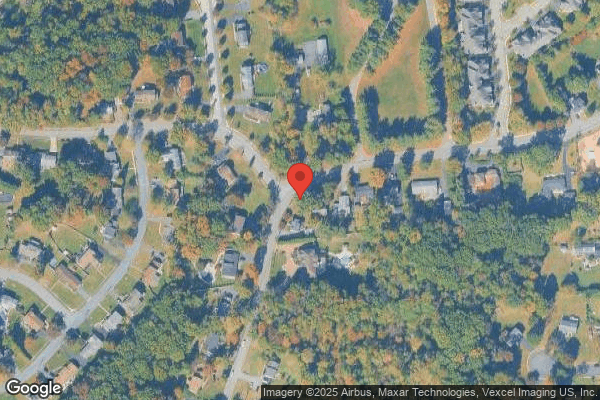
Oct 2020 5 deficiencies
CONCERN (D)

Potential for Harm - no one hurt, but risky conditions existed

Deficiency F0558 (Tag F0558)

Could have caused harm · This affected 1 resident

**NOTE- TERMS IN BRACKETS HAVE BEEN EDITED TO PROTECT CONFIDENTIALITY** Based on observation, interview, and record review, it was determined that the facility failed to ensure a resident had a.) a ca...

Read full inspector narrative →
**NOTE- TERMS IN BRACKETS HAVE BEEN EDITED TO PROTECT CONFIDENTIALITY** Based on observation, interview, and record review, it was determined that the facility failed to ensure a resident had a.) a call bell placed within reach, and b.) the appropriate call bell for his/her assessed functioning level. This deficient practice was identified for 1 of 18 residents reviewed (Resident #56), and was evidenced by the following: On 10/14/20 at 11:24 AM, the surveyor observed Resident #56 in bed, and the resident's left arm was bent toward the chest and he/she had a hand roll in the left hand. The surveyor observed that the button call bell was wrapped around the left side rail of the bed, hanging toward the floor and out of reach for the resident. The resident informed the surveyor that he/she currently had to communicate a need to the nurse. The surveyor asked the resident about the call bell and the surveyor observed the resident reach with his/her right arm in an attempt to reach the call bell hanging toward the floor on the resident's left side, but the resident was unable to reach it. The surveyor observed that the resident did not use his/her left arm while trying to access the call light. At that time without accessing the call bell, a Certified Nursing Aide (CNA) knocked and entered the resident's room and Resident #56 informed the CNA of his/her need. At 12:45 PM, the surveyor returned to the resident's room, and observed Resident #56 in bed. The call bell was still wrapped around the left side rail hanging toward the floor as it had been at 11:24 AM that morning. The surveyor reviewed the medical record for Resident #56. A review of the admission Record face sheet (an admission summary) included that the resident was admitted with diagnoses which included multiple sclerosis (MS) (a chronic, progressive disease of the central nervous system resulting in nerve damage), left elbow contracture (shortening/hardening of the muscles, tendons or, tissues often leading to deformity and pain in the joints), and anxiety. A review of the annual Minimum Data Set (MDS), an assessment tool used to facilitate the management of care, dated 9/6/2020 reflected that the resident had a Brief Interview for Mental Status (BIMS) score of 4 out of 15, indicating a moderately impaired cognition with forgetfulness. It further included that the resident required a total two-person assist for bed mobility and transfers and that he/she had range of motion limitations to the both the bilateral upper and lower extremities. A review of the resident's individualized care plan revised 10/19/20 included that the resident was dependent on staff for care due to contractures with a decline in function and cognition. Goals included that the resident's care needs will be anticipated and met through the next review period. There was no reference to the resident's impaired ability to use a call bell. An intervention dated 10/24/18 included to place the call light within reach while in bed or close proximity to the bed to prevent falls. A review of the resident's [NAME] (individualized plan of care for CNAs) effective as of 10/21/20 did not address the resident's use of a call bell. A review of the electronic Progress Notes (ePN) and the resident's medical record did not address the resident's functional use or non-use of the call bell, or if any adaptive call bell had been trialed. The surveyor continued to make observations and interviews, which revealed the following: On 10/16/20 at 10:10 AM, two surveyors observed Resident #56 in bed. The CNA stated that she had just finished assisting Resident #56 with morning care. The surveyor observed the button call bell wrapped around the left side rail hanging toward the ground, and out of reach for the resident. At that time, the CNA informed the surveyor that the resident was able to make his/her needs known, but that he/she was dependent on staff for all care and was unable to independently reposition in bed due to contractures. After the surveyors interviewed the CNA, the CNA continued to walk down the hallway without placing the call bell in reach of the resident. At 10:15 AM, the two surveyors returned to the resident's room and interviewed the resident. The surveyor asked the resident about the use of the call bell, and the resident turned with his/her right arm in an attempt to reach the call bell that was hanging toward the floor on the left side and the resident was again unable to reach the call bell. The surveyor asked if he/she was able to use the call bell, and the resident showed the surveyors that he/she was able to move the right arm and hand and the resident began making a thumb pressing-motion. The resident acknowledged that the call bell was not in reach. The surveyor asked how he/she would communicate with staff if the call bell was out of reach, and the resident replied, I'd have to hope and pray that staff would anticipate his/her needs and come into the room on their own accord. The resident could not recall a time in which he/she was negatively affected by not being able to access a call bell. On the same day at 11:45 AM, the surveyor observed the Licensed Practical Nurse (LPN) enter the resident's room to perform a medical treatment. The resident's call bell was still out of reach on the left side and in the same position as it was at 10:10 AM when the CNA finished performing morning care. At 12:21 PM, after the LPN performed the medical treatment, the LPN unwrapped the call bell from the left side rail and placed it closely to the resident's right arm within reach. The LPN informed the resident that she was placing the call bell in reach and told the resident that if he/she needed anything, to press the button. On 10/20/20 at 9:39 AM, two surveyors observed Resident #56 in his/her room sitting in a reclined broda chair watching TV. The resident appeared comfortable. The surveyors observed the resident's call bell out of reach, wrapped around the resident's left side rail hanging toward the floor and behind the resident's broda chair. At 9:44 AM, the surveyor attempted to interview the CNA but the CNA was unavailable for an interview. At that time, two surveyors interviewed the LPN who stated that prior to exiting a room, the CNA's and nurses are responsible to make sure any resident has access to a call bell. The surveyor asked if Resident #56 was able to use a call bell, and the LPN stated that she was unsure if the resident was able to functionally use the button call bell because he/she was forgetful. She stated that she believed that sometimes the resident will ask for help by calling out. She stated that we have to remind the resident to use the call bell, and even if he/she forgets to use it, the call bell should be next to [him/her] either way. The LPN confirmed the resident did not have use of his/her left side due to contractures and that the call bell should be placed on the right side and not the left side. At 9:46 AM, the two surveyors observed the LPN unwrap the call bell from the left side rail and place it in the resident's right hand. She stated that the CNA should have placed the bell in the hand after getting him/her up from the bed to the chair. On 10/21/20 at 10:19 AM, the surveyor interviewed the Registered Nurse/Unit Manager (RN/UM) who stated that she had only worked at the facility for about a month. She confirmed Resident #56 had multiple contractures including a severe limitation to the left upper arm. She confirmed that a call bell should always be placed in reach to the resident's right side but confirmed she was not sure if the resident knew how to use it or if he/she was capable of using it. She could not speak to if the resident had a always had a button call bell or if that was appropriate for the resident's level of functioning. She acknowledged that the CNA's and nurses were responsible for making sure the call bell was in reach. On 10/21/20 at 10:45 AM, two surveyors observed Resident #56 in bed and the button call bell was in the resident's reach. At that time, the surveyor asked if the resident was able to press the call bell. The resident responded appropriately and picked up the call bell with the right hand and tried to squeeze it with the hand. The resident wasn't sure if that made the light go on or not, and asked the surveyors, Did it work? The surveyor asked the resident if he/she was able to press the button with the thumb, and the resident attempted to press the button but the was unable to press it hard enough to activate the bell. At 10:47 AM, the surveyor interviewed the CNA and brought the CNA into the resident's room. The CNA was unsure if the resident was able to activate the call bell using the call button. The CNA asked the resident to press the button on the call bell in the presence of the two surveyors. The surveyors observed that the resident was attempting to press the button but was unable to press the thumb hard enough to activate the call bell. The CNA stated to the surveyors that the call bell is very hard to push for some residents, and that a button call bell wasn't the most appropriate for the resident. The CNA stated that the facility had a sensor call bell that if it was tapped, it could activate a bell which the CNA stated would be worth trying for the resident. She confirmed that she was not aware of any time that the resident had trialed an adaptive call bell that accommodated the resident's needs. She stated that she checked on the resident frequently. On 10/22/20 at 11:00 AM, the surveyor interviewed the Director of Nursing (DON) and the Licensed Nursing Home Administrator (LNHA) in the presence of the survey team. The DON confirmed she had only been employed at the facility for approximately one month since September. The DON confirmed that the button call bell was not appropriate for the resident's functional ability due to contractures and weakness. She stated that the facility provided the resident a squeeze call bell yesterday, but stated that she was not sure if the resident would remember to use it. The DON confirmed there was no documented evidence that another adaptive call bell had been trialed to see if the resident would be able to use it. The DON stated that she believed the resident had a blow call bell that he/she was using prior to the COVID-19 pandemic, but it was discontinued. The DON was unable to provide documented evidence that the resident had a blow call bell or that the resident had been assessed for another adaptive call bell until surveyor inquiry. The DON acknowledged that the call bell should be within reach and adaptive, if necessary for all residents in the facility. A review of the facility's policy Accommodation of Needs reviewed 12/05/19 included that the Residents have the right to reside and receive services in the Center with reasonable accommodation of needs and preferences, except when the health or safety of the individual or other residents would be endangered It further included that The Center must provide .adaptations of the patient's bedroom and bathroom furniture and fixtures as necessary to ensure the patient can (if able): .Perform other desired tasks such as turning a table light on and off, using the call bell, etc. NJAC 8:39-4.1(a)11; 31.1(b)
CONCERN (D)

Potential for Harm - no one hurt, but risky conditions existed

Respiratory Care (Tag F0695)

Could have caused harm · This affected 1 resident

Based on observation, interview and record review, it was determined that the facility failed to ensure: a.) infection control procedures were followed while performing tracheostomy care, b.) the resi...

Read full inspector narrative →
Based on observation, interview and record review, it was determined that the facility failed to ensure: a.) infection control procedures were followed while performing tracheostomy care, b.) the resident was assessed for cardiac and respiratory status prior to tracheostomy suctioning in accordance with the physician order, c.) the tracheostomy suction tubing was pre-lubricated to prevented irritation, d.) the physician orders and care plan reflected the resident's current tracheostomy size, and e.) that the resident was explained of the suctioning procedure prior to passing the suctioning catheter. This deficient practice was identified for 1 of 1 residents reviewed with a tracheostomy (Resident #12). The evidence was as follows: On 10/19/20 at 9:25 AM, two surveyors observed Resident #12 in bed, awake and smiling and appeared comfortable. The resident had a tracheostomy (a tube inserted into the anterior neck/windpipe allowing air to enter the lungs), and was receiving humidified supplemental oxygen by way of a trachesotomy collar. Upon closer observation of the tracheostomy collar used to supply the supplemental oxygen, the surveyors observed a moderate amount of thick white secretions filling the empty space of the tracheostomy collar. The secretions were noted to be oozing out of the collar and dripping onto the resident's collar bone. At that time, the surveyors observed the resident breathing through the tracheostomy tube, and there were gurgling sounds heard and secretions being actively expectorated through the resident's tracheostomy tube. The surveyors also observed a suction machine on the resident's nightstand that was covered with a clear plastic bag, but the long suction tubing connected to the suction machine was coiled up on the floor. At 9:29 AM, the two surveyors interviewed the resident's assigned Registered Nurse (RN). The RN stated that she had last been in the resident's room at 8 AM to check the resident's vital signs and that Resident #12 had a pulse oxygenation status of 95% on continuous oxygen via the tracheostomy collar. She stated that the resident had no respiratory secretions at that time. The RN added that the resident's vital signs were stable and that he/she had required more respiratory suctioning lately and that the physician had ordered a chest X-ray and that it was within normal limits for the resident. At that time, the surveyor asked the RN to observe the resident together with the surveyors and the RN entered the resident's room and observed the secretions in the trach collar. The RN stated that this was normal for Resident #12 and that she was going to wait to do the tracheostomy care when she was done with medication pass at 10:00 AM. The RN confirmed there was a lot of white secretions but that it was okay to return in 30 minutes to do the tracheal suctioning. At 9:36 AM, the two surveyors interviewed the Unit Manager/Registered Nurse (UM/RN) and asked her to come to the room of Resident #12. The UM/RN observed the respiratory secretions inside the tracheostomy collar, and lifted the collar using a gloved hand. she stated the resident clearly needed to be suctioned but that this this was normal for the resident and that he/she had a lot of secretions .and was suctioned multiple times during the night. The UM/RN stated that she would describe the secretions as a moderately thick, white frothy secretions, but that the resident appeared comfortable. The surveyor asked when suctioning should be performed for this resident, and she stated that it should happen no, and that it was not okay to wait a half hour. The UM/RN stated that she would check with the resident's assigned RN to see why she was going to wait to suction the resident. The surveyor and UM/RN observed the resident produce secretions through the tracheostomy tube. At 9:40 AM, the UM/RN returned to the surveyor and stated that the RN was on her way in to suction the resident, and that the RN had to just finish one thing before she could be back. The surveyor reviewed the medical record for Resident #12. A review of the admission Record face sheet (an admission summary) reflected that the resident was admitted with diagnoses which included cerebral palsy, quadriplegia, diabetes, acute and chronic respiratory failure and tracheostomy. A review of the most recent quarterly Minimum Data Set (MDS), an admission tool use to facilitate the management of care, dated 7/14/2020 reflected that the resident was unable to perform a brief interview for mental status (BIMS) interview because the resident was rarely or never understood, so staff assessed the resident to have a severely impaired decision-making capacity. The assessment reflected that the resident had a tracheostomy and was dependent on oxygen. A review of the resident's individualized care plan dated 3/19/20 included that the resident was at risk for respiratory complications related to his/her tracheostomy. Interventions included to monitor and report pulse oximetry levels as ordered and as needed, and to suction trach/airway as needed. The care plan did not address the size of the resident's tracheostomy. A review of the Physician's Orders for October 2020 included a physician's order (PO) dated 3/19/2020 for Trach suctioning as needed Pre/Post Treatment: evaluate heart rate, respiratory rate, pulse oximetry and breath sounds. In addition, there was an order dated 3/19/20 for Tracheostomy care every shift as per policy and as needed. The physician's orders did not address the size of the resident's tracheostomy. A review of the electronic Treatment Administration Record (eTAR) for October 2020 included the corresponding physician's orders dated 3/19/20 for tracheostomy care every shift and tracheostomy suctioning as needed. The eTAR did not reflect documented evidence that the resident's tracheostomy was suctioned as needed. A review of the electronic Progress Notes (ePN) for October 2020 did not reflect documented evidence that the resident's tracheostomy had been suctioned. A review of the electronic Health Record (eHR) and paper chart for Resident #12 did not reflect evidence of any tracheostomy infections or upper/lower respiratory tract infections. On 10/19/20 at 9:47 AM, the RN returned to the resident's room. The RN donned a pair of gloves and wiped down the bedside table with a disinfecting wipe, and placed a clear plastic bag over the bedside table to act as a barrier. The RN showed the surveyors that inside the resident's night stand was a new sterile tracheostomy tube size six (6) shiley, 74 millimeters. The RN confirmed this tracheostomy kept at the bedside was for emergency purposes and was the size the resident required and what the resident currently had in place. At 9:50 AM, the RN entered the nurse's station bathroom to perform hand hygiene, and the surveyor observed that the RN turned on the faucet, applied soap and placed her hands immediately under the running water rinsing off all the soap. She rubbed her hands together under the running water for 20 seconds and dried her hands with a paper towel. She turned the faucet off with a dry paper towel. She then donned a new pair of clean gloves from a box. At 9:52 AM, the RN opened multiple individually packaged sterile 4 x 4 gauze pads and placed them in two separate piles directly on the clear plastic bag barrier. She then poured sterile water over on pile of the sterile gauze. She then adjusted the resident's bed, removed her gloves, used hand sanitizer and donned a new pair of clean gloves from a box. At 9:55 AM, the RN opened two more packages of sterile gauze pads and placed them on the plastic bag barrier creating a third pile of sterile gauze. She then removed her gloves and donned a new pair of clean gloves without performing hand hygiene. Using clean gloves, the RN picked up the moistened sterile gauze and began cleaning the white sputum from underneath the tracheostomy collar. She then removed her gloves, and donned a new pair of clean gloves without performing hand hygiene and continued to clean the respiratory secretions under the resident's tracheostomy collar and around the tracheostomy site using a new sterile gauze pad. At 9:59 AM, the surveyor observed the RN opened two more sterile gauze pads and placed them on the clear plastic barrier and poured sterile water on top of it. Using disinfected scissors, she cut two sterile gauze pads to create a drain sponge that would fit around the tracheostomy. The RN was not using a prepackaged Tracheostomy kit or using sterile drain sponges to go around the tracheostomy site. The RN stated to the surveyor that she had to improvise and cut her own drain sponges because the facility was out of drain sponges for use for the tracheostomy. After cutting the sterile gauze pads, she removed her gloves and donned a new pair of clean gloves without performing hand hygiene and placed the manually cut gauze pad around the resident's tracheostomy site. As the RN applied the gauze pad, the resident began to lightly cough through the tracheostomy, exposing more white secretions through the top of the tracheostomy. At 10:02 AM, the RN opened one more sterile gauze, cut it, and placed it around the resident's tracheostomy site. She then removed her gloves and donned a new clean pair of gloves without performing hand hygiene between the glove changes. She then covered the resident with a blanket, adjusted his/her head, and lowered the bed. She then cleaned the area and stated that she was done with the resident, but the RN did not suction the tracheostomy. The surveyor asked the RN about tracheal suctioning and when/if that gets performed and she stated that the resident didn't need suctioning until 2 hours after she feeds the resident and that the resident was due to be fed through the gastric feeding tube. She stated that if she suctioned the resident after gastric feeding, it causes the resident to produce vomit The surveyor asked then why does she not first suction before administering a gastric feeding, if the resident cannot be suctioned two hours after a gastric feeding? The RN stated that she didn't think the resident needed it right now because she cleaned the resident's tracheostomy site. Then RN then exited the resident's room. From 10:02 AM through 10:16 AM, the two surveyors remained in the resident's room, and observed the resident continue to produce gurgling sounds through the tracheostomy, causing white respiratory secretions to form at the tip of the tracheostomy. At 10:16 AM, the RN entered the resident's room and began to prep the resident's bedside table. The RN donned a pair of clean gloves, picked up the suction connector tubing from the floor and coiled it around the suction machine. She then turned on suction machine and opened a sterile tracheostomy suction kit. While wearing the same gloves, the RN donned the sterile gloves overtop of the clean gloves she was wearing. She then obtained the sterile suction catheter from the kit and applied it to the connecting suction tubing that had previously been on the floor. Without performing a respiratory or cardiac assessment prior to suctioning and without explaining to the resident what she was going to do, the RN removed the oxygen collar from the resident's neck and immediately made an intermittent suctioning pass into the resident's tracheostomy causing an expected slight gag-reflex of the resident. The RN did not pre-lubricate the tip of the suction catheter or prime the suction tubing using the sterile water before passing into the resident's tracheostomy. A small amount of white respiratory secretions were suctioned through the tubing. The RN made a total of three suctioning passes into the resident's tracheostomy waiting approximately 20 seconds between each pass, without attempting to communicate with the resident. After the three passes, the RN then primed the suction tubing with sterile water and turned off the suction machine, doffed her sterile gloves and collected the trash from the room. At 10:22 AM, the surveyor observed the RN go to the sink and turn on the faucet. She applied soap and washed her hands for seven (7) seconds outside of running water and rinsed them off, dried her hands with a paper towel and turned the faucet off with a dry paper towel. At 10:27 AM, the surveyor interviewed the RN, who provided the surveyor an unopened tracheostomy suction kit. The RN confirmed she does not pre-lubricate the suction catheter and the RN also acknowledged that the suction kit did not come with a pre-lubricated suction catheter or lubrication. She stated that the resident tolerated the suctioning well. The surveyor interviewed the RN to see what else she had to do before and after suctioning and the RN stated that she had to go check the resident's pulse oximetry status to make sure it was stable after suctioning. The RN added that sometimes suctioning can cause bleeding if precautions aren't taken. There was no documented evidence in the resident's medical record that indicated the resident had any evidence or history of tracheal bleeding. At 10:32 AM, the RN obtained the pulse oximetry device and checked the resident's pulse oximetry which read 97% on humidified oxygen via the tracheostomy collar. The RN stated that the heart rate was within normal limits. The RN did not assess breath sounds prior to suctioning or after suctioning in accordance with the physician's order. The RN did not sign the eTAR after the tracheostomy care and suctioning as of 11:41 AM that morning. On 10/19/20 at 1:17 PM, the surveyor discussed the findings with the Director of Nursing (DON) and the Licensed Nursing Home Administrator (LNHA). The DON and surveyor entered the Central Supply together where there was multiple tracheostomy care kits. The DON opened a kit which included sterile gloves and pre-cut drain sponges. The DON stated that the RN is a brand new nurse but she should have used the tracheostomy kits that the facility has available and not cut the drain sponge in half when performing tracheostomy care. She also confirmed that tracheostomy care should be done using sterile technique because sterile gloves were in the kit. The DON acknowledged that hand hygiene should be performed between glove changes using the appropriate technique in accordance with U.S. Centers for Disease Control and Prevention (CDC) guidelines. The DON acknowledged that the suction kits did not come with pre-lubricated suction catheters. The DON and LNHA stated that the nurse should inform the resident of the plan to suction even if the nurse thinks the resident may not understand. The DON acknowledged that the nurse may have been nervous but she should have communicated with the resident. The DON also acknowledged the physician's order to assess the resident's respiratory and cardiac system pre- and post- suctioning in accordance with the physician's order. The LNHA and DON acknowledged that the resident has not had any respiratory tract infections, and that the recent chest X-ray was normal. On 10/22/20 at 10:30 AM, the DON and LNHA were unable to provide documented evidence that suctioning as needed had been performed during the night shift in October 2020 as the UM/RN and RN had informed the surveyor. A review of the facility's Hand Hygiene policy reviewed 11/15/19 included, that hand hygiene should be performed Before patient care; before an aseptic procedure; after any contact with blood or other body fluids, even if gloves are worn; after patient care; after contact with the patient's environment. Hand hygiene techniques included, To wash hands with soap and water: wet hands with warm (not hot) water, apply soap to hands, and rub hands vigorously outside the stream of water for 20 seconds covering all surfaces of the hands and fingers. Rinse hands with warm water and dry thoroughly with a disposable towel. Use clean, dry disposable towel to turn off faucet. (The policy did not specify performing hand hygiene between glove changes) A review of the facility's Tracheostomy Care policy revised 11/1/19 included, to Gather supplies .sterile suction kit, trach care kit . It further included to explain the procedure . Evaluate patient's heart rate, respiratory rate, breath sounds, pulse oximetry, and cough effort Suction trach, if clinically indicated. It further added that when removing gloves, discard in waste bag and cleanse hands, and open sterile trach kit using aseptic technique .put on sterile gloves . It also included after the procedure to evaluate patient's respiratory rate, heart rate, breath sounds, pulse oximetry and cough effort remove gloves and cleanse hands and document in the resident's medical record. NJAC 8:39-24.2 (b), c(4)
CONCERN (E)

Potential for Harm - no one hurt, but risky conditions existed

Deficiency F0658 (Tag F0658)

Could have caused harm · This affected multiple residents

Based on observation, interview and record review, it was determined that the facility failed to ensure: a.) the reconciliation, accountability, and notification of the physician for the use of a hand...

Read full inspector narrative →
Based on observation, interview and record review, it was determined that the facility failed to ensure: a.) the reconciliation, accountability, and notification of the physician for the use of a hand splint in accordance with professional standards of nursing practice. and b.) a resident-designated insulin vial was not shared with another resident during a medication pass observation. This deficient practice was identified for 2 of 18 residents reviewed for professional standards of nursing practice (Resident #20 and Resident #50). Reference: New Jersey Statutes Annotated, Title 45. Chapter 11. Nursing Board. The Nurse Practice Act for the State of New Jersey states: The practice of nursing as a registered professional nurse is defined as diagnosing and treating human responses to actual and potential physical and emotional health problems, through such services as casefinding, health teaching, health counseling, and provision of care supportive to or restorative of life and wellbeing, and executing medical regimens as prescribed by a licensed or otherwise legally authorized physician or dentist. Reference: New Jersey Statutes Annotated, Title 45, Chapter 11. Nursing Board. The Nurse Practice Act for the State of New Jersey states: The practice of nursing as a licensed practical nurse is defined as performing tasks and responsibilities within the framework of casefinding; reinforcing the patient and family teaching program through health teaching, health counseling and provision of supportive and restorative care, under the direction of a registered nurse or licensed or otherwise legally authorized physician or dentist. The evidence was as followed: 1. On 10/14/20 at 10:49 AM, the surveyor observed Resident #50 lying in bed on a low air loss mattress watching television. During interview, Resident # 50 stated he/she had a stroke affecting his/her right-side. The resident stated and demonstrated he/she could move the left arm. Stroke is a sudden interruption in the blood supply of the brain, which can cause weakness or the inability to move on one side of the body. The surveyor observed a hand splint in the resident's chair in the room. During interview Resident #50 stated he/she was unaware of the splints. The surveyor reviewed the medical record for Resident #50. A review of the admission Record face sheet (an admission summary) included that the resident was admitted with diagnoses which included but not limited to: a stroke with right-sided weakness and contractures (shortening/hardening of the muscles, tendons or, tissues often leading to deformity and pain in the joints). Resident #50 admitted to hospice on 6/12/2019. According to the quarterly Minimum Data Set (MDS), an assessment tool used to facilitate the management of care, dated 09/02/2020, the resident's Brief Interview Mental Status (BIMS) was 15. BIMS score 15 out of 15 indicates the resident had an intact cognition. It further included the resident required a total one person assist for bed mobility and transfer and that he/she had range of motion limitations to one side of the body to both the upper and lower extremities. A review of the resident's individualized care plan revised 9/15/20, included that the resident had a contracture to the right hand. A review of the electronic progress notes since July 2020 did not reflect documented evidence for the use or refusal of the hand splint, accountability, or if it was discontinued. A review of the current physician's Order Summary Report (OSR) for October 2020 for Resident #50 reflected there was a physician's order (PO) dated 7/14/20 to apply a right-hand splint during day shift and remove after four (4) hours. A review of the electronic Treatment Administration Record (eTAR) and electronic Medication Administration Record (eMAR) for July, August, September, and October 2020 did not reflect evidence of the accountability of the right-hand splint. A review of the the 24-Hour Chart Check accountability form from July through October 2020 showed multiple blanks. In July there were five (5) blanks, in August there were seven (7) blanks, in September there were twenty-five (25) blanks and in October there were currently eleven (11) blanks. On 10/19/20 at 11:00 AM, the surveyor observed Resident #50 lying in bed. The resident was not wearing the right-hand splint. The splint was in a chair in the resident's room. At 11:04 AM, the surveyor interviewed the Certified Nursing Assistant (CNA) regarding the hand splint. The CNA stated the hand splint was used to help with the contractures. The CNA furthered stated Resident #50 was on hospice services and had a contracture to the right hand. She added the resident refused the splint on the right hand for months, but the CNA stated she performed exercises with Resident #50 instead of using the splint. The CNA stated Resident #50 has not worn the hand splint for a long time, because it caused the resident pain. The CNA stated that the nurse was aware that the resident was refusing the splint. The CNA acknowledged there was no accountability for the splint on the restorative log book. On 10/20/20 at 09:28 AM, the surveyor observed Resident #50 eating breakfast using the left hand. The surveyor observed the hand splint in the chair in the resident's room. On 10/21/20 at 10:00AM, the surveyor interviewed the Registered Nurse (RN). The RN stated Resident #50's hand splint was ordered to prevent contractures. The RN stated Resident #50 wore the splint to the right hand sometimes and added currently Resident #50 had been refusing the hand splint. The RN further stated the CNA should place the hand splint on the resident in the morning during the day shift, but she was not sure if they were documenting it. The surveyor reviewed the PO for the hand splint dated 7/14/20 with the RN. The RN reviewed the eTAR for October 2020 and confirmed there was no accountability. The RN stated she was not sure why there was no accountability and that maybe the order was discontinued. The RN was not aware of the last time the hand splint was place on Resident #50. The RN stated the process was to document the resident refused it and if the resident refused it three times, then she would inform the Unit Manager (UM) and the Primary Physician. The RN stated she reported to the previous UM back in August or September that Resident #50 refused the hand splint. The RN was not sure if the UM or the night shift nurse reconciled orders. On the same day at 10:19 AM, the Unit Manager/Registered Nurse (UM/RN) stated that the nurse should document if the resident refused a splint and notify the Primary Physician. The UM/RN stated the CNA was responsible for placing the splint and the nurse was responsible to make sure it was in place and document if the resident refused it in the eTAR. The UM/RN stated the reason the current hand splint order was not showing up in eTAR, was likely because of an order entry error. The UM/RN stated the process for reconciliation included, the nurse who receives an order puts it in the electronic health record (EHR) and the night shift nurse performs a 24-Hour Chart Check and signs the accountability sheet. The night shift nurse should be reviewing both the paper chart and the EHR. The UM/RN further stated the nurse is responsible for notifying the Physician or Nurse Practitioner (NP) of the resident's refusal. At 11:32 AM, the surveyor and the UM/RN reviewed the 24-Hour Chart Check accountability form from July through October 2020 and the UM/RN acknowledged there were multiple blanks. The UM/RN further acknowledged there was no evidence for the accountability of the splint. On 10/21/20 at 1:11PM, the surveyor interviewed the License Nursing Home Administrator (LNHA) and the Director of Nursing (DON) in the presence of the survey team. The LNHA and the DON stated if a resident refused a splint, the nurse should notify both the hospice service company and the Primary Physician. They further stated the night shift nurse was responsible for reconciliation of the charts and they should be reviewing both the paper chart and EHR to ensure they are accurate and match in both locations. On 10/22/20 at 10:50 AM, the DON acknowledged there was no accountability for the hand splint even though, there was a PO for a splint dated 7/14/20. She further explained the NP was aware of the refusal due to the fact the resident was on hospice. The DON was unable to provide the documented evidence the order had been discontinued and evidence of accountability. A review of the facility's policy Physician/Advanced Practice Provide (APP) Notification revised 11/1/19 included, Upon identification of a patient who has a change in condition, .a licensed nurse will perform .and report to Physician/Advanced Practice Provider (APP). If unable to contact attending Physician/APP, the Medical Director will be contacted. The Purpose to communicate a change in patient's condition to Physician/APP and initiate interventions as needed/ordered. A review of the facility's policy Hospice revised 3/1/18 included, Healthcare staff will offer the supportive services of a hospice program as requested by patients or their health care decision maker (HCDM), or as identified as a necessary resource by the interdisciplinary team .The center must immediately notify the hospice .clinical complications suggesting a need to alter the patient's plan of care ensuring that the level of care provided is appropriate based on the individual patient's needs .The center is responsible for .communicating with hospice representatives and other providers regarding the provision of care 2. On 10/16/20 at 8:08 AM, the surveyor approached the Licensed Practical Nurse (LPN) at the medication cart who stated that she was preparing medications for Resident #20. The LPN stated that she had to administer five (5) units of Humalog insulin (a medication used to lower the blood sugar) because that was a standing physician's order (PO) to be administered every morning. The LPN added that she had to also obtain the blood glucose (the amount of sugar in the bloodstream) results from the resident to see if additional insulin was required in accordance with the PO for a sliding scale (the amount of insulin to administer is dependent on the blood sugar results). On 10/16/20 at 8:26 AM, the surveyor observed the LPN obtain a blood glucose result of 207 from Resident #20. Upon returning to the medication cart, the LPN stated that according to the PO she would have to add two (2) units to the five (5) units of Humalog insulin which would total seven (7) units of insulin . The LPN stated that Resident #20 did not have a Humalog insulin vial in the medication cart and would have to use another resident's Humalog insulin vial. The surveyor observed the LPN remove a Humalog insulin vial from the medication cart labeled for Resident #29. The LPN measured seven (7) units from Resident #29's Humalog insulin vial at the medication cart. At that time, the LPN stated that she was unsure why Resident #20 did not have his/her own insulin vial. The LPN stated that she thought the provider pharmacy was notified for a refill order for Humalog insulin for Resident #20 yesterday. The LPN added that she would have to call the pharmacy provider to find out why there was a delay. The LPN also stated that she was allowed to borrow another resident's insulin as long as it was the same type of insulin because insulin had to be administered before the meal. The surveyor reviewed the medical record for Resident #20. A review of the electronic Medication Administration Record (eMAR) for October 2020 reflected that there was a PO dated 1/20/20 for Humalog insulin (Lispro), inject 5 units subcutaneous (SC) before meals for Diabetes Mellitus (DM). In addition, the eMAR for October 2020 reflected a PO dated 1/20/20 for Humalog insulin (Lispro), inject as per sliding scale: if 201-250 = 2 units, 251-300 = 4 units, 301-350 =6 units, 351-400 = 8 units, above 401 inject 10 units and notify physician, inject SC before meals and at bedtime for sliding scale insulin coverage for diabetes, must take fingerstick blood glucose prior to administration. On 10/16/20 at 12:05 PM, the surveyor interviewed the Assistant Director of Nursing (ADON) in the presence of the two Registered Nurses/Unit Managers (RN/UM) in the Nursing Office. The ADON stated that there was no back-up supply for insulin. The RN/UM of Wing 3 and 4 stated that she thought there had been a back-up supply of insulin in the nursing office refrigerator. At that time, the surveyor in the presence of the ADON and both RN/UM's, observed the medication refrigerator in the nursing office which revealed there was no back up supply of insulin. The RN/UM of Wing 1 and 2 stated that when insulin was not available for a resident the provider pharmacy would have to be called and the insulin would have to be delivered stat (as soon as possible). The UM added that she was unaware of any issue with the insulin for Resident #20. On 10/20/20 at 10:33 AM, the surveyor interviewed the Consultant Pharmacist (CP) who stated that medications should not be borrowed between residents. The CP added that insulin should also not be borrowed. The CP added that he did not review the back-up medications and was not sure if there was a back-up supply of insulin. On 10/21/20 at 12:42 PM, the survey team met with the Licensed Nursing Home Administrator (LNHA) and Director of Nursing (DON). The DON stated that the facility does not have a back up supply of insulin for use and that the provider pharmacy was called regarding the delay in receiving the insulin for Resident #20. The DON added that the insulin had been requested for refill on 10/15/20 and there was a discrepancy with the pharmacy as to when the insulin had been delivered. The DON added that there had been insurance issues in the past but that the provider pharmacy would contact the unit manager if there was an issue. The DON also stated that if insulin was not available for a resident then the nurse should notify the physician first and call the provider pharmacy to resolve the issue and have the insulin sent as soon as possible. A review of the facility policy dated as revised 11/1/19 for Medication Administration General reflected that insulin was not to be used for more than one individual. In addition, the policy reflected if discrepancies occurred the physician was to be notified. NJAC 8:39-11.2(b)
CONCERN (E)

Potential for Harm - no one hurt, but risky conditions existed

Deficiency F0761 (Tag F0761)

Could have caused harm · This affected multiple residents

Based on observation, interview and record review, it was determined that the facility failed to ensure that a.) a discontinued medication used to treat high potassium levels in the blood were removed...

Read full inspector narrative →
Based on observation, interview and record review, it was determined that the facility failed to ensure that a.) a discontinued medication used to treat high potassium levels in the blood were removed from active inventory and b.) expired over-the-counter stock medications were removed from active inventory from a unit refrigerator, a medication cart and the central supply storage area. This deficient practice was identified for 1 of 3 medication refrigerators (Wing 1), 1 of 2 medication carts (Wing 3) and 1 of 1 central supply storage areas that were inspected. The evidence was as follows: On 10/15/20 at 10:12 AM, two surveyors and the Registered Nurse/Unit Manager (RN/UM) of Wing 1 and 2, inspected the Wing 1 medication refrigerator. The surveyors observed an opened bottle of Acidophilus Probiotic 1 billion unit (a dietary supplement) capsules with an expiration date of 4/2020 in the refrigerator. The RN/UM stated that there were no residents currently on that medication and the expired Acidophilus Probiotic bottle should have been removed and discarded. The RN/UM then took the Acidophilus Probiotic expired bottle for disposal. The RN/UM then stated that the Acidophilus was an over-the-counter (OTC) stock medication and was obtained from the central supply that was kept in the nursing office. On 10/15/20 at 10:33 AM, the two surveyors inspected the central supply of OTC stock medications stored in the nursing office with the RN/UM. The surveyors observed two (2) bottles of Sodium Polystyrene Sulfonate powder for suspension 15 grams (Kayexalate) (a medication used to treat a high potassium level in the blood) labeled for Resident # 1 stored in the cabinet with the OTC stock medications. The RN/UM was not sure why the medication was stored there. The surveyors observed the following OTC stock medications with expired dates: -3 of 10 unopened bottles of Bisacodyl (a stimulant laxative) 5 milligram (MG) tablets dated expired 3/2019. -8 of 8 boxes of Bisacodyl 10 MG suppositories dated expired 6/2020 with 1 box dated as opened 8/23/20 (two months after expiration). - 1 of 9 unopened bottles of Multivitamin tablets dated expired 1/2020, -1 opened box containing six [brand redacted] Flu A+B Rapid Immunoassay dated expired 9/30/2020. At that time, the RN/UM stated that there was a staff member responsible for the OTC stock medications but was currently off from work. The RN/UM added that the expired medications should be discarded. The RN/UM stated that there was an OTC Medication Order Sheet but was not sure if that listed all the OTC medications that were on hand in the central supply. On 10/15/20 at 12:29 PM, the surveyor in the presence of another surveyor, interviewed the Scheduling Manager (SM) who stated that she helped out with the central supply OTC medications when the regular staff member was out because she was familiar with the system. The SM stated that expiration dates should be checked and that OTC stock medications should follow the first in, first out (FIFO) method. The SM explained that when receiving an order, the OTC medications should be put away with the oldest expiration dating being put in the back. The SM also stated that if a nurse took part of a package or box then the date of opening would be indicated on the opened package. The SM added that the OTC Medication Order Sheet was not a complete list and there were no par levels. The SM added that the ordering was based on what was needed and visually seeing what OTC medications were low. On 10/16/2020 at 9:42 AM, the surveyor, in the presence of the Registered Nurse (RN) inspected the medication cart on Wing 3. The surveyor observed four (4) Bisacodyl (dulcolax) 10 mg suppositories on the medication cart with an expiration date of 6/2020. The LPN stated that the Bisacodyl 10 mg suppositories were an OTC stock medication kept on the cart and would have to discard the expired suppositories. The RN stated that the nurses were responsible for removing expired medications from the medication cart. On 10/19/20 at 12:48 PM, the survey team met with the Licensed Nursing Home Administrator (LNHA) and the Director of Nursing (DON). The DON stated that she thought the Kayexalate powder for Resident #1 was ongoing being ordered frequently at one time but would have to review. The DON also stated that the [brand redacted] Flu A+B was used for the prior flu season and had received new Flu A+B for the coming season. On 10/20/20 at 10:33 AM, the surveyor interviewed the Consultant Pharmacist (CP) who stated that he did not inspect the stock medications stored in the nursing office. The CP stated that he inspected the medication refrigerators and medication carts but inspections were stopped from March 2020 until August 2020 due to COVID-19 restrictions. The CP added that he thought all expired medications were removed from the refrigerators and medication carts when the inspections started in 8/2020 and the Acidophilus capsules and Bisacodyl suppositories must have been missed. On 10/21/20 at 12:42 PM, the survey team met with the LNHA and DON. The DON stated that she could not find any resident that was administered a Bisacodyl 10 mg suppository and was not sure why the box of Bisacodyl 10 MG suppositories that expired 6/2020 was labeled as opened on 8/23/20 after the expiration date. The DON stated that the central supply staff member was supposed to check expiration dates for the OTC medications in central supply, as well as the nurses were responsible to check the expiration dates of the medications on the units. The LNHA and DON acknowledged that the expiration dates for the OTC stock medications were not being checked as should be and expired medications were not removed from active inventory. On 10/22/20 at 10:38 AM, the surveyor reviewed the back-up supply list of prescription medications stored in the electronic back-up machine provided by the LNHA which revealed that Kayexalate powder was available as a back up supply medication for the facility. On 10/22/20 at 11:57 AM, the DON stated that there was a physician's order to discontinue the Kayexalate on 5/23/20. The DON could not speak to why there was Kayexalate labeled for Resident #1 still stored in the OTC medication supply. A review of the facility policy dated as revised 10/31/16 for Storage and Expiration Dating of Medications, Biologicals, Syringes and Needles provided by the LNHA reflected that the facility should destroy or return all discontinued, outdated/expired medications. In addition, the policy reflected that the facility should ensure that medications that are expired or discontinued should be stored separately until destroyed or returned to the pharmacy. NJAC 8:39- 29.4 (c)(g)(h)
CONCERN (E)

Potential for Harm - no one hurt, but risky conditions existed

Infection Control (Tag F0880)

Could have caused harm · This affected multiple residents

Based on observation, interview, record review, and review of other pertinent facility documents, it was determined that the facility failed to: a.) ensure the appropriate timing and technique of perf...

Read full inspector narrative →
Based on observation, interview, record review, and review of other pertinent facility documents, it was determined that the facility failed to: a.) ensure the appropriate timing and technique of performing hand hygiene while providing care and wound care to a resident to prevent infection for 1 of 2 residents reviewed for pressure ulcers (Resident #56), and b.) surveil/trend their infection rates since July 2020. This deficient practice was evidenced by the following: 1. The surveyor reviewed the facility's Hand Hygiene policy reviewed 11/15/19 which included, that hand hygiene should be performed Before patient care; before an aseptic procedure; after any contact with blood or other body fluids, even if gloves are worn; after patient care; after contact with the patient's environment. Hand hygiene techniques included, To wash hands with soap and water: wet hands with warm (not hot) water, apply soap to hands, and rub hands vigorously outside the stream of water for 20 seconds covering all surfaces of the hands and fingers. Rinse hands with warm water and dry thoroughly with a disposable towel. Use a clean, dry disposable towel to turn off the faucet. On 10/16/20 at 9:49 AM, the surveyor observed Resident #56 in bed. The Certified Nursing Assistant (CNA) had just finished performing morning care with the resident. There was a basin of soapy water at the resident's bedside table. The surveyor observed the CNA pick up the basin and take it to the resident's bathroom to empty it. After cleaning the basin of water, the CNA doffed her pair of gloves and returned to the sink to wash her hands. At 9:52 AM, the surveyor observed the CNA turn on the faucet and apply soap and immediately put her hands under the running water and within five seconds, the CNA grabbed a paper towel to dry her hands and turn the faucet off. The CNA did not use friction, nor did she perform hand hygiene outside of running water in accordance with the facility's policy to prevent the spread of infection. She then donned a new pair of clean gloves, picked up the bag of soiled linens and took the bag to the soiled utility room in a large container designated for laundry services. The CNA returned to the sink in the resident's room to wash her hands. At 9:56 AM, the CNA turned on the faucet, applied soap and rinsed the soap off immediately after applying it. Her hands were under the water for three (3) seconds, and she took a dry paper towel to dry her hands and and turned off the faucet and exited the resident's room. The CNA stated that the Licensed Practical Nurse (LPN) would be in shortly to perform a wound care dressing change for the resident. At 10:10 AM, the surveyor interviewed the CNA regarding the procedure for hand hygiene. The CNA stated that the procedure included to turn the water faucet on, and apply soap and wash for 20 seconds and Scrub outside of running water. She appropriately continued that after scrubbing the hands for 20 seconds outside of running water, she would rinse her hands with water and dry them with a paper towel. She stated that she would turn the faucet off with a paper towel. The surveyor asked if that is what she had done after providing care to Resident #56, and the CNA stated, I think that's what I did in there. At 11:45 AM, the surveyor observed the LPN prepare supplies in order to do a wound treatment for Resident #56 at the treatment cart. The LPN stated that the CNA would need to assist to position the resident during the treatment. At 11:53 AM, the surveyor observed the same CNA go to the sink, turn on the faucet and apply soap. The CNA rubbed her hands for nine (9) seconds outside of running water and rinsed her hands of the soap. She dried her hands with a paper towel and turned of the faucet with the same paper towel. (This did not correspond with the interview at 10:10 AM which the CNA stated that she was suppose to wash and scrub her hands for 20 seconds outside of running water before rinsing off the soap). At 11:54 AM, the LPN went to the sink and turned on the faucet. The LPN applied soap and scrubbed her hands outside of running water for 20 seconds and turned the faucet off with her bare hand. She then obtained a paper towel to dry her hands and discarded it. She donned a pair of clean gloves. At 11:58 AM, two surveyors observed the LPN access two wounds to the resident's left foot. The LPN cleansed the wounds with normal saline solution and gauze pads. After cleansing the wounds, the LPN removed her gloves and donned a new pair of gloves without performing hand hygiene between the glove change. At 12:08 PM, the surveyors observed the CNA positioning the resident to his/her side while the LPN applied the wound dressings to the left foot in accordance with the physician's order. She then dressed the wounds and removed her gloves. The surveyor observed the CNA also remove her gloves and go to the sink to wash her hands. At 12:10 PM, the surveyor observed the CNA go to the sink. The CNA followed the same procedure of hand hygiene by turning on the faucet and applied the soap. The CNA rubbed her hands for nine (9) seconds outside of running water and rinsed her hands of the soap. She dried her hands with a paper towel and turned of the faucet with the same paper towel. At 12:15 PM, the surveyors observed the LPN clean up the treatment area and did not disinfect the bedside table after the wound care. At 12:22 PM, the surveyor observed the LPN return to the sink to wash her hands. The surveyor observed the LPN wash her hands for 20 seconds outside of running water, and again turned the faucet off with her bare hand instead of using a paper towel to act as a barrier. She then dried her hands with a paper towel and immediately discarded it. At 12:25 PM, the surveyor interviewed the LPN who stated that she puts on clean gloves after washing her hands, and then applies a barrier. She stated the tables get disinfected with bleach wipes in the morning and that she had cleaned it after breakfast around 9 AM. She acknowledged she had not yet disinfected the table and that she would go back to do that. The surveyor asked the LPN regarding her hand washing procedure and the LPN stated that she was supposed to wash her hands for two minutes. The surveyor asked the LPN regarding how many seconds she used to wash her hands outside of running water, and the LPN stated that she wasn't sure the number of seconds she was supposed to use when washing her hands so she just washed them for two minutes to be sure. The surveyor asked about turning off the faucet, and the LPN stated that she was supposed to use a paper towel to turn it off and acknowledged that she did not use one to turn it off both before and after the treatment. She stated she should have done that. The surveyor asked if she had to wash her hands between glove changes or between wounds and she stated that she did not have to do that, unless the gloves were visibly soiled. She stated if there was no visible soilage than she could just remove and replace them. She further stated that since the wounds were on the same part of the body (the left foot), she didn't need to change her gloves between each wound. The surveyor reviewed the medical record for Resident #56. A review of the admission Record face sheet (an admission summary) included that the resident was admitted with diagnoses which included multiple sclerosis (MS) (a chronic, progressive disease of the central nervous system resulting in nerve damage), left elbow contracture (shortening/hardening of the muscles, tendons or, tissues often leading to deformity and pain in the joints), and anxiety. A review of the annual Minimum Data Set (MDS), an assessment tool used to facilitate the management of care, dated 9/6/2020 reflected that the resident had a Brief Interview for Mental Status (BIMS) score of 4 out of 15, indicating a moderately impaired cognition with forgetfulness. It further included that the resident had a full thickness tissue-loss pressure ulcer and an arterial wound currently being treated with medical ointments and comfort measures. A review of the resident's individualized care plan revised 10/19/20 included that the resident was dependent on staff for care due to contractures with a decline in function and cognition. It further included that the resident had unhealed wounds to the left foot. There was no documented evidence of a wound infection(s) in the resident's medical record. On 10/22/20 at 10:38 AM, the surveyor interviewed the facility's Infection Preventionist (IP), who stated that she had just started working at the facility recently and was also the Assistant Director of Nursing (ADON). The IP stated the facility's hand washing policy coincided with the U.S. Centers for Disease Control and Prevention (CDC) guidelines. She stated that she had conducted many hand-hygiene in-service training's and that staff were to wash hands by turning on the faucet, rinse the hands with warm water, scrub/later for 20 seconds outside of running water, then rinse the hands. She stated the faucet was to be turned off with a paper towel and not the bare hand. She acknowledged that hand hygiene should be done between glove changes even if the gloves are not visibly soiled. She stated that hand hygiene can be done using alcohol-based hand gel if the hands are not visibly soiled, or using soap and water at the sink. On 10/22/20 at approximately 11:00 AM, the surveyor discussed the findings with the Director of Nursing (DON) and the Licensed Nursing Home Administrator (LNHA) who acknowledged the surveyors findings. The administration confirmed that the resident did not have any history of a wound infection to either wound. The surveyor asked for the facility's wound care policy but the facility only provided a policy for wound dressing changes using aseptic (sterile) technique. A review of the facility's Wound Dressing: Aseptic policy revised 11/1/19, included a procedure for after applying the new dressing, to Remove gloves and discard according to infection control procedure .cleanse hands. 2. On 10/22/20 at 9:50 AM, the surveyor reviewed the facility's infection control data surveillance and tracking. The surveyor reviewed the Infection Control Monthly Line Listing for units 1, 2, 3 and 4 for July, August, September, and October 2020 The monthly infection data tracking included the name of the resident, the room number, the admission date and the onset date of the infection. It further included a section to track if the infection was a healthcare-associated infection or if it was community-acquired, but the designated spaces were blank for urinary tract infections (UTI), respiratory infections, sepsis (systemic infection), fungal infections, skin infections, and multi-drug resistant organisms (MDRO's) documented in the tracking sheet. At 9:53 AM, the surveyor interviewed the IP who stated that she started working at the facility on 7/27/20. She stated that her role as IP included conducting infection control training's and competencies with staff, conducting infection control (IC) handwashing audits, pioneering the antibiotic stewardship program and making sure infections were being tracked accordingly. The IP showed the surveyor the Infection Control Monthly Line listing for July, August, September and October 2020 and the IP stated that each unit had a binder in which any resident that had a current infection were added to the line list. She stated that the nurse was to immediately place it in the book upon identification of the infection, and then inform her of the infection. She stated that when the nurse fills out the form, they should be documenting if it was a healthcare-associated infection or if it was community-acquired on the form. She acknowledged they were blank on the forms. The surveyor asked who was responsible to track infection rates and trends over a period of time to evaluate/analyze the infection data, and the IP stated that she just started in July and that she was had not been doing that. The IP stated that she attended a quality assurance program meeting in which they reviewed infection control, but she acknowledged that without tracking infection rates and trends, she wouldn't be able to evaluate how the facility was doing on their infection control program and comparing it to various standards. She stated that the facility had a regional Infection Control Nurse that she could get information from, but the IP wasn't sure if the regional Infection Control Nurse was doing the tracking and trends over the period of time. The DON could not speak to the infection rate or provide a document of the each infection rate identified on the line listing since she started in July. On 10/22/20 at 11:57 AM, the surveyor interviewed the DON and the LNHA in the presence of the survey team who confirmed that the facility was doing monthly infection tracking by unit but confirmed there was no cumulative data tracking the trends of infections over time. The LNHA provided the surveyor a copy of an infection data tracking sheet done in June 2020 but she confirmed there was no additional tracking since June 2020, despite infections occurring in July, August, September and October 2020. The DON and LNHA acknowledged that the IP was responsible for doing the monthly tracking of infection rates and rates over time of each infection. They also acknowledged that the facility should be tracking if the infections are healthcare associated infections or if they are community-acquired infections. The LNHA acknowledged that it was an oversight since the facility was transitioning between Infection Preventionist's. A review of the facility's Infection Prevention and Control Program Description revised 3/11/19 included roles of the IP including, Perform surveillance to monitor the rate of healthcare acquired infection and communicable diseases, analyze and develop action plan to address. NJAC 8:39-19.1; 19.2; 19.4; 19.5; 21.1
Understanding Severity Codes (click to expand)
Life-Threatening (Immediate Jeopardy)
J - Isolated K - Pattern L - Widespread
Actual Harm
G - Isolated H - Pattern I - Widespread
Potential for Harm
D - Isolated E - Pattern F - Widespread
No Harm (Minor)
A - Isolated B - Pattern C - Widespread

Questions to Ask on Your Visit

  • "What changes have you made since the serious inspection findings?"
  • "Can I speak with families of current residents?"
  • "What's your RN coverage like on weekends and overnight?"

Our Honest Assessment

Strengths
  • • 23% annual turnover. Excellent stability, 25 points below New Jersey's 48% average. Staff who stay learn residents' needs.
Concerns
  • • Multiple safety concerns identified: 3 life-threatening violation(s), 1 harm violation(s), $226,600 in fines. Review inspection reports carefully.
  • • 40 deficiencies on record, including 3 critical (life-threatening) violations. These warrant careful review before choosing this facility.
  • • $226,600 in fines. Extremely high, among the most fined facilities in New Jersey. Major compliance failures.
  • • Grade F (0/100). Below average facility with significant concerns.
Bottom line: This facility has 3 Immediate Jeopardy findings. Serious concerns require careful evaluation.

About This Facility

What is Troy Hills Center's CMS Rating?

CMS assigns TROY HILLS CENTER an overall rating of 1 out of 5 stars, which is considered much below average nationally. Within New Jersey, this rating places the facility higher than 0% of the state's 100 nursing homes. A rating at this level reflects concerns identified through health inspections, staffing assessments, or quality measures that families should carefully consider.

How is Troy Hills Center Staffed?

CMS rates TROY HILLS CENTER's staffing level at 3 out of 5 stars, which is average compared to other nursing homes. Staff turnover is 23%, compared to the New Jersey average of 46%. This relatively stable workforce can support continuity of care.

What Have Inspectors Found at Troy Hills Center?

State health inspectors documented 40 deficiencies at TROY HILLS CENTER during 2020 to 2024. These included: 3 Immediate Jeopardy (the most serious level, indicating potential for serious harm or death), 1 that caused actual resident harm, and 36 with potential for harm. Immediate Jeopardy findings are rare and represent the most serious regulatory concerns. They require immediate corrective action.

Who Owns and Operates Troy Hills Center?

TROY HILLS CENTER is owned by a for-profit company. For-profit facilities operate as businesses with obligations to shareholders or private owners. The facility is operated by GENESIS HEALTHCARE, a chain that manages multiple nursing homes. With 130 certified beds and approximately 87 residents (about 67% occupancy), it is a mid-sized facility located in PARSIPPANY, New Jersey.

How Does Troy Hills Center Compare to Other New Jersey Nursing Homes?

Compared to the 100 nursing homes in New Jersey, TROY HILLS CENTER's overall rating (1 stars) is below the state average of 3.2, staff turnover (23%) is significantly lower than the state average of 46%, and health inspection rating (1 stars) is much below the national benchmark.

What Should Families Ask When Visiting Troy Hills Center?

Based on this facility's data, families visiting should ask: "What changes have been made since the serious inspection findings, and how are you preventing similar issues?" "Can I visit during a mealtime to observe dining assistance and food quality?" "How do you handle medical emergencies, and what is your hospital transfer rate?" "Can I speak with family members of current residents about their experience?" These questions are particularly relevant given the facility's Immediate Jeopardy citations.

Is Troy Hills Center Safe?

Based on CMS inspection data, TROY HILLS CENTER has documented safety concerns. Inspectors have issued 3 Immediate Jeopardy citations (the most serious violation level indicating risk of serious injury or death). The facility has a 1-star overall rating and ranks #100 of 100 nursing homes in New Jersey. Families considering this facility should ask detailed questions about what corrective actions have been taken since these incidents.

Do Nurses at Troy Hills Center Stick Around?

Staff at TROY HILLS CENTER tend to stick around. With a turnover rate of 23%, the facility is 22 percentage points below the New Jersey average of 46%. Low turnover is a positive sign. It means caregivers have time to learn each resident's needs, medications, and personal preferences. Consistent staff also notice subtle changes in a resident's condition more quickly.

Was Troy Hills Center Ever Fined?

TROY HILLS CENTER has been fined $226,600 across 1 penalty action. This is 6.4x the New Jersey average of $35,345. Fines at this level are uncommon and typically indicate a pattern of serious deficiencies, repeated violations, or failure to correct problems promptly. CMS reserves penalties of this magnitude for facilities that pose significant, documented risk to resident health or safety. Families should request specific documentation of what issues led to these fines and what systemic changes have been implemented.

Is Troy Hills Center on Any Federal Watch List?

TROY HILLS CENTER is not on any federal watch list. The most significant is the Special Focus Facility (SFF) program, which identifies the bottom 1% of nursing homes nationally based on persistent, serious quality problems. Not being on this list means the facility has avoided the pattern of deficiencies that triggers enhanced federal oversight. This is a positive indicator, though families should still review the facility's inspection history directly.