CEDAR CREST/MOUNTAINVIEW GARDENS
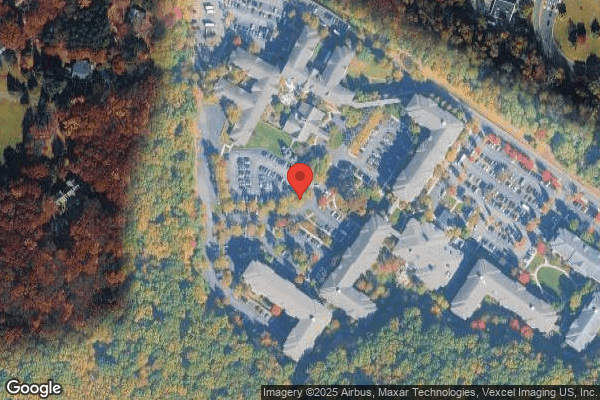
4 CEDAR CREST VILLAGE DRIVE, POMPTON PLAINS, NJ 07444 (973) 831-3504
Non profit - Corporation 113 Beds ERICKSON SENIOR LIVING Data: November 2025 1 Immediate Jeopardy citation
Trust Grade
59/100
#108 of 344 in NJ
Last Inspection: September 2024

Within standard 12-15 month inspection cycle. Federal law requires annual inspections.

Overview

Cedar Crest/Mountainview Gardens in Pompton Plains, New Jersey has a Trust Grade of C, meaning it is average and in the middle of the pack among nursing homes. It ranks #108 out of 344 facilities in New Jersey, placing it in the top half, and #8 out of 21 in Morris County, indicating limited local competition. The facility is improving, having reduced its issues from five in 2024 to three in 2025. Staffing is a strong point, with a 5/5 star rating and a low turnover rate of 30%, which is better than the state average. However, there are concerns, including $8,512 in fines and critical incidents where a resident suffered a serious injury due to improper care during a transfer, and an alleged case of abuse that was not reported immediately.

Trust Score
C
59/100
In New Jersey
#108/344
Top 31%
Safety Record
High Risk
Review needed
Inspections
Getting Better
5 → 3 violations
Staff Stability
✓ Good
30% annual turnover. Excellent stability, 18 points below New Jersey's 48% average. Staff who stay learn residents' needs.
Penalties
⚠ Watch
$8,512 in fines. Higher than 89% of New Jersey facilities, suggesting repeated compliance issues.
Skilled Nurses
✓ Good
Each resident gets 53 minutes of Registered Nurse (RN) attention daily — more than average for New Jersey. RNs are trained to catch health problems early.
Violations
⚠ Watch
13 deficiencies on record. Higher than average. Multiple issues found across inspections.
★★★★☆
4.0
Overall Rating
★★★★★
5.0
Staff Levels
★★★★☆
4.0
Care Quality
★★★☆☆
3.0
Inspection Score
Stable
2024: 5 issues
2025: 3 issues

The Good

  • 5-Star Staffing Rating · Excellent nurse staffing levels
  • 4-Star Quality Measures · Strong clinical quality outcomes
  • Low Staff Turnover (30%) · Staff stability means consistent care
  • Full Sprinkler Coverage · Fire safety systems throughout facility
  • No fines on record
  • Staff turnover is low (30%)

    18 points below New Jersey average of 48%

Facility shows strength in staffing levels, quality measures, staff retention, fire safety.

The Bad

Federal Fines: $8,512

Below median ($33,413)

Minor penalties assessed

Chain: ERICKSON SENIOR LIVING

Part of a multi-facility chain

Ask about local staffing decisions and management

The Ugly 13 deficiencies on record

1 life-threatening 1 actual harm
Sept 2025 1 deficiency 1 IJ
CRITICAL (J) 📢 Someone Reported This

A family member, employee, or ombudsman was alarmed enough to file a formal complaint

Immediate Jeopardy (IJ) - the most serious Medicare violation

Free from Abuse/Neglect (Tag F0600)

Someone could have died · This affected 1 resident

Complaint #: NJ185754 Based on interviews, medical record review, and review of pertinent facility documents on 9/18/2025, it was determined that the facility failed to implement their abuse policy an...

Read full inspector narrative →
Complaint #: NJ185754 Based on interviews, medical record review, and review of pertinent facility documents on 9/18/2025, it was determined that the facility failed to implement their abuse policy and procedure to ensure all residents were protected from abuse when a Dining Associate (DA #1) alleged a Certified Nursing Aide (CNA #1) physically abused a cognitively impaired resident (Resident #1) and did not immediately report the allegation and CNA #1 continued to provide resident care without a thorough investigation. This deficient practice was identified for 1 of 5 residents reviewed for abuse (Resident #1). On 4/19/2025 at approximately 4:45 PM, DA #1 alleged observing CNA #1 feed Resident #1 in the dining room. DA #1 alleged that Resident #1 was saying that the soup was too hot, and put their hands up, while CNA #1 pushed the resident's hands down, grabbed their arm, and manipulated the resident's arm to make a gripping motion. DA #1 did not report the incident until 4/22/2025, three days later, and CNA #1 continued to work three shifts, which gave her access to Resident #1 as well as other residents, until 4/22/2025, when the incident was reported to Administration and CNA #1 was suspended pending investigation.The facility's failure to implement their abuse policy including protecting Resident #1 as well as all residents from abuse by removing CNA #1 from resident care pending a thorough investigation placed all residents at risk for abuse. This posed a likelihood of serious physical and psychological harm, injury, or impairment which resulted in an Immediate Jeopardy (IJ) situation. The IJ began on 4/19/2025 at approximately 4:45 PM, after DA #1 witnessed CNA #1 allegedly abuse Resident #1, and did not immediately report it so CNA #1 continued to work having access to Resident #1 as well as other residents. The facility Administration was notified of the IJ on 9/18/2025 at 4:00 PM. The facility submitted an acceptable Removal Plan (RP) on 9/19/2025 at 3:08 PM. The surveyor verified the implementation of the RP during the on-site survey on 9/23/2025 at 11:45 AM. The evidence was as follows: A review of the facility's Abuse Prevention policy dated 5/2021, included: All employees are required to immediately report suspected or alleged incidents of apparent abuse, neglect, exploitation or mistreatment. Residents will be protected from contact with anyone implicated in an incident of suspected or alleged abuse and neglect until the investigation is completed. A review of facility's Abuse Reporting &Investigation policy dated 05/2021, included: Allegations involving abuse, neglect, exploitation or mistreatment.are reported immediately, but not later than two hours after the allegation is made.to the administrator of the facility and other officials (including the State Survey Agency and Adult Protective Services where state law provides jurisdiction in long-term care facilities). On 9/18/2025 at 9:45 AM, the facility provided a copy of the Facility Reportable Event (FRE) submitted to the New Jersey Department of Health (NJDOH) dated 4/22/2025, with an event date 4/19/2025. The FRE included that DA #1 reported observing [CNA #1] feeding [Resident #1] soup that she believed was too hot. DA #1 reported that the resident was saying that the food was too hot, but [CNA #1] continued to attempt to feed [the resident]. DA #1 also reported that she observed [CNA #1] manipulating [Resident #1's] arm and made a gripping motion.A review of the investigation dated 4/22/2025, for the incident that occurred on 4/19/2025, revealed that CNA #1 was interviewed on 4/22/2025. CNA #1 stated that Resident #1 will often state that food is hot as a way to communicate that [the resident] is done eating rather than the food is actually too hot. When asked what CNA #1 does if it happens, CNA #1 reported that she stops feeding [the resident]. CNA #1 reported she will hold [Resident #1's] hand to comfort them while eating. The surveyor reviewed the medical record for Resident #1.According to the Face Sheet (an admission summary), Resident #1 was admitted to the facility with diagnoses which include but were not limited to: Alzheimer's disease, chronic kidney disease (kidneys are damaged and cannot filter your blood properly to remove waste), and diabetes.According to the most recent quarterly Minimum Data Set (MDS), an assessment tool dated 7/31/2025, Resident #1 had short and long-term memory problems with severely impaired cognitive skills. A further review revealed for Functional Abilities, that the resident was dependent (a helper does all the effort) for eating (the ability to use suitable items to bring food and/or liquid to the mouth and swallow food and/or liquid once the meal is placed before the resident).A review of Resident #1's Holistic Care Plan dated assessment 7/30/2025, included an undated focus area for dining and eating, swallowing, nutritional status, oral and dental. The care plan approaches included: encourage resident to be as independent with dining as possible and assist as needed; notify nurse if resident refuses to eat meals; prefers to eat breakfast in room; encourage by mouth intake for adequate nutrition and hydration; give frequent queuing at times, assist one person to eat meals; and health shake supplements. The care plan did not include prior to the incident on 4/19/2025, that the resident says too hot to indicate fullness. On 9/18/2025 at 2:20 PM, during an interview with the Assistant Licensed Nursing Home Administrator (ALNHA) in the presence of the Director of Nursing (DON), the ALNHA stated that DA #1 reported the allegation of abuse on 4/22/2025, to the Assistant General Manager (AGM) that they witnessed an alleged staff to resident abuse. The ALNHA further stated that the DA #1 did not work the next day and did not report the abuse. The ALNHA stated that DA #1 should have reported the incident earlier. At that time, the DON stated that DA #1 went home, thought about what she witnessed, and reported the incident on 4/22/2025, when DA #1 returned to work.A review of CNA #1 ‘s timesheet dated 4/18/2025 through 4/30/2025, revealed that CNA #1 clocked-in at 3:00 PM and clocked-out at 11:30 PM on 4/19/2025, the day of the incident. It also revealed that CNA #1 on 4/20/2025, clocked-in at 2:53 PM, and clocked-out at 11:30 PM, and on 4/21/2025, clocked-in at 2:57 PM, and clocked-out at 11:28 PM. The abuse allegation occurred on 4/19/2025, CNA #1 was not suspended until 4/22/2025, and worked three shifts, which gave her access to Resident #1 as well as other residents. On 9/18/2025 at 2:33 PM, the surveyor attempted to conduct a telephone interview with DA #1.On 9/18/2025 at 2:58 PM, a telephone interview was conducted with the AGM, who stated that the DA #1 reported the incident of abuse to him. The AGM stated that he was unable to remember when it was reported and stated that the incident of abuse may have happened prior to the day it was reported. On 9/23/2025 at 11:14 AM, during an interview with DA #1, she stated that she was delivering soups and drinks to the residents that day, and the soup was hot. DA #1 stated she heard the resident saying, hot it's hot. DA #1 reported that CNA #1 was holding the resident's hand, and Resident #1 was moving [their] head side to side and continued to communicate it's hot it's hot, while CNA #1 continued to feed the resident the soup. DA #1 stated that she immediately reported the incident to her supervisor, which contradicted the previous interviews from her supervisor (the AGM), the DON, and the ALNHA, who all informed the surveyor that DA #1 reported it days later on 4/22/2025. An acceptable Removal Plan (RP) was received on 9/19/2025 at 3:28 PM, indicating the action the facility will take to prevent serious harm from occurring or recurring. The facility implemented a corrective action plan to remediate the deficient practice to include: Resident #1 received a body and pain assessment immediately after DA #1 reported the allegation of abuse on 4/22/2025, with no injuries or pain noted; and emotional support and reassurance were provided. CNA #1 was suspended immediately and educated on the facility's abuse policy before their next scheduled shift on 4/28/2025. On 9/18/2025, DA #1 and CNA #1 were educated on the facility's abuse policy. On 9/18/2025, the Licensed Nursing Home Administrator (LNHA), DON, ALNHA, Assistant Director of Nursing (ADON), or designee have conducted education with all current staff in all departments on the facility's abuse prevention policy to include immediately reporting all allegations of abuse. The LNHA or designee reviewed the last thirty days of grievances/concerns to identify abuse concerns; the Social Worker (SW) interviewed residents with Brief Interview for Mental Status (BIMS) scores of 8 or above (moderately impaired to intact cognition) to identify abuse, neglect or care related concerns; and a licensed nurse completed a physical assessment/observation of all residents with BIMS scores of 7 or below (severe cognitive impairment).The surveyor verified the implementation of the Removal Plan (RP) on-site during the continuation of the survey on 9/23/2025 11:45 AM. NJAC 8:39-4.1(a)(5)
Mar 2025 2 deficiencies
CONCERN (D) 📢 Someone Reported This

A family member, employee, or ombudsman was alarmed enough to file a formal complaint

Potential for Harm - no one hurt, but risky conditions existed

Deficiency F0578 (Tag F0578)

Could have caused harm · This affected 1 resident

**NOTE- TERMS IN BRACKETS HAVE BEEN EDITED TO PROTECT CONFIDENTIALITY** Complaint #: NJ184124 Based on interviews, record review, and review of other pertinent facility documentation on [DATE] and [DA...

Read full inspector narrative →
**NOTE- TERMS IN BRACKETS HAVE BEEN EDITED TO PROTECT CONFIDENTIALITY** Complaint #: NJ184124 Based on interviews, record review, and review of other pertinent facility documentation on [DATE] and [DATE], it was determined that the facility failed to follow a resident's (Resident #2) wishes for a Do Not Resuscitate (DNR) status who had a signed Physician's Order (PO) and a Practitioner Orders for Life- Sustainable Treatment (POLST) in their chart when the resident experienced a cardiac arrest on [DATE]. This deficient practice was identified for one resident (Resident #2), and is evidenced by the following: According to the admission Record, Resident #2 was admitted to the facility with diagnoses which included but were not limited to: Dementia (memory loss), Hypertension (a condition in which blood in the artery wall is too high) and Muscle Weakness. A review of the admission Minimum Data Set, an assessment tool used to facilitate the management of care dated [DATE], reflected that the resident had a Brief Interview for Mental Status score of 10 out of 15, indicating that the resident's cognition was moderately impaired. According to the Facility Reportable Events (FRE), a New Jersey Department of Health (NJDOH) document used by healthcare facilities to report incidents dated [DATE], with an event date of [DATE] and a time of event of 8:20 P.M., revealed the following for Resident #2: on [DATE], at approximately 8:10 P.M., Resident #2 had a witnessed cardiac arrest while in bed. Chest compressions were initiated following confirmation of cardiac arrest by Licensed Practical Nurse (LPN). At 8:20 P.M., chest compressions were discontinued and resident #2 was pronounced dead by the Nursing Supervisor. A review of the Resident's Order Summary Form (OSF) with an order initiated on [DATE] with a Code B status (DNR) and a signed DNR form by Resident #2 and their physician on [DATE]. On [DATE] at 12:39 P.M. during an interview with the Licensed Practical Nurse, (LPN) she stated, I was called by the primary nurse/ Registered Nurse (RN) caring for the resident (Resident #2) who stated there was something going on with Resident #2. I got to the room and observed Resident #2 with oxygen in place, head of bed elevated and pale. I called the resident by their name, but he/she was not responding. I than tried to call the RN who had gone out to check the resident's code status. I flattened the resident's bed at which time the resident appeared not to be breathing, I began chest compression while still trying to confirm the resident's code status on the phone with the RN. Someone than said, the resident was a DNR, I'm not sure who it was, it was all happening so fast. Chest compression was done for approximately two minutes, it was so fast, and I don't recall the time, but it was not done for long (chest compression). During the same interview, the LPN stated, I did not verify the resident's code status prior to initiating chest compressing. I saw the resident not breathing and try to save them because I was thinking, if the resident was a Full Code, we need to save them. When asked if the facility's policy was followed, the LPN said, No, I should have verified the resident's code status prior to initiating chest compression. On [DATE] at 1:42 P.M. during an interview with the RN, she confirmed to be the primary nurse for Resident #2 on [DATE]. She stated the resident was noted with distress while doing a body assessment. I called the LPN for assistance while I went to get another oxygen concentrator, we were unsure of the resident's code status. While away from the room, the LPN asked me to check Resident #2's code status in the front of their chart. While at the front desk, the LPN had initiated chest compression. I communicated with the LPN and told her the resident was a DNR and chest compression should be stopped. Chest compression was probably performed for approximately two minutes. The RN/Supervisor came in and pronounced Resident #2 dead. When asked by the surveyor if the facility's policy was followed, the RN said No, if a resident is a DNR, we are not supposed to perform chest compression. She continued to state, if a resident is found unresponsive, the first thing to do is check the resident's code status and follow what the POLST says. On [DATE] at 2:16 P.M. during an interview with the Director of Nursing (DON) she stated the resident's code status is usually in the front of the resident's chart under the advance directive tab. Staff are aware to check the front of the chart to determine the status of the resident. She stated, her expectation is, once the nurse identifies an issue with the resident, a resident is found unresponsive, or in a medical emergency, the resident's code status should be determined prior to providing any form of treatment for the resident. When asked by the surveyor if the facility's policy was followed for Resident #2 on [DATE], she said, No, the policy was not followed. The nurse should have determined the resident's code status once cardiac arrest was identified prior to initiating Cardiopulmonary Resuscitation (CPR) for Resident #2. A review of the facility's policy with a revision date of 07/2023 titled Designation of Code Status under Purpose/Scope revealed: To maximize resident autonomy by discussing and documenting resident choices regarding life sustaining and end of life choices. Under Policy revealed: A designated code status and accompany physician order, helps the staff to understand and adhere to a resident's wishes regarding life sustaining treatment. The physician's order is the source document that drives the care of the resident. The code designation will be decided by the resident, or their legal surrogate decision maker, in consultation with the primary care provider. N.J.A.C 8:39-9.6 (g)
CONCERN (D) 📢 Someone Reported This

A family member, employee, or ombudsman was alarmed enough to file a formal complaint

Potential for Harm - no one hurt, but risky conditions existed

Medical Records (Tag F0842)

Could have caused harm · This affected 1 resident

Complaint #: NJ184124 Based on interviews, record review, and review of other pertinent facility documentation on 03/11/2025 and 03/12/2025, it was determined that the facility failed to completely fi...

Read full inspector narrative →
Complaint #: NJ184124 Based on interviews, record review, and review of other pertinent facility documentation on 03/11/2025 and 03/12/2025, it was determined that the facility failed to completely fill out a Medical Record (MR) which contained the New Jersey Universal Transfer Form (NJUTF) for a resident (Resident #2) who was sent out to the Hospital. This deficient practice was identified for one resident (Resident #2), and was evidenced by the following: According to the admission Record, Resident #2 was admitted to the facility with diagnoses which included but were not limited to: Dementia (memory loss), Hypertension (a condition in which blood in the artery wall is too high) and Muscle Weakness. A review of the Resident #2's Progress Notes (PN) revealed that on 02/21/2025 at 4:01 P.M., the Registered Nurse (RN) documented that Resident #2 needed to be sent out to the emergency room (ER) for tachycardia, nauseous, and complain of weakness. A review of Resident #2's MR revealed the NJUTF for the 02/21/2025 transfer to the ER was not filled out completely. During an interview with the surveyor on 03/12/25 at 2:00 P.M., the Director of Nursing (DON) stated the transfer form should be entirely filled out by the nurse prior to sending the resident out to the hospital. When presented with Resident #2's transfer form, the DON confirmed the form was not filled out completely, and it should have been completed prior to sending out the resident (Resident #2). A review of the facility's policy dated 6/2021 titled, Universal Transfer Form (New Jersey). Revealed under Policy A Universal Transfer form will be completed, including all required attachments and accompany each resident who transferred or discharged from Continuing Care. NJAC 8:39-35.2 (d) 12
Sept 2024 4 deficiencies
CONCERN (D)

Potential for Harm - no one hurt, but risky conditions existed

Assessment Accuracy (Tag F0641)

Could have caused harm · This affected 1 resident

Based on the interview and record review, it was determined that the facility failed to code the Minimum Data Set (MDS), an assessment tool used to facilitate the management of care of all residents, ...

Read full inspector narrative →
Based on the interview and record review, it was determined that the facility failed to code the Minimum Data Set (MDS), an assessment tool used to facilitate the management of care of all residents, accurately for 1 of 25 residents reviewed (Resident # 113). The deficient practice was evidenced by the following: The surveyor reviewed Resident # 113's records. The resident reviewed 1/23/24, was discharged from the facility and according to the Discharge Return Anticipated MDS, an assessment tool used to facilitate the management of care, dated 6/27/24, the Type of Discharge was indicated as unplanned. A review of Resident # 113's progress notes dated 6/18/24, revealed the resident had a planned discharged to an Assisted Living (AL) facility. On 9/9/24 at 12:20 PM, the surveyor interviewed the MDS Coordinator, who stated that the MDS under section A Typer of Discharge for Resident # 113 should have indicated that the resident's discharge was planned. During an interview on 9/9/24 at 1:20 PM, the surveyor brought the above concerns to the attention of the Director of Nursing and Administrator. A review of the policy titled MDS completion and Management policy, revealed Resident Assessments will be completed for all residents accurately. NJAC 8:39-11.2(e)1
CONCERN (D)

Potential for Harm - no one hurt, but risky conditions existed

Infection Control (Tag F0880)

Could have caused harm · This affected 1 resident

**NOTE- TERMS IN BRACKETS HAVE BEEN EDITED TO PROTECT CONFIDENTIALITY** Based on observation, interview, review of medical records, and other pertinent facility documentation, it was determined that t...

Read full inspector narrative →
**NOTE- TERMS IN BRACKETS HAVE BEEN EDITED TO PROTECT CONFIDENTIALITY** Based on observation, interview, review of medical records, and other pertinent facility documentation, it was determined that the facility failed to a.) follow appropriate hand hygiene and appropriate use of personal protective equipment (PPE) for 1 of 4 staff observed on 1 of 4 Nursing Units. This deficient practice was evidenced by the following: According to the Center for Disease Control and Prevention (CDC) Clinical Safety: Hand Hygiene for Healthcare Workers dated 02/27/24 revealed: Healthcare personnel should use an alcohol-based hand rub (ABHR) or wash with soap and water for the following clinical indications: Immediately before touching a patient . Before moving from work on a soiled body site to a clean body site on the same patient . After touching a patient or the patient's immediate environment After contact with blood, body fluids, or contaminated surfaces Immediately after glove removal. On 9/5/24 at 11:12 AM, the surveyor observed the Certified Nursing Assistant (CNA) on the Terrace Unit, exited room [ROOM NUMBER] wearing a pair of gloves. The surveyor observed signage outside room [ROOM NUMBER] which indicated the resident in room [ROOM NUMBER] was on Enhanced Barrier Precautions (EBP) which included: everyone must clean their hands, including before entering and when leaving the room; wear gloves and a gown for the following High-Contact Resident Care Activities which included .dressing, bathing, showering, transferring, changing linens, providing hygiene, changing briefs or assisting with toileting, device care or use including central line, urinary catheter, feeding tube (gastrostomy tube), tracheostomy; wound care including any skin opening requiring a dressing. The surveyor observed the CNA went directly from room [ROOM NUMBER] into room [ROOM NUMBER], and provided care for the resident without removing her gloves and without performing hand hygiene. On that same day, at that same time, the surveyor observed the CNA exited room [ROOM NUMBER], walked down the hallway to the nurses' station, requested assistance from the Licensed Practical Nurse (LPN) on the floor and re-entered room [ROOM NUMBER] wearing the same soiled gloves, with no observed hand hygiene. On 9/5/24 at 12:25 PM, the surveyor observed meal service on the Terrace Unit. The surveyor observed the CNA entered the communal dining room and obtained a tray, delivered the tray to room [ROOM NUMBER] and placed the tray on the resident's bed side table with no observed hand hygiene. The surveyor observed signage outside the room which indicated the resident in room [ROOM NUMBER] was on EBP. On 9/5/24 at 12:32 PM, the surveyor discussed the above observations and concerns with the CNA. The CNA acknowledged that she should have changed her gloves and performed hand hygiene between residents. The CNA further stated that she had not been in serviced on EBP and was not aware she should have performed hand hygiene when entering and exiting the rooms of residents who are on EBP. On 9/9/24 at 12:01 PM, the surveyor interviewed the Acting Unit Manager for the Terrace Unit who stated that the facility's policy was no gloves were allowed to be worn in the hallways and further stated that all staff were in serviced on EBP policy which included everyone must perform hand hygiene before entering and exiting rooms. On 9/9/24 at 12:15 PM, the surveyor discussed the above observations and concerns with the Director of Nursing (DON) who acknowledged that hand hygiene should be performed according to CDC regulations including between residents and before entering and exiting a resident's room who was on EBP. A review of the Hand Hygiene policy and procedure, dated as revised 3/24 revealed .the purpose of Hand Hygiene is to prevent the spread of potentially infectious organisms to residents/patients, staff and visitors .the Center for Disease Control and Prevention (CDC) recognizes two methods for Hand Hygiene .Alcohol Based Hand Sanitizers (ABHS) are the most effective products for reducing the number of germs on the hands of healthcare providers .when hands are not visibly dirty, ABHS are the preferred method for cleaning your hands in healthcare settings .full handwashing with soap and water are required for visibly dirty hands . When to perform some form of hand hygiene (at a minimum): Immediately before, between and after physical contact with a resident/patient . Before entering or exiting a resident's/patient's room . Handwashing is required anytime you are handling food; before putting on (donning) and after removing (taking off) PPE, including gloves. A review of the Enhanced Barrier Precautions (EBP) policy and procedure dated as revised 6/23 revealed .the purpose of EBP .to prevent the potential spread of Multi-Drug Resistant Organisms (MDRO) during high contact care activities of residents with increased risk .EBP expand the use of PPE .Hand Hygiene should be performed before and after resident contact .Education regarding this policy will be completed with appropriate personnel as needed . On 9/9/24 at 1:21 PM, no further information was provided by the facility. NJAC 8:39-19.4 (a); (n)
CONCERN (E)

Potential for Harm - no one hurt, but risky conditions existed

Deficiency F0658 (Tag F0658)

Could have caused harm · This affected multiple residents

Based on observation, interview, record review, and review of facility polices it was determined that the facility failed to: a.) carry out medication orders for a hospice resident and b.) clarify an ...

Read full inspector narrative →
Based on observation, interview, record review, and review of facility polices it was determined that the facility failed to: a.) carry out medication orders for a hospice resident and b.) clarify an oxygen order. This deficient practice was identified for 2 of 12 Residents (Resident #67 and #3) reviewed. The deficient practices were evidenced by the following: Reference: New Jersey Statutes Annotated, Title 45. Chapter 11. Nursing Board. The Nurse Practice Act for the State of New Jersey states: The practice of nursing as a registered professional nurse is defined as diagnosing and treating human responses to actual and potential physical and emotional health problems, through such services as case-finding, health teaching, health counseling, and provision of care supportive to or restorative of life and wellbeing, and executing medical regimens as prescribed by a licensed or otherwise legally authorized physician or dentist. Reference: New Jersey Statutes Annotated, Title 45, Chapter 11. Nursing Board. The Nurse Practice Act for the State of New Jersey states: The practice of nursing as a licensed practical nurse is defined as performing tasks and responsibilities within the framework of case finding; reinforcing the patient and family teaching program through health teaching, health counseling, and provision of supportive and restorative care, under the direction of a registered nurse or licensed or otherwise legally authorized physician or dentist. 1. On 9/4/24 at 10:42 AM, the surveyor observed Resident #67 in their room, in bed. Resident stated they are always in pain but varies on the pain scale. The surveyor reviewed Resident #67 paper and electronic medical chart which revealed the following: A review of the Resident #67's admission Record (an admission summary) documented that the resident was admitted to the facility with diagnoses that included but were not limited to: Parkinson's disease, Peripheral autonomic neuropathy, and Chronic pain. A Significant Change Minimum Data Set ((MDS) an assessment tool used for the management of care) date 8/4/24, documented under Section O indicating the resident is on Hospice. In the Hospice section of the paper chart, the surveyor observed a paper titled, Supplemental Interdisciplinary Progress Note dated 8/1/24, with medication recommendations for: 1. Morphine sulfate 20 mg/ml - 5mg/0.25ml sublingual (SL) every (q) hour, per resident request (PRN) for repressions >22 and/or Heart Rate (HR) >100 or other signs and symptoms (s/s) of moderate to severe pain or respiratory distress. 2. Ativan 0.5 mg by mouth (PO)/SL q 4 hours, PRN for anxiety or terminal restlessness. The progress note was signed by the Licensed Practical Nurse (LPN #1) from Grace Hospice and was initialed by MB who is the Nurse Practitioner (NP#1) for Resident #67. A review of the August and September 2024 Physician Orders (PO) included a PO dated 11/21/23 that read, 1. Tylenol 325 milligram (mg), (2) TABLET oral by mouth every 6 hours as needed for Mild Pain (Pain Score 1-4), dated 6/27/24. Indication: low back pain for pain scale of 1-5. 2. baclofen 5 mg tablet (1 tab) Tablet Oral. Indication: muscle spasms. Morphine and Ativan were not observed in the PO in either the paper or electronic record. A review of the Physician's Orders Form in the paper chart, revealed on 8/1/24, 8/2/24 and 8/23/24 the chart had been reviewed by the 11PM to 7AM nurse had completed a 24 hour chart review without ordering the Morphine and Ativan medications. A review of the Hospice Skilled Nursing Visit Note in the paper chart revealed on 8/7/24, 8/14/24, and 8/21/24 and 8/27/24, Registered Nurse (RN#1) for the Hospice assessed and completed the current pain management regiment for Resident #67 but did see the missing pain medication orders. On 9/5/24 at 11:31 AM, the surveyor interviewed LPN#2, who is regular 7AM-3PM nurse for Resident #67. The LPN#2 reviewed current medications for the resident and did not see any orders for Morphine or Ativan. Surveyor and LPN#2 reviewed the hospice paper progress note from 8/1/24, and LPN#1 confirmed Morphine and Ativan were recommended, initialed by the NP#1, and the orders were not carried out. No further comment made. On 9/5/24 at 11:45 AM, the surveyor interviewed the 3rd floor Clinical Manager (CM#1), who stated the process for carrying out medications for a hospice resident is the hospice nurse will write out medication recommendations, the resident's doctor or nurse practitioner will review and initial the hospice recommendation paper indicating to carry out the order, and the nurse will carry out the order. The CM#1 acknowledged the hospice paper was initialed by the NP#1 and the Morphine and Ativan orders were not carried out by the nurse. The CM#1 was unable to explain why the order was not carried out. On 9/5/24 at 12:18 PM, the surveyor interviewed the LPN#1 who is the current Hospice Nurse for Resident #67. The LPN#1 stated, they had written the recommendations for Ativan and Morphine as they are standard recommendations. The LPN#2 further stated they come in twice per week but was unaware those medications had not been ordered. The LPN#1 stated they have not done their monthly medication review yet and was planned to be done tomorrow. The LPN#1 could not explain why RN#1 had not seen the missing medications orders. The RN#1 was unable to be reached for interview. On 9/5/24 at 1:13 PM the Assistant Licensed nursing Home Administrator (ALHNA) provided the surveyor with two facility polices titled, Hospice Program and Physician Orders both with revision dates of 5/2021. The Hospice Program policy states under the procedure section, 5. The hospice agency works in conjunction with the continuing care/clinical staff to implement the integrated plan of care: a. Designated hospice registered nursing coordinates the implementation of the plan of care .c. Provision of drugs and medical supplies as needed for palliation and management of the terminal illness and related conditions; and d. Involvement of facility personnel in assisting with the administration of prescribed therapies in the plan of care. The Physician Orders policy states under the procedure section, When the resident is under the care of hospice, orders received by a nurse working for the hospice will be confirmed by a licensed nurse employed by the continuing care and approved by the attending physician employed by the community/EHMG. On 9/6/24 at 12:59 PM, the survey team met with the ALHNA and Director of Nursing (DON) to review the above mentioned concerns. No comments made at that time. 2. On 9/04/24 at 11:02 AM, the surveyor observed Resident #3 in bed watching television. The surveyor observed the resident was receiving oxygen at 2.5 Liters Per Minute (LPM) via a nasal cannula. The oxygen tubing was labeled and dated 9/1/24. A review of Resident #3's admission Record (an admission summary) reflected that the resident was admitted to the facility with diagnoses that included but were not limited to hyperlipidemia (a condition in which there are high levels of fat particles (lipids) in the blood), diastolic (congestive) heart failure (a chronic condition in which the heart doesn't pump blood as well as it should), centrilobular emphysema (chronic lung disease that damages the upper lobes of the lungs), and hypertension (a condition in which the force of the blood against the artery walls is too high). A review of the quarterly Minimum Data Set (MDS), an assessment tool used to facilitate the management of care dated 8/2/24, reflected that the resident's cognitive skills for daily decision-making score was 11 out of 15, which indicated the resident had moderately impaired cognition. A review of the September 2024 Physician Order Sheet (POS) revealed a Physician's Order (PO) dated 7/13/24, for Oxygen with humidification, oxygen (O2) at 2-3 liter via N/C (nasal Cannula) at bedtime (HS) to maintain O2 above 90%. A review of the August and September 2024 electronic Treatment Administration Record (ETAR) revealed an order dated 7/13/24, for oxygen with humidification to give oxygen at 2-3 liters at 2-3 liters via N/C at H.S. to maintain O2 above 90%. A further review of the ETAR revealed that Oxygen was signed as being administered during the 3-11 PM shift. A review of the comprehensive care plan revealed a care area dated 7/24/24 for Respiratory and Cardiac care with a goal that the resident won't have signs and symptoms of respiratory distress. The care plan indicated that the resident required oxygen therapy for shortness of breath and a cardiac approach that included the resident would need assistance in keeping oxygen and maintain the prescribed liters to be administered at all times. The care plan also revealed under method of administration that the resident will be receiving 2 -3 liters per minute as needed to maintain O2 saturation above 90%. On 9/6/24 at 9:20 AM, the surveyor and the Licensed Practical Nurse (LPN#3), reviewed Resident #3's order for oxygen. The LPN #3 acknowledged that the resident was receiving oxygen via a nasal cannula at 2-3 liters per minute. After reviewing the resident's oxygen order, LPN #3 stated that the order should have been clarified with the physician and that it should have been written for either 2 LPM or 3 LPM. On 9/06/24 at 1:00 PM, the surveyor presented the above concerns to the Assistant Licensed Nursing Home Administrator, and Director of Nursing. There was no additional information provided. A review of the facility's policy entitled, Physician Orders dated 5/202 included the following: Policy: Incomplete or illegible orders will always be clarified before being implemented.' NJAC 8:39-11.2(b), 19.4 (a) (1)
CONCERN (F)

Potential for Harm - no one hurt, but risky conditions existed

Food Safety (Tag F0812)

Could have caused harm · This affected most or all residents

Based on observation, interview, and review of facility policies, it was determined that the facility failed to maintain proper kitchen sanitation practices in a manner to prevent food borne illness. ...

Read full inspector narrative →
Based on observation, interview, and review of facility policies, it was determined that the facility failed to maintain proper kitchen sanitation practices in a manner to prevent food borne illness. This deficient practice was observed and evidenced by the following: On 9/4/24 at 9:21 AM, the surveyor in the presence of the Campus Executive Chef (CEC) observed the following during the kitchen tour: 1. On the preparatory table, the surveyor observed the can opener with a caked on black colored debris. The CEC stated, they were unsure when the can opener was cleaned last, but the can opener would be cleaned immediately. 2. In the cooking area of the kitchen, the surveyor observed the standing dual oven with a sticky yellowish substance and dust like particles on top of the oven. CEC not sure when the oven was last cleaned was last cleaned. 3. The deep fryer was observed with multiple food crumbs around the inside of the fryer. Per Chef #1 the fryer was not used today, unable to explain why food crumbs were present and not cleaned last night after use. 4. The standing combination oven was observed with a grease like substance on top of the oven. The CEC was unable to state when the last time for oven was cleaned but would address the issues immediately. On 9/5/24 at 9:55 AM, the Director of Nursing (DON) provided the surveyor with two facility policies including Cleaning and Sanitizing Food Contact Surfaces and Cleaning and Sanitizing Major Cooking Equipment both with a revised date of 1/2024. The including Cleaning & Sanitizing Food Contact Surfaces Cleaning states under the standards of practice (SOP) section, All food contact surfaces will be cleaned and sanitized at the beginning of each shift, prior to use, end of use and in between tasks. The Cleaning and Sanitizing Major Cooking Equipment states under the SOP section, Thorough cleaning and sanitizing of all cooking equipment and equipment supporting cooking is vital to the prevention of food borne illnesses and the safety of our employees. Specific examples of cleaning equipment will be documented in sperate SOP's as necessary. The procedure section of the policy states, All Food Service Cooking and preparation Equipment will be cleaned and sanitized after each use and maintained in a clean and sanitized condition. On 9/6/24 at 12:59 PM, the survey team met with the Assistant Licensed Nurse Home Administrator (ALNHA) and Director of Nursing (DON) to review concerns. The ALNHA and DON had no comments for the above mentioned concerns. NJAC 8:39-17.2(g)
Jul 2024 1 deficiency 1 Harm
SERIOUS (G) 📢 Someone Reported This

A family member, employee, or ombudsman was alarmed enough to file a formal complaint

Actual Harm - a resident was hurt due to facility failures

Deficiency F0726 (Tag F0726)

A resident was harmed · This affected 1 resident

**NOTE- TERMS IN BRACKETS HAVE BEEN EDITED TO PROTECT CONFIDENTIALITY** Based on interviews and review of electronic medical record, as well as review of pertinent facility documents on [DATE] and [DA...

Read full inspector narrative →
**NOTE- TERMS IN BRACKETS HAVE BEEN EDITED TO PROTECT CONFIDENTIALITY** Based on interviews and review of electronic medical record, as well as review of pertinent facility documents on [DATE] and [DATE], the facility failed to ensure Certified Nursing Assistant (CNA#1) used a sit to stand lift and a two-person assist transfer in 1 (Resident #1) of 4 residents as determined necessary by the Resident's Holistic Care Plan (HCP). The failure to follow this intervention during the evening care transfer of Resident #1 by CNA #1 resulted in the Resident falling to the floor and became unresponsive subsequently requiring her/his immediate transfer to acute care hospital emergency room (ER) for further evaluation. In the ER, the Resident was found to have large bilateral subdural hematoma (a condition that indicates bleeding in the brain) and expired on [DATE]. The deficient practice was evidenced by the following: According to Resident #1's Face Sheet (FS), Resident was admitted with diagnoses which included but were not limited to Hydrocephalus, Alzheimer's Disease, Epilepsy, Osteoporosis, Major Depressive Disorder, Dementia with Behavioral Disturbances, Hypertension, and Dysphagia. The Minimum Data Set (MDS), an assessment tool that reflects Resident's care needs, revealed that Resident #1 was cognitively impaired and required assistance in her/his Activities of Daily Living (ADLs). A review of Resident #1 HCP with Date of Assessment of [DATE], indicated under 3b. Transferring - Functional Status: Level of Assistance, Resident required Extensive Assist with Two persons physical assist as support and with a Sit to Stand lift device. Resident #1's HCP further indicated under 3c. Walking - Functional Status: Resident do not ambulate and need the following device (wheelchair, manual). A review of Resident #1's Clinical Notes (CN) dated [DATE] at 11:40 PM (EST) [eastern] [evening] documented and E-Signed by Registered Nurse (RN#1), I was pushing the med cart to back hall, saw [CNA#1 name] asking for help. When I went to the room, I saw [Resident #1 name] lying on the floor, CNA [CNA #1] holding her head on a bed pad. Per CNA [CNA #1], while transferring the resident, the resident's body was sliding and she lowered her to the floor. Resident noted to be verbally unresponsive [vital signs], foaming mouth noted Undersigned called 911, notified NP [nurse practitioner name] with order to transfer to [acute care hospital name], notified daughter Transferred resident via stretcher to [acute care hospital name] at 8:10pm. A review of the facility's Resident Incident Report Form (RIRF) on Resident #1 on [DATE], the RIRF revealed there was no description or entry notes of the sit to stand lift equipment malfunctioned. The RIRF further revealed under Conclusion of the Investigation and completed by RN #2 (Clinical Manager/Wellness/Nurse Manager), RN #2 documented that Per initial CNA [CNA #1] statement, while she was transferring the resident using the stand-pivot technique, the resident began to shake and lost her balance. She then attempted to lower the resident to the floor. Upon further interview the CNA [CNA #1] stated that she was unable to lower the resident and both fell to the floor. The resident landed on her back. CNA is unsure if the resident struck her head during the fall. Resident was then noted to be verbally unresponsive .foaming mouth noted. 911 was called .and resident was transferred to [acute care hospital] . A review of the facility's Investigative Summary/Conclusion (ISC) documented and completed by Director of Nursing (DON), under Incident, On the evening of February 16, 2024, at approximately 7:45 pm, CNA [CNA #1 name], was transferring [Resident#1 name] in her private apartment. At the time of transfer, [CNA#1 name] stated that the resident began to shake and she attempted to lower [Resident #1 name] to the ground. [CNA#1 name] immediately called for help and RN [RN #1] promptly responded . The ISC further revealed that on [DATE], the DON upon re-interview with CNA#1, CNA#1 reported that she had been transferring the Resident using the stand-pivot technique without additional staff assist. DON stated Resident #1 care plan indicated the need for a sit to stand lift. The ISC further revealed when the DON and the Nursing Home Administrator (NHA) took formal interview from CNA#1, CNA#1 explained that she attempted to transfer the Resident independently by holding her under the arm and back. CNA#1 stated Resident #1 began to shake and she then attempted to lower Resident #1 to the ground. When CNA#1 was asked for further clarification regarding her statement of lowering her to the ground, CNA#1 stated, I tried to lower her, but her body was too heavy, we both fell. CNA#1 was then asked if she had questions of a resident's care needs, such as transfers, where would she find this information. CNA#1 stated, I would ask my nurse or look at my assignment sheet. CNA#1 then stated that she did not read or look at her assignment sheet. The ISC, under Conclusion, It is concluded that at the time of the event, CNA#1 [name] was not following the outlined plan of care. During the tour of the [name] 3 Unit on [DATE] at 10:50 am [morning], in the presence of RN #2 Nurse Manager, surveyor asked RN#2 what were those binders on bedside desk in each room of resident in which RN#2 stated the binders contained the HCP of each resident in their room. She further stated the binder, aside from the HCP, it also entailed the ADLS of the resident in the room. RN#2 stated the nursing staff, nurses, and the CNAs, would get their reports from the nurses at start of shift and they would be updated on the HCP and ADLs of residents in the binders. The binders were being used as well during a care plan meeting or family meeting of staff with residents and their families in the room. She stated the binders were updated by her every three months or as needed if there were changes. RN#2 further stated the nursing staff would have their competency on mechanical lifts such as Hoyer or body lift, sit to stand lift, gait belt use upon orientation, as needed (once a week or monthly), and annually. During the interview with the DON and NHA on [DATE] at 3:29 pm [afternoon], they affirmed that the incident occurred because of CNA#1 not following the HCP of the Resident. They stated that CNA#1 was suspended and eventually terminated, and that the facility reeducated all licensed staff on care plan process and mechanical lift competencies. N.J.A.C. 8:39-27.1 (a)
May 2023 3 deficiencies
CONCERN (D)

Potential for Harm - no one hurt, but risky conditions existed

Transfer Notice (Tag F0623)

Could have caused harm · This affected 1 resident

Based on observation, interview, and record review, it was determined that the facility failed to notify the resident or the resident's representative in writing for a facility-initiated transfer to t...

Read full inspector narrative →
Based on observation, interview, and record review, it was determined that the facility failed to notify the resident or the resident's representative in writing for a facility-initiated transfer to the hospital. This deficient practice was identified for 2 of 2 residents (Resident #103 and #111) reviewed for hospitalization discharge. The deficient practice was evidenced by the following: 1. On 5/17/23 at 1:31 PM, the surveyor reviewed the hybrid medical records (paper and electronic) of Resident #103. The medical record revealed that the resident was transferred to the hospital on 3/2/23. According to the Discharge Minimum Data Set (MDS), an assessment tool used to facilitate the management of care dated 3/2/23, reflected that Resident #103 was discharged to the hospital with a return anticipated to the facility. On 5/23/23 at 1:15 PM, the surveyor discussed the transfer of Resident #103 to the hospital with the Licensed Nursing Home Administrator (LNHA) regarding written notification of discharge. The Administrator stated that no written notification was sent to the family or responsible party when Resident #103 was transferred to the hospital. 2. On 5/24/23 at 11:04 AM, the surveyor reviewed the hybrid medical records for Resident #111, which indicated the resident was transferred to the hospital in March 2023. The Discharge MDS with a reference date of 3/22/23, reflected that Resident #111 was discharged to the hospital with a return anticipated to the facility. On 5/24/23 at 11:35 AM, the LNHA notified the surveyor that there was no documentation that the facility had notified the resident or resident representative in writing regarding the reason for transfer to the hospital. On 5/24/23 at 3:07 PM, the surveyor informed the LNHA and Director of Nursing of the above concerns. On 5/25/23 at 10:35 AM, the LNHA and DON met with the survey team. The LNHA acknowledged that written notification to the resident or their representative was not being provided, as they thought verbal notification was sufficient and were not aware notification in writing had to be provided. A review of the facility's policy titled, Skilled Nursing Initiated Transfer/Discharge with a version date of 6/2021 indicated under Procedure: 3. Prior to Continuing Care initiating transfer or discharge, the resident and resident representative must be notified of the reason for discharge in writing and in a language and manner in which they understand. The written notice must include the following: a. Reason for transfer or discharge . b. effective date of transfer or discharge .c. Location to which the resident is transferred or discharged .a. Statement of the resident's appeal rights .d. Name Address and telephone number of the Office of the Ombudsman .7. If a resident is temporarily transferred on an emergency basis to an acute care facility (facility initiated transfer), the notice of transfer must be provided to the resident and resident representative as soon as possible both verbally and in writing. NJAC 8:39-4.1(a)32
CONCERN (D)

Potential for Harm - no one hurt, but risky conditions existed

Deficiency F0638 (Tag F0638)

Could have caused harm · This affected 1 resident

Based on interview and record review, it was determined that the facility failed to complete a quarterly Minimum Data Set (MDS), an assessment tool, for 1 of 26 residents, Resident # 17, system select...

Read full inspector narrative →
Based on interview and record review, it was determined that the facility failed to complete a quarterly Minimum Data Set (MDS), an assessment tool, for 1 of 26 residents, Resident # 17, system selected for MDS over 120 days and was evidenced by the following: Reference: The Centers for Medicare and Medicaid (CMS) Resident Assessment Instrument (RAI) Version 3.0 Manual classified the Observation (Look Back) Period as the time period over which the resident's condition or status was to be captured by the MDS. The Assessment Reference Date (ARD) referred to the last day of the observation (or look back) period that the assessment covered for the resident. The Quarterly assessment was considered timely if 1). The Assessment Reference Date (ARD) of the Quarterly MDS was within 92 days after the ARD of the previous MDS and; 2). the completion date was no later than 14 days after the ARD. On 5/24/23 at 9:30 AM, the surveyor reviewed the medical records of Resident #17. A review of the MDS for Resident #17 revealed that a Quarterly MDS with an ARD of 1/9/23 was completed. The next quarterly assessment was due to be completed April 2023, which was not initiated or completed. On 5/24/23 at 9:38 AM, the surveyor interviewed the full-time Registered Nurse/MDS (RN/MDS) coordinator who was responsible for completing the assessments. The RN/MDS coordinator reviewed the completed MDS assessments of Resident #17 with the surveyor. The RN/MDS coordinator agreed that a quarterly MDS assessment should have been completed in April 2023. The RN/MDS coordinator acknowledged it was her responsibility to ensure that the resident's MDS assessment were accurately initiated and completed. On 5/24/23 at 3:07 PM, the surveyor informed the Licensed Nursing Home Administrator (LNHA), and Director of Nursing (DON) of the above concerns. On 5/25/23 at 10:35 AM, the DON and LNHA met with the survey team and provided an MDS completion and management policy. A review of the facility's policy titled, MDS Completion and Management with a version date of 6/2021, under Policy read: Resident Assessments will be completed for all residents accurately and in compliance with the most current RAI 3.0 User's Manual. On 5/25/23 at 2:00 PM, the surveyor met with the DON and LNHA who provided no further information. NJAC 8:39 - 11.2(h)
CONCERN (D)

Potential for Harm - no one hurt, but risky conditions existed

Comprehensive Care Plan (Tag F0656)

Could have caused harm · This affected 1 resident

**NOTE- TERMS IN BRACKETS HAVE BEEN EDITED TO PROTECT CONFIDENTIALITY** Based on observation, interview, record review, and review of other facility documentation, it was determined that the facility ...

Read full inspector narrative →
**NOTE- TERMS IN BRACKETS HAVE BEEN EDITED TO PROTECT CONFIDENTIALITY** Based on observation, interview, record review, and review of other facility documentation, it was determined that the facility failed to develop a comprehensive person-centered care plan for a resident under Hospice care (care for a terminally ill person who's expected to have six months or less to live). This deficient practice was identified for 2 of 4 residents reviewed for Hospice comprehensive person-centered care plans, Resident #21 and Resident #35 and was evidenced by the following: 1. On 5/18/23 at 12:10 PM, the surveyor observed a STOP sign posted right outside Resident #21's room door. There was also signage indicating please keep door closed at all times thank you. On 5/18/23 at 1:53 PM, the surveyor reviewed the hybrid medical records for Resident #21. According to the resident's admission record, the resident was admitted to the facility with diagnoses which included but were not limited to, Cerebral Infarction, Chronic Kidney Disease, and active COVID 19 respiratory infection. A review of the Significant Change in status assessment Minimum Data Set (SCSA/MDS), an assessment tool used to facilitate the management of care, dated 4/20/23 reflecting that the resident had a Brief Interview for Mental Status (BIMS) score of 9, indicating moderately that Resident #21 had impaired cognition. Further review of the SCSA/MDS revealed that Resident #21 was under Hospice Care. On 5/18/23 at 2:00 PM, surveyor interviewed the nurse assigned to Resident #21 who stated that the resident's care plan was located in a separate binder from the resident's chart. A review of the resident's person-centered care plan revealed that there was no Hospice care plan included for Resident #21 who was receiving hospice care from 4/13/23 through 5/4/23. 2. On 5/23/23 at 11:35 AM, the surveyor reviewed the hybrid medical records for Resident #35. According to the resident's admission record, the resident was admitted to the facility with diagnoses which included, but were not limited to, Chronic Diastolic Heart Failure, Chronic Obstructive Pulmonary Disease, Hypertensive Heart Disease with Heart Failure, and Gastrointestinal Hemorrhage. A review of the Quarterly MDS, dated [DATE] reflected that the resident could not have a BIMS evaluation, and was documented Severely impaired with no memory recall ability. Further review of the Quarterly MDS revealed that Resident #35 was under Hospice Care. On 5/23/23 at 11:50 AM, surveyor interviewed the nurse assigned to Resident #35 who stated that the resident's care plan was located in a separate binder from the resident's chart. A review of the resident's person-centered care plan revealed that there was no Hospice care plan included for Resident #35 who was receiving hospice care as of 11/25/22. . On 5/24/23 at 3:00 PM, the surveyor reviewed and discussed the above concerns with the facility's License Nursing Home Administrator and Director of Nursing who both agreed that there was no resident centered care plan addressing the that the residents were under hospice care. No further information was provided. NJAC8:39-11.2(c)
May 2021 2 deficiencies
CONCERN (D)

Potential for Harm - no one hurt, but risky conditions existed

Deficiency F0698 (Tag F0698)

Could have caused harm · This affected 1 resident

Based on observation, interview, medical record review and review of other pertinent facility documentation it was determined that the facility failed to: a.) consistently and appropriately assess, mo...

Read full inspector narrative →
Based on observation, interview, medical record review and review of other pertinent facility documentation it was determined that the facility failed to: a.) consistently and appropriately assess, monitor and document the care of a dialysis AV fistula (arteriovenous fistula is an abnormal connection between an artery and a vein used for hemodialysis) site according to professional standards of practice and b.) create a resident centered care plan for the care of an AV fistula site for 1 of 1 residents (Resident #85) reviewed for dialysis. This deficient practice was evidenced by the following: According the the Face Sheet for Resident # 85, the resident was admitted to the facility with the diagnoses, which included but were not limited to, hypertensive chronic kidney disease, and chronic kidney disease. The comprehensive admission Minimum Data Set, an assessment tool, dated 04/19/21 reflected that the resident was cognitively intact and received dialysis. Reference: New Jersey Statutes Annotated, Title 45. Chapter 11. Nursing Board. The Nurse Practice Act for the State of New Jersey states: The practice of nursing as a registered professional nurse is defined as diagnosing and treating human responses to actual and potential physical and emotional health problems, through such services as casefinding, health teaching, health counseling, and provision of care supportive to or restorative of life and wellbeing, and executing medical regimens as prescribed by a licensed or otherwise legally authorized physician or dentist. Reference: New Jersey Statutes Annotated, Title 45, Chapter 11. Nursing Board. The Nurse Practice Act for the State of New Jersey states: The practice of nursing as a licensed practical nurse is defined as performing tasks and responsibilities within the framework of casefinding; reinforcing the patient and family teaching program through health teaching, health counseling and provision of supportive and restorative care, under the direction of a registered nurse or licensed or otherwise legally authorized physician or dentist. On 05/05/21 at 09:07 AM, the surveyor attempted to interview Resident # 85 who was not in his/her room. The surveyor interviewed the primary Licensed Practical Nurse (LPN) at this time who stated the Resident # 85 was at the dialysis center receiving hemodialysis. The LPN stated that Resident #85 had a dialysis AV fistula access site in the left arm and that the AV fistula site was monitored for Bruit (A bruit is an audible vascular sound associated with turbulent blood flow heard with the stethoscope) and Thrill (Palpate the vascular access to feel for a thrill or vibration that indicates arterial and venous blood flow and patency) daily which was documented in the nurse's notes. The LPN added that there were no physician orders to monitor the dialysis access sites because the facility had a new computer system and it was difficult to put these types of orders into the program. She stated that they used to write orders to monitor dialysis access sites, but they don't do that anymore. She said they had this new computer program for the last 2 years. On 05/05/21 at 09:10 AM, the surveyor interviewed the Registered Nurse Clinical Manager (RNCM) for [NAME] Court 3 who stated that when a dialysis resident was admitted into the facility, and on hemodialysis the nurses were expected to check access site to make sure it was intact, and there were no signs or symptoms (S/S) of infection. She also stated that all dialysis access sites were checked every shift for bruit and thrill, pain, bleeding, and S/S infection. The RNCM further stated that there was physician orders (PO) written for the dialysis schedule that included the time and days that the resident received hemodialysis. The RNCM was unsure if there a physician order was required to monitor the dialysis access site. In the presence of the surveyor, the RNCM reviewed the physicians orders and Treatment Administration Records (TAR) for Resident # 85 and stated there were no physicians orders for resident #85 to receive hemodialysis, nor were there physician orders to monitor the dialysis access site. The RNCM added that the facility usually did not obtain physician orders to monitor the access site because it was a nursing judgement. On 05/05/21 at 12:21 PM, the surveyor interviewed the primary LPN who documented that she took Resident # 85's blood pressure in the left arm on 04/2/2021 at 10:07 AM while the resident was sitting. The LPN indicated that she made an error in documentation and that she did not take Resident #85's blood pressure in the left arm. She stated that Resident #85 was cognitively intact and would not allow anyone take his/her blood pressure or draw blood labs in the left arm. The LPN also added that the resident wore a warning bracelet on the left arm to indicate that the left arm was not to be used for blood draws for labs or for blood pressures. On 05/06/21 at 08:30 AM, the surveyor interviewed Resident #85 who was observed in his/her room sitting in a wheelchair. Resident #85 was alert and oriented and answered all questions appropriately. The resident indicated that he/she had been at the facility for a couple of weeks and was admitted after 3 days at the hospital. Resident #85 stated that the staff did not take blood pressures or draw blood for labs in the left arm. The surveyor observed that the resident had an AV Fistula on left arm that was covered with two bandages. Resident #85 removed bandages from the AV fistula site to show the surveyor. According to the resident, he/she had been on hemodialysis since November 10, 2019. The surveyor also observed that Resident #85 was wearing a black bracelet on his/her left wrist which included the following information, No blood pressure/ No Intravenous Needles on this arm. Additionally, the surveyor observed a pink Alert bracelet on the resident's left wrist On 05/06/21 at 09:05 AM, the surveyor observed the primary LPN assessing the left AV fistula site for patency. The LPN palpated the vascular access site to feel for the thrill, however she did not auscultate the vascular access with a stethoscope to detect a bruit. On 05/10/21 at 11:40 AM, the surveyor interviewed the LPN who stated that on 05/06/21 at 09:05 AM when the surveyor was observing her assessing Resident #85's dialysis access site for bruit and thrill and she did not use a stethoscope to detect the bruit, the LPN admitted to the surveyor that she forgot to do it. The Physician Order Sheet dated May 2021 and April 2021 were reviewed and did not reflect orders for dialysis access site care or monitoring and also did not include specific times and frequency that the dialysis access site should be monitored. The Treatment Administration Record (TAR) did not reflect physician orders to monitor and care for dialysis assess site. The undated Care Plan (CP) reflected that the resident goals were to be free from complications associated with dialysis. The CP indicated that the resident had a left arm fistula and that the access site was monitored for signs and symptoms of complications, however there were no specific complications listed as to what the nurse were to monitor or the frequency as to how often it was to be monitored. The surveyor reviewed the Clinical Notes Reports for May 2021 and there was no consistent documentation from nursing department that indicated Resident #85's AV fistula dialysis access site was monitored/assessed for complications such as bleeding or S/S of infection or patency. On 05/10/21 at 12:31 PM, in the presence of the survey team, the surveyor interviewed the Director of Nursing (DON) who stated that dialysis access site monitoring was a nursing intervention listed on the Care Plan (CP). When the DON was asked how the nurses were to know what type of monitoring the dialysis access site required, she stated that it was listed on the CP. The DON did not have an answer as to why the CP was not resident specific or why there was not a list of specific complications that the nurses were to monitor for the AV fistula access site. The DON added that dialysis access site monitoring did not require a physician order and did not need to be documented in the TAR to ensure accountability. She stated that the facility documented by exception and only if there was problem. She then stated that the physician order operating system in the computer did not allow for these type orders and that monitoring a dialysis access site was not a physician order and reiterated it was a nursing intervention. On 05/10/21 at 12: 40 PM, the surveyor interviewed the Registered Nurse Staff Coordinator (RNSC) who was responsible for nursing education and competencies who stated that the facility did not have specific education or competencies for the nurses related to AV fistula access care. The RNSC and DON agreed that they could not be 100% certain that the nurses knew how to monitor for complications of a dialysis access site if it the procedures were not documented. On 05/11/21 at 09:09 AM, the surveyors interviewed the DON who stated that the CP, was not as descriptive as I would have liked it to be. The DON stated that staff would need to make sure that there was no bruising or bleeding and to ensure that the resident's fistula was patent. The facility policy titled, Dialysis with a revised date of 04/2019, reflected that the facilities will establish a process for each resident receiving care and services for the provision of hemodialysis and or peritoneal dialysis consistent with professional standards of practice. The policy will establish a process for residents who require dialysis receive services, consistent with professional standards of practice, the comprehensive person-centered care plan and resident goals and preferences. The policy did not reflect how the facility will monitor or care for dialysis access sites. The facility policy titled Care/Service Plans with a revised date of 04/2019, indicated that the Purpose/Scope was that each guest/resident will have individualized Care/Services plan developed. Care/Services Plans will include guest/resident preferences, strengths, routines, personal and cultural preferences, and choices as well as clinical needs. The policy also indicated that each guest/resident will have an individualized care/service plan developed at the time of admission/readmission and that the care/service plan will be revised to reflect any changes in condition. NJAC 8:39-11.2(d)
CONCERN (E)

Potential for Harm - no one hurt, but risky conditions existed

Deficiency F0565 (Tag F0565)

Could have caused harm · This affected multiple residents

Based on interviews and document review it was determined that the facility failed to consistently respond to issues and concerns presented during resident council meetings and resident questionnaires...

Read full inspector narrative →
Based on interviews and document review it was determined that the facility failed to consistently respond to issues and concerns presented during resident council meetings and resident questionnaires obtained from residents in lieu of a formalized resident council meeting. This deficient practice was evidenced by the following: 1. According to a facility summary of individual resident questionaire document dated 01/19/21, individual questionnaires were passed out to residents by activity staff. The document revealed under the discussion/ follow up section, under the dining services current comments the food could come hotter. There was no documented response from the dietary department or any administrative staff regarding the concerns expressed by the residents. 2. According to a summary of individual resident questionaire document dated 02/23/21, individual questionnaires were passed out to residents by activity staff. The document revealed under the discussion/ follow up section, under the dining services current comments one resident commented they are tired of chicken and would like more seafood and the menu needs tremendous improvement including diversification and taste. There was no documented response from the dietary department or administrative staff regarding the concerns expressed by the residents. 3. According to a summary of individual resident questionaire document document dated 03/25/21, which revealed the discussion/ follow up for an in person resident council meeting. There was no documented response from the dietary department or administrative staff regarding the prior resident concerns. During the resident council meeting conducted by the surveyor on 05/06/21 at 1:00 PM three out of four residents stated the food was cold and there was too much chicken and pasta on the menu. On 05/10/21 at 9:04 AM, the surveyor interviewed the acting manager (AM) of the activity department. The AM stated that questionnaires were completed with the residents in person until resident council meeting could resume. She stated the meeting minutes were then uploaded for the management team to address any concerns and the management team included the administrator (LHNA). On 05/10/21 at 10:47 AM the surveyor reviewed the Resident or Family Group Meeting Policy, provided by the LHNA and dated 10/2020 . The policy revealed that if any concerns were conveyed in the resident group meeting, department heads responded to the group approved designated staff person within two weeks with a written action plan and action plans and minutes were submitted to the LHNA for signature. The surveyor interviewed the LHNA about the action plans for the concerns expressed by the residents. The LHNA stated that he could not provide any action plans for the resident concerns because it was more conversational than anything and there was no action plans. On 05/07/2 at 11:22 AM the surveyor interviewed the dietary general manager (GM) regarding receiving any resident food complaints since January 2021. He stated he could not recall if there were any concerns. On 05/10/21 at 11:12 AM the surveyor interviewed the GM regarding any feedback he had received regarding resident concerns from the resident council. He stated that he had not received resident council feedback since October 2020. He then provided the surveyor with a copy of an email with the subject resident council questionnaire feedback. The email revealed multiple residents stated there was too much chicken and the residents wanted more variety and choices. The email further revealed that multiple residents stated the food was cold at times. The surveyor inquired to the GM if he had completed an action plan related to the resident complaints. He stated no he did not as he was unaware that he needed to complete an action plan based on resident council feedback. NJAC 8:39-4.1(a)(29)
Understanding Severity Codes (click to expand)
Life-Threatening (Immediate Jeopardy)
J - Isolated K - Pattern L - Widespread
Actual Harm
G - Isolated H - Pattern I - Widespread
Potential for Harm
D - Isolated E - Pattern F - Widespread
No Harm (Minor)
A - Isolated B - Pattern C - Widespread

Questions to Ask on Your Visit

  • "What changes have you made since the serious inspection findings?"
  • "Can I speak with families of current residents?"
  • "What's your RN coverage like on weekends and overnight?"

Our Honest Assessment

Strengths
  • • 30% annual turnover. Excellent stability, 18 points below New Jersey's 48% average. Staff who stay learn residents' needs.
Concerns
  • • Multiple safety concerns identified: 1 life-threatening violation(s), 1 harm violation(s). Review inspection reports carefully.
  • • 13 deficiencies on record, including 1 critical (life-threatening) violation. These warrant careful review before choosing this facility.
  • • Grade C (59/100). Below average facility with significant concerns.
Bottom line: Mixed indicators with Trust Score of 59/100. Visit in person and ask pointed questions.

About This Facility

What is Cedar Crest/Mountainview Gardens's CMS Rating?

CMS assigns CEDAR CREST/MOUNTAINVIEW GARDENS an overall rating of 4 out of 5 stars, which is considered above average nationally. Within New Jersey, this rating places the facility higher than 99% of the state's 100 nursing homes. This rating reflects solid performance across the metrics CMS uses to evaluate nursing home quality.

How is Cedar Crest/Mountainview Gardens Staffed?

CMS rates CEDAR CREST/MOUNTAINVIEW GARDENS's staffing level at 5 out of 5 stars, which is much above average compared to other nursing homes. Staff turnover is 30%, compared to the New Jersey average of 46%. This relatively stable workforce can support continuity of care.

What Have Inspectors Found at Cedar Crest/Mountainview Gardens?

State health inspectors documented 13 deficiencies at CEDAR CREST/MOUNTAINVIEW GARDENS during 2021 to 2025. These included: 1 Immediate Jeopardy (the most serious level, indicating potential for serious harm or death), 1 that caused actual resident harm, and 11 with potential for harm. Immediate Jeopardy findings are rare and represent the most serious regulatory concerns. They require immediate corrective action.

Who Owns and Operates Cedar Crest/Mountainview Gardens?

CEDAR CREST/MOUNTAINVIEW GARDENS is owned by a non-profit organization. Non-profit facilities reinvest revenue into operations rather than distributing to shareholders. The facility is operated by ERICKSON SENIOR LIVING, a chain that manages multiple nursing homes. With 113 certified beds and approximately 110 residents (about 97% occupancy), it is a mid-sized facility located in POMPTON PLAINS, New Jersey.

How Does Cedar Crest/Mountainview Gardens Compare to Other New Jersey Nursing Homes?

Compared to the 100 nursing homes in New Jersey, CEDAR CREST/MOUNTAINVIEW GARDENS's overall rating (4 stars) is above the state average of 3.3, staff turnover (30%) is significantly lower than the state average of 46%, and health inspection rating (3 stars) is at the national benchmark.

What Should Families Ask When Visiting Cedar Crest/Mountainview Gardens?

Based on this facility's data, families visiting should ask: "What changes have been made since the serious inspection findings, and how are you preventing similar issues?" "Can I visit during a mealtime to observe dining assistance and food quality?" "How do you handle medical emergencies, and what is your hospital transfer rate?" "Can I speak with family members of current residents about their experience?" These questions are particularly relevant given the facility's Immediate Jeopardy citations.

Is Cedar Crest/Mountainview Gardens Safe?

Based on CMS inspection data, CEDAR CREST/MOUNTAINVIEW GARDENS has documented safety concerns. Inspectors have issued 1 Immediate Jeopardy citation (the most serious violation level indicating risk of serious injury or death). The facility has a 4-star overall rating and ranks #1 of 100 nursing homes in New Jersey. Families considering this facility should ask detailed questions about what corrective actions have been taken since these incidents.

Do Nurses at Cedar Crest/Mountainview Gardens Stick Around?

Staff at CEDAR CREST/MOUNTAINVIEW GARDENS tend to stick around. With a turnover rate of 30%, the facility is 16 percentage points below the New Jersey average of 46%. Low turnover is a positive sign. It means caregivers have time to learn each resident's needs, medications, and personal preferences. Consistent staff also notice subtle changes in a resident's condition more quickly. Registered Nurse turnover is also low at 22%, meaning experienced RNs are available to handle complex medical needs.

Was Cedar Crest/Mountainview Gardens Ever Fined?

CEDAR CREST/MOUNTAINVIEW GARDENS has been fined $8,512 across 1 penalty action. This is below the New Jersey average of $33,164. While any fine indicates a compliance issue, fines under $50,000 are relatively common and typically reflect isolated problems that were subsequently corrected. Families should ask what specific issues led to these fines and confirm they've been resolved.

Is Cedar Crest/Mountainview Gardens on Any Federal Watch List?

CEDAR CREST/MOUNTAINVIEW GARDENS is not on any federal watch list. The most significant is the Special Focus Facility (SFF) program, which identifies the bottom 1% of nursing homes nationally based on persistent, serious quality problems. Not being on this list means the facility has avoided the pattern of deficiencies that triggers enhanced federal oversight. This is a positive indicator, though families should still review the facility's inspection history directly.