

CAREONE AT WAYNE

493 BLACK OAK RIDGE ROAD, WAYNE, NJ 07470 (973) 692-9500
For profit - Individual 101 Beds CAREONE Data: November 2025
Trust Grade
95/100
#16 of 344 in NJ
Last Inspection: August 2024

Within standard 12-15 month inspection cycle. Federal law requires annual inspections.

Overview

CareOne at Wayne has received an impressive Trust Grade of A+, indicating that it is an elite facility, ranking #16 out of 344 nursing homes in New Jersey, placing it in the top half of the state. Locally, it ranks #1 out of 18 in Passaic County, meaning it is the best choice in the area. However, the facility has shown a worsening trend, increasing from 1 issue in 2021 to 4 in 2024. Staffing is rated average with a 3 out of 5 stars and a low turnover rate of 14%, significantly better than the state average, which suggests that staff members are committed to their roles. Notably, CareOne has recorded no fines, which is a positive sign, and has more RN coverage than 79% of New Jersey facilities, ensuring proper oversight of resident care. On the downside, recent inspections revealed some concerning practices. For example, a staff member failed to ensure that medication was administered properly, leaving it at the bedside instead. Additionally, one resident's nebulizer treatment equipment was not regularly changed, raising potential health risks. Lastly, there were issues with hand hygiene and personal protective equipment usage by staff, which could lead to infection spread. Overall, while CareOne at Wayne has many strengths, these recent findings highlight areas that need improvement.

Trust Score
A+
95/100
In New Jersey
#16/344
Top 4%
Safety Record
Low Risk
No red flags
Inspections
Getting Worse
1 → 3 violations
Staff Stability
✓ Good
14% annual turnover. Excellent stability, 34 points below New Jersey's 48% average. Staff who stay learn residents' needs.
Penalties
✓ Good
No fines on record. Clean compliance history, better than most New Jersey facilities.
Skilled Nurses
✓ Good
Each resident gets 55 minutes of Registered Nurse (RN) attention daily — more than average for New Jersey. RNs are trained to catch health problems early.
Violations
✓ Good
Only 4 deficiencies on record. Cleaner than most facilities. Minor issues only.
★★★★★
5.0
Overall Rating
★★★☆☆
3.0
Staff Levels
★★★★★
5.0
Care Quality
★★★★★
5.0
Inspection Score
Stable
2021: 1 issues
2024: 3 issues

The Good

  • 5-Star Quality Measures · Strong clinical quality outcomes
  • Low Staff Turnover (14%) · Staff stability means consistent care
  • Full Sprinkler Coverage · Fire safety systems throughout facility
  • No fines on record
  • Staff turnover is low (14%)

    34 points below New Jersey average of 48%

Facility shows strength in quality measures, staff retention, fire safety.

The Bad

Chain: CAREONE

Part of a multi-facility chain

Ask about local staffing decisions and management

The Ugly 4 deficiencies on record

Aug 2024 3 deficiencies
CONCERN (D)

Potential for Harm - no one hurt, but risky conditions existed

Deficiency F0658 (Tag F0658)

Could have caused harm · This affected 1 resident

Based on observation, interview, and record review it was determined the facility failed to consistently follow standards of clinical practice with regards to ensuring a medication was administered to...

Read full inspector narrative →
Based on observation, interview, and record review it was determined the facility failed to consistently follow standards of clinical practice with regards to ensuring a medication was administered to a resident and not left at the bedside for 1 of 8 residents, Resident # 338, observed during medication administration. This deficient practice was evidenced by the following: Reference: New Jersey Statutes Annotated, Title 45. Chapter 11. Nursing Board. The Nurse Practice Act for the State of New Jersey states: The practice of nursing as a registered professional nurse is defined as diagnosing and treating human responses to actual and potential physical and emotional health problems, through such services as casefinding, health teaching, health counseling, and provision of care supportive to or restorative of life and wellbeing, and executing medical regimens as prescribed by a licensed or otherwise legally authorized physician or dentist. Reference: New Jersey Statutes Annotated, Title 45, Chapter 11. Nursing Board. The Nurse Practice Act for the State of New Jersey states: The practice of nursing as a licensed practical nurse is defined as performing tasks and responsibilities within the framework of casefinding; reinforcing the patient and family teaching program through health teaching, health counseling and provision of supportive and restorative care, under the direction of a registered nurse or licensed or otherwise legally authorized physician or dentist. 1. On 8/28/24 at 10:00 AM, the surveyor observed the Licensed Practical Nurse (LPN) #1 administer medication to Resident #338. The LPN #1 accompanied by the surveyor entered the resident's room and approached the resident's bedside. Resident #338 handed the LPN #1 a clear medicine cup with one red and white colored capsule taken from the bedside table. The resident stated they were handing it to the LPN #1 because they forgot to take the colace[docusate sodium]. The LPN #1 took the medicine cup from the resident and then administered the routine medications that the resident was scheduled to take. The LPN #1 threw out the medicine cup in the garbage bin. The surveyor interviewed the LPN #1 outside of the room about the medicine cup with the capsule. The LPN #1 stated she did not know about the medication, and she did not give to the resident. The LPN #1 stated it could have been from last night's nurse, but she was not sure. The LPN #1 acknowledged medication should not be left at the resident's bedside. The surveyor asked the LPN #1 about where the medicine cup with the capsule was. The LPN #1 accompanied by the surveyor returned to the resident's room. The LPN #1 retrieved the plastic garbage bag that contained the medicine cup with the capsule from the garbage bin. The surveyor observed the capsule in the medicine cup in the plastic bag. The LPN #1 removed the plastic bag from the resident's room and disposed of the medication. On 8/28/24 at 11:00 AM, the surveyor interviewed the Director of Nursing (DON) who stated medications to be administered should not be left at the resident's bedside by the nurses. The surveyor informed the DON of the above concerns. The DON stated she would follow up and provide additional information. The Surveyor reviewed the electronic health record (EHR) of Resident #338. The admission Record (a summary of important resident information), Resident #338 had diagnoses that included hypertension (high blood pressure), generalized muscle weakness, and chronic idiopathic (disease of unknown cause) constipation. A Comprehensive Minimum Data Set (MDS) assessment, a tool used to facilitate management of care, dated 8/24/24, indicated the facility assessed the resident's cognition using a Brief Interview Mental Status (BIMS) test. Resident #338 scored a 14 out of 15, which indicated the resident was cognitively intact. A physician's order dated 8/24/24 read: Docusate Sodium Capsule 100 MG Give 1 capsule by mouth in the evening for constipation A review of the August 2024 Medication Administration Record (MAR) revealed for the entry of docusate sodium capsule it was signed by the nurse as administered on 8/27/24 at 1700 [5 PM]. On 8/28/24 at 1:44 PM, the surveyor, in the presence of the survey team, informed the Licensed Nursing Home Administrator (LNHA) and the DON of the above concern. There was no verbal response by the facility at this time. On 8/29/24 at 8:30 AM the facility provided a follow up investigation related to the Colace medication that was found at Resident #338's bedside. The investigation included a written statement by the LPN #2 who was the assigned nurse for Resident #338 on 8/27/24 in the evening. The written statement revealed that LPN #2 gave Resident #338 the colace capsule and did not observe the resident take the medication. The LPN #2 further revealed she did not know Resident #338 did not take the colace medication. The surveyor reviewed the facility's provided policy titled, Administering Oral Medications with a last revised date of October 2010. Under Steps in the Procedure it read, .21. Remain with the resident until all medications have been taken . Additionally it read Under Reporting, 1. Notify the supervisor if the resident refuses the procedure . NJAC 8:39-11.2 (b); 29.2(d)
CONCERN (D)

Potential for Harm - no one hurt, but risky conditions existed

Respiratory Care (Tag F0695)

Could have caused harm · This affected 1 resident

Based on observation, interview, record review, and review of other facility provided documents, it was determined that the facility failed to maintain the necessary respiratory care and services for ...

Read full inspector narrative →
Based on observation, interview, record review, and review of other facility provided documents, it was determined that the facility failed to maintain the necessary respiratory care and services for residents who were receiving nebulizer (neb) treatments according to standards of practice. This deficient practice was identified for one (1) of three (3) residents (Resident #35) reviewed for respiratory care. This deficient practice was evidenced by: On 08/25/24 at 09:27 AM, the surveyor observed Resident #35 lying in bed with the oxygen Nebulizer treatment mask (NTM) was not dated. The surveyor asked Resident #35 if the NTM had been changed weekly. Resident #35 did not know if the NTM was being changed weekly. The surveyor reviewed the medical records of Resident #35 The resident's admission Record (AR; or face sheet, an admission summary) reflected that the resident was admitted to the facility with diagnoses that included but were not limited to Congestive Heart Failure (CHF) and Pneumonia, unspecified organism. A review of the Comprehensive Minimum Data Set (CMDS), an assessment tool used to facilitate the management of care, revealed a Brief Interview for Mental Status (BIMS) score was 14, which indicated that the resident's cognition was intact. The August 2024 Order Summary Report (OSR) revealed an order date of 08/25/24 for Ipratropium Bromide Solution 0.02%, 1 vial, inhale orally via nebulizer every 6 hours shortness of breath (SOB). Document any abnormal lung sounds. A review of the Patient Center Care Plan (CP) revealed there was not a care plan in place for the nebulizer treatment, incentive spirometer, or any respiratory care plans. On 8/29/24 at 11:57 AM, surveyor interviewed the Infection Preventionist (IP), he stated, that all tubing is changed every Wednesday on night shift and that it should be labeled and dated to ensure all staff are aware of when it was done. My expectation of staff is to follow facility policy. The nurse should administer medication as ordered and then wash, dry and place treatment mask and equipment in a labeled and dated bag. Doing these tasks ensures that the resident is not overmedicated and keeps the equipment clean to prevent infection. During the interview the IP and surveyor observed the respiratory equipment not labeled and with medication sediment in the chamber. The IP acknowledge these findings. A review of a treatment administration record (TAR) dated 07/01/24 through and including 8/31/2024 revealed the resident had an Incentive Spirometry ordered 5 sets times 3 times daily for SOB and CHF. On 8/29/24 at 12:22 PM, surveyor interviewed the Director of Nursing, who stated, that the respiratory equipment should be labeled and dated, washed in between uses and stored in a patient care bag that is dated as per policy. Furthermore, she stated that a resident on a respiratory treatment should be care planned for that treatment or oxygen use. On 8/29/24 at 12:34 PM, the surveyor interviewed the Licensed Nursing Home Administrator (LNHA), who stated, I expect the facility policies to be followed by all staff. During the interview the LNHA and the DON reviewed Resident #35's CP and acknowledged that there was not a respiratory treatment care plan in place. A review of the policy Administering Medication through a Small Volume Nebulizer with a revision date of October 2010, provided by the LNHA read as follows: Purpose: the purpose of this procedure is to administer aerosolized particles of medication safely and aseptically into the resident's airway. #27) Steps in the procedure: Rinse and disinfect the nebulizer equipment according to facility protocol, or: a) wash pieces with warm, soapy water. b) rinse with hot water. c) place all pieces in a bowl and cover with isopropyl (rubbing) alcohol, soak for 5 minutes. d) rinse all pieces with sterile water (NOT tap, bottled, or distilled); and e) allow to air dry. #29) When equipment is completely dry, store in a plastic bag with the resident's name and the date on it. N.J.A.C. 8:39-27.1(a)
CONCERN (D)

Potential for Harm - no one hurt, but risky conditions existed

Infection Control (Tag F0880)

Could have caused harm · This affected 1 resident

**NOTE- TERMS IN BRACKETS HAVE BEEN EDITED TO PROTECT CONFIDENTIALITY** Based on observation, interview, and review of pertinent facility documents, it was determined that the facility failed to: a.) ...

Read full inspector narrative →
**NOTE- TERMS IN BRACKETS HAVE BEEN EDITED TO PROTECT CONFIDENTIALITY** Based on observation, interview, and review of pertinent facility documents, it was determined that the facility failed to: a.) follow appropriate infection control practices for personal protective equipment (PPE) use when exiting an enhanced barrier precaution (EBP) room to decrease the possibility of spreading infection for 1 of 4 nurses observed during medication administration and, b.) follow appropriate infection control practices and perform appropriate hand hygiene as indicated during meal service observation in 1 of 4 units (South Unit) for 1 of 2 staff observed during meal service. This deficient practice was evidenced by the following: A review of the U.S. Centers for Disease Control and Prevention (CDC) guidelines, Clean Hands Count for Healthcare Providers, reviewed 1/8/2021, included, When cleaning your hands with soap and water, wet your hands first with water, apply the amount of product recommended by the manufacturer to your hands, and rub your hands together vigorously for at least 15 seconds, covering all surfaces of the hands and fingers. Rinse your hands with water and use disposable towels to dry. 1. On 8/28/24 at 9:28 AM, the surveyor observed the Licensed Practical Nurse (LPN) #1 administer medication to Resident #60. The door to the resident's room had an EBP sign. EBP indicated that PPE such as gloves and gown should be worn while providing high-contact care activating with a resident to reduce the spread of multidrug resistant organisms (MDROs). The surveyor observed the LPN #1 don gloves and gown prior to entering the resident's room to administer medication. the LPN #1 administered a nasal spray to the resident. The surveyor observed the LPN #1 put her gloved hands under her gown into her scrub top pockets and retrieve the plastic top for the nasal spray. The LPN #1 then applied a pain relief medication patch to the resident's back while the resident was lying in their bed. The LPN #1 gave Resident #60 the oral (by mouth) medications to be given. While the LPN #1 observed the resident take their medications, the LPN #1 with her gloved hands, searched through her scrub pockets without removing any items. Upon exiting the room, the LPN #1 at the doorway removed her gown and gloves disposing the items outside the resident's room in the medication cart garbage bin. At 8/28/24 at 10:00 AM, the surveyor observed the LPN #1 administer medications to Resident #338. The door to the room of Resident #338 had an EBP sign. The surveyor observed the LPN #1 don gloves and gown prior to entering the resident's room to administer medication. The LPN #1 administered medications to the resident and exited the room. The LPN #1 removed her gown and gloves outside doorway of the room and disposed of the PPE in the medication cart's garbage bin. On 8/28/24 at 12:45 PM, the surveyor interviewed the Licensed Practical Nurse (LPN) #1 about PPE use. The LPN #1 stated when removing used PPE gown and gloves, they should be disposed of inside the room. The LPN #1 further stated gloved hands shouldn't be put inside scrub pockets under PPE gown. The surveyor discussed observations during medication administration pass. The LPN #1 acknowledged she did not dispose of removed PPE prior to exiting the room and should not have disposed the used PPE in the medication cart garbage bin outside of the room. Additionally, the LPN #1 stated she should not have put gloved hands under her gown and into her scrub pockets. On 8/28/24 at 12:51 PM, the surveyor interviewed the Infection Preventionist (IP) about PPE use and removal. The IP stated PPE should be disposed of in the resident's room, prior to exit and not outside the room in the hallway. The IP stated it was not ok to go into pockets with gloved hands while using PPE and in the resident's room. The surveyor discussed the above concerns observed during medication administration by the LPN #1. The IP acknowledged it was not appropriate protocol. On 8/28/24 at 1:44 PM, the surveyor, in the presence of the survey team, informed the Licensed Nursing Home Administrator and the Director of Nursing (DON) of the above concerns observed during medication administration. There was no verbal response by the facility at this time. On 8/29/24 at 8:30 AM, the facility provided competency of PPE use for LPN #1. There was no additional response provided by the facility. The surveyor reviewed the facility's policy titled Enhance Barrier Precautions with a last revised date of August 2022. The policy did not address removal and disposal of PPE. The surveyor reviewed the facility's policy titled Personal Protective Equipment with a last revised date of October 2018. Under Policy Interpretation and Implementation, it read, .5. Training on the proper donning, use, and disposal of PPE is provided upon orientation and at regular intervals . The policy did not further address removal and disposal of PPE. 2. On 8/28/24 at 12:05 PM, the surveyor interviewed the Licensed Nursing Home Administrator (LNHA) who stated that the facility had a communal dining area, but most of the residents preferred meals in their rooms. On 8/28/24 at 12:15 PM, the surveyor observed meal service in the South Unit. The surveyor observed the Certified Nursing Assistant (CNA) approached the food cart, removed a tray and entered room # 134. The CNA placed the food tray on the bedside table (BST) of the resident who resided in the right side bed and moved the BST closer to the resident. The resident requested a cup of ice. The CNA exited the room, went to the ice machine, used the scoop, removed the ice, reentered room [ROOM NUMBER] delivered the cup of ice, exited the room and returned to the food cart with no observed hand hygiene. The surveyor observed signage outside of Room # 132 which indicated the resident was on Enhanced Barrier Precautions (EBP) which included: everyone must clean their hands, including before entering and when leaving the room; wear gloves and a gown for the following High-Contact Resident Care Activities which included .dressing, bathing, showering, transferring, changing linens, providing hygiene, changing briefs or assisting with toileting, device care or use including central line, urinary catheter, feeding tube (Gastrostomy tube), tracheostomy; wound care including any skin opening requiring a dressing. On 8/28/24 at that same time, the surveyor observed the CNA removed a tray from the food cart, and with no observed hand hygiene, entered resident room # 132, placed the food tray on the BST of the resident who resided in the right side bed , removed the plastic coverings from the food items, and poured the thickened water into a cup. The CNA exited the room and went directly to the linen cart with no observed hand hygiene. The surveyor observed the CNA removed a pillowcase from the linen cart and reentered room # 132 right side. The CNA placed the pillowcase on top of the residents clothing which the CNA explained she used to protect the residents clothing. The surveyor observed the CNA then went directly to the resident in room # 132 and put a towel on the resident which she again stated was used as a clothing protector. There was no observed hand hygiene when the CNA entered the room, exited the room or between visiting the residents. On that same date, at 12:45 PM, the surveyor discussed the breaks in infection control with the CNA who acknowledged she should have performed hand hygiene between residents. The surveyor showed the CNA the EBP signage. The CNA stated that she was not aware that she should have performed hand hygiene when entering and exiting a resident's room who was on EBPs. A review of the facility's policy entitled, Handwashing/ Hand Hygiene, dated as revised and edited on 3/18/2024 revealed .the facility considers hand hygiene the primary means to prevent the spread of healthcare-associated infections .all personnel are trained and regularly in-serviced on the importance of hand hygiene in preventing the transmission of healthcare-associated infections .all personnel are expected to adhere to hand hygiene policies and procedures. A review of the facility's policy entitled; Enhanced Barrier Precautions dated as revised 8/2022 revealed .the EBPs are utilized to prevent the spread of multi-drug resistant organisms (MDROs) to residents .staff are trained prior to caring for residents on EBPs. A review of the facility's policy entitled; Assisting the Resident with In-room Meals revised 12/2013 revealed .the purpose of this procedure is to provide appropriate assistance for residents who choose to receive meals in their rooms .place the tray on the overbed table .open cartons as necessary .assist resident as necessary .wash your hands. On 8/28/24 at 1:44 PM, the surveyor discussed the above observations and concerns with the LNHA and Director of Nursing (DON) who acknowledged that hand hygiene should be performed according to CDC regulations including before entering and exiting a resident's room who is on EBP and between residents during meal service assistance. No further information was provided. NJAC 8:39 - 19.4(a); (n)
May 2021 1 deficiency
CONCERN (D)

Potential for Harm - no one hurt, but risky conditions existed

Deficiency F0658 (Tag F0658)

Could have caused harm · This affected 1 resident

**NOTE- TERMS IN BRACKETS HAVE BEEN EDITED TO PROTECT CONFIDENTIALITY** 2. On [DATE] at 11:31 AM the surveyor inspected medication cart # 3 on the South Unit with LPN #2. The surveyor observed a Lantu...

Read full inspector narrative →
**NOTE- TERMS IN BRACKETS HAVE BEEN EDITED TO PROTECT CONFIDENTIALITY** 2. On [DATE] at 11:31 AM the surveyor inspected medication cart # 3 on the South Unit with LPN #2. The surveyor observed a Lantus insulin pen stored in the cart. There was an open date of [DATE] written on the pen. There was also an expiration date of [DATE] written on the pen. The insulin was labeled for Resident # 136. The surveyor confirmed the open date and the expiration date with LPN # 2. The surveyor asked LPN #2 if Resident #136 received that insulin that day. LPN # 2 said yes, she had given it to the resident that morning and didn't notice that it was expired. LPN # 2 further stated there was a new Lantus insulin pen in the refrigerator she would take out and start using. According to manufacturer specifications, once opened, Lantus insulin pens should be discarded after 28 days. On [DATE] at 12:00 PM the surveyor reviewed the medical record for resident # 136 which revealed the following: An admission sheet that listed a diagnoses of Type 2 Diabetes Mellitus without Complications. A current Physician's Order Sheet which included an order that read: Lantus SoloStar Solution Pen-injector 100 UNIT/ML (Insulin Glargine) Inject 8 unit subcutaneously in the morning for Diabetes Mellitus, refrigerate before opening. Once opened may store at room temperature. Date when opened and discard after 28 days. Do not mix with other insulin. The order date was [DATE] and there was a start date of [DATE]. A current Medication Administration Record (MAR) that listed Lantus Solostar Solution Pen injector 100 UNIT/ML (Insulin Glargine) Inject 8 units subcutaneously in the morning for Diabetes Mellitus. Refrigerate before opening. Once opened may store at room temperature. Date when opened and discard after 28 days. Do not mix with other insulin. There was a start date of [DATE]. The MAR was initialed by a nurse in every box since the order date to indicate the insulin had been given. The MAR also included a previous order for Lantus Insulin with a start date of [DATE] and a discontinued date of [DATE]. The previous order read Lantus Solostar Solution Pen-injector 100 UNIT/ML (Insulin Glargine) Inject 5 units subcutaneously in the morning for Diabetes Mellitus. Refrigerate before opening. Once opened may store at room temperature. Date when opened and discard after 28 days. Do not mix with other insulin. The MAR was initialed by a nurse in every box since the order date to indicate the insulin had been given. On [DATE] at 2:00 PM the survey team spoke to the Director of Nursing and the Administrator about the concern with LPN #2 administering insulin after the expiration date written on the insulin pen. They agreed that the insulin should not have been administered past the expiration date written on the insulin pen. On [DATE] at 10:00 AM the surveyor reviewed the facility's policy and procedure titled Insulin Administration. Under Steps in the Procedure number 4. read; Check expiration date, if drawing from an opened multi-dose vial. If opening a new vial, record expiration date and time on the vial. (follow manufacturer recommendations for expiration after opening). There was no policy provided that was specific to insulin pens. NJAC 8:39-27.1 (a)
Understanding Severity Codes (click to expand)
Life-Threatening (Immediate Jeopardy)
J - Isolated K - Pattern L - Widespread
Actual Harm
G - Isolated H - Pattern I - Widespread
Potential for Harm
D - Isolated E - Pattern F - Widespread
No Harm (Minor)
A - Isolated B - Pattern C - Widespread

Questions to Ask on Your Visit

  • "Can I speak with families of current residents?"
  • "What's your RN coverage like on weekends and overnight?"

Our Honest Assessment

Strengths
  • • Grade A+ (95/100). Above average facility, better than most options in New Jersey.
  • • No major safety red flags. No abuse findings, life-threatening violations, or SFF status.
  • • No fines on record. Clean compliance history, better than most New Jersey facilities.
  • • Only 4 deficiencies on record. Cleaner than most facilities. Minor issues only.
Concerns
  • • No significant concerns identified. This facility shows no red flags across CMS ratings, staff turnover, or federal penalties.
Bottom line: Generally positive indicators. Standard due diligence and a personal visit recommended.

About This Facility

What is Careone At Wayne's CMS Rating?

CMS assigns CAREONE AT WAYNE an overall rating of 5 out of 5 stars, which is considered much above average nationally. Within New Jersey, this rating places the facility higher than 99% of the state's 100 nursing homes. This rating reflects solid performance across the metrics CMS uses to evaluate nursing home quality.

How is Careone At Wayne Staffed?

CMS rates CAREONE AT WAYNE's staffing level at 3 out of 5 stars, which is average compared to other nursing homes. Staff turnover is 14%, compared to the New Jersey average of 46%. This relatively stable workforce can support continuity of care.

What Have Inspectors Found at Careone At Wayne?

State health inspectors documented 4 deficiencies at CAREONE AT WAYNE during 2021 to 2024. These included: 4 with potential for harm.

Who Owns and Operates Careone At Wayne?

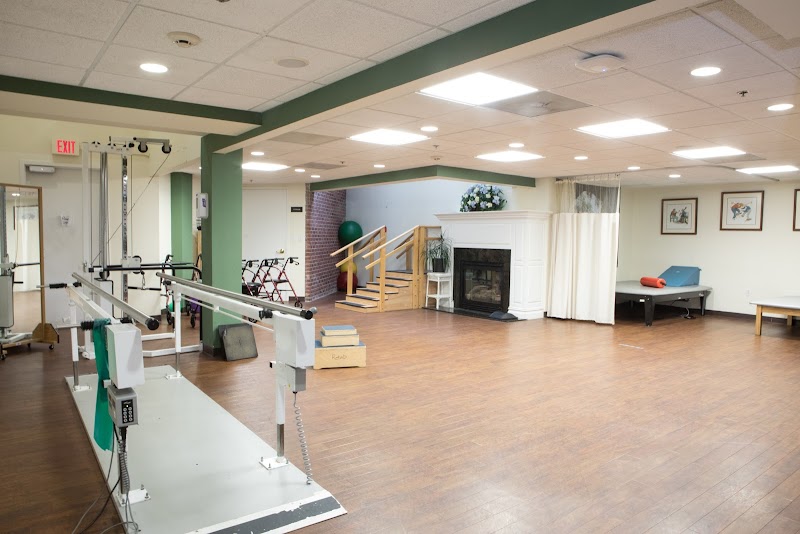
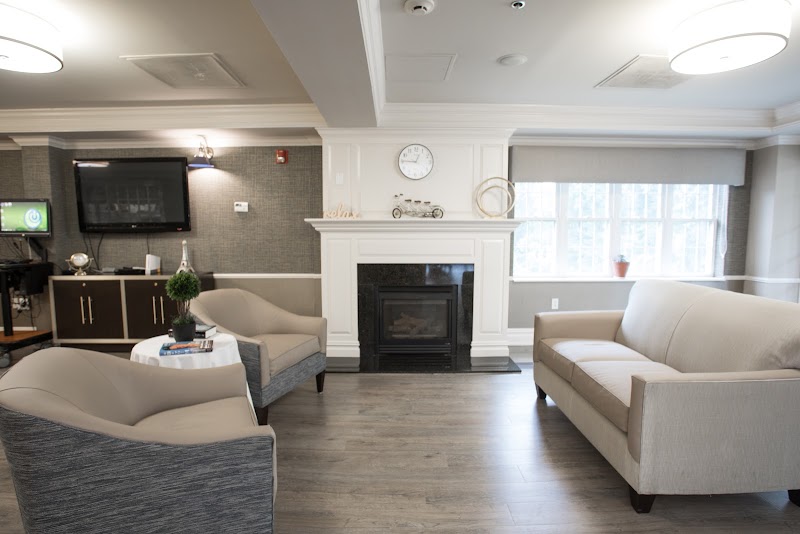
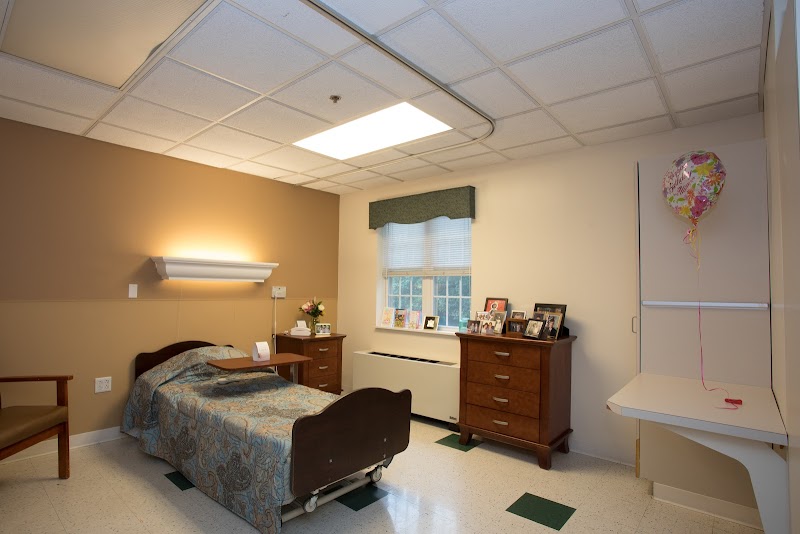
CAREONE AT WAYNE is owned by a for-profit company. For-profit facilities operate as businesses with obligations to shareholders or private owners. The facility is operated by CAREONE, a chain that manages multiple nursing homes. With 101 certified beds and approximately 87 residents (about 86% occupancy), it is a mid-sized facility located in WAYNE, New Jersey.

How Does Careone At Wayne Compare to Other New Jersey Nursing Homes?

Compared to the 100 nursing homes in New Jersey, CAREONE AT WAYNE's overall rating (5 stars) is above the state average of 3.3, staff turnover (14%) is significantly lower than the state average of 46%, and health inspection rating (5 stars) is much above the national benchmark.

What Should Families Ask When Visiting Careone At Wayne?

Based on this facility's data, families visiting should ask: "Can I visit during a mealtime to observe dining assistance and food quality?" "How do you handle medical emergencies, and what is your hospital transfer rate?" "Can I speak with family members of current residents about their experience?"

Is Careone At Wayne Safe?

Based on CMS inspection data, CAREONE AT WAYNE has a clean safety record: no substantiated abuse findings (meaning no confirmed cases of resident harm), no Immediate Jeopardy citations (the most serious violation level indicating risk of serious injury or death), and is not on the Special Focus Facility watch list (a federal program monitoring the lowest-performing 1% of nursing homes). The facility has a 5-star overall rating and ranks #1 of 100 nursing homes in New Jersey. While no facility is perfect, families should still ask about staff-to-resident ratios and recent inspection results during their visit.

Do Nurses at Careone At Wayne Stick Around?

Staff at CAREONE AT WAYNE tend to stick around. With a turnover rate of 14%, the facility is 32 percentage points below the New Jersey average of 46%. Low turnover is a positive sign. It means caregivers have time to learn each resident's needs, medications, and personal preferences. Consistent staff also notice subtle changes in a resident's condition more quickly. Registered Nurse turnover is also low at 25%, meaning experienced RNs are available to handle complex medical needs.

Was Careone At Wayne Ever Fined?

CAREONE AT WAYNE has no federal fines on record. CMS issues fines when nursing homes fail to meet care standards or don't correct problems found during inspections. The absence of fines suggests the facility has either maintained compliance or corrected any issues before penalties were assessed. This is a positive indicator, though families should still review recent inspection reports for the full picture.

Is Careone At Wayne on Any Federal Watch List?

CAREONE AT WAYNE is not on any federal watch list. The most significant is the Special Focus Facility (SFF) program, which identifies the bottom 1% of nursing homes nationally based on persistent, serious quality problems. Not being on this list means the facility has avoided the pattern of deficiencies that triggers enhanced federal oversight. This is a positive indicator, though families should still review the facility's inspection history directly.