DAUGHTERS OF SARAH NURSING CENTER
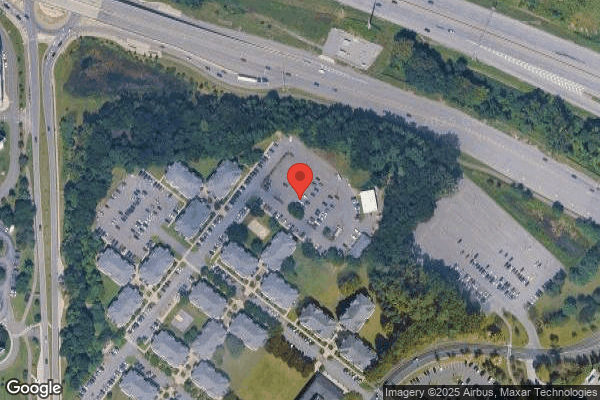
180 WASHINGTON AVE EXT, ALBANY, NY 12203 (518) 456-7831
Non profit - Corporation 210 Beds Independent Data: November 2025
Trust Grade
65/100
#271 of 594 in NY
Last Inspection: September 2024

Within standard 12-15 month inspection cycle. Federal law requires annual inspections.

Overview

Daughters of Sarah Nursing Center has a Trust Grade of F, indicating significant concerns about the quality of care provided. Ranking #271 out of 594 in New York places it in the top half of facilities, while its county ranking of #3 out of 11 suggests it is one of the better options locally. However, the facility is worsening, with issues increasing from 2 in 2023 to 5 in 2024. Staffing is rated 3 out of 5 stars, with a 38% turnover rate that is slightly better than the state average, but there is concerning RN coverage, less than 90% of state facilities, which may impact resident care. While there have been no fines recorded, the facility has faced issues such as inadequate procedures for assisting residents with food brought by visitors, leading to potential access problems, and a failure to maintain cleanliness around trash disposal areas, which raises hygiene concerns. Overall, while there are some strengths, the ongoing issues present noteworthy weaknesses that families should consider.

Trust Score
C+
65/100
In New York
#271/594
Top 45%
Safety Record
Low Risk
No red flags
Inspections
Getting Worse
2 → 5 violations
Staff Stability
○ Average
38% turnover. Near New York's 48% average. Typical for the industry.
Penalties
✓ Good
No fines on record. Clean compliance history, better than most New York facilities.
Skilled Nurses
⚠ Watch
Each resident gets only 23 minutes of Registered Nurse (RN) attention daily — below average for New York. Fewer RN minutes means fewer trained eyes watching for problems.
Violations
⚠ Watch
13 deficiencies on record. Higher than average. Multiple issues found across inspections.
★★★☆☆
3.0
Overall Rating
★★★☆☆
3.0
Staff Levels
★★★★☆
4.0
Care Quality
★★★☆☆
3.0
Inspection Score
Stable
2023: 2 issues
2024: 5 issues

The Good

  • 4-Star Quality Measures · Strong clinical quality outcomes
  • Full Sprinkler Coverage · Fire safety systems throughout facility
  • No fines on record
  • Staff turnover below average (38%)

    10 points below New York average of 48%

Facility shows strength in quality measures, fire safety.

The Bad

3-Star Overall Rating

Near New York average (3.1)

Meets federal standards, typical of most facilities

Staff Turnover: 38%

Near New York avg (46%)

Typical for the industry

The Ugly 13 deficiencies on record

Sept 2024 5 deficiencies
CONCERN (D)

Potential for Harm - no one hurt, but risky conditions existed

Resident Rights (Tag F0550)

Could have caused harm · This affected 1 resident

**NOTE- TERMS IN BRACKETS HAVE BEEN EDITED TO PROTECT CONFIDENTIALITY** Based on observation, interviews, and record reviews conducted during a recertification survey, the facility did not ensure trea...

Read full inspector narrative →
**NOTE- TERMS IN BRACKETS HAVE BEEN EDITED TO PROTECT CONFIDENTIALITY** Based on observation, interviews, and record reviews conducted during a recertification survey, the facility did not ensure treatment with respect, dignity, and care for each resident in a manner and in an environment that promoted maintenance or enhancement of their quality of life, recognizing each resident's individuality for 3 (Resident #'s 33, 86 and 197) of 35 residents reviewed for dignity. Specifically, (a.) Resident #33 stated Certified Nurse Aide #3's tone of voice was rude, they felt rushed during care and requested Certified Nurse Aide #3 not to be assigned to them as caregiver; (b.) Resident #86 stated they waited a long time for care and then the care was rushed; (c.) Resident #197 stated Certified Nurse Aide #3 was argumentative and used inappropriate language. This is evidenced by: New York State Department of Health Division of Nursing Homes and ICF/IID Surveillance, Resident Rights Handbook, documented: As a resident in this facility, they have rights guaranteed to them by state and federal laws. This facility was required to protect and promote their rights. Resident rights strongly emphasized individual dignity and self-determination, promoting their independence, and enhancing their quality of life. Facility memorandum dated 5/01/2024, documented facility's Community for Seniors was 'privileged' to be in a position to serve their needs. It documented the facility took 'very seriously' their commitment to provide exceptional, dignified personal care to all residents, and intended to do so each and every time with compassion and acts of loving kindness. Resident #33 was admitted to the facility with diagnoses diabetes mellitus (a disease where the hormone insulin is impaired resulting in elevated levels of glucose/sugar), limited range of motion and Lower extremity edema (swelling). The Minimum Data Set (an assessment tool) dated 5/2024, documented the resident was cognitively intact, could be understood and understand others. During an interview on 8/30/2024 at 11:31 AM, Resident #33 stated some Certified Nurse Aides were rude. There was one Certified Nurse Aide that they complained to facility leadership about and requested Certified Nurse Aide #3 not care for them anymore. Resident #33 denied feeling fearful but stated Certified Nurse Aide #3 had a bad attitude and came in rushing them after they had waited so long to be taken off the bedpan. They stated they were now more independent and could do their own transfers from chair to toilet. Although before they graduated to independent level, they used to wait a very long time for assistance. During an interview on 9/06/2024 at 2:10 PM, Registered Nurse #1 stated they had no knowledge of reported incident that an aide was rude and no restriction on who cared for Resident #33. Registered Nurse #1 stated if resident reported that a Certified Nurse Aide was rude, they would conduct a full investigation, notify Medical Doctor, report to facility leadership, and remove the Certified Nurse Aide until investigation was completed. They further stated that training on abuse and neglect was upon hire and annually. During an interview on 9/06/2024 at 2:15 PM, Licensed Practical Nurse #7 stated when Resident #33 was on the rehabilitation unit, Resident #33 did not like Certified Nurse Aide #3's approach and requested Certified Nurse Aide #3 not to care for them because they were rude. Certified Nurse Aide #3 was no longer assigned to Resident #33. Licensed Practical Nurse #7 stated there had been other complaints about Certified Nurse Aide #3 from other residents, however, those residents had been discharged . Licensed Practical Nurse #7 stated they reported complaints about Certified Nurse Aide #3 to the Unit Manager. During an interview on 9/06/2024 at 2:20 PM, Licensed Practical Nurse #5 stated so many personality things had happened but did not remember anything about Resident #33 and Certified Nurse Aide #3. They stated Certified Nurse Aide #3 could be noisy. Resident #33 was apprehensive in the beginning, and Certified Nurse Aide #3 may not have been patient with them. Licensed Practical Nurse #5 stated if they had been made aware they would have conducted an investigation. Resident #86 was admitted to the facility with diagnoses osteoarthritis (type of arthritis that occurs when flexible tissue at the ends of bones wears down), lower extremity fracture (bone break) and limited range of motion. The Minimum Data Set, dated 8/2024, documented resident was cognitively intact, could be understood and understand others. During an interview on 9/09/2024 at 10:25 AM, Resident #86 stated they were generally the last resident to receive care and when staff finally got to them, staff rushed through them. Everything happens [NAME] and you were done. Resident #86 stated staff were always in a rush, and was reluctant to specify further. Resident #197 was admitted to the facility with diagnoses including lower extremity fracture, weakness and decreased mobility. Resident #197 was alert and oriented to person, time, place, and event. Resident could understand and was understood by others. During an interview an 9/09/2024 at 10:10 AM, Resident #197 stated Certified Nurse Aide #3 appeared hot and cold. Some days they were okay, but there were days where Certified Nurse Aide #3 was very rude and abrasive. Resident #197 stated the previous week they put on light to get remote that had fallen on floor behind table. Certified Nurse Aide #3 answered after a long wait and stated 'what do you want' in a 'very harsh tone.' When Resident #197 replied to the staffer, Certified Nurse Aide #3 stated over their talking, 'make up your mind.' Resident #197 then stated they asked Certified Nurse Aide #3 why they had to be so nasty, and Certified Nurse Aide #3 replied, 'why do you have to be so nasty?' In another example, Resident #197 stated that on the evening of 9/05/2024, Certified Nurse Aide #3 stated 'get your ass out of the bed' while providing care to them. Resident #197 stated they did not report Certified Nurse Aide #3 because word would get out to the other aides that they had complained, and they would then not receive care from any of the Certified Nurse Aides. During an interview on 9/06/2024 at 2:37 PM, Director of Nursing #1 stated they had no knowledge of Resident #33's complaint about Certified Nurse Aide #3. They stated Certified Nurse Aide #3 was a good aide but had a rough tone to their voice. Director of Nursing #1 stated if they had been made aware, they would have conducted an investigation and provided training to staff. During an interview on 9/06/2024 at 3:45 PM, Administrator #1 stated Registered Nurse #1 and Social Worker #1 met with Resident #33 on 9/06/2024 at 3:00 PM and that Resident #33 stated they were not fearful, but had been left on a bed pan for a very long time. When Certified Nurse Aide #3 came to take them off, they were rushing and pushing things around in room to get to them and assist with bedpan. Administrator #1 stated Resident #33 did not like Certified Nurse Aide #3's attitude. Resident asked that Certified Nurse Aide #3 not to care for them anymore, and Administrator #1 and Registered Nurse #2, (Unit Manager) were not made aware of the incident or request. Administrator #1 stated Certified Nurse Aide #3 had been with the facility for a long time and received shining star comments from other residents. They stated Certified Nurse Aide #3 resigned as of 9/06/2024. Administrator #1 stated if they were notified at the time, an investigation would have been initiated. Administrator #1 stated staff received annual abuse and neglect training and with each anniversary date. During an interview on 9/09/2024 at 9:40 AM, Registered Nurse #2 stated they were not made aware of incident with Resident #33 and Certified Nurse Aide #3. In addition, they had no knowledge of other resident complaints regarding Certified Nurse Aide #3. A call was placed to Certified Nurse Aide #3 for an interview; message was left requesting a call back with no response. 10 New York Codes Rules and Regulations 415.5(a)
CONCERN (D) 📢 Someone Reported This

A family member, employee, or ombudsman was alarmed enough to file a formal complaint

Potential for Harm - no one hurt, but risky conditions existed

Deficiency F0561 (Tag F0561)

Could have caused harm · This affected 1 resident

Based on observation, interviews, and record review conducted during a recertification survey, the facility did not promoted and facilitated the residents right to self-determination through support o...

Read full inspector narrative →
Based on observation, interviews, and record review conducted during a recertification survey, the facility did not promoted and facilitated the residents right to self-determination through support of resident choice. Specifically, the facility did not provide accommodations for heating of food brought to residents from outside the facility. This was evident for Resident #5. This is evidenced by: Facility's policy titled, Resident Personal Food and dated 11/2021, documented resident personal food (food not provided by facility) should be ready to eat, requiring little or no preparation. Food requiring refrigeration may be stored in the unit kitchenette refrigerator or personal refrigerator provided by resident/resident representative. Resident personal food could not require re-heating. At all times, residents who were unable to access their personal food or eat independently would be assisted by facility staff, as needed. It further documented the facility was a 'Kosher' facility. All food served by the facility was prepared in accordance with traditional Jewish rules of Kashrut, and only facility-provided, kosher food was permitted in the facility's public areas. Resident personal food must be consumed in resident's room. Microwaves were not allowed in resident care areas. The policy did not document how residents would be assisted in reheating personal food brought from outside. The New York State Department of Health Nursing Home Resident Rights Booklet 2022, documented under Self-Determination, page 4: Resident had the right to: - Be offered choices and allowed to make decisions important to them. - Receive services with reasonable accommodations for individual needs and preferences. Facility admission Agreement for Resident #5 dated 9/20/2006 documented, under section 2.1.8 Serviced Provided by the Home: Assistance and/or supervision, when required, with activities of daily living, including but not limited to toileting, bathing, feeding and ambulation assistance. Section 2.1.11 documented: Activities program, including but not limited to a planned schedule of recreational motivational, social, and other activities; together with necessary materials and supplies to make the resident's life more meaningful. During an interview on 8/30/2024 at 12:45 PM, Resident #5 inquired of their right to have food brought in from outside heated up. Resident #5 stated they often had food in a resident refrigerator that they wanted to be heated up. During an interview on 8/30/2024 at 2:45 PM, Administrator #1 stated it was the facility's policy not to heat food brought in from outside for the safety of residents, and staff would not heat up food for residents because it could 'potentially result in burns to the resident.' During an interview on 9/09/2024 at 9:39 AM, a microwave oven was observed on the Red Unit, Unit Managers office. Licensed Practical Nurse #2 stated the microwave was for staff use only and had always been there. During an interview on 9/05/2024 at 11:18 AM, Registered Nurse #1 stated they used to have microwave in their office up to about one year ago; everyone used the microwave to the point where it was 'out of control,' therefore, they had it removed. Registered Nurse #1 stated previously staff would go to a staff lounge in back of building and heat items for residents, but that staff no longer heated up food for residents brought in from the outside per policy. During an interview on 9/05/2024 at 11:18 AM, Social Worker #1 stated there was a resident who had since passed away about 6 months ago, who wanted pizza warmed up, but staff did not have 'the right' to test temperature and warm food properly. Social Worker #1 stated it was the facility's policy that staff were unable to heat food brought in from outside. During an interview on 9/03/2024 at 9:00 AM, Resident #5 stated they often ordered take-out food, and saved the leftover food in refrigerator. They also stated their family member used to bring in food that they would like heated up in the evening. Resident stated they had been in the facility for over 15 years and previously had a microwave in their room. After they were readmitted from a hospitalization, they were told they could no longer have a microwave, and were permitted to use the microwave in unit managers office. They further stated that approximately 6 months ago they were told by several staff that they were no longer allowed to heat up food for resident because they could not test the temperature. Resident #5 stated 'that is just not right.' They stated food choices were limited at the facility and they would like to have other meals. During an interview on 9/06/2024 at 11:04 AM, Director of Maintenance #1 stated there had been no work orders to remove microwave ovens. They further stated there were some microwave ovens still in the facility, and there was a microwave in the memory care unit pantry. During an interview on 9/04/2024 at 2:45 PM, Administrator #1 stated they were not aware there was a concern about heating up food. They stated it had always been the facility's policy not to reheat food brought in from the outside. Administrator #1 concluded that Resident #5 had the concern and stated they would discuss concerns with resident. During an interview on 9/06/2024 at 11:30 AM, Resident #5 stated they met with Administrator #1 who stated a designated Certified Nurse Aide would heat food brought in from outside, specifically for them. Resident #5 further stated that if the designated Certified Nurse Aide was not at the facility on any given day, then their outside meals could not be heated. 10 New York Codes, Rules, and Regulations 415.5(b)(1-3)
CONCERN (D)

Potential for Harm - no one hurt, but risky conditions existed

Deficiency F0761 (Tag F0761)

Could have caused harm · This affected 1 resident

Based on observation, record review, and interviews conducted during the recertification survey, the facility did not ensure drugs and biologicals were labeled and stored in accordance with profession...

Read full inspector narrative →
Based on observation, record review, and interviews conducted during the recertification survey, the facility did not ensure drugs and biologicals were labeled and stored in accordance with professional standards of practice. Specifically, (a.) opened medications had no open and/or expiration dates; (b.) pre-poured medication cup was noted in medication cart (c.); medication refrigerator temperature was outside of therapeutic range; and (d.) non-medication items were stored in medication cart for 2 (Green and Purple unit medication carts) of 3 medication carts reviewed and 3 (Green, Red, and Purple) of 3 medication storage rooms reviewed. This is evidenced by: The facility's Medication Administration Guidelines, last reviewed 2/2024, Section III. 6, documented each nurse was responsible to date and time all multi-dose vials, and maintain pharmacy standards regarding storage and time between opening and discarding. All scheduled medications would be signed for as administered or not administered. Reason for non-administration was required and would be noted by using the reason code on the electronic medication administration record. The facility's policy titled, Medication Refrigerators Issued 02/08, documented medications requiring refrigeration would be stored in a refrigerator which stored medications only. The temperature would be maintained between 36-46 degrees Fahrenheit. The temperature would be monitored daily by the night shift. The facility's Dispensing and Labeling Drugs and Biologicals from Pharmacy Policy revised 8/19, documented medications must be kept or stored in their originally dispensed containers and transferring between container was forbidden. During an observation on 9/03/2024 at 8:56 AM, the [NAME] Unit medication room refrigerator contained 2 open bottles of purified protein derivative with no open and or expiration dates. In an interview at this time, Licensed Practical Nurse #3 stated when administering purified protein derivative, they would label the open date and verify the expiration date. During an observation on 9/03/2024 at 9:05 AM, [NAME] Unit, Cart #2 was noted to have two pre-poured medication cups: One cup had 1 pill; the other cup had 3 pills. Both cups had no cover but written on the cup was the number 30 space and an illegible notation. In an interview at this time, Licensed Practical Nurse #3 stated when they went to give medication to the resident, they had gone to therapy. They stated they stored the medications cup in cart and would give the medication when resident returned from therapy. During an observation on 9/03/2024 at 9:05 AM, [NAME] Unit, Cart #2 was noted to have two open bottles of Lidocaine solution with no open and or expiration dates: 1 open Glargine insulin pen had no open date; 2 open vials of Lispro insulin, one with illegible open and expiration dates, the second had no open and or expiration date. During an observation on 9/03/2024 at 9:58 AM, the Red Unit Medication Room refrigerator temperature was noted to be 60 degrees Fahrenheit. During an observation on 9/03/2024 at 10:54 AM, Purple Unit, Cart #2, bottom overflow drawer contained multiple non-medication items including non-skid socks, an open tube of toothpaste with no name or label, an open jar of Eucerin cream with no name or label or open date, and yellow personal protective equipment gowns. During an observation on 9/03/2024 at 10:59 AM, Purple Unit Medication Room refrigerator contained one open bottle of purified protein derivative with no open and or expiration date; one open vial of Lispro insulin with no open or expiration date. During an interview on 9/04/2024 12:28 PM, Director of Nursing #1 stated nursing staff attend mandatory orientation in person that included medication administration, and agency nursing staff were given a binder to review prior to hire. They further stated that there was a medication assessment test that was given prior to nurse passing medication for all nursing staff. Director of Nursing #1 stated it was the responsibility of each nurse to ensure their cart was clean and medications were labeled appropriately. During an interview on 9/05/2024 10:41 AM, Nurse Educator #1 stated all nursing staff attended general orientation including medication administration. They further stated agency staff were provided a binder with all nursing competencies and were complete an exam upon completion. 10 New York Codes, Rules, and Regulations 415.18(d)
CONCERN (D)

Potential for Harm - no one hurt, but risky conditions existed

Infection Control (Tag F0880)

Could have caused harm · This affected 1 resident

**NOTE- TERMS IN BRACKETS HAVE BEEN EDITED TO PROTECT CONFIDENTIALITY** Based on observations and staff interviews during the recertification survey, the facility did not ensure infection prevention c...

Read full inspector narrative →
**NOTE- TERMS IN BRACKETS HAVE BEEN EDITED TO PROTECT CONFIDENTIALITY** Based on observations and staff interviews during the recertification survey, the facility did not ensure infection prevention control practices were followed to help prevent the spread, development, and transmission of communicable diseases and infections. Specifically, the staff did not put on and take off personal protective equipment correctly when entering and exiting the room of a COVID-19 positive resident. This was evident for 1 of 5 resident units observed. This is evidenced by: The Centers for Disease Control document titled Sequence for Putting on Personal Protective equipment (PPE) stated the correct sequence for putting on personal protective equipment was gown, mask or respirator, goggles, or face shield, then gloves. The document stated the correct sequence for removing personal protective equipment was gloves, goggles or face shield, gown, and then mask or respirator. (https://www.cdc.gov/infection-control/media/pdfs/Toolkits-PPE-Sequence-P.pdf) During an observation on 8/30/2024 at 11:08 AM in from room [ROOM NUMBER], Licensed Practical Nurse #4 put on personal protective equipment for droplet precautions in the following order: N95 mask, gown, face shield and then gloves. Licensed Practical Nurse #4 was observed removing their personal protective equipment in the following order: face shield, gown, gloves and N95 mask. Licensed Practical Nurse #4 was observed bringing in a piece of medical equipment into the room, removing it from the room, and placing it in the hall; the equipment was not cleaned. During an interview on 9/05/2024 at 9:36 AM, Certified Nurse Aide #1 stated the facility always provided enough personal protective equipment for the staff. They stated the following order for putting on personal protective equipment: sanitize hands, gloves, gown, mask, then face shield. They stated the following order for taking off personal protective equipment: gown, first set of gloves, face shield, mask, second set of gloves, then wash hands. During an interview on 9/05/2024 at 9:43 AM, Certified Nurse Aide #2 stated they would put on personal protective equipment in the following order: N95 mask, face shield, gown, then gloves. They would take off personal protective equipment in the following order: gown, face shield, N95 mask, gloves then wash hands. During an interview on 9/05/2024 at 9:49 AM, Licensed Practical Nurse #2 stated they would put on personal protective equipment in the following order: gown, N95 mask, face shield, then gloves. They would take off personal protective equipment in the following order: gown, gloves, shield, mask, and then wash hands. They stated that a COVID-19 positive resident with droplet precautions would have their own blood pressure cuff and thermometer if possible. The sphygmomanometer (medical device that measures blood pressure) would be non-dedicated medical equipment and would need to be wiped down with wipes between uses. They stated they received training on infection control upon hire and yearly, more often if policies or guidance changed. During an interview on 9/05/2024 at 9:58 AM, Infection Preventionist #1 stated staff training on infection control was given on hire and if there was an outbreak. There was also annual training done. They stated there were signs posted for putting on and taking off personal protective equipment posted in the bathrooms. They stated COVID-19 residents should have their own blood pressure cuff and thermometer. During an interview on 9/05/2024 at 10:41 AM, Nurse Educator #1 stated employees were given training on hire and annually upon anniversary date. The training was offered through an on-line program or on a paper version of the on-line program. They stated staff were trained on putting on and taking off personal protective equipment as part of the infection control training. They stated agency staff received the same training including the infection control trainings. They stated that any medical equipment would have to be sanitized between residents. During an interview on 9/05/2024 at 10:56 AM, Licensed Practical Nurse #5 stated that there were 3 sphygmomanometers, on the unit, each hallway had its own tower. The tower observed on 8/30/2024 was used for all residents. New York Code of Rules and Regulation 415.19(a)(1-3)
CONCERN (F) 📢 Someone Reported This

A family member, employee, or ombudsman was alarmed enough to file a formal complaint

Potential for Harm - no one hurt, but risky conditions existed

Deficiency F0813 (Tag F0813)

Could have caused harm · This affected most or all residents

Based on observation, interviews, and record review conducted during a recertification survey, the facility did not ensure their policy regarding foods brought to residents by family and other visitor...

Read full inspector narrative →
Based on observation, interviews, and record review conducted during a recertification survey, the facility did not ensure their policy regarding foods brought to residents by family and other visitors to ensure safe and sanitary handling and consumption. Specifically, the facility did not provide accommodations for heating of food brought to residents from outside the facility. This was evident for all residents in the facility. This is evidenced by: Facility's policy titled, Resident Personal Food and dated 11/2021, documented resident personal food (food not provided by facility) should be ready to eat, requiring little or no preparation. Food requiring refrigeration may be stored in the unit kitchenette refrigerator or personal refrigerator provided by resident/resident representative. Resident personal food could not require re-heating. At all times, residents who were unable to access their personal food or eat independently would be assisted by facility staff, as needed. It further documented the facility was a 'Kosher' facility. All food served by the facility was prepared in accordance with traditional Jewish rules of Kashrut, and only facility-provided, kosher food was permitted in the facility's public areas. Resident personal food must be consumed in resident's room. Microwaves were not allowed in resident care areas. The policy did not document how residents would be assisted in reheating personal food brought from outside. The New York State Department of Health Nursing Home Resident Rights Booklet 2022, documented under Self-Determination, page 4: Resident had the right to: - Be offered choices and allowed to make decisions important to them. - Receive services with reasonable accommodations for individual needs and preferences. Facility admission Agreement for Resident #5 dated 9/20/2006 documented, under section 2.1.8 Serviced Provided by the Home: Assistance and/or supervision, when required, with activities of daily living, including but not limited to toileting, bathing, feeding and ambulation assistance. Section 2.1.11 documented: Activities program, including but not limited to a planned schedule of recreational motivational, social, and other activities; together with necessary materials and supplies to make the resident's life more meaningful. The facility has 210 beds. The census at the time of the survey was 202 residents. The Facility Assessment, last reviewed 8/22/2024, included a detailed breakdown of religious and ethnic group by resident. The attachment documented that 21.9% of the resident population were Jewish. It additionally documented that the facility's nutritional services staff provided kosher meals and included 'cater-to-you meal service' for Short Term Care residents. Record review of the aforementioned Facility Assessment revealed the majority of residents served by the facility did not require a Kosher diet based on their religious beliefs and/or personal convictions. During an interview on 8/30/2024 at 12:45 PM, Resident #5 inquired of their right to have food brought in from outside heated up. Resident #5 stated they often had food in a resident refrigerator that they wanted to be heated up. During an interview on 8/30/2024 at 2:45 PM, Administrator #1 stated it was the facility's policy not to heat food brought in from outside for the safety of residents, and staff would not heat up food for residents because it could 'potentially result in burns to the resident.' During an interview on 9/09/2024 at 9:39 AM, a microwave oven was observed on the Red Unit, Unit Managers office. Licensed Practical Nurse #2 stated the microwave was for staff use only and had always been there. During an interview on 9/05/2024 at 11:18 AM, Registered Nurse #1 stated they used to have microwave in their office up to about one year ago; everyone used the microwave to the point where it was 'out of control,' therefore, they had it removed. Registered Nurse #1 stated previously staff would go to a staff lounge in back of building and heat items for residents, but that staff no longer heated up food for residents brought in from the outside per policy. During an interview on 9/05/2024 at 11:18 AM, Social Worker #1 stated there was a resident who had since passed away about 6 months ago, who wanted pizza warmed up, but staff did not have 'the right' to test temperature and warm food properly. Social Worker #1 stated it was the facility's policy that staff were unable to heat food brought in from outside. During an interview on 9/03/2024 at 9:00 AM, Resident #5 stated they often ordered take-out food, and saved the leftover food in refrigerator. They also stated their family member used to bring in food that they would like heated up in the evening. Resident stated they had been in the facility for over 15 years and previously had a microwave in their room. After they were readmitted from a hospitalization, they were told they could no longer have a microwave, and were permitted to use the microwave in unit managers office. They further stated that approximately 6 months ago they were told by several staff that they were no longer allowed to heat up food for resident because they could not test the temperature. Resident #5 stated 'that is just not right.' They stated food choices were limited at the facility and they would like to have other meals. During an interview on 9/06/2024 at 11:04 AM, Director of Maintenance #1 stated there had been no work orders to remove microwave ovens. They further stated there were some microwave ovens still in the facility, and there was a microwave in the memory care unit pantry. During an interview on 9/04/2024 at 2:45 PM, Administrator #1 stated they were not aware there was a concern about heating up food. They stated it had always been the facility's policy not to reheat food brought in from the outside. Administrator #1 concluded that Resident #5 had the concern and stated they would discuss concerns with resident. During an interview on 9/06/2024 at 11:30 AM, Resident #5 stated they met with Administrator #1 who stated a designated Certified Nurse Aide would heat food brought in from outside, specifically for them. Resident #5 further stated that if the designated Certified Nurse Aide was not at the facility on any given day, then their outside meals could not be heated. 10 New York Codes, Rules, and Regulations 415.12
Oct 2023 2 deficiencies
CONCERN (D) 📢 Someone Reported This

A family member, employee, or ombudsman was alarmed enough to file a formal complaint

Potential for Harm - no one hurt, but risky conditions existed

Resident Rights (Tag F0550)

Could have caused harm · This affected 1 resident

**NOTE- TERMS IN BRACKETS HAVE BEEN EDITED TO PROTECT CONFIDENTIALITY** Based on record review and interviews during an abbreviated survey (Case #NY00260768), the facility did not ensure that each res...

Read full inspector narrative →
**NOTE- TERMS IN BRACKETS HAVE BEEN EDITED TO PROTECT CONFIDENTIALITY** Based on record review and interviews during an abbreviated survey (Case #NY00260768), the facility did not ensure that each resident was treated with respect and dignity for 1 (Resident #4) of 4 residents reviewed. Specifically, the facility did not ensure Resident #4 was treated with respect and dignity on 7/17/2020, when the resident had wandered onto the Blue unit and was escorted inappropriately by the Licensed Practical Nurse (LPN) #3 back to the Gold unit. LPN #3 forcefully grabbed the resident from behind and dragged them towards the Gold unit. This is evidenced by: Refer to F684 Resident #4: Resident #4 was admitted to the facility with diagnoses of dementia with behavioral disturbance, recurrent major depressive disorder, and unsteadiness on feet. The MDS dated [DATE], documented the resident had severe cognitive impairment. The Policy and Procedure (P&P) titled Resident Care Policy #250: Resident Dignity issued 2/2020, documented each resident would be cared for in a manner that promoted and enhanced their well-being, level of satisfaction with life, feeling of self-worth and self-esteem. It documented residents were to be treated with respect and dignity at all times. Demeaning practices and standards of care that compromise dignity was prohibited. It documented staff were expected to treat cognitively impaired residents with dignity and sensitivity. The Comprehensive Care Plan (CCP) for resident was an Elopement Risk/Wanderer as evidenced by the ability to mobilize independently, confusion, diagnosis of dementia with behavioral disturbances, anxiety, and impaired safety awareness, last revised 8/28/2023, documented the resident roamed between the Blue and the Gold units and was in constant motion. The CCP interventions documented to redirect the resident when wandering or upset and to encourage the resident to stay out of other resident rooms and bathrooms. The facility Investigation dated 7/17/2020, documented it was reported that at approximately 3:15 PM on 7/17/2020, Licensed Practical Nurse (LPN) #3 was inappropriately handling Resident #4. Per the eyewitness, LPN #3 forcefully grabbed the resident from behind and dragged them towards the Gold unit. Upon arriving at the Gold unit, a different eyewitness claimed LPN #3 was forceful with Resident #4 when they sat the resident into a chair. LPN #3 denied being forceful or aggressive and stated they were trying to avoid being hit by the baby doll the resident was swinging. It documented some of the event was viewable by camera. The Statement Regarding Incident dated 7/17/2020, and written by LPN #3, documented they escorted Resident #4 back to the Gold unit after observing the resident with someone's property. The resident attempted to go down another hallway and LPN #3 redirected the resident to their unit. LPN #3 documented they were not forceful or aggressive and what they were doing was evading the baby doll's head that the resident was swinging. The Statement Regarding Incident dated 7/17/2020, and written by the Caseworker (CW) #1, documented they observed the LPN yell and grab Resident #4 after the resident had walked behind the secretarial desk and grabbed an employee's drink. The LPN then grabbed Resident #4 from behind, around their waist and took the drink out of their hand. Resident #4 then continued to walk down First hall and the LPN again forcefully grabbed the resident from behind and dragged them towards the Gold unit. Resident #4 appeared frightened as shown by facial expressions. It documented demeanor was overall very forceful. The Statement Regarding Incident dated 7/17/2020, and written by LPN #4, documented they observed the nurse from Blue unit forcefully pushing Resident #4 towards the Gold unit and into the TV room, and then forced the resident to sit down. The nurse from the Blue unit stated the resident was stealing people's food. It documented the resident was very upset, swearing, and throwing things. The Statement Regarding Incident dated 7/17/2020, and written by LPN #5, documented they witnessed a staff member forcefully shove Resident #4 into the TV lounge and into a chair. The staff member stated the resident was eating someone's food. LPN #5 documented they calmed the resident down with cookies and a hug. The incident was reported to the nurse manager and Social Worker. Review of video footage labeled BLUE NURSE STATION_July172020_1516 showed the following on 7/17/2020 at 3:16:07 PM: -LPN #3 was behind Resident #4 and had their hands on either side of the resident close to their underarms and was walking the resident forward in a quick manner through the corridor, towards the Gold unit. The resident's facial expressions were not visualized. Resident #4 was holding a doll but was not seen swinging it. Review of video footage labeled GOLD NURSE STATION_July17202_1516 showed the following on 7/17/2020: -At 3:16:28 PM, LPN #3 was behind Resident #4 and had their hands on either side of the resident close to their underarms and was walking the resident forward in a quick manner onto the Gold unit. -At 3:16:35 PM, Resident #4 had the doll in their left hand and swung their left arm back toward LPN #3. -At 3:16:37 PM, LPN #3 was still behind Resident #4 as they both entered an area off the corridor. There was no additional video footage. During an interview on 8/24/2023 at 9:32 AM, the Administrator (ADMIN) stated LPN #3 had inappropriately redirected the resident. The ADMIN stated the resident fell and LPN #3 picked them up and continued to walk them towards their unit. The ADMIN stated there was no injury to the resident. The ADMIN stated LPN #3 was terminated and was reported to the NYS Office of the Professions. During an interview on 9/29/2023 at 11:53 AM, the Caseworker (CW) #1 stated they recalled the incident with Resident #4 and the LPN. When asked, CW #1 confirmed it was LPN #3. CW #1 stated they saw Resident #4 with a drink in their hand and then LPN #3 took it away from the resident. CW #1 stated LPN #3's demeanor was forceful as they walked Resident #4 in the hallway between the Blue and Gold units. CW #1 stated Resident #4 was able to ambulate independently without an assistance device. CW #1 stated Resident #4 could become combative at times but was generally lovely and very confused. During an interview on 9/29/2023 at 1:21 PM, LPN #4 stated Resident #4 resided on the Gold unit, would wander to the Blue unit and would go about picking up things. LPN #4 stated it was completely unnecessary for LPN #3 to act the way they saw them act. LPN #4 stated LPN #3 should have been walking beside the resident and guiding them to where they needed to be. LPN #4 stated Resident #4 wandered daily and was not aware of the things that did not belong to them. Resident #4 was for the most part, a pleasant resident. During an interview on 9/29/2023 at 1:41 PM, Registered Nurse Manager (RNM) #2 stated that after reviewing the video, LPN #3 was a little more forceful than they needed to be when they escorted the resident back to their unit. RNM #2 stated Blue and Gold was one big circle and the resident was bound to go from one side to the other. RNM #2 stated the resident was independent with ambulation but needed supervision. RNM #2 stated that Resident #4 would cry often, and they could be consoled one minute and the next, the resident would punch you. During an interview on 9/29/2023 at 2:00 PM, LPN #5 stated LPN #3 was pushing Resident #4 forward and Resident #4 was trying not to move forward. LPN #5 stated the resident was upset and they reported it right away. LPN #3 was contacted but was not available for interview. 10 NYCRR 415.5(a)
CONCERN (D) 📢 Someone Reported This

A family member, employee, or ombudsman was alarmed enough to file a formal complaint

Potential for Harm - no one hurt, but risky conditions existed

Quality of Care (Tag F0684)

Could have caused harm · This affected 1 resident

**NOTE- TERMS IN BRACKETS HAVE BEEN EDITED TO PROTECT CONFIDENTIALITY** Based on record review and interviews during an abbreviated survey (Case #s NY00310437 and NY00260768), the facility did not ens...

Read full inspector narrative →
**NOTE- TERMS IN BRACKETS HAVE BEEN EDITED TO PROTECT CONFIDENTIALITY** Based on record review and interviews during an abbreviated survey (Case #s NY00310437 and NY00260768), the facility did not ensure each resident received treatment and care in accordance with professional standards of practice and the comprehensive care plan (CCP) for 2 (Resident #s 2 and 4) of 4 residents reviewed. Specifically, Resident #2 was assessed upon admission with having 3 surgical wounds and a total of 8 staples, following repair of a left hip fracture (a break that occurs in the upper part of the thigh bone). The CCP did not document the location, number of surgical wounds, and the number of staples in the wounds. The facility did not ensure all staples were removed on 12/23/2022, as ordered by the Orthopedic provider. On 1/9/2023, the resident was discharged to another facility. The receiving facility assessed the resident with having 4 staples in their left hip. For Resident #4, the resident fell on the floor while being escorted by the Licensed Practical Nurse (LPN) #3 on 7/17/2020 at 3:16 PM. The facility did not ensure an immediate assessment of the resident prior to moving the resident off the floor. This is evidenced by: Refer to F550 Resident #2: Resident #2 was admitted to the facility with diagnoses of displaced subtrochanteric fracture of left femur (left hip fracture) subsequent encounter for closed fracture with routine healing, dementia, and history of falling. The Minimum Data Set (MDS - an assessment tool) dated 12/15/2022, documented the resident's cognitive skills for daily decision making were severely impaired. The Policy and Procedure (P&P) titled Resident Care: Comprehensive Care Plan: Person-Centered Comprehensive Care Planning Process revised 2/21, documented the facility must develop a comprehensive person-centered care plan for each resident. The care plan was based on the nursing/clinical assessments, including the MDS, triggered Care Assessment Areas (CAAs), and the facility's rationale for deciding whether to proceed with care planning. It documented the care plan must reflect the resident's needs, strengths, goals, and preferences identified in the comprehensive assessments. Review of Hospital records dated 12/5/2022, documented the resident was admitted following an unwitnessed fall and sustained a left hip fracture. The fracture was surgically repaired on 12/5/2022, and there were 3 wounds incisions. One wound incision was on the left hip and two wound incisions were on the upper left leg. The Hospitalist Discharge summary dated [DATE], documented the resident had surgical intervention for left hip fracture on 12/5/2022, and was to follow up with Orthopedics in 2-3 weeks for staple removal. The number of staples was not documented. The Nurse's Progress Note dated 12/9/2022 at 4:15 PM and written by Registered Nurse Manager (RNM) #1, documented the resident was admitted following left hip fracture repair. It documented there were two smaller incisions that measured 1.5 cm each with 2 staples each and a slightly larger incision that measured 4 cm and had 4 staples. The CCP for Potential for Wound Infection at Surgical Site, last revised 1/12/2023, documented a CCP intervention for treatment as ordered by the MD (physician). did not document the location and number of surgical wounds and the number of staples in the wounds. The Wound Tracking Tool dated 12/9/2022, documented three surgical incisions located on the left hip that originated 12/5/2022. It did not document staples were present. The Orthopedic Provider Orders dated 12/22/2022, documented nursing may remove staples. It was handwritten on the document by RNM #1 that the staples were removed on 12/23/2022. The Medication Administration Record (MAR) dated 12/23/2022, documented an order to remove staples from left hip surgical site. It was signed as being done by the Licensed Practical Nurse (LPN) #2. The Nurse's Progress Note dated 12/23/2022 at 9:39 AM, and written by RNM #1, documented a call was placed to Orthopedics regarding staple removal. A verbal order was given for nursing to remove the staples and there was no need for the resident to follow up unless needed. It documented the staples were removed this AM without issue and steri-strips were in place. There were no signs and symptoms of infection or dehiscence (opening of a wound). The number of staples removed was not documented. The Discharge Summary Note dated 1/6/2023 for discharge date [DATE], written by NP #5, documented the following skin examination: left hip bruising improved, left hip incision healing well. The Nurse's Progress Note dated 1/9/2023 at 10:00 AM, documented the resident was transferred to transportation's wheelchair and their belongings and paperwork were given to the driver. The Nursing Progress Note dated 1/9/2023 at 2:12 PM, documented the resident was admitted from named facility today. It documented the resident was noted to have 4 staples still present in the left hip. The Medical Progress Note dated 1/10/2023 at 8:41 AM by the Nurse Practitioner (NP) #4, documented the resident had the majority of their staples removed from the left hip. There were 4 remaining. Orthopedics was contacted to ask if they may be removed. The Medical Progress Note dated 1/10/2023 at 9:00 AM, and written by NP #4, documented that after calling Orthopedics to discuss the four remaining staples, they received a voicemail from the nurse stating the named sending facility was given an order to remove the staples. Permission was received to remove the remaining staples. The Medical Progress Note dated 1/12/2023 at 11:09 AM, and written by the physician (MD) #3, documented staples were removed and there was one staple remaining that was difficult to remove. It documented they would try again in the AM. The Medical Progress Note dated 1/13/2023 at 9:33 AM, and written by MD #3, documented a staple x1 was finally removed yesterday and there was no evidence of any infection. During an interview on 8/23/2023 at 11:31 AM, RNM #1 stated the resident had three incisions. It was noted at the time of admission that there were four staples in the larger one and two staples each in the smaller ones. RNM #1 stated they wrote a pretty thorough note when they removed the staples and there was no sign of infection. RNM #1 stated they believed they removed all staples and stated their only other thought was the staples that were missed were somehow buried and could not be visualized. During an interview on 8/23/2023 at 3:56 PM, the Assistant Director of Nursing (ADON) stated they were currently responsible for wound care/tracking but not when the resident was in the facility. The ADON stated the Wound Tracking form dated 12/9/2022, just showed the incisions, not the staples. ADON stated the Orthopedic provider dictated when the staples were to be removed and stated the Registered Nurse (RN) called and got the order. The ADON stated an RN was responsible for removing the staples and could not explain why it was signed off by LPN #2. During a subsequent interview on 9/29/2023 at 9:00 AM, RNM #1 stated the nurse managers were responsible for developing and revising the CCP. RNM #1 stated when they have a resident come in with staples in an incision, they generally would have an order to remove them. RNM #1 stated they did not know they were going to have remove Resident #2's staples because the Health Care Proxy (HCP) was supposed to take the resident to the Orthopedic appointment. RNM #1 stated the facility ended up calling the Orthopedic provider because the HCP did not bring the resident and was given an order to remove the staples. RNM #1 stated a CCP should be completed for whatever diagnoses the resident had. RNM #1 was asked about the facility's system for ensuring all staples would be removed, RNM #1 stated they would not have documented the number of staples the resident was admitted with on the CCP because they were supposed to be going out to the Orthopedic provider to have them removed. RNM #1 stated they did not review the resident's admission note prior to removing the staples and stated they thought they removed all the staples. During an interview on 9/29/2023 at 10:32 AM, the Director of Nursing (DON) was asked about the facility's process for ensuring all staples would be removed, the DON stated the number of staples was documented in the admission note by the RN who removed the staples. The DON stated there was an order to remove the staples and that was what RNM #1 did. The DON stated that as far as they were concerned, all staples were removed. The DON stated that although the location and number of incisions, along with the number of staples was not documented on the CCP, it was documented in other places in the medical record. The DON stated the Nurse Practitioner (NP) #5 also assessed the wound before the resident was discharged and did not see the staples. During an interview on 9/29/2023 at 2:15 PM, LPN #2 stated they signed off on the staple removal by mistake, got called away, and forgot to write a note. LPN #2 stated they did not remove the staples and stated RNM #1 removed them. During an interview on 10/2/2023 at 3:42 PM, NP #5 stated they would have written the Discharge Summary based on their observations of the resident. NP #5 stated if there were staples in place, the incision could be healing still. NP #5 stated there tended to be 3 incisions for the type of surgery the resident had and would have been located on the upper thigh close to the hip. NP #5 stated the resident fell and fractured their hip and had significant bruising on their hip. NP #5 stated a lot of the nurses would refer to the admission note for questions concerning wounds because that is where the notes about the condition of the skin were documented. NP #5 stated the nurses could also refer to the hospital records which would have the operative notes. NP #5 stated that if it was not scanned in the electronic medical record (EMR) it might be in the hard chart. NP #5 stated it would be very unlikely that the incisions would heal and cause the staples to no longer be visible. Resident #4: Resident #4 was admitted to the facility with diagnoses of dementia with behavioral disturbance, recurrent major depressive disorder, and unsteadiness on feet. The MDS dated [DATE], documented the resident had severe cognitive impairment. The P&P titled Resident Care Policy #24; Incident and Accident Reporting and Follow-Up revised 3/19, documented a fall was defined as an unintentional change in position coming to rest on the ground, floor or onto the next lower surface (e.g., onto a bed, chair, or bedside mat). It documented a nursing assessment would be completed for all incidents, by the RN (Registered Nurse) Supervisor/RN Charge Nurse/RN On-Call. A RN assessment was required for all observed and unobserved falls prior to the resident being moved. The CCP for resident was an Elopement Risk/Wanderer as evidenced by the ability to mobilize independently, confusion, diagnosis of dementia with behavioral disturbances, anxiety, and impaired safety awareness, last revised 8/28/2023, documented the resident roamed between the Blue and the Gold units and was in constant motion. The CCP interventions documented to redirect the resident when wandering or upset and to encourage the resident to stay out of other residents' rooms and bathrooms. The CCP for At High Risk for Falls related to confusion, incontinence, poor balance, poor communication/comprehension, and psychoactive drug use, last revised 8/28/2023, documented the resident was at risk for falls and fracture. The Incident/Accident Form dated 7/17/2020 at 3:20 PM, documented an incident in the Blue unit hallway. Resident #4 was being brought by staff from the Blue to the Gold unit. Resident #4 lost their footing and fell without injury. The facility Investigation dated 7/17/2020, documented it was reported that at approximately 3:15 PM on 7/17/2020, LPN #3 was inappropriately handling Resident #4. It documented that per the eyewitness, while walking with LPN #3, the resident fell, and LPN #3 got the resident back up and continued to assist the resident to the Gold unit. It documented some of the event was viewable by camera and review of the video tape revealed the resident did fall and LPN #3 picked the resident up and continued to guide them to the Gold unit. The Statement Regarding Incident dated 7/17/2020, and written by LPN #3, documented they escorted Resident #4 back to the Gold unit after observing the resident with someone's property. LPN #3 documented the resident did not fall and that the resident sat down on LPN #3's feet and LPN #3 held them from falling and raised them to walk back to their unit. The Statement Regarding Incident dated 7/17/2020, and written by the Caseworker (CW) #1, documented they observed Resident #4 fall while the LPN was pushing the resident towards the unit. Review of video footage labeled BLUE NURSE STATION_July172020_1516 showed the following on 7/17/2020 at 3:16 PM: -LPN #3 was behind Resident #4 and had their hands on either side of the resident close to their underarms and was walking the resident forward in a quick manner through the corridor. Resident #4's feet were then seen sliding to the right of them as they fell to the floor in front of LPN #3. LPN #3 then stood the resident up and continued to walk behind the resident through the corridor. The fall was observed by other staff and residents. -There was no assessment of the resident prior to moving the resident off the floor. The RN Fall Note dated 7/17/2020 at 4:34 PM and written by the former Registered Nurse Manager (RNM) #2, documented the resident was being escorted from the third hall on the Blue unit, back to the Gold unit and fell onto their buttock and was leaning to the left. The resident was lifted off the floor by the nurse who was escorting the resident back to the Gold unit. During an interview on 8/24/2023 at 9:32 AM, the Administrator (ADMIN) stated LPN #3 had inappropriately redirected the resident. The ADMIN stated the resident fell and LPN #3 picked them up and continued to walk them towards their unit. The ADMIN stated there was no injury to the resident. The ADMIN stated LPN #3 was terminated and was reported to the NYS Office of the Professions. During an interview on 9/29/2023 at 11:53 AM, the Caseworker (CW) #1 stated they recalled the incident with Resident #4 and the LPN. When asked, CW #1 confirmed it was LPN #3. CW #1 stated they saw Resident #4 fall to the floor as they were being walked by LPN #3 in the hallway towards the Gold unit. CW #1 stated they saw LPN #3 stand the resident up and continue to walk towards the Gold unit. CW #1 stated they went over to the Gold unit to make sure the resident was okay and was received by staff from the Gold unit. During an interview on 9/29/2023 at 1:21 PM, LPN #4 stated if a resident were to fall, they were to be left in the position they were in, and staff were to get help. LPN #4 stated they were not to move the resident in case there was an injury they did not know about. During an interview on 9/29/2023 at 1:41 PM, RNM #2 stated they did not recall the LPN or a Certified Nurse Aide (CNA) telling them about Resident #4 falling. RNM #2 stated another staff member told them about the fall and stated they watched the video because no report was given by the LPN. RNM #2 stated if a resident falls, they needed to be left where they were so that the RN could do an assessment for possible injury. RNM #2 stated Resident #4 needed to be assessed before they were moved. RNM #2 did not recall any injuries. During an interview on 9/29/2023 at 2:00 PM, LPN #5 stated if a resident falls, they were to leave the resident where they were and were to call the supervisor immediately, before moving the resident off the floor. LPN #5 stated the RN needed to assess the resident's range of motion (ROM) before they were moved. 10 NYCRR 415.12
Oct 2021 4 deficiencies
CONCERN (D)

Potential for Harm - no one hurt, but risky conditions existed

Quality of Care (Tag F0684)

Could have caused harm · This affected 1 resident

Based on observation, record review and interview during a recertification survey on 10/12/2021, the facility did not ensure residents received treatment and care in accordance with professional stand...

Read full inspector narrative →
Based on observation, record review and interview during a recertification survey on 10/12/2021, the facility did not ensure residents received treatment and care in accordance with professional standards of practice and the comprehensive person-centered care plan for 2 (Resident #'s 45 and 55) of 33 residents reviewed. Specifically: For Resident #45, the facility did not ensure that an assessment was made following the loss of the resident's lower denture, regarding whether the resident was able to eat and maintain adequate nutrition, whether the resident needed a dietary alteration in the consistency of their diet to accommodate the loss of the denture and did not identify or address the decrease in the percentages of meals eaten and the progressive weight loss (31.2 pounds) from the time period the resident's lower denture was missing on 8/6/2021 through 9/15/2021; Also, the facility did not ensure the residents weights were taken and monitored after 9/14/2021 and after additional supplements were ordered on 9/28/2021 and 10/4/2021; for Resident #55, the facility did not ensure that the reason for the residents weight gain was accurately and comprehensively assessed and addressed to determine whether the residents weight gain was related to appetite and/or edema and did not ensure treatment measures were implemented to reduce the edema in the resident's lower extremities and the resident's risk of fluid volume overload. This was evidenced by: Resident #45: Refer to F Tag 790 Dental Services Resident #45 was admitted with the diagnoses of cellulitis of the left lower extremity, hypertension, and lymphedema. The Minimum Data Set (MDS-an assessment tool) dated 8/5/2021, documented the resident's cognition was intact, was able to make self understood and able to understand others. The resident had pressure ulcers on their bottom and heels. The facility Policy & Procedure (P&P) titled Dental Services dated 1/2021, documented that it is the policy of the Nursing Center to ensure that residents receive proper dental care in accordance with Department of Health regulations. The Center will refer residents with lost or damaged dentures for dental services. If the referral does not occur within three days, the facility will maintain adequate nutrition and hydration and provide documentation for the reason why this did not occur. The Physician Orders dated 7/30/2021 documented: Dental consult on admission, annually, as needed. Regular diet, Regular texture, thin consistency. The Comprehensive Care Plan (CCP) titled Resident has a potential for oral/dental health problems related to decline in functional mobility dated 7/30/2021, did not include further updates to include or address the loss of the lower dentures. The Comprehensive Care Plan (CCP) dated 8/2/2021 titled Resident is at nutritional risk related to altered skin integrity, pain. The CCP was updated with Supplements to the resident's diet dated: 8/11/2021 Mighty Shake, 8/12/2021 Pro Source, 8/26/2021 Super Cereal, 9/28/2021 Juven, 10/4/2021 Hi Cal. A review of Resident #45's weights from 7/31/2021 through 9/14/2021 documented the following: 07/31/2021=200 lbs; 08/01/2021=201 lbs; 08/02/2021=198.6 lbs; 08/06/2021=193.4 lbs; 08/20/2021=179.2 lbs; 09/14/2021=168.8 lbs. There were no other weights documented. The weekly Nutrition Wound Notes documented the average percentage of all the meal intakes from 7/31/2021 through 9/14/2021 documented the following: 08/05/21-75% average; 08/13/21-51% average; 08/26/21-39% average; 09/03/21-47% average; 09/13/21-35% average; Additionally, the resident's percentage of meal intakes documented a further decline from 9/17/2021 through 9/28/2021 as follows: 9/17/21-35% average; 9/28/21-24% average; 10/7/21-38% average. The Social Work (SW) Progress Note dated 8/9/2021, documented the following; Resident #45 was missing their lower dentures. The Physician Orders dated 8/12/2021 documented; Lasix (diuretic) 40 mg every morning. The Physician Progress Note dated 8/17/2021 documented; resident is seen today for follow-up to edema and wounds. Resident continues to have pressure ulcers to bottom and heels. Weight 193 lbs. Continue with Lasix, weight has improved. A Nursing Progress Note dated 9/29/2021, written by LPN #4, documented; Resident continues with very poor intake despite much encouragement and many alternatives offered. Resident needing much encouragement to drink Juven (dietary supplement) and HiCal (dietary supplement) to assist with wound healing with fair effect. The resident record did not include documentation regarding whether or not the resident drank each supplement. A Nursing Progress Note dated 10/1/2021, written by Licensed Practical Nurse (LPN) #4, documented; Resident continues with poor solid intake despite much encouragement and alternatives offered. A review of Nursing Progress Notes dated from 7/30/2021 thru 10/15/2021, did not include documentation that the facility had assessed whether the resident was able to eat without their lower denture, whether the resident needed a dietary alteration in the consistency of their diet to accommodate the loss of denture and did not identify or address the decrease in the percentages of meals eaten and the resident's weight loss. During an interview on 10/15/2021 10:18 AM, Resident #45 stated that the resident had lost a good deal of weight. The resident stated that losing their lower denture made it difficult to eat, they could no longer eat hotdogs and hamburgers and many other things. The resident stated the weight loss was because of not having the lower dentures and stated they told the staff that the resident was not able to eat because the lower denture was missing. During an interview on 10/15/2021 at 1:06 PM, Registered Nurse Manager (RNM) #1 stated they knew Resident #45 had lost their dentures. RNM #1 stated Resident #45 had no problem eating. RNM #1 also stated that the resident was eating, they all knew of the weight loss and they had discussed it. During an interview on 10/15/2021 at 01:58 PM, Registered Dietician (RD) #1 stated when Resident #45 was admitted they had a significant weight loss due to edema. The resident was given Lasix on 8/13/2021, 14 days prior to the large weight loss. Usually the provider would document expected weight loss and when weights are improving. When Resident #45 lost the dentures, they were not evaluated for safe eating. During an interview on 10/18/2021 at 09:57 AM, RD #1 stated they spent a lot of time talking with Resident #45 because her meal intake was less. The daughter would bring food in, Resident #45 never expressed problems with chewing. RD #1 never knew Resident #45 was missing dentures. RD #1 stated if they had known of the missing dentures they would have asked for a speech evaluation. During the Wound and Weight loss meetings every Thursday the residents with wounds and nutrition issues would be discussed, and there was no mention of dentures. Resident #45 was already on supplements for the wounds, the HiCal was for the weight and the power potatoes and super cereal was to improve intakes. The Prosource and Juven was for the wounds. During an interview on 10/18/2021 at 10:08 AM, with the Director of Social Work (DSW) and Social Worker (SW) both present, the DSW stated the dentures were last seen on 8/6/21 and it was reported on the 9th. The Missing Item Report was initiated, and was sent out to nursing, RD, Administrator, Director of Nursing, and Housekeeping. During an interview on 10/18/2021 at 10:08 AM, SW #1 stated they did not know Resident #45 was losing weight. SW #1 had been aware of meal intake decrease, and did not know anything about her needing to be evaluated for eating without the denture. During an interview on 10/18/2021 at 10:30 AM, RNM #1 stated when Resident #45 lost their dentures, the OT and RNM #1 would assess the resident and did not think Speech therapy was needed because they did not think it was an issue. RNM #1 was aware of the decreased meal intake and the resident did not have a problem eating. During an interview on 10/18/21 at 10:56 AM, the Assistant Director of Nursing (ADON) stated they remembered talking about Resident #45 a few times and discussed the weight loss and being diuresed, they thought that was what the weight loss was related to. When the dentures were lost the resident should have had a Speech Therapy evaluation. Resident #55: Resident #55 was admitted to the facility with the diagnoses of a history of congestive heart failure (CHF), edema (swelling caused by fluid in the body's tissues) and diabetes. The Minimum Data Set (MDS - an assessment tool) dated 8/13/21, documented the resident was without cognitive impairment. The Minimum Data Set (MDS-an assessment tool) documented the resident had a weight gain of five percent or more in the last month or a gain of ten percent or more in the last six months and the resident was not on a physician-prescribed weight-gain regimen program. The Policy and Procedure (P&P) Nutrition and Weight Management revised 8/2021, documented the dietician will complete a quarterly nutrition review, the dietician would determine nutritional and weight goals for the resident. The P&P, Hydration and Nutrition Policy revised 8/2021, documented the purpose of the policy was to initiate appropriate interventions to recent dehydration and fluid overload, to provide learning opportunities to staff, residents and resident representatives. A resident at risk for central or peripheral edema (fluid overload, heart failure, lymphedema) would have interventions based on the severity of presenting symptoms and may include; increased weight monitoring, symptom monitoring, lower extremity compression devices, and elevation of lower extremities. During an observations on 10/12/2021 at 11:00 AM, 10/13/2021 at 1:16 PM, 10/14/2021 at 9:33 AM, 10/15/2021 at 9:41 AM and 10/15/2021 at 1:55 PM, the resident was out of bed in their wheelchair with their feet on the floor. The resident had orthopedic shoes strapped on with Velcro straps in place. A CCP for Alteration in Cardiac status updated 10/20/2020, documented an intervention to evaluate for fluid overload by assessing the presence of dependent edema, weight gain or decreased urinary output, to provide diet recommended by the dietician and ordered by MD (Medical Doctor) and reinforce dietary restrictions. A CCP for Circulatory Insufficiency related to CHF dated 8/2/2021, documented to check for proper fit of shoes, evaluate for possible need of further lower leg protection: TEDS, Stockinet, Ace wraps or geri-legs. Additionally, it documented an intervention to report increased edema to the MD (Medical Doctor). A facility document titled Weights and Vitals Summary dated 10/15/2021, documented the following weights; - 07/29/21 - 237 pounds (lbs.) - 07/30/21 - 242 lbs. - 07/31/21 - 248 lbs. - 08/01/21 - 247 lbs. - 08/06/21 - 238 lbs. - 090/6/21 - 243.6 lbs. - 10/06/21 - 247 lbs. A nursing progress note dated 7/27/2021 documented a physician visit was completed and a new order to increase Bumex (a medication used to reduce extra fluid in the body (edema)) to 1 mg by mouth twice daily and complete daily weights. A Physician's (MD) Progress Note dated 7/27/2021, documented the resident was seen for reported increased shortness of breath and increased bilateral lower extremity edema reported by the resident and nursing staff. The resident had +1 edema (a system used to determine the severity of edema on a scale of +1 to +4). A Nursing Progress Note dated 7/30/2021, documented a weight increase and a physician order was received to increase Bumex to 2 mg by mouth twice daily and complete a weekly weight for one additional week. A facility document titled Quarterly Nutrition Review dated 8/17/2021 documented the resident had a weight increase of 6.3% from the previous 90 days and a weight increase of 16.7% and the resident had edema. It documented the resident's increase in weight since admission was due to the resident's excellent appetite and due to edema. A goal was for the resident to lose one to two pounds per month. Additionally, it documented an intervention to monitor weight weekly for four weeks and then monthly if stable and to evaluate labs for abnormalities and communication with the doctor and nursing. Nursing Progress Notes dated 9/1/2021 through 10/15/201 did not include documentation regarding the resident's weight gain, evaluation of bilateral lower extremity edema, elevating the resident bilateral lower extremities to decrease edema, or the resident's refusal of treatment for edema in legs. A facility document titled Nutrition Wound Progress Note completed by a dietician documented the resident's weight trend over last 30/90/180 days: - On 8/12/2021, 8/20/2021, 8/27/2021 and 9/3/201 as the resident's current body weight (CBW) of 238 pounds. - On 9/17/2021, 10/1/2021 and 10/8/2021 as the resident's CBW of 243.6 pounds. - On 10/15/21 as the resident's CBW of 247 pounds. A Physician's Progress Note dated 9/16/2021, documented the resident had edema to their bilateral lower extremity edema and the plan of treatment for the resident's diagnosis of CHF was to continue with Bumex 2 MG two times daily and to monitor weights. A dietician's progress note dated 9/17/2021 documented the resident did not require interventions for weight loss or weight gain and had an increase in weight related to the resident's excellent appetite. During an interview on 10/12/2021 at 11:00 AM, Resident #55 stated they did not have a way to elevate their legs when out of bed. The resident stated compression stockings or a device to decrease edema was not offered to them for edema. The resident stated shoes did not fit their feet secondary to the swelling and therefore the Velcro shoes were needed to allow them to ambulate. During an interview on 10/15/2021 at 1:57 PM, Certified Nurse Assistant #3 stated Resident #55 consistently had swelling in their legs. CNA #3 stated Resident #55 did not use compression stockings on the resident, and they did not encourage the resident to elevate their legs if the resident's care plan did not specify to complete those tasks. CNA #3 stated, Resident #55's care plan did not include compression stockings or to encourage them to elevate their legs. During an interview on 10/15/2021 at 2:10 PM, Licensed Practical Nurse (LPN) #3 stated they look at Resident #55's legs when they were assigned to them. LPN #3 stated they would contact the MD if they noticed the resident had increased edema to their legs. LPN #3 stated the resident consistently had +1 or +2 edema and they would occasionally check the resident's weight. LPN #3 stated they would communicate a change in the resident's condition via verbal report but would not consistently document when the resident presented with edema. LPN #3 stated they were unaware of a tool used at the facility to consistently monitor a resident's level of edema. During an interview on 10/18/21 at 10:08 AM, Dietician #2 stated the resident had a weight gain over the previous 2 months secondary to a good appetite and lower leg edema. Dietician #2 stated if a resident was recommended to have weekly weights by the dietician, then they would be responsible for monitoring for a weight gain, but the routine orders for monthly weight monitoring would be addressed by nursing when a weight gain was noted. The dietician stated they felt the resident's increase in weight between August to October was secondary to edema not dietary intake. Dietician #3 stated the resident should have been recommended for a low sodium diet and a diabetic diet and neither have been ordered or offered to the resident as options. Dietician #3 stated when they complete a Nutrition Progress Note, they do not complete a weight trend evaluation from the previous 30/90/180 days as written, and they did not know why they documented the resident's usual body weight instead, and a weight gain of 9 pounds was not identified over the previous two months. During an interview on 10/18/2021 at 11:09 AM, Registered Nurse (RN) #2 stated the facility did not have a system to track and monitor edema. RN #2 stated Resident #55 consistently had edema +1 or +2 and this would not be documented in the resident's medical record as the regular staff would be able to identify when the resident's edema increased. RN #2 stated she was unaware of the resident's current level of edema or a recent weight gain. During an interview on 10/18/21 at 11:09 AM Registered Nurse Unit Manager (RNUM) #3 stated they would expect staff to be made aware of the resident's weight gain in two consecutive months, to ensure the interdisciplinary team would discuss possible causes of the resident's weight gain and inform the MD if indicated. Additionally, RNUM #3 stated they would expect staff to consistently monitor and document the resident's edema in the medical record. During an interview on 10/18/2021 at 11:23 AM, the Director of Nursing (DON) stated Resident #55 consistently had edema in their bilateral lower extremities. The DON stated staff should be monitoring weight gain and edema consistently and this should be documented to identify a baseline and changes from baseline. 10NYCRR 415.12
CONCERN (D)

Potential for Harm - no one hurt, but risky conditions existed

Deficiency F0790 (Tag F0790)

Could have caused harm · This affected 1 resident

Based on observation, record review and interview the facility did not promptly, within 3 days, refer residents with lost or damaged dentures for dental services. Specifically, for one (Resident #45) ...

Read full inspector narrative →
Based on observation, record review and interview the facility did not promptly, within 3 days, refer residents with lost or damaged dentures for dental services. Specifically, for one (Resident #45) of one resident reviewed for dental services, the facility did not ensure a referral to a dentist was made within 3 days when facilty staff noted Resident #45's lower denture was missing. This is evidenced by: Resident #45: Resident #45 was admitted to the facility with the diagnoses of cellulitis of the left lower extremity, hypertension, and lymphedema. The Minimum Data Set (MDS-an assessment tool) dated 8/5/2021, documented the resident's cognition was intact, was able to make self understood and able to understand others. The facility policy & procedure (P&P) titled Dental Services dated 1/2021, documented that it is the policy of the facility (partially named) to ensure that residents receive proper dental care in accordance with Department of Health regulations. The facility (partially named) will refer residents with lost or damaged dentures for dental services. The Social Work (SW) Progress Note dated 8/9/2021, documented the following; Resident #45 was missing their lower dentures. Missing item report completed with statements provided by both therapist and recreation as they both helped search the room. Therapy reported they last saw the dentures on 8/6/2021. Email sent out notifying of missing dentures, Daughter aware. Review of the resident's medical record did not include subsequent SW documentation regarding the missing lower dentures. Review of the Nursing Progress Notes dated from 7/30/2021 thru 10/15/2021, did not include documentation that Resident #45 did not have lower dentures or that the resident was offered a dental visit for denture replacement. During an interview on 10/15/2021 10:18 AM, Resident #45, stated that it was difficult to eat without the dentures and that they told staff that the resident was not able to eat because their lower dentures were missing. During an interview on 10/15/2021 at 1:06 PM, Registered Nurse Manager (RNM) #1 stated RNM #1 knew Resident #45 had lost their dentures. RNM #1 stated Resident #45 had no problem eating, that they all knew of the resident's weight loss and they all had discussed it. During an interview on 10/18/21 at 10:08 AM, the Director of Social Work (DSW) stated the dentures were last seen on 8/6/21 and it was reported on the 9th. The Missing Item Report was initiated, complete room search was done by several people; SW, Activities, Nursing. The DSW went to the laundry and searched, they did not turn up. Within 3 days we would contact family. The next step would be for family to go outside to dental because the Resident refused to see dental on admission. Resident #45 was not offered dental again after losing the denture. The Missing Items Report was sent out to nursing, RD, Administrator, Director of Nursing, and Housekeeping. The DSW did not speak to Resident #45 about seeing the dentist to have new dentures made. The daughter was notified. If the resident wanted new dentures after losing them the facility would have helped her to obtain them. 10NYCRR415.17 (a-d)
CONCERN (E)

Potential for Harm - no one hurt, but risky conditions existed

Deficiency F0813 (Tag F0813)

Could have caused harm · This affected multiple residents

Based on record review and staff interview during the recertification survey, the facility did not ensure the policy regarding foods brought to residents is in accordance with adopted regulations. Spe...

Read full inspector narrative →
Based on record review and staff interview during the recertification survey, the facility did not ensure the policy regarding foods brought to residents is in accordance with adopted regulations. Specifically, the policy does not include a procedure to ensure all residents have the necessary assistance in accessing and consuming food brought to them by visitors. This is evidenced is as follows. Record review of the facility policy for food brought in by visitors was reviewed on 10/12/2021. This policy did not include a procedure to assist residents that are unable on their own to access and consume food brought to them by visitors. The Director of Nursing stated in an interview on 10/13/2021 at 1:05 PM, that the policy for food brought to residents does not include guidelines on how staff dependent residents will access and consume food brought to them. The Administrator stated in an interview on 10/13/2021 at 3:05 PM, that the facility will update the policy for food brought to residents to include a provision for residents that are dependant on staff to access the food brought in by visitors
CONCERN (E)

Potential for Harm - no one hurt, but risky conditions existed

Garbage Disposal (Tag F0814)

Could have caused harm · This affected multiple residents

Based on observation and staff interview during the recertification survey, the facility did not dispose of garbage and refuse properly. Specifically, the trash compactor was not clean and the area ar...

Read full inspector narrative →
Based on observation and staff interview during the recertification survey, the facility did not dispose of garbage and refuse properly. Specifically, the trash compactor was not clean and the area around the compactor was not maintained. This is evidenced as follows. The trash compactor was inspected on 10/12/2021 at 9:30 AM, revealing that the trash compactor, the area under the trash compactor, the walls in the trash compactor access room, and the trash compactor access portal were heavily soiled with a black build-up. The Director of Building Services stated in an interview on 10/01/2020 at 2:45 PM, that the facility will develop a regular cleaning schedule for the trash compactor with the Director of Dining Services. The Administrator stated in an interview on 10/13/2021 at 2:55 PM, that the facility will clean the trash compacter, the area under the trash compactor, the access portal, and walls in the access room. 10 NYCRR 415.14(h)
May 2019 2 deficiencies
CONCERN (E)

Potential for Harm - no one hurt, but risky conditions existed

Comprehensive Care Plan (Tag F0656)

Could have caused harm · This affected multiple residents

**NOTE- TERMS IN BRACKETS HAVE BEEN EDITED TO PROTECT CONFIDENTIALITY** Based on observations, record review and interview, during a recertification survey the facility did not ensure that comprehensi...

Read full inspector narrative →
**NOTE- TERMS IN BRACKETS HAVE BEEN EDITED TO PROTECT CONFIDENTIALITY** Based on observations, record review and interview, during a recertification survey the facility did not ensure that comprehensive person-centered care plans were developed and implemented for each resident consistent with the resident rights set forth that include measurable objectives and timeframes to meet a resident's medical, nursing, and mental and psychosocial needs that are identified in the comprehensive assessment for four (4) (Residents #'s 29, 92, 145 and #173) of thirty-five (35) residents reviewed. Specifically; for Resident #29 the facility did not ensure that a resident specific Comprehensive Care Plan (CCP) for the care and treatment of psoriasis and alteration in skin integrity of the scalp was implemented, for Resident #92, the facility did not ensure a CCP for positioning was implemented, for Resident #145, the facility did not ensure a CCP for the treatment of edema was implemented; and for Resident #173, the facility did not ensure a resident specific CCP for communication deficit was implemented. This is evidenced by: Resident #29: The resident was admitted on [DATE], with the diagnoses of Alzheimer's, vascular dementia, heart failure and psoriasis. The Minimum Data Set, dated [DATE], documented the resident had severe cognitive impairment. During an observation on 5/20/19 at 2:41 PM, the resident had a thick layer of white dry skin noted on the top of her head/ scalp ending on her forehead and multiple dry skin areas on her arms, legs and upper chest area. During an observation on 5/21/19 at 2:49 PM, 5/23/19 at 8:59 AM and 5/24/19 at 12:05 PM, the resident had a thick layer of white dry skin on the top of her head/ scalp ending on her forehead. During an interview on 5/24/19 at 12:49 PM, Certified Nursing Assistant (CNA) #3 stated Resident #29 has a rash all over her body and her skin peels a lot. CNA #3 stated that the CNA staff do not provide specific care to the resident's skin or scalp. A CCP for At Risk for Alteration in Skin Integrity last updated 08/01/18, did not include resident specific interventions for the care and treatment of psoriasis or alteration in skin integrity noted on the resident's scalp. During an interview on 5/24/19 at 1:42 PM, Licensed Practical Nurse Unit Manager (LPNUM) #3 stated the resident had psoriasis since she was admitted to the facility. LPNUM #3 stated, she was unaware of the current condition of the resident's skin. LPNUM #3 and this surveyor observed the resident together during the interview and LPNUM #3 stated the resident's skin and scalp were worse than she recalled. LPNUM #3 stated she would expect the resident to have a specific CCP in place to treat the resident's dry skin on her body and the thick white layer of dry skin on the resident's scalp. During an interview on 5/24/19 at 2:09 PM, the Director of Nursing (DON) stated she would expect a resident specific CCP for alteration in skin integrity to be in place to ensure ongoing assessment and management of the resident's scalp and skin. Resident #145: The resident was admitted on [DATE], with diagnosis of Alzheimer's, aftercare following a left hip replacement and edema. The MDS dated [DATE], documented the resident had severely impaired cognition, required extensive assistance with most ADL's and was without pressure ulcers present. The MDS dated [DATE], documented the resident had a stage II pressure ulcer. During observations on the following dates and times, Resident #145 was in a wheelchair in various areas on the unit with bilateral lower extremities (BLE) down and edema (swelling if tissue) present to left lower extremity (LLE): On 5/20/19 at 2:20 PM, 5/21/19 at 8:43 AM, 8/21/19 at 10:05 AM, 5/21/19 at 12:10 PM, 5/21/19 1:24 PM, 5/22/19 10:31 AM, and 5/22/19 at 12:02 PM. Review of Physician Progress Notes documented: 4/8/19 - documented the resident had bilateral lower extremity (BLE) pitting edema (pitting edema is when an indentation remains after the swollen skin is pressed). 4/15/19 - an increased amount of edema was noted to the resident's BLE. 4/26/19 - the resident had a blister to the left heel secondary to increased edema. Nursing notes dated 4/15/19, 4/16/19, 4/22/19, noted the resident had edema present. A CCP for the diagnosis of edema or treatment for edema was requested from the Administrator, the DON and the LPNUM #3 and was not provided. During an interview on 5/24/19 at 12:50 PM, CNA #3 stated the resident is able to reposition herself and is mobile. CNA #3 stated the resident remains in her wheelchair throughout the day. The CNA's do not elevate the resident's legs, or encourage her to do so. During an interview on 5/24/19 at 1:30 PM, LPNUM #3 stated she was aware the resident had edema and developed a pressure ulcer to her left heel from this edema. LPNUM #3 stated the resident should have a CCP in place for edema. LPNUM #3 reviewed Resident #145's CCP during this interview and was unable to locate a care plan or interventions for edema. During an interview on 5/24/19 at 2:12 PM, the DON stated the resident should have a CCP in place for the care and treatment of BLE edema. During an interview on 5/24/19 at 2:09 PM, the DON stated the care plans have been identified as not resident specific, nor inclusive of changes that occur for the resident. Facility staff training has been discussed, but has not yet been implemented. Resident #173: The resident was admitted on [DATE], with diagnosis of Alzheimer's, adjustment disorder, anxiety, depression and unspecified hearing loss. The MDS dated [DATE], documented the resident had a severe cognitive impairment with minimal difficulty hearing and usually understood. A CCP for difficulty in communication related to hearing loss last updated on 6/23/15, did not include resident specific interventions for communication related to hearing loss. During an observation on 05/21/19 at 1:16 PM, the resident was seated in a common area on the unit alone, moaning in pain. A CNA approached the resident and attempted to communicate with her by speaking very loudly to the resident. The resident tried to hear what the CNA stated, however continued to repeat incorrect information as she was unable to understand what was being said to her. The CNA used hand gestures and facial expressions in addition to yelling loudly at the resident, until the resident could understand the CNA was telling her she already had pain medications. During an observation on 5/22/19 at 10:38 AM, the resident was seated in a common area on the unit, and was moaning. The resident was approached by a social worker attempting to communicate with her. The social worker had to repeat herself several times and speak very loudly and close to the resident's ear for the resident to understand part of what the social worker was stating. During an interview on 5/24/19 at 1:13 PM, CNA #4 stated the resident is very hard of hearing and it is often very difficult to communicate with her. CNA #4 stated you have to speak very loudly, almost yelling for the resident to understand. During an interview on 5/24/19 at 1:25 PM, LPN #4 stated the resident is very deaf, however she was able to make her needs known. LPN #4 stated some staff communicated with staff via writing, however that was a long time ago. LPN #4 stated the CCP in place was not resident specific and that the resident cannot usually understand verbal content. During an interview on 5/24/19 at 1:58 PM, LPNUM #3 stated that years ago a picture board was in place for communication with the resident. LPNUM #3 stated staff needed to speak very loudly, directly in the resident's face and near her ear for her to understand. LPNUM #3 stated the CCP was not resident specific and did not identify the needs of this resident. During an interview on 5/24/19 at 2:12 PM, the DON stated the facility was recently aware that care plans were not resident specific, and they were not updated when needed. The DON stated the facility was working to implement an educational inservice to correct CCPs. 10NYCRR415.11(c)(1)
CONCERN (E)

Potential for Harm - no one hurt, but risky conditions existed

Infection Control (Tag F0880)

Could have caused harm · This affected multiple residents

**NOTE- TERMS IN BRACKETS HAVE BEEN EDITED TO PROTECT CONFIDENTIALITY** Based on observation, record review and interview during the recertification survey, the facility did not maintain an infection ...

Read full inspector narrative →
**NOTE- TERMS IN BRACKETS HAVE BEEN EDITED TO PROTECT CONFIDENTIALITY** Based on observation, record review and interview during the recertification survey, the facility did not maintain an infection control program to prevent the development and transmission of disease and infection for three (3) (Resident #'s 12, 174 and #299) of 7 residents reviewed. Specifically; for Resident #174, the facility did not ensure standard precautions were maintained during a dressing change to the resident's non-pressure ulcer, for Resident #12, the facility did not ensure standard precautions were maintained during a dressing change to the 3 pressure ulcers on the resident's upper and lower left hip, and for Resident #299, the facility did not ensure the resident's oxygen tubing was kept off the floor. This is evidenced by: Resident #12: This resident was admitted to the facility on [DATE], with diagnoses of vascular dementia, dysphagia, and muscle wasting atrophy. The MDS dated [DATE], documented the resident was usually understood and could usually understand with severe cognitive impairment. Wound assessments dated 5/21/19 documented: Wound #1 on the left hip measured 2.3 cm by 1.3 cm x 0.6 cm with undermining and granular tissue (new connective tissue and microscopic blood vessels that form on the surfaces of a wound during the healing process), 5 % necrosis (cellular injury causing the death of cells in living tissue), 40 % escar (piece of dead tissue that is cast off from the surface of the skin), and epithelial tissue with a small amount of purulent drainage coming from the wound. A surrounding reddened area 12.5 cm x 8.0 cm was warm to touch and boggy. Medial to wound #1 a second open area was identified that was draining purulent drainage; Wound #2 measured 1.0 cm, 0.7 cm x 1.0 cm, with undermining and; Wound #3 was below wound #2 and measured 1.5 cm by 1.5 cm. Physician's orders dated 5/23/19, documented the resident was to receive Zosyn (antibiotic) intravenously every 8 hours for wound infection. Physician's order for the resident's wounds dated 5/23/19 documented: - for Wound #1, Upper left hip, stage 3 pressure sore, the resident was to receive wound care three times a day, cleanse wound with wound cleaner, pat dry with gauze, pack area with Aquacel AG (medicated packing for wound), apply Z guard (protective ointment) to surrounding skin, and cover wound with dry dressing. -for Wound #2, lower left hip, the resident was to receive wound care three times a day, cleanse wound with wound cleaner, pat dry with gauze, pack area with Aquacel AG, apply Z guard to surrounding skin cover wound with dry dressing. - for Wound #3, inferior to Wound #1 left hip, the resident was to receive wound care every 3 days, cleanse wound with wound cleaner, pat dry with gauze, apply skin prep, apply duoderm (wound cover), The eTAR dated 05/23/19, documented: the resident received a treatment to her left wound every day. Cleanse left hip wound #1 with 4:1 wound cleanser, pack area with Aquacel AG, apply z guard to surrounding skin, cover with dry dressing 3 times a day and documented the resident received a treatment to wound #2 adjacent to left hip stage 3, cleanse with wound cleaner, pack with Aquacel AG, cover with dry dressing. It documented the resident received a treatment to wound #3 left lower gluteal area, cleanse with wound cleaner, apply skin prep and apply small duoderm every 3 days. During an observation of a dressing change to the resident's left hip on 5/23/19 at 11:45 AM, licensed practical nurse (LPN) #6 was observed to wash her hands for less than 10 seconds, applied gloves, and gathered supplies for the wound dressing. The LPN had a dangling silver bracelet that fell to her wrist outside the gloves. As the LPN removed the old dressing with gloved hands the bracelet brushed against the wound area that was draining purulent serosanguineous fluid. She washed her hands, donned gloves and placed items on the clean field on the bedside tray. As she opened the dressing supplies and placed them on the bedside table with her gloved hands, she touched the outer package, and placed 2 q-tips and 4x4 gauze on the clean field. She picked up the wound cleaner and without changing her gloves began to squirt each wound with the wound cleaner and wiped around the wounds with a 4 x 4 blotting at first and then going back into the middle of the wound with the same gauze. As LPN #6 bent over the resident cleaning the wound her badge attached to the front of her top and dangling bracelet entered the wound area numerous times. The LPN re-gloved and without washing her hands packed the wound with the Aquacel AG, picked up the package of Z guard, squeezed some ointment onto her gloved right hand and smeared the ointment from the middle wound to the top wound. While doing this the resident became restless and attempted to touch the area, the LPN# 6 bent over the resident and used her left arm to sweep the residents arm away and touch the wound with her name badge and dangling bracelet. LPN #6 then covered wound #1 and #2 with a dry dressing without washing her hands or changing gloves. After cleaning the wound, LPN #6 took the bottle of wound cleaner out of the resident's room and put it back on the top of the cart outside the resident's room. The bottle was not cleansed before placing it on the cart. During interview on 5/24/19 at 11:47 AM, LPN #6 stated she hadn't realized her badge and bracelet had touched the wound during the dressing change. The badge should have been taken off and the bracelet should not be worn to work because the gloves don't cover it. No one had pointed this out to her before, but it is not good practice. During interview on 5/24/19 at 12:09 PM, the registered nurse manager (RNUM) #3 stated she had only just become the nurse manager. The nurses and staff are educated on infection control and should not be wearing jewelry that could dangle down on the resident when care is being given. It is not good practice and could spread infection from one person to another. During interview on 5/24/19 at 2:07 PM the Assistant Director of Nursing/Infection Control Nurse stated the required time for hand washing before and between resident care is 20 seconds. When doing dressing changes the nurse should wash hands either using soap and water or an alcohol-based sanitizer between glove change. No jewelry should be dangling down into the wound field as this puts the resident at a risk for infection. Nurses are educated on proper dressing procedure yearly. Once an item is brought into the residents' room and used it should not be put back into the treatment cart unless it has been disinfected. Resident #174: This resident was admitted to the facility on [DATE], with diagnoses of unspecified polyneuropathy, shingles and abdominal aortic aneurysm, without rupture. The Minimum Data Set (MDS) dated [DATE], documented the resident was cognitively intact and was able to be understood by others and was able to understand. Wound assessment dated [DATE], documented a vascular wound to the resident's left foot, 4.5 cm in length and 4.5 cm in width. Serosanguinous (containing both blood and serum) drainage from the wound with slough present. Wound edges were macerated (defined as the softening and breaking down of skin resulting from prolonged exposure to moisture) and peri (surrounding) wound skin appearance was red and macerated. Physician's Progress Note dated 5/6/09, documented the resident has fluid filled cyst on left anterior foot. The cyst appears to be bigger and her foot is more edematous with warmth and redness. The resident will be started on Augmentin (antibiotic) 875 mg twice a day for 7 days. Physician's order dated 5/20/19, documented the resident was to receive Zosyn (antibiotic) intravenously for left foot wound infection. Physician's order dated 5/21/19, documented the resident was to receive Santyl (ointment used to heal skin ulcers, by breaking up and removing dead skin and tissue) to the left foot. Physician's order dated 5/10/19, documented the resident was to receive an ABD pad (highly absorbent dressing) with conforming stretch gauze bandage to her left foot once daily. The electronic Treatment Administration Record (eTAR) dated 05/2019, documented the resident received a treatment to her left foot every day. Cleanse wound with 4:1 wound cleanser, apply Santyl to the wound bed, and cover with ABD pad and cling gauze. During an observation of a dressing change to the resident's left foot on 5/23/19 at 10:16 AM, LPN #1 was observed to remove the old dressing with gloved hands. He washed his hands, donned a glove on his right hand and opened the dressing supplies and placed them on the bedside table. The LPN put a glove on his left hand. He picked up the spray bottle containing wound cleanser, touched the outside of the dressing package to retrieve the gauze and sprayed the gauze. He then cleansed the wound to the resident's left foot. He did not remove his gloves, wash his hands or apply a new pair of gloves after picking up the spray bottle and touching the outside of the dressing package. He cleansed the wound following this procedure with 3 pieces of gauze. He removed the fourth piece of gauze by again touching the outside of the package, dried the wound, washed his hands and donned a new pair of gloves. He opened the cotton tipped swabs with gloved hands touching the outside of the package. He held the cup of Santyl and applied the gel using the cotton tipped swab. He did not remove his gloves, wash his hands and apply a new pair of gloves after touching the outside package of the cotton tipped swabs and holding the cup of Santyl. After applying the Santyl, he removed his gloves and applied new glove to the right hand without washing his hands. He opened the dressing packages of the ABD pad and kling. He washed his hands and changed his gloves. He applied the ABD pad to the wound and wrapped it with kling. During an interview on 05/23/19 at 10:57 AM, LPN #1 stated he did not realize he should not hold the spray bottle or touch the outside packages of dressing supplies without first washing his hands and changing his gloves prior to proceeding with the dressing change. He stated he was not taught to do this. During an interview on 05/23/19 at 11:05 AM, Registered Nurse Manager (RNM) #4 stated the nurses receive weekly competencies by her and they are observed annually performing a dressing change. Also, there is a competency fair where the classroom is open for the nurses to go through and complete all the competencies including the new staff. She stated the nurses are taught not to touch the outside of dressing packages without washing their hands and changing gloves afterwards. Resident #299: This resident was admitted to the facility on [DATE], with diagnoses of Gilbert Syndrome (unexplained jaundice or if the level of bilirubin is elevated in your blood), chronic respiratory failure with hypoxia and severe sepsis without septic shock. The Initial Nursing assessment dated [DATE], documented the resident was cognitively intact and was able to be understood by others and was able to understand. Physician's Order dated 5/23/19, documented the resident was to receive oxygen at 3 liters continuously via nasal cannula. The following are observations of the resident's oxygen tubing on the floor in the resident's room: 05/20/19 at 09:14 AM; 05/21/19 at 01:21 PM; 05/22/19 at 10:33 AM; 05/23/19 at 09:50 AM; 05/23/19 at 04:07 PM and 05/24/19 at 08:15 AM During an interview on 05/24/19 at 08:51 AM, Registered Nurse (RN) #1 stated the staff try to keep the oxygen tubing off the floor much as possible. The tubing is very long and would not fit in the bag the tubing was normally kept in. If it was seen that the tubing was on the floor, it should have been replaced. During an interview on 05/24/19 at 08:54, RN #2 stated if staff notice the oxygen tubing is on floor, they should notify nursing and new tubing will be obtained. It should be off the floor at all times. The staff are inserviced to absolutely keep it up off floor. 10NYCRR415.19(b)(4)
Understanding Severity Codes (click to expand)
Life-Threatening (Immediate Jeopardy)
J - Isolated K - Pattern L - Widespread
Actual Harm
G - Isolated H - Pattern I - Widespread
Potential for Harm
D - Isolated E - Pattern F - Widespread
No Harm (Minor)
A - Isolated B - Pattern C - Widespread

Questions to Ask on Your Visit

  • "Can I speak with families of current residents?"
  • "What's your RN coverage like on weekends and overnight?"

Our Honest Assessment

Strengths
  • • No major safety red flags. No abuse findings, life-threatening violations, or SFF status.
  • • No fines on record. Clean compliance history, better than most New York facilities.
  • • 38% turnover. Below New York's 48% average. Good staff retention means consistent care.
Concerns
  • • 13 deficiencies on record. Higher than average. Multiple issues found across inspections.
Bottom line: Mixed indicators with Trust Score of 65/100. Visit in person and ask pointed questions.

About This Facility

What is Daughters Of Sarah Nursing Center's CMS Rating?

CMS assigns DAUGHTERS OF SARAH NURSING CENTER an overall rating of 3 out of 5 stars, which is considered average nationally. Within New York, this rating places the facility higher than 0% of the state's 100 nursing homes. This mid-range rating indicates the facility meets federal standards but may have areas for improvement.

How is Daughters Of Sarah Nursing Center Staffed?

CMS rates DAUGHTERS OF SARAH NURSING CENTER's staffing level at 3 out of 5 stars, which is average compared to other nursing homes. Staff turnover is 38%, compared to the New York average of 46%. This relatively stable workforce can support continuity of care.

What Have Inspectors Found at Daughters Of Sarah Nursing Center?

State health inspectors documented 13 deficiencies at DAUGHTERS OF SARAH NURSING CENTER during 2019 to 2024. These included: 13 with potential for harm.

Who Owns and Operates Daughters Of Sarah Nursing Center?

DAUGHTERS OF SARAH NURSING CENTER is owned by a non-profit organization. Non-profit facilities reinvest revenue into operations rather than distributing to shareholders. The facility operates independently rather than as part of a larger chain. With 210 certified beds and approximately 199 residents (about 95% occupancy), it is a large facility located in ALBANY, New York.

How Does Daughters Of Sarah Nursing Center Compare to Other New York Nursing Homes?

Compared to the 100 nursing homes in New York, DAUGHTERS OF SARAH NURSING CENTER's overall rating (3 stars) is below the state average of 3.1, staff turnover (38%) is near the state average of 46%, and health inspection rating (3 stars) is at the national benchmark.

What Should Families Ask When Visiting Daughters Of Sarah Nursing Center?

Based on this facility's data, families visiting should ask: "Can I visit during a mealtime to observe dining assistance and food quality?" "How do you handle medical emergencies, and what is your hospital transfer rate?" "Can I speak with family members of current residents about their experience?"

Is Daughters Of Sarah Nursing Center Safe?

Based on CMS inspection data, DAUGHTERS OF SARAH NURSING CENTER has a clean safety record: no substantiated abuse findings (meaning no confirmed cases of resident harm), no Immediate Jeopardy citations (the most serious violation level indicating risk of serious injury or death), and is not on the Special Focus Facility watch list (a federal program monitoring the lowest-performing 1% of nursing homes). The facility has a 3-star overall rating and ranks #100 of 100 nursing homes in New York. While no facility is perfect, families should still ask about staff-to-resident ratios and recent inspection results during their visit.

Do Nurses at Daughters Of Sarah Nursing Center Stick Around?

DAUGHTERS OF SARAH NURSING CENTER has a staff turnover rate of 38%, which is about average for New York nursing homes (state average: 46%). Moderate turnover is common in nursing homes, but families should still ask about staff tenure and how the facility maintains care continuity when employees leave.

Was Daughters Of Sarah Nursing Center Ever Fined?

DAUGHTERS OF SARAH NURSING CENTER has no federal fines on record. CMS issues fines when nursing homes fail to meet care standards or don't correct problems found during inspections. The absence of fines suggests the facility has either maintained compliance or corrected any issues before penalties were assessed. This is a positive indicator, though families should still review recent inspection reports for the full picture.

Is Daughters Of Sarah Nursing Center on Any Federal Watch List?

DAUGHTERS OF SARAH NURSING CENTER is not on any federal watch list. The most significant is the Special Focus Facility (SFF) program, which identifies the bottom 1% of nursing homes nationally based on persistent, serious quality problems. Not being on this list means the facility has avoided the pattern of deficiencies that triggers enhanced federal oversight. This is a positive indicator, though families should still review the facility's inspection history directly.