ST PETERS NURSING AND REHABILITATION CENTER
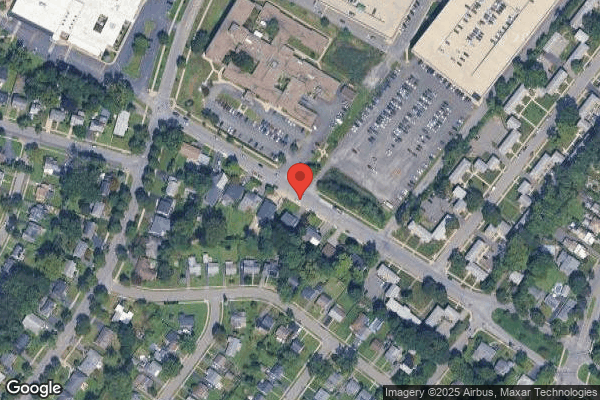
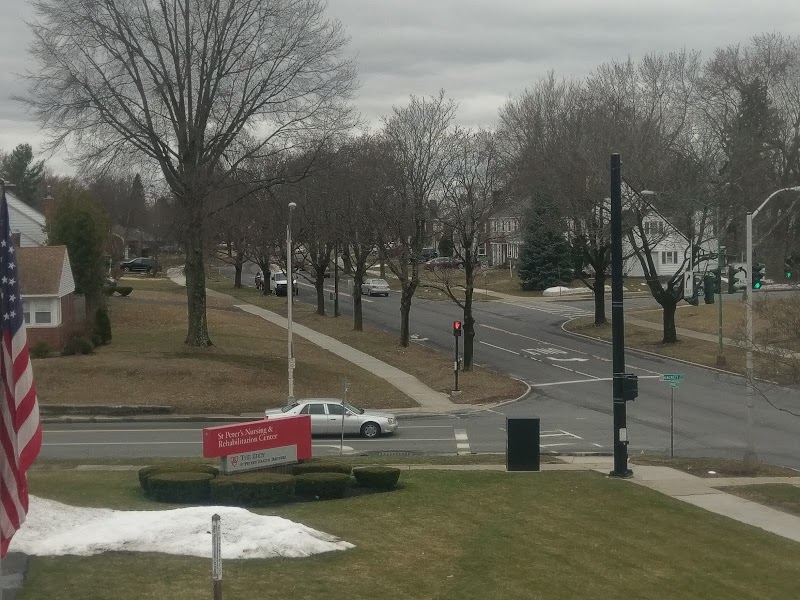
301 HACKETT BLVD, ALBANY, NY 12208 (518) 525-7600
Non profit - Corporation 160 Beds TRINITY HEALTH Data: November 2025
Trust Grade
70/100
#232 of 594 in NY
Last Inspection: November 2022

Over 2 years since last inspection. Current conditions may differ from available data.

Overview

St. Peters Nursing and Rehabilitation Center has received a Trust Grade of B, indicating it is a good choice among nursing homes, though not without its drawbacks. It ranks #232 out of 594 in New York, placing it in the top half of facilities in the state, and #2 out of 11 in Albany County, meaning only one local option is better. The facility is improving overall, with issues decreasing from 4 in 2020 to 3 in 2022. Staffing is a concern, with a turnover rate of 61%, which is significantly higher than the state average, although the RN coverage is average. While there have been no fines, recent inspections revealed issues such as unclean food preparation areas and a lack of written baseline care plans for multiple residents, which could impact safety and care quality.

Trust Score
B
70/100
In New York
#232/594
Top 39%
Safety Record
Low Risk
No red flags
Inspections
Getting Better
4 → 3 violations
Staff Stability
⚠ Watch
61% turnover. Above average. Higher turnover means staff may not know residents' routines.
Penalties
✓ Good
No fines on record. Clean compliance history, better than most New York facilities.
Skilled Nurses
✓ Good
Each resident gets 50 minutes of Registered Nurse (RN) attention daily — more than average for New York. RNs are trained to catch health problems early.
Violations
⚠ Watch
16 deficiencies on record. Higher than average. Multiple issues found across inspections.
★★★★☆
4.0
Overall Rating
★★★★☆
4.0
Staff Levels
★★★☆☆
3.0
Care Quality
★★★★☆
4.0
Inspection Score
Stable
2020: 4 issues
2022: 3 issues

The Good

  • 4-Star Staffing Rating · Above-average nurse staffing levels
  • Full Sprinkler Coverage · Fire safety systems throughout facility
  • No fines on record

Facility shows strength in staffing levels, fire safety.

The Bad

Staff Turnover: 61%

15pts above New York avg (46%)

Frequent staff changes - ask about care continuity

Chain: TRINITY HEALTH

Part of a multi-facility chain

Ask about local staffing decisions and management

Staff turnover is elevated (61%)

13 points above New York average of 48%

The Ugly 16 deficiencies on record

Nov 2022 3 deficiencies
CONCERN (D)

Potential for Harm - no one hurt, but risky conditions existed

Resident Rights (Tag F0550)

Could have caused harm · This affected 1 resident

Based on observations, record reviews and interviews during the recertification survey the facility did not ensure each resident was treated with respect and dignity for one (Resident #32) of two resi...

Read full inspector narrative →
Based on observations, record reviews and interviews during the recertification survey the facility did not ensure each resident was treated with respect and dignity for one (Resident #32) of two residents reviewed. Specifically, for Resident #32, the facility did not ensure a catheter drainage bag was covered when the resident was out of bed and in common areas of the facility. This is evidenced by: Resident #32 Resident #32 was admitted to the facility with the diagnoses of dementia, obstructive and reflux uropathy and benign prostatic hyperplasia with lower urinary symptoms. The Minimum Data Set (MDS - an assessment tool) dated 9/10/22 documented the resident was severely cognitively impaired. A Policy and Procedure (P&P) titled Long Term Catheterization of Urinary Bladder revised 6/14/17 documented a urinary catheter drainage bag should be kept covered. During an observation on 11/9/22 at 12:47 PM, Resident #32 was in the dining room. Resident's urinary catheter drainage bag was visible and not covered. During an observation on 11/10/22 at 11:13 AM, Resident #32 was in a common area by the nurse's station. Resident #32's urinary catheter drainage bag was visible and not covered. A Physician's Order dated 11/11/22 documented Foley size 16 French 10 milliliter change per schedule every evening shift every 30 days for benign prostatic hypertrophy and as needed. During an interview on 11/16/22 at 10:13 AM, Licensed Practical Nurse (LPN) #1 stated the catheter bag should be covered with a privacy bag when out of bed. Privacy bags were kept on the unit in an unlocked closet that was accessible to all staff. During an interview on 11/16/22 at 10:13 AM, Registered Nurse (RN) #1 stated the catheter bag should be covered. During an interview on 11/16/22 at 10:46 AM, Certified Nursing Assistant (CNA) #1 stated the catheter bag should be covered whenever the bag is visible in public areas like a dining room or television area. During an interview on 11/16/22 at 2:47 PM, the Director of Nursing (DON) stated whenever a resident with a urinary catheter is out of bed, the bag should be covered at all times. 10NYCRR 415.3(c)(1)(i)
CONCERN (D)

Potential for Harm - no one hurt, but risky conditions existed

Transfer Notice (Tag F0623)

Could have caused harm · This affected 1 resident

Based on record review and interview during a recertification survey, the facility did not ensure that written notification was sent to the resident, the resident's representative, and a representativ...

Read full inspector narrative →
Based on record review and interview during a recertification survey, the facility did not ensure that written notification was sent to the resident, the resident's representative, and a representative of the Office of the State Long-Term Care Ombudsman of the resident's transfer or discharge and the reasons for the move for 3 (Resident #'s 13, 29, and #100) of 3 residents reviewed for hospitalization. Specifically, for Residents #'s 13 and #100, the facility did not ensure there was documentation that the facility provided written notification to the resident, the resident's representative, or the Ombudsman when the residents were admitted to a hospital from the facility and for Resident #29, the facility did not provide written notice of admission to a hospital to the Ombudsman. This is evidenced by: Resident #13 Resident #13 was admitted to the facility with the diagnoses of hemiplegia after cerebral vascular accident, diabetes mellitus, and peripheral vascular disease. The Minimum Data Set (MDS - an assessment tool) dated 9/12/2022, documented the resident could understand, was understood with severely impaired cognition for daily decision making. A Progress Note dated 10/03/2022 at 10:14 AM, documented the following: LOA via stretcher for vascular intervention possibly surgery. Family with resident. A Progress Note dated 10/04/2022 at 7:47 AM, documented the following: Per 11 to 7 nurse, resident vascular procedure was not done yesterday and was admitted last night for procedure today. A Progress Note dated 10/05/2022 at 4:11 PM, documented the following: Returned to unit from hospital via stretcher, supervisor aware. During an interview on 11/16/2022 at 2:48 PM, the Social Worker (SW) #1 stated they were not aware they were responsible to notify the family and ombudsman about transfer discharge in writing. Changes in staff had occurred and the SW had just become aware this was their job duty. Transfer discharge, notification to ombudsmen, and bed hold for Resident #13 could not be found and had not been completed as required. During an interview on 11/17/2022 at 10:48 AM, the Administrator stated there was no evidence that written family notification or notification to the ombudsmen had been completed for Resident #13. The Social Workers for the facility are responsible to do this and evidence that this was completed could not be found. Resident #29 Resident #29 was admitted to the facility with the diagnoses of paroxysmal atrial fibrillation, unspecified injury of left hip and other asthma. The Minimum Data Set (MDS - an assessment tool) dated 9/12/2022, documented the resident could understand, was understood and was cognitively intact. A Progress Note dated 9/7/22 at 6:58 PM documented resident's vital signs showed continued tachycardia (rapid heartbeat) and drop in blood pressure. An order was obtained from medical provider to send the resident to the emergency department for evaluation. Resident's emergency contact was notified over the phone. A Progress Note dated 9/26/22 at 1:34 PM documented the resident returned to the facility after a hospitalization for atrial fibrillation. During an interview on 11/16/22 at 2:30 PM, Social Worker (SW) #2 stated they did not believe the Ombudsman was contacted after Resident #29's discharge to the hospital. During an interview on 11/16/22 at 3:01 PM, SW #1 stated a former employee had been handling the ombudsman notification of discharge, but that employee was no longer at the facility. SW #2 stated they are now aware it is the responsibility of the Social Work Department to notify the Ombudsman when a resident is discharged from the facility. During an interview on 11/17/22 at 11:09 AM, the Administrator stated the Ombudsman should have been informed about any resident's transfer and admission to the hospital. Resident #100 Resident #100 was admitted to the facility with the diagnoses of malnutrition, anemia, and dysphagia. The Minimum Data Set (MDS - an assessment tool) dated 10/05/2022, documented the resident could understand, was understood with severely impaired cognition for daily decision making. A Progress Note dated 9/24/2022 at 9:55 AM, documented the following: MD in this AM and lab draw done with difficulties, MD contacted Health Care Proxy and sent out to the emergency room for evaluation. A Progress Note dated 10/03/2022 at 12:56 PM, documented the following: Resident readmitted to the facility from the hospital. Resident 100 was readmitted with a g-tube. During an interview on 11/16/22 1:39 PM, Social Worker #1 stated that she hadn't done the notification to family and the Ombudsmen had not been done. SW #2 had not been instructed this was something that needed to be done by them. Another employee who was no longer at the facility had been responsible for this and SW #2 was not aware this needed to be completed until recently. During an interview on 11/16/2022 at 3:11 PM, the Administrator stated the written notification to families for transfer/discharge to the hospital and the ombudsman notification for Resident #100 had not been completed per regulation. The SW #1 had not been aware this was required and should have been completed by them. 10NYCRR415.3 (h)(1)(iii)(a-c)
CONCERN (D)

Potential for Harm - no one hurt, but risky conditions existed

Deficiency F0625 (Tag F0625)

Could have caused harm · This affected 1 resident

Based on record review and interview during a recertification survey, the facility did not ensure written notice which specifies the duration of the bed-hold policy, was provided to the resident and t...

Read full inspector narrative →
Based on record review and interview during a recertification survey, the facility did not ensure written notice which specifies the duration of the bed-hold policy, was provided to the resident and the resident representative at the time of transfer for hospitalization. This was evident for 3 (Residents #'s 13, 29, and #100) of 3 residents reviewed for hospitalization. Specifically, for Residents #'s 13, 29, and #100, the facility did not ensure the resident and the resident's representative were notified in writing of the bed hold policy when the residents were admitted to the hospital. This is evidenced by the following: The Policy and Procedure (P&P) titled Bed Retention Policy effective 11/28/16, stated when a hospital transfer occurs, the resident and/or designated representative will be notified verbally or in writing by nursing or social services by the next business day. Resident #13 Resident #13 was admitted to the facility with the diagnoses of hemiplegia after cerebral vascular accident, diabetes mellitus, and peripheral vascular disease. The Minimum Data Set (MDS - an assessment tool) dated 9/12/2022, documented the resident could understand, was understood with severely impaired cognition for daily decision making. A Progress Note dated 10/03/2022 at 10:14 AM, documented the following: LOA via stretcher for vascular intervention possibly surgery. Family with resident. A Progress Note dated 10/04/2022 at 7:47 AM, documented the following: Per 11 to 7 nurse, resident vascular procedure was not done yesterday and was admitted last night for procedure today. A Progress Note dated 10/05/2022 at 4:11 PM, documented the following: Returned to unit from hospital via stretcher, supervisor aware. During an interview on 11/16/2022 at 2:48 PM, the Social Worker (SW) #1 stated there was no evidence a written bed hold for Resident #13 could had been completed as required. A previous staff person had been responsible for doing this and was no longer at the facility. During an interview on 11/17/2022 at 10:48 AM, the Administrator stated there was no evidence that written notification for bedhold had been completed for Resident #13 during the most recent hospitalization. The Social Workers for the facility are responsible to do this and evidence that this was completed could not be found. Resident #29 Resident #29 was admitted to the facility with the diagnoses of paroxysmal atrial fibrillation, unspecified injury of left hip and other asthma. The Minimum Data Set (MDS - an assessment tool) dated 9/12/2022, documented the resident could understand, was understood and was cognitively intact. A Progress Note dated 9/7/22 at 6:58 PM, documented the resident's vital signs showed continued tachycardia (rapid heartbeat) and drop in blood pressure. An order was obtained from the medical provider to send the resident to the emergency department for evaluation. Resident's emergency contact was notified over the phone. A Progress Note dated 9/26/22 at 1:34 PM, documented the resident returned to the facility after a hospitalization for atrial fibrillation. During an interview on 11/16/22 at 2:30 PM, Social Worker (SW) #2 stated the bed retention policy is reviewed with the family or resident upon admission and it should be done again upon any facility-initiated discharge. During an interview on 11/17/22 at 11:09 AM, the Administrator stated the resident and family should have been made aware in writing of the bed hold policy upon transfer and admission to the hospital. Resident #100 Resident #100 was admitted to the facility with the diagnoses of malnutrition, anemia, and dysphagia. The Minimum Data Set (MDS - an assessment tool) dated 10/05/2022, documented the resident could understand, was understood and their cognition for daily decision making was severely impaired cognition. A Progress Note dated 9/24/2022 at 9:55 AM, documented the following: MD in this AM and lab draw done with difficulties, MD contacted Health Care Proxy and (the resident) was sent out to the emergency room for evaluation. A Progress Note dated 10/03/2022 at 12:56 PM, documented the following: Resident readmitted to the facility from the hospital. Resident 100 was readmitted with a g-tube. During an interview on 11/16/2022 at 2:48 PM, the Social Worker (SW) #1 stated there was no evidence a written bed hold for Resident #100 had been completed as required. A previous staff person had been responsible for doing this and was no longer at the facility. During an interview on 11/17/2022 at 10:48 AM, the Administrator stated there was no evidence that written notification for bedhold had been completed for Resident #13 during the most recent hospitalization. The Social Workers for the facility are responsible to do this and evidence that this was completed could not be found. 10NYCRR415.3(h)(4)(i)(a)
Oct 2020 4 deficiencies
CONCERN (D)

Potential for Harm - no one hurt, but risky conditions existed

Comprehensive Care Plan (Tag F0656)

Could have caused harm · This affected 1 resident

**NOTE- TERMS IN BRACKETS HAVE BEEN EDITED TO PROTECT CONFIDENTIALITY** Based on observation, interview and record review during the recertification survey the facility did not ensure it developed and...

Read full inspector narrative →
**NOTE- TERMS IN BRACKETS HAVE BEEN EDITED TO PROTECT CONFIDENTIALITY** Based on observation, interview and record review during the recertification survey the facility did not ensure it developed and implemented a Comprehensive Person-Centered Care Plan for each resident that included measurable objectives and timeframes to meet a resident's medical, nursing, and mental and psychosocial needs that are identified in the comprehensive assessment for three (Resident #'s (55, 77, and #85, ) of 24 residents reviewed. Specifically, for Resident #55, the facility did not ensure a CCP was developed for the care and treatment of depression, for Resident #77, the facility did not ensure a comprehensive care plan was developed and implemented to meet the resident's need for the use of splints and positioning devices, and for Resident #85, the CCP for visual impairment was person centered and included the services required to attain or maintain the resident's highest practicable physical, mental, and psychosocial well-being. This resulted in no actual harm with potential for more than minimal harm that is not immediate jeopardy. This is evidenced by: Resident #55: The facility did not ensure a CCP was developed for the care and treatment of depression. Resident #55 was admitted to the facility on [DATE], with diagnosis of neoplasm of the brain, anxiety and major depressive disorder. The Minimum Data Set (MDS-an assessment tool) dated [DATE], documented the resident was without cognitive impairment. The resident's medical record did not include a CCP for the care and treatment of depression. A Social Service assessment dated [DATE], documented the resident had a diagnosis of depression and anxiety. During an interview on [DATE] at 11:34 AM, the resident was observed crying in her room and stated her dog died. She stated she has a brain tumor and was told she won't be able to safely return home. During an interview on [DATE] at 9:30 AM, Resident #55 stated she is sad and not sleeping well. Resident #55 stated she is not coping well with recent events in her life. The resident stated she has spoken with the nurse about her feelings of sadness. During an interview on [DATE] at 1:35 PM, Registered Nurse (RN) #5stated she was aware the resident had a diagnosis of depression and was receiving pharmacological treatment. RN #5 stated the resident was sad about the recent passing of her dog. RN #5 stated the resident did not have a care plan in place for the treatment of depression and the resident was not receiving non-pharmacological interventions for depression. During an interview on [DATE] at 2:37 PM, the Resident and Family Services Manager stated the resident should have had a resident specific care plan in place for the care and treatment of depression. During an interview on [DATE] at 1:02 PM, the Director of Nursing stated the resident should have a care plan in place for the diagnosis of depression and it should have included non-pharmacological interventions. The DON stated it was the responsibility of the Resident and Family Care Services Department to enter the care plan for psychosocial needs including depression. Resident #77: The facility did not ensure a comprehensive care plan was developed and implemented to meet the resident's need for the use of splints and positioning devices Resident #77 was admitted to the facility with diagnosis of spastic right hemiplegia, cerebral infarction, and contracture of the right hand. The Minimum Data Set (MDS - an assessment tool) dated [DATE], documented the resident had a mild cognitive impairment During an observation on [DATE] at 3:20 PM, the resident was noted with the right forearm and hand and right lower leg and foot secured to the secured to the wheelchair's arm splint device and foot rest with elastic bandages. The resident's medical record did not include a CCP to address the use of splints, positioning devices, or the use of elastic bandages. During an interview on [DATE] at 11:46 AM, Registered Nurse (RN) #1 reported the elastic wraps were used daily as a positioning device to keep the limbs from falling from the arm and leg rests, impeding the resident's ability to self-propel the wheelchair. During an interview on [DATE] at 1:07 PM, the Director of Nursing stated there should be a care plan in place that addresses the use of the splint and elastic wraps. Resident #85: The facility did not ensure the CCP for visual impairment was person centered and included the services required to attain or maintain the resident's highest practicable physical, mental, and psychosocial well-being. Resident #85 was admitted to the facility with diagnosis of diabetes, right eye cataract, and chronic obstructive pulmonary disease (COPD). The Minimum Data Set (MDS-an assessment tool) dated [DATE], documented the resident was without cognitive impairment. The Comprehensive Care Plan (CCP) for Alteration in Vision as evidenced by complaints of vision problems dated [DATE]. It documented to orient to environment, and keep items in field of vision. The admission and Social Work (SW) information sheet dated [DATE], documented that the resident needed glasses. A SW assessment dated [DATE], documented the resident wore glasses but they were not in the facility. During an interview with the resident on [DATE] at 9:40 AM, the resident stated he/she needed his/her glasses. The resident asked the surveyor where his/her TV remote was; he/she could not see it. The remote was on top on his/her bedding in front of him/her. Surveyor instructed the resident which way to move his/her hand to touch it, and he/she found it by feel. During an interview on [DATE] at 09:50 AM, the Unit Secretary stated the resident was scheduled for cataract surgery twice that had to be postponed both times. She is in the process of rescheduling it again. The Comprehensive Care Plan (CCP) for Alteration in Vision did not include the resident's cataract, need for glasses or pending surgery. During an interview on [DATE] at 09:43 AM, the Registered Nurse Manager (RNUM) stated the CCP should have had the resident's need for glasses, the diagnoses of cataracts, and that the resident was to go for surgery. She did not know why it was not. 10NYCRR 415.11(d)(3) z
CONCERN (D)

Potential for Harm - no one hurt, but risky conditions existed

Quality of Care (Tag F0684)

Could have caused harm · This affected 1 resident

Based on observation, record review and interviews during the recertification survey, the facility did not ensure that residents received treatment and care in accordance with standards of practice, t...

Read full inspector narrative →
Based on observation, record review and interviews during the recertification survey, the facility did not ensure that residents received treatment and care in accordance with standards of practice, the comprehensive person-centered care plan, and the residents' choices for 3 (Resident #'s 77, 101, and 407) of 24 residents reviewed. Specifically, for Resident #77, the facility did not recognize or assess the risks associated with the use of splinting and immobilizing devices and for Resident #407, the facility did not ensure the residents diagnosis of cellulitis (a bacterial skin infection) to the left lower extremity was assessed, monitored and treated, and for Resident #101, the facility did not ensure that the resident, who had severe swallowing difficulties, was out of bed for meals per Speech Therapy recommendations. This is evidenced by: Resident #77: Resident #77 was admitted to the facility with diagnosis of spastic right hemiplegia, cerebral infarction, and contracture of the right hand. The Minimum Data Set (MDS - an assessment tool) dated 9/11/2020, documented the resident had a mild cognitive impairment. On 10/01/20 at 3:20 PM and 10/7/2020 at 11:15 AM, the resident was observed using the left foot to self-propell a wheelchair with the right forearm and hand secured by an elastic bandage to a splinting device and the armrest of the wheelchair, and the right lower leg and foot secured by elastic bandage to the wheelchair leg/footrest. During a review of the resident's medical record (Comprehensive Care Plans, Multidisciplinary Progress Notes, and Physician's Orders) for the past 6 months there was no documentation of the use of elastic bandages being used to secure the resident to the wheelchair. During an interview on 10/07/20 at 11:46 AM, Registered Nurse (RN) #1 reported elastic wraps are used daily to hold the resident's leg to the wheelchair because it would regularly fall off the footrest and stop him/her from self-propelling the wheelchair, potentially causing a fall and the wrap on the resident's arm helps to maintain a comfortable position in the wheelchair. RN #1 stated there should be a physician's order and care plan for the use of the wraps, she was unable to find either in the medical record. When asked if the wraps were released throughout the day and if the resident's skin under the wraps was monitored for breakdown, RN #1 stated the nurses would be responsible for that and it should be documented on the Medication or Treatment Administration Record. Upon review RN #1 reported it was not there because there was no physician's order. During an interview on 10/07/20 at 1:07 PM, the Director of Nursing stated there should be a care plan in place that addresses the use of the splint and elastic wraps that includes monitoring of the resident's skin as well as regular release of the wraps to prevent skin breakdown. Resident #407: Resident #407 was admitted to the facility with diagnosis of cellulitis of the left lower limb, bacteremia (the presence of bacteria in the blood) and diabetes. The Minimum Data Set (MDS - an assessment tool) dated 9/27/2020, documented the resident was without a cognitive impairment. On 10/1/20 at 10:58 AM, the resident was observed lying in bed, left leg red/purple in color, skin was dry with large flaking areas of skin noted, and swollen. On 10/5/20 at 10:06 AM, the resident was observed lying in bed, left leg remains red, swollen with dry flaking skin. Red/ pink drainage noted from the left lateral calf. The Policy and Procedure titled Skin and Wound Care last revised on 11/20/19, documented to assess/ inspect the resident's skin on admission and to monitor closely for changes; to establish a comprehensive interdisciplinary care plan; to promptly and accurately document regarding any new skin issues. The policy stated weekly skin inspections would be completed by a licensed staff member and results would be documented in the medical record. A Clinical admission Evaluation note dated 9/21/20, documented the resident was admitted to the facility after diagnosis of left lower extremity cellulitis with osteomyelitis (an infection of the bone) and was receiving intravenous antibiotics every 8 hours until 10/14/20. The resident complained of pain to the left lower extremity, the skin was reddened and discolored and scaly with lymphedema (a condition in which fluid builds up in tissues and causes swelling). During a review of the resident's medical record from 9/22/20-10/5/20, the Comprehensive Care Plan, Multidisciplinary Progress Notes, Treatment Administration Records and Physician's Notes sis not include documentation for the monitoring/ assessment, or treatment of the left lower extremity cellulitis. During an interview on 10/5/20 at 10:07 AM, the resident reported that staff have not provided treatment to his/her legs since admission. During an interview on 10/7/20 at 10:54 AM, the Registered Nurse Unit Manager (RNUM) #4 stated the resident has very dry skin to her left leg and a diagnosis of cellulitis and bacteremia. Registered Nurse Unit Manager (RNUM) #4 stated Resident #407's legs should have been assessed at a minimum of weekly and documentation of the findings should be in the medical record. RNUM #4 stated the resident should have had a care plan in place to ensure treatment and monitoring of the skin and cellulitis of the left leg occurred. RNUM #4 stated she was not aware the resident's legs were dry, scaly or bleeding until this morning. During an interview on 10/07/20 at 12:32 PM, the Director of Nursing (DON) stated she would expect resident's diagnosis of cellulitis and alteration in skin to the left leg would have been assessed, monitored and treated per the facility policy. The DON would expect documentation and assessment to reflected in the resident's medical record. The facility did not ensure that the resident, who had severe swallowing difficulties, was out of bed for meals per Speech Therapy recommendations. Resident #101: Resident #101 was admitted to the facility with diagnosis of of dysphagia, cardiovascular disease, and contracture of hand. The Minimum Data Set (MDS - an assessment tool) dated 9/11/2020, documented the resident had a severe cognitive impairment. The following observations were made: -10/1/20 at 9:42 AM, the resident was in bed with clothing protector on and half consumed meal tray on overbed table against the wall. -10/2/20 at 10:04 AM, the resident was in bed and stated the surveyor that he/she wanted to get up. -10/05/20 at 9:45 AM, and 12:06 PM, the resident was in bed; his/her bed breakfast tray was on the overbed table against the wall at the end of the bed with food consumed. -10/6/20 at 11:30 AM, the resident was in bed being fed by staff. The resident was noted with wet cough. A Speech Therapy Evaluation and Plan of treatment dated 10/2/20, documented the resident was seen due to reports of coughing during intake. It documented that the resident's dysphagia rehabilitation was expected to be poor and that the resident was at defiinite risk for aspiration, choking, and wet or gurgly voice quality after swallowing liquids. A CCP for Nutritional risk dated 10/3/20, documented the resident was on strict aspiration precautions; he/she was to be upright and out of bed (OOB) for all PO (by mouth) and was to be upright for at least 30 minutes following PO intake. A Progress Note dated 10/5/20, documented that a code blue was called this morning for unresponsiveness after choking. The resident was awake and denied discomfort. During an interview on 10/2/20 at 3:24 PM, Licensed Practical Nurse (LPN) #4 stated the resident was not gotten out of bed today due to the staffing. During an interview on 10/7/20 at 10:55 AM, Certified Nursing Assistant (CNA) stated on 10/5/20, she was feeding the resident in bed when he/she started choking. The nurse layed him/her back and it got worse. The nurse got nervous and called a code blue. The Medical Doctor (MD) was there and came up. During an interview on 10/07/20 at 12:03 PM the Speech Therapist (ST) stated a CNA would be safe feeding the resident if they are familiar with him but if not should be fed by a nurse . He should be out of bed for all meals and she was not aware of the choking episode. During an interview on 10/7/20 at 1:08 PM, the Director of Nursing stated the recommendation was clearly there for a reason and the resident should have been out of bed for meals. 10NYCRR415.12
CONCERN (D)

Potential for Harm - no one hurt, but risky conditions existed

Garbage Disposal (Tag F0814)

Could have caused harm · This affected 1 resident

Based on observation and staff interview during the recertification survey, the facility did not dispose of garbage and refuse properly. Specifically, the trash compactor was not clean and the area ar...

Read full inspector narrative →
Based on observation and staff interview during the recertification survey, the facility did not dispose of garbage and refuse properly. Specifically, the trash compactor was not clean and the area around was littered with refuse. This is evidenced as follows. The trash compactor area was inspected on 10/01/2020 at 11:30 AM. The access room was heavily soiled with a splattered filth on the walls, and the access portal door was heavily soiled with a black filth build-up. The Manager of Housekeeping stated in an interview on 10/01/2020 at 11:30 AM, that she will get going on the cleaning the area. 10 NYCRR 415.14(h)
CONCERN (E)

Potential for Harm - no one hurt, but risky conditions existed

Food Safety (Tag F0812)

Could have caused harm · This affected multiple residents

Based on observation, record review, and staff interview during the recertification survey, the facility did not store, prepare, distribute or serve food in accordance with professional standards for ...

Read full inspector narrative →
Based on observation, record review, and staff interview during the recertification survey, the facility did not store, prepare, distribute or serve food in accordance with professional standards for food service safety. Food preparation and serving areas and equipment are to be kept clean, kitchen equipment is to be kept in good repair, and a test kit is to be provided to measure the parts per million (ppm) concentration of the solution used to sanitize equipment. Specifically, equipment in the main kitchen and unit kitchenettes were not clean, equipment was not in good repair, and an accurate test kit was not provided. This is evidenced as follows. The main kitchen and the kitchenettes were inspected on 07/29/2019 at 10:15 AM. In the main kitchen and unit kitchenettes, the shelving, drawers, mixer, slicer, ABC fire extinguisher, microwave ovens were soiled with food particles; the floor in the floor right of the sink in the Unit 4 kitchenette was soiled with a black build-up. In the main kitchen, the interior plastic panel of the Nor-Lake reach-in refrigerator was cracked exposing the insulation liner, and the handwashing sink faucet was leaking. On the unit kitchenettes, the shelving below the handwashing sinks was warped, had peeling or missing laminate, and was not cleanable. The label of the chemical concentrate used to manually sanitize food equipment was reviewed on 07/29/2019. The label states that the efficacy range of the sanitizer chemical is to be between 150 ppm and 400 ppm. When requested on 07/29/2019 at 10:15 AM, the facility could not provide a test kit with the required graduations to measure the concentration of the chemical solution used to sanitize food equipment. The Director of Nutrition Services stated in an interview on 07/29/2019 at 10:15 AM, that he will purchase the correct chemical test kit, he will clean all soiled items found and double check staff assigned to cleaning equipment, and though he has not yet, he will put in an electronic work order for the refrigerator, drawers, handwashing sink, and shelves under the kitchenette sinks. 10 NYCRR 415.14(h); Chapter 1 State Sanitary Code Subpart 14-1.110, 14-1.112(c), 14-1.170, 14-1.171
Feb 2019 9 deficiencies
CONCERN (D)

Potential for Harm - no one hurt, but risky conditions existed

Deficiency F0625 (Tag F0625)

Could have caused harm · This affected 1 resident

**NOTE- TERMS IN BRACKETS HAVE BEEN EDITED TO PROTECT CONFIDENTIALITY** Based on record reviews and interviews during recertification survey the facility did not ensure written notice was provided to ...

Read full inspector narrative →
**NOTE- TERMS IN BRACKETS HAVE BEEN EDITED TO PROTECT CONFIDENTIALITY** Based on record reviews and interviews during recertification survey the facility did not ensure written notice was provided to the residents representative of the bed hold and return policy at the time of transfer for three (Resident #'s 25, 75 and 123) of three residents reviewed for hospitalization. Specifically, for Residents #'s 25, 75 and 123, the facility did not provide written notice of bed hold and return which specifies the duration of the bed hold, how reserve bed payments will be made, and the conditions upon which the resident would return to the facility. This is evidenced by: During a review of the facilities admission packet, the Residents Rights section of the packet documented the nursing home must inform you and your representative, verbally and in writing about bed reservation and readmission regulations at the time of your admission to the facility and again at the time of your transfer for any reason and/or for therapeutic leave. Resident #25: The resident was admitted to the facility on [DATE], with diagnoses of cerebrovascular accident with hemiplegia, diabetes, quadriplegia, seizure d/o, and dysphagia. The Minimum Data Set (MDS) dated [DATE], documented the resident had severely impaired cognition, and required extensive to total assistance with activities of daily living. A physician's note dated 12/7/18, documented the resident was sent to the emergency room for evaluation. A Nursing Note dated 12/8/18, documented the resident was admitted to the hospital with diagnoses of urosepsis and pneumonia. The facility was unable to provide documentation that the resident, or the resident's representative, were provided with a written bed-hold notice at the time of hospitalization. Resident #75: The resident was admitted to the facility on [DATE], with diagnoses of hypertension, diabetes mellitus, and chronic obstructive pulmonary disease). The Minimum Data Set (MDS) dated [DATE], documented the resident had moderate cognitive impairment, understands and was understood by others. The resident was hospitalized on [DATE] and readmitted to the facility on [DATE] with diagnoses of bilateral urethral calculi, mild hydronephrosis and an elevated number of white blood cells in the urine. Review of the resident's medical records did not include a written summary of the bed hold policy given in writing to the resident and/or their representative at the time of transfer to the hospital. During an interview on 2/13/19 at 11:41 AM, Registered Nurse Unit Manager (RNUM) #1 stated that nursing did not notify the residents representative of transfer or bed hold policy in writing. Nursing notifies the residents representatives of transfer verbally and documents the conversations in the electronic medical record. During an interview on 2/13/19 at 2:58 PM, Resident and Family Services Manager (RFSM) #10 stated that the notice of discharge and preprinted slip stating the appropriate bed hold policy was mailed to the resident's representative when a resident was admitted to the hospital. During an interview on 2/13/19 at 4:28 PM, RFSM #10 reported the notices of bed hold did not document the bed hold policy or the conditions upon which the resident would return to the facility. RFSM #10 stated the forms need to be revised to ensure all requirements are met. Resident #123: The resident was admitted to the facility on [DATE], with the diagnoses of atrial fibrillation, depression, and benign prosthetic hyperplasia (BPH) and readmitted after a hospitalization on 1/1/19. The MDS dated [DATE], documented the resident could understand and was understood by others with no cognitive deficits for decision making. A notice of discharge date d 12/27/18, documented the resident was sent to the hospital on [DATE] for urgent medical needs. Review of the resident's medical records did not include a written summary of the bed hold policy given in writing to the resident and/or their representative at the time of transfer to the hospital. During an interview on 2/13/19 at 10:45 AM, Social Worker (SW) #9 stated she does not do any bed-hold notifications for residents who are sent out to the hospital. The Director of Social Work (DSW) is in charge of this. During interview on 12/13/19 at 3:30 PM, the DSW #10 stated she does not send a written bedhold notification to the resident and/or representative with the designated residents name who is being transferred to the hospital at the time of transfer. She has preprinted slips that she sends with the transfer discharge paper work. None of the notifications are attached to the transfer discharge form with the residents name and none are resident specific. 10NYCRR415.3(h)[4(i)(a)]
CONCERN (D)

Potential for Harm - no one hurt, but risky conditions existed

Incontinence Care (Tag F0690)

Could have caused harm · This affected 1 resident

**NOTE- TERMS IN BRACKETS HAVE BEEN EDITED TO PROTECT CONFIDENTIALITY** Based on record review, and interview during a recertification survey, the facility did not ensure residents with an indwelling ...

Read full inspector narrative →
**NOTE- TERMS IN BRACKETS HAVE BEEN EDITED TO PROTECT CONFIDENTIALITY** Based on record review, and interview during a recertification survey, the facility did not ensure residents with an indwelling catheter (a tube inserted into the bladder to drain urine), received the appropriate care and services to prevent urinary tract infections to the extent possible for one (Resident #25) of five residents reviewed for urinary catheter / urinary tract infection (UTI). Specifically, for Resident #25, the facility did not ensure medical doctor (MD) orders were followed regarding the resident's foley catheter (size of the catheter, frequency for catheter change, and administration of a prophylactic antibiotic prior to catheter change). Additionally, the facility did not ensure the MD was notified of changes in urine (cloudy). This is evidenced by: Resident #25: The resident was admitted to the facility on [DATE], with diagnoses of cerebrovascular accident with hemiplegia, diabetes, quadriplegia, seizure d/o, and dysphagia. The Minimum Data Set (MDS) dated [DATE], documented the resident had severely impaired cognition, required extensive to total assistance with activities of daily living, and had an indwelling Foley catheter. The MDS documented the resident had a Multidrug resistant organism UTI within the last 30 days, and two stage 4 pressure ulcers that were acquired after admission to the facility. The Policy and Procedure (P&P) for Long Term Catheterization of Urinary Bladder with a revised date of 6/14/17, documented the Foley catheter would be inserted after a physician order was written. The CCP for history of Urinary Tract Infection, revised on 12/6/18, documented interventions that included; the resident's urine would be monitored, and signs and symptoms of a UTI including cloudy urine would be reported to the physician and antibiotic therapy would be given as ordered. The CCP for Alteration in Elimination, revised on 12/6/18, documented the Foley catheter would be changed monthly. A Physician order dated 11/10/18, documented to change the resident's indwelling foley catheter using a size #18 catheter every month. A Nursing Progress Note dated 11/11/18, documented a catheter change could not be completed as ordered, as size #20 catheter was not available. A Nursing Progress Note dated 11/24/18, documented the Foley catheter was leaking and was unable to be irrigated. The Foley catheter was replaced with a size #20, and the catheter was draining cloudy urine. A Treatment Administration Record (TAR) dated November 2018, documented the size #18 Foley catheter change was not completed. A Nursing admission Note dated 12/12/18, documented the resident was readmitted to the facility, following a hospitalization for diagnoses that included recurrent UTI and sepsis. A Nursing Progress Note dated 12/26/18, documented the Foley catheter was not draining, it was removed and replaced with a size #20 catheter that drained cloudy urine. A TAR dated December 2018 documented the resident was in the hospital on the date of his scheduled catheter change. A MAR dated December 2018 documented a physician order for Cipro, a prophylactic antibiotic to be administered one hour prior to catheter change. The MAR did not include documentation that Cipro was administered. A TAR dated January 2019 documented a Foley catheter change size #18 was changed on 1/9/19. A Nursing Progress Note dated 1/21/19 documented the catheter was changed, and was draining cloudy urine with sediment. A MAR dated January 2019 documented a physician order for Cipro, a prophylactic antibiotic. The MAR did not include documentation that Cipro was administered. A Nursing Progress Note dated 2/5/19 documented the Foley catheter was leaking, and the nurse was unable to irrigate the catheter. The note documented the catheter was changed per as needed orders. A TAR dated February 2019, documented a size #20 Foley catheter change was completed on 2/7/19, and a size #18 Foley catheter change was completed on 2/8/19. During an interview on 2/15/19 at 10:35 AM, the Director of Nursing (DON) stated the staff are expected to change a Foley catheter using the size ordered by the MD. When clarification of a written order or an as needed order are needed, the MD should be contacted. Additionally, the nurse should contact the MD when cloudy urine was present as this could be a sign or symptom of a UTI. 10NYCRR415.12(d)(1)
CONCERN (D)

Potential for Harm - no one hurt, but risky conditions existed

Tube Feeding (Tag F0693)

Could have caused harm · This affected 1 resident

**NOTE- TERMS IN BRACKETS HAVE BEEN EDITED TO PROTECT CONFIDENTIALITY** Based on observation, record review and interviews during the recertification survey, the facility did not ensure a resident who...

Read full inspector narrative →
**NOTE- TERMS IN BRACKETS HAVE BEEN EDITED TO PROTECT CONFIDENTIALITY** Based on observation, record review and interviews during the recertification survey, the facility did not ensure a resident who is fed by enteral means (method of feeding that uses the gastrointestinal (GI) tract to deliver part or all of a person's caloric requirements) received the appropriate treatment and services to prevent complications of enteral feeding including but not limited to aspiration pneumonia (a complication of pulmonary aspiration. Pulmonary aspiration occurs when food, stomach acid, or saliva is inhaled into the lungs) for 1 (Resident #89) of 1 resident reviewed. Specifically, for Resident #89, the facility did not identify the resident's increased risk for aspiration pneumonia due to the resident's inability to keep her head elevated while receiving continuous tube feedings in bed. This is evidenced by: The Policy and Procedure titled Enteral tubes-care and use of (for feeding, fluids & medication administration) dated 3/15/2018, documented to provide the resident with adequate nutrition and hydration. For residents receiving continuous feedings the head of bed is elevated at 30 to 45 degrees. Residents will be monitored for complications of aspiration. Resident #89: The resident was admitted to the facility on [DATE], with the diagnosis of cerebral infarct (lack of blood flow resulting in severe damage), hemiplegia and anemia. The Minimum Data Set, dated [DATE] documented the resident was cognitively intact, was able to make herself understood and was able to understand others. The admission note written by the Registered Dietician dated 1/8/19, documented the resident was currently on a continuous tube feeding of Osmolite 1.2 set at 42 milliliters (ml) per hour. The nursing progress note dated 1/19/19 at 11:23 AM, documented the resident was unable to sit up right, was lethargic and stated she did not feel well. The physician wasnotified and the resident was sent to the emergency room. The hospital Discharge summary dated [DATE], documented the diagnosis of sepsis (the body's overwhelming and life-threatening response to infection that can lead to tissue damage, organ failure, and death) due to aspiration pneumonia. During an observation on 02/11/19 at 09:01 AM, 2/12/19 at 9:01 AM and 11:15 AM, and 2/13/19 at 9:18 AM, the head of the resident's bed was elevated. The resident was lying on the bed, with her head positioned at the level of the folded portion of the mattress. The physician's order dated 2/11/19 documented tube feeding solution Osmolite 1.0 at 42 ml per hour for 24 hours continuous. The CCP titled Nutritional risk secondary to enteral feedings dated 1/8/19 documented keep head of bed elevated @ 45 degrees at all times. Monitor and report signs/symptoms of dehydration and/or aspiration. The CCP titled Impaired Breathing related to Pneumonia dated 2/5/19 documented elevate head of bed by 45 degrees. During an interview on 2/12/19 at 10:10 AM, Certified Nursing Assistan (CNA) #7 stated that Resident #89 had been moving around restless in the bed since before she went to the hospital, and still is. During an interview on 2/13/19 at 10:38 AM, Registered Nurse Manager (RNM) #4 stated Resident #89 was hospitalized for aspiration pneumonia. Her restlessness and movement when in bed is the same now as it was prior to her hospitalization. She is care planned to be turned and positioned, when staff position her the tube feed is placed on hold. She prefers to remain in her bed most of the time. The tube feeding is continuous for 24 hours. The RNM did not have a conversation with the physician about preventing another aspiration. She was not aware of the interdisciplinary team (IDT) talking about her positioning and risk of aspiration. During an interview on 2/14/19 at 2:15 PM, the Registered Dietician (RD) stated Resident #89 was admitted on continuous 24 hour tube feedings. She was at risk for aspiration pneumonia before she went to the hospital and she still is. The RD was waiting to see how she tolerated the feeding, since her readmission I raised her rate 42 cc/hr to 52 cc/ hr. I was not aware she was in the hospital for aspiration pneumonia, and did not consider changing her continuous status. During an interview on 02/14/19 at 03:19 PM, Social Worker #13 stated she attends the MDS Care Conference. The IDT met with the family and reviewed the medical status, therapy progress update, and the recent hospitalization for aspiration. The RD talked about her weight and her tolerance to the tube feeding. There was no discussion about her positioning in bed to prevent further aspiration. During an interview on 02/15/19 at 09:40 AM, Physician #14 stated he did not have a conversation with the IDT in regards to the aspiration and prevention of a recurrence. There needs to be more thorough monitoring of her restlessness in bed. She does remain at a very high risk for aspiration and we need to be more vigilant in her positioning. During an interview on 02/15/19 at 11:31 AM, the Director of Nursing stated the aspiration should have been documented in the CCP. She was not aware of any meeting or assessment to prevent further aspiration given the resident's history of restlessness in the bed and not having her head elevated. 10NYCRR415.12(g)(2)
CONCERN (D)

Potential for Harm - no one hurt, but risky conditions existed

Drug Regimen Review (Tag F0756)

Could have caused harm · This affected 1 resident

Based on record review and interview during the recertification survey the facility did not ensure their policy and procedure developed for the drug regimen review (DRR) included the time frames for t...

Read full inspector narrative →
Based on record review and interview during the recertification survey the facility did not ensure their policy and procedure developed for the drug regimen review (DRR) included the time frames for the different steps in the process and identified specific title(s) the pharmacist will contact for irregularities. Specifically, the facility did not ensure the DRR Policy dated 2/2/18 included timeframes and the titles of facility staff to contact. This was evidenced by: The facility's DRR Policy and Procedure did not include the following: #2. A specific title and/or designee for the vendor pharmacy to call, and did not include a timeframe when the nurse will document in the medical record. #3. Bullet 3, did not include a time frame when the attending physician, Director of Nursing and Medical Director are notified of all irregularities. Bullet 5, did not describe the title and/or designee to contact at the facility, and did not include timeframes for when the physician or Medical Director will be reached. During an interview on 02/15/19 at 12:00 PM, the [NAME] President of Clinical Operations stated they will do what needs to be done to update the policy. 10NYCRR415.18(c)(2)
CONCERN (E)

Potential for Harm - no one hurt, but risky conditions existed

Deficiency F0655 (Tag F0655)

Could have caused harm · This affected multiple residents

**NOTE- TERMS IN BRACKETS HAVE BEEN EDITED TO PROTECT CONFIDENTIALITY** Based on observation, record review, and interviews during a recertification survey, the facility did not provide the resident o...

Read full inspector narrative →
**NOTE- TERMS IN BRACKETS HAVE BEEN EDITED TO PROTECT CONFIDENTIALITY** Based on observation, record review, and interviews during a recertification survey, the facility did not provide the resident or the residents representative with a written summary of the baseline care plan for 6 of (Resident #'s 28, 29, 34, 86, 93, and 124) of 28 residents reviewed. Specifically, for Resident #'s 28, 29, 34, 86, 93, and #124, the facility did not ensure written summaries of the baseline care plan were provided to the resident and/or the resident's representative. This is evidenced by: Review of the facility policy titled Interdisciplinary Care Conference and Care Planning dated 11/28/2016, documented that a baseline care plan and current physician's orders will be given within 48 hours of admission to the resident and/or the designated representative for review and input. Resident and/or designated representative will acknowledge receipt upon admission. Resident #124: The resident was admitted to the facility on [DATE], with the diagnoses of Alzheimer's disease, hypertension, and adult failure to thrive. The Minimum Data Set (MDS) dated [DATE], documented the resident makes self-understood and is able to understand others. Review of the resident's medical record did not include that a written summary of the baseline care plan given in writing to the resident and/or their representative. During interview on 02/15/19 at 1:00 PM, the [NAME] President of Clinical Operations stated they did not have proof that the 48-hour care plan was provided to the resident or the residents representative. Resident #34: The resident was admitted to the facility on [DATE], with the diagnoses of depression, heart failure, chronic kidney disease, and difficulty ambulating. The MDS dated [DATE], documented the resident could understand and was understood by others. The Brief Interview of Mental Status (BIMS) score was assessed to be 15/15 and demonstrated no cognitive deficits for decision making. Review of the resident's medical records did not include documentation that a written summary of the baseline care plan was given in writing to the resident and/or their representative at the time of admission. During interview on 2/13/19 at 9:57 AM, Social Worker SW #9 stated she had not completed a 48-hour baseline care plan for the resident. She thought nursing did most of the care plans for the residents. She does add a care plan for residents related to psychosocials but doesn't do it in the first 48 hours of admission. During interview on 02/15/19 at 9:35 AM, Registered Nurse Unit Manager #5 (RNUM) stated they did not have proof that the 48-hour care plan was provided to the resident or the residents representative in writing. RNUM #5 stated after the Director of Nursing's (DON's) review of the residents records, a 48-hour care plan was not located. Resident #93: The resident was admitted to the facility on [DATE], with the diagnoses of hypertension, obstructive uropathy, and difficulty ambulating status post hip fracture. The MDS dated [DATE], documented the resident could understand and was understood by others with no cognitive deficits for decision making. During record review a baseline care plan located in the resident's chart was incomplete, undated, and unsigned by the resident. During interview on 2/13/19 at 2:26 PM, RNUM #5 stated the resident was admitted to the unit from another floor. She was not sure why the baseline care plan had not been completed and given to the resident or the residents representative. 10NYCRR 415.11
CONCERN (E)

Potential for Harm - no one hurt, but risky conditions existed

Deficiency F0679 (Tag F0679)

Could have caused harm · This affected multiple residents

Based on observations, record review, and interviews during a recertification survey the facility did not ensure that it provided, based on the comprehensive assessment and care plan and the preferenc...

Read full inspector narrative →
Based on observations, record review, and interviews during a recertification survey the facility did not ensure that it provided, based on the comprehensive assessment and care plan and the preferences of each resident, an ongoing program to support residents in their choice of activities, both facility-sponsored group and individual activities and independent activities, designed to meet the interests of and support the physical, mental, and psychosocial well-being of each resident for those residents who reside on the subacute unit. Specifically, the residents on the subacute unit did not have activity care plans completed. This was evidenced by: During an interview on 02/11/19 at 10:19 AM, Resident #130 stated she was not aware of activities, and stated she would love to attend the games, crafts or music. No staff member had approached her to invite or assist her in transporting to an activity. During an interview on 02/14/19 at 01:53 PM, the Activity Director stated once a month a calendar is placed in the resident rooms, one for each resident. When she started working at the facility 4 years ago the residents the subacute unit did not have Activity care plans, and I do not do care plans for the residents on the subacute unit. During an interview on 02/14/19 at 03:28 PM, Social Worker #13 stated the focus for the subacute residents is going home after Rehab, not so much for Activities. She was not aware that there were no care plans or documentation of Activities. 10NYCRR415.5(f)(1)
CONCERN (E)

Potential for Harm - no one hurt, but risky conditions existed

Deficiency F0813 (Tag F0813)

Could have caused harm · This affected multiple residents

Based on record review and staff interviews during the recertification survey, the facility did not ensure it had a policy regarding use and storage of foods brought to residents by family and other v...

Read full inspector narrative →
Based on record review and staff interviews during the recertification survey, the facility did not ensure it had a policy regarding use and storage of foods brought to residents by family and other visitors to ensure safe and sanitary storage, handling, and consumption. Specifically, the facility did not provide adequate information for family and visitors on safe food preparation and handling practices. The policy did not address training of staff to ensure foods from outside are handled in a safe and sanitary manner. This is evidenced as follows: Review of the facility's policy on Food Brought to Residents from the Outside on 02/12/19 at 10:46 AM, did not include that information was provided on the safe range of temperatures required for the preparation and storage of foods, except for instructions to how to reheat foods in the facility's microwave. The procedures did not address training appropriate staff in safe and sanitary handling or storage of food. There was no process to ensure family and visitors were provided with information on safe preparation and handling procedures. The facility's instructions for family and visitors entitled 'Food' in the Resident Handbook did not include instructions on the safe handling and preparation at home of foods to be brought into the facility. During an interview on 02/14/19 at 05:07 PM, the Registered Dietitian stated Social Services handled any instructions given to families and visitors on the safe handling of foods brought in for residents. The Registered Dietitian did not provide any training. During an interview with the Director of Social Services on 02/14/19 at 05:21 PM, she stated that the facility did not provide education to families and visitors about safe food handling, preparation, or storage of foods brought in to residents from the outside. She did not know about this section of the regulation. She stated that she, the Food Service Manager, and the Registered Dietitian would work together to provide an instruction booklet for families and visitors. 10 NYCRR 415.14(h)
CONCERN (E)

Potential for Harm - no one hurt, but risky conditions existed

Deficiency F0836 (Tag F0836)

Could have caused harm · This affected multiple residents

Based on observation and staff interview during the recertification survey, carbon monoxide detection was not provided in accordance with adopted regulation. The International Fire Code, 2015 Edition ...

Read full inspector narrative →
Based on observation and staff interview during the recertification survey, carbon monoxide detection was not provided in accordance with adopted regulation. The International Fire Code, 2015 Edition Section 915 Carbon Monoxide Detection, requires carbon monoxide detection in all areas with gas operated equipment. Specifically, carbon monoxide detection was not installed in areas with gas fuel fired equipment. This is evidenced as follows. Observations on 01/11/19 at 9:50 AM, revealed fuel burning appliances in the main kitchen, the boiler room, and the loading dock. Carbon monoxide detection was not provided in these areas. The Director of Plant Operations stated in an interview on 01/11/2019 at 10:45 AM, that he was unaware that of a requirement to provide carbon monoxide protection in these areas. 483.70 (b); 2015 International Fire Code, Section 915
CONCERN (E)

Potential for Harm - no one hurt, but risky conditions existed

Infection Control (Tag F0880)

Could have caused harm · This affected multiple residents

**NOTE- TERMS IN BRACKETS HAVE BEEN EDITED TO PROTECT CONFIDENTIALITY** Based on observation, record review and interview during the recertification survey, the facility did not maintain an infection ...

Read full inspector narrative →
**NOTE- TERMS IN BRACKETS HAVE BEEN EDITED TO PROTECT CONFIDENTIALITY** Based on observation, record review and interview during the recertification survey, the facility did not maintain an infection prevention and control program (IPCP) to prevent the development and transmission of disease and infection. Specifically, for Resident #25, the facility did not ensure that handwashing and glove changes were performed during wound care; the facility did not ensure that a Licensed Practical Nurse (LPN) performed proper hand sanitizing during medication administration; and the facility did not insure the IPCP policies were reviewed annually. This is evidenced by: Finding #1 Resident #25 The resident was admitted on [DATE], with diagnoses of quadriplegia and diabetes. The Minimum Data Set (MDS) dated [DATE], documented the resident had severely impaired cognition and two unhealed stage IV pressure ulcers. During an observation on 2/14/19 at 2:55 PM, Licensed Practical Nurse (LPN) #6, provided wound care to the resident's coccyx and buttock. LPN #6 irrigated the coccyx wound with normal saline, collecting contaminated solution onto a 2 x 2 gauze held in her gloved hand. LPN #6 did not change gloves or wash hands before proceeding to pick up a clean 2 x 2 and to place Safegel onto the wound base. LPN #6 then removed a dressing from the buttock wound, changed her gloves and washed her hands. LPN #6 irrigated the buttock wound with normal saline, collecting contaminated solution onto a 2 x 2 gauze held in gloved hand. LPN #6 saturated a clean 2 x 2 in Dakins solution and packed it loosely in the wound with the same gloved hand used to collect solution from the irrigating the wound. During an interview on 2/14/19 at 3:03 PM, LPN #6 stated she was unaware that she needed to change her gloves after irrigating wounds. During an interview on 2/15/19 at 10:42 AM, the Director of Nursing (DON) stated that the expectation is that all nurses providing wound care, change their gloves and wash their hands prior to applying clean gloves. The DON stated that all LPN's are educated on the infection control policies and the importance of changing gloves during wound care when they become soiled. Finding #2 During a medication pass on 02/15/19 at 9:21 AM, LPN #10 was observed administering medication to a resident. LPN #10 had long artificial nails. LPN #10 sanitized her hands using an alcohol based sanitizer neglecting the under side of her nails. LPN #10 opened a stock bottle of Magnesium Sulfate (a supplement), removed the seal on the bottle using her nail, and touched the inside of the bottle with the underside of her nail. LPN #10 administered medication to the resident with applesauce in a medication cup and a spoon. LPN #10 had difficulty giving the resident her pills and touched the residents mouth with the underside of her nails on her right hand. LPN #10 went back to her medication cart, used the alcohol based hand sanitizer, again neglecting the underside of her nails, and began to continue her medication pass. During interview on 02/15/19 at 9:50 AM, LPN #10 stated it is against the policy of her agency to wear artificial nails while working at the facilities. She stated she should have washed her hands and the underside of the nails between resident care and doesn't usually have artificial nails. During interview on 2/15/19 at 10:00 am, the Director of Nursing (DON) stated it is against the policy of the facilities to wear artificial nails while working and providing resident care. She stated she was not aware that LPN #10 had such long nails and would immediately reeducate her on the facility policy and proper handwashing. When using handsanitizer the underside of the nails need to be cleaned to prevent spreading infection from one resident to another. Finding #3 The facility did not ensure that the following IPCP policies and procedures were reviewed annually: 1. Infection Control Program - Last revised 10/2017. 2. Antimicrobial Stewardship Program, Continuing Care Division Skilled Nursing Facilities - Effective date 7/2017. The policy did not include documented review/revised dates. 3. Hand Hygiene - Effective date 3/21/2016. The policy did not include documented review/revised dates. 4. Seasonal Influenza Vaccine Policy (For Health Care Personnel) - Last reviewed/revised 9/2017. During an interview on 02/15/19 at 02:06 PM, the [NAME] President (VP) of Clinical Operations stated the corporation is working on updating policies and procedures. 10NYCRR415.19(a)(1-3)
Understanding Severity Codes (click to expand)
Life-Threatening (Immediate Jeopardy)
J - Isolated K - Pattern L - Widespread
Actual Harm
G - Isolated H - Pattern I - Widespread
Potential for Harm
D - Isolated E - Pattern F - Widespread
No Harm (Minor)
A - Isolated B - Pattern C - Widespread

Questions to Ask on Your Visit

  • "Why is there high staff turnover? How do you retain staff?"
  • "Can I speak with families of current residents?"
  • "What's your RN coverage like on weekends and overnight?"

Our Honest Assessment

Strengths
  • • No major safety red flags. No abuse findings, life-threatening violations, or SFF status.
  • • No fines on record. Clean compliance history, better than most New York facilities.
Concerns
  • • 16 deficiencies on record. Higher than average. Multiple issues found across inspections.
  • • 61% turnover. Above average. Higher turnover means staff may not know residents' routines.
Bottom line: Mixed indicators with Trust Score of 70/100. Visit in person and ask pointed questions.

About This Facility

What is St Peters's CMS Rating?

CMS assigns ST PETERS NURSING AND REHABILITATION CENTER an overall rating of 4 out of 5 stars, which is considered above average nationally. Within New York, this rating places the facility higher than 99% of the state's 100 nursing homes. This rating reflects solid performance across the metrics CMS uses to evaluate nursing home quality.

How is St Peters Staffed?

CMS rates ST PETERS NURSING AND REHABILITATION CENTER's staffing level at 4 out of 5 stars, which is above average compared to other nursing homes. Staff turnover is 61%, which is 15 percentage points above the New York average of 46%. High turnover can affect care consistency as new staff learn residents' individual needs.

What Have Inspectors Found at St Peters?

State health inspectors documented 16 deficiencies at ST PETERS NURSING AND REHABILITATION CENTER during 2019 to 2022. These included: 16 with potential for harm.

Who Owns and Operates St Peters?

ST PETERS NURSING AND REHABILITATION CENTER is owned by a non-profit organization. Non-profit facilities reinvest revenue into operations rather than distributing to shareholders. The facility is operated by TRINITY HEALTH, a chain that manages multiple nursing homes. With 160 certified beds and approximately 99 residents (about 62% occupancy), it is a mid-sized facility located in ALBANY, New York.

How Does St Peters Compare to Other New York Nursing Homes?

Compared to the 100 nursing homes in New York, ST PETERS NURSING AND REHABILITATION CENTER's overall rating (4 stars) is above the state average of 3.1, staff turnover (61%) is significantly higher than the state average of 46%, and health inspection rating (4 stars) is above the national benchmark.

What Should Families Ask When Visiting St Peters?

Based on this facility's data, families visiting should ask: "How do you ensure continuity of care given staff turnover, and what is your staff retention strategy?" "Can I visit during a mealtime to observe dining assistance and food quality?" "How do you handle medical emergencies, and what is your hospital transfer rate?" "Can I speak with family members of current residents about their experience?" These questions are particularly relevant given the facility's high staff turnover rate.

Is St Peters Safe?

Based on CMS inspection data, ST PETERS NURSING AND REHABILITATION CENTER has a clean safety record: no substantiated abuse findings (meaning no confirmed cases of resident harm), no Immediate Jeopardy citations (the most serious violation level indicating risk of serious injury or death), and is not on the Special Focus Facility watch list (a federal program monitoring the lowest-performing 1% of nursing homes). The facility has a 4-star overall rating and ranks #1 of 100 nursing homes in New York. While no facility is perfect, families should still ask about staff-to-resident ratios and recent inspection results during their visit.

Do Nurses at St Peters Stick Around?

Staff turnover at ST PETERS NURSING AND REHABILITATION CENTER is high. At 61%, the facility is 15 percentage points above the New York average of 46%. High turnover means new staff may not know residents' individual needs, medications, or preferences. It can also be disorienting for residents, especially those with dementia who rely on familiar faces. Families should ask: What is causing the turnover? What retention programs are in place? How do you ensure care continuity during staff transitions?

Was St Peters Ever Fined?

ST PETERS NURSING AND REHABILITATION CENTER has no federal fines on record. CMS issues fines when nursing homes fail to meet care standards or don't correct problems found during inspections. The absence of fines suggests the facility has either maintained compliance or corrected any issues before penalties were assessed. This is a positive indicator, though families should still review recent inspection reports for the full picture.

Is St Peters on Any Federal Watch List?

ST PETERS NURSING AND REHABILITATION CENTER is not on any federal watch list. The most significant is the Special Focus Facility (SFF) program, which identifies the bottom 1% of nursing homes nationally based on persistent, serious quality problems. Not being on this list means the facility has avoided the pattern of deficiencies that triggers enhanced federal oversight. This is a positive indicator, though families should still review the facility's inspection history directly.