EDDY VILLAGE GREEN AT BEVERWYCK
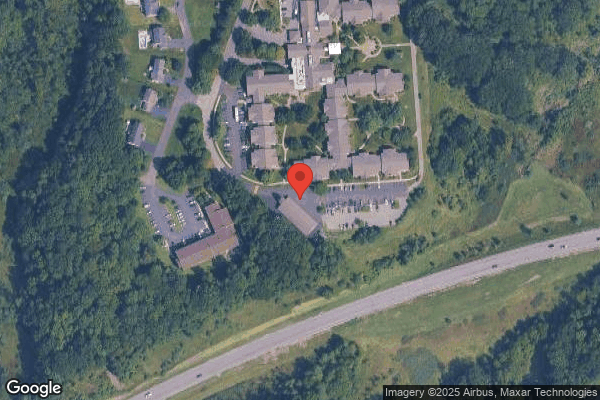
40 AUTUMN DRIVE, SLINGERLANDS, NY 12159 (518) 451-2107
Non profit - Corporation 24 Beds TRINITY HEALTH Data: November 2025
Trust Grade
80/100
#161 of 594 in NY
Last Inspection: December 2023

Within standard 12-15 month inspection cycle. Federal law requires annual inspections.

Overview

Eddy Village Green at Beverwyck has received a Trust Grade of B+, indicating it is above average and recommended for families seeking care. It ranks #161 out of 594 nursing homes in New York, placing it in the top half, and is the best option among 11 facilities in Albany County. However, the facility is experiencing a worsening trend, with issues increasing from 1 in 2019 to 6 in 2023. Staffing is a strong point, earning a 5-star rating, although the turnover rate of 54% is concerning, as it is higher than the state average. Notably, the facility has not incurred any fines, which is a positive sign, and it features more RN coverage than 81% of facilities in New York, ensuring better oversight of care. Despite these strengths, there are some significant weaknesses. The facility has been cited for seven concerns, including improper medication storage practices, with expired and unlabeled medications found, as well as food items that were not properly labeled or dated, raising safety issues. Additionally, there were compliance problems related to binding arbitration agreements, which did not fully inform residents of their rights, potentially putting them at a disadvantage. While there are commendable aspects to consider, families should weigh these concerns carefully when making their decision.

Trust Score
B+
80/100
In New York
#161/594
Top 27%
Safety Record
Low Risk
No red flags
Inspections
Getting Worse
1 → 6 violations
Staff Stability
⚠ Watch
54% turnover. Above average. Higher turnover means staff may not know residents' routines.
Penalties
✓ Good
No fines on record. Clean compliance history, better than most New York facilities.
Skilled Nurses
✓ Good
Each resident gets 68 minutes of Registered Nurse (RN) attention daily — more than 97% of New York nursing homes. RNs are the most trained staff who catch health problems before they become serious.
Violations
○ Average
7 deficiencies on record. Average for a facility this size. Mostly minor or procedural issues.
★★★★☆
4.0
Overall Rating
★★★★★
5.0
Staff Levels
★★★★☆
4.0
Care Quality
★★★☆☆
3.0
Inspection Score
Stable
2019: 1 issues
2023: 6 issues

The Good

  • 5-Star Staffing Rating · Excellent nurse staffing levels
  • 4-Star Quality Measures · Strong clinical quality outcomes
  • Full Sprinkler Coverage · Fire safety systems throughout facility
  • No fines on record

Facility shows strength in staffing levels, quality measures, fire safety.

The Bad

Staff Turnover: 54%

Near New York avg (46%)

Higher turnover may affect care consistency

Chain: TRINITY HEALTH

Part of a multi-facility chain

Ask about local staffing decisions and management

The Ugly 7 deficiencies on record

Dec 2023 6 deficiencies
CONCERN (D)

Potential for Harm - no one hurt, but risky conditions existed

Garbage Disposal (Tag F0814)

Could have caused harm · This affected 1 resident

Based on observation, record review, and staff interviews during the recertification survey from 11/28/2023 to 12/1/2023, the facility did not dispose of garbage and refuse properly. This was evident ...

Read full inspector narrative →
Based on observation, record review, and staff interviews during the recertification survey from 11/28/2023 to 12/1/2023, the facility did not dispose of garbage and refuse properly. This was evident for 4 of 9 trash bins in the trash collection area. Specifically, trash bins located in the trash collection area overflowed with waste and the trash collection area was open. This was evidenced by: During an observation of the trash collection area on 11/30/2023 at 1:05 PM, four (4) trash bins overflowed with waste. Three (3) of the trash bins were not fully covered with trash overflowing the bins, and one (1) trash bin was left uncovered with trash overflowing the bin. The trash collection area to the trash bins had a fenced in area with double swing doors for access, with one door left open and unsecured. The policy titled Trash Removal-(facility name), last revised on 8/13/2018, documented step-by-step instructions on how the facility was to remove trash from buildings daily, with resident care coordinators to empty individual house trash bags and remove the trash bags to the trash collection areas after each meal and before specific times. The policy documented the outside trash company was to pick up trash bins on Tuesdays and Fridays. In an interview conducted on 11/30/2023 at 1:30 PM, the Director of Maintenance stated staff were not disposing trash appropriately when not completely closing the trash bin lids. 10NYCRR 814.14(h)
CONCERN (D)

Potential for Harm - no one hurt, but risky conditions existed

Deficiency F0883 (Tag F0883)

Could have caused harm · This affected 1 resident

**NOTE- TERMS IN BRACKETS HAVE BEEN EDITED TO PROTECT CONFIDENTIALITY** Based on record review and interviews during the recertification survey dated from 11/28/2023 to 12/01/2023, the facility did no...

Read full inspector narrative →
**NOTE- TERMS IN BRACKETS HAVE BEEN EDITED TO PROTECT CONFIDENTIALITY** Based on record review and interviews during the recertification survey dated from 11/28/2023 to 12/01/2023, the facility did not ensure each resident was offered a pneumococcal immunization, unless the immunization was medically contraindicated, or the resident had already been immunized. This was evident for 1 (Resident #5) of 5 residents reviewed for immunizations. Specifically, Resident #5 was not offered a pneumococcal immunization upon admission. This was evidenced by: Resident #5 was admitted to the facility on [DATE] with diagnoses of hypothyroidism, osteoarthritis, and iron deficiency anemia. The Minimum Data Set (an assessment tool) dated 10/04/2023 documented the resident was able to make themselves understood, able to understand others, was cognitively intact. The Minimum Data Set documented the resident's pneumococcal immunization status was not up to date / not received. The Policy and Procedure titled Immunizations: Standard of Care and dated 6/30/2023 documented the resident and/or their designated representative would be provided with immunization information, and required to sign consents/declinations for Pneumococcal, Influenza, and COVID-19 immunizations. Pneumococcal immunization timing for adults would be referred to on admission to determine which Pneumococcal immunizations were appropriate for the resident. Pneumococcal immunizations would be scheduled in the electronic medical record for administration, and recorded under the Immunization tab. A document titled Immunization Report, dated 12/01/2023 did not include documentation of the resident's pneumococcal immunization status. There was no documented evidence that the facility offered a pneumococcal immunization to Resident #5 following their admission to the facility. During an interview on 12/01/2023 at 12:22 PM, the Director of Nursing stated pneumococcal vaccinations were to be offered to residents upon on admission, and pneumococcal immunizations were not a focus for the facility over the past few months because they were focusing on Influenza, COVID-19, and Respiratory Syncytial Virus (RSV). 10 NYCRR 415.19 (a)(3)
CONCERN (E)

Potential for Harm - no one hurt, but risky conditions existed

Deficiency F0761 (Tag F0761)

Could have caused harm · This affected multiple residents

**NOTE- TERMS IN BRACKETS HAVE BEEN EDITED TO PROTECT CONFIDENTIALITY** Based on observation, interview, and record review conducted during the recertification survey from [DATE] to [DATE], the facili...

Read full inspector narrative →
**NOTE- TERMS IN BRACKETS HAVE BEEN EDITED TO PROTECT CONFIDENTIALITY** Based on observation, interview, and record review conducted during the recertification survey from [DATE] to [DATE], the facility did not ensure drugs and biologicals were stored in accordance with professional standards of practice. This was evident for 2 (House #s 21 and 31) of 2 Houses reviewed. Specifically, 1) the medication carts in House 31 contained an expired stock medication, 2) the medication carts in House #31 contained 3 insulin pens not labeled with the dates opened and the expiration dates after opening, 3) the medication carts in House #'s 21 and 31 contained 2 bottles of eye drops and 2 bottles of nasal sprays not labeled with the dates they were opened and the expiration dates after opening, and 4) the medication cart in House #31 contained an inhaler not labeled with the date opened, and the expiration date after opening. This was evidenced by: Documentation provided by the facility's Nursing Chief Executive Office on [DATE] at 9:32 AM included their pharmacy's policy regarding the storage and handling of medications. Section 4.8 of the pharmacy policy, regarding the procedure for appropriate labeling of medications, documented medications that are in multiple dose vials (i.e.: insulin) or containers (i.e., bulk liquids) must have a label indicating the date the container was first opened and the date of expiration. It documented multidose vials of injectable medications expire 28 days after the date opened, unless otherwise specified by the manufacturer, and medications with expiration dates of month and year only would expire on the last day of the month. The facility Medication Administration Policy stated the nurse was to carefully check the name, dose, amount of administration and expiration date. When preparing medications for administration, the nurse was to check the medication order three times before administering the medication, as follows: 1. Read the electronic medical record thoroughly 2. Read the label on the medication packet. 3. Compare label on medication packet to the electronic medical record. There was no documented evidence that the facility in-serviced staff on insulin vial and/or insulin pen, eye drop or inhaler expiration dates. During an observation on [DATE] at 1:50 PM, the House #31 medication cart contained a stock medication for Melatonin (sleep aid) labeled with an expiration date of [DATE]; and two Novolog Insulin Flex Pens and an Levemir Flex Pen all opened, unlabeled, with no open or expiry date. During an interview on [DATE] at 1:51 PM, Registered Nurse #1 - when asked to identify the expiration date of the insulin - stated the insulin would expire 28-30 days after it was opened. Registered Nurse #1 stated they should have written the date the insulin pen when it was opened. During an observation on [DATE] at 2:10 PM, the House #21 medication cart contained the following opened items that were unlabeled, without open dates and without expiry dates: - two bottles of brimonidine eye drops (to lower pressure inside the eye that is caused by open-angle glaucoma or eye hypertension), - two bottles of Timolol eye drops (used to treat glaucoma and high pressure inside the eye), - a Flovent Diskus Inhaler (helps keep lung inflammation low and the airways open), - an Advair HFA (treats asthma and chronic obstructive pulmonary disease), - a Fluticasone Nasal Spray (used to treat sneezing, itchy or runny nose, or other symptoms caused by hay fever, used to treat chronic rhinosinusitis with nasal polyps), and - one bottle of deep-sea nasal drops. During an interview on [DATE] at 2:10 PM, Registered Nurse #1 was asked to identify the expiration date of the Timolol and brimonidine eye drops, and the Flovent and Advair inhalers. They stated that they did not label the eye drops and the inhaler when they opened them. During an interview on [DATE] at 9:30 AM, the Director of Nursing stated that they were in the process of re-educating staff on keeping carts stocked and up to date; and that it was the overnight nurse's the responsibility to check medication expiration dates on the carts. During an interview on [DATE] at 9:50 AM, Registered Nurse #2 was asked how they calculate insulin flex pen expiration dates after opening and they stated the expiration date was already printed on the side of the insulin pen. Registered Nurse #2 stated they were not aware of pharmacy policy on storage and handling medications. 10 NYCRR 415.18(d)
CONCERN (E)

Potential for Harm - no one hurt, but risky conditions existed

Food Safety (Tag F0812)

Could have caused harm · This affected multiple residents

**NOTE- TERMS IN BRACKETS HAVE BEEN EDITED TO PROTECT CONFIDENTIALITY** Based on observation, staff interviews, and record review during the recertification survey from 11/28/2023 to 12/01/2023, the f...

Read full inspector narrative →
**NOTE- TERMS IN BRACKETS HAVE BEEN EDITED TO PROTECT CONFIDENTIALITY** Based on observation, staff interviews, and record review during the recertification survey from 11/28/2023 to 12/01/2023, the facility did not ensure food was stored in accordance with professional standards for food service safety for two (2) of 2 resident central kitchens. Specifically, bulk food items and outside items were (A) not labeled for their contents, (B) not date-labeled after open or labeled with an expiry date, (C) and were not discarded by the best use date to discard food items. This was evidenced by: House # 31 During observations on 11/30/2023 from 10:35 AM to 11:26 AM, the following was noted within the main kitchen area for House # 31: A) Eleven (11) items did not have labels describing what they were: Container of grated cheese located within a refrigerator Bag of carved meat located within a refrigerator Package of butter located within a refrigerator Frozen waffles located within a freezer Frozen scones located within a freezer Frozen cookies located within a freezer Frozen hamburger buns located within a freezer Frozen croissants located within a freezer Package of croissants located in storage room Bulk brown sugar located in storage room Bag of uncooked noodles located in storage room B) Eight (8) items lacked a label or writing of when they were opened: Container of mustard One container of beef and vegetable bases, respectively Six half gallons of Breyers ice cream (chocolate, vanilla, and strawberry, two each) Bag of Ruffles chips Package of cookies Italian breadcrumbs Package of Jell-O instant pudding Bag of [NAME] sugar C) Eleven (11) items were not adequately discarded by the end of the best-use date: Two meals brought in by family with discard date of 11/29/2023. Yellow shredded cheese with discard date of 11/28/2023. Shredded mozzarella cheese with discard date of 11/25/2023. Cooked bacon with discard date of 11/25/2023. Chocolate syrup with discard date of 11/6/2023. Package frozen cookies with discard date of 11/21/2023. Package of ice cream sandwiches with discard date of 8/21. Package frozen scones with discard date of 11/6/2023. Package of frozen beans with discard date of 11/6/2023. Package of frozen chicken breasts with discard date of 11/28/2023. During observations on 11/30/2023 from 10:35 AM to 11:26 AM, the main kitchen area for House # 31 did not have items properly labeled for residents. A store-bought [NAME] cheese package had residents' names and no date when brought in. House # 21 During observations on 11/30/2023 from 11:50 AM to 12:15 PM, the following was noted within the main kitchen area for House # 21: A) Five (5) items did not have labels describing what they were: Container of bulk brown sugar. Package of frozen waffles. Bag of frozen sausage patties. Package of frozen scones. Resident's bottle of iced tea located in the main refrigerator. B) Four (4) lacked a label or writing of when they were opened: Container of instant oatmeal. Six half gallons of Breyers ice cream (chocolate, vanilla, and strawberry, two each). Bag of 3 uncut tomatoes. Container of Italian breadcrumbs. C) Four (4) items were not adequately discarded by the end of the best-use date: Container of cranberry sauce with discard date of 11/27/2023. Bag of romaine lettuce with discard date of 11/28/2023. Two (2) opened and partially used loaves of bread with discard date of 11/27/2023. One (1) unopened loaf of bread with discard date of 11/27/2023. During observations on 11/30/2023 from 10:35 AM to 11:26 AM, the main kitchen area for House # 21 did not have items properly labeled for residents. A container of turkey soup for a resident brought in by a family member was labeled BOB for a best-use-by date. Record Review: An undated policy titled Food Safety Labeling Procedure documented that all food or beverage items that were either stored, opened, prepared, or leftover in our kitchens/storage areas and/or delivered to areas such as Nursing Stations or pantries would be clearly identified as to the item name/product, the production or opened date, and the use by date. A policy titled Use and Storage of Food Brought to Residents from the Outside, dated October 2019, documented that food brought in by family or other visitors was permitted, provided care was taken to ensure food was handled properly for safe and sanitary storage and consumption. If food was brought in by the family and was not consumed immediately by the resident, the food was to be stored in a container with a tight-fitting lid, clearly labeled with the resident name and room number, the date the food was brought to the resident, and the use-by date. Foods were to be consumed within seventy-two hours or per food and supply storage policy. A document titled Important Foodservice and Sanitation Guidelines described that any prepared food that was opened or stored must be labeled and dated for discard within three days. Any beverage or dairy product must be labeled on the date it was opened. Items must be discarded within seven days of being opened or by the manufacturer's use-by date, whichever came first. Any condiment-type item that must be refrigerated after opening must be labeled with the opened date, and items must be discarded within 30 days of being opened. Interviews: During an interview on 11/30/2023 at 10:44 AM, Certified Nursing Assistant #3 stated that staff should have properly labeled as well as discarded the expired item. When an item is opened, staff should place a label on the item and then date it for best use by date according to their standards. They stated labels are found on the counters in each kitchen area, and if an item was not labeled correctly, they should have brought it to the attention of one of a director, facility administrator, or Food Service Directors. During an interview on 11/30/2023 at 10:49 AM, Certified Nursing Assistant #4 stated all Certified Nursing Assistants were responsible for looking at items and determining if they need to be discarded by the date, and they all needed to be more diligent in labeling the items brought in by family members and when opening items. During an interview on 11/30/2023 at 10:57 AM, Distribution Manager #1 stated they usually checked and labeled items, but it was the responsibility of all staff to maintain food standards and check labels for compliance. They stated they needed to be more diligent in labeling items brought from distribution to the kitchens. During an interview on 11/30/2023 at 11:08 AM, the Food Service Director stated food and kitchen activities were ultimately their responsibility, but that all staff in the kitchen area should have checked the items regularly for resident safety. They further stated that they would periodically meet with the food service division to review the items found. During an interview on 11/30/2023 at 12:05 PM, Certified Nursing Assistant #1 stated all staff needed to be more diligent in labeling and tracking item dates and labeled when identified. During an interview on 11/30/2023 at 12:07 PM, Certified Nursing Assistant #5 stated they were to label items with best used-by dates when food items were opened, and that they would contact food service or administrators for guidance if an item was unlabeled. During an interview on 11/30/2023 at 12:11 PM, Certified Nursing Assistant #6 stated that all staff in the unit should have been more diligent in checking dates and labeling the items when opened, and that staff were to label outside food with a best use-by date and an appropriate label. During an interview on 11/30/2023 at 12:25 PM, the Director of Nursing stated that the Food Service Director oversaw the food at the facility, although it is a joint staff effort to check the food and food items daily for potential expiration dates. They further stated that the distribution manager and Certified Nursing Assistants in the facility were to check the items regularly, with items opened then labeled per policy. 10 NYCRR 415.14(h)
CONCERN (E)

Potential for Harm - no one hurt, but risky conditions existed

Deficiency F0847 (Tag F0847)

Could have caused harm · This affected multiple residents

**NOTE- TERMS IN BRACKETS HAVE BEEN EDITED TO PROTECT CONFIDENTIALITY** Based on record review and interviews during the recertification survey from 11/28/2023 to 12/01/2023, the facility did not ensu...

Read full inspector narrative →
**NOTE- TERMS IN BRACKETS HAVE BEEN EDITED TO PROTECT CONFIDENTIALITY** Based on record review and interviews during the recertification survey from 11/28/2023 to 12/01/2023, the facility did not ensure they were in compliance with all regulatory requirements when they chose to ask residents or their representatives to enter into an agreement for binding arbitration for 3 (Resident #'s 1, 3, and 5) of 4 residents reviewed for binding arbitration. Specifically, the facility binding arbitration agreement (A) for Resident #1 did not explicitly grant the resident or their representative the right to rescind the agreement within 30 calendar days of signing it; (B) for Resident #3 did not explicitly state that neither the resident nor their representative were required to sign an agreement for binding arbitration as a condition of admission to, or as a requirement to continue to receive care at the facility, and; (C) for Resident # 5 did not provide for the selection of an arbitration venue that was convenient to both parties. This was evidenced by: A) Resident #1 was admitted to the facility with diagnoses of dementia, depression, and hypertension. The Minimum Data Set (a resident assessment tool) dated 11/20/2023 documented the resident was able to make themselves understood, usually able to understand others, and was moderately cognitively impaired. The facility binding arbitration agreement, dated 12/28/2021, was reviewed; it did not include documentation it explicitly granted the resident or their representative the right to rescind the agreement within 30 calendar days of signing it. During an interview on 12/01/2023 at 01:22 PM, Social Worker #1 stated they reviewed the facility's binding arbitration agreements with residents or resident representatives following admission as part of the facility admission agreement process. The content in the facility binding arbitration agreement was reviewed with them verbatim as written in the binding arbitration agreement. During an interview on 12/01/2023 at 01:22 PM, the Administrator stated the facility's binding arbitration agreement did not include documentation that it was the right for the resident or their representative to rescind the agreement within 30 calendar days of signing the agreement. B) Resident #3 was admitted to the facility with diagnoses of dementia, depression, and hypertension. The Minimum Data Set, dated [DATE] documented the resident was able to make themselves understood, usually able to understand others, and was moderately cognitively impaired. The facility binding arbitration agreement, dated 6/06/2023, was reviewed; it did not include documentation that neither the resident nor their representative were required to sign an agreement for binding arbitration as a condition of admission to, or as a requirement to continue to receive care at the facility. During an interview on 12/01/2023 at 01:22 PM, Social Worker #1 stated the facility's binding arbitration agreement was optional but did not include specific documentation that neither the resident nor their representative were required to sign an agreement for binding arbitration as a condition of admission to, or as a requirement to continue to receive care at the facility. C) Resident #5 was admitted to the facility with diagnoses of hypothyroidism, osteoarthritis, and iron deficiency anemia. The Minimum Dat Set dated 10/04/2023 documented the resident was able to make themselves understood, able to understand others, and was cognitively intact. The facility binding arbitration agreement, dated 9/27/2023, was reviewed; it did not include documentation that provided for selection of an arbitration venue that was convenient for both parties. During an interview on 12/01/2023 at 01:22 PM, the Administrator stated the facility's binding arbitration agreement did not include documentation that provided for selection of an arbitration venue that was mutually convenient for both parties. During an interview on 12/01/2023 at 01:49 PM, the Administrator stated they were not aware of any issues related to the language in the facility's binding arbitration agreement. 10 NYCRR 415.30
CONCERN (E)

Potential for Harm - no one hurt, but risky conditions existed

Infection Control (Tag F0880)

Could have caused harm · This affected multiple residents

Based on observation, record review, and staff interviews during the recertification survey from 11/28/2023 to 12/01/2023, the facility did not ensure hand hygiene procedures were followed by staff in...

Read full inspector narrative →
Based on observation, record review, and staff interviews during the recertification survey from 11/28/2023 to 12/01/2023, the facility did not ensure hand hygiene procedures were followed by staff involved in direct resident contact for 2 (House #'s 21 and 31) of 2 houses reviewed for infection control. Specifically, for House #21, the facility did not ensure facility staff performed hand hygiene between doffing (removing) and donning (putting on) gloves while preparing dessert in the kitchen on 11/29/2023. For House #31, the facility did not ensure gloves were doffed and hand hygiene was performed by staff exiting the kitchen on 11/28/2023, and gloves were doffed, and hand hygiene performed by a staff member after touching 5 resident drink glasses, a resident, and prior to entering/exiting the kitchen on three occasions while passing drinks to residents in the dining room on 11/30/2023. This was evidenced by: The policy and procedure titled Hand Hygiene/Artificial Fingernails and dated 04/12/2022 documented handwashing was to be done before and after touching a resident, before and after wearing gloves, and before and after touching the residents' surroundings. House #21 During an observation on 11/29/2023 at 02:11 PM, Resident Care Companion #6 was in the kitchen preparing dessert, they then removed their gloves, assisted another staff member retrieve an item from the storage area, and placed on new gloves, and continued to prepare dessert. Hand hygiene/washing was not observed. During an interview on 12/01/2023 at 12:05 PM, Registered Nurse #1 stated hand hygiene needed to be performed before and after entering rooms, and after touching residents' personal items. Gloves needed to be removed prior to entering the kitchen. Hand hygiene needed to be performed after removing gloves, but they were not sure if it was policy to perform hand hygiene prior to putting on gloves. During an interview on 12/01/2023 at 11:58 AM, the Director of Nursing stated hand hygiene should be done whenever changing gloves, going in and out of the kitchen, and when preparing food. House #31 During an observation on 11/28/2023 at 12:16 PM, Resident Care Companion #3 was in the kitchen with gloves on. They removed their gloves prior to exiting the kitchen area and did not perform hand hygiene. They walked straight to a resident's room and entered without performing hand hygiene. They touched the resident and the resident's surroundings, and then exited the resident room without performing hand hygiene. They went straight to the dining room and brought the resident to a table. After Resident Care Companion #3 had gotten the resident settled, they went to the kitchen and performed hand hygiene. During an observation on 11/30/2023 at 12:22 PM, Resident Care Companion #4 poured drinks for 5 residents in the dining room while wearing gloves. Resident Care Companion #4 went from resident to resident, picking up the drinking glass that was placed in front of them at the table with one of their gloved hands, and poured from one of several drink containers from a rolling stand nearby with the other gloved hand. At one point, they leaned over and touched one resident on the shoulder while they asked them what they wanted to drink with one of their gloved hands before going to get the resident their drink. During that time, Resident Care Companion #4 also made three trips into the kitchen and did not change/discard their gloves or perform hand hygiene during the interactions. During an interview on 11/30/2023 at 12:28 PM, Resident Care Companion #4 stated hand hygiene was to be performed before and after going into and out of the kitchen, before and after touching a resident, before and after handling a resident's surroundings, and before and after taking gloves on and off. The same gloves should not be worn to work with multiple residents. They did not realize they had just worn the same pair of gloves while providing drinks to multiple residents. They stated they should not have done this and that it must have slipped their mind. Resident Care Companion #4 further stated that they should not have been wearing gloves to pass drinks to residents in the dining room since it was not facility policy. During an interview on 12/01/2023 at 12:22 PM, the Director of Nursing stated hand hygiene needed to occur before entering and after exiting the kitchen, between working with different residents, after handling items in the resident's surroundings, and before putting on or taking off gloves. Gloves needed to be removed prior to entering and exiting the kitchen, and hand hygiene was to be performed once gloves were removed. Gloves should not have been worn while working with multiple residents and should not have been worn to pass drinks to residents. The Director of Nursing further stated that hand hygiene should have been performed prior to Resident Care Companion #3 leaving the kitchen when they removed their gloves on 11/28/2023, and before entering the resident's room. On 11/30/2023, Resident Care Companion #4 had multiple opportunities to remove their gloves and perform hand hygiene, including prior to entering and exiting the kitchen each time, and after touching the resident on the shoulder. During an interview on 12/01/2023 at 1:49 PM, the Director of Nursing stated hand hygiene concerns had been on the facility's radar recently and had performed education and hand hygiene audits in July 2023. They thought hand hygiene issues had been corrected at that time. 10 NYCRR 415.19(b)(4)
Jul 2019 1 deficiency
CONCERN (D)

Potential for Harm - no one hurt, but risky conditions existed

Infection Control (Tag F0880)

Could have caused harm · This affected 1 resident

**NOTE- TERMS IN BRACKETS HAVE BEEN EDITED TO PROTECT CONFIDENTIALITY** Based on observation, interview and record review during a recertification survey, the facility did not maintain an infection pr...

Read full inspector narrative →
**NOTE- TERMS IN BRACKETS HAVE BEEN EDITED TO PROTECT CONFIDENTIALITY** Based on observation, interview and record review during a recertification survey, the facility did not maintain an infection prevention and control program designed to help prevent the development and transmission of communicable diseases and infection for 1 (Resident #3) of 1 resident. Specifically, the facility did not ensure standard precautions were maintained during a dressing change. This is evidenced by: Resident #3: The resident was admitted on [DATE], with the diagnoses of a stage 4 pressure ulcer to the left buttock, dementia and type 2 diabetes mellitus. The Minimum Data Set (MDS-an assessment tool) dated 513/19, documented the resident was severely impaired for cognition; sometimes understood others and was understood by others. A Policy and Procedure for Clean Dressing Change Procedure dated 6/7/17 documented: -Set supplies on clean field. May begin to open packaging and date new dressing. -Don clean gloves. -Remove gloves and cleanse hands and apply clean gloves. An admission Progress Note dated 3/26/19 at 3:18 PM, documented the resident returned to the facility with a hospital acquired pressure ulcer, deep tissue injury to her right right buttock/sacral/coccyx area measuring 12 cm x 6 cm dark purple, with slough (dead tissue, usually cream or yellow in color) note throughout. Weekly Wound Tracking dated 7/18/19 documented wound measurements to left buttock were 1.4 cm x 2.8 cm x 1.0 cm with undermining (occurs when the tissue under the wound edges becomes eroded resulting in a pocket beneath the skin at the wound's edge) at 0.5 cm. Wound bed was filled with 100% granulation (new tissue on the healing surface of a wound) tissue, moderate of serosanguineous (contains both blood and the liquid part of blood) drainage. A Physician's Order dated 7/17/19, documented the resident was to receive skin prep to wound edges, pack wound with Aquacel extra AG (silver impregnated antimicrobial dressing that is soft, sterile and non-woven pad). Cover with Optifoam (absorbent and antimicrobial) dressing. Change daily and when soiled. During an observation on 7/22/19 at 02:10 PM, Licensed Practical Nurse (LPN) #1: -removed her gloves and put on a new pair without washing her hands after she wiped the scissors. She opened the Optifoam dressing, dated and initialed it. - opened the Aquacel package and cut a piece of it. She then cut the Optifoam dressing to size. The LPN did not remove her gloves, wash her hands and put on new gloves after touching the outside of the packages and before touching the dressings. - removed her gloves and put on a new pair without washing her hands. - opened a package of 4 x 4 gauze, squirted normal saline onto it from a single use container, removed the gauze from the package and cleansed the wound. She followed this process twice. She did not remove her gloves and wash her hands and put on new gloves after touching the outside of the dressing packages and containers of saline and proceeding with cleansing the wound. -opened another package of gauze, removed the gauze and dried the wound without first removing her gloves, washing her hands and donning a new pair of gloves. During an interview on 07/22/19 at 02:33 PM, LPN #1 stated she thought she had washed her hands when she changed her gloves. She stated she was not aware the outside of dressing packages were considered to be contaminated and gloves would need to be removed and hands washed prior to touching dressing supplies and proceeding with the dressing change. During an interview on 07/22/19 at 02:39 PM, Registered Nurse Manager (RNM) #1 stated the LPN should have washed her hands whenever she removed her gloves. She also should have removed her gloves and washed her hands after touching the outside of the dressing packages. She had been inserviced on proper procedure to follow during a dressing change and had been observed on multiple occasions performing this dressing change. 10NYCRR415.19(a)(1-3)
Understanding Severity Codes (click to expand)
Life-Threatening (Immediate Jeopardy)
J - Isolated K - Pattern L - Widespread
Actual Harm
G - Isolated H - Pattern I - Widespread
Potential for Harm
D - Isolated E - Pattern F - Widespread
No Harm (Minor)
A - Isolated B - Pattern C - Widespread

Questions to Ask on Your Visit

  • "Can I speak with families of current residents?"
  • "What's your RN coverage like on weekends and overnight?"

Our Honest Assessment

Strengths
  • • Grade B+ (80/100). Above average facility, better than most options in New York.
  • • No major safety red flags. No abuse findings, life-threatening violations, or SFF status.
  • • No fines on record. Clean compliance history, better than most New York facilities.
Concerns
  • • No significant concerns identified. This facility shows no red flags across CMS ratings, staff turnover, or federal penalties.
Bottom line: Generally positive indicators. Standard due diligence and a personal visit recommended.

About This Facility

What is Eddy Village Green At Beverwyck's CMS Rating?

CMS assigns EDDY VILLAGE GREEN AT BEVERWYCK an overall rating of 4 out of 5 stars, which is considered above average nationally. Within New York, this rating places the facility higher than 99% of the state's 100 nursing homes. This rating reflects solid performance across the metrics CMS uses to evaluate nursing home quality.

How is Eddy Village Green At Beverwyck Staffed?

CMS rates EDDY VILLAGE GREEN AT BEVERWYCK's staffing level at 5 out of 5 stars, which is much above average compared to other nursing homes. Staff turnover is 54%, compared to the New York average of 46%.

What Have Inspectors Found at Eddy Village Green At Beverwyck?

State health inspectors documented 7 deficiencies at EDDY VILLAGE GREEN AT BEVERWYCK during 2019 to 2023. These included: 7 with potential for harm.

Who Owns and Operates Eddy Village Green At Beverwyck?

EDDY VILLAGE GREEN AT BEVERWYCK is owned by a non-profit organization. Non-profit facilities reinvest revenue into operations rather than distributing to shareholders. The facility is operated by TRINITY HEALTH, a chain that manages multiple nursing homes. With 24 certified beds and approximately 23 residents (about 96% occupancy), it is a smaller facility located in SLINGERLANDS, New York.

How Does Eddy Village Green At Beverwyck Compare to Other New York Nursing Homes?

Compared to the 100 nursing homes in New York, EDDY VILLAGE GREEN AT BEVERWYCK's overall rating (4 stars) is above the state average of 3.1, staff turnover (54%) is near the state average of 46%, and health inspection rating (3 stars) is at the national benchmark.

What Should Families Ask When Visiting Eddy Village Green At Beverwyck?

Based on this facility's data, families visiting should ask: "Can I visit during a mealtime to observe dining assistance and food quality?" "How do you handle medical emergencies, and what is your hospital transfer rate?" "Can I speak with family members of current residents about their experience?"

Is Eddy Village Green At Beverwyck Safe?

Based on CMS inspection data, EDDY VILLAGE GREEN AT BEVERWYCK has a clean safety record: no substantiated abuse findings (meaning no confirmed cases of resident harm), no Immediate Jeopardy citations (the most serious violation level indicating risk of serious injury or death), and is not on the Special Focus Facility watch list (a federal program monitoring the lowest-performing 1% of nursing homes). The facility has a 4-star overall rating and ranks #1 of 100 nursing homes in New York. While no facility is perfect, families should still ask about staff-to-resident ratios and recent inspection results during their visit.

Do Nurses at Eddy Village Green At Beverwyck Stick Around?

EDDY VILLAGE GREEN AT BEVERWYCK has a staff turnover rate of 54%, which is 8 percentage points above the New York average of 46%. Moderate turnover is common in nursing homes, but families should still ask about staff tenure and how the facility maintains care continuity when employees leave.

Was Eddy Village Green At Beverwyck Ever Fined?

EDDY VILLAGE GREEN AT BEVERWYCK has no federal fines on record. CMS issues fines when nursing homes fail to meet care standards or don't correct problems found during inspections. The absence of fines suggests the facility has either maintained compliance or corrected any issues before penalties were assessed. This is a positive indicator, though families should still review recent inspection reports for the full picture.

Is Eddy Village Green At Beverwyck on Any Federal Watch List?

EDDY VILLAGE GREEN AT BEVERWYCK is not on any federal watch list. The most significant is the Special Focus Facility (SFF) program, which identifies the bottom 1% of nursing homes nationally based on persistent, serious quality problems. Not being on this list means the facility has avoided the pattern of deficiencies that triggers enhanced federal oversight. This is a positive indicator, though families should still review the facility's inspection history directly.