HUDSON PARK REHABILITATION AND NURSING CENTER

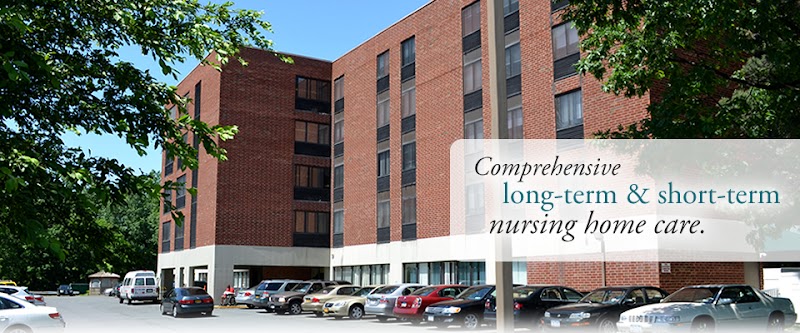
325 NORTHERN BOULEVARD, ALBANY, NY 12204 (518) 449-1100
For profit - Limited Liability company 169 Beds UPSTATE SERVICES GROUP Data: November 2025 1 Immediate Jeopardy citation
Trust Grade
21/100
#519 of 594 in NY
Last Inspection: June 2024

Within standard 12-15 month inspection cycle. Federal law requires annual inspections.

Overview

Hudson Park Rehabilitation and Nursing Center has received a Trust Grade of F, indicating poor performance with significant concerns. It ranks #519 out of 594 facilities in New York, placing it in the bottom half, and #9 out of 11 in Albany County, meaning there are very few local options that are better. The facility is worsening, with issues jumping from 3 in 2023 to 15 in 2024. Staffing is a concern, rated at 2 out of 5 stars, with a high turnover rate of 57%, significantly above the state average, which may impact resident care. Additionally, the nursing home has incurred $20,361 in fines, which is higher than 80% of New York facilities, indicating possible compliance issues. Specific incidents have raised alarm, such as a critical failure to provide necessary medical treatments and medications to a resident, which resulted in immediate jeopardy to their health. Other concerns include residents being served meals with disposable utensils, which may detract from their dignity, and overall cleanliness issues throughout the facility, including dirty floors and unkempt common areas. While the facility does have average RN coverage, the combination of these weaknesses suggests families should carefully consider their options.

Trust Score
F
21/100
In New York
#519/594
Bottom 13%
Safety Record
High Risk
Review needed
Inspections
Getting Worse
3 → 15 violations
Staff Stability
⚠ Watch
57% turnover. Above average. Higher turnover means staff may not know residents' routines.
Penalties
⚠ Watch
$20,361 in fines. Higher than 92% of New York facilities. Major compliance failures.
Skilled Nurses
⚠ Watch
Each resident gets only 27 minutes of Registered Nurse (RN) attention daily — below average for New York. Fewer RN minutes means fewer trained eyes watching for problems.
Violations
⚠ Watch
41 deficiencies on record. Higher than average. Multiple issues found across inspections.
★☆☆☆☆
1.0
Overall Rating
★★☆☆☆
2.0
Staff Levels
☆☆☆☆☆
0.0
Care Quality
★☆☆☆☆
1.0
Inspection Score
Stable
2023: 3 issues
2024: 15 issues

The Good

  • Full Sprinkler Coverage · Fire safety systems throughout facility
  • No fines on record

Facility shows strength in fire safety.

The Bad

1-Star Overall Rating

Below New York average (3.0)

Significant quality concerns identified by CMS

Staff Turnover: 57%

10pts above New York avg (46%)

Frequent staff changes - ask about care continuity

Federal Fines: $20,361

Below median ($33,413)

Minor penalties assessed

Chain: UPSTATE SERVICES GROUP

Part of a multi-facility chain

Ask about local staffing decisions and management

Staff turnover is elevated (57%)

9 points above New York average of 48%

The Ugly 41 deficiencies on record

1 life-threatening
Jun 2024 12 deficiencies
CONCERN (D)

Potential for Harm - no one hurt, but risky conditions existed

Deficiency F0554 (Tag F0554)

Could have caused harm · This affected 1 resident

Based on observation, record review, and interviews during a Recertification survey, the facility did not ensure residents were assessed by an interdisciplinary team to determine their ability to safe...

Read full inspector narrative →
Based on observation, record review, and interviews during a Recertification survey, the facility did not ensure residents were assessed by an interdisciplinary team to determine their ability to safely self-administer medication when clinically appropriate for 1 (Resident #91) of 1 resident reviewed for medication administration. Specifically, Resident #91 was observed self-administering medications in their room without being evaluated as to whether they could safely do so. This is evidenced by: The facility policy titled, Medication Administration and last revised 6/01/2024, documented medications should be administered in a safe and timely manner, and as prescribed. Medications would not be left at the resident's bedside. Residents may self-administer their own medications only if the Physician, in conjunction with the Interdisciplinary Care Planning Team, had determined that they have the capacity to do so safely. Resident #91 was admitted to the facility with diagnoses of sepsis due to methicillin resistant staphylococcus aureus (a type of staph infection that can be resistant to several antibiotics known also as MRSA), diabetes, and psoriasis (patches of abnormal skin). The Minimum Data Set (an assessment tool) dated 4/06/2024, documented the resident was cognitively intact, could be understood, and could understand others. During an observation on 6/06/2024 at 12:21 PM, Resident #91 was observed in their room applying betamethasone cream to their right lower extremity. Additionally, generic lubricant eye drops were observed in the resident's room. A Physician's Order dated 4/17/2024, documented the resident was to be administered betamethasone cream 0.05%, apply to psoriasis plaques/lesions twice a day. The order documented an end date of 5/17/2024. A Physician's Order dated 4/18/2024, documented the resident was to be administered Systane (lubricant eye drops) 0.4-0.3%, 1 drop each eye four times a day. The Medication Administration Record for May 2024 documented the betamethasone was administered twice daily from May 1, 2024, through May 17, 2024. There was no documentation of the medication being administered after May 17, 2024. The Medication Administration Record for June 2024 documented the Systane was administered as ordered from June 1, 2024, through June 12, 2024. Upon review of Resident #91's electronic medical record, there was no documented evidence that the resident was assessed to safely self-administer medications; there was no physician order or care plan in place for the resident to self-administer medications. During an interview on 6/06/2024 1:09 PM, Registered Nurse #4 stated there were no residents on their Unit who self-medicated. If a resident wished to self-medicate, the Physician would be notified and an assessment completed in the electronic medical record. 10 New York Codes, Rules, and Regulations 415.3 (e)(1)(vi)
CONCERN (D)

Potential for Harm - no one hurt, but risky conditions existed

Investigate Abuse (Tag F0610)

Could have caused harm · This affected 1 resident

Based on interviews and record review during the recertification survey, the facility did not thoroughly investigate or prevent further accidents for 1 (Resident #15) of 1 resident reviewed for accide...

Read full inspector narrative →
Based on interviews and record review during the recertification survey, the facility did not thoroughly investigate or prevent further accidents for 1 (Resident #15) of 1 resident reviewed for accidents. Specifically, Resident #15 was found on the floor in their room on 6/01/2024 with a significant injury to their head. The facility did not thoroughly investigate the root cause to rule out abuse or neglect. This is evidenced by: Resident #15 was admitted to the facility with diagnoses of unspecified severity vascular dementia (loss of memory, language, problem-solving and other thinking abilities that are severe enough to interfere with daily life caused by decreased blood flow to the brain) without behavioral disturbance, chronic obstructive pulmonary disease (narrowing of airways in the lungs making it difficult to breathe), and Type 2 diabetes mellitus. The Minimum Data Set (an assessment tool) dated 4/15/2024 documented that the resident usually could be understood and could understand others. A Brief Interview of Mental Status indicated the resident had severe impairment in cognition for daily living decisions. The Policy and Procedures titled, Abuse Prevention and dated 9/2023, documented that all residents have the right to be free from verbal, sexual, physical, or mental abuse. The policy further documented that policy was to investigate all reported incidents, accidents, and resident complaints for potential abuse and crime. The Policy and Procedures titled, Incident Report and dated 3/2024, documented the facility was to document and investigate any accident or incident involving a resident. Comprehensive Care Plans for falls dated 7/01/2021 documented that the resident had been identified as a fall risk related to a decline in activities of daily living, acute illness, and medication use. Nursing progress notes dated 6/01/2024 documented resident was found on the floor in their room at approximately 6:30 AM. Resident #15 had a large hematoma on the left side of the head/eye area with swelling. The nursing supervisor notified the doctor and sent the resident out to the hospital for further evaluation at 7:43 AM. The incident and accident report dated 6/01/2024 at 7:00 AM documented the resident fell out of their wheelchair in the hallway. During an interview on 6/10/2024 at 3:05 PM, Licensed Practical Nurse #4 stated that the resident had a fall on 6/01/2024 in their room and was found on the floor. The nursing supervisor was called, resident was evaluated and sent to the hospital for further evaluation. They stated resident had no other issues since the fall. They stated that they did not know what the root cause of the incident was as they were unsure if an investigation was conducted. During an interview on 6/10/2024 at 3:35 PM, Registered Nurse #5 stated that any unwitnessed fall resulting in significant injuries should be investigated and a root cause analysis done. They stated they were unsure if an investigation was done on this incident. During an interview on 6/12/2024 at 9:45 AM, Director of Nursing #1 stated investigations of incidents should be started right away. They stated that every major incident along with injuries of unknown origin should be investigated. During an interview on 6/12/2024 at 10:00 AM, Administrator #1 stated that all incidents were to have a root cause investigation completed. They stated that all allegations of abuse, neglect, and injuries of unknown origin should be investigated. The facility investigation documentation was requested for record review, however, none was provided at the time of survey. New York Codes, Rules and Regulations 483.12(c)(2 - 4)
CONCERN (D)

Potential for Harm - no one hurt, but risky conditions existed

Deficiency F0657 (Tag F0657)

Could have caused harm · This affected 1 resident

**NOTE- TERMS IN BRACKETS HAVE BEEN EDITED TO PROTECT CONFIDENTIALITY** Resident #20 Resident # 20 was admitted with diagnoses of Parkinson's Disease (a disorder that affects the nervous system and th...

Read full inspector narrative →
**NOTE- TERMS IN BRACKETS HAVE BEEN EDITED TO PROTECT CONFIDENTIALITY** Resident #20 Resident # 20 was admitted with diagnoses of Parkinson's Disease (a disorder that affects the nervous system and the parts of the body controlled by the nerves); diabetes mellitus, chronic obstructive pulmonary disease (a lung disease causing restricted airflow and breathing problems). The Minimum Data Set, dated [DATE] documented the resident was cognitively intact, could be understood, and coulde understand others. During an observation and interview on 6/04/2024 at 11:28 AM, Resident #20 was noted to have oxygen via nasal cannula set at 3 liters per minute. The resident stated they recently had an episode of pneumonia and asked for oxygen. They were given oxygen and since then self-applied oxygen as needed. Comprehensive Care Plan for Alteration in Respiratory Status dated 7/17/2023 and last revised 1/23/2024 documented the resident required oxygen, with interventions obtaining and documenting the resident's oxygen saturation as per physician orders. A Nursing Progress Note dated 4/16/2024 documented chest x-ray result that was taken on 4/15/2024 noted a left basilar pneumonia or effusion, which was relayed to Nurse Practitioner #1. The Medication and Treatment Administration Reports dated 03/20/2023 - 05/23/2024 had no orders for oxygen therapy. Based on observations, record review, and interviews conducted during a recertification survey, the facility did not ensure Comprehensive Care Plans were reviewed and revised based on changing goals, preferences, and needs for 3 (Residents #15, 20, and 524) of 36 residents reviewed for care plans. Specifically, the comprehensive care plan was not revised (a) for Resident #15 after they had a fall with significant injuries on 6/04/2024; (b) for Resident #20 to address the resident's oxygen administration requirements, and (c) for Resident #524 after the resident sustained a wound. This is evidenced by: A review of policy and procedure titled, Comprehensive Person-Centered Care Plans and last revised in February 2024, documented an Interdisciplinary Team, which included the resident or representative, develop and implement a Comprehensive Care Plan for each resident. Each resident's Comprehensive Care Plan would be consistent with the resident's right to participate in developing and implementing their personalized Comprehensive Care Plan. The facility would inform the resident of their right to participate, or an explanation placed in their medical records determining that the resident or representative was not practicable. The care planning process would facilitate the involvement of the resident or representative. Resident #15 Resident #15 was admitted to the facility with diagnoses of unspecified severity vascular dementia (loss of memory, language, problem-solving and other thinking abilities that are severe enough to interfere with daily life caused by decreased blood flow to the brain) without behavioral disturbance, chronic obstructive pulmonary disease (narrowing of airways in the lungs making it difficult to breathe), and type 2 diabetes mellitus. The Minimum Data Set (an assessment tool) dated 4/15/2024 documented resident had severe cognitive impairment, usually could be understood, and could understand others. Comprehensive Care Plan for Falls was initiated on 11/2019 related to a decline in Activities of Daily Living, acute illnesses, and medications. Residents' short-term goal was to have no injuries related to falls through review dates. During a record review of nursing progress notes, it was documented that Resident #15 had several falls within the past several months, including on 4/06/2024, 4/10/2024, 4/11/2024, 6/04/2024, and 6/05/2024. Record review of the resident's care plan revealed the care plan was revised after a fall on 1/31/2024 to include a fall mat positioned to the left side of the bed when the resident was in their bed. There was no documented evidence that the care plan was revised after Resident #15 experienced a significant fall on 6/04/2024. During an interview on 6/10/2024 at 3:05 PM, Licensed Practical Nurse #4 stated Resident #15 had a significant fall on 6/01/2024 in their room and was found on the floor. The nursing supervisor was called, and the resident was evaluated and sent to the hospital for further evaluation. They stated resident had no other issues since the fall. They stated that they did not know the incident's root cause as they were unsure if an investigation was conducted. They stated that for any significant issue or changes in residents' condition, a care plan revision should have been completed with the interdisciplinary team. During an interview on 6/10/2024 at 3:35 PM, Registered Nurse #5 stated for any significant change, a care plan revision should be done-especially for a resident who has [NAME] frequent falls. They stated the resident would hardly fall during the day, withmost of the falls happening at night. They stated that they believed the resident fell because they were getting up to go the bathroom without assistance. They stated that the resident was care planned for falls by being monitored every two hours. When asked to locate the care plan modification for recent significant falls by being monitored every 2 hours, Registered Nurse #5 was not able to locate one, and identified a care plan intervention for monitoring every 2 hours for behavioral issues of the resident sleeping on the floor. Resident #524 Resident #524 was admitted to the facility with diagnoses that included insomnia (difficulty sleeping), depression, and acute respiratory failure. The Minimum Data Set (an assessment tool) dated 5/14/2024 documented resident had severe cognitive impairment, could sometimes be understood, and could sometimes understand others. A Nursing Progress Note dated 5/22/2024 documented Resident #524 had been found on the ground near the nurse's station. Upon assessment, the resident had a lacerated wound noted on the right leg shin area with a measurement of 1.4 centimeters by 0.6 centimeters. A steri strip (thin adhesive bandages that help close shallow cuts or wounds) was applied to the affected area and covered with an opti foam patch (wound dressing). The resident's family and physician were documented to have been notified. During an observation on 6/05/2024 at 11:22 AM, Resident #524 was seated in a wheelchair by the second-floor nurse's station with an uncovered wound on their right shin, which was approximately 3 inches long and half an inch wide. The wound had reddened edges and was without weeping or active bleeding. A review of Resident #524's Care Plan revealed the care plan was updated on 6/05/2024 (14 days after the injury was first observed) to include the resident had an actual impairment of skin integrity as evidenced by a skin tear to their right shin; interventions included that nursing staff should follow the facility's skin tear protocol, treatment was to be done as per physician orders and the resident was to be seen on weekly rounds by the Wound Nurse and measurements obtained. An Occupational Therapy/Physical Therapy assessment was to be completed per the physician's order to evaluate positioning devices and/or therapy needs to promote wound healing. During an interview on 6/05/2024 at 11:35 AM, Registered Nurse #1 stated that Resident #524 had a recent fall, during which they obtained the injury to their right shin. They stated the wound should be cleansed and covered, and the dressing changed every three days. During an interview on 6/11/2024 at 3:10 PM, Wound Nurse #1 stated that typically when they would initially assess a new wound was when they would update the resident's care plan with interventions. They stated they were first notified of Resident #524's wound to their right shin on 5/29/2024 (7 days after it was first observed/documented). During an interview on 6/12/2024 at 10:01 AM, Director of Nursing #1 stated that when a wound/laceration was identified, the physician should be notified, the wound should be evaluated by the wound nurse, treatment orders obtained, and the resident's care plan should be updated with treatment orders/any new interventions. They stated after the wound was identified, it should be monitored and tracked to determine if it is healing/worsening. 10 New York Codes of Rules and Regulations 415.11(c)(2)(ii)
CONCERN (D)

Potential for Harm - no one hurt, but risky conditions existed

Quality of Care (Tag F0684)

Could have caused harm · This affected 1 resident

**NOTE- TERMS IN BRACKETS HAVE BEEN EDITED TO PROTECT CONFIDENTIALITY** Based on observations, record review, and interviews during a Recertification Survey, the facility did not provide needed care a...

Read full inspector narrative →
**NOTE- TERMS IN BRACKETS HAVE BEEN EDITED TO PROTECT CONFIDENTIALITY** Based on observations, record review, and interviews during a Recertification Survey, the facility did not provide needed care and services that were resident centered and in accordance with professional standards of practice to meet each resident's physical, mental, and psychosocial needs for 1 (Resident #524) of 34 residents reviewed. Specifically, Resident #524 fell on 5/22/2024 and sustained a wound; the wound was not tracked, monitored or treated as the resident's wound was observed to be uncovered and larger than it was initially assessed to be at the time of the fall. This is evidenced by: Cross referenced to F657: Care Plan Timing and Revision The Policy and Procedure titled, Incident Report, Residents and last revised 03/05/2024, documented any bruises, cuts, lacerations, etc. sustained during a fall must have a size and description documented by the nurse and nursing staff should continue to monitor for any changes, injury, or effects of the incident. Resident #524 Resident #524 admitted to facility with diagnosis which included insomnia, depression and acute respiratory failure. The Minimum Data Set (as assessment tool) dated 5/14/2024 documented the resident could sometimes be understood and could sometimes understand others with cognitive impairment for decisions of daily living. During an observation on 6/05/2024 at 11:22 AM, Resident #524 was seated in a wheelchair by second floor nurse's station with an uncovered wound on their right shin, which appeared to be approximately 7.62 centimeters long and 1.27 centimeters wide. The wound had thickened, reddened edges without weeping or bleeding. A Nursing Progress Note dated 5/22/2024, written by Registered Nurse #2, documented Resident #584 had been found on the ground near the nurse's station. Upon assessment, the resident had a lacerated wound noted on their right leg shin area with a measurement of 1.4 centimeters by 0.6 centimeters. A steri strip (thin adhesive bandages that help close shallow cuts or wounds) was applied on the affected area and covered with an optifoam patch (wound dressing). The resident's family and physician were documented to have been notified. Review of the Treatment Administration Record revealed that Resident #524 had a standing (on-going) physician order with a start date of 4/25/2024 to treat any skin tears as needed by cleansing the wound, covering with an optifoam wound dressing and changing the dressing every three days. Review of the record revealed nursing staff did not sign off that wound care and dressing changes were completed from 5/22/2024 to 6/05/2024. During an interview on 06/05/2024 at 11:35 AM, Registered Nurse #1 stated that Resident #524 had a recent fall, during which they obtained the injury to their right shin. They stated that the wounds should be cleansed, covered, and dressing changed every three days. They stated Resident #524 had a behavior of picking at their skin and removing wound dressings. A Registered Nurse assessment dated [DATE] at 12:50 PM, written by Registered Nurse #1, documented Resident #524's continued to be unchanged in size and that the resident continued to pull off the dressing and picks at the wound. The wound edges were thickened, rolled under and appear irritated by the frequent picking. The wound was dry with no drainage or odor. Treatment was updated to have wound dressing changed every 3 days, with kerlix (wound dressing) added to deter the resident from removing their dressing and picking the wound. A Treatment Order was entered for Resident #524 on 06/05/2024 (14 days after the injury was first observed) for the wound to be cleansed and optifoam wound dressing to be applied and secured with kerlix (wound dressing) every three days and as needed. A Wound assessment dated [DATE] at 2:40 PM, completed by Wound Nurse #1, documented the resident was seen for assessment of a skin tear to the resident's right shin. The wound was documented to be 4 centimeters long by 0.9 centimeters wide. The wound was documented with partial thickness. The measurement revealed that the wound had more than doubled in length from when it was first assessed to be 1.4 centimeters long at the time of the fall. The wound was photographed during the assessment. Review of Resident #524's Care Plan, revealed the care plan was updated on 6/05/2024 (14 days after the injury was first observed) to include that the resident had an actual impairment of skin integrity as evidenced by a skin tear to their right shin. Interventions included nursing staff should follow the facility's skin tear protocol, treatment were to be completed per physician orders and the resident was to be seen on weekly rounds by the Wound Nurse and measurements obtained. An Occupational Therapy/Physical Therapy assessment was to be completed per physician order to evaluate positioning devices and/or therapy needs to promote wound healing. During an observation on 6/07/2024 at 9:40 AM, Registered Nurse #1 took measurements for Resident #524's wound and reported that the wound was 3.8 centimeters long by 0.8 centimeters wide with a depth of 0.1 centimeters. The wound appeared to be improved from when it was initially observed on 6/05/2024. A Wound assessment dated [DATE] at 8:13 AM completed by Wound Nurse #1, documented the wound was identified on 6/05/2024, however, a note added to the bottom the assessment documented that the assessment was a late entry and was actually completed on 5/29/2024 (12 days prior). The assessment documented the wound was 3 centimeters long by 0.5 centimeters wide. The wound was not photographed during the assessment, and it was documented that this was due to the resident being restless at the time. During an interview on 6/11/2024 12:50 PM, Registered Nurse #2 stated they were working on another unit when they were called to come assess Resident #524 on 5/22/2024. They stated the resident was on the floor near the nurse's station and upon assessment, had sustained a wound to their right shin. They stated when they first observed the wound, it appeared to be a laceration (a deep cut or tear of the flesh). They stated they used the side of a piece of gauze to measure the size of the wound and relayed the measurements to the on-call physician. They stated they had not been trained in obtaining wound measurements. During an interview on 6/11/2024 at 3:10 PM, Wound Nurse #1 stated Resident #524's wound had worsened since they had initially assessed the wound. They stated they were initially informed of the wound on 5/29/2024 but that they did not enter the assessment in the system until 6/11/2024. They stated the had seen the resident again on 6/05/2024 for follow-up and the wound was larger. They stated the resident would pick at their skin/wound. They stated typically when they would initially assess a new wound was when they would update the resident's care plan with interventions. They stated it was important to track and monitor wounds for changes and signs of infection. During an interview on 6/12/2024 at 10:01 AM, Director of Nursing #1 stated wounds should be documented timely, accurately and tracked for any changes. They stated they believed Wound Nurse #1 was first notified of Resident #524's wound and completed an assessment on 5/29/2024, however, they did not enter their assessment into the system until 6/11/2024. They stated sometimes nursing staff would forget to chart their assessments right away. They stated the facility would enter standing orders for treatment of skin tears. They stated when a new wound was identified, treatment orders should be obtained, the Wound Nurse should be notified, and the resident's care plan should be updated. They stated the Wound Nurse should obtain initial measurements in order to track the wound. 10 New York Codes, Rules, and Regulations 415.12
CONCERN (D)

Potential for Harm - no one hurt, but risky conditions existed

Deficiency F0685 (Tag F0685)

Could have caused harm · This affected 1 resident

Based on observation, interview, and record review conducted during a Recertification survey, the facility did not ensure that residents received proper treatment and assistive device to maintain hear...

Read full inspector narrative →
Based on observation, interview, and record review conducted during a Recertification survey, the facility did not ensure that residents received proper treatment and assistive device to maintain hearing abilities for 1 (Resident #58) of 4 residents reviewed. Specifically, Resident #58 did not receive assistance with replacement of broken hearing aids and did not receive follow up Audiologist (a healthcare professional that manages hearing loss and balance disorders) visits for maintenance of hearing aids as recommended. This is evidenced by: Resident #58 was admitted with diagnosis of Unspecified osteoarthritis (degeneration of bone causing pain and stiffness), Impacted cerumen (ear wax), bilateral; Chronic obstructive pulmonary disease, unspecified (a condition involving constriction of the airways and difficulty or discomfort in breathing). The Minimum Data Set of 3/28/2024, documented resident was cognitively intact, could be understood, and understand others. During an observation and interview on 6/04/2024 at 1:50 PM, Resident #58 was noted to be very hard of hearing. Resident #58 requested writer stand within 1 inch of their ear to hold conversation. Resident stated they were hard of hearing, and they do not have a hearing aid. No other hearing adaptive devices were observed for this resident. Comprehensive Care Plan Titled Alteration in Sensory Perception dated 12/11/2023 documented resident had a hearing deficit. Both ears, considered deaf. Long Term Goal: Resident would maintain adequate communication daily through next review of 7/28/2024. Intervention include Speak slightly louder and towards left ear. Resident lost hearing aide. Schedule hearing consultant and see if it could be replaced. During an interview on 6/11/2024 at 12:17 PM, Unit Manager, Registered Nurse #4 sated Resident #58's hearing aid had been broken several times as Resident likes to disassemble their hearing aid. Resident had not had a functioning hearing aid since 12/11/2023. An in-house audiology exam was scheduled for 5/13/2024, although, the visit or consultation was not documented. Unit Manager, Registered Nurse #4 stated they would follow up on audiology consult and obtaining a new hearing aid. During an interview on 06/11/2024 at 12:15 PM, Certified Nurse Aide #5 stated Resident #58 was extremely hard of hearing. They stated they do not attempt to assist Resident #58 because Resident #58 refuses care and yelled at staff a lot. During an interview on 06/11/2024 at 12:55 PM, Director of Nursing #1 stated residents were followed up every six months for audiology maintenance and as needed. Review of Treatment Administration Record dated 12/11/2023, documented appointment for audiology hearing aids as needed. There was no documented audiology or hearing consults for Resident #58 after order date. 10 New York Codes, Rules, and Regulations: 415.12(3)(b)
CONCERN (D)

Potential for Harm - no one hurt, but risky conditions existed

Respiratory Care (Tag F0695)

Could have caused harm · This affected 1 resident

**NOTE- TERMS IN BRACKETS HAVE BEEN EDITED TO PROTECT CONFIDENTIALITY** Resident #98 Resident #98 was admitted to facility with diagnoses which included chronic obstructive pulmonary disease, acute p...

Read full inspector narrative →
**NOTE- TERMS IN BRACKETS HAVE BEEN EDITED TO PROTECT CONFIDENTIALITY** Resident #98 Resident #98 was admitted to facility with diagnoses which included chronic obstructive pulmonary disease, acute pulmonary edema and glaucoma. The Minimum Data Set, dated [DATE] documented the resident was cognitively intact, could be understood and could understand others. Comprehensive Care Plan, Titled at Risk for Compromised Respiratory status dated 4/04/2024, documented the resident was at risk for compromised respiratory status related to diagnoses of chronic obstructive pulmonary disease, pulmonary edema and recent intubation. Interventions included resident to receive oxygen therapy as ordered at a flow rate of 4 liter per minute. A Physician Order dated 4/02/2024 documented 4 liters per minute of continuous oxygen flow. During an observation on 6/04/24 at 12:29 PM, Resident #98 was seated in the dining room on the second floor. The resident had oxygen via nasal cannula with a portable oxygen contractor which was set to a liter flow of 2 liters per minute. During an observation and interview on 6/05/24 at 9:13 AM Resident #98 was lying in their bed receiving oxygen therapy via nasal cannula with the concentrator set to a liter flow of 3 liters per minute. During an interview on 6/07/2024 at 11:52 AM, Licensed Practical Nurse #2 stated only nurses could adjust the liter flow on oxygen concentrators. They stated that all residents who required oxygen therapy should have a physician order which indicated how much oxygen the resident should be administered, how it should be delivered (nasal cannula versus face mask) and how often (continuously or as needed). They stated that oxygen therapy was considered to be the same as administering a medication and should always be administered as indicated by the physician order. They stated that if a resident did not receive enough oxygen, they could potentially have increased confusion or become lightheaded. During an interview on 6/11/2024 at approximately 2:00 PM, Registered Nurse #1 stated that the adjustment of liter flow on an oxygen concentrator needed to be completed by a nurse. They stated that each resident that required supplemental oxygen should have a physician order which indicated a prescribed liter flow per minute. They stated that some risks existed for residents who received too much or too little oxygen. During an interview on 6/12/2024 at 10:01 AM, Director of Nursing #1 stated that all residents who required oxygen therapy should have physician order which indicated the amount of oxygen the resident required to maintain oxygen levels. They stated that nurses should check the physician order to ensure that oxygen was administered correctly. They stated that some residents had physician orders to titrate (determine and adjust the needed concentration) of oxygen when within certain parameters of oxygen saturation. Director of Nursing #1 reviewed Resident #98 ' s physician orders and noted that Resident #98 did not have an order to titrate oxygen. 10 New York Codes, Rules, and Regulations 415.12 (k)(6) Based on observations, record review, and interviews during the Recertification Survey, the facility did not ensure that residents who required respiratory care were provided such care in a manner consistent with professional standards of practice, the comprehensive person-centered care plan, and the resident goals and preferences for 2 (Resident #20 and 98) of 3 residents reviewed. Specifically, Resident #s 20 and 98 oxygen therapy were not administered as ordered by the physician. This is evidenced by: The Policy and Procedure titled Oxygen Administration, last revised on 4/09/2024, documented the purpose of the procedure was to provide guidelines for safe oxygen administration. The procedure included that nursing staff should first verify the physician order for oxygen and then adjust the flow of oxygen as prescribed. Resident #20 Resident # 20 was admitted with diagnoses of Parkinson ' s Disease (disorder that affects the nervous system and the parts of the body controlled by the nerves); diabetes mellitus (a disease in which the body does not control the amount of glucose (a type of sugar) in the blood). chronic obstructive pulmonary disease (a lung disease causing restricted airflow and breathing problems). The Minimum Data Set (an assessment tool) dated 3/29/2024, documented resident was cognitively intact, could be understood and could understand others. During an observation and interview on 6/04/24 at 11:28 AM, Resident #20 was noted to have oxygen via nasal canula set at 3 liters per minute. Resident #20 stated they recently had pneumonia and asked for oxygen. They were given oxygen and since then applied oxygen as needed. Nursing Progress Note dated 4/16/2024, documented Chest X-ray result taken on 4/15/2024, showed left basilar pneumonia or effusion, was relayed to Nurse Practitioner #1. Ordered to start Azithromycin 500milligram tablet today, then 250 milligram tablets tomorrow until 4/21/24. Comprehensive Care Plan Titled Alteration in Respiratory status requiring oxygen, dated 7/17/2023, last revised 1/23/2024, Intervention include obtain and document oxygen saturation as per physician orders. The Medication and Treatment Administration Reports dated 3/20/2023 - 5/23/2024 had no orders for oxygen therapy.
CONCERN (E)

Potential for Harm - no one hurt, but risky conditions existed

Resident Rights (Tag F0550)

Could have caused harm · This affected multiple residents

Based on observations, record review, and interviews during a recertification survey, the facility did not ensure that each resident was treated with respect and dignity and cared for in a manner and ...

Read full inspector narrative →
Based on observations, record review, and interviews during a recertification survey, the facility did not ensure that each resident was treated with respect and dignity and cared for in a manner and in an environment that promoted maintenance or enhancement of his or her quality of life, recognizing each resident's individuality. Specifically, dining meals were served with disposable utensils in 1 (fourth floor) of 4 dining rooms; and for 1 (Resident #150) out of 3 residents reviewed, the facility did not ensure the resident was treated in a dignified manner by ensuring resident was fully clothed in common areas. This is evidenced by: Fourth Floor Dining Room During an observation on 6/07/2024 at 12:15 PM, seven residents were given plastic utensils for their meal. During a record review, no comprehensive care plans included the usage of plastic utensils at meals. During an interview on 6/10/2024 at 3:05 PM, Licensed Practical Nurse #4 stated that plastic utensils may be used for safety reasons and should be in the comprehensive care plan. During an interview on 6/10/2024 at 3:35 PM, Registered Nurse #5 stated the use of plastic utensils should be in the comprehensive care plan for each resident that uses plastic utensils. Resident #150 Resident #150 was admitted to the facility with the diagnoses of multiple sclerosis (a condition that causes damage to our nerves), gastroesophageal reflux disease, and herpes viral infection. The Minimum Data Set (an assessment tool) dated 4/11/2024 documented Resident #150 was cognitively intact, usually understood and could usually understand others. During multiple observations on 6/04/2024 in the morning, Resident #150 was walking in the hallway with their pants falling down, exposing the incontinence brief. During observations, facility staff did not intervene. The Comprehensive Care Plan titled Activities of Daily Living Functional Status/Rehabilitation Potential dated 10/24/2023, Resident #150 was care planned for moderate/partial assistance for upper body and lower body dressing assistance. During an interview on 6/10/2024 at 11:25 AM, Certified Nurse Aide #6 stated if a resident was found to be clothed inappropriately, they would grab a hospital gown from the linen cart and place it on the resident. They would bring the resident back to their room to get appropriately dressed. During an interview on 6/10/2024 at 3:05 PM, Licensed Practical Nurse #4 stated the resident should not have been wearing those pants as they did not fit the resident appropriately. They stated residents should not have clothes on that did not fit appropriately. 10 New York Codes, Rules, and Regulations 415.5 (a)
CONCERN (E) 📢 Someone Reported This

A family member, employee, or ombudsman was alarmed enough to file a formal complaint

Potential for Harm - no one hurt, but risky conditions existed

Safe Environment (Tag F0584)

Could have caused harm · This affected multiple residents

Based on observation, record review, and interviews conducted during the recertification and abbreviated (Case # NY00323716) survey, the facility did not provide effective housekeeping and maintenance...

Read full inspector narrative →
Based on observation, record review, and interviews conducted during the recertification and abbreviated (Case # NY00323716) survey, the facility did not provide effective housekeeping and maintenance services on 4 of 4 resident units, the basement, and the facility grounds. Specifically, floors, window blinds, tables, ceiling light covers, room signs, and facility grounds were not clean or maintained. This is evidenced by: During observations on 6/04/2024 from 10:19 AM through 11:00 AM, 6/05/2024 at 11:45 AM, 6/07/2024 from 10:01 AM through 3:07 PM, and 6/11/2024 from 9:33 AM through 10:33 AM: Finding #1 Floors 1) On the fourth floor, the corridor floor and door thresholds were soiled with dirt and were sticky, the walls and doors were soiled with scrape, scuff, and smudge marks, and dead flies were found in the corridor ceiling lights. 2) The basement floor and the floors in the mechanical rooms on the second floor, third floor, fourth floor, and fifth floor were heavily soiled with dust and dirt. Finding #2 Window Blinds, Light Covers, Room Number Signs 3) Window blinds were soiled with a buildup of oily dust in room #s 213, 221, 226, 301, 317, 326, 510, and 518. 4) The corridor call bell light covers were missing for resident room #s 402, 411, and 413. 5) Resident room #s 400, 401, 402, 403, and 405 were hand-written on the corridor wall; these rooms did not have room number signs as was typical for the other rooms on the unit. Finding #3 Tables and Facility Grounds 6) The underside of dining room tables was soiled with food particles and grime on the second floor, third floor, fourth floor, and fifth floor. 7) The grounds between the road and building were littered with paper waste, and the grounds behind the building were littered with paper waste, used surgical gloves, and plastic wrapping. The undated document titled, Enhanced Environmental Rounds, documented staff were to clean windows (including blinds), ensure all components of the call bell system (including call bell light covers) were functioning, and that trash was picked up around the facility grounds. There was no documented evidence that the facility routinely checked the underside of the dining room tables for cleanliness and the basement and mechanical room floors for cleanliness. Interviews During an interview on 6/11/2024 at 11:49 AM, Regional Director of Environmental Services #1 stated that the floors, walls, and window blinds would be cleaned and checked for good repair; and a new audit would be developed for checking the underside of the dining room tables. During an interview on 6/11/2024 at 11:49 AM, Administrator #1 stated cleaning the basement floor and mechanical rooms would be added to the weekly rounding, the missing call bell light covers would be repaired, the facility had purchased and would install the new room number signs, and the housekeeping department would be assigned to keep the grounds free from litter. 10 New York Codes, Rules, and Regulations 415.5(h)(4)
CONCERN (E)

Potential for Harm - no one hurt, but risky conditions existed

Deficiency F0679 (Tag F0679)

Could have caused harm · This affected multiple residents

**NOTE- TERMS IN BRACKETS HAVE BEEN EDITED TO PROTECT CONFIDENTIALITY** Resident #91 Resident #91 was admitted to the facility with diagnoses of sepsis due to methicillin resistant staphylococcus aure...

Read full inspector narrative →
**NOTE- TERMS IN BRACKETS HAVE BEEN EDITED TO PROTECT CONFIDENTIALITY** Resident #91 Resident #91 was admitted to the facility with diagnoses of sepsis due to methicillin resistant staphylococcus aureus, anxiety disorder, and type 2 diabetes. The Minimum Data Set, dated [DATE] documented the resident was cognitively intact, could understand, and be understood by others. A document titled Daily Activity Tracking Form dated 5/01/2024 documented the resident received a new monthly calendar. During an interview on 6/07/2024 at 11:11 AM, Resident #91 stated they did not attend activities because they were not interested. They stated they were unaware of a recent ice cream social and would have attended it if they had known about it. During an interview 6/10/2024 at 3:05 PM, Licensed Practical Nurse #6 stated the activities department would occasionally come to the floor and provide activities but usually the residents would go down to activity room for the events. During an interview on 6/07/2024 at 12:51 PM, Activities Director #1 stated activities should be documented in the Activity Tracking in the electronic medical record. They stated the residents had to let the activities department know if they want to attend an activity. They were unable to state how residents who required assistance with transfers or mobility would attend activities. They stated that at this time, only Catholic religious services were available to residents. 10 New York Codes, Rules and Regulations 415.5(f)(1)h Based on observations, record review, and interviews during a recertification survey, the facility did not ensure that it provided an ongoing program to support residents in their choice of activities, both facility-sponsored group and individual activities and independent activities, designed to meet the interests of and support the physical, mental, and psychosocial well-being of each resident, encouraging both independence and interaction in the community for 2 of 4 resident units reviewed for activities. Specifically, residents on 2 of 4 resident units were not provided with activities that met the residents' preferences and cognitive abilities. This is evidenced by: The Policy and Procedure titled Activities dated 2/14/2024 stated the facility would provide activities, social events, and schedules that were compatible with the resident's interests, physical and mental assessment, and overall plan of care. The Policy and Procedure stated activities were offered 7 days a week. Resident #15 Resident #15 was admitted to the facility with the diagnoses of vascular dementia (loss of memory, language, problem-solving and other thinking abilities that are severe enough to interfere with daily life caused by decreased blood flow to the brain), schizoaffective disorder (a mental health disorder that is marked by a combination of schizophrenia symptoms, such as hallucinations or delusions, and mood disorder symptoms, such as depression or mania), and major depressive disorder. The Minimum Data Set (an assessment tool) dated 4/15/2024 documented the resident has severe cognitive impairment, was usually understood and could usually understand others. The resident resided on a primarily dementia care unit. During an observation on 6/05/2024 at 11:56 AM, no activities were observed for the unit. Comprehensive Care Plan titled, Activities and dated 12/02/2019, documented Resident #15 enjoyed reading and viewing pictures in a magazine, enjoyed music, and needed encouragement and assistance as needed. As documented in the Comprehensive Care Plan, the resident was to be offered one on one visits at least three times a week, assistance to activities was to be offered as well as in room activities of interest when the resident did not prefer group activities. A document titled Daily Activity Tracking Form dated 4/15/2024 documented the resident received a coloring activity. During an interview on 6/07/2024 at 12:51 PM, Activities Director #1 stated they assessed the residents for likes and dislikes and would reach out to family to see what the preferences were if the resident was unable to state. Most dementia residents would receive one on one visits and sensory activities like coloring. They stated they would do the one-on-one visits themselves. During an interview on 6/10/2024 at 10:43 AM, Resident Aide #1 stated they had been employed at the facility for 3 weeks. They stated they had only seen anyone from the activities department on the floor once or twice since they started at the facility. During an interview on 6/10/2024 at 11:25 AM, Certified Nurse Aide #6 stated there were not a lot of activities for the residents and the residents were given 'toddler' games if they were becoming agitated. They stated they had not seen anyone from the activities department on the floor often but recently had been coming up occasionally with activities such as coloring, balloons, and things like that. During an interview on 6/10/2024 at 3:05 PM, Licensed Practical Nurse #4 stated they would try to do activities with the residents but was not able to too often due to nursing and care duties. During an interview on 6/10/2024 at 3:35 PM, Registered Nurse #5 stated recreation individuals would sometimes come up and sit with residents but would not stay very long or try to interact with them. They believed more activities would be helpful with cognition on the unit as that unit was primarily a dementia unit.
CONCERN (E)

Potential for Harm - no one hurt, but risky conditions existed

Food Safety (Tag F0812)

Could have caused harm · This affected multiple residents

Based on observation, record review, and staff interview during a Recertification Survey, the facility did not store, prepare, distribute, and serve food in accordance with professional standards for ...

Read full inspector narrative →
Based on observation, record review, and staff interview during a Recertification Survey, the facility did not store, prepare, distribute, and serve food in accordance with professional standards for food service safety in the main kitchen and 4 of 4 kitchenettes. Specifically, the automatic dishwashing machine was not functioning properly, and areas of the main kitchen and unit kitchenettes were not clean. This is evidenced by: During observations of the main kitchen on 6/04/2024 at 9:06 AM, the following were observed: • Food contact equipment was being washed in the automatic dishwashing machine and the final rinse temperature was 150 degrees Fahrenheit; the information plate on the dishwashing machine stated that the final rinse is to be 180 degrees Fahrenheit. • The can opener holders, knife rack, kitchen floor in corners and along the wall, dry storage area wall behind the air handler and floor, locker room floor, and mop buckets were soiled with food particles, dirt, or grime. During observations on 6/04/2024 at 9:52 AM, the following were observed: • The refrigerator, microwave oven, and cabinets in the second-floor kitchenette were soiled with food spills or food particles. • The refrigerator, microwave oven, and drawers in the third-floor kitchenette were soiled with food spills or food particles. • The refrigerator, drawers, and sink in the fourth-floor kitchenette were soiled with food particles or a black build-up. • The drawers, freezer door gasket, and waste receptacle in the fifth-floor kitchenette were soiled with food particles or grime. The undated document titled Dishwasher Procedure documented that dietary staff were trained to monitor the automatic dishwashing machine final rinse temperature for 180 degrees Fahrenheit. During an interview on 6/04/2024 at 10:05 AM, Interim Food Service Director #1 stated that they would contact the maintenance department to have the dishwashing machine checked, and the can opener holders, knife rack, floors, and items found in the kitchenettes would be cleaned. During an interview on 6/07/2024 at 12:54 PM, Regional Food Service Director #1 stated that the booster heater servicing the dishwashing machine required a minor repair and was now functioning properly. During an interview on 6/07/2024 at 12:56 PM, Administrator #1 stated that a log would be created to ensure the main kitchen and kitchenettes were kept clean, and kitchen staff would receive education on how to check the dishwashing machine for proper functioning and sanitizing. 10 New York Codes, Rules, and Regulations 415.14(h) Chapter 1 State Sanitary Code Subpart 14
CONCERN (E)

Potential for Harm - no one hurt, but risky conditions existed

Infection Control (Tag F0880)

Could have caused harm · This affected multiple residents

Based on observations, record review, and interviews during a Recertification Survey, the facility did not maintain an infection control program designed to provide a safe, sanitary, and comfortable e...

Read full inspector narrative →
Based on observations, record review, and interviews during a Recertification Survey, the facility did not maintain an infection control program designed to provide a safe, sanitary, and comfortable environment to help prevent the possible development and transmission of communicable infections for 2 of 4 care units. Specifically, the facility did not ensure staff appropriately used and discarded personal protective equipment. This is evidenced by: The Policy and Procedure titled, Infection Prevention and Control Policy last reviewed 5/2024, documented, An Infection Control Program is established and maintained to provide a safe, sanitary, and comfortable environment and to help prevent the development and transmission of communicable disease and infections. Important facets of infection prevention include educating staff and ensuring they adhere to proper technique and procedures. The Policy and Procedure titled, Personal Protective Equipment last revised 3/15/2023, documented, Training in the proper donning, use, and disposal od personal protective equipment is provided upon orientation and at regular intervals. According to the Centers for Disease Control and Prevention's Core Infection Prevention and Control Practices for Safe Healthcare Delivery in All Settings, last reviewed found online at https://www.cdc.gov/infectioncontrol/guidelines/core-practices/index.html, core practices should include development of processes to ensure that all healthcare personnel understood and were competent to adhere to infection prevention requirements as they performed their roles and responsibilities. Healthcare personnel were required to perform hand hygiene in accordance with Centers for Disease Control and Prevention recommendations. Staff should use an alcohol-based hand rub or wash with soap and water for the following clinical indications: Immediately before touching a patient, before performing an aseptic task (e.g., placing an indwelling device) or handling invasive medical devices, before moving from work on a soiled body site to a clean body site on the same patient, after touching a patient or the patient's immediate environment, after contact with blood, body fluids or contaminated surfaces and immediately after glove removal. Personal protective equipment should be removed and discarded upon completing a task before leaving the patient's room or care area. Healthcare personnel should not use the same gown or pair of gloves for care of more than one patient and disposable gloves should be removed and discarded upon completion of a task or when soiled during the process of care. Healthcare facility was to ensure that healthcare personnel have immediate access to and were trained and able to select, put on, remove, and dispose of personal protective in a manner that protects themselves, the patient, and others. During an observation on 6/04/2024 at 11:35 AM, a Resident Assistant walked out of a resident's room on Unit 2 (Resident ' s room was identified by signage as being under Enhanced Barrier Precautions) wearing blue gloves, touched a clean linen cart in the hallway, walked down the hall and into two other resident rooms, went to another clean linen cart at the other end of the hallway, and back into the original resident ' s room with the gloves still on. During an observation on 6/04/2024 at 11:43 AM, a Resident Assistant walked up from a resident's room to the nursing station on Unit 2 and removed blue gloves but did not wash hands or use hand sanitizer. During an observation on 6/04/2024 at 1:00 PM, in a resident's room on Unit 2 (identified by signage as being under Enhanced Barrier Precautions), there were three used surgical gloves balled up on a small dresser in the room. During an observation and interview on 6/06/2024 10:27 AM, soiled gloves and a plastic bag were on the floor in a resident ' s room on Unit 5. Certified Nurse Aide #3 stated they left bag and gloves on floor because there are no bins for waste. Certified Nurse Aide #3 was later observed exiting the room with the plastic bags filled with soiled contents, brought them to dirty room, and did not wash or sanitize hands after handling the soiled bags. During an observation and interview on 6/06/2024 10:37 AM, Certified Nurse Aide #4 exited a resident ' s room on Unit 5 with two plastic bags of soiled contents, entered and exited dirty utility room without washing or sanitizing hands, then entered another resident's room that was identified by signage as being under Contact Precautions). Certified Nurse's Aide #4 did not don (put on) protective gown or gloves prior to entering the room. Certified Nurse Aide #4 stated the room was under contact precautions, and that they went into the room to assist, and should have gowned up. 10 New York Codes, Rules, and Regulations 415.19 (a) (1-3)
CONCERN (E)

Potential for Harm - no one hurt, but risky conditions existed

Deficiency F0924 (Tag F0924)

Could have caused harm · This affected multiple residents

**NOTE- TERMS IN BRACKETS HAVE BEEN EDITED TO PROTECT CONFIDENTIALITY** Based on observation and interviews during a Recertification Survey, handrails were not maintained on 2 of 4 resident units. Spe...

Read full inspector narrative →
**NOTE- TERMS IN BRACKETS HAVE BEEN EDITED TO PROTECT CONFIDENTIALITY** Based on observation and interviews during a Recertification Survey, handrails were not maintained on 2 of 4 resident units. Specifically, handrails were not firmly secured and affixed to the corridor walls. This is evidenced by: During observations on 6/11/2024 from 9:33 AM through 10:33 AM, handrails were loose and not securely attached to the wall on the second-floor east corridor, fourth floor east corridor, and outside room [ROOM NUMBER]; additionally, the handrail end turn piece was missing from the handrail by room [ROOM NUMBER]. During an interview on 6/11/2024 at 10:30 AM, Director of Maintenance #1 stated that they would assign a maintenance worker to check and secure all handrails and install the turn piece. During an interview on 6/11/2024 at 2:44 PM, Administrator #1 stated the facility would audit the entire building and securely attach any loose handrails. 10 New York Codes, Rules, and Regulations 713-1.8(a)
Apr 2024 3 deficiencies
CONCERN (D) 📢 Someone Reported This

A family member, employee, or ombudsman was alarmed enough to file a formal complaint

Potential for Harm - no one hurt, but risky conditions existed

Deficiency F0757 (Tag F0757)

Could have caused harm · This affected 1 resident

Based on record review and interviews during an abbreviated survey (NY00336807), the facility did not ensure each resident's drug regimen must be free from unnecessary drugs. An unnecessary drug is an...

Read full inspector narrative →
Based on record review and interviews during an abbreviated survey (NY00336807), the facility did not ensure each resident's drug regimen must be free from unnecessary drugs. An unnecessary drug is any drug when used without adequate indications for its use for 1 (Resident #3) of 5 residents reviewed for unnecessary drugs. Specifically, Resident #3 was administered Resident #9's medication in error when the nurse became distracted. This is evidenced by: The Policy and Procedure titled, Medication Administration, revised 3/8/2024, documented medications shall be administered in a safe and timely manner, and in a way that ensured the resident's safety. Medications must be administered in accordance with the orders. Resident #3 The resident was admitted to the facility with diagnoses of diabetes, peripheral vascular disease (narrowed blood vessels reduce blood flow to the legs), and heart disease with heart failure. The Minimum Data Set (an assessment tool) dated 2/15/2024, documented the resident was cognitively intact, could be understood, and could understand others. The Medication Order Report dated 3/4/2024 - 4/4/2024 did not document any Medical Doctor orders for Xeljanz (used to treat rheumatoid arthritis, a disorder that causes warm, swollen, painful joints), Baclofen (a muscle relaxant), or Celexa (a medication to treat depression). A Nurse's Progress Note dated 3/21/2024 at 10:35 AM, documented the resident received another resident's (Resident #9) medications by mistake. The medications administered were Baclofen 5 milligrams, Celexa 40 milligrams, and Xeljanz 5 milligrams. Vital signs were within normal limits. An untimed Nurse Practitioner Encounter Note dated 3/21/2024, documented they were notified by Registered Nurse Unit Manager #3 that Resident #3 received Resident #9's medications in error. Resident #3 stated they felt fatigued but denied other symptoms. Registered Nurse Unit Manager #3 reviewed the medications with Resident #3 and explained the medications could make them feel fatigued. During an interview on 4/09/2024 at 11:12 AM, Registered Nurse Unit Manager #3 stated on 3/21/2024 Resident #3 was administered another resident's medications by Licensed Practical Nurse #8. The Nurse Practitioner was notified and Resident #3 was monitored. During an interview on 4/15/2024 at 2:10 PM, Licensed Practical Nurse #8 stated they had prepared Resident #9's medication and was getting ready to administer it to them when Resident #3 who was getting ready to leave the unit - approached them and asked if they could take their medication before they left. Licensed Practical Nurse #8 stated they started having a conversation with Resident #3 as they were dispensing their medication into the cup and then gave them to Resident #3. They stated when they went to give Resident #9 their medication, all that was on the medication cart was the cup of water they were going to give them with their medication; the medicine cup was gone. That was when Licensed Practical Nurse #8 realized what had happened. They stated they told the unit manager immediately and the Medical Provider was notified. Licensed Practical Nurse #8 took Resident #3's vital signs, which were within normal limits. Licensed Practical Nurse #8 stated the resident became sleepy and the Nurse Practitioner told Resident #3 and Licensed Practical Nurse #8 that it was an expected medication reaction. Licensed Practical Nurse #8 stated when Resident #3 returned to the unit, they rechecked their vital signs, and they were still within normal limits. They stated they gave report to the next shift regarding the incident. During an interview on 4/16/2024 at 10:25 AM, Director of Nursing #1 stated Licensed Practical Nurse #8 had Resident #9's medications ready to administer to them when Resident #3 approached the nurse and asked them to administer their medications because there were leaving the unit. Director of Nursing #1 stated that in being distracted, Licensed Practical Nurse #8 put Resident #3's medication in the same cup with Resident #9's and gave it to them. Director of Nursing #1 stated the Nurse Practitioner was notified, the resident was seen and monitored. There were no ill effects to Resident #3. 10 New York Codes, Rules, and Regulations 415.12(l)(1)
CONCERN (D) 📢 Someone Reported This

A family member, employee, or ombudsman was alarmed enough to file a formal complaint

Potential for Harm - no one hurt, but risky conditions existed

Deficiency F0760 (Tag F0760)

Could have caused harm · This affected 1 resident

Based on record review and interviews during an abbreviated survey (NY00336807), the facility did not ensure its residents were free of any significant medication errors for 1 resident (Resident #2) o...

Read full inspector narrative →
Based on record review and interviews during an abbreviated survey (NY00336807), the facility did not ensure its residents were free of any significant medication errors for 1 resident (Resident #2) of 5 residents reviewed for significant medication errors. Specifically, Licensed Practical Nurse #6 applied a 50 microgram Fentanyl transdermal patch (a strong narcotic pain medication that could be absorbed through the skin by applying a patch on the skin) on the resident's arm. The resident was prescribed a Fentanyl 12.5 microgram transdermal patch. This is evidenced by: The Policy and Procedure titled, Medication Administration, revised 3/08/2024, documented medications should be administered in a safe and timely manner, and in a way that ensured the resident's safety. Medications must be administered in accordance with the orders. The individual administering the medication must check the label 3 times to verify the right medication, right dosage, right time, and right route of administration before giving the medication. Resident #2 Resident #2 was admitted to the facility with diagnoses of lupus (an illness that occurs when the immune system attacks healthy tissues and organs), psoriatic arthritis (an inflammatory autoimmune condition that can affect both the joints and skin), and mild asthma. The Minimum Data Set (an assessment tool) dated 2/21/2024, documented the resident was cognitively intact, could be understood, and could understand others. Physician's Orders dated 3/22/2024, documented Fentanyl patch 12.5 micrograms, 1 patch transdermal every 72 hours. The Medication Administration Record dated March 2024 documented a Fentanyl patch was applied on 3/25/2024 by Licensed Practical Nurse #6. There was one removed and destroyed on 3/26/2024 by Licensed Practical Nurse #7. A Nurse's Progress Note dated 3/26/2024 at 2:05 AM, documented the resident seemed sleepy. The resident's blood pressure was 158/98, heart rate 98 and regular, respirations 20, and temperature 97.1 degrees Fahrenheit. The resident denied pain and discomfort. Lung sounds were clear. A Nurse's Progress Note dated 3/26/2024 at 12:22 PM, documented the resident received a 50-microgram patch accidentally for a short period of time. The patch was removed, and 12.5 microgram was applied as ordered. The Medical Doctor was aware. There were no adverse effects noted. During an interview on 4/03/2024 at 11:32 AM, Resident #2 stated on 3/25/2024, they had been given the wrong dose of Fentanyl. They stated Licensed Practical Nurse #6 applied a 50-microgram transdermal patch when they were prescribed a 12.5 microgram patch. They stated they started feeling a little funny, so they told the floor nurse (they did not know their name). The floor nurse confirmed to them that they received the wrong dose of Fentanyl, and called Registered Nurse Supervisor #2. Resident #2 stated Registered Nurse Supervisor #2 made a phone call and the correct dose of Fentanyl was then applied. During an interview on 4/09/2024 at 11:14 AM, Licensed Practical Nurse #6 stated they were floated to Resident #2's unit 3/25/2024 between 8:45 AM and 9:00 AM . They stated they had taken a Fentanyl patch from the medication room to lock in the locked box in their medication cart, and did not realize there were two residents on the unit using Fentanyl patches. When they took the patch out of the box, they did not notice a label. They stated there were 2 boxes of Fentanyl, 1 was already open and one was fully closed. Licensed Practical Nurse #6 stated it did not occur to them that the Fentanyl patches were for two different residents. They stated Resident #2 was leaving the unit for a time period and asked if they could wait to have their Fentanyl patch applied until after they returned. Licensed Practical Nurse #6 stated when the resident returned, they asked for their Fentanyl patch, and they applied it. Licensed Practical Nurse #6 stated they were re-educated to double check everything and always check the boxes of Fentanyl patches for labels. During an interview on 4/09/2024 at 11:12 AM, Registered Nurse Unit Manager #3 stated when they came in to work on 3/26/2024, they heard Resident #2 had a 50-microgram Fentanyl patch applied (was Resident #4's Fentanyl). They stated the patch was removed prior to their shift on 3/26/2024 and the correct dose applied (12.5 micrograms). During an interview on 4/15/2024 at 10:48 AM, Registered Nurse Supervisor #2 stated Resident #2 reported to them they had the wrong dose of Fentanyl applied. They stated Resident #2 had a 50-microgram patch applied to their arm instead of the 12.5 microgram patch that was ordered for them. They stated the 50-microgram Fentanyl patch was removed and they immediately called the Medical Doctor, who ordered to put the 12.5 microgram patch on the resident which was done. During an interview on 4/16/2024 at 10:25 AM, Director of Nursing #1 stated Licensed Practical Nurse #6 was sent to Resident #2's unit from another unit. The Licensed Practical Nurse grabbed Resident #4's fentanyl patch in error and applied it to Resident #2. It was the wrong dose. The resident was administered 50 micrograms, and the resident was prescribed 12.5 micrograms. 10 New York Codes, Rules, and Regulations 415.12(m)(2)
CONCERN (E) 📢 Someone Reported This

A family member, employee, or ombudsman was alarmed enough to file a formal complaint

Potential for Harm - no one hurt, but risky conditions existed

Safe Environment (Tag F0584)

Could have caused harm · This affected multiple residents

**NOTE- TERMS IN BRACKETS HAVE BEEN EDITED TO PROTECT CONFIDENTIALITY** Based on observation, interviews, and record review conducted during the abbreviated survey (NY00337430), the facility did not p...

Read full inspector narrative →
**NOTE- TERMS IN BRACKETS HAVE BEEN EDITED TO PROTECT CONFIDENTIALITY** Based on observation, interviews, and record review conducted during the abbreviated survey (NY00337430), the facility did not provide effective housekeeping and maintenance services on five (5) of 5 resident units. Specifically, the facility did not ensure that resident room, resident bathroom, common areas, and closets were clean; and furniture and walls were in good repair. This is evidenced by: The following observations were noted on 01/10/2024 from 9:50 AM through 3:30 PM and again on 04/03/2024 from 11:35 AM through 12:06 PM: Finding #1: Soiled Floors • Floors were soiled in corners and next to walls in resident room #s 201, 203, 213, 217, 221, 227 bathroom, 304, 316, 317, 317 bathroom, 401, 402, 427, 523, and 525 (behind loose coving baseboard). • Floors were soiled around wardrobes in resident room #s 407, 408, 409, 412, 418, 420, 421, and 422. • The bathroom shower floor drains were soiled with a black buildup in resident room #s 505, 513, and 522. • The bathroom floor in resident room [ROOM NUMBER] was soiled with a black mold-like substance. • The door tracks for elevator #1 and elevator #2 were soiled with black particles. Finding #2: Heater/air conditioning units The heater/air conditioning units were soiled with dust, grime, beverage drips, or smudge marks in resident room #s 203, 304, 316, 317, 401, 402, 407, 412, 421, 427, 503, 505, 511, 512, 513, and 525, and the 5th floor dining room. Finding #3: Windows Windows were soiled with in resident room #s 206, 207, 211, 212, 213, 214, 215, 219, 304, 307, 308, 309, 312, 313, 314, 315, 316, 317, 401, 402, 405, 409, 410, 418, 420, 421, 422, 427, 503, 504, 511, 512, 513, 523, and 525; and in the corridors on the 2nd, 3rd, 4th, and 5th floors. Finding #4: Other environmental concerns • The wall paneling was dusty in resident room #s 227, 403, and 500. • The mop buckets and mop wringers in use on the 4th and 5th floors were heavily soiled with a black buildup. Record Review There is no documented evidence that facility staff are trained or expected to clean resident room floors in corners or next to walls, the heating/air conditioning units, wall paneling, around wardrobes, or windows. There is no documented evidence that facility staff are trained or expected to clean the floor drains in resident room showers that have a buildup of debris. There is no documented evidence that the facility requires elevator door tracks and mop buckets and wringers are to be kept clean. Interviews During an interview on 04/03/2024 at 1:46 PM, Interim Director of Housekeeping #1 stated that the facility had developed a schedule to deep clean all resident rooms, the maintenance department would be asked to move the wardrobes, cleaning the heating/air conditioning units and wall paneling would be added to the cleaning schedule, and a new housekeeping director had been hired starting work next week. Interim Director of Housekeeping #1 stated that the mop buckets and wringers would be cleaned by the end of the day today. During an interview on 04/03/2024 at 2:10 PM, Administrator #1 stated issues with environmental cleanliness including floors and windows have been identified; interdisciplinary rounding audits with housekeeping, maintenance, and someone from another department have begun; and though much improvement with the environment has been accomplished more needs to be done. 483.10(i)(2) 10 New York Codes, Rules, and Regulations 415.5(h)(4)
Sept 2023 1 deficiency
CONCERN (D) 📢 Someone Reported This

A family member, employee, or ombudsman was alarmed enough to file a formal complaint

Potential for Harm - no one hurt, but risky conditions existed

Report Alleged Abuse (Tag F0609)

Could have caused harm · This affected 1 resident

Based on interviews and facility record review during an abbreviated survey (Case #NY00277162), the facility did not ensure that all alleged violations involving abuse, neglect, exploitation or mistre...

Read full inspector narrative →
Based on interviews and facility record review during an abbreviated survey (Case #NY00277162), the facility did not ensure that all alleged violations involving abuse, neglect, exploitation or mistreatment, including injuries of unknown source and misappropriation of resident property, are reported immediately, but not later than 2 hours after the allegation is made, if the events that cause the allegation involve abuse or result in serious bodily injury, or not later than 24 hours if the events that cause the allegation do not involve abuse and do not result in serious bodily injury, to the administrator of the facility and to other officials (including to the State Survey Agency and adult protective services where state law provides for jurisdiction in long-term care facilities) in accordance with State law through established procedures for 1 (Resident #2) of 3 residents reviewed for injuries of unknown origin. Specifically, for Resident #2, the facility staff did not ensure to report a serious bodily injury of unknown origin within 2 hours of an allegation when on 5/14/2023 at 2:17 PM, facility staff observed bruising to the resident's contracted right arm with vocalized pain in the arm. On 5/14/2021 at 10:30 PM, x-ray results confirmed the resident had an acute midshaft humeral (upper arm bone) fracture of their right arm. This is evidenced by: The facility policy titled Abuse Prevention stated All alleged violations involving abuse, neglect, exploitation or mistreatment including injuries of unknown source and misappropriation of resident property, must be reported immediately, but no later than 2 hours after the allegation is made, if the events that caused the allegation involve abuse or result in serious bodily injury, or not later than 24 hours if the events that cause the allegation do not involve abuse and do not result in serious bodily injury, to the Department of Health. Resident #2 Resident #2 was admitted to the facility with diagnoses of hemiplegia, dementia, osteoporosis, and congestive heart failure. The Minimum Data Set (MDS-an assessment tool) dated 4/4/2021, documented the resident could be understood and could usually understand others and had severe cognitive deficiency for decisions of daily living. The Comprehensive Care Plan (CCP) titled ADL (activities of daily living) Functional status/ Rehab potential documented Resident #2 had impaired physical mobility related to limited range of motion secondary to contracture of right upper extremity. The interventions included hand posies to bilateral hands, off with care, administer medications as ordered by the physician, monitor for changes and report to physician, OT/PT evaluation on admission and PRN, and provide emotional support with all care. The Nursing Progress Note dated 5/14/2021 at 2:17 PM, documented during weekly rounds, Resident #2 was observed lying in bed. The resident had a bruise to their right arm and discomfort was vocalized during the assessment. The Unit Manager was made aware, and the appropriate individual was notified. The Nursing Progress Note dated 5/14/2021 at 2:54 PM, documented Resident #2 had bruising to the right arm that was contracted. The arm was assessed and had bruising to the upper and inner arm but was not measurable due to the contracture. The resident was seen by Occupational Therapy (OT) recently for evaluation for a splinting device. The physician was called and made aware. There were new orders for x-ray. The Nursing Progress Note dated 5/14/2021 at 10:30 PM, documented the results from the x-ray to the right arm confirmed an acute midshaft humeral fracture. The Administrator was made aware. The facility investigation dated 5/14/2021, documented the resident has spastic hemiplegia and osteoarthritis and documented at the time the bruises were discovered, the wound nurse went to assess the resident's right arm contracture status and found the resident with bruising and pain. RN (Registered Nurse) #1 assessed the resident, and they were unable to measure the bruising due to the residents severely contracted baseline. The resident had signs of pain where the arm was touched so a complete skin check was not completed. The investigation concluded the statements obtained during the investigation provided a timeline showing the injury happened the afternoon of 5/12/2021. During that time Resident #2 was assessed for range of motion (ROM) by an Occupational Therapist (OT). The OT did not see bruising or signs of injury prior to treatment. The report documented that the OT did not feel the injury occurred during ROM, the injury was consistent with an accidental fracture. It was possible the injury occurred during routine care with staff manipulating the resident's arm during dressing, but all staff interviewed denied manipulating the resident's arm. As it occurred accidentally, during a therapeutic treatment, it was not reportable per the NYS DOH reporting manual. There is no evidence of abuse or neglect. During an interview on 7/27/2023 at 2:30 PM, the Nursing Home Administrator (NHA) stated they were responsible for reporting to the Department of Health. At the time of the injury of unknown origin, they were following New York State Department of Health reporting guide. The NHA stated they now follow Centers for Medicare and Medicaid Services (CMS) guidelines. 10 NYCRR415.4(4)
Aug 2023 1 deficiency
CONCERN (E) 📢 Someone Reported This

A family member, employee, or ombudsman was alarmed enough to file a formal complaint

Potential for Harm - no one hurt, but risky conditions existed

Deficiency F0925 (Tag F0925)

Could have caused harm · This affected multiple residents

**NOTE- TERMS IN BRACKETS HAVE BEEN EDITED TO PROTECT CONFIDENTIALITY** Based on observation, record review, and interviews during abbreviated survey (NY00308571)dated 08/08/23 through 08/31/23 the fa...

Read full inspector narrative →
**NOTE- TERMS IN BRACKETS HAVE BEEN EDITED TO PROTECT CONFIDENTIALITY** Based on observation, record review, and interviews during abbreviated survey (NY00308571)dated 08/08/23 through 08/31/23 the facility did not maintain a pest-free environment and an effective pest control program one (1) of 6 resident units and the main kitchen. Specifically, the floors in the main kitchen electrical closets were heavily soiled with dirt and food particles, and dead cockroaches were found in the insect glue traps found therein. Additionally, the pest control vendor report dated 08/08/23 documented that insect traps were placed in resident room #s 510, 511, 513, and #515, however insect traps were not found in resident room #s 510, 511, 513, and #515 on survey. This is evidenced as follows: The document titled Mohawk Valley Pest Control, Inc. Service Report documented that the facility had been treated for cockroach activity approximately every one to 2 weeks from 10/04/22 through 08/08/23. The document titled Pest Sighting Log dated 12/02/21 through 08/06/23, documented that within the past 9 months, cockroaches were found in resident room [ROOM NUMBER] on 01/21/23 and again on 07/05/23; in room [ROOM NUMBER] on 11/05/22, 12/05/22, 12/29/22, and again on 01/07/23; in room [ROOM NUMBER] on 01/24/23; in room [ROOM NUMBER] on 06/27/23; in room [ROOM NUMBER] on 01/24/23 and again on 02/02/23; in the 3rd floor corridor on 02/21/23; on the 4th floor kitchen door on 04/14/23; in room [ROOM NUMBER] on 12/05/22 and again on 05/02/23; in room [ROOM NUMBER] on 11/11/22 and again on 04/25/23; in room #s 512 and 514 on 05/22/23, in room [ROOM NUMBER] on 07/19/23; and in the cold foods area of the basement on 08/06/23. The document titled Personal Laundry and Labeling and revised 09/01/22, is the facility policy on receiving resident personal clothing; this document did not speak to preventing insects from being brought into the facility. The document titled Culinary Services F-Tag Compliance Tool, the document titled Cooks Sanitation List, and the document titled Food Service Operating Checklist (documents were not dated) are cleanliness audit tools for the main kitchen. These documents did not include checking the electrical closets for cleanliness, and these documents did not include checking the insect traps for activity. The document titled Mohawk Valley Pest Control, Inc. Service Report dated 08/08/23 documented that insect baits were placed in resident room #s 510, 511, 513, and 515 at 9:00 AM on 08/08/23. During observations on 08/08/23 at 11:05 AM, the floors in the main kitchen electrical closets were heavily soiled with dirt and food particles, and the insect glue traps found therein had dead cockroaches. Insect traps were not found in resident room #s 510, 511, 513, and 515 but were noted to have been placed in these rooms at 9:00 AM on the pest control vendor report dated 08/08/23. During an interview on 08/08/23 at 11:39 AM, the Administrator stated that the problem with insect infestation has been intermittent. The Administrator stated it was not known that insect traps had been removed from resident rooms and that it is a possibility that the insect traps were removed in resident room #s 510, 511, 512, 513, and 515 when the floors were stripped and waxed. The Administrator stated that the Dietary Director is responsible for checking the electrical closets for cleanliness. During an interview on 08/08/23 at 11:25 AM, the Director of Maintenance stated that maintenance does not check or clean above the drop ceilings in resident rooms (a potential harborage area for insects) and housekeeping likely removed the insect traps from the resident rooms when the floors were stripped and wax yesterday. During an interview on 08/08/23 at 11:49 AM, the Director of Housekeeping stated that staff picked up the insect traps from the rooms as a reaction to the surveyor entering the facility but does not know exactly why. 10 NYCRR 415.29(j)(5)
Mar 2023 1 deficiency
CONCERN (E)

Potential for Harm - no one hurt, but risky conditions existed

Infection Control (Tag F0880)

Could have caused harm · This affected multiple residents

**NOTE- TERMS IN BRACKETS HAVE BEEN EDITED TO PROTECT CONFIDENTIALITY** Based on observations and interviews during a focused infection control survey, the facility did not ensure to maintain an infec...

Read full inspector narrative →
**NOTE- TERMS IN BRACKETS HAVE BEEN EDITED TO PROTECT CONFIDENTIALITY** Based on observations and interviews during a focused infection control survey, the facility did not ensure to maintain an infection control program designed to provide a safe, sanitary and comfortable environment to help prevent the possible development and transmission of Covid-19 on 3 out of 4 care units. Specifically, the facility failed to ensure that staff appropriately wore personal protective equipment (PPE), performed hand hygiene when indicated and followed infection control practices and protocol to prevent cross-contamination. The facility was in an active outbreak at the time of survey with 11 active cases of Covid-19 among residents on the 3rd, 4th and 5th floor care units. The findings include: The Policy and Procedure (P&P) titled Covid-19 Action Plan, revised on 8/3/22, documented; All health care providers and other facility staff shall wear a face mask while in the facility. The face mask must completely cover both the nose and mouth. Extended wear of facemasks is allowed; facemasks should be changed when soiled or wet and when the health care provider goes on breaks'. Health care providers who enter the room of suspected or confirmed SARS-CoV-2 infection should use a NIOSH-approved particulate respirator with N95 filters and eye protection (i.e., goggles or face shield that covers the front and sides of face). The P&P titled Standard Precautions, revised 11/18/21, documented standard precautions apply to the care of all residents in all situations regardless of suspected or confirmed presence of infectious diseases. Personnel are trained in the various aspects of standard precautions to ensure appropriate decision making in various clinical situations. Standard precautions include hand hygiene practices. Hand hygiene is performed with alcohol-based hand rub (ABHR) before and after contact with a resident, before performing an aseptic task, after contact with items in the resident's room and after removing PPE. During an observation on 3/21/23 at 12:36 PM, Certified Nursing Assistant (CNA) #4 was observed passing lunch trays on the fifth-floor care unit. They picked up a tray from the meal cart in the hallway and walked into room [ROOM NUMBER], placed the tray down and walked out of the room without performing hand hygiene. They then walked back to the hallway, opened the door to the meal cart and retrieved another tray. They then brought the tray into room [ROOM NUMBER]. While in room [ROOM NUMBER], they adjusted a side table in the room and then started to open the resident's meal items for them. They exited the room and did not perform hand hygiene. They went to the hallway and retrieved another tray which they brought to room [ROOM NUMBER] and set on a side table in the room and exited without performing hand hygiene. They retrieved another tray from the meal cart and opened the room to door number 523 and dropped off the meal tray and closed the door behind them when they exited and did not perform hand hygiene. CNA #4 proceeded to deliver meal trays without performing hand hygiene in between residents or after touching surfaces in the resident environment. During an observation on 3/21/23 at 12:45 PM, Temporary Nurse Aide (TNA) #2 pushed a meal cart full of trays on the fifth-floor care unit. They pulled food trays from the cart and when doing so, dropped five single serve coffee creamers on the floor. They picked up the coffee creamers without donning gloves and placed the coffee creamers on the resident meal trays. They did not perform hand hygiene afterwards. During an observation on 3/21/23 at 12:55 PM, Licensed Practical Nurse (LPN) #7 was observed in the hallway of the fourth-floor care unit wearing a surgical mask that was pulled down below their nose. During an observation on 3/21/23 at 1:00 PM, CNA #7 was seated at the fourth-floor nurse's station desk wearing a surgical mask that was pulled down below their nose and chin and they were watching a video on their cell phone. They stated there were residents on isolation/ droplet precautions on the unit. They said if they were going into a room that was on isolation/droplet precautions, they would put on a gown, N95 mask, face-shield and gloves. During an observation on 3/21/23 at 1:20 PM, the door to Resident #1's room was observed to open, there was no signage on the door indicating that the resident was on isolation precautions. During an observation on 3/21/23 at 1:23 PM, a bariatric wheelchair was observed in the hallway of the third-floor care unit. The wheelchair had a garbage bin without a lid with debris, plastic food wrap, and used PPE in it. A used N95 respirator mask hanging from the arm rest. During an observation on 3/22/23 at 10:15 AM, CNA #2 was observed standing in the doorway of a resident room on the second-floor care unit wearing a surgical mask that was pulled down below their nose. CNA #2 was observed to wipe their nose with their fingers and then pick up an open box of surgical gloves with the same hand and did not perform hand hygiene. Review of Resident #1's record revealed a Nursing Progress Note dated 3/13/23, documented the resident tested positive today for Covid-19 via rapid swab conducted for outbreak testing. The resident denied any current shortness of breath (SOB), cough, fever, headache, fatigue, loss appetite, smell or taste. They were started on Covid-19 precautions and will continue to monitor until the end of their quarantine period. Review of the facility's Covid-19 line-listing (Covid-19 infection tracking) spread sheet revealed Resident #1 tested positive on 3/13/23 and was scheduled to come off from droplet/isolation precautions on 3/24/23. Interviews During an interview on 3/21/23 at 9:40 AM, the Director of Nursing (DON) stated the facility was in an active outbreak of Covid-19. They had eighty-two residents and twenty-six had tested positive since the start of the current outbreak. They stated there were residents on isolation/droplet precautions from testing positive or due to having exposure, however, many residents had been taken off droplet/isolation precautions after their period of quarantine. The staff and visitors should don N95 respirator masks and face-shields upon entering the care units which were available on PPE stations setup at the entrance of each unit. During an interview on 3/21/23 at 10:56 AM, LPN #2 said several residents tested positive for Covid-19. They stated the facility's policy required staff to follow infection control guidelines. They said staff are expected to wash or sanitize hands before and after resident contact. During an interview on 3/22/23 at 10:21 AM, TNA #2 said they had completed infection control training at the facility. They said they knew the facility had active cases of Covid-19. They said they should wash or sanitize hands before and after entering and exiting a resident room. They said any food product that has been dropped on the floor cannot be placed back on the residents' food tray. They said they should not have picked the coffee creamer off the floor and placed it on the resident tray, however, they had been informed there was a shortage of single serve coffee creamers. They said during lunch meal service on 3/21/23, they forgot to sanitize and wash hands between residents, and they were trying get things done quickly. During an interview on 3/22/23 at 12:58 PM, the Assistant Director of Nursing (ADON) stated the facility had enacted their outbreak protocols and were testing all staff and residents twice per week as indicated. The said they utilized a tracking tool to determine when an individual was exposed or tested positive to determine when droplet/isolation precautions were to be lifted. They said hand hygiene should be performed frequently and specifically between care for residents or after touching items or surfaces in a resident environment. They said when staff were passing out meal trays, there were many opportunities that staff should be performing hand hygiene. They said all staff or visitors entering a floor where cases of Covid-19 were present should wear an N95 respirator mask and a face-shield. They said additional PPE should be worn when entering a resident room including a gown and gloves which should be doffed inside the resident room near the door before exiting. They said nurse managers were responsible for updating signage on resident rooms as residents either tested positive for Covid-19 or completed their isolation period after testing positive. They said the facility updated and reviewed their Covid-19 line listing daily to update as needed while the facility was in an active outbreak. During an interview on 3/22/23 at 1:42 PM, the DON stated they acted as the Infection Preventionist (IP) for the facility. They said all facility staff had received education on use PPE and hand hygiene practices. They said all masks must be worn in a way that properly to covers the nose and mouth. They said staff were required to wear masks throughout the building and should wear N95 masks and face shields while on care units with active cases of Covid-19. They said gowns and gloves should be donned before entering a room on isolation/droplet precautions and should be doffed prior to exiting the room and face shield should then be disinfected. They said there should be signage on the door of resident rooms that were under droplet/isolation precautions. They stated each day a report was print out of rooms coming off from isolation/droplet precautions was provided to nurse managers on the units who would then ensure signage on the door was updated. They said some residents had removed signage from their doors. The DON stated hand hygiene, should be performed frequently during meal service; in between each resident meal tray that was served, before and after entering a resident room and after touching or handling anything in the resident environment. They said if any items from a meal cart dropped on the floor, hand hygiene should be performed by the staff member picking them up and the items should not be served to the resident in order to prevent infection/cross contamination. 10NYCRR 415.19(b)(4) 10NYCRR 415.19(a)(1-3)
Nov 2022 1 deficiency 1 IJ
CRITICAL (J) 📢 Someone Reported This

A family member, employee, or ombudsman was alarmed enough to file a formal complaint

Immediate Jeopardy (IJ) - the most serious Medicare violation

Quality of Care (Tag F0684)

Someone could have died · This affected 1 resident

**NOTE- TERMS IN BRACKETS HAVE BEEN EDITED TO PROTECT CONFIDENTIALITY** Based on interview and record review during an abbreviated survey (Case #NY00305405), the facility failed to ensure that residen...

Read full inspector narrative →
**NOTE- TERMS IN BRACKETS HAVE BEEN EDITED TO PROTECT CONFIDENTIALITY** Based on interview and record review during an abbreviated survey (Case #NY00305405), the facility failed to ensure that residents received treatment and care in accordance with professional standards of practice, the comprehensive person-centered care plan, and the residents' choices for 1 (Resident #1) of 3 residents reviewed. Specifically, the facility failed to reconcile Resident #1's hospital medical record on admission. Subsequently, Resident #1 did not receive a BiPAP machine treatment (a form of non-invasive ventilation) from 10/24/2022 to 10/29/2022 and did not receive 7 physician-ordered medications for up to 4 days. Additionally, the facility failed to ensure the physician was notified when the medications and BiPAP were not available. This resulted in harm that is Immediate Jeopardy and Substandard Quality of Care to resident health and safety with the likelihood to affect all residents in the facility. The Immediate Jeopardy was lifted on 11/19/2022. This is evidenced by: Resident #1: Resident #1 was admitted with the diagnoses of respiratory failure, sleep apnea (a potentially serious sleep disorder in which breathing repeatedly stops and starts), and schizoaffective disorder. The admission Observation dated 10/24/2022 at 3:40 PM, documented the resident was alert and oriented to person, place, time, and situation. The admission Observation documented respiratory equipment used was a CPAP (continuous positive airway pressure therapy- a common treatment for obstructive sleep apnea), oxygen with activity and oxygen while at rest. The Policy and Procedure titled Admission/readmission Medication Orders dated 9/21/2021, documented upon review and approval of the hospital discharge medication list and discharge summary by the Physician or Nurse Practitioner, the admitting nurse will put the orders into electronic medical record system (EMR). If the next scheduled pharmacy delivery time is after the first scheduled dose of medication for the resident, the Admitting Nurse will check the automatic medication dispensing unit to ensure that the medications are available to administer the first dose. This will be reviewed with the physician and placed as an order. Many times, medications can be started the next day. This will be reviewed with the provider when orders are obtained. A corresponding note will be placed in the EMR. If a medication is not available for the next dose the physician needs to be made aware for new orders at their discretion. A corresponding note will be placed in the EMR. A Hospitalist Progress Note dated 10/23/2022 at 11:15 AM, documented the resident had a significant history for chronic obstructive pulmonary disease (COPD), diabetes (DM), cerebrovascular accident (CVA), and deep vein thrombosis (DVT) on Eliquis (used to prevent serious blood clots from forming due to a certain irregular heartbeat) who presented to the hospital on 9/19 with increased shortness of breath (SOB) and weakness for the past few days, patient admitted to stepdown unit for acute on chronic hypoxic hypercapnic respiratory failure (a condition when there is too much carbon dioxide in the blood) with component of COPD exacerbation transferred to ICU for worsening acidosis (develops when there is too much carbon dioxide (an acid) in the body) and hypercarbia (an increase in carbon dioxide in the bloodstream). The patient had not been wearing BiPAP (a form of non-invasive ventilation) at night for the last 3 weeks prior to hospitalization due to not having a working machine. The progress note documented to continue 3L [of oxygen] at baseline and to continue BiPAP at night. A hospital document with a subtitle Nursing Activity Orders dated 10/23 at 10:48 PM and 10/24 at 4:50 AM, documented: BiPAP set rate (breaths/min) 16, inspiratory positive airway pressure (IPAP) 18, expiratory positive airway pressure (EPAP) 10 and FiO2 (the concentration of oxygen in the gas mixture) 30%. This document was printed by facility staff on 10/24/2022 at 12:10 PM, prior to the resident's admission to the facility. The Hospital Discharge summary dated [DATE], documented the reason for admission was acute on chronic respiratory failure with hypercapnia. The resident had a significant history for COPD, DM, CVA, and DVT on Eliquis, chronic respiratory failure with hypercapnia and probable OSA (obstructive sleep apnea) on nightly BiPAP. The resident was compliant with the BiPAP at the hospital. The Discharge Summary documented the following medical conditions were resolved: sepsis due to pneumonia (PNA), COPD exacerbation, acute on chronic resp failure with hypercapnia, and PNA due to infectious organism. A review of the admission Physician Orders and the Medication Administration Record (MAR),documented the following medications were ordered to begin on 10/24/2022 in the evening: -Acetazolamide (a medication used to treat glaucoma, epilepsy, altitude sickness, periodic paralysis, idiopathic intracranial hypertension (raised brain pressure of unclear cause), urine alkalinization, and heart failure) 250 MG (milligram) 2 tabs three times a day at 9 AM, 2 PM, 9 PM. This medication was documented as administered on 10/25/22 at 9 PM. This resulted in 3 missed doses. -Asmanex Twisthaler (used to control and prevent symptoms, such as wheezing and shortness of breath, caused by asthma) 1 puff twice a day at 9 AM and 9 PM. This medication was documented as administered on 10/25/22 at 9 AM. Two doses were documented as not administered on 10/24/22 at 9 PM and 10/25/22 at 9 PM. -Buspirone (used to treat symptoms of anxiety, such as fear, tension, irritability, dizziness, pounding heartbeat, and other physical symptoms) 10 MG 3 times a day at 9 AM, 2 PM, 9 PM. This Medication was documented as not administered on 10/24 at 9 PM. This resulted in 1 missed dose. -Clozaril (used to treat certain mental/mood disorders, including schizophrenia and schizoaffective disorders) 50 MG 4.5 tablets at 8 PM. This medication was documented as not administered until 10/28/22 at 8 PM. This resulted in 4 missed doses. The documentation was as follows: 10/24 at 8 PM- not administered pending delivery from pharm; 10/25 at 8 PM not administered pending review of labs; 10/26 at 8 PM not administered pending review of labs by pharm, MD aware, no new orders; 10/27 at 8 PM not administered: pending review of labs. -Eliquis (used to prevent serious blood clots) 5 MG 2 times a day at 9 AM and 9 PM. This medication was documented as not administered on 10/24 at 9 PM: new admission pending med arrival from pharmacy. This resulted in 1 missed dose. -Metformin (used to control high blood sugar) 500mg BID 9 AM and 9 PM. This medication was documented as not administered on 10/24 at 9 PM: new admission pending med arrival from pharmacy. This resulted in 1 missed dose. A review of the Physician Orders and the Medication Administration Record (MAR), the following medication was ordered to begin on 10/25/2022 in the morning: -Ezetimibe 10mg at 9 AM. This medication was not documented as administered on 10/25 at 9AM: pending delivery from pharm. This resulted in 1 missed dose. A review of the medical record did not include documentation the physician was notified that 7 physician-ordered medications were not available to administer to the resident in accordance with the physician orders and did not include documentation the physician was notified that the resident did not have a BiPAP or BiPAP settings upon admission. Progress notes documented the following: -10/26/2022 at 1:15 PM, by the Nurse Practitioner (NP), the patient was seemingly noncompliant with BiPAP due to machine not working 3 weeks prior to hospitalization, which likely precipitated her current illness. Ensure the residents gets their BiPAP, monitor and follow-up with the resident. The note documented Schizophrenia: continue Clozaril. -10/26/2022 at 2:38 PM, the RN (registered nurse) spoke with resident regarding their BiPAP. The resident did not know their settings for the BiPAP but gave the RN the name and number for their pulmonologist. -10/26/2022 at 4:16 PM, the RN received call back from Pulmonologist office who stated they have gone as far back in their records as possible, and the resident was on the BiPAP prior to coming a patient at their practice. The office did not have evidence of a sleep study and the settings that the resident was on were not in their records. -10/29/2022 at 2:47 PM, the family provided BiPAP settings. The BiPAP company was called, and a message left for BiPAP to be delivered to facility. -10/29/2022 at 9:19 PM, the BiPAP company delivered a BiPAP machine; settings were put in and the resident was fitted with mask. -10/30/2022 at 9:31 AM, the resident was observed out of bed, complaints of nausea related to covid booster received. The resident stated they wore BiPAP all night and felt better. Lungs were diminished bilaterally. The resident denied SOB or dyspnea on exertion (DOE). -10/30/2022 at 2:37 PM, per family request they felt the resident was not themselves; upon assessment the resident could not use their phone and was having difficulty remembering events they would normally be clear on. The note documented ? CO2 retention due to history of hypercarbic respiratory failure. Physician (MD) notified, and family was notified of pending transfer to the hospital. The Hospitalist History and Physical (H&P) dated 10/30/2022 at 11:43 PM, documented today on evaluation in the emergency room, the patient was found to have carbon dioxide (CO2) narcosis (a condition that develops when excessive CO2 is present in the bloodstream, leading to a depressed level of consciousness) and acute on chronic respiratory acidosis with pH of 7.2 (acidosis occurs when the blood is too acidic, with a pH below 7.35), PCO2 of 93 (critical high) on venous blood gas. Also, Ativan (antianxiety medication) 1 MG intravenous for anxiety (patient is having a significant psychiatric history including schizoaffective disorder and PTSD). The H&P Review of Systems documented the resident was positive for shortness of breath, weakness, and confusion. The plan and assessment included the following: -CO2 narcosis with acute confusion/acute respiratory acidosis: currently on BiPAP, continue BiPAP overnight. Patient is significantly improved as far as confusion; suspect etiology was noncompliance with BiPAP for several days. -Schizoaffective disorder/PTSD (post-traumatic stress disorder)/Anxiety: due to break in therapy greater than 2 days, 4 in total, the patient's Clozaril cannot be safely started at the previous dose of 225 MG daily, per discussion with clinical pharmacist and review of prescription recommendations for manufacture, the medication will have to restart at 12.5 MG twice daily with titration toward therapeutic dose of 225 MG daily. During an interview on 11/16/2022 at 12:07 PM, RN #1 stated for new admissions, the nurses used the discharge summary from the hospital, and verified the orders with their physician. RN #1 did not recall there being discrepancies with Resident #1's medications. If a medication was not available, the physician would be notified and the Director of Nursing (DON). There should be documentation the doctor was notified. The nurses should just not give a medication because it was not in the facility. RN #1 stated they saw the resident the day after their admission and the resident told them they were supposed to have a BiPAP. Resident #1 did not mention that the medications were not available. Resident #1 only mentioned that they did not have the BiPAP. RN #1 stated no one knew the settings for the BiPAP. The interdisciplinary team had discussed in a meeting how to order a BiPAP without settings. RN #1 stated they thought another nurse had called the hospital to ask about the BiPAP and the BiPAP settings. During an interview on 11/16/2022 at 12:26 PM, Licensed Practical Nurse (LPN) #1 stated they helped with new admissions and prepped the room with the supplies the resident would need upon their arrival to the facility. LPN #1 stated they received report (nurse to nurse communication) from the hospital for Resident #1's admission and the hospital stated the resident was on a BiPAP and the resident's family would be providing a BiPAP. LPN #1 stated they usually verbally discussed the report from the hospital with the other nurses. The family was supposed to bring in a BiPAP but never did. LPN #1 had not known until later that there had been an issue with obtaining the BiPAP. LPN #1 stated when the nurses were doing an admission, they would go off the discharge summary for the resident's medications and treatments and then would forward it to their physician who would agree with the discharge summary or make changes accordingly. If a medication was not available to administer, the nurses would get an order from the MD to hold the medication, receive another direction, or the physician would order something else. As a nurse, you would have to do something if a med was not available, and the nurse would have 2 hours to do something. LPN #1 stated a nurse would document that they notified the physician when a medication was not available. During an interview on 11/16/2022 at 12:50 PM, LPN #2 stated they recalled that the resident's medications were not available to give on the evening of 10/24/2022. LPN #2 stated working on the Rehab Unit could get hectic and although they tried to notify the physician and document that the physician was notified, that did not always happen. LPN #2 stated they did not administer the resident medications that were pending delivery from pharmacy and did not recall notifying the physician or writing a note. LPN #2 stated they put the resident on the BiPAP the night it came and the next day the resident went to the hospital. During an interview on 11/16/2022 at 2:06 PM, the DON stated the staff were to notify the physician if medications were not available and ask for a new order or to hold until arrival from pharmacy. The DON did not recall if they were notified that Resident #1's medications were not available to be administered. The DON stated the BiPAP and the BiPAP settings were not documented on the discharge summary and none of the hospital paperwork included BiPAP settings. The DON stated staff called the resident's previous facility, they did not have BiPAP settings, the resident's pulmonologist was called, they did not have settings, and the hospital was called, and they did not have BiPAP settings. The DON stated they were aware the resident was to have a BiPAP but could not verify settings and their physician would not order the BiPAP without a setting. The DON stated the NP was made aware on 10/26/2022 by Resident #1 that they did not have a BiPAP, the same day the pulmonologist was called. The DON stated the family was able to obtain settings from a respiratory therapist on 10/29/2022, who treated the resident in the past. At that time, a BiPAP was ordered and received for Resident #1 on 10/29/2022. The DON stated Resident #1 was transferred to the hospital on [DATE] at the request of the family for altered mental status. The DON stated they had been assessing the resident all weekend, the weekend Resident #1 was transferred to the hospital. The DON stated clinically, they did not think the resident needed to go out and thought another night with the BiPAP would help. A review of the medical record did include documentation that the hospital or previous facility were called for BiPAP settings. During an interview on 11/17/2022 at 11:56 AM, RN #2 stated they were asked to find out if the resident had a pulmonologist or if the resident knew the settings for their BiPAP. RN #2 spoke with the resident, who did not know the settings, but knew the name of their pulmonologist. RN #2 called the pulmonologist on 10/26/2022, the same day the resident was seen by the NP. The pulmonologist office did not have settings for the BiPAP. RN #2 stated the hospital had said the resident was on a BiPAP in the hospital and RN #2 saw in the hospital notes that the resident was on a BiPAP but stated the discharge summary did not document the resident was on a BiPAP. The Hospital Discharge Summary did not document settings or orders for a BiPAP. RN #2 stated the discharge summary also said the resident's acute respiratory failure was resolved. RN #2 stated usually, if a resident was coming to the facility on a BiPAP, the discharge summary would document the settings and would document to continue with the BiPAP. RN #2 stated, the DON had mentioned about talking to the family to obtain settings, but that was the end of their involvement with the BiPAP after with speaking with the resident. RN #2 stated when there was a new admission, the nurses entered medications from the discharge summary and the orders were sent to the pharmacy. Most of the time, the nurses had the medications in house stock, or it the medication would be ordered to start the next morning. RN #2 stated if a medication was ordered and the nurses did not have the medication to administer, they would contact the doctor and ask for a substitution or ask for an OK not to give the medication. The nurses would then document in the nurses notes that they spoke to the physician. Sometimes the nurse who reviewed the discharge summary and the discharge medications with the physician, would write in a note that it was OK to give the medication when they arrived from pharmacy. RN #2 stated they did not see that note in Resident #1's chart. During an interview on 11/17/2022 at 3:03 PM, the Admissions Coordinator (AC) stated they did the clinical review for new potential admissions prior to them being admitted . They looked through the hospital portal and hospital documentation to see why the resident was admitted to the hospital and to see if their needs could be accommodated in the facility. The AC stated they did not have Resident #1's paperwork in front of them but what they recalled was that Resident #1 had a BiPAP at their previous facility that was broken. The AC stated they did not believe Resident #1 had a BiPAP at the hospital and the resident did not say that they were currently on a BiPAP. The AC met with Resident #1 and the case manager in the hospital and neither one said the resident was on a BiPAP. The AC stated the discharge summary would document what the resident should be receiving in the facility for their care. The BiPAP would have to have been ordered on the discharge summary and the AC did not recall being told that the resident needed a BiPAP. During an interview on 11/18/2022 at 12:30 PM, the medications with doses that were not documented as administered were reviewed with Physician #1. Physician #1 stated acetazolamide was a diuretic, and it would probably not be significant to miss 3 doses. An indication of a problem would also be excessive weight gain, or the resident being hypertensive (high BP). If the BP was ok, then it would be ok that a couple doses were missed. Physician #1 would not think missing 3 doses of this medication would impact a hospitalization days later. Physician #1 stated missing doses of Asmanex would depend on the resident and their symptoms. It would be ok to miss the inhaler up to 5 days, unless the resident was having severe symptomatic COPD, otherwise it might not have much significance if doses were missed. Physician #1 stated missing 1 dose of Buspar, Eliquis, metformin, and ezetimibe were not significant. Physician #1 stated Clozaril dosing depended on labs and some pharmacies would not dispense the medication until they reviewed labs. Clozaril was a significant medication, and it should not have taken that long (dates reviewed with the physician, 10/24/22 to 10/28/2022) to obtain the medication from pharmacy. Physician #1 stated the staff should have followed up with the pharmacy and when a medication was not available the staff should notify the physician and the physician could order something in the interim. Physician #1 stated most times they received communication from staff when medications were not available from pharmacy. Physician #1 stated if a resident did not take the medication for 48 or 72 hours, there would not be much effect, but more than that, the resident would probably experience withdrawal symptoms, such as agitation, sleeping difficulty, and/or anxiousness. The missed doses of Clozaril probably would not have led to a hospitalization if it was a medical reason as to why the resident was hospitalized . Physician #1 stated if the resident was on oxygen that would have given them a little bit of a buffer before the BiPAP was needed. If the resident did not have O2, then it would be quite significant that the resident did not have the BiPAP. In the absence of the BiPAP, indicators to look for would be oxygen saturations, respiratory rate, and how the resident was breathing, for example, was the resident short of breath, did the resident have difficulty breathing, and was the resident able to complete a sentence. A couple of days without a BiPAP would be ok and it would depend on what the resident was hospitalized for whether the BiPAP played a role. If the resident was admitted to the hospital with difficulty breathing, Physician #1 would have to think it was related to the resident's respiratory status and a BiPAP might be one of the culprits. Physician #1 was aware the resident was sent to the hospital but was not aware why the resident was re-admitted . During an interview on 11/21/2022 at 2:05 PM, NP #1 stated they did not recall being made aware that medications were not available from pharmacy to administer to Resident #1. NP #1 stated if the resident had been on Clozaril for a long time, they may go into withdrawal symptoms, symptoms of schizophrenia worsen or behavioral issues. It was not brought to the NP's attention in this case that there was a delay in getting the medication. The nurses should let a facility medical provider know and then the provider would do a risk benefit analysis to determine whether to continue to wait for the medication. NP #1 stated notifying the providers to let them know medications were not available to administer was a standard of practice/care. NP #1 stated the resident did not come into the facility with a BiPAP. A BiPAP was supposed to be brought in from home. NP #1 found out the resident did not have BiPAP through discussion with the resident on 10/26/2022. NP #1 stated they raised concern that the resident did not have a BiPAP and could run into serious problems or might have to be sent back to the hospital. NP #1 stated they discussed the BiPAP with nursing staff and discussed how they could get the resident a BiPAP. Nursing was trying to get the BiPAP setting. NP #1 stated the settings needed to be confirmed with pulmonology and the NP told nursing staff to coordinate with the family. NP #1 stated they were concerned the resident did not have a BiPAP because of the resident's comorbidities and from their discussion with the resident, they used one before they came into the facility. NP #1 stated, they told the resident if they were previously on a BiPAP, the facility had to make sure the resident got one because the resident could go into cardiac arrest and even die. NP #1 stated the resident gave them the impression they would be compliant if the facility got the information to get a BiPAP. NP #1 stated the resident had risk factors that put them at a higher risk to worsen their sleep apnea without a BiPAP. The NP stated the BiPAP was something they wanted the resident to have to decrease the resident's risk of hospitalization. If a resident came to the nursing home with BiPAP settings the settings would need to be reviewed because the hospital settings might be set higher than what they would have in a nursing home; however, it was very likely that those settings from the hospital would be continued after they were reviewed. NP #1 stated they were not sure how the BiPAP played out as they had been off for 2 weeks. During a subsequent interview on 11/22/2022 at 11:48 AM, the AC stated prior to the resident's admission, they reviewed the hospital paperwork and then sent the paperwork via email to the rest of the team at the facility. The email contained the information the AC reviewed from the hospital. The email was sent to a lot of different people, including the nursing department, therapy, social work, and administration. The AC stated they did not recall seeing the BiPAP setting in the hospital paperwork or in the physician orders. The AC stated they spoke with case managers in the hospital for additional information that was needed for a resident's admission, but the case managers did not tend to give a lot of information. The nurses in the facility would get report from the hospital nurses and might get more detailed information that was not provided to AC by the case manager. The nurses would follow up on whatever information they received in the nurse-to-nurse report at that point. During an interview on 11/23/2022 at 10:24 AM, the Administrator stated the AC sent an email to the facility before the admission came that included the hospital paperwork. The Administrator received the emails but was not involved clinically for new admissions. The Administrator was not exactly sure of what everyone did for a new admission. The AC reviewed the paperwork initially, and the first person to clinically review the paperwork was DON or Unit Manager. The Administrator stated the resident was in the hospital for a month and the facility staff would not review all the paperwork; they would review the discharge summary and the facility went by the orders given to them from the hospital. The Administrator stated a BiPAP was not ordered in the discharge summary, and it was not listed on the discharge summary that the resident would need a BiPAP. The Administrator stated there were a lot of modalities in the hospital that were not carried over to the nursing home so that was not unusual. The Administrator stated the facility physician would have to provide orders for the BiPAP and they did not upon the resident's admission. The Administrator stated the resident's medications should have been ordered to start the next day with physician approval. The Administrator stated the physician should have been called when the medications were not available to administer. For the Clozaril, the Administrator recalled the DON stating they needed to get labs for the pharmacy to dispense the medication. The Administrator did not know if the physician was made aware at that point that the Clozaril was not available to be administered. During a subsequent interview on 11/23/2022 at 10:49 AM, the DON stated the AC sent the hospital information for new admissions to the team at the facility via email and it was reviewed by the different departments. The DON was sure who looks at what for their discipline. The DON stated they did not know there were BiPAP settings in the hospital paperwork or else they would have used them. For new admissions, the nurses reviewed the discharge summary with the discharge orders and the PRI (Patient Review Instrument- a medical evaluation tool). The DON stated the discharge summary documented the resident was compliant in the hospital with the BiPAP but did not list an order below that for the BiPAP and the BiPAP was not documented on the PRI. The family was called to bring in the BiPAP, but they were not necessarily called for a BiPAP settings that was why on Saturday (10/29) when they said they could get a setting, the DON said for them to go ahead. The DON stated best practice was for the physician to be notified at the time a medication was not available and each time that medication was not available. The DON stated they send the hospital labs to pharmacy for the Clozaril. Pharmacy requested the labs and the DON told them they already sent the labs. Then the facility was told they needed to obtain new lab work. Once the new lab work was obtained and sent to the pharmacy, the pharmacy dispensed the medication. The DON stated it was difficult to get Clozaril because of the nuances to it and the specific lab values. Typically, the facility would get the labs from the hospital and send them to the pharmacy, and pharmacy would dispense the medication. 10 NYCRR415.12
Nov 2021 10 deficiencies
CONCERN (D)

Potential for Harm - no one hurt, but risky conditions existed

Resident Rights (Tag F0550)

Could have caused harm · This affected 1 resident

Based on observation and interviews conducted during a recertification survey, the facility did not ensure each resident was treated in a dignified manner for one (1) (Resident #90) of two (2) residen...

Read full inspector narrative →
Based on observation and interviews conducted during a recertification survey, the facility did not ensure each resident was treated in a dignified manner for one (1) (Resident #90) of two (2) residents reviewed. Specifically, for Resident #90, the facility did not ensure staff were able to access and enter the resident's bathroom to assist the resident with toileting. This is evidenced by: Resident #90: The resident was admitted to the facility with the diagnoses of chronic obstructive pulmonary disorder, depression and muscle weakness. The Minimum Data Set (MDS-an assessment tool) dated 10/15/2021, documented the resident was without cognitive impairment, was able to understand and be understood. The MDS documented the resident required extensive assistance for toileting, transferring and dressing and supervision for personal hygiene. The MDS documented the resident had no falls since admission or the prior assessment. The Policy and Procedure (P&P) titled Dignity revised on 4/2020, documented each resident would be cared for in a manner that promotes and enhances his or her sense of well-being, level of satisfaction with life, feeling of self-worth and self-esteem. During several observations on 11/1/2021 and 11/2/2021 during the day shift Resident #90's bathroom door could not be opened. Additionally, on 11/3/2021 at 10:58 AM and on 11/4/2021 at 8:45 AM, the resident's bathroom door could not be opened During an interview on 11/1/2021 at 7:52 AM, Resident #90 reported the bathroom door was locked by staff to prevent the resident from self-transferring on the toilet. Resident #90 stated they complained to several staff members about their inability to use the toilet in their bathroom and the staff toileted the resident using a bedpan. The resident stated they prefereed to be assisted to the bathroom, as the bedpan caused increased pain to the resident. During an interview on 11/3/2021 at 10:58 AM, Registered Nurse (RN) #3 confirmed Resident #90's bathroom door could not open. RN #3 stated they were did not know why the bathroom door wouldn't open or for how long it had been that way. During an interview on 11/3/2021 at 12:28 AM, Certified Nurse Assistance (CNA) #4 stated they regularly cared for Resident #90 for the past month and the resident's bathroom door had been locked prior to that time. CNA #4 stated they did not address the inability to open the resident's bathroom door as they were told by other staff members the resident's bathroom door would remain locked and stated the resident fell several times in the month prior while self transffering in the bathroom. During an interview on 11/4/2021 at 8:46 AM, Resident #90 stated RN #2 unlocked their bathroom door on the evening of 11/3/2021. During an interview on 11/4/2021 at 8:57 AM, Licensed Practical Nurse (LPN) #4 stated they have worked on this unit for approximately four to five weeks and Resident #90's bathroom door has been locked since before that time. During an interview on 11/4/2021 at 9:57 AM, Maintenance Technician (MT) #1 stated all locks were removed from the bathroom doors in the resident rooms approximately seven years ago, MT #1 stated a special tool was required to ensure a bathroom door could not be opened, and this was only utilized by maintenance for a short time when work was required to be done in the bathroom. MT #1 stated the maintenance staff were not working in Resident #90's bathroom this month. Additionally, the Maintenance Department was not aware there was difficulty with opening the bathroom door in Resident #90's room. During an interview on 11/4/2021 at 12:45 PM, the Administrator stated the facility policy was that residents should have access to the bathroom in their room. The Administrator stated approximately a month ago inhibiting the resident's access to the bathroom was suggested on a fall investigation report, and they were unaware the resident's door was locked. 10NYCRR415.3(c)(1)(i)
CONCERN (D)

Potential for Harm - no one hurt, but risky conditions existed

Notification of Changes (Tag F0580)

Could have caused harm · This affected 1 resident

Based on record review and interviews during the recertification survey, the facility did not ensure to immediately consult with the resident's physician when there was a need to alter treatment signi...

Read full inspector narrative →
Based on record review and interviews during the recertification survey, the facility did not ensure to immediately consult with the resident's physician when there was a need to alter treatment significantly for 1 (Resident #38) of 3 residents reviewed for hospitalizations. Specifically, for Resident #38, the facility did not ensure the physician was notified when two physician ordered medications, Pregabalin (used to treat nerve and muscle pain and can also treat seizures) and Modafinil (used to promote wakefulness), were not available for administration upon the resident's re-admission to the facility. This is evidenced by: The Policy and Procedure (P&P) titled Admission/readmission Medication Orders dated 12/18/2019, documented upon review and approval of the hospital discharge medication list and discharge summary by the facility provider, if a medication was not available for the next dose the physician needed to be made aware for new orders at their discretion and a corresponding note would be placed in the EMR (electronic medical record). Resident #38: Resident #38 was admitted to the facility with the diagnoses of cerebral infarction, heart disease and diabetes. The Minimum Data Set (MDS - an assessment tool) dated 10/16/2021 documented the resident had moderately impaired cognition, could usually understand others and could make self understood. Physician re-admission Orders dated 8/27/2021 documented: -Pregabalin 25 milligrams (mg) twice a day (BID) for seizures. -Modafinil 100mg once a day for mood disorder due to known physiological condition. The Medication Administration Record (MAR) for August 2021 does not include documentation that on 8/28/2021 and 8/29/2021, the medications Pregabalin was administered BID and Modafinil was administered daily. A review of progress notes documented: -8/27/2021 at 7:58 PM, Resident #38 was re-admitted to the facility at 6:00 PM. Medications were reviewed by the doctor and approved. The pharmacist was called on any narcotics for an emergency 5-day supply. -8/29/2021 at 9:50 AM, Registered Nurse Unit Manager (RNUM) #2 was made aware Resident #38's Lyrica (pregabalin) 25mg BID and Modafinil 100mg daily were not available. The emergency medication kits (E-kits) were checked, and the medications were not available in the facility's medication dispensing system. The note documented the resident was a re-admission (Day 3 of 7). The physician (MD) was made aware, and a 5-day emergency supply was called in and was pending. During an interview on 11/04/2021 at 2:22 PM, Registered Nurse Unit Manager (RNUM) #2 stated upon a resident's readmission the physician and pharmacy were called about the resident's readmission medications. RNUM #2 stated Resident #38 should have had 5-day emergency supply of the medications upon readmission. RNUM #2 stated a medication nurse should have called a supervisor when it was noticed that the medications were not available and someone should have notified the physician, and then a progress note should have been written that the physician was aware and to monitor the resident. RNUM #2 stated they remembered that a Licensed Practical Nurse (LPN) told RNUM #2 that the resident did not have the drugs on the 3rd day of readmission. RNUM #2 called the physician and the pharmacy and wrote a note. During an interview on 11/05/2021 at 8:51 AM, RNUM #1 stated the RN was responsible for the re-admission assessment, but the LPN's were also able to reconcile medications upon a resident's re-admission. If the LPN's were to see that there was an order, but medications were not there to be administered, they should inquire by calling the pharmacy and getting a 5-day emergency supply for controlled substances until the full script could be filled. The LPN should have notified the physician to see what to do while waiting for the medications to arrive and should have written a progress note. During an interview on 11/05/21 at 10:12 AM, the Director of Nursing (DON) stated if a medication was not available, the nurse was to call the physician to ask for an alternative or call the pharmacy for an emergency supply. If it is a medication that could wait, then the nurse would receive an order from the physician to administer upon arrival from pharmacy. The DON stated the responsibility for notifying the physician fell to the nurse responsible for the medication pass. The DON stated the physician should have been notified as soon as the first nurse realized the medication was not available for administration. 10 NYCRR 415.3 (e)(2)(ii)(b)
CONCERN (D)

Potential for Harm - no one hurt, but risky conditions existed

Safe Environment (Tag F0584)

Could have caused harm · This affected 1 resident

Based on observation and staff interview during the recertification survey, the facility did not provide effective housekeeping and maintenance services. Specifically, floors were not clean on 3 of 4 ...

Read full inspector narrative →
Based on observation and staff interview during the recertification survey, the facility did not provide effective housekeeping and maintenance services. Specifically, floors were not clean on 3 of 4 resident units and baseboards were missing on the 4th floor resident unit. This is evidenced as follows. The floors were spot checked on 11/03/2021 at 11:15 AM, revealing that the floors at the base of door frames and the areas by the corners of resident room #'s 203, 209, 211, 216, 220, 222, 225, 226, 400, 403, 404, 407, 410, 413, 415, 418, 420, 500, 506, 508, 513, and #516 were soiled with a brownish build-up, and baseboards were missing in the hallways and dining room of the 4th floor resident unit. The Corporate Clinical Consultant stated on 11/03/2021 at 2:50 PM, that the facility had a written plan to address the environmental concerns in the residents' rooms, but the Director of Maintenance resigned, and the issues were not addressed. The Administrator stated in an interview on 11/04/2021 at 9:30 AM, that the facility will audit the floors in resident rooms to ensure that they are clean and install the baseboards on the 4th floor. 10 NYCRR 415.(h)(2)
CONCERN (D)

Potential for Harm - no one hurt, but risky conditions existed

Investigate Abuse (Tag F0610)

Could have caused harm · This affected 1 resident

Based on observation, interview and record review during the recertification survey, the facility did not ensure all alleged violations of abuse, neglect and mistreatment, including injuries of unknow...

Read full inspector narrative →
Based on observation, interview and record review during the recertification survey, the facility did not ensure all alleged violations of abuse, neglect and mistreatment, including injuries of unknown source were thoroughly investigated for 1 (Resident #'s 56) of 3 resident's reviewed for skin conditions. Specifically, for Resident #56, the facility did not ensure bruises of unknown origin on the resident's bilateral (both) inner thighs were investigated to rule out abuse, mistreatment, or neglect. This is evidenced by: The Policy and Procedure (P&P) titled Abuse Prevention dated 5/21/2019, documented the facility identified events that may indicate abuse or neglect such as suspicious bruising, occurrences, patterns, or trends that may constitute as abuse and used this information to guide the investigation. The P&P documented the facility investigated different types of incidents as they occur. All incidents of potential abuse, neglect, misappropriation of resident property would be investigated. Resident #56: Resident #56 was admitted to the facility with the diagnoses of dementia with behavioral disturbance, anxiety disorder and hypothyroidism. The Minimum Data Set (MDS - an assessment tool) dated 9/6/2021, documented the resident had severely impaired cognition, could rarely/never understand others and could rarely/never self understood. During an observation on 11/01/2021 at 8:39 AM, Resident #56 was lying in bed. The residents legs were bare and their incontinence brief was visible. Resident #56 had bruises on both inner thighs. There were 2 bruises next to each other forming an oval shape on the right inner thigh that was approximately the size of 2 quarters and there was 1 bruise approximately the size of a quarter size on the left inner thigh. The bruises on both inner thighs were bluish purple in color. The comprehensive care plan (CCP) for At Risk for Impaired Skin Integrity dated 8/9/2021, documented the resident had poor mobility, weakness, dementia, and incontinence. Interventions included: The Registered Nurse would complete a Braden risk assessment (a tool used to predict pressure sore risk) weekly x 4 on admission/readmission, quarterly, annually, with significant change and with discovery of any new area of redness or concern; the resident would have weekly head to toe skin checks and all findings would be documented on the body check form. The CCP did not include a care plan that addressed the bruising on the resident's bilateral inner thighs. A physician order dated 8/6/2021 documented weekly head to toe skin check; once a day on Monday; Days 7:00 AM - 3:00 PM. Weekly Skin Assessments dated 10/11/2021, 10/18/2021, 10/25/2021 and 11/01/2021 documented that the resident had no skin concerns. A review of progress notes from 10/11/2021 to 11/4/2021, did not include documentation of bruising on the resident's bilateral inner thighs. During an interview on 11/04/2021 at 9:14 AM, Temporary Nurse Aide (TNA) #2 stated TNA #2 noticed the bruises to both inner thighs on Monday or Tuesday this week and reported the bruises to Licensed Practical Nurse (LPN) #8. TNA #2 stated TNA #2 did not know if LPN #8 documented the bruises, but the TNA reported them to the LPN. The TNA stated when Resident #56 was first admitted to the facility the resident had bruises. The TNA stated the resident could be combative with care and very challenging to get out of bed at times but that the lift pad for the full mechanical lift used to transfer the resident, fit the resident perfectly. TNA #2 stated TNA #2 was not sure if the resident's combativeness played a role in the bruises. TNA #2 stated when the TNA noticed something like the bruises, the TNA reported it to a nurse just as the TNA did for Resident #56. LPN #8 was not available for interview on 11/4/2021 or 11/5/2021. During an interview on 11/04/2021 at 10:08 AM, Registered Nurse Unit Manager (RNUM) #2 stated RNUM #2 was not made aware of any new bruises but was aware the resident had bruises when the resident was admitted to the facility in August 2021. RNUM #2 stated all the residents had weekly skin checks completed and bruising should be documented in the skin check. RNUM #2 stated Resident #56 could be combative with care and needed to be reapproached when the resident was combative. RNUM #2 stated the charge nurse may have known about the bruises to the resident's inner thighs but the RNUM did not. RNUM #2 stated the TNAs, or Certified Nursing Assistants (CNAs) were to report any bruises to the nurse, the nurse would look at the bruises and if they were suspicious in nature or were new areas, the nurse should do an Incident and Accident (I & A) report. The nurse should report the areas of concern to the RN. The RN would complete a skin assessment, document on the area, call the doctor, and notify the family. RNUM #2 did not know if any other RNs were made of the bruises and did not know when the bruises were found. RNUM #2 stated there was an RN on every shift that could have been made aware. During an interview on 11/04/2021 at 10:42 AM, Licensed Practical Nurse (LPN) #2 stated LPN #2 completed Resident #56's skin check on 11/1/2021. LPN #2 stated the LPN asked TNA #2 on 11/1/2021, during the skin check, if the bruises were new and TNA #2 stated the bruises were not any different and were not new. LPN # 2 stated Resident #56 kind of had bruises all over. LPN #2 stated LPN #2 completed the skin check and documented no new concerns because LPN #2 was told by the TNA there were no new areas. During a subsequent interview on 11/04/2021 at 2:27 PM, RNUM #2 stated the resident had poor skin integrity. The RNUM observed the bruises and stated there were 8 to 10 bruises in various stages of healing based on their color on the resident's inner thighs. RNUM #2 stated RNUM #2 did not know where the bruises came from, but started an I&A and determined the bruises were coming from the lift pad used when the staff were transferring the resident. During an interview on 11/05/21 at 10:01 AM, the Director of Nursing (DON) stated the process was that the CNAs notified the LPNs when there was an area of concern on a resident's skin and the LPNs should notify the RN. The DON stated an I & A should be have been initiated to start an investigation as soon as the bruises were reported for Resident #56, or the RN should have at least completed an assessment to determine how the bruises happened. The DON stated RNUM #2 initiated an I & A and the staff did a re-enactment for Resident #56 with the mechanical lift. It was determined the bruising was coming from the lift pad. The DON stated it should have been investigated at the time it was reported earlier in the week. The DON stated the DON thought the LPNs were looking more for open areas when completing the weekly skin checks, and they should be looking for any area of concern, including bruising. The DON stated this was something the facility would have to educate the nurses on. 10NYCRR 415.4(b)(1)(ii)
CONCERN (D)

Potential for Harm - no one hurt, but risky conditions existed

Comprehensive Care Plan (Tag F0656)

Could have caused harm · This affected 1 resident

**NOTE- TERMS IN BRACKETS HAVE BEEN EDITED TO PROTECT CONFIDENTIALITY** Based on observation, record review and interview during the recertification survey the facility did not ensure comprehensive ca...

Read full inspector narrative →
**NOTE- TERMS IN BRACKETS HAVE BEEN EDITED TO PROTECT CONFIDENTIALITY** Based on observation, record review and interview during the recertification survey the facility did not ensure comprehensive care plans (CCP) were developed and implemented for each resident consistent with the resident rights and that included measurable objectives and timeframes to meet a resident's medical, nursing, and mental and psychosocial needs for 6 (Resident #'s 38, 41, 46, 56, 85, and #96) of 30 residents reviewed for Comprehensive Care Plans (CCPs). Specifically, for Resident #38, the facility did not ensure the CCP included care plans to address the resident's pain and diagnoses of heart disease, diabetes, and seizures; for Resident #41, the facility did not ensure a care plan was developed for the resident's risk of elopement, for Resident #46, the facility did not ensure a care plan was developed that addressed communication; for Resident #56, the facility did not ensure the CCP addressed the bruises on the residents bilateral inner thighs; for Resident #85, the facility did not ensure CCP's were developed to address the resident's enteral feeding; and for Resident #96, the facility did not ensure a care plan was developed for restorative nursing therapy. This is evidenced by: The Policy and Procedure (P&P) titled Comprehensive Care Plans dated 6/20/2020 documented the plan of care established for the resident by the interdisciplinary team members is comprehensive, interdisciplinary and addresses the resident's actual and potential needs and/or diagnoses. Resident #38: Resident #38 was admitted to the facility with the diagnoses of heart disease, diabetes, seizures. The Minimum Data Set (MDS - an assessment tool) dated 10/16/2021, documented the resident had moderately impaired cognition, could usually understand others and could make self understood. Physician Orders dated 8/27/2021 documented: -Hydrocodone-Acetaminophen 5-325 mg three times a day (a pain medication) for low back pain -Metoprolol 25 mg twice a day (high blood pressure, chest pain, and heart failure) for hypertension -Lisinopril 40mg daily (treat high blood pressure and heart failure) for hypertension -Levemir FlexTouch 8 units at bedtime (insulin) for diabetes -Novolog FlexPen per sliding scale before meals (insulin) for diabetes -Valproic acid 500mg/10 ml twice a day (anticonvulsant- used to treat seizures) for seizures -Keppra 7.5 milliliters (ml) twice a day (anticonvulsant- used to treat seizures) for seizures -Pregabalin 25mg twice a day (used to treat nerve and muscle pain and can also treat seizures) for seizures The Comprehensive Care Plan (CCP) did not include care plans that addressed the resident's pain and the resident's diagnoses of heart disease, diabetes, and seizures. During an interview on 11/5/2021 at 8:51 AM, Registered Nurse Unit Manager (RNUM) #1 stated the admissions nurse initiated basic care plans upon a resident's admission. The RN on the unit would review and add care plans as needed according to the resident's diagnoses and physician orders. RNUM #1 stated the care plans were reviewed quarterly and annually and updated as needed with any new orders or diagnoses. RNUM #1 stated Resident #38 should have had a care plan in place to address pain, cardiac (heart) disease, diabetes, and seizure. RNUM #1 stated the Interdisciplinary Team (IDT) did not necessarily review all the care plans in care conference but reviewed the resident's overall plan of care during care conference with the resident and family. The IDT did not necessarily reconcile the resident's physician orders and diagnoses with the care plans. During an interview on 11/5/2021 at 10:12 AM, the Director of Nursing stated nursing was responsible for care planning. The DON stated Resident #38 should have had a pain, heart disease, diabetes, and seizure care plans developed. The DON stated during the care planning meetings the care plans should be reviewed and double checked to ensure the care plans were in place. Resident #41: Resident #41 was admitted to the facility with diagnoses of traumatic brain injury, bipolar disorder, and depression. The Minimum Data Set (MDS - an assessment tool) dated 8/31/2021 documented the resident unable to complete the cognitive assessment, was sometimes able to understand others, and was usually able to make themselves understood. An Elopement Risk/Leaving Against Medical Advice (AMA) assessment completed on 7/31/2021 at 6:25 PM, documented a score of 9 and level of at risk for elopement or leaving AMA for Resident #41. It is documented on this assessment tool that if the total assessment score is 5 or higher, the resident is at risk for leaving AMA and an intervention on the elopement care plan needs to be initiated. The care plan titled Resident at Risk for Wandering and Elopement was initiated on 10/24/2021 after the resident eloped from the facility on this date. Resident #41's care plan history was reviewed, there was no care plan for elopement, or interventions in place to prevent elopement prior to 10/24/2021. During an interview on 11/5/2021 at 11:22 AM, the Director of Nursing (DON) stated that a resident who triggered a score of 9 on their elopement risk assessment would have a care plan in place, as well as a wanderguard and Social Work involvement if necessary. The DON stated the need for a wanderguard would depend on the resident's Brief Interview for Mental Status (BIMS) score, but residents who were unable to complete their BIMS assessment would require a wanderguard. Resident #96: Resident #96 was re-admitted to the facility with diagnoses of Alzheimer's disease, systolic heart failure, and hydrocele (a condition causing swelling in the scrotum due to the accumulation of fluid). The Minimum Data Set (MDS - an assessment tool) dated 9/15/2021 documented the resident was cognitively intact, able to understand others, and able to make themselves understood. A Provider Order dated 9/16/2019, documented Restorative Nursing Therapy 5 times weekly for a diagnosis of low back pain. Resident #96's CCP did not include documentation or a care plan for restorative nursing therapy or specific interventions documented related to restorative nursing therapy. The MDS dated [DATE] documented restorative nursing as performed zero times in the last seven calendar days. The MDS dated [DATE] documented restorative nursing as performed zero times in the last seven calendar days. During an interview on 11/4/2021 at 9:28 AM, Licensed Practical Nurse (LPN) #3 stated that they were Resident #96's nurse that day. They were unaware of the order for restorative nursing therapy but verified that it was an active order. LPN #3 stated that they were not sure who was performing this, or where the documentation was, and stated that maybe physical therapy (PT) was doing this. During an interview on 11/4/2021 at 9:49 AM, Certified Nursing Assistant (CNA) #3 stated that the CNA's perform range of motion (ROM) exercises on residents who have restorative nursing therapy ordered, then document it in the kiosk under the task titled ROM. CNA #3 stated that staff know that residents who require this have it reflected on their care card and care plan. CNA #3 reviewed Resident #96's care card in the kiosk and stated there was no restorative nursing task present. During an interview on 11/4/2021 at 10:06 AM, Training Nursing Assistant (TNA) #1 stated that they were currently assigned to Resident #96. TNA #1 stated that they did not know what restorative nursing therapy was but knew that none of their residents had this task assigned to them today. During an interview on 11/5/2021 at 11:22 AM, the Director of Nursing (DON) reviewed Resident #96's orders, and confirmed that their order for restorative nursing therapy was a current active order. The DON stated that when a resident has restorative nursing therapy ordered, it would be care planned for. During an interview on 11/5/2021 at 12:27 PM, Physical Therapist (PT) #1 stated that restorative nursing therapy was a nursing intervention that used to be performed by a therapy aide but was currently performed by the CNA staff and documented in the kiosk. 10 NYCRR 415.11(c)(1)
CONCERN (D)

Potential for Harm - no one hurt, but risky conditions existed

Quality of Care (Tag F0684)

Could have caused harm · This affected 1 resident

Based on observation, record review and interviews during the recertification survey and an abbreviated survey (Case #NY00285383), the facility did not ensure that residents receive treatment and care...

Read full inspector narrative →
Based on observation, record review and interviews during the recertification survey and an abbreviated survey (Case #NY00285383), the facility did not ensure that residents receive treatment and care in accordance with professional standards of practice for 1 (Resident #41) of 12 residents reviewed for accidents. Specifically, for Resident #41, the facility did not ensure appropriate interventions were implemented and care planned for after Resident #41 was identified as an elopement risk on 7/31/2021. Subsequently, Resident #41 successfully eloped from the facility on 10/24/2021. This is evidenced by: The facility policy titled Elopement Prevention and Safe Wandering last revised 1/1/2018 documented at admission/readmission, quarterly, annually, and with significant changes the Unit Manager/designee will assess each resident using the Elopement Risk/Leaving Against Medical Advice (AMA) assessment form. This form is designed to assess each resident's level for elopement/unsafe wandering and help in developing and documenting care plan interventions. Based on the resident assessment, a level of staff supervision will be determined, and a care plan will be implemented to allow the resident to safely move within and from the facility. Resident #41: Resident #41 was admitted to the facility with diagnoses of traumatic brain injury, bipolar disorder, and depression. The Minimum Data Set (MDS - a resident assessment tool) dated 8/31/2021, documented the resident was usually able to make themselves understood, sometimes able to understand others, and unable to complete the cognitive assessment. A physician's order dated 7/30/2021, documented Seroquel (a drug to treat bipolar disorder) 25 mg daily for bipolar disorder. The Elopement Risk/Leaving AMA (against medical advice) assessment completed on 7/31/2021 at 6:25 PM documented an elopement risk/leaving AMA risk score of 9.0. The Elopement Risk/Leaving AMA assessment documented that if the total score was 5.0 or higher, the resident was at risk for elopement or leaving AMA, and an intervention on the care plan needed to be initiated. A progress note dated 10/15/2021 at 11:04 AM, documented per pharmacy recommendation, discontinue Prozac (a drug to treat depression) 20 mg and increase to 40 mg daily. A physician's order dated 10/20/2021 at 3:19 PM, documented Prozac 40 mg daily for bipolar disorder. A progress note dated 10/20/2021, dooooooooocumented Resident #41 was discussed in the weekly behaviors IDT (Interdisciplinary Team) meeting, they continued to be weepy on a daily basis regarding their spouse being in another skilled nursing facility despite recent increase in Prozac dosing. Resident #41 was actively seeking transfer of their spouse to their facility so they could be together. A progress note dated 10/24/2021 at 5:13 PM, documented Resident #41 was seen near the street by their apartment by an off-shift employee. It documented that RN #5 intercepted the resident, and that the resident looked upset, weepy, and had a look of despair on their face and that after a few minutes, RN #5 was able to convince Resident #41 to return to the facility, but they were still weepy at the time of their return. A nursing note dated 10/24/2021 at 7:40 PM, documented that Resident #41 was assessed following their unplanned outing. Their feet were assessed for open areas related to recently walking a long distance without shoes and were intact. Resident #41 denied pain and discomfort and was still teary eyed and confused at the time of assessment. Ativan was administered for anxiety with a positive effect noted. A progress note dated 10/24/2021 at 11:15 PM documented a Wanderguard bracelet was placed on Resident #41's left ankle by the evening supervisor, but this was removed by the resident. Resident #41 was agreeable to wearing the bracelet on their left wrist, and the bracelet was applied to this area. A care plan titled Wandering and elopement initiated on 10/24/2021 documented to check placement of the resident's Wanderguard bracelet every shift and for activities staff to engage the resident in diversional activities of choice. Two Elopement Risk/Leaving AMA assessments were completed on Resident #41, one on 10/24/2021 at 7:34 PM that scored them at 5.0 at a level of at risk for elopement or leaving AMA and one on 10/25/2021 at 1:20 PM that scored them at 10.0 at a level of at risk for elopement or leaving AMA. The New York State Department of Health intake form dated 10/25/2021 at 4:38 PM submitted by the Director of Nursing (DON) documented that Resident #41 had not been identified as being at risk for elopement prior to their elopement event on 10/24/2021. The facility investigation summary dated 10/28/2021, documented that prior to the event, Resident #41 was sitting in the lobby of the facility watching TV prior to their elopement. There were two receptionists in the lobby at the time, as the incident occurred at 3:24 PM right before change of shift. Neither saw Resident #41 exit the building. During their interview with the Administrator, Reception Clerk #1 (RC #1) reported that there was a lot of traffic in the lobby at the time that the resident likely left the building. The facility investigation summary dated 10/28/2021 documented that following the event, Resident #41 told RN #4 that they had wanted to see their spouse who was in another nursing home. Resident #41's care plan was reviewed by facility administration, and it was identified that they were not care planned for being at risk for elopement. It documented that it was believed that the admission observation scoring Resident #41 as a risk for elopement was erroneous. All three documented elopement assessments completed on Resident #41 scored them as a risk for elopement. During an interview on 11/5/2021, the DON stated a score of 9.0 on the Elopement Risk/Leaving Against Medical Advice (AMA) assessment means the resident was supposed to have a care plan in place for wandering and elopement. If the resident is confused, or has no score as occurs when a resident is unable to complete the Brief Interview for Mental Status (BIMS - a brief screening tool used to assess cognition) assessment, the resident is supposed to have a Wanderguard, and activities/social work involvement if necessary, depending on the root cause of the wandering behavior in addition to a wandering/elopement care plan. 10 NYCRR 415.12
CONCERN (D)

Potential for Harm - no one hurt, but risky conditions existed

Accident Prevention (Tag F0689)

Could have caused harm · This affected 1 resident

**NOTE- TERMS IN BRACKETS HAVE BEEN EDITED TO PROTECT CONFIDENTIALITY** Based on observation and staff interview during the recertification survey, the environment was not free from accident hazards o...

Read full inspector narrative →
**NOTE- TERMS IN BRACKETS HAVE BEEN EDITED TO PROTECT CONFIDENTIALITY** Based on observation and staff interview during the recertification survey, the environment was not free from accident hazards over which the facility has control. Specifically, end caps were missing from the handrails in the hallways on 2 of 4 resident units. This is evidenced as follows. On 11/01/2021 at 1:15 PM, an inspection of facility hallways revealed that the endcaps were missing from the handrails exposing sharp metal edges in the hallway on the 2nd floor resident unit by resident room #'s 219, 220, and #225, and on the 5th floor resident unit by resident room [ROOM NUMBER]. The Regional Corporate Housekeeping Director stated in an interview on 11/01/2021 at 2:45 PM, that the facility will repair the handrails and order a spare supply of endcaps. The Administrator stated in an interview on 11/04/2021 9:20 AM, that the facility installed new end caps on 11/02/2021 and will monitor the hallways on resident units to ensure that the end caps are not removed. 10 NYCRR 415.12(h)(1)
CONCERN (D)

Potential for Harm - no one hurt, but risky conditions existed

Drug Regimen Review (Tag F0756)

Could have caused harm · This affected 1 resident

Based on record review and interview during the recertification survey, the facility did not ensure a policy was developed, maintained, and implemented for the monthly medication regimen review (MRR) ...

Read full inspector narrative →
Based on record review and interview during the recertification survey, the facility did not ensure a policy was developed, maintained, and implemented for the monthly medication regimen review (MRR) process that addressed the time frames for the different steps in the process. Specifically, the facility did not ensure the MRR policy included time frames for the steps a pharmacist must follow when an identified irregularity requires immediate action to protect the resident and prevent the occurrence of an adverse drug event. This is evidenced by: The facility policy titled Pharmacy Consulting and Medication Regimen Reviews initiated 1/1/2011, and last revised 12/2017 documented, the expectation is for all pharmacy recommendations to be addressed on or prior to the physician visit following the recommendation but no later than 60 days from the date written. In the event a recommendation must be addressed by medical staff immediately (a potentially significant clinical concern) a call will be made to speak with staff directly. The staff will contact the medical provider who will be required to respond no later than midnight of the following day. During an interview on 11/5/2021 at 1:08 PM, the Director of Nursing (DON) stated the MRR policy did not include time frames for the steps a pharmacist must follow when an identified irregularity requires immediate action to protect the resident and prevent the occurrence of an adverse drug event. 10NYCRR415.18(c)(2)
CONCERN (D)

Potential for Harm - no one hurt, but risky conditions existed

Medical Records (Tag F0842)

Could have caused harm · This affected 1 resident

Based on observation, record review and interviews during the recertification survey, the facility did not ensure medical records were maintained in accordance with accepted professional standards and...

Read full inspector narrative →
Based on observation, record review and interviews during the recertification survey, the facility did not ensure medical records were maintained in accordance with accepted professional standards and practices that were accurately documented for 2 (Resident #'s 56 and 64) of 3 residents reviewed for skin conditions. Specifically, for Resident #'s 56 and 64, the facility did not ensure the residents' weekly skin checks accurately documented bruises observed on the residents. This was evidenced by: The Policy and Procedure (P&P) titled Skin Checks Policy last revised 1/5/2018, documented it was the responsibility of the Licensed Practical Nurse (LPN) to observe skin integrity every shower/bath day and to report any new skin breakdown to the Nurse Manager/Nursing Supervisor. The P&P titled Documentation last revised 2/1/2019, documented all observations must be documented in the resident's clinical records, all incidents, accidents, or changes in the resident's condition must be recorded, and staff were to chart any other information that was pertinent to the resident's condition. Resident #56: Resident #56 was admitted to the facility with the diagnoses of dementia with behavioral disturbance, anxiety disorder and hypothyroidism. The Minimum Data Set (MDS - an assessment tool) dated 9/6/2021, documented the resident had severely impaired cognition, could rarely/never understand others and could rarely/never make self understood. During an observation on 11/01/2021 at 8:39 AM, Resident #56 was lying in bed in their room. The resident's incontinence brief was visible and their bare legs had bruises on both inner thighs. There were 2 bruises next to each other forming an oval shape on the right inner thigh that was approximately the size of 2 quarters and there was 1 bruise approximately the size of a quarter size on the left inner thigh. The bruises on both inner thighs were bluish purple in color. The Comprehensive Care Plan (CCP) for At Risk for Impaired Skin Integrity dated 8/9/2021, documented the resident had poor mobility, weakness, dementia, and incontinence. Interventions included: The Registered Nurse would complete a Braden risk assessment (-a tool used to predict pressure sore risk) weekly x 4 on admission/readmission, quarterly, annually, with significant change and with discovery of any new area of redness or concern; the resident would have weekly head to toe skin checks and all findings would be documented on the body check form. The CCP did not include a care plan to address bruising to the residents bilateral (both) inner thighs. A physician order dated 8/6/2021 documented weekly head to toe skin check; once a day on Monday; Days 7:00 AM - 3:00 PM. Weekly Skin Assessments documented the resident did not have skin concerns on 10/11/2021, 10/18/2021, 10/25/2021 and 11/01/2021. A review of progress notes from 10/11/2021 to 11/4/2021, did not include documentation of bilateral inner thigh bruising. During an interview on 11/04/2021 at 9:14 AM, Temporary Nurse Aide (TNA) #2 stated TNA #2 noticed the bruises to both inner thighs on Monday or Tuesday this week and reported the bruises to Licensed Practical Nurse (LPN) #8. TNA #2 stated TNA #2 did not know if LPN #8 documented the bruises, but the TNA reported them to the LPN. During an interview on 11/04/2021 at 10:08 AM, Registered Nurse Unit Manager (RNUM) #2 stated RNUM #2 was not made aware of any new bruises but was aware the resident had bruises when the resident was admitted to the facility in August 2021. RNUM #2 stated all the residents had weekly skin checks completed and bruising should be documented in the skin check. During an interview on 11/04/2021 at 10:42 AM, Licensed Practical Nurse (LPN) #2 stated LPN #2 completed Resident #56's skin check on 11/1/2021. LPN #2 stated the LPN asked TNA #2 on 11/1/2021, during the skin check, if the bruises were new and TNA #2 stated the bruises were not any different and were not new. LPN # 2 stated Resident #56 kind of had bruises all over. LPN #2 stated LPN #2 completed the skin check and documented no new concerns because LPN #2 was told by the TNA there were no new areas. During an interview on 11/05/21 at 10:01 AM, the Director of Nursing (DON) stated the DON thought the LPNs were looking more for open areas when completing the weekly skin checks, and they should be looking for any area of concern, including bruising. The DON stated this was something the facility would have to educate the nurses on. The DON stated the RN would continue to monitor a bruise for healing, so it might not be documented on a skin check but there should be documentation somewhere, like the progress notes to monitor the area until it was healed. Resident #64: Resident #64 was admitted with a diagnosis of dementia, cerebral infarction, and major depressive disorder. The Minimum Data Set (MDS-an assessment tool) dated 9/18/2021 documented that the resident had severe cognitive impairment, was usually understood, and sometimes understood others. During an observation on 11/01/2021 at 10:41AM, a bruise was observed on each posterior (back) forearm. During an observation on 11/03/2021 at 12:01 PM, a dime-sized bruise remained on both forearms. During an observation on 11/04/2021 at 08:56 AM, a slightly visible and faded bruise on Resident #64's left posterior (back) forearm was still observed. During an observation on 11/05/2021 at 08:57 AM, Resident #64 had a yellowish discoloration on their lower left posterior/lateral (back/outer side forearm) as well as a bruise (approximately 2 inches) on the right hand between the index finger and thumb. The resident's 7/16/2019 comprehensive care plan for bruising and pressure ulcers documented that the resident was at risk for easy bruising related to thin, fragile skin. An intervention (dated 7/16/2019) stated that the resident's skin should be monitored for bruising daily with care and the Registered Nurse (RN) should be notified of all areas of bruising/bleeding. A physician's order dated 6/9/2020, documented weekly skin checks once a day on Thursday evenings-3:00pm-11:00pm. Weekly skin assessments documented that the resident had no skin concerns on 10/14/2021, 10/21/2021, 10/28/2021 and 11/4/2021. A review of nursing progress notes from 8/1/2021-11/2/2021 did not include documentation of bruising on the resident. During an interview on11/05/2021 at 9:15 AM, Certified Nursing Assistant (CNA) #5 stated skin checks were done every shower day. If a bruise was observed, a call bell would be rung and a Licensed Practical Nurse (LPN) or Registered Nurse (RN) would come in to observe. During an interview on 11/05/2021 at 9:30 AM, the Registered Nurse Unit Manager (RNUM) #2 stated bruises should be placed on skin checks. A progress note should reflect this. The presence of a bruise should have been acknowledged. RNUM #2 stated an awareness of Resident #64's bruising risk but was not aware of current bruising. RNUM #2 stated it was difficult to keep track of every bruise. However, bruises had to be documented. During an interview on 11/05/2021 at 12:20 PM, the Director of Nursing (DON) stated that any skin areas were to be reported. Bruises (new skin areas) should have been brought to someone's attention. Staff should have notified a nurse. If an LPN observed a bruise, the LPN should have notified a supervisor to look at the bruise and to make sure there was no abuse. Education will be provided to nursing staff regarding skin check assessments to ensure bruises are identified and appropriate documentation is provided. The DON stated going forward, there should be an RN assessment weekly to make sure bruising was not missed. Additionally, an RN should be assessing this bruising weekly by documenting healing and how it is presented in terms of color. When a bruise was observed, it needs to be reported. LPNs should be looking at new areas. RNs should have described the bruise, how it looked, and if it were either new or old. If there were any skin concerns, they should have been addressed in the resident's care plan. 10NYCRR415.22(c)
CONCERN (E)

Potential for Harm - no one hurt, but risky conditions existed

Deficiency F0655 (Tag F0655)

Could have caused harm · This affected multiple residents

Based on interviews and record review during a recertification survey, the facility did not develop and implement a baseline care plan for each resident that included the instructions needed to provid...

Read full inspector narrative →
Based on interviews and record review during a recertification survey, the facility did not develop and implement a baseline care plan for each resident that included the instructions needed to provide effective and person-centered care of the resident that met professional standards of quality care for 8 (Resident #'s 37, 43, 54, 64, 98, 116, 143, and #293) of 17 residents reviewed for baseline care plans. Specifically, for Resident #'s 54, 64, 143, and # 293, the facility did not ensure a baseline care plan was developed or completed within 48 hours of the resident's admission and for Resident #'s 37, 43, 98, and #116, the facility did not ensure the baseline care plans included the minimum healthcare information necessary to properly care for the resident. This is evidenced by: The facility Policy and Procedure titled Comprehensive Care Plans last revised 6/20/2020, documented all residents admitted to HPRNC will have baseline care plans initiated within 48 hours of admission. The plan of care developed will be based on individual and specific assessed risks, medical diagnosis, and needs. Resident #54: Resident #54 was admitted to the facility with the diagnoses of post-traumatic stress disorder, Alzheimer's disease early onset with behavioral disturbance, and insomnia. The admission Minimum Data Set (MDS- an assessment tool) dated 9/5/2021, assessed the resident had moderately impaired cognitive skills. On 11/5/2021 at 9:14 AM, the Director of Nursing (DON) documented in an e-mail that they were unable to locate the baseline care plan for this resident. During an interview on 11/5/2021 at 10:12 AM, the DON reported nursing is responsible for care planning, the admission nurse does the baseline care plan and every resident should have one. The DON also reported the baseline care plans were very generic. Resident #116: Resident #116 was admitted to the facility with the diagnoses of dementia, adult failure to thrive, and history of pressure ulcers and dehydration. The Minimum Data Set (MDS- an assessment tool) dated 10/1/2021, documented the resident had severe cognitive impairment, could sometimes understood others, and could sometimes make self understood. A review of the baseline care plan reflected minimal health care information necessary to provide care for the resident. The form was not dated and signed. There was no evidence a summary of the baseline care plan was reviewed with the resident or the resident's representative. During an interview on 11/4/2021 at 9:51 AM, Registered Nurse Unit Manager (RNUM) #2 stated the admission nurse would have completed the baseline care plan on the day that Resident #116 arrived at the facility. The baseline care plan should have been signed and dated. During an interview on 11/05/2021 at 8:51 AM, RNUM #1 stated baseline care plans should be completed within 24 hours and reviewed over the phone with a resident's family. During an interview on 11/05/2021 at 9:41 AM, Social Worker (SW) #1 stated care plans should be reviewed upon admission. Resident #293: Resident #293 was admitted to the facility with diagnosis of end stage renal disease (ESRD), anemia, and severe protein-calorie malnutrition. The admission Minimum Data Set (MDS- an assessment tool) dated 10/25/2021, documented the resident had moderate cognitive impairment, had clear speech, adequate hearing and was able to make needs known. During record review on 11/4/2021 at 3:05 PM, the medical record did not include documentation of a baseline care plan for Resident #293. During an interview on 11/5/2021 at 1:09 PM, the Director of Nursing (DON) stated a baseline care plan was not developed for Resident #293. The DON also stated baseline care plans are to be developed and reviewed with the resident and/or residents' representative within 48 hours of admission, and the admission nurse is responsible for baseline care plans. 10 NYCRR 415.11
Jun 2019 12 deficiencies
CONCERN (D)

Potential for Harm - no one hurt, but risky conditions existed

Resident Rights (Tag F0550)

Could have caused harm · This affected 1 resident

Based on observations, record review, and interviews during a recertification survey the facility did not ensure that it treated each resident with respect and dignity and cared for each resident in a...

Read full inspector narrative →
Based on observations, record review, and interviews during a recertification survey the facility did not ensure that it treated each resident with respect and dignity and cared for each resident in a manner and in an environment that promoted, maintained or enhanced his or her quality of life, recognizing each resident's individuality for one (1) of five (5) dining rooms. Specifically, the facility did not ensure residents were treated with dignity during dining. This is evidenced by: The following observations were made in the 5th floor dining room: -06/24/19 at 9:42 AM, the last 2 residents served breakfast were served on Styrofoam plates and plastic ware. -06/25/19 at 1:24 PM, 7 residents were eating off Styrofoam plates, and 8 residents were drinking from using Styrofoam cups. -06/26/19 at 8:19 AM, Resident #179 was sitting at a table in the dining room with an 8-ounce glass of a chocolate drink spilled on the table in front of her. On 2 occasions, 2 different Dietary Aids (DAs) approached the resident to give her other items, but neither cleaned up the spill. A DA opened a banana and handed it to the resident but did not give her a plate. The resident kept setting the banana on a napkin and the banana stuck to the napkin when she attempted to pick it up to eat. -06/26/19 at 8:29 AM, DAs were yelling across the dining room asking if residents wanted more coffee. -06/28/19 at 9:47 AM, Resident #100 spilled an entire plate of ground food into her lap. Staff scooped up the ground food, put it back on plate, and gave it back to her to eat. During an interview on 6/25/19 at 1:27 PM, DA #3 stated they ran out of plates and were short on silverware. During an interview on 6/25/19 at 1:29 PM, DA #4 stated some of the residents were using Styrofoam and plasticware because they ran out plates and silverware. During an interview on 6/26/19 at 8:23 AM, DA #13 stated they only used plastic and Styrofoam when they were short in the kitchen or the dishwasher was not working. During an interview on 6/28/19 at 9:50 AM, Licensed Practical Nurse (LPN) #2 stated she was not aware the resident was given food that spilled in her lap and was eating it. Staff should not have done that. LPN #2 approached the resident a few minutes later, after the resident had consumed the food on the plate and asked the resident if she wanted more food. The resident declined stating she had already eaten and was not hungry. During an interview on 6/28/19 at 11:09 AM, the Food Service Director (FSD) stated China plates and more silverware were on order. He stated dietary staff should not be yelling across the room and should be approaching each resident to ask what they want. He would expect the DAs to clean up the spilled drink when it occurred, and the resident should have been given a plate to set the banana on. 10NYCRR 415.3
CONCERN (D)

Potential for Harm - no one hurt, but risky conditions existed

Deficiency F0604 (Tag F0604)

Could have caused harm · This affected 1 resident

**NOTE- TERMS IN BRACKETS HAVE BEEN EDITED TO PROTECT CONFIDENTIALITY** Based on record review and interviews during a recertification survey, the facility did not ensure residents were free from phys...

Read full inspector narrative →
**NOTE- TERMS IN BRACKETS HAVE BEEN EDITED TO PROTECT CONFIDENTIALITY** Based on record review and interviews during a recertification survey, the facility did not ensure residents were free from physical restraints imposed for purposes of discipline or convenience for 1 (Resident #54) of 1 resident reviewed for restraints. Specifically, for Resident #54, the facility did not ensure a physician order was obtained for the use of a zip-back jumpsuit as a physical restraint and did not ensure a physical restraint care plan was developed. This is evidenced by: Resident #54: The resident was admitted to the facility on [DATE], with vascular dementia with behavioral disturbance, lattice degeneration of retina, and periodic headache syndrome. The Minimum Data Set (MDS) dated [DATE], documented the resident had severely impaired cognition, could understand others and could make himself understood. The Policy and Procedure (P&P) titled Restraint Use dated 08/18, documented the physician had to be contacted to report the application of the device with the reason, the Registered Nurse (RN) would receive orders relative to the initiation of the restraint that included the name of the device, reason or symptoms, duration or circumstance of use, and the related medical condition/diagnosis, and the RN would initiate/update the resident's care plan in regard to restraint/device use. During a record review, the Restraint Use assessment dated [DATE], documented the zip-back jumpsuit was being used as a restraint at all times. The Comprehensive Care Plan did not include a physical restraint care plan to address the use of a zip-back jumpsuit. The physician orders did not include a physician order for the use of a zip-back jumpsuit as a restraint. A review of nursing progress notes documented: - 06/02/19, the resident was wearing the jumpsuit for behavioral incidents. - 06/05/19, the resident was wearing a jumpsuit to help with behavior. - 06/07/19, the Registered Nurse (RN) spoke to the resident's representative to confirm the use of the zip-back jumpsuit and documented the jumpsuit should remain on at all times until further notice. During an interview on 6/27/19 at 10:03 AM, Registered Nurse (RN) #3 stated she was not aware the resident had a physical restraint. She was the covering RN on the unit. She stated the doctor should have been made aware of the restraint and there should be a physician order for the use of a physical restraint. She stated there should be a care plan for the restraint with specific goals and interventions related to the restraint. She stated the restraint care plan and the physician order would indicate when the restraint would be re-evaluated to determine the effectiveness. During an interview on 6/28/19 at 9:18 AM, Director of Nursing (DON) stated a physician order was not needed for a zip-back jumpsuit restraint. She stated the physician should have been made aware that the jumpsuit was being used, but an order was not needed as it was the judgement of the RN to use the jumpsuit. She stated although the restraint assessment indicated the zip-back jumpsuit was a restraint, she did not think staff thought of the jumpsuit as a physical restraint. The jumpsuit was needed to stop the resident from smearing feces for infection control reasons. She stated there should be a physical restraint care plan for the use of the jumpsuit. 10NYCRR 415.(a)(2-7)
CONCERN (D)

Potential for Harm - no one hurt, but risky conditions existed

Pressure Ulcer Prevention (Tag F0686)

Could have caused harm · This affected 1 resident

**NOTE- TERMS IN BRACKETS HAVE BEEN EDITED TO PROTECT CONFIDENTIALITY** Based on observations, record review, and interviews during a recertification survey the facility did not ensure that a resident...

Read full inspector narrative →
**NOTE- TERMS IN BRACKETS HAVE BEEN EDITED TO PROTECT CONFIDENTIALITY** Based on observations, record review, and interviews during a recertification survey the facility did not ensure that a resident with a pressure ulcer received the necessary treatment and services, consistent with professional standards of practice, to promote healing and prevent infection for one (Resident #95) of three residents reviewed for pressure sores. Specifically, for Resident #95, the facility did not ensure infection control practices were maintained during a dressing change. This is evidenced by: Resident #95: The resident was admitted to the nursing home on [DATE], with diagnoses of cerebrovascular accident with hemiplegia (one sided paralysis), aphasia (inability to speak) and heart failure. The Minimum Data Set (MDS- an assessment tool) dated 5/2/19, assessed the resident as having intact cognitive skills for daily decision making and that the resident understood and was usually understood by others. It documented the resident had an unstageable pressure ulcer, required extensive assistance of two persons for bed mobility, toileting and personal hygiene, required 2 persons for transfers, and extensive assistance of one person for eating. Finding #1 The facility did not ensure infection control practices were followed during a dressing change. Medical Doctor (MD) Orders dated 5/30/19, documented: Cleanse the coccyx (area at the base of the spine and top of buttocks) with skintegrity (wound cleanser); apply sure prep (a solution wiped on surrounding tissue to protect skin and help the dressing adhere to the skin) to wound edges and under adhesive contact area; apply opticell AG (a fiber wound dressing impregnated with silver for treatment of infection) soaked in saline and wound gel to wound bed; cover with optifoam gentle liquitrap sacrum adhesive (a padded dressing that absorbs moisture) daily. During an observation of care on 6/25/19 at 5:26 PM, the resident's sacral dressing had a large amount of bloody drainage with a foul odor. During a wound care observation on 6/25/19 at 5:31 PM, Licensed Practical Nurse (LPN) #1 put on a pair of gloves, took the roommates overbed table without cleaning it. the LPN placed a plastic bag as a barrier but only covered half of the table. She placed a multi-use bag of gauze, tube of wound gel and bottle of wound cleanser on the area of the overbed table that did not have the barrier. She opened a bottle of saline dispensed saline onto an alginate dressing then dispensed wound gel on top of the alginate. With the same gloves, the LPN spread the wound on the alginate with her fingers. The LPN removed the old dressing, sprayed wound gel on the wound with the same gloves, then wiped out the inside of the wound. There was a large amount of blood noted on dressing and the LPN used the same soiled gauze to wipe the area around the wound. A bag with a bottle of wound cleanser and alginate dressings belonging to Resident #18's was noted on the resident's nightstand. Resident #18's bag of alginate dressings and wound cleanser were brought out of Resident #95's room, and placed back on the treatment cart. During an interview on 6/25/19 at 5:52 PM, LPN #1 stated there were some infection control issues with her dressing change and she should not have wiped around the wound with a soiled dressing. As long as Resident #18's dressings were sealed it was ok to remove them from the room for use on Resident #18. During an interview on 6/26/19 at 8:03 AM, the Infection Control Nurse stated that the LPN did not use proper infection control technique during the dressing change. The clean dressing should have been placed on the barrier. Resident #18's treatment supplies should not have been in the resident's room, and the area around the wound should not have been cleansed with the soiled gauze. 10NYCRR 415.12
CONCERN (D)

Potential for Harm - no one hurt, but risky conditions existed

Deficiency F0804 (Tag F0804)

Could have caused harm · This affected 1 resident

Based on observations, and interviews during a recertification and abbreviated survey (Case # NY000231379) the facility did not ensure that each resident received and the facility provided food prepar...

Read full inspector narrative →
Based on observations, and interviews during a recertification and abbreviated survey (Case # NY000231379) the facility did not ensure that each resident received and the facility provided food prepared by methods that conserve nutritive value, flavor, and appearance; food and drink that was palatable, attractive, and at a safe and appetizing temperature, for one of four units. Specifically, the facility did not ensure that the pancakes served on the fifth floor were palatable. This is evidenced by: Dining Room observations on 6/24/19 on the 5th floor were as follows: - 9:10 AM, the server picked up pancakes with gloved hands and placed them on plates. Some of the pancakes were curled up at the edges and none of them bent over when picked up from one side. Two residents put syrup on the pancakes and ate them like a slice of toast. The pancakes did not fold in their hands. - 9:14 AM, another container of pancakes came up from the kitchen, and the server continued to serve the pancakes onto plates with her hands. The pancakes did not fold over when picked up. - 9:20 AM, a nurse was observed cutting a resident's pancakes and had trouble cutting through them. The resident stated the pancakes were tough on the edge. - 9:27 AM, surveyor heard Resident #16 telling staff that she could not eat the pancakes because they were too tough to chew. - 9:29 AM, Resident #62 was holding a pancake in her hands and ripping the edges off the pancake. - 9:46 AM, the surveyor received a plate of pancakes per request and plastic utensils. The surveyor could not cut through the pancakes with the plastic utensils. The pancakes were rubbery and did not cut or tear easily. - 9:52 AM, the Registered Dietitian (RD) attempted to cut the pancakes and was unable to cut through them. During an interview on 6/24/19 at 9:29 AM, Resident #62 stated the pancakes were tough around the outside, that was why she was ripping off the outside. During an interview on 6/24/19 at 9:52 AM, the RD stated the pancakes were not palatable and it was not appropriate to serve them to the residents. During an interview on 6/24/19 at 10:53 AM, Resident #31 stated the food at the facility was not good and he could not even eat the pancakes that were served today. 10NYCRR 415.14(d)(1)(2)
CONCERN (D)

Potential for Harm - no one hurt, but risky conditions existed

Deficiency F0813 (Tag F0813)

Could have caused harm · This affected 1 resident

Based on record review and interview during the recertification survey, the facility did not have a policy regarding the use of foods brought to residents by family and other visitors to ensure safe a...

Read full inspector narrative →
Based on record review and interview during the recertification survey, the facility did not have a policy regarding the use of foods brought to residents by family and other visitors to ensure safe and sanitary handling from 11/2017 through 06/21/2019. Specifically, the facility did not ensure a policy was developed and information on safe food handling was provided to families and visitors that bring food to residents. This is evidenced is as follows. The Director of Admissions and Concierge Services stated in an interview on 06/24/2019 at 10:40 AM, during the review of the facility policy for foods brought in by visitors, that the policy was developed last Friday. No families other than the new admissions from today, have been provided information to help them understand safe food handling practices.
CONCERN (D)

Potential for Harm - no one hurt, but risky conditions existed

Deficiency F0836 (Tag F0836)

Could have caused harm · This affected 1 resident

Based on observation and staff interview during the recertification survey, carbon monoxide detection was not provided in accordance with adopted regulation. The International Fire Code, 2017 Edition ...

Read full inspector narrative →
Based on observation and staff interview during the recertification survey, carbon monoxide detection was not provided in accordance with adopted regulation. The International Fire Code, 2017 Edition Section 915 Carbon Monoxide Detection, requires carbon monoxide detection in buildings utilizing gas operated equipment. Section 915.3(g)(1) requires that carbon monoxide alarms in existing buildings receive their primary power form building wiring served from a commercial source except in existing buildings, the use of a 10-year battery is permitted. Specifically, the carbon monoxide detection alarms were not hardwired to a commercial power source or were not powered by a 10-year battery. This is evidenced as follows. Observations on 06/25/2019 at 2:15 PM, revealed that the carbon monoxide detection in the kitchen and boiler rooms was not hard wired or powered with a 10-year battery. The Director of Maintenance stated in an interview on 06/25/2019 at 2:22 PM, that he was unaware of the requirement to provide carbon monoxide detection alarms with a 10-year battery. 483.70 (b); 2017 International Fire Code, Section 915.3(g)(1)(ii)
CONCERN (D)

Potential for Harm - no one hurt, but risky conditions existed

Room Equipment (Tag F0908)

Could have caused harm · This affected 1 resident

Based on observation, staff interview, and record review during the recertification survey, essential equipment was not maintained in safe operating condition. Specifically, plumbing fixtures and wall...

Read full inspector narrative →
Based on observation, staff interview, and record review during the recertification survey, essential equipment was not maintained in safe operating condition. Specifically, plumbing fixtures and walls in the main kitchen were not in good repair. This is evidenced as follows. The main kitchen was inspected on 06/24/2019 at 8:42 AM. The floor/wall base coving tiles left of the dishwashing machine and the garbage disposal unit were in disrepair. A Maintenance Department work order record review on 06/24/2019, revealed work order submissions by the Dietary Department, dating from November 2018, for repairs needed to the garbage disposal unit and from January 2019, for repairs needed to the floor/wall base coving tiles by the dishwashing machine. The Director of Maintenance stated in an interview on 06/24/2019 at 3:10 PM, that the garbage disposal should be removed, but it will involve fabricating a new stainless-steel attachment to the dishwashing machine and coordination with the Dietary Department while the dishwashing machine is down. Additionally, he stated that he was not aware the work orders received included coving tile repair left of the dishwashing machine. 10 NYCRR 415.5(e)(1)(2)
CONCERN (E)

Potential for Harm - no one hurt, but risky conditions existed

Deficiency F0692 (Tag F0692)

Could have caused harm · This affected multiple residents

**NOTE- TERMS IN BRACKETS HAVE BEEN EDITED TO PROTECT CONFIDENTIALITY** Based on observation, record review, and interviews during the recertification survey, the facility did not ensure acceptable pa...

Read full inspector narrative →
**NOTE- TERMS IN BRACKETS HAVE BEEN EDITED TO PROTECT CONFIDENTIALITY** Based on observation, record review, and interviews during the recertification survey, the facility did not ensure acceptable parameters of nutrition were maintained for 4 (Resident #'s 18, 54, 95 and #104) of 4 residents reviewed for nutrition. Specifically, for Resident #'s 54 and 104, the facility did not ensure nutritional assessments were completed timely, did not ensure the physician was notified of weight changes in a timely manner, and did not ensure nutrition care plans included person-centered approaches to maintain acceptable parameters of residents' nutritional status. Specifically, Resident #18 the facility did not ensure that it identified that the resident was not taking in an adequate amount of fluids. Specifically, for Resident #95, the facility did not ensure the resident's weight and intake was consistently monitored. This is evidenced by: The Policy and Procedure (P&P) titled Nutritional Assessment dated 1/18, documented the Dietician would assess all residents' nutritional needs upon admission, annually, and with any significant change in status. The P&P documented the Dietician or Dietetic Technician would develop an individualized plan of care based on assessment findings and would make recommendations to the physician based on assessment findings. The P&P titled Weight Monitoring dated 4/18/14, documented Dietary and Nursing would review weights on a weekly basis and obtain re-weights as needed for those who have gained or lost more than 5% in a month and for those had lost 10% over a period of 6 months. The physician would be notified as soon as it had been determined that there had been a significant change loss. Resident #18: The resident was admitted to the nursing home on 6/2/14, with diagnoses of atrial fibrillation, peripheral vascular disease, and dementia. The Minimum Data Set (MDS) dated [DATE], assessed the resident as having moderately impaired cognitive skills for daily decision making. It documented that the resident understood and was understood by others. During an observation on 6/24/19 at 12:13 PM, the resident was trying to drink from an empty glass and said she wanted a drink. The resident's Foley catheter bag (a bag attached to a tube into the bladder to drain urine) contained dark concentrated urine with a large amount of sediment. During an observation on 6/25/19 at 1:56 PM, the resident was in bed. The resident had consumed 0% of the lunch meal, and 120 milliliters (mL) of juice. There were two 120 mL glasses of cola on the stand next to the resident's lunch tray. A Comprehensive Care Plan (CCP) for adequate fluid and electrolyte balance, dated 6/5/15, documented to provide 1500-1800cc /24hr A Vital Results for fluid Intake for the 26 days from 6/1/19 - 6/26/19, documented that the resident's fluid intake was less than 1500 mL on 20 of those days. A Nutritional Risk assessment dated [DATE], documented the resident's fluid requirements were 1500 - 1800 mL of fluid per day and was blank in the area for how much fluid the resident was actually consuming. During an interview on 6/28/19 at 8:31 AM, Registered Nurse Manager (RNM) #2 stated she looked at intakes but not on a regular basis. She did not recognize the resident's decline in intake. During an interview on 6/27/19 at 4:10 PM, the Registered Dietitian (RD) stated she looked at her on 6/12/19, for her quarterly assessment. She concentrated on food intake, but did not assess the resident's fluid intake or fluid needs but should have. Resident #54: The resident was admitted to the facility on [DATE], with vascular dementia with behavioral disturbance, lattice degeneration of retina, and periodic headache syndrome. The Minimum Data Set (MDS) dated [DATE] documented the resident had severely impaired cognition, could understand others and could make himself understood. The Comprehensive Care Plan (CCP) for Nutritional Status, last updated on 6/7/19, documented the resident was at risk for altered nutritional status and weight loss. The care plan did not include person-centered approaches to maintain acceptable parameters of resident's nutritional status. A review of the resident's weight record documented: - 12/18/18 weight = 193.2 lbs - 1/3/19 weight = 191.7 lbs - There was no documented weight for the month of Feburary - 3/7/19 weight = 186.9 lbs - 4/4/19 weight = 179.3 lbs - 5/1/19 weight = 171.8 lbs - 6/7/19 weight = 171.4 lbs (8.29% weight loss in 3 months; 11.28% weight loss in 6 months) During a record review, the record did not include documentation of a Nutritional Risk Assessment for the resident's severe weight loss (greater than 7.5% in 3 months and greater than 10% in 6 months). During a record review, the record did not include documentation of physician notification for the resident's weight loss. During an interview on 6/27/19 at 9:05 AM, the Registered Dietician (RD) stated the resident was reviewed weekly for weight loss to determine if there was significant weight loss over one month, 3 months, and 6 months. She stated the resident's weight loss would be considered a significant weight change over the last 6 months. She stated when a resident had a significant weight loss, she or the clinical nutritionist would meet with the resident to discuss food preferences and supplements and would put a note in the medical record. She stated the resident's nutrition care plan did not include resident centered approaches. She was recently made aware that she was able to edit and add individualized interventions based on the resident's nutritional needs. During an interview on 6/27/19 at 9:08 AM, Clinical Nutritionist (CN) stated the resident was supposed to be getting double portions as an intervention and did not think he received a nutritional supplement. She stated the resident's weight loss was discussed in the weekly weight meeting but was not documented in the resident's medical chart. She had not assessed the resident for the change in his weight since she last documented in the medical record on 4/15/19. During a subsequent interview on 6/28/19 at 10:54 AM, CN stated she did not know if the doctor was aware of the resident's weight loss. She did not complete a weight communication form to notify the doctor and did not know if nursing had notified the doctor. During an interview on 6/28/19 at 11:21 AM, the Administrator stated the resident should have been identified for an 11% weight loss in 6 months. He would expect the physician to be notified as it would be the doctor who determined whether the weight loss was planned or unplanned. Resident #95: The resident was admitted to the nursing home on [DATE], with diagnoses of cerebrovascular accident with hemiplegia (one sided paralysis), aphasia (inability to speak) and heart failure. The Minimum Data Set (MDS- an assessment tool) dated 5/2/19, assessed the resident as having intact cognitive skills for daily decision making and that the resident understood and was usually understood by others. The MDS documented the resident required extensive assistance of one person for eating. A physician order dated 10/8/18, documented the following diet order: Regular puree consistency; thin liquids; intermittent Tube Feeding (nutrition given through a Gastric Tube (GT)(a tube into the stomach to provide nutrition) A CCP dated 10/15/18, for nutritional status, documented to encourage food and fluids intake; provide supplements (ensure) 240 milliliters (mL) twice daily, house protein 30 mL twice daily; and to monitor the resident's weights. A CCP dated 5/2/19, for Dehydration/fluid maintenance, documented to monitor intake and output (I&O), and weigh per physician orders, and provide dietary consult and as needed (PRN) evaluation. The resident's weights (in pounds) were as followed: 12/19/19 = 218.4 01/04/19 = 209 01/07/19 = 209 01/16/19 = 209 02/06/19 = 195.2 02/15/19 = 196.2 03/08/19 = 193.4 04/2019 = no wt 05/2019 = no wt 06/05/19 = 186.2 Dietary notes documented the following: -2/20/19, the resident had a significant weight loss of 13lbs (6.6%) in the last 30 days and the Tube Feeding (TF) may need to restart. -2/26/19, the resident had a 12 lb (6.1%) weight loss in the last 30 days and Jevity (TF solution to provide nutrition) was to be restarted. -5/2/19, the resident takes Jevity during the night, Ensure 240 mL twice daily, and house protein 30 mL twice daily. -5/13/19, an interdisciplinary team (IDT) conference was done for a significant change. No new weight to evaluate. The note documented weight status and po (by mouth) intakes would be monitored. A review of the Vital Results Sheet (a report of the resident's intake), for the 31 days from 5/26/19 - 6/25/19, documented no evidence of fluid intake on 11 days other than the 360 ml of water given by the nurses in her gastric tube (GT), and on 9 days that the resident received 360 mL or less of fluids besides the 360 ml of water given by the nurses in her GT. Nutrition Risk Assessments by the Registered Dietitian (RD) documented the following: -5/2/19, the resident received a total volume of 480mL of the tube feed daily, 240 mL of ensure daily, and 60 mL daily of liquid protein. and fluid needs were 2230 mL per day; the amount of fluids the resident was consuming during the quarter, was blank -6/7/19, documented the residents estimated nutritional needs were; 2100 kcal/day, provided with ensure 240 mL twice daily (480 ML), liquid house protein 30 mL twice daily (60 mL), Jevity TF (480 mL). The assessment did not address the resident's fluid needs. During an interview on 06/25/19 04:36 PM, the resident stated she asked staff for water all the time, but they rarely gave it to her; she is thirsty all the time. During an interview on 6/28/19 at 08:36 AM, Registered Nurse Manager (RNM) #2 stated staff were supposed to get weights on the residents and she was aware that some of the weights on the unit were not being done, because the Hoyer scale was not working. She would expect that the Hoyer scale would be borrowed from another floor to get the weights. She was not aware that the resident did not get weighed in April and May of this year, but she should have been. She stated dietary would make nursing aware of the significant weight losses and they would look for a decline in food and fluid intake. During an interview on 6/27/19 at 3:23 PM, the RD stated that they have weekly weight and pressure sore meetings that include the RNM, the RD, and clinical nutritionist, Director of Nursing (DON), and the Assistant DON; they pull weights weekly and review missing weights and any significant differences. If a weight was missing she would send a list to the RNM on Monday or Tuesday. The resident is on monthly weights so would only be looked at monthly. She stated if the resident's weight continued to trend downward, she would have her weighted weekly. She stated the assessment completed on 5/2/19 had March's weight documented because that was all she had available, and she was aware that they were missing weights. She stated she did not look at the adequacy of the resident's fluid intake. She stated she did not assess the resident for fluid requirements with meals, but she should have. She stated the resident was not getting much fluid from her meal, and it was likely that she was not getting enough fluid to meet her needs. She stated the CCP should have included that the resident was not taking her food, and the fluid CCP is not detailed to meet the resident's specific needs. During an interview on 6/28/19 at 8:50 AM, the CN stated the resident is on a tube feed so the dietitian is part of the team. The RNM was responsible to look at residents' intakes and notify dietary if not eating or drinking. She stated she was not aware that she was not meeting intake requirements. They have a weight meeting weekly, but the resident was not triggered at the last meeting. Resident #104 The resident was admitted to the facility on [DATE] with dementia, dysphagia, and failure to thrive. The Minimum Data Set (MDS) dated [DATE] documented the resident had severely impaired cognition, could sometimes understand others and could sometimes make herself understood. The Comprehensive Care Plan (CCP) for Nutritional Status, last updated on 6/21/19, documented the resident was at risk for altered nutritional status and unplanned weight loss related to an altered diet, complaints of abdominal pain, frequent hospital visits, and noncompliance with medications. The care plan did not include person-centered approaches to maintain acceptable parameters of resident's nutritional status. A nursing progress note dated 5/30/19, documented the resident was transferred to the hospital due to a fall and a large amount of vomit of undigested food. On 6/6/19, it was documented the resident returned to the facility from the hospital on 6/6/19. A review of the resident's weight record documented: - 4/23/19 weight = 117.4 lbs - 5/17/19 weight = 120 lbs - 6/6/19 weight = 105.4 lbs (re-admission weight) - 6/10/19 weight = 104.4 lbs - 6/17/19 weight = 102.9 lbs - 6/24/19 weight = 101.9 lbs During a record review, the record did not include documentation of a Nutritional Risk Assessment from 6/6/19-6/27/19. A dietary progress note dated 6/21/19 at 1:47 PM, documented a weight communication form was put in the doctor's book due to unplanned weight loss. The note documented the team met weekly and it was decided last week to try a nutritional supplement twice a day. A Weight Communication Form: Provider Notification dated 6/21/19, documented the resident had an unplanned weight loss of 17 pounds in one month (~14.3%) from 120 lbs on 5/17/19 to 6/17/19 was 102.9 lbs. As of 6/27/19 at 11:00 AM, the weight communication form had not been signed by the physician and remained in the doctor's book on the unit. During an interview on 6/27/19 at 8:43 AM, Clinical Nutritionist (CN) stated she did not usually re-assess a resident's nutritional status upon return to the facility. The MDS Coordinator let her know when she had to do a nutrition assessment. The resident's nutritional needs have not been re-assessed since a nutrition risk assessment dated [DATE]. She stated she should have been made aware of the resident's re-admission weight but was not. The resident's weight loss was discussed in the weekly weight meeting but was not typically documented as part of the resident's medical record. She stated she documented in the chart on 6/21/19 that the resident was started on a nutritional supplement on 6/14/19, but the resident's nutritional needs had not been re-assessed. She stated the change in weight was significant for the resident and she completed a communication form to notify the doctor on 6/21/19. She stated the communication form had not been returned to her with the physician's signature, so she was not sure if the doctor had received the notification regarding the resident's change in weight. She stated at this point the resident's weight loss was consistent and the physician should be made aware. During an interview on 6/27/19 at 8:52 AM, Registered Dietician (RD) stated when a resident returned from the hospital, a nutritional assessment was typically completed. She stated nutritional services should have been made aware of the resident's re-admission weight on 6/6/19. She stated the care plans for nutritional status did not include resident centered approaches. She was not aware, until just recently, that she was able to edit and add individualized interventions based on the resident's nutritional needs. She stated it was the role of the RD or Clinical Nutritionist to update the nutrition care plan for each resident. During an interview on 6/27/19 at 9:58 AM, Registered Nurse (RN) #3 stated due to such a difference in the resident's weight before and after her hospitalization, dietary should have been made aware of the resident's re-admission weight so they could have intervened upon re-admission. She stated dietary could have also accessed the weight in the computer where the resident's weights were documented. During an interview on 6/27/19 at 3:35 PM, MDS Coordinator #9 stated an MDS was not normally initiated when a resident returned from the hospital, but that did not mean a nutritional assessment should not be completed if one was indicated. She stated she would expect there to be a nutrition assessment when a resident was re-admitted to the facility. During an interview on 6/28/19 at 8:56 AM, Director of Nursing (DON) stated the process was not for nursing to make dietary aware of re-admission weights. Dietary did their own evaluation of the resident within one week of re-admission. She stated the doctor should have been made aware of the resident's change in weight. There was a weekly weight meeting and the resident's weights were reviewed weekly to determine if there was weight loss over one month, 3 months, and 6 months. She stated the resident had a diagnosis of failure to thrive, but that did not mean the facility would stop intervening or encouraging the resident to increase her intake. During an interview on 6/28/19 at 11:38 AM, the Administrator stated someone should have checked into the resident's weight loss when she returned from the hospital. 10NYCRR415.12(i)(1)
CONCERN (E)

Potential for Harm - no one hurt, but risky conditions existed

Food Safety (Tag F0812)

Could have caused harm · This affected multiple residents

Based on observation and staff interview during the recertification survey, the facility did not store, prepare, distribute or serve food in accordance with professional standards for food service saf...

Read full inspector narrative →
Based on observation and staff interview during the recertification survey, the facility did not store, prepare, distribute or serve food in accordance with professional standards for food service safety. Toxic chemicals are to be labeled, ready-to-eat foods may only be handled with sanitary food service gloves (gloves) or utensils and food preparation equipment preparation areas are to be kept clean. Specifically, food contact and non-food contact equipment and floors in the main kitchen and resident unit satellite kitchenettes were not clean, and toxic chemicals were not labeled. This is evidenced as follows. The main kitchen and the unit nourishment kitchens were inspected on 06/24/2019 at 8:42 AM. In the main kitchen, the table mixer, worktables, shelving, refrigerator door gaskets, and the floor fan were soiled with food particles. One spray bottle located on the shelf below the chemical worktable was not labeled. On the unit nourishment kitchens, the floors below refrigerators, refrigerator door handles, and drawer handles were soiled or sticky to the touch. During observations on 06/24/2019 at 9:10 AM, a dietary employee wearing food service plastic gloves touched the exterior of the food delivery carts, and proceeded plating pancakes and sausage by hand without changing gloves. The Food Service Director stated in an interview on 06/24/2019 at 8:42 AM, that he will address the cleaning items found and stated he was distracted and did not label the bleach spray bottle on the shelf below the chemical worktable. The Food Service Director stated in an interview on 06/28/2019 at 11:09 AM, that when serving food, dietary employees are trained to use utensils only to plate food. 10 NYCRR 415.14(h); Chapter 1 State Sanitary Code Subpart 14-1.60, 14-1.80, 14-1.110, 14-1.170
CONCERN (E)

Potential for Harm - no one hurt, but risky conditions existed

Garbage Disposal (Tag F0814)

Could have caused harm · This affected multiple residents

Based on observation and staff interview during the recertification survey, the facility did not dispose of garbage and refuse properly. Specifically, the trash compactor was not clean. This is eviden...

Read full inspector narrative →
Based on observation and staff interview during the recertification survey, the facility did not dispose of garbage and refuse properly. Specifically, the trash compactor was not clean. This is evidenced as follows. The trash compactor area was inspected on 06/24/2019 at 10:05 AM. Litter and a brown, white, and yellow liquid were found below and on the ground down grade of the trash compactor. The Director of Maintenance stated in an interview conducted on 06/24/2019 at 10:05 AM, that the seal around the bottom of the compactor may be leaking. The compactor company was contacted about 3 months ago, but have not yet made repairs. 10 NYCRR 415.14(h)
CONCERN (E)

Potential for Harm - no one hurt, but risky conditions existed

Deficiency F0925 (Tag F0925)

Could have caused harm · This affected multiple residents

Based on observation record review, and staff interview during the recertification survey, the facility did not maintain a pest-free environment and an effective pest control program. Specifically, th...

Read full inspector narrative →
Based on observation record review, and staff interview during the recertification survey, the facility did not maintain a pest-free environment and an effective pest control program. Specifically, the facility has not maintained an adequate pest control program as evidenced by multiple sightings of drain flies. This is evidenced as follows. The main kitchen was inspected on 06/24/2019 at 8:42 AM. Small drain flies were noted amongst and around the dishwashing machine area. The pest control vendor monthly service reports and the main kitchen pest-control sighting logs dating from January 2019 were reviewed on 06/24/2019. These documents revealed that kitchen staff noted they themselves, not a professional pest control vendor, treated for drain flies dating from 01/11/2019. The Director of Maintenance state in an interview on 06/24/2019 at 3:10 PM, that though dietary treats the kitchen drains themselves, he had shown the vendor the kitchen pest-control sighting logs. He will follow-up with the vendor to treat for drain flies in the main kitchen. 10 NYCRR 415.29(j)(5)
MINOR (C)

Minor Issue - procedural, no safety impact

Safe Environment (Tag F0584)

Minor procedural issue · This affected most or all residents

Based on observation and staff interview during the recertification survey, the facility did not provide effective housekeeping and maintenance services. Specifically, furniture, windows, and floors w...

Read full inspector narrative →
Based on observation and staff interview during the recertification survey, the facility did not provide effective housekeeping and maintenance services. Specifically, furniture, windows, and floors were not clean on 4 of 4 resident units and the basement. This is evidenced as follows. The 2nd, 3rd, 4th and 5th floor residential units and the basement service area was spot checked on 06/24/2019 at 9:00 AM and again on 06/27/2019 at 9:30 AM. Floors in resident rooms and resident area corridors were soiled with old wax and dirt. The janitor closets and mechanical rooms were soiled with old wax, dirt, and/or dust. The floor in the basement outside the kitchen was heavily soiled with dirt. The tops of wardrobes in resident rooms were soiled with dust. The Regional Director of Housekeeping, the Director of Housekeeping, and the Director of Maintenance stated in an interview on 06/28/2019 at 10:07 AM, that the resident room, corridor, and utility area floors have been put on a cleaning schedule for stripping and waxing, the tops of wardrobes will be dusted, and the exterior of the windows will be contracted to be cleaned. 483.10(i)(2)
Understanding Severity Codes (click to expand)
Life-Threatening (Immediate Jeopardy)
J - Isolated K - Pattern L - Widespread
Actual Harm
G - Isolated H - Pattern I - Widespread
Potential for Harm
D - Isolated E - Pattern F - Widespread
No Harm (Minor)
A - Isolated B - Pattern C - Widespread

Questions to Ask on Your Visit

  • "What changes have you made since the serious inspection findings?"
  • "Why is there high staff turnover? How do you retain staff?"
  • "Can I speak with families of current residents?"
  • "What's your RN coverage like on weekends and overnight?"

Our Honest Assessment

Strengths
  • • Licensed and certified facility. Meets minimum state requirements.
Concerns
  • • Multiple safety concerns identified: 1 life-threatening violation(s). Review inspection reports carefully.
  • • 41 deficiencies on record, including 1 critical (life-threatening) violation. These warrant careful review before choosing this facility.
  • • $20,361 in fines. Higher than 94% of New York facilities, suggesting repeated compliance issues.
  • • Grade F (21/100). Below average facility with significant concerns.
Bottom line: Trust Score of 21/100 indicates significant concerns. Thoroughly evaluate alternatives.

About This Facility

What is Hudson Park Rehabilitation And Nursing Center's CMS Rating?

CMS assigns HUDSON PARK REHABILITATION AND NURSING CENTER an overall rating of 1 out of 5 stars, which is considered much below average nationally. Within New York, this rating places the facility higher than 0% of the state's 100 nursing homes. A rating at this level reflects concerns identified through health inspections, staffing assessments, or quality measures that families should carefully consider.
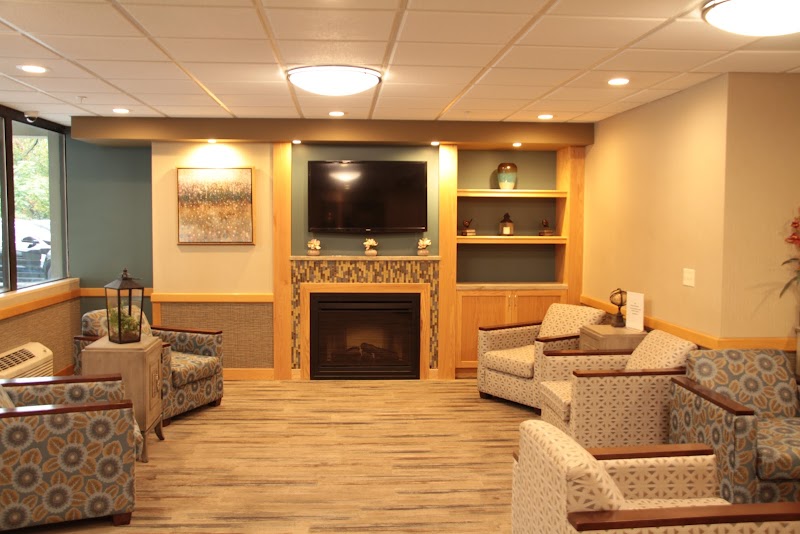
How is Hudson Park Rehabilitation And Nursing Center Staffed?

CMS rates HUDSON PARK REHABILITATION AND NURSING CENTER's staffing level at 2 out of 5 stars, which is below average compared to other nursing homes. Staff turnover is 57%, which is 10 percentage points above the New York average of 46%. High turnover can affect care consistency as new staff learn residents' individual needs.

What Have Inspectors Found at Hudson Park Rehabilitation And Nursing Center?

State health inspectors documented 41 deficiencies at HUDSON PARK REHABILITATION AND NURSING CENTER during 2019 to 2024. These included: 1 Immediate Jeopardy (the most serious level, indicating potential for serious harm or death), 39 with potential for harm, and 1 minor or isolated issues. Immediate Jeopardy findings are rare and represent the most serious regulatory concerns. They require immediate corrective action.
Who Owns and Operates Hudson Park Rehabilitation And Nursing Center?

HUDSON PARK REHABILITATION AND NURSING CENTER is owned by a for-profit company. For-profit facilities operate as businesses with obligations to shareholders or private owners. The facility is operated by UPSTATE SERVICES GROUP, a chain that manages multiple nursing homes. With 169 certified beds and approximately 184 residents (about 109% occupancy), it is a mid-sized facility located in ALBANY, New York.
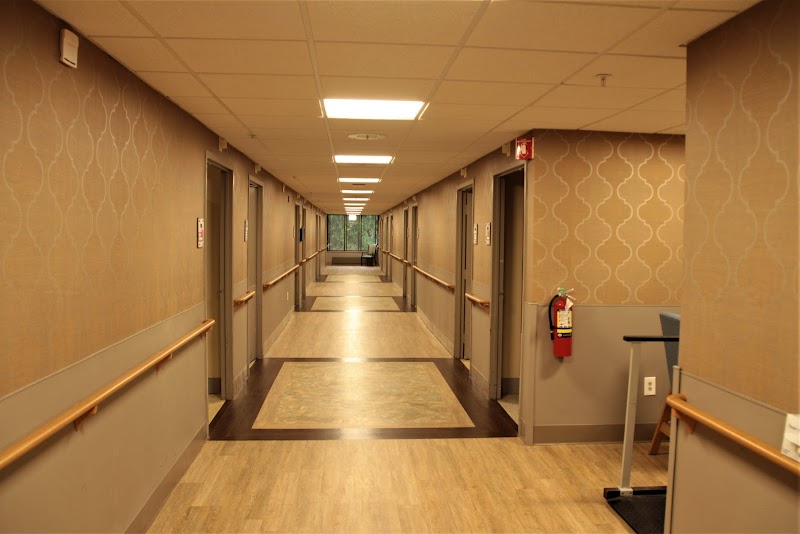
How Does Hudson Park Rehabilitation And Nursing Center Compare to Other New York Nursing Homes?

Compared to the 100 nursing homes in New York, HUDSON PARK REHABILITATION AND NURSING CENTER's overall rating (1 stars) is below the state average of 3.0, staff turnover (57%) is significantly higher than the state average of 46%, and health inspection rating (1 stars) is much below the national benchmark.

What Should Families Ask When Visiting Hudson Park Rehabilitation And Nursing Center?

Based on this facility's data, families visiting should ask: "What changes have been made since the serious inspection findings, and how are you preventing similar issues?" "How do you ensure continuity of care given staff turnover, and what is your staff retention strategy?" "Can you walk me through typical staffing levels on day, evening, and night shifts?" "Can I visit during a mealtime to observe dining assistance and food quality?" These questions are particularly relevant given the facility's Immediate Jeopardy citations, the facility's high staff turnover rate, and the below-average staffing rating.

Is Hudson Park Rehabilitation And Nursing Center Safe?

Based on CMS inspection data, HUDSON PARK REHABILITATION AND NURSING CENTER has documented safety concerns. Inspectors have issued 1 Immediate Jeopardy citation (the most serious violation level indicating risk of serious injury or death). The facility has a 1-star overall rating and ranks #100 of 100 nursing homes in New York. Families considering this facility should ask detailed questions about what corrective actions have been taken since these incidents.

Do Nurses at Hudson Park Rehabilitation And Nursing Center Stick Around?

Staff turnover at HUDSON PARK REHABILITATION AND NURSING CENTER is high. At 57%, the facility is 10 percentage points above the New York average of 46%. High turnover means new staff may not know residents' individual needs, medications, or preferences. It can also be disorienting for residents, especially those with dementia who rely on familiar faces. Families should ask: What is causing the turnover? What retention programs are in place? How do you ensure care continuity during staff transitions?

Was Hudson Park Rehabilitation And Nursing Center Ever Fined?

HUDSON PARK REHABILITATION AND NURSING CENTER has been fined $20,361 across 2 penalty actions. This is below the New York average of $33,282. While any fine indicates a compliance issue, fines under $50,000 are relatively common and typically reflect isolated problems that were subsequently corrected. Families should ask what specific issues led to these fines and confirm they've been resolved.

Is Hudson Park Rehabilitation And Nursing Center on Any Federal Watch List?

HUDSON PARK REHABILITATION AND NURSING CENTER is not on any federal watch list. The most significant is the Special Focus Facility (SFF) program, which identifies the bottom 1% of nursing homes nationally based on persistent, serious quality problems. Not being on this list means the facility has avoided the pattern of deficiencies that triggers enhanced federal oversight. This is a positive indicator, though families should still review the facility's inspection history directly.