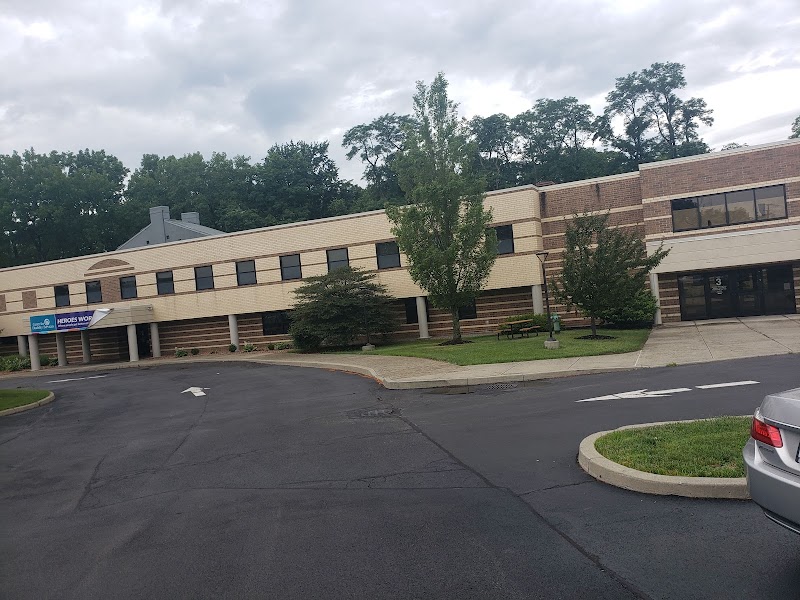
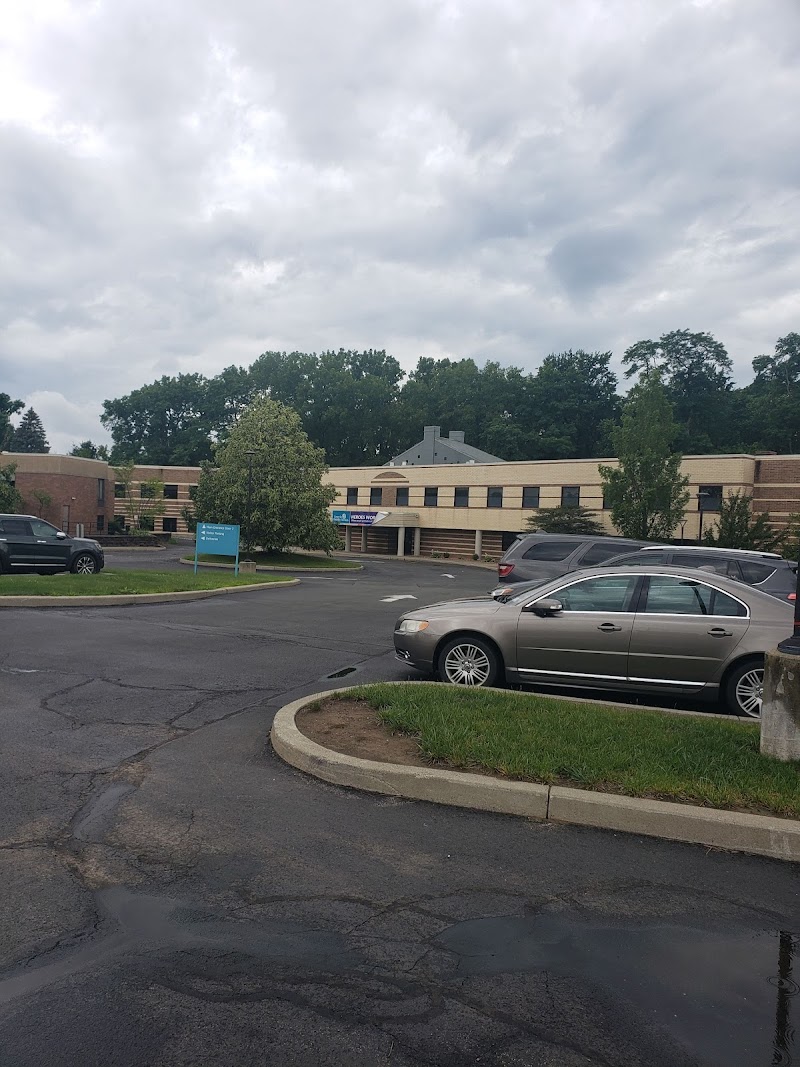
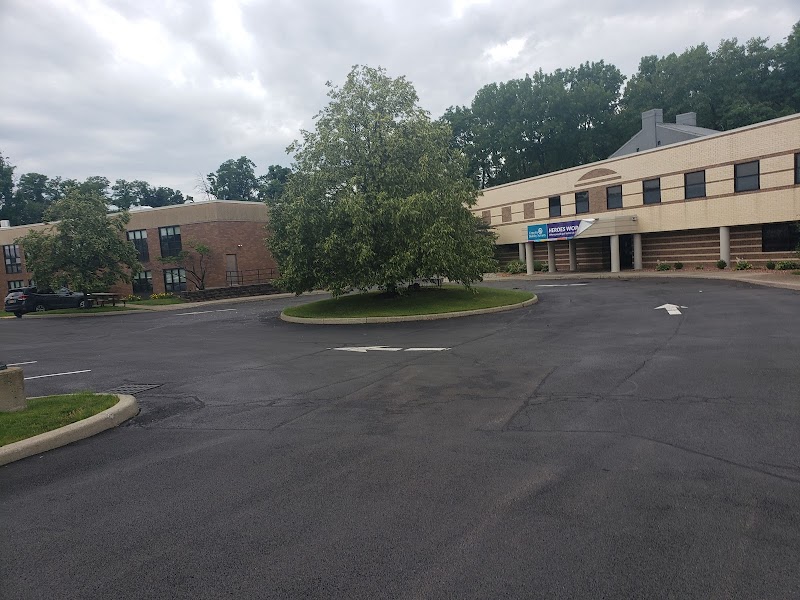
ST MARGARETS CENTER

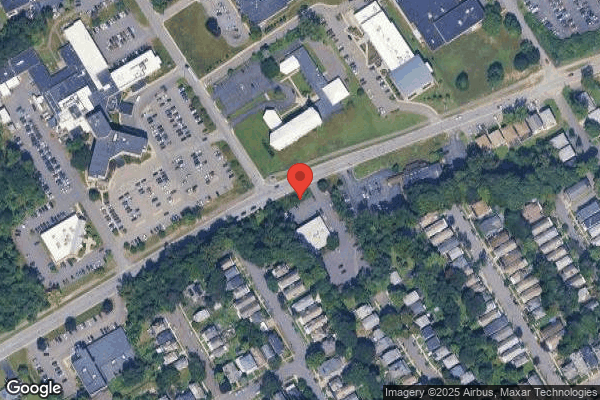
27 HACKETT BLVD, ALBANY, NY 12208 (518) 591-3300
Non profit - Corporation 92 Beds Independent Data: November 2025
Trust Grade
65/100
#334 of 594 in NY
Last Inspection: February 2025

Within standard 12-15 month inspection cycle. Federal law requires annual inspections.

Overview

St. Margarets Center in Albany, New York, has a Trust Grade of C+, indicating it is slightly above average but still has room for improvement. It ranks #334 out of 594 facilities in New York, placing it in the bottom half, and #5 out of 11 in Albany County, suggesting there are only a few better options nearby. The facility's performance appears stable, with 5 issues identified in both 2023 and 2025. Staffing is a strong point, earning 4 out of 5 stars with a remarkable 0% turnover, meaning staff are likely well-acquainted with residents. However, the facility has faced concerns, including not properly managing residents' medication regimens and lacking a comprehensive infection control program, which could affect the safety and well-being of residents.

Trust Score
C+
65/100
In New York
#334/594
Bottom 44%
Safety Record
Low Risk
No red flags
Inspections
Holding Steady
5 → 5 violations
Staff Stability
○ Average
Turnover data not reported for this facility.
Penalties
✓ Good
No fines on record. Clean compliance history, better than most New York facilities.
Skilled Nurses
✓ Good
Each resident gets 114 minutes of Registered Nurse (RN) attention daily — more than 97% of New York nursing homes. RNs are the most trained staff who catch health problems before they become serious.
Violations
⚠ Watch
18 deficiencies on record. Higher than average. Multiple issues found across inspections.
★★★☆☆
3.0
Overall Rating
★★★★☆
4.0
Staff Levels
★★★★★
5.0
Care Quality
★★☆☆☆
2.0
Inspection Score
Stable
2023: 5 issues
2025: 5 issues

The Good

  • 4-Star Staffing Rating · Above-average nurse staffing levels
  • 5-Star Quality Measures · Strong clinical quality outcomes
  • Full Sprinkler Coverage · Fire safety systems throughout facility
  • No fines on record

Facility shows strength in staffing levels, quality measures, fire safety.

The Bad

3-Star Overall Rating

Near New York average (3.1)

Meets federal standards, typical of most facilities

The Ugly 18 deficiencies on record

Feb 2025 5 deficiencies
CONCERN (D)

Potential for Harm - no one hurt, but risky conditions existed

Free from Abuse/Neglect (Tag F0600)

Could have caused harm · This affected 1 resident

**NOTE- TERMS IN BRACKETS HAVE BEEN EDITED TO PROTECT CONFIDENTIALITY** Based on observation, record review, and interviews during a recertification and abbreviated survey (Case #s NY00311240, NY00320...

Read full inspector narrative →
**NOTE- TERMS IN BRACKETS HAVE BEEN EDITED TO PROTECT CONFIDENTIALITY** Based on observation, record review, and interviews during a recertification and abbreviated survey (Case #s NY00311240, NY00320508, NY00321961, and NY00329555), the facility did not ensure residents were free from neglect for 4 (Resident #s 1, 5, 6, and #45) of 19 residents reviewed for abuse and neglect. Specifically, (a.) Resident #1, was provided personal care by Certified Nurse Aide #2 instead of two staff members as their care plan indicated, and Resident #1's bed was not set up as the care plan required, subsequently, the resident hit their head and sustained a small injury to their forehead; (b.) Resident #5 sustained a fall from a mechanical lift due to improper technique; (c.) Resident #6 sustained a fractured left great toe with evidence of improper transfer found; and (d.) Resident #45 was being readied to be transferred from their wheelchair, but the Certified Nurse Aide #3 did not buckle the resident's seatbelt causing the resident to fall from their wheelchair to the floor. This is evidenced by: The facility policy titled, Abuse Prevention and Prohibition Policy, dated 1/30/2023, documented that it was the policy of the facility to prohibit and protect residents from any form of abuse, exploitation, mistreatment, misappropriation and neglect. The policy further defined abuse as the willful inflection of injury, unreasonable confinement, intimidation, or punishment with resulting physical harm, pain or mental anguish. Willful, as used in this definition of abuse, means the individual must have acted deliberately, not that the individual must have intended to inflict injury or harm. Neglect was defined as the failure to provide timely, consistent, safe, adequate, and appropriate services, treatment, and/or care to a resident, while such resident was under the supervision of the facility. Neglect may include but was not limited to failure to carry out physician orders, medications omission, treatment omission or failure to follow the care plan or provide emergency services; failure to adequately supervise whereabouts and activities of residents; and /or failure to provide adequate hydration and nutrition. A facility policy titled, Using the Care Plan, dated 4/01/2013, documented under policy interpretation and implementation that failure to follow a resident's care plan as written could pose safety risks to the resident. Disregard for and failure to follow a care plan, in some cases, could be deemed neglectful. Disciplinary actions imposed by family and State licensing agencies could be imposed. Resident #1 Resident #1 was admitted to the facility with the diagnoses of profound intellectual disabilities (a level of intellectual disability characterized by having an average mental age of 3 years and below), disorder of bone density and structure (a medical condition where there is an abnormality in the density and structure of bones), and spastic quadriplegic cerebral palsy (a severe form of cerebral palsy that affects all four limbs, trunk, and the face characterized by severe muscle stiffness and spasticity). The Minimum Data Set (an assessment tool), dated 11/04/2022, documented that the resident had severe cognitive impairment, and rarely or never could be understood or understand others. Per the facility investigation, on February 18, 2023, Resident # 1 was in their bed on the North Unit. Certified Nurse Aide #2 reported that they went into Resident #1's room to do care by themselves and did not seek out assistance from another staff although they knew that Resident #1 required the assistance of two staff. Certified Nurse Aide #2 stated that they did not know why they did not seek assistance and there was no excuse. During the care given, Resident #1 rolled over and hit the wall, injuring their forehead. Resident #1's care plan and [NAME] documented that the resident's bed should not have been against the wall, mats should have been on the floor on either side of the bed, and Certified Nurse Aide #2 should have had a second care giver with them. Resident #5 Resident #5 was admitted to the facility with the diagnoses of microcephaly (a condition where the head is much smaller than expected often due to abnormal brain development), dysphagia (difficulty swallowing food or liquids), and myoclonus (a sudden and involuntary muscle spasm). The Minimum Data Set, dated [DATE], documented that the resident had severe cognitive impairment, and rarely or never could be understood or understand others. Facility's Investigation dated 7/21/2023, Certified Nurse Aide #4 transferred Resident #5 from the bed to the wheelchair with a full mechanical lift. During the transfer, Resident #5's bottom half slid out of the mechanical lift sling and landed on the floor. Certified Nurse Aide #4 was aware that a full mechanical lift required 2 staff members but attempted the transfer without assistance. Resident #5 was transferred to the hospital for evaluation and returned to the facility with no injuries from the incident. During an interview on 2/18/2025 at 12:21 PM, Director of Nursing #1 stated that Certified Nurse Aide #4 was let go following their care plan violation of not using two people for resident care. Resident #6 Resident #6 was admitted to the facility with the diagnoses of epilepsy (a brain condition that causes recurring seizures), scoliosis (a sideways curvature of the spine that can cause a prominent shoulder blade, uneven waist, and back pain), and anoxic brain damage (a condition that occurs when the brain is deprived of oxygen for an extended period of time). The Minimum Data Set, dated [DATE], documented that the resident had severe cognitive impairment, and rarely or never could be understood or understand others. Facility's Investigation dated 8/15/2023, Resident #6 was found with discoloration to their left great toe. Certified Nurse Aide #1 stated they had noticed the bruise the shift before. Certified Nurse Aide #1 stated they had completed multiple transfers of Resident #6 independently (scoop transfers) that were not appropriate as the resident was care planned for fully assisted transfers with at least 2 staff members. It was determined that the independent scoop transfers put the resident at risk for injury. During an interview on 2/18/2025 at 12:21 PM, Director of Nursing #1 stated the investigation into the resident's fractured toe showed the care plan for transfers was violated and this put the resident at risk and probably caused the fracture. Resident #45 Resident #45 was admitted with the diagnoses of diagnoses of asthma with exacerbation (a worsening of asthma symptoms, including coughing, wheezing, chest tightness, and shortness of breath), congenital hydrocephalus (a condition where there's too much cerebrospinal fluid in the baby's brain at birth that can cause brain damage and long term problems), and spastic quadriplegic cerebral palsy (a severe form of cerebral palsy that affects all four limbs, trunk, and the face characterized by severe muscle stiffness and spasticity). The Minimum Data Set, dated [DATE], documented that the resident had severe cognitive impairment, and rarely or never could be understood or understand others. Facility's Investigation dated 12/09/2023, Certified Nurse Aide #3 reported that they had been preparing to transfer Resident #45 from their wheelchair to bed. Certified Nurse Aide #3 unbuckled the resident's seatbelt to place the sling for the Hoyer lift under them. Certified Nurse Aide #3 reported that when they went to turn to Resident #45 on to their side to slide sling under them, Certified Nurse Aide #3 needed to tilt the resident's wheelchair. Certified Nurse Aide #3 did not re-buckle the seatbelt and Resident #45 fell to the floor onto their knees and hit their head on the floor. During an interview on 2/18/2025 at 12:21 PM, Director of Nursing #1 stated Certified Nurse Aide #2 was let go following their care plan violation of not using two people for resident care. Director of Nursing #1 could not speak to what happened to Certified Nurse Aide #3, but they did not believe Certified Nurse Aide #3 was employed by the facility anymore. They stated the injuries were considered abuse or neglect, cut and dry if it was a care plan violation. Each staff member was precepted for 10 days and if the staff still could not follow a care plan, then there was a problem, and the staff would not be kept on. Abuse and neglect were part of ongoing education with the staff. There was a safe handling review done house wide after the care plan violation/safe handling incidents occurred. 10 New York Codes, Rules, and Regulations 415.4 (b)(1)(i)
CONCERN (D)

Potential for Harm - no one hurt, but risky conditions existed

Comprehensive Care Plan (Tag F0656)

Could have caused harm · This affected 1 resident

**NOTE- TERMS IN BRACKETS HAVE BEEN EDITED TO PROTECT CONFIDENTIALITY** Based on record review and interviews conducted during recertification and abbreviated survey (case #NY00329555), the facility d...

Read full inspector narrative →
**NOTE- TERMS IN BRACKETS HAVE BEEN EDITED TO PROTECT CONFIDENTIALITY** Based on record review and interviews conducted during recertification and abbreviated survey (case #NY00329555), the facility did not ensure that the development and implementation of comprehensive person-centered care plans included measurable objectives and timeframes to meet residents' medical, nursing, mental and psychosocial needs for 3 (Resident #s 4, 59, and 62) of 19 residents reviewed for comprehensive care plans. Specifically, (a.) for Resident #s 4 and 59 , the Comprehensive Care Plan did not include the use of medications with specific indication for use; (b.) for Resident #62, intervention of floor mat on the floor was not implemented to ensure safety while at play. This is evidenced by: A facility policy titled, Care Plans, dated 4/01/2019, documented under Policy Interpretation and Implementation: 1. Each resident's care plan was designed to: a. Incorporate identified problem areas; f. Identify the professional services that are responsible for each element of care; i. Reflect currently recognized standards of practice for problem areas and conditions. A facility policy titled, Using the Care Plan, dated 4/01/2013, documented under policy interpretation and implementation. Failure to follow a resident's care plan as written could pose safety risks to the resident. Disregard for and failure to follow a care plan, in some cases, could be deemed neglectful. Disciplinary actions imposed by family and State licensing agencies could be imposed. Resident #4 Resident #4 was admitted to the facility with diagnoses of septo-optic dysplasia of brain (a rare congenital malformation syndrome that features a combination of the underdevelopment of the optic nerve, pituitary gland dysfunction, and absence of the midline part of the brain), cardiomegaly (an enlarged heart), expressive language disorder (a communication disorder characterized by difficulty using expressive spoken language that is below the appropriate level for the mental age). The Minimum Data Set (an assessment tool) dated 10/13/2024, documented the resident had severe cognitive impairment, and rarely or never could be understood or understand others. A physician order dated 1/21/2020 at 3:45 PM documented an order for zinc oxide cream 22.5% - apply to buttocks/peri area topically as needed for diaper rash. Apply as needed at each brief/incontinence change. Contact medical director if no improvement within 48 hours of initiation. A physician order dated 3/16/2016 at 7:00 AM documented an order for albuterol sulfate u-d 2.5 milligrams per 3 milliliter vial nebulizer - 1 vial inhale orally every 4 hours as needed for wheezing. A physician order dated 9/14/2022 at 4:30 PM documented an order for Propranolol HCl Tablet 10 milligrams - give 1 tablet via gastric tube every 6 hours as needed for heart rate over 90. Hold for systolic blood pressure less than 110. There was no documented care plan focuses related to using creams after episodes of incontinence, giving respiratory treatments when Resident #4 required them for wheezing, or monitoring blood pressures to determine the need for blood pressure medication. Resident #59 Resident #59 was admitted to the facility with the diagnoses of cerebral palsy (a group of disorders that affect movement, muscle tone, balance, and posture), profound intellectual disabilities (the most severe category of intellectual disability characterized by the inability to live independently, being in need of close supervision, limited communication, and physical restrictions), and intestinal malabsorption (a digestive health condition in which the gastrointestinal tract is unable to absorb one or more nutrients). The Minimum Data Set, dated [DATE] documented the resident had severe cognitive impairment, and rarely or never could be understood or understand others. A physician order dated 11/23/2023 at 10:15 AM documented an order for albuterol sulfate inhalation nebulization solution (2.5 milligrams per 3 milliliters) 0.083% - 1 vial inhale orally via nebulizer as needed for wheezing. There was no documented care plan focuses related to giving respiratory treatments when Resident #59 required them for wheezing or difficulty breathing. Resident #62 Resident #62 was admitted with the diagnoses of extreme immaturity of newborn, gestational age [AGE] completed weeks, bronchopulmonary dysplasia originating in the perinatal period, congenital tracheomalacia. The Minimum Data Set, dated [DATE] documented the resident had severe cognitive impairment, and rarely or never could be understood or understand others. Resident #62's Comprehensive Care Plan for Activities of Daily Living Self-Care Performance deficit related to impaired cognition, dated 5/10/2021, documented interventions of out of bed environment (3) floor mat with supervision to play on the mat, caregiver on the mat to assist if nearing edge of the mat, to avoid toys (self-hitting with toys) or other residents, and to maintain safety as they quickly rolled, crawled, sat and pulled to tall kneel. The facility reported incident dated 1/19/2023 at 11:50 AM, documented that Resident #62 was left alone on the floor mat, not attended to by staff on the mat with them, and was not engaged per the comprehensive care plan interventions. During an interview on 2/14/2025 at 12:20 PM, Licensed Practical Nurse #3 stated that care plans were updated by the charge nurses or the social workers. It was their expectation that if a resident was on respiratory treatments, there would be a respiratory care plan for the resident. Licensed Practical Nurse #3 stated that medical interventions required care plan interventions. During an interview on 2/14/2025 at 12:24 PM, Registered Nurse #1 stated they would not expect that a resident receiving albuterol treatments would be guaranteed to have a respiratory care plan, if that was the only thing that needed to be done. For example, if the resident could clear their own secretions and had no other respiratory issues, they would not necessarily expect that there would be an active respiratory care plan. Registered Nurse #1 stated that not every medication required a care plan. During an interview on 2/18/2025 at 12:21 PM, Director of Nursing #1 stated that medications did not need to be specifically care planned for. Director of Nursing #1 confirmed that resident [NAME] information was generated from the information in care plans. Director of Nursing #1 eventually stated that they could see why care planning based on medications and medical issues would be important for all the information to be contained in one place. Director of Nursing #1 stated care plan interventions for supervision and behavioral management should be followed. They would expect the Certified Nurse Aides to follow and implement the care plan as written 10 New York Codes, Rules, and Regulations 483.21(b)(1)
CONCERN (D)

Potential for Harm - no one hurt, but risky conditions existed

Deficiency F0761 (Tag F0761)

Could have caused harm · This affected 1 resident

Based on observation, record review, and interviews conducted during the recertification survey, the facility did not ensure drugs and biologicals were stored properly and labeled in accordance with p...

Read full inspector narrative →
Based on observation, record review, and interviews conducted during the recertification survey, the facility did not ensure drugs and biologicals were stored properly and labeled in accordance with professional standards of practice. Specifically, opened medications had no open and/or expiration dates for 2 out of 5 medication carts reviewed for medication storage. This is evidenced by: The Facility's Medication Storage Policy, revised on 1/10/2024, documented under Medication Storage section that the nursing staff was responsible for maintaining medication storage and preparation areas in a clean, safe, and sanitary manner; medications were stored in an orderly manner in cabinets, drawers, carts, or automatic dispensing systems; medications were stored separately from food and were labeled accordingly. Under Medication Labeling section, the policy documented that labeling of medication and biologicals dispensed by the pharmacy is consistent with applicable federal and state requirements and currently accepted pharmaceutical practices; multi-dose vials that have been opened would be dated and discarded within 28 days unless the manufacturer's label specified a shorter or longer duration of use once opened. During an observation on 2/13/2025 at 9:41 AM, South Unit, medication Cart #1 contained an opened bottle of Famotidine, an opened bottle of Valproic Acid, and an opened bottle of Levetiracetam Solution. None of the opened bottles had open or expiration dates. During an observation on 2/13/2025 at 10:05 AM, North Unit, medication Cart #1 contained an opened bottle of Glycopyrrolate, 2 opened bottles of Levetiracetam Solution, and an opened bottle of Centra Vite. None of the opened bottles had open or expiration dates. During an interview on 2/13/2025 at 9:41 AM, Licensed Practical Nurse #1 stated that the opened medications should have been labeled when they were opened. During an interview on 2/13/2025 at 10:05 AM, Licensed Practical Nurse #2 stated they knew medications should be labeled with the date opened. When asked if the carts were checked for storage issues, Licensed Practical Nurse #2 stated that they only worked 3 days a week so they could not speak for other shifts. During an interview on 2/18/2025 at 12:21 PM, Director of Nursing #1 stated that nursing staff was responsible for checking medication storage areas for expired medications or medications requiring dates opened. Director of Nursing #1 stated that there were plenty of staff in the building, and there was no reason that they believed the staff could not maintain proper medication storage. 10 New York Codes, Rules, and Regulations 415.18(d)
CONCERN (E)

Potential for Harm - no one hurt, but risky conditions existed

Medication Errors (Tag F0758)

Could have caused harm · This affected multiple residents

**NOTE- TERMS IN BRACKETS HAVE BEEN EDITED TO PROTECT CONFIDENTIALITY** Based on records review and interviews during the recertification survey, the facility did not ensure each resident's drug/medic...

Read full inspector narrative →
**NOTE- TERMS IN BRACKETS HAVE BEEN EDITED TO PROTECT CONFIDENTIALITY** Based on records review and interviews during the recertification survey, the facility did not ensure each resident's drug/medication regimen was managed and monitored to promote or maintain the resident's highest practicable mental, physical, and psychosocial well-being for 10 (Resident #s 1, 6, 10, 45, 46,48, 54, 62, 68, and 79) of 19 residents reviewed for unnecessary medications. Specifically, for Resident #s 1, 6, 10, 45, 46, 48, 54, 62, 68, and 79, as-needed psychotropic medication orders did not include end dates. This is evidenced by: A facility policy titled, Medication Management dated 12/10/2024, documented that as needed orders for psychotropic drugs were limited to 14 days. The use of psychotropic medication to treat an emergency situation must be consistent with the requirements regarding as needed orders for psychotropic medications. Resident #1 Resident #1 was admitted to the facility with the diagnoses of spastic quadriplegic cerebral palsy (movement disorder which include poor coordination, stiff muscles, and tremors), gastro-esophageal reflux disease, and neuromuscular scoliosis (a type of spinal curvature that results underlying neurological or muscular disorders). The Minimum Data Set (an assessment tool) dated 10/18/2024 documented the resident was rarely/never understood by others, rarely/never understood others, and was severely cognitively impaired. An order dated 7/24/2024 documented diazepam (a psychotropic medication) 10 milligrams per 0.1 milliliter 1 spray in nostril as needed for seizures 5 minutes or greater or 3 or more cluster seizures in 1 hour. There was no end date documented. Resident #46 Resident #46 was admitted to the facility with the diagnoses of spastic diplegic cerebral palsy (movement disorder which include poor coordination, stiff muscles, and tremors), seizures, and autistic disorder (a lifelong developmental disability that affects how people communicate and interact with the world). The Minimum Data Set, dated [DATE] documented the resident was rarely/never understood by others, rarely/never understood others, and was severely cognitively impaired. An order dated 10/02/2023 documented diazepam (a psychotropic medication) 10 milligrams per 0.1 milliliter 1 spray in nostril as needed for seizures 5 minutes or greater or 3 or more cluster seizures in 1 hour. There was no end date documented. Resident #79 Resident #79 was admitted to the facility with the diagnoses of cervical spinal cord injury, anxiety disorder, and acute stress reaction (a short-term psychological response to a traumatic event). The Minimum Data Set, dated [DATE] documented the resident was understood by others, could understand others, and was cognitively intact. An order dated 1/10/2025 documented diazepam 1 milligram via gastrostomy tube every 8 hours as needed for anxiety. There was no end date documented. During an interview on 2/14/2025 at 10:22 AM, Consultant Pharmacist #1 stated the facility was provided with a list of all residents who had their medications reviewed and the recommendations made. Consultant Pharmacist #1 stated they informed the physicians that as needed psychotropic medications required end dates, even if prescribed for seizures. During an interview on 2/14/2025 at 1:05 PM, Medical Director #1 stated they did not put end dates on psychotropic medications prescribed for seizure disorders. There should be a rationale in the medical provider notes, but the notes 'probably weren't present' because they think of the psychotropic (specifically diazepam) as an anticonvulsant and not a psychotropic medication. During an interview on 2/14/2025 at 1:19 PM, Medical Doctor #1 stated the nurses would give the prescriber a list of medications for renewal and they would renew the medications as needed. The Medical Doctor #1 was not able to state why there were no end dates for as needed psychotropic medications, but stated they understood the rationale behind the regulation. During an interview on 2/18/2025 at 12:25 PM, Director of Nursing #1 stated they were aware of the need for as needed psychotropic medications to have end dates. 10 New York Codes, Rule and Regulations 415.18 (c)(2)
CONCERN (E)

Potential for Harm - no one hurt, but risky conditions existed

Infection Control (Tag F0880)

Could have caused harm · This affected multiple residents

Based on record review and interviews during a recertification survey, the facility did not establish and maintain an infection prevention and control program designed to help prevent the development ...

Read full inspector narrative →
Based on record review and interviews during a recertification survey, the facility did not establish and maintain an infection prevention and control program designed to help prevent the development and transmission of communicable diseases and infection. Specifically, the facility water management and sampling plan did not include a simple schematic that visually described the building water system and the identification of areas where Legionella could grow and spread. This is evidenced by: There was no documented evidence that the facility water management and sampling plan included a simple schematic that visually described the building water system and the identification of areas where Legionella could grow and spread. During an interview on 02/11/2025 at 11:46 AM, Senior Regional Director of Facilities #1 stated that the facility Legionella Management Plan would be updated to include a flow chart that described the building water system and the identification of areas where Legionella could grow and spread. 10 New York Codes, Rules, and Regulations 483.80(a)(1)(2)(4)(e)(f)
Oct 2023 2 deficiencies
CONCERN (D) 📢 Someone Reported This

A family member, employee, or ombudsman was alarmed enough to file a formal complaint

Potential for Harm - no one hurt, but risky conditions existed

Report Alleged Abuse (Tag F0609)

Could have caused harm · This affected 1 resident

**NOTE- TERMS IN BRACKETS HAVE BEEN EDITED TO PROTECT CONFIDENTIALITY** Based on record review and interviews during an abbreviated survey (Case #NY00323346), the facility did not ensure that alleged ...

Read full inspector narrative →
**NOTE- TERMS IN BRACKETS HAVE BEEN EDITED TO PROTECT CONFIDENTIALITY** Based on record review and interviews during an abbreviated survey (Case #NY00323346), the facility did not ensure that alleged violations involving abuse were reported immediately, but not later than 2 hours after the allegation was made to the administrator of the facility and to other officials (including to the State Survey Agency and adult protective services where state law provides for jurisdiction in long-term care facilities) in accordance with State law through established procedures for 1 resident (Resident #1) of 22 residents reviewed for abuse. Specifically, the facility did not ensure they reported the alleged sexual abuse of Resident #1 to the New York State Department of Health (DOH) within 2 hours of learning about it when the hospital Discharge summary dated [DATE] was reviewed that documented the allegation of sexual abuse or following the resident's representative call to the facility who voiced concerns regarding the alleged abuse. This was evidenced by: The Policy and Procedure titled, Incident Reporting Policy reviewed 4/6/2022, documented for allegations involving abuse, the incident must be reported to DOH no later than 2 hours after the allegation was discovered. Resident #1 Resident #1 was admitted to the facility with diagnoses of obstructive hydrocephalus (fluid buildup on the brain that cannot drain on its own), quadriplegia (paralysis of all 4 limbs plus the torso), and severe hypoxic ischemic encephalopathy (brain damage caused by lack of oxygen to the brain). The Minimum Data Set (an assessment tool) dated 6/26/2023, documented the resident had severe cognitive impairment, was rarely/never understood, and could rarely/never understand others. The Hospital Discharge summary dated [DATE] at 7:14 AM, documented the resident's discharge diagnoses included traumatic injury to the genital area. It documented when the bedside Registered Nurse attempted to catheterize the resident on 8/18/2023, they had concerns regarding cuts to the labial (genital) area. The Medical team also assessed and expressed concern. The SANE examiner (a nurse trained specifically in rape investigation) was called and had low concern for sexual assault. The Admission/readmission Medical Doctor Visit note dated 8/24/2023 at 4:28 PM, documented urethral trauma (injury to the duct urine passes through when going to the bathroom) was noted on exam. A SANE (rape) exam had been completed. The suspicion for sexual abuse was low but was reported. A Social Services Note dated 9/1/2023 at 11:10 AM, documented Social Worker #1 (SW) returned a phone call from the family representative who was very concerned about what was discovered at the hospital. The SW stated they would look into it and talk with the Administrator before calling them back to discuss further details of the event. There was no further documentation from the SW regarding reporting it to the Administrator or a call back to the resident representative. During an interview on 9/21/2023 at 10:27 AM, SW #1 stated they spoke with Resident #1's resident representative who told them the hospital notified them they had concerns there were cuts and abrasions in the resident's genital area, so they spoke with their Supervisor (the Administrator). The SW stated Administrator was very shocked they had not received a phone call from the hospital. During an interview on 10/4/2023 at 9:28 AM, the Director of Nursing (DON) stated they knew the resident's representative called upset about what the hospital had reported and wanted to discuss it. They stated since the hospital reported it, they were not sure what their responsibility for reporting the alleged incident was. The DON stated abuse must be reported within 2 hours once an allegation became known. During an interview on 10/4/2023 at 11:47 AM, the Administrator stated they could not recall a date they first found out about the alleged incident. They stated the resident's representative had called and voiced concern. The Administrator stated they had read the hospital discharge summary and at the time they did not feel they needed to report the alleged abuse because the hospital had investigated. The Administrator stated abuse needed to be reported within 2 hours of receiving an allegation. 10 NYCRR 415.4(b)
CONCERN (D) 📢 Someone Reported This

A family member, employee, or ombudsman was alarmed enough to file a formal complaint

Potential for Harm - no one hurt, but risky conditions existed

Investigate Abuse (Tag F0610)

Could have caused harm · This affected 1 resident

**NOTE- TERMS IN BRACKETS HAVE BEEN EDITED TO PROTECT CONFIDENTIALITY** Based on record review and interviews during an abbreviated survey (Case #NY00323346), the facility did not ensure in response t...

Read full inspector narrative →
**NOTE- TERMS IN BRACKETS HAVE BEEN EDITED TO PROTECT CONFIDENTIALITY** Based on record review and interviews during an abbreviated survey (Case #NY00323346), the facility did not ensure in response to allegations of abuse the facility must have evidence that all alleged violations were thoroughly investigated for 1 resident (Resident #1) of 22 residents reviewed for abuse. Specifically, the facility did not ensure it investigated the allegation of sexual abuse for Resident #1 when the hospital Discharge summary dated [DATE] that documented it was reviewed, or following the resident's representative call to the facility who voiced concerns regarding the alleged abuse. This was evidenced by: The Policy and Procedure titled, Incident Reporting Policy reviewed 4/6/2022, documented the licensed nurse or supervisor shall promptly initiate a thorough investigation regarding the alleged incident to determine whether it is reportable in accordance with this policy. The investigation must be thorough and complete. Resident #1 Resident #1 was admitted to the facility with diagnoses of obstructive hydrocephalus (fluid buildup on the brain that cannot drain on its own), quadriplegia (paralysis of all 4 limbs plus the torso), and severe hypoxic ischemic encephalopathy (brain damage caused by lack of oxygen to the brain). The Minimum Data Set (an assessment tool) dated 6/26/2023, documented the resident had severe cognitive impairment, was rarely/never understood, and could rarely/never understand others. The Hospital Discharge summary dated [DATE] at 7:14 AM, documented the resident's discharge diagnoses included traumatic injury to the genital area. It documented when the bedside Registered Nurse attempted to catheterize the resident on 8/18/2023, they had concerns regarding cuts to the labial (genital) area. The Medical team also assessed and expressed concern. The SANE examiner (a nurse trained specifically in rape investigation) was called and had low concern for sexual assault. The Admission/readmission Medical Doctor Visit note dated 8/24/2023 at 4:28 PM, documented urethral trauma (injury to the duct urine passes through when going to the bathroom) was noted on exam. A SANE (rape) exam had been completed. The suspicion for sexual abuse was low but was reported. During an interview on 10/4/2023 at 9:28 AM, the Director of Nursing (DON) stated there was not an investigation done. The DON stated they probably should have started an investigation when the resident's representative called and expressed concern about what the hospital had reported to them. During an interview on 10/4/2023 at 11:47 AM, the Administrator stated they could not recall a date they first found out about the alleged incident. They stated the resident's representative had called and voiced concern. They stated they read the hospital discharge summary and spoke with the resident's representative, but no further investigation was done. They stated at the time, they did not feel they needed to report the incident or investigate it because the hospital had investigated. The Administrator stated if the hospital had reported the resident may have been sexually abused to the facility, they would have done a full investigation. 10 NYCRR 415.4(b)(3)
Jun 2023 3 deficiencies
CONCERN (D) 📢 Someone Reported This

A family member, employee, or ombudsman was alarmed enough to file a formal complaint

Potential for Harm - no one hurt, but risky conditions existed

Pharmacy Services (Tag F0755)

Could have caused harm · This affected 1 resident

Based on record review and interviews during an abbreviated survey (Case #NY00315997), the facility did not ensure that it provided pharmaceutical services (including procedures that assure the accura...

Read full inspector narrative →
Based on record review and interviews during an abbreviated survey (Case #NY00315997), the facility did not ensure that it provided pharmaceutical services (including procedures that assure the accurate acquiring, receiving, dispensing, and administering of all drugs and biologicals) for 1 (Resident #2) of 4 residents reviewed. Specifically, for Resident #1, the facility did not ensure an emergency anti-seizure medication prescribed as needed was available to administer on 4/15/2023, when the resident was having back- to-back seizures. The physician (MD) was notified and advised to send the resident to the hospital. This is evidenced by: Resident #2: Resident #2 was admitted to the facility with diagnoses of cerebral palsy, anoxic brain injury (caused by a complete lack of oxygen to the brain), and convulsions (rapid involuntary muscle contractions that occur during seizures). The Minimum Data Set (MDS - an assessment tool) dated 2/17/2023, documented the resident rarely/never made self-understood and rarely/never understood others. The undated document titled Seizure Protocol documented the MD along with nursing staff would help to identify residents who had a history of seizures or epilepsy and residents who were receiving antiepileptic and other medications for seizures or epilepsy. It documented seizures may occur in residents not diagnosed with epilepsy (repeated unprovoked seizures) and acute seizures may occur due to a metabolic disturbance, acute illness, stroke, head injury and other neurological congenital diseases. If a resident was having a seizure, the nurse would implement medication inventions per the resident's order (i.e. Diastat rectal gel, Valtoco nasal spray). If a new or recurrent seizure was identified or suspected, the nurse would notify the MD, who would evaluate the need for further interventions such as the need to transfer the resident to a hospital for further evaluation and treatment. It documented hospital transfer might not be necessary if the resident had a known seizure disorder, and the seizure could be readily controlled. The Comprehensive Care Plan (CCP) for Seizure Disorder, last revised 11/29/2022, documented a CCP intervention to give seizure medication as ordered by the doctor. The Order Summary Report for active orders as of 4/1/2023, documented an order for Diazepam 2 Systems 5-7.5-10 mg kit (Diastat); insert 10 mg rectally as needed for seizure greater than 5 minutes or 3 cluster seizures in 1 hour; may repeat x1 in 20 minutes. The Nursing Progress Note dated 4/15/2023 at 5:45 PM by Licensed Practical Nurse (LPN) #8, documented the resident was noted to be having back-to-back seizures, all less than 120 seconds. The resident had an order for the Diastat, but none was on hand. LPN #8 called and notified the supervisor of the situation and called the MD to make them aware. The MD advised to send the resident to the hospital. LPN #8 documented the resident all together had more than 10 seizures before EMS arrived. LPN #8 called the pharmacy to get a STAT order for the Diastat and left a message on their outside hours line. The Medication Administration Record (MAR) dated 4/15/2023, did not document Diazepam 2 Systems 5-7.5-10 mg kit was signed as being administered. During an interview on 5/12/2023 at 2:37 PM, the Infection Preventionist/MDS Coordinator (IP/MDS) #1 stated they were on call on 4/15/2023. The IP/MDS stated Diastat was available in the fcility's named medication dispensing system. The Licensed Practical Nurse Supervisor (LPNS) #7 called them and said they were trying to get the Diastat out of the system, but it required a Registered Nurse (RN) to cosign and there was no RN available. The IP/MDS #1 stated they were concerned about status epilepticus (a continuous state of seizure, which is a medical emergency) because LPNS #7 said the resident continued to have seizures and the resident was not one who had seizures like that. The IP/MDS #1 stated that out of concern, the resident was sent to the hospital. The IP/MDS #1 stated the Diastat was not given. The IP/MDS #1 stated nurses could now get narcotics out of their dispensing system with a PIN (personal identification number) provided by the pharmacy. During an interview on 5/12/2023 at 3:41 PM, the Director of Nursing (DON) #1 stated the Diastat was given but the resident continued to have seizures. The resident needed another dose but there was none in the medication cart for the resident. The DON #1 stated the facility had a named medication dispensing system for emergency medications and the Diastat was in there. The DON #1 stated the nurse could not access the system and called the IP/MDS #1, who was on call. The IP/MDS #1 was concerned about status epilepticus (a continuous state of seizure, which is a medical emergency) and the MD wanted the resident transported to the hospital. The DON #1 suggested the surveyor talk to the IP/MDS #1 about it because they were more familiar with the outcome. During an interview on 6/22/2023 at 8:45 AM, LPN #8 stated Resident #2 had an order for Diastat to be given for seizures greater than 5 minutes and if they were having multiple seizures. LPN #8 stated the Certified Nurse Aide (CNA) reported to them that the resident was having seizures. LPN #8 stated they went to see the resident and made an observation of the seizures and timed them. LPN #8 stated the seizures stopped for a few minutes and then the CNA reported the resident was having them again. LPN #8 stated they then went to the medication cart to get the Diastat but there was none in the narcotic box located in the cart. LPN #8 then went to medication room and found no Diastat in the narcotic box. LPN #8 stated they notified the supervisor and then called the pharmacy to get an emergency order. LPN #8 stated that to their knowledge, the medication was in the facility's named medication dispensing system, but the supervisor needed a second person with access to the system to dispense the medication, and they did not have another person with access in the building. LPN #8 stated they did not give any Diastat to the resident and did not sign off on the MAR because they did not give it. LPN #8 stated that after they called the pharmacy, they called the MD and the MD told them to send the resident to the hospital. 10 NYCRR 415.18(a)
CONCERN (D) 📢 Someone Reported This

A family member, employee, or ombudsman was alarmed enough to file a formal complaint

Potential for Harm - no one hurt, but risky conditions existed

Deficiency F0760 (Tag F0760)

Could have caused harm · This affected 1 resident

**NOTE- TERMS IN BRACKETS HAVE BEEN EDITED TO PROTECT CONFIDENTIALITY** Based on record review and interviews during an abbreviated survey (Case #NY00303903), the facility did not ensure residents are...

Read full inspector narrative →
**NOTE- TERMS IN BRACKETS HAVE BEEN EDITED TO PROTECT CONFIDENTIALITY** Based on record review and interviews during an abbreviated survey (Case #NY00303903), the facility did not ensure residents are free of any significant medication errors for 1 (Resident #1) of 3 residents reviewed. Specifically, the facility did not ensure LPNS #1 followed the facility's policy and standard of practice for medication administration when LPNS #1 did not check three times to ensure the right physician ordered medication (Tuberculin PPD solution 5 unit/0.1 ml, inject 0.1 ml intradermally (within the skin) one time only for PPD screening) was to be administered to Resident #1. LPNS #1 injected Resident #1 intradermally with the wrong medication (COVID-19 vaccine). This was evidenced by: Resident #1: Resident #1 was admitted to the facility n [DATE], with diagnoses of herpes viral meningitis (an infection of the brain and brain covering caused by the herpes simplex virus), tracheostomy (surgical procedure to create an opening through the neck into the trachea (windpipe) status, dependence on respirator (ventilator) status. The Minimum Data Set (MDS - an assessment tool) dated [DATE], documented the resident rarely/never made self-understood and rarely/never understood others. The Policy and Procedure (P&P) titled, Medication Administration revised [DATE], documented the purpose of the P&P was to provide clear guidelines for the administration of medications and treatments to ensure physicians' orders were followed and the risk of medication related errors was minimized. The P&P documented it was the responsibility of [named licensed staff] to administer medications as ordered by the physician and the five rights of medication administration must occur: right resident, right medication, right dose, right time, right route. A Medication Administration Incident Report must be completed for any deviation. Prior to administering the resident's medication, the nurse must check the electronic medication administration record (eMAR) against the label on the medication three times; when removing the medication from the medication cart; when pouring the medication; and when returning the medication to the medication cart. Prior to administering the resident's medication, the nurse should compare the drug dosage and schedule on the resident's eMAR with the drug label. The Comprehensive Care Plan (CCP) for Altered Respiratory Status related to pulmonary edema, prematurity, bronchopulmonary dysplasia (BPD), tracheostomy/ventilator dependence and age/weight, last revised [DATE], documented a CCP intervention to administer medications as ordered. The Medication Order Summary Report for orders as of [DATE], documented an order dated [DATE] for Tuberculin PPD solution 5 unit/0.1 ml, inject 0.1 ml intradermally (within the skin) one time only for PPD screening. The Medication Error/Discrepancy Report dated [DATE] by Licensed Practical Nurse Supervisor (LPNS) #1, documented wrong medication and drug administered without a physician order. The date/time of the error was [DATE] at 2:00 AM, and Tuberculin 0.1 ml was ordered to be given intradermally. The description of the actual error documented COVID-19 vaccine 0.1 ml was administered. It was documented the error occurred because LPNS #1 took wrong vial from the refrigerator. LPNS #1 documented they did not complete the 5 rights; did not complete the 3 checks; and did not follow accepted professional standards. The Director of Nursing (DON) #1 documented LPNS #1 was provided with verbal retraining and was to do medication pours with the educator. The incident was reported to the New York State Department of Health (NYSDOH). The Facility Final Report Summary for date of event [DATE] by the DON #1, documented that on [DATE] at approximately 2:00 AM, LPNS #1 went into Resident #1's room to place a 0.1 ml of tuberculin test PPD per MD order. LPNS #1 retrieved the vial from the office of the Registered Nurse Educator (RNED) #1. LPNS #1 stated they did not read the vial at the time to assure they had the correct vial. LPNS #1 stated they were unaware that other vaccines were ever kept in the refrigerator. LPNS #1 then stated they drew up 0.1 ml into the TB syringe and placed it intradermal into Resident #1's left forearm. Immediately after placing the injection, the vaccine bottle fell onto the floor. LPNS #1 picked it up and at that time noted that the bottle read COVID-19 vaccine. The DON #1 and MD on call were immediately notified. The MD advised to observe Resident #1 for any negative reaction. The Pharmacist was notified. A Vaccine Adverse Event Reporting System (VAERS) report was filed. It was documented there was no adverse reactions to this resident. -Conclusion: Resident #1 was due to have a PPD test administered. LPNS #1 failed to follow nursing protocols, including reading the label of vial, and did not use tuberculin serum to administer the PPD test. LPN #1 immediately identified their error and notified the DON #1, MD, and Pharmacist for direction. There was no adverse reaction to the resident as a result of the nurse's action. During an interview on [DATE] at 12:37 PM, LPNS #7 stated they always performed the 5 rights, which was the right person, time, dose, route, and medication, before they administered any medication. LPNS #7 stated they would always look at the vial before they administered the medication. During an interview on [DATE] at 12:46 PM, LPN #5 stated the vials with the TB solution were stored in a special refrigerator in the RNED #1's office. LPN #5 stated COVID-19 and Influenza vaccine were also kept in that refrigerator. LPN #5 stated that before they administered any medication, they would verify the order and do the 5 rights check which was the right resident, route, medication, frequency, and dose. LPN #5 stated all nurses are supposed to look at the vial and the order in the eMAR. During an interview on [DATE] at 1:02 PM, the DON #1 stated they were called in the middle of the night by the night supervisor, LPNS #1. The DON #1 stated LPNS #1 was very upset because they had given COVID-19 intradermally, when they were supposed to be giving TB solution for a PPD test. The DON #1 stated LPNS #1 told them they had taken a vial out of the refrigerator. The DON #1 stated in [their] mind PPD was the only thing in the refrigerator. The DON #1 stated there were vials with other solutions in there. The DON #1 stated they were appalled because LPNS #1 walked all the way down the hall with the vial in their hand and did not identify that it was not the TB solution. The DON #1 stated at some point, the vial fell onto the floor and LPNS #1 realized they had administered COVID-19 vaccine. The DON #1 stated LPNS #1 did not follow any procedures or proper protocols for medication administration. The DON #1 stated the facility had medication policies that were in place and included the 5 rights of medication administration and the 3 checks of the medication. The DON #1 stated nothing was followed. The DON #1 stated there was no negative outcome for the resident. The DON #1 stated LPNS #1 had not given any other PPD tests. The DON #1 stated LPNS #1 no longer worked at the facility. During an interview on [DATE] at 3:00 PM, the Infection Preventionist/MDS Coordinator (IP/MDS) #1 stated LPNS #1 gave Resident #1 COVID-19 vaccine instead of TB solution for the PPD test. The IP/MDS #1 stated LPNS #1 did not follow what they needed to do as a nurse for medication administration. The IP/MDS #1 stated LPNS #1 did not follow facility policy or standards of nursing practice. During an interview on [DATE] at 1:34 PM, LPNS #1 stated they were a travel nurse and had been a nurse for 22 years. On [DATE], they were the supervisor and was asked to do the TB test on Resident #1. LPNS #1 asked where the solution was and was told it was in the refrigerator in the RNED #1's office. LPNS #1 stated they had never been in the RNED #1's office. LPNS #1 went to the office and found a refrigerator that had TB supplies on top of it. LPNS #1 then opened the refrigerator and saw that the only thing that was in there was a packet of vials and thought it was the TB solution. LPNS #1 grabbed the vial and supplies and then went to the resident's room and placed it in their left forearm. LPNS #1 stated when they were entering the lot number and expiration date into the computer system, the bottle fell on the floor and when they picked it up, they realized the vial had expired on 7/2022. LPNS #1 stated they thought at that point they had given expired TB solution. LPNS #1 stated they went back to the RNED #1's office, looked inside the refrigerator, and saw a bag that had TB solution vials in it and realized the vial they took out of the refrigerator was COVID-19 vaccine. LPNS #1 stated they then told the RN Supervisor. LPNS #1 then called the MD, DON #1, the Pharmacist, and the RNED #1. LPNS #1 stated the DON #1 told them they just had a COVID-19 clinic at the facility and the Pharmacy was supposed to come and pick up the COVID-19 vaccine vials. LPNS #1 stated the DON #1 and the RNED #1 said nothing else was supposed to be in that refrigerator. LPNS #1 stated they did the right thing by writing themselves up. LPNS #1 stated they should not have assumed it was a TB vial. 10 NYCRR 415.12(m)(2)
CONCERN (E) 📢 Someone Reported This

A family member, employee, or ombudsman was alarmed enough to file a formal complaint

Potential for Harm - no one hurt, but risky conditions existed

Respiratory Care (Tag F0695)

Could have caused harm · This affected multiple residents

**NOTE- TERMS IN BRACKETS HAVE BEEN EDITED TO PROTECT CONFIDENTIALITY** Based on record review and interviews during an abbreviated survey (Case #s NY00305353 and NY00316934), the facility did not ens...

Read full inspector narrative →
**NOTE- TERMS IN BRACKETS HAVE BEEN EDITED TO PROTECT CONFIDENTIALITY** Based on record review and interviews during an abbreviated survey (Case #s NY00305353 and NY00316934), the facility did not ensure respiratory care, including tracheostomy care, was provided consistent with professional standards of practice for 7 (Resident #s 6, 7, 8, 9, 10, 11, and 12) of 7 residents reviewed. Specifically, the facility did not consistently provide tracheostomy (surgical procedure to create an opening through the neck into the trachea (windpipe) tube (TT) changes as ordered from August through October 2022 for (Resident #'s 6, 7, 8, 9, 10, and 11). Also, for Resident #s 8 and 9, the facility did not develop and implement a tracheostomy care plan. Care plans were not initiated until 6/15/2023. For Resident #12, the facility did not follow their procedure for emergent TT reinsertion following accidental extubation (unintentional and uncontrolled removal of the TT) on 5/19/2023, when staff did not use the obturator (component of a TT used upon insertion and consists of a thin, rigid, and curved rod that passes inside the TT to make insertion easier) to reinsert the TT. Additionally, Resident #12's tracheostomy care plan did not document emergency interventions for unplanned extubation. This is evidenced by: The Policy and Procedure (P&P) titled Changing the Tracheostomy Tube Scheduled and Emergent Changes last revised 11/10/2022, documented it was the facility's policy to change the tracheostomy tube (TT) monthly, as needed and as ordered by the physician and documented changes may also be required in an emergent situation. The purpose of the P&P documented to maintain a stable airway and to direct nursing staff on how to handle an emergent need to change a TT. It documented the following equipment was to be used: TT with outer cannula, inner cannula (if applicable) and obturator. In an emergent situation full dislodgement of the TT, the TT should only be replaced by a Registered Nurse, Respiratory Therapist, or MD. The P&P documented full dislodgement referred to the actual TT being out of the resident's stoma (surgically created opening). The P&P documented the procedure for a TT change and included instructions for using the obturator. Per the State Operations Manual (SOM) Rev. 211, 02-03-23, an extubation creates an emergency situation that requires that an obturator be readily available that can be used by competent staff for reinsertion. The P&P titled Care Plans last revised 4/1/2019, documented that upon admission, comprehensive care plans would be initiated within 48 hours and would contain healthcare information necessary to properly care for a resident. The P&P documented each resident's care plan was designed to incorporate risk factors associated with identified problems; reflect the treatment goals, timetables, and objectives in measurable outcomes; and would reflect currently recognized standards of practice for problem areas and conditions. It documented that the Care Planning/Interdisciplinary Team was responsible for the review and updating of care plans. Resident #6: Resident #6 was admitted to the facility with diagnoses of tracheostomy status, quadriplegia (paralysis from the neck down, including the trunk, legs, and arms) , and persistent vegetative state. The Minimum Data Set (MDS - an assessment tool) dated 8/12/2022, documented the resident received tracheostomy care while a resident of the facility and within the last 14 days. The Comprehensive Care Plan (CCP) for Tracheostomy related to reactive airway disease, last revised on 4/17/2023, documented the resident would have no signs and symptoms of infection through the review date. Review of the Treatment Administration Record (TAR) dated August, September, and October, documented a physician order dated 5/17/2022 for tracheostomy (tube) change every four weeks by the Registered Nurse (RN) and as needed. The TAR did not document the TT change was signed as being done for the months noted above. The CCP did not document an intervention for TT changes. The North-West unit Trach Change List documented that Resident #6's TT change was due monthly and was not completed in August, September, and October 2022. The facility's Final Summary Report for Resident #6 dated 11/2/2022, documented the Director of Nursing (DON) #1 was made aware that the resident had not had their ordered TT change completed on 11/1/2022. The facility initiated an investigation and determined that Resident #6 had not had their TT changed as ordered for the months of August, September, and October of 2022. On 11/2/2022, the TT was changed without difficulty by a Respiratory Therapist (RT) in the presence of the physician (MD). Resident #11: Resident #11 was admitted to the facility with diagnoses of tracheostomy status, obstructive sleep apnea (OSA), and asthma. The MDS dated [DATE], documented the resident received tracheostomy care while a resident in the facility and within the last 14 days. The CCP for Tracheostomy related to OSA and asthma, last revised 9/14/2021, documented the resident would have no signs and symptoms of infection through the review date. Review of the TAR dated August, September, and October, did not document a physician order for routine TT changes. The CCP did not document an intervention for TT changes. The North-West unit Trach Change List documented that Resident #11's tracheostomy (tube) change was due monthly and was not completed in August, September, and October 2022. Review of the facility's Final Summary Report for Resident #6 dated 11/2/2022, documented the facility's audit concluded that one other resident (#11) had missing signatures for all 3 months (August, September, October). It documented that on 11/3/2022, Resident #11 was assessed, and the TT change was completed. During an interview on 5/8/2023 at 9:26 AM, the Administrator (ADMIN) #1 stated they identified a problem with Resident #6's TT not being changed per physician order and investigated other residents. The ADMIN #1 stated they identified 6 residents and then reported to the New York State Department of Health (NYSDOH). The ADMIN #1 stated they later identified an additional 11 residents, for a total of 17 residents that did not have TT done as ordered by the physician. The ADMIN #1 stated the former Registered Nurse Educator was responsible for ensuring the TT changes were done and for care planning related to the tracheostomy. The ADMIN #1 stated staff were reeducated about the importance of correct tracheostomy care via In-Service in November 2022. The ADMIN #1 stated there were no negative outcomes to any of the residents. During an interview on 5/12/2023 at 2:14 PM, the Infection Preventionist/MDS Coordinator (IP/MDS) #1 stated they saw on the 24-hour report that the change was not done on Resident #6 and in investigation was initiated. The facility did an August through September 2022 look back and found 17 residents from various units that did not have TT changes as ordered. The IP/MDS #1 stated the facility's policy was an MD order needed to be followed. The IP/MDS #1 stated they identified an issue with orders in the electronic medical record not being automatically carried over into the next month and were showing with a status of discontinued. The IP/MDS #1 stated when an order discontinues, it no longer appears on the TAR and the nurse would not know it had to be done. The IP/MDS #1 stated the nurse educator was responsible for monitoring the TT changes and no longer works in the facility. The IP/MDS #1 stated the DON #1 was currently doing the auditing of the TT changes. During an interview on 5/12/2023 at 4:03 PM, the DON #1 stated the issue with the TT changes not being done was identified during the morning meeting. The DON #1 stated TT changes were usually done once a month or every 4 weeks, depending on the physician order. The DON #1 stated the facility identified a problem with their electronic ordering system and said there were times when the order for the TT was discontinuing automatically, and also identified staff were not doing the TT when the order was on the TAR. The DON #1 stated it was their understanding that the RN educator was responsible for ensuring the TT changes were done and that the tracheostomy care plans were updated. The DON #1 stated the RN educator was terminated. Resident #12: Resident #12 was admitted to the facility with diagnoses of respiratory failure, tracheostomy status, and dependence on respirator (ventilator) status. The MDS dated [DATE], the resident received oxygen therapy, suctioning, tracheostomy care, and invasive mechanical ventilator while a resident of the facility and within the last 14 days. The CCP for Tracheostomy related to impaired breathing mechanics, last revised 11/16/2022, documented CCP interventions to monitor/document respiratory rate, depth, and quality. The CCP for Ventilator Dependent related to diaphragmatic weakness, last revised 11/16/2022, documented a CCP intervention for routine TT change by respiratory care. The CCP did not document emergency interventions for unplanned extubation. The Nursing Progress Note dated 5/19/2023 at 11:00 AM by Registered Nurse Manager (RNM) #1, documented RNM #1 entered the room and found the RT #1 trying to establish an airway as the TT was dislodged. The resident was unresponsive and cyanotic (a bluish color in the skin, lips, and nail beds caused by a shortage of oxygen in the blood) and had a thready pulse (weak and difficult to detect). The Progress Note dated 5/19/2023 at 2:41 PM by RT #2, documented they responded to a code blue alarm. The resident had decannulated (inadvertent removal of the TT out of the stoma). The Respiratory Care Note dated 5/19/2023 at 3:54 PM by RT #1, documented they were called into the room by the Certified Nurse Aide (CNA). RT #1 was not able to pass the suction catheter (through the TT). The resident was returned to bed where it was evident that they had become decannulated. RT #1 documented that a number of failed replacement attempts were made with the old and the new downsized TT and the resident was sent out to the hospital. The Incident Report dated 5/19/2023 at 10:45 AM by RNM #1, documented they responded to the ventilator alarm and desat (oxygen saturation level was decreasing) on the monitor. RNM #1 was advised by Certified Nurse Aide (CNA) #2 that the TT was out. The Final Report Summary for a code blue on the Vent unit on 5/19/2023, documented Resident #12 was tracheostomy status and required a ventilator to breathe at all times. On 5/19/2023, the resident was noted to have decreasing oxygen saturations and it was discovered that their TT was not in place. Attempts to reinsert the TT were unsuccessful and a code blue was called. Resident #12 was bagged per the advance directives in their MOLST until EMS arrived and brought the resident to the hospital. During an interview on 5/22/2023 at 1:46 PM, CNA #2 stated they told RT #1 they believed the TT was out because the TT ties looked loose where the gauze and TT were located. RT #1 then adjusted the TT ties and was going to try to suction the resident and then CNA #2 told RT #1 they really needed to get the resident into the bed because the resident's color was turning, and they looked pale. Once the resident was in bed, the ventilator started alarming and RT #1 saw that the TT was out. RT #1 then tried to put the TT back in. Shortly after, RNM #1 then came into the room. CNA #2 stated RT #1 told RNM #1 the TT was out and RNM #1 asked CNA #2 for the obturator. During a subsequent interview on 5/23/2023 at 1:09 PM, CNA #2 stated that when RNM #1 asked for the obturator, CNA #2 took it off the wall where it was always taped and handed it to RNM #1. During an interview on 5/22/2023 at 4:51 PM, RT #1 stated they were asked by CNA #2 to look at the resident because there was something not right about them. RT #1 saw the resident and CNA #2 told RT #1 they could hear something coming from the TT. RT #1 tried to suction the resident but could not pass the catheter through the TT. RT #1 stated the CNAs put the resident in the bed and then RT #1 saw that the TT was out. RT #1 then stated they tried to put the TT back in but when it was inserted it was false tract, which meant instead of going into the trachea, the TT goes in between the trachea and the outer tissues. RT #1 stated RNM #1 came into the room at that point. During a subsequent interview on 5/24/2023 at 3:25 PM, RT #1 stated the resident's TT was totally out of the stoma. RT #1 stated they did not use the obturator to reinsert the resident's TT when it first came out because RT #1 thought they could slip it right in. During an interview on 5/22/2023 at 2:46 PM, RNM #1 stated a code blue was called and when they walked into the resident's room, they heard CNA #2 say the TT was out. RNM #1 stated RT #1 had made an attempt to put the TT in without using the obturator but that did not work because it went into a false tract and the resident had no breath sounds. RNM #1 then asked for the obturator and CNA #2 handed it to them. During an interview on 5/23/2023 at 10:30 AM, LPN #5 stated the resident's face was obviously blue and RT #1 was trying to establish an airway by placing the TT but was having difficulty because the TT was going into a false tract, which meant it was not going into the trachea but was going into a different space. LPN #5 stated inserting the TT in a false tract was a risk of putting the TT in. LPN #5 stated they did not know if RT #1 used the obturator to reinsert the TT because things were already in motion when LPN #5 entered the room. LPN #5 stated the obturator was used to help guide the TT during insertion. LPN #5 stated the resident's TT obturator was kept in a bag at the bedside. LPN #5 stated that it was not standard practice to insert the TT without the obturator. LPN #5 stated they have seen the obturator being used during the TT changes that they have observed. During an interview on 5/23/2023 at 12:09 PM, RT #2 stated they heard the code blue announced and went into the resident's room. RT #2 stated RT #1 was in the room and said the TT was out and they attempted to put it back in. RT #2 stated that in an emergency situation it was a standard of practice to put the original TT back in. RT #2 did not know if RT #1 used the obturator to reinsert the TT. RT #2 stated the obturator for the TT was normally kept in a bag above the resident's bed and helped to keep the TT to stay rigid, so the TT was not bending when it was being inserted. RT #2 stated that during an emergency they might try to pop it (the TT) in really quick but would still want to use the obturator. RT #2 could not think of an instance where they would not have used it. RT #2 stated staff were assuming the TT was in false tract, which meant it is not where it was supposed to be and shifts somewhere else, because the TT was in but the resident had no breath sounds. During an interview on 5/23/2023 at 2:24 PM, RT Manager (RTM) #3 stated Resident #12 has always been a hard TT change because the resident's stoma did not line up with the opening in the trachea. RTM #3 stated staff would have to pull the stoma over to line it up before the TT was inserted. RTM #3 stated the obturator for the resident's TT was kept on the wall above their bed. RTM #3 stated if the TT was dislodged, the obturator would be inserted inside the TT to make it sturdier because the TT was kind of floppy. RTM #3 stated the obturator was used as a guide and was generally used during TT insertion. RTM #3 stated if the resident's TT was close to the stoma and only partially out, you might try to get it in at that second without using the obturator. RTM #3 stated a false tract was created when the TT got inserted between the trachea and the skin. During an interview on 5/25/2023 at 2:31 PM, the Director of Nursing (DON) #1 stated they responded to the code blue that was announced. The DON #1 asked what was happening and staff said the resident lost their TT and they thought it was in a false tract, which the DON #1 stated meant the TT was not in the trachea and air was going down the esophagus. The DON #1 told staff they wanted the resident on the floor so they could hyperextend the resident's neck to get better access to the trachea. The DON #1 stated the TT was not in the trachea because when staff were bagging the resident, the resident's face was blowing up and had swelling to their chest under their neck, that was hard when touched. The DON #1 stated it was called subcutaneous emphysema that was caused by trapped air in the tissue. The DON #1 stated the TT was removed and then the DON #1 attempted to put the TT in without using the obturator and it went into a false tract. The DON #1 stated RT #1 should have used the obturator and did not follow proper procedure. The DON #1 stated they were not familiar with the facility's policy for emergency TT replacement. During an interview on 6/9/2023 at 1:33 PM, RN #3 stated they were focused on bagging the resident and did not know if RT #1 used the obturator to reinsert the TT. RN #3 stated the TT was kind of bendy and the obturator was used to keep the TT more solid for easier insertion. RN #3 stated the resident's TT kept going into a false tract, which meant instead of going into the airway, the TT gets inserted around it and into the tissue. During an interview on 6/9/2023 at 2:00 PM, the Medical Director (MD) #3 stated the goal of accidental decannulation was to get the TT back in as quickly as possible. MD #3 stated it was a Nursing protocol and the facility's emergency protocol for each resident to have a replacement TT which includes an obturator in their room. MD #3 stated a false tract meant that air was not going into the lungs but was going into a space between the skin and the trachea, and as a result the resident developed what is called subcutaneous emphysema. During an interview on 6/20/2023 at 11:39 AM, the DON stated it was the responsibility of the RN Educator to ensure residents with tracheostomy had care plans in place with interventions for tube out procedures. The DON stated that everyone knew the tube out procedure that was based on the facility's emergency policy for TT reinsertion. The DON stated the RN Educator no longer worked at the facility. During an interview on 6/27/2023 at 1:00 PM, MD #2 stated they had not participated in the development of the facility's policies and procedures. MD #2 stated the obturator was a tool that was used to enable the insertion of the TT into the stoma that acts as a tract into the trachea, and then into the trachea. MD #2 stated a false tract does not exist. MD #2 stated the false tract was created with the introduction of the TT into tissue fascia (fibrous connective tissue that envelops, separates, or binds together muscles), which creates a blind pouch. MD #2 stated it was a traumatic placement of the TT. MD #2 stated if the TT was in a false tract, they would not have been able to oxygenate or ventilate the resident. MD #2 stated air would go into the tissues instead of the trachea and into the lungs. MD #2 stated the physical aspect of placing the TT could cause a false tract and it was a risk of TT placement. 10 NYCRR 415.12(k)(5(4)
Jun 2022 4 deficiencies
CONCERN (D)

Potential for Harm - no one hurt, but risky conditions existed

Transfer Notice (Tag F0623)

Could have caused harm · This affected 1 resident

**NOTE- TERMS IN BRACKETS HAVE BEEN EDITED TO PROTECT CONFIDENTIALITY** Based on record reviews and interviews during the recertification survey dated 6/23/2022 through 6/29/2022, the facility did not...

Read full inspector narrative →
**NOTE- TERMS IN BRACKETS HAVE BEEN EDITED TO PROTECT CONFIDENTIALITY** Based on record reviews and interviews during the recertification survey dated 6/23/2022 through 6/29/2022, the facility did not ensure the resident, residents' representatives and the Office of the State Long-Term Care Ombudsman were notified in writing of the reason for the transfer/discharge to the hospital in a language and manner they understood for 1 (Resident #46) of 3 residents reviewed for hospitalizations. Specifically, for Resident #46, the facility did not provide a written transfer/discharge notice to the resident, residents representative or the Ombudsman when the resident was transferred to the hospital on 5/31/2022 and again on 6/3/2022. This is evidenced by: The facility Policy and Procedure titled Transfer and Discharges dated 3/28/2019, documented the facility will notify the resident and designated representative of the decision to transfer or discharge and reasons for the move in writing and in a language and manner they understand. The notice will be provided as soon as practicable when an immediate transfer or discharge is required by the resident's urgent medical needs a copy of the Transfer/Discharge Report will be provided in person or via mail within the next business day. Resident #46: Resident #46 was admitted to the facility with diagnoses of malignant neoplasm of the cerebellum, chronic respiratory failure; dependence on respirator (ventilator), and presence of cerebrospinal fluid drainage device (shunt). The Minimum Data Set (MDS- an assessment tool) dated 4/29/2022, documented the resident had severe cognitive impairment and unclear speech. The MDS schedule documented the resident was discharged on 5/31/2022 and returned on 6/2/2022 and discharged on 6/3/2022 and returned on 6/7/2022. The medical record did not document that the resident and/or resident representative were notified in writing of the reason for the transfer/discharge in a language they could understood when the resident was transferred to the hospital on 5/31/2022 and 6/3/2022. The medical record also did not document the ombudsman was notified. A nursing progress note dated 5/31/2022 at 11:35 AM, documented the resident's mentation was off baseline; resident non-responsive, pupils' reaction sluggish, vital signs within normal limits, 911 promptly called, and medical doctor (MD) contacted and made aware. A nursing progress note dated 5/31/2022 at 2:35 PM, documented the hospital reported the resident needed urgent surgery to correct shunt failure. A nursing progress note dated 6/3/2022 at 3:31 PM documented the resident was unable to stand and felt lightheaded during therapy. Temperature 102.6 degrees, blood pressure 87/61, and blood oxygen saturation level 80%, MD made aware, and resident transferred to the hospital. During an interview on 6/29/2022 at 11:28 AM, Social Worker (SW) #4 stated the transfer/discharge notices are mailed to the residents' representatives and then documented in the medical record. SW #4 reviewed the medical record and could not provide documentation that the transfer/discharge notices were mailed to Residents #46's representative when the resident was hospitalized on [DATE] and 6/3/2022 and stated, if it was not documented, it was not done. SW #4 also stated they did not notify the Office of the State Long-Term Care Ombudsman because they were not aware of the requirement. During an interview on 6/29/2022 at 12:01 PM, Registered Nurse (RN) # 3 stated the transfer/discharge notices are completed by nursing and a copy of the notice is provided to the social worker. RN #3 stated their understanding was that the SW was responsible to mail the transfer/discharge notice to the resident's representative and to notify the ombudsman. During an interview on 6/29/2022 at 12:53 PM, SW #5 stated when a resident is admitted to the hospital the bed is automatically held for 30 days unless the facility is notified differently. The transfer/discharge notice are mailed to the residents' representative at the time of the transfer and should be documented in the residents' medical record. SW #5 also stated they were not aware of the requirement to notify the Office of the State Long-Term Care Ombudsman. During an interview on 6/29/2022 at 12:17 PM, the Director of Nursing (DON) stated their understanding was that the SW Department was responsible to ensure that the transfer/discharge notices were mailed to the residents' representatives at the time of transfer/discharge but was not sure about the ombudsman notification. The DON said they believed the admissions nurse was tracking this, but the admissions nurse position has been vacant for a while and both social workers are new to the facility within the past 4 months, and this requirement may have been overlooked. The DON stated they plan to review the policy and procedures and ensure compliance with the regulation. NYCRR 415.3(H)(1)(iii)(a-c)
CONCERN (D)

Potential for Harm - no one hurt, but risky conditions existed

Deficiency F0625 (Tag F0625)

Could have caused harm · This affected 1 resident

**NOTE- TERMS IN BRACKETS HAVE BEEN EDITED TO PROTECT CONFIDENTIALITY** Based on record review and interview during the recertification survey, the facility did not ensure written notice of the facili...

Read full inspector narrative →
**NOTE- TERMS IN BRACKETS HAVE BEEN EDITED TO PROTECT CONFIDENTIALITY** Based on record review and interview during the recertification survey, the facility did not ensure written notice of the facility's bed hold policy was provided to the residents and the resident representatives for 1 (Resident #46) of 3 residents reviewed for hospitalization. Specifically, for Resident #46, the facility did not ensure the resident and the resident representative received written notice of the facility's bed hold policy when the resident was transferred to the hospital. This was evidenced by: The facility Policy and Procedure titled Bed Reservations dated 4/2/2019, documented at the time of admission and again at the time of transfer for any reason, the facility shall inform and provide written information to the resident and the designated representative regarding bed reservation. Resident #46: Resident #46 was admitted to the facility with diagnoses of malignant neoplasm of the cerebellum, chronic respiratory failure; dependence on respirator (ventilator), and presence of cerebrospinal fluid drainage device (shunt). The Minimum Data Set (MDS- an assessment tool) dated 4/29/2022, documented the resident had severe cognitive impairment and unclear speech. The MDS schedule documented the resident was discharged on 5/31/2022 and returned on 6/2/2022 and discharged [DATE] and returned on 6/7/2022. The medical record did not include documentation that the resident and/or resident's representative was notified in writing of the reason for the transfer/discharge in a language they could understood when the resident was transferred to the hospital on 5/31/2022 and 6/3/2022. The medical record also did not include documentation the ombudsman was notified. A nursing progress note dated 5/31/2022 at 11:35 AM, documented the resident mentation was off baseline; resident non-responsive, pupils' reaction sluggish, vital signs within normal limits, 911 promptly called, and medical doctor (MD) contacted and made aware. A nursing progress note dated 5/31/2022 at 2:35 PM, documented the hospital reported the resident needed urgent surgery to correct shunt failure. A nursing progress note dated 6/3/2022 at 3:31 PM, documented the resident was unable to stand and felt lightheaded during therapy. Temperature 102.6 degrees, blood pressure 87/61, and blood oxygen saturation level 80%, MD made aware, and resident transferred to the hospital. During an interview on 6/29/2022 at 11:28 AM, Social Worker (SW) #4 stated a copy of the bed hold policy are mailed to the residents' representatives and then documented in the medical record. SW #4 reviewed the medical record and could not provide documentation that the copies of the bed hold policies were mailed to Resident #46's representative when the resident was hospitalized on [DATE] and on 6/3/2022 and stated, if it was not documented, it was not done. During an interview on 6/29/2022 at 12:01 PM, Registered Nurse (RN) #3 stated their understanding was that SW were responsible to mail the bed hold policy to the resident's representative. During an interview on 6/29/2022 at 12:53 PM, SW #5 stated when a resident is admitted to the hospital the bed is automatically held for 30 days unless the facility is notified differently. The bed hold policy is mailed to the residents' representative residents at the time of the transfer and should be documented in the residents' medical record. During an interview on 6/29/2022 at 12:17 PM, the Director of Nursing (DON) stated their understanding was that the SW Department was responsible to ensure that the transfer/discharge notices were mailed to the residents' representatives at the time of transfer/discharge but was not sure who was responsible for mailing the bed hold policy. The DON stated they believed the admissions nurse was tracking this, but the admissions nurse position has been vacant for a while and both social workers are new to the facility within the past 4 months, and this requirement may have been overlooked. The DON stated they plan to review the policy and procedures and ensure compliance with the regulation. 10NYCRR 415.3(h)(4)(i)(a)
CONCERN (D)

Potential for Harm - no one hurt, but risky conditions existed

Respiratory Care (Tag F0695)

Could have caused harm · This affected 1 resident

Based on observations, record review, and interviews during a recertification survey the facility did not ensure that a resident who needs respiratory care, including tracheostomy care and tracheal su...

Read full inspector narrative →
Based on observations, record review, and interviews during a recertification survey the facility did not ensure that a resident who needs respiratory care, including tracheostomy care and tracheal suctioning, is provided such care, consistent with professional standards of practice, the comprehensive person-centered care plan, and the residents' goals and preferences for 2 (Resident #'s 32 and #76) of 4 residents reviewed for respiratory care. Specifically, for Resident #76, the facility did not ensure that the resident's respiratory status including their response to therapy, and changes in their respiratory condition were consistently assessed, monitored and documented and for Resident #32 the facility did not ensure physician orders for the oxygen (O2) tubing changes were followed. Resident #76: Resident #76 was admitted to the facility with the diagnoses of cerebral palsy, epilepsy, and tracheostomy status. The Minimum Data Set (MDS - an assessment tool) dated 5/31/2022, documented the resident was severely cognitively impaired, and could rarely/never be understood or understand. An Occupational Therapy Daily Note dated 6/17/2022, documented the following; resident was seated in the main doorway after getting off the school bus. Per nursing report the resident required suctioning while on the bus. Noted O2 in low 90's. Reported to floor nurse. Nurse provided respiratory care and cleared resident for OT session. Poor tolerance as indicated by heart rate in high 120's and O2 in low 90's, reported to nursing. Nursing provided respiratory care. Resident transferred to bed, vital signs stable. Resident #76's medical record did not include nursing staff documentation regarding the treatment provided or monitoring of the resident's condition following the incident documented by the Occupational Therapist (OT) on 6/17/2022. A Physician's Visit Note dated 6/22/2022 documented; reported to have copious thick yellow foul-smelling trach secretions. No fever, no respiratory distress. Possible tracheitis, will obtain culture and gram stain. Hold on treatment pending results, given current clinical stability. The Treatment Administration Record (TAR) documented the sputum culture and gram stain via tracheal aspirate was obtained on 6/22/2022. A Nursing Progress Note dated 6/27/2022 documented; during physician rounds the floor nurse informed writer and physician that resident had de-sat (low oxygen saturation) episode into 80's. Per nurse resident was suctioned with copious thick white secretions. Resident was given Albuterol (used to prevent and treat wheezing and shortness of breath caused by breathing problems) and placed on oxygen. Physician evaluated, ordered chest x-ray and RVP (respiratory viral panel). A Nursing Progress Note dated 6/28/2022, documented; called lab for RVP results, still pending. Chest x-ray results, no pleural effusion or indication of pneumonia. Physician notified. Resident #76's medical record dated 6/17/2022 through 6/29/2022, did not include documentation regarding the resident's condition realted to their respiratory status. Resident #76's medical record did not include documentation of the results of the sputum culture and gram stain ordered on 6/22/2022. During an interview on 06/29/22 at 8:57 AM, OT #1 stated, on 6/17/2022 they went to get the resident off the school bus and the nurse on the bus reported the resident needed care during the ride home, so OT #1 got the floor nurse. The nurse suctioned and checked vitals saying it was okay, so OT #1 proceeded with the therapy session. The resident started de-sating and appeared distressed, so I called the nurse (there was a shift change so it was another nurse the 2nd time) in and the nurse suctioned the resident, put the resident on oxygen, and OT #1 and the nurse put the resident to bed where the resident appeared much more comfortable. This was an unusual event for this resident. OT #1 did not know who the nurses were that provided care. During an interview on 06/29/22 at 9:11 AM, Licensed Practical Nurse (LPN) #1 stated, if a resident needed suctioning and oxygen for increased secretions or low oxygen saturation, they would write a progress note and notify the Nurse Manager. During an interview on 06/29/22 at 10:31 AM, the Director of Nursing (DON) stated, the nurses that provided care on 6/17/2022 should have documented a progress note and signed the Medication Assistance Record (MAR)/TAR. The nurses responsible for the resident's care should have been monitoring the resident's condition and documenting lung assessments and vital signs while awaiting the culture, x-ray, and lab results. During an interview on 06/29/2022 at 10:48 AM, the DON provided the preliminary culture report sent to the facility on 6/24/2022. The report was signed by the physician, but there was no date indicating when the physician signed the report. The DON stated, the Doctor was here on 6/24/2022, the date the results were sent to the facility, so it was most likely reviewed and signed that day. The DON stated, the Doctor should have dated it and written a note stating the plan of treatment. Resident #32: Resident #32 was admitted to the facility with the diagnoses of respiratory failure, pulmonary hypertension and tracheostomy. The Minimum Data Set (MDS -an assessment tool) dated 4/15/2022, documented the resident was severely cognitively impaired, usually understood and could sometimes understand others. Physician Orders dated 4/10/2022, documented to change large volume nebulizer (changes medication from a liquid to a mist for a patient to inhale) and compressor tubing, be sure to date, time and initial every Tuesday night shift. During an observations on 06/23/2022 at 11:19 AM, the connector to the nebulizer bottle was dated 6/14/22 and initialed. On 06/28/2022 at 02:16 PM, the connector to the nebulizer bottle date remained unchanged. The Treatment Administration Record (TAR) dated June 2022, documented to change the large volume nebulizer and compressor tubing, be sure to date, time and initial every Tuesday night shift. The TAR included staff initials to indicate the nebulizer and compressor tubing was changed on 6/14/2022 and 6/21/2022. During an interview on 06/28/2022 at 02:50 PM, Licensed Practical Nurse (LPN) #2 stated the tubing should have been changed weekly. LPN #2 stated they didn't know why it was documented on the TAR that the change was completed however it was not because the date on the connector did not reflect the change. LPN #2 stated that the TAR should not have been signed if the treatment was not done. During an interview on 6/28/2022 at 03:01 PM Registered Nurse (RN) #4 stated the compressor tubing and large volume nebulize are supposed to be changed weekly. RN #4 stated they didn't know why it was signed for but not done. RN #4 stated because the connector was dated with a permanent marker it was obvious it wasn't changed as ordered. During an interview on 06/29/22 at 10:27 AM, the Director of Nursing (DON) stated they expected nurses to follow the MD (medical doctor) orders. The DON stated when the connector is changed, the date should be written on the connector. If it was not dated on the ordered date, then it was not changed. 10NYCRR415.12(k)(6)
CONCERN (E)

Potential for Harm - no one hurt, but risky conditions existed

Medical Records (Tag F0842)

Could have caused harm · This affected multiple residents

Based on observation, record review and interviews during the recertification survey and an abbreviated survey (Case #NY00288015), the facility did not ensure resident records were maintained in accor...

Read full inspector narrative →
Based on observation, record review and interviews during the recertification survey and an abbreviated survey (Case #NY00288015), the facility did not ensure resident records were maintained in accordance with professional standards of practice for 5 (Resident #'s 32, 38, 76, 77, and #280) of 21 residents reviewed. Specifically, for Resident #32, the facility did not ensure staff documented whether the resident was provided with toileting per their assigned toilet training program between 12/1/2021 - 12/15/2021; for Resident #38, the facility did not ensure that the resident's care plan was updated with a new focus, goals, and interventions following a condition change on 6/16/22 when the resident was diagnosed with COVID-19; for Resident #76, the facility did not ensure documentation of administration and response to treatments and medications provided, change of condition, and test results; for Resident #77, the facility did not ensure facility staff documented whether the resident was toileted per their toileting program; for Resident #280, the facility did not ensure staff documented whether the resident was provided with toileting opportunities per the resident's assigned toilet training program between 12/1/2021 - 12/15/2021. This was evidenced by: The facility policy titled Using the Care Plan, reviewed 12/3/2018, documented that documentation must be consistent with the resident's care plan. The facility policy titled Care Plans, reviewed 4/1/2019, documented assessments of residents are ongoing and care plans are revised as information about the resident and the resident's condition change. Resident #76: Resident #76 was admitted to the facility with the diagnoses of cerebral palsy, epilepsy, and tracheostomy status. The Minimum Data Set (MDS - an assessment tool) dated 5/31/2022, documented the resident was severely cognitively impaired, and could rarely/never be understood or understand. An Occupational Therapy Daily Note dated 6/17/2022, documented; resident was seated in main doorway after getting off school bus. Per nursing report resident required suctioning while on the bus. Noted O2 in low 90's. Reported to floor nurse. Nurse provided respiratory care and cleared resident for OT session. Poor tolerance as indicated by heart rate in high 120's and O2 in low 90's, reported to nursing. Nursing provided respiratory care. Resident transferred to bed vital signs stable. A Physician's Visit Note dated 6/22/2022, documented; reported to have copious thick yellow foul-smelling trach (tracheostomy) secretions. No fever, no respiratory distress. Possible tracheitis, will obtain culture and gram stain. Hold on treatment pending results, given current clinical stability. Resident #76's medical record did not include nursing staff documentation regarding the treatment provided or monitoring of the resident's condition following the incident documented by the Occupational Therapist (OT) on 6/17/2022. A Nursing Progress Note dated 6/27/2022 documented; during physician rounds the floor nurse informed writer and physician that resident had de-sat (low oxygen saturation) episode into 80's. Per nurse resident was suctioned with copious thick white secretions. Resident was given albuterol and placed on oxygen. Physician evaluated, ordered chest x-ray and RVP (respiratory viral panel). Resident #76's medical record dated 6/17/2022 through 6/29/2022, did not include documentation regarding the resident's condition related to their respiratory status. The Treatment Administration Record (TAR) for June 2022 documented an order for as needed oral/nasal suctioning that was not signed as being administered, and an order for oral/pharyngeal suctioning as needed for increased upper airway secretions was signed for once on 6/27/2022. Resident #76's medical record did not include documentation of the results of the sputum culture and gram stain ordered on 6/22/2022. During an interview on 06/29/22 at 9:11 AM, Licensed Practical Nurse (LPN) #1 stated, if a resident needed suctioning and oxygen for increased secretions or low oxygen saturation, they would write a progress note and notify the nurse manager. During an interview on 06/29/22 at 10:31 AM, the Director of Nursing (DON) stated, the nurses that provided care on 6/17/2022 should have documented a progress note and signed the Medication Administration Record (MAR)/Treatment Administration Record (TAR). The nurses responsible for the resident's care should have been monitoring the resident's condition and documenting lung assessments and vital signs while awaiting the culture, x-ray, and lab results. During an interview on 06/29/2022 at 10:48 AM, the DON provided the preliminary culture report sent to the facility on 6/24/2022. The report was signed by the physician, but there was no date indicating when the physician signed. The DON stated, the Doctor was here on 6/24/2022, the date the results were sent to the facility, so it was most likely reviewed and signed that day. The DON stated, the Doctor should have dated it and written a note stating the plan of treatment. The results were not in the electronic medical record (EMR) because the person responsible for scanning test results into the EMR is about a month behind. During an interview on 06/29/22 at 02:37 PM, the facility Administrator reported they were aware of documentation issues and had begun to get a plan in place but the plan had not been implemented yet. Resident #77 Resident #77 was admitted to the facility with the diagnoses of global brain dysfunction, spastic quadriplegia, and sympathetic storming status post drowning. The Minimum Data Set (MDS - an assessment tool) dated 5/6/2022, documented the resident was severely cognitively impaired, and could rarely/never be understood or understand. The Comprehensive Care Plan titled ADL (activities of daily living) self-care performance deficit last revised on 2/14/2022, documented the resident was to be toileted every 2 hours and as needed. The Documentation Survey Report (CNA (certified nursing assistant) Documentation) for December 2021 documented; place on toilet/commode every 2 hours while awake. There was a place for every shift to document the answer to the question, Was resident placed on toilet every 2 hours during your shift. A response was documented as yes 5 times, no 8 times, and there was no documentation for the remaining 80 opportunities. During an interview on 06/27/22 at 09:37 AM, CNA #1 stated they are trying to potty train with some success. Staff are to take the resident to the bathroom every 2 hours. Upon review of the documentation from December 20221, CNA #1 stated it looks like they were not putting the resident on the toilet as they should have. During an interview on 06/29/22 at 11:45 AM, the DON (Director of Nursing) reviewed the documentation provided and stated if it's not documented, it's not done. The documentation is terrible and hopefully they are doing it and just not documenting, but we can't be sure. Resident #280: The resident was admitted to the facility with diagnoses of chronic respiratory failure, dependence on ventilator status, and congenital hypotonia (decreased muscle tone). The Minimum Data Set (MDS - a resident assessment tool) dated 10/9/2021, documented the resident was sometimes able to make themselves understood, sometimes able to understand others, and severely cognitively impaired. It documented the resident was always incontinent of bowel and bladder, with both urinary and bowel toileting programs in place. The Comprehensive Care Plan titled 'Activities of Daily Living (ADLs) - Self Care Performance, revised 12/17/2021, documented to provide opportunities for toileting every 1 - 2 hours and upon request, allow the resident to sit on the commode for at least 5 minutes, and to provide fidgets, books, and small toys to play with while seated on the commode. The Care Card dated 12/15/2021, documented to provide opportunities for toileting every 1 - 2 hours and upon request, allow the resident to sit on the commode for at least 5 minutes, and to provide fidgets, books, and small toys to play with while seated on the commode. Toilet training documentation dated 12/1/2021 - 12/15/2021 was reviewed and during this period, assigned toilet training was documented as Not Applicable for this resident on 12/1/2021 at 6:18 PM, 12/2/2021 at 10:00 AM, 12/2/2021 at 9:58 PM, 12/4/2021 at 11:12 AM, 12/5/2021 at 3:54 PM, 12/6/2021 at 6:19 PM, 12/7/2021 at 8:52 PM, 12/8/2021 at 10:39 AM, 12/8/2021 at 6:21 PM, 12/9/2021 at 11:53 AM, 12/9/2021 at 5:36 PM, 12/10/2021 at 8:51 PM, 12/11/2021 at 12:08 PM, 12/12/2021 at 7:17 PM, 12/14/2021 at 8:47 PM, and 12/15/2021 at 4:12 PM. During an interview on 06/29/22 at 10:38 AM, Certified Nurse Aide (CNA) #3 stated that therapy creates the toileting programs, and then nursing takes over responsibility for them when they were determined to be successful. Information related to resident toilet training programs was documented on their care plan and care cards, both of which contained the same information. The CNAs were normally responsible for assisting residents with most of their toilet training and documentation of the results in the Electronic Medical Record (EMR). When residents had toilet training assigned, whether the resident was toileted, and the number of attempts needed to be documented in the EMR; Not Applicable (N/A) should not be documented. During an interview on 06/29/22 at 10:45 AM, Registered Nurse (RN) #4 stated that tasks associated with resident toilet training programs were documented on the care plan and care card and assigned tasks must be documented. Typically, the CNAs performed these tasks, and documented in the EMR. Between 12/1/2021 - 12/15/2021, Resident #280 was on a toilet training program, and had tasks assigned in the EMR. Staff should not have been documenting N/A for their assigned toilet training tasks, they should have been documenting whether the training was performed, the number of attempts made, and how many of the attempts were successful. During an interview on 06/29/22 at 01:00 PM, the Director of Nursing (DON) stated that CNAs perform most of the work related to resident toilet training programs. Information regarding resident toilet training programs was documented on the resident's care plan and care card, which was posted in the resident's room inside their closet. When residents had toilet training assigned, the person assigned to the resident needed to document whether they performed the toilet training, the number of attempts made, and if any of the attempts were successful. When staff documented N/A for toilet training for Resident #280 between 12/1/2021 - 12/15/2021, this was incorrectly documented . NYCRR 415.22(a)(1-4)
Feb 2020 4 deficiencies
CONCERN (D)

Potential for Harm - no one hurt, but risky conditions existed

Deficiency F0582 (Tag F0582)

Could have caused harm · This affected 1 resident

Based on medical record review and staff interview during the recertification survey, the facility did not ensure that residents and/or their designated representative were fully informed of their rig...

Read full inspector narrative →
Based on medical record review and staff interview during the recertification survey, the facility did not ensure that residents and/or their designated representative were fully informed of their right to an expedited review of a service termination. Specifically, for one (1) (Resident #55) out of one (1) sampled residents reviewed for Beneficiary Protection Notification the facility did not ensure residents received written notification upon termination of rehabilitative services. Residents who received Medicare Part A services did not receive timely notification (2-day notification) of the termination of services with the Notice to Medicare Provider Non-coverage (NOMNC), form CMS-10123. This is evidenced by: The findings are: 1) Review of the medical records for Resident #86 on 02/07/2020, revealed that the resident last received rehabilitative services on 12/28/2019. The NOMNC form, to inform the resident of their right to an expedited review of a service termination, was mailed to the resident representative on 12/28/2019, the same day the services were terminated. The Director of Business Services stated in an interview on 02/07/2020 at 8:55 AM, that the problem was addressed after the last survey, but was unaware that proof was required that the resident's representative needed to be notified 2 days prior to the termination of services. 10 NYCRR 415.3 (g)
CONCERN (D)

Potential for Harm - no one hurt, but risky conditions existed

Accident Prevention (Tag F0689)

Could have caused harm · This affected 1 resident

Based on observation, record review and interviews during the recertification survey, the facility did not ensure each resident received adequate supervision for 1 (Resident #23) of 1 resident reviewe...

Read full inspector narrative →
Based on observation, record review and interviews during the recertification survey, the facility did not ensure each resident received adequate supervision for 1 (Resident #23) of 1 resident reviewed for prevention of accidents. Specifically, for Resident #23, the facility did not ensure the resident's siderails on the crib were properly positioned and latched to prevent a fall from the crib. This was evidenced by: Resident #23: This resident was admitted with diagnoses of disorders of the brain, accidental drowning and submersion while in natural water and spastic quadriplegia cerebral palsy. The Minimum Data Set (an assessment tool) dated 11/12/19, documented the resident was severely impaired for cognition. The resident rarely/never understood others and rarely/never was understood by others. Physician's Visit dated 11/03/19, documented the resident had history of diffuse cerebral edema, global brain dysfunction, sympathic storming, spastic quadriplegia, submersion event and cardiac arrest, tracheostomy decannulated on 10/31/19 with no issues. Physical Therapy Evaluation dated 11/01/19, documented the resident rolls from supine to bilateral side lying with minimal assist. Sits with minimal assist while reaching and interacting with toys. Current Bed Equipment facility issued crib with positioning/safety Devices: Full side rails. CNA Care Card dated 11/15/19, documented under Positioning/Devices/Equipment: Bed Positioning: Facility crib with bottom rails fully raised and top rails fully down. Incident Report with a date of incident of 11/15/19 at 6:50 PM, documented a Certified Nursing Assistant #1 (CNA) approached the resident's room and saw the resident flip out of the crib. Registered Nurse (RN) assessment documented resident was sitting upright on the floor with RN #1. Resident was crying and bleeding from the right side of the mouth. Pupillary response brisk bilaterally. All extremities were able to be moved by resident and response to painful stimuli was appropriate. Nursing Progress Note dated 11/15/19 at 7:41 PM, the resident's head was hit when the fall occurred per staff report. Resident had a small amount of bleeding from the mouth, bruising on the left elbow and reddness to the left thigh and hip. Pupils, range of motion and vital signs all within normal limits. Responded with appropriate reaction to sounds and touch. Resident to be sent to the Emergency Room. Final Report Summary documented the resident was placed in her crib by CNA #2. She believes she secured both top and bottom side rails prior to leaving the room. The resident fell from the crib, was sent to the emergency room with no injuries discovered and returned to facility. Crib was evaluated and found to be in good working order. Due to integrity of the security video, RN #1's statement that she did not enter the resident's bedroom until fall occurred cannot be verified or disputed. There is no concrete evidence that anyone else entered the resident's bedroom prior to CNA #1 witnessing the resident fall from the crib. Reports from all staff interviewed following the incident indicate the top plastic/canopy rail was observed after the fall in the raised position. Reports from all staff indicate varying observations of the position of the lower crib rail, from fully raised, to raised on one side and down slightly on the other to fully lowered. Resident's careplan calls for the top canopy/plastic rail to be lowered and the bottom rail to be fully raised. In this position it would be impossible for the resident to fall over the rails out of the bed. The resident is known to sit up in bed and is able to pull toward the rails. Resident is unable to kneel or stand independently . With the top canopy/plastic rail raised and bottom rail fully raised it is unlikely the resident would have the strength to lift independently from the mattress, up and over the bottom rail and fall out of the crib. If the bottom rail was fully lowered it is possible that when the resident pulled self toward the rails and was either attempting to sit up or sat up that the resident was able to fall over the rail and out of the crib. If the rail was fully raised but not secured, when the resident pulled on the rail it caused it to disengage and the motion of the rail lowering pulled resident closer and caused the resident to fall over the railing out of the crib. There is no credible evidence to support the resident's fall from the crib as an act of abuse, mistreatment or neglect. It is reasonable to conclude that CNA #2 failed to lower the top canopy/plastic rail and may not have ensured that the lower rail was raised and secured in place per care plan. The fall was witnessed and the resident did not sustain any injuries as a result of the fall. Statement dated 11/18/19 from CNA #1, documented pulse oximeter alarm was sounding but stopped before she got to the room. The CNA went in to check on the resident, had just entered the room when she witnessed the resident falling out of the crib over the rails and hit the floor head first. Plastic was up. She stated the resident has been seen grabbing the rails and pulling self toward them. She had never seen the resident kneel or stand up in the crib. Statement dated 11/18/19 from CNA #2, documented the resident had pulse oximeter on during group. RN #1 and LPN #1 told the CNA it was alright to leave it on in bed even though it had been discontinued. She put the resident to bed, pulled the plastic shield down from the top and pulled the rail up, squeezed the middle and lifted it into place. She ensured crib rails were raised and plastic covering was secure before leaving the room. This was at approximately 6:40 PM. She stated the resident is very active in the crib and can pull up independently and shake the crib and rails. The resident is strong and very active and also bangs head on the rails. Statement dated 11/18/19 from RN #1, documented she responded to the red light at 6:53 PM which was sounding. She observed the resident sitting with legs out leaning on left hip. Some bleeding was coming from the mouth. It looked like the soft tissue was bumped on inside of the mouth. Resident also sustained left elbow bruising and left hip and upper thigh redness. Resident was alert and oriented. Canopy top was not down. Left side of the crib railing was down one notch. Resident is very active and will move and try to do things. The resident can sit up in crib, turn around and has pulled the bell out of wall to get people into the room. Statement dated 11/19/19 from LPN Supervisor #1, documented when she arrived to resident's room, RN #1 was sitting on the floor with the resident between her legs. She had some blood coming from the lip and was crying. The crib rail was up and the top canopy was up. The canopy should have been down. The supervisor asked staff why the canopy was not down and no response was received. The mom and DON was informed of the fall and that the resident's head was hit. The resident was transferred to the Emergency Department. E-mail from maintenance supervisor #1 documented he checked the crib siderails and hardware function the next day at 8:30 AM. He found it to be functioning as it should and did not find any physical damage to the crib. Performance Improvement Plan dated 11/20/19, documented CNA #2 failed to secure the crib after care and the resident fell out of bed. The CNA failed to follow the Plan of Care. The CNA would have known what the performance expectations were, by looking at the care card. The crib rails will be re-checked before leaving the room. An inservice was done for all staff on the unit by physical therapy covering side rail checks. On 02/10/20 at 10:51 AM, RN #2 demonstrated current positions of the top plastic being down and the side rail being up when the crib was occupied. He stated the siderails should be checked to ensure they are latched properly before leaving the room. During an interview on 02/10/10 at 11:04 AM, the Director of Nursing (DON) stated the fall occurred on the weekend. A CNA was walking by the room and saw the resident tumble out of the crib. The resident was assessed by an RN and sent to the hospital for follow up for a cut upper lip. All of the witnesses reported the top plastic canopy was up. Some of the witnesses said the rail was tilted on the side, some said it was down. It is possible the bottom rail was not latched and fell down. Physical Therapy came in on the weekend and maintenance checked the crib. The resident was given a new crib. The staff would have to make sure they push up to make sure the plastic was latched and had to press down to make sure the bottom railing was latched. A conclusion could not be determined as to what happened. The child was very active, if everything was in place there was no way the child would have fallen out of the crib. It was not a careplan violation, the CNA forgot to pull up on the side rail. She looked at the video and the last time CNA #2 was in the room was 45 minutes prior to the accident. If the railings were not in place the resident would have fallen out much sooner. Attempt to reach CNA #2 by telephone on 02/11/20 at 08:30 AM was not successful. During an interview on 02/10/20 at 11:42 AM, the Director of Program Operations provided the video of the hallway near the resident's room. At 6:53:45 the light above the door was seen to be on. At 6:53:47 RN #1 can be seen walking toward the room. Due to a video blip, the video does not show the RN going into the resident's room. The light is off when she is observed walking down the hallway away from the room at 6:54:16. It cannot be determined by looking at the video if the RN went into the resident's room. Per telephone conversation on 02/11/20 at 09:31 AM, RN #1 stated the resident was wearing an oxygen sensor. If the resident moves, this will cause the light above the door to go on. If the resident is continuing to move, the light will stay on, if the resident stops moving the light will go off automatically. She states she was walking toward the resident's room and stepped into the room, just inside the doorway. She does not remember if the siderails were up or down. She took a peek at the resident just inside the door to check the monitor. During an interview on 02/11/20 at 09:45 AM, LPN #1 stated the resident can put the call light on by reaching through the crib slots and pressing it on the wall. If the resident pushes it, someone has to go into the room to turn it off. If the resident is wearing a sensor, it will go off when the resident stops moving. The resident's tracheostomy was decanulated in October and her sensor was discontinued by the physician. The resident wore a patch to monitor heart rate. 10 NYCRR 415.12(h)(2)
CONCERN (D)

Potential for Harm - no one hurt, but risky conditions existed

Food Safety (Tag F0812)

Could have caused harm · This affected 1 resident

Based on observation, record review, and staff interview during the recertification survey, the facility did not store, prepare, distribute and serve food in accordance with professional standards for...

Read full inspector narrative →
Based on observation, record review, and staff interview during the recertification survey, the facility did not store, prepare, distribute and serve food in accordance with professional standards for food service safety. Specifically, the automatic dishwashing machine was not operating within the manufacturer's specifications, sink faucets leaked, and equipment and floors required cleaning. This is evidenced as follows. The kitchen and unit nourishment rooms were inspected on 02/05/2020 at 8:16 AM. When checked, the automatic dishwashing machine final rinse was 125 F at 58 pounds per square inch (psi) water pressure. The automatic dishwashing machine information date plate states that the minimal final rinse water temperature is to be 180 F at 25 psi. The faucets leaked in the 3-bay sink, preparation sink, and warewashing area handwashing dish. The can opener and floors below the dishwashing machine, under the cooking line equipment, and South Nourishment Room were soiled and required cleaning. The General Manager of Food Service Contractor stated in an interview on 02/05/2020 at 9:06 AM that she will contact maintenance to have the dishwashing machine and faucets checked and will address the cleaning areas found. 10 NYCRR 415.14(h); Chapter 1 State Sanitary Code Subpart 14-1.95, 14-1.110, 14-1.112, 14-1.113
CONCERN (D)

Potential for Harm - no one hurt, but risky conditions existed

Garbage Disposal (Tag F0814)

Could have caused harm · This affected 1 resident

Based on observation and staff interview during the recertification survey, the facility did not dispose of garbage and refuse properly. Specifically, dumpsters were not maintained to prevent the harb...

Read full inspector narrative →
Based on observation and staff interview during the recertification survey, the facility did not dispose of garbage and refuse properly. Specifically, dumpsters were not maintained to prevent the harborage and feeding of pests. This is evidenced as follows. The garbage dumpsters were inspected on 02/05/2020 at 9:20 AM. Garbage waste was found in the dumpsters and drain holes in each of the dumpsters did not have plugs to prevent pest entry. The Maintenance Supervisor stated in an interview on 05/05/2020 at 9:20 AM, that he will contact the dumpster vendor to get the required plugs. 10 NYCRR 415.14(h)
Understanding Severity Codes (click to expand)
Life-Threatening (Immediate Jeopardy)
J - Isolated K - Pattern L - Widespread
Actual Harm
G - Isolated H - Pattern I - Widespread
Potential for Harm
D - Isolated E - Pattern F - Widespread
No Harm (Minor)
A - Isolated B - Pattern C - Widespread

Questions to Ask on Your Visit

  • "Can I speak with families of current residents?"
  • "What's your RN coverage like on weekends and overnight?"

Our Honest Assessment

Strengths
  • • No major safety red flags. No abuse findings, life-threatening violations, or SFF status.
  • • No fines on record. Clean compliance history, better than most New York facilities.
Concerns
  • • 18 deficiencies on record. Higher than average. Multiple issues found across inspections.
Bottom line: Mixed indicators with Trust Score of 65/100. Visit in person and ask pointed questions.

About This Facility

What is St Margarets Center's CMS Rating?

CMS assigns ST MARGARETS CENTER an overall rating of 3 out of 5 stars, which is considered average nationally. Within New York, this rating places the facility higher than 0% of the state's 100 nursing homes. This mid-range rating indicates the facility meets federal standards but may have areas for improvement.

How is St Margarets Center Staffed?

CMS rates ST MARGARETS CENTER's staffing level at 4 out of 5 stars, which is above average compared to other nursing homes.

What Have Inspectors Found at St Margarets Center?

State health inspectors documented 18 deficiencies at ST MARGARETS CENTER during 2020 to 2025. These included: 18 with potential for harm.

Who Owns and Operates St Margarets Center?

ST MARGARETS CENTER is owned by a non-profit organization. Non-profit facilities reinvest revenue into operations rather than distributing to shareholders. The facility operates independently rather than as part of a larger chain. With 92 certified beds and approximately 80 residents (about 87% occupancy), it is a smaller facility located in ALBANY, New York.

How Does St Margarets Center Compare to Other New York Nursing Homes?

Compared to the 100 nursing homes in New York, ST MARGARETS CENTER's overall rating (3 stars) is below the state average of 3.1 and health inspection rating (2 stars) is below the national benchmark.

What Should Families Ask When Visiting St Margarets Center?

Based on this facility's data, families visiting should ask: "Can I visit during a mealtime to observe dining assistance and food quality?" "How do you handle medical emergencies, and what is your hospital transfer rate?" "Can I speak with family members of current residents about their experience?"

Is St Margarets Center Safe?

Based on CMS inspection data, ST MARGARETS CENTER has a clean safety record: no substantiated abuse findings (meaning no confirmed cases of resident harm), no Immediate Jeopardy citations (the most serious violation level indicating risk of serious injury or death), and is not on the Special Focus Facility watch list (a federal program monitoring the lowest-performing 1% of nursing homes). The facility has a 3-star overall rating and ranks #100 of 100 nursing homes in New York. While no facility is perfect, families should still ask about staff-to-resident ratios and recent inspection results during their visit.

Do Nurses at St Margarets Center Stick Around?

ST MARGARETS CENTER has not reported staff turnover data to CMS. Staff turnover matters because consistent caregivers learn residents' individual needs, medications, and preferences. When staff frequently change, this institutional knowledge is lost. Families should ask the facility directly about their staff retention rates and average employee tenure.

Was St Margarets Center Ever Fined?

ST MARGARETS CENTER has no federal fines on record. CMS issues fines when nursing homes fail to meet care standards or don't correct problems found during inspections. The absence of fines suggests the facility has either maintained compliance or corrected any issues before penalties were assessed. This is a positive indicator, though families should still review recent inspection reports for the full picture.

Is St Margarets Center on Any Federal Watch List?

ST MARGARETS CENTER is not on any federal watch list. The most significant is the Special Focus Facility (SFF) program, which identifies the bottom 1% of nursing homes nationally based on persistent, serious quality problems. Not being on this list means the facility has avoided the pattern of deficiencies that triggers enhanced federal oversight. This is a positive indicator, though families should still review the facility's inspection history directly.