Steuben Center for Rehabilitation and Healthcare
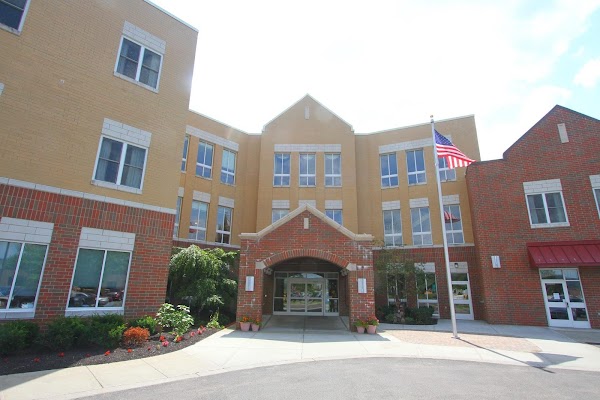
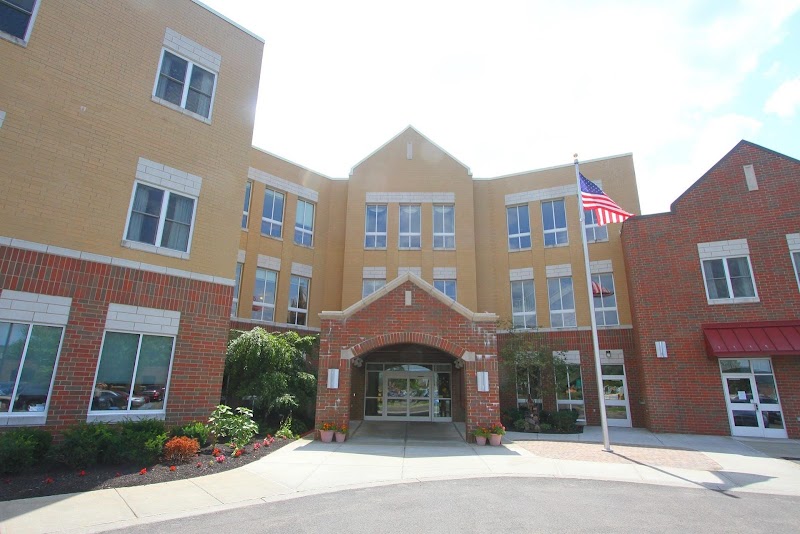
7009 Rumsey Street Extension, Bath, NY 14810 (607) 776-7651
For profit - Corporation 105 Beds CENTERS HEALTH CARE Data: November 2025
Trust Grade
60/100
#339 of 594 in NY
Last Inspection: May 2024

Within standard 12-15 month inspection cycle. Federal law requires annual inspections.

Overview

Steuben Center for Rehabilitation and Healthcare has a Trust Grade of C+, indicating it is slightly above average but still has room for improvement. It ranks #339 out of 594 facilities in New York, placing it in the bottom half, and #5 out of 6 in Steuben County, meaning there is only one local option that is better. The facility's situation is worsening, as the number of issues increased from 1 in 2023 to 8 in 2024. Staffing is a significant concern, with a low rating of 1 out of 5 stars and a troubling turnover rate of 60%, which is much higher than the state average of 40%. While there have been no fines, the facility has less RN coverage than 80% of state facilities, which is critical since RNs are vital for catching issues that CNAs might miss. Specific incidents include failures to maintain adequate staffing for daily resident needs, issues with proper medication storage including expired medications, and malfunctioning call systems that left residents waiting for assistance. Overall, while there are some strengths, such as the absence of fines, the facility faces serious challenges that families should consider.
Trust Score
C+
60/100
In New York
#339/594
Bottom 43%
Safety Record
Low Risk
No red flags
Inspections
Getting Worse
1 → 8 violations
Staff Stability
⚠ Watch
60% turnover. Above average. Higher turnover means staff may not know residents' routines.
Penalties
✓ Good
No fines on record. Clean compliance history, better than most New York facilities.
Skilled Nurses
⚠ Watch
Each resident gets only 23 minutes of Registered Nurse (RN) attention daily — below average for New York. Fewer RN minutes means fewer trained eyes watching for problems.
Violations
⚠ Watch
18 deficiencies on record. Higher than average. Multiple issues found across inspections.
★★★☆☆
3.0
Overall Rating
★☆☆☆☆
1.0
Staff Levels
★★★★★
5.0
Care Quality
★★★☆☆
3.0
Inspection Score
Stable
2023: 1 issues
2024: 8 issues

The Good

  • 5-Star Quality Measures · Strong clinical quality outcomes
  • Full Sprinkler Coverage · Fire safety systems throughout facility
  • No fines on record

Facility shows strength in quality measures, fire safety.

The Bad

3-Star Overall Rating

Near New York average (3.1)

Meets federal standards, typical of most facilities

Staff Turnover: 60%

14pts above New York avg (46%)

Frequent staff changes - ask about care continuity

Chain: CENTERS HEALTH CARE

Part of a multi-facility chain

Ask about local staffing decisions and management

Staff turnover is elevated (60%)

12 points above New York average of 48%

The Ugly 18 deficiencies on record

May 2024 8 deficiencies
CONCERN (D)

Potential for Harm - no one hurt, but risky conditions existed

Comprehensive Care Plan (Tag F0656)

Could have caused harm · This affected 1 resident

**NOTE- TERMS IN BRACKETS HAVE BEEN EDITED TO PROTECT CONFIDENTIALITY** Based on observations, interviews, and record review conducted during the Recertification Survey, it was determined that for 1 (...

Read full inspector narrative →
**NOTE- TERMS IN BRACKETS HAVE BEEN EDITED TO PROTECT CONFIDENTIALITY** Based on observations, interviews, and record review conducted during the Recertification Survey, it was determined that for 1 (Residents #71) of 23 residents reviewed, the facility did not develop and implement a plan of care for all residents that included measurable objectives and interventions to address all of the resident's medical and physical needs. Specifically, Resident #71's Comprehensive Care Plan and [NAME] (a care plan used by the Certified Nursing Assistants to provide daily care) did not include that the resident was hard of hearing or required hearing aids. This is evidenced by the following: The facility policy, Care Plans - Comprehensive, dated October 2019, documented a comprehensive, person-centered care plan that includes measurable objectives and timetables to meet the resident's physical, psychosocial and functional needs is developed and implemented for each resident. Additionally, the comprehensive, person-centered care plan will incorporate identified problem areas and the interdisciplinary team reviews and updates the care plan when there has been a significant change in resident condition and at least quarterly with scheduled quarterly Minimum Data Set Assessments. Resident #71 had diagnosis that included Parkinson's disease, dysphagia (difficulty swallowing), and repeated falls. The Minimum Data Set Resident Assessments dated 2/1/24 and 5/2/24 documented the resident was moderately impaired cognitively, had highly impaired hearing and had hearing aids. The 2/1/24 Assessment also included that communication and hearing required care planning for the resident. In a medical progress note dated 4/5/24, Physician #1 documented that Resident #71 was hard of hearing. Review of Resident #71's current Comprehensive Care Plan and [NAME] (care plan used by the Certified Nursing Assistants for daily care) did not include any objectives, timetables, or interventions related to hearing, hearing aids or communication concerns. During an observation and interview on 5/13/24 at 10:40 AM, Resident #71 stated they were could not hear well and did not have their hearing aids in. During an observation on 5/15/24 at 10:11 AM, a sign posted by Resident #71's family behind their recliner documented that the resident was hard of hearing and wore hearing aids. During observations on 5/16/24 at 9:32 AM, and again at 4:46 PM, Resident #71 was not wearing hearing aids which were observed in a charger behind their TV. During an interview on 5/16/24 at 9:51 AM, Certified Nursing Assistant #1 stated they use the [NAME] to know how to take care of each resident and residents with hearing aids should have that listed in their [NAME]. Certified Nursing Assistant #1 said Resident #71 likes to wear their hearing aids and that it is important to them to have them in. Certified Nursing Assistant #1 stated they had not put them in for the past week as they were missing. During an interview on 5/16/24 at 3:36 PM, the Licensed Practical Nurse Manager #1 stated that the care plans are completed and updated by the Registered Nurses and that Resident #71 should have a care plan for hearing and hearing aids. Licensed Practical Nurse Manager #1 stated that they should be added to the Certified Nursing Assistants care plan in the electronic medical record so they can document putting them in and taking them out. Licensed Practical Nurse Manager #1 stated Resident #71 had lost their hearing aids last week but that they were found the same day. During an interview on 05/17/24 at 11:10 AM, the Director of Nursing stated a resident who is hard of hearing and had hearing aids should have that care planned for. They stated that care plans should be person-centered and tell you everything you need in order to care for that resident. The Director of Nursing said that if it was not on the care plan, new or unfamiliar staff may not know the resident was hard of hearing or needed hearing aids. 10 NYCRR 415.11(c)(1)
CONCERN (D)

Potential for Harm - no one hurt, but risky conditions existed

Deficiency F0658 (Tag F0658)

Could have caused harm · This affected 1 resident

**NOTE- TERMS IN BRACKETS HAVE BEEN EDITED TO PROTECT CONFIDENTIALITY** Based on observations, interviews, and record reviews conducted during a Recertification Survey and complaint investigation (NY0...

Read full inspector narrative →
**NOTE- TERMS IN BRACKETS HAVE BEEN EDITED TO PROTECT CONFIDENTIALITY** Based on observations, interviews, and record reviews conducted during a Recertification Survey and complaint investigation (NY00314816) the facility did not provide services, as outlined by the resident's person-centered Comprehensive Care Plan, that met professional standards of quality for 2 (Residents #38 and #54) of 28 residents reviewed. Specifically, nursing staff did not ensure medications were consumed by the residents when administered but instead were left unattended with the residents or at the bedside. This is evidenced by the following: The facility policy, Medication Administration, dated December 2019, documented that medications shall be administered in a safe and timely manner, and as prescribed. Additionally, residents may self-administer their own medications only if the Attending Physician, in conjunction with the Interdisciplinary Care Planning Team, has determined that they have the decision-making capacity to do so safely. 1. Resident #38 had diagnoses including dementia, high blood pressure, and gastroesophageal reflux disease (stomach acid repeatedly flowing back into the esophagus). The Minimum Data Set Resident Assessment, dated 2/7/24, documented the resident was severely impaired cognitively, received antidepressant medication, and had no behaviors identified for that time period. Review of Resident #38's Comprehensive Care Plan initiated on 8/7/23 and revised on 5/14/24, revealed that the resident would pocket medications at times and for staff to allow extra time to take pills and swallow them. The Comprehensive Care Plan did not include residents' ability to safely self-administer medications. Resident #38's current Physician's orders included acetaminophen, Aricept (medication for dementia), Citrucel (supplement), duloxetine hydrochloride (antidepressant), omeprazole (for gastric reflux), and verapamil hydrochloride (high blood pressure). The orders did not include the resident was assessed for safe self-administration of medications. Review of Resident #38's May 2024 Medication Administration Record revealed that the above medications were signed off as administered 5/13/24 and 5/14/24. During an observation on 5/14/24 at 11:40 AM Resident #38 had eight pills in medication cup in their bedroom that were identified as acetaminophen, Aricept, Citrucel, duloxetine hydrochloride, omeprazole, verapamil hydrochloride, and bisacodyl (laxative and not an ordered medication for Resident #38). During an interview on 5/15/24 at 4:16 PM Registered Nurse #1 stated they administered Resident #38's morning medications on 5/13/24 and observed the resident put the medications in their mouth, provided a drink and assumed they swallowed the medication. During an interview on 5/16/24 at 8:41 AM Licensed Practical Nurse # 2 stated they administered Resident #38's morning medications on 5/14/24 watched the resident swallow the pills and then walked the resident down to the dining room. During an interview on 5/16/24 at 3:36 PM Licensed Practical Nurse Unit Manager (#1) stated residents should be observed when taking medications and that medications should not be left at the bedside unless there was a Physician's order. 2. Resident #54 was admitted to the facility with diagnoses including diabetes, heart failure and high blood pressure. The Minimum Data Set Resident assessment dated [DATE] documented Resident #54 was cognitively intact. During an observation on 5/16/24 at 11:40 AM, Resident #54 was sitting in their room. A medicine cup with a large white pill was observed on their bedside tray table. Resident #54 said it was a pill to settle their stomach and that the nurse (Registered Nurse #2) had brought it to them around 11:15 AM. Resident #54 said the nurses do not always watch them take their medications but thought the nurse left the medication so they did not have to come back when meals arrived. Review of current physician orders revealed simethicone (Gas-X) before meals for indigestion. Review of Resident #54's May 2024 Medication Administration Record revealed the simethicone was scheduled to be administered 11:30 AM and was documented as administered on 5/16/24 by Registered Nurse #1. During an interview on 5/16/24 at 11:49 AM, Registered Nurse #1 stated they watch residents take their medications and then usually take the medication cup once the resident has taken the medication(s). Registered Nurse #1 said they gave Resident #54 Gas-X between 11:15-11:30 AM on 5/16/24. Registered Nurse #1 said Resident #54 will usually take the Gas-X when their meal tray comes but will sometimes throw it out. At 11:57 AM, the Gas-X remained on Resident #54's bedside tray table. During an interview on 5/17/24 at 10:48 AM, Licensed Practical Nurse Unit Manager #1 stated nurses should watch the residents take the pills. Licensed Practical Nurse Unit Manager #1 said medications can be left with a resident if the resident had an order to do so. During an interview on 5/17/24 at 1:55 PM Director of Nursing stated nurses should watch residents while taking their medications to ensure the medications were taken and should not be left at the bedside unless the resident had an order for self-administering medications. 10 NYCRR 415.11(c)(3)(i)
CONCERN (D)

Potential for Harm - no one hurt, but risky conditions existed

ADL Care (Tag F0677)

Could have caused harm · This affected 1 resident

**NOTE- TERMS IN BRACKETS HAVE BEEN EDITED TO PROTECT CONFIDENTIALITY** Based on observations, interviews, and record reviews conducted during a Recertification Survey, for one (Resident #54) of six r...

Read full inspector narrative →
**NOTE- TERMS IN BRACKETS HAVE BEEN EDITED TO PROTECT CONFIDENTIALITY** Based on observations, interviews, and record reviews conducted during a Recertification Survey, for one (Resident #54) of six residents reviewed the facility did not ensure that a resident who is unable to carry out Activities of Daily Living received the necessary services to maintain good grooming and personal and oral hygiene. Specifically, Resident #54 was observed to have unwashed hair and the facility could not provide evidence that the resident had received a shower in several weeks. This is evidenced by the following: The facility policy Activities of Daily Living [ADL] Care and Support, dated 3/13/24, revealed that activities of daily living care and support would be provided for residents who were unable to carry out the activities of daily living independently, with the consent of the resident and in accordance with the resident's assessed needs, personal preferences, and individualized care plan, that included but was not limited to supervision and assistance with: Hygiene (bathing, dressing, grooming, and oral care) and mobility (transfer and walking). The resident's bath or shower would be scheduled as per the resident preference and assessed needs-at a minimum of weekly, as needed and may include a bed bath on non-shower days. Hair care would be provided to the resident as per resident's preference and/or assessed needs or by appointment at hairdressers or barber. Resident #54 had diagnoses that included diabetes, heart failure and hypertension. The Minimum Data Set Resident assessment dated [DATE] noted Resident #54 was cognitively intact and required staff assistance with showering or bathing. The Minimum Data Set Resident assessment dated [DATE] included it was very important to Resident #54 to choose between a tub bath, shower, bed bath and sponge bath. Review of the current Comprehensive Care Plan revealed Resident #54 required assistance with showers or bathing. Additionally, Resident #54's [NAME] (care plan used by the Certified Nursing Assistants for daily care) revealed the resident had a shower/bath scheduled on Tuesday and Friday evenings. During an observation and interview on 5/14/24 at 9:47 AM, Resident #54's hair appeared wet. Resident #54 stated their hair was not wet but greasy and while their hair had been washed about a week ago by the hairdresser, they had not had not had a shower in several weeks. Resident #54 said they were supposed to receive a shower on Tuesday and Friday evenings and that staff would sometimes tell them there was not enough staff to assist with a shower. Resident #54 said they managed to keep clean by washing certain areas of their body with a washcloth. When observed on 5/15/24 at 12:21 PM, the posted Unit shower schedule documented that Resident #54's showers were scheduled on Tuesday and Friday evenings. During an observation and interview on 5/15/24 at 12:57 PM, Resident #54 continued to have unwashed hair and stated they had still not received a shower the previous day (despite the schedule). Review of shower/bath documentation in the electronic health record from 4/17/24 to 5/17/24 revealed Resident #54's last shower or bath was on 4/30/24. Additionally, several dates between 5/3/24 to 5/14/24 were documented as not applicable. Review of progress notes from 5/1/24 to 5/17/24 did not include documentation that Resident #54 received or refused a shower or bath. During an interview on 5/16/24 at 5:20 PM, Certified Nursing Assistant #3 said their role included helping residents with activities of daily living like showering, transferring, eating, and answering call lights. Certified Nursing Assistant #3 said they were not assigned to specific residents during their shift and used the shower schedule to determine when a resident was scheduled for a shower. Certified Nursing Assistant #3 said they worked the evening shift on 5/14/24 and did not think Resident #54 received a shower with only two Certified Nursing Assistants working on the unit. During an interview on 5/17/24 at 10:48 AM, Licensed Practical Nurse Manager #1 said all residents were scheduled for two showers a week and provided based on the schedule. Licensed Practical Nurse Manager #1 said if a shower or bath was not done on the scheduled day, staff should assist the resident on another day. Licensed Practical Nurse Manager #1 said the Certified Nursing Assistants documented in the electronic health record if a bath or shower was provided and if refused, the Certified Nursing Assistants should notify the nurse. Licensed Practical Nurse Manager #1 said if the nursing staff are unable to assist a resident with a shower, it was usually because there are only two aides working on the unit. Licensed Practical Nurse Manager #1 reviewed the electronic health record at that time and said Resident #54's last documented shower was on 4/30/24. 10 NYCRR 415.12(a)(3)
CONCERN (D)

Potential for Harm - no one hurt, but risky conditions existed

Quality of Care (Tag F0684)

Could have caused harm · This affected 1 resident

**NOTE- TERMS IN BRACKETS HAVE BEEN EDITED TO PROTECT CONFIDENTIALITY** Based on observations, interviews, and record review conducted during the Recertification Survey, the facility did not ensure re...

Read full inspector narrative →
**NOTE- TERMS IN BRACKETS HAVE BEEN EDITED TO PROTECT CONFIDENTIALITY** Based on observations, interviews, and record review conducted during the Recertification Survey, the facility did not ensure residents received treatment and care in accordance with professional standards of practice, their comprehensive person-centered care plan, and the residents' choices for one (Resident #24) of one resident reviewed for pain management. Specifically, the facility did not ensure the resident's bowel status was efficiently monitored, treatment initiated timely or that the medical team was notified of complications when applicable. This is evidenced by the following: The facility policy, Bowel Management, dated revised November 2021, included that the nursing assistants document the resident's bowel movements every shift in the electronic medical record, including number, size, and consistency. The nurses review the documentation at the beginning of each shift and the nursing assistant reports to the licensed nurse or unit manager any resident who had a small or no bowel movement in nine or more shifts. If no bowel movement in three days (72 hours), the licensed nurse should initiate the bowel regimen, and document in the Medication Administration Record as follows: a. Milk of Magnesium (laxative), start on the evening shift and if ineffective by the next day proceed to Bisacodyl (laxative) suppository. b. Bisacodyl suppository, give on day shift and if ineffective by the end of evening shift, proceed to Fleet enema. c. Administer Fleet enema if there is no bowel movement. The policy included to consider additional interventions such as review of medications such as iron supplements and narcotics. Resident #24 had diagnoses including osteoporosis (condition resulting in fragile, brittle bones), vertebral compression fractures and fibromyalgia (disorder resulting in chronic widespread pain). The Minimum Data Set Resident assessment dated [DATE] documented that Resident #24 was cognitively intact and was receiving opioids (prescribed pain medications with a side effect of constipation). Review of Resident #24's Physician orders revealed senna (stool softener) twice daily for constipation and oxycodone (an opioid) every six hours as needed for pain. During an observation and interviews on 5/15/24 at 12:10 PM, Resident #24 stated they were having a hard time moving their bowels and currently felt backed up (constipated). Resident #24 said they could not recall when their last bowel movement was and requested toileting assistance at the time. When responding to assist Resident #24, Certified Nursing Assistant #9 said that the previous week, the resident had been very constipated, and that the medical provider had to give the resident an enema. Review of Bowel Movement Report in the electronic medical record revealed that from 5/1/24 to 5/7/24 at 1:45 PM, Resident #24 had no bowel movements documented or documented as 'none' until a small bowel movement documented on 5/7/24. Review of Nursing Progress Notes dated 5/1/24 to 5/6/24 revealed no documented evidence that a medical provider was notified that Resident #24 had not had a bowel movement for approximately six days. In a readmission Follow-Up Progress Note dated 5/6/24, Physician Assistant #1 documented that Resident #24 was complaining of back pain and constipation. Physician Assistant #1 documented that Miralax would be ordered, and the resident would be closely monitored. Review of the May 2024 Medication Administration Record 5/1/24-5/6/24 revealed senna (stool softener) administered twice daily and no further laxatives until 5/7/24. During an interview on 5/16/24 at 3:13 PM, Physician Assistant #1 said the electronic medical record should provide a clinical alert (for the nurses) if the resident does not have a bowel movement for three days and if so, nursing should notify the medical provider. Physician Assistant #1 stated during the morning leadership meeting, they review residents who have not had a bowel movement in three days, and then follow the policy by administering a dose of Milk of Magnesium or bisacodyl via one-time orders, follow-up the next day and if the resident did not have a bowel movement an enema would be administered. Physician Assistant #1 said that Resident #24 had returned from the hospital on 5/1/24 following a gastrointestinal bleed. Physician Assistant #1 said they were first notified Resident #24 had not had a bowel movement on 5/6/24 and ordered Miralax and an increased dose of senna. Physician Assistant #1 said Resident #24 started passing stool on 5/7/24, which was being counted by the nursing staff (as a small bowel movement), but it was not substantial enough and on 5/8/24 Resident #24 required a disimpaction (removal of stool manually). Physician Assistant #1 stated that after speaking to the Certified Nursing Assistants it came to their attention that the experienced aides (Certified Nursing Assistants) knew that a small pebble or two (of stool) should not be counted as a bowel movement but not the less experienced aides. During an interview on 5/16/24 at 5:20 PM, Certified Nursing Assistant #3 said when documenting bowel movements, they document the size, consistency and if the resident was continent or incontinent and used their best judgment as to size. During an interview on 5/17/24 at 12:13 PM, Licensed Practical Nurse Manager #2 said if a resident has not had a bowel movement on day three, they give docusate (stool softener) and then on day four a suppository and on day five an enema. Licensed Practical Nurse Manager #2 said the medical provider should be notified on day five if no bowel movement. Licensed Practical Nurse Manager #2 said they ran the No Bowel Movement report for Resident #24 on 5/6/24 because they were not in the facility on 5/4/24 or 5/5/24 (weekends) and that the nurses should check (in the electronic medical record) to see when residents' last bowel movement was. Licensed Practical Nurse Manager #2 said Resident #24 was admitted back to their unit from the hospital on 5/1/24, and the hospital reported that the resident had a bowel movement on 5/1/24. Licensed Practical Nurse Manager #2 said a medical provider should have been notified sooner that Resident #24 had not had a bowel movement. During an interview on 5/17/2 at 1:55 PM, the Director of Nursing said nurses (mainly the nurse managers, but some medication nurses) should run the bowel reports from the electronic medical record at the start of every shift for residents who flagged as having no bowel movements for three days. The Director of Nursing said if a resident was on the list and was confirmed to not have had a bowel movement in three days, the bowel regimen should be started. The Director of Nursing said the bowel regimen medications are not standing orders and nursing should contact the medical provider on the third day for orders. 10 NYCRR 415.12
CONCERN (E) 📢 Someone Reported This

A family member, employee, or ombudsman was alarmed enough to file a formal complaint

Potential for Harm - no one hurt, but risky conditions existed

Deficiency F0725 (Tag F0725)

Could have caused harm · This affected multiple residents

Based on interviews and record reviews conducted during the Recertification Survey and complaint investigations (NY00314816, NY00316629, NY00302113), it was determined that the facility did not ensure...

Read full inspector narrative →
Based on interviews and record reviews conducted during the Recertification Survey and complaint investigations (NY00314816, NY00316629, NY00302113), it was determined that the facility did not ensure sufficient nursing staff to provide nursing services to attain or maintain the highest practicable physical, mental, and psychosocial well-being for all residents in the facility. Specifically, there was not sufficient staff to meet all resident needs with activities of daily living, including timely showers, long waits for addressing call lights and assistance with activities of daily living (eating, toileting, personal hygiene.). This is evidenced by but not limited to the following: For additional information see Centers for Medicare/Medicaid Services Form 2567: F677 - Activities of Daily Living Care for Dependent Residents (Resident #54). F732 - Posted Nurse Staffing Information. The Facility Assessment provided by the facility, dated 2/29/24, did not include facility minimum staffing numbers, but did include 'staffing plan-see attached.' There was no facility staffing plan attached or provided. During the entrance conference on 5/13/24 the Administrator stated the current facility census was 102 residents. Review of the licensed nursing staff (Registered Nurses and Licensed Practical Nurses) and Certified Nursing Assistants on-duty schedules provided by the facility for the months of April & May 2024 revealed but not limited to the following: a. The facility nursing schedules for all three shifts documented the resident census of 103 daily for the entire two-month time frame. b. On 4/21/24 day shift there 2 licensed nurses from 11:00 AM to 3:00 PM for morning medications and treatments for 103 or 51.5 residents per licensed nurse and no nursing supervisor scheduled. c. On 4/21/24 evening shift there were 4 Certified Nursing Assistants from 3:00 PM to 7:00 PM and 3 Certified Nursing Assistants from 7:00 PM to 11:00 PM (to assist residents with bedtime care, including incontinence care, toileting, meals and answering call bells.), and 3 licensed nurses for 103 residents. No nursing supervisor was documented as working this shift. d. On 4/26/24 night shift there were two Certified Nursing Assistants from 11:00 PM to 3:00 AM for a census of 103 (51.5 residents per Certified Nursing Assistant). e. On 4/28/24 day shift there were 3 licensed nurses documented as working for 103 residents or 34 residents per licensed nurse. There was no nursing supervisor documented as working this shift. f. On 5/1/24 night shift there were 2 licensed nurses from 3:00 AM to 7:00 AM and 2 Certified Nursing Assistants from 5:00 AM to 7:00 AM for 103 residents or 51.5 residents per staff. There was no nursing supervisor documented as working this shift. g. On 5/11/24 day shift there were 3 licensed nurses 7:00 AM to 11:00 AM for 103 residents. There was no nursing supervisor documented as working this shift. h. On 5/14/24 evening shift there were a total of 6 Certified Nursing Assistants for 103 residents or 17 residents per Certified Nursing Assistant for afternoon and evening care, including meals, bathing, incontinence care, toileting, and answering call bells. Review of Resident Council meeting notes dated 4/26/24, revealed that residents raised concerns regarding long call light wait times. The meeting minutes provided by the facility did not address a plan for resolution. During multiple resident interviews conducted 5/13/24 and 5/14/24, 8 of 19 residents interviewed complained of not enough staff to assist them with activities of daily living (meals, showers, personal hygiene, toileting) especially on the evening and night shifts and on weekends. In an observation on 5/13/24 at 11:03 AM Resident #86 was in the hallway in a wheelchair with uncombed hair and a disheveled appearance. In an observation on 5/13/24 at 11:04 AM Resident #70 had uncut nails and several dirty nails filled with brown debris. Resident #70 stated at the time that the aides cannot cut their nails and it had been 6 months since a nurse cut them. In an observation on 5/13/24 at 11:29 AM Resident #30 was ungroomed with numerous chin hairs and fingernails filled with brown debris. On 5/14/24 at 10:13 AM the resident's nails remained dirty. In an observation on 5/14/24 at 9:10 AM Resident #14 had long jagged nails and stated that the aides and nurses do not have enough time to cut their nails and sometimes they do not get their showers. During a Resident Council meeting held on 5/15/24 at 9:00 AM with eight residents participating; residents stated there were long call light wait times of up to one hour for help and that staffing was so poor they were cutting corners for care (showers, hygiene, toileting). Residents stated that there was usually two aides and one nurse on the night shift and sometimes only two staff on the evening shift and it took so long to serve meals, the food was cold. Residents said that due to staffing they were expected to all be in bed by 7:00 PM. During an interview on 5/13/24 at 11:00 AM Resident #70 stated they are short of Certified Nursing Assistants, so it takes a while, sometimes for over an hour to answer call lights. During an interview on 5/13/24 at 11:48 AM, a family member stated sometimes it is very difficult to find staff to provide assistance (toileting). The family member stated that on the day prior they walked around the entire unit for about 15 minutes and could not find any staff to assist the resident who was unable to wait to use the bathroom. In an interview on 5/13/24 at 3:36 PM Resident #37 stated staffing on evenings and weekends is the worst as sometimes there are only two Certified Nursing Assistants for the unit (a 40-bed unit) which happened (the previous) Saturday and then they had to wait for over an hour for any assistance. During an interview on 5/14/24 at 8:53 AM Resident #69 stated they are short staffed all the time, sometimes only two Certified Nursing Assistants for the unit (40 beds). Resident #69 said that several residents need two staff to assist with transferring and often have to do it with just one or on their own. We just get told they (administration) are working on it. In an interview on 5/14/24 at 9:03 AM Resident #14 stated staffing is not very good on the evenings, overnights and weekends and sometimes there is only one Certified Nursing Assistant for the whole floor (40-bed unit) at night. During an observation and interview on 5/14/24 at 9:47 AM Resident #54 was observed with greasy (wet appearing) hair. Resident #54 stated that their hair was not wet, but was greasy, that their hair was washed the week prior by the hairdresser but that they had not had a shower in weeks. Resident #54 said they are supposed to receive a shower on Tuesday and Friday evenings (twice a week) but staff tell them that they do not have enough staff to assist them with showers. In an interview on 5/14/24 at 9:54 AM Resident #50 said the facility did not have enough help (staff) and must wait up to an hour for help because they need the stand lift to go to the bathroom. Resident #50 said that sometimes they have to wait for half an hour (sitting in the dining room) before they get their meal. During an interview on 5/15/24 at 4:51 PM Certified Nursing Assistant #7 stated there are only two of us most (evening) shifts (40-bed unit). Certified Nursing Assist #7 stated often we cannot complete showers because we do not have enough time and sometimes, we are only able to get one set of rounds (checking for incontinence or other needs) for the shift. In an interview on 5/15/24 at 5:05 PM Certified Nursing Assistant #8 stated there were two Certified Nursing Assistants working that evening shift (40-bed unit), and that there were some days when they are the only Certified Nursing Assistant for the whole unit. Certified Nursing Assistant #8 stated they often can do only one, maybe two rounds the entire shift and are not able to provide showers or turn (reposition) residents. During an interview on 5/16/24 at 9:44 AM Certified Nursing Assistant #4 stated if there was a call-in (staff who call in unable to work) for the next shift and supervisors are unable to fill it, they work short causing them to provide care alone to residents requiring two assists. Certified Nursing Assistant #4 stated some tasks that they cannot complete due to staffing are nail care and showers. In an interview on 5/16/24 at 9:56 AM Certified Nursing Assistant #2 stated weekends are short-staffed, sometimes two Certified Nursing Assistants for the evening shift. Certified Nursing Assistant #2 stated the facility expects us to have everyone in bed by 7:00 PM before we leave (12-hour shift 7:00 AM- 7:00 PM). During an interview on 5/16/24 at 10:05 AM Certified Nursing Assistant #5 stated they change all the residents by themselves and were unaware of any residents who required two staff assist because on the night shift they often work by themselves with no other staff to ask for help as the other units also have one Certified Nursing Assistant. Certified Nursing Assistant #5 stated showers and baths are difficult to complete as there are typically only two Certified Nursing Assistants on the day shift. If a third one is scheduled, they usually are sent on a (resident) transport or floated to another unit. During an interview on 5/16/24 at 4:38 PM the Human Resources Director (identified as responsible for the staffing schedule) stated on a typical day shift they like to have about 15-16 total Certified Nursing Assistants, on the evening shift 9, which is harder to get, and on night shift they attempt 6 or 2 per unit but unfortunately it goes in waves. The Human Resources Director stated that they have had some complaints from family & staff, but they go to the Social Worker to address. When reviewed the provided schedules did not include call-ins. The Human Resources Director stated there should be a code for call-offs (call-ins) and they did not know why they were not on the schedules provided. The Human Resources Director stated the staffing schedules provided should be accurate as they edit them in payroll. In an interview on 5/16/24 at 5:20 PM Certified Nursing Assistant #3 stated they worked on 5/14/24 evening shift and that Resident #54 did not receive their shower because they only had two Certified Nursing Assistants (40-bed unit). In an interview on 5/16/24 at 5:40 PM Certified Nursing Assistant #6 stated that there are only two Certified Nursing Assistants on the evening shift, and they have a hard time completing showers, doing hoyer transfers, change residents, feed residents or do any nail care. During an interview on 5/16/24 at 6:23 PM Licensed Practical Nurse #3 stated that they have had to stay longer than their scheduled 8 hours to get their treatments completed and that while they do get treatments done, they are not timely. In an interview on 5/17/24 at 9:36 AM Licensed Practical Nurse Manager #2 stated there were 40 residents on the unit and they had one nurse and 3 Certified Nursing Assistants as a fourth aide went out on transport. Evening shifts are usually one nurse two aides due to call-offs as was the case last evening. Licensed Practical Nurse Manager #2 stated they were unaware of any tasks that were not able to be completed due to staffing and were unaware that residents were not receiving showers when they were scheduled to do so. In an interview on 5/17/24 at 10:46 AM The Director of Nursing stated they should have two nurses on every unit on the day shift and one to two on the evening shift (depending on the unit) but there are struggles for these numbers. For the night shift we should have one Licensed Practical Nurse on every unit and a Registered Nurse present as well. The Director of Nursing stated that they should have three or four Certified Nursing Assistants on each unit day shift and at least three on each unit on evening shift but with call-ins it can get tough. Night shift should have two Certified Nursing Assistants on every unit but often only one due to call-ins. The Director of Nursing stated they were not aware that showers were not being done or that staff were completing care alone for residents requiring two staff assist due to staffing. 10 NYCRR 415.13 (a)(1)(i-iii)
CONCERN (E)

Potential for Harm - no one hurt, but risky conditions existed

Deficiency F0761 (Tag F0761)

Could have caused harm · This affected multiple residents

Based on observations, interviews, and record reviews conducted during the Recertification Survey, the facility did not ensure that all drugs and biologicals in the facility were properly stored in ac...

Read full inspector narrative →
Based on observations, interviews, and record reviews conducted during the Recertification Survey, the facility did not ensure that all drugs and biologicals in the facility were properly stored in accordance with State and Federal Laws for two (Keuka and Lamoka Units) of three medication carts and two (Keuka and Lamoka Units) of two medication storage rooms reviewed. Specifically, medication carts contained expired medications, unidentified loose pills and/or insulin pens undated as to when they were opened or when they expired. Medication storage rooms contained multiple bottles of expired medications. This is evidenced by the following: The facility policy Medication-Storage, dated January 2019, revealed that expired, discontinued, and/or contaminated medications should be removed from medication storage areas and disposed of in accordance with facility policy. During an observation on 5/14/24 at 11:15 AM, the Keuka Unit medication cart contained multiple expired medications that included bottles of allergy medication, aspirin, and vitamins with expiration dates as old as 12/22/23. Additionally, the cart contained opened insulin pens that were not dated as to when opened or when expired. During an interview on 5/14/24 at 11:21 AM, Licensed Practical Nurse #4 stated when retrieving a stock medication, they made sure it was the right medication and would check the expiration date before administering it. Licensed Practical Nurse #4 stated they were not aware of any medication cart audits, but each nurse was responsible for monitoring their own cart for expired medications and if found the Nurse Manager should be informed. During an interview on 5/14/24 at 11:35 AM, Licensed Practical Nurse Manager #1 stated that expired medications and bottles without expiration dates should have been discarded. When insulin was opened it should be marked with the open and expiration dates. Licensed Practical Nurse Manager #1 stated that medication carts should be cleaned regularly and contain no loose pills, expired or unlabeled medications. During an observation on 5/14/24 at 11:51 AM, the Keuka Unit medication room also contained multiple bottles of expired vitamins and antacid medications (expired August 2023). During an observation and interview on 5/14/24 at 12:15 PM the Lamoka Unit medication cart contained multiple unidentified loose pills. When interviewed at this time Licensed Practical Nurse #1 stated that each nurse should be checking for expired medications and was not sure who monitored the medication rooms for expired medications. During an observation and interview on 5/14/23 at 12:23 PM, the Lamoka Unit medication room contained multiple expired medications including but not limited to multiple bottles of vitamins, minerals, stool softeners, laxatives, antacids, and nasal sprays with expiration dates as old as September 2023. When interviewed at that time, Registered Nurse Manager #1 stated the expired medications should not have been in the medication room and that they were unsure of what the facility did to track or audit medications. During an interview on 5/16/24 at 10:14 AM, the Director of Nursing stated there should not be any expired medications stored in the medication carts or medication rooms. The floor nurses and the unit managers should be checking for expired medications in the medication rooms and carts. The Director of Nursing stated that insulin pens should be labeled with resident identifiers and the date the insulin pen was opened. The Director of Nursing stated the expired medications may have been found in the carts and rooms due to not having been checked in a while. In the past, medication cart and room audits had been completed by the Assistant Director of Nursing. During an interview on 5/16/24 at 10:32 AM, the Assistant Director of Nursing stated audits were done on medication rooms and carts monthly. The Assistant Director of Nursing stated they last completed an audit of the medication carts and rooms approximately one month ago and may not have looked well enough and missed the expired medications. 10 NYCRR 415.18(d)(e)(1-4)
CONCERN (E)

Potential for Harm - no one hurt, but risky conditions existed

Deficiency F0919 (Tag F0919)

Could have caused harm · This affected multiple residents

**NOTE- TERMS IN BRACKETS HAVE BEEN EDITED TO PROTECT CONFIDENTIALITY** Based on observations, interview, and record review conducted during the Recertification Survey, it was determined that for the ...

Read full inspector narrative →
**NOTE- TERMS IN BRACKETS HAVE BEEN EDITED TO PROTECT CONFIDENTIALITY** Based on observations, interview, and record review conducted during the Recertification Survey, it was determined that for the three (Keuka, Lamoka, and [NAME]) of three resident units the facility did not properly maintain the resident call system. Specifically, elements of the nurse call system were not functioning properly, and modifications made to parts of the call system did not relay the call directly to a staff member or centralized workstation. The findings are: Record review of a document titled: 'Resident Council: Meeting Minutes' dated 4/26/24 included one resident complaint that the call light/pull cord in their bathroom was broken (room [ROOM NUMBER]B). The document included that they were given a tap bell, but the resident did not feel it was adequate should something happen. Observations on 5/13/24 at 1:10 PM included an orange lanyard holding a black device with a red 'Call' button and a blue number '3' at the top and was located on the bed of room [ROOM NUMBER]A ([NAME] Unit). Observations on 5/14/24 at 10:34 AM included an orange lanyard holding a black device with a red 'Call' button and a blue number '6' at the top and was located on the bed of room [ROOM NUMBER]B ([NAME] Unit). Similar devices were also observed in resident room [ROOM NUMBER]B with a number '1' on the device on the bed, and number '2' on the device in the bathroom. Record review of a proposal provided by the facility, for a 'Jeron' brand resident call system dated March 6, 2007 included a description sheet showing a touchscreen master, nurse master console, satellite master console, and a direct select master console as part of a resident call system to be installed along with description sheets for other parts of the call system. In an interview on 5/14/24 at 10:35 AM Certified Nursing Assistant #2 stated the 'fob' system, 'Call to U' brand wireless caregiver pager (as described above), has a sound that only rings twice because the sound does not work for the 'Jeron' push button call lights in resident rooms 212, 213, 214, and 215 for the beds and bathrooms. Certified Nursing Assistant #2 stated that in those rooms some of the lights turn on and do not make a sound and the 'Call to U' brand system was put in those rooms last week where there were no lights or sounds. Certified Nursing Assistant #2 also stated that staff cannot determine who is pressing the call bell since it only sounds twice and the plug-in units (receiver for the wireless 'Call to U' system) only stay lit up for a few seconds. Certified Nursing Assistant #2 stated that there is not always staff around to hear the sound and that they have asked the Director of Maintenance to fix the original call light system but were told the issue was in the wiring and this was what they came up with as a temporary fix. During an interview on 5/14/24 at 11:55 the Director of Maintenance stated that there is a problem with the nurse call system in three resident rooms on the 2nd floor ([NAME]), and the call lights for one room had the A bed working but the B bed was not. The Director of Maintenance stated that there is an electrician coming out next week to figure out what's going on with those rooms, and in between they ordered this system (Call to U brand) that works wirelessly and installed it on 5/10/24. The Director of Maintenance stated that they plugged in three remote boxes (receivers) so that all three corridors of that unit ([NAME]) can hear the tone when the system is activated. The boxes (receivers) were observed to have numbers from one to six that light up when activated. Observations on 5/14/24 at 12:05 PM included an extra 'Call to U' unit in the Director of Maintenance's office was plugged in and activated to demonstrate. When the call device was pressed, the receiver box rang like a doorbell once, and one of the numbers lit up, but went out after approximately five-seconds. The Director of Maintenance stated that unless staff were in front of the box, they have to check all three rooms to see who requested assistance, and staff do not have the receiver devices in their possession. When the surveyor questioned about the light turning off, the Director of Maintenance replied, that's a fault of the system. The Director of Maintenance stated that the Jeron nurse call system is monitored by their vendor and all repairs are done by them. On 5/15/24 at 12:18 PM, a monitor (screen) was observed on the counter of the first floor Keuka Unit nurse station. The monitor was labeled as 'Jeron, Provider Nurse Call System' and the monitor screen was black and appeared to not be functional. In an interview on 5/15/24 at 1:34 PM the Director of Maintenance stated that they have lights and sound in the hallway with the Jeron nurse call system, but they don't have a monitor on the Keuka Unit that lights up and has audio. The Director of Maintenance also stated that the second floor [NAME] Unit has a monitor, but it does not work because the box under the desk needs to be replaced. The Director of Maintenance stated that they all have tones but cannot see what room it is coming from. The Director of Maintenance stated and that the vendor is not coming in for the monitors but are coming in for the three rooms with a problem. The Director of Maintenance stated the three rooms with the call light problem had been going on prior to when they came to the facility in June of 2022. The Director of Maintenance also stated that they were told that the call system was obsolete, and they have a proposal in process to get a new call system for the second floor Lamoka Unit, and they plan to use the parts removed to fix the rest of the nurse call system problems. Observations on 5/16/24 at 11:25 AM included a red light was blinking and sounding on the ceiling in the corridor between the Keuka Unit nurse station and activities room. The central nurse call monitoring screen at the nurse station was observed to be black (not functional). During an interview on 5/17/24 at 10:48 AM, Licensed Practical Nurse Manager #1 stated that the call bell lights illuminate outside the resident's room (if the call bell button is pressed). The Licensed Practical Nurse Manager #1 said the red blinking lights are bathroom call lights and lights will also illuminate in the back of the unit for the staff in the hallways to see (white or red depending on resident's room or bathroom). Licensed Practical Nurse Manager #1 said the monitor at the nurses' station does not work but that they do not need it to work because staff do not sit at the nurses' station. 10NYCRR: 415.29, 415.29(b); 415.29(j)(1) 10NYCRR: 713-3.25(g)
MINOR (B)

Minor Issue - procedural, no safety impact

Staffing Information (Tag F0732)

Minor procedural issue · This affected multiple residents

Based on observations, interviews, and record reviews conducted during a Recertification Survey, the facility did not ensure the nurse staffing information was posted daily and included the required i...

Read full inspector narrative →
Based on observations, interviews, and record reviews conducted during a Recertification Survey, the facility did not ensure the nurse staffing information was posted daily and included the required information. Specifically, the nurse staffing information did not consistently include the accurate number and total hours worked by licensed and unlicensed nursing staff who were directly responsible for resident care, the accurate daily resident census (the number of residents currently residing in the facility) and did not include any changes in nurse staffing throughout the day per the regulations. The facility was also unable to provide the accurate posted staffing sheets for the prior 18 months as required by law. This is evidenced by the following: During observations on 5/13/24 at 11:01 AM, 5/15/24 at 11:00 AM and again at 4:40 PM, and 5/17/24 at 12:47 PM the facility's posted nurse staffing information documented the current resident census at 103 each day (despite the Administrator informing the survey team that the resident census on 5/13/24 was 102). The posted information did not include the accurate hours worked for licensed and unlicensed nursing staff when compared to the provided nursing schedules. Review of the daily staffing information from 4/1/24 to 5/17/24 revealed multiple days that did not include resident census or the accurate number and hours worked by each discipline when reviewed with the staffing schedules. During an interview on 5/16/24 at 4:38 PM, the Human Resources Director (who is in charge of staffing) stated the Administrator prints the daily staffing sheets from the computer and posts them. The Human Resources director stated the resident census of 103 was an average, and that they were only responsible for changing the number of staff and that the Administrator was be responsible for updating the resident census as they did not know how to change it in the computer system. When asked to review an example of the posted staffing sheets (from the computer system) for April 25th which revealed from 11:00 PM to 7:00 AM there were two Certified Nursing Assistants for a total of eight hours for the whole shift, the Human Resources Director said it did not make sense if each Certified Nursing Assistant worked 7.5 hours each. Review of the nursing schedule for April 25th revealed three Certified Nursing Assistants scheduled for the same shift. The Human Resources Director stated that if there were any changes in staffing, they would be changed on the actual paper sheets that were posted but not in the computer system. The Human Resources Director stated they shredded the staff sheets that were actually posted until that morning when they were instructed to save them. In an interview on 5/17/24 at 11:23 AM The Administrator stated the facility has been using the computer system for their posted nurse staffing for approximately a year and a half, prior to that they were handwritten and were saved. The Administrator stated that they change the posted staffing quite often (due to changes in staff) but that the ones that identified the changes had been tossed. 10 NYCRR 415.13
Feb 2023 1 deficiency
CONCERN (D) 📢 Someone Reported This

A family member, employee, or ombudsman was alarmed enough to file a formal complaint

Potential for Harm - no one hurt, but risky conditions existed

Quality of Care (Tag F0684)

Could have caused harm · This affected 1 resident

**NOTE- TERMS IN BRACKETS HAVE BEEN EDITED TO PROTECT CONFIDENTIALITY** Based on record review and interviews conducted during an Abbreviated Survey (#NY00310991), completed on 2/22/23, it was determi...

Read full inspector narrative →
**NOTE- TERMS IN BRACKETS HAVE BEEN EDITED TO PROTECT CONFIDENTIALITY** Based on record review and interviews conducted during an Abbreviated Survey (#NY00310991), completed on 2/22/23, it was determined for one (Resident #1) of four residents reviewed for bowel management, the facility did not ensure that the resident received treatment and care in accordance with professional standards of practice to meet each resident's physical, mental, and psychosocial needs. Specifically, there was inconsistent documentation of bowel movements and inconsistent monitoring of bowel status. Additionally, bowel medications were provided to the resident without a physician's order. This is evidenced by the following: Review of the facility policy, Bowel Management, dated November 2021, revealed that Certified Nursing Assistants (CNAs) will document the resident's bowel movement (BM) status every shift in Point Click Care (electronic health record or EHR) for all residents assigned to them each day and each shift. Each BM will be recorded as continent or incontinent and size and consistency of the BM. Nursing staff will monitor the resident's bowel elimination status by reviewing clinical alerts (in the EHR) at the start of the shift. For residents who have not had a BM recorded in three days/nine shifts, the appropriate medications and protocol will be administered. Bowel management interventions will be documented in the medical record and monitored for effectiveness. If the resident has not had a BM by day three, the facility bowel regime protocol (daily administration of laxatives) will be started after notification to the physician for appropriate orders which will be followed with appropriate documentation in the progress notes. Resident #1 was admitted to the facility on [DATE] with diagnoses including fracture of the right leg, atrial fibrillation (irregular heart rate) and sick sinus syndrome with pacemaker insertion and a history of colitis (chronic inflamation of the bowel). The Minimum Data Set Assessment, dated 1/24/23, revealed the resident had severely impaired cognition, was frequently incontinent of stool, did not have a history of constipation and required assist of two staff for toileting. Resident #1 was transferred to the hospital on 2/15/23 for rectal bleeding and acute abdominal discomfort and admitted with diagnoses including rectal bleeding and a gastrointestinal (stomach) bleed. Physician orders dated 1/17/23 included Colace (a stool softener) daily and Imodium every six hours as needed for loose stool. The orders did not include any additional medications to be given in the event of constipation or lack of BMs. Review of the resident's Comprehensive Care Plan dated 1/17/23 did not address any bowel incontinence, constipation or bowel management interventions. Review of a Bowel and Bladder Elimination Record dated 1/17/23 through 2/15/23 revealed Resident #1 had no BM documented from 2/1/13 through 2/13/23 in one area of the EHR and was incontinent of bowels 20 times for the same period of time in another area used for documentation. Additionally, there were multiple blanks per shift in both areas indicating no documentation was recorded at all. Review of Medication Administration Records (MARs), from 1/17/23 through 2/15/23 revealed Resident #1 received Colace daily as ordered and did not receive any doses of Imodium for loose stools or laxatives for constipation during the time period. Review of the 24-hour Shift Report revealed Resident #1 was given Milk of Magnesia (MOM) (laxative) with results (BM) on 2/6/23, Miralax (laxative) with results on 2/10/23 and MOM with results on 2/14/23 due to reports by the CNAs that the resident was having difficulty moving their bowels. During an interview on 2/21/23 at 12:05 p.m., CNA #1 stated they document BMs every shift, which included if the resident was incontinent or continent or no BM in one area of the EHR and then small, medium, or large in a second area in the EHR. CNA #1 stated that is how they were trained on the EHR documentation for bowels. During an interview on 2/21/23 at 1:31 p.m., CNA #2, stated that the CNAs report to the nurse at the end of the shift any residents that have not had a BM. CNA #2 stated they document if the resident was incontinent in one area and the size in a 2nd area and if no BM in three days an alert comes up in the EHR for both the CNAs and the nurses. CNA #2 did not recall issues with Resident #1. During an interview on 2/21/23 at 1:40 p.m., the Registered Nurse (RN)/Unit Manger stated that the facility has a prn (as needed) order for a bowel regimen and if a resident comes up on the three-day report in the EHR with no BM, the first step is to give MOM, next step is a suppository and the third step is an enema. The RN/Unit Manager stated that if the documentation (in the EHR) is not done correctly the regimen could be missed. The RN/Unit Manager stated, after review of Resident #1's EHR bowel report, it appeared that based on the documentation the resident went 14 days without a BM and that the Physician should have been notified. During an interview on 2/21/23 at 4:05 p.m., and on 2/22/23 at 11:00 a.m., and again at 1:06 p.m. LPN #3 stated when they started at the facility, they were told that all residents have a bowel protocol ordered when admitted . LPN #3 said that if a resident did not have any orders for bowel medications, then the physician should be notified. LPN #3 said that they documented on the 24-hour Shift Report that they did administer Miralax and MOM to Resident #1 and that they thought they called the physician prior to giving the medication but forgot to document the order and did not document in the resident's medical record that the medications were given. They stated that the expectation is that before you give any medication you obtain an order for the medication, document in the resident medical record along with any communication (with the medical team). During an interview on 2/22/23 at 12:50 p.m., the Registered Nurse Manager (RNM), stated if a resident is incontinent of stool, it would not show up as an alert (in the EHR) since it would be considered that the resident had a bowel movement. The RNM stated the documentation system is confusing since there are two different areas in which staff document the resident bowel movements and also that the CNAs are not educated on amount of stool to document or if it is loose. The RNM stated that although the documentation reflected that Resident #1 did not have a bowel movement for several days, they did not feel it was accurate as they recalled that Resident #1 did have bowel movements, but it was documented as incontinent of stool. The RNM stated Resident #1 should have had a bowel regimen protocol ordered on admission and the medications listed as given on the 24-hour Shift Report should have been documented in the resident's MAR but were not. During an interview on 2/22/23 at 2:05 p.m., the Director of Nursing (DON), stated that the bowel documentation in the EHR was confusing and they would need to get clarification to ensure they were reading the documentation clearly. The DON stated if Resident #1 did not have a BM by the third day the bowel regime should be initiated which consists of a medication regime as stated in bowel management policy. They stated that even when the bowel regime is initiated the nurse must obtain physician orders prior to administering any of the medications. During an interview on 2/22/23 at 11:05 a.m., the Medical Director stated that they should be notified by day three if a resident has not had a bowel movement or complaining of issues sooner. The Medical Director stated that prior to administering any medications there whould be a nursing assessment, the provider notified and then the bowel regime should be initiated. The Medical Director stated that the medications for this should be part of their admission orders, but the nurse should still call the provider first before administering the medicatons. 10 NYCRR 415.12
Dec 2019 9 deficiencies
CONCERN (D)

Potential for Harm - no one hurt, but risky conditions existed

Resident Rights (Tag F0550)

Could have caused harm · This affected 1 resident

Based on observations, interviews, and record reviews conducted during the Recertification Survey, it was determined that for one of two residents reviewed for dignity, the facility staff did not prov...

Read full inspector narrative →
Based on observations, interviews, and record reviews conducted during the Recertification Survey, it was determined that for one of two residents reviewed for dignity, the facility staff did not provide care in a manner that enhanced the resident's dignity. Specifically, Resident #24 was observed intermittently to be in bed, incontinent of bowel and bladder, and unclothed with the room door open and visible from the hallway as staff and a visitor passed or entered the room. This is evidenced by the following: Resident #24 has diagnoses including dementia with behavioral disturbance, major depressive disorder, and diabetes mellitus. The Minimum Data Set Assessment, dated 9/1/19, revealed the resident had modified independence for daily decision making, was frequently incontinent of bowel and bladder, and required the extensive assistance of two staff for toilet use. During an observation on 12/9/19 at 10:49 a.m., the resident was in bed, unclothed, the room door was open, and a male maintenance worker was in the hallway outside of the resident's room performing a maintenance task. Additionally, the resident had been incontinent of bowel and bladder, and soiled linen was observed on the floor. At 12:08 p.m., the resident remained unclothed, and there was a strong urine and feces odor in the room, and the door was open. At 12:49 p.m., the resident was still in bed, partially unclothed, with a dried brown stain noted on the fitted sheet, and a feces stained incontinence pad was placed on the bed side table. The resident's door remained open and the resident was visible from the hallway. During intermittent observations on 12/11/19 from 9:45 a.m. to 10:43 a.m. and from 11:12 a.m. to 12:11 p.m., there was an odor of urine in the resident's room. There was a male visitor that was playing the guitar and singing Christmas Carols from room-to-room who approached the resident's room, and without knocking, entered the resident's room. The visitor immediately exited the resident's room and proceeded down the hallway. Two female staff were observed entering the unit from the stairwell that was directly adjacent to the resident's room and they both walked by the resident's room. No staff was observed entering the resident's room during those times. At 12:13 p.m., the resident was observed from the hallway to be unclothed, playing with the bed linen, and there was a strong urine odor. Interviews included the following: a. On 12/10/19 at 2:14 p.m., Certified Nursing Assistant (CNA) #1 stated that since the resident's leg had been swollen, the resident stayed in their room most days. She said the resident was not on her assignment on 12/9/19 but she did help her coworker. She said the resident's care was provided between 2:00 p.m. and 3:00 p.m. She said the resident had feces and brown stains on the sheets, but they did that a lot. She said that she helped CNA #1 change the resident earlier in the day on 12/9/19 and the resident was provided with a new gown. She said the resident must have taken it off. b. On 12/11/19 at 3:03 p.m., CNA #2 stated that she was assigned to the resident's care. She said that she delivered the resident their breakfast tray that morning and the resident was ok at that time. CNA #2 said she did not deliver the resident their lunch tray and had not checked on the resident again until care was done at about 1:30 p.m. She said that the resident was incontinent of urine and she thought the resident was wearing a gown. c. On 12/12/19 at 12:47 p.m., the Director of Nursing stated she would expect staff to be checking on the resident routinely to ensure the resident's dignity was maintained. d. On 12/12/19 at 3:03 p.m., the Registered Nurse Manager stated that the resident has a history of undressing. She said staff should be checking on the resident routinely to ensure that she was clothed. She said the staff should ensure the resident's dignity is maintained. [10 NYCRR 415.5(a)]
CONCERN (D)

Potential for Harm - no one hurt, but risky conditions existed

Comprehensive Care Plan (Tag F0656)

Could have caused harm · This affected 1 resident

**NOTE- TERMS IN BRACKETS HAVE BEEN EDITED TO PROTECT CONFIDENTIALITY** Based on observations, interviews, and record reviews conducted during the Recertification Survey, it was determined that for on...

Read full inspector narrative →
**NOTE- TERMS IN BRACKETS HAVE BEEN EDITED TO PROTECT CONFIDENTIALITY** Based on observations, interviews, and record reviews conducted during the Recertification Survey, it was determined that for one of one resident reviewed for edema, the facility did not ensure the implementation of each resident's plan of care. Specifically, Resident #42 was not wearing Prevalon boots per physician orders. This is evidenced by the following: Resident #42 has diagnoses including coronary artery disease, heart failure, and peripheral vascular disease. The Minimum Data Set Assessment, dated 10/21/19, revealed that the resident was cognitively intact. The current physician order included the daily use of bilateral Prevalon boots (heel protector) for protection at all times to relieve pressure off of feet. The current Comprehensive Care Plan and Bedside [NAME] did not include Prevalon boots. The Wound Clinic Note, dated 11/20/19, included to encourage use of off-loading heel boots while in bed. During observations on 12/9/19 at 10:14 a.m., 12/10/19 at 12:35 p.m., and 12/11/19 at 9:20 a.m., the resident had a TruVue boot (heel protector) on the right foot and a slipper sock on the left foot. When interviewed on 12/11/19 at 9:20 a.m., Licensed Practical Nurse (LPN) #1 said that she did not think the resident needed a Prevalon boot on the left foot. Interviews conducted on 12/12/19 included the following: a. At 10:52 a.m. and 1:31 pm., the Certified Nursing Assistant said that LPN #1 told her the resident needed a second boot and she was going to order one. She said the resident does not refuse the boots. She said there are two new boots in her room in a box labeled Prevalon Heel Protectors. b. At 1:10 p.m., the Occupational Therapist said that both types of boots provide heel protection. She said if the boots are ordered for both feet, then they should be applied to both feet. [10 NYCRR 415.11(2)(ii)]
CONCERN (D)

Potential for Harm - no one hurt, but risky conditions existed

ADL Care (Tag F0677)

Could have caused harm · This affected 1 resident

**NOTE- TERMS IN BRACKETS HAVE BEEN EDITED TO PROTECT CONFIDENTIALITY** Based on observations, interviews, and record reviews conducted during the Recertification Survey and complaint investigation (#...

Read full inspector narrative →
**NOTE- TERMS IN BRACKETS HAVE BEEN EDITED TO PROTECT CONFIDENTIALITY** Based on observations, interviews, and record reviews conducted during the Recertification Survey and complaint investigation (#NY00247019), it was determined that for two of four residents reviewed for activities of daily living, the facility did not provide the necessary care and services to maintain personal hygiene. Specifically, Resident #24 was not provided incontinence care timely, and Resident #20 was not consistently showered per plan of care. This is evidenced by the following: 1. Resident #24 was admitted to the facility on [DATE] and had diagnoses including diabetes, dementia with behavior disturbance, and major depressive disorder. The Minimum Data Set (MDS) Assessment, dated 9/1/19, revealed that the resident had modified independence in cognitive skills for daily decision making, was frequently incontinent of bowel and bladder, and required the extensive assistance of two staff persons for bed mobility, toilet use, and personal hygiene. The current Comprehensive Care Plan revealed that the resident was incontinent of bowel and bladder and required the extensive assistance of two staff members for bathing and personal hygiene. The resident requires a chaperone due to being combative with care at times. During observations on 12/9/19 at 10:49 a.m. and 11:05 a.m., the resident was in bed naked, and the resident's pad and linen were soiled with stool. The resident's brief and top sheet were on the floor adjacent to the left side of the bed. At 12:08 p.m., the resident remained naked, and the pad was no longer on the bed. There was a brown ring noted on the fitted sheet. There was a strong odor of urine and feces upon entering the resident's room. At 12:49 p.m., the dirty linen had been picked up off the floor. The fitted sheet remained with a brown ring, and feces stain. The pad with the feces stain was folded and placed on an over bed table. During a continuous observation on 12/11/19 at 9:45 a.m. to 10:43 a.m. and 11:12 a.m. to 12:11 p.m., no staff entered the resident's room. At 12:13 p.m., the resident was unclothed, playing with the bed linen, and there was a strong urine odor in the room. When interviewed on 12/11/19 at 2:35 p.m., Certified Nursing Assistant (CNA) #1 said that the previous day (12/10/19) she provided care for the resident between 2:00 p.m. and 3:00 p.m. At 3:00 p.m., CNA #2 said that she was assigned to the resident that day. She said she delivered the resident's breakfast tray. She said she did not check on the resident again until about 1:30 p.m. and the resident was incontinent of urine. CNA #2 said that the resident should be checked and changed every two hours. She said she was not able to get to the resident every two hours because there was not enough staff. CNA #2 said that as far as she knew the last time the resident received care was on the night shift at 6:30 a.m. When interviewed on 12/12/19 at 3:03 p.m., the Nurse Manager said that the resident has a history of being resistive to care, and she expects staff to keep attempting incontinence care with the resident. 2. Resident #20 had diagnoses including Parkinson's disease, chronic pain syndrome, and diabetes mellitus. The MDS Assessment, dated 9/19/19, revealed the resident was cognitively intact and required extensive assistance for bathing. Review of the current Certified Nursing Assistant [NAME] and Comprehensive Care Plan revealed that the resident was scheduled for showers on Monday and Thursday (evening shift) and required the extensive assistance of two staff members for bathing. Instructions included to notify the nurse if bathing was refused. When interviewed on 12/9/19 at 10:46 a.m., the resident said they used to get a shower on Tuesday (day shift) but it was changed to Monday and Thursday (evening shift). They said that they do not get two showers a week and would really like to have at least one. They said that staff would probably say that they refused. Review of the Activities of Daily Living Look Back Report, from 11/28/19 through 12/11/19, revealed that the resident received one shower on 12/9/19 (Monday). Interviews conducted on 12/12/19 included the following: a. At 8:01 a.m., CNA #3 said she was the resident's primary aide on days. She said the resident used to be showered on days, but the schedule was changed to evenings. She said if she works evenings, she will shower the resident before supper because the resident gets cold, worn out, and tired later in the evening. b. At 8:08 a.m., Licensed Practical Nurse #1 said she thinks the resident may refuse a shower occasionally, but there was no reason documented. c. At 9:05 a.m., the Director of Nursing said the resident was supposed to receive two showers a week. She said she reviewed the Activities of Daily Living Look Back Report, dated 11/28/19 to 12/11/19, and the resident only received one shower in the past two weeks. The DON said there were no refusals documented. d. At 3:07 p.m., evening CNA #4 said the resident has never refused a shower on evenings. She said there were extra staff on Sunday (12/8/19) so additional evening showers were given. She said there were only two showers left for Monday evening (12/9/19), one being Resident #20. [10 NYCRR 415.12(a)(3)]
CONCERN (D)

Potential for Harm - no one hurt, but risky conditions existed

Pressure Ulcer Prevention (Tag F0686)

Could have caused harm · This affected 1 resident

Based on observations, interviews, and record reviews conducted during the Recertification Survey, it was determined for one of one resident reviewed for pressure ulcers, the facility did not ensure t...

Read full inspector narrative →
Based on observations, interviews, and record reviews conducted during the Recertification Survey, it was determined for one of one resident reviewed for pressure ulcers, the facility did not ensure that a resident with pressure ulcers received necessary treatment and services, consistent with professional standards of practice, to promote healing, prevent infection and prevent new ulcers from developing. Specifically, Resident #60 did not receive the recommended specialized mattress (low air loss) or chair cushion (ROHO) for a Stage III pressure ulcer, and the Comprehensive Care Plan was not revised timely to reflect the presence of an actual pressure ulcer and interventions. This is evidenced by the following: Resident #60 has diagnoses including quadriplegia, major depressive disorder, anxiety disorder, and chronic obstructive pulmonary disease. The Minimum Data Set Assessment, dated 10/27/19, revealed the resident was cognitively intact, required the extensive assistance of two staff for bed mobility, and was totally dependent on two staff for assistance with transfers, toilet use, and personal hygiene. The resident was identified as at risk for developing pressure ulcers but did not have any pressure ulcers or other skin conditions. Skin and ulcer treatments included pressure reducing device for the chair and bed, and the application of ointments or medications other than the feet. A Weekly Wound Assessment revealed documentation by the Registered Nurse Manager on 11/20/19 that the resident had a Stage III (involves the full thickness of the skin and may extend into the subcutaneous tissue layer) pressure ulcer to the right gluteal fold that measured 4.5 centimeters (cm) in length x 5.0 cm in width and 0.1 cm in depth and was identified on 11/19/19. Interventions included repositioning, heels raised while in bed, pressure relieving wheel chair seat cushion, and a specialty mattress. A wound consultation visit note, dated 11/20/19, revealed the resident had a full thickness Stage III pressure ulcer on the right gluteus. The plan for treatment included to off-load pressure to affected areas. Recommendations included a low air loss support surface and ROHO cushion to the Geri-chair. A visit note, dated 11/27/19, revealed there was a slight increase in the size of the wound from the previous week. A visit note, dated 12/11/19, revealed the right gluteal wound was worsening, had been reclassified as an unstageable pressure ulcer, and the resident had a new full thickness unstageable pressure ulcer, on their sacrum. The treatment plan included recommendations for a low air loss support surface and a ROHO cushion to the Geri-chair, both of which were noted as pending. As of 12/12/19 at 11:11 a.m., review of current physician orders did not include the low air loss mattress or ROHO cushion. The Comprehensive Care Plan (CCP) revealed that the resident was at risk for pressure ulcer development and at risk for impaired skin integrity related to immobility and incontinence. Interventions included to provide the resident with a pressure relieving/reducing cushion in the chair, turn and reposition every two to three hours and as needed, and to minimize extended exposure of skin to moisture by providing frequent incontinence care. The CCP was revised on 12/11/19 to reflect that the resident had an actual Stage III pressure ulcer. When observed for wound care on 12/11/19 at 10:44 a.m., the resident was lying supine in bed and there was a standard beveled mattress in place. The pressure ulcer on the right gluteal fold measured 5.6 cm length x 4.8 cm width x 0.2 cm depth. The wound base appeared to be 100 percent covered with eschar (dead tissue). The resident was also noted to have a new full thickness pressure ulcer on the sacrum measuring 1.2 cm length x 0.9 cm width x 0 cm depth with a dark, purple area in the center of pink granulation tissue. The resident appeared to experience discomfort during wound care as evidenced by yelling out when the area was palpated. When interviewed on 12/11/19 at 11:07 a.m., the wound care Nurse Practitioner stated that when she last saw the wound two weeks ago it was a Stage III. She said it has since worsened and was now unstageable (wound covered with slough or eschar). She said that she recommended a low air loss mattress and knew the order was placed, but the mattress had not arrived yet. During an interview on 12/11/19 at 11:30 a.m., the Registered Nurse (RN) Manager stated that the wound was first identified on 11/19/19. The resident was first seen by the Wound Care Specialist on 11/20/19 at which time she recommended a low air loss mattress and ROHO cushion for the Geri-chair. She said the recommendations were received on 11/21/19 at which time a purchasing form was completed for the low air loss mattress. She said a therapy referral for the ROHO cushion was placed on 11/28/19, but she was not sure if the cushion was now in the resident's chair. She said that she e-mailed the Director of Nursing and the Director of Maintenance on 12/10/19 to remind them that the resident was still waiting for the low air loss mattress. When interviewed on 12/11/19 at 4:28 p.m., the attending physician stated that he was not aware the resident had a pressure ulcer but relied on the wound specialist for wound care needs. He said the resident was last seen by a medical provider on 12/9/19, and there was no mention of the wound but there should have been. The attending physician said when a consultant makes recommendations, he expect that they are followed quickly. He said if the facility was unable to get the recommended medical device after a few days, he would expect to be notified. He stated that in the past there have been difficulties getting specialty mattresses in a timely manner. He said if a low air loss mattress was not available, there should probably be discussion with the medical provider to determine if an alternate mattress should be put into place until the appropriate mattress was available. He said that it was likely that not having a low air loss mattress in place played a role in the development of the new ulcer but could not say it was the only factor. The attending physician said with the resident's weight loss and gradual decline, the development of the pressure ulcer may have been unavoidable. During an interview on 12/12/19 at 12:27 p.m., the Director of Nursing (DON) stated that the resident was covered by Optum and they were notified of the pressure wound. She said typically, the provider will facilitate the process for obtaining a specialty mattress; however, the provider covering the resident's care during that time frame was not familiar with the process. The DON said as of 12/11/19 at approximately 3:00 p.m., the resident was on a low air loss mattress, but they did not have the ROHO cushion. She said the physician orders for the mattress and cushion would only be entered when the devices were available and in place. The DON said she would have expected that the therapy referral for the ROHO cushion be made prior to 11/28/19. She said the CCP should have been updated prior to 12/11/19. When interviewed on 12/12/19 at 3:10 p.m., the RN Manager stated that she spoke with a therapist and was informed that the department does not have ROHO cushions; however, the resident was now on a gel cushion that was comparable. She stated that completing the therapy referral on 11/28/19 was within a reasonable timeframe since the recommendation for the ROHO cushion was not made until 11/21/19. She said nursing was typically responsible for revision of the care plan and the CCP should have been revised before 12/11/19 to include that the resident had an actual pressure ulcer and appropriate interventions. The RN Manager stated that she had recently started with the facility and was not very familiar with the process when a new pressure ulcer was identified. [10 NYCRR 415.12(c)(2)]
CONCERN (D)

Potential for Harm - no one hurt, but risky conditions existed

Deficiency F0692 (Tag F0692)

Could have caused harm · This affected 1 resident

**NOTE- TERMS IN BRACKETS HAVE BEEN EDITED TO PROTECT CONFIDENTIALITY** Based on observations, interviews, and record reviews conducted during the Recertification Survey, it was determined that for tw...

Read full inspector narrative →
**NOTE- TERMS IN BRACKETS HAVE BEEN EDITED TO PROTECT CONFIDENTIALITY** Based on observations, interviews, and record reviews conducted during the Recertification Survey, it was determined that for two (Residents #20 and #70) of two residents reviewed for hydration, the facility did not have a system in place to ensure that daily fluid intake was consistent with or followed physician orders. Specifically, the physician ordered fluid restrictions were not being consistently monitored or documented, and the Comprehensive Care Plan for Resident #20 did not include current hydration needs. This is evidenced by the following: 1. Resident #20 had diagnoses including hyponatremia, Parkinson's disease, and diabetes. The Minimum Data Set (MDS) Assessment revealed the resident was cognitively intact. The current physician orders included a fluid restriction of 1,500 milliliters (mls), dietary will provide serve 1,080 mls per day and nursing will provide 420 mls per day. The day and evening were allotted 150 mls and the night shift was allotted 120 mls. Instructions included to total the 24-hour intake, add breakfast, lunch and dinner fluid intakes, and then add day, evening, and night shift fluid intake amounts to total the 24-hour total and record every evening shift the total amount. The current Nutrition Care Plan and Certified Nursing Assistant [NAME], included to provide both a 2,000 mls fluid restriction and 1,500 mls fluid restriction with nursing to give 420 mls per day with fluid distribution documented the same as the physician order. The December 2019 Medication Administration Record (MAR), dated 12/1/19 to 12/11/19, revealed eight daily fluid intake amounts documented as 1,500 mls, one as 1,650 mls, and one day was blank. The daily amount for fluids given with medications were not totaled and revealed that for three days amounts offered were greater than the physician order. The Nutritional Quarterly Assessment form, dated 12/10/19, revealed that the resident was on a 1,500 mls fluid restriction and the resident consumed an average of 1,994 mls per day. When interviewed on 12/9/19 at 11:05 a.m., the resident said they were on a fluid restriction related to their sodium levels but was not sure of the daily amount. The resident said they were thirsty and would like more to drink. During interviews on 12/10/19 at 3:05 p.m., LPN #1 said the evening nurse was responsible to tally the amount of fluids given in 24 hours. At 4:11 p.m., evening LPN #3 said she was responsible to tally fluids given with medications, but she does not know who was responsible to tally the 24-hour intake. When interviewed on 12/10/19 at 4:34 p.m., the Diet Tech said she had not identified in her 12/10/19 note that the resident was significantly over his fluid restriction (1,994 mls) and that needed to be reported to medical. During an interview on 12/10/19 at 4:50 p.m., the evening Registered Nurse Supervisor said night shift was responsible to total the 24-hour fluid intake. When interviewed on 12/11/19 at 8:51 a.m., the Assistant Director of Nursing said the night shift was responsible to tally and document 24-hour fluid intakes and if significantly above or below the ordered amount, they should notify the provider. In an interview on 12/11/19 at 9:11 a.m., a Nurse Practitioner (NP) said she should have been notified when the resident's fluid intake was significantly greater than ordered. She said she would have evaluated the resident and their plan of treatment. In an interview on 12/12/19 at 9:05 a.m., the Director of Nursing (DON) reviewed the fluid totals on the December 2019 MAR, and then said a daily total of 1,500 mls could not be correct as there are variations every day. She said she had interviewed the evening LPN who had documented the 1,500 mls, and she said that she was just documenting 1,500 mls per day as that was ordered by the physician order. 2. Resident #70 has diagnoses including end stage renal disease with hemodialysis, diabetes, and chronic obstructive pulmonary disease. The MDS Assessment, dated 11/8/19, revealed the resident was cognitively intact and required supervision with eating. The current physician orders included a fluid restriction of 1,200 mls per day. Dietary will provide 840 mls per day and nursing will provide 360 mls per day. The day and evening shifts were allotted 150 mls and the night shift 60 mls. The Treatment Administration Record revealed that, from 12/1/19 through 12/10/19, the resident's 24-hour totals were between 1,200 mls and 1,500 mls per day, and there were no totals documented for two of the days. The MAR documented the amount of fluid provided by nursing each shift and the Task Form documented the fluids taken at meals for the same time period. The 24-hour totals ranged from 660 mls to 1,350 mls and did not consistently match the 24-hour totals documented on the Treatment Administration Record. During observations on 12/10/19 and 12/11/19 a large white Styrofoam water cup with a lid and straw containing water was located on the resident's tray table. When interviewed on 12/11/19 at 9:51 a.m., the Diet Tech stated she monitored the fluid intakes for residents on a fluid restriction. She stated she reviewed the MAR for the fluids administered by the nurses and the Task Form for fluids consumed at meals. She stated the evening nurse was responsible to total the fluids and document that on the Treatment Administration Record. She stated she would notify the Nurse Practitioner if the resident was exceeding their fluid restriction. She reviewed the documented totals and the intakes and then stated the resident's intakes were not documented accurately. She said the resident should not have a white styrofaom water pitcher. [10 NYCRR 415.12(g)(2)]
CONCERN (D)

Potential for Harm - no one hurt, but risky conditions existed

Respiratory Care (Tag F0695)

Could have caused harm · This affected 1 resident

Based on observations, interviews, and record reviews conducted during the Recertification Survey, it was determined that for two of three residents reviewed for respiratory care, the facility did not...

Read full inspector narrative →
Based on observations, interviews, and record reviews conducted during the Recertification Survey, it was determined that for two of three residents reviewed for respiratory care, the facility did not provide proper care and treatment. Specifically, Resident #42 was not receiving oxygen as ordered by the physician and the humidifier bottles were undated, and Resident #60's humidification bottle was not changed timely. This is evidenced by the following: 1. Resident #42 has diagnoses including coronary artery disease, heart failure and peripheral vascular disease. The Minimum Data Set (MDS) Assessment, dated 10/21/19, revealed that the resident was cognitively intact and did not include the use of oxygen. The current physician orders included oxygen at 2 liters via nasal cannula to keep oxygen saturation level greater than 95 percent as needed. In an observation on 12/9/19 at 10:11 a.m., the resident was receiving oxygen at 3.5 liters per minute, and there was no date on the tubing or humidifier bottle. When interviewed at that time, the resident said that they receive continuous oxygen at 2 liters per minute. On 12/10/19 at 12:35 p.m. and 12/11/19 at 9:20 a.m., the resident was receiving oxygen at 3.5 liters per minute. When interviewed on 12/11/19 at 9:20 a.m. and 12:13 p.m., Licensed Practical Nurse (LPN) #1 said the resident was receiving 3.5 liters. She said the resident was supposed to be receiving 2 liter per minute. She said that she could not find any documentation as to why the resident was receiving 3.5 liters of oxygen. During an interview on 12/12/19 at 9:05 a.m., the Director of Nursing said that the tubing and humidifier bottle should be dated when it is changed. She said that she reviewed the resident's progress notes, and there was no documentation as to why the resident's oxygen was increased or that the medical provider was contacted. She said the 24-hour report sheet revealed that on 12/8/19 the resident was short of breath, coughing, and the oxygen was increased. 2. Resident #60 has diagnoses including chronic obstructive pulmonary disease, quadriplegic, and anxiety disorder. The MDS Assessment, dated 10/17/19, revealed that the resident was cognitively intact. The current physician orders included oxygen via nasal cannula at 2 liters per minute with continuous humidification every shift for hypoxia and directed to change the oxygen tubing weekly. In an observation on 12/11/19 at 11:04 a.m., the resident was receiving oxygen at 2 liters per minute and the humidification bottle was dated 11/26/19. When interviewed at that time, LPN #2 said that the humidification bottle should be changed on the night shift. The Nurse Manager said that the humidification bottle should be changed weekly on Wednesdays. [10 NYCRR 415.12(k)(6)]
CONCERN (D)

Potential for Harm - no one hurt, but risky conditions existed

Deficiency F0761 (Tag F0761)

Could have caused harm · This affected 1 resident

**NOTE- TERMS IN BRACKETS HAVE BEEN EDITED TO PROTECT CONFIDENTIALITY** Based on observations, interviews, and record reviews conducted during the Recertification Survey, it was determined that for tw...

Read full inspector narrative →
**NOTE- TERMS IN BRACKETS HAVE BEEN EDITED TO PROTECT CONFIDENTIALITY** Based on observations, interviews, and record reviews conducted during the Recertification Survey, it was determined that for two of two units reviewed for medication storage, the facility did not ensure that all drugs and biologicals were properly labeled and stored in accordance with State and Federal laws. The issues involved a narcotic box that was not secured to the medication refrigerator, an undated insulin pen that was open and in use, an insulin pen that was dated 11/10/11, and narcotic reconciliation sheets that were incomplete. This is evidenced by the following: Observations on the [NAME] Unit on 12/12/19 at 11:15 a.m. revealed that the medication carts contained a Lantus Solostar insulin pen that was not dated and was in use, and a Basaglar insulin pen that was dated 11/10/11. When interviewed at that time, the Licensed Practical Nurse (LPN) said that she does not know when the pens were opened. She said the insulin pens are good for 28 days. She said that she used the Basaglar insulin pen that morning. At 11:25 a.m., the exterior lock on the medication refrigerator was open, and contained a black box that was not secured to the interior of the refrigerator. The black box contained six vials of a controlled substance (lorazepam). When interviewed at that time, the LPN said the narcotic box was not secured and the refrigerator lock was broken. Review of the narcotic count sheets on the Keuka Unit on 12/12/19 at 11:43 a.m., revealed the narcotic count sheets were missing seven signatures between 11/23/19 and 12/12/19 on the Orchard hallway and six signatures on the Vineyard hallway. When interviewed on 12/12/19 at 12:09 p.m. and 12:38 p.m., the Assistant Director of Nursing stated that insulin pens should be dated when opened and discarded on day 28. She said that the nurses are supposed to sign the signature sheets at the time of the narcotic count. She said that the narcotic box should be secured to the medication refrigerator. [10 NYCRR 415.18(e)]
CONCERN (D)

Potential for Harm - no one hurt, but risky conditions existed

Deficiency F0810 (Tag F0810)

Could have caused harm · This affected 1 resident

**NOTE- TERMS IN BRACKETS HAVE BEEN EDITED TO PROTECT CONFIDENTIALITY** Based on observations, interviews, and record reviews conducted during the Recertification Survey, it was determined that for on...

Read full inspector narrative →
**NOTE- TERMS IN BRACKETS HAVE BEEN EDITED TO PROTECT CONFIDENTIALITY** Based on observations, interviews, and record reviews conducted during the Recertification Survey, it was determined that for one of one resident reviewed for the use of assistive devices, the facility did not consistently provide special eating equipment and utensils for a resident who needed them. Specifically, Resident #20 did not have a plate guard. This is evidenced by the following: Resident #20 had diagnoses including Parkinson's disease, chronic pain syndrome and dementia. The Minimum Data Set Assessment, dated 9/19/19, revealed the resident was cognitively intact and required extensive assistance of one staff member for eating. The Comprehensive Care Plan, dated 4/22/19, included to provide set up help and supervision for eating with straws, plate guard and regular utensils. The current Certified Nursing Assistant [NAME] included to provide adaptive feeding devices, soup spoon, straws, plate guard and regular utensils. An Occupational Therapy evaluation, dated 5/2/19, recommended to use straws, plate guard, and regular utensils for eating. During an observation on 12/9/19 at 12:44 p.m., and 12/10/19 at 12:15 p.m., and 12/11/19 at 7:46 a.m., the resident was eating in the unit dining room. The tray ticket directed the use of a stabilizing spoon and soup spoon for all meals. The tray ticket did not include the plate guard. On 12/9/19 at 12:58 p.m., the resident was shaking, and their hand was moving the utensil back and forth in a jerky motion or up and down, perpendicular to the plate, tapping it against the plate surface and splashing food all over. The resident had food spills noted on the placemat and clothing protector. When interviewed on 12/12/19 at 9:05 a.m., the Director of Nursing said therapy had evaluated the resident on 5/2/19 and the recommendations to use straws, plate guard, and regular utensils for eating, should have been implemented. During an interview on 12/12/19 at 11:07 a.m., the Diet Tech said therapy should have notified dietary of the use of adaptive ware. She said there was no notification form to use and she could not find that the recommendations had been provided to dietary. [10 NYCRR 415.14(g)]
CONCERN (E)

Potential for Harm - no one hurt, but risky conditions existed

Deficiency F0655 (Tag F0655)

Could have caused harm · This affected multiple residents

**NOTE- TERMS IN BRACKETS HAVE BEEN EDITED TO PROTECT CONFIDENTIALITY** Based on interviews and record reviews conducted during the Recertification Survey, it was determined that for 12 (Residents #17...

Read full inspector narrative →
**NOTE- TERMS IN BRACKETS HAVE BEEN EDITED TO PROTECT CONFIDENTIALITY** Based on interviews and record reviews conducted during the Recertification Survey, it was determined that for 12 (Residents #17, #24, #26, #31, #42, #54, #58, #60, #70, #137, #187, and #245) of 14 residents reviewed for Baseline Care Plans, the facility did not provide a summary of the Baseline Care Plan to the resident and their representative. This is evidenced by but not limited to, the following: 1. Resident #24 was admitted to the facility on [DATE] and had diagnoses including diabetes, dementia with behavior disturbance, and major depressive disorder. The Minimum Data Set (MDS) Assessment, dated 9/1/19, revealed that the resident had modified independence in cognitive skills for daily decision making. The Baseline Care Plan form did not include a complete date, or any signature of staff, resident, or resident representative. There was no documentation in the medical record that a written summary of the Baseline Care Plan was provided to the resident or their representative. 2. Resident #42 was admitted to the facility on [DATE] and had diagnoses including coronary artery disease, heart failure, and peripheral vascular disease. The MDS Assessment, dated 10/21/19, revealed that the resident was cognitively intact. The Baseline Care Plan form did not include a complete date or any signature of staff, resident, or resident representative. There was no documentation in the medical record that a written summary of the Baseline Care Plan was provided to the resident or their representative. 3. Resident #245 was admitted to the facility on [DATE] and had diagnoses including a rib fracture, anxiety, and depression. The MDS Assessment, dated 11/20/19, revealed that the resident was cognitively intact. The Baseline Care Plan form did not include a complete date or any signature of staff, resident, or resident representative. When interviewed on 12/11/19 at 11:50 a.m., the Registered Nurse Manager said that ideally the Baseline Care Plan would be completed and reviewed with the resident or their representative within 24 hours. She said the resident or their representative should sign the form, and there should be documentation that the Baseline Care Plan was provided. She said the medications would be copied and provided upon request.
Understanding Severity Codes (click to expand)
Life-Threatening (Immediate Jeopardy)
J - Isolated K - Pattern L - Widespread
Actual Harm
G - Isolated H - Pattern I - Widespread
Potential for Harm
D - Isolated E - Pattern F - Widespread
No Harm (Minor)
A - Isolated B - Pattern C - Widespread

Questions to Ask on Your Visit

  • "Why is there high staff turnover? How do you retain staff?"
  • "Can I speak with families of current residents?"
  • "What's your RN coverage like on weekends and overnight?"

Our Honest Assessment

Strengths
  • • No major safety red flags. No abuse findings, life-threatening violations, or SFF status.
  • • No fines on record. Clean compliance history, better than most New York facilities.
Concerns
  • • 18 deficiencies on record. Higher than average. Multiple issues found across inspections.
  • • 60% turnover. Above average. Higher turnover means staff may not know residents' routines.
Bottom line: Mixed indicators with Trust Score of 60/100. Visit in person and ask pointed questions.

About This Facility

What is Steuben Center For Rehabilitation And Healthcare's CMS Rating?

CMS assigns Steuben Center for Rehabilitation and Healthcare an overall rating of 3 out of 5 stars, which is considered average nationally. Within New York, this rating places the facility higher than 0% of the state's 100 nursing homes. This mid-range rating indicates the facility meets federal standards but may have areas for improvement.

How is Steuben Center For Rehabilitation And Healthcare Staffed?

CMS rates Steuben Center for Rehabilitation and Healthcare's staffing level at 1 out of 5 stars, which is much below average compared to other nursing homes. Staff turnover is 60%, which is 14 percentage points above the New York average of 46%. High turnover can affect care consistency as new staff learn residents' individual needs.

What Have Inspectors Found at Steuben Center For Rehabilitation And Healthcare?

State health inspectors documented 18 deficiencies at Steuben Center for Rehabilitation and Healthcare during 2019 to 2024. These included: 17 with potential for harm and 1 minor or isolated issues.

Who Owns and Operates Steuben Center For Rehabilitation And Healthcare?

Steuben Center for Rehabilitation and Healthcare is owned by a for-profit company. For-profit facilities operate as businesses with obligations to shareholders or private owners. The facility is operated by CENTERS HEALTH CARE, a chain that manages multiple nursing homes. With 105 certified beds and approximately 98 residents (about 93% occupancy), it is a mid-sized facility located in Bath, New York.

How Does Steuben Center For Rehabilitation And Healthcare Compare to Other New York Nursing Homes?

Compared to the 100 nursing homes in New York, Steuben Center for Rehabilitation and Healthcare's overall rating (3 stars) is below the state average of 3.1, staff turnover (60%) is significantly higher than the state average of 46%, and health inspection rating (3 stars) is at the national benchmark.

What Should Families Ask When Visiting Steuben Center For Rehabilitation And Healthcare?

Based on this facility's data, families visiting should ask: "How do you ensure continuity of care given staff turnover, and what is your staff retention strategy?" "Can you walk me through typical staffing levels on day, evening, and night shifts?" "Can I visit during a mealtime to observe dining assistance and food quality?" "How do you handle medical emergencies, and what is your hospital transfer rate?" These questions are particularly relevant given the facility's high staff turnover rate and the below-average staffing rating.

Is Steuben Center For Rehabilitation And Healthcare Safe?

Based on CMS inspection data, Steuben Center for Rehabilitation and Healthcare has a clean safety record: no substantiated abuse findings (meaning no confirmed cases of resident harm), no Immediate Jeopardy citations (the most serious violation level indicating risk of serious injury or death), and is not on the Special Focus Facility watch list (a federal program monitoring the lowest-performing 1% of nursing homes). The facility has a 3-star overall rating and ranks #100 of 100 nursing homes in New York. While no facility is perfect, families should still ask about staff-to-resident ratios and recent inspection results during their visit.

Do Nurses at Steuben Center For Rehabilitation And Healthcare Stick Around?

Staff turnover at Steuben Center for Rehabilitation and Healthcare is high. At 60%, the facility is 14 percentage points above the New York average of 46%. High turnover means new staff may not know residents' individual needs, medications, or preferences. It can also be disorienting for residents, especially those with dementia who rely on familiar faces. Families should ask: What is causing the turnover? What retention programs are in place? How do you ensure care continuity during staff transitions?

Was Steuben Center For Rehabilitation And Healthcare Ever Fined?

Steuben Center for Rehabilitation and Healthcare has no federal fines on record. CMS issues fines when nursing homes fail to meet care standards or don't correct problems found during inspections. The absence of fines suggests the facility has either maintained compliance or corrected any issues before penalties were assessed. This is a positive indicator, though families should still review recent inspection reports for the full picture.

Is Steuben Center For Rehabilitation And Healthcare on Any Federal Watch List?

Steuben Center for Rehabilitation and Healthcare is not on any federal watch list. The most significant is the Special Focus Facility (SFF) program, which identifies the bottom 1% of nursing homes nationally based on persistent, serious quality problems. Not being on this list means the facility has avoided the pattern of deficiencies that triggers enhanced federal oversight. This is a positive indicator, though families should still review the facility's inspection history directly.