OAK HILL REHABILITATION AND NURSING CARE CENTER
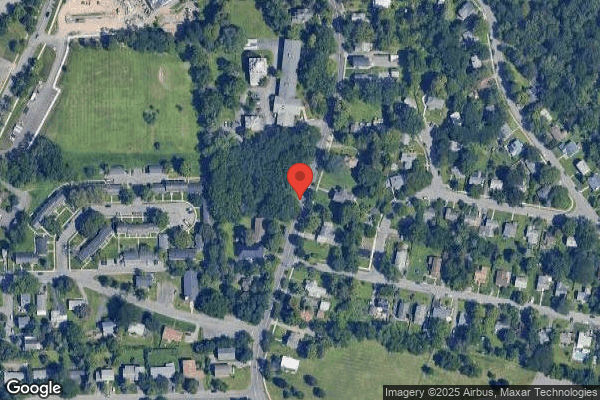
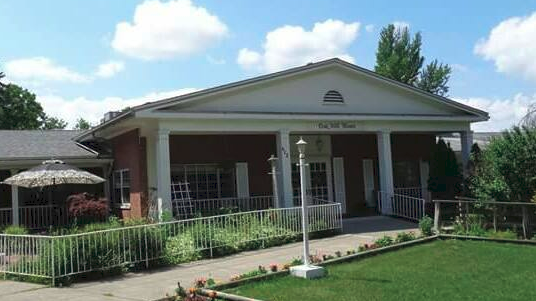
602 HUDSON ST, ITHACA, NY 14850 (607) 272-8282
For profit - Limited Liability company 60 Beds THE MAYER FAMILY Data: November 2025
Trust Grade
50/100
#429 of 594 in NY
Last Inspection: March 2025

Within standard 12-15 month inspection cycle. Federal law requires annual inspections.

Overview

Oak Hill Rehabilitation and Nursing Care Center has a Trust Grade of C, which means it is average and falls in the middle of the pack among nursing homes. With a state rank of #429 out of 594 in New York, they are in the bottom half of facilities, and they rank #3 out of 5 in Tompkins County, indicating only two local options are better. Unfortunately, the facility is worsening, with issues increasing from 4 in 2024 to 6 in 2025. Staffing is a relative strength, rated 4 out of 5 stars, but the turnover rate is concerning at 56%, higher than the state average, which suggests instability among staff. While there have been no fines, which is good, inspections revealed serious concerns, including improper food storage and sanitation practices, which could risk the health of residents.

Trust Score
C
50/100
In New York
#429/594
Bottom 28%
Safety Record
Low Risk
No red flags
Inspections
Getting Worse
4 → 6 violations
Staff Stability
⚠ Watch
56% turnover. Above average. Higher turnover means staff may not know residents' routines.
Penalties
✓ Good
No fines on record. Clean compliance history, better than most New York facilities.
Skilled Nurses
○ Average
Each resident gets 36 minutes of Registered Nurse (RN) attention daily — about average for New York. RNs are the most trained staff who monitor for health changes.
Violations
⚠ Watch
15 deficiencies on record. Higher than average. Multiple issues found across inspections.
★★☆☆☆
2.0
Overall Rating
★★★★☆
4.0
Staff Levels
★★★★☆
4.0
Care Quality
★★☆☆☆
2.0
Inspection Score
Stable
2024: 4 issues
2025: 6 issues

The Good

  • 4-Star Staffing Rating · Above-average nurse staffing levels
  • 4-Star Quality Measures · Strong clinical quality outcomes
  • Full Sprinkler Coverage · Fire safety systems throughout facility
  • No fines on record

Facility shows strength in staffing levels, quality measures, fire safety.

The Bad

2-Star Overall Rating

Below New York average (3.1)

Below average - review inspection findings carefully

Staff Turnover: 56%

Near New York avg (46%)

Frequent staff changes - ask about care continuity

Chain: THE MAYER FAMILY

Part of a multi-facility chain

Ask about local staffing decisions and management

Staff turnover is elevated (56%)

8 points above New York average of 48%

The Ugly 15 deficiencies on record

Mar 2025 6 deficiencies
CONCERN (D)

Potential for Harm - no one hurt, but risky conditions existed

Accident Prevention (Tag F0689)

Could have caused harm · This affected 1 resident

Based on observations, record review, and interviews during the recertification survey conducted 3/17/2025-3/19/2025, the facility did not ensure the resident environment remained free of accident haz...

Read full inspector narrative →
Based on observations, record review, and interviews during the recertification survey conducted 3/17/2025-3/19/2025, the facility did not ensure the resident environment remained free of accident hazards for 1 of 3 residents (Resident #40) reviewed. Specifically, Resident #40 had medication at their bedside not ordered by the medical provider and the resident was not evaluated for the ability to self-administer medications. Findings include: The policy Storage of Medications, dated 6/2024 documented the facility stored all drugs and biologicals in a safe, secure, and orderly manner. The nursing staff was responsible for maintaining medication storage and preparation areas. Resident #40 had diagnoses including chronic kidney disease and chronic pain. The 11/30/2024 Minimum Data Set assessment documented the resident was cognitively intact, required supervision or touch assistance for most activities for daily living, did not have pain, and did not receive scheduled or as needed pain medications as part of a pain management program in the previous 5 days of assessment. The Comprehensive Care Plan initiated 8/23/2024 and revised 3/18/2025 documented the resident was at risk for pain. Interventions included monitor and record any verbal or non-verbal signs of pain; assess effectiveness of pain relief measures; and administer medication as ordered. The Comprehensive Care Plan initiated 8/26/2024 documented the resident reported they sometimes needed assistance with instructions, or written material from a doctor or pharmacy. The interventions included the use of specific concrete instructions. The 8/23/2024 Physician Assistant #12 order documented the resident was to receive two, 500 milligram tablets of acetaminophen (pain medication), as needed, every 8 hours for chronic pain. The March 2025 medication administration record documented the resident did not receive any acetaminophen. During an interview and observation on 3/17/2025 at 3:23 PM, Resident #40 had a bottle of acetaminophen 650 milligram tablets at their bedside. The resident stated they took it a few times a week for left leg pain. During observations on 3/18/2025 at 10:20 AM and 3/19/2025 at 10:00 AM, the bottle of acetaminophen 650 milligram tablets remained on the resident's windowsill. During an interview on 3/19/2025 at 10:10 AM, Certified Nurse Aide #7 stated medications or inhalers were not supposed to be in resident rooms. It was a safety concern and if they saw medications in a room they would report it to the nurse. They did not notice the bottle of acetaminophen on the resident's windowsill. During an interview on 3/19/2025 at 10:15 AM, Licensed Practical Nurse #10 stated they were not aware of any residents who were care planned to self-administer medications. They were not sure that was even an option for the residents at the facility. They were able to have a physician order to leave the medication or inhaler at the bedside. They had not noticed Resident #40 had a bottle of acetaminophen on their windowsill. Resident #40 had an as needed order for acetaminophen but did not ask for it. During an interview on 3/19/2025 at 11:23 AM, the Director of Nursing stated the facility did not have any residents with the ability to self-administer medications. They expected medications found at a resident's bedside be removed immediately. The physician and the Director of Nursing should be notified. They would not know if the resident was taking the medications or not if the medication was left in the resident's room. 10 NYCRR 415.12(h)(l)
CONCERN (D)

Potential for Harm - no one hurt, but risky conditions existed

Deficiency F0761 (Tag F0761)

Could have caused harm · This affected 1 resident

Based on observations and interviews during the recertification survey conducted 3/17/2025-3/19/2025, the facility did not ensure drugs and biologicals were stored in accordance with professional prin...

Read full inspector narrative →
Based on observations and interviews during the recertification survey conducted 3/17/2025-3/19/2025, the facility did not ensure drugs and biologicals were stored in accordance with professional principles to include storage in a locked compartment under proper temperature control and permitted only authorized personnel access for 1 of 1 storage area (first-floor clean utility room) reviewed. Specifically, the first floor medication refrigerator was unlocked and stored in an accessible clean linen room; and the medication refrigerator contained several temperature sensitive medications and was out of proper temperature range. Findings include: The facility policy Medication Refrigeration Policy, dated 5/2024 documented the refrigerator must maintain a tight range of 35 to 45 degrees Fahrenheit. Maintenance should be called for inspection for any temperature out of range. The facility policy Storage of Medications, dated 6/2024 documented compartments (including, but not limited to, drawers, cabinets, rooms, refrigerators, carts, and boxes) containing drugs and biologicals shall be locked when not in use. Only persons authorized to prepare and administer medications should have access to the medication room, including any keys. During an observation on 3/17/2025 at 12:05 PM, the Director of Maintenance granted the surveyor access to the clean utility room next to the nursing station on the first floor. The clean utility room included resident care items. In the back of the room there were 2 refrigerators, one with beverages and one with medications. The medication refrigerator did not have a lock and contained glargine (long acting insulin), resident specific insulin pens, acetaminophen suppositories, semiglutide injection pens (diabetic medication), and a tuberculin skin test vial. During an interview on 3/18/2025 at 9:19 AM, Certified Nurse Aide #7 stated the clean utility room was accessible to everyone. Housekeeping, maintenance, therapy, certified nurse aides, activities, nurses, and anyone that needed to get something to care for a resident could access the room. The room had all types of items to provide resident care such as incontinence briefs and bathing supplies. During an observation on 3/18/2025 at 9:24 AM, Certified Nurse Aide #7 provided the surveyor the access code to the clean utility room next to the nursing station on the first floor. The medication refrigerator did not have a lock on it. The refrigerator contained 4 boxes of semiglutide injection pens, insulin pens, eye drops, and tuberculin skin tests. There was clear liquid pooling at the bottom of the refrigerator, and the eye drops box was soaked with the clear liquid. The refrigerator thermometer on the inside shelf documented 40 degrees Fahrenheit. During an observation on 3/18/2025 at 2:25 PM, the phone list at the first-floor nurse's station documented the code for access to the clean utility room, as Nurses Door. During an interview on 3/18/2025 at 2:34 PM, Certified Nurse Aide #8 stated general resident care items were stored in the clean linen/oxygen storage room next to the nurse's station. They did not think there were medications stored in the utility room, except in the medication refrigerator. The refrigerator used to be at the nurse's station with a lock on it. They thought the refrigerator in the clean utility room should have a lock on it. During an observation on 3/18/2025 at 3:08 PM, the first-floor clean utility medication refrigerator thermometer documented 60 degrees Fahrenheit. Clear liquid pooled at the bottom of the refrigerator and saturated the boxes of medications stored on the floor of the refrigerator. During an observation and interview on 3/18/2025 at 3:13 PM, Licensed Practical Nurse # 9 stated the medication refrigerators should be locked. Licensed Practical Nurse #9 entered the clean utility room and stated the refrigerator did not have a way to be locked. The refrigerator was 60 degrees Fahrenheit. It was the responsibility of the night shift to check the temperatures of the medication refrigerator. They stated all the items at the bottom of the refrigerator were soaked through. The semiglutide injection pens instructions were dripping wet. Licensed Practical Nurse #9 stated maintenance was looking at the refrigerator earlier in the day, but did not know the outcome. They stated the refrigerator was unsecured and anyone could walk in and take something from it. During an interview on 3/19/2025 at 11:21 AM, the Director of Nursing stated the first-floor medication refrigerator was in the clean utility room. There should be a lock on the refrigerator. They expected to be notified if medications were left unsecured, and they had not been notified the first-floor refrigerator was unlocked. The certified nurse aides, nurses, and anyone on that unit had access to the clean utility room. They stated that anyone could walk in and take those medications. The refrigerator was moved into the clean utility room from the nurse's station a few weeks ago and it should have a lock on it. When the medication refrigerator was observed at 60 degrees all the medication should be discarded and be replaced. 10 NYCRR 483.45 (g)(h)
CONCERN (E) 📢 Someone Reported This

A family member, employee, or ombudsman was alarmed enough to file a formal complaint

Potential for Harm - no one hurt, but risky conditions existed

Deficiency F0800 (Tag F0800)

Could have caused harm · This affected multiple residents

Based on observations and interviews during the recertification and abbreviated (NY00371301) surveys conducted 3/17/2025-3/19/2025, the facility did not provide each resident with a nourishing, palata...

Read full inspector narrative →
Based on observations and interviews during the recertification and abbreviated (NY00371301) surveys conducted 3/17/2025-3/19/2025, the facility did not provide each resident with a nourishing, palatable, well-balanced diet that met their daily nutritional needs for 2 of 2 meals (the 3/17/2025 and 3/18/2025 lunch meals) reviewed. Specifically, the 3/17/2025 lunch meal had a cold dessert served outside the appropriate temperature range, food items were missing, the texture of food items were not palatable, and the meal ticket directions were not followed; and the 3/18/2025 lunch meal tray had an item missing from the tray. Findings include: The facility policy Tray Identification, dated 4/2024 documented the Food Service Manager or Supervisor checked trays for correct diets before the food carts were transported to their designated area. Nursing staff should check each food tray for the correct diet before serving the residents. The facility policy Food Temperatures, revised 10/2024 documented all cold food items must be maintained and served at a temperature of 41 degrees Fahrenheit or below. During an observation and interview on 3/17/2025 at 12:22 PM, an unidentified certified nurse aide on the first floor stated the food cart that was delivered had no milk for any of the resident's trays. During a first floor lunch meal observation on 3/17/2025 at 12:22 PM Resident #12 was served their lunch tray. The resident's tray could not be reproduced as the kitchen did not have any main entrée left. Resident #12 requested a sandwich, milkshake, and apple juice. The kitchen did not have any apple juice, and the resident received orange juice. Resident #12 original meal tray was tested and verified with Certified Nurse Aide #13. The mixed fruit measured at 71.2 degrees Fahrenheit and was not listed on the meal ticket; the bread was placed across the spinach and pasta and was drenched with fluid; and the tray was missing 4 ounces of water, butter, and upside-down cake. The meal ticket documented no sauce or gravy on the tray, place the gravy on the side. The meat sauce was spread across the top of the pasta. During an interview on 3/17/2025 at 12:24 PM, Certified Nurse Aide #13 stated the piece of bread laying on top of Resident #12 spinach and pasta looked bad. The bread soaked up the liquid from the spinach and pasta. They stated residents complained about the food. The residents said they did not get all the items listed on their ticket, hot food was not hot, cold food was not cold, and they just did not like the food. During a second floor lunch meal observation on 3/18/2025 at 12:04 PM Resident #44 was served their lunch meal tray and a replacement was requested. The tray was missing the diet soda as planned and was verified with Registered Dietitian #15. During an interview on 3/19/2025 at 10:02 AM, Dietary [NAME] #14 stated the kitchen was short staffed, and the kitchen would sometimes not have enough of the food the residents ordered. There was supposed to be a par list. They did not have production sheets. They counted meal tickets and pulled the items, and they might not have enough of the items ordered. They stated three residents ordered the chicken, but they only had two servings; and nine residents ordered fish, and they had none on hand. When the kitchen ran short the Food Service Manager went to the grocery store and bought needed items. The trays were checked by the kitchen staff before they left the kitchen, but sometime things were missed. They stated meal tray items should match the tickets, so the residents got what they asked for. The mixed fruit was a cold dessert and should be served at a temperature of less than 40 degrees Fahrenheit. The mixed fruit at 71 degrees Fahrenheit was too warm. Food should look and taste appetizing. The best placement for the slice of bread would have been in a small bag on the side, but it went on the plate with the other items. The bread could become soggy when put with other items. If the residents did not like the food, they could refuse to eat which could cause weight loss. During an interview on 3/19/2025 at 10:15 AM, the Food Service Manager stated they had complaints about the food every now and then, mostly the menu was repetitive. They did not know who decided the menu rotation. Meal trays should match the tickets. The kitchen had two people read the ticket and they hoped to catch everything correctly before the tray left the kitchen and went to the resident. It was important for them to match to keep the resident happy. If the kitchen was unable to provide an item on the meal ticket, they tried to replace it with something equal. Mixed fruit was a cold dessert and should be served at approximately 33-38 degrees Fahrenheit, 71 degrees Fahrenheit was not an acceptable temperature for mixed fruit. The food should look and taste appetizing. When bread was served it should be place separately from pasta, because it could get soggy when placed on top of the food. There were times the kitchen ran out of a main entree or an alternative food item. They stated if they were in the building when items were short, they went to the store to purchase the items needed. They determined how much to order based on a notebook they created with menu ingredients. They wrote down the order and gave it to the Administrator to place the order. The kitchen was short staffed and had been for several months. 10NYCRR 415.14
CONCERN (E)

Potential for Harm - no one hurt, but risky conditions existed

Garbage Disposal (Tag F0814)

Could have caused harm · This affected multiple residents

Based on observations, record review, and interviews during the recertification survey conducted 3/17/2025-3/19/2025, the facility did not ensure garbage and refuse was disposed of properly. Specifica...

Read full inspector narrative →
Based on observations, record review, and interviews during the recertification survey conducted 3/17/2025-3/19/2025, the facility did not ensure garbage and refuse was disposed of properly. Specifically, facility garbage areas were not maintained to prevent attraction and harborage of pests. Findings include: The facility policy Smoking, revised 4/2024 documented the smoking area should be kept neat, clean, and attractive. Ashtrays should always be used when smoking. The facility policy Food-Related Garbage and Refuse Disposal, revised 5/2024 documented food related garbage and refuse were disposed of in accordance with current state laws. All garbage and refuse containers were provided with tight-fitting lids or covers and must be kept covered when stored or not in continuous use. The outside dumpsters provided by the garbage pickup service were kept closed and free of surrounding litter. During an observation and interview on 3/17/2025 at 1:30 PM, there were multiple piles of garbage and debris around various outbuildings, dumpsters, and shipping containers on site. There was garbage littering the tree line at the edge of the property and piles of pallets and construction material that were harborage areas for pests. The dumpsters were left open and there was a bag of garbage on the ground beside the dumpster. The Director of Maintenance stated the bag was left accidentally and been frozen to the ground, the dumpster company kept setting the dumpster back on top of it, and they did not want the bag to rip. They kept missing the dumpster company when they came onsite to have them move the dumpster so they could throw the bag out. They stated the metal was set aside for recycling. During an observation on 3/17/2025 at 5:13 PM, the staff smoking area included a smoking tower and metal ashtray that was tipped over with the lid left open and a plastic bag of garbage spilled out on the ground. During an observation on 3/18/2025 at 10:03 AM, the staff smoking area included a smoking tower and metal ashtray that was tipped over with the lid left open and a plastic bag of garbage spilled out on the ground. The dumpsters were open with garbage bags hanging out the top and bags on the ground beside the dumpster. During an observation of the staff smoking area and interview on 3/18/2025 at 12:45 PM, the Director of Maintenance stated staff smoked by the dumpsters. There was an ashtray by the dumpsters. The ashtray was a metal can with a self-closing lid and contained garbage and cigarette butts. During an interview on 3/18/2025 at 1:52 PM, the Food Service Director and Dietary Aide #17 stated they did not know the metal can in the smoking area was an ashtray. During an interview on 3/18/2025 at 2:03 PM, the Food Service Director stated garbage was taken out every day. They thought the dumpsters were emptied once a week but was not sure. Garbage should not be left around the outside of the building because it could attract wildlife. They stated they noticed the piles of pallets, construction equipment, decorations, metal recycling, tires, and other debris around the dumpsters and other buildings. They thought the delivery company would take back the pallets from the deliveries. The areas of debris were potential pest harborage areas. 10 NYCRR 415.14(h)
CONCERN (F)

Potential for Harm - no one hurt, but risky conditions existed

Food Safety (Tag F0812)

Could have caused harm · This affected most or all residents

Based on observations, record review, and interviews during the recertification survey conducted 3/17/2025-3/19/2025, the facility did not ensure food was stored, prepared, distributed, and served in ...

Read full inspector narrative →
Based on observations, record review, and interviews during the recertification survey conducted 3/17/2025-3/19/2025, the facility did not ensure food was stored, prepared, distributed, and served in accordance with professional standards for food service safety for 1 of 1 main kitchen. Specifically, in the main kitchen food was not properly stored or labeled; there were multiple unclean and uncleanable surfaces; and food products and equipment in the storage areas were below wastewater lines. Findings include: The facility policy Sanitization, revised 5/2024 documented the food service area should be maintained in a clean and sanitary manner. The kitchen and dining room surfaces not in contact with food should be cleaned on a regular schedule and frequently enough to prevent accumulation of grime. The Food Services Manager was responsible for scheduling staff for regular cleaning of the kitchen and dining areas. Food service staff were trained to maintain cleanliness throughout their work areas during all tasks, and to clean after each task before proceeding to the next assignment. During an observation of the main kitchen on 3/17/2025 between 9:51 AM and 12:25 PM; - there were dried food spills in the double door cooler and the cart next to the cooler had clean lunch trays coated with dried on dust, grease, and debris. - the back wall of the 3-bay sink was soiled with dried food splatters and the lower shelving and drawers had dried food debris, dust, and grease. - the floors in the dish room were soiled with blackened grease and grime. - the wall behind the dish machine was heavily soiled with food splatters, grease, and grime. - the wall by hand sink was heavily soiled with food splatters, grease, and grime. - the floor around and under the ice machine was heavily soiled. - the ice cream freezer at the end of the freezer row was heavily encased in ice, about 3-8 inches into the cooler, on all sides. - there was food and debris on the floor of the storage rooms, some canned goods and a case of paper cups were soiled by a red liquid spilling down through the shelving and dried onto the products. There was a shared wall to the Central Supply room with unfinished drywall that was not smooth and easily cleanable. - the dry storage room had a freezer located under an 8-inch drain line that extended across the room and hung over the wall's shelving for canned goods, drinks, individual packaged condiments, and clean pans. Milk and supplement drinks were stored under wastewater lines in the connecting storage room. - the tile floor in the hall outside the kitchen was in disrepair. The area held meal carts waiting to go in the dish room. The floor was heavily soiled and littered with debris. - the kitchen floors were soiled with built up black grease and grime. The grease and grime was heavier under equipment and preparation tables. - the kitchen storage room had unfinished plywood and 2 by 4 construction for shelving atop the gated entrance that was not smooth and easily cleanable. During an observation of the main kitchen on 3/18/2025 between 12:00 PM and 12:31 PM: - there was an unlabeled pitcher in the single door cooler. - there was a flat of raw unpasteurized eggs stored above a crate of milk. - the kitchen floors and walls were heavily soiled by food splatters, grease, and grime. - the dish machine was soiled on the outside, and the floor drain beneath appeared to have been clogged recently from the food debris and was washed against the base of the walls. During an interview on 3/18/2025 at 2:03 PM, the Food Service Manager stated the kitchen should be cleaned every shift, but they were short staffed. The floors were cleaned by sweeping and mopping, and they were trying to get enough staff to do a good deep clean, and only had four kitchen staff total. The walls should be cleaned once a month but had not been done much. The walls in the dish area were cleaned whenever they got to it. They did not document the cleaning of the kitchen. It was important to keep the kitchen preparation areas and storage areas clean to prevent cross contamination and to keep everything sanitary. They did not think food products or equipment should be stored under wastewater lines, because it was not sanitary. The bare wood shelves and drywall was not smooth or easily cleanable. All food should be properly labeled, including the pitcher. It was important so all staff knew what the items were and what it was used for, how long it had been there, and when to use it or not use it. Raw eggs should not be stored over any ready to eat item due to potential for cross contamination. 10NYCRR 415.14(h)
CONCERN (F)

Potential for Harm - no one hurt, but risky conditions existed

Infection Control (Tag F0880)

Could have caused harm · This affected most or all residents

Based on observations, record review, and interviews during the recertification survey conducted 3/17/2025-3/19/2025, the facility did not maintain an infection prevention and control program designed...

Read full inspector narrative →
Based on observations, record review, and interviews during the recertification survey conducted 3/17/2025-3/19/2025, the facility did not maintain an infection prevention and control program designed to provide a safe, sanitary, and comfortable environment and to help prevent the development and transmission of communicable diseases and infections including legionella (a type of bacteria found in water which can cause Legionnaires' disease); and did not handle, store, process, and transport linens and laundry in accordance with accepted standards to produce hygienically clean laundry and prevent the spread of infection for 1 of 1 laundry room reviewed. Specifically, there was no facility assessment for legionella, annual sampling for legionella was not conducted in 2024, legionella sampling completed in 2023 and 2025 did not include sampled sites in the water management plan; and the laundry room did not have a separated entry/exit area for the flow of dirty and clean linens to prevent cross-contamination of resident personal laundry. Findings include: Legionella The facility's plan titled Sampling and Management Plan, created on 10/2024 documented Legionella culture sampling and analysis was conducted annually. Areas to be sampled included: - Inlet of the heating system, - Outlet of the heating system - Inlet of the cold-water supply - Area closest to first delivery of hot water - Area in the middle of hot water delivery - Area of last outlet before the water returns to the heater - Area where multiple risers supply hot water to a limited number of rooms from a circulation loop - Floors that housed patients/ residents. A minimum of four samples were to be collected (faucet fixtures, shower areas, etc.). The last documented review of the facility's water management plan for Legionella was October 2023 and January 2025. There was no documented evidence the annual review of the Legionella program or testing sampling was completed in 2024, or culture sampling for 2023 and 2025 was obtained for the heating systems, cold water supply, or areas of first, middle, or last outlets as per the facility water management plan. During an interview on 3/18/2025 at 4:25 PM, the Director of Maintenance stated they ordered legionella testing kits from an outside agency and the kits contained sampling tubes with instructions on how to obtain the samples. They were responsible for the culture sampling for legionella and thought they obtained them in 2024, and the Administrator had the records. During an interview on 3/19/2025 at 3:21 PM, the Administrator stated they had not found legionella testing results for 2024 and thought they completed testing in 2024. They contacted the lab for results and the lab could not locate results for 2024. It was important to do annual testing for legionella to ensure the facility had safe water. Laundry Room There was no documented evidence of laundry or linen processing policy. During an observation and interview on 3/18/2025 at 1:28 PM, there was one entry and exit doorway for the laundry room. When entering the laundry room, there was a small closet to the left with hanging clean clothes and five bags of resident personal clothing on the floor in the closet. There were three washing machines, a utility sink in a corner between two washing machines, and two large front-loading dryers. The laundry room was approximately a 10-foot by 8-foot space. Laundry aide #4 stated the clothes in the closet were clean, not labeled, and were considered missing items since they were not labeled. Laundry aide #4 stated they were responsible for washing and drying resident's personal clothing for the entire building. The bags of clothing on the closet floor were dirty and should not be mixed with clean clothing. They did not have bins to place dirty clothing in because the owners did not want them to cross contaminate dirty and clean clothing when coming into and out of the laundry room door. Laundry aide #4 stated they did not have any room in the washing area to keep the dirty clothing, so the dirty clothing was placed in the clean closet area. It was important to keep dirty and clean clothes separate. During an interview on 3/18/2025 at 3:42 PM the Corporate Registered Nurse Infection Preventionist stated the facility was aware of the laundry room only having one entrance/exit and they knew about it for quite some time. The facility lacked the space to have a larger room with multiple entrances or exits. Currently the clean and dirty laundry passed one another. It was not appropriate for five bags of dirty clothing in the closet to be in the same area as clean laundry. There were many residents on enhanced barrier precautions for multiple drug resistant organisms and other conditions that could potentially spread infection. 10NYCRR 415.19(a)
Oct 2024 2 deficiencies
CONCERN (D) 📢 Someone Reported This

A family member, employee, or ombudsman was alarmed enough to file a formal complaint

Potential for Harm - no one hurt, but risky conditions existed

Quality of Care (Tag F0684)

Could have caused harm · This affected 1 resident

Based on record review and interviews during the abbreviated survey (NY00356309), the facility did not ensure that residents received treatment and care in accordance with professional standards of pr...

Read full inspector narrative →
Based on record review and interviews during the abbreviated survey (NY00356309), the facility did not ensure that residents received treatment and care in accordance with professional standards of practice for 1 of 3 residents (Resident #1) reviewed. Specifically, Resident #1 received their nutritional needs through a tube feeding (delivery of nutrients through a feeding tube placed directly into the stomach). The feeding tube became dislodged, and the resident was not assessed timely by a qualified professional. Findings include: The facility policy, Gastrostomy Tube Feeding, effective 9/2024 documented: - when an intermittent feeding was completed, document the administration in the Medication Administration Order. - If at any time, the tube feeding or water flush was not administered per physician order, the physician must be notified for further instruction or orders. Resident #1 had diagnoses including unspecified protein calorie malnutrition, autistic disorder, and restlessness and agitation. The 9/12/2024 Minimum Data Set assessment documented the resident had severe cognitive impairment, was dependent for activities of daily living, had a feeding tube, and received 51% or more of their total calories through tube feeding. The 9/27/2024 physician order documented Osmolite 1.5 (liquid nutritional formula) at 80 milliliters per hour, continuous with 100 milliliters of water every 6 hours for 18 hours a day, first administration time 12:00 AM. The 9/30/2024 at 12:29 AM Licensed Practical Nurse #1 progress note documented at 11:50 AM (9/29/2024), they entered the resident's room to start a fresh container of feeding and new flush bag, the pump was already running. The feeding tube was out of place, beside the resident, with the balloon (anchors the tube in the stomach) inflated and the linens were saturated with feeding. The feeding was held, and the resident was placed on report to have the feeding tube replaced in the morning. There was no documented evidence the resident was assessed by a qualified professional or that a medical provider was notified following the dislodgement of the tube feeding. The 9/30/2024 at 9:04 AM Licensed Practical Nurse #2 progress note documented they called the hospital and left a message about having the feeding tube replaced. The 9/30/2024 at 9:05 AM Licensed Practical Nurse #2 progress note documented they notified the medical provider and the family the resident pulled out the feeding tube. The 10/1/2024 at 12:51 PM progress noted entered by the Director of Nursing (as a late entry) documented the resident was assessed following the feeding tube being pulled out. There were no signs or symptoms of discomfort, no sign of infection at the site. The hospital was called again for an appointment in radiology with no return call. Physician Assistant #14 was notified and ordered to send the resident to the emergency room for tube replacement. During an interview with Licensed Practical Nurse #2 on 10/9/2024 at 12:36 PM, they stated when they arrived on 9/30/2024 at 7:30 AM, Licensed Practical Nurse #1 informed them Resident #1 pulled out their feeding tube. When Licensed Practical Nurse #2 asked Licensed Practical Nurse #1 if they called anyone, Licensed Practical Nurse #1 stated they had not and they wrote a note. Licensed Practical Nurse #2 notified Physician Assistant #14 at 8:56 AM and received no new orders. Resident #1 received tube feedings over 18 hours and Licensed Practical Nurse #1 reported they found the feeding tube dislodged at approximately 11:30 PM on 9/29/2024. The resident had not received any medications, fluids, or nutrition following the removal of the feeding tube. A medical provider should have been notified due to the resident's feeding being and medications being held, as the nurse cannot make that decision without an order. The Director of Nursing should also have been notified in the absence of a registered nurse in the building, for guidance on assessment of the resident. During an interview with the Director of Nursing on 10/9/2024 at 4:00 PM and a follow-up telephone interview on 10/25/2024 at 1:09 PM, they stated they were first made aware of Resident #1's displaced feeding tube on 9/30/2024 by Licensed Practical Nurse #2. If there was no registered nurse in the building, staff were to call the Director of Nursing. They would provide guidance, could utilize video calls, gather information, and would advise if an assessment was required at that time. Registered Nurse Supervisor #3 lived very close to the facility and was always available to respond onsite for needed assessments if the Director of Nursing was not available. The medical provider needed to be notified anytime an order was held or not able to be completed, including tube feedings and medications. The medical provider should also have been notified due to the feeding tube dislodgment; in the event they wanted the resident sent to hospital. Licensed Practical Nurse #1 was to receive a formal discipline and education on this process; however, they had not responded to the Director of Nursing's calls and had since resigned from their position. 10 NYCRR 415.12
CONCERN (E) 📢 Someone Reported This

A family member, employee, or ombudsman was alarmed enough to file a formal complaint

Potential for Harm - no one hurt, but risky conditions existed

Tube Feeding (Tag F0693)

Could have caused harm · This affected multiple residents

Based on observation, record review, and interviews during the abbreviated survey (NY00356309) the facility did not ensure a resident who was fed by enteral means (delivery of nutrients through a feed...

Read full inspector narrative →
Based on observation, record review, and interviews during the abbreviated survey (NY00356309) the facility did not ensure a resident who was fed by enteral means (delivery of nutrients through a feeding tube directly into the stomach) received the appropriate treatment and services to prevent complications for 3 of 3 residents (Residents #1, #2, and #3). Specifically, Residents #1, #2 and #3 received their nutritional needs through tube feedings and tube feeding documentation was unclear as to the duration and amount of feeding administered and received. Findings include: The facility policy, Gastrostomy Tube Feeding, effective 9/2024, documented: - when an intermittent feeding (tube feeding delivered through a feeding tube over short periods several times a day) was completed, document the administration in the Medication Administration Record. - If the tube feeding or water flush was not administered per physician order, the physician must be notified for further instruction or orders. 1) Resident #1 had diagnoses including unspecified protein calorie malnutrition, autistic disorder, and restlessness and agitation. The 9/12/2024 Minimum Data Set assessment documented the resident had severe cognitive impairment, was dependent for activities of daily living, did not have a swallowing disorder, had a feeding tube, and received 51% or more of their total calories through a tube feeding. The 9/30/2024 at 12:29 AM Licensed Practical Nurse #1 progress note documented the resident pulled out their feeding tube. The 10/1/2024 at 11:43 PM Registered Dietitian #5 progress note documented the resident was sent to the hospital for feeding tube replacement and returned. The recommendation was to resume prior tube feeding regimen of cyclic (feeding by a pump in less than 24 hours in a day) feeds of Osmolite 1.5 (liquid nutritional formula that provides 1.5 calorie per milliliter) at 80 milliliters per hour over 18 hours. The 10/2/2024 physician order documented formula Jevity 1.5 (liquid nutritional formula with fiber that provides 1.5 calorie per milliliter), 80 milliliters per hour over 18 hours, start time 1:00 AM. The order was discontinued on 10/4/2024. There was no documented evidence of tube feeding administration from 10/2/2024 to 10/4/2024. The 10/4/2024 physician order documented Osmolite 1.5, 80 milliliters per hour over 18 hours, start time 1:00 AM. The order was discontinued on 10/9/2024. The 10/2024 Medication and Treatment Administration Records did not contain any documented evidence of the 10/2/2024-10/8/2024 tube feedings. The 10/9/2024 physician's orders documented: - Osmolite 1.5 at 80 milliliters per hour for 18 hours, intermittent, tube feed to be started at 8:00 PM - Osmolite 1.5 at 80 milliliters per hour for 18 hours, intermittent, tube feed to be disconnected at 2:00 PM During an observation on 10/9/2024 at 11:47 AM, Resident #1 had their tube feeding connected. A 33.8 fluid ounce (1,000 milliliters) bottle of Osmolite 1.5 was hung as well as a fluid bag on the pole. The Osmolite bottle was dated 10/9/2024 at 6:00 AM with Licensed Practical Nurse #6's initials. The tube feeding pump was set at 80 milliliters per hour, with 200 milliliter flush every 6 hours. The amount on the bottle was at the 750-milliliter line (250 milliliters infused, at 80 milliliters per hour is 3.125 hours). During an observation on 10/9/2024 at 1:15 PM, Resident #1 was in the doorway to their room in a geri-chair (a specialty reclining mobile chair) with the tube feeding disconnected. At 2:20 PM, Resident #1's feeding tube remained disconnected (they were reported to have been agitated). The Osmolite bottle was dated 10/9/2024 at 6:00 AM with Licensed Practical Nurse #6's initials. The amount on the bottle remained at the 750-milliliter line (250 milliliters infused, at 80 milliliters per hour is 3.125 hours). There were no markings on the bottle to show the time the bottle was disconnected. The 10/2024 Medication and Treatment Administration Records documented the tube feeding administration times: - on 10/8/2024, no tube feeding was noted; - on 10/9/224, stopped at 2:00 PM; - on 10/10/2024, started at 9:22 PM and stopped on 10/11/2024 at 2:00 PM (16 hours, 38 minutes); - on 10/11/2024, started at 10:30 PM, stopped on 10/12/2024 at 2:00 PM (15 hours, 30 minutes); and - on 10/14/2024, started at 1:04 AM, stopped on 10/15/2024 at 2:00 PM (12 hours, 56 minutes) There was no documentation related to the start and stop times of the tube feedings or notification of the medical provider or registered dietitian about the tube feedings. 2) Resident #2 had diagnoses including cerebral infarction (stroke) and dysphagia (difficulty swallowing). The 8/13/2024 Minimum Data Set assessment documented the resident had severe cognitive impairment, required maximum assistance for their activities of daily living, had a feeding tube, and received 51% or more of their total calories through tube feeding. Resident #3 had diagnoses including cerebral infarction (stroke) and dysphagia (difficulty swallowing). There was no Minimum Data Set assessment completed for the resident, as they were newly admitted . Resident #2's medical record documented: - The 7/16/2024 physician order for Osmolite 1.2 (liquid nutritional formula that provides 1.2 calories per milliliter) at 360 milliliters bolus (given at one time) four times per day provided via pump over 2 hours, rate at 180 milliliters per hour (12:00 AM, 6:00 AM, 12:00 PM, 6:00 PM). - The 10/2024 Medication and Treatment Administration Records tube feeding administration times: from 10/1/2024-10/8/2024, tube feedings were administered late (more than 1 hour past the scheduled time) on 12 occasions. The reason was noted as charted late. - on 10/9/2024 at 6:00 AM, 360 milliliters, signed by Licensed Practical Nurse #6; - on 10/9/2024, scheduled at 12:00 PM, 360 milliliters, signed by Licensed Practical Nurse #2 at 3:20 PM, and noted as charted late, on time. - on 10/9/2024 at 11:34 AM, the progress note entered by Licensed Practical Nurse #2 documented the resident's morning medications were late and the provider was aware. There was no documentation related to Resident #2's tube feeding that was scheduled for 6:00 AM and 12:00 PM on 10/9/2024. On 10/9/2024 at 11:43 AM, Resident #2 was observed in bed. A full bottle of Osmolite 1.2, 50.7 ounces (1500 milliliters), with the seal of the bottle pierced with the tube feeding set was placed on the windowsill next to the resident's bed. There was no tube feeding pump in the room and the tube feeding was infusing. The bottle was dated 10/9 with the time 6:00 AM, and Licensed Practical Nurse #6's initials. At 2:20 PM, the bottle remained on the windowsill. Resident #3's medical record documented: - A 10/3/2024 physician order for Jevity 1.2 at 420 milliliters bolus via pump four times daily at 210 milliliters per hour over 2 hours, (12 AM, 6 AM, 12 PM, 6PM). - The 10/2024 Medication and Treatment Administration Records tube feeding administration times: - from 10/1/2024-10/8/2024, tube feedings were administered late (more than 1 hour past the scheduled time) on 9 occasions. The reason was noted as charted late. - on 10/9/2024 at 6:00 AM, 420 milliliters, signed by Licensed Practical Nurse #16; - on 10/9/2024 scheduled at 12:00 PM, 420 milliliters, signed by Licensed Practical Nurse #17 at 1:00 PM, and noted as charted late. There was no documented evidence in Resident #3's medical record the medical provider or Registered Dietitian was contacted related to a conflict in scheduled tube feeding times due to the unavailability of a feeding pump later identified during an interview with Licensed Practical Nurse #2. There was no documented evidence related to the late administration times. The 10/1/2024-10/8/2024 Medication and Treatment Administration Records for Residents #2 and #3 documented tube feeding administration times were completed on time for 17 administrations, scheduled at the same time. During an interview on 10/9/2024 at 12:36 PM Licensed Practical Nurse #2 stated Resident #1's tube feeding was intermittent meaning they stopped and started the tube feeding. Resident #2's feedings were bolus every 6 hours. The licensed practical nurse clarified Resident #1's order today with the Director of Nursing, to reflect a start and stop time for an 18-hour schedule. If the resident became agitated, they may pull at the feeding tube, so the tube feeding would be paused until the resident was calm again. The feeding could go over 18 hours if they had to pause the feeding. Licensed Practical Nurse #2 stated when they arrived this morning, Resident #1's tube feeding was not connected. They located the bottle on the counter by the sink in the resident's room, with the bottle open and the tube connected with formula in the tube, indicating it had been running. The licensed practical nurse stated the nurse from the prior shift, Licensed Practical Nurse #6, did not verbally report the time the tube feeding was started or stopped, and they could not locate any documentation in the resident's record. Licensed Practical Nurse #6 reported to them that Resident #2's 6:00 AM tube feeding was done. Their next scheduled administration time was 12:00 PM, which a was late at this time due to Resident #1 still using the pump. There was another tube feeding pump being used by Resident #3, and there were no other feeding pumps in the building to use. Licensed Practical Nurse #2 stated they had been sharing 2 feeding pumps among 3 residents for approximately 1 ½ weeks. Licensed Practical Nurse #2 was unaware of how long the tube feeding for Resident #1 had been paused or when it was started prior to their arrival on this day. They stated Licensed Practical Nurse #6 may have started Resident #1s feeding and stopped it to do Resident #2's 6:00 AM feeding. Licensed Practical Nurse #2 had to reset the pump for Resident #1's feeding rate at 7:30 AM, when they restarted the feeding. They stated they were unaware of the reason Licensed Practical Nurse #6 pierced the formula bottle for Resident #2 if they already completed their 6:00 AM feeding. Licensed Practical Nurse #2 stopped the feeding this afternoon due to the resident's agitation. They stated they looked at the bottle to see how much formula was gone, but it was hard to tell how much or how long the feeding had been running for the total 18-hour feeding. They did not document the start and stop times of the feedings and that was one reason they clarified the order today, to reflect the times. If they stopped the feeding for Resident #1 during the 18-hour cycle, they looked at the bottle to see how much was gone. At the time of the interview (2:15 PM), Licensed Practical Nurse #2 had not completed Resident #2's 12:00 PM scheduled feeding. During an interview on 10/16/2024 at 12:07 PM Registered Dietitian #5 stated they used the term cyclic feeding, meaning a tube feeding was administered over a designated time frame within a 24-hour period. The facility used the term intermittent, which the dietitian would consider the same as cyclic. Resident #1 should receive tube feedings of Osmolite 1.5 at 80 milliliters per hour over 18 hours. Registered Dietitian #5 stated if the resident's 18-hour feeding was interrupted due to care or behaviors, it would be up to nursing staff to determine how they were tracking the time of the interruptions and when the feeding was resumed. The expectation would be to extend the feeding beyond the 18-hour period if there was an interruption to ensure a full cycle was completed. The dietitian was not made aware that the facility was sharing 2 feeding pumps among 3 residents. They should have been notified to assist in obtaining another pump. The risk of sharing pumps was interrupted feeding schedules or late administration. If the dietitian was made aware, they could have recommended an alternate feeding schedule for the residents on bolus feedings, as it would not be appropriate to interrupt Resident #1's 18-hour cycle. During a telephone interview on 10/18/2024 at 2:14 PM Licensed Practical Nurse #6 stated continuous tube feeding meant the tube feeding ran constantly over a 24-hour period. Intermittent tube feeding meant the tube feeding was stopped for a couple of hours and then resumed. The nurse was not familiar with the facility using the term cyclic in terms of tube feeding schedules. Resident #1's tube feeding ran for 18 hours, and they thought they could stop it for 2 or 3 hours. They kept track of when the tube feeding was on and off by verbal nurse to nurse report. They had 24-hour reports and may also write down their own notes, but for Resident #1, all the nurses knew the schedule and did not write about Resident #1's feeding schedule on the 24-hour report or their own notes. They were not aware there was no sign off in the Medication or Treatment Administration Record for Resident #1's tube feedings from 10/2/2024 to 10/9/2024. When they started a new bottle or tube feeding, they wrote their initials, time, and date on the bottle. On 10/9/2024, they stated they hung Resident #1's tube feeding at 6:00 AM. They were unaware of the reason Licensed Practical Nurse #2 stated they found the bottle disconnected in the morning. They could not recall having to stop Resident #1's feeding to complete Resident #2's feeding. The nurse stated they pierced the tube feeding bottle, connected the tubing, initialed, dated, and timed the bottles at the time of administration. They would not puncture a bottle and prepare it for the next shift, as they were not responsible for that shift, and the bottle was only good for 24 hours after opening. They thought they may have prepared Resident #2's bottle for the 6:00 AM feeding and the other pump was not available, so they left it for the next shift to do. They did not use Resident #1's pump for feeding Resident #2. They alternated the other pump between Residents #2 and #3. During an interview on 10/25/2024 at 1:09 PM the Director of Nursing stated when Resident #3 was admitted , they were aware the resident required tube feedings. The facility had only 2 pumps in the building for Residents #1 and #2. They attempted to get another pump from the medical supply company and was told they were unable to provide it at that time. They did not notify the registered dietitian or corporate office to address the need and was not aware Residents #2 and #3 were on the same feeding schedule. When staff documented tube feedings as charted late it could mean that it was done on time and charted later, however Residents #2 and #3 were on the same feeding schedule, it would not be possible to administer both feedings according to schedule. One of the residents would receive a late feeding, as feedings took 2 hours. They did not take Resident #1's pump for feedings, as they were on an 18-hour feeding schedule. Any feeding that was administered late required notification of the medical provider. The Director of Nursing was not made aware Resident #2's 12:00 PM feeding was not completed on 10/9/2024 and stated Licensed Practical Nurse #2 should have notified a medical provider. Regarding Resident #1, the Director of Nursing stated they were unaware of the reason there was no Medication or Treatment Administration sign off for the feedings from 10/2/2024 to 10/9/2024. Nursing staff should have clarified, as the order could have changed. There was no documentation to show how much the resident received during this time. Resident #1 had a history of pulling out their feeding tube due to agitation or behavioral issues. If staff had to interrupt the tube feeding during the 18-hour cycle, it was expected they notify the medical each time. It was important for the medical provider to know to assess the resident's behaviors in relation to their ability to receiving their scheduled tube feedings. Additionally, staff needed to ensure they kept track of the times interrupted to ensure when it resumed, they received the total amount of formula they were prescribed. If feedings were documented late, it should be documented in the resident's record when the feedings were started to ensure the full cycle was completed. 10 NYCRR 415.12(g)(2)
Mar 2024 1 deficiency
CONCERN (F) 📢 Someone Reported This

A family member, employee, or ombudsman was alarmed enough to file a formal complaint

Potential for Harm - no one hurt, but risky conditions existed

Food Safety (Tag F0812)

Could have caused harm · This affected most or all residents

Based on observation, interview, and record review during the abbreviated survey (NY00332366) conducted on 3/8/2024, the facility failed to store, prepare, distribute, and serve food in accordance wit...

Read full inspector narrative →
Based on observation, interview, and record review during the abbreviated survey (NY00332366) conducted on 3/8/2024, the facility failed to store, prepare, distribute, and serve food in accordance with professional standards for food service in the facility's kitchen. Specifically, food was not properly heated for service, food products were left uncovered in the kitchen, and numerous unclean and uncleanable surfaces were present in the food service and storage areas. Findings included: The facility policy Cleaning/Sanitation of the Kitchen last revised 12/2023, documented that any and all areas in the kitchen were cleaned and sanitized on a regular basis. Food service workers and cooks were responsible for maintaining a clean environment in the kitchen. The undated facility recipe for Cheese Stuffed Shells documented to thaw the cheese stuffed shells and arrange in steam-able pans. Spread marinara sauce over the top of each pan, cover with foil, and bake at 400 degrees Fahrenheit for 35 -40 minutes. Before serving, pour 1 cup of hot marinara sauce over the top of each pan. The hot holding temperature was documented to be 140 degrees Fahrenheit or above. Temperatures were to be monitored every 30 minutes and recorded in the temperature log. A final cooking temperature was not included in the recipe. The facility's kitchen temperature logs were not provided when requested from the Administrator on 1/29/2024, 1/31/2024, and 2/9/2024. Improper Cooking: During an observation on 1/29/2024 at 11:15 AM, cook #1 was stirring stuffed shells in red sauce in a deep hotel pan located on two burners on that stove top. During an observation on 1/29/2024 at 11:35 AM, cook #1 moved the prepared lunch items from the stove to the steam table to service and measured the temperature with the surveyor. The following temperatures were measured by cook #1 and the surveyor, spinach 205 degrees Fahrenheit (surveyor) and 204 degrees Fahrenheit (cook #1), stuffed shells 145 degrees Fahrenheit (cook #1) and 77-144 degrees Fahrenheit (surveyor). The top middle of the shells were measured at 77 degrees Fahrenheit, they were warmer on the edge, and near the bottom, but a significant portions of the shells were not completely heated. [NAME] #1 only measured in 1 location along the edge, they then recorded their temperatures on a log sheet attached to a clipboard. The facility menu documented an alternate of baked chicken and mashed potatoes that was not prepared for service. All residents were served the one menu option of cheese stuffed shells and spinach. During an interview on 1/29/2024 at 11:40 AM, cook #1 stated the stuffed shells were a pre-made frozen product, they started heating the sauce at 10:20 AM, and then added in the frozen stuffed shells. They stated the required temperature of the stuffed shells and the spinach had to be over 140 degrees Fahrenheit before serving. During an observation and interview on 1/29/2024 at 11:45 AM, cook #1 began to plate the stuffed shells from the middle of the pan and stated they were ready for service. The surveyor and cook #1 measured the temperature of the stuffed shells on the plate which were 76 degrees Fahrenheit, and then the pan that was on the steam table from the middle which was 77 degrees Fahrenheit. [NAME] #1 stated the stuffed shells were thawed before they were started, but they did not have enough, and the Administrator had purchased more which may have been frozen when they were added. They stated they followed the recipe and did bake the stuffed shells in the oven, they were then moved to the stove top just before the surveyor entered the kitchen at 11:10 AM. [NAME] #1 stated they only cooked on Mondays and did not receive any training other than given the recipe book. They stated it was important for the food to be cooked properly to keep the residents from getting sick. During an interview on 1/29/2024 at 3:44 PM, human resources finance employee #2 stated that they were helping to run the kitchen since the Food Service Director left last week, but the Administrator was also very hands on in the kitchen. They stated that when they were a CNA they had helped on the line in the kitchen when someone had called out, but they had not cooked. They stated there was a chart in the kitchen for the cooking temperatures and the hot food had to be cooked to 140 degrees Fahrenheit. During an interview on 1/29/2024 at 8:05 PM, the Administrator stated the cooks received 3 days of on the job training and that should be documented. After the Food Service Director left, they had taken over the ordering, human resources finance employee #2 and human resources assistant #10 were overseeing the kitchen and working on their training. During an interview on 2/11/2024 at 11:19 AM, the Administrator stated the only documented training records they could find were from 2 or 3 of the most recent employees, but that was only their orientation, no cooking training was documented. The facility Orientation Checklist for Dietary Employees for [NAME] #1 documented they were trained on dishes, meal service, tray delivery, cleaning procedure, and an explanation of the menu. There were not documented training records regarding cooking, proper temperatures, or measuring temperatures. During an interview on 3/8/2024 at 1:52 PM, the Administrator stated the proper cooking temperature for the stuffed shells was 160 degrees Fahrenheit. They stated it was important for meals to be cooked properly for infection prevention and it must be cooked thoroughly to prevent people from getting sick. Uncovered Food Products: The following were observed on 1/29/2024: - at 12:26 PM, a 1-gallon vegetable oil jug lacked a lid was located on the shelf below the prep table. A #10 can of mashed potatoes was open and uncovered located next to the toaster. - at 12:35 PM, a packet of beef soup mix with a corner cut open was on the counter beside the stove. During an interview on 1/29/2024 at 1:39 PM, cook #1 stated they did not use the vegetable oil, mashed potatoes, or beef soup mix that were left out and open in the kitchen. They stated they were not sure when any of those items may have been used and they did not know that they needed to be covered. During an interview on 1/29/2024 at 3:44 PM, human resources finance employee #2 stated that all foods should be stored covered in the kitchen. During an interview on 3/8/2024 at 1:52 PM, the Administrator stated foods should not be left uncovered in the kitchen because that could cause cross contamination. Unclean and Uncleanable Food Service Areas: The following were observed on 1/29/2024: - at 11:15 AM, the kitchen's two door refrigerator was soiled on the bottom shelf and on the outside of doors by food spills and debris. Lower shelves of the central prep tables were soiled with food debris. The single door nourishments fridge was also soiled on bottom shelf by food spills and debris. The wall by the can opener was splattered with reddish food droplets. The cook line side of the central prep area was soiled by food debris with large chunks of scrambled eggs present on the shelving. The 5 bay steam table had soiled water and food debris in the basins. - at 12:11 PM, the windowsill frame below the fan unit was dusty, soiled with food debris, and grease. - at 12:12 PM, the drawers beside the stove were soiled with food debris and grime. The floors beneath the prep tables and equipment were soiled with built up grease, food debris, and grime. - at 12:16 PM, the insulated base used during meal service for a resident was visibly soiled with food debris. - at 12:26 PM, a spatula taken from the clean utensil drawer had a large chunk cut out of the side (uncleanable) and was used to scrape the pureed resident's meal from the grinder. - at 12:35 PM, the walls of the dish room were soiled by grease, grime, and food splatters. The wall behind the steam table was bare plywood (uncleanable) and splattered with food debris. A bin located on the shelf in the dish room contained cups and lids soiled with food debris and brown liquid. The microwave interior was soiled with food splatters. The large mixer was soiled with dried on food debris. - at 12:56 PM, the top of the mechanical dishwasher was heavily soiled by food debris, grease, and grime. The ceiling in kitchen showed some disrepair and uncleanable surfaces. - at 1:09 PM, there were puddles of liquid under the shelving that contained food products in the kitchen storage room. The double door freezer was soiled with food debris on the shelving and food products. - at 1:13 PM, the nursing storage room adjacent to the kitchen storage room had large puddles covering over half the room's floor. - at 1:14 PM, the cart beneath the meat slicer was soiled by a dried-on puddle of dark liquid. - at 5:40 PM, dietary aide #8 put raw burgers in a pan with gloved hands, without changing or discarding the gloves, then proceeded to paw through the clean utensil bin to find a flipper. - at 5:43 PM, the kitchen hood filters were heavily soiled with dust and greasy debris. - at 8:00 PM, the kitchen remained unclean and as observed earlier in the day, specifically the scrambled eggs remained on the lower shelf of the prep table. During an interview on 1/29/2024 at 1:09 PM, cook #1 stated the kitchen storage room got wet when it rained and they thought it had something to do with the foundation, or the footer drains. During an interview on 1/29/2024 at 1:13 PM, the Administrator stated they were working on the puddles in the storage rooms and that happened after all that rain that fell the previous night and was not normally like that. During an interview on 1/29/2024 at 1:39 PM, cook #1 stated the bin of cups in the dish room was supposed to be clean cups and lids and they used those during meal service. They stated they did not notice most of the food debris, grease, and splatters in the kitchen because they just cleaned their work area and prep table. During an interview on 1/29/2024 at 3:44 PM, human resources finance employee #2 stated the day aides were supposed to pick up after their shift, and the night aides were responsible to clean the kitchen. They thought the kitchen staff had different cleaning responsibilities that were documented. During an interview on 2/11/2024 at 11:19 AM, the Administrator stated they were unable to find any cleaning logs, and only provided a blank template that they planned to reinstate. During an interview on 3/8/2024 at 1:52 PM, the Administrator stated that all dietary staff were responsible for cleaning the kitchen. They stated it was not acceptable for staff to touch raw meat and anything else without changing their gloves. The Administrator stated it was important for the kitchen, storage areas, utensils, and equipment to be kept clean to prevent cross contamination and for infection prevention. 10NYCRR 415.14(h)
Jan 2024 1 deficiency
CONCERN (D) 📢 Someone Reported This

A family member, employee, or ombudsman was alarmed enough to file a formal complaint

Potential for Harm - no one hurt, but risky conditions existed

Quality of Care (Tag F0684)

Could have caused harm · This affected 1 resident

**NOTE- TERMS IN BRACKETS HAVE BEEN EDITED TO PROTECT CONFIDENTIALITY** Based on record review and interview during the abbreviated survey (NY00283542) the facility did not ensure residents received t...

Read full inspector narrative →
**NOTE- TERMS IN BRACKETS HAVE BEEN EDITED TO PROTECT CONFIDENTIALITY** Based on record review and interview during the abbreviated survey (NY00283542) the facility did not ensure residents received treatment and care in accordance with professional standards of practice for 1 of 3 residents (Resident #2) reviewed. Specifically, Resident #2 was admitted to the facility with a diagnosis of septic shock (severe widespread infection) with recommendations to begin preventative antibiotics after completion of the current antibiotic course and to follow-up with urology. There was no documented evidence the preventative antibiotics were ordered or administered and the urology appointment was cancelled without documented rationale. Findings include: The facility policy Medication and Treatment Orders updated 12/2023 documented medications shall be administered only upon the written order of a person duly licensed and authorized to prescribe such medications in this state. Resident #2 was admitted to the facility with diagnoses including urinary tract infect, extended spectrum beta lactamase resistance (an enzyme produced by bacteria and resistant to many antibiotics), and neuromuscular dysfunction of the bladder. The 8/26/2021 Minimum Data Set assessment documented the resident had moderately impaired cognition, rejected care 1-3 of 7 days, required limited assistance for personal hygiene and toileting, was occasionally incontinent of urine, received intermittent catheterization (removal of urine from the bladder), and received antibiotics on 3 of 7 days during the assessment period. The hospital Discharge summary dated [DATE] documented the resident was hospitalized for septic shock related to extended spectrum beta lactamase Escherichia coli (bacteria). A urogram computerized tomography (imaging exam of the urinary tract) showed abdominal wall thickening greater than expected and could be cystitis (inflammation of the bladder) or a tumor. Discharge plans included treatment with Bactrim (antibiotic) twice daily for 10 days and follow-up with the urologist for consideration of cystoscopy (a procedure that looks inside the bladder with a camera) due to significant hematuria (bloody urine). Recommendations included to continue with twice daily self-catheterization and resume nitrofurantoin (antibiotic) suppressive therapy after finishing Bactrim. A physician's order report dated 8/1/2021-8/30/2021 documented Bactrim DS 800-160 milligrams, one tablet twice daily with a start date of 8/24/2021 and an end date of 9/3/2021. There was no documentation a urology consult was ordered. The initial nurse practitioner #14's visit note dated 9/19/2021 at 8:21 PM, documented it was a late entry note for an encounter date of 8/24/2021. The note documented the resident was admitted from the hospital where they were treated for septic shock. The resident was transitioned to 10 days of Bactrim after discharge and it was recommended they start nitrofurantoin suppression therapy after completion of Bactrim. The resident had a history of urinary retention and was on a self-catheterization program twice a day. The plan documented to complete the course of Bactrim, monitor blood work and vital signs, continue self-catheterization two times daily, and resume nitrofurantoin for suppressive therapy after completion of antibiotics. A physician's order report dated 9/1/2021-9/30/2021 did not include orders for nitrofurantoin suppressive therapy or a urology consult. The Medication Administration Records dated 8/24/2021-9/20/2021 documented the resident finished the 10 day course of Bactrim on 9/3/2021. There was no documented evidence the resident received nitrofurantoin from 9/4/2021 until discharge on [DATE]. A 9/14/2021 licensed practical nurse #2's progress note documented a urology appointment was scheduled for 9/17/2021 at 9:45 AM. The Medication Administration Records dated 8/24/2021-9/20/2021 documented a urology appointment 9/17/2021 at 9:45 AM. On 9/17/2021 at 9:10 AM, the licensed practical nurse documented not administered: Discontinued. There was no corresponding progress note regarding the resident's urology appointment. The resident was discharged to home on 9/20/2021 at 10:30 AM. A hospital progress note dated 9/20/2021 documented the resident arrived at the hospital from home after being found unresponsive by a family member. The resident was found to be septic likely from a urinary source and was given intravenous antibiotics and was awaiting transfer to another hospital for a higher level of care. The diagnoses included septic shock, kidney failure, sepsis, and respiratory failure. Nurse practitioner #14 was not available for interview. During an interview on 1/5/2024 at 12:04 PM, licensed practical nurse #2 stated they no longer worked at the facility. At the time Resident #2 was in the facility, their job duties included setting up resident appointments and arranging transportation. After an appointment was completed, the transport aide would give the documentation to the nurse on the unit. The unit nurse would then be responsible for communicating with the nurse practitioner and sending the visit summary to medical records. If a resident did not attend a scheduled appointment, it should have been documented in the progress notes. During an interview on 1/5/2024 at 12:20 PM, the registered nurse at the urology office stated that Resident #2 had a consult scheduled for 9/17/2021, the resident did not attend the appointment, and it was rescheduled for 9/20/2021. The resident did not attend the 9/20/2021 appointment. The registered nurse could not find a reason why the resident did not come to the office for the consultation as scheduled on 9/17/2021. During an interview with nurse practitioner #17 on 1/12/2024 at 10:30 AM, they stated they did not work at the facility in 9/2021. They stated if a resident had discharge orders to start nitrofurantoin after the completion of Bactrim, they would have ordered them at the same time and designated a start date for the nitrofurantoin after the course of Bactrim was done. They stated they could enter orders themselves if it was a simple order but would usually have the Charge Nurse enter the order if it was more complex. They stated they communicated with the nurse when they ordered medications. The nurse practitioner stated it was difficult to say if nitrofurantoin would have made a difference in the resident developing sepsis from a urinary source. If the resident was scheduled for a follow-up urology appointment and the resident did not attend the appointment, they would expect to be notified and there should be documentation indicating why the resident did not attend the appointment. 10NYCRR 415.12
Sept 2023 3 deficiencies
CONCERN (D)

Potential for Harm - no one hurt, but risky conditions existed

Safe Environment (Tag F0584)

Could have caused harm · This affected 1 resident

**NOTE- TERMS IN BRACKETS HAVE BEEN EDITED TO PROTECT CONFIDENTIALITY** Based on observation and interview during the recertification survey conducted 9/25/2023-9/28/2023, the facility did not ensure ...

Read full inspector narrative →
**NOTE- TERMS IN BRACKETS HAVE BEEN EDITED TO PROTECT CONFIDENTIALITY** Based on observation and interview during the recertification survey conducted 9/25/2023-9/28/2023, the facility did not ensure residents' right to a safe, clean, comfortable, and homelike environment for 7 isolated areas (elevator #1, unit 1 hallway, and resident rooms #1, #13, #18, #19, and #29) reviewed. Specifically, elevator #1's access door was unclean with brown, sticky debris, and the walls to the entrance of the elevator on both sides had scraped paint; call bells were not within reach for multiple resident rooms (resident rooms #1, #13, #18, #19 and #29); there was a strong urine odor on unit 1 near the first floor elevator and in room [ROOM NUMBER]; and staff was observed using their personal cell phone near resident areas on unit 2 at the nursing station. Findings include: The facility policy Answering the Call Light revised 9/2021, documented: - Be sure the call light was plugged in at all times. Do not tie or wrap cords around grab bars. - When the resident was in bed or confined to a chair be sure the call light was within easy reach of the resident. - Some residents may not be able to use their call light. Be sure to check these residents frequently. Report all defective call lights to the nurse supervisor promptly. The facility policy Cell Phones and Earbuds updated 5/2023 documented: - No cell phones could be used in resident care areas. - Cell phones should not be carried on employees other than management staff. - Nurses would utilize cell phones only in the event of internet interruption to complete tasks and only with explicit permission from the manager. - Cell phones could be used on breaks and in areas designed for staff, or outside the building. 1. Elevator #1: Walls and Door Unclean The following observations were made of elevator #1: - On 9/25/2023 at 10:08 AM, the access door had a brown sticky substance on it. - On 9/26/2023 at 1:15 PM, the access door had a brown sticky substance on it. - On 9/26/2023 at 3:59 PM, the outside wall surfaces on both sides of the first and second floors had scraped paint. During an interview on 9/27/2023 at 10:55 AM, the Maintenance Director stated that elevator #1's access door, and the walls and floor area around elevator #1 were cleaned daily. The walls were constantly being scraped by wheelchairs and other carts. It was important that the facility environment was maintained in a homelike appearance. During a follow-up interview on 9/27/2023 at 11:57 AM, the Maintenance Director stated that the walls around elevator #1 were last painted on 7/19/2023. 2. Call Bells Not Accessible The following call bells were observed out of reach: - On 9/25/2023 at 10:57 AM in room [ROOM NUMBER]; the call bell was on the floor, under a bed. - On 9/25/2023 at 11:39 AM, in room [ROOM NUMBER]; tied to the bed enabler bar and out of reach of the resident. - On 9/25/2023 at 11:46 AM in room [ROOM NUMBER]; the call bell cords for the window-side and door-side beds were on top of the overhead lights located over the residents' beds. - On 9/25/2023 at 11:56 AM in room [ROOM NUMBER]; the call bell cords for the window-side and door-side beds were on the floor. - On 9/26/2023 at 3:12 PM, in room [ROOM NUMBER]'s bathroom; the call bell cord was wrapped around a grab bar. During an interview on 9/27/2023 at 9:31 AM, certified nurse aide (CNA) #5 stated that after caring for a resident they would make sure that the resident's call bell was within reach. If a resident was in their bed the call bell should be attached to the bed, and if a resident was in their chair the call bell should be attached to the chair. The staff providing care was responsible for ensuring the resident could reach their call bell, and any staff walking by could assist a resident if they saw that a call bell was not located within reach. They stated they checked on the residents throughout the day and always within 1-2 hours to check their safety and see if they needed assistance. The resident call bell could fall on the floor, and some residents even threw them on the floor or moved them. The call bells had clips to help ensure they were attached and not loosely draped over the resident. If a resident could not reach their call bell, and tried to attempt something on their own, it could put the resident at risk for an accident or a fall. During an interview on 9/27/2023 at 9:58 AM, CNA #12 stated that after caring for a resident they would make sure a resident's call bell was within reach before they left the room. All the staff worked together, but they made sure to round on their residents every 1-2 hours. If they noticed the call bell had fallen to the ground, they would pick it up and place it near the resident. There were clips on the call bell cords so the call bells would not fall to the floor. During an interview on 9/27/2023 at 10:12 AM, licensed practical nurse (LPN) #6 stated whenever they entered a resident's room to assist with care, they looked to make sure the call bell was near the resident. Staff entering a resident room was responsible for ensuring that the call bell was within reach, and if a call bell was not within reach it would put a resident at risk for a fall. During an interview on 9/27/2023 at 10:55 AM, the Maintenance Director stated call bell cords were not allowed to be tied to the metal grab bars in the bathroom, and all staff were aware that this was not allowed. Any staff entering the bathroom should have untied the call bell cord. Staff had been in serviced on proper call bell cord usage when initially hired and annually. It was important that the facility environment was maintained in a safe manner. During an interview on 9/27/2023 at 1:10 PM, CNA #13 stated that call bells should be kept within residents' reach and answered timely to find out what the resident needed. If a call bell was not within reach, there could be the risk for a resident to not be able to call for help if needed. They stated it was not appropriate for a call bell cord to be located on top of an overhead light. During an interview on 9/27/2023 at 1:13 PM, LPN #2 stated they expected call bells to be answered in a timely manner within 5 to 10 minutes, and all staff could answer call bells. Call bells should be kept within reach of the resident and located on a resident's lap or the blankets on their bed. It was inappropriate to have call bells cords out of reach, and unapproved locations would include on top of the overhead bed lighting and on the floor. If call bells were not answered timely there could be a greater risk that residents would not be assisted if they had fallen or had chest pain. 3. Urine Odors Strong urine odors were observed: - On 9/25/2023 at 9:45 AM when exiting the elevator on unit 1. - On 9/25/2023 at 10:08 AM in the unit 1 hallway. - On 9/27/2023 at 1:34 PM in the unit 1 hallway. - On 9/25/2023 at 11:46 AM in room [ROOM NUMBER]'s bathroom. The bathroom floor was sticky. - On 9/26/2023 at 2:58 PM in room [ROOM NUMBER]'s bathroom. The bathroom floor was sticky. During an interview on 9/27/2023 at 10:55 AM, the Maintenance Director stated that the flooring material in room [ROOM NUMBER]'s bathroom had been installed approximately a month ago, and no staff had brought the strong urine odor to their attention. They would expect a housekeeper to clean all resident bathrooms and report a strong odor to the Nurse Manager to alert them. The Maintenance Director stated that a work order should have been made if a strong urine odor was identified. Work orders were located at each nursing station in a work order logbook and were checked daily by the maintenance staff. It was important that the facility environment was maintained in a clean and homelike manner. During a follow-up interview on 9/27/2023 at 11:57 AM, the Maintenance Director stated they were not aware of any urine odors on the first floor. 4. Staff Cell Phone Use The following observation was made on 9/25/23 from 12:18 PM-12:32 PM: - At 12:18 PM registered nurse (RN) Infection Preventionist (IP) #9 was at the nursing station desk on unit 2 using their personal cell phone calling the utility company about their bill. Their cell phone had the speaker phone option turned on, and music could be heard playing while they were put on hold. - At 12:20 PM an unidentified staff carrying a resident lunch tray stopped by the nursing station desk to ask RN IP #9 the location of a resident. RN/IP #9 remained on their cell phone and was overheard speaking with the utility company's customer service representative, stating in a loud voice that their bill was still active at their old apartment. - At 12:24 PM the call bell for room [ROOM NUMBER] was alarming, staff were passing lunch trays in the main dining room and to residents in rooms while RN IP #9 remained on their cell phone. - At 12:26 PM RN IP #9 ended the phone call with the utility company. - At 12:32 PM RN IP #9 was observed on their cell phone. Staff were still passing lunch trays. The Director of Nursing (DON) then stopped by the nursing station desk to ask RN IP #9 if they had taken lunch yet, and they replied they were waiting for the residents' lunch to be over. During an observation on 9/27/2023 at 9:30 AM on unit 2, RN IP #9 was sitting at the nursing station desk, using their cell phone while an unidentified resident in front of them was yelling for assistance and asking for a tissue. At 9:31 AM, while the unidentified resident was still yelling and complaining of pain, RN IP #9 set their phone down and proceeded to work on the computer. At 9:33 AM a staff member came from the other end of the hall to provide the resident with the requested tissue. RN IP #9 continued to work on the computer and the resident's pain was not addressed at the time. During an interview on 9/28/2023 at 9:42 AM the Director of Nursing (DON) stated personal cell phone use was not allowed on the units. Nurses could only use a cell phone if they were communicating with medical staff. If they observed staff using their personal cell phone in a work area they would pull the staff aside, tell them to put the cell phone away and to use it during their break. If they saw staff using their cell phone near residents, they would probably send them home. If staff were observed having a discussion on their phone about paying bills, there would be a written counseling at the end of the shift. IP RN #9 should not have been on their phone during the residents' lunch meal. 10 NYCRR 415.29(j)(1)
CONCERN (D)

Potential for Harm - no one hurt, but risky conditions existed

MDS Data Transmission (Tag F0640)

Could have caused harm · This affected 1 resident

Based on record review and interview during the recertification survey conducted 9/25/2023-9/28/2023, the facility did not ensure that resident Minimum Data Set (MDS) assessments were transmitted to t...

Read full inspector narrative →
Based on record review and interview during the recertification survey conducted 9/25/2023-9/28/2023, the facility did not ensure that resident Minimum Data Set (MDS) assessments were transmitted to the Centers for Medicare and Medicaid Services (CMS) System within 14 days after completion for 5 of 5 residents (Residents #4, #8, #9, #12, and #48) reviewed. Specifically, the MDS assessments for Residents #4, #8, #9, #12, and #48 were not transmitted to CMS within 14 days of completion. Findings include: The facility policy MDS 3.0 Policy created 6/2023 documented that the reference for policy creation came from the resource manual- CMS Long Term Care Resident Assessment Instrument Version 3.0 Manual, October 1, 2019. The CMS Minimum Data Set (MDS) Resident Assessment Instrument Version 3.0 Manual documented that comprehensive assessments must be transmitted electronically to the Quality Improvement Evaluation System (QIES) Assessment Submission and Processing (ASAP) system using the CMS wide area network within 14 days of the care plan completion date and all other MDS assessments must be submitted within 14 days of the MDS completion date. The 8/8/2023 facility MDS 3.0 NH Final Verification Report documented Resident #4 had an MDS assessment with the target date of 5/19/2023 and was signed and completed on 8/31/2023. The MDS was transmitted on 8/8/2023. A warning message documented the record was submitted late; the submission date was more than 14 days after the new comprehensive assessment. The 9/27/2023 facility MDS 3.0 NH Final Verification Report documented: - Resident #48 had an MDS assessment signed as completed on 08/23/2023. The MDS was transmitted on 9/27/2023. A warning message documented the record was submitted late; the submission date was more than 14 days after the new assessment. - Resident #12 had an MDS assessment signed as completed on 8/25/2023. The MDS was transmitted on 9/27/2023. A warning message documented the record was submitted late; the submission date was more than 14 days after the new assessment. - Resident #8 had an MDS assessment signed as completed on 8/28/2023. The MDS was transmitted on 9/27/2023. A warning message documented the record was submitted late; the submission date was more than 14 days after the new comprehensive assessment. - Resident #9 had an MDS assessment signed as completed on 8/30/2023. The MDS was transmitted on 9/27/2023. A warning message documented the record was submitted late; the submission date was more than 14 days after the new comprehensive assessment. During a telephone interview on 9/27/2023 at 4:46 PM, the MDS Coordinator stated they were responsible for resident assessments, ensuring diagnoses were coded correctly, ensuring residents had physician exams, and proper coding of the MDS assessment book. MDS assessments were required to be completed and submitted quarterly every 92 days, and annually every 365 days. The exact date to submit the form, from the date of completion, depended on the due date for that resident, but they had 14 days to complete the document. Multiple people assisted in the completion of the MDS assessment and signed off on the signature page (section Z). The MDS Coordinator reviewed the form and was responsible for submitting it. They stated they reviewed residents #4, #8, #9, #12, and #48 and the submission dates of the forms were not available, but the reports were filed for August 2023 based on the Assessment Reference Date (ARD) status as production accepted. They stated production accepted meant the forms were submitted. The MDS assessment was important to advise CMS of changes and track the progress of the residents in the facility. They stated if the MDS assessments were not done timely they would just be marked late but would not affect resident's care. 10 NYCRR 415.11 (a)(5)
CONCERN (D)

Potential for Harm - no one hurt, but risky conditions existed

Infection Control (Tag F0880)

Could have caused harm · This affected 1 resident

Based on observation, record review, and interview during the recertification survey conducted 9/25/2023-9/28/2023, the facility did not establish and maintain an infection prevention and control prog...

Read full inspector narrative →
Based on observation, record review, and interview during the recertification survey conducted 9/25/2023-9/28/2023, the facility did not establish and maintain an infection prevention and control program designed to provide a safe, sanitary, and comfortable environment and to help prevent the development and transmission of communicable diseases and infections for 2 of 2 residents (Residents #35 and #267) reviewed. Specifically, registered nurse (RN) Infection Preventionist (IP) #9 was observed not following enhanced barrier precautions (EBP) when assessing Resident #35's right ankle wound and did not perform appropriate hand hygiene. Resident #267 was on EBP for an open wound and received personal hygiene care by 3 certified nurse aides (CNAs #1, #3, and #11) who did not wear the required personal protective equipment (PPE). Findings include: The facility policy Enhanced Barrier Precautions, revised 4/23/2023, documented it was a Centers for Disease Control and Prevention (CDC) recommendation to provide guidance for use of personal protective equipment (PPE) in facilities for preventing the spread of multi-drug resistant organisms (MDROs), and included: - The facility would implement EBPs during high-contact resident care activities for those residents who may or may not be colonized with an MDRO. - Examples of high-contact resident care activities were dressing, bathing/showering, transferring, changing linens, changing briefs, or assisting with toileting, device care or use- central line, urinary catheter, feeding tube, and tracheostomy/ventilator, and wound care- any skin opening requiring a dressing. - Appropriate signage for the type of precaution would be posted on the room door. - Staff would perform hand hygiene and don PPE before entering a resident's room, and staff would remove PPE and perform hand hygiene before exiting a resident's room. 1) Resident #35 was admitted to the facility with diagnoses including urogenital candidiasis (yeast infection), cellulitis (skin infection) of lower limb, and a non-pressure chronic ulcer of the left lower leg. The 6/2/2023 Minimum Data Set (MDS) assessment documented the resident had intact cognition, one venous and arterial ulcer, and a multi-drug resistant organism and a wound infection (other than foot). The comprehensive care plan (CCP) with a problem start date of 3/2/2023 and edited on 9/27/2023 documented: Altered Health Maintenance, EBP may be applied to residents with wounds, indwelling medical devices - regardless of MDRO colonization status, infection, or colonization with an MDRO. Interventions included: - Signage on doors. - Gown and gloves to be worn with high contact with affected source. The CCP dated 6/16/2023 documented the resident had a stasis ulcer of the left lower leg due to venous insufficiency (poor circulation). Interventions included dressing change per physician order. Physician's orders as of 9/26/2023 documented: - Apply 2 - 4 compression wraps to right lower extremity (RLE) from toes to mid-thigh, place on in AM and off at night (HS). - Enhanced barrier precautions due to open wound on lower extremity every shift due to cellulitis of left lower limb. A 9/22/2023 at 1:57 PM licensed practical nurse (LPN) #14 progress note documented the dressing to the resident's left lower extremity was changed and there were copious amounts of serosanguinous (combination of blood and serum) drainage noted. During an observation on 9/26/2023 at 9:14 AM, Resident #35's room had an EBP sign outside near the door and a PPE holder over the door. During an observation on 9/26/23 at 10:34 AM, RN IP #9 removed gloves from the PPE holder on the resident's door, put on gloves, and entered the resident's room. The door to the room remained opened. RN IP #9 had their hands on the resident's right ankle as they did an assessment and they stated to the resident that the area was bleeding near the ankle, it was not leaking like that last week, and they would have the wound doctor look at it in the morning (9/27/2023). They removed the soiled gloves while in the resident's room, balled them up in their left hand, exited the room, did not perform hand hygiene, rubbed their nose with their right hand, and walked to the nursing station. A 9/26/2023 at 10:36 AM RN IP #9 progress note documented they had done an assessment on the resident's right leg. It was weeping from the ankle area, there was no open skin, and it was wrapped with gauze and an abdominal pad (a thick, absorbent dressing) and they would have the wound doctor assess in the morning (9/27/2023). During an interview on 9/26/2023 at 10:54 AM, RN IP #9 stated enhanced precautions meant if staff were going to be in direct contact with feeding tubes, ostomies, catheters, and wounds they should be wearing gloves and a gown. They stated they did not touch the resident's left leg because that was the one with the wound. They stated they touched the resident's right ankle that was leaking, and they wore gloves but should have worn a gown. The soiled gloves should have been removed before exiting the room and hand hygiene performed. They were not aware that they had balled the soiled gloves into their left hand then rubbed their nose with their right hand after they exited the resident's room. During an interview on 9/28/23 at 9:42 AM the Director of Nursing (DON) stated if staff were observed not wearing the appropriate PPE based on a residents' EBP status they would stop them and make them don (apply) the appropriate PPE. If staff did not wear the appropriate PPE, they could potentially pass on the germs. 2) Resident #267 was admitted to the facility with diagnoses including septicemia (a system wide blood infection), unstageable (full-thickness tissue loss where the wound base is covered with dead tissue) pressure wound to their sacrum (lower back), and a wound infection. The 9/8/2023 Minimum Data Set (MDS) assessment documented the resident had intact cognition, was totally dependent on 2 for most activities of daily living (ADLs) and had a wound infection. The comprehensive care plan (CCP) initiated 9/2023 documented the resident required extensive assistance of 2 with personal hygiene and bed mobility and was totally dependent on 2 for toileting. The resident had an actual skin impairment of an unstageable wound to the sacrum. The 9/2/2023 RN IP #9 progress note documented a 24-hour follow-up skin check revealed the resident had a wound to their sacrum and treatment orders were placed for wet to dry packing with border gauze. The wound doctor would see the resident on 9/7/2023. The 9/4/2023 physician #10 order documented enhanced barrier precautions (EBP) due to wounds every shift: days, evenings, nights. During an observation and interview on 9/25/2023 at 10:33 AM, there was a red EBP sign on the resident's door along with a personal protective equipment (PPE) holder affixed to the door. The holder contained goggles, gloves, gowns, and masks. The EBP on the door documented PPE was to be worn for dressing, bathing, showering, transferring, changing linens, providing hygiene, changing briefs, or assisting with toileting. CNAs #1 and #11 were washing the resident with soap and water. An open sacral wound was present with no dressing and CNAs #1 and #11 were not wearing gowns. At 10:44 AM, licensed practical nurse (LPN) #2 entered the resident's room to perform the treatment on their sacrum and told CNAs #1 and #11 they needed to wear a gown while performing care on the resident due to the resident having an open wound. CNA #11 stated they were not aware they needed to wear one. During an interview on 9/25/2023 at 11:54 AM, CNA #1 stated Resident #267 had an enhanced barrier precautions sign on their door because they had an open wound. During an observation on 9/26/2023 at 10:09 AM, CNA #3 wore gloves and removed the resident's soiled incontinence brief and washed the resident's peri area. CNA #3 did not wear a gown. CNA #1 assisted CNA #3 with positioning the resident and was not wearing a gown. During an interview on 9/26/2023 at 1:18 PM CNA #3 stated they were not sure when the EBP sign was placed on Resident #267's door. They stated it was there to remind staff to wear PPE for residents that had open wounds, central lines, catheters, and other devices such as feeding tubes. CNA #3 stated they should have worn a gown when providing toileting assistance to the resident. CNA #3 stated the resident had a wound and by not wearing a gown, they could have spread infection from the resident to themselves or to other residents. CNA #3 stated they had been educated on infection control that included handwashing and donning (putting on) and doffing (taking off) PPE. During an interview on 9/27/2023 at 12:40 PM with RN IP #9, they stated they had been the infection preventionist nurse for 2 months, had educated staff on handwashing, donning and doffing PPE, and EBP. RN IP #9 stated they expected direct care staff to wear PPE during resident care if the resident had an EBP sign on the door. RN IP #9 stated it was not appropriate to perform care without a gown if a resident had an open wound and staff risked spreading infection to themselves or other residents if they did not don PPE. 10 NYCRR 415.19(a)(b)
Jul 2021 2 deficiencies
CONCERN (D)

Potential for Harm - no one hurt, but risky conditions existed

Deficiency F0804 (Tag F0804)

Could have caused harm · This affected 1 resident

Based on observation, interview, and record review during the recertification and abbreviated (NY00245515) surveys conducted from 6/28/21-7/1/21, the facility did not provide food and drink that was p...

Read full inspector narrative →
Based on observation, interview, and record review during the recertification and abbreviated (NY00245515) surveys conducted from 6/28/21-7/1/21, the facility did not provide food and drink that was palatable, attractive, and at a safe and appetizing temperature for 3 of 3 meal trays tested. Specifically, food was not served at palatable and safe temperatures. Findings include: The facility policy Food Storage effective 9/15/20 documented food is stored, prepared, and transported at appropriate temperatures and by methods designed to prevent contamination or cross contamination. Refrigerated foods are to be maintained at or below 41°F (Fahrenheit). There was no documentation regarding safe holding temperatures of cooked, hot foods. During the lunch meal on 6/29/21 the following was observed: - At 11:51 AM the kitchen lunch service carts were delivered to the 2nd floor. - At 12:00 PM the lunch tray of an anonymous resident was tested, and a replacement was requested. The tray included Spanish rice with ground beef and the temperature was measured at 129 degrees Fahrenheit (F), creamed corn measured at 127 F, and milk measured at 58 F. - At 12:17 PM temperatures were measured in the steam table within the main kitchen and the Spanish rice was 181 F and the creamed corn was 184 F. The following was observed for the dinner meal on 6/29/21: - At 4:56 PM the meal included a breaded chicken patty, tomato soup, mixed vegetables, and a yogurt parfait for dessert. Temperatures were measured in the steam table within the main kitchen. The chicken patty was 198 F, tomato soup was 180 F, and the mixed vegetables were 198 F. - At 5:34 PM meal tray carts were delivered to the 2nd floor. - At 5:40 PM Resident #20's meal tray was tested, and a replacement was ordered. The chicken patty measured at 135 F, mixed vegetables at 128 F, milk at 77 F and yogurt parfait at 74 F. During lunch service on 6/30/21 the following was observed: - At 11:25 AM milk was taken out of the refrigerator in the main kitchen. - At 11:34 AM ice bins with milk were set up in the main kitchen. - At 11:40 AM milks were placed on trays and loaded into the insulated meal cart. - At 11:45 AM the first insulated cart came out of the main kitchen for delivery to the unit. - At 11:53 AM the insulated cart arrived to the 2nd floor and the milk was measured at 49 F. When interviewed on 6/30/21 at 11:59 AM, the Dietary Director stated it was hard to hold milk temperatures when it was so hot outside. They had tried to bring ice pans up to the units and leave the milk on ice until the trays were served. At 11:14 AM, the Dietary Director stated they never checked milk temperatures but would just put them on the trays. For daytime meals they would usually use a bin filled with ice to place the milk in and at dinner milk went directly onto the trays. They used to put milk in the bins on each floor to help hold temperatures. The Dietary Director stated 40 F is the highest temperature milk should be. They stated milk might be losing temperature because they go into the heated insulated cart and the weather had also been so hot lately. Food temperatures were not measured after they were checked in the steam table. Food should be served warm at least 140 F. The final temperatures were taken in the kitchen and they did not take temperatures of food on the units. 10NYCRR 415.14(d)(1)(2)
CONCERN (D)

Potential for Harm - no one hurt, but risky conditions existed

Food Safety (Tag F0812)

Could have caused harm · This affected 1 resident

Based on observation and interview during the recertification survey conducted 6/28/21-7/1/21, the facility did not ensure the storage, preparation, distribution, and service of food was in accordance...

Read full inspector narrative →
Based on observation and interview during the recertification survey conducted 6/28/21-7/1/21, the facility did not ensure the storage, preparation, distribution, and service of food was in accordance with professional standards for food service safety for 1 isolated area (the main kitchen). Specifically, the #10 can opener was unclean, sticky, and soiled with food debris and the exhaust hood over the stove was dust and grease laden. Findings include: When observed on 6/29/21 at 8:38 AM, the #10 can opener in the main kitchen was unclean, soiled with food debris and showed signs of orange rust. The holder was also unclean and sticky. When observed on 6/29/21 at 8:40 AM, the exhaust hood over the stove in the main kitchen was dust and grease laden. When interviewed on 6/29/21 at 8:40 AM, the Dietary Director stated the hood was cleaned a few months ago but should be cleaned again. The Dietary Director stated the can opener was unclean and should be cleaned. When observed on 6/30/21 at 11:29 AM, both the can opener and exhaust hood remained unclean and soiled. 10NYCRR 415.29 (j)(1)
Understanding Severity Codes (click to expand)
Life-Threatening (Immediate Jeopardy)
J - Isolated K - Pattern L - Widespread
Actual Harm
G - Isolated H - Pattern I - Widespread
Potential for Harm
D - Isolated E - Pattern F - Widespread
No Harm (Minor)
A - Isolated B - Pattern C - Widespread

Questions to Ask on Your Visit

  • "Why is there high staff turnover? How do you retain staff?"
  • "Can I speak with families of current residents?"
  • "What's your RN coverage like on weekends and overnight?"

Our Honest Assessment

Strengths
  • • No major safety red flags. No abuse findings, life-threatening violations, or SFF status.
  • • No fines on record. Clean compliance history, better than most New York facilities.
Concerns
  • • 15 deficiencies on record. Higher than average. Multiple issues found across inspections.
  • • Grade C (50/100). Below average facility with significant concerns.
  • • 56% turnover. Above average. Higher turnover means staff may not know residents' routines.
Bottom line: Mixed indicators with Trust Score of 50/100. Visit in person and ask pointed questions.

About This Facility

What is Oak Hill Rehabilitation And Nursing's CMS Rating?

CMS assigns OAK HILL REHABILITATION AND NURSING CARE CENTER an overall rating of 2 out of 5 stars, which is considered below average nationally. Within New York, this rating places the facility higher than 0% of the state's 100 nursing homes. A rating at this level reflects concerns identified through health inspections, staffing assessments, or quality measures that families should carefully consider.
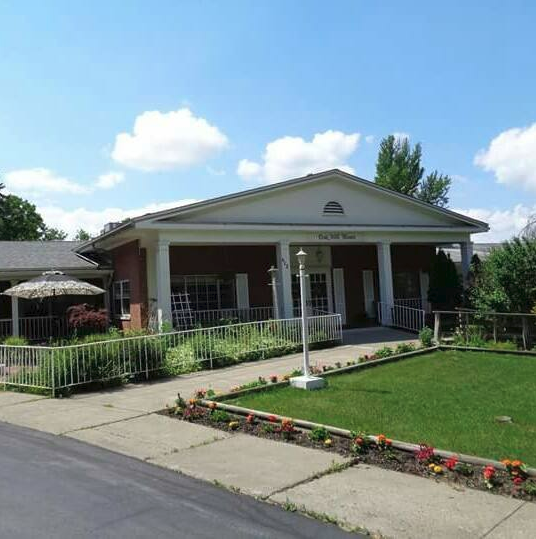
How is Oak Hill Rehabilitation And Nursing Staffed?

CMS rates OAK HILL REHABILITATION AND NURSING CARE CENTER's staffing level at 4 out of 5 stars, which is above average compared to other nursing homes. Staff turnover is 56%, which is 10 percentage points above the New York average of 46%. High turnover can affect care consistency as new staff learn residents' individual needs.

What Have Inspectors Found at Oak Hill Rehabilitation And Nursing?

State health inspectors documented 15 deficiencies at OAK HILL REHABILITATION AND NURSING CARE CENTER during 2021 to 2025. These included: 15 with potential for harm.

Who Owns and Operates Oak Hill Rehabilitation And Nursing?

OAK HILL REHABILITATION AND NURSING CARE CENTER is owned by a for-profit company. For-profit facilities operate as businesses with obligations to shareholders or private owners. The facility is operated by THE MAYER FAMILY, a chain that manages multiple nursing homes. With 60 certified beds and approximately 56 residents (about 93% occupancy), it is a smaller facility located in ITHACA, New York.

How Does Oak Hill Rehabilitation And Nursing Compare to Other New York Nursing Homes?

Compared to the 100 nursing homes in New York, OAK HILL REHABILITATION AND NURSING CARE CENTER's overall rating (2 stars) is below the state average of 3.1, staff turnover (56%) is near the state average of 46%, and health inspection rating (2 stars) is below the national benchmark.

What Should Families Ask When Visiting Oak Hill Rehabilitation And Nursing?

Based on this facility's data, families visiting should ask: "How do you ensure continuity of care given staff turnover, and what is your staff retention strategy?" "Can I visit during a mealtime to observe dining assistance and food quality?" "How do you handle medical emergencies, and what is your hospital transfer rate?" "Can I speak with family members of current residents about their experience?" These questions are particularly relevant given the facility's high staff turnover rate.

Is Oak Hill Rehabilitation And Nursing Safe?

Based on CMS inspection data, OAK HILL REHABILITATION AND NURSING CARE CENTER has a clean safety record: no substantiated abuse findings (meaning no confirmed cases of resident harm), no Immediate Jeopardy citations (the most serious violation level indicating risk of serious injury or death), and is not on the Special Focus Facility watch list (a federal program monitoring the lowest-performing 1% of nursing homes). The facility has a 2-star overall rating and ranks #100 of 100 nursing homes in New York. While no facility is perfect, families should still ask about staff-to-resident ratios and recent inspection results during their visit.

Do Nurses at Oak Hill Rehabilitation And Nursing Stick Around?

Staff turnover at OAK HILL REHABILITATION AND NURSING CARE CENTER is high. At 56%, the facility is 10 percentage points above the New York average of 46%. High turnover means new staff may not know residents' individual needs, medications, or preferences. It can also be disorienting for residents, especially those with dementia who rely on familiar faces. Families should ask: What is causing the turnover? What retention programs are in place? How do you ensure care continuity during staff transitions?

Was Oak Hill Rehabilitation And Nursing Ever Fined?

OAK HILL REHABILITATION AND NURSING CARE CENTER has no federal fines on record. CMS issues fines when nursing homes fail to meet care standards or don't correct problems found during inspections. The absence of fines suggests the facility has either maintained compliance or corrected any issues before penalties were assessed. This is a positive indicator, though families should still review recent inspection reports for the full picture.

Is Oak Hill Rehabilitation And Nursing on Any Federal Watch List?

OAK HILL REHABILITATION AND NURSING CARE CENTER is not on any federal watch list. The most significant is the Special Focus Facility (SFF) program, which identifies the bottom 1% of nursing homes nationally based on persistent, serious quality problems. Not being on this list means the facility has avoided the pattern of deficiencies that triggers enhanced federal oversight. This is a positive indicator, though families should still review the facility's inspection history directly.