Absolut Center for Nursing and Rehabilitation at T
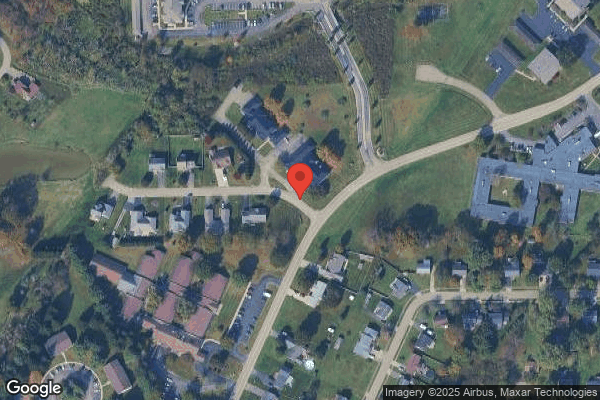
101 Creekside Drive, Painted Post, NY 14870 (607) 936-4108
For profit - Limited Liability company 120 Beds ABSOLUT CARE Data: November 2025
Trust Grade
75/100
#137 of 594 in NY
Last Inspection: February 2025

Within standard 12-15 month inspection cycle. Federal law requires annual inspections.

Overview

Absolut Center for Nursing and Rehabilitation at T has a Trust Grade of B, indicating it is a good choice for families looking for a solid nursing home option. It ranks #137 out of 594 facilities in New York, placing it in the top half, and #4 out of 6 in Steuben County, meaning only one local facility has a better ranking. Unfortunately, the facility's trend is worsening, with the number of issues increasing from 2 in 2023 to 5 in 2025. Staffing is a concern, with a rating of 2/5 stars and a high turnover rate of 58%, much above the state average of 40%. On a positive note, the facility has not incurred any fines, which is a good sign, but it also has less RN coverage than 75% of New York facilities, which could affect the quality of care. Specific incidents noted during inspections include a failure to properly implement infection control measures for a resident with Covid-19, which exposed other residents to risk. Additionally, the facility did not report an incident where a resident fell out of bed due to inadequate assistance, and there were issues with serving food that was not palatable or at the right temperature, highlighting some areas needing improvement. Overall, while there are some strengths, families should be aware of the weaknesses and recent trends as they consider this facility.

Trust Score
B
75/100
In New York
#137/594
Top 23%
Safety Record
Low Risk
No red flags
Inspections
Getting Worse
2 → 5 violations
Staff Stability
⚠ Watch
58% turnover. Above average. Higher turnover means staff may not know residents' routines.
Penalties
✓ Good
No fines on record. Clean compliance history, better than most New York facilities.
Skilled Nurses
⚠ Watch
Each resident gets only 25 minutes of Registered Nurse (RN) attention daily — below average for New York. Fewer RN minutes means fewer trained eyes watching for problems.
Violations
⚠ Watch
12 deficiencies on record. Higher than average. Multiple issues found across inspections.
★★★★☆
4.0
Overall Rating
★★☆☆☆
2.0
Staff Levels
★★★☆☆
3.0
Care Quality
★★★★☆
4.0
Inspection Score
Stable
2023: 2 issues
2025: 5 issues

The Good

  • Full Sprinkler Coverage · Fire safety systems throughout facility
  • No fines on record

Facility shows strength in fire safety.

The Bad

Staff Turnover: 58%

12pts above New York avg (46%)

Frequent staff changes - ask about care continuity

Chain: ABSOLUT CARE

Part of a multi-facility chain

Ask about local staffing decisions and management

Staff turnover is elevated (58%)

10 points above New York average of 48%

The Ugly 12 deficiencies on record

Feb 2025 5 deficiencies
CONCERN (D)

Potential for Harm - no one hurt, but risky conditions existed

Report Alleged Abuse (Tag F0609)

Could have caused harm · This affected 1 resident

**NOTE- TERMS IN BRACKETS HAVE BEEN EDITED TO PROTECT CONFIDENTIALITY** Based on observations, interviews, and record reviews conducted during the Recertification Survey from 02/24/2025 to 02/28/2025,...

Read full inspector narrative →
**NOTE- TERMS IN BRACKETS HAVE BEEN EDITED TO PROTECT CONFIDENTIALITY** Based on observations, interviews, and record reviews conducted during the Recertification Survey from 02/24/2025 to 02/28/2025, for one (Resident #66) of four resident reviewed, the facility did not ensure that all alleged violations involving potential abuse, neglect, exploitation, or mistreatment were reported to the New York State Department of Health in accordance with state law. Specifically, the facility did not report a resident falling out of bed during care that was being provided by one Certified Nursing Assistant opposed to two Certified Nursing Assistants per the resident's person-centered Comprehensive Care Plan. This is evidenced by the following: The facility policy Accident/Incident Investigation and Prevention, dated June 2023, included in the event a resident is involved in an accident or incident in which it is reasonable to assume, based on the facts, that negligence is involved, the occurrence shall be reported to the New York State Health Department according to the Patient Abuse and Reporting regulations. Resident #66 had diagnoses including dementia (altered mental status), congestive heart failure, and atrial fibrillation (irregular heartbeat). The Minimum Data Set Resident Assessment, dated 01/23/2025, documented Resident #66 had severely impaired cognition. Review of the resident's Comprehensive Care Plan (initiated 06/02/2024) and the current [NAME] (care plan used by the Certified Nursing Assistants for daily care) included Resident #66 had a self-deficit in bed mobility and required two staff for bed mobility and rolling side to side. Review of the document titled #4434 witnessed fall, dated 02/19/2025 (identified by the facility as an Incident and Accident form) and signed by Licensed Practical Nurse #3, revealed that Resident #66 had a fall out of bed during incontinence care that was provided by Certified Nursing Assistant #7. Resident #66 was care planned for two-person assist for incontinence care while in bed. Resident #66's mental status was oriented to person and situation, both Licensed Practical Nurse #3 and the night shift Supervisor Licensed Practical Nurse #5 were notified. The resident sustained a skin tear to their right knee and bruising to the right lower leg. Both Provider (medical team) and family were notified. Intervention initiated was a fall mat to left side of bed. Review of statements, all dated 02/19/2025 obtained by the facility included the following: 1. In a statement Certified Nursing Assistant #7 stated they were changing Resident #66, told Resident to roll back to them, but the resident rolled the wrong way and fell off the bed. 2. In a statement Licensed Practical Nurse #3 stated they were passing medications to another resident when Certified Nursing Assistant #7 told them Resident #66 was on floor. Licensed Practical Nurse #3 documented in their statement that the aide (Certified Nursing Assistant #7) rolled the resident out of bed. Additionally, Licensed Practical Nurse #3 documented that Certified Nursing Assistant #8 approached them to inform them another resident had complained to them that Certified Nursing Assistant #7 had been rough with them during care. Licensed Practical Nurse #3 documented that they felt Certified Nursing Assistant #7 was a detriment to the residents. 3. Resident #66's statement included that the aide rolled them onto the floor. During an interview on 02/27/2025 at 2:51 PM, Licensed Practical Nurse Manager #2 stated if an accident or incident occurred it was the nurse's responsibility to start the Accident and Incident form which included witness statements, neuro checks, vital sign sheets, and to write up findings in the resident's electronic medical record. Licensed Practical Nurse Manager #2 stated as a Nurse Manager they review Accident and Incident reports in the electronic medical records, review care plans and bring the incidents to morning meeting to discuss the situation (with the interdisciplinary team). During an interview on 02/28/25 at 10:07 AM, the Director of Nursing stated any signs of abuse or neglect with an injury should be reported to the Department of Health. The Director of Nursing stated they did not report this incident because they felt the bruise was related to a fall, so they did not need to report it. During an interview on 02/28/25 at 12:28 PM, the Administrator stated that neglect and/or mistreatment included not following the care plan. The Administrator stated they did not feel that the incident on 02/19/2025 with Resident #66 rose to the level of reporting to the Department of Health because it was not a serious injury. 10 NYCRR 415.4
CONCERN (D)

Potential for Harm - no one hurt, but risky conditions existed

ADL Care (Tag F0677)

Could have caused harm · This affected 1 resident

**NOTE- TERMS IN BRACKETS HAVE BEEN EDITED TO PROTECT CONFIDENTIALITY** Based on observations, interviews, and record review conducted during a Recertification Survey from 02/24/2025 to 02/28/2025, fo...

Read full inspector narrative →
**NOTE- TERMS IN BRACKETS HAVE BEEN EDITED TO PROTECT CONFIDENTIALITY** Based on observations, interviews, and record review conducted during a Recertification Survey from 02/24/2025 to 02/28/2025, for one (Residents #15) of seven residents reviewed, the facility did not ensure that residents who were dependent on staff for assistance received the necessary services to maintain grooming and personal hygiene. Specifically, Resident #15 did not receive consistent assistance with nail care. This is evidenced by the following: The facility policy Nail Care, dated 04/10/2011, documented routine nail care is to be done following bath and/or shower whenever possible. Resident #15 had diagnoses including vascular dementia, congestive heart failure, and traumatic brain injury. The Minimum Data Set Resident Assessment, dated 01/04/2025, documented the resident had severely impaired cognition and was dependent with personal hygiene. Review of the Comprehensive Care Plan, last reviewed on 01/05/2025, and current [NAME] (plan of care used by Certified Nursing Assistants) revealed Resident #15 required total assistance with bathing/showering and all personal hygiene including nail care on bath/shower day and/or as needed. Scheduled shower day was Monday evening shift. In a nursing progress note, dated 02/08/2025, the Licensed Practical Nurse documented that Resident #15 removes their brief and smears the bowel movement around. During an observation on 02/24/2025 at 11:45 AM, Resident #15 was in bed. Their brief (partially removed by the resident) was soaked through, their bed sheet was wet, and the resident had brown stool on back of their leg and all over their left hand, including fingers and nail beds. Review of the February 2024 Treatment Administration Record revealed Resident #15 received a weekly skin monitoring every Monday evening shift for skin integrity and was signed off as being completed on 02/24/2025. During an observation on 02/24/2025 at 12:34 PM, 02/25/2025 at 10:03 AM, and on 02/26/2025 at 4:16 PM, Resident #15 had brown debris on multiple fingers, nails, and cuticles. During an observation on 02/27/25 at 8:57 AM, Resident #15 was sitting up in bed eating breakfast with their hands. Their tee shirt, brief, and left hand had brown debris in the cuticles and under the fingernails. During an interview on 02/27/2025 at 5:49 PM, Certified Nursing Assistant #9 stated they were not assigned to Resident #9 (that day) but they have floated to that unit and care for each resident should be on the [NAME] which is found in the resident's room. Certified Nursing Assistant #9 stated if a resident refused nail care, they should reapproach and tell the nurse. During an interview on 02/27/2025 at 2:51 PM, Licensed Practical Nurse Manager #2 stated nail care should be completed on the residents' shower days unless refused. Review of Resident #15's electronic medical record with the surveyor at this time revealed no documented evidence that they had refused nail care. Licensed Practical Nurse Manager stated it (the dirty nails) was a problem. During an interview on 02/28/2025 at 11:37 AM, the Director of Nursing stated nail care should be performed on shower days and that if a resident refused nail care, the nurse should be made aware, and the refusal documented in the electronic medical record and on the resident's care plan. 10 NYCRR 415.12(a)(3)
CONCERN (D)

Potential for Harm - no one hurt, but risky conditions existed

Quality of Care (Tag F0684)

Could have caused harm · This affected 1 resident

Based on observations, interviews, and record review conducted during the Recertification Survey from 02/24/2025 to 02/28/2025, the facility failed to ensure residents received treatment and care in a...

Read full inspector narrative →
Based on observations, interviews, and record review conducted during the Recertification Survey from 02/24/2025 to 02/28/2025, the facility failed to ensure residents received treatment and care in accordance with professional standards of practice for one (Resident #51) of one resident reviewed for edema. Specifically, the facility did not ensure the resident received the highest practical, physical, mental, and psychosocial wellbeing, including ace wraps to both lower extremities. This is evidenced by the following: Resident #51 had diagnoses including congestive heart failure, atrial fibrillation (irregular heartbeat), and edema (swelling due to excess fluid in the tissues). The Minimum Data Set Resident Assessment, dated 02/07/2025, documented the resident had moderately impaired cognition. Review of Resident #51's current physician's orders revealed orders for ace wraps to both lower extremities from feet to knees as tolerated, on early AM, off in PM, as needed for edema, and to document refusals (initially ordered on 03/25/2023). Review of Resident #51's Care Plan, dated 08/05/2024, documented under skin integrity issues for staff to encourage ace wraps and document refusals. Observations on 02/24/2025 at 11:34 AM, 02/26/2025 at 4:15 PM, and 02/27/2025 at 09:00 AM revealed Resident #51 in a recliner chair, both legs were elevated and bright red with extreme edematous swelling and had multiple blisters on each leg. At no time was the resident observed wearing ace wraps. Review of Resident #51's Treatment Administration Record revealed no documentation of the ace wraps provided for the month of February from 02/01/2025 to 02/27/2025. During an interview on 02/27/2025 at 01:58 PM, Certified Nursing Assistant #9 stated they work the evening shift and do not apply the ace wraps but have removed them at times. Certified Nursing Assistant #9 stated that Resident #51 will refuse care from male caregivers, but does not refuse care from them as the resident knows them. During an interview on 02/27/2025 at 1:58 PM, Licensed Practical Nurse Manager #2 stated Resident #51 does refuse care at times. During a review of the resident's electronic medical record at this time with the surveyor, Licensed Practical Nurse Manager #2 stated there was no documented evidence of the resident's refusing the ace wraps for the past month. During an interview on 02/28/2025 at 11:37 AM, the Director of Nursing stated if a resident refused treatments or care, the Certified Nursing Assistants should let the nurses know and reapproach the resident to provide the care or have another staff member try to provide care. If a resident still refused, then the refusal should be documented by nursing. 10 NYCRR 415.12
CONCERN (D)

Potential for Harm - no one hurt, but risky conditions existed

Deficiency F0698 (Tag F0698)

Could have caused harm · This affected 1 resident

Based on observations, interviews, and record review conducted during the Recertification Survey from 02/24/2025 to 02/28/2025, for one (Resident #36) of one resident reviewed, the facility did not en...

Read full inspector narrative →
Based on observations, interviews, and record review conducted during the Recertification Survey from 02/24/2025 to 02/28/2025, for one (Resident #36) of one resident reviewed, the facility did not ensure that dialysis services provided were consistent with professional standards of practice, the comprehensive care plan and physician orders. Specifically, the facility did not have evidence of consistent monitoring of the resident's ordered 24-hour fluid restriction, did not have physician's orders or a care plan for having a tunneled dialysis catheter (surgically inserted catheter into the chest wall used to perform dialysis), did not have documented evidence of monitoring the catheter and dressing for potential complications, and were not following the vascular physician's recommendations. This is evidenced by the following: Resident #36 had diagnoses that included end stage renal (kidney) disease, muscle weakness, and diabetes. The Minimum Data Set Resident Assessment, dated 02/11/2025, revealed Resident #36 was cognitively intact and received dialysis treatments. Review of a hospital Emergency Record, dated 12/31/2023, revealed Resident #36's dialysis fistula (a surgical connection between a vein and artery that helps the body create the flow of blood required to complete dialysis treatments) was clotted (not functioning) and a right-sided surgically inserted tunneled catheter dialysis port was placed (via the chest wall) to use for dialysis treatments (in place of the fistula). In a consultation note, dated 11/21/2024, the Vascular Nurse Practitioner documented that the resident required a new right arm fistula which was planned for after the holidays. Recommendations (capitalized and highlighted) included no blood draws or needle pokes in the right arm. In a consultation note, dated 01/23/2025, the Vascular Nurse Practitioner documented that Resident #36 was recommended to have a new fistula created but had a respiratory illness and they would follow up to reschedule in a few weeks. Current physician orders reviewed on 02/27/2025 documented: a. Dialysis fistula: monitor the site to the left arm for positive thrill and bruit (sounds and vibrations felt and/or heard in a fistula indicating it was functioning) every shift (ordered 01/18/2024). b. Check blood pressure upon return from dialysis, no blood pressures in the shunt (fistula) arm and check for bleeding (ordered 12/26/2023). c. Remove the pressure dressing four hours after the resident returned from dialysis (ordered 12/26/2023). d. Fluid restriction: document 24-hour totals in the electronic health record at bedtime 1500 milliliters fluid restriction/24 hours with 360 milliliters allowed for nursing and 1140 milliliters allowed for dietary (meals) for the 24-hour total (ordered 05/09/2024). The current physician's orders did not include any monitoring of Resident #36's tunneled dialysis catheter and included no blood pressures or lab draws in the left arm versus the vascular physician's recommendations referring to the right arm. Resident #36's undated Comprehensive Care Plan, reviewed on 02/26/2025, included the resident received hemodialysis three times a week with interventions as followed: a. No blood pressures or labs draws on the left side (arm) b. Monitor the shunt (fistula) for signs of infection or bleeding c. Check the shunt site for positive bruit and thrill d. A 1500 milliliters (per day) fluid restriction, at risk for dehydration and to monitor fluids daily Resident #36's care plan did not include that Resident #36 had a tunneled catheter (in addition to a fistula) or interventions for monitoring the catheter for potential complications or care of the catheter (e.g., during showers). Review of the January 2025 and February 2025 Medication Administration Records revealed that the 24-hour total fluid look back report had daily totals that ranged from zero to 60 milliliters a day to 2160 milliliters a day with an average daily fluid intake of 345 millimeters per day for the 56 days reviewed (versus 1500 milliliters). The Records also included nursing staff also signed off as completed that they removed a dressing from the residents fistula (not currently in use) after dialysis and checked it for a positive bruit and thrill. During an observation and interview on 02/25/2025 at 11:09 AM, Resident #36 had a tunneled catheter in the right chest wall covered with a dressing which was clean and dry. There was no dressing to the resident's left arm. During an interview at this time, Resident #36 stated at the time that they were on a fluid restriction when in the dining room. During a telephone interview on 02/27/2025 at 1:58 PM, the Dialysis Clinical Coordinator/ Registered Nurse stated Resident #36 was on a fluid restriction and their tunneled catheter (not their fistula) was used for their dialysis treatments. The Dialysis Clinical Coordinator stated Resident #36 had a left-sided fistula, but they were told (by medical) not to use it as the resident needed a new fistula and that the fistula (left arm) had not been in use for at least a year. The Dialysis Clinical Coordinator/ Registered Nurse stated that facility staff do not touch (remove or change) the dressing on the tunneled catheter. During an interview on 02/28/2025 at 11:28 AM, Licensed Practical Nurse #2 stated they cared for Resident #36 (approximately a week ago) and usually when caring for dialysis residents, they check the resident's fistula for a bruit and thrill, and to make sure there was no redness. Licensed Practical Nurse #2 stated dialysis access sites (catheters or fistulas) were usually listed on the care plan and the fluid restrictions were on the Medication Administration Records. Licensed Practical Nurse #2 stated they were not sure who was responsible for monitoring the resident's 24-hour total fluid intake, and did not believe Resident #36 was on a fluid restriction. Licensed Practical Nurse #2 stated they did not know anything about Resident #36's tunneled dialysis catheter. During an interview on 02/28/2025 at 12:08 PM, Licensed Practical Nurse #3 stated Resident #36 was on a fluid restriction, but did not know who was responsible for monitoring the 24-hour totals. Licensed Practical Nurse #3 stated they thought Resident #36 had their tunneled dialysis catheter as far back as a year ago. During an interview on 02/28/2025 at 12:55 PM, Licensed Practical Nurse Manager #2 stated the nurses should document the fluids used during medication administration in the electronic medical record and the Certified Nursing Assistants should document the fluid intake from meals in a separate spot. Licensed Practical Nurse Manager #2 stated a tunneled dialysis catheter should be on the care plan because it was an access site and would need to be monitored. During a review of the fluid restriction order and Medication Administration Records in Resident #36's electronic medical record with the surveyor at this time, Licensed Practical Nurse Manager #2 stated the Dietician (Diet Technician) was responsible for monitoring the 24-hour total fluid intake and that the intakes did not make sense to them (e.g., resident received 240 milliliters for the whole day) and they did not think the nurses understood how to document this. Licensed Practical Nurse Manager #2 stated they did not see any orders or interventions on the care plan for monitoring Resident #36's tunneled dialysis catheter and they thought Resident #36's fistula was being used during dialysis. They stated the Infection Prevention Nurse monitored the tunneled catheter and would look at it during the resident's showers. Review of interdisciplinary progress notes for the prior three months revealed no documented evidence that the Infection Preventionist nurse was monitoring the tunneled dialysis catheter. During an interview on 02/28/2025 at 2:03 PM, Dietary Technician #1 stated they were not aware of anyone looking at the 24-hour total fluid intake for residents on fluid restrictions and was not sure what the Look Back Report was referring to (in the fluid restriction order) and that their Registered Dietician was Corporate. During an interview with the Director of Nursing and the Quality Assurance Nurse on 02/28/2025 at 4:02 PM, the Director of Nursing stated all dialysis access sites should be monitored for bleeding and/or signs of infection. The Quality Assurance Nurse stated the evening nurse should be checking the 24-hour fluid intake since they were supposed to be documenting it. The Quality Assurance Nurse stated the resident's care plan should include monitoring the tunneled dialysis catheter. 10 NYCRR: 415.12
CONCERN (E)

Potential for Harm - no one hurt, but risky conditions existed

Infection Control (Tag F0880)

Could have caused harm · This affected multiple residents

Based on observations, interviews, and record review conducted during a Recertification Survey from 02/24/2025 to 02/28/2025, for four (Residents #16, #45, #79, #100) of seven residents reviewed, the ...

Read full inspector narrative →
Based on observations, interviews, and record review conducted during a Recertification Survey from 02/24/2025 to 02/28/2025, for four (Residents #16, #45, #79, #100) of seven residents reviewed, the facility did not establish and maintain an infection prevention and control program designed to provide a safe, sanitary, and comfortable environment to help prevent the development and transmission of communicable diseases and infections. Specifically, Resident #45 had respiratory symptoms, tested positive for Covid-19, and was not placed on enhanced droplet/contact precautions (a strategy used by nursing homes to prevent the spread of infectious diseases). Staff were observed within six feet of Resident #45 without wearing personal protective equipment (equipment used to protect against the transmission of communicable diseases/infections such as gloves, gowns, face masks, and face shields), including but not limited to, a face mask and face shield. Resident #79 was admitted with a open area to their leg and subsequently developed a pressure ulcer to their heel, was not placed on enhanced barrier precautions (a strategy used by nursing homes to decrease transmission of infectious disease), and staff were observed changing the dressing to the open heel ulcer without wearing a gown. Resident #100 had respiratory symptoms, tested positive for Covid-19, was placed on contact precautions (versus airborne) and staff were observed within six feet of the resident, touching the resident's environment without wearing appropriate personal protective equipment. Resident #104 was admitted with an unstageable pressure ulcer (a bed sore where depth cannot be seen) to their sacrum (area at bottom of the spine) and was not placed on enhanced barrier precautions. Resident #16 was on enhanced barrier precautions and staff were observed performing high-contact personal care without wearing appropriate personal protective equipment. Additionally, the facility did not ensure the Infection Prevention and Control Program policies and procedures were reviewed at least annually as required. This is evidenced by the following: 1. Resident #45 had diagnoses of polymyalgia rheumatica (an inflammatory disease that causes pain and stiffness to muscles and joints), hypertension (high blood pressure). and anxiety. The Minimum Data Set Resident Assessment, dated 02/12/2025, included Resident #45 was cognitively intact. Review of a progress note written by the Registered Nurse Educator on 02/24/2025 at 9:23 AM revealed Resident #45's family was notified Resident #45 had tested positive for Covid-19 and was on isolation precautions. During an observation and interviews on 02/24/2025 at 12:24 PM, Resident #45's room door was open and there were no visible precaution signs posted or personal protective equipment near the room. Resident #45 stated they were tested for Covid-19 due to having laryngitis (inflammation of the vocal cords) and nobody let them know their results. During an immediate interview, the Director of Social Work stated Resident #45 was tested for Covid-19 and their results were not in yet. During an observation on 02/24/2025 at 1:00 PM, Resident #45's room door was closed, there was a sign for enhanced droplet/contact precautions posted and a cart with personal protective equipment outside the room. During an observation on 02/27/2025 at 9:44 AM, Resident #45 was in their wheelchair at the threshold of their opened room door. Certified Nursing Assistant #4 was standing within six feet of Resident #45, talking with them, and was not wearing a face mask or shield. 2. Resident #100 had diagnoses of type two diabetes mellitus, stage 3 chronic kidney disease, and anxiety. The Minimum Data Set Resident Assessment, dated 12/20/2024, included Resident #100 had mildly impaired cognition. Review of a progress note written by Licensed Practical Nurse #1 on 02/22/2025 at 6:08 PM revealed Resident #100 presented with shortness of breath, was coughing, and complained of a sore throat. Review of physician's orders, dated 02/22/2025, revealed an order for Covid-19 and flu tests due to shortness of breath, cough, and sore throat to be completed the evening of 02/23/2025 for lab pick-up the morning of 02/24/2025. During an observation and interview on 02/24/2025 at 12:53 PM, Resident #100 was in their room and had a wet, harsh cough. There was a contact precaution sign posted on the door and had an x marked next to handwashing, gloves, and gowns. There was no x marked for mask or eye protection. Certified Nursing Assistant #3 put a surgical mask on, entered the room, was within six feet of the Resident #100 talking with them, picked up items, and exited the room carrying their lunch tray. During an interview at this time, Certified Nursing Assistant #3 stated they did not know why there was a contact precaution sign on the resident's door as they were not told that information. The precaution sign was reviewed with Certified Nursing Assistant #3 at that time, and they stated they only needed to wear the equipment that did not have an x marked next to them and had worn a mask (surgical) and glasses when entering Resident #100's room. During an observation on 02/25/2025 at 9:21 AM, there was a sign on Resident #100's door for enhanced droplet/contact precautions and had an x marked for handwashing, gloves, gown, eye protection, and N-95 mask. 3. Resident #79 had diagnoses including aftercare following surgery on the skin and subcutaneous tissue (layer of tissue beneath the skin), congestive heart failure, and anxiety. The Minimum Data Set Resident Assessment, dated 01/21/2025, included Resident #79 had mildly impaired cognition, was dependent on staff for care, had surgical wound(s), and required surgical wound care. Review of physician's orders, dated 01/22/2025, included to apply Aquaphor (a product applied to the skin) to donor site (right upper leg) and right graft site (right lower leg) twice daily for wound care. A physician's order, dated 02/18/2025, included to cleanse right heel with wound cleanser and apply alginate (a highly absorbent dressing) and rolled gauze daily. Review of a progress note written by Nurse Practitioner #1 on 01/27/2025 revealed Resident #79 was admitted to the facility after hospitalization for treatment of an infected hematoma (a wound causing pain and swelling) requiring a skin graft (a surgical procedure of the skin). During an observation on 02/25/2025 at 9:52 AM, Resident #79 lying in bed while the Registered Nurse Educator was holding the resident's right leg and Nurse Practitioner #2 was standing at the end of the bed. Resident #79's right heel had an open wound that was bright red in color. The Registered Nurse Educator and Nurse Practitioner #2 were not wearing gowns. There were no visible precaution signs posted or personal protective equipment near the room. During an interview on 02/28/2025 at 11:15 AM, the Registered Nurse Educator/Infection Preventionist stated they were responsible for the Infection Control Program. Staff on the units were responsible for putting up precaution signs and personal protective equipment carts outside of the resident's rooms and the Registered Nurse Educator would verify placement. The Registered Nurse Educator stated they did not realize there was no precaution sign for Resident #45 and was not aware Resident #100 had the wrong precaution sign posted on their door. The Registered Nurse Educator stated residents were supposed to be placed on enhanced droplet/contact precautions when they showed any signs and symptoms or were being tested for Covid-19. They stated staff should wear N-95 masks and a face shields in those resident rooms as Covid-19 could spread and nine staff were currently out of work due to Covid-19 illness. The Registered Nurse Educator stated the facility used enhanced barrier precautions for any resident that had significant multi-drug-resistant organisms, a device like a Foley (a medical device that helps drain urine from the bladder), a wound greater than a stage three (a deep pressure sore), or for an unhealed wound. Staff should wear personal protective equipment when providing hands on care. The Registered Nurse Educator stated Residents #79 and #104 were not on enhanced barrier precautions but should have as they had resided at the facility for a month. During an interview on 02/28/2025 at 12:42 PM with the Director of Nursing and the Regional Quality Assurance Nurse, the Director of Nursing stated enhanced barrier precautions were intended to protect the resident from acquiring other infectious diseases as well as protecting the staff from infections. The Director of Nursing stated a resident would need to be on enhanced barrier precautions if they had an indwelling catheter (a medical device that stays in place for a long period of time), were on dialysis (a treatment for people with kidney failure), or a wound that would take more than a month to heal. The Director of Nursing stated residents #79 and #104 should have been on enhanced barrier precautions as they each were admitted with wounds present for longer than a month. The Director of Nursing stated a resident should be placed on enhanced droplet/contact precautions when there was an order to test for Covid-19. The Director of Nursing stated Resident #45 and Resident #100 should have been placed on enhanced droplet precautions immediately to prevent potential exposure to others. 4. Resident #16 had diagnoses that included multiple sclerosis (a chronic neurological disorder), transient ischemic attacks (symptoms similar to a stroke), and metabolic encephalopathy (a problem with brain function due to a chemical imbalance in the blood). The Minimum Data Set Resident Assessment, dated 01/10/2025, documented the resident had severely impaired cognition. Review of urine culture results, dated 01/01/2025, revealed the presence of Extended Spectrum Beta-Lactamase (an enzyme found in urine that makes bacteria resistant to antibiotics) in Resident #16's urine. Review of Resident #16's Comprehensive Care Plan, revised 01/03/2024, revealed the resident had a multi drug-resistant organism (MDRO) and was on enhanced barrier precautions due to placement of a suprapubic catheter (a tube inserted into the lower abdomen to drain urine from the bladder) and presence of Extended Spectrum Beta-Lactamase in their urine. Interventions included, but were not limited to, staff to wear personal protective equipment (gown and gloves) when providing high contact resident care, including dressing, bathing/showering, transferring, linen change, providing personal hygiene, changing briefs, and wound care. During an observation on 02/24/25 at 10:32 AM, Certified Nursing Assistants #1 and #2 assisted Resident #16 with a mechanical lift transfer from the shower chair to bed, incontinence and catheter care, and dressing. Both certified nursing assistants were wearing only gloves while assisting with the high-contact care activities. During an interview on 02/24/2025 at 10:56 AM, Certified Nursing Assistant #1 stated Resident #16 was on enhanced barrier precautions for their catheter and they should have worn a gown. During an interview on 02/24/2025 at 10:48 AM, Licensed Practical Nurse Manager #1 stated Resident #16 was on Enhanced Barrier Precautions related to their suprapubic catheter and gloves, gown, and a mask should be worn when providing care and handling a catheter. During an interview on 02/27/2025 at 11:00 AM, the Infection Preventionist/Nurse Educator stated staff should wear gloves and a gown while providing personal care for a resident on enhanced barrier precautions. Review of the several Infection Prevention and Control Policies including Infection Prevention and Control-General Statement, Policy on Use of Criteria for Infection Identification, Antibiotic Stewardship Program, Policy on Influenza Immunization (Seasonal/H1N1), Pneumococcal Vaccination Program-Residents, and Policy on Surveillance revealed that none had been reviewed or revised in the last one year. Review of the facility policy Infection Prevention and Control-General Statement, last reviewed May 2023, included the facility's infection prevention and control program should be reviewed annually and updated as necessary. 10 NYCRR 415.19(a)(1-3)
Jan 2023 2 deficiencies
CONCERN (D)

Potential for Harm - no one hurt, but risky conditions existed

Deficiency F0685 (Tag F0685)

Could have caused harm · This affected 1 resident

Based on observation, interview and record review conducted during a Recertification Survey completed on 1/13/23 it was determined that the facility did not ensure that one of two residents reviewed f...

Read full inspector narrative →
Based on observation, interview and record review conducted during a Recertification Survey completed on 1/13/23 it was determined that the facility did not ensure that one of two residents reviewed for vision and hearing received proper treatment and assistive devices to maintain vision and hearing abilities. Specifically, Resident #46 who has a diagnosis of glaucoma, (a disease that damages the eyes optic nerve and can cause blindness) did not receive any eye examinations since admission to the facility on 4/21/21 to ensure the resident maintained adequate vision without complications. The finding is: Review of the facility Policy Consultants dated 3/1/20 documented that the facility arranges for qualified professional personal to furnish specific services to the residents in the facility. Consultant services are utilized in the following areas: Optometrist, Podiatrist and Dental Services. 1. Resident #46 has diagnoses including dementia, anxiety, and glaucoma. Review of the Minimum Data Set (MDS- a resident assessment tool) dated 12/2/22 documented Resident #46 was understood, understands and was cognitively intact. The MDS documented the resident had a diagnosis of Glaucoma. The Comprehensive Care Plan initiated 2/28/22 and revised on 3/9/22 documented Resident #46 vision was adequate and interventions included for staff to monitor vision for changes. Review of the Interdisciplinary Progress Notes dated 4/21/21 through 1/13/23 revealed no documented evidence that Resident #46 had been seen by the Optometrist (health care professional that typically provides primary eye care). Review of the documents Schedule of Residents to be seen by the Optometrist from July 2021 through December 2022, provided by the facility, revealed no documented evidence that Resident #46 had seen an Optometrist or was scheduled to see the Optometrist. During an observation and interview on 1/10/23 at 8:58 AM Resident #46 stated they have not seen an eye doctor since they were admitted to the facility and that they have problems with their eyes. The resident stated that they use reader glasses but that it is hard for them to read. During an interview on 1/13/23 at 11:57 AM Licensed Practical Nurse (LPN)/ Resident Care Coordinator (RCC) #1 stated they were unsure how often the Optometrist came to the facility but thinks it may be monthly. The LPN/RCC #1 stated that nursing received a list of residents to be seen for the visit from the Optometrist and will add any new admissions to the list. LPN/RCC #1 stated they were unsure if there was a tracking system to make sure all residents were seen. During an interview on 1/13/23 at 12:30 PM the Medical Records Director stated the Optometrist comes to the facility once a month usually on a Monday and that they do their own scheduling of residents for that visit. The Medical Records Director stated that They just let me know when they are coming, and I let nursing know. During an interview on 1/13/23 at 1:15 PM the Director of Nursing stated the Optometrist come in once a month, that residents should be seen every 1-2 years and that new admissions are usually seen on the next visit. During an additional interview on 01/13/23 at 01:29 PM with LPN/ RCC #1 stated they reviewed Resident #46 Electronic Medical Record and were unable to find evidence the resident had been seen by the Optometrist since admission. LPN/RCC#1 said that the Optometrist comes to the facility on Mondays and the resident is at dialysis on Mondays. During a phone interview on 1/13/23 at 1:33 PM the Optometrist stated the company they work for generates the resident list for each visit and they were unsure if the facility or the company added new admissions to the list. 10NYCRR: 415.12(3)(b)
CONCERN (D)

Potential for Harm - no one hurt, but risky conditions existed

Incontinence Care (Tag F0690)

Could have caused harm · This affected 1 resident

Based on observation, interview and record review conducted during a Recertification Survey completed 1/13/23, the facility did not ensure that a resident who enters the facility without a Foley cathe...

Read full inspector narrative →
Based on observation, interview and record review conducted during a Recertification Survey completed 1/13/23, the facility did not ensure that a resident who enters the facility without a Foley catheter (an indwelling urinary catheter inserted into the bladder to drain urine) is not catheterized unless the resident's clinical condition demonstrates that catheterization was necessary or who subsequently received one is assessed for removal of the Foley catheter as soon as possible unless the resident's clinical condition demonstrated that catheterization was necessary. Specifically, one (Resident #361) of one resident reviewed for catheters did not have a documented valid medical justification for a continueing Foley catheter. Additionally, the Foley catheter and care of was not reflected on the resident's comprehensive care plan (CCP) and the Foley catheter tubing was observed on the floor on several observations. The finding is: The facility policy Catheter (Urinary and Suprapubic) Insertion and Removal effective March 2020 documented that prior to the insertion the Resident Care Coordinator (RCC) or designee will discuss and document the involvement of the resident/representative of the risks and benefits of the use of a catheter and removal of the catheter when criteria or indication for use is no longer present. 1. Resident #361 had diagnoses including type 2 diabetes, schizophrenia, and anxiety disorder. The Minimum Data Set (a resident assessment tool) dated 10/25/22 documented the resident understood and understands, had moderate impairment of cognitive function, required total assist of two persons with toileting use, had no indwelling catheters, and was frequently incontinent of bladder. The CCP, dated as revised on 11/3/22 documented Resident #361 had an alteration in bladder function related to bladder spasms and incontinence. Interventions included: incontinent care as needed, wears a brief, and to refer to transfer guidelines for toileting assistance. There was no CCP for a Foley catheter until after surveyor intervention and included catheter care every shift, to change the drainage bag as needed and that a leg bag to be worn during daytime hours. The CCP documented a goal that for no signs or symptoms of infection. The physician orders dated 10/1/22-1/31/23 documented an order dated 10/28/22 to ensure a Foley catheter leg strap was in place every shift for dignity and comfort and a leg bag to be used when out of bed during day and evening shift. Review of Interdisciplinary Progress Notes dated 10/21/22 through 1/11/23 documented no evidence that Resident #361 had a valid clinical indication to support the use of an indwelling catheter. In a progress note dated 10/28/22 the Registered Nurse (RN)/ RCC #1 documented that the Foley catheter was inserted without difficulty, that the resident tolerated it well, that the daughter had been updated. There were no urinary concerns or reason for Foley catheter insertion documented in the progress notes. Intermittent resident observations revealed the following: a. On 1/9/23 at 1:38 PM, Resident #361 was sitting in a wheelchair (w/c) with the Foley catheter bag under the resident's w/c seat with the tubing dragging on the floor. b. On 1/11/23 at 8:51 AM, Resident #361 was sitting in a w/c with the Foley catheter tubing on floor under the w/c. Additionally, at 3:47 PM urine in catheter tubing was cloudy in appearance. c. On 1/12/23 at 11:40 AM, Resident #361 was sitting in a w/c with the Foley catheter drainage bag hanging from the side of the w/c from a transfer sling (sling used to transfer the resident from a mechanical lift and that the resident usually sits on while in a w/c). No privacy bag covering the Foley was observed at this time. Urine in the catheter tubing and drainage bag was cloudy yellow in appearance and had an odor (sometimes an indication of a possible infection). d. On 1/12/23 at 11:46 AM, Resident #361 was transported via a w/c from their room to the dining room which was off unit for lunch. The Foley catheter drainage bag was under the w/c and the catheter tubing was dragging on floor during transport. During an interview on 1/9/23 at 1:38 PM, Resident #361 stated, they had a leaking problem, and the catheter was inserted after being admitted to the facility. Resident #361 stated they did not know why the catheter was inserted. The resident stated they had never seen a urologist and added that the catheter had not been changed since it was inserted. Additionally, on 1/12/23 at 11:40 AM, Resident #361 stated the catheter was a little invasive and embarrassing for the drainage bag not to be covered as they do not like people seeing their pee. During an interview on 1/12/23 at 11:56 AM, Licensed Practical Nurse (LPN) #2, stated they did not recall why Resident #361 had a Foley catheter inserted. Additionally, after reviewing the resident's electronic medical record (EMR), LPN #2 was unable to find any documented reason for Resident #361's Foley catheter. During an interview on 1/12/23 at 12:09 PM, RN/RCC #1 stated Resident #361 had a Foley catheter for urinary retention and neurogenic bladder (bladder with diminished sensation) as ordered by the Physician Assistant (PA). RN/RCC #1 stated they inserted the Foley catheter 10/28/22 and Resident #361 had 600 milliliters of urinary retention. RN/RCC #1 stated Resident #361 had not been seen by a urologist and had no order to see a urologist at that time. RN/RCC #1 stated the catheter tubing should not be on the floor due to the risk for a urinary tract infection (UTI). During an interview on 1/12/23 at 1:32 PM, the PA stated Resident #361 had a neurogenic bladder as they had not voided for eight hours. The PA stated they could not recall any follow-up with Resident #361 after ordering the catheter. The PA stated that if they saw a resident there should be documentation in the resident's EMR regarding the visit. PA stated they see over 200 residents, including other facilities and gives orders verbally when on call. The PA was offered the resident EMR to review the documentation and declined. The PA stated a Foley catheter would be left in for 30-60 days, then a voiding trial should be done. The PA did not know if a voiding trial had been implemented and deferred to nursing. During an additional interview on 1/12/23 at 1:45 PM, RN/RCC #1 stated Resident #361 was generally incontinent of urine and had complaints of pressure. RN/RCC #1, stated the medical providers determine when a voiding trail would be completed if a resident had a Foley catheter. Additionally, RN/RCC #1 stated Resident #361's CCP should have been updated upon insertion of the catheter, so staff were aware, and care could be done appropriately. RN/RCC #1 stated they are one person trying to do a lot of stuff, and that they honestly missed it. During a telephone interview on 1/12/23 at 2:57 PM, the Medical Doctor (MD) stated there should be documentation of the reason for a Foley catheter and the diagnosis for its continued use. After review of Resident #361 EMR, the MD stated they did not see any documentation related to the Foley catheter placement and use in the medical notes until 12/19/22. The MD stated they would expect follow up by either a mid-level provider or with themselves in deciding for removal, voiding trial, reinsertion and follow up with urology. The MD stated they would not be able to determine if a resident had a neurogenic bladder but that it would be considered urinary retention instead. The MD stated Resident #361 did not have a history of multiple sclerosis or Parkinson's Disease (diseases that may cause a neurogenic bladder) therefore they would not have determined the diagnosis of neurogenic bladder. During an observation and interview with RN/RCC #1 and Resident #361 on 1/12/23 at 3:36 PM, Resident #361 stated that the catheter was hurting. RN/RCC #1 stated urine sediment sticks to the catheter tubing and that the PA had ordered a catheter change and urinalysis (UA- a laboratory test that provides important clinical information on kidney function and potential infection). The RN/RCC #1 drained Resident #361's catheter drainage bag and stated the urine was cloudy and had an odor. During an additional interview via phone on 1/12/23 at 3:48 PM, the PA stated they had ordered a UA and catheter change for Resident #361 today based upon complaints of catheter discomfort. The PA stated the resident's catheter should have been changed every 60 days for infection control. During a combined interview with Director of Nursing (DON) and Regional Quality Assurance Nurse on 1/12/23 at 3:57 PM, the DON stated their expectation was that providers document what they are doing and why. Nursing should have been documenting on catheter care, management, and effectiveness of the catheter placement and that a care plan should have been completed. 10NYCRR: 415.12(d)(1)
May 2021 5 deficiencies
CONCERN (D)

Potential for Harm - no one hurt, but risky conditions existed

Grievances (Tag F0585)

Could have caused harm · This affected 1 resident

Based on interviews and record reviews conducted during the Recertification Survey completed on 5/3/21, it was determined that one (Resident #7) of four residents reviewed for dignity, the facility di...

Read full inspector narrative →
Based on interviews and record reviews conducted during the Recertification Survey completed on 5/3/21, it was determined that one (Resident #7) of four residents reviewed for dignity, the facility did not make prompt efforts to resolve a grievance. Specifically, the resident's concerns regarding treatment received by a specific staff member were not documented, investigated, or resolved in a timely manner. This is evidenced by the following: Resident #7 was admitted with diagnoses including diabetes, diabetic neuropathy (nerve damage), and depression. The Minimum Data Set Assessment, dated 4/15/21, revealed the resident was cognitively intact, had no behaviors or refusals of care, and required extensive assistance of two staff for activities of daily living. When interviewed on 4/28/21 at 2:07 p.m., Resident #7 said a nurse put them to bed a few months ago still in their clothes and toileting assistance was not provided all night. Resident #7 said they told another nurse and a Certified Nursing Assistant (CNA) about the incident. In an interview on 4/30/21 at 1:34 p.m., Licensed Practical Nurse (LPN) #1 said Resident #7 told her several times that LPN #2 was not nice to them and very abrupt when speaking to them. LPN #1 said that Resident #7 told her that LPN #2 was working one night when short staffed and got Resident #7 into bed earlier than preferred without asking if it was ok with them and that LPN#1 told them that the unit was short staffed and if Resident #7 did not get into bed at that time then they would not be able to go to bed later. LPN #1 said this happened approximately a week ago, but they did not report this to the Nurse Manager (NM) or Director of Nursing (DON). During an interview on 4/30/21 at 2:07 p.m., the Director of Social Work said that no one had reported Resident #7s' concerns to him, and that LPN #1 should have reported the conversation to the NM and the DON. In an interview on 4/30/21 at 2:16 p.m., the DON said LPN #1 and the CNA both should have reported the resident's concerns so that an investigation could have been initiated. When interviewed on 5/3/21 at 11:27 a.m., the involved CNA said Resident #7 had reported their concerns about LPN #2 to them but that she had not reported the event because she thought Resident #7 did get care later that night, although she did not recall the specific evening in question. [10 NYCRR415.3(c)(1)(i)]
CONCERN (D)

Potential for Harm - no one hurt, but risky conditions existed

Transfer Notice (Tag F0623)

Could have caused harm · This affected 1 resident

Based on interviews and record reviews conducted during a Recertification Survey it was determined that for two of two residents, the facility did not ensure that the residents or the residents' repre...

Read full inspector narrative →
Based on interviews and record reviews conducted during a Recertification Survey it was determined that for two of two residents, the facility did not ensure that the residents or the residents' representative were notified of the transfer or discharge and the reasons for the move in writing in a language and manner they understand. The issue involved Residents #40 and #87 who were transferred to the hospital and written notice of the transfer was not provided. This was evidenced by the following: 1. Resident #40 had diagnoses that included advanced dementia, osteoporosis, and diabetes. The Minimum Data Set (MDS) Assessment, dated 2/15/21, revealed the resident had severely impaired cognition. Review of the medical record revealed that on 3/26/21, Resident #40 was transferred and admitted to the hospital. The hospital transfer form, dated 3/26/21, revealed that the representative was notified by phone of the transfer. There was no documented evidence that the resident or representative was notified in writing of the resident's transfer. 2. Resident #87 had diagnoses that included Alzheimer's dementia and diabetes. The MDS Assessment, dated 4/13/21, revealed the resident had moderately impaired cognition. Review of the medical record revealed Resident #87 was transferred and discharged to the hospital 3/3/21, and again on 3/23/21. Review of the hospital transfer forms dated 3/3/21 and 3/23/21 revealed that the representative was notified by phone of the transfer. There was no documented evidence the resident or representative was notified in writing of Resident #87s' transfer. In an interview on 4/29/21 at 1:31 p.m., the Licensed Practical Nurse stated that the business office provided the written notice of transfer the day after the transfer or discharge to the hospital. In an interview on 4/29/21 at 2:38 p.m., the Business Office Manager stated that the transfer/discharge summary was completed by the Director of Nursing (DON), a copy was provided to the representative and then a copy of the form is scanned into the medical record. In an interview on 4/29/21 at 2:41 p.m. and again at 3:45 p.m., the DON stated a transfer form was completed at the time of transfer to the hospital to let the business office know that the resident went out. The DON said the business office would then provide the written notice of discharge to the resident's representative. She said that a transfer and discharge form is competed and a copy provided to the resident and/or their representative prior to a discharge home but was not provided when a resident was transferred to the hospital. In an interview on 4/29/21 at 2:44 p.m., the Administrator stated the written transfer and discharge form stated the responsibility might fall on the Social Worker but was unsure if it was occurring. In an interview on 4/29/21 at 3:03 p.m., the Social Worker stated the nurses complete the transfer and discharge form when a resident is transferred to the hospital. [10 NYCRR 415.3(h)(1)(iii)(a-c)]
CONCERN (D)

Potential for Harm - no one hurt, but risky conditions existed

Deficiency F0625 (Tag F0625)

Could have caused harm · This affected 1 resident

**NOTE- TERMS IN BRACKETS HAVE BEEN EDITED TO PROTECT CONFIDENTIALITY** Based on interviews and record review conducted during a Recertification Survey completed on 5/3/21, it was determined that for ...

Read full inspector narrative →
**NOTE- TERMS IN BRACKETS HAVE BEEN EDITED TO PROTECT CONFIDENTIALITY** Based on interviews and record review conducted during a Recertification Survey completed on 5/3/21, it was determined that for two of two residents reviewed the facility did not provide written notice of the facility's bed hold policy to the resident or representative at the time of transfer to the hospital. The issue involved Residents #40 and #87 and their representatives who were not provided information regarding the facility's bed hold policy when transferred to the hospital. This was evidenced by the following: 1. Resident #40 had diagnoses that included advanced dementia, osteoporosis, and diabetes. The Minimum Data Set (MDS) Assessment, dated 2/15/21, revealed the resident had severely impaired cognition. Review of the medical record revealed that on 3/26/21 Resident #40 was transferred and admitted to the hospital. There was no documented evidence the resident or the resident's representative was notified in writing of the facility bed hold policy. 2. Resident #87 had diagnoses that included Alzheimer's dementia and diabetes. The MDS Assessment, dated 4/13/21, revealed the resident had moderately impaired cognition. Review of the medical record revealed the resident was transferred and admitted to the hospital on [DATE] and again on 3/23/21. There was no documented evidence that Resident #87 or their representative was notified in writing of the facility bed hold policy for either hospital transfer. In an interview on 4/29/21 at 2:38 p.m., the Business Office Manager stated the facility did not provide information related to bed holds at the time of the transfer because it was part of the admission Agreement. In an interview on 4/29/21 at 2:44 p.m., the Administrator stated the facility did not have a bed hold policy and that residents are returned to the facility as a courtesy. In an interview on 4/29/21 at 2:48 p.m., the Admissions Director stated there were no longer bed holds per Medicaid regulations but that the facility holds the resident's beds as a courtesy. [10 NYCRR 415.3(h)(4)(i)(a)]
CONCERN (D)

Potential for Harm - no one hurt, but risky conditions existed

ADL Care (Tag F0677)

Could have caused harm · This affected 1 resident

**NOTE- TERMS IN BRACKETS HAVE BEEN EDITED TO PROTECT CONFIDENTIALITY** Based on observations, interviews, and record reviews conducted during the Recertification Survey, it was determined for one (Re...

Read full inspector narrative →
**NOTE- TERMS IN BRACKETS HAVE BEEN EDITED TO PROTECT CONFIDENTIALITY** Based on observations, interviews, and record reviews conducted during the Recertification Survey, it was determined for one (Resident #31) of three residents reviewed, the facility did not ensure that a resident who is unable to carry out Activities of Daily Living (ADLs) received the necessary services to maintain good nutrition, grooming, and personal and oral hygiene. Specifically, Resident #31 was not assisted with proper nail care. This is evidenced by the following: The facility policy Nail Care, dated March 2020, includes the purpose is to ensure cleanliness and to prevent infection. Routine nail care is to be done following a bath or shower whenever possible. Resident #31 had diagnoses including dementia without behavioral disturbance, major depressive disorder, and macular degeneration. The Minimum Data Set Assessment, dated 2/7/21, revealed Resident #31 had severely impaired cognition, had no behavioral symptoms, and required the extensive assistance of two persons for personal hygiene. Review of the current Comprehensive Care Plan and [NAME] (bedside care plan) revealed the resident required the extensive assistance of one person for personal hygiene. When observed on 4/28/21 at 11:27 a.m., Resident #31 was observed with untrimmed, jagged fingernails on both hands and a large amount of dark brown debris underneath the left thumbnail. When observed on 4/29/21 at 1:10 p.m., the resident's fingernails remained untrimmed and jagged. Dark brown debris was noted underneath the left thumb, index finger, and middle finger nailbeds. When observed at 1:12 p.m., Resident #31 was holding and eating a cookie with the left hand. When interviewed on 4/29/21 at 2:20 p.m., the Certified Nursing Assistant (CNA) stated that Resident #31 was a total assist for all of their ADLs, and they did not usually refuse care. She stated that while she did assist the resident with hand hygiene before eating their lunch, she had not performed nail care. The CNA said the resident's nails were dirty and needed to be cleaned. When interviewed on 4/29/21 at 2:22 p.m., Resident #31 stated their nails were dirty and needed to be cleaned. When interviewed on 4/30/21 at 1:47 p.m., the Nurse Manager stated it was her expectation that staff are performing nail care at least on shower days, and that staff should also be assisting residents with washing their hands and ensuring their nails are clean before they eat. [10 NYCRR 415.12(a)(3)]
CONCERN (E)

Potential for Harm - no one hurt, but risky conditions existed

Deficiency F0804 (Tag F0804)

Could have caused harm · This affected multiple residents

Based on observations, interviews, and record review conducted during the Recertification Survey completed on 5/3/21, it was determined that for four of four residents (Residents #34, #7, #83, and #48...

Read full inspector narrative →
Based on observations, interviews, and record review conducted during the Recertification Survey completed on 5/3/21, it was determined that for four of four residents (Residents #34, #7, #83, and #48) reviewed, the facility did not provide food and drink that was palatable and at a safe and appetizing temperature. Specifically, the issues involved food that was unpalatable, not served at preferable temperatures and not served as ordered. Additionally, it was determined that facility equipment to keep the food warm had not been repaired or replaced as needed. This is evidenced by, but not limited to, the following: Review of the facility policy, Food Preparation, Service and Distribution, dated May 2021, revealed facility staff will serve hot foods hot and cold foods cold in accordance with resident preference. 1. Resident #34 was admitted with diagnoses including malnutrition, diabetes, and end stage renal disease with dialysis. A Minimum Data Set (MDS) Assessment, dated 4/12/21, revealed the resident was cognitively intact. When interviewed on 4/28/21 at 2:23 p.m., Resident #34 said the food is not good and is always cold as they do not have a means to keep it warm. The resident added that breakfast is served around 9:00 a.m., which is late because they can hear the announcement when the trays were delivered to the unit but then not delivered to the rooms for a while after that. Resident #34 said they have lost weight since admission and felt it was partly due to the poor food quality. 2. Resident #83 was admitted with diagnoses including diabetes, chronic kidney disease, and chronic obstructive pulmonary disease. The MDS Assessment, dated 4/12/21, revealed the resident had moderate cognitive impairments. In an interview on 4/28/21 at 12:01 p.m., Resident #83 said the food is not hot and most of the time cold and hard. 3. Resident #7 was admitted with diagnoses including diabetes, diabetic neuropathy (nerve pain), and depression. The MDS Assessment, dated 4/15/21, revealed the resident was cognitively intact. In an interview on 4/28/21 at 2:10 p.m. and again on 4/29/21 at 1:04 p.m., Resident #7 said the meat today was so tough they could not chew it. They also said that the sausages have such a tough skin that they could not cut it with a knife. Resident #7 said they were served white rice today instead of the sweet potato that was pre-selected. When interviewed on 4/30/21 at 11:32 a.m., [NAME] #1 stated that staff bring the plate lowerator (a heated dish dispenser used to heat china dishware) to the tray line from the dish room for meal service. [NAME] #1 said that one side of the lowerator does not heat and that the plates were only lukewarm. During an interview on 4/30/21 at 11:42 a.m., the Director of Food Service (DFS) said that only one side of the plate lowerator was working so they heat the plates on low in the oven. He said that today though, due to a generator check, the ovens were unavailable. The DFS said he had put in a purchase order for a new lowerator but has not obtained one yet. The DFS added that the pellet and dome lowerator (heated metal units that are set above and below the china plate) also does not work and is out of service. In an observation and interview on 4/30/21 at 12:06 p.m., the food truck arrived on the 40-bed unit and three staff members were available to pass trays. At 12:11 p.m., the DFS asked the Nurse Manager (NM) to help pass trays as there were many to pass. At 12:19 p.m., the final tray was passed. A test tray that was held for a total of 15 minutes was tested for food temperatures by both the surveyor and the DFS thermometers and included the following temperatures: water was 60.9 degrees Fahrenheit (°F), the coleslaw was 58.9°F, the potato casserole was 118.9°F and the baked fish was 107.1°F. The DFS stated that the water was too warm and no longer ice water and that the rest of the food temperatures were too low and too cold to taste good. The DFS stated that the food trucks are old and not insulated which added to the issue of cold food. Interviews on 4/30/21 after the meal was served included the following: a. At 12:39 p.m., Resident #7 said the fish and potatoes were lukewarm. b. At 12:46 p.m., Resident #34 said their fish sandwich was not hot. c. At 12:52 p.m., Resident #83 said they had been served fish, but fish is listed as a dislike for them and they should not have gotten it. Resident #83 said the potatoes were cold and hard and they could not chew them. [10 NYCRR 415.14(d)(1)(2)]
Understanding Severity Codes (click to expand)
Life-Threatening (Immediate Jeopardy)
J - Isolated K - Pattern L - Widespread
Actual Harm
G - Isolated H - Pattern I - Widespread
Potential for Harm
D - Isolated E - Pattern F - Widespread
No Harm (Minor)
A - Isolated B - Pattern C - Widespread

Questions to Ask on Your Visit

  • "Why is there high staff turnover? How do you retain staff?"
  • "Can I speak with families of current residents?"
  • "What's your RN coverage like on weekends and overnight?"

Our Honest Assessment

Strengths
  • • No major safety red flags. No abuse findings, life-threatening violations, or SFF status.
  • • No fines on record. Clean compliance history, better than most New York facilities.
Concerns
  • • 12 deficiencies on record. Higher than average. Multiple issues found across inspections.
  • • 58% turnover. Above average. Higher turnover means staff may not know residents' routines.
Bottom line: Generally positive indicators. Standard due diligence and a personal visit recommended.

About This Facility

What is Absolut Center For Nursing And Rehabilitation At T's CMS Rating?

CMS assigns Absolut Center for Nursing and Rehabilitation at T an overall rating of 4 out of 5 stars, which is considered above average nationally. Within New York, this rating places the facility higher than 99% of the state's 100 nursing homes. This rating reflects solid performance across the metrics CMS uses to evaluate nursing home quality.

How is Absolut Center For Nursing And Rehabilitation At T Staffed?

CMS rates Absolut Center for Nursing and Rehabilitation at T's staffing level at 2 out of 5 stars, which is below average compared to other nursing homes. Staff turnover is 58%, which is 12 percentage points above the New York average of 46%. High turnover can affect care consistency as new staff learn residents' individual needs.

What Have Inspectors Found at Absolut Center For Nursing And Rehabilitation At T?

State health inspectors documented 12 deficiencies at Absolut Center for Nursing and Rehabilitation at T during 2021 to 2025. These included: 12 with potential for harm.

Who Owns and Operates Absolut Center For Nursing And Rehabilitation At T?

Absolut Center for Nursing and Rehabilitation at T is owned by a for-profit company. For-profit facilities operate as businesses with obligations to shareholders or private owners. The facility is operated by ABSOLUT CARE, a chain that manages multiple nursing homes. With 120 certified beds and approximately 109 residents (about 91% occupancy), it is a mid-sized facility located in Painted Post, New York.

How Does Absolut Center For Nursing And Rehabilitation At T Compare to Other New York Nursing Homes?

Compared to the 100 nursing homes in New York, Absolut Center for Nursing and Rehabilitation at T's overall rating (4 stars) is above the state average of 3.1, staff turnover (58%) is significantly higher than the state average of 46%, and health inspection rating (4 stars) is above the national benchmark.

What Should Families Ask When Visiting Absolut Center For Nursing And Rehabilitation At T?

Based on this facility's data, families visiting should ask: "How do you ensure continuity of care given staff turnover, and what is your staff retention strategy?" "Can you walk me through typical staffing levels on day, evening, and night shifts?" "Can I visit during a mealtime to observe dining assistance and food quality?" "How do you handle medical emergencies, and what is your hospital transfer rate?" These questions are particularly relevant given the facility's high staff turnover rate and the below-average staffing rating.

Is Absolut Center For Nursing And Rehabilitation At T Safe?

Based on CMS inspection data, Absolut Center for Nursing and Rehabilitation at T has a clean safety record: no substantiated abuse findings (meaning no confirmed cases of resident harm), no Immediate Jeopardy citations (the most serious violation level indicating risk of serious injury or death), and is not on the Special Focus Facility watch list (a federal program monitoring the lowest-performing 1% of nursing homes). The facility has a 4-star overall rating and ranks #1 of 100 nursing homes in New York. While no facility is perfect, families should still ask about staff-to-resident ratios and recent inspection results during their visit.

Do Nurses at Absolut Center For Nursing And Rehabilitation At T Stick Around?

Staff turnover at Absolut Center for Nursing and Rehabilitation at T is high. At 58%, the facility is 12 percentage points above the New York average of 46%. High turnover means new staff may not know residents' individual needs, medications, or preferences. It can also be disorienting for residents, especially those with dementia who rely on familiar faces. Families should ask: What is causing the turnover? What retention programs are in place? How do you ensure care continuity during staff transitions?

Was Absolut Center For Nursing And Rehabilitation At T Ever Fined?

Absolut Center for Nursing and Rehabilitation at T has no federal fines on record. CMS issues fines when nursing homes fail to meet care standards or don't correct problems found during inspections. The absence of fines suggests the facility has either maintained compliance or corrected any issues before penalties were assessed. This is a positive indicator, though families should still review recent inspection reports for the full picture.

Is Absolut Center For Nursing And Rehabilitation At T on Any Federal Watch List?

Absolut Center for Nursing and Rehabilitation at T is not on any federal watch list. The most significant is the Special Focus Facility (SFF) program, which identifies the bottom 1% of nursing homes nationally based on persistent, serious quality problems. Not being on this list means the facility has avoided the pattern of deficiencies that triggers enhanced federal oversight. This is a positive indicator, though families should still review the facility's inspection history directly.