THE PINES AT POUGHKEEPSIE CTR FOR NURSING & REHAB
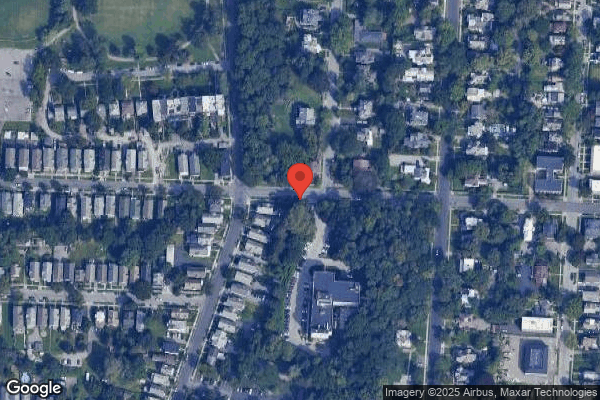

100 FRANKLIN STREET, POUGHKEEPSIE, NY 12601 (845) 454-4100
For profit - Limited Liability company 200 Beds NATIONAL HEALTH CARE ASSOCIATES Data: November 2025
Trust Grade
75/100
#243 of 594 in NY
Last Inspection: August 2024

Within standard 12-15 month inspection cycle. Federal law requires annual inspections.

Overview

The Pines at Poughkeepsie Center for Nursing & Rehab has a Trust Grade of B, indicating it is a good choice, though there is room for improvement. It ranks #243 out of 594 facilities in New York, placing it in the top half, and #2 out of 12 in Dutchess County, suggesting only one local option is better. Unfortunately, the facility's trend is worsening, with issues increasing from 2 in 2021 to 9 in 2024. Staffing is a strength, with a turnover rate of 30%, well below the New York average, but the RN coverage is concerning as it is lower than 83% of state facilities. While the absence of fines is a positive sign, there have been specific incidents noted by inspectors, such as expired food items being stored improperly and staff not adhering to food safety standards, which raises concerns about overall care quality. Families should weigh these strengths and weaknesses when considering this facility for a loved one.

Trust Score
B
75/100
In New York
#243/594
Top 40%
Safety Record
Low Risk
No red flags
Inspections
Getting Worse
2 → 9 violations
Staff Stability
○ Average
30% turnover. Near New York's 48% average. Typical for the industry.
Penalties
✓ Good
No fines on record. Clean compliance history, better than most New York facilities.
Skilled Nurses
⚠ Watch
Each resident gets only 25 minutes of Registered Nurse (RN) attention daily — below average for New York. Fewer RN minutes means fewer trained eyes watching for problems.
Violations
⚠ Watch
20 deficiencies on record. Higher than average. Multiple issues found across inspections.
★★★★☆
4.0
Overall Rating
★★★☆☆
3.0
Staff Levels
★★★★★
5.0
Care Quality
★★★☆☆
3.0
Inspection Score
Stable
2021: 2 issues
2024: 9 issues

The Good

  • 5-Star Quality Measures · Strong clinical quality outcomes
  • Full Sprinkler Coverage · Fire safety systems throughout facility
  • No fines on record
  • Staff turnover below average (30%)

    18 points below New York average of 48%

Facility shows strength in quality measures, fire safety.

The Bad

Staff Turnover: 30%

16pts below New York avg (46%)

Typical for the industry

Chain: NATIONAL HEALTH CARE ASSOCIATES

Part of a multi-facility chain

Ask about local staffing decisions and management

The Ugly 20 deficiencies on record

Aug 2024 8 deficiencies
CONCERN (D)

Potential for Harm - no one hurt, but risky conditions existed

Deficiency F0655 (Tag F0655)

Could have caused harm · This affected 1 resident

**NOTE- TERMS IN BRACKETS HAVE BEEN EDITED TO PROTECT CONFIDENTIALITY** 2) Resident #392 was admitted on [DATE] with diagnoses of dependence on supplemental oxygen, heart failure, and muscle weakness....

Read full inspector narrative →
**NOTE- TERMS IN BRACKETS HAVE BEEN EDITED TO PROTECT CONFIDENTIALITY** 2) Resident #392 was admitted on [DATE] with diagnoses of dependence on supplemental oxygen, heart failure, and muscle weakness. The admission Minimum Data Set assessment tool dated 8/16/24 documented the resident was cognitively intact, required supervision or set up for activities of daily living and used continuous oxygen therapy on admission. The record review showed the baseline care plan documented with completion date on 8/16/24. When interviewed on 08/20/24 at 09:02 AM the Director of Clinical Operation stated that a baseline care plan was built on a nursing assessment. They stated a baseline care plan must be initiated within 48 hours. 10 NYCRR 415.11 (c)(1) Based on observations, record review, and interviews conducted during the Recertification and Abbreviated Surveys (NY 00335861) from 8/13/24-8/20/24, the facility did not ensure that they developed and implemented a baseline care plan within 48 hours of the resident's admission, that included the minimum healthcare information necessary to properly care for a resident including, but not limited to initial goals, a list of current medications, dietary instructions, and services/ treatments to be administered by the facility and personnel acting on behalf of the facility for 2 of 2 residents (Resident #241 and #392) reviewed for admission. Specifically, 1) Resident #241 was admitted on [DATE] and their Baseline Care Plan was not developed or implemented until 3/11/24; 2) Resident #392 was admitted on [DATE] and their Baseline Care Plan was not developed or implemented until 8/16/24, which was not within 48 hours of admission. Findings include: The 10/17/23 facility policy titled Baseline/Comprehensive Person Centered Care Plan documented that a baseline care plan must be developed within 48 hours of admission. The baseline care plan includes at least a minimum of healthcare information necessary to provide the proper care for the resident, establish initial goals (include the resident's goals & preferences), and orders from the healthcare provider, dietary, therapy, social services and, Preadmission Screening and Resident Review(if applicable). 1) Resident #241 was admitted to the facility on [DATE] with diagnoses including cardiomyopathy, complex regional pain syndrome, and fracture of the left tibia (lower leg bone). The 3/11/24 5-day Minimum Data Set documented that Resident #241 was not assessed for cognition status. Required setup with eating, was maximal assistance with toileting, and required moderate assistance with bed mobility and transfers. Upon review of Resident #241's care plans, there was no documented evidence that the base line care plan was developed or implemented within 48 hours of Resident #241's admission on [DATE]. The baseline care plan was not initiated until 3/11/24. An admission summary nursing progress note dated 3/8/24 at 8:31 PM by Licensed Practical Nurse #24 documented that Resident #241 was admitted to the unit from the hospital via wheelchair with a discharge diagnosis of a left tibial fracture. Resident #241 had a past medical history of breast cancer, osteoporosis, non-ischemic cardiomyopathy, chronic musculoskeletal pain, complex regional pain syndrome, and pulmonary embolism(on Eliquis). Resident #241 was alert and oriented times 4, had no cough, no wheezing, and shortness of breath. Resident #241 had reported pain in left leg(9/10) with movement. Resident #241's skin was intact, abdomen was non tender on palpation. Resident #241 reported that they were continent of bowel and bladder and that their last bowel movement was on 3/7/24. Resident #241 was observed with a left knee immobilizer in place and was non weight bearing to the left extremity. Resident #241 was a high fall risk and had a good appetite. During an interview on at 08/16/24 02:21 PM, Licensed Practical Nurse #24 stated that Resident #241 was admitted on [DATE], and that they did the nursing admission evaluation, and that a registered nurse did not assist them with evaluating Resident #241. Licensed Practical Nurse #24 stated that when a registered nurse is in the facility, they are supposed to do a final review of the licensed practical nurses' evaluation and initiate the care plans. During an interview on 08/20/24 at 09:39 AM, the Director of Nursing stated that a base line care plan must be initiated within 48 hours of a resident's admission, because it provides instructions for the staff to follow that is needed to provide care to the resident. The Director of Nursing stated that if a licensed practical nurse does a nursing admission or readmission evaluation, they expect a registered nurse to sign off on the licensed practical nurse's evaluation within 24 hours. The Director of Nursing stated that there was a registered nurse in the facility on 3/8/24, 3/9/24, and 3/10/24 for all 3 shifts, therefore a base line care plan should have been initiated within 48 hours of Resident #241's admission to the facility and the registered nurse assessment for Resident #241 should have been done as well. During an interview on 08/20/24 at 09:51 AM, the Director of Clinical Operations stated that Resident #241's base line care plan was initiated on 3/11/24 and was unable to give an explanation as to why it was not developed or implemented within 48 hours of Resident #241's admission on [DATE]. The Director of Clinical Operations stated that if a licensed practical nurse does a nursing admission or readmission evaluation, an alert pops up in point click care for a registered nurse to initiate a base line care plan, and that the registered nurse will have to go in and do their portion of the admissions evaluation so that care plans will generate. The Director of Clinical Operations stated that if a licensed practical nurse is documenting on the Nursing admission or readmission Evaluation form, none of the care plans will open because a licensed practical nurse cannot initiate care plans. Furthermore, the Director of Clinical Operations stated that Resident #241 was not assessed by a registered nurse prior to 3/11/24 and was unable to provide documented evidence of a registered nurse assessment and would follow up with the Nurse Practitioner to see if they evaluated Resident #241 during their admission. During an interview on 08/20/24 at 10:30 AM, Registered Nurse Manager #25 stated that they initiated Resident #241's baseline care plan on 3/11/24, which was not within 48 hours of Resident #241's admission, and that baseline care plans must be initiated within 48 hours of admissions. Registered Nurse Manager #25 stated they were not working when Resident #241 was admitted on [DATE] and that when they reported to work on 3/11/24, they reviewed all admissions on the unit and noticed that Resident #241 did not have any care plans in place and initiated the base line care plan. Registered Nurse Manager #25 stated that there were registered nurses in the building for the whole weekend after Resident #241's admission, and that anyone of the registered nurses could have initiated the baseline care plan. During an interview on 08/20/24 at 10:56 AM, the Nurse Practitioner stated that they are in the facility Monday- Friday and normally try to see residents on the first day of admission or within 24 hours of admission. The Nurse Practitioner stated that they never evaluated Resident #241 during their stay at the facility, because Resident #241 came in on 3/8/24 during evening shift and was discharged on 3/11/24.
CONCERN (D)

Potential for Harm - no one hurt, but risky conditions existed

Pressure Ulcer Prevention (Tag F0686)

Could have caused harm · This affected 1 resident

**NOTE- TERMS IN BRACKETS HAVE BEEN EDITED TO PROTECT CONFIDENTIALITY** Based on observation, record review and interview during the recertification survey from 8/13/24-8/20/24, the facility did not e...

Read full inspector narrative →
**NOTE- TERMS IN BRACKETS HAVE BEEN EDITED TO PROTECT CONFIDENTIALITY** Based on observation, record review and interview during the recertification survey from 8/13/24-8/20/24, the facility did not ensure 1 of 4 residents (Resident #123) reviewed for pressure ulcers, received care and services to prevent new pressure ulcers from developing. Specifically, Resident #123's heels were not off-loaded according to the physicians' orders. The findings are: Resident #123 had diagnoses of chronic obstructive pulmonary disease, fracture of neck of right femur, and muscle weakness. The 5/31/24 Quarterly Minimum Data Set (resident assessment tool) documented Resident #123 had severely impaired cognition and was at risk for pressure ulcers. The 3/23 Policy and Procedure titled Wound Prevention Program documented the facility will identify potential risk factors and implement preventive measures to prevent skin breakdown. The 3/17/23 Physician's Order documented to offload heels when in bed. The 2/8/24 Pressure Ulcer Care Plan documented to off load heels. The 4/11/24 Certified Nurse Aide Care [NAME] documented to off load heels at all times. During an observation on 8/13/24 at 11:52 PM, Resident #123 was lying in bed, heels were not off loaded. During an observation on 8/19/24 at 1:00 PM, Resident #123 was lying in bed on their back and heels were not offloaded. During an interview on 8/19/24 at 12:00 PM, Certified Nurse Aide #3 stated they usually did not have Resident #123 on their assignment and did not know if the resident's heels were supposed to be off loaded. During an interview on 8/19/24 at 12:30 PM, Licensed Practical Nurse #4 stated they were responsible for the pressure reducing devices and ensuring Resident #123's heels were off loaded. They stated if Resident #123's heels were not off-loaded, their skin could break down. During an interview on 8/19/24 at 12:35 PM, Licensed Practical Nurse Unit Manager #5 stated the nursing staff were responsible for off-loading her heels. They stated that if Resident#123 heels were not off loaded, they were at risk for skin breakdown. 415.12 (c) (1)
CONCERN (D)

Potential for Harm - no one hurt, but risky conditions existed

Accident Prevention (Tag F0689)

Could have caused harm · This affected 1 resident

**NOTE- TERMS IN BRACKETS HAVE BEEN EDITED TO PROTECT CONFIDENTIALITY** Based on observations, record review, and interviews conducted during the Recertification Survey from 8/13/24-8/20/24, the facil...

Read full inspector narrative →
**NOTE- TERMS IN BRACKETS HAVE BEEN EDITED TO PROTECT CONFIDENTIALITY** Based on observations, record review, and interviews conducted during the Recertification Survey from 8/13/24-8/20/24, the facility did not ensure adequate supervision was provided and that the residents environment remained as free of accidents hazards as possible for 1 of 2 residents (Residents #170) reviewed for accidents. Specifically, for Resident #170 had a history of falls and was observed in their room alone in their room in their wheelchair, rolling wobbly over a floor mat that was beside their bed. The findings are: The facility policy titled Fall Prevention Program dated 3/2002 and revised on 03/2023 documented that that the purpose of this program is to reduce the incidents of falls in residents identified at high risk, developing interventions, and incorporating them into the Resident Care Plan. Resident #170 was admitted on [DATE] with diagnoses including dementia, falls, and thoracic (T9) vertebral (spine) fracture. The 5/16/24 5-day Minimum Data Set documented that Resident #170 had severely impaired cognition, required set up with eating, required extensive assistance with toileting and transfers, and required supervision with bed mobility. Resident #170 had an unspecified fracture of the T9-T10 Vertebra from an unspecified fall. The Fall Care plan dated 5/17/24 documented that Resident #170 had potential for falls with or without injury due to falls with no injury on 5/16/24, 5/22/24, 7/2/24, and 7/23/24. Interventions included to have a physical and occupational therapy evaluation done(updated on 5/10/24), educating the resident to always lock the chair before sitting(updated on 5/22/24), putting Resident #170 back to bed in the night when it is too late for a restful night and not sitting at the nurses' station(updated on 5/17/24), and applying a Dycem cushion to the wheelchair (5/17/24). Upon review of Resident #170's Care Plans, Resident Care Profile, and [NAME], there was no documented evidence regarding interventions or instructions to place floor mats on any side of Resident #170's bed. The 5/23/24 Physicians orders documented that Resident #170 was on fall precautions. The 5/22/24 Accident and Incident report and nursing progress note dated 5/22/24 at 9:56 PM documented that an unwitnessed fall occurred, and Resident #170 was found sitting on floor at the nurse's station close to the resident's chairs leaning on a chair with their legs out and they arms by their side. No injuries noted, the resident was assessed and assisted by 2 staff off the floor and taken to the bathroom and put in bed. The 7/2/24 Accident and Incident Report and nursing progress note dated 7/2/24 at 9:35 PM documented Resident #170 had an unwitnessed fall and was found lying on a floor mat, in another resident's room around 8:30 PM. The resident was seated at the nurses' station for safety monitoring. The 7/23/24 Accident and Incident Report documented that at 09:30 PM, Resident #170 had an unwitnessed fall in the dining room and sustained a skin tear to the right arm. When observed on 08/13/24 at 11:45 AM, Resident #170 was in their room alone slouched down in their wheelchair, moving back in forth rolling over the floor mat and wobbling. The floor mat was in place on the right side of their bed and a rolling walker was directly behind their wheelchair. Resident #170 was observed crying and talking to themselves. On 08/13/24 at 12:10 PM, Resident #170 was observed in their room alone, asleep, and slouched down in their wheelchair. During an interview on 08/19/24 at 02:10 PM, Certified Nurse Aide #23 stated that Resident #170 should be in a supervised area but will leave the supervised areas and go to their room by themselves, and when staff tries to redirect them, they get verbally and physically aggressive. Certified Nurse Aide #23 stated that they were unaware the resident had floor mats and the floor mats were not on the [NAME] (resident care instructions). During an interview on 08/19/24 at 02:11 PM, Licensed Practical Nurse Unit Manager #5 stated Resident #170 had attention seeking behaviors, was very controlling and verbally abusive, and that the medical providers had been made aware. Licensed Practical Nurse Unit Manager #5 stated that Resident #170 should always be in a supervised area due to falls and verbal/physical behaviors. Licensed Practical Nurse Unit Manager #5 stated that floor mats should not have been on the floor while Resident #170 was in their wheelchair. Licensed Practical Nurse Unit Manager #5 stated that Resident #170 would wander into their room, and when staff tried to redirect them, Resident #170 would become abusive and wanted to be left alone. Licensed Practical Nurse Unit Manager #5 stated that Resident #170 should have been on 15-minute checks and would be implementing the 15-minute checks. During an interview on 08/20/24 at 10:00 AM, the Director of Nursing stated Resident #170's floor mats should be out of the way and not on the floor when the resident was in the wheelchair. The Director of Nursing stated that Resident #170 should not be left alone in their room due to falls and their history of verbal and physical behaviors against staff and their peers. 10 NYCRR 415.12(h)(1)
CONCERN (D)

Potential for Harm - no one hurt, but risky conditions existed

Respiratory Care (Tag F0695)

Could have caused harm · This affected 1 resident

**NOTE- TERMS IN BRACKETS HAVE BEEN EDITED TO PROTECT CONFIDENTIALITY** Based on observation, record review and interviews during the recertification survey from 8/13/2024 to 8/20/2024, the facility d...

Read full inspector narrative →
**NOTE- TERMS IN BRACKETS HAVE BEEN EDITED TO PROTECT CONFIDENTIALITY** Based on observation, record review and interviews during the recertification survey from 8/13/2024 to 8/20/2024, the facility did not ensure that each resident received necessary respiratory care including oxygen therapy that was in accordance with professional standards of practice and as ordered by the practitioner for 1 (Resident #392) of 2 residents reviewed for respiratory care. Specifically, Resident #392 received oxygen for 4 days without a physician order. Findings include: Resident #392 had diagnoses which included dependence on supplemental oxygen, heart failure, and difficulty in walking. The Nursing admission Evaluation, dated 8/12/24 at 10:08 PM, documented the resident had oxygen at 4 liters/minute by Nasal Canula/Mask, for chronic use. the most recent oxygen saturation was 95% on 8/12/24 at 10:20 PM and the resident was receiving oxygen by mask. During observations on 08/13/24 at 01:57 PM and 8/14/24 at 1:45 PM Resident #392 was in their bed, wearing a nasal canula with a tube connected to the oxygen concentrator with 4-liter flow oxygen. The resident stated that they had been on the oxygen continuously since they were admitted to the facility. Review of the August 2024 Treatment Administration Record and physician orders on 8/15/24 at 04:02 PM revealed no documented order for the oxygen therapy. During interview on 08/19/24 at 11:51 AM, Registered Nurse #30 stated Resident #392 was on oxygen continuously via oxygen concentrator or oxygen tank. The surveyor and nurse reviewed the physician orders and the Treatment Administration Record. Registered Nurse #30 observed the start date for the oxygen was 8/16/24 and stated they did not know why there was no order when the resident was admitted on [DATE]. 10 NYCRR 415.12(k) (6)
CONCERN (D)

Potential for Harm - no one hurt, but risky conditions existed

Deficiency F0698 (Tag F0698)

Could have caused harm · This affected 1 resident

Based on observation, record review, and interview during the recertification survey conducted 8/12/2024-8/20/2024, the facility did not ensure residents who required dialysis (a procedure to remove w...

Read full inspector narrative →
Based on observation, record review, and interview during the recertification survey conducted 8/12/2024-8/20/2024, the facility did not ensure residents who required dialysis (a procedure to remove waste products and excess fluid from the blood when the kidneys stop working properly) services received such services consistent with professional standards of practice for 1 of 1 resident (Resident #127) reviewed for Dialysis. Specifically, Resident #127 received hemodialysis treatments at a community-based dialysis center and did not have on-going assessments and oversight before and after dialysis treatments. Additionally, there was not consistent ongoing communication and collaboration between the facility and the dialysis center. Findings include: A Policy and Procedure dated 6/23/2023 titled Hemodialysis documented: the facility will establish a communication book which will include any pertinent information on the resident, such as vital signs, including blood pressure and site used to take the blood pressure, medications given prior to dialysis, any lab values done here, any new deleted medication, and any significant changes since last dialysis treatment. Resident #127 had diagnoses including end stage renal (kidney) disease, dependence on renal dialysis, and Type 2 Diabetes. The 7/10/2024 Minimum Data Set (an assessment tool) assessment documented the resident was cognitively intact and required hemodialysis treatments. The Comprehensive Care Plan initiated 12/08/2022 documented the resident needed dialysis related to end stage renal disease. Interventions included to check dressing daily at access site, change dressing only if ordered by the physician, document condition and complications, and use of communication book between facility and Renal Care Center. The 4/2/2024 physician order documented the resident was to attend dialysis on Tuesday, Thursday, and Saturday; and to check the access port every shift. The resident's dialysis communication book did not include documentation of pre-dialysis or post-dialysis vital signs, weights, or evaluation of the dialysis access site or a signature for the documentation. There were no forms to document dialysis evaluation for 8/8/24, 8/10/24, or 8/13/24. During an observation and interview on 8/14/2024 at 9:10 AM Resident #127 was in bed and stated dialysis had been going so, so. The resident stated that they could not tolerate the whole treatment and had left the treatment early. During an interview on 08/15/24 at 12:13 PM, Licensed Practical Nurse #8 stated they should initiate a communication form to include information on any changes in the residents medication and vital signs. When the resident went to dialysis they should have put the form in the communication book that the resident took to dialysis. The dialysis center should be completing the pre and post weights and vital signs. Licensed Practical Nurse #8 stated they did not know why the forms were not completed. During an interview on 08/15/24 at 12:33 PM, the Dialysis Center Staff stated they used communication books for nursing home residents and sometimes the books got lost. The dialysis staff should be completing the section including vital signs and weight pre and post dialysis. They also stated that even if the facility did not send the form with the resident, the information should still be provided. During an interview on 08/16/24 at 08:52 AM, the Assistant Director of Nursing stated we should be communicating with the dialysis regarding the resident. The nurse on the unit should fill out the communication form which includes information about the residents' allergies, vital signs, a description of the arterial venous site and any medications given. The form should be placed in the dialysis book that goes with the resident to the dialysis center. The staff at dialysis then complete the form with pre and post weight, the amount of fluid removed, labs drawn, vital signs, and any comment as needed. The Assistant Director of Nursing stated they did not know why it was not completed. 10NYCRR 415.12(k)
CONCERN (D)

Potential for Harm - no one hurt, but risky conditions existed

Deficiency F0730 (Tag F0730)

Could have caused harm · This affected 1 resident

Based on record review and interview conducted during the recertification survey from 8/13/24 to 8/20/24, the facility did not ensure certified nurse aide performance reviews were completed at least o...

Read full inspector narrative →
Based on record review and interview conducted during the recertification survey from 8/13/24 to 8/20/24, the facility did not ensure certified nurse aide performance reviews were completed at least once every 12 months. Specifically, performance reviews were not documented every 12 months for 4 of 5 certified nurse aides reviewed (Certified Nurse Aide #9, #10, #11, and #12). The findings are: The facility policy titled Human Resources Section: Performance Evaluations revised 9/11, documented it is the facility policy to conduct a periodic evaluation of each employee's performance in relation to those standards. Formal written performance reviews are conducted at the end of the probationary or orientation period, and at least annually thereafter. Primary supervisors are responsible for evaluating the work performance of their employees. When requested on 8/16/24, the facility was unable to provide documented evidence that Certified Nurse Aides #9, #10, #11, and #12 had performance reviews completed at least once every 12 months. During an interview on 08/16/24 at 11:59 AM, the Director of Clinical Operation stated annual performance reviews for Certified Nurse Aide #9, #10, #11, and #12 were not completed. 10NYCRR 415.26 (c)(1)(IV)
CONCERN (D)

Potential for Harm - no one hurt, but risky conditions existed

Medication Errors (Tag F0758)

Could have caused harm · This affected 1 resident

**NOTE- TERMS IN BRACKETS HAVE BEEN EDITED TO PROTECT CONFIDENTIALITY** Based on observations, record review, and interviews conducted during the Recertification Survey from 8/13/24 to 8/20/24, the fa...

Read full inspector narrative →
**NOTE- TERMS IN BRACKETS HAVE BEEN EDITED TO PROTECT CONFIDENTIALITY** Based on observations, record review, and interviews conducted during the Recertification Survey from 8/13/24 to 8/20/24, the facility did not ensure that residents who used psychotropic drugs received gradual dose reductions, and behavioral interventions, unless clinically contraindicated, in an effort to discontinue these drugs for two of five residents (Residents #170, and #90) reviewed for unnecessary psychotropic medications. Specifically, (1) Resident #170 who was admitting to the facility on 5/10/24 with a diagnosis of Dementia who had been receiving the antipsychotic Quetiapine(Seroquel) since admission, had no clinical rationale for use of the antipsychotic, had no psychiatric evaluations or follow ups, no documented evidence of behavioral monitoring, and no attempts at a gradual dose reduction in the absence of clinical symptoms. (2) Resident #90 had their medications reviewed by the Pharmacist Consultant on 7/24/24 with recommendations to taper Risperidone 0.25mg from twice a day to once a day, and although the Physician agreed with the Pharmacist Consultant's recommendations, the recommendation were never carried out by the facility. The finding are: The facility policy titled Drug Regimen Review dated 9/2018 documented that the purpose is to ensure that all residents admitted and readmitted to the facility have the prompt availability of Drug Regimen Review services, for purposes of rapidly identifying and communicating to the facility opportunities to discontinue potentially unnecessary medications. In addition, Drug Regimen Reviews for newly admitted and readmitted residents provides the potential to correct any errors that may have occurred during the transition into the care of the facility. The Prescriber/Licensed Designee shall act upon clinically significant or urgent Drug Regimen Review findings by midnight of the next calendar day and act all other Drug Regimen Review findings/recommendations in a timely manner of 30 days or less. The facility policy titled Psychotropic Medications dated 10/2018 and revised on 05/2023 documented that it is the policy of this facility to provide each resident with appropriate assessment and intervention regarding use of psychoactive medications to achieve the highest practicable level of independence for the resident. The use of psychoactive medications is monitored and evaluated, and residents are assessed for reduction opportunities on an ongoing basis. New admissions will be evaluated for the use of psychoactive medications (anti-depressants, anti-psychotics, sedatives/hypnotics, and anti-anxiety agents). Residents admitted to the facility on psychoactive medication will be evaluated after 14 days for possible dose reduction. 1. Resident #170 was admitted on [DATE] with diagnoses including but not limited to dementia with unspecified severity, dementia without behavioral disturbances, dementia without psychotic disturbances, and dementia without mood disturbances or anxiety. The 5/16/24 5-day Minimum Data Set documented that Resident #170 had severely impaired cognition. Resident #170 received antipsychotic's, had no psychiatric/mood disorders, and no issues were identified during the drug regimen review. The 5/10/24 physician order documented to administer a Quetiapine Fumarate(Seroquel) 25 milligrams at bedtime for a diagnosis of dementia. The 5/10/24 physician order documented a Psychiatry Consult as needed for evaluation and treatment as indicated. The Psychotropic Medication use care plan dated 5/10/24 documented Resident #170 used psychotropic medications. Interventions included to administer psychotropic medications as ordered by physician, and to monitor for side effects and effectiveness. Drug Regimen Review dated 5/13/24 the Pharmacist Consultant documented that Resident #170 was recently admitted on Seroquel for behaviors associated with dementia, therefore the facility should consider obtaining psychosocial workups along with performing medical workups as soon as possible to assess for underlying causes of behaviors, and if the workups and nursing behavioral monitoring reveal no significant behaviors or identification of a chronic psychiatric condition, the facility should consider implementing a tapering schedule and/or discontinuance of the Seroquel. The Primary Nurse Practioner disagreed with the Pharmacist Consultant's recommendation and documented behavior, follow up psych. Review of the electronic medical record revealed no documented evidence of behavioral monitoring, a psychiatric evaluation or consideration of a gradual dose reduction from 5/13/24 to 8/14/24. A Physician Progress note dated 8/15/24 at 4:12 PM by the Psychiatric Nurse Practitioner Consultant documented that Resident #170 was admitted to the facility on Seroquel with a diagnoses of Dementia, and that Resident #170 had some behaviors including spitting and hitting at staff. The recommendations was to discontinue Seroquel due to no Federal Drug Administration indication for its use. No evidence of psychosis, mania, or delusions, and to continue to manage behaviors with nonpharmacological interventions currently. The 8/16/24 physician order documented discontinuance of Quetiapine Fumarate(Seroquel) 25 mg at bedtime for a diagnosis of dementia. During an interview on 08/16/24 at 04:26 PM, the Medical Director stated that Resident #170 was admitted to the facility on Seroquel and should not have been on Seroquel with diagnosis of Dementia and no clinical rationale for the medication. The Medical Director stated that Resident #170 should have had a psychiatric evaluation as soon as possible after admission. The Medical Director stated that Resident #170 was seen by the Psychiatric Nurse Practitioner Consultant on 8/15/24, in which the Psychiatric Nurse Practitioner Consultant gave recommendations to discontinue the Seroquel. The Medical Director stated that prior to 8/15/24, Resident #170 did not have any Psychiatric evaluations done, and had they had a Psychiatric evaluation done, the Seroquel could have been discontinued earlier. During an interview on 08/19/24 at 02:39 PM, the Psychiatric Nurse Practitioner Consultant stated that on 8/14/24, they were contacted by the Medical Director to evaluate Resident #170 for the use of Seroquel and the diagnosis of dementia. They stated prior to 8/14/24, they had no knowledge of Resident #170. The Psychiatric Nurse Practitioner Consultant stated that Resident #170 was evaluated on 8/15/24 with recommendations to discontinue Seroquel due to no Federal Drug Indications for its use, and no evidence of psychosis. During an interview on 08/20/24 at 10:00 AM, the Director of Nursing stated that when a resident was on an antipsychotic, nurses should be writing behavior notes and behavioral monitoring. The Director of Nursing stated that Resident #170's physically and verbally aggressive behaviors should have been monitored by nursing staff, and that nurses should have communicate with physicians about the resident's behaviors and documented in progress notes. Surveyor : [NAME], [NAME] 2. Resident # 90 was admitted to the facility with diagnoses including Dementia, Psychosis, and Major Depression. The Quarterly Minimum Data Set (MDS, an assessment tool) dated 5/17/2024 documented a the resident was severely cognitively impaired, and received anti-psychotic medication for psychosis. The facility physician's orders, dated 2/13/2023, documented Risperdal 0.25 milligram tablet, give one tablet by oral route two times per day for a diagnosis of Psychosis. The psychiatric consultation report, dated 2/26/24, documented Resident #90 had been stable with no behavior issues, appetite good and sleeps through the night. Resident# 90 was alert, oriented x 2, no signs or symptoms of mania, no signs or symptoms of psychosis, no evidence of delusions, paranoid thinking, and behavior. Psychiatrist medications included Risperdal, Elavil, Nomenda, and Lexapro. The plan was to continue medications as ordered in the management of depression and anxiety. Resident #90 medication regimen was reviewed by the Pharmacist Consultant , drug regimen report dated 7/24/2024, documentation on the resident currently receiving Risperidone 0.25 mg twice daily for behaviors associated with Dementia. No recent behavior problems noted. Please evaluate current dosing, consider trial taper to 0.25 mg daily, or document inability to do so. The physician signed off in agreement with a note with a note will follow up with psych. Further review of the medical record revealed no documented evidence that the physician followed through on the pharmacy report or had spoken with the resident's family. Resident #90 continued to received Risperidone 0.25 mg oral tablet two times daily as documented on Resident #90's August 2024 Medication Administration Record with last dose given to Resident #90 on 8/17/2024 at 9:00 AM. Resident #90 was transferred out to the hospital on 8/17/2024 at 3:18 PM. On 8/19/2024 at 11:33 AM, an interview with the Director of Nursing stated drug regimen review should take 1 week or 2 weeks for follow-up from the Physician or Nurse Practitioner. On 08/19/2024 at 2:50 PM, an interview (by telephone) with Psychiatrist Nurse Practitioner Consultant, they stated they did not receive the facility's drug regimen reviews. They stated it was the facility's responsibility to follow-up on the Pharmacist Consultant recommendations. 10 NYCRR 483.45(e)(2)
CONCERN (E)

Potential for Harm - no one hurt, but risky conditions existed

Food Safety (Tag F0812)

Could have caused harm · This affected multiple residents

**NOTE- TERMS IN BRACKETS HAVE BEEN EDITED TO PROTECT CONFIDENTIALITY** Based on observations, record review, and interviews conducted during the Recertification Survey from 8/13/24-8/20/24, the facil...

Read full inspector narrative →
**NOTE- TERMS IN BRACKETS HAVE BEEN EDITED TO PROTECT CONFIDENTIALITY** Based on observations, record review, and interviews conducted during the Recertification Survey from 8/13/24-8/20/24, the facility did not ensure that food was stored, prepared, distributed, and served in accordance with professional standards for food service safety. Specifically, the walk-in refrigerator contained unlabeled, undated, and expired food products. The dry storage pantry contained expired and undated food products. Two employees were observed not wearing hair restraints, and one employee was leaning over dessert items with their apron touching items while they were wrapping the dessert items with cling wrap. The Refrigerator and Freezer Temperature Logs were not being documented twice a day, and the walk in freezer had areas of ice accumulation on floor. The findings are: The facility policy titled Storage of Food and Supplies revised 2/2022 documented that food, non-food items, and supplies used in food preparation and service shall be stored in such a manner as to maintain safety and sanitation of the food or supply for human consumption as outlined in the Federal Drug Administration food code, state regulations, and city/county health codes. Food products that are opened and not completely used; transferred from its original package to another storage container, or prepared at the facility and stored should be labeled as to its contents and used by dates. Discard food that exceeds their use-by date or expiration date, that is damaged, and is spoiled. The facility policy titled Personal Hygiene for Food Handlers revised 2/2022 documented that individuals who handle food, practice good personal hygiene to minimize the risk of contaminating food that can result in a foodborne illness. Aprons are changed when soiled. Hair Restraints such as hats, hair coverings or nets, and beards restraints are always worn when in the kitchen, and hair is to be fully contained inside the covering. Facial hair is to be completely trimmed and cover by a mask or a beard guard. The facility policy Monitoring Refrigerator /Freezer Temperature revised 2/2022 documented to check and record temperature readings on a designated log for refrigerators and freezers at least twice daily (AM and PM), and foodservice is responsible for monitoring cold storage of food in the foodservice kitchen and nourishment kitchen and nourishment kitchen(S). During an initial tour of the kitchen on 08/13/24 at 09:58 AM, the following was observed in the Walk in Refrigerator: a metal container containing cooked white rice that was undated and unlabeled, a metal container containing 8 undated and unlabeled cooked beef burgers, approximately 15 single serve containers of ice cream, 3 undated individual servings of side salads on a cart, a metal container containing unlabeled cooked chicken burgers that was dated 8/7/24, 3 undated individual servings of side salads on a cart, an undated box labeled cooked chicken patties that was thawed on shelf and not kept frozen as per box instructions, sliced undated and unlabeled turkey deli meat wrapped in cling wrap, a clear unlabeled storage container on the shelf containing a tomato sauce dated 8/4/24, a box of approximately 15 packages of tortillas that expired on 7/6/24, an undated when opened gallon of 2% milk, a half a box of uncooked, defrosted seasoned beef patties with directions to keep frozen, 3 boxes of imitation crab meat defrosting in refrigerator that was labeled keep frozen with no expiration dates on boxes, one undated opened bag of slaw mix that showed signs of deterioration, undated open box of sausage patties defrosting in refrigerator with instructions on box to keep frozen, an opened undated box of bagged 5 pound lettuce/salad mix, two 5 pounds containers of expired cottage cheese with expiration date of 8/11/24, approximately 2 cups of undated and unlabeled shredded cheese in a metal storage container, a turkey sandwich on wheat bread dated 8/9/24, a metal storage container containing expired and unlabeled sliced deli ham that was dated 8/11/24, an opened undated 20-pound container of precooked hard-boiled eggs, an opened Westcreek Whole Milk Blue cheese dressing with no expiration date or date when opened on container, approximately 10 Cheese slices undated and unlabeled on a paper plate, one unopened 6 pound can of tapioca pudding expired 1/14/24. There were no evening shift temperatures documented on the temperature logs from 8/10/24-8/12/24. On 08/13/2024 at 10:00 AM during an initial observation of walk in freezer five golf ball sized lumps of ice were observed on the floor. On 08/13/24 at 10:05 AM during the initial tour of the kitchen, the [NAME] was observed wearing a baseball hat with their hair protruding from sides and back if hat onto the back of their neck. On 08/13/24 at 10:09 AM, Dietary Aide #7 was observed leaning over orange frosted cakes while preparing the cakes and apron was visibly soiled. On 08/13/24 at 10:09 AM, Dietary Aide #27 was observed with hair on their face and head and was not wearing a hair net or facial covering. On 08/14/24 at 12:27 PM, during an observation of the 3rd floor nourishment pantry, the 8/7/24 PM shift temperature log documented a temperature of 49.1 degrees Fahrenheit. On 08/16/24 at 10:00 AM, an opened undated 50 pound bag of [NAME] brand red potatoes was observed in the refrigerator. On 08/16/24 at 10:00 AM during observations of the Dry Storage Pantry, a two pound bag of undated when opened Tasty O's Crispy rice cereal, an undated when opened [NAME] Brand ziti pasta, an undated when opened expired 4 pound bag of egg noodles 4 pound bag with an expiration date of 4/9/24, an expired 15.1 ounce bottle of [NAME] Raspberry Dessert Sauce with an expiration date of 5/2024, an undated when opened expired 5 pound bag of R&F brand elbow noodles with an expiration date of 6/25/24, three undated when opened containers of French's mustard, an undated when opened five pound bag yellow cake mix, an updated when opened expired container of McCormick's Whole Dutch Poppy Seed seasoning with an expiration date of 7/2/18, opened undated English muffins opened, an opened undated bag of whole wheat bread, crumbs from the toaster that fell on food products below (pancake syrup, bottles of lemon juice) and on to the floor of the pantry. On 8/16/24 at 10:00 AM during an observation of the three-month emergency supply room, there were three-day menus present without approved by signatures or dates. During an interview on 08/13/24 at 9:58 AM, the Assistant Director of Food Services stated that food items that are opened should be labeled and dated with an opened date. The Assistant Director of Food Services stated that food items should not be expired. The Assistant Director of Food Services stated that they will dispose of all the undated, not labeled, and expired food items in the kitchen. During an interview on 08/13/24 at 10:09 AM, Dietary Aide #27 stated that they were aware that they were supposed to wear a hair net and beard covering while in the kitchen. During an interview on 8/19/24 at 5:03 PM, the Director of Food Services stated that the Director and Assistant Director of Food Services were responsible for ensuring kitchen staff were wearing hair restraints and ensuring that kitchen staff did not lean over food during food preparation. They said in-services were conducted to address hair restraints and kitchen staff hygiene. The Director of Food Services stated that all kitchen staff should always wear hair restraints and wear clean aprons. During an interview on 8/19/24 at 5:03 PM, the Director of Food Services stated all kitchen staff were responsible for dating food products when initially opened and for labeling all food items stored in the walk in refrigerator, walk in freezer, dry pantry, and three-month supply room. The Director of Food Services stated that they oversaw the kitchen to ensure the three-day expiration policy was followed. Director stated all food products should be labeled and dated when opened, expiration dates should be on products and discarded according to expiration date. The Director of Food Services stated that they, or the Assistant Director, perform daily rounds of refrigerator, freezer and dry storage and discard products that are not labeled and/or dated. The Director of Food Services stated that food deliveries are on Mondays and Thursday, and that the dietary aide who was assigned to unloading deliveries was responsible for organizing the stock, rotating products, and checking for delivery date and expiration dates. The Director of Food Services stated that they, or the Assistant Director of Food Services were responsible for supervising dietary aides and ensuring they were following policy and procedure. The Director of Food Services stated that the Cooks were responsible for completing temperature logs for the refrigerator and freezer twice a day and dietary aides assigned to daily unit pantry deliveries were responsible for conducting and documenting temperatures checks twice a day. The Director of Food Services stated that temperatures outside of acceptable ranges should be reported to Director or Assistant Director of Food Services. Director of Food Services stated that a newly promoted cook was responsible for refrigerator and freezer temperature checks and documentation for dates 08/10/24-8/12/2024. The Director of Food Services stated they were aware that the outside thermometer for the refrigerator needed repair for several months and that they submitted a repair request on 8/16/24. The Director of Food Services stated that the floor in walk-in freezer should not contain ice and that ice was likely due to condensation and humidity due to the freezer door being opened during deliveries. 10NYCRR 415.14(h)
Mar 2024 1 deficiency
CONCERN (D) 📢 Someone Reported This

A family member, employee, or ombudsman was alarmed enough to file a formal complaint

Potential for Harm - no one hurt, but risky conditions existed

Deficiency F0760 (Tag F0760)

Could have caused harm · This affected 1 resident

Based on record review and interview, during an abbreviated survey (NY00295899) on 3/11/2024 and 3/13/2024. The facility did not ensure that residents were free of significant medication errors, this ...

Read full inspector narrative →
Based on record review and interview, during an abbreviated survey (NY00295899) on 3/11/2024 and 3/13/2024. The facility did not ensure that residents were free of significant medication errors, this was evident for 1 of 3 resident (Resident #1) reviewed for medication administration. Specifically, Resident #1 was not administered an intravenous antibiotic medication as prescribed on 3 occasions. Findings include: The facility policy and procedure titled Medication Pass Policy, dated 10/2018, documented medications were to be administered safely and timely per physician orders. Resident #1 was admitted to the facility with diagnoses including Metabolic Encephalopathy, Chronic Obstructive Pulmonary Disease, and Atrial Fibrillation. The Minimum Data Set (MDS, an assessment tool) dated 5/1/2022 documented Resident #1's cognition was intact. A physician admission order, dated 4/29/2022, documented to administer Ceftriaxone (antibiotic) 2 grams intravenous (IV) once a day via a peripherally inserted central catheter (PICC) line until 5/14/2022. Review of the April and May 2022 Medication Administration Records revealed no documented evidence the Ceftriaxone was administered on 4/30/2022, 5/1/2022 and 5/3/2022. A physician orders dated 5/5/2022 documented to continue Ceftriaxone for 2 additional days with a new stop date of 5/16/2022. A nurse progress note dated 5/5/2022 at 12:56 PM, documented the antibiotic therapy would continue for 2 additional days and the family was notified. During an interview on 3/11/2024 at 2:30PM, the Director of Nursing stated the medication was ordered on 4/29/2022 with the first dose due on 4/30/2022. They stated intravenous medication had to be administered by a Registered Nurse. The Registered Nurse Manger or Registered Nurse Supervisor would have administered the medication and may have forgotten to sign for it. On 3/11/2024 at 3:00PM Staff #1 (Registered Nurse Manager) stated they notified the medical provider when they noticed the resident's medication administration record had omissions on 4/30/2022, 5/1/2022 and 5/3/2022 for the intravenous antibiotic. They stated they were unsure if the resident received the medication, and the medical provider extended the dosage for 2 additional days. When interviewed on 3/12/2024 at 12:22 PM, Staff #2 (Registered Nurse Supervisor) stated when a resident had a peripherally inserted central catheter (PICC line) they were responsible for administering the antibiotic through the line. They stated it was possible that they gave the medication on 5/1/2022 and did not sign for it. When interviewed on 3/12/2024 at 2:00PM, the Medical Director stated they reviewed the Medication Administration Record for April and May 2022 and saw antibiotic intravenous medication was not documented as given on 4/30/2022, 5/1/2022 and 5/3/2022. When interviewed on 3/13/2024 at 10:00 AM, the Administrator stated they were unaware of the medication omissions. A Medication Incident Report should have been started and we could have investigated. 10NYCRR 415.12(m)(2)
Oct 2021 2 deficiencies
CONCERN (D)

Potential for Harm - no one hurt, but risky conditions existed

Deficiency F0761 (Tag F0761)

Could have caused harm · This affected 1 resident

Based on observations, interviews and record review conducted on a recent Recertification Survey, it was determined that on two occasions the facility did not provide safe and secure storage of medica...

Read full inspector narrative →
Based on observations, interviews and record review conducted on a recent Recertification Survey, it was determined that on two occasions the facility did not provide safe and secure storage of medications. Specifically, 1) a bottle of aspirin and a bottle of stool softener were left unattended on the top of a medication cart and 2) 33 blister packs of medications were left out at the nurses station unattended. The findings are: Review of the undated facility policy of Medication Storage PHY132 documents medications must be stored in accordance with manufacturer's specifications and secured in locked storage areas in compliance with State and Federal requirements and accepted professional standards of practice. 1) On 10/01/21 at 09:46 AM an observation was made of the medication cart on the 6th floor hallway which had a bottle of aspirin and a bottle of stool softener on the top. There were no nurses in attendance of the cart. OLicensed Practical Nurse (LPN #6) returned to cart and verified there was medications in both bottles. LPN#6 stated medications are not supposed to be left outside of the cart and she forgot to return them to the top locked drawer before leaving the cart. 2) On 10/07/21 at 10:24 AM an observation was made of 33 filled blister packs of resident medications left out on the counter at the 6th floor nurses station. Among the medications were insulin, diuretics, anti-hypertensive medications and anti-psychotics. An interview was conducted on 10/07/21 at 10:32AM with LPN#5 who stated the supervisor brought medications to the unit but he/she was distracted and left them on the counter while he/she left the unit . LPN #5 stated it was a mistake to leave the medications on the counter. 483.45(h)
CONCERN (D)

Potential for Harm - no one hurt, but risky conditions existed

Infection Control (Tag F0880)

Could have caused harm · This affected 1 resident

**NOTE- TERMS IN BRACKETS HAVE BEEN EDITED TO PROTECT CONFIDENTIALITY** F880 Based on observation, interviews, and record reviews conducted during a recertification survey, the facility did not ensure...

Read full inspector narrative →
**NOTE- TERMS IN BRACKETS HAVE BEEN EDITED TO PROTECT CONFIDENTIALITY** F880 Based on observation, interviews, and record reviews conducted during a recertification survey, the facility did not ensure that infection control protocols were followed for 1 resident (Resident#98). Specifically, Resident #98 was observed crawling on the dining room floor on his hand and knees and reaching down to touch the floor from his wheelchair during observations made on 10/5/21 between 11:54 am and 1:30 pm. Resident #98 was not provided hand hygiene after staff assisted him/her back to the wheelchair. Furthermore, Resident#98 was not provided hand hygiene before beginning his/her lunch meal which took place during the same observation period and was observed eating a sandwich with his/her hands. The findings are: The facility's policy and procedure titled Resident Hand Hygiene, dated 3/2020 documents: Practicing hand hygiene is a simple yet effective way to prevent infections. Cleaning your hands can prevent the spread of germs, including those that are resistant to antibiotics and are becoming difficult, if not impossible to treat. Handwashing should take place before and after meals, .after touching facility surfaces. Resident #98 was admitted to the facility on [DATE] with diagnoses of Cerebral Infarction, Legal Blindness, and Unspecified Dementia with Behavioral Disturbances. Per Annual MDS (Minimum Data Set, an assessment tool), resident is profoundly cognitively impaired, and requires one to two person assistance with most activities of daily living (ADLs), with set up and supervision for eating. On 10/05/21 at 11:54 AM Resident#98 was observed in the dining room, in the wheelchair sitting at a table. Resident#98 was continuously touching the chair next to him/her and the floor by leaning out of the wheelchair. At 11:57 am, Resident#98 lowered /her/himself from the wheelchair to the floor and started crawling on the floor. Certified Nursing Assistant (CNA#4) engaged the resident and re-directed him/her back to the chair. CNA#4 did not provide the resident with hand hygiene At 12:22 pm, Resident#98 was observed again attempting to lower self from the wheelchair; CNA#4 intervened and redirected the resident back to the wheelchair. CNA#4 did not provide the resident with hand hygiene At 12:25 pm, Resident#98 lowered self on floor again. At 12:28 pm LPN#7 assisted the resident back to the wheelchair. LPN#7 did not provide the resident with hand hygiene At 1:06 pm CNA#5 brought a lunch tray to resident's table, and assisted with tray set up. CNA#5 did not provide the resident with hand hygiene At 1:22 pm Resident#98 was observed eating with a fork and drinking from a container of milk. At 1:27pm Resident#98 picked up half a sandwich with his/her left hand and proceeded to eat it. At 1:35 pm, Resident #98 was observed rubbing his/face face and eyes with the palms of both hands. Behavioral Problem care plan, initiated on 5/29/20 documents: the resident has a behavioral problem of getting out of his/her wheelchair to lay on the floor or crawl down the hall (able to climb back into his wheelchair). During an interview on 10/05/21 at 01:38 PM, CNA#4, stated she/he was assigned to the dining room duties today and the resident should have been provided hand hygiene before his/her meal but it was not done today. CNA#4 stated he/she was busy with other tasks, and forgot. CNA#4 stated all CNAs assigned to the dining room are responsible for resident's hand hygiene. CNA#4 stated she/he got trained on infection control and nurses routinely supervise them and remind about infection control procedures. On 10/05/21 at 01:45 PM CNA#5 stated whichever CNA is assigned to the dining room is responsible for providing hand hygiene to the residents. CNA#5 stated she/he forgot to offer hand hygiene to the Resident#98. CNA#5 stated she/he got in-serviced 2-3 times on infection control and the nurses are great about reminding CNAs about infection control issues and supervising CNAs. On 10/05/21 at 02:05 PM Licensed Practical Nurse (LPN#7) stated he/she was supervising dining today. LPN#7 stated the resident should have had hand hygiene before his/her meal and CNAs are responsible for hand hygiene, but she/he was supposed to supervise the CNAs and remind them and it was an oversight that Resident#98's hand hygiene was not done. On 10/07/21 at 11:47 AM, the Director of Nursing (DON) stated during the interview that the resident should have had hand hygiene performed immediately after the resident was helped back to the chair after crawling on the floor and before his/her meal. On 10/07/21 at 03:21 PM Registered Nurse Unit Manager (RNUM#1) stated the resident's hands should have been washed or handy wipes should have been used immediately after getting him/her back in the wheelchair and before the meal. 483.80 (a)(e)(f)
Dec 2018 9 deficiencies
CONCERN (D)

Potential for Harm - no one hurt, but risky conditions existed

Comprehensive Care Plan (Tag F0656)

Could have caused harm · This affected 1 resident

**NOTE- TERMS IN BRACKETS HAVE BEEN EDITED TO PROTECT CONFIDENTIALITY** Based on record review and interview, the facility did not develop a person-centered care plan to address: (1.) a care plan for ...

Read full inspector narrative →
**NOTE- TERMS IN BRACKETS HAVE BEEN EDITED TO PROTECT CONFIDENTIALITY** Based on record review and interview, the facility did not develop a person-centered care plan to address: (1.) a care plan for a resident who was receiving hospice care (Resident #74) and 2.) implementation of the care plan for fluid intake monitoring for a resident who had an indwelling catheter and a resident at risk for dehydration (Resident #s 169,182). The findings are: 1. Resident #74 was admitted to the facility on [DATE]. Hospice care was initiated on 10/24/18 according to the current Physician Orders. The Minimum Data Set (MDS; a resident assessment tool) significant change assessment dated [DATE] did not identify a condition or disease that may result in a life expectancy of less than 6 months. There were no problem conditions identified. Active diagnoses included; Cancer, Anemia, Atrial Fibrillation, Heart Failure, Benign Prostatic Hyperplasia, Non-Alzheimer's Dementia, Coagulation Defect, GI Hemorrhage, Acute Myocardial Infarction and Cognitive Communication Deficit. Review of the comprehensive care plan revealed no evidence of a facility care plan for Hospice. The Advanced Directives, Nutrition and Social Services care plans have Hospice mentioned, but there were no interventions that address Hospice issues. In an interview with the Registered Nurse (RN) unit manager on 12/05/18 at 2:19 PM she stated that usually the social worker develops the care plan. She checked the care plan and confirmed that there was no actual Hospice care plan. When asked about the Hospice staff (RN, Social Worker, etc.) the RN stated the nurse comes every week. He reports any issues before he leaves. She stated the documentation is in their (the Hospice staff) computer but they (the facility staff) do not have access to their documentation. When asked what the Hospice aide is responsible for when she comes, she stated she did not know. The social worker was interviewed at 2:25 PM the same day. When asked about the coordination with Hospice she stated they communicate via telephone. She could not say why a care plan had not been developed. In an interview with the Hospice Aide on 12/05/18 at 2:36 PM she stated that when she comes on Wednesday she usually showers the resident but today he complained of being cold so they are postponing the shower until tomorrow. She stated she usually shaves the resident but when she got to the facility, the (facility) aide was shaving him. She stated the list of things that she does with the resident are on her computer. Review of the list revealed the following tasks: Shower, peri care, toileting, oral care (remind the resident), hair, shave, skin care, back rub (on shower days), tidy room, tidy bathroom, change the bed, Review of the Hospice Agreement section 1.6 indicated the following Coordinated Plan of Care means a single written care plan established and maintained for each Hospice Resident. The Coordinated Plan of Care has two sections; one section is developed by the Skilled Nursing Facility staff and the other section is developed by the Hospice Interdisciplinary Group. The Director of Nursing was interviewed on 12/06/18 at 11:45 AM regarding the care planning process when someone is admitted to Hospice Care. She stated the Interdisciplinary teams from both Hospice and the facility sit down and develop a coordinated care plan addressing the specific care needs of the Hospice resident. She could not say why a coordinated plan had not been developed for the resident. When asked if there is access to the Hospice documentation she stated that currently there is no system set up to share the Hospice documentation since both agencies use their own Electronic Medical Record. She stated there are informal discussions between Hospice and the facility staff but there is no documentation. 2. Resident #169 was admitted to the facility on [DATE]. Current diagnoses included Acute Congestive Heart Failure, Atrial Fibrillation, Pressure Ulcers (mid back, coccyx, right heel), Chronic Obstructive Pulmonary Disease, Cellulitis, Edema, Urinary Tract Infection and Anxiety. The MDS admission assessment dated [DATE] was reviewed. Section H, Bowel and Bladder indicated that the resident had an indwelling catheter at the time of the assessment. Active diagnoses included Urinary Tract Infection. The care plan for indwelling catheter initiated on 10/6/18 indicated the resident had a catheter due to pressure injuries and to promote comfort. Care plan Interventions included monitoring intake and output. The Urinary Tract Infection care plan included an intervention to encourage adequate fluid intake. Potential for Dehydration care plan indicated the resident had dehydration or potential fluid deficit relative to diuretic use, poor intake and wounds. The care plan included an intervention to encourage the resident to drink fluids of choice, monitor and document intake and output. The resident needs 1500 cc fluid daily. Dietary provides >2000 cc daily. Review of the Certified Nurses Aide documentation in the EMR for fluid intake between 11/20/18 and 12/3/18 indicated the resident's intake was variable with a high of 1320 cc and a low of 360 cc per day. On 12/2/18 and 12/3/18 there were double entries documented at the same time (e.g. on 12/2/18 480 cc was documented at 12:14 PM and again at 12:16 PM and on 12/3/18 480 cc was documented twice at 11:04 AM). The RN unit manager was interviewed on 12/3/18 at 12:30PM. She stated she doesn't understand why fluid monitoring is documented that way, she stated she thought there might be a glitch in the computer program. When asked who reviews the CNA documentation she stated she does. When asked about how much fluid the resident gets with medications, she stated there is no documentation regarding that. Review of the Medication Administration Record (MAR) for November 2018 did not include an order to encourage fluids. There is no place on the MAR where the Licensed Practical Nurses (LPNs) document fluid intake. In an interview with the LPN on 12/3/18 at 1:00 PM she stated if there is no order to encourage fluid intake then there would be no documentation of fluid intake on the MAR. She stated the CNAs record fluid intake. The facility policy for Intake and Output last revised on 9/2014 indicated the following standard: Intake and output is monitored accurately to assure adequate hydration levels of certain residents . The Policy included (but not limited to) The nurse will assess the total intake and output daily for these residents to determine if the resident is meeting their hydration goals. The Procedure included (but not limited to): Record all by-mouth fluids in the proper columns as soon as possible to maintain accuracy. There is no evidence that total fluid intake was calculated to ensure adequate hydration. Complaint #NY00230539 3. Resident #182 was admitted to the facility on [DATE] for rehabilitation services. The resident's medical diagnoses or conditions included Dementia, Congestive Heart Failure and alcohol abuse with intoxication. The nutritional assessment completed on 11/5/18 documented that the resident did not eat 25 % or more of her food at meal times and that the resident admitted that her appetite was not the best. This assessment also noted that the resident would be provided small portions and fortified shakes. One of the goals reflected in this assessment was for the resident to consume at least 50 % of at least two meals daily. The interventions to achieve this goal included provide and serve fortified shakes at lunch and supper and monitor and record intake at every meal. The initial MDS dated [DATE] revealed that the resident was able to feed herself independently, was 63 inches tall, weighed 148 lbs., had no significant weight loss in the past six months and was on a diuretic. The initial comprehensive care plan noted that the resident was at risk for dehydration. On 11/20/18 nursing documented that lab results were reviewed with the Nurse Practitioner and an order was given to encourage fluids to address an elevated blood urea nitrogen. The Registered Dietitian (RD) was interviewed on 12/6/18 at 12:27 PM regarding how the offering and acceptance of the fortified shakes and fluids were monitored. This interview revealed that the fortified shake was not prescribed by the physician and therefore consumption was not documented on the MAR. This documentation would be reflected by the CNAs in the data regarding fluid and food consumption at meal times. A review of the food and fluid intake sheets revealed that the CNAs did not consistently record how much fluid was being consumed for the period of 11/4/18 to 12/1/18 (the date the resident was discharged from the facility). There were 21 omissions on the evening shift for the dinner/supper meal. The lack of monitoring was shared with the RD at the time of the above-mentioned interview. The RD stated that it was important for the resident's intake to be monitored. 415.11(c)(1)
CONCERN (D)

Potential for Harm - no one hurt, but risky conditions existed

Quality of Care (Tag F0684)

Could have caused harm · This affected 1 resident

Based on observation, record review, and interview conducted during a recertification survey, the facility did not ensure that residents received care and services in accordance with comprehensive ass...

Read full inspector narrative →
Based on observation, record review, and interview conducted during a recertification survey, the facility did not ensure that residents received care and services in accordance with comprehensive assessment and person-centered care plan for 2 of 3 residents (#42 and #108) reviewed for positioning and mobility. Specifically, (1.) Resident # 42 did not receive timely intervention to address proper positioning and body alignment while in a wheelchair and (2.) the foot rest on Resident #108's wheelchair used as an assistive device was in disrepair and did not effectively support the resident's lower extremities while sitting in wheelchair. The findings are: 1.Resident # 42 had diagnoses and condition including Non-Alzheimer's Dementia, Hypertension, and Muscle Weakness. The Annual MDS (Minimum Data Set; a resident assessment tool) of 12/17/17 indicated a BIMS score of 3 out of 15 (Brief Interview Mental Status; used to measure orientation and memory) which indicated the resident has severe cognitive impairment; required extensive assistance of 2 persons for bed mobility, transfers, dressing, locomotion on unit and toilet use; and had no functional limitation in range of motion of both upper or lower extremities. The person-centered care plan for Activities of Daily Living and self-care performance deficit related to dementia and limited mobility had interventions which included use of wheelchair for locomotion and two-staff assist with transfers to the wheelchair via mechanical lift. Multiple observations were conducted during lunchtime on 11/27/18 and 11/28/18. The resident was observed sitting in her wheelchair and was unable to place her feet on the floor. The resident's wheelchair did not have leg rests and her feet were dangling during these meals. During an interview on 12/4/18 at 1:05 PM, the unit Registered Nurse (RN) manager stated that the resident at times self-propels in the wheel chair and that she would have therapy evaluate the resident for positioning. The Occupational Therapist was interviewed on 12/6/18 at 12:38 PM and she stated she did a screen for the resident on 12/5/18. She stated the feet of the wheelchair were not resting on the floor when she observed her on 12/5/18, and that the resident did self propel at times but had recently become more sedentary. She stated that the resident was being picked up for therapy to evaluate positioning. 2. Resident # 108 had diagnoses and conditions which included Alzheimer's disease, Cerebral Vascular Disease, and Functional Quadriplegia. The Annual MDS on 6/9/18 indicated that the resident had severe cognitive impairment for daily decision making; required extensive assistance of two persons for most aspects of activities of daily living (ADL); and used a walker and wheelchair as mobility devices; The person-centered care plan initiated on 4/22/16 for ADL self-care performance deficit related to Dementia and limited mobility had interventions including to put the resident back to bed after lunch and up for supper, transfer via mechanical lift with 2 staff support; total assist of 1 staff support for locomotion. Due to limited physical ability, related to weakness / Alzheimer's, interventions include use of tilt in space wheelchair with 24-hour positioning schedule, total dependence with locomotion in the wheelchair, and provide gentle range of motion as tolerated with daily cares. The resident's admission record of 11/27/18 documented that the resident had a cerebral vascular accident with interventions to keep body in good alignment, turn and position every 2 hours, and place the resident out of bed in a chair as tolerated. The November 2018 Certified Nurse Aide (CNA) Task History documented on 11/23/18 and 11/26/18 to provide total assistance in tilt in space wheel chair with Roho cushion, leg rests with calf board, no seatbelt, positioning schedule in the wheelchair 45 degrees in the morning, 90 degrees at lunch, and 45 degrees in the evening. The wheelchair will be set at 90 degrees during meals and reposition after 45 minutes. Multiple observations during lunchtime on 11/28/18 and 11/29/18 revealed the resident sitting in a wheelchair with leg rests. The left foot of the resident was placed on the left foot rest and the right foot was dangling and elevated off the floor between the two foot rests, and her toes were approximately 3 inches off the floor. CNA #2 was interviewed on 12/3/18 at 12:15 PM and she stated one foot of the resident frequently drops off the foot rest and that when she noticed the foot dangling she would fix it. She further stated she had not reported to the nurse as she did not not think it was a problem. RN #4 was interviewed on 12/3/18 at 1:18 PM and she stated no one had promptly reported to her that the resident's foot was dropping off the foot rest and was dangling above the floor. The Occupational Therapist (OT) was interviewed on 12/6/18 At 12:38 PM and stated the resident's wheelchair needed an overhaul. She further stated the calf pads on the chair were more rigid in the past and were currently bending. She stated the resident's right foot did not remain on the foot rest due to the calf board not staying in place. The OT stated she was considering a geri chair for positioning as the resident had declined since her last hospitalization. 415.12
CONCERN (D)

Potential for Harm - no one hurt, but risky conditions existed

Accident Prevention (Tag F0689)

Could have caused harm · This affected 1 resident

**NOTE- TERMS IN BRACKETS HAVE BEEN EDITED TO PROTECT CONFIDENTIALITY** Based on observation, interview and record review conducted during a recertification survey, the facility did not ensure that 1 ...

Read full inspector narrative →
**NOTE- TERMS IN BRACKETS HAVE BEEN EDITED TO PROTECT CONFIDENTIALITY** Based on observation, interview and record review conducted during a recertification survey, the facility did not ensure that 1 of 5 residents (Resident #47) reviewed for falls was provided the necessary supervision and assistive device to prevent recurrent falls. Specifically, investigations and assessments of recurrent falls did not address: (1.) the use an assistive device required to prevent sliding from the resident's wheelchair and (2.) the effectiveness of planned interventions to ensure adequate supervision to prevent recurrent falls. The findings are: Resident #47 was admitted to the facility on [DATE] with the diagnosis of Dementia. According to the Annual Minimum Data Set (MDS-a resident assessment tool) dated 9/13/18, the resident has severe cognitive impairment, is delusional, non-ambulatory, uses a wheelchair, requires supervision with locomotion on the unit and has had falls since the last assessment (7/25/18). The person-centered comprehensive care plan currently in effect and initiated on 12/29/17 revealed that the resident is at risk for falls related to confusion and unsteady gait. The goal for the resident is to be free of falls. The interventions listed on the care plan included: check frequently throughout the shift when the resident is in her room, anticipate and meet needs; Physical Therapy evaluation as needed; encourage to participate in activities, ensure the wearing of appropriate foot wear; determine and address causative factors of fall; anti-rollback device to wheelchair; and apply Dycem mat to wheelchair (since 2/18). The care plan noted 11 falls with no injury from January 2018 to August 2018). A review of nursing notes revealed that in October 2018 the resident experienced the following falls: - 10/18/18 (late entry) - on 10/12/18 at 9:50 PM a certified nursing assistant (CNA) heard a call for help and saw the resident on her right side on the dining room floor. The resident was not able to state how she fell. - 10/27/18 at 3:13 PM - the resident was found on the floor. The fall was witnessed by a CNA. The resident slid out of her wheelchair; - 10/27/18 at 8:10 PM - the nurse observed the resident on the floor face up in front of her wheelchair. A urinalysis was ordered (noted to be negative on 11/5/18); - 10/31/18 at 4:31 AM - resident at nurses' station self propelling her wheelchair, leaned forward and fell out of wheelchair hitting head. Charge nurse observed fall and was unable to reach the resident before the fall. She was noted to have a bruise on her forehead. Sent to hospital at 4:15 AM. The Accident/Incident Report (A/I Report) for the fall on 10/27/18 at 3:10 PM was reviewed. This report showed that the assistive device used by the resident was limited to a wheelchair. No mention was made about the use of or lack of use of the Dycem mat at the time of the fall. The resident's care plan was updated on 10/29/18 to again include the use of a Dycem mat, which, as previously noted, should have been in effect since February 2018. The A/I report for the incident on 10/31/18 made no mention of the presence of the Dycem Mat. On 10/27/18 and 10/31/18 assessments/evaluations were done by nursing which noted that the resident was a high risk for falls due to confusion and unsteady gait. These assessments did not address the effectiveness of the interventions in use at the time of each assessment. The Nurse Manger/Registered Nurse (RN #2) was interviewed on 12/6/18 at 3:00 PM regarding the use of the Dycem mat and additional interventions to prevent recurrent falls after the fall on 10/31/18. RN #2 stated that she did not know if the Dycem mat was in use and did not indicate any new interventions after the four falls in October 2018. The Physical Therapist (PT) was interviewed on 12/6/18 at 3:25 PM. He stated that a restraint (the use of a lap buddy) was considered and rejected for the resident because it would restrict her mobility in the chair; a reacher (device to assist with retrieving objects) was tried but was determined to be inappropriate due to the resident's cognitive status; and a wedge cushion was tried and removed from the wheelchair. The PT further stated that the falls were not related to the chair but the resident's behavior while in the chair, making it an issue to be addressed by the care planning team. The resident was observed on 12/6/18 at 3:35 PM near the nurses' station in her wheelchair bending over with her head towards the floor. There was no object within reach of the resident. The Director of Nursing (DON) was interviewed on 12/6/18 at 3:45 PM. She was asked to explain the process that is used to address falls. The DON stated that after a fall an investigation is done by the supervisor who makes recommendations. The investigation is reviewed at morning meetings and at that time those present determine if there is a need to make changes to the plan of care. The DON stated that it was determined that the resident's falls in October 2018 may have been medically-related, which resulted in ordering the urinalysis. The surveyor informed the DON that the results were negative. No other changes to the resident's plan of care were mentioned by the DON. 415.12(h)(2)
CONCERN (D)

Potential for Harm - no one hurt, but risky conditions existed

Incontinence Care (Tag F0690)

Could have caused harm · This affected 1 resident

**NOTE- TERMS IN BRACKETS HAVE BEEN EDITED TO PROTECT CONFIDENTIALITY** Based on record review and interview the facility did not ensure for 1 of 4 residents (Resident #169) reviewed for urinary cathe...

Read full inspector narrative →
**NOTE- TERMS IN BRACKETS HAVE BEEN EDITED TO PROTECT CONFIDENTIALITY** Based on record review and interview the facility did not ensure for 1 of 4 residents (Resident #169) reviewed for urinary catheter or Urinary Tract Infection (UTI) that a urinary indwelling (Foley) catheter was discontinued as soon as it was clinically possible . Specifically, a Foley catheter that was inserted to assist in healing the resident's pressure ulcers was not discontinued after the pressure ulcers have healed in order for the resident to restore or improve as much bladder function to the extent possible. The findings are: Resident #169 was admitted to the facility on [DATE] with diagnoses and conditions including Acute Congestive Heart Failure, Pressure Ulcers to the mid back, coccyx, and right heel) and Urinary Tract Infection. The admission Minimum Data Set (MDS; a resident assessment tool) of 10/13/18 revealed the resident's was cognitively intact; required extensive assistance of 1-2 persons for most aspects of activities of daily living; had an indwelling catheter and was not on a toileting program. This MDS documented that the resident had 2 unstageable slough and/or eschar formation and 2 unstageable deep tissue/ suspected deep tissue injury in evolution. Furthermore, there was no active diagnoses of any genotiurinary problems. The physician's admission order included an indwelling catheter size 16 French with 10 cc balloon to straight drainage due to pressure ulcers and to promote comfort. The order further documented to monitor urine output every shift and change the catheter drainage bag weekly. The person-centered care plan for catheter initiated on 10/16/18 documented that the reason for the use of the catheter was due to pressure inuuries and to promote comfort. Interventions included to check the tubing for kinks, monitor inake and output, monitor for signs of discomfort due to the catheter, monitor for signs and symptoms of UTI; monitor/ report for foul-smelling urine and pain at the catheter site and position thecatheter bag and tubing below the level of the bladder. This care plan did not address to discontinue the catheter after the pressure ulcers have healed. The wound tracking record indicated that the sacral wound was resolved on 11/20/18. The unit Registered Nurse manager was interviewed on 12/04/18 at 10:12 AM regarding the continued need for the indwelling catheter. The RN manager stated that the resident was admitted with an indwelling catheter and was initially ordered for the pressure ulcer. She further stated she thought it was also for urinary retention. The unit RN manager was unable to provide documented evidence to indicate the resident has a diagnosis of urinary retention. The physician was interviewed on 12/6/18 at 11:45 AM and stated that she ordered the catheter to be discontinued on 12/5/18. When asked why the resident had not been reassessed for the continued need for the catheter when the pressure ulcer had healed, she stated the resident is new to her. Furthermore, there was no evidence that the resident had been reassessed for the continued use of the catheter once the pressure ulcer had healed on 11/20/18. 415.12(d)(1)
CONCERN (D)

Potential for Harm - no one hurt, but risky conditions existed

Medication Errors (Tag F0758)

Could have caused harm · This affected 1 resident

Based on observation, record review and staff interviews conducted during a recertification survey the facility did not ensure that a resident's medication regimen was free of unnecessary medications....

Read full inspector narrative →
Based on observation, record review and staff interviews conducted during a recertification survey the facility did not ensure that a resident's medication regimen was free of unnecessary medications. Specifically, there was no documented justification for the use of Zyprexa, an anti-psychotic medication for 1 of 5 residents (#146) reviewed for unnecessary medications. The finding is: Resident #146 was admitted with diagnoses including dementia with behavioral disturbance and anxiety disorder. Physician orders dated 11/9/18 document Zyprexa 5 mg (Olanzapine) 0.5 tablet by mouth 2 times/day for psychotic disorder. The Minimum Data Set (MDS; a resident assessment tool) dated 4/27/18 (Annual) and 7/28/18 (Quarterly) documented the resident had been taking antipsychotic medication daily for the 7 day look back period. Each assessments further revealed the resident exhibited no behaviors. The resident was further assessed on the Quarterly Minimum Data Set (MDS; a resident assessment tool) dated 10/28/18 revealed she was severely impaired for daily decision-making, had minimal depression, had no indicators of psychosis, no rejection of care and no behaviors. This MDS further documented she exhibited wandering behavior 1-3 days per week in the 7 day look-back period. The psychotropic medication care plan dated 3/28/17, related to the use of Zyprexa, revealed the following: the physician will consider dosage reduction when clinically appropriate, at least quarterly; monitor/record target behavior symptoms including wandering, inappropriate response to verbal communication, and verbal aggression towards staff and others; and educate resident/family/caregivers regarding risks/benefits. The monthly medication regimen review dated 7/30/18 stated to evaluate the resident for possible gradual dose reduction (GDR) of Olanzapine 2.5 mg twice a day as required by CMS (Centers for Medicare and Medicaid) regulations. The Physician response dated 8/10/18 was that the resident is not a good candidate for GDR at that time and that the benefit of medication outweighs any risks. Medications and plan of care were reviewed and to continue the same. Pharmacy medication regimen reviews for August, September, October and November 2018 contained no recommendations made by the pharmacist. The psychiatric evaluation dated 8/30/18 stated that the resident was still wandering in the halls and common areas, difficult to redirect, and to continue same medications. The psychiatric evaluation dated 10/16/18 stated the patient still remains difficult to redirect, still wandering, falls frequently, tolerating medications, not much change in her behavior, and to continue the same medications. The MARs (Medication Administration Records) for July, August, September, November, and December 2018 was utilized by the nurses to document the resident's behaviors. The entries read as follows: - 6/09/18 - no behaviors; - 6/10/18 - no behaviors; - 6/15/18 - the resident got restless, got out of bed and fell; - 7/07/18 - refused medication; - 7/08/18 - no behaviors; - 7/20/18 - no behaviors; - 8/2018 - no behaviors; - 9/2018 - no behaviors; - 10/2018 - no behaviors; - 11/2018 - no behaviors; and on - 12/01/18 to 12/04/18 - no behaviors. The C.N.A. (Certified Nursing Aide) documentation for behaviors was reviewed for the same time period as above and revealed: - 5/2018 - 9 episodes of wandering; - 6/2018 - 9 episodes of wandering; - 7/2018 - 11 episodes of wandering; - 8/2018 - 1 episode of abusive language and 7 episodes of wandering; - 9/2018 - 1 episode of physical abuse / 10 episodes of wandering; - 10/2018 - no episodes of wandering; - 11/2018 - no episodes of wandering; and on - 12/01/18 - 12/04/18 - 2 episodes of wandering. The resident was observed multiple times during the survey. She was observed moving about the unit in her wheelchair, verbalizing repetitive thoughts. No negative behaviors were observed. The Unit Nurse Manager (NM) was interviewed on 12/5/18 at 10:30 AM with regard to behavior monitoring. The NM stated there were no documented behavior notes in the medical record after 1/22/18. The Director of Nursing was interviewed on 12/6/18 at 11:30 AM and stated that Psychiatric Standards of Care meetings are held every 2 weeks. The members discuss the residents' current medications, current behaviors and the most recent GDR. They further discussed if a GDR should be recommended for any resident on psychotropic medications. The Medical Director was interviewed on 12/6/18 at 2:00 PM regarding the resident's issue of wandering. He stated that antipsychotic medications are not recommended for wandering as these medications are not effective. He further stated the he had not considered a GDR of Zyprexa, in light of the lack of behavior monitoring, as he feels the resident may repeat the cycle of behaviors and psychosis. 415.12(l)(2)(i)
CONCERN (D)

Potential for Harm - no one hurt, but risky conditions existed

Unnecessary Medications (Tag F0759)

Could have caused harm · This affected 1 resident

2. Resident #149 had diagnoses including Diabetes Mellitus, Dementia, and Hypertension. A medication administration observation was conducted on 12/5/18 at 8:58 AM with the Unit 4 LPN #3. At 8:58 AM,...

Read full inspector narrative →
2. Resident #149 had diagnoses including Diabetes Mellitus, Dementia, and Hypertension. A medication administration observation was conducted on 12/5/18 at 8:58 AM with the Unit 4 LPN #3. At 8:58 AM, LPN #3 checked the blood sugar of Resident #149. The blood sugar glucometer read a blood sugar of 177. LPN #3 then asked the resident if she had eaten a muffin that morning and the resident responded, Yes. Following the blood sugar glucometer check, LPN #3 proceeded to administer Insulin Aspart (Novolog) 10 units via subcutaneous route. (Insulin Aspart (Novolog) is a human made form of insulin that is fast-acting. It is usually injected 5-10 minutes before eating a meal.) The June 2014 Diabetes management Protocol Policy and Procedure stated to hold all rapid acting medication if the resident will not consume the scheduled meal or snack and notify the physician as indicated. The physician orders of 11/1/18 included the following: - If the Blood Sugar (BS) is >70 after the first dose of glucose gel and symptomatic, notify the MD to review diabetic medications for possible adjustment as needed for hypoglycemia >70; - If BS remains below 70 after the second glucose gel administration, notify MD and follow directions as needed for hypoglycemia <70; - Tresiba Flex Touch Solution Pen-Injector 100 unit/ml inject 36 units subcutaneously (SC) at bedtime for Diabetes (DM); - If Resident is awake and able to swallow, give 4 ounces of rapid acting carbohydrate (regular juice or glucose gel tube) as needed for hypoglycemia, also if resident has signs and symptoms of hypoglycemia with BS near 70; and - 11/2/18 Insulin Aspart Solution Pen-Injector 100 unit/ml, inject 10 units subcutaneously before meals for DM. The Medication Administration Record (MAR) indicated a blood sugar level of 177 on 12/5/18 at 7:30 AM. The MAR indicated that Insulin Aspart Solution Pen Injector 100 unit/ml was administered at 9:17 AM. LPN #3 was interviewed on 12/5/18 at 8:58 AM and stated that the resident had a muffin for breakfast and usually does not eat very much. LPN #3 stated she had checked the blood sugar of the resident earlier in the morning and the glucometer reading was 90. She stated she held the insulin at that time. RN #1 was interviewed on 12/6/18 at 10:25 AM and stated LPN #3 should have administered the insulin earlier. She stated if there had been a question of the blood sugar level being low, the nurse should have called the physician. She further stated she would have administered the insulin with a blood sugar of 90 and made sure the resident ate her breakfast. The medical director was interviewed on 12/7/18 at 3:00 PM and he stated that for a low blood sugar, the manufacturer recommended starting the meal, and up to 20 minutes into the meal give insulin. He further stated that it would prevent a spike in blood sugar. After reviewing the MAR, the medical director stated they need to work on the documentation regarding blood sugars. He further stated it was not correct for the LPN to record the 8:58 AM blood sugar in the 7:30 AM MAR. 415.12(m)(1) Based on observation, interview and record review conducted during the recertification survey, the facility did not ensure that its medication error rate did not exceed 5%. This was evident for 2 of 5 residents (Residents # 6 and #149) observed during a medication pass, for a total of 2 out of 31 opportunities for error resulting in an error rate of 6.4%. The findings are: 1. Resident #16 has diagnoses including Chronic Respiratory Failure, Diabetes, and Age-Related Cataract. A medication pass observation was conducted on 12/4/18 at 10:07 AM. The Licensed Practical Nurse (LPN # 4) administered the resident's morning medications, including Artificial Tears with the ingredients Glycerin 0.2%, Hypromellose 0.2%, and Polyethylene 400 1%, one drop to the resident's left eye from a stock medication bottle. The physician's orders dated 11/15/18 revealed that the resident should have received Refresh Plus Solution 0.5% (Carboxymethylcellulose Sodium), one drop to the left eye two times a day for prophylaxis. LPN #4 was interviewed on 12/4/18 following review of the physician's orders and stated that the Artificial Tears that she administered, as indicated above, was from the facility stock medication supply. LPN # 4 stated she thought both medications were the same. LPN # 4 stated she should have gotten the order changed. The Consulting Pharmacist was interviewed on 12/4/18 at 3:20 PM and stated that both medications are not the same.
CONCERN (D)

Potential for Harm - no one hurt, but risky conditions existed

Infection Control (Tag F0880)

Could have caused harm · This affected 1 resident

Based on observations, interviews and record review conducted during a recertification survey, the facility did not ensure that its staff followed proper hand hygiene to prevent cross contamination an...

Read full inspector narrative →
Based on observations, interviews and record review conducted during a recertification survey, the facility did not ensure that its staff followed proper hand hygiene to prevent cross contamination and the spread of infection during a lunch meal observation on 1 of 5 facility units (Unit 6) for residents (R) #11, #71, and #188. Additionally, proper gloving and hand hygiene were not observed during a wound care treatment for 1 of 4 residents (#169) reviewed for pressure ulcers. The findings are: A meal observation was conducted on 11/28/18 at 1:07 PM on Unit 6. An activity staff member #1 was observed assisting Resident #188 with lunch. The identification badge (ID) of Activity staff member #1 fell from her uniform and landed on the floor. The Activity staff picked the badge up from the floor, using her right hand and placed the badge on her clothing. She then reached over with her right hand and held the arm of Resident # 71. She did not wash her hands and continued to assist the resident with the lunch meal and fluids. During a meal observation on 11/28/18 at 1:09 PM on Unit 6, Certified Nursing Assistant (CNA#1) was observed pushing the wheel chair of Resident # 539 to the dining room table. Resident # 539 was attempting to stand up at the table. CNA #1 removed the leg rests from the wheelchair, placing them on the floor, she then placed her hand on the arm of Resident #539. After leaving Resident #539, CNA #1 removed a lunch tray from the dining cart. She delivered the tray to Resident #11. She removed the top of the lunch plate, proceeded to cut the meat, and open the milk container. She did not wash her hands at any time during the observation. The Registered Nurse (RN) Staff Educator was interviewed on 12/5/18 at 12:52 PM and was asked at what times were staff required to wash their hands. She stated that staff should wash their hands between dropping and picking up an item from the floor, and before and after touching a resident. The Activities Staff member #1 was interviewed on 12/3/18 at 1:43 PM and was asked if she should have performed hand hygiene at any time during the lunch meal. She stated she remembered dropping her bandage and touching the arm of the resident and should have washed her hands at that time. CNA #1 was interviewed on 12/6/18 at 10:17 AM and she stated she did not wash her hands that after having contact with Resident #539 and after removing the leg rests from his chair. She stated she knew that she was supposed to wash her hands before and after touching residents and their belongings. 2. Resident # 169 had diagnoses of Hypertension and Pressure Ulcer. The Physician Orders dated 11/02/18 had instructions to cleanse the thoracic spine wound with normal saline, apply nickel-thickness size Santyl ointment to the wound base, pack lightly with hydrogel gauze, and apply zinc oxide to peri-wound and cover with mepilex foam dressing daily for unstageable pressure ulcer. A wound observation was conducted on 12/4/18 at 11:58 AM and the following were observed: The Registered Nurse Manager (RN # 3) washed her hands, prepared her dressing field, and donned a pair of gloves to remove the soiled dressing that had moderate yellowish drainage. Without removing her soiled gloves and washing her hands, RN # 3 started to cleanse the wound with the soiled gloves and was stopped by the surveyor. RN # 3 then removed her soiled gloves, washed hands, donned a pair of new gloves, and proceeded to cleanse the wound and applied the ordered wound dressings. Following completion of the wound care, handwashing and removal of the soiled gloves were not observed. Without removing her soiled gloves and washing her hands, RN # 3 picked up the tube of Zinc Oxide protective cream, the plastic bag that contained the Santyl Ointment, along with a multi-package of Q-tips, and an extra package of mepilex and foam dressing, that were on the resident's bedside table without a protective barrier. These items were returned to the treatment cart potentially contaminating the other contents of the medication cart. RN # 3 was interviewed on 12/4/18 immediately following the wound care observation and stated that she was aware of the mistakes, as indicated above. RN # 3 stated that she was nervous. 415.19(b)(4)
CONCERN (E)

Potential for Harm - no one hurt, but risky conditions existed

Deficiency F0761 (Tag F0761)

Could have caused harm · This affected multiple residents

Based on observation, record review and interview conducted during a recertification survey, the facility did not ensure that all drugs and biologicals in 3 of 5 medication carts, and 1 of 3 medicatio...

Read full inspector narrative →
Based on observation, record review and interview conducted during a recertification survey, the facility did not ensure that all drugs and biologicals in 3 of 5 medication carts, and 1 of 3 medication rooms currently in use in the facility were labeled and stored in accordance with professional standards. Specifically, three bottles of medication, a bottle of hydrogen peroxide had past due expiration dates, and individually packaged medications did not include expiration dates. The findings are: Medication storage review was conducted on 12/6/18 at 12:57 PM and the following were observed: 1. Unit 4 East medication cart showed the following opened bottles of magnesium oxide 400 mg tablets that had an expiration date of 7/18; Aspirin 325 mg tablets had an expiration date of 9/18, and Zinc 50 mg tablets had an expiration date of 10/18. The Unit 4 Licensed Practical Nurse (LPN#1) was interviewed on 12/6/18 at 12:57 PM and she stated that all shifts were supposed to clean out the medication cart. She further stated the night shift staff were responsible for checking the expiration dates on the medication bottles. 2. The Unit 6 medication room had an opened bottle of hydrogen peroxide with an expiration date of 10/18. The Unit 6 medication cart had 13 individually packaged Omeprazole DR 20 mg tablets and did not have an expiration date. The Unit 6 LPN #2 was interviewed on 12/6/18 at 1:20 PM and she states that she would discard the loose Omeprazole pills. She stated that the loose individually packaged pills had been removed from the medication box which contained the expiration date. 3. A medication storage observation was conducted on 12/06/18 at 12:55 PM on the 2nd Floor unit. The East side medication cart had an opened, and in use, multi-dose Basaglar Insulin Pen with a dispensed date 9/30/18. 11/11/18 was inscribed on the label. There was no indication if this was the date it was opened or the date it would expire. The Registered Nurse (RN # 4) was interviewed on 12/4/18 at the time of the observation and stated that she thought the 11/11/18 date indicated the date it was opened. Following surveyor intervention, RN # 5 added the word open on the label. RN # 5 stated that the 11/11/18 date was based on the facility's policy that nurses should date the medication without indicating it was just opened or that this was the expiration date. 415.18(e)(1-4)
CONCERN (E)

Potential for Harm - no one hurt, but risky conditions existed

Food Safety (Tag F0812)

Could have caused harm · This affected multiple residents

Based on observations and interviews conducted during a recertification survey, the facility did not ensure that food was prepared, stored and served in accordance with professional standards for food...

Read full inspector narrative →
Based on observations and interviews conducted during a recertification survey, the facility did not ensure that food was prepared, stored and served in accordance with professional standards for food service safety. Specifically, (1.) cooling logs were not completed for TCS (time and temperature control for safety) foods and (2.) 4 out of 5 nourishment unit refrigerators ( 2nd, 3rd, 4th and 5th floors) contained foods and commercial supplements that were either unlabeled, undated, or expired or were not stored according to manufacturers' recommendation. The findings are: During the initial tour of the kitchen conducted on 11/28/18 at 9:30 AM, the following leftover items were observed in the refrigerator: beef, hamburgers, chicken, and sausage and peppers. The FSD (Food Service Director) was interviewed at that time and stated that the leftovers are used for soups and purees. When asked if there are cooling logs completed for leftover foods, she stated there weren't any. She further stated that they cook and cool roast beef and turkey as well. She was aware of the need to keep the logs. Cooked potentially hazardous foods that are subject to time and temperature control for safety are best cooled rapidly within 2 hours, from 135 to 70 degrees F, and within 4 more hours to the temperature of approximately 41 degrees F. The total time for cooling from 135 to 41 degrees F should not exceed 6 hours. https://www.health.ny.gov/environmental/indoors/food_safety/coolheat.htm Refrigerators on the units were checked on 11/30/18 and the following issues were identified: - 2nd Floor - a bag containing a bagel had no name or date; three opened Hi Cal supplement drinks - one dated 11/29/18 and two were dated 11/28/18. The 2nd Floor LPN was interviewed at that time and was not able to state how long the Hi Cal can be kept after opening. - 3rd Floor - two undated sandwiches and a half-gallon container of milk with a sell by date of 11/28/18. The unit RN (Registered Nurse) unit manager was interviewed at that time and stated that dietary was responsible for the refrigerators and further stated that they clean them out every day. - 4th Floor - a bag of unknown food with a resident's name was dated 11/25/18. The sign on the refrigerator stated to discard food after 3 days. The unit clerk was interviewed at that time and stated the kitchen was responsible for the refrigerators, and further stated they will throw things out. - 5th floor: Hi Cal opened 11/21/18. The manufacturers recommendation for Hi Cal storage states that once opened, cover, label with time and date, refrigerate and use within 48 hours. https://abbottnutrition.com/hi-cal The FSD was interviewed on 12/06/18 at 1:30 PM and was asked about the unit refrigerators and she stated that dietary staff were responsible for checking the temperatures and discarding outdated items. The FSD further stated she cannot be responsible for things that she doesn't know in the refrigerator or things that haven't been dated when opened. When asked how long things can be kept that were brought in from home for the residents, the FSD stated 3 days and that Hi Cal can be kept not more than 48 hours after opening. 415.14(h)
Understanding Severity Codes (click to expand)
Life-Threatening (Immediate Jeopardy)
J - Isolated K - Pattern L - Widespread
Actual Harm
G - Isolated H - Pattern I - Widespread
Potential for Harm
D - Isolated E - Pattern F - Widespread
No Harm (Minor)
A - Isolated B - Pattern C - Widespread

Questions to Ask on Your Visit

  • "Can I speak with families of current residents?"
  • "What's your RN coverage like on weekends and overnight?"

Our Honest Assessment

Strengths
  • • No major safety red flags. No abuse findings, life-threatening violations, or SFF status.
  • • No fines on record. Clean compliance history, better than most New York facilities.
  • • 30% turnover. Below New York's 48% average. Good staff retention means consistent care.
Concerns
  • • 20 deficiencies on record. Higher than average. Multiple issues found across inspections.
Bottom line: Generally positive indicators. Standard due diligence and a personal visit recommended.

About This Facility

What is The Pines At Poughkeepsie Ctr For Nursing & Rehab's CMS Rating?

CMS assigns THE PINES AT POUGHKEEPSIE CTR FOR NURSING & REHAB an overall rating of 4 out of 5 stars, which is considered above average nationally. Within New York, this rating places the facility higher than 99% of the state's 100 nursing homes. This rating reflects solid performance across the metrics CMS uses to evaluate nursing home quality.
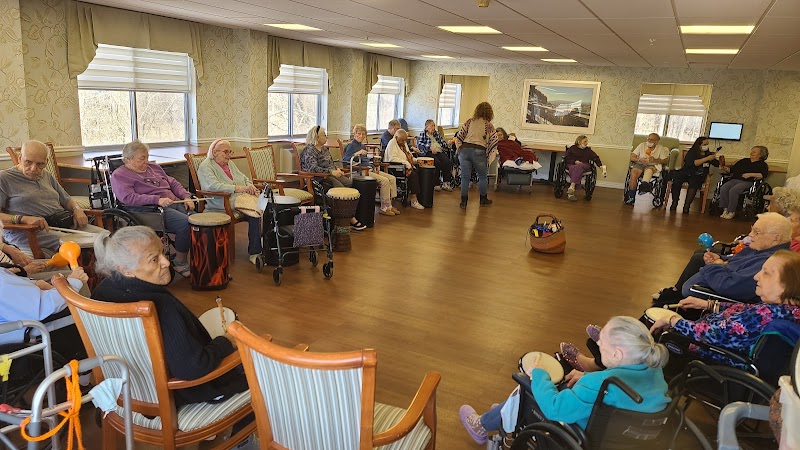
How is The Pines At Poughkeepsie Ctr For Nursing & Rehab Staffed?

CMS rates THE PINES AT POUGHKEEPSIE CTR FOR NURSING & REHAB's staffing level at 3 out of 5 stars, which is average compared to other nursing homes. Staff turnover is 30%, compared to the New York average of 46%. This relatively stable workforce can support continuity of care.

What Have Inspectors Found at The Pines At Poughkeepsie Ctr For Nursing & Rehab?

State health inspectors documented 20 deficiencies at THE PINES AT POUGHKEEPSIE CTR FOR NURSING & REHAB during 2018 to 2024. These included: 20 with potential for harm.
Who Owns and Operates The Pines At Poughkeepsie Ctr For Nursing & Rehab?

THE PINES AT POUGHKEEPSIE CTR FOR NURSING & REHAB is owned by a for-profit company. For-profit facilities operate as businesses with obligations to shareholders or private owners. The facility is operated by NATIONAL HEALTH CARE ASSOCIATES, a chain that manages multiple nursing homes. With 200 certified beds and approximately 181 residents (about 90% occupancy), it is a large facility located in POUGHKEEPSIE, New York.
How Does The Pines At Poughkeepsie Ctr For Nursing & Rehab Compare to Other New York Nursing Homes?

Compared to the 100 nursing homes in New York, THE PINES AT POUGHKEEPSIE CTR FOR NURSING & REHAB's overall rating (4 stars) is above the state average of 3.1, staff turnover (30%) is significantly lower than the state average of 46%, and health inspection rating (3 stars) is at the national benchmark.

What Should Families Ask When Visiting The Pines At Poughkeepsie Ctr For Nursing & Rehab?

Based on this facility's data, families visiting should ask: "Can I visit during a mealtime to observe dining assistance and food quality?" "How do you handle medical emergencies, and what is your hospital transfer rate?" "Can I speak with family members of current residents about their experience?"

Is The Pines At Poughkeepsie Ctr For Nursing & Rehab Safe?

Based on CMS inspection data, THE PINES AT POUGHKEEPSIE CTR FOR NURSING & REHAB has a clean safety record: no substantiated abuse findings (meaning no confirmed cases of resident harm), no Immediate Jeopardy citations (the most serious violation level indicating risk of serious injury or death), and is not on the Special Focus Facility watch list (a federal program monitoring the lowest-performing 1% of nursing homes). The facility has a 4-star overall rating and ranks #1 of 100 nursing homes in New York. While no facility is perfect, families should still ask about staff-to-resident ratios and recent inspection results during their visit.

Do Nurses at The Pines At Poughkeepsie Ctr For Nursing & Rehab Stick Around?

THE PINES AT POUGHKEEPSIE CTR FOR NURSING & REHAB has a staff turnover rate of 30%, which is about average for New York nursing homes (state average: 46%). Moderate turnover is common in nursing homes, but families should still ask about staff tenure and how the facility maintains care continuity when employees leave.

Was The Pines At Poughkeepsie Ctr For Nursing & Rehab Ever Fined?

THE PINES AT POUGHKEEPSIE CTR FOR NURSING & REHAB has no federal fines on record. CMS issues fines when nursing homes fail to meet care standards or don't correct problems found during inspections. The absence of fines suggests the facility has either maintained compliance or corrected any issues before penalties were assessed. This is a positive indicator, though families should still review recent inspection reports for the full picture.

Is The Pines At Poughkeepsie Ctr For Nursing & Rehab on Any Federal Watch List?

THE PINES AT POUGHKEEPSIE CTR FOR NURSING & REHAB is not on any federal watch list. The most significant is the Special Focus Facility (SFF) program, which identifies the bottom 1% of nursing homes nationally based on persistent, serious quality problems. Not being on this list means the facility has avoided the pattern of deficiencies that triggers enhanced federal oversight. This is a positive indicator, though families should still review the facility's inspection history directly.