Alamance Health Care Center
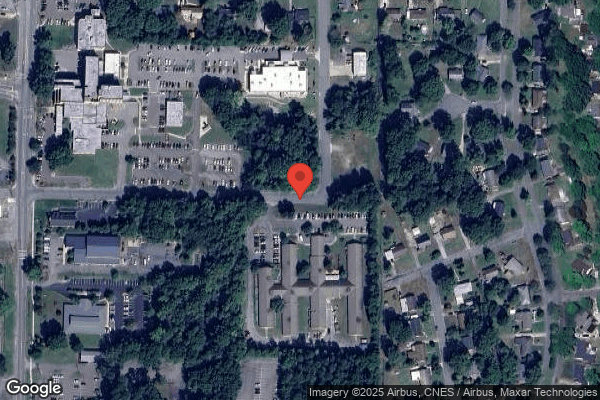
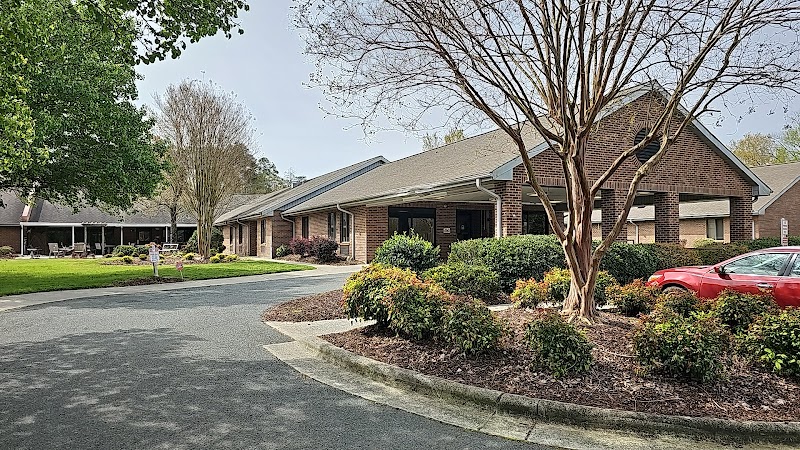
1987 Hilton Road, Burlington, NC 27217 (336) 226-0848
For profit - Limited Liability company 180 Beds LIFEWORKS REHAB Data: November 2025 5 Immediate Jeopardy citations
Trust Grade
0/100
#227 of 417 in NC
Last Inspection: May 2025

Inspected within the last 6 months. Data reflects current conditions.

Overview

Alamance Health Care Center has a Trust Grade of F, which indicates significant concerns about the quality of care provided. It ranks #227 out of 417 nursing homes in North Carolina, placing it in the bottom half of facilities statewide, and #6 out of 7 in Alamance County, meaning there is only one other local option that performs worse. The facility's situation appears stable, with 6 issues reported consistently in recent years. Staffing is rated at 2 out of 5 stars, with a turnover rate of 52%, which is average but indicates some instability. On the downside, the facility has alarming findings, including a critical incident where a resident with a seizure disorder was hospitalized after their medication dosage was improperly adjusted without consulting the medical provider, leading to severe complications. Additionally, another resident suffered serious injuries, including burns, due to a lack of timely assistance from staff following an oxygen explosion incident. The facility has also incurred $244,543 in fines, which is concerning and suggests ongoing compliance issues. While the quality measures rating is excellent at 5 out of 5 stars, these significant deficiencies raise serious questions about the overall safety and care at Alamance Health Care Center.
Trust Score
F
0/100
In North Carolina
#227/417
Bottom 46%
Safety Record
High Risk
Review needed
Inspections
Holding Steady
6 → 6 violations
Staff Stability
⚠ Watch
52% turnover. Above average. Higher turnover means staff may not know residents' routines.
Penalties
○ Average
$244,543 in fines. Higher than 70% of North Carolina facilities. Some compliance issues.
Skilled Nurses
⚠ Watch
Each resident gets only 19 minutes of Registered Nurse (RN) attention daily — below average for North Carolina. Fewer RN minutes means fewer trained eyes watching for problems.
Violations
⚠ Watch
31 deficiencies on record. Higher than average. Multiple issues found across inspections.
★★☆☆☆
2.0
Overall Rating
★★☆☆☆
2.0
Staff Levels
★★★★★
5.0
Care Quality
★☆☆☆☆
1.0
Inspection Score
Stable
2024: 6 issues
2025: 6 issues

The Good

  • 5-Star Quality Measures · Strong clinical quality outcomes
  • Full Sprinkler Coverage · Fire safety systems throughout facility
  • No fines on record

Facility shows strength in quality measures, fire safety.

The Bad

2-Star Overall Rating

Below North Carolina average (2.8)

Below average - review inspection findings carefully

Staff Turnover: 52%

Near North Carolina avg (46%)

Higher turnover may affect care consistency

Federal Fines: $244,543

Well above median ($33,413)

Significant penalties indicating serious issues

Chain: LIFEWORKS REHAB

Part of a multi-facility chain

Ask about local staffing decisions and management

The Ugly 31 deficiencies on record

5 life-threatening 1 actual harm
May 2025 6 deficiencies
CONCERN (D) 📢 Someone Reported This

A family member, employee, or ombudsman was alarmed enough to file a formal complaint

Potential for Harm - no one hurt, but risky conditions existed

Resident Rights (Tag F0550)

Could have caused harm · This affected 1 resident

**NOTE- TERMS IN BRACKETS HAVE BEEN EDITED TO PROTECT CONFIDENTIALITY** Based on observation, record review, and interviews with the resident and staff, the facility failed to treat one of six residen...

Read full inspector narrative →
**NOTE- TERMS IN BRACKETS HAVE BEEN EDITED TO PROTECT CONFIDENTIALITY** Based on observation, record review, and interviews with the resident and staff, the facility failed to treat one of six residents (Resident #4) reviewed for respect in a dignified manner when Nurse Aide (NA) #3 pulled Resident #4's geriatric wheelchair (a padded chair with a wheeled base) backwards down the hall. Resident #4 said she felt like she was being treated as if she was a crazy person and she thought that the NA did not like her because she pulled the wheelchair in that manner. The findings were: Resident #4 was admitted to the facility on [DATE] with diagnoses including cerebral infarction (stroke). Resident #4's Minimum Data Set (MDS) dated [DATE] noted she was cognitively intact, had no behaviors, had limited range of motion on one side of her upper and lower extremities, and was dependent on staff for locomotion in her wheelchair. In an observation on 4/29/25 at 10:01 AM, Resident #4 was observed in her geriatric wheelchair and NA #3 was pulling her wheelchair backwards down the hall from the nurses' station to the dining room, approximately 50 yards. NA #3 wheeled Resident #4 into the dining room. In an interview on 4/29/25 at 10:05 AM, Resident #4 said she did not want to go to the dining room and did not like being pulled backwards in her wheelchair. She said it made her feel like she was a crazy person needing help and she thought that NA #3 did not like her because she pulled her like that. She explained that NA #3 was the only NA that pulled her around that way which was why she felt the NA did not like her. In an interview on 4/29/25 at 3:49 PM, NA #3 said she pulled Resident #4's geriatric wheelchair backwards because the wheels were misaligned, making it difficult to push the chair properly. She said she had not told anyone that the wheels were misaligned, but if the wheels worked better, she would have pushed the chair forward like she had been trained. The facility maintenance work orders for 2025 did not include a request to repair Resident #4's geriatric wheelchair. In an interview on 5/01/25 at 4:56 PM, the Nurse Consultant and the Administrator said they were not aware the wheels were not aligned on the chair and that Resident #4 should not have been pulled down the hall and that the NAs knew to push the chair instead of pulling the chair. The Nurse Consultant said pulling a wheelchair backwards was treating the resident in an undignified manner.
CONCERN (D) 📢 Someone Reported This

A family member, employee, or ombudsman was alarmed enough to file a formal complaint

Potential for Harm - no one hurt, but risky conditions existed

ADL Care (Tag F0677)

Could have caused harm · This affected 1 resident

**NOTE- TERMS IN BRACKETS HAVE BEEN EDITED TO PROTECT CONFIDENTIALITY** Based on observations, staff interviews and record review, the facility failed to ensure resident's fingernails were trimmed for...

Read full inspector narrative →
**NOTE- TERMS IN BRACKETS HAVE BEEN EDITED TO PROTECT CONFIDENTIALITY** Based on observations, staff interviews and record review, the facility failed to ensure resident's fingernails were trimmed for 1 of 4 residents dependent on staff for Activity of Daily Living (ADL) care (Resident # 124). Findings included: Resident #124 was admitted to the facility on [DATE] with diagnoses that included adult failure to thrive and parkinsonism (group of brain conditions that causes slowed movements, rigidity and tremors). The quarterly Minimum Data Set (MDS) assessment dated [DATE] revealed Resident #124 was assessed as severely cognitively impaired with no behaviors or rejection of care. Resident #124 was assessed as requiring substantial / maximum assistance for personal hygiene and supervision/touching assistance with eating. The care plan dated 3/28/25 revealed Resident #124 was care planned for requiring assistance with ADL care due to cognition, weakness and Parkison disease. The goal indicated Resident #124 will maintain or improve their ADL functionality. Interventions included providing assistance with ADL care. During an observation on 4/28/25 at 11:22 AM, Resident #124 was observed lying in bed. Observation of resident's right hand revealed all five fingernails were approximately three fourthsof an inch to one-inch-long. There was some black debris under the nails. When the resident was asked if she liked her fingernails trimmed, Resident # 124 did not respond to surveyor's question. On 4/28/25 at 1:19 PM, Resident #124 was observed during lunch. Resident was eating her lunch in her room and was able to feed self. The lunch tray consisted of sub sandwich, potato salad and brownie. The resident was observed eating the brownie with her hands. The resident was using both of her hands to eat. The resident's thumb fingernail was observed with black color debris and food particles under it. During an interview on 4/28/25 at 1:25 PM, Nurse Aide (NA) #1 indicated he was assigned to the resident. NA #1 further indicated Resident #124 required extensive / total assistance with for ADL care. The resident was able to eat independently and consumed meals using her hands. The NA stated resident fingernails and toenails were trimmed after a shower or a bed bath. NA #1 further stated he had noticed the resident's fingernails were long but had notified the assigned nurse. NA #1 indicated the nurses were responsible for trimming/cutting resident's fingernails On 4/28/25 at 1:30 PM, Nurse #1 upon observation of Resident #124's fingernails stated the resident's nails should have been trimmed when the resident was offered a bed bath or when offered a shower. She explained that nurses trimmed fingernails or toenails if the resident was diagnosed with diabetes. Nurse #1 indicated the resident was not diagnosed with diabetes. Nurse #1 indicated she was assigned to the resident and had not noticed the resident's fingernails to be long. During an interview on 5/1/24 at 4:10 PM, the Director of Nursing (DON) indicated the resident's fingernails and toenails should be checked and trimmed as needed, when the resident was offered a shower or a bed bath. He indicated unless the resident was diagnosed with diabetes, the NA could trim resident's fingernails or toenails. If the resident was diagnoses with diabetes, then the assigned nurse was responsible for trimming their fingernails and toenails. The DON stated the resident's fingernails should have been trimmed and cleaned by staff as needed.
CONCERN (E) 📢 Someone Reported This

A family member, employee, or ombudsman was alarmed enough to file a formal complaint

Potential for Harm - no one hurt, but risky conditions existed

Safe Environment (Tag F0584)

Could have caused harm · This affected multiple residents

**NOTE- TERMS IN BRACKETS HAVE BEEN EDITED TO PROTECT CONFIDENTIALITY** Based on observations, staff interviews and record review, the facility failed to clean sticky floors with debris, repair base b...

Read full inspector narrative →
**NOTE- TERMS IN BRACKETS HAVE BEEN EDITED TO PROTECT CONFIDENTIALITY** Based on observations, staff interviews and record review, the facility failed to clean sticky floors with debris, repair base boards and clean and maintain air conditioning units in resident rooms for 13 of 94 (Rooms #11, # 12, 14, 18, 20, 25, 46, 50, 52, 56, 70, 74 and 90) observed for cleanliness. The deficient practice occurred on 4 of 4 halls (Mauve 1, Mauve 2, Teal 1 and Teal 2 halls). The findings included: 1a. An observation was conducted on 4/28/25 at 9:30 AM, in room [ROOM NUMBER] the floor underneath the nightstand was very sticky, with brown substance, old food/paper products on the floor. The air conditioning unit inside and outside had large volumes of thick dust and debris buildup. b. An observation was conducted on 4/28/25 at 9:45 AM, in room [ROOM NUMBER] the floor was stained and dirty, sticky, with old paper products and food under the nightstand and beside the closet. The air conditioning unit inside and outside had large volumes of thick dust and debris buildup. c. An observation was conducted on 4/28/25 at 9:50 AM, in Room # 14, a hole was in the baseboard of room near bed B, the baseboard was detached from the wall with broken and exposed sheet rock. The floor was dirty sticky, leftover cups, paper products and old food were underneath the nightstands. The air conditioning unit inside and outside had large volumes of thick dust and debris buildup. d. An observation was conducted on 4/28/25 at 10:00 AM, room [ROOM NUMBER] the floor was sticky when walked across, underneath the bed and nightstand, there was a hole in the wall and baseboard coming apart from the wall. The air conditioning unit inside and outside had large volumes of thick dust and debris buildup. e. An observation was conducted on 4/28/25 at 10:12AM, in room [ROOM NUMBER], the floor was dirty, sticky and paper products were behind and underneath the nightstand. The air conditioning unit inside and outside had large volumes of thick dust and debris buildup. The baseboard came apart from the wall behind the bed. f. An observation was conducted on 4/28/25 at 10:14 AM, in room [ROOM NUMBER] the floor was dirty, sticky, with paper products behind nightstand and the air conditioning unit inside and outside had large volumes of thick dust and debris buildup. g. An observation was conducted on 4/28/25 at 10:15 AM, in room [ROOM NUMBER] the floor was stained with brown matter and the baseboard behind the bed coming apart from the wall. h. An observation was conducted on 4/28/25 at 10:16 AM, in room [ROOM NUMBER], the floor was dirty, sticky and stained with brown matter around baseboards, under the nightstand and closet area. The baseboard came apart from the wall. i. An observation was conducted on 4/28/25 at 10:18 AM, in room [ROOM NUMBER] underneath the nightstand and bed had leftover food and paper products. The floor was very dirty and sticky when it was walking across. The air conditioning unit inside and outside had large volumes of thick dust and debris buildup. j. An observation was conducted on 4/28/25 at 10:20 AM, in room [ROOM NUMBER] the baseboard behind the bed came apart from the wall and leftover paper products and food debris were underneath the nightstand and closet area. The air conditioning unit inside and outside had large volumes of thick dust and debris buildup. k. An observation was conducted on 4/28/25 at 10:21 AM, in room [ROOM NUMBER] underneath the nightstand and around the closet area leftover food and paper products were on the floor. The floor was sticky, heavily stained with brown matter and dried liquids. The air conditioning unit inside and outside had large volumes of thick dust and debris. l. An observation was conducted on 4/28/25 at 1:59 PM, in room [ROOM NUMBER] the air conditioning unit had broken slates with sharp edges. m. An observation was conducted on 4/28/25 at 2:00 PM, in room [ROOM NUMBER] the air conditioning unit had food and paper products on the inside and dried food liquids on the outside. o. An observation was conducted on 4/28/25 at 2:40 PM, in room [ROOM NUMBER], the room had a strong urine odor, the floors were very sticky with dried yellow and brown stains. The air conditioning unit had food and paper products on the inside and dried liquids on the outside. A facility tour was conducted with the Housekeeping Director (HKD) on 4/28/25 at 1:35 PM, who observed the identified rooms and confirmed additional cleaning needed to be done. The HKD stated each housekeeper was provided with a daily assignment sheet with the responsibility to thoroughly clean resident rooms, bathrooms, sweep mop, empty trash and air conditioning units, in addition to assigned rooms to be deep cleaned weekly. The Housekeeping Director acknowledged some rooms had not been cleaned in accordance with the cleaning checklist. An observation and interview were conducted on 4/29/25 at 1:55 PM to 3:00 PM with the Maintenance Director of the identified rooms with observations of air flow of the air conditioning unit and cleanliness of the units and the baseboards that came apart from the walls. The Maintenance Director acknowledged the air conditioning units were dirty inside and outside; blowing dust and dirt into the air of resident rooms. He further stated he was responsible for the repairs of the baseboards throughout the facility. He stated housekeeping and maintenance would develop a plan to improve the environment. An interview was on 4/30/25 at 4:00 PM, with the Director of Nursing (DON), who stated he was aware there were several environmental concerns that needed to be addressed. He confirmed the condition of resident rooms were not cleaned and maintained by maintenance and housekeeping. The DON stated that immediate action would occur to correct the problem.
CONCERN (E) 📢 Someone Reported This

A family member, employee, or ombudsman was alarmed enough to file a formal complaint

Potential for Harm - no one hurt, but risky conditions existed

Deficiency F0685 (Tag F0685)

Could have caused harm · This affected multiple residents

**NOTE- TERMS IN BRACKETS HAVE BEEN EDITED TO PROTECT CONFIDENTIALITY** Based on record review, resident, and staff interviews, the facility failed to schedule an an opthamologist consultation for cat...

Read full inspector narrative →
**NOTE- TERMS IN BRACKETS HAVE BEEN EDITED TO PROTECT CONFIDENTIALITY** Based on record review, resident, and staff interviews, the facility failed to schedule an an opthamologist consultation for cataract extraction surgery when ordered by the Medical Director for 1 of 2 residents (Resident #81) reviewed for vision. Findings included: Resident #81 was admitted to the facility on [DATE]. The significant change Minimum Data Set (MDS) dated [DATE] noted Resident #81 was cognitively intact, had impaired vision, and used glasses. Resident #81's comprehensive care plan dated 10/02/24 noted he had impaired vision and for staff to refer him to ophthalmology as needed. Review of an optometrist consultation note dated 11/15/24 and scanned into the electronic medical record (EMR) documented Resident #81 had a diagnosis of combined forms of age-related cataract in both eyes. The optometrist noted his right eye cataract was causing blurred vision which increased his likelihood of falling. The optometrist noted the facility needed to choose a local ophthalmologist for cataract extraction removal surgery. The former Medical Director, Doctor #2, initialed the top right corner of the consultation. Resident #81's physician orders documented an order dated 3/25/25 for the resident to receive an ophthalmologist consultation for cataract extraction. Review of Resident #81's clinical record did not reveal a documented appointment with a local ophthalmologist or address the need for an outside appointment after the 11/15/24 optometrist consultation until 3/25/25. An ophthalmologist consultant report dated 4/15/25 indicated Resident #81 had visible cataracts and needed to be referred to a larger clinical practice for surgery. In an interview on 4/28/25 at 10:25 AM, Resident #81 stated he had recently been to the eye doctor about his cataracts, but he had to keep asking different staff members to look into it. He said he could not see well out of his right eye. He said he recently went to the eye doctor and will be having his cataracts removed. He was not aware the eye doctor recommended an outside appointment in November, just that there was an order in March. During an interview on 5/01/25 at 8:43 AM with Unit Manager #1, she said she was not aware Resident #81 was originally referred to an ophthalmologist in November 2024. She said when a resident saw the facility eye doctor, the former Social Worker (SW) would provide the nurses with a copy of the report if there were any recommendations. She said the former SW did not notify her to make an appointment for Resident #81, but the resident went to see an ophthalmologist recently after requesting an appointment. In an interview on 5/01/25 at 4:08 PM, the Unit Secretary said she was the staff member responsible for scheduling appointments for the residents and had been in that role for approximately a year. She said she was not made aware of the optometrist's recommendation for Resident #81 to see an ophthalmologist when the resident had the consultation in November 2024. She said when there was a request for an appointment from an outside provider, the SW or nurse would let her know to schedule the appointments and obtain transportation. In an interview on 5/01/25 at 4:11 PM, the Director of Nursing said the Unit Secretary made appointments when there was a referral from a consulting physician. He said he was not at the facility when Resident #81 had the consultation in November 2024, so he was not sure how it was missed. He was not aware of the consultation recommendation until the surveyor asked for additional information about the recommendation. In an interview on 5/01/25 at 4:16 PM, the new SW said she had only been working in the facility for approximately one month and she was not aware of Resident #81's ophthalmologist referral. She said the system to manage the recommendations from the outside consultants was still being developed at the time of the survey. Attempts to interview the former SW were unsuccessful. In an interview on 5/01/25 at 4:56 PM, the Administrator said he was not aware Resident #81 had a referral for an ophthalmologist in November 2024. He said the former SW would give the information to the Unit Secretary and he was not sure how it was missed.
CONCERN (E) 📢 Someone Reported This

A family member, employee, or ombudsman was alarmed enough to file a formal complaint

Potential for Harm - no one hurt, but risky conditions existed

Food Safety (Tag F0812)

Could have caused harm · This affected multiple residents

Based on record review, observations and staff interviews the facility failed to maintain clean nourishment refrigerators, failed to record the nourishment refrigerator and freezer temperatures from 4...

Read full inspector narrative →
Based on record review, observations and staff interviews the facility failed to maintain clean nourishment refrigerators, failed to record the nourishment refrigerator and freezer temperatures from 4/24/25 to 4/28/25, and failed to label and date residents' food stored in the nourishment refrigerators for 2 of 3 nourishment refrigerators (on Teal and Mauve 1 hallway). These practices had the potential to affect food being served to residents. Findings included: 1 a. During an observation of the nourishment refrigerator on Mauve 1 hallway on 4/28/25 at 9:15 AM, revealed the April temperature logs for the refrigerator and freezer were not documented from 4/24/25 to 4/28/25. There was water on the shelves inside the refrigerator and yellowish red stains on the shelves. The refrigerator contained an unlabeled and undated 11-ounce (oz.) protein shake bottle. The nourishment freezer had an unlabeled and undated 20 oz bag with seafood mix-raw shrimps, squid, mussel, scallops printed on it. During an interview on 4/28/25 at 9:20 AM, the Dietary Manager stated the raw shellfish bag belonged to a resident, who ordered food from the grocery store. She was unsure why the resident ordered raw shellfish from the grocery store. The Dietary Manager indicated that residents' foods were labeled by the nursing staff with the name of the resident and the date the food was placed, prior to placing them in the nourishment refrigerator. The Dietary Manager stated that refrigerator temperatures were recorded by the dietary staff. The Dietary Manager further stated the housekeeping staff were responsible for cleaning the nourishment refrigerator weekly. During an interview on 5/1/25 at 9:45 AM, Nurse #2 stated she was the acting Unit Manager for Mauve 1 hallway. She stated Dietary department was responsible for maintaining and updating the temperature log for the nourishment refrigerators, and the housekeeping department was responsible for cleaning the refrigerator. Nurse #2 further stated all nursing staff were responsible for labeling the resident's food with their name, date and room number prior to placing the food in the nourishment refrigerator. 1b. During an observation of the nourishment refrigerator on Teal hallway on 4/28/25 at 9:25 AM, the refrigerator temperature log on the door was last documented on 4/24/25. The shelves inside the refrigerator had light yellowish stain on them. There was an unlabeled and undated fast-food milkshake container (16 oz) which was open. During an interview on 4/28/25 at 9:30 AM, the Dietary Manager stated all residents' food should be labeled with their name and date by the nursing staff, prior to being placed in the refrigerator. During a follow-up interview with the Dietary Manager on 5/1/25/ at 10:30 AM, she indicated she had gone on vacation for few days (4/24/25 to 4/27/25) and had not communicated the assignment to check the temperatures of the nourishment refrigerator to the dietary staff. She indicated most of the dietary snacks were shelf stable and not usually placed in the nourishment refrigerator. These were placed in the cabinets in the nourishment rooms. She stated that this was the reason why she was unable to check if the refrigerators were dirty. The housekeeping staff would clean the nourishment rooms and other appliances like the microwave and the refrigerator in the nourishment room. During an interview on 5/1/25 at 10:35 AM the Housekeeping Manager indicated the housekeeping staff only cleaned the cabinets, countertop, microwave and outside of the refrigerator in the nourishment refrigerator. The Housekeeping Manager stated the housekeeping staff did not clean the inside of the refrigerator. During an interview on 5/1/25 at 10:45 AM, the Administrator stated Dietary, Nursing and Housekeeping staff were responsible for keeping the refrigerators clean. Nursing staff should check the food placed in the refrigerator and no raw food should be placed in the nourishment refrigerator. The Administrator stated all residents' foods should be labeled with resident's names and date.
CONCERN (F) 📢 Someone Reported This

A family member, employee, or ombudsman was alarmed enough to file a formal complaint

Potential for Harm - no one hurt, but risky conditions existed

Deficiency F0925 (Tag F0925)

Could have caused harm · This affected most or all residents

**NOTE- TERMS IN BRACKETS HAVE BEEN EDITED TO PROTECT CONFIDENTIALITY** Based on observations, resident and staff interviews and record review, the facility failed to maintain an effective pest contro...

Read full inspector narrative →
**NOTE- TERMS IN BRACKETS HAVE BEEN EDITED TO PROTECT CONFIDENTIALITY** Based on observations, resident and staff interviews and record review, the facility failed to maintain an effective pest control program for 7 of 94 resident rooms (Rooms #11, # 12, #57, #50, #89, #88 and #74). The deficient practice occurred on 4 of 4 halls (Mauve 1, Mauve 2, Teal 1 and Teal 2 halls). The findings included: Review of the monlthy and special visit pest control service reports from 8/12/24 through 3/26/25 revealed there were no recommended changes to the service provided for each visit: On 8/12/24, Gentrol IGR concentrate was used to treat medium roach activity in resident rooms, baseboards and crown moldings in the crack and crevices. On 8/17/24 Alpine WSG.2% was used to treat medium roach activity in wall voids of resident rooms. On 9/3/24 Alpine WSG.2% was used to treat light roach activity in the baseboard and crown molding in resident rooms. On 9/28/24 Alpine WSG.2% was used to treat light ant and fly activity in the cracks and crevices of baseboards, break room, common areas, dining room, dishwasher area, drink stations, foyer/lobby, gym, kitchen/kitchen island, refrigerator area, rest rooms, sink area, storage/utilities and stove area. Glue board Patrol was used in the cracks and crevices in the interior and exterior foundations to address roaches, silver fish, ants, crickets, millipedes and house flies. On 10/31/24 Alpine WSG.2% was used to treat light roach and fly activity in rooms #50, # 52, #88, #89, #90 and #91 in the baseboard, bathrooms and crown molding. On 11/30/24 Alpine WSG.2% was used as regular service in resident rooms, baseboards, bathrooms, dining rooms and common areas. There were no pest issues reported. On 12/6/24 Alpine WSG.2% was used as regular service in resident rooms, baseboards, bathrooms, dining rooms and common areas. Additional treatment in rooms #27, #28, #29, #30, #88, #89, #90 and #91). There were no pest issues reported. On 12/28/24, Alpine WSG.2% and glue boards were used for interior and exterior perimeter controls in resident rooms, common areas, bathrooms, baseboards, crown moldings, laundry and storage/utility rooms. There was no visit in January 2025. On 2/15/25 Alpine WSG.2% was used to treat light fly activity, No other pest issues. On 3/17/25 Monitor Board Alpine WSG.2% was used to treat light roach activity in the kitchen and in rooms #50 and #89, bathrooms, common areas and base boards. On 3/26/25 Alpine WSG.2% was used in rooms #17 and #50, No roach activity reported. 1a. An observation was conducted on 4/28/25 at 9:30 AM in room [ROOM NUMBER] revealed dead bugs in the bathroom in the corners along the edges of the wall where the base board was coming apart from the wall. b. An observation was conducted on 4/28/25 at 9:45 AM in room [ROOM NUMBER] revealed dead bugs underneath the air conditioner unit in the room, around the sides of the closet, behind the nightstand, and in the corners of the bathroom near the sink. c. An observation was conducted on 4/28/25 at 10:20 AM in room [ROOM NUMBER] revealed dead bugs and active bugs were coming from behind the nightstand, underneath the closet and base boards behind the bed. d. An observation was conducted on 4/28/25 at 10:21 AM in room [ROOM NUMBER] revealed roaches coming out from behind nightstand, under the bed and the in bathroom. e. An observation was conducted on 4/28/25 at 1:51 PM in Room # 89 revealed dead roaches/bugs surrounding the base of the closet area, behind the nightstand and behind the bed area. f. An observation was conducted on 4/28/25 at 1:53 PM in room [ROOM NUMBER] revealed dead roaches/bugs around the closet and under the air conditioner unit. g. An observation was conducted on 4/28/25 at 2:40 PM in Room revealed #74 dead and active bugs surrounding the clutter room of boxes and bags of personal items and food. An interview was conducted on 4/30/25 at 3:00 PM, with Nurse Aide #7 who stated the facility management team were aware of the roaches/bug problem since 2024 and things had gotten worse to a point where staff brought in their own sprays to help control the bugs when they were providing care for the residents. She reported maintenance had called in the bug company many times, but nothing had been successful. She stated the residents clutter in the room and not properly stored food/drinks and personal items continue to feed the bugs and residents should not have to wake up and find bugs crawling all over them. The issues have been reported and documented by many staff but there have been no changes, families and residents complain to the aides, but we have no control over how things get resolved. The rooms were allowed to be junky and other residents complained that their personal space has been invaded by the other residents' poor habits. An interview was conducted on 4/28/25 at 12:10 PM with Housekeeper (HK) #1 who stated she had seen bugs on the floor, under closets, bathrooms and around the base board behind beds. She further stated she would kill them and report to the housekeeping supervisor and maintenance. She further stated she was instructed not to move resident personal belongings unless they had resident's permission to clean areas outside of the routine cleaning checklist. She stated there were times when there were only two housekeepers, and she was unable to complete all the assigned tasks. An interview was conducted on 4/28/29 at 12:28 PM, with HK #2 who stated that when she observed any bugs, ants/ rodents or needed repairs in resident rooms, she would report her observation to the Housekeeping and Maintenance Director. HK#2 stated when she had seen them, she would just kill them or sweep them up and put in trash. An observation and interview were conducted on 4/28/25 at 1:30 PM with the Housekeeping Director who observed the identified rooms with either the dead or active bugs present. She reported the roaches and bugs have been reported to maintenance and the pest control company had visited the facility numerous times, however residents with excessive amounts of food/drinks stored and clutter continued to be an on-going problem for recurrent bugs. Effective cleaning and reduction of the bugs have been a challenge due to the poor storage of personal items and food/drinks in resident rooms. The Maintenance Director was aware of the visible bugs and contacted the pest control company monthly and for the specific rooms with chronic concerns. An observation and interview were conducted on 4/29/25 at 1:55 PM to 3:00 PM with the Maintenance Director of the identified rooms with dead or active bugs present. The Maintenance Director stated that anytime there was a report of any visible bugs within the facility, he would contact the pest control company for special sprays and monthly spray of the interior and exterior of the facility. He further stated several rooms had been identified to receive special attention due to resident hoarding and clutter. He further stated the previous Administrator had offered residents alternative storage options for personal items and asked them not to store large quantities of food/drinks in the rooms. Families had been asked not to bring in items that may contribute to the recurrence of bugs/roaches due to storage issues. He further stated with the additional visits to specific rooms the visibility of roaches/bugs had decreased. He acknowledged additional efforts would need to be explored. An interview was conducted on 4/30/25 at 4:00 PM, with the Director of Nursing (DON), who stated he was aware there were several environmental concerns that needed to be addressed. He confirmed the condition of resident rooms were not cleaned and maintained by maintenance and housekeeping. The DON stated that immediate action would occur to correct the problem. An interview was conducted on 5/1/25 at 8:51 AM with the Administrator who stated the facility had been working with residents and families about the storage of personal items and foods to reduce the visibility of any pests. He reported the monthly pest control visits and special visits for the identified rooms had been in place. He further stated he was aware of the pest control issue and was currently working on an effective solution to address the situation.
Nov 2024 1 deficiency
CONCERN (D) 📢 Someone Reported This

A family member, employee, or ombudsman was alarmed enough to file a formal complaint

Potential for Harm - no one hurt, but risky conditions existed

Free from Abuse/Neglect (Tag F0600)

Could have caused harm · This affected 1 resident

**NOTE- TERMS IN BRACKETS HAVE BEEN EDITED TO PROTECT CONFIDENTIALITY** Based on observations, record review, and resident and staff interviews, the facility failed to protect a resident's right to be...

Read full inspector narrative →
**NOTE- TERMS IN BRACKETS HAVE BEEN EDITED TO PROTECT CONFIDENTIALITY** Based on observations, record review, and resident and staff interviews, the facility failed to protect a resident's right to be free from abuse when Resident #3 struck Resident #4 with a 15 ounce can of peaches. This affected 1 of 3 residents reviewed for abuse. The findings included: Resident #4 most recent admission to the facility was on 08/29/24 with diagnoses that included hemiplegia following cerebral infarction, contracture, essential hypertension, and major depressive disorder. Review of the quarterly Minimum Data Set (MDS) dated [DATE] revealed Resident #4 was cognitively intact with no behaviors. Resident #3 was admitted to the facility on [DATE] with diagnoses that included chronic obstructive pulmonary disease, essential hypertension, anxiety disorder, and depression. Review of the quarterly MDS dated [DATE] revealed Resident #3 was cognitively intact and had verbal behavioral symptoms directed towards others that included threatening others, screaming at others, cursing at others, and rejection of care. Resident #3's Care Plan updated on 11/04/24 included Resident had behaviors related to history of cocaine use and alcohol abuse; angers easily, yelling, verbally aggressive towards staff, throwing personal items, physical aggression. fabricates stories and has manipulative behaviors, residents play music loud at times, resident antagonizes other residents. Review of a Facility Reported Incident (FRI) dated 11/03/24 revealed that Resident #3 threw a can of peaches at Resident #4 because he thought he ate his food off his tray. Residents were immediately separated and Resident #3 was placed one on one. Resident #4 was placed in a different room. Resident #4 was sent to the emergency room for further evaluation; however, he refused to go. This allegation type was classified as resident abuse. A review was completed of the 5-working day investigation report dated 11/07/24. The review revealed Resident #3 was provoked due to Resident #4 allegedly ate Resident #3's tray and Resident #3 threw a can of peaches at Resident #4 out of frustration. Resident #3 is blind and was unable to see where he was throwing the object. Resident #3 threw the can of peaches, and it struck Resident #4 on the right side of the head above his right eye, and he sustained a laceration. Residents were separated and educated on how to voice concerns and issues. Residents remained in vastly different geographic areas of the center. Both remained in good health and had no animosity. Resident #4 sustained a laceration to the right outer eye that was cleansed with normal saline and taped closed. Emergency Medical Technicians (EMTs) were called and Resident #4 refused to go to the hospital. EMTs glued resident's laceration closed and covered it with tape. The provider was made aware. Police were notified. The Psychiatry provider was notified. Resident #4 was moved to another room. An observation and an interview were conducted with Resident #4 on 11/20/24 at 1:15 pm and he indicated he was asleep and Resident #3 threw a can and hit him in the face. Resident #4 stated, he thought I ate his dinner, his food, woke up to him throwing a can to my head. He indicated he had a cut above his right eye and declined to go to the hospital. A healed scar was observed above Resident #4's right eye. An interview was conducted with Resident #3 on 11/20/24 at 1:21 pm and he indicated he was asleep in bed when a staff member (resident could not remember who it was) came in to get his tray, but he had not eaten his food. He stated, I asked the man did he eat my food, he was coming towards me, I'm blind, only see shadows, heard his bed moving and he was cussing at me, I grabbed a can of peaches and threw them his way, didn't know I hit him, was mad he ate my food, I left out the room and told the nurse, they took him out of the room. On 11/20/24 at 1:30 pm an interview was conducted with NA#1, and she indicated she was assigned to Resident #3 and #4 on 11/03/24. She indicated she did not pick Resident #3's tray up and did not recall who did. She stated she did not witness the altercation however she saw Resident #3 rolling himself up the hall and heard Resident #4 say he was going to bust him upside the head. NA #1 indicated Resident 3 said Resident #4 ate his food off his tray. An interview was conducted on 11/20/24 at 1:46 pm with Nurse #1 and she indicated she was assigned to Resident #3 and Resident #4 on 11/3/24. She indicated she heard Resident #3 fussing about his food, and he was in the hallway. She indicated Resident #4 was going up the hall and was bleeding from the right side of his head above the eye. She indicated Resident #4 had an open area about 1/2 centimeters above his right eye and she cleaned it up and put steri-strips on it. Nurse #1 indicated Resident #4 told her he got hit in the head because Resident #3 said he ate his food. During a telephone interview on 11/20/24 at 1:59 pm with the Unit Manager she indicated she took over when Nurse #2 left after providing treatment to Resident #4's eye. She stated, I was not present at the time of the altercation but followed up with everything, called the police, EMS, Resident #4 did not want to go to the hospital so they had him sign a form stating he refused, moved Resident to the front of the building, Resident #3 stayed in his room and had a sitter the remainder of the shift that sat with him all night. An interview was conducted with the Administrator on 11/20/24 at 2:28 pm and he indicated Resident #3 had a history of being incarcerated and after he interviewed him concluded due to Resident being blind, he did not have any intention of abusing his roommate and the allegation was unsubstantiated. The Administrator indicated Resident #3 had been triggered when his roommate ate his food and was why Resident #3 became frustrated and threw the can. The Administrator stated, He isn't capable of seeing that the can was going to hit his roommate. The facility implemented the following Corrective Action Plan with a completion date of 11/08/24. -Address how corrective action will be accomplished for those residents found to have been affected by the deficient practice; Resident # 3 became frustrated when his roommate, Resident #4, ate his food. Resident #3 is blind and grabbed a can of peaches and threw it out of frustration. The can of peaches hit roommate Resident # 4. After the incident, the residents were immediately separated by the unit nurse and the alleged aggressor was immediately placed on 1 on 1 care by the nursing supervisor, until evaluated by psychiatric services. Psychiatric services reviewed the aggressor on 11/04/2024 and determined that there was no need to continue the one-on-one supervision. Resident #3 was placed on 1:1 immediately after separating from Resident #4. Resident #4 was evaluated for injury by the floor nurse. The Medical Provider was notified by the nurse. Both Resident representatives were notified of the altercation by the floor nurse. Adult Protective Services and Local Police department were contacted by the Administrator. Resident #4 had an injury, and it was recommended that he go to the emergency room. However, residents refused and Emergency Medical Services (EMS) glued the laceration together. Psychiatry provider evaluated and made recommendations to remove Resident #3 from one-to-one care. Depakote 125mg by mouth daily was initiated for Resident #3. Trauma screens were completed by the social worker/discharge planner to evaluate the effect of the incident on the residents. Trauma screens were completed on Resident #3 and #4. This was done on 11/04/2024. Education on free from abuse was initiated by the Staff Development Coordinator and Assistant Director of Nursing on 11/03/2024 for all current staff. The Administrator and Director of Nursing were notified of the occurrence at the time of the occurrence by the nursing supervisor. -Address how the facilty will identify other residents having the potential to be affected by the same deficient practice; Current residents at risk for resident-to-resident altercations were identified by the interdisciplinary team during the ADHOC meeting on 11/04/2024. No residents were identified during the interview process. On 11/04/2024 alert and oriented residents were interviewed by the Administrator and designees of the Director of Nursing regarding abuse and were educated to alert staff immediately of any concerns. Residents were also educated and notified by the Administrator and designee during the interview, that there will be no tolerance for abuse. -Address what measures will be put into place or systemic changes made to ensure that the deficient practice will not recur; Progress notes are reviewed by the Unit Managers or designee for the previous 24 hours daily, potential residents that have behavior notes documented are discussed with the interdisciplinary team during morning clinical meeting daily Monday through Friday. Current residents with a BIMS score of 13-15 will be interviewed weekly regarding safety concerns at the center during angel rounds. Current residents with a BIMS of 13-15 will be assigned by the Administrator to department managers. The results of the interviews are provided to the Administrator during the morning meeting. The interview questions are to evaluate safety concerns the current residents have in the center. These interviews will help determine if there is a particular resident that is starting to make other residents feel uncomfortable. These identified residents from the resident interview process will be referred to psychiatric provider to determine if behaviors are escalating or if it is temporary as a result of an underlying medical condition. Appropriate interventions such as one on one during the acute episode, or medication adjustment, and/or notification of the primary provider to initiate medical evaluation. Staff will be made aware by huddle given by the Unit Managers, when the resident is identified. Identifying potential escalations in resident behaviors will assist in preventing resident altercations, thus preventing abuse. -Indicate how the facility plans to monitor its performance to make sure that solutions are sustained; All occurrences of resident-to-resident behavior will be reviewed by the Administrator weekly x 12 weeks. The results will be reported to the monthly Quality Committee for review and discussion to ensure substantial compliance. Once the QA Committee determines the problem no longer exists, then review will be completed on a random basis. ADHOC with interdisciplinary team met on 11/04/202. The facility's alleged compliance date was 11/08/24. The Corrective Action Plan was validated onsite on 11/20/24 and concluded the facility had implemented an acceptable corrective action plan on 11/08/24. A review was conducted of the education dated 11/03/24 provided to staff. Interviews with current nursing staff revealed they received education on and training on free from abuse and resident to resident physical altercations. A review of the audits dated 11/04/2024 was conducted of alert and oriented residents interviewed by the Administrator and designees of the Director of Nursing regarding abuse reporting. There were no altercations revealed from the audits conducted for the week of 11/11/24-11/15/24. Interviews were conducted with alert and oriented residents and no concerns were identified. The compliance date of 11/08/24 was validated.
Apr 2024 5 deficiencies
CONCERN (D)

Potential for Harm - no one hurt, but risky conditions existed

Deficiency F0578 (Tag F0578)

Could have caused harm · This affected 1 resident

**NOTE- TERMS IN BRACKETS HAVE BEEN EDITED TO PROTECT CONFIDENTIALITY** Based on records review, and staff interviews, the facility failed to have Advance Directives (code status) in the residents' re...

Read full inspector narrative →
**NOTE- TERMS IN BRACKETS HAVE BEEN EDITED TO PROTECT CONFIDENTIALITY** Based on records review, and staff interviews, the facility failed to have Advance Directives (code status) in the residents' record for 1 of 1 resident reviewed for Advance Directives (Resident #44). Findings included: Resident #44 was readmitted to the facility on [DATE]. The quarterly Minimum Data Set (MDS) dated [DATE] revealed Resident #44 was assessed as cognitively intact. Resident #44' s care plan dated 3/25/24 indicated the resident was care planned as having an advance directive of Full Code. At the time of physician's orders review on 4/2/24, there was no active order for code status in Resident #44's Electronic Health Record (EHR). No Hard copy (paper charts) used in the facility. An interview was conducted with Nurse #2 on 4/3/24 at 10:15 AM. Nurse #2 stated the code status was usually displayed in EHR, next to the resident's picture, or in the physician's orders. Nurse #2 confirmed that there was no documentation to indicate the code status for Resident #44. During an interview on 4/3/24 at 10:32 AM, the Social Worker stated Resident #44 was readmitted to the facility on [DATE]. She indicated the Advance Directives were discussed with the resident during the jump start meeting (baseline care plan) at readmission. The resident was a Full Code and there was no change in resident's code status. The Social Worker stated she does not notify nursing if there was no change in resident's code status. The nurses were notified when there was a change in resident's code status. During an interview on 4/3/24 at 12:40 PM, the Registered Nurse (RN) supervisor stated the residents Advance Directives were entered by the Nursing staff in the EHR. The RN supervisor further stated Nurses looked for a resident's code status under the resident profile, displayed next to the resident's picture in the EHR. In addition, the staff could look up the code status in the physician orders. The RN supervisor reviewed Resident #44's EHR and confirmed that there was no information regarding the resident's code status. The RN supervisor stated during any new admission or readmission, the admitting nurse would review the discharge orders and code status of the resident with the Provider. The Provider would review them and sign off or give verbal orders to be entered into the EHR. The RN supervisor indicated the admission nurse had missed the code status, resulting in no physician orders related to Resident #44's code status after her readmission to the facility. The RN supervisor stated the Social Worker (SW) and /or Social Worker Assistant would ensure the resident's code status was reviewed with the resident and /or resident's representative and if changes were made then the Nurse were notified for appropriate action. During an interview on 4/3/24 at 11:15 PM, Nurse Practitioner #1 stated that the admitting nurse would review the discharge medication and code status at the time of the admission / readmission from the discharge summary for any resident admitted to the facility. The admission nurse would then notify the Nurse Practitioner. The Nurse Practitioner stated the order was signed, and/or verbal approval given. The admission staff would then enter the information in the resident's EHR. She was unsure about the code status for Resident #44. During an interview on 4/4/24 at 3:50 PM, the Director of Nursing (DON) stated the resident's code status should be entered in the resident's electronic medical record at admission and/or readmission by the admitting nurse. The DON further stated Resident #44 should have a physician's order regarding the code status entered in their medical records. Resident #44' s code status may have been missed during the readmission by the admission nurse as it was not changed during the recent hospitalization.
CONCERN (D) 📢 Someone Reported This

A family member, employee, or ombudsman was alarmed enough to file a formal complaint

Potential for Harm - no one hurt, but risky conditions existed

Quality of Care (Tag F0684)

Could have caused harm · This affected 1 resident

**NOTE- TERMS IN BRACKETS HAVE BEEN EDITED TO PROTECT CONFIDENTIALITY** Based on record review and interviews with the staff, family member, physician, and nurse practitioners the facility failed to e...

Read full inspector narrative →
**NOTE- TERMS IN BRACKETS HAVE BEEN EDITED TO PROTECT CONFIDENTIALITY** Based on record review and interviews with the staff, family member, physician, and nurse practitioners the facility failed to ensure effective communication occurred amongst staff and providers when a resident, who had chronic diarrhea, also began to have multiple episodes of nausea and vomiting in addition to the diarrhea. This was for one (Resident # 1) of one sampled resident reviewed for acute medical changes. The findings included: Record review revealed Resident # 1 was originally admitted to the facility on [DATE] and resided there until 3/18/24. Resident #1 had the following diagnoses which in part included a sacral pressure sore with chronic osteomyelitis (an infection of the bone which does not respond to treatment), history of both ovarian and breast cancer, history of ileus, chronic diarrhea, complete heart block with history of a pacemaker placement, congestive heart failure, coronary artery disease with history of coronary artery bypass surgery times two, chronic pain, atrial fibrillation, diabetes, peripheral vascular disease with a history of bilateral below knee amputations, chronic kidney disease, gastroesophageal reflux disease, hypomagnesemia, history of ischemic colitis, history of colitis (diagnosed during a hospitalization of 10/31/23 to 11/3/23), history of multiple intestinal infections originating from bacteria. Resident # 1's facility electronic record included information on the Medication Administration Record (MAR) that the resident had multiple drug allergies. One of the listed allergies was carbapenems. (Carbapenems are a group of antibiotics). The MAR did not include any specific reaction Resident # 1 had to carbapenems. On 6/16/23 Resident #1 had a palliative care consult. Notations on the consult indicated Resident # 1 would continue palliative care while at the facility. Resident # 1's significant change Minimum Data Set assessment, completed on 1/25/24, coded the resident as cognitively intact. She was assessed to need substantial to moderate assistance with her activities of daily living. She was also assessed to be incontinent of urine and stool, and as having a pressure sore. Resident # 1's care plan, dated 1/25/24, noted Resident # 1 was at risk for gastrointestinal problems secondary to a history of colitis, gastroesophageal reflux disease, and a history of gastrointestinal bleeding. Staff were directed on the care plan to administer medications as ordered and to obtain labs as ordered. The care plan also noted the facility had identified Resident # 1 was at risk for dehydration. Staff were directed to observe the resident for fluid imbalances. Although not all inclusive, some of Resident # 1's medications on her facility order summary included the following. Two Creon Oral capsules delayed release 36000-114000 with meals as a digestive aid. This was a current med as of the time of Resident # 1's final discharge. (Creon is a pancreatic enzyme replacement medication which assists with digestion). Loperamide 2 mg (milligrams) as needed for diarrhea four times per day. This order originated on 11/3/23 and was a current medication as of Resident #1's discharge. Magnesium oxide 400 mg orally every day. This order originated on 11/3/23 and was a current order at the time of the resident's final discharge. (Magnesium oxide treats hypomagnesemia and can cause diarrhea as a side effect.) Doxycycline 100 mg twice daily. This antibiotic had been ordered from 1/15/24 to 3/13/24 for the treatment of Resident # 1's chronic osteomyelitis. Additionally Resident # 1 was receiving Acidophilus Lactobacillus capsule once a day for intestinal health. This had been ordered on 11/3/23 and continued until the resident's final discharge. (This is a probiotic supplement.) According to the record, Resident # 1 had both a chemistry (a type of blood test) and complete blood count completed on 1/30/24. Although not all inclusive some of the results showed the following: BUN (blood urea nitrogen) 56.3 (Normal range was listed as 6-20) BUN/Creatinine ratio 54.7 (Normal range was listed as 6-25) Creatinine 1.03 (.5 to 1.20) EGFT Cr PR-56 (This is an estimated glomerular filtration rate and helps determine kidney function and stages of kidney disease. The lab report noted Resident # 1's value of 56 equated to Stage 3 chronic kidney disease). Review of Resident # 1's bowel log sheet revealed between the date of 3/1/24 to 3/18/24 there were 35 entries made by Nurse Aides (NAs). Of the 35 entries, 29 noted Resident # 1's bowel movements were loose/diarrhea, 4 noted Resident # 1's bowel movements were normal/formed, one noted Resident # 1's bowel movements were putty like, and one noted not applicable. On 3/11/24 NP # 1 noted in a progress note that Resident # 1 was seen, was in no acute distress, and had no concerns at the time of the visit. On 3/12/24 Resident # 1 was seen by NP#1. NP # 1 noted in a progress note the resident had no acute concerns. On 3/13/24 Resident # 1 was seen by an infectious disease physician for an outside consultation regarding her chronic osteomyelitis. According to the consult report, the infectious disease physician recommended Resident # 1 to receive two new antibiotics. The first was Daptomycin 540 mg (milligrams) intravenously once a day for osteomyelitis of the sacrum and vertebrae for two weeks. The second antibiotic was Ertapenem 1 gram intramuscularly once every day for two weeks. (Ertapenem is an antibiotic which falls in the classification of carbapenem antibiotics.) Resident # 1's allergy to carbapenem was noted on the infectious disease consultation with a notation that the resident's reaction was unknown. On 3/13/24 at 3:41 PM Resident # 1's Unit Manager made a nursing entry documenting she called for a placement of a midline catheter for Resident # 1, and the company, which placed midlines, would be out on 3/14/24 to place the midline. (A midline catheter is a type of intravenous access which allows the intravenous catheter to stay in for longer periods of time for intravenous fluids and/or antibiotics to be administered). On 3/13/24 at 4:55 PM Resident #'1 s Unit Manger signed off on a note in the record that the system had identified a possible drug allergy for Ertapenem. On 3/13/24 at 5:29 PM there was a nursing notation that Resident # 1's facility physician had approved the infectious disease doctor's orders. The Unit Manager was interviewed on 4/18/24 at 9:20 AM and reported Resident # 1's physician had been present in the facility on 3/13/24 and had reviewed the infectious disease physician's recommendations and given his approval. The physician was interviewed on 4/18/24 at 4:00 PM and reported the following. In regards to the resident receiving Ertapenem while also having a flagged drug allergy to Carbapenems, the physician felt that the infectious disease physicians would have been diligent in reviewing the resident's history and saw that the medication had been tolerated in the past. If the resident had a true allergy to Ertapenem, then this would manifest itself within hours of the first administration of the medication. The physician reported at times, residents can report an allergy which in reality is more of a side effect to a medication. During an interview with the consultant pharmacist on 4/19/24 at 12:30 PM the pharmacist reported individuals can say they have a reaction but not recall what the reaction was and then the drug becomes part of an allergy list. If the infectious disease physician felt the benefit of Ertapenem was more advisable than the risk, then the pharmacist did not think the medication should have been avoided. If the resident was to have a reaction, then it would be expected to manifest soon after the initial administration. It would be hard to rule out whether medical changes that happened a few days after the initial dose were related to the antibiotic. Review of the Ertapenem's drug prescribing information located on the Federal Drug Administration's website revealed two of the most common adverse reactions were diarrhea and nausea. According to Resident # 1's March 2024 medication administration record both the Daptomycin and the Ertapenem antibiotics were begun on 3/14/24 and given daily from 3/14/24 through 3/18/24. Also, according to the March 2024 Medication Administration Record, no PRN Loperamide doses were given in the month of March and the resident continued to receive her daily scheduled doses of Magnesium Oxide from 3/1/24 to 3/18/24. On 3/15/24 NP # 1 noted in a progress note she saw Resident # 1 and the resident was noted to be in no acute distress and had no concerns. On 3/16/24 (Saturday) at 4:20 AM Nurse # 4 documented in a nursing entry that Resident # 1 was on antibiotics without any signs of adverse reactions. Nurse # 4 also documented Resident # 1 remained afebrile with a temperature reading of 97.8. On 3/16/24 (Saturday) at 2:58 PM Nurse # 2 documented a nursing entry noting Resident # 1 remained on antibiotics and had no adverse reactions. The resident's temperature was 97.5. Nurse # 2 was interviewed on 4/17/24 at 2:50 PM and 3:20 PM and reported the following. She had cared for Resident # 1 between the hours of 7 AM and 7 PM on 3/16/24 (Saturday). She did not recall that Resident # 1 had any problems on that day during her care. On 3/16/24 at 8 PM Nurse # 1 documented on Resident # 1's MAR that she administered Ondansetron 4 mg per the oral route. This was per an order that had originated on 11/3/23 for PRN (as needed) use for nausea. On 3/16/24 at 9:16 PM Nurse # 1 documented a nursing entry noting the following information. Resident # 1 was actively vomiting. She had administered oral PRN nausea medication and it had been ineffective. The NP was notified and ordered Resident # 1 receive Ondansetron by the IM (intramuscular) route and to follow up if not effective. On 3/16/24 Nurse # 1 documented on Resident # 1's March 2024 MAR that she administered Ondansetron 4 mg intramuscularly per a one- time order at 9:19 PM. Nurse # 1 was interviewed on 4/18/24 at 11:12 PM and reported the following information. She had cared for Resident # 1 on 3/16/24 beginning at 7 PM until 7 AM on 3/17/24. Her vital signs had been stable. She did not recall any problems in the nursing report about the resident having problems during the prior shift. At the beginning of the shift Resident # 1 had been nauseated and vomited. The oral medication was not helping and therefore she called the on- call provider who gave an order that the Ondansetron could be administered by an IM injection. She administered it by the IM route and that helped. The resident's vomiting ceased after that. Nurse # 1 was further interviewed about Resident # 1's bowel movements and reported the resident was alert and oriented. The resident had not said anything about bowel problems or diarrhea. Nurse Aide (NA) # 5 had cared for Resident # 1 on 3/16/24 (Saturday) and 3/17/24 (Sunday) from 7 PM to 7 AM. NA # 5 was interviewed on 4/17/24 at 3:40 PM and reported the following information. She recalled that either on Saturday or Sunday night, (but not both) the resident had been very nauseated. It kept coming up and she was vomiting noodles she had eaten. During the first two times she vomited there was a lot of emesis but then it grew smaller in the amount as she continued to vomit. She (NA # 5) knew the nurse called and talked to the NP and gave Resident # 1 some medication. In the morning hours the vomiting stopped. NA # 5 was further interviewed about Resident # 1's bowel movements and reported Resident # 1's stools were runny all the time. That was her normal bowel pattern. While changing her, the stool would keep coming at times. This was not unusual for the resident. This pattern had been the same both nights she cared for Resident # 1 on 3/16/24 and 3/17/24. The NA reported Resident # 1 could have stools five to six times per shift. On 3/17/24 at 9:30 AM Nurse # 2 documented the following information in a nursing entry. Resident # 1 was nauseated and vomited undigested food one time. She administered Ondansetron at 9:12 AM. According to Resident # 1's March 2024, the Ondansetron was administered at 9:12 AM by Nurse # 2. A review of Resident # 1's vital sign logs revealed the following values for 3/17/24. Blood pressure 109/60; pulse 96; and temperature 98.1. Nurse # 2 was interviewed on 4/17/24 at 2:50 PM and 3:20 PM and reported the following information. On 3/17/24 (Sunday) she cared for Resident # 1 from 7 AM to 7 PM. She (Nurse # 2) could tell Resident # 1 did not feel her best but she was alert and talking. The night shift staff had reported Resident # 1 had vomited on their shift. Resident # 1 was able to take her morning medications. Breakfast arrived and she ate but then vomited undigested food. She (Nurse # 2) administered the Ondansetron orally and she also called to let the on-call NP know Resident # 1 had vomited on her shift after having vomited on the previous shift also. She (Nurse # 2) asked the NP if it could be the antibiotics, but the NP did not think so. She (Nurse # 2) obtained an order for some IM promethazine (another medication used to treat nausea and vomiting) as needed if the nausea continued. The resident did not throw up again after breakfast and she did not have to administer the promethazine. Nurse # 2 was interviewed about Resident # 2's bowel movements and reported she had one loose stool of which she was aware that day. The Nurse Aide had been at lunch, and she had provided incontinent care herself to Resident # 1. The NAs had not reported any further bowel movements and she did not think Resident # 1 was having diarrhea. Nurse Aide # 6 had cared for Resident # 1 from 7 AM to 7 PM on 3/16/24 (Saturday) and 3/17/24 (Sunday). NA # 6 was interviewed on 4/17/24 at 4:40 PM and reported the following information. She did not recall anything about the resident vomiting. She had routinely cared for the resident since the previous year. The resident routinely had loose stools. That was her normal pattern. She would often check on her because she knew the resident's stools were loose. She had a lot of watery stools on a regular basis. When turning Resident # 1 at times she had to jump back because the stool would start coming. According to Resident # 1's bowel log sheet, NA # 7 had also documented an entry on 3/17/24. NA # 7's entry noted on 3/17/24 Resident # 1 had a normal/formed stool. NA # 7 was interviewed on 4/23/24 at 2:57 PM and reported the following information. Although she was not assigned to Resident # 1 on 3/17/24 she at times helped NA # 6 turn Resident # 1 and provide incontinent care as they worked as a team. At times Resident # 1 could have a formed stool in the morning hours and as time went on throughout the day, it would become loose and watery. The resident had required frequent changing and at times the stool was so loose it would run out of her brief. NP # 2 was interviewed on 4/23/24 at 2:20 PM and reported the following information. She had taken the call when Nurse # 2 had called on 3/17/24. She was not the routine NP at the facility, but she was able to access the digital record if needed. During the interview, NP# 2 reviewed 3/17/24 on call notes which she could access from the call. The notes indicated the conversation had included that the Ondansetron had not been effective and promethazine was ordered. NP # 2 stated if the nurse had asked her if she thought the antibiotics were causing the nausea and vomiting, then she would have replied that she did not know rather than just saying that they were not. NP # 2 was interviewed regarding whether she recalled if she was told Resident # 1 was having diarrhea in addition to the nausea and vomiting, and NP # 2 replied she did not recall that being shared. The NP reported if this had been told to her, then she would have dug a little deeper into what was going on to see if an IV needed to be started to avoid dehydration. The NP was interviewed regarding whether it had been brought to her attention during the on- call phone call that one of Resident # 1's antibiotics which had been recently started also had a possible allergy alert. NP # 2 did not recall that being shared with her. On 3/18/24 at 4:27 AM Nurse # 4 documented the following information in a nursing entry. The resident had experienced two episodes of nausea and vomiting. The resident was given IM promethazine and it had been effective. There had been no continuation of her vomiting at the time of the nursing entry made at 4:27 AM. The resident continued on her antibiotics for osteomyelitis. Resident # 1's family member had visited and requested that labs be drawn for the resident. The nurse had called the on- call provider and obtained orders for a CBC (complete blood count) and a CMP (complete metabolic count) to be done. Nurse # 4 had cared for the resident beginning at 7 PM on 3/17/24 (Sunday) until 7 AM on 3/18/24 (Monday). Nurse # 4 was interviewed on 4/17/24 at 4:20 PM and reported the following information. At the first of the shift during report, the previous nurse had reported the resident had some vomiting. She had been told the Ondansetron had not been effective and therefore the previous nurse had called and gotten an order for the promethazine. During her (Nurse # 4's) shift, Resident # 1 vomited twice during one episode back- to -back. The first time it was a significant amount. The second time she vomited a few minutes later and it was clear emesis. Both amounts were less than an emesis basin. She administered promethazine and the resident had no further vomiting that shift. She knew the resident had a general GI diagnosis and she frequently had stool. They were not runny bowel movements, but they frequently came. The resident's family member visited and asked about lab work on Sunday (3/17/24) evening. She (Nurse # 4) looked and saw that no labs had been done since January. She called the provider and consulted about possible labs. She obtained orders for labs. Resident # 1's family member was interviewed on 4/17/24 at 11:51 AM and reported the following information. She visited Resident # 1 on the evening of 3/17/24. The resident had been vomiting and experiencing diarrhea. The family member stated she was aware dehydration could affect kidney function, and she was concerned about the resident's kidney function with the fluids she was losing in her stool and emesis. She talked to the nurse who said she would talk to the practitioner. NP # 3 was interviewed on 4/23/24 at 1:05 PM and reported the following information. She had taken the call on the evening of 3/17/24. She did not routinely provide services for the facility and did not have access to the resident records. Therefore, she relied on whatever the staff told her as she was making decisions. According to notes she could access from the 3/17/24 call, the facility had called and asked about getting lab work for Resident # 1 on 3/17/24. She did not recall specific details of the on-call conversation. Review of labs revealed a CBC and CMP were drawn on 3/18/24 at 8:10 AM. The reported time of the CBC results was at 4:23 PM. The reported time of the chemistry lab results was 8:58 PM. Although not all inclusive some of the results were. WBC 27.8 (Normal noted as 4.1-10.9.) (An elevated amount at times indicates possible infection. Creatinine-2.67 (Normal range .5 to 1.20) K- 4.2 (Normal range 3.3-5.1) BUN-64.5 (Normal range 6.0-20.0) eGFR Cr Pro-18 (Indicates Stage 4 chronic kidney disease) On 3/18/24 at 10:10 AM Nurse # 3 noted in a nursing entry that Resident # 1 was abnormal and weak. She had spoken to the NP (NP # 1) and asked for an assessment. Orders had been given to start an IV of Normal Saline at 100 ml (milliliters)/hour. Review of orders revealed an order for the normal saline at 100 ml/hour for 500 ml. According to the MAR, this began on 3/18/24 at 12:31 PM. Nurse # 3 was interviewed on 4/18/24 at 8:52 AM and reported the following information. The resident was alert but weak on 3/18/24. She did not have any vomiting. She was able to take her medications. As the day went along, she seemed to get weaker. She normally did not eat breakfast. She ate a few bites for lunch, and she did drink a little bit. She (Nurse # 3) did not see any signs of outward dehydration. She did not know about her bowel movements. The resident did not have a specific complaint. She (Nurse # 3) asked NP # 1 to look at the resident, and NP # 1 ordered the IV fluids which were started. On 3/18/24 at 7:07 PM the Unit Manger noted Resident # 1 was flushed. Her vitals registered temperature 97.8, pulse 91 (normal range 60-100), respirations 22 (normal range 10 to 20), and blood pressure 105/46 (previous day's reading on 3/17/24 registered 109/60). She had cyanosis (bluish discoloration of the skin originating from a less oxygenated blood flow) to her oral mucosa (the lining of the mouth) and her speech was garbled. She appeared confused. The NP was contacted about the change and CBC results that had been returned. The NP ordered the resident be sent to the ER. The Unit Manger interviewed on 4/17/24 at 4:45 PM and reported the following information. On Monday, 3/18/24, the resident was alert and would say she felt alright when asked. The UM stated the resident looked weak, and the NP had seen her that AM (3/18/24). Later in the day on 3/18/24 Nurse # 3 had noticed a change in the resident. Her vital signs were stable, but her color had changed. They felt she was just not herself. She was talking but not in complete sentences. They called and got an order to send Resident # 1 to the hospital for evaluation. NP # 1 was interviewed on 4/18/24 at 10:00 AM and on 4/23/24 at 1:40 PM and reported the following. As NPs they are taught to intervene to try to stabilize residents until a resident can be seen in person. If a resident is vomiting and having diarrhea, then they can lose fluids rapidly and become dehydrated quickly. Antibiotics in general can cause diarrhea. She did see Resident # 1 on 3/18/24. At that time, the resident appeared to be a little dehydrated and was not herself but was not critically ill. The facility tried to keep residents in the facility when they could and provide care. She ordered fluids for the resident via IV route on 3/18/24. Labs were also pending. In regard to her chronic diarrhea, the resident had been on Xifaxan at one time and it would have helped slow down some of her loose stools because at times it is given to help irritable bowel syndrome. She had discontinued the Xifaxan because the resident had refused to take it. Regarding the resident's daily Magnesium Oxide, she had not considered that it might be contributing to the resident's loose stools. In assessing diarrhea, the NP thought it beneficial to clarify exactly how stool appeared. The NP reported at times residents can have stools that are not truly formed but not considered to be diarrhea because of chronic gastrointestinal problems and it is important to validate the consistency of stools. The NP stated in some clinical settings, there are classification scales used to classify the consistency so treatment can be better determined. Review of hospital ED (Emergency Department) notes, dated 3/18/24 revealed Resident # 1 vomited in the ED and had copious amounts of nonbloody yellow loose stool. She was alert to voice but would quickly fall asleep. IV fluids and diagnostic tests were done in the ED. The ED physician further noted, Her condition appears significantly improved after receiving IV fluids. Suspect a significant amount of dehydration but also underlying concern for acute intra-abdominal infection, sepsis, possible pneumonia. Bowel obstruction etc. are all strongly considered. One of the diagnostic tests was a CT (computerized topography) of the abdomen which showed a distal small bowel obstruction with single point transition within the right lower quadrant. adjacent to an ileocecal anastomotic staple line suggesting an underlying adhesion in this location. (Adhesions are bands of scar tissue in the abdomen that form between structures that are not typically together). According to the hospital record, supportive care was provided by giving IV fluids and antiemetics (medications for nausea) for the obstruction. No further intervention was needed for the obstruction. Further review of hospital records revealed the resident was found to have had a new stroke also. An infectious disease consult was also initiated regarding the resident's antibiotics due to osteomyelitis and suspected sepsis. The resident was hospitalized from [DATE] until her discharge on [DATE]. According to the 4/4/24 hospital discharge summary her primary problem had been severe sepsis with lactic acidosis. (A condition in which lactic acid builds up in an individual's bloodstream due to a lack of oxygenated blood to an individual's tissues or an individual's inability to metabolize the lactate). According to the discharge summary it was not clear whether the resident's sepsis was due to her sacral osteomyelitis or an intra-abdominal infection. She was discharged to another care facility under palliative care. During the interview with the consultant pharmacist on 4/19/24 at 12:30 PM the pharmacist reported the following. Magnesium can potentially contribute to diarrhea. Magnesium oxide is usually better tolerated than magnesium citrate, and there were no recommendations to routinely check magnesium levels for residents receiving supplementation. Resident # 1's dosage was an appropriate dosage. The physician was interviewed on 4/18/24 at 4:00 PM and reported the following. The resident had become septic regardless of multiple antibiotics and this led to her hospitalization on 4/18/24. He felt the resident had multiple medical problems and the facility had done everything they could for her in a skilled nursing facility setting prior to her transfer to the hospital. The physician further reported that a large contributing factor to kidney problems are high potassium levels, and in both the January and March 2024 lab values Resident # 1's potassium levels were within normal range. Regarding the resident's diarrhea, the physician reported that given the resident's history of stercoral colitis, then constipation would need to be avoided as well while trying to manage her gastrointestinal problems.
CONCERN (D)

Potential for Harm - no one hurt, but risky conditions existed

Incontinence Care (Tag F0690)

Could have caused harm · This affected 1 resident

**NOTE- TERMS IN BRACKETS HAVE BEEN EDITED TO PROTECT CONFIDENTIALITY** Based on observations, resident and staff interviews, and record review, the facility failed to keep a urinary catheter bag from...

Read full inspector narrative →
**NOTE- TERMS IN BRACKETS HAVE BEEN EDITED TO PROTECT CONFIDENTIALITY** Based on observations, resident and staff interviews, and record review, the facility failed to keep a urinary catheter bag from touching the floor to reduce the risk of infection for 1 of 3 residents (Resident #129) reviewed with urinary catheters. The findings included: Resident #129 was admitted to the facility on [DATE]. Her cumulative diagnoses included Stage 4 pressure ulcers of the right buttock and right thigh, and a history of urinary tract infections (UTIs). The resident's current care plan included an area of focus which indicated the resident required a urinary catheter related to wounds (Created on 10/15/23; Revised on 12/27/23). Resident #129 had a history of repeated UTIs requiring treatment with antibiotics on 11/29/23 to 12/6/23, 12/29/23 to 1/5/24, 1/29/24 to 2/5/24, and 2/14/24 to 2/21/24. A review of Resident #129's most recent Minimum Data Set (MDS) was a significant change MDS assessment dated [DATE]. The MDS reported Resident #129 was cognitively intact. She was independent for eating, required supervision or touching assistance for personal hygiene, and substantial / maximum assistance for dressing her lower body. The resident was dependent on staff for all her remaining Activities of Daily Living (ADLs). The MDS assessment indicated Resident #129 had an indwelling urinary catheter. Multiple observations were conducted of Resident #129's urinary catheter bag either touching or partially lying on the floor of the resident's room. The urinary catheter bag did not have a detachable cover. These observations were as follows: --On 4/1/24 at 1:20 PM, an observation was made of Resident #129 as she was lying in bed. Her urinary catheter bag was touching the floor as it hung from the bed frame. --On 4/1/24 at 3:50 PM, the resident's urinary catheter bag was observed with approximately one inch of the bag lying on the floor of the resident's room as she was lying in her bed. --On 4/2/24 at 10:47 PM, the resident's urinary catheter bag was again observed to be touching the floor of the resident's room as she was lying in her bed. --On 4/2/24 at 12:41 PM, an observation was made of Resident #129 as she was lying in her bed. Approximately 1/4 of her urinary catheter bag was observed to be lying on the floor. Accompanied by Nurse #5, an observation was made on 4/2/24 at 12:44 of the resident's urinary catheter bag partially lying on the floor beside her bed. Nurse #5 was the hall nurse assigned to care for Resident #129. Upon viewing the catheter bag, the nurse was asked to share her thoughts about the placement of his catheter bag. The nurse reported the catheter bag should not be on the floor. She stated that sometimes the resident lowered the bed, resulting in the urinary catheter bag touching the floor. Resident #129 had an electric bed with a control pad, which enabled her to raise and lower the bed independently. An interview was conducted on 4/3/24 at 1:00 PM with Resident #129. At the time of the interview, the resident's urinary catheter bag was appropriately positioned below the level of the resident's bladder and off the floor. When the resident was asked about the placement of her urinary catheter bag, the resident reported she had not been previously aware that her catheter bag was lying on the floor if she lowered her bed to the lowest level. The resident stated now that she was aware of the concern, she did not lower the bed down to its lowest position. An interview was conducted on 4/4/24 at 1:53 PM with the facility's Registered Nurse (RN) Supervisor. During the interview, the RN Supervisor was asked what education was typically provided to nursing staff about the positioning of a urinary catheter bag. She reported staff were educated to ensure a urinary catheter bag was not on the floor and if the bag was hung on the bed frame, the bed should be raised to a level where the bag was off the floor.
CONCERN (E)

Potential for Harm - no one hurt, but risky conditions existed

Deficiency F0761 (Tag F0761)

Could have caused harm · This affected multiple residents

**NOTE- TERMS IN BRACKETS HAVE BEEN EDITED TO PROTECT CONFIDENTIALITY** Based on observations, staff interviews, and record reviews, the facility failed to: 1) Store medications in accordance with the...

Read full inspector narrative →
**NOTE- TERMS IN BRACKETS HAVE BEEN EDITED TO PROTECT CONFIDENTIALITY** Based on observations, staff interviews, and record reviews, the facility failed to: 1) Store medications in accordance with the manufacturer's storage instructions on 2 of 4 med carts (Teal South Med Cart and Mauve 2 South Med Cart); 2) Dispose of loose, unidentified tablets observed in the drawer of 1 of 4 medication carts (Teal South Med Cart); 3) Label a medication stored in 2 of 4 med carts with the minimum information required, including the resident's name (Teal South Med Cart and Mauve 2 South Med Cart); 4) Discard expired medication stored on 1 of 4 medication (med) carts (Teal South Med Cart); and 5) Date a vial of injectable medication as to when it was opened to allow for the determination of its shortened expiration date in 1 of 2 medication storage rooms observed (Teal Med Room). The findings included: 1. An observation was conducted on [DATE] at 3:15 PM of the Teal South Medication (Med) Cart in the presence of Nurse #6. The observation revealed the following medications were stored on the med cart: a. The manufacturer's storage instructions for neomycin, polymyxin B, and 0.1% dexamethasone ophthalmic suspension (a combination antibiotic and steroid eye drop medication) indicated the eye drop bottle should be stored in an upright position. An unopened bottle of neomycin, polymyxin B, and 0.1% dexamethasone ophthalmic suspension eye drops dispensed from the pharmacy for Resident #25 on [DATE] was stored lying on its side in the medication cart. The manufacturer's storage instructions were observed to be printed on the label of the eye drops. An interview was conducted with Nurse #6 on [DATE] at 3:20 PM. When asked about the storage of the ophthalmic suspension eye medication, Nurse #6 reported she was not aware that these eye drops should be stored in an upright position. b. Five (5) loose, unidentified tablets were observed to be lying on the bottom of a medication cart drawer. An interview was conducted with Nurse #6 on [DATE] at 3:20 PM. At that time, Nurse #6 reported the loose, unidentified tablets needed to be discarded. An interview was conducted with the facility's Registered Nurse (RN) Supervisor on [DATE] at 2:44 PM. During the interview, the Nurse Supervisor reported the manufacturer's storage instructions for the suspension eye drops were probably new to the facility's staff. She indicated the nursing staff would need to be educated on these instructions. When asked, the RN Supervisor also reported the medication carts should be cleaned after each shift and any loose tablets or capsules discarded. 2. Accompanied by Nurse #7, a second observation was conducted of the Teal South Med Cart on [DATE] at 10:32 AM. The observation revealed two opened manufacturer bottles of 145 micrograms (mcg) Linzess capsules (a prescription gastrointestinal agent used to treat constipation and irritable bowel syndrome) were stored in the top drawer of the med cart along with the facility's over-the-counter stock medication bottles. Neither of the medication bottles were labeled with the minimum required information, including the name of the resident the medication was dispensed for. The first bottle contained 6 capsules and had a manufacturer expiration date of [DATE] (indicative of an expired medication). The second bottle of Linzess capsules (observed to be almost full) was not expired. An interview was conducted with Nurse #7 on [DATE] at 10:40 AM. When asked, the nurse confirmed one bottle of Linzess capsules was expired and needed to be removed from the med cart. During a follow-up interview conducted on [DATE] at 12:37 PM with Nurse #7, the nurse reported she had removed the expired bottle of Linzess. However, the second opened bottle of Linzess capsules remained on the medication cart. Nurse #7 stated both bottles of Linzess were likely dispensed from the pharmacy in a labeled, plastic bag that had been inadvertently discarded. The nurse reported she understood the medication bottle needed to be labeled with the minimum required information (including the resident's name) and that she would share this concern with a supervisor. An interview was conducted with the facility's Registered Nurse (RN) Supervisor on [DATE] at 2:44 PM. During the interview, the Nurse Supervisor reported, We always tell them [nurses] to ensure the meds are labeled with the correct resident's name. 3. An observation was conducted on [DATE] at 11:06 AM of the Mauve 2 South Medication (Med) Cart in the presence of Nurse #2. The observation revealed the following medications were stored on the med cart: a. The manufacturer's storage instructions for 1% prednisone acetate ophthalmic suspension (a steroid eye drop medication) indicated the eye drop bottle should be stored in an upright position. Two bottles of 1% prednisone acetate ophthalmic suspension eye drops dispensed for Resident #106 were observed to be stored lying on their side in a drawer of the medication cart. An interview was conducted with Nurse #2 on [DATE] at 11:10 AM. During the interview, the nurse reported she was not previously aware of the need to store suspension eye drops in an upright position. Nurse #2 stated she could place the eye drop bottle in a disposable cup to hold it upright. b. One vial of 0.5 milligrams (mg) / 3 mg per 3 milliliters (ml) of ipratropium bromide / albuterol inhalation solution (a prescription medication administered via nebulization for the treatment of asthma or chronic obstructive pulmonary disease) was stored in an individual foil package on the med cart. The vial was not labeled with the minimum information required, including the name of the resident the medication had been dispensed for. An interview was conducted with Nurse #2 on [DATE] at 11:10 AM. When asked who the vial of ipratropium bromide / albuterol inhalation solution belonged to, Nurse #2 stated, I have no idea. An interview was conducted with the facility's Registered Nurse (RN) Supervisor on [DATE] at 2:44 PM. During the interview, the Nurse Supervisor reported the manufacturer's storage instructions for the suspension eye drops were probably new to the facility's staff. She indicated the nursing staff would need to be educated on these instructions. When asked, the RN Supervisor also stated, We always tell them [nurses] to ensure the meds are labeled with the correct resident's name. 4. The manufacturer's storage instructions for a multi-dose vial of Tuberculin PPD injectable medication indicated that once opened the product should be discarded after 30 days. An observation was conducted on [DATE] at 3:23 PM of the Teal Med Room in the presence of the Unit Manager for the Teal halls. The observation revealed one opened multi-dose vial of Tuberculin PPD injectable medication (used for skin testing in the diagnosis of tuberculosis) was stored in the med room refrigerator. Neither the vial nor the manufacturer box it was stored in were labeled as to when the vial had been opened. The labeling on the manufacturer's box indicated a vial of PPD solution in use for more than 30 days should be discarded. Upon request, the Unit Manager examined the vial and manufacturer box. She confirmed no date was written on the vial or box to indicate when it had been opened. The Unit Manager reported the vial should have been dated when opened, noting it was not supposed to be kept more than 30 days after opening. She reported she would discard this vial. An interview was conducted with the facility's Registered Nurse (RN) Supervisor on [DATE] at 2:44 PM. During the interview, the Nurse Supervisor reported the vial of Tuberculin PPD injectable medication should have been dated when opened.
CONCERN (E) 📢 Someone Reported This

A family member, employee, or ombudsman was alarmed enough to file a formal complaint

Potential for Harm - no one hurt, but risky conditions existed

QAPI Program (Tag F0867)

Could have caused harm · This affected multiple residents

Based on observations, record review, resident and staff interviews, the facility's quality assurance (QA) process failed to implement, monitor, and revise as needed the action plan developed for the ...

Read full inspector narrative →
Based on observations, record review, resident and staff interviews, the facility's quality assurance (QA) process failed to implement, monitor, and revise as needed the action plan developed for the recertification/complaint investigation surveys dated 11/2/23 and 5/27/21; and for the complaint investigation surveys dated 7/6/23, 1/17/23, 3/31/22, and 12/13/21 in order to achieve and sustain compliance. These were for recited deficiencies on a recertification and compliant survey on 4/23/24. The deficiencies were in the following areas: Quality of Care, Bowel/Bladder Incontinence, Catheter, UTI, and label/ store drugs and biologicals. The continued failure during federal surveys of record showed a pattern of the facility's inability to sustain an effective quality assurance program. The findings included: This tag is cross-referenced to: 1. F684: Based on record review and interviews with the staff, family member, physician, and nurse practitioners the facility failed to ensure effective communication occurred amongst staff and providers when a resident, who had chronic diarrhea, also began to have multiple episodes of nausea and vomiting in addition to the diarrhea. This was for one (Resident # 1) of one sampled resident reviewed for acute medical changes. During a previous recertification and complaint investigation on 11/2/23, the facility failed to determine or assess the need to continue daily bedside blood sugar monitoring for an insulin dependent resident with numerous comorbidities for 1 of 3 residents reviewed for diabetic blood glucose monitoring. During a previous complaint investigation on 7/6/23, the facility failed to coordinate care for a resident with a seizure disorder. The resident's valproic acid medication dosage was decreased by a Psychiatric Nurse Practitioner who believed it only to be used for mood stabilization and who was unaware the medication was being using for seizure control. There was no communication with the medical provider before the change. The resident seized, was hospitalized , and intubated following the dosage decrease. Prior to transport to the hospital, the resident's seizure was documented to not respond to intramuscular Ativan medication and lasted approximately 28 minutes before emergency medical services arrived for care and transport. This was for one of three sampled residents reviewed for seizure medications. During a previous complaint investigation on 1/17/23, the facility failed to identify the seriousness of 3rd degree facial burns when staff did not provide continuous monitoring of Resident #1's vital signs or assess the resident to determine the need for nursing or medical interventions until EMS arrived. The resident sustained second- and third-degree flame burns to both sides of his face, both ears, left chest, left upper arm, left forearm, and back of left hand. Additionally, the low outdoor temperature on 01/07/23 was recorded as 29-degrees Fahrenheit, and the resident was only wearing thin pajama pants and a short sleeve shirt while outside. The resident was described by EMS records as being slouched/slumped over in his wheelchair when they arrived, and he was pulseless and not breathing. EMS personnel immediately began cardiopulmonary resuscitation (CPR) once inside the ambulance. The resident went into cardiac arrest twice, required intubation, and became comatose due to his injuries. The resident expired on 01/12/23. This deficient practice occurred for 1 of 3 residents reviewed for supervision to prevent accidents. During a previous complaint investigation on 3/31/22, the facility failed to complete full body skin assessments, including resident's genitalia, back and lower legs for 1 of 8 sampled residents. On 3/13/22, the resident was sent to the emergency department (ED) for evaluation and the ED records indicated the Resident had significant swelling of his scrotum and groin, multiple excoriations to his foreskin with active bleeding, two sacral pressure ulcers and multiple skin discolorations over the body. In addition, an identification band (ID) band was imbedded in his back and a toenail partially lifted when they removed his compression hose. During a previous complaint investigation on 12/13/21, the facility failed to change treatment orders after a podiatry visit, consistently provide wound care, and provide consistent wound care assessments for one of one resident reviewed for a non-pressure wound. 2. F690: Based on observations, resident and staff interviews, and record review, the facility failed to keep a urinary catheter bag from touching the floor to reduce the risk of infection for 1 of 3 residents (Resident #129) reviewed with urinary catheters. During a previous complaint investigation on 3/31/22, the facility failed to manage the care for a condom catheter; the facility had knowledge the resident was applying a condom catheter independently without a physician's order and wrapping medical tape around the condom catheter; the facility failed to consider alternative interventions for the resident's urinary incontinence for 1 of 2 residents reviewed for urinary catheters. On 3/13/22 the resident arrived at the Emergency Department (ED) with significant swelling of his scrotum and groin and his condom catheter was extensively taped with medical tape. The condom catheter was removed immediately on arrival due to concerns for compromised circulation to the penis and scrotal area. Blood was observed coming from his penis when the catheter was removed. The skin assessment in ED described multiple excoriated lesions to his foreskin with active bleeding. Resident #7 was admitted due to suspected septic shock. During a previous complaint investigation on 12/13/21 the facility failed to obtain a physician's order and a diagnosis for the use of an indwelling urinary catheter for one of one resident reviewed for catheter use. 2. F761 : Based on observations, staff interviews, and record reviews, the facility failed to: 1) Store medications in accordance with the manufacturer's storage instructions on 2 of 4 med carts (Teal South Med Cart and Mauve 2 South Med Cart); 2) Dispose of loose, unidentified tablets observed in the drawer of 1 of 4 medication carts (Teal South Med Cart); 3) Label a medication stored in 2 of 4 med carts with the minimum information required, including the resident's name (Teal South Med Cart and Mauve 2 South Med Cart); 4) Discard expired medication stored on 1 of 4 medication (med) carts (Teal South Med Cart); and 5) Date a vial of injectable medication as to when it was opened to allow for the determination of its shortened expiration date in 1 of 2 medication storage rooms observed (Teal Med Room). During a previous recertification and complaint investigation on 11/2/23 the facility failed to: 1) Accurately label medications (meds) to determine their shortened expiration date in accordance with the manufacturer's instructions on 3 of 4 med carts (Teal Middle Med Cart, Mauve 1 South Med Cart, and Mauve 2 North Med Cart) and 1 of 2 medication store rooms (Mauve 1 Med Room) observed; 2) Discard expired medications and/or meds without a legible expiration date on 1 of 4 medication carts (Teal Middle Med Cart) and 1 of 2 medication store rooms (Mauve 1 Med Room) observed; 3) Label medications with the minimum information required, including the name of the resident, on 1 of 4 medication carts (Mauve 2 North Med Cart) observed; 4) Store medications in accordance with the manufacturer's storage instructions on 1 of 4 medication carts (Mauve 1 South Med Cart) observed. During a previous recertification and complaint investigation on 5/27/21, the facility failed to provide the date medications were opened stored in 3 of 6 medication administration carts; failed to remove expired medications stored in 2 of 3 medication storage rooms (Mauve1, Teal North and Teal South halls). During an interview on 4/4/24 at 4:03 PM, the Administrator stated the Quality Assurance (QA) committee 1) identifies areas of concern, 2) does a root cause analysis, 3) develops a plan, audits, and monitors that plan and 4) discusses the outcome. System changes and additional tasks would be put in place as needed to resolve the issue. Regarding the repeated deficiencies, the Administrator stated depending on the areas of the concerns the facility will determine the team members and a team lead. The Administrator would be part of the team. The Administrator stated the old plan of correction would be revisited and analyzed to see where the failures and breakdowns happened. This would help analyze the cause of repeat deficiency. The team leader will interview staff and residents (if applicable) to determine what changes need to be made. He indicated once the facility identified the changes that need to be made then a plan of correction was written. The policies and procedures would be reviewed. The plan would involve identifying staff or residents that may have been affected. The Administrator indicated once the plan was put in place, education, audits, and the monitoring phase would be completed. The plan of corrections, audit and monitoring tools would be discussed in QA meeting and the QA committee would see how the approach can be changed if needed. This could be education and training of staff or revision of the approach or new approach if needed. The Administrator was interviewed again on 4/23/24 at 3:50 PM. The Administrator stated their Quality Assurance program, looked at outliers, tracks, and trends regarding resident care. They then develop a plan of action. If their Quality Assurance program had missed something in the care for Resident # 1, then they could revisit her care and look at what they had missed doing for the resident.
Nov 2023 7 deficiencies
CONCERN (D)

Potential for Harm - no one hurt, but risky conditions existed

Deficiency F0646 (Tag F0646)

Could have caused harm · This affected 1 resident

**NOTE- TERMS IN BRACKETS HAVE BEEN EDITED TO PROTECT CONFIDENTIALITY** Based on staff interviews and record review, the facility failed to request a Preadmission Screening and Resident Review (PASRR)...

Read full inspector narrative →
**NOTE- TERMS IN BRACKETS HAVE BEEN EDITED TO PROTECT CONFIDENTIALITY** Based on staff interviews and record review, the facility failed to request a Preadmission Screening and Resident Review (PASRR) re-evaluation after a significant change in physical or mental status was identified for 1 of 1 resident with a PASRR Level II determination reviewed for PASRR (Resident #11). The findings included: Resident #11 was admitted to the facility on [DATE]. Her cumulative diagnoses included post-traumatic stress disorder (PTSD), bipolar disorder, depression, and anxiety disorder. The resident's electronic medical record (EMR) included information from the North Carolina Medicaid Uniform Screening Tool (NC MUST). This record revealed Resident #11 was evaluated and found to have a PASRR Level II determination with a start date of 4/4/19. The PASRR Level II evaluation assessed the resident for the appropriateness of nursing facility placement and her potential need for specialized care. The Level II designation specified there was no end date and no limitation unless the resident had a change in condition. A review of Resident #11's EMR revealed the resident experienced a fall on 8/2/23 with a right bimalleolar ankle fracture (a type of ankle fracture that involved both the tibia and fibula, the lower leg bones that end on either side of the ankle). She was hospitalized for repair of the fracture with return to the facility on 8/7/23. The resident's most recent Minimum Data Set (MDS) was a significant change assessment dated [DATE]. The MDS reported that Resident #11 was a PASRR Level II resident. An interview was conducted on 10/26/23 at 10:30 AM with the facility's Director of Discharge Planning and the Regional Discharge Planner. An inquiry was made as to whether a referral was made to the state mental health authority for evaluation of Resident #11 after she had a significant change in condition. At that time, the Regional Discharge Planner reported a referral hadn't been made because Resident #11's significant change was not related to her mental health. She stated that it would be the Discharge Planner's responsibility to request a re-evaluation, if needed. During a follow-up interview conducted on 10/26/23 at 10:47 AM, the Regional Discharge Planner stated she was not aware a referral for re-evaluation of a PASRR Level II needed to be made when a resident had a significant change in her physical condition.
CONCERN (D) 📢 Someone Reported This

A family member, employee, or ombudsman was alarmed enough to file a formal complaint

Potential for Harm - no one hurt, but risky conditions existed

Quality of Care (Tag F0684)

Could have caused harm · This affected 1 resident

**NOTE- TERMS IN BRACKETS HAVE BEEN EDITED TO PROTECT CONFIDENTIALITY** Based on record review and interviews of the staff, Nurse Practitioner #2, facility Physician, and Pharmacist, the facility fail...

Read full inspector narrative →
**NOTE- TERMS IN BRACKETS HAVE BEEN EDITED TO PROTECT CONFIDENTIALITY** Based on record review and interviews of the staff, Nurse Practitioner #2, facility Physician, and Pharmacist, the facility failed to determine or assess the need to continue daily bedside blood sugar monitoring for an insulin dependent resident with numerous comorbidities for 1 of 3 residents reviewed for diabetic blood glucose monitoring. Findings included: Resident #135 was admitted to a Long-Term Acute Care (LTAC) facility after a head injury on 6/19/23. A review of the resident's LTAC record revealed the head injury resulted in respiratory failure that required him to remain on ventilator life support for his first 4 weeks and was weaned off the ventilator. The resident had daily fasting blood glucose monitoring for diabetes. The discharge summary from the LTAC dated 9/29/23 included orders in the discharge summary from the LTAC for medical staff to thoroughly and timely monitor the resident, for insulin glargine subcutaneous solution pen-injector 100 units/milliliter 35 units at bedtime, and for enteric feed 1.5 at 50 milliliter per hour continuous (gastrostomy tube feeding). Blood glucose monitoring was not documented in the LTAC discharge summary provided to the facility. Blood glucose monitoring records from the LTAC for Resident #135 were obtained by the surveyor on 10/27/23 and documented the last five consecutive daily fasting blood glucose levels were as follows: 161, 210, 227, 152, and 254. Resident #135 was admitted to the facility on [DATE] with the diagnosis of type 2 diabetes mellitus, head injury with bleeding and removal, encephalopathy, respiratory failure requiring ventilator support, and dysphagia with tube feeding. On 10/27/23 at 3:30 pm an interview was conducted with Nurse #2. Nurse #2 stated she was the admitting nurse for Resident #135 on 9/29/23. She input the admission orders and informed NP #2 about the resident admission. Nurse #2 stated NP #2 reviewed and signed off on Resident #135's orders. An order for blood glucose monitoring was not in the LTAC discharge summary and was not added by NP #2. Nurse #2 further stated all admission orders were input by nursing and signed off by the Nurse Practitioner (NP) in the facility. Weekend resident admissions had an on-call NP sign off on orders. The NP was in the facility from 8:00 am to 5:00 pm Monday through Friday and the NP signed off on Resident #135's orders in the facility on day of admission, 9/29/23. Resident #135 had no order for daily blood glucose check and the NP would decide to add that order, not nursing. Nurse #2 indicated not all residents who had an order for long-acting insulin and stable blood glucose had a daily blood glucose check. Resident #135 had physician orders dated 9/29/23 for insulin glargine subcutaneous solution pen-injector 100 units/milliliter 35 units at bedtime and enteric feed 1.5 at 50 ml per hour continuous (gastrostomy tube feeding). There were no orders for finger-stick or lab draw for blood glucose level on admission. The orders were entered by nursing staff and signed off by Nurse Practitioner (NP) #2. The diabetic care plan dated 9/29/23 documented Resident #135 was at risk for diabetic complications and blood glucose fluctuations related to diabetes mellitus due to insulin administration. The interventions were to administer insulin and complete labs as ordered and to observe for signs of hyper and hypoglycemia. (There was no intervention for blood glucose monitoring.) Resident #135 had an order initiated on 9/30/23 by the facility Physician for chemistry lab (including blood glucose) and hemoglobin A1C (measures the average blood glucose level for the past 2 to 3 months) to be drawn on 10/2/23 and 10/3/23. On 10/27/23 at 4:40 pm an interview was conducted with the consultant pharmacist that completed the resident's admission medication review, Pharmacist #1. He stated he reviewed Resident #135's admission medication on 9/29/23 at 9:06 pm electronically. There were no irregularities at that time. The check was for appropriate medication by diagnosis and dosage with any contraindications in mind. There would be no specific history at that time and the monthly pharmacy review and admitting physician would be responsible for history review. He also stated that a pharmacist would not make blood glucose monitoring recommendations, and this was the responsibility of the medical staff. Resident #135's non-fasting blood glucose laboratory results ordered for 10/2/23 was 286. On 10/27/23 an interview was conducted with Nurse #3. Nurse #3 stated blood sugars were not fasting, the tube feeding was not shut off for Resident #135's two lab draws. Resident #135 was seen by the facility Physician on 10/2/23 for a history and physical which documented the resident was admitted from a long-term acute care (LTAC) facility where he had been since 6/19/23 from persistent encephalopathy following traumatic brain injury with subdural hematoma (blood collection in the brain) and subsequent surgical evacuation. The resident had respiratory failure during the LTAC admission and was hospitalized before being admitted to the facility. The resident had hemiparesis and required assistance with all activities of daily living, uncomplicated diabetes mellitus type 2, and dysphagia which required gastrostomy tube feed for nutrition. The resident's cognitive baseline was unknown due to a lack of records and family input. The plan was to check baseline labs and to contact the resident's family about his prior level of function. The lab report dated 10/2/23 comprehensive metabolic panel blood glucose was 286 (normal range 70 - 99) and hemoglobin A1C 8.8 (normal range below 5.9). A review of Resident #135's physician orders revealed no new orders from the facility Physician from his 10/2/23 visit. Resident #135 was seen by the Nurse Practitioner (NP) #2 on 10/2/23 for a history and physical. The NP documented she reviewed the LTAC record. The resident was a [AGE] year-old who was admitted from the LTAC where he had been since 6/19/23 for persistent encephalopathy following traumatic brain injury with subdural hematoma (SDH) and subsequent surgical evacuation, hemiparesis, diabetes, chronic hypoxic respiratory failure, and tracheostomy dependent eventually decannulated at the LTAC. The resident had dysphagia which required gastrostomy tube feed for nutrition and medication. His cognitive baseline was uncertain. The resident was discharged to the facility for debility. The resident had no apparent needs at this time. The resident was resting comfortably in bed with no acute distress. Resident #135's non-fasting blood glucose laboratory result ordered for 10/3/23 was 151. On 10/27/23 at 5:40 pm an interview was conducted with Nurse #4. Nurse #4 stated she was assigned to Resident #135 on 10/5/23 7:00 pm to 7:00 am shift. Nurse #4 stated she completed the shift assessment at approximately 3:30 am while the resident was awake. The resident had stable vital signs (within his usual range) including oxygen level. The resident had no distress and was breathing easily. He had no concerns, was able to follow simple commands, and made eye contact. Resident #135's nurses note dated 10/6/23 at 12:43 pm written by Nurse #3 documented the resident was found to have an altered mental status with little to no communication. The resident had his eyes open but no verbal response and could not follow with his eyes. The resident's blood pressure was 106/64, pulse 56 and thready, respirations 24 with periods of apnea, and oxygen saturation was 94% on 2 liters of oxygen by nasal cannula. The NP #2? evaluated the resident and gave orders to transfer him to the hospital via emergency medical services. On 10/27/23 at 8:10 am an interview was conducted with Nurse #3. Nuse #3 stated that she assessed Resident #135 at about 10:00 am on 10/6/23 and he was at his baseline. He could respond to simple questions and made good eye contact. Around 12:00 pm the resident was found to be staring off and unable to respond or make eye contact as usual. The NP was notified, and the NP ordered a current set of vital signs. The resident's respiratory rate was up to 24 and the pulse was 54, which was lower than earlier in the morning. The resident was afebrile. The NP ordered for immediate transfer to the hospital. Emergency services were contacted by using 911. Nurse #3 stated the NP informed her the resident may have had an infection and had not ordered a blood glucose check. Nurse #3 stated she followed the NP's order and had not considered checking a blood glucose level at that time. A review of Resident #135's change in status form 10/6/23 completed by Nurse #5 documented a change in the resident's mental status. At the time of evaluation, the resident's vital signs were as follows: Blood Pressure: 106/64 11:11 am, Pulse: 54 - 12:35 pm, Respiratory rate: 18 at 11:12 am (24 at 1:00 pm); Temperature: 97.0 at 11:12 am route: forehead (non-contact); Pulse Oximetry: 94.0 % - 11:12 am method: room air, and Blood Glucose: was left blank. The Primary Care Provider responded and ordered Resident #135 to be sent to the Emergency Department for further evaluation. On 10/25/23 at 11:40 am an interview was conducted with Nurse #5. Nurse #5 stated she was familiar with Resident #135 and had checked his vital signs the morning of 10/6/23 as ordered by the NP and informed the NP of the resident's change of altered mental status. Nurse #5 stated she completed the change in assessment form. The resident was sent out immediately to the hospital for suspected infection. The interview further revealed the NP had not requested Nurse #5 to complete a blood glucose check when she obtained Resident #135's vital signs. Nurse #3 obtained additional vital signs at 12:00 pm with an increase in respiratory rate to 24. A review of Resident #135's Emergency Medical Services (EMS) record dated 10/6/23 at 1:08 pm documented the impression was sepsis/septicemia. The resident's vital signs were blood pressure 103/65, respiratory rate 61, pulse 68, oxygen saturation 98% on oxygen, blood glucose 551 (normal range 70 to 99), and temperature 101. The resident was not responding but alert. Intravenous fluids of lactated ringers 500 cubic centimeters (cc) and normal saline 250 ccs were administered enroute. At 1:23 pm, the resident's pulse increased to 129 enroute to the hospital. A review of Resident #135's admission hospital record dated 10/6/23 documented the resident was seen in the Emergency Department for an altered mental status. The resident was found to have a blood glucose result of 868 and a positive COVID test and radiograph for COVID pneumonia. Urine and blood were obtained for culture to rule out sepsis. The resident was admitted to the hospital with COVID pneumonia and MRSA (methicillin resistant staph aureus) pneumonia (by culture). The record documented the diabetes type 2 diagnosis was hyperosmolar hyperglycemic state (HHS) [large amount of blood glucose] due to COVID and MRSA pneumonia sepsis. The resident received an insulin intravenous drip to normalize his blood glucose. The resident was found to have sepsis from pneumonia on day 2. On 10/26/23 at 2:50 pm an interview was conducted with NP #2. The NP stated she remembered Resident #135. He was debilitated and had several comorbidities. The resident had an altered mental status on 10/6/23 reported by the nursing staff, and it was suspected that he had an infection and was transferred to the hospital immediately. The NP stated the resident had two labs for non-fasting blood glucose levels. The NP stated she had not known why there was not an order for daily fasting blood glucose for Resident #135, there should be a fasting blood glucose check for a resident that received insulin. The resident was stable and alert until the morning of 10/6/23 by nursing report and record review. On 10/25/23 at 9:05 am an interview was conducted with facility Physician. The Physician stated he remembered Resident #135 and when he completed the resident's history and physical for admission, he noted there were no blood glucose monitoring records from the LTAC only a current list of diagnoses and medications. The Physician stated he was informed by the NP that the resident was sent to the Emergency Department (ED) on 10/6/23 after assessment and discussion with the family member that the resident had an altered mental status. The resident had encephalopathy, and he was hard of hearing. The ED record dated 10/6/23 documented the resident had a blood glucose of 868 and COVID infection with sepsis. The resident was [AGE] years old and had multiple comorbidities including encephalopathy. The physician stated that the resident had stable blood glucose determined by an unchanged long-acting insulin and was receiving tube feeding with known calories at the LTAC and facility that were the same. The insulin order and tube feed remained the same at both facilities for more than 4 months. There was no regular blood glucose check order at the facility. The resident had 2 bloods draws for chemistry, which included blood glucose level. The physician stated he would expect nursing to request a blood glucose order if needed in addition to the labs he ordered if the resident had any changes. On 10/25/23 at 10:50 am an interview was conducted with the Director of Nursing (DON). The DON stated she remembered Resident #135. He was sent out to the Emergency Department for an altered mental status on 10/6/23. After the hyperglycemia result for Resident #135 at the hospital, an audit of all residents receiving diabetic medication, insulin or by mouth, was completed (current and new admits). Any resident that did not have an order for blood glucose check, an order was initiated. Only a few residents with stable diabetic blood glucose levels with oral or long-acting insulin needed an order. There were some oriented residents (about 2) that did not want to start having their blood glucose checked daily that were stable. The NP who signed off on resident orders upon admission was responsible to order blood glucose checks if needed. Nursing staff received education and the blood glucose audits for diabetic residents were ongoing. The facility provided the following corrective action plan with a completion date of 10/16/23: 1. Corrective action for resident(s) affected by the alleged deficient practice: Resident #135 no longer resided in the facility. 2. Corrective action for residents with the potential to be affected by the alleged deficient practice: The Director of Nursing and Unit Managers reviewed current residents with diabetic medication orders to ensure all residents were receiving blood sugar checks for (9/1/2023 - 10/9/2023) and new admissions to ensure accuracy of orders, completed 10/12/2023. The Director of Nursing reviewed current residents with the medical diagnosis of diabetes to ensure residents had an order to obtain blood sugar. Residents without an order to obtain blood sugar were discussed with the Medical Director and new orders were obtained, completed 10/12/2023. The Director of Nursing reviewed current residents' blood sugar to ensure any results <60 and/or >400 were reported to the facility physician, completed 10/11/2023. The Director of Nursing reviewed current residents with the medical diagnosis of diabetes to ensure hemoglobin A1C levels (blood glucose level over a period) were obtained as ordered. If an A1C level was not obtained, it was discussed with the facility physician and obtained new orders, completed 10/12/2023. 3. Measures/Systemic changes to prevent reoccurrence of alleged deficient practice: The Director of Nursing educated the Unit Managers regarding the process for verifying new admission orders for residents admitted to the facility. The staff development coordinator educated the licensed nurses when a resident has an order for insulin, they were to ensure residents had an order to obtain blood sugars, when a resident had a change in condition the nurse was to obtain vital signs, and this was to include blood sugar level. The staff development coordinator educated licensed nurses on signs and symptoms of hypoglycemia and hyperglycemia. Newly hired licensed nurses will receive this education in orientation. The RDCS (Regional Director of Clinical Services) educated the Director of Nursing and Nurse Managers regarding the validation of new admission orders during the morning clinical meeting for admissions from the prior day. Completed 10/16/23. 4. Monitoring Procedure to ensure that the plan of correction is effective, and that specific deficiency cited remains corrected and/or in compliance with regulatory requirements. The Director of Nursing and designee will review new admission orders on the next business day for accuracy daily x 8 weeks. The Director of Nursing will review 4 residents on each unit (4) who received diabetic medication to ensure residents were receiving blood sugar checks as ordered by the facility physician weekly x 8 weeks. Results of these audits will be reviewed at the Monthly Quality Assurance Meeting X 3 for further problem resolution if needed. The Director of Nursing will review the results of weekly audits to ensure any issues identified were corrected. Ongoing. QAPI (Quality Assurance/Performance Improvement) meeting was held on 10/18/2023 and the blood glucose monitoring process was discussed, and the process was determined to be working. Compliance Date: 10/16/2023 Validation of the corrective action plan was completed on 10/27/23: Documented roster for education of licensed nursing, Unit Managers, and DON were reviewed. Audits completed of all residents that received insulin were reviewed and daily blood glucose orders were added for four residents. There was one new resident admission that had an order for blood glucose daily testing documented. Nursing staff and the DON were interviewed on 10/27/23 for education received and ability to state the new blood glucose monitoring process and signs and symptoms to report. Nurses worked 12-hour shifts. Four nurses on day shift and 2 on night shift were interviewed for education received by the Director of Nursing: residents that had an order for insulin were to have an order to obtain daily blood sugars, when a resident had a change in condition the nurse was to obtain vital signs, and this was to include blood sugar level and report to medical staff. Nursing staff were able to state the Staff Development Coordinator educated licensed nurses on signs and symptoms of hypoglycemia and hyperglycemia and actions to take. Newly hired licensed nurses will receive this education in orientation. The completion date of 10/16/23 was validated.
CONCERN (D) 📢 Someone Reported This

A family member, employee, or ombudsman was alarmed enough to file a formal complaint

Potential for Harm - no one hurt, but risky conditions existed

Deficiency F0760 (Tag F0760)

Could have caused harm · This affected 1 resident

**NOTE- TERMS IN BRACKETS HAVE BEEN EDITED TO PROTECT CONFIDENTIALITY** Based on record review, staff, Nurse Practitioner (NP) and Medical Director's interviews, the facility failed to prevent a signi...

Read full inspector narrative →
**NOTE- TERMS IN BRACKETS HAVE BEEN EDITED TO PROTECT CONFIDENTIALITY** Based on record review, staff, Nurse Practitioner (NP) and Medical Director's interviews, the facility failed to prevent a significant medication error by failing to administer prescribed extra dose of diuretic medication to a resident resulting in two doses of medication being missed for 1 of 1 resident (Resident #128) reviewed for medication errors. Findings included: Resident #128 was admitted on [DATE] with diagnoses that included congestive heart failure, and Peripheral vascular disease (PVD). Review of the physician order dated 8/10/23 read in part Furosemide oral tablet 20 milligrams (MG) (Furosemide)- Give 1 tablet by mouth one time a day. Review of the admission MDS dated [DATE] revealed the resident was assessed as moderately cognitively impaired. Assessment indicated the resident received diuretics for 6 of 7 days during the look back period. Review of the care plan dated 8/24/23 revealed the resident was care planned for use of diuretic and at risk for complications secondary to diuretic use due to diagnosis of congestive heart failure. The goal indicated that the resident will not have any complications related to diuretic use. Interventions included administration of medications as ordered, auscultating (listening to) lung sounds as needed, labs as ordered; observing for edema and notifying physician (MD) as indicated. Staff to observe for signs and symptoms of fluid imbalance including dehydration or fluid overload and notifying MD as needed. Review of the NP note 10/17/23 read in part wound care nurse requested an acute visit due to the patient having bilateral lower extremity swelling with left leg weeping. On examination, the patient has about +1-2 pitting edema in the lower extremities L>R (left greater than right). The patient has a history of CHF (congestive heart failure) and is on 20 mg of furosemide daily. Will increase to 40 mg x3 days. Note indicated Resident #128 had a history of PVD. Review of the Wound NP note dated 10/18/23 indicated the resident was assessed for a follow up and an assessment of new left leg abrasion. Resident with significant increased bilateral lower extremities (BLE) edema. Note also indicated the NP was notified of increased BLE edema with recommendations for additional diuretic. Review of the physician order dated 10/18/23 read in part Furosemide Oral Tablet 20 MG (Furosemide) Give 1 tablet by mouth one time a day for 3 days. Review of the Medication administration record for October 2023 revealed the physician order Furosemide Oral Tablet 40 MG (Furosemide) Give 1 tablet by mouth one time a day for Edema for 3 Days was marked as administered on 10/18/23, 10/19/23 and 10/20/23. Medication administration record also indicated the physician's order Furosemide Oral Tablet 20 MG (Furosemide) Give 1 tablet by mouth one time a day was on hold for these three days and was not administered. Nursing note date 10/23/23 revealed the resident was noted to have +2 pitting edema to bilateral legs. The NP has assessed the resident and noted that the resident was already on Lasix 20 mg daily. NP did not want to increase the Lasix due to the weight of the resident. Review of the NP note dated 10/23/23 read in part Nursing requested an acute visit due to patient's lower extremity being edematous. The patient has edema in bilateral lower extremity, it is worse in bilateral feet about +2 pitting edema. The patient's Lasix was increased for 3 days last week. Edema has improved today; however, patient has redness on both extremities and are painful. Note indicated the resident had a history of PVD. Review of the wound NP note dated 10/24/23 revealed the resident was seen on 10/24/23 for a follow-up and an assessment of left leg abrasion. Medication review revealed the resident currently on Furosemide oral tablet 20 MG one time a day. Note read in part Recommendations LLE may have delayed wound healing due to history of PVD and current BLE edema. Note also indicated the NP was notified of BLE edema and recommendation for addition Lasix (diuretic) if tolerated by the resident. Nursing note dated 10/25/23 read in part Wound care provider recommends additional Lasix. This writer made provider (NP name) aware of recommendation. Provider states she will review resident's meds and follow-up. Review of the physician order dated 10/26/23 revealed Furosemide Oral Tablet 20 MG (Furosemide), 1 tablet by mouth one time a day for Edema for 2 Days. Review of the Medication administration record for October 2023 revealed the physician order Furosemide oral tablet 20 MG (Furosemide), Give 1 tablet by mouth one time a day for Edema for 2 Days. Order date10/25/2023 and discontinue date10/28/2023 was not marked as administered. During an interview on 11/02/23 at 11:46 AM Med Aide#1 stated she was assigned to the resident on 10/26/23. Resident #128 received Lasix 20 mg daily. Med Aide#1 stated the resident returned from a medical appointment that day and there was a pending order for Furosemide oral tablet 20 MG for the resident. Med Aide further stated had notified the nurse (name unknown) about the pending order. Medication was not administered as it was in pending status. Med Aide #1 indicated any medication that was on pending confirmation status could be seen on the Medication Administration screen as pending confirmation and cannot be checked off. The medication needed to be confirmed by a Nurse before it can be administered to the resident. During an interview on 11/02/23 at 3:53 PM, Med Aide#2 stated she was assigned to the resident on 10/27/23. Med Aide #2 stated the resident had a pending order for medication. She indicated she does not recollect the name of the medication. Med Aide #2 further indicated that she reported to the nurse (name unknown) regarding the pending order. Med Aide #2 stated she had not administered the medication as it was on pending confirmation status. During an interview on 11/02/23 at 12:01 PM, Nurse #2 stated she was assigned to the resident on 10/26/23 and 10/27/23. Nurse #2 stated the Med Aide's were managing the medication carts and does not recollect being notified of any pending orders. Nurse #2 indicated she usually checks for any pending confirmation 2-3 times during her 12-hour shift and does not recall the resident having any pending orders for diuretics. Nurse stated when any order was in que for pending confirmation, the nurse had to confirm the order so that it could be active and administered to the resident. She confirmed that Med Aides could not confirm medication orders. She added there was no report given regarding any pending confirmation on those days. During an interview on 11/02/23 10:03 AM, Nurse #5 stated she was the unit manager to a different hallway and was assisting in the hallway the resident resided on 10/25/23. Nurse #5 indicated she reviewed the resident's wound report on 10/25/23 and notified the NP that the wound care provider recommended additional dosage of Lasix. Nurse #5 further stated the NP had indicated to her that she would review the resident's medications and follow up. No new orders were given that day. Nurse indicated the resident was receiving Lasix 20 mg daily, and there was a recommendation for some additional doses. Nurse #5 stated when the order was placed by the physician or NP, the orders needed to be confirmed. The confirmed orders go directly to the pharmacy so that they can be filled and sent to the facility. Nurse #5 indicated she was unsure why the medication was not confirmed for 2 days. The NP was notified that the medication was confirmed late on 10/28/23 and the resident received the medication as ordered on 10/28/23. During an interview on 11/2/23 at 9:09 AM, the Registered Nurse (RN) supervisor stated on 10/24/23 the Wound NP recommended an extra dose of Lasix if tolerated by the resident for 2 days. The RN supervisor stated she communicated this with the facility NP. The NP did not want to add additional dose of medication as the resident was already on Lasix and the resident's edema had reduced considerably. The Unit Manager (Nurse #5) assisting the hallway also notified the NP regarding the Wound NP note on 10/25/23. The NP had informed her that she would like to review the resident before any medication was added. The RN supervisor indicated the NP had placed the order for Lasix on 10/25/23 at 10:36 PM. However, this order was to be verified by the nurse before it becomes active. The medication was not confirmed on 10/26/23. The Weekend supervisor was auditing the new orders when she realized that the orders were not confirmed. The Weekend supervisor called the nurse practitioner, and a new order was received on 10/28/23 for an extra 2 doses of Lasix. The RN supervisor stated the medication would have been displayed as pending confirmation on Medication Administration system for the morning staff as it was scheduled as an evening dose. During a telephone interview (on 11/2/23 at 12:40 PM, the Wound NP stated on 10/18/23 the resident had developed a new abrasion on her left lower leg. Wound NP further stated the resident does have some edema, however noticed had pitting edema more than usual. Wound NP stated a small dose of Lasix was added for few days and the edema had improved. The wound NP stated during her assessment on 10/24/23 she noticed the resident's legs to be a bit puffier and the wound was getting bigger. She indicated she had recommended the extra dose of Lasix to help decrease reduce the edema to the lower legs. The wound NP stated the resident's wounds have improved during the recent assessment on 10/31/23. She added the resident's leg swelling had gone down a good amount. The Wound NP stated the resident had peripheral vascular disease, and compressions could not be worn, hence recommended for leg elevation. The Wound NP stated she was not sure how delaying Lasix would impact the resident's over healing, but overall the edema to her lower extremities had reduced. During an interview on 11/02/23 at 10:42 AM, NP stated the resident had multiple medical conditions including PVD, resulting in pain, edema, and coldness in her feet. NP indicated the resident was on regular 20 mg of Lasix daily and her edema was mild. The medication was increased if the edema increased and was increased just for 2-3 days, nothing longer. The NP indicated the resident has a wound on her left leg, and when edema increased, it caused weeping through the skin especially to her left leg. The NP stated the resident was followed by a Wound NP for her surgical breast wound and abrasion on her legs. The Wound NP had recommended some extra dose of Lasix for the resident. The NP stated she entered the order per wound recommendations. The resident had mild edema during the previous assessment, however order was placed just to cover the recommendation. NP further stated she was made aware on 10/28/23 of the order not confirmed. The nurse informed her the resident had very mild edema, hence a new order to start only for 2 days was given. The medication was not critical, as she was already on a daily dose and could wait till 10/30/23 to even get the medication. This was a low dose of Lasix for just 2 days. During a telephone interview on 11/2/23 at 12:32, the Medical Director stated the resident had vascular disease and was on a daily low dose of Lasix. The Medical Director stated he was unsure why the wound team had recommended additional doses. He indicated the NP was made aware of this recommendation and after complete review of the resident, the NP agreed to order 2 doses of 20 mg of Lasix. The Medical Director stated for reasons unknown the medication order was not noticed or validated immediately. The order was confirmed 2 days later. The order was for 2 extra doses of Lasix 20 mg. The Medical Director stated missing this low dose of Lasix while the resident received their regular dose would not medically impact the resident. The resident had Peripheral vascular disease and the Lasix administered was used to reduce some of her edema. The Lasix was not ordered for any active heart failure and missing a dose or two or receiving the medication late would not cause any negative or significant impact on the resident's medical condition. During an interview on 11/02/23 11:50 AM, the Director of Nursing (DON) stated the orders were placed in the system late at night. The nurse assigned to the resident should have confirmed the orders. The DON indicated nurses had to check the medication administration system to confirm any new orders as there was no alert system notifying them of new order confirmation. DON stated the NP was immediately notified about the orders been missed for 2 days and new orders were placed. The resident was already on daily dose of Lasix.
CONCERN (D)

Potential for Harm - no one hurt, but risky conditions existed

Medical Records (Tag F0842)

Could have caused harm · This affected 1 resident

**NOTE- TERMS IN BRACKETS HAVE BEEN EDITED TO PROTECT CONFIDENTIALITY** 2. Resident #135 was admitted to the facility on [DATE] with the diagnosis of type 2 diabetes mellitus. Resident #135 had orders...

Read full inspector narrative →
**NOTE- TERMS IN BRACKETS HAVE BEEN EDITED TO PROTECT CONFIDENTIALITY** 2. Resident #135 was admitted to the facility on [DATE] with the diagnosis of type 2 diabetes mellitus. Resident #135 had orders dated 9/29/23 for insulin glargine subcutaneous solution pen-injector 100 units/milliliter 35 units at bedtime. A review of Resident #135's Medication Administration Record for September 2023 revealed there was no nurse initial documented that the ordered insulin glargine 35 units at bedtime was given on 9/29/23 (Nurse #14). On 10/26/23 at 5:30 pm an interview was conducted with Nurse #14. Nurse #14 stated she was assigned 7 pm to 7 am on 9/29/23 to Resident #135. Nurse #14 stated when she went to administer the resident's ordered insulin for bedtime at approximately 9:30 pm, a warning automated message appeared that the resident was on the maximum dose for this type of insulin. Nurse #14 stated she called the Nurse Practitioner (NP) on call and left a message to check the dosage before administration. Nurse #14 stated she received a call back from the NP on call and the dosage was correct and was administered at approximately 10 pm. Nurse #14 stated she had not documented the insulin administration or the call back from the NP. On 10/27/23 at 2:40 pm the Director of Nursing (DON) was interviewed. The DON stated she was not aware that Resident #135's insulin for administration on 9/29/23 at bedtime was not documented as given. Based on review of photographs of facility resident records and anonymous caller interview, the facility failed to protect the private health information for 3 of 4 sampled residents(Resident #119, #128 and #335) by staff photographing confidential medical information. In addition, based on record review and interview of staff, the facility failed to document the resident's insulin administration on the medication administration record for 9/29/23 at bedtime (Resident #135) for 1 of 3 residents reviewed for residents with diabetes. The findings included: 1a. Resident #119 was admitted to the facility on [DATE]. b. Resident #128 was admitted to the facility on [DATE]. c. Resident #335 was admitted to the facility on [DATE]. An interview was conducted on 11/1/23 at 2:36PM, the anonymous caller stated photographs of resident confidential medical information had been taken from the facility records. The photographs included medication administration orders taken from the order pending confirmation tab for Resident #119, #128 and #335. On 10/19/23, the state agency received copies of the photographs from a person in the community that was not employed by the nursing home. An interview was conducted on 11/2/23 at 10:00 AM, the Nurse Supervisor stated all nursing staff are responsible for completing the monthly electronic HIPPA training. Staff should not photograph any resident medical record information. An interview was conducted on 11/2/23 at 11:30 AM, the Acting Director of Nursing (DON) stated all employees were required to follow the facility HIPPA policy and protect resident confidential information. Staff should not photograph any part of the record. An interview was conducted on 11/2/23 at 12:15 PM, the Administrator stated all employees were expected to protect the resident medical record by following the facility HIPPA guidelines.
CONCERN (E)

Potential for Harm - no one hurt, but risky conditions existed

Deficiency F0761 (Tag F0761)

Could have caused harm · This affected multiple residents

Based on observations, interviews with staff, and record reviews, the facility failed to: 1) Accurately label medications (meds) to determine their shortened expiration date in accordance with the man...

Read full inspector narrative →
Based on observations, interviews with staff, and record reviews, the facility failed to: 1) Accurately label medications (meds) to determine their shortened expiration date in accordance with the manufacturer's instructions on 3 of 4 med carts (Teal Middle Med Cart, Mauve 1 South Med Cart, and Mauve 2 North Med Cart) and 1 of 2 medication store rooms (Mauve 1 Med Room) observed; 2) Discard expired medications and/or meds without a legible expiration date on 1 of 4 medication carts (Teal Middle Med Cart) and 1 of 2 medication store rooms (Mauve 1 Med Room) observed; 3) Label medications with the minimum information required, including the name of the resident, on 1 of 4 medication carts (Mauve 2 North Med Cart) observed; 4) Store medications in accordance with the manufacturer's storage instructions on 1 of 4 medication carts (Mauve 1 South Med Cart) observed. The findings included: 1-a. An observation was 10/25/23 at 10:38 AM of the Teal Middle Medication (Med) Cart in the presence of Med Aide #3. The observation revealed a stock bottle of 10 milligram (mg) cetirizine (an over-the-counter antihistamine) with approximately 45 tablets remaining in the bottle was stored on the med cart. The manufacturer's expiration date on the stock bottle of cetirizine was not legible. When the med aide was asked what the expiration date on the bottle read, she stated, I can't see it. At that time, Nurse #12 approached the med cart and attempted to read the expiration date on the stock bottle of cetirizine. Nurse #12 stated they would need to pull the stock bottle off the med cart because she would not know what the expiration date of the medication was. 1-b. An observation was 10/25/23 at 10:38 AM of the Teal Middle Med Cart in the presence of Med Aide #3. The observation revealed an opened 10 milliliter (ml) vial of Novolin 70/30 insulin dispensed for Resident #47 was stored inside of a plastic medication vial on the med cart. Both the plastic medication vial and the insulin vial itself were labeled only with the resident's name and room number. The insulin vial was not dated as to when it had been opened to allow for a determination of its shortened expiration date. When asked, Med Aide #3 confirmed the insulin was not labeled to indicate when it had been opened. According to the product manufacturer, opened (in-use) vials of Novolin 70/30 insulin should be stored at room temperature and used within 42 days. An interview was conducted on 10/25/23 at 3:12 PM with the facility's Registered Nurse (RN) Supervisor. During the interview, the RN Supervisor stated when the nursing staff checked the medication carts, any medication without a legible expiration date would need to be replaced. Upon further inquiry, she also reported insulin vials and pens should have both the opened date and discard date written on the medication. 2-a. An observation was 10/25/23 at 11:30 AM of the Mauve 1 South Med Cart in the presence of Nurse #11. The observation revealed an opened 10 milliliter (ml) vial of Humalog insulin dispensed for Resident #106 was stored inside of a plastic medication vial on the med cart. Tape was wrapped around the outer plastic medication vial with a handwritten notation, open 8/5/23. However, a sticker which read Beyond Use Date was also placed on the vial with a handwritten date of 10/31/23 noted on this sticker. Upon review of these dates, Nurse #11 was observed as she removed the tape with the open date of 8/5/23. When asked how she knew which date was correct, the nurse stated, I'm going to go by the use-by date. According to the product manufacturer, once punctured (in use), vials of Humalog insulin may be stored in the refrigerator or at room temperature and should be used within 28 days. 2-b. An observation was conducted on 10/25/23 at 11:30 AM of the Mauve 1 South Med Cart in the presence of Nurse #11. The observation revealed four (4) vials of 0.5 milligram (mg) / 3 mg per 3 milliliters (ml) of ipratropium / albuterol inhalation solution (an inhaled medication delivered via a nebulizer to treat asthma or chronic obstructive lung disease) dispensed for Resident #39 were observed to be lying in the manufacturer's box outside of a foil pouch. No date was written on the vials as to when they had been removed from the foil pouch. The manufacturer's storage instructions for the ipratropium / albuterol inhalation solution instructed that unit-dose vials should remain stored in the protective foil pouch at all times. Once removed from the foil pouch, the individual vials should be used within one week. An interview was conducted on 10/25/23 at 11:42 AM with Nurse #11. When asked, the nurse reported she was not aware the vials of ipratropium / albuterol inhalation solution had a shortened expiration date once they were removed from the foil pouch. An interview was conducted on 10/25/23 at 3:12 PM with the facility's Registered Nurse (RN) Supervisor. During the interview, the RN Supervisor reported insulin vials and pens should have both the opened date and discard date written on the medication. When asked, she also stated the individual vials of inhalation solution needed to stay in the foil pouch and the foil should be dated as to when it had been opened. 3-a. An observation was conducted on 10/25/23 at 2:35 PM of the Mauve 2 North Med Cart in the presence of Med Aide #2. The observation revealed an opened Toujeo insulin pen dispensed for Resident #40 was stored on the med cart with a handwritten Beyond Use Date of 9/22/23. However, another handwritten notation on a sticker placed on the insulin pen indicated its Date Opened was 10/9/23. When shown the two dates on the insulin pen, Med Aide #2 stated she was not sure which date was correct. According to the product manufacturer, once punctured (in use), Toujeo insulin pens should be stored at room temperature and used within 56 days. 3-b. An observation was conducted on 10/25/23 at 2:35 PM of the Mauve 2 North Med Cart in the presence of Med Aide #2. The observation revealed a manufacturer's sample bottle of Gemtesa (a medication used to treat overactive bladder) with one tablet remaining in the bottle was not labeled with the minimum required information, including the resident's name. An interview was conducted on 10/25/23 at 3:12 PM with the facility's Registered Nurse (RN) Supervisor. During the interview, the RN Supervisor reported insulin vials and pens should have both the opened date and discard date written on the medication. Additionally, the RN Supervisor stated all prescription medications needed to be labeled with a resident's name. 4-a. An observation was conducted on 10/25/23 at 10:50 AM of the Mauve 1 Med Room in the presence of Nurse #5. The observation revealed a 30 milliliter (ml) vial of preservative-free acetylcysteine solution (a medication used to loosen and thin mucous) dispensed for Resident #113 was stored in the med room refrigerator. A sticker on the vial indicated it had been opened on 10/16/23. Manufacturer labeling on the medication vial read in bold print, Discard opened containers after 96 hours. Upon review of the acetylcysteine vial, Nurse #5 reported the vial needed to be discarded. 4-b. An observation was conducted on 10/25/23 at 10:50 AM the Mauve 1 Med Room in the presence of Nurse #5. The observation revealed an opened, 10 milliliter (ml) vial of Levemir insulin dispensed for Resident #65 was not dated as to when it had been opened. Upon observation, Nurse #5 confirmed an opened date was not noted on the insulin vial. She stated, We'll throw it out. According to the product manufacturer, once punctured (in use), vials of Levemir insulin may be stored under refrigeration or at room temperature and should be used within 42 days. An interview was conducted on 10/25/23 at 3:12 PM with the facility's Registered Nurse (RN) Supervisor. During the interview, the RN Supervisor reported insulin vials and pens should have both the opened date and discard date written on the medication. When asked, she also stated the acetylcysteine solution should have been discarded within 96 hours after opening in accordance with the manufacturer's instructions.
CONCERN (E)

Potential for Harm - no one hurt, but risky conditions existed

Food Safety (Tag F0812)

Could have caused harm · This affected multiple residents

**NOTE- TERMS IN BRACKETS HAVE BEEN EDITED TO PROTECT CONFIDENTIALITY** Based on observations and interviews the facility failed to label opened foods and maintain clean nourishment refrigerators for ...

Read full inspector narrative →
**NOTE- TERMS IN BRACKETS HAVE BEEN EDITED TO PROTECT CONFIDENTIALITY** Based on observations and interviews the facility failed to label opened foods and maintain clean nourishment refrigerators for 3 of 3 nourishment refrigerators. The facility failed to maintain the outside of the ice machines, ice scoop and holder clean in 2 of the 3 nourishment rooms (Teal and Mauve #1). These practices had the potential to affect food being served to residents. Findings included: 1 a. During an observation on 10/24/23 at 9:25 AM, the nourishment refrigerator #1 on Teal hallway contained a takeout disposable container with food, a white disposable 16-ounce takeout cup with brown colored liquid, an opened soda can, 20 fluid ounce soda bottle that were not labeled. During an interview on 10/24/23 at 9:27 AM, the dietary manager stated all resident's food that was brought in by their family should be labeled with resident's name and date before it was placed in the refrigerator. The dietary manager further stated the food in the refrigerator did not belong to the residents and maybe staff's personal food. The dietary manager indicated she was responsible to ensure that all foods were labeled in these refrigerators and any unlabeled foods or drinks were thrown out during her morning checks. She further indicated staff should not be placing their personal food in the nourishment refrigerators. 1b. During an observation on 10/24/23 at 9:30 AM, the nourishment refrigerator #2 on Mauve 1 hallway contained an opened 36-ounce bottle with orange colored liquid labeled Orange Juice with no open date. An opened 64-ounces bottle containing reddish colored liquid labeled cranberry juice with no open date. The shelves of the refrigerator contained light brownish/ yellowish stains. The freezer contained an opened 16-ounce soda bottle what was frozen, an opened 16- ounce water bottle with yellow colored fluid and two 16 -ounce water bottles that were frozen. There were no labels on them. During an interview on 10/24/23 at 9:32 AM, the dietary manager stated the orange juice bottle and cranberry juice bottles should be labeled with an open date. The yellow-colored frozen fluid was water with yellow colored mix in it. The bottles in the freezer must be staff's personal drinks. 1c. During an observation on 10/24/23 at 9:35 AM, the nourishment refrigerator #3 on Mauve 2 hallway revealed yellow-colored stains on the shelves, and yellow colored liquid on the refrigerator floor and drawers. The freezer contained 2 plastic cups containing fruit covered with wax paper with no label on them, a 8-ounce soda can that was frozen and busted open, two 4-ounce cups with nectar thick liquid and a 4-ounce cup of applesauce that was frozen and had no label on them. The freezer also contained a takeout fast food restaurant milk shake Styrofoam cup and 2 crush ice cream bars with no label. The floor of the freezer had dark brown colored stains. During an interview on 10/24/23 at 9:40 AM, the dietary manager stated the housekeeping staff were responsible for cleaning the nourishment refrigerators. She stated the food in the refrigerators and freezers should be labeled with resident's name if it belonged to the resident. Sodas should not be placed in the freezer and staff should not place personal food in residents' nourishment refrigerator. 2a. Observation of the ice machine in the nourishment room [ROOM NUMBER] on Teal hallway on 10/24/23 at 9:25 AM, revealed brown colored stains on the outside of the ice machine. The ice scoop and the ice scoop holder had dust and light brown stains inside the holder. The dietary manager stated the house keeping staff were responsible to clean the outside of the ice machine. She further stated the infection preventionist brought the ice scoops and holders to the kitchen to be washed. She was unsure why these scoop and holders were not sent to the kitchen to run through the dishwasher. 2b. Observation of the ice machine in the nourishment room [ROOM NUMBER] on Mauve1 hallway revealed the machine contained brown and black stains on the outside of the machine. The dietary manager indicated the machines should be cleaned by housekeeping staff on the outside. During an interview on 10/27/23 at 10:24 AM, Housekeeping staff #1 stated she does not clean the nourishment refrigerator or ice machine. She stated she only cleans the floors and counter tops in the nourishment room. During an interview on 10/27/23 at 10:30 AM, Housekeeping staff #2 stated she cleans the nourishment refrigerator as needed. She stated she checks the refrigerator to see if it needs cleaning and cleans the refrigerator if needed. She indicated there was no cleaning schedule. She further stated she does not clean the ice machine outside or inside. She indicated the housekeeping staff were not supposed to clean the ice machine. During an interview on 10/27/23 at 10:45 AM, the Housekeeping Manager stated the nourishment refrigerators were cleaned twice a week and the outside of the ice machine was cleaned with Microkill EPA approved disinfected product. She stated she was responsible for ensuring the nourishment refrigerators were clean. The Housekeeping Manager indicated Housekeeping staff #1 should be clean the nourishment refrigerators and in her absence the Housekeeping staff #2 should be clean the nourishment refrigerator. As for the outside of the ice machine, the EPA approved disinfectant was sprayed and wiped off after 5 minutes of spraying the disinfectant. During an interview on 10/27/23 11:06 AM, the infection preventionist stated he was responsible for taking the ice scoop and scoop holder to the kitchen for cleaning. He stated during the week he removes all scoops and scoop holder boxes early during the morning, take it to the kitchen where it was washed and dried. It was later placed back in the nourishment rooms. He indicated he was not available over weekend and thinks it was the housekeeping staff who were responsible over the weekends. During an interview on 10/27/23 at 12:33 PM, the Director of Nursing (DON) stated all nourishment refrigerators should be maintained clean. The refrigerators should be cleaned as scheduled and as needed. The ice machine should be cleaned regularly. Employees / staff should not place their personal food in the nourishment refrigerator. The nourishment refrigerator was for resident's food only. The DON further stated all resident's food brought by family should be labeled with resident's name and date. Any opened containers like juice bottles, med pass should be labeled with open date. The nourishment refrigerator should be checked to ensure all foods were labeled and expired food discarded appropriately. The DON stated the ice scoops and holders should be washed daily, even on the weekends.
CONCERN (E)

Potential for Harm - no one hurt, but risky conditions existed

QAPI Program (Tag F0867)

Could have caused harm · This affected multiple residents

Based on observations, resident and staff interviews and record review, the facility's quality assurance (QA) process failed to implement, monitor, and revise as needed the action plan developed for t...

Read full inspector narrative →
Based on observations, resident and staff interviews and record review, the facility's quality assurance (QA) process failed to implement, monitor, and revise as needed the action plan developed for the recertification surveys dated 9/19/22, and 5/27/21 and for the complaint investigation surveys dated 12/13/21, 3/31/22, 1/17/23 and 7/6/23 in order to achieve and sustain compliance. These were for recited deficiencies on a recertification survey on 11/2/23. The deficiencies were in the following areas: quality of care, residents are free of significant med error, label/ store drugs and biologicals, food procurement, store/prepare/serve - sanitary and resident records- identifiable information. The continued failure during federal surveys of record showed a pattern of the facility's inability to sustain an effective quality assurance program. The findings included: This tag is cross-referenced to: 1. F684 - Based on record review and interviews of the staff, Nurse Practitioner #2, facility Physician, and Pharmacist, the facility failed to determine or assess the need to continue daily bedside blood sugar monitoring for an insulin dependent resident with numerous comorbidities for 1 of 3 residents reviewed for diabetic blood glucose monitoring. During a previous complaint investigation on 7/6/23 the facility failed to coordinate care for a resident with a seizure disorder. The resident's valproic acid medication dosage was decreased by a Psychiatric Nurse Practitioner who believed it only to be used for mood stabilization and who was unaware the medication was being used for seizure control. There was no communication with the medical provider before the change. The resident seized, was hospitalized , and intubated following the dosage decrease. Prior to transport to the hospital, the resident's seizure was documented to not respond to intramuscular Ativan medication and lasted approximately 28 minutes before emergency medical services arrived for care and transport. This was for one of three sampled residents reviewed for seizure medications. During a complaint investigation on 1/17/23, the facility failed to identify the seriousness of 3rd degree facial burns when staff did not provide continuous monitoring of the resident's vital signs or assess the resident to determine the need for nursing or medical interventions until EMS arrived. This deficient practice occurred for 1 of 3 residents reviewed for supervision to prevent accidents. During a complaint investigation on 3/31/22, the facility failed to complete full body skin assessments, including resident's genitalia, back and lower legs for 1 of 8 sampled residents. During a complaint investigation on 12/13/21, the facility failed to change treatment orders after a podiatry visit, consistently provide wound care, and provide consistent wound care assessments for one of one resident reviewed for a non-pressure wound. 2. F760 - Based on record review, staff, Nurse Practitioner (NP) and Medical Director's interviews, the facility failed to prevent a significant medication error by failing to administer prescribed extra dose of diuretic medication to a resident resulting in two doses of medication being missed for 1 of 1 resident (Resident #128) reviewed for medication errors. During a previous complaint investigation on 7/6/23 the facility failed to correctly identify the diagnosis (indication) for the use of an antiseizure medication. This medication was inadvertently discontinued when the order was corrected to indicate it was used to treat seizures, resulting in a failure to administer 6 consecutive doses of the antiseizure medication for 1 of 3 residents reviewed with a history of seizures. During a previous recertification and complaint investigation on 9/19/22, the facility failed to provide prescribed antiseizure medication for 1 of 10 residents reviewed for medication errors. 3. F761 - Based on observations, interviews with staff, and record reviews, the facility failed to: 1) Accurately label medications (meds) to determine their shortened expiration date in accordance with the manufacturer's instructions on 3 of 4 med carts (Teal Middle Med Cart, Mauve 1 South Med Cart, and Mauve 2 North Med Cart) and 1 of 2 medication store rooms (Mauve 1 Med Room) observed; 2) Discard expired medications and/or meds without a legible expiration date on 1 of 4 medication carts (Teal Middle Med Cart) and 1 of 2 medication store rooms (Mauve 1 Med Room) observed; 3) Label medications with the minimum information required, including the name of the resident, on 1 of 4 medication carts (Mauve 2 North Med Cart) observed; 4) Store medications in accordance with the manufacturer's storage instructions on 1 of 4 medication carts (Mauve 1 South Med Cart) observed. During a previous recertification and complaint investigation on 5/27/21, the facility failed to provide the date medications were opened stored in 3 of 6 medication administration carts; failed to remove expired medications stored in 2 of 3 medication storage rooms (Mauve1, Teal North and Teal South halls). 4. 812 - Based on observations and interviews the facility failed to label opened foods and maintain the nourishment refrigerators clean for 3 of 3 nourishment refrigerators. The facility failed to maintain the outside of the ice machines, ice scoop and holder clean in 2 of the 3 nourishment rooms (Teal and Mauve #1). These practices had the potential to affect food being served to residents. During a previous recertification and complaint investigation on 9/19/22, the facility failed to keep food preparation areas, food storage areas and food service equipment clean, free from debris, grease buildup, and/or dried spills during two kitchen observations. This practice had the potential to affect food served to all residents. 5. F842 - Based on review of photographs of facility resident records and anonymous caller interview, the facility failed to protect the private health information for 3 of 4 sampled residents (Resident #119, #128 and #335) by staff photographing confidential medical information. Based on record review and interview of staff, the facility failed to document the resident's insulin administration on the medication administration record for 9/29/23 at bedtime (Resident #135) for 1 of 3 residents reviewed for residents with diabetes. During a previous recertification and complaint investigation on 9/19/22, the facility failed to maintain accurate documentation in the Medication Administration Record (MAR) for 2 of 10 residents reviewed for accurate medication administration documentation. During a complaint investigation on 12/13/21, the facility failed to accurately document the provision of wound care on the Treatment Administration Record for 2 of 3 residents reviewed for the provision of wound care. During an interview on 10/27/23 at 5:29 PM, the Administrator stated the Quality Assurance (QA) committee 1) identifies areas of concern, 2) does a root cause analysis, 3) develops a plan, audits, and monitors that plan and 4) discusses the outcome. System changes and additional tasks would be put in place as needed to resolve the issue. Regarding the repeated citations the Administrator stated there was a high turnover with staff. The Administrator further stated there was also high turnover with Director of Nursing staff and accountability was not present, leading to repeated deficiencies. The facility has a new management team, which has oversight and guidance from the corporate. The Administrator indicated the corporate was also directing and helping staff with daily issues and concerns, helping in identifying issues, helping with analysis the root cause, and putting monitoring systems in place. The facility's new staff were working to ensure that high-quality resident care and services were provided. The Administrator stated the old plan would be revisited and analyzed to see where the failures and breakdowns happened. The repeated deficiencies would be monitored closely so that they do not recur.
Aug 2023 1 deficiency
CONCERN (D) 📢 Someone Reported This

A family member, employee, or ombudsman was alarmed enough to file a formal complaint

Potential for Harm - no one hurt, but risky conditions existed

Unnecessary Medications (Tag F0759)

Could have caused harm · This affected 1 resident

Based on observation, record review, and resident and staff interview the facility failed to ensure their medication error rate was less than five percent. Two errors were detected out of twenty-six o...

Read full inspector narrative →
Based on observation, record review, and resident and staff interview the facility failed to ensure their medication error rate was less than five percent. Two errors were detected out of twenty-six opportunities for error for 1 of 4 residents observed during medication pass (Resident #7). This resulted in a medication error rate of 7.69 percent. The findings included: 1. Record review revealed Resident #7 had an order, dated 9/30/22, to administer Refresh Liquigel gel 1% one drop to the right eye three times per day. On 8/2/23 at 8:00 AM Medication Aide #1 (MA #1) was observed as she administered medications to Resident #7. MA #1 was observed to administer one drop of artificial tears to both of Resident #7's eyes. Record review revealed no order for artificial tears. On 8/2/23 at 9:52 AM during interview the electronic Medication Administration Record (MAR) was reviewed with MA #1 and the Unit Manager Nurse. MA #1 acknowledged that the MAR included the order for Resident #7 to have the Refresh Liquigel gel to her right eye and not the artificial tears to both eyes. MA #1 reported she had always given the artificial tears to both eyes and thought that was what the current order was. MA #1 looked in the medication cart and showed the surveyor that Resident #7 did not have any Liquigel gel drops on the cart. The Unit Manager Nurse stated the Liquigel gel drops could be obtained from stock. 2. Record review revealed Resident #7 had an order, dated 2/21/23, to apply 1 % Diclofenac Sodium gel 2 grams transdermally four times per day for pain to the knees and the right shoulder. On 8/2/23 at 8:00 AM Medication Aide (MA) #1 was observed as she administered medications to Resident #7. MA #1 was observed to squeeze some of the Diclofenac gel from the tube to her fingers and apply it to Resident #7's knees. Prior to application, MA #1 did not measure to determine how much of the gel she was administering. On 8/2/23 at 9:52 AM MA #1 and the Unit Manager Nurse were interviewed regarding how they would know 2 grams had been administered as ordered when the amount of gel had not been measured by MA #1 prior to application. The Unit Manager Nurse stated the Diclofenac gel came with a measuring card, and staff were to squeeze the gel first on the measuring card to coincide to 2 grams prior to administering. The Unit Manager Nurse was observed to find the measuring card in the medication cart and show it to MA #1. MA #1 was also interviewed at this time about not administering any of the gel to Resident #7's shoulder. MA #1 stated Resident #7 only wanted the gel to her knees and not to her shoulder. On 8/2/23 at 10:00 AM during interview it was confirmed with Resident #7 that she only wanted the Diclofenac gel on her knees.
Jul 2023 5 deficiencies 2 IJ
CRITICAL (J) 📢 Someone Reported This

A family member, employee, or ombudsman was alarmed enough to file a formal complaint

Immediate Jeopardy (IJ) - the most serious Medicare violation

Quality of Care (Tag F0684)

Someone could have died · This affected 1 resident

**NOTE- TERMS IN BRACKETS HAVE BEEN EDITED TO PROTECT CONFIDENTIALITY** Based on record review, staff interview, Pharmacist interview, Nurse Practitioners' interview, and Physician interview the facil...

Read full inspector narrative →
**NOTE- TERMS IN BRACKETS HAVE BEEN EDITED TO PROTECT CONFIDENTIALITY** Based on record review, staff interview, Pharmacist interview, Nurse Practitioners' interview, and Physician interview the facility failed to coordinate care for a resident with a seizure disorder. The resident's valproic acid medication dosage was decreased by a Psychiatric Nurse Practitioner who believed it only to be used for mood stabilization and who was unaware the medication was being using for seizure control. There was no communication with the medical provider before the change. The resident seized, was hospitalized , and intubated following the dosage decrease. Prior to transport to the hospital, Resident # 10's seizure was documented to not respond to intramuscular Ativan medication and lasted approximately 28 minutes before emergency medical services arrived for care and transport. This was for one (Resident # 10) of three sampled residents reviewed for seizure medications. Immediate Jeopardy began on 6/15/23 when Resident #10's valproic acid dosage was decreased by a Psychiatric Nurse Practitioner without consulting with the health care providers. Immediate Jeopardy was removed on 7/3/23 when the facility provided an acceptable credible allegation for immediate jeopardy removal. The facility will remain out of compliance at a scope and severity level of D (not actual harm with the potential for more than minimal harm that is not immediate jeopardy) for the facility to complete staff training and to assure monitoring systems put in place are effective. The findings included: Record review revealed Resident # 10 was initially admitted to the facility on [DATE]. The resident's diagnoses included in part traumatic brain injury and complex partial epilepsy (seizure disorder,) depression, and anxiety. Resident #10's quarterly Minimum Data Set assessment, dated 3/16/23, coded the resident as severely cognitively impaired. He was also assessed to need total assistance with his activities of daily living, have no behaviors during the assessment period, and to have a seizure disorder. Record review revealed Resident # 10 received both lacosamide and valproic acid for seizures. The last order for lacosamide was dated 5/12/23 and directed that the resident receive 10 ml (milliliters) 10 mg (milligrams)/ml two times per day. This remained as an active order up until his date of discharge. Orders and lab results related to Resident # 10's valproic acid medication were as follows: From 5/2/23 until 5/10/23, Resident # 10 was ordered to receive 11 ml (250 mg/5ml) valproic acid three times per day. (This would equate to 550 mg three times per day) On 5/10/23 a valproic acid level was done and registered 108. (A therapeutic medication level is when the blood level of the medication is in a range to be helpful but not dangerous. The facility's lab report noted therapeutic range for valproic acid to be 50 to 100 for seizures.) On 5/10/23 at 2:38 PM Nurse # 2 noted in a nursing note that she had received a critical lab value regarding a valproic acid level of 108 and called it into Medical Nurse Practitioner (NP) # 1. On 5/10/23 an order was given to decrease the valproic acid dosage to 10 ml (250 mg/ 5 ml) three times per day.( This would equate to 500 mg three times per day.) This order stayed in effect until 6/15/23. The order specifically noted the valproic acid was for seizures. On 5/11/23 the Physician ordered Resident # 10's valproic acid level be rechecked on the date of 5/15/23. The order was electronically signed by the Physician on 5/12/23. This order remained as an active order up until the resident's discharge date of 6/19/23 with no revision of the order. There was no valproic acid level drawn on 5/15/23 or a notation in the record why it was not done. On 6/15/23 Resident # 10 was seen by the Psychiatric Nurse Practitioner (NP) related to behaviors. The psychiatric NP noted that Resident # 10's valproic acid was prescribed for mood stabilization, and she was going to start a gradual dose reduction because his level had been high. On 6/15/23 Nurse # 5 entered an order into the computer for the Psychiatric NP for a lower dosage of the valproic acid. The order was for 5 ml (250 mg/ 5ml) three times per day. (This would equate to 250 mg three times per day.) The order was specifically written that the valproic acid was being used for behaviors. It did not mention that it was used for seizure control. On 6/15/23 Nurse # 5 noted in a nursing note that she had informed Resident # 10's responsible party that the valproic acid dosage had been dropped from 10 ml to 5 ml. Nurse # 5 noted this was done following a visit from the psychiatric NP and the valproic acid was given for behaviors. There was no notation that the medical physician or medical Nurse Practitioner were consulted. On 6/19/23 at 12:48 PM Nurse # 4 noted in a nursing note that Resident # 10 had a grand mal seizure (a seizure where there is loss of consciousness and violent muscle contractions), facility staff and the Medical NP responded, the resident was given IM (intramuscular) Ativan without any positive results. Nurse # 4 further noted the seizure became more intense and EMS (Emergency Medical Services) was called to transfer the resident to the hospital. On 6/19/23 Medical Nurse Practitioner # 2 entered a note in Resident # 10's record noting the resident's seizure had worsened although he had been given the Ativan. She noted he had seized for about 28 minutes when EMS arrived. According to hospital records Resident # 10 was evaluated in the emergency department on 6/19/23 and was intubated. The resident's valproic acid level was determined to be subtherapeutic at 39 and he was loaded (given an initial large dose of medication to obtain a quick response) with intravenous valproic acid. The Emergency Department physician also noted Resident # 10 had arrived in the Emergency Department in a postictal state (a period of recovery after a seizure) and within two hours started to have leftward eye deviation that was concerning for possible seizure activity. According to hospital records, the Emergency Department physician determined Resident #10 required a higher level of care. A larger hospital was contacted, and a transfer acceptance was obtained that same day (6/19/23) to their Intensive Care Unit for LTM EEG (long term electroencephalographic monitoring, which is the capability of recording electrical brain activity over long periods of time). Resident # 10 remained hospitalized as of 6/26/23. Following Resident # 10's discharge from the facility, the facility received from their lab the first valproic acid level that had been drawn since the order for the 5/15/23 level. The lab report showed the valproic acid level had been drawn on 6/17/23. The lab report noted it was received on 6/21/23 and reported to the facility on 6/22/23. The valproic acid level registered 21, which indicated the resident's level was subtherapeutic prior to his 6/19/23 seizure. The facility's pharmacy consultant was interviewed on 6/26/23 at 12:22 PM and reported the following. A therapeutic valproic acid level for seizure control would be 50 to 100. The lab had flagged the value of 108 on 5/10/23 because it was higher than the upper therapeutic range. Toxic levels (levels when serious adverse effects are brought about due to excessive medication in a person's system) would be considered 175 or greater. She had last reviewed Resident # 10's record on 5/26/23 and noted that his dosage had been changed following the lab value on 5/10/23. Resident # 10 had a history of his levels going up and down. It would have been her recommendation that no changes be made in the dosage until a repeat level be done given his history, but the dosage had been already changed before she did her review. The valproic acid dosage which had been ordered on 6/15/23 by the Psychiatric NP was historically a very low dose for Resident # 10, but she had not reviewed him again following 5/26/23 to have reported this. According to the facility pharmacy consultant the facility had been doing monthly valproic acid levels and she thought that was appropriate, and therefore she did not have any recommendation on 5/26/23. Medical Nurse Practitioner # 1 was interviewed on 6/26/23 at 4:10 PM and reported the following. She was the on- call provider when a facility nurse called her on 5/10/23 with the valproic acid level of 108 on 5/10/23. She had asked about any seizure activity the resident had, and the nurse had told her that he had none. She had decreased his dosage by 1 ml during the three times per day it was given. She had instructed the nurse to have the level repeated in a month. It would have been the nurse's responsibility to have put the order in. No one had told her that his level had been going up and down. If this had been shared with her, then she would have instructed the facility nurse to consult with the regular provider the next day and let them decide. Medical NP # 2, who generally covered the facility's residents, was interviewed on 6/23/23 at 11:38 AM and reported the following. She was not aware of any changes to the order that had been given to draw the valproic acid level on 5/15/23. She was also not aware Resident # 10's valproic acid level had been decreased on the date of 6/15/23. She found this out on 6/19/23 after he had the seizure. The facility's Psychiatric NP was interviewed on 6/23/23 at 1:25 PM and reported the following. She did not think the valproic acid was being used for seizure control. She thought it was only used for mood stabilization and behaviors. She was seeing him on 6/15/23 because of his increased behaviors. He had recently bitten a staff member. When she saw Resident # 10 on 6/15/23 she saw that his last valproic acid level had been critically high and she ordered that the dosage be decreased. She had talked to the facility nurses about this but not with the medical physician or the medical NP. Nurse # 5 was interviewed on 6/23/23 at 12:30 PM and reported the following. She had entered in the order on 6/15/23 for the decrease in the valproic acid level after the Psychiatric Nurse Practitioner wrote the order but did not talk to the medical physician or the medical Nurse Practitioner. She thought the Psychiatric NP had talked to the Medical NP about the dose change. During an interview with the DON on 6/23/23 at 1:40 PM, the DON reported the valproic acid was being used for seizure control and was also helping with some of the resident's behaviors. The facility's Medical Director was interviewed on 6/23/23 at 5:15 PM and reported the following. He felt the Nurse Practitioners could have collaborated better about the medication changes for Resident # 10. Resident # 10 had a history of having seizures regardless of seizure medications. He could not say that the lower dose of valproic acid and subtherapeutic level did not contribute to his seizure on 6/19/23. The Administrator was interviewed on 6/23/23 at 6:00 PM with the Director of Nursing. According to the Administrator and the Director of Nursing, the facility had identified that Resident # 10's seizure medication dosage had been changed by the Psychiatric Nurse Practitioner without checking with the medical provider and they had initiated but not completed a plan of correction. The Administrator was informed of Immediate jeopardy on 6/26/23 at 7:19 PM. The Administrator presented the following Immediate Jeopardy removal plan. Identify those recipients who have suffered, or are likely to suffer, a serious adverse outcome as a result of the noncompliance. Resident #10 was on Valproic Acid, as indicated for seizures. On 6/15/23 a consulting Psychiatric Nurse Practitioner (NP) decreased the dosage from Valproic Acid Oral Solution 250 MG/5ML, Give 10 ml three times a day to Valproic Acid Oral Solution 250 MG/5ML, Give 5 ml three times a day, related to a medication review regarding behaviors. However, as noted previously in the resident's medical record, its diagnosis and indication for use was for seizures. The Psychiatric NP was not aware the medication was used for seizure control because she did not conduct a thorough review of the medical record. The medical physician and/or facility medical staff (Nurse practitioner) were not consulted, and orders were not reviewed with the attending physician and/or his NP before the change in dosage. The resident seized and was hospitalized and intubated on 6/19/23 and remains there as of this date. The center staff did not follow professional standards in assuring that Nursing Policy 2303, entitled Report of Consultation, related to physician consults was followed. Previously, this internal contracted provider (in this case the Psychiatric NP) was functioning independently with no medical reviews conducted by the attending physician or medical NP, to approve, deny or change recommended orders prior to implementation. The psychiatric NP was being supervised by her contract provider, a Psychiatrist. All other residents receiving Valproic Acid and being followed by the Psychiatric NP were audited on 6/23/23 by the regional director of clinical services, to determine if there were other such discrepancies noted, such as change of indication for use or diagnosis. Any discrepancy found was reported to the attending physician and/or medical NP for immediate follow-up. The regional director of clinical services and/or DON will review all residents by 6/30/23 at the direction of the medical director/attending physician (the same individual) to assure the appropriate levels for anti-seizure medications are being monitored via lab including the mediations Valproic Acid (Depakote), Carbamazepine (Tegretol), Phenytoin (Dilantin), Levetiracetam (Keppra), to assure there are no medications not being monitored appropriately, no delayed lab results, and no failures of the provider or center to monitor other residents on these anti-seizure medications. As of 6/28/23, the Chief Nursing Officer, the Medical Director/attending physician, the consulting pharmacy group, and the DON met to determine, agree upon and implement the following process for all current residents that receive Valproic Acid (Depakote), Carbamazepine (Tegretol), Phenytoin (Dilantin), Levetiracetam (Keppra) and other seizure medications will have labs to monitor these drug levels All of those receiving these medications will be subject to the following: o Lab monitoring once every three months for two months. o Lab monitoring once every six months thereafter. o Baseline lab will occur for new admissions, then at the notated schedule above The consultant pharmacist will be involved at admission and monthly thereafter to identify anti-seizure medications and to determine if they are being monitored appropriately via the recommended labs at the recommended intervals noted above. The Chief Nursing Officer communicated with the pharmacy consultant about this expectation on 6/28/23. After the meeting of the Chief Nursing Officer, Medical Director/attending physician, consulting pharmacy group, and DON, the nurse administrative team will be educated by the DON or regional director of clinical services on this process by 6/30/23, to ensure all expected labs have been ordered on admission and ongoing. This will be tracked via the lab tracking policy outlined below, and monitored for implementation ongoing via the process outlined below in the daily clinical meeting. The Chief Nursing Officer communicated with the pharmacy consultant about this expectation on 6/28/23. Specify the action the entity will take to alter the process or system failure to prevent a serious adverse outcome from occurring or recurring, and when the action will be completed. The Psychiatric NP was educated on 6/27/23 by the Medical Director on his expectations for comprehensive medical record review, specifically review for indications of use and diagnosis for anti-seizure medications and/or for gradual dose reductions for psychotropic medications which can also be used for seizures (ie. Valproic Acid) before making recommendations for changes. Any concerns on the medical impact, related and unrelated to mood and behavior, should be discussed and coordinated with the provider (attending physician and/or medical NP) before changes are recommended. Additionally, any medication such as Valproic Acid, which can also be indicated for mood stabilization should be reviewed closer to determine actual indication for usage, and to monitor lab values prior to recommending a decrease in dosage. The Medical Director is the attending physician for all residents at the facility. Moving forward and related to this event, he will educate any current advanced care practitioners (current NPs medical and other consulting NPs), any future attending physicians, advanced care practitioners and internal consulting entities on comprehensive medical review and interdisciplinary provider discussion when consulting providers desire to make changes, and/or when the Medical NP is making changes to an anti-seizure medication. The expectation is that levels will be drawn and a comprehensive review done before dosages are being changed for all providers involved. The center DON knows who all current providers are; she will be made aware by the Administrator and/or Medical Director when new providers and consultant providers begin practicing at the facility. She has ensured all current providers have been educated by the Medical Director as of 6/29/23, and will ensure the new providers are communicated to the Medical Director for the need to education, tracked to completion, and maintain documentation of it onsite moving forward. The consultant pharmacist will be involved at admission and monthly thereafter to identify anti-seizure mediations and to determine if they are being monitored appropriately via the recommended labs. Education began for nursing staff to include licensed nurses and nursing assistants on 6/27/23 by the Director of Nursing (DON), regional director of clinical services, or a member of nursing administration. Education included Nursing policy 2303, Report of Consultation. Education included: The physician may order a consultation with another physician or healthcare provider Nurse (DON, supervisor, unit manager, charge nurse or designee) should review the report of consultation or physician progress notes as applicable. These reports are provided to center nursing staff by the contracted provider at the time of the consultation. The nurse will report findings to attending physician, Physician Assistant (PA) or Nurse Practitioner (NP). This will be reported verbally onsite or via phone call if the provider is not available onsite, at the time of the review, as indicated for order implementation, changes to current orders or rejection of orders if not approved by the provider. Implement orders as indicated and/or approved by the attending physician, PA or NP after review after review verbally. If the order was rejected, the nurse will communicate to the consulting entity and follow-up as needed with the provider. Any nursing staff member that did not receive education on 6/27/23 will receive education by the beginning of their next shift by the DON or designee. The Staff Development Coordinator will be responsible for tracking staff that still require education. Any staff that has not received education will not be allowed to work until education is received. All new hire licensed staff will be educated by the Staff Development Coordinator, DON or a member of nursing administration on this policy. This education will be added to the orientation process. Staff Development was notified of this responsibility on 6/27/23. All consultation visits and associated orders will be tracked by the DON or regional director of clinical services to ensure that the policy/process was followed as outlined above. All reports of consultation from the previous day and all new orders related to consultations will be brought to and tracked in the daily clinical meeting (M-F) and the weekend supervisor will review reports of consultation on Saturday/Sunday to ensure the process has been followed. This process will begin on 6/29/23. Date of immediate jeopardy removal is 7/3/23. Person responsible for implementation the plan is the Administrator. The facility's credible allegation of Immediate Jeopardy removal was validated on 7/5/23 and 7/6/23. The validation was evidenced by record reviews and interviews to verify all residents receiving anti-seizure medications (including valproic acid, carbamazepine, phenytoin, and levetiracetam) had lab work completed to ensure their blood levels of the medications were monitored appropriately. An interview with the facility's consultant pharmacist confirmed she would recommend newly admitted residents receiving such medications would have a baseline drug level obtained and the level monitored appropriately. Multiple interviews were conducted with licensed nurses to ensure the necessary in-service education was provided prior to working their shift. The nurses consistently reported they received in-service education, which included the process for reporting consultation findings to the facility's medical team (Medical NPs or MD) and verifying any new orders with one of these providers prior to initiating the orders. An interview conducted with the Psychiatric NP confirmed she was counseled on the need to complete a comprehensive medical review prior to recommending a change in medication. Interviews with the facility's medical team (Medical NPs and MD) indicated they would be responsible for reviewing and verifying all orders recommended by a consulting provider prior to the implementation of these orders. On 7/6/23 it was confirmed that Immediate Jeopardy was removed on 7/3/23.
CRITICAL (J) 📢 Someone Reported This

A family member, employee, or ombudsman was alarmed enough to file a formal complaint

Immediate Jeopardy (IJ) - the most serious Medicare violation

Deficiency F0757 (Tag F0757)

Someone could have died · This affected 1 resident

**NOTE- TERMS IN BRACKETS HAVE BEEN EDITED TO PROTECT CONFIDENTIALITY** Based on record review and staff, Pharmacist, Nurse Practitioner, and Physician interviews the facility failed to provide effect...

Read full inspector narrative →
**NOTE- TERMS IN BRACKETS HAVE BEEN EDITED TO PROTECT CONFIDENTIALITY** Based on record review and staff, Pharmacist, Nurse Practitioner, and Physician interviews the facility failed to provide effective monitoring of medication blood levels and manage dose changes for a seizure medication (valproic acid). On 5/10/23 Resident #10's valproic acid level was 108 (therapeutic level is 50-100 mcg/mL). The laboratory results were reported to the on-call provider who ordered a decrease in the daily dosage of Resident #10's valproic acid. No orders were entered into the resident's record that day for any repeat valproic acid level to be drawn. On 5/12/23 Resident #10's Physician electronically signed an order to repeat the valproic acid level on 5/15/23. This order was not received by the laboratory and remained active up until the resident's hospitalization on 6/19/23. On 6/15/23 Resident #10 was seen by the Psychiatric Nurse Practitioner (NP) related to behaviors. The Psychiatric NP noted incorrectly that Resident # 10's valproic acid was prescribed for mood stabilization and ordered a further reduction of the valproic acid daily dosage. No monitoring of the resident's valproic acid level was ordered at the time of the visit. The lab successfully drew a valproic acid level on 6/17/23, and the result revealed the level was subtherapeutic. The subtherapeutic level was not reported to the facility until 6/22/23, and there was no documentation in the record the facility tried to obtain the result prior to 6/22/23. On 6/19/23 Resident # 10 had a grand mal seizure (a seizure where there is loss of consciousness and violent muscle contractions), which was documented not to respond to intramuscular Ativan medication and lasted approximately 28 minutes before emergency medical services arrived for care and transport. Resident #10 was transported to the local hospital emergency department and intubated (a tube was inserted into the trachea for ventilation). Upon Emergency Department evaluation, Resident # 10's valproic acid level was 39, which was subtherapeutic. The Emergency Department physician determined Resident #10 required LTM EEG (long term electroencephalographic monitoring, which is the capability of recording electrical brain activity over long periods of time) and Resident #10 was transferred to the Intensive Care Unit at a larger hospital that same day. This was for 1 of 3 sampled residents reviewed for seizure medications (Resident #10). Immediate Jeopardy began on 5/15/23 when the facility did not obtain the physician ordered valproic acid level for Resident #10. The immediate jeopardy was removed on 7/03/23 when the facility provided and implemented an acceptable credible allegation of immediate jeopardy removal. The facility remains out of compliance at a lower scope and severity level of D to ensure monitoring of systems put into place are effective and to complete staff training. The findings included: Record review revealed Resident # 10 was initially admitted to the facility on [DATE]. The resident's diagnoses included in part traumatic brain injury and complex partial epilepsy (neurological disorder that causes seizures), depression, and anxiety. Resident #10's quarterly Minimum Data Set assessment, dated 3/16/23, coded the resident as severely cognitively impaired. He was also assessed to need total assistance with his activities of daily living, have no behaviors during the assessment period, and to have a seizure disorder. Record review revealed Resident # 10 received both lacosamide and valproic acid for seizures. The last order for lacosamide was dated 5/12/23 and directed that the resident receive 10 ml (milliliters) 10 mg (milligrams)/ml two times per day. This remained as an active order up until his date of discharge. From 5/2/23 until 5/10/23, Resident # 10 was ordered to receive 11 ml (250 mg/5ml) valproic acid three times per day. (This would equate to 550 mg three times per day). On 5/10/23 a valproic acid level was done and registered 108 mcg/mL. (A therapeutic medication level is when the blood level of the medication is in a range to be helpful but not dangerous. The facility's lab report noted therapeutic range for valproic acid to be 50 to 100 mcg/ml. A subtherapeutic level for valproic acid would be medication blood levels below 50 mcg/ml. A toxic level would indicate levels when serious adverse effects are brought about due to excessive medication in a person's system). On 5/10/23 at 2:38 PM Nurse # 2 noted in a nursing note that she had received a critical lab value regarding a valproic acid level of 108 and called it into Medical Nurse Practitioner (NP) # 1. On 5/10/23 a phone order was given by Medical NP # 1 to decrease the valproic acid dosage to 10 ml (250 mg/ 5 ml) three times per day. (This would equate to 500 mg three times per day.) This order stayed in effect until 6/15/23. The order specifically noted the valproic acid was for seizures. On 5/11/23 the Physician ordered Resident # 10's valproic acid level be rechecked on the date of 5/15/23. The order was electronically signed by the physician on 5/12/23. This order remained as an active order up until the resident's discharge date of 6/19/23 with no revision of the order. There was no valproic acid level drawn on 5/15/23 or a notation in the record why it was not done. On 5/27/23 the facility Pharmacy Consultant completed a Medication Regimen Review and noted she had no recommendations related to Resident # 10's medications. On 6/15/23 Resident # 10 was seen by the Psychiatric Nurse Practitioner (NP) related to behaviors. The Psychiatric NP noted that Resident # 10's valproic acid was prescribed for mood stabilization, and she was going to start a gradual dose reduction because his level had been high. On 6/15/23 Nurse # 5 entered the order from the Psychiatric NP into the computer for a lower dosage of the valproic acid. The order was for 5 ml (250 mg/ 5ml) three times per day. (This would equate to 250 mg three times per day.) The order was specifically written that the valproic acid was being used for behaviors. It did not mention that it was used for seizure control. On 6/15/23 Nurse # 5 noted in the record that she had informed Resident # 10's responsible party that the valproic acid dosage had been dropped from 10 ml to 5 ml in addition of increasing another medication for behaviors the resident had. Nurse # 5 noted this was done following a visit from the Psychiatric NP and the valproic acid was given for behaviors. There was no notation that the Medical Physician or Medical Nurse Practitioner were consulted. Nurse # 5 was interviewed on 6/23/23 at 12:30 PM and reported the following. She had entered the order written by the Psychiatric NP on 6/15/23 for the decrease in the valproic acid but did not talk to the Medical Physician or the Medical Nurse Practitioner. She thought the Psychiatric NP had talked to the Medical NP about the dose change. On 6/16/23 at 9:42 AM Nurse # 6 noted in a nursing noted the following. The phlebotomist said she was unable to draw the resident's lab due to the resident moving his arm. The phlebotomist recommended that the resident be given a medication to help him not move so the blood draw could be completed. Nurse # 6 further noted the Medical NP was made aware. According to a lab report, a valproic acid level was drawn on 6/17/23. On 6/19/23 at 12:48 PM Nurse # 4 noted in a nursing note that Resident # 10 had a grand mal seizure, facility staff and the Medical NP # 2 responded, the resident was given IM (intramuscular) Ativan without any positive results. Nurse # 4 further noted the seizure became more intense and EMS was called to transfer the resident to the hospital. On 6/19/23 Medical Nurse Practitioner # 2 entered a note in Resident # 10's record noting the resident's seizure had worsened although he had been given the Ativan. She noted he had seized for about 28 minutes when EMS arrived. According to hospital records Resident # 10 was evaluated in the emergency department on 6/19/23 and was intubated. The resident's valproic acid level was determined to be subtherapeutic at 39 and he was loaded (given an initial large dose of medication to obtain a quick response) with intravenous valproic acid. The Emergency Department physician also noted Resident # 10 had arrived in the Emergency Department in a postictal state (a period of recovery after a seizure) and within two hours started to have leftward eye deviation that was concerning for possible seizure activity. According to hospital records, the Emergency Department physician determined Resident #10 required a higher level of care. A larger hospital was contacted, and a transfer acceptance was obtained that same day (6/19/23) to their Intensive Care Unit for LTM EEG (long term electroencephalographic monitoring, which is the capability of recording electrical brain activity over long periods of time). Resident # 10 remained hospitalized as of 6/26/23. Following Resident # 10's discharge from the facility, the facility received from their lab the first valproic acid level that had been drawn since the order for the 5/15/23 level. The lab report showed the valproic acid level had been drawn on 6/17/23. The lab report noted it was received on 6/21/23 and reported to the facility on 6/22/23. The valproic acid level registered 21, which indicated the resident's level was subtherapeutic prior to his 6/19/23 seizure. The facility's Pharmacy Consultant was interviewed on 6/26/23 at 12:22 PM and reported the following. A therapeutic valproic acid level for seizure control would be 50 to 100. The lab had flagged the value of 108 on 5/10/23 because it was higher than the upper therapeutic range. Toxic levels would be considered 175 or greater. She had last reviewed Resident # 10's record on 5/26/23 and noted that his dosage had been changed following the lab value on 5/10/23. Resident # 10 had a history of his levels going up and down. It would have been her recommendation that no changes be made in the dosage until a repeat level be done given his history, but the dosage had already been changed before she did her review. According to the facility Pharmacy Consultant the facility had been doing monthly valproic acid levels and she thought that was appropriate, and therefore she did not have any recommendation on 5/26/23. She further reported the decreased daily dosage of valproic acid which had been ordered on 6/15/23 by the Psychiatric NP was historically a very low dose for Resident # 10, but she had not reviewed him again following 5/26/23 to have reported this. Medical Nurse Practitioner # 1 was interviewed on 6/26/23 at 4:10 PM and reported the following. She was the on- call provider when a facility nurse called her on 5/10/23 with the valproic acid level of 108 on 5/10/23. She had asked about any seizure activity the resident had, and the nurse had told her that he had none. She had decreased his dosage by 1 ml three times per day and she had instructed the nurse to have the level repeated in a month. It would have been the nurse's responsibility to have put the order in. No one had told her that his level had been going up and down. If this had been shared with her, then she would have instructed the facility nurse to consult with the regular provider the next day and let them decide. The facility's Psychiatric NP was interviewed on 6/23/23 at 1:25 PM and reported the following. She did not think Resident #10 was prescribed the valproic acid for seizure control. She thought it was only used for mood stabilization and behaviors. When she saw Resident # 10 on 6/15/23 she saw that his last valproic acid level had been critically high, and she ordered that the dosage be decreased. She had talked to the facility nurses about this but not with the Physician or the Medical NP. The Medical NP #2, who generally covered the facility's residents, was interviewed on 6/23/23 at 11:38 AM and reported the following. She was not aware of any changes to the order that had been given to draw Resident #10's valproic acid level on 5/15/23. She was also not aware Resident # 10's valproic acid dosage had been decreased on 6/15/23. On 6/19/23 after Resident # 10 had a seizure, she found the valproic acid dosage had been decreased. The Director of Nursing (DON) was interviewed on 6/23/23 at 11:00 AM and reported the following. She thought the ordered lab for valproic acid for 5/15/23 was an error in the electronic medical record system, and the order was supposed to have been drawn on 6/15/23. The DON reported it was her understanding that the lab had not obtained enough blood for the valproic acid on 6/15/23 but they had attempted to get it that day. They tried again on 6/16/23 and the resident was moving too much. The lab was obtained on 6/17/23. During a follow up interview with the DON on 6/23/23 at 1:40 PM, the DON reported the valproic acid was being used for seizure control and was also helping with some of the resident's behaviors. The facility's lab manager was interviewed on 6/23/23 at 3:35 PM and reported the following. On 6/15/23 there had been no order for a valproic acid level. The lab was trying to draw another unrelated lab which had had been ordered for Resident # 10. On 6/16/23 they had the first order from the facility to have a valproic acid level done. The lab tried to draw it on 6/16/23 along with the special-order lab, which they had been unsuccessful in obtaining the previous day. On 6/16/23 the resident moved too much, and they could not get the valproic acid lab or the specialty lab. On 6/17/23 they returned and drew both labs, the valproic acid lab and the specialty lab. They ran the valproic acid lab themselves that day (6/17/23) because it was a routine lab for them. They sent out the specialty lab to their cooperative lab they worked with. The results for the specialty lab usually took a few days to complete and both results (the valproic acid level and the specialty lab) were released to the facility on 6/22/23. The Chief Executive Officer for the facility's lab was interviewed on 6/23/23 at 4:12 PM and reported the following. They retained a scanned copy of requisitions from facilities. The first requisition for Resident # 10's valproic acid level, since the 5/10/23 level had been done was 6/16/23. It was drawn on 6/17/23 and the result was finalized on 6/17/23 at 2:15 PM that same day. They had sent the specialty lab that had been drawn along with the valproic acid level to their cooperating lab to run. Lab results automatically populate electronically when all results are completed from the lab into the facility's electronic medical record computer system. It had been several years since they had contracted to do lab services for the facility, and there had been management changes since procedures had been set up and discussed with staff. At the initiation of services, he generally went over with the facility how lab results would be delivered to them. It had been set up with the facility that labs would automatically populate to their electronic medical record. There was a way the facility staff could log directly into the lab's system and see a result, but the facility had not chosen to have access when things were set up with them. The resident's Physician, who also serves as the facility's Medical Director, was interviewed on 6/23/23 at 5:15 PM and reported the following. He felt the Nurse Practitioners could have collaborated better about the medication changes for Resident # 10. Resident # 10 had a history of having seizures regardless of seizure medications. The Physician reported that although Resident # 10 had a history of seizures while on medications, he could not say that the lower dose of valproic acid and subtherapeutic level did not contribute to his seizure on 6/19/23. The Administrator was interviewed on 6/23/23 at 6:00 PM with the Director of Nursing. According to the Administrator and the Director of Nursing, the facility had identified that Resident # 10's seizure medication dosage had been changed by the Psychiatric Nurse Practitioner without checking with the medical provider and they had initiated but not completed a plan of correction. The facility Administrator was informed of Immediate Jeopardy on 6/26/23 at 7:19 PM. The Administrator submitted the following Immediate Jeopardy removal plan. Identify those recipients who have suffered, or are likely to suffer, a serious adverse outcome as a result of the noncompliance. Resident #10 was ordered to receive two medications for seizure management, Lacosamide Oral Solution 10 MG/ML Give 10 ml by mouth two times a day and Valproic Acid Oral Solution 250 MG/5ML, Give 11 ml three times a day. On 5/10/23 a routine lab was drawn to measure the valproic acid level, an elevated level was determined high at 108, normal range 50-100 by the lab, and the high result was called from the lab to the center charge nurse. The charge reported it to the Medical NP who was not in the center, but on-call via phone at the time, who changed the dosage from 11mls three times a day to 10ml's three times day, diagnosis epilepsy. Upon further investigation, the medical NP who answered the call related to the critical lab stated she decreased the medication, but did not give follow-up lab orders. When asked why, she stated she would have left it to the provider onsite to determine the next lab date. On 6/15/23, the dosage was again decreased from Valproic Acid Oral Solution 250 MG/5ML, Give 10 ml three times a day to Valproic Acid Oral Solution 250 MG/5ML, Give 5 ml three times a day by the psychiatric NP, as part of a consult related to behaviors. The psychiatric NP failed to recognize the Valproic Acid was indicated for epilepsy, and failed to determine the current valproic acid level prior to decreasing the dosage given his history of epilepsy. An interview with the pharmacist revealed she would never have recommended an additional dosage change without a repeat level because Resident #10's levels tended to go up and down. However, this change was made without any level being checked. Upon investigation, the psychiatric NP stated she likely verbally ordered a Valproic Acid level on 6/15/23 for the next lab day, to monitor his levels, because that is her normal practice. This order was not entered into the electronic health record, but was entered in writing onto the lab requisition log. The facility lab called the center on 6/16/23 shortly after midnight to state an unrelated requisitioned lab for 6/15/23 needed to be repeated. The night shift nurse added the requisitioned lab for Valproic Acid (ordered on 6/15/23 for next lab day) to the carbon copy of the unrelated lab that was scheduled to be repeated on 6/16/23. The lab called the facility on 6/16/23, to let them know they would be unable to draw the lab, due to the behaviors of the resident and suggested that he needed Ativan prior to his labwork. This was discussed with the IDT, and it was determined that an alternative non-medicinal patient-center approach could be used to attempt the draw the lab the next lab day, on 6/17/23. The lab was successfully drawn on 6/17/23 and was sub-therapeutic at that time, but the facility did not receive the results until 6/22. The facility failed to follow procedures of critical importance, related to lab tracking, monitoring of serious medication for seizures at the time of dose changes, and timely follow up on lab results. The Valproic Acid was not monitored. The resident had a seizure, was hospitalized , and intubated in the interim on 6/19/23 and remains at the hospital at this time. The regional director of clinical services and/or DON will review all residents by 6/30/23 at the direction of the medical director/attending physician (the same individual) to assure the appropriate levels for anti-seizure medications are being monitored via lab including the mediations Valproic Acid (Depakote), Carbamazepine (Tegretol), Phenytoin (Dilantin), Levetiracetam (Keppra), to assure there are no medications not being monitored appropriately, no delayed lab results, and no failures of the provider or center to monitor other residents on these anti-seizure medications. As of 6/28/23, the Chief Nursing Officer, the Medical Director/attending physician, the consulting pharmacy group, and the DON met to determine, agree upon and implement the following process for all current residents that receive Valproic Acid (Depakote), Carbamazepine (Tegretol), Phenytoin (Dilantin), Levetiracetam (Keppra) and other seizure medications will have labs to monitor these drug levels All of those receiving these medications will be subject to the following: o Lab monitoring once every three months for two months. o Lab monitoring once every six months thereafter. o Baseline lab will occur for new admissions, then at the notated schedule above The consultant pharmacist will be involved at admission and monthly thereafter to identify anti-seizure medications and to determine if they are being monitored appropriately via the recommended labs at the recommended intervals noted above. The Chief Nursing Officer communicated with the pharmacy consultant about this expectation on 6/28/23. After the meeting of the Chief Nursing Officer, Medical Director/attending physician, consulting pharmacy group, and DON, the nurse administrative team will be educated by the DON or regional director of clinical services on this process by 6/30/23, to ensure all expected labs have been ordered on admission and ongoing. This will be tracked via the lab tracking policy outlined below, and monitored for implementation ongoing via the process outlined below in the daily clinical meeting. The Chief Nursing Officer communicated with the pharmacy consultant about this expectation on 6/28/23. Specify the action the entity will take to alter the process or system failure to prevent a serious adverse outcome from occurring or recurring, and when the action will be completed. The Psychiatric NP will be educated by the Medical Director on his expectations for comprehensive medical record review, specifically review for indications of use and diagnosis for anti-seizure medications and/or for gradual dose reductions for psychotropic medications which can also be used for seizures (ie. Valproic Acid) before making recommendations for changes. Any concerns on the medical impact, related and unrelated to mood and behavior, should be discussed and coordinated with the provider (attending physician and/or medical NP) before changes are recommended. Additionally, any medication such as Valproic Acid, which can also be indicated for mood stabilization should be reviewed closer to determine actual indication for usage, and to monitor lab values prior to recommending a decrease in dosage. This will be done by 6/28/23. The Medical Director is the attending physician for all residents at the facility. Moving forward and related to this event, he will educate any current advanced care practitioners (current NPs medical and other consulting NPs), any future attending physicians, advanced care practitioners and internal consulting entities on comprehensive medical review and interdisciplinary provider discussion when consulting providers desire to make changes, and/or when the Medical NP is making changes to an anti-seizure medication. The expectation is that levels will be drawn and a comprehensive review done before dosages are being changed for all providers involved. The center DON knows who all current providers are; she will be made aware by the Administrator and/or Medical Director when new providers and consultant providers begin practicing at the facility. She has ensured all current providers have been educated by the Medical Director as of 6/29/23, nd will ensure the new providers are communicated to the Medical Director for the need to education, tracked to completion, and maintain documentation of it onsite moving forward. Education began for nursing staff to include licensed nurses and nursing assistants on 6/27/23 by the Director of Nursing (DON) or designee. In the case of this deficient practice, the lab tracking process, from order/requisition to a timely final result was not in place and was in violation of our Laboratory Tracking Policy 1702. Education included the policy and protocols listed: -A licensed nurse will monitor and track all physician or physician extender ordered laboratory tests and will ensure that lab tests are drawn as ordered and communicate results to the physician in a timely manner. 1. The Center will obtain lab services to meet the needs of its patients. Education occurred to nurses, specifically related to the need for blood levels drawn for residents on seizure medications, such as Dilantin, Valproic Acid and Keppra. 2. Lab services will be provided only when ordered by the physician or physician extender and the physician or extender will be notified of lab results in a timely manner. 3. When an order for a lab test is received, for the current month, a licensed nurse receiving the order will complete a lab requisition form from the lab vendor. The information will include: a. patient name and room number. b. Test ordered. c. Date lab test is to be drawn. d. Medicare/Medicaid numbers. e. Other insurance information. f. Name of the physician ordering the test. g. date of birth . h. Diagnosis related to the test ordered. i. Any special instructions. 4. A licensed nurse receiving the order will document the information on the appropriate current month's lab tracking log located in the lab notebook. Routine labs will be recorded on the lab tracking log. The DON, Unit Manager or Nursing Administration monitors the lab tracking log, to assure from order, to requisition, to result, to communication to the provider is timely. The expectation is that all routine/normal labs should be back in 24 hours. Labs results not back in 24 hours should be reviewed and monitored for timeliness in the case that they are not expected to take more than 24 hours. 5. If the routine lab test order is not due in the current month, the licensed nurse will document the appropriate information onto the Lab Tracking Log indicating the type of lab test ordered and date to be completed. The 11-7 shift licensed nurse or supervisor will check the Lab Tracking Form and the Culture & Sensitivity Lab Tracking Form nightly for lab work to be drawn in the morning. The appropriate requisition will be pulled from the lab book (or completed if necessary) and placed in the Center designated location for the lab technician. 6. Upon completion of the lab draw, a licensed nurse will document the date the specimen was drawn on the appropriate Lab Tracking Log. If the lab is unable to be drawn, the information will be communicated to the attending physician, NP or PA for new orders, approval to move the lab or any follow-up as needed depending on the need of the resident. 7. Upon receipt of lab results, a licensed nurse will document the date the results were received on the appropriate Lab Tracking form. All routine lab results, such as Valproic acid, Dilantin and Keppra level should be back in 24 hours. All lab values that are not back in 24 hours where the expectation was 24 hours, should be investigated for timeliness, follow-up to the lab and report to physician for any further actions or orders needed. 8. Critical results will be called to the physician or extender and documented as indicated. The lab reports critical findings via phone to the charge nurse, and the charge nurse will report this verbally in person or via phone to the provider as soon as possible for follow-up, but not later than 9. Once the physician or extender has been notified of lab results, the nurse will document the date of notification and the method of notification in the appropriate space(s) on the appropriate Lab Tracking Log and place his/her initials in the nurse initial column on the form. 10. A licensed nurse will document any necessary information for follow up on the 24-hour shift report Any nursing staff member that did not receive education on 6/27/23 will receive education by the beginning of the next shift by the DON or designee. The Staff Development Coordinator will be responsible for tracking staff that still require education. Any staff that has not received education will not be allowed to work until education is received. All new hire licensed staff will be educated by the Staff Development Coordinator or designee on this policy. This education will be added to the orientation process. Staff Development was notified of this responsibility on 6/27/23. All lab orders will be tracked by the DON or designee to ensure that they are requisitioned, tracked for timely results, reviewed by the attending physician, NP or PA daily and follow-up as indicated. Each day (M-F) the lab tracking log along with the previous day's new lab orders will be brought to the clinical meeting by nursing administration from each unit to review for this process by the DON, and on Saturday/Sunday, the weekend supervisor will complete the same process for each unit. Date of immediate jeopardy removal is 7/3/23. Person responsible for implementation the plan is the Administrator The facility's credible allegation of Immediate Jeopardy removal was validated on 7/5/23 and 7/6/23. The validation was evidenced by record reviews and interviews to verify all residents receiving anti-seizure medications (including valproic acid, carbamazepine, phenytoin, and levetiracetam) had lab work completed to ensure their blood levels of the medications were monitored appropriately. An interview with the facility's consultant pharmacist confirmed she would recommend newly admitted residents receiving such medications would have a baseline drug level obtained and the level monitored appropriately thereafter. Multiple interviews were conducted with licensed nurses to ensure the necessary in-service education was provided prior to working their shift. The nurses consistently reported they received in-service education, which included the facility's procedures for tracking, monitoring, providing follow up, and communicating the results for all lab orders utilizing a lab tracking log (located in a lab notebook at the Nursing Station). An interview conducted with the Psychiatric NP confirmed she was counseled on the need to complete a comprehensive medical review prior to recommending a change in medication. Interviews with the facility's medical team (Medical NPs and MD) indicated they would be responsible for reviewing and verifying all orders recommended by a consulting provider prior to the implementation of these orders. The facility's Immediate Jeopardy removal date of 7/3/23 was validated.
CONCERN (D) 📢 Someone Reported This

A family member, employee, or ombudsman was alarmed enough to file a formal complaint

Potential for Harm - no one hurt, but risky conditions existed

Abuse Prevention Policies (Tag F0607)

Could have caused harm · This affected 1 resident

**NOTE- TERMS IN BRACKETS HAVE BEEN EDITED TO PROTECT CONFIDENTIALITY** Based on record review, staff interview, pharmacist interview, and physician interview the facility failed to implement their ab...

Read full inspector narrative →
**NOTE- TERMS IN BRACKETS HAVE BEEN EDITED TO PROTECT CONFIDENTIALITY** Based on record review, staff interview, pharmacist interview, and physician interview the facility failed to implement their abuse policy and investigate and report to the state agency an allegation that a resident had been given an illegal drug (Ecstasy) while residing at their facility. The facility also failed to assure the Administrator was immediately notified of the allegation. This was for one (Resident # 1) of four residents sampled for abuse. The findings included: Review of the facility's policy for Abuse/ Neglect/ Misappropriation/ Crime Reporting Requirements/ Investigations, dated 1/23/20, revealed the following instructions. Immediately upon notification of an abuse allegation the administrator was to report to the state agency the allegation. The Administrator was to also thoroughly investigate and file a complete written report of the investigation to the State Agency within five working days. The policy also directed, Notify the Adult Protective Services agency, the local Ombudsman, and the appropriate local law enforcement authorities (police, sheriff's office, and or/medical examiner as deemed appropriate) for any incident of patient abuse, mistreatment, neglect, or misappropriation of personal property or other reasonable suspicion of a crime. Resident # 1 was initially admitted to the facility on [DATE] after being hospitalized for general debility and a thoracic compression fracture. Additionally, the resident had diagnoses of hypertension, congestive heart failure, atrial fibrillation, diabetes, Addison's disease (an endocrine disorder), gastroesophageal reflux disease, urinary retention, and panic attacks. The resident was discharged from the facility to the hospital on 4/18/23 upon her request when she complained of not feeling well. Review of hospital records for Resident # 1 revealed that on 4/18/23 a urine drug screen was done in the hospital Emergency Department. The drug screen report was positive for MDMA (Ecstasy). (Ecstasy is an illegal stimulant drug). Further review of hospital records revealed Resident # 1 remained hospitalized until 4/28/23. On Resident # 1's 4/28/23 hospital discharge summary, no mention was made of the positive Ecstasy drug test. According to the discharge summary, the resident had been treated for medical shock (when the body does not get enough blood). The physician noted he suspected an adrenal crisis had led to the resident's problem. According to hospital records, Resident # 1 was discharged on 4/28/23 to a different facility than the one she had resided in from 3/31/23 until 4/18/23. Resident # 1's family member was interviewed via phone on 6/21/23 at 1:45 PM and reported the following. While hospitalized on [DATE], Resident # 1 had tested positive for a substance that when broken down was found to be Ecstasy. A hospital Nurse Practitioner had talked to him about the report. He had in turn talked to the facility about two weeks after Resident # 1 had been discharged from the facility on 4/18/23. He had made it clear to the Social Worker and ADON (Assistant Director of Nursing) that Ecstasy had been found in Resident # 1's system when she had been discharged from their facility and not the facility, she had gone to on 4/28/23. No one ever got back to him after he made the concern known to them. Review of a service concern report form, dated 5/4/23 at 4:00 PM revealed the former ADON (Assistant Director of Nursing) and the Social Worker had received a concern from Resident # 1's family on that date regarding the Ecstasy being found in the resident's urine at the hospital. The concern form documented that Resident # 1's family reported to them that the resident had been treated for an overdose related to methamphetamine which broke down to something similar to ecstasy. Under the heading of action taken on the 5/4/23 concern form, there was a notation that read, obtained records from hospital. She was currently at (another facility). DON (Director of Nursing) and consultant called with no answer from (family member). There was no further notation on the form about further follow up. The facility's Social Worker was interviewed on 6/21/23 at 2:20 PM and reported the following. When Resident # 1's family member came to them with the 5/4/23 concern, Resident # 1 had already been at another facility. The family member was reporting that there had been a substance found at the hospital in her body that broke down to Ecstasy. They dug into some hospital records and found the timeframe of what the resident's family was saying did not seem to match the time when the facility had cared for Resident # 1. The former ADON was interviewed via phone on 6/21/23 at 2:30 PM and reported the following. Resident # 1's family member reported the incident to them while the resident was in the hospital. He told her that the hospital had done a drug panel and found there was an ingredient that was ecstasy when broken down. She was not clear on what hospitalization he was referring to but thought it was the hospitalization after Resident # 1 had resided at their facility. She had made a concern form out and notified the Director of Nursing. Interview with the Administrator on 6/21/23 at 1:00 PM revealed he had not been made aware of the allegation that Resident # 1 had Ecstasy in her system when she was transferred to the hospital from the facility. The Director of Nursing (DON) and Nurse Consultant were interviewed on 6/21/23 at 1:15 PM and reported the following. The former ADON had told the DON about the family's concern that ecstasy was found in Resident #1's system while she was at the hospital. It was the DON's understanding that the family was referring to the resident's last hospitalization at the time the family member had been reporting it to them. They pulled her hospitalization records, and the resident was last hospitalized on [DATE] from another facility. They looked at the 5-2-23 hospital records and saw no records of illegal drugs in the resident's system. They thought the family member had confused them with another facility. Therefore, they had not been aware that the resident had tested positive for Ecstasy on 4/18/23, and they had not investigated how this could have occurred or reported the allegation to the state agency or other agency per their policy since they thought the family was confused. Interview with the facility's Consultant Pharmacist on 6/21/23 at 5:08 PM revealed the following information. The high blood pressure medication, Metoprolol, can cause a false positive result for amphetamines/ecstasy. According to the record, Resident # 1 was receiving Metoprolol for high blood pressure while at the facility. The facility's Medical Director was interviewed on 6/21/23 at 5:30 PM and reported the following. A lot of medications can cross react to form a positive drug screen and Metoprolol was one of them. It was his medical opinion that the urine drug test yielded a false positive result. Ecstasy usually gives a high to individuals. He had seen the resident on the day before her 4/18/23 facility discharge and she did not present with symptoms of illicit drug use.
CONCERN (D) 📢 Someone Reported This

A family member, employee, or ombudsman was alarmed enough to file a formal complaint

Potential for Harm - no one hurt, but risky conditions existed

Drug Regimen Review (Tag F0756)

Could have caused harm · This affected 1 resident

**NOTE- TERMS IN BRACKETS HAVE BEEN EDITED TO PROTECT CONFIDENTIALITY** Based on record review and pharmacy consultant interview the facility pharmacy consultant failed to report to the medical physic...

Read full inspector narrative →
**NOTE- TERMS IN BRACKETS HAVE BEEN EDITED TO PROTECT CONFIDENTIALITY** Based on record review and pharmacy consultant interview the facility pharmacy consultant failed to report to the medical physician that 1) a resident's valproic acid level had not been done as ordered at the time she did her monthly review and 2) that her recommendation was that no further dosage changes be made without a level being checked. This was for 1 of 3 residents reviewed related to their seizure medication (Resident # 10). The findings included. Record review revealed Resident # 10 was initially admitted to the facility on [DATE]. He was discharged to the hospital on 6/19/23. The resident's diagnoses included in part traumatic brain injury and complex partial epilepsy (neurological disorder that causes seizures), depression, and anxiety. Record review revealed Resident # 10 received both lacosamide and valproic acid for seizures. The last order for lacosamide was dated 5/12/23 and directed that the resident receive 10 ml (milliliters) 10 mg (milligrams)/ml two times per day. This remained as an active order up until his date of discharge. Orders and lab results related to Resident # 10's valproic acid medication were as follows: From 5/2/23 until 5/10/23, Resident # 10 was ordered to receive 11 ml (250 mg/5ml) valproic acid three times per day. (This would equate to 550 mg three times per day). On 5/10/23 a valproic acid level was done and registered 108. (Therapeutic range is 50 to 100 for seizures). On 5/10/23 at 2:38 PM Nurse # 2 noted in the record that she had received a critical lab value regarding a valproic acid level of 108 and called it into Medical Nurse Practitioner (NP) # 1. On 5/10/23 an order was given to decrease the valproic acid dosage to 10 ml (250 mg/ 5 ml) three times per day. (This would equate to 500 mg three times per day.) This order stayed in effect until 6/15/23. The order specifically noted the valproic acid was for seizures. On 5/11/23 the physician ordered Resident # 10's valproic acid level be rechecked on the date of 5/15/23. The order was electronically signed by the physician on 5/12/23. This order remained as an active order up until the resident ' s discharge date of 6/19/23 with no revision of the order. There was no valproic acid level drawn on 5/15/23 or a notation in the record why it was not done. Review of the facility's pharmacy consultant report, dated 5/27/23, revealed Resident # 10's name was on the list of residents she had reviewed for the dates of 5/1/23 through 5/27/23, and for which she had no recommendations. At the time of the pharmacist's drug regiment review, Resident # 10 still had no valproic acid level drawn per the 5/11/23 order. The facility's pharmacy consultant was interviewed on 6/26/23 at 12:22 PM and reported the following. A therapeutic valproic acid level for seizure control would be 50 to 100. The lab had flagged the value of 108 on 5/10/23 because it was higher than the upper therapeutic range. Toxic levels would be considered 175 or greater. She had last reviewed Resident # 10's record on 5/26/23 and noted that his dosage had been changed following the lab value on 5/10/23. Resident # 10 had a history of his levels going up and down. It would have been her recommendation that no changes be made in the dosage until a repeat level be done given his history, but the dosage had already been changed before she did her review and therefore, she did not call it to the attention of the physician. According to the pharmacy consultant the facility had been doing monthly valproic acid levels and she thought that was appropriate, and therefore she did not have any recommendation on 5/26/23 for the physician about his valproic acid blood level checks either.
CONCERN (E) 📢 Someone Reported This

A family member, employee, or ombudsman was alarmed enough to file a formal complaint

Potential for Harm - no one hurt, but risky conditions existed

Deficiency F0760 (Tag F0760)

Could have caused harm · This affected multiple residents

**NOTE- TERMS IN BRACKETS HAVE BEEN EDITED TO PROTECT CONFIDENTIALITY** Based on interviews with the facility staff, Regional Director of Clinical Services, Nurse Practitioner (NP) and Medical Doctor ...

Read full inspector narrative →
**NOTE- TERMS IN BRACKETS HAVE BEEN EDITED TO PROTECT CONFIDENTIALITY** Based on interviews with the facility staff, Regional Director of Clinical Services, Nurse Practitioner (NP) and Medical Doctor (MD), and record reviews, the facility failed to correctly identify the diagnosis (indication) for the use of an antiseizure medication. This medication was inadvertently discontinued when the order was corrected to indicate it was used to treat seizures, resulting in a failure to administer 6 consecutive doses of the antiseizure medication for 1 of 3 residents (Resident #11) reviewed with a history of seizures. The findings included: Resident #11 was admitted to the facility on [DATE] with a cumulative diagnosis which included epilepsy and bipolar disorder. A review of the resident's electronic medical record (EMR) indicated a 2/17/23 physician's order was written for 500 milligrams (mg) Depakote Delayed Release (DR) to be given by mouth twice daily. The order incorrectly indicated this medication was being used to treat Resident #11's bipolar disorder. Depakote is a derivative of valproic acid and is used for multiple indications, including the treatment of seizures and bipolar disorder. Resident #11's most recent Minimum Data Set (MDS) was an annual assessment dated [DATE]. The MDS indicated the resident had intact cognition. The resident's EMR revealed his blood level of valproic acid was drawn and reported on 6/30/23 to be 53 microgram per milliliter (ug/ml). The laboratory report indicated the therapeutic range for valproic acid used to treat seizures was 50 - 100 ug/ml. Resident #11's June 2023 and July 2023 Medication Administration Records (MARs) revealed he received Depakote DR twice daily as ordered up to 6/30/23. However, the June MAR indicated while the resident received his morning dose of Depakote DR, he was not administered an evening dose of Depakote DR. Resident #11's July 2023 MAR documented the resident failed to receive both his morning and evening doses of Depakote DR on 7/1/23 and 7/2/23. The MAR also showed Resident #11 failed to receive his morning dose of Depakote DR on 7/3/23. The resident missed a total of 6 consecutive doses of 500 mg Depakote DR before the medication was re-initiated on 7/3/23. On 7/3/23 at 1:49 PM, a physician's order was received to administer 500 mg Depakote DR to the resident by mouth twice daily for seizures. A Medication (Med) Error Report dated 7/3/23 documented a med error occurred on 7/1/23 and 7/2/23 with Resident #11's Depakote DR. Notes on the Medication Error Report indicated the error occurred when the diagnosis (indication) was changed by the Regional Director of Clinical Services on 6/30/23 and the medication was inadvertently omitted. The corrective measures taken included re-entering the medication into Resident #11's EMR and ordering a repeat valproic acid blood level be drawn on 7/6/23. The report indicated the med error did not adversely affect the resident. An interview was conducted on 7/5/23 at 4:47 PM with the Regional Director of Clinical Services. During the interview, the Director reported on 6/30/23 she was working on an audit to verify the diagnosis (or indication) in Resident #11's EMR for Depakote DR. She recalled making a change in the order's diagnosis for the Depakote DR and intended to update the order. However, the Director reported she must have unintentionally discontinued the medication instead of updating the order. On 7/5/23 at 2:17 PM, an interview was conducted with Nurse Practitioner (NP) #2. During the interview, the NP reported she saw Resident #11 on 6/30/23 and recalled he was receiving 500 mg Depakote DR at that time. When she returned to the facility on 7/3/23, he was no longer on the Depakote DR. She reported the concern to the facility's DON and re-ordered the medication. Upon further inquiry, NP #2 acknowledged the resident did have a history of seizures and was not on any additional antiseizure medications. She reported Resident #11 could not recall when he last had a seizure. The NP stated she delayed having a repeat valproic acid level drawn until 7/6/23 because the resident did not like to have lab work done. An interview was conducted on 7/5/23 at 2:21 PM with the facility's Director of Nursing (DON). During the interview, the DON reported an order was received to have a valproic acid level done on this date (7/5/23) instead of 7/6/23 if Resident #11 would allow it. A blood sample was collected from Resident #11 on 7/5/23 at 4:45 PM with the results reported on 7/5/23 at 7:21 PM. The lab results indicated his valproic acid blood level was 54 ug/ml (within the therapeutic range). An interview was conducted on 7/6/23 at 2:10 PM with Resident #11. During the interview, the resident acknowledged he had a history of seizures but stated he could not remember when he last experienced one. Upon further inquiry, the resident stated his last seizure was years ago. An interview was conducted on 7/5/23 at 2:30 PM with the facility's Medical Director. The Medical Director reported to his knowledge, Resident #11 had not experienced any recent seizures. He stated, Sure, it's not good when meds are not given. However, he reported he would not start another antiseizure medication at this time or a higher dose of Depakote DR to make up for the missed doses. Instead, he felt it would be appropriate to wait a week or so to see what the resident's valproic acid level was and to make any decisions about his medication at that time.
Apr 2023 1 deficiency
CONCERN (D) 📢 Someone Reported This

A family member, employee, or ombudsman was alarmed enough to file a formal complaint

Potential for Harm - no one hurt, but risky conditions existed

Deficiency F0688 (Tag F0688)

Could have caused harm · This affected 1 resident

**NOTE- TERMS IN BRACKETS HAVE BEEN EDITED TO PROTECT CONFIDENTIALITY** Based on record review, observation and interview with the resident and staff, the facility failed to provide the splint as reco...

Read full inspector narrative →
**NOTE- TERMS IN BRACKETS HAVE BEEN EDITED TO PROTECT CONFIDENTIALITY** Based on record review, observation and interview with the resident and staff, the facility failed to provide the splint as recommended by the therapist to prevent further decrease in range of motion (ROM) for 1 of 2 sampled residents reviewed for limitation in ROM (Resident #2). Findings included: Resident # 2 was admitted to the facility on [DATE] with multiple diagnoses including traumatic brain injury, hemiplegia affecting left nondominant side and left-hand contracture. Review of the therapy notes revealed Resident #2 had been on Occupational Therapy (OT) case load from 1/9/23 through 2/7/23 for contracture management. The OT note dated 2/7/23 indicated patient tolerating passive ROM exercises with prolong stretch and manual muscle manipulation of left upper extremity (LUE) into extension for increased ROM and contracture management. Rolled wash cloth measuring 4 centimeters (cm) across placed in palm to maintain prolong stretch with therapist completing hourly checks. Patient tolerated washcloth for 3 hours and 20 minutes without signs and symptoms of redness, discomfort, pain and swelling. Patient left wrist cock-up splint (provides customized support for gradual extension of non-fixed contracture of the hand and wrist) was ordered - did not arrive to facility. The recommendation was for the resident to safely wear a cock-up splint on left wrist and hand for up to 6 hours with minimal signs and symptoms of redness, swelling, discomfort or pain. The quarterly Minimum Data Set (MDS) assessment dated [DATE] indicated that Resident #2's cognition was intact, and she had limitation in ROM on both sides of upper and lower extremities. Review of Resident #2's care plan dated 3/1/23 was conducted. One of the care plan problems was resident was at risk for complications secondary to contractures to left elbow/wrist, bilateral foot drop and curvature of thoracic/cervical spine. The goal was the resident will not have complications related to the contractures. The approaches included refer to therapy as needed. Resident #2 was observed on 4/24/23 at 9:57 AM. Her left hand was observed to be in a fist position and there was no splint nor washcloth noted. When interviewed, Resident #2 stated that she was not wearing any device on her left hand. Resident #2 was again observed on 4/25/23 at 8:35 AM and on 4/26/23 at 9:10 AM. Her left hand was in fist like position and there was no splint nor washcloth noted. The OT was interviewed on 4/26/23 at 9:50 AM. She reported that she had worked with Resident #2 for the management of her contractures from 1/9/23 through 2/7/23. Upon discharge, she recommended for the resident to wear a splint to her left upper extremity. She ordered the splint, but it never came. She added that she had used a washcloth to the resident's left hand, and she tolerated it well. The OT stated that she did not inform the staff to apply the washcloth thinking the splint will arrive soon. The Nurse Aide (NA) #2, assigned to Resident #2, was interviewed on 4/26/23 at 11:05 AM. She stated that she had not seen a splint on Resident #2's left hand. Nurse #2, assigned to Resident #2, was interviewed on 4/26/23 at 12:15 PM. She stated that she had not seen Resident #2 wearing a splint. She reported that when a resident had a splint ordered, the NA was responsible for applying the splint. The Rehabilitation (Rehab) Director was interviewed on 4/27/23 at 9:38 AM. He stated the splint that was recommended for Resident #2 was ordered on 2/9/23. When he called, the company indicated that the splint had been sent out to the facility. He reported that he did not have any tracking system to see who and what splint was ordered for a specific resident. He stated that at times he would receive a box with splints in it, but he did not know to whom the splints belonged. He also stated that nobody had been following up if the ordered splints had arrived or not. The Director of Nursing (DON) was interviewed on 4/27/23 at 11:28 AM. The DON indicated that the Rehab Department was responsible for ordering, tracking, and following up for the splints that were ordered. She also stated that she expected the resident to receive the care to prevent further decrease in ROM.
Jan 2023 4 deficiencies 3 IJ
CRITICAL (J) 📢 Someone Reported This

A family member, employee, or ombudsman was alarmed enough to file a formal complaint

Immediate Jeopardy (IJ) - the most serious Medicare violation

Free from Abuse/Neglect (Tag F0600)

Someone could have died · This affected 1 resident

**NOTE- TERMS IN BRACKETS HAVE BEEN EDITED TO PROTECT CONFIDENTIALITY** Based on record review, review of video surveillance footage and Emergency Medical Service (EMS) report and staff, paramedic and...

Read full inspector narrative →
**NOTE- TERMS IN BRACKETS HAVE BEEN EDITED TO PROTECT CONFIDENTIALITY** Based on record review, review of video surveillance footage and Emergency Medical Service (EMS) report and staff, paramedic and hospital staff interviews, the facility staff neglected to provide necessary services after a resident experienced an oxygen explosion and sustained second- and third-degree flame burns to both sides of his face, both ears, left chest, left upper arm, left forearm, and back of left hand. Resident #1 was unconscious and slumped over in his wheelchair when he was wheeled out of the facility. Facility staff moved by and stood adjacent to the resident and failed to position the resident to facilitate an open airway or render any assistance. When EMS arrived, Resident #1 remained slumped over in a wheelchair, unresponsive, and without a pulse or respirations. Resident #1 went into cardiac arrest twice before arriving at the hospital, required intubation, and became comatose due to his injuries. Resident #1 expired on [DATE]. This is evidenced for 1 of 3 residents reviewed for supervision to prevent accidents (Resident #1). Immediate jeopardy began on [DATE] when the facility staff neglected to provide necessary services to Resident #1 after he sustained third degree burns to both sides of his face, both of his ears and second degrees burns on his left chest, upper left arm, left forearm, and back of left hand. He was wheeled out of the facility unconscious and slumped over in his wheelchair and facility staff moved by and stood adjacent to the resident with attempting to open his airway or render any assistance. Immediate jeopardy was removed on [DATE] when the facility provided an acceptable credible allegation for immediate jeopardy removal. The facility remains out of compliance at a lower scope and severity level of D (No actual harm with potential for more than minimal harm that is not immediate jeopardy) to ensure completion of education and monitoring systems put into place are effective. Findings included: Cross Refer to F684: Based on record review, review of video surveillance footage and Emergency Medical Service (EMS) report and staff, paramedic and hospital Attending Physicians/Nurse/Physician Assistant/receptionist interviews, the facility failed to identify the seriousness of 3rd degree facial burns when staff did not provide continuous monitoring of Resident #1's vital signs or assess the resident to determine the need for nursing or medical interventions until Emergency Medical Services arrived. Resident #1 sustained second and third degree burns to his face, both ears, left side of chest, left upper arm, left forearm, and back of left hand. Additionally, the low outdoor temperature on [DATE] was recorded as 29-degrees Fahrenheit, and Resident #1 was only wearing thin pajama pants and a short sleeve shirt while outside. Resident #1 was described by EMS records as being slouched/slumped over in his wheelchair when they arrived, and he was pulseless and not breathing. EMS personnel immediately began cardiopulmonary resuscitation (CPR) inside the ambulance. Resident #1 went into cardiac arrest, required intubation, and became comatose due to his injuries. This deficient practice occurred for 1 of 3 residents reviewed for supervision to prevent accidents. The Administrator was notified of immediate jeopardy on [DATE], at 10:50 AM. The facility provided the following credible allegation for immediate jeopardy removal: Identify those recipients who have suffered, or are likely to suffer, a serious adverse outcome as a result of the noncompliance; and The facility failed to provide care and services to Resident #1 after he had sustained significant facial injuries, as well as 2nd and 3rd degree burns. Resident #1 was unresponsive and was wheeled outside slumped over in his wheelchair. No attempts were made to maintain an open airway or assess the resident for nursing or medical needs. On [DATE], shortly before 3AM, Resident #1 was noted in doorway of his room as the Night Shift Supervisor was coming down the hall. She could see that smoke was coming from the room. She began to call his name and as she approached him, she could see his hair was singed. As she got closer, she called his name, and he did not answer as his head was down. She pushed his head up and back and noted his face was melted off referring to his burned face. She immediately closed his door given the smoke detector was sounding and there was visible smoke, rescued him from danger to the nurses station, immediately pulled the fire alarm and called 911 for Emergency Medical Services (EMS) and Fire Rescue at 2:56am. While on the phone with 911, the Night Shift Supervisor assessed respirations and pulse and provided the information to dispatch as instructed. The 911 dispatcher asked her to get him to the front of the building to await pickup. The Night Shift Supervisor instructed the certified nurse aide (CNA) to take him to the front of the building to await EMS at the request of the 911 dispatch. In the meantime, the Night Shift Supervisor was asked to stay on the phone with the dispatcher. However, the nurse did not provide instruction to the certified nurse aide as to what to do for this resident; she didn't assess what the resident needed and failed to render emergency care to maintain Resident # 1's airway. During the wait for EMS to arrive, the CNA states she and other staff watched him, took his pulse, and she and other staff continued to speak to him and touch him to reassure him knowing he was unresponsive. His body was severely slumped over in the chair at his torso. The CNA notes on interview that she and other staff handed him off to EMS upon their arrival at 3:02am. They dismissed themselves when EMS took over. In review of this incident, the nurse and staff assigned to him after he left the unit failed to monitor and assess Resident #1 who had been through a traumatic event suffering multiple burns, did not assess him fully to know what nursing and medical needs he had, did not position the resident to promote breathing, did not cover the resident in 30 degree weather outside, and did not provide basic necessary services until EMS arrived. The nurse further sent him to the lobby with an unlicensed staff member who was unable to monitor him which was required per policy. All residents are at risk for neglect. Specify the action the entity will take to alter the process or system failure to prevent a serious adverse outcome from occurring or recurring, and when the action will be completed. Education began for nursing staff to include licensed nurses and nursing assistants on [DATE], by the DON or designee. Education included Nursing policy 1110-Emergecy First Aide, and other information noted below. Education included: Provision of emergency first aide as indicated by the situation to anyone in the center experiencing an accident or incident. A licensed nurse will assess injured persons, obtain vitals, monitor patient for changes. Obtain vital signs, pulse ox etc. as condition warrants. In the case of burn, protect airway, such as positioning, rescue breathing, CPR, emergency oxygen Providing emergency first aide for other accidents/incidents as needed-CPR, Rescue breathing, control bleeding, emergency oxygen, cleansing wounds/applying dressing, immobilizing fractures. Notification to physician/Next of Kin as soon as possible. Contacting EMS Assuring that licensed staff attend resident until EMS arrives, continue to monitor, assess and intervene as needed Completion of documentation related to the incident Education began for all staff on abuse and neglect began on [DATE] by staff development coordinator. Education included information regarding types of abuse and neglect as referenced in administrative policy 704. Any nursing staff member that did not receive education on [DATE] will receive education by the beginning of the next shift by the DON or designee. The Staff Development Coordinator will be responsible for tracking staff that still require education. Any staff that has not received education will not be allowed to work until education is received. All new hire licensed staff will be educated by the Staff Development Coordinator on this policy. This education will be added to the orientation process. Staff Development was notified of this responsibility on [DATE]. The DON or designee will verify the understanding of the education through oral discussion and feedback with all staff and notate this on a tracking tool. The SDC will also do this in orientation. Nursing staff will complete a post- test based on the education provided. Staff Development Coordinator is responsible for the post test and monitoring the post test results. The post test is initiated on [DATE]. Date of immediate jeopardy removal is [DATE] Person responsible for implementation the plan is the Administrator On [DATE], the facility's credible allegation for immediate jeopardy removal was validated by record review of the in-services and sign in sheet which discussed the Nursing Policy - 1110 Emergency First Aid, first aid, and abuse/neglect; multiple staff interviews which indicated education was provided by the Director of Nursing which discussed accidents/incidents (including in case of burns), assessments, notification of physician, cardiopulmonary resuscitation (CPR), emergency oxygen, and effective communication; and an interview with the Administrator which indicated the Director of Nursing and Staff Development Coordinator provided mandatory education for all nursing staff. The immediate jeopardy removal date of [DATE] was confirmed.
CRITICAL (J) 📢 Someone Reported This

A family member, employee, or ombudsman was alarmed enough to file a formal complaint

Immediate Jeopardy (IJ) - the most serious Medicare violation

Quality of Care (Tag F0684)

Someone could have died · This affected 1 resident

**NOTE- TERMS IN BRACKETS HAVE BEEN EDITED TO PROTECT CONFIDENTIALITY** Based on record review, review of video surveillance footage and Emergency Medical Service (EMS) report and staff, paramedic and...

Read full inspector narrative →
**NOTE- TERMS IN BRACKETS HAVE BEEN EDITED TO PROTECT CONFIDENTIALITY** Based on record review, review of video surveillance footage and Emergency Medical Service (EMS) report and staff, paramedic and hospital staff interviews, the facility failed to identify the seriousness of 3rd degree facial burns when staff did not provide continuous monitoring of Resident #1's vital signs or assess the resident to determine the need for nursing or medical interventions until EMS arrived. Resident #1 sustained second- and third-degree flame burns to both sides of his face, both ears, left chest, left upper arm, left forearm, and back of left hand. Additionally, the low outdoor temperature on [DATE] was recorded as 29-degrees Fahrenheit, and Resident #1 was only wearing thin pajama pants and a short sleeve shirt while outside. Resident #1 was described by EMS records as being slouched/slumped over in his wheelchair when they arrived, and he was pulseless and not breathing. EMS personnel immediately began cardiopulmonary resuscitation (CPR) once inside the ambulance. Resident #1 went into cardiac arrest twice, required intubation, and became comatose due to his injuries. Resident #1 expired on [DATE]. This deficient practice occurred for 1 of 3 residents reviewed for supervision to prevent accidents. Immediate jeopardy began on [DATE] when the facility failed to provide continuous monitoring by staff or assess the resident to determine the need for nursing or medical interventions until Emergency Medical Services arrived. Immediate jeopardy was removed on [DATE] when the facility provided an acceptable credible allegation for immediate jeopardy removal. The facility remains out of compliance at a lower scope and severity level of D (No actual harm with potential for more than minimal harm that is not immediate jeopardy) to ensure completion of education and monitoring systems put into place are effective. The findings included: Resident #1 was admitted to the facility on [DATE] with multiple diagnoses which included Chronic Obstructive Pulmonary Disease, respiratory failure, peripheral vascular disease, heart failure, and tobacco use. A physician's order dated [DATE] indicated Resident #1 was to receive oxygen at 4 liters per minute via nasal cannula every day and night shift. The admission nursing assessment dated [DATE] revealed Resident #1 was cognitively intact and required supervision with chair/bed-to-transfers. Resident #1 was designated to be a Full Code. There was no documentation of vital signs recorded in Resident #1's electronic medical chart for [DATE]. The nursing note written by the Night Shift Supervisor in the electronic medical record of Resident #1 dated [DATE] at 3:15 AM stated, Resident found unresponsive and breathing in front of room door in W/C [wheelchair] with burns to face and hair. Transferred to nurses' station and called 911. Instructed by 911 to bring resident to front of building by EMS and transferred care to EMS. An interview was conducted with the Night Shift Supervisor on [DATE] at 10:30 AM. Night Shift Supervisor stated at about 3:00 AM on [DATE] she was sitting at the nurses' station when she heard an annoying beeping sound, which she later discovered it was the room's smoke detector going off. She got up to investigate the noise. As she walked down the hall, she saw and smelled gray smoke coming from Resident #1's room. She yelled I know you're not smoking! to Resident #1. When she reached Resident #1, she saw him in the doorway of his room, sitting upright, with his head down. She lifted his head and noticed Resident #1's face and hair severely burned, he was breathing, and unresponsive. She described his facial burns as it was like his face melted off. She immediately brought Resident #1 into the hallway via his wheelchair and closed the door. She pushed him to the nurses' station, pulled the fire alarm, and called 911. She stated she was instructed by 911 to escort Resident #1 to the front of the building and to stay on the phone. She instructed Nursing Assistant #1 (NA) to push Resident #1 to the front of the building. She stated she had checked Resident #1 for a pulse and respirations but could not remember the rate. She stated his pulse was strong, and his breathing was normal. She stated she did not indicate to other staff to stay with Resident #1 because she was worried about evacuating the other residents. A review of the video surveillance footage on [DATE] revealed Resident #1 was being assisted outside by three staff members. Resident #1 was in a wheelchair, slouched, with his chest to his knees, and arms dangling off the sides of the wheelchair, limp, with no movement. Once outside, two of the staff members stepped away. One staff member remained behind Resident #1. One staff member who stepped to the side, returned to Resident #1. She crouched down, looked at Resident #1's face, stood up, and intermittently touched him. Four additional staff members exited the building and walked past Resident #1. Resident #1 remained sitting in the wheelchair, slouched, with his chest to his knees, and arms dangling off the sides of the wheelchair, limp, with no movement until EMS arrived. He did not have a blanket or jacket to provide protection from the 29-degree Fahrenheit temperature. According to www.accuweather.com, the low temperature was 29-degrees Fahrenheit on [DATE] in [NAME]. An interview with NA #1 on [DATE] at 3:36 PM revealed she was not assigned to work with Resident #1 on [DATE]. She responded to the fire alarm sound and when she arrived at the nurses' station, she was instructed by the Night Shift Supervisor to bring Resident #1 to the outside front of the building. She indicated she saw Resident #1's injuries and described them as his skin was peeled off his face and his hair was burned on the side. She indicated she was not given other instructions from the Night Shift Supervisor regarding providing aid to Resident #1. She further stated she could not remember if she provided Resident #1 with a covering to protect him from the 29-degree Fahrenheit temperature. Nurse #1 was interviewed on [DATE] at 2:58 PM. She indicated she was assigned to work with Resident #1 on [DATE] and knew Resident #1 was dependent on oxygen. She indicated she was not on the floor when the incident occurred. She went to the front of the building because she was notified by other staff members Resident #1 had burned himself while smoking a cigarette. When she had arrived at the front of the building, EMS had already arrived. She indicated when she saw Resident #1, his head was down, and he was unresponsive. She did not assess Resident #1 because EMS had already arrived. Later in the interview, she stated the first time she checked Resident #1 for a pulse and respirations was when he was outside front of the building. She took his pulse and respirations manually and noted his breathing was shallow and his pulse was strong and within normal range. She stated she could not remember the pulse or respiration rates. She indicated she was not provided any instructions regarding providing aid to Resident #1 and did not indicate why she had not stayed with Resident #1. NA #3 was interviewed on [DATE] at 10:25 AM. She indicated she was assigned to work with Resident #1 on [DATE], was familiar with his care needs, and knew he was oxygen dependent. She stated she had checked 10 to 15 minutes prior to the incident. She indicated she was outside of the building and was not on the floor when the incident occurred. The first time she saw Resident #1 after the incident was when he was outside on the stretcher with EMS. Documentation of the Emergency Medical Services (EMS) report dated [DATE] revealed at 3:01 AM, EMS arrived on scene. Resident #1 was sitting in a wheelchair outside of the front door of the facility. Resident #1 was noted to be slouched/slumped over in the wheelchair. Staff was immediately asked if the resident was breathing and if the resident had a pulse. The nursing staff responded, he's unconscious. EMS personnel, again, asked if the resident was breathing and if he had a pulse, to which the nursing staff did not check the patient. EMS noted all nursing staff had no hands on the resident, the resident was not being assessed, nor was treatment administered by nursing staff prior to EMS arrival. EMS personnel quickly assessed the resident. The resident was found to not be breathing or have a pulse. EMS personnel asked the nursing staff about Resident #1's information and paperwork, and the staff responded with we don't know anything about the patient, and there is a fire, so we can not [sic] get you that information. It was noted that nursing staff continued to enter and exit the front doors of the facility. An interview was conducted with the responding Paramedic on [DATE] at 12:29 PM. The Paramedic stated when he arrived, he saw Resident #1 slumped over in a wheelchair outside in front of the facility. Resident #1 did not look like he was breathing. There were staff members around Resident #1; however, no staff member hand their hands on Resident #1. He stated staff members were either on their phones or walking around. He further indicated staff members could not report if Resident #1 was breathing or had a pulse. He also stated facility staff was not able to provide him Resident #1's name, date of birth , or medical conditions. When he assessed Resident #1 it was determined Resident #1 did not have a pulse or respirations. Resident #1 was assessed to the stretcher via 2-person manual lift and cardiopulmonary resuscitation (CPR) was started in the ambulance. The emergency room hospital records indicated presented to the hospital with partial-thickness burns covering Resident #1's face and neck as well as clavicle and shoulder, approximately 10% of body surface area, and soot in the nostrils. The emergency room physician noted EMS reported Resident #1 was sitting in wheelchair with oxygen on via nasal cannula when he subsequently lit a cigarette that exploded in his face causing severe burns to the face, neck, shoulders, and clavicle. Resident #1 was noted to be unresponsive, without a pulse so CPR was initiated by EMS. CPR was performed for 30 minutes then his pulse and blood pressure returned. Resident #1 went into cardiac arrest again for several minutes and was intubated after his pulse and blood pressure returned for the second time. Due to his significant burns, the hospital initiated transfer to a local burn unit. A review of the Burn Attending Intensive Care Unit (ICU) hospital note dated [DATE] revealed Resident #1 was critically ill and sustained second- and third-degree flame burns to both sides of his face, both ears, left chest, left upper arm, left forearm, and back of left hand to 5.5% of his body. It was noted that he also went into cardiac arrest twice as well has having acute respiratory failure secondary to pulmonary edema (excess fluid in the lungs) and aspiration. An interview with the ICU Nurse #1 was conducted on [DATE] at 3:02 PM. She indicated Resident #1 was comatose, intubated, unable to speak, and had an anoxic brain injury (a brain injury caused by a complete lack of oxygen to the brain). Resident #1's code status was switched from Full Code to Do Not Resuscitate (DNR). The ICU Physician Assistant was interviewed on [DATE] at 12:32 PM. She indicated it was reported to her that Resident #1 was smoking at the facility and caught fire. He was found to be unresponsive and remained unresponsive since admission to the ICU burn unit. She stated his injuries were consistent with smoking while on oxygen. The ICU Attending Physician was interviewed on [DATE] at 9:39 AM via phone revealed at the time of the call, Resident #1 had an anoxic brain injury (brain injury which occurs due to lack of oxygen to the brain) and had a poor prognosis. He was intubated, in critical condition, and unresponsive. She indicated she did not expect a full recovery and a palliative care consult would be placed due to Resident #1's poor prognosis. An interview with ICU Nurse #2 was conducted on [DATE] at 3:51 PM. She indicated Resident #1 remained in critical condition. Resident #1 was placed on comfort care with no aggressive treatment. He was not expected to recover, and death was imminent. On [DATE] at 12:34 PM the ICU Receptionist was interviewed. She indicated Resident #1 died on [DATE] at 5:15 PM. The Director of Nursing (DON) was interviewed on [DATE] at 1:57 PM. She stated she received a call from a staff member around 3:00 AM on [DATE] notifying her of Resident #1 sustaining injuries from lighting a cigarette while on oxygen. She indicated she did not see Resident #1 when she arrived at the facility as he had already been taken by ambulance; therefore, she was unable to assess Resident #1. She indicated she felt the staff responded appropriately to the emergency. The Administrator was notified of immediate jeopardy on [DATE], at 7:35 PM. The facility provided the following credible allegation for immediate jeopardy removal: Identify those recipients who have suffered, or are likely to suffer, a serious adverse outcome as a result of the noncompliance; and On [DATE], shortly before 3AM, Resident #1 was noted in doorway of his room as the Night Shift Supervisor was coming down the hall. She could see that smoke was coming from the room. She began to call his name and as she approached him, she could see his hair was singed. As she got closer, she called his name, and he did not answer as his head was down. She pushed his head up and back and noted his face was melted off referring to his burned face. She immediately closed his door given the smoke detector was sounding and there was visible smoke, rescued him from danger to the nurses station, immediately pulled the fire alarm and called 911 for Emergency Medical Services (EMS) and Fire Rescue at 2:56am. While on the phone with 911, the Night Shift Supervisor assessed respirations and pulse and provided the information to dispatch as instructed. The 911 dispatcher asked her to get him to the front of the building to await pickup. The Night Shift Supervisor instructed the certified nurse aide (CNA) to take him to the front of the building to await EMS at the request of the 911 dispatch. In the meantime, the Night Shift Supervisor was asked to stay on the phone with the dispatcher. However, the nurse did not provide instruction to the certified nurse aide as to what to do for this resident; she didn't assess what the resident needed and failed to render emergency care to maintain Resident # 1's airway. During the wait for EMS to arrive, the CNA states she and other staff watched him, took his pulse, and she and other staff continued to speak to him and touch him to reassure him knowing he was unresponsive. His body was severely slumped over in the chair at his torso. The CNA notes on interview that she and other staff handed him off to EMS upon their arrival at 3:02am. They dismissed themselves when EMS took over. In review of this incident, the nurse and staff assigned to him after he left the unit failed to monitor and assess Resident #1 who had been through a traumatic event suffering multiple burns, did not assess him fully to know what nursing and medical needs he had, did not position the resident to promote breathing, did not cover the resident in 30 degree weather outside, and did not provide basic necessary services until EMS arrived. The nurse further sent him to the lobby with an unlicensed staff member who was unable to monitor him which was required per policy. Specify the action the entity will take to alter the process or system failure to prevent a serious adverse outcome from occurring or recurring, and when the action will be completed. Education began for nursing staff to include licensed nurses and nursing assistants on [DATE], by the DON or designee. Education included Nursing policy 1110-Emergency First Aide, and other information noted below. Education included: o Provision of emergency first aide as indicated by the situation to anyone in the center experiencing an accident or incident. o A licensed nurse will assess injured persons, obtain vitals, monitor patient for changes. Obtain vital signs, pulse ox etc. as condition warrants. o In the case of burn, protect airway, such as positioning, rescue breathing, CPR, emergency oxygen o Providing emergency first aide for other accidents/incidents as needed-CPR, Rescue breathing, control bleeding, emergency oxygen, cleansing wounds/applying dressing, immobilizing fractures. o Notification to physician/Next of Kin as soon as possible. o Contacting EMS o Assuring that licensed staff attend resident until EMS arrives, continue to monitor, assess and intervene as needed o Completion of documentation related to the incident Any nursing staff member that did not receive education on [DATE] will receive education by the beginning of the next shift by the DON or designee. The Staff Development Coordinator will be responsible for tracking staff that still require education. Any staff that has not received education will not be allowed to work until education is received. All new hire licensed staff will be educated by the Staff Development Coordinator on this policy. This education will be added to the orientation process. Staff Development was notified of this responsibility on [DATE]. The DON or designee will verify the understanding of the education through oral discussion and feedback with all staff and notate this on a tracking tool. The SDC will also do this in orientation. Nursing staff will complete a post- test based on the education provided. Staff Development Coordinator is responsible for the post test and monitoring the post test results. The post test is initiated on [DATE]. Date of immediate jeopardy removal is [DATE] Person responsible for implementation the plan is the Administrator On [DATE], the facility's credible allegation for immediate jeopardy removal was validated by record review of in-services; multiple interviews with facility staff revealed they received education on the facility's Nursing Policy - 1110 Emergency First Aid and education on situation of accidents including the case of burns, assessment, notification, and effective communication; and interview with the Administrator affirming the education was provided by the Director of Nursing and Staff Development Coordinator. Immediate jeopardy was removed on [DATE].
CRITICAL (J) 📢 Someone Reported This

A family member, employee, or ombudsman was alarmed enough to file a formal complaint

Immediate Jeopardy (IJ) - the most serious Medicare violation

Accident Prevention (Tag F0689)

Someone could have died · This affected 1 resident

**NOTE- TERMS IN BRACKETS HAVE BEEN EDITED TO PROTECT CONFIDENTIALITY** Based on record review, fire department report review, Emergency Medical Services report review, and staff, facility's contracte...

Read full inspector narrative →
**NOTE- TERMS IN BRACKETS HAVE BEEN EDITED TO PROTECT CONFIDENTIALITY** Based on record review, fire department report review, Emergency Medical Services report review, and staff, facility's contracted transportation driver, facility's contracted transportation company's owner, fire department Captain, hospital staff, and Paramedic interviews, the contracted facility transportation company failed to notify the facility Resident #1 was observed to be smoking with an oxygen tank on his wheelchair, was in possession of cigarettes, a lighter, and repeatedly asked the driver to stop for cigarettes and coffee while en route to a physician's appointment. On [DATE] Resident #1 lit a cigarette in his room with oxygen in use and sustained second- and third-degree flame burns to both sides of his face, both ears, left chest, left upper arm, left forearm, and back of left hand. EMS personnel immediately began cardiopulmonary resuscitation (CPR) once inside the ambulance. He went into cardiac arrest twice, was intubated, and became comatose. Resident #1 expired on [DATE]. This is evidenced for 1 of 3 residents reviewed for supervision to prevent accidents (Resident #1). In addition, the facility continued to assess a resident as safe to smoke without supervision after he was non-compliant with the facility's smoking policy for 1 of 3 residents reviewed for supervision to prevent accidents (Resident #2). Immediate jeopardy began on [DATE] when the contracted facility transportation company failed to notify the facility Resident #1 was smoking with an oxygen tank on the back of his wheelchair, was in possession of cigarettes, a lighter, and was repeatedly asking the driver to stop for coffee and cigarettes while en route to a physician's appointment. Immediate jeopardy was removed on [DATE] when the facility provided an acceptable credible allegation for immediate jeopardy removal. The facility remains out of compliance at a lower scope and severity level of D (No actual harm with potential for more than minimal harm that is not immediate jeopardy) to ensure completion of education and monitoring systems put into place are effective. Example #2 for Resident #2 was cited at a scope and severity of D. The findings included: 1. The hospital Discharge summary dated [DATE] revealed Resident #1 is to place one 21 milligram (mg) Nicotine patch on the skin daily (reason unspecified) as well as to utilize oxygen at 4 liters continuously was also ordered (reason unspecified). Resident #1 was admitted to the facility on [DATE] with multiple diagnoses which included Chronic Obstructive Pulmonary Disease, respiratory failure, peripheral vascular disease, heart failure, and tobacco use. Resident #1 was admitted to and remained in a private room. A physician's order dated [DATE] revealed Resident #1 to utilize oxygen at 4 liters per minute via nasal cannula every day and night shift. A physician's order dated [DATE] staff is to pipe oxygen into Resident #1's BiPAP machine (a device that helps with breathing which pushes air into the lungs) every night shift and as needed for low oxygen saturation levels and shortness of breath. A physician's order dated [DATE] stated apply one 24-hour 21 milligrams Nicotine patch transdermal (on the skin) one time a day for nicotine cessation for 6 weeks and remove per schedule. A physician's order dated [DATE] stated apply one 24- hour 14 milligrams Nicotine patch transdermal (on the skin) one time a day for smoking cessation for 2 weeks and remove per schedule. A physician's order dated [DATE] stated apply one 24-hour 7 milligrams Nicotine patch transdermal (on the skin) one time a day for smoking cessation for 2 weeks and remove per schedule. The admission nursing assessment dated [DATE] revealed Resident #1 was cognitively intact and required supervision with chair/bed-to-transfers. The Smoking Safety Screen dated [DATE] completed by the Unit Manager revealed Resident #1 did not smoke. A nursing note written by the Unit Manager on [DATE] at 4:10 PM stated Resident stated that he has not had a cigarette in 2 months and did not have the urge to smoke. Writer made resident aware that he will be on nicotine patches. Resident #1's care plan dated [DATE] indicated Resident #1 is at risk for respiratory complications due to Chronic Obstructive Pulmonary Disease, respiratory failure, supplementary oxygen requirement and Bilevel Positive Airway Pressure machine (a machine used to help push air into lungs and opens airway). The goal was for Resident #1 to be free from respiratory complications through the review period. Interventions included: administer medications as ordered; administer nebulizer treatments as ordered; administer oxygen as ordered; BiPAP as ordered; observe for signs and symptoms of respiratory complications; and vitals as needed. The Unit Manager was interviewed on [DATE] at 12:30 PM. She indicated she completed Resident #1's admission on [DATE] and was familiar with him. Resident #1 was admitted directly from the hospital. Resident #1 was cognitively intact during her assessment. She completed the Smoking Safety Screen and indicated Resident #1 does not smoke. She stated Resident #1 indicated he did not want to smoke and had no desire to smoke while at the facility. She reviewed the facility's smoking policy and Resident #1 voiced understanding. While completing his admission, she did not notice any smoking materials in Resident #1's possessions. She did not recall Resident #1 ever having friends or family visit him while at the facility. She indicated she was aware of the facility's smoking policy that all smoking materials are to be kept at the nurses' station until ready to be used and smoking materials should not be kept in resident's rooms. An interview with the facility's contracted transportation driver on [DATE] at 4:43 PM revealed he picked Resident #1 up in the morning on [DATE] to transport him to a physician's appointment. Resident #1 frequently asked for the driver to stop at a store to purchase coffee and cigarettes while he was transporting Resident #1 to his physician's appointment. He told Resident #1 he could not stop and proceeded to drive to the physician's office. He stated when picking up Resident #1 after his physician's appointment, Resident #1 was outside of the physician's office, on an elevator lift, and smoking a cigarette with an oxygen tank on the back of his wheelchair. He told Resident #1 he could not smoke while on oxygen or while in the transportation van. He requested Resident #1 to put the cigarette out. Resident #1 agreed to stop smoking and threw the cigarette off the side of the elevator lift (The lift is a platform that is used to raise clients in wheelchairs to the level of the parking lot). On the way back to the facility, Resident #1 only asked to stop for a cup of coffee. He reminded Resident #1 that he could not make any additional stops. He stated he reported his observations to the owner of the facility's contracted transportation company. During a follow up interview on [DATE] at 1:21 PM the facility's contracted transportation driver reiterated Resident #1 was on the outside elevator lift when he arrived. Resident #1 had a lit cigarette in his hand. The cigarette was about half-way gone. He told Resident #1 that he could not smoke in the van or while on oxygen. Resident #1 agreed and put the cigarette out by throwing it over the side of the elevator lift. An additional interview with facility's contracted transportation driver was conducted on [DATE] at 9:24 AM. He, again, stated when he arrived to pick Resident #1 from his physician's appointment Resident #1 was smoking a lit cigarette with an oxygen tank on the back of his wheelchair. Resident #1 had a package of cigarettes and a lighter in his hands. He told Resident #1 that he could not smoke with oxygen on or smoke in the transportation van. He stated Resident #1 voiced understanding and put the cigarette out. On [DATE] at 11:34 AM with the owner of the facility's contracted transportation company revealed the driver did not notify him of his observations of Resident #1 smoking or asking for cigarettes until after the nursing home facility started their investigation on [DATE]. He stated if the driver had notified him of the observations, he would have notified the facility. An interview with the Scheduler at the physician's office was conducted on [DATE] at 2:15 PM. She stated Resident #1 sat in the lobby until transportation came. She assisted Resident #1 on the outside elevator then the transportation driver helped him onto the transportation van. She stated she could not recall Resident #1 having a cigarette or lighter visible when she assisted Resident #1 outside. The nursing note written by the Night Shift Supervisor in the electronic medical record of Resident #1 dated [DATE] at 3:15 AM stated, Resident found unresponsive and breathing in front of room door in W/C [wheelchair] with burns to face and hair. Transferred to nurses' station and called 911. Instructed by 911 to bring resident to front of building by EMS and transferred care to EMS. An interview was conducted with the Night Shift Supervisor on [DATE] at 10:30 AM. Night Shift Supervisor stated at about 3:00 AM on [DATE] she was sitting at the nurses' station when she heard an annoying beeping sound, which she later discovered was from the room's smoke detector. She got up to investigate the noise. As she walked down the hall, she saw and smelled gray smoke coming from Resident #1's room. She yelled I know you're not smoking! to Resident #1. When she reached Resident #1, she saw him in the doorway of his room, sitting upright, with his head down. She lifted his head and noticed Resident #1's face and hair severely burned, he was breathing, and unresponsive. She described his facial burns as it was like his face melted off. She immediately brought Resident #1 into the hallway via his wheelchair and closed the door. She pushed him to the nurses' station, pulled the fire alarm, and called 911. She stated she was instructed to escort Resident #1 to the front of the building and to stay on the phone. She indicated she did not know Resident #1 smoked. She stated she never saw smoking materials in his room and Resident #1 never asked about smoking. Additional interview with the Night Shift Supervisor was conducted on [DATE] at 10:44 AM. Resident #1 was not on fire and there was not a fire actively burning. She stated Resident #1 was wearing clothes when the incident had started, and a gray burned shirt was found on the floor. When she approached Resident #1, she could smell burned flesh and hair. His long hair and long beard were burned unevenly including all the way up to one of his ears. She could not remember which ear was burned. An interview with NA #1 on [DATE] at 3:36 PM revealed she was not assigned to work with Resident #1 on [DATE]. She further indicated she was not familiar with Resident #1 and had never worked with him. She was responding to the fire alarm when she was instructed by the Night Shift Supervisor to take Resident #1 to the front. Documentation of the Emergency Medical Services (EMS) report dated [DATE] revealed at 3:01 AM, EMS arrived on scene. Resident #1 was sitting in a wheelchair outside of the front door of the facility. Resident #1 was noted to be slouched/slumped over in the wheelchair. Staff was immediately asked if the resident was breathing and if the resident had a pulse. The nursing staff responded, he's unconscious. EMS personnel, again, asked if the resident was breathing and if he had a pulse, to which the nursing staff did not check the patient. It was noted that all nursing staff had no hands on the resident, the resident was not being assessed, nor was treatment administered by nursing staff prior to EMS arrival. EMS personnel quickly assessed the resident. The resident was found to not be breathing or have a pulse. EMS personnel asked the nursing staff about Resident #1's information and paperwork, and the staff responded with we don't know anything about the patient, and there is a fire, so we can not [sic] get you that information. It was noted that nursing staff continued to enter and exit the front doors of the facility. An interview was conducted with the responding paramedic on [DATE] at 12:29 PM. The Paramedic stated when he arrived, he saw Resident #1 slumped over in a wheelchair outside front of the facility building. Resident #1 did not look like he was breathing. There were staff members around Resident #1; however, no staff member hand their hands on Resident #1. He stated staff members were either on their phones or walking around. He further indicated staff members could not report if Resident #1 was breathing or had a pulse. He also stated facility staff was not able to provide him Resident #1's name, date of birth , or medical conditions. When he assessed Resident #1 it was determined Resident #1 did not have a pulse or respirations. Resident #1 was assessed to the stretcher via 2-person manual lift and cardiopulmonary resuscitation (CPR) was started in the ambulance. He further indicated Resident #1's eyes were swollen and not opened as well has had third degree burns on face and charring on his nose. Documentation of the Fire Department report dated [DATE] revealed at 3:03 AM the fire department arrived on scene. The location of the incident was Resident #1's room. Upon arrival to the room, they found the door was shut and inside of the room was light to moderate smoke and found no fire. After gathering information from the facility staff and investigating, it was determined the incident occurred due to Resident #1 was attempting to smoke a cigarette while on oxygen. The factor which contributed to ignition was misuse of material. An interview was conducted with the responding Fire Department Captain on [DATE] at 10:42 AM. He stated EMS was on scene upon his arrival and was attending to Resident #1. When he investigated the fire, the room was filled with residual smoke as well as powder from a fire extinguisher. He noticed a gray shirt on the floor with burns. He further indicated there was melted oxygen tubing located on the floor as well. He stated it was determined Resident #1 had a history of smoking and was attempting to smoke while on oxygen. The emergency room hospital records dated [DATE] indicated Resident #1 presented to the hospital with partial-thickness burns covering Resident #1's face and neck as well as clavicle and shoulder, approximately 10% of body surface area, and soot in the nostrils. The emergency room physician noted EMS reported Resident #1 was sitting in wheelchair with oxygen on via nasal cannula when he subsequently lit a cigarette that exploded in his face causing severe burns to the face, neck, shoulders, and clavicle. Resident #1 was noted to be unresponsive, without a pulse so CPR was initiated by EMS. CPR was performed for 30 minutes then his pulse and blood pressure returned. Resident #1 went into cardiac arrest again for several minutes and was intubated after his pulse and blood pressure returned for the second time. Due to his significant burns, the hospital initiated a transfer to a local burn unit. A review of the Burn Attending Intensive Care Unit (ICU) hospital note dated [DATE] revealed Resident #1 was critically ill and sustained second- and third-degree flame burns to both sides of his face, both ears, left chest, left upper arm, left forearm, and back of left hand to 5.5% of his body. It was noted that he also went into cardiac arrest twice as well has having acute respiratory failure secondary to pulmonary edema (excess fluid in the lungs) and aspiration. An interview with ICU Nurse #1 was conducted on [DATE] at 3:02 PM. She indicated Resident #1 was comatose, intubated, unable to speak, and had an anoxic brain injury (a brain injury caused by a complete lack of oxygen to the brain). Resident #1's code status was switched from Full Code to Do Not Resuscitate (DNR). The ICU Physician Assistant was interviewed on [DATE] at 12:32 PM. She indicated it was reported to her that Resident #1 was smoking at the facility and caught fire. He was found to be unresponsive and remained unresponsive since admission to the ICU burn unit. She stated his injuries were consistent with smoking while on oxygen. The ICU Attending Physician was interviewed on [DATE] at 9:39 AM via phone revealed at the time of the call, Resident #1 had an anoxic brain injury (brain injury which occurs due to lack of oxygen to the brain) and had a poor prognosis. He was intubated, in critical condition, and unresponsive. She indicated she did not expect a full recovery and a palliative care consult would be placed due to Resident #1's poor prognosis. An interview with ICU Nurse #2 was conducted on [DATE] at 3:51 PM. She indicated Resident #1 remained in critical condition. Resident #1 was placed on comfort care with no aggressive treatment. He was not expected to recover, and death was imminent. On [DATE] at 12:34 PM the ICU Receptionist was interviewed. She indicated Resident #1 died on [DATE] at 5:15 PM. An observation of Resident #1's room on [DATE] at 9:30 AM revealed 5 permanent dark brown burn marks on the linoleum tile floor on the left side of the bed, which was located near the window. One burn mark was approximately 5 (inches) x 2; one was approximately 4 x 3, one was approximately 4 x 2, and two were approximately 1 x 1. The areas felt rough to the touch. NA #2 was interviewed on [DATE] at 10:25 AM. She indicated she was assigned to work with Resident #1 on [DATE], was familiar with his care needs, and knew he was oxygen dependent. She stated she did not know Resident #1 smoked. He never asked for cigarettes, lighters, matches, or to go outside to smoke. She stated she had checked 10 to 15 minutes prior to the incident and did not notice anything abnormal. An interview with NA #3 on [DATE] at 11:40 AM revealed she had only worked with Resident #1 one time. While working with Resident #1, she never saw cigarettes or lighters in his room or in his possession. She further stated Resident #1 never asked her about smoking. An interview with Housekeeper #1 on [DATE] at 1:11 PM revealed she frequently cleaned Resident #1's room. She stated she did not know Resident #1 smoked. She never saw smoking materials in his room, and he never asked her about smoking while she cleaned his room. The Social Worker was interviewed on [DATE] at 2:15 PM. He stated he was familiar with Resident #1. He introduced himself to Resident #1 a week before the incident. He asked Resident #1 if he was a smoker, and Resident #1 denied being a smoker. He stated Resident #1 knew about the smoking policy. He further provided education to Resident #1 regarding oxygen safety which included safe mobility in the room while wearing oxygen and smoking while on oxygen. This education is provided to all residents who utilize oxygen. The Director of Nursing (DON) was interviewed on [DATE] at 1:57 PM. She stated she received a call from a staff member around 3:00 AM on [DATE] notifying her of Resident #1 sustaining injuries from lighting a cigarette while on oxygen. She indicated she did not see Resident #1 when she arrived at the facility as he had already been taken by ambulance; therefore, she was unable to assess Resident #1. She indicated she felt the staff responded appropriately to the emergency. When she investigated the room, she noticed a gray burned shirt on the floor as well as 5 burned marks on linoleum tile flooring. Additionally, she saw approximately 6 to 10 feet of melted oxygen tubing. There was a lighter located under the window's Packaged Terminal Air Conditioner (PTAC) unit and a package of cigarettes hidden in an animal cracker package with one cigarette missing. She threw the gray shirt away as well as the oxygen tubing. She did not indicate why she had thrown these items away. She stated the Smoking Safety Screens were completed at admission, quarterly, and whenever a residents changed their mind about smoking. She indicated the charge nurse or the unit manager completes the Smoking Safety Screen. The Unit Manager completed Resident #1's Smoking Safety Screen. She did not know where Resident #1 obtained smoking materials. The Administrator was notified of immediate jeopardy on [DATE], at 5:43 PM. The facility provided the following credible allegation for immediate jeopardy removal: Identify those recipients who have suffered, or are likely to suffer, a serious adverse outcome as a result of the noncompliance; and Resident # 1 was taken to an appointment by a transportation company on [DATE]th. The transportation driver failed to communicate with the facility that Resident # 1 was observed by the transportation driver smoking with an oxygen tank present on his wheelchair and was observed in possession of smoking materials. The transportation driver failed to notify the facility that Resident #1 had requested numerous times during the transportation to stop and purchase smoking materials. As a result, on [DATE], shortly before 3AM, resident #1 was noted in doorway of his room as the Night Shift Supervisor was coming down the hall. She could see that smoke was coming from the room. She began to call his name and as she approached him, she could see his hair was singed. As she got closer, she called his name, and he did not answer as his head was down. She pushed his head up and back and noted his face was melted off referring to his burned face. All residents that are transported to appointments by a transport company and residents that are not compliant with smoking policy have the potential to be affected by this deficient practice. Specify the action the entity will take to alter the process or system failure to prevent a serious adverse outcome from occurring or recurring, and when the action will be completed. Education began on [DATE], for all staff in all departments by Staff Development Coordinator Education included: The smoking policy, including but not limited to: o Those patients currently assessed as deemed independent vs supervised for safety for smoking and supervised smoking times as indicated on the updated smoking list which was revised on [DATE] and is available at all nursing stations. The Director of Nursing was responsible for updating the list of supervised smokers on [DATE] and will update smoking list as necessary. o Monitoring patient behavior and activity in room related to having combustible materials on self and reporting it to the charge nurse and/or supervisor for follow-up. o Monitoring changes in the condition of patients that previously were non-smoking in the center, but who may express a desire to smoke, and reporting this to the charge nurse and/or supervisor for follow-up. o Immediately notifying administrator and/or Director of Nursing at the time of occurrence for any resident caught smoking out of the designated times and area. Consequences of smoking with oxygen on can result in serious injury. o Nurse management (director of nursing, assistant director of nursing, unit managers and/or staff development coordinator) will remove any employee that did not receive the education from the schedule until education is completed. The staff development coordinator is responsible for tracking that staff have received the required training prior to working their next shift. All future employees will be educated by staff development coordinator on the above in-services during new hire orientation. Current staff have received this education. The Staff Development Coordinator is tracking this information to ensure no staff works that have not received the education. o Education began on [DATE] for all nurses, discharge planners and IDT on completion of the smoking assessment and discussion of the smoking acknowledgement with all new admissions by the DON, SDC or designee, including discussions with patients who state they are not a current smoker but have a history of smoking, and education to patients desiring to smoke but who wear oxygen. This education will be done by the SDC, DON or designee. All disciplines were educated on their responsibility on [DATE]. All new admissions will be discussed during morning clinical meeting with the disciplines and updates on progress of assigned task. Anyone working after [DATE] who has not received the education will not be allowed to work. This education will also be done in orientation beginning of [DATE], for all new hire nurses and new hire members of the IDT. Staff Development Coordinator will track and ensure education is provided. Staff Development Coordinator was notified of this responsibility on [DATE]. o All smoking assessments and care plans for current smokers were reviewed and updated by the Interdisciplinary Team (IDT) to assure appropriateness of supervised vs. unsupervised smoking status. This was completed by the Director of Nursing or designee on [DATE]. o All new admissions for the last 30 days will be reviewed for evidence of a smoking assessment and their completion, as well as the care plan for anyone desiring to smoke by [DATE] by the DON or designee. o On [DATE] all residents' POC Kardex were updated to reflect smoking designation as supervised smoker, unsupervised smoker, or history of smoking. The resident Point of Care Kardex is seen on the Certified Nursing Assistance kiosk where daily resident review and documentation is done by the certified nursing assistants each shift. Education began on [DATE], for all staff in all departments by Staff Development Coordinator Education included: All current patients that smoke received re-education of the smoking policy, smoking acknowledgements for all current smokers and all new admits were re-reviewed and completed on [DATE] by the discharge planning director or designee. The smoking policy states smoking materials will not be kept in the patient room. For all current smokers and all new admissions, the discharge planner or designee will educate responsible parties/emergency contacts on proper providing and delivery of smoking materials to the charge nurse for safe keeping. The discharge planner performs this task by going over the smoking policy and having the resident or resident representative sign the smoking acknowledgement. Any new admission that arrives with smoking materials will have their smoking materials taken and properly stored in secure area by the discharge planners. Discharge planners contacted all emergency contacts/responsible parties and provided verbal education on smoking policy specifically delivery of smoking materials and storage. This will be completed on [DATE]. To ensure that smoking materials are returned for all smokers, residents are assisted from smoking patio by staff and smoking materials are placed in the designated locked and secured location. A smoking attendant is assigned to monitor the smoking area 8a-8p and will be noted on the daily nursing staffing sheets to communicate what staff member is assigned. The facility scheduler will be responsible for assuring that the assignment sheet notates what staff is assigned each shift as smoking attendant. The smoking attendant will collect smoking material when they return inside from the smoking area. The smoking attendant will distribute the smoking material when the resident goes to smoke. Between the hours of 8p-8a, if a resident, who is deemed a safe smoker would like to smoke a smoking attendant will be assigned individually as needed to distribute the resident their smoking materials and at the end of the smoking session retrieve smoking materials to be returned to proper storage location. All current safe/unsupervised smokers will be educated on this process by the Director of Nursing or designee beginning on [DATE] and this education will be tracked by the Staff Development Coordinator. The smoking attendant will supervise all unsupervised smokers and distribute and collect their smoking materials. Education began to all staff on the new smoking process by the Director of Nursing or designee on [DATE] on the responsibilities of the smoking attendant, location of assignment sheet, and appropriate storage of smoking materials. Any staff that have not received this education will not be allowed to work until they have received the required education. On [DATE] all smoking residents' rooms and persons were searched with consent by Director of Nursing and Unit manager and all smoking materials were confiscated and placed behind locked doors. Unit manager provided education to smokers on risks of having smoking materials in room and on person. Unsupervised smokers verbalized understanding of this policy. The Staff Development Coordinator will provide the education in writing to the third-party vendor on [DATE] who will then communicate the written education to the two transportation companies utilized by the facility and all drivers assigned to drive for the facility. Education will be provided by our third-party entity who provides administrative oversite for all transportation vendors for Alamance Nursing and Rehabilitation. Any driver not educated will not be allowed to transport residents from the center until education has been received. The third-party entity will communicate with the center that the transportation companies have been educated. This education will be tracked by the Staff Development Coordinator. Drivers that did not complete the education on [DATE], will not be allowed to transport for the center until education is received. The Staff Development Coordinator or designee will educate all service ambassadors and the in-house transportation coordinator on the written education received by the transportation companies and responsibilities for verifying and providing education on [DATE]. The service ambassadors and in-house transportation scheduler, located at the front desk will verify with any driver that reports to pick up a resident has received the required education by asking the driver when they enter the facility. Transportation drivers are required come into the facility to check out the resident for the transport. When a new transportation driver is hired by the company verification of education will be forwarded from the third-party entity to the facility for tracking of required education. The service ambassadors and facility appointment scheduler will be educated on [DATE] on the same items as the transportation company drivers by the Staff Development Coordinator. Education to the transportation drivers; service ambassadors, facility appointment scheduler will include. Safety concerns would include but not be limited to unbuckling, attempts to stand, attempts to smoke, known smoking or vaping. o Type of concerns to report-behaviors, unusual requests for stops, noncompliance with safety directions during transport. This will be part of the ongoing orientation process for the transportation vendors to use in their orientation process. o Returning the resident to facility and drop off procedure to include reporting concerns to Service Ambassador. The service ambassador is located at the front desk at the front door. The service ambassador is located at the front desk from the hours 8am- 8pm. If the transportation driver returns when the service ambassador is not available, the charge nurse for the patient will
CONCERN (D) 📢 Someone Reported This

A family member, employee, or ombudsman was alarmed enough to file a formal complaint

Potential for Harm - no one hurt, but risky conditions existed

Resident Rights (Tag F0550)

Could have caused harm · This affected 1 resident

**NOTE- TERMS IN BRACKETS HAVE BEEN EDITED TO PROTECT CONFIDENTIALITY** Based on observation, record review, review of facility surveillance video, and staff interviews the facility failed to treat a ...

Read full inspector narrative →
**NOTE- TERMS IN BRACKETS HAVE BEEN EDITED TO PROTECT CONFIDENTIALITY** Based on observation, record review, review of facility surveillance video, and staff interviews the facility failed to treat a resident in a dignified manner when facility staff wheeled Resident #1 out the front door of the facility slumped over in his wheelchair to wait for Emergency Medical Services (EMS) after he sustained significant second and third degree burns to his face, both ears, left side of chest, left upper arm, left forearm, and back of left hand. Resident #1 was unconscious and remained slumped over in his wheelchair wearing only a short-sleeved T-shirt and pajama bottoms when the lowest temperature was recorded to be 29-degrees Fahrenheit on accuweather.com while waiting for EMS for 1 of 1 resident reviewed for dignity (Resident #1). The findings included: Resident #1 was admitted to the facility on [DATE] with multiple diagnoses which included Chronic Obstructive Pulmonary Disease, respiratory failure, peripheral vascular disease, heart failure, tobacco use. The nursing note written by the Night Shift Supervisor in the electronic medical record of Resident #1 dated 01/07/23 at 3:15 AM stated, Resident found unresponsive and breathing in front of room door in W/C [wheelchair] with burns to face and hair. Transferred to nurses' station and called 911. Instructed by 911 to bring resident to front of building by EMS and transferred care to EMS. An interview was conducted with the Night Shift Supervisor on 01/09/23 at 10:30 AM. Night Shift Supervisor stated at about 3:00 AM on 01/07/23 she was sitting at the nurses' station when she heard an annoying beeping sound, which she later discovered it was the room's smoke alarm going off. She got up to investigate the noise. As she walked down the hall, she saw and smelled gray smoke coming from Resident #1's room. When she reached Resident #1, she saw him in the doorway of his room, sitting upright, with his head down. She lifted his head and noticed Resident #1's face and hair severely burned, he was breathing, and unresponsive. She described his facial burns as it was like his face melted off. She immediately brought Resident #1 into the hallway via his wheelchair and closed the door. She pushed him to the nurses' station, pulled the fire alarm, and called 911. She stated she was instructed by 911 to escort Resident #1 to the front of the building and to stay on the phone. She instructed Nursing Assistant #1 (NA) to push Resident #1 to the front of the building and did not provide any further instructions to NA #1. A review of the video surveillance footage on 01/07/23 revealed Resident #1 was being assisted outside by three staff members. Resident #1 was in a wheelchair, slouched, with his chest to his knees, and arms dangling off the sides of the wheelchair, limp, with no movement. Once outside, two of the staff members stepped away. One staff member remained behind Resident #1. One staff member who stepped to the side, returned to Resident #1. She crouched down, looked at Resident #1's face, stood up, and intermittently touched him. Four additional staff members exited the building and walked past Resident #1. Resident #1 remained sitting in the wheelchair, slouched, with his chest to his knees, and arms dangling off the sides of the wheelchair, limp, with no movement until EMS arrived. He did not have a blanket or jacket to provide protection from the 29-degree Fahrenheit temperature. An interview with NA #1 on 01/09/23 at 3:36 PM revealed she was not assigned to work with Resident #1 on 01/07/23. She responded to the fire alarm sound and when she arrived at the nurses' station, she was instructed by the Night Shift Supervisor to bring Resident #1 to the outside front of the building. She indicated she saw Resident #1's injuries and described them as his skin was peeled off his face and his hair was burned on the side. Resident #1 was wearing a short sleeve shirt and pajama bottoms. She indicated she was not given other instructions from the Night Shift Supervisor regarding providing aid to Resident #1. She could not recall what Resident #1 was wearing. She further stated she could not remember if she provided Resident #1 with a covering to protect him from the 37-degree Fahrenheit temperature.
Nov 2022 1 deficiency 1 Harm
SERIOUS (G) 📢 Someone Reported This

A family member, employee, or ombudsman was alarmed enough to file a formal complaint

Actual Harm - a resident was hurt due to facility failures

Safe Transfer (Tag F0626)

A resident was harmed · This affected 1 resident

**NOTE- TERMS IN BRACKETS HAVE BEEN EDITED TO PROTECT CONFIDENTIALITY** Based on resident interview, staff interviews, Ombudsman interview, Department of Social Services interview and record review, t...

Read full inspector narrative →
**NOTE- TERMS IN BRACKETS HAVE BEEN EDITED TO PROTECT CONFIDENTIALITY** Based on resident interview, staff interviews, Ombudsman interview, Department of Social Services interview and record review, the facility failed to permit a resident to return to the facility following a facility-initiated transfer to the hospital for 1 of 2 residents transferred to the hospital. Resident #7 was medically stable for return on 10/26/22 when the facility refused to readmit the resident. This resulted in Resident #7 being upset and scared he would be put out on the street and become homeless. The resident remained in hospital until 11/18/22 when alternate facility placement was found. The findings included: Resident #7 was admitted to the facility on [DATE]. The diagnoses included dysphagia, hypertension, diabetes, panic disorder, seizure disorder, depression, anxiety, and scoliosis. The quarterly Minimum Data Set (MDS) dated [DATE], indicated Resident #7's cognition was intact, and he required extensive assistance with activities of daily living. The care plan updated 8/17/22 identified the problem area as Resident #7's preference for discharge was to remain in Long Term Care (LTC) at facility. The goal included Resident would accept LTC services and interventions. The interventions included encourage resident to participate in out of room activities of choice for socialization, encourage resident, guardian/caregivers to participate in care plan meetings. Provide resident with referrals for dental, vision, podiatry, hearing, and psychological services as needed. Financial ledger documentation for Resident #7 revealed the following: - On 9/30/22 the Business Office Manager (BOM) attempted to take payment for Resident #7's facility bill but it was denied. The ledger indicated the BOM called the resident and advised Resident #7 that the bank card (used for payment of the bill) was not working. He confessed his daughter had the card and had been using his retirement income. The BOM advised Resident #7 that the new card information needed to be sent. - On 10/4/22 the BOM spoke with Resident #7's daughter about changing the bank card information without updating the card information on file with facility. - On 10/6/22 the BOM spoke with the resident and discharge planning person about his bill and the non-payment as well as changing the card information and not notifying the facility. The BOM informed the resident that the financial discharge is being issued and the Ombudsman has been notified. Review of the Notice of Transfer/Discharge form dated 10/6/22 with date of transfer/discharge on [DATE], for failure, after reasonable and appropriate notice, to pay for (or have paid under Medicare or Medicaid) a stay at this facility. The Administrator signed the form on 10/6/22 that documented the discharge location was to the home of the daughter. Review of the Hearing Request form dated 10/6/22 documented the scheduled discharge date of 11/7/22, was unsigned by resident. Review of nursing hospital transfer note summary dated 10/19/2022 at 4:10 AM indicated Resident #7 had a significant change in condition, Emergency Medical Service (EMS) were called, and the resident was transferred to the hospital. A telephone interview was conducted on 11/21/22 at 1:17 PM with the Ombudsman who stated that she received a call from the resident on 10/18/22 while still a resident in the facility. The resident told the Ombudsman he received a 30-day discharge notice on 10/6/22. Resident #7 was told by the facility he would be discharged and could not return to the facility based on the 30-day notice and financial obligation and wanted to know what would happen. She met with the resident on 10/18/22 and verbal consent was obtained from the resident to start the discharge appeal process. The resident was transferred to the hospital on [DATE]. An interview was conducted on 11/21/22 at 11:15 AM with the Business Office Manager who stated Resident #7 was transferred to hospital on [DATE] due to a medical condition. The Business office Manager further stated Resident #7 was admitted to the facility as private pay. The Business Office Manager spoke with Resident #7 and his daughter regarding the Medicaid benefits. The Medicaid screening process was completed on 8/23/21 and the information was sent to the Department of Social Services. Resident #7's financial income sources included social security and a pension plan. Resident #7 was given a 30-day discharged notice on 10/6/22 due to an outstanding financial obligation. The Business Office Manager stated the Administrator informed her on 10/26/22 Resident #7 was declined return to the facility due to outstanding financial obligation. The Business Office Manager stated on 10/26/22 she received a call from the resident from the hospital and she informed him he would not be readmitted to the facility. She advised the resident that his belongings could be picked up by his daughter. A telephone interview was conducted on 11/21/22 at 1:17 PM with the Ombudsman who stated during discussion with Resident #7 on 10/18/22 about the location of discharge to his daughter's home was a concern for Resident #7 due to her inability to care for his needs properly once discharged home. The Ombudsman did not specify when the discussions were held with the family member. Resident #7 revealed discharging the resident to the community would have resulted in Resident #7 being homeless. The Ombudsman added Resident #7 stated he wanted to return to the facility and was aware of the financial obligation. Resident #7 was upset and afraid of what might happen due to the facility's refusal to accept him for readmission when discharged from the hospital. The Ombudsman indicated discussions had been held with Resident #7 regarding the facility's obligation for his return to the facility and Resident #7 remained upset and was unsure what to do due to the financial situation with the facility and his family member. A telephone interview was conducted on 11/21/22 at 2:30 PM with the Department of Social Service Worker (DSS) who stated the resident was currently located in another facility. DSS received a call from the resident who stated he received his 30-day notice for discharge with the last covered day of 10/28/22. The resident stated he wanted to return to the facility. The DSS Worker also stated the hospital called the facility on 10/26/22 for the resident to return and the facility refused to accept the resident back due to non-payment. DSS added the resident and family indicated the resident was unable to return home even though the notice indicated he would return home to family. DSS further stated additional discussion had been held with the facility regarding the resident's financial status regarding social security benefits that were being sent to the facility, Medicaid application and additional personal funds. It was discovered there was some financial mismanagement done by the family which resulted in the non-payment. DSS submitted a request of financial records from the facility on 11/4/22. DSS stated the facility should have taken resident back for continued care and their knowledge that the resident did not have an appropriate place for discharge at the time he became ready for return. The hospital did keep resident until alternate placement could be found based on the refusal of return by the facility. A telephone interview was conducted on 11/21/22 at 4:00 PM with Resident #7 who stated he received a 30-day notice for discharge from the facility the 1st week of October due to non-payment per the facility Administrator. The resident further stated he wanted to stay at the facility but because the facility told him and the hospital, he could not return he had to stay at the hospital. Since he left the faciity on [DATE], he had been sent to another skilled nursing facility on 11/18/22 and back to the hospital on the same date (11/18/22). Resident #7 stated I really wanted to return to the facility, but I was really scared I would be put out on the street and become homeless because my daughter could not take care of him, and he could not care for himself or walk. Resident #7 added that being sent to various places in the past few weeks had made him upset and sad. He added that he had been trying to get his family to return his bank card, get Medicaid, and return to the facility. He stated that since the facility did not accept him back, I will probably be sent all over North Carolina where I have no friends or family. The Ombudsman and hospital tried to help me, but no-one called me from the facility. An interview was conducted on 11/21/22 at 4:30 PM with the Administrator who stated the facility management team issued the 30-day notice for non-payment on 10/6/22 and declined to accept the resident back to the facility for non-payment. The Administrator indicated on 10/26/22 the hospital contacted the facility for the resident to return and the facility refused the resident's return. Review of the notice of discharge revealed the resident was scheduled for discharge on [DATE] and placement would be to the home of a family member. The Administrator confirmed the resident went to the hospital prior to the actual scheduled discharge date . He indicated awareness that placement to home was not appropriate due to the family member's inability to provide proper care for the resident. The Administrator stated he thought the hospital staff would handle placement for the resident, but he did not have any direct documentation of the discussion with the hospital staff that they would handle placement. The Administrator further stated several attempts had been made to obtain Medicaid for the resident by previous and current business office managers. He did state the resident had become non-compliant with completing the Medicaid process. The Administrator further stated the resident would be accepted for return when he was ready for discharge from the current hospital. During a follow-up telephone conversation on 11/22/22 at 8:38 AM with Resident #7 he stated the Administrator and the facility Patient Advocate staff called Resident #7 on 11/21/22 and offered the resident to return to the facility when he was ready for discharge from hospital. Resident #7 stated during the conversation, he spoke with Administrator and admission staff about continuing to work on his Medicaid and obtaining a bank card from family member. I really wanted to come back the 1st time I was so scared I was going to be put out on the street if I did not go with my daughter. Everyone knew my daughter could not take care of me. I have been sent everywhere and I am not sure the facility would take me back. An interview was conducted on 11/22/22 at 9:04 AM with the facility Patient Advocate who stated she was informed by the Administrator on 10/26/22 the resident would not be accepted back to the facility due to the outstanding financial obligation. The Patient Advocate further stated she had spoken with the hospital discharge planner on 10/26/22 and informed them Resident #7 would not be accepted back to the facility due to the outstanding financial obligation and if the resident could pay the bill he could return. The discharge planner was informed Resident #7 did not have Medicaid. The Patient Advocate further stated she had spoken with Resident #7 who stated he did want to return and had retrieved his bank card from family and wanted to continue the Medicaid process. During a follow-up telephone interview on 11/22/22 at 10:21 AM with the Ombudsman she stated the facility was aware Resident #7 was not appropriate for discharge to home and the family member could not provide the care the resident needed. The resident had requested the appeal for discharge on [DATE]. The Ombudsman was uncertain if the Medicaid application was completed.
Understanding Severity Codes (click to expand)
Life-Threatening (Immediate Jeopardy)
J - Isolated K - Pattern L - Widespread
Actual Harm
G - Isolated H - Pattern I - Widespread
Potential for Harm
D - Isolated E - Pattern F - Widespread
No Harm (Minor)
A - Isolated B - Pattern C - Widespread

Questions to Ask on Your Visit

  • "What changes have you made since the serious inspection findings?"
  • "Can I speak with families of current residents?"
  • "What's your RN coverage like on weekends and overnight?"

Our Honest Assessment

Strengths
  • • Licensed and certified facility. Meets minimum state requirements.
Concerns
  • • Multiple safety concerns identified: 5 life-threatening violation(s), 1 harm violation(s), $244,543 in fines, Payment denial on record. Review inspection reports carefully.
  • • 31 deficiencies on record, including 5 critical (life-threatening) violations. These warrant careful review before choosing this facility.
  • • $244,543 in fines. Extremely high, among the most fined facilities in North Carolina. Major compliance failures.
  • • Grade F (0/100). Below average facility with significant concerns.
Bottom line: This facility has 5 Immediate Jeopardy findings. Serious concerns require careful evaluation.

About This Facility

What is Alamance Health Care Center's CMS Rating?

CMS assigns Alamance Health Care Center an overall rating of 2 out of 5 stars, which is considered below average nationally. Within North Carolina, this rating places the facility higher than 0% of the state's 100 nursing homes. A rating at this level reflects concerns identified through health inspections, staffing assessments, or quality measures that families should carefully consider.

How is Alamance Health Care Center Staffed?

CMS rates Alamance Health Care Center's staffing level at 2 out of 5 stars, which is below average compared to other nursing homes. Staff turnover is 52%, compared to the North Carolina average of 46%.

What Have Inspectors Found at Alamance Health Care Center?

State health inspectors documented 31 deficiencies at Alamance Health Care Center during 2022 to 2025. These included: 5 Immediate Jeopardy (the most serious level, indicating potential for serious harm or death), 1 that caused actual resident harm, and 25 with potential for harm. Immediate Jeopardy findings are rare and represent the most serious regulatory concerns. They require immediate corrective action.

Who Owns and Operates Alamance Health Care Center?

Alamance Health Care Center is owned by a for-profit company. For-profit facilities operate as businesses with obligations to shareholders or private owners. The facility is operated by LIFEWORKS REHAB, a chain that manages multiple nursing homes. With 180 certified beds and approximately 172 residents (about 96% occupancy), it is a mid-sized facility located in Burlington, North Carolina.

How Does Alamance Health Care Center Compare to Other North Carolina Nursing Homes?

Compared to the 100 nursing homes in North Carolina, Alamance Health Care Center's overall rating (2 stars) is below the state average of 2.8, staff turnover (52%) is near the state average of 46%, and health inspection rating (1 stars) is much below the national benchmark.

What Should Families Ask When Visiting Alamance Health Care Center?

Based on this facility's data, families visiting should ask: "What changes have been made since the serious inspection findings, and how are you preventing similar issues?" "Can you walk me through typical staffing levels on day, evening, and night shifts?" "Can I visit during a mealtime to observe dining assistance and food quality?" "How do you handle medical emergencies, and what is your hospital transfer rate?" These questions are particularly relevant given the facility's Immediate Jeopardy citations and the below-average staffing rating.

Is Alamance Health Care Center Safe?

Based on CMS inspection data, Alamance Health Care Center has documented safety concerns. Inspectors have issued 5 Immediate Jeopardy citations (the most serious violation level indicating risk of serious injury or death). The facility has a 2-star overall rating and ranks #100 of 100 nursing homes in North Carolina. Families considering this facility should ask detailed questions about what corrective actions have been taken since these incidents.

Do Nurses at Alamance Health Care Center Stick Around?

Alamance Health Care Center has a staff turnover rate of 52%, which is 6 percentage points above the North Carolina average of 46%. Moderate turnover is common in nursing homes, but families should still ask about staff tenure and how the facility maintains care continuity when employees leave.

Was Alamance Health Care Center Ever Fined?

Alamance Health Care Center has been fined $244,543 across 3 penalty actions. This is 6.9x the North Carolina average of $35,524. Fines at this level are uncommon and typically indicate a pattern of serious deficiencies, repeated violations, or failure to correct problems promptly. CMS reserves penalties of this magnitude for facilities that pose significant, documented risk to resident health or safety. Families should request specific documentation of what issues led to these fines and what systemic changes have been implemented.

Is Alamance Health Care Center on Any Federal Watch List?

Alamance Health Care Center is not on any federal watch list. The most significant is the Special Focus Facility (SFF) program, which identifies the bottom 1% of nursing homes nationally based on persistent, serious quality problems. Not being on this list means the facility has avoided the pattern of deficiencies that triggers enhanced federal oversight. This is a positive indicator, though families should still review the facility's inspection history directly.