Liberty Commons Nursing & Rehabilitation Center of

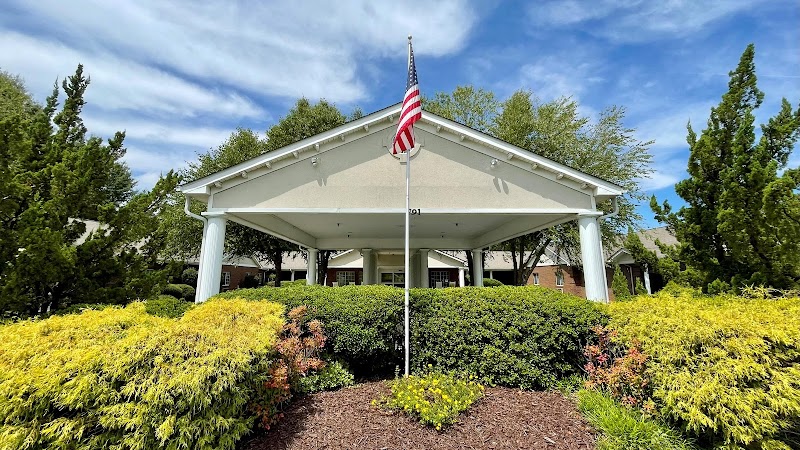
791 Boone Station Drive, Burlington, NC 27215 (336) 586-9850
For profit - Corporation 122 Beds LIBERTY SENIOR LIVING Data: November 2025
Trust Grade
75/100
#105 of 417 in NC
Last Inspection: September 2024

Within standard 12-15 month inspection cycle. Federal law requires annual inspections.

Overview

Liberty Commons Nursing & Rehabilitation Center of Burlington, North Carolina, has a Trust Grade of B, meaning it is a good choice but not exceptional. It ranks #105 out of 417 facilities in North Carolina, placing it in the top half, while locally it is #4 out of 7 in Alamance County, indicating only three other options are better. The facility's trend is worsening, with issues increasing from 3 in 2021 to 4 in 2024. Staffing is a significant concern, rated 1 out of 5 stars with a high turnover rate of 63%, which is above the state average. Although the center has no fines, which is a positive sign, it has less RN coverage than 96% of state facilities, which is concerning as RNs are crucial for identifying health issues. Specific incidents noted include a failure to schedule a Registered Nurse for at least 8 consecutive hours on multiple days, raising concerns about adequate medical oversight. Additionally, the facility did not maintain accurate advanced directive documentation for a resident, which could lead to serious implications regarding their care preferences. Lastly, cautionary signage for residents using supplemental oxygen was not posted, creating potential safety risks. While the facility excels in health inspections, these weaknesses highlight important areas for families to consider.
Trust Score
B
75/100
In North Carolina
#105/417
Top 25%
Safety Record
Low Risk
No red flags
Inspections
Getting Worse
3 → 4 violations
Staff Stability
⚠ Watch
63% turnover. Above average. Higher turnover means staff may not know residents' routines.
Penalties
✓ Good
No fines on record. Clean compliance history, better than most North Carolina facilities.
Skilled Nurses
⚠ Watch
Each resident gets only 14 minutes of Registered Nurse (RN) attention daily — below average for North Carolina. Fewer RN minutes means fewer trained eyes watching for problems.
Violations
○ Average
7 deficiencies on record. Average for a facility this size. Mostly minor or procedural issues.
★★★★☆
4.0
Overall Rating
★☆☆☆☆
1.0
Staff Levels
★★☆☆☆
2.0
Care Quality
★★★★★
5.0
Inspection Score
Stable
2021: 3 issues
2024: 4 issues

The Good

  • Full Sprinkler Coverage · Fire safety systems throughout facility
  • No fines on record

Facility shows strength in fire safety.

The Bad

Staff Turnover: 63%

17pts above North Carolina avg (46%)

Frequent staff changes - ask about care continuity

Chain: LIBERTY SENIOR LIVING

Part of a multi-facility chain

Ask about local staffing decisions and management

Staff turnover is elevated (63%)

15 points above North Carolina average of 48%

The Ugly 7 deficiencies on record

Sept 2024 4 deficiencies
CONCERN (D)

Potential for Harm - no one hurt, but risky conditions existed

Deficiency F0578 (Tag F0578)

Could have caused harm · This affected 1 resident

**NOTE- TERMS IN BRACKETS HAVE BEEN EDITED TO PROTECT CONFIDENTIALITY** Based on staff interviews and record review, the facility failed to have accurate advanced directive documentation throughout th...

Read full inspector narrative →
**NOTE- TERMS IN BRACKETS HAVE BEEN EDITED TO PROTECT CONFIDENTIALITY** Based on staff interviews and record review, the facility failed to have accurate advanced directive documentation throughout the medical record for 1 of 6 residents reviewed for advanced directives (Resident #51). The findings included: Resident #51 was initially admitted to the facility on [DATE] and had a reentry date of [DATE]. Her diagnoses included cerebral infarction (a disruption to blood supply that is severe enough and long enough in duration to result in tissue death), Type II diabetes, and chronic kidney disease. The electronic medical record profile indicated Resident #51's code status as a cardiopulmonary resuscitation (CPR)/Full Code. Review of Resident #51's physician orders dated [DATE] revealed her Do Not Resuscitate (DNR) order was discontinued; she was CPR/Full Code status. Review of Resident #51's electronic medical record revealed a signed Advance Directive form dated [DATE] which indicated no code (DNR) status. Review of the quarterly Minimum Data Set (MDS) assessment dated [DATE] revealed Resident #51 was moderately cognitively impaired. Review of Resident #51's care plan last reviewed on [DATE], showed a focus area of do not attempt resuscitation. An interview was conducted on [DATE] at 1:51 PM with Nurse #6. She stated when she verified code status, she first checked the banner in the electronic medical record (EMR). She stated she also looked in the medication administration record (MAR), and if she found a discrepancy, she notified the Director of Nursing (DON) and called the physician. An interview was conducted on [DATE] at 3:03 PM with Nurse #7. She stated she spoke to Resident #51 at the time of readmission on [DATE] regarding her code status. She stated Resident #51 told her she wanted to have CPR. Nurse #7 added Resident #51 was readmitted to the facility with a full code order and Nurse #7 was not aware that she needed to fill out a new form that reflected a change to Full Code status. An interview was conducted on [DATE] at 2:08 PM with the DON. She stated a resident's code status was verified when staff checked the banner in a resident's EMR, reviewed the advanced directive document in the EMR, and verified the code status with the physician order. An interview was conducted on [DATE] at 3:26 PM with the Social Worker (SW). She could not explain the discrepancy in Resident #51's code status. She was unable to locate documentation regarding Resident #51's change in code status within the EMR. An interview was conducted on [DATE] at 3:52 PM with the Medical Director. He stated he relied on the documentation to be correct in a resident's chart. The Medical Director added he expected that staff ensured code status documentation was accurate when a resident returned to the facility.
CONCERN (D)

Potential for Harm - no one hurt, but risky conditions existed

Respiratory Care (Tag F0695)

Could have caused harm · This affected 1 resident

**NOTE- TERMS IN BRACKETS HAVE BEEN EDITED TO PROTECT CONFIDENTIALITY** Based on observations, record reviews and staff interviews, the facility failed to post cautionary signage outside the resident'...

Read full inspector narrative →
**NOTE- TERMS IN BRACKETS HAVE BEEN EDITED TO PROTECT CONFIDENTIALITY** Based on observations, record reviews and staff interviews, the facility failed to post cautionary signage outside the resident's room to indicate supplemental oxygen (O2) was in use for 2 of 3 residents reviewed for respiratory care (Resident #63 and Resident #24). The findings included: 1. Resident #63 was admitted to the facility on [DATE] with diagnoses which included chronic respiratory failure, interstitial pulmonary disease (a group of lung disorders that cause inflammation or scarring of the lungs and air sacs), and chronic obstructive pulmonary disease (an ongoing lung condition caused by damage to the lungs). Review of Resident #63's physician's orders revealed she had an oxygen order dated 4/19/2024 for oxygen supplementation at 4L (liters) continuous via nasal cannula (a device that delivers extra oxygen through a tube and into the nose). Resident #63's quarterly Minimum Data Set, dated [DATE] revealed she was severely cognitively impaired and was coded for oxygen use. Observations on 9/24/24 at 1:45 PM and 9/25/24 at 10:17 AM revealed Resident #63 was in her room wearing a nasal cannula for supplemental oxygen. There was no signage outside Resident #63's room indicating supplemental oxygen was in use. An interview was conducted on 9/25/24 at 10:20 AM with Nurse #5. She stated Resident #63 was on 4 l NC continuous oxygen (O2) therapy since April 2024. She stated nursing was responsible for putting the O2 sign on a resident's door. She added Resident #63 had moved rooms and staff may not have taken the O2 sign from her door when they moved her into her new room. An interview was conducted on 9/25/24 at 10:52 AM with the Director of Nursing (DON). She stated nursing was responsible for putting O2 signs on a resident's door. 2. Resident #24 was admitted on [DATE] with diagnoses that included chronic obstructive pulmonary disease (COPD), dependence on supplemental oxygen, and chronic respiratory failure with hypoxia. Review of Resident #24's physician order dated 7/8/24 indicated Oxygen at 3 Liters (L) continuous via nasal cannula. Check every shift for Oxygen supplement. Oxygen saturation levels to be checked every shift. Review of the admission Minimum Data Set (MDS) assessment dated [DATE] indicated the resident was assessed as moderately cognitively impaired and was not coded for oxygen use. Resident #24 comprehensive care planned dated 7/15/24 included focus area related to COPD and the need for continuous oxygen therapy for COPD. Intervention included providing oxygen therapy as ordered by the physician. An observations was conducted on 9/24/24 at 10:04 AM as Resident #24 was lying in her bed with supplemental oxygen provided via nasal cannula by an oxygen concentrator placed next to her bed. There was no signage placed on the resident's door or anywhere near the entry to Resident #24's room to indicate oxygen was in use. An observation was conducted on 9/25/24 at 9:32 AM as Resident #24 was lying in her bed with supplemental oxygen provided via nasal cannula by an oxygen concentrator placed next to her bed. There was no signage placed on the resident's door or anywhere near the entry to Resident #24's room to indicate oxygen was in use. During an interview on 9/24/24 at 2:41 PM, Nurse #7 stated Resident #24 had a long history of COPD and was admitted on continuous oxygen. The resident was on 3 L, continuous oxygen via nasal cannula. The resident has no distress, and able to tolerate her supplemental oxygen. During an observation and interview on 9/25/24 at 9:42 AM, the 3 red signages Oxygen in Use were placed on the door of the nursing station. Nurse #8 indicated Resident #24 was 3 L of supplemental oxygen. Nurse #8 stated the oxygen signage should be placed on the resident's room doorway. She was unsure why it was not place near the entrance of the nursing station door. Nurse #8 further stated she was unsure who was responsible for placing the Oxygen in use signage on the resident's rooms entryway. During an interview on 9/25/24 at 11:11 AM, the Director of Nursing (DON), indicated Resident #24 was in a memory unit. The DON further indicated that there was one resident on the unit who removed these signage from the resident's room. The DON stated the nurses was responsible for placing and ensuring the Oxygen in Use signage was on the room entryway /door. DON indicated that she would ensure the signage was placed above the door so that the resident could not reach them.
MINOR (B)

Minor Issue - procedural, no safety impact

Assessment Accuracy (Tag F0641)

Minor procedural issue · This affected multiple residents

**NOTE- TERMS IN BRACKETS HAVE BEEN EDITED TO PROTECT CONFIDENTIALITY** 2. Resident #24 was admitted on [DATE] with diagnoses that included chronic obstructive pulmonary disease (COPD), dependence on ...

Read full inspector narrative →
**NOTE- TERMS IN BRACKETS HAVE BEEN EDITED TO PROTECT CONFIDENTIALITY** 2. Resident #24 was admitted on [DATE] with diagnoses that included chronic obstructive pulmonary disease (COPD), dependence on supplemental oxygen, and chronic respiratory failure with hypoxia. Review of Resident #24's physician order dated 7/8/24 indicated Oxygen at 3 Liters (L) continuous via nasal cannula. Check every shift for Oxygen supplement. Oxygen saturation levels to be checked every shift. Nursing note dated 7/10/24 revealed Resident #24 was on continuous Oxygen at 3 L via nasal cannula. The resident was not in any acute distress. Review of the admission Minimum Data Set (MDS) assessment dated [DATE] indicated the resident was assessed as moderately cognitively impaired and was not coded for oxygen use. During an interview on 9/24/24 at 2:41 PM, Nurse #7 stated Resident #24 had a long history of COPD and was admitted on continuous oxygen. The resident was on 3 L, continuous oxygen via nasal cannula. The resident has no distress, and able to tolerate her supplemental oxygen. During an interview on 9/25/24 at 10:38 AM, the MDS Coordinator stated Resident #24 was admitted with oxygen therapy. The MDS Coordinator indicated it was an oversight and MDS was inaccurately marked as not receiving oxygen. On 9/25/24 at 10:10 AM, during an interview, the Director of Nursing (DON) expected the staff to complete MDS data correctly and on time. She continued that it was an error by the MDS nurse and the MDS nurse was in the process of correcting it. Based on record review and staff interviews, the facility failed to accurately code the discharge status on the discharge Minimum Data Set (MDS) assessment and oxygen therapy on the admission MDS assessment for 2 of 23 residents reviewed for MDS assessment accuracy. (Resident #97 and Resident #24). Findings included: 1. Resident #97 was admitted to the facility on [DATE]. Review of the physician discharge order dated 7/5/24 revealed Resident #97 was to discharge home on 7/5/24 with home health services related to home bound status. Home health physical therapy and occupation therapy to evaluate and treat. Home health Aide for Activities of Daily living support. Record review of the nurses' notes, dated 7/5/24 revealed Resident #97 was discharged home per his request on 7/5/24. Resident #97 was discharged with home care agency set up, ordered durable medical equipment, and follow up appointment scheduled. The Nurse Practitioner was present at discharge. Record review of the Discharge Minimum Data Set (MDS) assessment, dated 7/5/24, revealed Resident #97 was coded as having been discharged to an acute hospital. On 9/25/24 at 9:35 AM, during an interview, Nurse # 1 indicated Resident #97 was discharged home with his family and home care set up. On 9/25/24 at 9:40 AM, during an interview, MDS Coordinator, indicated the resident had a planned discharge home on 7/5/24. The nurse stated the discharge MDS dated [DATE] for Resident #97 was incorrectly coded as discharge to an acute hospital.
MINOR (B)

Minor Issue - procedural, no safety impact

Deficiency F0655 (Tag F0655)

Minor procedural issue · This affected multiple residents

**NOTE- TERMS IN BRACKETS HAVE BEEN EDITED TO PROTECT CONFIDENTIALITY** Based on record review, resident interview, family interview, and staff interviews, the facility failed to provide the resident ...

Read full inspector narrative →
**NOTE- TERMS IN BRACKETS HAVE BEEN EDITED TO PROTECT CONFIDENTIALITY** Based on record review, resident interview, family interview, and staff interviews, the facility failed to provide the resident and their representative with a summary of the baseline care plan for 2 of 2 residents reviewed for care plans. (Resident #51 and Resident #248) Findings included: 1. Resident #51 was admitted to the facility on [DATE]. Baseline care plan meeting documentation dated 9/6/24 indicated Resident #51 would prefer discharge to assistant living or if resident did not improve then the resident would continue in the long-term care unit. The durable medical equipment that was needed at discharge and Resident #51's code status was discussed in the meeting. The document indicated the Social Worker (SW) and MDS coordinator attended the meeting. There was no indication that a copy of the baseline care plan was given to the resident's family member. The admission Minimum Data Set (MDS) assessment dated [DATE] revealed Resident #51 was assessed as severely cognitively impaired. During an interview on 9/23/24 at 11:48 AM Resident #51 indicated she was recently admitted to the facility. The resident stated she does not recollect having received care plan documentation provided to her or her family member after resident's admission to the facility During an interview on 9/25/24 at 12:05 PM, the Social Worker (SW) stated the baseline/ admission care plan meeting was usually conducted with the resident and/or resident representative within 72 hours of resident's admission. The SW further stated that the MDS coordinator and therapy staff were present during the care plan meeting. Resident #51's representative and MDS coordinator were present for the baseline care plan meeting. The baseline care plan meeting was held on 9/6/24. The SW stated she had not been providing the residents and their representatives with a summary of the baseline care plan. 2. Resident # 248 was admitted to the facility on [DATE]. Baseline care plan meeting documentation dated 9/20/24 indicated the meeting was attended by resident's representative and family member, SW, therapy staff and MDS coordinator. Document indicated Resident #248's discharge planning and code status were discussed in the meeting. There was no indication that a copy of the baseline care plan was given to the resident's family member. During an interview on 9/23/24 at 2:23 PM, Resident #248's representative indicated that the resident was admitted to the facility few days ago. The resident's representative stated she does not recollect having received care plan documentation provided to her after resident's admission to the facility. During an interview on 9/25/24 at 12:05 PM, the SW stated the resident's baseline care plan meeting was attended by the resident's representative, resident's family member, therapy staff and MDS coordinator. The baseline care plan meeting was held on 9/20/24. The SW stated she had not been providing the residents and their representatives with a summary of the baseline care plan. During an interview on 9/26/24 at 12:04 PM, the Administrator indicated all new admission resident's baseline care plan should be completed with resident and /or resident's representative within 48 hours of admission. A copy of baseline care plan should be provided to the resident and /or attending representative. The Administrator stated the SW was unaware that a copy of the baseline care plane should be provided to the resident and /or resident representative.
Oct 2021 3 deficiencies
CONCERN (D)

Potential for Harm - no one hurt, but risky conditions existed

Deficiency F0657 (Tag F0657)

Could have caused harm · This affected 1 resident

**NOTE- TERMS IN BRACKETS HAVE BEEN EDITED TO PROTECT CONFIDENTIALITY** Based on observations, record review and staff interviews, the facility failed to review and revise the care plan for activities...

Read full inspector narrative →
**NOTE- TERMS IN BRACKETS HAVE BEEN EDITED TO PROTECT CONFIDENTIALITY** Based on observations, record review and staff interviews, the facility failed to review and revise the care plan for activities of daily living for two of eighteen sampled residents (Resident #60 and Resident # 46). The findings included: 1. Resident #60 was admitted to the facility on [DATE] with diagnoses that included ataxia (the loss of full control of bodily movements) and dementia. The quarterly Minimum Data Set (MDS) assessment dated [DATE] indicated Resident #60's cognition was severely impaired. Resident was assessed as needing extensive to total assistance of one-to-two-person physical assist for activities of daily living (ADLs). Eating was assessed as total assistance with one-person physical assist. Review of the care plan dated 8/28/21 revealed Resident #60 was care planned for ADL self-care performance deficit related to dementia and impaired movement. Interventions indicated Resident #60 was independent with eating, and able to feed self with setup help only On 10/11/21 at 1:30 PM during lunch meal observation, Resident # 60 was observed to be assisted with eating by Nurse #3. On 10/12/21 at 8:15 AM during breakfast meal observation, Resident #60 was observed to be assisted with eating by Nursing Assistant (NA) #1. During an interview on 10/12/21 at 10:15 AM, NA #1 stated the resident needed total assistance with ADL care and needed assistance with eating. NA #1 indicated the resident could not feed herself. During an interview on 10/13/21 at 1:07 PM, NA #2 stated the resident needed total assistance with one-person physical assist with ADL care including eating. During an interview on 10/14/21 at 12:58 AM, Nurse #3 stated Resident # 60 was alert and was able to move her upper extremities. Nurse #3 further stated Resident #60 could feed herself, however, does not have the motivation to eat. The resident would leave the tray untouched if placed in front of her. Resident needed encouragement and assistance with eating from staff. During an interview on 10/14/21 at 1:05 PM, the MDS Nurse stated based on the resident's MDS assessment, Resident #60 needed extensive assistance with one-person physical assist for eating. MDS Nurse further stated even though the MDS assessment indicates the resident was extensive assistance with eating, this does not mean Resident #60 could not feed herself. MDS coordinator confirmed she reviews and updates the care plans based on her observation and interviews from the staff assigned to the residents. MDS Nurse stated she does not think the care plan needed to be updated based on her observation. During an interview on 10/14/21 at 1:14 PM the Director of Nursing (DON) stated it was her expectation that the care plans were updated to reflect the actual status of the resident based on the MDS assessment. 2. Resident #46 was admitted to the facility on [DATE] with diagnosis that included dementia and dysphagia. Review of the quarterly MDS assessment dated [DATE] revealed Resident #46's cognition was assessed as severely impaired and needed extensive assistance of one-to-two-person physical assist for Activities of Daily Living (ADLs) including eating. Review of the care plan dated 8/14 /21 revealed Resident #46 was care planned for ADL self-care performance deficit related to dementia, confusion, musculoskeletal impairment, and pain. Interventions indicated Resident #46 was independent with eating, and able to feed self with setup help only. On 10/11/14 at 1:25 PM during meal observation, Resident #46 was observed to be assisted with eating by Nursing Assistant (NA) #1. During an interview on 10/11/21 at 1:25 PM, NA #1 stated Resident #46 was totally dependent with one-person physical assist with ADL care and needed assistance with eating. NA #1 stated the resident could not feed herself. During an interview 10/14/21 at 11:13 AM, NA #2 stated the resident needed extensive assistance with eating. NA #2 stated the resident was able to feed herself finger food like a burger cut in quarters or a sandwich cut in bite size pieces, however if utensils were needed to eat, the resident could not feed self. NA #2 indicated Resident #46 was closely monitored during eating due to dysphagia and risk for aspiration. During an interview on 10/14/21 at 12:58 PM, Nurse #3 stated Resident #46 could sometimes feed herself if the food served was finger foods. Resident #46 could not feed herself with utensils due to poor hand coordination, confusion, and hand muscle impairment. Nurse #3 indicated the resident had a high risk for aspiration and needed to be closely monitored. During an interview on 10/14/21 at 01:05 PM, the MDS Nurse stated based on the resident's MDS assessment, Resident #46 needed extensive assistance with one-person physical assist for eating. MDS Nurse further stated even though the MDS assessment indicates the resident was extensive assistance with eating, this does not mean Resident #46 could not feed herself. MDS Nurse confirmed she reviews and updates the care plans based on her observation and interviews with staff assigned to the residents. MDS coordinator stated she does not think the care plan needed to be updated as the resident was able to feed herself. During an interview on 10/14/21 at 1:14 PM the Director of Nursing (DON) stated it was her expectation that the care plans were updated to reflect the actual status of the resident based on the MDS assessment.
CONCERN (D)

Potential for Harm - no one hurt, but risky conditions existed

Deficiency F0806 (Tag F0806)

Could have caused harm · This affected 1 resident

**NOTE- TERMS IN BRACKETS HAVE BEEN EDITED TO PROTECT CONFIDENTIALITY** Based on observations, record review, and staff interviews the facility failed to honor the food preferences for 1 of 4 resident...

Read full inspector narrative →
**NOTE- TERMS IN BRACKETS HAVE BEEN EDITED TO PROTECT CONFIDENTIALITY** Based on observations, record review, and staff interviews the facility failed to honor the food preferences for 1 of 4 resident observed during dining (Resident #23). Findings included. Resident # 23 was admitted to the facility on [DATE] with diagnoses that included adult failure to thrive, dysphagia, and moderate protein calorie malnutrition. Dietary note dated 7/7/21 revealed Resident #23 was on a soft and [NAME] size texture, thin liquid diet. Gravy or sauce to be provided with meals. The resident disliked tomato soup. Resident's tray card was updated. Review of the quarterly minimum data set (MDS) assessment dated [DATE] for Resident #23 revealed the resident was assessed as cognitive intact, independent with eating and received a mechanically altered diet. A review of the October 2021 physician orders for Resident #23 read in part regular diet, soft & bite sized texture, thin consistency. may have bread and cake textures, may have straws, no tomato soup, may have crackers, may have chicken noodle soup, provide sauce/gravy with meals. During an observation on 10/11/21 at 11:00 AM, the resident's breakfast tray was on the side table. Observations of the food served on the resident's meal tray revealed some ground, brown food, that looked like ground meat, and which was not eaten by the resident. There was no sauce or gravy on the tray. An interview with Resident #23 on 10/11/21 at 11:00 AM revealed she could not eat the meat as it was too dry and would prefer to have some gravy to soften it. An observation of Resident #23 on 10/11/21 01:11 PM revealed the resident was served her lunch meal. Observations of the food served on the resident's meal tray revealed she had been served ground fish, mashed potatoes, chopped zucchini, bite size corn nuggets, 8 fluid ounce (fl. oz.) iced tea, and a can of tomato juice. Resident had not eaten the fish served on her tray. An interview with Resident #23 on 10/11/21 01:13 PM revealed she does not like fish, and it was too dry eat. There was no gravy on her tray. Resident indicated she was not served warm soup which she likes. Resident further indicated she dislikes tomatoes and tomato juice. Resident stated she was not served ice cream. Review of the tray card that was present on Resident #23's lunch meal tray on 10/11/21 revealed she was on a soft/ bite size diet. Fish was identified as a dislike on the tray card. Standing orders on the card read in part ½ Cup ice cream (do not send fat free), 6-ounce soup of the day (no tomato). Tray card also indicated to send gravy for meats. During an interview on 10/11/21 01:16 PM, Nurse aide (NA) #1 indicated she had served Resident #23 her lunch meal. NA #1 stated she did not look at the tray card on resident meal tray prior to serving the resident her meal to see if the resident's meal tray contained any food she dislikes. An observation of Resident #23 on 10/12/21 08 :15 AM revealed the resident was consuming her breakfast. Observation of the food served on the resident's meal tray revealed she was served a bowl of oatmeal, pancakes cut bite size, scrambled eggs, and ground sausage. The tray also contained 8-ounce juice, coffee, and condiments. The resident had not consumed her pancakes and sausage. Resident #23 during an interview on 10/12/21 at 8:17AM, stated it would be nice if the pancakes were served with some syrup. She indicated the pancakes and sausage were too dry for her to eat. Review of the tray card that was present on Resident #23's breakfast meal tray on 10/11/21 revealed standing order: sausage patty with gravy. During an interview on 10/12/21 at 8:22 AM, Nurse #2 stated there must have been an error on the part of kitchen that tray did not contain syrup for the pancakes and gravy for the meats. Nurse #2 indicated the kitchen staff should be checking trays prior to be sent to the residents. During an interview on 10/14/21 at 9:00 AM, Dietary Manager stated all resident's food preferences were taken at admission, quarterly and as needed. Dietary Manager indicated Resident #23's food preferences were recently updated. Dietary Manager indicated there were 3 staff on the tray line to assist with plating of meals according to resident's diet and preferences. Tray accuracy was checked prior to placing the tray in the cart. She stated few of her dietary aides were new and were been trained on the tray line. The Dietary Manager verbalized that her expectations were that employees were reading the tray tickets to ensure resident food preferences were honored and diet served was per orders. During an interview on 10/14/21 at 1:14 PM, the Director of Nursing (DON) indicated the kitchen staff should be checking all meal trays for tray accuracy prior to be placed in the cart. All resident's meal preferences should be honored as long as the food preferences did not conflict with the diet order. DON further stated it was her expectation that the NAs check the trays for accuracy when setting up the tray for residents during meals. During an interview on 10/14/21 01:52 PM, the Administrator indicated the meal trays should be reviewed by staff for accuracy, diet, and preferences. Residents should be served meals based on their preferences. Care should be taken to accommodate the likes and dislikes of the residents.
CONCERN (E)

Potential for Harm - no one hurt, but risky conditions existed

Deficiency F0727 (Tag F0727)

Could have caused harm · This affected multiple residents

Based on record reviews and staff interview, the facility failed to schedule a Registered Nurse (RN) for at least 8 consecutive hours a day for 17 of the past 45 days reviewed. The findings included:...

Read full inspector narrative →
Based on record reviews and staff interview, the facility failed to schedule a Registered Nurse (RN) for at least 8 consecutive hours a day for 17 of the past 45 days reviewed. The findings included: A review of the facility's Daily Schedules for the past 45 days was conducted. The Daily Schedules indicated a Registered Nurse (RN) was not scheduled for at least 8 consecutive hours a day on the following dates: 9/1/21, 9/2/21, 9/6/21, 9/7/21, 9/9/21, 9/10/21, 9/15/21, 9/16/21, 9/20/21, 9/21/21, 9/29/21, 9/30/21, 10/1/21, 10/4/21, 10/5/21, 10/6/21 and 10/7/21 On 10/14/21 at 12:00 PM, during an interview, the Director of Nursing (DON) revealed she was responsible in collaboration with the Administrator to review the Daily Nurse Staffing form prior to posting it. DON indicated she was aware a RN needs to be scheduled 8 consecutive hours a day, however it was hard for the facility to acquire registered nurse to work for the days indicated. DON stated she was a RN, and could assist nurses if needed. During an interview on 10/14/21 at 1:39 PM, Administrator stated he was aware that on some days there were no RN in the facility. Administrator stated the facility had contacted the contract agencies and they were unable to provide RN. Administrator stated he preferred to have RN for 8 hours but on some days could not acquire them. Administrator stated the facility DON was a RN and full-time employee. He further stated the DON does not work on the cart but available when needed. Administrator indicated the facility has been hiring RN and other staffing and this was continuous process.
Understanding Severity Codes (click to expand)
Life-Threatening (Immediate Jeopardy)
J - Isolated K - Pattern L - Widespread
Actual Harm
G - Isolated H - Pattern I - Widespread
Potential for Harm
D - Isolated E - Pattern F - Widespread
No Harm (Minor)
A - Isolated B - Pattern C - Widespread

Questions to Ask on Your Visit

  • "Why is there high staff turnover? How do you retain staff?"
  • "Can I speak with families of current residents?"
  • "What's your RN coverage like on weekends and overnight?"

Our Honest Assessment

Strengths
  • • No major safety red flags. No abuse findings, life-threatening violations, or SFF status.
  • • No fines on record. Clean compliance history, better than most North Carolina facilities.
Concerns
  • • 63% turnover. Above average. Higher turnover means staff may not know residents' routines.
Bottom line: Generally positive indicators. Standard due diligence and a personal visit recommended.

About This Facility

What is Liberty Commons Nursing & Rehabilitation Center Of's CMS Rating?

CMS assigns Liberty Commons Nursing & Rehabilitation Center of an overall rating of 4 out of 5 stars, which is considered above average nationally. Within North Carolina, this rating places the facility higher than 99% of the state's 100 nursing homes. This rating reflects solid performance across the metrics CMS uses to evaluate nursing home quality.
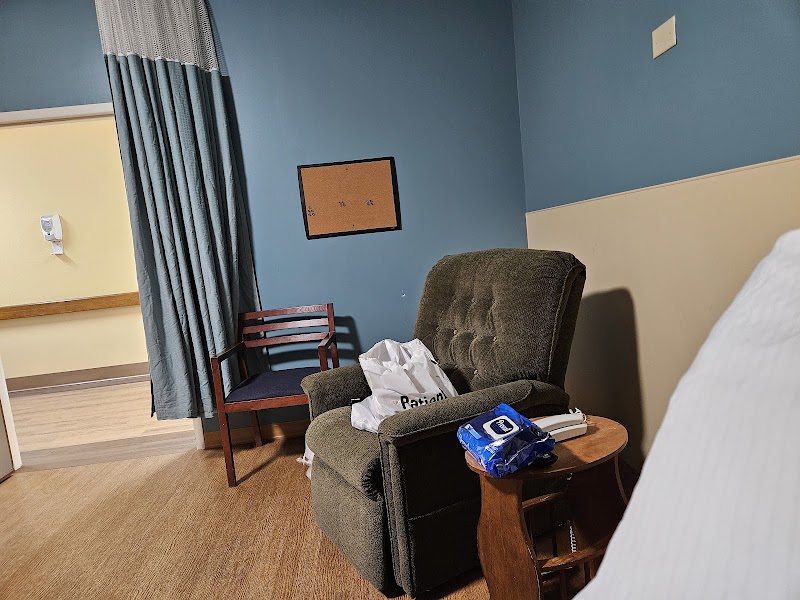
How is Liberty Commons Nursing & Rehabilitation Center Of Staffed?

CMS rates Liberty Commons Nursing & Rehabilitation Center of's staffing level at 1 out of 5 stars, which is much below average compared to other nursing homes. Staff turnover is 63%, which is 17 percentage points above the North Carolina average of 46%. High turnover can affect care consistency as new staff learn residents' individual needs. RN turnover specifically is 100%, which is notably high. RNs provide skilled clinical oversight, so turnover in this role can affect medical care quality.

What Have Inspectors Found at Liberty Commons Nursing & Rehabilitation Center Of?

State health inspectors documented 7 deficiencies at Liberty Commons Nursing & Rehabilitation Center of during 2021 to 2024. These included: 5 with potential for harm and 2 minor or isolated issues.
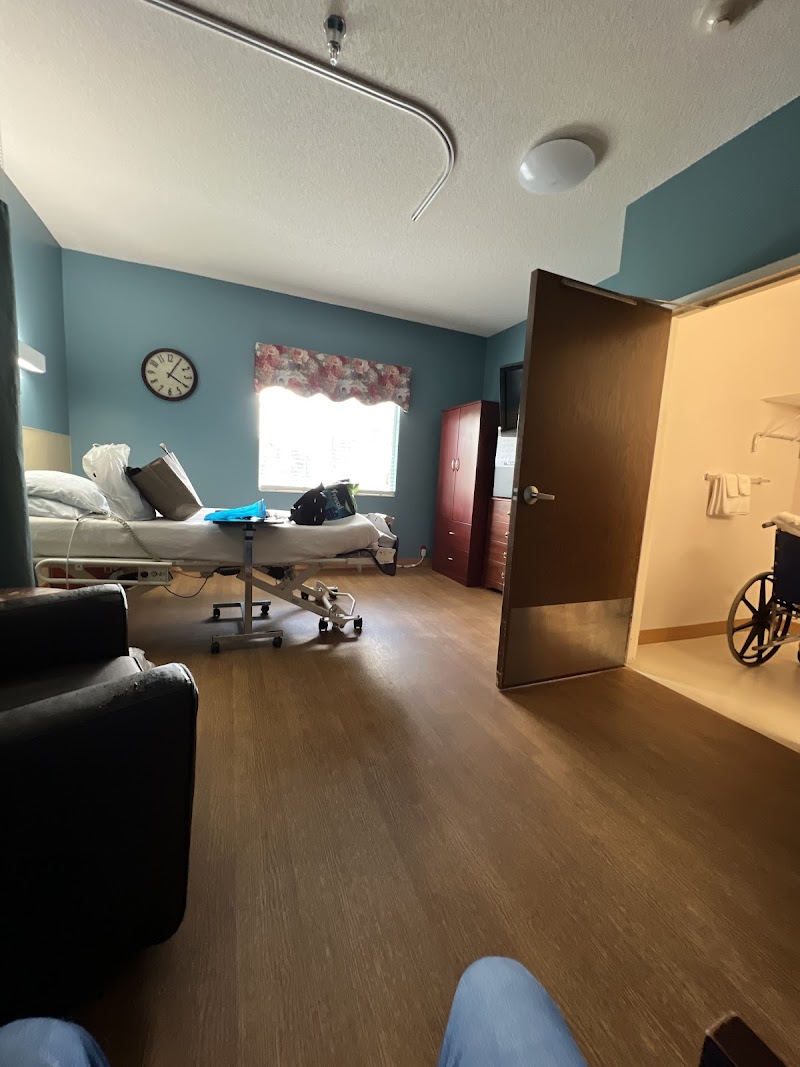
Who Owns and Operates Liberty Commons Nursing & Rehabilitation Center Of?

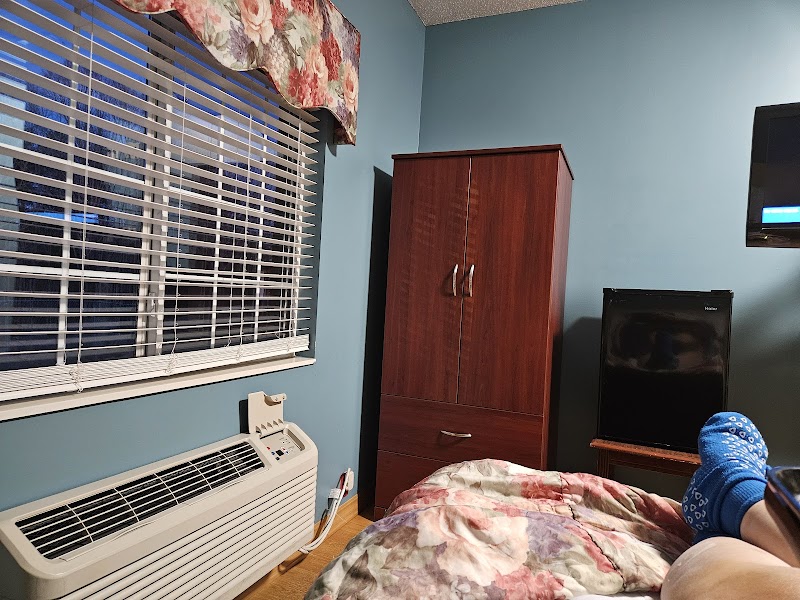
Liberty Commons Nursing & Rehabilitation Center of is owned by a for-profit company. For-profit facilities operate as businesses with obligations to shareholders or private owners. The facility is operated by LIBERTY SENIOR LIVING, a chain that manages multiple nursing homes. With 122 certified beds and approximately 107 residents (about 88% occupancy), it is a mid-sized facility located in Burlington, North Carolina.

How Does Liberty Commons Nursing & Rehabilitation Center Of Compare to Other North Carolina Nursing Homes?

Compared to the 100 nursing homes in North Carolina, Liberty Commons Nursing & Rehabilitation Center of's overall rating (4 stars) is above the state average of 2.8, staff turnover (63%) is significantly higher than the state average of 46%, and health inspection rating (5 stars) is much above the national benchmark.

What Should Families Ask When Visiting Liberty Commons Nursing & Rehabilitation Center Of?

Based on this facility's data, families visiting should ask: "How do you ensure continuity of care given staff turnover, and what is your staff retention strategy?" "Can you walk me through typical staffing levels on day, evening, and night shifts?" "Can I visit during a mealtime to observe dining assistance and food quality?" "How do you handle medical emergencies, and what is your hospital transfer rate?" These questions are particularly relevant given the facility's high staff turnover rate and the below-average staffing rating.

Is Liberty Commons Nursing & Rehabilitation Center Of Safe?

Based on CMS inspection data, Liberty Commons Nursing & Rehabilitation Center of has a clean safety record: no substantiated abuse findings (meaning no confirmed cases of resident harm), no Immediate Jeopardy citations (the most serious violation level indicating risk of serious injury or death), and is not on the Special Focus Facility watch list (a federal program monitoring the lowest-performing 1% of nursing homes). The facility has a 4-star overall rating and ranks #1 of 100 nursing homes in North Carolina. While no facility is perfect, families should still ask about staff-to-resident ratios and recent inspection results during their visit.

Do Nurses at Liberty Commons Nursing & Rehabilitation Center Of Stick Around?

Staff turnover at Liberty Commons Nursing & Rehabilitation Center of is high. At 63%, the facility is 17 percentage points above the North Carolina average of 46%. Registered Nurse turnover is particularly concerning at 100%. RNs handle complex medical decisions and coordinate care — frequent RN changes can directly impact care quality. High turnover means new staff may not know residents' individual needs, medications, or preferences. It can also be disorienting for residents, especially those with dementia who rely on familiar faces. Families should ask: What is causing the turnover? What retention programs are in place? How do you ensure care continuity during staff transitions?

Was Liberty Commons Nursing & Rehabilitation Center Of Ever Fined?

Liberty Commons Nursing & Rehabilitation Center of has no federal fines on record. CMS issues fines when nursing homes fail to meet care standards or don't correct problems found during inspections. The absence of fines suggests the facility has either maintained compliance or corrected any issues before penalties were assessed. This is a positive indicator, though families should still review recent inspection reports for the full picture.

Is Liberty Commons Nursing & Rehabilitation Center Of on Any Federal Watch List?

Liberty Commons Nursing & Rehabilitation Center of is not on any federal watch list. The most significant is the Special Focus Facility (SFF) program, which identifies the bottom 1% of nursing homes nationally based on persistent, serious quality problems. Not being on this list means the facility has avoided the pattern of deficiencies that triggers enhanced federal oversight. This is a positive indicator, though families should still review the facility's inspection history directly.