Lake Park Nursing and Rehabilitation Center
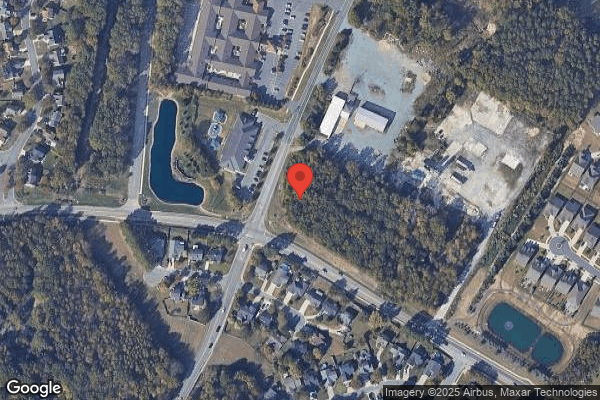
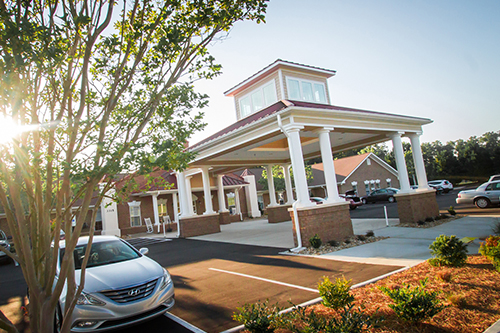
3315 Faith Church Road, Indian Trail, NC 28079 (704) 882-3420
For profit - Corporation 120 Beds PRINCIPLE LONG TERM CARE Data: November 2025
Trust Grade
35/100
#171 of 417 in NC
Last Inspection: October 2024

Within standard 12-15 month inspection cycle. Federal law requires annual inspections.

Overview

Lake Park Nursing and Rehabilitation Center has received a Trust Grade of F, indicating significant concerns about the quality of care provided. Ranked #171 out of 417 facilities in North Carolina, they fall within the top half, but that ranking may not be reassuring given the poor trust grade. The facility's trend is improving, decreasing serious issues from 10 in 2024 to just 1 in 2025, suggesting some progress. Staffing is a relative strength, earning 4 out of 5 stars with a turnover rate of 48%, which is below the state average. However, the facility has incurred $57,730 in fines, which is concerning as it exceeds the fines of 75% of other facilities in the state. Specific incidents of concern include a resident developing a serious pressure ulcer due to inadequate monitoring under a leg immobilizer, and another resident with a history of falls who was left unattended and sustained injuries requiring stitches. Additionally, a resident experienced severe pain without receiving timely pain medication, leading to distress. While the facility has good RN coverage, these serious issues highlight significant areas for improvement.
Trust Score
F
35/100
In North Carolina
#171/417
Top 41%
Safety Record
High Risk
Review needed
Inspections
Getting Better
10 → 1 violations
Staff Stability
⚠ Watch
48% turnover. Above average. Higher turnover means staff may not know residents' routines.
Penalties
⚠ Watch
$57,730 in fines. Higher than 83% of North Carolina facilities, suggesting repeated compliance issues.
Skilled Nurses
✓ Good
Each resident gets 55 minutes of Registered Nurse (RN) attention daily — more than average for North Carolina. RNs are trained to catch health problems early.
Violations
⚠ Watch
19 deficiencies on record. Higher than average. Multiple issues found across inspections.
★★★☆☆
3.0
Overall Rating
★★★★☆
4.0
Staff Levels
★★★★★
5.0
Care Quality
★★☆☆☆
2.0
Inspection Score
Stable
2024: 10 issues
2025: 1 issues

The Good

  • 4-Star Staffing Rating · Above-average nurse staffing levels
  • 5-Star Quality Measures · Strong clinical quality outcomes
  • Full Sprinkler Coverage · Fire safety systems throughout facility
  • No fines on record

Facility shows strength in staffing levels, quality measures, fire safety.

The Bad

3-Star Overall Rating

Near North Carolina average (2.8)

Meets federal standards, typical of most facilities

Staff Turnover: 48%

Near North Carolina avg (46%)

Higher turnover may affect care consistency

Federal Fines: $57,730

Above median ($33,413)

Moderate penalties - review what triggered them

Chain: PRINCIPLE LONG TERM CARE

Part of a multi-facility chain

Ask about local staffing decisions and management

The Ugly 19 deficiencies on record

4 actual harm
Apr 2025 1 deficiency 1 Harm
SERIOUS (G) 📢 Someone Reported This

A family member, employee, or ombudsman was alarmed enough to file a formal complaint

Actual Harm - a resident was hurt due to facility failures

Pressure Ulcer Prevention (Tag F0686)

A resident was harmed · This affected 1 resident

**NOTE- TERMS IN BRACKETS HAVE BEEN EDITED TO PROTECT CONFIDENTIALITY** Based on record review and staff, Nurse Practitioner, Orthopedic Nurse Practitioner, and Physician's interviews the facility fai...

Read full inspector narrative →
**NOTE- TERMS IN BRACKETS HAVE BEEN EDITED TO PROTECT CONFIDENTIALITY** Based on record review and staff, Nurse Practitioner, Orthopedic Nurse Practitioner, and Physician's interviews the facility failed to provide monitoring for skin breakdown under a leg immobilizer for 1 of 3 residents (Resident #1) reviewed for wound care. Resident #1 developed a stage 3 pressure ulcer to her right thigh which was found on 2/19/2025, and a pressure ulcer to the right ankle. On 3/18/25 the pressure ulcer to the right ankle was assessed as an unstageable pressure ulcer. Findings included: Resident #1 was initially admitted to the facility on [DATE] and readmitted to the facility on [DATE] with diagnoses of a right femur fracture. A Progress Note written 12/13/2024 at 3:19 pm by Nurse #3 stated Resident #1 arrived at the facility with a right femur fracture with a cast in place. A significant change Minimum Data Set assessment dated [DATE] indicated Resident #1 was severely cognitively impaired and required extensive assistance with bed mobility and transfers. The assessment further indicated Resident #1 had a stage 3 pressure ulcer. An Orthopedic Office Visit Note dated 1/15/2025, which was written by the Orthopedic Physician's Assistant, stated Resident #1's cast was removed, and an immobilizer was placed on her right leg to stabilize her right, distal femur fracture. The Office Visit Note further stated the immobilizer should be worn full-time, and Resident #1 should continue to be non-weight bearing to her right leg. A Nurse's Progress Note written 1/15/2025 at 5:18 pm by Nurse #5 indicated Resident #1 was seen by the Orthopedist and her cast was removed and an immobilizer was applied to her right lower extremity. The Nurse's Progress Note further indicated Resident #1 was to keep the brace on at all times and was non-weight bearing on her right lower extremity. A review of the Physician's Orders for 1/2025 revealed no order was written for Resident #1's skin assessments under the right leg immobilizer to be checked for redness or skin breakdown each shift. Resident #1's Treatment Administration Record was reviewed for 1/2025 and there was no documentation found for nursing assessments of the skin under Resident #1's right leg immobilizer each shift to check for redness or skin breakdown. On 2/19/2025 at 5:18 pm Nurse #1wrote a Nurse's Progress Note that stated Resident #1's immobilizer to her right thigh leg was removed and she had developed a stage 3 pressure ulcer to her right lateral, upper femur and a red area on her lateral right ankle. The Nurse's Progress Note further indicated a skin assessment was completed, the hospice nurse was notified, the Responsible Party was notified, and the Physician was notified of the resident's pressure ulcers. On 2/19/2025 at 12:41 pm a Wound Ulcer Flowsheet, completed by the Director of Nursing, indicated Resident #1 had a stage 3 pressure ulcer to her right, posterior thigh that measured 5 centimeters long by 3 centimeters wide. During an interview with Nurse #1 on 4/23/2025 at 1:28 pm she stated Resident #1 returned from the hospital on [DATE] with a cast to her right leg due to a femur fracture. She stated Resident #1 had a cast to her right leg when she returned to the facility and the hospital discharge summary indicated she was not a candidate for surgical repair of the right femur fracture. Nurse #1 stated she returned to the Orthopedist on 1/15/2025 and the cast was removed, and an immobilizer was placed on her right leg that extended from the top of her thigh to her ankle. Nurse #1 stated she was responsible for entering the orders from the Orthopedist Consult and failed to put orders into the system for Resident #1's skin to be checked under the immobilizer twice daily, on each shift for any skin breakdown under the immobilizer. She stated the Orthopedist's Nurse Practitioner had written the orders on the consultation that stated the immobilizer should be worn at all times and the staff thought they could not open the immobilizer and had not checked Resident #1's skin under the immobilizer. During a follow-up interview with Nurse #1 on 4/24/2025 at 12:46 pm she stated Resident #1 was complaining of pain to her right leg on 2/19/2025 and she asked Nurse Practitioner #1 if she could take the brace off Resident #1's leg and that was when she saw the pressure ulcers to her upper right thigh and right ankle. Nurse #1 stated the pressure ulcers were areas that had been against the hard areas on the immobilizer. Nurse #1 stated she asked Nurse Practitioner #1 to assess the wounds on Resident #1's right leg and she assessed her and ordered a soft brace to her right leg. A Physician's Order dated 2/21/2025 indicated Resident #1 should have an immobilizer brace to her right lower extremity to stabilize fracture to right distal femur. The order stated only remove the brace for skin check and skin care every day and night shift. The 2/2025 Treatment Administration Record (TAR) for Resident #1 indicated she should have the right lower extremity immobilizer brace in place to stabilize the right distal femur fracture and the immobilizer should only be removed to check her skin and skin care each shift beginning 2/21/2025. A Wound Ulcer Flowsheet dated 2/26/2025 at 1:53 pm, completed by Nurse #1, indicated Resident #1's stage 3 pressure ulcer to her right, posterior thigh measured 5 centimeters in length, 3.8 centimeters in width and .5 centimeters in depth, and the wound was improving. On 3/6/2025 at 1:54 pm Nurse #1 completed a Wound Ulcer Flowsheet which indicated Resident #1's right, posterior thigh stage 3 pressure ulcer measured 5 centimeters long, 7 centimeters wide, and 0.5 centimeters deep. The Wound Ulcer Flowsheet did not indicate if the wound had improved. Nurse #1 completed a Wound Ulcer Flowsheet on 3/18/2025 at 8:35 am which indicated Resident #1's right, posterior thigh stage 3 pressure ulcer was measured and was 3.2 centimeters long, 5.2 centimeters wide, and 0.5 centimeters in depth. The Wound Ulcer Flowsheet indicated Resident #1's right posterior thigh stage 3 pressure ulcer was improving. On 3/18/2025 at 1:46 pm a Wound Ulcer Flowsheet completed by Nurse #1 indicated Resident #1 had a right, outer ankle unstageable area that measured 2 centimeters in length, 2 centimeters in width, and 0.1 centimeters in depth. The Wound Ulcer Flowsheet further indicated the wound bed had eschar and there was dried, yellow drainage. Nurse #6 completed a Wound Ulcer Flowsheet on 3/24/2025 at 11:45 am and Resident #1's right, outer ankle wound continued to be unstageable and measured 2 centimeters long, 2 centimeters wide, and 0.1 centimeter deep. The Wound Ulcer Flowsheet did not indicate if the wound had improved. On 3/24/2025 at 5:10 pm the Director of Nursing completed a Wound Ulcer Flowsheet which indicated Resident #1's right, posterior thigh stage 3 pressure ulcer was improving and measured 2 centimeters long, 0.2 centimeters in width, and 0.3 centimeters in depth. Nurse #1 completed a Wound Ulcer Flowsheet on 4/1/2025 at 2:55 pm and indicated Resident #1's right, outer ankle pressure wound was unstageable and measured 2.7 centimeters in length, 2 centimeters in width, and 0.4 centimeters in depth. The Wound Ulcer Flowsheet described the wound as having 25% slough tissue and 75% eschar tissue, but did not indicate if the wound had improved or declined. A Wound Ulcer Flowsheet completed by Nurse #1 on 4/2/2025 at 3:27 pm indicated Resident #1's right, posterior thigh stage 3 pressure ulcer measured 3.3 centimeters in length, 6 centimeters in width, and 1 centimeter in depth and continued to improve. On 4/8/2025 at 1:20 pm Nurse #5 wrote a Progress Note that stated Resident #1 had no acute distress and the hospice nurse had evaluated her but Resident #1's family requested the resident be sent to the emergency department. Resident #1 was discharged from the hospital to home at the Responsible Party's request with hospice services. During a phone interview with the Responsible Party on 4/24/2025 at 3:46 pm she stated Resident #1had a cast on her right leg when she returned from the hospital on [DATE]. The Responsible Party stated Resident #1 had an Orthopedist follow-up appointment on 1/15/2025 and the Orthopedist removed the cast and placed an immobilizer on Resident #1's right leg. The Responsible Party stated no one opened the immobilizer and checked her skin until 2/19/2025 and she had developed pressure wounds on her thigh and ankle. The Responsible Party stated a nurse at the facility told her the nursing staff had failed to check Resident #1's skin under the immobilizer but she did not remember the Nurse's name. An interview was conducted with Nurse Practitioner #1 on 4/24/2025 at 1:18 pm and she stated she assessed Resident #1 on 2/20/2025 after the pressure ulcers were found on her right upper thigh and right ankle. Nurse Practitioner #1 stated the wounds were caused by pressure of the immobilizer against Resident #1's leg and she was not aware until the pressure wounds were found that the nurses were not opening the immobilizer and checking Resident #1's right leg for any skin breakdown. Nurse Practitioner #1 stated there should have been at least daily routine checks of the skin under the immobilizer. On 4/24/2025 at 3:02 pm the Orthopedist Nurse Practitioner was interviewed by phone, and she stated she did order Resident #1's immobilizer to be worn at all times but she did expect that the facility's Nursing staff would have known that the immobilizer should be opened at least daily and the skin checked for any redness or signs of skin breakdown. The Director of Nursing (DON) was interviewed on 4/24/2025 at 2:03 pm and she stated Resident #1 readmitted to the facility on [DATE] with a right femur fracture and she had a cast to her right leg. The DON further stated she went to an Orthopedist appointment on 1/15/2025 for a follow-up appointment and the cast was removed and an immobilizer was placed on Resident #1's right leg. The DON stated the order to check Resident #1's right leg for skin breakdown under the immobilizer was not put into place until 2/21/2025 after the pressure ulcers were found to her right upper femur and her ankle on 2/19/2025. The DON stated the nursing staff should have assessed Resident #1's skin under the immobilizer on her right leg every shift. The DON stated no one reported the pressure ulcers until 2/19/2025 and the areas were assessed as stage 3 pressure ulcers. The DON stated Resident #1 returned to the facility from the hospital on [DATE] with orders for hospice care. On 4/24/2025 at 1:46 pm the Administrator was interviewed by phone and stated he was aware of Resident #1 having pressure ulcers that developed under the immobilizer on his right leg. The Administrator stated the Orthopedist had ordered the immobilizer be left in place and he would not make an assumption about whether the facility's nursing staff should have opened the immobilizer to check Resident #1 for skin breakdown. During an interview with the Physician on 4/23/2025 at 3:14 pm he stated Resident #1 returned to the facility with a cast on her right leg due to a fracture to her femur on 12/13/2024. The Physician stated Resident #1 returned from the hospital with a cast to her right leg and when she was seen for a follow-up with the Orthopedist, the Orthopedist ordered an immobilizer to her right leg and gave instructions for the immobilizer to be left on at all times. The Physician stated the nursing staff at the facility should have opened the immobilizer and checked Resident #1's skin at least daily. The Physician stated Resident #1's pressure ulcers were unavoidable due to her poor nutrition, decreased mobility and history of heart failure and dementia.
Oct 2024 10 deficiencies
CONCERN (D)

Potential for Harm - no one hurt, but risky conditions existed

ADL Care (Tag F0677)

Could have caused harm · This affected 1 resident

**NOTE- TERMS IN BRACKETS HAVE BEEN EDITED TO PROTECT CONFIDENTIALITY** Based on observations, resident and staff interviews, and record review, the facility failed to offer a bed bath for two days, p...

Read full inspector narrative →
**NOTE- TERMS IN BRACKETS HAVE BEEN EDITED TO PROTECT CONFIDENTIALITY** Based on observations, resident and staff interviews, and record review, the facility failed to offer a bed bath for two days, provide nail care, and shave a resident dependent on staff for activities of daily living (ADL). This failure occurred for 1 of 4 sampled residents reviewed for ADL (Resident #63). The findings included: Resident #63 was admitted to the facility on [DATE]. Diagnoses included heart failure, dilated cardiomyopathy, presence of automatic cardiac defibrillator, and shortness of breath. A care plan revised 9/5/24 identified Resident #63 was dependent on staff for ADL and refused care at times. Interventions included staff would provide personal hygiene, inspect skin and notify nurse of any abnormal changes. Additionally, staff were to inform Resident #63 of ADL care to be provided ahead of time, give options of times care would be done to allow for flexibility and accommodate his mood, and if refused, reattempt at another time. A 9/13/24 significant change MDS recorded Resident #63 had adequate hearing and vision, clear speech, able to be understood by others and able to understand, and his cognition was intact. Review of Resident #63's Shower, Tub, Bath Sheets revealed the following: - 10/3/24, documented Resident #63 refused a shower, received a bath instead, but it did not indicate if nails were cleaned or clipped or if the nurse was notified of his refusal. The form was not signed by staff. - 10/7/24, documented Resident #63 refused a shower, it did not indicate if nails were cleaned or clipped. The form was not signed by staff. - 10/10/24, documented Resident #63 refused a shower, received a bath instead, but it did not indicate if nails were cleaned or clipped or if the nurse was notified of his refusal. The form was not signed by staff. - 10/14/24, documented Resident #63 refused a shower, but it did not indicate if the nurse was notified of his refusal. - 10/17/24, documented Resident #63 refused a shower because that day was not his assigned shower day and that he wanted a shower on the next day. The document did not indicate if his nails were cleaned or clipped. - 10/21/24 documented Resident #63 refused a shower, but did not indicate if a bed bath was offered, if his nails were cleaned or clipped or if the nurse was notified of his refusal. Resident #63 was observed in bed and interviewed on 10/21/24 at 11:31 AM. He stated, Look at my fingernails, how long they are, they need to be trimmed, and I need a shave. Resident #63 was observed with a thick beard that extended from both cheeks to his chin. The fingernails on each hand were observed extended over the skin. He stated that he was taken to the shower room on Monday, 10/21/24, for a shower, but that the shower room was full, he was cold, so he asked staff to bring him back to his room and to give him a shower on Friday, 10/25/24. He said no when asked if he was offered a bed bath, or to have his fingernails trimmed. Resident #63 was observed in bed on 10/23/24 at 9:21 AM with a thick beard that extended from both cheeks to his chin and the fingernails on each hand were observed extended over the skin. During a 10/23/24 9:23 AM observation with Medication Aide (MA) #1 of Resident #63 in bed, his fingernails and facial hair was observed. MA #1 stated each of his fingernails were long and asked Resident #63 if he wanted them trimmed, and if he wanted to be shaven, Resident #63 stated yes. During a 10/23/24 9:25 AM interview with Nurse Aide (NA) #6, he stated he was a regular NA for Resident #63 and offered him a shower on Monday, 10/21/24, but he refused and did not want to be bothered. NA #6 stated he reported the refusal to the nurse, but did not offer Resident #63 a bed bath, to have his fingernails trimmed or to be shaven because Resident #63 said he did not want to be bothered. Nurse #7 observed Resident #63 on 10/23/24 at 9:29 AM at the request of the surveyor. Nurse #7 stated during the observation that the fingernails of Resident #63 were long and asked him if he wanted to have his nails trimmed, and if he wanted to be shaven. Resident #63 replied Yes and further stated that his fingernails were too long. During a 10/23/24 1:20 PM interview with Unit Manager #2 (UM #2), she stated that the NA should report to the nurse if a resident refused ADL care. She further stated that fingernails should be trimmed by the NA and if the resident refused, the NA should report to the nurse so that the nurse could go to the resident to encourage care and provide the care if necessary. UM #2 stated that ADL care did not have to be provided when a resident received a shower but should be provided when needed. UM #2 stated the nurse should check the resident's nails during weekly skin checks and provide nail care as needed. UM #2 stated she was the charge nurse for Resident #63 on Monday, 10/21/24 and that she was not notified that he refused care. During a 10/23/24 3:53 PM interview with NA #7, she stated she was a new NA, she was the assigned NA for Resident #63 on Tuesday, 10/22/24, which was her second assignment since her training. NA #7 stated on Tuesday, 10/22/24 she thought that another team member was assigned to give showers/bed baths to residents, so that was the reason she did not offer him a shower/bed bath, to be shaven or nail care. The Scheduler stated in a 10/23/24 5:37 PM interview that on Tuesday, the NA schedule was updated before 7:00 AM that between 11:00 AM to 2:00 PM, NA #8 would take as many residents as she could to activities and assist as many residents as she could to be shaven. The Scheduler stated that the original plan was to have a shower team on Tuesday, but that was changed on the schedule before 7:00 AM and since Tuesday was not a scheduled shower day for Resident #63, ADL care should have been provided by NA #7. A 10/23/24 5:55 PM interview with NA #8 revealed she came in at 11:00 AM, Tuesday 10/22/24 and that she was assigned to take residents to activities, assist with showers, and to shave as many residents as she could until 2:00 PM. NA #8 stated that she did not make it to all the halls, and that she did not make it to Resident #63 on Tuesday, 10/22/24 to offer him ADL care. A 10/23/24 4:42 PM interview with the Interim Director of Nursing (DON), she stated a NA could trim the fingernails of residents and she expected the nurse to include nail assessments on weekly skin check audits. The Interim DON stated that fingernail care, and shaving should be provided when the staff identified that a resident needed this care. She further stated that staff did not have to wait until the resident received a shower to provide the ADL care that was needed. The Interim DON stated that the ADL care refusals should be reported to the nurse and the nurse should go and talk to the resident and offer the care again, so that care was offered about 3 times to give the resident an opportunity to receive the care. The Interim DON further stated that fingernail care should be provided as needed, especially if the resident refused a shower/bath. The Interim DON stated that if a resident refused a shower, the NA should inform the nurse, and the nurse should offer the resident alternatives like a different shower/bath schedule and offer a bed bath if the resident declined a shower.
CONCERN (D) 📢 Someone Reported This

A family member, employee, or ombudsman was alarmed enough to file a formal complaint

Potential for Harm - no one hurt, but risky conditions existed

Deficiency F0692 (Tag F0692)

Could have caused harm · This affected 1 resident

**NOTE- TERMS IN BRACKETS HAVE BEEN EDITED TO PROTECT CONFIDENTIALITY** Based on observations, record review, interviews with a resident and staff, the facility failed to provide larger portions per p...

Read full inspector narrative →
**NOTE- TERMS IN BRACKETS HAVE BEEN EDITED TO PROTECT CONFIDENTIALITY** Based on observations, record review, interviews with a resident and staff, the facility failed to provide larger portions per physician order to a resident at risk for weight loss due to a history of weight loss (Resident #73). The findings included: Resident #73 admitted to the facility on [DATE]. Diagnoses included Alzheimer's dementia, mild cognitive impairment, hyperlipidemia, and hypertension. Review of his medical record revealed Resident #73's monthly weight was assessed on 4/4/24 as 187.4 pounds. Review of his medical record revealed Resident #73's monthly weight was assessed on 5/10/24 as 180.6 pounds, approximately a seven-pound weight loss or approximately 3.7% weight loss in a month. A 5/16/24 Interdisciplinary Team progress note recorded Resident #73 was discussed for weight loss, decreased food intake, and disengagement with meals. A physician order was written to decrease the morning dose of Depakote (a mood stabilizer) to promote alertness and encourage food intake. Review of the medical record revealed a 7/3/24 physician order that recorded to provide 4 ounces of a high calorie nutritional supplement twice a day with breakfast and lunch. A nutrition care plan revised 7/12/24 documented Resident #73 at risk for nutritional decline due to weight loss related to a decline in intake. Interventions included to provide an appetite stimulant, high calorie supplements, encourage consumption of meals and provide a regular diet with double portions as ordered. Review of his medical record revealed Resident #73's monthly weight was assessed on 7/16/24 as 183.6 pounds. Review of his medical record revealed Resident #73's monthly weight was assessed on 8/7/24 as 178.6 pounds, a five-pound weight loss or 2.7% weight loss in a month and approximately 4.8% weight loss in four months. A 10/2/24 quarterly Minimum Data Set assessment indicated Resident #73 had clear speech, adequate vision, adequate hearing, usually understood by others, usually understood others, severely impaired cognition, and fed himself after staff set-up assistance with meals. Review of his medical record revealed Resident #73's monthly weight was assessed on 10/21/24 as 178.4 pounds or approximately 4.8% weight loss in six months. Review of the facility's Diet Order Report dated 10/21/24 recorded Resident #73 received a regular diet with larger portions, milk, and a peanut butter sandwich with each meal. Resident #73 was observed on 10/22/24 at 9:05 AM and 10/23/24 at 9:18 AM in his room, feeding himself breakfast. During each observation, he received a 4-ounce bowl of grits. The breakfast meal tray card recorded a diet order for larger portions. Resident #73 did not receive larger portions of grits for breakfast on 10/22/24 or 10/23/24. During each observation, Resident #73 was asked if he would like to receive a larger portion of grits, and he responded yes and stated that grits were the best part of his breakfast. During a 10/23/24 12:00 PM interview with the Physician, he stated that Resident #73 required encouragement to eat because his nutritional status had declined due to his worsening dementia. The Registered Dietitian (RD) was interviewed on 10/23/24 at 2:57 PM and stated that Resident #73 received an appetite stimulant, milk, and a peanut butter sandwich with each meal, a high calorie nutritional supplement twice a day and double portions for nutritional support due to his history of weight loss and dementia. She stated that in the last six months, Resident #73 had some weight loss, but had not experienced significant weight changes. The RD stated that residents with diet orders for larger/double portions should receive larger/double portions of vegetables, starches and meats. The RD stated that Resident #73 should have received an 8-ounce portion of grits for breakfast on 10/22/24 and 10/23/24 per his diet order. The Certified Dietary Manager (CDM) was interviewed on 10/23/24 at 4:00 PM. The CDM stated that a resident with a diet order for larger/double portions should receive larger/double portions of meats, starches, and vegetables. She stated that a 4-ounce portion of grits was the standard portion, but that Resident #73 should have received an 8-ounce portion of grits for breakfast from the dietary staff. The CDM stated that it was an oversight that Resident #73 did not receive a double portion of grits on 10/22/24 and 10/23/24 and that the terminology on the tray cards would be changed from larger portions to double portions so that dietary staff would provide the correct portion. The Interim Director of Nursing stated on 10/24/24 at 12:22 PM that residents should receive the portion size of foods as ordered.
CONCERN (E)

Potential for Harm - no one hurt, but risky conditions existed

Deficiency F0583 (Tag F0583)

Could have caused harm · This affected multiple residents

Based on observations, record reviews and staff interviews, the facility failed to protect resident privacy by leaving an unattended resident roster with personal health information (PHI) on top of a ...

Read full inspector narrative →
Based on observations, record reviews and staff interviews, the facility failed to protect resident privacy by leaving an unattended resident roster with personal health information (PHI) on top of a medication cart in the hallway and visible to the public. This was for 1 of 3 medication carts (700 Hall Medication Cart) reviewed for privacy and confidentiality. This deficient practice had the potential of effecting 22 residents on the 700 hall (Resident #98, #12, #96, #54, #82, #90, #97, #57, #33, #204, #88, #203, #55, #99, #91, #13, #83, #7, #20, #51, #35, and #60). The findings included: A continuous observation was completed on 10/21/2024 from 8:40 AM to 9:02 AM of the 700 Hall Medication Cart. Nurse #8 was working the medication cart, walked away from the cart, and left the resident roster unattended on top of the cart which had PHI and entered a resident's room. Two residents and one visitor were observed to pass by the medication cart. One resident was walking, and the other resident was propelling herself in a wheelchair. The visitor walked by the unattended medication cart. The resident roster was composed of room numbers, names, code status, history of diagnoses, and report items for 22 residents: Resident # 98, Resident # 12, Resident # 96, Resident # 54, Resident #82, Resident # 90, Resident # 97, Resident # 57, Resident # 33, Resident # 204, Resident # 88, Resident # 203, Resident # 55, Resident # 99, Resident # 91, Resident # 13, Resident # 83, Resident # 7, Resident # 20, Resident # 51, Resident # 35, and Resident # 60. During the continuous observation on 10/21/24 from 8:40 AM to 9:02 AM, Nurse #8 came back to the medication cart and was interviewed about the resident roster. The Nurse stated she was supposed to turn the resident roster paper over before she left the cart, but she just forgot. Then Nurse #9 approached the medication cart and was shown the resident roster that contained the PHI that was left visible to the public. Nurse #9 indicated the roster should not have been left visible to the public because it was a violation of the residents' privacy. An interview conducted with Unit Manager (UM) #10 at 12:48 PM on 10/23/2024 indicated nurses were expected to maintain resident privacy by turning over any PHI in view of the public. An interview conducted with Interim Director of Nursing (DON) on 10/24/2024 at 10:05 AM indicated the nurses were expected to turn the resident roster paper upside down on the medication carts or to take it with them when leaving the medication carts to protect the privacy of the residents.
CONCERN (E)

Potential for Harm - no one hurt, but risky conditions existed

Deficiency F0679 (Tag F0679)

Could have caused harm · This affected multiple residents

Based on record review, and interviews with residents and staff, the facility failed to provide an ongoing individual activity program per resident's preference (Residents #49 and #76) and an ongoing ...

Read full inspector narrative →
Based on record review, and interviews with residents and staff, the facility failed to provide an ongoing individual activity program per resident's preference (Residents #49 and #76) and an ongoing group activity program per Resident Council (Residents #1, #5, #77 and #88) when residents expressed a request to play more Resident-led bingo. This failure occurred for 6 of 6 sampled residents reviewed for individual and group activities. The findings included: 1a. Resident #49 re-admitted to the facility 6/13/24. A 2/19/24 annual Minimum Data Set (MDS) assessment indicated Resident #49 had adequate hearing/vision, clear speech, able to understand and be understood, intact cognition and that it was very important to participate in her favorite activities and participate in group activities. A care plan revised 9/3/24, recorded Resident #49 was able to structure her day and enjoyed both individual and group activities. Interventions included to encourage individual activities of interest and to notify of group activities of interest which included bingo. Resident #49 was observed on 10/21/24 and 10/24/24 at 1:30 PM participating in bingo. Resident #49 attended a Resident Council Meeting on 10/22/24 at 1:30 PM with the state surveyor. During the meeting Resident #49 stated that residents expressed during a Resident Council meeting a few months ago that they wanted to play bingo more often, and would prefer to play it daily, but they were told that twice per week was the limit. She stated that the residents expressed they offered to call bingo themselves, if it would allow them to play more often and then Resident-led bingo was added to the activity calendar on Saturdays, but that wasn't enough. She expressed residents still wanted to play more, daily if possible and would be willing to call bingo themselves, but when they expressed this during Resident Council, they were told three times per week was enough. 1b. Resident #76 was admitted to the facility 4/22/22. A 1/23/24 annual MDS assessment indicated Resident #76 had adequate hearing/vision, clear speech, able to understand and be understood, intact cognition and that it was very important to participate in her favorite activities and participate in group activities. A care plan revised 7/25/24, recorded Resident #76 was able to structure her day and enjoyed both individual and group activities. Interventions included to encourage individual activities of interest and to notify of group activities of interest which included bingo. Resident #76 was observed on 10/21/24 and 10/24/24 at 1:30 PM participating in bingo. Resident #76 attended a Resident Council Meeting on 10/22/24 at 1:30 PM with the state surveyor. During the meeting Resident #76 agreed when residents expressed that during a Resident Council meeting a few months ago residents stated that they wanted to play bingo more often, and would prefer to play it daily, but they were told that twice per week was the limit. She agreed that the residents expressed they offered to call bingo themselves, if it would allow them to play more often and then Resident-led bingo was added to the activity calendar on Saturdays, but that wasn't enough. She expressed that she still wanted to play more, daily if possible and that the residents would be willing to call bingo themselves, but when they expressed this during Resident Council, they were told three times per week was enough. 1c. Review of 2/8/24 Resident Council Meeting minutes, recorded by the Activity Director (AD) revealed the residents in attendance expressed they wanted to play more bingo, but the AD let them know two is our limit per week. Review of the 4/10/24 Resident Council Meeting minutes, recorded by the AD revealed the residents in attendance expressed they wanted to play more bingo. The AD recorded in the minutes that they would try Resident-led bingo on Saturdays two to three times per month. Review of the activity calendars February 2024 to April 2024 revealed bingo was offered twice per week. Review of the activity calendars May 2024 to October 2024 revealed bingo was offered three times per week; twice during the week and once on Saturdays. A Resident Council Meeting occurred with the state surveyor on 10/22/24 at 1:30 PM. Residents #1, #5, #77 and #88 voiced during the meeting that they expressed a few months ago that they wanted to play bingo more often, and would prefer to play it daily, but they were told that twice per week was the limit. The Residents expressed they offered to call bingo themselves, if it would allow them to play more often and then Resident-led bingo was added to the activity calendar on Saturdays. The Residents expressed they appreciated being able to play bingo three times per week, but that they still wanted to play more, daily if possible and would be willing to call bingo themselves, but when they expressed this during Resident Council, they were told three times per week was enough. The AD was interviewed on 10/22/24 at 3:14 PM. He stated he facilitated Resident Council Meetings and recorded the minutes. The AD stated that Residents expressed during a Resident Council Meeting in February 2024 that they wanted bingo more often, so a Resident-led bingo activity was added in May 2024 on Saturdays to offer bingo three times per week. The AD stated he asked Residents during the June 2024 Resident Council Meeting how did they like having a third bingo and they said they liked it. He further stated, some of the residents would play bingo every day if they could, but I want them to have a variety of activities and I think bingo three times a week is enough. During an interview on 10/24/24 at 12:01 PM with the Administrator and Interim Director of Nursing (DON), the Interim DON stated the activity program should be reasonable and based on resident preference. The Administrator stated that residents should be allowed to play bingo daily if they wanted and especially if they were willing to lead the activity.
CONCERN (E)

Potential for Harm - no one hurt, but risky conditions existed

Deficiency F0687 (Tag F0687)

Could have caused harm · This affected multiple residents

**NOTE- TERMS IN BRACKETS HAVE BEEN EDITED TO PROTECT CONFIDENTIALITY** Based on observations, record reviews and staff and resident interviews, the facility failed to ensure residents' toenails were ...

Read full inspector narrative →
**NOTE- TERMS IN BRACKETS HAVE BEEN EDITED TO PROTECT CONFIDENTIALITY** Based on observations, record reviews and staff and resident interviews, the facility failed to ensure residents' toenails were trimmed and podiatry services were arranged for 3 of 4 residents (Resident #28, Resident #1 and Resident #63) reviewed for foot care. Findings included: 1. Resident 28 was admitted to the facility 08/07/24 with diagnoses that included diabetes type 2, and vascular dementia. An annual Minimum Data Set (MDS) assessment dated [DATE] revealed Resident #28 had no cognitive impairment. He was independent for eating and oral hygiene. He required moderate assistance to toilet and maximum assistance with bed mobility. Care plans reviewed for Resident #28 initiated 08/15/23 and revised on 08/27/24 included Resident #28 required assistance to put on and remove his socks and shoes related to a decline in functional status. Another care plan included that Resident #28 had diabetes type 2, was at risk for complications, had an intervention to monitor skin integrity and report abnormalities to the nurse or physician. On 10/22/24 at 8:01 AM an observation and interview conducted with Resident #28 revealed he was seated in his wheelchair with socks and shoes on both feet. Resident #28 reported he had not been seen by the facility podiatrist since admission and he needed his toenails clipped. On 10/23/24 at 3:00 PM Nurse Aide (NA) #3 removed the shoe and sock on Resident #28's left foot. The observation revealed Resident #28 had dry scaly skin on his left foot, his toenails were thick and extended over the ends of each toe. Resident #28 revealed that the toenails on his right foot looked the same and his skin was dry. Resident #28 verbalized he had not had a podiatry consult and he really needed one, but his toenails did not cause pain. NA #3 reported she had never observed Resident #28's toenails but she would have reported the condition of his toenails to the nurse. NA #3 explained that NAs were not able to cut or clip any resident's finger or toenails. On 10/24/24 at 10:31 AM Nurse #1 was interviewed. Nurse #1 reported that NAs were not allowed to provide finger or toenail care to any resident and were supposed to report nail care concerns to the nurse. Nurse #1 revealed she had not received any report of Resident #28 needing any nail care. A phone interview with Nurse #2 conducted on 10/23/24 at 3:14 PM revealed she had completed weekly skin checks of Resident #28 on 10/15/24 and 10/22/24. Nurse #2 revealed she did not identify any concerns with the toenails of Resident #28 and reported if she did have concerns they would have been reported to the physician and Social Worker (SW) to obtain a podiatry consult. An interview with the Social Worker on 10/23/24 at 9:36 AM revealed nurses were responsible to give her a referral for a podiatry consult for each resident and then she forwarded the resident information to the consulting podiatrist who would schedule a podiatrist consult on the next visit to the facility which was scheduled at the beginning of November. The SW revealed she did not recall a podiatry consult referral from nurse staff for Resident #28 to be seen by the podiatrist. The SW confirmed the podiatrist was expected to be at the facility monthly. A follow up interview with the SW conducted 10/23/24 at 3:46 PM revealed Resident #28's name was not listed on the podiatrist lists for September 2024 or October 2024. The SW reported she would notify Unit Manager (UM #2) and physician that Resident #28 requested a podiatry consult and she would add Resident #28's name to the November schedule. An interview with nurse Unit Manager (UM) #2 on 10/23/24 at 1:20 PM included that only licensed nurses were to provide any nail care to residents. UM #2 revealed that the nurse would check the resident's toenails during weekly skin checks and the NAs were to report the need of resident nail care on resident shower days and either clip the nails or notify the SW that the resident needed a podiatrist consult. UM #2 revealed that on review of Resident #28's weekly skin checks completed by Nurse #1 dated 09/09/24, 10/15/24, and 10/22/24 there were no finger or toenail concerns. UM #2 revealed she was not certain if Resident #28 had ever been consulted by the podiatrist. The facility physician was interviewed at 11:55 AM on 10/23/24. He revealed he was not aware that Resident #28 needed podiatry care. The physician explained the facility did have standing orders for residents to have podiatry consults. He was not aware that Resident #28 needed to be seen by the podiatrist, and he would follow up with Unit Manager #2. On 10/23/24 the Director of Nurses (DON) revealed during an interview at 4:39 PM that both NAs and nurses could provide finger and toenail care to Residents if the Resident did not have diabetes Type 2. The DON provided shower sheets dated 10/01/24 and 10/10/24 signed by an NA for Resident #28. No finger or toenail concerns were documented on the shower sheets. A follow up interview conducted with the DON on 10/24/24 at 11:41AM revealed both NAs and nurses could perform finger and toenail care to any resident if the resident had no diabetes type 2 diagnosis. The DON reported the nurse was responsible to notify the SW nail care was needed by the podiatrist for any reason. The DON expected the nurse staff to include toenail assessments on weekly skin check reports and make referrals for toenail care as indicated. 2. Resident #1 was admitted to the facility 1/9/24. Diagnoses included atherosclerotic heart disease, cerebrovascular accident, chronic kidney disease, stage 4, chronic pain, and neuromuscular disorder. An 8/5/24 quarterly Minimum Data Set (MDS) assessment, indicated Resident #1 had adequate hearing and vision, clear speech, able to be understood by others and able to understand, and his cognition was intact. A care plan revised 8/29/24 identified Resident #1 was dependent on staff for activities of daily living (ADL) and at risk for a decline in skin integrity due to his diagnoses of a neuromuscular disorder. Interventions included staff would provide personal hygiene and weekly evaluation/assessment of skin with notification to the nurse or physician as necessary. A review of weekly Skin Check records dated 10/2/24, 10/9/24 and 10/16/24 completed by Nurse #7 recorded Resident #1's assessments were completed with no new skin concerns documented. A review of the medical record for Resident #1 revealed no documentation of podiatry services or for a podiatry referral. Resident #1 attended a Resident Council meeting with the state surveyor on 10/22/24 at 1:30 PM. During the meeting, Resident #1 stated that he had not received podiatry services since his admission and that he needed his toenails trimmed. He stated that staff looked at his skin and feet weekly but had not offered him podiatry services. A 10/23/24 11:00 AM observation with Nurse #7 of Resident #1 in his room revealed he was seated in his wheelchair with bilateral leg braces in place and both feet rested on the footrests on his wheelchair. When asked by Nurse #7 to assess his feet, Resident #1 agreed. Nurse #7 stated that she last observed his feet during a skin audit on 10/16/24, but that she did not recall the specific length of his toenails. During the assessment of the left foot, Resident #1 expressed that the left great toenail was painful. After assessing his left foot, Nurse #7 stated that the left great toenail was thick and long and could be trimmed. The left great toenail was observed to extend over the skin and curled towards his skin. Nurse #7 assessed the right foot and stated that the fourth toenail on the right foot was long and should be trimmed. The toenail was observed to extend over the skin and curled towards the skin. Nurse #7 stated that his toenails were the same length as she saw when she completed the skin assessments on 10/2/24, 10/9/24 and10/16/24, but that she did not offer to trim his nails or offer a podiatry referral because she was new to the facility and to the facility's process. She stated that due to the thickness of his nails and his complaints of pain he should be referred for podiatry services. Nurse #7 stated when she completed the skin audit for Resident #1 on 10/16/24 it was after 6:30 PM and the social worker (SW) had already left. Nurse #7 further stated that she did not communicate the need for a podiatry referral for Resident #1 to the SW, but that was the process. Nurse #7 stated that staff should communicate to the SW if staff observed that a resident needed podiatry services, but that she was new to the facility, and still learning the process. She stated that she should have left a note for the SW about the length of Resident #1's toenails so that the SW could add Resident #1 to the list for podiatry services, and stated, But I did not do that. Resident said yes when asked if he wanted a podiatry referral. He stated that his toenails were last trimmed by a nurse over a month ago, but he did not recall exactly when that was. He stated he did not know the podiatrist was in the facility in September 2024, so he did not ask to be seen. An interview with the Social Worker (SW) on 10/23/24 at 9:36 AM revealed nurses were responsible to give her a referral for a podiatry consult for each resident and then she forwarded the resident information to the consulting podiatrist who would schedule a podiatrist consult on the next visit to the facility. The SW confirmed the podiatrist was expected to be at the facility monthly. The SW reviewed the list of residents seen by the podiatrist in September 2024, and confirmed Resident #1 was not included. The SW stated she was not informed that Resident #1 needed a podiatry referral and so Resident #1 was not on the podiatry list for the next podiatry visit planned at the facility for 11/12/24 and 11/13/24, but he would be added. During a 10/23/24 1:20 PM interview with Unit Manager (UM) #2, she stated that only licensed nurses were to provide any nail care to residents. UM #2 revealed that the nurse should check the resident's toenails during weekly skin checks and notify the SW if a resident needed a podiatrist consult. A 10/23/24 12:30 PM interview with the physician revealed he was not aware that Resident #1 needed podiatry care, but that the facility did have standing orders for residents to have podiatry consults. A 10/23/24 4:42 PM interview with the Interim Director of Nursing (DON), she stated the nurse was responsible to notify the SW if podiatry care was needed. The DON expected the nurse to include toenail assessments on weekly skin check audits and make referrals for toenail care as indicated. The DON stated she could not find any record that Resident #1 had been referred for podiatry services. She stated that Resident #1 was not a diabetic, but if his toenails were thick, long and painful and required podiatry services then the SW and MD should be informed so that that the referral paperwork could be completed, and a referral for services made to the provider. 3. Resident #63 was admitted to the facility on [DATE]. Diagnoses included onychomycosis (fungal infection of the nails), mild hammertoe, and peripheral vascular disease. Podiatry consults dated 1/3/24 and 6/24/24 both recorded Resident #63 received follow-up podiatry services for routine footcare due to chronic onychomycosis. Both consults documented that conservative footcare was recommended due to marked limitation and pain from the thickening and dystrophy (tissue degeneration) of the affected nails. Both consults documented a care plan to maintain regular footcare visits as scheduled to decrease pressure and reduce pain and infection risk to his feet and toes. A review of the list of residents who received podiatry services in the facility in August 2024 revealed Resident #63 was not included in the list of residents who received podiatry services. A 9/3/24 podiatry consult recorded Resident #63 did not receive podiatry services because he was currently at the hospital. A review of the list of residents who received podiatry services in the facility in September 2024 revealed Resident #63 was not included in the list of residents who received podiatry services due to a hospitalization. A care plan revised 9/5/24 identified Resident #63 was dependent on staff for activities of daily living (ADL), at risk for a decline in skin integrity, and refused care at times. Interventions included staff would provide personal hygiene, inspect skin and notify nurse of any abnormal changes. Additionally, staff were to inform Resident #63 of ADL care to be provided ahead of time, give options of times care would be done to allow for flexibility and accommodate his mood, and if refused, reattempt at another time. A 9/13/24 significant change MDS recorded Resident #63 had adequate hearing and vision, clear speech, able to be understood by others and able to understand, and his cognition was intact. Review of Resident #63's Shower, Tub, Bath Sheets revealed the following: - 10/3/24, documented Resident #63 refused a shower, received a bath instead, but it did not indicate if nails were cleaned or clipped or if there was a need for podiatry services. The form was not signed by staff. - 10/7/24, documented Resident #63 refused a shower, it did not indicate if nails were cleaned or clipped or if there was a need for podiatry services. The form was not signed by staff. - 10/10/24, documented Resident #63 refused a shower, received a bath instead, but it did not indicate if nails were cleaned or clipped or if there was a need for podiatry services. The form was not signed by staff. - 10/17/24, documented Resident #63 refused a shower because that day was not his assigned shower day and that he wanted a shower on the next day. The document did not indicate if his nails were cleaned or clipped or if there was a need for podiatry services. - 10/21/24 documented Resident #63 refused a shower, but did not indicate if his nails were cleaned or clipped or if there was a need for podiatry services. Resident #63 was observed in bed and interviewed on 10/21/24 at 11:31 AM. He stated, Look at my toenails, how long they are, they need to be trimmed. Each toenail on each foot was observed extended over the skin and curled towards his skin. He stated that he was taken to the shower room on Monday, 10/21/24, for a shower, but that the shower room was full, he was cold, so he asked staff to bring him back to his room and to give him a shower on Friday, 10/25/24. He said no when asked if he was offered a bed bath, or to have his toenails trimmed. Resident #63 was observed in bed on 10/23/24 at 9:21 AM. The length of each toenail extended over the skin on each foot. During a 10/23/24 9:23 AM observation with Medication Aide (MA) #1 of Resident #63 in bed, his feet were observed. MA #1 stated each of his toenails were long and asked Resident #63 if he wanted them trimmed, Resident #63 stated yes. During a 10/23/24 9:25 AM interview with Nurse Aide (NA) #6, he stated he was a regular NA for Resident #63 and offered him a shower on Monday, 10/21/24, but he refused and did not want to be bothered. NA #6 stated he reported the refusal to the nurse, but did not report that his toenails were long, because Resident #63 said he did not want to be bothered. Nurse #7 observed the toenails of Resident #63 on 10/23/24 at 9:29 AM at the request of the surveyor. Nurse #7 stated during the observation that the toenails of Resident #63 were long and asked him if he wanted to have his nails trimmed, he replied Yes, they are too long. An interview with the Social Worker on 10/23/24 at 9:36 AM revealed nurses were responsible to give her a referral for a podiatry consult for each resident and then she forwarded the resident information to the consulting podiatrist who would schedule a podiatrist consult on the next visit to the facility. The SW confirmed the podiatrist was expected to be at the facility monthly. The SW reviewed the list of residents seen by the podiatrist in the facility in August 2024 and confirmed Resident #63 was not on the list, but stated she did not know why. The SW reviewed the list of residents seen by the podiatrist in September 2024, and confirmed Resident #1 was not included, because he was in the hospital. The SW stated that Resident #63 would have to wait for the next podiatry visit because the provider would not come back for one resident. The SW stated the next podiatry visit was scheduled for 11/12/24 and that Resident #63 would be added to the list to be seen. During a 10/23/24 1:20 PM interview with Unit Manager #2 (UM #2), she stated that only licensed nurses were to provide any nail care to residents. UM #2 revealed that the nurse should check the resident's toenails during weekly skin checks and notify the SW if a resident needed a podiatrist consult. A 10/23/24 12:30 PM interview with the physician revealed he was not aware that Resident #63 needed podiatry care, but that the facility did have standing orders for residents to have podiatry consults. A 10/23/24 4:42 PM interview with the Interim Director of Nursing (DON), she stated the nurse was responsible to notify the SW if podiatry care was needed. The DON expected nursing staff to include toenail assessments on weekly skin check audits and make referrals for toenail care as indicated. The DON stated she could not find any record that Resident #63 received podiatry services since June 2024.
CONCERN (E) 📢 Someone Reported This

A family member, employee, or ombudsman was alarmed enough to file a formal complaint

Potential for Harm - no one hurt, but risky conditions existed

Deficiency F0804 (Tag F0804)

Could have caused harm · This affected multiple residents

Based on a breakfast meal test tray observation, minutes from Resident Council meetings, a Resident Council meeting, resident and staff interviews, the facility failed to provide food that was palatab...

Read full inspector narrative →
Based on a breakfast meal test tray observation, minutes from Resident Council meetings, a Resident Council meeting, resident and staff interviews, the facility failed to provide food that was palatable and had an appetizing temperature for 8 of 8 residents reviewed for palatable foods (Resident #5, Resident #1, Resident #88, Resident # 77, Resident # 76, Resident #95, Resident #63, and Resident # 34). The findings included: Resident #95 was interviewed on 10/21/24 at 10:43 AM and he reported he was on a regular diet with ground meat. The resident was not happy with the breakfast meat and it had no taste. Resident #63 was interviewed on 10/21/24 at 11:28 AM and when asked about the food in general, he reported the food looks like [expletive] and tastes like it, too. Resident Council Meeting minutes for 12/6/23, 1/10/24, 2/8/24, 6/12/24, and 7/10/24 identified issues with food and coffee temperatures, food texture, and flavor. During the Resident Council meeting on 10/22/24 at 1:30 PM, 6 of 6 residents in attendance (Resident#1, #49, #88, #77, #5, and #76) identified ongoing issues with cold coffee and tough meat. The residents also noted the microwave was broken and they did not have coffee available at any time they wanted. A breakfast test tray was requested on 10/23/24 at 8:05 AM. The plate was placed on an insulating bottom and had an insulating cover. The tray left the kitchen at 8:17 AM on an open cart. The coffee had a plastic lid over the cup and was in a plastic cup. The cart arrived at the 400/500 halls at 8:19 AM. Staff delivered the breakfast meal to residents on the 400/500 halls from 8:20 AM until 8:30 AM. During the observation of staff delivering resident trays, a staff member lifted the insulated lid on the test tray and then replaced it askew. The DM noted the lid was not on the test tray plate correctly and she replaced it. The test tray was sampled with the Dietary Manager (DM) at 8:32 AM. When the DM removed the insulated cover from the plate of food, no steam was noted to rise off the food. No steam came from the cup of coffee and the temperature was tepid to taste. The fried eggs were cool to the touch and taste, the pancakes were cool to the touch and were not warm, and the sausage links were cool to the touch and were not warm. The DM agreed the food temperature was not warm and reported she thought it was because the insulated lid had not been placed on the plate of food correctly, which allowed the heat to escape. The DM reported she expected food to be delivered covered correctly with the insulated lid to prevent loss of temperature. Resident #5 was interviewed 10/23/24 after the breakfast tray sample, and she reported that her breakfast was not good; I don't like the eggs, the coffee was barely warm, and the pancakes were cold. Resident #34 10/23/24 was interviewed after the breakfast tray sample, and she reported her breakfast was awful. Resident #34 was noted to have eaten approximately 10% of her meal and she had replaced the cover over her plate. The DM was interviewed on 10/24/24 at 2:15 PM and she explained she was surprised by the results of the test tray and felt that breakfast was the best meal of the day with the residents feeling pleased with that meal. The DM reported the staff performed test trays for palatability and temperature, and she attended Resident Council meetings to talk about food preferences and food issues. The DM reported she ate at least one meal per day at the facility and they did test trays routinely but was unable to provide information for when the last test tray had been completed. The DM reported she had responded to the Resident Council concerns by changing the coffee vendor, offering flavored creamers for coffee, having more staff pass out the trays so the trays did not sit for a long time, and providing education to the kitchen staff for complaints of over-cooked foods. The Administrator was interviewed on 10/24/24 at 2:05 PM and he reported he expected the food to be served at the correct temperature and to be palatable.
CONCERN (E) 📢 Someone Reported This

A family member, employee, or ombudsman was alarmed enough to file a formal complaint

Potential for Harm - no one hurt, but risky conditions existed

Food Safety (Tag F0812)

Could have caused harm · This affected multiple residents

Based on observations and staff interviews, the facility failed to dry metal pans before being stacked, clean 1 of 3 ice machines in 1 of 3 nourishment rooms (medical unit), and store dry goods off th...

Read full inspector narrative →
Based on observations and staff interviews, the facility failed to dry metal pans before being stacked, clean 1 of 3 ice machines in 1 of 3 nourishment rooms (medical unit), and store dry goods off the floor. These failures had the potential to affect food served to residents. The findings included: a. The kitchen was toured on 10/21/24 at 9:28 AM with the Dietary Manager (DM). During the observation, the storage rack for metal pans was observed and 3 metal pans were noted to be stacked wet. Water was noted to drip down the sides of the pain when the pans were separated, and the interior of the pans felt wet. When asked, the DM reported the metal pans should have been air dried completely before stacking. The DM asked [NAME] #1 who stacked the pans and [NAME] #1 reported she did not know who stacked the pans while they were still wet. b. The medical unit nourishment room was observed on 10/24/24 at 9:50 AM with the DM. The ice machine was observed to have wet, slimy, black material along the seal of the ice machine door. The DM explained the Maintenance Director was responsible for cleaning the ice machines. The ice machine was observed with the Maintenance Director on 10/24/24 at 10:06 AM. The Maintenance Director explained he cleaned all ice machines once per month and he had cleaned the ice machine on the medical unit on 9/28/24. The Maintenance Director was able to rub the wet, slimy, black material off the seal and he stated it was mildew. c. The storage shed was observed on 10/24/24 with the DM at 9:56 AM. The storage shed was cluttered with boxed medical records, decorations, resident possessions, and dry food goods. There was not a clear path to the stored dry goods and the DM had to move things out of the way to get back to the stored dry goods. The DM reported the facility used the shed to store extra water and dry goods, and the emergency supplies of food were kept in the shed. Gallon jugs of water were noted to sit directly on the floor of the shed, and several were noted to be tipped over on their sides and appeared to be partially filled with water. A back support pillow was observed on top of the gallon jugs of water. The pillow was noted to have some yellow stains and was slightly dusty. A pallet of rolled oats was noted to be tipped over on its side and laying on the floor of the shed. The DM reported she had not been in the storage shed for a while, and the water and rolled oats should not have been directly on the floor. The DM reported the shed got very hot in the summer and this caused the water jugs to expand, which might cause the jugs to leak. The DM was interviewed on 10/24/24 at 2:15 PM and she reported she explained she had interviewed [NAME] #1 after the kitchen observation on 10/21/24 and [NAME] #1 reported she had stacked the metal pans with wet hands, and that's why the pans were stacked wet. The DM explained it had been a while since she had been in the storage shed to look at the food storage and she was not aware that it was cluttered with resident possessions, medical records, and decorations. The DM reported she expected all dry goods to be stored off the floor and the food storage area to be tidy and organized. The Administrator was interviewed on 10/24/24 at 2:05 PM. He reported the metal pans should be allowed to dry completely before they were stacked. The Administrator reported the ice machine had the potential to grow mildew because it was used often, and it was in a warm room and all ice machines should be checked for mildew growth. The Administrator reported the storage shed should be organized and the food stored off the floor of the shed.
MINOR (B)

Minor Issue - procedural, no safety impact

Assessment Accuracy (Tag F0641)

Minor procedural issue · This affected multiple residents

Based on record review and staff interviews, the facility failed to accurately code the type of discharge on a Discharge Minimum Data Set (MDS) assessment for 1 of 4 sampled residents reviewed for dis...

Read full inspector narrative →
Based on record review and staff interviews, the facility failed to accurately code the type of discharge on a Discharge Minimum Data Set (MDS) assessment for 1 of 4 sampled residents reviewed for discharge planning (Resident #102). The findings included: Resident #102 was admitted to the facility from the hospital on 7/16/24 for short-term rehab services. A 7/23/24 5-day MDS assessment indicated the overall goal for Resident #102 was to discharge to the community. A 7/25/24 10:22 AM Nurse Practitioner progress note recorded Resident #102 was admitted to the facility for rehab and assessed for discharge home with home health services as planned. A 7/25/24 2:49 PM nurse progress note recorded Resident #102 discharged home with family from the facility at 2:20 PM with home health arrangements, prescriptions and personal items and medications and discharge instructions were reviewed. A 7/25/24 Discharge MDS recorded the type of discharge as unplanned. During an interview on 10/23/24 at 9:46 AM, the Social Worker (SW) stated she completed the discharge section of the 7/23/24 5-day MDS and confirmed that the goal on admission was for Resident #102 to discharge home with family after her rehab services were completed. The SW stated Resident #102 expressed on admission to the facility that she came with the intentions to discharge home with family, which was discussed from the beginning of her stay and that home health services would be needed at discharge. MDS Coordinator #1 stated in an interview on 10/24/24 at 1:16 PM, that she reviewed the medical record for Resident #102 and did not see anything to support that the discharge for Resident #102 was unplanned. She stated that the MDS was coded in error. MDS Coordinator #2 stated in an interview on 10/24/24 at 1:17 PM, that Resident #102's discharge was planned, and it was coded as unplanned in error. The Interim Director of Nursing and Administrator were interviewed on 10/24/24 at 12:24 PM. The Interim DON stated the anticipated discharge plan should be initiated and carried out.
MINOR (B)

Minor Issue - procedural, no safety impact

Deficiency F0655 (Tag F0655)

Minor procedural issue · This affected multiple residents

**NOTE- TERMS IN BRACKETS HAVE BEEN EDITED TO PROTECT CONFIDENTIALITY** Based on record review, and resident, family member and staff interviews, the facility failed to provide residents with a summar...

Read full inspector narrative →
**NOTE- TERMS IN BRACKETS HAVE BEEN EDITED TO PROTECT CONFIDENTIALITY** Based on record review, and resident, family member and staff interviews, the facility failed to provide residents with a summary of their baseline care plan within 48 hours of admission that included initial goals based on admission orders, physician orders, and a summary of services or treatments to be administered by the facility. This was for 4 of 4 residents reviewed for baseline care plan (Resident #203, Resident #33, Resident #88, and Resident #99). The findings included: a. Resident #203 was admitted to the facility on [DATE]. The admission Minimum Data Set assessment was not completed. Review of Resident #203's medical record revealed no baseline care plan had been provided to the resident or her family. A baseline care plan dated 10/18/24 addressed Resident #203's potential for falling and potential for pain due to fracture with interventions in place. A phone interview was conducted with Resident #203's family member on 10/22/24 at 9:20 AM and the family member reported she had not been provided with initial goals, summary of Resident #203's medications, and a summary of services or treatments to be administered by the facility. b. Resident #33 was admitted to the facility 7/5/24 and readmitted [DATE]. The admission Minimum Data Set assessment dated [DATE] assessed Resident #33 to be severely cognitively impaired. A baseline care plan dated 7/5/24 addressed Resident #33's potential to fall, develop skin breakdown, and experience pain with interventions in place. A review of Resident # 33's medical record revealed no baseline care plan had been provided to Resident #33 or to her family. An interview was conducted with Resident #33's family member on 10/21/24 at 3:28 PM and the family member reported she had not been provided with initial goals, summary of Resident #33's medications, and a summary of services or treatments to be administered by the facility. c. Resident #88 was admitted to the facility on [DATE]. The admission Minimum Data Set assessment dated [DATE] assessed Resident #88 to be cognitively intact. Review of Resident #88's medical record revealed no baseline care plan had been provided to the resident or to her family. A baseline care plan dated 9/12/24 addressed Resident #88's potential for falling and potential for pain due to fracture with interventions in place. An interview was conducted with Resident #88 on 10/21/24 at 11:43 AM and she reported she had not been provided with the initial goals, summary of her medications, and a summary of services or treatments to be administered by the facility. d. Resident #99 was admitted to the facility 10/4/24. The admission Minimum Data Set assessment dated [DATE] assessed Resident #99 to be severely cognitively impaired. Review of Resident #99's medical record revealed no baseline care plan had been provided to Resident #99 or her family. A baseline care plan dated 10/18/24 addressed Resident #99's potential for falling and potential for pain due to fracture with interventions in place. Resident #99's family member was interviewed on 10/21/24 at 3:09 PM and she reported she had not been provided with initial goals, summary of Resident #99's medications, and a summary of services or treatments to be administered by the facility. The Social Worker (SW) was interviewed on 10/23/24 at 3:30 PM. The SW revealed she had been in her position for 4 ½ months and had not provided any residents with a baseline care plan summary during that time. The SW reported the admission nurse initiated the baseline care plan, and she was responsible for the facility welcome meetings with the residents, their family members, and department managers, but she had never given a baseline care plan summary and was not aware she needed to provide residents with a baseline care plan. The Administrator was interviewed on 10/24/24 at 2:05 PM. The Administrator reported the SW was new and there was a lot of information she had not learned to implement. The Administrator reported he expected all new admission residents to receive a summary of their baseline care plan with initial goals, summary of the resident's medications, and a summary of services or treatments to be administered by the facility.
MINOR (C)

Minor Issue - procedural, no safety impact

Staffing Information (Tag F0732)

Minor procedural issue · This affected most or all residents

Based on observations, interviews and record review, the facility failed to post daily nurse staffing data at the beginning of the shift for 1 of 4 days reviewed. The findings included: An observatio...

Read full inspector narrative →
Based on observations, interviews and record review, the facility failed to post daily nurse staffing data at the beginning of the shift for 1 of 4 days reviewed. The findings included: An observation of the nurse staffing data occurred on 10/21/24 at 9:18 AM and 10/21/24 at 9:45 AM and revealed nurse staffing data was posted for 10/20/24. An interview with the scheduler occurred on 10/24/24 at 9:38 AM. The Scheduler stated she worked at the facility since February 2024, and she worked Monday through Friday from 8:00 AM or 8:30 AM until 5:00 PM or 5:30 PM. The Scheduler stated she was responsible for posting nurse staffing data for the 7 AM to 7 PM shift. The Scheduler stated that when she arrived at work, she completed a facility round to verify staffing per the schedule, adjusted the staffing data as needed and then posted the nurse staffing data, usually by 9:00 AM, after completing her round. The Scheduler stated when she arrived at 8:00 AM or 8:30 AM, each morning the nurse staffing data was posted for the previous shift and updated after she arrived. The Scheduler stated she was not aware that the nurse staffing data should be posted at the beginning of the 7 AM shift. The Administrator and Interim Director of Nursing were interviewed on 10/24/24 at 12:26 PM. The Interim DON stated the facility staffed the nursing department based on a 12-hour shift schedule, 7 AM to 7 PM and 7 PM to 7 AM. The Administrator stated that the facility would have to adjust who was responsible for posting nurse staffing data to ensure it was posted at the beginning of the 7 AM shift.
Nov 2023 1 deficiency 1 Harm
SERIOUS (G) 📢 Someone Reported This

A family member, employee, or ombudsman was alarmed enough to file a formal complaint

Actual Harm - a resident was hurt due to facility failures

Accident Prevention (Tag F0689)

A resident was harmed · This affected 1 resident

**NOTE- TERMS IN BRACKETS HAVE BEEN EDITED TO PROTECT CONFIDENTIALITY** Based on record review, staff interviews, and family interview the facility failed to provide supervision to prevent accidents f...

Read full inspector narrative →
**NOTE- TERMS IN BRACKETS HAVE BEEN EDITED TO PROTECT CONFIDENTIALITY** Based on record review, staff interviews, and family interview the facility failed to provide supervision to prevent accidents for a resident with a known history of falls, when Resident #1 was left unattended in the common area and had an unwitnessed fall. This occurred for 1 of 1 resident reviewed for accidents and resulted in the resident going to the hospital to receive 7 stitches to his face (Resident #1). The findings included: Resident #1 was admitted to the facility on [DATE] with diagnoses that included Parkinson's disease, lack of coordination, recurrent falls, dementia, and anxiety. A significant change Minimum Data Set for Resident #1 dated 8/15/23 revealed he was cognitively impaired. He had a short- and long-term memory problem in addition to inattention and disorganized thinking. Resident #1 required moderate assistance for transfers and mobility. In addition, Resident #1 had 2 falls with no injury since the last MDS assessment. Resident #1's care plan revised on 10/23/23 revealed he was at risk for falls characterized by a history of falls/actual falls and injury, related to Parkinson's disease. The interventions included keep bed in lowest position as tolerated, keep fall mat on the floor when resident is in bed. Toilet resident frequently and as needed, observe and intervene for factors causing falls, keep commonly used items in reach, keep environment free of clutter. Ensure the anti-slip mat and cushion are positioned properly in the wheelchair. Ensure report is given to next staff 1:1 (1 staff member to care for 1 resident that requires extra supervision for safety) every shift, to help prevent falls and impulsiveness. Educate on the importance of being in reach of the resident as he is impulsive. Ensure that constant supervision is in place for safety. Resident #1 also required assistance with Activities of Daily Living/ Personal care. The interventions included provide 1 person guidance and extensive physical assistance with transfers. Provide 1-person extensive physical assistance with bed mobility and ambulate with handheld contact guard assistance. During an interview on 11/3/23 at 8:40 AM NA #1 revealed she was working on 10/21/23, 7a-7p shift as Resident #1's 1:1. During the evening shift change she brought Resident #1 to the common area. NA #1 further revealed NA #2 was going to be the 1:1 for Resident #1 from 7p-7a shift. When NA #2 arrived, she wanted to put her things away. NA #1 decided to walk with NA #2 to put her things away and give her shift report while they were walking. NA #1 recalled NA #2 asking staff in the common area to watch Resident #1. She also recalled someone answered ok when NA #2 said watch Resident #1. NA #1 did not know which staff member said ok. She stated there were multiple staff members in the common area. After she reported to NA#2 she left the facility. NA #1 explained report is usually given while standing next to Resident #1. She further explained Resident #1 had poor impulse control and often stood up quickly and would fall if someone was not close to him. NA #1 indicated the reason report wasn't given in the presence of Resident #1 was NA #2 wanted to put her things away and there were multiple staff members in the common area to watch Resident #1. During an interview on 11/2/23 at 12:12 PM NA#2 revealed she was assigned as the 1:1 sitter for Resident #1 on 10/21/23 7 PM shift. She stated when she came in for her shift, herself, and NA #1 both went to the clock in room and left Resident #1 sitting in his wheelchair in the common area near the piano. NA #2 stated she was going to clock in and put her things away, she was unsure why NA #1 went to the clock in room. When she returned the resident had fallen. She indicated she thought they asked someone to watch Resident #1 as they walked away, but she could not recall who. She further indicated she was aware Resident #1 needed a staff member close for safety. She stated, He will jump up quickly, he can move fast. A statement written by Medication Aide (MA) #1 on 10/22/23 revealed on 10/21/23 during the evening shift change she recalled Sitter #1 bringing Resident #1 to the common area near the piano. MA #1 was counting the cart with the oncoming nurse, she did not recall her name, when they heard a loud sound, turned around, and observed Resident #1 on the floor. Other staff members were in the area, and she saw Nurse Aide (NA)#2 walking up the hall. During an interview on 11/3/23 at 10:40 AM MA #1 revealed she was working on 10/21/23, 7a-7p shift and NA #1 was the 1:1 for Resident #1. During the evening shift change MA #1 was counting the cart with the oncoming nurse. She recalled NA #1 bringing Resident #1 to the common area in his wheelchair. NA #1 told MA #1 she was about to leave. MA #1 also recalled while counting the cart she could hear NA #1 and NA #2 talking in the common area. She then heard NA #2 say she was going to put her things away, watch him. MA #1 was unsure who NA #2 was speaking to, her back was turned, still counting the cart. MA #1 revealed she heard Resident #1 fall, when she saw him, he was on the floor. A nurse and an NA went to help the resident. MA #1 stated she saw NA #2 coming back to the common area and NA #2 said, I can't believe y'all let him fall. An interview on 11/3/23 at 12:40 PM with NA #7 revealed she was working on 10/21/23 7p-7a shift. She was in the common area at the time of Resident #1's fall, but she was talking to another NA and her back was turned to the resident. She turned around when she heard a noise. Resident #1 was on the floor and had an injury above his right eye. She stated staff was assisting the resident after his fall. NA #7 revealed Resident #1 often tries to get up very quickly, sometimes every few seconds. Staff must be right next to him to prevent him from falling. She did not recall anyone asking her to watch Resident #1. During an interview on 11/3/23 at 10:18 AM NA #4 revealed she was working 10/21/23 and was in the common area when Resident #1 fell. She stated she saw the NAs that were his 1:1's giving report in the common area, then the oncoming NA for Resident #1 went to put her things away. NA #4 explained she was in the common area talking to another NA and their backs were turned to Resident #1, she heard him fall but did not see him fall. When she looked at him, he was on the floor and the nurses in the area went to Resident #1 and began caring for him and treating his injury. NA #4 stated she had never cared for Resident #1 and on that day, no one asked her to watch him, she also did not recall if the NAs asked anyone else to watch him. A statement written by Nurse #3 on 10/21/23 revealed she did not witness Resident #1's fall. She last observed the resident at 7:00 PM sitting in his wheelchair. Multiple unsuccessful attempts were made to contact Nurse #3. A nurse note dated 10/21/23 at 8:05 PM by Nurse #1 read in part: The writer was not present during the incident and was not providing care to Resident #1 on that day. The writer heard a loud noise that came from the common area. Upon arriving to the common area, Resident #1 was observed in the wheelchair with bleeding from the right side of his head. A laceration was noted to the right side of his head. The writer began neuro checks and contacted the provider and the resident was sent to the hospital. A statement written by Nurse #1 on 10/22/23 revealed at the time of Resident #1's fall on 10/21/23 she was in the nurse station area and did not witness the fall. The last time she observed the resident he was seated in the common area with his sitter. She heard a loud noise from the common area. In the common area she observed Resident #1 sitting in his wheelchair with a laceration to the right side of his head. She assisted with his care and sent him to the hospital. An interview was conducted with Nurse #1 on 11/2/23 at 12:53 PM. Nurse #1 revealed she worked on 10/21/23, 7 AM shift. She was not assigned as the nurse for Resident #1. During the evening shift change around 7PM she was in the nurses' station, preparing to leave the facility when she heard the resident fall. She went to the common area and observed the resident sitting in his wheelchair with blood dripping from the right side of his head. She stated there were multiple staff members in the area, but no one witnessed Resident #1's fall. Nurse #1 stayed and helped staff with the resident. She explained she called the provider; the oncoming nurse, Nurse #3, called the family. After emergency medical services arrived, she left the facility. Nurse #1 explained that NAs should give report in the presence of Resident #1, he needed 1:1 supervision. The NA always needed to be close to him. Nurse #1 indicated Resident #1 could get up from a seated position quickly but was very unsteady on his feet and would fall once in a standing position. Hospital records for Resident #1 dated 10/21/23 revealed Resident #1 was brought to the emergency department after an unwitnessed fall from his wheelchair causing a right facial laceration. Resident #1 received 7 stitches to repair the laceration. He also received a scan of his head a cervical spine, that were both negative. Resident #1 was then sent back to the facility. An observation of Resident #1 was made on 11/1/23 at 1:30 PM. He was in his room seated in his wheelchair slightly reclined. He was awake and dressed, the resident had a healing area with sutures above his right eye. There was a family friend sitting with the resident. An interview was conducted with Resident #1's family on 11/2/23 at 9:19 AM. Resident #1's family revealed he was admitted to the facility in May 2023 after having some falls at home. He initially received therapy, but he continues to have falls. He tries but cannot stand unassisted. Family further revealed the facility provided a 1:1 sitter for the resident 24/7 to keep the resident safe. The sitter was a facility staff member, usually a nurse aide. The only time there was no 1:1 was when family or friends visited. During an interview on 11/3/23 at 1:39 PM NA #8 revealed she worked on 10/21/23 7a-7p shift. She did not witness Resident #1 fall; she had already clocked out and left. She stated the last time she saw him he was seated in his wheelchair near the piano in the common area. She further stated his 1:1 NA was with him at that time. During an interview on 11/2/23 at 11:46 AM Nurse Aide (NA) #3 revealed she worked on 10/21/23 7 PM shift. She stated she did not witness Resident #1's fall, she had started passing ice to the residents assigned to her. An interview on 11/3/23 at 10:29 AM with NA #5 revealed she was working on 10/21/23 when Resident #1 fell, but she did not see the fall. She stated she was at the time clock when the fall occurred. As she walked back through the facility, she saw Resident #1 seated in his wheelchair in the common area. She explained he had an injury to his head that the nurses were treating. During an interview on 11/3/23 at 11:00 AM Nurse #2 revealed she worked on 10/21/23 7p-7a shift. She stated she did not witness Resident #1 fall, she was clocking in. She did hear the fall, and as she entered the common area, she saw Resident #1 was on the floor. Nurse #2 stated Resident #1 was surrounded by multiple staff members that were helping him. During an interview on 11/3/23 at 12:35 PM NA #6 revealed she worked on 10/21/23 7a-7p shift. NA #6 stated she did not witness Resident #1's fall. She was in the charting room and heard a boom, she ran to the common area and saw Resident #1 on the floor. She revealed there were many staff in the area assisting the resident. Resident #1 had bleeding from his head. NA #6 explained Resident #1 was quick when he moved, if you were his 1:1, you needed to always sit right next to him. During an interview with on 11/2/23 at 4:06 PM the Director of Nursing revealed Resident #1 has had multiple falls related to his disease process, he had Parkinson's and was impulsive. The facility had put multiple fall interventions in place for the resident including a 1:1 NA. The resident had a 1:1 NA because he would stand up quickly and then fall. Staff needed to be in reach of the resident, he could not be left alone. The DON further revealed on 10/21/23 Resident #1 had a fall in the common area during the 7 PM shift change. NA #1 was assigned as the 1:1 during the 7a-7p shift. Close to shift change Resident #1 was taken to the common area by NA #1. She stated there were staff in the area but not face to face with the resident and he had a fall. The DON indicated NA #1 had left to go home and she was unsure where NA #2 was at the time of the fall. Staff treated Resident #1's injuries and he was sent to the hospital. In the hospital he received sutures and returned to the facility the same night. The DON explained the NAs should report in the presence of Resident #1, hand off should be a tag in, tag out situation. She indicated if the resident was not left unattended, his fall could have been prevented. The DON stated although there were staff in the area, all staff denied seeing Resident #1 fall, and no staff recalled being asked to watch Resident #1.
May 2023 7 deficiencies 2 Harm
SERIOUS (G) 📢 Someone Reported This

A family member, employee, or ombudsman was alarmed enough to file a formal complaint

Actual Harm - a resident was hurt due to facility failures

Deficiency F0697 (Tag F0697)

A resident was harmed · This affected 1 resident

**NOTE- TERMS IN BRACKETS HAVE BEEN EDITED TO PROTECT CONFIDENTIALITY** Based on observations, record review, staff interviews, resident interview, and Physician interview the facility failed to admin...

Read full inspector narrative →
**NOTE- TERMS IN BRACKETS HAVE BEEN EDITED TO PROTECT CONFIDENTIALITY** Based on observations, record review, staff interviews, resident interview, and Physician interview the facility failed to administer scheduled pain medication after it was requested for a resident that was experiencing ten out of ten pain. This occurred for one of four residents reviewed for pain. (Resident #310) This failure resulted in Resident #310 experiencing her pain being off the charts and crying related to her pain. The findings included: Resident #310 was admitted to the facility on [DATE] with diagnoses that included osteoarthritis of the right knee, right knee replacement, right knee pain, and rheumatoid arthritis. A 5-day Minimum Data Set for Resident #310 dated 4/27/23 revealed she was cognitively intact with no behaviors. Resident #310 had a recent major joint surgery and required skilled nursing care. She was experiencing pain almost constantly and was on a pain regimen. A baseline care plan for Resident #310 initiated on 4/25/23 revealed she had the potential for actual acute and/or chronic pain. The interventions included acknowledging the presence of pain and discomfort and listen to the residents' concerns. Administer pain medication as ordered by the physician. Anticipate the resident's need for pain relief and respond appropriately. Document/report complaints and non-verbal signs of pain. Notify the physician if pain management was not effective. Review of a physician progress note dated 4/26/23 read in part: Resident #310 was being admitted to the skilled nursing facility after hospitalization for right total knee replacement per orthopedist and subsequently needing skilled care because she is unable to care for herself at home, unable to consistently bear weight and difficulty with persistent severe breakthrough pain. Reviewed for her ongoing treatment: We will change her analgesic regimen per her request to schedule her oxycodone at 20 mg every 4 hours as she does suffer from chronic pain issues due to her rheumatoid arthritis and recent exacerbation with ongoing treatment. Review of Physician orders for Resident #310 revealed: oxycodone 10 milligrams(mg), give 2 tablets by mouth every four hours for chronic pain 4/26/23. Review of the April 2023 Medication Administration Record (MAR) for Resident #310 revealed she had oxycodone 20mg due to be given every 4 hours at 8 AM, 12 noon, 4 PM, 8 PM, 12 midnight and 4 AM. During an interview on 5/2/23 at 9:20 AM Resident #310 revealed she had been in the facility for about a week, she was in the facility for rehab after a knee surgery. Resident #310 stated sometimes the nurses did not bring her pain medication when she requested it. She reported this to the physician. She further stated after she reported the issue, the physician changed her pain medication from as needed to scheduled times through the day to ensure she received her medication timely. Resident #310 revealed on the weekend of 4/29/23, she could not recall if it was Saturday or Sunday, she requested her 8 PM pain medication. Resident #310 explained she asked an NA to tell the nurse she needed something for pain, her pain was an eight out of 10. She was told by the NA that the nurse was busy, but she would let her know. Resident #310 further explained that after about 30 minutes she activated her call light because the nurse had not come. She activated her call light another time before calling a friend to come to the nursing home. Resident #310 stated when her friend arrived at the facility her pain was ten out of ten, my pain was off the charts and she was in the bed crying. She sent her friend to find a nurse and to ask for her pain medication. Resident #310 revealed the nurse brought her pain medication around 9:30 or 10 PM. She thought she waited more than two hours for her medication, this was not the first time her pain medication was late. Resident #310 stated she kept track of the time on her cell phone. During an interview on 5/2/23 at 3:32 PM NA #4 revealed she worked on the hall where Resident #310 resided on Sunday 4/30/23. She further revealed it was very busy on that day and she could not recall if Resident #310 asked her to tell the nurse she needed pain medication. NA #4 stated that Resident #310 resided on the rehab unit. Residents on the rehab unit frequently requested pain medication. She further stated when a resident asked her to tell the nurse they needed something, she told the nurse. An interview was conducted on 5/3/23 at 12:05 PM, Nurse #2 revealed she was the nurse on the hall where Resident #310 resided on Sunday 4/30/23 from 7 AM until 11 PM. She recalled that Resident #310 called for her pain medication around 7PM that evening, but she did not administer it because it was not due until 8 PM. It was also shift change and she was going to pass it on to the oncoming nurse. Nurse #2 explained it had been a challenging day, they were short staffed there was only an NA and herself working that hall with 20 something residents. She typically worked from 7PM until 7 AM, but she agreed to work 7 AM until 7PM on 4/30/23 because the facility was short staffed and there was not a nurse to cover that shift. Nurse #2 revealed she was allowed to give medications an hour before or an hour after and they would be considered on time. When Resident #310 requested pain medication it was around 7 PM and Nurse #2 expected to be relieved by another nurse at that time. She stated she was going to pass on Resident #310's pain medication request to the oncoming nurse but that nurse never came, she was a no call no show. She covered the shift until 11 PM until the facility could find another nurse to relieve her. Nurse #2 revealed she did not plan to stay until 11 PM, by the time she notified the facility about the no call no show and got her night started she was behind and had forgotten about Resident #310's request for pain medication. She stated when she remembered the resident needed pain medication, there was a friend of Resident #310 running up to the cart telling her that Resident #310 was in her bed crying and needed her pain medication. Nurse #2 stated when she went to Resident #310's room to give the pain medication she was in her bed crying. She thought it was around 9:30 PM when she gave the medication. She said her medication being late was the result of the staffing situation that day. Nurse #2 stated the facility was frequently short staffed. During an interview on 5/3/23 at 2:50 PM the Physician revealed Resident #310 mentioned to him that she was not receiving her pain medication when she requested it. Her pain medication was initially ordered as needed; he changed her medication to be given at scheduled times so she would not have to request it. The Physician further revealed he was not aware she was continuing to have trouble getting her medication as scheduled. The Physician stated he expected nurses to administer residents their pain medications as ordered. An interview was conducted with the Director of Nursing (DON) and the Facility Consultant on 5/4/23 at 4:41 PM. The DON revealed she expected the residents to receive their pain medications timely and as ordered. She further revealed she believed the issue with Resident #310 ' s pain medication was related to the staffing challenges the facility experienced on the weekend of 4/29/23. The DON stated there were multiple call outs on that weekend and this may have caused Resident #310's nurse to get behind.
SERIOUS (G) 📢 Someone Reported This

A family member, employee, or ombudsman was alarmed enough to file a formal complaint

Actual Harm - a resident was hurt due to facility failures

Deficiency F0725 (Tag F0725)

A resident was harmed · This affected 1 resident

Based on observations, record review, staff interviews, and resident interviews the facility failed to have sufficient nurse staffing to ensure residents received pain medication when needed. (Residen...

Read full inspector narrative →
Based on observations, record review, staff interviews, and resident interviews the facility failed to have sufficient nurse staffing to ensure residents received pain medication when needed. (Resident #310). The findings included: This citation is cross referenced to F697 B.) F697: Based on observations, record review, staff interviews, resident interview, and Physician interview the facility failed to administer scheduled pain medication after it was requested for a resident that was experiencing ten out of ten pain. This occurred for one of four residents reviewed for pain (Resident #310). This failure resulted in Resident #310 experiencing her pain being off the charts and crying related to her pain. During an interview on 5/3/23 at 11:34 AM Nurse #4 revealed staffing was bad at the facility and on the days they had two or three NAs on the medical unit it was terrible. She stated on days when they had two to three NAs on the medical unit, she did a lot of juggling, she would try to help the NAs pass and pick up meal trays, assist with feeding, and answer call lights. She further stated she knew all the baths and showers couldn't get done and residents didn't always get changed timely when they were short staffed. She explained she tried to help the best she could, but she had to be a nurse too. Nurse #4 revealed because of the staffing issues she often helped the NAs provide care to the residents and at times her medication pass would be late. An interview was conducted with Nurse #2 on 5/3/23 at 12:05 PM. Nurse #2 revealed staffing was not so great at the facility. She worked on the Rehabilitation Unit (Rehab unit) and there was one nurse on the Rehab unit for 23 residents. She stated she had to pass medications and there were a lot of residents on the unit that needed pain medications because they've had surgeries. She further stated it was a lot for one nurse. Nurse #2 revealed she worked the past weekend of 4/29/23 and the facility was very short staffed. She further revealed on Sunday 4/30/23 she worked from 7 AM until 7 PM and she was the only staff member on the Rehab unit until 9 AM. The NA was late and did not arrive until 9AM. Nurse #2 explained on that morning between 7 AM and 9 AM she answered call lights and passed breakfast trays. She could not start her medication pass until the NA came in, and because it was just the two of them, she helped turn and change residents. She stated because they were short staffed, she was behind on her medication passes and it was difficult to get caught up. During an interview on 5/3/23 at 3:49 PM the Scheduler revealed the facility was cutting back a little on agency staff, so staffing was a little more of a struggle. They were currently hiring facility staff. She indicated hiring staff was not an issue, but retention was. The facility would hire a NA, they would work a few shifts and then not return. The Scheduler stated she was aware that the facility was short staffed the weekend of 4/29/23. The Medical Unit had a NA walk out and the two remaining NAs had 30 something residents each. She further stated that was too many residents for the NAs to provide care for. Even when there were four NAs on the Medical Unit, they could have up to 20 residents and that was a lot for day shift. The Scheduler explained when the facility was short staffed, she would make phone calls to try to get staff to come in. She also used an app called schedule pop where staff can see vacancies, they offered bonuses for extra shifts, and she would call agencies to see if they had staff they could send. If they could not get enough staff, she, and the Director of Nursing (DON) would help on the unit. She stated the DON and Unit Manager came in on Sunday 4/30/23 to help when the facility was short staffed. During an interview on 5/4/23 at 3:37 PM Nurse #5 revealed she was working on the rehab unit and there were about 25 residents. She stated with that number of residents they should have two nurses and two NAs. On that day she stated it was only herself and the NA. Nurse #5 explained she would help the NA with residents, trays and call lights and it slowed her down with her medication passes. It makes me behind with meds. A telephone interview was conducted with Administrator #1 on 5/4/23 at 12:44 PM. She revealed when she was at the facility, they were experiencing staffing challenges and it was getting worse. She stated the facility was cutting some of the agency staff as they hired facility staff. When they hired a facility staff member, they would cut an agency staff member. Administrator #1 revealed on the weekend of 4/29/23 the facility was very short staffed and on Sunday 4/30/23 she came in to help, but they were still short. During an interview with the DON and the Facility Consultant on 5/4/23 at 4:41 PM DON revealed staffing was an issue and the facility was trying to increase their staff. They had been using word of mouth, advertising, and offering bonuses. She stated they recently hired 11 but only had four shown up for orientation. Until the staffing was better, they continued to use agency. If the facility was short staffed, they called around, and offered hourly incentives for extra shifts. The DON stated she encouraged staff to make the best out of the staffing situation until it gets better. #310). The findings included: This citation is cross referenced to F697 F697: Based on observations, record review, staff interviews, resident interview, and Physician interview the facility failed to administer scheduled pain medication after it was requested for a resident that was experiencing ten out of ten pain. This occurred for one of four residents reviewed for pain (Resident #310). This failure resulted in Resident #310 experiencing her pain being off the charts and crying related to her pain. During an interview on 5/3/23 at 11:34 AM Nurse #4 revealed staffing was bad at the facility and on the days they had two or three Nurse Aides (NA) on the medical unit it was terrible. She stated on days when there were two to three NAs on the medical unit, she did a lot of juggling, she would try to help the NAs pass and pick up meal trays, assist with feeding, and answer call lights. She further stated she knew all the baths and showers couldn't get done and residents didn't always get changed timely when they were short staffed. She explained she tried to help the best she could, but she had to be a nurse too. Nurse #4 revealed because of the staffing issues she often helped the NAs provide care to the residents and at times her medication pass would be late. An interview was conducted with Nurse #2 on 5/3/23 at 12:05 PM. Nurse #2 revealed staffing was not so great at the facility. She worked on the Rehabilitation Unit (Rehab unit) and there was one nurse on the Rehab unit for 23 residents. She stated she had to pass medications and there were a lot of residents on the unit that needed pain medications because they've had surgeries. She further stated it was a lot for one nurse. Nurse #2 revealed she worked the past weekend of 4/29/23 and the facility was very short staffed. She further revealed on Sunday 4/30/23 she worked from 7 AM until 7 PM and she was the only staff member on the Rehab unit until 9 AM. The NA was late and did not arrive until 9AM. Nurse #2 explained on that morning between 7 AM and 9 AM she answered call lights and passed breakfast trays. She could not start her medication pass until the NA came in, and because it was just the two of them, she helped turn and change residents. She stated because they were short staffed, she was behind on her medication passes and it was difficult to get caught up. During an interview on 5/3/23 at 3:49 PM the Scheduler revealed the facility was cutting back a little on agency staff, so staffing was a little more of a struggle. They were currently hiring facility staff. She indicated hiring staff was not an issue, but retention was. The facility would hire a NA, they would work a few shifts and then not return. The Scheduler stated she was aware that the facility was short staffed the weekend of 4/29/23. The Scheduler explained when the facility was short staffed, she would make phone calls to try to get staff to come in. She also used an app called schedule pop where staff can see vacancies, they offered bonuses for extra shifts, and she would call agencies to see if they had staff they could send. If they could not get enough staff, she, and the Director of Nursing (DON) would help on the unit. She stated the DON and Unit Manager came in on Sunday 4/30/23 to help when the facility was short staffed. During an interview on 5/4/23 at 3:37 PM Nurse #5 revealed she was working on the rehab unit and there were about 25 residents. She stated with that number of residents they should have two nurses and two NAs. On that day she stated it was only herself and the NA. Nurse #5 explained she would help the NA with residents, trays and call lights and it slowed her down with her medication passes. It makes me behind with meds. A telephone interview was conducted with Administrator #1 on 5/4/23 at 12:44 PM. She revealed when she was at the facility, they were experiencing staffing challenges and it was getting worse. She stated the facility was cutting some of the agency staff as they hired facility staff. When they hired a facility staff member, they would cut an agency staff member. Administrator #1 revealed on the weekend of 4/29/23 the facility was very short staffed and on Sunday 4/30/23 she came in to help, but they were still short. During an interview with the DON and the Facility Consultant on 5/4/23 at 4:41 PM DON revealed staffing was an issue and the facility was trying to increase their staff. They had been using word of mouth, advertising, and offering bonuses. She stated they recently hired 11 but only four had shown up for orientation. Until the staffing was better, they continued to use agency. If the facility was short staffed, they called around, and offered hourly incentives for extra shifts. The DON stated she encouraged staff to make the best out of the staffing situation until it gets better.
CONCERN (D)

Potential for Harm - no one hurt, but risky conditions existed

Deficiency F0552 (Tag F0552)

Could have caused harm · This affected 1 resident

**NOTE- TERMS IN BRACKETS HAVE BEEN EDITED TO PROTECT CONFIDENTIALITY** Based on observations, record review, staff interviews, Physician interview, and Family interviews the facility failed to commun...

Read full inspector narrative →
**NOTE- TERMS IN BRACKETS HAVE BEEN EDITED TO PROTECT CONFIDENTIALITY** Based on observations, record review, staff interviews, Physician interview, and Family interviews the facility failed to communicate and provide information in a language the resident could understand for 1 of 1 resident whose primary language was Spanish (Resident #29). The findings included: Resident #29 was admitted to the facility on [DATE] with diagnoses that included pain in the right knee, arthritis, and infection related to an artificial joint. A quarterly Minimum Data Set (MDS) for Resident #29 dated 4/23/23 revealed Resident #29 had moderate cognitive impairment with no behaviors. The care plan for Resident #29 revealed Resident #29 had an inability to express emotion, listen and share information related to a hearing deficit and language barrier. The interventions included use the google app translator, Resident #29 was Spanish speaking only. Get the resident's attention before speaking and observe for and report any change in cognition. An observation was made of Resident #29 on 5/1/23 at 5:20 PM. Resident #29 was sitting on the side of her bed looking through bags of clothing. Resident #29 spoke to me in Spanish while motioning her hands. Her roommate said she only spoke Spanish. An interview was conducted on 5/1/23 at 5:25 PM with Nurse Aide (NA) #5. NA #5 revealed Resident #29 spoke Spanish only. She had not used google translate with the resident. Resident #29 usually gestured her needs. During an interview on 5/1/23 at 5:30 PM Nurse #3 revealed it was difficult communicating with Resident #29 because she did not speak English, so she called the family if needed and they would help translate. Nurse #3 further revealed she has never used an interpreter for Resident #29. During an interview on 5/3/23 at 2:50 PM the Physician revealed that it was difficult to communicate with resident #29 because her primary language was Spanish, and she did not speak English. He indicated he had not used an interpreter with this resident, and he thought she understood some basic phrases. The Physician revealed the resident was sent to the hospital in February 2023 and he thought she understood the word hospital meant she was being transferred to the hospital. On 5/2/23 at 3:57 PM an interview was conducted with NA #4. She revealed Resident #29 only spoke Spanish and it was hard to communicate with her. She reported she was not usually assigned to care for Resident #29 but there was an NA that spoke that was usually assigned to Resident #29. She stated she had tried google translate with Resident #29 in the past, but the app could not capture what the resident said. She was unsure if the resident did not speak clearly or slowly enough for the app to work. NA #4 explained she could ask a question to the resident through the google translate app, but the app would not capture the resident's response. She tried to use yes or no questions with Resident #29. She further explained she relied on the resident's gesturing to identify her needs. During an interview on 5/4/23 at 8:41 AM the MDS Coordinator revealed when completing Resident #29's MDS assessments they utilized the NA that spoke Spanish to help translate so they could complete the assessment. She stated there had been times when they obtained assistance from the family, but they mostly used the NA who spoke Spanish. During a telephone interview on 5/4/23 at 10:17 AM Resident #29's family revealed there was a staff member that spoke Spanish at the facility that could communicate with Resident #29, but it was not on a consistent basis. They thought it was only a couple times a week. On the other days the family felt Resident #29 had trouble communicating her needs due to the language barrier. She tells me sometimes they don't understand her when she needs to go to the bathroom. The Family stated Resident #29 called her last week and kept saying COVID, COVID. The Family was told by Resident #29 that the staff put her in a different room and kept saying COVID, but she did not understand what was going on. The Family stated shortly after the call from Resident #29, a Nurse called and told them that the resident tested positive for Covid and had been moved to another room for isolation. A few days later the resident called the family again and told them she needed some clothes from her old room, but the staff did not understand what she was saying. The family revealed she went to the facility to gather things from Resident #29's old room and asked staff to give it to her. The Family stated they visit around 3 times a week, and they try to meet as many of the residents needs as possible while visiting. They did not think Resident #29 could effectively communicate with staff. Staff rarely called the family to translate for Resident #29, they only called if there was a dire need. They further stated the resident had never used an interpreter to their knowledge. During an interview on 5/4/23 at 11:34 AM Nurse #4 revealed she uses the google translate app to ask Resident #29 yes or no questions. She stated she could also ask the NA that spoke Spanish to translate Resident #29's needs and stated that NA work 3 days per week. An interview was conducted with the Director of Rehab on 5/4/23 at 3:05 PM. The Director of Rehab revealed Resident #29 was Spanish speaking and was provided a communication board to express her needs. She stated that with the communication board Resident #29 could only express her basic needs such as eat, drink, pain, and bathroom. She further stated there was a Spanish speaking staff member that helped with translation. During an interview on 5/4/23 at 3:37 PM Nurse #5 revealed it was difficult to communicate with Resident #29, she did a lot of pointing to express her needs. She stated she never used any type of interpreter services for Resident #29, and she has never seen her communication board. An interview was conducted with the Unit Manager (UM) on 5/4/23 at 3:44 PM. The UM revealed she used gesturing to communicate with Resident #29. Staff could also use google translate, her communication board or call her family. The UM stated she had never used any interpreter services with Resident #29. An interview was conducted with the Director of Nursing (DON) and the Facility Consultant on 5/4/23 at 4:41 PM. The DON revealed Resident #29 used gesturing and her communication board to express her needs. They also utilized an NA that spoke Spanish. The DON stated she had not used an interpreter to communicate with the resident. The Facility Consultant explained she was not sure exactly when, but she implemented an interpreter line for Resident #29. She was not aware that it was not being used and did not know where the phone was. The Facility Consultant stated she was not sure if Resident #29 had ever used the interpreter line or if she had been care planned for it.
CONCERN (D) 📢 Someone Reported This

A family member, employee, or ombudsman was alarmed enough to file a formal complaint

Potential for Harm - no one hurt, but risky conditions existed

ADL Care (Tag F0677)

Could have caused harm · This affected 1 resident

**NOTE- TERMS IN BRACKETS HAVE BEEN EDITED TO PROTECT CONFIDENTIALITY** Based on observations, record review, resident interviews and staff interviews the facility failed to provide nail care for 2 of...

Read full inspector narrative →
**NOTE- TERMS IN BRACKETS HAVE BEEN EDITED TO PROTECT CONFIDENTIALITY** Based on observations, record review, resident interviews and staff interviews the facility failed to provide nail care for 2 of 6 sampled residents (#5 and #48) reviewed for activities of daily living (ADL). 1. Resident #5 was admitted to the facility on [DATE] with diagnoses that included anemia, chronic kidney disease, dementia, and seizure disorder. A quarterly Minimum Data Set (MDS) assessment dated [DATE] indicated Resident #5 was cognitively intact and required extensive assistance with bed mobility, transfers, dressing, toileting, and personal hygiene; total dependence on locomotion and bathing; supervision with eating. A revised care plan dated 12/23/22 revealed Resident #5 required assistance with ADLs to maintain or achieve the highest level of functioning by providing total care for personal hygiene/ grooming (face, skin, hands, nails, and perineum). A continuous observation and interview on 5/1/23 at 10:23 AM to 10:30 AM revealed Resident #5's fingernails on both hands were long with jagged edges. The observation further revealed his left arm/ hand was contracted and fingernails were long. Resident #5 reported he recently asked staff to cut his fingernails and was told they did not have nail clippers to cut his nails. A follow-up observation on 5/2/23 at 10 AM revealed Resident #5's fingernails on both hands remained long, jagged, and untrimmed. A review of bathing sheets and progress notes in the electronic medical record indicated Resident #5 had no refusals of nail care. During an interview on 5/3/23 at 12:17 PM, Nurse Aide (NA) #1 indicated she normally provided bed baths during the 7:00 pm- 7:00 am shift and that nail care was usually performed by the shower team, if they weren't pulled to work on the floor. She further indicated that she had been assigned to Resident #5 and did not notice that his nails were overgrown or needed care. During an interview on 5/2/23 at 4:03 PM, NA #2 revealed he started working at the facility on 4/28/23 and was assigned to Resident #5. He provided ADL care to Resident #5, noticed his nails needed to be trimmed and did not trim his nails because he did not have a nail clipper. He further revealed he asked a nurse (unable to recall the nurse's name) for clippers and was told they needed to check with the facility's corporate office. 2. Resident #48 was admitted to the facility on [DATE] with diagnoses that included coronary artery disease and respiratory failure. A quarterly Minimum Data Set (MDS) assessment dated [DATE] indicated Resident #48 had moderate cognitive impairment and required extensive assistance with bed mobility, toileting, and personal hygiene: total assistance with transfers, dressing and bathing; supervision with eating. A continuous observation and interview on 5/1/23 at 10:33 AM to 10:40 AM revealed Resident #48's fingernails on both hands were long, thick, and jagged with dark brown matter under his nails. Resident #48 further revealed he could not get staff to cut his fingernails, he wanted them cut and had not refused nail care especially since his left middle fingernail very thick, yellow in color and splitting. A follow-up observation and interview with the Unit Manager on 5/2/23 at 4:13 PM revealed Resident #5 and #48's fingernails on both hands remained long with jagged edges as they were observed on 5/1/23. The Unit Manager assessed the fingernails of both residents and determined their nails were overgrown and needed care. She further indicated she expected her staff to provide nail care during ADL care. During an interview with the Director of Nursing (DON) on 5/4/23 at 5:25 PM revealed she was not aware nail care was not provided during ADL care and expected this task to be routinely assessed and performed weekly on shower days by nursing staff.
CONCERN (D)

Potential for Harm - no one hurt, but risky conditions existed

QAPI Program (Tag F0867)

Could have caused harm · This affected 1 resident

Based on observations, staff interviews and record review, the facility's Quality Assurance and Performance Improvement (QAPI) committee failed to maintain implemented procedures and monitor the inter...

Read full inspector narrative →
Based on observations, staff interviews and record review, the facility's Quality Assurance and Performance Improvement (QAPI) committee failed to maintain implemented procedures and monitor the interventions for Activities of Daily Living Care Provided for Dependent Residents, which were put into place during the complaint investigation survey of 2/21/22, and on the current recertification and complaint investigation survey of 5/5/23. The continued failure of the facility during two federal surveys of record showed a pattern of the facility's inability to sustain an effective QAPI program. Findings included: This tag is cross referenced to: F 677: Based on observations, record review, resident interviews and staff interviews the facility failed to provide nail care for 2 of 6 sampled residents (#5 and #48) reviewed for Activities of Daily Living (ADL). During the complaint investigation survey of 2/21/22 the facility failed to provide incontinence care to a resident causing the resident to soak through a brief, pad and onto bed linen for 1 of 3 residents reviewed for ADL care. During a phone interview on 5/4/23 at 1:14 PM, Administrator #1 stated she was unaware that the facility received a deficiency related to ADL care on a complaint investigation survey in March 2022. Administrator #1 stated that during the time she was the Administrator, she facilitated QAPI meetings which included all the department managers, the Nurse Consultant and Physician. She stated during these meetings the agenda included a discussion related to agency nursing staff not providing patient care and that agency nursing staff received re-education. Monitoring included room rounds and a checklist that included concerns related to patient care. Any concerns identified during the room rounds were addressed. The Administrator stated that she attributed continued concerns related to ADL care to agency nursing staff not providing patient care. An interview with the Nurse Consultant on 5/4/23 at 6:00 PM revealed she attributed continued concerns with ADL care to a lack of Director of Nursing (DON) oversight resulting from repeated DON turnover in the last year. The Nurse Consultant stated the lack of DON oversight attributed to a lack of management of nursing care and implementation of policies and procedures.
CONCERN (E)

Potential for Harm - no one hurt, but risky conditions existed

Deficiency F0761 (Tag F0761)

Could have caused harm · This affected multiple residents

Based on observation, staff interviews and record reviews, the facility failed to remove expired medications in accordance with manufacturer's guidelines and failed to date an opened eye medication fo...

Read full inspector narrative →
Based on observation, staff interviews and record reviews, the facility failed to remove expired medications in accordance with manufacturer's guidelines and failed to date an opened eye medication for 4 of 6 medications carts observed during medication storage checks (200 hall, 400 hall, 600 hall, and 700 hall). The findings included: 1. Review of manufacturer's package insert for Latanoprost eye drops revealed unopened bottle should be stored under refrigeration between 36° to 46° F and protected from light. Once opened, Latanoprost could be stored at room temperature up to 77° F up to six weeks. a. A medication storage audit was conducted on 05/02/23 at 3:18 PM for the 600-hall medication cart in the presence of Nurse #1. One bottle of Latanoprost 0.005% eye drop opened on 01/20/23 was found in the medication cart and ready to be used. The eye drop was dispensed from the pharmacy on 01/11/23. During an interview conducted on 05/02/23 at 3:28 PM, Nurse #1 thought the eye drop would be expired a year from the dispensing date on 01/11/24. She did not know that opened Latanoprost eye drop stored in the room temperature would be expired in 6 weeks. b. During a medication storage check conducted on 05/02/23 at 3:47 PM for 400-hall in the presence of Medication Aide (MA) #1, one bottle of Latanoprost 0.005% eye drop without opening date was found in the medication cart and ready to be used. The label indicated the eye drop would be expired 6 weeks after it was opened. An interview was conducted on 05/02/23 at 3:54 PM. MA #1 explained she had not worked with 400-hall medication cart for long time. She acknowledged that the eye drop should be dated when it was opened and discarded after 6 weeks. She could not explain why the eye drop was not dated when it was opened. 2. Review of manufacturer's package insert for Novolog, Lantus, and Admelog indicated unopened vials should be stored in refrigerator at 36°F to 46°F until expiration and kept away from direct heat and light. Once these insulins were opened, it could be stored at room temperature (below 86°F) or refrigerated up to 28 days. a. A subsequent medication storage audit was conducted on 05/02/23 at 4:59 PM for the 200-hall medication cart in the presence of Nurse #2. One vial of Lantus 100 unit/milliliter (ml) insulin opened on 03/27/23 and one vial of Novolog 100 unit/ml insulin opened on 03/01/23 were found in the medication cart under room temperature and ready to be used. During an interview conducted on 05/02/23 at 5:08 PM, Nurse #2 explained one of the nurses worked before her might have opened another Novolog and forgotten to discard the expired one in the medication cart. She stated both insulins should be discarded after they were opened and stored under room temperature for 28 days. b. A medication storage check was conducted on 05/02/23 at 5:25 PM for the 700-hall medication cart in the presence of Nurse #3. One vial of Admelog 100 unit/ml insulin opened on 03/31/23 was found in the medication cart under room temperature and ready to be used. An interview was conducted on 05/02/23 at 5:28 PM. Nurse #3 stated she was not the only nurse who used this medication cart. It was hard for her to keep up with the expiration date of insulin if other nurses did not do their part. She acknowledged that the insulin should be discarded after it had been opened and stored in room temperature for 28 days. An interview was conducted with the Director of Nursing (DON) on 05/02/23 at 5:54 PM. She stated nurses and MAs were instructed to check their respective medication cart for expired medications at least once every night. It was her expectation for the facility to remain free of expired medication and store all medications according to manufacturer's guidelines. During an interview with the Administrator on 05/04/23 at 4:38 PM, he expected all the nursing staff to follow facility's policy and procedure for medication storage and store all medications according to manufacturer's guideline.
MINOR (B)

Minor Issue - procedural, no safety impact

Deficiency F0565 (Tag F0565)

Minor procedural issue · This affected multiple residents

Based on record review, resident interviews, and staff interviews, the facility failed to resolve group grievances that were brought to resident council meetings for 5 consecutive months. Review of Re...

Read full inspector narrative →
Based on record review, resident interviews, and staff interviews, the facility failed to resolve group grievances that were brought to resident council meetings for 5 consecutive months. Review of Resident Council Minutes from 12/7/22, 1/4/23, 2/22/23, 3/1/23, and 4/5/23 was completed. Each month's Resident Council meeting minutes had a section entitled New Business, and cold foods was listed under this section for 12/7/22, 2/22/23, and 4/5/23. Resident council minutes for 1/4/23 and 3/1/23 did not identify a resolution to complaints of cold foods from previous resident council minutes (12/7/22, 2/22/23 and 4/5/23). During an interview on 5/2/23 at 4:22 PM the Activities Director indicated her standard practice for submitting grievances voiced in resident council meetings was to document the grievances on the meeting minutes form and provide the Administrator the form. She further indicated the Administrator would assign the grievances to the appropriate department head, and she did not receive resolutions to bring back to the resident council meetings. Therefore, cold food concerns were brought up for several months during Resident Council meetings as new business or old business with no resolutions. She stated the facility was implementing a better follow-up process for resolving Resident Council issues. During an interview on 5/3/23 at 11:30 AM Resident #51 revealed she was the Resident Council President, and that the facility did not act on grievances related to dietary although the Activities Director submitted them to the Administrator. She further revealed there had been at least three administrators in the past year. When dietary concerns were brought up in the Resident Council meeting and if the Dietary Manager was invited to the meeting and attended, nothing was done to resolve the issue. During an interview on 5/4/23 at 9:03 AM, the Dietary Manager (CDM) indicated she had not received any dietary concerns through Resident Council meetings for the last few months. During an interview on 5/4/23 at 5:31 PM, the Director of Nursing (DON) revealed she heard cold food concerns were mentioned during morning meetings but never heard about a resolution. She further revealed she would bring individual dietary concerns to dietary if residents brought it to her attention. During a phone interview on 5/4/23 at 4:05 PM, the Social Worker revealed she worked full time for 2 years and currently worked PRN (as needed) for the facility. She further revealed she received cold food grievances in February or March 2023, that were voiced during Resident Council meetings and gave them to Dietary Department. She stated food carts left the kitchen hot and would sit on the hallways due to staffing shortage, which was a big issue. During a phone interview on 5/4/23 at 12:35 PM, Administrator #1 indicated she was the Grievance Officer during the one month she worked at the facility 3/14/23-to 4/30/23. However, she was being trained on other duties and did not handle any grievances. During a phone interview on 5/4/23 at 12:19 PM, Administrator #2 indicated she was the Grievance Officer during the time she worked at the facility (7/12/22 to 3/10/23) and she did not recall seeing any resident council meeting grievances about cold food.
Understanding Severity Codes (click to expand)
Life-Threatening (Immediate Jeopardy)
J - Isolated K - Pattern L - Widespread
Actual Harm
G - Isolated H - Pattern I - Widespread
Potential for Harm
D - Isolated E - Pattern F - Widespread
No Harm (Minor)
A - Isolated B - Pattern C - Widespread

Questions to Ask on Your Visit

  • "Can I speak with families of current residents?"
  • "What's your RN coverage like on weekends and overnight?"

Our Honest Assessment

Strengths
  • • Licensed and certified facility. Meets minimum state requirements.
Concerns
  • • Multiple safety concerns identified: 4 harm violation(s), $57,730 in fines. Review inspection reports carefully.
  • • 19 deficiencies on record, including 4 serious (caused harm) violations. Ask about corrective actions taken.
  • • $57,730 in fines. Extremely high, among the most fined facilities in North Carolina. Major compliance failures.
  • • Grade F (35/100). Below average facility with significant concerns.
Bottom line: Trust Score of 35/100 indicates significant concerns. Thoroughly evaluate alternatives.

About This Facility

What is Lake Park Nursing And Rehabilitation Center's CMS Rating?

CMS assigns Lake Park Nursing and Rehabilitation Center an overall rating of 3 out of 5 stars, which is considered average nationally. Within North Carolina, this rating places the facility higher than 99% of the state's 100 nursing homes. This mid-range rating indicates the facility meets federal standards but may have areas for improvement.
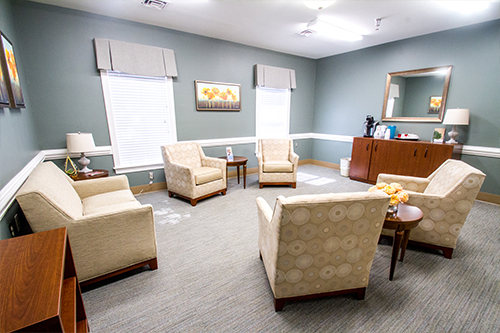
How is Lake Park Nursing And Rehabilitation Center Staffed?

CMS rates Lake Park Nursing and Rehabilitation Center's staffing level at 4 out of 5 stars, which is above average compared to other nursing homes. Staff turnover is 48%, compared to the North Carolina average of 46%.

What Have Inspectors Found at Lake Park Nursing And Rehabilitation Center?

State health inspectors documented 19 deficiencies at Lake Park Nursing and Rehabilitation Center during 2023 to 2025. These included: 4 that caused actual resident harm, 11 with potential for harm, and 4 minor or isolated issues. Deficiencies causing actual harm indicate documented cases where residents experienced negative health consequences.
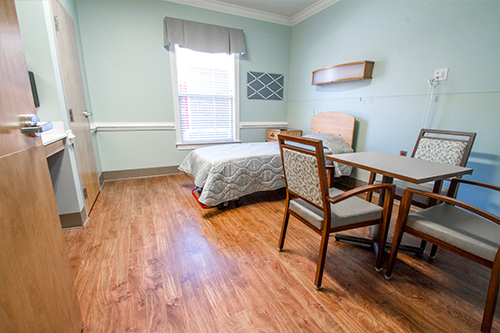
Who Owns and Operates Lake Park Nursing And Rehabilitation Center?

Lake Park Nursing and Rehabilitation Center is owned by a for-profit company. For-profit facilities operate as businesses with obligations to shareholders or private owners. The facility is operated by PRINCIPLE LONG TERM CARE, a chain that manages multiple nursing homes. With 120 certified beds and approximately 100 residents (about 83% occupancy), it is a mid-sized facility located in Indian Trail, North Carolina.

How Does Lake Park Nursing And Rehabilitation Center Compare to Other North Carolina Nursing Homes?

Compared to the 100 nursing homes in North Carolina, Lake Park Nursing and Rehabilitation Center's overall rating (3 stars) is above the state average of 2.8, staff turnover (48%) is near the state average of 46%, and health inspection rating (2 stars) is below the national benchmark.

What Should Families Ask When Visiting Lake Park Nursing And Rehabilitation Center?

Based on this facility's data, families visiting should ask: "Can I visit during a mealtime to observe dining assistance and food quality?" "How do you handle medical emergencies, and what is your hospital transfer rate?" "Can I speak with family members of current residents about their experience?"

Is Lake Park Nursing And Rehabilitation Center Safe?

Based on CMS inspection data, Lake Park Nursing and Rehabilitation Center has a clean safety record: no substantiated abuse findings (meaning no confirmed cases of resident harm), no Immediate Jeopardy citations (the most serious violation level indicating risk of serious injury or death), and is not on the Special Focus Facility watch list (a federal program monitoring the lowest-performing 1% of nursing homes). The facility has a 3-star overall rating and ranks #1 of 100 nursing homes in North Carolina. While no facility is perfect, families should still ask about staff-to-resident ratios and recent inspection results during their visit.

Do Nurses at Lake Park Nursing And Rehabilitation Center Stick Around?

Lake Park Nursing and Rehabilitation Center has a staff turnover rate of 48%, which is about average for North Carolina nursing homes (state average: 46%). Moderate turnover is common in nursing homes, but families should still ask about staff tenure and how the facility maintains care continuity when employees leave.

Was Lake Park Nursing And Rehabilitation Center Ever Fined?

Lake Park Nursing and Rehabilitation Center has been fined $57,730 across 4 penalty actions. This is above the North Carolina average of $33,656. Fines in this range indicate compliance issues significant enough for CMS to impose meaningful financial consequences. Common causes include delayed correction of deficiencies, repeat violations, or care failures affecting resident safety. Families should ask facility leadership what changes have been made since these penalties.

Is Lake Park Nursing And Rehabilitation Center on Any Federal Watch List?

Lake Park Nursing and Rehabilitation Center is not on any federal watch list. The most significant is the Special Focus Facility (SFF) program, which identifies the bottom 1% of nursing homes nationally based on persistent, serious quality problems. Not being on this list means the facility has avoided the pattern of deficiencies that triggers enhanced federal oversight. This is a positive indicator, though families should still review the facility's inspection history directly.