Monroe Rehabilitation Center
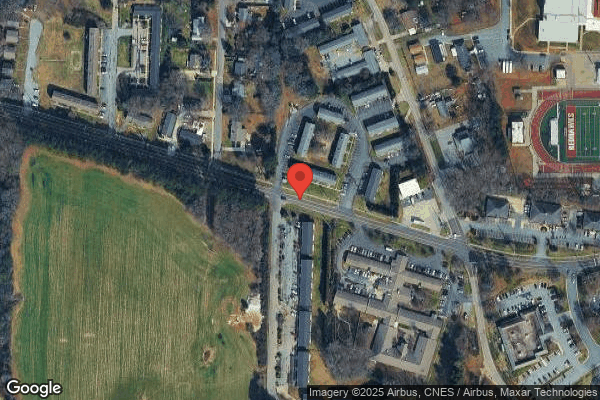

1212 Sunset Drive East, Monroe, NC 28112 (704) 283-8548
For profit - Limited Liability company 147 Beds SOVEREIGN HEALTHCARE HOLDINGS Data: November 2025 2 Immediate Jeopardy citations
Trust Grade
0/100
#266 of 417 in NC
Last Inspection: January 2025

Within standard 12-15 month inspection cycle. Federal law requires annual inspections.

Overview

Monroe Rehabilitation Center has received a Trust Grade of F, indicating significant concerns about the quality of care provided, which places it in the poor category. It ranks #266 out of 417 nursing facilities in North Carolina, putting it in the bottom half of the state, and #6 out of 7 in Union County, meaning only one local facility is rated lower. The situation appears to be worsening, with issues increasing from 7 in 2023 to 13 in 2025. Staffing is average with a turnover rate of 47%, slightly below the state average, which suggests some stability among staff. However, the facility has faced troubling incidents, including a critical failure to safely transport a resident, resulting in serious injuries, and a serious medication error that caused a resident's heart rate to drop dangerously low. While there are some strengths, such as average RN coverage, the significant issues and incidents raise serious concerns for prospective residents and their families.
Trust Score
F
0/100
In North Carolina
#266/417
Bottom 37%
Safety Record
High Risk
Review needed
Inspections
Getting Worse
7 → 13 violations
Staff Stability
⚠ Watch
47% turnover. Above average. Higher turnover means staff may not know residents' routines.
Penalties
✓ Good
$32,832 in fines. Lower than most North Carolina facilities. Relatively clean record.
Skilled Nurses
⚠ Watch
Each resident gets only 27 minutes of Registered Nurse (RN) attention daily — below average for North Carolina. Fewer RN minutes means fewer trained eyes watching for problems.
Violations
⚠ Watch
33 deficiencies on record. Higher than average. Multiple issues found across inspections.
★★☆☆☆
2.0
Overall Rating
★★★☆☆
3.0
Staff Levels
★★☆☆☆
2.0
Care Quality
★★☆☆☆
2.0
Inspection Score
Stable
2023: 7 issues
2025: 13 issues

The Good

  • Full Sprinkler Coverage · Fire safety systems throughout facility
  • No fines on record

Facility shows strength in fire safety.

The Bad

2-Star Overall Rating

Below North Carolina average (2.8)

Below average - review inspection findings carefully

Staff Turnover: 47%

Near North Carolina avg (46%)

Higher turnover may affect care consistency

Federal Fines: $32,832

Below median ($33,413)

Moderate penalties - review what triggered them

Chain: SOVEREIGN HEALTHCARE HOLDINGS

Part of a multi-facility chain

Ask about local staffing decisions and management

The Ugly 33 deficiencies on record

2 life-threatening 2 actual harm
Sept 2025 3 deficiencies 1 Harm
SERIOUS (G) 📢 Someone Reported This

A family member, employee, or ombudsman was alarmed enough to file a formal complaint

Actual Harm - a resident was hurt due to facility failures

Free from Abuse/Neglect (Tag F0600)

A resident was harmed · This affected 1 resident

**NOTE- TERMS IN BRACKETS HAVE BEEN EDITED TO PROTECT CONFIDENTIALITY** Based on record review, observation, and resident, resident representative, staff and physician interviews, the facility failed ...

Read full inspector narrative →
**NOTE- TERMS IN BRACKETS HAVE BEEN EDITED TO PROTECT CONFIDENTIALITY** Based on record review, observation, and resident, resident representative, staff and physician interviews, the facility failed to protect a resident's right to be free from mental abuse and humiliation when Nurse Aide (NA) #1 continued to provide personal care to Resident #1 after Resident #1 was heard saying calmly leave me alone in an electronic video that NA #1 recorded with NA #1's personal cellular phone device while providing personal care to a resident (Resident #1). On the electronic video, Resident #1's chest area was observed exposed with no clothing or linens covering Resident #1's chest area. Resident #1's behaviors were observed escalating from a calm verbal tone to cursing and physically swinging her left arm at NA #1. This occurred for 1 of 3 residents reviewed for abuse (Resident #1). The reasonable person concept was applied to this deficiency as individuals would feel humiliated by the distribution of demeaning video recordings from personal cellular phone devices that included nudity of oneself.Findings included:Resident #1 was admitted to the facility on [DATE] with diagnoses including dementia.The quarterly Minimum Data Set (MDS) assessment dated [DATE] indicated Resident #1 was moderately cognitively impaired and had exhibited verbal behaviors toward others 1 to 3 days for the seven-day look back period. The MDS further indicated Resident #1 required assistance with personal care. There were no physical behaviors toward others coded for Resident #1 on the MDS assessment.Resident #1's care plan last reviewed 6/24/2025 included a focus for activities of daily living, and interventions included one person assisting Resident #1 with bathing. Resident #1 was also care-planned for resisting care due to dementia. Interventions included providing opportunities for choice when providing personal care.An initial allegation report completed by the Administrator and dated 9/10/2025 at 2:59pm reported an allegation of abuse for Resident #1. The initial report documented that the Corporate Compliance Office received an allegation from Caller #1 that NA #1 had posted an electronic video on a social media site from her (NA #1's) personal cellular phone device of Resident #1 nude while NA #1 was providing personal care to Resident #1. The initial report further stated the local law enforcement agency was notified and the initial report was sent to the State Agency. On 9/10/2025 at 5:41pm, the Administrator played an undated electronic video that Caller #1 had emailed the facility on 9/10/2025. There was no audio (sound) on the electronic video, and the electronic video was divided into two parts. In part one of the electronic video, Resident #1 was observed lying supine (on the back) in the bed with a pink baby doll resting on her nude chest area. Resident #1 was observed swinging her left arm toward NA #1 as NA #1 reached toward Resident #1's left hand that was holding the pink baby doll up off Resident #1's chest area. Resident #1 was observed using her right hand to grab the pink baby doll to the right side of her body and swinging her left lower arm and hand toward NA #1. NA #1 was observed placing her right hand on Resident #1's left shoulder and her (NA #1) left hand on Resident #1's left elbow to turn Resident #1 before the video ended. In part two of the electronic video, NA #1 was observed setting up her personal cellular phone device to video record Resident #1 and returning to Resident #1's bedside. Resident #1 was observed lying supine in the bed dressed in a gown. Resident #1 was not observed moving in bed. The Administrator reported NA #1 had been suspended pending the investigation of the allegation of abuse for Resident #1.On 9/11/2025 at 10:30am, the electronic video emailed to the facility on 9/10/2025 of Resident #1 was observed with audio. In part one of the electronic video, NA #1 was heard telling Resident #1 she was going to get NA #1 in trouble. Resident #1 was heard telling NA #1 Get your ass out of here as she held a pink baby doll on her chest area with her left hand. NA #1 was heard saying, No, I'm trying to help you. Resident #1 was observed picking her left arm up in the air while holding the pink baby doll and NA #1 was observed reaching her left hand toward Resident #1's left hand that was up in the air holding the pink baby doll and NA #1's right hand was touching Resident #1's left elbow. Resident #1 was heard saying Somebody behind ya as Resident #1 swung her left arm toward NA #1 and grabbed the pink baby doll with her right hand and positioned on the right side of her body. Resident #1 was observed swinging her left hand toward NA #1 and NA #1 was heard telling Resident #1 Stop. Resident #1 was observed swinging her left lower arm and hand toward NA #1 two more times. NA #1 was heard telling Resident #1 to stop before NA #1 was observed placing her right hand on Resident #1's left shoulder area and NA #1's left hand was observed touching Resident #1's left elbow to turn Resident #1 toward her right side before the electronic video ended. In part two of the electronic video, Resident #1's head and upper body were visualized in the video and Resident #1 was dressed in a gown. NA#1 was observed positioning her cellular phone device in the direction of Resident #1 in the bed and returning to Resident #1's bedside. NA #1 was heard telling Resident #1 to Come on and Resident #1 responded verbally in a soft calm tone, Leave me alone.An observation and interview were conducted on 9/10/2025 at 6:12pm with Resident #1. Resident #1 was observed lying quietly in bed with the television on. There was a pink baby doll observed positioned on the top of a dresser that faced Resident #1's bed. Resident #1 was able to identify herself by name. Resident #1 explained she bathed and dressed herself. Resident #1 further stated she had not been mean (actions typically directed at individuals or groups with aim of causing emotional or physical pain) to anyone and no one had hurt her. Resident #1 stated she did not know of nursing staff using personal cellular phone devices to make an electronic video while providing her personal care. Resident #1 further stated she didn't know how she would feel if she was exposed nude in an electronic video.On 9/10/2025 at 7:15pm in a phone interview with Caller #1 stated on 9/9/2025 around 10:00pm, she observed Resident #1, who she did not know, in an electronic video on NA #1's social media site. Caller #1 stated Resident #1 did not have a shirt on in the electronic video, and Resident #1's chest area was totally exposed. Caller #1 explained she recognized NA #1 and was concerned because Caller #1 had family members at the facility where NA #1 was employed.On 9/11/2025 at 8:38am, a phone interview was conducted with Resident #1's Representative. Resident #1's Representative explained on the evening of 9/10/2025 he was shown an electronic video without audio of Resident #1 that the facility reported was seen on a social media site. Resident #1's Representative stated watching the recorded video of Resident #1 with NA #1 trying to snatch the pink baby doll, Resident #1 swinging her left arm as to defend herself and knowing that video of Resident #1 was on social media disturbed him. He stated when visiting Resident #1 on the evening of 9/10/2025, Resident #1 was unable to recall anything about NA #1 using personal cellular phone device to record an electronic video and explained Resident #1 was not mentally capable of making decisions. He explained Resident #1 treated the pink baby doll like a little baby and the pink baby doll provided comfort for her when in bed. Resident #1's Representative stated that was his mom in the video and he was feeling angry and mad because Resident #1's right to privacy had been violated. Resident #1's Representative stated he felt NA #1 had taken advantage of Resident #1 by recording a video of Resident #1 while providing personal care to be used for her (NA #1's) own personal reason. Resident #1's Representative also voiced concerns of not knowing the whereabouts of the electronic video NA #1 used to expose nudity of Resident #1 chest area on social media.On 9/11/2025 at 12:58pm a phone interview was conducted with NA #1. NA #1 stated she electronically videoed Resident #1 without Resident #1's permission 2 to 3 months ago using her (NA #1's) personal cellular phone device while providing personal care (bed bath) to Resident #1. NA #1 explained Resident #1 was known to display combative behaviors when nursing staff provided her personal care and stated Resident #1's combative behaviors would make her laugh. NA #1 stated she used her personal cellular phone device to video record Resident #1 while performing person care to capture Resident #1's combative behaviors like fighting. NA #1 explained Resident #1 regarded the pink baby doll as a real baby and holding the baby doll provided comfort to Resident #1. NA #1 stated she was not trying to get the pink baby doll from Resident #1. NA #1 stated the electronic video of Resident #1 was located on her personal cellular phone device and did not know why she had not deleted the video of Resident #1. NA #1 stated she had not posted the video of Resident #1 that was located on her personal cellular phone device on social media or sent the recorded video to anyone to view. NA #1 explained that Caller #1 had received a copy of Resident #1's video recording because when a personal friend searched through her personal cellular phone device earlier that week and found the video recording of Resident #1, the personal friend sent the video of Resident #1 to Caller #1. NA #1 stated the video recording of Resident #1 must have been deleted from her personal cellular phone device because she was unable to located the video on her personal cellular phone device. NA #1 stated she had been trained on abuse and prohibition of recording residents at the facility and use of social media and stated, it (electronically videoing Resident #1 while providing personal care) was a stupid decision. NA #1 further stated she had been trained by the facility when residents were resisting care or told to leave them alone, resident care was not to be provided at the time and the resident reapproached at a later time. On 9/12/2025 at 11:52 am at the request of Resident #1's Representative, a follow up face to face interview was conducted with Resident #1 Representative. He explained that the facility had reported that the electronic video of Resident #1 exposing her nudity was not posted on social media. He stated he did not understand why Resident #1 was swinging her arm toward NA #1 in the recorded video and did not feel Resident #1 was physically abused in the recorded video. When Resident #1's Representative was explained there were different types of abuse: mental, sexual and misappropriation of property, he admitted not understanding the other types of abuse. He stated he had not observed a change in Resident #1's mental state in the last 2 to 3 months when visiting and continued to question why Resident #1 was striking out at NA #1 in the recorded video. He stated he had not observed that behavior from Resident #1.On 9/12/2025 at 12:38 pm in an interview with NA #2, she explained Resident #1 was dependent on nursing staff for all activities of daily living except feeding. She stated Resident #1 complained of hip discomfort often and required nursing staff to give her time before repositioning. NA #2 explained it was all in one's approach to Resident #1 in how she responded to provision of care. NA #2 stated Resident #1 had never swung her arm toward NA #2, verbally cursed at NA #2 or told NA#2 to leave the room when providing personal care. NA #2 explained Resident #1 was infatuated with the pink baby doll and treated the pink baby doll like a child.On 9/12/2025 at 3:30 pm in an interview with the Director of Nursing (DON), she stated Resident #1 was confused and frequently displayed combative behaviors (cursing at the nursing staff) when nursing staff were providing personal care. She stated she was not aware NA #1 had electronically videoed Resident #1 nude while providing personal care. The DON stated NA #1 had received abuse training and training that stated the use of social media and recording videos of residents was not allowed in the facility. The DON further stated when Resident #1 refused care and was physically swinging her arm toward NA #1, NA #1 should have stopped providing personal care to Resident #1, ensured Resident #1 was safe and exited Resident #1's room. The DON stated nursing staff have been educated to stop resident care and reapproach at a later time or by another staff member when residents exhibit combative behaviors.On 9/12/2025 at 1:25 pm in an interview with the Administrator, he stated use of personal cellular phone devices was not allowed in the resident care areas to ensure privacy of the residents and NA #1 should not have used her personal cellular phone device to video Resident #1 while providing Resident #1 personal care and exposing Resident #1's uncovered chest area. The Administrator stated when Resident #1 refused care, NA #1 should have ensured Resident #1 was in a safe position, exited Resident #1's room and informed the nurse assigned to Resident #1. He stated resident abuse of any type was not tolerated at the facility and based on the history of Resident #1 behaviors; there was no evidence of abuse to Resident #1 in the video recording of Resident #1 on NA #1's personal cellular phone device.On 9/12/2025 at 2:14 pm a phone interview was conducted with Physician #1. He stated Resident #1 was known not to be cooperative with care and had used inappropriate verbal terms toward the nursing staff and physician in the past. He explained Resident #1 was declining cognitively and in her health due to the disease process of dementia. He stated Resident #1 had not displayed any new behaviors in the last 2 to 3 months.A Psychiatry physician progress note dated 9/12/2025 indicated Resident #1 was evaluated for potential emotional disturbances following a social media post by a nursing team employee. The physician documented Resident #1 was alert to self but exhibited chronic confusion regarding time and place due to Alzheimer's dementia. The Psychiatrist recorded there were no acute behavioral disturbances, impulsivity, restlessness or agitation observed during the visit. There was no recommendation to change Resident #1's medications at the time and recommended to continue monitoring Resident #1 for changes in her condition.The investigation report dated 9/16/2025 for an allegation of abuse was completed by the Administrator and sent to the State Agency. The investigation report recorded the local law enforcement agency and Adult Protective Services (APS) were notified and NA #1 was terminated from employment on 9/16/2025 for not following the facility's social medial policy. Resident #1 was assessed by the nursing staff and the physician with no new behaviors or physical findings. The facility conducted skin assessments on all residents with a Brief Interview for Mental Status (BIMS) score of 12 or less with no findings of abuse. Interviews on the use of phones and social media by staff in resident care areas were conducted with residents with a BIMS score of 13 or greater with no new findings identified. Facility staff were interviewed on phone/social media usage in resident care areas in the facility with no reports of witnessing nursing staff electronically videoing residents. All staff were educated on the facility's social media policy, abuse policy and how to care for residents with dementia and aggressive behaviors. At the completion of the investigation by the facility, the facility reported the allegation of abuse was not substantiated because the recorded video of Resident #1 did not provide evidence that NA #1 willfully intended to hurt, harm, intimidate or punish Resident #1 by any means. The investigation report indicated Resident #1 was safe and had not suffered any injuries or mental anguish.On 9/24/2025 at 12:03 pm in a phone interview with the Administrator, he explained based on the screen displaying the recorded video of Resident #1, the facility determined that the recorded video of Resident #1 shared with the facility on 9/10/2025 was not from a social media site and the recorded video of Resident #1 was from NA #1's camera roll located on NA #1 personal cellular phone device. He explained Caller #1 was told by the facility to delete the video recording of Resident #1 that Caller #1had uploaded onto her personal cellular device and use to report to the facility. The Administrator stated NA #1 had reported during her interview, she had already deleted the recorded video of Resident #1 from her personal cellular phone device. He further stated neither Caller #1 nor NA #1 had been to the facility as requested to verify the recorded video of Resident #1 had been deleted from their personal cellular phone devices.On 9/24/2025 at 12:18 pm in a phone interview with Caller #1, she stated as instructed by the facility, she had deleted the recorded video of Resident #1 that she had uploaded to her personal cellular phone device on 9/9/2025.
CONCERN (D) 📢 Someone Reported This

A family member, employee, or ombudsman was alarmed enough to file a formal complaint

Potential for Harm - no one hurt, but risky conditions existed

Quality of Care (Tag F0684)

Could have caused harm · This affected 1 resident

**NOTE- TERMS IN BRACKETS HAVE BEEN EDITED TO PROTECT CONFIDENTIALITY** Based on record review, and resident, staff and physician interviews, the facility failed to perform a physical assessment of a ...

Read full inspector narrative →
**NOTE- TERMS IN BRACKETS HAVE BEEN EDITED TO PROTECT CONFIDENTIALITY** Based on record review, and resident, staff and physician interviews, the facility failed to perform a physical assessment of a resident when Nurse Aide (NA) #3 reported to Nurse #2 and Nurse #3 on 9/2/2025 on the 3:00 pm to 11:00 pm shift the report of a fall and a change in Resident #2's self-transfer status from the wheelchair to the bed. Resident #2 was sent to the hospital on 9/3/2025 on the 7:00 am to 3:00 pm shift and admitted for a left hip fracture. This occurred for 1 of 1 resident reviewed for injury of unknown origin (Resident #2). Findings included:Resident #2 was admitted to the facility on [DATE] with diagnoses including dementia, stroke and legal blindness. The quarterly Minimum Data Set (MDS) assessment dated [DATE] indicated Resident #2 was moderately cognitively impaired and required supervision for all mobility tasks including wheelchair to bed. The care plan last reviewed 6/19/2025 for Resident #2 included a focus for falls. Interventions included the following: bed in lowest position, use of non-skid footwear and post fall event skin checks and providing cues for safety awareness. Physician #2's progress notes dated 9/1/2025 recorded a regulatory visit was conducted with Resident #2 on 9/1/2025. Physician #2 recorded Resident #2 voiced no complaints of pain on 9/1/2025 and there was no documentation of Resident #2 having a recent fall. There was no nursing report dated for 9/1/2025 on the 7pm to 7 am shift reporting a fall for Resident #2. There was no nursing documentation in Resident #2's electronic medical record (EMR) for 9/1/2025 or 9/2/2025. A review of Resident #2's September 2025 Medication Administration Record recorded Resident #2's pain level as zero from 9/1/2025 to 9/3/2025. In an interview with NA #4 on 9/10/2025 at 3:13pm, she stated on 9/1/2025 from 11:00 pm to 7:00am, Resident #2 was up in his wheelchair in the hallway with her until 5:00 am when Resident #2 went to bed. She stated Resident #2 did not want to go to bed that night and she assisted him to the bathroom with no change in his mobility observed and Resident #2 voiced no complaints of pain with movement. In an interview with Nurse #4 on 9/10/2025 at 7:15 am, Nurse #4, who was assigned to Resident #2 on 9/1/2025 7:00 pm to 7:00am, stated she did not recall Resident #2 having a fall on 9/1/2025 or recently. In an interview with NA #5 on 9/10/2025 at 2:29 pm, she explained Resident #2 was able to move independently and used furniture arrangement in the room to touch when walking to the bathroom on 9/2/2025 from 7:00 am to 3:00 pm. She stated Resident #2 required supervision when walking to the bathroom and in his room and used the call bell to notify nursing staff for assistance. She stated on 9/2/2025, she assisted Resident #2 with his personal care and observed Resident #2 walking to the bathroom with no complaints of pain or change in his mobility. In a phone interview with Nurse #5 on 9/10/2025 at 9:41 am, she stated she was assigned to Resident #2 on 9/2/2025 on the 7:00 am to 7:00 pm shift and at the change of shifts at 7:00am, there was no report of Resident #2 experiencing a fall on 9/1/2025. She explained Resident #2 was at his baseline on 9/2/2025 sitting up in the wheelchair in the hallway at the nursing station with no complaints of pain verbalized. She stated Resident #2 was assisted with his personal care, assisted to the bathroom and repositioned in the wheelchair on 9/2/2025 and Resident #2 did not mention he had fell or voice complaints of pain during the shift.In an interview with Occupational Therapist on 9/10/5 at 2:30 pm, he stated Resident #2 could stand and transfer without assistance and the need for supervision was stressed Resident #2 when moving in his room. He stated Resident #2 would call at times for help and was not consistent in calling for help when up in his room. He explained when occupational therapy worked with Resident #2 on 9/2/2025, Resident #2 was observed changing positions per himself without assistance slower than normal from the wheelchair to standing and walking to the bathroom. He stated Resident #2 did not endorse any pain during therapy. He explained at baseline Resident #2's walked with his upper body leaned forward which decreased the speed of his movement and there were no acute concerns observed with Resident #2's left leg/hip area.In an interview with NA #3 on 9/10/2025 at 3:05 pm, she explained Resident #2 always required supervision with self-transfers from wheelchair to bed when preparing to go to bed. She stated on 9/2/2025 around 9:30 pm when Resident #2 stood up from wheelchair to turn to sit on the bed, Resident #2 could not turn and said, it's my hip and she had to help Resident #2 to shift his left leg back to sit on the bed. She explained Resident #2 moved his right and left legs onto the bed himself with no facial grimace or complaints of pain and she provided a little assistance in straightening his legs in the bed, which she normally would do for Resident #2. She stated when Resident #2 was in the bed he said, I believe it's my hip and asked NA #3 if his left hip was blue. She stated Resident was lying on his right side and there was no blue discoloration observed to Resident #2's left hip. She stated she asked Resident #2 what happened, and Resident #2 stated I don't know and Resident #2 did not mention having a fall. NA #3 stated she informed Nurse #2 that Resident #2 was observed having difficulty in self-transferring from the wheelchair to the bed and Resident #2's roommate had reported Resident #2 fell a couple nights ago. In an interview with Nurse #2 on 9/10/2025 at 3:44 pm, she stated on 9/2/2025 NA #3 reported to her that Resident #2 experienced difficulty in self-transferring from his wheelchair to the bed and it may be his hip. Nurse #2 stated NA #3 reported Resident #2's roommate reported to her that Resident was on the floor in the room on the night of 9/1/2025. Nurse #2 stated she went to Nurse #3, who was assigned to Resident #2. Nurse #2 explained she and Nurse #3 reviewed Resident #2's EMR and there was no documentation of a fall in Resident #2's EMR. Nurse #2 also stated she went to Nurse #4 who was assigned Resident #2 on the night of 9/1/2025 and Nurse #4 reported Resident #2 had not experienced a fall on the night of 9/1/2025. She stated because Resident #2 was not assigned to her, she did not go assess Resident #2. In an interview with Nurse #3 (who was assigned to Resident #2 on 9/2/2025 7:00pm to 11:00pm) on 9/12/2025 at 11:50 am, she stated NA #3 reported to Nurse #2 that Resident #2 self-transferred with difficulty when transferring from wheelchair to bed and Resident #2's roommate had reported Resident #2 fell on 9/1/2025. Nurse #2 reviewed Resident #2's EMR and was unable to locate documentation that Resident #2 had experienced a fall on 9/1/2025 or recently. Nurse #3 stated when she went to Resident #2's room before the end of her shift, Resident #2 was observed sleeping and she did not assess or observe Resident #2's left leg/hip area. She stated due to NA #3 reporting a change in Resident #2's ability to self-transfer, Resident #2's left leg/hip area should have been assessed by a nurse to determine if an injury existed and if notification of physician required immediately rather than reported in the physician communication book. Nurse #3 stated she reported to Nurse #6 on 9/2/2025 at 11:00 pm the change NA #3 reported in Resident #2 condition.In an interview with NA #4 on 9/10/2025 at 3:13pm, she stated on 9/2/2025 from 11:00 pm to 7:00 am, Resident #2 slept, turned self and did not get up to go to bathroom during the shift. She further stated Resident #2 did not complain of pain for the shift. In a phone interview with Nurse #6 on 9/12/2025 at 12:27 pm, she stated she was assigned to Resident #2 on 9/2/2025 from 11:00 pm to 7:00 am. She explained when she checked on Resident #2 during the night of 9/2/2025, Resident #2 was resting with his eyes closed and did not complain of pain during the shift. She stated NA #4, who was assigned to Resident #2, reported no concerns or complaints of pain from Resident #2 during the shift. Nurse #6 stated Nurse #3 did not report a fall, a change in Resident #2's ability to self-transfer or concerns with Resident #2's hip area at the change of shift at 11:00 pm. Nurse #6 reported she left (time unable to recall) before the end of the shift (7:00 am) and Nurse #4 assumed the keys to her medication cart/assignment.In an interview with Nurse #4 on 9/10/2025 at 7:15 am, she explained she received report and the medication keys from Nurse #6 at 6:00 am on 9/3/2025. She stated Nurse #6 reported Resident #2 had been in bed all night. She stated Resident #2's roommate reported Resident #2 was in pain. Nurse #4 stated when she went to ask Resident #2 if he was having pain, Resident #2 was resting with his eyes closed. Nurse #4 stated she did not wake Resident #2 to assess Resident #2 and made an entry into the physician communication book for the physician to evaluate. Nursing documentation dated 9/3/2025 at 7:54 am by Nurse #4 stated Resident #2 had complained of hip pain, was having difficulty walking and a message was left for the physician for further evaluation.There was an entry dated 9/2/2025 (7p-7a shift) with no time stamp in the physician communication book for Resident #2. The entry recorded by Nurse #4 stated Resident #2 complained of hip pain, difficulty to walk and need for x-ray. The entry was recorded completed by Physician #2 on 9/3/2025. Physician #2's progress note dated 9/3/2025 recorded the reason for the visit was due to Resident #2 complaining of left hip pain. Physician #2 documented moderating factors of pain included movement of left leg. Physician #2 wrote Resident #2 stated he fell but was not able to recall the fall. Physician #2 recorded nursing reported Resident #2 fell on the night of 9/1/2025. Physician orders dated 9/3/2025 at 9:53 am included a pelvis and left hip x-ray immediately for left hip pain and fall.In a phone interview with Nurse #5 on 9/10/2025 at 9:41 am, she explained when she came in on 9/3/2025 for the 7:00 am to 7:00 pm shift, the Director of Nursing (DON) requested that morning she go with her (DON) to Resident #2's room and stated she had not been to Resident #2's room prior to that time. Nurse #5 stated Resident #2 was lying in bed quietly with arms across his chest and verbalized no complaints of pain. She explained when touching and attempting to roll Resident #2 over to his side, Resident #2 said, Oh, oh. She further stated Resident #2's left foot was observed turned inward. She explained the paperwork to transfer Resident #2 to the hospital for an evaluation was started, and Resident #2 was transferred to the hospital. Nursing documentation dated 9/3/2025 at 9:00 am by Nurse #5 recorded she was made aware Resident #2 had experienced a previous fall and reported pain to the left hip. Resident #2 was sent to the hospital's emergency department (ED) for further evaluation and x-rays of the affected area.A transfer form for Resident #2 dated 9/3/2025 at 8:47 am was completed by Nurse #5. The transfer form recorded Resident #2 had suffered a fall and Resident #2's left leg was visibly rotated inward with pain to left hip area when attempting to reposition the left leg. Physician was notified and Resident was sent to local hospital for evaluation. Nursing documentation dated 9/3/2025 at 11:08 am by the Director of Nursing (DON) stated the DON was notified by NA #3 that when Resident #2 attempted a self-transfer to the bed on 9/2/2025, Resident #2 had difficulty with standing during the supervised transfer and complained of pain to his left leg. NA #3 stated she did a stand pivot transfer to help put Resident #2 back to bed. The DON recorded she went to assess Resident #2 for any change in condition and assessed Resident #2's left leg rotated, left leg appeared shorter than the right leg and recorded there was no bruising to the left thigh/hip area. The DON recorded when she attempted to move Resident #2's left hip slightly, Resident #2 complained of pain. DON documented Resident #2's assessment was reported to Resident #2's assigned nurse (Nurse #5) and Nurse #5 was instructed to notify Physician #2, who was in the facility, and orders were received to send Resident #2 to the hospital's emergency department for further evaluation.In an interview with the DON on 9/11/2025 at 4:30 pm with the Regional Clinical Director in attendance, the DON stated on 9/3/2025 there was a note written by NA #3 left under her office door reporting Resident #2's roommate reported a couple nights ago a nurse helped Resident #2 up off the floor and back to the bed. She explained all falls were reviewed by the DON and Administrator and when she reviewed Resident #2's EMR, there was no documentation of a recent fall for Resident #2 recorded in the EMR. Therefore, DON reported she went to Resident #2's room to access Resident #2 and observed Resident #2 resting with eyes closed. She stated Resident #2 was not complaining of pain and there was no facial grimacing of pain observed. She explained upon removing the top linen covers, Resident #2's left leg was observed rotated inward and Resident #2 would respond with an Ouch when moving the left leg. She stated Physician #1 assessed Resident #2 and Resident #2 was sent to the hospital for evaluation. She further stated Resident #2's family member reported at the hospital that Resident #2 reported he had fallen and got himself back to bed. Hospital Discharge summary dated [DATE] for Resident #2 documented Resident #2 was admitted to the hospital on [DATE] with a closed intertrochanteric fracture of left femur (hip fracture) following an unwitnessed fall resulting in inability to ambulate. A computer tomography scan (CT scan) of the pelvis revealed a displaced, rotated and mildly impacted intertrochanteric fracture of the left proximal femur with associated soft tissue and intramuscular edema/hematoma (collection of blood) and Resident #2 had surgery to repair the left hip fracture on 9/4/2025 and was discharged to return to the facility on 9/7/2025. In an interview with Resident #2 on 9/11/2025 at 5:25 pm, Resident #2 was limited in providing information and was more cooperative in answering yes and no questions. Resident #2 answered yes to having a fall and getting himself up. When asked if he told the nursing staff of the fall, he answered, I don't think I did. He answered yes when asked if his left leg/hip hurt after the fall and stated, no when asked if the pain made him cry. He answered yes when asked if he was able to sleep and answered no if he informed the nursing staff of pain in his left leg/hip area or requested pain medicine for the pain. During a subsequent interview with Resident #2 on 9/12/2025 at 11:40 am, Resident #2 was more cooperative in answering questions. Resident #2 continued to report he had a fall (date unknown) and was able to get himself up without calling for help and did not report the fall to the nursing staff. Resident #2 stated his left leg/hip did not hurt at the time of the fall. He stated when performing self-transfer on evening of 9/2/25 he did not tell NA #3 he had pain in the left hip and did not tell nursing staff his left leg was hurting. Resident #2 stated he did not recall nursing staff assessing his left leg/hip on 9/2/2025 and he was able to sleep the night of 9/2/2025. Resident #2 recalled when Nurse #5 and DON assessed his left leg/hip on 9/3/2025, there was pain to the left leg/hip area. In an interview with Physical Therapist on 9/12/2025 at 10:27 am, he explained if Resident #2 had fallen near his bed and the bed was in the lowest position Resident #2 could have gotten himself up off the floor and back to bed. He stated Resident #2 would try to get up without help from the bed and wheelchair and did not ask for help. He sated Resident #2 had been redirected to ask for help and Resident #2 as able to self-transfer from the wheelchair to the bed without help. In an interview with Regional Clinical Director on 9/11/2025 at 4:25 pm with the DON in attendance, the Regional Clinical Director stated Nurse #3 was assigned to Resident #2 from 7:00 pm to 11:00 pm on 9/2/2025 and Resident #2 was not scheduled any medications and nursing care during those hours. The Regional Clinical Director stated NA #3 recognized when supervising Resident #2 self-transfer from wheelchair to bed around 9:30 pm that Resident #2 was having difficulty moving his left leg and stated, I think it's my hip and NA #3 assisted Resident #2 with transferring from the wheelchair to the bed with no complaints of increased pain. The Regional Clinical Director stated when Resident #2 asked NA #3 to look at his left hip area to see if bruises, there was no bruising observed and Resident #2 was observed by NA #3 going to sleep. The Regional Clinical Director stated Resident #2's roommate informed NA #3 before exiting the room that Resident #2 had fallen the other night and Resident #2 did not report a fall to NA #3. She stated NA #3 reported to Nurse #2 the fall reported by Resident #2's roommate and Resident #2 having difficulty with self-transferring from the wheelchair to the bed. She stated when Nurse #2 questioned Nurse #3, who was assigned to Resident #2, if a fall had been reported for Resident #2, Nurse #3 was not aware of a fall. She explained when Nurse #2 and Nurse #3 reviewed Resident #2's EMR, there was no documentation of a fall for Resident #2 and went to ask Nurse #4, who was assigned to Resident #2 on 9/1/2025 from 7:00 pm to 7:00 am, if Resident #2 had fallen. Nurse #4 reported she was unaware of Resident #2 having a fall on 9/1/2025. The Regional Clinical Director explained Nurse #2, Nurse #3 and Nurse #4 were unable to determine that Resident #2 had experienced a fall and stated Resident #2 had not complained of pain. She stated Nurse #4 requested in the physician communication book for Resident #2 to be evaluated for left hip pain and stated Nurse #2, Nurse #3 or Nurse #4 did not physically conduct an assessment of Resident #2 when NA #3 reported a change in Resident #2's ability to self-transfer and stated it was his hip. The Regional Clinical Director stated Resident #2 should have been assessed by a nurse after a change in condition was reported to determine physician notification and the nursing staff have received education on conducting an observation and assessment of residents with a change in condition and notification of the physician. The Regional Clinical Director further shared Nurse #6, who was assigned Resident #2 on 9/2/2025 from 11:00 pm to 7:00 am, reported Resident #2 slept with no complaints of pain.In a phone interview with Physician #2 on 9/10/2025 at 9:33 am, he stated he had seen Resident #2 on 9/1/2025 and Resident #2 did not verbalize any pain to the left leg. He explained when Resident #2 started complaining of pain to the left leg on 9/2/2025, there was no report of a fall for Resident #2 and nursing staff communicated in the physician communication book for the physician to evaluate on 9/3/2025. He stated there was no report on 9/2/2025 Resident #2 experiencing increased pain and Resident #2 was able to walk around in his room. Physician #2 stated Resident #2, who was cognitively impaired and not a good historian, self-reported when examined on 9/3/2025 he had fallen two days ago, and he did not report the fall to the nursing staff. He explained Resident #2 was sent to the local hospital for a further evaluation and radiology imaging studies. In an interview with Physician #1 on 9/12/2025 at 10:59 am, he stated it was possible for Resident #2 to have a fracture of the left hip and continue to have movement of the left leg/hip area with minimal to no discomfort. He stated that when there was a change in pain or mobility reported to the nursing staff, nursing staff should have assessed Resident #2, written nurse progress note, and notified the physician of a change in Resident #2. He stated if the nursing staff had assessed Resident #2 and notified the physician on the evening of 9/2/2025 instead of the morning of 9/3/2025, Resident #2 could have been ordered an x-ray earlier but the treatment and outcome for Resident #2 would not have changed. In an interview with the Regional Clinical Director and DON on 9/12/25 at 9:20 am, the DON stated a fall for Resident #2 was reported and the nursing staff communicated with the physician by placing an entry in the physician communication book which was read the next day. The DON stated none of the nursing staff aware of the allegation that Resident #2 had experienced a fall physically assessed Resident #2 due to observing Resident #2 sleeping. The DON stated Resident #2's roommate report of a fall on 9/1/2025 was discounted due to Resident #2's roommate may have confused Resident #2 with another resident with the same first name as Resident #2. The DON stated Resident #2 should have been physically assessed by a nurse when a change in condition was reported. The Regional Clinical Director stated during the investigation of Resident #2's injury of unknown origin investigation, the facility identified nursing staff failed to assess Resident #2 when a change in condition was observed in Resident #2's transfer status and notification of a change to the physician of Resident #2's status and a plan of correction had been completed. The facility provided the following corrective action plan: On 9/3/2025 at 3:00pm, an AD HOC Quality Assurance Performance Improvement meeting was held. Problem:The Quality Assurance Performance Improvement committee identified the nursing staff failed to assess Resident #2 when there was a change in condition in Resident #2's transfer status and failed to notify the physician of change in Resident #2's condition on 9/2/2025. Address how corrective action will be accomplished for the resident found to have been affected by the deficient practice:Resident #2 was evaluated by a registered nurse on 9/3/2025 with pain to left hip area with movement. The physician was notified and Resident #2 was sent to emergency room for x-rays. The Resident #2's Representative was notified of Resident #2's change in condition and transfer to the hospital. An x-ray of Resident #2's left hip reported a fracture left hip and was admitted to the hospital for surgery. The Director of Nursing investigated the change in Resident #2's transfer status with interviews of the nursing staff assigned to Resident #2 on 9/1/2025 and 9/2/2025 and conducted an reenactment of Resident #2's transfer with the assigned nurse aide on the 3:00 pm to 11:00 pm shift on 9/2/2025. The information gathered in the investigation was reviewed by the Quality Assurance Performance Improvement committee and a plan of correction for assessing residents with a change in transfer status and notification of the physician with a change of condition was implemented. Address how the facility will identify other residents having the potential to be affected by the same deficit practice: The following audits were conducted by the facility to identify residents with a change in condition and notification of the physician and resident representative was conducted when there was a change in a resident's condition by 9/5/2025.1. Residents' electronic medical record were reviewed by the Assistant Director of Nursing on 9/5/2025 for completion of documentation of assessments for residents with changes in condition in the past 2 weeks. 2. Physician orders in residents' electronic medical record for the past 2 weeks were reviewed by the Director of Nursing on 9/5/2025 to identify changes in residents' condition that may have not been assessed. 3. The Director of Nursing reviewed the physician communication book to identify residents that had a change of condition received an assessment for the past 2 weeks on 9/5/202. 4. The Director of Nursing reviewed incident reports for the past 2 weeks on 9/5/2025 to identify residents that had a change of condition received an assessment. 5. The Assistant Director of Nursing and unit managers on 9/6/2025 conducted body audits of the residents to identify changes in mobility and transfer status and notification of the physician and resident representative. 6. The Assistant Director of Nursing and Director of Nursing on 9/5/2025 interviewed residents for changes in mobility and transfer status.Address what measures will be put into place or systemic changes made to ensure that the deficient practice will not recur include:The nursing staff (nurses and nurse aides) were provided in-person educational in-services and via phone education instructions by the Director of Nursing on evaluating and assessing residents with a change of condition and notification of physician with a change in resident's condition from 9/3/2025 to 9/7/2025. After 9/7/2025, the Director of Nursing was responsible for ensuring that no nurses or nurse aide worked without receiving the required education prior to their next scheduled shift. Starting 9/7/2025, all new hires will be educated by the staff development coordinator and/or the Director of Nursing regarding resident's change in condition and notification of the physician during clinical orientation. Staff sign-in sheets and nursing staff rosters kept by the Director of Nursing were used as acknowledgement education in-services was received and understood. Indicate how the facility plans to monitor its performance to make sure that solutions are sustained:The Director of Nursing or designee will review daily incident reports, 24-hour progress notes and change of condition forms for all residents to identified residents with a change in condition with mobility and/or transfers for four weeks and then monthly for two months. When a change in condition is identified, the audit will include that the resident was evaluated by a nurse, and the physician and resident representative was notified of the resident's change in condition. The results of the audits will be tracked/trended by the Director of Nursing and presented to the Quality Assurance Performance Improvement committee monthly. Based on the audit results, the Quality Assurance Performance Improvement committee will determine the need of further monitoring for residents with a change in condition for mobility/transfers. Compliance Date: 9/8/2025 On 9/12/2025, the facility's corrective action plan was validated by the following documentation: Residents' EMR for change in condition the past 2 weeks were reviewed by Assistant Director of Nursing on 9/5/2025 with no concerns identified. Physician orders in residents' EMR were reviewed for the past 2 weeks by the DON on 9/5/2025 with no concerns identified. The physician communication book was reviewed for the past 2 weeks by the DON 9/5/2025 with no concerns identified. Incident reports for the past 2 weeks were reviewed by the DON 9/5/2025 with no concerns identified. Body audits for residents with a BIMS less than a 12 were assessed to identify changes in mobility and transfer status and notification of physician and resident representative by the Assistant Director of Nursing and unit managers on 9/6/2025 with no change or injury identified. Residents with a BIMS greater than 13 were interviewed for changes in mobility and transfer status by the Assistant Director of Nursing and DON on 9/5/2025 with no falls identified and not reported to the nursing staff. Educational sign in sheets starting 9/3/2025 recorded nursing staff ( nurses and nurse aides) received education in-services on change of condition, recognizing and assessing a change in resident and notifying the nurse and notification of the physician of a change in resident's condition. Interviews with the nursing staff verified education in-services were conducted for the nursing staff as indicated in the POC. The facility's compliance date was validated as 9/8/2025.
CONCERN (E) 📢 Someone Reported This

A family member, employee, or ombudsman was alarmed enough to file a formal complaint

Potential for Harm - no one hurt, but risky conditions existed

Deficiency F0925 (Tag F0925)

Could have caused harm · This affected multiple residents

Based on observation, record review, and staff, Contracted Pest Control Company Technician, and Wildlife Department Technician interviews, the facility failed to implement an effective pest control pr...

Read full inspector narrative →
Based on observation, record review, and staff, Contracted Pest Control Company Technician, and Wildlife Department Technician interviews, the facility failed to implement an effective pest control program to maintain a pest free living environment after the first sighting of a snake in the building on 8/15/2025 for 110 of 110 residents residing in the building. Findings included: On 9/9/2025 at 1:05 pm, the front entrance of the building was observed with two glass swinging doors. When the two glass swinging doors where closed, there was a half inch opened space area observed between the doors on the lower part of the doors that extended approximately six inches from the bottom of the doors. This opening between the two doors provided an entrance for a snake to enter the building. Upon entering the building, there was a receptionist office observed on the right side and the admission's office was observed across the hall on the left. There was a one-inch open space between the admission's office doors and the floor. A review of the maintenance logs from July 2025 to September 2025 that were located at each nurse's station for the three resident halls recorded no sightings of snakes in the building. In an interview with Nurse #1 on 9/10/2025 at 11:40 am, she stated a small six inch baby snake with diamond shapes on the skin was observed entering the building through the front entrance doors and entering the admissions office one night shift (8/15/2025) in August 2025. Nurse #1 explained the admission's office door was locked and she did not have a code to enter the admission's office. She stated she sent a group text to the Administrator and the Director of Nursing (DON) informing them of the snake in the admissions office. Nurse #1 stated she did not text or notify the Maintenance Director. She stated she did not observe any other sightings of the snake that night. Nurse #1 explained she was unable to provide exact date of the sighting of the snake because her text messages automatically deleted. The distance from the admission's office to the closest room with a resident residing in the room was measured at 192 feet. In an interview with the Director of Nursing (DON) on 9/10/2025 at 4:39 pm, the DON stated Nurse #1, who was working a 7:00 pm to 7:00am night shift on 8/15/2025, had reported in a group text message to the Administrator and DON on 8/16/2025 at 12:00am there was a snake in the admission's office and Nurse #1 was going on break. The DON stated she did not see the group text until 8/16/2025 at 4:44 am and replied to Nurse #1 asking if it was a big snake. The DON stated on 8/16/2025 at 6:42 am, Nurse #1 replied to her text describing the snake as a small tan and black snake and it was in the office (admission's office) across the hall from the receptionist office. The DON stated on 8/16/2025 at 6:48 am she texted Nurse #1 asking if the Maintenance Director was aware because she was going in there (the building) and she was not a snake fan. The DON stated she informed the Maintenance Director and the Administrator of the snake in the admission' office and they conducted an exterior and internal sweep of all areas for other snakes. The DON further stated since beginning employment at the facility in April 2025, she had not observed mice in the building. In an interview with Housekeeper #1 on 9/10/2025 at 11:51 am, she explained she usually reported to work at 7:00 am and cleaned the front entrance area first. She stated one morning in August 2025 ( exact date unknown) while cleaning the admission's office, she observed a 6 inch grayish colored snake behind the couch. She stated she called the Maintenance Director, who removed the snake out of the admission's office. In an interview with the Maintenance Director on 9/11/2025 at 12:32 pm, he stated upon reporting to work on the morning of 8/16/2025, he removed a 3-to-4-inch black snake that the housekeeping staff observed out of the admission's office. He explained it was not a copperhead snake because the snake did not have a yellow tail (copperheads have a distinct bright yellow or green tail which they keep for roughly a year). The Maintenance Director reported there had been no issues with mice in the building prior to the sighting of the snake. He explained he conducted an external rounding of the building with no further snakes observed. In a follow up interview on 9/11/2025 at 3:10 pm, the Maintenance Director stated since snake repellent material were obtainable from the local hardware store, the facility did not maintain snake repellent materials at the facility. The Maintenance Director stated that he went to obtain snake repellent material at the local hardware store on 8/16/2025 and the hardware store did not have any snake repellent material. In an interview with the Administrator on 9/10/2025 at 3:17 pm, he stated he did not see the group text message Nurse #1 sent on 8/16/2025 at 12:00 am until waking up that morning. He stated the Maintenance Director had captured and removed the snake from the admission's office upon his arrival to the building.In a follow up interview on 9/11/2025 at 12:35 pm, the Administrator explained he conducted an interior observation of all resident rooms, offices, departments and resident care areas with no further sightings of a snake identified. The Administrator stated he didn't know why he did not email the facility's contracted pest control company on 8/15/2025 about the snake sighting in the admission's office except he felt there was no risk of harm to the residents since there had not been any other sightings of a snake in the building. In an interview with the Housekeeping Director on 9/10/2025 at 11:55 am, he stated in the early morning of 8/22/2025, he observed a small 6-inch brown and black striped snake midway the left side of the 100-hall when facing the front entrance in a hall resident bathroom. He explained the 100-hall was closed for renovations. He stated he removed the snake from the building and informed the Administrator. The distance measured from the 100-hall resident bathroom to the closest room that a resident was residing was 253 feet. There was an email dated 8/22/2025 from the Administrator to the contracted pest control company stating the facility had identified two snakes in the building and requested someone come to the building and assess. In an interview with the Administrator on 9/11/2025 at 11:35 am, he stated the contracted pest control company for the building was notified via email by him on 8/22/2025 of the two snake sightings (8/15/2025 and 8/22/2025). He further stated the Maintenance Director conducted an observation of the exterior parts of the building and he conducted an observation of all the interior rooms and departments of the building with no other snake finding. In an interview with the Maintenance Director on 9/11/2025 at 3:10 pm, he stated the facility did not have snake repellent materials to applied exteriorly to the building. The monthly contracted pest control company invoice dated 8/25/2025 was reviewed. The contracted pest control company reported no pest activity was observed during the visit. There were structural concerns (exterior area with vegetation touching the building structure) reported that could cause pest problems. The invoice recorded an exterior rodent service was performed and accessible bait stations were checked and bait was replaced as needed. The invoice also reported that the Administrator nor the Maintenance Director were onsite on 8/25/2025 at 6:10 pm resulting in the contracted pest control technician service to close improperly. In a phone interview with the Contracted Pest Control Company Technician on 9/11/2025 at 12:14 pm, he stated the contracted pest control company had only received one email on 8/22/2025 from the Administrator reporting snakes in the building. He explained as the contracted pest control technician he was only able to conduct a visual observation for snakes, and he could not remove snakes or treat for snakes per the contract. Therefore, the Wildlife Department was notified of the facility reporting two snakes in the building on 8/22/2025. The Contracted Pest Control Company Technician stated he was out at the facility on 8/25/2025 to conduct the monthly inspection and treatments for the building. He stated on 8/25/2025 he did not see any snakes in the building. He stated the building was proactively treated as part of the monthly program for rodents/mice and rodents/mice had not been an issue in the building. In a phone interview with Nurse #1 on 9/10/2025 at 11:40 am, she stated a diamond head shaped approximately 6-inch small snake was observed on 8/25/2025 around 9:00 pm in the hallway at the dining room door nearest to the residents' rooms. Nurse #1 stated she was from the country and new the snake was a copperhead. She explained another unknown named staff member gathered the snake in a box and removed the snake from the facility. Nurse #1 stated there were no residents around the snake and she notified the Administrator and the DON via text of the snake sighting. The distance from the closest resident room to the closest door of the dining room measured 63 feet. In an interview with the DON on 9/10/2025 at 4:39 pm, she stated Nurse #1 notified her via a group text that included the Administrator on 8/25/2025 at 9:00 pm of a snake at the door of the dining room. The DON stated when the Administrator requested Nurse #1 to send him a photo of the snake, Nurse #1 stated the snake had already been removed by a staff member and the Administrator reported the contracted pest control technician had been to the facility and treated the building on 8/25/2025. In an interview with the Administrator on 9/11/2025 at 12:35 pm, he stated on 8/25/2025 the Contracted Pest Control Company Technician had informed the receptionist that the wildlife department had been notified to treat for snakes in the building. He stated on 8/26/20205 the building was inspected exteriorly by the Maintenance Director, and an interior inspection was conducted by the Administrator with no further snake findings reported. In an interview with the Maintenance Director on 9/11/2025 at 3:10 pm, he stated the facility did not have snake repellent materials to applied exteriorly to the building. A Wildlife Department report dated 8/29/2025 recorded the building was surveyed interiorly and exteriorly and there were no snakes removed from the building. The wildlife department technician recorded snake deterrent was applied around every door of the building to prevent future entry of snakes. In a phone interview with the Wildlife Department Technician on 9/12/2024 at 12:22pm, he stated on 8/29/2025 there were no snakes or mice observed in the building and snake deterrent material was applied around the doors exteriorly. He explained snake deterrent materials were not applied in the interior of the building and encouraged the facility to keep the exterior grounds and interior rooms and offices clean to deter pest that may attract snakes. He explained snake deterrent treatment should last for 4-6 months and the facility should consider retreating with a snake deterrent in the springtime. In an interview with the Administrator on 9/11/2025 at 12:35 pm, he explained there was not a resident safety concern because when the snakes were observed in the building, the snakes were not close to a resident and were disposed of immediately. He stated there had been no further sighting of snakes in the building since the wildlife department technician applied deterrent outside the building around the doors. In an interview with the Regional [NAME] President of Operations on 9/11/2025 at 12:40 pm, he stated there was a repairman scheduled to come to the facility on 9/11/2025 to close the half inch opened space area between the two front entrance doors where pests could enter the building. On 9/12/2025 at 2:30pm, the front entrance doors were observed with the half inch open space at the bottom when the two front doors were closed. There was enough space for a snake to enter the building.
Apr 2025 1 deficiency 1 IJ
CRITICAL (J) 📢 Someone Reported This

A family member, employee, or ombudsman was alarmed enough to file a formal complaint

Immediate Jeopardy (IJ) - the most serious Medicare violation

Accident Prevention (Tag F0689)

Someone could have died · This affected 1 resident

**NOTE- TERMS IN BRACKETS HAVE BEEN EDITED TO PROTECT CONFIDENTIALITY** Based on observations, record review, and staff, Medical Director, and Legal Guardian interviews, the facility failed to ensure ...

Read full inspector narrative →
**NOTE- TERMS IN BRACKETS HAVE BEEN EDITED TO PROTECT CONFIDENTIALITY** Based on observations, record review, and staff, Medical Director, and Legal Guardian interviews, the facility failed to ensure Resident #1, who had cognitive impairment, was safely transported back to the facility following an orthopedic appointment on 4/08/25. Driver #1 failed to secure Resident #1's wheelchair to the van floor and secure Resident #1 in the wheelchair per the manufacturer's instructions during transport in the facility van. When Driver #1 drove out of the parking lot and turned right onto the main road, Resident #1 and the wheelchair she was in fell over to the left landing on the van floor. Driver #1 pulled over to the side of the road and observed Resident #1's head was bleeding and called 911. Resident #1 was transported by emergency medical services (EMS) to the hospital for further evaluation and diagnosed with a frontal scalp laceration, left middle finger fracture, and transverse cervical 7 (neck) fracture. The resident experienced an adverse outcome and injury when Resident #1's wheelchair was not secured in the transportation van per the manufacturer's instructions. This deficient practice occurred for 1 of 3 residents reviewed for accidents (Resident #1). The findings included: A review of the manufacturer's instruction manual for the transport van 4-point wheelchair securement and occupant restraint system provided by the facility read in part: Attach the tie-down (fabric strap connecting a hook and a floor anchor) anchor into the floor anchorages and lock them into place. Attach the tie-down hooks to a solid part of the wheelchair frame below the seat ensuring the tie downs are fixed at approximately 45 degrees. Ensure all tie-downs are locked and properly tensioned (tightened). Connect both sides of the lap belt across the occupant's pelvis. Pull the shoulder belt across the occupant's chest and attach it to the lap belt connector. Adjust the height of the shoulder belt so it rests on the occupant's shoulder. Driver #1's training records revealed she completed van transportation training, provided by the Administrator, on 10/16/24. A competency evaluation dated 1/14/25, completed by the Administrator, indicated Driver #1 was reviewed for securing a wheelchair into the facility's transport van per the manufacturer's instructions and all competencies were checked as met. Resident #1 was admitted to the facility on [DATE] with diagnoses including right femur fracture and dementia. The significant change Minimum Data Set (MDS) dated [DATE] revealed Resident #1 was severely cognitively impaired, had lower extremity impairment to one side, utilized a manual wheelchair for mobility and required substantial to maximal assistance with transfers. The MDS further revealed Resident #1 was not receiving an anticoagulant. The care plan dated 3/04/25 indicated Resident #1 was non-ambulatory, required substantial to maximal assistance with transfers, and utilized a wheelchair and the assistance of one person for mobility. Driver #1's statement dated 4/08/25 indicated she transported Resident #1 to an orthopedic appointment in the facility van. After the appointment she loaded Resident #1 back into the van, secured the wheelchair, shoulder and lap belt. Driver #1 drove out of the parking lot and turned right onto the main road when she heard a loud crash. She looked in the review mirror and observed Resident #1 lying on the van floor. Driver #1 immediately pulled over on the left side of the road, stopped the van and went to check on Resident #1. Resident #1 was lying on her left side with her head facing upward and she had a laceration to her forehead that was bleeding. Driver #1 noted the wheelchair was tipped over, the shoulder and lap belt were disconnected, and the front left tie down strap was unhooked from the wheelchair. Driver #1 called 911 and used a blanket to apply pressure to Resident #1's forehead. Resident #1 was transported by EMS to the Emergency Department (ED) for further evaluation. Driver #1 was unsure how the wheelchair tipped over and reported to EMS she thought Resident #1 tried to stand up from the wheelchair or had released the shoulder and lap belt. A phone interview was conducted with Driver #1 on 4/15/25 at 12:07 PM. She revealed she started working at the facility in October 2024 and was trained to transport residents in the facility van. Driver #1 indicated the training included reading material, instructional videos, and demonstrations from the Administrator on how to secure a wheelchair in the van using the manufacturer's instructions. She stated she also completed 3 to 4 return demonstrations which included the Administrator sitting in a wheelchair, while she secured the wheelchair in the van and then she drove the van on the main road for a few miles and returned to the facility. She stated she received training for approximately a month and the Administrator completed a skills check before she started transporting residents on her own. Driver #1 revealed on 4/08/25 she transported Resident #1 to an orthopedic appointment and stayed with the resident during the appointment. Driver #1 revealed when the appointment was finished, she loaded Resident #1 back into the van, secured the wheelchair, applied the shoulder and lap belt, and drove out of the parking lot toward the main road. She indicated she stopped the van before turning right onto the main road, looked in the review mirror and observed Resident #1 was repositioning herself in the wheelchair but was seated and the shoulder and lap belt were still connected. Driver #1 stated she turned right onto the main road and heard something crash and thought her clipboard fell. Driver #1 revealed she looked in the rear-view mirror and observed the wheelchair had fallen over and Resident #1 was lying on the van floor. She stated she immediately pulled over on the left side of the road and stopped the van. Driver #1 indicated she went to the back of the van and observed Resident #1 lying on her left side with her head facing upward, and the resident had a laceration to her forehead that was bleeding. She stated she also observed that the wheelchair had fallen over, the seat and lap belt were disconnected, and the front left tie down was no longer hooked on the wheelchair. Driver #1 indicated she called 911, used a blanket to apply pressure to Resident #1's forehead and sat with her until EMS arrived. She indicated while waiting for EMS to arrive she also contacted the Administrator and reported the incident. Driver #1 revealed Resident #1 was not crying or yelling and was not exhibiting any signs of pain or distress. Driver #1 indicated when EMS arrived, they asked her to move the wheelchair so they could provide treatment to Resident #1. She stated the Administrator arrived as Resident #1 was loaded into the ambulance and then transported to the ED for further evaluation. Driver #1 revealed the Administrator instructed her to drive the van back to the facility, and when she returned, she wrote a statement about what occurred. She stated she also performed a reenactment of how she secured the wheelchair and Resident #1 in the van with the Administrator and Director of Nursing observing after they returned to the facility. Driver #1 revealed during the reenactment when she connected the shoulder and lap belt it clicked twice. She stated she did not recall the shoulder and lap belt clicking twice when she was securing Resident #1 and that must have been why it disconnected causing the wheelchair to fall over. Driver #1 revealed she did not check the wheelchair or the shoulder and lap belt to ensure they were properly secured because she was rushing to get back to the facility for another resident that had an appointment. She stated she should have checked to ensure the wheelchair and Resident #1 were secured properly in the van. Driver #1 revealed she was suspended on 4/08/25 pending an investigation and had not returned to work. An observation was conducted on 4/15/25 at 4:00 PM of Driver #1 demonstrating how she secured the wheelchair and Resident #1 in the facility van on 4/08/25 with the Regional Clinical Director sitting in the wheelchair. Driver #1 hooked the front tie downs and then the back tie downs to the frame underneath the seat of the wheelchair. Driver #1 crossed the shoulder belt over the Regional Clinical Directort's chest, connected both sides of the lap belt and then connected the shoulder belt over her left hip. Driver #1 then stepped away from the wheelchair and concluded the demonstration. Driver #1 was not observed during the demonstration tightening any of the tie downs, ensuring the shoulder belt and lap belt were fully connected or checking the wheelchair to ensure it was secured properly. A review of the facility incident report dated 4/08/25 written by the Director of Nursing indicated Resident #1 was returning from a medical appointment and fell from her wheelchair in the van. Driver #1 reported Resident #1 had a laceration to her forehead and was bleeding. Driver #1 called 911 and Resident #1 was transported by emergency medical services (EMS) to the emergency department (ED) for further evaluation. The Medical Director and Legal Guardian were notified of the incident. The EMS records dated 4/08/25 revealed when they arrived on scene Resident #1 was located in the transport van. Driver #1 reported she was transporting Resident #1 in the van, looked in the review mirror and observed that Resident #1 was standing up from the wheelchair and fell hitting her head. Resident #1 was assessed to have a laceration to her forehead and left index finger and bruising to her left cheek. Resident #1 was removed from the back of the transport van, secured in the ambulance, and transported to the ED for further evaluation. Attempts made to interview EMS staff were unsuccessful. A review of the ED records dated 4/08/25 revealed Resident #1 was evaluated due to a fall from a wheelchair in the transport van. Resident #1 had lacerations to the back of her head, forehead, and left hand. A computed tomography (CT) scan of the head and spine, and an x-ray of the left hand were obtained. The CT scan of the head was negative for intracranial hemorrhage (brain bleed), the CT scan of the spine revealed a cervical 7 (neck) fracture, and the left-hand x-ray revealed a comminuted (broken into multiple pieces) mildly displaced fracture of the index finger. Resident #1 had a non-adhesive dressing applied to the skin tear on her left finger and a splint was placed due to the fracture. The laceration to Resident #1's forehead was repaired with dissolvable sutures and laceration/hematoma to the back of her head was cleaned thoroughly but required no further treatment. Resident #1 was in stable condition and discharged back to the facility. A nurse's Note dated 4/08/25 at 2:33 PM written by Nurse #1 indicated Resident #1 returned to the facility at approximately 2:00 PM from the ED due to a fall in the facility van. Resident #1 had bruising to the left side of her face, a laceration to her forehead with stitches, a diagnosis of a neck fracture, and left index finger fracture. Resident #1's pain medication was ordered as needed and was administered. An interview with Nurse #1 on 4/16/25 at 11:58 AM indicated she was the nurse assigned to Resident #1 on 4/08/25 from 7:00 AM to 7:00PM. Nurse #1 revealed Resident #1 left the facility at 8:30 AM with Driver #1 for an orthopedic appointment. She stated Resident #1 had a fall on the facility van during transport back to the facility and was transported to the ED for further evaluation. Nurse #1 indicated Resident #1 returned to the facility around 2:00 PM accompanied by her Legal Guardian and was observed with bruising to the left side of her face, and a laceration to her forehead with stitches. She stated the ED report indicated Resident #1 was also diagnosed with a cervical 7 neck fracture and left index finger fracture. Nurse #1 revealed Resident #1 was at her baseline, was exhibiting no signs of distress and fed herself dinner. Nurse #1 stated she initiated neurological checks and monitored Resident #1 closely till the end of her shift. Nurse #1 indicated Resident #1 required extensive assistance with standing and transfers and was unable to attempt standing on her own. Nurse #1 revealed Resident #1 had remained at her baseline since the incident and there had been no changes to her level of cognitive or physical function. During a phone interview with the Legal Guardian on 4/17/25 at 7:56 AM she revealed on 4/08/25 she was notified by the Administrator Resident #1 fell on the facility van and was transported to the ED for further evaluation. The Legal Guardian stated she arrived at the ED and Resident #1 had a laceration to her forehead, bruising to the left side of her face and after a CT scan and x-ray was diagnosed with a neck fracture and left index finger fracture. She indicated Resident #1 was exhibiting no signs of distress and was at her baseline. The Legal Guardian revealed since the fall Resident #1 has remained at her baseline and had no residual effects from her injuries. The Legal Guardian stated Resident #1 had a history of trying to stand up without staff assistance, but in the past few months she was requiring more assistance with standing and transfers and was not strong enough to attempt standing on her own. The Legal Guardian revealed she was very concerned the facility did not ensure Resident #1 was safe while being transported in the facility's van and the Administrator was aware of her concerns. An interview was conducted with the Director of Nursing (DON) on 4/16/25 at 12:53 PM. She stated the morning of 4/08/25 she was informed by the Administrator Resident #1 fell over in her wheelchair while being transported in the facility van and was transported by EMS to the ED for further evaluation. She stated Resident #1 had a laceration to her forehead which required sutures and was diagnosed with a cervical 7 neck fracture and left index finger fracture. The DON revealed Resident #1 returned to the facility on 4/08/25 at approximately 2:30 PM and was assessed to be at her baseline. She indicated neurological checks were initiated, and staff were monitoring her closely. She stated Resident #1 had remained at her baseline with no changes in her condition and no residual effects from her injuries. The DON revealed following the incident on 4/08/25 she observed Driver #1 perform a reenactment. She indicated during the reenactment Driver #1 reported after securing Resident #1 and the wheelchair in the van she did not check the tie downs or the shoulder and lap belt to ensure they were secured properly. The DON revealed Driver #1 also reported she did not think the shoulder and lap belt were fully connected which caused the wheelchair to tip over. She indicated Driver #1 was suspended on 4/08/25 and had not returned to work. The DON stated the facility was now using a contracted transportation company for all resident appointments. A phone interview with the Medical Director on 4/16/25 at 3:47 PM revealed she was notified on 4/08/25 Resident #1 fell while being transported in the facility van due to the wheelchair not being secured properly. She stated Resident #1 was transported to the ED for further evaluation and received sutures to the laceration on her forehead, was diagnosed with a cervical 7 neck fracture, and a fracture to her left index finger. The Medical Director revealed Resident #1 returned to the facility on 4/08/25 at her baseline and has had no residual effects from her injuries and no changes in her level of cognitive or physical function. The Medical Director stated that residents should be secured properly in the transport van to ensure they were safe. During an interview with the Administrator on 4/16/25 at 12:31 PM he indicated Driver #1 started working at the facility in October 2024. He stated Driver #1 received training on how to safely transport residents in the facility van. He indicated the training included reading materials, instructional videos, and how to secure a wheelchair in the van per the manufacturer's guidelines. The Administrator indicated he trained Driver #1 on how to secure a wheelchair in the van and she completed 3 to 4 return demonstrations. The Administrator revealed he observed Driver #1 secure the wheelchair in the van per the manufacturer's instructions during all return demonstrations and all requirements on the skills checklist were met. He stated on 4/08/25, at approximately 9:55, AM Driver #1 called and informed him Resident #1 fell in the van, and she called 911. The Administrator revealed he went to where Driver #1 was located, and Resident #1 was being loaded into the ambulance to be transported to the ED for further evaluation. The Administrator revealed Driver #1 drove the van back to the facility, wrote a statement, and completed a reenactment of the incident. He indicated that during the reenactment Driver #1 connected the shoulder and lap belt and commented that there were two clicks, and she did not recall hearing two clicks when she was securing Resident #1 in the van. The Administrator stated that Driver #1 thought the shoulder and lap belt were not fully connected and that was the cause of Resident #1 and wheelchair to fall over. The Administrator revealed Driver #1 also reported she did not check the tie downs or the shoulder and lap belt to ensure Resident #1 and the wheelchair were properly secured. He stated Driver #1 was suspended pending an investigation and had not returned to work. The Administrator revealed Driver #1 should have secured the wheelchair in the facility van per the manufacturer's instructions to ensure Resident #1 was transported safely. He stated the facility started using a contracted transportation company on 4/09/25 for all resident appointments and would continue using the contracted company for the foreseeable future. The facility was notified of Immediate Jeopardy on 4/15/25 at 5:55 PM. The facility provided the following corrective action plan: Address how corrective action will be accomplished for those residents found to have been affected by the deficient practice. 4/08/25 at approximately 9:50 AM, Resident #1, who had severe cognitive impairment, was loaded onto the facility van by the facility Van Driver to be transported back to the facility following an orthopedic appointment. The Van Driver stated she secured the resident in the van. The resident was transported via the facility's van which was being driven by the facility Van Driver. Resident #1 was placed on the passenger side (right side) in the back of the van. There were no other residents or staff members in the van. The orthopedic office is 1.5 miles away from the facility. The Van Driver stated at approximately 9:55 AM on 4/08/25 she pulled off on the side of the road on East Roosevelt Blvd driving west bound, approximately 1.5 miles from facility. After making a right turn on East Roosevelt Blvd, the Van Driver stated she heard a boom sounding noise and saw resident #1 and her wheelchair turned over on its left side on the van floor. After pulling over, the Van Driver stated she put the van in park and immediately called Emergency Medical Services (EMS). She then stepped past the driver's seat, to the rear of the van, and walked towards Resident #1. She observed Resident #1 on the aisle floor of the van, lying on her left side with the wheelchair on its left side. The Van Driver stated she saw blood coming from the front of the resident's head and used a blanket she had on the driver's seat to apply to the area which was bleeding. She stated she did not see the seatbelt on the resident and the resident was not in the wheelchair. Once EMS arrived, the Van Driver stated she moved the wheelchair out of the way to allow EMS staff to enter the van and access the resident. At approximately 9:55 AM 4/08/25, the Van Driver, notified the Administrator that Resident #1 had fallen out of her wheelchair while being transported back to the facility from an orthopedic appointment. Emergency Medical Services (EMS) were present, and resident#1 was being evaluated. Immediately following the call, the resident's state appointed guardian was notified by the Administrator and the facility's Medical Director was notified by the Director of Nursing. At approximately 10:06 AM 4/08/25, the Administrator arrived at the site where the van was parked. The van was driven back to the center by the Van Driver with no one else in the van. Upon return to the facility, the Regional Clinical Director (RCD), the Director of Nursing, and the Administrator, watched the Van Driver complete a detailed reenactment of how the Van Driver had secured Resident #1 in the van. The Regional Clinical Director sat in the wheelchair on the right side of the van in the same position where Resident #1 had been in the van and asked the Van Driver to secure the resident exactly how the Van Driver had secured Resident#1 before leaving the orthopedic office. The Van Driver proceeded by latching the back two chair hooks first to the back of the wheelchair frame. The wheelchair latching devices were secured to the floor via the track in the floor. The Van Driver did not tighten them after they were latched. The Van Driver took the right rear tie down strap mounted to the van floor and attached its right hook to the right bottom bar rear of the wheelchair. Then she took the left rear tie down strap mounted to the van floor and attached the left hook rear to the left bottom bar on the bottom of the wheelchair. The Van Driver communicated she did not tighten either of the two rear straps. The lap melt mounts to the wheelchair latching device, which mounts to the van floor. The Van Driver then applied the lap belt over from left to right and attached it to the lap belt buckle. The shoulder restraint was mounted to the right back wall of the van. The shoulder restraint belt went immediately over the right shoulder to the lap belt buckle. As she buckled the shoulder restraint she stated, Oh there were two clicks there, that must've been where it happened. The Administrator asked the Van Driver to explain. The Van Driver stated the buckle clicked twice to fully engage the latch. The Van Driver explained she did not remember hearing two clicks when she buckled Resident #1 in. The Director of Nursing disengaged and reengaged the seatbelt locking mechanism several times to see if they could hear/feel the two clicks referenced by the Van Driver. The two clicks were neither heard nor felt during the attempts. The Van Driver proceeded by latching the front two chair hooks first to the front of the wheelchair frame. The wheelchair latching devices were secured to the floor via the track in the floor. The van driver did not tighten them after they were latched. The Van Driver took the right front tie down strap mounted to the van floor and attached its right hook to the right bottom bar on the front of the wheelchair. Then she took the left front tie down strap mounted to the van floor and attached it to the left front hook to the left bottom bar on the bottom of the wheelchair. The Van Driver communicated she did not tighten any of the four straps. The Director of Nursing then unbuckled the over the lap belt and pulled the chair towards the left in effort to see if the chair could flip/fall on its side. The chair was able to sway but not able to be tilted /flipped even with a large amount of force. When asked if the front floor locks were intact at the time Resident #1 was observed on the floor, the Van Driver stated the left front was not, but the right front was. The Van Driver also stated both back floor hooks were attached to the wheelchair after the chair had tipped over. At approximately 1:30 pm on 4/08/25, Van Driver was interviewed by the Administrator and a written account of the incident was obtained. Another reenactment of the position of the resident and the wheelchair was performed in the Administrator's office using a desk chair, as the wheelchair, and the Administrator, as the resident. The Regional Clinical Director and Director of Nursing were also in attendance. The Van Driver was able to position the chair on its left side to mimic how the resident was found in the van. The Van Driver also positioned the Administrator's head in the same manner to which the Van Driver observed Resident #1's head. During the interview, the Van Driver stated when she re-accounted locking the front two floor locks and then the back two, that she didn't pull back on the handles of the wheelchair to check for movement of the chair. She went on to say she usually did check as her own confirmation the wheelchair was secure. The Administrator then asked the Van Driver if she did a check of the seatbelt to ensure it was engaged and she replied tearfully, no but she would from that point on. The Van Driver was suspended 4/08/25 at the completion of the written statement pending the results of the investigation by the Administrator. At approximately 3:00 PM on 4/08/25, Resident #1 returned with diagnoses that included: frontal scalp laceration, left middle finger fracture, and transverse cervical 7 (neck) fracture. The physician was notified of the residents' return from the emergency room on 4/8/25. Additional orders were obtained, to include, monitor for increased pain. Address how the facility will identify other residents having the potential to be affected by the same deficient practice. The facility's van driver education records were audited on 4/08/25 by the facility Administrator and/or Director of Nursing, to ensure the Van Driver received the necessary education to drive the van safely. The driver was noted to have the necessary training and qualifications to drive the facility van to include what to do in case of an emergency. The Van Driver also provided a return demonstration to the Administrator and [NAME] President of Operations. The facility Van Driver was trained on the manufacturer's instructions on 10/16/24. The Director of Nursing reviewed the facility incidents and accidents for the period of time of 2/08/25 to 4/08/25 to ensure no other falls/incidents had occurred related to van transport. No occurrences were noted. On 4/08/25, an audit of all appointments via van transport scheduled for 4/09/25 was completed by the Director of Nursing and the Administrator to ensure that the residents were rescheduled with contracted wheelchair transport company and that residents, and/or their responsible parties (RP) were notified of scheduled appointments. Starting 4/09/25, all appointments requiring van transportation were reviewed during the center's morning clinical meeting by the Director of Nursing, administrator and or nurse designee to verify transfer vehicle and resident/RP notification. On 4/09/25 an audit was completed for the previous seven days to identify any interviewable residents that were transferred to ensure no incident or accident occurred during their van transport. There were no interviewable residents identified during the audit. This audit was conducted by the Administrator. On 4/08/25 prior to rescheduling van transport, the contracted wheelchair transport company transport staff training and certification, which included manufacturer's instruction for transport safety, were reviewed and validated to be in place by facility Administrator. Address what measures will be put into place or systemic changes made to ensure that the deficient practice will not recur. On 4/08/25, the van was sent to the wheelchair transport van service center for inspection. There were no problems found as a result of inspection. Immediately after the incident on 4/08/25 all transport appointments which would have required residents to be transported via the facility van were scheduled through a contracted wheelchair transport company. Effective 4/08/25 the facility contracted all resident van transports with contracted wheelchair transport company. Starting 4/09/25, all appointments requiring van transportation were reviewed via the center's morning clinical meeting by the Director of Nursing or Administrator to determine if additional assistance was necessary for van transport. On 4/09/25, the Administrator was educated by the [NAME] President of Operations on checking the locking mechanisms/restraints on the van for the wheelchair and for the seatbelt prior to transporting residents via the van per manufacturer's instructions. Additional education was provided to the Administrator by the employee of wheelchair transport van service center on 4/09/25 at the completion of the van inspection regarding manufacturer's instruction for the van wheelchair securement system. On 4/09/25, the Administrator provided education to the Maintenance Director and Director of Nursing regarding van safety related to checking the locking mechanisms/restraints on the van for the wheelchair and for the seatbelt prior to transporting residents per manufacturer's instructions. The facility will continue to use the contracted wheelchair transport company verses the facility transporting residents in the van. Indicate how the facility plans to monitor its performance to make sure that solutions are sustained. An ADHOC quality assurance (QA) meeting was held on 4/09/25 to review the incident and identify the root cause. During the ADHOC Quality Assurance (QA) meeting with the Interdisciplinary team it was determined the facility failed to provide safe van transportation for Resident #1 by not securing her wheelchair in the transportation van per the manufacturer's instructions. An audit will be completed of two residents receiving transport services by the Administrator twice a week for twelve weeks to ensure the contracted wheelchair transport company is compliant with the safety guidelines of residents being secured and wheelchairs being properly secured by the manufacturer's guidelines. Once a new van driver is identified, they will go through the facility's motor vehicle and driver safety program including components of a safe driver and vehicle maintenance program, record keeping, routine vehicle inspection/maintenance, motor vehicle record questionnaire, driver skills validation, securing wheelchair training program (video), safety responsibilities for authorized drivers and vehicle inspection validation. A return demonstration will also be included and conducted by the Administrator and [NAME] President of Operations. The Administrator will provide education and training. Effective 4/08/25, the Administrator and Director of Nursing will be ultimately responsible to ensure implementation of this immediate jeopardy removal for this alleged noncompliance and that the education and training are provided. The Quality Assurance Improvement committee will review the results of the weekly audits during monthly QA meeting for three months. The committee will determine if further actions are needed. Alleged date of IJ removal: 4/10/25. The facility's alleged date of compliance is 4/10/25. The facility's implementation of the Immediate Jeopardy removal and corrective action plan was validated on 4/16/25. Interviews conducted with nursing staff revealed transportation for all resident appointments from 4/09/25 were provided by a contracted transportation company. A phone interview conducted with the van service center employee indicated he completed a safety inspection of the facility's van and wheelchair securement system on 4/08/25 and all equipment was working properly, and education was provided to the Administrator on how to secure a wheelchair in the van per the manufacturer's instructions. An observation was conducted of the Administrator securing a wheelchair in the facility's van, the wheelchair was secured per the manufacturer's instructions and no concerns were identified. A review of the audit of incident/accident reports from 2/08/25 to 4/08/25 that was completed on 4/09/25 revealed no other resident van incidents had occurred. Interviews conducted with the Maintenance Director and DON revealed they received training from the Administrator on how to secure a wheelchair in the facility's van per the manufac[TRUNCATED]
Jan 2025 9 deficiencies 1 Harm
SERIOUS (G) 📢 Someone Reported This

A family member, employee, or ombudsman was alarmed enough to file a formal complaint

Actual Harm - a resident was hurt due to facility failures

Free from Abuse/Neglect (Tag F0600)

A resident was harmed · This affected 1 resident

**NOTE- TERMS IN BRACKETS HAVE BEEN EDITED TO PROTECT CONFIDENTIALITY** Based on record review, and staff, family member, and physician interviews, the facility failed to protect Resident #87's right ...

Read full inspector narrative →
**NOTE- TERMS IN BRACKETS HAVE BEEN EDITED TO PROTECT CONFIDENTIALITY** Based on record review, and staff, family member, and physician interviews, the facility failed to protect Resident #87's right to be free from staff to resident abuse perpetrated by Nurse Aide (NA) # 1. During care, Resident #87 sustained a bruise to the left eye with pain when touched, a bloody nose, a 3-millimeter (mm) skin tear to the left elbow, and a scratch and discoloration to the left cheek. NA #1 stated Resident #1 was fighting me like crazy when he transferred the resident to bed from his wheelchair to provide incontinence care. The NA proceeded to force care upon Resident #87 as the resident remained combative and resistive to care, swinging his arms at the NA's face. The NA indicated following incontinence care, he dressed the resident and transferred the resident back to his wheelchair as the resident continued to swing his arms and resist. NA #1 stated the injuries to Resident #87 were caused from a hard transfer. A reasonable person expects to be free from abuse in their home environment and suffering abuse at the hands of their caregiver would cause feelings such as fear, intimidation, anger, depression, and anxiety. The findings included: Resident #87 was admitted to the facility on [DATE] with a diagnosis that included dementia without behavioral disturbance, hallucinations and Parkinson's disease. Significant Minimum Data Set (MDS) assessment dated [DATE] indicated Resident #87 was severely cognitively impaired and required substantial to maximum assistant for toileting and hygiene. Resident #87 had no rejection of care during the look back period and no behaviors directed towards others verbal/physical. Resident #87 further required partial to moderate assistance with bed to chair transfers and was incontinent of bowel and bladder. Review of Resident #87's care plan dated 3/14/24 revealed he was resistive to care related to Dementia as he refuses to allow staff to help assist with activities of daily living (ADL). Resident #87 resided on the memory support unit. The goal stated attempts for resident to cooperate with care will be provided. The interventions included allow resident to make decisions about treatment regime, to provide sense of control; discuss with resident his objections or reasons, fears; offer as many alternatives as possible for resident to choose from and provide resident with opportunities for choice during care provisions. Review of the initial allegation report (24-hour report) dated 10/27/24 revealed an allegation of abuse. The incident date was documented as 10/17/24 at 3:45 PM. The details of the report stated Resident #87 sustained a fall during patient care onto the bed. Resident #87 alleged he was hit. NA #1 was interviewed and suspended upon further investigation. The report continued that all staff involved were interviewed and skin assessments were initiated for all residents on the unit (secured memory care). It further indicated abuse and neglect education was initiated. Resident #87 had a small abrasion to his left elbow and bloody nose The police department, Adult Protective Services (APS) and Resident #87's responsible party was notified (family member). An attempt to obtain a police officer report it was revealed the report was not assigned and was inactive. The investigation (5 day working) report dated 10/23/24 revealed the witness of the incident was NA #1. The allegation was documented as not substantiated. The attached updated information related to the investigation report stated on 10/17/24 at 3:45 PM, Resident #87 stated he had been hit. Resident #87 had just completed incontinent care with NA #1. Resident was combative during care and had an unsuccessful transfer from his specialized reclining wheelchair to his bed. The investigation report revealed NA #1 stated Resident #87 was fighting during the transfer and fell onto the bed. Resident #87 hit the side of his head as well as his left arm on the headboard located at the top of the bed. Resident #87 could not name any alleged perpetrator. NA #1 continued to care for the resident. Once the care was complete, NA #1 transferred Resident #87 back to his specialized reclining wheelchair when NA #2 entered the room. NA #2 stated Resident #87 was still being combative throughout the transfer back into the specialized reclining wheelchair. NA #1 then brought Resident #87 to the floor nurse (Nurse #1). The Unit Manager (UM) then reported the incident to the Administrator who interviewed Resident #87. Resident #87 stated he was hit, and an investigation began immediately. The outcomes to the resident section of the report stated Resident #87 received a small skin laceration to his left elbow. He also sustained a small scratch on his left check as well as discoloration to his left cheek. Resident #87 also had a light nosebleed from his left nostril for approximately 45 minutes post incident. Resident #87 was stable and no new inquires had been identified. A brief but detailed description of all the steps taken into investigation of the allegation stated, once the allegation was made, the Administrator interviewed the floor nurse (Nurse #1) and NA (NA #1). The Administrator, Regional Clinician, DON and UM watched the NA (NA #1) reenact the fall on the bed. NA #1 was immediately suspended. The Regional Clinician and Director of Nursing (DON) immediately assessed the resident, and x-rays were ordered to confirm no internal injuries. The note continued that Resident #87 was unable to be interviewed due to cognitive impairment. There were no witnesses to NA #1's incontinence care with Resident #87. NA #2 stated she returned to unit after taking dirty laundry. She witnessed Resident #87 being combative to NA #1 during care. A new skin issue was identified to include new skin issue under Resident #87's left eye, 3 mm skin tear to left elbow and slight blood coming from nostril. Skull x-ray completed with no injuries. In conclusion the report stated after all information was gathered, it was determined that Resident 87 hit his head on the headboard during incontinent care. It was believed that since the resident was combative during care, he assumed he was in a physical altercation due to his cognitive abilities. The resident was transferred to bed was unsuccessful leading him to obtain a laceration and nosebleed. An interview was conducted via telephone with NA#1 on 12/19/24 at 7:45 AM. He revealed he was assigned to the memory care/locked unit on 10/17/24. NA #1 described Resident #87 as a resident that would become aggressive during care to include transfers or incontinence care. Residents# 87's aggressive behaviors included swinging his hands at staff and pushing staff. He stated on the date of the incident he recalled being the only NA on the unit due to NA #2 taking out laundry bins off the unit. He indicated Resident #87 had an incontinent episode prior to meal delivery and he wanted to change the resident before meals arrived. NA #1 took Resident #87 to his room so he could provide incontinence care. When NA #1 picked Resident #87 up from his specialized reclining wheelchair to transfer Resident #87 to his bed, Resident #87 became aggressive. Resident #87's aggression was described as swinging arms and hands and throwing punches at NA #1's face and body. NA#1 stated, he was fighting me like crazy. I couldn't get him to the bed as safe as I wanted to. Resident #87 fell to the bed during the transfer. He further revealed Resident #87 fell from a standing position. NA #1 indicated he did not know if Resident #87's body struck any object when he fell to the bed because NA #1 was protecting his face from Resident #87's swinging at NA #1's face. NA#1 further indicated he continued to do incontinence care and at that time did not notice any injuries to Resident #87. He indicated during incontinence care Resident #87 was trying to sit up while NA #1 was trying to get Resident #87 feet into the bed. Resident #87 continued to swing at NA #1's face during the reminder of incontinence care. Due to Resident #87 swinging at NA #1's face, NA #1 indicated he provided care with one hand blocking his face and with his other hand he changed Resident #87. After NA #1 got Resident #87 dressed he pulled the specialized reclining wheelchair close to the bed, picked up Resident #87 and put him back into his specialized reclining wheelchair. He indicated Resident #87 was still swinging his arms at him during the transfer from bed to chair. NA #1 stated he couldn't get Resident #87 in the chair as careful because he was swinging his arms during the transfer. NA#1 stated, Resident #87 landing wasn't smooth. Once Resident #87 was in his specialized reclining wheelchair, NA#2 came into Resident #87's room. NA #1 stated he told NA #2 Resident #87 was fighting him like crazy. He stated he did not see any injures to Resident #87 face but did notice a scratch to his elbow. He indicated he took Resident #87 to the medication cart at the end of the hall that was located near the dining room/activity room to show the hall nurse (Nurse #1) Resident #87's nose and scratch to his elbow. NA #1 indicated he noticed the blood coming from Resident #87 nose when he arrived at the medication cart. Nurse #1 asked NA #1 what happened, and he indicated he told Nurse #1 that Resident #87 was swinging at him during incontinence care. Nurse #1 asked NA #1 why NA #1 did not get another nurse for assistance and shot down the unit hallway to get management. He stated he was questioned about Resident #87 injuries and told the Administrator Resident #87 had a hard transfer to the bed and his chair. NA #1 provided the Administrator and a Corporate Nurse Consultant with a reenactment of the events. The specialized reclining wheelchair had the ability to be reclined, and the chair was not in the upright position during the transfer back into the specialized reclining wheelchair following incontinence care. He indicated the transfer might have gone better if the chair was in its upright position. He did not call out for help because NA #2 had left the unit and Nurse #1 was too far away. He did not stop care because while Resident #87 was resistive was because his incontinence care needed to be done, and the care had to be provided. Telephone interview with NA #2 on 12/18/24 at 3:35 PM revealed Resident #87 could sometimes be aggressive with staff during care. Resident #87's aggression and combativeness was described as kicking and swinging his arms. She stated she did not witness what occurred on 10/17/24 with Resident #87 because she had taken dirty laundry off of the unit. She stated she when she arrived at Resident #87's bedroom, he was being combative with NA #1. She stated at the time she was assisting NA #1 with getting Resident #87 situated in his specialized reclining wheelchair she had not observed Resident #87 to have a bloody nose or any other injury. Following the incident he was interviewed by the Administrator. Interview with Nurse #1 on 12/18/24 at 4:00 PM revealed Resident #87 had a diagnosis of Parkinson's disease as he would often shake. She stated Resident #87 would hold on to clothes and push at staff when doing care. She recalled being at the medication cart on 10/17/24 when NA #1 wheeled Resident #87 to the medication cart where she was working. She stated she looked at Resident #87 as he arrived at medication cart and observed him to have a little nosebleed, an abrasion under his left eye and a skin tear to his elbow. Nurse #1 asked NA #1 what happened and NA #1 told Nurse #1 that Resident #87 became combative and fell back onto the bed during a transfer. NA #1 might have also stated Resident #87 was swinging at him. She stated NA #1 initially stated Resident #87 had a fall then he changed his statement and indicated the resident fell to the bed. After speaking with NA #1 and observing Resident #87's injuries, she immediately separated the staff and resident and got Nurse #2/Unit Manager. The Administrator and the DON arrived shortly afterwards to assess the resident and begin an investigation. In a continued interview with Nurse #1 on 12/18/24 at 4:55 PM revealed all NA#1 had to do was stick his head out of the door and request assistance and not continue to provide incontinent care. Interview with the Nurse #2/Unit Manager on 12/18/24 at 3:18 PM revealed at the time of the incident she was the unit manager for the locked unit. She indicated she was approached by Nurse # 1 while Nurse #2 was in a management meeting. Nurse #1 wanted Nurse #2 to come to the locked unit to look at Resident #87's face. She stated she recalled Resident #87 was seated in a wheelchair and his nose was bleeding and red. She indicated she did not recall the resident having an area of injury to his elbow or to his eye upon her observation. She stated after she saw Resident #87's injuries, she got the Administrator and the DON who also went to observe Resident #87 and conduct interviews. Late entry Nursing progress note dated 10/18/24 stated the Director of nursing (DON), Unit manager (UM), Administrator and Regional (RDS) were notified and investigated new skin issues under Resident #87's left eye, 3-millimeter (mm) skin tear to the left elbow and slight blood was coming from Resident #87's nostril that occurred during resident care/brief change. The note continued that nursing assistant (NA#1) performed a re-enactment (to the Administrator, Regional Nurse, DON and UM) from transfer from specialized reclining wheelchair to bed, including care provided, and the transfers back to the specialized reclining wheelchair. Per interview, during transfer, resident became combative and resistive to care. Due to Resident #87's rigidity noted during re-enactment, the left side of his face and arm could have grazed the headboard. The mattress and headboard were inspected and assessed for rough areas, and none were found. Resident #87 had a bed without bed rails nor enablers nor anything that could have caused injury. Neurological checks were initiated, and no abnormalities were noted at that time. The Nurse Practitioner was notified, and no new orders were obtained. Resident #87's family member was notified and was present at Resident #87's bedside within 15 minutes of notification as she was in route to the facility upon being notified. The note continued that Resident #87 was up in is chair eating and interactive with his family member. Resident #87 showed no changes of behaviors. Physician progress note dated 10/18/24 stated Resident #87 was seen for an acute visit. The note stated Resident #87 was asked to be seen by staff for a reported fall from standing position. Resident #87 was seen out of bed sitting in chair. The note further stated, has swelling to left peri-orbital area (the region around the eyes) with erythema (skin redness). Reported that patient was being assisted by staff to standing position and was restless and fell forward on the bed possibly hitting headboard of bed. Pain with palpation of inner aspect of left peri-orbital area. Reported to have had epistaxis (nosebleed) not on blood thinners. Awaiting x-ray of left ocular (of the eye) area and Resident #87 was alert to self only and minimally able to follow commands. Interview with the Administrator on 12/18/24 at 5:17 PM indicated Resident #87 was soiled and NA #1 wanted to change him before dinner. The Administrator stated he and the Nurse Consultant were summoned to the locked unit by the Nurse #2/Unit Manager. Upon observing Resident #87, Resident #87 had a cut on his arm and some redness round his eye and his nose was bleeding. He stated he did not recall any swelling. When he asked Resident #87 what happened, Resident #87 stated he was hit. When NA #1 was questioned about the incident he stated Resident #87 had soiled himself so took the resident to his room to provide incontinence care. NA #1 performed a re-enactment of the event. He stated initially Resident #87 was calm, prior to attempting to transfer the resident into the bed. As soon as NA #1 assisted Resident #87 to a standing position to pivot the resident, Resident #87 began swinging his arms at NA #1. NA #1 stated it was an unsuccessful transfer when he was taking Resident #87 from chair to bed. NA #1 told the Administrator that he did not see if Resident #87 struck any objects when he fell to the bed because NA #1 was covering his face to defend himself from Resident #87 swinging towards NA #1's face. Resident #87 fell to the bed diagonally which could have cause the injuries by the resident hitting the headboard. NA #1 indicated he had sat Resident #87 up on his bed and continued to provide incontinence care while Resident #87 continued to be aggressive towards NA #1. After NA #1 provided Resident #87 with incontinence care, NA#1 transferred Resident #87 back into his specialized reclining wheelchair. NA #1 indicated he noticed the injuries to Resident #87 once he had gotten him back into the wheelchair following the completion of his incontinence care. NA #1 indicated he assisted Resident #87 to the nursing cart. Interview with Resident #87's family member on 12/28/24 at 6:59 PM revealed she was called by the facility and notified Resident #87 had a little cut under his eye and stated they wanted to get an x-ray. She stated when she arrived to the facility, she observed Resident #87 to have a slightly swollen eye and a bloody nose. His nose was not actively bleeding but there was dried blood. The family member was told by the facility NA #1 was trying to get Resident #87 in bed to change him and he hit his head on the headboard. Resident #87 was moving around while care was being provided making it difficult to pick him up. She stated the following day Resident #87's eye was swollen black and blue. The following day (10/18/24) the facility took x-rays of Resident #87 to ensure nothing was broken. Interview with the facility Phy Physician on 12/19/24 at 3:24 PM indicated he recalled being notified about Resident #87 sustaining an injury due to a fall. He observed Resident #87 on 10/18/24 and he had a swollen eye. Resident #87 did not say he was in pain but showed signs of pain when the area was touched. Due to the resident showing signs of pain the physician ordered an x-ray. He described Resident #87 having Parkinson and having intermittent movements that he would not be in control of. He couldn't identify if the injury was due to a fall or due to the resident becoming combative during care. Interview was conducted with the DON, Administrator and Nurse Consultant on 12/19/24 at 4:15 PM. They revealed they were notified of an incident involving Resident #87 while they were in a management on 10/17/24. The Nurse Consultant and the Administrator went to the locked unit and were told by Nurse #1 that Resident #87 had a little trickle of blood coming from his nose. Nurse #1 further indicated NA #1 had noticed the bloody nose when he got him back into the wheelchair following care. Resident #87 was seated in his wheelchair upon observation. A little bit of blood was noticed coming from Resident #87's nose, a small skin tear to his left elbow and redness to his eye. They stated the swelling to Resident #87's eye did not occur until later. NA #1 reenacted the event with the Nurse Consultant and the Administrator. NA #1 indicated that Resident #87 was being combative when he stood Resident #87 up to transfer him to the bed for incontinence care. The Administrator stated NA #1 kept using the words unsuccessful transfer meaning it wasn't a smooth transfer. NA #1 was asked if Resident #87 hit his head during the transfer and NA #1 was unsure. NA#1 indicated he did not know Resident #87 sustained any injury until he got Resident #87 back into his wheelchair. NA #1 should have stopped care when Resident #87 became combative and reapproached Resident #87. Resident #87 fell to the bed not the floor and the Administrator did not think it was considered a true fall. He stated although the reports used the words fall, he felt as though it was just how the words were being used. The facility implemented the following Corrective Action Plan with a completion date of 11/2/24. 1. On 10/17/24 Resident #1 was transferred by Certified Nursing Assistant #1 while being combative and resistive to care. During transfer Resident #1 became combative resulting in Resident #1 sustaining a skin tear to left elbow and discoloration to the left peri-orbital area. Resident was assessed by Licensed Practical Nurse (LPN) #1 with noted dime size skin tear to left elbow and thin linear scratch under left eye with redness. LPN #1 notified the Provider and Resident Representative. LPN #1 received and processed order for x-ray to skull. LPN #1 notified Administrator who initiated investigation. The administrator submitted initial report on 10/17/24 at approximately 5pm. The administrator notified [NAME] Police Department on 10/17/24 at 4:45pm and initial call to Adult Protective Services made at 6:08pm, they were closed at that time and a follow up call was completed on 10/18/24 at approximately 12:04 pm. CNA #1 was immediately removed from the assignment and interviewed with re- enactment of event with Administrator, Director of Nursing and Regional Nurse on 10/17/24. CNA #1 was suspended pending investigation 10/17/24. Administrator along with the Interdisciplinary Team member held an Adhoc Meeting on 10/17/24 to initiate Performance Improvement Plan. The Director of Nursing /designee completed staff interviews on memory care unit to include staff working with employee on 10/17/24 and 10/21/24. On 10/18/24 resident was assessed by in-house Provider with no new orders awaiting results of skull x-ray. On 10/18/24 Mobile X-ray completed skull x-ray at 11:39 and resulted 10/18/24 at 14:27 with no fractures, normal skull series. Director of Nursing and Administrator inspected the headboard with no negative findings on 10/18/24. After reviewing all investigative material to include re-enactment the most likely cause of injuries was resident bumping headboard. The administrator submitted the Initial Report to DHHS on 10/17/2024 and 5- day investigation to DHHS on 10/23/24. Resident #1's care plan was updated by Resident Care Specialist #1 on 10/21/24 to reflect the potential for combative and resistive behaviors during care and to identify triggers and how to de-escalate behaviors. Director of Nursing and Administrator spoke with Resident Representative to notify of updates to care plan on 10/21/24. Director of Nursing/designee updated the direct care staff on the care plan updates for Resident #1. 2. Skin checks were completed on CNA#1 assigned area,100% of residents on the memory care unit. Skin checks completed by LPN #1, LPN #2, and Wound Care LPN #1 on 10/18/24. 3. The Director of Nursing / designee educated all Center staff on abuse, neglect and exploitation. Education completed 11/1/24. The Director of Nursing/designee educated all Center staff on dementia training to include care of residents with combative behavior and resistance to care. Education completed 11/1/24. 4. Beginning on 10/18/24, the Director of Nursing /designee will observe 5 resident transfers to ensure residents transferred accurately according to the plan of care to include combative and or resistance to care 2 times a week for 12 weeks then monthly for 3 months. The decision was made to begin monitoring on 10/17/24 when the Performance Improvement Plan was reviewed by the Interdisciplinary Team. Beginning on 10/19/24, data obtained during the audit process will be analyzed for patterns and trends and reported to The Quality Assessment and Assurance (QA & A/QAPI) Committee by the Director of Nursing monthly x 6 months. At that time, the QA & A/QAPI committee will evaluate the effectiveness of the interventions to determine if continued auditing is necessary to maintain compliance. Date of Compliance: 11/2/2024 The Corrective Action Plan was validated on 01/08/25 and concluded the facility had implemented an acceptable Corrective Action Plan on 10/17/24. Interviews with nursing staff revealed the facility had provided education and training on abuse, neglect and exploitation, handling combative residents/ resistant to care and how to deescalate and provide care to aggressive residents. Nursing staff were observed transferring a resident with behavioral symptoms on the memory care unit. The audits conducted starting on 10/18/24 revealed nursing administration observed transfers to ensure the residents plan of care was followed and the transfer was completed in a safe and dignified manner. The audits continued weekly through the validation date. The corrective action plan was reviewed with the Quality Assurance committee on 10/17/24. The compliance date of 11/02/24 for the corrective action plan was validated.
CONCERN (D) 📢 Someone Reported This

A family member, employee, or ombudsman was alarmed enough to file a formal complaint

Potential for Harm - no one hurt, but risky conditions existed

Resident Rights (Tag F0550)

Could have caused harm · This affected 1 resident

**NOTE- TERMS IN BRACKETS HAVE BEEN EDITED TO PROTECT CONFIDENTIALITY** Based on observations, and staff and resident interviews and record review, the facility failed to provide a dignified dining ex...

Read full inspector narrative →
**NOTE- TERMS IN BRACKETS HAVE BEEN EDITED TO PROTECT CONFIDENTIALITY** Based on observations, and staff and resident interviews and record review, the facility failed to provide a dignified dining experience when staff did not assist Resident #77 with his meal at eye level. This failure occurred for 1 of 4 sampled residents observed for dignity with dining. The findings included: Resident #77 was admitted to the facility on [DATE]. Diagnoses included vascular dementia and Alzheimer's disease. A care plan revised 9/25/24 recorded Resident #77 had self-care performance deficits and required substantial, maximal staff assistance with eating. An 11/21/24 quarterly Minimum Data Set assessment indicated Resident #77 had moderate difficulty hearing, adequate vision, clear speech, understood by others, able to understand others, severely impaired cognition and required staff assistance with eating. A continuous observation occurred on 12/17/24 from 1:25 PM until 1:35 PM. Resident #77 was in bed, the head of bed was elevated, and his lunch meal tray was on an overbed table positioned across his lap area. There were two chairs in the room. Resident #77 fed himself pudding and then stopped eating. NA #1 entered the room and asked Resident #77 if he wanted to finish eating and he replied Yeah, I'm hungry. NA #1 stood to the left side of the bed and fed Resident #77 his lunch meal while Resident #77 looked straight ahead. NA #1 and Resident #77 did not make eye contact during the observation. NA #1 was interviewed on 12/17/24 at 1:36 PM. During the interview, NA #1 described Resident #77 as an alert Resident with confusion. NA #1 stated that Resident #77 fed himself sometimes, usually his dessert, but also needed staff's assistance with his meal when he got tired. NA #1 stated he was trained to sit down when he assisted residents with their meals, but on 12/17/24 he did not see that there were two chairs in the room. NA #1 further stated, I should sit down; I will correct that going forward. Resident #77 was interviewed on 12/17/24 at 1:37 PM. When he was asked if he would prefer staff sat down when staff assisted him with a meal, he replied Yeah, that's what we should do, we should sit down, right? An interview occurred on 12/19/24 at 1:35 PM with the Director of Nursing (DON), the Administrator and the Regional Clinical Director. During the interview, the DON stated staff were trained to assist residents with meals by reviewing the tray card, providing foods per the diet order, set up the tray in front of the resident and to assist residents with the level of assistance required by the resident according to the plan of care. The DON stated that if the resident ate meals in their room, staff should be seated so that the staff member fed the resident at eye level for the resident's dignity. The Administrator stated, residents should receive assistance with their meals at eye level and staff should also not stand over the resident, so the resident did not feel rushed. The Regional Clinical Director stated on 12/17/24 NA #1 should have been seated when he assisted Resident #77 with his meal because there were chairs available in the room.
CONCERN (D)

Potential for Harm - no one hurt, but risky conditions existed

Deficiency F0658 (Tag F0658)

Could have caused harm · This affected 1 resident

**NOTE- TERMS IN BRACKETS HAVE BEEN EDITED TO PROTECT CONFIDENTIALITY** Based on observations, record review, and staff interviews, the facility failed to administer amantadine (a medication used for ...

Read full inspector narrative →
**NOTE- TERMS IN BRACKETS HAVE BEEN EDITED TO PROTECT CONFIDENTIALITY** Based on observations, record review, and staff interviews, the facility failed to administer amantadine (a medication used for involuntary muscle movements or shaking) for 1 of 5 residents observed with medications at the bedside (Resident #110). The findings included: Resident #110 was admitted to the facility 7/16/24 with diagnoses including nontraumatic intracerebral hemorrhage (stroke), and hypertension. A physician order dated 8/3/24 for amantadine 50 milligrams per 5 milliliters was ordered to administer 20 milliliters by mouth three times per day. The significant change Minimum Data Set assessment dated [DATE] documented Resident #110 was severely cognitively impaired. Review of Resident #110's medical record revealed no physician order to self-administer medications. Resident #110 was observed on 12/16/24 at 11:14 AM sitting in his reclining chair. The bedside table was in front of him and a medication cup had 20 milliliters of clear liquid. Resident #110 was asked what was in the medication cup and he reported my medication. Nurse #1 was interviewed on 12/16/24 at 11:16 AM. Nurse #1 reported she had administered medications to Resident #110 a few minutes ago. When she was informed a cup of clear liquid was found on his bedside table, she reported that the medication was amantadine, and she had forgotten to administer it to Resident #110. Nurse #1 was interviewed again on 12/16/24 at 11:20 AM and she confirmed that when she went to Resident #110's room to administer medications, she had set the amantadine in the medication cup down on the bedside table to administer his other medications and had forgotten the amantadine. The Director of Nursing (DON) was interviewed on 12/16/24 at 4:42 PM. The DON explained that Nurse #1 was training and had set the medication down to administer other medications and had forgotten the amantadine. The DON reported no medication should be left at any resident's bedside and the nurse should administer all medications before leaving the room. The Nurse Practitioner (NP) was interviewed on 12/18/24 at 12:29 PM. The NP reported Resident #110 was not capable of administering his own medications. The NP reported if Resident #110 had missed the amantadine it would not have been a significant medication error because he received the medication three times per day.
CONCERN (D)

Potential for Harm - no one hurt, but risky conditions existed

Tube Feeding (Tag F0693)

Could have caused harm · This affected 1 resident

**NOTE- TERMS IN BRACKETS HAVE BEEN EDITED TO PROTECT CONFIDENTIALITY** Based on record review, observations, and staff interviews the facility failed to store a tube feeding syringe with the plunger ...

Read full inspector narrative →
**NOTE- TERMS IN BRACKETS HAVE BEEN EDITED TO PROTECT CONFIDENTIALITY** Based on record review, observations, and staff interviews the facility failed to store a tube feeding syringe with the plunger separated from the syringe for 1 of 4 residents (Resident #95) reviewed for enteral feeding management, which created a potential for bacterial growth. Findings included: Resident #95 was admitted to the facility on [DATE] with diagnoses of stroke and difficulty swallowing. A review of Resident #95's Physician's Orders revealed an order for 150 milliliter water flushes five times a day (order was written on 9/9/2024); an order for 60 milliliter water flushes before and after her tube feedings every 12 hours (order was written on 9/9/2024); and an order for tube feedings to infuse at 65 milliliters per hour to begin at 8:00 pm and end at 8:00 am daily (order was written 9/9/2024). An annual Minimum Data Set assessment dated [DATE] indicated Resident #95 was severely cognitively impaired, received 51% or more of her total calories from tube feedings, and had no weight loss. On 12/17/2024 at 8:57 am during an observation of Resident #95 in her room a tube feeding syringe was observed in a plastic bag hanging from Resident #95's tube feeding pole with the plunger inside the syringe and clear liquid in the tip of the syringe. On 12/18/2024 at 1:32 pm an observation was made of Resident #95 in her room with the tube feeding syringe in a plastic bag hanging from the tube feeding pole with the plunger inside the syringe and clear liquid in the tip of the syringe. Nurse #3 was interviewed on 12/18/2024 at 1:36 pm and she stated Resident #95 received 150 milliliter water flushes to her gastrostomy tube every four hours and she flushed her gastrostomy tube at 12:00 pm. Nurse #3 stated the tube feeding syringes are placed in a plastic bag hanging from the tube feeding pole after each flush and she was not aware she should separate the plunger from the syringe and allow it to dry to prevent bacteria in the syringe. On 12/19/2024 at 3:02 pm the Director of Nursing was interviewed, and she stated she expected the nurses to store the plunger separate from the tube feeding syringe to prevent any residue that may cause bacteria. The Administrator was interviewed on 12/19/2024 at 3:33 pm and he stated he did not feel qualified to make a statement regarding the feeding tube syringe being left in the syringe, but the nurse should follow protocol for how the syringe should be stored to prevent bacteria in the syringe.
CONCERN (D) 📢 Someone Reported This

A family member, employee, or ombudsman was alarmed enough to file a formal complaint

Potential for Harm - no one hurt, but risky conditions existed

Deficiency F0925 (Tag F0925)

Could have caused harm · This affected 1 resident

**NOTE- TERMS IN BRACKETS HAVE BEEN EDITED TO PROTECT CONFIDENTIALITY** Based on record review, staff interviews, and observations the facility failed to provide an environment free of pests for 3 of ...

Read full inspector narrative →
**NOTE- TERMS IN BRACKETS HAVE BEEN EDITED TO PROTECT CONFIDENTIALITY** Based on record review, staff interviews, and observations the facility failed to provide an environment free of pests for 3 of 23 resident rooms (Resident #80, Resident #26, and Resident #86) and 1 of 3 community restrooms observed for roaches. Findings included: a. A quarterly Minimum Data Set assessment dated [DATE] indicated Resident #80 was cognitively intact. During an observation of the 100-hall on 12/18/2024 at 10:00 am two dead roaches were observed in Resident #80's room (room [ROOM NUMBER]). One roach was approximately 5 cm long and was a dark brown color and the other was approximately 2 centimeters long and was a light brown color. The roaches were observed in the floor near Resident #80's closet. Resident #80 was interviewed on 12/18/2024 at 10:00 am and stated she killed the roaches in her room and the roaches came out more at night and get on her bed and crawl on her. She stated it is very upsetting when they get on her at night. Nurse Aide #4 was interviewed on 12/18/2024 at 10:43 am and she stated she sees roaches in the building once or twice a week. She stated the roaches are worse on the 100-hall than on the other halls and the facility does have a pest control company come frequently to spray for the roaches, but it does not do much good. She stated she had reported roaches to the Maintenance Director. b. A quarterly Minimum Data Set assessment dated [DATE] indicated resident #26 was cognitively intact. An interview was conducted with Resident #26, who resided in room [ROOM NUMBER], on 12/18/2024 at 8:55 am and she stated she observes roaches in her room occasionally. She stated they are usually on the floor in her room. c. A quarterly Minimum Data Set assessment dated [DATE] indicated Resident #86 was cognitively intact. During an observation and interview with Resident #86, who resided in room [ROOM NUMBER], on 12/18/2024 at 10:00 am she stated she has seen roaches in her bathroom frequently and she stated some are really big and some are small. d. On 12/16/2024 at 11:00 am a live roach was observed on the 300-hall in the restroom. The roach was approximately 2 inches long and ran when the bathroom light was turned on. Review of the facility's Pest Control Reports from 7/8/2024 to 11/30/2024 indicated no pest activity was observed during the monthly pest treatments. The Maintenance Director was interviewed on 12/18/2024 at 2:57 pm and stated the pest control company comes monthly and if someone reports they see a roach he has them come immediately to treat for roaches. The Maintenance Director stated roaches do come in and out of the facility, but the facility was not infested with roaches. On 12/18/2024 at 3:00 pm the Administrator stated the facility is treated monthly for pests and when anyone sees roaches they immediately treat. He stated he was not aware of resident complaints regarding roaches in their rooms recently.
CONCERN (E) 📢 Someone Reported This

A family member, employee, or ombudsman was alarmed enough to file a formal complaint

Potential for Harm - no one hurt, but risky conditions existed

Safe Environment (Tag F0584)

Could have caused harm · This affected multiple residents

**NOTE- TERMS IN BRACKETS HAVE BEEN EDITED TO PROTECT CONFIDENTIALITY** Based on record review, observations, and staff and resident interviews the facility failed to provide a clean and sanitary envi...

Read full inspector narrative →
**NOTE- TERMS IN BRACKETS HAVE BEEN EDITED TO PROTECT CONFIDENTIALITY** Based on record review, observations, and staff and resident interviews the facility failed to provide a clean and sanitary environment for 16 of 16 resident rooms on the 200 hall (Rooms 208, 209, 211, 213, 215, 217, 218, 219, 220, 221, 222, 223, 224, 226, 228, and 233), 4 of 4 resident rooms on the 300 hall (Rooms 341, 355, 357, and 365), 8 of 8 resident rooms on the 100 hall (Rooms 103, 107, 113, 115, 120, 121, 130, and 134), 3 of 3 community restrooms on the 100 hall (rooms [ROOM NUMBER]), and 1 of 2 shower rooms on the 100 hall (room [ROOM NUMBER]). Findings included: 1. On 12/18/2024 at 8:30 am an observation was made of the 200-hall rooms and bathrooms for approximately 25 minutes: a. room [ROOM NUMBER] had dark brown and black stains on the walls to the door side of the room and the window side of the room. Grime buildup was observed around the edges of the floors in the room at the baseboards. b. room [ROOM NUMBER] had dark brown stains on the walls at the door and the window side of the room. There was built up black grime around the baseboards in the room. c. In the shared bathroom for room [ROOM NUMBER] and room [ROOM NUMBER] there were dark brown stains on the walls behind the commode, on the bathroom door, and on the wall across from the commode. d. room [ROOM NUMBER] had dark brown stains on the wall at the door and grime build up around the edges of the floor. e. room [ROOM NUMBER] had food on the floor, dark brown stains to the walls, and black grime build up around the edges of the floor at the baseboards. f. The shared bathroom for room [ROOM NUMBER] and room [ROOM NUMBER] had a commode with a thick, dark brown substance on the seat and front of the commode and black grime buildup around the commode base. g. room [ROOM NUMBER] had several dark brown stains on the walls of the room that appeared to be a liquid that ran down the walls and dried. h. room [ROOM NUMBER] had several dark brown stains on the lower walls at the bed. i. The shared bathroom for room [ROOM NUMBER] and room [ROOM NUMBER] had a thick, dark brown substance on the commode lid and dark brown stains on the wall around the commode. j. room [ROOM NUMBER] had a large dark brown stain under the window and stains to the wall at the door. k. room [ROOM NUMBER] had dark brown splattered stains at the window side of the room and dark brown drip stains on the wall at the door. l. The shared bathroom for room [ROOM NUMBER] and room [ROOM NUMBER] had multiple brown stains on the walls of the bathroom and a thick, dark brown substance on the commode seat. m. room [ROOM NUMBER] had dark brown stains to splatter on the wall at the door and the wall at the window. n. room [ROOM NUMBER] had dark brown stains on the walls at the door and the window and the over the bed table had a large (approximately 15 cm) area of thick, sticky residue on the surface. o. The shared bathroom for room [ROOM NUMBER] and 223 had brown stains on the walls and a thick, brown substance on the commode seat, and grime buildup around the bottom of the commode and around the baseboards. 2. On 12/18/2024 at 3:36 pm an observation was made of room [ROOM NUMBER] and dark brown stains were on the walls on the window and door side of the room and black grime build up was observed to the edges of the base of the commode. a. The resident who resided in room [ROOM NUMBER] bed-A (assessed as cognitively intact on the 11/1/24 annual Minimum Data Set (MDS) assessment), was interviewed on 12/19/2024 at 1:15 pm. The resident stated the Maintenance Director came in early and grouted around the base of the commode in her bathroom to cover the black grime build up around the base of the commode, but no one cleaned around the base of the commode or tried to clean her walls. The resident stated it bothered her that her room and bathroom were dirty. b. The resident who resided in room [ROOM NUMBER] bed-B (assessed as cognitively intact on the 11/3/24 significant change MDS assessment), was interviewed on 12/19/2024 at 1:23 pm and she stated it really bothered her that her room is not cleaned like it should be. She stated she would clean the room herself if she was able. 3. On 12/18/2024 at 8:55 am an observation was made of the 300-hall rooms and bathrooms for approximately 15 minutes: a. room [ROOM NUMBER] had dark brown stains on the door and window side of the room. The bathroom door had multiple dark brown stains on the outside and inside of the door, there was grime buildup around the edges of the commode and the baseboards. There was a thick, dark brown substance on the front of the commode. During the observation of room [ROOM NUMBER], the resident who resided in the room (assessed as cognitively intact on the 11/13/2024 quarterly Minimum Data Set (MDS) assessment) was interviewed and stated the housekeeping staff came in to clean the rooms but they did not wash the walls, and she did not know when her floor was last stripped of wax and rewaxed, and deep cleaned. The resident stated it bothered her that her room and bathroom were not clean. b. room [ROOM NUMBER] had dark brown and black stains on the walls at the door and grime buildup around the edges of the baseboards. The bathroom had grime buildup around the edges of the baseboard and around the toilet. c. room [ROOM NUMBER] had dark brown stains on the walls at the door and window side of the room and grime build up around the commode and baseboards of the room and bathroom. d. room [ROOM NUMBER] had dark brown stains on the walls of the room and the bathroom had dark brown build up of grime at the edges of the commode and yellow liquid on the commode seat and the floor in front of the commode. The bathroom floor had reddish, brown stains. 4. An observation of the 200-hall Memory Care Unit was completed 12/18/2024 at 9:10 am for approximately 15 minutes: a. room [ROOM NUMBER] had multiple brown stains on the wall on the door and window side of the room and there was buildup of grime around the baseboards. b. room [ROOM NUMBER] was observed and had brown stains on the walls on the door and window side of the room. c. room [ROOM NUMBER] had brown stains on the walls on the door and window side of the room. d. The shared bathroom for room [ROOM NUMBER] and room [ROOM NUMBER] had a thick, brown substance on the front of the commode and the wall beside the commode. e. room [ROOM NUMBER] had dark brown and black stains on the walls at the door and window side of the room and black grime build-up around the baseboards, and a dark brown stain that was approximately 4 centimeters by 1 centimeter beside the bathroom door. f. room [ROOM NUMBER] had dark brown and black stains to the walls at the window and the door side of the room. g. The floors and walls of the shared bathroom for room [ROOM NUMBER] and room [ROOM NUMBER] had multiple dark brown stains and there was black grime buildup around the baseboards and base of the toilet. 5. An observation of the 100-hall was conducted on 12/18/2024 at 10:00 am for approximately 25 minutes: a. room [ROOM NUMBER] was observed and had dark brown stains under the sink in the room, under the window and on the wall behind the bed. b. room [ROOM NUMBER] had brown splatters were observed running down the inside of the door and black grime build up was noted to the edges of the baseboards. c. room [ROOM NUMBER] had multiple brown and red stains on the floor and black grime build up around the baseboards. d. room [ROOM NUMBER] had grey stains on the inside of the sink, multiple dark brown stains on the floor, and dark brown stains under the sink. e. room [ROOM NUMBER] had multiple brown stains around the sink. f. room [ROOM NUMBER] had multiple brown stains on the walls at the door and window side of the room. g. room [ROOM NUMBER] had dark rust stains running down the wall under the sink to the floor in the room. h. room [ROOM NUMBER] had dark brown and black stains on the walls around the back of the bed and under the sink. During the observation of room [ROOM NUMBER], the resident who resided in the room (assessed as cognitively intact on the 10/11/24 Minimum Data Set assessment), was interviewed and stated she had not seen housekeeping clean her walls and it bothered her that they had dark brown and black stains. i. room [ROOM NUMBER], a shower room on the 100- hall, had black grime buildup around the edges of the baseboards and the toilet and dark brown stains on the front of the commode. j. room [ROOM NUMBER], a community restroom for residents, had black buildup of grime at the edges of the baseboards, black buildup of grime around the base of the commode and dark brown stains behind the sink. k. room [ROOM NUMBER], a community restroom for residents, had black grime build up around the baseboards of the room and the walls and the commode had a thick, dark brown substance on the seat of the commode. l. room [ROOM NUMBER], a community restroom for residents, had black grime build up around the edges of the bathtub and the baseboards. During an interview with Housekeeper #1 on 12/18/2024 at 3:46 pm she stated she cleaned the tables, windowsills and swept and mopped the rooms when she did daily cleaning. She stated during a deep clean each month they cleaned under the furniture and washed the walls. The housekeeper stated she did not know why the rooms had so many stains on the walls and grime build up around the baseboards since the rooms should be deep cleaned once a month. On 12/19/2024 at 1:48 pm the Floor Technician, who was responsible for stripping wax from the floor and reapplying wax when the rooms were deep cleaned monthly, was interviewed. He stated he did regular housekeeping duties when the facility did not have enough housekeepers, and he did not get to strip and wax the floors when he was assigned to work as a housekeeper. An interview was conducted with the Housekeeping Manager on 12/18/2024 at 2:04 pm while touring the facility to discuss the stains on the walls of the rooms and bathrooms, and grime build up around the baseboards in the rooms and bathrooms of resident's rooms. The Housekeeping Manager stated the rooms did not look clean and there should not be grime on the floors and stains and splatters on the walls. The Housekeeping Manager stated the rooms should be cleaned daily by wiping down surfaces in the room, sweeping, mopping, and cleaning the bathrooms. He stated the rooms should be deep cleaned monthly which included the regular daily cleaning and changing the privacy curtain and cleaning under the beds. The Housekeeping Manager stated he did not know why there were so many stains on the walls or why there was grime buildup on the edges of the floors in the resident rooms and bathrooms. During an interview with the Administrator on 12/18/2024 at 2:38 pm he stated the housekeeping staff should clean the walls in the rooms and bathrooms daily and the rooms should be deep cleaned once a month. The Administrator stated the community bathrooms and shower rooms should be cleaned daily also.
CONCERN (E)

Potential for Harm - no one hurt, but risky conditions existed

Deficiency F0761 (Tag F0761)

Could have caused harm · This affected multiple residents

Based on observations, staff interviews, and record review, the facility failed to label a medication stored on 1 of 7 medication carts (3W medication cart) and failed to remove expired medications on...

Read full inspector narrative →
Based on observations, staff interviews, and record review, the facility failed to label a medication stored on 1 of 7 medication carts (3W medication cart) and failed to remove expired medications on 2 of 7 medication carts (3W and 3E medication cart). The findings included: 1a. An observation on 12/19/2024 at 3W medication cart at 10:38 am with the presence of Nurse #5. The following items were found in this medication cart: a. A Lantus Solostar with an open date of 12/16/24 was stored on the med cart. Neither the insulin pen itself nor the medication pen it was stored in was labeled with the minimum information required, including the name of the resident the insulin had been dispensed for. b. An Insulin lispro with an open date of 7/19/24 was stored on the med cart. The manufacturer recommendation was to be discarded after 28 days of opening. c. A Novolog 100 units/ml vial was open with no date of opening and was stored on the med cart. It was noted the medication was delivered by the pharmacy on 4/28/24. The manufacturer recommendation was to be discarded after 28 days of opening. d. An Insulin glargine injector with an open date of 10/7/24 was stored on the med cart. The manufacturer recommendation was to be discarded after 28 days of opening. e. An Albuterol sulfate nebulizer 0.63/3ml opened on 10/31/24 was stored on the med cart. The manufacturer recommended to discard unused vials 2 weeks after opening the foil packaging. Interview with Nurse #5 on 12/19/2024 at 10:47 am she stated that all nurses were all responsible for checking the medication carts and the Unit Managers were to check every month. Nurse #5 confirmed that there was no resident's name on the opened Lantus Solostar, and she didn't know what happened to the label. 1b. An observation on 3E medication cart on 12/19/24 at 10:51 am with the presence of Nurse #4. A CO Q-10 50 multidose bottle with an expiration date of 10/24/24 was located on top of the medication cart. Interview with Nurse #4 on 12/19/2024 at 11:09 am stated that the Unit Manager checked the medication carts, and all nurses are responsible to make sure all out of date meds were removed. Interview with the Director of Nursing (DON) on 12/19/24 at 11:11 am. The DON stated that the nurses on the medication carts should check the medication cart and get rid of expired medication. The DON stated that all medication should have a label including the resident's name and the other labeling information printed from the pharmacy. She stated that the pharmacy checked the medication carts and medication rooms every month. She further stated that the Unit Manager spot checked the medication cart for expired medication. Interview with the Administrator on 12/19/24 01:57 PM stated that the nurses were responsible for checking the medication carts every day and they were supposed to discard any expired medication.
MINOR (B)

Minor Issue - procedural, no safety impact

Transfer Notice (Tag F0623)

Minor procedural issue · This affected multiple residents

**NOTE- TERMS IN BRACKETS HAVE BEEN EDITED TO PROTECT CONFIDENTIALITY** Based on record review and resident, resident representative, and staff interviews, the facility failed to notify the Resident a...

Read full inspector narrative →
**NOTE- TERMS IN BRACKETS HAVE BEEN EDITED TO PROTECT CONFIDENTIALITY** Based on record review and resident, resident representative, and staff interviews, the facility failed to notify the Resident and the Representative in writing of the transfer to the hospital for 2 of 4 residents reviewed for hospitalization (Resident #29 and Resident #19). The findings included: 1. Resident #29 was admitted to the facility 6/19/23. The significant change Minimum Data Set assessment dated [DATE] assessed Resident #29 to be cognitively intact. a. A nursing note dated 11/4/24 documented the Nurse Practitioner ordered Resident #29 to be sent to the hospital for evaluation for a change in condition. Review of the medical record revealed no written notice of transfer had been provided to Resident #29 or her representative. A nursing note dated 11/12/24 documented Resident #29 was readmitted to the facility. b. A nursing note dated 12/10/24 documented Resident #29 had a change in condition and the Nurse Practitioner ordered Resident #29 to be transferred to the hospital for evaluation. Review of the medical record revealed no written notice of transfer had been provided to Resident #29 or her representative. A nursing note dated 12/13/24 documented Resident #29 was readmitted to the facility. Resident #29 and her representative were interviewed on 12/16/24 at 3:53 PM. The representative reported she had not received a written notification of transfer from the facility for any hospitalization for Resident #29. Resident #29 reported she had not received a written notification of transfer for any hospitalization. The Social Worker (SW) was interviewed on 12/19/24 at 2:38 PM. The SW reported she did not know who was responsible for the letters of transfer, but she had not completed the notifications for any residents. The Administrator was interviewed on 12/19/24 at 4:19 pm. The Administrator explained the SW should be completing the transfer notifications for hospitalization when a resident was admitted to the hospital, and he did not know why she was not doing the transfer notifications. The Administrator reported he expected all residents or their representatives to receive a written notification of transfer for any hospital admissions. 2. Resident #19 was admitted to the facility 10/13/22. The most recent quarterly Minimum Data Set assessment dated [DATE] documented Resident #19 was severely cognitively impaired. A nursing note dated 4/3/24 documented Resident #19 was sent to the hospital for evaluation due to a change in condition. Review of the medical record for Resident #19 revealed no written notification of transfer. A nursing note dated 4/8/24 documented Resident #19 was readmitted to the facility. Resident #19's representative was not available for interview. The Social Worker (SW) was interviewed on 12/19/24 at 2:38 PM. The SW reported she did not know who was responsible for the letters of transfer, but she had not completed the written notifications for any residents. The Administrator was interviewed on 12/19/24 at 4:19 pm. The Administrator explained the SW should be completing the transfer notifications for hospitalization when a resident was admitted to the hospital, and he did not know why she was not doing the transfer notifications. The Administrator reported he expected all residents or their representatives to receive a written notification of transfer for any hospital admissions.
MINOR (C)

Minor Issue - procedural, no safety impact

Deficiency F0575 (Tag F0575)

Minor procedural issue · This affected most or all residents

Based on observation and staff interviews, the facility failed to post a list of names, addresses (mailing and email), and telephone numbers of all pertinent State agencies and advocacy groups, such a...

Read full inspector narrative →
Based on observation and staff interviews, the facility failed to post a list of names, addresses (mailing and email), and telephone numbers of all pertinent State agencies and advocacy groups, such as the State Survey Agency, Complaint Intake, Adult Protective Services, the Office of the State Long-Term Care Ombudsman program, and the Protection and Advocacy network. This observation occurred for 3 of the 4 days during the onsite recertification survey. The findings included: An observation of the facility was completed on 12/16/24 at 11:50 AM. The observation revealed no signage or postings which included name and contact information for the State Survey Agency, Complaint Intake, Adult Protective Services, the Office of the State Long-Term Care Ombudsman program, and the Protection and Advocacy network. Follow up observations of the facility were completed 12/17/24 at 8:50 AM and 3:50 PM. The observation revealed no signage or posting which included name and contact information for the State Survey Agency, Complaint Intake, Adult Protective Services, the Office of the State Long-Term Care Ombudsman program, and the Protection and Advocacy network. On 12/18/24 at 11:56 AM, a tour of the facility was completed with the Administrator. The observation revealed no signage or posting which included name and contact information for the State Survey Agency, Complaint Intake, Adult Protective Services, the Office of the State Long-Term Care Ombudsman program, and the Protection and Advocacy network. An interview was completed with the Administrator on 12/18/24 at 12:03 PM. The Administrator stated signage or posting which included name and contact information for the State Survey Agency, Complaint Intake, Adult Protective Services, the Office of the State Long-Term Care Ombudsman program, and the Protection and Advocacy network should be posted so that residents, families or visitors have access to file concerns or complaints.
Jun 2023 7 deficiencies
CONCERN (D)

Potential for Harm - no one hurt, but risky conditions existed

Notification of Changes (Tag F0580)

Could have caused harm · This affected 1 resident

**NOTE- TERMS IN BRACKETS HAVE BEEN EDITED TO PROTECT CONFIDENTIALITY** Based on record review, observations, resident, and staff interviews, the facility failed to notify the physician of the residen...

Read full inspector narrative →
**NOTE- TERMS IN BRACKETS HAVE BEEN EDITED TO PROTECT CONFIDENTIALITY** Based on record review, observations, resident, and staff interviews, the facility failed to notify the physician of the resident refusals to wear compression hose for 1 of 3 residents investigated for non-pressure related skin issues (Resident #24). The findings included: Resident #24 was admitted to the facility on [DATE] with diagnoses to include unspecified lymphedema (swelling of an extremity caused by accumulation of fluid) and hypertension. A physician order for Resident #24 dated 1/10/2023 ordered to apply compression hose in the morning and remove the hose at night. The most recent Quarterly Minimum Data Set (MDS) assessment dated [DATE] assessed Resident #24 to be severely cognitively impaired. The MDS assessed Resident #24 to require supervision of one person for dressing. The MDS documented Resident #24 did not refuse care. A review of the medication administration record for June 2023 revealed that compression hose was documented as applied on 6/5/2023 by Nurse #4 and 6/7/2023 by Nurse #1. It was documented on the medication administration record that Nurse #3 removed Resident #24's compression hose on 6/6/2023 in the evening. The electronic medical record was reviewed and there was no communication documented with the physician related to refusal of compression hose. Resident #24 was observed on 6/5/2023 at 12:15 PM. Resident #24 was sitting on the side of the bed with her legs dangling. Both legs appeared swollen and Resident #24 was not wearing compression hose. When asked about her legs, Resident #24 stated, Yes, they are very swollen today. An observation of Resident #24 was conducted on 6/7/2023 at 9:07 AM. Resident #24 was sitting up in a chair wearing a dress. Her lower legs were swollen, and she did not have compression hose on her legs. Resident #24 stated, I never wear any kind of hose, when asked about the compression hose. Nursing assistant (NA) #1 was interviewed on 6/7/2023 at 9:13 AM. NA #1 reported that Resident #24 was able to dress herself without assistance and she refused staff help most of the time. NA #1 reported Resident #24 did not wear compression hose. An interview was conducted with NA #2 on 6/7/2023 at 9:39 AM. NA #2 reported that Resident #24 would not allow staff to assist her to dress, and she did not wear compression hose. Nurse #1 was interviewed on 6/7/2023 at 9:39 AM. Nurse #1 reported he had not notified the physician that Resident #24 refused the application of compression hose. The Nurse Practitioner (NP) was interviewed on 6/7/2023 at 12:29 PM. The NP reported he was not aware that Resident #24 refused to wear compression hose. The NP explained neither he nor the physician were aware Resident #24 would not wear compression hose. The NP reported he would have changed the orders to better accommodate the resident. Nurse #3 was interviewed on 6/7/2023 at 3:08 AM. Nurse #3 reported she had not notified the physician that Resident #24 refused to wear the compression hose. Nurse #4 was interviewed by phone on 6/7/2023 at 3:48 PM. Nurse #4 reported that sometimes she documented that Resident #24 refused to have the compression hose applied. Nurse #4 reported she had not notified anyone of the resident's refusal to wear compression hose. An interview was conducted with the Director of Nursing (DON) on 6/8/2023 at 1:10 PM. The DON explained that she did not know why the nursing staff had not notified the physician of Resident #24's refusal to wear compression hose. The DON reported she expected staff to call and report resident refusals to the physician and receive order changes.
CONCERN (D)

Potential for Harm - no one hurt, but risky conditions existed

Medical Records (Tag F0842)

Could have caused harm · This affected 1 resident

**NOTE- TERMS IN BRACKETS HAVE BEEN EDITED TO PROTECT CONFIDENTIALITY** Based on record review, observations, resident, and staff interviews, the facility failed to document refusals to wear compressi...

Read full inspector narrative →
**NOTE- TERMS IN BRACKETS HAVE BEEN EDITED TO PROTECT CONFIDENTIALITY** Based on record review, observations, resident, and staff interviews, the facility failed to document refusals to wear compression hose for 1 of 3 residents investigated for non-pressure related skin issues (Resident #24). The findings included: Resident #24 was admitted to the facility on [DATE] with diagnoses to include unspecified lymphedema (swelling of an extremity caused by accumulation of fluid) and hypertension. A physician order for Resident #24 dated 1/10/2023 ordered to apply compression hose in the morning and remove the hose at night. The most recent Quarterly Minimum Data Set (MDS) assessment dated [DATE] assessed Resident #24 to be severely cognitively impaired. The MDS assessed Resident #24 to require supervision of one person for dressing. The MDS documented Resident #24 did not refuse care. A review of the medication administration record for June 2023 revealed that compression hose was documented as applied on 6/5/2023 by Nurse #4 and 6/7/2023 by Nurse #1. It was documented on the medication administration record that Nurse #3 removed Resident #24's compression hose on 6/6/2023 in the evening. Resident #24 was observed on 6/5/2023 at 12:15 PM. Resident #24 was sitting on the side of the bed with her legs dangling. Both legs appeared swollen and Resident #24 was not wearing compression hose. When asked about her legs, Resident #24 stated, Yes, they are very swollen today. An observation of Resident #24 was conducted on 6/7/2023 at 9:07 AM. Resident #24 was sitting up in a chair wearing a dress. Her lower legs were swollen, and she did not have compression hose on her legs. Resident #24 stated, I never wear any kind of hose, when asked about the compression hose. Nursing assistant (NA) #1 was interviewed on 6/7/2023 at 9:13 AM. NA #1 reported that Resident #24 was able to dress herself without assistance and she refused staff help most of the time. NA #1 reported Resident #24 did not wear compression hose. An interview was conducted with NA #2 on 6/7/2023 at 9:39 AM. NA #2 reported that Resident #24 would not allow staff to assist her to dress, and she did not wear compression hose. Nurse #1 was interviewed on 6/7/2023 at 9:39 AM. Nurse #1 was asked to review the medication administration record and he noted that Resident #24 had orders to apply compression hose every morning. When asked why he documented that Resident #24 had compression hose applied on 6/7/2023, he reported he was not certain why he documented because he had not applied the compression hose. The Nurse Practitioner (NP) was interviewed on 6/7/2023 at 12:29 PM. The NP reported he was not aware that Resident #24 refused to wear compression hose. The NP explained if he was aware Resident #24 would not wear compression hose, he could have changed the orders to better accommodate her. Nurse #3 was interviewed on 6/7/2023 at 3:08 AM. Nurse #3 reported she worked the afternoon shift from 3:00 PM to 11:00 PM. Nurse #3 was asked about her documentation that she removed Resident #24's compression hose in the evening. Nurse #3 reported that she had not removed the compression hose but had documented that Resident #24 was not wearing compression hose at bedtime. Nurse #4 was interviewed by phone on 6/7/2023 at 3:48 PM. Nurse #4 reported that she had documented that she put the compression hose on for Resident #24 on 6/5/2023, but she did not apply the hose. Nurse #4 reported she had not notified the physician or NP that the resident was refusing. Nurse #4 reported that sometimes she documented that Resident #24 refused to have the compression hose applied.
CONCERN (E)

Potential for Harm - no one hurt, but risky conditions existed

Menu Adequacy (Tag F0803)

Could have caused harm · This affected multiple residents

Based on a lunch meal tray line observation, staff interviews and record review the facility failed to provide portions of food per the menu. This had the potential to affect 35 residents with diet or...

Read full inspector narrative →
Based on a lunch meal tray line observation, staff interviews and record review the facility failed to provide portions of food per the menu. This had the potential to affect 35 residents with diet orders for regular texture diets, and 7 residents with diet orders for pureed texture diets. The findings included: A continuous observation of the lunch meal tray line on 6/5/23 from 12:01 - 12:24 PM revealed beef stew, and pureed ravioli with pureed tomato sauce were available to serve. Review of the Daily Spreadsheet Menus recorded the following utensils were to be used for service: - Beef stew, #6 serving utensil - Pureed ravioli, #6 serving utensil - Pureed sauce, #16 serving utensil Review of the Portioning Guide revealed the following portions were to be served: - Beef stew, #6 serving utensil or 6 ounces - Pureed ravioli, #6 serving utensil or 6 ounces - Pureed sauce, #16 serving utensil or 2 ounces Cook #1 was observed to serve foods in the following portions: - Beef stew, #8 serving utensil or 4 ounces - Pureed ravioli with sauce, #8 serving utensil or 4 ounces During an interview on 6/07/23 at 3:46 PM, with the Registered Dietitian Nutritionist (RDN) Consultant present, [NAME] #1 stated that when she read the spreadsheet she knew she was in trouble. She further stated she was concerned about having enough food, so she served smaller portions than what the menu required so that she would not run out of food. [NAME] #1 stated that she knew there was extra ravioli in the emergency supply that she could have served, but she thought she would get in trouble for serving two different kinds of ravioli. She further stated that she did not talk to her manager about the portions, instead she tried to do the best she could with what she had to work with. An interview with both the RDN Consultant and the Certified Dietary Manager (CDM) occurred on 6/07/23 at 2:16 PM; during the interview, the RDN Consultant stated that the portion of the beef stew and pureed ravioli with tomato sauce served should have been according to the menu. She stated the 4-ounce portion served was too small and did not meet the requirements for residents with diet orders for regular or pureed diets. The CDM stated he saw that [NAME] #1 served 4 ounces of beef stew and pureed ravioli with tomato sauce, but he did not recognize that the portions served were the wrong portions. An interview with the Dietetic Technician Registered (DTR) occurred on 6/07/23 at 3:00 PM. The DTR stated she rounded once weekly on Mondays to complete a kitchen sanitation observation and audits. The DTR stated when she rounded, she observed refrigeration/freezer temperatures, dish machine temperatures and the meal tray line for correct portions and meal ticket accuracy. The DTR stated that occasionally she saw concerns with portions and when she identified those concerns, she provided education. The DTR stated that she did not notice on Monday, 6/5/23 that the portion of the beef stew or pureed ravioli with tomato sauce served was not large enough. The Administrator was interviewed on 6/08/23 at 9:00 AM regarding the portions of beef stew and pureed ravioli with tomato sauce served to residents. The Administrator stated she started at the facility in April 2023, and she identified concerns in the dietary department that she took to Quality Assurance (QA) meetings, but she was not able to address everything through QA that she identified. The Administrator stated that in April 2023 the RDN Consultant and DTR conducted monthly comprehensive kitchen audits, so she asked them to start conducting weekly audits. The Administrator stated that since the weekly audits were conducted, concerns in the dietary department had improved, but additional education would be required to ensure residents received portions per the menu.
CONCERN (E) 📢 Someone Reported This

A family member, employee, or ombudsman was alarmed enough to file a formal complaint

Potential for Harm - no one hurt, but risky conditions existed

Deficiency F0804 (Tag F0804)

Could have caused harm · This affected multiple residents

**NOTE- TERMS IN BRACKETS HAVE BEEN EDITED TO PROTECT CONFIDENTIALITY** Based on an observation, interviews with residents and staff and record review, the facility failed to provide palatable foods t...

Read full inspector narrative →
**NOTE- TERMS IN BRACKETS HAVE BEEN EDITED TO PROTECT CONFIDENTIALITY** Based on an observation, interviews with residents and staff and record review, the facility failed to provide palatable foods to 5 of 7 sampled residents per their preferences for temperature and taste (Residents #16, #29, #62, #363, and #365). The findings included: a. Resident Council Meeting minutes documented residents expressed in the December 2022 meeting that breakfast meal trays did not have sugar or cream and that the grilled cheese sandwiches were soggy. b. A continuous observation of the lunch meal tray line on 6/5/23 from 12:01 - 12:24 PM revealed green beans were available to serve. Temperature monitoring of the green beans at 12:18 PM revealed the green beans were maintained on the steam table at 170 degrees Fahrenhiet (F). A review of the recipe for green beans, frozen, revealed the recipe recorded to cook the green beans according to the timetable for frozen green beans to a minimum temperature of 140 degrees F and to maintain a minimum temperature of 135 degrees F during the entire service period. The recipe recorded to season the green beans with salted margarine, salt, garlic powder, ground thyme and fresh parsley. If ground thyme was not available, a substitution of basil, dill, marjoram, oregano, rosemary, savory, or tarragon could be made. A regular diet test tray was requested on 6/05/23 at 12:24 PM. The test tray was plated, placed on an insulated plate with an insulated dome cover and placed in on an open metal cart that was covered with a plastic bag for delivery. The plastic bag was open at the bottom. The cart reached the 200 Central Hall at 12:25 PM. The test tray was the last tray tasted on the hall at 12:32 PM. The test tray included cheese ravioli with tomato sauce, green beans, garlic bread stick, iced tea and frosted cake. Margarine was provided, but there was no salt/pepper provided on the test tray. On 6/5/23 at 12:32 PM, The Certified Dietary Manager (CDM) removed the insulated dome lid and steam was visible coming from the food. Margarine was added to the cheese ravioli and green beans which required multiple attempts to stir before melting. The CDM tasted the test tray and described the food as good and hot enough and stated that he did not season his foods with salt or pepper. The surveyor tasted the test tray and described the food as warm, the green beans were bland with a mushy texture, and the ends of the garlic bread stick were hard and difficult to chew. c. Resident #16 was admitted to the facility on [DATE]. A quarterly Minimum Data Set (MDS) assessment dated [DATE], assessed Resident #16 with adequate hearing/vision, clear speech, usually able to be understood, able to understand, moderately impaired cognition, and independent with eating after assistance with tray set up. Resident #16 received a regular diet. On 6/05/23 at 10:57 AM, Resident #16 described the food as terrible. Resident #16 stated, breakfast was good, but lunch and supper were awful; meats/vegetables were not cooked correctly, foods were cold and were not seasoned. d. Resident #29 was admitted to the facility 4/24/23. An admission MDS assessment dated [DATE], assessed Resident #29 with adequate hearing/vision, clear speech, usually able to be understood, able to understand, intact cognition, and independent with eating after assistance with tray set up. Resident #29 received a carbohydrate-controlled diet. On 6/05/23 at 11:36 AM, Resident #29, stated the food was cold especially the coffee and eggs, like they have just come out of fridge, and that she often received greasy bacon. During an interview on 6/7/23 at 10:00 AM, Resident #29 stated that most of the time her food was lukewarm when she received it, but the facility always served cold eggs and they need to have some type of insulated bowl to put them in. e. Resident #363 was admitted to the facility on [DATE]. An admission MDS assessment dated [DATE], assessed Resident #363 with adequate vision/hearing, clear speech, able to understand and be understood, moderately impaired cognition, and independent with eating after assistance with tray set up. Resident #363 received a carbohydrate controlled, no added salt diet. On 6/05/23 at 1:02 PM, Resident #363 was observed with her lunch meal and stated she did not like the ravioli, but she ate half of it and ate some of the green beans, but they were too soft. She stated the food was hot sometimes, but that the eggs and grits served at breakfast were always cold. f. Resident #62 was admitted to the facility on [DATE]. A quarterly MDS assessment dated [DATE] assessed Resident #62 with adequate hearing/vision, clear speech, able to understand and be understood, moderately impaired cognition, and totally dependent on staff for assistance with his meals. Resident #62 received a carbohydrate-controlled diet. On 6/05/23 at 1:17 PM, Resident #62 was observed with his lunch meal tray in his room. He stated that he did not really like the food served, he stated he ate the ravioli, it was warm, but it would have been better if it were hotter. He stated he asked staff to reheat his food in the past, but they did not so he stopped asking. g. Resident #365 was admitted to the facility on [DATE]. An admission MDS assessment dated [DATE] assessed Resident #365 with adequate hearing/vision with corrective lenses, clear speech, able to understand and be understood, intact cognition, and required supervision with meals after assistance with tray set up. Resident #365 received a regular diet. On 06/06/23 at 11:07 AM, Resident #365 stated the food lacked seasoning, and explained it's like they have an aversion to using any kind of salt. Cook #1 stated in an interview on 6/07/23 at 11:45 AM that she cooked the green beans in the steamer and added chicken base, pepper and garlic and did not notice the additional seasonings on the recipe. During an interview with the CDM on 6/5/23 at 12:35 PM, he stated that he did not conduct test tray audits as often as he would like to, but the Registered Dietitian Nutritionist (RDN) Consultant and the Dietetic Technician Registered (DTR) conducted test tray audits quarterly and there were occasional comments about temperature and taste, but usually the test tray audits obtained good results. The CDM stated he reviewed Resident Council Minutes for comments about the food and that he was aware of previous comments about condiments not available on the meal trays, but that the residents were usually complimentary. The RDN Consultant was interviewed on 6/07/23 at 2:50 PM and stated she conducted a meal satisfaction evaluation with residents and test tray audits three times per year. The meal satisfaction evaluation was based on resident opinion of the food at the point of service with an expectation of the hot foods to reach residents above 120 degrees Fahrenheit (F) and the cold food to be at least 50 degrees F. The RDN Consultant stated a minimum of 11 residents were asked questions and the responses were shared with the CDM. Questions included were the hot food hot/warm enough, cold food cold enough, does it taste good, do you receive your choices/alternate items as requested, and does the food look appetizing/attractive? The RDN Consultant stated the most recent score was 79 in March 2023. The RDN Consultant stated concerns identified from the meal satisfaction evaluation and the test tray audits were regarding food temperature concerns, menu changes to meet food preferences, and receiving meals timely. An interview with the DTR occurred on 6/07/23 at 3:00 PM. The DTR stated she rounded once weekly on Mondays to complete a kitchen sanitation observation and audits. The DTR stated she conducted meal satisfaction evaluations and test tray audits occasionally and the last test tray audit she completed was in December 2022. The DTR stated at the time there were a few comments about taste/temperature, foods not being hot enough, but that most of the comments were about preferences not being honored. The Administrator was interviewed on 6/08/23 at 9:00 AM regarding the palatability of food served to residents. The Administrator stated she started at the facility in April 2023, and she identified concerns in the dietary department that she took to Quality Assurance (QA) meetings, but she was not able to address everything through QA that she identified. The Administrator stated that in April 2023 the RDN and DTR conducted monthly comprehensive kitchen audits, so she asked them to start conducting weekly audits. The Administrator stated that since the weekly audits were conducted, concerns in the dietary department had improved, but additional education would be required to ensure residents received palatable foods. During an interview on 6/8/23 at 1:20 PM with the Director of Nursing (DON), she stated she was aware that residents expressed concerns during meal satisfaction evaluations regarding receiving cold foods, as a result, nursing staff were educated to support meal service with all hands-on deck to get trays out as quickly as possible. The DON stated that she expected nursing staff to reheat food if a resident expressed that their food was not hot enough for them. The DON stated it came to her attention that some nursing staff did not reheat food for residents, stating that the microwave was too far away and by the time the food was reheated and returned to the resident, the food was cold again or another resident may have the same complaint and so what's the point? The DON stated continued education was required.
CONCERN (E)

Potential for Harm - no one hurt, but risky conditions existed

Deficiency F0805 (Tag F0805)

Could have caused harm · This affected multiple residents

Based on a lunch meal tray line observation, staff interviews and record review the facility failed to provide cheese ravioli with sauce according to the recipe to residents with diet orders for soft ...

Read full inspector narrative →
Based on a lunch meal tray line observation, staff interviews and record review the facility failed to provide cheese ravioli with sauce according to the recipe to residents with diet orders for soft and bite sized foods. This failure had the potential to affect 16 of 111 residents with diet orders for soft and bite sized foods. The findings included: A review of the facility product order sheet revealed the facility ordered and received 3 cases of ravioli described as Pasta, Ravioli, 4 Cheese, Jumbo, Round, Frozen for the lunch meal served on 6/5/23. A review of the Resident Diet Information report revealed 16 residents with diet orders for soft and bite-sized foods. The recipe for cheese ravioli with sauce recorded residents with diet orders for soft and bite-sized, must receive food pieces with food particle size no greater than ½ inch by ½ inch and if foods could not be served per this description, to serve a minced and moist diet with a particle size no greater than 1/8 inch by ½ inch or serve a pureed diet. A continuous observation of the lunch meal tray line on 6/5/23 from 12:01 - 12:24 PM revealed jumbo ravioli with pureed tomato sauce was served to residents with diet orders for a soft and bite-sized diet. During an interview on 6/07/23 at 3:46 PM, with the Registered Dietitian Nutritionist (RDN) Consultant present, [NAME] #1 stated that the ravioli served for lunch on 6/5/23 to residents with diet orders for soft and bite sized diets was huge, like the size of frisbees. [NAME] #1 stated she did not discuss the size of the ravioli with her manager but stated that we sometimes get the jumbo ravioli, and we sometimes get the regular sized, which would be more like bite sized, so I just work with what we get. During an interview with the Speech Therapist (ST) on 6/07/23 at 11:21 AM, she stated that residents with diet orders for soft and bite sized foods should receive all foods per their diet order. The ST stated that she observed the ravioli served at lunch on 6/5/23 and the ravioli that was served did not meet the size requirements for a bite sized food. The ST stated she assisted a resident during lunch on 6/5/23 with a diet order for soft and bite sized foods and the ST had to cut up the ravioli into bite sized pieces. The ST further stated that residents should receive the level of assistance necessary with meals to ensure they either receive bite sized foods or that foods are cut up into bite sized pieces for the resident. The ST stated in the past when she observed foods were not bite sized, she usually informed dietary staff, but she did not know why she did not report this observation to dietary on 6/5/23. An interview with both the RDN Consultant and the Certified Dietary Manager (CDM) occurred on 6/07/23 at 2:16 PM. During the interview, the CDM stated that he ordered the jumbo ravioli in error. He stated that each one-ounce ravioli was not bite sized and larger than a ½ inch by ½ inch portion as the recipe required. The RDN Consultant stated that residents on a soft and bite sized diet received the soft portion of the diet order but did not receive the correct size ravioli to meet the bite sized requirement of the diet order. An interview with the Dietetic Technician Registered (DTR) occurred on 6/07/23 at 3:00 PM. The DTR stated she rounded once weekly on Mondays to complete a kitchen sanitation observation and audits. The DTR stated when she rounded, she observed refrigeration/freezer temperatures, dish machine temperatures and the meal tray line for correct portions and meal ticket accuracy. The DTR stated that occasionally she saw concerns with portions and when she identified those concerns, she provided education. The DTR stated that she did not notice on Monday, 6/5/23 that the size of the ravioli served to residents at lunch with diet orders for soft and bite sized was not the correct size. The Administrator was interviewed on 6/08/23 at 9:00 AM regarding the ravioli served to residents with soft and bite sized diet orders. The Administrator stated she started at the facility in April 2023, and she identified concerns in the dietary department that she took to Quality Assurance (QA) meetings, but she was not able to address everything through QA that she identified. The Administrator stated that in April 2023 the RDN and DTR conducted monthly comprehensive kitchen audits, so she asked them to start conducting weekly audits. The Administrator stated that since the weekly audits were conducted, concerns in the dietary department had improved, but additional education would be required to ensure residents on a soft and bite sized diets received foods according to the bite sized portion of the diet as well. The Administrator stated that the soft and bite sized diet should come from the kitchen as appropriate so that nursing did not have to cut up food for residents. She stated her team would look at how to correct that in dietary going forward.
MINOR (B)

Minor Issue - procedural, no safety impact

Transfer Notice (Tag F0623)

Minor procedural issue · This affected multiple residents

**NOTE- TERMS IN BRACKETS HAVE BEEN EDITED TO PROTECT CONFIDENTIALITY** Based on record review and staff interviews, the facility failed to provide the resident and/or responsible party (RP) written n...

Read full inspector narrative →
**NOTE- TERMS IN BRACKETS HAVE BEEN EDITED TO PROTECT CONFIDENTIALITY** Based on record review and staff interviews, the facility failed to provide the resident and/or responsible party (RP) written notification of the reason for a hospital transfer for 2 of 2 residents reviewed for hospitalization (Residents #109 and #18). The findings included: 1. Resident #109 was admitted to the facility on [DATE]. The admission Minimum Data Set (MDS) assessment dated [DATE] indicated Resident #109 was cognitively intact. Resident #109's medical record revealed he was transferred to the hospital on 4/18/23 from the cardiologist's office. There was no documentation that a written notice of transfer was provided to the resident and/or RP for the reason for transfer. Resident #109 did not return to the facility. Nurse #2 was interviewed on 6/7/23 at 2:32 PM and stated a copy of the face sheet, any Do Not Resuscitate (DNR) information, medication list, transfer form and any other pertinent documents were sent with the resident when they were transferred to the hospital. The RP would be notified by phone regarding the change and reason for the transfer. Nurse #2 stated she was unaware of a written notification of transfer being provided to the RP and/or resident. The Business Office Manager was interviewed on 6/7/23 at 2:43 PM and stated she had only been at the facility for two weeks and was unaware of a written notification of transfer being provided to the RP and/or resident. An interview occurred with the Admissions Director was interviewed on 6/7/23 at 2:46 PM. She stated she had only been at the facility for two weeks and was unaware of a written notification of transfer being provided to the RP and/or resident. The Social Worker was interviewed on 6/7/23 at 3:01 PM and stated she was unaware of a written notification of transfer being provided to the RP and/or resident. The Administrator was interviewed on 6/8/23 at 11:06 AM and explained a written reason for hospital transfer was sent with the resident in the hospital discharge packet. The Administrator added there was no other written notification regarding the hospital transfer that was sent to the RP and/or resident, but they were always notified verbally. She stated she would expect the resident and/or RP to be notified in writing for the reason of the hospital transfer per the regulation. 2. Resident #18 was admitted to the facility on [DATE] and readmitted on [DATE] with diagnoses to include femur fracture and hypertension. The most recent significant change Minimum Data Set (MDS) assessment dated [DATE] assessed Resident #18 to be severely cognitively impaired. The MDS Care Area Assessment note dated 5/2/2023 documented that Resident #18 was readmitted to the facility after hospitalization for a fractured femur that she suffered after a fall at the facility. A review of Resident #18's electronic medical record revealed that no scanned copy of a discharge letter was in the electronic medical record. An interview was conducted with the admission Director on 6/7/2023 at 2:46 PM. The admission Director reported that she had been in her position for just a couple of weeks, and she was not aware a discharge letter was required after a resident was transferred to the hospital. The Administrator was interviewed on 6/8/2023 at 1:10 PM. The Administrator reported that a letter of discharge after a resident was transferred to the hospital was an administrative process that was not clear to the admission Director because she had been in her position for a short time.
MINOR (B)

Minor Issue - procedural, no safety impact

Deficiency F0625 (Tag F0625)

Minor procedural issue · This affected multiple residents

**NOTE- TERMS IN BRACKETS HAVE BEEN EDITED TO PROTECT CONFIDENTIALITY** Based on record reviews and staff interviews, the facility failed to provide a written notification to the resident and the resi...

Read full inspector narrative →
**NOTE- TERMS IN BRACKETS HAVE BEEN EDITED TO PROTECT CONFIDENTIALITY** Based on record reviews and staff interviews, the facility failed to provide a written notification to the resident and the resident's representative regarding the facility's bed hold information when the residents were hospitalized for 1 of 2 residents reviewed for hospitalization (Resident #18). The findings included: Resident #18 was admitted to the facility on [DATE] and readmitted on [DATE]. The most recent significant change Minimum Data Set (MDS) assessment dated [DATE] assessed Resident #18 to be severely cognitively impaired. A review of Resident #18's electronic medical record revealed that no scanned copy of a bed hold policy was in the electronic medical record. An interview was conducted with Nurse #1 on 6/7/2023 at 9:39 AM. Nurse #1 reported he was not certain if a bed hold policy was sent with a resident when they were transferred to the hospital. Nurse #2 was interviewed on 6/7/2023 at 2:32 PM. Nurse #2 reported that a bed hold policy was not sent with a resident when they were transferred to the hospital and the admission director called the resident or the resident representative to determine if they wanted their bed held during a hospital stay. An interview was conducted with the Admissions Director on 6/7/2023 at 2:46 PM. The Admissions Director reported that she had been in her position for just a couple of weeks, and as far as she knew, a bed hold policy was provided to all residents on admission to the facility, but they were not given another copy of the bed hold policy when they transferred to the hospital. The Admissions Director explained that she called the resident or the resident representative to ask if they wanted to hold the resident's bed but did not provide them with another bed hold policy. Nurse #3 was interviewed on 6/7/2023 at 3:08 PM. Nurse #3 reported she did not send a bed hold policy with a resident when they were sent to the hospital. The Administrator was interviewed on 6/8/2023 at 1:10 PM. The Administrator reported that sending the bed hold policy with a resident upon transfer to the hospital was an administrative process that was not explained clearly to the Admissions Director, who was relatively new in her position. The Administrator reported she expected the correct forms to be sent to the hospital to notify the resident and/or resident representative of the bed hold policy.
Nov 2022 1 deficiency 1 IJ
CRITICAL (J) 📢 Someone Reported This

A family member, employee, or ombudsman was alarmed enough to file a formal complaint

Immediate Jeopardy (IJ) - the most serious Medicare violation

Deficiency F0760 (Tag F0760)

Someone could have died · This affected 1 resident

**NOTE- TERMS IN BRACKETS HAVE BEEN EDITED TO PROTECT CONFIDENTIALITY** Based on record review, interviews with staff, the facility physician and the Medical Director, the facility failed to administe...

Read full inspector narrative →
**NOTE- TERMS IN BRACKETS HAVE BEEN EDITED TO PROTECT CONFIDENTIALITY** Based on record review, interviews with staff, the facility physician and the Medical Director, the facility failed to administer the correct medications to a resident when Nurse #1 administered medications to Resident #7 that were prescribed for Resident #11. Resident #7 received 5 medications which included Eliquis (blood thinner), Gabapentin (for nerve pain), Metoprolol (for blood pressure), Trazodone (antidepressant) and Clonazepam (for anxiety). Resident #7 was assessed by Nurse #1 on 9/6/22 at 12:10AM to have a heart rate of 48 and at 12:15AM a heart rate of 45. Resident #7 was transported to the Emergency Department (ED) for evaluation of altered mental status (AMS) and bradycardia (low heart rate). She was monitored in the intensive care unit (ICU) and it took her almost 2 days to become more alert. This failure occurred for 1 of 2 sampled residents reviewed for significant medication errors. The findings included: Resident #7 was admitted to the facility on [DATE] with diagnoses including atrial fibrillation, coronary artery disease (CAD), hypertension (HTN), renal insufficiency, diabetes mellitus (DM), Non-Alzheimer's dementia, seizure disorder and encephalopathy. The admission Minimum Data Set (MDS) assessment dated [DATE] assessed Resident #7 with moderate impairment in cognition. Review of the physician's orders for Resident #7 for September 2022 revealed the following routine medications: Gabapentin 100 milligrams (mg) once daily at bedtime for pain Eliquis 2.5mg twice daily for anticoagulant Metoprolol 50mg twice daily for blood pressure Hydralazine 25mg every 8 hours for blood pressure Aspirin 81mg once daily for anticoagulant Amlodipine 10mg once daily for blood pressure A list of bedtime medications, that Resident #7 received in error on 9/5/22 that were prescribed for Resident #11, was provided by the DON on 11/2/22 included the following: Eliquis 5mg for blood thinner Gabapentin 100mg for nerve pain Metoprolol Tartrate 25 mg for blood pressure Trazadone 50mg 1.5 tabs (total 75mg) for sleep Clonazepam 1mg for anxiety Review of Resident #7's medical record revealed documentation completed by Nurse #1 dated 9/6/22 at 12:55AM. Nurse #1 documented that Resident #7 had a change in condition with the following assessment findings: -Seemed different than usual -Blood pressure 132/76 - Heart rate 72 - Respiratory rate 18 - Oxygen saturation 97% -Relevant medical history: Dementia, Diabetes - Code Status: Do not resuscitate - Primary Care Provider Feedback: Primary Care Provider responded with recommendations to monitor and send out for any acute changes - Medication error called for further evaluation During a phone interview with Nurse #1 on 10/31/22 at 4:25PM revealed she administered the wrong meds to Resident #7. She stated she was sharing a medication cart with another nurse and did not know she had pulled medications for Resident #11 and left them in a cup in the medication cart. As she was pulling Resident #7's medications, the DON told her to place protective eyewear on. She stepped away from the medication cart to put on her protective eyewear. When she returned to the medication cart, she pulled a cup of medications and gave the medications to Resident #7. She stated she did not realize the wrong meds were given until at the end of the shift Nurse #2 asked her where the meds were for Resident #11. She realized she gave Resident #7 the medications prescribed for Resident #11 around 11:00PM on 9/5/22. Resident #7 was sent out to the hospital around midnight the morning of 9/6/22. Nurse #1 confirmed the DON notified the on-call physician around midnight on 9/6/22. Nurse #2 was not available for an interview during the investigation. The Emergency Medical Services (EMS) report dated 9/6/22 revealed they received a call at 12:20AM and EMS arrived at the facility at 12:25AM. Upon arrival to the patient at 12:28AM the patient was found unconscious and unresponsive to tactile stimuli supine in bed. At 12:39AM, her blood pressure was 194/82, heart rate 86, strong, irregular, respirations 16 and shallow. At 12:50AM, blood pressure was 192/111, heart rate 78, strong, irregular, respirations 16 and shallow. EMS departed the facility with Resident #7 at 12:50AM and arrived at the hospital emergency department (ED) at 12:54AM. The hospital Discharge summary dated [DATE] revealed Resident #7 was admitted to the hospital on [DATE] with accidental overdose, altered mental status and bradycardia. Documentation revealed Resident #7 received additional Eliquis (blood thinner) total of 7.5 milligrams (mg), gabapentin 200mg (for nerve pain), metoprolol (for blood pressure) 75mg, trazodone (for sleep) 50mg, and clonazepam (for anxiety) 1mg. Resident #7 had received her own medications which included mirtazapine (for depression) 7.5mg and Vimpat (for seizures) 100mg. In the ED, her heart rate was in the 40's and she was transferred to the intensive care unit (ICU) for cardiac monitoring. She was closely monitored in the ICU and it took her almost 2 days to become more alert. Upon discharge from the hospital, Resident #7's heart rate was 74. An interview was conducted with the Director of Nursing (DON) on 10/31/22 at 5:34PM. The DON stated she was working in the facility the night of 9/5/22 when Nurse #1 notified her that she gave Resident #7 another resident's medications. The DON notified the on-call physician service. The physician assistant gave orders to monitor the resident. When Nurse #1 assessed Resident #7 at 12:10AM, her blood pressure was 112/51, heart rate 48, respirations 16, oxygen saturation 97%. They decided to send her to the hospital because of the low heart rate. The DON stated the concern was that Nurse #1 had been distracted. Earlier in the evening, the DON noticed that Nurse #1 was not wearing protective eyewear. She asked Nurse #1 to put on her protective eyewear. Nurse #1 left the medication cart to get her protective eyewear. Before she was distracted by the DON, Nurse #1 reported she had pulled some of Resident #7's medications and placed them in a cup and labeled the cup with Resident #7's name. The medication cup was placed in the right side of the drawer of the medication cart before she left the cart to get her eyewear. When she returned to the med cart, she took a medication cup from the middle drawer that did not have a name on it. At the end of the night when Nurse #1 and Nurse #2 counted narcotics, Nurse #1 notified the DON that Nurse #2 asked for the cup of medications for Resident #11. Nurse #2 had placed the pre-poured medications for Resident #11 in the medication cart after Resident #11 refused the medications. The medications that were placed in the cart by Nurse #2 for Resident #11 were not in the cart. The DON stated the medication error was because Nurse #1 had been distracted, and Nurse #1 and Nurse #2 shared a medication cart that night. The DON stated that no pulled medications should have been stored in the medication cart. If a resident refused medications, they should have been discarded and not placed in a cup and put in the medication cart. An interview with the facility physician was conducted on 10/31/22 at 2:25PM. He stated he was familiar with Resident #7. He clarified he was not the medical director. He stated he was aware that the facility notified the physician assistant with the on-call service of the medication error around midnight on 9/6/22. He stated his greatest concern was that the additional metoprolol (for blood pressure) and trazodone (for sleep) that Resident #7 received would have dropped her blood pressure and the trazadone would have caused her to sleep. He stated it took 2 days for her to become more alert while she was hospitalized . He stated his concern wound have been hypotension, changes in her mental status, drowsiness, and heart block or even death if she had not been sent to the hospital. A phone interview was conducted with the Medical Director on 11/2/22 at 12:57PM. He stated he was on vacation at the time of the medication error. The facility notified the on-call physician assistant around midnight the morning of 9/6/22 regarding a change in Resident #7's status. The DON notified him the next day about the medication error. He stated he had a conversation with the DON a day after the incident occurred. He stated he did not think the event that occurred was a systemic issue but an isolated event. The root cause analysis indicated the nurse walked away from the medication cart and then there was confusion about which medication cup Nurse #1 gave to Resident #7. Of the 2 patients, Resident #7 received Resident #11's medications. He and the DON discussed a remedy going forward. Nurses should finish what they are doing before leaving the medication cart. He stated he was involved in the Quality Assurance process anytime there was a quality issue. He stated at every Quality Assurance and Performance Improvement (QAPI) meeting, he asked the question, Are there any concerns about any nursing processes, including medication errors. He stated there have been no other incidents occur. The Administrator was informed of immediate jeopardy on 11/1/22 at 6:44PM. The facility provided the following corrective action plan with a completion date of 9/13/22: On 9/5/22 Nurse #1 gave medications prescribed for Resident #11 to Resident #7 in error. The medications given in error included Trazodone 50mg (for sleep), Eliquis 5mg (blood thinner), Metoprolol Tartrate 25mg (for blood pressure) and Clonazepam 1mg (for anxiety). Nurse #1 assessed Resident #7 and reported her findings to the DON. The physician on-call service was notified, and an order was received to monitor Resident #7. Upon Nurse #1 completing vital signs, resident had a pulse rate in the 40's. Nurse #1 was concerned and felt Resident #7 needed to be sent to the emergency room for the low pulse. Nurse #1 contacted the DON. The DON instructed Nurse #1 to check resident's baseline pulse to see if this was her normal baseline, and she appeared sleepy and slow to respond while Nurse #1 performed vital signs The DON instructed Nurse #1 to send Resident #7 to the hospital for an evaluation. The physician and responsible party were notified. At 12:25AM, EMS arrived at the facility and Resident #7 was transported to the hospital. Upon investigation of the incident, it was determined that Nurse #1 and Nurse #2 both pre-poured medications on 9/5/22. Both nurses worked on the same medication cart and had residents to medicate. Therefore, the medication cart was shared by Nurse #1 and Nurse #2. Nurse #1 pre-poured medications for Resident #7 and Nurse #2 per-poured medications for Resident #11. Resident #11 initially refused the bedtime medications, so Nurse #2 stored the pre-poured medications in an unlabeled medication cup in the medication cart to offer at a later time. While Nurse #1 was preparing medications for Resident #7, she was distracted by another employee and needed to pause medication administration to address an issue. Nurse #1 stored the pre-poured medications for Resident #7 in a cup labeled with Resident #7's name, in the same medication cart which stored unlabeled pre-poured (in med cup) medications for Resident #11. When Nurse #1 returned to the medication cart, she pulled the unlabeled medication cup for Resident #11 prepared by Nurse #2 and administered to Resident #7. Immediately following the transport of Resident #7 to the hospital, the following corrective action plan was put into place: 1. Nurse #1 and Nurse #2 were educated face-to-face by the DON on medication administration, avoiding medication errors specifically as it related to distractions during medication pass, pre-pouring medications and the five right of medication administration. A teach-back method was utilized by the DON to ensure competency of the education provided. 2. Beginning 9/6/22 through 9/13/22, medication pass observations with teach-back competencies were conducted with licensed nurses, including agency nurses, by the DON and/or Unit Manager. 3. Beginning 9/6/22, the licensed nurses were provided education verbally by the DON and/or via the facility electronic learning system (Relias) on the following: - Medication Administration in Acute Care with emphasis on the 5 rights of medication administration to ensure accuracy of medication administration and documentation. - Avoiding Common Medication Errors which included how to handle(defer) distractions during medication pass, the 5 rights of medication administration not pre-pouring medications. 4. Any licensed nurse not educated by 9/13/22 was not allowed to work until educated. Newly hired licensed nurses were trained by the DON or designee during their orientation period. 5. As a precaution, an additional medication cart was ordered by the DON on 9/12/22. The additional medication cart was delivered to the facility on 9/22/22. 6. The facility contract pharmacy nurse consultant performed random medication administration observations with licensed nurses monthly for 2 months (September and October 2022). No variances were noted. Any medication variances will continue to be addressed and re-education provided by the DON or designee. 7. Beginning 9/16/22, the DON or designee performed random weekly audits of the medication administration documentation and medication administration process for 8 weeks. The medication administration audit focused on ensuring no pre-poured medications were observed in the medication cart, the 5 rights of medication administration were observed and how the nurse handled distractions and/or interruptions during medication pass (if applicable). Re-education was provided as needed. An Ad-HOC Quality Assurance Meeting was held on 9/6/22 at 2:00PM to discuss corrective action for the deficient practice. The phone meeting was attended by the Administrator, Director of Nursing, Medical Director, [NAME] President of Compliance, Regional Clinical Director, [NAME] President of Clinical Services and the [NAME] President of Operations. Results of all audits were reviewed during the Quality Assurance and Performance Improvement (QAPI) meetings on 9/29/22 and 10/19/22. The QAPI committee reviewed the audits to make recommendations to ensure compliance is sustained ongoing and determine the need for further auditing beyond the two (2) months. The QAPI committee will continue to monitor thru December 2022. The facility's alleged correction date of 9/13/22 was verified by the following: On 11/2/22, the facility's corrective action plan with correction date of 9/13/22 was validated on-site by record review, observations, and interviews with nursing staff. Medication pass was conducted on 10/31/22. No concerns related to the medication errors were identified. It consisted of 25 medications, 3 different residents and 1 nurse. The nurses were observed implementing the 5 rights of medication administration, they did not pre-pour medications and they deferred distractions and interruptions until they completed med pass. The medication records of sampled residents were reviewed with a focus on medication errors. No concerns were identified. Interviews with nurses revealed they were required to complete an in-service related to medication errors. The nurses confirmed they were educated in person, and they completed a computer module which included the 5 rights of medication administration, to discard all medications that were not administered, not to pre-pour medications and store in the medication cart and to defer all distractions and interruptions until the medication pass is completed. Review of the in-service records revealed the DON completed the in person in-services with the nurses and all nurses completed the computer module on medication administration by 9/13/22. Agency nurses who had no access to the computer module completed a paper module. All nurses who had not worked prior to 9/13/22 or were newly employed were in-serviced before they were allowed to work. A total of 23 nurses completed the in-services from 9/6/22 through 10/10/22. Review of the monitoring tools revealed the management staff had completed audits and monitoring per the audit tools and monitoring documentation provided.
Oct 2021 12 deficiencies
CONCERN (D)

Potential for Harm - no one hurt, but risky conditions existed

Deficiency F0554 (Tag F0554)

Could have caused harm · This affected 1 resident

**NOTE- TERMS IN BRACKETS HAVE BEEN EDITED TO PROTECT CONFIDENTIALITY** Based on record reviews, observations, resident and staff interviews, the facility failed to assess the ability of a resident to...

Read full inspector narrative →
**NOTE- TERMS IN BRACKETS HAVE BEEN EDITED TO PROTECT CONFIDENTIALITY** Based on record reviews, observations, resident and staff interviews, the facility failed to assess the ability of a resident to self-administer an inhaler, eye drops and nebules for a nebulizer treatment that she kept at the bedside for 1 of 1 resident (Resident #88) reviewed for self-administration of medications. The findings included: Resident #88 was admitted to the facility on [DATE] with diagnoses that included chronic obstructive pulmonary disease (COPD) and dry eyes. Resident #88's care plan revised on 7/12/21 indicated Resident #88 was at risk for impaired gas exchange/ineffective airway clearance related to COPD. Interventions included medications/treatments as ordered. The care plan did not include that Resident #88 was able to administer her own medications. The quarterly Minimum Data Set (MDS) assessment dated [DATE] indicated Resident #88 was cognitively intact, able to communicate and could be understood. Resident #88 was independent with all activities of daily living except bathing. No behaviors were indicated. A review of Resident #88's electronic medical record revealed no assessment for self-administration of medications. The Physician's Orders in Resident #88's medical record included the following medication orders: 1. Ipratropium-Albuterol inhaler - inhale 1 puff orally two times a day for COPD. This was an active order that was started on 8/7/20. 2. Fluticasone inhaler - inhale 1 puff orally one time a day for COPD. Rinse mouth with water after use. Do no swallow. This was an active order that was started on 5/25/21. 3. Cyclosporine Emulsion eye drops - instill 1 drop in both eyes one time a day for dry eyes. This was an active order that was started on 10/1/18. 4. Ipratropium-Albuterol solution - 3 ml (milliliters) inhale orally via nebulizer every 4 hours as needed for shortness or wheezing for 3 days. This was an inactive order that was started on 1/1/20 and ended on 1/4/20. An observation of Resident #88 on 10/18/21 at 11:38 AM revealed an Ipratropium-Albuterol inhaler and a Fluticasone inhaler on her bedside table. An interview with Resident #88 during the observation revealed she had the inhalers at the bedside because she couldn't take both at the same time and had to space them out, so the nurse left them for her to administer to herself. Resident #88 stated she knew how to administer the inhalers to herself and the nurse forgot to pick them up after she had used them. An interview with Nurse #2 on 10/21/21 at 10:07 AM revealed she had worked with Resident #88 on 10/18/21 for the first time and had observed Resident #88's inhalers at the bedside before she even started to give her medications to her. Nurse #2 stated she observed Resident #88 take her inhalers, but Resident #88 requested for her to leave them in the room with her so she left the inhalers at Resident #88's bedside. Nurse #2 stated she was not sure if Resident #88 could keep her medications at the bedside but knew some of the residents liked to keep medications at the bedside. She was also not sure whether Resident #88 had been assessed to self-administer her medications. A second observation of Resident #88 on 10/20/21 at 9:58 AM revealed an intact single use dropper of Cyclosporine eye drops on her bedside table. An interview with Resident #88 during the observation revealed she was saving the eye drop and was going to put them on her eyes herself when she laid down in bed. An interview with Nurse #6 on 10/20/21 at 10:11 AM revealed Resident #88 liked to put her eye drops on her own eyes and always requested to leave her medications at the bedside, but Nurse #6 stated she never left Resident #88's medications at the bedside. Nurse #6 stated she had just given Resident #88 her medications which included her eye drops and did not recall leaving them at the bedside for Resident #88 to administer to herself. A third observation of Resident #88 on 10/20/21 at 10:14 AM with Nurse #6 revealed 5 single use droppers of Cyclosporine eye drops and 3 nebules of Ipratropium-Albuterol solution in the top drawer of Resident #88's side table. Resident #88 stated the other nurses left the medications for her and gave her extra in case she needed more. Nurse #6 collected the medications at the bedside while explaining to Resident #88 that she could not keep them there. An interview with the Interim Director of Nursing (DON) on 10/21/21 at 3:52 PM revealed Resident #88 had not been assessed as able to administer medications to herself and should not have medications at the bedside.
CONCERN (D)

Potential for Harm - no one hurt, but risky conditions existed

Deficiency F0655 (Tag F0655)

Could have caused harm · This affected 1 resident

**NOTE- TERMS IN BRACKETS HAVE BEEN EDITED TO PROTECT CONFIDENTIALITY** 2. Resident #57 was admitted to the facility on [DATE] with diagnoses which included osteomyelitis, urinary retention, sacral pr...

Read full inspector narrative →
**NOTE- TERMS IN BRACKETS HAVE BEEN EDITED TO PROTECT CONFIDENTIALITY** 2. Resident #57 was admitted to the facility on [DATE] with diagnoses which included osteomyelitis, urinary retention, sacral pressure ulcer, dementia with delusional episode, depression and Alzheimer's disease. She had an indwelling urinary catheter on admission. Review of Resident #57's admission Minimum Data Set (MDS) dated [DATE] revealed an assessment that noted Resident #57 was cognitively intact. Record review completed on 10/20/21 at 04:10 PM of Resident #57's initial care plan initiated on 08/06/21 failed to include the indwelling urinary catheter, dementia care, fall risk, antipsychotic and antidepressant medications or pressure ulcer care within 48 hours of admission. An interview was conducted regarding baseline care plans with the Minimum Data Set (MDS) assessment Nurse #1 on 10/20/21 at 9:18 AM. She stated the baseline care plan was done on admission and it was part of the ongoing care plan. She stated most of the baseline care plan meetings were held over the phone and they did not email a copy to the resident's family member. She said the meetings usually included the MDS nurse, Social Worker, Therapy and the Business Office Manager. The MDS nurse was asked about important medications being included in the baseline care plan such as antipsychotic medications and she stated eventually they are included in the care plan with the 14 day admission MDS care plan. An interview with the Social Worker (SW) was done on 10/20/21 at 12:03 PM regarding baseline care plans. She stated the MDS nurse was responsible for care plans. She said the baseline care plan was done by MDS and she was not involved. The SW noted she was present at the 72 hour care conference meetings and the MDS nurse reviewed the baseline care plan in the meeting. The SW stated the medication list was provided to the family if the meeting was in person, or they verbalized it with the family, if it was over the phone. The Regional Corporate Nurse Director was interviewed on 10/21/21 at 03:35 PM regarding baseline care plans. She said the basic care plans should include the items or areas to care for the Resident's basic needs. She noted the facility admission assessment data set should be utilized and the baseline care plan should be built from that information, along with items such as pressure ulcer care, urinary catheter and other areas that staff need to know. Based on record review and staff interviews, the facility failed to develop a baseline care plan within 48 hours of admission with measurable objectives and timetables to address wandering behaviors for 1 of 3 residents (Resident #562) reviewed for accidents. The facility also failed to address the immediate needs on the baseline care plan in the areas of dementia care, pressure ulcer, psychotropic medication use, and urinary catheter care for 1 of 2 residents (Resident #57) reviewed for hospice. The findings included: 1. Resident #562 was admitted to the facility on [DATE] with diagnoses that included metabolic encephalopathy, Alzheimer's disease, and dementia. The admission Functional Abilities and Goals assessment dated [DATE] indicated Resident #562 needed some help with self-care activities and functional cognition but was independent with indoor mobility and ambulation. An Elopement Risk Screen dated 10/14/21 indicated Resident #562 was at risk for elopement. Resident #562's baseline care plan dated 10/14/21 did not address Resident #562's wandering behaviors and elopement risk. The admission Minimum Data Set (MDS) assessment dated [DATE] was in progress and was not completed at the time of the investigation. An interview with Nurse #7 on 10/21/21 at 3:00 PM revealed she admitted Resident #562 into the memory care unit of the facility on 10/14/21 and started her baseline care plan. Nurse #7 stated Resident #562 had wandering and combative behaviors when she was admitted . Nurse #7 also stated she completed Resident #562's elopement risk screen which indicated she was at risk for elopement. Nurse #7 further stated she could not remember if there had been any questions about behaviors when she was completing Resident #562's baseline care plan electronically. Nurse #7 said wandering behaviors and elopement risk should have been addressed in Resident #562's baseline care plan but she was not sure how to add this information. Nurse #7 added that the MDS nurse was responsible for updating the baseline care plans that were initiated at the time of admission. An interview with the Resident Care Specialist (RCS) on 10/21/21 at 11:11 AM revealed she functioned as the MDS nurse and attended the care plan meeting for Resident #562 on 10/18/21 but did not remember discussing her behaviors at the meeting. The RCS stated she was aware that Resident #562 had wandering behaviors upon admission and was at risk for elopement but failed to notice that these areas were not addressed in Resident #562's baseline care plan. The RCS stated she only made sure that baseline care plans were initiated for newly admitted residents but did not check them for accuracy and completeness. An interview with the Interim Director of Nursing (DON) on 10/21/21 at 3:52 PM revealed Resident #562 had been in the facility for a short time, but she was aware of her wandering behaviors. The DON stated Resident #562's wandering behaviors and elopement risk should have been included in her baseline care plan. The DON was not sure if a question about behaviors was one of the areas that the admitting nurse had to answer when completing the baseline care plan, but she added that the MDS nurse should have updated Resident #562's baseline care plan to address her behaviors.
CONCERN (D)

Potential for Harm - no one hurt, but risky conditions existed

Deficiency F0692 (Tag F0692)

Could have caused harm · This affected 1 resident

**NOTE- TERMS IN BRACKETS HAVE BEEN EDITED TO PROTECT CONFIDENTIALITY** Based on record review, staff interviews, nurse practitioner interview, and physician interview the facility failed to identify,...

Read full inspector narrative →
**NOTE- TERMS IN BRACKETS HAVE BEEN EDITED TO PROTECT CONFIDENTIALITY** Based on record review, staff interviews, nurse practitioner interview, and physician interview the facility failed to identify, reweigh, and assess significant weight loss in 1 of 8 residents for nutrition (Resident #93). Findings included: Resident #93 was initially admitted on [DATE] and was discharged to the hospital on 8/25/2021. Resident #93 had a readmission date of 9/11/2021 with diagnoses that included Alzheimer's disease, renal insufficiency, Parkinson's disease, stroke, and seizures. The admission Minimum Data Set (MDS) dated [DATE] indicated Resident #93 was severely cognitively impaired. On admission, the MDS showed Resident #93 had a weight of 183 pounds. The MDS stated Resident #93 had no weight loss of 5% or more in the past month. Resident #93 received tube feeding. The MDS stated the resident had no natural teeth. Review of Care Plan initiated 9/11/2021 revealed Resident #93 was at risk for decreased nutritional status and dehydration and received diuretic therapy. Interventions put into place included provide tube feeding/water flushes as ordered, monitor weight, and monitor diet tolerance. A review of the physician orders dated 9/11/2021 revealed Resident #93 had a diet order for nothing by mouth and an enteral feed every shift at 38 cubic centimeters (cc)/ hour continuously with 150cc water flush every two hours. A review of the physician orders dated 9/14/2021 revealed give 1 Lasix 20mg (milligram) tablet every day shift for edema for three days. A review of a Physician Progress Note dated 9/20/2021 stated Resident #93 had edema. Orders were written to increase Lasix to 40mg every day and to monitor Resident #93's edema. A review of the physician orders dated 9/21/2021 revealed give 2 Lasix 20mg tablets every day shift for edema. A review of Resident #93's electronic medical record for weights revealed the following data: - 9/11/2021 183 pounds weighed by hydraulic lift scale - 9/20/ 2021 185 pounds weighed by hydraulic lift scale - 9/25/2021 181 pounds weighed by mechanical lift - 10/1/2021 181 pounds weighed by hydraulic lift scale - 10/4/2021 161 pounds weighed by hydraulic lift scale - 10/20/2021 150.5 pounds weighed by hydraulic lift scale On 10/21/2021 the Regional Corporate Nurse Director presented the team with a handwritten log labeled Resident Focused Meeting Log dated 10/8/2021. The Regional Corporate Nurse Director stated the log was found in the former Director of Nursing's office. The log identified 7 residents to include Resident #93. The log revealed Resident #93 had a weight of 161 pounds and a reweigh on 10/8/2021 of 158.0. These written documented weights were not included in the resident's electronic medical record weight log. Observations made throughout the survey on 10/18/2021 through 10/21/2021 revealed external feeding was running at the rate ordered by the physician. The tubing was dated with the current date and a flush bag with water was present. There were no identified concerns. A review of the Registered Dietician's Progress Noted dated 10/20/2021 read in part meds reviewed include diuretic therapy and per IDT (Interdisciplinary Team) Lasix increased for edema. Some weight loss considered positive due to high BMI >35 in past; also weight loss related to edema management and potential incorrect weights at admission. An interview was conducted on 10/20/2021 at 10:33 A. M. with the Restorative Aide #1 revealed at the beginning of each week, the Nursing Supervisor gave her a list of residents who required weights to be collected. Restorative Aide #1 stated she collected each resident's weight and then gave the paper with the weights handwritten to the Unit Manager, who was responsible for entering the weights into the computer. The Restorative Aide #1 stated she did not see Resident #93's weights from previous weeks and was unaware there had been a weight change. An interview conducted on 10/20/2021 at 11:20 A. M. with the Unit Manager revealed she entered each resident's weight into the resident's electronic medical record from a paper provided to her by the Restorative Aides. When the weights were entered, the computer system sent out an alert for a weight increase or decrease of five pounds from the previous entered weight. The Unit Manager stated she entered the weights for Resident #93 on 10/1/2021 and 10/4/2021. During the interview the Unit Manager stated when the computer alerted her to a weight change for Resident #93, she clicked okay and did not take any action. The Unit Manger indicated she should have completed a reweigh on Resident #93 and then followed up with the physician if the weight change was accurate. A telephone interview conducted on 10/21/2021 at 9:58 A. M. with Registered Dietetic Technician (RDT) revealed tube feed residents were considered at high risk for nutritional complications and were reviewed monthly. The RDT stated on 10/18/2020 she started a review on Resident #93 and noticed a significant weight change from 10/1/2021 to 10/4/2021. The RDT felt the weight entered on 10/4/2020 was an error and requested staff complete a reweigh on the resident. During the interview the RDT stated she had not received the reweigh information by the end of business on 10/18/2021 to complete her review of Resident #93. The RDT left a note for the Registered Dietician to complete the review on 10/21/2021, when the RD arrived at work and staff had reported Resident #93's current weight. An interview conducted on 10/20/2021 at 10:37 A. M. with the Registered Dietician (RD) revealed she received a note on 10/20/2020, left by the Registered Dietetic Technician (RDT) on 10/18/2020 to evaluated Resident #93 for potential weight loss. The RD stated the DRT did not have time to complete an evaluation on Resident #93 on 10/18/2020. During the interview the RD stated she felt the weight loss from 181 pounds on 10/1/2021 to 161 pounds on 10/4/2021 was inaccurate and she had requested a reweigh to verify. The RD stated nurses should have contacted her for an evaluation when a resident who received tube feedings experienced a weight change. The RD stated she became aware of Resident #93's weight changes today, 10/20/2020, from the RDT and no nurse contacted her about Resident #93's weight loss. An interview conducted on 10/21/2021 at 1:19 P. M. with Nurse #6 revealed she was familiar with Resident #93 and had provided her care over the last three years. The Nurse stated when Resident #93 returned from the hospital in September 2021, she was full of fluid and was very swollen. During the interview Nurse #6 revealed orders were written for Resident #93 to be given Lasix. Nurse #6 stated she was not notified of Resident #93's weight loss. Nurse #6 stated as of today, 10/21/2021, Resident #93 was no longer swollen, and the weight change was probably fluid. A telephone interview conducted on 10/21/2021 at 11:35 A. M. with the Nurse Practitioner (NP) revealed it took a month from a resident's admission to determine a true baseline weight due to changes in medical conditions and appetites. The NP stated staff did not notify her of a weight change in Resident #93 and had she known she would have requested a reweigh. During the interview the NP stated Resident #93 may have been in fluid overload from her hospitalization or needed an adjustment with her tube feeding. The NP further stated if staff had reweighed Resident #93 and her weight was trending down, she would have closely monitored Resident #93 and contacted the dietician for evaluation. A telephone interview conducted on 10/20/2021 at 12:15 P. M. with the Medical Director (MD) revealed the staff did not notify him about Resident #93's weight change. The MD further stated he felt the weight on 10/4/2021 was inaccurate. During the interview the MD stated Resident #93 returned from the hospital with +2 edema (3-4 millimeter of indentation when pressed, rebounding in 15 seconds or less). The MD also stated Resident #93's current weights were comparable to her weight from last year's admission. During the interview the MD stated if staff had reported Resident #93's weight change to him, he would have requested a reweigh and if the weight had decreased, a plan would be created to address Resident #93's weight loss. The MD stated when he evaluated Resident #93 on 10/18/2021, Resident #93's edema had improved, and she presented with no medical complications. An interview conducted on 10/21/2021 at 4:03 P. M. with the Interim Director of Nursing (DON) revealed a weight change of twenty pounds in three days was considered significant and she expected staff to report a weight change of this amount to the physician and upper management. The DON further stated she was unsure why Resident #93's weight change was not reported.
CONCERN (D)

Potential for Harm - no one hurt, but risky conditions existed

Deficiency F0726 (Tag F0726)

Could have caused harm · This affected 1 resident

Based on record reviews and staff interviews, the facility failed to ensure 1 of 4 licensed nurses who worked for the facility through a staffing agency had completed competencies to provide care to r...

Read full inspector narrative →
Based on record reviews and staff interviews, the facility failed to ensure 1 of 4 licensed nurses who worked for the facility through a staffing agency had completed competencies to provide care to residents (Nurse #5). Findings included: Nurse #5 was contracted through a staffing agency to work for the facility with a start date of 8/30/2021. A review of employment forms for Nurse #5 revealed no facility orientation was completed, no mask competency was completed, no hand hygiene competency was completed, no code of conduct was completed, and no COVID testing consent was obtained. Nurse #5 was interviewed on 10/20/2021 at 9:53 PM. Nurse #5 explained she was contracted to work for the facility for 13 weeks, starting 8/31/2021. Nurse #5 reported she had not received any orientation or had any competencies checked at the facility since she started to work for the facility. The interim Director of Nursing (DON) was interviewed on 10/21/2021 at 11:01 AM. The DON reported she was not aware Nurse #5 had not had competencies checked when she started to work for the facility. The DON explained the evening shift supervisor was given the paperwork for Nurse #5 to complete on her first shift to work the facility. The DON reported it was her expectation that all agency nurses had competencies completed prior to starting work for the facility. An unsuccessful attempt was made to interview the evening shift nurse. The Administrator was interviewed on 10/21/2021 at 3:57 PM. The Administrator reported the increased turn-over in staff at the facility increased the use of agency nurses to provide resident care and the competencies for Nurse #5 were missed by the evening supervisor. The Administrator reported a process was in place to ensure all agency staff had competencies checked and the process failed. The Administrator reported she expected all agency nurses to have their competencies checked prior to beginning work for the facility.
CONCERN (D)

Potential for Harm - no one hurt, but risky conditions existed

Deficiency F0849 (Tag F0849)

Could have caused harm · This affected 1 resident

**NOTE- TERMS IN BRACKETS HAVE BEEN EDITED TO PROTECT CONFIDENTIALITY** Based on record review, staff and Nurse Practitioner interviews, the facility failed obtain a Hospice referral as ordered by the...

Read full inspector narrative →
**NOTE- TERMS IN BRACKETS HAVE BEEN EDITED TO PROTECT CONFIDENTIALITY** Based on record review, staff and Nurse Practitioner interviews, the facility failed obtain a Hospice referral as ordered by the physician for a resident at end of life for 1 of 2 residents reviewed for Hospice (Resident #57). The findings included: Resident #57 was admitted to the facility on [DATE] with diagnoses which included osteomyelitis, sacral pressure ulcer and Alzheimer's disease. Resident #57's care plan initiated on 08/09/21 noted the focus area for Advance Directive was Do Not Resuscitate (DNR). Review of Resident #57's admission Minimum Data Set (MDS) dated [DATE] revealed an assessment that noted Resident #57 was cognitively intact. Record review of a nursing progress note from Nurse #1 on 10/13/21 at 01:41 PM regarding hospice services revealed she had spoken with the family member about the resident and the family had agreed to have hospice services for her. The Nurse Practitioner (NP) was notified. Attempts were made to contact Nurse #1 without success. Review of Resident #57's physician orders revealed a request written on 10/13/21 by the NP for a hospice referral. Review of Resident #57's hospice referral written on 10/13/21 revealed hospice had not been contacted. Resident #57 was observed on 10/18/21 at 11:47 AM resting in bed and she was tilted on her right side. She had two drinks at the bedside. Resident #57 was interviewed on 10/18/21 at 11:47 AM and she denied having any pain. She noted they were taking good care of her. An observation was done on 10/18/21 at 03:14 PM of Resident #57. She was resting on her side and no grimacing or discomfort was noted. Resident #57 was interviewed on 10/19/21 at 10:42 AM and stated she was comfortable and denied pain. An observation was done on 10/20/21 at 10:30 AM of Resident #57 being comforted by Nurse Aide (NA) #1 who was stroking her hand. NA #1 was interviewed on 10/20/21 at 10:32 AM regarding Resident #57. She stated they had not been able to obtain her blood pressure after multiple attempts that morning and that her family had been called. Nurse #2 who was caring for Resident #57 was interviewed on 10/20/21 at 10:42 AM. She noted the resident's condition had changed and she had alerted the NP, that was present on the unit. The nurse stated the resident was less alert, had difficulty swallowing her medications today, was moaning at times and had not eaten breakfast. Her family had asked that she be kept comfortable and said they were on their way. Record review of the 10/01/21-10/19/21 Medication Administration Record revealed she had been assessed for pain on each day, evening and night shift and her pain score was listed as 0, with one exception on dayshift 10/9/21 it was a 5. This was on a pain scale of 0-10 with 0 indicating no pain and 10 severe pain. On evening shift 10/09/21 it was noted her pain was 0. The Administrator was interviewed on 10/20/21 at 11:39 AM and stated she had been covering for the Social Worker (SW) for two weeks, which including 10/13/21 thru 10/18/21 when the SW returned to the facility. The administrator stated she had not been made aware of the referral to hospice for Resident #57 on 10/13/21 or she would have called or faxed the order to the hospice agency. The Administrator was asked what the usual process for hospice contact was and she stated she was not sure. (I don't have exact date she started covering SW but I know for sure it was from date of consult on 10/13/21 till 10/18/21) Nurse #2 was interviewed on 10/20/21 at 11:57 AM regarding hospice orders. She stated if orders were put in for hospice, the nurse would let the SW know and the SW always handled it. She noted she was not sure why hospice had not been notified for Resident #57. An interview was done on 10/20/21 at 11:47 AM with the interim Director of Nursing (DON) regarding hospice referrals. She stated the social worker usually handled the hospice consults, and if the SW was not here, she was not sure of the process, but there should not be a delay. The Social Worker was interviewed on 10/20/21 at 12:03 PM regarding the hospice referral for Resident #57. She stated the process once a referral was ordered, was that the nurses communicated to her in the electronic record or would come tell her directly. She stated when she was not there, some nurses would take the lead and notified hospice, or they would tell the person covering for the SW. She stated she was made aware of Resident #57's referral yesterday 10/19/21 and sent the information today 10/20/21. Record review indicated the NP had ordered 3 medications on 10/20/21 to be used as needed for end of life comfort care for Resident #57. These included Atropine drops as needed for increased secretions, morphine as needed for pain and lorazepam as needed for anxiety. The 3 medications were not available at the facility and they were waiting on the medications when Resident #57 passed shortly after 1:00 PM. A phone interview was conducted on 10/20/21 at 04:55 PM with the Hospice Coordinator. She stated she had received the hospice referral information today for Resident #57, but the resident had already passed when they contacted the facility. The coordinator said hospice had reached out to the family in the afternoon. The Nurse Practitioner was interviewed on 10/21/21 at 11:25 AM about the hospice consult for Resident #57. She stated it varied on how long it took for hospice services to be started and she had seen it take 3 days. She was asked if Resident #57 had suffered, as a result of the missed hospice consult. She stated she believed the care that was needed was given. The NP noted she had assessed her right after she ordered the medications for secretions, pain and anxiety and she was moaning at that point. A follow-up interview was done with the Administrator on 10/21/21 at 10:57 AM regarding hospice services for Resident #57. She said it was a communication error. She noted Nurse #2 followed through on the consult this week and had made the SW aware of the consult on 10/19/21. The Regional Nurse Director was interviewed on 10/21/21 at 03:35 PM regarding hospice services. The Regional Director stated she would expect the hospice order to be sent once the family was notified.
CONCERN (E)

Potential for Harm - no one hurt, but risky conditions existed

Deficiency F0563 (Tag F0563)

Could have caused harm · This affected multiple residents

**NOTE- TERMS IN BRACKETS HAVE BEEN EDITED TO PROTECT CONFIDENTIALITY** Based on record review, observations and staff and family interviews the facility limited visitation for the convenience of the ...

Read full inspector narrative →
**NOTE- TERMS IN BRACKETS HAVE BEEN EDITED TO PROTECT CONFIDENTIALITY** Based on record review, observations and staff and family interviews the facility limited visitation for the convenience of the facility to the outdoor front entrance or the admission office for regular visitation and failed to allow private visits for 4 of 4 resident representatives interviewed (Resident #16, #18, #48, #55). Findings include: The Resident census on 10/18/21 was 119. The county positivity rate on 10/19/21 was 8.3% which was moderate level. The resident vaccination rate was 80% per the Administrator on 10/18/21 at 10:25 AM. The facility was noted to be in a COVID-19 outbreak status as of August 2021 per the Health Department during an interview with the Administrator on 10/21/21 at 3:01 PM. March 2021 thru July 2021 the Administrator had said they were not in outbreak status. Review of a letter sent to families on 08/29/21 stated we allow indoor visitation in a common area when requested ahead of time and we allow limited in-room visitation according to specific situations, such as compassionate care or end-of-life. In these situations, if it is a semi-private room, ideally the roommate would be absent from the room, and requested that appointments be made to visit with residents. Review of the facility's website information from 10/20/21 indicated the instructions to schedule a visit. The website noted indoor, outdoor and compassionate care visits would be by appointment only. Resident #55 was admitted to the facility on [DATE]. The resident was residing in a semi-private room on the memory care unit but had not had a roommate for the majority of 2021. The Minimum Data Set (MDS) quarterly assessment dated [DATE] indicated Resident #55 was not cognitively intact and she had an elopement bracelet on due to multiple elopement attempts. A phone interview was conducted on 010/19/21 at 06:59 PM with a family member of Resident #55. The family member stated they had to set up an appointment to see the resident. He stated they had never been able to walk in and visit her since COVID started in March 2020. He said he must call ahead even to take her out for visits. The family member noted they were not allowed to visit the resident in her room. He further stated the facility mandated all visits to occur outdoors in the front of the facility at the entrance. He stated he would like to go to the resident's room and visit with her in private. The visitation calendar revealed that Resident #55's family member picked her up for a home visit on 10/20/21 at 11:00 AM. Review of the visitation calendar for Saturday 6/12/21 indicated 1 visitor was scheduled at 10:00 AM, 11:00 AM, 1:00 PM, 2:00 PM and 3:00 PM, permitting 5 visits for the day, all outside. Review of the Saturday 7/10/21 visitation schedule indicated 2 visits were scheduled at 9:00 AM, 3 at 10:00 AM, 2 at 11:00 AM-1 of which was noted to be inside, 1 visitor at 1:00 PM, 1 at 2:00 PM and 2 at 3:00 PM. 11 visits were scheduled for the day with 1 of the visits being inside. A review of the Tuesday 9/21/21 visitation schedule revealed that 1 visitor was scheduled at 9:00 AM, 1 at 10:00 AM inside the room, 2 at 11:00 AM with a 3rd resident scheduled to be picked up for a visit, 1 visitor at 3:00 PM and 2 visitors at 4:00 PM. There were 7 facility visits scheduled total with 1 being an indoor visit. Review of the visitation calendar from Saturday 10/09/21 indicated 2 outdoor visits were scheduled at 9:00 AM, 3 visits at 10:00 AM and 2 outdoor visits at 11:00 AM. A note for 1 of the 10:00 AM visits indicated it would be in the admission office and the resident's room per the Administrator. Outdoor visits resumed at 2:00 PM for 3 residents for 45 minutes and 2 visits at 3:00 PM, 4:00 PM and 5:00 PM. 16 visits were scheduled for the day, with 15 being outside visits. An observation was done on 10/20/21 at 2:30 PM of visitors with the residents under the front entrance canopy. The open space was set up for 3 seating areas spaced at least 6 feet apart. There were 2 visitations occurring at that time under the canopy. The outside temperature was 81 degrees. An interview was done on 10/21/21 at 02:25 PM with Resident #48 and the family member during scheduled visitation outside the front entrance. She said she came on Tuesdays and Thursdays. She said she was unable to visit long, as the resident was at the stage that he could not handle sitting up that long. She said she thought the visits were for 45 minutes, but she never was able to use the entire time. She stated she had scheduled it every week on specific days. She noted it was a problem if she had to reschedule a visit, because the other days were booked so she had to keep her day. The family member said she would love to visit inside, but the visits were outside and when the resident's back hurt, he was ready to go back in. She was concerned what they would do when it gets cold. An interview was done on 10/21/21 at 2:30 PM with a family member outside of the front entrance visiting Resident #16. He indicated he lived 50 miles away, so they didn't come often. He said they called and scheduled a visit. He said the resident did not like to sit outside long so they visited till the resident was ready to go in. He recalled the last time he visited, it was a breezy day, so his visit was cut short as the resident wanted to go back inside. The family member of Resident #18 was interviewed on 10/21/21 at 3:08 PM while visiting outdoors at the front entrance. The family member stated he visited once a week and they had to schedule it. He noted he typically visited in the afternoon because it was warm, and the visits were for 45 minutes. The visitor said the resident had been there since December 2020 and they had yet to be in the building. He said the times they could schedule a visit were 9:00-11:00 AM and 1:00-4:00 PM, 7 days a week. An interview was conducted on 10/21/21 at 10:51 AM with Receptionist #1 regarding family visitation. She noted she was responsible for scheduling family visits. She stated if families want to schedule a visit it had to be scheduled at least 24 hours in advance, only 2 people were allowed per visit, and all visits are limited to 45 minutes. Compassionate care visits were inside and limited to 45 minutes. She noted visitations were from 9:00 AM to 4:00 PM on the hour and if they had family coming from far away, they would do a 5:00 PM visit for them. The hours were the same 7 days a week. She stated the only exception that was made was for a resident actively passing. She noted if someone just showed up to visit, they could not visit, she had to explain they must schedule a visit at least 24 hours in advance, no exceptions. The Administrator was interviewed on 10/20/21 at 09:00 AM regarding family visits. The Administrator shared that they had calendars that had been set up for standing visiting appointments with the receptionist. She noted that some families had set-up recurring appointment times. She said that prior to the outbreak, she had one family she had to accommodate, and allowed her to come into the resident's room. They could not now as they were in outbreak status. She said the front desk had a list of residents to allow family visits with hospice and for new admissions if needed, and they are much more liberal with these families. The Administrator said they sent a letter regarding visitation about 6 weeks ago to families and they tried to accommodate visits. She said most visits were outside on the porch, and she did not like visits at lunch and most people have roommates, so they don't allow in room visits. A follow-up interview was done with the Administrator on 10/21/21 at 10:57 AM about family visitation. She stated they had referenced the QSO memo, and the guidelines given when facilities didn't have adequate space. She stated they always preferred outdoor visitation, however if there were bad weather or special circumstances, they would use the admission office as a secondary location for a visit. The admission office was located immediately inside the front entrance. The Administrator noted if it was for compassionate care visitation or the family really needed to see the resident-such as a new admission, they would schedule a room visit but it disturbed the roommates, so they tried to stay away from in room visitation. She said no visitation in the evening was scheduled. She stated if family came to the door and needed to be accommodated, they would try and do that, and staff should tell her in those situations and then they would be informed to schedule in the future. A follow-up interview was done with the Administrator on 10/21/21 at 03:01 PM. She stated there had been no COVID 19 positive cases from when she arrived at the facility on 3/29/21 until July 31st. She noted their outbreak status started in August 2021 and the facility had not been out of an outbreak since. She stated the health department told them when they needed to restrict visitation during outbreaks, and it had not been restricted yet.
CONCERN (E)

Potential for Harm - no one hurt, but risky conditions existed

Safe Environment (Tag F0584)

Could have caused harm · This affected multiple residents

**NOTE- TERMS IN BRACKETS HAVE BEEN EDITED TO PROTECT CONFIDENTIALITY** Based on observations and staff interviews the facility failed to: 1a) failed to remove brown substance in 1 of 3 shower rooms (...

Read full inspector narrative →
**NOTE- TERMS IN BRACKETS HAVE BEEN EDITED TO PROTECT CONFIDENTIALITY** Based on observations and staff interviews the facility failed to: 1a) failed to remove brown substance in 1 of 3 shower rooms ( Shower room [ROOM NUMBER]) and 1 out of 25 restrooms (room [ROOM NUMBER]'s Bathroom), 1b) and failed to ensure the resident rooms were free from damaged drywall in 2 of 25 rooms (208 and 210), 1c) failed to clean the Packaged Terminal Air Conditioner (PTAC) filters for 2 of 25 rooms (Resident room [ROOM NUMBER], Resident room [ROOM NUMBER]) 1d) failed to maintain sanitary condition for 9 of 25 residents rooms ( room [ROOM NUMBER], room [ROOM NUMBER], room [ROOM NUMBER]'s bathroom, room [ROOM NUMBER], room [ROOM NUMBER], room [ROOM NUMBER], room [ROOM NUMBER], room [ROOM NUMBER], room [ROOM NUMBER]), and 1e) failed to ensure the resident rooms were free from build-up of dust and debris in 2 of 25 rooms ( room [ROOM NUMBER], room [ROOM NUMBER]) and 1f) failed to remove brown, red, and black substance from wall, assist bar, and behind toilet in 3 of 25 rooms ( room [ROOM NUMBER]'s bathroom, room [ROOM NUMBER]'s bathroom, and room [ROOM NUMBER]'s bathroom) , and 1g) repair ceiling in 1 of 3 shower rooms (Shower room [ROOM NUMBER]) and baseboards in 3 of 25 rooms ( room [ROOM NUMBER], room [ROOM NUMBER], and room [ROOM NUMBER]) Findings included: 1a. An observation on 10/20/21 at 9:10 AM Shower room [ROOM NUMBER] with tissue on floor with brown substance, and toilets with brown substance on it. Observation further revealed at 10:41am restroom [ROOM NUMBER] toilet with brown substance and brown substance to the back of toilet. 1b. An observation on 10/20/21 at 10:56am room [ROOM NUMBER] Bed A noted with visible damage to drywall behind the bed with a hole. Observation of room [ROOM NUMBER] Bed A with visible damage to dry wall. 1c. On 10/20/21 at 9:38 AM observation of room [ROOM NUMBER] revealed PTAC unit grates with dust build up, food particles, spider webs and debris. Observation at 10:56am of room [ROOM NUMBER] Bed B dust under PTAC unit. 1d. An observation on 10/20/21 at 9:10 AM Shower room [ROOM NUMBER] with tissue on floor with brown substance, and toilets with brown substance on it. On 10/20/21 at 9:38 AM observation of room [ROOM NUMBER] revealed baseboard noted to be dirty with brown substance found on wall located by bed B. Observation at 10:38 am bathroom of room [ROOM NUMBER] revealed black substance behind toilet. Observation further revealed at 10:41am bathroom of room [ROOM NUMBER] toilet with brown substance, brown substance to the back of toilet. An observation at 10:42am Shower room [ROOM NUMBER] revealed used brief in trash, and wash cloth balled up in corner of the shower. Further observation at 10:45am in room [ROOM NUMBER] sticky substance to floor at the end of the bed. At 10:48am observation of room [ROOM NUMBER]'s bathroom revealed brown staining to floor around the toilet. Observation at 10:56am room [ROOM NUMBER] Bed B revealed food and dry substance under the bed, and floor mat/ fall mat with dirt. Further observation of room [ROOM NUMBER] Bed B floor with dry drip marks on the floor and spills on wall that are dry. Observation of room [ROOM NUMBER] Bed A revealed floor with dry substance. At 11:06am observation of room [ROOM NUMBER] floor has dry spills, and brown matter to walls and door. 1e. An observation on 10/20/21 at 9:38 AM of room [ROOM NUMBER] revealed a fan at resident's bedside table. The fan was observed to have excessive dust build up. At 10:43am observation of room [ROOM NUMBER] fan in room with visible dust. 1f. An observation on 10/20/21 at 10:38 am of room [ROOM NUMBER]'s bathroom revealed black substance behind toilet. Further Observation at 10:48am of room [ROOM NUMBER]'s bathroom noted with brown staining to floor around the toilets. At 11:06am in room [ROOM NUMBER]'s bathroom red dry substance to assist bar on raised toilet. 1g. An observation on 10/20/21 at 9:38 AM of room [ROOM NUMBER] revealed baseboard peeling away from the wall beside bed A. Observation further revealed at 10:45am in room [ROOM NUMBER] baseboards separating from floor. Observation of shower room [ROOM NUMBER] revealed hole in ceiling, and paint peeling on trim. Interview and observation with the Maintenance Director and Housekeeping Manager on 10/21/21 at 9:20am revealed maintenance concerns were provided by staff and verbally. Staff were to fill out a maintenance request regarding items in the facility that required repair. Regarding maintenance concerns of baseboards and bedrooms of 356 and 132 he was not made aware. He further indicated he was not made aware of maintenance concerns regarding peeling paint, marring to wall and behind residents' beds. Maintenance stated these were concerns he should have been made aware of and were an easy fix. PTAC units were cleaned monthly. The dust observed on the PTAC units was an accumulation of only a month. Housekeeping Manager revealed in the instance housekeeping staff observed maintenance concerns during the process of completing housekeeping duties they were to notify maintenance. Issues regarding cleaning had previously been brought to his attention. As a result, the Housekeeping Manager stated he provided in-service training and spot-checked housekeeping staff performance daily. The brown substance identified on the floors of resident rooms was microfiber from the mops. He revealed the microfiber material should be used on wooden floors. The brown substance identified in bathroom [ROOM NUMBER] and shower room [ROOM NUMBER] and was not acceptable and should have been cleaned as housekeeping staff performed daily duties. Resident personal fans were to be cleaned by the resident or the resident's family member. In the instance the resident requested, housekeeping staff to clean their personal fans they would. The housekeeping manager stated the cleanliness of restroom and dried spill to walls was not satisfactory. During Interview and observation with the Administrator 10/21/21 at 10:00am revealed rooms were not acceptable with cleanliness, and it has been an issue they have tried to resolve. The Maintenance Director was new to the building, and he should be provided all maintenance concerns so they can be repaired timely.
CONCERN (E)

Potential for Harm - no one hurt, but risky conditions existed

Food Safety (Tag F0812)

Could have caused harm · This affected multiple residents

Based on observations and staff interviews, the facility failed to discard expired food available for use in 1 of 1 walk-in cooler in the kitchen, and failed to label, and date prepared food and disca...

Read full inspector narrative →
Based on observations and staff interviews, the facility failed to discard expired food available for use in 1 of 1 walk-in cooler in the kitchen, and failed to label, and date prepared food and discard expired food available for use in 2 of 5 nourishment refrigerators (300 west and 100 hall). The findings included: 1. During the initial tour of the kitchen on 10/18/21 from 10:20 AM to 10:50 AM with the Dietary Manager (DM), an observation of the walk-in cooler revealed 2 unopened and 1 opened gallon containers of small curd cottage cheese marked with an expiration date of 10/14/21. The DM grabbed all three containers out of the walk-in cooler and discarded them into the trash can. The DM stated the expired containers of cottage cheese should have been discarded when they had expired on 10/14/21. An interview with the DM on 10/18/21 at 10:45 AM revealed they had not served cottage cheese within the last two weeks and the expired cottage cheese had gotten overlooked because none of the residents ordered it. The DM stated when the food supplies came in and they received their food truck delivery order, they usually rotated the items in the walk-in cooler. She also stated the expired cottage cheese was missed because she stopped ordering it, so it was just sitting in the refrigerator. The DM said she tried to check the food items in the refrigerators every Monday, but she hadn't gotten around to doing it yet. 2. An observation of the 300 west nourishment refrigerator on 10/21/21 at 8:30 AM with the Dietary Manager (DM) revealed an unlabeled and undated sandwich in a take-out box that was stored on one of the shelves. The DM stated it should have dated and labeled when it was placed inside the refrigerator. 3. An observation of the 100 hall nourishment refrigerator on 10/21/21 at 8:40 AM with the DM revealed a prepared vanilla pudding dated 10/16/21 with a discard date of 10/19/21, a corn dog in an unlabeled and undated plastic bag and an unlabeled and undated left-over food in a take-out box were stored inside the refrigerator. The DM stated the vanilla pudding should have been discarded on 10/19/21 and both unlabeled food items should have been dated and labeled with the resident's name. An interview with the Dietary Manager (DM) on 10/21/21 at 8:45 AM revealed she tried to check the nourishment refrigerators when she did her rounds every morning, but she had been busy in the kitchen that she forgot about checking the nourishment refrigerators when the state survey had started this week. An interview with the Administrator on 10/21/21 at 4:33 PM revealed her staff had been trained to label and date any food item stored in the nourishment refrigerators and they should have discarded all expired food items in the walk-in cooler and the nourishment refrigerators.
CONCERN (E)

Potential for Harm - no one hurt, but risky conditions existed

Deficiency F0883 (Tag F0883)

Could have caused harm · This affected multiple residents

**NOTE- TERMS IN BRACKETS HAVE BEEN EDITED TO PROTECT CONFIDENTIALITY** 2. The facility policy titled Infection Control revised 10/2018 read in part, Policies and procedures for immunization include t...

Read full inspector narrative →
**NOTE- TERMS IN BRACKETS HAVE BEEN EDITED TO PROTECT CONFIDENTIALITY** 2. The facility policy titled Infection Control revised 10/2018 read in part, Policies and procedures for immunization include the following: obtaining direct and proxy consent. Resident #81 was admitted to the facility on [DATE]. The admission Minimum Data Set (MDS) assessment dated [DATE] indicated Resident #81 had severe cognitive impairment. The MDS revealed the pneumococcal vaccine had not been offered to Resident #81. The MDS documentation indicated the reason why the pneumococcal vaccine was not offered to Resident #81 was because Resident #81 had not been assessed for the pneumococcal vaccine. Review of Resident #81's immunization record revealed no documentation of pneumococcal vaccine consent or refusal. An interview with the acting Director of Nursing (DON) was conducted on 10/21/21 at 11:12 AM and at 3:03 PM. During the interviews she revealed she was the Infection Prevention Nurse until three weeks ago. She further indicated Resident #81 had not been offered or received the pneumococcal vaccine because Resident #81 had been recently admitted to the facility. An interview with the Administrator on 10/21/21 was conducted at 3:57 PM. She revealed the pneumococcal vaccines should be given as indicated per the pharmacy recommendations. Based on record review, staff interviews, and review of the facility policy, the facility failed to administer and offer the pneumococcal vaccine to 2 of 5 sampled residents reviewed for immunizations (resident #65 and #81). Findings included: 1. Resident #65 was admitted to the facility 10/23/2020 with diagnoses to include heart failure and kidney disease. The most recent annual Minimum Data Set assessment dated [DATE] assessed Resident #65 to be severely cognitively impaired. The MDS documented the pneumococcal vaccine was not offered to Resident #65. A review of the medical record for Resident #65 revealed a Consent to administer pneumococcal (PCV13 and/or PPSV23) vaccine. The form was dated 10/22/2020 and signed by the resident representative and the option Yes, I wish to receive the Pneumococcal (PPSV23) vaccine if indicated was selected. The immunization record for Resident #65 was reviewed and no PPSV23 vaccine was documented as given. The pharmacy progress notes for Resident #65 were reviewed and a note dated 9/21/2021 documented the pharmacist recommendations to administer the PPSV23 vaccine. The interim Director of Nursing (DON) was interviewed 10/21/2021 at 11:12 AM. The DON reported Resident #65 was identified as needing the PPSV23 vaccine by the pharmacist during a chart audit on 9/21/2021. The DON reported the facility was scheduling the PPSV23 vaccine for Resident #65. The DON reported did not know why the PPSV23 vaccine was not given to Resident #65 on 10/23/2020 when the consent was signed. The Infection Control nurse (IP) was interviewed on 10/21/2021 at 11:21 AM. The IP reported she had been at the facility for 3 weeks and she did not know why the PPSV23 vaccine was not given to Resident #65 on 10/22/2020. The IP reported it was her expectation that vaccines were administered to those residents who request vaccines. The Administrator was interviewed on 10/21/2021 at 3:57 PM. The Administrator reported it was her expectation that vaccines were administered as the pharmacy recommended or the resident requested.
CONCERN (F)

Potential for Harm - no one hurt, but risky conditions existed

Infection Control (Tag F0880)

Could have caused harm · This affected most or all residents

3. A review of the Centers for Disease Control and Prevention (CDC) COVID-19 Data Tracker on 10/18/21, 10/19/21 and 10/20/21 indicated that the county where the facility was located had a high level o...

Read full inspector narrative →
3. A review of the Centers for Disease Control and Prevention (CDC) COVID-19 Data Tracker on 10/18/21, 10/19/21 and 10/20/21 indicated that the county where the facility was located had a high level of community transmission for COVID-19. The CDC guidance entitled, Interim Infection Prevention and Control Recommendations for Healthcare Personnel During the Coronavirus Disease 2019 (COVID-19) Pandemic, updated on 9/10/21 indicated the following information under the section Implement Universal Use of Personal Protective Equipment for HCP (Healthcare Personnel): *If SARS-CoV-2 infection is not suspected in a patient presenting for care (based on symptom and exposure history), HCP working in facilities located in counties with substantial or high transmission should also use PPE (Personal Protective Equipment) as described below including: Eye protection (i.e., goggles or a face shield that covers the front and sides of the face) should be worn during all patient care encounters. A review of the facility policy entitled, COVID-19 Guidance on PPE, revised on 8/16/21 indicated face shields should be worn: * When working on the OIU (Observation Intake Unit) or COVID units * When administering aerosol-generating procedures (e.g., nebulizers) * By non-vaccinated HCP (healthcare personnel) while assisting residents with dining or meal service during communal dining * During COVID testing of residents or staff * During screening of staff or visitors entering the center * Face shields may be universally worn in COVID units, discarded whenever doffed (removed to leave unit or breaks) and replaced with a new face shield. Hand sanitize before and after donning/doffing. * Face shields may be universally worn in OIU units, discarded whenever doffed (removed to leave unit or breaks) - hand sanitize before and after donning/doffing. The facility policy entitled, Enhanced PPE Guidance - Unvaccinated Staff Members, dated 9/20/21 indicated: Unvaccinated staff are required to wear N95 and eye protection (face shields preferred) at all times while in the center, with the exception of break areas where they must observe social distancing. a. Nurse Aide (NA) #2 was observed on 10/18/21 at 11:28 AM while she assisted Resident #47 to reposition in bed. NA #2 was wearing a KN95 mask and no eye protection. A phone interview with NA #2 on 10/21/21 at 11:42 AM revealed she had been told she could wear a surgical mask while providing care to residents because she was fully vaccinated but she preferred to wear a KN95 mask because she felt more protected with a KN95 mask on. NA #2 stated she also did not need to wear eye protection when providing care to residents and that only the unvaccinated staff members were required to wear a face shield and an N95 mask. b. An observation was made on 10/18/21 at 12:16 PM of Nurse #8 while assisting Resident #562 to sit at a table in the dining room so she could eat her lunch meal. Nurse #8 was wearing a surgical mask with no eye protective gear on while talking to Resident #562 within six-feet distance. An interview with Nurse #8 on 10/21/21 at 8:50 AM revealed she wore a surgical mask with no eye protection because she had been told that fully vaccinated staff members could wear a surgical mask and that they no longer needed to wear eye protection while providing care to their residents. Nurse #8 stated that unvaccinated staff members were supposed to wear an N95 mask and either face shield or goggles. c. Nurse Aide (NA) #4 was observed on 10/19/21 at 2:26 PM in Resident #45's room after she transferred her back into bed. NA #4 was wearing a surgical mask with no eye protective gear on. An interview with NA #4 on 10/21/21 at 8:55 AM revealed she had been told that fully vaccinated staff members did not need to wear eye protection, so she only wore a surgical mask while she provided care to her residents. She only had to wear eye protection in addition to an N95 mask when working with a resident on enhanced precautions. d. An observation on 10/20/21 at 9:01 AM was made of Nurse Aide (NA) #3 while she provided incontinence care to Resident #65 who was on contact precautions. NA #3 was wearing a surgical mask with no eye protective gear on. She put on a gown and gloves prior to entering the room and removed both the gown and gloves before leaving the room and washed her hands. An interview with NA #3 on 10/21/21 at 8:50 AM revealed eye protection was not needed during incontinence care on Resident #65. NA #3 stated she was unvaccinated and was told the day before that she was supposed to start wearing eye protection when providing care to residents, but she forgot and had left her goggles inside her bag. e. Nurse #6 was observed on 10/20/21 at 9:28 AM administer medications to Resident #88. Nurse #6 was wearing a KN95 mask with no eye protective gear on. On 10/20/21 at 9:33 AM, Nurse #6 went into Resident #37's room and started his nebulizer treatment. Nurse #6 was wearing a KN95 mask with no eye protective gear on. An interview with Nurse #6 on 10/20/21 at 9:42 AM revealed she was not required to wear eye protection while providing care to residents because she was fully vaccinated. An interview with the Interim Director of Nursing (DON) on 10/21/21 at 3:52 PM revealed the facility's current policy was for vaccinated staff members to wear a surgical mask with no eye protection and unvaccinated staff members to wear an N95 mask and goggles or face shield while providing care to residents. The DON stated they were currently working on changing their PPE policy, but it hadn't gone into effect yet. An interview with the Administrator on 10/21/21 at 4:33 PM revealed they were not required to follow the current CDC guidance regarding eye protection use by all staff members while providing care to residents because it was just a recommendation from CDC and not a requirement. The Administrator stated use of eye protection by all staff members was not part of their policy and were only being used by staff members working with residents on enhanced precautions or unvaccinated staff members. Based on record reviews, observations, staff interviews and the high level of transmission for COVID-19 in the county, the facility failed to screen facility surveyors and visitors for signs and symptoms of COVID-19 before entering the facility 4 of 4 on-site survey days and 1 of 1 nurse (Nurse #4) was observed administering a gastrostomy tube feeding nutritional bolus to Resident #17 without gloves. Additionally, the facility failed to revise their infection control policies and implement the Centers for Disease Control and Prevention (CDC) guidelines for the use of Personal Protective Equipment (PPE) when 5 of 5 staff members (Nurse Aide #1, Nurse #4, Nurse Aide #3, Nurse Aide #2 and Nurse #2) in the general halls failed to wear eye protection while providing care to 6 of 6 residents (Resident #47, Resident #562, Resident #45, Resident #65, Resident #88 and Resident #37) reviewed for infection control. These failures occurred during a COVID-19 pandemic. Findings included: 1. The facility COVID-19 visitor/vendor screening log form (no date) was reviewed and included in the form was the entrance time, the exit time, a yes/no section for performing hand hygiene, name, phone number, temperature, yes/no section for fully vaccinated and the following symptoms: diarrhea, cough, sore throat, new onset of shortness of breath or difficulty breathing, chills or repeat shaking with chills, muscle pain, headache, new loss of taste or smell, recently traveled out of the US and a section for the screener's initials. The visitor/vender screening log for 10/18/2021 through 10/21/2021 were reviewed. The screening questions for all surveyors and visitors included the entrance time, the name of the surveyor or visitor, the temperature, the yes/no question related to vaccination status was answered, and each surveyor/visitor screening included the screener's initials. None of the screening questions related to the symptoms of COVID-19 were answered and the yes/no answers for each question were struck through for all visitors entering the facility on those dates. The facility entrance was observed 10/18/2021 at 10:00 AM. Six surveyors had their name taken and their temperature checked by Screener #3. Screener #3 asked each surveyor if they were vaccinated. Screener #3 asked do you have symptoms of COVID-19 to the group of surveyors. The entrance to the facility was observed on 10/19/2021 at 8:34 AM. One surveyor and one visitor were asked if they had been vaccinated against COVID-19 and their temperature was checked. Screener #3 did not ask questions related to symptoms of COVID-19 to the visitor or the surveyor. The entrance to the facility was observed on 10/20/2021 at 8:05 AM. Screener #1 took the surveyor's temperature and asked about vaccination status. Screener #1 did not ask questions related to symptoms of COVID-19 to the surveyor. The entrance to the facility was observed on 10/21/2021 at 8:02 AM. Screener #1 took the surveyor's temperature and asked about vaccination status. Screener #1 did not ask questions related to symptoms of COVID-19 to the surveyor. An interview was conducted with Screener #1 on 10/21/2021 at 8:05 AM. Screener #1 reported she worked as the receptionist for the facility, and she screened visitors prior to permitting them entrance into the facility. Screener #1 reported she asked if the visitor was vaccinated, took their temperature, and documented their temperature, the time they entered, their name, and the name of the resident they were visiting. Screener #1 reported she was trained by Screener #3 but could not remember the date. Screener #1 reported she was instructed to complete the screening log and she had not been trained to ask questions about the symptoms of COVID-19 prior to allowing visitors entry into the facility. Screener #1 reported she did not know when the symptom yes/no answers had been struck through. Screener #2 was interviewed on 10/26/2021 at 10:34 AM. Screener #2 reported she had trained Screener #3 to perform the COVID-19 visitor screenings. Screener #2 reported she left the facility 7/31/2021, and before her last day, Screener #3 was taught how to check the temperature of visitors and ask each of the symptom questions. Screener #2 reported she and Screener #3 performed the screenings on visitors and she remembered Screener #3 asking the visitors questions about symptoms of COVID-19. Screener #2 reported the yes/no questions related to the symptoms of COVID-19 had not been struck out when she was performing visitor screenings. Screener #3 was interviewed on 10/26/2021 at 10:46 AM. Screener #3 reported she was the Business Office Coordinator and assisted to screen visitors. Screener #3 reported she did not know when the answers to the symptoms of COVID-19 were marked out. Screener #3 reported she remembered asking surveyors on 10/18/2021 if they had any symptoms of COVID-19. When Screener #3 was asked why she had not asked about each symptom of COVID-19 on 10/18 and 19/2021, Screener #3 was unable to answer. The interim Director of Nursing (DON) and the Infection Control nurse were interviewed on 10/21/2021 at 11:12 AM. The DON and the Infection Control nurse reported they were not aware the COVID-19 screening questions had been struck through on the visitor/vender screening log and they were not aware the screener was not asking questions related to the symptoms of COVID-19. The DON reported the visitor screening logs were not reviewed by her or by the Infection Control nurse. The Corporate Infection Preventionist (IP) was interviewed on 10/22/2021 at 2:05 PM. The IP reported she was responsible for sending out guidance to all facilities in the corporation related to COVID-19. The IP stated she had updated the screening log on 5/17/2021 and it included the symptoms of COVID-19, including diarrhea, cough, sore throat, new onset of shortness of breath or difficulty breathing, chills or repeat shaking with chills, muscle pain, headache, new loss of taste or smell, recently traveled out of the US. The IP reported she was not aware that the Screeners were not asking about symptoms of COVID-19 of visitors prior to allowing entrance to the facility. The IP reported it was her expectation that the screening form was used to identify visitors with signs and symptoms of COVID-19 and prevent those visitors from entering the facility. 2. Resident #17 was observed on 10/18/2021 at 3:27 PM with Nurse #4 administering gastrostomy tube bolus feeding. Nurse #4 was not wearing gloves during the administration of the bolus feed. Nurse #4 stated, Resident #17 told me he didn't like for me to wear gloves. An attempt to interview Resident #17 was made during the observation. Resident #17 was not able to answer the interview questions due to his cognition. Nurse #4 was interviewed again on 10/18/2021 at 3:39 PM. Nurse #4 reported that last week she had given Resident #17 his bolus of nutrition into his gastrostomy tube and he pushed her hands away and told her he didn't like the gloves. Nurse #4 reported she should have used gloves during the administration of the bolus nutrition. The interim Director of Nursing (DON) was interviewed on 10/21/2021 at 3:50 PM. The DON reported she was not aware that Nurse #4 administered the bolus nutrition to Resident #17 without gloves. The DON reported gloves should be used by nursing staff for all resident care and she expected all staff to wear gloves during resident care. The Administrator was interviewed on 10/21/2021 at 3:57 PM. The Administrator reported she was not certain why Nurse #4 would have administered the bolus nutrition to Resident #17 without gloves. The Administrator reported she expected nursing staff to wear gloves when administering nutrition by a gastrostomy tube.
CONCERN (F)

Potential for Harm - no one hurt, but risky conditions existed

Deficiency F0886 (Tag F0886)

Could have caused harm · This affected most or all residents

Based on record review, staff interviews, and interviews with agency staff, the facility failed to ensure 3 of 3 agency staff were tested per the facility's COVID-19 Testing Guidelines and the Centers...

Read full inspector narrative →
Based on record review, staff interviews, and interviews with agency staff, the facility failed to ensure 3 of 3 agency staff were tested per the facility's COVID-19 Testing Guidelines and the Centers for Medicare and Medicaid Services (CMS) guidelines which indicated testing during outbreak status should be conducted every 3 to 7 days until staff and residents test were negative for 14 consecutive days. Findings included: A review of the facility's COIVD-19 testing Guidelines dated 09/13/21 indicated during outbreak (any single new infection in staff or residents) all staff and residents would be tested when newly identified COVID-19 positive staff or residents were unable to identify close contacts. Staff and residents who tested negative would be tested every 3 to 7 days until testing did not identify any new cases for at least 14 days. A review of the facility COVID-19 tracking document revealed the facility was in outbreak status from 08/24/21 - 10/18/21. Close contacts were not identified and facility wide- testing was implemented on 08/24/21 when a staff member tested positive COVID-19. A review of agency staff records revealed Agency Staff #1 was hired on 08/30/21. The records revealed Agency Staff #1 was not tested for COVID-19 every 3 to 7 days during the facility outbreak status the weeks of 09/20/21, 09/28/21, and 10/11/21. The records revealed Agency Staff #2 was hired on 09/06/21. The records indicated Agency Staff #2 had not been tested every 3 to 7 days for COVID-19 the weeks of 09/05/21, 09/12/21, and 09/20/21. The records revealed Agency Staff #3 was hired on 09/09/21. The record indicated Agency Staff #3 was not COVID-19 tested every 3 to 7 days the weeks of 09/20/21 and 09/27/21. An interview with Agency Staff #1 was conducted on 10/20/21 at 9:53 PM. Agency Staff #1 revealed she was hired around 08/29/21. She revealed she did not have a COVID-19 test until after she had worked in the facility for three weeks. Interview with the Infection Prevention Nurse was conducted on 10/21/21 at 10:00 AM. She revealed she took on the role as Infection Prevention Nurse three weeks ago. She revealed the facility was in outbreak status and facility wide testing had been implemented. She stated all staff should be tested every 3 to 7 days. An interview with the Director of Nursing (DON) was conducted on 10/21/21 at 11:12 AM. She revealed she was the Infection Prevention Nurse until three weeks ago. She revealed the facility initially entered outbreak status on 08/24/21. She indicated that positive cases were identified 09/03/21, /9/24/21, /10/01/21,10/08/21, and 10/14/21. She revealed facility wide testing was conducted and she did not know why Agency Staff #1, #2, or #3 had not been tested every 3 to 7 days during the facility outbreak status. She indicated staff should be tested weekly per the protocol. Interview with the Administrator on 10/21/21 at 3:57 PM revealed she did not know why the agency staff had not been tested for COVID-19 weekly per the protocol.
MINOR (C)

Minor Issue - procedural, no safety impact

Staffing Information (Tag F0732)

Minor procedural issue · This affected most or all residents

Based on record reviews and staff interviews, the facility failed to accurately report resident census on 5 of 8 posted nurse staffing sheets and failed to accurately report licensed and unlicensed sc...

Read full inspector narrative →
Based on record reviews and staff interviews, the facility failed to accurately report resident census on 5 of 8 posted nurse staffing sheets and failed to accurately report licensed and unlicensed scheduled staff for 8 of 8 posted nurse staffing sheets. Findings included: The following posted nurse staffing sheets were reviewed: 9/1/2021, 9/2/2021, 9/13/2021, 9/14/2021, 10/4/2021, 10/8/2021, 10/9/2021, and 10/10/2021. 1. The census for the facility was not reported on the following posted nurse staffing sheets: 9/1/2021, 10/4/2021, 10/8/2021, 10/9/2021, and 10/10/2021. The Scheduler was interviewed on 10/21/2021 at 10:59 AM. The Scheduler reported she created the posted nurse staffing sheet in the morning but did not update during the day. The Scheduler reported she was not aware the census had not been included on the posted nurse staffing sheets. An interview was conducted with the interim Director of Nursing (DON) on 10/21/2021 at 11:01 AM. The DON reported she had not checked the posted nurse staffing sheets for accuracy. 2. The posted nurse staffing sheet dated 9/1/2021 was reviewed. The posted nurse staffing sheet documented 9.5 nursing assistants (NAs) provided 71.25 hours of care for the 2nd shift (3:00 PM to 11:00 PM). The nursing schedule indicated that 8 NAs were scheduled to work 2nd shift on 9/1/2021. The posted nurse staffing sheet dated 9/2/2021 was reviewed. The posted nurse staffing sheet documented 10.5 NAs provided 78.75 hours of care for 2nd shift that date. The nursing schedule indicated that 10 NA were scheduled to work. The posted nurse staffing sheet for 3rd shift (11:00 PM to 7:00 AM) documented 1 Registered Nurse (RN) provided 8 hours of care and 2 Licensed Practical Nurses (LPNs) provided 16 hours of care. The nursing schedule indicated 2 RNs and 1 LPN were scheduled to work that date. The posted nurse staffing sheet for 9/13/2021 was reviewed. The posted nurse staffing sheet documented no RN had been scheduled to work on 2nd shift and 8 NAs provided 60 hours of care. The nursing schedule indicated 1 RN and 10.5 NAs were scheduled to work. Furthermore, it was noted 3 NAs worked less than an 8 hour shift that date for 2nd shift, and this was not noted on the posted nurse staffing sheet. The posted nurse staffing sheet for 9/14/2021 documented no RN provided care, 4.5 LPNs provided 37.5 hours of care, and 10.5 NAs provided 78.75 hours of care for 2nd shift that date. The nursing schedule for 9/14/2021 indicated 1 RN worked 4 hours, 4.5 LPNs, and 10 NAs were scheduled to work 2nd shift. The posted nurse staffing sheet documented 7 NAs provided 52.5 hours of care for 3rd shift on 9/14/2021. The nursing schedule indicated 9 NAs were scheduled to work 3rd shift on 9/14/2021. The posted nurse staffing sheet for 10/4/2021 was reviewed. The 1st shift (7:00 AM to 3:00 PM) documented no RN was scheduled to work, and 5 LPNs provided 40 hours of care. The nursing schedule indicated 1 RN worked 1st shift on 10/4/2021 and 4 LPNs were scheduled to work 1st shift on 10/4/2021. The posted nurse staffing sheet for 2nd shift on 10/4/2021 documented 6 LPNs provided 48 hours of care, and 9 NAs provided 67.5 hours of care. The nursing schedule for 2nd shift on 10/4/2021 indicated 5 LPNs and 7.5 NAs were scheduled to work. The posted nurse staffing sheet dated 10/8/2021 was reviewed and it documented 6 LPNs provided 48 hours of care and 10 NAs provided 75 hours of care on 1st shift. The nursing schedule indicated 5 LPNs and 11 NAs were scheduled to work 1st shift that date. The posted nurse staffing sheet documented 1.5 RNs provided 12 hours of care, 3.5 LPNs provided 28 hours of care and 10 NAs provided 75 hours of care for 2nd shift that 10/8/2021. The nursing schedule indicated 1 RN, 4 LPN, and 9 NAs were scheduled to work 2nd shift on 10/8/2021. Furthermore, the nursing schedule indicated 1 NA left early from the 2nd shift and this was not noted on the posted nurse staffing sheet. The posted nurse staffing sheet documented 1 LPN provided 8 hours of care for 3rd shift on 10/8/2021. The nursing schedule indicated 2 LPNs were scheduled to work 3rd shift that date. The posted nurse staffing sheet dated 10/9/2021 was reviewed and it documented 11 NAs provided 82.5 hours of care on 2nd shift. The nursing schedule for 10/9/2021 indicated 1 NA arrived late and left early for 2nd shift on 10/9/2021. The posted nurse staffing sheet dated 10/10/2021 was reviewed and it documented 11 NAs provided 82.5 hours of care for 1st shift that date. The nursing schedule indicated 10 NAs were scheduled to work 1st shift that date. The posted nurse staffing sheet documented 12 NAs provided 90 hours of care on 10/10/2021 for 2nd shift. The nursing schedule indicated 11 NAs were scheduled to work 2nd shift that date. The posted nurse staffing sheet documented 1 RN provided 8 hours of care and 2 LPNs provided 16 hours of care for 3rd shift on 10/10/2021. The nursing schedule indicated 2 RNs and 1 LPN were scheduled to work 3rd shift that date. The Scheduler was interviewed on 10/21/2021 at 10:59 AM. The Scheduler reported she created the posted nurse staffing sheet in the morning. The Scheduler reported she did not update the posted nurse staffing sheet during the day and did not correct the posted hours when staffing adjustments were made. The Scheduler reported she was not aware she needed to adjust the posted nurse staffing. An interview was conducted with the interim Director of Nursing (DON) on 10/21/2021 at 11:01 AM. The DON reported she had not checked the posted nurse staffing sheets for accuracy and had not checked the posted nurse staffing sheets against the nursing schedule. The Administrator was interviewed on 10/21/2021 at 3:57 PM. The Administrator reported the facility had staffing issues due to the COVID-19 pandemic and they had difficulty covering the shifts with nursing and NA staff. The Administrator reported she thought the scheduler was not able to update the posted nurse staffing sheet with changes. The Administrator reported it was her expectation the posted nurse staffing sheet was accurate and reflected the nursing and NA hours.
Understanding Severity Codes (click to expand)
Life-Threatening (Immediate Jeopardy)
J - Isolated K - Pattern L - Widespread
Actual Harm
G - Isolated H - Pattern I - Widespread
Potential for Harm
D - Isolated E - Pattern F - Widespread
No Harm (Minor)
A - Isolated B - Pattern C - Widespread

Questions to Ask on Your Visit

  • "What changes have you made since the serious inspection findings?"
  • "What safeguards are in place to prevent abuse and neglect?"
  • "Can I speak with families of current residents?"
  • "What's your RN coverage like on weekends and overnight?"

Our Honest Assessment

Strengths
  • • Licensed and certified facility. Meets minimum state requirements.
Concerns
  • • Multiple safety concerns identified: Federal abuse finding, 2 life-threatening violation(s), 2 harm violation(s), $32,832 in fines, Payment denial on record. Review inspection reports carefully.
  • • 33 deficiencies on record, including 2 critical (life-threatening) violations. These warrant careful review before choosing this facility.
  • • $32,832 in fines. Higher than 94% of North Carolina facilities, suggesting repeated compliance issues.
  • • Grade F (0/100). Below average facility with significant concerns.
Bottom line: This facility has a substantiated abuse finding. Extreme caution advised. Explore alternatives.

About This Facility

What is Monroe Rehabilitation Center's CMS Rating?

CMS assigns Monroe Rehabilitation Center an overall rating of 2 out of 5 stars, which is considered below average nationally. Within North Carolina, this rating places the facility higher than 0% of the state's 100 nursing homes. A rating at this level reflects concerns identified through health inspections, staffing assessments, or quality measures that families should carefully consider.
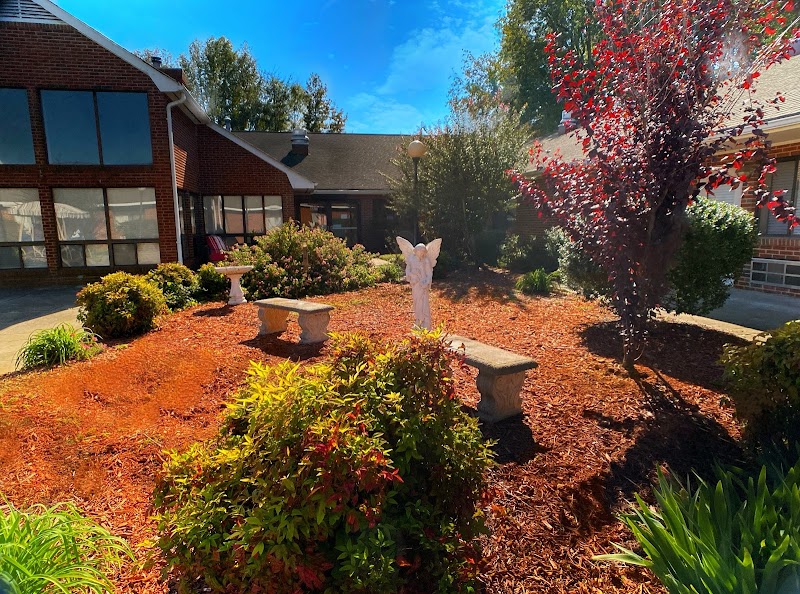
How is Monroe Rehabilitation Center Staffed?
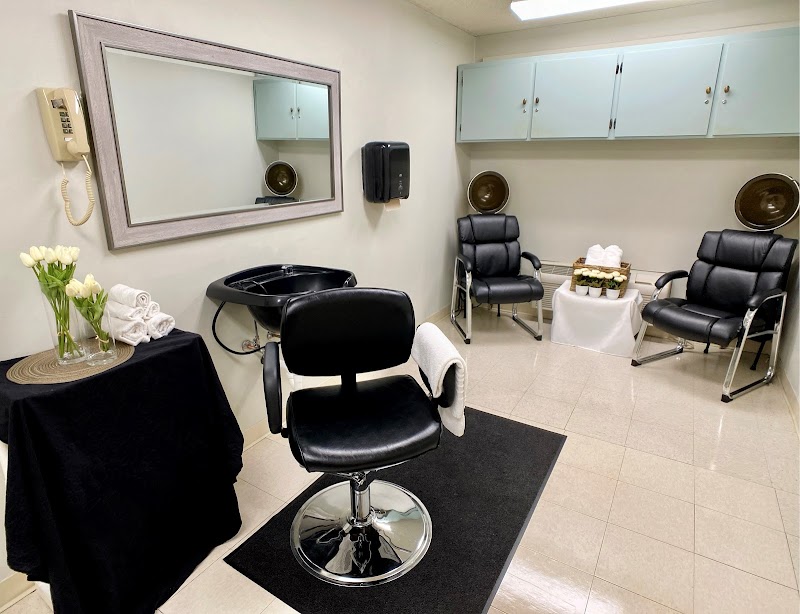
CMS rates Monroe Rehabilitation Center's staffing level at 3 out of 5 stars, which is average compared to other nursing homes. Staff turnover is 47%, compared to the North Carolina average of 46%.

What Have Inspectors Found at Monroe Rehabilitation Center?

State health inspectors documented 33 deficiencies at Monroe Rehabilitation Center during 2021 to 2025. These included: 2 Immediate Jeopardy (the most serious level, indicating potential for serious harm or death), 2 that caused actual resident harm, 24 with potential for harm, and 5 minor or isolated issues. Immediate Jeopardy findings are rare and represent the most serious regulatory concerns. They require immediate corrective action.

Who Owns and Operates Monroe Rehabilitation Center?

Monroe Rehabilitation Center is owned by a for-profit company. For-profit facilities operate as businesses with obligations to shareholders or private owners. The facility is operated by SOVEREIGN HEALTHCARE HOLDINGS, a chain that manages multiple nursing homes. With 147 certified beds and approximately 112 residents (about 76% occupancy), it is a mid-sized facility located in Monroe, North Carolina.

How Does Monroe Rehabilitation Center Compare to Other North Carolina Nursing Homes?

Compared to the 100 nursing homes in North Carolina, Monroe Rehabilitation Center's overall rating (2 stars) is below the state average of 2.8, staff turnover (47%) is near the state average of 46%, and health inspection rating (2 stars) is below the national benchmark.

What Should Families Ask When Visiting Monroe Rehabilitation Center?

Based on this facility's data, families visiting should ask: "What changes have been made since the serious inspection findings, and how are you preventing similar issues?" "What safeguards and monitoring systems are in place to protect residents from abuse or neglect?" "Can I visit during a mealtime to observe dining assistance and food quality?" "How do you handle medical emergencies, and what is your hospital transfer rate?" These questions are particularly relevant given the facility's Immediate Jeopardy citations and the substantiated abuse finding on record.

Is Monroe Rehabilitation Center Safe?

Based on CMS inspection data, Monroe Rehabilitation Center has documented safety concerns. The facility has 1 substantiated abuse finding (meaning confirmed case of resident harm by staff or other residents). Inspectors have issued 2 Immediate Jeopardy citations (the most serious violation level indicating risk of serious injury or death). The facility has a 2-star overall rating and ranks #100 of 100 nursing homes in North Carolina. Families considering this facility should ask detailed questions about what corrective actions have been taken since these incidents.

Do Nurses at Monroe Rehabilitation Center Stick Around?

Monroe Rehabilitation Center has a staff turnover rate of 47%, which is about average for North Carolina nursing homes (state average: 46%). Moderate turnover is common in nursing homes, but families should still ask about staff tenure and how the facility maintains care continuity when employees leave.

Was Monroe Rehabilitation Center Ever Fined?

Monroe Rehabilitation Center has been fined $32,832 across 3 penalty actions. This is below the North Carolina average of $33,407. While any fine indicates a compliance issue, fines under $50,000 are relatively common and typically reflect isolated problems that were subsequently corrected. Families should ask what specific issues led to these fines and confirm they've been resolved.

Is Monroe Rehabilitation Center on Any Federal Watch List?

Monroe Rehabilitation Center is not on any federal watch list. The most significant is the Special Focus Facility (SFF) program, which identifies the bottom 1% of nursing homes nationally based on persistent, serious quality problems. Not being on this list means the facility has avoided the pattern of deficiencies that triggers enhanced federal oversight. This is a positive indicator, though families should still review the facility's inspection history directly.