Jesse Helms Nursing Center
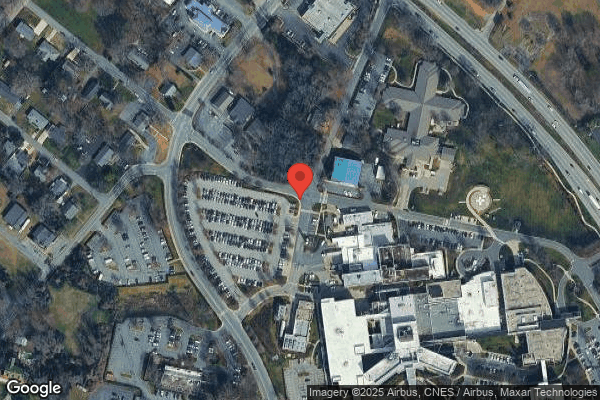
1411 Dove Street, Monroe, NC 28111 (980) 993-3280
Non profit - Corporation 70 Beds ATRIUM HEALTH Data: November 2025
Trust Grade
80/100
#103 of 417 in NC
Last Inspection: August 2025

Inspected within the last 6 months. Data reflects current conditions.

Overview

Jesse Helms Nursing Center in Monroe, North Carolina has a Trust Grade of B+, which means it is above average and recommended for families seeking care for their loved ones. It ranks #103 out of 417 facilities in the state, placing it in the top half, and is the best option out of 7 facilities in Union County. The facility is improving, with issues decreasing from 3 in 2022 to 2 in 2025. However, staffing is a concern, receiving only 1 out of 5 stars, though the turnover rate of 35% is better than the state average of 49%. While the center has no fines on record, which is positive, there were several concerning incidents noted during inspections. For example, a resident with abnormal vital signs was not reported to the physician, which can pose serious health risks. Additionally, the facility failed to properly manage food safety, such as not removing expired items and failing to clean utensils. Overall, while there are notable strengths, families should weigh these concerns carefully when considering this nursing home.

Trust Score
B+
80/100
In North Carolina
#103/417
Top 24%
Safety Record
Low Risk
No red flags
Inspections
Getting Better
3 → 2 violations
Staff Stability
○ Average
35% turnover. Near North Carolina's 48% average. Typical for the industry.
Penalties
✓ Good
No fines on record. Clean compliance history, better than most North Carolina facilities.
Skilled Nurses
⚠ Watch
Each resident gets only 26 minutes of Registered Nurse (RN) attention daily — below average for North Carolina. Fewer RN minutes means fewer trained eyes watching for problems.
Violations
✓ Good
Only 5 deficiencies on record. Cleaner than most facilities. Minor issues only.
★★★★☆
4.0
Overall Rating
★☆☆☆☆
1.0
Staff Levels
★★★★☆
4.0
Care Quality
★★★★★
5.0
Inspection Score
Stable
2022: 3 issues
2025: 2 issues

The Good

  • 4-Star Quality Measures · Strong clinical quality outcomes
  • Full Sprinkler Coverage · Fire safety systems throughout facility
  • No fines on record
  • Staff turnover below average (35%)

    13 points below North Carolina average of 48%

Facility shows strength in quality measures, fire safety.

The Bad

Staff Turnover: 35%

10pts below North Carolina avg (46%)

Typical for the industry

Chain: ATRIUM HEALTH

Part of a multi-facility chain

Ask about local staffing decisions and management

The Ugly 5 deficiencies on record

Aug 2025 2 deficiencies
CONCERN (D)

Potential for Harm - no one hurt, but risky conditions existed

Notification of Changes (Tag F0580)

Could have caused harm · This affected 1 resident

**NOTE- TERMS IN BRACKETS HAVE BEEN EDITED TO PROTECT CONFIDENTIALITY** Based on record review, and physician and staff interviews, the facility failed to notify the physician immediately of a change ...

Read full inspector narrative →
**NOTE- TERMS IN BRACKETS HAVE BEEN EDITED TO PROTECT CONFIDENTIALITY** Based on record review, and physician and staff interviews, the facility failed to notify the physician immediately of a change in condition for 1 of 3 residents reviewed for change of status (Resident #67). The findings included: Resident #67 was admitted to the facility 5/14/25 with diagnoses including congestive heart failure and diabetes. The admission Minimum Data Set assessment dated [DATE] assessed Resident #67 to be cognitively intact. The medical record was reviewed and vital signs for Resident #67 revealed the following: 6/22/25 at 7:07 PM temperature 103.1 Fahrenheit (F) (normal 98.6), pulse 137 (normal 60-100), blood pressure 147/135 (normal 120/70). Review of the nursing schedule for 6/22/25 revealed Nurse #3 was assigned to Resident #67 on 6/22/25 for the 7:00 AM to 7:00 PM shift. Review of the electronic documentation system revealed no nursing note written by Nurse #3 regarding the elevated temperature, pulse, or blood pressure had been communicated to the physician. The medical record documented a recheck of the vital signs on 6/22/25 at 7:40 PM: temperature 102.8 F, pulse 124, blood pressure 101/41. A phone interview was conducted with nursing assistant (NA) #1 on 8/13/25 at 4:20 PM. NA #1 reported she arrived early for her 7:00 PM to 7:00 AM shift on 6/22/25 and she started taking vital signs on her assigned residents. NA #1 reported that when she got the abnormal vital signs on Resident #67, she reported to Nurse #3, and Nurse #3 told her to recheck the vitals signs. NA #1 explained that because she told Nurse #3 about the abnormal vital signs, when she rechecked Resident #67's vital signs at 7:40 PM and the vital signs were still abnormal, she did not report to Nurse #2 because she thought Nurse #3 would have reported to Nurse #2 at change of shift. NA #1 reported that Resident #67 said she was ok, but Resident #67 was very sweaty and looked bad. A phone interview was conducted with Nurse #3 on 8/13/25 at 2:47 PM. Nurse #3 reported she worked on 6/22/25, but she did not recall if she was assigned to Resident #67 or anything about Resident #67, nor did she recall NA #1 reporting abnormal vital signs to her. Nurse #2 was interviewed by phone on 8/13/25 at 12:29 PM. Nurse #2 reported she was assigned to Resident #67 from 7:00 PM on 6/22/25 to 7:00 AM on 6/23/25. Nurse #2 reported when she received report from Nurse #3, nothing was said about Resident #67's abnormal vital signs. Nurse #2 reported she started her medication pass and in the middle of it, Nurse #4 came to her to report the family member of Resident #67 had called expressing concern about Resident #67 not acting like herself. Nurse #2 reported when she was given this information, she looked up vital signs for Resident #67 and discovered that Resident #67 had an abnormal temperature, pulse, and blood pressure. Nurse #2 reported she checked the vital signs for Resident #67 again at 8:59 PM and called the on-call provider with report. An interview was conducted by phone with Nurse #4 on 8/13/25 at 4:05 PM. Nurse #4 reported she had answered a phone call from Resident #67's family member and the family member had expressed concern that Resident #67 was not acting like herself. Nurse #4 explained she went to Nurse #2 and told her about the phone call and that's when Nurse #2 reviewed the charting for Resident #67 and discovered the abnormal vital signs. Nurse #4 described Resident #67 as sweating, and her blood pressure was very low. Nurse #4 reported Nurse #3 should have reported the abnormal vital signs to the on-call physician. Nurse #4 reported the on-call provider was called about 9:00 PM with report and orders were received. The Physician was interviewed on 8/14/25 at 11:57 AM. The Physician reported the on-call physician had not received notification of the change in Resident #67's status until about 9:00 PM on 6/22/25. The Physician conveyed the off going shift should have reported the abnormal vital signs to the on-call physician when the vital signs were obtained, but the delay in care of about 2 hours had not adversely affected Resident #67. During an interview with the Director of Nursing (DON) on 8/13/25 at 4:35 PM, she reported she was notified on 6/23/25 that Nurse #3 had not notified the on-call physician of the change in Resident #67's status. The DON reported she provided education to the nursing staff about reporting resident changes in condition but had not implemented a corrective action plan. The Administrator was interviewed on 8/14/25 at 11:22 AM and he reported that he expected any change in condition to be communicated to the physician.
CONCERN (D) 📢 Someone Reported This

A family member, employee, or ombudsman was alarmed enough to file a formal complaint

Potential for Harm - no one hurt, but risky conditions existed

Quality of Care (Tag F0684)

Could have caused harm · This affected 1 resident

**NOTE- TERMS IN BRACKETS HAVE BEEN EDITED TO PROTECT CONFIDENTIALITY** Based on record review, physician, and staff interviews, the facility failed to ensure a Resident's abnormal vital signs were re...

Read full inspector narrative →
**NOTE- TERMS IN BRACKETS HAVE BEEN EDITED TO PROTECT CONFIDENTIALITY** Based on record review, physician, and staff interviews, the facility failed to ensure a Resident's abnormal vital signs were reported to the on-coming shift. This was for 1 of 3 residents reviewed for quality of care (Resident #67).The findings included: Resident #67 was admitted to the facility 5/14/25 with diagnoses including congestive heart failure and diabetes. The admission Minimum Data Set assessment dated [DATE] assessed Resident #67 to be cognitively intact. The medical record was reviewed and vital signs for Resident #67 were as followed: 6/22/25 at 7:07 PM temperature 103.1 Fahrenheit (F) (normal 98.6), pulse 137 (normal 60-100), blood pressure 147/135 (normal 120/70). 6/22/25 at 7:40 PM temperature 102.8 F, pulse 124, blood pressure 101/41. 6/22/25 at 8:59 PM temperature 99.1 F, pulse 112, blood pressure 89/39. Review of the nursing schedule for 6/22/25 revealed Nurse #3 was assigned to Resident #67 on 6/22/25 for the 7:00 AM to 7:00 PM shift. A phone interview was conducted with NA #1 on 8/13/25 at 4:20 PM. NA #1 reported she arrived early for her 7:00 PM to 7:00 AM shift on 6/22/25 and she started taking vital signs on her assigned residents. NA #1 reported that when she got the abnormal vital signs on Resident #67, she reported to Nurse #3, and Nurse #3 told her to recheck the vital signs. NA #1 explained that because she told Nurse #3 about the abnormal vital signs, when she rechecked Resident #67's vital signs at 7:40 PM and the vital signs were still abnormal, she did not report to Nurse #2 because she thought Nurse #3 would have reported to Nurse #2 at change of shift. A phone interview was conducted with Nurse #3 on 8/13/25 at 2:47 PM. Nurse #3 reported she worked on 6/22/25, but she did not recall if she was assigned to Resident #67 or anything about Resident #67, nor did she recall NA #1 reporting abnormal vital signs to her. A nursing note dated 6/22/25 at 11:56 PM written by Nurse #2 documented that the nurse was notified by the Nursing Assistant (NA) #1 that Resident #67 had a temperature of 102.8 F, and her blood pressure was low at 7:45 PM. Nurse #2 documented she administered acetaminophen (an analgesic pain medication used to reduce fevers) (time not specified, nor dosage) and she checked Resident #67's blood pressure getting a result of 92/44 and a pulse of 103. The nurse documented Resident #67 was sweating profusely but denied pain or discomfort. Resident #67's blood sugar was 201 (normal 70-120). Vital signs were checked after 1 hour and the on-call physician was notified. The on-call physician ordered STAT (immediate) labs to be drawn and intravenous fluids to be given. Labs were returned with elevated white blood cells (34.8; normal 4.5-11). The on-call physician was notified, and he ordered Resident #67 to be sent to the hospital for evaluation. Nurse #2 was interviewed by phone on 8/13/25 at 12:29 PM. Nurse #2 reported she was assigned to Resident #67 from 7:00 PM on 6/22/25 to 7:00 AM on 6/23/25. Nurse #2 reported when she received report from Nurse #3, nothing was said about Resident #67's abnormal vital signs. Nurse #2 reported she started her medication pass and in the middle of it, Nurse #4 came to her to report the family member of Resident #67 had called expressing concern about Resident #67 not acting like herself. Nurse #2 reported when she was given this information, she looked up vital signs for Resident #67 and discovered that Resident #67 had an abnormal temperature, pulse, and blood pressure. Nurse #2 reported she checked the vital signs for Resident #67 again at 8:59 PM and called the on-call provider with report. An interview was conducted by phone with Nurse #4 on 8/13/25 at 4:05 PM. Nurse #4 reported she had answered a phone call from Resident #67's family member and the family member had expressed concern that Resident #67 was not acting like herself. Nurse #4 explained she went to Nurse #2 and told her about the phone call and that's when Nurse #2 reviewed the charting for Resident #67 and discovered the abnormal vital signs. Nurse #4 reported Nurse #3 should have reported to Nurse #2 the abnormal vital signs at the change of shift. Nurse #4 reported the on-call provider was called about 9:00 PM with report and orders were received. The Physician was interviewed on 8/14/25 at 11:57 AM. The Physician conveyed the off going shift should have reported to the oncoming shift the abnormal vital signs, but the delay in care of about 2 hours had not adversely affected Resident #67. Review of the hospital records for Resident #67 revealed she was admitted with a urinary tract infection and sepsis on 6/22/25. Lab work for Resident #67 included a complete blood count, with white blood cells of 32.24 (normal 3.6-11.7), red blood cells 2.87 (normal 3.72-5.24), and a blood culture result positive for pseudomonas aeruginosa (a bacteria that causes infection). A urinalysis collected on 6/23/25 resulted that Resident #67 had 100 proteins in her urine (normal is none), 0.5 blood in her urine (normal is none), and many white blood cell clumps, as well as bacteria. The hospital note documented that the source of infection was Resident #67's urine. Two different antibiotics were started, as well as intravenous fluids. Resident #67 was admitted to the hospital 6/22/25 and discharged on 7/1/25 to another facility. During an interview with the Director of Nursing (DON) on 8/13/25 at 4:35 PM, she reported she was notified on 6/23/25 the oncoming night shift had not received a report of the change in condition on Resident #67 from the off-going shift. The DON reported she provided education to the nursing staff about reporting resident changes in condition but had not implemented a corrective action plan. The Administrator was interviewed on 8/14/25 at 11:22 AM and he reported that he expected any change in condition to be communicated between the nursing shifts.
Dec 2022 3 deficiencies
CONCERN (D)

Potential for Harm - no one hurt, but risky conditions existed

Deficiency F0645 (Tag F0645)

Could have caused harm · This affected 1 resident

**NOTE- TERMS IN BRACKETS HAVE BEEN EDITED TO PROTECT CONFIDENTIALITY** Based on record review and staff interviews, the facility failed to rescreen a resident with diagnoses including mental illness ...

Read full inspector narrative →
**NOTE- TERMS IN BRACKETS HAVE BEEN EDITED TO PROTECT CONFIDENTIALITY** Based on record review and staff interviews, the facility failed to rescreen a resident with diagnoses including mental illness for Level II Preadmission Screening and Record Review (PASRR, a resident identified as having a serious mental illness or intellectual debility and/or developmental disability as defined by state and federal guidelines) for 1 of 3 residents reviewed for Preadmission Screening and Record Review (PASRR) (Resident # 41). Findings included: Resident #41 had been admitted on [DATE] with diagnoses that included epilepsy and schizophrenia. Resident # 41's admission Minimum Data Set (MDS) assessment dated [DATE] did not indicate that Resident # 41 was considered by the state Level ll PASRR process to have a serious mental illness or intellectual disability and /or developmental disability. Review of facility documentation revealed a Level II PASRR evaluation was completed for Resident # 41 on 06/09/2022 and indicated placement had been approved for 90 days with an expiration date of 09/07/2022 and further approval and screening was required within 5 days of the PASRR expiration date by the facility. On 12/13/2022 at 5:45 PM an interview with the Social Worker (SW) was conducted. The SW stated that she did not know Resident # 41 had a PASRR Level ll assigned to him on admission to the facility and she was not aware there was a 90-day expiration date, and that further approval and rescreening was required prior to the expiration date of 09/07/2022. The Administrator was interviewed on 12/15/2022 at 2:46 PM. He stated the SW was responsible for obtaining Level ll PASRR status and updating PASRR status as required and communicating PASRR status to members of the interdisciplinary care team.
CONCERN (E)

Potential for Harm - no one hurt, but risky conditions existed

Food Safety (Tag F0812)

Could have caused harm · This affected multiple residents

Based on observations, record review and staff interview the facility failed to remove dry goods stored past the use by date and ensure all dry goods stored ready for use had use by dates, failed to r...

Read full inspector narrative →
Based on observations, record review and staff interview the facility failed to remove dry goods stored past the use by date and ensure all dry goods stored ready for use had use by dates, failed to remove scoops with the handles resting in ingredients from four of four dry storage bins, failed to clean silverware intended for the lunch meal for one of one silverware tray, failed to label a container of ice cream in the reach in freezer and failed to label and dispose of one of one expired food products in a resident community refrigerator. The findings included: 1. An initial observation of the off-site kitchen conducted on 12/15/22 from 9:50 AM to 10:44 AM with the Dietary Manager (DM) revealed the following opened dry storage items without a date to indicate how long the items was good for: - a 22.6 oz. opened package of chicken gravy mix best by October (unable to see the year) 1/8 bag left. - a 26.5 oz bag opened package ¼ full of instant potato pearls best by June 4, 2022. - a 1 pound box of corn starch, ¼ of the box left. The manufactures label was ripped off the cardboard making it unreadable. 2. An observation during the initial kitchen tour on 12/15/22 from 9:50 AM to 10:44 AM with the DM revealed the scoops were left inside the flour, rice and sugar bins. The scoop and handle were lying in the flour, sugar and brown and white rice. During the initial tour the DM stated that the scoops should be kept on the dry rack and cleaned after each use. 3. An observation of the service kitchen (a small kitchen which is used to serve, not prepare food) at the facility on 12/15/22 from 11:22 AM - 11: 45 AM was conducted. A clean tray of silverware intended for the lunch meal service revealed white paper on 2 forks, one spoon had a dried yellow dot, one spoon appeared dirty with streaks on it and one fork had a dried brown dot on it. An interview on 12/15/22 at 11:35 AM with the Dietary Assistant (DA) confirmed the silverware in the tray was clean and removed the dirty silverware. An observation of the reach in freezer in the service kitchen at the facility revealed a 3-gallon container of ice cream was not labeled with an open date. The container was ¾ full. An interview on 12/13/22 at 2:45 PM with the Dietary Supervisor (DS) stated that she had sent the tray back to the main kitchen and has had to send silverware back approximately once every 2 weeks. The DS stated that they roll the silverware in a napkin to go on the resident tray and it is inspected, and no residents had received dirty silverware. The DS stated the container of ice cream that was in the reach in freezer is from the activities department and the Activity Director (AD) should be labeling their ice cream container when it was opened. 4. A observation of community refrigerator in the television room on 12/13/22 at 3:23 PM was conducted. The refrigerator had a sign on the front that read 'For resident and family use only'. Inside the refrigerator was a double bagged package that contained a package of bratwurst with a best by date of 12/8/22. The outside of the package had the residents name and room number but no date. An interview with Nurse #1 on 12/13/22 at 3:24 PM who was shown the bratwurst and stated the residents name and date should have been on the package. An interview with the Director of Nursing (DON) on 12/13/22 at 3:27 PM who confirmed there was no date, and the bratwurst were expired. The DON stated that several people rotate cleaning out the refrigerator such as the night shift nurse and the Activities Coordinator. An interview on 12/13/22 at3:47 PM was completed with the Administrator who stated that the Activities is the person responsible for cleaning out the resident refrigerator. The Administrator stated he cannot understand why their would-be raw meat in the refrigerator as there is nowhere for meat to be cooked at the facility. An interview was completed with the DM on 12/14/22 at 9:03 AM who stated that once a product is opened it should have a label that states the opened date and the use by or expiration date. The DM stated that silverware gets cleaned at the off-site kitchen and then transported back 6 times a day to the facilities service kitchen and explain that we are not watching as close as possible and miss seeing some of the dirty silverware. The DM stated that in her opinion a spoon could be lying on top of another spoon and not get cleaned as well as it should. The DM stated that it is her expectation that we would be doing all the necessary things such as ensure the silverware is clean, items are labeled and dated properly, and scoops are stored properly. An interview was completed with the Administrator on 12/14/22 at 4:44 PM who stated that he would expect that there are no items in the refrigerator or freezer that have been opened with no labels or dates.
MINOR (B)

Minor Issue - procedural, no safety impact

Staffing Information (Tag F0732)

Minor procedural issue · This affected multiple residents

Based on record review and staff interview, the facility failed to post accurate staffing information for licensed and unlicensed nursing staff for 3 of 5 posted daily staffing forms reviewed. Findin...

Read full inspector narrative →
Based on record review and staff interview, the facility failed to post accurate staffing information for licensed and unlicensed nursing staff for 3 of 5 posted daily staffing forms reviewed. Findings included: Daily staffing forms for 9/15/2022, 9/16/2022, 10/9/2022, 10/29/2022, and 12/8/2022 were reviewed and revealed the following were not accurate on 3 of 5 dates: a. The nursing schedule for 9/15/2022 had 2 Registered Nurses (RNs) scheduled for 2nd shift (3:00 PM to 11:00 PM). The posted daily staffing form indicated 1.5 RNs provided 12 hours of care on that date for 2nd shift. The nursing schedule for 9/15/2022 had 3 nursing assistants (NAs) scheduled to work the 3rd shift (11:00 PM to 7:00 AM). The posted daily staffing form reported 2 NAs provided 16 hours of care on that date for 3rd shift. b. The nursing schedule for 10/9/2022 had 1.5 Licensed Practical Nurses (LPNs) scheduled to work 2nd shift. The posted daily staffing form indicated 1 LPN provided 8 hours on that date for 2nd shift. c. The nursing schedule for 12/8/2022 had no RN scheduled to work 1st shift (7:00 AM to 3:00 PM), 3 LPN scheduled to work, and 4 NAs scheduled to work. The posted daily staffing form reported 1 RN provided 8 hours of care, 2 LPNs provided 16 hours of care, and 6 NAs provided 48 hours of care. The nursing schedule for 2nd shift on 12/8/2022 had 1.5 RNs, 2.5 LPNs, and 3 NAs scheduled to work. The posted daily staffing form indicated 2 RNs provided 16 hours of care, 1.5 LPNs provided 12 hours of care, and 4 NAs provided 32 hours of care. The schedule for 3rd shift on 12/8/2022 had 1 RN scheduled to work, 2 LPNs, and 1 NA was leaving early at 5:30 AM. The posted daily staffing form indicated 2 RNs provided 16 hours of care, 1 LPN provided 8 hours of care, and 4 NAs provided 32 hours of care for that shift. The Director of Nursing (DON) was interviewed on 12/15/2022 at 2:49 PM. The DON reported she was responsible for scheduling the nurses and NAs, and she was also responsible for the posted daily staffing form. The DON explained that the charge nurses would update the posted daily staffing sheet during 2nd and 3rd shift for any changes in staffing. The DON reported that a lot of call outs or schedule changes made it difficult to keep an accurate posted daily staffing sheet. The Administrator was interviewed on 12/15/2022 at 3:12 PM. The Administrator reported it was his expectation that the daily posted staffing sheet was updated with any staffing changes to accurately reflect the current staffing in the facility.
Understanding Severity Codes (click to expand)
Life-Threatening (Immediate Jeopardy)
J - Isolated K - Pattern L - Widespread
Actual Harm
G - Isolated H - Pattern I - Widespread
Potential for Harm
D - Isolated E - Pattern F - Widespread
No Harm (Minor)
A - Isolated B - Pattern C - Widespread

Questions to Ask on Your Visit

  • "Can I speak with families of current residents?"
  • "What's your RN coverage like on weekends and overnight?"

Our Honest Assessment

Strengths
  • • Grade B+ (80/100). Above average facility, better than most options in North Carolina.
  • • No major safety red flags. No abuse findings, life-threatening violations, or SFF status.
  • • No fines on record. Clean compliance history, better than most North Carolina facilities.
  • • Only 5 deficiencies on record. Cleaner than most facilities. Minor issues only.
Concerns
  • • No significant concerns identified. This facility shows no red flags across CMS ratings, staff turnover, or federal penalties.
Bottom line: Generally positive indicators. Standard due diligence and a personal visit recommended.

About This Facility

What is Jesse Helms Nursing Center's CMS Rating?

CMS assigns Jesse Helms Nursing Center an overall rating of 4 out of 5 stars, which is considered above average nationally. Within North Carolina, this rating places the facility higher than 99% of the state's 100 nursing homes. This rating reflects solid performance across the metrics CMS uses to evaluate nursing home quality.

How is Jesse Helms Nursing Center Staffed?

CMS rates Jesse Helms Nursing Center's staffing level at 1 out of 5 stars, which is much below average compared to other nursing homes. Staff turnover is 35%, compared to the North Carolina average of 46%. This relatively stable workforce can support continuity of care.

What Have Inspectors Found at Jesse Helms Nursing Center?

State health inspectors documented 5 deficiencies at Jesse Helms Nursing Center during 2022 to 2025. These included: 4 with potential for harm and 1 minor or isolated issues.

Who Owns and Operates Jesse Helms Nursing Center?

Jesse Helms Nursing Center is owned by a non-profit organization. Non-profit facilities reinvest revenue into operations rather than distributing to shareholders. The facility is operated by ATRIUM HEALTH, a chain that manages multiple nursing homes. With 70 certified beds and approximately 62 residents (about 89% occupancy), it is a smaller facility located in Monroe, North Carolina.

How Does Jesse Helms Nursing Center Compare to Other North Carolina Nursing Homes?

Compared to the 100 nursing homes in North Carolina, Jesse Helms Nursing Center's overall rating (4 stars) is above the state average of 2.8, staff turnover (35%) is significantly lower than the state average of 46%, and health inspection rating (5 stars) is much above the national benchmark.

What Should Families Ask When Visiting Jesse Helms Nursing Center?

Based on this facility's data, families visiting should ask: "Can you walk me through typical staffing levels on day, evening, and night shifts?" "Can I visit during a mealtime to observe dining assistance and food quality?" "How do you handle medical emergencies, and what is your hospital transfer rate?" "Can I speak with family members of current residents about their experience?" These questions are particularly relevant given the below-average staffing rating.

Is Jesse Helms Nursing Center Safe?

Based on CMS inspection data, Jesse Helms Nursing Center has a clean safety record: no substantiated abuse findings (meaning no confirmed cases of resident harm), no Immediate Jeopardy citations (the most serious violation level indicating risk of serious injury or death), and is not on the Special Focus Facility watch list (a federal program monitoring the lowest-performing 1% of nursing homes). The facility has a 4-star overall rating and ranks #1 of 100 nursing homes in North Carolina. While no facility is perfect, families should still ask about staff-to-resident ratios and recent inspection results during their visit.

Do Nurses at Jesse Helms Nursing Center Stick Around?

Jesse Helms Nursing Center has a staff turnover rate of 35%, which is about average for North Carolina nursing homes (state average: 46%). Moderate turnover is common in nursing homes, but families should still ask about staff tenure and how the facility maintains care continuity when employees leave.

Was Jesse Helms Nursing Center Ever Fined?

Jesse Helms Nursing Center has no federal fines on record. CMS issues fines when nursing homes fail to meet care standards or don't correct problems found during inspections. The absence of fines suggests the facility has either maintained compliance or corrected any issues before penalties were assessed. This is a positive indicator, though families should still review recent inspection reports for the full picture.

Is Jesse Helms Nursing Center on Any Federal Watch List?

Jesse Helms Nursing Center is not on any federal watch list. The most significant is the Special Focus Facility (SFF) program, which identifies the bottom 1% of nursing homes nationally based on persistent, serious quality problems. Not being on this list means the facility has avoided the pattern of deficiencies that triggers enhanced federal oversight. This is a positive indicator, though families should still review the facility's inspection history directly.