Compass Healthcare and Rehab Hawfields, Inc.

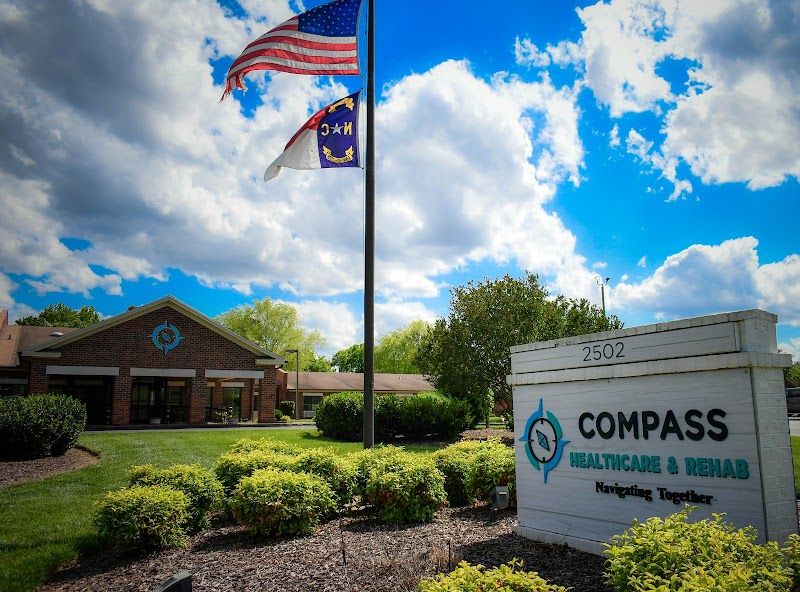
2502 S NC 119, Mebane, NC 27302 (336) 578-4701
For profit - Corporation 117 Beds Independent Data: November 2025
Trust Grade
65/100
#155 of 417 in NC
Last Inspection: October 2024

Within standard 12-15 month inspection cycle. Federal law requires annual inspections.

Overview

Compass Healthcare and Rehab Hawfields, Inc. has a Trust Grade of C+, which indicates it is slightly above average in quality but not exceptional. Ranking #155 out of 417 facilities in North Carolina places it in the top half, while its county rank of #5 out of 7 suggests there are better local options available. The facility's performance has remained stable, with 11 concerns identified in both 2023 and 2024, and while they have no fines, they do have less RN coverage than 77% of facilities statewide, which is concerning. Staffing is average, with a turnover rate of 56%, indicating that staff do not stay as long as they could. Notably, recent inspections found that staff failed to wear eye protection during resident interactions amidst COVID-19 concerns, and food safety practices were not properly followed, with expired items not discarded and improper storage noted, which raises questions about overall care quality.
Trust Score
C+
65/100
In North Carolina
#155/417
Top 37%
Safety Record
Low Risk
No red flags
Inspections
Holding Steady
3 → 3 violations
Staff Stability
⚠ Watch
56% turnover. Above average. Higher turnover means staff may not know residents' routines.
Penalties
✓ Good
No fines on record. Clean compliance history, better than most North Carolina facilities.
Skilled Nurses
⚠ Watch
Each resident gets only 26 minutes of Registered Nurse (RN) attention daily — below average for North Carolina. Fewer RN minutes means fewer trained eyes watching for problems.
Violations
⚠ Watch
11 deficiencies on record. Higher than average. Multiple issues found across inspections.
★★★☆☆
3.0
Overall Rating
★★★☆☆
3.0
Staff Levels
★☆☆☆☆
1.0
Care Quality
★★★★☆
4.0
Inspection Score
Stable
2023: 3 issues
2024: 3 issues

The Good

  • Full Sprinkler Coverage · Fire safety systems throughout facility
  • No fines on record

Facility shows strength in fire safety.

The Bad

3-Star Overall Rating

Near North Carolina average (2.8)

Meets federal standards, typical of most facilities

Staff Turnover: 56%

10pts above North Carolina avg (46%)

Frequent staff changes - ask about care continuity

Staff turnover is elevated (56%)

8 points above North Carolina average of 48%

The Ugly 11 deficiencies on record

Oct 2024 3 deficiencies
CONCERN (D) 📢 Someone Reported This

A family member, employee, or ombudsman was alarmed enough to file a formal complaint

Potential for Harm - no one hurt, but risky conditions existed

Resident Rights (Tag F0550)

Could have caused harm · This affected 1 resident

**NOTE- TERMS IN BRACKETS HAVE BEEN EDITED TO PROTECT CONFIDENTIALITY** Based on record review, resident and staff interviews, the facility failed to treat a resident with dignity and respect when a n...

Read full inspector narrative →
**NOTE- TERMS IN BRACKETS HAVE BEEN EDITED TO PROTECT CONFIDENTIALITY** Based on record review, resident and staff interviews, the facility failed to treat a resident with dignity and respect when a nurse aide was witnessed yelling at a resident during an interaction in the resident's room for 1 of 4 residents reviewed for dignity (Resident #75). A reasonable person expects to be treated with respect and dignity by their caregivers in their home environment. Findings included: Resident #75 was admitted on [DATE]. Review of Resident 75's quarterly Minimum Data Set 3/26/24 revealed Resident #75 was cognitively intact. Review of facility provided allegations of abuse, neglect, or misappropriation revealed Resident # 75 was involved in an altercation with Nurse Aide #1 on 3/27/24 in which Therapy Assistant #1 heard Nurse Aide #1 shouting at Resident #75 but unable to determine the exact words spoken at that time. Review of the facility provided schedules revealed Nurse #1 was assigned as the hall nurse the day of the incident and Nurse Aide #2 was assigned to Resident #75 on the day of the incident. Nurse Aide #2 was assigned to Resident #75's hall but on another assignment. An interview with Resident #75 was completed on 10/8/24 at 9:23 AM. Resident #75 had no recollection of the event and stated she felt safe at the facility. Resident #75 did not report any issues or concerns at that time An interview with Nurse Aide #1 was conducted on 10/9/24 at 12:21 PM revealed she worked on first shift on 3/27/24 but was not assigned to Resident #75. She further revealed that she recalled during first shift on 3/27/24 that she heard Resident #75 hollering, so she went in to see why Resident #75 was hollering and if she needed anything. Resident #75 voiced that she just wanted someone to sit with her and she tried to explain that she had other residents that needed care, but she would come back, and Resident #75 continued to holler out. An interview with Therapy Assistant #1 on 10/9/24 at 12:25 PM revealed she was working on the first shift on 3/27/24 with another resident across the hall from Resident #75's room when she overheard Nurse Aide #1 yelling at Resident #75. She further revealed that she was not able to determine the words that were spoken by Nurse Aide #1 but felt that the level of Nurse Aide #1's voice was not respectful. An attempt was made to reach Nurse # 1 by telephone however the facility was not able to provide a working telephone number. An interview with the Unit Manager #1 on 10/10/24 at 9:14am revealed she worked the day of the incident and Resident #75 reported to her around shift change that Nurse Aide #1 told Resident #75 to shut up. She further revealed that when she interviewed Therapy Assistant #1, she was informed that Nurse Aide #1 was yelling at Resident #75 who was working in a room across the hall. An interview with Nurse Aide #2 on 10/10/24 at 9:48 AM revealed she did recall this incident. An interview with the Administrator on 10/10/24 at 11:40 AM revealed that the investigation revealed Nurse Aide #1 spoke to Resident #75 in a tone that was not acceptable or respectful and therefore Nurse Aide #1 was terminated. He further revealed that all residents should be treated with dignity and respect.
CONCERN (D) 📢 Someone Reported This

A family member, employee, or ombudsman was alarmed enough to file a formal complaint

Potential for Harm - no one hurt, but risky conditions existed

Respiratory Care (Tag F0695)

Could have caused harm · This affected 1 resident

**NOTE- TERMS IN BRACKETS HAVE BEEN EDITED TO PROTECT CONFIDENTIALITY** Based on observations, staff interviews and record reviews, the facility failed to apply signage indicating the use of oxygen ou...

Read full inspector narrative →
**NOTE- TERMS IN BRACKETS HAVE BEEN EDITED TO PROTECT CONFIDENTIALITY** Based on observations, staff interviews and record reviews, the facility failed to apply signage indicating the use of oxygen outside residents' rooms with supplemental oxygen for 1 of 2 residents reviewed for respiratory care (Resident # 79). The findings included: Resident # 79 was admitted on [DATE] with diagnoses of acute respiratory failure with hypoxia and chronic obstructive pulmonary disease. A physician's order for Resident # 69 dated 9/20/24 read oxygen at 3 liters per minute via nasal canula continuously. Review of the admission Minimum Data Set (MDS) dated [DATE] indicated Resident # 79 was cognitively intact and coded for the use of oxygen. During an observation on 10/7/24 at 2:38 PM of Resident #79's room, there was no signage for oxygen use found anywhere near Resident # 79's room entrance. Resident #79 was observed wearing oxygen via nasal cannula at 3 liters per minute (LPM). The oxygen concentrator was observed in Resident # 79's room. During an observation on 10/10/24 at 8:37 AM there was no signage for oxygen use found anywhere near the entrance of Resident # 79's room. Resident #79 was observed wearing oxygen via nasal cannula at 3 liters per minute (LPM). The oxygen concentrator was observed in Resident # 79's room. During an interview with Nurse #2 on 10/10/24 at 08:40 AM she stated that Resident #79 received oxygen continuously and nursing staff made sure oxygen was applied to Resident #79 and he was monitored. Nurse #2 further revealed that she did not know for sure why Resident #79 was missing the signage, but it should have been posted outside his door. An interview occurred on 10/10/24 at 08:44 with the Director of Nursing (DON). She stated it was the nursing staff's responsibility to put up the oxygen in use sign on the resident's door and if the signage is missing the nurse should have it replaced. An interview on 10/10/24 at 1:37 PM occurred with the Administrator. The Administrator indicated that Resident #79 should have had signage posted outside the room to indicate the use of oxygen.
CONCERN (E)

Potential for Harm - no one hurt, but risky conditions existed

Food Safety (Tag F0812)

Could have caused harm · This affected multiple residents

Based on observations, and staff interviews, the facility failed to store food in the walk-in freezer not open to air and without freezer burn. The facility failed to discard foods past their use-by d...

Read full inspector narrative →
Based on observations, and staff interviews, the facility failed to store food in the walk-in freezer not open to air and without freezer burn. The facility failed to discard foods past their use-by date, failed to label and date food placed in the nourishment refrigerator in 1 of 2 nourishment refrigerator/freezers reviewed for food storage (E/F hallway). The facility also failed to hold cold foods in a safe temperature range during tray line observation. These practices had the potential to affect food being served to the residents. Findings included: An observation of the walk-in freezer on 10/7/24 from at 9:30 AM to 9:45 AM revealed the following were located on shelves below the compressor: 1 a. An opened brown cardboard box labeled Chicken -10 lbs. that had ice on top of the box. Inside the box was an opened plastic bag containing 7 pieces of breaded chicken tenders with ice on them. There was no label or date on the bag. 1b. An opened brown cardboard labeled Chicken -10 lbs. that had ice on it. Inside the box was an opened plastic bag containing 5 pieces of chicken patties with no label or date on the bag. 1c. An opened white cardboard that had ice on it. Inside the box was an opened plastic bag with no label or date containing 24 Manicotti (type of pasta) with freezer burn. 1d. An opened brown cardboard labeled beef steak fritters - 71 pieces that had ice on top of the box. Inside the box was an opened plastic bag containing approximately 50 portions of meat with ice on plastic bag. The plastic bag was not labeled or dated. 1e. An opened brown box with 2 unopened bags labeled Italian Sauage - 2 lbs. that had ice on the box. The sausages inside the bags had freezer burn with ice crystals on them. 1f. An opened white cardboard box labeled Breaded Cod -10 lbs. that had ice on the box. Inside the box was an opened plastic bag containing 9 pieces of breaded fish that had freezer burn. There was on label or date on the plastic bag. During an interview on 10/7/24 at 9:45 AM the Dietary Manager indicated the freezer's compressor was having some issues and was repaired recently by maintenance. He stated when the freezer defrosted, it over cooled causing ice on the food placed on the shelves under the compressor and causing food to have freezer burn. He stated the food placed in the freezer should be properly closed and labeled. The Dietary Manager stated that all dietary staff were responsible to check the walk-in freezer temperature and ensure food packages were properly closed, labeled after use and ensure food had no freezer burn. 2. An observation of the nourishment refrigerator/freezer on the E-F Hallway on 10/7/24 at 9:58 AM revealed a blue green thermal lunch bag with no name or date in the nourishment refrigerator. The freezer contained a 16-ounce (oz) Styrofoam cup with lid. Inside the cup was frozen pink colored liquid. There was no label or date on the Styrofoam cup. There were four (4) Nutritional supplement ice creams with a use by date of 8/31/24. During an interview on 10/7/24 at 10:00 AM the Dietary Manager stated all food brought in by a resident's family should be labeled and dated by the nursing staff. Employees should not be placing their personal food in the nourishment refrigerator. The Dietary Manager stated he was unsure to whom the insulated lunch bag belonged. to. The Dietary Manager stated all food that had expired should be discarded by the dietary staff when stocking the nourishment refrigerator. The Dietary Manager indicated the Nutritional supplement ice cream were served on the residents' meal tray during meals. The nursing staff may have placed them in the nourishment refrigerator when these were not consumed. During an interview on 10/7/24 at 10:05 AM Unit Manager #1 stated all resident's food brought in the facility by their family should be labeled by nursing staff prior to be placed in the nourishment refrigerator. The label should have the resident's name and date when the food was placed in the nourishment refrigerator. 3. Tray line observation was made on 10/9/24 from 11:20 AM - 12:00 Noon. The temperatures of foods on the tray line were taken by the Dietary Cook. Coleslaw was the vegetable option on the menu for the lunch meal. The coleslaw was placed in individual cups and was in an insulated cart near the tray line. The temperature of the coleslaw was taken with a calibrated thermometer, and it read 44 degrees Fahrenheit (F). There were 7 individually wrapped plated containing salad with meat for residents who requested alternate option. The temperature of the salad plate with meat was 49 degrees Fahrenheit (F). The Dietary Manager removed the food from the tray line and placed them in the refrigerator until the internal temperature of these foods reached below 40 degrees F. The food was later placed on the tray line over ice and the Dietary Manager rechecked the temperature of the foods to ensure they were below 40 degrees F. During an interview on 10/9/24 at 11:50 AM, the Dietary Manager indicated the coleslaw and salads were prepared prior to lunch and were placed in the refrigerator until tray line started. While setting up for the tray line, the dietary aide had placed the individual cups of coleslaw and salad plates in the insulated cart instead of placing them on ice on the table beside the steam table. The insulated cart could not maintain the cold temperature, resulting in the temperature of the food going over the recommended level. The Dietary Manager stated the cook was responsible for checking temperature of food before the food was placed on the steam table for tray line and plated. If the cold foods temperature were not the recommended level of 41 degrees or below, then they should be placed back in the refrigerator until the required temperatures were reached. He stated the cold food should be placed in the cold side of the table with ice to maintain their internal temperatures. During an interview on 10/10/24 at 4:02 PM, the Administrator indicated he was unaware that kitchen freezer was having issue with the compressor. The Administrator stated all dietary staff should ensure all opened boxes and bags were properly closed and opened packages were labeled. He further stated that food served to the residents should be maintained at proper temperatures. The Administrator indicated the dietary staff were responsible for nourishment refrigerator/ freezer. The dietary staff should be checking for any expired food items and cleaning the refrigerator/ freezer when stocking it with snacks and food daily. Nursing staff should be labeling and dating food brought in by families, however the dietary staff should be cross checking to ensure the food was dated, labeled and discarded as needed.
Jul 2023 3 deficiencies
CONCERN (E)

Potential for Harm - no one hurt, but risky conditions existed

Grievances (Tag F0585)

Could have caused harm · This affected multiple residents

**NOTE- TERMS IN BRACKETS HAVE BEEN EDITED TO PROTECT CONFIDENTIALITY** Based on record review, Responsible Party and staff interviews, the facility failed to provide a written grievance summary for 1...

Read full inspector narrative →
**NOTE- TERMS IN BRACKETS HAVE BEEN EDITED TO PROTECT CONFIDENTIALITY** Based on record review, Responsible Party and staff interviews, the facility failed to provide a written grievance summary for 1 of 1 sampled resident (Residents #8) reviewed for grievances. This practice occurred for 6 grievances filed on behalf of Resident #8. Findings include: Resident #8 was readmitted to the facility on [DATE]. Review of the Grievance Policy (revised dated July 2023) read in part The resident or person filling the grievance and/or complaint on behalf of the resident will be informed (verbally and in writing) of the findings of the investigation and the action that will be taken to correct any identified problems. A written summary of the investigation will also be provided to the resident and a copy will be filed. Review of the grievance log from October 2022 to July 2023 revealed the following: On 11/8/22 there was grievance filed by Resident #8's responsible party (RP) regarding soiled clothes been placed in the resident's closet. Resolution indicated the staff were educated. There was no documentation that resident's RP was notified about the interventions and a written grievance summary was provided to the family. On 1/5/23 there was a grievance filled by the resident's RP regarding a small cup of water in the resident's room. The RP was upset because the resident was on thickened liquid. There was no documentation regarding interventions put in place. There was no documentation that resident's RP was notified about the interventions and a written grievance summary was provided to the family. On 2/24/23 there was a grievance filled by the resident's family members during the care plan meeting requesting agency Nurse Aides (NA), not be assigned to resident's care, and requesting all staff to wear a name badge. Resolution indicated only facility staff to be assigned to the resident. There was no documentation that resident's RP was notified about the interventions and a written grievance summary was provided to the family. There was a generic letter dated 2/24/23 attached to the grievance form that states the grievance was investigated and a course of action was determined. It does not include if what the course of action was. The letter further states if more information is needed to contact the Administrator. On 4/5/23 there were 3 grievances filled by resident's RP on the same day. 1) The first Grievance was regarding poor communication between the staff and the resident's family. 2) The second was regarding pork served on the menu for 3 days in a row and 3) The NA failed to change the bed linens after incontinent care was provided to the resident. Resolutions reached were- all staff were in-serviced about customer care; and Dietary manager provided the RP an always available menu to select from if the resident did not like what was served on the tray. There was no documentation that resident's RP was notified about the interventions or if a written grievance summary was provided to the family. On 4/10/23 the grievance was related to weekend NAs being loud and using profanity. This was filled by the resident's RP. Resolution was all NAs were in-serviced. There was no documentation that resident's RP was notified about the interventions or if a written grievance summary was provided to the family. On 5/14/23 there was a grievance filled by the resident's RP regarding an empty apple slice package/cover in the resident's thrash. The RP indicated that the resident's assigned NA had fed the resident apple slices. The resident was on soft diet. The investigation included written statements from NAs and Nurse and resolution was the resident was not given apple slices. An empty wrapper was put in the trash. There was no documentation that resident's RP was notified about the interventions or if a written grievance summary was provided to the family. During an interview on 07/25/23 10:02 AM, Resident #8's RP indicated since October 2022 she had placed multiple grievances with the facility and has not been provided with any resolutions for her grievances. Resident #8's RP stated the Social Worker (SW) did not contact her and provide her with any solutions to her issues and no written summary was provided. During an interview on 7/27/23 at 2:41 PM, Social Worker (SW) stated all the resident's grievance were investigated and resolved immediately. SW further stated the resident's RP was provided verbal communication about the resolutions by her or the nurse. SW indicated she did not give a written response regarding the resolutions. All concerns that were immediately resolved were communicated verbally. On occasions a generic letter was given to the family indicating her grievance was resolved and date when it was resolved. The letter did not contain the details of the resolution. During an interview on 7/28/23 at 7:53 AM, the Administrator stated the SW was the grievance officer. Residents/ family members/staff can submit a grievance either verbally or written. The grievance form was given to the SW for appropriate action. The SW or the concern department would conduct a thorough investigation. The Administrator also stated the concerns should be addressed with resident and/or representatives with appropriate documentation to support concerns and resolutions were satisfied and agreeable to the resident and/or resident's family with written documentation. The Administrator indicated the resident's RP visited the facility on daily basis and staff would often update the family member on the resolution for grievance, but not always. The letter was not always given/ sent to her.
CONCERN (E) 📢 Someone Reported This

A family member, employee, or ombudsman was alarmed enough to file a formal complaint

Potential for Harm - no one hurt, but risky conditions existed

Food Safety (Tag F0812)

Could have caused harm · This affected multiple residents

Based on observations, and staff interviews the facility failed to maintain the walk-in refrigerator floor and racks in clean condition, label foods and discard foods that were spoiled. The facility f...

Read full inspector narrative →
Based on observations, and staff interviews the facility failed to maintain the walk-in refrigerator floor and racks in clean condition, label foods and discard foods that were spoiled. The facility failed to maintain the double stack oven clean and without grease build up. The facility failed maintain food in the walk-in freezer without freezer burn. The facility also failed to hold hot food (equal to or greater than 135 degrees Fahrenheit (F) on the steam table during tray line observation. The facility failed to ensure a male dietary staff had all facial hair contained in a face covering. These practices had the potential to affect food being served to residents. Findings included: 1. a) An observation of the walk-in refrigerator on 7/25/23 at 6:30 AM, revealed the walk-in refrigerator floor had onion peels, pieces of paper and dirt. The multiple racks of the shelf that were used to stock/ store milk had white colored stains on them. b) Observation of the tray containing packages of cheese revealed: an opened pack of cheese, one fourth filled, printed Mozzarella cheese - 5 pounds (lbs.) not closed properly and not labeled with use by date. An open pack of cheese, half-filled, printed Mild cheddar cheese - 5lbs. not closed and not labelled with use by date. An opened package of deli meat with no label or date. An opened package of deli meat printed Smoked Ham - 5 lbs. which was not closed properly and not labeled with use by date. A half-cut onion which was wrapped in cling wrap with no label or date. There was a strong onion smell in the tray. A half-cut tomato wrapped in cling wrap with no label or date. The tomato appeared to be rotting, juice leaking on the tray, and mushed. During an interview on 7/25/23 at 6:35 AM, the dietary cook indicated the opened pack of deli meat was left over ham. During an interview on 7/26/23 at 11:15 AM the Dietary Manager indicated the cheese tray was cleaned and the food was labeled. The vegetables were thrown out. He stated that the staff should close any opened packages of cheese and ensure that they were labeled and sealed. A second observation of the walk-in refrigerator on 7/26/23 at 11:15 AM revealed the racks that were used to store milk contained white stains on them. During an interview on 7/28/23 at 8:56 AM, the Dietary Manager stated the walk-in refrigerator was cleaned weekly before the truck arrived with food. The walk-in refrigerator was cleaned every Tuesday and Friday. All staff were accountable, but the cook has the prime responsibility to ensure that the refrigerator was clean. 2. An observation of the double stack oven on 7/25/23 at 6:35 AM, revealed large volume of grease buildup inside of the oven and on the door. The grease buildup was encrusted on doors and on shelves where food would be cooked. An observation of the double stack oven on 7/26/23 at 11:20AM, revealed large volume of grease buildup inside of the oven, on the racks and on the inside of the door. There was food cooking in the oven. An empty tray inside the oven had grease buildup. During an interview on 7/26/23 at 11:25 AM, the Dietary Manager indicated the staff were assigned to clean the double stack oven every week. The Dietary Manager stated that the oven was not cleaned the previous week as the facility was going to replace the equipment and install new equipment. 3. An observation of the walk-in freezer on 7/25/23 at 6:40 AM, revealed the following: A roll of brown colored food, wrapped in aluminum foiled was noted. The aluminum foil was not completely sealed/ wrapped. Pepperoni was written on the foil with no date. An unopened pack of meat with no label was observed on the shelf. The package had ice on the meat and had freezer burn. An opened brown colored cardboard box containing meat that appeared like chicken drumsticks revealed the meat was not covered and there was ice on the meat and the food had freezer burn A white colored food that was not properly wrapped in cling wrap. The food was exposed and had ice on it. A white colored food wrapped in cling wrap with no label or date on it. During an interview on 7/25/23 at 6:42 AM, the Dietary [NAME] indicated the white colored food wrapped in cling wrap was potatoes. She was unsure why the food was not properly wrapped or labeled. The Dietary [NAME] indicated the meat looked like beef. During an interview on 7/26/23 at 11:27 AM, the Dietary Manager indicated the freezer was repaired recently. The temperature in the freezer had dropped after repair, resulting in food having ice particles on them. He indicated the box containing chicken drumsticks were discarded due to freezer burn. He stated the food placed in the freezer should be properly closed and labeled. The white food in the cling wrap was diced potatoes. During an interview on 7/28/23 at 8:56 AM, the Dietary Manager stated that he and Chef Manager were responsible to check for the walk-in freezer temperature and ensure no food with freezer burns. The walk-in freezer had over cooled over the weekend resulting in ice on meat products. 4) Tray line observation was made on 7/26/23 from11:32 AM - 12:00 Noon. The temperatures of food on the tray line were taken by the Dietary Chef Manager. Salisbury steak was the alternate meat option and was on the steam table. Temperature of the alternate meat read 107 degrees F. Pureed chicken on the steam table read 120 degrees F and mashed potatoes read 124 degrees F. The cook removed the food from the tray line and reheated the food until the internal temperature of these foods reached 165 degrees F. The food was later placed on the steam tables and the the Dietary Chef Manager rechecked the temperature of the foods to ensure they were at or above 140 degress F. During an interview in 7/26/23 at 11:40 AM, the Dietary Chef Manager indicated the food temperatures on the tray line should be above 135 degrees. Review of the tray line temperature log dated 7/26/23 revealed the temperature for lunch alternate meat was not entered. The pureed meat was recorded as 121 degrees F. During an interview with the Dietary [NAME] on 7/26/23 at 12:10 PM, she indicated the temperatures of all foods that were placed on tray line were taken twice. Once when the food was cooked and once when the food was placed on the tray line, before been it is served to the residents. The cook stated she had taken the temperature of the alternate meat and it was at 150 degrees F when recorded. She had just forgot to write it on the log. She was unable to state why hot food was below 135degree F on the steam table. During an interview on 7/26/23 at 4:00 PM, the Dietary Manager stated the cook was responsible for checking temperature of food before the food was placed on the steam table for tray line. The Dietary Manager further stated all foods that were to be served should have the temperatures entered in the logbook. When temperatures were not up to the required level, the food was to be warmed again to 165 degrees F. Meat temperatures during cooking were checked to ensure food reach a temperature of 165 degrees F. The Dietary Manager indicated Salisbury Steak which was an alternate meat was cooked to the correct temperature of 165 degrees F, however, was not put over water on the steam table and was just placed in a pan on the steam table. The pureed chicken did not have the lid on it to ensure the temperature was maintained on the steam table. He stated the mashed potatoes also were not properly covered with a lid; hence the temperature was not maintained. 5) During an observations and interview on 7/25/23 at 6:30 AM the Dietary Aide helping with breakfast preparation had a beard but was not wearing beard guard. Interview with dietary aide revealed he was unsure where the beard guards were for staff use and that he had forgot to wear a beard guard. During an interview on 7/26/23 at 4:00 PM, the Dietary Manager stated hairnets and beard guards should be used appropriately by staff when working in the kitchen. During an interview on 7/28/23 at 7:53 AM, the Administrator stated the food items should be labeled and discarded appropriately. He added the walk-in refrigerator, and the equipment should be cleaned on scheduled days. All staff should wear appropriate hair nets and beard covers while working in the kitchen. The Administrator further stated all foods served to the residents should be within appropriate range related to temperatures. Staff should ensure food temperatures were recorded for each meal every day.
CONCERN (E)

Potential for Harm - no one hurt, but risky conditions existed

QAPI Program (Tag F0867)

Could have caused harm · This affected multiple residents

Based on observations, record review and staff interviews, the facility's Quality Assessment and Assurance (QAA) Committee failed to maintain implemented procedures and monitor interventions the commi...

Read full inspector narrative →
Based on observations, record review and staff interviews, the facility's Quality Assessment and Assurance (QAA) Committee failed to maintain implemented procedures and monitor interventions the committee put into place following the 7/19/22 complaint investigation survey. This was for one recited deficiency of F812 Food Procurement, Store/Prepare/Serve - Sanitary. This deficiency was cited again during the annual recertification and complaint investigation survey of 7/28/23. This continued failure of the facility during two consecutive surveys shows a pattern of the facility's inability to sustain an effective QAA program. The findings included: This tag is cross referred to: F812: Based on observations, and staff interviews the facility failed to maintain the walk-in refrigerator floor and racks in clean condition, label foods and discard foods that were spoiled. The facility failed to maintain the double stack oven clean and without grease build up. The facility failed maintain food in the walk-in freezer without freezer burn. The facility also failed to hold hot food (equal to or greater than 135 degrees Fahrenheit (F) on the steam table during tray line observation. The facility failed to ensure a male dietary staff had all facial hair contained in a face covering. These practices had the potential to affect food served to residents. During the previous complaint investigation survey of 7/19/22 the facility failed to store food off the floor, assure refrigerated items were dated, remove refrigerated items when dates signified food items should be discarded, and to have a working cleaning schedule in place to assure floors and equipment were clean. During an interview on 7/28/23 at 12:42 PM the Administrator explained the original F812 citation occurred a year ago, and the provision of dietary services was subsequently outsourced to a contracted vendor. This resulted in improvement in residents' enjoyment of their food and dining experiences, but some of the other plans and actions didn't carry through regarding sanitation and labeling. He further revealed the facility Quality Assurance and Program Improvement (QAPI) Committee would work with the dietary department to identify the root causes for these problems and implement a system to ensure the defective actions of non-compliance will be corrected in an appropriate manner.
Dec 2021 5 deficiencies
CONCERN (D)

Potential for Harm - no one hurt, but risky conditions existed

Deficiency F0638 (Tag F0638)

Could have caused harm · This affected 1 resident

**NOTE- TERMS IN BRACKETS HAVE BEEN EDITED TO PROTECT CONFIDENTIALITY** Based on record review and staff interviews, the facility failed to complete a quarterly Minimum Data Set (MDS) assessment withi...

Read full inspector narrative →
**NOTE- TERMS IN BRACKETS HAVE BEEN EDITED TO PROTECT CONFIDENTIALITY** Based on record review and staff interviews, the facility failed to complete a quarterly Minimum Data Set (MDS) assessment within 92 days of the Assessment Reference Date (ARD) of the previous quarterly MDS assessment for 1 of 19 residents reviewed (Resident #1). Findings included: Resident #1 had been admitted on [DATE]. Resident #1's most recent completed quarterly MDS assessment had an ARD of 8/11/2021. A quarterly MDS assessment with an ARD of 12/03/2021 was noted as in progress. An interview with the MDS Coordinator was conducted on 12/14/2021 at 4:23 PM. After reviewing Resident #1's assessments, she stated she had somehow looked at the date wrong. She explained there should not be more than 92 days between assessments. An interview with the Director of Nursing (DON) was conducted on 12/15/2021 at 9:12 AM. The DON stated he would expect the MDS assessments to be completed on time.
CONCERN (E)

Potential for Harm - no one hurt, but risky conditions existed

PASARR Coordination (Tag F0644)

Could have caused harm · This affected multiple residents

**NOTE- TERMS IN BRACKETS HAVE BEEN EDITED TO PROTECT CONFIDENTIALITY** Based on record review and staff interview the facility failed to refer a resident for PASARR (pre-admission screening assessmen...

Read full inspector narrative →
**NOTE- TERMS IN BRACKETS HAVE BEEN EDITED TO PROTECT CONFIDENTIALITY** Based on record review and staff interview the facility failed to refer a resident for PASARR (pre-admission screening assessment and resident review) screening when a resident had a new diagnosis of serious mental illness for 1 of 1 resident reviewed for PASARR (Resident #69). The resident continued to receive antipsychotic medication for psychosis without a PASARR rescreening. The findings included: Review of the record revealed a PASARR level 1 that was conducted on 1/12/18. Resident #69 was admitted to the facility on [DATE] and had a diagnosis of dementia and anxiety. Review of the hospital discharge orders dated 1/14/18 did not include a diagnosis of psychosis and the discharge medications did not list an antipsychotic medication to be given to the resident. The first psychiatry (psych) note found on the clinical record was dated 5/20/20 and noted the resident had a diagnosis of vascular dementia with hallucinations and delusions and was prescribed low dose Risperdal for behaviors. The care plan noted an additional problem of behavioral symptoms dated 5/26/21 and noted the potential for anxiety, combativeness, aggression or agitation related to a diagnosis of psychotic disorder with hallucinations. The interventions included to assess the reasons for anxiety, social withdrawal and crying, if resident becomes agitated, stop care task and re-approach later. If resident is yelling or aggressive, ask if she is in pain. Notify the nurse of increased agitation, combativeness, aggression or anxiety. Nursing to report inappropriate behaviors to the physician. Be sure to document behaviors. Review of the most recent comprehensive MDS dated [DATE] noted the resident was a level 1 PASARR. The most recent psych note dated 10/11/21 noted the resident's medications were effective for anxiety but continued to have delusions but was not distressed. There were no changes made to the resident's medications. The most recent Minimum Data Set (MDS) assessment dated [DATE] revealed the resident had moderate cognitive impairment and no behaviors during the lookback period. The MDS noted the resident required extensive to total assistance with activities of daily living with the exception she required supervision only with eating. The MDS noted a diagnosis of psychotic disorder and the resident received an antipsychotic medication for 7 days during the lookback period and received the antipsychotic medication on a routine basis. Review of the current physician's orders for Resident #69 revealed an order for Risperdal (antipsychotic medication) 0.25 milligrams (mg) every night at bedtime. There was not a PASARR screen found on the record since the one dated 1/12/18. On 12/15/21 at 10:03 AM an interview was conducted with the facility's Social Worker who stated the resident was admitted from the hospital on 1/14/18 and the hospital discharge orders did not include an antipsychotic medication or a diagnosis of psychosis with hallucinations. The Social Worker confirmed the resident had not been referred for a PASARR re-screening since admission to the facility. On 12/15/21 at 3:34 PM a second interview was conducted with the Social Worker. The Social Worker stated all residents must have a PASARR on admission to the facility and since most of the residents are admitted from the hospital the screening was usually done at the hospital. The Social Worker stated she requested a re-screening if the resident had a change in status but did not always do this when residents were put on an antipsychotic medication, but she did receive the psychiatry notes when residents were seen by psychiatry. The Social Worker further stated she was not aware that residents with a new psychiatric diagnosis needed to have a PASARR re-screening done. On 12/16/21 at 1:49 PM the Director of Nursing stated in an interview that when the resident had a new diagnosis of mental illness the resident should have been referred the for a PASARR rescreening.
CONCERN (E)

Potential for Harm - no one hurt, but risky conditions existed

Deficiency F0727 (Tag F0727)

Could have caused harm · This affected multiple residents

Based on record review and staff interview the facility failed to have RN (Registered Nurse) coverage for 8 hours a day for 2 of 77 days reviewed (August 1-31, November 1-30 and December 1-16). The fi...

Read full inspector narrative →
Based on record review and staff interview the facility failed to have RN (Registered Nurse) coverage for 8 hours a day for 2 of 77 days reviewed (August 1-31, November 1-30 and December 1-16). The findings included: The staff postings were reviewed for August 1-31, 2021, November 1-30, 2021 and December 1-16, 2021. There was no RN listed to work on November 27 or 28, 2021. On 12/16/21 an interview was conducted with the Director of Nursing (DON). The DON stated the RN supervisor left the facility in early November and he had been trying to hire another RN but had not been able to do so. The DON further stated he and the MDS (Minimum Data Set) Coordinator were the only 2 RNs employed by the facility and he had tried to cover with agency but was not always able to do so.
CONCERN (E)

Potential for Harm - no one hurt, but risky conditions existed

Unnecessary Medications (Tag F0759)

Could have caused harm · This affected multiple residents

**NOTE- TERMS IN BRACKETS HAVE BEEN EDITED TO PROTECT CONFIDENTIALITY** Based on observations, staff interviews, and record reviews, the facility failed to have a medication error rate of less than 5%...

Read full inspector narrative →
**NOTE- TERMS IN BRACKETS HAVE BEEN EDITED TO PROTECT CONFIDENTIALITY** Based on observations, staff interviews, and record reviews, the facility failed to have a medication error rate of less than 5% as evidenced by 3 medication errors out of 30 medication opportunities, resulting in a medication error rate of 10% for 2 of 4 residents (Resident #21 and Resident #67) observed during medication pass. The findings included: 1-a. On 12/14/21 at 8:45 AM, Nurse #2 was observed as she prepared and administered medications to Resident #21. The medications included one and one-half (1 ½) - 50 milligrams (mg) tablets of sertraline (an antidepressant medication) administered by mouth for a total dose of 75 mg. A review of Resident #21's medication orders included an order written on 6/14/21 for 50 mg sertraline to be given as 1 ½ tablets (for a total dose of 75 mg) once each morning. The review also revealed this order was discontinued on 12/6/21. A new physician's order indicated the dose of Resident #21's sertraline was increased to 100 mg with an initiation date of 12/7/21 for the treatment of major depressive disorder. An interview was conducted on 12/14/21 at 1:42 PM with Nurse #2. During the interview, the nurse reviewed the resident's Medication Administration Record (MAR) and medications available on the medication cart. The observation of the med cart confirmed a bubble pack card containing one and one-half tablets of 50 mg sertraline was stored with Resident #21's current medication cards. Nurse #2 reported a review of the provider's orders showed the Nurse Practitioner had put in an order on 12/6/21 to start 100 mg sertraline for the resident on 12/7/21. At the time of the interview, the nurse looked in the bottom drawer of the med cart where new meds and extra bubble pack cards for residents were stored. A bubble pack card containing 100 mg tablets of sertraline was identified to be stored in the bottom drawer of the med cart for Resident #21. Nurse #2 stated this card was the one that should have been used during the morning med pass. She reported an additional 25 mg sertraline needed to be administered to Resident #21 to equal her currently prescribed dose (100 mg). The nurse was observed as she prepared to administer one-half tablet of 50 mg sertraline (25 mg dose) to Resident #21. An interview was conducted on 12/16/21 at 9:50 AM with the facility's Director of Nursing (DON). During the interview, concerns identified during the medication administration observation were discussed. When asked what his expectation was for medication administration, the DON stated if the nurse had followed the 6 rights of medication administration (the right patient, the right drug, the right dose, the right time, the right route and the right documentation) in accordance with the facility's policy, the error would have been avoided. 1-b. Resident #21 was admitted to the facility on [DATE] with a cumulative diagnoses which included chronic obstructive pulmonary disease. A review of Resident #21's active Physician Orders included a current order for 160 microgram (mcg) / 4.5 mcg Symbicort to be administered as two puffs inhaled two times a day (initiated 3/9/21). Symbicort is an inhaled medication containing a combination of two medications, budesonide (a steroid) and formoterol. It is used for the management of asthma and/or chronic obstructive pulmonary disease. On 12/14/21 at 8:45 AM, Nurse #2 was observed as she prepared and administered medications to Resident #21. The medications pulled for administration included 160 mcg / 4.5 mcg Symbicort. The resident was observed as she inhaled two puffs of the aerosol medication. The nurse did not prompt the resident to rinse her mouth out with water; no water was offered to the resident so she could rinse and spit out the water after the Symbicort inhaler was used. After the Symbicort was administered, Nurse #2 administered Resident #21's oral medications, then gave her a cup of water to drink. The resident was observed to drink (and swallow) water to take the oral medications. A review of the full prescribing information from the manufacturer of Symbicort (Revised 7/2019) included the following Administration Information, in part: Symbicort should be administered as 2 inhalations twice daily (morning and evening, approximately 12 hours apart), every day by the orally inhaled route only. After inhalation, the patient should rinse the mouth with water without swallowing. Additionally, the Patient Information Guide (Revised 12/2017) for Symbicort specified the following administration guidelines: Rinse your mouth with water and spit the water out after each dose (2 puffs) of Symbicort. Do not swallow the water. This will help to lessen the chance of getting a fungus infection (thrush) in the mouth and throat. An interview was conducted on 12/14/21 at 8:55 AM with Nurse #2. During the interview, the nurse confirmed she did not provide water or coaching / instruction to Resident #21 to rinse her mouth without swallowing after using the Symbicort inhaler. An interview was conducted on 12/16/21 at 9:50 AM with the facility's Director of Nursing (DON). During the interview, concerns identified during the medication administration observation were discussed. When asked what his expectation was for medication administration, the DON stated if the nurse had followed the 6 rights of medication administration (the right patient, the right drug, the right dose, the right time, the right route and the right documentation) in accordance with the facility's policy, the error would have been avoided. 2. On 12/14/21 at 8:24 AM, Nurse #1 was observed as she prepared and administered medications to Resident #67. The medications included 240 milligrams (mg) docusate (a stool softener) obtained from a stock bottle stored on the medication cart and administered by mouth to the resident. A review of Resident #67's medication orders included an order initially written on 3/26/20 for 100 mg docusate to be given as one tablet by mouth every 12 hours for the treatment of constipation. An interview was conducted on 12/14/21 at 1:27 PM with Nurse #1. During the interview, the nurse was asked to review Resident #67's medication order for docusate. Upon review, the resident's Medication Administration Record (MAR) indicated a 100 mg dose of docusate was ordered (not a 240 mg dose). An observation of the stock medications on the med cart was also conducted with the nurse at this time. The medication cart contained both a stock bottle of 240 mg docusate and a stock bottle of 100 mg docusate tablets. The nurse was shown the bottle of 240 mg docusate observed to supply the oral medication for this resident during the observation of the morning med pass. At that time, the nurse reported she had intended to give Resident #67 the 100 mg dose of docusate instead of the 240 mg dose administered. An interview was conducted on 12/16/21 at 9:50 AM with the facility's Director of Nursing (DON). During the interview, concerns identified during the medication administration observation were discussed. When asked what his expectation was for medication administration, the DON stated if the nurse had followed the 6 rights of medication administration (the right patient, the right drug, the right dose, the right time, the right route and the right documentation) in accordance with the facility's policy, the error would have been avoided.
CONCERN (F)

Potential for Harm - no one hurt, but risky conditions existed

Infection Control (Tag F0880)

Could have caused harm · This affected most or all residents

**NOTE- TERMS IN BRACKETS HAVE BEEN EDITED TO PROTECT CONFIDENTIALITY** Based on observations, staff interviews, record review, Center for Disease Control (CDC) guidelines for the use of Personal Prot...

Read full inspector narrative →
**NOTE- TERMS IN BRACKETS HAVE BEEN EDITED TO PROTECT CONFIDENTIALITY** Based on observations, staff interviews, record review, Center for Disease Control (CDC) guidelines for the use of Personal Protective Equipment (PPE), and the CDC COVID-19 Data Tracker for Alamance county's level of community transmission, all facility staff failed to wear eye protection during resident encounters. This failure occurred during a COVID-19 pandemic. In addition, the facility failed to follow infection control standards of practice by placing an indwelling urinary catheter bag on the floor for 1 of 2 residents reviewed for urinary catheters (Resident #38). The findings included: 1. The CDC Interim Infection Prevention and Control Recommendations for Healthcare Personnel (HCP) During the Coronavirus Disease 2019 (COVID-19) Pandemic (updated 9/10/21) read in part: Implement Universal Use of Personal Protective Equipment for HCP: If SARS-CoV-2 infection is not suspected in a patient presenting for care (based on symptom and exposure history), HCP working in facilities located in counties with substantial or high transmission should also use PPE (Personal Protective Equipment) as described below: The list of PPE included Eye protection (i.e., goggles or a face shield that covers the front and sides of the face) should be worn during all patient care encounters. The CDC COVID-19 Data Tracker was accessed and reviewed on 12/13/21 for Alamance county (where the facility was located). The level of community transmission for COVID-19 within the county was reported as High. The facility policy entitled Coronavirus (Covid-19) Prevention and Control last revised December 2021 was reviewed. The policy read in part upon each entry into the facility, staff must take a temperature, answer screening questions, and wear a mask. Observation made on 12/14/2021 at 9:08 A.M. revealed a Physical Therapist was providing therapy to a resident in the resident's room. The PT wore a surgical mask and no eye protection. Observation made on 12/14/2021 at 10:15 A.M., Nurse #1 was at a resident's bedside administering medication. Nurse #1 was wearing a surgical mask and no eye protection. An observation and interview were conducted on 12/14/2021 at 12:24 P.M. with Nurse Aide (NA) #2 as she walked out of a room after a resident encounter. The observation revealed NA #2 was wearing a surgical mask and no eye protection. During the interview NA#2 was asked what PPE she was required to wear when she worked in the facility, NA#2 revealed she was required to wear a surgical mask. NA#2 further stated eye protection was not required since the Covid-19 vaccines had been released and administered to staff and residents at the facility. An observation and interview were conducted on 12/14/2021 at 12:30 PM with Nurse Aide #3. The observation revealed NA#3 sat at a resident's bedside and provided feeding assistance. NA #3 was observed to be wearing a surgical face mask and no eye protection. During the interview with NA #3, it was revealed eye protection was only required to be worn when care was provided to newly admitted unvaccinated resident. NA stated she was only required to wear a face mask on her assignment. An interview conducted with the Director of Nursing (DON) on 12/14/2021 at 12:39 PM revealed he received Covid-19 updates via email from multiple organizations. During the interview the DON stated he was unaware when the country transmission rate was moderate or high, staff were required to wear eye protection during resident encounters. 2. Resident #38 was admitted to the facility on [DATE] and had a diagnosis of obstructive and reflux uropathy (condition in which the urine flow is blocked). The most recent Minimum Data Set (MDS) Assessment (Quarterly) dated 9/10/21 revealed the resident had severe cognitive impairment and required extensive to total assistance with activities of daily living that included total assistance with toileting. The MDS noted the resident had an indwelling urinary catheter. The resident's current care plan noted the resident had an indwelling urinary catheter. One of the interventions stated: Do not allow tubing or any part of the drainage system to touch the floor. On 12/13/21 at 10:47 AM Resident #38 was observed sitting in a reclining chair in her room. The urinary drainage bag was lying flat on the floor. On 12/14/21 at 12:15 PM Resident #38 was observed sitting in a reclining chair in her room eating lunch. The urinary drainage bag was lying flat on the floor near the resident's feet. On 12/15/21 at 9:36 AM Resident #38 was observed sitting in a reclining chair. The urinary drainage bag was lying flat on the floor. During the observation Nursing Assistant (NA) #1 entered the room to answer the resident's call light. The NA was asked why the resident's urine drainage bag was on the floor and NA #1 responded that there was nowhere to hang the bag and the NA left the room and the urine drainage bag remained on the floor. On 12/15/21 at 1:59 AM the Director of Nursing (DON) was in the resident's room and was asked about the urinary drainage bag being on the floor. The DON stated the urinary drainage bag should not be on the floor and was an infection control issue. The DON further stated they would find a way to hang the bag so that it was not on the floor.
Understanding Severity Codes (click to expand)
Life-Threatening (Immediate Jeopardy)
J - Isolated K - Pattern L - Widespread
Actual Harm
G - Isolated H - Pattern I - Widespread
Potential for Harm
D - Isolated E - Pattern F - Widespread
No Harm (Minor)
A - Isolated B - Pattern C - Widespread

Questions to Ask on Your Visit

  • "Why is there high staff turnover? How do you retain staff?"
  • "Can I speak with families of current residents?"
  • "What's your RN coverage like on weekends and overnight?"

Our Honest Assessment

Strengths
  • • No major safety red flags. No abuse findings, life-threatening violations, or SFF status.
  • • No fines on record. Clean compliance history, better than most North Carolina facilities.
Concerns
  • • 11 deficiencies on record. Higher than average. Multiple issues found across inspections.
  • • 56% turnover. Above average. Higher turnover means staff may not know residents' routines.
Bottom line: Mixed indicators with Trust Score of 65/100. Visit in person and ask pointed questions.

About This Facility

What is Compass Healthcare And Rehab Hawfields, Inc.'s CMS Rating?

CMS assigns Compass Healthcare and Rehab Hawfields, Inc. an overall rating of 3 out of 5 stars, which is considered average nationally. Within North Carolina, this rating places the facility higher than 99% of the state's 100 nursing homes. This mid-range rating indicates the facility meets federal standards but may have areas for improvement.
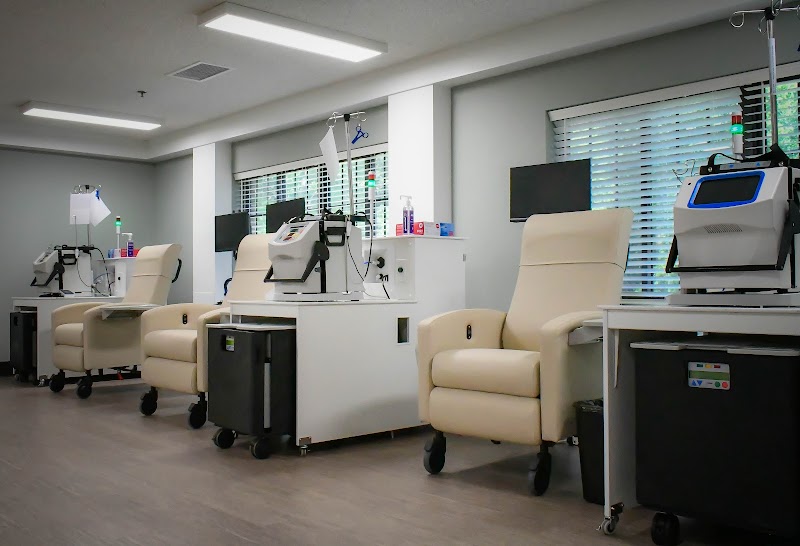
How is Compass Healthcare And Rehab Hawfields, Inc. Staffed?

CMS rates Compass Healthcare and Rehab Hawfields, Inc.'s staffing level at 3 out of 5 stars, which is average compared to other nursing homes. Staff turnover is 56%, which is 10 percentage points above the North Carolina average of 46%. High turnover can affect care consistency as new staff learn residents' individual needs. RN turnover specifically is 75%, which is notably high. RNs provide skilled clinical oversight, so turnover in this role can affect medical care quality.

What Have Inspectors Found at Compass Healthcare And Rehab Hawfields, Inc.?

State health inspectors documented 11 deficiencies at Compass Healthcare and Rehab Hawfields, Inc. during 2021 to 2024. These included: 11 with potential for harm.
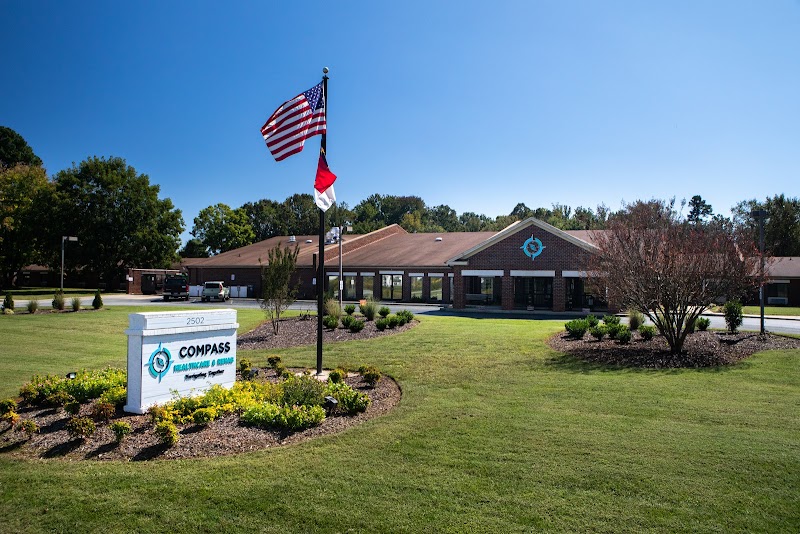
Who Owns and Operates Compass Healthcare And Rehab Hawfields, Inc.?

Compass Healthcare and Rehab Hawfields, Inc. is owned by a for-profit company. For-profit facilities operate as businesses with obligations to shareholders or private owners. The facility operates independently rather than as part of a larger chain. With 117 certified beds and approximately 83 residents (about 71% occupancy), it is a mid-sized facility located in Mebane, North Carolina.

How Does Compass Healthcare And Rehab Hawfields, Inc. Compare to Other North Carolina Nursing Homes?

Compared to the 100 nursing homes in North Carolina, Compass Healthcare and Rehab Hawfields, Inc.'s overall rating (3 stars) is above the state average of 2.8, staff turnover (56%) is significantly higher than the state average of 46%, and health inspection rating (4 stars) is above the national benchmark.

What Should Families Ask When Visiting Compass Healthcare And Rehab Hawfields, Inc.?

Based on this facility's data, families visiting should ask: "How do you ensure continuity of care given staff turnover, and what is your staff retention strategy?" "Can I visit during a mealtime to observe dining assistance and food quality?" "How do you handle medical emergencies, and what is your hospital transfer rate?" "Can I speak with family members of current residents about their experience?" These questions are particularly relevant given the facility's high staff turnover rate.

Is Compass Healthcare And Rehab Hawfields, Inc. Safe?

Based on CMS inspection data, Compass Healthcare and Rehab Hawfields, Inc. has a clean safety record: no substantiated abuse findings (meaning no confirmed cases of resident harm), no Immediate Jeopardy citations (the most serious violation level indicating risk of serious injury or death), and is not on the Special Focus Facility watch list (a federal program monitoring the lowest-performing 1% of nursing homes). The facility has a 3-star overall rating and ranks #1 of 100 nursing homes in North Carolina. While no facility is perfect, families should still ask about staff-to-resident ratios and recent inspection results during their visit.

Do Nurses at Compass Healthcare And Rehab Hawfields, Inc. Stick Around?

Staff turnover at Compass Healthcare and Rehab Hawfields, Inc. is high. At 56%, the facility is 10 percentage points above the North Carolina average of 46%. Registered Nurse turnover is particularly concerning at 75%. RNs handle complex medical decisions and coordinate care — frequent RN changes can directly impact care quality. High turnover means new staff may not know residents' individual needs, medications, or preferences. It can also be disorienting for residents, especially those with dementia who rely on familiar faces. Families should ask: What is causing the turnover? What retention programs are in place? How do you ensure care continuity during staff transitions?

Was Compass Healthcare And Rehab Hawfields, Inc. Ever Fined?

Compass Healthcare and Rehab Hawfields, Inc. has no federal fines on record. CMS issues fines when nursing homes fail to meet care standards or don't correct problems found during inspections. The absence of fines suggests the facility has either maintained compliance or corrected any issues before penalties were assessed. This is a positive indicator, though families should still review recent inspection reports for the full picture.

Is Compass Healthcare And Rehab Hawfields, Inc. on Any Federal Watch List?

Compass Healthcare and Rehab Hawfields, Inc. is not on any federal watch list. The most significant is the Special Focus Facility (SFF) program, which identifies the bottom 1% of nursing homes nationally based on persistent, serious quality problems. Not being on this list means the facility has avoided the pattern of deficiencies that triggers enhanced federal oversight. This is a positive indicator, though families should still review the facility's inspection history directly.