Accordius Health at Monroe
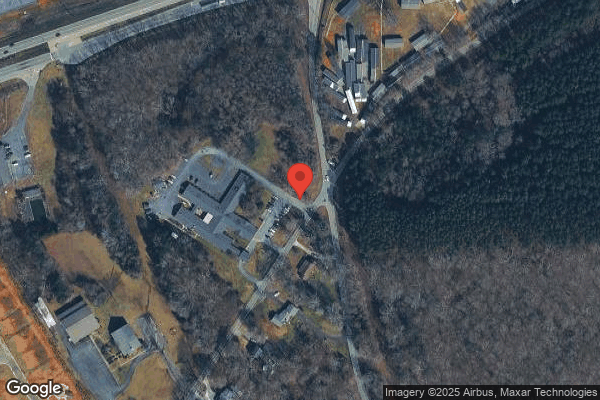

204 Old Highway 74 East, Monroe, NC 28112 (704) 800-0601
For profit - Limited Liability company 60 Beds SIMCHA HYMAN & NAFTALI ZANZIPER Data: November 2025
Trust Grade
20/100
#225 of 417 in NC
Last Inspection: April 2025

Within standard 12-15 month inspection cycle. Federal law requires annual inspections.

Overview

Accordius Health at Monroe has received a Trust Grade of F, indicating significant concerns about the quality of care provided. It ranks #225 out of 417 facilities in North Carolina, placing it in the bottom half, and #4 out of 7 in Union County, meaning there are only three local options considered better. Unfortunately, the facility is worsening, with issues increasing from 3 in 2023 to 6 in 2025. Staffing is a major concern here, with a poor rating of 0/5 stars and a high turnover rate of 64%, significantly above the state average. While there have been no fines reported, which is a positive sign, the facility has had serious incidents, including one where a resident who needed assistance with swallowing was fed improperly, increasing the risk of choking. Additionally, another resident experienced significant weight loss due to a failure to provide necessary tube feeding as ordered by a physician. These issues highlight significant weaknesses in both care and staffing practices, despite some average quality measures. Families should weigh these strengths and weaknesses carefully when considering this facility for their loved ones.

Trust Score
F
20/100
In North Carolina
#225/417
Bottom 47%
Safety Record
High Risk
Review needed
Inspections
Getting Worse
3 → 6 violations
Staff Stability
⚠ Watch
64% turnover. Above average. Higher turnover means staff may not know residents' routines.
Penalties
✓ Good
No fines on record. Clean compliance history, better than most North Carolina facilities.
Skilled Nurses
○ Average
RN staffing data not reported for this facility.
Violations
⚠ Watch
20 deficiencies on record. Higher than average. Multiple issues found across inspections.
★★☆☆☆
2.0
Overall Rating
☆☆☆☆☆
0.0
Staff Levels
★★★☆☆
3.0
Care Quality
★★☆☆☆
2.0
Inspection Score
Stable
2023: 3 issues
2025: 6 issues

The Good

  • Full Sprinkler Coverage · Fire safety systems throughout facility
  • No fines on record

Facility shows strength in fire safety.

The Bad

2-Star Overall Rating

Below North Carolina average (2.8)

Below average - review inspection findings carefully

Staff Turnover: 64%

18pts above North Carolina avg (46%)

Frequent staff changes - ask about care continuity

Chain: SIMCHA HYMAN & NAFTALI ZANZIPER

Part of a multi-facility chain

Ask about local staffing decisions and management

Staff turnover is elevated (64%)

16 points above North Carolina average of 48%

The Ugly 20 deficiencies on record

3 actual harm
Apr 2025 4 deficiencies
CONCERN (D)

Potential for Harm - no one hurt, but risky conditions existed

Accident Prevention (Tag F0689)

Could have caused harm · This affected 1 resident

**NOTE- TERMS IN BRACKETS HAVE BEEN EDITED TO PROTECT CONFIDENTIALITY** Based on observation, record review, and resident and staff interviews, the facility failed to perform quarterly safe smoking as...

Read full inspector narrative →
**NOTE- TERMS IN BRACKETS HAVE BEEN EDITED TO PROTECT CONFIDENTIALITY** Based on observation, record review, and resident and staff interviews, the facility failed to perform quarterly safe smoking assessments and secure smoking materials, specifically a vaping pen (an electronic nicotine delivery system/electronic smoking device), for 1 of 4 residents (Resident #20) reviewed for safe smoking. Findings included: A review of the facility's smoking policy titled Smoking Permitted with a revision date of 10/20/22 stated in part: Residents, visitors, and staff may smoke in designated areas only. Smoking will be strictly prohibited in all non-smoking areas. All areas indoors including but not limited to . resident rooms, common living and dining areas. Residents who desire to smoke may not keep smoking related materials (i.e. cigarettes, electronic smoking devices [e-cigarettes], refill cartridges/fluid) . on their person when not smoking or in their room. Residents who are determined by the interdisciplinary team as safe for independent smoking will request smoking materials when desiring to smoke and will return them upon completion of the smoking session. Evaluations will be reviewed by the interdisciplinary team at least quarterly and as the resident's functional, behavioral, or cognitive status change; impacting their ability to smoke safely. Residents who are determined by the interdisciplinary team as needing supervision will be within the eyesight of staff, family, or designated volunteer during the time that the resident is smoking. Resident #20 was admitted to the facility on [DATE] with diagnoses of type 2 diabetes, cerebral infarction (stroke) without residual deficits, and nicotine dependence. A review of Resident #20's care plan revised on 8/24/22 indicated the resident smoked and vaped. The care plan further indicated the resident was assessed to be a safe smoker. A review of the safe smoking screening assessment dated [DATE] revealed staff had educated Resident #20 on the smoking policy related to smoking times as well as the storage of smoking materials, and the resident acknowledged understanding. Resident #20 was assessed as a safe smoker and could smoke independently. The most recent quarterly Minimum Data Set (MDS) assessment dated [DATE] indicated Resident #20 was cognitively intact without behavioral concerns. On 4/1/25 a continuous observation was made from 1:15 PM to 1:35 PM. At 1:15 PM Resident #20 was observed sitting in a wheelchair in the doorway of her room. Her right hand covered the lower part of her face, and a large white cloud of smoke was observed to exit her cupped hand. Resident #20 was immediately interviewed, and she stated she did smoke, but lately she had enjoyed vaping more. She stated she was an unsupervised smoker and had a locker in the courtyard where she stored her smoking supplies. Resident #20 stated she kept a key to her locker, could retrieve her smoking supplies, and smoke or vape in the courtyard during the scheduled smoking times. Upon further questioning she did confirm that she had a vaping pen on her person and presented a blue vape pen in her left hand. She stated she knew she should not smoke or vape in her room and was supposed to put her supplies away after smoking. Resident #20 indicated the facility was unaware she had a vape pen in her possession in her room. There was no oxygen in use in the resident's room, or in the vicinity of the resident while she had been observed to be vaping. While waiting for Nurse #2, the nurse assigned to Resident #20 who was completing care with another resident, the surveyor remained on the hall to continually observe Resident #20. Resident #20 was not observed to vape during the time of the observation. The continuous observation concluded at 1:35 PM when Nurse #2 was made aware Resident #20 had a vaping pen in her possession. During an interview conducted with Nurse #2 on 4/1/25 at 1:35 PM he stated 4/1/25 was his first day working for the facility. He further stated he had not observed Resident #20 smoking or vaping in the facility during his time at the facility. Nurse #2 was then observed to go to Resident #20's room. The Unit Manager was interviewed on 4/1/25 at 1:50 PM and stated residents were not allowed to smoke or vape inside the facility. The Unit Manager indicated all residents who chose to smoke were educated face to face regarding the facility's smoking policy upon entry into the facility. She further stated if the facility discovered someone had smoking materials, including vaping materials, in their room then they would be removed from the resident, and she would report the incident to her supervisor. The Unit Manager was made aware by Nurse #2 that Resident #20 had been observed vaping in the facility at 1:15 PM. The Unit Manager responded she had never observed Resident #20 smoking or vaping in the facility. The Unit Manager further stated she would notify the Administrator the resident was vaping. On 4/1/25 at 2:48 PM an interview was conducted with the Administrator who stated she had never observed Resident #20 smoking or vaping in the facility. During the interview, the Administrator called the former Director of Nursing (DON) to give details concerning the latest educational session held with the residents who smoked. The former DON stated she had educated all the residents who smoked in the facility regarding the facility's smoking policy before leaving in March 2025 and had the residents sign a copy of the smoking agreement that acknowledged they agreed not to smoke or vape in their room. According to the Administrator, the facility had identified some residents who smoked were missing quarterly safe smoking assessments in the electronic charting system, including Resident #20. The root cause identified was all the resident assessment schedules, including the smoking assessments, had been cleared during the company changeover in December 2024. Per the Administrator, safe smoking assessments were completed on all residents who smoked or vaped by the facility unit manager on 3/31/25 and the assessments would be completed on admission, readmission, quarterly, and with changes in condition. A review of Resident #20's electronic medical record revealed she had signed a copy of the smoking policy agreement. However, the document was undated. On 4/3/25 at 10:14 AM an interview was conducted with the current Director of Nursing who stated the vaping pen had been removed from Resident #20 once it was discovered on 4/1/25. She further stated that she, the Social Worker, and the Administrator met with and re-educated Resident #20 about the smoking policy that day. The DON stated the resident had been changed to a supervised smoker after reassessment. A review of the care plan revealed it was revised on 4/2/25 and indicated Resident #20 had been updated as a supervised smoker. A follow-up phone interview with the Administrator occurred on 4/10/25 at 11:43 AM. She stated she had been notified Resident #20 had been seen vaping in her room on 4/1/25 shortly after it occurred. After being notified, she, the Social Worker, and the DON went to the resident's room to speak with her. She stated Resident #20 had denied having vaping materials to Nurse #2 and the Unit Manager who questioned her immediately after the surveyor had reported to Nurse #2 Resident #20 had vaping materials. She further stated the Unit Manager took over monitoring of Resident #20 to ensure the resident was not using any vaping materials until the administrative team arrived. Nurse #2 continued with his assignment for his shift. She reported the resident had not produced any vaping materials to Nurse #2 or the Unit Manager. The Administrator stated the resident initially denied having vaping materials, but she eventually admitted she had a vaping pen. According to the Administrator, the team searched the room for any other smoking or vaping materials and the DON took the vaping pen as well as the key to the smoking locker from Resident #20 at that time. The vaping pen was placed in the resident's locker in the smoking area, and the key was locked in the medication cart where the supervised smoking locker keys were kept. The Administrator indicated she informed Resident #20 due to being changed to a supervised smoker she would have to request smoking and vaping materials from the nurse on duty during smoking times. The Administrator indicated either she, the nurse on duty, or a department head provided supervision during supervised smoking times.
CONCERN (D)

Potential for Harm - no one hurt, but risky conditions existed

Infection Control (Tag F0880)

Could have caused harm · This affected 1 resident

Based on observations, record review, and Physician Assistant and staff interviews, the facility failed to follow their hand hygiene and enhanced barrier protection portion of the infection control po...

Read full inspector narrative →
Based on observations, record review, and Physician Assistant and staff interviews, the facility failed to follow their hand hygiene and enhanced barrier protection portion of the infection control policy when 2 of 3 staff (Physician Assistant and Nurse #1) did not don personal protective equipment and perform hand hygiene before donning clean gloves during wound care. This deficient practice occurred for 2 of 3 staff members reviewed for infection control practices. The findings included: A review of the facility's Infection Prevention and Control Policy revised 6/1/23 revealed in part: Hand hygiene should be completed after contact with non-intact resident's skin, wound dressings, or contaminated items. A review of the facility's Enhanced Barrier Precautions policy dated 3/28/24 revealed in part: Enhanced Barrier Precautions (EBP) refer to the infection control intervention aimed at reducing transmission of MDRO's (Multidrug-Resistant Organism) through the targeted use of gown and gloves during high contact resident care activities. High-contact resident care activities requiring EBP: Wound care (any skin opening requiring a dressing). On 4/2/25 at 1:53 PM, an observation was made of the Physician Assistant (PA) and Nurse #1 as they provided wound care to Resident #5 who was on enhanced barrier precautions. Nurse #1 stood at the wound care cart in the hallway and gathered supplies to perform wound care. She used hand sanitizer then donned 4 gloves on each hand. Without donning one of the gowns in the EBP supply caddy on the resident's door, Nurse #1 and the PA entered the resident's room. The PA washed his hands and donned gloves at the sink at the resident's bedside. Nurse #1 laid the barrier with the wound care supplies on the resident's bed then she removed the elastic bandage from the resident's left leg. With the same pair of gloves, Nurse #1 removed the elastic bandage from the resident's right leg. Once the elastic bandage was removed, Nurse #1 then removed the white dressing from the resident's right foot then she removed the bandage from the left foot. Nurse #1 then doffed the top glove on both hands and threw them in the trash. She did not perform hand hygiene. With the second layer of gloves Nurse #1 washed the resident's left foot wound with normal saline and then she washed the right foot wound with normal saline without changing gloves or performing hand hygiene in between. The PA assessed each wound then instructed Nurse #1 to complete the dressing change. Nurse #1 then doffed the second layer of gloves and did not perform hand hygiene. She applied the bordered gauze dressing to the resident's right foot wound, then without changing gloves, she applied the bordered gauze dressing to the left foot wound. Nurse #1 then doffed her gloves and did not perform hand hygiene. She used the last layer of gloves to wrap the resident's right leg with an elastic bandage, then without changing gloves or performing hand hygiene, she wrapped the resident's left leg in an elastic bandage. Nurse #1 then doffed her gloves and washed her hands. She donned another pair of gloves and removed the trash from the resident's room. On 4/2/25 at 2:23 PM the Physician Assistant was interviewed, and he stated he did not don a gown and gloves before entering the resident's room because he did not think Resident #5 was still placed on enhanced barrier precautions because her foot wounds were not infected. Nurse #1 was interviewed on 4/2/25 at 2:40 PM and stated she was an agency nurse and had only worked at the facility one other day during the week of the survey. She stated she knew she was supposed to wear a gown and gloves while providing wound care to Resident #5. She stated she thought it was the facility's policy that she could wear multiple layers of gloves to perform resident care, but she realized she made a mistake and had used the same pair of gloves when she cleaned then dressed Resident #5's wounds on both feet. An interview was conducted with the Unit Manager on 4/2/25 at 2:46 PM, and she stated Nurse #1 did not follow the infection control policy for enhanced barrier precautions or hand hygiene. She indicated Nurse #1 should have donned a gown and gloves before entering Resident #5's room to perform wound care. The Unit Manager further stated it had never been the policy of the facility to don multiple layers of gloves during wound care, and Nurse #1 should have changed gloves and performed hand hygiene between each step. The Administrator was interviewed on 4/2/25 at 2:50 PM and stated Nurse #1 was an agency nurse. She stated her preference was for the facility's staff to perform wound care due to the agency staff not being familiar with the residents. She stated she had a dedicated wound care nurse, but she was off that week. On 4/3/25 the Director of Nursing was interviewed. She stated Nurse #1 and the Physician Assistant should have followed the facility's EBP policy since the signage and caddy were both posted on Resident #5's door. She stated hand hygiene should have been completed with each glove change, and donning 4 pairs of gloves prior to performing wound care was not a safe infection control practice. A review of Nurse #1's education records revealed she had completed the facility's course on infection control and handwashing on 3/31/25.
MINOR (B)

Minor Issue - procedural, no safety impact

Transfer Notice (Tag F0623)

Minor procedural issue · This affected multiple residents

Based on record review, resident, and staff interviews, the facility failed to notify residents and their family members in writing of a transfer to the hospital for 3 of 4 residents reviewed for hosp...

Read full inspector narrative →
Based on record review, resident, and staff interviews, the facility failed to notify residents and their family members in writing of a transfer to the hospital for 3 of 4 residents reviewed for hospitalization (Resident #1, Resident #24, and Resident #33). The findings included: a. Resident #1 was admitted to the facility 1/10/20. A nursing note dated 4/3/24 documented Resident #1 was sent to the hospital for a change in condition. Hospital discharge orders dated 4/7/25 revealed Resident #1 was discharged from the hospital after treatment for acute parotitis (infection of the parotid [salivary] gland). A nursing note dated 4/7/25 documented Resident #1 was readmitted to the facility. Review of the medical record for Resident #1 revealed no evidence a written notice of transfer was issued to the resident or the resident representative. Resident #1 was interviewed on 3/31/25 at 10:04 AM and he reported he was admitted to the hospital in April of 2024 for an infected salivary gland, and he did not recall receiving a letter of transfer from the facility. Resident #1 reported he was his own representative. b. Resident #24 was admitted to the facility 3/1/23. A nursing note dated 1/21/25 documented a change in condition and Resident #24 was sent to the hospital for evaluation and treatment. Hospital discharge orders dated 1/29/25 revealed Resident #24 was admitted to the hospital for treatment of acute respiratory failure. A nursing note dated 1/29/25 documented Resident #24 was readmitted to the facility. Review of the medical record for Resident #24 revealed no evidence a written notice of transfer was issued to the resident or the resident representative. Resident #24 was interviewed on 3/31/25 at 10:19 AM and she reported she was her own representative. Resident #24 reported she was admitted to the hospital in January 2025 for respiratory failure and she did not receive a letter of transfer from the facility. c. Resident #33 was admitted to the facility 2/7/20. A nursing note dated 1/29/25 documented Resident #33 had a fall and the Nurse Practitioner was notified. The note documented Resident #33 had pain in his left hip and elbow and an x-ray was ordered. Hospital discharge orders dated 2/3/25 documented Resident #33 was in the hospital for repair of a left hip fracture. A nursing note dated 2/4/25 documented Resident #33 was readmitted to the facility after repair of a fractured left hip. Resident #33 was unable to be interviewed due to cognition. The Resident Representative was not available for interview. Review of the medical record for Resident #33 revealed no evidence a written notice of transfer was issued to the resident or the resident representative. An interview was conducted with the Assistant Director of Nursing (ADON) on 4/1/25 at 1:51 PM. The ADON explained that nursing did not send a written notice of transfer to the resident or the representative. The Business Office Manager was interviewed on 4/1/25 at 2:07 PM and she reported she did not send a written notice of transfer after hospitalization. The Social Worker was interviewed on 4/1/25 at 2:18 PM and he reported he did not send a letter of transfer to the resident and the representative after hospitalization. The Administrator was interviewed on 4/3/25 at 1:54 PM and she reported she was under the impression that the written notices of transfer were being completed at the same time as the hospital transfers were completed and she was not aware of residents and their representatives were not receiving written notices of transfer after hospitalization.
MINOR (B)

Minor Issue - procedural, no safety impact

Deficiency F0625 (Tag F0625)

Minor procedural issue · This affected multiple residents

Based on observations, record review, resident, and staff interviews, the facility failed to provide written bed hold notices for 2 of 4 residents reviewed for hospitalization (Resident #1 and Residen...

Read full inspector narrative →
Based on observations, record review, resident, and staff interviews, the facility failed to provide written bed hold notices for 2 of 4 residents reviewed for hospitalization (Resident #1 and Resident #24). The findings included: 1. a. Resident #1 was admitted to the facility 1/10/20. A nursing note dated 4/3/24 documented Resident #1 was sent to the hospital for a change in condition. Review of the medical record for Resident #1 revealed no written bed hold notice had been provided. A nursing note dated 4/7/25 documented Resident #1 was readmitted to the facility. Resident #1 was interviewed on 3/31/25 at 10:04 AM and he reported he was admitted to the hospital in April of 2024 for an infected salivary gland, and he did not recall receiving a bed hold notice when he went to the hospital. Resident #1 reported he was his own representative. b. Resident #24 was admitted to the facility 3/1/23. A nursing note dated 1/21/25 documented a change in condition and Resident #24 was sent to the hospital for evaluation and treatment. Review of the medical record for Resident #24 revealed no evidence a written bed hold notice had been provided. A nursing note dated 1/29/25 documented Resident #24 was readmitted to the facility. Resident #24 was interviewed on 3/31/25 at 10:19 AM and she reported she was her own representative. Resident #24 reported she was admitted to the hospital in January 2025 for respiratory failure and she did not receive a bed hold notice. An interview was conducted with the Assistant Director of Nursing (ADON) on 4/1/25 at 1:51 PM. The ADON explained that nursing did not send a bed hold notice when a resident was sent to the hospital and the Business Office was responsible for the bed hold notice. The Business Office Manager was interviewed on 4/1/25 at 2:07 PM and she reported she called the resident or the resident representative when a resident was hospitalized and explained the bed hold, but she did not provide a written copy of the bed hold notice. The Business Office Manager reported the residents only received a written copy of the bed hold notice if they wanted to sign and hold their bed during hospitalization. The Business Office Manager reported no residents had wanted to sign the bed hold notice since she started at the facility a year ago. The Administrator was interviewed on 4/3/25 at 1:54 PM and she reported she was under the impression that the bed hold notices were being completed at the same time as the hospital transfers were completed and she was not aware of residents and their representatives were not receiving the written bed hold policy when hospitalized .
Jan 2025 2 deficiencies
CONCERN (D) 📢 Someone Reported This

A family member, employee, or ombudsman was alarmed enough to file a formal complaint

Potential for Harm - no one hurt, but risky conditions existed

Deficiency F0602 (Tag F0602)

Could have caused harm · This affected 1 resident

**NOTE- TERMS IN BRACKETS HAVE BEEN EDITED TO PROTECT CONFIDENTIALITY** Based on record review, resident, and staff interviews, the facility failed to protect a resident from misappropriation when his...

Read full inspector narrative →
**NOTE- TERMS IN BRACKETS HAVE BEEN EDITED TO PROTECT CONFIDENTIALITY** Based on record review, resident, and staff interviews, the facility failed to protect a resident from misappropriation when his debit card was used while he was hospitalized . This was for 1 of 3 residents reviewed for misappropriation (Resident #3). The findings included: Resident #3 was admitted to the facility [DATE] with diagnoses including lung disease and heart failure. The quarterly Minimum Data Set (MDS) assessment dated [DATE] assessed Resident #3 to be severely cognitively impaired. Resident #3 did not have any behaviors noted on the MDS assessment. A nursing note dated [DATE] documented Resident #3 was sent to the hospital for evaluation after a change in status. A note dated [DATE] documented Resident #3 died at the hospital on [DATE]. Resident #3's bank statement dated [DATE] documented debit card used from [DATE] to [DATE] totaling $157.92. The bank statement indicated 70 transactions had been completed from 11/27 to [DATE] and all but one transaction had been conducted at a vending machine. A transaction dated [DATE] was for a pizza delivery. Resident #3's guardian was interviewed by phone on [DATE] at 11:21 AM. The guardian reported upon Resident #3's death, she ran a bank statement report to review his account. The guardian reported she discovered the debit card had been used multiple times per day during his hospitalization and on the day he died. The guardian reported she and the facility searched Resident #3's room and they were unable to find the missing debit card. The guardian reported the facility would not reimburse the debit card charges and told her to talk to the bank. The guardian explained she had Power of Attorney for Resident #3 until his death and then the responsibility of the finances was to be turned over to his Next of Kin, but she felt it was important to have the money reimbursed to the debit card. The Director of Nursing (DON) was interviewed on [DATE] at 11:16 AM. The DON explained that on [DATE] Resident #3's guardian came to the facility to notify the facility Resident #3 had died at the hospital and that she had discovered activity on his debit card during his hospitalization. The DON explained Resident #3's room was searched, and the debit card could not be located. The guardian reported $157.92 was used on the debit card, and she brought in the bank statements to review with the facility. The DON reported they did not know who ordered the pizza delivery, but pizza was delivered from the business on the bank statement to the facility on [DATE]. The DON described completing the report and conducting the investigation by reviewing the camera footage from the living room with the vending machines as well as interviewing staff and residents, including Resident #2. The DON reported they were unable to identify any staff or residents using Resident #3's debit card from the camera footage. The DON said that the police were called, and the officer conducted interviews with Resident #2 and staff and was unable to determine if the debit card was taken. The DON reported the facility had not reimbursed Resident #3's guardian for the debit card charges and reported that would be the bank's responsibility. Resident #2 was interviewed on [DATE] at 11:00 AM. Resident #2 reported he was Resident #3's roommate and he was not aware of the missing debit card until he was interviewed by police. Resident #2 was not certain which date the police interviewed him, but reported it was in [DATE]. Resident #2 reported he had not used Resident #3's debit card to obtain snacks from the vending machine or order pizza. The Administrator was interviewed on [DATE] at 2:32 PM and she reported Resident #3 had a lock box in his room and his wallet was in the lock box, but the debit card was not found. The Administrator explained that Resident #2 was interviewed, and he denied knowing the debit card was missing, and denied using the debit card. The Administrator reported the police were notified and they interviewed Resident #2 and staff members, and the police told the facility there was nothing else that could be done. The police could not prove the debit card was stolen. A follow-up interview was conducted with the Administrator on [DATE] at 1:45 PM. The Administrator explained that the bank did reimburse the debit card for the charges and the facility did not reimburse the charges. The Administrator explained the guardian did not want to press charges against Resident #2. The Administrator reported she expected there was no misappropriation of resident property, but if it did happen, it was reported according to the regulations.
CONCERN (D) 📢 Someone Reported This

A family member, employee, or ombudsman was alarmed enough to file a formal complaint

Potential for Harm - no one hurt, but risky conditions existed

Pressure Ulcer Prevention (Tag F0686)

Could have caused harm · This affected 1 resident

**NOTE- TERMS IN BRACKETS HAVE BEEN EDITED TO PROTECT CONFIDENTIALITY** Based on record review, observation, and Wound Physician Assistant, Physician, and staff interviews, the facility failed to chan...

Read full inspector narrative →
**NOTE- TERMS IN BRACKETS HAVE BEEN EDITED TO PROTECT CONFIDENTIALITY** Based on record review, observation, and Wound Physician Assistant, Physician, and staff interviews, the facility failed to change a pressure ulcer dressing according to physician orders for 1 of 3 residents reviewed for pressure ulcer care (Resident #6). The findings included: Resident #6 was admitted to the facility on [DATE] with diagnoses including pressure ulcer and hypertension. The quarterly Minimum Data Set assessment dated [DATE] documented Resident #6 was severely cognitively impaired, and she had one Stage 4 pressure ulcer on admission. Wound care orders for Resident #6 were reviewed and an order dated 1/24/25 specified wound care was to be provided daily: cleanse with normal saline or wound cleanser, pack with packing strip wet with sodium hypochlorite (an antiseptic wound treatment), cover with absorbent dressing. Review of Resident #6's Treatment Administration Record revealed no nurse initials for 1/28/25 that indicated the wound care had been completed that date for the Stage 4 pressure ulcer. An observation of wound care was conducted on 1/29/25 at 12:17 PM with the Wound Care Nurse and the Wound Care Physician Assistant. The pressure ulcer dressing in place on Resident #6 was noted to be dated 1/27/25. During the observation, Resident #6 was asked if the wound care was provided the previous day on 1/28/25 and Resident #6 reported it was not completed. The Wound Care Nurse was interviewed during the observation, and she revealed she had left work early on 1/28/25 and did not complete the wound care for Resident #6. The Wound Care Nurse explained that when she was not working, the nurse assigned to the hall was responsible for wound care dressing. The Wound Care Physician Assistant was interviewed on 1/29/25 at 12:28 PM and he reported Resident #6's wound measurements had decreased, and the wound was improving. The Wound Care Physician Assistant reported the one missed dressing change had not negatively affected Resident #6. The Unit Manager was interviewed on 1/29/25 at 12:33 PM. The Unit Manager explained the Wound Care Nurse had left early on 1/28/25 and the nurse assigned to the hall should have completed the wound care. The Unit Manager reported she was not aware Resident #6's wound care had not been provided on 1/28/25. Nurse #1 was interviewed by phone on 1/30/25 at 9:08 AM. Nurse #1 explained she was an agency nurse, and she had been to the facility a few times before 1/28/25. Nurse #1 reported she was assigned to Resident #6 on 1/28/25. Nurse #6 reported she had been told the Wound Care Nurse would complete all wound care for the residents on her assigned hall, and she was not aware the wound care nurse had left early on 1/28/25. Nurse #1 explained if she had been aware, she would have provided the wound care to Resident #6. The Wound Care Nurse was interviewed again on 1/30/25 at 10:51 AM and she reported she had left early on 1/28/25 and the Unit Manager and Director of Nursing were aware she was leaving early. The Wound Care Nurse reported she was not aware the wound care for Resident #6 had not been completed until it was observed during wound care on 1/29/25. The Physician was interviewed by phone on 1/31/25 at 10:22 AM. The Physician reported he had been notified of the missed wound care for Resident #6 when the facility discovered it and he was in agreement with the Wound Care Physician Assistant that the missed wound care had not adversely affected Resident #6. The Director of Nursing was interviewed by phone on 1/31/25 at 11:59 AM and she reported she was aware the Wound Care Nurse left early on 1/28/25 and Nurse #1 should have been notified she was expected to complete wound care. The Director of Nursing explained wound care was expected to be completed according to physician orders. The Administrator was interviewed by phone on 1/31/25 at 1:45 PM and she reported the Wound Care Nurse left early on 1/28/25 and Nurse #1 should have been told she needed to complete wound care. The Administrator explained there was a lot of activity on that date and Nurse #1 may not have been told she needed to complete wound care. The Administrator reported she expected wound care to be completed according to physician orders.
Nov 2023 3 deficiencies
CONCERN (D) 📢 Someone Reported This

A family member, employee, or ombudsman was alarmed enough to file a formal complaint

Potential for Harm - no one hurt, but risky conditions existed

Deficiency F0602 (Tag F0602)

Could have caused harm · This affected 1 resident

**NOTE- TERMS IN BRACKETS HAVE BEEN EDITED TO PROTECT CONFIDENTIALITY** Based on record reviews, observations, resident and staff interviews, the facility failed to protect a resident's right to be fr...

Read full inspector narrative →
**NOTE- TERMS IN BRACKETS HAVE BEEN EDITED TO PROTECT CONFIDENTIALITY** Based on record reviews, observations, resident and staff interviews, the facility failed to protect a resident's right to be free from misappropriation of pain medication for 1 of 3 residents reviewed for abuse (Resident #11). The findings included: Resident #11 was admitted to the facility 11/29/2021 with diagnoses to included diabetes and lung disease. The annual Minimum Data Set (MDS) dated [DATE] assessed Resident #11 to be cognitively intact. The MDS documented Resident #11 received as needed (PRN) pain medications for moderate pain. A physician order (no date) for Resident #11 ordered oxycodone/acetaminophen 7.5/325 milligrams (mg) to be administered every 6 hours as needed for pain. A review of the medication administration record for 9/5/2023 revealed Resident #11 had received oxycodone/acetaminophen 7.5/325 mg at 1:00 PM. The facility investigative report dated 9/13/2023 documented on 9/5/2023, Nurse #3 was sent home after poor performance. The report documented the oncoming nurse (Nurse #1) counted narcotics with Nurse #3 prior to Nurse #3 leaving and no issues were noted by Nurse #1, however Nurse #1 reported to the Director of Nursing (DON) that Nurse #3 was acting odd and flipping the narcotic count sheets while the narcotics were being counted. The report documented that the DON and Nurse #1 recounted the narcotics and determined that 7 tablets were missing from Resident #11's card of oxycodone/acetaminophen 7.5/325 mg. The report documented Resident #11 had a pain assessment completed and she denied pain, and no concerns were identified with Resident #11's pain control. The facility notified the police department, staffing agency and the Board of Nursing was notified of the drug diversion. Nurse #3 was listed as Do Not Return to the facility. A facility investigation report dated 9/13/2023 documented further on the incident, including a noted behavioral change of Nurse #3 during her 7:00 AM to 7:00 PM shift. The report documented that the DON asked Nurse #3 to leave and requested Nurse #1 count narcotics with her prior to leaving the facility. The report documented Nurse #3 was acting suspiciously during the narcotic count, including opening all the drawers, and flipping pages in the narcotic count book. The count was completed, and Nurse #3 left the facility and did not speak to the DON or the Administrator. The report documented Nurse #1 discovered a card of narcotic medications belonging to Resident #11 was missing from the narcotic drawer and it was discovered in the unlocked medications. Nurse #1 requested the DON count the narcotics with her and they found that 7 tablets of oxycodone/acetaminophen were missing from Resident #11's narcotic card. Resident #11 was interviewed at the time of the discovery and pain assessment was completed. Resident #11 reported she had received a dose of oxycodone/acetaminophen about 1:00 PM and her pain was relieved. Resident #11 was interviewed on 11/27/2023 at 2:59 PM and she reported she received her pain medications when she requested them. Resident #11 was unable to recall the incident on 9/5/2023. Nurse #1 was interviewed on 11/29/2023 at 3:10 PM. Nurse #1 recalled 9/5/2023 when she was asked by the DON to count narcotics with Nurse #3 and take over her medication cart. Nurse #1 explained that Nurse #3 was acting odd, flipping the pages of the narcotic book, fidgeting, and acting strangely. Nurse #1 described discovering Resident #11's narcotic medication card in the drawer with regular medications, and that she immediately got the DON to recount the narcotic medications. The Administrator was interviewed on 11/30/2023 at 1:40 PM and she reported that the facility had a daily meeting to discuss staffing and to review the nurses who were coming from the staffing agency. The Administrator explained that prior to the drug diversion on 9/5/2023, the facility only checked nursing licenses. The Administrator reported after the incident occurred, they reviewed Nurse #3's record and discovered that she had not taken the annual abuse, neglect, and misappropriation in-service. The Administrator explained that Nurse #3 had no action against her when she worked at the facility. The Administrator explained the new process of reviewing agency nurses who were scheduled to work at the facility included reviewing their license, checking the Board of Nursing for any actions against them, and reviewing their in-service record. An interview was conducted on 11/30/2023 with Nurse #2 and she reported she was the charge nurse for the facility. Nurse #2 explained that Nurse #3 was unable to complete her morning medication pass on 9/5/2023 and she went to talk to Nurse #3 to see if she needed help. Nurse #2 described how Nurse #3 had medications spread all over the top of the medication cart and she had said she was working on the medication pass. Nurse #2 reported to the DON that Nurse #3 was running very behind and when Nurse #3 took a break before her medication pass was completed, the DON decided to send Nurse #3 home. The Assistant Director of Nursing (ADON) was interviewed on 11/30/2023 at 2:39 PM. The ADON explained she had stepped down from the DON position on 11/27/2023, but she was the DON on 9/5/2023. The ADON described approaching Nurse #3 on 9/5/2023 to inform her she was being sent home, after multiple residents reported they had not received their morning medications and it was after 12:00 PM. The ADON explained she got Nurse #1 to count narcotics with Nurse #3 and after Nurse #3 left the building, Nurse #1 came to her and the Administrator to report she had found a card of narcotic pain medications in the unlocked medication drawers of the medication cart. The ADON reported that she and the Administrator accompanied Nurse #1 to the medication cart and she and Nurse #1 recounted the narcotics, and they found that 7 tablets were missing from the oxycodone/acetaminophen card for Resident #11. The ADON explained multiple attempts were made to contact Nurse #3, but she did not return the calls or text messages. The ADON described interviewing and assessing Resident #11 and finding she had received an oxycodone/acetaminophen tablet prior to Nurse #3 leaving the building and Resident #11 denied having untreated pain. The ADON explained that she and the Administrator checked all three medication carts for missing narcotics and no issues were identified in the other 2 medication carts. The ADON reported she provided education to all the nurses on 9/5/2023 through 9/13/2023 regarding narcotic counting, receiving narcotics from the pharmacy, and misappropriation of resident property. The ADON reported she conducted audits 5 times a week for 1 month, then 2 times a week for another month, and then weekly for another month, concluding the audits on 11/27/2023. A phone interview was conducted with Nurse #3 on 11/30/2023 at 3:27 PM. Nurse #3 reported she was asked to leave the facility on 9/5/2023 and she counted narcotics with Nurse #1 and the narcotic count was correct when she left the building. Nurse #3 reported she had not received any call or text messages from the facility, but 10 days later she received a phone call from the Board of Nursing notifying her they were investigating an allegation of drug diversion. The facility plan of correction dated 9/5/2023 was reviewed. The plan of correction included a summary of the incident and immediate actions taken, including a pain assessment of Resident #11, a review of Resident #11's medication administration, narcotic counts, and initial audits of all medication carts. The plan of correction detailed the education provided to the nurses. The plan of correction noted that a report was filed on 9/5/2023 to the Division of Health Service Regulation, the local police were notified, and the Board of Nursing was notified of the allegation of narcotic diversion. The facility conducted an ad-hoc Quality Assurance Performance Improvement (QAPI) meeting on 9/7/2023 to discuss the incident and the initiation of audits, as well as reporting potential misappropriation or diversion. The facility was to discuss the results of the audits at the monthly QAPI meeting for 3 months. An attachment dated 9/13/2023 included the education provided and nursing signatures of attendance. Nurses and medication aides were interviewed and each one had received education related to counting narcotics at shift change, reporting narcotic discrepancies, receiving narcotic medications from the pharmacy, and documenting narcotic administration. Narcotic administration was observed during the survey and no issues were identified. Audits were reviewed and no issues were identified by the facility relating to misappropriation or drug diversion during the audits. These results were discussed during the QAPI meeting in October 2023 and November 2023. The facility date of completion of 9/7/2023 was validated.
CONCERN (E)

Potential for Harm - no one hurt, but risky conditions existed

Deficiency F0565 (Tag F0565)

Could have caused harm · This affected multiple residents

Based on record review and interviews with residents and staff the facility failed to provide a written response to ongoing grievances reported by the Resident Council in the resident council meetings...

Read full inspector narrative →
Based on record review and interviews with residents and staff the facility failed to provide a written response to ongoing grievances reported by the Resident Council in the resident council meetings for 7 of 12 months (2/23/2023, 4/20/2023, 5/25/2023, 7/27/2023, 8/28/2023, 10/27/2023 and 11/27/2023). Findings included: The Resident Council Meeting Minutes were reviewed 11/2022 to present and the following issues were identified that were also brought up during the Resident Council Meeting observed on 11/27/2023 at 2:25 pm: On 2/23/2023 residents complained of issues with food trays not being passed timely at all meals which causes food to be cold. On 4/20/2023 the resident council complained that food was not good and asked if someone could test the food. On 5/25/2023 the residents asked for dietary reform for menus and alternate meals. Again on 6/22/2023 Meal consistency and food not being stocked was a concern brought to the facility by resident council. On 7/27/2023 the resident council had concerns regarding the variety of foods being served. On 8/28/2023 dietary quality issues and food temperature issues were brought up in resident council. The resident council brought dietary request issues up in the resident council meeting, sweeteners were not being provided, and bread was not fresh. On 10/27/2023 the resident council brought up meal passing issues, variety of foods being served issues, and food quality issues again in the resident council meeting. A Resident Council Meeting was conducted on 11/27/2023 at 2:25 pm and residents in the meeting indicated there was an issue with the resolution of grievances. The residents who attended stated they had complained at previous meeting regarding issues with their food being burnt, too hard to chew, cold, and they did not get condiments with their meals. The residents that attended stated there was no resolution to the problems with the facility's food. During an interview with the Resident Council President on 11/28/2023 at 3:11 pm he stated he was not able to come to the resident council meeting on 11/27/2023 but he was not surprised there were complaints about the quality of food. The Resident Council President stated he knew that the issues had come up at resident council meetings in the past year. During an interview with the Activity Director on 11/27/2023 at 4:37 pm he stated the facility did not have a consistent Dietary Manager until recently and that may have been why food kept coming up, but the facility had a new Dietary Manager now. The Activity Director stated he sent out grievance forms to the department managers for each of the issues brought up in their resident council meetings, but he did not have the follow-up for each of the issues. The Administrator was interviewed on 11/30/2023 at 3:31 pm and she stated the intradisciplinary team had talked about the resident council meetings and plans were made to improve the monitoring of issues the residents brought up about the food during the Resident Council Meeting and the facility also planned to make improvements in how concerns are followed up on and are resolved. .
CONCERN (F)

Potential for Harm - no one hurt, but risky conditions existed

Staffing Data (Tag F0851)

Could have caused harm · This affected most or all residents

Based on staff interview and record review the facility failed to submit accurate payroll data, regarding 24-hour licenses nurse coverage, for 4 of 4 days reviewed (7/10/2022, 7/17/2022, 8/7/2022, and...

Read full inspector narrative →
Based on staff interview and record review the facility failed to submit accurate payroll data, regarding 24-hour licenses nurse coverage, for 4 of 4 days reviewed (7/10/2022, 7/17/2022, 8/7/2022, and 8/20/2022) of the Payroll Based Journal (PBJ) report to the Centers for Medicare and Medicaid Services (CMS) for the 4th quarter in fiscal year 2022. Findings included: The CMS submission report, PBJ Final File Validation Report for Fiscal Year 2022 (July 1 to September 30) showed the facility failed to have Licensed Nursing Coverage, 24 hours out of 24 hours, for the days of 7/10/2022, 7/17/2022, 8/7/2022 and 8/20/2022. Posted Nurse Staffing, nurse schedules, and the nursing staff's timecards for 7/10/2022, 7/17/2022, 8/7/2022, and 8/20/2022 were reviewed and revealed multiple licensed nurses were not accurately coded and omitted on the PBJ report for the 4th quarter of Fiscal Year 2022. During an interview with the Administrator on 11/30/2023 at 11:32 am she stated the Nurse Scheduler and Payroll Manager that were employed during the 4th quarter of Fiscal Year 2022 no longer worked at the facility. She stated the facility had changed ownership six months ago, prior to her employment with the facility, and she did not have the contact information for the former employees. The Administrator stated the facility had accurately coded and submitted the PBJ report since she came to the facility. She stated she believed the previous ownership had not put a process in place to capture agency licensed nurses, and their hours, to ensure the PBJ reported data was correct.
Jun 2022 11 deficiencies 3 Harm
SERIOUS (G)

Actual Harm - a resident was hurt due to facility failures

Resident Rights (Tag F0550)

A resident was harmed · This affected 1 resident

**NOTE- TERMS IN BRACKETS HAVE BEEN EDITED TO PROTECT CONFIDENTIALITY** 3. Resident #16 was admitted to the facility on [DATE] with diagnoses which included non-Alzheimer's dementia and dysphagia (dif...

Read full inspector narrative →
**NOTE- TERMS IN BRACKETS HAVE BEEN EDITED TO PROTECT CONFIDENTIALITY** 3. Resident #16 was admitted to the facility on [DATE] with diagnoses which included non-Alzheimer's dementia and dysphagia (difficulty swallowing foods or liquids). The quarterly Minimum Data Set indicated Resident #16 had severe cognitive impairment and was totally dependent on staff for eating. On 6/13/22 at 12:45 PM an observation was made of Nurse Aide (NA) #2 standing at Resident #16's bedside while feeding the resident her lunch. The resident's head of bed was in an upright position and the NA stood above the resident's eye level during the dining experience. There was no chair in the room for the NA to use. On 6/13/22 at 12:54 PM an interview was conducted with NA #2 who stated she had never been trained to sit while feeding a resident. On 6/13/22 at 12:59 PM an interview was conducted with the Director of Nursing (DON) stated that staff should know to sit while feeding a resident and she did not know why the NA had not done so. On 6/15/22 at 3:31 PM an interview was conducted with the Administrator who stated that staff should not stand to feed a resident and he did not know why this had occurred. 2. Resident #6 was admitted to the facility on [DATE]. The resident's active diagnoses included stroke, anemia, coronary artery disease, spinal stenosis of lumbar region with neurogenic claudication, and lower back pain. Resident #6's Minimum Data Set assessment dated [DATE] revealed she was assessed as cognitively intact and had no behaviors. She required extensive assistance with bed mobility and transfers. Resident #6's care plan dated 3/31/22 revealed she was care planned to have an activities of daily living self-care performance deficit related to activity intolerance, confusion, and impaired balance. The interventions included the resident required extensive assistance by staff for transfers. During a continuous observation on 6/13/22 from 2:45 PM - 3:28 PM, Resident #6's call light was observed on. Resident #6 was observed up in her wheelchair in her room watching TV. The resident stated to the surveyor that her legs would get tired and start hurting around 3:00 PM when she was up in her wheelchair. She stated it was okay if the surveyor observed how long it would take for staff to answer her call bell. She stated it would probably be a while because she would request to go to bed and sometimes it took 'hours.' She stated she told the nurse about five minutes ago that she was in pain and needed to be put to bed which always alleviated the pain to her legs from being in the chair all day. Resident #6 stated the nurse gave her some pain medication and then informed her she would get the nurse aide. She stated she had considered going on the hall to find someone but she self-propelled with her feet and she believed it would cause her more pain to find someone than to wait for an hour. The resident stated her pain was at a 5 out of 10 which she considered bearable but being left in the chair made her feel uncomfortable. Resident #6 concluded she would let the surveyor know if the pain became unbearable and needed the surveyor to find staff for her but would rather the surveyor see how long it took for the call light to be answered. The continuous observation continued and on 6/13/22 at 3:24 PM Nurse Aide #2 entered the resident's room and asked what Resident #6 needed. Resident #6 informed the nurse aide she needed to go to bed. The nurse aide went to find another staff to assist, and Resident #6 was put in bed at 3:28 PM. Nurse Aide #2 stated she was not Resident #6's nurse aide but she had noted the call light was on, so she was helping. She did not know where the resident's nurse aide or nurse was. During an interview on 6/13/22 at 4:07 PM Nurse Aide #1 stated she was Resident #6's nurse aide. She further stated she was unaware of Resident #6's call light being on because she had a split assignment and was on another hall, she then checked the halls before going to break at 3:00 PM. She stated she did not know how she missed her light was on at 2:45 PM as she had checked the hallways prior to break. She stated breaks lasted 30 minutes, so the issue was resolved before she returned to the hall. She concluded from 2:45 PM to 3:24 PM was too long for a call light to be on and it should have been answered immediately or within five minutes depending on if she was with another resident. During an interview on 6/13/22 at 4:09 PM Nurse #1 stated she was Resident #6's nurse. She further stated call lights were to be answered as soon as they were noted to be on. She stated a call light being unanswered from 2:45 PM to 3:24 PM was too long for a call light to remain unanswered. She stated she went to break at 3:00 PM and it was a thirty-minute break which was why she had not identified Resident #6 had her light on. During an interview 6/13/22 at 4:16 PM the Director of Nursing stated 40 minutes was not an acceptable amount of time for a resident to wait on a call light and that staff responsible for the same residents should coordinate their breaks to be staggered in order to have someone monitoring the hall during the other staff member's break. Based on observations, resident interviews, staff interviews and record review the facility failed to 1) respond to the call bell when toileting assistance was required resulting in a resident who was occasionally incontinent becoming soiled causing the resident to feel frustrated and upset; 2) respond to a resident's need to go to bed and alleviate pain by not answering the call light for 40 minutes; and 3) stood up over a resident at the bedside while providing eating assistance for 3 of 3 residents (Residents #14, #6, & #16) reviewed for dignity. The findings included: 1. Resident #14 was admitted to the facility on [DATE]. Her diagnoses included Diabetes, muscle weakness and amyotrophic lateral sclerosis (ALS). The quarterly Minimum Data Set assessment dated [DATE] reported Resident #14 was cognitively intact. She required extensive assistance for toileting and transfers. Resident #14 required staff assistance for moving on and off the toilet. She was occasionally incontinent of bowel and bladder. The care plan revised on 1/3/22 indicated Resident #14 had an alteration in musculoskeletal status related to ALS. The interventions included Anticipate and meet needs. Be sure call light is within reach and respond promptly to all request for assistance. The care plan also indicated Resident #14 had an ADL (Activities of Daily Living) self-care performance deficit related to her disease process of ALS. The intervention included Toilet Use: The resident requires extensive assistance by staff for toileting. On 6/13/22 at 4:02 PM Resident #14 stated she had to wait over an hour to go to the bathroom. She said she used her call bell to ask for assistance, but no one came to provide her assistance to the bathroom. She said she did not remember the exact date but had it in a text message on her telephone. She explained the time of the text messages verified the length of time she had to wait before anyone came to assist her to the bathroom. On 6/14/22 at 5:26 PM a review of the text messages on Resident #14's telephone revealed on 4/3/22 no one responded to her call bell for over an hour and a half (messages at 8:59 am and 10:37 am), and she had a bowel movement on herself due to no one responding to her call bell. On 6/14/22 at 5:26 PM during an interview Resident #14 stated having a bowel movement on herself made her feel upset. She stated she was frustrated and more concerned about the damage it could cause to have stool in and around her peritoneal area which could cause some infection or lead to an ulcer. A review of the Nursing Assignment for 4/3/22 revealed only Nursing Assistant (NA) #4 and NA #5 worked on the 7:00 AM -3:00 PM shift. Attempts to interview NA #4 and NA #5 were unsuccessful. On 6/17/22 at 10:10 AM Scheduler #1 stated she was a nursing assistant and on 4/3/22 worked the 3:00 PM - 11:00 PM shift. She stated she was not aware of Resident #14 having soiled herself that day. On 6/16/22 at 3:45 PM the Assistant Director of Nursing reported she was unaware Resident #14 had soiled herself due to her call bell not being answered.
SERIOUS (G)

Actual Harm - a resident was hurt due to facility failures

Deficiency F0692 (Tag F0692)

A resident was harmed · This affected 1 resident

**NOTE- TERMS IN BRACKETS HAVE BEEN EDITED TO PROTECT CONFIDENTIALITY** Based on observations, record review and consultant Registered Dietitian and facility staff interviews the facility failed to pr...

Read full inspector narrative →
**NOTE- TERMS IN BRACKETS HAVE BEEN EDITED TO PROTECT CONFIDENTIALITY** Based on observations, record review and consultant Registered Dietitian and facility staff interviews the facility failed to provide the tube feeding as ordered and failed to put in interventions for significant weight loss for 1 of 1 resident (Resident #5). Resident #5 experienced a significant weight loss of 13.9 percent in 2 months. The findings included: Resident #5 was admitted to the facility on [DATE]. His diagnoses included cerebral infarct, gastrostomy feeding tube, and aphasia. The current Care Plan revised on 12/22/21 indicated Resident #5 had potential for nutritional risk related to receiving 100% of nutrition via PEG (percutaneous endoscopic gastrostomy) tube. The interventions included observe/report to MD (physician) PRN (as needed) signs/symptoms of malnutrition .significant weight loss. The current physician order dated 2/1/21 read, (Commercial nutritional tube feeding formula) 1.5 calories liquid, Give 75 ml/hr. (milliliters per hour) via G-tube (gastrostomy tube) every day and night shift. Off from 10:00 AM to 12:00 PM. The quarterly Minimum Data Set assessment dated [DATE] revealed Resident #5 had no speech. He was assessed as severely cognitively impaired and totally dependent for all activities of daily living. He had range of motion impairment on both upper extremities. He had no significant weight loss. A progress note dated 5/26/22 written by Registered Dietitian (RD) #2 read in part, current body weight (CBW) 176.1 pounds. Despite current regiment exceeding his estimated nutritional needs he triggers for new onset of significant weight loss of 28.5#s (pounds) (13.9%) X (times) 2 months. No signs or symptoms of intolerance. The recommendations were to 1) stop the current commercial nutritional tube feeding formula and to 2) restart the same formula at a rate of 80 ml/hr for 22 hours. Off at 10:00 AM, on at 12:00 PM/noon plus to 3) re-weigh resident and 4) obtain weekly weights x 4 weeks. An observation of the feeding pump on 6/15/22 at 2:43 PM revealed the feeding pump was off. Observations on 6/16/22 revealed the feeding pump was off from 1:00 PM until 3:30 PM when the Assistant Director of Nursing (ADON) entered the room to restart the tube feeding. A progress note from the ADON on 6/16/22 documented she restarted the tube feeding at 3:45 PM and notified the Nurse Practitioner (NP) of the tube feeding not being restarted at 12:00 PM as the current order specified. The ADON also documented she notified the NP that Resident #5 ' s had weight loss. RD #2 was interviewed via telephone on 6/16/22 at 4:30 PM. RD #2 stated she had made recommendations to increase the rate of the tube feeding formula due to weight loss identified on her visit on 5/26/22. She said the order to have the feedings held for 2 hours from 10:00AM until 12:00PM was in place prior to her contract as RD for this facility. She stated if the tube feeding was not infusing for 22 hours Resident #5 could experience weight loss. RD #2 added it was not good for Resident #5 not to receive the full amount of formula because it was his sole source of nutrition and could contribute to weight loss. On 6/17/22 at 10:50 AM the DON stated the tube feeding should have been restarted based on the orders. She added the Unit Manager was the person who turned off Resident #5 ' s tube feeding on 6/16/22 but she forgot to restart the tube feeding.
SERIOUS (G)

Actual Harm - a resident was hurt due to facility failures

Tube Feeding (Tag F0693)

A resident was harmed · This affected 1 resident

**NOTE- TERMS IN BRACKETS HAVE BEEN EDITED TO PROTECT CONFIDENTIALITY** Based on observations, staff interviews and record review the facility failed to provide the residents tube feeding according to...

Read full inspector narrative →
**NOTE- TERMS IN BRACKETS HAVE BEEN EDITED TO PROTECT CONFIDENTIALITY** Based on observations, staff interviews and record review the facility failed to provide the residents tube feeding according to the physician's orders for 1 of 1 resident (Resident #5) reviewed for tube feeding. Resident #5 expericenced significant weight loss of 13.9 percent. The findings included: Resident #5 was admitted to the facility on [DATE]. His diagnoses included cerebral infarct, gastrostomy feeding tube, and aphasia. Resident #5's Care Plan last reviewed on 12/22/21 indicated he required tube feeding related to dysphagia. The interventions included, See MAR (medication administration record) for current feeding orders. The Care Plan also indicated Resident #5 had the potential for nutritional risk related to receiving 100% of nutrition via PEG (percutaneous endoscopic gastrostomy) tube. The interventions included observe/report to MD (physician) PRN (as needed) signs/symptoms of malnutrition .significant weight loss. A record review revealed a progress note dated 1/20/20 by Registered Dietitian (RD) #1 which read in part, resident may benefit from time off of tube feeding. The recommendation read to change the tube feeding to run for 22 hours and to be off from 10:00 AM until 12:00 PM. The current physician order dated 2/1/21 read, (Commercial nutritional tube feeding formula) 1.5 calories liquid, Give 75 ml/hr. (milliliters per hour) via G-tube (gastrostomy tube) every day and night shift. Off from 10:00 AM to 12:00 PM. The quarterly Minimum Data Set assessment dated [DATE] revealed Resident #5 had no speech. He was assessed as severely cognitively impaired and totally dependent for all activities of daily living. He had range of motion impairment on both upper extremities. He had no significant weight loss. A progress note dated 5/26/22 written by RD #2 read in part, despite current regiment exceeding his estimated nutritional needs he triggers for new onset of significant weight loss of 28.5#s (pounds) (13.9%) X (times) 2 months. On 6/15/22 at 2:43 PM the feeding pump was observed to be off. There was no feeding infusing and the pump screen was no illuminated. On 6/16/22 at 1:00 PM the feeding pump was observed to be off. On 6/16/22 at 1:43 PM the feeding pump was observed to be off. On 6/16/22 at 2:22 PM the feeding pump was observed to be off. On 6/16/22 at 2:23 PM the Medication Aide #1 assigned to the hall of Resident #5 stated she was not responsible for the tube feeding because she was Medication Aide. She stated she was not sure who turned the feeding pump off and she does not do anything with tube feedings. On 6/16/22 at 2:54 PM the feeding pump was observed to be off. On 6/16/22 at 2:57 PM the Nurse #2 who was the only nurse scheduled on 6/16/22 on the 7:00 - 3:00 PM shift was observed talking on the telephone at the nursing station. On 6/16/22 at 3:22 PM the feeding pump was observed to be off. The Director of Nursing (DON) was present in the room for this observation. The DON stated the Medication Aide did not have any responsibility for the tube feeding and it would be the supervising nurse who would be taking care of the tube feeding for Resident #5. She stated today it was Nurse #2. When the DON was informed by Medicatin Aide #1 that Nurse #2 had gone on break, she said the Assistant DON would be next in command of responsibility for Resident #5. On 6/16/22 at 3:28 PM the Assistant DON said it was Nurse #2 who as responsible for Resident #5's tube feeding. The Assistant DON said she would turn his pump back on, but she needed to flush it first and check his orders. She stated she was not the nurse who turned the pump off and she did not know what time it was turned off. On 6/16/22 at 4:51 PM Nurse #2 stated she was aware Resident #5's tube feeding was off for 2 hours each day, but she did not remember the exact time it was to be turned off or on. She stated she did not turn off his feeding today and was not aware of who was responsible for his care today. She stated she gave Resident #5 his scheduled morning medications, but she did not check his finger stick for blood sugar monitoring. She said there were usually 2 nurses and 1 medication aide scheduled during the week. One nurse worked the 100 hall and 1 nurse worked the 300 hall. She said today she was responsible for all of the 100 & 300 halls. She added she did not turn Resident #5's feeding pump off but she was blamed for not turning it back on. She said she did not remember it being on when she gave Resident #5 his morning medications. The RD #2 was interviewed via telephone on 6/16/22 at 4:30 PM. RD #2 stated she had made recommendations to increase the rate of the tube feeding formula due to weight loss identified on her visit on 5/26/22. She said the order to have the feedings held for 2 hours from 10:00AM until 12:00PM was in place prior to her contract as RD for this facility. She stated if the tube feeding was not infusing for 22 hours Resident #5 could experience weight loss. RD #2 added it was not good for Resident #5 not to receive the full amount of formula because it was his sole source of nutrition and could contribute to weight loss. On 6/17/22 at 10:50 AM the DON stated the tube feeding should have been restarted based on the orders.
CONCERN (D)

Potential for Harm - no one hurt, but risky conditions existed

Quality of Care (Tag F0684)

Could have caused harm · This affected 1 resident

**NOTE- TERMS IN BRACKETS HAVE BEEN EDITED TO PROTECT CONFIDENTIALITY** Based on observations, record review, and resident, staff, and Physician interviews, the facility failed to obtain orders and pr...

Read full inspector narrative →
**NOTE- TERMS IN BRACKETS HAVE BEEN EDITED TO PROTECT CONFIDENTIALITY** Based on observations, record review, and resident, staff, and Physician interviews, the facility failed to obtain orders and provide treatment of a right heel vascular ulcer (Resident #53) for 1 of 1 resident reviewed for wound care. Findings included: Resident #53 was admitted to the facility on [DATE]. She had diagnoses which included congestive heart failure, Diabetes Mellitus and renal insufficiency. Review of Resident #53's hospital discharge instructions dated 4/11/22 read, in part, to apply Medihoney to right heel ulcer. Medihoney is a gel wound dressing. The admission Minimum Data Set (MDS) dated [DATE] indicated Resident #53 was cognitively intact and required limited or extensive assistance for most activities of daily living. Her MDS was also coded to have no behaviors and to have 1 stage 3 pressure ulcer present on admission, 1 venous ulcer, and 1 surgical wound present on admission. Resident #53's admitting daily skin assessment dated [DATE] read, in part, that resident had a vascular right lateral leg wound. No wound measurements were included. Resident #53's wound care consultant note dated 4/12/22 read, in part, that the right foot was wrapped with kerlix (gauze bandage) with drainage on the bandage. Physician's orders revealed an order dated 4/18/22 for right heel vascular ulcer to be cleansed with wound cleanser, apply silver alginate (an absorbent antimicrobial dressing) and cover with gauze and kerlix wrap every day shift for wound care. Resident #53's Treatment Administration Record (TAR) for April 2022 revealed this order was signed as completed on 4/19, 4/20, 4/21, 4/22. There were no signatures on 4/18 or 4/23. An interview on 6/14/22 at 2:25 PM with the Wound Care Nurse revealed she first observed Resident #53's right heel wound on 4/18/22. She stated she initiated wound care orders and put a note in the Physician's communication book to notify him of the wound. She stated she completed the dressing change for the right heel wound on 4/18/22 and must have forgotten to sign the TAR. The Wound Care Nurse stated she only worked part-time so was unable to say when or if she had seen the wound before or when the dressing had been changed. An interview on 6/16/22 at 9:24 AM with Nurse #2 revealed she was responsible for wound care on 4/23/22 and did not remember if she had changed Resident #53's wound dressings or not. She stated if she had changed the dressing, she would have signed it. An interview on 6/15/22 at 4:29 PM with the Physician revealed he did not remember if he was notified of Resident #53's right heel vascular wound. He stated he expected the facility to follow hospital orders or notify him if they had questions. An interview on 6/15/22 at 3:01 PM with the Director of Nursing (DON) revealed that Resident #53 should have been assessed and wound care orders initiated on admission for her right heel wound. She stated she did not know why her right heel wound had no treatment orders until 4/18/22 or why her wound care treatment had been missed on 4/23/22. An interview on 6/15/22 at 3:33 PM with the Administrator revealed he was not at the facility in April and was unaware of Resident #53. He stated he expected the facility to follow established policies and procedures regarding wound care.
CONCERN (D)

Potential for Harm - no one hurt, but risky conditions existed

Deficiency F0688 (Tag F0688)

Could have caused harm · This affected 1 resident

**NOTE- TERMS IN BRACKETS HAVE BEEN EDITED TO PROTECT CONFIDENTIALITY** Based on observations, record review, and resident, staff, and Physician interviews, the facility failed to follow Physician ord...

Read full inspector narrative →
**NOTE- TERMS IN BRACKETS HAVE BEEN EDITED TO PROTECT CONFIDENTIALITY** Based on observations, record review, and resident, staff, and Physician interviews, the facility failed to follow Physician orders to apply a right-hand splint daily (Resident #12) for 1 of 1 resident reviewed for range of motion. Findings included: Resident #12 was admitted to the facility on [DATE] with diagnoses which included traumatic brain injury and hemiplegia. The quarterly Minimum Data Set (MDS) dated [DATE] indicated Resident #12 had moderately impaired cognition and required limited or extensive assistance for most activities of daily living. Her MDS was also coded to have no behaviors or rejection of care. She was coded to have a right upper extremity impairment on one side. Resident #12's care plan last revised on 4/12/22 revealed a focus on limited physical mobility related to impaired balance and hemiparesis. This focus had an intervention which included for resident to have a light blue resting hand/wrist splint applied daily for 4 continuous hours as resident allows with a skin inspection before and after splint application. Resident #12's Treatment Administration Record (TAR) for May 2022 revealed an order to apply the right resting hand/wrist splint daily for 4 continuous hours and to inspect the skin before and after the splint application. Further review of the May TAR revealed Nurse #2 had signed this order as completed 8 times. Review of the May TAR also revealed the Wound Care Nurse had signed this order as completed 10 times. There were also 7 days that this splint order had no signature as being completed. Resident #12's TAR for Jun 2022 from June 1 through Jun 15, 2022, revealed that Nurse #2 had signed the right-hand splint order as completed 7 times, the Wound Care Nurse had signed as completed 4 times, and 1 day with no signature. Resident #12's nurses' progress notes revealed no documentation that the resident refused to wear the right-hand splint. An observation on 6/14/22 at 8:14 AM revealed the right-hand splint was laying on the bedside table. An observation and interview on 6/14/22 at 8:46 AM with Resident #12 revealed she was not wearing her splint. Further observation revealed the splint lying on top of the bedside table and not within the resident's reach. Resident #12 stated the staff did not put the splint on her right hand and she did not refuse to wear the splint. An interview on 6/15/22 at 11:43 AM with the Wound Care Nurse revealed she had never seen Resident #12's right-hand splint and had never applied it. She stated that she should have looked for the splint and applied it as ordered. An observation on 6/16/22 at 9:15 AM revealed the right-hand splint was laying on the bedside table. An observation and interview on 6/16/22 at 9:17 AM with Nurse #2 confirmed that Resident #12 was not wearing a right-hand splint. Nurse #2 stated the resident usually refused to wear the splint. Nurse #2 applied the splint to the resident's right hand and stated, I don't know how to do this. She confirmed that the order was on the TAR and she had signed it off without putting it on. An interview on 6/15/22 at 10:06 AM with the Physician revealed he expected the facility to follow physician orders or notify him if they cannot be completed. An interview on 6/15/22 at 3:29 PM with the Director of Nursing revealed she expected the physician's orders to be followed or that the nurse notify him if it was unable to be completed.
CONCERN (D)

Potential for Harm - no one hurt, but risky conditions existed

Deficiency F0761 (Tag F0761)

Could have caused harm · This affected 1 resident

Based on observation and staff interviews the facility failed to secure medications in a treatment cart when left unattended for 1 of 2 treatment carts (Treatment Cart #2). Findings included: During o...

Read full inspector narrative →
Based on observation and staff interviews the facility failed to secure medications in a treatment cart when left unattended for 1 of 2 treatment carts (Treatment Cart #2). Findings included: During observation on 6/13/22 at 12:56 PM Treatment Cart #2 was observed unlocked and unattended on the 300 hall. A resident was observed on the hall as well. At 1:02 PM the Wound Care Nurse Practitioner returned to the unlocked treatment cart. During an interview on 6/13/22 at 1:02 PM the Wound Care Nurse Practitioner stated the treatment cart should be locked when unattended, but she was unable to lock the treatment cart because she did not have a key to the cart. She concluded the cart contained medicated treatments. During an interview on 6/13/22 at 1:29 PM the Director of Nursing stated treatment carts should be locked when unattended. She concluded she was not aware until now that the wound care nurse practitioner did not have a key to the cart and would get her one.
CONCERN (D)

Potential for Harm - no one hurt, but risky conditions existed

Infection Control (Tag F0880)

Could have caused harm · This affected 1 resident

**NOTE- TERMS IN BRACKETS HAVE BEEN EDITED TO PROTECT CONFIDENTIALITY** Based on observations, record review, and staff interviews the facility failed to remove their Personal Protective Equipment (PP...

Read full inspector narrative →
**NOTE- TERMS IN BRACKETS HAVE BEEN EDITED TO PROTECT CONFIDENTIALITY** Based on observations, record review, and staff interviews the facility failed to remove their Personal Protective Equipment (PPE) prior to exiting an isolation room for 1 of 1 resident reviewed for COVID-19 isolation (Resident #155 and Nurse Aide #1). Findings included: The Centers for Disease Control and Prevention (CDC) guideline entitled Interim Infection Prevention and Control Recommendations to Prevent SARS-CoV-2 Spread in Nursing Homes updated 2/2/22 contained the following statements: · In general, all residents who are not up to date with all recommended COVID-19 vaccine doses and are new admissions and readmissions should be placed in quarantine, even if they have a negative test upon admission, and should be tested as described in the testing section above; COVID-19 vaccination should also be offered. The CDC guideline entitled Stay Up to Date with Your COVID-19 Vaccines Updated 5/24/22 contained the following statements: · You are up to date with your COVID-19 vaccines when you have received all doses in the primary series and all boosters recommended for you, when eligible. Resident #155's COVID-19 vaccination record revealed he received his first dose of the COVID19 vaccine on 3/26/21 and second dose on 4/16/22. He had not received any COVID19 booster doses. Resident #155 was admitted to the facility on [DATE]. During observation on 6/14/22 at 8:29 AM Resident #155's room was observed to have PPE at the entrance to his room and signage which read that staff must wear a gown and gloves when entering the room and remove the gown and gloves prior to exiting the room. During observation on 6/14/22 at 8:30 AM Nurse Aide #1 was observed to exit Resident #155's isolation room. The nurse aide had on a N95 mask, face shield, gown, and a glove on her left hand. The nurse aide was observed to walk across the hall to the clean linen cart, open the linen cart with her ungloved hand and reach inside and move some linen on the cart with her ungloved hand. She then returned to the resident ' s room and closed the door. At 8:43 AM the nurse aide exited the room as she removed her gown and glove and rolled it up and walked with the rolled-up PPE in her hands down the 300 hall to the 200 hall, entered the shower room, and discarded her PPE in the 200 hall shower room. During an interview on 6/14/22 at 8:45 AM Nurse Aide #1 stated she was not supposed to exit isolation rooms with PPE on. She further stated the room did not have a trash bag or trash can available, so she first checked to see if the linen cart had any trash bags and when it did not, she then discarded her PPE in the shower room. During an interview on 6/14/22 at 2:21 PM the Infection Control Nurse stated because the resident had both of his primary doses but had not received a booster and was eligible and recommended by the CDC to get the boosters, he was placed on isolation upon admission to the facility. She concluded staff were not to exit his isolation room with their gown and gloves still on due to risk of cross contamination of other items on the hall. The staff member placing the isolation equipment and signage should also place a biohazard waste container in the resident's room. During an interview on 6/14/22 at 4:21 PM the Director of Nursing stated staff were to remove gown and gloves prior to exiting isolation rooms for infection prevention. She concluded there should be a biohazard waste container inside of isolation rooms for staff to discard their PPE prior to exiting the room.
CONCERN (E)

Potential for Harm - no one hurt, but risky conditions existed

Medical Records (Tag F0842)

Could have caused harm · This affected multiple residents

**NOTE- TERMS IN BRACKETS HAVE BEEN EDITED TO PROTECT CONFIDENTIALITY** Based on record review, and staff interviews, the facility failed to maintain accurate medical records for (1) wound care (Resid...

Read full inspector narrative →
**NOTE- TERMS IN BRACKETS HAVE BEEN EDITED TO PROTECT CONFIDENTIALITY** Based on record review, and staff interviews, the facility failed to maintain accurate medical records for (1) wound care (Resident #53) and (2) splint application (Resident #12) for 2 of 2 medical records review for accuracy. The findings included: 1. Resident #53 was admitted to the facility on [DATE] and died at the facility on [DATE]. She had diagnoses which included congestive heart failure, Diabetes Mellitus and renal insufficiency. The admission Minimum Data Set (MDS) dated [DATE] indicated Resident #53 was cognitively intact and required limited or extensive assistance for most activities of daily living. Her MDS was also coded to have 1 stage 3 pressure ulcer present on admission, 1 venous ulcer, and 1 surgical wound present on admission. a. Review of Physician's orders revealed an order dated [DATE] for the left foot surgical wound to be cleansed with wound cleanser and apply a dry dressing every day shift for wound care. Review of Resident #53's Treatment Administration Record (TAR) for [DATE] revealed the left foot surgical wound was signed as completed 4/13, 4/14, 4/16, 4/19, 4/20, 4/21, and 4/22. There were no signatures on 4/15, 4/17, 4/18, or 4/23. b. Review of Physician's orders revealed an order dated [DATE] for the stage 3 pressure ulcer to the sacrum to be cleansed with wound cleanser and apply skin prep around the wound and silver alginate (an absorbent antimicrobial dressing) and cover with bordered foam dressing every day shift for wound care. Review of Resident #53's TAR for [DATE] revealed the sacrum pressure ulcer wound was signed as completed 4/13, 4/14, 4/16, 4/19, 4/20, 4/21, and 4/22. There were no signatures on 4/15, 4/17, 4/18, or 4/23. c. Review of Physician's orders revealed an order dated [DATE] for right heel vascular ulcer to be cleansed with wound cleanser, apply silver alginate and cover with gauze and kerlix wrap every day shift for wound care. Review of Resident #53's TAR for [DATE] revealed the right heel vascular ulcer order was signed as completed on 4/19, 4/20, 4/21, 4/22. There were no signatures on 4/18 or 4/23. An interview on [DATE] at 2:25 PM with the Wound Care Nurse revealed she first observed Resident #53's right heel wound on [DATE]. She stated she completed the dressing change for the right heel wound on [DATE] and must have forgotten to sign the TAR. The Wound Care Nurse stated she only worked part-time so was unable to say when or if she had seen the sacrum pressure ulcer or left foot wounds before or when the dressings had last been changed. The Wound Care Nurse was unable to say whether or not she had completed the resident's wound care on the days the TAR had not been signed. An interview on [DATE] at 9:24 AM with Nurse #2 revealed she was responsible for wound care on [DATE] and [DATE] and did not remember if she had changed Resident #53's wound dressings or not. She stated if she had changed the dressing, she would have signed it. An interview on [DATE] at 1:43 PM with Nurse #1 revealed she was responsible for wound care on [DATE] and [DATE]. She stated she completed wound care but forgot to sign it. An interview on [DATE] at 3:01 PM with the Director of Nursing (DON) revealed that Resident #53 should have been assessed with documented wound measurements and wound care orders initiated on admission for her right heel wound. She stated she did not know why her right heel wound had no treatment orders until [DATE] or why her wound care treatment had been missed on [DATE]. The DON revealed she expected staff to complete wound care prior to signing as completed. She stated that staff should not sign an order as completed if they had not done so. An interview on [DATE] at 3:33 PM with the Administrator revealed he was not at the facility in April and was unaware of Resident #53. He stated he expected the facility to follow established policies and procedures regarding wound care. 2. Resident #12 was admitted to the facility on [DATE] with diagnoses which included Diabetes Mellitus. The quarterly Minimum Data Set (MDS) dated [DATE] indicated Resident #12 had moderately impaired cognition and required limited or extensive assistance for most activities of daily living. Her MDS was also coded to have no behaviors or rejection of care. She was coded to have a right upper extremity impairment on one side. Review of Resident #12's care plan last revised on [DATE] revealed a focus on limited physical mobility related to impaired balance and hemiparesis. This focus had an intervention which included for resident to have a light blue resting hand/wrist splint applied daily for 4 continuous hours as resident allows with a skin inspection before and after splint application. Review of Resident #12's Treatment Administration Record (TAR) for [DATE] revealed an order to apply the right resting hand/wrist splint daily for 4 continuous hours and to inspect the skin before and after the splint application. Further review of the May TAR revealed Nurse #2 had signed this order as completed 8 times. Review of the May TAR also revealed the Wound Care Nurse had signed this order as completed 10 times. There were also 7 days that this splint order had no signature as being completed which were 5/09, 5/13, 5/16, 5/20, 5/23, 5/28, 5/29. Review of Resident #12's TAR for Jun 2022 from [DATE] through Jun 15, 2022, revealed that Nurse #2 had signed the right-hand splint order as completed 7 times, the Wound Care Nurse had signed as completed 4 times, and 1 day with no signature ([DATE]). Review of Resident #12's nurses' progress notes revealed no documentation that the resident refused to wear the right-hand splint. An observation on [DATE] at 8:14 AM revealed the right-hand splint was laying on the bedside table. An observation and interview on [DATE] at 8:46 AM with Resident #12 revealed she was not wearing her splint. Further observation revealed the splint lying on top of the bedside table and not within the resident's reach. Resident #12 stated the staff did not put the splint on her right hand and she did not refuse to wear the splint. An interview on [DATE] at 11:43 AM with the Wound Care Nurse revealed she had never seen Resident #12's right-hand splint and had never applied it. She was unable to state why she had signed the order as completed on the TAR. She stated that she should have looked for the splint and applied it as ordered. An observation and interview on [DATE] at 9:17 AM with Nurse #2 confirmed that Resident #12 was not wearing a right-hand splint. Nurse #2 stated the resident usually refused to wear the splint. Nurse #2 applied the splint to the resident's right hand and stated, I don't know how to do this. Nurse #2 also stated she did not know why she had signed the order as completed on [DATE], 14, 15, 21, 22, 27, 30 and [DATE], 11, 12. An interview on [DATE] at 3:29 PM with the Director of Nursing revealed she expected staff to complete treatments prior to signing as completed. She stated that staff should not sign an order as completed if they had not done so. An interview on [DATE] at 3:33 PM with the Administrator revealed he was not at the facility in April and was unaware of Resident #12. He stated he expected the facility to follow established policies and procedures regarding physician's orders.
CONCERN (E)

Potential for Harm - no one hurt, but risky conditions existed

Deficiency F0925 (Tag F0925)

Could have caused harm · This affected multiple residents

**NOTE- TERMS IN BRACKETS HAVE BEEN EDITED TO PROTECT CONFIDENTIALITY** 2. Resident #154 was admitted to the facility on [DATE]. Review of a brief interview for mental status assessment dated [DATE] ...

Read full inspector narrative →
**NOTE- TERMS IN BRACKETS HAVE BEEN EDITED TO PROTECT CONFIDENTIALITY** 2. Resident #154 was admitted to the facility on [DATE]. Review of a brief interview for mental status assessment dated [DATE] revealed she was assessed as cognitively intact. During an interview on 6/13/22 at 4:37 PM Resident #154 stated her only concern at the facility was the fly problem. She stated flies would get on food and in her drinks. During observation on 6/13/22 at 4:39 PM a fly was observed to land on the mouth of the water pitcher's straw for Resident #154. The fly entered the straw briefly and then exited the straw and continued to circle the resident. During an interview on 6/15/22 at 3:12 PM the Maintenance Director stated he was aware the facility had an ongoing fly problem. He requested the fly program from the pest control company but corporate had not approved it so the pest control company only treated for cockroaches and mice. He stated there were fly lights in the facility and he changed the sticky strips monthly. This intervention helped a little bit, but it was not enough as there were still flies in the facility. There were also fly fans at the back entrance and one at the back patio entrance. He stated he had asked a previous administrator to get the fly program added by cooperate, but he was told to do it himself, so he continued to request through his vender. During an interview on 6/17/22 at 8:58 AM the Administrator stated he had been working at the facility since last week and had some concerns with flies in the facility. He stated on 6/15/22 the maintenance director spoke to him about his concerns with the flies and they called the pest control company on 6/15/22 to ask them to treat for flies. He concluded residents should be able to have their food and their drinks without worrying about flies landing on them. Based on observations, interviews with residents and facility staff and record review the facility failed to implement an effective pest control program to control the presence of live flies observed throughout 2 of 3 resident halls. The findings included: A review of the contracted pest control company logs from January 2022 through June 2022 revealed the facility was treated each month for cockroaches and mice. There were no treatments for flies. 1a. Resident #35 was admitted to the facility on [DATE]. Her quarterly Minimum Data Set MDS) revealed she was cognitively intact. On 6/14/22 at 8:18 AM Resident #35 stated she was still trying to sleep but the flies were bothering her. She was observed to swat at a fly that landed on her face 3 times until it landed on the bed linens. b. Resident #47 was admitted to the facility on [DATE]. His quarterly MDS dated [DATE] revealed he was cognitively intact. On 6/14/22 at 8:27 AM Resident # 47 stated the flies were bothering him all the time. He said there were none in his room right now because the nursing assistant killed 5 in his room yesterday. He said he could not remember the nursing assistant's name. c. Resident #5 was admitted to the facility on [DATE]. His quarterly MDS dated [DATE] revealed he had no speech and was rarely/never understood and rarely/never understands. He had range of motion limitations on both upper extremities and was totally dependent on staff for all of his activities of daily living. On 6/15/22 at 8:36 AM a fly was observed in the room of Resident #5. The resident was observed to be unable to shoo the fly due to his physical limitations. He was also nonverbal. On 6/15/22 at 4:15 PM a fly was observed to land on the towel on Resident #5's chest. The fly was present on the towel approximately 30 seconds then if flew away as the nurse walked closer to the resident. d. Resident # 28 was admitted to the facility on [DATE]. His annual MDS revealed he was cognitively intact. On 5/15/22 at 4:47 PM Resident #28 stated the facility had a very large fly problem. He said he purchased his own fly swatter because the flies were so bad in his room. He said the number of flies he saw today were much less than any other day this week. He said the flies have been bad in the facility for the last year. During an interview with the Maintenance Director on 6/15/22 at 3:08 PM he reported the contracted pest control company treated for cockroaches and put out traps for mice and cockroaches. He said the contracted pest control company did not complete any other service and they don't do anything to treat the facility for flies. He reported he had asked his corporate office for permission to add fly prevention services to the contract over a year ago due to the facility having livestock farms on both sides of the facility. He said the corporate office would not agree to add the fly service to the contract with the pest control company. He stated he was aware of the flies being in the building and most were on the 200 hall because more residents were present on that hall. He said fly lights were used to attract and kill the flies with the sticky pad located inside the lights. He reported he changed out the sticky pads monthly. The Maintenance Director added he had just changed the pads today hoping it would help reduce the number of flies. He reported he also had an insect spray he obtained from the contracted pest control company that he could use however it did not correct the fly problem. A review of the instructions on the bottle of insect spray revealed it was designed for immediate kill but had to be sprayed directly on the insect. During an interview on 6/17/22 at 8:58 AM the Administrator stated he worked at the facility since last week on Wednesday and had some concerns with flies in the facility Monday and Tuesday. He stated on 6/15/22 the Maintenance Director spoke to him about his concerns with the flies and they called the pest control company on 6/15/22 to ask them to treat for flies.
CONCERN (F)

Potential for Harm - no one hurt, but risky conditions existed

Deficiency F0727 (Tag F0727)

Could have caused harm · This affected most or all residents

Based on staff interviews and record review the facility failed to have 8 consecutive hours of Registered Nurse coverage for 2 of 30 days of staffing reviewed. (4/09/22 & 4/10/22) The findings include...

Read full inspector narrative →
Based on staff interviews and record review the facility failed to have 8 consecutive hours of Registered Nurse coverage for 2 of 30 days of staffing reviewed. (4/09/22 & 4/10/22) The findings included: A review of the Daily Staffing form for 4/9/22 revealed 1 Licensed Practical Nurse (LPN) and 2 Medication Aides (MA) were present on the 7:00 AM to 3:00 PM shift. There were 3 LPNs and 3 MAs on the 3:00 PM - 11:00 PM shift. There were 2 LPNs and 1 MA on the 11:00 PM - 7:00 AM shift. The Registered Nurse (RN) coverage was documented as 0 for the entire day. A review of the Daily Staffing Form for 4/10/22 revealed 1 LPN and 1 MA were present on the 7:00 AM to 3:00 PM shift. There were 2 LPNs and 2 MAs on the 3:00 PM - 11:00 PM shift and 1 LPN and 1 MA on the 11:00 PM - 7:00 AM shift. The RN coverage for the entire day was documented as 0. On 6/17/22 at 11:00 AM the Director of Nursing confirmed there was no RN working on 4/9/22 or 4/10/22 so they did not have the required 8 consecutive hours of RN coverage.
MINOR (B)

Minor Issue - procedural, no safety impact

Deficiency F0657 (Tag F0657)

Minor procedural issue · This affected multiple residents

**NOTE- TERMS IN BRACKETS HAVE BEEN EDITED TO PROTECT CONFIDENTIALITY** Based on resident and staff interviews and record review the facility failed to update the care plan for over a year when a resi...

Read full inspector narrative →
**NOTE- TERMS IN BRACKETS HAVE BEEN EDITED TO PROTECT CONFIDENTIALITY** Based on resident and staff interviews and record review the facility failed to update the care plan for over a year when a resident (Resident #20) no longer received palliative care. This was for 1 of 5 residents reviewed for unnecessary medications. The findings included: Resident #20 was admitted to the facility on [DATE]. Her diagnoses included emphysema, chronic obstructive pulmonary disease, and arthritis. The quarterly Minimum Data Set assessment dated [DATE] revealed Resident #20 was moderately cognitively impaired. The care plan revised on [DATE] indicated the advance directive was DNR (Do Not Resuscitate), Palliative services in place. The care plan indicated the name of the palliative care provider. On [DATE] at 4:42 PM Resident #20 stated she did not have any family left since her daughter got sick and could no longer care for her. She said she was going to continue to live at the facility until she died. A review of Resident #20's record revealed notes from the nurse practitioner and the facility physician. None of the notes indicated Resident #20 was on palliative care. On [DATE] at 9:39 AM the Social Worker stated Resident #20 was not on palliative care. He stated he called the palliative care provider and confirmed Resident #20's palliative care was discontinued on [DATE]. He said the care plan was not accurate and he was unsure why or how it was not changed on the care plan when it was revised on [DATE], but he would fix it. On [DATE] at 8:45 AM the Administrator stated the care plan should have been updated when the resident palliative care was stopped.
Understanding Severity Codes (click to expand)
Life-Threatening (Immediate Jeopardy)
J - Isolated K - Pattern L - Widespread
Actual Harm
G - Isolated H - Pattern I - Widespread
Potential for Harm
D - Isolated E - Pattern F - Widespread
No Harm (Minor)
A - Isolated B - Pattern C - Widespread

Questions to Ask on Your Visit

  • "What safeguards are in place to prevent abuse and neglect?"
  • "Why is there high staff turnover? How do you retain staff?"
  • "Can I speak with families of current residents?"
  • "What's your RN coverage like on weekends and overnight?"

Our Honest Assessment

Strengths
  • • No fines on record. Clean compliance history, better than most North Carolina facilities.
Concerns
  • • Multiple safety concerns identified: Federal abuse finding, 3 harm violation(s). Review inspection reports carefully.
  • • 20 deficiencies on record, including 3 serious (caused harm) violations. Ask about corrective actions taken.
  • • Grade F (20/100). Below average facility with significant concerns.
  • • 64% turnover. Above average. Higher turnover means staff may not know residents' routines.
Bottom line: This facility has a substantiated abuse finding. Extreme caution advised. Explore alternatives.

About This Facility

What is Accordius Health At Monroe's CMS Rating?

CMS assigns Accordius Health at Monroe an overall rating of 2 out of 5 stars, which is considered below average nationally. Within North Carolina, this rating places the facility higher than 0% of the state's 100 nursing homes. A rating at this level reflects concerns identified through health inspections, staffing assessments, or quality measures that families should carefully consider.

How is Accordius Health At Monroe Staffed?

Staff turnover is 64%, which is 18 percentage points above the North Carolina average of 46%. High turnover can affect care consistency as new staff learn residents' individual needs. RN turnover specifically is 71%, which is notably high. RNs provide skilled clinical oversight, so turnover in this role can affect medical care quality.

What Have Inspectors Found at Accordius Health At Monroe?

State health inspectors documented 20 deficiencies at Accordius Health at Monroe during 2022 to 2025. These included: 3 that caused actual resident harm, 14 with potential for harm, and 3 minor or isolated issues. Deficiencies causing actual harm indicate documented cases where residents experienced negative health consequences.

Who Owns and Operates Accordius Health At Monroe?

Accordius Health at Monroe is owned by a for-profit company. For-profit facilities operate as businesses with obligations to shareholders or private owners. The facility is operated by SIMCHA HYMAN & NAFTALI ZANZIPER, a chain that manages multiple nursing homes. With 60 certified beds and approximately 0 residents (about 0% occupancy), it is a smaller facility located in Monroe, North Carolina.

How Does Accordius Health At Monroe Compare to Other North Carolina Nursing Homes?

Compared to the 100 nursing homes in North Carolina, Accordius Health at Monroe's overall rating (2 stars) is below the state average of 2.8, staff turnover (64%) is significantly higher than the state average of 46%, and health inspection rating (2 stars) is below the national benchmark.

What Should Families Ask When Visiting Accordius Health At Monroe?

Based on this facility's data, families visiting should ask: "What safeguards and monitoring systems are in place to protect residents from abuse or neglect?" "How do you ensure continuity of care given staff turnover, and what is your staff retention strategy?" "Can I visit during a mealtime to observe dining assistance and food quality?" "How do you handle medical emergencies, and what is your hospital transfer rate?" These questions are particularly relevant given the substantiated abuse finding on record and the facility's high staff turnover rate.

Is Accordius Health At Monroe Safe?

Based on CMS inspection data, Accordius Health at Monroe has documented safety concerns. The facility has 1 substantiated abuse finding (meaning confirmed case of resident harm by staff or other residents). The facility has a 2-star overall rating and ranks #100 of 100 nursing homes in North Carolina. Families considering this facility should ask detailed questions about what corrective actions have been taken since these incidents.

Do Nurses at Accordius Health At Monroe Stick Around?

Staff turnover at Accordius Health at Monroe is high. At 64%, the facility is 18 percentage points above the North Carolina average of 46%. Registered Nurse turnover is particularly concerning at 71%. RNs handle complex medical decisions and coordinate care — frequent RN changes can directly impact care quality. High turnover means new staff may not know residents' individual needs, medications, or preferences. It can also be disorienting for residents, especially those with dementia who rely on familiar faces. Families should ask: What is causing the turnover? What retention programs are in place? How do you ensure care continuity during staff transitions?

Was Accordius Health At Monroe Ever Fined?

Accordius Health at Monroe has no federal fines on record. CMS issues fines when nursing homes fail to meet care standards or don't correct problems found during inspections. The absence of fines suggests the facility has either maintained compliance or corrected any issues before penalties were assessed. This is a positive indicator, though families should still review recent inspection reports for the full picture.

Is Accordius Health At Monroe on Any Federal Watch List?

Accordius Health at Monroe is not on any federal watch list. The most significant is the Special Focus Facility (SFF) program, which identifies the bottom 1% of nursing homes nationally based on persistent, serious quality problems. Not being on this list means the facility has avoided the pattern of deficiencies that triggers enhanced federal oversight. This is a positive indicator, though families should still review the facility's inspection history directly.