Westwood Hills Nursing and Rehabilitation Center
1016 Fletcher Street, Wilkesboro, NC 28697 (336) 667-9261
For profit - Corporation 176 Beds PRINCIPLE LONG TERM CARE Data: November 2025 1 Immediate Jeopardy citation
Trust Grade
41/100
#214 of 417 in NC
Last Inspection: August 2024

Within standard 12-15 month inspection cycle. Federal law requires annual inspections.

Overview

Westwood Hills Nursing and Rehabilitation Center has a Trust Grade of D, indicating below-average quality with some concerning issues. In North Carolina, it ranks #214 out of 417 facilities, placing it in the bottom half, and #3 out of 4 in Wilkes County, meaning only one local option is better. The facility is currently improving, having reduced issues from 6 in 2023 to 3 in 2024. Staffing is rated at 3 out of 5 stars, with a turnover rate of 34%, which is a strength compared to the state average of 49%; this suggests staff stability. However, the facility has faced significant challenges, including a serious incident where a resident was improperly restrained during care, resulting in injuries, and a critical incident involving a resident with severe respiratory distress that required emergency transfer. Overall, while there are some strengths, families should be aware of the facility's concerning incidents and strive for further improvements.
Trust Score
D
41/100
In North Carolina
#214/417
Bottom 49%
Safety Record
High Risk
Review needed
Inspections
Getting Better
6 → 3 violations
Staff Stability
○ Average
34% turnover. Near North Carolina's 48% average. Typical for the industry.
Penalties
✓ Good
$8,648 in fines. Lower than most North Carolina facilities. Relatively clean record.
Skilled Nurses
○ Average
Each resident gets 37 minutes of Registered Nurse (RN) attention daily — about average for North Carolina. RNs are the most trained staff who monitor for health changes.
Violations
⚠ Watch
16 deficiencies on record. Higher than average. Multiple issues found across inspections.
★★★☆☆
3.0
Overall Rating
★★★☆☆
3.0
Staff Levels
★★★☆☆
3.0
Care Quality
★★★☆☆
3.0
Inspection Score
Stable
2023: 6 issues
2024: 3 issues

The Good

  • Full Sprinkler Coverage · Fire safety systems throughout facility
  • No fines on record
  • Staff turnover below average (34%)

    14 points below North Carolina average of 48%

Facility shows strength in fire safety.

The Bad

3-Star Overall Rating

Near North Carolina average (2.8)

Meets federal standards, typical of most facilities

Staff Turnover: 34%

12pts below North Carolina avg (46%)

Typical for the industry

Federal Fines: $8,648

Below median ($33,413)

Minor penalties assessed

Chain: PRINCIPLE LONG TERM CARE

Part of a multi-facility chain

Ask about local staffing decisions and management

The Ugly 16 deficiencies on record

1 life-threatening 2 actual harm
Aug 2024 3 deficiencies
CONCERN (D)

Potential for Harm - no one hurt, but risky conditions existed

Deficiency F0578 (Tag F0578)

Could have caused harm · This affected 1 resident

**NOTE- TERMS IN BRACKETS HAVE BEEN EDITED TO PROTECT CONFIDENTIALITY** Based on record review and staff interviews the facility failed to ensure a residents (Resident #92) code status election was ac...

Read full inspector narrative →
**NOTE- TERMS IN BRACKETS HAVE BEEN EDITED TO PROTECT CONFIDENTIALITY** Based on record review and staff interviews the facility failed to ensure a residents (Resident #92) code status election was accurate throughout the medical record for 1 of 1 residents reviewed for advance directives. The findings included: Resident #92 was admitted to the facility on [DATE]. A significant change Minimum Data Set (MDS) dated [DATE] revealed that Resident #92 was severely cognitively impaired. A care plan last revised on 07/16/24 read: End of Life/Advance Directive and contained the following interventions Cardio-pulmonary resuscitation/Full Code. A physician order dated 08/12/24 read: Do Not Resuscitate (DNR). Nurse #1 was interviewed on 08/21/24 at 9:17 AM. She stated that code status election was done upon admission with the resident and family and then discussed at each care plan meeting. If the resident or family wished to change the advance directive then she would get help from the Unit Manager (UM) at getting the new forms completed, obtaining the physician order, and updating the care plan. She stated that when she completed the quarterly care plan review, she always made sure the care plan matched what the residents/family wishes were. Nurse #1 stated that if a resident changed their code status and once the order was signed off and paperwork completed then the care plan would be updated. UM was interviewed on 08/21/24 at 3:33 PM. The UM stated that she had taken the order for Resident #92 to be a DNR on 08/12/24 and forgot to update the care plan. She stated that she must have gotten busy because normally she would update the care plan when she took the order from the provider. The Director of Nursing (DON) was interviewed on 08/21/24 at 4:14 PM. She stated that Resident #92 recently changed his code status and there was several nurses that updated care plans. Generally, when the UM put the order in the system, she would update the care plan or let Nurse #1 know that the care plan needed to be updated but Resident #92 fell through the crack. The DON added that they also reviewed all new orders in the daily morning meeting but again Resident #92 fell through the crack.
CONCERN (D) 📢 Someone Reported This

A family member, employee, or ombudsman was alarmed enough to file a formal complaint

Potential for Harm - no one hurt, but risky conditions existed

Incontinence Care (Tag F0690)

Could have caused harm · This affected 1 resident

**NOTE- TERMS IN BRACKETS HAVE BEEN EDITED TO PROTECT CONFIDENTIALITY** Based on record review, family, staff, and Nurse Practitioner interviews the facility failed to prescribe an antibiotic that wou...

Read full inspector narrative →
**NOTE- TERMS IN BRACKETS HAVE BEEN EDITED TO PROTECT CONFIDENTIALITY** Based on record review, family, staff, and Nurse Practitioner interviews the facility failed to prescribe an antibiotic that would effectively treat a urinary tract infection (Resident #29) for 1 of 5 residents reviewed for unnecessary medications. The findings included: Resident #29 was admitted to the facility on [DATE] with diagnoses that included vascular dementia. A quarterly Minimum Data Set (MDS) dated [DATE] revealed that Resident #29 was severely cognitively impaired and was frequently incontinent of bowel and bladder. A urinalysis laboratory report dated 08/17/24 indicated that Resident #29 was positive for greater than 100,000 bacteria and the culture report attached indicated that it was resistant to Ciprofloxacin (Cipro is an antibiotic). The report was signed by the Nurse Practitioner. Resident #29's family member was interviewed on 08/18/24 at 11:55 AM. The family member stated that Resident #29 had recently had 2 falls and the staff thought she may have a urinary tract infection and the medical provider over the weekend was going to order a test to determine if she did or did not have a urinary tract infection. A physician order dated 08/19/24 read, Cipro 500 milligrams (mg) by mouth twice a day for urinary tract infection proteus for five days. Review of the Medication Administration Record (MAR) dated August 2024 revealed that Resident #29 had received the Cipro one time on 08/19/24 and twice on 08/20/24. The Unit Manager (UM) was interviewed on 08/21/24 at 8:42 AM. The UM stated that generally lab reports were automatically uploaded into the system from the lab company and the medical providers would go in and review them and then write any orders that were needed. The UM stated if she saw a lab report that had not been addressed, she would say something to the provider and have them review and address it. The UM stated that if the providers were in the facility she generally did not review the lab reports because she assumed the providers would take care of them. However, if she was aware the provider was off or not going to be in the facility then she would review them and call anything urgent to the on-call provider. The Nurse Practitioner (NP) was interviewed on 08/21/24 at 8:50 AM. The NP stated she had reviewed Resident #29's urinalysis and started her on antibiotic because the urinalysis revealed she did have a urinary tract infection, and she was symptomatic. The NP was asked to review the culture again and draw her attention to the Cipro that indicated it was resistant to the bacteria that Resident #29 had, the NP stated, that was faux pas (error or mistake) on me and I will have to change it right now because the Cipro will not help her. The Director of Nursing (DON) was interviewed on 08/21/24 at 4:17 PM. The DON stated that the NP had reported to her that she had prescribed the wrong antibiotic. She stated the NP had already switched Resident #29 to the correct antibiotic. The DON stated that infection preventionist checked the urinalysis reports to ensure that the correct antibiotic had been ordered and she was very meticulous and would have probably caught the error in another day or two.
CONCERN (F)

Potential for Harm - no one hurt, but risky conditions existed

Infection Control (Tag F0880)

Could have caused harm · This affected most or all residents

**NOTE- TERMS IN BRACKETS HAVE BEEN EDITED TO PROTECT CONFIDENTIALITY** Based on record reviews, facility policy, Center for Disease Control guidance, Statewide Program for Infection Control and Epide...

Read full inspector narrative →
**NOTE- TERMS IN BRACKETS HAVE BEEN EDITED TO PROTECT CONFIDENTIALITY** Based on record reviews, facility policy, Center for Disease Control guidance, Statewide Program for Infection Control and Epidemiology (SPICE) representative, local health department, and staff interviews the facility failed to identify the need for and implement broad based testing during a Covid-19 outbreak when the interventions implemented failed to halt transmission of Covid-19 which spread to 2 of 5 hallways (100 and 200) and affected 11 residents on the 100 hall and 1 resident on the 200 hall (Resident #97). The findings included: Guidance from the Center for Disease Control (CDC) website updated 03/18/24 read in part, Responding to a newly identified SARS-CoV-2 infected health care personnel or resident: the approach to an outbreak investigation could involve either contract tracing or a broad-based approach; however a broad based (e.g., unit, floor, or other specific area (s) of the facility) approach is preferred if all potential contracts cannot be identified or managed with contract tracing or if contact tracing fails to halt transmission. If no additional cases are identified during contract tracing or the broad-based testing, no further testing is indicated. If additional cases are identified, strong consideration should be given to shifting to the broad-based approach if not already being performed and implementing quarantine for residents in affected areas of the facility. As part of the broad-based approach, testing should continue on affected unit (s) or facility wide every 3-7 days until there are no new cases for 14 days. Review of a facility policy titled, Infection Control Manual Appendix A: Covid 19 Infection Prevention & Control Program Guidelines last revised on 09/25/23 read in part, facilities have the option to perform outbreak testing through two approaches, contract tracing or broad-based testing. Contract tracing is the recommended method as it more definitively identifies the source and provides best quality of life; although the Administrator, Director of Nursing, and Medical Director reserve the right to utilize broad based approach. If no additional cases are identified after completion of initial serial contact tracing or the broad-based testing, no further testing is indicated. If additional cases continue to be identified and facility assesses ongoing uncontrolled transmission, strong consideration should be given to shifting to the broad-based approach if not already being performed and implement additional precautions as indicated for residents in affected areas of the facility. As a part of the broad-based approach, testing should continue on affected unit(s) or facility wide every 3-7 days until there are no new cases for 14 days. Review of a list of residents that resided on the 100 hall of the facility revealed that Resident #11, #14, #20, #39, #54, #60, #64, #65, #75, 80, and #104 all actively had COVID-19 or had recently recovered from COVID-19. Review of the facility's COVID-19 Outbreak testing log revealed that on 07/31/24 a newly hired Activity Employee #1 tested positive for COVID-19. The log listed the residents and staff that Activity employee #1 had close contact with which included Activity Employee #2 and #3 and Resident #22, 95, and 102. The log revealed that through frequent testing Activity Employee #1, #2, and #3 all tested positive for COVID-19. Resident #22, #95, and #102 through testing tested negative for COVID-19. Further review of the Outbreak testing log revealed that through contact tracing testing Resident #11 and #65 tested positive for COVID-19 on 08/07/24, Resident #14, and #80 tested positive on 08/09/24, Resident #64 and #104 tested positive on 08/10/24, Resident #26 and #54 tested positive on 08/12/24, Resident #60 and #75 tested positive on 08/14/24, and Resident #39 tested positive on 08/15/24. Review of a list of residents that resided on the 200-hall revealed none of the residents had or recently had Covid-19 including Resident #97. Resident #97 was readmitted to the facility on [DATE] and was sent to the emergency room (ER) on 08/19/24. He resided on the 200-hall in the facility. Review of Resident #97's ER record dated 08/19/24 read in part, SARS-CoV-2 Nucleic Acid Test was performed on 08/19/24 at 10:34 AM and was detected (positive Covid-19 test). The report further read; patient states he feels fine and people at his care facility are sick with COVID and he had some mild nasal congestion and cough with some clear sputum however that resolved. Initial blood pressure was 93/59, he was given IV fluids and increase his blood pressure to low normal and slightly tachycardic with no hypoxia on room air and a fever of 101.2 however that was prior to his blood transfusion. The Infection Preventionist (IP) and the Director of Nursing (DON) were interviewed on 08/20/24 at 1:55 PM. The DON explained that the facility's recent Covid-19 outbreak started on 07/31/24 when Activity Employee #1 tested positive for Covid-19. She explained that they obtained a list of residents and staff that were in close contact with Activity Employee #1 and began testing those individuals every other day for 3 tests. The DON stated that during that time they began to get calls from family members reporting that the family member had Covid-19 and had recently visited a resident in the facility. With each call that they received they added that resident to the list of residents to be tested. So, all the residents that were added to the contact tracing list were tested every other day for a series of 3 tests. While those test were being performed, they continued to have residents and staff that were testing positive for Covid-19. The IP stated that on 07/31/24 when Activity Employee #1 tested positive for Covid-19 the facility initiated and required all staff to wear a surgical mask at all times when in the facility except when caring for a Covid-19 positive resident then the staff were instructed to wear a N95 respirator. She stated that they placed surgical masks at the reception desk if visitors wanted to wear a mask as well while visiting. The IP stated that the Covid-19 positive residents and staff resided and worked on the 100 hall and the 700 hall which was the assisted living hall within the facility so because it was contained to one hall, they did not perform broad based testing or test all residents and staff in the facility. The IP stated she had reported the outbreak to the local health department Nurse on 07/31/24 and again on 08/02/24 and she had no additional recommendations for the facility. The DON explained that the same staff that worked on the 100 hall also worked on the assisted living hall within in the facility. In addition, Resident #11 and #65 who resided on 100 hall would go and visit some of their friends that resided on the assisted living hall, so they were unsure if the Covid-19 was being spread by staff or residents, but they continued to test their growing list of contract trace residents and continued to require the staff to wear mask while working in the facility. The DON stated that they also added any symptomatic residents or staff to the list for testing as well. A phone interview was conducted with the representative from SPICE on 08/21/24 at 11:49AM who stated that the CDC guidance regarding outbreak testing was pretty clear. It stated that if contract tracing testing could not identify all individuals who had potentially been exposed or if the contract trace testing and interventions failed to halt transmission of Covid-19 then the facility should strongly consider switching to broad-based testing. The local health department Nurse was interviewed via phone on 08/21/24 at 2:25 PM. She confirmed that she had been notified of the outbreak and she had opened the outbreak case paperwork on 08/02/24. She stated she had been made aware that the outbreak had been contained to one hall and one set of staff and she stated she had instructed them to ensure staff were wearing masks and washing their hands. The Nurse stated that if the Covid-19 outbreak spread to another unit then there may be additional recommendations and of course if a resident was symptomatic, they would recommend the facility test that resident. She added that if she saw the outbreak moving to another unit or other areas of the facility, she would recommend broad based testing. The local health department Nurse was not aware of Resident #97 who resided on the 200 hall and was transferred to the local ER and tested positive for Covid-19 the same day and was also not aware the outbreak affected the residents on the assisted living hall within the facility. A follow up interview was conducted with the local health department Nurse via phone on 08/21/24 at 3:55 PM. She stated that she had spoken to the DON and her health director at the local health department and because Resident #97 was still at the hospital there was nothing, that the staff could do about that, and they continued to support the facilities contract tracing testing at this time and had no additional or new recommendations. She again stated she had been kept informed of the outbreak and had no other recommendations at this time. A follow up interview was conducted with the DON and the Administrator on 08/21/24 at 4:21 PM. The DON stated that they had not considered broad based testing because the outbreak seems like it is fizzing out. If the local health department Nurse would have recommended it, we would have done it. The DON stated that Resident #97 has had no symptoms and that was why he was not tested in the facility. She stated that when they tested the residents' that remained on the contact tracing list on Sunday 08/18/24 everyone that was tested was negative. The Administrator stated that they could not mandate the visitors to wear a mask but did have them available to wear if they wanted to and stated that Resident #97 could have gotten Covid-19 in the ambulance ride on the way to the hospital and had also had an outside appointment on 08/02/24. The DON added that Resident #97 was in a private room and no staff had close contact for more than 15 minutes, so no residents or staff were added to the list for testing. The DON also added that the testing of the contact tracing was completed, and they would only be testing those residents that were symptomatic.
Jul 2023 6 deficiencies 2 Harm
SERIOUS (G) 📢 Someone Reported This

A family member, employee, or ombudsman was alarmed enough to file a formal complaint

Actual Harm - a resident was hurt due to facility failures

Deficiency F0604 (Tag F0604)

A resident was harmed · This affected 1 resident

**NOTE- TERMS IN BRACKETS HAVE BEEN EDITED TO PROTECT CONFIDENTIALITY** Based on record review and staff interviews, the facility failed to protect Resident #87 from physical restraint from Nurse Aide...

Read full inspector narrative →
**NOTE- TERMS IN BRACKETS HAVE BEEN EDITED TO PROTECT CONFIDENTIALITY** Based on record review and staff interviews, the facility failed to protect Resident #87 from physical restraint from Nurse Aide (NA #1). NA #1 grabbed Resident #87's wrists when the resident became combative during incontinent care and Resident #87 hit NA #1. Resident #87 was cognitively impaired and resided on the dementia care unit. Resident #87 had three skin tears the size of a half dollars to the left wrist, right elbow, and right arm and two bruises the size of tennis balls to bilateral lower forearms and wrists. This deficient practice affected 1 of 3 residents reviewed for abuse (Resident #87). The findings included: Resident #87 was admitted to the facility on [DATE] with diagnoses that included unspecified dementia with agitation and anxiety disorder. Resident #87's admission Minimum Data Set assessment dated [DATE] revealed he was severely cognitively impaired with no psychosis, rejection of care, or instances of wandering. Resident #87 was coded as having other behavioral symptoms not directed towards others (physical symptoms such as hitting or scratching self, pacing, rummaging, public sexual acts, disrobing in public, throwing or smearing food or bodily wastes, or verbal or vocal symptoms like screaming or disruptive sounds) as occurring 1-3 days during the lookback period. Resident #87 required extensive assistance with 1 person assist for toilet use, personal hygiene, and bathing. Resident #87's care plan updated on 01/23/23 revealed no care plan area for aggressive or combative behaviors. Resident #87 was care planned for wandering and putting objects in his mouth. A skin assessment dated [DATE] indicated that Resident #87 had a skin tear to his left forefinger that was cleaned and dressed. No other skin issues were noted on the assessment. The assessment was completed by Nurse #2. An interview via telephone was attempted with Nurse #2 on 07/14/23 but was unsuccessful. Resident #87's progress notes revealed the following note dated 03/08/23 at 8:21 PM written by Nurse #1, Heard certified nurse aide (NA #1) call for help. This writer walked into resident's room to see [NA #1] holding [Resident 87's] arms. Resident [#87] was kicking legs and yelling. [NA #1] reported [Resident #87] was conversant and was willing to let [NA #1] change brief. When he turned [Resident #87] toward him, [Resident #87] hit him in the nose with his fist. [NA #1] held arms to try to calm [Resident #87]. [Resident #87] started to calm and [NA#1] stepped away from [Resident #87]. Skin tears noted to bilateral arms with bruising to bilateral arms. Skin tears cleaned and dressed per protocol. An interview with NA #1 via phone on 07/11/23 at 12:43 PM revealed he remembered the incident and stated he was in Resident #87's room providing incontinence care with Resident #87 rolled onto his right side, suddenly, Resident #87 became combative and rolled back onto his back and NA #1's arms. NA #1 stated one of his arms was stuck between Resident #87's legs and his other arm was underneath Resident #87's back. NA #1 stated he had worked with Resident #87 before and had never had him become aggressive or combative with him while he provided care. He reported Resident #87 hit and struck him in the head and nose. NA #1 reported once he was able to get his arms loose, he held Resident #87's arms and began hollering for help from Nurse #1. NA #1 stated when Nurse #1 arrived at the room, she assisted him in getting Resident #87 calmed down and he let go of Resident #87's arms. NA #1 stated he observed skin tears on Resident #87's arms and stated he could not tell if the skin tears were from where he held Resident #87's arms or from where Resident #87 hit him. NA #1 stated he had received dementia and abuse training and reported he knew he should back away from aggressive or combative residents and reapproach them later. He also reported he finished his shift and stated he was not suspended after the incident. A skin assessment completed on 03/08/23 at 8:31 PM by Nurse #1 and reviewed on 03/09/23 by the Wound Nurse revealed Resident #87 was treated for a skin tear to his left wrist, a skin tear to his right elbow, and a skin tear to his right arm. An interview with Nurse #1 via phone on 07/11/23 at 2:47 PM revealed she remembered the incident with NA #1 and Resident #87 on 03/08/23, and stated NA #1 had called out for help while he was in Resident #87's room. She stated when she entered the room, NA #1 was standing by Resident #87's bed and was holding Resident #87 by his wrists. She reported NA #1 told her Resident #87 had become combative during incontinence care and had hit him in the nose and he held Resident #87's arms to prevent Resident #87 from hitting him. Nurse #1 stated she observed Resident #87 lying on his back with his arms extended towards the ceiling with NA #1 holding onto his both wrists. She stated she noted multiple skin tears to both of Resident #87's arms and she provided first aid. Nurse #1 described the skin tears as about the size of a half dollar and were located on both of Resident #87's forearms or wrists. Nurse #1 stated she reported the incident to the Wound Nurse because of the injuries, and she also informed the Unit Manager and the Quality Assurance Nurse who came and assessed Resident #87. Nurse #1 stated when she informed the Unit Manager and the Quality Assurance Nurse, she was confident she let them know that she had seen NA #1's hands grasping Resident #87's wrists. Nurse #1 reported she had received training regarding combative residents and that staff were expected to remove themselves from combative residents and reapproach them later. An interview with the Wound Nurse on 07/11/23 at 12:14 PM revealed she viewed and treated Resident #87's wounds after the incident with NA #1. She reported Resident #87 had significant bruising to his lower arms and multiple skin tears. She stated she believed the skin tears were to Resident #87's lower arms and were large. She stated Resident #87's bruising to his lower arms was observed to be approximately the size of a tennis ball on both of Resident #87's arms. The Wound Nurse reported she cleaned the wounds with normal saline and covered them with 2 inches by 2 inches foam dressings. She reported the wound dressings would have been changed every 3 days until healed but stated she could not remember how long she treated the wounds. Review of physician orders revealed the following: 03/09/23- clean large skin tear to left lower forearm/wrist area with normal saline, apply xeroform (foam dressing) and a clear dressing every Tuesday, Thursday, and Saturday. 03/09/23-Clean skin tear to right lower forearm/wrist with normal saline, apply xeroform and cover with a clear dressing every Tuesday, Thursday, and Saturday. 03/09/23-Clean second skin tear to left lower forearm/wrist with normal saline, apply xeroform and a clear dressing every Tuesday, Thursday, and Saturday. 03/09/23-Clean pea sized skin tear to right elbow with normal saline, apply xeroform and cover with clear dressing every Tuesday, Thursday, and Saturday. 03/09/23-Clean large skin tear to right elbow with normal saline, apply xeroform and cover with clear dressing every Tuesday, Thursday, and Saturday. During an interview with the Unit Manager on 07/11/23 at 3:10 PM, she reported she was informed of the incident but was unsure if it was the day the incident occurred or the day after. She reported it was her understanding that Resident #87 had become combative during care and NA #1 had attempted to prevent Resident #87 from hitting him. Unit Manager reported she did not recall being informed that NA #1 had held Resident #87 by his arms or wrists but stated she was aware that there were multiple skin tears that required treatment following the incident. She reported staff had received training regarding combative or aggressive residents and that staff were expected to step away from the resident and reapproach at a later time. An interview with the Quality Assurance Nurse on 07/11/23 at 3:42 PM revealed Nurse #1 had approached her to come look at Resident #87's arms. She stated she was told that NA #1 had provided Resident #87 with incontinent care and during the care, Resident #87 had become combative and hit NA #1 in the nose. She stated NA #1 told her when he was hit in the nose, he reactively grabbed Resident #87's wrists to keep Resident #87 from hitting him again and resulted in multiple skin tears to Resident #87's lower forearms or wrists. She reported she questioned NA #1 why he grabbed Resident #87 and was told it was reactionary. The Quality Assurance Nurse reported NA #1 told her he released Resident #87's wrists when he began to calm down. She reported she observed the wounds to Resident #87 and that the skin tears seemed fresh. She also reported staff were educated to remove themselves from combative residents and to reapproach them later. An interview with the Director of Nursing (DON) on 07/11/23 at 3:16 PM revealed she was aware of an incident regarding NA #1 and Resident #87. She stated when she was informed of the incident, she began an investigation and when she spoke with NA #1 he reported he had gone into Resident #87's room to provide care and during that time, Resident #87 became combative and begun to swing and kick at NA #1. The DON stated she was not told that NA #1 had grabbed Resident #87's wrists. She did report that Resident #87 suffered multiple skin tears to his bilateral arms during the incident. The DON reported she did not believe the actions of NA #1 were abusive in nature and stated she had worked with NA #1 for a long time and was insistent that he did not willfully injure Resident #87. She stated she felt the incident was a reaction to having been hit in the nose. She stated she did not see how NA #1 could have done anything different and stated that the staff on the locked dementia unit were beat up by Resident #87 daily. The Director of Nursing stated NA #1 had received abuse and combative resident training and it was expected that he back away and reapproach later but insisted he did not have another option with his arm being trapped. An interview with the Administrator on 07/11/23 at 4:39 PM revealed it was his understanding that NA #1 had gone into Resident #87's room to provide incontinence care and Resident #87 had become combative, hitting NA #1 in the nose. He stated he did not believe the actions of NA #1 was abusive as he did not believe they were willful. The Administrator stated he firmly believed there was no intent to hurt Resident #87 when NA #1 held Resident #87's arms during the incident.
SERIOUS (G) 📢 Someone Reported This

A family member, employee, or ombudsman was alarmed enough to file a formal complaint

Actual Harm - a resident was hurt due to facility failures

Abuse Prevention Policies (Tag F0607)

A resident was harmed · This affected 1 resident

**NOTE- TERMS IN BRACKETS HAVE BEEN EDITED TO PROTECT CONFIDENTIALITY** Based on observations, record reviews, staff and resident interviews the facility failed to remove Nurse Aide (NA) #1 from a res...

Read full inspector narrative →
**NOTE- TERMS IN BRACKETS HAVE BEEN EDITED TO PROTECT CONFIDENTIALITY** Based on observations, record reviews, staff and resident interviews the facility failed to remove Nurse Aide (NA) #1 from a resident care assignment after Nurse #1 witnessed the NA holding both of Resident #87's wrists to prevent the resident from hitting him when the resident became combative during care. In addition, the facility failed to identify, thoroughly investigate, and to report abuse to the state agency, Adult Protective Services, and local law enforcement for 1 of 3 residents (Resident #87) reviewed for abuse. The findings included A review of the facility's policy titled Abuse, Neglect, or Misappropriation of Resident Property Policy revised 03/10/17 revealed: Allegations of abuse, neglect, exploitation, or misappropriation of resident property and injuries of unknown origin will be investigated by the facility. The Administrator is responsible to direct the investigation process and to ensure that appropriate agencies are notified, as directed. The policy also dictated that the Administrator was responsible for ensuring incidents were reported to the appropriate local, state, and federal agencies, including the Nurse Aide Registry. The policy also stated that employees accused of being directly involved in allegations of abuse, neglect, exploitation, or misappropriation of property will be suspended immediately from duty pending the outcome of the investigation. Resident #87 was admitted to the facility on [DATE]. Resident #87's progress notes revealed the following note dated 03/08/23 at 8:21 PM written by Nurse #1, Heard certified nurse aide [NA #1] call for help. This writer walked into resident's room to see [NA #1] holding [Resident #87's] arms. Resident [#87] was kicking legs and yelling. [NA #1] reported [Resident #87] was conversant and was willing to let [NA #1] change brief. When he turned [Resident #87] toward him, [Resident #87] hit him in the nose with his fist. [NA #1] held arms to try to calm [Resident #87]. [Resident #87] started to calm and [NA #1] stepped away from [Resident #87]. Skin tears noted to bilateral arms with bruising to bilateral arms. Skin tears cleaned and dressed per protocol. An interview with NA #1 via phone on 07/11/23 at 12:43 PM revealed he was currently employed at the facility and remembered the 03/08/23 incident with Resident #87. NA #1 stated he was in Resident #87's room providing incontinence care shortly after his shift started at 3:00 PM. He reported the resident was rolled onto his right side when he (Resident #87) suddenly became combative and rolled onto his back and onto NA #1's arms. NA #1 stated one of his arms was stuck between Resident #87's legs and his other arm was underneath Resident #87's back. He reported Resident #87 hit and struck him in the head and nose. NA #1 reported once he was able to get his arms loose, he held Resident #87's arms and began hollering for help from Nurse #1. NA #1 stated when Nurse #1 arrived at the room, she assisted him in getting Resident #87 calmed down and he let go of Resident #87's arms. He reported he finished his shift providing resident care and stated he was not suspended after the incident. NA #1 reported he was not full time and his hours varied but he had worked at the facility for over 10 years. An interview with Nurse #1 via phone on 07/11/23 at 2:47 PM revealed she remembered the incident with NA #1 and Resident #87 on 03/08/23, and stated NA #1 had called out for help while he was in Resident #87's room. She stated when she entered the room, NA #1 was standing by Resident #87's bed and was holding Resident #87 by his wrists. She reported NA #1 told her Resident #87 had become combative during incontinence care and had hit him in the nose and he held Resident #87's arms to prevent Resident #87 from hitting him. Nurse #1 stated she observed Resident #87 lying on his back with his arms extended towards the ceiling with NA #1 holding onto his both wrists. She stated she noted multiple skin tears to both of Resident #87's arms and she provided first aid. Nurse #1 described the skin tears as about the size of a half dollar and were located on both of Resident #87's forearms or wrists. Nurse #1 stated she reported the incident to the Wound Nurse because of the injuries, and she also informed the Unit Manager and the Quality Assurance Nurse of what she observed. She stated they (Unit Manager and Quality Assurance Nurse) both came and assessed Resident #87. Nurse #1 stated when she informed the Unit Manager and the Quality Assurance Nurse, she was confident she let them know that she had seen NA #1's hands grasping Resident #87's wrists. Nurse #1 reported she could not remember if NA #1 was suspended or allowed to finish his shift after the altercation with Resident #87 on 03/08/23. An interview with the Quality Assurance Nurse on 07/11/23 at 3:42 PM revealed on 03/08/23 Nurse #1 had approached her to come look at Resident #87's arms. She stated she was told that NA #1 had provided Resident #87 with incontinent care and during the care, Resident #87 had become combative and hit NA #1 in the nose. She stated NA #1 told her when he was hit in the nose, he reactively grabbed Resident #87's wrists to keep Resident #87 from hitting him again and resulted in multiple skin tears to Resident #87's lower forearms or wrists. She stated she reported the incident to the Administrator since he was still at the facility at the time of the incident. She indicated she did not believe the actions of NA #1 were abusive in nature and that they were reflexive. An interview with the Director of Nursing (DON) on 07/11/23 at 3:16 PM revealed she was aware of an incident regarding NA #1 and Resident #87 that occurred on 03/08/23. She stated when she was informed of the incident by the Administrator on 03/08/23, she began an investigation. She indicated when she spoke with NA #1 he reported he had gone into Resident #87's room to provide care and during that time, Resident #87 became combative and began to swing and kick at NA #1. The DON stated she was not told that NA #1 had grabbed Resident #87's wrists. She reported that Resident #87 suffered multiple skin tears to his bilateral arms during the incident. The DON reported she did not believe the actions of NA #1 were abusive in nature and stated she had worked with NA #1 for a long time and was insistent that he did not willfully injure Resident #87. She stated she felt the incident was a reaction to having been hit in the nose. The Director of Nursing also reported due to her not believing the actions of NA #1 were abusive in nature, he was not suspended and was allowed to finish his shift. She also stated a 24 hour and 5 working day report was not completed and sent to the state agency. She indicated her investigation consisted of speaking with NA #1 and Nurse #1. During an interview with the Administrator on 07/11/23 at 4:39 PM, he reported he was made aware of the incident that occurred on 03/08/23 between Resident #87 and NA #1 shortly after it occurred. He stated he did not believe the actions of NA #1 were abusive in nature as there was no willful intent to cause injury to Resident #87. He stated he firmly believed that NA #1 had no intention to harm Resident #87 and that because of his belief, no 24 hour or 5 working day report was completed. He stated the police department was not called, nor was the information provided to the local department of social services. The Administrator verified that NA #1 was not suspended and was allowed to finish his shift on 03/08/23. The facility provided the following corrective action plan: 1. Resident #87 was having his brief changed, and CNA #1 turned him over. CNA #1 reports resident #87 suddenly started mumbling and hit CNA #1 hard in the nose. One of the CNAs' #1 arms was caught between resident #87 legs as he scissored his legs; the other arm was up under resident #87. CNA #1 knew he needed to back away but couldn't. He stated, I buried my head in his chest to keep him from hitting my face again. CNA #1 reported he did not know if the skin tears had happened when the resident hit him. CNA #1 stated he was yelling for the nurse to come help. He said, The resident was wild, he finally could back off when holding resident #87 wrist for a moment and pulling his other hand out from under resident #87 after the nurse came in the room. The nurse reports she heard CNA #1 call for help, she walked into the room and saw CNA #1 hold onto resident #87 arms, CNA #1 let go of resident #87 arms and placed them on the bed and CNA #1 was able to back away. The resident was kicking his legs and yelling. CNA #1 told the nurse that resident #87 was talking and was willing to let CNA #1 change his brief, and when he turned the resident back towards him, he hit him in the nose with his fist. CNA #1 stated he took hold of his arms to try and calm the resident so that he could back away. The nurse reports skin tears were noted on bilateral arms and right elbow. She could not determine how the skin tears happened, so she cleaned the areas and applied a dressing. The Quality Assurance (QA) nurse was asked to see the resident after the incident related to resident #87 skin tears; she explained resident #87 was being cooperative when all of a sudden, he became combative with CNA #1, the CNA #1 had his hand on the resident's arms. The QA nurse observed resident #87 out of his room, walking around in another resident's room and then in the Dining Room. The QA nurse saw the bandages on Resident #87 and saw he was not displaying any signs or symptoms of mental anguish. QA nurse notified the Administrator on 3/8/23. CNA #1 did not provide care to Resident #87 after the incident occurred on 3/8/2023 until he was re-educated on 3/9/2023. However, he did continue to work and care for other residents CNA #1 was educated through Relias related to caring for dementia residents with behaviors; the licensed nurse and another CNA provided the care for the remainder of the shift on 3/8/2023, to resident #87. All other residents were not assessed, and law enforcement was not notified. 2. On 5/30/23, Skin assessments were completed on all non-alert and oriented residents for signs or symptoms of abuse by the assigned nurse with a BIMS of 12 or below with no negative findings. On 5/30/23, Safe Surveys were completed for alert and oriented residents, with a Brief Interview of Mental Status (BIMS) of 13 or above by licensed staff. The Director of Nursing noted no areas of concern upon her review 3. On 3/9/23, an in-service was proactively scheduled and completed using the electronic learning system for CNA #1 on caring for dementia residents with behaviors. The in-service emphasizes while providing care to residents with dementia, they are to approach in a calm, quiet manner, explain all procedures they are going to do, and as they are doing them, if the resident becomes combative, they are to protect the resident from injury, remove themselves from the situation and get assistance from the Licensed Nurse. On 3/9/2023, Dementia unit staff, including nurses, CNA, agency staff, and contract staff, received an in-service related to the need for a 2-person assist for Resident #87 for the purpose of having a staff member present (not assisting with care) during care that could assist if the resident becomes combative in getting assistance from the licensed nurse or assisting the other staff member in safely exiting the resident's room for the protection of the resident in addition to Relias training for caring for dementia residents with behaviors. On 5/30/23, An in-service was conducted by the Quality Assurance Nurse, with 100% staff to include, administrative staff (Administrator, Director of Nursing and Department managers) nurses, nursing assistants, therapy staff, housekeeping, dietary staff, social worker, accounts receivable/payable, receptionist, maintenance, and admission staff regarding Abuse, Neglect, Misappropriation, to include; identification of abuse, protection of residents including suspending the identified staff immediately and removing from facility and assessing other residents for signs of abuse, reporting of Abuse to Administrator timely, external reporting to law enforcement, Adult Protective Services and Healthcare Personnel Registry the in-service also emphasized while providing care to residents with dementia they are to approach in a calm, quite manner, explain all procedures they are going to do and as they are doing them, if the resident becomes combative, they are to protect the resident from injury, remove themselves from the situation and get assistance from the Licensed Nurse The in-service included the definition and prevention of Abuse, Neglect, and Misappropriation. In-services were completed by 5/31/23. The RN Quality Assurance Nurse and the RN Staff Development Coordinator monitored for in-service completion; if a staff member did not attend the initial in-service, they were required to complete the in-service before their next scheduled shift. 4. On 5/30/23, a Performance Improvement Plan was developed for Abuse/Late Reporting and was reviewed and approved by the Quality Assurance Performance Improvement team (QAPI). The Administrator and the Director of Nursing will immediately review any allegations of abuse that are verbally and written reported based on progress notes review or through the resident concerns process, and ensure that resident protection by removing the accused staff member from the facility, assessing other residents for signs of abuse, reporting requirements including law enforcement, Adult Protection Services, Healthcare Personnel Registry to meet the F607 requirements utilizing the Abuse Action Checklist. As part of the facility's daily QA meeting, care rounds were completed by Departments managers and licensed staff to ensure ADL care was provided, to monitor behaviors for the Dementia Unit, and appropriate staff and resident interactions. Any findings were addressed immediately and brought to the morning QA meeting. The Unit Manager and Staff Development Coordinator observe care weekly in the dementia unit to monitor staff competencies in the care and treatment of residents. Concerns are discussed in the daily QA meeting. Daily QA meeting minutes are documented 5x weekly. The Nurse Consultant is contacted about incidents and allegations of abuse and will review all reportable incidents electronically in the medical record and through verbal communication by the Administrator and DON to ensure compliance with F 607. The Administrator reported the results of these monitoring tools to the Quality Assurance Committee, and any issues will result in a revision to the performance improvement plan. 5. Date of Corrective Action Completion 5/31/23. The state survey agency returned to the facility on [DATE] to validate the corrective action plan. The corrective action plan could not be validated as the facility failed to have sufficient evidence of care that was to be observed weekly on the dementia care unit to ensure staff were competent in the care and treatment of residents. The facility was asked to provide a credible allegation of IJ removal on 07/20/23. The facility provided the following IJ removal plan: Identify those recipients who have suffered, or are likely to suffer, a serious adverse outcome as a result of the noncompliance; and On 3/8/23, Resident #87 was having his brief changed, and Certified Nursing Assistant (CNA #1) turned him over. CNA #1 reports Resident #87 suddenly started mumbling and hit CNA #1 hard in the nose. One of CNAs' #1 arms was caught between Resident #87 legs as he scissored his legs; the other arm was up under resident #87. CNA #1 knew he needed to back away but couldn't. He stated, I buried my head in his chest to keep him from hitting my face again. CNA #1 reported he did not know if the skin tears had happened when the resident hit him. CNA #1 stated he was yelling for the nurse to come help. He said, The resident was wild, he finally could back off when holding resident #87 wrist for a moment and pulling his other hand out from under resident #87 after the nurse came in the room. The nurse reports she heard CNA #1 call for help, she walked into the room and saw CNA #1 hold onto resident #87 arms, CNA #1 let go of Resident #87 arms and placed them on the bed and CNA #1 was able to back away. The resident was kicking his legs and yelling. CNA #1 told the nurse that resident #87 was talking and was willing to let CNA #1 change his brief, and when he turned the resident back towards him, he hit him in the nose with his fist. CNA #1 stated he took hold of his arms to try and calm the resident so that he could back away. The nurse reports skin tears were noted on bilateral arms and right elbow. She could not determine how the skin tears happened, so she cleaned the areas and applied a dressing. The Quality Assurance (QA) nurse was asked to see the resident after the incident related to resident #87 skin tears; she explained resident #87 was being cooperative when all of a sudden, he became combative with CNA #1, the CNA #1 had his hand on the resident's arms. The QA nurse observed resident #87 out of his room, walking around in another resident's room and then in the Dining Room. The QA nurse saw the bandages on Resident #87 and saw he was not displaying any signs or symptoms of mental anguish. QA nurse notified the Administrator on 3/8/23. CNA #1 did not provide care to Resident #87 after the incident occurred on 3/8/2023 until he was re-educated on 3/9/2023. However, he did continue to work and care for other residents. CNA #1 was educated through Relias related to caring for dementia residents with behaviors; the licensed nurse and another CNA provided the care for the remainder of the shift on 3/8/2023, to resident #87. All other residents were not assessed, APS was not notified, a report was not sent to the state agency and law enforcement was not notified on the day of the incident due to the incident note being identified as abuse. On 3/8/23, an investigation was initiated by the Quality Assurance Nurse and an incident report was completed related to the incident for the skin tears and bruise but it was not identified as abuse during the investigation. On 5/30/23, Skin assessments including resident # 87 were completed on all non-alert and oriented residents for signs or symptoms of abuse by the assigned nurse with a BIMS of 12 or below with no negative findings. On 5/30/23, Safe Surveys were completed by the Social Worker and Admission's Coordinator for alert and oriented residents, with a Brief Interview of Mental Status (BIMS) of 13 or above. The Director of Nursing noted no areas of concern upon her review. On 7/12/23, the Administrator suspended CNA #1 pending investigation. On 7/13/23, the Administrator reported the allegation to the Healthcare Personnel Registry, Adult Protective Services and Law Enforcement. On 7/14/23, skin assessments including resident # 87 were completed on all non-alert and oriented residents for signs or symptoms of abuse by the assigned License Practical Nurse (LPN) or Registered Nurse (RN) charge nurses with a BIMS of 12 or below with no negative findings to ensure no resident is currently at risk for abuse. There were no identified areas of concern during the audit. On 7/14/23, Safe Surveys were completed by the Social Worker for all alert and oriented residents, with a Brief Interview of Mental Status (BIMS) of 13 or above to ensure no residents are currently at risk for abuse. There was no identified area of concern during the audits. Specify the action the entity will take to alter the process or system failure to prevent a serious adverse outcome from occurring or recurring and when the action will be complete. On 3/9/23, an in-service was proactively scheduled by the Quality Assurance Nurse and completed using the electronic learning system for CNA #1 on caring for dementia residents with behaviors. The in-service emphasizes while providing care to residents with dementia, they are to approach in a calm, quiet manner, explain all procedures they are going to do, and as they are doing them, if the resident becomes combative, they are to protect the resident from injury, remove themselves from the situation and get assistance from the Licensed Nurse. On 3/9/23, The Quality Assurance Nurse conducted an inservice with Dementia unit staff, including nurses, CNAs, and contract staff, regarding needing a 2-person assist for Resident #87. One staff member will provide care, and the other staff will be available if the resident becomes combative to get assistance from the licensed nurse or to assist the other staff member in safely exiting the resident's room. In addition, Relias training was completed on Caring for Dementia Residents with Behaviors. The inservice was completed on 3/9/23. On 5/30/23, An in-service was conducted by the Quality Assurance Nurse, with 100% staff to include, administrative staff (Administrator, Director of Nursing and Department managers) nurses, nursing assistants, therapy staff, housekeeping, dietary staff, social worker, accounts receivable/payable, receptionist, maintenance, and admission staff regarding Abuse, Neglect, Misappropriation, to include; identification of abuse, protection of residents including suspending the identified staff immediately and removing from facility and assessing other residents for signs of abuse, reporting of Abuse to Administrator timely, external reporting to law enforcement, Adult Protective Services and Healthcare Personnel Registry. The in-service also emphasized while providing care to residents with dementia they are to approach in a calm, quite manner, explain all procedures they are going to do and as they are doing them, if the resident becomes combative, they are to protect the resident from injury, remove themselves from the situation and get assistance from the Licensed Nurse. The education was completed by 5/31/23. The RN Quality Assurance Nurse and the RN Staff Development Coordinator monitored for in-service completion; if a staff member did not attend the initial in-service, they were required to complete the in-service before their next scheduled shift. On 7/14/23, an inservice was conducted by the Assistant Director of Nursing on abuse with Administrative staff (Administrator, Director of Nursing, and Department Managers) nurses, nursing assistants, therapy staff, housekeeping, dietary staff, social worker, accounts receivable/payable, receptionist, maintenance, and admission staff to include removing the staff member immediately, notification of the Administrator and Director of Nursing, and abuse will not be tolerated. The inservices was completed on 7/14/23. After 7/14/23, any staff who has not worked and received the education will complete on their next scheduled shift. The Assistant Director of Nursing and Staff Development Coordinator will monitor staff completion of the in-service; if a staff member did not attend the initial in-service, they are required to complete the in-service before their next scheduled shift. Date of immediate jeopardy removal: 7/15/23 While onsite on 07/20/23 the IJ removal plan was validated. Resident #87's care plan was noted to have been updated on 03/09/23 to include the need for two staff members for all care provided. NA #1's education that occurred on 03/09/23 on providing care to dementia residents was reviewed. Education that was provided to all staff across all departments was reviewed along with staff sign in sheets to confirm receipt of abuse and neglect training that occurred on 05/30/23 was reviewed. Skin assessment of all residents that were not alert and oriented in the facility were done between 05/02/23 and 05/30/23 with no other significant findings noted. Alert and oriented residents were asked three questions on a safe survey regarding any other potential abuse situations with no pertinent findings. The facility's resident council was also educated on abuse and neglect and how to report any abuse during the meeting held on 05/24/23 with ten residents in attendance. Staff interviews across the nursing, activities, housekeeping, and administrative departments confirmed that they had received education regarding abuse and neglect on 05/30/23 and again on 07/14/23. The education included protection of residents by suspending the identified staff immediately and removing from facility. The facility's IJ removal date of 07/15/23 was validated.
CONCERN (D)

Potential for Harm - no one hurt, but risky conditions existed

Assessment Accuracy (Tag F0641)

Could have caused harm · This affected 1 resident

**NOTE- TERMS IN BRACKETS HAVE BEEN EDITED TO PROTECT CONFIDENTIALITY** Resident #27 was admitted to the facility on [DATE] with diagnoses that included hemiplegia and hemiparesis following a stroke. ...

Read full inspector narrative →
**NOTE- TERMS IN BRACKETS HAVE BEEN EDITED TO PROTECT CONFIDENTIALITY** Resident #27 was admitted to the facility on [DATE] with diagnoses that included hemiplegia and hemiparesis following a stroke. A review of Resident #27's care plan reviewed on 05/20/23 revealed a care plan for the use of a half side rail on the right side of Resident #27's bed. This side rail was used to aide in Resident #27's independence with transfers and to assist with bed mobility. A review of Resident #27's Minimum Data Set (MDS) assessment dated [DATE] revealed Resident #27 was cognitively intact. She required limited assistance with bed mobility and transfers. She was coded as utilizing a bed rail daily as a physical restraint. During an interview with the Assistant Director of Nursing (ADON) on 07/12/23 at 1:22 PM she reported she was serving in the capacity as the MDS nurse at the time Resident #27's 05/26/23 MDS assessment was completed. She stated Resident #27 did not utilize and had never utilized a physical restraint and the coding of a bed rail used daily as a restraint was an oversight and was coded in error. She reported Resident #27 did have a bed rail attached to the bed that did not restrict Resident #27's mobility. During an interview with the Administrator on 07/12/23 at 2:06 PM, he reported Resident #27 did not utilize any physical restraints. He reported Resident #27 had a bed rail attached to the bed to serve as mobility assistance and insisted that it did not restrict Resident #27's movements in any way. The Administrator indicated the coding of a bed rail as a restraint on Resident #27's MDS assessment was an error. Based on observation, record reviews and staff interviews, the facility failed to code the Minimum Data Set (MDS) assessment accurately in the areas of medications (Resident #85), discharge (Resident #101) and restraints (Resident #27) for 3 of 21 residents reviewed for MDS accuracy. The findings included: 1. Resident #85 was admitted to the facility on [DATE] with diagnoses that included non-traumatic brain dysfunction. A review of Resident #85's physician orders dated 05/26/23 revealed an order for Zoloft (antidepressant) 50 milligrams (mg) by mouth once a day for anxiety. A review of Resident #85's Medication Administration Record for 06/2023 revealed the Resident received the Zoloft 50 mg by mouth at 5:00 PM every day of the month. A review of Resident #85's Minimum Data Set (MDS) assessment dated [DATE] revealed the Resident was not coded as receiving an antidepressant in the look back period. An interview was conducted with the Minimum Data Set (MDS) Nurse #1 on 07/11/23 at 2:50 PM who explained that she was helping part time at the facility while the new MDS Nurse #2 was on vacation. MDS Nurse #1 continued to explain that MDS Nurse #2 was still learning, and the Resident should have been coded as receiving an antidepressant on the MDS assessment dated [DATE]. An interview was conducted with the Assistant Director of Nursing (ADON) and the Administrator on 07/11/23 at 3:03 PM. The ADON explained that she used to be the MDS Nurse before she became the ADON. The ADON explained that when completing the MDS a medication should be coded as the classification of the medication therefore Resident #85's MDS should have been coded as receiving an antidepressant since he was prescribed Zoloft which is an antidepressant. On 07/12/23 at 9:39 AM an interview was conducted with the Minimum Data Set (MDS) Consultant who explained that the current MDS Nurse had only been with the facility for about 5 weeks and was still learning the MDS process. The Consultant continued to explain that she normally reviewed the new MDS Nurse's work but was out the previous week and was unable to review it before she transmitted the MDS' to the state but felt confident that she would have caught the error. The Consultant confirmed that Resident 85's MDS dated [DATE] should have been coded as receiving an antidepressant since the Resident received an antidepressant during the lookback period. 2. Resident #101 was admitted to the facility on [DATE] for a closed fracture of left femur. A review of Resident #101's progress note dated 06/16/23 at 10:10 AM revealed the Resident was discharged home via private vehicle with family. A review of Resident #101's Minimum Data Set, dated [DATE] revealed the discharge status was to acute hospital. An interview was conducted with MDS Nurse #1 on 07/11/23 at 2:50 PM who explained that she was helping part time at the facility while the new MDS Nurse #2 was on vacation. The MDS Nurse #1 continued to explain that MDS Nurse #2 was still learning, and the Resident should have been coded for a discharge to the community on the Resident's 06/16/23 discharge MDS. An interview was conducted with the Assistant Director of Nursing (ADON) and the Administrator on 07/11/23 at 3:03 PM. The ADON explained that she used to be the MDS Nurse before she became the ADON. The ADON indicated Resident #101's MDS should have been coded for a discharge to the community on the 06/16/23 MDS. On 07/12/23 at 9:39 AM an interview was conducted with the Minimum Data Set (MDS) Consultant who explained that the current MDS Nurse had only been with the facility for about 5 weeks and was still learning the MDS process. The Consultant continued to explain that she normally reviewed the new MDS Nurse's work but was out the previous week and was unable to review it before she transmitted the MDS' to the state but felt confident that she would have caught the error. The Consultant confirmed that Resident 101's MDS dated [DATE] should have been coded as discharge to community since the Resident went home.
CONCERN (D)

Potential for Harm - no one hurt, but risky conditions existed

Deficiency F0761 (Tag F0761)

Could have caused harm · This affected 1 resident

Based on observations, record review, and staff interviews the facility failed to remove expired medications from 2 of 5 medications carts reviewed for medication storage (Yellow Hall and Orange Hall)...

Read full inspector narrative →
Based on observations, record review, and staff interviews the facility failed to remove expired medications from 2 of 5 medications carts reviewed for medication storage (Yellow Hall and Orange Hall). The findings included: 1a. An observation of Yellow Hall medication cart was conducted on 07/09/23 at 2:15 PM along with Medication Aide (MA) #1. The observation revealed an open bottle of Calcium 250 milligrams (mg) with Vitamin D3 that expired on 06/23 that was on the medication cart and available for use. The observation further revealed an open bottle of Atropine 1% (used to dry secretions) that expired 02/23 on the medication cart available for use. An interview was conducted with MA #1 on 07/09/23 2:21 PM and revealed that she generally worked on the Blue Hall Medication cart and the Yellow Hall medication cart was not her normal medication cart to work. She stated that she was here about two to three weeks ago and the pharmacy had gone through the Blue Hall medication cart, but she was not sure that they had gone through the Yellow Hall medication cart. She added that MA #2 had just gone through the medication cart the other day and did not catch those expired medications. MA #1 stated that she had not gone through the medication cart because MA #2 had just gone through the medication cart and she thought it was fine. MA #2 was interviewed on 07/09/23 at 2:29 PM who confirmed that she had just gone through the Yellow Hall medication cart the other day, she believed it was Friday and did not catch the expired medications. She stated that they should have been pulled off the cart and discarded and she had no idea where the expired medication came from. 1b. An observation of Orange Hall medication cart was made on 07/09/23 at 2:36 PM along with MA #2. The observation revealed an open bottle of Calcium 250 mg with Vitamin D3 that expired 06/23. An interview was conducted with MA #2 on 07/09/23 at 2:44 PM who confirmed that she had just gone through the Orange Hall medication cart one day last week and did not see the expired medication, she stated that she had no idea where the medication came from. She stated she had checked the supply of those same calcium tablets and none of them were expired so she could not explain where the expired medication had come from. She stated the medication should be removed from the medication cart and discarded. An interview with the Director of Nursing (DON) was conducted on 07/09/23 at 3:55 PM who stated that MA #2 went through the medication carts and rooms weekly and she had just gone through the carts and did not find those medications. She stated that they were very attentive to the medication rooms and carts and that if a medication expired within the month or next month it was removed from the medication cart and discarded or returned to the pharmacy. She added that MA #2 reordered the stock medication when they got less than ten bottles and if they ran out sooner, they would just go to the local pharmacy and get what they needed. The DON could not explain where the expired medication came from.
CONCERN (D)

Potential for Harm - no one hurt, but risky conditions existed

Deficiency F0837 (Tag F0837)

Could have caused harm · This affected 1 resident

**NOTE- TERMS IN BRACKETS HAVE BEEN EDITED TO PROTECT CONFIDENTIALITY** Based on observations, record review, and staff interviews, the administration, and governing body failed to ensure the facility...

Read full inspector narrative →
**NOTE- TERMS IN BRACKETS HAVE BEEN EDITED TO PROTECT CONFIDENTIALITY** Based on observations, record review, and staff interviews, the administration, and governing body failed to ensure the facility followed their abuse policies and procedures when a corporate nurse consultant stated the facility did not need to complete a 24 hour or 5 working day report to the state agency after a nurse aide grabbed a resident (Resident #87) by the wrists during incontinence care resulting in three skin tears the size of a half dollars to the left wrist, right elbow, and right arm and two bruises the size of tennis balls to bilateral lower forearms and wrists. The findings included: Resident #87 was admitted to the facility on [DATE] with diagnoses that included unspecified dementia with agitation and anxiety disorder. Resident #87's admission Minimum Data Set assessment dated [DATE] revealed he was severely cognitively impaired with no psychosis, rejection of care, or instances of wandering. Resident #87 was coded as having other behavioral symptoms not directed towards others (physical symptoms such as hitting or scratching self, pacing, rummaging, public sexual acts, disrobing in public, throwing, or smearing food or bodily wastes, or verbal or vocal symptoms like screaming or disruptive sounds) as occurring 1-3 days during the lookback period. Resident #87 required extensive assistance with 1 person assist for toilet use, personal hygiene, and bathing. Resident #87's progress notes revealed the following note dated 03/08/23 at 8:21 PM written by Nurse #1, Heard certified nurse aide (NA #1) call for help. This writer walked into resident's room to see [NA #1] holding [Resident 87's] arms. Resident [87] was kicking legs and yelling. [NA #1] reported [Resident #87] was conversant and was willing to let [NA #1] change brief. When he turned [Resident #87] toward him, [Resident #87] hit him in the nose with his fist. [NA #1] held arms to try to calm [Resident #87]. [Resident #87] started to calm and [NA#1] stepped away from [Resident #87]. Skin tears noted to bilateral arms with bruising to bilateral arms. Skin tears cleaned and dressed per protocol. An interview with the Administrator on 07/11/23 at 4:39 PM revealed he spoke with his Corporate Nurse Consultant about the incident after it happened during the clinical morning meeting and was told it did not need to be reported to the state agency as she did not believe there was any intent by NA #1 to harm Resident #87. The Administrator stated he had this conversation with her and agreed with her that the actions by NA #1 were not abusive in nature and therefore did not complete a 24 hour or 5 working day report to the state agency. An interview with Corporate Nurse Consultant on 07/11/23 at 5:28 PM, she reported she recalled being informed of the incident between Resident #87 and NA #1 on 03/08/23 during the clinical meeting on 03/09/23. She reported after speaking with the Director of Nursing, the Administrator, and NA #1 she felt it was not abusive in nature and that it was not an event that needed to be reported to the state agency.
CONCERN (D)

Potential for Harm - no one hurt, but risky conditions existed

QAPI Program (Tag F0867)

Could have caused harm · This affected 1 resident

Based on observations, record reviews, and staff interviews, the facility's Quality Assessment and Assurance (QAA) committee failed to maintain implemented procedures and monitor interventions the com...

Read full inspector narrative →
Based on observations, record reviews, and staff interviews, the facility's Quality Assessment and Assurance (QAA) committee failed to maintain implemented procedures and monitor interventions the committee put into place following the annual recertification survey that occurred on 12/16/21. This failure was for 1 deficiency originally cited in the area of Resident Assessment (F641). The repeat deficiency during two surveys of record showed a pattern of the facility's inability to sustain an effective QA program. The findings included: This tag is cross referred to: F641: Based on observation, record reviews, and staff interviews, the facility failed to code the Minimum Data Set (MDS) assessment accurately in the areas of medications (Resident #85), discharge (Resident #101), and restraints (Resident #27) for 3 of 21 residents reviewed for MDS accuracy. During the recertification survey on 12/16/21 the facility failed to accurately code the Minimum Data Set assessment to reflect a resident received dialysis therapy, this was evident for 1 of 1 resident reviewed for dialysis. During an interview with the Administrator on 07/11/23 at 3:42 PM, he reported the quality assurance (QA) team met monthly and included all the department heads, dietary, maintenance, business office staff, and the medical director. He reported they reviewed their complaints system for repetitive concerns and reviewed any other issues the QA committee was following. The Administrator reported the facility had been using an MDS consultant to complete MDS assessments and reported she must have clicked wrong buttons on the MDS assessments that were coded incorrectly.
Dec 2021 7 deficiencies 1 IJ
CRITICAL (J)

Immediate Jeopardy (IJ) - the most serious Medicare violation

Tube Feeding (Tag F0693)

Someone could have died · This affected 1 resident

**NOTE- TERMS IN BRACKETS HAVE BEEN EDITED TO PROTECT CONFIDENTIALITY** Based on record review and staff and physician interviews the facility failed to follow a physician order to stop a tube feeding...

Read full inspector narrative →
**NOTE- TERMS IN BRACKETS HAVE BEEN EDITED TO PROTECT CONFIDENTIALITY** Based on record review and staff and physician interviews the facility failed to follow a physician order to stop a tube feeding after 16 hours per the physician order for 1 of 1 resident (Resident #64) reviewed for feeding tubes. This caused Resident #64 to vomit, have bilateral adventitious (abnormal) lung sounds and was in visible distress with an oxygen saturation level of 81% and necessitated an emergent transfer to the emergency room (ER) to be assessed for aspiration. The Findings Included: Resident #64 was admitted to the facility on [DATE] with diagnoses that included aphasia, gastroparesis, and dysphagia. A review of Resident #64's electronic physician orders revealed an order dated 11/08/21 for Peptamen (type of parental nutrition) 1.5, infuse at 75 milliliters per hour for a continuous 16 hours. Additional review of Resident #64's physician orders revealed an order dated 11/11/21 that read in the morning disconnect tube feeding at 6:00 AM. A review of Resident #64's quarterly Minimum Data Set assessment dated [DATE] revealed Resident #64 to be severely impaired for daily decision making. She was coded as requiring total assistance with eating and was coded as having a feeding tube while admitted to the facility, receiving 51% or more of her total calories via feeding tube. Review of the Medication Administration Record (MAR) dated 11/01/21 through 11/30/21 indicated that Resident #64's Peptamen 1.5 was to be turned on at 2:00 PM and turned off at 6:00 AM and had been initialed by Nurse #2 indicating the tube feeding had been stopped at 6:00 AM on 11/13/21. Attempted phone call with Nurse #2 was completed on 12/14/21 at 4:20 PM with no answer. A voicemail was unable to be left due to the mailbox being full. A review of a nursing progress note written by Nurse #1 on 11/13/21 at 2:02 PM read called to room by hall nurse [Nurse #3] to assess [Resident #64]. Resident [#64] observed sitting up at 45 degrees, seeming to be having difficulty breathing. Bilateral rhonchi and crackles noted. Emesis observed on [Resident # 64's] chest and clothing. Heart rate at 130 [beats per minute], oxygen saturation at 81% on nasal cannula at 2 liters per minute. Resident [#64] visibly distressed. Orders received to transfer to emergency department for evaluation and treatment as indicated, first responders requested with emergent transfer. During an interview with Nurse #1 on 12/14/21 at 3:18 PM, she reported she was familiar with Resident #64 and verified she was working as the weekend supervisor on 11/13/21. She stated she was contacted by the hall nurse, Nurse #3, on 11/13/21 due to Resident #64 having respiratory distress. She stated Resident #64 was supposed to be on a 16-hour continuous tube feeding and believed that the night nurse, Nurse #2, had forgotten to disconnect the tube feeding resulting in Resident #64 receiving more feeding than what was ordered. Nurse #1 reported when she went to the room to assess Resident #64, she was receiving oxygen via nasal cannula, so she suctioned her, checked Resident #64's airway, and then called the on-call physician for further orders. She reported Resident #64 was sent out to the emergency department for evaluation and treatment. An interview with Nurse #3 via telephone call on 12/15/21 at 11:27 AM revealed she remembered Resident #64 and was assigned to her on 11/13/21 from 7:00 AM to 3:00 PM on 11/13/21. She reported it was the first time she had worked with Resident #64 as she was an agency nurse and new to the facility. Nurse #3 stated there were no concerns throughout the shift and she checked the placement of Resident #64's feeding tube to see if there was any residual feeding when she provided her morning medications around 9:00 AM. Nurse #3 reported she did not believe Resident #64 had any scheduled medications to be given at lunch time and received most of her medications in the morning. Nurse #3 stated when she went in to restart Resident #64's feeding, she noticed Resident #64 looked different and was breathing fast. Nurse #3 immediately went to Nurse #1 because she did not know what Resident #64's baseline was and was aware Nurse #1 would. Nurse #3 stated she and Nurse #1 went to Resident #64's room and Nurse #1 assessed resident, checked her airway, and turned off the feeding tube. Nurse #3 stated the head of the bed was elevated and there was a trace amount of regurgitation on Resident #64's clothing and was the color of feeding tube fluid. Nurse #3 reported she provided ordered tube flushes during the day at the scheduled times and reported there were no noted issues or distress prior to 2:00 PM when she went into the room to restart the tube feeding. Review of an Emergency Department (ED) Provider Note dated 11/13/21 at 2:48 PM read, in part, 69- year- old female presents to the emergency department via emergency medical services (EMS) from [local nursing facility] for aspiration. EMS reports initial oxygen saturation levels (SpO2) in the 70's. SpO2 rose to 89% on 15 liters via non-rebreather. EMS states the patient's skin appeared mottled upon their arrival. Patient arrives with MOST (medical orders for scope of treatment) form and Do Not Resuscitate for comfort measures only. The progress note continued, stating Resident #64 was noted with a fever while at the emergency department with respiratory distress due to a history of recent aspiration, likely pneumonia. According to the note, resident was treated for fever with respiratory distress, history of recent aspiration likely pneumonia. Treatment included treating the fever with Tylenol and air hunger addressed with some [intravenous] IV morphine. According to the note, no chest x-ray was taken, and resident was stable to discharge back to the facility without admission to the hospital after a few hours with no new orders. A nurse's note dated 11/13/21 at 6:27 PM indicated Resident #64 had returned to the facility from the emergency department via EMS. The ED Nurse had reported the Resident's temperature was 103.5. The nurse noted Resident #64's oxygen was titrated up to 4 liters/minute and she appeared calm and comfortable. A review of physician progress note dated 11/16/21 revealed Resident #64 was seen for follow-up and management of medical problems including end-stage dementia with psychosis and a recent emergency room visit for aspiration pneumonia. The physician noted Resident #64 had some respiratory distress and was transferred to the hospital recently. Due to her being comfort measures only she was treated symptomatically with morphine and she returned to the facility. The physician documented the Resident did not appear to be in any distress but remained a high risk for decompensation. A Registered Dietitian (RD) progress note dated 11/17/21 indicated Resident #64 was recently hospitalized for aspiration, which was likely due to the diagnosis of gastroparesis and the medical error of continuous feeding running for 24 hours. The RD noted Resident #64 had been tolerating the tube feeding regimen that week with no signs or symptoms of intolerance or distress. An interview with Nurse Aide #1 on 12/14/21 at 5:33 PM, she verified she was working on Resident #64's hall on 11/13/21 but was not assigned to the Resident. She reported she remembered towards the end of the shift, Resident #64 had to be sent out to the hospital due to aspirating and vomiting. She stated she remembered the head of the bed was elevated and does not remember Resident #64 being in any distress during her shift before being asked to clean her up for transportation to the emergency department. Attempts to contact the Nurse Aide assigned to Resident #64 on 11/13/21 for the 7:00 AM to 3:00 PM shift during the investigation were not successful. An interview with the Director of Nursing on 12/14/21 at 4:53 PM revealed she was aware of the incident regarding Resident #64's feeding tube not being stopped on 3rd shift by Nurse #2. She reported the incident was processed and investigated as a medication error. She verified Resident #64's feeding tube should have been disconnected at 6:00AM on 11/13/21 by Nurse #2 and it was not. She stated when she spoke to Nurse #2 during the investigation, Nurse #2 reported she assumed the feeding tube was continuous for 24 hours at a time and she did not verify the order on the Medication Administration Record (MAR) before she signed off on it. The Director of Nursing reported once Nurse #2 signed off on the MAR, Nurse #3 would not have received any notification regarding the feeding until 2:00 PM when she would have received a notification to start another 16-hour feeding. She reported at 2:00 PM, when Nurse #3 received that notification, she immediately reported it to Nurse #1 who went and assessed Resident #64, found her in distress and sent her to the emergency room for evaluation and treatment. During a follow up interview with the DON on 12/15/21 at 3:56 PM she reported when she questioned Nurse #2 during her investigation, she stated Nurse #2 indicated it was just oversight. She reported she had tried to reach back out to Nurse #2 but had not received a return call. The DON reported Nurse #2 should not have signed off on a physician order as done if it had not been completed. She stated orders should be signed off on as they are completed, not before. During an interview with the Medical Director on 12/15/21 at 9:27 AM he reported he was notified of the incident regarding Resident #64's tube feeding being left running for an additional 8 hours. He stated he believed she was sent out to the emergency room after aspirating and was sent back. He reported he assessed the resident a few days later and did not note any concerns or injury to Resident #64 related to tube feeding being left running for longer than it was supposed to. The facility provided the following Corrective Action Plan with a completion date of 12/07/21: Identify those recipients who have suffered, a serious adverse outcome as a result of the noncompliance Resident #64 is alert but very confused, she is rarely/never understood, Minimum Data Set Brief Interview for Mental Status score was unable to be performed, she has no ability to make cognitive decisions. Resident has long and short-term memory loss. Resident's diagnosis is Aphasia, Gastroparesis, Dysphagia, Gastrostomy Status, Alzheimer's. Resident has tube feeding via gastrostomy tube Peptamen 1.5 at 75 ml/hour for 16 hours. Tube feeding is stopped at 6:00 am and restarted at 2:00 pm per Medical Director orders. On 11/13/21, Nurse #2, the nurse working 11pm to 7am did not turn off resident's tube feeding at 6:00 am, Nurse #2 signed off she had turned it off. Nurse #3 working the 7am to 3pm shift contacted the Nurse #1, the RN weekend supervisor midafternoon and made her aware Resident #64 tube feeding was on a continuous feeding when the order was for 16 hours. Nurse #1 reported, Nurse #3 told her Nurse #2 did not stop the tube feeding at 6:00am. Nurse #3 assessed the resident and found she was on O2 at 2 liters via nasal cannula, her airway and lung sounds were checked and due to the resident being in respiratory distress Nurse #3 contacted the on-call physician, and the resident's resident representative. The decision was made to send resident #64 to the emergency room for evaluation and treatment. The resident was seen in the Emergency Room, she was given IV Morphine for respiratory distress and Tylenol for fever. The emergency room doctor called and spoke with resident representative and the decision was made to send resident back to the facility due to DNR with comfort measures. The resident returned to the facility with the following Clinical Impressions from the Emergency Room, they were: Fever in adult, Respiratory distress, DNR (do not resuscitate) Nurse #3 noted the resident was calm and in no acute distress. The resident was seen by the Medical Director on 11/16/21 status post the emergency room visit, with no new orders. The Corporate Registered Dietitian saw the resident on 11/17/21 with no new orders, the RN nurse consultant for Medicare Replacement extender saw the resident on 12/2/21 with no new orders or recommendations. Resident has had no further issues with her tube feeding and no further respiratory distress. The root cause discussed and identified by the Quality Assurance Performance Improvement (QAPI) team, was Nurse #2 signed the order to turn the tube feeding off at 6:00 am on 11/13/21 but did not go to the resident room and turn the feeding off. Nurse #3 gave the resident her medication and flushes as ordered through the shift. At 2:00pm when Nurse #3 went to turn the tube feeding on she found the feeding had not been turned off at 6:00am. Identify those recipients who are or are likely to suffer, a serious adverse outcome as a result of the noncompliance All residents receiving feedings via a gastrostomy tube that are not continuous 24-hour feeding are at risk for receiving their tube feeding for longer than the Medical Director ordered length of time. There are no other residents currently residing in the facility with a tube feeding. All residents admitted to the facility that have non-continuous tube feeding will have an order to turn the tube feeding off at the specified time and another order to verify the tube feeding was turned off. The order will be on the Medication Administrative Record with written instructions of time to start the tube feeding and time to stop the tube feeding. The order will have a large capitalized note stating DISCONNECT TUBE FEEDING AT (TIME ORDERED) and another order to CONFIRM ENTERAL TUBE FEEDING IS TURN OFF The Corporate Registered Dietitian, will review all current and new admissions tube feeding orders and make recommendations as appropriate for resident tube feeding formula and rate at which the tube feeding is running. All new admissions are reviewed daily through the interdisciplinary team meeting (IDT) conducted daily for quality assurance, any negative findings are corrected immediately, and additional training will begin. Specify the action the entity will take to alter the process or system failure to prevent a serious adverse outcome from occurring or recurring, and when the action will be complete ¢ The Director of Nursing (DON) was notified on 11/13/21 by Nurse #1 immediately upon finding the resident #64 in distress and Nurse #1 was sending the resident to the Emergency Room. ¢ The Director of Nursing (DON) on 11/13/21, instructed Nurse #1 the RN supervisor to begin in-servicing on Continuous enteral feeding vs Timed Enteral feedings, to include ensuring the order is carried out as written and proper point of care documentation to sign the completed order after the task or medication is given with Nurse #3 and all nursing currently working. ¢ On 11/13/21, the spoke with Nurse #2, took her statement and in-serviced her Continuous enteral feeding vs Timed Enteral feedings, to include ensuring the order is carried out as written and proper point of care documentation to sign the completed order after the task or medication is given. ¢ 11/14/21 The QAPI Adverse Event PIP (Performance Improvement Plan) initiated and the formal monitoring tool was initiated by the DON. ¢ Monitoring began on 11/14/21 by the Unit Manager and RN supervisor to visually inspect that Resident #64's tube feeding was indeed discontinued at 6:00am. If there were any negative findings, it was to be corrected immediately and the DON was made aware for additional training per Monitoring Tool. The Tube Feeding audit will be conducted daily x 1week, weekly x 4 weeks and monthly x 1 month. ¢ The DON/Assistant Director of Nursing (ADON) on 11/15/21 began in-servicing all nurses on staff and nurses from the agency. All nurses were educated by 11/15/21. All new hires, PRN or new agency nurses are tracked by the DON and educated on tube feedings during their orientation or their return to work. ¢ 11/15/21 Interdisciplinary quality team reviewed the event, (IDT) in the interdisciplinary team meeting. Meeting is held as part of QAPI 5 days a week. Minutes from 11/13/21 and 11/14/21 done by RN supervisor Nurse #1. In-servicing was continued by the DON/ADON/Staff Development Coordinator (SDC) to ensure all nurses were in-serviced. It was determined by the interdisciplinary quality team the QAPI Adverse Event Audit and the Tube Feeding monitoring tool to verify the tube feeding was turned off, to check for negative findings or additional training needed and the name of the auditor would begin immediately. The audit will be conducted daily x 1week, weekly x 4 weeks and monthly x 1 month ¢ 11/16/21 QAPI Quarterly meeting was held, the Medical Director was in attendance and this QAPI Adverse Event was discussed. He agreed with the improvement plan, in-services and monitoring tools. ¢ 12/4/21 the DON and ADON in review of resident event during Interdisciplinary quality team meeting it was decided for further prevention of a re-occurrence of tube feeding not being turned off would write a large capitalized note on the turn off order at 6:30am order DISCONNECT TUBE FEEDING AT 6:00am and to add an order for 7:30am to confirm tube feeding was turned off. CONFIRM ENTERAL TUBE FEEDING IS TURN OFF The DON will be responsible to ensure that the order is completed on all residents that have a timed tube feeding. All new orders for current and new admissions are reviewed at a minimum of 5 days a week to ensure accuracy in the interdisciplinary quality team meeting and directed by the DON. ¢ The DON will report the results of audits at the monthly QAPI meetings for 3 months. Additional audits will be completed if determined necessary by the QAPI team. The facility alleged compliance on 12/07/21. The Corrective Action Plan was validated on 12/22/21 and concluded the facility implemented an acceptable corrective action plan on 12/07/21. The facility provided training to all nursing staff, amended the physician orders to trigger a verification a timed enteral feed had been stopped, and initiated monitoring tools to ensure the new policies and procedures were followed. The Corrective Action Plan was reviewed during QAPI meeting held on 11/15/21. The weekly monitoring logs for residents with feeding tubes were reviewed for the month of December 2021 with no concerns identified. Review of the nursing staff in-service sheets on feeding tubes revealed the nursing staff had initialed as receiving the in-services training. Interviews conducted with nursing staff from first, second, and third shifts revealed they had received the in-service trainings on feeding tube policies and procedures as stated by the facility.
CONCERN (D)

Potential for Harm - no one hurt, but risky conditions existed

Resident Rights (Tag F0550)

Could have caused harm · This affected 1 resident

**NOTE- TERMS IN BRACKETS HAVE BEEN EDITED TO PROTECT CONFIDENTIALITY** Based on observations, record reviews and interviews the facility failed to provide a dignified dining experience by standing ov...

Read full inspector narrative →
**NOTE- TERMS IN BRACKETS HAVE BEEN EDITED TO PROTECT CONFIDENTIALITY** Based on observations, record reviews and interviews the facility failed to provide a dignified dining experience by standing over residents while providing feeding assistance for 2 of 3 residents reviewed for dignity (Resident #67 and Resident #66). The findings include: 1. Resident #67 was admitted to the facility on [DATE] with diagnoses that included Parkinson's Disease and Alzheimer's Disease. The quarterly Minimum Data Set (MDS) assessment dated [DATE] revealed Resident #67 sometimes understood others and sometimes made self-understood and had long and short term memory problems. The MDS also indicated the Resident required extensive assistance with eating. On 12/13/21 from 12:35 PM to 12:44 PM a continuous observation was made of Nurse Aide (NA) #1 standing at Resident #67's bedside while feeding the Resident her lunch. The Resident's head of bed was in an upright position and the NA stood above the Resident's eye level during the dining experience. There was a chair in the room that was available for the NA to use. 2. Resident #66 was admitted to the facility on [DATE] with diagnoses that included Alzheimer's Disease. The annual Minimum Data Set (MDS) 11/17/21 revealed Resident #66's cognition was severely impaired, and she required extensive assistance with eating. On 12/13/21 from 12:45 PM to 1:01 PM a continuous observation was made of NA #1 standing at Resident #66's bedside while feeding the Resident her lunch. The Resident's head of bed was in an upright position and the NA stood above the Resident's eye level during the dining experience. There was a chair in the room that was available for the NA to use. An interview was conducted with Nurse Aide #1 on 12/13/21 at 3:02 PM. The NA explained that when she fed on the hall, she always stood by the residents' bedside but when she fed in the dining room she always sat in a chair because it was important to sit at eye level with the residents. The NA stated she did not like to sit down and feed the residents because she had a bad back. During an interview with Unit Manager (UM) #1 on 12/15/21 at 12:12 PM she explained that the staff should sit down and feed the residents because it could be intimidating to the resident for someone to hover over them and risk them not eating at all. The UM stated the facility was their home and the residents should be made to feel comfortable. An interview was conducted with the Director of Nursing (DON) on 12/15/21 at 2:52 PM. The DON explained that nurse aides were taught in class to sit at the residents' side and feed them at eye level in order to provide a dignified dining experience. During an interview with the Administrator on 12/16/21 at 12:01 PM she explained that her expectation was for the nurse aides to be seated at eye level in order to give the residents their undivided attention.
CONCERN (D)

Potential for Harm - no one hurt, but risky conditions existed

Assessment Accuracy (Tag F0641)

Could have caused harm · This affected 1 resident

**NOTE- TERMS IN BRACKETS HAVE BEEN EDITED TO PROTECT CONFIDENTIALITY** Based on record review and staff interview the facility failed to accurately code the Minimum Data Set in the area of dialysis f...

Read full inspector narrative →
**NOTE- TERMS IN BRACKETS HAVE BEEN EDITED TO PROTECT CONFIDENTIALITY** Based on record review and staff interview the facility failed to accurately code the Minimum Data Set in the area of dialysis for 1 of 1 resident that received dialysis services (Resident #88). The findings included: Resident #88 was admitted to the facility on [DATE] with diagnoses that included end stage renal disease and dependence on renal dialysis. Review of dialysis communication sheets dated 11/19/21 and 11/21/21 indicated that Resident #88 had received dialysis and no acute issues were noted. The communication sheet contained Resident #88's vital signs and weight and the staff signature from the local dialysis center. Review of the quarterly Minimum Data Set (MDS) dated [DATE] indicated that Resident #88 was cognitively intact for daily decision making and required limited assistance with activities of daily living. The diagnoses section of the MDS revealed that Resident #88 had end stage renal disease however dialysis was not checked on the MDS indicating Resident #88 had not received dialysis during the assessment reference period. The MDS was completed by former MDS Nurse #1. MDS Nurse #1 was interviewed via phone on 12/15/21 at 3:04 PM. MDS Nurse #1 confirmed that she used to work at the facility from August 2021 to December 2021. She recalled Resident #88 and stated that she regularly received dialysis and would refuse from time to time but never more than one treatment at a time. MDS Nurse #1 stated that the lack of coding on the quarterly MDS dated [DATE] to reflect dialysis was an oversight on her part and the facility should process a correction due to transcription error. The Administrator was interviewed on 12/16/21 at 11:31 AM. The Administrator stated MDS Nurse #1 made a mistake when coding the quarterly MDS dated [DATE] probably because we had not had any residents that received dialysis for a while and was just an oversight on her part. The Director of Nursing (DON) was interviewed on 12/16/21 at 2:07 PM. The DON stated that she expected the MDS to be coded accurately and updated accordingly.
CONCERN (D)

Potential for Harm - no one hurt, but risky conditions existed

Comprehensive Care Plan (Tag F0656)

Could have caused harm · This affected 1 resident

**NOTE- TERMS IN BRACKETS HAVE BEEN EDITED TO PROTECT CONFIDENTIALITY** Based on observations, record reviews and staff and Resident interviews the facility failed to implement the care plan intervent...

Read full inspector narrative →
**NOTE- TERMS IN BRACKETS HAVE BEEN EDITED TO PROTECT CONFIDENTIALITY** Based on observations, record reviews and staff and Resident interviews the facility failed to implement the care plan intervention for oxygen humidification for 1 of 1 Resident reviewed for choices (Resident #5). The finding included: Resident #5 was admitted to the facility on [DATE] with diagnoses that included respiratory failure and chronic obstructive pulmonary disease. A review of Resident #5's Physician orders dated 06/30/21 included continuous oxygen at four liters per minute via nasal cannula. Resident #5's care plan initiated 07/01/21 and revised 07/19/21 revealed a potential for ineffective breathing pattern related to chronic obstructive pulmonary disease with interventions of administering oxygen at four liters and to attach water for humidification per the Resident's request. The quarterly Minimum Data Set (MDS) dated [DATE] revealed Resident #5 was cognitively intact and required oxygen therapy. On 12/13/21 at 11:54 AM an observation was made of Resident #5 in bed sleeping with continuous oxygen via nasal cannula administered at four liters per minute. The water bottle attached to the oxygen system for humidification was empty. On 12/13/21 at 4:04 PM a second observation made of Resident #5's water bottle while the Resident was sleeping. The water bottle remained empty. During an interview with Nurse #1 on 12/13/21 at 4:14 PM the Nurse accompanied the Surveyor to Resident #5's room (who was still sleeping) and observed the water bottle remained empty. The Nurse explained that every nurse who entered the room should monitor for the need to replace the water bottle. On 12/15/21 10:11 AM an interview was conducted with Medication Aide (MA) #1 who confirmed that she worked with Resident #5 on 12/13/21 and explained that she glanced at the Resident's water bottle on the oxygen system and meant to inform the nurse of the need to replace it but she forgot. The MA indicated that the medication aides and nurse aides could only monitor the humidification bottles for water but that only the nurses could replace the humidification bottles on the oxygen systems. An interview was conducted with the Director of Nursing (DON) on 12/15/21 at 3:00 PM who explained that all staff should be checking the water bottles when they enter the room and they could inform the nurse of the need to replace it. The DON stated the humidification should be maintained as requested on Resident #5's care plan. A review of Resident #5's Care Guide dated 12/16/21 indicated oxygen with humidification per the Resident's request. During an interview with the Minimum Data Set (MDS) Nurse #2 on 12/16/21 at 11:55 AM she explained that if an intervention was important enough to be included on the Resident #5's care plan then it was her expectation for the staff to implement the intervention. During an interview with the Administrator on 12/16/21 at 11:58 AM she stated if Resident #5 requested humidification for the oxygen system to be applied then the humidification should be maintained, and the care plan should be followed.
CONCERN (D)

Potential for Harm - no one hurt, but risky conditions existed

Deficiency F0698 (Tag F0698)

Could have caused harm · This affected 1 resident

**NOTE- TERMS IN BRACKETS HAVE BEEN EDITED TO PROTECT CONFIDENTIALITY** Based on record review, staff, and Medical Doctor interview the facility failed to obtain a physician order for a resident to re...

Read full inspector narrative →
**NOTE- TERMS IN BRACKETS HAVE BEEN EDITED TO PROTECT CONFIDENTIALITY** Based on record review, staff, and Medical Doctor interview the facility failed to obtain a physician order for a resident to receive dialysis and for the care and monitoring of the resident's dialysis access site for 1 of 1 resident reviewed for dialysis (Resident #88). The findings included: Resident #88 was admitted to the facility on [DATE] with diagnoses that included end stage renal disease and dependence on renal dialysis. Review of the quarterly Minimum Data Set (MDS) dated [DATE] revealed that Resident #88 was cognitively intact for daily decision making and required limited assistance with activities of daily living. The diagnoses section of the MDS revealed that Resident #88 had end stage renal disease however dialysis was not checked on the MDS indicating Resident #88 had not received dialysis during the assessment reference period. Review of a care plan revised on 11/29/21 read in part, Resident #88 has end stage renal disease and is at risk for complications due to hemodialysis. The interventions included dialysis on Monday, Wednesday, and Friday, communicate with dialysis center as indicated, assess resident upon return from dialysis, do not draw blood or take blood pressure in arm with access site (left arm), maintain dressing as ordered, monitor access site for bleeding and/or signs of infection, monitor vital signs, and monitor for changes in level of consciousness, skin turgor, oral mucosa, or heart/lung sounds. Review of Resident #88 active order summary printed on 12/16/21 revealed no physician order for dialysis and no order for care or monitoring of the dialysis access site. The Charge Nurse from the local Dialysis center was interviewed on 12/21/21 at 9:37 AM. The Charge Nurse stated that when Resident #88 left dialysis she would have a pressure dressing over her access site, and it was required to be removed 4-6 hours after treatment by the facility staff she also stated that the staff at the facility should be assessing the access site to make sure it does not close and that would include listening to the bruit (the swooshing sound of dialysis fistula) with a stethoscope and feeling for a thrill (a vibration felt over the fistula). The Charge Nurse indicated that these instructions generally were included in the resident's orders at the facility where they live. MDS Nurse #2 was interviewed on 12/15/21 at 2:38 PM and reported that Resident #88 did regularly receive dialysis and could not explain why there was not a physician order for Resident #88 to receive dialysis. MDS Nurse #2 stated that the staff should be monitoring Resident #88's access site at least daily to ensure no bleeding or signs of infection. MDS Nurse #1 was interviewed on 12/15/21 at 3:12 PM and stated she worked at the facility from August 2021 to December 2021 and knew that Resident #88 regularly received dialysis. She further explained that Resident #88 was the only dialysis resident and she had not been at the facility long enough to know about her dialysis order. MDS Nurse #1 stated that she recalled an order to remove a pressure dressing after dialysis but stated she did not recall seeing an order for any care or maintenance to Resident #88's dialysis access site. She added that Resident #88 was alert and oriented and would let someone know if something was going on with it. Unit Manager #1 was interviewed on 12/16/21 at 10:10 AM and confirmed that there should be a physician order for dialysis. She stated that Resident #88 had received dialysis since her admission in June 2021. UM #1 also confirmed that she was responsible for entering most of the orders in the facility and was just an oversight on her part. She further state that the facility staff really did not do much with Resident #88's dialysis access site except they should definitely be monitoring for infection and bleeding. The Administrator was interviewed on 12/16/21 at 11:31 AM. The Administrator confirmed that UM #1 entered most of the orders at the facility and it was just an oversight on her part. She stated that the facility had not had a dialysis resident in a long time, and they reviewed the orders in the morning stand up meeting but just missed ensuring that Resident #88 had a physician order in place for her dialysis and for the care and maintenance of her access site. The Director of Nursing (DON) was interviewed on 12/16/21 at 2:07 PM. The DON stated she absolutely expected Resident #88 to have a physician order for dialysis and should have been put in upon admission by UM #1. She added the physician order should include the care and monitoring of Resident #88's dialysis access site. The Medical Doctor (MD) was interviewed on 12/21/21 at 10:28 AM. The MD stated that he generally did not write specific orders for dialysis and he assumed the facility staff would just enter the order into the electronic system and he would sign off on it. He stated the important thing was that she was getting to/from dialysis 3 times a week. The MD further stated that the facility staff did not have to do anything to the access site and no monitoring was required because she went to dialysis every other day. He stated that once the facility got her to dialysis, and they managed the rest from there.
CONCERN (D)

Potential for Harm - no one hurt, but risky conditions existed

Medical Records (Tag F0842)

Could have caused harm · This affected 1 resident

**NOTE- TERMS IN BRACKETS HAVE BEEN EDITED TO PROTECT CONFIDENTIALITY** Based on record review and facility staff interviews, the facility failed to maintain an accurate recording of a tube feeding on...

Read full inspector narrative →
**NOTE- TERMS IN BRACKETS HAVE BEEN EDITED TO PROTECT CONFIDENTIALITY** Based on record review and facility staff interviews, the facility failed to maintain an accurate recording of a tube feeding on the Medication Administration Record for 1 of 1 resident reviewed for tube feeding (Resident #64). The Findings Included: Resident #64 was admitted to the facility on [DATE] with diagnoses that included aphasia, gastroparesis, and dysphagia. A review of Resident #64's physician orders revealed an order dated 11/08/21 for Peptamen (liquid nutrition) 1.5, infuse at 75 milliliters per hour for a continuous 16 hours. Additional review of physician orders revealed an order dated 11/11/21 that read, in the morning disconnect tube feeding at 6:00 AM. Review of Resident #64's Medication Administration Record (MAR) revealed Nurse #2 signed off on the following order at 6:00 AM on 11/13/21 as being complete: - Enteral Feed Order - in the morning Disconnect tube feed at 6 am. Attempted phone call with Nurse #2 was completed on 12/14/21 at 4:20 PM with no answer. A voicemail was unable to be left due to the mailbox being full. An interview with the Director of Nursing on 12/14/21 at 4:53 PM revealed she was aware of the incident regarding Resident #64's tube feeding not being disconnected on 3rd shift on 11/13/21 by Nurse #2. She reported the incident was processed and investigated as a medication error. She stated when she spoke to Nurse #2 during the investigation, Nurse #2 reported she assumed the feeding tube was continuous for 24 hours and she did not verify the order on the Medication Administration Record (MAR) before she signed off on it. During a follow up interview with the DON on 12/15/21 at 3:56 PM she reported when she questioned Nurse #2 during her investigation, she stated Nurse #2 indicated it was just oversight. She reported she had tried to reach back out to Nurse #2 but had not received a return call. The DON reported Nurse #2 should not have signed off on a physician order as done if it had not been completed. She stated orders should be signed off on as they are completed, not before.
MINOR (B)

Minor Issue - procedural, no safety impact

Safe Environment (Tag F0584)

Minor procedural issue · This affected multiple residents

**NOTE- TERMS IN BRACKETS HAVE BEEN EDITED TO PROTECT CONFIDENTIALITY** Based on observations and resident and staff interviews, the facility failed to repair an exterior window screen that obstructed...

Read full inspector narrative →
**NOTE- TERMS IN BRACKETS HAVE BEEN EDITED TO PROTECT CONFIDENTIALITY** Based on observations and resident and staff interviews, the facility failed to repair an exterior window screen that obstructed a resident view for 1 of 2 residents and broken window blinds for 1 of 2 windows reviewed (room [ROOM NUMBER]). The facility failed to clean resident walls and ceilings in 3 of 10 resident rooms (rooms [ROOM NUMBER]). The facility failed to remove dead bugs from light fixtures on the 500 hall, light fixtures in 2 of 3 resident rooms and the window sill in 1 of 3 resident rooms (Room #'s 512, 513, 516 and the 500 hall). The facility failed to maintain functional privacy curtains for 8 of 8 residents privacy curtains (room [ROOM NUMBER], 511, 505, 506, 508, 507, 510, and 512). The facility failed to clean light fixture and air circulation vents in 3 of 3 resident rooms and the dining room (room [ROOM NUMBER], 512, 514 and the dining room.) These observations occurred on 2 of 4 resident halls (300 and 500 Halls) and the dining room. Findings included: Window Screen and blinds: 1 a. An observation on 12/13/21 at 11:34 AM revealed a window screen to have a visible slit in the center (room [ROOM NUMBER]). An observation on 12/16/21 at 9:07 AM revealed the exterior window screen of an occupied resident room (room [ROOM NUMBER]) to contain an approximately 18 inch slit and claw type marks on the surface. The screen had been partially pulled up at the bottom which partially obstructed the view from the inside of the resident room. b. An observation on 12/16/21 at 9:27 AM revealed the window blinds to be broken (room [ROOM NUMBER]). Walls and Ceiling: 2 a. An observation on 12/13/21 at 11:36 AM revealed brown spots on the walls near the bed, closet, and window of room (room [ROOM NUMBER]). An observation on 12/16/21 at 9:07 AM revealed brown streaks running down the walls next to the sink and bathroom doors along with the wallpaper peeling up near the sink (room [ROOM NUMBER]). Nickel size spots of a brown substance were visible on the wall next to the foot of the resident's bed and brown spots near the white wall board used as a protective barrier attached to the wall (room [ROOM NUMBER]). b. An observation on 12/16/21 at 9:16 AM revealed dark brown substances from the doorway to the nightstand on the wall (room [ROOM NUMBER]). c. An observation on 12/16/21 at 9:27 AM revealed large brown oblong shaped spot on the ceiling measuring 6 x 4 (inches)and another one measuring approximately 16 x 6 on the right side of the light fixture. Another brown spot on the ceiling near the bathroom measuring approximately 8 x 3. The wallpaper was observed to be peeling away from the wall near the bathroom sink (room [ROOM NUMBER]) Dead Bugs: 3 a. An observation on 12/13/21 at 11:23 AM revealed 2 dead bugs in the window sill below the window blinds (room [ROOM NUMBER]). An observation on 12/16/21 at 9:30 AM revealed 3 dead bugs in the window sill below the window blinds (room [ROOM NUMBER]). b. An observation on 12/16/21 at 9:25AM revealed dead bugs in the light fixtures in the hallway (Hallway 500). c. An observation on 12/16/21 at 9:38 AM revealed there were bugs and dirt under the plastic light fixture covering (room [ROOM NUMBER]). d. An observation on 12/16/21 at 9:40 AM revealed there were bugs and dirt under the plastic light fixture covering (room [ROOM NUMBER]). Curtains: 4. a. An observation on 12/13/21 at 11:05 AM revealed a curtain with the originally white netting near the top partially bleed to pink over a portion of the curtain and 2 rivets off the runner and detached from the track (room [ROOM NUMBER]). b. An observation on 12/13/21 at 11:18 AM revealed a privacy curtain with the 3 rivets off the runner and detached from the track on the ceiling causing a portion of the curtain to sag downwardly (room [ROOM NUMBER]). c. An observation on 12/16/21 at 9:15 AM revealed a curtain with 3-4 rivets off the track and detached from the track causing the curtain to sag. The curtain had three rivets off the track and dirty on the lower ½ of the curtain (room [ROOM NUMBER]). d. An observation on 12/16/21 at 9:16 AM revealed the curtain with 2 rivets off the track (room [ROOM NUMBER]) e. An observation on 12/16/21 at 9:18 AM revealed a privacy curtain which was stuck in the track and unable to allow curtain to close greater than an approximately 18-inch area (room [ROOM NUMBER]) f. An observation on 12/16/21 at 9:20 AM revealed a curtain with 2 rivets off the track (room [ROOM NUMBER]). g. An observation on 12/16/21 at 9:27 AM revealed large brown areas of visible dirt and sticky substance on the privacy curtain (room [ROOM NUMBER]). h. An observation on 12/16/21 at 9:30 AM revealed a curtain with 5 rivets off the track (room [ROOM NUMBER]). Dirty Light Fixtures and Vents: 5 a. An observation on 12/13/21 at 11:18 AM revealed a light fixture that contained debris inside the plastic covering (room [ROOM NUMBER]). b. An observation on 12/16/21 at 9:22 AM revealed a large light fixture in the dining area with brown stains on the plastic surface and a collection of dead bugs under the plastic covering (Dining Room). c. An observation on 12/16/21 at 9:30 AM revealed the air vent near the bathroom with a ½ thick fuzzy substance covering the vent (room [ROOM NUMBER]). d. An observation on 12/16/21 at 9:32 AM revealed the air vent near the bathroom with a ½ thick fuzzy substance covering the vent along with dirt and bugs in the light fixtures above the beds (room [ROOM NUMBER]). e. An observation on 12/16/21 at 9:36 AM revealed the air vent near the bathroom with a ½ thick fuzzy substance covering the vent (room [ROOM NUMBER]). An interview with Housekeeper # 1 on 12/16/21 at 2:20 PM revealed he was responsible for cleaning resident rooms. He indicated he was responsible to report all damaged surfaces, curtains, and bugs to the supervisor. Housekeeper #1 stated he had not noticed any of the items observed on the unit during his daily cleaning but had been attempting to get the major areas cleaned and had not reported the damages he had been trained to report. An interview with the Housekeeping (EVS) /Maintenance Supervisor on 12/16/21 at 2:35 PM revealed she was recently made responsible for both housekeeping and maintenance departments. She indicated staff had been taught to log concerns into an electronic tracking system, but she had not been granted access since she took over the position. The EVS Supervisor explained someone from corporate came once a month to check on major concerns and they maintained the access to the electronic log. She stated she expected all areas in resident rooms and resident care units to be cleaned and be free from bugs daily, curtains to be maintained on their tracks and in working condition, light fixtures to be cleaned monthly and when debris is visible. An interview with the Administrator on 12/16/21 at 3:52 PM revealed staff had been trained to log request in the electronic tracking system, but she was aware staff had also been taught to place the logs on a paper form if it was urgent. She also expects all resident care areas to be maintained in functional order and surfaces to be cleaned and free from bugs and dirt.
Understanding Severity Codes (click to expand)
Life-Threatening (Immediate Jeopardy)
J - Isolated K - Pattern L - Widespread
Actual Harm
G - Isolated H - Pattern I - Widespread
Potential for Harm
D - Isolated E - Pattern F - Widespread
No Harm (Minor)
A - Isolated B - Pattern C - Widespread

Questions to Ask on Your Visit

  • "What changes have you made since the serious inspection findings?"
  • "Can I speak with families of current residents?"
  • "What's your RN coverage like on weekends and overnight?"

Our Honest Assessment

Strengths
  • • 34% turnover. Below North Carolina's 48% average. Good staff retention means consistent care.
Concerns
  • • Multiple safety concerns identified: 1 life-threatening violation(s), 2 harm violation(s). Review inspection reports carefully.
  • • 16 deficiencies on record, including 1 critical (life-threatening) violation. These warrant careful review before choosing this facility.
  • • Grade D (41/100). Below average facility with significant concerns.
Bottom line: Trust Score of 41/100 indicates significant concerns. Thoroughly evaluate alternatives.

About This Facility

What is Westwood Hills Nursing And Rehabilitation Center's CMS Rating?

CMS assigns Westwood Hills Nursing and Rehabilitation Center an overall rating of 3 out of 5 stars, which is considered average nationally. Within North Carolina, this rating places the facility higher than 99% of the state's 100 nursing homes. This mid-range rating indicates the facility meets federal standards but may have areas for improvement.
How is Westwood Hills Nursing And Rehabilitation Center Staffed?

CMS rates Westwood Hills Nursing and Rehabilitation Center's staffing level at 3 out of 5 stars, which is average compared to other nursing homes. Staff turnover is 34%, compared to the North Carolina average of 46%. This relatively stable workforce can support continuity of care.

What Have Inspectors Found at Westwood Hills Nursing And Rehabilitation Center?

State health inspectors documented 16 deficiencies at Westwood Hills Nursing and Rehabilitation Center during 2021 to 2024. These included: 1 Immediate Jeopardy (the most serious level, indicating potential for serious harm or death), 2 that caused actual resident harm, 12 with potential for harm, and 1 minor or isolated issues. Immediate Jeopardy findings are rare and represent the most serious regulatory concerns. They require immediate corrective action.
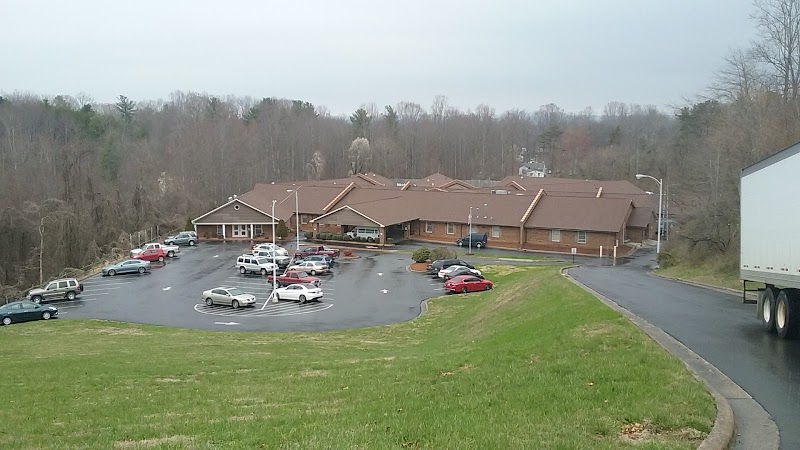
Who Owns and Operates Westwood Hills Nursing And Rehabilitation Center?

Westwood Hills Nursing and Rehabilitation Center is owned by a for-profit company. For-profit facilities operate as businesses with obligations to shareholders or private owners. The facility is operated by PRINCIPLE LONG TERM CARE, a chain that manages multiple nursing homes. With 176 certified beds and approximately 113 residents (about 64% occupancy), it is a mid-sized facility located in Wilkesboro, North Carolina.

How Does Westwood Hills Nursing And Rehabilitation Center Compare to Other North Carolina Nursing Homes?

Compared to the 100 nursing homes in North Carolina, Westwood Hills Nursing and Rehabilitation Center's overall rating (3 stars) is above the state average of 2.8, staff turnover (34%) is significantly lower than the state average of 46%, and health inspection rating (3 stars) is at the national benchmark.

What Should Families Ask When Visiting Westwood Hills Nursing And Rehabilitation Center?

Based on this facility's data, families visiting should ask: "What changes have been made since the serious inspection findings, and how are you preventing similar issues?" "Can I visit during a mealtime to observe dining assistance and food quality?" "How do you handle medical emergencies, and what is your hospital transfer rate?" "Can I speak with family members of current residents about their experience?" These questions are particularly relevant given the facility's Immediate Jeopardy citations.

Is Westwood Hills Nursing And Rehabilitation Center Safe?

Based on CMS inspection data, Westwood Hills Nursing and Rehabilitation Center has documented safety concerns. Inspectors have issued 1 Immediate Jeopardy citation (the most serious violation level indicating risk of serious injury or death). The facility has a 3-star overall rating and ranks #1 of 100 nursing homes in North Carolina. Families considering this facility should ask detailed questions about what corrective actions have been taken since these incidents.

Do Nurses at Westwood Hills Nursing And Rehabilitation Center Stick Around?

Westwood Hills Nursing and Rehabilitation Center has a staff turnover rate of 34%, which is about average for North Carolina nursing homes (state average: 46%). Moderate turnover is common in nursing homes, but families should still ask about staff tenure and how the facility maintains care continuity when employees leave.

Was Westwood Hills Nursing And Rehabilitation Center Ever Fined?

Westwood Hills Nursing and Rehabilitation Center has been fined $8,648 across 1 penalty action. This is below the North Carolina average of $33,165. While any fine indicates a compliance issue, fines under $50,000 are relatively common and typically reflect isolated problems that were subsequently corrected. Families should ask what specific issues led to these fines and confirm they've been resolved.

Is Westwood Hills Nursing And Rehabilitation Center on Any Federal Watch List?

Westwood Hills Nursing and Rehabilitation Center is not on any federal watch list. The most significant is the Special Focus Facility (SFF) program, which identifies the bottom 1% of nursing homes nationally based on persistent, serious quality problems. Not being on this list means the facility has avoided the pattern of deficiencies that triggers enhanced federal oversight. This is a positive indicator, though families should still review the facility's inspection history directly.