KIMES NURSING & REHAB CTR
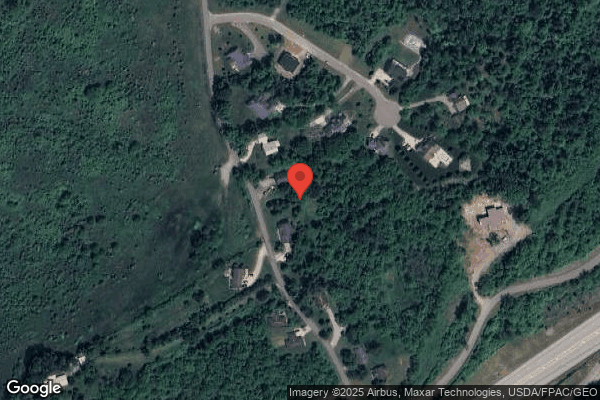
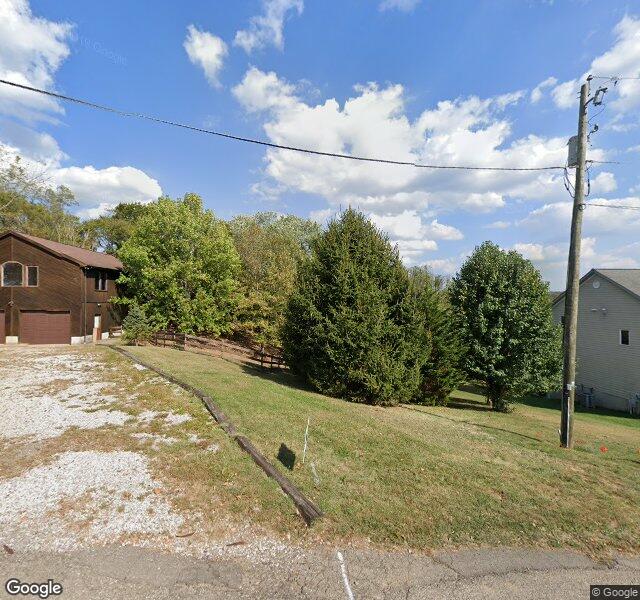
75 KIMES LANE, ATHENS, OH 45701 (740) 593-3391
For profit - Individual 61 Beds Independent Data: November 2025
Trust Grade
50/100
#707 of 913 in OH
Last Inspection: October 2024

Within standard 12-15 month inspection cycle. Federal law requires annual inspections.

Overview

Kimes Nursing & Rehab Center has a Trust Grade of C, indicating it is average and falls in the middle of the pack among nursing homes. It ranks #707 out of 913 facilities in Ohio, placing it in the bottom half, and #4 of 4 in Athens County, meaning only one local option is better. The facility is improving, having reduced issues from 11 in 2024 to just 1 in 2025. Staffing is a concern, with a low rating of 1 out of 5 stars and a turnover rate of 44%, which is better than the state average. While there have been no fines, there are significant concerns about food safety practices affecting all residents and inadequate documentation regarding infection control, highlighting areas where improvements are needed. Overall, Kimes has strengths in its fine record and improving trends, but weaknesses in staffing and specific care practices should be carefully considered.

Trust Score
C
50/100
In Ohio
#707/913
Bottom 23%
Safety Record
Low Risk
No red flags
Inspections
Getting Better
11 → 1 violations
Staff Stability
○ Average
44% turnover. Near Ohio's 48% average. Typical for the industry.
Penalties
✓ Good
No fines on record. Clean compliance history, better than most Ohio facilities.
Skilled Nurses
⚠ Watch
Each resident gets only 24 minutes of Registered Nurse (RN) attention daily — below average for Ohio. Fewer RN minutes means fewer trained eyes watching for problems.
Violations
⚠ Watch
41 deficiencies on record. Higher than average. Multiple issues found across inspections.
★★☆☆☆
2.0
Overall Rating
★☆☆☆☆
1.0
Staff Levels
★★★☆☆
3.0
Care Quality
★★★☆☆
3.0
Inspection Score
Stable
2024: 11 issues
2025: 1 issues

The Good

  • Full Sprinkler Coverage · Fire safety systems throughout facility
  • No fines on record
  • Staff turnover below average (44%)

    4 points below Ohio average of 48%

Facility shows strength in fire safety.

The Bad

2-Star Overall Rating

Below Ohio average (3.2)

Below average - review inspection findings carefully

Staff Turnover: 44%

Near Ohio avg (46%)

Typical for the industry

The Ugly 41 deficiencies on record

Jun 2025 1 deficiency
CONCERN (D) 📢 Someone Reported This

A family member, employee, or ombudsman was alarmed enough to file a formal complaint

Potential for Harm - no one hurt, but risky conditions existed

Pressure Ulcer Prevention (Tag F0686)

Could have caused harm · This affected 1 resident

**NOTE- TERMS IN BRACKETS HAVE BEEN EDITED TO PROTECT CONFIDENTIALITY** Based on medical record review, observation, staff interview, and review of the facility policy review, the facility failed to e...

Read full inspector narrative →
**NOTE- TERMS IN BRACKETS HAVE BEEN EDITED TO PROTECT CONFIDENTIALITY** Based on medical record review, observation, staff interview, and review of the facility policy review, the facility failed to ensure residents with pressure ulcers received appropriate and timely treatment and services to promote wound healing. This affected two (Residents #22 and #58) of three residents reviewed for pressure ulcers. The facility census was 55 residents. Findings include: 1.Review of the medical record for Resident #22 revealed an admission date of 02/11/25 with diagnoses of congestive heart failure, respiratory failure, diabetes, and stage four kidney disease. Review of readmission notes for Resident #22 dated 03/10/25 revealed the resident returned from the hospital on [DATE] with pressure ulcers to right and left heels. Review of the wound note for Resident #22 dated 04/01/25 revealed the pressure ulcer to the right heel was resolved. Review of the physician's orders for Resident #22 revealed an order dated 05/13/25 to cleanse the left heel with normal saline, apply skin prep, and leave open to air. Observation on 06/02/25 at 10:30 A.M. of wound care for Resident #22 per Registered Nurse (RN) #60 revealed the nurse cleansed the resident's right heel, applied skin prep, and left the heel open to air. There was no pressure ulcer to the resident's right heel. RN #60 then removed the sock to the resident's left foot at the Surveyor's request revealing a dark scabbed area to the left heel which measured 3.1 centimeters (cm) in length by 2.0 cm in width. The wound bed was covered with eschar (dead or devitalized tissue.) Interview on 06/02/25 at 10:45 A.M. with RN #60 confirmed she had done the treatment on the wrong foot. RN #60 confirmed Resident #22 had a treatment was ordered for the left heel, not for the right heel. Review of the facility policy titled Skin Integrity Management Policy and Procedure revised 12/11/18 revealed treatment measures should include following the physician's orders for active treatment. 2. Review of the closed medical record for Resident #58 revealed an admission date of 03/28/25 with diagnoses including stage three kidney disease, hypertension, and status post left hip replacement surgery. Review of the baseline care plan for Resident #58 dated 03/28/25 revealed the resident was at risk for skin breakdown but had no current skin issues. Review of the skin assessment for Resident #58 dated 03/28/25 per Licensed Practical Nurse (LPN) #66 revealed the resident had a pressure ulcer to the right upper buttock which measured 7.3 cm in length by 5.8 cm in width with no depth listed, a pressure ulcer to the upper coccyx which measured 1.0 cm by 0.5 cm with no depth listed. Review of a consult note for Resident #58 dated 04/01/25 per the wound nurse practitioner (WNP) revealed the resident was being seen for an initial consultation for wound care services. Resident #58 was admitted to the facility after having left hip replacement and at some point developed blistering to her coccyx and right buttock that had all merged together. Resident #58 had a stage two pressure ulcer to the coccyx which extended to the right buttock and measured 13 cm in length by 14 cm in width by 0.1 cm in depth. The WNP ordered Chamosyn with manuka honey to the area twice daily. Review of the Treatment Administration Record (TAR) for Resident #58 revealed the treatment to the resident's coccyx was started on 04/01/25. Interview on 06/02/25 at 1:30 P.M with Unit Manager RN #62 on 06/02/25 at 1:30 P.M. confirmed LPN #66 had filled out the skin grids on 03/31/25 but dated them for 03/28/25. Interview with the Director of Nursing on 06/02/25 at 1:30 P.M. confirmed skin grids should be dated the day they were actually done. The DON further confirmed treatment for Resident #58's pressure ulcers should have been obtained when the areas were noted and confirmed treatment was not started until 04/01/25. Review of an occupational therapy note for Resident #58 dated 04/05/25 revealed the resident had anti-embolism stockings on the left lower extremity. A nurse removed the hose and found an area to the resident's left heel. Review of a nursing progress note for Resident #58 dated 04/05/25 timed at 9:51 A.M. per LPN #61 revealed the nurse removed the resident's anti-embolism stockings and found a discolored blistered area to the resident's left heel. The nurse notified the physician and received new orders. Review of the skin grid for skin grid for Resident #58 dated 04/05/25 revealed the resident had a deep tissue pressure injury on the right heel which measured 2.0 cm by 5.0 cm and was purple and red in color. Review of the skin grid for Resident #58 dated 04/06/25 revealed the resident had a deep tissue pressure injury on the left heel which measured 2.5 cm by 4.0 cm and was purple and pink in color. Review of physician's orders for Resident #58 revealed an order dated 04/06/25 to cleanse bilateral heels with soap and water and apply skin prep every shift. Review of the TAR for Resident #58 dated April 2025 revealed the treatment to the resident's heels was started on 04/06/25. Interview with LPN #61 on 06/03/25 at 8:15 A.M. confirmed the physician was notified of the areas to Resident #58's heels on 04/05/25. LPN #61 confirmed the areas to the right and left heel were identified on 04/05/25 but the skin grid to the left heel was not completed until 04/06/25. LPN #61 confirmed the physician gave a treatment order to the bilateral heels on 04/05/25 but the treatment was not initiated until 04/06/25. Interview on 06/02/25 at 1:30 P.M. with the DON confirmed the treatment order for Resident #58's heels should have been initiated on 04/05/25, the day the areas were first identified. Review of the facility policy titled Skin Integrity Management Policy and Procedure revised 12/11/18 revealed the facility would establish and implement treatment plans for residents with existing pressure ulcers. This deficiency represents noncompliance investigated under Complaint Number OH00165749.
Dec 2024 1 deficiency
CONCERN (D) 📢 Someone Reported This

A family member, employee, or ombudsman was alarmed enough to file a formal complaint

Potential for Harm - no one hurt, but risky conditions existed

Report Alleged Abuse (Tag F0609)

Could have caused harm · This affected 1 resident

**NOTE- TERMS IN BRACKETS HAVE BEEN EDITED TO PROTECT CONFIDENTIALITY** Based on record review, staff interviews, review of the facility Self-Reported Incident, review of facility witness statements, ...

Read full inspector narrative →
**NOTE- TERMS IN BRACKETS HAVE BEEN EDITED TO PROTECT CONFIDENTIALITY** Based on record review, staff interviews, review of the facility Self-Reported Incident, review of facility witness statements, and review of facility policy, the facility failed to ensure an allegation of physical abuse was reported timely and appropriately. This affected one resident (#39) of the three residents reviewed for abuse during the complaint survey. The facility census was 55. Findings include: Record review for Resident #39 revealed the resident was admitted to the facility on [DATE] and had diagnoses including chronic respiratory failure, dementia with psychotic disturbance, and psychosis. Review of the 5-day Minimum Data Set (MDS) assessment, dated 11/15/24, revealed the resident was rarely/never understood and had long and short term memory problems. Review of the facility Self-Reported Incident (SRI), dated 12/01/24 and timed 11:44 A.M., revealed on 12/01/24 at 11:09 A.M. Activities Director #500 reported to the Administrator an allegation of abuse by Certified Nursing Assistant (CNA) #111 against Resident #39. No notification to the local law enforcement agency or the residents family or representative were documented. The Administrator unsubstantiated the allegation of abuse due to the he said,she said nature with no real evidence that the abuse occurred. Review of the witness statement for CNA #100, obtained on 12/03/24, revealed on 12/01/24 at approximately 7:40 A.M. CNA #100 and CNA #111 were providing care for Resident #39 when the resident became combative with the staff members. CNA #111 reportedly was rough with the resident while moving the residents limbs to get her dressed. Once dressed, CNA #100 and CNA #111 were able to transfer Resident #39 to her wheelchair but during the process the resident attempted to bite CNA #111 and the CNA responded by pushing the residents head roughly while stating Don't bite me. Resident #39 was still attempting to bite CNA #111 and the CNA responded by open-handed smacking and pushing the residents head to the side with enough force to move CNA #100 who was on the other side of the resident. CNA #100 reported she could only gasp during the incident as it was a complete surprise to her. CNA #100 and CNA #111 then brushed the residents hair and straightened her shirt out. CNA #100 reported inspecting the residents head where CNA #111 had smacked her before CNA #111 wheeled the resident out to the lobby. Review of the witness statement for Hospice Employee #500, dated 12/04/24, revealed on 12/01/24 between 10:00 A.M. and 11:00 A.M., CNA #100 a residents room to answer a call light and asked Hospice Employee #500 what she would do if she had witnessed some kind of abuse. Hospice Employee #500 responded do you know your chain of command and CNA #100 replied yes but the charge nurse was new to that side and she was not comfortable reporting an allegation of abuse to the rehabilitation nurse. Hospice Employee #500 informed CNA #100 she could report the allegation of abuse to Activity Director #500 as she was management and could help. Review of the time card punches for CNA #111 revealed on 12/01/24 the CNA did not punch out from work until 11:36 A.M. Telephone interview with CNA #111 on 12/05/24 at 11:06 A.M. confirmed on 12/01/24 CNA #111 and CNA #100 were in the room of Resident #39 around 6:30 A.M. getting the resident up for the day. CNA #111 confirmed the resident became combative during care but denied hitting the resident or being rough with the resident. CNA #111 confirmed the employees finished providing care to the resident and then took the resident out to the lobby and CNA #111 reported the combative behavior by the resident to the nurse on duty. CNA #111 confirmed she continued working providing care to residents until approximately 11:30 A.M. when she was approached and told an allegation of abuse was made against her and was escorted out of the building. Attempted telephone interview with CNA #100 on 12/05/24 at 11:05 A.M. and at 1:29 P.M. and was unsuccessful with a message left and no return call from CNA #100. Interview with the Administrator and Director of Nursing (DON) on 12/05/24 at 2:00 P.M. confirmed the allegation of abuse against Resident #39 by CNA #111 was reported to happen around 6:30 A.M. on 12/01/24. They confirmed CNA #100 witnessed the alleged incident of abuse but did not report it to Activity Director #500 until 11:06 A.M. They confirmed Activity Director #500 then reported it to the Administrator and CNA #111 was escorted out of the building after clocking out at 11:36 A.M. They confirmed allegations of abuse should be reported immediately or as soon as the residents safety is ensured. They confirmed the local law enforcement agency and the residents family had not been notified of the allegation of physical abuse. Review of the facility policy titled Abuse/Neglect/Mistreatment, Exploitation & Misappropriation of Resident Property Prevention Policy and Procedure, revised 11/04/16, revealed facility employees are required to report, without fear of reprisal, all known/suspected occurrences of abuse immediately to their immediate supervisor. The Administrator and/or Director of Nursing will immediately notify the physician and the residents family member or legal representative, will notify the Ombudsman, and will notify the local law enforcement agency of known suspected abuse. This deficiency represents non-compliance identified during the investigation of Complaint OH00160344.
Oct 2024 10 deficiencies
CONCERN (D)

Potential for Harm - no one hurt, but risky conditions existed

Deficiency F0625 (Tag F0625)

Could have caused harm · This affected 1 resident

**NOTE- TERMS IN BRACKETS HAVE BEEN EDITED TO PROTECT CONFIDENTIALITY** Based on record review, staff interview, and policy review, the facility failed to ensure a resident and or their resident repre...

Read full inspector narrative →
**NOTE- TERMS IN BRACKETS HAVE BEEN EDITED TO PROTECT CONFIDENTIALITY** Based on record review, staff interview, and policy review, the facility failed to ensure a resident and or their resident representative was provided a bed-hold notice as required, when the resident was transferred out to the hospital. This affected one (Resident #32) of two residents reviewed for hospitalization. The facility census was 51. Findings include: Review of Resident #32's medical record revealed the resident was admitted to the facility on [DATE]. Her diagnoses included dementia with behavioral disturbances, unspecified intellectual disability, generalized anxiety disorder, restlessness and agitation, and hypernatremia. Her face sheet indicated the resident's sister was listed as her emergency contact #1 and her mother was her emergency contact #2. Review of Resident #32's admission Minimum Data Set (MDS) assessment dated [DATE] revealed the resident was sometimes able to make herself understood and was sometimes able to understand others. She had short and long term memory impairment and her cognitive skills for daily decision making was severely impaired. Review of Resident #32's progress notes revealed a nurse's note dated 09/16/24 at 5:21 P.M. that indicated the resident was sent to the hospital for an elevated sodium level of 158 milliequivalents per liter. The resident's sister was made aware of the transfer and planned to meet the resident at the emergency room. The resident was indicated to be unable to verbalize questions regarding bed-hold. There was no answer from the resident's sister when she was called back to ask if she wanted to hold the resident's bed while she was out to the hospital. Further review of Resident #32's progress notes revealed another nurse's note dated 09/17/24 at 9:02 A.M. that revealed the resident had been admitted to the hospital for an elevated sodium level. She returned to the facility on [DATE] at 5:00 P.M. Resident #32's medical record was absent for any evidence of her resident representative being provided a bed-hold when she was admitted to the hospital on [DATE] as required. Findings were verified by Social Service Director #116. On 10/16/24 at 2:30 P.M., an interview with Social Service Director #116 revealed she could not find evidence of Resident #32's representative being provided a copy of a bed-hold notice when the resident was transferred to the hospital on [DATE]. She was surprised she could not find one as they usually did not miss those when they were necessary. Review of the facility's policy on Holding Bed Space undated revealed the facility informed residents of their bed hold policy upon admission and prior to a transfer for hospitalization or therapeutic leave. The policy interpretation and implementation revealed upon admission and at the time a resident was transferred for hospitalization or a therapeutic leave, facility would provide the resident with information concerning their bed-hold policy. When emergency transfers were necessary, the facility would provide the resident or resident representative with information concerning their bed hold policy within 24 hours of such transfer.
CONCERN (D)

Potential for Harm - no one hurt, but risky conditions existed

PASARR Coordination (Tag F0644)

Could have caused harm · This affected 1 resident

Based on staff interview and record review the facility failed to to ensure resident Pre-admission Screening and Resident Review (PASARR) documents were accurate regarding resident current conditions ...

Read full inspector narrative →
Based on staff interview and record review the facility failed to to ensure resident Pre-admission Screening and Resident Review (PASARR) documents were accurate regarding resident current conditions and diagnoses. This affected one (Resident #4) of one resident reviewed for PASARR documents. The census was 51. Findings include: Record review of Resident #4 revealed an admission date of 04/26/19 with pertinent diagnoses of: anxiety disorder on 07/30/21, schizoaffective disorder on 01/25/22 dementia, covid 19, type two diabetes mellitus, localized edema, hammer toe, cognitive communication deficit, macular degeneration, sensorineural hearing loss, reduced mobility, vitamin D deficiency, iron deficiency anemia, hypertension, hyperlipidemia, major depressive disorder, hypokalemia, and symbolic dysfunctions. Review of the 08/22/24 Minimum Data Set (MDS) assessment revealed the resident was severely cognitively impaired and used a walker to aid in mobility. The resident required partial moderate assistance to roll left and right, sit to lying, lying to sitting, sit to stand, chair/bed to chair, and toilet transfer. Review of the medical record on 10/15/24 at 1:15 P.M. revealed Resident #4 had a diagnosis of anxiety disorder since 07/30/21. Record review on 10/15/24 at 1:18 P.M. of the 01/25/22 Pre-admission Screening and Resident Review (PASARR) 01/25/22 revealed there was no anxiety diagnosis listed. Interview with Marketing Director #100 on 10/17/24 at 9:45 A.M. verified Resident #4 did not have a listed anxiety diagnosis on the 01/25/22 PASARR but she had a diagnosis of anxiety disorder.
CONCERN (D)

Potential for Harm - no one hurt, but risky conditions existed

Comprehensive Care Plan (Tag F0656)

Could have caused harm · This affected 1 resident

**NOTE- TERMS IN BRACKETS HAVE BEEN EDITED TO PROTECT CONFIDENTIALITY** 2. Review of the medical record for Resident #10, revealed an admission date of 08/23/21. Diagnoses included but were not limite...

Read full inspector narrative →
**NOTE- TERMS IN BRACKETS HAVE BEEN EDITED TO PROTECT CONFIDENTIALITY** 2. Review of the medical record for Resident #10, revealed an admission date of 08/23/21. Diagnoses included but were not limited to atherosclerotic heart disease of native coronary artery without angina pectoris, type 2 diabetes, unspecified dementia, anxiety disorder, major depressive disorder, and muscle weakness. Review of the most recent Minimum Data Set (MDS) 3.0 assessment dated [DATE] revealed a Brief Interview for Mental Status (BIMS) of 15. The resident was assessed to require independent toilet hygiene, bed mobility and transfers with partial/moderate assistance with shower/bathe self. Review of the active care plan for Resident #10 revealed no plan of care was in place for anxiety disorder and resident specific symptoms. Interview on 10/16/24 at 12:40 P.M. with the Director of Nursing verified Resident #10 had no plan of care for the diagnosis of anxiety disorder and resident specific symptoms. Based on staff interview, and record review the facility failed to develop comprehensive care plans for Resident #36's anticoagulant use and Resident #10's anxiety care plan was not specific and patient centered. This affected two (Resident #10, and #36) of 20 residents reviewed for care plans. The facility census was 51. Findings include: 1. Record review of Resident #36 revealed an admission date of 03/07/24 with pertinent diagnoses of: end stage renal disease, type two diabetes mellitus with diabetic chronic kidney disease, atherosclerotic heart disease of native coronary artery, congestive heart failure, acute embolism and thrombosis of right internal jugular vein, acute and chronic respiratory failure, disorder of kidney and ureter, noninfective gastroenteritis and colitis, hypertension, morbid obesity, disorders of lung, malignant neoplasm of prostate, anemia, polyneuropathy, hypoxemia, acquired absence of left leg above knee, and other malaise. Review of the 09/12/24 Minimum Data Set (MDS) assessment revealed the resident is cognitively intact and uses a wheelchair to aid in mobility. The resident receives dialysis services. Review of the medical record on 10/16/24 at 12:05 P.M. revealed a Physician Order dated 03/07/24 for apixaban Eliquis (an anticoagulant medication) Oral Tablet 5 milligrams give one tablet by mouth every 12 hours for acute deep venous thrombosis right upper extremity. Review of the care plan on 10/16/24 at 12:10 P.M. revealed there was no care plan related to the anticoagulant Eliquis. Interview with the Director of Nursing (DON) on 10/16/24 at 12:41 P.M. verified there was not an anticoagulant care plan for Resident #36 Eliquis use.
CONCERN (D)

Potential for Harm - no one hurt, but risky conditions existed

Quality of Care (Tag F0684)

Could have caused harm · This affected 1 resident

**NOTE- TERMS IN BRACKETS HAVE BEEN EDITED TO PROTECT CONFIDENTIALITY** Based on record review and interview, the facility failed to ensure hospice records were available for continuity of care for on...

Read full inspector narrative →
**NOTE- TERMS IN BRACKETS HAVE BEEN EDITED TO PROTECT CONFIDENTIALITY** Based on record review and interview, the facility failed to ensure hospice records were available for continuity of care for one resident. This affected one (Resident #109) of one resident reviewed for hospice. Additionally, the facility failed to ensure compression stockings were applied as physician ordered. This affected one resident (#32) of one resident reviewed for edema. The facility census was 51. Findings Include: 1. Review of the medical record for Resident #109 revealed an initial admission date of 09/23/24 with the diagnoses including but not limited to fracture of head and neck of right femur, heart failure, dementia, atrial fibrillation, chronic obstructive pulmonary disease, gout, gastro-esophageal reflux disease and anxiety disorder. Review of the resident's comprehensive admission assessment dated [DATE] revealed the resident had a severe cognitive deficit. The assessment indicated the resident's prognosis was less than six months and the resident received hospice services. Review of the plan of care dated 10/04/24 revealed the resident had a terminal prognosis of six months or less if disease follow usual course. Interventions included hospice interdisciplinary group will provide services based on identified needs of the resident, hospice nurse will educate resident/family/on medication use dosage and administration as needed, hospice skilled nursing visits one to three times a week and as needed, hospice will be financially responsible and provide all medications related to the terminal illness and hospice will have on-call services available 24 hours a day seven days a week. Review of the resident's monthly physician orders for October 2024 identified an order 09/26/24 resident receiving hospice services. Review of Resident #109's medical record revealed no evidence the facility had obtained the hospice certification, care plan or assessment. On 10/15/24 at 4:13 P.M., interview with Licensed Practical Nurse (LPN) #152 revealed LPN #138 had contacted the resident's hospice company and requested the resident's hospice information be faxed to the facility. On 10/16/24 at 10:19 A.M., interview with LPN #152 verified the resident's medical record did not contain the required hospice documentation for continuity of care. 2. Review of Resident #32's medical record revealed the resident was admitted to the facility on [DATE]. Her diagnoses included dementia with behavioral disturbances, unspecified intellectual disability, osteoarthritis, muscle weakness, and abnormalities of gait and mobility. Review of Resident #32's admission Minimum Data Set (MDS) assessment dated [DATE] revealed the resident was sometimes able to make herself understood and was sometimes able to understand others. She had short and long term memory impairment and her cognitive skills for daily decision making was severely impaired. She was not known to have displayed any behaviors and was not noted to have rejected any care during the seven day assessment period. She needed some help/ partial assistance from another person for bathing and dressing. She had a functional limitation in her range of motion to her bilateral upper and lower extremities. She was dependent on staff for lower body dressing and putting on/ taking off footwear. Review of Resident #32's physician's visit notes revealed the resident was seen by the physician on 10/09/24. The visit note indicated the facility staff had noted an increase in the resident's chronic left lower extremity (LLE) edema. The physician noted a trace amount of pitting edema to the resident's LLE during his exam. He ordered compression stockings to be applied to the resident's legs. Review of Resident #32's physician's orders revealed an order had been written for compression stockings to be applied in the morning and removed at bedtime. The date of the order was 10/09/24 and it was to start on 10/10/24. Review of Resident #32's active care plans revealed they were absent for any care plan to address the resident's chronic edema of her LLE. None of the existing care plans mentioned edema being a problem for the resident or that she was to use compression stockings to help manage her edema. Review of Resident #32's treatment administration record (TAR) for October 2024 revealed the nursing staff were initialing the TAR to show the compression stockings were being applied as ordered. The nurse working 10/15/24 (Tuesday) signed off that the resident's compression stockings were applied that morning. On 10/15/24 at 1:44 P.M., an observation of Resident #32 noted the resident to be sitting up in the common area on a sofa. She had her feet down on the floor in front of her. She was wearing slacks put the pant legs were hiked up exposing her legs from the mid-calf area down. She was noted to have some edema in her lower extremities and was not wearing compression stockings as ordered. On 10/15/24 at 4:07 P.M., further observation of Resident #32 noted her to be sitting in the common area again across from the nurses station seated on the sofa. Her pant legs were again raised exposing her lower extremities. Her legs were not elevated and her feet were in contact with the floor. She continued to not have any compression stockings on as ordered and as signed off as being in use on the TAR. On 10/15/24 at 5:05 P.M., an interview with Certified Nursing Assistant (CNA) #126 revealed Resident #32 was known to have swelling in her feet. The CNA had just come back to work yesterday and noticed the swelling in the resident's feet. She was not aware of the resident having an order for compression stockings. The night shift got her up in the morning and she was usually already dressed when she arrived to work. She was asked to check the resident's room to see if the resident had any compression stockings in her room. The CNA searched the resident's room checking her dresser and the closet, but could not find any compression stockings. On 10/15/24 at 5:07 P.M., an interview with LPN #136 revealed Resident #32 was known to have some swelling in her ankles. She was asked what they did to try to alleviate the swelling in the resident's legs. She stated they try to keep her legs elevated when lying down and will raise her feet when she is sitting in her recliner. She did not mention anything about the resident having the use of compression stockings. She acknowledged the resident was not wearing her compression stockings as ordered. She further acknowledged she had initialed the TAR to reflect the compression stockings were in place on the resident, when they were not.
CONCERN (D) 📢 Someone Reported This

A family member, employee, or ombudsman was alarmed enough to file a formal complaint

Potential for Harm - no one hurt, but risky conditions existed

Pressure Ulcer Prevention (Tag F0686)

Could have caused harm · This affected 1 resident

**NOTE- TERMS IN BRACKETS HAVE BEEN EDITED TO PROTECT CONFIDENTIALITY** 2. Review of the medical record for Resident #45, revealed an admission date of 05/11/23. Diagnoses included but were not limite...

Read full inspector narrative →
**NOTE- TERMS IN BRACKETS HAVE BEEN EDITED TO PROTECT CONFIDENTIALITY** 2. Review of the medical record for Resident #45, revealed an admission date of 05/11/23. Diagnoses included but were not limited to hemiplegia and hemiparesis following cerebral infarction affecting right dominant side, pressure ulcer of left buttock, stage 2, pressure ulcer of right heel, unstageable, and cerebral infarction with a diagnosis of abnormal weight loss as of 06/29/24. Review of the most recent Minimum Data Set (MDS) 3.0 assessment dated [DATE] revealed a Brief Interview for Mental Status (BIMS) of the resident is rarely/never understood. The resident was assessed to require substantial/maximal assistance with shower/bathe self, dependent on toilet hygiene, bed mobility, and transfers. This resident was also assessed to be at risk for developing pressure ulcers and has a pressure reducing device for bed. Review of the active care plan for Resident #45 revealed a Potential for Skin Integrity Deficit with an intervention for an air mattress to order. Review of the active physician order for Resident #45 revealed alternating air mattress to bed and check function each shift. Review of the most recent weight obtained for Resident #45 on 10/02/24 revealed the resident to weight 133 pounds. Review of the most recent Braden skin assessment completed on 10/10/24 revealed a score of 11.0 indicated moderate risk for skin breakdown. Observation on 10/15/24 at 9:24 A.M. revealed Resident #45 to be on an alternating air mattress set to a weight of 450 pounds. Reobservation on 10/15/24 at 3:52 P.M. revealed Resident #45 to be on an alternating air mattress set to a weight of 450 pounds. Interview on 10/15/24 at 3:53 P.M. with Licensed Practical Nurse #152 revealed she was unsure as to what pounds Resident #45's air mattress should be set on and verified it was set to 450 pounds. Observation on 10/15/24 at 3:58 P.M. with Registered Nurse Clinical Compliance Specialist #158 set Resident #45's bed to appropriate weight. This deficiency represents non-compliance investigated under Complaint Number OH00158165. Based on observation, record review and interview, the facility failed to ensure physician ordered pressure reduction devices were implemented as ordered. This affected two residents (#45 and #109) of four residents reviewed for pressure ulcers. The facility census was 51. Findings Include: 1. Review of the medical record for Resident #109 revealed an initial admission date of 09/23/24 with the diagnoses including but not limited to fracture of head and neck of right femur, heart failure, dementia, atrial fibrillation, chronic obstructive pulmonary disease, gout, gastro-esophageal reflux disease and anxiety disorder. Review of the resident's admission nursing assessment dated [DATE] revealed the resident was admitted to the facility with a stage I pressure ulcer to the right outer ankle measuring 2.0 centimeters (cm) by 2.0 cm. The resident also had an abrasion to the right hip measuring 3.0 cm by 0.2 cm and an abrasion to the left buttocks measuring 2.0 cm by 0.2 cm. Review of the resident's Braden scale dated 09/23/24 revealed a score of 15 indicating the resident was at risk for skin breakdown. Review of the plan of care dated 10/04/24 revealed the resident had skin integrity deficits and is at risk for pressure injury related to incontinence bowel and bladder, mobility deficit, thin fragile skin, non-weight bearing to right lower extremity, due to inoperable right hip fracture, resident typically requires on maximum assist with bed mobility, transfers and toileting task. Interventions included air mattress per order, bilateral assist rails to enable resident to turn and reposition self, Braden assessment for the first four weeks then quarterly and as needed, creams per order, diet as ordered, encourage and assist to turn and reposition every two hours and as needed, medication as ordered, nurse to monitor skin every week, keep heels off bed and recliner chair (elevate with pillows). Review of the resident's monthly physician orders for October 2024 identified an order 09/23/24 encourage to use pressure reducing cushion while in wheelchair, encourage to keep heels elevated off surface of bed, encourage to turn and reposition every two hours as needed, weekly skin assessment, non-weight bearing to right lower extremity due to hip fracture, off loading boot to right foot when in bed every shift, 10/03/24 air mattress to bed and 10/09/24 Zinc 40% topically to sacrum every shift for moisture associated skin damage (MASD). On 10/15/24 at 11:14 A.M., observation of Resident #109 revealed the physician ordered off loading boot at all times was not implemented to the resident's right foot. Further observation revealed the physician ordered air mattress was not placed on the resident's bed. On 10/15/24 at 1:45 P.M., observation of Resident #109 revealed the physician ordered off loading boot remained off. Further observation revealed the physician ordered air mattress was not on the resident's bed. On 10/15/24 at 4:13 P.M., interview with Licensed Practical Nurse (LPN) #152 verified the off loading boot and the air mattress to the resident's bed was not implemented as physician ordered.
CONCERN (D)

Potential for Harm - no one hurt, but risky conditions existed

Accident Prevention (Tag F0689)

Could have caused harm · This affected 1 resident

**NOTE- TERMS IN BRACKETS HAVE BEEN EDITED TO PROTECT CONFIDENTIALITY** 2. Review of the medical record for Resident #38, revealed an admission date of 2/16/24. Diagnoses included but were not limited...

Read full inspector narrative →
**NOTE- TERMS IN BRACKETS HAVE BEEN EDITED TO PROTECT CONFIDENTIALITY** 2. Review of the medical record for Resident #38, revealed an admission date of 2/16/24. Diagnoses included but were not limited to anxiety disorder, altered mental status, depression, and unspecified dementia. Review of the most recent Minimum Data Set (MDS) 3.0 assessment dated [DATE] revealed a Brief Interview for Mental Status (BIMS) of 00 indicating severe cognitive impairment. The resident was assessed to require substantial/maximal assistance with shower/bathe self, bed mobility, transfers and dependent on toilet hygiene. Review of the active care plan for Resident #38 revealed fall risk with dycem to wheelchair at all times on top of alarm pad and under alarm pad. Review of Resident #38's progress note dated 10/12/24 at 10:20 A.M. revealed the resident was laying on the floor in front of wheelchair. Further review of the progress notes for Resident #38 dated 10/12/24 at 10:47 A.M. revealed dycem not in place to wheelchair at the time of the incident and reeducated staff on need to have dycem in wheelchair. Interview on 10/16/24 at 8:59 A.M. with the Director of Nursing verified the fall on 10/12/24 involving Resident #38 the fall intervention for the dycem to be in wheelchair at all times was not in place at the time of the fall and should have been per care plan. Review of the facility's Falls Management Policy and Procedure undated revealed the intent of the policy was to ensure residents received adequate supervision and assistive devices based on individual risk factors to reduce and/ or prevent falls. The purpose was to develop and implement appropriate interventions to reduce or prevent falls based on the resident's individual risk factors. Residents who were assessed as a high risk for falls would have individualized care plan developed that would include the problem, measurable individualized goals, and appropriate interventions to promote resident safety. A licensed nurse, based on initial observation of the fall would implement a keep safe plan, which would include an alternate/ new intervention in an effort to prevent recurrent falls. The new intervention would be documented in the medical record. Based on record review, observation, staff interview, and policy review, the facility failed to ensure fall prevention interventions were implemented as per the plan of care for residents who were at risk for and/ or had a history of falls. This affected two (Resident #33 and #38) of four residents reviewed for falls. The census was 51. Findings include: 1. Review of Resident #33's medical record revealed the resident was admitted to the facility on [DATE]. His diagnoses included a history of a left hip fracture and a left rib fracture secondary to a fall at home, difficulty walking, muscle weakness, and need for assistance with personal care. His diagnoses list was updated to reflect he had a right hip fracture on 08/19/24, after his admission to the facility. Review of Resident #33's care plans revealed he had an active care plan in place for being at risk for additional falls related to having a history of falls resulting in multiple fractures, a history of waking up through out the night confused and would get out of bed resulting in falls. The goal was for the resident to have decreased opportunities for falls. The interventions included encouraging the resident to use the call light to ask for assistance before attempting to transfer or ambulate and the use of a visual reminder to use call light. Review of Resident #33's nurses' progress notes revealed a nurse's note dated 08/15/24 at 4:40 A.M. that indicated the nurse was called to the resident's room after responding to the resident call for help. The resident was found lying on his back in the bathroom doorway with his feet pointing towards the toilet. The resident's call light was on the bed rail but was not activated. His right leg was externally rotated. The resident was subsequently transferred to the hospital and admitted for a fracture to his right hip. Further review of Resident #33's progress notes revealed an interdisciplinary team (IDT) note dated 08/16/24 at 11:30 A.M. that indicated the IDT met to review the resident's recent fall. The new fall prevention intervention added, after that fall to prevent additional falls from occurring, was to use a visual reminder to use use his call light. On 10/16/24 at 4:52 P.M., an observation of Resident #33's room revealed there was no visual reminder posted in the resident's room for the resident to use his call light, as per his plan of care. Finding was verified by the Director of Nursing (DON). On 10/16/24 at 4:57 P.M., an interview with the DON confirmed the resident had a fall on 08/15/24, when he attempted an unassisted transfer from his bed to the bathroom. She reported the IDT reviewed that fall and added the use of a visual reminder posted in his room to remind him to use his call light. She acknowledged there was not a sign posted in his room as a visual reminder to the resident to use his call light. She stated she was not sure what had happened to it and would make sure another sign was posted.
CONCERN (D)

Potential for Harm - no one hurt, but risky conditions existed

Deficiency F0699 (Tag F0699)

Could have caused harm · This affected 1 resident

Based on record reviews and interviews, the facility failed to ensure a resident with Post Traumatic Stress Disorder (PTSD) was appropriately assessed to identify the cause of the residents PTSD and m...

Read full inspector narrative →
Based on record reviews and interviews, the facility failed to ensure a resident with Post Traumatic Stress Disorder (PTSD) was appropriately assessed to identify the cause of the residents PTSD and minimize triggers and/or re-traumatization. This affected one resident (#37) identified by the facility as having PTSD/trauma. The facility census was 51. Findings include: Record review of Resident #37 revealed an admission date of 01/30/23 with pertinent diagnoses of: post traumatic stress disorder chronic 07/12/23, heart failure, morbid obesity, Alzheimer's disease, need for assistance with personal care, repeated falls, unspecified psychosis, hyperlipidemia, paranoid personality disorder, delusional disorders, abnormal posture, cognitive communication deficit, dementia, hypothyroidism, hypertension, tinea unguium, cardiomegaly, mood affective disorder, obstructive sleep apnea,anxiety disorders, major depressive disorder, and nightmare disorder. Review of the 09/11/24 quarterly Minimum Data Set (MDS) assessment revealed the resident was cognitively intact and used a walker to aid in mobility. The resident was listed as having a diagnosis of post traumatic stress disorder. Review of Resident #37 medical record on 10/15/24 at 1:50 P.M. revealed there was no assessment or care plan for PTSD. Interview with Registered Social Worker #116 on 10/17/24 at 10:00 A.M. revealed she was unaware of what Resident #37 PTSD was from and she had no knowledge of Resident #37 having a care plan or assessment for PTSD. Interview with the Director of Nursing (DON) on 10/16/24 at 12:41 P.M. verified there was not an assessment or care plan for PTSD. The DON said Psychiatric services talks to her but we dont really know what happened or what her triggers are.
CONCERN (D)

Potential for Harm - no one hurt, but risky conditions existed

Infection Control (Tag F0880)

Could have caused harm · This affected 1 resident

Based on observation, record review, policy review, and staff interview the facility failed to follow infection prevention guidelines when they failed to wear appropriate personal protective equipment...

Read full inspector narrative →
Based on observation, record review, policy review, and staff interview the facility failed to follow infection prevention guidelines when they failed to wear appropriate personal protective equipment for enhance barrier precautions when doing would care for Resident #36. This affected one (Resident #36) of five residents reviewed for infection control. The facility census was 51. Findings include: Record review of Resident #36 revealed an admission date of 03/07/24 with pertinent diagnoses of: end stage renal disease, type two diabetes mellitus with diabetic chronic kidney disease, atherosclerotic heart disease of native coronary artery, congestive heart failure, acute embolism and thrombosis of right internal jugular vein, acute and chronic respiratory failure, disorder of kidney and ureter, thrombocytopenia, gout, noninfective gastroenteritis and colitis, hypertension, morbid obesity, disorders of lung, malignant neoplasm of prostate, anemia, polyneuropathy, hypoxemia, acquired absence of left leg above knee, and other malaise. Review of the 09/12/24 Minimum Data Set (MDS) assessment revealed the resident is cognitively intact and uses a wheelchair to aid in mobility. The resident receives dialysis services. Review of the medical record on 10/15/24 at 9:52 A.M. revealed Resident #36 had a right lateral heel unstageable pressure ulcer and was receiving dialysis care. Observation of a on 10/16/24 at 4:00 P.M. revealed Resident #36 had a sign on his door for enhanced barrier precautions and to clean their hands including before entering room and when leaving room and to wear gloves and a gown for the following high contact resident care activities: Transferring, providing hygiene, device care or use, wound care or any skin opening requiring a dressing. Observation of a on 10/16/24 at 4:06 P.M. revealed State Tested Nurse Aide (STNA)#127 assisting with Resident #36 wound care. STNA #127 put on gloves, but did not put on a gown and then assisted with the wound care by holding Resident #127 leg in the air for a minimum time of two minutes. She was visibly touching the side of the bed with her clothing. Interview with STNA #127 on 10/16/24 at 4:11 P.M. verified did not put on gown and resident was on enhanced barrier precautions. Review of the 08/01/22 facility Enhance Barrier Precautions policy revealed enhance barrier precautions are used as an infection prevention and control intervention to reduce the spread of multi-drug resistant organisms to residents. Gloves and gowns are applied prior to performing high contact resident care activity. Example of high contact resident activity requiring the use of gown and gloves include: dressing, transferring, providing hygiene, changing linens, wound care.
CONCERN (D)

Potential for Harm - no one hurt, but risky conditions existed

Antibiotic Stewardship (Tag F0881)

Could have caused harm · This affected 1 resident

**NOTE- TERMS IN BRACKETS HAVE BEEN EDITED TO PROTECT CONFIDENTIALITY** Based on record review and interview, the facility failed to ensure one resident (#21) was not treated with an antibiotic prior ...

Read full inspector narrative →
**NOTE- TERMS IN BRACKETS HAVE BEEN EDITED TO PROTECT CONFIDENTIALITY** Based on record review and interview, the facility failed to ensure one resident (#21) was not treated with an antibiotic prior to the return of the culture and sensitivity (C&S) results. This affected one (Resident #21) of two residents reviewed for urinary tract infection (UTI). The facility census was 51. Findings Include: Review of the medical record for Resident #21 revealed an initial admission date of 02/13/23 with the latest readmission date of 04/07/23 with the diagnoses including but not limited to neurocognitive disorder with Lewy bodies, repeated falls, anxiety disorder, dementia, Alzheimer's disease, mood disorder, hypertension, osteoarthritis, metabolic encephalopathy and osteoporosis. Review of the plan of care dated 03/05/23 revealed the resident had toileting deficits related to dementia, cognitive function fluctuates, short and long term memory deficits, sometimes understood and sometimes understands others, supervision to limited assist with toileting, frequently incontinent of bowel and bladder and can be resistive to toileting and incontinent care. Interventions include assist with toileting tasks as needed, assure adequate pericare after incontinent episode, encourage proper peri-care, encourage to request assist with toileting tasks before urge is too strong, encourage to toilet every two hours and as needed, assist with toileting tasks as needed, follow facility protocol episodes of constipation, labs per orders, report results to physician, medications as ordered, monitor and record bowel movements every shift, monitor for signs/symptoms of UTI. Review of the resident's bowel and bladder program screener dated 09/03/24 revealed the resident was a candidate for scheduled toileting. Review of the resident's quarterly MDS assessment dated [DATE] revealed the resident had a severe cognitive deficit. Review of the mood and behavior revealed the resident displayed no behaviors. The assessment indicated the resident was always incontinent of bladder and frequently incontinent of bowel. Review of the progress note dated 09/12/24 at 6:14 P.M. revealed the resident was noted to have increased lethargy and sleeping in recliner. The resident was hitting staff and speaking in sentences that are not formed. The resident was noted to have not voided in 12 hours. The physician was noted and new orders were obtained. Review of the progress note dated 09/12/24 at 6:42 P.M. revealed new orders were received from the resident's physician for straight cath every eight hours as needed if no void, UA and culture and sensitivity (UA/C&S), stat complete blood count (CBC), complete metabolic panel (CMP) and Rocephin 1 gram every 24 hours for three days. Review of the UA/C&S results collected on 09/13/24 and resulted on 09/14/24 revealed the resident cloudy urine with urine ketones at 20 and urine urobilinogen at 2.0. Three or more morphototypes were identified suggesting probable contamination during specimen (urine) collection. Suggested repeat if clinically indicated. Review of the progress note dated 09/16/24 revealed the facility received the resident's urinalysis (UA) results with the recommendation to repeat if clinically indicated. The resident had received Rocephin for three days with the resident's behavior being back to baseline. The resident's physician was notified and determined there was no need for a repeat UA. On 10/16/24 at 4:06 P.M., interview with the Director of Nursing (DON) verified the resident was treated with antibiotics prior to the results of the UA/C&S.
CONCERN (E)

Potential for Harm - no one hurt, but risky conditions existed

Deficiency F0883 (Tag F0883)

Could have caused harm · This affected multiple residents

Based on review of medical records, resident vaccination consent forms and staff interview the facility failed to offer each resident a pneumococcal immunization. This affected four (Residents #10, #3...

Read full inspector narrative →
Based on review of medical records, resident vaccination consent forms and staff interview the facility failed to offer each resident a pneumococcal immunization. This affected four (Residents #10, #36, #37 and #46) of five residents sampled for influenza, pneumococcal and COVID-19 immunization review. The census was 51. Findings include: 1. Review of Resident #10's medical record revealed an admission date of 08/09/21 and diagnoses of atherosclerotic heart disease, diabetes, hypothyroidism, dementia of unspecified severity, anxiety, depression, hypertension and hyperlipidemia. Review of the immunization record revealed Resident #10 received a dose of an unknown type of pneumococcal vaccine on or around 07/10/19. Review of Resident #10's physicians orders revealed no orders for pneumococcal vaccine. Review of the facility form titled Vaccine Administration Record (VAR)/informed Consent for Vaccinations at LTCF Pharmerica revealed a line where the resident or responsible party could indicate if they wished to receive a COVID-19 vaccination, influenza vaccination or other vaccination. Resident #10's form indicated that the resident wished to receive the COVID-19 vaccination and influenza vaccination. There were no vaccinations indicated in the space designated other. 2. Review of Resident #36's medical record revealed an admission date of 03/07/24 and diagnoses of end stage renal disease, diabetes, congestive heart failure, chronic respiratory failure, prostate cancer, anemia, hypertension and morbid obesity. Review of the immunization record revealed Resident #36 had not received a pneumococcal vaccine. Review of Resident #36's physicians orders revealed no orders for pneumococcal vaccine. Review of the facility form titled Vaccine Administration Record (VAR)/informed Consent for Vaccinations at LTCF Pharmerica revealed a line where the resident or responsible party could indicate if they wished to receive a COVID-19 vaccination, influenza vaccination or other vaccination. Resident #36's form indicated that the resident wished to receive the influenza vaccination. There were no vaccinations indicated in the space designated other. 3. Review of Resident #37's medical record revealed an admission date of 01/30/23 and diagnoses of heart failure, morbid obesity, Alzheimer's disease, hyperlipidemia, hypertension, anxiety and depression. Review of the immunization record revealed Resident #37 had not received a pneumococcal vaccine. Review of Resident #37's physicians orders revealed no orders for pneumococcal vaccine. Review of the facility form titled Vaccine Administration Record (VAR)/informed Consent for Vaccinations at LTCF Pharmerica revealed a line where the resident or responsible party could indicate if they wished to receive a COVID-19 vaccination, influenza vaccination or other vaccination. Resident #37's form indicated that the resident wished to receive the influenza vaccination. There were no vaccinations indicated in the space designated other. 4. Review of Resident #46's medical record revealed an admission date of 05/09/23 and diagnoses of pulmonary embolus, Myocardial infarction, respiratory failure, diabetes, anxiety, anemia, hypertension, and dementia. Review of the immunization record revealed Resident #46 had not received a pneumococcal vaccine. Review of Resident #46's physicians orders revealed no orders for pneumococcal vaccine. Review of the facility form titled Vaccine Administration Record (VAR)/informed Consent for Vaccinations at LTCF Pharmerica revealed a line where the resident or responsible party could indicate if they wished to receive a COVID-19 vaccination, influenza vaccination or other vaccination. Resident #46's form indicated that the resident wished to receive the influenza vaccination. There were no vaccinations indicated in the space designated other. An interview on 10/17/24 at 10:16 AM with the Director of Nursing (DON) revealed there was not a specific consent for pneumococcal vaccine. The DON stated if a resident or resident's family wishes for the resident to receive the pneumococcal vaccine, it is written in on the Vaccine Administration Record (VAR)/informed Consent for Vaccinations at LTCF Pharmerica form in the space designated other. The DON indicated the residents or responsible party are asked on admission and then yearly, when the facility is obtaining consents for influenza vaccinations, if they would like to receive the pneumococcal vaccine. The DON acknowledged that the facility does not have proof Residents #10, 36, 37 and 46 were asked about receiving the pneumococcal vaccine.
Jul 2023 12 deficiencies
CONCERN (D)

Potential for Harm - no one hurt, but risky conditions existed

Deficiency F0561 (Tag F0561)

Could have caused harm · This affected 1 resident

**NOTE- TERMS IN BRACKETS HAVE BEEN EDITED TO PROTECT CONFIDENTIALITY** Based on record review, review of the facility's shower schedule, resident interview, staff interview, and policy review, the fa...

Read full inspector narrative →
**NOTE- TERMS IN BRACKETS HAVE BEEN EDITED TO PROTECT CONFIDENTIALITY** Based on record review, review of the facility's shower schedule, resident interview, staff interview, and policy review, the facility failed to ensure a resident's frequency in which they were showered was honored in accordance with their preference. This affected one (Resident #10) of one residents reviewed for choices. Findings include: A review of Resident #10's medical record revealed she was admitted to the facility on [DATE]. Her diagnoses included dementia, adult onset diabetes mellitus, major depressive disorder, muscle weakness, difficulty walking, and need for assistance with personal care. A review of Resident #10's baseline care plan initiated on 08/12/21 revealed the resident was indicated not to have a preference at that time regarding bathing activities and staff may choose for her. They indicated showers would be provided two times per week. A review of Resident #10's quarterly Minimum Data Set (MDS) assessment dated [DATE] revealed the resident did not have any communication issues and was cognitively intact. She was not known to have any behaviors nor was she known to reject care. She required supervision with the assist of one for transfers and walking in hall. She required supervision with set up help for personal hygiene. She required physical help in part of bathing activity with one person physical assist. A review of Resident #10's care plans revealed the resident had a care plan in place for self care deficits related to osteoarthritis, diabetes mellitus, hypertension, and dementia. The care plan was initiated on 04/28/22. Her goal was to be clean, neat, and well groomed every day. The interventions included assisting her with activities of daily living (ADL's) as needed and to refer to the plan of care for the amount of assist needed with ADL's. A review of the shower schedule for the North hall (where the resident resided) revealed Resident #10 was scheduled to receive showers every Wednesday and Saturday on the day shift. A review of her shower documentation (paper shower sheets) for the past 30 days (06/07/23 to 07/05/23) revealed the resident was documented as having received a shower twice a week during that 30 day period. On 07/03/23 at 1:20 P.M., an interview with Resident #10 revealed she was only getting two showers a week and it was not per her preference. She stated, if she was at home, she would be showering every other day. She indicated her hair gets greasy and two showers a week was not enough to prevent that. She denied she had ever been asked how many times a week she wanted to be showered. On 07/26/23 at 9:50 A.M., an interview with Registered Nurse (RN) #142 revealed the residents' bathing preferences were assessed upon their admission to the facility and put on a baseline care plan. The employees who were responsible for following up on those preferences after a resident's admission were not working that week and were unavailable for any interviews. She was not sure how the resident's bathing preferences were being documented, after their initial admission assessment was completed. On 07/06/23 at 10:15 A.M., a follow up interview with Resident #10 revealed she did not recall anyone asking her what her preference was on the frequency in which she wanted to receive showers. They (facility) just put them down for two a week. She again indicated it would be her preference to be showered every other day. She did not feel the two a week she was getting was enough to keep her hair from becoming greasy in between her shower days. On 07/06/23 at 10:19 A.M., an interview with State Tested Nursing Assistant (STNA) #102 revealed they did showers on residents every three days (two times a week) for everybody. She denied she had heard the resident was wanting more than the two showers a week as she was receiving. She denied she had asked the resident what her preference was on the number of showers she wanted each week. She just followed the shower schedule on the days the resident was scheduled to receive them. On 07/06/23 at 10:20 A.M., an interview with Social Service Designee (SSD) #155 revealed she did not ask the residents what their preferences were regarding bathing activities. She thought maybe the activity department or the nursing department was asking that. It was done upon admission, but acknowledged a resident's preference could change throughout their stay. On 07/06/23 at 10:21 A.M., an interview with Activity Director #141 revealed she was not assessing the residents preferences in regards to their bathing activities. She was not sure who was responsible for that, but it was not part of her assessments she completed. On 07/06/23 at 10:40 A.M., an interview with LPN #101 revealed she thought the STNA's were asking residents what their preferences were in regards to the frequency in which they wanted bathed. She then indicated the nurse who admitted the resident would ask them about their bathing preferences. She was not sure how they were assessed after that. They based the shower schedule off the residents' preferences and they were scheduled by room numbers. The residents also picked the time of day that they wanted their showers. She had not heard the resident verbalize wanting more showers but also denied she had ever asked her. A review of the facility's policy on Preferences for Everyday Living Inventory (PELI) undated revealed it was the policy of the facility that a PELI would be completed with the resident in the nursing facility. Utilizing PELI was completed by conducting MDS assessments that included the PELI derived questions, along with any follow up assessment, in accordance with the Resident Assessment Instrument (RAI) manual. Special attention was paid to the section (F.) questions when care planning. In addition to that section, the facility also utilized a Plan of Care for Choices form that was completed upon admission. The facility utilized that information to assist staff in understanding the resident's true preferences and in utilizing those preferences in the creation of a plan of care.
CONCERN (D)

Potential for Harm - no one hurt, but risky conditions existed

Investigate Abuse (Tag F0610)

Could have caused harm · This affected 1 resident

**NOTE- TERMS IN BRACKETS HAVE BEEN EDITED TO PROTECT CONFIDENTIALITY** Based on record review, self-reported incident (SRI) review, interview and facility policy review, the facility failed to ensure...

Read full inspector narrative →
**NOTE- TERMS IN BRACKETS HAVE BEEN EDITED TO PROTECT CONFIDENTIALITY** Based on record review, self-reported incident (SRI) review, interview and facility policy review, the facility failed to ensure a thorough investigation was competed for an alleged allegation of abuse. This had the potential to affect all 47 residents residing in the facility and specifically affected Resident #39. Findings Included: Review of the SRI dated 04/01/23 revealed Resident #39 reported Licensed Practical Nurse (LPN) #210, the agency nurse who worked through the night threw something and hit her in the nose with it and woke her up. The SRI indicated the resident was alert and oriented and was emotionally distressed at the moment, but no physical injuries were present. The Administrator immediately reported LPN #210 to the agency and banned the nurse from returning to the facility in any role. The SRI indicated residents were interviewed and statements were being collected from witnesses. Review of the medical record for Resident #39 revealed an initial admission date of 01/30/23 with the diagnoses including Alzheimer's disease, paranoid personality disorder, delusional disorder, cognitive communication deficit, mood disorder, major depressive disorder, congestive heart failure, obstructive sleep apnea, anxiety disorder, hypothyroidism and hypertension. Review of the resident's quarterly assessment dated [DATE] revealed the resident had a moderate cognitive deficit. The resident required supervision with bed mobility and was independent with transfers and ambulation. Review of the plan of care dated 05/11/23 revealed the resident had paranoid thoughts and ideation. Interventions included consults per orders, encourage resident to talk about her concerns, medication as ordered, monitor for false beliefs that cannot be shaken with logical argument, monitor for statement of hearing, seeing, feeling or smelling things that are not there, monitor for auditory and visual hallucinations and reassure resident that she is welcome at the facility and staff do not want her to leave. Review of the plan of care dated 02/02/23 revealed the resident utilized CPAP/BIPAP therapy related to obstructive sleep apnea. Interventions included CPAP cleaning and care per orders, educate resident/representative on the importance of CPAP/BIPAP therapy and encourage resident to use the CPAP/BIPAP. Review of the monthly physician orders for July 2023 identified an order dated 02/01/23 C-Pap at bedtime with home settings and 06/19/23 Seroquel 25 milligrams (mg) by mouth twice daily for paranoia and hallucinations. The SRI was substantiated indicating the abuse was verified by evidence. On 07/06/23 at 11:02 A.M., interview with the Administrator revealed she substantiated the allegation of abuse based on the interview with the alert and oriented resident. She said the perpetrator's agency interviewed the nurse and stated, if you want a copy of the interview, I can get one. Review of the email provided by the facility to the Administrator from Admissions Coordinator (AC) #105 revealed LPN #210 phoned the facility and requested to speak with the Administrator. The LPN was notified the Administrator was not in the building. AC #105 texted the Administrator the number the LPN was calling from and he requested to speak with her, the LPN was notified the Administrator would return his call. On 07/06/23 at 11:50 A.M., interview with the Administrator verified she failed to return the call to LPN #210 and felt it was the agencies responsibility to obtain a statement. She stated, I don't know when asked how she would know if all pertinent questions would be covered. The Administrator verified the investigation was not thorough. Review of the facility policy titled, Abuse, Neglect, Mistreatment, Misappropriation of Personal Property Prevention Policy and Procedure, dated 10/01/02 revealed the facility strictly prohibits resident abuse, neglect, mistreatment, non-therapeutic involuntary seclusion and/or misappropriation of resident property by employees, privileged physicians, consultants, volunteers and/or visitors. The facility will complete a thorough and comprehensive investigation of all incidents (Refer to the Incident and Accident Policy and Procedure). Review of the facility policy titled, Incident/Accident Reporting Policy and Procedure, dated 10/01/02 revealed written/verbal statements from all actual or potential witnesses with information related to the occurrence as warranted.
CONCERN (D)

Potential for Harm - no one hurt, but risky conditions existed

Deficiency F0625 (Tag F0625)

Could have caused harm · This affected 1 resident

**NOTE- TERMS IN BRACKETS HAVE BEEN EDITED TO PROTECT CONFIDENTIALITY** Based on record review ,staff interview, policy and procedure review the facility failed to issue a bed hold notification letter...

Read full inspector narrative →
**NOTE- TERMS IN BRACKETS HAVE BEEN EDITED TO PROTECT CONFIDENTIALITY** Based on record review ,staff interview, policy and procedure review the facility failed to issue a bed hold notification letter to one resident (#47) out of one resident reviewed for hospitalizations. The census was 47. Findings Include: Review of Resident #47's medical record revealed an admission date of 4/28/23 with no cognitive deficits. Diagnoses include atherosclerosis, muscle weakness, surgical aftercare following surgery on the circulatory system, and atherosclerotic heart disease of natives coronary artery without angina pector. Resident #47 was discharged on 05/18/23 to the hospital. Review of Resident #47's medical record nurses progress notes from 05/01/23 to 05/18/23 confirmed resident was discharged to the hospital on [DATE] with no bed hold notification given. Interview on 07/05/23 at 4:09 P.M. with the Administrator verified Resident #47 or the designated resident representative was not issued a Bed Hold Notification Letter when transferred to the hospital . Review of the facility Hold Bed policy (no date) revealed the facility informs the resident of facility bed-hold policy upon admission and prior to a transfer to hospital or therapeutic leave.
CONCERN (D)

Potential for Harm - no one hurt, but risky conditions existed

Comprehensive Assessments (Tag F0636)

Could have caused harm · This affected 1 resident

**NOTE- TERMS IN BRACKETS HAVE BEEN EDITED TO PROTECT CONFIDENTIALITY** Based on medical record review and staff interview, the facility failed to complete comprehensive assessments as required. This ...

Read full inspector narrative →
**NOTE- TERMS IN BRACKETS HAVE BEEN EDITED TO PROTECT CONFIDENTIALITY** Based on medical record review and staff interview, the facility failed to complete comprehensive assessments as required. This affected three (Residents #9, #250, and #40) of 17 resident assessments reviewed. The census was 47. Findings Include: 1. Record review revealed Resident #9 was admitted to the facility on [DATE]. Her diagnoses were atrial fibrillation, Alzheimer's disease, repeated falls, cognitive communication deficit, muscle weakness, heart failure, generalized anxiety disorder, congestive heart failure, osteoporosis, cerebrovascular disease, kyphosis, anemia, osteoarthritis, atherosclerosis, anemia, chronic kidney disease, major depressive disorder, dermatitis, insomnia, disorder of thyroid, hypertension, delirium, atrial fibrillation, hyperlipidemia, dysphagia. Review of her Minimum Data Set (MDS) assessment, dated 02/22/23, revealed she was cognitively intact. Review of Resident #9 MDS assessments revealed her most recent completed assessment was on 02/22/23. Review of her MDS assessments in the electronic medical records revealed she had an assessment started on 05/25/23, but it was still in progress; it was not completed. 2. Record review revealed Resident #250 was admitted to the facility on [DATE]. Her diagnoses were Alzheimer's disease, nontraumatic subarachnoid hemorrhage, hyperlipidemia, and atrial fibrillation. Review of her MDS assessment, dated 05/29/23, revealed her cognitive assessment had not been completed. Review of Resident #250's MDS assessments revealed an entry assessment completed on 05/23/23, which only had the identifying and financial sections completed. Then, an MDS assessment was started on 05/29/23, but it had not been completed by the assessment reference date (ARD) of 06/05/23. Interview with Registered Nurse (RN) #200 on 07/03/23 at 3:50 P.M. confirmed both Resident #9 and #250 MDS assessments were not completed by the required ARD date set by the facility. 3. Review of the medical record for Resident #40 revealed an initial admission date of 02/22/23 with the admitting diagnoses including Alzheimer's disease, anxiety disorder, restlessness and agitation, chronic obstructive pulmonary disease, diabetes mellitus, anemia, insomnia, peripheral vascular disease, chronic kidney disease, hyperlipidemia and depression. . Review of the resident's Minimum Data Set (MDS) list revealed a quarterly MDS assessment with assessment reference date (ARD) date of 05/31/23 in progress. On 07/05/23 at 8:38 A.M., interview with Registered Nurse (RN) #142 verified the MDS assessment was not completed in the required 14 day timeframe.
CONCERN (D)

Potential for Harm - no one hurt, but risky conditions existed

PASARR Coordination (Tag F0644)

Could have caused harm · This affected 1 resident

**NOTE- TERMS IN BRACKETS HAVE BEEN EDITED TO PROTECT CONFIDENTIALITY** Based on medical record review and staff interview, the facility failed to ensure all resident Pre-admission Screening and Resid...

Read full inspector narrative →
**NOTE- TERMS IN BRACKETS HAVE BEEN EDITED TO PROTECT CONFIDENTIALITY** Based on medical record review and staff interview, the facility failed to ensure all resident Pre-admission Screening and Resident Review (PASRR) documents were accurate to resident current conditions and diagnoses. This affected one (Resident #1) of two residents reviewed for PASRR documents. The census was 47. Findings Include: Record review revealed Resident #1 was admitted to the facility on [DATE]. His diagnoses were encephalopathy, type II diabetes, schizoaffective disorder, dementia, acute kidney disease, cognitive communication deficit, peripheral vascular disease, hematuria, depression, edema, hypothyroidism, dysphagia, atrial fibrillation, hydronephrosis, hypo-osmolality and hyponatremia, anxiety disorder, hypertension, hypokalemia, difficulty walking, and hyperlipidemia. Review of his Minimum Data Set (MDS) assessment, dated 05/18/23, revealed he had a severe cognitive impairment. Review of Resident #1's PASRR document, dated 09/17/18, revealed under Section C, the facility indicated he did not have a diagnosis of dementia or Alzheimer's disease. Also, under Section D, the facility indicated he had no severe mental health diagnoses. But review of his diagnoses list, he had the following diagnoses that should have been indicated/updated on his PASRR document: schizoaffective disorder, which was added on 03/31/21, unspecified dementia, which was added on 10/01/22, depression, which was added on 11/19/21, and anxiety disorder, which was added on 09/17/18. Interview with Admissions Director #105 on 07/05/23 at 12:37 P.M. confirmed the PASRR documents provided were the most up to date. She confirmed Resident #1 had diagnoses that were not listed on PASRR documents and should have been. She confirmed they are to update the PASRR documents when there is a significant change that would potentially affect the outcome of the PASRR document.
CONCERN (D)

Potential for Harm - no one hurt, but risky conditions existed

Deficiency F0646 (Tag F0646)

Could have caused harm · This affected 1 resident

**NOTE- TERMS IN BRACKETS HAVE BEEN EDITED TO PROTECT CONFIDENTIALITY** Based on medical record review and staff interview, the facility failed to ensure all significant mental health changes were com...

Read full inspector narrative →
**NOTE- TERMS IN BRACKETS HAVE BEEN EDITED TO PROTECT CONFIDENTIALITY** Based on medical record review and staff interview, the facility failed to ensure all significant mental health changes were communicated to the state mental health agency. This affected one (Resident #1) of two residents reviewed for PASRR documents. The census was 47. Findings Include: Resident #1 was admitted to the facility on [DATE]. His diagnoses were encephalopathy, type II diabetes, schizoaffective disorder, dementia, acute kidney disease, cognitive communication deficit, peripheral vascular disease, hematuria, depression, edema, hypothyroidism, dysphagia, atrial fibrillation, hydronephrosis, hypo-osmolality and hyponatremia, anxiety disorder, hypertension, hypokalemia, difficulty walking, and hyperlipidemia. Review of his Minimum Data Set (MDS) assessment, dated 05/18/23, revealed he had a severe cognitive impairment. Review of Resident #1 PASRR document, dated 09/17/18, revealed under Section C, the facility indicated he did not have a diagnosis of dementia or Alzheimer's disease. Also, under Section D, the facility indicated he had no severe mental health diagnoses. But review of his diagnoses list, he had the following diagnoses that should have been indicated/updated on his PASRR document: schizoaffective disorder, which was added on 03/31/21, unspecified dementia, which was added on 10/01/22, depression, which was added on 11/19/21, and anxiety disorder, which was added on 09/17/18. There was no documentation to support these significant mental health changes were communicated to the state mental health agency. Interview with Admissions Director #105 on 07/05/23 at 12:37 P.M. confirmed the PASRR documents provided were the most up to date. She confirmed Resident #1 had diagnoses that were not listed on PASRR documents and should have been. She confirmed they are to update the PASRR documents when there is a significant change that would potentially affect the outcome of the PASRR document. She also confirmed she did not notify the state mental health agency when the significant mental health changes were identified.
CONCERN (D)

Potential for Harm - no one hurt, but risky conditions existed

Quality of Care (Tag F0684)

Could have caused harm · This affected 1 resident

**NOTE- TERMS IN BRACKETS HAVE BEEN EDITED TO PROTECT CONFIDENTIALITY** Based on record review and interview, the facility failed to ensure one resident's (#40) hospice continuity of care. This affect...

Read full inspector narrative →
**NOTE- TERMS IN BRACKETS HAVE BEEN EDITED TO PROTECT CONFIDENTIALITY** Based on record review and interview, the facility failed to ensure one resident's (#40) hospice continuity of care. This affected one of one resident reviewed for hospice. Findings Included: Review of the medical record for Resident #40 revealed an initial admission date of 02/22/23 with the admitting diagnoses including Alzheimer's disease, anxiety disorder, restlessness and agitation, chronic obstructive pulmonary disease, diabetes mellitus, anemia, insomnia, peripheral vascular disease, chronic kidney disease, hyperlipidemia and depression. Review of the resident's clinical admission assessment dated [DATE] indicated the resident was admitted to the facility with hospice services. Review of the resident's comprehensive Minimum Data Set (MDS) assessment dated [DATE] revealed the resident had a severe cognitive deficit. The assessment indicated the resident received hospice services. Review of the plan of care revealed the resident had no care plan addressing the resident's hospice status. Review of the monthly physician orders for July 2023 identified an order dated 04/11/23 indicating the resident was under hospice care for the diagnoses of Alzheimer's Dementia. Review of the resident's medical record revealed evidence of hospice notes and no evidence of continuity of care. On 07/06/23 at 12:14 P.M., interview with Registered Nurse (RN) #142 verified the resident's hospice notes were not available at the facility.
CONCERN (D)

Potential for Harm - no one hurt, but risky conditions existed

Pressure Ulcer Prevention (Tag F0686)

Could have caused harm · This affected 1 resident

**NOTE- TERMS IN BRACKETS HAVE BEEN EDITED TO PROTECT CONFIDENTIALITY** Based on observation, record review and interview, the facility failed to implement the physician ordered off-loading to one res...

Read full inspector narrative →
**NOTE- TERMS IN BRACKETS HAVE BEEN EDITED TO PROTECT CONFIDENTIALITY** Based on observation, record review and interview, the facility failed to implement the physician ordered off-loading to one resident's (#15) Stage II (Partial thickness loss of dermis presenting as a shallow open ulcer with a red-pink wound bed, without slough or bruising. May also present as an intact or open/ ruptured blister.) pressure ulcer. This affected one of one resident reviewed for pressure ulcers. Findings Included: Review of the medical record for Resident #15 revealed an initial admission date of 08/12/21 with the diagnoses including dementia, altered mental status, adult failure to thrive, nonrheumatic aortic valve insufficiency, cardiac murmur, generalized muscle weakness, schizoaffective disorder, metabolic encephalopathy, dysphagia, hypertension, disorder of kidney and ureter, gastro-esophageal reflux disease, insomnia and presence of cardiac pacemaker. Review of the plan of care dated 09/07/21 revealed the resident was at risk for skin integrity related to diagnoses of dementia with lack of safety awareness, failure to thrive, chronic confusion, schizoaffective disorder, requires extensive assist with bed mobility and repositioning tasks, incontinent of bowel and bladder, resistive with care, thin fragile skin with loose subcutaneous tissue, poor nutritional intake, frequently moves arms about reaching for items not there, will reach for staff when providing care, puts hands to mouth when not eating or drinking and wound to left lateral malleolus. Interventions included one to two assist with all transfers due to resistive with care, bilateral assist rails to enable resident to turn and reposition self, consult per order when indicated, creams per order, encourage and assist to turn and reposition side to side every one hour and as needed, diet per order, encourage to float heels, encourage to leave attends off while in bed, encourage to wear long sleeves, ensure socks or footwear in place before transfers, medication per order, monitor and replace pillow under feet and ankles as needed, nurse to monitor skin every week, padding to bilateral assist rails, pressure reducing cushion to chair, STNA to monitor skin with morning/bedtime care and showers, treatments per order, use turn/lift sheet in bed for repositioning to assist prevention of shearing, attempt total relief of pressure by no positioning directly on affected area and keep heels off bed and recliner chair. Review of the Braden scale dated 11/03/22 revealed a score of 14 indicating the resident was at risk for skin breakdown. Review of the nurses note dated 01/11/23 at 8:40 P.M. revealed during evening care State Tested Nursing Assistant (STNA) notified the nurse of a skin issue. Upon assessment a red, non-blanchable area was noted to the left lateral malleolus. No tenderness or signs/symptoms of infection were noted. The physician was notified and a new order for skin prep and increase turns to every hour was obtained. Review of the weekly pressure skin grid dated 01/11/23 revealed a Stage I pressure ulcer was identified to the resident's left lateral malleolus measuring 1.5 centimeters (cm) by 1.5 cm. The wound was described as being red and non-blanchable. Review of the weekly pressure skin grid dated 01/18/23 revealed the Stage I pressure ulcer measured 1.5 cm by 1.3 cm. The wound was described as being red with a pinpoint brownish colored scab to the center of the area. Review of the weekly pressure skin grid dated 01/25/23 revealed the Stage I pressure ulcer measured 1.2 cm by 0.9 cm. The wound was described as being red with a pinpoint brownish colored scab to the center of the area. Review of the weekly pressure skin grid dated 02/01/23 revealed the pressure ulcer was now classified as a suspected deep tissue injury (SDTI) measuring 1.5 cm by 1.4 cm. The wound was described as being red surrounding a brownish black area with a pinpoint scab. Review of the weekly pressure skin grid dated 02/03/23 revealed the SDTI measured 0.7 cm by 0.7 cm with intact skin. The wound was described as a SDTI versus Stage I. The wound was dark red/maroon/purple in color. Review of the weekly pressure skin grid dated 02/08/23 revealed the SDTI measured 1.0 cm by 1.0 cm and was a brown scab over the area. Review of the weekly pressure skin grid dated 02/15/23 revealed the SDTI measured 1.0 cm by 1.0 cm and was brown in color. Review of the weekly pressure skin grid dated 02/22/23 revealed the SDTI measured 1.0 cm by 1.0 cm and was black in color with the surrounding tissue red. Review of the weekly pressure skin grid dated 03/01/23 revealed the SDTI measured 1.0 cm by 1.0 cm and was black in color with the surrounding tissue red. Review of the weekly pressure skin grid dated 03/08/23 revealed the SDTI measured 1.5 cm by 1.5 cm and was described as being brown callous like skin. Review of the weekly pressure skin grid dated 03/015/23 revealed the SDTI measured 1.0 cm by 1.3 cm and described as pink with brown at the very bottom. Review of the weekly pressure skin grid dated 03/22/23 revealed the SDTI measured 1.0 cm by 1.3 cm and described as being brownish-red. Review of the weekly pressure skin grid dated 04/05/23 revealed the SDTI was now a Stage I pressure ulcer measuring 0.2 cm by 0.2 cm that was pink in color and almost healed. Review of the weekly pressure skin grid dated 04/12/23 revealed the SDTI was now a Stage I pressure ulcer measuring 2.0 cm by 2.0 cm that was pink in color. Review of the weekly pressure skin grid dated 04/19/23 revealed the wound was now a Stage II pressure ulcer measuring 1.5 cm by 1.4 cm by 0.1 cm that was pink in color with a yellow center. The wound had a small amount of clear drainage. Review of the weekly pressure skin grid dated 04/26/23 revealed the wound was now a Stage II pressure ulcer measuring 1.5 cm by 1.3 cm by 0.1 cm that was pink in color with a yellow center. The wound had no drainage. Review of the weekly pressure skin grid dated 05/03/23 revealed the wound was now a Stage II pressure ulcer measuring 1.4 cm by 1.2 cm by 0.1 cm that was pink in color with a yellow center. The wound had no drainage. Review of the resident's quarterly Minimum Data Set (MDS) assessment dated [DATE] revealed the resident had a severe cognitive deficit. Review of the mood and behavior revealed the resident rejected care. The resident required extensive assistance of two staff for bed mobility, transfers and toilet use. The assessment indicated the resident was non-ambulatory. The assessment indicated the resident was always incontinent of both bowel and bladder. The resident was assessed as being at risk for skin breakdown and had one Stage II pressure ulcer. The facility implemented the interventions pressure reducing devices to bed/chair, nutrition or hydration intervention to manage skin problems, pressure ulcer/injury care, applications of nonsurgical dressings and applications of ointments/medications other than to feet. Review of the weekly pressure skin grid dated 05/10/23 revealed the wound was now a Stage II pressure ulcer measuring 1.4 cm by 1.2 cm by 0.1 cm that was pink in color. Review of the weekly pressure skin grid dated 05/17/23 revealed the wound was now a Stage II pressure ulcer measuring 1.4 cm by 1.2 cm by 0.1 cm that with no description of the wound. Review of the weekly pressure skin grid dated 05/24/23 revealed the wound was now a Stage II pressure ulcer measuring 1.3 cm by 0.9 cm by 0.1 cm with no description of the wound. Review of the weekly pressure skin grid dated 05/31/23 revealed the wound was now a Stage II pressure ulcer measuring 1.1 cm by 0.8 cm by 0.1 cm with no description of the wound. Review of the weekly pressure skin grid dated 06/01/23 revealed the wound was now a Stage II pressure ulcer measuring 2.0 cm by 2.0 cm by 0.1 cm with the wound being described as being red, superficially open and surrounded by non-blanchable skin. Review of the weekly pressure skin grid dated 06/07/23 revealed the wound was now a Stage II pressure ulcer measuring 1.9 cm by 0.8 cm by 0.1 cm with the wound was described as being pink with a yellow center. Review of the weekly pressure skin grid dated 06/14/23 revealed the wound was now a Stage II pressure ulcer measuring 1.9 cm by 0.7 cm by 0.1 cm with the wound was described as being pink with a yellow center. Review of the weekly pressure skin grid dated 06/21/23 revealed the wound was now a Stage II pressure ulcer measuring 1.9 cm by 0.8 cm by 0.1 cm with the wound was described as being pink with a yellow center. Review of the weekly pressure skin grid dated 06/14/23 revealed the wound was now a Stage II pressure ulcer measuring 0.9 cm by 0.9 cm by 0.1 cm with the wound was described as being pink with a yellow center. Review of the monthly physician orders for July 2023 identified orders dated 11/22/21 pressure reducing mattress to bed, 02/04/22 pressure reducing cushion to wheelchair, house barrier cream every shift for preventative, encourage to keep heels elevated off surface of bed, 05/04/22 weekly vital signs with skin check, 01/12/23 encourage side to side turns every hour, 01/17/23 complete skin grid located in skin binder weekly with skin check, 02/02/23 cleanse area to left malleolus with wound wash, pat dry and cover with bordered foam dressing daily until resolved and 04/27/23 encourage resident to wear geri-sleeves to bilateral upper extremities at all times. On 07/03/23 at 1:48 P.M., observation of the resident revealed she was positioned on her left side with a pillow between her knees and one under both feet. The Stage II pressure ulcer to the left ankle was resting on the pillow. On 07/05/23 at 12:50 P.M., observation of the physician ordered treatment to the Stage II pressure ulcer by Licensed Practical Nurse (LPN) #101 and #151 revealed the LPN's washed their hands and donned their gloves. LPN #101 set up the required supplies on the bedside table on a barrier. The resident was positioned on her left side with her knees bent up towards her body. The resident had a pillow between her knees and one under her feet. No off-loading to the left ankle was noted. LPN #151 positioned the resident on her right side, removed the non-skid sock. LPN #101 removed the soiled dressing with no drainage noted. She cleansed the wound with wound cleanser and a 4X4. She sanitized her hands and donned a clean pair of gloves. She placed a bordered foam dressing on the wound. No breaks in infection control were noted. LPN #101 placed a pillow between the resident's knees and one under her ankles. No off-loading was noted to the left outer ankle. On 07/05/23 at 4:00 P.M., interview with Registered Nurse (RN) #142 verified the resident had no off-loading to the Stage II pressure ulcer to the left ankle.
CONCERN (D)

Potential for Harm - no one hurt, but risky conditions existed

Accident Prevention (Tag F0689)

Could have caused harm · This affected 1 resident

**NOTE- TERMS IN BRACKETS HAVE BEEN EDITED TO PROTECT CONFIDENTIALITY** Based on record review, observation, staff interview, and policy review, the facility failed to ensure fall prevention intervent...

Read full inspector narrative →
**NOTE- TERMS IN BRACKETS HAVE BEEN EDITED TO PROTECT CONFIDENTIALITY** Based on record review, observation, staff interview, and policy review, the facility failed to ensure fall prevention interventions were implemented for a resident with a known history of falls and considered to be at risk for falls. This affected one (Resident #2) of two residents reviewed for accidents. Findings include: A review of Resident #2's medical record revealed she was admitted to the facility on [DATE]. Her diagnoses included a fracture of the distal end of her right femur following a fall on 06/09/23, repeated falls, difficulty walking, age related osteoporosis, muscle weakness, muscle wasting and atrophy, need for assistance with personal care, osteoarthritis, hypertension, memory deficit following stroke, and unspecified dementia. A review of Resident #2's fall risk assessment completed on 04/14/23 revealed the resident was assessed to be a moderate risk for falls. Her risk factors included having a history of one to two falls during the past six months, medications that increase the risk for falls, memory and recall issues, being frequently incontinent of her bowel and bladder, agitated behaviors, being confined to a chair, and diagnoses that increased the risk for falls. A review of Resident #2's annual Minimum Data Set (MDS) assessment dated [DATE] revealed the resident had clear speech and adequate hearing. She sometimes was able to make herself understood and sometimes was able to understand others. Her cognition was moderately impaired. The resident required an extensive assist of two for bed mobility, transfers, locomotion on the unit, and toilet use. She was an extensive assist of one for locomotion off the unit. Ambulation did not occur. She was frequently incontinent of her bowel and bladder. No falls were indicated to have occurred since her prior MDS assessment. A review of Resident #2's care plans revealed she was at risk for falls and fall related injuries related to her diagnoses of dementia, a history of falls, history of a stroke, major depression, and a history of a right hip fracture. She was indicated to have had a fall with a right femur fracture requiring surgical repair. She was known to have balance and gait deficits and required an extensive assist with transfer and mobility tasks. She had a cognitive deficit with decreased safety awareness and over-estimated her abilities. The care plan was initiated on 06/20/22. The goal was to have decreased opportunities for falls and significant injuries through the next review. Her fall prevention interventions included the use of Dycem (a tacky pad that is placed on seating surfaces to prevent a resident from sliding out of the chair) to her wheelchair and for the use of a visual cue in her room to remind the resident to use her call light for assistance. A review of Resident #2's physician's orders revealed the use of Dycem to her wheelchair to prevent sliding was also included in her physician's orders. That order originated on 06/30/22. On 07/05/23 at 8:55 A.M., an observation of Resident #2 noted her to be sitting in her wheelchair in the lounge area across from the nurses' station. State tested Nursing Assistant (STNA #102) was asked to assist the resident to a standing position to verify if she had the Dycem in place under her while sitting in her wheelchair. She and another aide stood the resident up and Dycem was not noted to be in her wheelchair as per her plan of care. Her room was then checked and was not noted to have any visual cues in her room to remind the resident to use her call light for assistance. Findings were verified by licensed practical nurse (LPN) #101. On 07/05/23 at 8:58 A.M., an interview with LPN #101 confirmed Resident #2 had an order for the use of Dycem to be placed under the resident when up in her chair to prevent sliding. She also confirmed by reviewing her plan of care that the resident was also to have visual cues in her room to remind her to use her call light for assistance. They were not able to find evidence of a Dycem pad being in her room nor was she able to explain why the visual cues were not in her room. She acknowledged both were still fall prevention interventions that were to be in place for the resident who had a history of falls. A review of the facility's policy on Falls Management undated revealed it was the policy of the facility to ensure residents received adequate supervision and appropriate assistive devices based on their individual risk factors to reduce and/ or prevent falls. The purpose of the policy included developing and implementing appropriate interventions to reduce or prevent falls based on the resident's individual risk factors.
CONCERN (D)

Potential for Harm - no one hurt, but risky conditions existed

Safe Environment (Tag F0921)

Could have caused harm · This affected 1 resident

Based on observation and interview the facility failed to maintain a clean, sanitary homelike environment. This affected one (#40) of 15 sampled residents. Findings Included: On 07/03/23 at 9:57 A.M.,...

Read full inspector narrative →
Based on observation and interview the facility failed to maintain a clean, sanitary homelike environment. This affected one (#40) of 15 sampled residents. Findings Included: On 07/03/23 at 9:57 A.M., observation of Resident #40's room revealed a strong odor of urine. The resident's bed side chair had peeling leather and a rip in the cushion. The resident's wall behind the headboard was also marred. On 07/05/23 at 1:20 P.M., observation of Resident #40 revealed the resident was quiet at bedrest with eyes closed. No signs of incontinence noted, however the resident's room continued to have a strong odor of urine. On 07/05/23 at 10:45 A.M., interview with Registered Nurse (RN) #142 verified the resident's room had a persistent strong odor of urine and the disrepair of the chair and wall. 07/06/23 at 8:00 A.M., observation of Resident #40's room revealed the room continued to have a strong odor of urine.
CONCERN (F)

Potential for Harm - no one hurt, but risky conditions existed

Food Safety (Tag F0812)

Could have caused harm · This affected most or all residents

Based on observation, staff interview, and facility policy review, the facility failed to serve food in a safe and sanitary manner. This affected 46 of 46 residents who utilized the kitchen for meals ...

Read full inspector narrative →
Based on observation, staff interview, and facility policy review, the facility failed to serve food in a safe and sanitary manner. This affected 46 of 46 residents who utilized the kitchen for meals (Resident #249 received nothing by mouth). The census was 47. Findings Include: Observation on 07/06/23 at 12:36 P.M. revealed [NAME] #163 touching the cornbread from the pan three times with gloves and placed them on the meal plates. Also, she touched one breaded pork chop with the same gloved hand and placed it on the meal plate. In between touching the cornbread and pork chop with the same gloved hands, she touched the counter top, drawer handle for utensils, three different food utensils, multiple plates, and the plate warmer lid to lift it up. Observation on 07/06/23 at 12:44 P.M. revealed [NAME] #163 touching four pork chops with her gloved hand. After touching the pork chops, she took the gloves off, did not wash her hands, and then put a new pair of gloves on. Observation on 07/06/23 at 12:45 P.M. revealed [NAME] #163 touching stuffing after it was served onto the resident's plate. She touched it with her gloved hand that had touched utensils, plate warmer lid handle, counter, and multiple plates without changing her glove. Observation on 07/06/23 at 12:46 P.M. revealed [NAME] #163 used the same gloved hand from above and multiple pork chops while they were on the steam table, on the way to grab the utensil to serve the spinach. She did not change her gloves. Observation on 07/06/23 at 12:48 P.M. revealed [NAME] #163 used the same gloved hand to move the cornbread that was on the resident's plate, to make room for another food item. She did not change her gloves. Interview with [NAME] #163 and Food Services Director #144 on 07/06/23 at 12:50 P.M. confirmed that gloves need to be changed after handling food and prior to touching something else with the same gloved hand. They confirmed that hands are to be washed after each time gloves are changed. [NAME] #163 stated she didn't remember touching the food items, but stated, if you say I did, then I must have. Review of facility Dietary Department Infection Control Responsibilities procedures, undated, revealed foods and liquids provide an ideal environment for the growth of bacteria. It is therefore the responsibility of all dietary personnel to know and practice the procedures specific to their department. Handwashing between activities in the dietary department and between handling different foods is very important.
CONCERN (F)

Potential for Harm - no one hurt, but risky conditions existed

Infection Control (Tag F0880)

Could have caused harm · This affected most or all residents

Based on review of infection control records and infection control policies and procedures review the facility failed to appropriately monitor resident infections as per infection control policy and p...

Read full inspector narrative →
Based on review of infection control records and infection control policies and procedures review the facility failed to appropriately monitor resident infections as per infection control policy and procedures for the month of July, August and September of 2022. In addition the facility failed to implement and perform their Legionella Precautionary Maintenance and Inspections per their Legionella Water Management Program. This affected all residents in the facility. The census was 47. Findings Include: 1. Review of the the facility monthly infection control logs from 07/2022 to 07/2023 revealed for the months of 07/2022, 08/2022 and 09/2022 the monthly infection control log form did not include the resident symptoms, indicate if the resident had a chest x-ray or culture done with results , any type of necessary treatments and if the resident required Isolation. Interview on 07/06/23 11:48 AM with Registered Nurse (RN) #142 confirmed the Monthly Infection Log for 07/2022, 08/2022 and 09/2022 was incomplete and did not include the necessary documentation needed to track the residents who had an infection. Review of the Infection Prevention and Control Program (October 2018) revealed process surveillance (adherence to infection prevention and control practices) and outcomes surveillance (incidence and prevalence of healthcare acquired infections) are used as measures of the IPCP effectiveness. Surveillance tools are used for recognizing the occurrence of infections, recording their number and frequency, detecting outbreaks and epidemics, monitoring employee infection, monitoring adherence to infection prevention and control practices, and detecting unusual pathogens with infection control implications. 2. Review of the facility Legionella Water Management Program (dated 07/2017) revealed the facility maintenance and inspection frequency is as follows: Domestic Hot Water Storage tanks: check monthly Hot and Cold Water outlets: check monthly Incoming Cold Water Supply: check monthly Sinks and Showers: check monthly Air Conditioning & Air Handling Units: check bi-annually Circulating Pumps: check annually External Hose Bibs: check annually Tempering Valves: check monthly Ice Machine: check Bi-annually All water outlets in vacant rooms: check monthly Auditing Frequency check : bi-annually Risk Assessment of Water System: check annually Chiller: check monthly Review of the Legionella Tracking Logs from 07/2022 to 07/2023 revealed records indicating the resident in room sinks water temperatures were taken one time a month. There was no additional information of maintenance tracking for any other part of the facility. Interview on 07/05/23 at 1:10 P.M. with the Administrator verified the only documentation they track is the residents' sink water temperatures monthly. Interview on 07/06/2023 at 2:32 P.M. with Maintenance Director #105 revealed he is unaware of the Legionella policy and what maintenance and inspections he is responsible to track. Review of the Water Management Program (dated 07/2017) revealed their facility is susceptible to Legionella growth in its incoming water supply, hot water heater and storage tanks,all hot and cold water outlets, including sinks and showers, even if not in use. Air conditioning and air handling units, circulating pumps, external hose bibs, tempering valves, ice machine , water fountain and patient care machines, including C-pap and Bi-pap machines and Oxygen concentrators. The purpose of the Water Management Program is to identify areas of the water system where Legionella bacteria can grow and spread and reduce the risk of Legionella disease.
Mar 2023 1 deficiency
CONCERN (D) 📢 Someone Reported This

A family member, employee, or ombudsman was alarmed enough to file a formal complaint

Potential for Harm - no one hurt, but risky conditions existed

Notification of Changes (Tag F0580)

Could have caused harm · This affected 1 resident

**NOTE- TERMS IN BRACKETS HAVE BEEN EDITED TO PROTECT CONFIDENTIALITY** Based on record review, interview, and facility policy review the facility failed to notify the physician of a change in conditi...

Read full inspector narrative →
**NOTE- TERMS IN BRACKETS HAVE BEEN EDITED TO PROTECT CONFIDENTIALITY** Based on record review, interview, and facility policy review the facility failed to notify the physician of a change in condition in a timely manner. This affected one resident (#33) of three residents reviewed for change in condition. The census was 49. Findings include: Resident #33 was admitted to the facility on [DATE] with diagnoses including wedge compression fracture, dementia, neurocognitive disorder with Lewy bodies, repeated falls, chronic obstructive pulmonary disease (COPD), major depressive disorder, Parkinson's disease, anxiety disorder, atrial fibrillation, chronic kidney disease, hyperlipidemia, rheumatoid arthritis, cognitive communication deficit, tachycardia, hypertension, osteoarthritis, acute kidney failure, disorientation, and mild cognitive impairment. Review of the Minimum Data Set (MDS) assessment dated [DATE] revealed Resident #33 had a mild cognitive impairment. Review of Resident #33 medical records, which included fall investigation documents, functional assessments, pain assessments, progress notes, care plans, physician orders, bath/shower documentation and fall risk assessments, revealed she had a fall on 02/04/23, when she was walking back from the bathroom to her bed. Documentation supported that the facility completed a thorough investigation of the fall and performed neurological checks for the next 72 hours due to Resident #33 stating that she hit her head. Progress notes supported that she was fully assessed at the time of the fall and no injuries were noted but review of her fall incident report revealed she had an injury to her lower left leg and a hematoma to her head. Other than a bath/shower form dated 02/05/23 there was no documentation to support when the injury to her head was discovered. There was no documentation to support the physician was notified when the injury to her head was discovered. Review of Resident #33's physician orders revealed she was on Eliquis (blood thinner) 2.5 milligrams (mg) twice daily at the time of the fall as well. Since the fall on 02/04/23, the facility has addressed her back pain, which started on 02/07/23, with an x-ray, MRI, and CT scan completed. These confirmed that she had a T6 fracture in her back. Pain medication was ordered and given each time she reported she had pain. Overall, there was no documentation to support the fall was caused by negligence of facility staff or lack of facility staff. Also, there was no documentation to support timely care was provided to determine the cause of her back pain and what options there were to assist with that injury. The only concern found was the lack of documentation to support the physician was notified when the injury to her head was discovered on 02/05/23. Interview with the Director of Nursing (DON) on 03/24/23 at 11:45 A.M., 1:59 P.M., 3:45 P.M., and 4:20 P.M. and Licensed Practical Nurse (LPN) #101 on 03/24/23 at 2:12 P.M. revealed Resident #33 fell while she was going back to bed from her bathroom. Staff assisted her immediately, completed a thorough assessment and found no injuries at that point. LPN #101 stated she assessed her and found no injuries, which is what she documented in the fall incident report. LPN #101 confirmed that she did not document on the human figure of the incident report form; she does not know who did and indicated there was a lower leg injury and a hematoma to her head. The DON confirmed that LPN #102 worked on 02/05/23 (the day after the fall) and noticed the hematoma to Resident #33 head and bruise to her lower body while they were giving her a bath; she documented it on the incident report and on the bath/shower records. LPN #101 confirmed she informed the physician of the fall, but no other orders given at that time due to being no injuries or pain. The DON confirmed Resident #33 was not complaining of pain until three days later (02/07/23), which is when they ordered the x-ray (no conclusive evidence of injury), and an MRI and CT were ordered. Both were completed on 02/17/23, which was the first time the hospital had available. The DON confirmed the physician was fine with this plan; he also ordered pain medication which (according to documentation), helped when Resident #33 complained of pain. The DON confirmed they do not have any documentation to support the physician and/or family was notified on 02/05/23 or 02/07/23 about the hematoma to the head. They have enough staff in the facility to keep the resident safe. They are to answer call lights in a timely manner and meet all the needs of the residents. When a staff member calls off, they will either get agency, another staff will stay over/come in early, or a manager will work. Attempted interview with Resident #33's physician on 03/24/23 at 3:02 P.M. revealed the physician was not available that day for an interview. Interview with Nurse Practitioner #110 on 03/24/23 at 3:31 P.M. revealed she would want to be notified immediately, and would expect the facility to send a resident to the hospital if they have a head injury from a fall. She would expect to be notified if a resident had a head injury and was on Eliquis too. She confirmed she was not informed about this fall at the time it occurred, but that doesn't mean the physician wasn't; she could not speak for him. Interview with LPN #102 on 03/24/23 at 3:34 P.M. revealed she cannot remember all the details of Resident #33 fall, but she remembers on the day that Resident #33 started to complain of pain, she contacted the physician to have pain medication orders, an x-ray was ordered, and that is when she told the physician about the hematoma to Resident #33 head. She stated she thinks that was the first day she found Resident #33 hematoma on her head. But she reiterated that she cannot remember the exact days of everything that occurred. She confirmed she found a hematoma to Resident #33 head. She stated she cannot remember if she documented when she contacted the physician about Resident #33 injury. But she confirmed any time they have an injury to a resident's head, they are to contact the physician for further instructions. She has no issues with the number of staff in the facility. Review of facility Change of Condition policy, dated 09/15/21, revealed a change of condition was defined as deterioration in health, mental, or psychosocial status of a resident related to a life threatening condition, a significant alteration in treatment, or a significant change in the resident's clinical condition or status. The unit supervisor/nurse will immediately notify the resident, physician, and guardian/interested family member of all changes. All notifications will be documented in the medical record by the person doing the notification. This deficiency represents noncompliance investigated under Complaint Number OH00140867.
Sept 2021 16 deficiencies
CONCERN (D)

Potential for Harm - no one hurt, but risky conditions existed

Resident Rights (Tag F0550)

Could have caused harm · This affected 1 resident

Based on observation and staff interview, the facility failed to provide a dignified dining experience for a resident. This affected one (Resident #3) resident of 55 residents observed during dining. ...

Read full inspector narrative →
Based on observation and staff interview, the facility failed to provide a dignified dining experience for a resident. This affected one (Resident #3) resident of 55 residents observed during dining. The census was 55. Findings include: On 09/07/21 12:17 P.M. observation revealed State Tested Nurses Aide (STNA) #56 standing in front of Resident #3's tray table and feeding her. On 09/07/21 at 12:30 P.M. interview with STNA #56 verified she was standing to feed Resident #3 because she didn't know if she was allowed to sit on the bed and feed her. STNA #56 verified standing and feeding Resident #3 did not provide the resident with a dignified dining experience.
CONCERN (D)

Potential for Harm - no one hurt, but risky conditions existed

PASARR Coordination (Tag F0644)

Could have caused harm · This affected 1 resident

**NOTE- TERMS IN BRACKETS HAVE BEEN EDITED TO PROTECT CONFIDENTIALITY** 2. Review of the medical record for Resident #43 revealed an admission date of 07/15/21, with diagnoses including chronic heart ...

Read full inspector narrative →
**NOTE- TERMS IN BRACKETS HAVE BEEN EDITED TO PROTECT CONFIDENTIALITY** 2. Review of the medical record for Resident #43 revealed an admission date of 07/15/21, with diagnoses including chronic heart failure, chronic obstructive pulmonary disease, falls, dementia, left hemiparesis, hypertension, anxiety, aphasia. Review of the comprehensive Minimum Data Set (MDS) 3.0 assessment dated [DATE], revealed Resident #43 had moderately impaired cognition. The assessment indicated the resident had fluctuating disorganized thinking and no behaviors. Review of the Preadmission Screening/Resident Review (PASRR) Identification Screen dated 07/14/21, revealed Resident #43 did not have a diagnosis of schizophrenia but was marked as having diagnoses of anxiety and mood disorder. Review of the physician's orders for September 2021 revealed an order for Olanzapine 2.5 mg one time a day at bedtime, written in next to this was schizoaffective disorder. Review of the physician's order dated 09/09/21, revealed an order to clarify Olanzapine was for schizoaffective disorder. The order stated the resident was admitted with a history of schizoaffective type behavior and there was a plan to reduce the medication. Review of the plan of care dated 07/28/21, revealed Resident #43 had psychotropic drug use related to diagnoses of anxiety, and delirium. Interventions included attempting to determine causes of anxiety and reacting as necessary, providing medications as ordered, monitoring and evaluating for side effects of medication and notifying the physician as needed, monitoring behavior daily on the flow sheet, and pharmacy and physician review of medication as needed. On 09/09/21 at 9:51 A.M., 11:14 A.M. and 12:10 P.M. interview with the Director of Nursing (DON) revealed she had written the schizoaffective disorder diagnosis on Resident #43's physician's orders during change over. She reported the facility had recently reviewed residents with behaviors that fell under mood disorders with the physician and added diagnoses for schizoaffective disorder when appropriate. The DON reported the physician felt the resident was appropriate for this diagnosis at admission due to interview with her daughter and her admissions paperwork which identified frequent hallucinations. The DON confirmed Resident #43 was diagnosed with a mental disorder at admission and a new PASRR was not completed. Based on record review and staff interview, the facility failed to ensure a new Pre-admission Screening and Resident Review (PASRR) Level I screen was completed for residents who received a new mental illness diagnosis after their admission to the facility and the completion of their initial PASRR Level I screen. This affected two (Resident #43 and #27) of three residents reviewed for PASRR's. Findings include: 1. A review of Resident #27's medical record revealed he was admitted to the facility on [DATE]. His diagnoses included dementia, anxiety, depression, and bipolar disorder. A review of a PASRR Level I screen dated 03/05/19 revealed the resident was screened on that date for indications of a serious mental illness or a developmental disability. The pre-admission screen determination indicated the resident had no indications of a serious mental illness at that time. An in person assessment was not required as a result. Section (D.) of the PASRR assessment required the assessor to identify any indications of a serious mental illness by checking a box to indicate whether or not the resident had a diagnosis of any of the mental disorders listed in that section. The assessor indicated the resident did have a diagnosis of one of the mental disorders listed. A mood disorder was the only diagnosis checked. Other diagnoses left unchecked included schizophrenia, other psychotic disorders, or another mental disorder other than mental retardation that could lead to a chronic disability. A review of Resident #27's physician's progress notes revealed a visit note dated 04/13/21 that included a new diagnosis of schizo-affective disorder (a mental health condition including schizophrenia and mood disorder symptoms) for the resident. His prior physician visit note dated 03/03/21 did not include schizo-affective disorder as one of his many diagnoses. A review of Resident #27's accumulative diagnosis record confirmed schizo-affective disorder was added to his diagnoses list. The date the diagnosis was added was on 03/31/21. A review of Resident #27's annual Minimum Data Set (MDS) assessment dated [DATE] revealed the resident was not considered by the state level II PASRR process to have a serious mental illness. Section (I.) of the MDS assessed the resident's active diagnoses. Under psychiatric/ mood disorders, anxiety disorder, depression and bipolar disorder were coded as being active diagnoses for the resident. Schizophrenia was not listed as a diagnosis the resident had at that time. A review of Resident #27's most recent MDS assessment revealed a quarterly assessment was completed on 07/08/21. Section (I.) was coded to reflect schizophrenia was a new diagnosis for the resident that was not coded on his prior assessment. A review of Resident #27's medical record revealed it was absent for any evidence of a new PASRR screen being completed for the resident after the initial screen had been completed on 03/05/19 despite him receiving a new diagnosis of schizo-affective disorder on 03/31/21. Findings were verified by Social Worker #2. On 09/09/21 at 11:30 A.M., an interview with Social Worker #2 confirmed Resident #27 did not have another PASRR screen completed after his initial screen was completed upon admission. She stated the facility's admission coordinator was responsible for the completion of the PASRR screens upon admission and any others that may need to be completed for residents who may receive a new diagnosis of a mental disorder after they had been admitted to the facility. She stated, in some of their other buildings she had been in, it had been the responsibility of the social worker but not at this facility. They met daily and discussed any new behaviors or updated mental illness diagnoses that had been given to the residents but did not think any new PASRR's were being completed after the initial that was done upon admission. The Director of Nursing (DON) entered Social Worker #2's office during the interview and confirmed the facility had not been completing a new PASRR screen when newly diagnosed mental illness disorders were given to the residents by the physician. She stated they had met in the past to review all the resident's diagnoses in relation to psychotropic medication they received. The physician gave several residents the new diagnosis of schizo-affective disorder to cover the need for certain psychotropic medications being used. It was explained to her that diagnosis given would cover the mood disorders that also showed psychotic symptoms such as hallucinations, delusions or combative behaviors. She denied the resident had a new behavior but did confirm prior to his use of those medications the family reported severe behaviors that included both delusions and hallucinations. She stated in hind sight they probably should have had a new PASRR completed when those new diagnoses were given. The DON denied they had any facility policies regarding the completion of the PASRR level I screens or level II determinations to direct them when PASRR screens should be completed.
CONCERN (D)

Potential for Harm - no one hurt, but risky conditions existed

ADL Care (Tag F0677)

Could have caused harm · This affected 1 resident

**NOTE- TERMS IN BRACKETS HAVE BEEN EDITED TO PROTECT CONFIDENTIALITY** Based on observation, medical record review, and staff interview, the facility failed to ensure a resident who was unable to com...

Read full inspector narrative →
**NOTE- TERMS IN BRACKETS HAVE BEEN EDITED TO PROTECT CONFIDENTIALITY** Based on observation, medical record review, and staff interview, the facility failed to ensure a resident who was unable to complete their oral hygiene received assistance. This affected one (Resident #104) of four residents reviewed for activities of daily living. The census was 55. Findings include: Review of Resident #104's medical record revealed she was admitted to the facility on [DATE]. Diagnoses included dementia, dehydration, schizoaffective disorder, adult failure to thrive and repeated falls. Review of the admission minimum data set (MDS) assessment dated [DATE] revealed cognition was not intact. She required extensive assistance of two or more staff members for bed mobility, transfers, toilet use and personal hygiene and extensive assistance of one staff member for dressing. Observations on 09/07/21 at 11:42 A.M. revealed Resident #104 had a build up of white substance on bottom teeth. On 09/08/21 at 10:27 A.M. Resident #104's bottom teeth continue to have a white substance on them. At 2:30 P.M. her teeth continue to have a build up of a white substance. On 09/09/21 at 9:16 A.M., Resident #104 was up in her wheel chair and her teeth continued to have a build up of white substance. On 09/09/21 at 9:16 A.M. interview with Licensed Practical Nurse (LPN) #18 verified Resident #104 had a build up of a white substance on her teeth.
CONCERN (D)

Potential for Harm - no one hurt, but risky conditions existed

Quality of Care (Tag F0684)

Could have caused harm · This affected 1 resident

**NOTE- TERMS IN BRACKETS HAVE BEEN EDITED TO PROTECT CONFIDENTIALITY** Based on interview and record review the facility failed monitor a skin impairment surrounding Resident #32's gastrostomy tube a...

Read full inspector narrative →
**NOTE- TERMS IN BRACKETS HAVE BEEN EDITED TO PROTECT CONFIDENTIALITY** Based on interview and record review the facility failed monitor a skin impairment surrounding Resident #32's gastrostomy tube and did not implement a new order from the wound doctor for the same area. This affected one resident (#32) of five residents reviewed for skin conditions. Findings include: Review of the medical record for Resident #32 revealed an admission date of 07/06/21 with diagnoses including gastrostomy malfunction, stage two pressure ulcer of sacral region, moderate protein-calorie malnutrition, pain, dysphagia, and personal history of malignant neoplasm of tongue. Review of the Minimum Data Set (MDS) 3.0 assessment dated [DATE], revealed Resident #32 had intact cognition. The assessment indicated Resident #32 had a stage two pressure ulcer that was present upon admission. Review of the plan of care dated 08/23/21, revealed Resident #32 had skin integrity deficits related to a leaking gastrostomy tube, weakness, recent weight loss, and having admitted with a stage two pressure area, an abrasion to buttocks, and excoriation on abdomen from peg tube leaking. Interventions included cream as ordered, encouraging and assisting to turn and reposition every two hours and as needed, monitoring the skin every week, using a pressure reducing mattress, using a pressure reducing cushion to chair, and treatment to gastrostomy site according to the orders. Review of the physician's orders for August and September 2021 revealed an order for nystatin cream antacid to be applied topically to the wound around the gastrostomy tube. The area was to be covered with two abdominal pads with a slit cut to fit around the tube, secured with tape, and changed and cleansed every shift. Review of the Treatment Administration Record for August and September 2021 revealed this was completed from admission through first shift on 09/09/21. Review of the admission nursing comprehensive assessment dated [DATE], listed three skin impairments including a gastrostomy tube and dimensions for areas on his right and left buttock. Review of the weekly skin grids for August 2021 and September 2021 revealed no documentation describing the skin impairment to the resident's abdomen. Review of the specialty physician initial wound evaluation and management dated 08/19/21 and 08/26/21 revealed no information regarding Resident #32's abdomen. Review of the specialty physician initial wound evaluation and management dated 09/02/21, revealed he had a stage two pressure wound of the left ischium, a stage three pressure wound of the right ischium, and a non-pressure area to his abdomen. The wound on his abdomen was described as being 5.0 centimeters (cm) by 4.8 cm by 0.1 with light serous exudate. The physician recommended a new treatment of leptospermum honey and a gauze island with border for 30 days. On 09/09/21 at 1:59 P.M. interview with Assistant Director of Nursing (ADON) #19 confirmed Resident #32 had a skin area to his abdomen surrounding his gastrostomy tube since admission. She reported it was similar to excoriation and was caused by his stomach acid. The ADON confirmed there was no documentation monitoring the progress of the skin area. She additionally confirmed the new order of leptospermum honey was not put in place despite the materials being available. On 09/09/21 at 2:37 P.M. interview with Wound Physician #133 revealed he originally saw Resident #32 for the pressure area to his right buttocks. He reported since he was new to the facility he wanted to review all skin areas and looked at his additional areas, including his abdomen. Wound Physician #133 reported the skin area was related to problems with his gastrostomy tube and confirmed he had changed the treatment order during his last visit.
CONCERN (D)

Potential for Harm - no one hurt, but risky conditions existed

Pressure Ulcer Prevention (Tag F0686)

Could have caused harm · This affected 1 resident

**NOTE- TERMS IN BRACKETS HAVE BEEN EDITED TO PROTECT CONFIDENTIALITY** Based on medical record review, observation and staff interview, the facility failed to ensure pressure reduction interventions ...

Read full inspector narrative →
**NOTE- TERMS IN BRACKETS HAVE BEEN EDITED TO PROTECT CONFIDENTIALITY** Based on medical record review, observation and staff interview, the facility failed to ensure pressure reduction interventions were maintained in place. This affected one (Resident #104) of five residents reviewed for pressure ulcers. The census was 55. Findings include: Review of Resident #104's medical record revealed she was admitted to the facility on [DATE]. Diagnoses included dementia, dehydration, schizoaffective disorder, adult failure to thrive and repeated falls. Review of the admission minimum data set (MDS) assessment dated [DATE] revealed cognition was not intact. She required extensive assistance of two or more staff members for bed mobility, transfers, toilet use and personal hygiene and extensive assistance of one staff member for dressing. admission Assessment on 08/12/21 identified a 4.8 cm (centimeter) x 2.7 cm, non blanchable redness to right buttock, a 8 centimeters (cm) by 3.8 cm distal to coccyx non blanchable redness and a 2 cm by 1.8 cm purple area in the center (suspect Deep Tissue Injury (DTI)). On 08/18/21 area to coccyx was revised as now one area and Unstageable (full-thickness skin and tissue loss in which the extent of tissue damage within the ulcer cannot be confirmed because the wound bed is obscured by slough or eschar) 4 cm by 2.5 cm by 0.1 cm. Wound evaluation and management summary dated 08/19/21 revealed she has an unstageable (due to necrosis) on coccyx for at least one days duration. There is light serous exudate. Wound site measures 4 cm by 2.5 cm by 0.1 cm Wound evaluation and management summary dated 08/26/21 revealed she has an unstageable (due to necrosis) on coccyx for at least 7 days duration. There is light serous exudate. Measures 3 cm by 1.9 cm by 0.1 cm. On 09/08/21 at 10:27 A.M. Resident #104 was observed up in her wheel chair with no pressure reduction intervention in her chair. At 12:53 P.M. Resident #104 remained up in her wheel chair in her room. No pressure reduction cushion was observed in her chair. Again at 2:30 P.M. Resident #104 remained up in her wheel chair in her room with no pressure reduction cushion in place. On 09/09/21 at 8:32 A.M. Resident #104 was observed up in her wheel chair in her room with no pressure reduction cushion to her wheel chair. Self releasing belt in place. Teeth continue to have a build up of white substance. At 9:16 A.M. Resident #104 was observed up in her wheel chair with no pressure reduction cushion in place. This was verified during interview with Licensed Practical Nurse (LPN) #18. Review of the plan of care dated 08/27/21 revealed Resident #104 has skin integrity issues with intervention of a pressure reducing cushion to chair. Review of the facility policy and procedure Skin Integrity Management revised 12/11/13 revealed the facility establishes and implements preventative measures treatment plans utilizing facility protocol and/or physician orders for residents who are assessed as moderate to high risk for pressure ulcer development and residents who have existing pressure, non pressure wounds.
CONCERN (D)

Potential for Harm - no one hurt, but risky conditions existed

Deficiency F0688 (Tag F0688)

Could have caused harm · This affected 1 resident

**NOTE- TERMS IN BRACKETS HAVE BEEN EDITED TO PROTECT CONFIDENTIALITY** Based on interview and record review the facility failed to ensure orders were in place for a range of motion program and orthot...

Read full inspector narrative →
**NOTE- TERMS IN BRACKETS HAVE BEEN EDITED TO PROTECT CONFIDENTIALITY** Based on interview and record review the facility failed to ensure orders were in place for a range of motion program and orthotic device as recommended by the occupational therapist for Resident #29. This affected one (Resident #29) of five residents reviewed for limited range of motion. The facility census was 55. Findings include: Review of the medical record for Resident #29 revealed an admission date of 10/23/17 with diagnoses including depression, dysphagia, cognitive communication deficit, other specific joint derangements of unspecified hand, urinary retention, anxiety, dysphagia, and urinary retention. Review of the quarterly Minimum Data Set (MDS) 3.0 assessment dated [DATE], revealed Resident #29 had impaired cognition. The resident required extensive assist of two persons for bed mobility dressing, and personal hygiene. She was totally dependent for transfers. The resident had no restorative nursing, no splint or brace. Review of the plan of care dated 08/05/21, revealed Resident #29 had self-care deficits related to orthopedic and musculoskeletal problems, weakness, need for extensive assistance with activities of daily living (ADL), and diagnoses. Interventions included monitoring for changes in activity of daily living ability, providing assistance with ADL's as needed, and providing physical and occupational therapy as needed. Further review of the care plan revealed on 09/09/21 a problem of muscle tightness in the left hand was identified with interventions including palm grip with finger separator at bedtime and as needed during the day. Review of the long term care interdisciplinary family care conference dated 08/09/21, revealed it had been discussed that Resident #29's occupational therapy had ended with splints. Review of the occupational therapy Discharge summary dated [DATE], revealed the occupational therapist saw Resident #29 for manual therapy, orthotic device management, and ADL training. The occupational therapist recommended a referral to the restorative nursing program for range motion and wearing an orthotic device for optimal positioning. Review of the physician's orders for July, August, and September 2021 revealed no orders for range of motion or an orthotic device. Review of the Treatment Administration Record (TAR) for July, August, and September 2021 revealed they were silent for an orthotic device. Review of the restorative nursing program documentation for Resident #29 revealed it was silent for range of motion for the left hand and orthotic devices. On 09/09/21 at 8:45 A.M. interview with Occupational Therapist #176 revealed Resident #29 was to be on a range of motion program and use a palm grip with finger separator for her left hand following the end of therapy. She stated she had verbally educated staff on the device and range of motion for the resident. The Occupational Therapist confirmed the range of motion and orthotic equipment should have been a physician's order. Occupational Therapist #176 stated either a nurse or herself could put the order in place, but she was not sure who did the order for Resident #29. Occupational Therapist #176 said the device should have been used at night, however, the resident enjoyed the device so she could use it as needed throughout the day as well. On 09/09/21 at 9:02 A.M. interview with State Tested Nursing Aide (STNA) #13 revealed Resident #29 had a device for her left hand that she put on herself. STNA #13 reported the aides checked with her to ensure she was wearing it, but were not documenting on it. STNA #13 stated she did not think Resident #29 had a range of motion program at that time. On 09/09/21 at 9:04 A.M. interview with Licensed Practical Nurse (LPN) #22 revealed Resident #29 had an orthotic device for her left hand that she put on herself. LPN #22 believed the order was in the TAR. On 09/09/21 at 12:00 P.M. interview with the Director of Nursing (DON) confirmed there were no orders in place for a range of motion program or the adaptive equipment recommended by the occupational therapist. She confirmed nothing was in place to monitor or ensure the use of the palm grip. The DON stated usually the therapy director notified her of new recommendations, but it must have been missed because the occupational therapist was new.
CONCERN (D)

Potential for Harm - no one hurt, but risky conditions existed

Accident Prevention (Tag F0689)

Could have caused harm · This affected 1 resident

**NOTE- TERMS IN BRACKETS HAVE BEEN EDITED TO PROTECT CONFIDENTIALITY** 3. Review of the medical record for Resident #30 revealed an admission date of 03/22/21 with diagnoses including protein-calorie...

Read full inspector narrative →
**NOTE- TERMS IN BRACKETS HAVE BEEN EDITED TO PROTECT CONFIDENTIALITY** 3. Review of the medical record for Resident #30 revealed an admission date of 03/22/21 with diagnoses including protein-calorie malnutrition, dementia without behavioral disturbance, hypertension, repeated falls, chronic kidney disease stage three, depression, and chronic obstructive pulmonary disease. Review of the quarterly Minimum Data Set (3.0) Assessment revealed Resident #30 had moderately impaired cognition. The resident required extensive assistance for transfer, bed mobility, toilet use, personal hygiene, and dressing. Review of the plan of care dated 04/21/21, revealed Resident #30 was at risk for falls related to diagnoses, need for extensive assist with transfer and mobility, balance and gait deficits, cognitive deficits and being unaware of safety issues, and a history of falls. Interventions included encouraging the resident to ask for assistance, fall assessments quarterly and as needed, attempting to anticipate and meet needs, ensuring the call light was within reach, keeping the bed in the lowest position, mat on floor on left and right side of the bed, pressure sensitive alarms, and safety reminders when needed. Review of the August and September 2021 physician's orders revealed an order for mats to the floor on bilateral sides of the bed. Review of the Treatment Administration Record (TAR) for 09/01/21 through 09/07/21 revealed mats to floor on bilateral sides of bed was indicated by nursing to be in place for September except during 6:00 AM to 6:00 PM on 09/02/21 and 09/07/21. Review of the fall risk evaluation dated 07/08/21, revealed Resident #30 scored an 18 meaning he was at high risk for falls. On 09/07/21 from 10:30 A.M. to 5:25 P.M. and on 09/08/21 from 8:20 A.M. to 10:50 A.M. observation revealed one fall mat next to Resident #30's bed. On 09/08/21 at 10:45 A.M. interview with Licensed Practical Nurse (LPN) #24 confirmed there was only one mat in place and the physician's orders called for bilateral floor mats. Further interview with LPN #24 revealed Resident #30 used to have two floor mats but refused it, because it would catch on his bedside table. He was unsure when this occurred, and confirmed it was not addressed in his medical record. Review of the policy titled Falls Management Policy and Procedure dated 10/08/10, revealed residents who are identified as being at high risk for falls were to receive appropriate individualized interventions in order to reduce the risk for falls. The policy stated adaptive devices and equipment should be available at all times. Based on medical record review, observation, policy review, and staff interview, the facility failed to ensure fall interventions were maintained in place. This affected three (Resident #30, Resident #48 and Resident #104) of five residents reviewed for accidents. The census was 55. Findings include: 1. Review of Resident #48's medical record was admitted to the facility on [DATE]. Diagnoses included cerebral infarction, diabetes, adult failure to thrive, epilepsy, hemiplegia and hemiparesis, subarachnoid hemorrhage and aphasia. Review of the quarterly minimum data set (MDS) assessment dated [DATE] revealed her cognition was intact, she requires extensive assistance with two or more staff members for bed mobility, extensive assistance of one staff member for transfers, dressing, toilet use and personal hygiene. Review of the fall risk evaluation dated 08/06/21 revealed she was at high risk for falls. Review of plan of care dated 07/01/21 revealed an intervention of a pressure alarm to the bed and the chair at all times. On 09/09/21 at 11:00 A.M. observation revealed Resident #48 remained in bed on left side with bed alarm to bed not functioning. At 1:45 P.M. the bed alarm still not functioning. At 1:50 P.M. verified during interview with Registered Nurse (RN) #19 the bed alarm was not on and functioning. When checked by RN #19 there were no batteries in the alarm. 2. Review of Resident #104's medical record revealed she was admitted to the facility on [DATE]. Diagnoses included Dementia, dehydration, schizoaffective disorder, adult failure to thrive and repeated falls. Review of the admission minimum data set (MDS) assessment dated [DATE] revealed cognition was not intact. She required extensive assistance of two or more staff members for bed mobility, transfers, toilet use and personal hygiene and extensive assistance of one staff member for dressing. Review of the fall assessment dated [DATE] revealed she was at high risk. Review of Resident #104's Interdisciplinary Progress Notes dated 09/02/21 revealed a fall occurred on 09/01/21 at 3:30 P.M. when Resident #104 removed her self releasing alarming seat belt and before staff could reach her, she had attempted to stand and fell. Interventions were added and included not to leave the resident in her wheel chair in her room unattended. On 09/08/21 at 10:27 A.M. observation revealed Resident #104 up in her wheel chair in her room unattended by staff with call light in reach. No staff present in her room. At 12:53 P.M. Resident #104 was up in her wheel chair in her room unattended by staff, but call light was not within reach. At 2:30 P.M. she remained up in her wheel chair in her room by herself and call light out of reach. On 09/09/21 at 8:32 A.M. Resident #104 was up in her wheel chair in her room unattended, feeding herself breakfast and no call light was in reach. At 9:16 A.M. Resident #104 was up in her wheel chair in her room unattended with no call light in reach. Interview with Licensed Practical Nurse (LPN) #18 on 09/09/21 at 9:16 A.M. verified Resident #104 was left in her room in her wheel chair unattended by staff and call light was not in reach.
CONCERN (D)

Potential for Harm - no one hurt, but risky conditions existed

Incontinence Care (Tag F0690)

Could have caused harm · This affected 1 resident

**NOTE- TERMS IN BRACKETS HAVE BEEN EDITED TO PROTECT CONFIDENTIALITY** Based on record review, resident interview, staff interview, and policy review, the facility failed to ensure a resident admitte...

Read full inspector narrative →
**NOTE- TERMS IN BRACKETS HAVE BEEN EDITED TO PROTECT CONFIDENTIALITY** Based on record review, resident interview, staff interview, and policy review, the facility failed to ensure a resident admitted with a urinary tract infection (UTI) received the appropriate antibiotic to adequately treat her infection. This affected one (Resident #157) of two residents reviewed for UTI's/ urinary catheters. Findings include: A review of Resident #157's medical record revealed she was admitted to the facility on [DATE]. Her diagnoses included a UTI. A review of Resident #157's physician's orders revealed she was admitted to the facility with an order to receive Cephalexin (Keflex) 500 milligrams (mg) by mouth (po) twice a day (BID) for seven days. The order indicated the Cephalexin was being used to treat a UTI. There was no order given for a follow up urinalysis to be obtained after the completion of the antibiotic. A review of Resident #157's medication administration record (MAR) for August 2021 revealed the resident received her first dose of Cephalexin 500 mg po on 08/24/21 at 8:30 P.M. Her last dose completing the antibiotic treatment was given on 08/31/21 at 8:30 A.M. A review of Resident #157's hospital records revealed a urinalysis (U/A) was obtained at the hospital and the results of the culture and sensitivity (C&S) was pending. A copy of the U/A and the C&S results that was obtained in the hospital were not located in the medical record with all the hospital records that had been sent and filed. A review of Resident #157's baseline care plans revealed she did have a care plan in place for the potential for infection but the specific diagnosis of UTI was not included. There was no goal identified and the interventions did not address the treatment of a UTI. It only included the need to perform a dressing change as ordered, assess site/ body system at least daily and monitoring her intake and output. The need to administer an antibiotic as ordered was one of the generic interventions that could have been selected but it was not checked to indicate the resident was receiving an antibiotic for the treatment for a UTI or any other infection. On 09/07/21 at 3:12 P.M., an interview with Resident #157 revealed she recently had a UTI in which she received treatment with an antibiotic. She was not sure if she was still receiving the antibiotic but complained of ongoing burning with urination. She reported the burning was better but still there. She denied knowledge of any follow up U/A being collected to see if her UTI had been resolved. On 09/09/21 at 4:00 P.M., an interview with the Director of Nursing (DON) revealed they typically reviewed residents upon admission for the use of any antibiotics or known infections to ensure they were being treated with an appropriate antibiotic to resolve the infection. She stated they give themselves 72 hours to review it and the review was usually done by the unit managers. She acknowledged Resident #157's medical record did not include a copy of the U/A C&S that had been completed in the hospital when she was diagnosed with a UTI. She could not show evidence the facility implemented it's antibiotic stewardship program as they were unaware of what organism the resident had or whether or not it was sensitive to the antibiotic she was ordered upon admission. She acknowledged the resident's UTI would not have been properly treated as the U/A C&S they obtained upon request did not identify the antibiotic she received as one of the antibiotics the organism (Klebsiella Pneumoniae) was sensitive to. Cephalexin (Keflex) was not one of the many antibiotics that organism was known to be sensitive to. She also acknowledged the resident was still reporting she had some burning with urination even after the completion of her antibiotic treatment. She stated she would have to contact the physician to see about getting a repeat U/A C&S completed, as the physician would not be able to go by the results of the prior U/A C&S. A review of the facility's antibiotic stewardship policy revised December 2016 revealed antibiotics would be prescribed and administered to residents under the guidance of the facility's antibiotic stewardship program. The purpose of the antibiotic stewardship program was to monitor the use of antibiotics in their residents. When a resident was admitted from an acute care facility, the admitting nurse would review discharge and transfer paperwork for current antibiotic orders. When C&S was ordered, lab results would be communicated to the prescriber as soon as available to determine if antibiotic therapy should be started, continued, modified or discontinued. A review of the facility's policy on antibiotic stewardship pertaining to review and surveillance of antibiotic use and outcomes revised December 2016 revealed antibiotic usage and outcome data would be collected and documented using a facility approved antibiotic surveillance tracking form. The data would be used to guide decisions for improvement of individual resident antibiotic prescribing practices and facility wide antibiotic stewardship. As part of the facility antibiotic stewardship program, all clinical infections treated with antibiotics would undergo review by the Infection Preventionist (IP) or designee. The IP, or designee, would review antibiotic utilization as part of the antibiotic stewardship program and identify specific situations that were not consistent with the appropriate use of antibiotics. Therapy may require further review and possible changes if the organsims was not susceptible to the antibiotic chosen.
CONCERN (D)

Potential for Harm - no one hurt, but risky conditions existed

Deficiency F0692 (Tag F0692)

Could have caused harm · This affected 1 resident

**NOTE- TERMS IN BRACKETS HAVE BEEN EDITED TO PROTECT CONFIDENTIALITY** Based on medical record review, observation, policy review, and staff interview, the facility failed to ensure liquids were main...

Read full inspector narrative →
**NOTE- TERMS IN BRACKETS HAVE BEEN EDITED TO PROTECT CONFIDENTIALITY** Based on medical record review, observation, policy review, and staff interview, the facility failed to ensure liquids were maintained within resident reach and the dietician was informed of a 13.9% weight loss. This affected one (Resident #104) of one resident reviewed for hydration and one (Resident #104) of six reviewed for nutrition. The census was 55. Findings include: 1. Review of Resident #104's medical record revealed she was admitted to the facility on [DATE]. Diagnoses included dementia, dehydration, schizoaffective disorder, adult failure to thrive and repeated falls. Review of the admission minimum data set (MDS) assessment dated [DATE] revealed cognition was not intact. She required extensive assistance of two or more staff members for bed mobility, transfers, toilet use and personal hygiene and extensive assistance of one staff member for dressing. The MDS stages pressure area to coccyx as a stage one. Observations on 09/07/21 at 3:14 P.M. revealed Resident #104 was in her recliner with no fluids in reach. On 09/08/21 at 10:27 A.M., 12:53 P.M. and 2:30 P.M. Resident #104 was up in her wheel chair with no fluids in reach. On 09/09/21 at 9:16 A.M. Resident #104 was again observed up in her wheel chair with no fluids in reach. On 09/09/21 at 9:16 A.M. Licensed Practical Nurse (LPN) #18 verified during interview no fluids were within reach of Resident #104. 2. Record review revealed Resident #104's admission weight on 08/12/21 was 115 pounds. On 09/01/21 resident's weight was 99 pounds, this was a 13.9% weight loss. Review of the physician's orders revealed an order on 08/17/21 for Boost VHC (very high calorie) eight ounces every day and she received a mechanical soft diet. Review of the last documented dietary note on 08/21/21 revealed Resident #104 was very weak and nutritional status was compromised. She had skin breakdown and various protein supplements started as an interventions, prostat 30 milliters (ml) twice daily and boost VHC eight ounces. Goal is for continued increased appetite and slight gain and healing process. Further review revealed the dietician was not notified of the 13.9 % weight loss. This was verified during interview with the Director of Nursing on 09/09/21 at 11:35 A.M. Review of the policy and procedure Weight Protocol dated 2002 revealed any weight that reflects a three pound difference for those under 100 pounds or a five pound difference for those over 100 pounds, either positive or negative will be re-weighed and weight review will be completed by dietician/diet tech at least bi-weekly. Recommendations will be forwarded to the Director of Nursing, Clinical Manager and Physician.
CONCERN (D)

Potential for Harm - no one hurt, but risky conditions existed

Respiratory Care (Tag F0695)

Could have caused harm · This affected 1 resident

**NOTE- TERMS IN BRACKETS HAVE BEEN EDITED TO PROTECT CONFIDENTIALITY** Based on observation, interview, and record review, the facility failed to administer oxygen and change oxygen tubing as ordered...

Read full inspector narrative →
**NOTE- TERMS IN BRACKETS HAVE BEEN EDITED TO PROTECT CONFIDENTIALITY** Based on observation, interview, and record review, the facility failed to administer oxygen and change oxygen tubing as ordered by the physician. This affected two resident (#37 and #38) reviewed for respiratory care. The facility census was 55. Findings include: 1. Record review for Resident #38 revealed this resident was admitted to the facility on [DATE] with the following diagnoses: diabetes mellitus, atrial fibrillation, hypertension, and morbid obesity. This resident had allergies to adhesive tape and tuberculin (TB) solution. Review of the quarterly Minimum Data Set (MDS) assessment, dated 07/19/21, revealed this resident had intact cognition evidenced by a Brief Interview for Mental Status (BIMS) assessment score of 15. This resident was assessed to require extensive assistance from two staff members with bed mobility, extensive assistance from one staff member for transfers, was independent with set up help only for eating, extensive assist from one staff member with toileting, extensive one assist for personal hygiene. Review of the care plan, dated 06/25/20 and revised on 07/26/21, revealed this resident had potential for respiratory difficulties. Interventions included to change out oxygen supplies every week and as needed while in use. Review of the active physicians orders for Resident #38 revealed oxygen tubing was to be checked, changed, initialed, and dated weekly. Observation on 09/08/21 at 3:45 P.M. revealed Resident #38 had oxygen being administered by nasal cannula and the tubing for the cannula was labeled and contained a date of 08/31/21. Interview with Licensed Practical Nurse (LPN) #23 on 09/08/21 at 3:45 P.M. verified the oxygen tubing for Resident #38 was dated 08/31/21 and had not been changed in over a week. Review of facility policy titled Oxygen Tubing, dated 01/2019, revealed oxygen tubing was to be changed weekly by nursing staff. 2. Review of Resident #37's medical record revealed an admission date of 02/24/06. Diagnoses included multiple sclerosis, anemia, high blood pressure, osteomyelitis and quadriplegia. Review of the quarterly minimum data set (MDS) assessment dated [DATE] revealed her cognition was intact, she required total dependence of two or more staff members for bed mobility, dressing, toilet use and personal hygiene. Review of the physicians orders dated 09/21 revealed an order for oxygen per nasal cannula continuous to keep oxygen saturations above 90%. Observations on 09/07/21, 09/08/21 and 09/09/21 revealed Resident #37 was not wearing oxygen through out the day. Interview of Activity Director #47 on 09/09/21 at 11:10 A.M. verified no oxygen was in use by Resident #37 at the time.
CONCERN (D)

Potential for Harm - no one hurt, but risky conditions existed

Drug Regimen Review (Tag F0756)

Could have caused harm · This affected 1 resident

**NOTE- TERMS IN BRACKETS HAVE BEEN EDITED TO PROTECT CONFIDENTIALITY** Based on medical record review and staff interview, the facility failed to follow up on pharmacy recommendation in a timely mann...

Read full inspector narrative →
**NOTE- TERMS IN BRACKETS HAVE BEEN EDITED TO PROTECT CONFIDENTIALITY** Based on medical record review and staff interview, the facility failed to follow up on pharmacy recommendation in a timely manner. This affected one (Resident #48) of 20 sampled residents. The census was 55. Findings included.: Review of Resident #48's medical record revealed the resident was admitted to the facility on [DATE]. Diagnoses included cerebral infarction, diabetes, adult failure to thrive, epilepsy, hemiplegia and hemiparesis, subarachnoid hemorrhage and aphasia. Review of the quarterly minimum data set (MDS) assessment dated [DATE] revealed her cognition was intact, she requires extensive assistance with two or more staff members for bed mobility, extensive assistance of one staff member for transfers, dressing, toilet use and personal hygiene. Review of Pharmacy review dated 10/13/20 revealed Resident #48 was not receiving antiplatelet therapy despite diabetes mellitus, high blood pressure, and history of CVA. Please review and consider if beneficial/appropriate to add ASA (Aspirin) 81 mg (milligram) daily. Further review revealed this pharmacy recommendation was not addressed until 12/16/20 when the physician ordered to start Baby Aspirin 81 mg by mouth daily. Review of Pharmacy review dated 10/13/20 revealed Resident #48 had ordered Docusate Sodium (stool softener)100 mg and Senna 17.2 mg twice daily, please consider if beneficial/appropriate to consolidate order to Senna'S (17.2 mg Senna with 100 mg Docusate) twice daily to reduce pill burden. Further review revealed this was not addressed until 12/16/20 when the physician agreed for the change. On 09/09/21 at 2:30 P.M. verified with the Director of Nursing during interview, the pharmacy recommendations were not followed up on in a timely manner.
CONCERN (D)

Potential for Harm - no one hurt, but risky conditions existed

Medical Records (Tag F0842)

Could have caused harm · This affected 1 resident

**NOTE- TERMS IN BRACKETS HAVE BEEN EDITED TO PROTECT CONFIDENTIALITY** Based on observation, interview, and record review, the facility failed to ensure accurate documentation of oxygen tubing change...

Read full inspector narrative →
**NOTE- TERMS IN BRACKETS HAVE BEEN EDITED TO PROTECT CONFIDENTIALITY** Based on observation, interview, and record review, the facility failed to ensure accurate documentation of oxygen tubing changes in a resident's medical record. This affected one resident (#38) reviewed for respiratory services. Findings include: Record review for Resident #38 revealed this resident was admitted to the facility on [DATE] with the following diagnoses: diabetes mellitus, atrial fibrillation, hypertension, and morbid obesity. This resident had allergies to adhesive tape and tuberculin (TB) solution. Review of the quarterly Minimum Data Set (MDS) assessment, dated 07/19/21, revealed this resident had intact cognition evidenced by a Brief Interview for Mental Status (BIMS) assessment score of 15. This resident was assessed to require extensive assistance from two staff members with bed mobility, extensive assistance from one staff member for transfers, was independent with set up help only for eating, extensive assist from one staff member with toileting, extensive one for personal hygiene. Review of the care plan, dated 06/25/20 and revised on 07/26/21, revealed this resident had potential for respiratory difficulties. Interventions included to change out oxygen supplies every week and as needed while in use. Review of the active physicians orders for Resident #38 revealed oxygen tubing was to be checked, changed, initialed, and dated weekly. Review of the Treatment Administration Record (TAR) for Resident #38 revealed documentation on 09/01/21 the residents oxygen tubing had been changed as ordered by the physician. Observation on 09/08/21 at 3:45 P.M. revealed Resident #38 had oxygen being administered by nasal cannula and the tubing for the cannula was labeled and contained a date of 08/31/21. Interview with Licensed Practical Nurse (LPN) #23 on 09/08/21 at 3:45 P.M. verified the oxygen tubing for Resident #38 was dated 08/31/21 and had not been changed in over a week. Interview with LPN #23 on 09/08/21 at 3:45 P.M. verified documentation for Resident #38 on 09/01/21 in the TAR was done by LPN #23 and was inaccurate as the oxygen tubing had not been changed. Review of the facility policy titled Nursing Documentation, revised on 05/14/21, revealed treatments and procedures were documented in the TAR. Initialing the day/time indicated the treatment was done.
CONCERN (D)

Potential for Harm - no one hurt, but risky conditions existed

Infection Control (Tag F0880)

Could have caused harm · This affected 1 resident

Based on observation and staff interview, the facility failed to maintain infection control during a dressing change. This affected one (Resident #104) of one resident observed during a dressing chang...

Read full inspector narrative →
Based on observation and staff interview, the facility failed to maintain infection control during a dressing change. This affected one (Resident #104) of one resident observed during a dressing change. The census was 55. Findings include: On 09/13/21 12:50 P.M. observation of a dressing change to Resident #104's coccyx by Licensed Practical Nurse (LPN) #24 revealed he washed his hands, gathered his supplies and put on gloves. LPN #24 then removed the old dressing, removed his gloves and washed his hands. The area was pink with granulation tissue. LPN #24 then put on new gloves, cleansed the area with wound cleanser and 4 by 4 gauze. With the same gloves, he applied santyl to the area with Q-tip, then a clean dressing, then removed his gloves and washed his hands. At 1:00 P.M. interview with LPN #24 revealed he had not washed his hands and changed his gloves after cleaning the wound.
CONCERN (D)

Potential for Harm - no one hurt, but risky conditions existed

Antibiotic Stewardship (Tag F0881)

Could have caused harm · This affected 1 resident

**NOTE- TERMS IN BRACKETS HAVE BEEN EDITED TO PROTECT CONFIDENTIALITY** Based on record review, resident interview, staff interview, and policy review, the facility failed to implement an effective an...

Read full inspector narrative →
**NOTE- TERMS IN BRACKETS HAVE BEEN EDITED TO PROTECT CONFIDENTIALITY** Based on record review, resident interview, staff interview, and policy review, the facility failed to implement an effective antibiotic stewardship program to ensure a resident admitted with a urinary tract infection (UTI) received the appropriate antibiotic to properly treat her infection. This affected one (Resident #157) of two residents reviewed for UTI's/ urinary catheters. Findings include: A review of Resident #157's medical record revealed she was admitted to the facility on [DATE]. Her diagnoses included a UTI. A review of Resident #157's physician's orders revealed she was admitted to the facility with an order to receive Cephalexin (Keflex) 500 milligrams (mg) by mouth (po) twice a day (BID) for seven days. The order indicated the Cephalexin was being used to treat a UTI. There was no order given for a follow up urinalysis to be obtained after the completion of the antibiotic. A review of Resident #157's medication administration record (MAR) for August 2021 revealed the resident received her first dose of Cephalexin 500 mg po on 08/24/21 at 8:30 P.M. Her last dose completing the antibiotic treatment was given on 08/31/21 at 8:30 A.M. A review of Resident #157's hospital records revealed a urinalysis (U/A) was obtained at the hospital and the results of the culture and sensitivity (C&S) was pending. A copy of the U/A and the C&S results that was obtained in the hospital were not located in the medical record with all the hospital records that had been sent and filed. A review of Resident #157's baseline care plans revealed she did have a care plan in place for the potential for infection but the specific diagnosis of UTI was not included. There was no goal identified and the interventions did not address the treatment of a UTI. It only included the need to perform a dressing change as ordered, assess site/ body system at least daily and monitoring her intake and output. The need to administer an antibiotic as ordered was one of the generic interventions that could have been selected but it was not checked to indicate the resident was receiving an antibiotic for the treatment for a UTI or any other infection. On 09/07/21 at 3:12 P.M., an interview with Resident #157 revealed she recently had a UTI in which she received an antibiotic for. She was not sure if she was still receiving the antibiotic but complained of ongoing burning with urination. She reported the burning was better but still there. She denied knowledge of any follow up U/A being collected to see if her UTI had been resolved. On 09/09/21 at 4:00 P.M., an interview with the Director of Nursing (DON) revealed they typically reviewed residents upon admission for the use of any antibiotics or known infections to ensure they were being treated with an appropriate antibiotic to resolve the infection. She stated they give themselves 72 hours to review it and the review was usually done by the unit managers. She acknowledged Resident #157's medical record did not include a copy of the U/A C&S that had been completed in the hospital when she was diagnosed with a UTI. She could not show evidence the facility implemented it's antibiotic stewardship program as they were unaware of what organism the resident had or whether or not it was sensitive to the antibiotic she was ordered upon admission. She acknowledged the resident's UTI would not have been properly treated as the U/A C&S they obtained upon request did not identify the antibiotic she received as one of the antibiotics the organism (Klebsiella Pneumoniae) was sensitive to. Cephalexin (Keflex) was not one of the many antibiotics that organism was known to be sensitive to. She also acknowledged the resident was still reporting she had some burning with urination even after the completion of her antibiotic treatment. She stated she would have to contact the physician to see about getting a repeat U/A C&S completed, as the physician would not be able to go by the results of the prior U/A C&S. A review of the facility's antibiotic stewardship policy revised December 2016 revealed antibiotics would be prescribed and administered to residents under the guidance of the facility's antibiotic stewardship program. The purpose of the antibiotic stewardship program was to monitor the use of antibiotics in their residents. When a resident was admitted from an acute care facility, the admitting nurse would review discharge and transfer paperwork for current antibiotic orders. When C&S was ordered, lab results would be communicated to the prescriber as soon as available to determine if antibiotic therapy should be started, continued, modified or discontinued. A review of the facility's policy on antibiotic stewardship pertaining to review and surveillance of antibiotic use and outcomes revised December 2016 revealed antibiotic usage and outcome data would be collected and documented using a facility approved antibiotic surveillance tracking form. The data would be used to guide decisions for improvement of individual resident antibiotic prescribing practices and facility wide antibiotic stewardship. As part of the facility antibiotic stewardship program, all clinical infections treated with antibiotics would undergo review by the Infection Preventionist (IP) or designee. The IP, or designee, would review antibiotic utilization as part of the antibiotic stewardship program and identify specific situations that were not consistent with the appropriate use of antibiotics. Therapy may require further review and possible changes if the organisms was not susceptible to the antibiotic chosen.
CONCERN (E)

Potential for Harm - no one hurt, but risky conditions existed

Deficiency F0761 (Tag F0761)

Could have caused harm · This affected multiple residents

**NOTE- TERMS IN BRACKETS HAVE BEEN EDITED TO PROTECT CONFIDENTIALITY** Based on observation and staff interview, the facility failed to ensure medications medications were labeled when opened and dis...

Read full inspector narrative →
**NOTE- TERMS IN BRACKETS HAVE BEEN EDITED TO PROTECT CONFIDENTIALITY** Based on observation and staff interview, the facility failed to ensure medications medications were labeled when opened and discarded when expired. This had the potential to affect seven (Resident #2, #4, #5, #11, #35, #36 and #38) of 22 residents of the south hall. The census was 55. Findings include: Observation of the medication cart on the South Hall medication cart and medication room revealed the following: 1. Lantus Solostar 100 unit/ml for Resident #35 with no date as when it was opened and it had been used. 2. Lantus Solostar 100 unit/ml for Resident #4 with no open date as to when it was opened and it had been used. 3. Symbicort 160-4.5 mcg inhaler for Resident #38 states medication expires in 90 days after opening. There was no date as to when it was opened. 4. One bottle of Geri care extra strength pain relief acetaminophen tablets 1000 tablets 500 mg each expired 08/21. This was verified on [DATE] at 11:12 A.M. with Licensed Practical Nurse (LPN) #8. 5. In the medication room two bottles of Geri care extra strength pain relief acetaminophen tablets 1000 tablets 500 mg that expired on 08/21 6. Vitamin C 500 mg stock 300 tablets expired 04/21. Residents #2, #4, #5, #11, #35, #36 and #38 resided on the south hall and received medications from the medication cart and medication room. This was verified during interview on [DATE] at 11:15 A.M. with LPN #8.
CONCERN (E)

Potential for Harm - no one hurt, but risky conditions existed

Food Safety (Tag F0812)

Could have caused harm · This affected multiple residents

Based on observations, interviews, and policy review, the facility failed to appropriately label and dispose of food items being stored in the facility kitchen. This had the potential to affect all re...

Read full inspector narrative →
Based on observations, interviews, and policy review, the facility failed to appropriately label and dispose of food items being stored in the facility kitchen. This had the potential to affect all residents residing in the facility who received meals from the kitchen except Resident #32 who was ordered Nothing by Mouth (NPO). The facility census was 55. Findings include: Observation on 09/08/21 at 11:17 A.M. revealed a plastic container of chicken salad and a plastic container with an open package of bologna which had both been opened and used and were labeled with a date opened of 08/31/21. There was an open bag of frozen chicken fritters in the reach in freezer which were not sealed or labeled with the date they were opened. Interview with [NAME] #51 on 09/08/21 at 11:20 A.M. verified the open bag of chicken fritters in the freezer was not sealed or labeled with the date opened. [NAME] #51 verified the chicken salad and bologna had both been opened and used and stated foods were normally thrown out after a week. Review of the facility policy titled Storage of Food, not dated, revealed the facility should store potentially hazardous foods under refrigeration at or below 41 degrees Fahrenheit (F) for a maximum of seven days and should seal and label open frozen foods.
Understanding Severity Codes (click to expand)
Life-Threatening (Immediate Jeopardy)
J - Isolated K - Pattern L - Widespread
Actual Harm
G - Isolated H - Pattern I - Widespread
Potential for Harm
D - Isolated E - Pattern F - Widespread
No Harm (Minor)
A - Isolated B - Pattern C - Widespread

Questions to Ask on Your Visit

  • "Can I speak with families of current residents?"
  • "What's your RN coverage like on weekends and overnight?"

Our Honest Assessment

Strengths
  • • No major safety red flags. No abuse findings, life-threatening violations, or SFF status.
  • • No fines on record. Clean compliance history, better than most Ohio facilities.
  • • 44% turnover. Below Ohio's 48% average. Good staff retention means consistent care.
Concerns
  • • 41 deficiencies on record. Higher than average. Multiple issues found across inspections.
  • • Grade C (50/100). Below average facility with significant concerns.
Bottom line: Mixed indicators with Trust Score of 50/100. Visit in person and ask pointed questions.

About This Facility

What is Kimes Nursing & Rehab Ctr's CMS Rating?

CMS assigns KIMES NURSING & REHAB CTR an overall rating of 2 out of 5 stars, which is considered below average nationally. Within Ohio, this rating places the facility higher than 0% of the state's 100 nursing homes. A rating at this level reflects concerns identified through health inspections, staffing assessments, or quality measures that families should carefully consider.

How is Kimes Nursing & Rehab Ctr Staffed?

CMS rates KIMES NURSING & REHAB CTR's staffing level at 1 out of 5 stars, which is much below average compared to other nursing homes. Staff turnover is 44%, compared to the Ohio average of 46%. This relatively stable workforce can support continuity of care.

What Have Inspectors Found at Kimes Nursing & Rehab Ctr?

State health inspectors documented 41 deficiencies at KIMES NURSING & REHAB CTR during 2021 to 2025. These included: 41 with potential for harm.

Who Owns and Operates Kimes Nursing & Rehab Ctr?

KIMES NURSING & REHAB CTR is owned by a for-profit company. For-profit facilities operate as businesses with obligations to shareholders or private owners. The facility operates independently rather than as part of a larger chain. With 61 certified beds and approximately 55 residents (about 90% occupancy), it is a smaller facility located in ATHENS, Ohio.

How Does Kimes Nursing & Rehab Ctr Compare to Other Ohio Nursing Homes?

Compared to the 100 nursing homes in Ohio, KIMES NURSING & REHAB CTR's overall rating (2 stars) is below the state average of 3.2, staff turnover (44%) is near the state average of 46%, and health inspection rating (3 stars) is at the national benchmark.

What Should Families Ask When Visiting Kimes Nursing & Rehab Ctr?

Based on this facility's data, families visiting should ask: "Can you walk me through typical staffing levels on day, evening, and night shifts?" "Can I visit during a mealtime to observe dining assistance and food quality?" "How do you handle medical emergencies, and what is your hospital transfer rate?" "Can I speak with family members of current residents about their experience?" These questions are particularly relevant given the below-average staffing rating.

Is Kimes Nursing & Rehab Ctr Safe?

Based on CMS inspection data, KIMES NURSING & REHAB CTR has a clean safety record: no substantiated abuse findings (meaning no confirmed cases of resident harm), no Immediate Jeopardy citations (the most serious violation level indicating risk of serious injury or death), and is not on the Special Focus Facility watch list (a federal program monitoring the lowest-performing 1% of nursing homes). The facility has a 2-star overall rating and ranks #100 of 100 nursing homes in Ohio. While no facility is perfect, families should still ask about staff-to-resident ratios and recent inspection results during their visit.

Do Nurses at Kimes Nursing & Rehab Ctr Stick Around?

KIMES NURSING & REHAB CTR has a staff turnover rate of 44%, which is about average for Ohio nursing homes (state average: 46%). Moderate turnover is common in nursing homes, but families should still ask about staff tenure and how the facility maintains care continuity when employees leave.

Was Kimes Nursing & Rehab Ctr Ever Fined?

KIMES NURSING & REHAB CTR has no federal fines on record. CMS issues fines when nursing homes fail to meet care standards or don't correct problems found during inspections. The absence of fines suggests the facility has either maintained compliance or corrected any issues before penalties were assessed. This is a positive indicator, though families should still review recent inspection reports for the full picture.

Is Kimes Nursing & Rehab Ctr on Any Federal Watch List?

KIMES NURSING & REHAB CTR is not on any federal watch list. The most significant is the Special Focus Facility (SFF) program, which identifies the bottom 1% of nursing homes nationally based on persistent, serious quality problems. Not being on this list means the facility has avoided the pattern of deficiencies that triggers enhanced federal oversight. This is a positive indicator, though families should still review the facility's inspection history directly.