ARCADIA VALLEY SKILLED NURSING AND REHABILITATION


25675 EAST MAIN STREET, COOLVILLE, OH 45723 (740) 667-3156
For profit - Corporation 50 Beds CONTINUING HEALTHCARE SOLUTIONS Data: November 2025 1 Immediate Jeopardy citation
Trust Grade
46/100
#400 of 913 in OH
Last Inspection: May 2024

Within standard 12-15 month inspection cycle. Federal law requires annual inspections.

Overview

Arcadia Valley Skilled Nursing and Rehabilitation has a Trust Grade of D, indicating below-average performance with some concerning issues. It ranks #400 out of 913 facilities in Ohio, placing it in the top half, but only #1 out of 4 in Athens County, meaning it is the best local option. The facility is showing improvement, with the number of issues decreasing from 18 in 2023 to 16 in 2024. Staffing is an average strength with a 3/5 rating and a turnover rate of 48%, slightly below the state average. However, they have had serious concerns, including a critical incident where staff failed to provide CPR to a resident as per their advance directives, and multiple food safety violations that could affect all residents, indicating a need for improvement in care and sanitation practices.

Trust Score
D
46/100
In Ohio
#400/913
Top 43%
Safety Record
High Risk
Review needed
Inspections
Getting Better
18 → 16 violations
Staff Stability
⚠ Watch
48% turnover. Above average. Higher turnover means staff may not know residents' routines.
Penalties
✓ Good
$13,627 in fines. Lower than most Ohio facilities. Relatively clean record.
Skilled Nurses
○ Average
Each resident gets 39 minutes of Registered Nurse (RN) attention daily — about average for Ohio. RNs are the most trained staff who monitor for health changes.
Violations
⚠ Watch
54 deficiencies on record. Higher than average. Multiple issues found across inspections.
★★★☆☆
3.0
Overall Rating
★★★☆☆
3.0
Staff Levels
★★★★★
5.0
Care Quality
★★☆☆☆
2.0
Inspection Score
Stable
2023: 18 issues
2024: 16 issues

The Good

  • 5-Star Quality Measures · Strong clinical quality outcomes
  • Full Sprinkler Coverage · Fire safety systems throughout facility
  • No fines on record

Facility shows strength in quality measures, fire safety.

The Bad

3-Star Overall Rating

Near Ohio average (3.2)

Meets federal standards, typical of most facilities

Staff Turnover: 48%

Near Ohio avg (46%)

Higher turnover may affect care consistency

Federal Fines: $13,627

Below median ($33,413)

Minor penalties assessed

Chain: CONTINUING HEALTHCARE SOLUTIONS

Part of a multi-facility chain

Ask about local staffing decisions and management

The Ugly 54 deficiencies on record

1 life-threatening
Sept 2024 1 deficiency 1 IJ
CRITICAL (J) 📢 Someone Reported This

A family member, employee, or ombudsman was alarmed enough to file a formal complaint

Immediate Jeopardy (IJ) - the most serious Medicare violation

Deficiency F0678 (Tag F0678)

Someone could have died · This affected 1 resident

**NOTE- TERMS IN BRACKETS HAVE BEEN EDITED TO PROTECT CONFIDENTIALITY** THE FOLLOWING DEFICIENCY REPRESENTS AN INCIDENT OF PAST NON-COMPLIANCE THAT WAS SUBSEQUENTLY CORRECTED PRIOR TO THIS SURVEY. Bas...

Read full inspector narrative →
**NOTE- TERMS IN BRACKETS HAVE BEEN EDITED TO PROTECT CONFIDENTIALITY** THE FOLLOWING DEFICIENCY REPRESENTS AN INCIDENT OF PAST NON-COMPLIANCE THAT WAS SUBSEQUENTLY CORRECTED PRIOR TO THIS SURVEY. Based on closed record review, review of the facility's timeline and related investigation, review of an emergency medical services (EMS) run report, staff interview, review of employee files, and policy review, the facility failed to provide basic life support, including CPR, to Resident #44 as per the resident's advance directives, when the resident was found unresponsive and without a pulse/ heartbeat. This resulted in Immediate Jeopardy and serious life-threatening harm, negative health outcomes, and subsequent death on [DATE] at 10:30 P.M. when Resident #44 did not receive CPR, due to the facility staff inaccurately identifying the resident's code status as being a Do Not Resuscitate Comfort Care Arrest (DNRCC-A) from a report sheet, instead of a full code that was identified in her medical record and what she elected, as part of her advanced directives upon admission to the facility. CPR was not initiated, and Emergency Medical Services (EMS) were not called until approximately an hour and fifteen minutes after the resident was found unresponsive and without a pulse. Resident #44 was subsequently transported to the hospital and was pronounced deceased upon her arrival. This affected one resident (#44) of three residents reviewed for death in the facility. The facility census was 43 residents. On [DATE] at 8:57 A.M., the Administrator, Director of Nursing (DON), Regional Director of Operations (RDO) #225, and Director of Quality Assurance #250 were notified Immediate Jeopardy began on [DATE] at approximately 10:30 P.M. when Resident #44 was found in her bed unresponsive and without an obtainable pulse. Nursing staff on duty did not correctly identify the resident's code status as they used information documented on an internal staff report sheet that inaccurately identified the resident as a DNRCC-A, when the resident elected to be a full code upon her admission. The resident's actual code status as a full code was not determined until later that night, when a facility nurse was reviewing the resident's electronic medical record for next of kin information and funeral home preference. The facility nurse then contacted the DON who directed staff to initiate CPR and to call 911. CPR was initiated one hour and 15 minutes after the resident was initially found unresponsive and without any obtainable pulses. The resident was transported to the hospital where she was pronounced deceased upon her arrival. The Immediate Jeopardy was removed and corrected on [DATE] when the facility implemented the following corrective actions: • On [DATE] at 11:45 P.M., Licensed Practical Nurse (LPN) #150 was reviewing Resident #44's electronic medical record to obtain next of kin information and funeral home preference when she discovered Resident #44's code status was a full code. The DON was notified, and a directive was given to initiate CPR and to call 911. CPR was initiated and EMS were called. • On [DATE] at 12:11 A.M , Resident #44 was transported out of facility via EMS. • On [DATE] at 2:00 A.M., one Registered Nurse (RN), two LPNs, two State Tested Nursing Assistants (STNAs) on site were re-educated by the DON on timely delivery of services and care, change of condition, and notification, and where to find code status orders (in Point Click Care (PCC)). RN #100 (the staff member identified to be responsible for the error in not initiating CPR timely) was suspended pending investigation. • On [DATE] 9:01 A.M., All staff re-education was initiated related to change in condition, timely delivery of care and services, documentation, where to find code status orders (in PCC), and notification by the DON, ADON, and Regional Quality Assurance Registered Nurse via in person or telephone. Staff trained included five RNs, nine LPNs, 19 STNAs, three housekeeping staff, three dietary staff, and one activity personnel. • On [DATE] at 10:00 A.M., the Social Service Designee attempted to contact Resident #44's family without success. A voicemail was left. The Social Services Designee and preceptor began an audit of all 43 resident's advance directives' orders and advance directives on file in chart. Each was verified and cross-referenced for accuracy. Any identified findings were corrected upon discovery. • On [DATE] at 10:10 A.M., the Human Resource Director verified CPR certification of RN #100 and LPN #150 and began audits of all licensed nurses (five RNs and nine LPNs) CPR certifications. Any identified findings were addressed immediately. • On [DATE] at 10:30 A.M., All current report sheets were removed from the facility and replaced with new report sheets that did not include the resident's code status by Regional Director of Quality Assurance RN. • On [DATE] at 11:37 A.M., the facility Medical Director was notified by the DON of the incident involving Resident #44 and the delay in CPR initiation and current process of correction. • On [DATE] at 12:52 P.M., All staff on shift interviews were completed with RN #100, LPN #150, STNA #175, and STNA #200, who were all of the staff on duty on [DATE] when Resident #44 was found unresponsive and without an obtainable pulse. Re-education was provided related to change in condition, timely delivery of care and services, documentation, where to find code status orders (in PCC), and notification by the Regional Director of Quality Assurance RN. • On [DATE] at 4:00 P.M., All licensed nurses not CPR certified (two RNs and three LPNs) were removed from direct patient care by the Administrator and not utilized in the role as a licensed nurse until their CPR certification was current. • On [DATE] at 5:15 P.M., All staff re-education (which included five RNs, nine LPNs, 19 STNAs, three housekeeping staff, three dietary staff, and one activity personnel) was completed by the DON, ADON, and Regional QA nurse related to change in condition, timely delivery of care and services, documentation, where to find code status orders (in PCC), and notification. • On [DATE] at 6:56 P.M., the advance directives/code status for all 43 facility residents was verified and cross referenced, orders in PCC verified, and audit completed by Social Services Designee. • On [DATE] at 9:00 A.M., a crash cart (cart with emergency supplies/equipment) audit was completed by the DON to ensure all required supplies were present on the cart and the cart was replenished. • On [DATE] 11:00 A.M., all licensed nurses (five RNs and nine LPNs) CPR certifications were current and valid. An Ad hoc Quality Assurance (QA) meeting was held. The facility implemented a plan for all licensed nursing staff CPR certifications to be verified upon hire, annually, and evaluated during annual performance evaluations. • Interviews with RN #300 on [DATE] at 8:08 A.M., RN #300 on [DATE] at 8:12 A.M., and STNA #370 on [DATE] at 12:30 P.M., confirmed they received re-education following the incident involving Resident #44 on [DATE]. Re-education was provided by [DATE] and included what to do when finding a resident unresponsive and without an obtainable pulse, timely CPR, where to find code status orders (in PCC), and physician/ family notification. Findings include: Review of Resident #44's closed record revealed the resident was admitted to the facility on [DATE] with the diagnoses of sepsis, urinary tract infection, pressure ulcer of the sacrum, chronic obstructive pulmonary disease (COPD), acute congestive heart failure (CHF), adult-onset diabetes mellitus, atrial fibrillation with flutter, hypertension, history of pulmonary embolism, and malignant neoplasm of the endometrium. Review of Resident #44's physician's orders revealed the resident was a full code (advance directives). The order originated on [DATE] (date of admission). Record review revealed a plan of care, initiated on [DATE] indicating the resident's advance directives included she was a full code per the resident's wishes. The goals were for the resident to be kept safe and comfortable, receive artificial resuscitation, and for her to remain a full code. Interventions indicated advanced directives would be placed on the chart, call 911 for emergency help if needed, code status to be reviewed at least quarterly/ annually/ and as needed (prn) with resident/ family/ responsible party, staff would initiate CPR until EMS arrived, staff would notify physician of resident wishes and carry out orders, and staff would update family/ responsible party of resident wishes. Review of Resident #44's admission Minimum Data Set (MDS) assessment dated [DATE] revealed the resident did not have any communication issues and was able to make herself understood and was able to understand others. The assessment revealed the resident was cognitively intact and was not known to display any behaviors or reject care during the seven days of the assessment period. Review of Resident #44's nursing progress note dated [DATE] at 10:25 A.M. and authored by the DON revealed the resident was swabbed for COVID-19, as part of the facility's outbreak testing, and was found to be positive. The physician and the resident's family were notified. The resident was placed in droplet isolation precautions. Review of the census tab in Resident #44's electronic medical record (EMR) revealed (on [DATE]) after testing positive for COVID-19, the resident was moved from her current room to a different room. No additional room changes occurred after this date. A nursing progress note dated [DATE] at approximately 10:35 P.M. and authored by RN #100 revealed she was called to Resident #44's room by STNA #175. LPN #150 was already in the resident's room. Resident #44 was found unresponsive with no pulse able to be palpated at that time. A physical assessment was completed with no heartbeat able to be auscultated. No vital signs were noted to be present. Findings were verified by both nurses (RN #100 and LPN #150). The note indicated the resident was thought to be a DNRCC-A, and no further action was taken at that time. Review of a nursing progress note dated [DATE] at 12:00 A.M. and authored by RN #100 revealed at 11:50 P.M. Resident #44's code status was verified, CPR was initiated, and Emergency Medical Services (EMS) were called (approximately an hour and 15 minutes after the resident was found to be unresponsive and absent for any obtainable pulses or vital signs). The resident left the facility at approximately 12:11 A.M. via EMS enroute to the local hospital. Review of the EMS run report dated [DATE] with incident #5024007014 revealed the ambulance service responded to the facility for a cardiac arrest. The call was received at 11:45 P.M., they were enroute to the facility at 11:47 P.M., on site at 11:49 P.M., and providing services on the resident (Resident #44) at 11:51 P.M. The duration of the cardiac arrest was indicated to be 10 minutes. Resident #44 was found by EMS unresponsive upon their arrival. She was transported to the local emergency room (ER) arriving there at 12:23 A.M. Advanced life support was provided enroute to the hospital. The emergency departments reported complaint on the EMS run sheet was cardiac arrest/ death. The resident's condition at the destination (ER) was indicated to be unchanged. Review of the facility's timeline of Resident #44's unresponsiveness with no obtainable pulse and delayed CPR revealed the following: On [DATE] at 10:35 P.M., Resident #44 was found by an STNA, STNA #175 unresponsive. Two nurses (RN #100 and LPN #150) verified the absence of vital signs, respirations, and pulse on the resident. The resident's code status was verified at time via report sheet, and she was thought to be a DNRCC-A. Time of resident's death was called and verified by the two nurses. On [DATE] at 11:40 P.M., LPN #150, who was assisting RN #100 with contacting family/ funeral home etc., pulled Resident #44's face sheet (profile) from the facility's computer software program (point click care) looking for additional family contacts and funeral home election when she noticed the resident was a full code. She contacted the facility's DON, who instructed them (staff) to start CPR immediately and call 911. On [DATE] at 11:50 P.M., LPN #150 instructed STNA #200 to call 911 and she alerted nurse RN #100, and they initiated CPR. Both nurses provided CPR without cessation. On [DATE] at 12:11 A.M., EMS arrived at the facility and care of Resident #44 was transferred (to EMS). CPR remained in progress by EMS and the resident was transported to the emergency room (ER) by EMS. On [DATE] at 1:00 A.M., the hospital contacted the facility's nurse and informed them Resident #44 had expired. On [DATE] at 11:37 A.M., the facility's DON contacted the medical director and informed him of the occurrence and Resident #44's expiration. Review of the facility's related investigation into Resident #44's death in the facility revealed the following statements and staff interviews were obtained: A Personal Witness Statement from STNA #175 dated [DATE] for an incident date of [DATE] and time of 10:30 P.M. revealed she was standing outside (room number provided) putting on personal protective equipment (PPE) and knocked on the door and opened it. She saw Resident #44 lying in bed pale, eyes opened and fixed. She yelled for a nurse. LPN #150 came, and they pulled the resident up in bed. The nurse listened for heart sounds/ pulse. STNA #175 ran to get the resident's nurse (RN #100), who was down the hallway. LPN #150 asked what the resident's code status was. STNA #175 looked on the report sheet that she had, and it identified the resident as being a DNRCC-A. RN #100 repeated the resident was a DNRCC-A. They pulled the curtain and provided privacy. STNA #175 then indicated in her statement she left the room to answer other multiple (resident) call lights. A written interview with STNA #175 conducted by the facility's Administrator revealed the STNA was interviewed on [DATE] at 11:05 A.M. She was asked when the last time was, she had seen Resident #44 and was told by the STNA that she could not recall exactly. She had seen the resident once prior probably around 8:00 P.M. The resident reported to be okay at that time and responded appropriately. She then asked the STNA when she found the resident unresponsive and what did she do. The STNA reported she went into her room to obtain vital signs around 10:30 P.M. and the resident did not look okay. She rubbed on the resident's chest and was calling her name. The resident did not respond, so she immediately yelled for a nurse. LPN #150 came first. LPN #150 yelled for RN #100 and RN #100 came running. RN #100 checked her as well as LPN #150. RN #100 then left the room to look for the resident's code status. STNA #175 had a report sheet and showed RN #100 her report sheet, which included the resident's code status. At that point, RN #100 said the resident was a DNRCC-A and nothing further happened. The STNA was then asked what happened later. STNA #175 told the Administrator LPN #150 was at the desk and realized the resident was a full code. LPN #150 then yelled for RN #100. The STNA was asked by the Administrator if she assisted in CPR and said no, she stayed outside the room and waited for direction. A Personal Witness Statement from RN #100 dated [DATE] for an incident date of [DATE] at 10:30 P.M. revealed she arrived at the room at 10:30 P.M., after STNA #175 was yelling for help. LPN #150 was also present. A physical assessment was completed on Resident #44 and no pulse was able to be palpated. RN #100 indicated she checked the report sheet, and a DNRCC-A was reported. CPR was not initiated at that time, as the resident was thought to be a DNRCC-A. At 11:50 P.M., she spoke to LPN #150, who stated the resident's code status was confirmed as being a full code. CPR was initiated at that time and the squad was called. On [DATE] at 12:00 A.M., the squad arrived and took over the code. The resident was transported out of the facility at 12:10 A.M. to the local hospital. The hospital informed the facility staff at 1:00 A.M. that the resident was deceased . A written interview with RN #100 that was conducted by the facility's Administrator on [DATE] at 10:41 A.M. revealed the nurse last saw Resident #44 around 9:20 P.M. for medication administration, assessment, and personal care being performed. At approximately 10:35 P.M., STNA #175 reported the resident was found unresponsive. LPN #150 responded first and then they yelled for her (RN #100) to respond. She stated she had rushed to the room and seen the resident was unresponsive. She went to verify the code status and looked on her report sheet and the resident was listed as being a DNRCC-A. She went back to the bedside and alerted the other nurse. She did a head-to-toe assessment and verified the absence of vital signs with the other nurse as the second verifier. She went back to complete her medication pass. Later, LPN #150 offered to assist with family notification and contacting the funeral home. LPN #150 discovered that the resident was a full code in PCC. At that time, they both assisted in starting CPR. That was at 11:50 P.M. LPN #150 then instructed STNA #200 to call 911. CPR continued until the squad arrived and took over. RN #100 was asked if she had verified the resident's code status in any other way, other than by the report sheet. She denied that she had done so. She indicated the other nurse (LPN #150) tried to notify the resident's family but got no answer. She also was asked if she had notified the physician and denied that she had done so. The nurse indicated in her interview with the Administrator that was the first time she took care of the resident. The resident was alert and oriented to person, place, and time when she was assessed earlier in the night. The resident was known to be COVID-19 positive, and her assessment revealed minimal signs and symptoms of COVID-19 and notable wheezes (lung sounds) bilaterally. The resident reported she was at her normal presentation. She did have a small cough. The nurse was asked how the resident appeared when she was first found to be unresponsive. She reported the resident was in bed, she was warm by skin, pale and cyanotic. She was mottled on her bilateral lower extremities (BLE) from the knees down. A Personal Witness Statement from LPN #150 dated [DATE] for an incident date of [DATE] at 10:30 P.M. revealed she was at the end of the East Hall, when STNA #175 yelled for a nurse. She ran to (room number provided) and upon entering the room Resident #44 was pale, eyes open, and fixed. The nurse and the aide pulled the resident up in bed and the resident was unresponsive. The aide them left the room to get the resident's nurse. While remaining in the room, the nurse heard that the resident was a DNRCC. She listened for an apical pulse and checked her brachial area for a pulse. No pulses were noted. She then had RN #100 listen for an absence of an apical pulse to call the time of death. At that time, she went back to her hall to finish her medication pass. Later, she went back to ask RN #100 if there was anything she could do to help her. She got the resident's chart and there were no profile sheets or code status sheet in the hard chart. She then had to go onto the computer to find the next of kin information and the name of the funeral home. While going through her paperwork, she noticed on the back of the profile sheet that it said the resident was a full code. She spoke to the DON, and she then initiated CPR and called 911. A written interview obtained from LPN #150 on [DATE] at 12:52 P.M. by the facility's Administrator revealed she was alerted to Resident #44's room by STNA #175 as she was yelling for a nurse, so she responded. The resident was found to be pale, eyes open and fixated, slumped forward in bed and her hand on her bed rail. The resident was noted to be mottled from her knees down and her mouth was open. She had no color in her face or lips. Her assessment revealed no respirations, no breath sounds, no pulses, no apical/ heartbeat, and her body was limp. RN #100 was the one who verified the resident's code status, and it was reported as being a DNRCC-A. She was asked what happened next and the nurse replied nothing. The resident appeared deceased without any vital signs and time of death was called. She went back to her unit and completed her medication pass. She was then asked how and who discovered the resident was a full code. She replied, after her medication pass, she went to check on RN #100 to see if there was anything she could help her with. The nurse stated she was in PCC trying to find an alternate contact because she could not reach the family listed and that was when she noticed her profile sheet said she was a full code. She called the DON to alert her of what happened and was instructed to start CPR and call 911. She yelled for RN #100 to assist and instructed STNA #200 to call 911. She immediately started compressions, and CPR was continued until the squad arrived and took over the code. She was asked what time that took place, and she indicated it was about one hour to one hour and a half after initially finding her. She denied she had verified the resident's code status prior to that, as RN #100 did. She also denied she had notified the resident's physician. A written interview conducted with STNA #200 on [DATE] at 12:12 P.M. by the facility's Administrator revealed she had no involvement and had not seen Resident #44 prior to the incident when she was found unresponsive. She was told by LPN #150 to yell for the other nurse, which she did. RN #100 came to the resident's room and came back out and was rushing around. RN #100 then stated the resident was a DNRCC-A and everything stopped. CPR was not started until around 11:45 P.M. She was instructed to call 911 and assisted with transferring the resident over to the cot. She reported the resident was very pale and limp when she assisted with her transfer. Review of the Arcadia Valley Report sheet included in the facility's investigation file revealed the sheet included the residents' names, room number, and code status. There were two report sheets in the investigative file. One report sheet was not dated but was noted to include Resident #29. The code status on the undated report sheet indicated Resident #29's code status was DNRCC-A. The second report sheet provided included a date of [DATE] and reflected Resident #29 had been moved to (room number provided). A code status (full code) for a prior resident (Resident #44) that resided in this room, before Resident #29 had been moved in, was marked out with a line and DNR was handwritten next to it. Resident #44's name had been added to the report sheet for (room number provided). The prior resident's (Resident #29) name was covered with white-out and Resident #44's name was handwritten over top of the white-out. The code status of DNRCC-A that was printed in was not marked out or covered with white-out, when Resident #29 had been moved out of the room. The row for this room and the column made for code status still reflected the resident in that room's code status was a DNRCC-A (which was identified to be inaccurate) as Resident #44's elected code status of a full code was not added as it should have been, when she was moved to that room. On [DATE] at 11:25 A.M., an interview with the DON and Director of Quality Assurance #250 revealed Resident #44 was moved to a different room (room number provided) after she tested positive for COVID-19 and the facility had to make some room changes. They verified staff had used white out on the report sheets to cover the name of Resident #29, who was previously in that room, and hand wrote the name of Resident #44 over top of Resident #29 name. The code status for the previous resident (Resident #29), which was a DNRCC-A, was not changed to reflect Resident #44's code status of a full code. The administrative staff revealed this was how the mix up occurred on [DATE], when Resident #44 was found unresponsive, and CPR was not initiated timely. They stated they were not able to tell who used white out to cover the prior resident's name when adding Resident #44's name on the report sheet, and after the room change had occurred. They confirmed the prior resident's (Resident #29) code status, who was in that room, was left on the report sheet instead of the code status of Resident #44 being added at the time her name was added. Review of the employee file for RN #100 revealed the nurse was suspended on [DATE] pending a nursing investigation. Her employment at the facility was then terminated on [DATE] (day after the incident). The reason for the termination included a violation of company policy, failure to follow assigned nursing protocol and job duties as assigned. The nurse's license was in good standing, and she was certified in AHA's Advanced Cardiovascular Life Support (ACLS) program at the time of the incident. On [DATE] at 1:53 P.M., an interview with Physician #500 revealed he was made aware of the occurrence with Resident #44, after the fact. He stated he was told the resident coded and was found dead. The nurses thought the resident was a DNR and had called the DON, who informed them the resident was a full code. They initiated the code then. He was not contacted when the resident was found unresponsive and was not aware of how much time had elapsed between when the resident was found deceased , when the DON was contacted, and when CPR was initiated. He stated staff would have had to initiate CPR, when it was made known Resident #44 was a full code, even though it would have been futile to attempt CPR by that time. On [DATE] at 3:06 P.M., a telephone interview with STNA #175 confirmed she worked on [DATE] and was assigned Resident #44's hall, when the resident was found unresponsive. She recalled working that night with RN #100, LPN #150, and STNA #200. She further confirmed that she was the STNA who found the resident unresponsive in bed at 10:30 P.M. She reported the resident did not look right when she went in the room. The resident's head of the bed was elevated, and she had one leg in bed and the other hanging over the side of the bed. She thought the resident was deceased , as she had a grayish color to her. She stated she tried to do a sternal rub on the resident, but she did not respond. She then called out for help and LPN #150 was the first one that responded. She assisted the nurse with pulling the resident up in bed and then left the room to find the other nurse. The other nurse (RN #100) was down at the end of the hall and was coming out of a resident's room, when she told her to come now. As they were responding back to the room, she was running, and the nurse was a little behind her. The nurse was asking her what Resident #44's code status was. She stated she looked at her report sheet and told the nurse the resident's code status was a DNRCC-A, as that was what was listed. The two nurses were in the room and were checking the resident for a pulse. They determined the resident was deceased at that time. The STNA stated it was chaotic. The resident was then covered up and she left the room and proceeded to go get vital signs on other residents, while the nurses proceeded to pass their medications to other residents. It was later when one of the nurses realized the resident was a full code and CPR was initiated. She was not sure how much time had elapsed between the time the resident was found unresponsive and without a pulse before they realized the resident was a full code and initiated CPR. She stated it was a while. On [DATE] at 3:18 P.M., a telephone interview with LPN #150 revealed she was one of the nurses who worked on [DATE] for the evening shift when Resident #44 was found unresponsive. She stated she knew the resident was deceased upon entering her room. She checked her for heart sounds, and they were absent. STNA #175 went to get the other nurse (RN #100). She asked what the resident's code status was and was told it was a DNRCC-A by the RN #100 and STNA #175. She told the nurse she needed to check the resident, as two nurses needed to check for a pulse when determining someone had expired. They pronounced the resident as having expired at 10:36 P.M. She reported she continued with her medication pass leaving the aide and the other nurse in the room. She stated they cleaned the resident and covered her in bed and pulled the curtain for privacy. She suspected the other nurse went on to pass her medications as well. When she finished her medication pass, she offered help to RN #100. RN #100 told her she was getting ready to reach out to Resident #44's next of kin. She assisted RN #100 in doing so. She could not find a profile sheet in the hard chart, so she obtained one from the computer. As she flipped it over to see what funeral home the resident preferred, she saw where the resident was supposed to be a full code. She called the DON and was instructed to initiate CPR and call 911. She approximated it was about an hour to an hour and a half between the time they initially pronounced the resident dead until they initiated CPR on her. She told the other nurse the resident was a full code, and they needed to initiate CPR. She started in with chest compressions while the other nurse went to get the crash cart. She was asked how a nurse would identify a resident's code status in the event the resident was found unresponsive and without a pulse or respirations. She indicated the nurse should look in the resident's electronic medical record. The LPN indicated there was COVID-19 in the facility and they had been moving resident rooms around. The other nurse and the aide looked at the report sheet when trying to determine what the resident's code status was and it erroneously said DNRCC-A. When the residents involved in the room change were moved, not all of their information on the report sheet was changed with the moves. She suspected that was how the report sheet had the incorrect code status for Resident #44. Review of the facility undated policy on Advanced Directives revealed the facility would inform the resident about initiating an advanced directive and the facility would maintain written standards and practice guidelines regarding advanced directives to assure the resident's wishes were honored. The facility would determine the existence of advanced directives upon admission. The facility staff would document in the clinical record whether the resident had executed an advanced directive. The facility staff would provide education for staff on the healthcare facilities standards and practice guidelines on advanced directives at least annually, and they will maintain documentation of such. The physician would write an appropriate order for the resident relating to their advanced directive. All pertinent information related to advanced directives was to be documented in the resident clinical record. Review of the facility undated Emergency Care/ Code Management policy revealed the purpose of the policy was for the licensed staff of Continuing Healthcare Solutions to
May 2024 14 deficiencies
CONCERN (D)

Potential for Harm - no one hurt, but risky conditions existed

Deficiency F0582 (Tag F0582)

Could have caused harm · This affected 1 resident

**NOTE- TERMS IN BRACKETS HAVE BEEN EDITED TO PROTECT CONFIDENTIALITY** Based on medical record review, review of beneficiary protection notification review form, interview, and policy review, the fac...

Read full inspector narrative →
**NOTE- TERMS IN BRACKETS HAVE BEEN EDITED TO PROTECT CONFIDENTIALITY** Based on medical record review, review of beneficiary protection notification review form, interview, and policy review, the facility failed to ensure Resident #40 and #41 were provided appropriate liability notices when cut from Medicare Part-A services with benefit days remaining and remained in the facility. This affected two residents (#40 and #41) of two residents reviewed who remained in the facility after being cut from Medicare Part-A services. Findings included: 1. Record review revealed Resident #40 was admitted to the facility on [DATE] with diagnoses including acute bronchitis, need for assistance with personal care, muscle weakness, pain in thoracic spine, difficulty in waking, and altered mental status. Review of the beneficiary protection notification review form (undated) revealed Resident #40 was discharged from Medicare Part A with benefit days remaining on 02/18/24 and remained in the facility. The resident did not receive an Advance Beneficiary Notice (ABN) form CMS-10055 due to the facility did not issue one. 2. Record review revealed Resident #41 was admitted to the facility on [DATE] with diagnoses including multiple sclerosis, cellulitis, muscle weakness, muscle wasting and atrophy, osteoarthritis, restless leg syndrome, and spinal stenosis. Review of the beneficiary protection notification review form undated revealed Resident #41 was discharged from Medicare Part A with benefit days remaining on 04/20/24 and remained in the facility. The resident did not receive an Advance Beneficiary Notice (ABN) form CMS-10055 due to the facility did not issue one. Further view of the beneficiary protection notification review form revealed the last time a resident was discharged from Medicare Part A with benefit days remaining was resident R#41 on 04/20/24. Interview on 05/20/24 at 8:42 A.M. with the Administrator, who was also the Business Office Manager (BOM) and responsible for the liability notices, revealed there was some miscommunication between the therapy department and the facility on who was responsible for completing the ABN form. Therapy was originally completing the forms and then felt it should be the facility responsibility per the Administrator. The Administrator reported on Monday 05/13/24, after the survey team had entered, she had developed a quality assurance/performance improvement (QAPI) plan for ABN's. The Administrator provided the surveyor with a copy of the QAPI plan and the supporting documentation. The Administrator confirmed the QAPI plan only had one intervention to audit all cut notices from skilled services weekly to determine if ABN was required and if the ABN was required to note the date ABN was issued. There was no evidence that a house audit was completed, staff educated, or when the audits would be evaluated. The Administrator provided additional emails dated 04/25/24 and 05/13/24 confirming with therapy that the facility was responsible for completing the ABN's and discussing the service rate to document on the form. The QAPI plan also included one audit that was completed on 05/14/24 (the second day of the survey). The Administrator confirmed she provided the surveyor with all the QAPI information which included the plan, emails, one audit dated 05/14/24 with that included three residents' names, if an ABN was required, and date issues, and a copy of the beneficiary notice guidelines. The Administrator confirmed the QAPI plan did not include an initial audit or staff education, however she felt the emails discussing the rate and who was responsible for providing the ABN was her education. Review of the facility policy titled Skilled Nursing Facility Advanced Beneficiary Notices and Advanced Beneficiary Notice Standard of Practice (dated 04/01/18) revealed the CMS-10055/ABN was a written notice that would be provided to the resident or representative two days prior to services being terminated The purpose of the form was to inform the resident that the services may not be paid for and to let them make an inform decision if they would like to continue services that they may have to pay for out of pocked or through other insurance. The resident or representative must sign the box acknowledging that they have read and understood the notice.
CONCERN (D)

Potential for Harm - no one hurt, but risky conditions existed

Deficiency F0583 (Tag F0583)

Could have caused harm · This affected 1 resident

**NOTE- TERMS IN BRACKETS HAVE BEEN EDITED TO PROTECT CONFIDENTIALITY** Based on interviews and record review, the facility failed to ensure residents had privacy while in their room. This affected on...

Read full inspector narrative →
**NOTE- TERMS IN BRACKETS HAVE BEEN EDITED TO PROTECT CONFIDENTIALITY** Based on interviews and record review, the facility failed to ensure residents had privacy while in their room. This affected one resident (#38) of one resident reviewed for privacy. The facility census was 42. Findings included: Record review revealed Resident #38 was admitted to the facility on [DATE] with diagnoses including hyperkalemia, gastrointestinal hemorrhage, acute kidney failure, and type II diabetes. Review of a quarterly minimum data set completed on 03/22/24 revealed Resident #38's cognition remained intact and she had no behaviors. 1. Review of a nursing note dated 04/11/24 at 11:06 A.M. by Director of Nursing (DON) revealed Resident #38 had declined a room change after being kept awake the previous night by her roommate. Review of an undated page of interventions for Resident #38's roommate revealed no interventions to prevent rummaging through Resident #38's belongings. Review of an updated sticky note revealed interventions for Resident #38's privacy to be maintained included cups with lids, pulling the privacy curtain, and a child lock for the closet was discussed the previous day. Interview on 05/13/24 at 3:40 P.M. with Resident #38 revealed her roommate would rummage through her belongings, and she was concerned what would be misplaced due to just returning from the hospital. Interview on 05/16/24 at 8:15 A.M. with Resident #38 revealed her roommate was still getting into her belongings and a few items were missing. Resident #38 stated her roommate had even came over and tried to put her hands on her food before. Resident #38 stated she feels like a babysitter for her roommate and has to stay up with her all night. Interview on 05/16/24 at 10:52 A.M. with Licensed Practical Nurse (LPN) #126 revealed Resident #38's roommate did often go through her personal belongings but would be redirected by staff. LPN #126 stated the misplaced items are usually found, but the rummaging could impede on Resident #38's privacy. State Tested Nursing Assistant (STNA) #100 present during conversation and nodded her head enthusiastically when asked if Resident #38's roommate impeded on her privacy. LPN #126 stated Resident #38's roommate rummaged throughout the whole building every few days, especially during the nights since she used to work nightshift. LPN #126 stated Resident #38 had been offered room changes multiple times but declined. Interview on 05/16/24 at 12:27 P.M. with STNA #101 revealed Resident #38's roommate did pilfer through her belongings. STNA #101 stated it is an invasion of privacy for another resident to go through Resident #38's belongings. Interview on 05/16/24 at 12:54 P.M. with the director of nursing (DON) revealed Resident #38 did have concerns with her roommate when her roommate first moved in together but declined a room change because she knew it was a disease process and not intentional. The DON stated another room change was offered to Resident #38 last week but she will not move. The DON stated it would be detrimental to the roommate to have a room change due to her declined cognitive status but stated due to the decline, she likely won't be around much longer. Interview on 05/20/24 at 2:01 P.M. with the DON confirmed apart from offering room changes, no additional interventions were implemented to safeguard Resident #38's privacy. 2. Observation on 05/13/24 at 3:05 P.M. revealed no staff in the vicinity of the nurses station while a script for Resident #38 for Lyrica 100 milligrams one tablet by mouth three times a day and a script for oxycodone 5 milligrams every 8 hours as needed were sitting on the nurses station, face up, with Resident #38's information visible. After approximately three minutes, Medication Aide #136 confirmed the scripts for controlled substances were left unsupervised on the nurses station and they should not be left out. Interview on 05/13/24 at 3:11 P.M. with DON revealed new scripts are usually placed facing down on a clip attached to the edge of the nurses station until pharmacy can come pick them up. A policy related to privacy was requested but not provided by the facility.
CONCERN (D)

Potential for Harm - no one hurt, but risky conditions existed

Deficiency F0657 (Tag F0657)

Could have caused harm · This affected 1 resident

**NOTE- TERMS IN BRACKETS HAVE BEEN EDITED TO PROTECT CONFIDENTIALITY** Based on record review and interview, the facility failed to ensure residents were invited to participate in care planning upon ...

Read full inspector narrative →
**NOTE- TERMS IN BRACKETS HAVE BEEN EDITED TO PROTECT CONFIDENTIALITY** Based on record review and interview, the facility failed to ensure residents were invited to participate in care planning upon admission and quarterly reviews. This affected two residents (#15 and #22) of three residents reviewed for care planning. The facility census was 42. Findings included: 1. Record review revealed Resident #22 was admitted to the facility on [DATE] with diagnoses including metabolic encephalopathy, type II diabetes, and congestive heart failure. Review of an admission minimum data set (MDS) revealed Resident #22's cognitive function remained intact and she had no behaviors. Review of a Multidisciplinary Care Conference assessment dated [DATE] revealed a care conference was held via telephone and participants included administration, social worker, and Resident #22's family/friend. Interview on 05/13/24 at 11:29 A.M. with Resident #22 revealed she had not been invited to participate in a care conference and was not aware the facility had a social worker. Interview on 05/14/24 at 4:14 P.M. with Social Services Designee (SSD) #141 revealed care plan meetings are held within 72 hours of admission to the facility, quarterly, annually, and with a significant change in status. Care plan meetings are completed in conjunction with the MDS schedule. Interview on 05/16/24 at 12:49 P.M. with Behavioral Health Social Worker #312 revealed Resident #22 is alert and oriented, has no hallucinations or delusions, has a goal of completing rehab then discharging home, and maintained a logical thought process. Interview on 05/20/24 at 1:23 P.M. with the Director of Nursing (DON) confirmed Resident #22 was not invited to the admission care plan meeting. Review of an undated policy titled Care Plan and Advanced Care Plan Process revealed the interdisciplinary care team and resident will meet and review the care plan upon admission. 2. Record review revealed Resident #15 was admitted to the facility on [DATE] with diagnoses including chronic obstructive pulmonary disease, cerebral infarction, protein-calorie malnutrition, muscle wasting and atrophy, mild cognitive impairment, need for assistance with personal care, muscle weakness, mood disorder, impulse disorder, cannabis and alcohol abuse, dysphagia, injury of right wrist, hand, and finger(s), history of falling, and peripheral vascular disease. Review of Resident #15's medical record (paper and electronic) revealed the last care conference was held on 01/04/24 and the only people in attendance were Resident #15 and Licensed Practical Nurse (LPN) #112. The LPN reviewed ancillary services, physician orders, preferences, advance directives, and discharge planning. The resident reported he had no problems or issues at this time. Further review revealed no evidence a care plan meeting was held after 01/04/24. Interview on 05/13/24 at 10:13 A.M., with Resident #15 revealed he was not included in his care plan and doesn't know if his family or friends were involved in any care conferences. Interview on 05/16/24 at 8:26 A.M., with the Director of Nursing (DON) revealed there was no documented evidence a care plan meeting was held after 01/04/24 and the resident should have had a care plan meeting in April 2024. The DON reported there was no staff in social service in April 2024 to do care conference due to the facility was in transition. Review of the facility policy titled Continuing Healthcare Solutions Care Plan and Advanced Care Plan Process undated, revealed the interdisciplinary team along with the resident would meet and review the care plan quarterly. The team directs care planning towards achieving and maintaining the highest practicable physical, psychosocial, functional status including advance directives, and signs the approved plan of care.
CONCERN (D)

Potential for Harm - no one hurt, but risky conditions existed

Deficiency F0679 (Tag F0679)

Could have caused harm · This affected 1 resident

**NOTE- TERMS IN BRACKETS HAVE BEEN EDITED TO PROTECT CONFIDENTIALITY** Based on record review, observation, interview, and policy review the facility failed to ensure residents were assessed and prov...

Read full inspector narrative →
**NOTE- TERMS IN BRACKETS HAVE BEEN EDITED TO PROTECT CONFIDENTIALITY** Based on record review, observation, interview, and policy review the facility failed to ensure residents were assessed and provided activities per preference. This affected one resident (#247) of one reviewed for activities. Findings included: Record review revealed Resident #247 was admitted to the facility on [DATE] and re-admitted on [DATE] with diagnoses including malignant neoplasm of bone, type two diabetes, diabetic retinopathy with macular edema unspecified eye, visual loss, anxiety, depression, spinal stenosis, arthritis, sleep disorder, and heart disease. Review of Resident #247's activity participation review dated 03/15/24 revealed the resident's activity preference was blank. The Minimum Data Set (MDS) assessment section indicated the resident was interviewed and it was somewhat important to do her favorite activities. Further review of Resident #247's medical record (paper and electronic) revealed no evidence the resident's activity preferences were reviewed or evidence a new assessment was completed on the resident re-admission on [DATE]. Review of Resident #247's activity participation dated 04/17/24 to 05/16/24 revealed the only activity the resident participated in was daily chronicle, one birthday party, one craft, one bingo, two special cart items, one game, and one food event. Review of Resident #247's visual plan of care dated 03/15/24 revealed the resident had alteration on vision as related to diabetes and decreased vision. Interventions included to adapt environment, ensure glass were clean, in good repair, appropriate and being worn by resident, monitor eye infection, obtain eye exam consultation, position window blinds to decrease glare, and provide well-lit environment for reading and daily activity. There was no evidence of providing large print materials. Review of Resident #247's activity (personal and cultural preferences) plan of care dated 03/15/24 and revised 03/25/24 revealed to honor activity daily living preferences, food preferences, other preferences, resident preferred to rise in morning and go to bed at night. There was no evidence of resident's individualized activity preference. Observation on 05/15/24 from 9:50 A.M. to 2:07 P.M. revealed the resident was in bed all day. There was no evidence of large print reading materials in the resident's room. Interview on 05/15/24 at 11:58 A.M., with Corporate Nurse #300 confirmed the current Activity Director (AD) #142 was not qualified per the regulation. The Corporate Nurse reported the AD was also the facility Dietary Manager (DM). Interview on 05/15/24 at 2:05 P.M., with Resident #247 revealed she had vision impairment and needs reading material in larger print. The facility was not currently providing her with large, printed reading materials. Interview on 05/16/24 at 9:44 A.M., with AD #142 confirmed she started to complete the admission activity assessment however the resident was not feeling well, and she didn't complete the entire evaluation and didn't follow up with resident. The AD #142 reported she was aware of the resident visual impairment and didn't think about providing her with large print items. The AD reported the resident had refused activities however she doesn't document resident refusals. The AD reported she tries to go from room to room and invite residents and has two volunteers that help her twice a week. The AD reported she was also the dietary manager and depends on the volunteers to help. AD #142 confirmed she told the facility she was not qualified as AD per the job description she signed on 02/09/23 and the facility was supposed to set her up with training over a year ago, but the training was never set up until yesterday. Interview on 05/16/24 at 10:18 A.M. and 11:00 A.M., with the Director of Nursing (DON) confirmed the resident would need large print items because she had vision impairment. The DON confirmed the resident would not be able to read the daily chronicle due to the chronicle not being large print. The DON confirmed the resident admission activity assessment was not comprehensive and the activity plan of care was not individualized. The DON confirmed the resident was not reassessed for activities on re-admission [DATE]) per the policy. Review of the facility policy and procedure titled Assessment Schedule (undated) revealed activities assessment should be completed with on all resident on admit, with re-admission, and annually, with a quarterly progress note that summarizes needs identified and facility actions over the quarter. A short term stay activity assessment may be completed for admits and re-admits what are anticipated to be short term in nature. Assessments in PCC should be completed on admission, quarterly with sign change and annually in accordance with the MDS schedule. Review of the facility policy and procedure titled Care plan and advance care plan process (undated) revealed the interdisciplinary team would coordinate with the resident and/or their responsible party if the resident was unable to participate in appropriate care plan for the resident's needs or wishes specific to the person-centered care based on the assessment and reassessment process within the required time frames.
CONCERN (D)

Potential for Harm - no one hurt, but risky conditions existed

Accident Prevention (Tag F0689)

Could have caused harm · This affected 1 resident

**NOTE- TERMS IN BRACKETS HAVE BEEN EDITED TO PROTECT CONFIDENTIALITY** Based on record review, observation, interview, and policy review the facility failed to ensure fall interventions were in place...

Read full inspector narrative →
**NOTE- TERMS IN BRACKETS HAVE BEEN EDITED TO PROTECT CONFIDENTIALITY** Based on record review, observation, interview, and policy review the facility failed to ensure fall interventions were in place per the resident plan of care. This affected one resident (#10) of one reviewed for falls. Findings included: Record review revealed Resident #10 was admitted to the facility on [DATE] with diagnoses including muscle weakness, dementia, macular degeneration, difficulty walking, lack of coordination, and fracture of right humerus. Review of Resident #10's nurses notes dated 05/2023 to 05/2024 revealed Resident #10 had fallen 07/17/23, 09/01/23, 01/20/24, and 04/25/24. Review the Resident #10's quarterly Minimum Data Set (MDS) dated [DATE] to 10/03/23 revealed no evidence the falls that occurred on 07/17/23 or 09/01/23 were captured on the MDS assessment. Review of Resident #10's fall plan of care initiated on 01/01/23 and revised on 01/18/24 revealed on 03/14/22 an intervention was added to have a low bed with mat on floor. On 02/15/22 a new intervention was added to place the resident in a room closer to the nurse's station. On 11/30/23 a new intervention was added to have nonskid socks on at all times. On 01/20/24 a new intervention was added to use bright colored tape to the call light for a visual reminder to use the call light. Review of Resident #10's current orders dated 05/2024 revealed mat to floor at bedside to assist with safety and nonskid socks on at all times. Review of Resident census dated 03/01/23 to 05/20/24 revealed the resident has resided in the same room. Observation on 05/13/24 at 4:15 P.M., 05/14/24 at 9:53 A.M., 05/15/24 at 12:35 P.M., and 05/16/24 at 12:36 P.M., of Resident #10 revealed no evidence the resident had mats at the bedside. Observation on 05/20/24 at 9:50 A.M. of Resident #10 with State Tested Nurse's Aide (STNA) #301 and Licensed Practical Nurse (LPN) #139 confirmed the resident did not have mats on the floor, the call light did not have bright colored tag, the resident did not have nonskid socks in-place, nor was the resident's room close to the nurse's station per the resident's plan of care. The STNA reported the resident roommates call light had bright colored tag, however the resident's (#10) did not have bright colored tag and the resident refuses to wear non-skid socks. The LPN confirmed the non-skid socks was not an appropriate intervention since the resident refuses to wear them. Both STNA and the LPN reported Resident #10 had been in the same room since they have worked there and there were several rooms that were closer to the nurse's station. Observation on 05/20/24 10:26 AM revealed Resident #10's room was on the end of the hallway and furthest from the nurse station. Interview on 05/20/24 at 12 :15 P.M., with the Director of Nursing (DON) confirmed the falls that occurred on 07/17/23 and 09/01/23 were not captured on the next MDS completed on 10/03/23. Review of the facility policy titled Fall Management (undated) revealed the facility would identify each resident who was at risk for falls and would develop a plan of care and implement intervention to manage falls. The interdisciplinary team would review the falls routinely to determine the most appropriate intervention to be implemented to attempt in preventing the future incidents from occurring. The care plan would be updated routinely and with significant changes in the resident conditions.
CONCERN (D)

Potential for Harm - no one hurt, but risky conditions existed

Deficiency F0692 (Tag F0692)

Could have caused harm · This affected 1 resident

**NOTE- TERMS IN BRACKETS HAVE BEEN EDITED TO PROTECT CONFIDENTIALITY** Based on record review, observations, review of a resident's meal ticket, staff interview, and policy review, the facility faile...

Read full inspector narrative →
**NOTE- TERMS IN BRACKETS HAVE BEEN EDITED TO PROTECT CONFIDENTIALITY** Based on record review, observations, review of a resident's meal ticket, staff interview, and policy review, the facility failed to ensure a resident, who had a history of a significant weight loss, received nutritional interventions as ordered. This affected one resident (#35) of three residents reviewed for nutrition. Findings include: Review of Resident #35's medical record revealed the resident was admitted to the facility on [DATE]. Her diagnoses included morbid obesity, moderate protein-calorie malnutrition, muscle wasting and atrophy, dysphagia (difficulty swallowing), mild cognitive impairment of unknown etiology, schizo-affective disorder, heart failure, and major depressive disorder. Review of Resident #35's physician's orders revealed her diet included a consistent carbohydrate diet, regular texture, and regular consistency. She was also to receive super cereal and super potatoes (higher calorie foods) every day. Review of Resident #35's care plans revealed she had a care plan in place for the potential for an alteration in nutrition related to chronic disease, being nutritionally at risk, and having a history of a significant weight loss. The goal was for the resident to be adequately nourished with no significant weight changes. Interventions included honoring her food preferences as able and for a registered dietitian referral as needed. Review of Resident #35's progress notes revealed a weight warning note from the facility's contracted dietitian dated 04/10/24 at 5:19 P.M. that indicated the resident's weight was 232.6 pounds. It was a 27.4 pound/ 10.5% loss and was considered a significant weight loss. The dietitian recommended super cereal and super mashed potatoes to be provided to the resident once a day. On 05/15/24 at 12:30 P.M., a meal observation was made for the lunch meal served to the resident in the dining room. She was served an egg salad sandwich, beets, cucumbers, and grapes. She was not noted to have received any mashed potatoes that would have been the super mashed potatoes recommended by the dietitian in response to a significant weight loss on 04/10/24. Further observations of Resident #35's dinner meal, served to her in her room on 05/15/24 at 4:58 P.M., revealed the resident was given chicken parmesan over noodles and a breadstick. Her husband was in the room visiting at the time the evening meal was served. Again, the resident did not receive any mashed potatoes that would have been the super mashed potatoes recommended by the dietitian for the resident's significant weight loss. Review of a meal ticket that was on Resident #35's tray identified her diet as being a regular, consistent carbohydrate diet with thin liquids. There was nothing on the meal ticket to reflect the resident was supposed to receive super cereal once a day or super mashed potatoes once a day as was ordered for the resident. On 05/15/24 at 5:04 P.M., an interview with the Director of Nursing (DON) verified Resident #35 was to receive super cereal and super mashed potatoes as was included in her diet orders. She confirmed the facility's dietitian added super cereal and super mashed potatoes as a nutrition intervention on 04/10/24 in response to the resident's identified significant weight loss. She denied the facility would have documented the resident receiving the super cereal or super mashed potatoes, as it was just part of her diet. She acknowledged the resident was observed for two meals and did not receive super mashed potatoes with her lunch or dinner meal. She further acknowledged the resident's meal ticket did not reflect the super cereal or the super mashed potatoes that she was ordered to have. On 05/15/24 at 5:05 P.M., an interview with Dietary Manager #142 revealed, if a resident was on super cereal, it would be given with breakfast as cream of wheat. If a resident was on super mashed potatoes, it would be given with the lunch meal. She confirmed Resident #35's meal ticket did not identify her as being on either and the resident had not been receiving those as a nutritional intervention, after they had been recommended by the dietitian on 04/10/24. Review of the facility's policy on Immediate Temporary Interventions for Unintended Significant Weight Loss revealed individuals with unintended significant weight loss would receive immediate nutrition interventions to prevent further weight loss, stabilize weight, and/ or assist the individual to regain weight as appropriate. Facility staff would request temporary nutrition interventions as appropriate for significant weight loss. Food and nutritional services would be notified using facility procedures (communication form or electronic communication as appropriate) to request the temporary intervention.
CONCERN (D)

Potential for Harm - no one hurt, but risky conditions existed

Deficiency F0745 (Tag F0745)

Could have caused harm · This affected 1 resident

**NOTE- TERMS IN BRACKETS HAVE BEEN EDITED TO PROTECT CONFIDENTIALITY** Based on record review, observation, and interview, the facility failed to ensure medically related social services were provide...

Read full inspector narrative →
**NOTE- TERMS IN BRACKETS HAVE BEEN EDITED TO PROTECT CONFIDENTIALITY** Based on record review, observation, and interview, the facility failed to ensure medically related social services were provided to residents to monitor behavioral health concerns. This affected one resident (#10) of two residents reviewed for behaviors. The facility census was 42. Findings included: Record review revealed Resident #10 admitted to the facility on [DATE] with diagnoses including Alzheimer's disease, major depressive disorder, anxiety disorder, chronic obstructive pulmonary disease. Review of a quarterly minimum data set completed 04/03/24 revealed Resident #10 had moderately impaired cognitive skills, verbal behaviors one to three days, other behaviors one to three days, and refused care one to three days. Review of a care plan revealed Resident #10 had a behavior problem related to Alzheimer's disease, depression, and anxiety, is followed by [NAME] psych for frequently yelling out; Resident #10 has an alteration in mood with depression, anxiety, related to anxiety disorder with target behaviors of crying, tearfulness, decreased socialization, withdrawal from activities and socialization, difficulty sleeping, insomnia, easily annoyed, angered by placement and care, Ativan (an anti-anxiety medication) per orders, stop sign on door; Resident #10 has an alteration in cognitive function related to diagnosis of Alzheimer's, depression, anxiety, inattention and disorganized thinking fluctuate, verbal behaviors and rejection of care. Review of assessments revealed the last Social Service History assessment was completed 09/27/23. Review of progress notes revealed no evidence of medically related social services being provided to Resident #10 since 10/07/22. Observation on 05/13/24 at 11:00 A.M. revealed Resident #10 calling out and yelling for help constantly. Observation on 05/15/24 at 2:17 P.M. revealed Resident #10 could be heard yelling out from the nurse's station. Observation on 05/20/24 at 8:24 A.M. revealed Resident #10 was in her room and could be heard yelling for help because she did not know where she was from the nurse's station. Therapy staff were nearby and walked into the therapy gym without acknowledging Resident #10's calls for help. Interview on 05/20/24 at 8:26 A.M. with Licensed Practical Nurse (LPN) #139 revealed if Resident #10 gets up in the wheelchair, her behaviors of yelling out become worse. Resident #10 will tell staff she wants up and as soon as she is in the wheelchair, Resident #10 will scream I want back in bed. LPN #139 stated behaviors are usually addressed by offering food or drink, then offering anxiety medication or pain medication. LPN #139 stated she informed the activities department of Resident #10's behaviors and they were planning to sit one-on-one with her. Interview on 05/20/24 at 9:04 A.M. with the Director of Nursing (DON) revealed there is a behavior binder in place for nursing and activity staff to provide interventions with Resident #10, but nothing social services related. Interventions included talking to her favorite aide, having visitors, having coffee, and getting her nails painted. The DON stated social services had not had consistent staffing in a while. Interview on 05/20/24 at 12:34 P.M. with the Administrator revealed social service assessments should be completed quarterly. The Administrator confirmed if the last social services assessment was completed in September 2023, two more should have been completed since then. The Administrator confirmed a social worker would be an integral part of behavior management for those who are easily calmed by having someone to talk to. Review of an undated policy titled Behavior and Psychoactive Management Program revealed social service support should be provided as needed. A social service representative familiar with the resident will evaluate the resident who is experiencing any changes in behaviors, will document in the medical record, and communicate with the Behavior Committee. The Behavior Committee should include the social worker.
CONCERN (D)

Potential for Harm - no one hurt, but risky conditions existed

Deficiency F0757 (Tag F0757)

Could have caused harm · This affected 1 resident

**NOTE- TERMS IN BRACKETS HAVE BEEN EDITED TO PROTECT CONFIDENTIALITY** Based on record review, family interview, and staff interview, the facility failed to ensure narcotic pain medication ordered on...

Read full inspector narrative →
**NOTE- TERMS IN BRACKETS HAVE BEEN EDITED TO PROTECT CONFIDENTIALITY** Based on record review, family interview, and staff interview, the facility failed to ensure narcotic pain medication ordered on an as needed (prn) basis included parameters to direct the nurses on when to administer it and failed to administer another controlled narcotic medication for the reason it was ordered for. This affected one resident (#26) of five residents reviewed for unnecessary medications. Findings include: Review of Resident #26's medical record revealed she was admitted to the facility on [DATE]. Her diagnoses included Parkinson's disease, congestive heart failure (CHF), unspecified dementia without behavioral disturbances, emphysema, anxiety disorder, schizophrenia, unspecified psychosis, and psychotic disorder with delusions. Review of Resident #26's physician's orders revealed she had an order to receive Norco (controlled narcotic pain medication used for the treatment of moderate to severe pain) 5-325 milligrams (mg) by mouth (po) every four hours prn for pain. She also had an order to receive Acetaminophen 650 mg po every four hours as needed for pain/ fever. There were no parameters included in the physician's order that directed the nurses on when to give the prn Acetaminophen or the prn Norco for pain. Further review of the physician's orders noted an order for Morphine Sulfate 20 mg/ milliliter (ml) with directions to give 0.5 ml po every 30 minutes prn for dyspnea (shortness of breath). The prn Norco and the prn Morphine Sulfate had an order date of 11/15/23 and the prn Acetaminophen had been ordered since 01/11/22. Review of Resident #26's medication administration record (MAR's) for April 2024 revealed the resident was given the prn Norco eight times that month for pain levels between 3 to 5 on a 1-10 scale. She was given the prn Norco on 04/01/24 at 11:09 A.M. and again on 04/20/24 at 7:27 P.M. for a reported pain level of 5 on a 1-10 scale. She was given the prn Norco on 04/09/24 at 8:46 P.M. for a pain of a 3 on a 1-10 scale. The prn Acetaminophen had not been used at all that month for the resident's complaints of pain. The resident was also noted to have been given Morphine Sulfate that was ordered on a prn basis 20 times. The prn Morphine Sulfate was ordered to be given every 30 minutes as needed for shortness of breath. Nineteen of the 20 doses, the nurse administering the prn Morphine Sulfate documented a pain level on the MAR at the time of its administration, even though the Morphine Sulfate was not ordered to be given for pain. Four of the 19 times the prn Morphine Sulfate was given, the resident's pain level was below a 6 on 1-10 scale. On 04/04/24 at 8:44 A.M., Morphine was given for a pain level of 3 on 1-10 scale. On 04/26/24 at 4:16 P.M., 04/26/24 at 5:29 P.M., and 04/28/24 at 3:33 P.M., the Morphine Sulfate was given for recorded pain levels of a 5 on a 1-10 scale. Review of the MAR's for May 2024 revealed Resident #26 was given prn Norco six times that month. On 05/06/24 at 9:00 A.M., the resident's pain level was a 5 when the prn Norco was given. Again, the prn Acetaminophen had not been used on an as needed basis for pain. The resident was given Morphine Sulfate 11 times that month. The nurse administering the prn Morphine Sulfate recorded a pain level 10 out of the 11 times the Morphine Sulfate was given that month. The other time the nurse gave the Morphine they recorded a pain level as 0. Review of Resident #26's progress notes confirmed the Morphine Sulfate that was ordered on an as needed basis for shortness of breath was being used for pain and not shortness of breath as it was ordered for. There was no indication of the resident having complaints of dyspnea/ shortness of breath. On 05/14/24 at 2:30 P.M., an interview with Resident #26's Power of Attorney (POA) revealed the resident received pain medication for generalized arthritic pain. She would complain of pain in her legs and in her back. She had a history of some compression fractures in her back that resulted in chronic pain. She denied the resident was known to have shortness of breath on a regular basis, unless she had some respiratory infection going on and that did not happen that often. On 05/14/24 at 3:45 P.M., an interview with Regional Quality Assurance Nurse #300 confirmed Resident #26's Norco order did not include parameters in which it should be used. She acknowledged the resident was being given prn Norco for pain levels between 3 and 5 on a 1-10 scale. She also confirmed the resident's Morphine Sulfate was ordered to be given prn for dyspnea and the nurses had been administering the Morphine Sulfate for pain. She further acknowledged the Morphine Sulfate had been given to the resident for pain levels between 3 and 5 on a 1-10 scale.
CONCERN (D)

Potential for Harm - no one hurt, but risky conditions existed

Unnecessary Medications (Tag F0759)

Could have caused harm · This affected 1 resident

**NOTE- TERMS IN BRACKETS HAVE BEEN EDITED TO PROTECT CONFIDENTIALITY** Based on record review, observation, interview, and policy review the facility failed to ensure the medication error rate was le...

Read full inspector narrative →
**NOTE- TERMS IN BRACKETS HAVE BEEN EDITED TO PROTECT CONFIDENTIALITY** Based on record review, observation, interview, and policy review the facility failed to ensure the medication error rate was less than 5%. There were 26 opportunities for error and two observed errors resulting in the medication error rate of 7.69 percent. This affected one resident (#33) of three residents observed for medication administration. Findings included: Record review revealed Resident #33 was admitted to the facility on [DATE] with diagnoses including hypothyroidism, low back pain, chronic pain, and fractures of the left femur, humerus, and sacrum. Review of Resident #33's current order dated 05/2024 revealed on 04/08/24 new orders were received to administer Synthroid 125 micrograms (mcg) early (4:00 A.M. to 6:00 A.M.) on Monday, Wednesday, and Friday. Further review revealed to administer Diclofenac Sodium external gel 1% four grams (gm) to knees, ankles, foot topically every shift for pain. Observation of Resident #33's medication administration with Licensed Practical Nurse (LPN) #126 on 05/15/24 at 8:11 A.M., revealed the LPN administered Synthroid 125 mcg and applied the Diclofenac only to the residents' knees and upper back. Interview on 05/15/24 at 11:04 A.M. and 11:10 A.M., with LPN#126 confirmed the Synthroid was administered at 8:11 A.M. and the order was for 4:00 A.M. to 6:00 A.M. and the Diclofenac order indicated to apply to the knees, ankles, and foot and he didn't administer the gel to the ankles and feet. The LPN confirmed the order for the Diclofenac gel didn't not include the upper back and he had applied the gel to the upper back without an order. Review of the facility policy titled Medication Administration Schedule (dated 07/2016) revealed no evidence what early times indicated, however indicated the physician order for specific times supersedes any routine schedule. Review of the facility policy titled Medication Administration (dated 10/2007) revealed to administer medication in an organized and safe manner. Apply topical treatment per physician order.
CONCERN (D)

Potential for Harm - no one hurt, but risky conditions existed

Deficiency F0761 (Tag F0761)

Could have caused harm · This affected 1 resident

**NOTE- TERMS IN BRACKETS HAVE BEEN EDITED TO PROTECT CONFIDENTIALITY** Based on record review, observation, interview, review of medication administration records, review of the pharmacy list for exp...

Read full inspector narrative →
**NOTE- TERMS IN BRACKETS HAVE BEEN EDITED TO PROTECT CONFIDENTIALITY** Based on record review, observation, interview, review of medication administration records, review of the pharmacy list for expiration dates for insulin, and policy review the facility failed to ensure medications were stored properly and medications were not expired. This affected one resident (#38) residing on the East unit. Finding included: Review of Resident #38's medical record revealed the resident was admitted to the facility on [DATE] with a diagnosis including type two diabetes. Review of Resident #38's orders and medication administration record dated 05/2024 revealed on [DATE] the resident's insulin order was changed to Humalog pen inject per sliding scale. If blood sugar 0-300 no insulin required, blood sugar 301-400 give four units, blood sugar 401-600 give six units. Check blood sugar before meals and at bedtime. The resident did not receive the Humalog from [DATE] to [DATE]. Observation and interview on [DATE] at 2:21 P.M. and 3:00 P.M. of East medication cart with Licensed Practical Nurse (LPN)# 126 revealed there was 15 loose identified pills in the medication cart drawers and a Humalog pen (Resident #38 pen) that was opened on [DATE]. LPN #126 reported he did not know how long the Humalog was good for once it was opened and he would have to get back to the surveyor. The LPN gathered the 15 loose pills and placed them in a chemical to destroy them. At 3:00 P.M. the LPN confirmed the Humalog was only good for 28 days after it was open per the pharmacy. The LPN confirmed Resident #38's Humalog pen should have been discarded two days ago. Review of the pharmacy list of expiration dates for insulin's undated revealed Humalog expires 28 days after opening. Review of the medication storage policy titled Medication Storage (dated 09/2010) medication and biological are stored properly, following manufactures, or provided pharmacy recommendation, to maintain their integrity and to support safe effective drug administration. Insulin products should be stored in the refrigerator until opened. Note the date on the label for insulin vials and pens when first used. The opened insulin vial may be stored in the refrigerator or at room temp. Opened insulin opens must be stored at room temp. Medication storage should be kept clean, well lit, organized, and free of clutter.
CONCERN (D)

Potential for Harm - no one hurt, but risky conditions existed

Infection Control (Tag F0880)

Could have caused harm · This affected 1 resident

**NOTE- TERMS IN BRACKETS HAVE BEEN EDITED TO PROTECT CONFIDENTIALITY** Based on record review, observation, interview, and policy review the facility failed to maintain infection control practice whi...

Read full inspector narrative →
**NOTE- TERMS IN BRACKETS HAVE BEEN EDITED TO PROTECT CONFIDENTIALITY** Based on record review, observation, interview, and policy review the facility failed to maintain infection control practice while administering eye drops. This affected one resident (#6) of two observed for administration of eye drops. Finding included: Record review revealed Resident #6 was admitted to the facility on [DATE] with diagnoses including macular degeneration and dry eyes. Review of Resident #6's orders and medication administration records dated 05/2024 revealed to instill one drop of Artificial Tear Solution 1% in both eyes twice daily. Observation on 05/15/24 at 8:43 A.M. of Licensed Practical Nurse (LPN) #139 administering eye drops to Resident #6 revealed the LPN washed hands and applied gloves and administered artificial tears to Resident #6's left eye. The LPN removed her gloves and applied a new pair of gloves without performing hand hygiene. The LPN administered artificial tears to the right eye and removed her gloves and left the room without performing hand hygiene after removing the gloves or exiting the resident's room. Interview on 05/15/24 at 8:54 A.M., with LPN #139 confirmed she did not perform hand hygiene after changing her gloves or before exiting Resident #6 room. Review of the facility policy titled Hand Washing (dated 03/2020) revealed staff were to use alcohol hand sanitizer before exiting a resident's room. Review of the facility policy titled Medication Administration (dated 10/2007) revealed to administer ophthalmic solution into eye in a safe and accurate manner. The equipment required was gloves, however the policy didn't include when to apply the gloves or remove them. The only indication the policy addressed for hand hygiene was after returning the medication container to the medication cart for storage then perform hand hygiene.
CONCERN (F)

Potential for Harm - no one hurt, but risky conditions existed

Food Safety (Tag F0812)

Could have caused harm · This affected most or all residents

Based on observation and interview, the facility failed to store and prepare food in a sanitary manner. This had the potential to affect 42 of 42 residents at the facility. Findings included: Observat...

Read full inspector narrative →
Based on observation and interview, the facility failed to store and prepare food in a sanitary manner. This had the potential to affect 42 of 42 residents at the facility. Findings included: Observation during an initial tour of the kitchen with Dietary Manager (DM) #142 on 05/13/24 at 8:54 A.M. revealed two bags of salad with a best by date of 05/12/24 in the refrigerator. DM #142 confirmed findings. Continuous observations of the lunch tray line were made on 05/15/24 from 12:14 P.M. to 12:44 P.M. revealed: 1. Dietary Aide (DA) #109 used the back of her right wrist to rub her nose. DA #109 did not change her gloves or wash her hands. 2. Seven trays were sent out to be served on the [NAME] hallway with bowls of grapes left open to air. 3. Dietary [NAME] (DC) #123 sorted meal tickets to be placed on trays. While sorting, DC #123 licked her fingers to help separate papers. The tickets then went onto resident trays. 4. DA #109 took her right glove off, wiped her right hand on her pants, then applied a new glove without performing hand hygiene. 5. DA #109 used the back of her right wrist to wipe her forehead and did not change gloves or perform hand hygiene. Interview on 05/15/24 at 2:54 P.M. with DM #142 confirmed the findings of the lunch tray line. Observation on 05/16/24 at 7:53 A.M. revealed the freezer temperature from two internal thermometers was reading 14 degrees Fahrenheit. DC #123 confirmed the temperature of the freezer. Review of a policy titled General Food Preparation and Handling (dated 2021) revealed employees should wash their hands prior to putting on gloves and after taking them off. Review of a policy titled Food Storage (dated 2021) revealed all foods should be consumed by their safe use by dates, frozen, or discarded.
MINOR (C)

Minor Issue - procedural, no safety impact

Abuse Prevention Policies (Tag F0607)

Minor procedural issue · This affected most or all residents

Based on personnel file review, policy review, and interview, the facility failed to ensure the facility implemented their policy and failed to ensure all staff were checked against the Nurse Aide Reg...

Read full inspector narrative →
Based on personnel file review, policy review, and interview, the facility failed to ensure the facility implemented their policy and failed to ensure all staff were checked against the Nurse Aide Registry (NAR) for history of abuse. This had the potential to affect 42 of 42 residents at the facility. Findings included: 1. Review of personnel file for Dietary [NAME] #117 revealed no evidence he was checked against the NAR for history of abuse. 2. Review of personnel file for Licensed Practical Nurse (LPN) #126 revealed no evidence he was checked against the NAR for a history of abuse. Interview on 05/20/24 at 11:24 A.M. with Human Resources Manager #135 confirmed there was no evidence Dietary [NAME] #117 and Licensed Practical Nurse #126 were checked against the NAR for a history of abuse. Immediately after the facility was notified regarding the lack of all staff being checked against the NAR, Dietary [NAME] #117 and LPN #126 were checked against the NAR with no negative findings. Review of an undated policy titled Licensing Requirements revealed all required checks, including the Ohio Nurse Aide Registry and Office for Inspector General will be completed on anyone the facility is considering hiring.
MINOR (C)

Minor Issue - procedural, no safety impact

Deficiency F0680 (Tag F0680)

Minor procedural issue · This affected most or all residents

**NOTE- TERMS IN BRACKETS HAVE BEEN EDITED TO PROTECT CONFIDENTIALITY** Based on review of personnel files, review of the facility assessment, and interviews the facility failed to ensure the activiti...

Read full inspector narrative →
**NOTE- TERMS IN BRACKETS HAVE BEEN EDITED TO PROTECT CONFIDENTIALITY** Based on review of personnel files, review of the facility assessment, and interviews the facility failed to ensure the activities director was qualified. This had the potential of affect all 42 of 42 residents residing in the facility. Findings included: Review of Activity Director (AD) #142's personnel file revealed the AD was hired on 02/14/22 and signed the activity director job description on 02/09/23. The job description indicated the qualifications for the AD were to be qualified therapeutic recreation specialist and/or activities professional who was licensed by the state and is eligible for certification as recreation specialist or as an activities professional or must have two year experience in a social or recreation program within the last five years, one of which was a full-time in a patient activities program in a health care setting; or must have completed a training coarse approved by the state. There was no evidence AD #142 met the qualifications listed in the job description and regulation. Review of the facility assessment dated [DATE] revealed AD #142 was listed on the phone list as the facility Activity Director. Interview on 05/15/24 at 11:58 A.M., with Corporate Nurse #300 revealed the DM was also the AD and she was not qualified to be the AD per the regulation. The facility set her up today for training. Interview on 05/16/24 at 8:32 A.M., with AD #142 confirmed she was hired on 02/14/22 as the Dietary Manager and then asked to be the AD on 02/09/23. The AD confirmed when she signed the AD job description, she told the facility she was not qualified, and the facility offered to provide her with training. The AD confirmed the facility never provided her with the training but did register her yesterday (05/15/24) for the training. As of today, AD #142 confirmed she was not qualified to be the AD according to the job description and regulation.
Mar 2024 1 deficiency
CONCERN (D) 📢 Someone Reported This

A family member, employee, or ombudsman was alarmed enough to file a formal complaint

Potential for Harm - no one hurt, but risky conditions existed

Deficiency F0624 (Tag F0624)

Could have caused harm · This affected 1 resident

**NOTE- TERMS IN BRACKETS HAVE BEEN EDITED TO PROTECT CONFIDENTIALITY** Based on record review, review of a medication error report and the facility's related investigation, review of hospital records...

Read full inspector narrative →
**NOTE- TERMS IN BRACKETS HAVE BEEN EDITED TO PROTECT CONFIDENTIALITY** Based on record review, review of a medication error report and the facility's related investigation, review of hospital records, staff interview, family interview, and policy review, the facility failed to ensure a resident was provided with a safe and orderly discharge as she was discharged home without clear discharge instructions. The resident was also given a medication belonging to another resident when the nurse had pulled the resident's medications from the medication administration cart and sent them home with the resident's husband without reviewing her medications. This affected one (Resident #46) of three residents reviewed for discharge. Findings include: A review of Resident #46's closed medical record revealed she was admitted to the facility on [DATE]. Her diagnoses included a UTI, altered mental status, and a psychotic disorder with hallucinations. A review of Resident #46's physician's orders revealed she was ordered to receive Cephepime HCL (an antibiotic) 2,000 milligrams (mg) intravenously (IV) twice a day for 10 days. It was to be given from 02/17/24 to 02/27/24. There was also an order for the resident to have a follow up appointment with urology related to her UTI, kidney stones, and a prior stent placement. A review of Resident #46's nurses' progress notes revealed a nurse's note dated 02/26/24 at 8:18 P.M. that indicated Resident #46 was displaying behaviors that included wandering in and out of other residents' rooms yelling at them to shut up and turn their TV's down. She was not able to be redirected and began exit seeking, setting off door alarms. The nurse called the resident's husband at 8:38 P.M. to have him come and sit with the resident. Her husband arrived at 9:47 P.M. and sat with the resident until 12:36 A.M. At that time, he informed the facility he was taking his wife home as he stated her 10 days in the facility was up. The husband indicated he would take his wife to her urology appointment the following morning and was given paperwork for him to take with the resident to that appointment. The nurse informed the husband that urology may want to continue her IV antibiotics a little longer and the resident may need to return for more antibiotics. The resident still had her PICC line (a peripherally inserted central catheter used for the IV administration of medication) in her upper right arm. A nurse's progress note from the Director of Nursing (DON) on 02/27/24 at 12:16 P.M. revealed she called and spoke to Resident #46's husband regarding the resident's urology appointment and was informed it had been moved to 3:00 P.M. The husband informed her that if everything went okay at the appointment he was just going to keep her home. He was told by the hospital that the resident would only have to be in the facility for 10 days and her 10 days were up. He would have the doctor's office pull the PICC line and thought he had all the medication the resident needed at home. He was informed that the resident has had medication changes since she had been admitted to the facility. He stated he would take the resident to her regular physician to get her medications she needed. He denied the need of any home health services and would call the facility after 3:00 P.M. if there were any changes. The resident's attending physician was notified on 12/27/24 at 12:42 P.M. of the resident's husband's wishes to have her discharged to home after her appointment. New orders were given for the resident to be discharged home. A nurse's progress note dated 02/28/24 at 8:33 A.M. revealed Resident #46's husband came in last night and got the resident's medications and her discharge paperwork. He informed the facility the urologist said it was okay to discharge her home and her PICC line had been pulled at the office. A review of a medication discrepancy report dated 02/28/24 revealed Resident #46 was discharged from the facility on 02/27/24. The resident's daughter called the facility on that date and reported there was a medication card sent home with the resident that belonged to another resident. The medication card of the other resident was Hyoscyamine 0.125 mg and the resident had been given two doses of that medication in the last 18 hours. They had the resident at the emergency room at that time to be evaluated. Corrective action taken by the facility was to provide education to the nurses on medication errors and discharge planning. Measures taken to prevent recurrence was for two nurses to check all discharge medication. The resident's attending physician was notified of the error and had no concerns about the resident receiving the two doses of Hyoscyamine that was not ordered for her. A review of the facility's investigation file pertaining to the medication error revealed the DON obtained an email response from Agency Nurse #100. The agency nurse informed the DON that Resident #46's family came into the facility on [DATE] at approximately 8:30 P.M. asking to pick up the resident's medications. The agency nurse contacted the DON and was instructed to send all the resident's medications with the husband except for liquid medications. She was also instructed to print off the resident's active medication list and if any narcotics to make sure to get two nurses' signatures and have the resident's husband sign receipt for the narcotic medications. Another nurse was indicated to have counted and verified the narcotics with the agency nurse and printed off the resident's active medication list for the resident's husband. The agency nurse then indicated she provided a bag for the resident's husband to hold while the agency nurse pulled the resident's medications from the medication cart. The nurse claimed she verified the resident's name as she pulled the medications from the cart and placed them in the bag. A review of a training form dated 02/29/24 that was included in the facility's investigation file revealed Agency Nurse #100 received training from the DON on always having two nurses verify a resident's medications upon discharge from the facility. Two nurses were also to sign the discharge papers provided to the resident and/ or family. Additional training had been provided to the department heads on 02/29/24 by the Regional Director of Operations regarding discharge planning and medication errors. A review of a Discharge Review form with an effective date of 02/27/24 at 8:13 A.M. revealed the facility's DON had completed the discharge review for Resident #46. The discharge review had been completed in its entirety and included a list of medications the resident was on at the time of her discharge and instructions for use. The discharge review form indicated the form had been faxed to a local hospital on [DATE], along with a copy of the resident's medication administration record (MAR). A review of a timeline the DON developed, pertaining to Resident #46's discharge and the medication error that occurred when her family was given one of another resident's medication, revealed the facility was aware the resident's husband was planning on taking her home after her follow up urology appointment on 02/27/24, if it was approved by the urologist. The DON discussed the resident having medication changes while in the facility and indicated they would have the discharge paperwork and the medications ready for him. On 02/27/24 at 3:32 P.M., the facility's admissions coordinator had called the resident's husband and was informed he was taking the resident home from her doctor's appointment. On 02/27/24 at 8:30 P.M., the resident's husband was indicated to have shown up at the facility and was requesting her medications. The DON confirmed in the timeline that she had been contacted by Agency Nurse #100 and informed her it was okay to give the resident's husband her medications and to also give him a copy of her medications. Agency Nurse #100 was not sure how to do a discharge summary so she printed off the resident's current orders and allegedly discussed all orders with the husband. She then went to the medication cart and pulled the resident's medications out stating she went through them one by one as her husband was holding a bag and she discussed each medication with him before bagging them up. She had another nurse come down and verify the narcotics, but did not verify the other medications she sent home. On 02/28/24 at around 3:50 P.M., the DON indicated in her timeline that Resident #46's daughter called the facility and informed the facility they had a medication card for Resident #37 that contained her Hyoscyamine 0.125 mg. The daughter reported they gave the resident two doses of that medication over the past 18 hours. She then reported the resident had been taken back to the emergency room for unsteady gait and feeling dizzy. The DON had the daughter check all other medications that had been sent home with the resident and that was the only medication that was not intended for her. A review of a written statement by the facility's Administrator dated 02/29/24 revealed she had been informed via a group text at 4:01 P.M. that Resident #46 was not going to be returning to the facility. The group text was about another pending admission and trying to determine if Resident #46 was going to be returning to the facility, after her urology appointment on 02/27/24. The resident's husband was going to come by the facility that evening and get her medications. He did not have some of the medications at home that the resident had been taking at the facility. The Administrator indicated on 02/28/24 at 2:30 P.M., the facility had spoke to the resident's daughter and was requesting to speak with the DON or Administrator. They were informed Resident #46 had received Resident #37's medication (Hyoscyamine) and had taken two doses. The resident was currently in the hospital because she had been lethargic and drowsy throughout the day and had not been doing real well. The daughter reported they did not use the discharge packet to provide medications to the resident but had looked at what was on the medication card and had given her all of the old meds plus the new ones that were provided from the facility. A review of hospital records that was included in the facility's investigation file revealed Resident #46 presented to the emergency department accompanied by her husband. The resident was reporting difficulty with balance with an onset of the evening before. She described the feeling she had as it feeling like the room was spinning. She was also requesting that the PICC line be removed from her right upper arm. Her history and physical from the hospital indicated the resident was released from a nursing facility yesterday just after midnight and returned home. She had medication sent from the facility some of which may have been new but the resident's husband was not sure which ones were new other than the Hyoscyamine, which was written for a different resident. The resident was indicated to have received two doses of that other resident's medication after returning home. The resident was normally ambulatory and functional at that time and well in the facility but stated beginning yesterday evening around 10:00 P.M. she had been unable to stand and ambulate. Whenever she tried to stand she would get weak and dizzy. Her mucous membranes were found to be dry and her blood pressure was noted to be low at 94/56 mm/hg. No diagnosis was found as a result of her emergency room visit. A root cause analysis of the incident started on 02/28/24 revealed on the evening of 02/28/24, the DON was notified by Resident #46's daughter that a wrong resident's medication made it home with her mother (Resident #46) and she had taken two doses. The medication was Hyoscyamine 0.125 mg. An interview with the nurse preparing the medication revealed that she went through medications with the husband. Root cause determined to be the facility failed to follow policy and procedure in regards to dispensing home medications to the resident's husband. It was also noted that multiple drug cards were banded together, and that was the way the medications were received from the pharmacy. Although the facility nurse reviewed each medication with the husband, the wrong medication was provided. Two nurses did not review medications per policy. The corrective action taken was re-education completed on 02/29/24. On 03/23/24 at 10:50 A.M., an interview with the DON confirmed there were concerns with Resident #46 being given the wrong medication at the time of her discharge. She reported the resident was having some behaviors the night before her scheduled urology appointment. Her husband came in late to sit with her and decided to take her home. He planned to take the resident to her doctor appointment the following day with the intent to bring her back. After the urology appointment, the resident was released by the urologist. The husband decided at that time that he would just take her home instead of bringing her back to the facility. They asked him about any medications she may need post discharge informing him that some of the resident's medications had changed since she had last been at home. The husband denied needing any at that time and would just get them from her physician. He also declined when asked if he needed home health services set up. He later decided he wanted her medications. When he came to get them, the nurse on duty (Agency Nurse #100) called and asked the DON what she needed to do regarding the resident's medications. She was instructed to give them to him. The medications were to be checked by two nurses. The nurse just had the narcotics verified by two nurses, instead of all her medications like she was supposed to do. There were some extra cards for the resident in the bottom of the medication cart that were banded together. The DON alleged there was a medication card for another resident that was inadvertently wrapped up with Resident #46's extra medications in the bottom of the medication cart that was sent home with the resident. The resident was given two doses of that medication by her family that was ordered for another resident. She believed the medication was ordered for Resident #37 by hospice and was to help with an upset stomach. She could not recall at that time what exactly the medication was, but the resident was given two doses by her husband that caused her to be dizzy. Her attending physician and the hospital physician did not feel the extra medication that was given to the resident that was intended for Resident #37 was the cause of her dizziness. She was asked if Resident #46's discharge from the facility was considered an Against Medical Advice (AMA) discharge or was it a planned discharge. The DON stated the resident was released by the urologist after her follow up appointment. The resident was their for antibiotic treatment for an infection ordered by the urologist and had completed her treatment. Her attending physician at the facility was okay with her release since that was the primary reason she was there. The facility treated it as a medication error at the facility, due to the resident being given the wrong medications at the facility upon her discharge. The agency nurse swore that she went through each medication to verify what was given to the husband when he came to get the medication, but failed to have a second nurse verify the medications she she should have. On 03/23/24 at 2:00 P.M., an interview with Resident #46's husband confirmed they were given a medication belonging to another resident in with the medications that he picked up from the facility on 02/27/24 for Resident #46, after her discharge from the facility. He verified he had taken the resident home after her follow up urology appointment and knew she had some new medications that he did not have the prescriptions for. He was told the facility had her medications on hand and he should come in and pick them up. He was not sure what nurse he interacted with that night when he picked up the resident's medications. He denied he was in a rush when he came to get the medications and had time to go through a proper discharge process if necessary. They had provided him some information (her face sheet and a list of medications) to take with the resident for her follow up urology appointment. He denied he received any type of discharge paperwork when he came in to get her medications later that evening. He also denied that he had refused to take any discharge paperwork when he came in to pick up the medications that may have been offered. He reported the the nurse went through the medication cart and pulled out everything she thought was the resident's placing them in a big bag. He denied she reviewed each medication with him as was alleged in the facility's investigation, but believed she looked at the labels when pulling them out of the cart. The only medications that were banded together were the resident's narcotic medications. The other medication cards were loose in the bag to include the other resident's medication that had erroneously been given to them. He was not sure what the medication was that belonged to the other resident but it was given to the resident as they believed it was hers since the facility gave it to them. He confirmed they took the resident to the hospital the day after she was discharged from the facility for being weak and dizzy. The hospital did not find anything wrong with her and did not think the medication given to her in error would have caused her any problems. The facility's policy on Discharge Medications (dated October 2007) revealed medications were sent with the resident upon discharge on ly under conditions that protect the resident and assure compliance with applicable state laws. The labels of discharge medications were verified for completeness and accuracy by checking them against the most recent prescriber's orders. The telephone number of the provider pharmacy was given to the resident or responsible party to use in the event that additional information was needed regarding medication therapy. Discharge medication information was entered on the discharge instructions form or continuity of care form. This deficiency represents non-compliance investigated under Complaint Number OH00151896.
Nov 2023 2 deficiencies
CONCERN (D) 📢 Someone Reported This

A family member, employee, or ombudsman was alarmed enough to file a formal complaint

Potential for Harm - no one hurt, but risky conditions existed

Infection Control (Tag F0880)

Could have caused harm · This affected 1 resident

**NOTE- TERMS IN BRACKETS HAVE BEEN EDITED TO PROTECT CONFIDENTIALITY** Based on observation and interview, facility failed to wear personal protection equipment (PPE) including N-95 respirator masks ...

Read full inspector narrative →
**NOTE- TERMS IN BRACKETS HAVE BEEN EDITED TO PROTECT CONFIDENTIALITY** Based on observation and interview, facility failed to wear personal protection equipment (PPE) including N-95 respirator masks appropriately in isolation rooms. This had the potential to affect all 40 residents residing in the facility. The facility census was 40. Findings included: Observation on 11/30/23 at 7:51 A.M. revealed State Tested Nursing Assistant (STNA) #133 entering room [ROOM NUMBER], which was a COVID isolation room, wearing a surgical mask underneath an N-95 respirator mask. This breaks the seal of the N-95 respirator mask. Interview on 11/30/23 at 8:01 A.M. with STNA #133 confirmed she was wearing a surgical mask under her N-95 respirator and she was unaware it could cause the seal of the N-95 to break. Observation on 11/30/23 at 9:00 A.M. revealed Housekeeper #199 entering room [ROOM NUMBER], which was a COVID isolation room, wearing a surgical mask underneath an N-95 respirator mask. This breaks the seal of the N-95 respirator mask. Interview on 11/30/23 at 3:34 P.M. with Director of Nursing confirmed Housekeeper #199 had been wearing a surgical mask underneath her N-95 respirator before entering a COVID isolation room. Review of the facility policy titled Transmission Based Precautions revealed healthcare staff will provide care to residents with COVID while wearing an N-95 respirator, eye protection, gloves, and a gown. This deficiency represents non-compliance investigated under Complaint Number OH00148658.
CONCERN (E) 📢 Someone Reported This

A family member, employee, or ombudsman was alarmed enough to file a formal complaint

Potential for Harm - no one hurt, but risky conditions existed

Notification of Changes (Tag F0580)

Could have caused harm · This affected multiple residents

**NOTE- TERMS IN BRACKETS HAVE BEEN EDITED TO PROTECT CONFIDENTIALITY** Based on record review and interview, facility failed to notify resident physicians and responsible parties when residents teste...

Read full inspector narrative →
**NOTE- TERMS IN BRACKETS HAVE BEEN EDITED TO PROTECT CONFIDENTIALITY** Based on record review and interview, facility failed to notify resident physicians and responsible parties when residents tested positive for COVID-19. This affected 11 residents (#2, #22, #27, #33, #40, #44, #66, #69, #77, #89, and #99 ) of 19 residents reviewed for COVID-19. The facility census was 40. Findings included: 1. Record review revealed Resident #66 was admitted to the facility on [DATE] with diagnoses including multiple sclerosis, type II diabetes, asthma, and major depression. Review of nursing note from 11/16/23 revealed Resident #66 tested positive for COVID-19, and the resident's physician was not notified. 2. Record review revealed Resident #40 was admitted to the facility on [DATE] with diagnoses including Parkinson's disease, dementia, and hypertension. Review of nursing note from 11/17/23 revealed Resident #40 tested positive for COVID-19, but the resident's physician was not notified. 3. Record review revealed Resident #27 was admitted to the facility on [DATE] with diagnoses including dementia, muscle weakness, and hypertension. Review of nursing note from 11/20/23 revealed Resident #27 tested positive for COVID-19, but the resident's physician was not notified. 4. Record review revealed Resident #89 was admitted to the facility on [DATE] with diagnoses including chronic respiratory failure, chronic obstructive pulmonary disease, hypertension, and sleep apnea. Review of nursing note from 11/20/23 revealed Resident #89 tested positive for COVID-19, but the resident's physician was not notified. 5. Record review revealed Resident #44 was admitted to the facility on [DATE] with diagnoses including multiple sclerosis, muscle wasting and atrophy, hypokalemia, and hypertension. Review of nursing note from 11/20/23 revealed Resident #44 tested positive for COVID-19, but the resident's physician and responsible party were not made aware. 6. Record review revealed Resident #22 was admitted to the facility on [DATE] with diagnoses including pulmonary embolism, pneumothorax, and hypothyroidism. Review of infection control log from 11/23/23 revealed Resident #22 tested positive for COVID-19, but there was no note in her medical record, and no evidence the physician or responsible party was made aware. 7. Record review revealed Resident #33 was admitted to the facility on [DATE] with diagnoses including transient ischemic attack, dementia, and heart disease. Review of nursing note from 11/24/23 revealed Resident #33 tested positive for COVID-19, but the resident's physician was not notified. 8. Record review revealed Resident #99 was admitted to the facility on [DATE] with diagnoses including cerebral infarction, dementia, and hypertension. Review of nursing note from 11/24/23 revealed Resident #99 tested positive for COVID-19, but the resident's physician was not notified. 9. Record review revealed Resident #77 was admitted to the facility on [DATE] with diagnoses including dementia, type II diabetes, hemiplegia and hemiparesis following cerebral infarction, and hypertension. Review of nursing note from 11/24/23 revealed Resident #77 tested positive for COVID-19, but her responsible party was not notified. 10. Record review revealed Resident #2 was admitted to the facility on [DATE] with diagnoses including Alzheimer's disease, chronic kidney disease, and hypertension. Review of infection control log from 11/24/23 revealed Resident #2 tested positive for COVID-19, but there was no note and no evidence the physician or responsible party were made aware. 11. Record review revealed Resident #69 was admitted to the facility on [DATE] with diagnoses including dementia, heart disease, hypertension, and syncope and collapse. Review of nursing note from 11/25/23 revealed Resident #69 tested positive for COVID, but the resident's physician was not notified. Interview on 11/30/23 at 3:34 P.M. with the Director of Nursing confirmed all above findings. This deficiency is cited as an incidental finding to Complaint Number OH00148658.
Nov 2023 7 deficiencies
CONCERN (D) 📢 Someone Reported This

A family member, employee, or ombudsman was alarmed enough to file a formal complaint

Potential for Harm - no one hurt, but risky conditions existed

Deficiency F0558 (Tag F0558)

Could have caused harm · This affected 1 resident

**NOTE- TERMS IN BRACKETS HAVE BEEN EDITED TO PROTECT CONFIDENTIALITY** Based on observation, interview, resident record review and facility policy review, the facility failed to ensure a resident's r...

Read full inspector narrative →
**NOTE- TERMS IN BRACKETS HAVE BEEN EDITED TO PROTECT CONFIDENTIALITY** Based on observation, interview, resident record review and facility policy review, the facility failed to ensure a resident's room was maintained for easy mobility in a wheelchair. This affected one Resident (#24) of three residents reviewed for mobility. The facility census was 43. Findings included: Review of Resident #24's medical record revealed she was admitted to the facility on [DATE] with diagnoses including acute cystitis with hematuria, acute kidney failure, metabolic encephalopathy, difficulty in walking, essential hypertension, and dementia. Review of Resident #24's admission Minimum Data Set (MDS) 3.0 assessment, dated 09/09/23, revealed she was cognitively impaired and needed the supervision of one person for locomotion on the unit. Observation on 11/02/23 at 7:48 A.M. of Resident #24's roommate's bed near the window in the room. The bottom of the bed was two and one half feet from the bathroom entrance. There was also a bedside commode two feet from the bathroom door and directly in front of the bathroom door. The power cord for the wall air/heating unit hung down approximately 12 inches and in front of the entrance to the bathroom. Interview on 11/02/23 at 9:45 A.M. with Resident #24 revealed it was difficult for her to get to the bathroom in her wheelchair at times due to her roommate's bed, bedside commode, and sometimes her roommate's wheelchair being in the way. Observation on 11/02/23 at 11:18 A.M. with State Tested Nursing Assistant (STNA) #128 of the pathway for Resident #24 to use her wheelchair and get to the bathroom. Resident #24's roommate's footboard remained approximately two and one half feet from the bathroom entrance, the roommate's bedside commode was approximately two feet from the bathroom entrance, and the air/heating unit power cord hung down approximately 12 inches from the unit and in front of the doorway to the bathroom. Resident #24's roommate's wheelchair was also in the path to the bathroom. An interview at the time with STNA #128 verified Resident #24's path to the bathroom was not clear and it would be difficult for her to use her wheelchair with all the obstacles. Observation on 11/02/23 at 2:30 P.M. of Resident #24 using her wheelchair to move to the bathroom. She had to stop several times to attempt to move items back and attempt to maneuver her wheelchair toward the bathroom door. An interview with Resident #24 at the time revealed it was difficult trying to get to the bathroom in her wheelchair. This deficiency represents non-compliance investigated under Master Complaint Number OH00147907.
CONCERN (D) 📢 Someone Reported This

A family member, employee, or ombudsman was alarmed enough to file a formal complaint

Potential for Harm - no one hurt, but risky conditions existed

Investigate Abuse (Tag F0610)

Could have caused harm · This affected 1 resident

**NOTE- TERMS IN BRACKETS HAVE BEEN EDITED TO PROTECT CONFIDENTIALITY** Based on interview, resident record review, facility Self-Reported Incident (SRI) review, time punch documentation and facility ...

Read full inspector narrative →
**NOTE- TERMS IN BRACKETS HAVE BEEN EDITED TO PROTECT CONFIDENTIALITY** Based on interview, resident record review, facility Self-Reported Incident (SRI) review, time punch documentation and facility policy review, the facility failed to send two State Tested Nursing Assistants (STNAs) home after an allegation of sexual abuse by a resident. This affected one resident (#46) of three residents reviewed for sexual abuse and had the potential to affect Resident #3. The facility census was 43. Findings included: Review of Resident #46's closed medical record revealed an admission date of 10/04/23 with diagnoses including acute cerebrovascular insufficiency, type two diabetes, essential hypertension, hyperlipidemia and male erectile dysfunction. Resident #46 left the faciity on [DATE] against medical advice. Review of Resident #46's admission Minimum Data Set (MDS) 3.0 assessment, dated 10/10/23, revealed the resident had impaired cognition. Further review revealed he was dependent in toileting, personal hygiene and upper body and lower body dressing. Review of Resident #46's progress note, dated 10/16/23 at 5:00 A.M., revealed Licensed Practical Nurse (LPN) #135 documented the patient refused care and used profanity toward the STNA staff when they attempted to change his wet and soiled linens. The nurse spoke with the resident and educated him on the risk of skin breakdown if he refused to allow staff to change his linens. Resident #46 then stated, I will not allow those two girls to touch me, they touched me sexually and inappropriately. Further review of the note revealed the Director of Nursing (DON) and physician were notified. Review of SRI #241215 revealed the alleged sexual assault occurred on 10/16/23 when Resident #46 alleged STNAs #115 and #139 touched him sexually and inappropriately. Review of STNA # 115's time punch revealed she clocked out of the facility on 10/16/23 at 6:15 A.M. and review of STNA #139's time punch revealed she clocked out of the facility on 10/16/23 at 7:04 A.M. Interview on 11/06/23 at 12:42 P.M. with the administrator during review of SRI #241215 verified STNAs #115 and #139 remained in the facility and continued to provide resident care after LPN #135 was informed by Resident #46 of the alleged sexual assault. The administrator verified STNA #115 and STNA #139 should have been sent home. Telephone interview on 11/06/23 at 1:05 P.M. with STNA #115 revealed the accusation of abuse occurred around 5:00 A.M. and she continued to provide care for another Resident (#3), Resident #46's roommate. She reported she clocked out around 6:15 A.M. and left the facility. Telephone interview on 11/06/23 at 1:11 P.M. with STNA #139 revealed the accusation of abuse occurred around 5:00 A.M. and she continued to provide care for another Resident (#3), Resident #46's roommate. She reported she clocked out around 7:00 A.M. and left the facility. She reported she had been mandated to work over until then. Interview on 11/06/23 at 1:30 P.M. with the DON revealed she received a call from LPN #135 on 10/16/23 at 6:20 A.M. regarding Resident #46 reporting alleged sexual abuse from STNAs #115 and #139. The DON reported she directed LPN #135 to send STNAs #115 and #139 home immediately because that was their policy. Telephone interview on 11/06/23 at 1:33 P.M. with LPN #135 revealed she was made aware of Resident #46 refusing care on 10/16/23 between 5:00 A.M. and 5:15 A.M. by STNAs #115 and #139. She reported she went into Resident #46's room on 10/16/23 at around 5:15 A.M. to discuss with him the importance of getting cleaned up to prevent skin breakdown and at that time he reported that STNAs #115 and #139 had touched him inappropriately/sexually. LPN #135 reported Resident #46 did not appear distressed, and she obtained vitals to make sure there wasn't anything going on medically. She reported his vitals were okay. She reported she then finished what she was doing (medication pass for other residents) when the two STNAs told her Resident #46 would not accept care. LPN #135 reported she gave Resident #46 some time, and then spoke with him again around 6:00 A.M. and his story stayed the same that he had been touched sexually by STNAs #115 and #139. LPN #135 reported she then called the DON and the physician. LPN #135 reported the DON told her to not have STNA #115 or #139 enter Resident #46's room for the rest of the shift. She reported she could not recall the DON telling her to send the STNAs home. Review of the facility policy titled, Abuse, Neglect, Misappropriation of Property, undated, revealed under section VI Protection, the facility recognizes its obligation to keep its residents safe and to protect them from any harm to whatever extent possible and within acceptable standards of practice. Therefore, during an investigation procedures involving resident neglect, abuse, injuries of unknown source and misappropriation of property the follow protocol is utilized: If the alleged abuser is an employee, the employee will be removed from the facility and suspended pending the results of the facility's investigation. This deficiency represents an incidental finding investigated under Complaint Number OH00147881.
CONCERN (D) 📢 Someone Reported This

A family member, employee, or ombudsman was alarmed enough to file a formal complaint

Potential for Harm - no one hurt, but risky conditions existed

Tube Feeding (Tag F0693)

Could have caused harm · This affected 1 resident

**NOTE- TERMS IN BRACKETS HAVE BEEN EDITED TO PROTECT CONFIDENTIALITY** Based on observation, interview, resident record review and facility policy review, the facility failed to ensure tube feeding w...

Read full inspector narrative →
**NOTE- TERMS IN BRACKETS HAVE BEEN EDITED TO PROTECT CONFIDENTIALITY** Based on observation, interview, resident record review and facility policy review, the facility failed to ensure tube feeding was labeled when hung, orders for tube feeding were complete, and residents who received tube feedings were weighed appropriately. This affected three residents (#17, #47 and #48) of three residents reviewed for tube feeding. The facility census was 43. Findings included: 1. Review of Resident #17's medical record revealed she was admitted to the facility on [DATE] with diagnoses including metabolic encephalopathy, moderate protein-calorie malnutrition, type two diabetes mellitus without complications, and dysphagia. Review of Resident #17's quarterly Minimum Data Set (MDS) 3.0 assessment, dated 10/17/23, revealed she was cognitively impaired and had a feeding tube while a resident. Review of Resident #17's physician order, dated 10/13/23, identified she was to receive Diabeta Source enteral feeding every night shift at 80 milliliters (ml)/hour (hr) from 8:00 P.M. to 8:00 A.M. Review of Resident #17's November 2023 Medication Administration Record (MAR) revealed the enteral tube feed Diabeta Source was administered on 11/05/23 at 80 ml/hr from 8:00 P.M. to 8:00 A.M. Review of Resident #17's progress note. dated 11/06/23 at 6:00 A.M., revealed tube feeding was stopped due to 120 ml residual noted. Physician notified of findings and it was okay to turn feeding off a this time instead of 8:00 A.M. No acute gastrointestinal dress noted. Observation on 11/06/23 at 7:40 A.M. of Resident #17 lying in bed. Her tube feeding was not connected to her, and the pump was turned off. The bag of enteral feeding revealed it was Diabeta Source. However, observation at the time revealed no resident name, date or time on the bag when the enteral feed was hung. Observation on 11/06/23 at 8:06 A.M. of Resident #17's tube feeding with the Director of Nursing (DON) revealed a bag of Diabeta Source enteral feeding which did not have a resident's name, date or time on the bag. The DON verified the resident's name should be on the bag of enteral feed along with the date and time the tube feed was hung since a bag of tube feed does have a specific hang time it can be used once it is started. 2. Review of Resident #47's closed medical record revealed he was admitted to the facility on [DATE] to 08/24/23, 09/16/23 to 09/27/23, and readmitted on [DATE] to 10/25/23 with diagnoses including sepsis, malignant neoplasm of the lower third of the esophagus, secondary malignant neoplasm of the brain, and unspecified severe protein-calorie malnutrition. Further review revealed he was discharged from the facility on 10/25/23. Review of Resident #47's admission Minimum Data Set (MDS) 3.0 assessment, dated 08/15/23, revealed he was cognitively intact, had no or unknown weight gain or loss, and was not receiving any type of enteral feeding. a. Review of Resident #47's physician order, dated 09/19/23 to 09/26/23, identified he was to receive enteral feed every shift at 55 ml/hr via a pump continuously and it may be shut off for one hour a day for personal care. There was no documentation to direct the nurses on what type of enteral formula to administer. Review of Resident #47's September 2023 Medication Administration Record (MAR) revealed he received an enteral tube feed at 55 ml/hr, but the type of enteral formula was not noted. Interview on 11/06/23 at 11:00 A.M. with the DON verified Resident #47 did not have a complete physician order for enteral formula upon admission and should have. She reported the type of enteral formula should have been ordered. She reported the nurses continued what he was on when he was admitted from the acute care facility and did not write a clear order. Review of the facility policy titled, Basic Guidelines for Enteral Feeding, undated, revealed enteral feeding should be delivered by nursing as ordered by the physician. Review of the facility policy titled, Enteral Nutrition Care, undated, revealed confirm that the administration of enteral nutrition is consistent with and follows physician's orders. b. Review of Resident #47's weights the first month of admission revealed he was weighed on 08/10/23 (140.0 pounds) and not again until 09/17/23 (126.0 pounds) with his second admission. There was no documentation to support Resident #47 was weighed the weeks of 08/13/23 and 08/20/23 as he should have been. Interview on 11/06/23 at 11:00 A.M. with the DON verified Resident #47 did not have documented weights for the weeks of 08/13/23 and 08/20/23 and should have. She reported she knew the facility had an issue obtaining weights weekly. Review of the facility policy titled, Weight Policy and Procedure, undated, revealed all new admissions and readmissions will be weighed by the facility within 24 hours of admission and new admissions will be weighed weekly for four weeks after admission. 3. Review of Resident #48's closed medical record revealed she was admitted on [DATE] to 04/13/23, 04/14/23 to 05/14/23, and 05/16/23 to 10/18/23 with diagnoses including cerebral palsy, severe intellectual disabilities, and dysphagia. Further review revealed she was discharged from the facility on 10/18/23 to a group home. Review of Resident #48's admission Minimum Data Set (MDS) 3.0 assessment, dated 05/23/23, revealed she was rarely or never understood. Further review revealed she was receiving parenteral feeding via a nasogastric or abdominal tube while a resident. a. Review of Resident #48's physician order, dated 05/16/23 to 05/23/23, identified she was to receive enteral feed at 35 ml/hr. There was no documentation to direct the nurses on what type of enteral feed to administer. Review of Resident #48's 05/23 MAR revealed she received the enteral tube feed at 35 ml/hr, but the type of enteral feed was not noted. Interview on 11/06/23 at 11:00 A.M. with the DON verified Resident #48 did not have a complete physician order for enteral feed upon admission and should have. She reported the type of enteral feed should have been ordered. She reported the nurses continued what she was on when she was admitted from the acute care facility and did not write a clear order. Review of the facility policy titled, Basic Guidelines for Enteral Feeding, undated, revealed enteral feeding should be delivered by nursing as ordered by the physician. Review of the facility policy titled, Enteral Nutrition Care, undated, revealed confirm that the administration of enteral nutrition is consistent with and follows physician's orders. b. Review of Resident #48's weight the first month of admission revealed she was weighed on 03/22/23 (91.3 pounds) and not again until 04/03/23 (91.3 pounds). There was no documentation to support Resident #48 was weighed the week of 03/26/23 as she should have been. Interview on 11/06/23 at 11:00 A.M. with the DON verified Resident #48 did not have a documented weight for the week of 03/26/23 and should have. She reported she knew the facility had an issue obtaining weights weekly. Review of the facility policy titled, Weight Policy and Procedure, undated, revealed all new admissions and readmissions will be weighed by the facility within 24 hours of admission and new admissions will be weighed weekly for four weeks after admission. This deficiency represents an incidental finding investigated under Complaint Number OH00147628.
CONCERN (D) 📢 Someone Reported This

A family member, employee, or ombudsman was alarmed enough to file a formal complaint

Potential for Harm - no one hurt, but risky conditions existed

Deficiency F0757 (Tag F0757)

Could have caused harm · This affected 1 resident

**NOTE- TERMS IN BRACKETS HAVE BEEN EDITED TO PROTECT CONFIDENTIALITY** Based on interview, resident record review, and facility policy review, the facility failed to ensure a resident was free from u...

Read full inspector narrative →
**NOTE- TERMS IN BRACKETS HAVE BEEN EDITED TO PROTECT CONFIDENTIALITY** Based on interview, resident record review, and facility policy review, the facility failed to ensure a resident was free from unnecessary medication when the resident, who had pain level parameters for the administration of a controlled narcotic, did not receive the medication unless the pain level parameters were met. This affected one resident (#46) of three residents reviewed for medications. The facility census was 43. Findings included: Review of Resident #46's closed medical record revealed an admission date of 10/04/23 with diagnoses including acute cerebrovascular insufficiency, type two diabetes, essential hypertension, hyperlipidemia and male erectile dysfunction. Resident #46 left the faciity on [DATE] against medical advice. Review of Resident #46's admission Minimum Data Set (MDS) 3.0 assessment, dated 10/10/23, revealed the resident had impaired cognition. Further review revealed he had not received any scheduled or as needed pain medications in the last five days. Review of Resident #46's plan of care, dated 10/11/23, revealed he was at risk for an alteration in comfort related to complaints of pain. Interventions included administer medications as ordered to manage pain. Review of Resident #46's physician order, dated 10/05/23, identified he was to receive Norco Oral Tablet 7.5-325 milligram (mg) (a controlled narcotic for pain) one tablet by mouth every six hours as needed for pain, give for pain level seven to ten. Further review revealed a physician order, dated 10/05/23, which identified he was to receive Acetaminophen Oral Tablet 325 mg, give two tablets by mouth every four hours as needed for pain, give for pain level one to six. Review of Resident #46's October 2023 Medication Administration Record (MAR) revealed he received the Norco Oral Tablet 7.5-3.25 mg on 10/06/23 at 4:32 A.M. when he rated his pain a four out of 10; on 10/07/23 at 9:10 A.M. when he rated his pain a six out of 10; on 10/17/23 at 9:23 P.M. when he rated his pain a five out of 10; on 10/20/23 at 4:21 A.M. when he rated his pain a five out of 10 and on 10/20/23 at 9:40 P.M. when he rated his pain a four out of 10. Further review of the October 2023 MAR revealed no acetaminophen was administered on the dates the Norco was given for pain when Resident #46 was having pain which he rated four to six. Interview on 11/07/23 at 2:10 P.M. with the Director of Nursing (DON) verified Resident #46 should have received the acetaminophen order on 10/06/23 at 4:32 P.M., 10/07/23 at 9:10 A.M., 10/17/23 at 9:23 A.M., 10/20/23 at 4:21 A.M. and 10/20/23 at 9:40 P.M. instead of the Norco due to not having a pain level of seven or above. Review of the facility policy titled, Medication Administration, General Guidelines, undated, revealed medications are administered in accordance with written orders of the prescriber. This deficiency represents non-compliance investigated under Complaint Number OH00147881.
CONCERN (D) 📢 Someone Reported This

A family member, employee, or ombudsman was alarmed enough to file a formal complaint

Potential for Harm - no one hurt, but risky conditions existed

Unnecessary Medications (Tag F0759)

Could have caused harm · This affected 1 resident

**NOTE- TERMS IN BRACKETS HAVE BEEN EDITED TO PROTECT CONFIDENTIALITY** Based on observation, interview, resident record review, and facility policy review, the facility failed to ensure medications w...

Read full inspector narrative →
**NOTE- TERMS IN BRACKETS HAVE BEEN EDITED TO PROTECT CONFIDENTIALITY** Based on observation, interview, resident record review, and facility policy review, the facility failed to ensure medications were administered as ordered by the physician and using standards of care resulting in a medication error rate greater than 5% (error rate of 14.81%). This affected one resident (#26) of two residents observed for medication administration. There were 27 opportunities for medication error and four medication errors resulting in a 14.81% medication error. The facility census was 43. Findings included: Review of Resident #26's medical record revealed she was admitted to the facility on [DATE] with diagnoses including pulmonary embolism, pleural effusion, dysphagia, and type two diabetes mellitus. Review of Resident #26's admission Minimum Data Set (MDS) 3.0 assessment, dated 10/03/23, revealed she was cognitively intact and did not have any coughing or choking during meals, or when swallowing and did not have complaints of difficulty or pain when swallowing. Review of Resident #26's physician orders identified no order for her medications to be crushed. Further review revealed orders for the following medications which should not be crushed due to being extended release or delayed release medications: physician order, dated 09/27/23, identified she was to receive Potassium Chloride ER oral tablet extended release 10 milliequivalent (mEq) by mouth in the morning for a supplement; physician order, dated 11/01/23, identified she was to receive Pantoprazole Sodium Oral Tablet Delayed Release 40 milligrams (mg) by mouth two times a day for gastroesophageal reflux disease; physician order, dated 09/27/23, identified she was to receive Metformin HCL ER oral tablet extended release 24 hours, 500 mg by mouth two times a day for diabetes mellitus; and physician order, dated 09/27/23, identified she was to receive Venlafaxine HCL ER oral capsule extend release 24 hour, 225 mg (one 150 mg capsule and one 75 mg capsule) by mouth in the morning for depression. Observation on 11/02/23 at 8:03 A.M. of Registered Nurse (RN) #109 preparing medications for Resident #26 revealed RN #109 removed all of Resident #26's medications from their containers and proceeded to crush all of the tablets and open all of the capsules except for her two capsules of Creon Capsule Delayed Release Particles. She crushed Resident #26's Potassium Chloride ER oral tablet extended release, Pantoprazole Sodium oral tablet delayed release, and her Metformin HCL ER oral tablet delayed release and opened Resident #26's Venlafaxine HCL ER oral capsule extended release 150 mg capsule and 75 mg capsule. RN #109 then proceeded to mix all the crushed tablets and contents of the open capsules with pudding. RN #109 then administered the pudding with the medications in it and the two Creon capsules whole and in pudding to Resident #26. Review of Resident #26's Medication Administration Record (MAR), dated November 2023, revealed she received the Potassium Chloride ER oral tablet extended release 10 milliequivalent (mEq) by mouth, the Pantoprazole Sodium Oral Tablet Delayed Release 40 milligrams (mg) by mouth, the Metformin HCL ER oral tablet extended release 24 hours 500 mg by mouth, and the Venlafaxine HCL ER oral capsules extend release 24 hour 225 mg by mouth the morning of 11/02/23. Interview on 11/02/23 at 11:42 A.M. with RN #109 verified Resident #26 did not have an order to crush her medications and without an order to crush the medications, they should not be crushed. She also verified Resident #26's Potassium Chloride ER oral tablet extended release, Pantoprazole Sodium oral tablet delayed release, Metformin HCL ER oral tablet extended release should not have been crushed, and her Venlafaxine HCL ER oral capsules extended release should not have been opened and the contents of the capsules emptied in a cup prior to consumption. Based on all observations of medication administration in the facility, there were 27 opportunities for medication error and four medication errors resulting in a 14.81% medication error. Review of the facility policy titled, Medication Administration, General Guidelines, undated, revealed medications are administered as prescribed in accordance with manufacturer's specifications, good nursing principles and practices and only by persons legally authorized to do so. Further review revealed if it is safe to do so, medication tablets may be crushed or capsules emptied out when a resident has difficulty swallowing or is tube-fed, using the following guidelines and with a specific order from the prescriber: long-acting, extended release or enteric-coated dosage forms should generally not be crushed, an alternative should be sought. This deficiency represents non-compliance investigated under Complaint Number OH00147881.
CONCERN (D) 📢 Someone Reported This

A family member, employee, or ombudsman was alarmed enough to file a formal complaint

Potential for Harm - no one hurt, but risky conditions existed

Deficiency F0761 (Tag F0761)

Could have caused harm · This affected 1 resident

Based on observation, interview, and facility policy review, the facility failed to ensure Dakins Solution half strength used for wound care was dated when opened. This had the potential to affect thr...

Read full inspector narrative →
Based on observation, interview, and facility policy review, the facility failed to ensure Dakins Solution half strength used for wound care was dated when opened. This had the potential to affect three residents who had an active skin wound (#13, #24, and #26). The facility census was 43. Findings included: Observation on 11/02/23 at 10:42 A.M. of the wound supply cart revealed one bottle of one-half strength Dakins Solution which was open and almost empty and one bottle of one-half strength Dakins Solution which was open and almost full, each bottle with no documentation on the bottle to note when it was opened. Interview at the time with Registered Nurse (RN) #148 verified the bottles were not dated when opened and they should be. She verified multiple dose bottles expire 30 days after they are opened. Review of the facility policy titled, Medication Storage, Storage of Medication, undated, revealed medication and biologicals are stored properly, following manufacturer or provider pharmacy recommendations, to maintain their integrity and to support safe effective drug administration. This deficiency represents non-compliance investigated under Complaint Number OH00147628.
CONCERN (E) 📢 Someone Reported This

A family member, employee, or ombudsman was alarmed enough to file a formal complaint

Potential for Harm - no one hurt, but risky conditions existed

Safe Environment (Tag F0584)

Could have caused harm · This affected multiple residents

**NOTE- TERMS IN BRACKETS HAVE BEEN EDITED TO PROTECT CONFIDENTIALITY** Based on observation, interview, resident council minute review, housekeeping checklist review, and facility policy review, the ...

Read full inspector narrative →
**NOTE- TERMS IN BRACKETS HAVE BEEN EDITED TO PROTECT CONFIDENTIALITY** Based on observation, interview, resident council minute review, housekeeping checklist review, and facility policy review, the facility failed to provide a safe, clean, functional, sanitary, and comfortable environment. This affected one resident (#24) of three residents reviewed regarding environment and the poor condition of the shower chair had the potential to affect 32 of 43 all residents residing in the facility (11 residents received bed baths and did not go to the shower room (#4, #12, #13, #17, #21, #23, #27, #29, #30, #34, and #41) . The facility census was 43. Findings included: 1. Observation on 11/02/23 at 7:48 A.M. of the bedside commode beside Resident #24's bed revealed there was a yellow liquid with an ammonia odor and small brown formed substance in it. The ammonia odor was noted prior to looking in the bedside commode. Observation on 11/02/23 at 9:45 A.M. of the bedside commode beside Resident #24's bed revealed there was a yellow liquid with an ammonia odor and small brown formed substance in it. The ammonia odor was noted prior to looking in the bedside commode. Interview at the time with Resident #24 revealed she didn't use a bedside commode, but her roommate did. She verified it didn't always get emptied and would smell bad at times. Observation on 11/02/23 at 11:12 A.M. of the bedside commode beside Resident #24's bed revealed there was a yellow liquid with an ammonia odor and a small brown formed substance in it. The ammonia odor was noted prior to looking in the bedside commode. Interview on 11/02/23 at 11:15 A.M. with State Tested Nursing Assistant (STNA) #128 revealed she was assigned to the East Hall which included the room Resident #24 and her roommate shared. She reported she did rounds and emptied bedside commodes at least twice a shift and had emptied the bedside commodes on the East Hall this morning. This surveyor asked STNA #128 if she had emptied all the bedside commodes on the East Hall and STNA #128 responded yes. This surveyor and STNA #128 then went to Resident #24's room and observed the yellow liquid with an ammonia odor and small brown formed substance in it. STNA #128 verified she had not emptied Resident #24's roommate's beside commode and should have. 2. Observation on 11/02/23 at 7:48 A.M. of Resident #24's bathroom revealed a brown formed substance on the wall on the left side of the toilet and the string to the call light hanging on the right side of and below the toilet was noted to be dirty and brown. Observation on 11/02/23 at 9:45 A.M. of Resident #24's a brown formed substance on the wall on the left side of the toilet and the string to the call light hanging on the right side and below the toilet was noted to be dirty and brown. Observation on 11/02/23 at 11:12 A.M. of a brown formed substance on the wall on the left side of the toilet and the string to the call light hanging on the right side and below the toilet was noted to be dirty and brown. Observation on 11/02/23 at 11:15 A.M. with State Tested Nursing Assistant (STNA) #128 of a brown formed substance on the wall on the left side of the toilet and the string to the call light hanging on the right side and below the toilet was noted to be dirty and brown. STNA #128 verified there was a brown formed substance on the wall on the left of the toilet and the string to the call light hanging on the right side and below the toilet was dirty and brown. Observation on 11/06/23 at 7:30 A.M. of a brown formed substance on the floor under where the one on the wall left side of the toilet was on 11/02/23. The brown formed substance was the same size as the one noted on the wall on 11/02/23. Review of housekeeping checklist, dated 11/02/23 to 11/06 23, revealed Resident #24's bathroom was cleaned daily. Review of the Resident Council Meeting Minutes, dated 08/08/23, revealed housekeeping was not cleaning bathrooms every time. Review of facility policy titled, Infection Control, Housekeeping, revised 03//20, revealed the workplace will be maintained in a clean and sanitary condition, with a schedule of cleaning and decontamination based on the areas of the facility, type of surface to be cleaned, type of soil present and tasks being performed in the area. 3. Observation on 11/02/23 at 7:48 A.M. of Resident #24's ceiling light revealed the light did have a continuous [NAME] when it was turned on and did not emit very much light. Observation on 11/02/23 at 9:45 A.M. of Resident #24's ceiling light revealed the light continued to have a continuous [NAME] when it was turned on and did not emit very much light. An interview at the time with Resident #24 revealed the light had been that way since she was admitted , and it was difficult to see when the light wasn't working. During observation on 11/02/23 at 11:08 A.M. with STNA #128 of Resident #24's ceiling light. She verified the light had a continuous [NAME] and did not provided very much light. Observation on 11/02/23 at 12:45 P.M. with Maintenance Director #126 of Resident #24's ceiling light revealed the light continued to have a continuous [NAME] when it was turned on and did not emit very much light. Interview at the time with Maintenance Director #126 revealed he had not received any notice of the Resident #24's light not working properly. The DON was walking by at the time and reported she had submitted a TELs work order last week regarding the light not working. Maintenance Director #126 verified he had not looked at his work orders. Review of the facility work order titled, Direct Supply TELS, created on 10/27/23 at 10:15 A.M., revealed the DON had completed a request for maintenance to address the ceiling light in Resident #24's room. Interview on 11/02/23 at 2:05 P.M. with Maintenance Director #26 revealed he looked at his work orders in the TELS system on Thursdays or Fridays, but not daily. Review of the Resident Council Meeting Minutes, dated 08/08/23, revealed maintenance was slow at getting things done. 4. Interview on 11/02/23 at 11:22 A.M. with STNA #138 revealed the STNAs clean the shower chairs by spraying them down with a cleaner and wiping them after the resident shower is complete. She reported that way the shower chairs were ready for the next resident who needed a shower. She revealed the shower chair should be clean and ready for the next resident. Observation of a shower chair at the time revealed it had a brown smeared substance on the seat. STNA #138 verified the shower chair which was prepared for the next resident was actually dirty with a brown substance on the seat. Review of the list provided by the facility revealed eleven residents (#4, #12, #13, #17, #21, #23, #27, #29, #30, #34, and #41) received bed baths and did not go to the shower room for showers. Review of facility policy titled, Infection Control, Housekeeping, revised 03//20, revealed the workplace will be maintained in a clean and sanitary condition, with a schedule of cleaning and decontamination based on the areas of the facility, type of surface to be cleaned, type of soil present and tasks being performed in the area. This deficiency represents non-compliance investigated under Master Complaint Number OH00147907 and Complaint Number OH00147690.
Aug 2023 6 deficiencies
CONCERN (D) 📢 Someone Reported This

A family member, employee, or ombudsman was alarmed enough to file a formal complaint

Potential for Harm - no one hurt, but risky conditions existed

Pressure Ulcer Prevention (Tag F0686)

Could have caused harm · This affected 1 resident

Based on observation, interview, resident record review, and facility policy review, the facility failed to ensure pressure ulcer wound treatments were completed as ordered. This affected one resident...

Read full inspector narrative →
Based on observation, interview, resident record review, and facility policy review, the facility failed to ensure pressure ulcer wound treatments were completed as ordered. This affected one resident (#37) of three residents reviewed for pressure ulcer care. The facility census was 43. Findings included: Review of Resident #37's medical record revealed an initial admission date of 04/16/23 and a readmission date of 03/30/23 with diagnoses including nondisplaced intertrochanteric fracture of the right femur, moderate protein-calorie malnutrition, muscle weakness, and repeated falls. Review of Resident #37's significant change Minimum Data Set (MDS) 3.0 assessment, dated 07/17/23, revealed he was cognitively intact and was always incontinent of bowel and bladder. Further review revealed he had one Stage 3 pressure ulcer (full-thickness loss of skin, in which subcutaneous fat may be visible in the ulcer and granulation tissue and epibole (rolled wound edges) are often present. Slough and/or eschar may be visible but does not obscure the depth of tissue loss) which was present upon admission/entry or reentry. Review of Resident #37's plan of care, dated 03/30/23, revealed he was at risk for impaired skin integrity related to a diagnosis of progressive supranuclear palsy, extensive assist with bed mobility and repositioning, incontinence of bowel and bladder, and weight loss. Interventions included treatments per order. Review of Resident #37's physician order, dated 06/29/23, identified Resident #37 was to have Desitin external paste 40% applied to the right buttock and coccyx topically every day shift for wound and then application of a foam dressing over the Desitin. Review of Resident #37's Medication Administration Record (MAR), for August 2023, revealed the order as written by the physician. Observation on 08/22/23 at 11:12 A.M. of Registered Nurse (RN) #100 providing pressure ulcer wound care treatment for Resident #37 revealed RN #100 had Resident #37 roll to his right side. RN #100 unsecured Resident #37's undergarment and revealed Resident #37's pressure ulcer to his buttocks/coccyx area. There was no dressing noted to his Stage 3 pressure ulcer on his buttock/coccyx area. The wound bed was approximately three centimeters (just over one inch in size) by three centimeters and the resident's undergarment was clean. RN #100 cleaned the wound with soap and water using a washcloth, rinsed the wound using a wet washcloth, and then dried the wound using a towel. RN #100 then applied Desitin 40% to the wound, resecured the undergarment, and assisted Resident #37 with adjusting his pants. No foam dressing was applied over the Desitin. Interview on 08/22/23 at 11:20 A.M. with RN #100 verified she did use one washcloth with soap and water to clean the entire wound, used one washcloth to rinse the wound, and used a towel to dry to wound. She also verified the facility did have wound care products to use to clean pressure ulcer wounds. Interview on 08/22/23 at 11:30 A.M. with the DON verified physician orders for wound care are to be followed. Interview on 08/22/23 at 11:50 A.M. with RN #100 verified Resident #37 did not have a dressing on his buttock/coccyx pressure ulcer when she removed his undergarment, and she did not apply a foam dressing as ordered. She reported she did go back and apply a foam dressing after it was brought to her attention by the director of nursing. Review of facility policy titled, Dressing Change - Clean, undated, revealed the purpose of the policy was to provide guidelines for the proper application of a dry, clean dressing. Further review revealed the nurse was to verify the physician's order for the appropriate treatment; open the dry clean dressing; using a clean technique open the other products used to clean the wound; pour the prescribed cleansing solution over the dry, clean gauze; cleanse the wound using clean gauze with each cleansing stroke, clean from the least contaminated areas to the most contaminated areas which is usually from the center outward; use a dry gauze to pat the wound dry; and apply the ordered treatment and dressing. This deficiency represents non-compliance investigated under Complaint Number OH00145356.
CONCERN (D) 📢 Someone Reported This

A family member, employee, or ombudsman was alarmed enough to file a formal complaint

Potential for Harm - no one hurt, but risky conditions existed

Incontinence Care (Tag F0690)

Could have caused harm · This affected 1 resident

Based on observation, interview, resident record review and facility policy review, the facility failed to ensure incontinence care was provided timely. This affected one resident (#27) of three resid...

Read full inspector narrative →
Based on observation, interview, resident record review and facility policy review, the facility failed to ensure incontinence care was provided timely. This affected one resident (#27) of three residents reviewed for incontinence care. The facility census was 43. Findings included: Review of Resident #27's medical record revealed an initial admission dated of 07/05/18 and a readmission date of 12/01/20 with diagnoses including multiple sclerosis, type two diabetes, morbid obesity, and generalized muscle weakness. Review of Resident #27's quarterly Minimum Data Set (MDS) 3.0 assessment, dated 07/04/23, revealed she was cognitively intact. The assessment indicated she needed extensive assistance of two plus persons for physical assistance with toilet use and she was frequently incontinent of bladder and always incontinent of bowel. Review of Resident #27's plan of care, dated 07/09/18, revealed she had an alteration in elimination, was frequently incontinent of bladder and occasionally incontinent of bowel. Added on 07/29/19 was that she was always incontinent of bladder. Interventions included provide incontinent care as needed. Interview on 08/21/23 at 9:38 A.M. with Resident #27 revealed she was incontinent at times and the staff are not always timely with incontinence care. She reported sometimes she has to wait over 30 minutes for incontinence care. Interview on 08/21/23 at 9:45 A.M. with Resident #27 revealed the facility did not provide prompt incontinent care. She reported she informed State Tested Nursing Assistant (STNA) #117 at 8:23 A.M. she needed assistance to her chair. She reported she always received incontinence care prior to getting in her chair. Resident #27 reported she had yet to receive the incontinence care and was soiled with bowel movement. Observation at the time of a stool like odor from Resident #27. Interview on 08/21/23 at 10:10 A.M with (STNA) #117 revealed Resident #27 had requested at around 8:23 A.M. to be assisted to her chair. STNA #117 reported incontinence care was not yet provided for Resident #27 and that Resident #27 received her incontinence care just prior to being assisted to her chair. STNA #117 verified based on this information, Resident #27 had been waiting on incontinence care for one hour and 47 minutes. STNA #117 verified that was too long to wait for incontinence care. Interview on 08/21/23 at 12:28 P.M. with the director of nursing (DON) verified incontinence care should be completed in a timely manner. Review of the facility policy titled, Incontinence Care, undated, revealed the purpose of incontinence care is to maintain skin integrity, prevent skin breakdown, control odor and provide comfort and self-esteem for the resident. This protocol is to be utilized on residents who are incontinent of bowel and/or bladder. This deficiency represents non-compliance investigated under Complaint Number OH00145356.
CONCERN (D) 📢 Someone Reported This

A family member, employee, or ombudsman was alarmed enough to file a formal complaint

Potential for Harm - no one hurt, but risky conditions existed

Unnecessary Medications (Tag F0759)

Could have caused harm · This affected 1 resident

**NOTE- TERMS IN BRACKETS HAVE BEEN EDITED TO PROTECT CONFIDENTIALITY** Based on observation, interview, resident record review and facility policy review, the facility failed to ensure they maintaine...

Read full inspector narrative →
**NOTE- TERMS IN BRACKETS HAVE BEEN EDITED TO PROTECT CONFIDENTIALITY** Based on observation, interview, resident record review and facility policy review, the facility failed to ensure they maintained a medication error rate of less than 5%. This affected three residents (#7, #20, and #29) of five residents observed for medication observation and resulted in a medication error rate of 13.95%. There was total of 43 opportunities for error during the medication administration observation and the facility had a total of six medication errors resulting in a medication error rate of 13.95%. The facility census was 43. Findings included: 1. Review of Resident #20's medical record revealed she was admitted to the facility on [DATE] with diagnoses including unspecified fracture of the unspecified lumbar vertebra, malignant neoplasm of the unspecified site, dementia in other disease classified elsewhere, Alzheimer's disease, anxiety disorder, and essential hypertension. Review of Resident #20's admission Minimum Data Set (MDS) 3.0 assessment, dated 07/09/23, revealed she was severely cognitively impaired. Review of Resident #20's physician order, dated 07/13/23, identified she was to receive Ativan one milligram (mg) by mouth three times a day for anxiety and give one mg by mouth every three hours as needed for anxiety/restlessness; physician order, dated 07/03/23, identified she was to receive Tramadol oral tablet 50 mg by mouth three times a day for pain; and physician order, dated 07/03/23, identified she was to receive Seroquel 50 mg by mouth three times a day for behaviors. Review of Resident #20's physician orders revealed no order for her medications to be crushed. Observation on 08/21/23 at 12:07 P.M. of Registered Nurse (RN) #100 placing an Ativan one mg tablet, a Tramadol 50 mg tablet, and a Seroquel 50 mg tablet in a small plastic bag for medication crushing. RN #100 then crushed the three medications, mixed them with pudding and administered them to Resident #20. Interview on 08/21/23 at 1:56 P.M. with RN #100 verified Resident #20 did not have an order for her medications to be crushed and for medications to be administered in a crushed form there must be an order. There were three opportunities for medication error and three medication errors did occur due to there was no order to crush Resident #20's medications. Review of the facility policy titled, Medication Administration General Guidelines, dated 09/10, revealed if it is safe to do so, medication tablets may be crushed or capsules emptied out when a resident has difficulty swallowing or is tube-fed, using the following guidelines and with a specific order from prescriber. Further review revealed the need for crushing medications is indicated on the resident's order and the MAR so that all personnel administering medications are aware of this need the consultant pharmacist can advise on safety and alternatives, if appropriate, during Medication Regimen Reviews. 2. Review of Resident #29's medical record revealed she was initially admitted to the facility on [DATE] and readmitted to the facility on [DATE] with diagnoses including hemiplegia and hemiparesis following a cerebral infarction (stroke), type two diabetes, vascular dementia, iron deficiency, and essential hypertension. Review of Resident #29's annual Minimum Data Set (MDS) 3.0 assessment, dated 05/28/23, revealed she was slightly cognitively impaired Review of Resident #29's physician order, dated 06/20/23, identified she was to receive ferrous gluconate 324 mg one tablet by mouth two times a day for a supplement; physician order, dated 08/26/21, identified she was to receive magnesium oxide 400 mg by mouth two times a day for a supplement; physician order, dated 06/20/23, identified she was to receive Florastor capsule 250 mg by mouth two times a day for a supplement; physician order, dated 06/20/23, identified she was to receive Metformin 1000 mg one tablet by mouth two times a day for diabetes; physician order, dated 06/20/23, identified she was to receive metoprolol tartrate one half of a 25 mg tablet twice daily; and physician order dated 06/20/23, identified she was receive artificial tears, instill one drop in both eyes two times a day for dry eyes. Review of Resident #29's physician order, dated 08/18/21, identified she was to receive Vascepa Capsule one gram and give two capsules by mouth in the morning for cholesterol and give two capsules by mouth at bedtime for cholesterol. Observation on 08/21/23 at 3:00 P.M. of RN #89 preparing Resident #29's medications for administration revealed the following medications were placed in a cup for Resident #29: ferrous gluconate 324 mg (one tablet), magnesium oxide 400 mg (one tablet), Metformin 1000 mg (one tablet), metoprolol 25 mg (one half of a tablet), and Vascepa one gram (two tablets). RN #89 verified her pill count was five and one half. RN #89 administered the oral medications to Resident #29 and then proceeded to administer the eye drops. RN #89 did not administer the Florator as ordered and administered Vascepa when it was not due. Review of Resident #29's medication administration record (MAR), dated 08/23, revealed the Florastor capsule 250 mg was marked as administered and there was no documentation of the Vascepa one gram (two tablets) being administered. Interview on 08/21/23 at 4:00 P.M. with RN #89 verified she did not administer the Florastor capsule 250 mg as ordered even though it was marked as administered on the 08/21/23 MAR. RN #89 verified she did administer Vascepa one gram two capsules and she should not have due to it was not due to be administered. There were six opportunities for medication error and two medication errors did occur due to Resident #29 not receiving her Florastor capsule as ordered and receiving two capsules of the Vascepa one gram when it was not due to be administered. 3. Review of Resident #7's medical record revealed she was initially admitted on [DATE] and readmitted on [DATE] with diagnoses including transient cerebral ischemic attack, type two diabetes, chronic kidney disease, hyperparathyroidism and muscle wasting and atrophy. Review of Resident #7's quarterly Minimum Data Set (MDS) 3.0 assessment, dated 07/04/23, revealed she was cognitively intact. Review of Resident #7's physician order, dated 01/20/20, identified she was to receive atenolol 25 mg one tablet by mouth two times a day; physician order, dated 10/21/20 identified she was to receive docusate sodium capsule 100 mg give two capsules by mouth in the evening for constipation; physician order, dated 01/02/20, identified she was to receive Amlodipine 5 mg one tablet by mouth two times a day for hypertension; and physician order, dated 01/02/23, identified she was to receive Atorvastatin calcium tablet 40 mg give one and one half tablets by mouth in the evening for hyperlipidemia. Observation on 08/21/23 at 3:09 P.M. of RN #89 preparing Resident #7's medications for administration revealed the following medications were placed in a cup for Resident #7: Atorvastatin 40 mg (one tablet) and docusate sodium 100 mg (two tablets). RN #89 knocked the medication cup over, the medications came out of the cup and landed on the top of the medication cart. RN 89 discarded the medications. RN #89 then placed the following medications in the medication cup for Resident #7: atenolol 25 mg (one tablet), docusate sodium 100 mg (two tablets) and Amlodipine 5 mg (one tablet). RN #89 verified her pill count was four. RN #89 administered the oral medications to Resident #7. RN #89 did not administer the Atorvastatin as ordered. Review of Resident #7's medication administration record (MAR), dated 08/23, revealed the Atorvastatin 40 mg PO one and one-half tablets was marked as administered. Interview on 08/21/23 at 4:50 P.M. with RN #89 verified she did not administer the Atorvastatin as ordered and did mark it as administered on the MAR. There were four opportunities for medication error and one medication error did occur due to Resident #7 not receiving her Atorvastatin 40 mg one and one-half tablets as ordered. Review of the facility policy titled, Medication Administration General Guidelines, dated 09/10, revealed medications are administered in accordance with written orders of the prescriber. There was total of 43 opportunities for error during the medication administration observation and the facility had a total of six medication errors resulting in a medication error rate of 13.95%. This deficiency represents non-compliance investigated under Master Complaint Number OH00145381.
CONCERN (D) 📢 Someone Reported This

A family member, employee, or ombudsman was alarmed enough to file a formal complaint

Potential for Harm - no one hurt, but risky conditions existed

Deficiency F0761 (Tag F0761)

Could have caused harm · This affected 1 resident

Based on observation, interview, and facility policy review, the facility failed to ensure liquid medications were stored in a way to prevent contamination. This affected one resident (#4) of five res...

Read full inspector narrative →
Based on observation, interview, and facility policy review, the facility failed to ensure liquid medications were stored in a way to prevent contamination. This affected one resident (#4) of five residents observed for medication administration. The facility census was 43. Findings included: Observation on 08/21/23 at 12:14 P.M. as Registered Nurse (RN) #100 prepared medications for Resident #4. RN #100 poured Resident #4's liquid Carafate medication in a plastic medication cup and then sat the cup on the top of the medication cart. She then lowered herself, so she was at eye level with the medication cup to check the amount. RN #100 had poured more than what was ordered for Resident #4 into the medication cup. RN #100 then picked up the medication cup with the Carafate in it and poured some of the liquid medication back into the medication bottle the medication was originally poured from. This action resulted in contamination of the bottle of medication. Interview on 08/21/23 at 12:25 P.M. with RN #100 verified she should not have returned the liquid Carafate she over poured into the medication bottle. RN #100 verified she should have discarded the extra Carafate. Review of the facility policy titled, Storage of Medications, dated 09/10, revealed medications and biologicals are stored properly, following manufacturers or provider pharmacy recommendations, to maintain their integrity and to support safe effective drug administration. Review of the facility policy titled Medication Administration General Guidelines, dated 09/10, revealed once a medication is removed from the package/container, unused medication doses shall be disposed of according to the nursing care center policy. Review of the facility policy titled, Disposal of Medications, Syringes, and Needles: Disposal of Medications, dated 03/09, revealed outdated medications, contaminated or deteriorated medications, and the contents of the containers with no label shall be destroyed. This deficiency is cited as an incidental finding to Master Complaint Number OH00145381.
CONCERN (F) 📢 Someone Reported This

A family member, employee, or ombudsman was alarmed enough to file a formal complaint

Potential for Harm - no one hurt, but risky conditions existed

Food Safety (Tag F0812)

Could have caused harm · This affected most or all residents

Based on observation, interview, and facility policy review, the facility failed to ensure food storage and food handling was completed in a sanitary manner, failed to ensure pest control in the kitch...

Read full inspector narrative →
Based on observation, interview, and facility policy review, the facility failed to ensure food storage and food handling was completed in a sanitary manner, failed to ensure pest control in the kitchen, failed to ensure food service equipment was clean, and failed to maintain documentation of food temperatures prior to serving, dishwasher sanitation requirements being met, and sanitation bucket requirements being met. This had the potential to affect 42 of 43 residents receiving food from the kitchen. Facility documentation revealed Resident #42 did not receive any food by mouth. Findings included 1. Observation on 08/21/23 at 7:45 A.M. of the right reach in refrigerator revealed approximately six ounces of possibly bologna which was opened and not labeled or dated, approximately eight ounces of roast beef which was opened and not dated, and a single hot dog which was in an unsealed bag and was also not dated. Observation on 08/21/23 at 7:47 A.M. of the left reach in refrigerator revealed one half of a large bag of lettuce which was open and not dated. The lettuce in the bottom of the bag was starting to become watery. Interview on 08/21/23 at 7:48 A.M. with Dietary Manager #113 verified the above food items were not properly stored. She verified they should have been labeled with product name and open date and properly sealed in a storage container. The Dietary Manger #113 verified without an open date, one would not know when to discard the item. Review of the facility policy titled, Date Marking, dated 09/2016, revealed any ready-to-eat, potentially hazardous foods prepared and held in refrigeration for over 24 hours, shall be date marked utilizing an established procedure to ensure food safety. Further review revealed foods that are considered held under refrigeration or cumulatively more than 24 hours before service shall be dated marked. 2. Observation on 08/21/23 at 11:36 A.M. of Dietary [NAME] #111 pulling his face mask down and touching his nose with his gloved left hand. Dietary [NAME] #111 did not remove his glove until Dietary Manager #113 directed him to do so and then he did not wash his hands, but simply doffed (removed) the glove on the left hand and donned (put on) a new glove on the left hand. Observation on 08/21/23 at 11:48 A.M. of Dietary [NAME] #111 using his left gloved hand to push salad into the one cup measuring cup he was using to measure the salad. He then touched lids on the steam table, a dishwasher container of bowls, and knives used to cut pizza with the left gloved hand. Dietary [NAME] #111 returned to the salad bowl and used his left gloved hand to push salad into the one cup measure cup he was using to measure the salad. Observation at this same time also revealed he was removing slices of pizza from the steam table with his gloved hands and placing them on the residents' plates after he touched lids on the steam table, a dishwasher container of bowls, and knives used to cut pizza. Interview on 08/21/23 at 11:52 A.M. with Dietary Manager #113 verified Dietary [NAME] #111 should not be touching surfaces with gloved hands and then touching residents' food with those gloved hands and he should have also washed his hands when he removed his gloves. Interview on 08/21/23 at 11:54 A.M. with Dietary [NAME] #111 verified he should not have been touching the salad and pizza with gloved hands after touching other surfaces with the gloved hands. He verified he should have used a tong to retrieve the pizza from the steam table and used the measuring cup only to retrieve the salad from the salad bowl. 3. Observation on 08/21/23 at 7:50 A.M. of multiple flies flying in the kitchen and landing on various surfaces (counter tops, handles of kitchen utensils, and staff). There was an observation of a new fly swatter in the dry storage area which had not been open. An interview at the time with Dietary Manager #113 verified the facility had a fly problem for a couple of weeks. Observation on 08/21/23 at 11:55 A.M. of peaches plated and prepared to be placed on residents' trays for lunch on a tray in the kitchen. The peaches were not covered, and a fly landed on a peach. Dietary Aide #110 verified a fly landed on the food prepared for residents. The Dietary Aide #110 did not pick up the peaches to discard them until Dietary Manager #113 directed her to do so. Dietary Aide #110 then covered the peaches after the Dietary Manager #113 directed her to do so. 4. Observation on 08/21/23 at 7:45 A.M. of the ice machine sitting in the residents' dining area revealed it was dirty on the outside and the inside. The outside was covered in a white substance and there were black spots on the ice curtain. Interview on 08/21/23 at 10:33 A.M. with the Dietary Manager #113 verified the ice machine had a black substance on the ice curtain and the outside was dirty also. She verified ice had been used from the machine on 08/21/23 and that it was the responsibility of the maintenance department to clean the inside of the ice machine. She verified the dietary staff were to clean the outside of the ice machine. Interview on 08/22/23 at 10:22 A.M. with the Maintenance Director (MD) #94 revealed he did a chemical clean on the ice machine one to two times a month because of the calcium buildup. He reported he removed the ice, ran the chemicals through it, and wiped the basin out. He denied cleaning the curtain of the ice machine when he did the chemical clean. Observation on 08/22/23 at 10:26 A.M. of the facility ice machine with MD #94 revealed the curtain had a black substance and there was a black substance in the ice. MD #94 verified the dirty curtain and the dirt in the ice. MD #94 obtained a scoop, retrieved the black substance from the ice and discarded it. The ice machine was not emptied and cleaned at the time. Review of the facility documentation titled, Work History Report, revealed on 09/30/22, 12031/22 0331/23 and 06/30/23 the ice machine's filters were checked, coils were cleaned, the interior was sanitized, and the machine was delimed as necessary. Review of the facility policy titled, Ice Machine Cleaning Policy, dated 02/18, the purpose of the policy was to ensure that the production, serving, and holding of ice is in compliance with the Ohio Food Code and F812 Food Procurement, Store/Prepare/Serve - Sanitary and F880 Infection Control. Further review revealed ice machine shall be sanitized monthly by maintenance personnel, documentation of cleaning will be kept for one year, and the ice machine was to be free of rust and mildew at all times. 5. Review of food temperature logs for the month of June 2023 revealed the following items had no documentation to confirm they were temperature checked prior to serving: on 06/06/23 lunch items of baked beans, corn and oranges and dinner items of sloppy joe and tater tots; on 06/08/23 lunch items of tuna salad sandwich, potato salad, beets and pears and dinner items of glazed ham, sweet potatoes and corn; on 06/19/23 lunch items of barbecue chicken, baked beans, corn, and oranges and dinner items of sloppy joe, tater tots, and mixed vegetables; on 06/23/23 lunch items of fish nuggets, haluski, broccoli, and fruit and dinner items of meatloaf, fired potatoes, squash and cheese biscuit; on 06/25/23 lunch items of General Tso's chicken, rice, and oriental vegetables and dinner items of glazed ham, cheesy potatoes, peas, biscuit, and apples; on 06/28/23 lunch item of tossed salad and dinner items of Swedish meatballs, rice, corn, and cherry crisp; and on 06/30/23 lunch items of vegetable soup and barbecue port sandwich. Further review revealed each one of these food temperature logs did not have documentation to support milk or any other drink was temperature checked. Review of the food temperature logs for the month of July 2023 revealed the following items had no documentation to confirm they were temperature checked prior to serving: on 07/05/23 lunch items of spaghetti and garden salad and dinner item of French fries. Further review revealed each one of these food temperature logs did not have documentation to support milk or any other drink was temperature checked. Review of the food temperature logs for the month of August 2023 revealed the following items had no documentation to confirm they were temperature checked prior to serving: on 08/01/23 lunch item of fruit; on 08/02/23 breakfast items of eggs, oats, and cream of wheat, lunch item of hot dogs, and dinner items of sausage and eggs; on 08/03/23 breakfast items of sausage, pancakes, oats, and cream of wheat, lunch item of mashed potatoes, and dinner items of salad and green beams; on 08/04/23 breakfast items of oats, cream of wheat and lunch items of fruit and hot dogs; on 08/05/23 breakfast items of sausage, bacon, fried eggs, pancakes, oats and cream of wheat and dinner item of oranges; on 08/06/23 breakfast items of omelets, fried eggs, sausage and bacon and lunch items of egg salad sandwich, and three bean salad; on 08/07/23 breakfast items of fried eggs, sausage, and bacon and lunch items of pears; on 08/08/23 breakfast items of ham slices and cream of wheat and dinner item of gravy; on 08/09/23 breakfast items of oats, cream of wheat and eggs, lunch items of fried chicken, mashed potatoes, peas, and gravy, and dinner items of cheese pasts, salad and fruit; on 08/10/23 breakfast items of oatmeal, cream of wheat, and French toast, lunch item of marinated tomato and onion salad, and dinner items of noodles and fruit; on 08/11/23 breakfast items of French toast, oatmeal, and cream of wheat and lunch item of fruit; on 08/12/23 breakfast item of bacon and lunch items of tuna steak, sweet potatoes and peas; on 08/13/23 breakfast items of bacon, oatmeal, cream of wheat; on 08/14/23 breakfast items of eggs, oatmeal and cream of wheat; on 08/15/23 breakfast items of oatmeal and cream of wheat, lunch items of cucumbers and tomatoes; on 08/16/23 breakfast items of oatmeal and cream of wheat; on 08/17/23 breakfast items of oatmeal, cream of wheat, eggs and bacon and lunch item of chocolate mousse; on 08/18/23 breakfast items of oatmeal and cream of wheat and lunch items of three bean salad, and pineapple dream; on 08/19/23 breakfast items of oatmeal and cream of wheat, lunch item of egg salad and dinner item of gravy; and on 08/20/23 breakfast items of oatmeal, and cream of wheat, lunch item of peach crisp, and dinner item of fruit. Further review revealed each one of these food temperature logs did not have documentation to support milk or any other drink was temperature checked. Interview on 08/21/23 at 7:55 A.M. with Dietary Manager #113 verified if food temperatures are not logged, there is no way to know the temperatures were checked. She also verified that if the food temperatures are not checked, there is no way to know if the food was cooked to a safe temperature or cold items were held at a safe temperature. Review of the facility policy titled, Food Temperatures, undated, revealed the temperatures of all food items will be taken and properly recorded prior to service of each meal. Review of the facility policy titled, General HAACP Guidelines for Food Safety, undated, revealed check to be sure that staff takes food temperatures correctly and records temperatures. 6. Review of the High Temperature Dish Machine Log dated for 04/2023 revealed no documentation to support the dishwasher was not temperature checked to verify sanitation of washed items at dinner time on 04/21/23, 04/25/23, 04/28/23, 04/29/23 or 04/30/23. Review of the High Temperature Dish Machine Log dated for 05/23 revealed no documentation to support the dishwasher was not temperature checked to verify sanitation of washed items at breakfast on 05/26/23 and 05/27/23, at lunch on 05/27/23, 05/28/23, 05/29/23, 05/30/23, or 05/31/23, and at dinner on 05/03/23, 05/04/23, 05/07/23, 05/08/23, 05/09/23, 05/13/23, 05/14/23, 05/17/23, 05/18/23, 05/20/23, 05/22/23, 05/27/23, 05/28/23, 05/29/23, 05/30/23, and 05/31/23. Review of the High Temperature Dish Machine Log dated for 06/23 revealed no documentation to support the dishwasher was not temperature checked to verify sanitation of washed items at dinner on 06/01/23, 06/02/3, 06/03/23, 06/04/23, 06/05/23, 06/06/23, 06/07/23, 06/08/23, 06/09/23, 06/10/23, 06/11/23, 06/12/23, 06/13/23, 06/14/23, 06/15/23, 06/17/23, 06/18/23, 06/19/23, 06/20/23, 06/21/23, 06/22/23, 06/23/23, 06/24/23, 06/25/23, 06/26/23, 06/27/23, 06/28/23, and 06/29/23. Review of the High Temperature Dish Machine Log dated for 08/23 revealed no documentation to support the dishwasher was not temperature checked to verify sanitation of washed items at breakfast on 08/01/23, lunch on 08/01/23, and dinner on 08/01/23 and 08/02/23. Interview on 08/21/23 at 8:20 A.M. with the Dietary Manager #113 verified there was documentation missing to confirm the high temperature dishwasher was monitored to confirm it reached a sanitizing temperature. She verified the dishwasher temperature should be monitored regularly to verify sanitation is occurring. Review of the facility policy titled, Dish Machine Temperatures/Records/Sanitizer, dated 01/2019, revealed dish machine temperatures and/or sanitizer strengths (as indicated) shall be monitored prior to each meal and recorded to prevent foodborne illness by ensuring all food contact surfaces are properly cleaned and sanitized. Further review revealed the wash and final rinse temperatures of the dish machine shall be monitored and recorded prior to each meal periods' ware washing by the dietary staff and additionally needed per professional judgment. The Dietary Manager shall be responsible for assuring that the record of dish machine temperatures is maintained at all times. Review of the facility policy titled, General HAACP Guidelines for Food Safety, undated, revealed be sure the wash and rinse temperatures are appropriate for the dish machine and document temperatures regularly on a temperature log. 7. Review of the Bucket PPM Tracking Log dated for 04/23 revealed no documentation to support the parts per million (PPM) chemical sanitation concentration was monitored to verify the solution met the requirement for sanitation on 04/29/23 at 5:00 A.M., 9:00 A.M., 12:00 P.M., 3:00 P.M. or 6:00 P.M. Review of the Bucket PPM Tracking Log dated for 05/23 revealed no documentation to support the parts per million (PPM) chemical sanitation concentration was monitored to verify the solution met the requirement for sanitation on 05/09/23 at 12:00 P.M., 3:00 P.M. or 6:00 P.M.; on 05/12/23 at 12:00 P.M.; on 05/13/23 at 3:00 P.M. or 6:00 P.M.; on 05/14/23 at 3:00 P.M. or 6:00 P.M.; on 05/17/23 at 12:00 P.M., 3:00 P.M., or 6:00 P.M.; 05/18/23 at 3:00 P.M. or 6:00 P.M.; on 05/20/23 at 12:00 P.M., 3:00 P.M. or 6:00 P.M.; on 05/22/23 at 12:00 P.M., 3:00 P.M. or 6:00 P.M.; on 05/26/22 at 3:00 P.M. or 6:00 P.M.; on 05/26722 at 3:00 P.M. or 6:00 P.M.; on 05/28/22 at 3:00 P.M. or 6:00 P.M.; on 05/29/22 at 3:00 P.M. or 6:00 P.M.; on 05/23022 at 3:00 P.M. or 6:00 P.M.; or on 05/26/22 at 3:00 P.M. or 6:00 P.M. Review of the Bucket PPM Tracking Log dated for 06/23 revealed no documentation to support the parts per million (PPM) chemical sanitation concentration was monitored to verify the solution met the requirement for sanitation on 06/12/23 at 3:00 P.M. and 6:00 P.M. Review of the Bucket PPM Tracking Log dated for 08/23 revealed no documentation to support the parts per million (PPM) chemical sanitation concentration was monitored to verify the solution met the requirement for sanitation on 08/01/23 at 12:00 P.M., 3:00 P.M. and 6:00 P.M. Interview on 08/21/23 at 8:20 A.M. with the Dietary Manager #113 verified there was documentation missing to confirm the sanitation bucket concentration met the requirement for sanitizing. She verified the sanitation bucket sanitation concentration should be monitored regularly to verify sanitation is occurring. Review of the facility policy titled, Sanitation Monitoring Policy, dated 08/2016, revealed the purpose of the policy was to ensure that the proper amount of sanitation is being utilized for the sanitation buckets and three compartment sink. Further review revealed buckets would be filled at the beginning of the A.M. shift. The person filling will check the PPM to ensure that it meets 400. If the bucket did not meet 400 PPM, it was not to be utilized. This deficiency represents non-compliance investigated under Complaint Number OH00145356.
CONCERN (F) 📢 Someone Reported This

A family member, employee, or ombudsman was alarmed enough to file a formal complaint

Potential for Harm - no one hurt, but risky conditions existed

Infection Control (Tag F0880)

Could have caused harm · This affected most or all residents

Based on observation, interview, and facility policy review, the facility failed to ensure staff wore appropriate personal protective equipment when the facility was in COVID-19 outbreak, performed ha...

Read full inspector narrative →
Based on observation, interview, and facility policy review, the facility failed to ensure staff wore appropriate personal protective equipment when the facility was in COVID-19 outbreak, performed hand hygiene, did not touch items with soiled gloves, and cleaned and disinfected a glucometer used by multiple residents. This affected Residents #7, #27, and #29 and had the potential to affect all 43 residents. Findings included: 1. Observation on 08/21/23 at 7:30 A.M., upon entrance into the facility, of a sign on the exterior main entrance door which informed anyone entering the building the facility was in a COVID-19 outbreak. Observation on 08/21/23 at 7:31 A.M. of Licensed Practical Nurse (LPN) #95 and Registered Nurse (RN) # 100 sitting at the east nurses' station not wearing any masks. An interview at the time revealed the facility was in COVID-19 outbreak and per their facility policy they should be wearing N-95 masks. Neither LPN #95 of RN #100 were wearing eye protection. Observation on 08/21/23 at 7:32 A.M. of Housekeeping Aide #101 delivering meals to residents sitting in the dining area with no mask. Observation during the same time of Dietary Manager (DM) #113 working in the kitchen with no mask. An interview with DM #113 revealed she did not need to wear a mask because she was not providing care or services at that time for residents. Neither Housekeeping Aide #101 nor DM #113 were wearing eye protection. Housekeeping AIDE #101 placed a N-95 mask on after seeing this surveyor. Observation on 08/21/23 at 7:35 A.M. of Social Services Director #97 with a N-95 mask on with both the top strap and the bottom strap behind her neck. The N-95 mask did not have a seal on the sides and she was working with a resident at the time. The resident did not have a mask on. An interview at the time with SSD #97 verified she was not wearing her N-95 mask correctly and the top strap should go up over the crown of her head. Observation on 08/21/23 at 7:36 A.M. of State Tested Nursing Assistant (STNA) #87 with a N-95 mask on with both the top strap and the bottom strap behind her neck. The N-95 mask did not have a seal on the sides and she was working with a resident at the time. The resident did not have a mask on. An interview at the time with STNA #87 verified she was not wearing her N-95 mask correctly and the top strap should go up over the crown of her head. Observation on 08/21/23 at 7:40 A.M. of Laundry Assistant #86 walking in the hallway on the west side of the building near the laundry room. She was wearing a N-95 mask with both the top strap and the bottom strap behind her neck. The N-95 mask did not have a seal on the sides. An interview at the time revealed Laundry Assistant #86 did not know the top strap needed to go over the crown of the head. She reported she had never been educated on how to wear the mask. Laundry Assistant #86 was not wearing eye protection. Observation on 08/21/23 at 7:42 A.M. of RN #89 near her medication cart on the west side of the building. She was wearing a N-95 mask with both the top strap and the bottom strap behind her neck. An interview at the time revealed RN #89 did not know the top strap needed to go over the crown of the head. She reported she had never been educated on how to wear the mask. RN #89 was not wearing eye protection. Interview on 08/21/23 at 8:00 A.M. with the DON revealed the facility was in continued COVID-19 outbreak due to staff testing positive. The DON revealed there were currently no residents who were positive. She reported the staff in the facility should be wearing N-95 masks and eye protection per facility policy. Review of the facility documentation titled, LTC Respiratory Surveillance Line List, revealed Resident #19 was the first resident or staff to present with symptoms and test positive for COVID-19 on 07/17/23. Since then, two additional residents and four staff had tested positive for COVID-19. Review of the facility policy titled, Coronavirus Prevention and Response, undated, revealed source control options for healthcare providers include a NIOSH-approved particulate respirator with N95 filters or higher, a respirator approved under standards used in other countries that are similar to NIOSH- approved N95 filtering facepiece respirators, a barrier face covering the meets ASTM F3502-21 requirements including Workplace Performance and Workplace Performance Plus mask, and a well-fitting facemask. 2. Observation on 08/21/23 at 3:00 P.M. of Registered Nurse (RN) #89 preparing and administering oral medications and eye drops for Resident #29. RN #89 did not perform hand hygiene prior to preparing medications. RN #89 provided Resident #29, who was sitting in the dining area, her oral medications then walked over to get gloves off of medication cart near the east nurses' station. She did not perform hand hygiene prior to donning (putting on) the gloves. She then proceeded to administer one drop of artificial tears in each eye of Resident #29. RN #89 removed her gloves and did not wash her hands. Interview on 08/21/23 at 3:57 P.M. with RN #89 verified she did not perform hand hygiene prior to preparing Resident #29's medications, donning the gloves to administer eye drops, or after doffing (removing) the gloves. She verified she should have performed hand hygiene prior to preparing the medications, donning the gloves for eye drop administration, and doffing the gloves. Review of the facility policy titled, Medication Administration General Guidelines, dated 09/10, revealed hands are washed with soap and water before and after administration of topical, ophthalmic (eye), otic, parenteral, enteral, rectal, and vaginal medications, and with any resident contact. 3. Observation on 08/21/23 at 10:15 A.M. of incontinence care for Resident #27 being provided by STNA #98 and STNA #117 revealed the STNAs gathered supplies, performed hand hygiene, and donned (put on) gloves. The STNAs removed the top linen revealing Resident #27 had stool coming out of her depends anteriorly onto her left leg. STNA #98 repositioned Resident #27 and washed, rinsed, and dried her back. STNA #98 then assisted Resident #27 supine (on her back) and unhooked her depends. He then rolled her depends under toward her. While doing this process, his gloved right hand went into the stool which was coming out of the depends onto Resident #27's left leg. STNA #98 walked to Resident #27's wardrobe, opened it using the same gloved hand which had touched stool, obtained body wash with his left gloved hand, squirted the body wash onto a washcloth, and then closed the wardrobe with his left hand. STNA #98 cleaned, rinsed, and dried Resident #27's peri area front to back. STNAs #98 and #117 then rolled Resident #27 onto her right side. STNA #98 walked into Resident #27's bathroom, which she shared with the resident next door, and got additional wash cloths wet. STNA #98 walked to Resident #27's wardrobe, opened it using the same gloved hand which had touched stool, obtained body wash with his left gloved hand, squirted the body wash onto a washcloth and then closed the wardrobe with his left hand. STNA #98 hand the soapy washcloth to STNA #117 and she clean Resident #27 posterior area of the stool. During the entire process STNA #98 did not change his gloves or wash his hands after touching the stool early in the process and he proceeded to touch Resident #27's wardrobe and bathroom doorknob with the soiled gloves. Interview on 08/21/23 at 10:27 P.M. with STNA #98 verified his gloved hands did come in contact with Resident #27's stool at the beginning of the incontinence care and he touched several items with the soiled gloved hand. He verified he should have removed his gloves and performed hand hygiene several times while providing incontinence care. Interview on 08/21/23 at 12:28 P.M. with the DON verified items should not be touched with soiled gloves to prevent the potential for spread of infection. Review of the facility policy titled, Hand Washing, dated 03/20, revealed hands should be washed at a minimum before and after each resident contact and after handling any contaminated items (linens, soiled diapers, garbage, etc.) 4. Observation on 08/21/23 at 3:09 P.M. of RN #89 preparing to obtain a finger stick blood sugar (FSBS) and preparing medications for Resident #7. RN #89 gathered her supplies: the glucometer, a lancet, a bottle of monitor strips, and alcohol swabs. RN #89 then donned (put on) gloves and entered Resident #7's room with her supplies. RN #89 proceeded to lie the glucometer on Resident #7's over bed table without a barrier between the glucometer and the table. The FSBS was obtained and then RN #89 left the room, discarded the lancet and used test strip in a sharps container, and laid the glucometer on the top of the medication cart. RN #89 then placed the glucometer in in the top right drawer. During the observation, at no time did RN #89 sanitize her hands or was the glucometer used by multiple residents cleaned. Interview on 08/21/23 at 3:20 P.M. with RN #89 verified she did not sanitize her hands prior to preparing medications or donning gloves to obtain a FSBS for Resident #7. She also verified she laid the shared glucometer on Resident #7's over bed table without a barrier, after completing the FSBS she returned to the medication cart and laid the glucometer on top of the medication cart, and then put the glucometer in the top right drawer. She verified she did not clean the glucometer at any time. Review of the facility policy titled, Cleaning and Disinfecting of Equipment, undated, revealed the licensed nurse will clean and/or disinfect the equipment to include scissors, thermometers, and blood glucose meter after each use for the individual patient. This deficiency is cited as an incidental finding Master Complaint OH00145381.
Apr 2023 3 deficiencies
CONCERN (D) 📢 Someone Reported This

A family member, employee, or ombudsman was alarmed enough to file a formal complaint

Potential for Harm - no one hurt, but risky conditions existed

Notification of Changes (Tag F0580)

Could have caused harm · This affected 1 resident

**NOTE- TERMS IN BRACKETS HAVE BEEN EDITED TO PROTECT CONFIDENTIALITY** Based on record review, family interview, physician interview, staff interview, and policy review, the facility failed to ensure...

Read full inspector narrative →
**NOTE- TERMS IN BRACKETS HAVE BEEN EDITED TO PROTECT CONFIDENTIALITY** Based on record review, family interview, physician interview, staff interview, and policy review, the facility failed to ensure a resident's physician and responsible party were notified of the resident's adverse condition noted at the time of her readmission to the facility following a five day hospital stay. This affected one (#40) of three residents reviewed for changes in condition. Findings include: A review of Resident #40's medical record revealed she was admitted to the facility on [DATE]. Her diagnoses included Alzheimer's disease, unspecified dementia with agitation, psychotic disorder with delusions, and major depressive disorder. She was hospitalized between 12/12/22 and 12/17/22 where she was diagnosed with metabolic encephalopathy, pneumonia, sepsis, and a Respiratory Syncytial Virus (RSV) infection. A review of Resident #40's profile tab under the electronic health record (EHR) revealed her daughter was listed as her emergency contact #1/ responsible party. A review of Resident #40's admission Minimum Data Set (MDS) assessment dated [DATE] revealed the resident had clear speech and adequate hearing. She was usually able to make herself understood and was usually able to understand others. Her cognition was moderately impaired. She was known to have hallucinations, delusions, verbal behaviors directed at others, physical behaviors directed at others, other behaviors not directed at others four to six days of the seven day assessment period. She was also known to reject care one to three days of the assessment period. A review of a SBAR (Situation, Background, Appearance, and Review) progress note dated 12/12/22 revealed Resident #40 was found with a fixed stare, was drooling, and was unable to follow commands. She was also indicated to have abdominal pain, an altered mental status, decreased food and fluid intake, and was showing possible signs of a stroke. She was transferred to the emergency room for an evaluation. A review of Resident #40's nurses' progress notes revealed she was admitted to the hospital, where she remained until 12/17/22. Her diagnoses included metabolic encephalopathy, pneumonia, sepsis (systemic blood infection), and a RSV infection. A review of Resident #40's admission nursing assessment dated [DATE] revealed the resident returned from the hospital and was readmitted to the facility. The admission packet had been opened at 12:30 P.M. but was not filled out until vital signs were recorded at 6:05 P.M. upon the resident's return to the facility. The remainder of the admission assessment was completed by Registered Nurse (RN) #44, who was the night shift nurse that worked from 7:00 P.M. on 12/17/22 until 7:00 A.M. on 12/18/22. Her assessment findings indicated the resident was known to have difficulty breathing, labored respirations, inspiratory wheezes throughout her bilateral lungs, lethargy, and skin that was pale/ cool/ and clammy. The assessment indicated that the resident's admission orders were verified by the physician on 12/17/22 at 8:00 P.M. It did not indicate that the physician was notified of the resident's adverse condition at the time of her readmission to the facility. It also did not include a place to document the notification of the resident's responsible party on her condition at the time of her readmission. Further review of Resident #40's progress notes revealed a nurse's note by RN #10 dated 12/17/22 at 6:40 P.M. that indicated the resident returned to the facility from the hospital. The nurse's note indicated the nurse contacted the resident's daughter/ responsible party and reviewed the resident's orders in detail and all were in agreement. The primary care physician was also indicated to be notified. The progress notes did not indicate the resident's physician or daughter was notified of the resident's adverse condition noted upon her return to the facility. The resident's assessment had not been completed at the time that notification was made, as the nurse (RN #44) that completed the physical assessment and documented it in the assessment packet, did not arrive at work until 7:00 P.M. No additional progress notes were documented by RN #44 to indicate she contacted the physician or the resident's responsible party to update them on the resident's adverse condition she noted when she completed the admission assessment. On 04/20/23 at 8:17 A.M., a phone interview with Resident #40's family member revealed she was the resident's responsible party and was the one the facility typically contacted to inform them of the resident's changes in condition or new orders. She denied she was made aware of any changes or adverse conditions involving the resident upon her readmission to the facility on [DATE]. She stated she contacted the facility upon the resident's return to the facility on [DATE] and was told the resident was doing fine. She was not aware the resident was having any difficulty breathing or had any other adverse conditions until they contacted her the morning of 12/18/22, when the resident was found unresponsive. On 04/22/23 at 3:45 P.M., a phone interview with RN #44 revealed she could not recall what part of Resident #40's readmission assessment she completed upon the resident's return from the hospital on [DATE]. She vaguely remembered the resident as it was several months ago. She confirmed she worked on 12/17/22 and came to work at 7:00 P.M. She indicated if the admission packet was signed off by her then she would have been the one to complete the admission assessment. She indicated she would have received report and then would have completed the admission assessment before she started her evening medication pass. She could not recall if the resident had any abnormal findings during her admission assessment and would have to refer to what she documented in the admission assessment. She was informed of what she had documented in her admission assessment pertaining to the resident having difficulty breathing, labored respirations, inspiratory wheezes throughout her bilateral lungs and having pale, cool and clammy skin. She indicated, if that was her assessment, she would have questioned why the hospital sent her back that way. She remembered vaguely the resident did not respond well the following morning and that was when she was sent back out to the hospital or the Director of Nursing (DON) was called. She denied she called the doctor and reviewed the resident's admission orders with him as was documented on the admission packet as having occurred on 12/17/22 at 8:00 P.M. She was not sure, if anyone had called the physician to notify him of the resident's adverse condition upon her return to the facility. She denied she had contacted the physician or the resident's family, after she completed the admission assessment. On 04/24/23 at 9:15 A.M., an interview with Physician #52 revealed Resident #40's name rang a bell, but he did not recall much about her or anything that may have taken place four months ago. He was provided some information on the resident to help refresh his memory, such as why she was sent out to the hospital on [DATE] and her diagnoses when she returned to the facility on [DATE]. He could not recall the facility contacting him about the resident's adverse condition that was noted with her admission assessment the evening of 12/17/22. He stated he had so many nursing homes and took care of a lot of residents that he was not able to recall any specifics that far back. He was then asked if he would have wanted to be notified of the resident's adverse condition upon her return to the facility as was documented in her admission assessment. He stated typically yes he should have been contacted, if a resident was struggling and having any distress upon their re-admission to the facility. On 04/24/23 at 9:35 A.M., an interview with the DON confirmed Resident #40's admission assessment did show that she had signs of respiratory distress (difficulty breathing, labored respirations, inspiratory wheezes throughout her lungs bilaterally) upon her return from the hospital. She acknowledged the documentation in the resident's medical record did not provide documented evidence the physician or the family was made aware of the resident's adverse condition upon her return to the facility. She indicated the admission assessment did indicate that the physician was contacted on 12/17/22 at 8:00 P.M. to verify the admission orders and she would have assumed that meant the nurse also reviewed any abnormal findings she had identified as part of the assessment. She acknowledged the nurse that was present at the time the physician notification was indicated to have been made denied she had spoken with the physician on that evening regarding anything to do with the resident's readmission orders or anything about her condition upon her return. She also acknowledged the physician did not recall anyone notifying him of that and based on the symptoms documented in the assessment they should have. On 04/24/23 at 12:47 P.M., a phone interview with RN #10 revealed she was vaguely familiar with Resident #40. She was not normally on the side of the building where the resident resided on when there. She did not recall working on 12/17/22, when the resident was readmitted to the facility from the hospital. She was not sure what time the resident returned to the facility or what involvement, if any, she had with the admission process. She indicated the vital signs that were obtained at 6:05 P.M. would have been done by the aides at the time the resident arrived at the facility. She was asked if she knew what the resident's condition was, when she returned to the facility. She indicated she did not really recall. She just remembered her not doing well. She was not sure of anything other than what she may have documented in her charting or any conversations she may have had with the resident's responsible party. A review of the facility's Change in Condition/ Notification policy (dated July 2016) revealed it was the policy of the facility to comply with the regulations regarding notification of changes in condition. The facility would immediately or at least within 24 hours inform the resident, consult with the resident's physician, and if known, notify the resident's interested family member when there was a significant change in the resident's physical, mental, or psychosocial status (i.e. deterioration in health in either life threatening conditions or clinical complications), a need to alter treatment significantly (i.e. commence a new form of treatment), or a decision to transfer the resident from the facility. This deficiency represents non-compliance investigated under Master Complaint Number OH00141418 and Complaint Number OH00141416.
CONCERN (D) 📢 Someone Reported This

A family member, employee, or ombudsman was alarmed enough to file a formal complaint

Potential for Harm - no one hurt, but risky conditions existed

Quality of Care (Tag F0684)

Could have caused harm · This affected 1 resident

**NOTE- TERMS IN BRACKETS HAVE BEEN EDITED TO PROTECT CONFIDENTIALITY** Based on medical record review, physician interview, staff interview, and policy review, the facility failed to ensure a residen...

Read full inspector narrative →
**NOTE- TERMS IN BRACKETS HAVE BEEN EDITED TO PROTECT CONFIDENTIALITY** Based on medical record review, physician interview, staff interview, and policy review, the facility failed to ensure a resident who was readmitted to the facility from the hospital with adverse medical conditions received the necessary care and services to appropriately treat/ manage her change in condition. This affected one (#40) of three residents reviewed for changes in condition. Findings include: A review of Resident #40's medical record revealed she was admitted to the facility on [DATE]. Her diagnoses included chronic obstructive pulmonary disease (COPD), Alzheimer's disease, unspecified dementia with agitation, psychotic disorder with delusions, and major depressive disorder. She was hospitalized between 12/12/22 and 12/17/22 where she was diagnosed with metabolic encephalopathy, pneumonia, sepsis, and a Respiratory Syncytial Virus (RSV) infection. A review of Resident #40's admission Minimum Data Set (MDS) assessment dated [DATE] revealed the resident had clear speech and adequate hearing. She was usually able to make herself understood and was usually able to understand others. Her cognition was moderately impaired. She was known to have hallucinations, delusions, verbal behaviors directed at others, physical behaviors directed at others, other behaviors not directed at others four to six days of the seven day assessment period. She was also known to reject care one to three days of the assessment period. A review of Resident #40's care plans revealed she had a care plan in place for having an alteration in health maintenance related to her diagnoses of COPD, myotonic muscular dystrophy, Alzheimer's disease, psychotic disorder with delusions, hallucinations, anxiety, depression, and anemia. The care plan was initiated on 11/03/22. The interventions included administering aerosol treatments as ordered, monitor for reduced respirations, changes in level of consciousness, and monitor for symptoms of distress and report to the physician. Respiratory symptoms to monitor for included dyspnea (difficulty breathing), cyanosis, cough, confusion, abnormal lung sounds, and use of accessory muscles. A review of a SBAR (Situation, Background, Appearance, and Review) progress note dated 12/12/22 revealed Resident #40 was found with a fixed stare, was drooling, and was unable to follow commands. She was also indicated to have abdominal pain, an altered mental status, decreased food and fluid intake, and was showing possible signs of a stroke. She was transferred to the emergency room for an evaluation. A review of Resident #40's nurses' progress notes revealed she was admitted to the hospital on [DATE], where she remained until 12/17/22. Her diagnoses included metabolic encephalopathy, pneumonia, sepsis (systemic blood infection), and a RSV infection. A hospital Discharge summary dated [DATE] revealed Resident #40 was returning to the facility in stable condition. Her acute problems while hospitalized included sepsis, metabolic encephalopathy, pneumonia, and a RSV infection. A review of Resident #40's admission nursing assessment dated [DATE] revealed the resident returned from the hospital and was readmitted to the facility. The admission packet had been opened at 12:30 P.M. but was not filled out until vital signs were recorded at 6:05 P.M. upon the resident's return to the facility. The remainder of the admission assessment was completed by Registered Nurse (RN) #44, who was the night shift nurse that worked from 7:00 P.M. on 12/17/22 until 7:00 A.M. on 12/18/22. RN #44's assessment findings indicated the resident was known to have difficulty breathing, labored respirations, inspiratory wheezes throughout her bilateral lungs, confusion, lethargy, and skin that was pale/ cool/ and clammy. The assessment indicated that the resident's admission orders were verified by the physician on 12/17/22 at 8:00 P.M. It did not indicate that the physician was notified of the resident's adverse condition at the time of her readmission to the facility. Further review of Resident #40's progress notes revealed a nurse's note by RN #10 dated 12/17/22 at 6:40 P.M. indicated the resident returned to the facility from the hospital. Her primary care physician and the Director of Nursing (DON) was aware of her return. The progress notes did not indicate the resident's physician was notified of the resident's adverse condition noted on the admission assessment that was completed after her return to the facility. The resident's assessment had not been completed at the time that notification was made, as the nurse (RN #44) that completed the admission assessment and documented it in the admission assessment packet, did not arrive at work until 7:00 P.M. No additional progress notes were documented by RN #44 to indicate she contacted the physician after completing the admission assessment to inform him of any adverse conditions noted with the resident upon her return to the facility. A review of Resident #40's medication administration record (MAR) revealed she did not receive her scheduled medications that were ordered to be administered at bedtime. Included in those orders was Formoteral Fumarate Nebulization solution 20 micrograms (mcg)/ 2 milliliters (ml) with directions to inhale one application orally twice a day for COPD. The order originated on 11/03/22. The administration times were set as early morning and at bedtime. The MAR indicated the nurse (RN #10) had initialed the box and added the code of 6 for the administration time for 12/17/22 at bedtime. The legend indicated a 6 meant the resident was hospitalized when the administration was due. She also had an order to receive Albuterol Sulfate Nebulization solution 2.5 milligrams (mg)/ 0.5 ml with directions to inhale one application orally every four hours as needed (PRN) for COPD. That order had been in place since 11/03/22. The MAR did not reflect the resident had been given a dose on a PRN basis upon her return to the facility despite the resident being documented as having difficulty breathing, labored respirations, and inspiratory wheezes throughout her lungs bilaterally. The only medication that was given to the resident as part of her scheduled bedtime medications was Clonazepam (an antianxiety) 0.5 mg by mouth (po) three times a day for anxiety. The directions indicated the medication should be held if the resident was sedated. A PRN dose of Ativan was given on 12/17/22 at 11:41 A.M. for anxiety. A review of Resident #40's medication administration audit report from 12/17/22 through her discharge date on 12/18/22 revealed the resident was given a dose of Formoterol Fumarate Nebulization solution 20 mcg/ 2 ml on 12/18/22 at 3:09 A.M. The dose had been administered by RN #44. Further review of Resident #40's EHR revealed a SBAR note dated 12/18/22 indicated the resident had a change in condition that included an altered mental status, respiratory arrest, and unresponsiveness. Her blood pressure was found to be 54/24 with a pulse rate of 99 beats per minute. Her respirations were 28 and her oxygen saturation was 95% on oxygen at 2 liters per minute per nasal cannula. The resident's appearance was indicated to be unresponsive, labored respirations, flaccid, hypotensive, and inability to obtain manual pulses. An order was given at 7:20 A.M. to send the resident to the nearest ER. A review of Resident #40's hospital records for her transfer to the hospital on [DATE] revealed an emergency department (ED) physician note dated 12/18/22 that indicated the resident was transferred to the hospital via EMS. Information obtained was from EMS indicated the resident arrived in full arrest. According to EMS, they were called to the nursing facility because the resident was having difficulty with breathing. Upon their arrival, she had agonal respirations and a palpable pulse but was not really responsive. Shortly after placing her in the ambulance, the resident became apneic and lost her pulse. CPR was initiated along with ACLS protocols. The resident was intubated and in route was given multiple rounds of medications prior to her arrival at the ED. Upon her arrival, the Resident #40 had agonal respirations. Her pupils were fixed and dilated. The resident had a palpable pulse without a [NAME] device. With review of the old records, the resident was just discharged from the hospital the day before. She was being treated for what sounded like RSV and possible pneumonia. Blood cultures and urinalysis were negative. The physician had discussed the results of testing with the Resident #40's family. The husband and daughter requested everything to be done at that point. They did not want the resident to be a Do Not Resuscitate (DNR) Comfort Care Arrest (CCA) or a DNR CC (Comfort Care). The clinical impression was cardiorespiratory arrest, septic shock. She was admitted and her condition was poor. A review of Resident #40's History and Physical completed in the hospital on [DATE] revealed the resident had a history of dementia, pulmonary embolism, anxiety and COPD. She presented for evaluation of hypoxia and restlessness while at the nursing home. She was recently discharged on 12/17/22 for toxic encephalopathy, sepsis, and RSV. She was discharged back to the SNF. Her code status was changed to be DNR however they seem to have been rescinded and the Resident #40 was made a full code. The Resident #40 had a cardiac arrest upon transfer to ED. She was transferred to the ICU where she lost her pulse upon arrival and CPR was started. They discussed with the family about multiple rounds of CPR being attempted and that the resident would not survive that hospitalization given the multiple comorbid conditions and her extensive need for CPR in repetitive occasions. The family then expressed their wishes to not do CPR again and to allow a natural death. The diagnosis was cardiac arrest with the etiology likely being hypoxic, severe metabolic acidosis. Her pupils were already fixed and dilated. The resident expired in the hospital at 12:25 P.M. Her acute problems included pneumonia, sepsis, metabolic encephalopathy, RSV infection, cardiac arrest and acute respiratory failure. On 04/22/23 at 3:45 P.M., a phone interview with RN #44 revealed she could not recall what part of Resident #40's readmission assessment she completed upon the resident's return from the hospital on [DATE]. She vaguely remembered the resident as it was several months ago. She confirmed she worked on 12/17/22 and came to work at 7:00 P.M. She indicated, if the admission packet was signed off by her then, she would have been the one to complete the admission assessment. She would have received report and then would have completed the admission assessment before she started her evening medication pass. She could not recall if the resident had any abnormal findings during her admission assessment and would have to refer to what she documented in the admission assessment. She was informed of what she had documented in her admission assessment pertaining to the resident having difficulty breathing, labored respirations, inspiratory wheezes throughout her bilateral lungs, lethargy, confusion, and having pale, cool and clammy skin. She indicated, if that was her assessment, she would have questioned why the hospital sent her back that way. She remembered vaguely the resident did not respond well the following morning and that was when she was sent back out to the hospital or the Director of Nursing (DON) was called. She denied she called the doctor and reviewed the resident's admission orders with him as was documented on the admission packet as having occurred on 12/17/22 at 8:00 P.M. She was not sure if anyone had called the physician to notify him of the resident's adverse condition upon her return to the facility. She denied she had any contact with the physician, after she completed the resident's admission assessment. She could not recall anything that went on with the resident through the night. She stated, if she would have assessed those changes in her condition upon her admission assessment, she would have followed up and monitored the resident's respiratory condition through the night. She could not recall what, if any, medications the resident would have received the evening she returned or through the night. She could not recall what medications were available. On 04/24/23 at 9:15 A.M., an interview with Physician #52 revealed Resident #40's name rang a bell, but he did not recall much about her or anything that may have taken place four months ago. He was provided some information on the resident to help refresh his memory, such as why she was sent out to the hospital on [DATE] and her diagnoses when she returned to the facility on [DATE]. He could not recall the facility contacting him about the resident's adverse condition that was noted with her admission assessment the evening of 12/17/22. He stated he had so many nursing homes and took care of a lot of residents that he was not able to recall any specifics that far back. He was then asked if he would have wanted to be notified of the resident's adverse condition upon her return to the facility as was documented in her admission assessment. He stated, typically yes he should have been contacted, if a resident was struggling and having any distress upon their re-admission to the facility. On 04/24/23 at 9:35 A.M., an interview with the DON confirmed Resident #40's admission assessment did show that she had signs of respiratory distress (difficulty breathing, labored respirations, inspiratory wheezes throughout her lungs bilaterally) upon her return from the hospital. She acknowledged the documentation in the resident's medical record did not provide documented evidence the physician was made aware of the resident's adverse condition upon her return to the facility. She indicated the admission assessment did indicate that the physician was contacted on 12/17/22 at 8:00 P.M. to verify the admission orders and she would have assumed that meant the nurse also reviewed any abnormal findings she had identified as part of the assessment. She acknowledged the nurse that was present at the time the physician notification was indicated to have been made denied she spoke with the physician on that evening regarding anything to do with the resident's readmission orders or her condition upon her return. She also acknowledged the physician did not recall anyone notifying him of that and based on the symptoms documented in the assessment they should have. She was then asked about the resident's MAR's not showing she received her scheduled medications the night of 12/17/22 (after returning from the hospital). She stated they determined that it was a glitch in their computer software system. RN #10 had marked the resident was out to the hospital on [DATE] when she was supposed to give the resident her earlier medications. The system coded the resident out to the hospital for all the administrations that were due on 12/17/22. She had educated the nurses about not doing that and only marking something as not being administered at the time it was scheduled as opposed for marking it for the entire day. She acknowledged (with the symptoms the resident was having upon her return to the facility) the physician indicated the resident may have possibly benefited from the administration of her Formoterol Fumarate that was scheduled for the evening of 12/17/22. She was not sure if those medications were still in the facility when the resident returned or if they had been sent back to the pharmacy. On 04/24/23 at 12:47 P.M., a phone interview with RN #10 revealed she was vaguely familiar with Resident #40. She was not normally on the side of the building where the resident resided on when there. She did not recall working on 12/17/22, when the resident was readmitted to the facility from the hospital. She was not sure what time the resident returned to the facility or what involvement, if any, she had with the admission process. She indicated the vital signs that were obtained at 6:05 P.M. would have been done by the aides at the time the resident arrived at the facility. She was asked if she knew what the resident's condition was when the resident returned to the facility. She indicated she did not really recall. She just remembered her not doing well. She was not sure of anything other than what she may have documented in her charting. She stated if the resident was found unresponsive the morning of 12/18/22, it would have been an emergent event and they would have sent her out immediately. On 04/26/23 at 3:05 P.M., a follow up interview with Physician #52 was conducted to gather more information regarding the resident's condition upon her return to the facility on [DATE]. He was asked what he would have done if the facility's nurse did contact him regarding the resident's adverse condition upon her return from the hospital to include difficulty breathing, labored respirations, inspiratory wheezes throughout bilateral lungs, and lethargy. He replied he probably would have had her go back out to the hospital, if the resident wanted to, or, if not, then to treat her in the facility. He was asked what treatment he could have ordered for the resident and he indicated a breathing treatment such as Albuterol, which was more of a rescue medication as opposed to the Formoteral Fumarate, which was more of a maintenance medication. He was then asked if he would have expected the nurse to notify him if the Formoteral Fumarate was not available to be administered at bedtime as ordered. He stated he gets notified all the time when a scheduled medication was not available from the pharmacy. What could they do other than to wait for the medication to be delivered. He was then asked if the resident's outcome would have been any different if the nurse had contacted him about the resident's condition at the time of her readmission and if he would have sent her back to the hospital. He stated it could have but that was all speculative. She could have had the same outcome even if she had been sent back to the hospital. He felt the bigger issue was the hospital sending the resident back to the facility in that condition. A review of the facility's Change in Condition/ Notification policy (dated July 2016) revealed it was the policy of the facility to comply with the regulations regarding notification of changes in condition. The facility would immediately or at least within 24 hours inform the resident, consult with the resident's physician, and if known, notify the resident's interested family member when there was a significant change in the resident's physical, mental, or psychosocial status (i.e. deterioration in health in either life threatening conditions or clinical complications), a need to alter treatment significantly (i.e. commence a new form of treatment), or a decision to transfer the resident from the facility. This deficiency represents non-compliance investigated under Master Complaint Number OH00141418 and Complaint Number OH00141416.
CONCERN (D) 📢 Someone Reported This

A family member, employee, or ombudsman was alarmed enough to file a formal complaint

Potential for Harm - no one hurt, but risky conditions existed

Medical Records (Tag F0842)

Could have caused harm · This affected 1 resident

**NOTE- TERMS IN BRACKETS HAVE BEEN EDITED TO PROTECT CONFIDENTIALITY** Based on record review and staff interview, the facility failed to ensure resident medical records were complete and accurate to...

Read full inspector narrative →
**NOTE- TERMS IN BRACKETS HAVE BEEN EDITED TO PROTECT CONFIDENTIALITY** Based on record review and staff interview, the facility failed to ensure resident medical records were complete and accurate to include documentation of falls when they occurred. This affected two (#37 and #40) of eight resident records reviewed in six areas (falls, infections, dehydration, rehabilitation services, nutrition, and psychoactive medications) of the complaint. Findings include: 1. A review of Resident #37's medical record revealed she was admitted to the facility on [DATE]. Her diagnoses included dementia with agitation, adult inset diabetes mellitus, heart failure, difficulty in walking, muscle weakness, restlessness and agitation, and need for assistance with personal care. A review of Resident #37's fall investigations in the past three months revealed she sustained four falls while in the facility over that three month period. Falls occurred on 02/18/23, 02/20/23 at 1:30 A.M., 02/20/23 at 3:00 A.M., and 02/20/23 at an unspecified time. The incident report/ fall investigation indicated they were not part of the resident's medical record and were privileged and confidential. A review of Resident #37's nurses' progress notes revealed there were no documentation in the progress notes of the resident having sustained any falls between 02/18/23 and 02/20/23. Findings were verified by the Director of Nursing (DON). On 04/24/23 at 4:40 P.M., an interview with the DON revealed they had identified issues with falls not being documented in the electronic health record (EHR) when Resident #40's falls not being documented in the EHR was brought to her attention. She stated they had narrowed the issue down to a couple of nurses and would be providing education to them on the need to document falls in the progress notes when they occurred. 2. A review of Resident #40's medical record revealed she was admitted to the facility on [DATE]. Her diagnoses included Alzheimer's disease, dementia with agitation, chronic obstructive pulmonary disease, muscle weakness, difficulty walking, lack of coordination, impulse disorder, muscle wasting and atrophy, psychotic disorder with delusions, hypertension, and osteoporosis. A review of Resident #40's fall investigations revealed the resident sustained four falls while she was in the facility between 11/03/22 and 12/18/22. Falls were indicated to have occurred on 11/03/22, 11/29/22, 12/07/22, and 12/11/22. A review of Resident #40's progress notes revealed there was no documentation in the progress notes of the resident having sustained a fall on 11/03/22 or 12/07/22. Findings were verified by the DON. On 04/24/23 at 3:25 P.M., an interview with the DON confirmed Resident #40 had falls occurring on 11/03/22 and 12/07/22 that were identified on an incident reports/ fall investigations that were not documented in the nurses' progress notes. She stated the only place she found documentation indicating falls had occurred on those dates were in the care plan and in the fall risk assessments. She confirmed falls should be documented in the EHR under the progress notes when they occurred. This deficiency represents non-compliance investigated under Master Complaint Number OH00141418 and Complaint Number OH00141416.
May 2022 8 deficiencies
CONCERN (D)

Potential for Harm - no one hurt, but risky conditions existed

Deficiency F0569 (Tag F0569)

Could have caused harm · This affected 1 resident

**NOTE- TERMS IN BRACKETS HAVE BEEN EDITED TO PROTECT CONFIDENTIALITY** Based on resident financial record review, staff interview, and facility policy review, the facility failed to adequately notify...

Read full inspector narrative →
**NOTE- TERMS IN BRACKETS HAVE BEEN EDITED TO PROTECT CONFIDENTIALITY** Based on resident financial record review, staff interview, and facility policy review, the facility failed to adequately notify residents and/or representative of the possibility of lost Medicaid eligibility for reaching and exceeding the maximum amount within their resident funds accounts. This affected two (Resident #34 and Resident #48) of six residents whose financial records were reviewed. The census was 44. Findings include: 1. Review of Resident #34's medical record revealed the resident was admitted to the facility on [DATE]. Diagnoses were quadriplegia, other recurrent depressive disorders, osteoarthritis, aphasia, epilepsy, glaucoma, and car driver injured in collision, with other type car in traffic accident. Review of the Minimum Data Set (MDS) 3.0 assessment, dated 04/01/22, revealed Resident #34 was deemed to have a severe cognitive impairment. Review of Resident #34's financial records revealed the following quarterly balances: Second quarter 2021 was $5369.83, third quarter 2021 was $5402.63, fourth quarter 2021 was $5614.40, and first quarter 2022 was $7340.00; all of which were over the $2000 limit allowed by Medicaid. From 05/28/21 to 04/29/22, a letter was sent by the facility to Resident #34 representative that stated, This letter is to notify you that your current resident fund is within $200 or exceeding what is allowable under Medical assistance. Please contact your social worker within the next seven days to discuss ways to assure continuance of Medicaid benefits. There was no documentation to support Resident #34's representative called to discuss the funds exceeding the Medicaid limit, nor any documentation to support the facility provided more detailed information to Resident #34's representative about the possibility of losing Medicaid benefits due to his resident funds amount. 2. Review of Resident #48's medical record revealed the resident was admitted to the facility on [DATE]. Diagnoses were chronic obstructive pulmonary disease, dysphagia, mild cognitive impairment, acute kidney failure, hypertensive heart disease, alcohol abuse, hyperlipidemia, and cerebral infarction. Review of the MDS 3.0 assessment, dated 04/01/22, revealed Resident #48 was deemed to have a severe cognitive impairment. Review of Resident #48's financial records revealed the following quarterly balances: second quarter 2021 was $3909.41, third quarter 2021 was $2005.46, fourth quarter 2021 was $2099.28, and first quart 2022 was $2205.17. From 05/28/21 to 04/26/22, a letter was sent by the facility to Resident #48 that stated, This letter is to notify you that your current resident fund is within $200 or exceeding what is allowable under Medical assistance. Please contact your social worker within the next seven days to discuss ways to assure continuance of Medicaid benefits. There was no documentation to support Resident #48 had a meeting with the facility to discuss the funds exceeding the Medicaid limit, nor any documentation to support the facility provided more detailed information to Resident #48 about the possibility of losing Medicaid benefits due to his resident funds amount. Interview with the Administrator on 05/12/22 at 11:45 A.M. confirmed both Resident #34 and Resident #48 had resident fund limits over the Medicaid limit. The Administrator confirmed the information that was listed within spend down notices, sent to the residents/representative, was all that was sent to them. The Administrator confirmed they had spoke to both residents/representatives for multiple months, but they had not developed a plan in which to spend the money to a level that ensured each resident's Medicaid benefits were not canceled. Review of the facility Resident Personal Funds policy, dated September 2017, revealed Medicaid recipients were subject to strict resource limits to remain eligible for Medicaid program. Therefore, the facility would notify each resident that received Medicaid when the amount in the resident's account reached $200 less than the Medicaid resource limit to ensure no loss of eligibility.
CONCERN (D)

Potential for Harm - no one hurt, but risky conditions existed

PASARR Coordination (Tag F0644)

Could have caused harm · This affected 1 resident

**NOTE- TERMS IN BRACKETS HAVE BEEN EDITED TO PROTECT CONFIDENTIALITY** Based on medical record review and staff interview, the facility failed to revise Pre-admission Screening and Resident Review (P...

Read full inspector narrative →
**NOTE- TERMS IN BRACKETS HAVE BEEN EDITED TO PROTECT CONFIDENTIALITY** Based on medical record review and staff interview, the facility failed to revise Pre-admission Screening and Resident Review (PASRR) records when the initial PASRR document was not correct. This affected two (Resident #7 and Resident #29) of three residents reviewed for PASRR. The census was 44. Findings include: 1. Medical record review revealed Resident #7 was admitted to the facility on [DATE]. Diagnoses were end stage renal disease, muscle weakness, difficulty walking, cognitive communication deficit, major depressive disorder, schizoaffective disorder, anxiety disorder (12/13/21), muscle wasting and atrophy, dementia, hypothyroidism, hypertension, type II diabetes, chronic kidney disease (stage IV), schizophrenia, mild intellectual disabilities (10/17/20), generalized anxiety disorder (10/17/20), and unspecified protein-calorie malnutrition. Review of Resident #7's Minimum Data Set (MDS) 3.0 assessment, dated 04/15/22, revealed Resident #7 was deemed to have a significant cognitive impairment. Review of Resident #7's PASRR application, dated 12/14/21, revealed in section E, the documented mental health diagnosis indicated Resident #7 had schizophrenia; anxiety was not indicated within that section as a diagnosis. Also, under section F, the PASRR document indicated Resident #7 did not have an intellectual disability. Review of Resident #7's current face sheet and diagnoses list featured that Resident #7 had the diagnoses of generalized anxiety disorder and mild intellectual disabilities at the time of admission on [DATE]. Also, Resident #7 had the diagnosis of generalized anxiety disorder added to her list on 12/13/21. Finally, review of Resident #7's MDS assessment, section I, the diagnoses of anxiety disorder and mild intellectual disabilities were listed. There was no documentation of a PASRR document revised after 12/14/21 to reflect all Resident #7's current diagnoses. 2. Medical record review revealed Resident #29 was admitted to the facility on [DATE]. Diagnoses were multiple sclerosis, asthma, pain in hip, generalized anxiety disorder (07/05/18), anxiety disorder (10/28/19), post traumatic stress disorder (07/05/18), major depressive disorder (07/05/18), hyperlipidemia, and trigeminal neuralgia. Review of Resident #29's MDS 3.0 assessment, dated 04/22/22, revealed Resident #29 was deemed to be cognitively intact. Review of Resident #29's PASRR application, dated 04/15/22, revealed in section E, she had no mental health diagnoses. Review of Resident #29's current face sheet and diagnoses list featured that Resident #29 had the diagnoses of generalized anxiety disorder, post traumatic stress disorder, major depressive disorder, and anxiety disorder all present upon admission to the facility; they were not indicated on her PASRR document. Finally, review of Resident #29's MDS assessment, section I, indicated all the above diagnoses that were not listed on the PASRR document. There was no documentation of a PASRR document revised after 04/15/22 to reflect all Resident #29's diagnoses. Interview with the Director of Nursing (DON) on 05/11/22 at 1:35 P.M. confirmed the PASRR documents presented were the most recent updates. The DON indicated they were going through all resident PASRR documents to ensure they were up to date. The DON confirmed the diagnoses and information that should have been on the PASRR, were not on them for Resident #7 and Resident #29.
CONCERN (D)

Potential for Harm - no one hurt, but risky conditions existed

Deficiency F0646 (Tag F0646)

Could have caused harm · This affected 1 resident

**NOTE- TERMS IN BRACKETS HAVE BEEN EDITED TO PROTECT CONFIDENTIALITY** Based on medical record review and staff interview, the facility failed to inform the state mental health agency of a significan...

Read full inspector narrative →
**NOTE- TERMS IN BRACKETS HAVE BEEN EDITED TO PROTECT CONFIDENTIALITY** Based on medical record review and staff interview, the facility failed to inform the state mental health agency of a significant change in Pre-admission Screening and Resident Review (PASRR) records. This affected two (Resident #7 and Resident #29) of three residents reviewed for PASRR. The census was 44. Findings include: 1. Medical record review revealed Resident #7 was admitted to the facility on [DATE]. Diagnoses were end stage renal disease, muscle weakness, difficulty walking, cognitive communication deficit, major depressive disorder, schizoaffective disorder, anxiety disorder (12/13/21), muscle wasting and atrophy, dementia, hypothyroidism, hypertension, type II diabetes, chronic kidney disease (stage IV), schizophrenia, mild intellectual disabilities (10/17/20), generalized anxiety disorder (10/17/20), and unspecified protein-calorie malnutrition. Review of Resident #7's Minimum Data Set (MDS) 3.0 assessment, dated 04/15/22, revealed Resident #7 was deemed to have a significant cognitive impairment. Review of Resident #7's PASRR application, dated 12/14/21, revealed in section E, her documented mental health diagnoses indicated she only had schizophrenia; anxiety was not indicated within that section as a diagnosis. Also, under section F, the PASRR document indicated she did not have an intellectual disability. Review of Resident #7's current face sheet and diagnoses list featured that she had the diagnoses of generalized anxiety disorder and mild intellectual disabilities at the time of admission on [DATE]. Also, she had the diagnosis of generalized anxiety disorder added to her list on 12/13/21. Finally, review of Resident #7's MDS assessment, section I, revealed the diagnoses of anxiety disorder and mild intellectual disabilities were listed. There was no documentation to support the facility contacted the state mental health agency at the time the significant change was identified. 2. Medical record review revealed Resident #29 was admitted to the facility on [DATE]. Diagnoses were multiple sclerosis, asthma, pain in hip, generalized anxiety disorder (07/05/18), anxiety disorder (10/28/19), post traumatic stress disorder (07/05/18), major depressive disorder (07/05/18), hyperlipidemia, and trigeminal neuralgia. Review of Resident #29's MDS 3.0 assessment, dated 04/22/22, revealed Resident #29 was deemed to be cognitively intact. Review of Resident #29's PASRR application, dated 04/15/22, revealed in section E, Resident #29 had no mental health diagnoses. Review of Resident #29's current face sheet and diagnoses list featured that Resident #29 had the diagnoses of generalized anxiety disorder, post traumatic stress disorder, major depressive disorder, and anxiety disorder all present upon admission to the facility; they were not indicated on her PASRR document. Finally, review of Resident #29's MDS assessment, section I, indicated all the above diagnoses that were not listed on the PASRR document. There was no documentation to support the facility contacted the state mental health agency at the time the significant change was identified. Interview with the Director of Nursing (DON) on 05/11/22 at 1:35 P.M. confirmed the PASRR documents presented were the most recent updates. The DON indicated they were going through all resident PASRR documents to ensure they were up to date. The DON confirmed the diagnoses and information that should have been on the PASRR, were not on them for Resident #7 and Resident #29. The DON also confirmed there was nothing to support the state mental health agency was notified of the significant changes.
CONCERN (D)

Potential for Harm - no one hurt, but risky conditions existed

Quality of Care (Tag F0684)

Could have caused harm · This affected 1 resident

**NOTE- TERMS IN BRACKETS HAVE BEEN EDITED TO PROTECT CONFIDENTIALITY** Based on observation, interview, record review and review of the facility policy, the facility failed to identify and monitor br...

Read full inspector narrative →
**NOTE- TERMS IN BRACKETS HAVE BEEN EDITED TO PROTECT CONFIDENTIALITY** Based on observation, interview, record review and review of the facility policy, the facility failed to identify and monitor bruises for Resident #27 in a timely manner. This affected one of four residents reviewed for non pressure skin impairment. The facility census was 45. Findings include: Review of the medical record for Resident #27 revealed an admission date of 10/12/21 with diagnoses including chronic obstructive pulmonary disorder, osteoarthritis, malignant neoplasm, and history of thrombus. Review of the annual Minimum Data Set (MDS) dated [DATE] indicated Resident #27 was cognitively intact and required extensive assistance of two persons for activities of daily living. Resident #27 had no skin impairments noted. Review of the plan of care dated 04/18/22 revealed Resident #27 had bruising noted throughout her skin due to bumping self against various items in her room. The interventions included to inspect skin during routine daily care, and skin assessment as ordered. Observations on 05/09/22 at 10:42 A.M. , and on 05/11/22 at 11:53 A.M. revealed Resident #27 had a nickel sized blue bruise noted to top of right hand and a small deep purple bruise to left forearm. Review of Resident #27's Treatment Administration Record (TAR) for 05/22 revealed no documentation of monitoring for the bruises noted to the top of right hand and left forearm. However, the nurses completed a weekly skin assessment every Friday. Review of Resident #27's nursing progress notes from 05/01/22 through 05/11/22 revealed no documentation related to the bruises noted to the top of the right hand and left forearm. The weekly skin assessment, last completed on 05/06/22, did not indicate any bruising to Resident #27's skin. An interview on 05/09/22 at 10:42 A.M. with Resident #27 revealed she was not sure how she received the bruises, but she took a blood thinner medication and bruised easily. An interview on 05/11/22 at 8:32 A.M. with the Director of Nursing (DON) at Resident #27's bedside, confirmed Resident #27 had a blue bruise noted to the top of her right hand and a small deep purple bruise to left forearm. The DON indicated the procedure upon finding a bruise on a resident was to complete an incident report when notified of the bruise, investigate how it happened, document findings and monitor until resolved. The DON said she would initiate an incident report at this time and confirmed the bruises were not documented, or monitored in a timely manner. Review of the facility policy titled Accident/Incident Reporting and Tracking, dated 04/02, revealed if an incident or accident involved a resident and resulted in a bruise, the area was to be recorded on the non decubitus skin sheet for weekly assessment until resolved.
CONCERN (D)

Potential for Harm - no one hurt, but risky conditions existed

Deficiency F0688 (Tag F0688)

Could have caused harm · This affected 1 resident

**NOTE- TERMS IN BRACKETS HAVE BEEN EDITED TO PROTECT CONFIDENTIALITY** Based on observation, interview, record review and facility policy review, the facility failed to ensure a palm guard was offer...

Read full inspector narrative →
**NOTE- TERMS IN BRACKETS HAVE BEEN EDITED TO PROTECT CONFIDENTIALITY** Based on observation, interview, record review and facility policy review, the facility failed to ensure a palm guard was offered and passive range of motion was completed for Resident #43. This affected one of three residents reviewed for range of motion. The facility census was 45. Findings include: Review of the medical record for Resident #43 revealed an admission date of 06/15/19 with diagnoses including Parkinson's disease, muscle wasting and atrophy. Review of the quarterly Minimum Data Set (MDS) assessment dated [DATE] revealed Resident #43 was cognitively intact, required assistance with activities of daily living, and had impaired range of motion to one side of upper extremities. Review of the plan of care dated 03/03/22 revealed Resident #43 had a contracture of the left hand and refused therapy, the brace, a carrot, and fingernail care. Resident #43 would at times accept cleaning of the hand and put tissues in the hand. Interventions included to report pain to the nurse and therapy restorative nursing to evaluate and treat as needed Review of the therapy referral for restorative nursing beginning 04/19/22 revealed Resident #43 may benefit from a left palm guard. Apply the palm guard to the left hand daily and wear time was at the resident's discretion. Range of motion to be provided by the staff with daily care. Review of the Treatment Administration Record (TAR) for 04/22 and 05/22 revealed no order for a palm guard to Resident #43's left hand. Review of the nursing progress notes for 04/01/22 through 05/11/22 revealed no documentation of Resident #43 refusing to wear a palm guard to her left hand. Review of the State Tested Nursing Assistant (STNA) task of restorative care splint program and range of motion for the past 30 days revealed no documentation or evidence the task was completed or attempted for Resident #43. Observations on 05/09/22 at 11:37 A.M., on 05/10/22 at 10:24 P.M. and at 1:21 P.M., and 05/11/22 at 2:37 P.M. revealed Resident #43's left hand was contracted in a closed position. Resident #43 did not have a palm guard or any other device in her left hand. An interview on 05/10/22 at 1:21 P.M. with Resident #43 revealed she did not receive assistance from the staff with a brace or device of any kind for her left hand. An interview on 05/11/22 at 3:37 P.M. with STNA #111 revealed Resident #43 often refused the palm guard to her left hand. STNA #111 said restorative care was to document the tasks section of the resident's record along with any refusals of care. An interview on 05/12/22 at 9:02 A.M. with the Director of Nursing (DON) revealed Resident #43 had a palm guard (confirmed) in her room, and confirmed there was not any documentation related to the restorative program to apply the palm guard or refusing to allow the staff to apply the palm guard. The Occupational Therapist was unavailable for interview. Review of the facility's undated policy titled Range of Motion revealed a resident with a contracture (limited joint motion) would be assessed and a specific program would be developed based upon the resident assessment.
CONCERN (D)

Potential for Harm - no one hurt, but risky conditions existed

Drug Regimen Review (Tag F0756)

Could have caused harm · This affected 1 resident

**NOTE- TERMS IN BRACKETS HAVE BEEN EDITED TO PROTECT CONFIDENTIALITY** Based on medical record review and staff interview, the facility failed to implement pharmacy medication regimen review recommen...

Read full inspector narrative →
**NOTE- TERMS IN BRACKETS HAVE BEEN EDITED TO PROTECT CONFIDENTIALITY** Based on medical record review and staff interview, the facility failed to implement pharmacy medication regimen review recommendations approved by the physician in a timely manner for Resident #45. This affected one (Resident #45) of five residents whose pharmacy recommendations were reviewed. The census was 44. Findings include: Medical record review revealed Resident #45 was admitted to the facility on [DATE]. Diagnoses were congestive heart failure, morbid obesity, difficulty walking, sleep apnea, type II diabetes, encephalopathy, major depressive disorder, myocardial infarction, anxiety disorder, acute and chronic respiratory failure, Alzheimer's disease, anemia, osteoarthritis, atherosclerotic heart disease, hypertension, and weakness. Review of the Minimum Data Set (MDS) 3.0 assessment, dated 02/23/22, revealed Resident #45 was deemed cognitively intact. Review of Resident #45's pharmacy recommendation, dated 12/01/21, revealed a recommendation for the physician to review the quantity and frequency of ferrous sulfate. The ferrous sulfate was currently ordered at 325 milligrams (mg) twice daily. The physician agreed with the recommendation and changed the order for ferrous sulfate to 325 mg once daily. This was written and signed on 12/10/22. Review of the pharmacy recommendation, dated 02/01/22, revealed the pharmacy made the same recommendations for ferrous sulfate. The physician agreed again and made the same change, ferrous sulfate 325 mg once daily. Review of Resident #45's Medication Administration Records (MAR), dated December 2021 to February 2022, confirmed the pharmacy recommendation that was confirmed by the physician was not changed from 12/10/21 to 02/10/22. Review of Resident #45's pharmacy recommendation, dated 12/01/21, revealed a recommendation the physician define a pain scale for as needed pain medication; Tylenol 325 mg and Percocet 5/325 mg. The physician did not indicate whether there was an agreement/disagreement with the recommendation and defined the parameters as followed: Tylenol 325 mg for pain levels 1 through 3 and Percocet 5/325 mg for pain levels 4 through 10. This was written and signed on 12/10/22. Review of the pharmacy recommendation, dated 02/01/22, revealed the pharmacy made the same recommendations for defining the pain scale for as needed Percocet and Tylenol. The physician agreed and a different pain scale than what was issued on 12/10/22; Tylenol 325 mg for pain levels 3 through 6 and Percocet 5/325 mg for pain levels 7 through 10 Review of Resident #45's MAR, dated December 2021 to February 2022, confirmed the pharmacy recommendation that was confirmed by the physician was not changed from 12/10/21 to 02/10/22. Interview with Director of Nursing (DON) on 05/10/22 at 4:30 P.M. revealed Resident #45's pharmacy recommendations were not entered into the electronic records and started after they were written/approved by the physician in December 2021. The DON confirmed they should have been, which is why the pharmacy reissued the recommendations.
CONCERN (D)

Potential for Harm - no one hurt, but risky conditions existed

Deficiency F0757 (Tag F0757)

Could have caused harm · This affected 1 resident

**NOTE- TERMS IN BRACKETS HAVE BEEN EDITED TO PROTECT CONFIDENTIALITY** Based on medical record review, staff interview, and policy review, the facility failed have proper parameters for as needed pai...

Read full inspector narrative →
**NOTE- TERMS IN BRACKETS HAVE BEEN EDITED TO PROTECT CONFIDENTIALITY** Based on medical record review, staff interview, and policy review, the facility failed have proper parameters for as needed pain medications for Residents #45 and #27, and failed to provide medications as written per the physician for Resident #45. This affected two (Resident #45 and Resident #27) of five residents reviewed for unnecessary medications. The census was 44. Findings include: 1. Medical record review revealed Resident #45 was admitted to the facility on [DATE]. Diagnoses were congestive heart failure, morbid obesity, difficulty walking, sleep apnea, type II diabetes, encephalopathy, major depressive disorder, myocardial infarction, anxiety disorder, acute and chronic respiratory failure, Alzheimer's disease, anemia, osteoarthritis, atherosclerotic heart disease, hypertension, and weakness. Review of the Minimum Data Set (MDS) 3.0 assessment, dated 02/23/22, revealed Resident #45 was deemed cognitively intact. Review of Resident #45's pharmacy recommendation, dated 12/01/21, revealed the pharmacy recommended the physician review the quantity and frequency of ferrous sulfate. It was currently ordered at 325 milligrams (mg) twice daily. The physician agreed with the recommendation and changed the order for ferrous sulfate to 325 mg once daily. This was written and signed on 12/10/22. Then, a pharmacy recommendation, dated 02/01/22, revealed the pharmacy made the same recommendations for ferrous sulfate. The physician agreed again and made the same change, ferrous sulfate 325 mg once daily. Review of Resident #45's Medication Administration Records (MAR), dated December 2021 to February 2022, confirmed the pharmacy recommendation that was confirmed by the physician was not changed from 12/10/21 to 02/10/22. Therefore, the facility administered ferrous sulfate 325 mg twice daily to Resident #45 during that timeframe, when it should have been once daily. 2. Review of Resident #45's pharmacy recommendation, dated 12/01/21, revealed the pharmacy recommended the physician define a pain scale for as needed pain medication; Tylenol 325 mg and Percocet 5/325 mg. The physician did not indicate whether there was an agreement/disagreement with the recommendation and defined the parameters as followed: Tylenol 325 mg for pain levels 1 through 3 and Percocet 5/325 mg for pain levels 4 through 10. This was written and signed on 12/10/22. Then, a pharmacy recommendation, dated 02/01/22, revealed the pharmacy made the same recommendations for defining the pain scale for as needed Percocet and Tylenol. The physician agreed and a different pain scale than what was issued on 12/10/22; Tylenol 325 mg for pain levels 3 through 6 and Percocet 5/325 mg for pain levels 7 through 10. Review of Resident #45's Medication Administration Records (MAR), dated December 2021 to February 2022, confirmed the pharmacy recommendation that was confirmed by the physician was not changed from 12/10/21 to 02/10/22; therefore Percocet 5/325 mg (as needed) was given numerous times per day, without having proper pain parameters in place. Tylenol was not given during this timeframe. Review of Resident #45's MAR, dated February 2022, revealed Percocet 5/325 mg was given outside the written pain parameters (pain level 7 to 10) 12 times. Also, Tylenol 325 mg was given outside the written pain parameters (pain level 1 to 3) one time. Interview with Director of Nursing (DON) on 05/12/22 at 11:19 A.M. confirmed pain medications given outside parameters or when pain parameters had not been added to the MAR. She also confirmed the ferrous sulfate 325 mg was given twice daily from 12/10/22 to 02/10/22, when the physician had recorded on the pharmacy recommendation to lower the dosage to once daily on 12/10/21. Review of undated facility Pain Management policy revealed a pain assessment should begin with resident self-reporting. Offer non-pharmacological interventions prior to administering pain medications. Pain assessments should occur at each new report of pain (with as needed pain medication administration), change in condition, and pain medication change, and if as needed medications prescribed, chart medication on MAR; note reason and response. 3. Review of the medical record for Resident #27 revealed an admission date of 10/12/21 with diagnoses including osteoarthritis, weakness and left knee pain. Review of the plan of care updated 11/03/21 indicated Resident #27 had alteration in comfort related to chronic pain. Interventions included medications as ordered to manage pain, monitor for side effects of pain medication, monitor for effectiveness of interventions, use the pain scale as reported by resident and pain assessment per facility policy. Review of the annual Minimum Data Set (MDS) assessment dated [DATE] indicated Resident #27 was cognitively intact and required extensive assistance with activities of daily living, had impaired range of motion to bilateral lower extremities and occasional mild pain. Review of the 05/22 physician orders revealed Resident #27 was ordered Percocet 5-325 milligrams (mg) by mouth every four hours as needed for pain and Tylenol 325 mg by mouth give two tablets every four hours as needed for pain without parameters of level pain before administering. Review of the Medication Administration Record (MAR) for 04/22 and 05/22 revealed Resident #27 received Percocet 5-325 mg by mouth as needed for pain several times with a pain level of one to eight. Resident #27 did not receive any doses of Tylenol. The MAR did not indicate the pain level to administer the Percocet or the Tylenol. An interview on 05/12/22 at 9:50 A.M. with Registered Nurse (RN) #144 revealed the nurse completed a pain assessment daily on each resident. RN #144 said Resident #27 would ask specifically for the Percocet instead of the Tylenol. RN #144 confirmed the orders did not have parameters to determine what medication to administer with a level of pain. Review of the undated facility policy titled Pain Management revealed the policy did not address pain level parameters with as needed pain medications.
CONCERN (F)

Potential for Harm - no one hurt, but risky conditions existed

Food Safety (Tag F0812)

Could have caused harm · This affected most or all residents

Based on observations, staff interview, and facility policy review, the facility failed to store and date food in a safe manner. This had the potential to affect 44 of 44 residents in the facility. Fi...

Read full inspector narrative →
Based on observations, staff interview, and facility policy review, the facility failed to store and date food in a safe manner. This had the potential to affect 44 of 44 residents in the facility. Findings include: Observations on 05/09/22 from 8:25 A.M. to 8:35 A.M. revealed the following items were open and undated as to when they were opened or when they should be discarded, in the facility freezer: chicken wings, country friend steak, chicken patties, and sausage patties. Interview with Dietary Manager #138 on 05/09/22 at approximately 8:35 A.M. confirmed the items listed above were opened and undated. She stated she was not aware that items within the freezer had to be dated with either the date they were opened or the date in which they should be discarded. Review of facility Food Storage policy, dated March 2022, revealed all foods should be covered, labeled, and dated. All foods would be checked to assure that foods would be consumed by their safe used by dates or discarded.
Nov 2019 12 deficiencies
CONCERN (D)

Potential for Harm - no one hurt, but risky conditions existed

Abuse Prevention Policies (Tag F0607)

Could have caused harm · This affected 1 resident

**NOTE- TERMS IN BRACKETS HAVE BEEN EDITED TO PROTECT CONFIDENTIALITY** Based on record review, review of the missing item log, review of a missing item report, review of a self reporting incident, po...

Read full inspector narrative →
**NOTE- TERMS IN BRACKETS HAVE BEEN EDITED TO PROTECT CONFIDENTIALITY** Based on record review, review of the missing item log, review of a missing item report, review of a self reporting incident, policy review and resident and staff interview, the facility failed to implement their abuse/ misappropriation policy by not ensuring staff immediately notified the facility's Administrator/ designee of an allegation of misappropriation related to missing money so the incident could be timely investigated and reported to the state agency as required. This affected one (Resident #5) of one resident reviewed for abuse. Findings include: A review of Resident #5's medical record revealed the resident was admitted to the facility on [DATE]. Her diagnoses included difficulty in walking, muscle weakness, muscle wasting and atrophy, and heart failure. A review of a quarterly Minimum Data Set (MDS) assessment revealed the resident had minimal difficulty with hearing with the use of a hearing aide. Her vision was adequate with the use of corrective lenses. Her speech was clear and she was able to make herself understood and was able to understand others. She was cognitively intact. The resident was not known to have any behaviors. On 11/12/19 at 2:20 P.M., an interview with Resident #5 revealed she had a change purse come up missing about a week ago. She stated she had 16 dollars in her change purse and she kept it in her top drawer of her dresser. She reported she told a nurse about her missing money but denied she had spoken to anyone about it since. She denied she had been reimbursed for the amount of money she reported was missing. On 11/13/19 at 9:54 A.M., an interview with State tested Nursing Assistant (STNA) #46 revealed she was aware of Resident #5 having had a change purse with money in it come up missing. She stated the resident's daughter reported it on Sunday 11/10/19. It was a yellow change purse and had some bills and change in it but she was not sure of the amount. She reported it to Licensed Practical Nurse (LPN) #74. They searched the resident's room but could not find it. On 11/13/19 at 9:56 A.M., an interview with the Administrator revealed they did not have a missing item report for any missing money as reported by Resident #5. She denied it was included on the missing item log as they were not aware of any such reports. On 11/13/19 at 9:58 A.M., an interview with Social Service Employee #62 revealed she had not been made aware of any reports of missing money from Resident #5. She stated she would have to complete a missing item report and follow up with the resident regarding her concerns. A review of the facility's missing item log for November 2019 revealed no evidence of Resident #5 having had any reports of missing money. Her allegation of missing money was not added to the log until 11/13/19, after it had been reported to the facility's administrative staff. A report of missing item form was completed on 11/13/19 by the facility's Administrator for Resident #5's report of a missing change purse. The report indicated the change purse was a small pink and yellow zippered change purse with Girl printed on it. The change purse contained $16.00. The resident informed the Administrator the last time she remembered having it was on 11/06/19 when she was at Bingo. An investigation into the missing money was initiated and the resident was reimbursed the $16.00. A self reporting incident (SRI) with tracking #183748 was initiated on 11/13/19. The SRI was for an allegation of misappropriation. A brief description of the allegation indicated the resident stated she had been missing her change purse since last week. Resident #5 was indicated in the report to be cognitively intact and reported she had a 20 dollar bill but spent four dollars. She thought she had 16 dollars and some change left. The investigation was ongoing and a conclusion to the allegation had not been made yet. On 11/13/19 at 10:20 A.M., an interview with the Director of Nursing (DON) revealed LPN #74 should have contacted her when it was initially reported Resident #5 had missing money. She stated she would have done a self reporting incident (SRI) within the two hours an initial report would have been required. She stated she also would have started an investigation into the missing money. She was in the process of educating the staff regarding their abuse policy since the resident's reports of missing money was not immediately reported to the administrative staff as they should have. She verified staff did not implement the facility policy and procedure. A review of the facility's abuse, neglect, exploitation and misappropriation of property policy revised April 2019 revealed it was the goal of the facility to protect the residents from misappropriation of property through the development of operationalized policies and procedures. The definition of misappropriation of resident property was depriving, defrauding or otherwise obtaining the real or personal property of a resident by any means prohibited by the revised code. It was also the patterned or deliberate misplacement, exploitation, or wrongful, temporary or permanent use of a resident's belongings or money without the resident's consent. Training of employees included what constituted misappropriation of resident property and how staff should report their knowledge of allegations. All residents' families and responsible parties were encouraged to report concerns, incidents and grievances to the Administrator or facility staff. A prompt response towards the resolution should occur. A thorough investigation of all alleged violations would be conducted. Any alleged allegation was to be communicated to the Administrator or designee. The investigation procedure was to begin immediately by the Administrator or the facility designee. The resident would be interviewed, if cognitively able to communicate. All allegations that involve abuse would be reported to the Ohio Department of Health as soon as possible but no more than 2 hours after the alleged incident was discovered. If there was reasonable suspicion that a crime had been committed, the incident would be reported to the local law enforcement agency, licensing/ certification boards, and the attorney general's office for further action.
CONCERN (D)

Potential for Harm - no one hurt, but risky conditions existed

Report Alleged Abuse (Tag F0609)

Could have caused harm · This affected 1 resident

**NOTE- TERMS IN BRACKETS HAVE BEEN EDITED TO PROTECT CONFIDENTIALITY** Based on record review, review of the missing item log, review of a missing item report, review of a self reporting incident, po...

Read full inspector narrative →
**NOTE- TERMS IN BRACKETS HAVE BEEN EDITED TO PROTECT CONFIDENTIALITY** Based on record review, review of the missing item log, review of a missing item report, review of a self reporting incident, policy review and resident and staff interview, the facility failed to ensure an allegation of misappropriation was reported by staff to administration and to the state agency. This affected one (Resident #5) of one resident reviewed for abuse. Findings include: A review of Resident #5's medical record revealed the resident was admitted to the facility on [DATE]. Her diagnoses included difficulty in walking, muscle weakness, muscle wasting and atrophy, and heart failure. A review of Resident #5's quarterly Minimum Data Set (MDS) assessment, an assessment tool used by the facility to identify a resident's level of care for reimbursement purposes, dated 11/01/19 revealed the resident had minimal difficulty with hearing with the use of a hearing aide. Her vision was adequate with the use of corrective lenses. Her speech was clear and she was able to make herself understood and was able to understand others. She was cognitively intact. The resident was not known to have any behaviors. On 11/12/19 at 2:20 P.M., an interview with Resident #5 revealed she had a change purse come up missing about a week ago. She stated she had 16 dollars in her change purse and she kept it in her top drawer of her dresser. She reported she told a nurse about her missing money but denied she had spoken to anyone about it since. She denied she had been reimbursed for the amount of money she reported was missing. On 11/13/19 at 9:54 A.M., an interview with State tested Nursing Assistant (STNA) #46 revealed she was aware of Resident #5 having had a change purse with money in it come up missing. She stated the resident's daughter reported it on Sunday 11/10/19. It was a yellow change purse and had some bills and change in it but she was not sure of the amount. She reported it to Licensed Practical Nurse (LPN) #74. They searched the resident's room but could not find it. On 11/13/19 at 9:56 A.M., an interview with the Administrator revealed they did not have a missing item report for any missing money as reported by Resident #5. She denied it was included on the missing item log as they were not aware of any such reports. On 11/13/19 at 9:58 A.M., an interview with Social Service Employee #62 revealed she had not been made aware of any reports of missing money from Resident #5. She stated she would have to complete a missing item report and follow up with the resident regarding her concerns. A review of the facility's missing item log for November 2019 revealed no evidence of Resident #5 having had any reports of missing money. Her allegation of missing money was not added to the log until 11/13/19, after it had been reported to the facility's administrative staff. A report of missing item form was completed on 11/13/19 by the facility's Administrator for Resident #5's report of a missing change purse. The report indicated the change purse was a small pink and yellow zippered change purse with Girl printed on it. The change purse contained $16.00. The resident informed the Administrator the last time she remembered having it was on 11/06/19 when she was at Bingo. An investigation into the missing money was initiated and the resident was reimbursed the $16.00. A self reporting incident (SRI) with tracking #183748 was initiated on 11/13/19. The SRI was for an allegation of misappropriation. A brief description of the allegation indicated the resident stated she had been missing her change purse since last week. Resident #5 was indicated in the report to be cognitively intact and reported she had a 20 dollar bill but spent four dollars. She thought she had 16 dollars and some change left. The investigation was ongoing and a conclusion to the allegation had not been made yet. On 11/13/19 at 10:20 A.M., an interview with the Director of Nursing (DON) revealed LPN #74 should have contacted her when it was initially reported Resident #5 had missing money. She verified staff did not immediately report an allegation of misappropriation when it was discovered on 11/10/19 to administrative staff, and the alleged misappropriation was not reported to the state agency until 11/13/19. A review of the facility's abuse, neglect, exploitation and misappropriation of property policy revised April 2019 revealed it was the goal of the facility to protect the residents from misappropriation of property through the development of operationalized policies and procedures. The definition of misappropriation of resident property was depriving, defrauding or otherwise obtaining the real or personal property of a resident by any means prohibited by the revised code. It was also the patterned or deliberate misplacement, exploitation, or wrongful, temporary or permanent use of a resident's belongings or money without the resident's consent. Training of employees included what constituted misappropriation of resident property and how staff should report their knowledge of allegations. All residents' families and responsible parties were encouraged to report concerns, incidents and grievances to the Administrator or facility staff. A prompt response towards the resolution should occur. A thorough investigation of all alleged violations would be conducted. Any alleged allegation was to be communicated to the Administrator or designee. The investigation procedure was to begin immediately by the Administrator or the facility designee. The resident would be interviewed, if cognitively able to communicate. All allegations that involve abuse would be reported to the Ohio Department of Health as soon as possible but no more than 2 hours after the alleged incident was discovered. If there was reasonable suspicion that a crime had been committed, the incident would be reported to the local law enforcement agency, licensing/ certification boards, and the attorney general's office for further action.
CONCERN (D)

Potential for Harm - no one hurt, but risky conditions existed

Investigate Abuse (Tag F0610)

Could have caused harm · This affected 1 resident

**NOTE- TERMS IN BRACKETS HAVE BEEN EDITED TO PROTECT CONFIDENTIALITY** Based on record review, review of the missing item log, review of a missing item report, review of a self reporting incident, po...

Read full inspector narrative →
**NOTE- TERMS IN BRACKETS HAVE BEEN EDITED TO PROTECT CONFIDENTIALITY** Based on record review, review of the missing item log, review of a missing item report, review of a self reporting incident, policy review and resident and staff interview, the facility failed to ensure an allegation of misappropriation of property was investigated timely when a resident reported missing money. This affected one (Resident #5) of one resident reviewed for abuse. Findings include: A review of Resident #5's medical record revealed the resident was admitted to the facility on [DATE]. Her diagnoses included difficulty in walking, muscle weakness, muscle wasting and atrophy, and heart failure. A review of Resident #5's quarterly Minimum Data Set (MDS) assessment dated [DATE] revealed the resident had minimal difficulty with hearing with the use of a hearing aide. Her vision was adequate with the use of corrective lenses. Her speech was clear and she was able to make herself understood and was able to understand others. She was cognitively intact. The resident was not known to have any behaviors. On 11/12/19 at 2:20 P.M., an interview with Resident #5 revealed she had a change purse come up missing about a week ago. She stated she had 16 dollars in her change purse and she kept it in her top drawer of her dresser. She reported she told a nurse about her missing money but denied she had spoken to anyone about it since. She denied she had been reimbursed for the amount of money she reported was missing. On 11/13/19 at 9:54 A.M., an interview with State tested Nursing Assistant (STNA) #46 revealed she was aware of Resident #5 having had a change purse with money in it come up missing. She stated the resident's daughter reported it on Sunday 11/10/19. It was a yellow change purse and had some bills and change in it but she was not sure of the amount. She reported it to Licensed Practical Nurse (LPN) #74. They searched the resident's room but could not find it. On 11/13/19 at 9:56 A.M., an interview with the Administrator revealed they did not have a missing item report for any missing money as reported by Resident #5. She denied it was included on the missing item log as they were not aware of any such reports. On 11/13/19 at 9:58 A.M., an interview with Social Service Employee #62 revealed she had not been made aware of any reports of missing money from Resident #5. She stated she would have to complete a missing item report and follow up with the resident regarding her concerns. A review of the facility's missing item log for November 2019 revealed no evidence of Resident #5 having had any reports of missing money. Her allegation of missing money was not added to the log until 11/13/19, after it had been reported to the facility's administrative staff. A report of missing item form was completed on 11/13/19 by the facility's Administrator for Resident #5's report of a missing change purse. The report indicated the change purse was a small pink and yellow zippered change purse with Girl printed on it. The change purse contained $16.00. The resident informed the Administrator the last time she remembered having it was on 11/06/19 when she was at Bingo. An investigation into the missing money was initiated and the resident was reimbursed the $16.00. A self reporting incident (SRI) with tracking #183748 was initiated on 11/13/19. The SRI was for an allegation of misappropriation. A brief description of the allegation indicated the resident stated she had been missing her change purse since last week. Resident #5 was indicated in the report to be cognitively intact and reported she had a 20 dollar bill but spent four dollars. She thought she had 16 dollars and some change left. The investigation was ongoing and a conclusion to the allegation had not been made yet. On 11/13/19 at 10:20 A.M., an interview with the Director of Nursing (DON) revealed LPN #74 should have contacted her when it was initially reported Resident #5 had missing money. She stated she would have initiated a SRI and started an investigation into the missing money. She was in the process of educating the staff regarding their abuse policy. A review of the facility's abuse, neglect, exploitation and misappropriation of property policy revised April 2019 revealed it was the goal of the facility to protect the residents from misappropriation of property through the development of operationalized policies and procedures. The definition of misappropriation of resident property was depriving, defrauding or otherwise obtaining the real or personal property of a resident by any means prohibited by the revised code. It was also the patterned or deliberate misplacement, exploitation, or wrongful, temporary or permanent use of a resident's belongings or money without the resident's consent. Training of employees included what constituted misappropriation of resident property and how staff should report their knowledge of allegations. All residents' families and responsible parties were encouraged to report concerns, incidents and grievances to the Administrator or facility staff. A prompt response towards the resolution should occur. A thorough investigation of all alleged violations would be conducted. Any alleged allegation was to be communicated to the Administrator or designee. The investigation procedure was to begin immediately by the Administrator or the facility designee. The resident would be interviewed, if cognitively able to communicate. All allegations that involve abuse would be reported to the Ohio Department of Health as soon as possible but no more than 2 hours after the alleged incident was discovered. If there was reasonable suspicion that a crime had been committed, the incident would be reported to the local law enforcement agency, licensing/ certification boards, and the attorney general's office for further action.
CONCERN (D)

Potential for Harm - no one hurt, but risky conditions existed

Assessment Accuracy (Tag F0641)

Could have caused harm · This affected 1 resident

**NOTE- TERMS IN BRACKETS HAVE BEEN EDITED TO PROTECT CONFIDENTIALITY** Based on record review and staff interview the facility failed to ensure accurate Minimum Data Set 3.0 assessments were complete...

Read full inspector narrative →
**NOTE- TERMS IN BRACKETS HAVE BEEN EDITED TO PROTECT CONFIDENTIALITY** Based on record review and staff interview the facility failed to ensure accurate Minimum Data Set 3.0 assessments were completed for Resident #27 regarding pressure ulcer staging and Resident #41 regarding active diagnoses. This affected two (Residents #27 and #41) of 18 residents reviewed for assessments. The facility census was Findings include: 1. Resident #27 was admitted to the facility on [DATE] with diagnoses including muscle wasting, anxiety, dementia, and a pressure ulcer. Review of Resident#27's pressure ulcer assessments dated 09/17/19 revealed the resident had stage two pressure ulcers (partial-thickness skin loss with exposed dermis) located on the left and right heels. Review of Resident #27's quarterly Minimum Data Set (MDS) dated [DATE] indicated the resident had two unstageable pressure ulcers (obscured full-thickeners skin and tissue loss) that were not present on admission. Interview on 11/12/19 at 4:05 P.M., with Registered Nurse (RN) #73 confirmed the MDS dated [DATE] was coded inaccurately and the pressure ulcers were documented as stage two not unstageable at the time the assessment was completed. 2. A review of Resident #41's medical record revealed she was admitted to the facility on [DATE]. Her diagnoses included dementia without behavioral disturbances, anxiety disorder, and Parkinson's disease. Her active diagnoses did not include the diagnosis of depression. A review of Resident #41's hospital records revealed she had a diagnosis of depression that was identified under her mental health history. A review of Resident #41's active physician's orders revealed the resident was Prozac (an antidepressant) 10 milligrams (mg) by mouth (po) every morning for depression. The order originated on 05/20/19. A review of Resident #41's quarterly Minimum Data Set (MDS) assessment, an assessment tool used by the facility to identify a resident's level of care for reimbursement purposes, dated 10/01/19 revealed the resident's active diagnoses under section (I.) was not coded to reflect she had the diagnosis of depression. The only psychiatric/ mood disorder marked was anxiety disorder. The box to mark depression was left unchecked. Section (N.) that coded the medication classifications the resident received during that seven day assessment period (09/25/19 through 10/01/19) was marked to reflect the resident received an antidepressant all seven days of the assessment reference period. A review of Resident #41's medication administration record (MAR) for September and October 2019 did show the resident received an antidepressant (Prozac) daily between 09/25/19 and 10/01/19. The Prozac had an order date of 05/20/19 and was being given every day at 6:00 A.M. Findings were verified by the Director of Nursing (DON). On 11/12/19 at 6:30 P.M., an interview with the DON confirmed Resident #41 was receiving Prozac daily for the treatment of depression and had been since 05/21/19. She acknowledged the resident's quarterly MDS dated [DATE] was not coded accurately as her active diagnosis was not marked to reflect she had depression. She acknowledged the resident's diagnoses on her admission record in the hard chart and the diagnoses list in the electronic health record did not have depression listed as a diagnosis. She confirmed a hospital record did have it listed as one of her diagnoses and the MDS should have had that diagnosis checked as being active since she was receiving medication for it.
CONCERN (D)

Potential for Harm - no one hurt, but risky conditions existed

ADL Care (Tag F0677)

Could have caused harm · This affected 1 resident

**NOTE- TERMS IN BRACKETS HAVE BEEN EDITED TO PROTECT CONFIDENTIALITY** Based on observation, medical record review, resident interview, and staff interview, the facility failed to provide all residen...

Read full inspector narrative →
**NOTE- TERMS IN BRACKETS HAVE BEEN EDITED TO PROTECT CONFIDENTIALITY** Based on observation, medical record review, resident interview, and staff interview, the facility failed to provide all residents with showers as preferred and as scheduled/needed. This affected one (Resident #97) of one resident reviewed for showers. The census was 46. Findings include: Resident #97 was admitted to the facility on [DATE]. His diagnoses were infection and inflammatory reaction due to indwelling urethral catheter, quadriplegia, recurrent depressive disorders, dysphagia, neuromuscular dysfunction of bladder, osteoarthritis, muscle weakness, aphasia, epilepsy, glaucoma, retention of urine, and unspecified displaced fracture of fourth cervical vertebra. Review of Resident #97 medical records revealed his preference for bed baths was to be in the mornings, according to Activity Assessments dated 08/23/19 and 11/12/19. But according to his electronic records, shower logs, and facility bathing schedule, he was to receive (and typically received) his bed baths on Tuesday and Saturday evenings/nights. Review of his Minimum Data Set (MDS) assessment, section G (dated 09/30/19) revealed he was cognitively intact and needed total, physical assistance with bathing. Review of his shower logs (dated September 2019 to November 2019) revealed he only received nine of the 16 scheduled showers. Of the nine showers that he received, five showers were given on days that he was not scheduled to get it (given on a Wednesday instead of Tuesday). Finally, there was no documentation as to why Resident #97 did not receive the showers as scheduled. All nine showers that were given, were given in the evening, which was not consistent with his activity assessments for his preference on when to receive his baths. Observation on 11/12/19 at 1:33 P.M. revealed Resident #97 was sitting in his wheelchair. While in his wheelchair, it was observed that his hair was excessively uncombed and greasy, as though it had not been washed for a while. Interview with Resident #97 on 11/14/19 at 10:50 A.M. revealed his did not respond when asked if he had a preference when he had his baths given to him. He was asked multiple times, but never gave a response. Interview with State tested Nursing Aide (STNA) #37 on 11/14/19 at 10:45 A.M. confirmed they were not always able to get baths and showers done on the day they were scheduled or preferred. There were also times that they had to give a resident a bath/shower on a different shift due to residents needing assistance with other tasks; which put them behind. She confirmed that Resident #97 was to get his bath on midnight shift; she was unsure if it was being done or not. If they did not give a resident a shower, they were to document either on a paper record or the electronic record as to why. Interview with Director of Nursing (DON) and Administrator on 11/14/19 at 1:12 P.M. and 1:39 P.M. confirmed that Resident #97's activity assessments both stated he preferred to have his baths in the morning. But they also stated that they were unsure if he really wanted his showers in the morning, or if the assessment was faulty and that was the answer that the assessor gave him due to not having a no preference selection available. They also confirmed there were multiple scheduled baths that were not given in the last three months. They confirmed each resident should be getting their scheduled baths/showers each week, and if a resident refused, it should be documented as a refusal.
CONCERN (D)

Potential for Harm - no one hurt, but risky conditions existed

Pressure Ulcer Prevention (Tag F0686)

Could have caused harm · This affected 1 resident

**NOTE- TERMS IN BRACKETS HAVE BEEN EDITED TO PROTECT CONFIDENTIALITY** Based on medical record review, observation, policy review, and staff interview the facility failed to ensure a resident receive...

Read full inspector narrative →
**NOTE- TERMS IN BRACKETS HAVE BEEN EDITED TO PROTECT CONFIDENTIALITY** Based on medical record review, observation, policy review, and staff interview the facility failed to ensure a resident received a pressure ulcer treatment and monitoring per the physician's order and accurate staging of pressure ulcers. This affected one (Resident #27) of one resident reviewed for pressure ulcers. Findings include: Resident #27 was admitted to the facility on [DATE] with diagnoses including pressure ulcers, muscle wasting and atrophy, and difficulty walking. 1. Review of a skin and wound evaluation dated 10/15/19 revealed the resident had an in-house acquired stage two pressure ulcer (partial-thickness skin loss with exposed dermis) to the left heel. The wound bed had 100% granulated tissue. It was noted under other box the area was scabbed. The wound was improving. Review of a skin and wound evaluation dated 10/22/19 revealed the resident had an in-house acquired stage two pressure ulcer to the left heel. The wound bed was 100% granulated tissue. It was noted under other box the area was scabbed. The wound was improving. Review of a skin and wound evaluation dated 10/29/19 revealed the resident had an in-house acquired stage two pressure ulcer to the left heel. The wound bed was 100% granulated tissue. It was noted under other box the area was scabbed. The wound was improving. Review of a skin and wound evaluation dated 11/05/19 revealed the resident had an in-house acquired stage two pressure ulcer to the left heel. The wound bed was 100% granulated tissue. It was noted under other box the area was scabbed. The wound was improving. Review of a skin and wound evaluation dated 11/12/19 revealed the resident had an in-house acquired stage two pressure ulcer to the left heel. The wound bed was 100% epithelial and 100% granulated tissue. It was noted under other box the area was scabbed. The wound was improving. Review of Resident #27's treatment administration records (TAR) and orders dated 10/2019 revealed the left heel was to be cleaned with normal saline and apply DermaSyn AG to wound bed and cover with dry dressing daily. Further review revealed the treatment was not administered on 10/05/19 10/06/19, 10/07/19, 10/08/19, 10/20/19, 10/22/19, 10/23/19, 10/24/19, 10/25/19, and 10/26/19. Staff were to monitor the left heel bilateral every shift to ensure heel protectors were in-place and heels were off the bed. The monitoring was not performed per the TAR on evening shifts on 10/01/19, 10/02/19, and 10/24/19 and night shift on 10/02/19, 10/03/19, 10/05/19, 10/06/19, 10/07/19, 10/08/19, 10/20/19, 10/22/19, 10/23/19, 10/24/19, 10/25/19, and 10/26/19. This was verified with the Director of Nursing (DON) on 11/13/19 at 1:21 P.M. Observation on 11/13/19 at 9:25 A.M., of Resident #27's left heel with Registered Nurse (RN) #13 and RN #24 revealed there was a thick scab intact to the left heal measuring 1.0-centimeter (cm) length and 0.4 cm in width. RN #13 reported the area was a stage 2 pressure ulcer because once the pressure ulcer was staged at two it will always be a stage two wound. Interview on 11/13/19 at 10:15 A.M., with RN #13 verified after reviewing the facility's policies the left heel pressure ulcer was inaccurately assessed due to a stage two pressure ulcer had no granulation tissue present and the wound bed would be pink/red and moist. She reported the pressure ulcer should have been identified as unstageable (obscured full-thickness skin and tissue loss) due a scab had obscured the wound bed. The RN reported she was not aware she could change the staging of a pressure ulcer. Review of the staging of a pressure ulcer policy undated revealed a stage 2 pressure wound bed was viable, pink, or red, and moist. Granulation tissue, slough, or eschar are not present. Unstageable pressure ulcer was defined as obscured full-thickness skin and tissue loss. The extent of tissue damage within the ulcer cannot be confirmed because it was obscured. Back staging of pressure ulcer was not recommended as according to the national pressure ulcer association guidelines. 2. Review of Resident #27's skin and wound evaluation dated 10/15/19 revealed the resident had and in-house acquired stage two pressure ulcer to the right heel. The wound bed was 30% epithelial, 70% granulated, and was pink/red. Review of Resident #27's skin and wound evaluation dated 10/22/19 revealed the resident had and in-house acquired stage two pressure ulcer to the right heel. The wound bed was 10% epithelial, 90% granulated, and was pink/red. Review of Resident #27's skin and wound evaluation dated 10/29/19 revealed the resident had and in-house acquired stage two pressure ulcer to the right heel. The wound bed was 80% epithelial 10% slough and was pink/red. The area was improving. (Per the facilities pressure ulcer staging policy a stage two pressure didn't have slough). Review of Resident #27's skin and wound evaluation dated 11/05/19 revealed the resident had and in-house acquired stage two pressure ulcer to the right heel. The wound bed was 90% epithelial, 10% granulated, and was pink/red. Review of Resident #27's skin and wound evaluation dated 11/12/19 revealed the resident had and in-house acquired stage two pressure ulcer to the right heel. The wound bed was 100% epithelial, and was pink/red. The wound measured 0.7 centimeters (cm) length by 1.2 cm width by 0.2 depth. Review of Resident #27's TAR and orders revealed from 10/03/19 to 10/31/19 to cleanse the right heel with normal saline apply DermaSyn AG to wound bed and cover with dry dressing every night. There was no evidence the treatment was administered on 10/05/19, 10/06/19, 10/07/19, 10/08/19, 10/20/19, 10/22/19, 10/23/19, 10/24/19, 10/25/19, and 10/26/19. Staff were to monitor both heels every shift to ensure heel protectors were in-place and heels were off the bed. The monitoring was not performed per the TAR on evening shifts on 10/01/19, 10/02/19, and 10/24/19 and night shift on 10/02/19, 10/03/19, 10/05/19, 10/06/19, 10/07/19, 10/08/19, 10/20/19, 10/22/19, 10/23/19, 10/24/19, 10/25/19, and 10/26/19. This was verified with the DON on 11/13/19 at 1:21 P.M. Observation on 11/13/19 at 9:25 A.M., of Resident #27's right heel with Registered Nurse (RN) #13 and RN #24 revealed the wound bed was covered with 85% slough. RN #13 reported the right heel was a stage two due to the wound bed was granulated. When asked to show which area was granulated and to define granulation tissue RN #13 was not able to define. RN #24 reported she disagreed, and the wound appeared to be a stage 3 (full-thickness skin loss) or 4 (full-thickness skin and tissue loss) due to the 80-85% of the wound bed was covered with slough. RN #13 reported she thought the white tissue was a soft callus. RN #13 reported she was new and really needed more training on wound appearance and staging. Currently she used a guide from the supply company that made recommendations for treatment according to the stage of the wound, which she was currently following. She reported she would notify the physician of the changes. Interview on 11/13/19 at 10:15 A.M., with RN #13 verified after reviewing the facility's policies the right heel pressure ulcer was inaccurately assessed as a stage two pressure ulcer due to the wound bed was currently covered with slough. She reported the pressure ulcer should have been a stage three due to she was not able to visualize the wound bed due to the slough. She reported the wound bed appeared the same today as it did yesterday, however she indicated the wound bed was 100% epithelial, and was pink/red on her wound assessment. Review of Resident #27's skin impairments plan of care revealed the resident was at risk due to occasionally incontinent of urine, history of skin cancer, fragile skin, fluctuation in mobility, cognitive loss, left and right heel suspected deep tissue injuries, abrasion to right and left shin, and risk of bruising related to taking aspirin. Her intervention included to provide treatment per order. Interview and review of Resident #27's TAR's on 11/13/19 at 1:21 P.M. and 11/14/19 at 11:00 A.M., with the DON verified there was no documented evidence in the paper or electronic medical record that treatments and monitoring was performed per orders/TAR on October 2019 on the left or right heel. The DON reported she had spoken to RN #24 and she confirmed the pressure ulcers had been staged incorrectly. The DON verified she looked at the wound herself and confirmed findings.
CONCERN (D)

Potential for Harm - no one hurt, but risky conditions existed

Deficiency F0757 (Tag F0757)

Could have caused harm · This affected 1 resident

**NOTE- TERMS IN BRACKETS HAVE BEEN EDITED TO PROTECT CONFIDENTIALITY** Based on record review and staff interview the facility failed to consistently monitor blood sugar levels per the physician orde...

Read full inspector narrative →
**NOTE- TERMS IN BRACKETS HAVE BEEN EDITED TO PROTECT CONFIDENTIALITY** Based on record review and staff interview the facility failed to consistently monitor blood sugar levels per the physician orders. This affected one (Resident #42) of five residents reviewed for unnecessary medications. Findings include: Resident #42 was admitted to the facility on [DATE] with diagnoses including type two diabetes and epilepsy. Review of Resident #42's orders dated 10/2019 revealed to administer Novolin insulin per sliding scale before meals. If the resident's blood sugar was [PHONE NUMBER] give 16 units and recheck the blood sugar in two hours. If still above 301 then notify the physician. Review of Resident #42's medication administration record (MAR) dated 10/2019 revealed Resident #42's blood sugar was greater than 301 nineteen times without evidence the blood sugar was rechecked in two hours. Review of Resident #42's documentation for blood sugars dated 10/2019 revealed no evidence Resident #42's blood sugar was rechecked in two hours for blood sugar readings greater than 301. Review of Resident #42's nursing progress notes dated 10/2019 revealed two notations on 10/15/19 and 10/16/19 that the resident's blood sugar was rechecked due to her blood sugar being above 301. On 10/15/19 her blood sugar was 559 and 10/16/19 it was 359. Further review revealed the physician was notified on 11/01/19 the resident's blood sugars were high all day and new orders were received to check her blood sugar every two hours and cover with insulin per the sliding scale. Interview on 11/14/19 at 1:21 P.M., with the Director of Nursing (DON) verified she was not able to find any supportive documentation in the paper or electronic medical record except on 10/15/19 and 10/16/19 that the resident's blood sugar was rechecked when it was noted to be greater than 301. The DON reported the resident's blood sugar monitoring was changed from before meals to every two hours with sliding scale coverage on 11/01/19 due to her blood sugars were not well controlled.
CONCERN (D)

Potential for Harm - no one hurt, but risky conditions existed

Medication Errors (Tag F0758)

Could have caused harm · This affected 1 resident

**NOTE- TERMS IN BRACKETS HAVE BEEN EDITED TO PROTECT CONFIDENTIALITY** Based on record review, staff interview, and policy review, the facility failed to identify and monitor for target behaviors whe...

Read full inspector narrative →
**NOTE- TERMS IN BRACKETS HAVE BEEN EDITED TO PROTECT CONFIDENTIALITY** Based on record review, staff interview, and policy review, the facility failed to identify and monitor for target behaviors when residents were receiving psychotropic medications. This affected one (Resident #41) of five residents reviewed for unnecessary medications. Findings include: A review of Resident #41's medical record revealed she was admitted to the facility on [DATE]. Her diagnoses included dementia without behavioral disturbances, anxiety disorder, major depressive disorder, and Parkinson's disease. A review of Resident #41's active physician's orders revealed the resident was receiving Nuplazid (an antipsychotic) 34 milligrams (mg) by mouth (po) every morning related to Parkinson's disease and Prozac (an antidepressant) 10 mg po every morning for depression. The Prozac had been in place since 05/20/19 and the Nuplazid had been in place since 08/15/19. A review of a psychoactive medication review form dated 10/01/19 revealed the facility completed two psychoactive medication review assessments for Resident #41 on that date. Both psychoactive review assessments were completed for the resident's use of pain medication (Norco and Butrans patch) and not for her psychoactive medications she was on or as the form was intended to be used for. The assessments included a place to document the medication the resident received and a place to document the resident's target behavior for which the medication was being used for. The form used for the Norco and the Butrans identified pain as the behavior symptom the resident had for the use of the medications. The forms also allowed a place for the facility to document a diagnosis for the use of the specified medications. Both forms identified generalized osteoarthritis as being that diagnosis. There was a place to document when a gradual dose reduction was last attempted and a care plan section to identify reason for use (diagnosis, target behavior and medication). The care plan section on the form included behavior related goals and interventions but the assessor who completed the form did not fill out the diagnosis, medication or the target behavior since it was not being used for a psychoactive medication. A review of Resident #41's current care plans revealed she had a care plan in place for the use of psychoactive medications. The care plan indicated the resident had an alteration in her mood and behavior. The care plan allowed the facility staff to identify what the resident's alteration in mood and behavior was related to by adding a target behavior, a diagnosis and a medication but those were left blank. The care plan had those areas in parenthesis where the facility staff were supposed to identify them but they did not. None of the care plans identified what the resident's target behaviors were for the use of Nuplazid or Prozac. A review of Resident #41's medication administration record (MAR) for November 2019 confirmed the resident was receiving both Nuplazid and Prozac on a daily basis. Both medications were given in the morning. The MAR only indicated the resident was receiving the Nuplazid for her Parkinson's disease and Prozac for depression. The MAR did not specify what the resident's target behaviors were. A review of Resident #41's behavior monitoring revealed the facility staff were documenting behaviors in a nursing behavior record. The nursing behavior record did not specify what target behaviors to monitor the resident for with the use of Nuplazid or Prozac. It just indicated behavior symptoms for the question and response not required for most all of the responses recorded. The resident was marked as having had a behavior episode of pinching/ scratching or spitting once, and episode of yelling/ screaming once and an episode of kicking and hitting once. The task tab in the electronic health record (EHR) also included a nursing behavior record. It also failed to identify the resident's target behaviors for the use of her psychotropic medications. It listed out 13 generic behaviors that was the same for all residents. The 13 generic behaviors listed did not include delusions or hallucinations as one of the behaviors the resident was being monitored for despite that being the reason for which Nuplazid was used for (hallucinations/ delusions related to Parkinson's). On 11/13/19 at 8:35 A.M., an interview with Licensed Practical Nurse (LPN) #21 revealed she was not familiar with what psychotropic medications Resident #41 was on without checking her orders. She pulled them up on the computer and identified the resident was on Prozac and had just been started on Ativan the night before for anxiety. She did not identify Nuplazid as being one of the psychotropic medications the resident was receiving despite it being an antipsychotic medication. She stated she was getting Prozac for depression and Ativan for anxiety. The resident was known to be more confused as the day went on and she has been known to be anxious and tearful at times. She had attempted to bite and hit staff members in the past. When questioned specifically about the use of the Nuplazid, she thought the medication may be being used for delusions but she then stated it was being used more for anxiety than delusions she thought. She denied there were any resident specific target behaviors the resident was being monitored for. She confirmed the behaviors that were listed in the EHR were the same for all residents and were not resident specific as to what they were receiving the psychotropic medications for. On 11/13/19 at 9:08 A.M., an interview with the Director of Nursing (DON) verified Resident #41's target behaviors for the use of Nuplazid and Prozac were not identified on the psychoactive medication review assessments as the facility did not complete one for each of the two psychoactive medications the resident was receiving. She verified the two that were completed were completed on pain medications and not the psychoactive medications as it was intended to be used for. She also acknowledged the care plans did not identify the resident's target behaviors and the nursing behavior record under the task tab only included generic behaviors that were the same for all residents and did not include delusions as one of the behaviors being monitored for. She acknowledged the nursing staff would be more likely to capture a behavior occurring if they knew what specific behavior to monitor for with use of each psychotropic medications. A review of the facility's policy on behavior modification undated revealed problematic behaviors would be identified and managed appropriately according to the resident specific care plan. Staff would work with the resident, physician, family and interdisciplinary team (IDT) to identify appropriate resident specific interventions that decrease problematic behaviors. As part of the initial assessment, the nursing staff and attending physician would identify residents with a history of problematic behaviors. Nursing staff would identify, document and inform the physician about changes in a resident's mental status and behaviors. Behaviors would be monitored every shift. The policy was not specific to identifying the resident's target behaviors with the use of each psychotropic medication.
CONCERN (D)

Potential for Harm - no one hurt, but risky conditions existed

Infection Control (Tag F0880)

Could have caused harm · This affected 1 resident

**NOTE- TERMS IN BRACKETS HAVE BEEN EDITED TO PROTECT CONFIDENTIALITY** Based on record review, observation, staff interview, and policy review the facility failed to ensure a urinary catheter collect...

Read full inspector narrative →
**NOTE- TERMS IN BRACKETS HAVE BEEN EDITED TO PROTECT CONFIDENTIALITY** Based on record review, observation, staff interview, and policy review the facility failed to ensure a urinary catheter collection bag was maintained in a sanitary manner. This affected one (Resident #35) of two residents reviewed for the use of a urinary catheter. Findings include: Resident #35 was admitted to the facility on [DATE] with diagnoses including artificial opening of urinary tract, acute kidney failure, and hydronephrosis with renal and ureteral calculous obstructions. Review of Resident #35's physician's orders dated 11/19 revealed the resident was to have a foley catheter until an appointment with a urologist. Observation on 11/12/19 at 2:13 P.M. and 11/13/19 at 3:32 P.M., revealed Resident #35 was sitting in her wheelchair and her urinary catheter collection bag was hanging from the bottom of her wheelchair. The urinary catheter collection bag was not covered and was in contact with the floor. Observation on 11/13/19 at 3:44 P.M., with the Director of Nursing (DON) revealed Resident #35 was sitting in her wheelchair and her urinary catheter collection bag was hanging from the bottom of her wheelchair. The urinary catheter collection bag was not covered and was in contact with the floor. Findings were confirmed during observation with the DON. Review of the facility's Foley Catheter Care Policy dated 05/2018 revealed no evidence of care or placement of the urinary catheter collection bag.
CONCERN (E)

Potential for Harm - no one hurt, but risky conditions existed

Deficiency F0570 (Tag F0570)

Could have caused harm · This affected multiple residents

Based on review of surety bond, review of personal funds statement balances, and staff interview the facility failed to ensure the surety bond amount was enough to cover the amount of the resident per...

Read full inspector narrative →
Based on review of surety bond, review of personal funds statement balances, and staff interview the facility failed to ensure the surety bond amount was enough to cover the amount of the resident personal funds deposited with the facility. The facility had identified managing personal funds accounts for 44 residents (Resident #39, #25, #35, #7, #5, #9, #4, #10, #13, #45, #41, #20, #17, #6, #23, #2, #18, #97, #14, #151, #22, #15, #42, #27, #33, #24, #38, #1, #8, #31, #27, #149, #16, #34, #40, #44, #21, #29, #19, #11, #43, #98, #150, and #26). Findings included: Review of the facility surety bond dated 06/10/19 revealed the surety bond renewal term was from 07/01/19 to 07/01/20 for the amount of $20,000. Review of personal funds statement balances dated 09/10/19, 10/10/19 and 11/12/19 revealed on 09/10/19 the personal funds balance was $22,495.50, 10/10/19 the personal fund balance was $21,565.23, and 11/12/19 the personal funds balance was $22,019.69. Interview on 11/13/19 at 10:09 A.M., with Business Office Manager (BOM) #54 verified the personal funds balance on 09/10/19, 10/10/19, and 11/12/2019 was greater than the surety bond amount of $20,000. BOM #54 verified the facility handled funds for 44 residents (Resident #39, #25, #35, #7, #5, #9, #4, #10, #13, #45, #41, #20, #17, #6, #23, #2, #18, #97, #14, #151, #22, #15, #42, #27, #33, #24, #38, #1, #8, #31, #27, #149, #16, #34, #40, #44, #21, #29, #19, #11, #43, #98, #150, and #26).
CONCERN (E)

Potential for Harm - no one hurt, but risky conditions existed

Deficiency F0805 (Tag F0805)

Could have caused harm · This affected multiple residents

Based on observation, medical record review, staff interview, and facility policy review the facility failed to ensure pureed foods were in proper texture and form at the time of service. This had the...

Read full inspector narrative →
Based on observation, medical record review, staff interview, and facility policy review the facility failed to ensure pureed foods were in proper texture and form at the time of service. This had the potential to affect seven (Resident #147, Resident #41, Resident #20, Resident #97, Resident #12, Resident #27, Resident #32, and Resident #11) of seven resident who received pureed diet texture foods. The facility census was 46. Findings include: Observations on 11/13/19 from 10:51 A.M. to 10:59 A.M. revealed Dietary Staff #15 taking each of the food temperatures prior to tray line service. After she completed taking the temperature of the mechanical soft diet texture roast beef, she pulled the thermometer out of that product and put it directly into the pureed roast beef. When she put the thermometer directly into the roast beef, there were a few particles of the mechanical soft roast beef on the thermometer that went into the pureed texture roast beef; causing it to not be fully pureed. Review of medical records revealed there were seven residents (Resident #147, Resident #41, Resident #20, Resident #97, Resident #12, Resident #27, Resident #32, and Resident #11) who were ordered to have a pureed texture diet. Interview with Dietary Staff #15 on 11/13/19 at 10:55 A.M. revealed she did not think about putting the thermometer into a mechanical soft diet texture and then going directly into a pureed texture diet. She stated she knew she could use the thermometer on both food items since they were the same food, but she stated she didn't think about the mechanical soft texture meat going into the pureed texture meat, but agreed that she should have cleaned the thermometer between taking the two temperatures. Review of the facility Puree Diet policy (dated May 2019) revealed the purpose of the policy is to, ensure that all food provided on those residents requiring a pureed diet is nutritional adequate and appropriate texture to maintain safety. It is the responsibility of the dietary manager, dietitian, and/or DTR/NA to ensure the foods served are the appropriate texture, that menus, recipe, and portion/scoop sizes are being followed. Pureed foods are to be smooth and free from chunks or small pieces of food that require chewing. Pureed food should be mashed potato or pudding like in texture.
CONCERN (F)

Potential for Harm - no one hurt, but risky conditions existed

Antibiotic Stewardship (Tag F0881)

Could have caused harm · This affected most or all residents

**NOTE- TERMS IN BRACKETS HAVE BEEN EDITED TO PROTECT CONFIDENTIALITY** Based on record review, review of antibiotic stewardship log, staff interview, and policy review the facility failed to implemen...

Read full inspector narrative →
**NOTE- TERMS IN BRACKETS HAVE BEEN EDITED TO PROTECT CONFIDENTIALITY** Based on record review, review of antibiotic stewardship log, staff interview, and policy review the facility failed to implement a comprehensive antibiotic stewardship program to monitor and prevent unnecessary/inappropriate use of antibiotics. This affect two (Resident #40 and Resident #42) of four reviewed for urinary tract infections (UTI) and had the potential to affect all 46 residents currently residing in the facility. Findings include: 1. Resident #40 was admitted to the facility on [DATE]. His diagnoses were atherosclerotic of coronary artery, arthropathy, hypertension, benign prostatic hypertension, type II diabetes, long term use of insulin, major depressive disorder, and chronic kidney disease. His Brief Interview for Mental Status (BIMS) score was eight, which indicated he was moderately cognitively impaired. The assessment was completed on 10/03/19. Review of Resident #40 medical records revealed he had a physician's order (dated 11/11/19) for Keflex 500 milligrams (mg), three times daily for urinary tract infection (UTI) symptoms. The physician ordered a complete blood count (CBC) blood test to be completed on 11/11/19. Once that was completed and the results came back with slight abnormalities, the physician ordered Resident #40 to start Keflex and for a urine culture to be taken. As of 11/14/19, the urine culture had not returned, but Resident #40 had received Keflex 500 mg, three times daily for three days without knowledge of what type of organism he had. Review of facility McGeer's Criteria for a UTI in Long Term Care Facilities (updated 2012) revealed Resident #40 did not meet any of the criteria for a UTI. This was confirmed on the facility's infection control log (dated November 2019), which documented that Resident #40 did not meet McGeer's criteria. Interview with Nurse #69 on 11/15/19 at 10:37 A.M. confirmed Resident #40 did not have his urine culture results to determine what type of organism he had, they had already started him on an anti-biotic, and he did not meet McGeer's criteria for a UTI. She stated they started him on the anti-biotic because the physician ordered it. 2. Record review revealed Resident #42 was admitted to the facility on [DATE] with diagnoses including UTI. There was no evidence of a urine culture or sensitivity report in the medical record. Review of Resident #42's hospital discharge order dated 11/09/19 revealed the resident had a UTI and was ordered Ertapenem intramuscular one gram every 24 hours for nine days. The culture was pending. Review of Resident #42's medication administration records (MAR) dated 11/2019 revealed the resident had received four doses of Ertapenem. Review of antibiotic steward log dated 11/2019 revealed Resident #42 was re-admitted [DATE] with a UTI and was receiving Ertapenem. There was no evidence of the organism or if the UTI met criteria. Interview on 11/14/19 at 2:29 P.M., with RN #13 confirmed she did not obtain the resident culture results to ensure the resident was on the appropriate antibiotic. She reported she would call the hospital to obtain the results. 3. Review of the antibiotic stewardship log dated 09/2019 to 11/2019 revealed in September 2019 there were 13 infections (two pneumonia, six urinary tract infections (UTI), two oral infections, one ear, and two other infections) treated with antibiotics and 11 did not meet the McGeer criteria, one met criteria, and one just had a check mark in the McGeer criteria box. There was no evidence of the type of organism treated only the site of the infection. There was no evidence how the resident acquired the infection (hospital or community). In October 2019 there were 16 infections (one Clostridium difficile infection (c-diff), one pneumonia, seven UTI, one upper respiratory infection, one skin, three eye infections, one ear infection, and one not did not indicate the organism or source of the infection) treated with antibiotics and 12 did not meet the McGeer criteria and four met criteria. There was no evidence of the type of organism treated only the site of the infection except for the one c-diff. Only three infections indicated where the infections was acquired. In November 2019 there were four infections (one C-diff, two UTI's, and one skin infection) noted thus far. One UTI did not met criteria, one did not indicate if criteria was met, the c-diff and skin met criteria. There was no evidence of the type of organism treated only the site of the infection except for the one C-diff nor where the infections were acquired. Interview and review of the antibiotic stewardship log 11/14/19 at 2:49 P.M., with the Director of Nursing (DON) and the infection preventionist (Registered Nurse (RN) #13) verified residents were still being treated with antibiotics even though they did not meet the McGeer criteria. The DON verified there was no documented evidence to justify why the residents needed the antibiotics when they did not met criteria. The nurses verified the log did not include the organism of the infection and most of the log did not indicate where the infection was acquired. The DON reported the facility was utilizing a third eye system for 24-hour physician care. The physician was from all over the world and see resident via video in their rooms. The DON reported she would need to provide education on antibiotic use to those physicians. RN #13 verified she was not ensuring new admission or re-admission from the hospital met criteria to ensure appropriate use of antibiotics. Review of the antibiotic stewardship policy dated 01/2019 revealed the facility would ensure antibiotics were used only when truly needed and utilizing the correct antibiotics for each infection. The infection control preventionist would track, record and analyze infections.
Understanding Severity Codes (click to expand)
Life-Threatening (Immediate Jeopardy)
J - Isolated K - Pattern L - Widespread
Actual Harm
G - Isolated H - Pattern I - Widespread
Potential for Harm
D - Isolated E - Pattern F - Widespread
No Harm (Minor)
A - Isolated B - Pattern C - Widespread

Questions to Ask on Your Visit

  • "What changes have you made since the serious inspection findings?"
  • "Can I speak with families of current residents?"
  • "What's your RN coverage like on weekends and overnight?"

Our Honest Assessment

Strengths
  • • Licensed and certified facility. Meets minimum state requirements.
Concerns
  • • Multiple safety concerns identified: 1 life-threatening violation(s). Review inspection reports carefully.
  • • 54 deficiencies on record, including 1 critical (life-threatening) violation. These warrant careful review before choosing this facility.
  • • $13,627 in fines. Above average for Ohio. Some compliance problems on record.
  • • Grade D (46/100). Below average facility with significant concerns.
Bottom line: Trust Score of 46/100 indicates significant concerns. Thoroughly evaluate alternatives.

About This Facility

What is Arcadia Valley Skilled Nursing And Rehabilitation's CMS Rating?

CMS assigns ARCADIA VALLEY SKILLED NURSING AND REHABILITATION an overall rating of 3 out of 5 stars, which is considered average nationally. Within Ohio, this rating places the facility higher than 0% of the state's 100 nursing homes. This mid-range rating indicates the facility meets federal standards but may have areas for improvement.
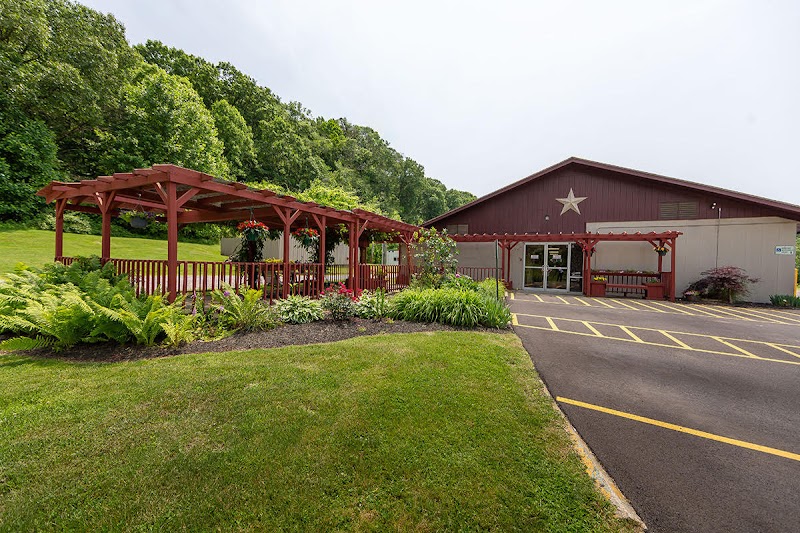
How is Arcadia Valley Skilled Nursing And Rehabilitation Staffed?

CMS rates ARCADIA VALLEY SKILLED NURSING AND REHABILITATION's staffing level at 3 out of 5 stars, which is average compared to other nursing homes. Staff turnover is 48%, compared to the Ohio average of 46%.

What Have Inspectors Found at Arcadia Valley Skilled Nursing And Rehabilitation?

State health inspectors documented 54 deficiencies at ARCADIA VALLEY SKILLED NURSING AND REHABILITATION during 2019 to 2024. These included: 1 Immediate Jeopardy (the most serious level, indicating potential for serious harm or death), 51 with potential for harm, and 2 minor or isolated issues. Immediate Jeopardy findings are rare and represent the most serious regulatory concerns. They require immediate corrective action.
Who Owns and Operates Arcadia Valley Skilled Nursing And Rehabilitation?

ARCADIA VALLEY SKILLED NURSING AND REHABILITATION is owned by a for-profit company. For-profit facilities operate as businesses with obligations to shareholders or private owners. The facility is operated by CONTINUING HEALTHCARE SOLUTIONS, a chain that manages multiple nursing homes. With 50 certified beds and approximately 43 residents (about 86% occupancy), it is a smaller facility located in COOLVILLE, Ohio.

How Does Arcadia Valley Skilled Nursing And Rehabilitation Compare to Other Ohio Nursing Homes?

Compared to the 100 nursing homes in Ohio, ARCADIA VALLEY SKILLED NURSING AND REHABILITATION's overall rating (3 stars) is below the state average of 3.2, staff turnover (48%) is near the state average of 46%, and health inspection rating (2 stars) is below the national benchmark.

What Should Families Ask When Visiting Arcadia Valley Skilled Nursing And Rehabilitation?

Based on this facility's data, families visiting should ask: "What changes have been made since the serious inspection findings, and how are you preventing similar issues?" "Can I visit during a mealtime to observe dining assistance and food quality?" "How do you handle medical emergencies, and what is your hospital transfer rate?" "Can I speak with family members of current residents about their experience?" These questions are particularly relevant given the facility's Immediate Jeopardy citations.

Is Arcadia Valley Skilled Nursing And Rehabilitation Safe?

Based on CMS inspection data, ARCADIA VALLEY SKILLED NURSING AND REHABILITATION has documented safety concerns. Inspectors have issued 1 Immediate Jeopardy citation (the most serious violation level indicating risk of serious injury or death). The facility has a 3-star overall rating and ranks #100 of 100 nursing homes in Ohio. Families considering this facility should ask detailed questions about what corrective actions have been taken since these incidents.

Do Nurses at Arcadia Valley Skilled Nursing And Rehabilitation Stick Around?

ARCADIA VALLEY SKILLED NURSING AND REHABILITATION has a staff turnover rate of 48%, which is about average for Ohio nursing homes (state average: 46%). Moderate turnover is common in nursing homes, but families should still ask about staff tenure and how the facility maintains care continuity when employees leave.

Was Arcadia Valley Skilled Nursing And Rehabilitation Ever Fined?

ARCADIA VALLEY SKILLED NURSING AND REHABILITATION has been fined $13,627 across 1 penalty action. This is below the Ohio average of $33,215. While any fine indicates a compliance issue, fines under $50,000 are relatively common and typically reflect isolated problems that were subsequently corrected. Families should ask what specific issues led to these fines and confirm they've been resolved.

Is Arcadia Valley Skilled Nursing And Rehabilitation on Any Federal Watch List?

ARCADIA VALLEY SKILLED NURSING AND REHABILITATION is not on any federal watch list. The most significant is the Special Focus Facility (SFF) program, which identifies the bottom 1% of nursing homes nationally based on persistent, serious quality problems. Not being on this list means the facility has avoided the pattern of deficiencies that triggers enhanced federal oversight. This is a positive indicator, though families should still review the facility's inspection history directly.