LAURELS OF ATHENS, THE


70 COLUMBUS CIRCLE, ATHENS, OH 45701 (740) 592-1000
For profit - Limited Liability company 111 Beds CIENA HEALTHCARE/LAUREL HEALTH CARE Data: November 2025
Trust Grade
55/100
#488 of 913 in OH
Last Inspection: December 2024

Within standard 12-15 month inspection cycle. Federal law requires annual inspections.

Overview

The Laurels of Athens holds a Trust Grade of C, indicating it is average compared to other nursing homes, meaning it's not great, but not terrible either. In Ohio, it ranks #488 out of 913 facilities, placing it in the bottom half, but it fares better locally at #2 out of 4 in Athens County. The facility is improving, having reduced its issues from 13 in 2023 to 8 in 2024. Staffing is a strength, with a 4/5 rating and a turnover rate of 39%, which is better than the state average of 49%, indicating that staff tend to stay longer and have familiarity with residents. Notably, there were no fines recorded, which is a positive sign. However, there are some concerning incidents. One resident experienced a fall and did not receive timely care for pain management or necessary x-rays, leading to a displaced fracture. Additionally, there were issues with food safety practices, as staff failed to check the temperature of beverages before serving, and equipment maintenance was lacking, with a malfunctioning freezer that had ice accumulation. While there are strengths here, such as good staffing and no fines, families should be aware of these serious concerns when considering this facility for their loved ones.

Trust Score
C
55/100
In Ohio
#488/913
Bottom 47%
Safety Record
Moderate
Needs review
Inspections
Getting Better
13 → 8 violations
Staff Stability
○ Average
39% turnover. Near Ohio's 48% average. Typical for the industry.
Penalties
✓ Good
No fines on record. Clean compliance history, better than most Ohio facilities.
Skilled Nurses
✓ Good
Each resident gets 52 minutes of Registered Nurse (RN) attention daily — more than average for Ohio. RNs are trained to catch health problems early.
Violations
⚠ Watch
31 deficiencies on record. Higher than average. Multiple issues found across inspections.
★★★☆☆
3.0
Overall Rating
★★★★☆
4.0
Staff Levels
★★★★☆
4.0
Care Quality
★★★☆☆
3.0
Inspection Score
Stable
2023: 13 issues
2024: 8 issues

The Good

  • 4-Star Staffing Rating · Above-average nurse staffing levels
  • 4-Star Quality Measures · Strong clinical quality outcomes
  • Full Sprinkler Coverage · Fire safety systems throughout facility
  • No fines on record
  • Staff turnover below average (39%)

    9 points below Ohio average of 48%

Facility shows strength in staffing levels, quality measures, fire safety.

The Bad

3-Star Overall Rating

Near Ohio average (3.2)

Meets federal standards, typical of most facilities

Staff Turnover: 39%

Near Ohio avg (46%)

Typical for the industry

Chain: CIENA HEALTHCARE/LAUREL HEALTH CARE

Part of a multi-facility chain

Ask about local staffing decisions and management

The Ugly 31 deficiencies on record

1 actual harm
Dec 2024 5 deficiencies 1 Harm
SERIOUS (G)

Actual Harm - a resident was hurt due to facility failures

Quality of Care (Tag F0684)

A resident was harmed · This affected 1 resident

**NOTE- TERMS IN BRACKETS HAVE BEEN EDITED TO PROTECT CONFIDENTIALITY** Based on observation, medical record review, hospital record review, interviews and policy review the facility failed to ensure ...

Read full inspector narrative →
**NOTE- TERMS IN BRACKETS HAVE BEEN EDITED TO PROTECT CONFIDENTIALITY** Based on observation, medical record review, hospital record review, interviews and policy review the facility failed to ensure Resident #78 received timely, comprehensive and individualized care following a fall with injury. Actual harm occurred beginning on 12/02/24 at approximately 4:30 A.M. when Resident #78 experienced an unwitnessed fall with evidence of complaints of pain after the incident; however, the resident did not timely receive as needed pain medication until 8:44 A.M. or an x-ray of the area until 12/03/24 at 11:50 A.M. On 12/03/24 at 1:15 P.M. x-ray results revealed the resident had a displaced fracture of the left femoral head and was transferred to the hospital for surgical intervention. This affected one resident (#78) of two residents reviewed for falls. Findings include: Record review revealed Resident #78 admitted to the facility on [DATE] with diagnoses including dementia with mood disturbance, chronic kidney disease, mood disorder, depression, anxiety and history of transient ischemic attack and cerebral infarction without residual deficits. Review of the resident's medication orders revealed an order, dated 03/30/24 for Oxycodone tablet five milligrams (mg) one tablet by mouth every six hours as needed for pain, an order dated 11/25/24 for Tramadol 50 mg one tablet by mouth every six hours for pain, and an order dated 06/19/24 for Tylenol 325 mg two tablets by mouth three times a day for pain. Review of a care plan dated 05/06/24 revealed Resident #78 was at risk for pain related to constipation, back pain, gastro-esophageal reflux disease, osteoarthritis, kidney stones, fibromyalgia, and irritable bowel syndrome. Resident #78's goal was to have adequate relief or the ability to cope with incompletely relieved pain. Interventions included but were not limited to administer medications as ordered, evaluate characteristics of pain on a scale of zero through ten, evaluate the effectiveness of pain interventions as given, notify physician if interventions are unsuccessful or if current complaint is a significant change from resident's past experience of pain, offer nonpharmacological interventions including massage, meditation, relaxation, ice pack, diversional activity, guided imagery, rest, and social interaction. An additional care plan dated 05/06/24 revealed Resident #78 required supervision or touching assistance to walk 50 feet with her walker. There were no behavior care plans developed for Resident #78. Review of a quarterly Minimum Data Set (MDS) completed on 10/25/24 revealed Resident #78 had impaired cognition, no behaviors, required supervision or touching assistance for bed mobility, transfers, and walking, and had zero falls. Review of a Risk Management report dated 12/02/24 at 4:30 A.M. revealed Resident #78 was found calling out for help and laying on her right side in the hallway with no observed injuries. Resident #78 stated she was looking for help. A full body assessment and neurological checks were completed. Range of motion was completed to all extremities and within normal limits, and it was unknown if the resident struck her head. The note included Resident #78 had a pain level of three. Review of a nursing note dated 12/02/24 at 4:40 A.M. by Registered Nurse (RN) #324 revealed Certified Nursing Assistants (CNA's) reported hearing Resident #78 yell out for help and found her outside her room in the hallway laying on her right side. Resident #78 stated she was looking for help. Provider was notified of the fall and family was made aware. Review of a Post Fall Evaluation dated 12/02/24 revealed Resident #78 was looking for help when she fell. Resident #78 was observed on the floor in the hallway, the fall was unwitnessed, she had grippy socks on, was dry, and was using assistive devices at the time of the fall. While laying down, Resident #78's blood pressure was 136/78 and while sitting it was 140/92. Prior to the fall, Resident #78 had last been observed at 4:00 A.M. (the evaluation did not include what the resident was doing at the time of the observation). An intervention was in place to remind Resident #78 to use call light for assistance. Resident #78's statement regarding the incident was, trying to find help. Review of RN #324's statement dated 12/02/24 revealed Resident #78 was found lying on her right side in the hallway outside of her room with no injuries observed, range of motion (ROM) intact, and new orders were given for x-rays. There was no evidence the facility obtained any additional staff statements related to the fall/incident as part of an investigation. Review of an order dated 12/02/24 revealed Resident #78 required a bilateral hip x-ray and pelvic x-ray with two views due to pain status post fall and the x-ray was to be portable related to physical limitations. Review of the medication administration record (MAR) for December 2024 revealed Resident #78 received her already scheduled pain medication, Tramadol 60 mg at 6:00 A.M. for a pain level of seven (on a scale of 0-10 with 10 being the worst pain the resident has ever experienced). Additionally, at 8:44 A.M., Resident #78 received Oxycodone-acetaminophen 5-352 for pain rated six on a 0-10 pain scale. Resident #78's pain was rated a six and the administration was marked as effective. There was no documented evidence of Resident #78 being offered non-pharmacologic pain interventions or an as needed pain medication at the time of the fall. Review of a nursing note dated 12/02/24 at 3:35 P.M. by RN #312 revealed Resident #78 was resting in bed, no signs or symptoms of distress or new injuries from her previous fall, an x-ray was ordered (no indication identified), neurological checks were within normal limits, and she was safe with a call light and fluids in reach. Review of a nursing note dated 12/03/24 at 10:21 A.M. by RN #312 revealed Resident #78 was having no pain related to fall, neuro checks were within normal limits, and no distress was noted. Review of an interdisciplinary team (IDT) note dated 12/03/24 at 11:00 A.M. revealed the IDT met to discuss Resident #78's fall when she was found outside her room in the hallway on the floor lying on her right side. Resident #78 stated she was looking for help, her call light was not on, and no injuries were observed. Resident #78 complained of some pain at the time of the incident but denied pain after. An x-ray was ordered to be completed of bilateral hips. Visual cues were plated in her room at the time of the incident to remind her to use her call light to ask for assistance. Review of a nursing note dated 12/03/24 at 11:50 A.M. by RN #312 revealed a mobile x-ray company was in the facility to complete the ordered x-rays. Review of a nursing note dated 12/03/24 at 1:15 P.M. revealed the faxed x-ray results showed an acute displaced left femoral neck fracture. Resident #78 was in bed with a rolled-up bath blanket between her legs. Staff were made aware Resident #78 should not get out of bed and should be log rolled with care. The Unit Manager was made aware and left a message for the provider and a message was left with Resident #78's family. Review of a nursing note dated 12/03/24 at 1:50 P.M. by RN #312 revealed Resident #78's provider was aware of the x-ray results and gave a new order to send the resident to the emergency department. 911 was contacted for transport at 1:51 P.M. Review of a nursing note dated 12/03/24 at 2:27 P.M. revealed the ambulance was at the facility, a copy of the x-ray and report was given to Emergency Medical Technician (EMT) staff, and Resident #78 left the facility at 2:35 P.M. Review of a hospital note dated 12/06/24 revealed Resident #78 had presented to the hospital with complaints of left leg pain following a fall at her nursing home. Resident #78 was a poor historian and stated, I just need to lay down, I don't feel good. Details of the fall were unclear, and the resident's left lower extremity had good posterior tibial and pedal pulses, was pink and warm, and no deformity or shortening were noted. Resident #78 was mildly hypertensive which was likely pain related, and she required supplemental oxygen following the administration of narcotics. An x-ray of her left hip revealed a left femoral neck fracture which required surgery on 12/04/24 for fracture repair. On 12/09/24 at 9:47 A.M. Resident #78 was observed laying in her bed calling out for help stating, help me, God, I can't take this by myself, help me. Somebody please help me, I hurt so bad, help somebody, help please, I'm very sick and I can't get up. Resident #78 was wearing a hospital gown which was not tied in the back and as she was yelling out, Resident #78 was observed taking off her hospital gown. On 12/10/24 at 9:44 A.M. Resident #78 was again noted to be crying out for help. The resident was heard yelling Please, Lord, help me, I am sick. After approximately five minutes, a nurse ran down the hall to Resident #78's room and Resident #78 stated, My back is hurting and never stops. The nurse stated she would check in with Resident #78's nurse to see if medication was available. Review of a care plan dated 12/10/24 revealed Resident #78 had a fractured hip related to a fall. Interventions included but were not limited to activity as tolerated, change surgical incision dressings as ordered, encourage deep breathing and relaxation techniques, and anticipate and meet residents' needs. Interview on 12/11/24 at 8:29 A.M. with CNA #485 revealed she was told by the direct care staff (nursing assistants) who worked during Resident #78's fall, that when the nurse completed range of motion (ROM) to the resident's left leg, Resident #78 was screaming in pain, and the nurse did not address the pain. Interview on 12/11/24 at 1:37 P.M. with RN #322 revealed following the fall on 12/02/24, Resident #78 was having minor pain, and did not walk or get up in the evening; she remained in bed. The RN revealed Resident #78 just kept saying her leg hurt but she would still roll over. RN #322 stated she would reposition the resident, provide distractions and low stimuli to help with pain. Interview on 12/11/24 at 1:44 P.M. with Anonymous Staff (AS) #512 revealed while working the night of 12/01/24 into the morning of 12/02/24, this staff person had assisted with Resident #78's care. AS #512 stated Resident #78 was saying it hurts so much, was tearful and upset and per AS #512's opinion likely had a broken hip because the resident had hollered and screamed out in pain. AS #512 stated he/she felt so bad for Resident #78 because when the nurse completed ROM, Resident #78 was screaming. The nurse was moving Resident #78's leg back and forth and the resident kept saying, stop, it hurts so much. AS #512 stated he/she told the nurse to call Resident #78's daughter about going to the hospital, but the nurse said she thought Resident #78 was fine, and family said she was dramatic. AS #512 stated Resident #78 could be dramatic, but staff should not assume a resident was not in pain. AS #512 stated staff could not move Resident #78 without her screaming, and they felt like they were torturing the resident. Resident #78 always had pain, but this was different, and she was walking prior to the fall, but was not able to after. AS #512 stated despite her and other staff's thoughts that Resident #78 needed to be sent out (to the hospital immediately after the fall), the nurse made the final call, and since they were not a nurse there was not anything else they could do. Interview on 12/11/24 at 2:10 P.M. with CNA #335 revealed the CNA had seen Resident #78 following the fall on 12/02/24. The CNA revealed Resident #78 was hysterical, crying, and saying continuously her hip was hurt. The CNA stated the nurse was aware Resident #78 was in pain, but stated her hip wasn't broken. Resident #78 was screaming bloody murder when the nurse completed ROM and told the nurse to stop because she was hurting. The nurse continued the ROM. Resident #78 kept saying, please stop, it hurts. CNA #335 stated staff did put a pillow under Resident #78 which helped a little, but she was really hurting so it was hard to change her. CNA #335 stated as soon as someone touched Resident #78's hip, she would start yelling and tense up. CNA #335 confirmed Resident #78 was able to walk prior to the fall, but after the fall, she was placed in the wheelchair, then taken to her bed. When Resident #78 was stood up, she screamed and did not walk the rest of the shift. Interview on 12/11/24 at 2:18 P.M. with CNA #429 revealed Resident #78 was restless in the early morning of 12/02/24 and kept getting out of bed and walking down the hall. Resident #78 was very wobbly due to exhaustion. At approximately 4:30 A.M., CNA #429 heard Resident #78 yelling for help outside of her room. She was in the hallway, yelling and screaming, laying on her side, and there was no blood. CNA #429 stated the fall was unwitnessed but due to the way Resident #78 was laying, there were concerns her hip was injured but she stated she could not be sure. Resident #78 was yelling out in pain. The CNA revealed the resident did cry a lot and was dramatic, but stated this was different. CNA #429 stated every time someone would touch Resident #78's leg, she would let out a blood curdling scream and you could tell she was in pain and panicking. Resident #78 was in tears. The CNA stated Resident #78 waited on the floor for 15 minutes before the nurse came to assess her due to being on the other side of the building printing papers. When the nurse was assessing Resident #78, ROM was completed to her legs and that's when Resident #78 was letting out blood curdling screams. The nurse asked staff to get Resident #78 up, and staff helped the resident back to bed. CNA #429 stated no one attempted non-pharmacologic interventions. CNA #429 stated in their opinion, Resident #78 should have been sent out then because they had worked with someone who broke their hip before, and Resident #78's reactions reminded them of that instance. CNA #429 stated Resident #78 was able to walk prior to the fall, but would not bear weight after the fall, and was dead weight when staff transferred her to the bed. CNA #429 stated they were unsure of what the nurse's thoughts were as far as potential treatment due to lack of communication. Interview on 12/11/24 at 3 P.M. with the Director of Nursing (DON) confirmed Resident #78's blood pressure elevated when moved from laying down to a seated position, confirmed the lack of documentation in the nurse's notes, and stated her expectation if a resident had a fall resulting in hip pain would be for the nurse to call the physician to get a one-time order for pain medication and an order to send to the emergency department. The DON also stated staff should not move the resident. The DON acknowledged the x-ray was not ordered as soon as it should have been. Interview on 12/11/24 at 3:20 P.M. with CNA #346 revealed Resident #78 was confused and required a lot of redirections in the early morning of 12/02/24. CNA #346 was not present for the fall, but stated she did obtain the vitals cart and went to assist staff. CNA #346 stated she was a newer employee and although she did not know the residents yet, she could tell Resident #78 was in pain. CNA #346 stated the nurse did some assessments on Resident #78 and was really yanking on her poor hip. Resident #78 was screaming at the top of her lungs and the nurse told the resident nothing was broken. Resident #78 was asked to roll onto her back but stated she could not because her left leg really hurt. Resident #78 was placed in a wheelchair after being assessed and CNA #346 took her to the nurse's station but because there were no footrests on her wheelchair, when being pushed forward Resident #78's leg would get caught on the floor because she was unable to lift her leg, so she was taken down the hall in reverse. Once at the nurse's station CNA #346 stated she was able to tell how panicky the resident was, and knew something was wrong. Resident #78 was screaming and CNA #346 attempted to distract her by having her fold towels. CNA #346 was under the impression Resident #78 received Tylenol because nothing could be ordered at that time in the morning. Resident #78 was not able to bear weight when placed in bed, and staff had to hook their arms under Resident #78's arms to lift her out of the chair and place her into bed. Review of a statement dated 12/11/24 from CNA #349 revealed she went down the hall, the nurse was notified, vitals were taken, a pillow was placed under Resident #78's head, she was screaming, and she was assisted to bed. CNA #349 reported to the nurse Resident #78 never screams like that and she should call the resident's daughter. The nurse stated resident's daughter said Resident #78 was dramatic and it would be hard to tell if she was actually in pain. Resident #78 was screaming the whole time and more so when the nurse attempted ROM on her legs. Review of a statement dated 12/11/24 from RN #324 revealed she was on the south unit when an aide told her Resident #78 fell, they went to check on her and no deformities were noticed, no redness or skin issues. ROM was performed without issues, and Resident #78 was complaining about her knee but there was no redness or discoloration. Aides assisted Resident #78 into her wheelchair, she was taken up to the nurses' station, then decided to go to bed. Aides assisted Resident #78 back to bed and ROM was performed again without issues. Resident's daughter was notified and stated it would be hard to tell if she was in pain because she is so dramatic. Review of a statement dated 12/11/24 by CNA #346 revealed she had assisted with redirecting Resident #78 all night. The nurse came over to assess Resident #78 after an unwitnessed fall then assisted her into a wheelchair. Resident was assisted to the nurses' station, and CNA #346 does not know the residents well since she is new, but Resident #78 said it hurts so bad, but she is very confused and has dementia. Resident #78 was put back in bed. Review of an undated statement from RN #322 revealed Resident #78 reported to her around dinner time on 12/02/24 mild discomfort, non-pharmacologic interventions were attempted with some success, and scheduled pain medication was given with success. Review of an undated statement from RN #312 revealed Resident #78 stayed in bed for the whole shift per her routine and had complaints of pain in her back in the morning. Resident #78 was given as needed pain medication, and no other complaints were noted. Review of an undated statement from CNA #335 revealed she helped Resident #78 get back into bed after the fall and she witnessed the nurse perform ROM with the resident's legs. Resident #78 was tearful but baseline. On 12/12/24 at 7:45 A.M. during an interview with the Administrator, the Administrator requested the names of the staff the state surveyor had interviewed so she could now interview those staff as well. The Administrator verified she did not interview these CNAs who were working the night of the resident's fall and stated it was because she believed their interviews would not be taken into consideration because they were not nurses and were not able to ascertain if a resident was in pain and the nurse was qualified to make those types of judgement. The Administrator stated she believed the CNA staff would be inaccurate resources if interviewed because if they didn't like the nurse. The Administrator stated if there had been a need for a stat x-ray, Resident #78 would have just been sent to the hospital to ensure it was not delayed but stated to her knowledge there was no immediate need for an x-ray, and an in-house x-ray was completed. During the interview, the Administrator was informed interviews completed by the state surveyor were confidential but multiple staff who worked from 12/01/24 through 12/03/24 were interviewed. Interview on 12/12/24 at 1:21 P.M. with RN #324 revealed an aide came to the other side of the building to get her on the morning of 12/02/24 because a resident (#78) had fallen. She stated when she went to assess the resident, Resident #78 was laying in front of her room on the floor. Staff had put a pillow under her head. RN #324 stated she assessed the resident including ROM and everything was fine. RN #324 stated Resident #78 tended to be very dramatic about things, but her ROM was really good. During the assessment, Resident #78 yelled at RN #324 to stop bothering her and asked, why are you doing this? Resident #78 remained in bed the rest of the shift. RN #324 could not recall if an as needed medication was ordered, but stated if so, it would be documented in the MAR. Interview on 12/12/24 at 2:34 P.M. with Resident #78's daughter revealed she was called on 12/02/24 at about 7:00 A.M. and the night shift nurse informed her her mom had fallen. Resident #78's daughter stated the nurse told her everything was okay; Resident #78 just had some bruising but was not complaining of pain. The nurse did not tell the resident's daughter where the bruising was located. There was no offer to send the resident to the hospital for evaluation and the nurse stated Resident #78 was able to get up and into bed. Resident #78's daughter stated she came to visit her mom around 4:00 P.M. on 12/02/24 and her mom was dozing off but mentioned she was cold. The resident's daughter placed a sheet and blanket over her, and Resident #78 said oh no, that really hurts, you've got to take that off of me. The resident's daughter removed the blanket and left the sheet on the resident, and Resident #78 stated it hurt for the sheet to touch her as well. Resident #78 told her daughter her knee and hip were hurting. An aide came in and told Resident #78's daughter staff had trouble changing the resident earlier because of the pain and the resident had complained when staff put the sheet on her because the weight of the sheet on her hip was causing her pain which was why Resident #78 was cold and did not have a blanket on her initially. Shortly after, the nurse came in and administered the resident's scheduled Tramadol. The resident was not offered additional as needed or one-time dose of pain medication at that time. Resident #78's daughter stated her mom does yell out regularly when she needs something, but during the visit the resident was calling out for her dad to come help her with the pain, and this yelling out was worse than normal. The resident's daughter stated no staff had made her aware Resident #78 had pain with ROM, but staff did report when they attempted to roll her over, Resident #78 balled up a fist and tried swinging at them. Interview on 12/12/24 at 2:49 P.M. with Provider #522 revealed when notified of Resident #78's fall, the nurse reported a pain level of three which he stated was common for the resident. The resident's scheduled Tramadol was administered early that morning to also help with pain. The provider revealed no one reported increased pain after the initial call. Provider #522 stated if someone was calling out in pain, or with new pain, the doctor should be called. Provider #522 stated in this case, he was called and told interventions were effective. Provider #522 could not recall ordering an x-ray or why the x-ray was ordered. Interview on 12/12/24 at 2:53 P.M. with RN #324 revealed no staff working when Resident #78 fell expressed concerns to her that she could recall off the top of her head. Attempts to were made to contact RN #312 and CNA #334 and #348 during the investigation but no return calls were received. Review of a policy titled Notification of Change dated 02/14/24 revealed the facility must inform the resident, consult with the provider and the resident representative when there is a significant change in condition. A change in condition includes but is not limited to a need to alter treatment significantly. Review of a policy titled Pain Management dated 04/11/23 revealed a comprehensive evaluation of pain includes history of pain and treatment; characteristics of pain; impact of pain on quality of life; factors such as activities, care or treatment that precipitate or exacerbate pain; factors that reduce pain' additional symptoms associated with pain' current medical conditions and medications; and the resident's goal for pain management and their satisfaction with current level of pain control. Resident will be monitored for the presence of pain and evaluated when there is a change in condition and whenever new pain, or an exacerbation of pain is suspected. Indicators of pain to observe for including moaning, crying and other vocalizations; wincing or frowning and other facial expressions; body posture such as guarding or protecting of an area of the body or lying very still; decrease in usual activities. In residents with dementia who cannot verbalize pain, symptoms of pain can be manifested by particular behaviors such as calling out for help, pained facial expressions, refusing to eat, striking out when moved or touched, and increased confusion. A CNA should communicate to a nurse when a resident is experiencing pain, and the nurse should communicate new onset of pain to the provider.
CONCERN (D)

Potential for Harm - no one hurt, but risky conditions existed

ADL Care (Tag F0677)

Could have caused harm · This affected 1 resident

**NOTE- TERMS IN BRACKETS HAVE BEEN EDITED TO PROTECT CONFIDENTIALITY** Based on record review, review of shower schedules, resident interview, staff interview, and policy review, the facility failed ...

Read full inspector narrative →
**NOTE- TERMS IN BRACKETS HAVE BEEN EDITED TO PROTECT CONFIDENTIALITY** Based on record review, review of shower schedules, resident interview, staff interview, and policy review, the facility failed to ensure residents that were dependent on staff for personal care received the assistance needed for scheduled showers. This affected one (Resident #66) of four residents reviewed for activities of daily living (ADL's). Findings include: Review of Resident #66's medical record revealed she was admitted to the facility on [DATE]. Her diagnoses included surgical aftercare following cardiovascular procedure, presence of coronary artery bypass graft, type II (adult onset) diabetes mellitus, morbid obesity, difficulty walking, muscle weakness, unspecified dementia with behavioral disturbances, bipolar disorder, chronic obstructive pulmonary disease (COPD) major depressive disorder, and congestive heart failure. Review of Resident #66's admission Minimum Data Set (MDS) assessment dated [DATE] revealed the resident had a minimal difficulty with hearing and clear speech. She was able to make herself understood and was able to understand others. She was cognitively intact and was not known to have displayed any behaviors or reject care. She required partial/ moderate assist for showers/ bathing. Review of Resident #66's active care plans revealed the resident had a care plan in place for having a functional ability deficit and required assistance with self care related to fatigue/ weakness, impaired mobility, pain, shortness of breath, coronary artery disease (CAD) post coronary artery bypass graft (CABG), dementia, heart failure, and bipolar disorder. The goal was for the resident to improve or maintain her current level of function in shower/ baths. Interventions included attempting to use consistent routines as much as possible and encourage the resident to participate in self-care as much as able. Review of the shower schedule for the 100-400 halls revealed Resident #66 was scheduled to receive showers every Monday, Wednesday, and Friday. The shower was to be completed on day shift (7:00 A.M. to 7:00 P.M.). Review of Resident #66's shower/ bath documentation under the task tab of the electronic medical record (EMR) for the past 30 days (11/13/24-12/07/24) revealed staff documented a shower/ bath had been given by putting a Y in the box for yes, an N for no, or an R for refused. There was no documented evidence of the resident having been given a bath or a shower on 11/18/24 or on 11/25/25, both were scheduled shower days. On 12/09/24 at 2:02 P.M., an initial interview with Resident #66 revealed she was supposed to get showers three times a week, but did not always get them. She reported some weeks she may only receive one or some weeks she may get two. She reported she would like to receive her showers in the morning before 10:30 A.M. On 12/10/24 at 4:05 P.M., a follow up interview with Resident #66 revealed she had not refused any showers when offered other than the shower she was scheduled to receive on 12/04/24. She indicated she only refused that shower as the staff had showered her the day before, which was not her scheduled shower day. She denied the staff even came in and asked her if she wanted a shower on 11/18/24 or 11/25/24. She had been told by the facility staff last week that her showers were scheduled every Monday, Thursday, and Saturday. She pointed out she had a reminder note on her bulletin board on the wall across from her bed that indicated she was a shower every Monday, Wednesday, and Saturday. On 12/10/24 at 4:09 P.M., the Director of Nursing (DON) acknowledged there was no documented evidence of Resident #66 receiving her scheduled shower on 11/18/24 or 11/25/24. She reported it was likely that the resident did not want one on those days, but she would look to see if they had any documentation to support why they were not given. On 12/10/24 at 4:40 P.M., an interview with the DON revealed Resident #66 was out of the facility for an appointment on 11/18/24. She claimed she had been told by a nurse that the resident was offered but refused a shower on that day. She reported it was documented in the nurses' progress notes. Further review of Resident #66's nurses' progress notes revealed the resident was documented as having been sent to an outside appointment on 11/18/24. The nurse's note revealed the resident was out of the facility at 11:08 A.M. and returned to the facility at 4:00 P.M. The nurses' progress notes did not indicate a shower had been offered and declined on that day, as was reported by the DON. There was nothing documented in the nurses' progress notes of any refusal for a shower offered on 11/25/24. On 12/10/24 at 4:55 P.M., a follow up with the DON confirmed the nurse's progress notes for 11/18/24 that documented Resident #66 going out and returning to the facility for an appointment did not provide evidence a shower had been offered and declined that day. She reported that was what the nurse had told her. She further confirmed there was no documented evidence of Resident #66 receiving or declining a shower on 11/25/24, when she was scheduled to receive one. Review of the facility's policy on Routine Resident Care revised 03/07/23 revealed it was the facility's policy for residents to receive the necessary assistance to maintain good grooming and personal hygiene. Showers were to be scheduled according to person centered care or state specific guidelines.
CONCERN (D)

Potential for Harm - no one hurt, but risky conditions existed

Respiratory Care (Tag F0695)

Could have caused harm · This affected 1 resident

**NOTE- TERMS IN BRACKETS HAVE BEEN EDITED TO PROTECT CONFIDENTIALITY** Based on record review, observation, and staff interview, the facility failed to ensure a resident with the use of supplemental ...

Read full inspector narrative →
**NOTE- TERMS IN BRACKETS HAVE BEEN EDITED TO PROTECT CONFIDENTIALITY** Based on record review, observation, and staff interview, the facility failed to ensure a resident with the use of supplemental oxygen had a physician's order for the use of oxygen and nebulizer equipment was properly cleaned/ stored when not in use. This affected one (Resident #210) of one residents reviewed for respiratory care. Findings include: Review of Resident #210's medical record revealed she was admitted to the facility on [DATE]. Her diagnoses acute on chronic respiratory failure with hypoxia, chronic obstructive pulmonary disease (COPD), congestive heart failure (CHF), dependence on supplemental oxygen, and sleep apnea. Review of Resident #210's active care plans revealed the resident had a care plan in place for having a potential for difficulty breathing and risk for respiratory complications related to acute on chronic hypoxic respiratory failure, CHF, COPD, asthma, obstructive sleep apnea, oxygen dependence, and being a smoker. The goal was for the resident to display optimal breathing pattern daily and no labored breathing through the review date. The interventions included administering medication and treatments per physician orders. Review of Resident #210's physician's orders revealed she had an order in place to receive Ipratropium-Albuterol Solution (DuoNeb) 0.5-2.5 (3) Milligrams (mg)/3 milliliters (ml) with directions to inhale 3 ml orally four times a day for COPD. The order originated upon the resident's admission into the facility on [DATE]. The physician's orders did not include any order for the use of supplemental oxygen. Review of Resident #210's medication administration record (MAR's) for December 2024 revealed the resident was receiving her DuoNeb nebulizer aerosol treatments four times a day as ordered. The administration times were set up for 7:00 A.M., 12:00 P.M., 5:00 P.M., and 9:00 P.M. On 12/09/24 at 2:30 P.M., an observation of Resident #210 noted her to be in her room in bed. An oxygen concentrator was noted to be in her room next to her bed. The resident's nebulizer equipment was sitting on top of her dresser and was not stored in a bag when not in use. The resident reported she had used it twice that day. On 12/10/24 at 12:35 P.M., observation of Resident #210 noted her to be lying in bed on her left side. She was noted to be wearing oxygen per nasal cannula. Her nebulizer machine was off and lying on the bed next to her. The hand held mouth piece for the nebulizer was also lying in bed next to her. She was resting with her eyes closed. On 12/12/24 at 10:20 A.M., an interview with RN #304 revealed Resident #2 did have the use of oxygen and wore it as needed. He checked the resident's physician's orders and verified the resident did not have an active order for the use of supplemental oxygen. He confirmed an order should be in place that directs them on what flow rate to administer. He was asked to accompany the surveyor to the resident's room and he verified she was wearing oxygen per nasal cannula at that time without a valid order. He further confirmed the resident's nebulizer equipment was not properly cleaned and stored between uses. He acknowledged the reservoir, where the medication was placed, still contained condensation and had not been rinsed or dried, after it's latest use. It was also found lying on top of the dresser next to her bed and not stored in a plastic bag, as it should be.
CONCERN (D)

Potential for Harm - no one hurt, but risky conditions existed

Deficiency F0744 (Tag F0744)

Could have caused harm · This affected 1 resident

Based on observation, interview, and record review the facility failed to ensure residents with a diagnosis of dementia had a comprehensive and individualized treatment plan to ensure behaviors, inclu...

Read full inspector narrative →
Based on observation, interview, and record review the facility failed to ensure residents with a diagnosis of dementia had a comprehensive and individualized treatment plan to ensure behaviors, including inappropriate dress when visible to others, were addressed to promote independence and dignity. This affected one resident (Resident #1) of one residents reviewed for dignity. The census was 101. Findings include: Review of Resident #1's medical record revealed an admission date of 06/23/12, a reentry date of 01/25/22 and diagnoses including rheumatoid arthritis, unspecified convulsions, unspecified intellectual disabilities, dementia, hypothyroidism, and anemia. Review of Resident#1's annual Minimum Data Set (MDS) with an assessment reference date of 10/03/24 revealed a Brief Interview for Mental Status (BIMS) score of nine indicating the resident was moderately impaired. Further review of the MDS revealed Resident #1 required supervision or touching assistance with transfers from seated to standing and with ambulation during the look back period. Review of Resident #1's care plan did not reveal any interventions regarding the resident sitting in her room in view from the hallway, dressed in only a t-shirt and incontinence brief. Observations made of Resident #1 on 12/09/24 at 9:38 A.M., 12/10/24 at 10:00 A.M., 12/11/24 at 9:34 A.M. and on 12/12/24 at 9:20 A.M. revealed Resident #1 to be in her room, seated in a wheelchair next to the bed. Resident #1 was wearing only an incontinence brief and a t-shirt and could be fully viewed from the hallway. The resident was not interviewable and when staff would attempt to close the resident's door, the resident would repeat the word open until staff opened the resident's door. An interview on 12/11/24 at 9:46 A.M. with Certified Nursing Assistant (CNA) #419 revealed Resident #1 gets up and dresses herself in the morning before breakfast in a t-shirt and incontinence brief. Resident #1 usually eats her breakfast before putting on pants and will use her call light if she needs or desires assistance from staff. CNA #419 indicated Resident#1 would not allow them to close the door to her room and would not utilize a lap blanket. An interview on 12/11/24 at 1:00 P.M. with Licensed Practical Nurse (LPN) social services designee #386 revealed she was not aware of Resident #1's habit of being seated in her room and in view from the hallway, dressed in only a t-shirt and incontinence brief. An interview on 12/11/24 at 1:49 P.M. with Registered Nurse Unit Manager #315 verified Resident #1's care plan did not include interventions for the behavior of sitting in view from the hallway, dressed in only a t-shirt and incontinence brief. An interview on 12/12/24 at 9:20 A.M. with LPN social services designee (LPN/SSD) #386 verified Resident #1 was sitting in her room, in her wheelchair, dressed only in a t-shirt and incontinence brief and in full view from the hallway. LPN/SSD #386 verified this was not dignified for the resident or others in the facility due to her not wearing pants or being covered from the waist down.
CONCERN (E)

Potential for Harm - no one hurt, but risky conditions existed

Menu Adequacy (Tag F0803)

Could have caused harm · This affected multiple residents

Based on observation, review of meal tickets, review of menus/ spreadsheets to include special diets, and staff interview, the facility failed to ensure menus were followed for residents receiving con...

Read full inspector narrative →
Based on observation, review of meal tickets, review of menus/ spreadsheets to include special diets, and staff interview, the facility failed to ensure menus were followed for residents receiving consistent carbohydrate (CCHO) diets. This affected four residents (Resident #86, #88, #159, and #214) that were observed for tray preparation during tray line for the lunch meal served on 12/11/24. It had the potential to affect 31 other residents (Resident #4, #5, #6, #9, #10, #16, #17, #21, #22, #30, #34, #36, #39, #41, #44, #45, #51, #66, #68, #69, #73, #75, #80, #81, #82, #89, #101, #209, #210, #212, and #215) who were identified by the facility as being on a CCHO diet. Findings include: On 12/11/24 at 11:35 A.M., an observation of the tray line for the lunch meal served revealed dietary staff dipped the trays for the 900 hall first. The residents were receiving beef and noodle casserole, Normandy vegetables, one slice of bread of choice, and two chocolate chip cookies. Four residents (Resident #86, #88, #159, and #214) whose trays were dipped and loaded on the food cart for the 900 hall were noted to be on CCHO diets per their meal tickets. The meal tickets were being used to identify the residents' diets and were placed on the tray with the resident's plate with their food on it. A second dietary aide looked at the meal ticket when adding a slice of bread, the two cookies, and any condiments the resident had requested on the meal ticket. Resident #88, #159, and #214, who were three of the four on CCHO diets, were given two chocolate chip cookies as the other residents who were on regular diets. Resident #86 was not given two chocolate chip cookies, but was not given any other desserts as part of his lunch meal. Review of the cycle menu for Wednesday Week #3 revealed the CCHO diet for lunch called for the residents on that type of diet to be given beef and noodle casserole, Normandy vegetables, one slice of bread of the resident's choice, and four ounces of seasonal fresh fruit. They were not to have been given two chocolate chip cookies that the residents on regular diets were to receive. On 12/11/24 at 12:01 P.M., the 900 hall food cart arrived on the unit with the first tray passed at 12:02 P.M. A nurse and an aide were passing the trays. The meal trays contained the meal tickets that was used by the two staff members when passing trays to identify who they belonged to. The four residents (Resident #86, #88, #159, and #214) were clearly indicated on the meal ticket to be on a CCHO diet. The four residents were given their trays as was prepared by the dietary staff with Resident #88, #159, and #214 all receiving two chocolate chip cookies as included on their meal tray. Resident #86 was not given cookies or any other dessert and the staff passing the trays did not question what was on the trays being delivered. Findings were verified by RN #325 and Certified Nursing Assistant (CNA) #401. RN #325 acknowledged the residents on the 900 hall that were on a CCHO diet probably should not have been given cookies in place of the seasonal fresh fruit that was on the menu. She did not question what was on the tray and just provided it as was prepared by the dietary staff. On 12/11/24 at 12:26 P.M., an interview with Food Service Director #361 confirmed the tray observation for the 900 hall noted several residents who were identified as being on CCHO diets were given two chocolate chip cookies for their dessert when the CCHO diet menu indicated they should have received seasonal fresh fruit instead. He denied they had any seasonal fresh fruit prepared for the lunch meal service to give to those residents on a CCHO diet. He agreed the dietary staff should be serving the meals, as per the menu prepared by a dietician.
Jul 2024 3 deficiencies
CONCERN (D) 📢 Someone Reported This

A family member, employee, or ombudsman was alarmed enough to file a formal complaint

Potential for Harm - no one hurt, but risky conditions existed

Deficiency F0602 (Tag F0602)

Could have caused harm · This affected 1 resident

**NOTE- TERMS IN BRACKETS HAVE BEEN EDITED TO PROTECT CONFIDENTIALITY** Based on observation, record review, review of a facility self-reported incident, facility investigation review, interviews, and...

Read full inspector narrative →
**NOTE- TERMS IN BRACKETS HAVE BEEN EDITED TO PROTECT CONFIDENTIALITY** Based on observation, record review, review of a facility self-reported incident, facility investigation review, interviews, and policy review the facility failed to prevent misappropriation of resident narcotics. This affected one Resident (Resident #28) of one resident reviewed for misappropriation. The facility census was 94. Findings included: Review of Resident #28's medical record revealed an admission date to the facility on [DATE] with diagnoses including Alzheimer's, dementia with other behavioral disturbances, aphasia (difficulty understanding what is being said or difficulty formulating speech due to injuries to certain parts of the brain), anxiety, depression, insomnia, and cardiovascular disease. Review of Resident #28's fluctuation in mood plan of care initiated on 12/21/20 and revised on 06/19/24 revealed the resident had fluctuations in mood related to dementia, anxiety, mood disorder, insomnia, and reactive agitation for mood stabilizer. Her anxiety included anxiousness, pacing back and forth and wringing hands. The resident's interventions included administering medication as ordered and observe and report any acute changes to the social worker or physician. Review of Resident #28's active orders dated 05/2024 revealed the resident was ordered Ativan 1 milligram (mg) by mouth three times daily for anxiety. There was no evidence of orders to monitor Resident #28's behaviors. Review of Resident 28's Medication Administration Record (MAR) dated 05/24 revealed Ativan 1 mg was administered three times daily from 05/01/24 to 05/31/24 at 8:00 A.M., 2:00 P.M., and 8:00 P.M. Review of a facility submitted self-reported incident form with tracking number 248027 dated 05/28/24 revealed on 05/27/24 during the 7:00 P.M. shift change, Resident #28's Ativan 1 mg card (30 count) was missing from the narcotic box (located in the medication cart under double lock and only the nurse assigned to that medication cart has the keys/access to the medication cart and the narcotics within that medication cart). The facility searched for the missing medication on 05/27/24 and 05/28/24 without success. Resident #28 was not able to provide meaningful information and had severe cognition impairment. The resident resided on the long-term care unit and had diagnoses including dementia with behaviors, aphasia with impaired communication, anxiety, and depression. The resident had a physician order to receive Ativan 1 mg three times per day for anxiety. Review of the facility investigation revealed Registered Nurse (RN) #186 was interviewed and verified that her count was correct at 7:00 A.M., at shift change, and she doesn't know what happened to the medication (Ativan). The RN verified that she didn't give her keys to anyone else during the shift. Her general practice was to lock the cart when not in sight and she does not remember leaving any medication on her cart. The RN stated she did dispose of empty non-narcotic (medication) cards and maybe it was stuck to one of those, but she was not sure. The medication carts, medication room, shred bins (bin used to collect papers for shredding), and trash were searched but the facility was unable to locate the medication card containing the medication, Ativan. The on-call nurse manager arrived at the facility and RN #186 was removed from her assignment and supervised by RN #192 until the Director of Nursing (DON) arrived at the facility. There were no signs RN #186 was impaired. Resident #28 was calm and denied any pain or needs. RN #186 was suspended pending the outcome of the investigation. The narcotic count was completed, and no further discrepancies were noted. RN #186 completed a drug screen on 05/28/24 (the drug screen was completed on 05/29/24 per the lab results). Staff on duty 05/27/24 during dayshift were interviewed and verified they did not notice the medication cart being unlocked or medication on top of the nurse's cart during their shift. On 05/28/24 all current narcotic sheets and shift logs were reviewed. Audits were completed to ensure medication were stored properly and medication carts were locked when not in view of the nurse with no discrepancies identified. RN #186's personnel file was reviewed with no concerns related to medication administration noted. The RN's license was verified and active with no board action. Review of Licensed Practical Nurse (LPN) #123's typed statement, dated 05/27/24 and signed by the Director of Nursing (DON), revealed during the narcotic count with RN #186, they discovered there was a missing card of Ativan. LPN #123 stated she notified the on-call nurse on 05/27/24. Review of RN #186's statement, dated 05/27/24 and signed by the DON, revealed the RN verified that her count was correct at the 7:00 A.M. shift change (on 05/27/24), and something happened during her shift, but she doesn't know where the medication is or what happened. Nurses verified that she did not give her keys to anyone else during the shift, her general practice was to lock the cart when not in sight and she does not remember leaving any medication on (top of) her cart. The RN stated she had disposed of empty non-narcotic (medication) cards and maybe it was stuck to one of those, she didn't see it and threw the medication away. The RN stated the trash from her cart was taken out twice on her shift. She searched the trash and could not find the missing card of medication. She was unable to locate the trash bag taken out to the dumpster. Further review revealed when giving narcotic medication she would pull the cards out to review to make sure she had the right card and maybe left one (card) on the cart with the empty cards. She had given the resident the Ativan at 2:00 P.M. and the Ativan and cards were present at that time. The RN was questioned if she took the medication from the cart and she stated, I did not remove the medication from the cart and if I did, it was not intentional. The RN then stated she had been thinking about what could have happened and the only thing she could think of was when she gave the resident her afternoon medication, she had sat it down with her throw aways on the right side of her cart and threw it in the trash (the full 30 count card of Ativan from the narcotic drawer). Included in the investigation were typed statements dated 05/28/24 from the direct care staff that were all the same, except the staff members' names were changed for each statement. The statements read staff member (name) interviewed regarding observation of medication carts being left unlocked or any medications being left on top of carts with staff member denying seeing either occur during her/his scheduled shift. Staff member stated he/she did not see anyone around the cart except the assigned nurses. The statement was signed by the staff member conducting the interview (not the person being interviewed). The Director of Housekeeping/Laundry #213 wrote a statement dated 05/27/24 with her staff members' names and wrote out the to the side saw no medication out on cart. Review of RN #109 and RN #115's typed statements dated 05/27/24 revealed they didn't notice any medication carts being unlocked when not in a nurse's view or any medications laying on top of the medication carts during their shift. The statements were typed by the DON and not signed by the staff member providing the statement. Review of Activity Assistant #183 and #184's typed statement dated 05/27/24 revealed they didn't see any medication carts unlocked or medication sitting on top of the carts. Review of typed statements from the therapy department dated 05/28/24 revealed all the statements were the same except the name of the therapy staff being interviewed, was changed. Interviewed (name) was asked if she/he had noticed any medication carts being unlocked when not in nurses view or any medications laying on top of the medication carts during their shift. Staff denied seeing any medication carts unlocked or medications laid out while she was on duty. Review of the police report dated 05/28/24 at 6:56 P.M. revealed the police were dispatched to the facility for a theft. The Administrator advised the incident occurred on 05/27/24 at 7:00 P.M., the end of the shift. The RN was in charge of the resident on 05/27/24 from 7:00 A.M.to 7:00 P.M. The Administrator stated the resident was on Ativan and the medication came in a pack/card of 30. The Administrator reported the medication count was correct in the morning, but the discrepancy happened in the evening. The resident received the last dose at 2:00 P.M. on the 27th. The Administrator advised they needed (a copy of this report) for this whether it was stolen or missing because it was required by the Board of Pharmacy. The Administrator reported she doesn't suspect the RN of taking the medication because there had been no issues with the RN before and she just recently got her nursing license. Review of RN #186 drug screen revealed a local clinic collected the urine drug screen on 05/29/24 (not 05/28/24 as reported to the nursing board and state agency) because of a post-accident. The test came back negative. Review of the Dietary Mangers #190 typed statement dated 05/30/24 revealed he had personally spoken to the staff that were present on 05/27/24 and none of them reported seeing any medication when they were rounding or on any of the trays/carts that came back to the kitchen that day. Review of Resident #186 controlled drug record dated 05/15/24 revealed on 05/15/24 90 Ativan (three cards with 30 pills in each) were delivered and one control drug record was available. On 05/27/24 there was a note verifying card three was missing and an x was marked through 1-30 sign out slots on the controlled drug record. The second column, 31-60, was marked card #1, and the fist column 61-90 was marked card #2. Review of the same control drug record revealed staff signed out Ativan #66 on 05/28/24 at 6:40 A.M and then crossed through #65 and re-numbered it with #35, #64 with #34, #63 with #33, #62 with #32, and #61 with #31. Card #1 was now assigned slots 1-30 andcard#3 slots were crossed through with an X. Review of RN #186's employee disciplinary record dated 05/27/24 revealed the RN was suspended pending investigation of 30 Ativan missing from the medication cart while she was on duty. Review of RN#186's employee disciplinary record dated 06/03/24 revealed the RN violated the rule by failing to properly secure narcotic medications resulting in 30 missing Ativan on her shift. The RN was counseled on following medication pass policy, medication administration policy and would secure her medication cart and narcotic medication on her cart. Failure to follow the policy would lead to termination. Reconciliation of 300 medication cart on 07/30/24 at 10:45 A.M. with LPN #151 and the DON revealed Resident #26 had 25 Methadone 5 mg in the blister packet, however the control drug record sheet indicated the resident should have 26 Methadone 5 mg. LPN #151 confirmed findings and reported she had administered a Methadone to Resident #26 this morning around 8:00 A.M., however she must have not signed it out on the control drug record sheet. Further observation revealed the medication cart had two locks. One lock opened the medication cart and there was a separate fixed metal box inside the cart with another lock that contained the narcotics where Resident #28's Ativan was stored. Interview on 07/30/24 at 9:27 A.M., with the Administrator and DON regarding the SRI confirmed on 05/27/24 RN #186 and LPN #123 was reconciling medication, and it was discovered that a card of 30 Ativan 1 mg were missing. At 7:00 A.M. the count was done by RN #186 and LPN #127 and there were no discrepancies at the beginning of the shift. RN #186 thought maybe she threw the Ativan away when she threw away some non-narcotic medication in the trash. Around 8:29 P.M. RN #192 arrived first and verified the Ativan card was missing. The DON confirmed Resident #28 had three cards (30 pills in each) of Ativan 1 mg and staff were using card #2 and cards #1 and #3 were not used. The DON confirmed card #3 was missing. The DON confirmed the reconciliation sheet was crossed out for 1 to 30 slots for card three and re-numbered. The Administrator reported the police report was inaccurate and she did not state the RN was a new nurse. Interview on 07/30/24 from 12:00 P.M. to 1:00 P.M. with an anonymous Resident #504 on 300-400 hall revealed they would like to remain anonymous. The resident reported when asked if she received medication timely and as order and she replied she only had concerns with one nurse (and named RN #186 by name). The resident reported the RN administers medication late especially around dinner time and occasionally she doesn't administer all the medication as ordered. The resident reported they were not on controlled medications, but it was still concerning since a lot of the residents had cognition impairment on the unit. The resident reported she would like to remain anonymous because the nurse works on the 300-400 unit frequently. Interview on 7/30/24 at 12:24 P.M., with the Administrator, revealed she was still investigating why RN #186 was not drug tested on [DATE] as originally reported. The Administrator reported housekeeping staff work from 6:00 A.M. to 2:00 P.M. and they were usually the ones that remove the trash from the soiled linen room. The Administrator reported she advised the staff not to go into the dumpster. The Administrator confirmed she did not call the disposal company to come out and remove the trash so it could be inspected. The Administrator reported she didn't know the days the disposal company empties the dumpsters. The Administrator confirmed RN #186 reported she last seen the Ativan at 2:00 P.M. and it was discovered missing five hours (7:00 P.M) later and it was not in the shred box or the trash in the soiled utility room. If housekeeping leaves at 2:00 P.M., then the trash should not have been taken to the dumpster, but she could not confirm the trash wasn't taken to the dumpster. Interview on 07/30/24 1:02 P.M., with RN #192 confirmed she was the nurse on call on 05/27/24 and arrived at the building first. RN #192 confirmed RN #186 showed no signs of impairment. RN #186 first reported she didn't leave her medication cart unlocked then she reported maybe she did leave it unlocked. RN #192 confirmed RN #186 was helping search for the missing Ativan and when the DON arrived, the DON told her to follow RN #186. RN #186 had already gone outside to look in the dumpster but by the time she got out there the RN was coming back inside so she didn't believe she had time to look in the trash in the dumpster. The staff opened the shred box, looked in the medication cart, resident rooms and trash inside the building and was not able to find the missing card of Ativan. RN #192 confirmed she works the floor frequently and the medication cart trash is taken to the soil room for disposal and not to the dumpster outside. Review of the facilities policy titled Narcotic Count undated revealed narcotics would be counted at the beginning and end of every shift with two nurses present. Assure that all medications were accounted for. Once you sign the sheet you are taking responsibility for the medication. If the count was off at any time the DON must be notified immediately. If a medication was signed out on the narcotic count sheet it MUST be signed out on the MAR (no exceptions). Narcotic sound sheets should not be modified. We should not be crossing out numbers and rewriting new numbers in. On the shift-to-shift count sheet turn the sheet over and write the date the number of cards removed, resident name, prescription number, name of medication, and two nurse's signs. Review of the facility's policy titled Medication/Treatment Cart Use dated 08/15/23 revealed the medication cart and its storage bins would be kept locked until the specified time of medication administration. No medications are to be kept on the top of the cart. If more than one unit-dose card per prescription was dispensed, the cards are numbered to identify the individual card and the total number of cards making up that prescription (1 of 3, 2 of 3, 3 of 3, etc.). The first card is placed in the storage bin in the medication cart and the remaining cards are stored in the medication room until they were needed. This prevents overcrowding of the medication cars and prevents recording when adequate stock is still on hand. The medication notebook contains all individual control drug records. Review of facilities policy titled Controlled Substance dated 10/26/23 revealed when a controlled substance was delivered complete the controlled substance proof of use sheet and place the medication in the medication cart-controlled substance lock box and file the form in the appropriate binder. All controlled substances would be stored in the medication cart. The medication cart and controlled substance drawer would always be locked when not within view of the nurse who is responsible for the cart. Any discrepancies would be reported to the DON or the Administrator if the DON was not available. The DON and/or Administrator would initiate an investigation regarding the discrepancy as soon as the error was identified. Review of the facilities policy titled Abuse Prohibition Policy dated 10/14/22 revealed it was the facilities staff's responsibility to provide a safe environment for the residents to ensure they were free from abuse. Misappropriation means deliberate misplacement, exploitation, or wrongful, temporary or permanent use of a resident's belongings or money without the resident's consent. Reportable allegations of misappropriation of resident property include by not limited to missing prescription medication or diversion of a resident's medication, including but not limited to, controlled substances for staff use or personal gain. The DON or designee would complete an assessment of the resident and document findings in the medical record. The investigation may consist of an interview with the person reporting the incident, interview with residents, review of the resident medical record, interview with staff member having contact with resident during the shift of the alleged incident, interviews with resident's roommate, family members, visitors, and a review of all the circumstances surrounding the incident. Review of the facilities policy titled Substance Abuse and Testing dated 12/05/23 revealed the facility may initiate substance abuse testing for the following reasons including resident drug diversion is suspected by one or more staff members or any other behaviors that give reasonable cause.
CONCERN (D) 📢 Someone Reported This

A family member, employee, or ombudsman was alarmed enough to file a formal complaint

Potential for Harm - no one hurt, but risky conditions existed

Investigate Abuse (Tag F0610)

Could have caused harm · This affected 1 resident

**NOTE- TERMS IN BRACKETS HAVE BEEN EDITED TO PROTECT CONFIDENTIALITY** Based on record review, review of a self-reported incident, review of the facilities investigation for the self-reported inciden...

Read full inspector narrative →
**NOTE- TERMS IN BRACKETS HAVE BEEN EDITED TO PROTECT CONFIDENTIALITY** Based on record review, review of a self-reported incident, review of the facilities investigation for the self-reported incident, observation, interviews, and policy review the facility failed to ensure an allegation of misappropriation of controlled medication was thoroughly investigated. This affected one Resident (Resident #28) of one resident reviewed for misappropriation. Findings included: Record review revealed Resident #28 was admitted to the facility on [DATE] with diagnoses including Alzheimer's, dementia with other behavioral disturbances, aphasia, anxiety, depression, insomnia, and cardiovascular disease. Review of Resident #28's fluctuation in mood plan of care initiated on 12/21/20 and revised on 06/19/24 revealed the resident had fluctuations in mood related to dementia, anxiety, mood disorder, insomnia, and reactive agitation for mood stabilizer. Her anxiety included anxiousness, pacing back and forth and wringing hands. The resident intervention included administering medication as ordered and observe and report any acute changes to the social worker or physician. Review of Resident #28's active orders dated 05/2024 revealed the resident was ordered Ativan 1 milligram (mg) by mouth three times daily for anxiety. There was an additional order written on 05/31/24 to give Ativan 1 mg by mouth one time only for anxiety on 05/31/24. There was no evidence of orders to monitor Resident #28's behaviors. Review of Resident 28's Medication Administration Record (MAR) dated 05/2024 revealed Ativan 1 mg was administered three times daily from 05/01/24 to 05/31/24 at 8:00 A.M., 2:00 P.M., and 8:00 P.M. The resident received an extra dose of Ativan on 05/31/24 for anxiety. There was no evidence the resident's anxiety behaviors were monitored. Review of Resident #28's nursing note dated 05/12/24 revealed the resident was having increase anxiety. Review of Resident #28's nursing note dated 05/31/24 at 10:00 A.M., revealed the resident noted with increased anxiousness. One on one and redirection unsuccessful. Physician rounding in house with new orders. Review of Resident #38's nursing notes dated 06/10/24 to 06/29/24 revealed no evidence the resident had behaviors/anxiety. Review of self-reported incident form (tracking #248027) revealed dated 05/28/24 revealed on 05/27/24 during 7:00 P.M. shift change Resident #28's Ativan 1 mg card (30 count) was missing from narcotic box. The facility searched for the missing medication on 05/27/24 and 05/28/24 without success. Resident #28 was not able to provide meaningful information and has severe cognition impairment. The resident resides on the long-term care unit and has diagnoses including dementia with behaviors, aphasia with impaired communication, anxiety, and depression. The resident had a physician order to receive Ativan 1 mg three times per day for anxiety. Registered Nurse (RN) #186 was interviewed and verified that her count was correct at 7:00 A.M. at shift change and she doesn't know what happened to the medication. The RN verified that she didn't give her keys to anyone else during the shift. Her general practice was to lock the cart when not in sight and she does not remember leaving any medication on her cart. The RN stated she did dispose of empty non-narcotic cards and maybe it was stuck to one of those, but she was not sure. The medication carts, medication room, shred bins, and trash were searched but unable to locate the medication card. The on-call nurse manager arrived at the facility and RN #186 was removed from her assignment and supervised by RN #192 until the Director of Nursing (DON) arrived at the facility. There were no signs RN #186 was impaired. Resident #28 was calm and denied any pain or needs. RN #186 was suspended pending investigation. The narcotic count was completed, and no further discrepancies noted. RN #186 completed a drug screen on 05/28/24 (date inaccurate due to the drug screen was completed on 05/29/24). Staff on duty on 05/27/24 dayshift were interviewed and verified they did not notice the medication cart being unlocked or medication on top of the nurse's cart during their shift. On 05/28/24 all current narcotic sheets and shift logs were reviewed. Audits were completed to ensure medication were stored properly and medication carts were locked when not in view of the nurse with no discrepancies identified. RN #186 personnel file was reviewed with no concerns related to medication administration noted. The RN's license was verified and active with no board action. There was no evidence residents were interviewed or assessed that RN #186 had provided care to that day except for Resident #28 to ensure they received medication as ordered or had increase behaviors. Review of the police report dated 05/28/24 at 6:56 P.M. revealed the police were dispatched to the facility for a theft. The Administrator advised the incident occurred on 05/27/24 at 7:00 P.M., the end of the shift. The RN was in charge of the resident on 05/27/24 from 7:00 A.M.to 7:00 P.M. The Administrator stated the resident was on Ativan and the medication came in a pack/card of 30. The Administrator reported the medication count was correct in the morning, but the discrepancy happened in the evening. The resident received the last dose at 2:00 P.M. on the 27th. The Administrator advised they needed to report for this whether it was stolen or missing because it was required by the Board of Pharmacy. The Administrator reported she doesn't suspect the RN of taking the medication because there had been no issues with the RN before and she just recently got her nursing license. Review of the facility's investigation revealed a copy of the daily staffing assignment sheet dated 05/27/24 that had check marks by the day shift staff with additional notes at the bottom with therapy, activity, housekeeping and dietary. Review of Licensed Practical Nurse (LPN) #123 typed statement dated 05/27/24 and signed by the Director of Nursing (DON) revealed during the narcotic count with RN #186, they discovered there was a missing card of Ativan. LPN #123 stated she notified the on-call nurse on 05/27/24. Review of RN #186 statement dated 05/27/24 and signed by the DON revealed the RN verified that her count was correct at 7:00 A.M. shift change, and something happened during her shift, but she doesn't know where the medication is or what happened. Nurses verified that she did not give her keys to anyone else during the shift, her general practice was to lock the cart when not in sight and she does not remember leaving any medication on her cart. The RN stated did dispose of empty non-narcotic cards and maybe it was stuck to one of those, but she didn't see it and threw the medication away. The RN stated the trash from her cart was taken out twice on her shift. She searched the trash and could not find the missing card of medication. She was unable to locate the trash bag taken out in the dumpster. When giving narcotic medication she would pull the cards out to review to make sure she had the right card and maybe left one on the cart with the empty cards. She had given the resident the Ativan at 2:00 P.M. and the Ativan and cards were present at that time. The RN was questioned if she took the medication from the cart and she stated, I did not remove the medication from the cart and if I did it was not intentional. RN #186 was re-interviewed on 05/28/24 regarding the usage of pain medication for Resident #69. The RN stated it was because of her diagnoses and when she gets up, she would give her a pain pill when she asked and she says she's hurting and after she was up for a while, she would sit up in the chair and in the dining room with others. She would have them lay her back down in the afternoon and ask her if she's hurting and she generally says yes, and she would give her a pill in the afternoon. The RN then stated she had been thinking about what could have happened and the only thing she could think of is when she gave the resident her afternoon medication if she had sat it down with her throw aways on the right side of her cart and threw it in the trash. Included were typed statements dated 05/28/24 from the direct care staff that were all the same, except the staff member names were changed for each statement. The statements read staff member (name) interviewed regarding observation of medication carts being left unlocked or any medications being left on top of carts with staff member denying seeing either occur during her/his scheduled shift. Staff member stated he/she did not see anyone around the cart except the assigned nurses. The statement was signed by the staff member conducting the interview (not the person interviewed). The Director of Housekeeping/Laundry #213 wrote a statement dated 05/27/24 with her staff names and wrote out the to the side saw no medication out or cart. Review of RN #109 and RN #115 typed statements dated 05/27/24 revealed they didn't notice any medications carts being unlocked when not in nurses view or any medications laying on top of the medication carts during their shift. The statements were typed by DON and not signed by the staff members. Review of Activity Assistance #183 and #184 typed statement dated 05/27/24 revealed they didn't see any medication carts unlocked or medication setting on top of carts. Review of typed statements from therapy department dated 05/28/24 revealed all the statements were the same except the name was changed. Interviewed (name) was asked if she/he had noticed any medication carts being unlocked when not in nurses view or any medications laying on top of the medication carts during their shift. Staff denied seeing any medication carts unlocked or medications laid out while she was on duty. Review of the Dietary Mangers #190 typed statement dated 05/30/24 revealed he had personally spoken to the staff that were present on 05/27/24 and none of them reported seeing any medication either on the floor near the services when they were rounding or on any of the trays/carts that came back to the kitchen that day. Review of Licensed Practical Nurse (LPN) #121 typed statement dated 05/29/24 revealed on 05/27/24 she was working another unit and wasn't around the other cart that day. Interview on 07/29/24 at 2:49 A.M., with the Administrator and Director of Nursing (DON) confirmed Resident #28 was not interviewed, however she was assessed for behaviors. The Administrator and DON confirmed residents were not interviewed or assessed as part of the investigation to ensure they received medication from RN #186 because no other residents were affected due to when staff completed the initial audit on 05/27/24 there were no other discrepancies with the narcotic count. Interview on 07/30/24 at 9:27 A.M., with the Administrator and DON regarding the SRI confirmed she provided the surveyor with the complete investigation and copied everything out to the SRI folder including information requested by the Attorney General's office. The Administrator and DON reported on 05/27/24 RN #186 and LPN #123 was reconciling medication, and it was discovered that a card of 30 Ativan 1 mg were missing. At 7:00 A.M. the count was done by RN #186 and LPN #127 and there were no discrepancies at the beginning of the shift. RN #186 thought maybe she threw the Ativan away when she threw away some non-narcotic medication in the trash. Around 8:29 P.M. RN #192 arrived first and verified the Ativan card was missing. The DON confirmed the surveyor didn't have a copy of LPN#123 statement and she would provide it to the surveyor. The Administrator reported all staff were asked the same question about carts be observed unlocked and medication left out to ensure all interviews were conducted the same. The Administrator confirmed the investigation reported the RN was drug tested on the 28th, however the drug screen was not completed until the 29th (two days later). The DON confirmed Resident #28 had three cards (30 pills in each) of Ativan 1 mg and staff were using card 2 and cards 1 and 3 were not used. The DON confirmed card 3 was missing. The DON confirmed the reconciliation sheet was crossed out for 1 to 30 for card three and renumbered. The Administrator reported the police report was inaccurate and she did not state the RN was a new nurse. Interview on 07/30/24 from 10:45 A.M. to 4:00 P.M., with staff who would like to remain anonymous (#500 and #501) revealed there had been concerns reported to them regarding RN #186. Anonymous staff #500 confirmed resident's had voiced concerns to staff that they don't get medication timely or as ordered when RN #186 was working. Staff have noticed she had been administering narcotics as needed to residents that usually don't get narcotics. Anonymous staff member #500 reported they were not interviewed as part of the investigation. Anonymous staff #501 reported they were interviewed as part of the investigation and work with RN #186; however, they were only asked if they seen the medication cart unlocked or medication on top of the medication cart. They were not asked about RN #186 or any concerns they might have. The Anonymous staff member reported just a few weeks ago a new nurse would not accept the keys from RN #186 due to concerns with the narcotic book. Residents have complained to her regarding not receiving medications as ordered or timely. The staff member reported the RN #186 usually works 300 and 400 hall and most of the resident had cognition impairment and can't stand up/speak for themselves. The anonymous staff member feels RN #186 was verbally aggressive with the resident and staff. The anonymous staff member reported there were staff members that refused to work with her. The anonymous staff member reported she feels the resident were more agitated/anxious when RN #186 worked compared to other nurses. Interview on 07/30/24 from 12:00 P.M. to 1:00 P.M. with an anonymous Resident #504 on 300-400 hall revealed they would like to remain anonymous. The resident reported when asked if she received medication timely and as order and she replied she only had concerns with one nurse (and named RN #186 by name). The resident reported the RN administers medication late especially around dinner time and occasionally she doesn't administer all the medication as ordered. The resident reported they were not on controlled medications, but it was still concerning since a lot of the residents had cognition impairment on the unit. The resident reported she would like to remain anonymous because the nurse works on the 300-400 unit frequently. Interview on 7/30/24 at 12:24 P.M., with the Administrator, revealed she was still investigating why RN #186 was not drug tested on [DATE] as originally reported. The Administrator reported housekeeping staff work from 6:00 A.M. to 2:00 P.M. and they were usually the ones that remove the trash from the soiled linen room. The Administrator reported she advised the staff not to go into the dumpster. The Administrator confirmed she did not call the disposal company to come out and remove the trash so it could be inspected. The Administrator reported she didn't know the days the disposal company empties the dumpsters. The Administrator confirmed RN #186 reported she last seen the Ativan at 2:00 P.M. and it was discovered missing five hours (7:00 P.M) later and it was not in the shred box or the trash in the soiled utility room. If housekeeping leaves at 2:00 P.M., then the trash should not have been taken to the dumpster, but she could not confirm the trash wasn't taken to the dumpster. Interview on 07/30/24 1:02 P.M., with RN #192 confirmed she was the nurse on call on 05/27/24 and arrived at the building first. RN #192 confirmed RN #186 showed no signs of impairment. RN #186 first reported she didn't leave her medication cart unlocked then she reported maybe she did leave it unlocked. RN #192 confirmed RN #186 was helping search for the missing Ativan and when the DON arrived, the DON told her to follow RN #186. RN #186 had already gone outside to look in the dumpster but by the time she got out there the RN was coming back inside so she didn't believe she had time to look in the trash in the dumpster. The staff opened the shred box, looked in the medication cart, resident rooms and trash inside the building and was not able to find the missing card of Ativan. RN #192 confirmed she works the floor frequently and the medication cart trash is taken to the soil room for disposal and not to the dumpster outside. RN #192 reported RN #186 has issues with some of the staff, but she had never witnessed her be verbally aggressive towards the residents. Review of the facilities policy titled Abuse Prohibition Policy dated 10/14/22 revealed it was the facilities staff's responsibility to provide a safe environment for the residents to ensure they were free from abuse. Misappropriation means deliberate misplacement, exploitation, or wrongful, temporary or permanent use of a resident's belongings or money without the resident's consent. Reportable allegations of misappropriation of resident property include by not limited to missing prescription medication or diversion of a resident's medication, including but not limited to, controlled substances for staff use or personal gain. The DON or designee would complete an assessment of the resident and document findings in the medical record. The investigation may consist of an interview with the person reporting the incident, interview with residents, review of the resident medical record, interview with staff member having contact with resident during the shift of the alleged incident, interviews with resident's roommate, family members, visitors, and a review of all the circumstances surrounding the incident.
CONCERN (D) 📢 Someone Reported This

A family member, employee, or ombudsman was alarmed enough to file a formal complaint

Potential for Harm - no one hurt, but risky conditions existed

Deficiency F0761 (Tag F0761)

Could have caused harm · This affected 1 resident

Based on observation, interview, and policy review revealed the facility failed to ensure controlled medication were signed out when administered and medication were properly labeled and packaged. Thi...

Read full inspector narrative →
Based on observation, interview, and policy review revealed the facility failed to ensure controlled medication were signed out when administered and medication were properly labeled and packaged. This had the potential to affect all residents residing on 100, 200, 300, and 400 halls. Findings included: 1. Observation on 07/30/24 at 10:45 A.M. of 300 medication cart with Licensed Practical Nurse ( LPN) #151 and the Director of Nursing (DON) revealed Resident #26 had 25 Methadone 5 mg in the blister packet however the control drug record sheet indicated the resident should have 26 Methadone 5 mg. LPN #151 confirmed findings and reported she had administered a Methadone to Resident #26 this morning around 8:00 A.M., however she must have not signed it out on the control drug record sheet. Further observation of 300 medication carts revealed there were two whole pills and 6.5 1/2 tablets lying in the medication cart loose and unpackaged. LPN #151 confirmed the pills were not packaged and labeled and she would dispose of them. 2. Observation on 07/30/24 at 10:55 A.M. of 400 medication carts with LPN #151 revealed there were two loose unpacked pills in the bottom lying in the medication cart. LPN #151 confirmed the pills were unpackaged and not labeled. 3. Observation on 07/30/24 at 11:15 A.M of 100 medication cart with RN #109 revealed there were three loose pills unpacked in the medication cart. RN #109 confirmed there were three loose pills unpackaged and not labeled in the medication cart. 4. Observation on 07/30/24 at 11:20 A.M. of 200 medication carts with LPN #116 revealed there were 4 loose unpacked pills and unlabeled in the medication cart. LPN #116 confirmed the pills were loose and unpackaged. Review of the facilities policy titled Narcotic Count undated revealed if a medication was signed out on the narcotic count sheet it MUST be signed out on the MAR (no exceptions). Review of the facilities policy titled Medication Management dated 09/22/23 revealed Medication is stored and dispensed in a manner to ensure safety and conformance with state and federal laws. Medication received should comply with state and federal regulations for packaging and labeling.
Oct 2023 12 deficiencies
CONCERN (D)

Potential for Harm - no one hurt, but risky conditions existed

Deficiency F0578 (Tag F0578)

Could have caused harm · This affected 1 resident

**NOTE- TERMS IN BRACKETS HAVE BEEN EDITED TO PROTECT CONFIDENTIALITY** 2. Review of Resident #26's medical record revealed he was admitted to the facility on [DATE] with diagnoses including chronic o...

Read full inspector narrative →
**NOTE- TERMS IN BRACKETS HAVE BEEN EDITED TO PROTECT CONFIDENTIALITY** 2. Review of Resident #26's medical record revealed he was admitted to the facility on [DATE] with diagnoses including chronic obstructive pulmonary disease (COPD), type two diabetes mellitus, morbid obesity, difficulty in walking and chronic kidney disease, stage two. Review of Resident #26's quarterly Minimum Data Set (MDS) 3.0 assessment, dated 09/27/23, revealed he was cognitively intact. Review of Resident #26's physician order, dated 08/21/23, identified his advanced directives were do not resuscitate comfort care arrest (DNR-CCA). Review of Resident #26's documentation titled admission Record, dated 07/19/22, and the first form seen in the unit advanced directives binder revealed he was a do not resuscitate comfort care (DNR-CC). Further review of Resident #26's documentation in the unit advanced directives binder and tucked behind the admission Record revealed an Ohio DNR Order Form, dated 08/23/23, which revealed he had chosen DNR-CCA. Interview on 10/23/23 at 2:50 P.M. with Resident #26 revealed he couldn't remember which advanced directive option he chose, but whatever his physician ordered is what he wanted. Interview on 10/23/23 at 3:56 P.M. with Registered Nurse #153, verified there was a discrepancy in the advanced directive documentation and staff providing care could get confused regarding what type of advanced directive care to provide. Based on medical record review, emergency response directive review, DNR order form review and interview, the facility failed to ensure advanced directives were clearly ordered per the residents wishes. This affected two residents (#26 and #82) of 36 residents reviewed for advanced directives. The facility census was 107. Findings include: 1. Medical record review revealed Resident #82 was admitted on [DATE] with diagnoses including atrial fibrillation, parkinsonism, chronic respiratory failure and pulmonary disease, emphysema and anxiety. Review of Resident #82's Emergency Response Directive revealed the resident's representative signed a no resuscitation on 10/07/23. Review of the DNR Order Form dated 10/07/23 revealed the DNR order was acknowledged and signed by certified Physician Assistant #102 indicating DNR Comfort Care-Arrest. Providers were to treat patient as any other without a DNR order until the point of cardiac or respiratory arrest at which point all interventions will cease and the DNR Comfort Care protocol will be implemented. Review of the Order Summary Report dated 10/25/23 revealed Resident #82 had two advance directive orders: a 'full resuscitation' order and a DNRCC/Arrest order. On 10/25/23 at 11:20 A.M., interview with Social Services #103 verified Resident #82 had physician orders for two conflicting advanced directives.
CONCERN (D)

Potential for Harm - no one hurt, but risky conditions existed

Deficiency F0583 (Tag F0583)

Could have caused harm · This affected 1 resident

Based on observation, staff interview, and policy review, the facility failed to ensure a resident's electronic medical record was maintained in a confidential manner. This affected one resident (Resi...

Read full inspector narrative →
Based on observation, staff interview, and policy review, the facility failed to ensure a resident's electronic medical record was maintained in a confidential manner. This affected one resident (Resident #7) during a random observation made during the course of the annual survey. The facility census was 107. Findings include: On 10/25/23 at 9:38 A.M., a random observation of a medication administration cart for the 600 hall noted the medication cart to be left unattended in the hallway. There were no staff present at the medication administration cart and no staff in the general vicinity. The medication administration cart had a computer on top of the cart. The computer was on and had Resident #7's electronic medication administration record (eMAR) displayed on the screen. The eMAR included a picture of the resident, her room location, her date of birth , known allergies, her code status, and four of the medications displayed on that page. Among the medications that were shown were Lasix, Ativan, Miralax, and Tylenol Extra Strength. The computer screen remained on displaying that resident's information for approximately five minutes before Registered Nurse (RN) #191 came out of another resident's room down the hall. She had the door to the other resident's room closed and the medication cart was not in view as it was towards the proximal end of the hall and the nurse was in the other resident's room that was located three quarters of the way down the hall. On 10/25/23 at 9:44 A.M., an interview with RN #191 confirmed she left the computer on top of the medication administration cart on displaying some personal/ medical information for Resident #7. She reported she should have logged off the computer before she walked away from it and had just forgot to do so before leaving the medication cart that was in the hallway. A review of the facility's policy on Electronic Medical Records revised 01/31/22 revealed electronic medical records were an acceptable format for medical record management. The facility would comply with laws and regulations (federal and state specific) for the management of computerized medical records. An electronic medical record was a compilation of information about an individual resident's health status and health care that resides in a system specifically designed to support users by providing access to complete clinical and related information concerning a resident. Only the persons who have been issued a unique user name and password would be permitted to access residents' medical record. Electronic medical record information was to be kept in a secure location in compliance with government regulations.
CONCERN (D)

Potential for Harm - no one hurt, but risky conditions existed

ADL Care (Tag F0677)

Could have caused harm · This affected 1 resident

**NOTE- TERMS IN BRACKETS HAVE BEEN EDITED TO PROTECT CONFIDENTIALITY** 2. Record review revealed Resident #23 was admitted to the facility on [DATE] with diagnoses including chronic respiratory failu...

Read full inspector narrative →
**NOTE- TERMS IN BRACKETS HAVE BEEN EDITED TO PROTECT CONFIDENTIALITY** 2. Record review revealed Resident #23 was admitted to the facility on [DATE] with diagnoses including chronic respiratory failure with hypoxia, chronic obstructive pulmonary disease, type II diabetes, atrial fibrillation, and chronic systolic congestive heart failure. Review of Resident #23's most recent MDS revealed her cognition remained intact, she had no behaviors including refusal of care, resident required supervision for bed mobility, transfers, eating, and needed a limited assist of one for toileting and personal hygiene as well as physical help for bathing. Resident #23's care plan completed on 07/26/23 revealed the resident required a minimum assistance of one for oral care and hygiene. Review of task for personal hygiene revealed Resident #23 was assisted with hygiene needs at 10:37 A.M. on 10/23/23. Observation on 10/23/23 at 5:25 P.M. revealed Resident #23 had several gray, half-inch long whiskers on her chin. Interview on 10/23/23 at 5:27 P.M. with State Tested Nursing Assistant (STNA) #59 confirmed Resident #23 did have whiskers. Interview on 10/25/23 at 3:10 P.M. with Director of Nursing (DON) confirmed the documentation for Resident #23's care plan, MDS, and task for personal hygiene. Interview on 10/26/23 at 12:59 P.M. with Resident #23 revealed resident does depend on staff to help her with removal of facial hair, and it is very important to the resident to have hair removed from her chin and her eyebrows. Based on observation, record review, and interview, the facility failed to ensure personal hygiene and bathing was completed for dependent residents. This affected two residents (#23 and #37) of three residents reviewed for activities of daily living. Findings include: 1. Record review revealed Resident #37 was admitted to the facility on [DATE] with diagnoses including unspecified dementia, peripheral vascular disease, difficulty in walking, muscle weakness and chronic obstructive pulmonary disease. Review of Resident #37's Care Plan: ADL Self Care Performance Deficit revised 03/14/23 revealed the resident required assistance with ADL's, had impaired range of motion of bilateral hands/fingers, and chose to decline personal care at times. Resident #37 had no bathing time preference and preferred activities of daily living to be completed in the afternoon. Review of the quarterly Minimum Data Set (MDS) 3.0 assessment dated [DATE] revealed Resident #37 was severely impaired for daily decision-making and was dependent on staff for bathing. On 10/24/23 at 9:25 A.M., observation revealed Resident #37 was laying in bed. No body odor was noted at the time of the observation. On 10/25/23 between 8:32 A.M. and 8:59 A.M., observation with Nursing Admin Registered Nurse (RN) #192 revealed Resident #37 was laying in bed eating breakfast. The resident had a strong body odor and her bed sheet was visibly dirty. Nursing Admin RN #192 verified the above at the time of the observation.
CONCERN (D)

Potential for Harm - no one hurt, but risky conditions existed

Accident Prevention (Tag F0689)

Could have caused harm · This affected 1 resident

**NOTE- TERMS IN BRACKETS HAVE BEEN EDITED TO PROTECT CONFIDENTIALITY** Based on record review, interview, policy review, and observations the facility failed to ensure fall prevention interventions w...

Read full inspector narrative →
**NOTE- TERMS IN BRACKETS HAVE BEEN EDITED TO PROTECT CONFIDENTIALITY** Based on record review, interview, policy review, and observations the facility failed to ensure fall prevention interventions were in place for two residents with history of falls. This affected two residents (#51 and #76) of four residents reviewed for falls. The facility census was 107. Findings included: 1. Record review revealed Resident #76 was admitted to the facility on [DATE] with diagnoses including epilepsy, Alzheimer's disease, neuropathy, osteoarthritis, hydrocephalus, and depression. Review of a quarterly minimum data set (MDS) completed on 10/01/23 revealed resident had intact cognition, had no behaviors, is independent for self-care and indoor mobility, had no impairment to bilateral upper extremities, was impaired to a lower extremity on one side, and was frequently incontinent of bowel and bladder. Review of Resident #76's orders revealed fall interventions including padded bilateral enabler rails, left side of the bed against the wall, low bed with fall mat to the right of the bed, and over the toilet seat with handrails, and dycem above and below wheelchair cushion. Resident #76's care plan completed on 10/09/23 revealed fall interventions should include anti-tippers to wheelchair, anti-rollbacks to wheelchair, extended brake handles to wheelchair, dycem to wheelchair above and below the cushion, encourage all liquids in a handled, lidded mug, reacher for hard to reach items, left of the bed against the wall, low bed with mat to the right of the bed, bedside table moved away from the bed, nightstand moved away from the bed, and visual cues to ask for assistance. Observation on 10/24/23 at 11:12 A.M. in Resident #76's room revealed there were no handrails to the toilet, the bedside table was over top of the bed with the resident in it, the reacher was across the room on the dresser, bed was not in low position, an the left of the bed was not all the way against the wall leaving the risk for entrapment. Interview on 10/24/23 at 11:16 A.M. with Registered Nurse (RN) #191 confirmed fall interventions in Resident #76's room were not in place. Observation on 10/25/23 at 12:58 P.M. revealed Resident #76 was sitting in the dining room with two beverages in regular cups and one beverage in a handled mug with no lid. Resident #76 was also seated in a wheelchair without anti-tippers, anti-rollbacks, and extended brake handles. Interview on 10/25/23 at 1:03 P.M. with Social Service Worker (SSW) #146 confirmed observations of Resident #76 in dining area without fall interventions in place. Interview on 10/25/23 at 1:06 P.M. with Dietary Manager (DM) #3 confirmed Resident #76's drinks were not in handled, lidded mugs and all drink carts contain coffee mugs and lids. Interview on 10/25/23 at 1:11 P.M. with Rehab Services Director (RSD) revealed Resident #76 was using a facility chair due to needing elevate leg rests that support a knee immobilizer, resident gets up in the standard wheelchair with supervision, then back to bed. Interview on 10/25/23 at 1:12 P.M. with Physical Therapist (PT) #197 revealed anti-tippers, anti-rollbacks, and extended brakes could be applied to the facility wheelchair Resident #76 was using. 2. Review of Resident #51's medical record revealed she was initially admitted to the facility on [DATE] and readmitted on [DATE] with diagnoses related to nondisplaced fracture of greater trochanter of left femur (leg fracture), nondisplaced fracture of head of left radius (arm fracture), and wedge compression fracture of T 11-T 12 (thoracic spine) vertebrae, Alzheimer's disease, difficulty in walking, and generalized muscle weakness. Review of Resident #51's quarterly Minimum Data Set (MDS) 3.0 assessment, dated 08/26/23, revealed she was cognitively impaired. Further review revealed she had not had any falls since admission/entry or reentry or prior to assessment and needed limited assistance of one person for walking in room. Review of Resident #51's progress note, dated 07/16/23 and timed 1:50 P.M., revealed she was assessed for chest pain and elevated blood pressure, and it was discovered she had a fall earlier in the day while going to the bathroom. She reported she had felt okay at the time of the fall and went back to bed. Resident #51 was sent out to the emergency room for chest pain going down her left arm, back pain, and left leg pain. Review of Resident #51's progress note, dated 07/16/23 and timed 8:42 P.M., revealed she was admitted to a hospital for fractures in her left leg and left arm. Review of Resident #51's Post Fall Evaluation, dated 07/16/23, revealed the date and time of the fall was 07/16/23 at 1:50 P.M. Further review revealed the guest stated she fell earlier and got herself up and felt fine. Resident #51 was being assessed for chest pain and an elevated blood pressure of 228/112, when she self-reported the fall. Further review of the evaluation revealed the intervention to prevent future falls was visual cues would be placed in her room and the interdisciplinary team agreed with putting visual cues in Resident #51's room. The box beside intervention of visual cues was added to the care plan was marked with a check mark. Review of Resident #51's plan of care, dated 04/23/19, revealed she was at risk for falls and fall injuries related to impaired cognition secondary to diagnosis of Alzheimer's, weakness, hypertension, and osteoarthritis. One of the interventions, dated 07/18/23, included visual cues be placed in the room to remind Resident #51 to call for assistance prior to getting up. Review of Resident #51's Nursing Comprehensive assessment, dated 10/20/23, revealed yes was marked for history of falls and impaired cognition, judgment, memory, safety awareness and/or decision making capacity. Further review revealed if yes is selected for any question, the resident is at risk for falls. Observation on 10/24323 at 8:44 A.M. of Resident #51's room revealed no visual cues noted to remind her to call for assistance prior to getting up and Resident #51, who had been sitting on the bed, stood up and ambulated to the restroom on her own. Observation on 10/24/23 at 7:13 A.M. of Resident #51 lying in her bed with her eyes closed. There were no visual cues noted in her room to remind her to call for assistance prior to getting up. Observation on 10/25/23 at 7:50 A.M. of Resident #51 lying in her bed with her eyes closed. There were no visual cues notes in her room to remind her to call for assistance prior to getting up. At the time of the observation, this was verified by State Tested Nurse Aide (STNA) #136. She also verified that Resident #51 did need visual cues to call for assistance because she forgets and tries to get up and do things herself. Interview on 10/25/23 at 8:32 A.M. with the Director of Nursing (DON) verified Resident #51's care plan did reveal the need for visual cues to call for assistance and there should have been visual cues to call for assistance as care planned. Review of the facility policy titled, Fall Management, revised 09/22/23, revealed the facility will identify hazards and resident risk factors and implement interventions to minimize falls and risk of injury related to falls.
CONCERN (D)

Potential for Harm - no one hurt, but risky conditions existed

Deficiency F0700 (Tag F0700)

Could have caused harm · This affected 1 resident

**NOTE- TERMS IN BRACKETS HAVE BEEN EDITED TO PROTECT CONFIDENTIALITY** Based on observation, interview, resident record review, and facility policy review, the facility failed to ensure a resident ha...

Read full inspector narrative →
**NOTE- TERMS IN BRACKETS HAVE BEEN EDITED TO PROTECT CONFIDENTIALITY** Based on observation, interview, resident record review, and facility policy review, the facility failed to ensure a resident had the appropriate enabler bars on his bed and failed to ensure the resident's assessment was accurate for the type of devices used on his bed. This affected one resident (#26) of four residents reviewed for accident hazards. The facility census was 107. Findings included: Review of Resident #26's medical record revealed he was admitted to the facility on [DATE] with diagnoses including chronic obstructive pulmonary disease (COPD), morbid obesity, generalized muscle weakness, and spondylosis without myelopathy or radiculopathy of the lumbar region. Review of Resident #26's plan of care, dated, 05/18/22, revealed he had an activity of daily living (ADL) self-care performance deficit and required assistance with ADL's and mobility related to activity intolerance, decreased endurance and weakness secondary to COPD. One of the interventions identified he was to have bilateral enabler bars to his bed. Review of the Physical Device Evaluation, dated 05/18/23, revealed Resident #26 had assist bars and they were both up. The Physical Device Evaluation that was completed for Resident #26 was not accurate as the resident was using bilateral half side/bed rail and not bilateral enabler bars (assist bars) as ordered by the physician. Review of the Physical Device Evaluation dates revealed the last one completed was 05/18/23. Review of Resident #26's physician order, dated 08/18/23, identified he was to have bilateral enabler bars to his bed. Review of Resident #26's quarterly Minimum Data Set (MDS) 3.0 assessment, dated 09/27/23, revealed he was cognitively intact and needed supervision with one person to physically assist with bed mobility. The MDS did not identify any side/bed rails or enabler bars were utilized. Observation of the facility on 10/23/23 at 3:20 P.M. revealed multiple residents in bed using bilateral enabler bars to their beds for mobility assistance. These enabler bars were observed to be of tubular metal in the shape of an upside down U- firmly attached to the upper portion of the bed. The height of the bars was about 12 inches tall. These bars were approximately 6-8 inches in length. Observation on 10/23/23 at 3:52 P.M. revealed Resident #26 lying in bed with bilateral half side rails engaged. These half side rails were approximately 12 inches tall and they spanned the entire top portion of the resident's bed. Observation on 10/24/23 at 2:50 P.M. revealed Resident #26 lying in bed with bilateral half side rails engaged. Observation on 10/25/23 at 7:53 A.M. revealed Resident #26 lying in bed with bilateral half side rails engaged. State Tested Nursing Assistant (STNA) #136 was present for the observation and verified there were engaged bilateral half side rails to Resident #26's bed. Observation on 10/25/23 at 9:15 A.M. revealed Resident #26 lying in bed. Registered Nurse (RN) #188 was present for the observation and verified there were engaged half side rails on Resident #26's bed and not enabler bars as ordered by the physician. Interview on 10/25/23 at 9:17 A.M. with RN #188, after reviewing Resident #26's medical record, verified the last Physical Device Evaluation was completed was on 05/18/23 and was for assist bars. RN #188 requested to speak with RN #190 to confirm there had not been a Physical Device Evaluation since 05/18/23. Interview on 10/25/23 at 9:23 A.M. with RN #190, after she reviewed Resident #26's medical record, verified the last Physical Device Evaluation was completed on 05/18/23 for assist bars and not bilateral side rails. Interview on 10/25/23 at 10:29 A.M. with RN #190 revealed she contacted Resident #26's physician and received an order for half side rails for his bed. She reported she also completed a new Physical Device Evaluation for the side rails. Review of the facility policy titled, Restraint Management, revised 09/09/22, revealed any guest/resident using side rails will have a current order with the following components: type of side rails (1/2, ¾, full, assist bars), number of side rails to be raised, reason for use/medical symptom. And guest/resident request for use of side rails (if applicable). Further review revealed guests/residents using physical restraints will have a Physical Restrain Reduction Evaluation completed quarterly, annually, and with any significant change of condition for the use and appropriateness of physical restraints.
CONCERN (D)

Potential for Harm - no one hurt, but risky conditions existed

Unnecessary Medications (Tag F0759)

Could have caused harm · This affected 1 resident

Based on observation, record review, drug information review, staff interview, and policy review, the facility failed to ensure their medication error rate did not exceed 5%. The facility had four med...

Read full inspector narrative →
Based on observation, record review, drug information review, staff interview, and policy review, the facility failed to ensure their medication error rate did not exceed 5%. The facility had four medication errors out of 31 opportunities resulting in a medication error rate of 12%. This affected two residents (#35 and #36) of three residents reviewed for medication administration. Findings include: 1. On 10/25/23 at 8:25 A.M., a medication administration observation was completed for Resident #35. Registered Nurse (RN) #191 was the nurse that administered the medications to the resident for his 8:00 A.M. medication pass. Among the medications the resident received was Creon ( a medication that contains digestive enzymes to help break down and digest fats, starch, and proteins in food) 12-38-60 two capsules by mouth. The label on the blister card the Creon was dispensed in instructed the nurse to give six capsules by mouth with meals. The nurse woke the resident up to take his medications and he was not noted to have breakfast at the time the medication was given. The nurse was asked at the time of the medication administration what time the meal trays would come out to the hall for Resident #35 to receive his breakfast. She replied the breakfast trays were usually out on the hall at 9:00 A.M. The resident was also given Cyclobenzaprine HCL (Flexeril/ muscle relaxant) 10 milligrams (mg) by mouth. The label on the blister card the Flexeril was dispensed in directed the resident to take one 10 mg tablet every night at bedtime. A review of Resident #35's physician's orders in the electronic health records revealed he had an order to receive Creon 36,000- 11,400 units with directions to take two capsules by mouth with meals. The physician's orders also included the use of Cyclobenzaprine HCL 10 mg by mouth every night at bedtime. On 10/25/23 at 9:44 A.M., an interview with RN #191 confirmed she gave Resident #35 a Cyclobenzaprine HCL 10 mg tablet with his morning medications she administered at 8:25 A.M. She acknowledged the physician's orders and the label on the medication was for the resident to receive that medication at bedtime. She also acknowledged she did not administer the resident's Creon with food as directed in the orders and did not give him the proper dose of the medication. She reported the resident's order had recently changed and they had two different blister cards in the medication cart that contained Creon. The old blister card was for Creon 12-38-60 with directions to give six capsules by mouth with meals. The new blister card that had the label reflecting the current physician's order was for Creon 36,000-11,400 units with directions to give two capsules by mouth with meals. She confirmed the two capsules she gave was from the old blister card and was not the correct dose. She pulled the old blister card out of the medication cart so the new card could be used and the instructions followed as ordered. A review of drug information on Creon that was obtained from the facility's contracted pharmacy revealed it included directions to take the medication by mouth with meals as directed by your physician. Dosage of the medication was based on your medical condition, diet, weight, and response for treatment. 2. On 10/25/23 at 8:32 A.M., a medication administration observation was completed for Resident #36. His medications were administered by Licensed Practical Nurse (LPN) #200. The resident was observed to receive Poly-Iron (iron supplement) 150 mg by mouth among 13 other medications. A review of Resident #36's physician's orders revealed the resident did not have an order to receive Poly-Iron 150 mg, as he was given with his morning medications scheduled for 8:00 A.M. His orders did indicate he was to receive Fiber-Con (a fiber supplement) one tablet by mouth every day that he was not observed to receive. The medication administration record (MAR) for October 2023 revealed the administration time for the Fiber-Con tablet that was ordered every day was scheduled for 8:00 A.M. On 10/25/23 at 10:07 A.M., LPN #200 was asked to pull the medication bottle that she used to obtain the Fiber-Con to be administered to Resident #36 that morning at 8:32 A.M. She pulled out the stock bottle for Poly-Iron. She acknowledged Poly-Iron was an iron supplement and was not the same as Fiber-Con, which was a fiber supplement. She confirmed Resident #36 did not receive a dose of Fiber-Con as ordered and received a dose of Poly-Iron that was not ordered for her to receive. A review of the facility's Medication Administration policy revised 10/17/23 revealed medications were to be administered in accordance with written orders of the attending physician. The nurse was to verify the medication label against the medication administration record for resident name, time, drug, dose, and route. The nurse was responsible to read and follow precautionary instructions on prescription labels. If the label and medication sheet were different and the container was not flagged indicating a change in directions or if there was any other reason to question the dosage or directions, the physician's orders were to be checked for the correct dosage schedule. The nurse was then to report any discrepancies to the pharmacy and the nurse was not to administer the medication until the discrepancy was resolved.
CONCERN (D)

Potential for Harm - no one hurt, but risky conditions existed

Deficiency F0761 (Tag F0761)

Could have caused harm · This affected 1 resident

**NOTE- TERMS IN BRACKETS HAVE BEEN EDITED TO PROTECT CONFIDENTIALITY** Based on observation, record review, interviews and facility policy review, the facility failed to properly store medications wh...

Read full inspector narrative →
**NOTE- TERMS IN BRACKETS HAVE BEEN EDITED TO PROTECT CONFIDENTIALITY** Based on observation, record review, interviews and facility policy review, the facility failed to properly store medications when not being administered. This affected one resident (#5) that was observed for medication storage at the medication cart. The facility census was 107. Findings Include: Review of the medical record for Resident #5 revealed an admission date of 03/02/22 with the diagnoses of: Chronic Diastolic (Congestive) Heart Failure, Chronic Obstructive Pulmonary Disease and Permanent Atrial Fibrillation. Review of the most recent Minimum Data Set (MDS) 3.0 assessment dated [DATE] revealed the resident had a Brief Interview for Mental Status (BIMS) score of 15. The resident was assessed to require extensive assistance with two plus person physical assist with bed mobility, transfers, and extensive assistance with one-person physical assist with toilet use. Observation on 10/24/23 at 6:41 A.M. of Registered Nurse (RN) #153 revealed Resident #5 had medication tablets in a medicine cup, a patch, and a glass of water with medication mixed in it that were the following: bupropion HCL ER (XL) 300 milligram (mg) oral 1 tablet, Cholecalciferol 1000 unit oral 1 tablet, Cranberry 450mg oral 1 tablet, Lexapro 10mg oral 1 tablet, Prerevision AREDS 2 oral 1 capsule, Torsemide 10mg oral 1 tablet, Metoprolol Tartrate 50mg oral 1 tablet, Mucinex (extended release) 600 mg oral 1 tablet, Senna 8.6 mg oral 1 tablet, and Tramadol-Acetaminophen 37.5-325mg oral 2 tablets as well as a lidocaine patch 5% and a cup of Glycolax Powder 17grams by mouth one time a day that were removed from the cart to perform a medication pass. RN #153 proceeded to write on the medication cup Resident #5's name and place all them in the top of medication cart number 3 and lock it stating It is only 6:44 A.M. and the resident's medication is not due until 8:00 A.M. so I cannot give them to her until 7:00 A.M. so I just wrote her name and placed them in the cart and locked it, do you want me to proceed down the hall and continue until I can actually pass them at 8:00 A.M.? Interview on 10/24/23 at 6:45 A.M. with RN #153 verified that is not how the facility policy states medications can be stored and she does it sometimes when she gets behind. Interview on 10/24/23 at 6:49 A.M. with the Director of Nursing (DON) revealed the medication storage practice that RN #153 demonstrated is not facility policy and she was going to have her fix it right away. Review of the Medication Administration Report for Resident #5 revealed the medications in the cup, the patch and the liquid mixture matched what RN #153 had pulled from the medication cart and placed back in the top drawer. Interview on 10/24/23 at 8:53 A.M. with the DON. revealed RN #153 was re-educated on medication storage with a return demonstration of compliant medication pass to a resident. Review of the facility policy titled Storage and Expiration of Medications, Biologicals, Syringes and Needles revised 01/01/13 stated Facility should ensure that all controlled substances are stored in manner that maintains their integrity and security.
CONCERN (D)

Potential for Harm - no one hurt, but risky conditions existed

Infection Control (Tag F0880)

Could have caused harm · This affected 1 resident

**NOTE- TERMS IN BRACKETS HAVE BEEN EDITED TO PROTECT CONFIDENTIALITY** Based on record reviews, observations, interviews and policy review, the facility failed to demonstrate proper hand washing and ...

Read full inspector narrative →
**NOTE- TERMS IN BRACKETS HAVE BEEN EDITED TO PROTECT CONFIDENTIALITY** Based on record reviews, observations, interviews and policy review, the facility failed to demonstrate proper hand washing and proper storage of COVID 19 personal protective equipment (PPE). This affected two residents (#5 and #23) of the two residents reviewed for handwashing and proper storage of equipment. The facility census was 107. Findings include: 1. Review of the medical record for Resident #5 revealed an admission date of 03/02/22 with the diagnoses of: Chronic Diastolic (Congestive) Heart Failure, Chronic Obstructive Pulmonary Disease and Permanent Atrial Fibrillation. Review of the most recent Minimum Data Set (MDS) 3.0 assessment dated [DATE] revealed the resident had a Brief Interview for Mental Status (BIMS) score of 15. The resident was assessed to require extensive assistance with two plus person physical assist with bed mobility, transfers, and extensive assistance with one-person physical assist with toilet use. Observation on 10/24/23 at 6:30 A.M. of Registered Nurse (RN) #153 exiting Resident #5's room revealed no sanitation of hands and RN #153 proceeded to document on medication cart number 3's laptop. This was verified during interview at 6:31 A.M. with RN #153 that hand sanitation was not performed after exiting Resident #5's room. RN #153 stated, I am just nervous, and I have been a nurse for more than 30 years, and sanitized her hands. Further observation revealed RN #153 started to remove medications from the cart for Resident #5. The first being a lidocaine patch 5% that was removed and placed on the medication cart. Next was a Bupropion HCL ER (XL) 300 milligram (mg) oral 1 tablet and a Cholecalciferol 1000 unit oral 1 tablet, which one fell on the floor, so RN #153 picked up the dropped pill and placed it in the sharps container and continued to pull another medication bubble without sanitation of hands. RN #153 proceeded to get the Cranberry 450mg oral 1 tablet and the Lexapro 10mg oral 1 tablet and removed them both from the package into her hand and placed them in the medication cup. Next the Glycolax Powder 17grams by mouth one time a day was mixed with water with no concerns. The Metoprolol Tartrate 50mg oral 1 tablet, and Torsemide 10mg oral 1 tablet were placed into the medication cup without being touched and the Mucinex (extended release) 600 mg oral 1 tablet, and Senna 8.6 mg oral 1 tablet was placed into the cup directly from their bottle caps. Finally, the Prerevision AREDS 2 oral 1 capsule, , and Tramadol-Acetaminophen 37.5-325mg oral 2 tablets were all put into RN #153's hand then the medication cup. Interview on 10/24/23 at 6:44 A.M. verified with RN #153 that multiple medications were touched before being put into the medication cup and as well as dropped a medication on the floor and did not sanitize her hands. Interview on 10/24/23 at 6:48 A.M. with the Director of Nursing (DON) revealed RN #153 has been a nurse for many years and has been educated in hand washing annually with no concerns and she was going to address this now. Review of the Medication Administration Report for Resident #5 revealed the medications in the cup, the patch and the liquid mixture matched what RN #153 had pulled from the medication cart. Interview on 10/24/23 at 8:52 A.M. with the DON revealed RN #153 was re-educated on hand washing with return demonstration and will be audited randomly for her compliance as well in the future. Review of the facility policy titled Infection Prevention Program Overview revised 10/11/2023 stated The facility must require staff to clean their hands after each direct resident contact using the most appropriate hand hygiene professional practices. 2. Record review revealed Resident #23 was admitted to the facility on [DATE] with diagnoses including chronic respiratory failure with hypoxia, chronic obstructive pulmonary disease, type II diabetes, atrial fibrillation, and chronic systolic congestive heart failure. Review of Resident #23's most recent MDS revealed her cognition remained intact, she had no behaviors including refusal of care, resident required supervision for bed mobility, transfers, eating, and needed a limited assist of one for toileting and personal hygiene as well as physical help for bathing. Resident #23's care plan completed on 07/26/23 revealed resident required a minimum assistance of one for oral care and hygiene. Observation on 10/25/23 at 8:17 A.M. revealed Resident #23 resting in bed. On the floor was an opened trash bag that contained soiled linens and next to the bag was a soiled chuck pad that appeared to have stool on it. Interview on 10/25/23 at 8:19 A.M. with Social Service Designee (SSD) #103 confirmed observation and SSD #103 stated Resident #23 will throw her linens on the ground at times, but since there was a bag of soiled linens and it appeared someone had been in the room she was unsure why the soiled chuck pad was left on the ground.
CONCERN (E)

Potential for Harm - no one hurt, but risky conditions existed

Deficiency F0567 (Tag F0567)

Could have caused harm · This affected multiple residents

Based on observation, interview, document review, and facility policy review, the facility failed to ensure residents had access to their money on evenings and weekends. This had the potential to affe...

Read full inspector narrative →
Based on observation, interview, document review, and facility policy review, the facility failed to ensure residents had access to their money on evenings and weekends. This had the potential to affect all 50 residents (#1, #3, #4, #5, #7, #9, #10, #11, #13, #15, #16, #17, #18, #19, #22, #23, #25, #28, #29, #30, #32, #35, #36, #37, #41, #43, #45, #46, #48, #49, #51, #53, #54, #58, #61, #64, #65, #67, #68, #72, #74, #76, #80, #84, #85, #86, #87, #93, #96, and #105) for whom the facility managed resident personal funds accounts. The facility census was 107. Findings included: Interview on 10/26/23 at 1:34 P.M. with Business Office Manager #86 verified residents only had access to funds Monday through Friday from 9:00 A.M. to 5:00 P.M. She revealed there was no petty cash residents could access on the evenings or on the weekends. Observation on 10/26/23 at 1:40 P.M. of signage in the window of the front office of the facility revealed Banking Hours, Monday thru Friday, 9:00 A.M. to 5:00 P.M. Review of the facility form titled, Trust - Current Account Balances as of 10/26/23 by Posting Date, revealed the facility managed personal funds for 50 residents (#1, #3, #4, #5, #7, #9, #10, #11, #13, #15, #16, #17, #18, #19, #22, #23, #25, #28, #29, #30, #32, #35, #36, #37, #41, #43, #45, #46, #48, #49, #51, #53, #54, #58, #61, #64, #65, #67, #68, #72, #74, #76, #80, #84, #85, #86, #87, #93, #96, and #105). Review of the facility policy titled, Resident Trust, revised 09/20/22, revealed funds and information regarding residents account will be available Monday through Friday during business office hours as posted. Availability of funds on weekends and holidays will be publicly posted.
CONCERN (E)

Potential for Harm - no one hurt, but risky conditions existed

Deficiency F0805 (Tag F0805)

Could have caused harm · This affected multiple residents

Based on observation, interview, and facility policy review, the facility failed to ensure puree meals were prepared to the correct consistency for consumption. This had the potential to affect five r...

Read full inspector narrative →
Based on observation, interview, and facility policy review, the facility failed to ensure puree meals were prepared to the correct consistency for consumption. This had the potential to affect five residents (#21, #28, #40, #54, and #69) who were ordered pureed diets. The facility census was 107. Findings included: Observation on 10/25/23 at 10:45 A.M. revealed Dietary Staff #81 pureeing eight servings of baked ziti. She placed the baked ziti in the robot coup and pureed it for approximately 15 seconds. Dietary Staff #81 looked at and tasted the baked ziti then reported to this surveyor it was ready to be served. As this surveyor was placing her spoon in the pureed baked ziti, Dietary Staff #3 looked at the pureed baked ziti and reported it wasn't ready and needed some beef broth added to it. This surveyor then tasted the pureed baked ziti and found it to be very sticky, gummy, and clung to the roof of the surveyor's mouth like peanut butter, not pudding. Dietary Staff #3 then tasted the pureed ziti and reported it was not quite ready to be served. Dietary Staff #3 gave Dietary Staff #81 the directive to add beef broth and continue to puree the baked ziti. Dietary Staff #3 added approximately one cup of beef broth and continued to puree the baked ziti. After approximately 20 seconds of pureeing, Dietary Staff #81 tasted the baked ziti and reported it was ready to be served. This surveyor then tasted the pureed bake ziti the second time and determined the consistency was accurate at this time. Review of the facility diet orders revealed five residents (#21, #28, #40, #54, and #69) who were ordered pureed diets. Review of the National Dysphagia Diet Level 1: Pureed Diet (NDD1) Standards of Professional Practice, provided by the facility, revealed the NDD1 diet consisted of pureed, homogenous, and cohesive foods is pudding-like consistency. This diet is designed for people who have moderate to severe dysphagia, with poor oral phase abilities and reduced ability to protect their airway.
CONCERN (F)

Potential for Harm - no one hurt, but risky conditions existed

Food Safety (Tag F0812)

Could have caused harm · This affected most or all residents

Based on observation, interview, facility documentation review, and facility policy review, the facility failed to ensure food was stored, prepared and maintained in a safe and sanitary manner. This h...

Read full inspector narrative →
Based on observation, interview, facility documentation review, and facility policy review, the facility failed to ensure food was stored, prepared and maintained in a safe and sanitary manner. This had the potential to affect 106 residents who were receiving food from the kitchen (a list provided by the facility revealed Resident #95 received nothing by mouth). The facility census was 107. Findings included: 1. Review of the facility logs titled, Food Temperature Record. dated 07/23/23 through 10/21/23, revealed the facility did not assess the temperature of any of their beverages, including milk, prior to them being served. Further review of the form revealed coffee should be 180 degrees, milk should be 35 degrees, and juice should be less or equal to 40 degrees. Interview on 10/23/23 at 8:55 A.M. with the Dietary Staff #3 verified the facility did not temperature check their beverages, including their milk, prior to it being served. Review of the facility policy titled, Food Temperatures, revised 11/12/21, revealed foods will be maintained at proper temperature to ensure food safety. Further review revealed the cook is responsible for ensuring all food is at the proper serving temperature. 2. Observation of Nourishment Refrigerators revealed the following: a. Observation on 10/23/23 at 9:15 A.M. of the nourishment refrigerator in the 500/600 unit servery revealed it was dirty with brown substance in the bottom of the refrigerator and brown spots splattered on the door. Interview at the time with Staffing Coordinator (SC) #57 verified the refrigerator was dirty with an unknown brown substance. b. Observation on 10/23/23 at 9:25 A.M. of the nourishment refrigerator in the 100/200 unit servery revealed the racks were dirty with a black substance which appeared round in form and various sizes of growth. Interview at the time with SC #57 verified the refrigerator was dirty with an unknown black substance on the racks. c. Observation on 10/23/23 at 9:30 A.M. of the nourishment refrigerator in the 900 unit servery revealed there was no thermometer in the refrigerator. Interview at the time with the Director of Nursing (DON) verified there was no thermometer in the refrigerator and there should be. d. Review of the Refrigerator Temperature Logs for the 900 unit servery revealed no documentation to support the refrigerator and freezer temperatures were assessed daily. Review of the 900 unit servery log, dated September 2023, revealed no documentation to support the refrigerator and freezer temperatures were assessed on 09/06/23, 09/07/23, 09/13/23, 09/16/23, 09/17/23, 09/21/23, and 09/25/23. Review of the 900 unit servery log, dated October 2023, revealed no documentation to support the temperatures were assessed on 10/07/23, 10/08/23, 10/09/23, 10/10/23, 10/14/23, 10/16/23, 10/17/23, 10/18/23, or 10/19/23. Interview at the time with the DON verified the refrigerator and freezer temperatures should be checked twice daily. Review of the facility policy titled, Nourishment Room Refrigerators, revised 11/08/21, revealed nourishment room refrigerators will be maintained under sanitary conditions. Further review revealed temperatures will be checked and recorded twice a day, morning and evening, on the temperature logs by a facility designee. 3. Observation of the Ice Machine revealed the following: a. Observation on 10/23/23 at 9:18 A.M. of the ice machine in the 700/800 unit servery revealed no air gap between the drain tube from the ice machine to the floor drain it entered. Interview on 10/23/23 at 9:40 A.M. with Registered Nurse (RN) #190 verified there was no air gap between the ice machine drain and the floor drain and any backflow of the floor drain could enter the ice machine and contaminate it. b. Observation on 10/23/23 at 9:26 A.M. of the ice machine in the 100/200 unit servery revealed no air gap between the drain tube from the ice machine to the floor drain it entered and the end of the ice machine drain tube had a black substance on it. Interview on 10/23/23 at 9:35 A.M. with Registered Nurse (RN) #190 verified there was no air gap between the ice machine drain and the floor drain and backflow of the floor drain could enter the ice machine and contaminate it. She also verified the end of the ice machine drain tube had a black substance on it. c. Observation on 10/23/23 at 9:32 A.M. of the ice machine in the 900 unit servery revealed there was no air gap between the drain tube from the ice machine to the floor drain it entered and the end of the ice machine drain tube had a black substance on it. An interview at the time with the DON verified there was no air gap between the ice machine drain and the floor drain and any backflow of the floor drain could enter the ice machine and contaminate it. She also verified the end of the ice machine drain tube had a black substance on it. The DON took a paper towel and was able to wipe the black substance off the drain. Interview on 10/24/23 at 7:30 A.M. with Maintenance Staff #176 revealed he was not aware the drains from the ice machines in the 100/200 servery or the 900 servery were dirty with a black substance, nor was he aware there were no air gaps between the drains of the ice machines and the floor drains in the 100/200 servery, 700/800 servery, or 900 servery unit. 4. Observation on 10/25/23 at 10:51 A.M. of the high temperature dishwasher with Dietary Staff #3 revealed the wash cycle did not reach the required 150 degrees temperature. The high temperature dishwasher ran a cycle and the wash temperature reached 148 degrees Fahrenheit. During this observation, Dietary Staff #3 emptied the residual water in the bottom of the dishwasher in case that was the reason. The high temperature dishwasher was ran for three additional cycles and the following wash temperatures were obtained: 130 degrees Fahrenheit, 138 degrees Fahrenheit, and 140 degrees Fahrenheit. Review of the forms titled, Dishmachine Temperature/Sanitizer Logs, dated August 2023 to October 2023, for the dishwasher revealed the dishwasher did not reach the required wash temperature of 150 degrees Fahrenheit on the following dates: 08/03/23 with a lunch temperature of 100 degrees, 08/24/23 with a breakfast temperature of 143 degrees, 08/24/23 with a lunch temperature of 142 degrees, 08/26/24 with a lunch temperature of 144 degrees, 09/02/23 with a lunch temperature of 140 degrees, 09/04/23 with a breakfast temperature of 135 degrees, 09/08/23 with a lunch temperature of 142 degrees, 09/26/23 with a lunch temperature of 140 degrees, 09/29/23 with a lunch temperature of 142 degrees, 10/03/23 with a breakfast temperature of 148 degrees, and 10/04/23 with a breakfast temperature of 142 degrees. Review of the forms titled, Dishmachine Temperature/Sanitizer Logs, dated August 2023 to October 2023, for the dishwasher revealed the dishwasher did not reach the required rinse temperature of 180 degrees Fahrenheit on the following dates: 08/01/23 with a dinner temperature of 175 degrees, 08/02/23 with a lunch temperature of 175 degrees, 08/03/23 with a lunch temperature of 175 degrees, 08/04/23 with a breakfast temperature of 175 degrees, 08/04/23 with a lunch temperature of 170 degrees, 08/04/23 with a dinner temperature of 170 degrees, 08/05/23 with a breakfast temperature of 160 degrees, 08/05/23 with a lunch temperature of 170 degrees, 08/05/23 with a dinner temperature of 175 degrees, 08/06/23 with a breakfast temperature of 175 degrees, 08/06/23 with a lunch temperature of 175 degrees, 08/09/23 with a lunch temperature of 160 degrees, 08/09/23 with a dinner temperature of 175 degrees, 08/10/23 with a breakfast temperature of 160 degrees, 08/11/23 with a breakfast temperature of 155 degrees, 08/11/23 with a dinner temperature of 179 degrees, 08/12/23 with a breakfast temperature of 165 degrees, 08/12/23 with a lunch temperature of 170 degrees, 08/14/23 with a breakfast temperature of 170 degrees, 08/15/23 with a dinner temperature of 175 degrees, 08/16/23 with a lunch temperature of 171 degrees, 08/16/23 with a dinner temperature of 175 degrees, 08/18/23 with a dinner temperature of 175 degrees, 08/19/23 with a breakfast temperature of 173 degrees, 08/19/23 with a lunch temperature of 175 degrees, 08/20/23 with a lunch temperature of 170 degrees, 08/24/23 with a breakfast temperature of 168 degrees, 08/24/23 with a lunch temperature of 166 degrees, 08/24/23 with a dinner temperature of 178 degrees, 08/26/23 with a breakfast temperature of 172 degrees, 08/26/23 with a lunch temperature of 174 degrees, 08/27/23 with a breakfast temperature of 175 degrees, 08/28/23 with a breakfast temperature of 168 degrees, and 08/30/23 with a breakfast temperature of 173 degrees. Interview on 10/25/23 at 12:30 P.M. with Dietary Staff #3 verified the documentation on the Dishmachine Temperature/Sanitizer Logs, dated August 2023 to October 2023, revealed the dishwasher did not consistently meet the required 150 degrees Fahrenheit for wash or 180 degrees Fahrenheit for rinse. Interview on 10/25/23 at 12;45 P.M. with Dietary Staff #3 revealed he had the maintenance department look at the water temperature of the dishwasher and it was adjusted. Review of the facility policy titled, Dish Machine Usage and Sanitation, revised 11/12/21, revealed culinary staff required to operate the Dish Machine will be trained in all steps of the Dish Machine use by the Dietary Manager or Dietitian proficient in all aspects of proper use and sanitation. Further review revealed the culinary staff will check the temperatures on a High Temperature Dish Machine for proper sanitation, using the machine wash and rinse gauges, before washing dishes. The results will be record on a facility approved log (Dish Machine High Temperature Log). The staff will monitor the gauges frequently during Dish Machine cycles. For high temperature dish machines which use heat sanitation the minimum wash temperature was 150 to 170 degrees Fahrenheit (according to the type of dish machine, as defined by the manufacturer's instructions); and the minimum rinse temperature must be at least 180 degrees Fahrenheit. 5. Observation on 10/25/23 at 11:00 A.M. of both convection ovens revealed they were dirty with what appeared to be a burnt on food like substance on the inner doors and glass. Interview at the time with Dietary #81 verified the ovens were dirty with a burnt on food like substance. Review of the facility cleaning schedule revealed the convection ovens should be cleaned every Sunday by the P.M. cook. Interview on 10/25/23 at 11:03 A.M. with Dietary Staff #3 verified the facility did have a cleaning schedule and based on the schedule, the ovens should have been cleaned on Sunday. Dietary Staff #3 verified it had been a couple of weeks since the ovens were cleaned. Review of the facility policy titled, Dietary Cleaning and Sanitation, revised 11/12/21, revealed it was the policy of the facility to maintain the sanitation of the kitchen through proper cleaning and sanitizing stationary food service equipment and food contact surfaces to minimize the growth of microorganisms that may result in food contamination. Further review revealed the Dietary Manager or Dietitian will develop a cleaning schedule and in-service staff on cleaning responsibilities (Refer to Dietary Cleaning Schedule). 6. Observation on 10/25/23 at 11:05 A.M. of two buckets, one green (soap and water) and one red (sanitation), used for cleaning and sanitizing of work areas. Dietary Staff #81 revealed she had just filled one bucket with new soap and water and one bucket with new sanitizer. This surveyor and Dietary Staff #3 were preparing to check the sanitation level in the red bucket and Dietary Staff #81 revealed the sanitizer was in the green bucket and not the red bucket. Dietary Staff #3 verified the soap and water should be in the green bucket and the sanitizer should be in the red bucket. Review of the facility policy titled, Dietary Cleaning and Sanitation, revised 11/12/21, revealed it was the policy of the facility to maintain the sanitation of the kitchen through proper cleaning and sanitizing stationary food service equipment and food contact surfaces to minimize the growth of microorganisms that may result in food contamination. Further review revealed staff will be trained to ensure proper technique and chemicals for each cleaning assignment.
CONCERN (F)

Potential for Harm - no one hurt, but risky conditions existed

Room Equipment (Tag F0908)

Could have caused harm · This affected most or all residents

Based on observation, interview, and facility policy review, the facility failed to ensure equipment was maintained in a safe operating condition. This had the potential to affect 106 residents who we...

Read full inspector narrative →
Based on observation, interview, and facility policy review, the facility failed to ensure equipment was maintained in a safe operating condition. This had the potential to affect 106 residents who were receiving food from the kitchen (a list provided by the facility revealed Resident #95 received nothing by mouth). The facility census was 107. Findings included: 1. Observation on 10/23/23 at 8:35 A.M. revealed the walk-in freezer in the kitchen with a blanket folded in half and lying on the floor in front of the door. An interview at the time with Dietary Staff Staff #3 revealed the seal on the walk-in freezer door had not been working properly and the door didn't close properly. He revealed due to the seal not working, there was ice accumulation in the freezer unit, and he had to chip the ice away every Monday morning. Observation of the interior of the walk-in freezer revealed ice accumulation on the floor, racks, food and mechanical unit. This surveyor walked into the freezer to attempt to read the thermometer and the floor was covered in ice and a safety concern. Interview on 10/23/23 at 10:05 A.M. with Dietary Staff #3 revealed the freezer door seal was originally replaced in mid-July 2023 and it worked for a while. He reported the seal stopped working about two months ago and needed replaced again. He verified the freezer was a safety concern due to the ice accumulation. He reported he didn't know if he had completed a second work order since the seal started to be ineffective two months ago after it was replaced in July. Interview on 10/23/23 at 10:20 A.M. with Dietary Staff #3 revealed he had not submitted a work order since the walk in freezer door seal became ineffective the second time and just completed a work order on 10/23/23. Interview on 10/24/23 at 7:30 A.M. with Maintenance Staff #176 revealed he was not aware the freezer door seal was not working again. 2. Observation on 10/23/23 at 9:30 A.M. of the ice machine in the 900 unit servery revealed the left one-half of the front vent was off and missing which exposed the mechanical system of the ice machine. Interview at the time with Staffing Coordinator #57 and the Director of Nursing (DON) verified part of the front vent was missing and the workings of the machine were exposed. Interview on 10/24/23 at 7:30 A.M. with Maintenance #176 revealed he was not aware part of the ice machine vent of the 900 unit ice machine was off. Review of the facility policy titled, Maintenance and Repairs of Equipment, revised 11/11/21, revealed it was the policy of the facility that all malfunctions and need for repairs are reported to the Maintenance Department and the Administrator in a timely manner. Further review revealed the Dietary Manager or Dietitian will be notified when a piece of equipment malfunctions and the Dietary Manager or Dietitian will notify the Maintenance Department in writing of the equipment issues (or via TELS Program). The Dietary Manager or Dietitian will also notify the Administrator.
Mar 2023 1 deficiency
CONCERN (D) 📢 Someone Reported This

A family member, employee, or ombudsman was alarmed enough to file a formal complaint

Potential for Harm - no one hurt, but risky conditions existed

Accident Prevention (Tag F0689)

Could have caused harm · This affected 1 resident

Based on observations, medical record review, and staff interview, the facility failed to ensure a resident had assistance devices in place to prevent falls. This affected one of three residents revie...

Read full inspector narrative →
Based on observations, medical record review, and staff interview, the facility failed to ensure a resident had assistance devices in place to prevent falls. This affected one of three residents reviewed for falls (Resident #27). The facility census was 106. Findings include: Review of the medical record for Resident #27 revealed an admission date of 12/12/16 and diagnoses including dementia and chronic kidney disease. Review of a Minimum Data Set assessment completed 12/15/22 revealed a brief interview for mental status score of three, indicating severe cognitive impairment. It stated the resident required extensive assistance from one staff for transfers, locomotion, and toileting. Review of nurse progress notes on 10/10/22 at 11:50 A.M. revealed the resident's call light was on. The nurse walked in to see what resident needed and found resident lying on the floor with recliner elevated all the way up. When asked, resident did not remember what she was trying to do. No injuries were noted. The notes stated intervention is to place a mat in front of the recliner. A physician's order was obtained on 10/10/22 for a mat to floor in front of recliner. Review of nurse progress notes on 11/21/22 at 11:27 A.M. revealed the resident was found lying on the floor in front of her recliner. Recliner is power lift chair and was in the up position. No injuries noted. Attempted to notify daughter without success. Message left to return call. On 11/21/22 at 11:45 A.M. the note stated the resident's daughter called back. Made aware of fall. Discussed interventions of using a pommel cushion with dycem under the cushion. Daughter agrees with interventions at this time. Physician aware and also agrees. A physician's order was obtained on 11/21/22 for a pommel cushion to recliner with dycem under. (A pommel cushion is a cushion that has a wedge device in the front center of the cushion to prevent forward sliding in the chair. A dycem is a non slip mat used to prevent sliding.) Review of the plan of care dated 02/18/20 revealed Resident #27 was at risk for fall related injury and falls related to weakness, decreased mobility, impaired cognition, and incontinence. It stated the resident had a history of falls, history of compression fracture to L2 with deformity, and chronic back pain. The goal was for the resident to have risk minimized in an effort to reduce the likelihood of falls/fall related injuries. Interventions included mat to floor in front of recliner (initiated 10/10/22) and pommel cushion with dycem underneath cushion to recliner (initiated 11/21/22). Observations on 03/02/23 at 11:05 A.M. revealed Resident #27 to be sitting in her recliner in her room. The resident did not have a pommel cushion or dycem in the recliner and did not have a mat on the floor in front of the recliner. Two staff entered to assist the resident to the bathroom. Interview with Registered Nurse (RN) #204 on 03/02/23 at 11:05 A.M. confirmed Resident #27 did not have a pommel cushion or dycem in the recliner and did not have a mat on the floor in front of the recliner. She confirmed these interventions were to be in place, but were not. Interview with Licensed Practical Nurse (LPN) #200 on 03/02/23 at 11:20 A.M. (Resident #27's nurse for the shift) revealed the resident was to have a pommel cushion with dycem underneath in the recliner and a mat to the floor in front of the recliner to prevent falls. She stated she did not know why the interventions were not in place. Review of the treatment administration record for March 2023 revealed a mat to floor in front of recliner every shift and a pommel cushion to recliner with dycem placed under cushion every shift for safety had been documented as in place by LPN #200 on 03/02/23 for the dayshift. (This was observed documented shortly after the interventions were observed not to be in place on 03/02/23 at 11:05 A.M.). Interview with RN #204 on 03/02/23 at 12:15 P.M. confirmed LPN #200 had documented the interventions were in place on 03/02/23, when they were not. This deficiency represents non-compliance investigated under Complaint Number OH00132337.
Nov 2021 10 deficiencies
CONCERN (D)

Potential for Harm - no one hurt, but risky conditions existed

Deficiency F0578 (Tag F0578)

Could have caused harm · This affected 1 resident

**NOTE- TERMS IN BRACKETS HAVE BEEN EDITED TO PROTECT CONFIDENTIALITY** Based on observation, interview, and record review, the facility failed to maintain accurate advance directive information in al...

Read full inspector narrative →
**NOTE- TERMS IN BRACKETS HAVE BEEN EDITED TO PROTECT CONFIDENTIALITY** Based on observation, interview, and record review, the facility failed to maintain accurate advance directive information in all locations. This affected one resident (Resident #313) reviewed for advance directives. The facility census was 108. Findings include: Record review for Resident #313 revealed this resident was admitted to the facility on [DATE] with diagnoses including muscle weakness, diabetes mellitus, and benign prostatic hypertrophy. Review of the active physicians order, dated 10/23/21, revealed this residents code status was Do Not Resuscitate Comfort Care Arrest (DNRCCA). Observation on 10/26/21 at 11:05 A.M. revealed the facility maintained residents' current code status in a binder located at the nurses station which contained full code paperwork for Resident #313. Interview with [NAME] Clerk (WC) #251 on 10/26/21 at 11:05 A.M. verified the code status paperwork located in the binder for Resident #313 designated the resident to be full code status and was incorrect. WC #251 stated staff must have printed out the old code status paperwork for Resident #313 from his previous admission. Interview with Medical Records Employee (MRE) #248 on 10/26/21 at 11:40 A.M. revealed she was responsible for putting code status paperwork in the binders and was running behind due to being off work.
CONCERN (D)

Potential for Harm - no one hurt, but risky conditions existed

Safe Environment (Tag F0584)

Could have caused harm · This affected 1 resident

Based on interviews, and observation the facility failed to ensure the bariatric shower chair was in good repair and shower rooms were clean and easily accessible, and safe. This affected one resident...

Read full inspector narrative →
Based on interviews, and observation the facility failed to ensure the bariatric shower chair was in good repair and shower rooms were clean and easily accessible, and safe. This affected one resident (Resident #43) of one resident the facility had identified that used the bariatric shower chair and the shower room. Findings included: Observation on 10/26/21 at 9:56 A.M., of the 500 hall shower room with the Director of Nursing (DON) revealed the shower room was being used for storage of equipment and supplies. Observation on 10/26/21 at 9:58 A.M., of the shower room on 800 hall with the DON revealed the room was also filled with equipment and supplies. The DON reported the residents do not use the shower rooms due to each resident room has its own shower, so the facility had been using the shower rooms for extra storage. Observation on 10/26/21 at 10:07 A.M. of 300 hall revealed there was third shower room that contained three hoyer lifts and a weight chair. Interview on 10/26/21 at 10:07 A.M., with State Tested Nurse Aide (STNA) #26 and Unit Manager (UM) #251 confirmed the 300 shower room was used by Resident #43 twice a week. STNA #26 reported the bigger shower chair would only fit in the shower in the resident's shower sideways and the resident preferred to come to the shower room. STNA #26 and UM #251 confirmed the 300 shower room was also used to store resident equipment. STNA #26 verified the equipment had to be removed each time prior to giving Resident #43 a shower. Interview on 10/26/21 at 10:10 AM with the DON revealed she was incorrect and there was one Resident (#43) that used the 300 shower room and the bariatric shower chair twice a week. Observation on 10//26/21 at 10:43 A.M., with the DON revealed the bariatric shower chair was missing. Several minutes later the Maintenance Assistant (MA) #422 was noted pushing the bariatric shower chair down the hallway from the maintenance room. The DON reported the MA #422 just replaced the seat due to it was cracked. The MA #422 confirmed the shower chair was in poor condition (cracked) and brown water had leaked out of the seat when he had changed it. The MD #422 confirmed he had just replaced the padded cushion seat with a regular plastic toilet seat that would go on a regular toilet. On 10/26/21 at 10:45 A.M., further observation of the seat cushion that was removed from the bariatric chair revealed the seat had two large tears in the vinyl covering exposing a foam cushion and wood base. The MA #422 confirmed he was just verbally talked to today about the disrepair of the shower seat. Interview on 10/26/21 at 10:53 A.M. and 10/27/21 at 7:43 A.M., with Resident #43 revealed the shower chair had been in disrepair since she had arrived at the facility three months ago. The torn vinyl would scratch her legs and when she would sit down on the padded cushion seat a brown fluid would leak/run out of the seat. The staff would try to wrap towels around the seat to protect her legs and prevent her from sliding. Resident #43 reported she was told the facility had ordered a replacement seat, however it was never replaced. Resident #43 reported she must wait outside the shower room on shower days until staff emptied/moved the equipment and supplies out of the shower room. Interview on 10/27/21 at 9:21 A.M., with the Administrator revealed the facility had tried ordering a replacement seat, however parts were no longer available for that shower chair. The Administrator reported he just went ahead and ordered a new bariatric shower chair today. This deficiency substantiates Complaint Number OH00126832.
CONCERN (D)

Potential for Harm - no one hurt, but risky conditions existed

Quality of Care (Tag F0684)

Could have caused harm · This affected 1 resident

**NOTE- TERMS IN BRACKETS HAVE BEEN EDITED TO PROTECT CONFIDENTIALITY** Based on record review, observations, and interviews the facility failed to ensure an immobilizing leg brace was maintained per ...

Read full inspector narrative →
**NOTE- TERMS IN BRACKETS HAVE BEEN EDITED TO PROTECT CONFIDENTIALITY** Based on record review, observations, and interviews the facility failed to ensure an immobilizing leg brace was maintained per physician orders. This affected one resident (Resident #55) of two residents reviewed for limited range of motion. The resident census was 108. Findings include: Review of Resident #55's medical record revealed an original admission date of 08/25/21. Medical diagnoses include: Parkinson's disease, cerebral infarction, diabetes mellitus type II, chronic obstructive pulmonary disease, rheumatoid arthritis, congestive heart failure, macular degeneration, low back pain, fibromyalgia, post-traumatic stress disorder, restless leg syndrome, depression, anxiety, mood disorder, hallux valgus, COVID-19, cataracts, encephalopathy, rheumatoid arthritis, osteoarthritis, Alzheimer' disease, drug-induced chorea, unspecified psychosis, and debility . Review of the Minimum Data Set(MDS) 3.0 assessment dated [DATE] revealed a score of 10, indicating minimal cognitive impairments. Review of Hospital Discharge Records dated 08/25/21 revealed this resident was admitted to the facility with an order to have an immobilizer in place after she was seen for a displacement of the left hip prosthesis. Discharge order was obtained to have immobilizer in place at all times. Review of facility Physician Orders revealed this resident is to have immobilizer to the left lower extremity on at all times. May remove for skin care. Monitor skin while applying and removing. This was completed on admission of 08/25/21. Observation of Resident #55 on 10/25/21 at 10:45 A.M. revealed the resident had no immobilizer in place to her left lower extremity. A leg brace was observed in the back of the closet. Observation of Resident #55 on 10/25/21 at 1:04 P.M. revealed the resident had no immobilizer in place to her left lower extremity. A leg brace was observed in the back of the closet. Observation of Resident #55 on 10/26/21 at 9:14 A.M. revealed the leg brace was in the back of the closet of the resident's room. Observation of Resident #55 on 10/26/21 at 11:52 A.M. revealed the leg brace was not in place to the resident's left leg, which was verified on observation by Registered Nurse (RN) #240. RN #240 also verified the immobilizer was located in the back of the resident's closet. Interview with Registered Nurse #240 on 10/26/21 at 12:02 P.M. verified the left lower extremity brace was to be on at all times, and only removed for skin care. RN #240 verified the leg brace was not in place to the resident's left lower extremity as it was currently located in the resident's closet. Interview with Resident #55 on 10/27/21 at 3:46 P.M. revealed she had not worn her brace in a long time that she remembers. Resident #55 denied any pain or discomfort.
CONCERN (D)

Potential for Harm - no one hurt, but risky conditions existed

Accident Prevention (Tag F0689)

Could have caused harm · This affected 1 resident

**NOTE- TERMS IN BRACKETS HAVE BEEN EDITED TO PROTECT CONFIDENTIALITY** Based on observations, interviews, Centers for Medicare and Medicaid (CMS) information, and record reviews, the facility failed ...

Read full inspector narrative →
**NOTE- TERMS IN BRACKETS HAVE BEEN EDITED TO PROTECT CONFIDENTIALITY** Based on observations, interviews, Centers for Medicare and Medicaid (CMS) information, and record reviews, the facility failed to identify a fall for Resident #43, failed to use a gait belt during a transfer for Resident #89, and failed to maintain fall interventions in place for Resident #27. This affected three residents (#27, #43, and #89) of the six residents reviewed for accidents. The facility census was 108. Findings include: 1. Record review for Resident #43 revealed this resident was admitted to the facility on [DATE] with diagnoses including anemia, unspecified severe protein-calorie malnutrition, cirrhosis of the liver, and morbid obesity with alveolar hypoventilation. This resident had allergies to Cymbalta, adhesive tape, and silicones. Review of the quarterly Minimum Data Set (MDS) assessment, dated 08/31/21, revealed this resident had intact cognition evidenced by a Brief Interview for Mental Status (BIMS) assessment score of 15. This resident was assessed to require extensive assistance from two staff members for bed mobility, transfers, and toileting. This resident was assessed to not have had any falls since the prior assessment. Review of the care plan, revised on 07/12/21, revealed this resident had an Activities of Daily Living (ADL) self care performance deficit. Interventions included may use mechanical lift for transfers. Review of the care plan, revised 07/12/21, revealed this resident was at risk for fall related injury and falls. Interventions included may use mechanical lift for transfers, administer medications as ordered, and complete fall risk per protocol. Review of the progress notes, dated 06/16/21 through 10/26/21, revealed an absence of any documentation of a fall while being transferred using a hoyer lift. Review of the fall assessment, dated 09/29/21, revealed this resident was documented to have not experienced any falls while residing at the facility. Interview on 10/26/21 at 4:00 PM with Certified Nursing Assistant (CNA) #37 revealed himself and CNA #90 were using the hoyer lift to transfer Resident #43 from her bed to her wheelchair when the hoyer lift tipped over causing Resident #43 to land hard on her buttocks on the edge of her recliner. CNA #37 stated CNA #90 reported the incident to Registered Nurse (RN) #50. Interview with the Director Of Nursing (DON) on 10/27/21 at 10:00 A.M. revealed the facility did not view the incident with Resident #43 and the hoyer lift as a fall so they did not complete an incident report. Interview on 10/27/21 at 3:50 P.M. with Resident #43 revealed CNA #37 and CNA #90 were transferring her from her bed to the recliner with use of the hoyer lift when the lift tilted over and caused her to land on her buttocks on the edge of her recliner. Resident #43 stated the bolt on the hoyer lift hit her in the head during the incident and caused her to see stars. Resident #43 stated RN #50 assessed her after the incident and no injuries were observed. Interview on 10/28/21 at 10:15 A.M. with RN Unit Manager #341 revealed she became aware of the incident with the hoyer lift and Resident #43 due to maintenance personnel being notified of the need to inspect the hoyer lift used during the transfer. RN Unit Manager #341 stated the incident was not considered a fall by facility management. Review of the Centers for Medicare and Medicaid Services (CMS) website definition of a fall titled CMS Manual System Department of Health and Human Services (DHHS) Pub 100-07 State Operations Provider Certification CMS Transmittal 27 (https://www.cms.gov/Regulations- and Guidance/Guidance/Transmittals/downloads/R27SOMA.pdf), dated 08/17/07, revealed Fall referred to the unintentional coming to rest on the on the ground, floor, or other lower level, but not as a result of an overwhelming external force (e.g., resident pushed another resident). An episode where a resident lost his/her balance and would have fallen, if not for staff intervention, was considered a fall. A fall without injury was still a fall. 2. Record review for Resident #89 revealed this resident was admitted to the facility on [DATE] with diagnoses including chronic obstructive pulmonary disorder, asthma, hemiplegia and hemiparesis, and muscle weakness. This resident had no known allergies. Review of the quarterly MDS, dated [DATE], revealed this resident had intact cognition evidenced by a BIMS assessment score of 15. This resident was assessed to require extensive assistance from one staff member for transfers. Review of the care plan, revised on 10/12/21, revealed this resident had an ADL self care performance deficit. Interventions included to assist with transfers. Observation on 10/25/21 at 3:10 P.M. revealed CNA #117 assisted Resident #89 to transfer from the bed to the wheelchair without use of a gait belt. Interview with Resident #89 on 10/27/21 at 11:02 A.M. revealed staff always assisted her to transfer and did not always use a gait belt while doing so. Observation on 10/27/21 at 1:35 P.M. revealed CNA #26 assisted Resident #89 to transfer from the bed to the wheelchair without use of a gait belt. Interview with CNA #26 on 10/27/21 at 1:40 P.M. verified a gait belt was not used during the transfer of Resident #89. CNA #26 stated she used a gait belt to transfer some residents but knew the residents well enough to know who she could transfer without using one. Review of the facility policy titled Transfer Techniques, dated 12/2018, revealed staff were to always use a gait belt during resident transfers. 3. Record review revealed Resident #27 was admitted to the facility on [DATE] with diagnoses including history of falls, Alzheimer's, dementia, age-related osteoporosis, osteoarthritis, overactive bladder, abnormal posture, hand stiffness, bilateral knee pain, heart disease, hammer toes, and bursitis of the left hip. Review of Resident #27's 2021 fall investigation revealed the resident had fallen twice on 02/08/21, and once on 03/31/21, 04/08/21, 08/15/21, and 09/09/21. Review of Resident #27's fall plan of care related to unsteady gait, impaired mobility, bladder incontinence, opioid use for pain, impaired cognition, and history of fall initiated on 08/16/19 revealed the resident's interventions included to encourage and assist resident as needed to wear appropriate/non-skid footwear when out of bed. Review of Resident #27's quarterly MDS 3.0 dated 08/13/21 revealed the resident required an extensive assist of two with transfers and extensive assist of one for dressing. Observation on 10/26/21 at 8:34 A.M., revealed Resident #27 was up in broda chair without any type of footwear on. Staff was noted assisting resident with breakfast meal. Observation on 10/27/21 at 8:28 A.M., revealed Resident #27 was up in broda chair without any type of footwear on. Register Nurse (RN)#650 confirmed the resident was up in her broda chair in her bare feet. The RN reported she would have to check the residents' plan of care for fall interventions. Observation on 10/27/21 at 10:58 A.M., revealed Resident #27 was up in her broda chair and still did not have any type of footwear in-place. Findings confirmed with RN #39 and confirmed Resident #27 should have had footwear on when out of bed. Another nurse was present in the room and went to place a regular white pair of non-grip socks on the resident's feet. RN #39 confirmed those socks were not appropriate and instructed the nurse to place gripper socks on the resident. The nurse was not able to find non-skid socks in the resident's room. RN #39 confirmed the Resident #27's son had voiced concerns to Resident #27 regarding the number of falls his mother had sustained and they decided to have therapy evaluate the resident, however Resident #27 was currently receiving hospice services. RN#39 confirmed Resident #27 required two assist with transfers. Review of Resident #27's hospice certification dated 09/29/21 revealed the resident could not walk or sit up without personal assistance, and loss the ability to hold head up independently. The hospice and son's goal plan for falls were no more falls. Interview on 10/25/21 at 4:52 P.M., with Resident #27's son revealed he was concerned with the number of falls his mother had. He had spoken to the facility regarding his concerns, however had not received resolutions to help prevent the falls. Review of the fall management policy dated 10/19 revealed the facility would identify hazards and guest/resident risk factors and implement interventions to minimize falls and risk of injury related to falls. A plan of care would be developed and implemented. This deficiency substantiated Complaint Number OH00126832.
CONCERN (D)

Potential for Harm - no one hurt, but risky conditions existed

Deficiency F0692 (Tag F0692)

Could have caused harm · This affected 1 resident

**NOTE- TERMS IN BRACKETS HAVE BEEN EDITED TO PROTECT CONFIDENTIALITY** 2. Record review for Resident #89 revealed this resident was admitted to the facility on [DATE] with diagnoses including end sta...

Read full inspector narrative →
**NOTE- TERMS IN BRACKETS HAVE BEEN EDITED TO PROTECT CONFIDENTIALITY** 2. Record review for Resident #89 revealed this resident was admitted to the facility on [DATE] with diagnoses including end stage renal disease, iron deficiency anemia, type two diabetes mellitus, muscle weakness, unspecified protein-calorie malnutrition, and dependence on renal dialysis. This resident had allergies to hydrocodone and oxycodone. Review of the quarterly Minimum Data Set (MDS) assessment, dated 08/17/21, revealed this resident had intact cognition evidenced by a Brief Interview for Mental Status (BIMS) assessment score of 14. Review of the dietary progress note, dated 08/31/21, revealed Registered Dietician (RD) #750 made recommendations to increase the frequency of Resident #89's Nepro supplement from one can once a day to one can twice a day to promote gradual weight gain over time. Review of the dietary progress note, dated 09/21/21, revealed RD #750 had recommended an increase in Resident #89's supplement Nepro from one can once daily to one can twice a day on 8/31/21 and the recommendation did not appear to have been implemented and there was no noted response to the recommendation documented in the resident's medical record. Review of the list of dietary recommendations provided by the facility, dated 08/31/21, revealed documentation of the recommendation to increase Resident #89's Nepro supplement from one can once a day to one can twice a day. Review of the active physicians order, dated 09/22/21, revealed Resident #89's Nepro supplement was increased from one can once a day to one can twice a day. Interview with the Director of Nursing (DON) on 10/28/21 at 2:00 P.M. revealed Dietary Technician (DT) #775 found the dietary recommendations for 08/2021 and stated they had not been given to nursing to follow up on. Review of the facility policy titled Nutritional Recommendations Form, not dated, revealed copies of the Nutrition Recommendations form should be routed to the Administrator, the DON, the MDS nurse, and the Dietary Manager. The Dietary Professional should follow up on status of recommendations at the next visit. The Dietary Professional is ultimately responsible to ascertain recommendations had been addressed. Based on record review, interview, observation, and policy review the facility failed to ensure Resident #11 received diet per her preference and to manage her medical diagnoses (diabetes) and Resident #29's dietary recommendation were addressed timely. This affected two (Resident #11 and #29) of five reviewed for nutrition. Findings include: 1. Record review revealed Resident #11 was admitted to the facility on [DATE] with diagnoses including type 2 diabetes mellitus with diabetic neuropathy, heart disease, hyperlipidemia, gastro-esophageal reflux disease, hypertension, kidney failure, and irritable bowel syndrome. Review of Resident #11's nursing progress notes dated 06/18/21 revealed the resident was transferred to a sister facility for two weeks because she had tested positive for COVID-19. The resident returned to the facility on [DATE] after her 14 day isolation period. Review of Resident #11's orders dated 05/29/21 to 06/18/21 and transfer orders dated 06/18/21 revealed the resident was ordered a consistent carbohydrate diet, Actos 30 milligrams (mg) daily for diabetes, and Tradjenta 5 mg daily for diabetes. Further review of Resident #11's transfer orders upon return to the facility from a sister facility on 07/02/21 revealed the resident was ordered a regular diet, Actos 30 mg, and Tradjenta 5 mg. On 08/02/21 the residents Actos was increased to 45 mg daily and Metformin 500 mg daily for diabetes was added. Review of Resident #11's physician progress note dated 08/02/21 revealed the resident was receiving Actos 20 mg and Tradjenta 5 mg daily for diabetes. The resident's blood sugars had been running 86 to 192 in the morning and 149 to 210 in the afternoon. The physician ordered to increase the Actos to 45 mg in the morning and add Metformin 500 mg daily. There was no evidence of the resident's diet. Observation on 10/27/21 at 1:02 P.M., of Resident #11's lunch meal [NAME] revealed the resident had refused her meal [NAME], however her meal ticket indicated her diet was a regular diet. Interview on 10/25/21 at 11:54 A.M., with Resident #11 revealed the facility had changed her diet when she returned to the facility. The facility started giving her a regular diet and she had always been on diabetic diet because she had diabetes. Resident #11 reported she would prefer a diabetic diet. Resident #11 reported she knows she can refuse the extra carbohydrates; however, she can't control her temptations when it's there. Interview on 10/27/21 at 2:19 P.M., with Dietary Technician (DT) #775 and Registered Nurse (RN) #39 revealed the facility had just followed the hospital orders received on re-admission for the resident's diet. DT #775 reported she did not interview the resident upon return to discuss diet and she was not aware the resident had wanted or requested a diabetic diet. Interview on 10/28/21 at 10:21 A.M., with RN #39 verified the resident was not in the hospital per the DT #775's interview and the resident had just transferred to a sister facility for two weeks because she had COVID-19 and then returned after her 14 day isolation period. The return orders from the sister facility had indicated the resident was ordered a regular diet. The DT #775 had spoken to the resident yesterday and the facility had received orders to change her diet back to consistent carbohydrate diet. Interview on 10/28/21 at 10:34 A.M., with Licensed Practical Nurse (LPN) #43 confirmed Resident #11 had been on a consistent carbohydrate diet (diabetic diet) prior to transfer to the facility's sister facility.
CONCERN (D)

Potential for Harm - no one hurt, but risky conditions existed

Respiratory Care (Tag F0695)

Could have caused harm · This affected 1 resident

**NOTE- TERMS IN BRACKETS HAVE BEEN EDITED TO PROTECT CONFIDENTIALITY** 2. Review of Resident #51's medical record revealed an original admission date of 02/25/19. Medical diagnoses include: Parkinson...

Read full inspector narrative →
**NOTE- TERMS IN BRACKETS HAVE BEEN EDITED TO PROTECT CONFIDENTIALITY** 2. Review of Resident #51's medical record revealed an original admission date of 02/25/19. Medical diagnoses include: Parkinson's disease, diabetes mellitus type II, chronic obstructive pulmonary disease, congestive heart failure, Gilbert Syndrome, anxiety, schizoaffective disorder, bipolar disorder, atrial fibrillation, borderline personality disorder, dementia with Lewy bodies, unspecified psychosis, glaucoma, COVID-19, chronic pain, dysphagia, falls, glaucoma, dry eye syndrome, constipation, cardiac pacemaker, and urinary tract infection. Review of the Minimum Data Set(MDS) 3.0 assessment dated [DATE] revealed a score of 14, indicating no cognitive impairments. Review of Physician Orders revealed no Physician Order for the use of oxygen. Review of Section O of the Minimum Data Set (MDS) 3.0 assessment dated [DATE] revealed oxygen use in the last 14 days while a resident of this facility. Observation of Resident #51 on 10/28/21 at 11:14 A.M. revealed this resident is currently receiving Oxygen at 3 liters a minute via nasal cannula with humidification in place. Humidification reservoir and tubing dated and labeled for 10/27/21. Resident is receiving oxygen at this time. Observation of Resident #51 on 10/28/21 at 12:05 P.M. revealed this resident is currently receiving oxygen at 3 liters a minute per nasal cannula. Registered Nurse #39 verified Resident #51 is receiving Humidified Oxygen at 3 liters a minute via nasal cannula. Interview with Registered Nurse #39 on 10/28/21 at 12:10 P.M. verified this resident does not have a valid physician order for Humidified Oxygen after review of all physician orders. Based on record review, resident interview, staff interview, and policy review, the facility failed to ensure residents had physician's orders to administer oxygen and/ or humidified oxygen and also failed to ensure oxygen tubing was being changed weekly as per policy. This affected two (Resident #51 and #215) of two residents reviewed for respiratory care. Findings include: 1. A review of Resident #215's medical record revealed she was admitted to the facility on [DATE]. Her diagnoses included acute respiratory failure with hypoxia, Covid-19 infection, pneumonia due to Covid-19, morbid obesity, and dependence on supplemental oxygen. A review of Resident #215's active physician's orders revealed an order for the use of oxygen 3.5 liters per minute via nasal cannula every shift for hypoxia. The order had been in place since she was admitted to the facility on [DATE]. The physician's orders did not include any directive to humidify the resident's oxygen nor did it include an order to change her oxygen tubing every week. A review of a physician's visit note dated 10/25/21 revealed Resident #215 was seen by the physician on that date. The note indicated the resident wanted to start weaning her oxygen at that time. His treatment plan included the plan to attempt to wean oxygen and see how she tolerated it and how her oxygen saturation responded to it. There was no evidence the order to attempt to wean the resident's oxygen was transcribed into the actual physician's orders. A review of Resident #215's treatment administration record (TAR) for October 2021 revealed the nurses were signing the TAR to reflect the resident was receiving her oxygen at 3.5 liters per minute via nasal cannula every shift for hypoxia. Again, the order did not indicate the need for her oxygen to be humidified. The TAR did not provide any documented evidence of the resident's oxygen tubing to be changed weekly. On 10/26/21 at 9:18 A.M., an interview with Resident #215 revealed she had not had her oxygen tubing changed since she had been admitted to the facility twelve days ago. She stated it was the same oxygen tubing that she had when she came from the hospital. She verified the facility was humidifying her oxygen despite not having a physician's order to do so as she wanted it that way. She reported she had problems in the hospital when her oxygen was not being humidified but the oxygen was being given at a higher rate then. She indicated she was on 15 liters of oxygen when she was in the hospital and they have since been weaning her off of it. Her humidified oxygen bottle was dated 10/20/21. On 10/27/21 at 12:25 P.M., a follow up observation of Resident #215 noted her to be sitting up in a chair in her room. She had her oxygen on at 1.5 liters per minute via nasal cannula and it continued to be humidified. Her oxygen tubing was not dated to show evidence of when it was last changed. The oxygen tubing was green in color and that was how the resident was able to prove it had not been changed. She stated she was told the facility did not have green oxygen tubing like that. She denied any concerns with her oxygen being set at 1.5 liters per minute (LPM) as she stated they were weaning her off of it before she went home in the next day or so. She claimed the physical therapy department was the ones who were titrating her oxygen to try to get her off of it. On 10/27/21 at 12:45 P.M., an interview with the Director of Nursing (DON) revealed Resident #215's oxygen tubing should be changed weekly and was usually done on Wednesdays. She confirmed the oxygen tubing should be dated when it was changed. She denied they had the need to change the oxygen tubing weekly in the physician's orders so there would be no documented evidence on the TAR's to show it had been changed. She verified the resident's oxygen tubing was not dated to show when or if it had been changed. She also verified the resident's physician's orders indicated Resident #215 was to receive oxygen at 3.5 LPM per nasal cannula and the orders did not mention anything about titrating it or the need for her oxygen to be humidified. The DON confirmed both of those things should have been ordered by the physician being followed as oxygen was considered a medication and required a physician's order directing it's use. She acknowledged Resident #215's oxygen was currently at 1.5 LPM instead of the 3.5 LPM that was specified in her physician's orders and was also being humidified with no physician's order to do so. On 10/28/21 at 11:59 A.M., an interview with [NAME] Clerk #130 revealed she was the one who was responsible for changing the resident's oxygen tubing weekly. [NAME] Clerk #130 claimed that she had offered to change Resident #215's oxygen tubing last week but she alleged the resident had refused. She stated the resident told her it was just changed the day before and she did not need it changed again on that day. She denied she informed the nurse of that or had any documentation to show the resident had refused. On 10/28/21 at 12:09 P.M., a follow up interview with Resident #215 denied she had ever refused to have her oxygen changed as indicated by [NAME] Clerk #130. Resident #215 stated why would I do that. Resident #215 indicated her oxygen tubing was changed for the first time yesterday and someone came in today and changed it again. Resident #215 reported when the person came in today they had made reference to her refusing to have her oxygen tubing changed in the past. Resident #215 again, denied doing so. Resident #215 stated she told that person she had never refused to allow them to change her oxygen tubing as that person was trying to say. Resident #215's husband was in her room at the time of the follow up interview and confirmed no one had ever tried to change the resident's oxygen tubing in which she declined. He stated that same person had been in the resident's room several times since she had been there but it was never to change her oxygen tubing. A review of the facility's Use of Oxygen policy revised 08/2021 revealed oxygen tubing, including the cannula or mask, should be changed weekly. It was also to be dated when changed.
CONCERN (D)

Potential for Harm - no one hurt, but risky conditions existed

Drug Regimen Review (Tag F0756)

Could have caused harm · This affected 1 resident

**NOTE- TERMS IN BRACKETS HAVE BEEN EDITED TO PROTECT CONFIDENTIALITY** Based on interview, record review and pharmacy policy review the facility failed to ensure the attending physician provided an a...

Read full inspector narrative →
**NOTE- TERMS IN BRACKETS HAVE BEEN EDITED TO PROTECT CONFIDENTIALITY** Based on interview, record review and pharmacy policy review the facility failed to ensure the attending physician provided an acceptable rationale to decline a gradual dose reduction of psychotropic medications for Resident #81. This affected one resident (Resident #81) of five residents reviewed for unnecessary medications. The facility census was 108. Findings include: Review of the medical record for Resident #81 revealed an admission date of 09/21/19 with diagnoses including Alzheimer's disease, anxiety disorder and dementia without behavioral disturbance. Review of the annual Minimum Data Set (MDS) dated [DATE] indicated Resident #81 was cognitively impaired with no mood or behavior symptoms. The MDS revealed Resident #81 received a psychotropic medication once during the look back period of seven days and the medication was discontinued. Resident #81 also received an anti-anxiety medication and an anti-depressant medication seven times during the seven day look back period with no gradual dose reduction attempted. Review of the October 2021 physician orders revealed Resident #81 received Mirtazapine (anti-depressant) 15 milligram (mg) by mouth at bedtime for appetite stimulant, Fluvoxamine Maleate (anti-depressant) extended release 24 hour 150 mg by mouth daily for depression, Ativan (anti-anxiety) 0.5 mg by mouth three times daily for anxiety, and Buspar (anti-anxiety/depression) 10 mg by mouth two times daily for anxiety. The nurse was to monitor for adverse side effects of the anti anxiety medication. Review of the 10/21 Medication Administration Record (MAR) revealed documentation for monitoring the adverse side effects of anti-anxiety medications. Review of the Abnormal Involuntary Movement Scale (AIMS) assessments completed quarterly revealed no concerns and no abnormal involuntary movements. Review of the plan of care dated 10/14/21 revealed no concerns related to psychotropic medications. Review of the pharmacy recommendations after monthly review revealed on 03/26/21 the pharmacist recommended the physician reevaluate the combination of three or more central nervous system medications: Ativan 0.5 mg by mouth three times daily, Buspar 10 mg by mouth three times daily, and Fluvoxamine 100 mg by mouth daily. The pharmacist also recommended to reduce the dose of Ativan to 0.5 mg by mouth two times daily with the end goal of discontinuation. The physician declined the recommendation on 04/02/21 stating each medication targeted a different symptom and the resident was not experiencing any adverse side effects. Review of the pharmacy recommendations on 05/24/21 revealed the pharmacist recommended the physician address Resident #81 receiving two or more anolytic medications concomitantly; Ativan 0.5 mg three times daily and Buspar 10 mg three times daily. The pharmacist recommended the physician consider reducing the Ativan dose while concurrently monitoring for reemergence of target behaviors and or withdrawal symptoms. If the physician chooses to continue the current therapy, the pharmacist recommended the physician/prescriber document an assessment of risk versus benefit, indicating that it continues to be a valid therapeutic intervention for this individual; the record contains documentation of the dose reduction history, specific target behaviors, desired outcomes and the effectiveness of individualized nonpharmacological intervention and the facility interdisciplinary team ensures ongoing monitoring for the effectiveness and potential adverse consequences. The physician declined the recommendations on 05/27/21 stating the reason for the Buspar was to avoid increasing the Ativan. The physician did agree to trying to decrease the Buspar to 10 mg by mouth two times daily. He also said Resident #81 had been on benzodiazepams too long to successfully decrease them. An interview on 10/28/21 at 4:25 P.M. with the Director of Nursing confirmed the physician rationale for declining the pharmacy recommendations on 03/26/21 and 05/24/21 was not an acceptable rationale. Review of the pharmacy services and procedures manual dated 2013 indicated the physician/prescriber should provide an explanation as to why the recommendation was rejected.
CONCERN (D)

Potential for Harm - no one hurt, but risky conditions existed

Medical Records (Tag F0842)

Could have caused harm · This affected 1 resident

**NOTE- TERMS IN BRACKETS HAVE BEEN EDITED TO PROTECT CONFIDENTIALITY** Based on record review, observation, staff and resident interviews, the facility failed to maintain a complete and accurate medi...

Read full inspector narrative →
**NOTE- TERMS IN BRACKETS HAVE BEEN EDITED TO PROTECT CONFIDENTIALITY** Based on record review, observation, staff and resident interviews, the facility failed to maintain a complete and accurate medical record as the staff failed to accurately document the application of a leg brace each shift and ensure an order to wean a resident off oxygen that was written in a physician's progress note was added to the resident's active physician's orders. This affected two residents (Resident #55 and #215) out of 24 resident records reviewed. The facility census was 108. Findings include: 1. Review of Resident #55's medical record revealed an original admission date of 08/25/21. Medical diagnoses include: Parkinson's disease, cerebral infarction, diabetes mellitus type II, chronic obstructive pulmonary disease, rheumatoid arthritis, congestive heart failure, macular degeneration, low back pain, fibromyalgia, post-traumatic stress disorder, restless leg syndrome, depression, anxiety, mood disorder, hallux valgus, COVID-19, cataracts, encephalopathy, rheumatoid arthritis, osteoarthritis, Alzheimer' disease, drug-induced chorea, unspecified psychosis, and debility . Review of the Minimum Data Set(MDS) 3.0 assessment dated [DATE] revealed a score of 10, indicating minimal cognitive impairments. Review of Hospital Discharge Records dated 08/25/21 revealed this resident was admitted to the facility with an order to have an immobilizer in place after she was seen for a displacement of the left hip prosthesis. Discharge order was obtained to have immobilizer in place at all times. Review of facility Physician Orders revealed this resident is to have immobilizer to the left lower extremity on at all times. May remove for skin care. Monitor skin while applying and removing. This was completed on admission of 08/25/21. Review of the Medication Administration Record/Treatment Administration Record for August, September, and October 2021 revealed the immobilizer had been signed off as in place for each shift since admission to the facility on [DATE]. Observation of Resident #55 on 10/25/21 at 10:45 A.M. revealed the resident had no immobilizer in place to her left lower extremity. A leg brace was noted in the back of the closet. Observation of Resident #55 on 10/25/21 at 1:04 P.M. revealed the resident had no immobilizer in place to her left lower extremity. A leg brace was noted in the back of the closet. Observation of Resident #55 on 10/26/21 at 9:14 A.M. revealed the leg brace was in the back of the closet of the resident's room. Observation of Resident #55 on 10/26/21 at 11:52 A.M. revealed the leg brace not in place to the resident's left leg, which was verified on observation by Registered Nurse #240. She also verified the immobilizer was located in the back of the resident's closet. Interview with Registered Nurse (RN) #240 on 10/26/21 at 12:02 P.M. verified the left lower extremity brace was to be on at all times, and only removed for skin care. RN #240 verified the leg brace was not in place to the resident's left lower extremity as it was currently located in the resident's closet. Observation of Resident #55 on 10/27/21 at 9:10 A.M. revealed the left lower extremity brace was not in place on the resident. Interview with Registered Nurse #341 on 10/27/21 at 4:00 P.M. verified the immobilizer for Resident #55 had been signed off in the medical record as being in place for the dates of 10/25/21 through 10/27/21. 2. A review of Resident #215's medical record revealed she was admitted to the facility on [DATE]. Her diagnoses included acute respiratory failure with hypoxia, Covid-19 infection, pneumonia due to Covid-19, morbid obesity, and dependence on supplemental oxygen. A review of Resident #215's active physician's orders revealed an order for the use of oxygen 3.5 liters per minute via nasal cannula every shift for hypoxia. The order had been in place since she was admitted to the facility on [DATE]. A review of a physician's visit note dated 10/25/21 revealed Resident #215 was seen by the physician on that date. The note indicated the resident wanted to start weaning her oxygen at that time. His treatment plan included the plan to attempt to wean oxygen and see how she tolerated it and how her oxygen saturation responded to it. There was no evidence the order to attempt to wean the resident's oxygen was transcribed into the actual physician's orders. A review of Resident #215's treatment administration record (TAR) for October 2021 revealed the nurses were signing the TAR to reflect the resident was receiving her oxygen at 3.5 liters per minute via nasal cannula every shift for hypoxia. There was no documentation of them titrating her oxygen down in an attempt to wean her off of it. On 10/26/21 at 9:18 A.M., an interview with Resident #215 revealed she had been on 15 liters of oxygen when she was in the hospital. She confirmed the facility was weaning her off her oxygen as she wanted to be off it before she went home. She claimed the physical therapy department were the ones who were titrating her oxygen to try to get her off of it. On 10/27/21 at 12:45 P.M., an interview with the Director of Nursing (DON) revealed Resident #215's active physician's orders did indicate she was to receive 3.5 LPM per nasal cannula every shift. She confirmed the active physician's orders did not mention anything at all about titrating her oxygen flow rate down in an effort to wean the resident off her oxygen. She acknowledged the order to titrate the resident's oxygen down in an effort to wean her off her oxygen was not carried over from the physician visit note dated 10/25/21 to her active physician's orders. She also acknowledged the resident's oxygen was currently at 1.5 LPM but the staff were still initialing that she was getting 3.5 LPM as indicated in her active physician's orders.
CONCERN (E)

Potential for Harm - no one hurt, but risky conditions existed

Pressure Ulcer Prevention (Tag F0686)

Could have caused harm · This affected multiple residents

**NOTE- TERMS IN BRACKETS HAVE BEEN EDITED TO PROTECT CONFIDENTIALITY** Based on record review, review of skin alteration binder, review of protective cream inserts, observation, interviews, and polic...

Read full inspector narrative →
**NOTE- TERMS IN BRACKETS HAVE BEEN EDITED TO PROTECT CONFIDENTIALITY** Based on record review, review of skin alteration binder, review of protective cream inserts, observation, interviews, and policy review the facility failed to ensure pressure ulcers were comprehensively and accurately assessed, treatments were administered per orders and promoted adequate healing, and failed to ensure pressure relieving interventions were in-place per plan of care. This affected four (Resident #11, #15, #27, and #69) of eight residents reviewed for pressure ulcers. Findings included: 1. Record review revealed Resident #27 was admitted to the facility on [DATE] with diagnoses of palliative care, Alzheimer's, dementia, end stage renal disease, cerebral infarction, heart disease, restless leg syndrome, bilateral knee pain, and left hip bursitis. There was no evidence of pressure ulcer listed as a diagnosis on the list. Review of Resident #27's current impaired skin integrity plan of care revealed the resident had a right heel unstageable pressure ulcer (full-thickness skin and tissue loss in which the extent of tissue damage within the ulcer cannot be confirmed because the wound bed is obscured by slough or eschar) with Stage I (intact skin with a localized area of non-blanchable erythema (redness surrounding). Interventions include to conduct skin assessments weekly and measure areas and document characteristics and treatments as ordered. There was no evidence of skin alteration to the left heel. Review of Resident #27's quarterly Minimum Data Set (MDS) 3.0 dated 08/13/21 revealed the resident required extensive assist of staff with activities of daily living. The resident was at risk for pressure ulcers and currently had a Stage I and unstageable pressure ulcer. a. Observation on 10/27/21 at 10:58 A.M. and 11:50 A.M., of Resident #27 with Registered Nurse (RN) #39 revealed the resident had a dressing intact to the left heel dated 10/27/21. RN #39 removed the dressing partially exposing the pressure ulcer on the left heel. There was only one area noted on the left heel. There was one big area with a quarter size opening in the center of the wound surrounded with approximately one inch discoloration around the open area. RN #39 reported the pressure ulcer had been unstageable (full thickness tissue loss in which the base of the ulcer was covered by slough or eschar) until 10/26/21. Review of Resident #27's current skin sheets dated 06/20/21 to 10/26/21 in the electronic medical record and the skin alteration binder revealed no evidence the resident had a skin alteration on the left heel. Further review of the skin sheets revealed the resident had a pressure area on the right heel that was initiated on 02/11/21 as a Deep Tissue Injury (DTI) (persistent non-blanchable deep red, maroon or purple discoloration, intact skin with localized area of persistent non-blanchable deep red, maroon, purple discoloration due to damage of underlying soft tissue) and on 10/26/21 was changed to a Stage III (full thickness tissue loss) measuring 0.8 centimeters (cm) by 0.8 cm by 0.2 cm on the right heel. The wound bed was 80% granulation. There was no evidence of what the other 20% of the wound appearance was. The second right heel skin sheet indicated there was a Stage I area measuring 2.0 cm by 2.0 cm around the Stage III right heel (not left) pressure ulcer. Review of Resident #27's treatment administration record (TAR) dated 10/2021 revealed no evidence of a treatment to the skin alteration on the resident's left heel. Interview on 10/28/21 at 12:25 P.M., with the Director of Nursing (DON) revealed on 02/11/21 the resident had developed a pressure area on the left heel and one on the right heel. The DON thought the staff had been documenting the assessments and treatments on wrong skin grids and incorrectly on the TAR. The right heel pressure area had resolved on 06/20/21, however all the assessment documentation for the right heel were documented on the left heel skin sheets and [NAME] versa. The DON confirmed the resident currently has an open pressure area on the left heel however all the assessment and notes were documented as right heel on the skin sheets and all the treatment orders when it should be the left heel since 02/11/21. b. Review of Resident #27's hospice note dated 10/26/21 revealed staff had reported there was changes in the wound care orders. Medihoney was applied to area and left heel left uncovered. Writer would order supplies. Review of Resident #27's orders dated 06/23/21 to 10/26/21 revealed to cleanse the right heel with wound wash, apply mesalt and apply clean dry dressing every day until healed for an unstageable ulcer. On 10/26/21 new orders were received to cleanse right heel with wound wash and apply Medihoney hydrogel dressing and cover with dry clean dressing every day for Stage III ulcer. Observation on 10/27/21 at 10:58 A.M., of Resident #27 with RN #39 revealed the resident's nurse was leaving the room. The nurse reported to RN #39 and the surveyor she had already changed the resident's left heel dressing. She reported she had dressed the area with mesalt and covered the mesalt with a dressing. The dressing on the left heel was dated 10/27/21. Observation on 10/27/21 at 11:50 A.M., of Resident #27 with Registered Nurse (RN) #39 revealed the dressing was intact to the left heel, not the right heel per the order. The RN removed the dressing partially to ensure there was a pressure area on the left heel and there was a piece of mesalt noted under the dressing. Interview on 10/27/21 at 3:45 P.M., with RN #39 confirmed the nurse had applied the incorrect dressing. The mesalt had been discontinued on 10/26/21 and changed to Medihoney. RN #39 also confirmed the orders for the mesalt and Medihoney were not accurate due to it was ordered for the right heel and it should have been the left heel. c. Review of the skin sheets for Resident #27 assessed as right heel pressure ulcer but staff reported it should have been for the left heel dated 02/11/21 to 10/26/21. The documentation on the skin sheets revealed the area started out as a deep tissue injury (DTI) (purple or maroon localized area of discolored, intact skin or blood-filled blisters due to damage of underlying soft tissue from pressure and/or shearing) measuring 0.6 cm by 0.5 cm by 0 with a purple wound bed. The area remained the same size until 05/06/21 when it measured 0.5 cm by 0.5 cm by 0.0 cm. On 06/20/21 the area was staged as unstageable measuring 1.5 cm by 1.5 cm and depth was undetermined due to the heel was covered with black eschar with tannish drainage. The area remained the same size, however, no drainage noted from 06/24/21 to 10/21/21 and the area measured 1.0 cm by 1.0 cm by 0.0 cm. The wound assessments only included the measurements and color of the wound bed. Review of resident at risk note dated 06/22/21 revealed the IDT team met to review changes to right heel (should be left) ulcer to unstageable. The ulcer remains with tannish drainage and black eschar to the wound bed. The skin surrounding the unstageable is red and represents as a Stage I. New treatment orders initiated related to wound with tannish drainage and soft wound bed. Review of hospice notes dated 02/08/21 to 10/26/21 revealed no evidence of wound measurements. On 05/03/21 the left heel was covered with eschar tissue and no drainage noted. On 05/11/21 area of eschar tissue on left heel unchanged. On 05/17/21 the left heel has increasing exudate and area of yellow, soft tissue surrounding area of the eschar tissue. On 05/25/21 eschar tissue to left heel with increased exudate and yellow tissue surrounding black eschar, blanched reddens to heel. On 06/01/21 eschar tissue to left heel with no exudate. On 06/14/21 area of eschar to left heel with minimal exudate with foul odor. On 06/22/21 the writer observed facility staff change dressing to the resident's left heel. There was minimal discharge, area of eschar held by white/yellow eschar tissue. On 06/29/21 the left heel was covered with eschar to the wound bed with white/yellow eschar. Slight increase in wound discharge from previous visit. On 07/01/21 left heel dressing changed with moderate amount of clear/tan drainage with slight odor. 10/19/21 no dressing was applied due to left heel pressure ulcer was resolving. On 10/21/21 the dressing to the left heel was changed with scant amount of tan drainage noted. On 10/26/21 wound care orders were changed per the facility staff. Interview on 10/28/21 at 10:23 A.M., with RN #39 verified there were discrepancies in the facility's assessment with the hospice assessments. RN #39 confirmed the area on the left heel had always been one area, however the facility was measuring and staging the area as two separate areas. Interview on 10/28/21 at 12:25 P.M., with the DON confirmed the paper skin assessments were not comprehensive to include all characteristics of the wounds. The DON reported the facility had a lengthy assessment on the electronic medical record the facility usually uses, however they had gone back to paper during COVID-19 due to not being able to safely take the appropriate equipment in the rooms. 2. Record review revealed Resident #11 was admitted to the facility on [DATE] with diagnoses including diabetes, heart disease, respiratory failure, kidney disease, and anemia. There was no evidence of pressure ulcer diagnosis. Review of Resident #11's MDS 3.0 dated 07/15/21 revealed the resident was at risk for pressure ulcers and currently had two Stage II pressure ulcers (partial-thickness loss of skin with exposed dermis, presenting as a shallow open ulcer) . Review of Resident #11's orders dated 10/2021 revealed the resident was ordered barrier cream to Stage II area to left and right buttocks since 07/06/21. Review of Resident #11's left buttocks skin assessment dated [DATE] to 10/22/21 revealed on 07/02/21 the resident had a Stage II pressure ulcer on the left buttocks measuring 1.0 cm by 1.0 cm by 0.1 cm. The area increased in size on 07/12/21 to 2.7 cm by 2.0 cm by 0.1 cm. From 07/26/21 to 10/08/21 the area was 2.4 cm by 1.9 cm by 0.1 cm. On 10/15/21 and 10/22/21 the area measured 2.2 cm by 1.8 cm by 0.1 cm. The assessment only included the measurements and the wound bed was pink on all measurement. Review of Resident #11's right buttocks skin assessment dated [DATE] to 10/22/21 revealed on 07/02/21 the resident had a Stage II pressure ulcer on the right buttocks measuring 3.0 cm by 2.0 cm by 0.1 cm. From 07/12/21 to 10/18/21 the area measured 1.0 cm by 1.0 cm by 0.0 cm. On 10/15/21 and 10/22/21 the area measured 0.9 cm by 0.9 cm by 0.0. The assessment only included the measurements and the wound bed was pink on all measurement. Review the Extra Protective Cream insert (undated) revealed if a condition does not improve within seven days, consult the doctor. Do not apply over deep or puncture wound, infections, or lacerations. Observation of Resident #11 on 10/28/21 at 11:34 A.M. with RN #39 revealed the resident had two open areas on her inner buttocks. One pressure area was noted on the left side of the buttocks and was a nickel size and the other pressure area was on the right side of the buttocks and was the size of a dime. The areas were covered with white cream obscuring the wound bed partially. The resident reported the areas were painful with movement. Interview on 10/25/21 at 11:59 A.M., with Resident #11 revealed she was a nurse's aide in her career and she did not feel the facility was appropriately treating her pressure ulcer on her buttocks. The resident reported the areas on her buttocks were open and getting worse. Interview on 10/28/21 at 11:40 A.M., with RN #38 confirmed the resident has had the same treatment to the open pressure areas to her buttocks since 07/02/21. RN #38 reported the resident's physician (Physician #1) had a note written yesterday on a visitation form dated 10/27/21 by an unknown writer stating the resident had Stage II areas on right and left buttocks with barrier cream being applied effectively. RN #38 confirmed Physician #1 had not seen the resident on 10/27/21. Interview on 10/28/21 at 12:15 P.M., with Physician #1 revealed he was not aware the resident was having pain and he would need to assess the areas at his next visit. Physician #1 could not recall the last time he had seen the pressure areas but thought they were improving. Physician #1 confirmed he did not see the resident, however, signed a letter (written by someone other than Physician #1) stating the barrier cream was effective for the guest and he did not recommend a treatment change at this time. Interview on 10/28/21 at 12:25 P.M., with the DON confirmed the paper skin assessments were not comprehensive to include all characteristics of the wounds. The DON reported the facility had a lengthy assessment on the electronic medical record the facility usually used, however they had gone back to paper during COVID-19 due to not being able to safely take the appropriate equipment in the rooms. Review of the facility's policy titled Dressing Change dated 03/2010 revealed the physician order would be verified. During a dressing change the wound would be measured and wound assessed for color, odor, appearance of the peri-wound and drainage. Review of the facility's policy titled Skin Management dated 10/2019 revealed residents with pressure injury and those at risk for skin compromise are identified, evaluated, and provided appropriate treatment to promote prevention and healing. Ongoing monitoring and evaluation are provided to ensure optimal guest/resident outcomes. Assessment of wounds must be accurate and a critical part of the healing process. A physician-directed multi-disciplinary team was the key to ensuring that each wound was assessed accurately and appropriately. Nursing staff are required to be knowledgeable regarding wound assessments, identifying types of wounds, and the correct modality of treatment based on established protocols. The wound should be assessed for color, odor, pain, shape, and size. If a wound doesn't show progress toward healing within two week period the treatment plan should be reviewed with the attending physician. General signs of healing may include decrease in length, width, or depth. 3. A review of Resident #15's medical record revealed he was admitted to the facility on [DATE]. His diagnoses included Alzheimer's disease, muscle weakness, difficulty in walking, protein calorie malnutrition, adult onset diabetes mellitus, adult failure to thrive, pressure induced deep tissue damage of an unspecified site, unstageable pressure ulcers (pressure ulcers that can not be staged due to the wound bed being covered with eschar/ slough) to the bilateral heels and of another unspecified site, and an amputation of the left great toe. A review of Resident #15's weekly wound assessments revealed the resident had an unstageable pressure ulcer to the right lateral foot and right heel. He was also known to have a Stage III pressure ulcer (full thickness skin loss potentially extending into the subcutaneous tissue layer) to his left heel. A review of a consultation report from Resident #15's attending physician revealed he was seen on 09/14/21. The physician indicated the resident had pressure ulcers to his bilateral heels. The left heel wound appeared almost healed and the right heel wound was noted to have fibrous tissue. Debridement of the right heel was indicated to be needed possibly using Santyl (an autolytic debrider applied as a cream). The physician indicated he would follow up in one month and recommended offloading the resident's heels with the use of a heel protector. A review of Resident #15's active physician's orders revealed an order to encourage the use of bilateral heel offloading boots while in bed every shift. The order had been in place since 09/15/21. A review of Resident #15's care plans revealed he had a care plan in place for being at risk for impaired skin integrity/ pressure injury related to decreased mobility, diagnoses of diabetes mellitus, adult failure to thrive and peripheral artery disease. The interventions included the need to encourage the use of bilateral heel offloading boots while in bed. The date that intervention was initiated was on 09/15/21. A review of Resident #15's quarterly Minimum Data Set (MDS) assessment dated [DATE] revealed the resident did not have any communication issues and was cognitively intact. He was not indicated to have any behaviors nor was he known to reject care during the seven day assessment period. He required an extensive assist of two for bed mobility and transfers. He required a limited assist of one for ambulation in his room and in the corridor. He was indicated on the MDS to be at risk for pressure ulcers and he was known to have unhealed pressure ulcers. His pressure ulcers included three Stage III pressure ulcers that were not present upon admission and two unstageable pressure ulcers that were present upon admission. A review of Resident #15's treatment administration record (TAR) for October 2021 revealed the nurses were initialing the TAR to show the resident was being encouraged to use bilateral heel offloading boots while in bed every shift. The nurse had initialed the bilateral heel offloading boots were encouraged on 10/28/21. On 10/28/21 at 8:10 A.M., an observation of Resident #15 noted him to be lying in bed in a supine position with the head of his bed elevated. His heels were noted to be in direct contact with his mattress and he was not noted to be wearing his heel protectors for offloading as per his plan of care. An aide was in his room and was setting him up for breakfast. She left the room without putting his heel protectors on, leaving pressure to his heels where he had existing pressure ulcers. Findings were verified by Social Service Designee (SSD) #43, who was also a Licensed Practical Nurse (LPN), and was in the area of the resident's room when the observation was made. On 10/28/21 at 8:13 A.M., an interview with SSD #43 confirmed Resident #15 was supposed to have heel protectors on his feet to alleviate pressure off his heels when he was in bed. She located his heel protectors in the bottom of his closet and she indicated he did not always allow them to put them on him. She asked him if he would allow her to put them on and replied that he did not care. On 10/18/21 at 8:15 A.M., an interview with Resident #15 revealed he did not mind having the heel protectors on when he was up. He stated he did not like having them on at night as it made it hard for him to sleep. He denied refusing to allow them to be put on that morning when the aide sat him up for his meal. 4. A review of Resident #69's medical record revealed she was admitted to the facility on [DATE]. Her diagnoses adult onset diabetes mellitus, moderate protein calorie malnutrition, muscle weakness, and difficulty walking. A review of Resident #69's admission MDS assessment dated [DATE] revealed the resident did not have any communication issues and her cognition was moderately impaired. She was not known to have displayed any behaviors nor was she known to reject any care during the seven day assessment period. She required an extensive assist of two for bed mobility and transfers. She required an extensive assist of one for ambulation in her room. Ambulation in the hall did not occur. She was assessed as being at risk for pressure ulcers and was known to have unhealed pressure ulcers at the time the assessment was completed. She had one Stage I pressure ulcer (a reddened area over a bony prominence that did not blanch when touched) and two deep tissue injuries (an injury to the soft tissue under the skin due to pressure and usually over a bony prominence) that were present upon admission. A review of Resident #69's care plans revealed she was at risk for impaired skin integrity/ pressure injury related to a decreased mobility, diabetes mellitus and anemia. Her interventions included encouraging her to float her heels while in bed and to assist as needed. The intervention had been in place since 09/22/21. A review of Resident #69's active physician's orders revealed she had treatment orders in place to apply skin prep to the Stage I pressure ulcers on her bilateral heels every shift until healed. That treatment order originated on 10/09/21. Her physician's orders also included the need to encourage her to use heel elevators while in bed. That order was not put in place until 10/28/21. A review of Resident #69's weekly wound assessment evaluations confirmed she had Stage I pressure ulcers to her bilateral heels. The wounds were being assessed weekly since her admission. On 10/26/21 at 8:54 A.M., an observation of Resident #69 noted her to be lying in bed in a supine position with the head of her bed elevated. She had scooted down in bed and was noted to have her feet in direct contact with the footboard of her bed. She did not have a pillow or any other offloading devices to keep pressure off her bilateral heels. On 10/28/21 at 2:40 P.M., a follow up observation of Resident #69 noted her to be lying in bed with her heels in direct contact with the mattress. There was an extra pillow noted in her room that was on the top of her dresser. The resident confirmed she had areas on her heels and denied that the staff ever put them up on pillows or use any type of heel protectors in an effort to offload her heels. She stated she would not be opposed to them doing so. Findings were verified by Registered Nurse (RN) #240. On 10/28/21 at 2:42 P.M., an interview with RN #240 revealed she was aware Resident #69 had areas to her heels. She confirmed the resident did not have her heels elevated off of the mattress using a pillow or heel protectors of any kind. She checked the resident's heels and confirmed they were reddened. She palpated the resident's heels and the resident reported they were sore. She propped her heels up off the mattress using the pillow that was on top of the dresser. She confirmed they should be offloading her heels to help resolve her pressure ulcers and prevent it from getting worse.
CONCERN (F)

Potential for Harm - no one hurt, but risky conditions existed

Food Safety (Tag F0812)

Could have caused harm · This affected most or all residents

Based on observation, interview and review of facility kitchen cleaning schedule, the facility failed to ensure that sanitary conditions were present in the facility kitchen. This had the potential to...

Read full inspector narrative →
Based on observation, interview and review of facility kitchen cleaning schedule, the facility failed to ensure that sanitary conditions were present in the facility kitchen. This had the potential to affect all 108 residents residing at the facility. Findings include: Observations made during the initial tour of the kitchen on 10/25/21 at 9:42 A.M. revealed the following: 1. The air vent in the ceiling by the dry storage was dirty, with brown, dusty grime. 2. The wall behind the hand washing station was soiled with brown stains. 3. The food prep area had a window blind with brown, dusty, greasy grime noted on it. The window was open and the wind was blowing in. 4. The stove had grease and grime running down the left side. 5. The five tier metal shelves- that hold clean pans- were rusted, and soiled with dusty grime and cob webs. 6. The ice machine vent and filter above the door were covered in dust. 7. The juice machine vent was rusted and dusty. 8. The ice machine drainage pipe was down in the floor drain and did not have a two inch space. An interview on 10/25/21 at 10:26 A.M. with the Dietary Manager confirmed the findings in the kitchen. Review of the facility kitchen cleaning schedule revealed the staff were not following the procedure of cleaning equipment as indicated on the schedule.
Understanding Severity Codes (click to expand)
Life-Threatening (Immediate Jeopardy)
J - Isolated K - Pattern L - Widespread
Actual Harm
G - Isolated H - Pattern I - Widespread
Potential for Harm
D - Isolated E - Pattern F - Widespread
No Harm (Minor)
A - Isolated B - Pattern C - Widespread

Questions to Ask on Your Visit

  • "Can I speak with families of current residents?"
  • "What's your RN coverage like on weekends and overnight?"

Our Honest Assessment

Strengths
  • • No fines on record. Clean compliance history, better than most Ohio facilities.
  • • 39% turnover. Below Ohio's 48% average. Good staff retention means consistent care.
Concerns
  • • 31 deficiencies on record, including 1 serious (caused harm) violation. Ask about corrective actions taken.
  • • Grade C (55/100). Below average facility with significant concerns.
Bottom line: Mixed indicators with Trust Score of 55/100. Visit in person and ask pointed questions.

About This Facility

What is Laurels Of Athens, The's CMS Rating?

CMS assigns LAURELS OF ATHENS, THE an overall rating of 3 out of 5 stars, which is considered average nationally. Within Ohio, this rating places the facility higher than 0% of the state's 100 nursing homes. This mid-range rating indicates the facility meets federal standards but may have areas for improvement.
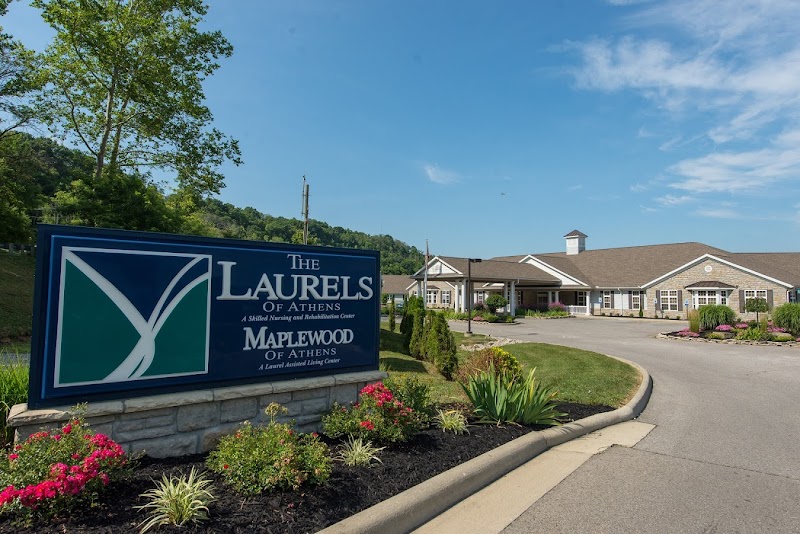
How is Laurels Of Athens, The Staffed?

CMS rates LAURELS OF ATHENS, THE's staffing level at 4 out of 5 stars, which is above average compared to other nursing homes. Staff turnover is 39%, compared to the Ohio average of 46%. This relatively stable workforce can support continuity of care.

What Have Inspectors Found at Laurels Of Athens, The?

State health inspectors documented 31 deficiencies at LAURELS OF ATHENS, THE during 2021 to 2024. These included: 1 that caused actual resident harm and 30 with potential for harm. Deficiencies causing actual harm indicate documented cases where residents experienced negative health consequences.
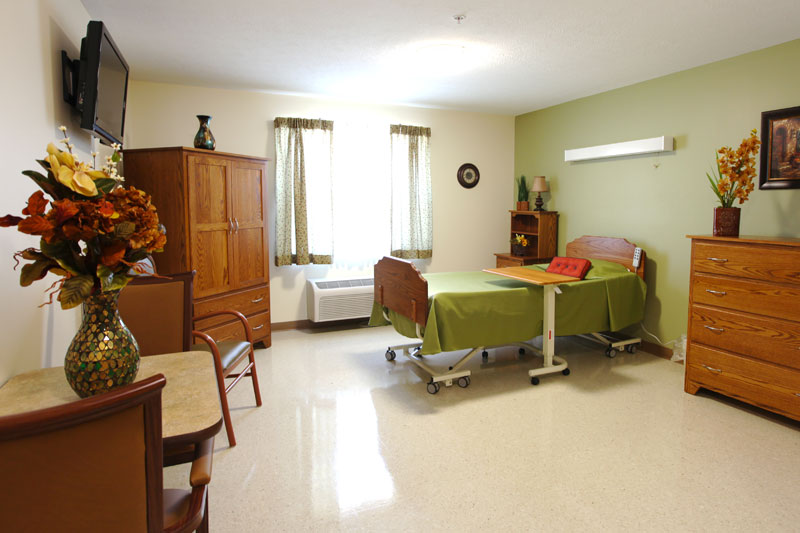
Who Owns and Operates Laurels Of Athens, The?

LAURELS OF ATHENS, THE is owned by a for-profit company. For-profit facilities operate as businesses with obligations to shareholders or private owners. The facility is operated by CIENA HEALTHCARE/LAUREL HEALTH CARE, a chain that manages multiple nursing homes. With 111 certified beds and approximately 104 residents (about 94% occupancy), it is a mid-sized facility located in ATHENS, Ohio.
How Does Laurels Of Athens, The Compare to Other Ohio Nursing Homes?

Compared to the 100 nursing homes in Ohio, LAURELS OF ATHENS, THE's overall rating (3 stars) is below the state average of 3.2, staff turnover (39%) is near the state average of 46%, and health inspection rating (3 stars) is at the national benchmark.

What Should Families Ask When Visiting Laurels Of Athens, The?

Based on this facility's data, families visiting should ask: "Can I visit during a mealtime to observe dining assistance and food quality?" "How do you handle medical emergencies, and what is your hospital transfer rate?" "Can I speak with family members of current residents about their experience?"

Is Laurels Of Athens, The Safe?

Based on CMS inspection data, LAURELS OF ATHENS, THE has a clean safety record: no substantiated abuse findings (meaning no confirmed cases of resident harm), no Immediate Jeopardy citations (the most serious violation level indicating risk of serious injury or death), and is not on the Special Focus Facility watch list (a federal program monitoring the lowest-performing 1% of nursing homes). The facility has a 3-star overall rating and ranks #100 of 100 nursing homes in Ohio. While no facility is perfect, families should still ask about staff-to-resident ratios and recent inspection results during their visit.

Do Nurses at Laurels Of Athens, The Stick Around?

LAURELS OF ATHENS, THE has a staff turnover rate of 39%, which is about average for Ohio nursing homes (state average: 46%). Moderate turnover is common in nursing homes, but families should still ask about staff tenure and how the facility maintains care continuity when employees leave.

Was Laurels Of Athens, The Ever Fined?

LAURELS OF ATHENS, THE has no federal fines on record. CMS issues fines when nursing homes fail to meet care standards or don't correct problems found during inspections. The absence of fines suggests the facility has either maintained compliance or corrected any issues before penalties were assessed. This is a positive indicator, though families should still review recent inspection reports for the full picture.

Is Laurels Of Athens, The on Any Federal Watch List?

LAURELS OF ATHENS, THE is not on any federal watch list. The most significant is the Special Focus Facility (SFF) program, which identifies the bottom 1% of nursing homes nationally based on persistent, serious quality problems. Not being on this list means the facility has avoided the pattern of deficiencies that triggers enhanced federal oversight. This is a positive indicator, though families should still review the facility's inspection history directly.