CONTINENTAL MANOR NURS AND REHABILITATION CENTER
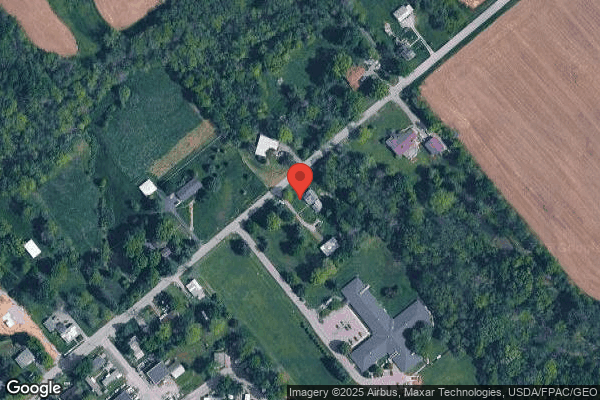
820 EAST CENTER STREET, BLANCHESTER, OH 45107 (937) 783-4949
For profit - Corporation 59 Beds MATTISYAHU NUSSBAUM Data: November 2025
Trust Grade
80/100
#44 of 913 in OH
Last Inspection: August 2024

Within standard 12-15 month inspection cycle. Federal law requires annual inspections.

Overview

Continental Manor Nursing and Rehabilitation Center has a Trust Grade of B+, indicating it is above average and recommended for families considering care options. It ranks #44 out of 913 facilities in Ohio, placing it in the top half of all nursing homes, and is the best option among the four facilities in Clinton County. However, the facility's trend is concerning as it has worsened from 2 issues in 2019 to 6 in 2024. Staffing is a weakness, with a rating of 2/5 stars and a high turnover rate of 66%, significantly above the Ohio average of 49%. On a positive note, there have been no fines recorded, and the center offers more RN coverage than 76% of facilities in Ohio, which is beneficial for resident care. Specific incidents raised during inspections include a serious failure to provide proper assistance during a transfer, resulting in a resident falling and needing stitches. Additionally, the facility faced concerns regarding infection control, as they did not adequately document employee illnesses, which could affect all residents. Another issue was related to residents not being informed about their rights regarding therapy services, which could lead to confusion about billing and care. Overall, while there are strengths in RN coverage and a lack of fines, the facility must address its staffing issues and the incidents reported to ensure resident safety and care quality.

Trust Score
B+
80/100
In Ohio
#44/913
Top 4%
Safety Record
Moderate
Needs review
Inspections
Getting Worse
2 → 6 violations
Staff Stability
⚠ Watch
66% turnover. Above average. Higher turnover means staff may not know residents' routines.
Penalties
✓ Good
No fines on record. Clean compliance history, better than most Ohio facilities.
Skilled Nurses
✓ Good
Each resident gets 42 minutes of Registered Nurse (RN) attention daily — more than average for Ohio. RNs are trained to catch health problems early.
Violations
○ Average
8 deficiencies on record. Average for a facility this size. Mostly minor or procedural issues.
★★★★★
5.0
Overall Rating
★★☆☆☆
2.0
Staff Levels
★★★★★
5.0
Care Quality
★★★★☆
4.0
Inspection Score
Stable
2019: 2 issues
2024: 6 issues

The Good

  • 5-Star Quality Measures · Strong clinical quality outcomes
  • Full Sprinkler Coverage · Fire safety systems throughout facility
  • No fines on record

Facility shows strength in quality measures, fire safety.

The Bad

Staff Turnover: 66%

20pts above Ohio avg (46%)

Frequent staff changes - ask about care continuity

Chain: MATTISYAHU NUSSBAUM

Part of a multi-facility chain

Ask about local staffing decisions and management

Staff turnover is elevated (66%)

18 points above Ohio average of 48%

The Ugly 8 deficiencies on record

1 actual harm
Aug 2024 5 deficiencies 1 Harm
SERIOUS (G)

Actual Harm - a resident was hurt due to facility failures

Accident Prevention (Tag F0689)

A resident was harmed · This affected 1 resident

Based on record review, resident and staff interview, hospital records review, facility policy review, and fall investigation review, the facility failed to provide appropriate gait belt assistance an...

Read full inspector narrative →
Based on record review, resident and staff interview, hospital records review, facility policy review, and fall investigation review, the facility failed to provide appropriate gait belt assistance and care planned two persons assist during a wheelchair to chair transfer. This resulted in harm when Resident #28 sustained a fall with a laceration, and a dislocated toe that required a hospital visit and 11 stitches. This affected one (Resident #28) of four Residents reviewed for accident hazards. The facility census was 48. Findings include: Record review of Resident #28 revealed an admission date of 03/04/20 with pertinent diagnoses of: amyotrophic lateral sclerosis, spinal stenosis lumbar region, chronic obstructive pulmonary disease, type two diabetes mellitus with diabetic neuropathy, weakness, acute kidney failure, umbilical hernia, major depressive disorder, lack of coordination, unilateral primary osteoarthritis left knee, low back pain, tremor, retention of urine, hypertension, anxiety disorder, and malignant neoplasm of the kidney. Review of the 12/05/21 plan of care revealed Resident #28 is at risk for falls related to decreased mobility, poor balance, poor safety awareness, use of psychoactive medications,refusing the use of alarms with removing alarm from self . The chair alarms were discontinued due to placing resident at higher risk due to his increased restlessness and maneuvering self to remove his own alarms. The goal was for Resident #28 to be free from fall related injury with a target date of 08/31/24. Care planned interventions included two persons assist with all transfers since 09/22/22, and follow facility fall protocol. Record review of the 07/09/24 quarterly Minimum Data Set (MDS) assessment revealed Resident #28 was cognitively intact and used a wheelchair to aid in mobility. Resident #28 required substantial to maximal assist for upper and lower body dressing and transfer from bed/chair to chair transfer. Review of Progress Notes dated 07/22/24 at 7:07 A.M. revealed a late entry for 07/19/24 at 11:45 A.M. this resident was lowered to floor by State Tested Nurse Aide (STNA) #74 during transfer. Resident was lowered to floor to sitting position then head lowered to floor not hitting his head. Resident was laying on the floor on his back in front of recliner, bilateral lower extremities extended toward the door, fully dressed in street clothes with non-skid socks on and arms at sides. Room was well lit, no obstacles or clutter on floor. Resident was alert and oriented x 4. Denied hitting his head and pain. STNA #74 was not using gait belt for transfer. Resident stated that his foot got caught under the chair as he was pivoting during transfer from wheelchair to recliner. Vital signs, head to toe assessment, range of motion (ROM), skin, pain assessments completed. His vital signs, pain, ROM assessments found within normal limits. Right great toe noted to be misshapen and large laceration from inside right great toe underneath to outside of right great toe noted. Draining moderate amount of bright red blood. Resident was assisted from floor to recliner with Hoyer lift and four person assist. Physician aware and new order received to send to emergency room (ER) for eval. 911 was notified and Resident #28 was transferred to local hospital emergency room per stretcher accompanied by two attendants. Resident to be a two person assist with transfers, staff education completed on the use of gait belts with transfers, and corrective action for STNA for not using gait belt. Resident's family notified of incident and transfer to ER. Resident later return from ER per stretcher accompanied by two attendants with new orders for ortho boot to right foot for three weeks, non-weight bearing status to right foot, monitor right great toe and sutures for signs and symptoms of infection. Review of hospital records dated 07/19/24 revealed the proximal inter phalangeal is dislocated with medial deviation of the distal phalange. The Physician applied mild traction and reduced it without sedation. Wound repair of three-centimeter subcutaneous laceration to right foot. Skin closed with 11 simple sutures. The diagnosis was laceration without foreign body of right great toe without damage to nail. Review of the 07/19/24 Witness Statement revealed State Tested Nurse Aide (STNA) #74 revealed she was transferring Resident #28 from wheelchair to recliner without a gait belt. She held his pant and locked arms with him while he stood, he then pivoted to the right and stopped right before turning completely. She slowly lowered him to a seating position on the floor and then slowly lowered his head to the ground in a lying position. Review of the 07/22/24 post fall investigation report for the fall on 07/19/24 revealed Resident #28 had a fall on 07/19/24 at 11:45 A.M. and the contributing factors was STNA was not using a gait belt. Injuries were a dislocated right great toe, and a laceration. Interview with Resident #28 on 08/12/24 at 10:00 A.M. revealed he had a fall three or four weeks ago and he hurt his toe. He stated he needs two people for transfers, and they only used one person. He got 11 stitches in his right big toe. Interview with Director of Nursing (DON) on 08/15/24 at 8:42 A.M. verified STNA #74 did not use a gait belt and transferred Resident #28 by herself. The floor was dry, room light was on evaluated for injuries no complaints of pain did not hit his head. DON stated they got the Hoyer lift to transfer after the fall then we noticed blood on his sock, and we realized he needed treatment and called 911. Resident has an ALS diagnosis that makes him high risk for falls we try to promote the least number of transfers with him. The facility policy is to use gait belts with all transfers, and she verified the plan of care stated he was a two person assist with transfer. The DON stated the care plan should have been adjusted and he is a one or two person assist for transfers. Interview with STNA #97 on 08/15/24 at 8:51 A.M. Resident #28 has been a two person transfer for longer than six months. She stated have never transferred him with one person in the last six months. Review of the 02/2023 Facility Use of Gait Belt Policy revealed it is the policy of this facility to use gait belts with residents that cannot independently ambulate or transfer for the purpose of safety. Failure to use gait belt properly may result in termination.
CONCERN (D)

Potential for Harm - no one hurt, but risky conditions existed

Deficiency F0582 (Tag F0582)

Could have caused harm · This affected 1 resident

Based on staff interview, and record review the facility failed to ensure residents were informed of their rights to pay for therapy services or decline to pay for those services when Resident #50 and...

Read full inspector narrative →
Based on staff interview, and record review the facility failed to ensure residents were informed of their rights to pay for therapy services or decline to pay for those services when Resident #50 and #106 were not given skilled nurse facility advanced beneficiary notice of non-coverage (SNF ABN) form 10055 upon being cut from services and still staying in the building. This affected two (Resident #50 and #106) of three Residents reviewed for beneficiary notices. The facility census was 48. Findings include: 1. Record review of Resident #50 revealed an admission date of 04/22/24 and he still resides in the building. The resident had pertinent diagnoses of: chronic obstructive pulmonary disease, type two diabetes mellitus, heart failure, atrial fibrillation and hyperlipdemia. Review of the Notice of Medicare Non-coverage form 10123 dated 07/09/24 revealed Resident #50 was being discharged form services on 07/11/24 and he was still residing in the building. Review of the medical record on 08/13/24 revealed there was no skilled nurse facility advanced beneficiary notice of non-coverage (SNF ABN) form 10055 provided Resident #50 when he was cut from skilled services. Interview with The Administrator on 08/13/24 at 2:59 P.M. verified there was no skilled nurse facility advanced beneficiary notice of non-coverage (SNF ABN) form 10055 provided to Resident #50 when he was cut from skilled services and he stayed in the building. 2. Record review of Resident #106 revealed an admission date of 03/29/24 and a discharge to another facility on 06/11/24. The resident had pertinent diagnoses of: arthropathy, myocardial infarction, hypertension, and atrial fibrillation. Review of the Notice of Medicare Non-coverage form 10123 dated 05/23/24 revealed Resident #106 was being discharged form services on 05/26/24 and he was still going to be residing in the building. Review of the medical record on 08/13/24 revealed there was no skilled nurse facility advanced beneficiary notice of non-coverage (SNF ABN) form 10055 provided to Resident #106 when he was cut from skilled services. Interview with The Administrator on 08/13/24 at 2:59 P.M. verified there was no skilled nurse facility advanced beneficiary notice of non-coverage (SNF ABN) form 10055 provided to Resident #106 when he was cut from skilled services and he stayed in the building.
CONCERN (D)

Potential for Harm - no one hurt, but risky conditions existed

PASARR Coordination (Tag F0644)

Could have caused harm · This affected 1 resident

Based on staff interview and record review the facility failed to resubmit a Preadmission Screening and Resident Review (PASARR) or discharge the Resident after 90 days per the level two screening det...

Read full inspector narrative →
Based on staff interview and record review the facility failed to resubmit a Preadmission Screening and Resident Review (PASARR) or discharge the Resident after 90 days per the level two screening determination. This affected one (Resident #15) of one reviewed for PASARR. The facility census was 48. Findings include: Record review of Resident #15 revealed an admission date of 09/21/23 with pertinent diagnoses of: cerebral infarction, hemiplegia and hemiparesis, toxic effect of other metals, bipolar disorder,acute kidney failure, muscle weakness, cognitive communication deficit, obstructive and reflux uropathy, dysphagia, adult failure to thrive, and schizoaffective disorder. Review of the 06/30/24 quarterly Minimum Data Set (MDS) assessment revealed the resident is severely cognitively impaired, he uses a wheelchair to aid in mobility, and is always incontinent of bladder and frequently incontinent of bowel. Review of the 10/17/23 Notice of PASRR determination and right to a state hearing revealed Resident #15 required the level of services provided by a nursing facility and they may continue to reside in the nursing facility for 90 day from the determination. The nursing facility inconjunction with the local entities shall initiate and continue discharge planning activities throughout the period of time specified on this notice. Interview with Licensed Social Worker (LSW) #66 on 08/15/24 ay 9:50 A.M. verified Resident #15 was only approved to be in the facility 90 days and no one sent in the updated PASARR we assumed the local was doing it and it was suppose to be us doing it. LSW #66 verified Resident #15 is still in the facility.
CONCERN (D)

Potential for Harm - no one hurt, but risky conditions existed

Unnecessary Medications (Tag F0759)

Could have caused harm · This affected 1 resident

Based on observation, staff interview, record review, and policy review, the facility failed to ensure medication error rates were not greater than 5% when they did not prime an insulin pen before adm...

Read full inspector narrative →
Based on observation, staff interview, record review, and policy review, the facility failed to ensure medication error rates were not greater than 5% when they did not prime an insulin pen before administration and gave the wrong amount of tablets for cranberry. This affected two (Resident #1 and #29) of four residents observed for medication administration. There was two errors out of 26 opportunities for a medication error rate of 7.69%. The facility census was 48. Findings include: 1. Record review of Resident #1 revealed an admission date of 12/07/23 with pertinent diagnoses of: type two diabetes mellitus, anemia, hypothyroidism, hyperlipdemia, hypertension, and chronic kidney disease stage three. Review of the 06/16/24 modification of quarterly Minimum Data Set (MDS) revealed the resident was moderately cognitively impaired and used a wheelchair to aid in mobility and was frequently incontinent of bladder and occasionally incontinent of bowel. Review of a Physician Order dated 05/07/24 revealed Cranberry 930 milligrams (mgs) give one capsule by mouth one time a day for urinary tract infection prevention. Observation on 08/14/24 at 9:08 A.M. revealed Licensed Practical Nurse (LPN) #84 administered medications to Resident #1 including one tab of Cranberry 450 mgs. Interview with LPN #84 on 08/14/24 at 9:36 A.M. verified she only gave 450 mgs of cranberry and the order is for 930 mgs. 2. Record review of Resident #29 revealed an admission date of 03/29/24 with pertinent diagnoses of: cerebral infarction, asthma, type two diabetes mellitus with diabetic neuropathy, and congestive heart failure. Review of the 05/10/24 significant change Minimum Data Set (MDS) revealed the resident was cognitively intact and used a wheelchair to aid in mobility and is occasionally incontinent of bowel and bladder. Review of a Physician Order dated 04/24/24 revealed an Novolog FlexPen Subcutaneous Solution Pen-injector 100 unit/ml (Insulin Aspart) Inject as per sliding scale: if 140 - 179 = 2U; 180 - 219 = 4U; 220 - 259 = 6U; 260 - 299 = 8U; 300 - 339 = 10U; 340 - 379 = 12U; 380 - 419 = 14U; 420 - 500 = 20U >501 call physician, subcutaneously before meals and at bedtime related to type two diabetes mellitus. Review of a Physician Order dated 04/24/24 revealed to Novolog FlexPen Subcutaneous Solution Pen-injector 100 unit/ml/ML (Insulin Aspart) Inject 15 units subcutaneously three times a day related to type two diabetes mellitus. Observation on 08/15/24 at 11:25 A.M. revealed Licensed Practical Nurse (LPN) #290 took Resident #29 blood sugar level and it was 319 milligrams per deciliter (mg/dl). This required 15 units scheduled dose of Novolog insulin and 10 additional units for sliding scale coverage. LPN #290 dialed the Novolog pen to 25 units she did not prime the insulin pen prior to administration to the Resident. Interview with LPN #290 on 08/15/24 at 11:35 A.M. verified she did not prime the insulin pen before injecting Resident #29. Review of a undated facility policy title insulin administration with use of insulin pen and needle revealed to prime the pen by removing the air from the needle and cartridge. Select two units when turning the dose knob. Hold the pen with the needle pointing up, then gently tap the cartridge holder to collect the air bubbles at the top. Press the push-button until it stops. You should see a O in the dose window. You should see insulin at the needle tip. If you do not see insulin, repeat the priming steps but not more than 6 times. If there is still no insulin, do not use the pen. Turn the dose selector, be careful not to press the push-button. Insert the needle into the resident's and press the push-button all the way in for at least six seconds. Keep pressing until the needle has been pulled out from the skin. This will make sure that you have received the full dose. Use a new needle each time you give an an injection. Always remove and discard the needle into a sharps container after each injection.
CONCERN (D)

Potential for Harm - no one hurt, but risky conditions existed

Deficiency F0760 (Tag F0760)

Could have caused harm · This affected 1 resident

Based on observation, staff interview, record review, and policy review, the facility failed to ensure residents are free of significant medication errors when they did not prime an insulin pen before...

Read full inspector narrative →
Based on observation, staff interview, record review, and policy review, the facility failed to ensure residents are free of significant medication errors when they did not prime an insulin pen before administering insulin to a resident. This affected one (Resident #29) of four residents observed for medication administration. The facility census was 48. Findings include: Record review of Resident #29 revealed an admission date of 03/29/24 with pertinent diagnoses of: cerebral infarction, asthma, type two diabetes mellitus with diabetic neuropathy, and congestive heart failure. Review of the 05/10/24 significant change Minimum Data Set (MDS) revealed the resident was cognitively intact, used a wheelchair to aid in mobility, and is occasionally incontinent of bowel and bladder. Review of a Physician Order dated 04/24/24 revealed an Novolog FlexPen Subcutaneous Solution Pen-injector 100 unit/ml (Insulin Aspart) Inject as per sliding scale: if 140 - 179 = 2U; 180 - 219 = 4U; 220 - 259 = 6U; 260 - 299 = 8U; 300 - 339 = 10U; 340 - 379 = 12U; 380 - 419 = 14U; 420 - 500 = 20U >501 call physician, subcutaneously before meals and at bedtime related to type two diabetes mellitus. Review of a Physician Order dated 04/24/24 revealed to Novolog FlexPen Subcutaneous Solution Pen-injector 100 unit/ml/ML (Insulin Aspart) Inject 15 units subcutaneously three times a day related to type two diabetes mellitus. Observation on 08/15/24 at 11:25 A.M. revealed Licensed Practical Nurse (LPN) #290 took Resident #29 blood sugar level and it was 319 milligrams per deciliter (mg/dl). This required 15 units scheduled dose of Novolog insulin and 10 additional units for sliding scale coverage. LPN #290 dialed the Novolog pen to 25 units she did not prime the insulin pen prior to administration to the Resident. Interview with LPN #290 on 08/15/24 at 11:35 A.M. verified she did not prime the insulin pen before injecting Resident #29. Review of a undated facility policy title insulin administration with use of insulin pen and needle revealed to prime the pen by removing the air from the needle and cartridge. Select two units when turning the dose knob. Hold the pen with the needle pointing up, then gently tap the cartridge holder to collect the air bubbles at the top. Press the push-button until it stops. You should see a O in the dose window. You should see insulin at the needle tip. If you do not see insulin, repeat the priming steps but not more than 6 times. If there is still no insulin, do not use the pen. Turn the dose selector, be careful not to press the push-button. Insert the needle into the resident's and press the push-button all the way in for at least six seconds. Keep pressing until the needle has been pulled out from the skin. This will make sure that you have received the full dose. Use a new needle each time you give an an injection. Always remove and discard the needle into a sharps container after each injection.
Apr 2024 1 deficiency
CONCERN (E) 📢 Someone Reported This

A family member, employee, or ombudsman was alarmed enough to file a formal complaint

Potential for Harm - no one hurt, but risky conditions existed

Infection Control (Tag F0880)

Could have caused harm · This affected multiple residents

Based on record review, review of facility infection control surveillance records, staff interviews, review of facility policies and procedures, review of the Centers for Disease Control and Preventio...

Read full inspector narrative →
Based on record review, review of facility infection control surveillance records, staff interviews, review of facility policies and procedures, review of the Centers for Disease Control and Prevention (CDC) guidance, the facility failed to document and track employee reported illness as part of their infection control and prevention program. This affected 17 (#01, #02, #06, #12, #19, #41, #42, #44, #09, #13, #23, #34 #37, #08, #17, #26 and #25) residents but had the potential to affect all residents at the facility. The facility census was 46. Findings include: Review of the facility's infection control and surveillance logs with Infection Preventionist (IP) Nurse #150 revealed the facility experienced a gastroenteritis illness (GI) including symptoms of nausea, vomiting and/or diarrhea (loose stools) from 03/13/24 through 03/16/23. The facility's infection control and surveillance logs documented 17 residents who were affected by the GI illness. On 03/13/24, Residents' (#01, #02, #06, #12, #19, #41, #42, and #44), on 04/14/24, Residents' (#09, #13, #23, #34 and #37), on 03/15/24 Residents' (#08, #17, and #26), and on 03/16/24, Resident #25 had symptoms of a GI illness. Interview with IP Nurse #150 at the same verified she was tasked with being the facility's Infection Preventionist over the infection control and prevention program. IP Nurse #150 verified the facility had a GI virus outbreak that affected 17 residents from 03/13/24 to 03/16/24. IP Nurse #150 was questioned on whether any staff members were affected by the recent GI virus outbreak and IP #150 indicated she would have to call human resources because she did not track employee call offs and/or illnesses. IP Nurse #150 consulted with the Human Resource (HR) Manager #184 and learned a total of ten employees were affected by the GI virus outbreak from 03/13/24 through 03/16/24. The infection control and surveillance logs revealed no documented evidence of any staff members being identified with the GI illness or employees calling off for illness. Review of a facility document titled Staff GI Virus revealed the following 10 employees were affected by the GI Virus: On 03/13/24, Maintenance Director #181 called off with similar GI illness symptoms. On 03/14/24, Registered Nurse #151 and State Tested Nursing Assistant (STNA) #162 called off with similar GI symptoms. On 03/15/24, the Administrator called off for similar symptoms and the Admissions/Marketing #160 left work near the end of her workday with similar GI symptoms. On 03/16/24, RN #67 and #167 called for similar GI symptoms. On 03/18/24, STNA #73, Housekeepers' #175 and #185 called off for similar GI symptoms. Review of an untitled facility document revealed five additional employees called off with illnesses from 03/11/24 through 03/18/24. On 03/12/24, housekeeper #198 called off due to being ill and on 03/16/24, STNA #60 called off due to being ill. Housekeeper #198 and STNA #60 were not listed on the infection control and prevention surveillance logs. Interview with IP Nurse #150 and the Director of Nursing (DON) on 03/19/24 at 1:53 P.M. verified the facility does not record, track, and follow up on employee call offs related to illness as part of their infection control and prevention program. IP #150 reported she was not aware she was required to track employee related illness as part of their infection control and prevention program. IP Nurse #150 and DON verified the ten employees identified as being part of the GI outbreak were not recorded on the facility's infection control and surveillance logs. IP Nurse #150 and DON reported any employee call-offs were directed to the Human Resource Manager. During reconciliation of the infection control surveillance logs and employee call-off documentation with IP #150 and DON on 04/01/24 at 12:40 P.M., revealed on 03/18/24, STNA #73, Housekeeper #175 and Housekeeper #185 called off for similar GI symptoms. IP #150 stated she was not aware that the employees had called off related to GI illness on 03/18/24 and after the date the facility determined the GI illness outbreak had ended. Review of a document titled Train - Training Plan Proof of Completion revealed IP Nurse #150 started the Nursing Home Infection Preventionist Training Course on 11/06/22 and completed the course on 03/19/24 and after the surveyor asked for verification of the Infection Preventionist certificate. Review of the facility policy titled, Infection Control Policy and Procedure, dated 2022, revealed the facility will designate an Infection Preventionist (IP) nurse who is responsible for the facilities infection control program. The IP will establish a program to prevent, identify, investigate, and control the infections of residents, staff (includes employees, consultants, contractors, volunteers, students in the nurse aide program, or academic institutions), and visitors. This included ongoing surveillance to identify possible communicable diseases or infections before they can spread to others in the facility. Review of the facility policy titled, Additional Infection Control Policies and Procedures, dated 2022, revealed the facility will have written occupational health policies that address reporting of staff illness and following work restrictions per nationally standards and guidelines and monitoring/evaluating for clusters or outbreaks of illness among staff. Further review of the policy revealed the facility surveillance system shall include a data collection tool and use of the nationally recognized surveillance criteria such as the Centers for Disease Control (CDC) and National Healthcare Network Safety Network (NHSN) Long Term Care Criteria to define infections.
Apr 2019 2 deficiencies
CONCERN (D)

Potential for Harm - no one hurt, but risky conditions existed

Quality of Care (Tag F0684)

Could have caused harm · This affected 1 resident

**NOTE- TERMS IN BRACKETS HAVE BEEN EDITED TO PROTECT CONFIDENTIALITY** Based on observation, record review, and interview, the facility failed to document and assess bruising of unknown origin. This ...

Read full inspector narrative →
**NOTE- TERMS IN BRACKETS HAVE BEEN EDITED TO PROTECT CONFIDENTIALITY** Based on observation, record review, and interview, the facility failed to document and assess bruising of unknown origin. This affected one (Resident #21) of two residents reviewed for skin conditions. The facility census was 51. Findings include: Review of the medical record for Resident #21 revealed an admission date of 12/07/11 with diagnoses including dementia and spastic hemiplegia affecting right side. Review of the quarterly comprehensive assessment dated [DATE] revealed Resident #21 had severe cognitive deficits and no skin issues. Review of physician orders dated April 2019 revealed to do weekly skin assessments on Wednesday night shift. Review of weekly skin assessments dated 04/04/19 and 04/11/19 revealed skin was warm and dry and no areas noted. Review of the care plan revealed Resident #21 was at risk for skin breakdown related to decreased mobility, decreased strength, incontinence, resistance to care and refusal to be repositioned in bed. Observation and interview was conducted on 04/09/19 at 8:55 A.M. and on 04/11/19 at 9:41 A.M. with Resident #21. He had dark purplish red bruising to the top of both hands. He stated he did not know what happened and denied any staff abuse. During interview was on 04/11/19 at 9:41 A.M., the Director of Nursing verified the bruising to the resident's hands. She stated the origin of the bruising had not been investigated and should have been identified on the weekly skin assessment dated [DATE].
MINOR (B)

Minor Issue - procedural, no safety impact

Deficiency F0582 (Tag F0582)

Minor procedural issue · This affected multiple residents

Based on record review and staff interview, the facility failed to issue the correct liability notices, when Medicare Part A Services were terminated to two residents. This affected two (Residents #12...

Read full inspector narrative →
Based on record review and staff interview, the facility failed to issue the correct liability notices, when Medicare Part A Services were terminated to two residents. This affected two (Residents #12 and #36) of three reviewed for liability notices. The facility census was 51. Findings include: 1. Review of Resident #12's medical record revealed a readmission date of 02/10/19 with a Medicare Part A skilled services episode start date of 02/10/19 and a last covered date of 03/28/19. On 03/28/19, Resident #12 was at her maximum potential for therapy services and was discharged from Medicare Part A services and remained in the facility. Review of the Skilled Nursing Facility (SNF) Beneficiary Protection Notification Review revealed Resident #12 did not receive a Skilled Nursing Facility Advance Beneficiary Notice (SNF ABN) when she was discharged from Medicare Part A Services as she was noted to have not received non-covered services and went back to private pay but remained in the facility. 2. Review of Resident #36's medical record revealed an admission date of 11/29/18 with a Medicare Part A skilled services episode start date of 11/29/18 and a last covered date of 01/18/19. Further review of the medical record revealed Resident #36 was at her maximum potential for therapy services and was discharged from Medicare Part A services on 01/18/19 and remained in the facility. Review of the SNF Beneficiary Protection Notification Review revealed Resident #36 did not receive a SNF ABN when she was discharged from Medicare Part A Services as she was noted to have remained in the facility under Medicaid. During interview on 04/11/19 at 2:43 P.M., Business Office Manager #61 stated she was unaware the regulation required residents who were discharged from Part A services and remained in the facility were to have received the SNF ABN notice.
Understanding Severity Codes (click to expand)
Life-Threatening (Immediate Jeopardy)
J - Isolated K - Pattern L - Widespread
Actual Harm
G - Isolated H - Pattern I - Widespread
Potential for Harm
D - Isolated E - Pattern F - Widespread
No Harm (Minor)
A - Isolated B - Pattern C - Widespread

Questions to Ask on Your Visit

  • "Why is there high staff turnover? How do you retain staff?"
  • "Can I speak with families of current residents?"
  • "What's your RN coverage like on weekends and overnight?"

Our Honest Assessment

Strengths
  • • Grade B+ (80/100). Above average facility, better than most options in Ohio.
  • • No fines on record. Clean compliance history, better than most Ohio facilities.
Concerns
  • • 8 deficiencies on record, including 1 serious (caused harm) violation. Ask about corrective actions taken.
  • • 66% turnover. Above average. Higher turnover means staff may not know residents' routines.
Bottom line: Generally positive indicators. Standard due diligence and a personal visit recommended.

About This Facility

What is Continental Manor Nurs And Rehabilitation Center's CMS Rating?

CMS assigns CONTINENTAL MANOR NURS AND REHABILITATION CENTER an overall rating of 5 out of 5 stars, which is considered much above average nationally. Within Ohio, this rating places the facility higher than 99% of the state's 100 nursing homes. This rating reflects solid performance across the metrics CMS uses to evaluate nursing home quality.

How is Continental Manor Nurs And Rehabilitation Center Staffed?

CMS rates CONTINENTAL MANOR NURS AND REHABILITATION CENTER's staffing level at 2 out of 5 stars, which is below average compared to other nursing homes. Staff turnover is 66%, which is 20 percentage points above the Ohio average of 46%. High turnover can affect care consistency as new staff learn residents' individual needs.

What Have Inspectors Found at Continental Manor Nurs And Rehabilitation Center?

State health inspectors documented 8 deficiencies at CONTINENTAL MANOR NURS AND REHABILITATION CENTER during 2019 to 2024. These included: 1 that caused actual resident harm, 6 with potential for harm, and 1 minor or isolated issues. Deficiencies causing actual harm indicate documented cases where residents experienced negative health consequences.

Who Owns and Operates Continental Manor Nurs And Rehabilitation Center?

CONTINENTAL MANOR NURS AND REHABILITATION CENTER is owned by a for-profit company. For-profit facilities operate as businesses with obligations to shareholders or private owners. The facility is operated by MATTISYAHU NUSSBAUM, a chain that manages multiple nursing homes. With 59 certified beds and approximately 49 residents (about 83% occupancy), it is a smaller facility located in BLANCHESTER, Ohio.

How Does Continental Manor Nurs And Rehabilitation Center Compare to Other Ohio Nursing Homes?

Compared to the 100 nursing homes in Ohio, CONTINENTAL MANOR NURS AND REHABILITATION CENTER's overall rating (5 stars) is above the state average of 3.2, staff turnover (66%) is significantly higher than the state average of 46%, and health inspection rating (4 stars) is above the national benchmark.

What Should Families Ask When Visiting Continental Manor Nurs And Rehabilitation Center?

Based on this facility's data, families visiting should ask: "How do you ensure continuity of care given staff turnover, and what is your staff retention strategy?" "Can you walk me through typical staffing levels on day, evening, and night shifts?" "Can I visit during a mealtime to observe dining assistance and food quality?" "How do you handle medical emergencies, and what is your hospital transfer rate?" These questions are particularly relevant given the facility's high staff turnover rate and the below-average staffing rating.

Is Continental Manor Nurs And Rehabilitation Center Safe?

Based on CMS inspection data, CONTINENTAL MANOR NURS AND REHABILITATION CENTER has a clean safety record: no substantiated abuse findings (meaning no confirmed cases of resident harm), no Immediate Jeopardy citations (the most serious violation level indicating risk of serious injury or death), and is not on the Special Focus Facility watch list (a federal program monitoring the lowest-performing 1% of nursing homes). The facility has a 5-star overall rating and ranks #1 of 100 nursing homes in Ohio. While no facility is perfect, families should still ask about staff-to-resident ratios and recent inspection results during their visit.

Do Nurses at Continental Manor Nurs And Rehabilitation Center Stick Around?

Staff turnover at CONTINENTAL MANOR NURS AND REHABILITATION CENTER is high. At 66%, the facility is 20 percentage points above the Ohio average of 46%. High turnover means new staff may not know residents' individual needs, medications, or preferences. It can also be disorienting for residents, especially those with dementia who rely on familiar faces. Families should ask: What is causing the turnover? What retention programs are in place? How do you ensure care continuity during staff transitions?

Was Continental Manor Nurs And Rehabilitation Center Ever Fined?

CONTINENTAL MANOR NURS AND REHABILITATION CENTER has no federal fines on record. CMS issues fines when nursing homes fail to meet care standards or don't correct problems found during inspections. The absence of fines suggests the facility has either maintained compliance or corrected any issues before penalties were assessed. This is a positive indicator, though families should still review recent inspection reports for the full picture.

Is Continental Manor Nurs And Rehabilitation Center on Any Federal Watch List?

CONTINENTAL MANOR NURS AND REHABILITATION CENTER is not on any federal watch list. The most significant is the Special Focus Facility (SFF) program, which identifies the bottom 1% of nursing homes nationally based on persistent, serious quality problems. Not being on this list means the facility has avoided the pattern of deficiencies that triggers enhanced federal oversight. This is a positive indicator, though families should still review the facility's inspection history directly.