WILMINGTON NURSING & REHAB
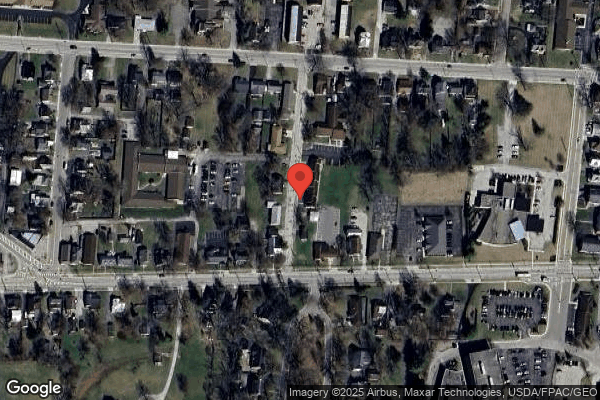

75 HALE STREET, WILMINGTON, OH 45177 (937) 382-1621
For profit - Limited Liability company 76 Beds SABER HEALTHCARE GROUP Data: November 2025
Trust Grade
75/100
#201 of 913 in OH
Last Inspection: July 2024

Within standard 12-15 month inspection cycle. Federal law requires annual inspections.

Overview

Wilmington Nursing & Rehab has a Trust Grade of B, indicating it is a good choice, though not without its issues. It ranks #201 out of 913 facilities in Ohio, placing it in the top half, but #4 out of 4 in Clinton County suggests there are better local options available. The facility is experiencing a worsening trend, with the number of issues rising from 4 in 2023 to 5 in 2024. Staffing is a challenge, as it received only 2 out of 5 stars and has a turnover rate of 59%, which is higher than the state average. Fortunately, there have been no fines recorded, indicating compliance with regulations, and the RN coverage is average, which means residents receive standard medical oversight. However, there have been specific concerns identified, such as improper food storage and preparation, which could affect all residents. The kitchen was found to have unsanitary conditions, including dirty equipment and food particles. Additionally, staff members were observed not wearing proper personal protective equipment, raising concerns about infection control. Lastly, biohazard materials were not stored correctly, which could have posed risks to resident safety. Overall, while the facility has some strengths, families should carefully weigh these issues when considering care for their loved ones.

Trust Score
B
75/100
In Ohio
#201/913
Top 22%
Safety Record
Low Risk
No red flags
Inspections
Getting Worse
4 → 5 violations
Staff Stability
⚠ Watch
59% turnover. Above average. Higher turnover means staff may not know residents' routines.
Penalties
✓ Good
No fines on record. Clean compliance history, better than most Ohio facilities.
Skilled Nurses
○ Average
Each resident gets 37 minutes of Registered Nurse (RN) attention daily — about average for Ohio. RNs are the most trained staff who monitor for health changes.
Violations
⚠ Watch
21 deficiencies on record. Higher than average. Multiple issues found across inspections.
★★★★★
5.0
Overall Rating
★★☆☆☆
2.0
Staff Levels
★★★★★
5.0
Care Quality
★★★★☆
4.0
Inspection Score
Stable
2023: 4 issues
2024: 5 issues

The Good

  • 5-Star Quality Measures · Strong clinical quality outcomes
  • Full Sprinkler Coverage · Fire safety systems throughout facility
  • No fines on record

Facility shows strength in quality measures, fire safety.

The Bad

Staff Turnover: 59%

13pts above Ohio avg (46%)

Frequent staff changes - ask about care continuity

Chain: SABER HEALTHCARE GROUP

Part of a multi-facility chain

Ask about local staffing decisions and management

Staff turnover is elevated (59%)

11 points above Ohio average of 48%

The Ugly 21 deficiencies on record

Dec 2024 1 deficiency
CONCERN (E) 📢 Someone Reported This

A family member, employee, or ombudsman was alarmed enough to file a formal complaint

Potential for Harm - no one hurt, but risky conditions existed

Deficiency F0804 (Tag F0804)

Could have caused harm · This affected multiple residents

Based on observation, staff interview, resident interview, and policy review, the facility failed to ensure food was served warm and palatable. This had the potential to affect all but one Resident (#...

Read full inspector narrative →
Based on observation, staff interview, resident interview, and policy review, the facility failed to ensure food was served warm and palatable. This had the potential to affect all but one Resident (#32) who received food from the facility's kitchen. The facility census was 58. Findings include: Review of the lunch menu for 12/26/24 revealed the residents received a choice of fish patty or chicken fingers, broccoli casserole, dinner roll and Jello for dessert. Observation of meal line service on 12/26/24 from 11:00 A.M. to 12:30 P.M., revealed the lunch meal consisted of a choice of a fish patty or chicken fingers, broccoli casserole and Jello for dessert. Cooking temperatures obtained at this time by using a facility thermometer revealed the fish patty was at 180 degrees Fahrenheit, chicken fingers at 190 degrees Fahrenheit and broccoli casserole at 182 degrees Fahrenheit. Steam table holding temperatures obtained by using a facility thermometer, at the time of plating, revealed the fish patty was at 202 degrees Fahrenheit, chicken fingers at 205 degrees Fahrenheit and broccoli casserole at 197.5 degrees Fahrenheit. Food and beverage items prepared for this meal were confirmed to be consistent with the printed menu. Further observation continued as dietary staff plated the lunch meal from a steam table in the kitchen. As the tray line neared an end, the surveyor requested a test tray be prepared and placed on the B-Hall food cart. Observation was made as the test tray was prepared, placed on the cart at 12:28 P.M., and transported by [NAME] #605 to B-Hall nursing unit where it arrived at 12:30 P.M. The test tray remained on the cart in view of the surveyor, until all other trays were distributed to residents. The test tray was removed from the cart at 12:50 P.M. by [NAME] #605 who used a facility thermometer that confirmed the temperatures of the fish patty, chicken finger and broccoli casserole. The fish patty was 97 degrees Fahrenheit, chicken finger 92 degrees Fahrenheit and broccoli casserole 109.5 degrees Fahrenheit. [NAME] #605 verified the test tray temperatures and the surveyor taste-tested the fish patty, chicken finger and broccoli casserole which were found to be at an unsatisfactory temperature, bland in taste and presentation of food items on the plate was not pleasing to the eye. [NAME] #605 verified the fish patty, chicken finger and broccoli casserole were not hot by the time the test tray was served, and the plating was not pleasing to the eye. Interviews on 12/26/24 from 1:00 P.M. to 1:20 P.M. with Residents #14, #16, #28 and #52 verified the fish and chicken were overcooked which made the breading hard and the meat dry, and the broccoli casserole was dry and had no flavoring. Interview on 12/26/24 at 9:02 A.M. with the Administrator verified there is one Resident (#32) who did not receive food from the facility's kitchen. Review of a policy titled, Food Preparation and Handling, revised 01/05/23, revealed food items are prepared by methods designed to maintain safe temperatures, avoid cross-contamination, prevent food borne illness, conserve maximum nutritive value, and develop and enhance flavor. This deficiency represents noncompliance investigated under Complaint Number OH00160920.
Jul 2024 4 deficiencies
CONCERN (D)

Potential for Harm - no one hurt, but risky conditions existed

Deficiency F0687 (Tag F0687)

Could have caused harm · This affected 1 resident

**NOTE- TERMS IN BRACKETS HAVE BEEN EDITED TO PROTECT CONFIDENTIALITY** Based on medical record review, resident and staff interviews, observation, and policy review, the facility failed to ensure res...

Read full inspector narrative →
**NOTE- TERMS IN BRACKETS HAVE BEEN EDITED TO PROTECT CONFIDENTIALITY** Based on medical record review, resident and staff interviews, observation, and policy review, the facility failed to ensure residents received timely foot care. This affected one (#18) of three residents reviewed to activities of daily living. The facility census was 63. Findings include: Review of the medical record for Resident #18 revealed an admission date of 09/04/19. Diagnoses included type two diabetes mellitus (DM II), chronic obstructive pulmonary disease (COPD), convulsions, and anxiety disorder. Review of the quarterly Minimum Data Set (MDS) assessment dated [DATE] revealed Resident #18 had moderate cognitive impairment. Resident #18 was dependent on staff with bathing. Review of the podiatry note dated 10/27/23 revealed Resident #18 was seen and needed to follow up in two to three months. The podiatry note dated 01/12/24 revealed Resident #18 refused to be seen. The podiatry appointment dated 03/29/24 revealed Resident #18 was supposed to be seen but the podiatrist canceled. The podiatry appointments dated June 2024 revealed Resident #18 was not seen in June 2024. Observations on 07/08/24 at 11:12 A.M. and 07/10/24 at 9:34 A.M. revealed Resident #18's toenails were overgrown and curling under his toes. They were thick and yellow and the surrounding skin was dry and peeling. Interview on 07/10/24 at 9:24 A.M. with Resident #18 revealed he wanted his toenails cut because they were extremely long and curling under his toes. Interview on 07/10/24 at 9:33 A.M. with Assistant Director of Nursing (ADON) verified Resident #18's toenails were overgrown and curling under his toes, which could put Resident #18 at risk for skin impairment. Interview on 07/10/24 at 10:34 A.M. with Social Services Designee (SSD) #145 verified Resident #18 was scheduled to be seen in March, but the podiatrist canceled. SSD #145 stated Resident #18 was not scheduled to be seen in June 2024 because she had troubles with 360 care not rescheduling residents when appointments were scheduled. SSD #145 verified she did not follow up on Resident #18 to ensure he was rescheduled. Review of the facility policy titled Social Services Policy dated 03/01/24 revealed social services would ensure follow up to any ancillary services.
CONCERN (D)

Potential for Harm - no one hurt, but risky conditions existed

Deficiency F0760 (Tag F0760)

Could have caused harm · This affected 1 resident

**NOTE- TERMS IN BRACKETS HAVE BEEN EDITED TO PROTECT CONFIDENTIALITY** Based on record review, staff interview, and policy review, the facility failed to ensure residents were free from significant m...

Read full inspector narrative →
**NOTE- TERMS IN BRACKETS HAVE BEEN EDITED TO PROTECT CONFIDENTIALITY** Based on record review, staff interview, and policy review, the facility failed to ensure residents were free from significant medication errors. This affected one (#39) of one resident reviewed for significant medication errors. The facility census was 63. Findings include: Review of the medical record for Resident #39 revealed an admission date of 12/01/23. Diagnoses included acute embolism and thrombosis of deep veins of lower extremity and atherosclerotic heart disease of native coronary artery without angina pectoris. Review of the quarterly Minimum Data Set (MDS) assessment dated [DATE] revealed Resident #39 had severely impaired cognition. Review of Resident #39's progress note dated 01/30/24 revealed an order was received to increase Warfarin (blood thinner) to six milligrams (mg) on Monday and Thursday, and continue five mg on Saturday, Sunday, Tuesday, Wednesday, and Friday. Review of Resident #39's physician orders revealed an order dated 01/30/24 to 02/15/24 for Warfarin five mg once a day with special instructions for Sunday, Tuesday, Wednesday, Friday, and Saturday. The physician orders dated 02/01/24 to 02/15/24 was for Warfarin six mg once a day with special instructions for Monday and Thursday. Review of the Medication Administration Record (MAR) from 02/01/24 to 02/29/24 revealed Resident #39 was administered both doses of Warfarin five mg and Warfarin six mg on eight days (02/03/24, 02/04/24, 02/05/24, 02/06/24, 02/08/24, 02/09/24, 02/10/24, and 02/11/24). Review of the progress note dated 02/13/24 revealed the MAR displayed double orders for two different doses of Warfarin with special instructions for different days, but the orders were entered to be repeated every day. Interview on 07/11/24 at 12:53 P.M. with the Director of Nursing (DON) confirmed Resident #39 was administered both doses of Warfarin five mg and Warfarin six mg on 02/03/24, 02/04/24, 02/05/24, 02/06/24, 02/08/24, 02/09/24, 02/10/24, and 02/11/24. Review of the facility policy titled General Dose Preparation and Medication Administration, revised 04/30/24, revealed facility staff should verify each time a medication is administered that it is the correct medication, at the correct dose, at the correct route, at the correct rate, at the correct time, and for the correct resident.
CONCERN (E)

Potential for Harm - no one hurt, but risky conditions existed

Deficiency F0657 (Tag F0657)

Could have caused harm · This affected multiple residents

**NOTE- TERMS IN BRACKETS HAVE BEEN EDITED TO PROTECT CONFIDENTIALITY** Based on record review, resident and staff interviews, and policy review, the facility failed to complete quarterly care confere...

Read full inspector narrative →
**NOTE- TERMS IN BRACKETS HAVE BEEN EDITED TO PROTECT CONFIDENTIALITY** Based on record review, resident and staff interviews, and policy review, the facility failed to complete quarterly care conferences for residents residing in the facility. This affected four (#18, #21, #29, and #52) of five residents reviewed for care conferences. The facility census was 63. Findings include: 1. Review of the medical record for Resident #18 revealed an admission date of 09/04/19. Diagnoses included type two diabetes mellitus, chronic obstructive pulmonary disease (COPD), convulsions, and anxiety disorder. Review of the quarterly Minimum Data Set (MDS) assessment dated [DATE] revealed Resident #18 had moderate cognitive impairment. Review of the medical record for care conferences for the last 12 months revealed Resident #18 only had two care conferences dated 09/27/24 and 04/10/24. Interview on 07/09/24 at 2:40 P.M. with Social Services Designee (SSD) #145 verified Resident #18 had only received two care conferences in the last 12 months. 2. Review of the medical record for Resident #21 revealed an admission date of 02/10/22. Diagnoses included Parkinson's disease, emphysema, anxiety disorder, and bronchiectasis. Review of the annual Minimum Data Set (MDS) assessment dated [DATE] revealed Resident #21 had intact cognition. Review of the care conferences for the last 12 months for Resident #21 revealed he had one care conference completed on 09/01/23. Interview on 07/09/24 on 2:41 P.M. with Social Services Designee (SSD) #145 verified Resident #21 had only had one care conference in the last 12 months. 3. Review of the medical record for Resident #52 revealed an admission date of 12/12/22. Diagnoses included cerebral infarction, hemiplegia and hemiparesis affecting right dominant side, congestive heart failure, and depression. Review of the quarterly Minimum Data Set (MDS) assessment dated [DATE] revealed Resident #52 had intact cognition. Review of the medical record for care conferences for the last 12 months revealed Resident #52 had only received one care conference on 08/23/23. Interview on 07/09/24 at 2:42 P.M. with Social Services Designee (SSD) #145 verified Resident #52 had only received one care conference in the last 12 months. 4. Review of Resident #29's medical record revealed an admission date of 07/11/22. Diagnoses included cerebral infarction, type two diabetes mellitus, hemiplegia and hemiparesis following cerebral infarction, hypertensive heart disease, dysphagia following cerebral infarction, and chronic pain. Review of the quarterly Minimum Data Set (MDS) assessment dated [DATE] revealed Resident #29 was cognitively intact. Review of Resident #29's medical record for the last 12 months revealed there was only two care conferences in the last year on 08/02/23 and 03/20/24. Interview with Resident #29 on 07/08/24 9:49 A.M. revealed she can not remember having care conferences every three months. Interview with Social Services Designee (SSD) #145 on 07/10/24 at 3:57 P.M. verified the residents should have care conferences every three months. SSD #145 verified Resident #29 only had two care conferences in the last year on 08/02/23 and 03/20/24. Review of the facility's Comprehensive Care Planning Policy dated 03/02/21 revealed a comprehensive care plan must be developed by the interdisciplinary care planning team within seven days after completion of the comprehensive assessment (MDS}. The comprehensive care pan is reviewed and updated at least every 90 days by the interdisciplinary team.
MINOR (C)

Minor Issue - procedural, no safety impact

Deficiency F0576 (Tag F0576)

Minor procedural issue · This affected most or all residents

Based on resident and staff interviews and review of the resident right's handbook, the facility failed to ensure residents received mail on the weekends. This had the potential to affect all 63 resid...

Read full inspector narrative →
Based on resident and staff interviews and review of the resident right's handbook, the facility failed to ensure residents received mail on the weekends. This had the potential to affect all 63 residents residing in the facility. Findings include: Interviews on the annual survey on 07/08/24, 07/09/24, and 07/10/24 with Residents #18, #21, #27, #47, #52, and #53 revealed mail was not delivered on the weekends, only Monday through Friday. Interview on 07/11/24 at 10:49 A.M. with Business Office Manager (BOM) #155 revealed residents were supposed to receive mail on Saturdays except insurance related mail. BOM #155 reported the activities department was who passed out the mail. Interview on 07/11/24 at 11:13 A.M. with Activities Director #125 verified mail was not handed out on Saturdays, but only Monday through Friday. Review of the resident rights handbook revealed the resident had the right to send and receive mail, and to receive letters, packages, and other materials delivered to the facility for the resident thought a means other than a postal service including privacy of such communication consistent with this section, and access to stationary, postage, and writing implements at the resident's own expense.
Nov 2023 2 deficiencies
CONCERN (D) 📢 Someone Reported This

A family member, employee, or ombudsman was alarmed enough to file a formal complaint

Potential for Harm - no one hurt, but risky conditions existed

Deficiency F0804 (Tag F0804)

Could have caused harm · This affected 1 resident

Based on record review, observation, staff interview, and review of the facility policy the facility failed to ensure residents received a mechanical soft textured diet as ordered. This affected three...

Read full inspector narrative →
Based on record review, observation, staff interview, and review of the facility policy the facility failed to ensure residents received a mechanical soft textured diet as ordered. This affected three (Residents #14, #30, and #32) of three residents with orders for a mechanical soft diet. The facility census was 65. Findings include: Review of the facility menu for the lunch meal on 11/08/23 revealed the lunch entrée for that date was a turkey and cheese sandwich. Review of the dietary spreadsheet signed by the facility dietitian for the lunch entrée on 11/08/23 revealed residents with physician order for a mechanical soft diet should receive a scoop of ground turkey and two slices of bread. Observation of the lunch service line on 11/08/23 from 11:15 A. M. to 12:20 P. M. revealed the staff prepared a scoop of ground turkey as the entrée from Residents #14, #30, and #32, facility-identified residents with orders for mechanical soft diet. Residents #14, #30, and #32 did not receive bread with the meal as specified per the dietary spreadsheet. Interviews on 11/08/23 at 12:20 P.M. with Dietary Manager (DM) #100 confirmed the facility did not serve bread to residents on a mechanical soft diet and did not offer a substitute for the bread to meet the nutrient value of the lunch served to Residents #14, #30, and #32 on 11/08/23. Review of the facility policy titled Diet Order Policy dated 07/27/20 revealed the DM will utilize a tray card identification system to ensure that each resident receives his or her diet as ordered. Review of the facility policy titled Mechanical Soft Diet undated revealed foods that are difficult to chew are replaced with foods altered into a form that can be easier to chew. Bread/starches include well moistened bread and fat and oils, including a slice of cheese. Review of the facility policy titled Mechanically Altered Diet Changes dated 10/01/23 revealed kitchen staff should check recipes and dietary spreadsheets prior to each meal and pay close attention to resident diet cards /tickets when serving food.
CONCERN (F) 📢 Someone Reported This

A family member, employee, or ombudsman was alarmed enough to file a formal complaint

Potential for Harm - no one hurt, but risky conditions existed

Food Safety (Tag F0812)

Could have caused harm · This affected most or all residents

Based on observations, staff interview, and review of the facility policy the facility failed to store, prepare, distribute, and serve food under sanitary conditions. This had the potential to affect ...

Read full inspector narrative →
Based on observations, staff interview, and review of the facility policy the facility failed to store, prepare, distribute, and serve food under sanitary conditions. This had the potential to affect all 65 residents residing in the facility. Findings include: 1. Observation of the kitchen on 11/07/23 from 9:00 A.M. to 9:41 A.M. with Dietary Manager #100 revealed the following concerns: Observation of the four tray line warmers revealed the water under each bin the water was milk- like in color withfloating white particles. One of the bins had dried food on the sides of the bin. Observation of the shelves directly underneath the serving area revealed there food particles, a dirty scoop, a bottle of syrup, crumbled aluminum file and a plastic bin containing non-kitchen items. Observation of the plate warmer on the left side revealed the outside of the warmer was dirty with food particles, fingerprints, and an identified dry white substance near the top of the warmer. Observation of the outside of the microwave oven revealed the handle was covered with a dry crusty like substance, and the door window had fingerprints and dried food on it. There were salt crystals scattered over the top of the microwave. Observation of the counter/work area revealed there was a bottom shelf with food particles on it, a plastic serving tray with two quarter size brown spots on it. There was also a plastic serving tray with 15 covered bowls of dry cereal which were not dated. Observation of the to of the coffee pot revealed a plastic bin with 10 individual sealed coffee packets. The plastic bin had coffee grounds all over the bottom with one loose coffee filter. Observation of the stand-alone side by side refrigerator revealed two thermometers inside with a temperature of 57 degrees Fahrenheit. The refrigerator contained the following items: 38 small cartons of chocolate health shakes, 96 cups of grape juice, 20 small cups of strawberry yogurt, 10 pre-poured cups of lemonade covered with no date, 12 pre-poured cups of tea covered with no date, two bottles of Gatorade, a can of soda and a bottle of an energy drink belonging to the facility staff. Observation of the clean dish area revealed a four-shelf unit with boxes of juices on the top shelf and clean dishes on the lower shelves. On the floor around the left front leg of the shelf there was a white bath towel with blue stains all over it. Observation of the walk-in cooler revealed the following food items: a tub of 15 hardboiled eggs shelled and covered with no date, a tray of 12 small bowls of fruit cobbler covered with no date, a tray with three bowls of pudding covered with no date. Interview on 11/08/23 at 9:42 A.M. with DM #100 confirmed all of the concerns identified during the tour. 2. Observation on 11/08/23, at 11:26 A. M. revealed Maintenance Director (MD) #170 walked past the prep area as [NAME] #120 was preparing turkey and cheese sandwiches. MD #170 was not wearing a hair net or a ball cap while in the kitchen. Interview on 11/08/23 at 11:26 A.M. with MD #170 confirmed he was not wearing a hair net or ball cap while in the kitchen. 3. Observation on 11/08/2023, at 12:10 P. M. revealed Housekeeper #180 walked into the kitchen without a hair net leaned against the food preparation table while Dietary Aide (DA) #118 was preparing lunch and asked for a cup of coffee. Staff gave Housekeeper #180 a cup of coffee and she exited the kitchen. Interview on 11/08/23 at 12:15 P.M. with DA #118 confirmed Housekeeper #180 entered the kitchen food prep area without a hairnet while food was being prepared. Review of the facility policy titled Food Preparation and Handling Policy dated 01/05/23 revealed all cold meat salads, poultry salads, egg salads, cream filled pastries and other potential hazardous foods should be prepared from chilled products and refrigerated below 41 degrees Fahrenheit immediately after preparation. Leftovers must be dated, labeled, covered, and stored in the refrigerator. The kitchen would be clean, neat, and orderly. Review of the facility policy titled Freezers and Refrigerators dated 06/09/21 revealed all refrigerator and frozen foods must be appropriately dated to ensure proper rotation by the expiration date. Refrigerators and freezers would be kept clean, free of debris and cleaned with sanitizing solution on a scheduled basis and more often as necessary. This deficiency represents non-compliance investigated under Complaint Number OH00146856.
Sept 2023 2 deficiencies
CONCERN (D) 📢 Someone Reported This

A family member, employee, or ombudsman was alarmed enough to file a formal complaint

Potential for Harm - no one hurt, but risky conditions existed

Accident Prevention (Tag F0689)

Could have caused harm · This affected 1 resident

**NOTE- TERMS IN BRACKETS HAVE BEEN EDITED TO PROTECT CONFIDENTIALITY** Based on record review, observations, staff interviews and policy review, the facility failed to ensure fall interventions were ...

Read full inspector narrative →
**NOTE- TERMS IN BRACKETS HAVE BEEN EDITED TO PROTECT CONFIDENTIALITY** Based on record review, observations, staff interviews and policy review, the facility failed to ensure fall interventions were in place for a resident who was at risk for falls. This affected one (#20) of three reviewed for falls. Facility census was 62. Findings include: Review of medical record for Resident #20 revealed admission date of 06/19/23. Diagnoses include Cerebral Palsy, epilepsy and incontinence. A care plan initiated 06/20/23 revealed Resident #20 was a fall risk and interventions included Dycem (nonslip material) to wheelchair. The admission Minimum Data Set (MDS) dated [DATE] revealed Resident #20 had severe cognitive impairment. Resident #20 required extensive one person assistance for bed mobility, transfers, eating and toileting. Observation on 09/20/23 at 11:16 A.M. revealed Resident #20 had requested to go to the bathroom and was seated in a wheelchair. Further observations of Resident #20's wheelchair revealed there was no Dycem present. State Tested Nursing Assistant (STNA) #33 also present during the observation and verified Resident #20's wheelchair did not have Dycem. Interview on 09/20/23 at 1:41 A.M. with the DON revealed she was made aware the Dycem was not present on Resident #20's wheelchair. The DON confirmed Dycem is used as a fall risk intervention for Resident #20. Review of the facility policy titled Fall Prevention and Management Policy last revised 12/09/19 revealed individualized interventions would be implemented which may help to prevent further falls. This deficiency represents non-compliance investigated under Complaint Numbers OH00145970 and OH00146553.
CONCERN (D) 📢 Someone Reported This

A family member, employee, or ombudsman was alarmed enough to file a formal complaint

Potential for Harm - no one hurt, but risky conditions existed

Infection Control (Tag F0880)

Could have caused harm · This affected 1 resident

**NOTE- TERMS IN BRACKETS HAVE BEEN EDITED TO PROTECT CONFIDENTIALITY** Based on record review, observations, staff, resident, Physician and Nurse Practitioner interviews, review of information from t...

Read full inspector narrative →
**NOTE- TERMS IN BRACKETS HAVE BEEN EDITED TO PROTECT CONFIDENTIALITY** Based on record review, observations, staff, resident, Physician and Nurse Practitioner interviews, review of information from the Centers for Disease Control and Prevention (CDC) and policy review, the facility failed to implement their policy regarding reporting infectious diseases as required. This affected two (#13 and #14) of three resident reviewed for infections. Facility census was 62. Findings include: 1. Review of medical record for Resident #14 revealed admission date of 01/09/18. Diagnoses include diabetes mellitus type 1, stage 4 kidney disease, depression and dementia. The resident remains in the facility. The quarterly Minimum Data Set (MDS) dated [DATE] revealed a Brief Interview Mental Status (BIMS) score of 10 indicating Resident #14 had impaired cognition. She required extensive two-person assistance for toileting, one person assistance for bed mobility, total dependence for transfer and supervision for eating. Record review of the 08/11/23 Dermatology office note for Resident #14 revealed no rash, scabies resolved return as needed. Record review of the physician orders for Resident #14 revealed an order for Ivermectin three milligrams, give six tablets daily with a start date of 06/30/23, Permethrin External Cream five percent (%) apply neck to feet at bedtime every Saturday with a start date of 06/23/23 and Hydrocortisone external cream 2.5 % apply to face at bedtime with a start date of 06/23/23. Observation and interview on 09/19/23 with Resident #14 at 10:25 A.M. in the courtyard revealed she had on a long sleeve sweatshirt during the interview her exposed hands revealed have several scabbed and open, superficial scratches. Resident #14 stated she scratches her hands in her sleep. Resident #14 acknowledged that she had a rash in the past but stated it had cleared up. Interview on 09/19/23 at 2:33 P.M. with the Assistant Director of Nursing (ADON) #9 and Director of Nursing (DON) revealed Resident #14 had a rash which was originally diagnosed as allergic dermatitis. The rash came and went, but subsided when she had dialysis during a hospitalization. An appointment was made for a dermatologist, but it took a few months for an available appointment. Resident #14's appointment was 06/23/23 and she was prescribed Permethrin cream (scabies), Ivermectin (scabies) and hydrocortisone (topical steroid). ADON #9 and DON were unable to answer why the medication was ordered if the rash was not present. ADON #9 stated they had tried to contact the office but were unable to and they were unable to produce the office note from the visit. They continued to share the wound physician had seen Resident #14 for her rash and believed it was attributed to elevated uric acid levels. They stated Resident #14 was seen by Certified Nurse Practitioner (CNP) #34 and originally treated for scabies but there was no improvement, and he was subsequently seen by Physician #32 who diagnosed him with atopic dermatitis. Interview on 09/20/23 at 12:38 P.M. with Physician #32 revealed he did not have concern of scabies at the facility. He stated Resident #14 had dialysis and her rash cleared, and he felt it was caused by an increase of Uric Acid in her system. He stated CNP #34 treated Resident #14 for what she felt was scabies but the rash did not go away. He added scabies was usually found in the folds of the skin, and no staff including himself have contacted anything therefore he felt it did not fit the criteria. Interview on 09/22/23 at 10:55 A.M. with Dermatology CNP #35 revealed Resident #14 was seen on 06/23/23 and presented with signs and symptoms of scabies. Dermatology CNP #35 did not have the resource to perform a scaring for a definitive diagnosis, however she did have a rash, and accompanied redness and excoriation which was seen with scabies. For that reason, she prescribed Permethrin and Ivermectin as well as a topical steroid cream for treatment of scabies. The rash had resolved by her follow up visit in August. 2. Review of medical record for Resident #13 revealed admission date of 10/28/22. Diagnoses include hypertension, heart failure and diabetes mellitus type II. The resident remains in the facility. The quarterly MDS dated [DATE] revealed a BIMS score of 15 indicating Resident #13 had intact cognition. He required extensive two-person assistance for toileting, one person assistance for bed mobility, transfers and independent for eating. Record review of the 08/30/23 skin assessment for Resident #13 revealed he presented with a red rash to upper extremities originally treated with Permethrin. The rash was documented as dry and fading upon assessment. Record review of the 09/12/23 CNP #34 note for Resident #13 revealed he had potential scabies exposure and had been treated with a dual round of Permethrin Cream. According to the documentation, nursing staff had informed CNP #34 his linens and room were treated per policy. Physician #36 was consulted, and the case was discussed for possible Permethrin resistant scabies. Given the symptoms had not worsened, further treatment was held, noting the itching and rash can linger for several weeks after Permethrin treatment. Review of the 09/13/23 Physician #32 note for Resident #13 revealed rash appeared as atopic dermatitis. Treatment for presumptive scabies for several weeks, rash remained with some improvements. Consult from Dermatology CNP #35 to determine if rash is scabies or dermatitis. No contagion noted and staff had not developed rash which was atypical for scabies. Dermatology CNP #35 had considered biopsy, but none scheduled at the time of visit. Interview on 09/21/23 at 1:30 P.M. with the Administrator, DON and ADON #9 revealed they did not report a potential scabies concern to the heath department as required regarding the potential scabies diagnoses for Resident #14 and #13. The DON revealed she was unaware of the details for Dermatology CNP #35's 09/13/23 for Resident #14. The DON restated the facility did not report the cases to the health department because they had conflicting diagnosis of scabies between the CNP's and Physicians. Review of information from the CDC at https://www.cdc.gov/parasites/scabies/health_professionals/control.html revealed the health department should be notified of any outbreak that may have community implications. In addition, an institution-wide information program should be implemented to instruct all management, medical, nursing, and support staff about scabies, the scabies mite, and how scabies is and is not spread. Epidemiologic and clinical data should be reviewed to determine the extent of the outbreak and risk factors for spread. Review of Ohio Administrative Code Chapter 3701-3 revealed scabies is listed as a Class C and should be reported by the end of the next business day. Review of the facility policy for infection prevention and control last revised 05/11/23 revealed they would notify local, state and federal bodies of all reportable diseases. This deficiency represents non-compliance investigated under Complaint Number OH00146217.
Mar 2022 8 deficiencies
CONCERN (D)

Potential for Harm - no one hurt, but risky conditions existed

Notification of Changes (Tag F0580)

Could have caused harm · This affected 1 resident

**NOTE- TERMS IN BRACKETS HAVE BEEN EDITED TO PROTECT CONFIDENTIALITY** Based on medical record review, staff and Nurse Practitioner (NP) interview and policy review, the facility failed to notify the...

Read full inspector narrative →
**NOTE- TERMS IN BRACKETS HAVE BEEN EDITED TO PROTECT CONFIDENTIALITY** Based on medical record review, staff and Nurse Practitioner (NP) interview and policy review, the facility failed to notify the facility physician of a change of condition for Resident #215. This affected one (#215) out of three resident reviewed for notification of change. The facility census was 62. Findings Include: Review of the medical record for the Resident #215 revealed an admission date of 11/16/21 and he was discharged to the hospital on [DATE]. His diagnoses included obesity, disorder of kidney and ureter, anemia, disease of the spinal cord, diabetes mellitus 2, essential primary hypertension, osteoarthritis, and spinal stenosis. Review of the admission Minimum Data Set (MDS) assessment, dated 11/23/21, revealed the Resident #215 had intact cognition as evidenced by a score of 14 on his brief interview for mental status (BIMS) examination. Resident #215 required extensive assistance from staff with bed mobility and eating. Further review of the MDS assessment revealed Resident #215 was totally dependent on staff with transfers, toilet use, personal hygiene, and bathing. Review of the nursing progress notes for Resident #215 dated, 11/23/21, revealed Resident #215 had difficulty swallowing including a gurgle at the back of his throat. The nursing staff notified speech therapy for further evaluation and the Resident #215's surgeon, however, no documentation was identified notifying the facility physician. Further review of Residents #215's nursing progress notes revealed on 11/24/21 resident had a productive cough, and the nurse practitioner ordered a chest x-ray. Resident 215 was evaluated by the physician on 11/26/21 and discharged to the hospital on [DATE]. Interview on 03/15/22 at 09:11 A.M. with the director of nursing (DON) revealed she was unable to confirm the facility physician was notified regarding the change of condition for Resident #215 on 11/23/21. Interview on 03/15/22 at 10:55 A.M. with the facility NP #300 confirmed the facility did not notify her of the Resident #215 having trouble swallowing on as noted on 11/23/21. NP #300 stated the nursing staff is her eyes and ears for the resident because she is only at the facility on day per week. NP #300 stated she did not recall ever being notified of issues with Resident #215's ability to swallow and gurgling at the back of his throat. Review of the facility policy titled, Resident Change in Condition Policy, 07/02/21 stated, Physician/Provider and the Family/Responsible Party will be notified as soon as the nurse as identified a change in condition and the resident is stable. This deficiency substantiates Complaint Number OH00130403.
CONCERN (D)

Potential for Harm - no one hurt, but risky conditions existed

Comprehensive Care Plan (Tag F0656)

Could have caused harm · This affected 1 resident

**NOTE- TERMS IN BRACKETS HAVE BEEN EDITED TO PROTECT CONFIDENTIALITY** Based on medical record review, observations and staff interview, the facility failed to develop a plan of care for the use of p...

Read full inspector narrative →
**NOTE- TERMS IN BRACKETS HAVE BEEN EDITED TO PROTECT CONFIDENTIALITY** Based on medical record review, observations and staff interview, the facility failed to develop a plan of care for the use of psychotropic medications for Resident #3 and #309. This affected two (#3 and #309) of eight residents reviewed for unnecessary medications. Additionally, the facility failed to ensure Resident #41's care plan accurate reflected the resident hemodialysis access site. This affected one (#309) of one resident reviewed for dialysis. The facility census is 62. Findings included: 1. Medical record review for Resident #3 revealed that she was admitted to the facility on [DATE]. Diagnoses include dementia with behavior disturbance, anxiety disorder, cerebral infarction, diabetes mellitus, and major depression. Review of the physician orders for Resident #3 revealed she was prescribed Buspirone five milligrams (mg) by mouth three times daily for anxiety on 06/01/21. On 06/02/21, Resident #3 was prescribed citalopram 10 mg by mouth once daily. On 02/16/22, the Buspirone was decreased to five mg by mouth twice daily. Review of the most recent quarterly Minimum Data Set (MDS) assessment dated [DATE] revealed that Resident #3 had severe cognitive impairment was mildly depressed. Review of the current comprehensive care plan dated 06/01/22 revealed that it contained no documentation for a care plan addressing psychotropic medication use, diagnosis of anxiety, or for the diagnosis of depression. On 03/09/22 at 10:00 A.M., an interview with the MDS Nurse #132 confirmed that the was no plan of care developed for Resident #3 to address psychotropic medication use, diagnosis of anxiety, or for the diagnosis of depression. 2. Medical record review for Resident #309 revealed that he was admitted to the facility on [DATE]. Diagnoses include Parkinson's disease, anxiety disorder, pneumonia, and weakness. Review of the physician orders for Resident #309 revealed that he was prescribed Buspirone five mg by mouth three times daily for anxiety on 02/13/22. Review of the most recent quarterly MDS assessment dated [DATE] revealed that Resident #309 had severe cognitive impairment was moderately to severely depressed. Review of the current comprehensive care plan dated 02/11/22 revealed that it contained no documentation for a care plan addressing psychotropic medication use, diagnosis of anxiety, or for his depressed mood. On 03/10/22 at 10:12 A.M., an interview with the MDS Nurse #132 confirmed that the was no plan of care developed to address Resident #309's psychotropic medication use, diagnosis of anxiety, or for his depressed mood. 3. Review of Resident #41's medical record revealed an admission date of 09/10/18. Diagnoses included acute kidney failure, vascular dementia, diabetes, and hemiplegia and hemiparesis. Review of Resident #41's MDS assessment dated [DATE] revealed a Brief Interview Mental Status (BIMS) of 14 out of 15 which indicated the resident was cognitively intact. The MDS revealed the resident required extensive two-person assistance for bed mobility, and transfer. The resident required total two-person dependence for toileting and one-person total dependence for personal hygiene. The resident was independent for eating. Review of Resident #41's plan of care dated 10/14/21 revealed the resident received dialysis treatments at the Kidney Care on Monday, Wednesday and Friday. The plan of care identified the transportation time and the chair time. The plan of care revealed the resident's port was in the right upper chest. Interventions included to assess and monitor the dressing to the catheter site in the right upper chest. Observation and interview on 03/09/22 at 2:30 P.M. with Resident #41 revealed the resident had no port in his right chest. Resident #41 revealed his fistula was in his right forearm. Observation of the resident's right forearm revealed the fistula used for the resident's dialysis. Interview on 03/09/22 at 3:30 P.M. with the Director of Nursing (DON) confirmed the resident's plan of care was not accurate. The DON confirmed the resident did not have a port in his right chest. The DON confirmed the resident's fistula was in his right forearm.
CONCERN (D)

Potential for Harm - no one hurt, but risky conditions existed

Medication Errors (Tag F0758)

Could have caused harm · This affected 1 resident

**NOTE- TERMS IN BRACKETS HAVE BEEN EDITED TO PROTECT CONFIDENTIALITY** Based on medical record review, staff interview, and review of Medscape medication guidance, the facility failed to ensure a res...

Read full inspector narrative →
**NOTE- TERMS IN BRACKETS HAVE BEEN EDITED TO PROTECT CONFIDENTIALITY** Based on medical record review, staff interview, and review of Medscape medication guidance, the facility failed to ensure a resident was free of unnecessary psychotropic medications when the facility failed to have adequate indication of use for a resident's psychotropic medications, failed to provide monitoring for the use of psychotropic medications and failed to monitor for side effects of psychotropic medications. This affected one resident (#47) of seven resident's reviewed for unnecessary medications. The facility census was 62. Findings included: Review of Resident #47's medical record revealed an admission date of 12/27/21. Diagnoses included chronic obstructive pulmonary disease with acute exacerbation, chronic bronchitis, protein-calorie malnutrition, diabetes, asthma, hypertension, developmental disorder of speech and language, atherosclerotic heart disease, paranoid schizophrenia, unspecified psychosis, and dysphagia. Review of Resident #47's Minimum Data Set (MDS) dated [DATE] revealed the Brief Interview Mental Status (BIMS) of fifteen. Review of the MDS revealed the resident required extensive one-person assistance for bed mobility, toileting, dressing and personal hygiene. The resident required extensive two-person assistance for transfers. The resident was independent with set-up help for eating. Further review of Resident #47's MDS revealed the resident had no hallucinations, no delusions, and no aberrant behaviors, Review of Resident #47's plan of care dated 12/28/21 revealed the resident had a psychiatric disorder. The goal was to have no behavioral manifestations. The plan of care also identified the resident received antianxiety, antidepressant and antipsychotic medications. Interventions included to monitor extra pyramidal side-effects, and to monitor and report target behavior symptoms. Review of the progress notes from 12/27/22 to 03/08/22 revealed no documentation of the resident having had any hallucinations, delusions, or aberrant behaviors. The progress notes were silent for any notes related to anxiety, depression, or psychosis. The progress notes consistently revealed the resident was pleasant and cooperative. Review of the physician orders dated 01/12/22 revealed risperidone three milligrams (mg) one time a day for unspecified psychosis not due to a substance or known physiological condition. Review of the Resident #47's medical record from 12/27/21 through 03/08/22 revealed no evidence or documentation of monitoring for side-effects of the antipsychotic (risperidone) medication. The progress notes were silent for report of any aberrant behaviors, hallucinations or delusions or side effects of the medication. Review of the Abnormal Involuntary Movement Scale (AIMS) revealed the diagnosis triggering the review was paranoid schizophrenia. The AIMS identified the medication Prozac was the medication triggering the review. Review of Medscape medication guidance, the medication Prozac is not a medication used to treat paranoid schizophrenia and does not require an AIMS assessment. Risperidone does require an AIMS assessment and was not included as a medication for the AIMS. Review of the physician orders dated 01/11/22 revealed Trazadone 50 mg at bedtime related to unspecified psychosis not due to a substance or know physiological condition. Review of Medscape medication guidance revealed the facility's diagnosis for Trazadone was not included in the accepted diagnoses and indications for the medication. Review of the physician order dated 01/11/22 revealed clonazepam 0.5 mg. give one tablet two times a day related to unspecified psychosis not due to a substance or know physiological condition. Review of Medscape medication guidance revealed the facility's diagnosis for clonazepam was not included in the accepted diagnoses and indications for the medication. Interview on 03/09/22 12:32 P.M. with Licensed Practical Nurse (LPN) #126 revealed the facility typically monitored for psychotropic behaviors and side-effects on the resident's Medication Administration Record (MAR). Further review of Resident #47's electronic MAR with LPN #126 confirmed the resident had no documentation or monitoring on the electronic charting to monitor or document side-effects or behaviors. Interview on 03/09/22 at 1:02 P.M. with the Director of Nursing (DON) confirmed there was no monitoring of psychotropic side-effects or target behaviors available for review for Resident #47. The DON also confirmed the Resident #47's clonazepam and Trazadone had incorrect diagnoses. The DON also confirmed an AIMS was not completed for the antipsychotic medication risperidone.
CONCERN (D)

Potential for Harm - no one hurt, but risky conditions existed

Laboratory Services (Tag F0770)

Could have caused harm · This affected 1 resident

**NOTE- TERMS IN BRACKETS HAVE BEEN EDITED TO PROTECT CONFIDENTIALITY** Based on medical record review, staff interview and policy review, the facility failed to obtain laboratory services as ordered ...

Read full inspector narrative →
**NOTE- TERMS IN BRACKETS HAVE BEEN EDITED TO PROTECT CONFIDENTIALITY** Based on medical record review, staff interview and policy review, the facility failed to obtain laboratory services as ordered by a physician. This affected two (#54, #215) out of two residents reviewed for laboratory services. The facility census was 62. Findings include: 1. Record review for Resident #54 revealed an admission date of 02/01/21. Diagnosis included paraplegia, schizoaffective disorder, abscess of epididymis, cutaneous abscess of the perineum, major depressive disorder, mood disorder, anemia, gastro esophageal reflux disease, insomnia, and diabetes mellitus 2. Review of the minimum data set (MDS) annual assessment, dated 02/08/22, revealed Resident #54 has intact cognition as evidenced by his brief interview for mental status (BIMS) score of 14. Further review of the MDS assessment revealed Resident #54 required extensive assistance from staff with bed mobility, dressing, and personal hygiene. Resident #54 was totally dependent on staff for toilet use. However, Resident #54 was independent and required no help from staff with eating. Review of Resident #54 orders revealed a urinary analysis (UA) was ordered on 03/01/22. Review of the UA lab result letter for Resident #54, dated 03/06/22 revealed a specimen was taken and tested on [DATE], however, no results due to possible contamination. No further UA was obtained. Interview with the director of nursing (DON) on 03/10/22 at 10:53 A.M. confirmed the facility has not followed up with the physician regarding the results of Resident #54's UA ordered on 03/01/22. 2. Review of the medical record for the Resident #215 revealed an admission date of 11/16/21 and he was discharged to the hospital on [DATE]. Diagnoses included obesity, disorder of kidney and ureter, anemia, disease of the spinal cord, diabetes mellitus 2, essential primary hypertension, osteoarthritis, and spinal stenosis. Review of Resident #215's medical record revealed an dated 11/19/21 to obtain a hemoglobin A1C, complete blood count (CBC), basic metabolic panel (BMP) and B-type natriuretic peptide (BNP). Further review of Resident #215's medical record revealed there was no evidence of a hemoglobin A1C, CBC, BMP or BNP being obtained. Review of the admission MDS assessment, dated 11/23/21, revealed Resident #215 had intact cognition as evidenced by a score of 14 on his brief interview for mental status BIMS exam. Resident #215 required extensive assistance from staff with bed mobility and eating. Further review of the MDS assessment revealed Resident #215 was totally dependent on staff with transfers, toilet use, personal hygiene, and bathing. Review of the nursing progress notes for Resident #215 dated, 11/23/21, revealed the resident had difficulty swallowing including a gurgle at the back of his throat. The nursing staff notified speech therapy for further evaluation and the Resident #215's surgeon, however, no documentation was identified notifying the facility physician. Further review of Resident #215's nursing progress notes revealed on 11/24/21 resident had a productive cough, and the nurse practitioner (NP) ordered a chest x-ray. Review of Resident #215's speech therapy evaluation dated, 11/23/21, revealed Resident #215 was unable to complete consecutive swallows. During the evaluation Resident #215 reported having a significant globus sensation compared to previous assessment. Further review of the speech therapy evaluation on 11/23/21 revealed an order was placed for a modified barium swallow (MBS). Review of Resident #215's physician orders for November 2021 revealed an order dated, 11/23/22, a MBS for dysphagia. Further medical record review revealed there was no documentation regarding attempts to schedule or obtain a MBS for Resident #215. Review of the Medical Director #500 visit notes dated 11/26/21 revealed the physician's plan of care for Resident #215 was listed as review the plan of care with staff, implement supportive care, monitor closely, and get chest x-ray with further recommendations pending the results. Further review of Resident #215's medical record revealed an order dated 11/26/21 to obtain a UA but there was no written order for a chest x-ray. Further review of the medical record revealed there was no evidence of a chest x-ray or UA being obtained on 11/26/21. Interview on 03/15/22 at 9:11 A.M. with the Director of Nursing (DON) confirmed the facility obtained orders for Resident #215 to receive a hemoglobin A1C, CBC, BMP and BNP on 11/29/21; however, these were never obtained. The DON confirmed the speech therapy recommended a MBS on 11/23/21 and the orders were obtained for the MBS but it was never scheduled or obtained. The DON confirmed the chest x-ray and UA which were recommended/ordered on 11/26/21 by the physician were never completed. Review of the facility policy titled, Physician Orders, dated 01/27/11, revealed the facility failed to obtain and follow a physician's order for care. The policy stated, the charge nurse [NAME] transcribes and review all physician/provider orders. This deficiency substantiates Complaint Number OH00130403.
CONCERN (D)

Potential for Harm - no one hurt, but risky conditions existed

Deficiency F0776 (Tag F0776)

Could have caused harm · This affected 1 resident

**NOTE- TERMS IN BRACKETS HAVE BEEN EDITED TO PROTECT CONFIDENTIALITY** Based on medical record review, staff interview and policy review, the facility failed to obtain radiology and other diagnostic ...

Read full inspector narrative →
**NOTE- TERMS IN BRACKETS HAVE BEEN EDITED TO PROTECT CONFIDENTIALITY** Based on medical record review, staff interview and policy review, the facility failed to obtain radiology and other diagnostic services as physician ordered. This affected one (#215) out of two residents reviewed for radiology and diagnostic services. The facility census was 62. Findings include: Review of the medical record for the Resident #215 revealed an admission date of 11/16/21 and he was discharged to the hospital on [DATE]. Diagnoses included obesity, disorder of kidney and ureter, anemia, disease of the spinal cord, diabetes mellitus 2, essential primary hypertension, osteoarthritis, and spinal stenosis. Review of Resident #215's medical record revealed an dated 11/19/21 to obtain a hemoglobin A1C, complete blood count (CBC), basic metabolic panel (BMP) and B-type natriuretic peptide (BNP). Further review of Resident #215's medical record revealed there was no evidence of a hemoglobin A1C, CBC, BMP or BNP being obtained. Review of the admission Minimum Data Set (MDS) assessment, dated 11/23/21, revealed Resident #215 had intact cognition as evidenced by a score of 14 on his brief interview for mental status (BIMS) exam. Resident #215 required extensive assistance from staff with bed mobility and eating. Further review of the MDS assessment revealed Resident #215 was totally dependent on staff with transfers, toilet use, personal hygiene, and bathing. Review of the nursing progress notes for Resident #215 dated, 11/23/21, revealed the resident had difficulty swallowing including a gurgle at the back of his throat. The nursing staff notified speech therapy for further evaluation and the Resident #215's surgeon, however, no documentation was identified notifying the facility physician. Further review of Resident #215's nursing progress notes revealed on 11/24/21 resident had a productive cough, and the nurse practitioner (NP) ordered a chest x-ray. Review of Resident #215's speech therapy evaluation dated, 11/23/21, revealed Resident #215 was unable to complete consecutive swallows. During the evaluation Resident #215 reported having a significant globus sensation compared to previous assessment. Further review of the speech therapy evaluation on 11/23/21 revealed an order was placed for a modified barium swallow (MBS). Review of Resident #215's physician orders for November 2021 revealed an order dated, 11/23/22, a MBS for dysphagia. Further medical record review revealed there was no documentation regarding attempts to schedule or obtain a MBS for Resident #215. Review of the Medical Director #500 visit notes dated 11/26/21 revealed the physician's plan of care for Resident #215 was listed as review the plan of care with staff, implement supportive care, monitor closely, and get chest x-ray with further recommendations pending the results. Further review of Resident #215's medical record revealed an order dated 11/26/21 to obtain a urine analysis (UA) but there was no written order for a chest x-ray. Further review of the medical record revealed there was no evidence of a chest x-ray or UA being obtained on 11/26/21. Interview on 03/15/22 at 9:11 A.M. with the Director of Nursing (DON) confirmed the facility obtained orders for Resident #215 to receive a hemoglobin A1C, CBC, BMP and BNP on 11/29/21; however, these were never obtained. The DON confirmed the speech therapy recommended a MBS on 11/23/21 and the orders were obtained for the MBS but it was never scheduled or obtained. The DON confirmed the chest x-ray and UA which were recommended/ordered on 11/26/21 by the physician were never completed. Review of the facility policy titled, Physician Orders, dated 01/27/11, revealed the facility failed to obtain and follow a physician's order for care. The policy stated, the charge nurse [NAME] transcribes and review all physician/provider orders. This deficiency substantiates Complaint Number OH00130403.
CONCERN (D)

Potential for Harm - no one hurt, but risky conditions existed

Deficiency F0804 (Tag F0804)

Could have caused harm · This affected 1 resident

**NOTE- TERMS IN BRACKETS HAVE BEEN EDITED TO PROTECT CONFIDENTIALITY** Based on medical record review, observations, staff and family interview and policy review, the facility to ensure ice cream was...

Read full inspector narrative →
**NOTE- TERMS IN BRACKETS HAVE BEEN EDITED TO PROTECT CONFIDENTIALITY** Based on medical record review, observations, staff and family interview and policy review, the facility to ensure ice cream was served at the appropriate temperature when the staff served ice cream that was foamy and melted. This affected one (#42) out of three residents reviewed for food temperature. The facility census was 62. Findings include: Record review for Resident #42 revealed an admission date of 12/27/17. Diagnosis included dementia with behavioral disturbance, asthma, major depressive disorder, [NAME] failure, anemia, anxiety disorder, essential primary hypertension, anemia, gastro-esophageal reflux disease, insomnia, dysphagia, chronic obstructive pulmonary disease. Review of the Resident #42's annual minimum data set (MDS) assessment dated , 01/24/22, revealed she had impaired cognition. Further review of the MDS assessment revealed Resident #42 required extensive assistance from staff with bed mobility, transfers, dressing, eating, and personal hygiene. Resident #42 was totally dependent on staff with toilet use and bathing. Interview and observation on 03/07/22 at 12:05 P.M. with Resident #42's family revealed the family assists Resident #42 with her meals. Resident #42's family stated the resident enjoys her ice-cream, however, they had a concern with the way the ice cream was being served. Resident #42's family held the spoon over the foam cup which contained melted ice cream as the ice cream poured off the spoon into the ice cream cup. Resident #42's family stated the ice is served foamy and melted daily. Interview and observation on 03/09/22 at 12:42 P.M. with social worker (SW) #104 revealed SW #104 was assisting with passing resident lunch trays. SW #104 confirmed the ice cream was foamy and melted. Interview on 03/09/22 at 12:50 P.M. dietician #156 confirmed the facility has had issues with the ice cream being served foamy and melted. Dietician #156 stated she believes the issues is related to the dietary staff placing ice cream in the fridge instead of the freezer. Follow up interview on 03/10/22 at 09:50 A.M. with dietician #156 stated the facility is utilizing a black frozen bucket to keep the ice cream frozen, however, the dietary staff are sitting the bucket outside of the freezer prior to tray line being completed which is allowing it to melt. Review of the facility policy titled, Food Temperature Policy, dated 08/28/19 stated frozen items such as ice cream and sherbet do not need a temperature check. However, the policy stated the ice cream and sherbet's temperature should not rise to the point of melting.
CONCERN (D)

Potential for Harm - no one hurt, but risky conditions existed

Smoking Policies (Tag F0926)

Could have caused harm · This affected 1 resident

Based on medical record review, staff and resident interview, and review of facility policy, the facility failed to implement their policy regarding assessing a resident for smoking safety. This affec...

Read full inspector narrative →
Based on medical record review, staff and resident interview, and review of facility policy, the facility failed to implement their policy regarding assessing a resident for smoking safety. This affected one (#10) of two reviewed for smoking. The census was 62. Findings include: Review of Resident #18's medical record revealed an admission dated of 01/07/21. Diagnoses included cervical stenosis, insomnia, psychoactive substance abuse, cerebrovascular disease, and obstructive sleep apnea. Resident #18 was assessed as being cognitively intact and being independent with activities of daily living (ADL's). Review of Resident #18's careplan date 01/22/21 revealed Resident #18 was a supervised smoker. Staff were to complete a smoking assessment. Further review of Resident #18's medical record revealed a smoking assessment was last completed on 07/07/21. During an interview on 03/07/22 at 12:50 P.M. Resident #18 confirmed she smoked at the facility. Resident #18 stated she was a supervised smoker and thought that she should be an independent smoker. During an interview on 03/10/22 at 9:10 A.M. Registered Nurse (RN) #170 stated that resident smoking assessments are completed quarterly. In a follow-up interview on 03/10/22 at 11:45 A.M. RN #170 confirmed that Resident #18 last smoking assessment prior to 03/10/22 was completed on 07/07/21. A smoking assessment was just completed for Resident #18 on 03/10/22. Review of a facility policy titled Resident Smoking Policy dated as revised 01/20/22 revealed that all residents will have a safe smoking evaluation completed with readmission, quarterly, and with any significant change in the resident's condition.
CONCERN (F)

Potential for Harm - no one hurt, but risky conditions existed

Infection Control (Tag F0880)

Could have caused harm · This affected most or all residents

Based on observations, staff interview, policy review, review of information from the Centers for Disease Control and Prevention (CDC) and review of information from the Centers for Medicare and Medic...

Read full inspector narrative →
Based on observations, staff interview, policy review, review of information from the Centers for Disease Control and Prevention (CDC) and review of information from the Centers for Medicare and Medicaid Services (CMS), the facility failed to properly don (put on) personal protective equipment (PPE) and/or wash their hands to potentially prevent the spread of Coronavirus Disease 2019 (COVID-2019). This had the potential to affect all 62 residents residing in the facility. The facility census was 62. Finding include: 1. Observation on 03/08/22 at 2:44 P.M. of the facilities laundry room revealed housekeeper manager (HM) #114 and housekeeper (HK) #116 folding laundry with no mask or eye protection. Interview with HM #114 on 03/08/22 at 2:44 P.M. revealed she decided not to wear a mask or eye protection because she is in laundry today and the room is hot. HM #114 confirmed she has never receiving training to work in laundry and does not know how she would handle potentially infectious laundry. HM #114 stated she is guessing she would put on gloves. Interview with HK #116 on 03/08/22 at 2:45 P.M. stated she does not wear eye protection or mask in the laundry room due to the heat. HK #116 confirmed she does not working in laundry and has not received training on how to handle potentially contaminated laundry or linen. 2. Observation on 03/09/22 at 11:57 A.M. revealed HM #114 mopping the hallway floor on the resident hallway with her mask sitting below her nose. Interview on 03/09/22 at 11:57 A.M. with HM #114 confirmed her mask was sitting below her nose as she. 3. Observation on 03/07/22 from 8:04 A.M. until 8:30 A.M. of the breakfast tray line revealed the Dietary Aide (DA) #109 wore her surgical mask below her nose during observation of the tray line. Further observations revealed during the tray line, [NAME] #112 removed her gloves and donned another pair of gloves without washing her hands. Interview on 03/07/22 at 8:38 A.M. with [NAME] #112 confirmed she had not washed her hands after doffing gloves and donning new gloves during the tray line. Interview on 03/07/22 at 8:39 A.M. with the DA #109 confirmed she was wearing her surgical mask below her nose during the tray line. Interview on 03/07/22 at 10:40 A.M. with the Dietary Manager #156 confirmed dietary staff are required to wear surgical masks appropriately, covering their mouth and nose. Dietary Manager #156 also confirmed staff are to wash their hands after removing gloves and prior to donning new gloves. Review of the facility policy titled, Clinical: Infection Control, dated 09/15/21, revealed under the Employee Section, on page 3, supports resident safety by adhering to all policies and procedures related to infection prevention. Review of an online resource from CMS titled COVID-19 Nursing Home data at https://data.cms.gov/covid-19/covid-19-nursing-home-data revealed the county in which the facility was situated was experiencing a moderate spread (yellow) of COVID 19 with a positivity rate of 7.6% for the week ending in 03/01/22. Review of an online resource per the CDC titled Infection Control Guidance for Healthcare Professionals about Coronavirus (COVID-19) at https://www.cdc.gov/coronavirus/2019-ncov/hcp/infection-control.html revealed the use of eye protection in healthcare facilities is recommended in areas with moderate to substantial community transmission and staff should don eye protection (i.e., goggles or a face shield that covers the front and sides of the face) upon entry to the patient room or care area.
Jun 2019 4 deficiencies
CONCERN (D)

Potential for Harm - no one hurt, but risky conditions existed

Deficiency F0568 (Tag F0568)

Could have caused harm · This affected 1 resident

**NOTE- TERMS IN BRACKETS HAVE BEEN EDITED TO PROTECT CONFIDENTIALITY** Based on record review, staff interview and review of the resident fund management service (RFMS), the facility failed to ensure...

Read full inspector narrative →
**NOTE- TERMS IN BRACKETS HAVE BEEN EDITED TO PROTECT CONFIDENTIALITY** Based on record review, staff interview and review of the resident fund management service (RFMS), the facility failed to ensure personal funds were not moved to the operational funds account. This affected one Resident (#61) of five reviewed for personal funds. The facility census was 63. Findings include: Closed record review revealed Resident #61 was admitted to the facility on [DATE] with diagnoses to include hypertension, diabetes, and dementia. Review of the nurse notes dated [DATE] revealed Resident #61 expired at the facility. Review of the RFMS statement dated from [DATE] to [DATE] revealed the account had debit and credit transactions after her death until the account was closed on [DATE]. On [DATE] there was a wire transfer amount of $902.00 back into the residents personal funds account. On [DATE] a check was sent to the funeral home for burial in the amount of $618.48. The account was closed on [DATE] with a balance of $64.92 which needed to be sent back to the state recovery. Interview on [DATE] at 10:30 A.M., when funds were reviewed with the Business Office Manager (BOM) #24 stated somehow her money was moved over to the operational account on error. She had no answer as to why the funds moved to the facility's operational account after she had expired.
CONCERN (D)

Potential for Harm - no one hurt, but risky conditions existed

Deficiency F0569 (Tag F0569)

Could have caused harm · This affected 1 resident

**NOTE- TERMS IN BRACKETS HAVE BEEN EDITED TO PROTECT CONFIDENTIALITY** Based on record review, staff interview, and review of the resident fund management service (RFMS) the facility failed to timely...

Read full inspector narrative →
**NOTE- TERMS IN BRACKETS HAVE BEEN EDITED TO PROTECT CONFIDENTIALITY** Based on record review, staff interview, and review of the resident fund management service (RFMS) the facility failed to timely convey personal funds after death. This affected one Resident (#61) of five reviewed for personal funds. The facility census was 63. Findings include: Closed record review revealed Resident #61 was admitted to the facility on [DATE] with diagnoses to include hypertension, diabetes, and dementia. Review of the nurse notes dated [DATE] revealed Resident #61 expired at the facility. Review of the RFMS statement dated from [DATE] to [DATE] revealed the account had debit and credit transactions after her death until the account was closed on [DATE]. On [DATE] there was a wire transfer amount of $902.00 back into the residents personal funds account. On [DATE] a check was sent to the funeral home for burial in the amount of $618.48 (The bill from the funeral home was dated [DATE]). The account was closed on [DATE] with a balance of $64.92 which needed to be sent back to the state recovery. Interview on [DATE] at 10:30 A.M., when funds were reviewed with the Business Office Manager (BOM) #24 stated somehow her money was moved over to the operational account on error. She confirmed the funds needed to be conveyed within 30 days and the check had not been sent to the state.
CONCERN (D)

Potential for Harm - no one hurt, but risky conditions existed

Accident Prevention (Tag F0689)

Could have caused harm · This affected 1 resident

**NOTE- TERMS IN BRACKETS HAVE BEEN EDITED TO PROTECT CONFIDENTIALITY** Based on record review, observation and interview, the facility failed to provide supervision for residents who required assista...

Read full inspector narrative →
**NOTE- TERMS IN BRACKETS HAVE BEEN EDITED TO PROTECT CONFIDENTIALITY** Based on record review, observation and interview, the facility failed to provide supervision for residents who required assistance to community doctor appointments. This affected one (Resident #42) of 18 residents reviewed. The facility census was 63. Findings included: Record review revealed Resident #42 was admitted to the facility on [DATE]. Diagnoses included macular degeneration, dementia and muscle spasms. Review of the minimum data set (MDS) assessment dated [DATE] documented no cognitive impairment. The resident required extensive assistance of one staff for locomotion on and off the unit and she had impaired vision. During interview on 06/05/19 at 8:39 A.M., Resident #42 stated she was sent out to an appointment sometime last week, which she was not supposed to go to, and she went by herself. During interview on 06/05/19 at 8:56 A.M., State Tested Nursing Assistant (STNA) #5 stated Resident #42 was going to the ear, nose and throat (ENT) doctor on 05/30/19. STNA #5 said she was off that day and did not know why the resident was not seen at the appointment. She checked the schedule book which stated the appointment had been rescheduled for 06/10/19. Written on the paper with an asterisk which stated make sure family was present. During interview on 06/05/19 at 9:14 A.M., ENT Office Staff #300 stated Resident #42 had an appointment on 05/30/19, however she was unable to be seen as she was sent with another resident's paperwork. The resident was sent by taxi cab and the office was located on the third floor of the building. The resident has very limited vision and was unable to see to fill out the paperwork. Her family was not present nor was anyone from the facility. She said graciously the cab driver helped her up to their office since she could not see. She finally was able to get a hold of someone who did not even know the resident had an appointment. The facility was called and told the resident could not be seen, so they sent a taxi cab back to pick the resident up. During interview on 06/05/19 at 9:34 A.M., the Director of Nursing (DON) and Registered Nurse (RN) #37 stated they had spoke to STNA #5 and she had set up transport with the local transportation company, because her family was unable to take her. During interview on 06/05/19 at 9:42 A.M., RN #48 stated the resident's son normally would go with her to appointments. She said the cab came to pick her up and she thought this was strange, but she allowed her to leave for the appointment. She said later the doctor's office called, upset, and asked them not to send the resident alone in a cab. She did not have the correct paperwork, and she just sent her by herself in the cab. She further reported she did not call the cab, this was already set up. During interview on 06/06/19 at 8:36 A.M., the DON stated she was unaware the resident was sent out in a cab. She further said she would look into who set up transportation of the cab service because she should not have went alone in the cab.
CONCERN (F)

Potential for Harm - no one hurt, but risky conditions existed

Infection Control (Tag F0880)

Could have caused harm · This affected most or all residents

Based on observation, interview and policy review, the facility failed to ensure biohazard materials were stored properly. This had the potential to affect all residents in the facility. The facility ...

Read full inspector narrative →
Based on observation, interview and policy review, the facility failed to ensure biohazard materials were stored properly. This had the potential to affect all residents in the facility. The facility census was 76. During observation of the biohazard room behind the nursing station for the A and D halls on 06/05/19 at 8:40 A.M., three red three red bags containing biohazard materials were lying on the floor and not in the designated containers in the biohazard room. During interview at the time of the observation, Housekeeper #39 confirmed the findings. During interview on 06/05/19 at 3:12 P.M., the Administrator revealed all staff placing red biohazard bags in the biohazard room are to place the bags in the red plastic containers, the bags should not be left on the floor of the biohazard room. Review of the facility policy titled Hazardous Waste Access/Disposal Policy, dated September 2009, revealed housekeeping will monitor the hazardous waste receptacle in the waste rooms each day. Once the receptacle is full it will be removed from the floor and stored until the scheduled pick up by the contracted waste management company.
Understanding Severity Codes (click to expand)
Life-Threatening (Immediate Jeopardy)
J - Isolated K - Pattern L - Widespread
Actual Harm
G - Isolated H - Pattern I - Widespread
Potential for Harm
D - Isolated E - Pattern F - Widespread
No Harm (Minor)
A - Isolated B - Pattern C - Widespread

Questions to Ask on Your Visit

  • "Why is there high staff turnover? How do you retain staff?"
  • "Can I speak with families of current residents?"
  • "What's your RN coverage like on weekends and overnight?"

Our Honest Assessment

Strengths
  • • No major safety red flags. No abuse findings, life-threatening violations, or SFF status.
  • • No fines on record. Clean compliance history, better than most Ohio facilities.
Concerns
  • • 21 deficiencies on record. Higher than average. Multiple issues found across inspections.
  • • 59% turnover. Above average. Higher turnover means staff may not know residents' routines.
Bottom line: Generally positive indicators. Standard due diligence and a personal visit recommended.

About This Facility

What is Wilmington Nursing & Rehab's CMS Rating?

CMS assigns WILMINGTON NURSING & REHAB an overall rating of 5 out of 5 stars, which is considered much above average nationally. Within Ohio, this rating places the facility higher than 99% of the state's 100 nursing homes. This rating reflects solid performance across the metrics CMS uses to evaluate nursing home quality.
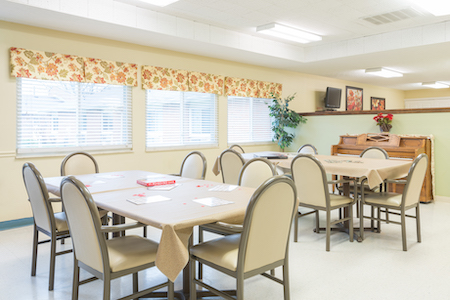
How is Wilmington Nursing & Rehab Staffed?

CMS rates WILMINGTON NURSING & REHAB's staffing level at 2 out of 5 stars, which is below average compared to other nursing homes. Staff turnover is 59%, which is 13 percentage points above the Ohio average of 46%. High turnover can affect care consistency as new staff learn residents' individual needs.

What Have Inspectors Found at Wilmington Nursing & Rehab?

State health inspectors documented 21 deficiencies at WILMINGTON NURSING & REHAB during 2019 to 2024. These included: 20 with potential for harm and 1 minor or isolated issues.
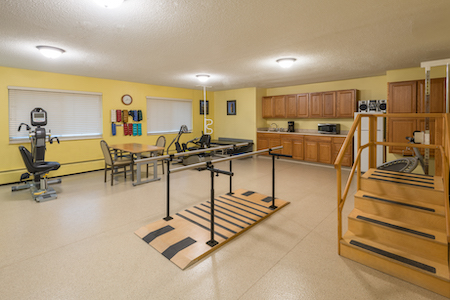
Who Owns and Operates Wilmington Nursing & Rehab?

WILMINGTON NURSING & REHAB is owned by a for-profit company. For-profit facilities operate as businesses with obligations to shareholders or private owners. The facility is operated by SABER HEALTHCARE GROUP, a chain that manages multiple nursing homes. With 76 certified beds and approximately 57 residents (about 75% occupancy), it is a smaller facility located in WILMINGTON, Ohio.
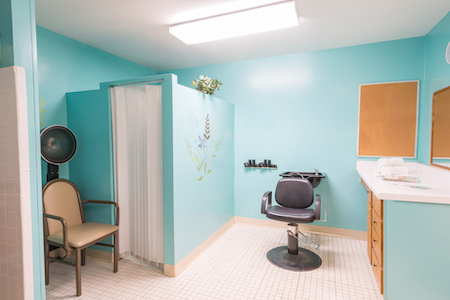
How Does Wilmington Nursing & Rehab Compare to Other Ohio Nursing Homes?

Compared to the 100 nursing homes in Ohio, WILMINGTON NURSING & REHAB's overall rating (5 stars) is above the state average of 3.2, staff turnover (59%) is significantly higher than the state average of 46%, and health inspection rating (4 stars) is above the national benchmark.

What Should Families Ask When Visiting Wilmington Nursing & Rehab?

Based on this facility's data, families visiting should ask: "How do you ensure continuity of care given staff turnover, and what is your staff retention strategy?" "Can you walk me through typical staffing levels on day, evening, and night shifts?" "Can I visit during a mealtime to observe dining assistance and food quality?" "How do you handle medical emergencies, and what is your hospital transfer rate?" These questions are particularly relevant given the facility's high staff turnover rate and the below-average staffing rating.

Is Wilmington Nursing & Rehab Safe?

Based on CMS inspection data, WILMINGTON NURSING & REHAB has a clean safety record: no substantiated abuse findings (meaning no confirmed cases of resident harm), no Immediate Jeopardy citations (the most serious violation level indicating risk of serious injury or death), and is not on the Special Focus Facility watch list (a federal program monitoring the lowest-performing 1% of nursing homes). The facility has a 5-star overall rating and ranks #1 of 100 nursing homes in Ohio. While no facility is perfect, families should still ask about staff-to-resident ratios and recent inspection results during their visit.

Do Nurses at Wilmington Nursing & Rehab Stick Around?

Staff turnover at WILMINGTON NURSING & REHAB is high. At 59%, the facility is 13 percentage points above the Ohio average of 46%. High turnover means new staff may not know residents' individual needs, medications, or preferences. It can also be disorienting for residents, especially those with dementia who rely on familiar faces. Families should ask: What is causing the turnover? What retention programs are in place? How do you ensure care continuity during staff transitions?

Was Wilmington Nursing & Rehab Ever Fined?

WILMINGTON NURSING & REHAB has no federal fines on record. CMS issues fines when nursing homes fail to meet care standards or don't correct problems found during inspections. The absence of fines suggests the facility has either maintained compliance or corrected any issues before penalties were assessed. This is a positive indicator, though families should still review recent inspection reports for the full picture.

Is Wilmington Nursing & Rehab on Any Federal Watch List?

WILMINGTON NURSING & REHAB is not on any federal watch list. The most significant is the Special Focus Facility (SFF) program, which identifies the bottom 1% of nursing homes nationally based on persistent, serious quality problems. Not being on this list means the facility has avoided the pattern of deficiencies that triggers enhanced federal oversight. This is a positive indicator, though families should still review the facility's inspection history directly.