LAURELS OF BLANCHESTER, THE
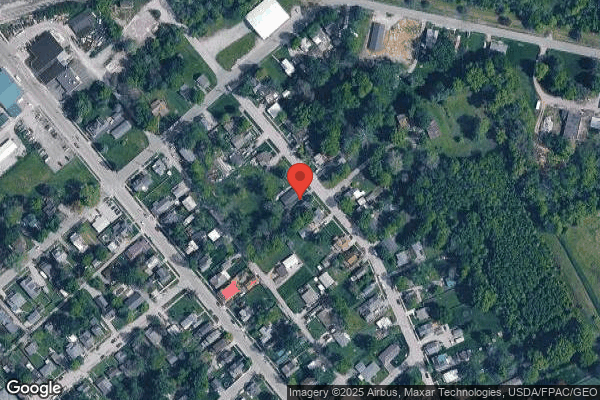
839 EAST CHERRY STREET, BLANCHESTER, OH 45107 (937) 783-4911
For profit - Limited Liability company 50 Beds CIENA HEALTHCARE/LAUREL HEALTH CARE Data: November 2025
Trust Grade
90/100
#101 of 913 in OH
Last Inspection: May 2025

Inspected within the last 6 months. Data reflects current conditions.

Overview

The Laurels of Blanchester has earned a Trust Grade of A, which means it is excellent and highly recommended. It ranks #101 out of 913 nursing homes in Ohio, placing it in the top half of facilities in the state, and #2 out of 4 in Clinton County, indicating only one other local option is better. The facility is improving, having reduced its issues from one in 2023 to none in 2025. Staffing is rated average with a turnover rate of 22%, which is well below the Ohio average of 49%, suggesting a stable workforce. Notably, there have been no fines, which is a positive sign, although there are concerns regarding care planning; for instance, one resident did not have regular care conferences, which could impact their care. Overall, while the facility has strong ratings and a stable staff, families should be aware of some procedural concerns that need attention.

Trust Score
A
90/100
In Ohio
#101/913
Top 11%
Safety Record
Low Risk
No red flags
Inspections
Getting Better
1 → 0 violations
Staff Stability
✓ Good
22% annual turnover. Excellent stability, 26 points below Ohio's 48% average. Staff who stay learn residents' needs.
Penalties
✓ Good
No fines on record. Clean compliance history, better than most Ohio facilities.
Skilled Nurses
○ Average
Each resident gets 35 minutes of Registered Nurse (RN) attention daily — about average for Ohio. RNs are the most trained staff who monitor for health changes.
Violations
⚠ Watch
18 deficiencies on record. Higher than average. Multiple issues found across inspections.
★★★★★
5.0
Overall Rating
★★★☆☆
3.0
Staff Levels
★★★★★
5.0
Care Quality
★★★★★
5.0
Inspection Score
Stable
2023: 1 issues
2025: 0 issues

The Good

  • 5-Star Quality Measures · Strong clinical quality outcomes
  • Low Staff Turnover (22%) · Staff stability means consistent care
  • Full Sprinkler Coverage · Fire safety systems throughout facility
  • No fines on record
  • Staff turnover is low (22%)

    26 points below Ohio average of 48%

Facility shows strength in quality measures, staff retention, fire safety.

The Bad

Chain: CIENA HEALTHCARE/LAUREL HEALTH CARE

Part of a multi-facility chain

Ask about local staffing decisions and management

The Ugly 18 deficiencies on record

May 2023 1 deficiency
CONCERN (D) 📢 Someone Reported This

A family member, employee, or ombudsman was alarmed enough to file a formal complaint

Potential for Harm - no one hurt, but risky conditions existed

Notification of Changes (Tag F0580)

Could have caused harm · This affected 1 resident

**NOTE- TERMS IN BRACKETS HAVE BEEN EDITED TO PROTECT CONFIDENTIALITY** Based on interview, record review, and policy review, the facility failed to notify resident representatives about significant c...

Read full inspector narrative →
**NOTE- TERMS IN BRACKETS HAVE BEEN EDITED TO PROTECT CONFIDENTIALITY** Based on interview, record review, and policy review, the facility failed to notify resident representatives about significant changes in medication. This affected one (Resident #22) of three residents reviewed for notifications. The facility census was 39. Findings include: Review of the medical record for Resident #22 revealed an admission date of 05/24/19. Diagnoses included hypertensive heart disease without heart failure, dementia, and unspecified psychosis. Review of the most recent Minimum Data Set (MDS) assessment dated [DATE] revealed the resident had severely impaired cognition, had no behaviors, did not reject care, and did not wander. Review of the medical record revealed Resident #22 had physician orders dated 12/21/22 to 04/20/22 for Seroquel 25 milligrams (mg) by mouth once daily at bedtime. Review of physician progress note dated 04/20/23 revealed there was a new order to discontinue Resident #22's Seroquel and start Depakote 250 mg twice daily. There was no documentation of family notification of the change in the medication. From 04/20/23 to 04/24/23, Resident #22 was administered Depakote 250 mg delayed release twice daily. On 04/25/23, Seroquel was restarted at 25 mg by mouth twice daily. During an interview on 05/30/2023 at 4:54 P.M. Registered Nurse (RN) #175 stated there was a pharmacy recommendation for a gradual dose reduction (GDR) and the physician had approved to discontinue Resident #22's Seroquel 25 mg and start Depakote 250 mg by mouth twice daily. RN #175 stated she did not notify the family because she assumed the physician had spoken with the family. RN #175 stated she should have notified the family per policy. Review of the policy titled Notification of Change dated 12/19/22 revealed the facility must inform the resident or resident's representative when there was a need to alter treatment significantly. This deficiency represents non-compliance investigated under Complaint Number OH 00142301.
Apr 2022 9 deficiencies
CONCERN (D)

Potential for Harm - no one hurt, but risky conditions existed

Deficiency F0637 (Tag F0637)

Could have caused harm · This affected 1 resident

**NOTE- TERMS IN BRACKETS HAVE BEEN EDITED TO PROTECT CONFIDENTIALITY** Based on record review ,staff interview, and facility policy review, the facility failed to ensure a significant change Minimum ...

Read full inspector narrative →
**NOTE- TERMS IN BRACKETS HAVE BEEN EDITED TO PROTECT CONFIDENTIALITY** Based on record review ,staff interview, and facility policy review, the facility failed to ensure a significant change Minimum Data Set (MDS) assessment was completed within 14 days of a resident's admission to hospice services. This affected one (#14) resident out of one resident reviewed for hospice services. The facility census was 49. Findings include: Review of the Resident #14's chart revealed Resident #14 admitted to the facility on [DATE] with diagnoses including displaced fracture of base of neck of left femur, unspecified dementia without behavioral disturbance, hypertensive heart disease without heart failure, constipation, pain in left hip, hyperlipidemia, history of falling, muscle weakness, and retention of urine. Review of Resident #14's quarterly Minimum Data Set (MDS) assessment dated [DATE] revealed the resident to be severely cognitively impaired and Resident #14 required extensive assistance with bed mobility, transfers, dressing, toileting, and personal hygiene. Resident #14 was also independent with eating. Review of Resident #14's hospice visit note dated 03/09/22 revealed Resident #14 was started on hospice care on 03/09/22 with a diagnosis of Alzheimer's disease. Review of Resident #14's census documentation in the chart dated 03/09/22 revealed Resident #14 changed from private pay to hospice as her payer source on 03/09/22. Review of Resident #14's significant change MDS dated [DATE] revealed Resident #14's significant change MDS was still in progress on 04/14/22 with section B, G, I, J, M, N, O and V being in progress and not completed. Interview with the Administrator on 04/14/22 at 11:38 A.M. verified Resident #14 was admitted to hospice services on 03/09/22 and Resident #14's significant change MDS had not been completed or transmitted on 04/14/22. Review of the facility's undated MDS policy revealed all portions of the resident assessment instrument will be completed according to the MDS 3.0 user manual or its most current version.
CONCERN (D)

Potential for Harm - no one hurt, but risky conditions existed

MDS Data Transmission (Tag F0640)

Could have caused harm · This affected 1 resident

**NOTE- TERMS IN BRACKETS HAVE BEEN EDITED TO PROTECT CONFIDENTIALITY** Based on record review and staff interview, the facility failed to complete and transmit a resident's discharge Minimum Data Set...

Read full inspector narrative →
**NOTE- TERMS IN BRACKETS HAVE BEEN EDITED TO PROTECT CONFIDENTIALITY** Based on record review and staff interview, the facility failed to complete and transmit a resident's discharge Minimum Data Set (MDS). This affected one (Resident #02) out of 14 residents reviewed for assessments. The facility census was 49. Findings include: Review of the Resident #02's chart revealed Resident #02 admitted to the facility on [DATE] with diagnoses including metabolic encephalopathy, hypotension, type two diabetes mellitus, cerebral infarction, hypertensive heart disease with heart failure, sick sinus syndrome, unspecified atrial fibrillation, presence of cardiac pacemakers, delirium due to known physiological condition, acute kidney failure, and major depressive disorder. Resident #02 discharged from the facility on 12/19/21. Review of Resident #02's admission Minimum Data Set (MDS) assessment dated [DATE] revealed the resident to be severe cognitively impaired and Resident #02 required extensive assistance with bed mobility, transfers, dressing, toileting, and personal hygiene. Resident #02 also required supervision with eating on the MDS. Review of Resident #02's discharge Minimum Data Set (MDS) assessment dated [DATE] the MDS was in progress and was not transmitted. Interview with the Administrator on 04/13/22 at 8:43 A.M. verified Resident #02's discharge MDS was not completed or transmitted. Review of the facility's undated MDS policy revealed all portions of the resident assessment instrument will be completed according to the MDS 3.0 user manual or its most current version.
CONCERN (D)

Potential for Harm - no one hurt, but risky conditions existed

Deficiency F0646 (Tag F0646)

Could have caused harm · This affected 1 resident

**NOTE- TERMS IN BRACKETS HAVE BEEN EDITED TO PROTECT CONFIDENTIALITY** Based on medical record review and staff interview, the facility failed to notify the state mental health authority of a change ...

Read full inspector narrative →
**NOTE- TERMS IN BRACKETS HAVE BEEN EDITED TO PROTECT CONFIDENTIALITY** Based on medical record review and staff interview, the facility failed to notify the state mental health authority of a change in resident's mental health status. This affected one (Resident # 12) of two residents investigated for Preadmission Screening Resident Review (PASARR) during the annual survey. The facility census was 49. Findings include: Review of Resident # 12's medical record revealed an admission date of 11/24/17. Diagnoses included heart failure, metabolic encephalopathy, kidney failure, pericardial effusion, tobacco use, vitamin deficiency, and gastro-esophageal reflux disease. Review of PASARR dated 11/20/17 was silent in section D indicating Resident # 12 did not have any indications of serious mental illness. Review of Resident # 12's medical record revealed physician's progress note dated 08/30/2018 stating Prozac will be started for depressive symptoms. Further Review of Resident # 12's psychiatry progress notes dated 06/25/19, 10/18/19, and 12/11/19, revealed Resident # 12 reported depression, sleep disturbance, and memory loss. Review of Resident # 12's progress notes dated 01/21/20 and 01/22/20 state Resident # 12 having delusions and memory problems. Progress note dated 01/22/20 stated prazosin one milligram every day at bedtime was started for post-traumatic stress disorder. Progress note dated 01/23/20 described Resident # 12 having outbursts and delusions. Review of Resident # 12's medical record revealed she was transferred to Mercy Hospital [NAME] Emergency Department for Psychiatric Evaluation on 01/25/20. Further review of Resident # 12's medical record revealed an additional diagnosis of post-traumatic stress disorder was added on 01/24/20 and another additional diagnosis of major depressive disorder was added on 01/25/20. Interview with Administrator # 44 on 04/12/22 at 3:46 P.M. confirmed no other PASARR assessment had been completed for Resident # 12 since admission in 2017. The Assistant Director of Nursing # 83 stated the facility does not have a PASARR policy and the facility follows the regulations for PASARR assessments during interview on 04/14/22 at 12:10 P.M.
CONCERN (D)

Potential for Harm - no one hurt, but risky conditions existed

Pressure Ulcer Prevention (Tag F0686)

Could have caused harm · This affected 1 resident

Based on staff interview, observation, resident interview, and record review the facility failed to ensure a resident with a pressure ulcer receives the necessary treatment and services to promote hea...

Read full inspector narrative →
Based on staff interview, observation, resident interview, and record review the facility failed to ensure a resident with a pressure ulcer receives the necessary treatment and services to promote healing when a dressing change for Resident #33 was not completed daily as ordered. This affected one (Resident #33) of three residents reviewed for pressure ulcers. The facility census was 49. Findings include: Record review of Resident #33 revealed an admission date of 02/17/22 with pertinent diagnoses of: cardiac arrest, hemoperitoneum, type two diabetes mellitus with diabetic polyneuropathy, post cod-19 condition, chronic obstructive pulmonary disease, dysphagia, hyperlipidemia, hypertensive heart disease, seizures, dysphagia following cerebral infarction, atrial fibrillation, atherosclerotic heart disease, cerebral infarction, thrombocytopenia, depression, peripheral vascular disease, obstructive sleep apnea, chronic viral hepatitis C, anxiety disorder, bipolar disorder, disorder of autonomic nervous system, and benign prostatic hyperplasia. Review of the 02/24/22 admission Minimum Data Set (MDS) assessment revealed the resident is cognitively intact and requires extensive assistance for bed mobility, transfer, locomotion on and off unit, dressing, toilet use, and personal hygiene. The resident used a wheelchair to aid in mobility, was receiving nutrition through a feeding tube and was frequently incontinent of bowel and bladder. The resident was at risk for a pressure ulcer and had interventions in place to include pressure reduction devices for bed and chair and applications of ointments/medications. Review of a Physician Order dated 03/16/22 revealed an order for a low air loss mattress. Review of a skin and wound evaluation dated 03/30/22 revealed Resident #33 developed a Deep Tissue Injury (DTI) pressure to his right heel measuring 4.5 centimeters (cms) in length by 3.2 cms in width with a not applicable depth. Review of a Physician Order dated 03/30/22 revealed apply skin prep to DTI to Right heel every shift. Review of a Physician Order dated 04/04/22 revealed apply skin prep to deep tissue injury to right heel and cover with Adaptic dressing, abdominal dressing and Kerlix every evening shift. Review of a skin and wound evaluation dated 04/06/22 revealed Resident #33's right heel measured 6.3 centimeters (cms) in length by 2.3 cms in width with a not applicable depth. Interview with Resident #33 on 04/12/22 at 8:58 A.M. revealed he has a deep tissue injury to his right heel and they did not change the dressing to it last night. Observation with Registered Nurse (RN) #83 on 04/12/22 at 12:33 P.M. revealed Resident #33 had a low air loss mattress and his right foot dressing was soiled and dated 04/10/22. The dressing was initialed with the nurses initials who worked on 04/10/22. Observation with RN #83 on 04/12/22 at 12:47 P.M. revealed Resident #33 wound measured 6.5 cms length by 9.0 cms width and 0.1 or less depth. Review of a Progress Note Details for a wound note dated 04/13/22 revealed wound #6 right heel is a Deep Tissue Pressure Injury persistent non-blanchable deep red, maroon or purple discoloration pressure ulcer and has received a status of not healed. Subsequent wound encounter measurements are 6 cm length x 8 cm width x 0.1 cm depth, with an area of 48 sq cm and a volume of 4.8 cubic cm. No tunneling has been noted. No sinus tract has been noted. No undermining has been noted. There is a moderate amount of yellow drainage noted which has a strong odor. The patient reports no wound pain due to the wound being insensate. The wound margin is attached to wound base. Wound bed has 51-75 %epithelialization, 76-100 % bright red, pink, firm granulation. The wound is deteriorating. The periwound skin exhibited: Moist, Maceration, Erythema. The temperature of the periwound skin is Warm. Periwound skin presents with signs of infection. Confirmation description and treatment plan is: signs and symptoms present, systemic antibiotics prescribed, topical antibiotics prescribed. Local pulse is Weak. General Notes: removed dead, macerated skin that was the blister roof exposing the entire wound surface. Peri-wound with redness, edema, increased yellow drainage, macerated, and measuring larger than last week - clinical suspicion high for infection - will start oral antibiotic. DTI is in evolution and likely to be staged next visit. Patient tolerated procedure very well with minimal bleeding and wound was redressed.
CONCERN (D)

Potential for Harm - no one hurt, but risky conditions existed

Deficiency F0757 (Tag F0757)

Could have caused harm · This affected 1 resident

**NOTE- TERMS IN BRACKETS HAVE BEEN EDITED TO PROTECT CONFIDENTIALITY** Based on medical record review, facility policy, interview, and review of the facility procedure guide, the facility failed to m...

Read full inspector narrative →
**NOTE- TERMS IN BRACKETS HAVE BEEN EDITED TO PROTECT CONFIDENTIALITY** Based on medical record review, facility policy, interview, and review of the facility procedure guide, the facility failed to monitor blood glucose levels for a resident with insulin administration orders. This affected one (Resident #149) of three Residents reviewed for insulin administration. The facility census was 49. Findings include: Medical Record review for Resident #149 revealed admission date 03/28/22. Diagnoses included Diabetes Mellitus Type 2 (DM2), fracture of third metatarsal right foot, displaced fracture of second metatarsal bone, right foot, chronic obstructive pulmonary disease (COPD), chronic kidney disease, schizoaffective disorder, and obstructive sleep apnea (OSA). Review of the admission Minimum Data Set (MDS) assessment dated [DATE] revealed the resident had intact cognition. The resident required extensive assistance of two plus persons for bed mobility and transfers. The resident received insulin injections on seven of past seven days. Review of the Plan of Care dated 03/29/22 revealed Resident #149 is at risk for fluctuation in blood sugar levels related to: DM, Psychotropic drug use, requires daily insulin, requires sliding scale insulin. Administer medication/injectable medication as ordered. Observe for ineffectiveness and side effects, report abnormal findings to the physician. Educate resident/family/caregivers as to the correct protocol for glucose monitoring and insulin injections and obtain return demonstrations. Continue until comfort level with procedures is achieved. Observe for sign/symptoms of hyperglycemia: increased thirst and appetite, frequent urination, weight loss, fatigue, dry skin, poor wound healing, muscle cramps, abdominal pain, Kussmaul breathing, acetone breath (smells fruity), stupor, coma. Report abnormal findings to the physician. Observe for signs/symptoms of hypoglycemia: sweating, tremor, increased heart rate (tachycardia), pallor, nervousness, confusion, slurred speech, lack of coordination, staggering gait. Report abnormal findings to the physician. Obtain labs and diagnostics as ordered and report findings to the physician. Review of physician orders for March 2022 revealed Novolog Mix 70/30 Flex Pen Suspension Pen-injector (70-30) 100 units/milliliter (unit/ml) (Insulin Aspart Prot&Aspart). Inject 50 unit subcutaneously two times a day for DM2. Ozempic (1 mg/dose) Solution Pen-injector 4 mg/3 ml (Semaglutide (1 mg/dose)). Inject 1 mg subcutaneously two times a day for DM2. There were no orders for glucose monitoring. Review of vital signs on 03/28/22 at 6:31 P.M. revealed blood glucose 279 milligrams per deciliter (mg/dL). Interview on 04/14/22 at 10:38 A.M. the facility physician stated she had verified with the resident's family the resident had been on the ordered insulin dose for many years, and she was stable. She stated the family had requested the dose not be adjusted. She stated the facility liked the resident to be in the facility for two to three weeks and then would check labs to monitor for needed adjustments. She stated the resident entered the facility from the hospital. Interview on 04/14/22 at 11:17 A.M. Omnicare Pharmacist #95 stated insulin administration typically included blood sugar monitoring two to four times a day. She stated in a long-term care setting, the expectation would include blood glucose monitoring. Interview on 04/14/22 at 11:27 A.M. Resident #149 stated she checked her blood sugar four times a day at home. She stated she received 50 units of insulin two times a day. She stated her doctor instructed her to check her blood sugar four times a day. She stated her results should be between 100 and 200. Review of facility procedure guide titled Lippincott procedures-Blood glucose monitoring, long-term care, undated, revealed a portable blood glucose monitor provides quantitative measurements that are comparable in accuracy to other laboratory tests that measure blood glucose level. Most monitors store successive test results electronically to help determine glucose patterns. For a resident who's receiving nutrition, glucose monitoring should be performed before meals.
CONCERN (D)

Potential for Harm - no one hurt, but risky conditions existed

Unnecessary Medications (Tag F0759)

Could have caused harm · This affected 1 resident

Based on observation, record review, and staff interview the facility failed to ensure that its medication error rate was less than five percent when they failed to administer senna (laxative medicati...

Read full inspector narrative →
Based on observation, record review, and staff interview the facility failed to ensure that its medication error rate was less than five percent when they failed to administer senna (laxative medication) for Resident #26, and ferrous sulfate (iron supplement) and gabapentin (anticonvulsant and nerve pain medication) for Resident #99. This affected two Residents (#26 and #99) of five observed for medication administration. There was 29 opportunities with three errors for a medication error rate of 10.34%. The facility census was 49. Findings include: 1. Record Review of Resident #26 revealed an admission date of 02/04/22 with pertinent diagnoses of: lumbar spinal cord injury, constipation, secondary Parkinsonism, and low back pain. Review of the 02/08/22 Physician Order revealed an order for Senna (laxative medication) Tablet 8.6 milligrams (mgs) give one tablet by mouth two times a day for aid bowel movement. Observation of a medication administration pass on 04/13/22 at 8:48 A.M. revealed Licensed Practical Nurse (LPN) #4 administered morning medication for Resident #26 including, miralax, tramadol, and tizanidine. LPN #4 did not administer senna 8.6 mgs. LPN #4 was asked if she had given all the morning medications and she responded this was all Resident #26 medication and she had not given any medications earlier. Interview with LPN #4 on 04/13/22 at 9:55 A.M. verified she did not administer Resident #26 senna 8.6 mgs with the morning medication pass. 2. Record Review of Resident #99 revealed an admission date of 04/12/22 with pertinent diagnoses of: low back pain, spinal stenosis with neurogenic claudication, and chronic kidney disease. Review of the 04/12/22 Physician Order revealed an order for Gabapentin oral capsule 400 mgs give 800 mgs by mouth three times a day for pain. Review of the 04/13/22 Physician Order revealed an order for ferrous sulfate oral tablet 325 mgs (65 mgs iron) give 325 mg by mouth one time a day for anemia. Observation of a medication administration pass on 04/13/22 at 8:55 A.M. revealed Licensed Practical Nurse (LPN) #4 administered morning medication for Resident #99 including lasix, lisinopril, metoprolol, and prednisone. LPN #4 did not administer ferrous sulfate 325 mgs or gabapentin 400 mgs two tabs. LPN #4 was asked if she had given all the morning medications and she responded this was all Resident #26 medication and she had not given any medications earlier. Interview with LPN #4 on 04/13/22 at 9:58 A.M. verified she did not administer Resident #99 ferrous sulfate 325 mgs or gabapentin 400 mgs two tabs as ordered with the morning medication pass.
CONCERN (D)

Potential for Harm - no one hurt, but risky conditions existed

Deficiency F0919 (Tag F0919)

Could have caused harm · This affected 1 resident

**NOTE- TERMS IN BRACKETS HAVE BEEN EDITED TO PROTECT CONFIDENTIALITY** Based on observation, record review, and staff interview, the facility failed to ensure a resident's call light was functioning....

Read full inspector narrative →
**NOTE- TERMS IN BRACKETS HAVE BEEN EDITED TO PROTECT CONFIDENTIALITY** Based on observation, record review, and staff interview, the facility failed to ensure a resident's call light was functioning. This affected one (Resident #41) out of 24 residents reviewed for call light functioning. The census was 49. Findings include: Review of the Resident #41's chart revealed Resident #41 admitted to the facility on [DATE] with diagnoses including hemiplegia and hemiparesis following cerebral infarction affecting left non dominant side, neuromuscular dysfunction of bladder, cerebral infarction due to unspecified occlusion or stenosis of unspecified cerebral artery, hypertensive heart disease without heart failure, hyperlipidemia, muscle weakness, anxiety, and depression. Review of Resident #41's quarterly Minimum Data Set (MDS) assessment dated [DATE] revealed the resident to be cognitively intact and Resident #41 required extensive assistance with bed mobility, toileting, personal hygiene, and dressing. Resident #41 also required total dependence with transfers and supervision with eating on the MDS. Review of Resident #41's fall care plan revised on 04/26/21 revealed Resident #41 was at risk for falls. Interventions included to keep the resident's call light within reach and encourage resident to use his call light for assistance as needed. Observation of Resident #41's call light on 04/11/22 at 8:36 A.M. revealed Resident #41's call light was not functioning. Observation of Resident #41's call light on 04/14/22 at 9:06 A.M. revealed Resident #41's call light was not functioning. Interview on 04/14/22 at 9:06 A.M. with State Tested Nurse Aide (STNA) #72 verified Resident #41's call light was not functioning. Interview with Registered Nurse (RN) #83 on 04/14/22 at 9:22 A.M. verified Resident #41 was able to use his call light to request for assistance. Review of the facility's routine resident care policy dated 06/16/21 revealed call lights should be answered timely.
CONCERN (E)

Potential for Harm - no one hurt, but risky conditions existed

Deficiency F0657 (Tag F0657)

Could have caused harm · This affected multiple residents

**NOTE- TERMS IN BRACKETS HAVE BEEN EDITED TO PROTECT CONFIDENTIALITY** 2. Review of the medical record for Resident #18 revealed an admission date of 04/29/21 with diagnoses including type two diabet...

Read full inspector narrative →
**NOTE- TERMS IN BRACKETS HAVE BEEN EDITED TO PROTECT CONFIDENTIALITY** 2. Review of the medical record for Resident #18 revealed an admission date of 04/29/21 with diagnoses including type two diabetes mellitus, schizoaffective disorder, dementia with behavioral disturbance, anxiety disorder, and hypertensive heart disease without heart failure. Review of the Quarterly MDS dated [DATE] revealed this resident had moderate cognitive impairment. This resident was assessed to require one-person extensive assistance with transfers, toileting, and bathing, one-person limited assistance with dressing, and independent with eating. Review of the care conference records for Resident #18 revealed a 72-hour admission conference was completed on 04/30/21. Review of the care conference records for Resident #18 revealed a care conference was completed on 08/13/21. Interview on 04/13/22 at 3:31 P.M. with the DON revealed a care conference had not been completed since 08/13/21. Based on record review and staff interview, the facility failed to ensure residents were invited to participate in their care plan. This affected four (#14, #38, #37 and #41) residents out of five residents reviewed for participation in care planning. The facility census was 49. Findings include: 1. Review of the Resident #14's chart revealed Resident #14 admitted to the facility on [DATE] with diagnoses including displaced fracture of base of neck of left femur, unspecified dementia without behavioral disturbance, hypertensive heart disease without heart failure, constipation, pain in left hip, hyperlipidemia, history of falling, muscle weakness, and retention of urine. Review of Resident #14's quarterly Minimum Data Set (MDS) assessment dated [DATE] revealed the resident to be severely cognitively impaired and Resident #14 required extensive assistance with bed mobility, transfers, dressing, toileting, and personal hygiene. Resident #14 was also independent with eating. Review of Resident #14's care conferences revealed Resident #14 had care conferences on 09/13/21 and 11/01/21. Resident #14 did not have any care conferences from 11/01/21 to 04/13/21. Interview with the Director of Nursing (DON) on 04/13/22 at 12:45 P.M. verified Resident #14 had not had any care conferences from 11/01/21 to 04/13/21. 3. Medical record review for Resident #37 revealed admission date 03/08/21. Diagnoses included epilepsy, ulcerative colitis with complications, depression, asthma, hyperlipidemia, schizoaffective disorder, gastro-esophageal reflux disease (GERD) without esophagitis, cognitive communication deficit, anxiety, and insomnia. Review of the annual Minimum Data Set (MDS) dated [DATE] revealed the resident had intact cognition. Resident #37 required extensive assistance of one person for bed mobility. The resident required extensive assistance of two persons for transfers. Review of Resident Care Conferences Minutes revealed the resident had a Care Conference on 10/20/21 and on 03/14/22. Resident #37 did not have Care Conferences from 10/20/21 through 03/14/22. Interview on 04/12/22 at 10:17 A.M. Resident #37 stated she had not been included in quarterly Care Conference Meetings. Interview on 04/14/22 at 12:20 P.M. the Assistant Director of Nursing (ADON) verified the facility had not complete quarterly Care Conference Meetings for Resident #37. 4. Record review of Resident #41 revealed an admission date of 06/01/16 with pertinent diagnoses of: hemiplegia and hemiparesis following cerebral infarction, neuromscular dysfunction of the bladder, cerebral infarction, hypertensive heart disease, type two diabetes mellitus with diabetic chronic kidney disease, hyperlipidemia, iron deficiency anemia, retention of urine, dysphagia, benign prostatic hyperlplasia, depression, anxiety disorder, vascular dementia, vitamin D deficiency, cognitive communication deficit, and anhidrosis. Interview with Resident #41 on 04/11/22 at 8:30 P.M. revealed the Resident denied having any care conferences recently. Review of Resident #41 medical record on 04/13/22 revealed no documented instance of a care conference since 07/14/21. The Resident had quarterly Minimum Data Set (MDS) assessments on 10/07/2021,12/09/21, 03/11/22 and 03/31/22. Interview with the DON on 4/13/22 at 12:15 P.M. revealed she is unable to find any evidence of a care conference being completed since 07/14/21. Review of the facility Care Planning Conference policy dated 06/24/21 revealed on Admission, Quarterly, Annually, with a Significant Change and as needed, the interdisciplinary team will hold a care planning conference with the resident, family or representative in participation. The Care Conference will be used to identify the resident's potential or actual problems, needs, goals and discharge plans. A written invitation will be sent to the resident and/or family at least a week prior to care conference or as much in advance as possible. Efforts will be made to increase family/resident participation such as telephone conference calls, in room conferences etc. Ensure privacy and HIPAA regulations are adhered to.
CONCERN (E)

Potential for Harm - no one hurt, but risky conditions existed

Drug Regimen Review (Tag F0756)

Could have caused harm · This affected multiple residents

**NOTE- TERMS IN BRACKETS HAVE BEEN EDITED TO PROTECT CONFIDENTIALITY** 3. Review of Resident # 19's medical record revealed an admission date of 01/21/22. Diagnoses included but are not limited to th...

Read full inspector narrative →
**NOTE- TERMS IN BRACKETS HAVE BEEN EDITED TO PROTECT CONFIDENTIALITY** 3. Review of Resident # 19's medical record revealed an admission date of 01/21/22. Diagnoses included but are not limited to the following: left ventricular heart failure, hyperlipidemia, dementia, anxiety disorder, type two diabetes mellitus, restless leg syndrome, muscle weakness, major depressive disorder, chronic kidney disease, abnormalities of gait and mobility. Review of Resident # 19's Medication Regimen Review dated 02/17/22 revealed Resident # 19 was receiving Ativan one milligram daily as needed. A recommendation was made to consider discontinuation due to as needed non-antipsychotic psychotropic medications not to exceed 14 days without physician providing diagnosis, rationale for extended time period and duration of as needed order. Medication Regimen Review revealed documented physician response of on twice daily routine on 03/28/22. 2. Review of the medical record for Resident #18 revealed an admission date of 04/29/21 with diagnoses including type two diabetes mellitus, schizoaffective disorder, dementia with behavioral disturbance, anxiety disorder, and hypertensive heart disease without heart failure. Review of the Quarterly MDS dated [DATE] revealed this resident had moderate cognitive impairment. This resident was assessed to require one-person extensive assistance with transfers, toileting, and bathing, one-person limited assistance with dressing, and independent with eating. Review of Resident #18's pharmacy recommendation dated 02/17/22 revealed Resident #18 received Lactobacillus capsule, give one capsule by mouth one time a day for supplement. Review of the pharmacy review revealed a recommendation to discontinue acidophilus. Further review of the pharmacy recommendation revealed the physician addressed Resident #18's pharmacy recommendation on 03/28/22 and discontinued Lactobacillus. Review of Resident #18's physician order dated 10/30/21 revealed Lactobacillus capsule, give one capsule by mouth one time a day for supplement. Review of the medication administration record (MAR) dated March 2022 revealed Resident #18 received Lactobacillus until discontinuation on 03/28/22. Interview on 04/13/22 at 3:02 P.M. with the Director of Nursing (DON) verified Resident #18's pharmacy recommendation was made on 02/17/22 and was addressed by the physician on 03/28/22. 5. Review of the Resident #21's chart revealed Resident #21 admitted to the facility on [DATE] with diagnoses including bipolar disorder, schizoaffective disorder, other abnormalities of gait and mobility, type two diabetes mellitus with hypoglycemia without coma, congestive heart failure, atrial flutter, asthma, anxiety disorder, muscle weakness, hyperlipidemia, depression, low back pain, anemia, and history of falling. Review of Resident #21's quarterly Minimum Data Set (MDS) assessment dated [DATE] revealed the resident to be moderately cognitively impaired and Resident #21 required extensive assistance with bed mobility, transfers, dressing, toileting, and personal hygiene. Resident #21 was also independent with eating. Review of Resident #21's pharmacy recommendation dated 02/20/22 revealed Resident #21 received a leukotriene receptor antagonist, Montelukast Sodium and had a diagnosed psychiatric condition including bipolar disorder and depression. The pharmacy recommendation stated to please consider discontinuing montelukast sodium at that time. Further review of the pharmacy recommendation revealed Resident #21's physician accepted the recommendation on 03/28/22. Interview with the Administrator on 04/12/22 at 3:54 P.M. verified Resident #21's pharmacy recommendation was made on 02/20/22 and was not addressed until 03/28/22. Review of a facility Timeliness of Medication Regimen Review (MRR) Reports policy dated 09/30/21 revealed The pharmacist will review and report any medication irregularities at least once a month. The consultant will provide monthly MRR reports addressed to the Medical Director, Director of Nursing, and Attending Physician within three to five days of completion via secure e-mail or hard copy. The attending physician is expected to review the guest's/resident's individual MRR and document and sign that he/she has reviewed the pharmacist's identified recommendations within 14 days of receipt. Based on medical record review, review of facility policy, and interview the facility failed to implement pharmacy recommendations in a timely manner and provide documentation for completed monthly medication reviews. The affected five of five Residents (#11, #18, #19, #10, and #21) reviewed for unnecessary medications. The facility census was 49. Findings include: 1. Medical record review for Resident #11 revealed admission date 07/20/17. Diagnoses included muscle weakness, need for personal assistance, dysphagia, oral phase, peripheral vascular disease, osteoporosis, anxiety, gastro-esophageal reflux disease (GERD), constipation, and cognitive communication deficit. Review of the Consultant Report Laurels of Blanchester Omnicare of Cincinnati dated 02/20/22 revealed recommendation to reevaluate the need for both agents, azelastine nasal spray (NS) and Flonase NS. The facility physician signed the accepted recommendations with the following modifications: discontinue Flonase, on 03/28/22. Review of the Medication Administration Record for March 2022 revealed Flonase Suspension 50 microgram/actuation (mcg/act) one spray each nostril one time a day for allergy was discontinued 03/28/22. This finding was verified by the Director of Nursing (DON) on 04/13/22 at 12:15 P.M. 4. Record review of Resident #10 revealed an admission date of 04/25/21 with pertinent diagnoses of: cerebral infarction, cognitive communication, deficit, type two diabetes mellitus, vitamin D deficiency, major depressive disorder, hyperlipidemia, old myocardial infarction, benign prostatci hyperplasia, hypertensive heart disease, gastroesophagael reflux disease, muscle weakness, and anxiety disorder. Review of the Medical record on 04/12/22 revealed Resident #10 had pharmacy recommendations on 01/27/22, 11/16/21, 10/20/21, 09/22/21, and 08/13/21. Interview with the Director of Nursing (DON) on 04/14/22 at 09:30 A.M. verified the 09/22/21, and 08/13/21 pharmacy recommendations were not signed by the physician.
Jul 2019 8 deficiencies
CONCERN (D)

Potential for Harm - no one hurt, but risky conditions existed

Deficiency F0578 (Tag F0578)

Could have caused harm · This affected 1 resident

**NOTE- TERMS IN BRACKETS HAVE BEEN EDITED TO PROTECT CONFIDENTIALITY** Based on medical record review and staff interview, the facility failed to ensure a resident's advanced directive was accurate. ...

Read full inspector narrative →
**NOTE- TERMS IN BRACKETS HAVE BEEN EDITED TO PROTECT CONFIDENTIALITY** Based on medical record review and staff interview, the facility failed to ensure a resident's advanced directive was accurate. This affected one (Resident #23) of two residents reviewed for advanced directives. The facility census was 48. Findings include: Medical record review for Resident #23 revealed the resident was admitted on [DATE]. Medical diagnoses included but not limited to, muscle weakness, cognitive communication deficit, frontal lobe and executive function deficit, depression, bacterial infection, type two diabetes mellitus, hypertension, atrial fibrillation, heart failure, adult failure to thrive, dementia, Alzheimer's disease, and, dysphagia pharyngeal phase. Review of the significant change Minimum Data Set (MDS) assessment dated [DATE] revealed Resident #23's cognition was moderately impaired. Review of the scanned signed documents in the Resident #23's online chart revealed a signed advanced directive, Do Not Resuscitate Comfort Care Arrest (DNR CCA) Form. Review of Resident #23's July 2019 physician's orders revealed an order for the advanced directive Do Not Resuscitate Comfort Care (DNR CC). Interview on 07/10/19 at 12:17 P.M. with Registered Nurse (RN) #141 who stated the facility no longer kept hard charts, all documents got scanned into the electronic system. RN #141 stated if the resident were to arrest she would look in the physician's orders for their code status. RN #141 stated Resident #23's signed form stated DNR CCA and verified the physician's orders stated DNR CC. RN #141 stated nursing would look at both places for the actual directive but the State of Ohio signed form, would be the valid form since it was signed. RN #141 verified the advance directive status should match in the orders and the signed documents.
CONCERN (D)

Potential for Harm - no one hurt, but risky conditions existed

Transfer Notice (Tag F0623)

Could have caused harm · This affected 1 resident

**NOTE- TERMS IN BRACKETS HAVE BEEN EDITED TO PROTECT CONFIDENTIALITY** Based on record review and staff interview, the facility failed to ensure the resident's representative received written transfe...

Read full inspector narrative →
**NOTE- TERMS IN BRACKETS HAVE BEEN EDITED TO PROTECT CONFIDENTIALITY** Based on record review and staff interview, the facility failed to ensure the resident's representative received written transfer/discharge notices when hospitalized . This affected two residents (Resident #24 and #18) of four resident's reviewed for hospitalization. The facility census was 48. Findings include: 1. Review of Resident #24's medical record revealed the resident was admitted on [DATE] with diagnoses including unspecified dementia, heart failure and depression. Review of Resident #24's plan of care dated 04/18/19 revealed interventions including falls related to psychotropic drug use. The resident's plan of care did not have any interventions related to the diagnosis or behaviors associated with the resident's diagnosis of schizophrenia. The care plan additionally did not have any interventions related to the medication, Benztropine (anticholinergic) prescribed for tardive dyskinesia. Review of Resident #24's Minimum data set (MDS) assessment dated [DATE] revealed a brief interview of mental status (BIMS) score of five, indicating severe cognitive impairment. The MDS additionally revealed the resident required extensive one-person assistance for bed mobility, transfers, dressing, and toileting. The resident required only set-up help with eating. Review of Resident #24's progress note dated 05/29/19, revealed the resident was transferred to an inpatient psychiatric care facility for evaluation and treatment. The resident was readmitted to the facility on [DATE]. Interview on 07/10/19 at 11:10 A.M. with Director of Nursing (DON) and Regional Clinical Coordinator (RCC) #300 confirmed Resident #24's representative was not provided a written notice of transfer/discharge when Resident #24 was transferred and admitted to the hospital on [DATE]. 2. Medical record review for Resident #18 revealed the resident was admitted on [DATE]. Medical diagnoses included urinary tract infection, non-st elevation myocardial infarction, atherosclerotic heart disease, chronic obstructive pulmonary disease, type two diabetes mellitus, dysphagia oral phase, muscle weakness, hypertension, encephalopathy, psychosis, gastrointestinal hemorrhage, congestive heart failure and chronic kidney disease stage three. Review of Resident #18's admission MDS dated [DATE] revealed Resident #18's cognition was severely impaired. Continued review of Resident #18's medical record revealed Resident #18 was transferred to a local hospital on [DATE] due to a change in condition that required immediate medical care. Review of the medical record revealed a progress note that stated the transfer notice was given to the resident. Interview on 07/10/19 at 4:55 P.M. with Licensed Nursing Home Administrator (LNHA) who verified she had no documented evidence a copy of the transfer notice was sent to the responsible party for the transfer on 05/26/19 of Resident #18 as required.
CONCERN (D)

Potential for Harm - no one hurt, but risky conditions existed

Assessment Accuracy (Tag F0641)

Could have caused harm · This affected 1 resident

**NOTE- TERMS IN BRACKETS HAVE BEEN EDITED TO PROTECT CONFIDENTIALITY** Based on medical record review and staff interview, the facility failed to ensure a resident's assessment was coded correctly. T...

Read full inspector narrative →
**NOTE- TERMS IN BRACKETS HAVE BEEN EDITED TO PROTECT CONFIDENTIALITY** Based on medical record review and staff interview, the facility failed to ensure a resident's assessment was coded correctly. This affected one (Resident #23) reviewed of five residents reviewed during the review of Unnecessary Medication Review. The facility census was 48. Findings include: Medical record review for Resident #23 revealed the resident was admitted on [DATE]. Medical diagnoses included but not limited to, muscle weakness, cognitive communication deficit, frontal lobe and executive function deficit, depression, bacterial infection, type two diabetes mellitus, hypertension, atrial fibrillation, heart failure, adult failure to thrive, dementia, Alzheimer's disease, and, dysphagia pharyngeal phase. Review of the significant change Minimum Data Set (MDS) assessment dated [DATE] revealed Resident #23's cognition was moderately impaired. Review of Resident #23's psychiatric physician note dated 05/28/19 revealed Resident #23 was taking Seroquel (antipsychotic) 25 milligrams (mg) by mouth at bedtime and one half tablet twice per day. Review of Resident #23's Medication Administration Record (MAR) for May 2019 revealed an order for Quetiapine Fumarate (Seroquel) 25 mg one tablet by mouth at bedtime with a start date of 04/27/19 and a discontinue date of 06/13/19. Review of Resident #23's May 2019 MAR revealed an order for Quetiapine Fumarate 25 mg one half tablet by mouth twice per day with a start date of 04/28/19 and a discontinue date of 07/09/19. Review of Resident #23's 05/09/19 significant change MDS assessment, section N0410 medications received during the seven day look back period revealed the resident had received antipsychotic medications during the seven day look back period for seven days. Review of Resident #23's 05/09/19 signficant change MDS assessment, section N0450 antipsychotic medication review was marked antipsychotics were not received. Interview on 07/10/19 at 4:39 P.M. with MDS #175 who verified Resident #23 received antipsychotic medication and the MDS was coded incorrectly.
CONCERN (D)

Potential for Harm - no one hurt, but risky conditions existed

PASARR Coordination (Tag F0644)

Could have caused harm · This affected 1 resident

**NOTE- TERMS IN BRACKETS HAVE BEEN EDITED TO PROTECT CONFIDENTIALITY** Based on record review and staff interview, the facility failed to timely complete a Preadmission Screening/Resident Review (PAS...

Read full inspector narrative →
**NOTE- TERMS IN BRACKETS HAVE BEEN EDITED TO PROTECT CONFIDENTIALITY** Based on record review and staff interview, the facility failed to timely complete a Preadmission Screening/Resident Review (PAS/RR) after a significant change. This affected one resident (Resident #24) of one resident reviewed for PAS/RR. The facility census was 48. Findings include: Review of Resident #24 medical record revealed being admitted on [DATE] with diagnoses including unspecified dementia, heart failure and depression. Review of Resident #24's PAS/RR dated 03/26/18 did not identify the resident had a diagnosis of schizophrenia. Review of Resident #24's plan of care dated 04/18/19 revealed interventions including falls related to psychotropic drug use. The resident's plan of care did not have any interventions related to the diagnosis or behaviors associated with the resident's diagnosis of schizophrenia. The care plan additionally did not have any interventions related to the medication, Benztropine (anticholinergic) prescribed for tardive dyskinesia. Review of Resident #24's Minimum data set (MDS) dated [DATE] revealed a brief interview mental status (BIMS) of five, indicating severe cognitive impairment. MDS additionally revealed resident required extensive one-person assistance for bed mobility, transfer, dressing, toileting. Resident required only set-up help with eating. Review of Resident #24's progress note from 05/29/19 revealed the resident was transferred to an inpatient psychiatric care facility for evaluation and treatment and readmitted to the facility on [DATE]. Review of Resident #24's medical record revealed the resident received a diagnosis of schizophrenia on 07/01/18. Interview on 07/10/19 at 11:10 A.M., with the Director of Nursing (DON) and Regional Clinical Coordinator (RCC) #300 confirmed Resident #24 was given a diagnosis of schizophrenia on 07/01/18 and confirmed a significant change PASRR was not completed.
CONCERN (D)

Potential for Harm - no one hurt, but risky conditions existed

Comprehensive Care Plan (Tag F0656)

Could have caused harm · This affected 1 resident

**NOTE- TERMS IN BRACKETS HAVE BEEN EDITED TO PROTECT CONFIDENTIALITY** Based on record review and staff interview, the facility failed to ensure residents had a complete and accurate plan of care. Th...

Read full inspector narrative →
**NOTE- TERMS IN BRACKETS HAVE BEEN EDITED TO PROTECT CONFIDENTIALITY** Based on record review and staff interview, the facility failed to ensure residents had a complete and accurate plan of care. This affected one resident (Resident #24) of sixteen residents reviewed. The facility census was 48. Findings include: Review of Resident #24 medical record revealed being admitted on [DATE] with diagnoses including unspecified dementia, heart failure and depression. Review of Resident #24's plan of care dated 04/18/19 revealed no interventions related to the diagnosis or behaviors associated with the resident's diagnosis of schizophrenia. The care plan additionally did not have any interventions related to the medication, Benztropine (anticholinergic) prescribed for tardive dyskinesia. Review of Resident #24's Minimum data set (MDS) dated [DATE] revealed a brief interview mental status (BIMS) of five, indicating severe cognitive impairment. MDS additionally revealed resident required extensive one-person assistance for bed mobility, transfer, dressing, toileting. Resident required only set-up help with eating. Review of Resident #24's physician orders dated 06/15/19 revealed Benztropine 0.5 milligrams (mg.) by mouth with the diagnosis of tardive dyskinesia. Review of Resident #24's medical record revealed resident received a diagnosis of schizophrenia on 07/01/18. Interview on 07/10/19 at 11:10 A.M. with Director of Nursing (DON) and Regional Clinical Coordinator (RCC) #300 confirmed Resident #24 was given a new diagnosis of schizophrenia on 07/01/18. DON also confirmed Resident #24 was on Abilify (antipsychotic) for schizophrenia and depression. DON also confirmed Resident #24 was prescribed Benztropine (anticholinergic) for tardive dyskinesia on 06/15/19. DON confirmed Resident #24's most recent plan of care dated 04/18/19 did not reveal interventions related to tardive dyskinesia or behaviors related to the schizophrenia.
CONCERN (D)

Potential for Harm - no one hurt, but risky conditions existed

Deficiency F0657 (Tag F0657)

Could have caused harm · This affected 1 resident

**NOTE- TERMS IN BRACKETS HAVE BEEN EDITED TO PROTECT CONFIDENTIALITY** 2. Review of Resident #42's medical record revealed an admission date of 02/28/18 with diagnoses including Alzheimer's Disease, ...

Read full inspector narrative →
**NOTE- TERMS IN BRACKETS HAVE BEEN EDITED TO PROTECT CONFIDENTIALITY** 2. Review of Resident #42's medical record revealed an admission date of 02/28/18 with diagnoses including Alzheimer's Disease, dysphagia (difficulty swallowing), and type two diabetes. Review of the nursing assessment dated [DATE] revealed the resident had a full set of upper and lower dentures upon admission. Review of Resident #42's care plan dated 06/20/19 revealed no interventions or information relating to oral health and dentures. Review of the comprehensive and quarterly assessments dated 03/08/19 and 06/07/19 revealed no dental concerns identified for Resident #42. Review of the dental consultation dated 07/23/18 revealed Resident #42 had full dentures but does not want to wear them and dentures were covered with calculus and needed to be cleaned professionally in a dental office. Resident #42 should not wear them unless that was done. Interview with Licensed Practical Nurse (LPN) #191 on 07/10/19 at 1:50 P.M. revealed that Resident #42 did have a full set of dentures but does not want to wear them because a dental consultation deemed she was not a candidate. Review of Residents #42's care plan dated 07/11/19 revealed dental interventions and oral hygiene services provided to the resident by the facility. Interview with the Director of Nursing (DON) on 07/11/19 at 02:28 P.M. confirmed the 07/11/19 care plan relating to oral care/dental and interventions were not on the previous care plans and had not been developed until 07/11/19. Based on medical record review and staff interview, the facility failed to review and update the plan of care for two residents. This affected one (Resident #23) of five (#17, #19, #24 and #37) residents reviewed during the review of Unnecessary Medication Review and one (Resident #42) of 17 residents reviewed for dental concerns. The facility census was 48. Findings include: 1. Medical record review for Resident #23 revealed the resident was admitted on [DATE]. Medical diagnoses included muscle weakness, cognitive communication deficit, frontal lobe and executive function deficit, depression, bacterial infection, type two diabetes mellitus, hypertension, atrial fibrillation, heart failure, adult failure to thrive, dementia, Alzheimer's disease, and, dysphagia pharyngeal phase. Review of the significant change Minimum Data Set (MDS) assessment dated [DATE] revealed Resident #23's cognition was moderately impaired. Review of Resident #23's psychiatric physician note dated 05/28/19 revealed Resident #23 was taking Seroquel (antipsychotic) 25 milligrams (mg) by mouth at bedtime and one half tablet twice per day. Review of Resident #23's Medication Administration Record (MAR) for May 2019 revealed an order for Quetiapine Fumarate (Seroquel) 25 mg one tablet by mouth at bedtime with a start date of 04/27/19 and a discontinue date of 06/13/19. Review of Resident #23's May 2019 MAR revealed an order for Quetiapine Fumarate 25 mg one half tablet by mouth twice per day with a start date of 04/28/19 and a discontinue date of 07/09/19. Review of Resident #23's 05/09/19 significant change MDS assessment, section N0410 medications received during the seven day look back period revealed the resident had received antipsychotic medications during the seven day look back period for seven days. Interview on 07/10/19 at 4:39 P.M. with MDS #175 who verified Resident #23 received antipsychotic medication and the care plan did not include a care plan for the use of psychotropic medications and it should have.
CONCERN (D)

Potential for Harm - no one hurt, but risky conditions existed

Quality of Care (Tag F0684)

Could have caused harm · This affected 1 resident

Based on medical record review and staff interview, the facility failed to ensure a physician's order was obtained for a self-releasing seatbelt. This affected one (Resident #35) of one resident revie...

Read full inspector narrative →
Based on medical record review and staff interview, the facility failed to ensure a physician's order was obtained for a self-releasing seatbelt. This affected one (Resident #35) of one resident reviewed for seatbelts. The facility census was 48. Findings include: Medical record review for Resident #35 revealed an admission date of 05/05/19. Medical diagnoses included intestinal adhesions with partial obstruction, spinal stenosis, abnormalities of gait and mobility, lack of coordination, muscle weakness, cerebral palsy, dysphagia oropharyngeal phase, convulsions, type two diabetes, neuromuscular dysfunction of bladder, depression, restless leg syndrome, shortness of breathe and history of falling. Review of the 11/12/18 physical device evaluation assessment revealed a self-releasing seatbelt was checked. Reason for enable device use was marked as guest preference. Review of the 04/10/19 physical device evaluation assessment revealed a self-releasing seatbelt was checked. Reason for enable device use was marked as safety awareness. Review of the 06/09/19 quarterly Minimum Data Set (MDS) assessment revealed Resident #35's cognition was intact. Review of Resident #35's July 2019 physician's order did not reveal a physician's order for the self-releasing seat belt. Interview on 07/10/19 at 4:40 P.M. with MDS #175 verified the facility had a care plan in place, although not the greatest and most detailed, but did have the seatbelt included and it was due to safety, resident request, cerebral palsy and falls. MDS #175 verified they did not have a physician's order for the seatbelt for Resident #35 and he should have.
CONCERN (E)

Potential for Harm - no one hurt, but risky conditions existed

Food Safety (Tag F0812)

Could have caused harm · This affected multiple residents

Based on observation, staff interview, and review of facility policy, the facility failed to properly store and date food items to prevent contamination and spoilage and failed to ensure proper sanita...

Read full inspector narrative →
Based on observation, staff interview, and review of facility policy, the facility failed to properly store and date food items to prevent contamination and spoilage and failed to ensure proper sanitation of microwaves. This had the potential to affect all residents residing in the facility who receive meals from the kitchen with the exception of one resident (Resident #199). The facility census was 48, Findings include: Observation of the kitchen on 07/08/19 at 8:40 A.M., revealed opened and undated food items including: spaghetti noodles in a bag open to air and a bag of corn bread mix. Two packs of hot dog buns were dated 06/28/19 were observed. Examination of the inside of the microwave revealed a yellowish tan splatter covering the top. Interview with Dietary Manager (DM) #144 on 07/08/19 at 8:45 A.M., confirmed dry food items noted above were open and undated and the bread was beyond the expiration date. DM #144 further confirmed the microwave in the kitchen was not cleaned and stated she would clean it with lemon juice. Observation of the nutrition room in the 200 hallway on 07/08/19 at 9:00 A.M., revealed bread was dated 07/02/19, hamburger buns were dated 06/21/19, and Nepro (food supplement) was dated 07/01/19. Examination of the inside of the microwave revealed an opaque cream colored film covered the inside and smelled of burnt cheese with an area the size of quarter of a burnt cheese appearance substance in the center of the turnplate. Interview with Director of Nursing (DON) on 07/08/19 at 9:10 A.M., confirmed the above items were expired and the microwave was not clean. Additional interview with the DON on 07/10/19 at 1:13 P.M., confirmed there was one resident (Resident #199) who was NPO (nothing by mouth) and did not receive food from the kitchen. Review of the facility's policy titled Dry Storage and Supplies, undated, revealed opened boxes or cans shall be stored in resealed containers/food bags that are labeled and dated. Review of the facility's policy titled Microwave, undated, revealed the microwave shall be cleaned and sanitized at least once a day and as needed. Wipe microwave out after each use. Rinse well , spray or wipe with sanitizer, let air dry. Review of the facility's policy titledFood Storage Labeling and Dating dated 10/16 revealed the facility's procedure to label, date, and securely cover all pre-packed open containers .
Understanding Severity Codes (click to expand)
Life-Threatening (Immediate Jeopardy)
J - Isolated K - Pattern L - Widespread
Actual Harm
G - Isolated H - Pattern I - Widespread
Potential for Harm
D - Isolated E - Pattern F - Widespread
No Harm (Minor)
A - Isolated B - Pattern C - Widespread

Questions to Ask on Your Visit

  • "Can I speak with families of current residents?"
  • "What's your RN coverage like on weekends and overnight?"

Our Honest Assessment

Strengths
  • • Grade A (90/100). Above average facility, better than most options in Ohio.
  • • No major safety red flags. No abuse findings, life-threatening violations, or SFF status.
  • • No fines on record. Clean compliance history, better than most Ohio facilities.
  • • 22% annual turnover. Excellent stability, 26 points below Ohio's 48% average. Staff who stay learn residents' needs.
Concerns
  • • 18 deficiencies on record. Higher than average. Multiple issues found across inspections.
Bottom line: Generally positive indicators. Standard due diligence and a personal visit recommended.

About This Facility

What is Laurels Of Blanchester, The's CMS Rating?

CMS assigns LAURELS OF BLANCHESTER, THE an overall rating of 5 out of 5 stars, which is considered much above average nationally. Within Ohio, this rating places the facility higher than 99% of the state's 100 nursing homes. This rating reflects solid performance across the metrics CMS uses to evaluate nursing home quality.

How is Laurels Of Blanchester, The Staffed?

CMS rates LAURELS OF BLANCHESTER, THE's staffing level at 3 out of 5 stars, which is average compared to other nursing homes. Staff turnover is 22%, compared to the Ohio average of 46%. This relatively stable workforce can support continuity of care.

What Have Inspectors Found at Laurels Of Blanchester, The?

State health inspectors documented 18 deficiencies at LAURELS OF BLANCHESTER, THE during 2019 to 2023. These included: 18 with potential for harm.

Who Owns and Operates Laurels Of Blanchester, The?

LAURELS OF BLANCHESTER, THE is owned by a for-profit company. For-profit facilities operate as businesses with obligations to shareholders or private owners. The facility is operated by CIENA HEALTHCARE/LAUREL HEALTH CARE, a chain that manages multiple nursing homes. With 50 certified beds and approximately 45 residents (about 90% occupancy), it is a smaller facility located in BLANCHESTER, Ohio.

How Does Laurels Of Blanchester, The Compare to Other Ohio Nursing Homes?

Compared to the 100 nursing homes in Ohio, LAURELS OF BLANCHESTER, THE's overall rating (5 stars) is above the state average of 3.2, staff turnover (22%) is significantly lower than the state average of 46%, and health inspection rating (5 stars) is much above the national benchmark.

What Should Families Ask When Visiting Laurels Of Blanchester, The?

Based on this facility's data, families visiting should ask: "Can I visit during a mealtime to observe dining assistance and food quality?" "How do you handle medical emergencies, and what is your hospital transfer rate?" "Can I speak with family members of current residents about their experience?"

Is Laurels Of Blanchester, The Safe?

Based on CMS inspection data, LAURELS OF BLANCHESTER, THE has a clean safety record: no substantiated abuse findings (meaning no confirmed cases of resident harm), no Immediate Jeopardy citations (the most serious violation level indicating risk of serious injury or death), and is not on the Special Focus Facility watch list (a federal program monitoring the lowest-performing 1% of nursing homes). The facility has a 5-star overall rating and ranks #1 of 100 nursing homes in Ohio. While no facility is perfect, families should still ask about staff-to-resident ratios and recent inspection results during their visit.

Do Nurses at Laurels Of Blanchester, The Stick Around?

Staff at LAURELS OF BLANCHESTER, THE tend to stick around. With a turnover rate of 22%, the facility is 23 percentage points below the Ohio average of 46%. Low turnover is a positive sign. It means caregivers have time to learn each resident's needs, medications, and personal preferences. Consistent staff also notice subtle changes in a resident's condition more quickly. Registered Nurse turnover is also low at 14%, meaning experienced RNs are available to handle complex medical needs.

Was Laurels Of Blanchester, The Ever Fined?

LAURELS OF BLANCHESTER, THE has no federal fines on record. CMS issues fines when nursing homes fail to meet care standards or don't correct problems found during inspections. The absence of fines suggests the facility has either maintained compliance or corrected any issues before penalties were assessed. This is a positive indicator, though families should still review recent inspection reports for the full picture.

Is Laurels Of Blanchester, The on Any Federal Watch List?

LAURELS OF BLANCHESTER, THE is not on any federal watch list. The most significant is the Special Focus Facility (SFF) program, which identifies the bottom 1% of nursing homes nationally based on persistent, serious quality problems. Not being on this list means the facility has avoided the pattern of deficiencies that triggers enhanced federal oversight. This is a positive indicator, though families should still review the facility's inspection history directly.