OHIO LIVING CAPE MAY
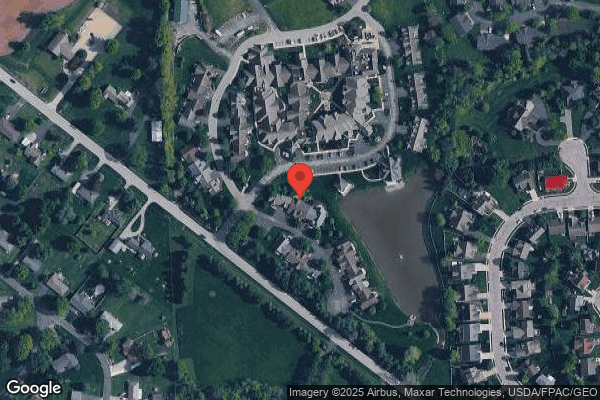
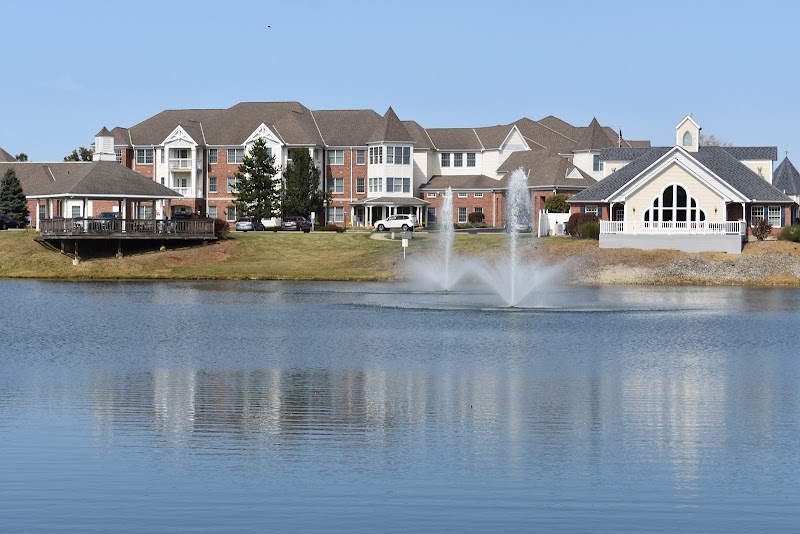
175 CAPE MAY DRIVE, WILMINGTON, OH 45177 (937) 382-2995
Non profit - Corporation 23 Beds OHIO LIVING COMMUNITIES Data: November 2025
Trust Grade
95/100
#127 of 913 in OH
Last Inspection: June 2023

Over 2 years since last inspection. Current conditions may differ from available data.

Overview

Ohio Living Cape May in Wilmington has an impressive Trust Grade of A+, indicating it is an elite facility with top-tier care. It ranks #127 out of 913 nursing homes in Ohio, placing it in the top half of all facilities, and #3 out of 4 in Clinton County, meaning only one local option is ranked higher. The facility is currently improving, as it reduced its issues from 6 in 2019 to 3 in 2023. Staffing is a major strength, with a perfect 5-star rating and an exceptionally low turnover rate of 14%, well below the state average. There have been no fines reported, and the facility benefits from more RN coverage than 99% of Ohio facilities, ensuring quality oversight for residents. However, there have been some concerns noted, including improper food storage practices that risk contamination and failure to notify a physician about a resident's new skin condition, which could lead to complications. Additionally, the kitchen equipment was found to be dirty, posing potential health risks. While these incidents are concerning, the overall strengths of the facility suggest a commitment to care and improvement.

Trust Score
A+
95/100
In Ohio
#127/913
Top 13%
Safety Record
Low Risk
No red flags
Inspections
Getting Better
6 → 3 violations
Staff Stability
✓ Good
14% annual turnover. Excellent stability, 34 points below Ohio's 48% average. Staff who stay learn residents' needs.
Penalties
✓ Good
No fines on record. Clean compliance history, better than most Ohio facilities.
Skilled Nurses
✓ Good
Each resident gets 89 minutes of Registered Nurse (RN) attention daily — more than 97% of Ohio nursing homes. RNs are the most trained staff who catch health problems before they become serious.
Violations
○ Average
9 deficiencies on record. Average for a facility this size. Mostly minor or procedural issues.
★★★★★
5.0
Overall Rating
★★★★★
5.0
Staff Levels
★★★★★
5.0
Care Quality
★★★★★
5.0
Inspection Score
Stable
2019: 6 issues
2023: 3 issues

The Good

  • 5-Star Staffing Rating · Excellent nurse staffing levels
  • 5-Star Quality Measures · Strong clinical quality outcomes
  • Low Staff Turnover (14%) · Staff stability means consistent care
  • Full Sprinkler Coverage · Fire safety systems throughout facility
  • No fines on record
  • Staff turnover is low (14%)

    34 points below Ohio average of 48%

Facility shows strength in staffing levels, quality measures, staff retention, fire safety.

The Bad

Chain: OHIO LIVING COMMUNITIES

Part of a multi-facility chain

Ask about local staffing decisions and management

The Ugly 9 deficiencies on record

Jun 2023 3 deficiencies
CONCERN (D)

Potential for Harm - no one hurt, but risky conditions existed

Notification of Changes (Tag F0580)

Could have caused harm · This affected 1 resident

**NOTE- TERMS IN BRACKETS HAVE BEEN EDITED TO PROTECT CONFIDENTIALITY** Based on observation, medical record review, staff interview and policy review, the facility failed to ensure the physician was ...

Read full inspector narrative →
**NOTE- TERMS IN BRACKETS HAVE BEEN EDITED TO PROTECT CONFIDENTIALITY** Based on observation, medical record review, staff interview and policy review, the facility failed to ensure the physician was notified of a new skin condition. This affected one (#8) of four residents with skin impairments reviewed. The census was 21. Findings included: Medical record review for Resident #8 revealed an admission date of 04/10/20. His medical diagnoses included Parkinson's disease, muscle weakness, hypertension, hypertensive heart disease, foot drop left foot, and peripheral vascular disease. Review of annual Minimum Data Set (MDS) assessment dated [DATE] revealed Resident #8 was cognitively intact. His functional status was extensive assistance for bed mobility, transfers, and toileting. He was a supervision for eating. Review of wound documentation dated 04/03/23 revealed Resident #8 had an arterial wound on his left third toe that measured 1.0 centimeters (cm) by 1.5 cm by 0.1 cm that was eschar and dry. There wasn't any documentation of the left second toe in the record. Interview with Resident #8 on 05/30/23 at 10:24 A.M., revealed he stated he needed to take off his shoe because his toe hurt him. Observation and interview with Licensed Practical Nurse (LPN) #500 on 05/30/23 at 10:30 A.M., removed Resident #8's shoe and sock. On the tip of the second toe, there was an area observed to be a small black oval wound and on the tip of the third toe was a black spot. The nurse said Resident #8's wounds were something he wasn't aware of. Review of progress notes dated 05/30/23 and the morning of 05/31/23 revealed there was no documentation of a notification to the physician of the wounds. Interview with the LPN #500 on 05/31/23 at 9:53 A.M., confirmed he didn't notify the physician regarding the wound on the left second toe. Review of policy titled Change of Condition dated 09/13/22, revealed to observe, record, and report any condition change to the nurse in charge and the attending physician so proper treatment can be implemented.
CONCERN (D)

Potential for Harm - no one hurt, but risky conditions existed

MDS Data Transmission (Tag F0640)

Could have caused harm · This affected 1 resident

**NOTE- TERMS IN BRACKETS HAVE BEEN EDITED TO PROTECT CONFIDENTIALITY** Based on record review, staff interview, Centers for Medicare and Medicaid Services Long-Term Care Facility Resident Assessment ...

Read full inspector narrative →
**NOTE- TERMS IN BRACKETS HAVE BEEN EDITED TO PROTECT CONFIDENTIALITY** Based on record review, staff interview, Centers for Medicare and Medicaid Services Long-Term Care Facility Resident Assessment Instrument 3.0 User's Manual review, and policy review, the facility failed to complete and transmit a resident's discharge Minimum Data Set (MDS) assessment. This affected one (#11) of 12 residents reviewed for assessments. The facility census was 21. Findings include: Review of the Resident #11's medical record revealed an admission of 01/07/23, with diagnoses including: spondylolisthesis, constipation, other seizures, spinal stenosis lumbar region with neurogenic claudication, hypothyroidism, history of bariatric surgery status, difficulty in walking and lymphedema. Resident #11 discharged from the facility on 01/27/23. Review of Resident #11's admission Minimum Data Set (MDS) assessment dated [DATE] revealed the resident was cognitively intact and Resident #11 required limited assistance with bed mobility, and transfers. Resident #11 required extensive assistance with dressing and toileting and supervision with personal hygiene. Resident #11 was independent with eating on the MDS. Review of Resident #11's progress note dated 01/27/23 revealed Resident #11 received a copy of the discharge plans and resident verbalized understanding. Resident #11 was placed in the car by the nurse and power of attorney and left in stable condition. Review of Resident #11's discharge Minimum Data Set (MDS) assessment dated [DATE] revealed the MDS assessment was in progress and was not transmitted. Interview with the Administrator on 05/31/23 at 10:46 A.M., verified Resident #11's discharge MDS assessment dated [DATE] was not completed or transmitted. Review of the policy titled MDS Completion and Assigned Selections dated 01/10/23 revealed the MDS nurse will electronically transmit the assessments and tracking forms according to the resident assessment instrument manual. Review of the Centers for Medicare and Medicaid Services Long-Term Care Facility Resident Assessment Instrument 3.0 User's Manual v1.17.1, chapter two, page 2-37, dated 10/2019, revealed a Discharge Return Not Anticipated MDS assessment is required to be completed when a resident is discharged from a facility and is not expected to return to the facility within 30 days. The Discharge Return Not Anticipated MDS must be completed within 14 days after the discharge date and must be transmitted within 14 days after the MDS completion date.
CONCERN (D)

Potential for Harm - no one hurt, but risky conditions existed

Quality of Care (Tag F0684)

Could have caused harm · This affected 1 resident

**NOTE- TERMS IN BRACKETS HAVE BEEN EDITED TO PROTECT CONFIDENTIALITY** Based on observation, medical record review, staff interview and policy review, the facility failed to ensure a skin assessment ...

Read full inspector narrative →
**NOTE- TERMS IN BRACKETS HAVE BEEN EDITED TO PROTECT CONFIDENTIALITY** Based on observation, medical record review, staff interview and policy review, the facility failed to ensure a skin assessment was completed in a timely manner. This affected one (#8) of four skin impairments reviewed. The census was 21. Findings included: Medical record review for Resident #8 revealed an admission date of 04/10/20. His medical diagnoses included Parkinson's disease, muscle weakness, hypertension, hypertensive heart disease, foot drop left foot, and peripheral vascular disease. Review of annual Minimum Data Set (MDS) assessment dated [DATE] revealed Resident #8 was cognitively intact. His functional status was extensive assistance for bed mobility, transfers, and toileting. He was a supervision for eating. Review of wound documentation dated 04/03/23 revealed Resident #8 had an arterial wound on his left third toe that measured 1.0 centimeters (cm) by 1.5 cm by 0.1 cm that was eschar and dry. There wasn't any documentation of the left second toe in the record. Interview with Resident #8 on 05/30/23 at 10:24 A.M., revealed he stated he needed to take off his shoe because his toe hurt him. Observation and interview with Licensed Practical Nurse (LPN) #500 on 05/30/23 at 10:30 A.M., removed Resident #8's shoe and sock. On the tip of the second toe, there was an area observed to be a small black oval wound and on the tip of the third toe was a black spot. The nurse said Resident #8's wounds were something he wasn't aware of. Review of progress notes dated 05/30/23 and the morning of 05/31/23 revealed there wasn't any notes or assessments regarding the left second toe. Interview with the LPN #500 on 05/31/23 at 9:53 A.M., revealed he was an agency nurse, and he didn't know how to put in an assessment of a wound and verified he did not assess the wound and put it in the chart for Resident #8's left second toe. Review of the policy titled Skin Integrity Assessment dated 01/10/23, revealed the skin should be checked at least daily and report potential or actual changes in the skin integrity. Assessment of the skin should include type, stage if any, characteristic, presences of infection or pain, and type of dressing and treatment.
Feb 2019 6 deficiencies
CONCERN (D)

Potential for Harm - no one hurt, but risky conditions existed

Deficiency F0578 (Tag F0578)

Could have caused harm · This affected 1 resident

**NOTE- TERMS IN BRACKETS HAVE BEEN EDITED TO PROTECT CONFIDENTIALITY** Based on medical record review and staff interview the facility failed to ensure residents had the right to refuse or discontinu...

Read full inspector narrative →
**NOTE- TERMS IN BRACKETS HAVE BEEN EDITED TO PROTECT CONFIDENTIALITY** Based on medical record review and staff interview the facility failed to ensure residents had the right to refuse or discontinue treatment when they failed to have matching cardiopulmonary resuscitation code status documentation. This affected three (#3, #5 and #7) of 16 residents reviewed for code status. The facility census was 27. Findings include: 1. Medical record review of Resident #5 revealed an admission date of: [DATE] with pertinent diagnoses of: fracture of lumbar vertebrae, muscle weakness, dementia without behaviors, insomnia, hypertension glaucoma, vitamin deficiency, and depressive episodes. Review of a paper Do Not Resuscitate (DNR) comfort care form dated [DATE] revealed the resident was requesting a Do No Resuscitate Comfort Care-Arrest (DNR-CCA) code status. Review of Resident #5's electronic medical record on [DATE] at 5:02 P.M. revealed a current Physicians Order for the Resident to be a full code and receive cardiopulmonary resuscitation (CPR). Interview with the Director Of Nursing (DON) on [DATE] at 5:34 P.M. verified the code status was different on the Physician Order and the Paper form. 2. Medical record review for Resident #3 revealed an admission date of [DATE] with pertinent diagnoses including: paralytic ileus, hemiplegia and hemiparesis affecting right dominant side, muscle weakness, and diabetes mellitus type two. Review of a paper DNR comfort care form dated [DATE] revealed the resident was requesting a DNR-CCA code status. Record review of a Physician Order on [DATE] revealed the Resident was requesting a DNRCC code status. Interview with the DON on [DATE] at 5:34 P.M. verified the code status was different on the Physician Order and the Paper form. 3. Medical record review of Resident # 7 revealed an admission date of [DATE] with pertinent diagnoses of: diabetes mellitus type two, muscle weakness, hypertension, hypothyroidism, and hyperlipidemia. Review of a paper DNR comfort care form dated [DATE] revealed the resident was requesting a DNR-CCA code status. Record review of a Physician Order on [DATE] at 4:12 P.M. revealed the Resident was requesting a DNRCC code status. Interview with the DON on [DATE] at 5:34 P.M. verified the code status was different on the Physician Order and the Paper form.
CONCERN (D)

Potential for Harm - no one hurt, but risky conditions existed

Deficiency F0582 (Tag F0582)

Could have caused harm · This affected 1 resident

Based on medical record review and staff interview the facility failed to ensure residents received the appropriate Skilled Nursing Facility Advance Beneficiary Notice (SNFABN) form when they were cut...

Read full inspector narrative →
Based on medical record review and staff interview the facility failed to ensure residents received the appropriate Skilled Nursing Facility Advance Beneficiary Notice (SNFABN) form when they were cut from skilled services and remained in the facility. This affected two (#20 and #22) of three residents reviewed for beneficiary notices. The facility census was 27. Findings include: 1. Medical record review for Resident #22 revealed an admission date 12/31/18 with pertinent diagnoses of pneumonia, hemiplegia and hemiparesis following nontraumatic subarachnoid hemorrhage, dysphagia, anemia, benign prostatic hyperplasia, hyperlipidemia, hypertension, type two diabetes mellitus, and cerebral infarction. Review of a Notice of Medicare Non Coverage (NOMNC) form dated 02/15/19 revealed Resident #22 was cut from nursing and therapy services on 02/18/19 and remained in the facility. Interview with the Director of Nursing (DON) on 02/21/19 at 1:05 P.M. verified that Resident #22 remained in the facility and had skilled nursing days remaining. The DON verifed the resident did not received the SNFABN. 2. Record review for Resident #20 revealed an admission date of 07/20/18 with pertinent diagnoses of: hypertension, cerobrovascular accident, hemiplegia, mild cognitive impairment, osteoporosis, and atrial fibrillation. Review of a NOMNC dated 09/13/18 revealed Resident #20 was cut from nursing and therapy services on 09/17/18 and remained in the facility. Interview with the DON on 02/21/19 at 1:05 P.M. verified Resident #20 remained in the facility and had skilled nursing days remaining. The DON verified the resident did not receive SNFABN.
CONCERN (D)

Potential for Harm - no one hurt, but risky conditions existed

Garbage Disposal (Tag F0814)

Could have caused harm · This affected 1 resident

Based on observation, staff interview and facility training audit form the facility failed to dispose of garbage and refuse properly when they left the dumpster lids open and had trash around the dump...

Read full inspector narrative →
Based on observation, staff interview and facility training audit form the facility failed to dispose of garbage and refuse properly when they left the dumpster lids open and had trash around the dumpster area. This had the potential to affect all 27 residents residing in the facility. Findings include: Observation on 02/21/19 at 10:55 A.M. revealed the dumpster lids were open and there was a wooden pallet and trash on the ground beside the dumpster. Interview with Dietary Worker #35 at the time of the observation verified the dumpster lids were open and there was a wooden pallet and trash on the ground beside the dumpster. Review of an undated facility form titled Dining Food Safety and Training audit revealed the dumpster is maintained to minimize sanitation issues, and lids are on the dumpster.
CONCERN (D)

Potential for Harm - no one hurt, but risky conditions existed

Medical Records (Tag F0842)

Could have caused harm · This affected 1 resident

**NOTE- TERMS IN BRACKETS HAVE BEEN EDITED TO PROTECT CONFIDENTIALITY** Based on medical record review and staff interview the facility failed to ensure residents records were accurate when the code s...

Read full inspector narrative →
**NOTE- TERMS IN BRACKETS HAVE BEEN EDITED TO PROTECT CONFIDENTIALITY** Based on medical record review and staff interview the facility failed to ensure residents records were accurate when the code status was not accurate. This affected three (#3, #5 and #7) of 16 residents reviewed for code status. The facility census was 27. Findings include: 1. Medical record review of Resident #5 revealed an admission date of: [DATE] with pertinent diagnoses of: fracture of lumbar vertebrae, muscle weakness, dementia without behaviors, insomnia, hypertension glaucoma, vitamin deficiency, and depressive episodes. Review of a paper Do Not Resuscitate (DNR) comfort care form dated [DATE] revealed the resident was requesting a Do No Resuscitate Comfort Care-Arrest (DNR-CCA) code status. Review of Resident #5's electronic medical record on [DATE] at 5:02 P.M. revealed a current Physicians Order for the Resident to be a full code and receive cardiopulmonary resuscitation (CPR). Interview with the Director Of Nursing (DON) on [DATE] at 5:34 P.M. verified the code status was different on the Physician Order and the Paper form. 2. Medical record review for Resident #3 revealed an admission date of [DATE] with pertinent diagnoses including: paralytic ileus, hemiplegia and hemiparesis affecting right dominant side, muscle weakness, and diabetes mellitus type two. Review of a paper DNR comfort care form dated [DATE] revealed the resident was requesting a DNR-CCA code status. Record review of a Physician Order on [DATE] revealed the Resident was requesting a DNRCC code status. Interview with the DON on [DATE] at 5:34 P.M. verified the code status was different on the Physician Order and the Paper form. 3. Medical record review of Resident # 7 revealed an admission date of [DATE] with pertinent diagnoses of: diabetes mellitus type two, muscle weakness, hypertension, hypothyroidism, and hyperlipidemia. Review of a paper DNR comfort care form dated [DATE] revealed the resident was requesting a DNR-CCA code status. Record review of a Physician Order on [DATE] at 4:12 P.M. revealed the Resident was requesting a DNRCC code status. Interview with the DON on [DATE] at 5:34 P.M. verified the code status was different on the Physician Order and the Paper form.
CONCERN (F)

Potential for Harm - no one hurt, but risky conditions existed

Food Safety (Tag F0812)

Could have caused harm · This affected most or all residents

Based on observation, staff interview and facility policy review the facility failed to ensure foods were stored in accordance with professional standards when they stored food scoops in the container...

Read full inspector narrative →
Based on observation, staff interview and facility policy review the facility failed to ensure foods were stored in accordance with professional standards when they stored food scoops in the containers. This had the potential to affect 26 Residents who ate from the kitchen. The facility identified Resident #10 who did not eat anything by mouth. The facility census was 27. Findings include: Observation of the main Kitchen on 02/19/19 at 9:40 A.M. revealed scoops were stored in the food containers for flour, rice, and sugar. The scoops were stuck in the food items with the scoop handle visible. Interview with Dietary Worker #35 at the time of the interview verified the food scoops were stored inside the flour, rice and sugar containers and the scoops were stuck in the food with the scoop handle visible. Review of a facility undated food storage policy revealed scoops are not to be stored in food containers but are kept in a protected area near or in the containers.
CONCERN (F)

Potential for Harm - no one hurt, but risky conditions existed

Room Equipment (Tag F0908)

Could have caused harm · This affected most or all residents

Based on observation, staff interview, and facility policy review the facility failed to maintain essential mechanical equipment in safe operating order when the kitchen stove hood and filters were di...

Read full inspector narrative →
Based on observation, staff interview, and facility policy review the facility failed to maintain essential mechanical equipment in safe operating order when the kitchen stove hood and filters were dirty and covered with grease. This had the potential to affect all 27 facility residents. Findings include: Observation of the main kitchen on 02/19/19 at 9:40 A.M. revealed grease running down the hood, hood filters, and the back wall overtop the cooking area. Interview with Dietary Worker #35 at the time of the observation verified there was grease running down the hood, hood filters, and the back wall overtop the cooking area. Review of an undated facility policy titled cleaning hoods and filters revealed stove hoods and filters will be cleaned at least monthly and according to the cleaning schedule.
Understanding Severity Codes (click to expand)
Life-Threatening (Immediate Jeopardy)
J - Isolated K - Pattern L - Widespread
Actual Harm
G - Isolated H - Pattern I - Widespread
Potential for Harm
D - Isolated E - Pattern F - Widespread
No Harm (Minor)
A - Isolated B - Pattern C - Widespread

Questions to Ask on Your Visit

  • "Can I speak with families of current residents?"
  • "What's your RN coverage like on weekends and overnight?"

Our Honest Assessment

Strengths
  • • Grade A+ (95/100). Above average facility, better than most options in Ohio.
  • • No major safety red flags. No abuse findings, life-threatening violations, or SFF status.
  • • No fines on record. Clean compliance history, better than most Ohio facilities.
  • • 14% annual turnover. Excellent stability, 34 points below Ohio's 48% average. Staff who stay learn residents' needs.
Concerns
  • • No significant concerns identified. This facility shows no red flags across CMS ratings, staff turnover, or federal penalties.
Bottom line: Generally positive indicators. Standard due diligence and a personal visit recommended.

About This Facility

What is Ohio Living Cape May's CMS Rating?

CMS assigns OHIO LIVING CAPE MAY an overall rating of 5 out of 5 stars, which is considered much above average nationally. Within Ohio, this rating places the facility higher than 99% of the state's 100 nursing homes. This rating reflects solid performance across the metrics CMS uses to evaluate nursing home quality.
How is Ohio Living Cape May Staffed?

CMS rates OHIO LIVING CAPE MAY's staffing level at 5 out of 5 stars, which is much above average compared to other nursing homes. Staff turnover is 14%, compared to the Ohio average of 46%. This relatively stable workforce can support continuity of care.

What Have Inspectors Found at Ohio Living Cape May?

State health inspectors documented 9 deficiencies at OHIO LIVING CAPE MAY during 2019 to 2023. These included: 9 with potential for harm.
Who Owns and Operates Ohio Living Cape May?

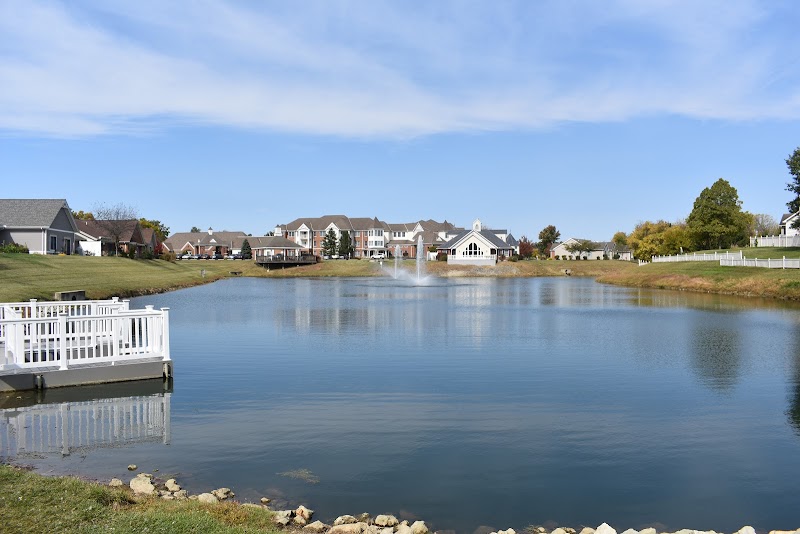
OHIO LIVING CAPE MAY is owned by a non-profit organization. Non-profit facilities reinvest revenue into operations rather than distributing to shareholders. The facility is operated by OHIO LIVING COMMUNITIES, a chain that manages multiple nursing homes. With 23 certified beds and approximately 22 residents (about 96% occupancy), it is a smaller facility located in WILMINGTON, Ohio.
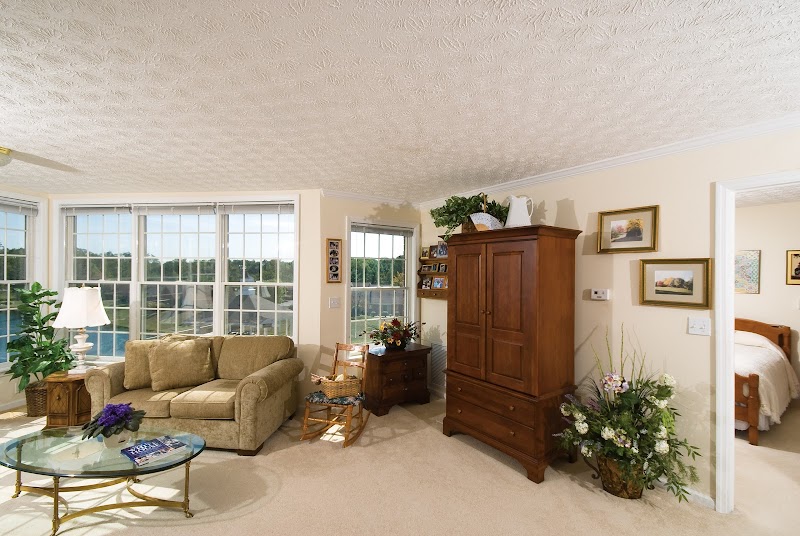
How Does Ohio Living Cape May Compare to Other Ohio Nursing Homes?

Compared to the 100 nursing homes in Ohio, OHIO LIVING CAPE MAY's overall rating (5 stars) is above the state average of 3.2, staff turnover (14%) is significantly lower than the state average of 46%, and health inspection rating (5 stars) is much above the national benchmark.

What Should Families Ask When Visiting Ohio Living Cape May?

Based on this facility's data, families visiting should ask: "Can I visit during a mealtime to observe dining assistance and food quality?" "How do you handle medical emergencies, and what is your hospital transfer rate?" "Can I speak with family members of current residents about their experience?"

Is Ohio Living Cape May Safe?

Based on CMS inspection data, OHIO LIVING CAPE MAY has a clean safety record: no substantiated abuse findings (meaning no confirmed cases of resident harm), no Immediate Jeopardy citations (the most serious violation level indicating risk of serious injury or death), and is not on the Special Focus Facility watch list (a federal program monitoring the lowest-performing 1% of nursing homes). The facility has a 5-star overall rating and ranks #1 of 100 nursing homes in Ohio. While no facility is perfect, families should still ask about staff-to-resident ratios and recent inspection results during their visit.

Do Nurses at Ohio Living Cape May Stick Around?

Staff at OHIO LIVING CAPE MAY tend to stick around. With a turnover rate of 14%, the facility is 32 percentage points below the Ohio average of 46%. Low turnover is a positive sign. It means caregivers have time to learn each resident's needs, medications, and personal preferences. Consistent staff also notice subtle changes in a resident's condition more quickly.

Was Ohio Living Cape May Ever Fined?

OHIO LIVING CAPE MAY has no federal fines on record. CMS issues fines when nursing homes fail to meet care standards or don't correct problems found during inspections. The absence of fines suggests the facility has either maintained compliance or corrected any issues before penalties were assessed. This is a positive indicator, though families should still review recent inspection reports for the full picture.

Is Ohio Living Cape May on Any Federal Watch List?

OHIO LIVING CAPE MAY is not on any federal watch list. The most significant is the Special Focus Facility (SFF) program, which identifies the bottom 1% of nursing homes nationally based on persistent, serious quality problems. Not being on this list means the facility has avoided the pattern of deficiencies that triggers enhanced federal oversight. This is a positive indicator, though families should still review the facility's inspection history directly.