BRUNSWICK POINTE TRANSITIONAL CARE
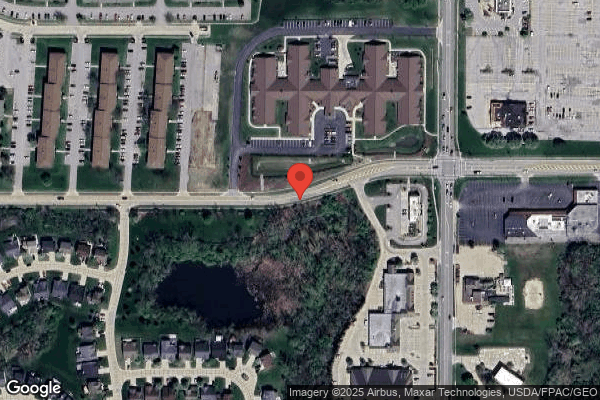
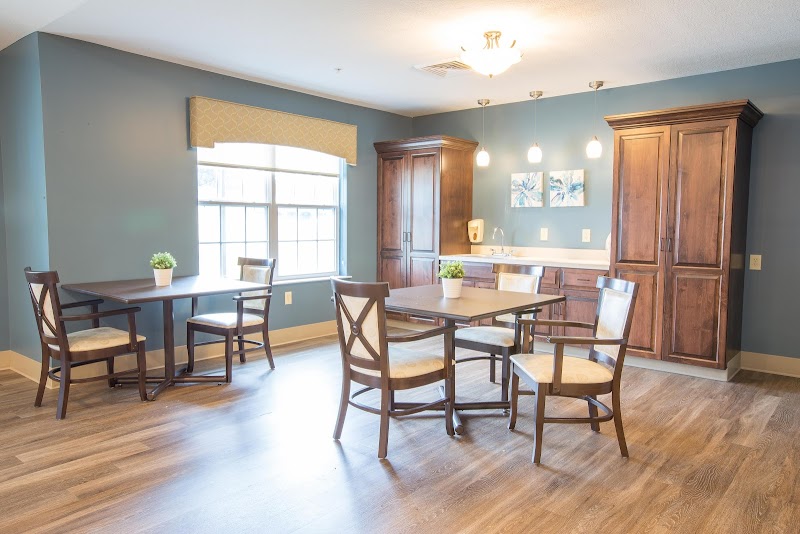
4355 LAUREL ROAD, BRUNSWICK, OH 44212 (330) 741-8000
For profit - Corporation 91 Beds FOUNDATIONS HEALTH SOLUTIONS Data: November 2025
Trust Grade
75/100
#233 of 913 in OH
Last Inspection: February 2023

Over 2 years since last inspection. Current conditions may differ from available data.

Overview

Brunswick Pointe Transitional Care has received a Trust Grade of B, indicating it is a good choice among nursing homes. Ranked #233 out of 913 facilities in Ohio, it falls within the top half, and at #5 out of 12 in Medina County, only four local options rank higher. The facility is improving, with issues decreasing from 2 in 2024 to 1 in 2025. However, staffing is a concern, with a rating of 2 out of 5 stars and a turnover rate of 46%, which is slightly below the state average. While there have been no fines, which is positive, there have been serious incidents, including a resident suffering a fracture due to improper securing during transportation and concerns about weekend staffing levels affecting all residents. Additionally, there was a past issue with an unlocked medication cart potentially endangering residents. On the plus side, the facility boasts good RN coverage, exceeding 91% of Ohio facilities, indicating strong oversight and care.

Trust Score
B
75/100
In Ohio
#233/913
Top 25%
Safety Record
Moderate
Needs review
Inspections
Getting Better
2 → 1 violations
Staff Stability
⚠ Watch
46% turnover. Above average. Higher turnover means staff may not know residents' routines.
Penalties
✓ Good
No fines on record. Clean compliance history, better than most Ohio facilities.
Skilled Nurses
✓ Good
Each resident gets 53 minutes of Registered Nurse (RN) attention daily — more than average for Ohio. RNs are trained to catch health problems early.
Violations
○ Average
8 deficiencies on record. Average for a facility this size. Mostly minor or procedural issues.
★★★★☆
4.0
Overall Rating
★★☆☆☆
2.0
Staff Levels
★★★★☆
4.0
Care Quality
★★★★☆
4.0
Inspection Score
Stable
2024: 2 issues
2025: 1 issues

The Good

  • 4-Star Quality Measures · Strong clinical quality outcomes
  • Full Sprinkler Coverage · Fire safety systems throughout facility
  • No fines on record

Facility shows strength in quality measures, fire safety.

The Bad

Staff Turnover: 46%

Near Ohio avg (46%)

Higher turnover may affect care consistency

Chain: FOUNDATIONS HEALTH SOLUTIONS

Part of a multi-facility chain

Ask about local staffing decisions and management

The Ugly 8 deficiencies on record

1 actual harm
Apr 2025 1 deficiency
CONCERN (F) 📢 Someone Reported This

A family member, employee, or ombudsman was alarmed enough to file a formal complaint

Potential for Harm - no one hurt, but risky conditions existed

Deficiency F0725 (Tag F0725)

Could have caused harm · This affected most or all residents

THE FOLLOWING DEFICIENCY REPRESENTS AN INCIDENT OF PAST NON-COMPLIANCE THAT WAS SUBSEQUENTLY CORRECTED PRIOR TO THIS SURVEY. Based on record review and interview, the facility failed to ensure adequat...

Read full inspector narrative →
THE FOLLOWING DEFICIENCY REPRESENTS AN INCIDENT OF PAST NON-COMPLIANCE THAT WAS SUBSEQUENTLY CORRECTED PRIOR TO THIS SURVEY. Based on record review and interview, the facility failed to ensure adequate weekend staffing. This finding had the potential to affect all 89 residents residing in the building. The facility census was 89. Findings include: Review of the Staffing Data Report information for the fourth quarter (07/01/24 to 09/30/24) revealed the facility triggered for excessively low weekend staffing. Interview on 04/04/25 at 9:33 A.M. with the Administrator confirmed the facility triggered for excessively low weekend staffing for the fourth quarter on the Staffing Data Report form. The Administrator indicated this staffing issue was fixed when the facility hired new staff for the building. Interview on 04/04/25 at 10:09 A.M. with Regional Human Resources (HR) Director #950 indicated the facility had reported the accurate hours for the Staffing Data Report form for the fourth quarter but the facility had hired additional staff to correct the issue and added 24-hour nursing staff. Interview on 04/04/25 at 10:55 A.M. with the Administrator revealed the facility had adequate staffing but the acuity increased due to the additional residents in the vent unit which triggered the low weekend staffing on the Staffing Data Report for the fourth quarter. The deficient practice was corrected on 01/15/25 when the facility implemented the following corrective actions: • On 07/01/24, the Administrator added 24 additional hours of nursing staff (2 extra nurses, one on nightshift and one on dayshift for 12-hour shifts). • The facility received the Staffing Data Report form in 01/2025. • On 01/15/25, the Administrator, Director of Nursing (DON), Assistant Director of Nursing (ADON) #829 and HR Director #901 started to conduct meetings every Monday to review the master schedule and daily staffing schedules to make sure they were accurate, filling gaps in the schedule, sending out shifts for staff to pick up shifts and making plans to fill shifts. • On 01/15/25, the Administrator, DON, and ADON #829 began to complete weekly audits on the staffing schedules to ensure adequate staffing. • The Administrator and Regional HR Director #950 confirmed the facility hired 16 additional staff members from 10/18/24 to 03/26/25 including Registered Nurse (RN) #827 on 10/18/24, RN #920 on 01/31/25, RN #896 on 02/04/25, RN #924 on 02/12/25, RN #840 on 03/14/25; Licensed Practical Nurse (LPN) #871 on 12/12/24; Certified Nursing Assistant (CNA) #810 on 12/09/24, CNA #892 on 02/12/25, CNA #856 on 02/26/25, CNA #865 on 03/03/25; CNA #923 on 03/06/25, CNA #850 on 03/07/25, CNA #807 on 03/10/25, CNA #820 on 03/14/25, CNA #838 on 03/14/25, and CNA #908 on 03/26/25. • Per the Administrator, LPN #801 was promoted to nightshift supervisor on 01/31/25 and she would work the floor depending on the day. On other days, LPN #801 would be a free-floating supervisor to work the floor as a support and to audit and assist the CNA's with their work and the nurses with their work including admissions. This deficiency represents non-compliance investigated under Complaint Number OH00162469.
Nov 2024 1 deficiency
CONCERN (D) 📢 Someone Reported This

A family member, employee, or ombudsman was alarmed enough to file a formal complaint

Potential for Harm - no one hurt, but risky conditions existed

Deficiency F0624 (Tag F0624)

Could have caused harm · This affected 1 resident

**NOTE- TERMS IN BRACKETS HAVE BEEN EDITED TO PROTECT CONFIDENTIALITY** Based on record review, interview, and policy review the facility failed to ensure a safe and orderly discharge for Resident #3....

Read full inspector narrative →
**NOTE- TERMS IN BRACKETS HAVE BEEN EDITED TO PROTECT CONFIDENTIALITY** Based on record review, interview, and policy review the facility failed to ensure a safe and orderly discharge for Resident #3. The affected one resident (#3) of three residents reviewed for discharge planning. Findings include: Review of the medical record for Resident #3 revealed an admission date of 08/10/24 and discharge date of 10/04/24. Diagnoses included type two diabetes, other chronic osteomyelitis, right ankle, and chronic kidney disease. Review of the comprehensive Minimum Data Set (MDS) assessment, dated 08/17/24, revealed Resident #3 had intact cognition. Review of the discharge care plan dated 10/04/24 revealed Resident #3's plan was to discharge home. Review of the physician order dated 08/22/24 revealed an order for tirzepatide (Mounjaro) 7.5 milligrams (mg) weekly for diabetes. Review of the Discharge summary dated [DATE] revealed Resident #3 was discharged with instructions provided and services set up. All medications were sent with the resident except Mounjaro 7.5 mg. Review of the Discharge Medication Receipt dated 10/04/24 revealed staff provided all medications except Mounjaro 7.5 mg. Interview on 11/02/24 at 9:30 A.M. with Resident #3 revealed the facility failed to supply the Mounjaro 7.5 mg injections when he discharged . Resident #3 stated he received an injection on 10/03/24 and then on 10/11/24 which was a day later than scheduled due to not having the medication. The pharmacy filled a prescription for Mounjaro 7.5 mg on 09/24/24 which included four injections. The pharmacy where he went for his medications upon discharge would not refill the medication after his discharge because the refill date was 10/24/24. After several calls to the pharmacy and insurance company, the pharmacy was able to provide the Mounjaro on 10/11/24. Interview on 11/02/24 at 10:15 A.M. with the Administrator and Director of Nursing revealed the nurse who discharged Resident #3 did not look in the refrigerator for any unused Mounjaro belonging to Resident #3 because he received an injection the day before he was discharged . The Administrator said the facility destroyed all medications left behind due to the facility policy. Documentation was provided and reviewed which confirmed Resident #3's Mounjaro was destroyed after his discharge from the facility. The Administrator stated that once the facility was aware of the problem, Resident #3's pharmacy was contacted regarding refilling the prescription. Interview on 11/02/24 at 10:25 A.M. with Licensed Practical Nurse (LPN) #205, the nurse who discharged Resident #3, confirmed she did look in the refrigerator for Resident #3's remaining Mounjaro injections and therefore the unused Mounjaro was not provided to Resident #3 upon Resident #3's discharge. LPN #205 did not look for the remaining doses of Mounjaro because Resident #3 received a Mounjaro injection the day before. LPN #205 stated the injections were scheduled once weekly so she figured the prescription would be filled by the resident after discharge. Interview on 11/02/24 at 11:33 A.M. with the owner of Resident #3's pharmacy revealed he did not refill the Mounjaro prior to 10/11/24 because the refill was dated 10/24/24. However, after contacting Resident #3's insurance company and the nursing home's pharmacy the pharmacist was able to override the prescription and refill the medication. Review of the facility policy titled, Discharge Process for Planned Discharges, dated 2018 revealed all medications except for controlled medications were to be provided to the resident at discharge. This deficiency represents non-compliance investigated under Complaint Number OH00158955.
Aug 2024 1 deficiency 1 Harm
SERIOUS (G) 📢 Someone Reported This

A family member, employee, or ombudsman was alarmed enough to file a formal complaint

Actual Harm - a resident was hurt due to facility failures

Accident Prevention (Tag F0689)

A resident was harmed · This affected 1 resident

**NOTE- TERMS IN BRACKETS HAVE BEEN EDITED TO PROTECT CONFIDENTIALITY** THE FOLLOWING DEFICIENCY REPRESENTS AN INCIDENT OF PAST NONCOMPLIANCE THAT WAS SUBSEQUENTLY CORRECTED PRIOR TO THIS SURVEY. Bas...

Read full inspector narrative →
**NOTE- TERMS IN BRACKETS HAVE BEEN EDITED TO PROTECT CONFIDENTIALITY** THE FOLLOWING DEFICIENCY REPRESENTS AN INCIDENT OF PAST NONCOMPLIANCE THAT WAS SUBSEQUENTLY CORRECTED PRIOR TO THIS SURVEY. Based on medical record review, resident interview, staff interview, review of hospital records, review of the facility investigation and review of facility policy, the facility failed to ensure residents were safely secured during transportation in the facility van. This resulted in Actual Harm on 07/15/24 when Resident #56's wheelchair was not safely secured in the facility van and tipped during transportation. Resident #56's weight rested on the left seatbelt shoulder strap, resulting in a fracture to her left upper arm. This affected one resident (#56) of three residents reviewed for transportation safety. The facility census was 89. Findings include: Review of Resident #56's medical record revealed an admission date of 12/21/23. Diagnoses included diabetes, end stage renal disease and unspecified dementia. Review of the Minimum Data Set (MDS) assessment dated [DATE] revealed Resident #56 was moderately cognitively impaired. Review of Resident #56's progress notes revealed on 07/15/24, upon return from dialysis, the resident reported increased left shoulder pain and X-rays were ordered. Review of a progress note dated 07/16/24 revealed the X-ray identified a fracture to the left upper arm with diffuse osteopenia. The physician ordered an orthopedic consult and sling to the arm. Resident #56 stated the fracture occurred during transport back to the facility from dialysis. On 07/18/24, Resident #56 complained of increased pain, had increased confusion, and attempted to self-transfer. Resident #56 was sent to the hospital for further evaluation. Review of hospital documents revealed Resident #56 was admitted on [DATE] for a left humerus fracture. An orthopedic consult on 07/18/24 revealed there was no bruising, swelling, or other injury around the fracture site and recommended the arm to be non-weight bearing with a sling on at all times. Further review revealed a head computed tomography (CT scan) was completed with no abnormalities noted. Resident #56 was treated for a urinary tract infection (UTI) and discharged back to the facility on [DATE]. Interview on 08/01/24 at 9:10 A.M. with the Administrator confirmed on 07/15/24 there was an incident on the facility van in which Resident #56 tipped in her wheelchair during transportation. The Administrator stated one of the wheelchair straps was loose and Resident #56's wheelchair leaned to the side when the driver turned into the facility parking lot. The Administrator stated the seatbelt shoulder strap prevented Resident #56 from completely tipping over. The Administrator denied Resident #56 hit the side of the van or the floor, but verified the resident suffered a left humerus low impact fracture as a result of the incident. Interview on 08/01/24 at 9:15 A.M. with Resident #56 revealed she was riding the facility van, returning from dialysis, and was not properly secured. Resident #56 stated this caused her to fall sideways and hit her left arm on the wall, causing a fracture. Resident #56 stated there was no shoulder strap over her arm and she was unsure if there were any security straps on her wheelchair. Following the event, Resident #56 stated she had pain in her arm and was sent to the hospital, where she learned she had a fracture. Concurrent observation confirmed Resident #56's left arm was in a sling. Interview on 08/05/24 at 11:12 A.M. with the Director of Nursing (DON) and Regional Registered Nurse (RRN) #501 revealed the facility investigated the incident involving Resident #56 and were not able to determine if the resident impacted anything when her wheelchair tilted in the van. The facility investigation identified one of the wheelchair anchor straps was loose, allowing the right wheel of the wheelchair to raise off the ground during a sharp turn. The facility believed the fracture resulted from the pressure of leaning against the seatbelt shoulder strap when the wheelchair tilted. Interview on 08/01/24 at 12:44 P.M. with Transport Aide (TA) #201 revealed, while turning into the facility parking lot on 07/15/24, Resident #56 cried out that she was tilting. TA #201 stopped the van and found Resident #56's wheelchair was tilting and the right wheel was approximately one inch off the ground. TA #201 stated Resident #56 had a seatbelt on and the shoulder strap was over the resident's left arm/shoulder. TA #201 stated she repositioned Resident #56 and denied the resident hit the wall or the floor of the van during the incident. TA #201 did not know how the wheelchair was able to tilt and speculated she did not strap the wheelchair anchors tightly enough. Interview on 08/05/24 at 8:56 A.M. with Nurse Practitioner (NP) #801 revealed on 07/15/24, the facility reported Resident #56 bumped her arm and an X-ray was ordered. NP #801 assessed Resident #56 the following day and identified no sign of injury on her head or arm. NP #801 stated the fracture did not require hospitalization and an orthopedic consult was ordered. One or two days later, Resident #56 presented as confused and she was sent to the hospital for further evaluation to rule out a head injury. Resident #56 returned to the facility the following day. A head CT was completed at the hospital and there was no evidence of a head injury. NP #801 stated Resident #56 was diagnosed with a UTI, which was likely the cause of the confusion. Review of the facility investigation, initiated on 07/15/24, revealed an X-ray dated 07/15/24 identified Resident #56 had a minimally impacted fracture of the left upper arm with diffuse osteopenia. The investigation documentation noted Resident #56's wheelchair tilted when the van was turning into the facility. The seatbelt held her in place and the resident did not make contact with the side of the van. Resident #56 complained of increased shoulder discomfort and NP #801 was notified. A range-of-motion assessment revealed the resident was guarded with her left shoulder. Resident #56's son said she told him she hit her head, and the facility performed neurological checks with no negative findings. Notes completed by NP #801 revealed a X-ray identified the resident had an arm fracture, which was assessed by the physician to be nonemergent. The medical team ordered her arm to be non-weight bearing in a sling and an orthopedic consult. No wounds or bruises were noted on assessment. On 07/18/24, NP #801 noted there were conflicting stories about the course of events and it was possible the resident hit their head. NP #801 sent the resident to the emergency room for evaluation, and a follow-up note revealed Resident #56 was returned to the facility the next day with no evidence of head injury. Review of the facility policy titled Bus/Van Transportation Policy, revised June 2019, revealed residents transported in wheelchairs must have lap belts applied and be secured using at least four lockdown straps allowing no more than a quarter inch of chair wheel movement. As a result of the incident, the facility took the following actions to correct the deficient practice by 07/19/24: • On 07/15/24, Resident #62 was assessed for injuries, an X-ray was ordered, and neurological checks initiated. • On 07/15/24, the Administrator or designee re-educated TA #201 on the facility bus and van transportation policy. • On 07/15/24, the Administrator audited all residents who received transportation in the facility van in the two weeks prior to the event on 07/15/24. No similar concerns were identified. • On 07/16/24, Maintenance Director (MD) #401 provided a competency test to TA #201, which included demonstration of proper securement of wheelchairs in the van. • On 07/16/24, MD #401 examined the facility van and identified no mechanical problems with the wheelchair securement devices. • Beginning on 07/17/24, and completed on 07/19/24, RRN #501 and Regional Maintenance Director (RMD) #402 re-educated and competency tested all staff who drive the facility van on proper safety measures. • On 07/17/24, RMD #402 examined the van and verified there were no mechanical problems with the wheelchair securement devices. • Beginning on 07/17/24, the DON audited one transportation service, one time daily for five days. This continued for two weeks with no negative outcomes or additional concerns identified. • On 07/18/24, Resident #62 presented with confusion and was sent to the hospital for further evaluation for a head injury. CT scans showed no evidence of a head injury. Resident #62 was seen by orthopedics, with no additional treatment recommendations made related to the left upper humerus fracture. Resident #62 was diagnosed with a UTI and returned to the facility on [DATE]. • On 07/19/24, an Ad Hoc Quality Assurance and Performance Improvement (QAPI) Committee meeting was held to review the event, review corrective action, and review facility policies related to transportation. The committee meeting was attended by the Administrator, Medical Director and the DON. • The Administrator will be responsible for on-going compliance and any areas of concern will be presented, and addressed, by the QAPI committee. This deficiency represents noncompliance investigated under Complaint Number OH00156271.
Feb 2020 5 deficiencies
CONCERN (D)

Potential for Harm - no one hurt, but risky conditions existed

Deficiency F0554 (Tag F0554)

Could have caused harm · This affected 1 resident

**NOTE- TERMS IN BRACKETS HAVE BEEN EDITED TO PROTECT CONFIDENTIALITY** Based on observations, interview, record review and policy review, the facility failed to ensure all resident are assessed for s...

Read full inspector narrative →
**NOTE- TERMS IN BRACKETS HAVE BEEN EDITED TO PROTECT CONFIDENTIALITY** Based on observations, interview, record review and policy review, the facility failed to ensure all resident are assessed for self administration, prior to leaving medications with residents. This affected three of three residents (Resident #8, Resident #27 and Resident #59) observed with medication at bed side. The facility census was 87. Findings include: 1. Record review revealed Resident #27 had been admitted to the facility on [DATE] with diagnoses including flaccid hemiplegia affecting the right dominant side, unsteady on feet, history of falling, wrist drop, right wrist weakness and other lack of coordination. The Minimum Data System (MDS) dated [DATE] included Resident #27 had adequate hearing, her speech had been clear, vision had been adequate, she had been understood and understands. Resident #27 had a Brief Interview for Mental Status (BIMS) score of 14 indicating the resident was cognitively intact, required one person to physically assist for bed mobility, set up help only for dressing, toileting and eating. No orders were found in Resident #27 record to self-administer medications. Observation on 02/10/20 at 08:59 A.M. revealed Resident #27 had been sitting on the side of her bed with the bedside table next to her. Resident #27 had six medications sitting on bedside table which she had sorted into three separate small piles. Resident #27 stated she had just eaten breakfast and she was now taking her medication. No staff were present in the room with Resident #27. Observation on 02/10/20 at 9:05 A.M. revealed Registered Nurse (RN) #444 had been preparing other medications on the medication cart located in the hallway one door down from Resident #27's room. Observation revealed RN #444 could not visualize Resident #27 from his current location. Interview on 02/10/20 at 9:10 A.M. with RN #444 revealed Resident #27 prefers to take her medication by herself, and she did not like anyone watching her. RN #444 stated he would wait outside of her room until she took all of her medications. Interview on 02/10/20 at 9:15 A.M. with Resident #27, (RN #444 present), revealed Resident #27's statement, They always leave them for me and I take them all, I have been doing it forever. RN #444 verified he does not observe resident directly take her medication. 2. Record review revealed Resident #8 had an admission date 11/01/19 with diagnosis including gastroesophageal reflux disease, weakness, unspecified macular degeneration and glaucoma. Resident #8 had a BIMS of 12, indicating moderate cognitive impairment. Resident #8 had a care plan which included a requirement of supervision with activities of daily living (ADL), and Resident #8 may be at risk for developing complications associated with decreased ADL self performance related to a diagnoses of essential tremors, weakness and osteoarthritis in the knees. Resident #8 had a physician order for Tums tablet chewable, give two tablets by mouth every 24 hours as needed for heartburn or upset stomach. No orders were found in Resident #8 records to self-administer medications. Observation on 02/10/20 at 3:10 PM revealed a medication cup with one round tablet inside sitting on Resident #8's shelving unit. Resident #8 revealed that was his Tums in the medication cup, and it had been given to him by a nurse approximately one month ago to take when he had indigestion. Interview on 02/10/20 at 3:15 P.M. with RN #444 revealed he had not given Resident #8 Tums on 02/10/20. Interview on 02/11/20 at 10:30 A.M. with the Director of Nursing (DON) revealed the facility does not do self-administration of medication assessments. The DON confirmed she expected nurses to stay with residents until medication administration had been completed. 3. Record review revealed Resident #59 had an admission date of 01/07/20 with diagnoses including chronic obstructive pulmonary disease (COPD), chronic respiratory failure with hypoxia, muscle weakness, and shortness of breath. The MDS 3.0 assessment dated [DATE] had included a BIMS score of 14, indicating the resident was cognitively intact. The care plan dated 01/08/20 included Resident #59 had an altered health maintenance related to progressive physical and mental status of chronic obstructive pulmonary disease (COPD), respiratory failure with hypoxia, history of gastro intestinal bleed and neoplasm of skin with multiple lesions. The interventions in the care plan included for the RN or Licensed Practical Nurse (LPN) to administer aerosols as ordered. Resident #59 had a physician's order written 01/08/20 for Albuterol sulfate nebulization solution 0.083% (bronchodilator)one dose inhale orally via nebulizer every four hours for pneumonia. No orders were found in Resident #59 records to self-administer medications. Observation on 02/13/20 at 12:10 PM revealed LPN #477 filled the hand held neubulizer for Resident #59 with Albuterol sulfate nebulization solution 0.083%. After LPN #477 completed the respiratory assessment for Resident # 59, she handed Resident #59 the hand held neubulizer tubing, started the neubulizer then exited the room. Interview on 02/13/20 at 12:25 P.M. with LPN #477 confirmed she does not always stay with the residents during aerosol treatments but does stay in the hall and checks on them. Interview on 02/13/20 at 12:33 P.M. with RN #408 revealed she had administered aerosol treatments to residents during her shift, and she had not stayed with them to monitor the medication administration but stated she had checked on them after five minutes and then again after 10 minutes. Record review of the medication administration policy dated 06/21/17 under procedure revealed to administer medication and remain with the resident while medication is swallowed, never leave a medication in a residents room without orders to do so.
CONCERN (D)

Potential for Harm - no one hurt, but risky conditions existed

Assessment Accuracy (Tag F0641)

Could have caused harm · This affected 1 resident

**NOTE- TERMS IN BRACKETS HAVE BEEN EDITED TO PROTECT CONFIDENTIALITY** 2. Record review revealed Resident #69 had an admission date of 02/15/19. On 12/18/19 a significant change in status MDS had bee...

Read full inspector narrative →
**NOTE- TERMS IN BRACKETS HAVE BEEN EDITED TO PROTECT CONFIDENTIALITY** 2. Record review revealed Resident #69 had an admission date of 02/15/19. On 12/18/19 a significant change in status MDS had been completed for Resident #69 to include a Brief Interview for Mental Status (BIMS) score of 14, indicating the resident was cognitively intact. Diagnosis for Resident #69 included dementia in other diseases classified elsewhere with behavioral disturbances. Observation on 02/11/20 at 10:05 A.M. revealed Resident #69 laying in bed, awake, talkative, answers simple yes or no questions appropriately. Resident #69 had been unable to answer complex questions. Interview on 02/11/20 at 05:10 P.M. with Licensed Practical Nurse (LPN) #465 revealed Resident #69 had been alert and oriented to person only. Interview on 02/11/20 at 05:16 P.M. with State Tested Nursing Assistant (STNA) #451 revealed when Resident #69 was admitted , she could remember her name. Resident #69 no longer was able to recognize her or remember her name. Interview on 02/11/20 at 5:22 P.M. with MDS Registered Nurse (RN) #463 revealed she had submitted the significant change MDS on 12/18/20, MDS RN #463 revealed she had not completed the BIMS, and the BIMS had been completed for the MDS submitted 12/18/20 by the Social Worker Designee. MDS Registered Nurse (RN) #463 confirmed the BIMS score submitted on 12/18/19 for Resident #69 had been inaccurate. Interview on 02/11/20 at 5:34 P.M. with Social Worker Designee #455 revealed she had not input the BIMS score for Resident #69 completed for the significant change MDS until 12/20/20. Social Worker Designee #455 confirmed the BIMS score for Resident #69 submitted 12/18/20 had been inaccurate. Based on record review and interview the facility failed to ensure the comprehensive assessment were accurate for Resident's #15, and #69. This affected two of 25 (Residents #9, #11, #15, #16, #17, #22, #26, #27, #29, #31, #40, #43, #46, #51, #54, #67, #69, #75, #76, #86, #88, #89, #90, #338 and #342) comprehensive assessments reviewed. Findings include: 1. Resident #15 was admitted to the facility on [DATE] with diagnoses including dementia, anxiety, depression and psychosis. The quarterly comprehensive Minimum Data Set (MDS) 3.0 assessment dated [DATE] indicated the resident had cognitive impairment. Observation of the resident 02/10/2020 at 10:00 A.M. revealed the resident was in her room in bed on her back. The head of the bed was at 30 degrees. The resident appeared thin, emaciated, with her skeletal frame visible. The resident had a carton of chocolate supplement in front of her on the over bed table. Interview with the resident during the time of the observation revealed the resident was getting tired of the chocolate milk shake supplement. Surveyor asked if they had given her anything else besides the milk shake. She stated yes, that it was a milky supplement, but she didn't like it. The resident record indicated the resident had physician orders for a regular diet with mechanical soft texture and thin liquids. Nutritional supplements of a Magic Cup and Might Shake were also ordered. On 11/08/19 the 62 inch resident weighed 92.6 pounds. Review of the quarterly comprehensive assessment dated [DATE] under the heading of nutritional status stated a loss of 5% or more in the last month or loss of 10% or more in last 6 months was due to a physician prescribed weight-loss regimen. Interview on 02/13/2020 at 2:42 P.M. with MDS Nurse #463 revealed the nutritional status in the comprehensive assessment dated [DATE] was an error. The assessment erroneously indicated the 92.6 pound resident was on a physician prescribed weight-loss regimen.
CONCERN (D)

Potential for Harm - no one hurt, but risky conditions existed

Unnecessary Medications (Tag F0759)

Could have caused harm · This affected 1 resident

**NOTE- TERMS IN BRACKETS HAVE BEEN EDITED TO PROTECT CONFIDENTIALITY** Based of observation, interviews and record review, the facility failed to administer medication per physician's orders. This af...

Read full inspector narrative →
**NOTE- TERMS IN BRACKETS HAVE BEEN EDITED TO PROTECT CONFIDENTIALITY** Based of observation, interviews and record review, the facility failed to administer medication per physician's orders. This affected one (Resident #16) of six residents observed during medication administration pass and one (Resident #51) of one resident randomly observed. Findings include: 1. Record review revealed Resident #16 had an admission date of 12/09/18 with diagnoses including included muscle weakness, unsteady on feet, type II diabetes and gastro-esophageal reflux. Resident #16 also had a history of constipation. The Minimum Data Assessment (MDS) 3.0 assessment dated [DATE] revealed Resident #16 had a Brief Interview for Mental Status (BIMS) score of 12, indicating moderate cognitive impairment. The MDS revealed Resident #16 also required supervision/set-up help only with eating. Resident #16 had a care plan dated 02/12/20 which revealed Resident #16 had been at risk for constipation related to decreased mobility. An intervention to reduce the risk for constipation was to administer medication per physician's orders. Resident #16 had a care plan dated 02/21/18 which revealed Resident #16 was at risk for hypo/hyperglycemia (low or high blood sugar). An intervention was to give insulin as ordered. Physician orders included Humalog Kwikpen solution (insulin) 200 units per milliliter, inject eight units subcutaneously with meals for diabetes mellitus, Lantus Solostar solution (insulin) pen injector 100 units per milliliter, inject 14 units subcutaneously one time a day for diabetes mellitus, due at rise and Glucolax powder (laxative) give 17 grams by mouth one time a day for constipation (mix in liquid) due at rise. Observation on 02/12/20 at 8:13 A.M. of the medication administration (due at rise pass) with Registered Nurse (RN) #439 revealed 10 tablets of medication had been given to Resident #16 by mouth and Humalog quik pen 8 units had been injected subcutaneously. Record review of the physician orders for medications due at rise revealed Lantus Solostar solution pen injector 100 units per milliliter, inject 14 units subcutaneously one time a day for diabetes mellitus, due at rise and Glucolax powder give 17 grams by mouth one time a day for constipation (mix in liquid) also ordered at rise had not been given during the observed medication administration. Review of the medication administration record revealed the RN #439 signed off in the medication administration record indicating he had administered the medications Lantus and Glucolax powder as ordered. Interview on 02/12/20 at 8:50 A.M. with RN #439 confirmed he did not give any further medications to Resident #16 after completing the observed medication pass with Resident #16. Interview on 02/12/20 at 9:00 A.M. with Resident #16 confirmed RN #439 did not return and administer any medications after the observed medication pass. Record review of the administration history report (which documents the exact minute the medication was signed for in the computer as given) revealed RN #439 signed for the Lantus injection and the Glucolax powder as given at 8:14 A.M., the time which had been during the observed medication administration. 2. Review of the medical record for Resident #51 revealed admission date of 12/27/19 with diagnosis including diabetics mellitus type II. Review of the comprehensive MDS 3.0 assessment, dated 01/02/20, revealed the resident had intact cognition. The resident was insulin dependent. Review of the physician's orders for 02/2020 revealed Humalog (insulin) solution 100 unit/ milliliters per sliding scale before meals and at bed time for diabetics mellitus. Review of the Medication Administration Record (MAR) dated 02/12/20 revealed Resident #51 required seven units of Humalog which was given at 9:00 A.M. Interview with Resident #51 at 02/12/20 at 8:09 A.M. revealed she had not had her sugar checked. Observation at 8:25 A.M. of Resident #51's breakfast was served and the nurse, RN #439 was in the hall by the residents room. At 8:28 A.M. Resident #51 stated her blood sugar had not been checked, she told the aide and she was going to tell the nurse. At 8:29 A.M. RN #439 went into the room to check the blood sugar. Observation at 8:46 A.M. revealed Resident #51 finished breakfast, and RN #439 had not been back to her room to give her insulin. Observation at 9:00 A.M. of RN #439 entering Resident #51's room with insulin in hand. Interview on 02/12/20 at 9:37 A.M. with Resident #51 stated she received her insulin coverage about 10 to 15 minutes after she ate. Interview on 02/12/20 at 4:00 P.M. with RN #439 verified he checked Resident #51 blood sugar after the resident received her breakfast tray, and she did require insulin coverage. RN #439 verified he did not give Resident #51's insulin, prior to Resident #51 eating. RN #439 verified he gave Resident #51's insulin coverage after she had completed her breakfast and not as ordered. Interview on 02/12/20 at 4:22 P.M. with the Director of Nursing (DON) verified Humalog should be given prior to meals and as ordered.
CONCERN (D)

Potential for Harm - no one hurt, but risky conditions existed

Infection Control (Tag F0880)

Could have caused harm · This affected 1 resident

Based on observation, interview and policy review, the facility failed to ensure infection control measures were followed to prevent cross contamination. This affected one (Resident #16) of two reside...

Read full inspector narrative →
Based on observation, interview and policy review, the facility failed to ensure infection control measures were followed to prevent cross contamination. This affected one (Resident #16) of two residents observed during medication injections. The facility census was 87. Findings include: Record review revealed Resident #16 had an admission date of 01/29/19 with diagnoses including muscle weakness and type II diabetes. The Minimum Data Set (MDS) 3.0 assessment completed 02/04/20 revealed Resident #16 had moderate cognitive impairment. Physician orders for Resident #16 included Humalog Kwikpen solution (insulin) inject eight units subcutaneously with meals for diabetes mellitus. Observation of medication administration on 02/12/20 at 8:15 A.M. revealed Registered Nurse (RN) #439 administered an insulin injection to Resident #16 without applying gloves. Interview on 02/12/20 at 8:20 A.M. with RN #439 confirmed gloves were not worn during an insulin injection given to Resident #16. RN #439 stated, I never wear gloves when I give insulin. Interview on 02/12/20 at 11:40 A.M. with the Director of Nursing (DON) confirmed staff were to wear gloves when giving injections of medications to any resident. Record review of the infection control policy, dated 10/18/01, confirmed staff were to wear gloves when touching blood, body fluids, secretions, excretions, and contaminated items.
CONCERN (E)

Potential for Harm - no one hurt, but risky conditions existed

Deficiency F0761 (Tag F0761)

Could have caused harm · This affected multiple residents

Based on observation, interview and policy review, revealed the facility failed to ensure resident safety by leaving the medication cart unlocked, unattended and out of visual range of nursing staff. ...

Read full inspector narrative →
Based on observation, interview and policy review, revealed the facility failed to ensure resident safety by leaving the medication cart unlocked, unattended and out of visual range of nursing staff. This had the potential to affect 12 residents (Residents #36, #78, #46, #16, #2, #342, #1, #13, #59, #51, #340 and #67) who were independently ambulatory or independently mobile in a wheelchair of 17 residents that resided on the 200 hall. Findings include: Observation on 02/12/20 at 8:00 A.M. of medication administration revealed Registered Nurse (RN) #439 prepared medications from the medication cart located in the hallway for Resident #389. RN #439 then took the medications into Resident #389's room and approached Resident #389. RN #439 did not lock the medication cart to secure the medications inside prior to leaving the medication cart unattended. Interview on 02/12/20 at 8:02 AM with RN #439, after being directed back to the med cart, confirmed he had left the medication cart unlocked and unattended. Observation on 02/12/20 at 8:13 A.M. of medication administration revealed RN #439 prepared medications from the medication cart located in the hallway for Resident #16. RN #439 then took the medications into Resident #16's room and approached Resident #16. RN #439 did not lock the medication cart to secure the medications inside prior to leaving the medication cart unattended. Interview on 02/12/20 at 8:13 AM with RN #439, after being directed back to the med cart, confirmed he had left the medication cart unlocked and unattended. Record review of the medication administration policy, dated 06/21/17, revealed the cart should remain unlocked only when the nurse or authorized individual is physically present at the cart.
Understanding Severity Codes (click to expand)
Life-Threatening (Immediate Jeopardy)
J - Isolated K - Pattern L - Widespread
Actual Harm
G - Isolated H - Pattern I - Widespread
Potential for Harm
D - Isolated E - Pattern F - Widespread
No Harm (Minor)
A - Isolated B - Pattern C - Widespread

Questions to Ask on Your Visit

  • "Can I speak with families of current residents?"
  • "What's your RN coverage like on weekends and overnight?"

Our Honest Assessment

Strengths
  • • No fines on record. Clean compliance history, better than most Ohio facilities.
Concerns
  • • 8 deficiencies on record, including 1 serious (caused harm) violation. Ask about corrective actions taken.
Bottom line: Generally positive indicators. Standard due diligence and a personal visit recommended.

About This Facility

What is Brunswick Pointe Transitional Care's CMS Rating?

CMS assigns BRUNSWICK POINTE TRANSITIONAL CARE an overall rating of 4 out of 5 stars, which is considered above average nationally. Within Ohio, this rating places the facility higher than 99% of the state's 100 nursing homes. This rating reflects solid performance across the metrics CMS uses to evaluate nursing home quality.

How is Brunswick Pointe Transitional Care Staffed?

CMS rates BRUNSWICK POINTE TRANSITIONAL CARE's staffing level at 2 out of 5 stars, which is below average compared to other nursing homes. Staff turnover is 46%, compared to the Ohio average of 46%. This relatively stable workforce can support continuity of care.

What Have Inspectors Found at Brunswick Pointe Transitional Care?

State health inspectors documented 8 deficiencies at BRUNSWICK POINTE TRANSITIONAL CARE during 2020 to 2025. These included: 1 that caused actual resident harm and 7 with potential for harm. Deficiencies causing actual harm indicate documented cases where residents experienced negative health consequences.
Who Owns and Operates Brunswick Pointe Transitional Care?

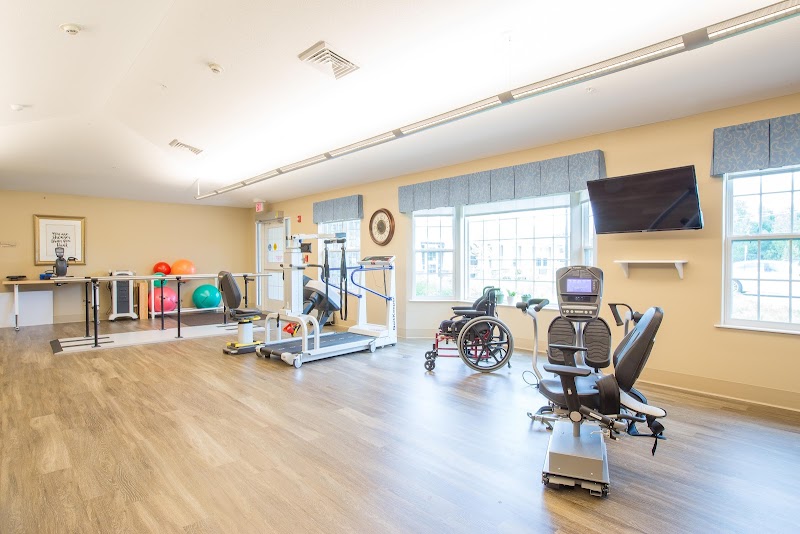
BRUNSWICK POINTE TRANSITIONAL CARE is owned by a for-profit company. For-profit facilities operate as businesses with obligations to shareholders or private owners. The facility is operated by FOUNDATIONS HEALTH SOLUTIONS, a chain that manages multiple nursing homes. With 91 certified beds and approximately 84 residents (about 92% occupancy), it is a smaller facility located in BRUNSWICK, Ohio.
How Does Brunswick Pointe Transitional Care Compare to Other Ohio Nursing Homes?

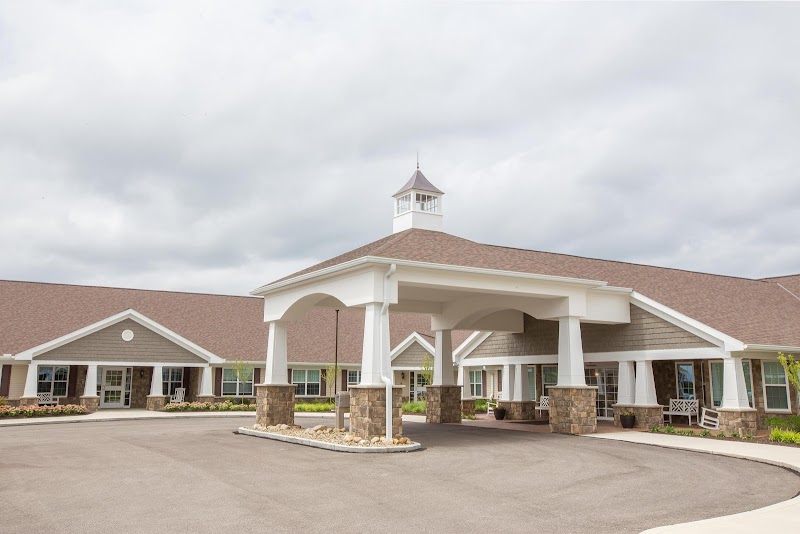
Compared to the 100 nursing homes in Ohio, BRUNSWICK POINTE TRANSITIONAL CARE's overall rating (4 stars) is above the state average of 3.2, staff turnover (46%) is near the state average of 46%, and health inspection rating (4 stars) is above the national benchmark.

What Should Families Ask When Visiting Brunswick Pointe Transitional Care?

Based on this facility's data, families visiting should ask: "Can you walk me through typical staffing levels on day, evening, and night shifts?" "Can I visit during a mealtime to observe dining assistance and food quality?" "How do you handle medical emergencies, and what is your hospital transfer rate?" "Can I speak with family members of current residents about their experience?" These questions are particularly relevant given the below-average staffing rating.

Is Brunswick Pointe Transitional Care Safe?

Based on CMS inspection data, BRUNSWICK POINTE TRANSITIONAL CARE has a clean safety record: no substantiated abuse findings (meaning no confirmed cases of resident harm), no Immediate Jeopardy citations (the most serious violation level indicating risk of serious injury or death), and is not on the Special Focus Facility watch list (a federal program monitoring the lowest-performing 1% of nursing homes). The facility has a 4-star overall rating and ranks #1 of 100 nursing homes in Ohio. While no facility is perfect, families should still ask about staff-to-resident ratios and recent inspection results during their visit.

Do Nurses at Brunswick Pointe Transitional Care Stick Around?

BRUNSWICK POINTE TRANSITIONAL CARE has a staff turnover rate of 46%, which is about average for Ohio nursing homes (state average: 46%). Moderate turnover is common in nursing homes, but families should still ask about staff tenure and how the facility maintains care continuity when employees leave.

Was Brunswick Pointe Transitional Care Ever Fined?

BRUNSWICK POINTE TRANSITIONAL CARE has no federal fines on record. CMS issues fines when nursing homes fail to meet care standards or don't correct problems found during inspections. The absence of fines suggests the facility has either maintained compliance or corrected any issues before penalties were assessed. This is a positive indicator, though families should still review recent inspection reports for the full picture.

Is Brunswick Pointe Transitional Care on Any Federal Watch List?

BRUNSWICK POINTE TRANSITIONAL CARE is not on any federal watch list. The most significant is the Special Focus Facility (SFF) program, which identifies the bottom 1% of nursing homes nationally based on persistent, serious quality problems. Not being on this list means the facility has avoided the pattern of deficiencies that triggers enhanced federal oversight. This is a positive indicator, though families should still review the facility's inspection history directly.