PEARLVIEW REHAB & WELLNESS CTR
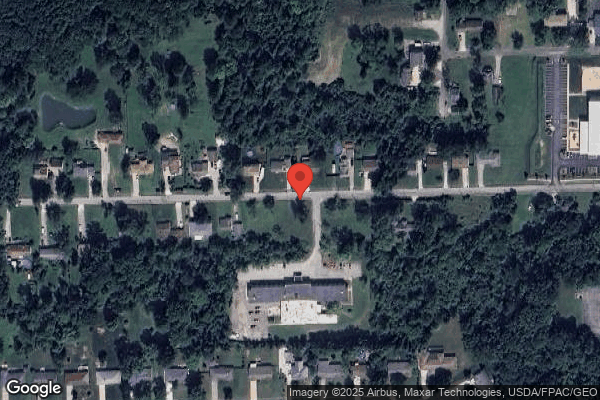
4426 HOMESTEAD DR, BRUNSWICK, OH 44212 (330) 225-9121
For profit - Limited Liability company 68 Beds DIVINE HEALTHCARE MANAGEMENT Data: November 2025
Trust Grade
70/100
#319 of 913 in OH
Last Inspection: November 2023

Within standard 12-15 month inspection cycle. Federal law requires annual inspections.

Overview

Pearlview Rehab & Wellness Center has a Trust Grade of B, indicating it is a good option among nursing homes, but not the best. It ranks #319 out of 913 facilities in Ohio, placing it in the top half, and #7 of 12 in Medina County, meaning only one local facility ranks higher. The facility is improving, with issues decreasing from 23 in 2023 to just 2 in 2025. However, staffing is a concern, rated only 2 out of 5 stars, with a 50% turnover rate, which is on par with the state average. While there have been no fines reported, the facility has faced issues such as underreporting staffing data and failing to maintain proper infection control practices, which could affect residents' safety. On a positive note, the facility has more RN coverage than 93% of Ohio facilities, ensuring that registered nurses are available to catch potential issues that other staff might miss.

Trust Score
B
70/100
In Ohio
#319/913
Top 34%
Safety Record
Low Risk
No red flags
Inspections
Getting Better
23 → 2 violations
Staff Stability
⚠ Watch
50% turnover. Above average. Higher turnover means staff may not know residents' routines.
Penalties
✓ Good
No fines on record. Clean compliance history, better than most Ohio facilities.
Skilled Nurses
✓ Good
Each resident gets 51 minutes of Registered Nurse (RN) attention daily — more than average for Ohio. RNs are trained to catch health problems early.
Violations
⚠ Watch
41 deficiencies on record. Higher than average. Multiple issues found across inspections.
★★★★☆
4.0
Overall Rating
★★☆☆☆
2.0
Staff Levels
★★★★★
5.0
Care Quality
★★★☆☆
3.0
Inspection Score
Stable
2023: 23 issues
2025: 2 issues

The Good

  • 5-Star Quality Measures · Strong clinical quality outcomes
  • Full Sprinkler Coverage · Fire safety systems throughout facility
  • No fines on record

Facility shows strength in quality measures, fire safety.

The Bad

Staff Turnover: 50%

Near Ohio avg (46%)

Higher turnover may affect care consistency

Chain: DIVINE HEALTHCARE MANAGEMENT

Part of a multi-facility chain

Ask about local staffing decisions and management

The Ugly 41 deficiencies on record

Jun 2025 2 deficiencies
CONCERN (F) 📢 Someone Reported This

A family member, employee, or ombudsman was alarmed enough to file a formal complaint

Potential for Harm - no one hurt, but risky conditions existed

Staffing Data (Tag F0851)

Could have caused harm · This affected most or all residents

Based on review of the Centers for Medicare and Medicaid (CMS) Payroll Based Journal (PBJ) report, review of staff schedules and interview, the facility failed to ensure accurate staffing data was rep...

Read full inspector narrative →
Based on review of the Centers for Medicare and Medicaid (CMS) Payroll Based Journal (PBJ) report, review of staff schedules and interview, the facility failed to ensure accurate staffing data was reported to CMS. This had the potential to affect all 31 residents residing in the facility. Findings Included: Review of the CMS PBJ report from 01/01/25 through 03/31/25 revealed the facility triggered for excessively low weekend staffing. Interview on 06/10/25 at 9:28 A.M. with the Administrator revealed Certified Nurse Assistant (CNA)/Activities #315 worked on the floor providing direct (resident) care on 01/18/25 but believed her hours were not coded correctly on the staffing data submitted to CMS, therefore the facility staffing was not reported accurately. The Administrator revealed the facility tried to staff two nurses and two CNAs on every shift unless someone called off and this could possibly explain why the PBJ showed low weekend staffing during the above time period. The Administrator revealed on the weekend of 01/18/25 and 01/19/25 there was only one CNA on night shift with two nurses. The Administrator revealed on 01/18/25 and 01/19/25 there was only one CNA working on night shift, but the average direct care was over 2.5 and there were no concerns identified from the provider. Review of the facility staffing from 01/17/25 through 01/19/25 revealed on 01/18/25 there were two nurses and one CNA working on night shift. The daily direct care was calculated to be 2.86 hours and was lower than the weekdays average daily direct care of 3.4 hours Review of the staffing schedule from 01/17/25 through 01/19/25 revealed CNA #315 worked eight hours on these dates.
MINOR (C) 📢 Someone Reported This

A family member, employee, or ombudsman was alarmed enough to file a formal complaint

Minor Issue - procedural, no safety impact

Abuse Prevention Policies (Tag F0607)

Minor procedural issue · This affected most or all residents

Based on record review, facility policy review and interview, the facility failed to maintain written evidence a background check was completed as required for the Interim Director of Nursing (IDON) a...

Read full inspector narrative →
Based on record review, facility policy review and interview, the facility failed to maintain written evidence a background check was completed as required for the Interim Director of Nursing (IDON) at the time of hire. This had the potential to affect all 31 residents residing in the facility. Findings Include: Review of IDON #320's employee file revealed a hire date of 03/25/25. Review of the employee's personnel file revealed no written evidence a background check was completed at the time of hire. Interview on 06/09/25 at 11:39 A.M. with Administrator revealed IDON #320 started as the interim director of nursing on 03/25/25 and it was unknown when her background check was completed (it was to be completed on hire). The Administrator revealed there had been a transition of human resource (HR) director and they realized there was no copy of the IDON's background check. The Administrator stated she asked the IDON if she completed the background check and she stated she did and that she would get a copy of it. However, no copy was provided. The facility followed-up with the agency who completed their background checks and determined a new background check would be obtained on 06/06/25. The Administrator revealed the Nurse Aide Registry was verified for the IDON at the time of hire as well as verification the employee had an active/valid nursing license. Interview on 06/10/25 at 9:05 A.M. with Human Resource (HR) #310 revealed she had been in the HR position since March 2025 and was in training when IDON #320 was hired. She stated at the end of May 2025 she realized the facility had not received IDON #320's background check and asked IDON #320 if she had gone to get it completed. IDON #320 reported she needed to go pick it up. HR #310 stated she told IDON #320 the background checks were sent directly to facility and felt that something was wrong after the IDON reported she needed to go pick it up. HR #310 revealed she reported this concern to the Administrator. Review of the facility Abuse, Neglect and Exploitation Policy dated 2025 revealed potential employees would be screened for a history of abuse, neglect, exploitation, or misappropriation of resident property. Background, reference, and credentials' checks shall be conducted on potential employees, contracted temporary staff, students affiliated with academic institutions, volunteers, and consultants. The facility would maintain documentation of proof that the screening occurred. Review of the facility Background Investigation dated 2024 revealed job reference checks, drug screenings, licensure verifications and criminal conviction record checks were conducted on all personnel making application for employment with the company.
Nov 2023 4 deficiencies
CONCERN (D)

Potential for Harm - no one hurt, but risky conditions existed

Transfer Notice (Tag F0623)

Could have caused harm · This affected 1 resident

**NOTE- TERMS IN BRACKETS HAVE BEEN EDITED TO PROTECT CONFIDENTIALITY** 2. Review of the medical record for Resident #30 revealed an admission date of 04/06/23 with diagnoses of right lower leg below ...

Read full inspector narrative →
**NOTE- TERMS IN BRACKETS HAVE BEEN EDITED TO PROTECT CONFIDENTIALITY** 2. Review of the medical record for Resident #30 revealed an admission date of 04/06/23 with diagnoses of right lower leg below the knee amputation, type I diabetes mellitus, retinopathy, legal blindness, and Alzheimer's dementia. Further review of the medical record revealed Resident #30 was discharged to the hospital on [DATE] for treatment following a fall and was readmitted to the facility on [DATE]. Review of the facility Ombudsmen notification list for October 2023 revealed Resident #30 was not on the list for his hospitalization on 10/17/23. Interview on 11/08/23 at 3:00 P.M. with the Administrator confirmed Resident #30 went out to the hospital on [DATE] and the facility could not provide evidence of the notification to the Ombudsman. 3. Review of the medical record for Resident #42 revealed an admission date of 02/24/23 and a discharge date of 09/29/23. Resident #42 was admitted with diagnoses of myotonic muscular dystrophy, atrioventricular block, alcoholic hepatitis, alcohol dependence, and dementia. Review of the nursing progress notes revealed on 09/29/23 Resident #42 was discharged and transported by to another facility. Interview on 11/08/23 at 3:00 P.M. with the Administrator revealed Resident #42 was discharged to another nursing home on [DATE]. The Administrator was unable to provide evidence the Ombudsman was notified of Resident #42's discharge to another facility. Review of the 2023 facility policy Transfer and Discharge (including AMA) revealed a transfer/discharge notice was to be provided to the resident/representative and Ombudsman as indicated. Based on record review and interview the facility failed to ensure the long term care ombudsman was notified of transfers to the hospital for three residents (#8, #30, and #42) of four residents (#2, #8, #30, and #42) reviewed for hospitalizations. The facility census was 39. Findings include: 1. Review of the medical record for Resident #8 revealed an initial admission date of 03/14/23. Diagnoses included pulmonary embolism, major depressive disorder, dementia, and Alzheimer's disease. Review of the discharge return anticipated Minimum Data Set (MDS) assessment dated [DATE] revealed Resident #8 had an unplanned discharge to an acute hospital. Review of the nurses' notes dated 07/21/23 at 4:15 A.M. revealed Resident #8 was found by an aide attempting to get out of bed stating they needed to go to work, when discussing with the resident that she lived at the nursing home she became increasingly confused and difficult to re-direct. Normal baseline was slight confusion. Resident #8 was sent to the emergency room (ER) for evaluation. Interviews on 11/08/23 at 10:45 A.M. and 12:35 P.M. with Medical Records (MR) #584 revealed there was no transfer notice for Resident #8's transfer to the hospital on [DATE]. MR #584 stated she was unable to locate evidence of the long term care ombudsman being notified prior to the notification the Administrator sent on 11/07/23.
CONCERN (D) 📢 Someone Reported This

A family member, employee, or ombudsman was alarmed enough to file a formal complaint

Potential for Harm - no one hurt, but risky conditions existed

ADL Care (Tag F0677)

Could have caused harm · This affected 1 resident

**NOTE- TERMS IN BRACKETS HAVE BEEN EDITED TO PROTECT CONFIDENTIALITY** Based on medical record review, staff and resident interviews and review of facility policy, the facility failed to ensure resid...

Read full inspector narrative →
**NOTE- TERMS IN BRACKETS HAVE BEEN EDITED TO PROTECT CONFIDENTIALITY** Based on medical record review, staff and resident interviews and review of facility policy, the facility failed to ensure residents requiring assistance with activities of daily living received showers/bathing as scheduled. The affected two of three residents (Resident #23 and Resident #30) reviewed for showers/bathing. The facility census was 39. Findings Included: 1. Review of the medical record for Resident #23 revealed an admission date of 02/22/23. Diagnoses included but were not limited to dementia, stage III chronic kidney disease and nontraumatic intracranial hemorrhage and seizures. Review of the plan of care dated 02/23/23 revealed Resident #23 had a self-care deficit related to confusion, limited mobility and limited range of motion and required total dependence of two staff for showers twice weekly. Resident #23 was noted to be resistant to care at times. Review of the comprehensive Minimum Data Set (MDS) 3.0 quarterly assessment dated [DATE] revealed Resident #23 was cognitively intact and required total dependence of two staff for bathing. Review of the facility shower list revealed Resident #23 was to be bathed on Wednesday and Saturday. Review of Resident #23's shower sheet documentation from August 2023 to October 2023 revealed out of 26 scheduled shower days, 13 days (08/09/23, 08/16/23, 08/19/23, 08/30/23, 09/13/23, 09/16/23, 09/20/23, 10/04/23, 10/07/23, 10/14/23, 10/18/23, 10/21/23, and 10/28/23) did not indicate shower/bathing was completed. Review of nursing progress notes from August 2023 to November 8, 2023, revealed two bathing refusals 08/05/23 and 08/12/23. Interview on 11/06/23 at 10:55 A.M. with Resident #23 revealed she preferred to receive showers two times a week and it had been three weeks since she had a shower/bath. Resident #23 stated staff offered to provide bathing/showers but then did not return to provide the shower/ bath. Interview on 11/08/23 at 9:20 A.M. with the Director of Nursing (DON) confirmed 13 shower sheets for Resident #23 from August to October 2023 indicated showers were not completed as scheduled. 2. Review of the medical record for Resident #30 revealed an admission date of 04/06/23. Diagnoses included but were not limited to amputation of right lower leg below knee, type I diabetes mellitus with diabetic retinopathy, chronic heart failure, legal blindness, and Alzheimer's dementia. Review of the plan of care dated 04/06/23 revealed Resident #30 had an activities of daily living self-care performance deficit related to activity intolerance, confusion, impaired balance, and limited mobility. Interventions included extensive assist of one staff for bathing twice weekly. Review of the comprehensive MDS 3.0 quarterly assessment dated [DATE] for Resident #30 revealed Resident #30 had intact cognition and required extensive assist of one for bathing. Review of the facility shower list revealed Resident #30 was to have showers on Sundays and Thursdays. Interview on 11/06/23 at 10:21 A.M. with Resident #30 revealed it had been about four weeks since he had a bath/shower. Review of Resident #30's shower sheet documentation from August 2023 to October 2023 revealed out of 27 shower days, 12 days (08/06/23, 08/09/23, 08/13/23, 08/13/23, 08/27/23, 09/03/23, 09/07/23, 09/13/23, 09/29/23, 09/24/23 10/04/23 and 10/18/23) did not indicate showers or bed baths were completed. Review of the nursing progress notes from August 2023 through October 2023 revealed Resident #30 had refused showers on four days (08/23/23, 08/30/23, 09/06/23 and 10/08/23). Interview on 11/08/23 at 9:20 A.M. with the DON confirmed 12 shower sheets indicated showers/baths were not completed as required. Review of the 2022 revised facility policy Resident Showers revealed residents would be provided showers as per request or as per facility schedule protocols. This deficiency represents non-compliance investigated under Complaint Number OH00147716.
CONCERN (D) 📢 Someone Reported This

A family member, employee, or ombudsman was alarmed enough to file a formal complaint

Potential for Harm - no one hurt, but risky conditions existed

Safe Environment (Tag F0921)

Could have caused harm · This affected 1 resident

Based on observations, interviews, and record review, the facility failed to maintain a clean and sanitary environment. This affected three residents (#30, #38, and #45) of three residents reviewed fo...

Read full inspector narrative →
Based on observations, interviews, and record review, the facility failed to maintain a clean and sanitary environment. This affected three residents (#30, #38, and #45) of three residents reviewed for physical environment. The census was 39. Findings include: Interview on 11/06/23 at 9:45 A.M. with Resident #45 revealed no one cleaned his room. Observation at the time of interview revealed the bathroom floor had dirt buildup in the four corners of floor and there was feces in the toilet bowl. There was a buildup of dirt behind the entrance door to Resident #45's room. Observation of Resident #30's room on 11/07/23 at 9:39 A.M. revealed crumbs on the floor under and behind the bed, and near the sink area. Behind the entrance door into Resident #30's room there was a buildup of dirt. In Resident #30's bathroom there was a dirty, dry towel at the base of the pipe of the toilet and on the floor at the base of the toilet there was a tan colored stain. There was also dirt buildup in the four corners of the bathroom floor. Observation on 11/07/23 at 11:54 A.M. revealed Housekeeper (HSK) #553 outside of Resident #45's room with a housekeeping cart. Interview with Resident #45, at the time of the observation, revealed it was the first time Resident #45 had seen housekeeping. Further observation revealed the floor in the bathroom and behind Resident #45's door still looked dirty, but the feces was cleaned from the toilet. Tour on 11/07/23 from 1:51 P.M. to 2:10 P.M. with HSK #553 verified the dirt buildup behind Resident #45's door and in the corners of the bathroom floor. HSK #553 stated the floor tiles were old and he had cleaned Resident #45's room about 30 minutes ago. Observation of Resident #30's room with HSK #553 verified the various crumbs and stains on floor near and under the bed, under and along the edges of the floor around sink area, as well as the dirt buildup behind the entrance door. Observation of the Resident #30's bathroom with HSK #553 verified the dirty towel on the toilet pipe, the tan colored stained at the base of the pipe on the toilet, and dirt buildup in the corners of the bathroom floor. HSK #553 stated he did not know why the towel was there and that Resident #30 did not use the bathroom. HSK #553 stated he did not work on 11/06/23 and he was not sure what the part timer did. HSK #533 verified the dirt buildup in the four corners of Resident #38's bathroom floor. HSK #553 stated it was hard to complete deep cleaning and get all the resident rooms cleaned. HSK #553 stated sometimes the floors did not look clean after they had been mopped and the mop did not hit the corners of the floor. HSK #553 stated he would have to use something different for the corners, like a brush. Review of the facility's undated Daily Cleaning Procedures for Healthcare Maintenance Program, revealed under procedure at room staff were to apply bowl cleaner to bowl swab and start in a circular motion at top rim of toilet working down to the bottom of bowl. After that, spray and wipe exterior portions of toilet fixture with germicidal detergent. Under cleaning floors the procedure indicated to check general appearance of room, using a treated duct mop, pick up all loose dirt on floor. Using germicidal solution in a mop bucket, start in the furthest corner of room and mop or spray floor, also covering bathroom floor. This deficiency represents non-compliance investigated under Complaint Number OH00146691.
CONCERN (F)

Potential for Harm - no one hurt, but risky conditions existed

Infection Control (Tag F0880)

Could have caused harm · This affected most or all residents

**NOTE- TERMS IN BRACKETS HAVE BEEN EDITED TO PROTECT CONFIDENTIALITY** Based on observation, record review, facility policy review, and interview the facility failed to maintain proper infection cont...

Read full inspector narrative →
**NOTE- TERMS IN BRACKETS HAVE BEEN EDITED TO PROTECT CONFIDENTIALITY** Based on observation, record review, facility policy review, and interview the facility failed to maintain proper infection control practices/procedures to prevent the potential spread of Covid-19. This had the potential to affect all 39 residents residing in the facility. (#1, #2, #3, #4, #5, #6, #7, #8, #9, 12, #13, #14, #16, #17, #18, #19, #20, #21,#23, #24, #25, #26, #27, #29, #30, #31, #32, #33, #34, #36, #37, #38, #39, #40, #41, #45, #46, #245, and #246). Findings include: 1. Observation on 11/06/23 at 9:33 A.M. revealed five residents (Residents #5, #6, #14, #21, and #39) on the second floor in isolation for Covid-19. Personal Protective Equipment (PPE) was observed hanging on the doors of the rooms of the residents or in cabinets placed just outside the entrance of each room. There was no signage on or near the residents' doors indicating the type of isolation or what PPE should be donned prior to entering the rooms. Interview on 11/06/23 at 9:33 A.M. with State Tested Nurse Aide (STNA) #525 and Registered Nurse (RN) #505 confirmed there were no signs on or near the doors of Residents #5, #6, #14, #21 and #39 indicating the type of isolation or what PPE was required. Interview on 11/06/23 at 11:04 A.M. with the Administrator revealed signage should be posted on the doors of all residents in isolation indicating the type of isolation and PPE to be worn. Interview on 11/08/23 at 1:56 P.M. with Infection Preventionist (IP) #503 revealed the facility was in Covid-19 outbreak status. IP #503 verified there should be signs posted on the doors of residents who were Covid-19 positive indicating the type of isolation and PPE required. Interview on 11/13/23 at 7:32 A.M. with the Director of Nursing (DON) revealed staff entering a room of a Covid-19 positive resident were to wear a N95 masks, eye protection, gown, and gloves. Staff were to doff the N95 mask, gown, eye protection, and gloves upon exiting the room and apply a new N95 mask. The DON also verified there should be signage on the door indicating the type of isolation precautions and PPE to be used. Review of facility policy, Coronavirus (COVID-19) Prevention and Management (An Addendum to the infection Control Manual), revised 01/03/23, revealed instructional signage was to be posted. 2. Review of the medical record for Resident #6 revealed an admission date of 08/11/15. Resident #6 was diagnosed with Covid-19 on 11/02/23. Review of the Minimum Data Set (MDS) assessment dated [DATE] revealed Resident #6 had intact cognition and required supervision to touch assistance with bed mobility, dressing, toileting, and personal hygiene. Review of physician orders dated 11/02/23 revealed Resident #6 was to be placed in contact and droplet isolation (Transmission Based Precautions) related to Covid-19 for ten days. Observation on 11/06/23 at 9:52 A.M. revealed State Tested Nurse Aide (STNA) #525 donning PPE to enter Resident #6's room including gown, N95, and gloves. STNA #525 did not don eye protection. STNA #525 entered Resident #6's room and closed the door. A few minutes later, STNA #525 opened the door and yelled out for another STNA to assist. As STNA #530 was approaching, STNA #525 was asked why she was not wearing eye protection. STNA #525 responded I forgot and left at nurses' station. STNA #525 then yelled out to STNA #530 to bring her a face shield. STNA #530 brought a face shield to Resident #6's room and gave it to STNA #525. Observation on 11/06/23 at 10:17 A.M. revealed STNA #525 exiting Resident #6's room wearing a N95 mask and walking down the hallway. Interview with STNA #525, at the time of the observation, verified she did not don eye protection when she entered Resident #6 room and upon exiting the room she did not doff the N95 mask. Further observation at 10:21 A.M. revealed STNA #525 removing the N95 mask and donning a new N95 mask. STNA #525 did not secure the bottom strap of the N95 mask but left the strap hanging below her chin. At the time of the observation, STNA #525 verified incorrect N95 mask placement and said I forgot. Interview on 11/06/23 at 11:04 A.M. with the Administrator revealed staff were to wear full PPE including eye protection, N95 mask, gown, and gloves when entering a Covid-19 positive room and doff all PPE before exiting the room including the N95 mask. Staff were to get a new N95 upon exiting the room. Interview on 11/08/23 at 1:56 P.M. with Infection Preventionist #503 revealed the facility was in Covid-19 outbreak status and staff were to wear full PPE including N95 masks, eye protection, gown, and gloves when entering a Covid-19 positive room. Before exiting the Covid-19 positive room staff were to doff the PPE including the N95 mask. Staff were to get a new N95 upon exiting the room. Interview on 11/13/23 at 7:32 A.M. with the Director of Nursing verified staff were to wear N95 masks, eye protection, gown, and gloves upon entering a Covid-19 positive room. Before exiting the Covid-19 room staff were to doff the PPE including the N95 mask and upon exit get a new N95 mask. Review of facility policy, Personal Protective Equipment, dated 2023, revealed eye protection was to be worn and staff were not to reuse single-use-only respirators. 3. Observation on 11/07/23 at 7:41 A.M. revealed State Tested Nurse Aide (STNA) #530 enter Resident #6's room with full PPE to answer the call light. Upon exiting the room STNA #530 removed all PPE except the N95 mask and started walking down the hall. At 7:44 A.M., STNA #530 verified she should have changed her N95 mask and got a new one before heading down the hall. STNA #530 reported I forgot. Interview on 11/06/23 at 11:04 A.M. with Administrator verified staff were to doff all PPE before exiting a Covid-19 positive room including the N95 mask. Staff were to get a new N95 upon exiting the room. Interview on 11/08/23 at 1:56 P.M. with Infection Preventionisit #503 revealed staff were to discard all PPE before exiting a Covid-19 positive room including the N95 mask. Staff were to get a new N95 upon exiting the room. Interview on 11/13/23 at 7:32 A.M. with the Director of Nursing verified before exiting a Covid-19 room staff were to doff all PPE including N95 mask and upon exiting the room get a new N95 mask. Review of facility policy, Personal Protective Equipment, dated 2023, revealed eye protection was to be worn and staff were not to reuse single-use-only respirators. 4. Review of the medical record for Resident #14 revealed an admission date of 02/09/23. Diagnoses included alcohol induced dementia, vascular dementia, hearing loss, and chronic obstructive pulmonary disease. Review of the quarterly minimum data set (MDS) assessment dated [DATE] revealed Resident #14 had impaired cognition. Review of the nurses' notes dated 10/30/23 at 4:30 P.M. revealed Resident #14 tested positive for Covid-19 this afternoon. Resident #14 was immediately placed on contact/droplet precautions. Resident 14's guardian was updated on the situation. The certified nurse practitioner was notified and entered orders. Review of the physician orders for November 2023 revealed orders for contact and droplet isolation (transmission based precautions) related to Covid-19 every shift until 11/10/23. Observation on 11/07/23 at 4:56 P.M. revealed Resident #14, who independently ambulated, sitting in the dining room. Resident #14's N95 mask was not placed over her mouth and nose and she was sitting next to (less than six feet) Resident #20 who was eating. Continued observation revealed Stated Tested Nurse Aide (STNA) #520 telling Resident #14 to pull her face mask up over her mouth and nose. Interview with STNA #520, at the time of the observation, revealed Resident #14 was supposed to be in isolation but would not stay in her room, and although Resident #14 was taken back to her room she returned to the dining room. STNA #520 confirmed Resident #14 was sitting at the table with Resident #20 who was negative for Covid-19. Observation of smoke break on 11/08/23 at 9:37 A.M. revealed Resident #14 outside sitting at the same table (less six feet) with Resident #33. Resident #14 was wearing a N95 face which she pulled down when talking to Resident #33. STNA #528 gave Resident #14 a cigarette and lit the cigarette. Resident #14 smoked the cigarette while seated at the same table with Resident #33. Interview on 11/08/23 at 9:39 A.M. with STNA #528 revealed other residents outside smoking during the smoke break included Resident #9, #12, and #13. STNA #528 stated she was told by the Director of Nursing that she could encourage but could not force Resident #14 to stay in her room. STNA #528 stated she was not given instructions on precautions to take when a resident who tested positive for Covid-19 was smoking, only that she could not refuse Resident #14 the right to smoke. Continued observation revealed at 9:43 A.M. Resident #33 informed STNA #528 that Resident #14 touched her cigarette and Resident #33 wanted another cigarette. STNA #528 stated she did not have any more and Resident #33 stated it was okay and went back into the facility. STNA #528 said she knew Resident #14 had to keep her hands down, not touch, and staff were to have their N95 masks on when lighting her cigarettes. Interview on 11/08/23 at 2:06 P.M. with Infection Control Preventionist (ICP) #503 revealed all staff were educated regarding Covid-19 protocols and when Covid-19 positive residents were out of their rooms staff were to ensure they were kept separated or an appropriate distance away from other residents and wore a face masks; however, they could only encourage.
Aug 2023 3 deficiencies
CONCERN (D) 📢 Someone Reported This

A family member, employee, or ombudsman was alarmed enough to file a formal complaint

Potential for Harm - no one hurt, but risky conditions existed

Report Alleged Abuse (Tag F0609)

Could have caused harm · This affected 1 resident

Based on record review, review of Ohio Departments Enhanced Information Dissemination Collection (EIDC) system, policy review and staff interview, the facility failed to timely report the allegation o...

Read full inspector narrative →
Based on record review, review of Ohio Departments Enhanced Information Dissemination Collection (EIDC) system, policy review and staff interview, the facility failed to timely report the allegation of physical abuse to the appropriate state agency. This affected one (#16) of three residents reviewed for potential abuse and neglect. The facility census was 44. Findings include: Review of the medical record for the Resident #16 revealed an admission date of 09/02/16. Diagnoses included dementia without behavioral disturbance, major depressive disorder, generalized anxiety disorder, and bipolar disorder. Review of the quarterly Minimum Data Set (MDS) assessment, dated 07/01/23, revealed Resident #16 was rarely understood and required extensive assistance with two staff for activities of daily living (ADLs) except eating required extensive assistance with one staff. Interview on 08/23/23 at 1:30 P.M., with State Tested Nursing Assistant (STNA) #350 revealed she reported on 08/15/23 to the Administrator she was told by STNA #341, that on 08/13/23, Nursing Assistant (NA) #329 slapped Resident #16 while giving care. STNA #350 was not sure if Administrator investigated the alleged physical abuse. Review of the Ohio Departments Enhanced Information Dissemination Collection (EIDC) system revealed no self-reported incident was initiated to the state agency regarding the allegation of physical abuse towards Resident #16 until 08/23/23 at 4:01 P.M. Interview on 08/23/23 at 3:00 P.M., with the Administrator revealed that an SRI was not completed because abuse was not substantiated. The administrator stated that she did investigate it and found it not to be true. Review of undated facility policy titled Abuse, Neglect, and Exploitation revealed allegations of abuse would be reported to the state agency within two hours.
CONCERN (D) 📢 Someone Reported This

A family member, employee, or ombudsman was alarmed enough to file a formal complaint

Potential for Harm - no one hurt, but risky conditions existed

Medical Records (Tag F0842)

Could have caused harm · This affected 1 resident

Based on medical record review, emplyee time sheet review, employee disciplinary review and staff interviews, the facility failed to ensure all resident records had accurate documentation. This affect...

Read full inspector narrative →
Based on medical record review, emplyee time sheet review, employee disciplinary review and staff interviews, the facility failed to ensure all resident records had accurate documentation. This affected one (#45) of six residents reviewed for accurate medical records. The census was 44. Finding include: Review of the closed medical record for Resident #45 revealed an admission date of 08/17/23. Diagnosis included bacterial endocarditis. Review of the physician orders revealed an order for Ampicillin-Sulbactam Sodium (antibiotic) intravenous (IV) every six hours. Keep central line dressing intact. Review of the Medication Administration Report for August 2023 revealed on 08/12/23 Ampicillin-Sulbactam Sodium doses given at 8:00 A.M., 12:00 P.M. and 4:00 P.M., were signed off by the Former Director of Nursing (DON). Review of the Ampicillin-Sulbactam Sodium administration details revealed on 08/12/23 at 8:00 A.M., Licensed Practical Nurse (LPN) #313 had signed off the medications and then it was strike out on 08/12/23 at 11:20 A.M. by LPN #313, reason declined order and then was signed out at 8:00 A.M., 12:00 P.M. and 4:00 P.M. by former DON at 5:25 P.M Interview on 08/28/23 at 8:01 A.M., with former DON stated she was on vacation on 08/12/23 and was not in the facility at all. She was notified by LPN #313 that Resident #45 needed his IV antibiotic and there was no Registered Nurse (RN) in the facility. She was told that RN #374 was notified but was not able to come in because the Administrator told her she was not allowed to. Former DON verified she got on the electronic charting remotely and signed off three doses of Resident #45's IV antibiotic even though she did not administer the medication. Interview on 08/28/23 at 10:30 A.M., with LPN #313 verified she administered Resident #45's medication Ampicillin-Sulbactam Sodium in a central line. She only remembers doing one dose. LPN #313 stated she was not sure if she could administer IV medications in a central line. So, she did look it up, thought she could under the supervision of an RN, but no RN was in the building at this time. No other LPN working was IV certified. LPN #334 instructed LPN #313 to go ahead and administer since she was IV certified. LPN #334 informed LPN #313 she had talked to RN #374, who was in charge. The former DON did not directly tell LPN #313 to administer the medications. LPN #313 stated she signed the medication off for the one time she gave it. Interview on 08/28/23 at 4:00 P.M., with LPN #334 stated she was working on 08/12/23, on the day shift. Resident #45 had an IV antibiotic that needed to be hung. There was no RN in the building and LPN #313 was IV certified, so we looked up if she was allowed to hang the IV antibiotic, so she hung the antibiotic and signed it off. LPN #334 stated she called RN #374 to see if she was coming in to give Resident #45's antibiotic, RN #374 stated she was not scheduled and did not know if she was allowed to come in. Review of the timesheet for Former DON for 08/12/23 revealed she was not clocked in on 08/12/23. She was not working. Review of the undated policy Documentation in Medical Records, revealed false documentation should not be documented. Review of former DON employee discipline form dated 08/21/23 revealed former DON was terminated for getting on the electronic charting from a remote location and signing off medication that she did not administer. This deficeincy represents non-compliance investigated under Master Complaint Number OH00145870 and Complaint Number OH00145362.
CONCERN (D) 📢 Someone Reported This

A family member, employee, or ombudsman was alarmed enough to file a formal complaint

Potential for Harm - no one hurt, but risky conditions existed

Infection Control (Tag F0880)

Could have caused harm · This affected 1 resident

Based on observation, staff interview, medical record review and review of policy, the facility failed to maintain appropriate hand hygiene during the tracheostomy (trach) care. This affected one (#43...

Read full inspector narrative →
Based on observation, staff interview, medical record review and review of policy, the facility failed to maintain appropriate hand hygiene during the tracheostomy (trach) care. This affected one (#43) of two residents identified as having a trach. The facility census was 44. Findings include: Review of the medical record for the Resident #43 revealed an admission date of 01/24/23 and a readmission date of 07/17/23. Diagnoses included diffuse traumatic brain injury, diabetes mellitus, acute respiratory failure with hypoxia, and hydrocephalus. Review of the quarterly Minimum Data Set (MDS) assessment, dated 07/21/23, revealed the resident was in a persistent vegetative state. The resident required total dependence with two staff for activities of daily living except eating was total dependence of one staff. Review of the physician's order for August 2023 revealed Resident #43 revealed an order for trach care every shift and as needed. Observation of trach care on 08/28/23 at 5:56 A.M., with Registered Nurse (RN) #340 and Licensed Practical Nurse (LPN) #306 revealed RN #340 placed the trach kit on the table, washed his hands then donned gloves. He opened the trach care kit and took out Resident #43's reusable unclean trach tube. RN #340 then proceeded to clean the trach tube with the brush that was provided in the kit. RN #340 then took off gloves, donned the gloves that were in the kit and proceeded to put the cleaned cannula in, and placed a new split sponge around the trach. RN #340 did not need to suction Resident #43. RN #304 verified that he did not perform hand hygiene before putting on the second pair of gloves and stated that it's not a sterile procedure. Review of the undated policy titled Hand Hygiene, revealed that if a task requires gloves, perform hand hygiene prior to donning gloves. This deficiency represents non-compliance investigated under Master Complaint Number OH00145870 and Complaint Number OH00145362.
May 2023 10 deficiencies
CONCERN (D) 📢 Someone Reported This

A family member, employee, or ombudsman was alarmed enough to file a formal complaint

Potential for Harm - no one hurt, but risky conditions existed

Resident Rights (Tag F0550)

Could have caused harm · This affected 1 resident

**NOTE- TERMS IN BRACKETS HAVE BEEN EDITED TO PROTECT CONFIDENTIALITY** Based on medical record review, observation, staff interview, review of facility policy, review of the employee handbook, and re...

Read full inspector narrative →
**NOTE- TERMS IN BRACKETS HAVE BEEN EDITED TO PROTECT CONFIDENTIALITY** Based on medical record review, observation, staff interview, review of facility policy, review of the employee handbook, and review of the facility handbook, the facility failed to ensure resident dignity was maintained while watching television. This affected three (#24, #29, and #31) of five residents reviewed for dignity. The facility census was 44. Findings include: 1. Review of Resident #24's medical record revealed the resident was admitted to the facility on [DATE]. Diagnoses included Alzheimer's disease, dementia, dysphagia, schizoaffective disorder, restlessness and agitation, kidney failure, and heart disease. Review of Resident #24's quarterly Minimum Data Set (MDS) 3.0 assessment, dated 04/12/23, identified the resident as having severe cognitive impairment. The resident required extensive assistance of two staff for a majority of the activities of daily living (ADLs). 2. Review of Resident #29's medical record revealed the resident was admitted to the facility on [DATE]. Diagnoses included Alzheimer's disease, depression, dysphagia, insomnia, bipolar disorder, legal blindness, and cognitive communication deficit. Review of Resident #29's annual MDS 3.0 assessment, dated 04/17/23, identified the resident as having a cognitive impairment. The resident required extensive assistance of between one and two staff for ADLs. 3. Review of Resident #31's medical record revealed the resident was admitted to the facility on [DATE]. Diagnoses included heart failure, respiratory failure, hypertension, chronic kidney disease, and difficulty in walking. Review of Resident #31's quarterly MDS 3.0 assessment, dated 04/01/23, identified the resident as cognitively intact. The resident required extensive assistance of two staff for a majority of ADLs. Observation on 05/24/23 at 7:22 A.M. revealed Resident #24, Resident #29, and Resident #31 were sitting in the second-floor television room in front of and facing the television. The volume of the television was not loud enough to be heard. Interview at the time of observation with State Tested Nurse Aide (STNA) #231 verified the television was not loud enough to be heard by the residents who were placed in front of the television. Review of the employee handbook, revised August 2012, revealed respect toward residents was mandatory. Review of the undated facility provided handbook titled, Federal & Ohio Resident Rights & Facility Responsibilities, revealed a facility must treat each resident with respect and dignity and care for each resident in a manner and in an environment that promotes maintenance or enhancement of his or her quality of life, recognizing each resident's individuality. Review of the facility policy titled, Resident Rights, revised October 2017, revealed the purpose of the policy was to assure the resident's personal dignity, well-being and self-determination was maintained to assure residents were knowledgeable to their rights and responsibilities in this regard. This deficiency represents non-compliance investigated under Complaint Number OH00142721.
CONCERN (D) 📢 Someone Reported This

A family member, employee, or ombudsman was alarmed enough to file a formal complaint

Potential for Harm - no one hurt, but risky conditions existed

Deficiency F0552 (Tag F0552)

Could have caused harm · This affected 1 resident

**NOTE- TERMS IN BRACKETS HAVE BEEN EDITED TO PROTECT CONFIDENTIALITY** Based on medical record review, resident interview, and staff interview, the facility failed to ensure residents were informed o...

Read full inspector narrative →
**NOTE- TERMS IN BRACKETS HAVE BEEN EDITED TO PROTECT CONFIDENTIALITY** Based on medical record review, resident interview, and staff interview, the facility failed to ensure residents were informed of changes in treatments and healthcare. This affected one (#38) of three residents reviewed for participation in treatment and healthcare changes. The facility census was 44. Findings include: Review of Resident #38's medical record identified admission to the facility occurred on 04/12/23 with medical diagnoses including cellulitis of bilateral legs, major depression, high blood pressure, morbid obesity, anxiety, and diabetes. Review of Resident #38's admission assessment dated [DATE] revealed Resident #38 was cognitively intact, was able to walk with supervision, and was occasionally incontinent of bowel and bladder. Review of Resident #38's physician progress notes revealed an in-person visit occurred on 05/17/23 at which time the physician ordered the antibiotic ciprofloxacin (Cipro) 500 milligrams (mg) twice a day for 30 days for cellulitis. Further review of the medical record identified on 05/18/23 a physician order to discontinue the Cipro was noted; however, with no documentation as to the reason. Interview with Resident #38 on 05/30/23 at 8:02 A.M. stated she was never given the Cipro her physician ordered and she had no idea why it was not given to her. Resident #38 confirmed she had cellulitis in both legs and believed she needed the medication. Resident #38 stated she also had her urine checked for an infection, but never heard anything back regarding the results. Resident #38 confirmed she tried to keep up with her medical conditions. Interview with Licensed Practical Nurse (LPN) #214 on 05/30/23 at 10:41 A.M., while LPN #214 reviewed Resident #38's medical record, and stated she thought the reason Resident #38's antibiotic was not started was because of an elevated blood urea nitrogen (BUN) laboratory value that returned on 05/19/23. The interview confirmed Resident #38's urinalysis that was completed on 05/19/23 was negative; however, there was no evidence Resident #38 was notified of the laboratory results. The interview confirmed there was no written evidence of any discussions with Resident #38 regarding her healthcare and or changes in treatment which included why she was not started on the antibiotic medication.
CONCERN (D) 📢 Someone Reported This

A family member, employee, or ombudsman was alarmed enough to file a formal complaint

Potential for Harm - no one hurt, but risky conditions existed

Tube Feeding (Tag F0693)

Could have caused harm · This affected 1 resident

**NOTE- TERMS IN BRACKETS HAVE BEEN EDITED TO PROTECT CONFIDENTIALITY** Based on observation, medical record review, and staff interview, the facility failed to ensure nutritional tube feedings were a...

Read full inspector narrative →
**NOTE- TERMS IN BRACKETS HAVE BEEN EDITED TO PROTECT CONFIDENTIALITY** Based on observation, medical record review, and staff interview, the facility failed to ensure nutritional tube feedings were administered as ordered. This affected one (#42) of two residents reviewed for tube feedings. The facility census was 44. Findings include: Review of Resident #42's medical record revealed an admission date of 01/24/23 with medical diagnoses including motor vehicle accident (MVA), acute and chronic respiratory failure, dysphagia, multiple fractures, and tracheostomy status. Review of the quarterly assessment dated [DATE] revealed Resident #42 had impaired cognition and was totally dependant on staff for care. Review of Resident #42's written plan of care for nutrition revealed the plan identified Resident #42 received nothing by mouth and received tube feeding as ordered by the physician. Review of the physician orders revealed Resident #42 was ordered the nutritional intervention of Isosource 1.5 Cal at 65 cubic centimeters per hour (cc/hr) for nutrition. Review of the medication administration record dated 05/23/23 revealed an unidentified night nurse shift documented Resident #42 received Isosource 1.5 Cal at 65 cc/hr. Observation of Resident #42 on 05/24/23 at 7:27 A.M. revealed Resident #42 was located in bed, near the window and had a gastrostomy tube (g-tube) for feeding. Further observation revealed Resident #42 had a feeding tube pump and a bag of Fibersource HN 1.2 Cal running at 65 cc/hr. Observation and interview with the facility Director of Nursing (DON) on 05/24/23 at 9:47 A.M. confirmed Resident #42's tube feeding that was currently being administered was not the correct nutritional supplement. This deficiency represents non-compliance investigated under Master Complaint Number OH00143129.
CONCERN (D) 📢 Someone Reported This

A family member, employee, or ombudsman was alarmed enough to file a formal complaint

Potential for Harm - no one hurt, but risky conditions existed

Respiratory Care (Tag F0695)

Could have caused harm · This affected 1 resident

**NOTE- TERMS IN BRACKETS HAVE BEEN EDITED TO PROTECT CONFIDENTIALITY** Based on observation, medical record review, staff interview, review of manufacture instructions, and review of a facility polic...

Read full inspector narrative →
**NOTE- TERMS IN BRACKETS HAVE BEEN EDITED TO PROTECT CONFIDENTIALITY** Based on observation, medical record review, staff interview, review of manufacture instructions, and review of a facility policy, the facility failed to provide adequate care and services to maintain a tracheostomy in a safe manner. This affected two (#16 and #42) of two residents reviewed with a tracheostomy. The facility identified Resident #16 and Resident #42 as the only residents in the facility with a tracheostomy. The facility census was 44. Findings include: 1. Review of Resident #42's medical record revealed admission to the facility on [DATE] with medical diagnoses including motor vehicle accident (MVA), acute and chronic respiratory failure, dysphagia, multiple fractures, and tracheostomy status. Review of the quarterly assessment dated [DATE] revealed Resident #42 had impaired cognition and was totally dependant on staff for care. Review of Resident #42's physician orders revealed an order for tracheostomy (a surgically created hole in the trachea that provides and alternate airway for breathing) care every shift twice a day and as needed with a disposable #6 Shiley inner cannula. Resident #42 had physician orders to suction as needed as well. Observation of Registered Nurse (RN) #207, Licensed Practical Nurse (LPN) #214, and the facility Director of Nursing (DON) on 05/24/23 at 2:20 P.M. revealed RN #207 noted she was new at the facility and was going to have LPN #214 and the DON assist her to perform tracheostomy care and suctioning for Resident #42. LPN #214 obtained a sealed tracheostomy care kit which contained a plastic compartment tray, vinyl gloves; a water proof drape, one trachea dressing, two gauze pads, one tracheostomy brush, two pipe cleaners, two cotton tip applicators, and one pop-up basin. LPN #214 was on the left side of the bed with RN #207 on the right side of the bed and the DON was located at the foot of the bed during the observation. Continued observation on 05/24/23 at 2:27 P.M., revealed LPN #214 obtained a pair of clean gloves, donned them, and then obtained a sealed tracheostomy suction tube. LPN #214 opened the package and pulled the suction tube out of the sterile package with the clean gloves. LPN #214 then leaned over to Resident #42 and determined he needed repositioned. LPN #214 touched the suctioning catheter, including the tip, on Resident #42's gown and bedding. LPN #214 and RN #207 repositioned Resident #42. LPN #214 then set the suction catheter outside of the package onto Resident #42's bedside stand while turning on the suction machine. LPN #214 attached the suction catheter to the machine and proceeded to suction Resident #42 all while wearing the non-sterile gloves and using the same catheter that had touched multiple items. Interview on 05/24/23 at approximately 2:30 P.M. with LPN #214, following completion of suctioning for Resident #42, confirmed she should have maintained a sterile procedure during the entire suctioning event. RN #207 and the DON confirmed they did not stop and or intervene during the procedure and all confirmed the procedure should be done sterile. The interviews confirmed the staff did not feel comfortable and confident in performing suctioning of Resident #42. Observation on 05/24/23 at 2:33 P.M. revealed LPN #214, RN #207 and DON were observed with LPN #214 on the left side and RN #207 on the right side of Resident #42. The DON was at the foot of the bed during the observation. LPN #214 indicated she was getting ready to perform tracheostomy care for Resident #42. LPN #214 had a sealed disposable trachea care kit and opened the kit in sterile fashion. LPN #42 donned non-sterile gloves and removed the old tracheostomy dressing. LPN #214 and RN #207 then began removing Resident #42's tracheostomy tie (which holds the tube in place). Resident #42's tracheostomy tie was completely loose on the left side and no nurse was holding onto the tracheostomy. The surveyor intervened immediately and requested the nurse to hold onto the tracheostomy tube. Interview at that time with all staff members present in Resident #42's room stated there were unsure why they were removing Resident #42's tracheostomy tie as they did not have a new one at the bedside to replace it, and the tracheostomy tie was reattached. The staff then removed the disposable inner cannula and began cleaning it. LPN #214 then re-inserted the disposable inner cannula back into Resident #42's tracheostomy. LPN #214, RN #207, and the facility DON could not locate any disposable inner cannulas in Resident #42's room. Interview with LPN #214, RN #207 and the DON on 05/24/23 at 2:47 P.M. following the procedure confirmed they did not throw the inner cannula away and replace it with a new one. The interview identified they did not know the inner cannula was disposable. The interview confirmed the facility did not have procedures in place to follow to perform tracheostomy care with the disposable inner cannulas. The interview confirmed Resident #42's physician orders are for a #6 Shiley disposable inner cannula to be changed twice a day. Interview with LPN #214, RN #207, and the DON confirmed they all need training on the proper procedures for suctioning and tracheostomy care. Review of the undated manufacture instructions for the disposable Shiley inner cannula revealed the instructions were located in each box of cannulas provided to the facility. The instructions revealed these are single use only with instructions to remove the inner cannula disposable (DIC) from the tracheostomy tube by squeezing the tabs on the 15 millimeter (mm) connector until both snap-locks clear the ridge lock on the outer cannula, withdraw slowly, dispose of the removed DIC, the new DIC may be moistened with water soluble lubricant to facilitate insertion, insert the DIC with the 15 mm snap-lock connector and lock into position, to lock the DIC in place, push the connector until both snap-locks clear the ridge lock on the outer cannula, and the patient's respirations and vital signs should be routinely evaluated after locking the DIC in the tube. Review of the facility policy titled, Tracheostomy Care-Suctioning, dated 2022, revealed the policy identified tracheal suctioning is performed by licensed nurse to clean the throat and upper respiratory tract of secretions that may block the airway. The policy identified using sterile technique, open the suction catheter kit, and put on the sterile gloves. Consider the glove on your dominant hand sterile and the non-dominant hand clean. Using the clean hand, pour sterile normal saline into the disposable sterile solution container. Remove the suction catheter from it wrapper with the sterile hand, coiling it to keep from touching non-sterile objects. Attach the suction catheter to the tubing, using clean hand and turn on the suction machine. Suction a small amount of solution through the catheter by occluding the suction control valve with the thumb of the clean hand. Insert the catheter into the tracheostomy tube opening gently during the inspiration until resistance is felt. DO NOT apply suction while inserting. Apply suctioning intermittently by removing and replacing the thumb of the clean hand over the suction control valve. Simultaneously withdraw the catheter rolling it into your dominant hand. This should take approximately 10 to 15 seconds. 2. Review of Resident #16's medical record revealed admission to the facility on [DATE] with medical diagnoses including acute respiratory failure, tracheostomy status, Barrett's esophagus without dysplasia, cellulitis of the neck, muscle weakness, depression, and unspecified mood disorder. Review of Resident #16's current physician orders revealed an order for staff to provide routine tracheostomy care with a #6 Shiley DIC. Review of Resident #16's nursing progress notes dated 04/07/23 at 7:07 P.M. revealed a note which indicated the facility did not have Resident #16's type of inner cannula and a supplier was notified to bring in tracheostomy supplies so care could be provided. Interview with Resident #16 on 05/24/23 at 1:42 P.M. stated she had her tracheostomy for more than 10 years, and confirmed the nursing staff perform her tracheostomy care. Resident #16 stated sometimes the staff re-use the inner cannula and sometimes throw them away. Resident #16 confirmed there was currently no #6 Shiley DIC in her room and verified it occurred often. Observation and interview with the facility DON on 05/24/23 at 3:12 P.M. confirmed there were no #6 Shiley DICs located in Resident #16's room at that time. The interview confirmed Resident #16's physician order was for tracheostomy care with DIC to be completed twice a day. This deficiency represents non-compliance investigated under Complaint Number OH00142721.
CONCERN (D) 📢 Someone Reported This

A family member, employee, or ombudsman was alarmed enough to file a formal complaint

Potential for Harm - no one hurt, but risky conditions existed

Deficiency F0726 (Tag F0726)

Could have caused harm · This affected 1 resident

**NOTE- TERMS IN BRACKETS HAVE BEEN EDITED TO PROTECT CONFIDENTIALITY** Based on observation, medical record review, resident and staff interview, review of manufacture instructions, review of a facil...

Read full inspector narrative →
**NOTE- TERMS IN BRACKETS HAVE BEEN EDITED TO PROTECT CONFIDENTIALITY** Based on observation, medical record review, resident and staff interview, review of manufacture instructions, review of a facility policy, the facility failed to ensure all licensed nursing staff were competent to provide care and services residents with a tracheostomy. This affected two (#16 and #42) of two residents reviewed with a tracheostomy. The facility identified Resident #16 and Resident #42 as the only residents in the facility with a tracheostomy. The facility census was 44. Findings include: 1. Review of Resident #42's medical record revealed admission to the facility on [DATE] with medical diagnoses including motor vehicle accident (MVA), acute and chronic respiratory failure, dysphagia, multiple fractures, and tracheostomy status. Review of the quarterly assessment dated [DATE] revealed Resident #42 had impaired cognition and was totally dependant on staff for care. Review of Resident #42's physician orders revealed an order for tracheostomy (a surgically created hole in the trachea that provides and alternate airway for breathing) care every shift twice a day and as needed with a disposable #6 Shiley inner cannula. Resident #42 had physician orders to suction as needed as well. Observation of Registered Nurse (RN) #207, Licensed Practical Nurse (LPN) #214, and the facility Director of Nursing (DON) on 05/24/23 at 2:20 P.M. revealed RN #207 noted she was new at the facility and was going to have LPN #214 and the DON assist her to perform tracheostomy care and suctioning for Resident #42. LPN #214 obtained a sealed tracheostomy care kit which contained a plastic compartment tray, vinyl gloves; a water proof drape, one trachea dressing, two gauze pads, one tracheostomy brush, two pipe cleaners, two cotton tip applicators, and one pop-up basin. LPN #214 was on the left side of the bed with RN #207 on the right side of the bed and the DON was located at the foot of the bed during the observation. Continued observation on 05/24/23 at 2:27 P.M., revealed LPN #214 obtained a pair of clean gloves, donned them, and then obtained a sealed tracheostomy suction tube. LPN #214 opened the package and pulled the suction tube out of the sterile package with the clean gloves. LPN #214 then leaned over to Resident #42 and determined he needed repositioned. LPN #214 touched the suctioning catheter, including the tip, on Resident #42's gown and bedding. LPN #214 and RN #207 repositioned Resident #42. LPN #214 then set the suction catheter outside of the package onto Resident #42's bedside stand while turning on the suction machine. LPN #214 attached the suction catheter to the machine and proceeded to suction Resident #42 all while wearing the non-sterile gloves and using the same catheter that had touched multiple items. Interview on 05/24/23 at approximately 2:30 P.M. with LPN #214, following completion of suctioning for Resident #42, confirmed she should have maintained a sterile procedure during the entire suctioning event. RN #207 and the DON confirmed they did not stop and or intervene during the procedure and all confirmed the procedure should be done sterile. The interviews confirmed the staff did not feel comfortable and confident in performing suctioning of Resident #42. Observation on 05/24/23 at 2:33 P.M. revealed LPN #214, RN #207 and DON were observed with LPN #214 on the left side and RN #207 on the right side of Resident #42. The DON was at the foot of the bed during the observation. LPN #214 indicated she was getting ready to perform tracheostomy care for Resident #42. LPN #214 had a sealed disposable trachea care kit and opened the kit in sterile fashion. LPN #42 donned non-sterile gloves and removed the old tracheostomy dressing. LPN #214 and RN #207 then began removing Resident #42's tracheostomy tie (which holds the tube in place). Resident #42's tracheostomy tie was completely loose on the left side and no nurse was holding onto the tracheostomy. The surveyor intervened immediately and requested the nurse to hold onto the tracheostomy tube. Interview at that time with all staff members present in Resident #42's room stated there were unsure why they were removing Resident #42's tracheostomy tie as they did not have a new one at the bedside to replace it, and the tracheostomy tie was reattached. The staff then removed the disposable inner cannula and began cleaning it. LPN #214 then re-inserted the disposable inner cannula back into Resident #42's tracheostomy. LPN #214, RN #207, and the facility DON could not locate any disposable inner cannulas in Resident #42's room. Interview with LPN #214, RN #207 and the DON on 05/24/23 at 2:47 P.M. following the procedure confirmed they did not throw the inner cannula away and replace it with a new one. The interview identified they did not know the inner cannula was disposable. The interview confirmed the facility did not have procedures in place to follow to perform tracheostomy care with the disposable inner cannulas. The interview confirmed Resident #42's physician orders are for a #6 Shiley disposable inner cannula to be changed twice a day. Interview with LPN #214, RN #207, and the DON confirmed they all need training on the proper procedures for suctioning and tracheostomy care. Review of the undated manufacture instruction for the disposable Shiley inner cannula revealed the instructions were located in each box of cannulas provided to the facility. The instructions revealed these are single use only with instructions to remove the inner cannula disposable (DIC) from the tracheostomy tube by squeezing the tabs on the 15 millimeter (mm) connector until both snap-locks clear the ridge lock on the outer cannula, withdraw slowly, dispose of the removed DIC, the new DIC may be moistened with water soluble lubricant to facilitate insertion, insert the DIC with the 15 mm snap-lock connector and lock into position, to lock the DIC in place, push the connector until both snap-locks clear the ridge lock on the outer cannula, and the patient's respirations and vital signs should be routinely evaluated after locking the DIC in the tube. Review of the facility policy titled, Tracheostomy Care-Suctioning, dated 2022, revealed the policy identified tracheal suctioning is performed by licensed nurse to clean the throat and upper respiratory tract of secretions that may block the airway. The policy identified using sterile technique, open the suction catheter kit, and put on the sterile gloves. Consider the glove on your dominant hand sterile and the non-dominant hand clean. Using the clean hand, pour sterile normal saline into the disposable sterile solution container. Remove the suction catheter from it wrapper with the sterile hand, coiling it to keep from touching non-sterile objects. Attach the suction catheter to the tubing, using clean hand and turn on the suction machine. Suction a small amount of solution through the catheter by occluding the suction control valve with the thumb of the clean hand. Insert the catheter into the tracheostomy tube opening gently during the inspiration until resistance is felt. DO NOT apply suction while inserting. Apply suctioning intermittently by removing and replacing the thumb of the clean hand over the suction control valve. Simultaneously withdraw the catheter rolling it into your dominant hand. This should take approximately 10 to 15 seconds. 2. Review of Resident #16's medical record revealed admission to the facility on [DATE] with medical diagnoses including acute respiratory failure, tracheostomy status, Barrett's esophagus without dysplasia, cellulitis of the neck, muscle weakness, depression, and unspecified mood disorder. Review of Resident #16's current physician orders revealed an order for staff to provide routine tracheostomy care with a #6 Shiley DIC. Review of Resident #16's nursing progress notes dated 04/07/23 at 7:07 P.M. revealed a note which indicated the facility did not have Resident #16's type of inner cannula and a supplier was notified to bring in tracheostomy supplies so care could be provided. Interview with Resident #16 on 05/24/23 at 1:42 P.M. stated she had her tracheostomy for more than 10 years, and confirmed the nursing staff perform her tracheostomy care. Resident #16 stated sometimes the staff re-use the inner cannula and sometimes throw them away. Resident #16 confirmed there was currently no #6 Shiley DIC in her room and verified it occurred often. Observation and interview with the facility DON on 05/24/23 at 3:12 P.M. confirmed there were no #6 Shiley DICs located in Resident #16's room at that time. The interview confirmed Resident #16's physician order was for tracheostomy care with DIC to be completed twice a day.
CONCERN (D) 📢 Someone Reported This

A family member, employee, or ombudsman was alarmed enough to file a formal complaint

Potential for Harm - no one hurt, but risky conditions existed

Pharmacy Services (Tag F0755)

Could have caused harm · This affected 1 resident

**NOTE- TERMS IN BRACKETS HAVE BEEN EDITED TO PROTECT CONFIDENTIALITY** Based on observation, medical record review, resident and staff interview, review of manufacture recommendations, and policy rev...

Read full inspector narrative →
**NOTE- TERMS IN BRACKETS HAVE BEEN EDITED TO PROTECT CONFIDENTIALITY** Based on observation, medical record review, resident and staff interview, review of manufacture recommendations, and policy review, the facility failed to follow medication instructions for use of inhaled medications and failed to administered medications as ordered. This affected two (#4 and #5) of three residents reviewed for medications. The census was 44. Findings include: 1. Observation of medication administration with Registered Nurse (RN) #207 for Resident #5 on 05/24/23 at 8:14 A.M. revealed RN #207 gathered a total of eight pills, an inhaler, two liquid medications, and Humalog insulin 11 units subcutaneously via insulin pen. RN #207 provided Resident #5 with the inhaler and Resident #5 inhaled one puff as ordered. RN #207 was observed to not offer Resident #5 to rinse her mouth and spit after taking the inhaled medication. Interview with Resident #5 and RN #207 on 05/24/23 at 8:31 A.M. confirmed Resident #5 was not provided the opportunity to rinse and spit following the inhaler. Review of Resident #5's physician orders and medication administration record (MAR) revealed an order for Resident #5 to received the medication for chronic obstructive pulmonary disease Breo inhaler one oral inhalation with instructions to rinse and expectorate after use. Review of the manufacture instructions for the Breo inhaler revealed under the area titled, Warnings and Precautions, candida albicans infection of the mouth and pharynx may occur and it was advised for patients to rinse mouth with water without swallowing after inhalation to help reduce the risk. 2. Review of Resident #4's medical record revealed an admission date of 03/22/23 with medical diagnoses including stroke, bipolar disorder, anxiety, chronic kidney disease, and COVID-19. Review of the medical record revealed Resident #4 was in the hospital from [DATE] through 03/22/23 prior to her admission to the facility. Further review of the hospital notes revealed Resident #4 arrived at the emergency room with weakness, had not been taking her medications, and was not eating or drinking for the past five to seven days. The hospital psychiatry notes dated 03/18/23 revealed Resident #4 was in a mental health hospital two weeks ago for four days with increased depression. The notes identified Resident #4 was discharged from the mental health hospital on the mood stabilizer Depakote 500 milligrams (mg) and the anti-psychotic medication Zyprexa five (5) mg. Review of Resident #4's discharge medication list dated 03/22/23 revealed instructions to start Depakote extended release (ER) 500 mg two tablets at bedtime and instructions to stop Zyprexa Zydis 20 mg disintegrating tablet. Review of Resident #4's progress notes dated 05/17/23 revealed Certified Nurse Practitioner (CNP) #645, who was an outside the facility provider, called the facility and wanted to initiate orders for Zyprexa 5 mg by mouth at bedtime and decrease Depakote to 500 mg at bedtime after seeing Resident #4. The note indicated the facility wanted to contact their in house Psychiatrist (#725) before proceeding with the orders. Review a facility late entry progress note dated 05/30/23 at 12:18 P.M. revealed on 05/22/23 at 12:14 P.M. in house Psychiatrist #725 was contacted regarding CNP #645's orders. The note revealed in-house Psychiatrist #725 indicated he would not longer see Resident #4 and all orders should then go through the primary physician. Interview with the facility Director of Nursing on 05/30/23 at 11:54 A.M. confirmed Resident #4 was never started on the Zyprexa 5 mg at bedtime and the Depakote decreased to 500 mg at bedtime in accordance with the CNP #645's orders dated 05/17/23. Review of the facility medication administration policy, dated 2022, revealed medications are administered by licensed nurses as ordered by the physician and in accordance with professional standards of practice. This deficiency represents non-compliance investigated under Master Complaint Number OH00143129, Complaint OH00143013, and Complaint Number OH00142721.
CONCERN (D) 📢 Someone Reported This

A family member, employee, or ombudsman was alarmed enough to file a formal complaint

Potential for Harm - no one hurt, but risky conditions existed

Unnecessary Medications (Tag F0759)

Could have caused harm · This affected 1 resident

Based on observation, medical record review, staff interview, and review of a facility policy, the facility failed to administered medications according to physician orders resulting in a medication e...

Read full inspector narrative →
Based on observation, medical record review, staff interview, and review of a facility policy, the facility failed to administered medications according to physician orders resulting in a medication error rate greater than five percent. There were two medication errors out of 25 opportunities for error observed for an medication error rate of eight percent. This affected one (#5) of three residents observed for medication administration. The facility census was 44. Findings include: Observation of medication administration with Registered Nurse (RN) #207 for Resident #5 on 05/24/23 at 8:14 A.M. RN #207 gathered a total of eight pills, an inhaler, two liquid oral medications, and Humalog insulin 11 units subcutaneously (SQ) via insulin pen. RN #207 provided the pills, liquid medications, and 11 units of insulin without issues. Resident #5 was not administered long acting insulin or a nasal spray during this observation. Review of Resident #5's physician orders and medication administration record (MAR) revealed Resident #5 should have received Basaglar Kwik Pen insulin (long acting) 26 units (SQ) scheduled twice daily, and Nasacort nasal spray with directions for one puff in each nostril. Interview with RN #207 on 05/24/223 at 9:05 A.M., confirmed she forgot to give the long acting insulin and only gave short acting insulin. RN #207 confirmed she additionally forgot to administered Resident #5's nasal spray. Review of the facility medication administration policy, dated 2022, revealed medications are administered by licensed nurses as ordered by the physician and in accordance with professional standards of practice. This deficiency represents non-compliance investigated under Master Complaint Number OH00143129, Complaint OH00143013, and Complaint Number OH00142721.
CONCERN (D) 📢 Someone Reported This

A family member, employee, or ombudsman was alarmed enough to file a formal complaint

Potential for Harm - no one hurt, but risky conditions existed

Deficiency F0760 (Tag F0760)

Could have caused harm · This affected 1 resident

Based on observation, medical record review, staff interview, and review of a facility policy, the facility failed to administered medications according to physician orders resulting in a significant ...

Read full inspector narrative →
Based on observation, medical record review, staff interview, and review of a facility policy, the facility failed to administered medications according to physician orders resulting in a significant medication error. This affected one (#5) of three residents observed for medication administration. The facility census was 44. Findings include: Observation of medication administration with Registered Nurse (RN) #207 for Resident #5 on 05/24/23 at 8:14 A.M. RN #207 gathered a total of eight pills, an inhaler, two liquid oral medications, and Humalog insulin 11 units subcutaneously (SQ) via insulin pen. RN #207 provided the pills, liquid medications, and 11 units of insulin without issues. Resident #5 was not administered long acting insulin during this observation. Review of Resident #5's physician orders and medication administration record (MAR) revealed Resident #5 should have received Basaglar Kwik Pen insulin (long acting) 26 units (SQ) scheduled twice daily. Interview with RN #207 on 05/24/223 at 9:05 A.M., confirmed she forgot to give the long acting insulin and only gave short acting insulin. Review of the facility medication administration policy, dated 2022, revealed medications are administered by licensed nurses as ordered by the physician and in accordance with professional standards of practice. This deficiency represents non-compliance investigated under Master Complaint Number OH00143129, Complaint OH00143013, and Complaint Number OH00142721.
CONCERN (E) 📢 Someone Reported This

A family member, employee, or ombudsman was alarmed enough to file a formal complaint

Potential for Harm - no one hurt, but risky conditions existed

Deficiency F0678 (Tag F0678)

Could have caused harm · This affected multiple residents

**NOTE- TERMS IN BRACKETS HAVE BEEN EDITED TO PROTECT CONFIDENTIALITY** Based on observation, medical record review, staff interviews, and review of facility policies, the facility failed to ensure ba...

Read full inspector narrative →
**NOTE- TERMS IN BRACKETS HAVE BEEN EDITED TO PROTECT CONFIDENTIALITY** Based on observation, medical record review, staff interviews, and review of facility policies, the facility failed to ensure basic life support items were immediately accessible to all staff on the emergency cart. The facility also failed to ensure all staff were trained in cardiopulmonary resuscitation (CPR). This had the potential to affect 11 (#9, #11, #16, #18, #20, #21, #24, #34, #35, #36 and #39) of 11 residents who the facility identified had orders in place for initiation of CPR in the event of cardiac or pulmonary arrest. The facility census was 44. Findings include: Interview with Registered Nurse (RN) #207 on [DATE] at 7:27 A.M. stated, in the event a resident with full code orders (full life saving measures, including CPR, for a person with cardiac or respiratory arrest) experienced cardiac or respiratory arrest she would find the emergency cart and see if the supplies needed were inside. Observation on [DATE] at 7:27 A.M., during interview with RN #207, revealed RN #207 approached the emergency cart which was located in the general sitting area on the second floor. RN #207 attempted to open the cart; however, it was secured shut with a plastic zip-tie. The tie was not breakable and RN #207 identified she would have to find scissors to get it open. Interview with RN #207 at that time verified the emergency cart was not readily accessible in an emergency situation. Further observation on [DATE] at 7:46 A.M. revealed RN #207 and Licensed Practical Nurse (LPN) #214 were able to obtain a pair of scissors and open the emergency cart. Interview with the facility Director of Nursing (DON) on [DATE] at 9:47 A.M. stated she was new to the facility and started approximately one month ago. DON stated she could not locate any emergency procedures in the facility for the facility emergency cart. DON confirmed the emergency cart was secured with a plastic zip-tie that was not the break away type, and DON confirmed staff would have to have something to cut open the cart to see what supplies are located in the emergency cart. Interview with DON on [DATE] at 10:03 A.M. stated she was sending a maintenance staff member to buy some break away plastic locks to place on the crash cart as there were none in the facility. Interview with Human Resources Manager (HRM) #254 on [DATE] at 9:55 A.M. confirmed not all direct care staff members were trained and certified related to CPR. The HRM #254 provided a listed of facility direct care staff who do not have CPR certification which included Registered Nurse (RN) #202, RN #205 and RN #208); Licensed Practical Nurse (LPN) #211, LPN #214, LPN #215, LPN #217, LPN #218, LPN #219 and LPN #220. Review of the facility emergency crash cart and automated external defibrillators (AED) policy, dated 2022, revealed the facility will ensure they maintain at least one emergency cart per nursing care floor with additional carts as deemed necessary. The purpose of the policy was to ensure that all supplies critical to basic life support are readily available on the emergency cart. The policy identified the emergency cart is checked every 24 hours and after every use. AED use is authorized from personnel certified in CPR and use of the AED. Nursing staff should be familiar with the content located on and within the emergency crash cart. The policy did not have documented evidence the cart would be locked.
CONCERN (E) 📢 Someone Reported This

A family member, employee, or ombudsman was alarmed enough to file a formal complaint

Potential for Harm - no one hurt, but risky conditions existed

Deficiency F0761 (Tag F0761)

Could have caused harm · This affected multiple residents

Based on observation, staff interview, and facility policy review, the facility failed to ensure a medication cart was maintained in a safe and secure manner on the second floor. This had the potentia...

Read full inspector narrative →
Based on observation, staff interview, and facility policy review, the facility failed to ensure a medication cart was maintained in a safe and secure manner on the second floor. This had the potential to affect all residents residing in the facility with the exception of five (#11, #20, #26, #36, and #43) residents who resided on the first floor of the facility. The facility census was 44. Findings include: Observation of the second floor of the facility on 05/24/23 at 7:47 A.M. revealed the east medication cart was observed unlocked with two drawers open in the hallway outside of a resident room. The medication cart was against the wall next to the room, with the open drawers facing the hallway. There was no licensed nursing staff was within eyesight of the cart at the time of the observation. Registered Nurse (RN) #207 was located inside the resident room, and returned to the medication cart, at 7:51 A.M., placed a blood sugar testing machine on top of the cart, and then re-entered the resident room with the medication cart remaining unlocked and two drawers open. RN #207 then returned to the medication cart at 7:59 A.M. Interview on 05/24/23 at 7:59 A.M. with RN #207 confirmed she left the medication cart unlocked and unattended. RN #207 identified she was new to the building and used to work at a hospital; however, confirmed she should not be leaving medication carts unlocked and unattended providing access to medications. Review of a medication storage policy, dated 2022, revealed it is the facility policy to ensure all medications housed on the premises will be stored to ensure security. The policy revealed during a medication pass, medication must be under the direct observation of the person administering medications or locked in the medication storage cart.
Apr 2023 5 deficiencies
CONCERN (D) 📢 Someone Reported This

A family member, employee, or ombudsman was alarmed enough to file a formal complaint

Potential for Harm - no one hurt, but risky conditions existed

Deficiency F0559 (Tag F0559)

Could have caused harm · This affected 1 resident

**NOTE- TERMS IN BRACKETS HAVE BEEN EDITED TO PROTECT CONFIDENTIALITY** Based on interview and record review, the facility failed to notify Resident #16's Representative of room changes that occurred ...

Read full inspector narrative →
**NOTE- TERMS IN BRACKETS HAVE BEEN EDITED TO PROTECT CONFIDENTIALITY** Based on interview and record review, the facility failed to notify Resident #16's Representative of room changes that occurred on 10/19/22 and 02/10/23. This affected one resident (#16) of three residents reviewed for room changes and notification. The facility census was 53. Findings include: Record review for Resident #16 revealed an admission date of 09/21/15. Diagnoses included paranoid schizophrenia, unspecified dementia, muscle weakness, abnormalities of gait and mobility, mood disorder with depressive features, delusional disorder, and anxiety disorder. Record review of the quarterly Minimum Data Set (MDS) assessment dated [DATE] revealed Resident #16 was cognitively intact. Resident #16 required supervision for bed mobility, transfers, ambulation, dressing, and personal hygiene. Review of the care plan dated 04/25/19 revealed Resident #16 had impaired cognition function/dementia or impaired thought process related to dementia. Interventions included communicating with Resident #16 and his family regarding Resident #16's capabilities and needs. Record review of the census room changes since 01/01/22 revealed on 01/01/22 Resident #16 resided in room [ROOM NUMBER] bed two. On 10/19/22 Resident #16 was moved to room [ROOM NUMBER] bed one. On 02/10/23 Resident #16 was moved to 122 bed one. Record review of Resident #16's profile revealed Resident #16 had a Power of Attorney (POA), Resident #16's Sister #302, over care and financial who was also the emergency contact person. Record review of the Social Service note dated 10/20/22 at 11:44 A.M. completed by Social Worker Designee (SWD) #301 revealed late entry, spoke with resident concerning room change, introduced resident to new roommate, no concerns noted. Interview on 04/24/23 at 10:50 A.M. with SWD #301 revealed if he didn't notify Resident #16's family on 10/19/22 that was because he felt Resident #16 was with it enough. SWD #301 revealed on 02/10/23 he probably missed documenting Resident #16 was moving and confirmed he wouldn't have notified the family. This deficiency represents an incidental finding of non-compliance investigated under Complaint Number OH00141159.
CONCERN (D) 📢 Someone Reported This

A family member, employee, or ombudsman was alarmed enough to file a formal complaint

Potential for Harm - no one hurt, but risky conditions existed

Deficiency F0567 (Tag F0567)

Could have caused harm · This affected 1 resident

**NOTE- TERMS IN BRACKETS HAVE BEEN EDITED TO PROTECT CONFIDENTIALITY** Based on interview and record review, the facility failed to disclose requested financial information to Resident #16's Financia...

Read full inspector narrative →
**NOTE- TERMS IN BRACKETS HAVE BEEN EDITED TO PROTECT CONFIDENTIALITY** Based on interview and record review, the facility failed to disclose requested financial information to Resident #16's Financial Power of Attorney (POA) upon request. This affected one resident (#16) of three residents reviewed for financial disclosure. The facility census was 53. Findings include: Record review for Resident #16 revealed an admission date of 09/21/15. Diagnoses included paranoid schizophrenia, unspecified dementia, muscle weakness, abnormalities of gait and mobility, mood disorder with depressive features, delusional disorder, and anxiety disorder. Record review of the quarterly Minimum Data Set (MDS) assessment dated [DATE] revealed Resident #16 was cognitively intact. Resident #16 required supervision for bed mobility, transfers, ambulation, dressing and personal hygiene. Resident #16 used a wheelchair for mobility. Record review of Resident #16's profile revealed Resident #16 had a POA over care and financial who was also the emergency contact person, Resident #16's Sister #302. Record review of the Durable Financial Power of Attorney, dated 02/09/16, revealed Resident #16's Sister #302 was granted Durable Financial Power of Attorney on 02/09/16. Record review of the care plan dated 04/25/19 revealed Resident #16 had impaired cognition function/dementia or impaired thought process related to dementia. Interventions included communicating with Resident #16 and his family regarding Resident #16 's capabilities and needs. Record review of the account statements for Resident #16 from 06/01/22 through 03/28/23 revealed quarterly statements were signed by Resident #16. On 08/16/22 Resident #16 had $3378.30 deposited into his account via personal check. On 03/14/23 $1500.00 was debited for funeral. Record review of the Resident Fund Management Service authorization and agreement to handle resident funds form revealed on 07/01/20 Resident #16 signed the form for account type: non-transferring account (no automatic transfer of deposits to pay for care cost). Resident #16 signed and dated the form 07/01/20 with a witness (not Resident #16's POA or facility staff per Administrator) dated 07/01/20. Interview on 04/20/23 at 1:10 P.M. with Resident #16 revealed he did not remember if he ever received banking statements from the facility and revealed he did not know about any money in an account. Resident #16 revealed his sister (Sister #302) paid for what he needed. Interview on 04/24/23 at 11:03 A.M. with the Administrator revealed Resident #16 's Sister #302 expressed concerns over Resident #16's trust (unsure of date). Resident #16's Sister #302 was POA of medical and financial over Resident #16. Resident #16's Sister #302 purchased Resident #16 's personal items and was reimbursed with monies available in Resident #16 's account. The Administrator revealed Resident #16 's Sister #302 was made aware (unsure of date) of the deposit made on 08/16/22 deposited into Resident #16 's account and expressed she was concerned where the money came from. The Administrator revealed the deposit on 08/16/22 was a refund from the facility due to overpayment. The overpayment was found during an audit of resident accounts due to the facility change in ownership in May 2022. An audit of Resident #16's accounts was completed in August 2022 after change in ownership. There was a payment of several thousand dollars that was originally from Resident #16 's ex-wife that was transferred to his trust several years ago (unsure of date but around 2015 to 2016). During the facilities change in ownership, the overpayment from Resident #16's account to the facility was found and refunded (deposited) into Resident #16's account on 08/16/22. The funds needed spent on something appropriate. Resident #16's Sister #302 had been personally prepaying for Resident #16's pre planned funeral expenses. The facility notified Resident #16's Sister #302 that the money was available (unsure of date and no documentation of the date available) and could be used for the funeral expenses. Resident #16 's Sister #302 wanted the money and was concerned she was not made aware at the time the money was deposited, where the money came from, but agreed for the money to go to Resident #16's funeral planning expenses. The Administrator confirmed Resident #16's Sister #302 never received any banking statements for Resident #16. The Administrator revealed Resident #16 received his own billing statements because he was cognitively intact according to his Brief Interview of Mental Status (BIMS). The Administrator confirmed Resident #16 had diagnoses to included paranoid schizophrenia, unspecified dementia, mood disorder with depressive features, delusional disorder, and anxiety disorder. The Administrator revealed she was unaware of when the facility overdrew monies from Resident #16's account that was reimbursed on 08/16/22, or what the money was billed for at that time because she did not have access to that information. The Administrator confirmed she was unable to tell Resident #16's Sister #302 when the facility overdrew monies from Resident #16's account of what the money was billed for because she did not know. This deficiency represents non-compliance investigated under Complaint Number OH00141159.
CONCERN (D) 📢 Someone Reported This

A family member, employee, or ombudsman was alarmed enough to file a formal complaint

Potential for Harm - no one hurt, but risky conditions existed

Incontinence Care (Tag F0690)

Could have caused harm · This affected 1 resident

**NOTE- TERMS IN BRACKETS HAVE BEEN EDITED TO PROTECT CONFIDENTIALITY** Based on observation, interview, and record review the facility failed to timely assist Resident #12 with toileting to prevent i...

Read full inspector narrative →
**NOTE- TERMS IN BRACKETS HAVE BEEN EDITED TO PROTECT CONFIDENTIALITY** Based on observation, interview, and record review the facility failed to timely assist Resident #12 with toileting to prevent incontinence. This affected one resident (#12) of three residents reviewed for bowel and bladder. The facility census was 53. Findings include: Record review for Resident #12 revealed an admission date of 03/29/23. Diagnoses included reduced mobility, muscle weakness, Crohn's disease with unspecified complications, and polyneuropathy. Record review of the Medicare five-day Minimum Data Set (MDS) assessment dated [DATE] revealed Resident #12 was cognitively intact. Resident #12 was totally dependent of two persons physical assist for transfers and extensive two person assist for toileting. Resident #12 was frequently incontinent of bowel. Record review of the facility tasks from 04/11/23 through 04/24/23 revealed Resident #12 was continent of stool on 18 occasions and incontinent on five occasions. Record review of the care plan dated 02/10/23 for Resident #12 revealed Resident #12 had an activities of daily living self-care performance deficit related to impaired balance, limited mobility, and shortness of breath. Interventions included Resident #12 required extensive assistance of one staff member for toileting. Observation on 04/20/23 at 9:35 A.M. revealed Resident #12's call light had been on, and Resident #12 was sitting in her wheelchair in her doorway of her room. Resident #12 requested surveyor to please help her to the bathroom, she needed to go badly. Observation revealed Licensed Practical Nurse (LPN) #321 was at her medication cart approximately three doors down from Resident #12 passing medications. Resident #12 revealed she had already asked LPN #321 who told her staff were helping others. Resident #12 left her doorway and began propelling herself up the hall revealing she needed to find someone to assist her because she really needed to go. Observation at 9:40 A.M. revealed Resident #12 continued to propel herself back up towards her room, passing LPN #321, and revealed she could not find anyone. Resident #12 went back to sit in her doorway while waiting for assistance. Resident #12 revealed she had Crohn's disease, and it was difficult at times to wait too long. Resident #12 revealed she was incontinent when she could not wait any longer. Observation at 9:40 A.M. revealed LPN #321 was at her medication cart and completed passing medications for one resident and had initiated another resident's medications. Interview with LPN #321 verified she was aware Resident #12 needed assistance to the bathroom and revealed someone would be coming. Resident #12 sat in front of her doorway requesting someone please help. Observation at on 04/20/23 at 9:45 A.M. revealed Resident #12 was still sitting in her doorway with her call light on waiting for assistance to the bathroom. LPN #321 continued to be at her medication cart near Resident #12. Observation revealed two staff members standing near the nurse's station within view of Resident #12 and her activated call light. Observation revealed the two staff members were not assisting another resident at that time. Interview with State Tested Nurse Aide (STNA) #322, revealed she was training STNA #323 and verified she could see Resident #12 sitting in her doorway with the call light activated. STNA #322 revealed she was working the east side of the hall, and Resident #12 was on the west. STNA #322 revealed she would be able to assist residents on the west side, but she was currently training STNA #323. Observation on 04/20/23 at 9:47 A.M. revealed STNA #318 walking up the hall towards Resident #12. STNA #318 revealed she would assist Resident #12 to the bathroom. Observation of STNA #318 transfer Resident #12 to the bathroom toilet revealed Resident #12 had been incontinent of stool. STNA #318 revealed Resident #12 was continent of stool, she just needed help to transfer to the toilet in time. Observation revealed STNA #318 assisted Resident #12 with incontinence care. Interview on 04/20/23 at 1:45 P.M. with Resident #12's sister revealed her concern Resident #12 was continent of her bowel, but she would have to wait to go to the bathroom at times and sometimes became incontinent while waiting. Interview on 04/20/23 at 1:52 P.M. with the Administrator revealed any nurse or STNA could assist any resident, they did not have to be on their assignment. Interview on 04/24/23 at 2:26 P.M. with the Acting Director of Nursing (DON) revealed if a nurse was passing medications and another resident required assistance, she would expect the nurse to stop after completing the resident she was working on and assist the resident before initiating medications for the next resident. This deficiency represents non-compliance investigated under Complaint Number OH00141599.
CONCERN (E) 📢 Someone Reported This

A family member, employee, or ombudsman was alarmed enough to file a formal complaint

Potential for Harm - no one hurt, but risky conditions existed

Deficiency F0807 (Tag F0807)

Could have caused harm · This affected multiple residents

**NOTE- TERMS IN BRACKETS HAVE BEEN EDITED TO PROTECT CONFIDENTIALITY** Based on observation, interview, record review, and review of the facility policy, the facility failed to timely and routinely p...

Read full inspector narrative →
**NOTE- TERMS IN BRACKETS HAVE BEEN EDITED TO PROTECT CONFIDENTIALITY** Based on observation, interview, record review, and review of the facility policy, the facility failed to timely and routinely provide fresh ice water to five residents (#32, #11, #24, #25 and #12) of 10 residents reviewed for receiving fresh water. The facility census was 53. Findings include: 1. Record review for Resident #32 revealed an admission date of 04/18/23. Diagnosis included aftercare following joint replacement surgery. Record review of the admission Minimum Data Set (MDS) assessment dated [DATE] revealed Resident #32 was cognitively intact. Record review of the physician orders for April 2023 revealed Resident #32 was to receive regular thin fluid consistency. Record review of the care plan dated 04/20/23 included Resident #32 was at risk for altered hydration related to aspiration pneumonia, obesity, and recent surgery. Interventions included to keep water pitcher at bedside within reach filled with water and ice. Interview on 04/20/23 at 8:36 A.M. with Resident #32 revealed no one brought her water for the past two days. Resident #32 revealed the staff did not bring fresh water unless asked. Observation revealed Resident #32 had an empty water cup at her bedside. Observation on 04/20/23 at 1:00 P.M. revealed Resident #32 had an empty water cup at her bedside. Resident #32 confirmed no one had brought any water. 2. Record review for Resident #11 revealed an admission date of 03/20/23. Diagnoses included encounter for other orthopedic aftercare, muscle weakness, and muscle wasting and atrophy. Record review of the admission MDS assessment dated [DATE] revealed Resident #11 was cognitively intact. Resident #11 required extensive assistance of two persons for bed mobility, transfers, and supervision with set up help only for eating. Record review of the physician order dated 03/22/23 revealed Resident #11 received a regular diet, regular texture thin consistency. Interview on 04/20/23 at 8:59 A.M. with Resident #11 revealed she had to ask for water daily then waited for an extended amount of time, sometimes hours to get the water. Observation revealed Resident #11 had an empty cup at her bedside. No water was available for her to drink. Observation and interview on 04/20/23 at 1:22 P.M. with Resident #11 revealed she had no drinking water. The cup at her bedside remained empty. Resident #11 revealed she asked for water after breakfast, but no one had brought any yet. 3. Record review for Resident #24 revealed an admission date of 02/09/22. Diagnoses included heart failure, epilepsy, and muscle weakness. Record review of the quarterly MDS assessment dated [DATE] revealed Resident #24 was cognitively intact. Resident #24 required extensive assistance with bed mobility, transfers, locomotion, and supervision with set up help for eating. Record review of the physician orders for April 2023 revealed Resident #24 received regular thin fluids. Record review of the care plan for Resident #24 dated 01/30/23 Resident #24 was at risk for malnutrition and altered hydration. Interventions included to keep water pitcher at bedside within reach filled with water/ice. Interview on 04/20/23 at 8:54 A.M. with Resident #24 revealed he had not had any water. Resident #24 revealed he only got water when he asked. Observation revealed Resident #24 had an empty water cup at his bedside. Observation on 04/20/23 at 1:20 P.M. revealed Resident #24 had an empty water cup at his bedside. Resident #24 confirmed no one had brought any water. 4. Record review for Resident #25 revealed an admission date of 05/26/21. Diagnoses included moderate protein calorie malnutrition, type two diabetes mellitus, and muscle weakness. Record review of the annual MDS assessment dated [DATE] revealed Resident #25 was severely cognitively impaired. Resident #25 required supervision with set up help only for eating. Record review of the physician orders for Resident #25 for April 2023 included regular texture diet, thin consistency. Record review of the care plan dated 02/14/23 revealed Resident #25 was at risk for malnutrition and altered hydration. Interventions included to keep water pitcher at bedside within reach filled with water/ice. Interview on 04/20/23 at 9:23 A.M. with Resident #25 revealed he had no water, and he would not receive water unless he asked. Observation revealed Resident #24 had an empty water cup at his bedside. Observation on 04/20/23 at 1:40 P.M. revealed Resident #25 had an empty water cup at his bedside. Resident #25 confirmed no one had brought any water. Interview on 04/20/23 at 1:41 P.M. with State Tested Nursing Assistant (STNA) #307 confirmed Residents #11, #32, #24, and #25 did not have water. STNA #307 revealed he tried to pass water when they asked for it, but they need to ask. 5. Record review for Resident #12 revealed an admission date of 03/29/23. Diagnoses included reduced mobility, muscle weakness, Crohn's disease with unspecified complications, and polyneuropathy. Record review of the Medicare five-day MDS assessment dated [DATE] revealed Resident #12 was cognitively intact. Resident #12 required assistance with activities of daily living. Record review of the care plan dated 02/10/23 for Resident #12 revealed Resident #12 had an activities of daily living self-care performance deficit related to impaired balance, limited mobility, and shortness of breath. Interventions included Resident #12 required assistance with activities of daily living. Interview on 04/20/23 at 9:35 A.M. with Resident #12 revealed she had no water. Observation revealed Resident #12 had an empty water cup at her bedside. Observation and interview on 04/20/23 at 9:55 A.M. with STNA #318 confirmed Resident #12 had no drinking water. STNA #318 revealed she passed ice water only when a resident requested it. STNA #318 revealed she did not have enough time to give all residents ice water every day. Interview and observation on 04/20/23 at 1:45 P.M. with Resident #12's sister revealed she was frustrated Resident #12 still had no ice water and that happened frequently. Observation revealed Resident #12 had an empty water cup at her bedside. Interview on 04/24/23 at 10:40 A.M. with Certified Nurse Practitioner (CNP) #310 revealed when she visited residents at the facility, she has had to get residents water herself before. Interview on 04/24/23 at 2:26 P.M. with the Director of Nursing (DON) revealed residents should get water routinely and throughout the day. Review of the facility policy titled, Hydration Cart Guidelines, undated, revealed Dietary will be responsible for maintaining and filling the ice cart daily prior to each cart pass. Activities will coordinate with various departments to ensure that the cart is passed twice daily. Ice water is passed to all residents each shift by Activities unless medically contraindicated. This deficiency represents non-compliance investigated under Complaint Number OH00141599.
CONCERN (E) 📢 Someone Reported This

A family member, employee, or ombudsman was alarmed enough to file a formal complaint

Potential for Harm - no one hurt, but risky conditions existed

Safe Environment (Tag F0921)

Could have caused harm · This affected multiple residents

**NOTE- TERMS IN BRACKETS HAVE BEEN EDITED TO PROTECT CONFIDENTIALITY** Based on observation, interview, and record review the facility failed to ensure closets were in functioning order for five resi...

Read full inspector narrative →
**NOTE- TERMS IN BRACKETS HAVE BEEN EDITED TO PROTECT CONFIDENTIALITY** Based on observation, interview, and record review the facility failed to ensure closets were in functioning order for five residents (#16, #39, #24, #11, and #50) of seven residents reviewed for functioning closet doors. The facility failed to ensure Resident #20's heater had the front panel secured. This affected one resident (#20) of one resident reviewed for the heater panel. The facility failed to ensure Resident #11's nightstand was clean and in good repair. This affected one resident (#11) of one resident reviewed for functioning/clean nightstand. The facility failed to ensure soiled clothes were not left on the floor for an extended period for three residents (#16, #39, and #24) of 14 residents reviewed for soiled clothing on the floor. The facility failed to ensure soiled bed pans/urinals were not left in shared bathrooms. This affected nine residents (#16, #39, #11, #21, #4, #50, #25, #40, and #24) of 14 residents bathrooms observed. The facility census was 53. Findings include: 1. Record review for Resident #16 revealed an admission date of 09/21/15. Diagnoses included paranoid schizophrenia, unspecified dementia, muscle weakness, abnormalities of gait and mobility, mood disorder with depressive features, delusional disorder, and anxiety disorder. Record review of the quarterly Minimum Data Set (MDS) assessment dated [DATE] revealed Resident #16 was cognitively intact. Resident #16 required supervision for transfers, ambulation, dressing, and personal hygiene. Resident #16 was always continent of bowel and bladder. Record review of the care plan dated 04/03/23 revealed Resident #16 was at risk for falls related to being unaware of safety needs, confusion, and gait and balance problems, and a history of several falls prior to admission. Interventions included Resident #16 required a safe environment with floors free from spills and/or clutter. Observation on 04/20/23 at 8:40 A.M. revealed Resident #16 was lying in his bed. Resident #16 shared a room with Resident #39. The room Resident #16 and Resident #39 shared had a strong foul odor of urine/body odor. Inside the bathroom that Resident #16 and Resident #39 shared was a urinal hanging on the grab bar next to the toilet. The urinal had dried urine in the bottom and surrounding the opening of the urinal. Resident #16 had a basket next to his bed (on his left side of the bed) on the floor full of clothes, spilling onto the floor surrounding the basket, unfolded, and a coat lying on top the clothes. Multiple empty and partially filled cups of a dark drink were sitting on the bedside table and stand. Resident #16's closet was located on Resident #39's side of the room. The right side of the closet was Resident #16's area, and the left side was Resident #39's area. In front of the closet on the floor were multiple soiled shirts and pants in a pile and scattered. A walker and three pairs of shoes were also on the floor in front of the closet. There were two sliding doors to the closet. Both sliding doors were off the hinges and unable to be opened safely. Interview with Resident #16 revealed he was tired, didn't care, and just wanted to go back to sleep. Observation on 04/20/23 at 8:45 A.M. with Dietary Aide #305 confirmed there was a strong odor in Resident #16's room, there was dried urine on the inside and opening of the urinal in the bathroom, the room was cluttered and had clothes on the floor, and the closet doors (utilized by Resident #16 and Resident #39) were both off the hinges, partially opened on each side, and unable to be moved. Interview on 04/20/23 at 1:55 P.M. with Housekeeper #309 revealed resident rooms were cleaned one to two times a week. Housekeeper #308 revealed he wiped off tables, cleaned bathrooms (excluding bed pans or urinals) swept, mopped, and replaced toiletry items. Housekeeper #308 revealed he just cleaned around items on floors including soiled clothes, shoes, boxes, etc. Housekeeper #308 confirmed Resident #16's room had a strong foul odor and revealed it was probably from the trash and shoes. 2. Record review for Resident #39 revealed an admission date of 05/11/21. Diagnosis included chronic obstructive pulmonary disease (COPD), muscle weakness, and unsteady on his feet. Record review of the quarterly MDS assessment dated [DATE]revealed Resident #39 was cognitively intact. Resident #39 required supervision with one-person physical assistance for transfers, ambulation, and toilet use. Resident #39 used a walker and wheelchair for mobility and was always continent of bowel and bladder. Interview on 04/20/23 at 8:47 A.M. with Resident #39 confirmed the urinal in the shared bathroom was his. Resident #39 confirmed the left side of the closet was his and the right side was Resident #16s. Resident #39 confirmed the clothes lying on the floor near the front of the closet included multiple shirts and pants. Resident #39 revealed those were his dirty clothes. The staff did not pick them up and take them to laundry unless he asked which was usually a few times a week. Resident #39 revealed his room was cleaned usually one to two times a week. Resident #39 confirmed the doors on his closet were broken and he would not be able to open them without assistance. Resident #39 revealed he was unable to smell an odor. 3. Record review for Resident #24 revealed an admission date of 02/09/22. Diagnoses included heart failure, epilepsy, and muscle weakness. Record review of the quarterly MDS assessment dated [DATE] revealed Resident #24 was cognitively intact. Resident #24 required assistance with bed mobility, transfers, locomotion, dressing, and supervision with set up help for eating. Observation on 04/20/23 at 8:54 A.M. revealed Resident #24 was lying in his bed eating breakfast. Resident #24 had multiple clothing items piled up on his floor near the end of his bed. Resident #24 revealed those were his clothes and they were soiled. Resident #24 revealed the staff will pick them up and take them to laundry a few times a week. Observation on 04/20/23 at 8:56 A.M. with Human Resources (HR) #304 confirmed Resident #24 had multiple clothing items that were soiled piled up on his floor near the end of his bed. 4. Record review for Resident #11 revealed an admission date of 03/20/23. Diagnoses included encounter for other orthopedic aftercare, spinal stenosis, lumbar region with neurogenic claudication, muscle weakness, muscle wasting and atrophy, personality disorder, major depressive disorder, anxiety disorder, and carpal tunnel syndrome. Record review of the admission MDS assessment dated [DATE] revealed Resident #11 was cognitively intact. Resident #11 required extensive assistance of two persons for bed mobility, transfers, and extensive assistance of one person for dressing. Observation on 04/20/23 at 8:59 A.M. with Resident #11 revealed the bedside table had multiple dried spills, the top of the nightstand Resident #11 had personal items sitting on had a film of dust. The nightstand had two drawers in the front and was pulled forward and turned at an angle within Resident#11's reach. The back particle board of the nightstand was caved in causing the drawers not to be able to close all the way. Resident #11 had a couch in her room. The couch had multiple clothing items covering the couch. The closet Resident #11 was to store her clothing had two doors. Both doors were off tract and was unable to safely open. Resident #11 had a bathroom shared by two other residents, Resident #21 and #4. Inside the bathroom were three soiled bed pans placed behind two separate handrails. None of the three bedpans had a resident name or were placed in a bag. Resident #11 revealed she used a bedpan at night. Resident #11 also revealed no one had ever wiped her bedside table or nightstand off since she was admitted to the facility. Resident #11 revealed staff cleaned her room once a week and she had to keep her clothes on the couch because the closet was broken. Observation on 04/20/23 at 9:05 A.M. with HR #304 of Resident #11's room revealed HR #304 confirmed the bedside table and the nightstand Resident #11 used were both soiled. The nightstand was broken. Resident #11's clothes were scattered and piled on her couch. The closet doors on Resident #11's closet used to store clothes were off the hinges and unable to be used. HR #304 verified there were three unmarked soiled bedpans in Resident #11's bathroom. The bathroom was shared with two other residents. HR #304 revealed the bed pans should be in a bag and placed in the drawer in the resident's room after each use. 5. Record review for Resident #21 revealed an admission date of 04/06/23. Diagnoses included acute respiratory failure with hypoxia and Alzheimer's disease. Record review of the MDS assessment dated [DATE] revealed Resident #21 had moderately impaired cognition. Resident #21 required assistant with activities of daily living including toilet use. Resident #21 was always incontinent of bowel and bladder. Interview on 04/20/23 at 9:20 A.M. with Resident #21 revealed she was unsure if staff used a bedpan for her. 6. Record review for Resident #4 revealed an admission date of 03/22/23. Diagnoses included atherosclerotic heart disease and weakness. Record review of the MDS assessment dated [DATE] revealed Resident #4 was cognitively intact. Resident #4 required extensive assistants of one person for toileting and was frequently incontinent of bowel and bladder. Interview on 04/20/23 at 9:22 A.M. with Resident #4 revealed staff used a bedpan for her at times. 7. Record review for Resident #20 revealed an admission date of 02/22/23. Diagnoses included epilepsy and epileptic syndromes with seizures, repeated falls, and muscle weakness. Record review of the Medicare five-day MDS assessment dated [DATE] revealed Resident #20 had moderately impaired cognition. Resident #20 required assistance with activities of daily living. Observation on 04/20/23 at 9:14 A.M. revealed Resident #20 was lying in bed. On Resident #20's left side of her bed, near where she was lying, was a large heater connected to the wall. The front panel of the heater that covered the inside, which had multiple wires and the heating system, was broken from the base, exposing the inside. Resident #20 revealed that had been broken as long as she had been there. Observation and interview on 04/20/23 at 9:17 A.M. with Maintenance Director #306 revealed the heater in Resident #20's room was used to heat her room. The heater was electric. Maintenance Director #306 confirmed the front panel of the heater was broken and exposing the insides. Maintenance Director #306 confirmed he was aware of multiple residents closet doors broken and revealed they just needed new hardware the bearings. 8. Record review for Resident #50 revealed an admission date of 01/12/21. Diagnosis included chronic obstructive pulmonary disease (COPD). Record review of the quarterly MDS assessment dated [DATE] revealed Resident #50 had severe cognitive impairment. Resident #50 required assistance with activities of daily living, including limited assistance with locomotion in his room. Record review of the care plan for Resident #50 revealed no information on use of a bed pan. Observation on 04/20/23 at 9:21 A.M. revealed Resident #50 was lying in bed resting quietly. Observation revealed Resident #50's closet doors were off the hinges and not functioning. Observation revealed Resident #50 shared a bathroom with Resident #25, #40 and #24. Observation revealed there were three bedpans placed in the grab bars in the bathroom. Two of the bedpans had visible dried stool on them. The bedpans were not in bags and had no names on them. Observation and interview on 04/20/23 at 1:32 P.M. with State Tested Nursing Assistant (STNA) #307 confirmed the broken closet doors in Resident #50's room and confirmed there were three bedpans, two with visibly soiled stool, in the bathroom shared by Residents #50, #25, #40, and #24. STNA #307 revealed he was not sure who's bedpan belonged to who or which residents used a bedpan at night. 9. Record review for #25 revealed an admission date of 05/26/21. Diagnoses included moderate protein calorie malnutrition, type two diabetes mellitus, and muscle weakness. Record review of the annual MDS assessment dated [DATE] revealed Resident #25 was severely cognitively impaired. Resident #25 required assistance with toileting and required supervision with set up help only for eating. Resident #25 was always incontinent of bowel and bladder. Record review of the care plan for Resident #25 revealed no information on use of a bed pan. 10. Record review for Resident #40 revealed an admission date of 02/22/23. Diagnoses included encephalopathy and muscle weakness. Record review of the Medicare five-day MDS assessment dated [DATE] revealed Resident #40 had moderately impaired cognition. Resident #40 required extensive assistance of one staff for toilet use and was always incontinent of bowel and bladder. Record review of the care plan for Resident #40 revealed no information on use of a bed pan. 11. Record review for Resident #24 revealed an admission date of 02/09/22. Diagnoses included acute and chronic respiratory failure and muscle weakness. Record review of the quarterly MDS assessment dated [DATE] revealed Resident #24 was cognitively intact. Resident #24 required extensive assistance for toileting and was occasionally incontinent of urine and always incontinent of bowel. Record review of the care plan for Resident #24 revealed no information on use of a bed pan. Interview on 04/20/23 at 1:32 P.M. with Resident #24 revealed he used a bedpan at night at times. Interview on 04/24/23 at 2:12 P.M. with the Administrator revealed resident rooms were cleaned a few times a week including the bathrooms. Trash was also emptied a few times a week and all staff could pick clothes up off the floor. The Administrator revealed there was no housekeeping policy. This deficiency represents non-compliance investigated under Master Complaint Number OH00141599 and Complaint Number OH00141159.
Jan 2023 1 deficiency
CONCERN (E) 📢 Someone Reported This

A family member, employee, or ombudsman was alarmed enough to file a formal complaint

Potential for Harm - no one hurt, but risky conditions existed

Deficiency F0805 (Tag F0805)

Could have caused harm · This affected multiple residents

Based on observation, interview, record review and review of the facility policy, the facility failed to ensure pureed food (very smooth, crushed or blended food) was free of vegetable skin and pieces...

Read full inspector narrative →
Based on observation, interview, record review and review of the facility policy, the facility failed to ensure pureed food (very smooth, crushed or blended food) was free of vegetable skin and pieces of whole food for four residents (Resident's #7, #31, #40 and #46). This affected all four residents (Resident #7, #31, #40 and #46) residing in the facility who required a pureed diet. Findings include: Review of Resident #7's medical record revealed an admission date of 02/12/20 and diagnoses included dementia, Alzheimer's disease and dysphagia. Review of Resident #7's physician orders dated 12/27/22, revealed regular diet, pureed texture, nectar consistency, no whole wheat products. Review of Resident #31's medical record revealed an admission date of 12/20/22 and diagnoses included dementia, metabolic encephalopathy, and senile degeneration of the brain. Review of Resident #31's physician orders dated 12/20/22, revealed regular diet, pureed texture, thin consistency, for nutrition. Review of Resident #40's medical record revealed an admission date of 06/28/19 and diagnoses included dysphagia and gastro-esophageal reflux disease without esophagitis. Review of Resident #40's physician orders dated 10/11/22, revealed regular diet, pureed texture, thin consistency, for pleasure. Review of Resident #46's medical record revealed an admission date of 10/19/22 and diagnoses included dysphagia and Parkinson's disease. Review of Resident #46's physician orders dated 11/28/22, revealed regular diet, pureed texture, nectar consistency. Observation on 01/04/23 at 12:01 P.M. of the tray line for the lunch meal revealed kitchen staff were preparing resident meal trays for delivery to the nursing units. Observation revealed green pureed food and a light brownish red pureed food were in metal containers on one section of the steam table. [NAME] #304 stated the green food was peas and the brownish red food was sweet and sour chicken. The pureed peas and sweet and sour chicken were scooped from the metal containers and placed on meal trays for the residents who required a pureed diet. Palatability of the pureed peas revealed pea skins were noted in the puree and palatability of the sweet and sour chicken revealed small pieces of food were in the puree. [NAME] #304 confirmed palatability of the pea puree revealed pea skins were in the puree and small pieces of food were in the sweet and sour chicken puree. [NAME] #304 stated she needed to puree the peas more and the small chunks of food in the sweet and sour chicken was probably breading from the chicken nuggets. Observation on 01/05/23 at 11:23 A.M. revealed a metal container full of green pureed food was in the steam table ready to be served to the residents who required a pureed diet. [NAME] #305 stated the green pureed food was green beans. [NAME] #305 stated ravioli would also be pureed for the lunch meal and proceeded to prepare the ravioli. [NAME] #305 scooped ravioli into the robo coup and ran the robo coup for a few minutes, added spaghetti sauce to the ravioli and ran the robo coup a few more minutes. After a few minutes [NAME] #305 scooped the ravioli puree into a metal serving container on the steam table. Small pieces of yellow food could be visualized in the ravioli puree. Palatability of the green bean puree revealed a small piece of green bean was in the puree. [NAME] #305 stated she did not taste any pieces of green beans in her sample. A second palatability taste revealed the green bean mixture was creamy and no chunks of green bean was noted. [NAME] #305 stated the first sample came from the side of the metal container and there might have been a small piece of green bean in that area. Observation of the ravioli puree revealed small pieces of yellowish food could be seen in the puree. Palatability of the ravioli puree revealed the small pieces of food were in the puree and small hard, crunchy pieces of unidentified food was also in the puree. [NAME] #305 stated the surveyor saw her puree the ravioli multiple times. Dietary Manager (DM) #306 stated the hard crunchy pieces could be herbs, and the yellowish food chunks disappeared on her tongue when she tasted the ravioli puree. Review of the facility policy titled Puree Food Preparation, dated 10/15/04, included puree foods should be prepared in such a manner to prevent lumps or chunks. If the food item required chewing, it would be excluded from the puree diet and prepared in a way that preserved vitamins and a minimum loss of nutrient. This deficiency represents non-compliance investigated under Complaint Number OH00138426.
Dec 2022 2 deficiencies
CONCERN (D) 📢 Someone Reported This

A family member, employee, or ombudsman was alarmed enough to file a formal complaint

Potential for Harm - no one hurt, but risky conditions existed

Quality of Care (Tag F0684)

Could have caused harm · This affected 1 resident

**NOTE- TERMS IN BRACKETS HAVE BEEN EDITED TO PROTECT CONFIDENTIALITY** Based on observation, interview, and record review the facility failed to ensure Resident #15 received timely incontinence care....

Read full inspector narrative →
**NOTE- TERMS IN BRACKETS HAVE BEEN EDITED TO PROTECT CONFIDENTIALITY** Based on observation, interview, and record review the facility failed to ensure Resident #15 received timely incontinence care. This affected one (Resident #15) of three residents reviewed for incontinence care. The facility census was 50. Findings include: Review of the medical record revealed Resident #15 was admitted to the facility on [DATE] with diagnosis including major depressive disorder, heart failure, and anxiety disorder. Review of the Minimum Data Set (MDS) 3.0 assessment dated [DATE] revealed Resident #15 was cognitively intact, required two-staff assistance for toileting and was always incontinent of bowel and bladder. Observation of Resident #15's room on 12/01/22 at approximately 8:20 A.M. revealed Resident #15's call light was on indicating the need for assistance and was easily observable from the hallway. Follow-up observation of Resident #15's room on 12/01/22 at 8:30 A.M. revealed Resident #15's call light remained on. The surveyor entered the room and inquired about Resident #15's care needs, and Resident #15 stated she pressed her call light at approximately 8:00 A.M. due to having a bladder incontinence episode. Resident #15 stated State Tested Nursing Assistant (STNA) #500 answered the call light at approximately 8:05 A.M. and stated she would return with another STNA to assist with Resident #15's toileting needs as Resident #15 required two-staff assistance for toileting. Further observation of Resident #15's room with the surveyor present in the room on 12/01/22 between 8:30 A.M. and 9:10 A.M. revealed Resident #15's call light remained unanswered. STNA #501 was observed entering the room at approximately 8:45 A.M. to pick of Resident #15's breakfast tray. STNA #501 did not inquire about Resident #15's call light and subsequent needs and left room. The surveyor exited Resident #15's room at approximately 9:10 A.M. with Resident #15's call light still on and documented time of over 40 minutes (42 minutes and 14 seconds) of surveyor observation of Resident #15's call light going off. Interview with Resident #15 on 12/01/22 at 9:10 A.M. revealed the lack of response by staff to her incontinence episode made her feel inhumane and like a nobody. Resident #15 was noted to be emotional and crying prior to the surveyor exiting her room. Interview with Licensed Practical Nurse (LPN) #900 on 12/01/22 at 9:10 A.M. verified Resident #15's call light had been activated for a significant period of time. When asked if staffing issue had played a part in the lack of response to Resident #15's needs, LPN #900 responded Ya think? This deficiency represents non-compliance investigated under complaint numbers OH00137851, OH00135115, and OH00133190.
CONCERN (F) 📢 Someone Reported This

A family member, employee, or ombudsman was alarmed enough to file a formal complaint

Potential for Harm - no one hurt, but risky conditions existed

Deficiency F0725 (Tag F0725)

Could have caused harm · This affected most or all residents

**NOTE- TERMS IN BRACKETS HAVE BEEN EDITED TO PROTECT CONFIDENTIALITY** Based on observation, record review, and interview the facility failed to have adequate staff to meet the needs of the residents...

Read full inspector narrative →
**NOTE- TERMS IN BRACKETS HAVE BEEN EDITED TO PROTECT CONFIDENTIALITY** Based on observation, record review, and interview the facility failed to have adequate staff to meet the needs of the residents. This affected one (Residents #15) of three residents reviewed for incontinence care and four (Resident #15, #1, #26, and #16) of four residents reviewed for staffing concerns. This had the potential to affect all residents. The facility census was 50. Findings include: 1. Review of the medical record revealed Resident #15 was admitted to the facility on [DATE] with diagnosis including major depressive disorder, heart failure, and anxiety disorder. Review of the most recent Minimum Data Set (MDS) 3.0 assessment dated [DATE] revealed Resident #15 was cognitively intact, required two-staff assistance for toileting and was always incontinent of bowel and bladder. Observation of Resident #15's room on 12/01/22 at approximately 8:20 A.M. revealed Resident #15's call light was on indicating the need for assistance and was easily observable from the hallway. Follow-up observation of Resident #15's room on 12/01/22 at 8:30 A.M. revealed Resident #15's call light remained on. The surveyor entered the room and inquired about Resident #15's care needs, and Resident #15 stated she pressed her call light at approximately 8:00 A.M. due to having a bladder incontinence episode. Resident #15 stated State Tested Nursing Assistant (STNA) #500 answered the call light at approximately 8:05 A.M. and stated she would return with another STNA to assist with Resident #15's toileting needs as Resident #15 requires two-staff assistance for toileting. Further observation of Resident #15's room with the surveyor present in the room on 12/01/22 between 8:30 A.M. and 9:10 A.M. revealed Resident #15's call light remained unanswered. STNA #501 was observed entering the room at approximately 8:45 A.M. to pick of Resident #15's breakfast tray. STNA #501 did not inquire about Resident #15's call light and subsequent needs and left the room. The surveyor exited Resident #15's room at approximately 9:10 A.M. with Resident #15's call light still on and documented time of over 40 minutes (42 minutes and 14 seconds) of surveyor observation of Resident #15's call light going off. Interview with Resident #15 on 12/01/22 at 9:10 A.M. revealed the lack of response by staff to her incontinence episode made her feel inhumane and like a nobody. Resident #15 was noted to be emotional and crying prior to the surveyor exiting her room. Interview with Licensed Practical Nurse (LPN) #900 on 12/04/22 at 9:10 A.M. verified Resident #15's call light had been going off for a significant period of time. When asked if staffing issue had played a part in the lack of response to Resident #15's needs LPN #900 responded Ya think? 2. Interview with Registered Nurse (RN) #100 on 12/01/22 at 5:15 A.M. revealed staffing could be significantly better. 3. Interview with RN #101 on 12/01/22 at 5:29 A.M. revealed staffing is challenging. 4. Interview with Resident #26 on 12/01/22 at 9:39 A.M. revealed the facility needs more help, and he has to wait a long time on the weekends. 5. Interview with Resident #1 on 12/01/22 at 9:44 A.M. revealed staffing is horrible, and staff never answer call lights half the time. 6. Interview with Resident #16 on 12/01/22 9:57 A.M. revealed she must wait hours for staff assistance with her call lights. 7. Review of the resident council meeting minutes from 08/25/22 and 10/27/22 revealed the council asked for more nurses to address staffing concerns. This deficiency represents non-compliance investigated under complaint numbers OH00137851, OH00135115 and OH00133190.
Nov 2021 5 deficiencies
CONCERN (D)

Potential for Harm - no one hurt, but risky conditions existed

Deficiency F0558 (Tag F0558)

Could have caused harm · This affected 1 resident

**NOTE- TERMS IN BRACKETS HAVE BEEN EDITED TO PROTECT CONFIDENTIALITY** Based on observation, record review and interview the facility failed to ensure call lights were within reach and accessible for...

Read full inspector narrative →
**NOTE- TERMS IN BRACKETS HAVE BEEN EDITED TO PROTECT CONFIDENTIALITY** Based on observation, record review and interview the facility failed to ensure call lights were within reach and accessible for Residents #4, #17, #34, #36, and #40. This affected five (#4, #17, #34, #36, and #40) of 51 residents reviewed for call light placement. Findings include: 1. Resident #4 was admitted to the facility on [DATE] with diagnoses including diabetes mellitus, anxiety disorder, and major depressive disorder. Review of the most recent Minimum Data Set (MDS) 3.0 assessment dated [DATE] revealed Resident #4 had severe cognitive impairment and required extensive assistance with activities of daily living (ADLs). Observation and interview on 11/07/21 at 12:30 P.M. revealed Resident #4 did not have a call light cord attached to the wall. Interview with Certified Nursing Assistant (CNA) #108 at the time of observation verified the call light was out of reach and that Resident #4 would be able to use the call light if it was within reach. 2. Resident #17 was admitted to the facility on [DATE] with diagnoses including atrial fibrillation, chronic respiratory failure with hypoxia, and vitreous degeneration of left eye. Review of the most recent MDS 3.0 assessment dated [DATE] revealed Resident #17 was cognitively intact and required extensive assistance with ADLs. Observation on 11/07/21 at 09:33 A.M. revealed Resident #17's call light was dangling off the side rail, out of the resident's reach. Interview with Restorative Nurse #125 at time of the observation verified the resident's call light was out of reach. 3. Resident #34 was admitted to the facility on [DATE] with diagnoses including unspecified dementia chronic obstruct pulmonary disease, major depressive disorder, macular degeneration, weight loss, abdominal aortic aneurysm, acute respiratory failure, repeated falls, and psychotic disorder with delusions. Review of the most recent MDS 3.0 assessment dated [DATE] revealed Resident #34's moderately impaired cognition and extensive assistance was required for ADLs. Observation on 11/07/21 at 09:30 A.M. revealed Resident #59's call light was on the floor. Interview with State Tested Nursing Assistant (STNA) #164 at time of the observation verified the call light was out of reach. 4. Resident #36 was admitted to the facility on [DATE] with diagnoses including polyosteoarthritis, major depressive disorder, chronic pain, and anxiety disorder. Review of the most recent MDS 3.0 assessment dated [DATE] revealed Resident #36 was cognitively intact and required extensive assistance with ADLs. Observation and interview on 11/07/21 at 12:35 P. M. revealed that Resident #36's call light was wrapped around the bed rail and not within reach. Interview with CNA #108 at time of the observation verified the call light was out of reach and that Resident #36 would be able to use the call light if it was within reach. 5. Resident #40 was admitted to the facility on [DATE] with diagnoses including major depressive disorder, bipolar disease, and hypothyroidism. Review of the most recent MDS 3.0 assessment dated [DATE] revealed Resident #40 was moderately cognitively intact and required extensive assistance with ADLs. Observation and interview on 11/07/21 at 11:29 A.M. revealed that Resident #40's call light was on floor near the foot of the bed. Interview with State Tested Nursing Assist (STNA) #164 at time of the observation verified the call light was out of reach and that Resident #40 would be able to use the call light if it was within reach. Review of the facility policy dated 10/2017 titled, Call Light- Answering stated that when leaving the room, be sure the call light is placed within the resident reach.
CONCERN (D)

Potential for Harm - no one hurt, but risky conditions existed

Quality of Care (Tag F0684)

Could have caused harm · This affected 1 resident

**NOTE- TERMS IN BRACKETS HAVE BEEN EDITED TO PROTECT CONFIDENTIALITY** 2. Review of the medical record for Resident #21 revealed an admission date of 07/31/18. Diagnoses included Congestive Heart Fai...

Read full inspector narrative →
**NOTE- TERMS IN BRACKETS HAVE BEEN EDITED TO PROTECT CONFIDENTIALITY** 2. Review of the medical record for Resident #21 revealed an admission date of 07/31/18. Diagnoses included Congestive Heart Failure (CHF) and Alzheimer's disease. Review of the quarterly Minimum Data Set (MDS) assessment dated [DATE] revealed the resident had severely impaired cognition. Review of the physician orders revealed an order dated 09/24/21 with a start of 09/29/21 for weekly weights due to CHF in the morning every Wednesday. Review of the weights and vitals summary dated 09/02/21 through 11/03/21 revealed Resident #21 was weighed on 10/06/21 at 180.7 pounds and again on 11/03/21 at 183.5 pounds. There were no other weights found between 10/06/21 and 11/03/21. Review of Resident #21's progress notes for October 2021 revealed no documented refusals of being weighed. Interview on 11/09/21 at 9:44 A.M. with Registered Nurse (RN) #104 revealed Resident #21 would refuse but typically it was noted in his chart that he refused and the physician or Nurse Practitioner (NP) was notified. RN #104 verified there were no documented weekly weights on the weights and vital summary dated between 10/06/21 and 11/03/21 and no documentation that Resident #21 refused to be weighed. Interview on 11/09/21 at 2:22 P.M. with the Administrator revealed Resident #21 was seen by the NP on 10/25/21 and there were no concerns noted. The Administrator stated the NP discontinued the order for weekly weights today due to they were not being monitored but there were no adverse affects. Based on interview and record review the facility failed to ensure wound treatments for Resident #27 and weekly weights for Resident #21 were consistently completed as ordered. This affected one (Resident #27) of one resident reviewed for non pressure related wounds and one (Resident #21) of four residents reviewed for nutrition. The facility census was 51. Findings include: 1. Review of the medical record revealed Resident #27 was admitted to the facility on [DATE] with diagnoses including chronic respiratory failure with hypoxia, congestive heart failure, diabetes and morbid obesity. Review of the plan of care related to actual skin impairment initiated on 02/16/21 indicated she had a wound related to a recurrent abscess on her right thigh. One of the interventions was to provide treatments per the physician's orders. Review of the comprehensive assessment (MDS 3.0) dated 10/01/21 indicated she was alert, oriented and independent in daily decision making ability. She received application of non surgical wound dressings. Review of the physician's orders for 09/02/21 through 09/22/21 indicated to cleanse the right thigh with normal saline, pack with 18 centimeters (cm) by 0.5 cm width strip of Mesalt leaving a wick and cover with an absorbent dressing every day. Review of the treatment administration record and corresponding nurses notes revealed treatments were not provided on 09/07/21 and 09/08/21 and there was a blank for 09/17/21 with no corresponding note to explain why treatment was not provided. Review of the physician's orders for 10/05/21 through 11/04/21 indicated to cleanse the right thigh with normal saline, pack with 1/4 packing gauze and cover with an absorbent dressing every shift. Review of the treatment administration record and corresponding nurses notes indicated there were blanks for the morning treatment on 10/07/21, 10/08/21, 10/20/21, 10/26/21 and 10/31/21 and blanks for the evening treatment on 10/15/21, 10/20/21 and 10/23/21. There was also a blank for 11/01/21 with no corresponding note. Interview with Resident #27 on 11/07/21 at 11:50 A.M. indicated the wound opened on her upper right thigh in February 2021. She reported the nurses do not do the dressing changes as ordered and the facility often did not have the supplies to complete the dressing changes. On 11/09/21 at 5:13 A.M. interview with the Administrator confirmed wound treatments were not completed as ordered.
CONCERN (D)

Potential for Harm - no one hurt, but risky conditions existed

Respiratory Care (Tag F0695)

Could have caused harm · This affected 1 resident

**NOTE- TERMS IN BRACKETS HAVE BEEN EDITED TO PROTECT CONFIDENTIALITY** Based on observation, record review, interview, and review of facility policy and procedure the facility failed to ensure oxygen...

Read full inspector narrative →
**NOTE- TERMS IN BRACKETS HAVE BEEN EDITED TO PROTECT CONFIDENTIALITY** Based on observation, record review, interview, and review of facility policy and procedure the facility failed to ensure oxygen concentrator filters were maintained in a clean manner. This affected six (Residents #4, #17, #27, #32, #36 and #44) of six residents reviewed who used oxygen concentrators. The facility census was 51. Findings include: Review of the medical record revealed Resident #36 was admitted to the facility on [DATE] with diagnoses including obstructive sleep apnea and respiratory failure. Review of the physician order dated 01/22/21 indicated to provide oxygen at two liters per minute to keep oxygen saturation levels above 92%. On 11/07/21 at 10:42 A.M. observation of Resident #36's oxygen concentrator revealed there were filters on each side. Both filters were observed with an accumulation of thick white dust and debris. On 11/08/21 at 10:43 A.M. an environmental tour of the facility was conducted with the Administrator. Oxygen concentrators were observed for Residents #4, #17, #27, #32, #36 and #44. The filters had thick with white dust and debris. Interview with the Administrator on 11/08/21 at 11:00 A.M. revealed Central Supply staff were responsible for weekly cleaning of the filter. The Administrator verified the filters were not clean. Review of the undated concentrator maintenance policy and procedure indicated all oxygen concentrators should be wiped down to ensure cleanliness and filters should be cleaned weekly to prevent overheating. The procedure indicated a good practice was to remove the filters needing weekly cleaning and replace them with clean, dry, spare filters.
CONCERN (D)

Potential for Harm - no one hurt, but risky conditions existed

Staffing Information (Tag F0732)

Could have caused harm · This affected 1 resident

Based on observation and interview the facility failed to ensure staffing information was posted on a daily basis. This had the potential to affect all 51 residents currently residing in the facility....

Read full inspector narrative →
Based on observation and interview the facility failed to ensure staffing information was posted on a daily basis. This had the potential to affect all 51 residents currently residing in the facility. Findings include: On 11/07/21 at 8:00 A.M. observation revealed the posted staffing information was dated 11/05/21. Interview with the Receptionist on 11/07/21 at 8:03 A.M. verified the posting was dated 11/05/21. Interview with the Administrator on 11/08/21 at 10:45 A.M. revealed it was the responsibility of the nursing supervisor to post the staffing information on the weekends.
CONCERN (D)

Potential for Harm - no one hurt, but risky conditions existed

Infection Control (Tag F0880)

Could have caused harm · This affected 1 resident

**NOTE- TERMS IN BRACKETS HAVE BEEN EDITED TO PROTECT CONFIDENTIALITY** Based on observation, record review, staff interview, review of facility policy, and review of the Centers for Disease Control a...

Read full inspector narrative →
**NOTE- TERMS IN BRACKETS HAVE BEEN EDITED TO PROTECT CONFIDENTIALITY** Based on observation, record review, staff interview, review of facility policy, and review of the Centers for Disease Control and Prevention medical (CDC) guidelines the facility failed to ensure all staff wore proper Personal Protective Equipment (PPE) when delivering a lunch tray to Resident #204. This affected Resident #204 and had the potential to affect all 51 residents currently residing in the facility. Findings include: Review of Resident #204's medical record revealed the resident was admitted to the facility on [DATE] with diagnoses that included chronic kidney disease, diabetes mellitus and atrial fibrillation. Review of the admission Minimum Data Set (MDS) 3.0 assessment revealed it was in progress. There was no evidence found the resident had been vaccinated for COVID 19. Observation on 11/06/21 at 12:55 P.M. of tray service on the quarantine unit revealed Certified Nursing Assistant (CNA) #134, who was not wearing any PPE, delivered Resident #204's lunch tray to his room. At the time of the observation CNA #134 verified that she should have been wearing PPE. Facility policy with a revision date of 07/20/21 titled, Meal Service to Blue Quarantine Unit revealed that the blue unit cart will be filled at the end of meal tray service and delivered to the blue unit with food trays for residents on that unit. The cart will be left outside the unit and the staff will reach through the barrier to retrieve meal trays once they have PPE in place. The nursing staff, after loading the cart, will don the appropriate PPE to deliver the trays (gloves, kn95 mask, and gown). When picking up the trays on the unit after meal service the nursing staff will don the appropriate PPD (kn95's, gowns, gloves, and face shield). Review of the CDC guidelines dated 09/10/21 titled, Interim Infection Prevention and Control Recommendations for Healthcare Personnel During the Coronavirus Disease 2019 (COVID-19) Pandemic revealed that all staff should wear PPE while caring for a new admission without vaccination verification. This deficiency substantiates Complaint Number OH00112455.
Dec 2019 9 deficiencies
CONCERN (D)

Potential for Harm - no one hurt, but risky conditions existed

Deficiency F0657 (Tag F0657)

Could have caused harm · This affected 1 resident

Based on medical record review, family and staff interviews, the facility failed to ensure one (Resident #25) of 16 sampled residents/families were invited to participate, on at least a quarterly basi...

Read full inspector narrative →
Based on medical record review, family and staff interviews, the facility failed to ensure one (Resident #25) of 16 sampled residents/families were invited to participate, on at least a quarterly basis, to plan their care meeting. The facility census was 48. Findings include: Review of Resident #25's medical record identified admission occurred 01/19/19 with medical diagnosis including dementia, repeated falls and colon cancer. The record identified an initial care planning conference occurred on 01/25/19, which included Resident #25's family. The record lacked any evidence of additional care planning meetings in which the family/resident was invited to participate. The record identified a significant change in condition assessment was completed on 11/13/19 (due to initiation of hospice), a quarterly assessment was completed on 10/28/19 and 07/20/19. The facility was noted to conducted the meetings without family participation. Interview with Resident #25's daughter occurred on 12/27/19 at 1:45 P.M. The interview identified the family had not been invited to participate in any care plan meetings since Resident #25's admission to the facility. The interview confirmed they would like to be able to attend the meetings regarding their father's care. The interview revealed the family had concerns regarding lack of showers and lack of daily shaving, which would be Resident #25's normal wishes prior to coming to the facility. Interview with Licensed Practical Nurse (LPN)/ Minimum Data Set (MDS) Coordinator #61 occurred on 12/27/19 at 9:05 A.M. He stated he is the person whom sets the schedules for the care plan meetings and provides the list to Receptionist #122. LPN #61 identified he thinks Receptionist #122 is the person who is inviting families/residents. He stated the meetings are set up at the times of the MDS assessments, at least quarterly and with significant changes in condition. The interview identified Receptionist #122 was currently on vacation and could not locate any evidence of invitations to care planning meetings investigations.
CONCERN (D)

Potential for Harm - no one hurt, but risky conditions existed

ADL Care (Tag F0677)

Could have caused harm · This affected 1 resident

**NOTE- TERMS IN BRACKETS HAVE BEEN EDITED TO PROTECT CONFIDENTIALITY** Based on observations, medical record review, family and staff interviews, the facility failed to provide one (Resident #25) of ...

Read full inspector narrative →
**NOTE- TERMS IN BRACKETS HAVE BEEN EDITED TO PROTECT CONFIDENTIALITY** Based on observations, medical record review, family and staff interviews, the facility failed to provide one (Resident #25) of two residents, whom was dependent, with daily shaving. The facility census was 48. Findings include: Review of Resident #25's medical record identified admission occurred 01/19/19 with medical diagnoses including dementia, repeated falls, colon cancer and anemia. Review of the most recent Minimum Data Set (MDS) 3.0 assessment dated [DATE] revealed Resident #25 required extensive assistance of one staff with all activities of daily living (ADL). Review of Resident #25's written plan of care identified he was unable to perform his ADL. The written plan did not evidence the residents preferences to be shaved daily. The plan did not address what the staff should do if the resident refused showers and or shaving. Interview with Resident #25's daughter occurred on 12/27/19 at 1:45 P.M. The interview identified the family had come in several times to visit, and the resident had not been showered or shaved. The interview confirmed Resident #25 always shaved daily throughout his life and that would be his preference. Observation of Resident #25 occurred on 12/26/19 at 11:48 A.M. Resident #25 was noted to have approximately one inch to one and a half inches of facial hair. Resident #25 was unable to identify if he wished to be shaved daily and/ or the last time he received a shave. Observation of Resident #25 occurred on 12/27/19 at 7:24 A.M. and 9:18 A.M. Resident #25 remained unshaved. Interview with State Tested Nursing Assistant (STNA) #101 was completed on 12/27/19 at 11:28 A.M. The interview confirmed Resident #25 most recent shower was completed on 12/18/19. The interview confirmed he was listed as refusing showers on 12/21/19 and 12/25/19, and she was unsure of the last time he had been shaved. Interview with STNA #33 was conducted on 12/27/19 at 2:13 P.M. The interview confirmed she did provide Resident #25 with a shave because she noticed he really needed one, when he came down to the first floor. STNA #33 confirmed she was not the person whom was taking care of the resident and was in the building for administrative duties today.
CONCERN (D)

Potential for Harm - no one hurt, but risky conditions existed

Deficiency F0679 (Tag F0679)

Could have caused harm · This affected 1 resident

**NOTE- TERMS IN BRACKETS HAVE BEEN EDITED TO PROTECT CONFIDENTIALITY** Based on observation, interview and record review, the facility failed to ensure Resident #46 received activities to meet his cu...

Read full inspector narrative →
**NOTE- TERMS IN BRACKETS HAVE BEEN EDITED TO PROTECT CONFIDENTIALITY** Based on observation, interview and record review, the facility failed to ensure Resident #46 received activities to meet his current and past interests. This affected one resident (Resident #46) of one resident reviewed for activities. Findings include: Resident #46 was admitted on [DATE] and readmitted on [DATE] with diagnoses including major depressive disorder, dementia and Alzheimer's Disease. Resident #46's quarterly Minimum Data Set (MDS) 3.0 assessment dated [DATE] revealed his cognition was severely impaired, was totally dependent on staff for transfers and required extensive assistance with locomotion. Resident #46's Activity assessment dated [DATE] revealed the resident was a former railroad engineer and was active in his Catholic religion. Resident #46's active comprehensive care plan revealed a focus for alteration in supervised/organized recreation characterized by little or no involvement, and lack of attendance related to preference for independent self-directed activities. Intervention to address this focus included but were not limited to activities will provide the resident with low functioning activities to ensure achievement of maximum therapeutic benefits from activities. Review of Resident #46's Monthly Activity Participation Record for November 2019 and December 2019, revealed no evidence the resident participated in religious services or activity related to railroads. Review of his one on one (1:1) program documentation revealed he had one 1:1 activity in November 2019 and one in December 2019. Resident did receive one Catholic service on 11/14/19, but this was through hospice services. Observations on 12/26/19 at 10:15 A.M., 12/27/19 at 9:35 A.M. and 1:16 P.M. revealed the resident was sitting in the common area watching television. Interview on 12/27/19 at 1:20 P.M. with Activities Director (AD) #58 revealed she meets with Resident #46 daily for about ten minutes, but does not record this activity on his participation log. AD #58 revealed she was unaware the resident was a railroad engineer, therefore there was no evidence the resident participated in railroad related activities. AD #58 confirmed there was no evidence the resident participated in religious services. AD #58 revealed Resident #46 observed group activities often, and the resident was required two 1:1 activities a month. AD #58 confirmed there was evidence he only received one 1:1 activity in November and December 2019.
CONCERN (D)

Potential for Harm - no one hurt, but risky conditions existed

Pharmacy Services (Tag F0755)

Could have caused harm · This affected 1 resident

Based on medication administration observation, medical record review, review of manufacture's recommendations and staff interviews, the facility failed to ensure insulin pens were properly utilized t...

Read full inspector narrative →
Based on medication administration observation, medical record review, review of manufacture's recommendations and staff interviews, the facility failed to ensure insulin pens were properly utilized to ensure adequate dosing. This affected Resident #38 and had the potential to affect 11 additional residents (Resident #4, #13, #16, #17, #21, #22, #23, #24, #26, #28 and #45) identified as utilizing insulin pens. The facility census was 48. Findings include: Medication administration observation occurred with Registered Nurse (RN) #110 on 12/27/19 at 7:30 A.M. RN #110 prepared medications for Resident #38, which included a Lispro insulin pen and Flovent inhaler (corticosteriod). RN #110 was unable to locate the Lispro insulin pen for Resident #38 and obtained a new one. She set the dial to four units of Lispro insulin and administered the medication to Resident #38. RN #110 did not prime the insulin pen prior to setting and/or giving the dose of insulin to the resident. Review of Resident #38's medical record revealed admission to the facility occurred on 11/26/14 with medical diagnoses including diabetes and chronic respiratory failure. The record revealed on 12/26/19 the physician's orders included Lispro insulin four units subcutaneously (sq) with the Kwikpen (pre-filled syringe). Interview with RN #110 on 12/27/19 at 7:53 A.M., following the administration, verified at no time did she prime the insulin pen, and she was unaware of the need to do this with all insulin pens. Review of the manufactures instructions recommended priming the insulin pen before each injection. Priming means removing the air from the needle and cartridge that may collect during normal use. It is important to prime your pen before each injection so that it will work correctly. If you do not prime before each injection, you may get too much or too little insulin.
CONCERN (D)

Potential for Harm - no one hurt, but risky conditions existed

Unnecessary Medications (Tag F0759)

Could have caused harm · This affected 1 resident

Based on observation, medical record review, review of manufacturer's recommendations and staff interviews, the facility failed to ensure one (Resident #38) of three sampled residents received medicat...

Read full inspector narrative →
Based on observation, medical record review, review of manufacturer's recommendations and staff interviews, the facility failed to ensure one (Resident #38) of three sampled residents received medications as ordered by the physician. Medication administration observation identified two of 27 medications were not administered in accordance with physician's orders, resulting in a medication error rate of 7.4%. This had the potential to affect all 48 residents residing in the facility. Findings include: Medication administration was observed with Registered Nurse (RN) #110 on 12/27/19 at 7:30 A.M. RN #110 prepared medications for Resident #38 which included a Lispro insulin pen and Flovent inhaler (corticosteriod). RN #110 administered two puffs of the Flovent inhaler for Resident #38. RN #110 also administered four units of Lispro insulin subcutaneously (sq). Review of Resident #38's medical record revealed admission to the facility occurred on 11/26/14 with medical diagnoses including diabetes and chronic respiratory failure. The record revealed on 12/26/19 the physician's orders included the Flovent 220 micrograms (mcg) one puff two times a day and Lispro insulin four units sq three times daily . Interview with RN #110 on 12/27/19 at 7:53 A.M., following the observation, confirmed at no time did she prime the insulin pen, and she was unaware of the need to do so with all insulin pens. She also verified she gave Resident #38 two puffs of the Flovent inhaler, and the current physician's order was to administer one puff. Review of the manufactures instructions recommended priming the insulin pen before each injection. Priming means removing the air from the needle and cartridge that may collect during normal use. It is important to prime your pen before each injection so that it will work correctly. If you do not prime before each injection, you may get too much or too little insulin.
CONCERN (D)

Potential for Harm - no one hurt, but risky conditions existed

Menu Adequacy (Tag F0803)

Could have caused harm · This affected 1 resident

Based on observation, interview and record review, the facility failed to ensure Resident #24 was served the correct portion size of pureed chili. This affected one resident (Resident #24) of one resi...

Read full inspector narrative →
Based on observation, interview and record review, the facility failed to ensure Resident #24 was served the correct portion size of pureed chili. This affected one resident (Resident #24) of one resident observed to be served a pureed diet, with the potential to affect two residents (Resident #24 and Resident #37) who were ordered a pureed diet in the facility. Findings include: Review of the Menu Extension spreadsheet for lunch on 12/27/19, revealed residents on a pureed diet should be served pureed chili with a number six scoop. Review of the Disher Scoop Sizes and Conversions- Chefs Resources form, undated, revealed a number six scoop was 5.33 ounces and a number eight scoop was 4 ounces. Observation on 12/27/19 at 12:10 P.M. revealed [NAME] #104 used a number eight scoop to serve pureed chili to Resident #24. Interview with Dietary Technician #77 at this time confirmed a number eight scoop was used, and the spreadsheet identified a number six scoop. Review of the list of resident diets, provided by the facility, revealed Resident #24 and Resident #37 were ordered a pureed diet.
CONCERN (E)

Potential for Harm - no one hurt, but risky conditions existed

Deficiency F0552 (Tag F0552)

Could have caused harm · This affected multiple residents

**NOTE- TERMS IN BRACKETS HAVE BEEN EDITED TO PROTECT CONFIDENTIALITY** Based on medical record review, resident interviews and staff interviews, the facility failed to ensure 22 residents (Residents ...

Read full inspector narrative →
**NOTE- TERMS IN BRACKETS HAVE BEEN EDITED TO PROTECT CONFIDENTIALITY** Based on medical record review, resident interviews and staff interviews, the facility failed to ensure 22 residents (Residents #2, #3, #5, #6, #7, #8, #11, #12, #13, #15, #17, #19, #23, #29, #30, #31, #34, #37, #38, #39, #43 and #45) were informed, in advance, of proposed treatment and provided the option to choose or decline. The facility census was 48. Findings include: Interview with Resident #17 occurred on 12/27/19 at 2:14 P.M. Resident #17 identified on 12/12/19 a unknown male came into her room told her he was getting her free diabetic shoes and custom molded inserts. Resident #17 revealed, the man then measured her feet and took pictures of them. Resident #17 confirmed she was never asked, prior to this person's arrival if she wished to obtain this service. The interview identified her roommate, Resident #8, whom can not provide any consent, was also measured for these shoes. Interview with the facility Administrator on 12/27/19 at 2:46 P.M. was completed. The interview confirmed the facility could provide no evidence each of the 22 residents (Residents #2, #3, #5, #6, #7, #8, #11, #12, #13, #15, #17, #19, #23, #29, #30, #31, #34, #37, #38, #39, #43 and #45) whom were measured for diabetic shoes and or inserts on 12/12/19, were provided information regarding the proposed treatment to make an informed decision. Interview with Social Services Director (SSD) #73 was conducted on 12/27/19 at 3:04 P.M. SSD #73 provided a listing of 22 residents (Residents #2, #3, #5, #6, #7, #8, #11, #12, #13, #15, #17, #19, #23, #29, #30, #31, #34, #37, #38, #39, #43 and #45) whom were listed as having a medical diagnosis of diabetes. The form identified the above patients are not Medicare Part A (skilled) or Hospice, unless otherwise noted, was used by the company to measure residents feet for the shoes. The interview confirmed a person from an outside company came to the facility on [DATE] and measured each of the 22 residents feet and took photographs. The interview confirmed there was no evidence any of the residents and/ or their families were asked prior to this occurring. Review of the listing of the 22 residents included Resident #12, whom was bed-bound and receiving hospice services. Resident #37 was additionally identified as receiving hospice services, for end of life care.
CONCERN (E)

Potential for Harm - no one hurt, but risky conditions existed

Deficiency F0725 (Tag F0725)

Could have caused harm · This affected multiple residents

Based on observations, medical record reviews, resident and staff interviews, the facility failed to ensure adequate staffing was available to ensure eight residents (Residents #3, #14, #17, #21, #22,...

Read full inspector narrative →
Based on observations, medical record reviews, resident and staff interviews, the facility failed to ensure adequate staffing was available to ensure eight residents (Residents #3, #14, #17, #21, #22, #28, #36 and #46) of 48 residents received medications timely on 12/26/19. The facility census was 48. Findings include: Review of Resident #17's medical record identified admission to the facility occurred on 06/05/17, with medical diagnoses including paraplegia, chronic kidney disease, borderline personality, post-traumatic stress disorder (PTSD), Lupus, neurogenic bladder, anemia, anxiety, diabetes mellitus and morbid obesity. The record revealed Resident #17 was cognitively intact and able to make her needs know. Interview with Resident #17 occurred on 12/26/19 at 9:42 A.M. and revealed she believed there was not enough staff working in the facility. The resident stated at times she had a difficult time being put to bed when she wanted to be. The resident additionally identified her medications, scheduled for 8:00 A.M. this morning, had not been administered, including her insulin. Observation of Registered Nurse (RN) #118 was completed on 12/26/19 at 10:03 A.M. RN #118 confirmed she was still in the process of passing morning medications, including Resident #17's. The interview identified a nurse called off this morning and she was called in to replace that person. RN #118 identified she had eight residents (Resident #3, #14, #17, #21, #22, #28, #36 and #46) medications still to administer all whom resided on the second floor east side of the building. RN #118 confirmed she typically worked on the evening shift and was called into to work following the nurse calling off. Review of a nursing call off form dated 12/25/19 at 8:00 P.M. identified the nurse for 2 East unit called off for her 6:30 A.M. to 6:30 P.M. shift for 12/26/19. Review of the time card for RN #118, whom replaced the nurse whom called off, revealed she arrived at the facility at 9:30 A.M. Interview on 12/28/19 at 11:55 A.M. with the Director of Nursing (DON) revealed she was unaware the nurse called off on 12/25/19 until 12/26/19 at 8:10 A.M. The DON revealed it was a communication issue as the nurse downstairs started medication pass downstairs, rather than going upstairs to give insulin to the residents upstairs. The interview confirmed there were eight residents at 10:03 A.M. who had not received medications, including three residents (Resident #17, #21 and #28) who had insulin orders to be given with meals. The DON verified medications should be given within one hour of the ordered time. This deficiency substantiates Complaint Number OH00109011.
CONCERN (E)

Potential for Harm - no one hurt, but risky conditions existed

Deficiency F0760 (Tag F0760)

Could have caused harm · This affected multiple residents

**NOTE- TERMS IN BRACKETS HAVE BEEN EDITED TO PROTECT CONFIDENTIALITY** 3. Resident #21 was admitted on [DATE] with diagnoses including type one diabetes mellitus, history of diabetic foot ulcer, morb...

Read full inspector narrative →
**NOTE- TERMS IN BRACKETS HAVE BEEN EDITED TO PROTECT CONFIDENTIALITY** 3. Resident #21 was admitted on [DATE] with diagnoses including type one diabetes mellitus, history of diabetic foot ulcer, morbid obesity, hyperlipidemia, lymphedema, hypothyroidism, abnormal glucose, venous insufficiency, hypertension, cellulitis of right lower limb, and chronic embolism and thrombosis of deep veins of unspecified lower extremity. Resident #21 was followed by endocrinology for blood glucose control. Resident #21's physician's order dated 09/25/19 revealed she was ordered insulin regular human (conc) solution, 500 unit per milliliter, inject 145 units subcutaneously one time a day at 8:00 A.M. and inject 65 units subcutaneously one time a day at 11:30 A.M. for type one diabetes mellitus with hyperglycemia. Review of Resident #21's physician's order dated 12/26/19 revealed per certified nurse practitioner, may administer morning medications late, one time order on this date. Interview on 12/28/19 at 12:00 P.M. with Director of Nursing (DON) revealed although Resident #21's insulin was administered late, Resident #21 did not have any ill effect as a result of late medication. This deficiency substantiates Complaint Number OH00109011. Based on observation, medical record review, resident and staff interviews, the facility failed to ensure insulin was administered according to physician's orders. The affected three residents (Residents #17, #21 and #28) of three residents observed for medication administration. The facility census was 48. Findings include: 1. Review of Resident #28's medical record identified admission to the facility occurred on 10/30/15 with medical diagnoses including mild cognitive impairment, panic disorder, bipolar disorder, Hepatitis C and diabetes. The record revealed physician's orders for December 2019 included Levemir insulin 10 units in the morning and Novolog insulin 13 units with meals. 2. Review of Resident #17's medical record identified admission to the facility occurred on 06/05/17 with medical diagnoses including paraplegia, chronic kidney disease, borderline personality, post-traumatic stress disorder (PTSD), Lupus, neurogenic bladder, anemia, anxiety, diabetes mellitus and morbid obesity. The record revealed Resident #17 was cognitively intact and able to make her needs know. Interview with Resident #17 occurred on 12/26/19 at 9:42 A.M. and identified she believed there was not enough staff working in the facility. The resident stated at times she had a difficult time being put to bed when she wanted to be. The resident additionally stated her medications, scheduled for 8:00 A.M. this morning, had not been administered, including her insulin. Observation of Registered Nurse (RN) #118 was completed on 12/26/19 at 10:03 A.M. RN#118 verified she was still in the process of passing morning medications, including medications for Residents #17, #21 and #28. She stated a nurse called off this morning and she was called in to replace that person. RN #118 stated she had eight resident's medications left to administer all whom resided on the second floor, east side of the building. RN #118 confirmed Residents #17, #21 and #28 had insulin ordered which not been administered at the time ordered by the physician.
Understanding Severity Codes (click to expand)
Life-Threatening (Immediate Jeopardy)
J - Isolated K - Pattern L - Widespread
Actual Harm
G - Isolated H - Pattern I - Widespread
Potential for Harm
D - Isolated E - Pattern F - Widespread
No Harm (Minor)
A - Isolated B - Pattern C - Widespread

Questions to Ask on Your Visit

  • "Can I speak with families of current residents?"
  • "What's your RN coverage like on weekends and overnight?"

Our Honest Assessment

Strengths
  • • No major safety red flags. No abuse findings, life-threatening violations, or SFF status.
  • • No fines on record. Clean compliance history, better than most Ohio facilities.
Concerns
  • • 41 deficiencies on record. Higher than average. Multiple issues found across inspections.
Bottom line: Mixed indicators with Trust Score of 70/100. Visit in person and ask pointed questions.

About This Facility

What is Pearlview Rehab & Wellness Ctr's CMS Rating?

CMS assigns PEARLVIEW REHAB & WELLNESS CTR an overall rating of 4 out of 5 stars, which is considered above average nationally. Within Ohio, this rating places the facility higher than 99% of the state's 100 nursing homes. This rating reflects solid performance across the metrics CMS uses to evaluate nursing home quality.
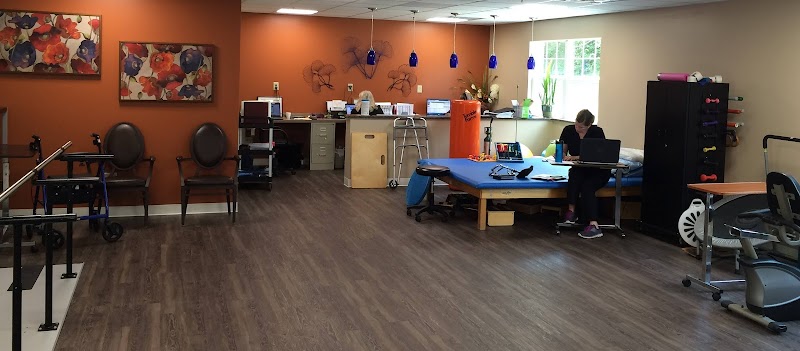
How is Pearlview Rehab & Wellness Ctr Staffed?

CMS rates PEARLVIEW REHAB & WELLNESS CTR's staffing level at 2 out of 5 stars, which is below average compared to other nursing homes. Staff turnover is 50%, compared to the Ohio average of 46%. RN turnover specifically is 57%, which is notably high. RNs provide skilled clinical oversight, so turnover in this role can affect medical care quality.

What Have Inspectors Found at Pearlview Rehab & Wellness Ctr?

State health inspectors documented 41 deficiencies at PEARLVIEW REHAB & WELLNESS CTR during 2019 to 2025. These included: 40 with potential for harm and 1 minor or isolated issues.
Who Owns and Operates Pearlview Rehab & Wellness Ctr?

PEARLVIEW REHAB & WELLNESS CTR is owned by a for-profit company. For-profit facilities operate as businesses with obligations to shareholders or private owners. The facility is operated by DIVINE HEALTHCARE MANAGEMENT, a chain that manages multiple nursing homes. With 68 certified beds and approximately 29 residents (about 43% occupancy), it is a smaller facility located in BRUNSWICK, Ohio.
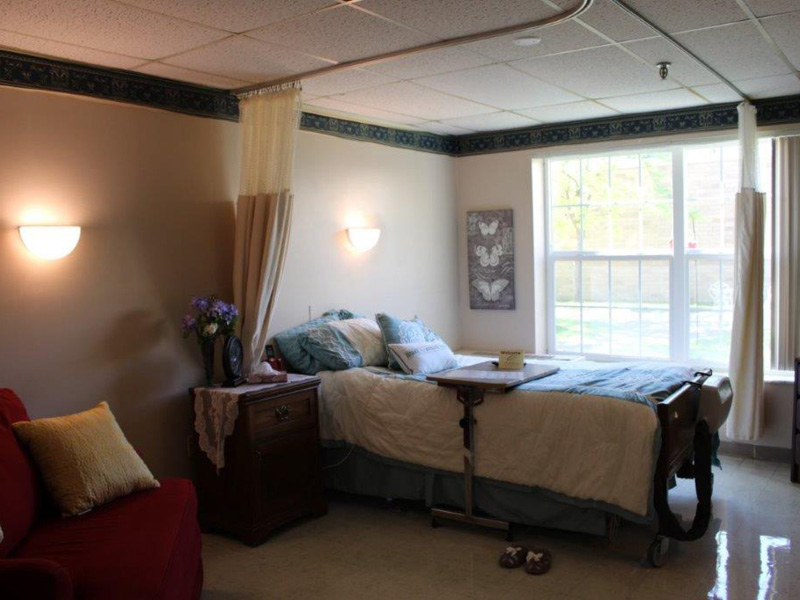
How Does Pearlview Rehab & Wellness Ctr Compare to Other Ohio Nursing Homes?

Compared to the 100 nursing homes in Ohio, PEARLVIEW REHAB & WELLNESS CTR's overall rating (4 stars) is above the state average of 3.2, staff turnover (50%) is near the state average of 46%, and health inspection rating (3 stars) is at the national benchmark.

What Should Families Ask When Visiting Pearlview Rehab & Wellness Ctr?

Based on this facility's data, families visiting should ask: "Can you walk me through typical staffing levels on day, evening, and night shifts?" "Can I visit during a mealtime to observe dining assistance and food quality?" "How do you handle medical emergencies, and what is your hospital transfer rate?" "Can I speak with family members of current residents about their experience?" These questions are particularly relevant given the below-average staffing rating.

Is Pearlview Rehab & Wellness Ctr Safe?

Based on CMS inspection data, PEARLVIEW REHAB & WELLNESS CTR has a clean safety record: no substantiated abuse findings (meaning no confirmed cases of resident harm), no Immediate Jeopardy citations (the most serious violation level indicating risk of serious injury or death), and is not on the Special Focus Facility watch list (a federal program monitoring the lowest-performing 1% of nursing homes). The facility has a 4-star overall rating and ranks #1 of 100 nursing homes in Ohio. While no facility is perfect, families should still ask about staff-to-resident ratios and recent inspection results during their visit.

Do Nurses at Pearlview Rehab & Wellness Ctr Stick Around?

PEARLVIEW REHAB & WELLNESS CTR has a staff turnover rate of 50%, which is about average for Ohio nursing homes (state average: 46%). Moderate turnover is common in nursing homes, but families should still ask about staff tenure and how the facility maintains care continuity when employees leave.

Was Pearlview Rehab & Wellness Ctr Ever Fined?

PEARLVIEW REHAB & WELLNESS CTR has no federal fines on record. CMS issues fines when nursing homes fail to meet care standards or don't correct problems found during inspections. The absence of fines suggests the facility has either maintained compliance or corrected any issues before penalties were assessed. This is a positive indicator, though families should still review recent inspection reports for the full picture.

Is Pearlview Rehab & Wellness Ctr on Any Federal Watch List?

PEARLVIEW REHAB & WELLNESS CTR is not on any federal watch list. The most significant is the Special Focus Facility (SFF) program, which identifies the bottom 1% of nursing homes nationally based on persistent, serious quality problems. Not being on this list means the facility has avoided the pattern of deficiencies that triggers enhanced federal oversight. This is a positive indicator, though families should still review the facility's inspection history directly.