WILLOWOOD CARE CENTER OF BRUNSWICK
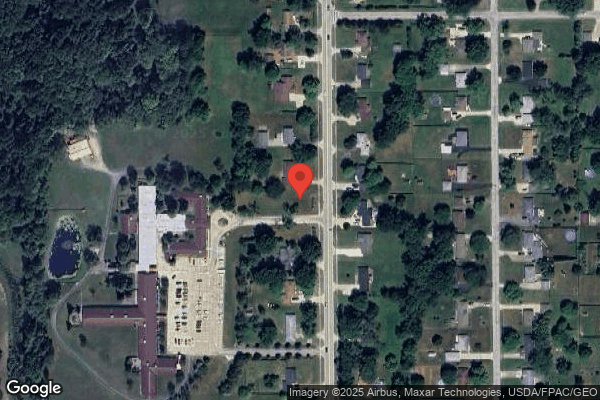
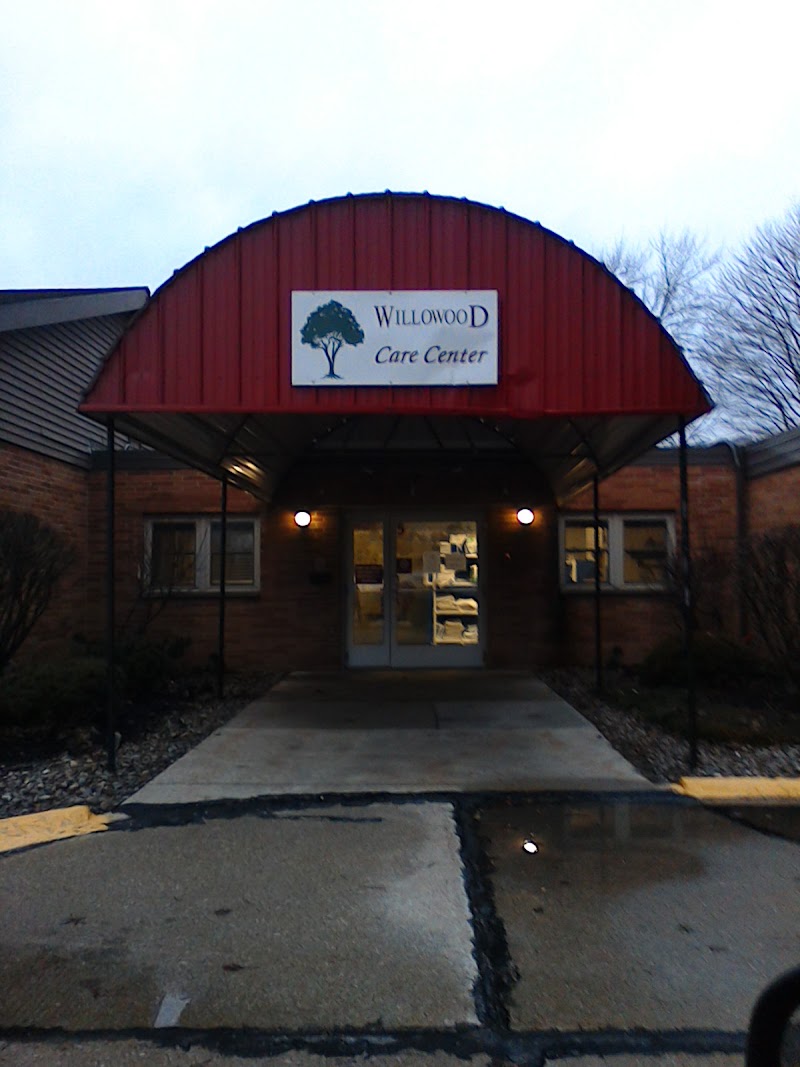
1186 HADCOCK RD, BRUNSWICK, OH 44212 (330) 225-3156
For profit - Corporation 100 Beds CARECORE HEALTH Data: November 2025
Trust Grade
75/100
#379 of 913 in OH
Last Inspection: January 2023

Over 2 years since last inspection. Current conditions may differ from available data.

Overview

Willowood Care Center of Brunswick has received a Trust Grade of B, indicating that it is a good choice among nursing homes. With a state rank of #379 out of 913 in Ohio, they are in the top half of facilities, and at #8 of 12 in Medina County, only a few local options rank higher. The facility's trend appears stable, with one issue reported in both 2024 and 2025. Staffing is a concern here, with a rating of 2 out of 5 stars and a turnover rate of 58%, which is higher than the state average. However, there have been no fines reported, indicating compliance with regulations. Despite these strengths, there are notable weaknesses. Recent inspections revealed that the facility struggles to maintain a clean and sanitary environment, with dirty dishes stored with clean ones and sightings of food debris in residents' rooms. Additionally, the kitchen was found using dented cans and had issues with food temperature, which could affect residents' health. While the quality measures are excellent, families should consider these concerns when researching care options.

Trust Score
B
75/100
In Ohio
#379/913
Top 41%
Safety Record
Low Risk
No red flags
Inspections
Holding Steady
1 → 1 violations
Staff Stability
⚠ Watch
58% turnover. Above average. Higher turnover means staff may not know residents' routines.
Penalties
✓ Good
No fines on record. Clean compliance history, better than most Ohio facilities.
Skilled Nurses
⚠ Watch
Each resident gets only 25 minutes of Registered Nurse (RN) attention daily — below average for Ohio. Fewer RN minutes means fewer trained eyes watching for problems.
Violations
○ Average
10 deficiencies on record. Average for a facility this size. Mostly minor or procedural issues.
★★★★☆
4.0
Overall Rating
★★☆☆☆
2.0
Staff Levels
★★★★★
5.0
Care Quality
★★★☆☆
3.0
Inspection Score
Stable
2024: 1 issues
2025: 1 issues

The Good

  • 5-Star Quality Measures · Strong clinical quality outcomes
  • Full Sprinkler Coverage · Fire safety systems throughout facility
  • No fines on record

Facility shows strength in quality measures, fire safety.

The Bad

Staff Turnover: 58%

11pts above Ohio avg (46%)

Frequent staff changes - ask about care continuity

Chain: CARECORE HEALTH

Part of a multi-facility chain

Ask about local staffing decisions and management

Staff turnover is elevated (58%)

10 points above Ohio average of 48%

The Ugly 10 deficiencies on record

Mar 2025 1 deficiency
CONCERN (D) 📢 Someone Reported This

A family member, employee, or ombudsman was alarmed enough to file a formal complaint

Potential for Harm - no one hurt, but risky conditions existed

Accident Prevention (Tag F0689)

Could have caused harm · This affected 1 resident

**NOTE- TERMS IN BRACKETS HAVE BEEN EDITED TO PROTECT CONFIDENTIALITY** Based on observation, medical record review, review of facility policy, and staff interview, the facility failed to ensure physi...

Read full inspector narrative →
**NOTE- TERMS IN BRACKETS HAVE BEEN EDITED TO PROTECT CONFIDENTIALITY** Based on observation, medical record review, review of facility policy, and staff interview, the facility failed to ensure physician ordered and care plan fall interventions were in place for Resident #59 who has a fall history. This affected one (Resident #59) of three residents reviewed for falls. The facility census was 89. Findings include: Review of the medical record for Resident #59 revealed an admission date of 02/19/25. Diagnoses included stable burst fracture of fifth lumbar vertebra, ventricular tachycardia, repeated falls, and Alzheimer's disease. Review of the comprehensive Minimum Data Set (MDS) 3.0 assessment, dated 02/25/25, revealed Resident #59 had severely impaired cognition, used a wheelchair, and was dependent on staff for walking. Review of the fall risk assessment dated [DATE] revealed Resident #59 was at risk for falls. Review of the care plan dated 02/20/25 revealed Resident #59 was at risk for falls due to diagnoses and repeated falls. Interventions included a Call Don't Fall sign in her room, keep call light within reach, non-skid footwear, and keep walkways clutter free. Review of the physician orders for March 2025 revealed an order for a Call Don't Fall sign in room. Observation and interview on 03/04/25 at 9:07 A.M. revealed Resident #59 was awake and lying in bed. Resident 59's call light was not within the resident's reach. The call light was in between the wall and bed on the floor. There was no sign posted in the room to remind Resident #59 to use the call light. Licensed Practical Nurse (LPN) #207 verified Resident #59's call light was not within reach and there was no signed posted in the room for Call Don't Fall as physician ordered. Review of the facility policy titled Falls and Fall Risk, Managing, dated 03/2018, revealed resident-centered approaches will be implanted to manage falls and fall risk. This deficiency represents non-compliance investigated under Complaint Number OH00163235.
Oct 2024 1 deficiency
CONCERN (D) 📢 Someone Reported This

A family member, employee, or ombudsman was alarmed enough to file a formal complaint

Potential for Harm - no one hurt, but risky conditions existed

Quality of Care (Tag F0684)

Could have caused harm · This affected 1 resident

**NOTE- TERMS IN BRACKETS HAVE BEEN EDITED TO PROTECT CONFIDENTIALITY** Based on observation, interview, and record review the facility failed to ensure a comprehensive non-pressure skin prevention pl...

Read full inspector narrative →
**NOTE- TERMS IN BRACKETS HAVE BEEN EDITED TO PROTECT CONFIDENTIALITY** Based on observation, interview, and record review the facility failed to ensure a comprehensive non-pressure skin prevention plan was implemented and/or maintained to prevent non-pressure skin alterations. This affected one resident (Resident $28) of four residents reviewed for wounds. The census was 81. Findings include: Record review for Resident #28 revealed a re-admission date of 11/09/23. Diagnosis included apraxia following cerebrovascular disease, type two diabetes mellitus, muscle weakness and difficulty in walking. Review of the care plan for Resident #28 dated 11/10/23 revealed (Resident #28) was at risk for skin breakdown related to impaired mobility, general weakness, diabetic neuropathy, and sometimes scratches self when itching. Additional interventions dated 07/22/24 included to encourage tubigrips to bilateral lower extremities at all times, may remove for hygiene. Record review of the care plan for Resident #28 dated 12/20/23 revealed (Resident #28) had actual impairment of skin integrity which included a skin tear to the right lower extremity. Interventions dated 12/20/23 included to avoid scratching and keep hands and body parts from excessive moisture. Keep fingernails short. Record review of the Focused Wound Exam report dated 08/13/24 (untimed) for Resident #28 completed by Physician #218 revealed Resident #28 had a skin tear to the right lower lateral leg, full thickness that measured 2.7 centimeters (cm) by 3.0 cm by 0.1 cm. Additional wound details included (Resident #28) reports it is from bumping his leg on the wheelchair. Review of the progress note with an effective date of 08/13/24 created 10/10/24 at 3:30 P.M. by Licensed Practical Nurse (LPN)/ Wound Care Nurse #205 revealed Resident #28 was noted to scrape his right lower extremity on the wheelchair pedal. Record review of the plan of care for Resident #28 revealed no intervention was put into place for Resident #28 due to the injury on 08/13/24 to prevent further injury. Record review of the Focused Wound Exam report dated 08/20/24 (untimed) for Resident #28 completed by Physician #218 revealed skin tear to the right lower lateral leg resolved. Review of the Interdisciplinary Team (IDT) follow up note dated 09/11/24 at 10:04 P.M. completed by DON revealed charge nurse was notified by STNA that (Resident #28) had a skin tear to the right lower extremity. Upon assessment resident was noted to have a previous skin tear that is noted to the same area that was previously healing however resident noted to have dry scab to area. Resident noted to have dry blood under his fingernails as resident was noted to be picking at scabbed area. New skin intervention, keep nails trimmed at all times. Review of the quarterly Minimum Data Set, dated [DATE] revealed Resident #28 was moderately cognitively impaired. Resident #28 had no impairment to the upper or lower extremities, used a wheelchair for mobility, was independent for meals, dependent for putting on or taking off footwear, and required partial/moderate assistants for chair/bed to chair transfer. Resident #28 had skin tears. Record review of the Focused Wound Exam report dated 09/17/24 (untimed) for Resident #28 completed by Physician #218 revealed Resident #28 had a skin tear to the right shin from trauma/injury. The wound measured 0.7 cm by 0.5 cm by 0.1 cm. Record review of the Focused Wound Exam report dated 09/24/24 (untimed) for Resident #28 completed by Physician #218 revealed the skin tear to Resident #28 right shin resolved. Record review of the Focused Wound Exam report dated 10/09/24 (untimed) for Resident #28 completed by Physician #218 revealed a non-pressure wound of the right shin, full thickness. Wound size 3.7 cm by 0.8 cm by 0.1 cm depth. Documentation from Physician #218 included to consider tubigrips as a means of helping to prevent future skin tears. Treatment included an abdominal pad (ABD) once daily for 30 days, kerlix apply once daily for 30 days. Observation on 10/09/24 at 4:07 P.M. revealed Resident #28 was sitting up in his wheelchair in the hall. Observation revealed open and scabbed wounds to Resident #28's right lower leg. When asked what occurred, Resident #28 pulled his leg up and revealed a wound to the right knee area. Resident #28 revealed he scraped his leg on the wheelchair getting out of his bed. Interview on 10/09/24 at 4:10 P.M. with Registered Nurse (RN) 219 revealed Resident #28 was confused at times. RN #219 revealed the scrape on Resident #28's leg was from him trying to put himself to bed. Resident #28 required assistance for transfers, but he was non-compliant. RN #219 revealed Resident #28's right leg healed but reopened, heals and reopens again from scratching it or bumping it which he does it all the time. RN #219 confirmed Resident #28 did not have a dressing to the right leg. Interview on 10/10/24 at 9:46 A.M. with Licensed Practical Nurse (LPN) Wound Care Nurse #220 revealed Resident #28 never refused wound treatments. Resident #29 had a new trauma area to the right shin. The wound occurred 10/09/24 and the dressing to the leg was initiated 10/09/24. LPN/ Wound Care Nurse #220 confirmed she applied the dressing to Resident #28's wound herself on 10/09/24, earlier in the day. Review of Resident #29's care plan with LPN/ Wound Care Nurse #220 confirmed Resident #28 was to have tubigrips (a soft, tube like material that protects the skin) on the bilateral lower extremities, initiated 07/22/24. LPN/ Wound Care Nurse #220 also confirmed Resident #28 was to have his fingernails kept short initiated 12/20/23. Observation on 10/10/24 at 10:00 A.M. with LPN/ Wound Care Nurse #220 revealed Resident #28 was sitting up in his wheelchair in his room. LPN/ Wound Care Nurse #220 confirmed Resident #28 did not have a dressing to the wounds on his right lower shin/knee area. LPN/ Wound Care Nurse #220 confirmed Resident #28 had an abrasion to his right knee, and two wounds to the right lateral leg in addition to the wound addressed to the right shin on 10/09/24. Resident #28 was also not wearing tubigrips to the bilateral lower extremities and Resident #28's nails were medium in length. Interview on 10/10/24 at 10:22 A.M. with State Tested Nursing Assistant (STNA) #221 confirmed she was the STNA assigned to Resident #28. STNA #221 revealed she started her shift at 6:00 A.M. and revealed Resident #28 did not have any dressing to his right lower leg wounds all day and confirmed Resident #28 had not worn tubigrips at all since she had been there. STNA #221 revealed she did not know he was supposed to wear them. Interview on 10/10/24 at 10:24 A.M. with RN #219 verified Resident #28 did not have a dressing to the right lower leg. RN #219 also confirmed Resident #28 was not wearing tubigrips during her shift on 10/09/24 or her shift on 10/10/24. RN #219 revealed the tubigrips were being washed. Interview on 10/10/24 at 2:23 P.M. with Assistant Director of Nursing (ADON) 222 confirmed Resident #28 had a trauma/injury to his right lower leg on 08/13/24, 09/11/24 and 10/09/24. ADON #222 confirmed new interventions were not put into place at the time of the injuries/trauma to prevent further/continued injuries. ADON #222 confirmed the intervention that were in the care plan prior to 08/13/24 (tubigrips to the bilateral lower extremities and keep fingernails short) were not implemented during the review period 10/09/24 and 10/10/24. The deficiency is an incidental finding discovered during the complaint investigation.
Nov 2023 1 deficiency
CONCERN (F) 📢 Someone Reported This

A family member, employee, or ombudsman was alarmed enough to file a formal complaint

Potential for Harm - no one hurt, but risky conditions existed

Safe Environment (Tag F0921)

Could have caused harm · This affected most or all residents

Based on observation, resident interviews, and staff interviews the facility failed to maintain a clean, safe, sanitary and well-maintained environment. This had the potential to affect all residents....

Read full inspector narrative →
Based on observation, resident interviews, and staff interviews the facility failed to maintain a clean, safe, sanitary and well-maintained environment. This had the potential to affect all residents. The facility census was 83. Findings Include: Interview on 11/19/23 at 8:05 A.M. with Housekeeper (HKPR) #744 revealed the facility was cleaned daily but she was the only housekeeper working and the housekeeping department was extremely short staffed. HKPR #744 revealed she tried to get to as many rooms as she could during her shift. An environmental tour was conducted on 11/19/23 between 8:25 A.M. and 8:40 A.M. with Nursing Supervisor (NS) #839. The following was observed and verified at the time of discovery: • Carpeted areas throughout the entire facility (hallways and common areas) including unit Zone #1, #3, #5, #6, #7, and #9 were noted with noticeable instances of stains, debris, and other unknown substances. • The room occupied by Resident #22 and #58 was noted to have food crumbs, dirt, debris, and various stains. • The room occupied by Resident #71 was noted to have food crumbs, used napkins, dirt, debris, and various stains. • The room occupied by Resident #17 and #45 was noted to have food crumbs throughout the room. • The room occupied by Resident #67 and #81 was noted to have various stains on the floor. Interview on 11/19/23 at 8:47 A.M. with Licensed Practical Nurse (LPN) #801 revealed she saw housekeeping in the building daily but could not verify if all rooms were cleaned daily. Interview on 11/19/23 at 8:49 A.M. with Resident #22 revealed housekeeping staff did not clean her room. Interview on 11/19/23 at 8:54 A.M. with Resident #71 revealed her room had not been cleaned in at least eight days. Observation on 11/19/23 at 8:55 A.M. revealed Resident #71 asking HKPR #744, as she was pushing her cleaning cart down the hall, when would her room be cleaned. HKPR #744 revealed she may or may not get to her room, as she continued down the hall. Interview on 11/19/23 at 11:28 A.M. with the Director of Housekeeping (DOH) #752 revealed there were only three housekeepers employed at the facility, but ideally four housekeepers would help. DOH #752 revealed she assisted with cleaning the facility and laundry. DOH #752 verified and confirmed there was only one housekeeper in the facility. This deficiency represents non-compliance identified during the investigation of Complaint Number OH00147163.
Feb 2023 4 deficiencies
CONCERN (D) 📢 Someone Reported This

A family member, employee, or ombudsman was alarmed enough to file a formal complaint

Potential for Harm - no one hurt, but risky conditions existed

Notification of Changes (Tag F0580)

Could have caused harm · This affected 1 resident

**NOTE- TERMS IN BRACKETS HAVE BEEN EDITED TO PROTECT CONFIDENTIALITY** Based on review of the medical record and staff interview the facility failed to ensure the physician was notified when a medica...

Read full inspector narrative →
**NOTE- TERMS IN BRACKETS HAVE BEEN EDITED TO PROTECT CONFIDENTIALITY** Based on review of the medical record and staff interview the facility failed to ensure the physician was notified when a medication was not available to administer to Resident #95. This affected one resident ( Resident #95) of five residents review for medication administration. The facility census was 93. Finding included: Review of the medical record revealed Resident #95 was admitted to the facility on [DATE]. Diagnoses included influenza, respiratory failure, chronic obstructive pulmonary disease, heart failure, centrilobular emphysema, obstructive sleep apnea, atherosclerotic heart disease, pacemaker, abdominal aortic aneurysm, chronic kidney disease, gout, and skin cancer. He was discharged to home with the family on 01/03/23. Review of the Five-Day Minimum Data Set 3.0 assessment dated [DATE] revealed Resident #95 had moderately impaired cognition, required extensive assistance of one staff for bed mobility, transfers, toilet use and personal hygiene and limited assistance with dressing and eating. He was frequently incontinent of bowel and bladder. Review of the December 2022 physician's orders revealed Resident #95 had an order dated 12/30/22 for three tablets of prednisone 20 milligrams (mg) once daily for three days, then 2.5 tablets once a daily for three days, then two tablets once daily for three days, then 1.5 tablets once daily for three days, then one tablet once daily for three days, then 0.5 tablet once daily for three days for congestive heart failure. Review of the December 2022 Medication Administration Record revealed Resident #95 did not receive his prednisone 60 milligrams on 12/31/22 due to it was not available. Review of the medication administration note dated 12/31/22 revealed 20 milligrams (mg) of prednisone for Resident #95 was on order and the nurses were awaiting medication delivery. Further review of this note revealed there was no documentation the physician was notified Resident #95 would not be receiving his ordered prednisone. Review of the facility contingency stock medication revealed they had seven tablets of prednisone 10 milligram tablets available however none were pulled for Resident #95 on 12/31/22. Review of the email correspondence dated 02/27/23 at 7:25 P.M. authored by the Director of Nursing (DON) indicated upon speaking to the floor nurse who worked on 12/31/22 the floor nurse indicated she went to the contingency supply safe and she only saw 10 mg tablets of prednisone in the safe and she was not sure if she would be able to pull those for Resident #95 since the dosage was different from the ordered dose. The DON stated the floor nurse then went and spoke to Resident #95 and explained to him he would have to take six tablets to receive his full dosage and Resident #95 told the floor nurse he would wait until his prescribed medication arrived from pharmacy. Review of the email correspondence dated 02/28/23 at 3:12 P.M. the Director of Nursing verified there was no documentation the nurse notified the physician that Resident #95 had not received his prednisone on 12/31/22. This deficiency represents non-compliance found during the investigation of Complaint Number OH00140090.
CONCERN (D) 📢 Someone Reported This

A family member, employee, or ombudsman was alarmed enough to file a formal complaint

Potential for Harm - no one hurt, but risky conditions existed

Deficiency F0602 (Tag F0602)

Could have caused harm · This affected 1 resident

**NOTE- TERMS IN BRACKETS HAVE BEEN EDITED TO PROTECT CONFIDENTIALITY** Based on review of the medical record, review of the Self-Reported incident, review of narcotic count sheets, review of the faci...

Read full inspector narrative →
**NOTE- TERMS IN BRACKETS HAVE BEEN EDITED TO PROTECT CONFIDENTIALITY** Based on review of the medical record, review of the Self-Reported incident, review of narcotic count sheets, review of the facility policy and staff interviews the facility failed to ensure a registered nurse had not misappropriated narcotic pain medications from Resident #94. This affected one resident (Resident #94) of three residents reviewed for misappropriation. The facility census was 93. Findings included: Review of the medical record revealed Resident #94 was admitted to the facility on [DATE]. Diagnoses included sepsis, necrotizing fasciitis, anoxic brain damage, emphysema, diabetes, acute kidney disease, hypotension, elevated white blood cells, anemia, hypertension, tracheostomy, urogenital implants, sacral pressure ulcer, and gastrostomy (PEG tube). She expired in the facility on [DATE]. Review of the admission pain screen dated [DATE] revealed Resident #94 was nonverbal and was assessed for non-verbal indicators for pain. She was assessed to have non-verbal sounds as evident by crying, whining, gasping, moaning, or groaning, facial expressions as evident by grimaces, winces, wrinkled forehead, furrowed brow, clenched teeth or jaw and protective body movements or postures as evident by bracing, guarding, rubbing, or massaging a body part/area, clutching, or holding a body part during movement with the frequency being daily. Review of the plan of care dated [DATE] revealed Resident #94 required pain management related to wounds and anoxic brain injury. Interventions included encourage alternating rest cycles, encourage nonpharmacy interventions to improve management reduce the use of analgesic medication and analgesic related side effects, medicate prior to dressing changes as needed, and reposition every hour. Review of the physician's orders revealed Resident #94 had an order for Dilaudid 2.0 milligrams (mg) every two to four hours as needed via her PEG tube dated [DATE], hospice consult dated [DATE], and an order indicting it was okay to medicate with as needed pain medication prior to her dressing changes dated [DATE]. Review of the admission Minimum Data Set 3.0 assessment dated [DATE] revealed Resident #94 had severely impaired cognition, required total assistance of two staff members for bed mobility, transfers, and total assistance of one staff member for dressing, toileting, and personal hygiene. She had indicators of pain in the last three to four days. She had a tracheostomy and a gastrostomy. Review of the individual control drug record for Resident #94 revealed Resident #94 received 2.0 mg of Dilaudid on [DATE] at 1:30 P.M. and 6:30 P.M. which was signed off by Registered Nurse (RN) #200. On [DATE] at 6:15 A.M. , 9:30 A.M. and 1:40 P.M. RN #200 again signed off on the Dilaudid being given for Resident #94. Further review revealed Registered Nurse (RN) #200 had worked on [DATE] and [DATE] and had documented she administered five doses of Dilaudid to Resident #94. Resident #94 had also been given the Dilaudid on [DATE] at 8:30 A.M and 3:00 P.M. by another licensed nurse. Review of the February Medication Administration Record revealed Resident #94 received 2.0 mg of Dilaudid on [DATE] at 6:33 A.M. for a pain level seven, at 9:30 A.M. for a pain level of seven and at 1:47 P.M. for a pain level seven. Review of the medication administration note dated [DATE] at 6:33 A.M. authored by RN #200 revealed 2.0 mg of Dilaudid was administered to Resident #94 due to her nonverbal cues of pain. Intervention was unsuccessful and she was medicated per her orders. Review of the medication administration note dated [DATE] at 9:30 A.M. authored by RN #200 revealed 2.0 mg of Dilaudid was administered to Resident #94. She had continuous facial grimacing; her one fist was clenched and the other one was reach out for the nurse. She was moaning intermittently and was unable to verbalize the pain scale. She was repositioned to help promote comfort and medicated per her orders. Review of the medication administration note dated [DATE] at 1:47 P.M.authored by RN #200 revealed 2.0 mg of Dilaudid was administered to Resident #94 and the husband of Resident #94 called the nurse to the bedside and requested she have pain medication because she had been restless with a tense face, was grabbing at the husband and looked uncomfortable. The nurse attempted soothing touch, one-on-one with no change and she was medicated per orders and per her husband ' s request. Review of a progress note dated [DATE] at 2:41 P.M. revealed the Nurse Practitioner (NP) gave a new order for Resident #94 for a urine toxicology screen. The husband was at the bedside and aware of the new order. Review of the drug screening results dated [DATE] at 3:00 P.M. revealed Resident #94 had tested negative for opiates. Review of the drug screening results dated [DATE] at 4:15 P.M. revealed RN #200 had tested positive for opiates. Review of the SRI dated [DATE] revealed the Director of Nursing (DON) was concerned a resident (Resident #94) had not received her Dilaudid as prescribed and documented by RN #200 who was the charge nurse. Due to resident's inability to validate medication administration due to anoxic brain damage the DON obtained an order from the NP for a urine drug test to determine if the prescribed opioid had been administered. Upon the receipt of the negative drug test for opioids for Resident #94, RN #200, who documented the administration of the Dilaudid on three occasions that day was questioned. RN #200 was unable to give an explanation as to why Resident #94 would have tested negative for opioids. RN #200 said she had given the Dilaudid on three occasions that day to Resident #94. The DON asked RN #200 to submit to drug test in which she had tested positive for opioids. Upon questioning, RN #200 explained she had her own personal prescription for Dilaudid. The Dilaudid prescription was not disclosed on RN #200's preemployment physical. RN#200 was notified she was being suspended pending investigation, she would need to go count the narcotics with the Assistant DON and then she was escorted out of the building. There was no statement in the SRI from RN #200. Review of the unsigned witness statement from the husband of Resident #94 dated [DATE] revealed he had not recalled asking the nurse for any medication for his wife however he was okay with her receiving them because he wanted her as comfortable as possible. On [DATE] at 9:11 A.M. an interview with the DON revealed she did round every day when she got to the facility and on [DATE] when she completed her rounds, she saw Resident #94's bed had a deflated air mattress on it. The DON stated she went to RN #200 and questioned her on how she did not see the air mattress was deflated if she had been in the room at 6:30 A.M. to give Resident #94 Dilaudid. She stated she proceeded to watch RN #200 and Resident #94 the rest of the day and RN #200 had documented she administered Dilaudid to Resident #94 two more times on [DATE] however Resident #94 was not having any pain. The DON stated she spoke to the husband of Resident #94, and he stated he never told the nurse his wife was in pain as documented in the nurse ' s notes on [DATE] at 1:40 P.M. The DON stated the documentation of Resident #94 having a pain level of seven out of ten on [DATE] at 6:15 A.M., 9:30 A.M. and 1:40 P.M. was falsified by RN#200 as Resident #94 had not been having any pain. On [DATE] at 9:13 A.M. an interview with the administrator revealed they did not substantiate the allegation because they could not conclude she took the medication from Resident #94 because the nurse had shown them a picture on her phone of an old prescription bottle of hers for Dilaudid. He verified he never received confirmation from RN #200 she had the prescription, so RN #200 was terminated for suspicion and falsifying documentation. Review of facility policy titled, Abuse Prevention Program, dated 03/19 revealed the residents had the right to be free from abuse, neglect, misappropriation of resident ' s property and exploitation. This deficiency represents non-compliance investigated under Complaint Number OH00140293.
CONCERN (D) 📢 Someone Reported This

A family member, employee, or ombudsman was alarmed enough to file a formal complaint

Potential for Harm - no one hurt, but risky conditions existed

Accident Prevention (Tag F0689)

Could have caused harm · This affected 1 resident

**NOTE- TERMS IN BRACKETS HAVE BEEN EDITED TO PROTECT CONFIDENTIALITY** Based on observation, review of the medical record, review of the facility policy and staff interview the facility failed to ens...

Read full inspector narrative →
**NOTE- TERMS IN BRACKETS HAVE BEEN EDITED TO PROTECT CONFIDENTIALITY** Based on observation, review of the medical record, review of the facility policy and staff interview the facility failed to ensure medications were administered to Resident #14, #58 and #68 as ordered instead of being left at the bedside without staff supervision to ensure the medications were taken. This affected three residents (Resident #14, #58 and #68) of five reviewed for medication administration. The facility census was 93. Findings included: 1. Review of the medical record revealed Resident #14 was admitted to the facility on [DATE]. Diagnoses included encephalpathy, protein-calorie malnutrition, anemia, alcohol induce dementia, alcohol dependence, dementia, psychotic disorder, major depressive disorder, Alzheimer's disease, pseudobulbar affect, and cholelithiasis. Review of the quarterly Minimum Data Set (MDS) 3.0 assessment dated [DATE] revealed Resident #14 had intact cognition. Review of the February 2023 Medication Administration Record (MAR) revealed Resident #14 was administered one aspirin 81 milligrams (mg) tablet, one Celexa (antidepressant) 10 mg tablet, one Celexa 20 mg tablet, one cholecalciferol 50 micrograms (mcg) tablet, one Otezia (psoriasis medication) 30 mg tablet, one thiamine 100 mg tablet, one Zoloft (antidepressant) 50 mg tablet, one colace 100 mg tablet, two Namenda (for dementia) 5 mg tablets and two calcium 600 mg with vitamin D 400 mg tablets in the morning. Review of the February 2023 physician's orders revealed Resident #14 did not have an order for her medication to be left at her bedside to self administer. Observation on the 300 Hallway on 02/23/23 at 11:25 A.M. revealed Resident #14 was sleeping in bed with her breakfast tray on her bedside stand with a plastic medicine cup with 13 pills in the cup. On 02/23/23 at 11:25 A.M. an interview with Licensed Practical Nurse (LPN) # 202 verified she had left the medication at the bedside for Resident #14. On 02/23/23 at 3:40 P.M. an interview with the Administrator revealed medication should not be left at the bedside for any of the residents. On 02/27/23 at 9:11 A.M. an interview with the Director of Nursing (DON) revealed LPN #202 had been terminated and she verified Resident #14 did not have an order for medication to be left at the bedside or to self-administer her own medications. 2. Review of the medical record revealed Resident #58 was admitted to the facility on [DATE]. Diagnoses included arthritis, gross hemitura, benign prostatic hyperplasia, hydronephrosis, diabetes, colon cancer, chronic kidney disease, heart failure, macular degeneration, colostomy, bladder cancer, prostate cancer, major depressive disorder and anxiety disorder. Review of the annual MDS 3.0 assessment dated [DATE] revealed Resident #58 had intact cognition. Review of the February 2023 MAR revealed Flonase nasal spray for Resident #58 was administered at bedtime. Review of the February 2023 physician's orders revealed Resident #58 did not have an order for his medication to be left at his bedside to self administer. Observation on 02/23/23 at 11:23 A.M. revealed Resident #58 sitting up in his wheelchair and there was a Flonase nasal spray bottle on his bedside stand. On 02/23/23 at 11:25 A.M. an interview with LPN # 202 verified Resident #58 had nasal spray left at his bedside. On 02/23/23 at 3:40 P.M. an interview with the Administrator revealed medication should not be left at the bedside for any of the residents. On 02/27/23 at 9:11 A.M. an interview with the DON revealed LPN #202 had been terminated and verified Resident #58 did not have an order for medication to be left at the bedside or to self-administer his own medications. 3. Review of the medical record revealed Resident #68 was admitted to the facility on [DATE]. Diagnoses included spondylolisthesis, wedge compression fracture, respiratory failure, chronic obstructive pulmonary disease, transient cerebral ischemic attack, asthma, left femur fracture, cognitive communication deficit, hypothyroidism, anxiety disorder, acute pain, atherosclerotic heart disease, pulmonary hypertension, major depressive disorder, and diverticulosis. Review of the quarterly MDS 3.0 assessment dated [DATE] revealed Resident #68 had moderately impaired cognition. Review of the February 2023 MAR revealed Wixela inhaler was administered in the morning. Review of the February 2023 physician's orders revealed Resident #14 did not have an order for her medication to be left at her bedside to self administer. Observation on 02/23/23 at 11:20 A.M. revealed a Wixela inhaler was on the bedside table of resident #68 while she was sleeping in the recliner. On 02/23/23 at 11:25 A.M. an interview with LPN # 202 verified she had left the medication at the bedside for Resident #68. On 02/23/23 at 3:40 P.M. an interview with the Administrator revealed medication should not be left at the bedside for any of the residents. On 02/27/23 at 9:11 A.M. an interview with the DON revealed Licensed Practical Nurse #202 had been terminated and verified Resident #68 did not have an order for medication to be left at the bedside or to self-administer her own medications. Review of the facility policy titled, Administering Medications, dated 04/19 revealed medication were to be administered in a safe and timely manner. This deficiency represents non-compliance as an incidental finding investigated under Complaint Number OH00140090.
CONCERN (F) 📢 Someone Reported This

A family member, employee, or ombudsman was alarmed enough to file a formal complaint

Potential for Harm - no one hurt, but risky conditions existed

Food Safety (Tag F0812)

Could have caused harm · This affected most or all residents

Based on observation, staff interview and record review the facility failed to ensure dented cans were not used, the kitchen was free of dead insects, and dirty dishes were not stored on top of clean ...

Read full inspector narrative →
Based on observation, staff interview and record review the facility failed to ensure dented cans were not used, the kitchen was free of dead insects, and dirty dishes were not stored on top of clean dishes. This affected all the resident except two residents (Resident #3 and #18) who were to have nothing by mouth to eat. The facility census was 93. Findings included: 1. Observations of the kitchen during the initial tour on 02/23/23 at 9:45 A.M. revealed one six-pound and 12 ounce can of chili with beans on the shelf to be used with a dent in the top, one six-pound and 10 ounce can of marinara sauce on the shelf to be used with a dent on the side of the can and a pitcher of chocolate milk in the refrigerator with no date on it nor a label to identify when it was made or a the contents. These issues were verified at this time by Dietary Aide #175. 2. Observations of pureed food on 02/23/23 at 10:50 A.M. with Dietary Aide #175 revealed the stainless-steel table on which the food processor was sitting was level with the window to the outside with a window air conditioner in the window. It was approximately three feet away from the meal preparation area. The top pf the air conditioner had eight dead flies laying on top of it right above the food preparation area. This was verified by [NAME] #164 at this time. He stated they were gnats coming in the door right beside the food preparation table. 3. Observation of meal services on 02/23/23 at 11:40 A.M. revealed underneath the steam table was where the facility stored the clean plastic bowls on trays. On top of those clean bowls was the dirty steam table pan lids from breakfast service with the dirty side placed directly on the clean surface of the bowls. [NAME] #164 verified the lids were from breakfast and were dirty. She removed the lids and bowls to be sanitized. Review of the facility policy titled, Sanitation, dated 10/08 revealed the food service area would be maintained in a clean and sanitary manner. This deficiency represents noncompliance investigated under Complaint Number OH00140090 and is an example of continued non-compliance from the survey dated 01/12/23.
Jan 2023 3 deficiencies
CONCERN (D)

Potential for Harm - no one hurt, but risky conditions existed

Quality of Care (Tag F0684)

Could have caused harm · This affected 1 resident

**NOTE- TERMS IN BRACKETS HAVE BEEN EDITED TO PROTECT CONFIDENTIALITY** Based on observation, record review and interview, the facility failed to ensure Resident #67's central line intravenous cathete...

Read full inspector narrative →
**NOTE- TERMS IN BRACKETS HAVE BEEN EDITED TO PROTECT CONFIDENTIALITY** Based on observation, record review and interview, the facility failed to ensure Resident #67's central line intravenous catheter dressing was changed per the physician order. This affected one (Resident #67) of one resident reviewed for intravenous access. Findings include: Review of Resident #67's medical record revealed she was readmitted to the facility on [DATE] with diagnoses including chronic respiratory failure with hypoxia, chronic obstructive pulmonary disease and essential hypertension. Review of Resident #67's Minimum Data Set (MDS) 3.0 assessment dated [DATE] revealed Resident #67 exhibited intact cognition. Review of Resident #67's physician orders revealed an order dated 12/05/22 to change the central line catheter dressing weekly and as needed. Review of Resident #67's medication administration records (MARS) from 01/01/23 to 01/10/23 revealed Licensed Practical Nurse (LPN) 975 documented she completed the central line catheter dressing on 01/06/23. Observation on 01/09/23 at 9:13 A.M. with Registered Nurse (RN) #814 of Resident #67's central line catheter dressing located in her right chest wall revealed the dressing was dated 12/31/22. Interview on 01/09/23 at 9:15 A.M. with RN #814 confirmed the dressing was dated 12/31/22 and was not changed per the physician orders. Interview on 01/11/23 at 12:49 P.M. with the Director of Nursing (DON) confirmed Licensed Practical Nurse (LPN) #975 documented she changed Resident #67's central line catheter dressing on 01/06/22 inaccurately.
CONCERN (F)

Potential for Harm - no one hurt, but risky conditions existed

Deficiency F0804 (Tag F0804)

Could have caused harm · This affected most or all residents

Based on observation and interview the facility failed to serve meals at a palatable temperature. This had the potential to affect 89 of 90 residents who ate meals served from the kitchen. Resident #6...

Read full inspector narrative →
Based on observation and interview the facility failed to serve meals at a palatable temperature. This had the potential to affect 89 of 90 residents who ate meals served from the kitchen. Resident #64 received nothing by mouth. Findings include: Interview on 01/09/23 at 9:26 A.M. with Resident #57 revealed the food was not hot and you don't get a hot meal on weekends. Interview on 01/09/23 at 9:49 A.M. with Resident #63 revealed the food was cold. Interview on 01/09/23 at 10:10 A.M. with Resident #27 revealed food was terrible and cold. Interview on 01/09/23 at 10:16 A.M. with Resident #86 revealed the food was sometimes good and sometimes bad. Interview on 01/09/23 at 10:38 A.M. with Resident #82 revealed breakfast was always late and cold. Observation on 01/10/23 at 11:48 A.M. revealed the meal tray line started. A test tray was conducted on 01/10/23 at 12:37 P.M. with Registered Dietitian (RD) #917. The meal tray consisted of a pork chop, stuffing, sliced zucchini, roll and a carton of milk. The food temperatures were obtained using a digital thermometer which revealed the pork chop was 118 degrees Fahrenheit (F), the stuffing was 138 degrees F, sliced zucchini was 122 degrees F, and the carton of milk was 46.7 degrees F. The zucchini and stuffing tasted warm and the pork chop was lukewarm. Interview on 01/10/23 at 12:42 P.M. with the RD #917 confirmed the pork chop was lukewarm and the carton of milk should have been maintained at 41 degrees F or below when served. RD #917 stated the facility purchased a plate warmer but it was not large enough to hold all the plates needed for resident meals and this could have caused some of the food temperature loss. Interview on 01/10/23 at 2:06 P.M. with Dietary Manager #874 revealed he was aware of resident concerns related to cold food and had spoken with the facility about obtaining more covered food delivery carts. .
CONCERN (F)

Potential for Harm - no one hurt, but risky conditions existed

Food Safety (Tag F0812)

Could have caused harm · This affected most or all residents

Based on observation and interview the facility failed to maintain the dish machine in working order. This affected all residents who received meals from the facility. The facility identified one resi...

Read full inspector narrative →
Based on observation and interview the facility failed to maintain the dish machine in working order. This affected all residents who received meals from the facility. The facility identified one resident (Resident #64) who did not receive meals from the kitchen. The facility census was 90. Findings include: Observation on 01/09/23 at 8:42 A.M. with Registered Dietitian (RD) #917 revealed the facility's low temperature dish machine did not meet the proper sanitation level. The two five-gallon drums of sanitizing chemicals with tubing leading to the dish machine were empty. Review of the January 2023 dish machine temperature and sanitation log located near the dish machine revealed it was not consistently being completed. Interview on 01/09/23 at 8:44 A.M. with RD #917 confirmed the low temperature dish machine did not meet the proper sanitation level. RD #917 stated she was unsure how long the dish machine sanitation drums had been empty. RD #917 was unable to locate additional sanitizing chemicals to replace the empty five-gallon drums. Interview on 01/10/23 at 8:58 A.M. with Dietary Manager #874 revealed he was unsure how long the dish machine sanitizing chemicals had been out. Interview on 01/10/23 at 2:06 P.M. with Dietary Manager #874 revealed he was unaware the dish machine temperatures were not being recorded consistently. Review of the facility infection control logs revealed no concerns related to gastro-intestinal illness.
Understanding Severity Codes (click to expand)
Life-Threatening (Immediate Jeopardy)
J - Isolated K - Pattern L - Widespread
Actual Harm
G - Isolated H - Pattern I - Widespread
Potential for Harm
D - Isolated E - Pattern F - Widespread
No Harm (Minor)
A - Isolated B - Pattern C - Widespread

Questions to Ask on Your Visit

  • "Why is there high staff turnover? How do you retain staff?"
  • "Can I speak with families of current residents?"
  • "What's your RN coverage like on weekends and overnight?"

Our Honest Assessment

Strengths
  • • No major safety red flags. No abuse findings, life-threatening violations, or SFF status.
  • • No fines on record. Clean compliance history, better than most Ohio facilities.
Concerns
  • • 58% turnover. Above average. Higher turnover means staff may not know residents' routines.
Bottom line: Generally positive indicators. Standard due diligence and a personal visit recommended.

About This Facility

What is Willowood Of Brunswick's CMS Rating?

CMS assigns WILLOWOOD CARE CENTER OF BRUNSWICK an overall rating of 4 out of 5 stars, which is considered above average nationally. Within Ohio, this rating places the facility higher than 99% of the state's 100 nursing homes. This rating reflects solid performance across the metrics CMS uses to evaluate nursing home quality.

How is Willowood Of Brunswick Staffed?

CMS rates WILLOWOOD CARE CENTER OF BRUNSWICK's staffing level at 2 out of 5 stars, which is below average compared to other nursing homes. Staff turnover is 58%, which is 11 percentage points above the Ohio average of 46%. High turnover can affect care consistency as new staff learn residents' individual needs.

What Have Inspectors Found at Willowood Of Brunswick?

State health inspectors documented 10 deficiencies at WILLOWOOD CARE CENTER OF BRUNSWICK during 2023 to 2025. These included: 10 with potential for harm.

Who Owns and Operates Willowood Of Brunswick?

WILLOWOOD CARE CENTER OF BRUNSWICK is owned by a for-profit company. For-profit facilities operate as businesses with obligations to shareholders or private owners. The facility is operated by CARECORE HEALTH, a chain that manages multiple nursing homes. With 100 certified beds and approximately 80 residents (about 80% occupancy), it is a mid-sized facility located in BRUNSWICK, Ohio.

How Does Willowood Of Brunswick Compare to Other Ohio Nursing Homes?

Compared to the 100 nursing homes in Ohio, WILLOWOOD CARE CENTER OF BRUNSWICK's overall rating (4 stars) is above the state average of 3.2, staff turnover (58%) is significantly higher than the state average of 46%, and health inspection rating (3 stars) is at the national benchmark.

What Should Families Ask When Visiting Willowood Of Brunswick?

Based on this facility's data, families visiting should ask: "How do you ensure continuity of care given staff turnover, and what is your staff retention strategy?" "Can you walk me through typical staffing levels on day, evening, and night shifts?" "Can I visit during a mealtime to observe dining assistance and food quality?" "How do you handle medical emergencies, and what is your hospital transfer rate?" These questions are particularly relevant given the facility's high staff turnover rate and the below-average staffing rating.

Is Willowood Of Brunswick Safe?

Based on CMS inspection data, WILLOWOOD CARE CENTER OF BRUNSWICK has a clean safety record: no substantiated abuse findings (meaning no confirmed cases of resident harm), no Immediate Jeopardy citations (the most serious violation level indicating risk of serious injury or death), and is not on the Special Focus Facility watch list (a federal program monitoring the lowest-performing 1% of nursing homes). The facility has a 4-star overall rating and ranks #1 of 100 nursing homes in Ohio. While no facility is perfect, families should still ask about staff-to-resident ratios and recent inspection results during their visit.

Do Nurses at Willowood Of Brunswick Stick Around?

Staff turnover at WILLOWOOD CARE CENTER OF BRUNSWICK is high. At 58%, the facility is 11 percentage points above the Ohio average of 46%. High turnover means new staff may not know residents' individual needs, medications, or preferences. It can also be disorienting for residents, especially those with dementia who rely on familiar faces. Families should ask: What is causing the turnover? What retention programs are in place? How do you ensure care continuity during staff transitions?

Was Willowood Of Brunswick Ever Fined?

WILLOWOOD CARE CENTER OF BRUNSWICK has no federal fines on record. CMS issues fines when nursing homes fail to meet care standards or don't correct problems found during inspections. The absence of fines suggests the facility has either maintained compliance or corrected any issues before penalties were assessed. This is a positive indicator, though families should still review recent inspection reports for the full picture.

Is Willowood Of Brunswick on Any Federal Watch List?

WILLOWOOD CARE CENTER OF BRUNSWICK is not on any federal watch list. The most significant is the Special Focus Facility (SFF) program, which identifies the bottom 1% of nursing homes nationally based on persistent, serious quality problems. Not being on this list means the facility has avoided the pattern of deficiencies that triggers enhanced federal oversight. This is a positive indicator, though families should still review the facility's inspection history directly.