BURBANK PARKE CARE CENTER
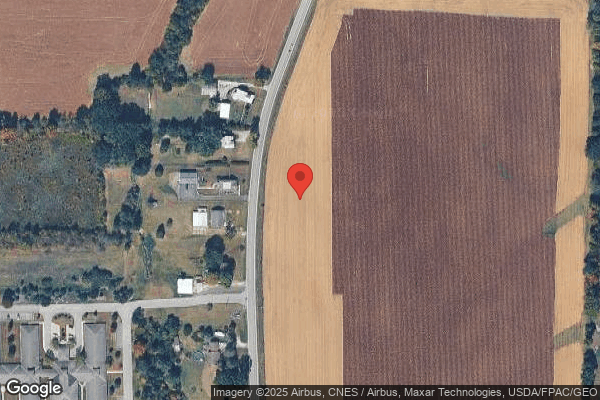
14976 BURBANK ROAD, BURBANK, OH 44214 (330) 624-1030
For profit - Corporation 81 Beds JAG HEALTHCARE Data: November 2025
Trust Grade
60/100
#426 of 913 in OH
Last Inspection: December 2023

Within standard 12-15 month inspection cycle. Federal law requires annual inspections.

Overview

Burbank Parke Care Center has a Trust Grade of C+, indicating it's slightly above average but not exceptional. It ranks #426 out of 913 nursing homes in Ohio, placing it in the top half, and #8 out of 14 in Wayne County, meaning there are only a few local options that rate higher. The facility's trend is improving, with the number of issues decreasing from 11 in 2023 to 4 in 2024. Staffing is a concern, with a 2/5 star rating and RN coverage lower than 96% of Ohio facilities, meaning residents may not receive the best medical oversight. However, the center has zero fines on record and a good staff turnover rate of 33%, below the state average, which suggests that staff are more stable and familiar with the residents. Specific incidents reported include failures to maintain proper food temperatures, such as milk being served at 55 degrees Fahrenheit instead of colder, which poses a potential health risk. Additionally, the facility did not keep the nursing unit refrigerator clean, with food splatter and residue found inside, raising sanitation concerns. Lastly, grounds maintenance was lacking, as cigarette butts were found improperly disposed of near the facility, which could affect the environment for all residents. Overall, while there are notable strengths in the facility's stability and lack of fines, there are also significant areas for improvement regarding health and sanitation practices.

Trust Score
C+
60/100
In Ohio
#426/913
Top 46%
Safety Record
Low Risk
No red flags
Inspections
Getting Better
11 → 4 violations
Staff Stability
○ Average
33% turnover. Near Ohio's 48% average. Typical for the industry.
Penalties
✓ Good
No fines on record. Clean compliance history, better than most Ohio facilities.
Skilled Nurses
⚠ Watch
Each resident gets only 21 minutes of Registered Nurse (RN) attention daily — below average for Ohio. Fewer RN minutes means fewer trained eyes watching for problems.
Violations
⚠ Watch
24 deficiencies on record. Higher than average. Multiple issues found across inspections.
★★★☆☆
3.0
Overall Rating
★★☆☆☆
2.0
Staff Levels
★★★★★
5.0
Care Quality
★★☆☆☆
2.0
Inspection Score
Stable
2023: 11 issues
2024: 4 issues

The Good

  • 5-Star Quality Measures · Strong clinical quality outcomes
  • Full Sprinkler Coverage · Fire safety systems throughout facility
  • No fines on record
  • Staff turnover below average (33%)

    15 points below Ohio average of 48%

Facility shows strength in quality measures, fire safety.

The Bad

3-Star Overall Rating

Near Ohio average (3.2)

Meets federal standards, typical of most facilities

Staff Turnover: 33%

13pts below Ohio avg (46%)

Typical for the industry

Chain: JAG HEALTHCARE

Part of a multi-facility chain

Ask about local staffing decisions and management

The Ugly 24 deficiencies on record

Sept 2024 1 deficiency
CONCERN (D) 📢 Someone Reported This

A family member, employee, or ombudsman was alarmed enough to file a formal complaint

Potential for Harm - no one hurt, but risky conditions existed

Comprehensive Care Plan (Tag F0656)

Could have caused harm · This affected 1 resident

**NOTE- TERMS IN BRACKETS HAVE BEEN EDITED TO PROTECT CONFIDENTIALITY** Based on observation, record review and interview, the facility failed to ensure interventions to maintain skin integrity were i...

Read full inspector narrative →
**NOTE- TERMS IN BRACKETS HAVE BEEN EDITED TO PROTECT CONFIDENTIALITY** Based on observation, record review and interview, the facility failed to ensure interventions to maintain skin integrity were implemented per the resident's care plan. This affected one (Resident #50) of five sampled residents. The facility census was 71. Findings include: Review of Resident #50's medical record revealed the resident was admitted on [DATE] with diagnoses including Alzheimer's disease, hypoxemia, severe dementia, delusional disorder, anxiety, and major depressive disorder. Review of the quarterly Minimum Data Set (MDS) 3.0 assessment dated [DATE] revealed Resident #50 was rarely understood, was receiving hospice services, and was dependent for activities of daily living. Review of Resident #50's physician orders for September 2024 revealed an order dated 10/17/23 for soft elbow pads implemented daily for skin protection. Review of Resident #50's care plan revealed Resident #50 had actual or potential for alteration in skin integrity related to diagnoses and resistance to care. An intervention dated 04/03/20 included elbow protectors at all times, may remove for hygiene. Observation and interview on 09/04/24 at 1:49 P.M. with Licensed Practical Nurse (LPN) #206 revealed Resident #50 sitting in the common area in a Broda chair. Resident #50's left arm was in a cast, covered in a blanket. Resident #50 did not have an elbow protector to her right elbow. LPN #206 stated an elbow protector was not on the left elbow related to the cast but verified Resident #50 should have an elbow protector on the right arm. This deficiency represents non-compliance investigated under Complaint Number OH00156928.
Jul 2024 2 deficiencies
CONCERN (D) 📢 Someone Reported This

A family member, employee, or ombudsman was alarmed enough to file a formal complaint

Potential for Harm - no one hurt, but risky conditions existed

Pressure Ulcer Prevention (Tag F0686)

Could have caused harm · This affected 1 resident

Based on observation, interview and record review the facility failed to ensure staff followed appropriate hand hygiene and glove use when completing pressure ulcer treatments. This affected one of th...

Read full inspector narrative →
Based on observation, interview and record review the facility failed to ensure staff followed appropriate hand hygiene and glove use when completing pressure ulcer treatments. This affected one of three residents (Resident #24) for pressure ulcer dressing changes. The census was 72. Findings Included: Review of the open medical record for Resident #24 revealed an admission date 03/13/23. Diagnoses included diabetes type 2 and Stage 4 pressure ulcer (Full-thickness skin and tissue loss). Review of the physician orders for July 2024 revealed a treatment to cleanse sacrum with normal saline, apply collagen sheet to wound bed, Skin prep peri wound and cover with border gauze dressing. Observation of Resident #24's dressing change on 07/26/24 at 9:31 A.M. with Licensed Practical Nurse (LPN) #303 and State Tested Nurses Assistant (STNA) #366 revealed LPN #303 and STNA #366 both used hand sanitizer as they entered the room. LPN #303 setup the supplies needed for the dressing change. LPN #303 removed the old dressing and discarded the dressing and the gloves she was wearing. LPN #303 donned a clean pair of gloves without washing her hands or using hand sanitizer then cleansed the wound with normal saline, removed her gloves and donned clean gloves without washing her hands or using hand sanitizer. LPN #303 applied the new dressing, cleaned up the trash and removed her gown and gloves and used hand sanitizer as she was walking out of the room. Interview on 07/26/24 at 9:45 A.M. with LPN #303 verified she did not wash her hands or use hand sanitizer between glove changes while completing Resident #24's dressing change. LPN #303 verified she should have washed her hands or used hand sanitizer every time she changed her gloves. Review of the facility policy Dressings, Dry/Clean, dated 09/2013 revealed to wash and dry hands and put on clean gloves between removing old dressing, cleaning wound and applying new dressing. This deficiency represents non-compliance investigated under Complaint Number OH0015586.
CONCERN (E) 📢 Someone Reported This

A family member, employee, or ombudsman was alarmed enough to file a formal complaint

Potential for Harm - no one hurt, but risky conditions existed

Infection Control (Tag F0880)

Could have caused harm · This affected multiple residents

**NOTE- TERMS IN BRACKETS HAVE BEEN EDITED TO PROTECT CONFIDENTIALITY** Based on observation, record review and interview, the facility failed to ensure enhanced barrier precautions (EBP) were impleme...

Read full inspector narrative →
**NOTE- TERMS IN BRACKETS HAVE BEEN EDITED TO PROTECT CONFIDENTIALITY** Based on observation, record review and interview, the facility failed to ensure enhanced barrier precautions (EBP) were implemented as required for Resident #65. This had the potential to affect ten residents (#55, #56, #57, #58, #59, #60, #61, #62, #63, and #64) that resided on the same hall as Resident #65. Findings include: Review of Resident #65's medical record revealed the resident was admitted on [DATE] with diagnoses that included but not limited to Alzheimer's disease, angina pectoris, major depressive disorder, and atherosclerotic heart disease. Review of the most recent Minimum Data Set (MDS) 3.0 assessment dated [DATE] revealed Resident #65 was severely cognitively impaired and required maximal assistance with activities of daily living. Review of the physician's orders for July 2024 revealed Resident #65 did not have a urinary catheter. Review of the physician orders dated 07/22/24 revealed that Resident #65 was ordered one gram of ertapenem sodium (antibiotic) for extended spectrum beta-lactamase (ESBL) intramuscularly (IM) once a day for five days. ESBL producing bacteria cannot be killed by many antibiotics used to treat infections making it harder to treat. Review of Resident #65's progress note dated 07/22/24 dated revealed Resident #65 was retested for the COVID-19 virus. Resident #65 was to remain in isolation for the full 10-day period and retest on 07/27/24. The note further indicated all services were rendered in room with no safety concerns at that time. The urine analysis and culture and sensitivity returned indicating positive for ESBL. The physician was notified and opted not to order antibiotic therapy at this time because Resident #65 was on an antiviral for COVID-19. Review of Resident #65's progress note dated 07/23/24 at 5:26 P.M. revealed Resident #65 was retested for the COVID-19 virus. Resident #65 was to remain in isolation for the full 10-day period and retest on 07/27/24. The urine analysis and culture and sensitivity returned positive for ESBL. The physician ordered an IM antibiotic after ensuring there were no interactions with the antiviral that was being administered. Observation and interview on 07/26/24 at 12:42 P.M. with Licensed Practical Nurse (LPN) # 303 revealed Resident #65 was not on isolation precautions or enhanced barrier precautions. LPN #303 verified Resident #65 was not on isolation precautions. LPN #303 stated she took Resident #65 off isolation precautions because the resident had a negative COVID-19 test and did not have to remain on isolation precautions. Interview on 07/26/24 at 1:40 P.M. with the Director of Nursing (DON) revealed although Resident #65 no longer required droplet precautions for COVID-19 the resident should have been on contact precautions because she was newly diagnosed with ESBL. Review of the Centers for Medicare and Medicaid QSO-24-08-NH memo dated 03/20/24 revealed enhanced barrier precautions (EBP) were indicated with any of the following: • Infection of colonization with a CDC-targeted MDRO when contact precautions did not apply. • Wounds and/or indwelling medical devices even if resident was not known to be infected or colonized with a multi drug resistant organism (MRDO). Review of the facility census dated 07/26/24 revealed Residents #55, #56, #57, #58, #59, #60, #61, #62, #63, and #64 resided on the same hall as Resident #65. This deficiency represents non-compliance investigated under Complaint Number OH0015586.
Jan 2024 1 deficiency
CONCERN (D) 📢 Someone Reported This

A family member, employee, or ombudsman was alarmed enough to file a formal complaint

Potential for Harm - no one hurt, but risky conditions existed

Accident Prevention (Tag F0689)

Could have caused harm · This affected 1 resident

Based on medical record review, observation, resident interview, staff interview and review of the facility policy, the facility failed to ensure residents were transferred in a safe manner and in acc...

Read full inspector narrative →
Based on medical record review, observation, resident interview, staff interview and review of the facility policy, the facility failed to ensure residents were transferred in a safe manner and in accordance with the plan of care in order to prevent injury. This affected one (Resident #10) of three residents reviewed for assistance with activities of living (ADLs). The facility census was 68. Findings include: Review of the medical record for Resident #10 revealed an admission date of 06/26/21 with diagnoses included hemiplegia, cerebral infarction, aphasia, diabetes mellitus, osteoarthritis, intervertebral disc degeneration, major depressive disorder, and aftercare joint replacement surgery. Review of the physician order for Resident #10 dated 10/20/23 revealed the resident was a stand-pivot transfer with assistance of one staff using hemi-walker for transferring and could use a mechanical lift as needed every shift for transfers. Review of the quarterly Minimum Data Set (MDS) assessment for Resident #10 dated 01/18/24 revealed the resident had moderate cognitive impairment, mobilized with an assistive device, and required the assistance of one staff with ADLs including transfers and showers. Review of the physician's order for Resident #10 dated 01/19/24 revealed the resident could independently transfer (stand pivot transfer) to the toilet but would call for help getting off the toilet and back to the wheelchair. Review of the shower sheet for Resident #10 dated 01/19/24 signed by State Tested Nursing Assistant (STNA) #100 revealed the resident's skin was intact with no bruising noted. Review of the shower sheet for Resident #10 dated 01/22/2024 signed by STNA #100 revealed the resident had a red bruise to the right arm. Interview on 01/24/24 at 4:20 P.M. with Registered Nurse (RN) #210 confirmed Resident #10 required the assistance of one staff with transfers, and staff should use a gait belt when transferring the resident to prevent injury. Review of the physician assessment for Resident #10 dated 01/25/24 revealed the resident was paralyzed to her right arm and had no pain sensation to the extremity. Resident #10 had a bruise observed to the right upper arm. Further review of the note revealed based on the location of the bruise it probably occurred while someone was helping the resident get off the toilet seat. Interview on 01/25/24 at 11:00 A.M. with Therapy Manager (TM) #250 confirmed staff should use a gait belt when assisting residents with stand and pivot transfers to prevent injuries. Observation on 01/25/24 at 3:15 P.M of Resident #10 revealed resident had a red and yellow bruised area to the medical aspect of the right upper arm. Interview on 01/25/24 at 3:15 P.M. with Resident #10 confirmed on 01/19/24 sometime in the afternoon STNA #100 assisted the resident with a transfer from toilet to wheelchair. Resident #10 confirmed the STNA #100 did not transfer her with a gait belt but grabbed onto her right arm instead. Resident #10 confirmed it took three attempts for STNA #10 to successfully transfer her from the toilet to the wheelchair. Resident #10 further confirmed her right arm was paralyzed from a stroke and she had no pain to her arm. Resident #10 confirmed she believes the bruise to her right arm was caused when STNA #100 assisted her with transfer on 01/19/24. Interview on 01/25/24 at 4:20 P.M. of STNA #100 confirmed the facility policy was for aides to use a gait belt when transferring residents. STNA #100 confirmed on 01/19/24 sometime in the afternoon she assisted Resident #10 with a transfer from the toilet seat to wheelchair and it took three attempts before she was successfully able to transfer the resident. STNA #100 confirmed she did not use a gait belt when transferring Resident #10 on 01/19/24 but she grabbed onto the resident's right arm instead. STNA #100 further confirmed Resident #10 developed a bruise to her right arm which could have possibly occurred when grabbing the resident's arm during the transfer on 01/19/24. Review of the facility policy titled Safe Lifting and Movement of Residents dated July 2017 revealed the facility staff would promote the safety and well-being of staff and residents by use of appropriate techniques and devices to lift and move residents. This deficiency is an example of continued non-compliance from the survey dated 12/29/23.
Dec 2023 10 deficiencies
CONCERN (D)

Potential for Harm - no one hurt, but risky conditions existed

Pressure Ulcer Prevention (Tag F0686)

Could have caused harm · This affected 1 resident

**NOTE- TERMS IN BRACKETS HAVE BEEN EDITED TO PROTECT CONFIDENTIALITY** Based on observation, record review and interview, the facility failed to ensure Resident #15's sacral pressure ulcer wound dres...

Read full inspector narrative →
**NOTE- TERMS IN BRACKETS HAVE BEEN EDITED TO PROTECT CONFIDENTIALITY** Based on observation, record review and interview, the facility failed to ensure Resident #15's sacral pressure ulcer wound dressing was in place. This finding affected one (Resident #15) of two residents reviewed for pressure ulcers. Findings include: Review of Resident #15's medical record revealed the resident was admitted on [DATE] with diagnoses including cerebral atherosclerosis, depression and anxiety. Review of Resident #15's physician orders revealed an order dated 11/17/23 to cleanse the area to the coccyx with normal saline, apply a collagen sheet to the wound bed, apply calcium alginate, apply skin prep to the peri wound and cover with a silicone super absorbent border foam dressing three times a week and as needed every Monday, Wednesday and Friday for wound care. Review of Resident #15's wound progress note dated 12/13/23 revealed the resident had a stage four full thickness coccyx pressure wound which measured 2.6 cm (centimeters) by 0.9 cm by 1.1 cm with 10% slough and 90% granulation tissue. Observation on 12/27/23 at 3:09 P.M. with Licensed Practical Nurse (LPN) #811 and State Tested Nursing Assistant (STNA)/Transport #826 of Resident #15's coccyx pressure ulcer dressing change revealed the resident was turned to her side and the coccyx pressure ulcer dressing was not in place at the time of the observation. Interview on 12/27/23 at 3:14 P.M. with LPN #811 confirmed she was unsure what happened to Resident #15's dressing but it was not in place at the time of the observation. Review of the undated Pressure Ulcers/Skin Breakdown Clinical Protocol policy indicated the physician would order pertinent wound treatments, including pressure reduction surfaces, wound cleansing and debridement approaches, dressings (occlusive, absorptive, etc) and application of topical agents.
CONCERN (D)

Potential for Harm - no one hurt, but risky conditions existed

Accident Prevention (Tag F0689)

Could have caused harm · This affected 1 resident

**NOTE- TERMS IN BRACKETS HAVE BEEN EDITED TO PROTECT CONFIDENTIALITY** Based on observation, record review and interview, the facility failed to ensure Resident #51's fall interventions were implemen...

Read full inspector narrative →
**NOTE- TERMS IN BRACKETS HAVE BEEN EDITED TO PROTECT CONFIDENTIALITY** Based on observation, record review and interview, the facility failed to ensure Resident #51's fall interventions were implemented according to the physician orders and care plans. This finding affected one (Resident #51) of five residents reviewed for accidents and hazards. Findings include: Review of Resident #51's medical record revealed the resident was initially admitted on [DATE] and readmitted on [DATE] with diagnoses including chronic obstructive pulmonary disease, major depressive disorder and unspecified dementia. Review of Resident #51's physician orders revealed an order dated 10/29/22 to keep the bed in the lowest height when in bed and an order dated 12/04/23 for a perimeter mattress to the bed for safety. Review of Resident #51's Fall Investigation form dated 11/21/23 revealed the State Tested Nursing Assistant (STNA) found the resident on the floor by the bed. The resident could not state what he was doing. The fall interventions listed included a non-skid floor mat at the bedside and a low bed. The new intervention included to call hospice for a perimeter air mattress. Review of Resident #51's fall care planned interventions revealed interventions including the pressure relieving perimeter mattress to maintain safer bed boundaries, the bed in a low position and non skid footwear. The fall care planned interventions did not include a non-skid floor mat at the bedside. Review of Resident #51's Minimum Data Set (MDS) 3.0 comprehensive assessment dated [DATE] revealed the resident exhibited intact cognition and had two or more falls with injury except major. Observation on 12/27/23 at 10:13 A.M. revealed Resident #51 was asleep on an air bed and no fall bolsters were present. His non-slip fall mat was observed pushed away from the bed in the middle of the room. Observation on 12/27/23 at 11:05 A.M. revealed Resident #51 was in bed sleeping. His fall mat was in the middle of the room and his bed appeared to be elevated at a normal height. Observation on 12/28/23 at 9:24 A.M. revealed Resident #51's bed was elevated to normal height, his overbed table was in front of him and he appeared to be sleeping. His non-slip fall mat was in the middle of the room. Observation on 12/28/23 at 9:44 A.M. with Licensed Practical Nurse (LPN) #811 revealed Resident #51's bed was at normal height and his non-slip fall mattress was in the middle of the room. Further observation revealed the resident was on an air mattress which did not have a perimeter overlay. Observation and interview on 12/28/23 at 9:52 P.M. with LPN Wound Nurse #802 confirmed Resident #51 was ordered a perimeter air mattress by hospice services and they sent bolsters which were to be put on underneath of the sheet. She stated the staff were unaware of what the bolsters were and did not implement them. Interview on 12/28/23 at 9:58 A.M. with the Director of Nursing (DON) stated she started to put in the order and the care planned intervention for the fall mat and she got busy. She stated the intervention was implemented and was not care planned timely. Review of the :Managing Falls and Fall Risk policy revised 03/2021 revealed the staff, with the input of the attending physician, will implement a resident-centered fall prevention plan to reduce the specific risk factors of falls for each resident at risk or with a history of falls.
CONCERN (D)

Potential for Harm - no one hurt, but risky conditions existed

Deficiency F0697 (Tag F0697)

Could have caused harm · This affected 1 resident

**NOTE- TERMS IN BRACKETS HAVE BEEN EDITED TO PROTECT CONFIDENTIALITY** Based on record review and interview, the facility failed ensure Resident #51's narcotic pain medications were administered as o...

Read full inspector narrative →
**NOTE- TERMS IN BRACKETS HAVE BEEN EDITED TO PROTECT CONFIDENTIALITY** Based on record review and interview, the facility failed ensure Resident #51's narcotic pain medications were administered as ordered and failed to adequately monitor and assess Resident #51's pain levels prior to and following administration of the narcotic pain medications. This finding affected one (Resident #51) of two residents reviewed for pain management. Findings include: Review of Resident #51's medical record revealed the resident wad initially admitted on 1214/21 and readmitted on [DATE] with diagnoses including major depressive disorder, pulmonary hypertension and hospice services. Review of Resident #51's Pain Level Summary form from 12/01/23 to 12/28/23 revealed the resident's pain was monitored on 12/16/23 at 12:33 A.M. with a pain level of ten (one being the least pain and ten the worst pain); on 12/16/23 at 7:51 A.M. with a pain level of five and on 12/28/23 at 12:34 P.M. with a pain level of eight. No other documentation was available related to assessment and monitoring of the resident's pain level. Review of Resident #51's physician orders revealed an order dated 12/15/22 for Hydrocodone-Acetaminophen tablet 5-325 mg (milligrams) give one tablet by mouth every six hours for pain management due at 12:00 A.M., 6:00 A.M., 12:00 P.M. and 6:00 P.M. Review of Resident #51's medication administration records (MARS) from 12/01/23 to 12/28/23 revealed no evidence the resident was administered the Hydrocodone-Acetaminophen narcotic pain medications on 12/03/23 at 6:00 A.M., 12/04/23 at 6:00 A.M., 12/05/23 12:00 A.M. and 6:00 A.M., 12/15/23 at 6:00 P.M., 12/17/23 at 12:00 A.M. and 6:00 A.M., 12/18/23 at 12:00 A.M. and 6:00 A.M., 12/24/23 at 6:00 A.M., 12/26/23 at 6:00 A.M. and 12/27/23 at 6:00 A.M. The MARS did not have evidence the resident's pain was monitored pre or post administration of the narcotic pain medication. Attempted interview on 12/28/23 at approximately 9:40 A.M. with Resident #51, who was awake and alert, and the resident was not able to appropriately answer questions. Interview on 12/28/23 at 11:15 A.M. with Licensed Practical Nurse (LPN) Wound Nurse #802 indicated the nurse from hospice services monitor Resident #51's pain once weekly and the facility staff did not consistently monitor and assess the resident's pain level as the narcotic pain medications were scheduled and not ordered as needed. LPN Wound Nurse #802 also confirmed Resident #51's MARS revealed no evidence the resident was administered 12 does of the narcotic pain medication from 12/01/23 to 12/28/23. Review of the Pain Assessment and Management policy revised 03/2020 indicated the purposes of the procedure was to help the staff identify pain in the resident, and to develop interventions that were consistent with the resident's goals and needs and that address the underlying causes of pain.
CONCERN (D)

Potential for Harm - no one hurt, but risky conditions existed

Medication Errors (Tag F0758)

Could have caused harm · This affected 1 resident

**NOTE- TERMS IN BRACKETS HAVE BEEN EDITED TO PROTECT CONFIDENTIALITY** 2. Review of Resident #53's medical record revealed the resident was admitted on [DATE] readmitted on [DATE] with diagnoses incl...

Read full inspector narrative →
**NOTE- TERMS IN BRACKETS HAVE BEEN EDITED TO PROTECT CONFIDENTIALITY** 2. Review of Resident #53's medical record revealed the resident was admitted on [DATE] readmitted on [DATE] with diagnoses included but not limited to dementia, chronic obstructive pulmonary disease, and anxiety disorder. Review of Resident #53's Minimum Data Set (MDS) 3.0 assessment dated [DATE] revealed the resident exhibited severe cognitive impairment. Review of Resident #53's physician orders revealed an order dated 05/06/23 for Lorazepam (anti-anxiety medication) 0.5 mg give one tablet by mouth every twenty-four hours as needed for anxiety. Review of Resident #53's medication administration records (MARS) from 12/01/23 to 12/28/23 revealed the resident received the as needed anti-anxiety medication on 12/20/23 at 9:28 A.M. Review of Resident #53's medical record and progress notes from 12/01/23 to 12/28/23 did not reveal evidence the resident was provided non-pharmacological interventions were provided to the resident prior to administering the anti-anxiety medication. Interview on 12/29/23 at 11:28 A.M. with the Administrator confirmed Resident #53's medical record did not have evidence non-pharmacological interventions were implemented prior to administering the anti-anxiety medication. Review of the Psychotropic Medication Use policy revised 07/22 revealed non-pharmacological approaches are used (unless contraindicated) to minimize the need for medications, permit the lowest possible dose, and allow for discontinuation of medications when possible. Based on record review and interview, the facility failed to implement non-pharmacological interventions prior to administering Resident #3 and Resident #53's anti-anxiety medication. This finding affected two (Residents #3 and #53) of five residents reviewed for unnecessary medications. Findings include: 1. Review of Resident #3's medical record revealed the resident was admitted on [DATE] with diagnoses including vascular dementia, neuromuscular dysfunction of the bladder and low back pain. Review of Resident #3's Minimum Data Set (MDS) 3.0 assessment dated [DATE] revealed the resident exhibited severe cognitive impairment. Review of Resident #3's physician orders revealed an order dated 05/06/23 for Lorazepam (anti-anxiety medication) 0.5 mg give one tablet by mouth every four hours as needed for agitation and anxiety. Review of Resident #3's medication administration records (MARS) from 12/01/23 to 12/28/23 revealed the resident received the as needed anti-anxiety medication on 12/1/23 at 1:05 P.M., 12/01/23 at 5:24 P.M., 12/13/23 at 9:27 A.M., 12/19/23 at 1:36 P.M., 12/22/23 at 9:11 P.M., and 12/23/23 at 4:38 A.M. Review of Resident #3's medical record and progress notes from 12/01/23 to 12/28/23 did not reveal evidence the resident was provided non-pharmacological interventions were provided to the resident prior to administering the anti-anxiety medication. Interview on 12/29/23 at 8:20 A.M. with Licensed Practical Nurse (LPN) Wound Nurse #802 confirmed Resident #3's medical record did not have evidence non-pharmacological interventions were implemented prior to administering the anti-anxiety medication.
CONCERN (D)

Potential for Harm - no one hurt, but risky conditions existed

Unnecessary Medications (Tag F0759)

Could have caused harm · This affected 1 resident

**NOTE- TERMS IN BRACKETS HAVE BEEN EDITED TO PROTECT CONFIDENTIALITY** Based on observation, record review and interview, the facility failed to ensure a medication error rate of less than 5% (percen...

Read full inspector narrative →
**NOTE- TERMS IN BRACKETS HAVE BEEN EDITED TO PROTECT CONFIDENTIALITY** Based on observation, record review and interview, the facility failed to ensure a medication error rate of less than 5% (percent). Twenty-five medications were observed with two errors for a medication error rate of 8%. This finding affected one (Resident #53) of four residents observed for medication administration. Findings include: Review of Resident #53's medical record revealed the resident was initially admitted on [DATE] and readmitted on [DATE] with diagnoses including chronic obstructive pulmonary disease, dementia and primary generalized osteoarthritis. Review of Resident #53's Minimum Data Set (MDS) 3.0 assessment dated [DATE] revealed the resident exhibited severe cognitive impairment. Review of Resident #53's physician orders revealed an order dated an order dated 08/04/22 to give one scoop of fiber powder by mouth one time a day for diarrhea; an order dated 08/23/22 for Brimonidine Tartrate solution 0.2% (percent) instill one drop in the left eye two times a day related to unspecified glaucoma and an order dated 12/13/22 for a regular diet, regular texture with a nectar consistency. Observation on 12/28/23 at 7:33 A.M. with Registered Nurse (RN) #809 of Resident #53's morning medication administration revealed ten medications were administered with two errors. The facility administered the Brimonidine eye drop in both eyes and the order was for the left eye. The nurse also administered the fiber powder in water and the resident was on nectar thickened liquids. Interview on 12/28/23 at 8:02 A.M. with RN #809 confirmed Resident #53's eye drops were administered to both eyes in error and the fiber powder was mixed with thin water instead of nectar thickened water as required. Twenty-five medications were observed with two errors for a medication error rate of 8%. Review of the Medication Administration policy revised 11/22 indicated a medication administration record is used to document all medications administered.
CONCERN (D)

Potential for Harm - no one hurt, but risky conditions existed

Infection Control (Tag F0880)

Could have caused harm · This affected 1 resident

**NOTE- TERMS IN BRACKETS HAVE BEEN EDITED TO PROTECT CONFIDENTIALITY** Based on observation, staff interview and policy review, the facility failed to ensure basic infection control practices were ma...

Read full inspector narrative →
**NOTE- TERMS IN BRACKETS HAVE BEEN EDITED TO PROTECT CONFIDENTIALITY** Based on observation, staff interview and policy review, the facility failed to ensure basic infection control practices were maintained related to catheter bag placement for Resident #5. This affected one resident (Resident #5) of one resident reviewed for catheter care. The facility census was 67. Findings Include: Resident #5 was admitted to the facility on [DATE] with diagnoses that included chronic obstructive pulmonary disease (COPD), dementia and neuromuscular dysfunction of the bladder. Review of the most recent quarterly Minimum Data Set (MDS) 3.0 assessment dated [DATE] revealed Resident #5 was cognitively intact, required extensive assistance of one staff person for completing her activities of daily living and the use of indwelling foley catheter to empty her bladder. Observation of Resident #5 on 12/27/23 at 10:29 A.M. revealed Resident #5 was up and sitting in her recliner. Resident #5's foley catheter bag was uncovered, touching the floor and hanging on a trash can next to the recliner with trash inside the can. Interview at this time with Licensed Practical Nurse (LPN) #811 verified Resident #5's foley catheter bag was uncovered, touching the floor and hanging on a trash can next to the recliner with trash inside the can. Interview with Resident #5 on 12/27/23 at 10:33 A.M. revealed facility staff hangs the catheter bag from the trash can all the time. Review of the policy titled, Catheter care, Urinary Policy, dated 08/01/22, revealed staff should observe tubing and drainage bag to prevent contact with the floor.
CONCERN (E)

Potential for Harm - no one hurt, but risky conditions existed

Assessment Accuracy (Tag F0641)

Could have caused harm · This affected multiple residents

**NOTE- TERMS IN BRACKETS HAVE BEEN EDITED TO PROTECT CONFIDENTIALITY** 6. Review of the medical record for Resident #56 revealed an admission date of 06/01/21. Diagnoses included cerebral infarction,...

Read full inspector narrative →
**NOTE- TERMS IN BRACKETS HAVE BEEN EDITED TO PROTECT CONFIDENTIALITY** 6. Review of the medical record for Resident #56 revealed an admission date of 06/01/21. Diagnoses included cerebral infarction, vascular dementia with other behavioral disturbance, psychosis, major depressive disorder, and anxiety. Review of the physician orders for December 2023 revealed orders for Lorazepam (antianxiety) tablet 0.5 milligrams (mg) to give one tablet by mouth three times a day for anxiety with a start date of 08/31/23. Review of the medication administration records for October 2023 and November 2023 revealed Resident #56 received Lorazepam (anti-anxiety) tablet 0.5 mg as ordered. Review of the annual minimum data set (MDS) assessment dated [DATE] revealed Resident #56 had impaired cognition and did not receive any anti-anxiety medications during the seven day look back period. Interview on 12/28/23 at 10:51 A.M. with MDS Nurse #801 verified she marked no for anti-anxiety medication use and that it should be yes. MDS Nurse #801 stated Resident #56 received the medication routinely. Based on observation, record review and interview, the facility failed to ensure comprehensive assessments were complete and accurate. This finding affected four (Residents #15, #50, #51, and #64) of 24 residents reviewed for comprehensive assessments. Findings include: 1. Review of Resident #15's medical record revealed the resident was admitted on [DATE] with anxiety disorder, depression and chronic obstructive pulmonary disease. Review of Resident #15's physician orders revealed an order dated 08/30/23 to admit to hospice services with a diagnosis of cerebral atherosclerosis. Review of Resident #15's Minimum Data Set (MDS) 3.0 comprehensive assessment dated [DATE] under Section O - Special Treatments, Procedures, and Programs did not reflect the resident was receiving hospice services. Interview on 12/27/23 at 4:44 P.M. with Registered Nurse (RN) MDS #801 confirmed Resident #15's comprehensive assessment dated [DATE] did not reflect the resident's hospice services. 2. Review of Resident #15's medical record revealed the resident was admitted on [DATE] with diagnoses including obstructive and reflux uropathy, anxiety disorder and compression. Review of Resident #15's MDS 3.0 comprehensive assessment Section M - Skin Conditions dated 09/28/23 revealed the resident did not have a pressure ulcer/injury, a scar over a bony prominence, or a non-removable dressing/device. Review of Resident #15's Wound Evaluation and Management Summary dated 12/13/23 revealed the resident had a stage four coccyx, full thickness pressure wound measuring 2.5 cm (centimeters) by 0.9 cm by 1.1 cm with 10% slough and 90% granulation tissue. Interview on 12/28/23 at 3:00 P.M. with RN MDS #801 confirmed Resident #15's MDS 3.0 Comprehensive assessment did not reflect the resident's stage four sacral pressure ulcer. 3. Review of Resident #50's medical record revealed the resident was initially admitted on [DATE] and readmitted on [DATE] with diagnoses including chronic kidney disease as well as obstructive and reflux uropathy. Review of Resident #50's physician orders revealed an order dated 07/14/23 for an 18 French Foley catheter change every month and as needed. Review of Resident #50's MDS 3.0 comprehensive assessment Section H - Bladder and Bowel dated 09/28/23 revealed the resident exhibited intact cognition, did not have an indwelling catheter, was frequently incontinent of urine and always incontinent of bowel. Review of Resident #50's Bowel and Bladder Assessment form dated 10/01/23 revealed the resident was frequently incontinent but some control was present. The Bowel and Bladder Assessment form did not accurately reflect the resident's Foley catheter usage. Observation and interview on 12/27/23 at 9:06 A.M. with Resident #50 revealed the resident had a urinary catheter in place and the resident reported he was unaware of the reason for the use of the catheter. Interview on 12/27/23 at 4:44 P.M. with RN MDS #801 confirmed Resident #50's MDS 3.0 comprehensive assessment did not accurately reflect the resident's Foley catheter usage and the Bowel and Bladder Assessment form did not accurately reflect the resident's Foley catheter use. 4. Review of Resident #51's medical record revealed the resident was initially admitted on [DATE] and readmitted on [DATE] with diagnoses including unspecified dementia, hallucinations and depression. Review of Resident #51's physician orders revealed an order dated 12/15/22 for Hydrocodone-Acetaminophen tablet 5-525 mg (milligrams) give one tablet by mouth every six hours for pain management due at 12:00 A.M., 6:00 A.M., 12:00 P.M. and 6:00 P.M. Review of Resident #51's medication administration record from 12/01/23 to 12/15/23 revealed the resident was receiving the Hydrocodone-Acetaminophen narcotic tablets. Review of Resident #51's MDS 3.0 comprehensive assessment Section N - Medications dated 12/13/23 revealed the resident did not receive opioid narcotics. Interview on 12/28/23 at 10:50 A.M. with RN MDS #801 confirmed Resident #51's MDS 3.0 comprehensive assessment dated [DATE] did not accurately reflect the resident's narcotic medication administration. 5. Review of Resident 64's medical record revealed the resident was initially admitted on [DATE] and readmitted on [DATE] with diagnoses including diabetes, acquired absence of the left leg above the knee and anxiety disorder. Review of Resident #64's MDS 3.0 assessment dated [DATE] revealed the resident exhibited intact cognition. The medical record did not reveal evidence of a discharge comprehensive assessment. Review of Resident #64's social service progress note progress note dated 09/26/23 at 12:36 P.M. revealed the staff successfully moved the resident to the new assisted living unit per his choice. Interview on 12/28/23 at 8:58 A.M. with RN MDS #801 confirmed Resident #64 was discharged to the assisted living and the facility should have completed a discharge return not anticipated MDS for this resident which was not completed.
CONCERN (E)

Potential for Harm - no one hurt, but risky conditions existed

Menu Adequacy (Tag F0803)

Could have caused harm · This affected multiple residents

Based on observation, interview, and record review the facility failed to ensure accurate serving sizes were served for the pureed meal. This affected two residents (#3 and #39) but had the potential ...

Read full inspector narrative →
Based on observation, interview, and record review the facility failed to ensure accurate serving sizes were served for the pureed meal. This affected two residents (#3 and #39) but had the potential to affect all 10 residents (#1, #3, #9, #12, #19, #23, #36, #39, #47, and #55) residents who received pureed diet. The facility census was 66. Finding included: Review of menu and menu spreadsheet dated 12/28/23 revealed for the pureed meal was #6 scoop serving for the pureed beef stew, #16 scoop serving for the pureed green beans, and #30 scoop serving for the pureed biscuit. Observation on 12/28/23 at 11:44 A.M. of tray line service revealed grey handled scoops placed in each of the pureed beef stew, pureed green beans, and pureed biscuits. Observed at 11:57 A.M. of [NAME] #885 prepare a pureed meal using the gray handled scoop for each pureed item, one serving each, and placed on the tray on the second meal cart for hall trays. Observed at 12:04 P.M. [NAME] #885 prepare another pureed meal using the gray handled scoop for each pureed item, one serving each, and placed on tray on the third/last meal cart for hall trays. Interview on 12/28/23 at 12:05 P.M. with [NAME] #885 verified the gray handled scoops were #8 scoops used to serve the pureed meals and were not correct serving utensils according to the menu spreadsheet. Review of the facility list of resident diets revealed Resident #1, #3, #9, #12, #19, #23, #36, #39, #47, and #55 received pureed foods. Review of the Portion Control Chart posted on the reach in refrigerator across from the steam table next to the ice machine revealed a color coded scoop chart. The chart indicated the #8 scoop was a gray handled scoop and provided four ounce servings. The #6 scoop was a white handle scoop that provided five and one third ounce serving and should had been used for the pureed beef stew; the #30 scoop was a black handled scoop that provided one ounce serving and should had been used to serve the pureed biscuit; and the #16 scoop was a blue handled scoop that provided two ounce serving. Review of the facility policy titled Kitchen Weights and Measures, revised April 2007 revealed food service staff will be trained in proper use of cooking and serving measurements to maintain portion control. Recipes will specify consistent use of metric or U.S. measurement guidelines. Serving utensils used will be consistent with choice of metric or U.S. measure used. Staff will be trained in the appropriate measurement and type of serving utensil to use for each food. Signs or posters explaining coded measurement indicators (e.g., color coded) on utensils will be prominently displayed for reference.
CONCERN (F)

Potential for Harm - no one hurt, but risky conditions existed

Deficiency F0804 (Tag F0804)

Could have caused harm · This affected most or all residents

Based on observation and interview, the facility failed to ensure cold, perishable food (milk) was maintained a proper temperatures. This had the potential to affect all 66 residents in the facility. ...

Read full inspector narrative →
Based on observation and interview, the facility failed to ensure cold, perishable food (milk) was maintained a proper temperatures. This had the potential to affect all 66 residents in the facility. Findings include: Interviews on 12/27/23 between 9:28 A.M. and 11:01 A.M. with Residents #34, #42, and #66 complained of the food temperatures of the meals when they received them in their rooms. Observation on 12/28/23 at 11:44 A.M. of tray line services for halls trays revealed three silver, open meal carts set up with meal trays that had pre-poured beverages including milk. Observation on 12/28/23 at 12:38 P.M. of the last tray served for the hall meal trays. At this time the test tray was preformed and revealed the beef stew and green beans very warm to hot and tasted very good. The pre -poured glass of milk tempted at 55 degrees Fahrenheit. Interview at this time with Dietary Manager (DM) #836 stated the milk should be colder. Reviewed policy Food Preparation and Service revised November 2022 revealed food and nutrition services employees prepare, distribute, and serve food in a manner that complies with safe food handling practices. Under food preparation, cooking, and holding time/temperature revealed the danger zone for food temperatures is above 41 degrees Fahrenheit and below 135 degrees Fahrenheit. This temperature range promotes the rapid growth of pathogenic microorganisms that cause foodborne illness. Potentially hazardous foods include meats, poultry, seafood, cut melon, eggs, milk, yogurt and cottage cheese. Therefore, PHF must be maintained at or below 41 degrees Fahrenheit or at or above 135 degrees Fahrenheit.
CONCERN (F)

Potential for Harm - no one hurt, but risky conditions existed

Food Safety (Tag F0812)

Could have caused harm · This affected most or all residents

Based on observation and interviews, the facility failed to maintain a clean and sanitary nursing unit refrigerator and failed to ensure milk was stored safely to maintain proper temperature during me...

Read full inspector narrative →
Based on observation and interviews, the facility failed to maintain a clean and sanitary nursing unit refrigerator and failed to ensure milk was stored safely to maintain proper temperature during meal service. This had the potential to affect all 66 residents. Findings include: 1. Observation on 12/28/23 between 8:16 A.M. and 8:28 A.M. of the nursing unit refrigerator on the 700 and 800 hall revealed in the freezer a large brownish frozen food splatter and in the refrigerator various food splatter and a black residue on the inside back wall. Interview at this time with Dietary Manager (DM) #836 verified the observations. 2. Observation on 12/28/23 at 8:38 A.M. of Registered Dietitian (RD) #805 passing breakfast trays on the 500 hall. Observed on the beverage care a gallon of opened milk sitting out on the cart. Interview at this time with RD #805 verified the observation and stated they take the milk out of the refrigerator on unit and it was usually out for about hour while meal trays were being passed. RD #805 stated then the milk was put right back into the refrigerator after the trays were passed. Observation on 12/28/23 at approximately 8:40 A.M. of State Tested Nurse Aide (STNA) #823 passing breakfast trays on the 800 hall and observed a gallon of opened milk sitting out on the beverage cart. Interview at this time with STNA #823 verified the observation and stated that was normal practice. Observation on 12/28/23 at 11:44 A.M. of tray line services for halls trays revealed three silver, open meal carts set up with meal trays that had pre-poured beverages including milk.
Feb 2023 1 deficiency
CONCERN (D) 📢 Someone Reported This

A family member, employee, or ombudsman was alarmed enough to file a formal complaint

Potential for Harm - no one hurt, but risky conditions existed

ADL Care (Tag F0677)

Could have caused harm · This affected 1 resident

**NOTE- TERMS IN BRACKETS HAVE BEEN EDITED TO PROTECT CONFIDENTIALITY** Based on record review, observation and interview the facility failed to ensure Resident #25 and #40 received assistance shaving...

Read full inspector narrative →
**NOTE- TERMS IN BRACKETS HAVE BEEN EDITED TO PROTECT CONFIDENTIALITY** Based on record review, observation and interview the facility failed to ensure Resident #25 and #40 received assistance shaving their facial hair. This affected two residents (Resident #25 and #40) of three reviewed for activities of daily living (ADLs). The facility census was 81. Findings included: 1. Review of the medical record revealed Resident #25 was admitted to the facility on [DATE]. Diagnoses included heart failure, hypertension, protein-calorie malnutrition, convulsions, aphasia, insomnia, benign prostatic hyperplasia, peripheral vascular disease, severe intellectual disabilities, epilepsy and cataracts. Review of the shower sheets from 12/01/22 to 02/24/23 revealed no documentation Resident #25 had been shaved. Review of the progress notes from 12/25/22 to 02/24/23 revealed no documentation Resident #25 refused to be shaved. Review of the quarterly Minimum Data Set (MDS) 3.0 assessment dated [DATE] revealed Resident #25 had severely impaired cognition and required total assistance for personal hygiene. Observation on 02/24/23 at 9:23 A.M. and 10:40 A.M. revealed Resident #25 needed to be shaved. He had long whiskers on his face. On 02/24/23 at 10:05 A.M. an interview with the Director of Nursing (DON) revealed the men were to be shaved on shower days and they received showers two the three times weekly. On 02/24/23 at 10:45 A.M. an interview with DON verified Resident #25 needed to be shaved and indicated she would have someone shave him. 2. Review of the medical record revealed Resident #40 was admitted to the facility on [DATE]. Diagnoses included epilepsy, dementia, major depressive disorder, COVID-19, right and left-hand contractures, traumatic brain injury, conversion disorder with seizures, spastic hemiplegia and intracranial injury. Review of the shower sheets from 12/01/22 to 02/24/23 revealed Resident #40 was shaved on 12/01/22 and 12/22/22. There was no other documentation he had been shaved. Review of the progress notes from 12/25/22 to 02/24/23 revealed no documentation Resident #40 refused to be shaved. Review of the quarterly MDS 3.0 assessment dated [DATE] revealed Resident #40 had severely impaired cognition and required total assistance with personal hygiene. Observation on 02/24/23 at 9:20 A.M. and 10:42 A.M. revealed Resident #40 needed to be shaved. He had long whiskers on his face. On 02/24/23 at 10:05 A.M. an interview with the Director of Nursing (DON) revealed the men were to be shaved on shower days and they received showers two the three times weekly. On 02/24/23 at 10:45 A.M. an interview with DON verified Resident #40 needed to be shaved and indicated she would have someone shave him. Review of the facility policy titled, Shaving the Resident, dated 10/10 revealed the purpose was to promotes cleanliness and to provide skin care. This deficiency is based on incidental findings discovered during the course of the investigation of Complaint Number OH00140227.
Nov 2022 1 deficiency
CONCERN (F) 📢 Someone Reported This

A family member, employee, or ombudsman was alarmed enough to file a formal complaint

Potential for Harm - no one hurt, but risky conditions existed

Smoking Policies (Tag F0926)

Could have caused harm · This affected most or all residents

Based on observations, interview and record review the facility failed to ensure the grounds were maintained in a clean manner and that cigarette butts were disposed of in approved containers. This ha...

Read full inspector narrative →
Based on observations, interview and record review the facility failed to ensure the grounds were maintained in a clean manner and that cigarette butts were disposed of in approved containers. This had the potential to affect all 66 residents residing in the facility. Findings include: Observational tour of the facility was conducted on 11/29/22 starting at 8:06 A.M. with Director of Maintenance (DOM) #100 and the following areas of concern were identified: • Off the back service hallway, there was a metal container with cigarette butts roughly three feet from the back of Exit Door #3. • Off the back service hallway close to the 800 hall, there were seven cigarette butts on the ground and not in a container outside the back door. • On the 800 hall, there was a sitting room with an exit door to an interior courtyard. A pink sign was placed on the door that said, Please clean up after yourself when you go outside. Banana peels, trash and cigarette butts on a non-smoking campus is not tolerated. Outside of this door there was a full metal bucket with cigarette butts and a cigarette carton. There were 20 cigarette butts in the grass and gravel to one side of the door and there were 24 cigarette butts in the grass and gravel on the other side of the door. • On the 400 hall there was a sitting room with an exit door to an interior courtyard. Outside of this door there was a plastic mug with cigarette butts inside and 15 cigarettes further away on the gravel and grass areas. • On the 200 hall there was a sitting room with an exit door to an interior courtyard. A yellow piece of paper was taped to the door that said, No Exit, No Smoking. Outside of this door there were five cigarette butts in the gravel and on the other side of the door there were three cigarette butts in the gravel. There was a concrete area with an overhang and a table with chairs by the kitchen and four cigarette butts were observed on the gravel there. A cigarette butt was also noted in a planter nearby. Interview on 11/29/22 starting at 8:06 A.M. with DOM #100 revealed the facility was a non-smoking facility for staff and residents. Staff were to go out back or go into their car if they wanted to smoke. DOM #100 stated he cleaned up cigarette butts once a week but did not document the completion of this task and indicated it had been a while since cigarette butts were last removed. DOM #100 verified a plastic mug was not an appropriate container for cigarette butts. DOM #100 also verified the facility did not have a designated smoking area for staff. Review of a monthly safety inspection dated 11/14/22 and completed by DOM #100 revealed the items including cigarette disposal containers have been inspected and are free of paper products and all areas outside facility, including designated smoking areas, remain clean and free of cigarette butts and ash trays are emptied into a fire-rated metal container with self-closing lid were marked n/a (not applicable). A follow-up interview on 11/29/22 at 9:18 A.M. with DOM #100 verified the components of the monthly safety inspection relevant for smoking were marked as 'not applicable'. Interview on 11/29/22 at 10:37 A.M. with the Administrator verified the facility did not have a policy addressing smoking or smoking areas for review and just had information regarding the facility's non-smoking policy in the employee and resident handbooks. Review of the undated resident handbook revealed the facility was smoke-free and there was to be no smoking in the facility or on the premises. The facility could provide at management's discretion designated smoking areas where smoking would be permitted only in the restricted areas and at specific times. Lighters, matches and cigarettes were not permitted in the resident's room and were to be marked and kept at the nurses' station or other location. Review of the facility's staff handbook revised September 2018 revealed the facility had a no smoking policy. Smoking was prohibited anywhere on the company premises at all times. Any associate who became aware of anyone violating the policy was to contact their manager or facility administrator. This deficiency represents non-compliance investigated under Complaint Number OH00137591.
Jan 2022 4 deficiencies
CONCERN (D)

Potential for Harm - no one hurt, but risky conditions existed

Respiratory Care (Tag F0695)

Could have caused harm · This affected 1 resident

**NOTE- TERMS IN BRACKETS HAVE BEEN EDITED TO PROTECT CONFIDENTIALITY** Based on observation, interview, record review, and policy review, the facility failed to ensure respiratory equipment was maint...

Read full inspector narrative →
**NOTE- TERMS IN BRACKETS HAVE BEEN EDITED TO PROTECT CONFIDENTIALITY** Based on observation, interview, record review, and policy review, the facility failed to ensure respiratory equipment was maintained in a sanitary manner. This affected one resident (Resident #65) of two residents reviewed for respiratory care. Findings include: Review of Resident #65's medical record revealed an original admission date of 06/18/21 and diagnoses including chronic obstructive pulmonary disease (COPD), moderate protein-calorie malnutrition, depression, anxiety disorder, anemia, chronic respiratory failure and hypertension (high blood pressure). Review of census data revealed Resident #65 was on hospice care as of 08/20/21 and showed admissions to the facility from 06/18/21 to 07/11/21, from 07/26/21 to 08/14/21, from 08/20/21 to 12/04/21 and from 12/13/21 to present. Review of an admission minimum data set (MDS) assessment dated [DATE] revealed Resident #65 was cognitively intact and required supervision for bed mobility, eating and ambulation off of the unit. Resident #65 did not have upper or lower extremity impairment. Resident #65 was coded as using oxygen and non-invasive mechanical ventilator and was under hospice care. Review of Resident #65's physician's orders revealed an order dated 06/20/21 for change aerosol tubing and set up and clean filter every week per facility policy every night shift every Sunday for oxygen care; an order dated 06/20/21 for change oxygen tubing with oxygen ears and/or set up and clean filter each week per policy every night shift every Sunday for oxygen care; an order dated 08/20/21 for ipratropium-albuterol solution 0.5-2.5 (3) milligrams/three milliliters, three milliliters inhale orally four times a day for shortness of breath; an order dated 08/20/21 for place on Bilevel Positive Airway Pressure (BiPAP) before bed and remove in the morning every evening shift for COPD; an order dated 08/20/21 for oxygen at two to 10 liters via nasal cannula continuous to maintain oxygen saturation at or above 92% every shift for COPD; and an order dated 08/21/21 for place on BiPAP before bed and remove in the morning every day shift for COPD. Orders did not address cleaning the BiPAP. Observation on 01/10/22 at 1:33 P.M. of Resident #65's room revealed Resident #65 was laying in bed and an oxygen machine was to the left of the bed with green tubing from the machine to a nasal cannula. No date was noted on the oxygen tubing. A nebulizer with mask attachment was on Resident #65's nightstand open to air and the mask had a date of 12/03/21. A Bilevel Positive Airway Pressure (BiPAP) machine was also on Resident #65's nightstand open to air and was not dated. Interview on 01/10/22 at 1:33 P.M. with Resident #65 revealed he was not sure how often the oxygen tubing was changed but indicated he had never seen the nebulizer or the BiPAP machine cleaned. Observation and interview on 01/10/22 at 1:56 P.M. with the Director of Nursing (DON) verified Resident #65's nebulizer mask was dated 12/03/21 and was open to air; the DON indicated indicated nebulizers were typically changed out weekly on Sundays. The DON verified the BiPAP and the oxygen tubing were not dated and stated they should have been per policy. The DON stated Resident #65 used hospice services and they often provided his respiratory supplies. No evidence was available to determine when the BiPAP had been last cleaned. Review of the facility's policy on CPAP/BiPAP Support, revised December 2017 revealed these were general guidelines for cleaning, as specific guidelines were obtained from the manufacturer of the PAP device. PAP machines were to be wiped with warm, soapy water and rinsed at least once a week and as needed. Review of the facility policy, Care and Maintenance of Oxygen Concentrators, dated February 1999 revealed change humidifier and cannula once per week. Label with date of change. Review of policy, Hand Held Nebulization, revised July 2005, revealed after each treatment, rinse mouthpiece and chamber under warm running water and allow to air dry. Each resident receiving hand held nebulizations should be issued a new medication nebulizer weekly. Discard old nebulizer and storage bag. Assemble new nebulizer and place in set-up bag provided. Always mark bag with resident's name and date changed.
CONCERN (D)

Potential for Harm - no one hurt, but risky conditions existed

Deficiency F0810 (Tag F0810)

Could have caused harm · This affected 1 resident

**NOTE- TERMS IN BRACKETS HAVE BEEN EDITED TO PROTECT CONFIDENTIALITY** Based on observation, interview, and record review, the facility failed to ensure Resident #44's assistive device for drinking w...

Read full inspector narrative →
**NOTE- TERMS IN BRACKETS HAVE BEEN EDITED TO PROTECT CONFIDENTIALITY** Based on observation, interview, and record review, the facility failed to ensure Resident #44's assistive device for drinking was in place as ordered. This affected one resident (Resident #44) out of four residents reviewed for adaptive equipment. Findings include: Review of the medical record for Resident #44 revealed an admission date of 05/31/19. Diagnoses included Alzheimer's disease, dysphagia oropharyngeal, insomnia, delusional disorder, anxiety disorder, psychotic disorder, and major depressive disorder. Review of Resident #44's care plan, dated 06/03/19, revealed episodes of nutritional problems, abdominal pain, indigestion, nausea/vomiting, diarrhea, constipation, and dysphagia related to gastroesophageal reflux disease and irritable bowel syndrome. Interventions include diet per registered dietician (RDLD) recommendations and physician orders. Altered nutritional status was evidenced by inadequate intake, underweight Body Mass Index less than 19, difficulty chewing/swallowing, required feeding assistance, diet modified consistencies, and supplements. Interventions also included adaptive equipment as ordered. Review of Resident #44's Nutritional Assessment, dated 10/23/21, revealed recommendation of a low fat/low cholesterol pureed diet, nectar thick liquid diet with feed assist sippy cup with meals. Staff were to continue feeding assistance for Resident #44. Review of Resident #44's speech therapy discharge note, dated 11/24/21, revealed resident and caregiver training provided was provided and included use of swallow strategies of alteration of liquids and solids, small sips/bites, and upright positioning during intake, and use of nosey cup. Review of Resident #44's quarterly Minimum Data Set Assessment (MDS), dated [DATE], revealed Resident #44 had impaired cognition, and was total dependent for all activities of daily living (ADLs). Review of Resident #44's physician orders for January 2022 revealed orders for swallow strategies nosey cup with liquids. This adaptive equipment was initiated on 04/03/20. Interview and observation on 01/11/22 at 12:15 P.M. with Licensed Practical Nurse (LPN) #308 revealed Resident #44 was not using her nosey cup and her liquids were served in a Styrofoam cup. Interview on 01/11/22 at 2:45 P.M. with LPN #308 revealed if a resident needed adaptive equipment no matter what their COVID-19 status was, the staff were to go to the kitchen and get the proper adaptive equipment. Review of the facility policy titled, JAG-Assistance with Meals, revealed adaptive devices would be provided for residents who need to request them. These may include devices such as silverware with enlarged/paddle handles, plate guards, and/or specialized cups.
CONCERN (F)

Potential for Harm - no one hurt, but risky conditions existed

Deficiency F0804 (Tag F0804)

Could have caused harm · This affected most or all residents

Based on observation, interview, review of a test tray, review of resident council minutes, diet list review and recipe review, the facility failed to ensure foods were served at safe and palatable te...

Read full inspector narrative →
Based on observation, interview, review of a test tray, review of resident council minutes, diet list review and recipe review, the facility failed to ensure foods were served at safe and palatable temperatures and failed to ensure pureed items were prepared appropriately. This affected 66 of 67 residents residing in the facility as Resident #43 received nothing by mouth (NPO). Findings include: 1. Interviews on 01/10/22 from 10:36 A.M. to 5:08 P.M. and on 01/11/22 at 10:45 A.M. with Residents #10, #16, #27, #32, #34, #46, #51 and #68 indicated concerns regarding food being served cold and food not being palatable. Observation on 01/12/22 starting at 11:30 A.M. revealed [NAME] #317 tested temperatures of the meal to be served using the facility's self-calibrating thermometer. Temperatures were as follows: carrots 160 degrees Fahrenheit (F); ham, 191 degrees F; oven roasted potatoes, 165 degrees F; alternate meal of stuffed pepper casserole, 196 degrees F; fruited jello, 38 degrees F. Lunch service started at 11:37 A.M. Five meal carts were observed to be used for meal service across the building and all residents were receiving meals in styrofoam due to the facility's COVID-19 outbreak. A test tray was requested for the 600 hall. The test tray was assembled at 12:07 P.M., was on the meal cart at 12:07 P.M. and the cart left the kitchen at 12:08 P.M. The meal cart arrived on the unit at 12:08 P.M. and tray pass began at 12:13 P.M. The tray was sampled at 12:32 P.M. with Food Service Director (FSD) #301 and one other surveyor. Temperatures of the foods to be sampled were obtained with the facility's self-calibrating thermometer and were as follows: potatoes, 106 degrees F; carrots, 100.8 degrees F; ham, 118 degrees F; juice, 51 degrees F; applesauce, 46.5 degrees F. The hot food items were lukewarm and did not taste palatable. Interview on 01/12/22 at 12:32 P.M. with FSD #301 indicated the minimum hot serving temperature was whatever satisfied the residents. FSD #301 verified she and Registered Dietitian (RD) #323 did not do test trays to test food quality and temperatures. Interview on 01/12/22 at 12:51 P.M. with the Administrator and Previous Administrator (PA) #413 revealed the facility was using styrofoam instead of plates for all residents in efforts to stop the spread of COVID-19; food palatability was important but COVID-19 was more important. The Administrator and PA #413 were made aware of the temperature concerns identified during the test tray with FSD #301 during the interview. Review of resident council minutes revealed on-going concerns with food, including food is still cold (March 2021); residents planning on contacting health department on quality of food because nothing is being done (June 2021); food is still cold (June 2021); food is cold sometimes (October 2021); food is cold and not getting passed out quickly enough (November 2021). Review of related Administrator's response sheets did not address food temperatures. Review of a facility diet list dated 01/10/22 revealed Resident #43 received nothing by mouth (NPO). No policy specifying minimum food temperatures at point of service was provided for surveyor review. 2. Observation on 01/11/22 from 9:34 A.M. to 9:51 A.M. revealed [NAME] #317 was preparing a meal of pureed stuffed pepper casserole. [NAME] #317 indicated she was going to make five pureed portions as she needed five portions. [NAME] #317 pulled a 1/6th pan from the oven that had casserole inside and stated the size of pan gave enough food for five people. The surveyor inquired about what recipe she was using as no recipes were present on the prep table where the food processor was. [NAME] #317 had a measuring cup with between one and 1.5 cups of water in it and was pouring water (undetermined amount) into the food processor to obtain a mashed potato consistency with the stuffed pepper casserole. Interview with [NAME] #317 indicated at times she would use gravy instead of water to thin a pureed item as needed. The item was blended and placed in a pan for hot holding prior to service. Interview on 01/11/22 at 9:37 AM. with FSD #301 revealed there was no recipe available for pureed stuffed pepper casserole for review at the time of observation. FSD #301 was questioned why water was added to thin the puree and FSD #301 stated she had never worked anywhere where they didn't thin the purees with water. Interview on 01/11/22 at 9:51 A.M. with RD #323 and FSD #301 revealed the recipe for pureed stuffed pepper casserole was not in the current menu cycle book because the book had not yet been updated. Interview on 01/11/22 at 10:53 A.M. with RD #323 and FSD #301 revealed a recipe for pureed stuffed pepper casserole was provided and it did not direct staff to add any liquids at all. When asked again if it was appropriate to add water to pureed foods as a thinning agent, FSD #301 stated they do all of the time, that's what [pureed food] is. Review of a recipe for Green Pepper Stuffed Pureed Thick, no date, listed ingredients as stuffed green pepper and food thickener. No liquids were listed as an ingredient. Steps included: 1. Prepare stuffed peppers as directed 2. Remove portions to be pureed from the regular prepared entrée. One portion equals one pepper plus 2.5 ounces sauce. Set sauce aside. 3. Place stuffed peppers in food processor and process to fine consistency. 4. Add food thickener and sauce to stuffed peppers while processing. 5. Scrape down sides of processor with a rubber spatula and process for 30 seconds. 6. Serve with #6-scoop. Review of a facility diet list dated 01/10/22 revealed five residents received pureed meals, Residents #2, #44, #45, #50 and #59.
CONCERN (F)

Potential for Harm - no one hurt, but risky conditions existed

Infection Control (Tag F0880)

Could have caused harm · This affected most or all residents

**NOTE- TERMS IN BRACKETS HAVE BEEN EDITED TO PROTECT CONFIDENTIALITY** Based on record review, staff interview, observation, and review of facility policy, the facility failed to ensure staff screene...

Read full inspector narrative →
**NOTE- TERMS IN BRACKETS HAVE BEEN EDITED TO PROTECT CONFIDENTIALITY** Based on record review, staff interview, observation, and review of facility policy, the facility failed to ensure staff screened for COVID-19 signs and symptoms prior to working, failed to ensure proper use and disposal of personal protective equipment (PPE) was in place. This had the potential to affect all 67 residents in the facility. Findings included: 1. Review of the facility COVID-19 testing revealed State Tested Nursing Assistant (STNA) #349 tested positive on 01/11/21, STNA #390 tested positive on 01/10/22, and Therapy assistant #396 tested positive on 01/10/22. Review of the screening logs and time punches for three staff, STNA #349, STNA #390 and Therapy Assistant # 397 revealed the following: • STNA #349 worked on 01/01/22 from 6:17 A.M. through 3:12 P.M., 01/02/22 from 6:19 A.M. through 7:06 P.M., 01/03/22 from 6:03 A.M. through 3:01 P.M., 01/05/22 from 2:18 A.M. through 3:33 P.M., 01/06/22 6:13 A.M. through 3:23 P.M., 01/07/22 from 6:06 A.M. through 3:10 P.M., 01/08/22 from 2:21 A.M. through 3:00 A.M., 01/11/22 from 2:30 A.M. through 7:00 A.M., and 01/13/22 from 6:22 A.M. through unknown time. No screenings were completed by STNA #349 for these days worked. • STNA #390 worked 01/01/22 2:00 P.M. through 4:01 A.M., 01/02/22 from 2:09 P.M. through 7:05 A.M., 01/03/22 from 3:12 P.M. through 12:06 A.M., 01/04/22 from 6:22 P.M. through 1:11 A.M., 01/05/22 from 2:08 P.M. through 11:57 P.M., 01/06/22 from 2:24 P.M. through 12:00 A.M., 01/07/22 from 2:09 P.M. through 11:00 P.M., and 01/10/22 from 2:07 P.M. through 3:00 P.M. No screening was completed by STNA #390 for these days worked. • Therapy Assistant #397 worked 01/03/22 8:56 A.M. through 2:25 P.M., 01/04/22 from 7:30 A.M. through 3:00 P.M., 01/05/22 from 8:30 A.M. through 4:30 P.M., 01/06/22 from 6:30 A.M. through 2:22 P.M. No screening was completed by the Therapy Assistant #397 on these days. Interview on 01/13/22 at 12:50 A.M. with Director of Nursing and Administrator revealed they had 22 residents and 19 staff test positive for COVID-19 since 01/01/22. Currently the facility had 16 positive residents and seven staff. Interview on 01/13/22 at 1:15 P.M. with Administrator verified Therapy Assistant #397, STNA # 349 and #390 did not complete self-screening form 01/01/22 through 01/13/22 before working the floor. Interview on 01/13/22 at 3:45 P.M. with Receptionist #314 revealed she comes in at 8:30 A.M. and leaves at 5:30 P.M. Staff were to come in and out the back door. When she comes in, in the mornings she collected the screening forms from the back entrance and placed them in a folder. She did not review the screening sheets. Phone interview on 01/13/22 at 4:16 P.M. with Therapy Assistant #397 revealed they were supposed to screen, and she sometimes forgot. She would come in the back door by our parking, walk to the break room screen and clock in. She was not aware if anyone was monitoring the screening logs. Interview on 01/19/22 at 9:50 A.M. with Administrator revealed if staff had symptoms, they would communicate this through text or phone calls to their supervisor. The supervisor would make the call if the staff was to stay or go home. Administrator revealed there was not a process in reviewing screening logs. Review of staff training dated 01/05/21 revealed staff were educated on wearing N-95 masks, eye protections and screening upon arrival. Review of the facility policy titled, COVID Testing/Surveillance/Screening, revealed upon arrival to work employees will screen using then provided screening tool with COVID surveillance questions. Employees will also obtain with temperature upon arrival to ensure it was not 100.0 degrees of higher. Should an employee say yes to a screening question or have an elevated temperature, they were instructed to contact their direct supervisor, nurse in charge, and /or administration immediately to get further direction. Employees will either be restricted from further entry, be COVID tested, be permitted to work should the nurse/administrator determine that their level of exposure does not meet the criteria to be excluded from work. Current state and federal guidelines will be considered when deciding the course of action to take following screening tool being triggered. 2. Interview and observation on 01/11/22 at 11:10 A.M. with STNA #309 revealed she was wearing a surgical mask under her N-95 mask and going into COVID-19 positive rooms. She verified she was supposed to wear the surgical mask over the N-95 mask and was wearing it improperly. She further verified she was trained on how to wear the masks properly. Interview and observation on 01/11/22 at 12:25 P.M. with Care Manager #335 revealed she was wearing a surgical mask under her N-95 masks on the 400 hallway. She revealed she was trained on the proper way to wear masks. Review of the facility policy, Personal Protective Equipment, revised January 2018, revealed staff required to perform tasks that may involve exposure to blood/bodily fluids will be provided appropriate protective clothing and equipment. Type of protective clothing would depend on likelihood of exposure, probable route of exposure and working conditions. The policy did not address COVID-19 specifically. Review of the facility policy titled, JAG-Monitoring Compliance with Infection Control, revealed the infection preventionist or designee shall monitor the effectiveness of infection prevention and control work practices and protective equipment. this includes, but was not necessarily limited to: Surveillance of the workplace to ensure that established infection prevention and control practices were observed, and protective clothing and equipment were provided and properly used. Review of staff training dated 01/05/21 revealed staff were educated on wearing N-95 masks, eye protections and screening upon arrival. 3. Observation of lunch tray pass on 01/10/22 starting at 11:59 A.M. on the 700 hall revealed an isolation gown hanging on a light fixture with a second isolation gown balled up and stuck inside the handrail outside of room [ROOM NUMBER]. Interview on 01/10/22 at 12:11 P.M. with Director of Nursing (DON) revealed the facility was not reusing gowns. During the interview, DON asked State Tested Nursing Assistant (STNA) #342 about the gowns and STNA #342 stated they had been there since last night (01/09/22). 4. Observation of the 700 hall on 01/10/22 starting at 4:44 P.M. revealed Environmental Aide (EA) #372 entered room [ROOM NUMBER] with bedpads in hand and had complete personal protective equipment (PPE) on, including an isolation gown. EA #372 left room [ROOM NUMBER] with the isolation gown still on and stood in the hallway before entering room [ROOM NUMBER]. Interview on 01/10/22 at 4:46 P.M. with EA #372 verified she did not take off (doff) her isolation gown between rooms. EA #372 stated she was only going to rooms that had residents positive for COVID-19 and did not know she had to take off isolation gowns in between rooms. Interview on 01/10/22 at 5:26 P.M. with Administrator and the DON revealed EA #372 should have doffed her gown in between resident rooms as there was no zipper barrier on the 700 unit for COVID-19 positive residents. Isolation gowns were not to be worn room to room. Review of policy, Standard Precautions, revised February 2018, revealed staff should remove a soiled gown as promptly as possible and wash hands to avoid transfer of microorganisms to other residents or environments. Staff should remove gown and perform hand hygiene before leaving the resident's room.
Feb 2019 4 deficiencies
CONCERN (D)

Potential for Harm - no one hurt, but risky conditions existed

Assessment Accuracy (Tag F0641)

Could have caused harm · This affected 1 resident

**NOTE- TERMS IN BRACKETS HAVE BEEN EDITED TO PROTECT CONFIDENTIALITY** Based on record review and interview, the facility failed to ensure Residents #20, #49 and #51's comprehensive assessments were ...

Read full inspector narrative →
**NOTE- TERMS IN BRACKETS HAVE BEEN EDITED TO PROTECT CONFIDENTIALITY** Based on record review and interview, the facility failed to ensure Residents #20, #49 and #51's comprehensive assessments were complete and accurate. This finding affected three residents (Residents #20, #49 and #51) of twenty-six resident records reviewed for comprehensive assessments. The facility census was 70. Findings include: 1. Review of Resident #20's medical record revealed the resident was re-admitted to the facility on [DATE] with diagnoses including dementia without behavioral disturbance, Alzheimer's disease with late onset and major depressive disorder. Review of Resident #20's Minimum Data Set (MDS) 3.0 assessment, dated 12/12/18, revealed the resident exhibited severe cognitive impairment and did not have moisture associated skin damage (MASD). MASD is described as skin damage from incontinence-associated dermatitis, perspiration or drainage. Review of Resident #20's skin assessment, dated 12/12/18, indicated the resident had MASD to the resident's bilateral buttocks and the first date identified was on 10/03/18. Interview on 02/27/19 at 9:07 A.M. with Licensed Practical Nurse (LPN) #807 confirmed Resident #20's MDS 3.0 comprehensive assessment, dated 12/12/18, was coded inaccurately and did not reflect the resident's MASD to the bilateral buttocks. 2. Review of Resident #51's medical record revealed the resident was admitted to the facility on [DATE] with diagnoses including dementia, major depressive disorder, and hospice services. Review of Resident #51's MDS 3.0 assessment, dated 01/21/19, revealed the resident exhibited severe cognitive impairment, had a condition that may result in a life expectancy of less than six months and was not on hospice services. Review of Resident #51's physician orders revealed an order, dated 01/15/19, to admit the resident for hospice care at the facility. Interview on 02/27/19 at 9:04 A.M. with LPN #807 confirmed Resident #51's MDS 3.0 comprehensive assessment, dated 01/21/19, was coded inaccurately and did not reflect the resident's hospice diagnosis. 3. Review of the medical record revealed Resident #49 was admitted to the facility on [DATE] diagnoses including non-traumatic intracerebral hemorrhage, hemiplegia and hemiparesis, muscle weakness, major depressive disorder, and dysphagia. The comprehensive MDS 3.0 assessment, dated 01/10/19, indicated the resident had natural teeth or fragments. Documentation on the Nursing Assessment, dated 01/05/19, under the oral status section, it was documented that the resident had no dental issues and the areas of dentures and edentulous were left blank. Interview on 02/25/19 at 9:13 A.M. with the resident revealed she had a stroke about four months ago and she had not worn her dentures during that time. She stated her gums have changed and the dentures did not fit anymore. She did indicate her husband brought in denture adhesive, and that helped a little. She stated she needed to see a dentist and have her dentures relined. Observation of the resident revealed she was edentulous, and there was a denture cup on the overbed table. Observation and interview on 02/26/19 at 5:23 P.M. with the resident revealed a dinner tray with 5% of the meal eaten. The meal was a mechanical soft diet. The resident stated that she could not chew the food and had to spit it out. She then began to cry. The resident was hoping for an upgrade of her diet so she could be discharged home. The resident stated she has had the same dentures since she was in her 20's and she was now 65 and hasn't had a problem until now. Interview 02/27/19 at 10:23 A.M. with the Dietitian she stated the resident was one of her tough residents. She stated yesterday when the Speech Therapist got a mechanical tray for her, and the resident would spit out the food indicating she could not swallow it. This surveyor asked if she was aware the resident had dentures. She stated yes, that they did not fit properly and that she offered the resident the opportunity to see the dentist but she refused stating she would be going home before he came in. She said the resident stated that she would see her own dentist when she was discharged . She stated the resident was anticipating being discharged on Friday because of her insurance will end on that date. Interview on 02/27/19 with MDS Coordinator, Registered Nurse (RN) #500, verified that the dental information she had gotten for the MDS was from the nursing assessment, and the dental information was incorrect.
CONCERN (D)

Potential for Harm - no one hurt, but risky conditions existed

Comprehensive Care Plan (Tag F0656)

Could have caused harm · This affected 1 resident

**NOTE- TERMS IN BRACKETS HAVE BEEN EDITED TO PROTECT CONFIDENTIALITY** 2. Review of Resident #20's medical record revealed the resident was re-admitted to the facility on [DATE] with diagnoses includ...

Read full inspector narrative →
**NOTE- TERMS IN BRACKETS HAVE BEEN EDITED TO PROTECT CONFIDENTIALITY** 2. Review of Resident #20's medical record revealed the resident was re-admitted to the facility on [DATE] with diagnoses including dementia, depressive disorder and Alzheimer's disease with late onset. Review of Resident #20's MDS 3.0 assessment, dated 12/12/18, indicated the resident exhibited severe cognitive impairment. Review of Resident #20's Activity Review Assessment form, dated 10/01/18, indicated the resident occasionally attended group activities and usually took a passive role, was scheduled 1:1 visits and required assistance to activities. Review of Resident #20's activities care plan revealed the care plan was not individualized to include the 1:1 visits and did not have interventions reflecting the resident's likes and activity preferences. Interview on 02/26/19 at 11:17 A.M. with Activities Coordinator #808 confirmed the resident was scheduled an unknown number of 1:1 social visits, which were not included on the activities care plan with measurable interventions reflecting the resident's preferences. Based on observation, interview and record review, the facility failed to ensure two Residents (#20 and #26) had measurable goals for one to one (1:1) activities, and failed to have documentation of what the 1:1 activities were to consist of. Three residents (#20, #26, and #35) were reviewed for activities. The facility census was 70. Findings included: Review of the medical record revealed Resident #26 was admitted on [DATE] with diagnoses including muscle weakness, trigeminal neuralgia, osteoarthritis, abnormal electrocardiogram (EKG), hypothyroidism, hyperlipidemia, dementia, major depression, anxiety, hypertension, atherosclerosis heart disease, cardiac arrhythmia, cerebrovascular disease, constipation, dizziness, and malaise. The comprehensive Minimum Data Set (MDS) 3.0 assessment, dated 12/23/18, indicated the residents cognitive assessment could not be assessed. Review of the activity note, dated 12/17/2018, indicated the resident preferred to stay in her room rather than participate in activities. The resident received frequent family and church visits, and they would continue to encourage group activities as well as 1:1 room visits. Observations on 02/25/19 at 9:38 A.M. to 11:27 A.M. of the resident revealed she was seated in the common area across from the nurses station. The resident was dressed and groomed seated in a Broda chair (a tilt-in-space positioning chair). The resident had bilateral hand splints, her arms were crossed over her chest, and her eyes are closed. Her feet were up on a foot buddy (positioning cushion). There were several residents in the area, but no stimuli. Observation on 02/25/19 at 5:45 P.M. the resident was in bed on her back with her eyes closed. The room was darkened and there was no stimuli. Observation on 02/26/19 at 9:02 A.M. the resident was dressed and groomed seated in a Broda chair in the common area with her eyes closed. Observation on 02/26/19 at 1:30 P.M. the resident was in her room in bed on her back with her eyes closed, the room was darkened, and there was no stimuli. Observation 02/28/19 at 8:59 A.M. the resident was in her room seated in the Broda chair. The state tested nursing assistant (STNA) was in the room putting Geri sleeves (arm protectors) on the residents arms. Interview with the Activity Coordinator #808 on 02/26/19 at 9:58 A.M. revealed the resident was on hospice, and her family visited often. She indicated she had become the Activity Coordinator in November 2018, and the previous Activity Coordinator would have to answer questions concerning an activity assessment. Review of the Activity Logs for January and February 2019 revealed in January the resident received mail three times and room visits were noted daily. In February the resident received mail one time and received the Daily Chronicle (a daily activity flyer announcement) which is delivered to each resident. Review of the Care Plan indicated the resident enjoyed holding and talking to baby dolls, explain each activity/care procedure prior to beginning it, gently redirect activities when resident makes inappropriate actions, encourage short small group and 1:1 activities, and provide 1:1 sessions with resident for sensory stimulation and reassurance. There is no documentation in the care plan to indicate how often the 1:1 visits would occur and what those 1:1's would consist of.
CONCERN (D)

Potential for Harm - no one hurt, but risky conditions existed

ADL Care (Tag F0677)

Could have caused harm · This affected 1 resident

**NOTE- TERMS IN BRACKETS HAVE BEEN EDITED TO PROTECT CONFIDENTIALITY** Based on observation, record review and interview, the facility failed to ensure Resident #20's fingernails were clean and sanit...

Read full inspector narrative →
**NOTE- TERMS IN BRACKETS HAVE BEEN EDITED TO PROTECT CONFIDENTIALITY** Based on observation, record review and interview, the facility failed to ensure Resident #20's fingernails were clean and sanitary. This finding affected one (Resident #20) of one resident reviewed for activities of daily living. The facility census was 70. Findings include: Observation on 02/25/19 at 9:40 A.M. revealed Resident #20 was sitting in a specialized chair by the nurses station. The resident's thumb, pointer and middle finger of the left hand had brown matter caked under her fingernails. Observation on 02/26/19 at 12:52 P.M. with Registered Nurse (RN) #806 revealed Resident #20 had brown matter caked under her left thumb, pointer and middle fingers. RN #806 confirmed nail care should have been completed with morning care. Review of Resident #20's medical record revealed the resident was re-admitted to the facility on [DATE] with diagnoses including dementia without behavioral disturbance, Alzheimer's disease with late onset and depressive disorder. Review of Resident #20's Minimum Data Set (MDS) 3.0 assessment, dated 12/12/18, revealed the resident exhibited severe cognitive impairment and required extensive one person assist for personal hygiene. Interview on 02/26/19 at 2:46 P.M. with RN #806 confirmed Resident #20 had an unknown brown substance underneath her fingernails on the left hand and the resident who was dependent on staff for personal hygiene did not receive assistance with nail care during the resident's routine morning care.
CONCERN (D)

Potential for Harm - no one hurt, but risky conditions existed

Accident Prevention (Tag F0689)

Could have caused harm · This affected 1 resident

**NOTE- TERMS IN BRACKETS HAVE BEEN EDITED TO PROTECT CONFIDENTIALITY** Based on observation, record review and interview, the facility failed to ensure Resident #51's fall interventions were in place...

Read full inspector narrative →
**NOTE- TERMS IN BRACKETS HAVE BEEN EDITED TO PROTECT CONFIDENTIALITY** Based on observation, record review and interview, the facility failed to ensure Resident #51's fall interventions were in place. This finding affected one (Resident #51) of five residents reviewed for accidents. The facility census was 70. Findings include: Observation on 02/27/19 at 3:00 P.M. with Licensed Practical Nurse (LPN) #805 revealed Resident #51 was in bed sleeping on his right side, and a fall mat was not located next to the resident's bed as ordered by the physician. Review of Resident #51's medical record revealed the resident was admitted to the facility on [DATE] with diagnoses including hospice services, repeated falls and dementia. Review of Resident #51's Minimum Data Set (MDS) 3.0 assessment, dated 01/21/19, revealed the resident exhibited severe cognitive impairment. Review of Resident #51's medical record revealed the resident had recent falls, including falls on 11/28/18, 12/18/18, 01/02/19, 01/06/19, and 01/17/19. Review of Resident #51's fall care plan confirmed an fall intervention, dated 05/06/18, included a non-skid floor mat at bedside. Interview on 02/27/19 at 3:05 P.M. with LPN #805 confirmed Resident #51's fall mat was behind the chair in the resident's room instead of laying beside the bed as required, and the resident was in bed sleeping.
Understanding Severity Codes (click to expand)
Life-Threatening (Immediate Jeopardy)
J - Isolated K - Pattern L - Widespread
Actual Harm
G - Isolated H - Pattern I - Widespread
Potential for Harm
D - Isolated E - Pattern F - Widespread
No Harm (Minor)
A - Isolated B - Pattern C - Widespread

Questions to Ask on Your Visit

  • "Can I speak with families of current residents?"
  • "What's your RN coverage like on weekends and overnight?"

Our Honest Assessment

Strengths
  • • No major safety red flags. No abuse findings, life-threatening violations, or SFF status.
  • • No fines on record. Clean compliance history, better than most Ohio facilities.
  • • 33% turnover. Below Ohio's 48% average. Good staff retention means consistent care.
Concerns
  • • 24 deficiencies on record. Higher than average. Multiple issues found across inspections.
Bottom line: Mixed indicators with Trust Score of 60/100. Visit in person and ask pointed questions.

About This Facility

What is Burbank Parke's CMS Rating?

CMS assigns BURBANK PARKE CARE CENTER an overall rating of 3 out of 5 stars, which is considered average nationally. Within Ohio, this rating places the facility higher than 0% of the state's 100 nursing homes. This mid-range rating indicates the facility meets federal standards but may have areas for improvement.
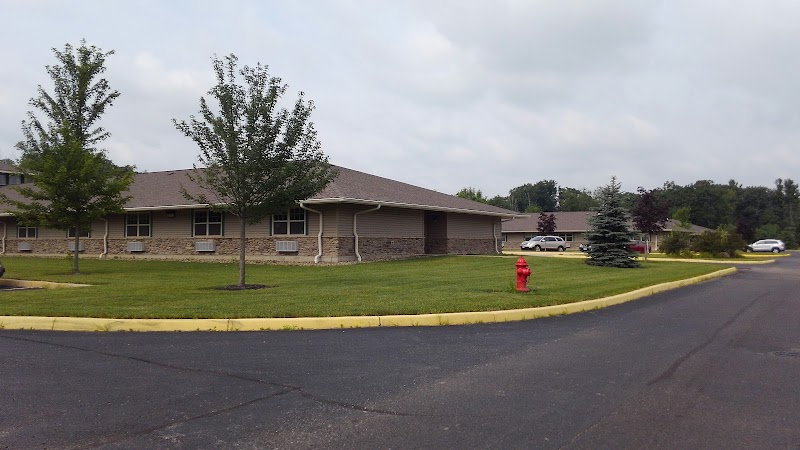
How is Burbank Parke Staffed?

CMS rates BURBANK PARKE CARE CENTER's staffing level at 2 out of 5 stars, which is below average compared to other nursing homes. Staff turnover is 33%, compared to the Ohio average of 46%. This relatively stable workforce can support continuity of care.

What Have Inspectors Found at Burbank Parke?

State health inspectors documented 24 deficiencies at BURBANK PARKE CARE CENTER during 2019 to 2024. These included: 24 with potential for harm.
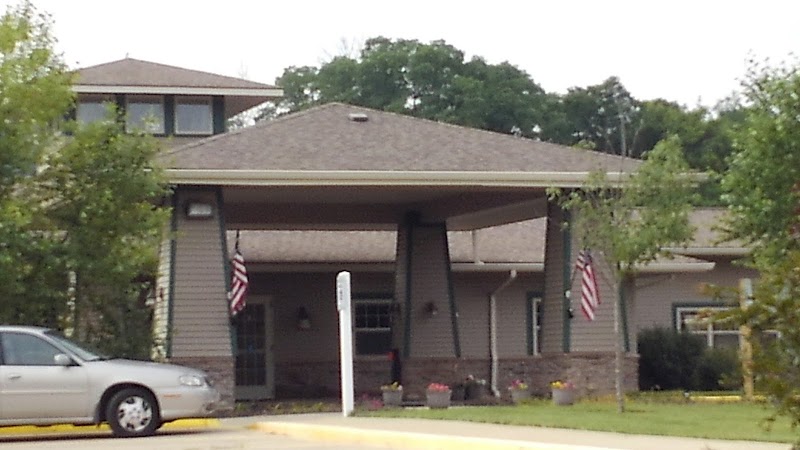
Who Owns and Operates Burbank Parke?

BURBANK PARKE CARE CENTER is owned by a for-profit company. For-profit facilities operate as businesses with obligations to shareholders or private owners. The facility is operated by JAG HEALTHCARE, a chain that manages multiple nursing homes. With 81 certified beds and approximately 75 residents (about 93% occupancy), it is a smaller facility located in BURBANK, Ohio.
How Does Burbank Parke Compare to Other Ohio Nursing Homes?

Compared to the 100 nursing homes in Ohio, BURBANK PARKE CARE CENTER's overall rating (3 stars) is below the state average of 3.2, staff turnover (33%) is significantly lower than the state average of 46%, and health inspection rating (2 stars) is below the national benchmark.

What Should Families Ask When Visiting Burbank Parke?

Based on this facility's data, families visiting should ask: "Can you walk me through typical staffing levels on day, evening, and night shifts?" "Can I visit during a mealtime to observe dining assistance and food quality?" "How do you handle medical emergencies, and what is your hospital transfer rate?" "Can I speak with family members of current residents about their experience?" These questions are particularly relevant given the below-average staffing rating.

Is Burbank Parke Safe?

Based on CMS inspection data, BURBANK PARKE CARE CENTER has a clean safety record: no substantiated abuse findings (meaning no confirmed cases of resident harm), no Immediate Jeopardy citations (the most serious violation level indicating risk of serious injury or death), and is not on the Special Focus Facility watch list (a federal program monitoring the lowest-performing 1% of nursing homes). The facility has a 3-star overall rating and ranks #100 of 100 nursing homes in Ohio. While no facility is perfect, families should still ask about staff-to-resident ratios and recent inspection results during their visit.

Do Nurses at Burbank Parke Stick Around?

BURBANK PARKE CARE CENTER has a staff turnover rate of 33%, which is about average for Ohio nursing homes (state average: 46%). Moderate turnover is common in nursing homes, but families should still ask about staff tenure and how the facility maintains care continuity when employees leave.

Was Burbank Parke Ever Fined?

BURBANK PARKE CARE CENTER has no federal fines on record. CMS issues fines when nursing homes fail to meet care standards or don't correct problems found during inspections. The absence of fines suggests the facility has either maintained compliance or corrected any issues before penalties were assessed. This is a positive indicator, though families should still review recent inspection reports for the full picture.

Is Burbank Parke on Any Federal Watch List?

BURBANK PARKE CARE CENTER is not on any federal watch list. The most significant is the Special Focus Facility (SFF) program, which identifies the bottom 1% of nursing homes nationally based on persistent, serious quality problems. Not being on this list means the facility has avoided the pattern of deficiencies that triggers enhanced federal oversight. This is a positive indicator, though families should still review the facility's inspection history directly.