BRIDGETOWN NURSING AND REHABILITATION CENTRE
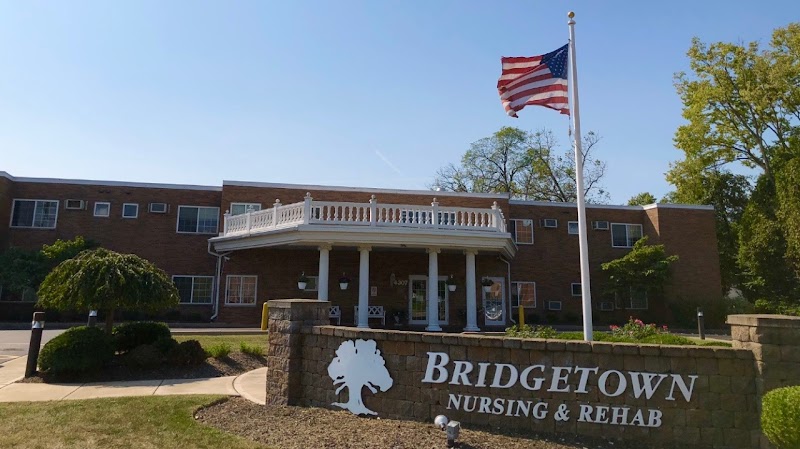
4307 BRIDGETOWN ROAD, CHEVIOT, OH 45211 (513) 598-8000
For profit - Corporation 55 Beds Independent Data: November 2025
Trust Grade
65/100
#229 of 913 in OH
Last Inspection: May 2022

Over 2 years since last inspection. Current conditions may differ from available data.

Overview

Bridgetown Nursing and Rehabilitation Centre has a Trust Grade of C+, which means it is considered decent and slightly above average among nursing homes. It ranks #229 out of 913 facilities in Ohio, placing it in the top half of the state, and #20 out of 70 in Hamilton County, indicating that only a few local options are better. The facility is improving, with issues decreasing from four in 2022 to three in 2024. Staffing here is a weakness, rated 2 out of 5 stars with a turnover rate of 56%, which is about average for Ohio. On a positive note, there have been no fines, and the facility has an average level of RN coverage, which is important for catching potential health issues. However, some concerning incidents have been noted. For example, the facility failed to notify residents of menu changes, which affected their meal expectations, and there were issues with food storage practices that could lead to foodborne illness. Additionally, medication storage was not properly managed, with expired medications present and unlabelled vials, posing risks to resident safety. While there are strengths, families should be aware of these weaknesses when considering this facility for their loved ones.

Trust Score
C+
65/100
In Ohio
#229/913
Top 25%
Safety Record
Low Risk
No red flags
Inspections
Getting Better
4 → 3 violations
Staff Stability
⚠ Watch
56% turnover. Above average. Higher turnover means staff may not know residents' routines.
Penalties
✓ Good
No fines on record. Clean compliance history, better than most Ohio facilities.
Skilled Nurses
○ Average
Each resident gets 31 minutes of Registered Nurse (RN) attention daily — about average for Ohio. RNs are the most trained staff who monitor for health changes.
Violations
⚠ Watch
21 deficiencies on record. Higher than average. Multiple issues found across inspections.
★★★★☆
4.0
Overall Rating
★★☆☆☆
2.0
Staff Levels
★★★★☆
4.0
Care Quality
★★★★☆
4.0
Inspection Score
Stable
2022: 4 issues
2024: 3 issues

The Good

  • 4-Star Quality Measures · Strong clinical quality outcomes
  • Full Sprinkler Coverage · Fire safety systems throughout facility
  • No fines on record

Facility shows strength in quality measures, fire safety.

The Bad

Staff Turnover: 56%

Near Ohio avg (46%)

Frequent staff changes - ask about care continuity

Staff turnover is elevated (56%)

8 points above Ohio average of 48%

The Ugly 21 deficiencies on record

Sept 2024 1 deficiency
CONCERN (D) 📢 Someone Reported This

A family member, employee, or ombudsman was alarmed enough to file a formal complaint

Potential for Harm - no one hurt, but risky conditions existed

Notification of Changes (Tag F0580)

Could have caused harm · This affected 1 resident

**NOTE- TERMS IN BRACKETS HAVE BEEN EDITED TO PROTECT CONFIDENTIALITY** Based on record review, staff interview, and review of facility policy, the facility failed to notify the resident's representat...

Read full inspector narrative →
**NOTE- TERMS IN BRACKETS HAVE BEEN EDITED TO PROTECT CONFIDENTIALITY** Based on record review, staff interview, and review of facility policy, the facility failed to notify the resident's representative of a significant change in the resident's care and treatment. This affected one (Resident #34) of three residents reviewed for notification of change in condition. The census was 42. Findings include: Review of the medical record revealed Resident #34 was admitted on [DATE] with presence of prosthetic heart valve, cerebral infarction with left sided hemiplegia and hemiparesis, vascular dementia, atrial fibrillation, and obesity. Review of the Minimum Data Set (MDS) annual assessment dated [DATE] revealed Resident #34 had moderate cognitive impairment and was always incontinent of bowel and bladder. The resident required supervision with eating, maximal assistance with oral hygiene and was dependent for toileting, bathing, dressing, personal hygiene, bed mobility, and transfers. Review of the physician orders for Resident #34 revealed that on 06/17/24, Nurse Practitioner (NP) #1001 discontinued the order for Warfarin Sodium oral tablet 4 Milligrams (mg), give one tablet by mouth in the morning for clot prevention and on 06/13/24, ordered Eliquis oral tablet 5 mg. (Apixaban), give one tablet by mouth two times a day related to paroxysmal atrial fibrillation, coagulation defect, unspecified. Review of the care plan for Resident #34 revealed the facility is to notify the legal representative of new orders or changes in status (nursing or social services). Review of the progress notes for Resident #34 revealed no documentation that the facility notified the resident's representative of the change from Coumadin to Eliquis on 06/13/24. Interview on 08/29/24 at 1:10 P.M. with Licensed Practical Nurse (LPN) #403 revealed the physician changed the anti-coagulant for Resident #34 from Coumadin to Eliquis on 06/13/24 due to inconsistencies with the consulting laboratory's ability to obtain blood draws and provide PT-INR results needed for the physician to monitor the Coumadin dosing. Interview on 08/29/24 at 3:54 P.M. with Resident #34's family revealed the representative was not notified of the medication change from Coumadin to Eliquis until around 07/11/24. Interview on 08/29/24 at 5:10 P.M. with the Administrator and LPN #403 confirmed the facility failed to notify the legal representative for Resident #34 of the medication change on 06/13/24 from Coumadin to Eliquis. Review of the facility policy titled, Notification of Changes, revealed the facility must inform the resident, consult with the resident's physician and/or notify the resident's family member or legal representative when there is a change requiring such notification. Circumstances requiring notification include a need to alter treatment and this may include a new treatment.
Apr 2024 2 deficiencies
CONCERN (D) 📢 Someone Reported This

A family member, employee, or ombudsman was alarmed enough to file a formal complaint

Potential for Harm - no one hurt, but risky conditions existed

Comprehensive Care Plan (Tag F0656)

Could have caused harm · This affected 1 resident

**NOTE- TERMS IN BRACKETS HAVE BEEN EDITED TO PROTECT CONFIDENTIALITY** Based on record review, observation, and staff interview, the facility failed to complete comprehensive care plans on residents....

Read full inspector narrative →
**NOTE- TERMS IN BRACKETS HAVE BEEN EDITED TO PROTECT CONFIDENTIALITY** Based on record review, observation, and staff interview, the facility failed to complete comprehensive care plans on residents. This affected two (#14 and #15) residents of the four residents reviewed for care plans. The facility census was 39. Findings include: 1) Review of medical record for Resident #14 revealed the resident was admitted on [DATE] with diagnoses including, but not limited to, breast cancer, kidney failure, atrial fibrillation, and acute cystitis. Review of the care plan for Resident #14 revealed there was no care plan related to the resident's skin integrity and the Stage II pressure injury. Observation of wound care for Resident #14 on 04/15/24 11:34 A.M. provided by Wound Care Physician #53, revealed the resident had a stage two pressure ulcer on the right buttock that was being debrided. Interview with Wound Care Doctor #53 at the same time, verified the resident had a stage two pressure ulcer on her right buttock. Interview with Minimum Data Set (MDS) Coordinator #51 on 04/16/24 at 11:15 A.M. verified there were care plans that addressed Resident #14's skin integrity or the presence of a pressure ulcer. MDS #51 reported the care plan should address the resident's skin concerns. 2) Review of medical record for Resident #15 revealed the resident was admitted on [DATE] with diagnoses including, but not limited to, depression, pain, chronic kidney disease, anxiety, and history of skin cancer. Review of care plan for Resident #15, revealed there was no care plan related to the resident's skin integrity. Review of a physician's order dated 03/24/24 for Resident #15 revealed the resident was ordered to have moisture barrier cream applied to coccyx/peri area after each incontinent episode. Interview with MDS Coordinator #51 on 04/16/24 at 11:15 A.M. verified there were care plans that addressed Resident #15's skin integrity. MDS #51 reported the care plan should address the resident's skin integrity and being at risk for skin integrity concerns.
CONCERN (D) 📢 Someone Reported This

A family member, employee, or ombudsman was alarmed enough to file a formal complaint

Potential for Harm - no one hurt, but risky conditions existed

Infection Control (Tag F0880)

Could have caused harm · This affected 1 resident

**NOTE- TERMS IN BRACKETS HAVE BEEN EDITED TO PROTECT CONFIDENTIALITY** Based on record review, observation, staff interview, review of online resources from the Centers for Disease Control (CDC) and ...

Read full inspector narrative →
**NOTE- TERMS IN BRACKETS HAVE BEEN EDITED TO PROTECT CONFIDENTIALITY** Based on record review, observation, staff interview, review of online resources from the Centers for Disease Control (CDC) and review of facility policy, the facility failed to follow infection control procedures during dressing changes. This affected one (#14) resident of the three residents reviewed for wound care. The facility census was 39. Findings include: Record review for Resident #14 revealed the resident was admitted on [DATE] with diagnoses including but not limited to breast cancer, kidney failure, atrial fibrillation, and acute cystitis. Review of Minimum Data Set (MDS) assessment dated [DATE] revealed Resident #14 had moderately impaired cognition. Observation of would care/dressing change for Resident #14 on 04/15/24 11:34 A.M. with Licensed Practical Nurse (LPN) #54 and State Tested Nursing Assistant (STNA) #55 revealed LPN #54 removed a soiled incontinence brief and replaced it with a clean one. LPN #54 then cleansed the open wound on Resident #14's right buttock with saline and gauze. LPN #54 then placed a new wound dressing without completing any hand hygiene and changing her gloves. Interview with LPN #54 on 04/15/24 at approximately 11:40 A.M. verified that she never completed any hand hygiene and changed her gloves when going from a dirty wound area to a clean dressing on the resident's wounds. Review of online resources from CDC (https://www.cdc.gov/handhygiene/providers/guideline.html) dated 01/30/20, revealed healthcare personnel should complete hand hygiene before moving from a work area of a soiled body part to a clean body site on the same patient and healthcare personnel were to perform hand hygiene in accordance with the CDC recommendations. Review of the Infection Prevention and Control Program (dated 10/01/23) revealed hand hygiene shall be performed in accordance with facility's established hand hygiene procedures. This deficiency represents non-compliance investigated under Complaint Number OH00152359.
May 2022 4 deficiencies
CONCERN (E)

Potential for Harm - no one hurt, but risky conditions existed

Menu Adequacy (Tag F0803)

Could have caused harm · This affected multiple residents

Based on observation, interview and record review, the facility failed to notify residents in advance of menu changes. This had the potential to affect 37 residents who received food from the kitchen....

Read full inspector narrative →
Based on observation, interview and record review, the facility failed to notify residents in advance of menu changes. This had the potential to affect 37 residents who received food from the kitchen. The facility census was 38. Findings include: During observation on 05/16/22 at 12:10 P.M., the menu posted in the kitchen listed the lunch meal as baked veal cutlet, creamy dill sauce, bow tie pasta, roasted brussels sprouts, wheat dinner roll or bread, and blushing pears. Concurrent observation of the tray line revealed residents were served a cheeseburger, french fries, and fruit. During interview on 05/16/22 at 12:15 P.M., Dietary Manager (DM) #40 stated the residents do not like veal, so she normally serves them country fried steak, which she was not able to get, so she served burgers today. When questioned, DM #40 stated the residents had not been notified of the menu change prior to the meal and further stated the menus posted on the resident units were not current. DM #40 stated some residents call the kitchen each day to find out what they are getting and she lets them know at that time. During observation on 05/16/22 at 12:25 P.M., the four week menu cycle was posted on bulletin boards. During interview at this time, DM #40 stated the posted menus were from the fall/winter menu cycle and the spring/summer menus started in April. She has not had a chance to post the current menus. During interview on 05/17/22 at 11:48 A.M., Registered Dietitian (RD) #300 stated DM #40 let her know she accidentally ordered food for the menu for week 4 instead of the current week 2, so the food being served would follow the menu for week 4 for the rest of the week. RD #300 stated she became aware of the residents' dislike of veal and had changed the veal to country-fried steak.
CONCERN (E)

Potential for Harm - no one hurt, but risky conditions existed

Food Safety (Tag F0812)

Could have caused harm · This affected multiple residents

Based on observation, staff interview, and policy review, the facility failed to ensure food was stored in a manner to prevent the potential spread of food borne illness and failed to ensure kitchen e...

Read full inspector narrative →
Based on observation, staff interview, and policy review, the facility failed to ensure food was stored in a manner to prevent the potential spread of food borne illness and failed to ensure kitchen equipment and fixtures were maintained in a clean and sanitary manner. This had the potential to affect 37 residents who received food from the kitchen. The facility census was 38. Findings include: 1. Observation on 05/16/22 at 9:15 A.M., the walk-in refrigerator revealed a carton of pasta salad open to air and unsealed; another carton of pasta salad wrapped in plastic wrap and dated 05/05/22; seven muffins in a box, loosely covered, open to air, and not dated; a gallon Ziploc bag of american cheese slices unzipped and open to air; a box of donut holes unlabeled, not dated, and open to air; and a gallon Ziploc back of turkey lunch meat not labeled and not dated. Observation of the freezer revealed a bag of frozen cookies which was open to air and not labeled or dated and a box of frozen hamburger patties which was open to air. Observation of the dry storage area revealed a package of spaghetti, which was wrapped in plastic wrap and not dated. During interview at the time of the observation, Dietary Aide (DA) #2 verified the above findings in the refrigerator, freezer, and dry storage. 2. During observation on 05/16/22 at 11:11 A.M., DA #26 brought a cooked hamburger patty on a spatula into the dish room with a thermometer sticking into the patty to show the surveyor the temperature of the item. During interview at the time of the observation, Dietary Manager (DM) #40 verified the above observation. 3. During observation on 05/16/22 at 11:17 A.M. revealed a black, charred material caked on the burners of the stovetop and crumbs surrounding the area. DM #40 verified the stovetop burners were dirty and stated she normally cleans them once a week. She said they had last been cleaned at least two weeks ago. 4. During observation on 05/16/22 at 11:29 A.M. revealed the top of the convection oven, immediately next to the deep fryer, was caked in dust. DM #40 verified the top of the convection oven was dusty. 5. During observation on 05/16/22 at 11:35 A.M., a ceiling vent directly above the food preparation area and ice machine was caked in dust. DM #40 stated the vents are cleaned monthly and stated she thought the vent had last been cleaned a month ago. Review of the facility policy titled, Food Storage, revealed all foods should be covered, labeled, and dated. Open packages of frozen food should be rewrapped to prevent freezer burn.
MINOR (B)

Minor Issue - procedural, no safety impact

Transfer Notice (Tag F0623)

Minor procedural issue · This affected multiple residents

**NOTE- TERMS IN BRACKETS HAVE BEEN EDITED TO PROTECT CONFIDENTIALITY** Based on record review and interview, the facility failed to notify the Ombudsman of a resident's discharge from the facility. T...

Read full inspector narrative →
**NOTE- TERMS IN BRACKETS HAVE BEEN EDITED TO PROTECT CONFIDENTIALITY** Based on record review and interview, the facility failed to notify the Ombudsman of a resident's discharge from the facility. This affected two (Residents #2 and #41) of two residents reviewed for hospitalization. The facility census was 38. Findings include: 1. Record review revealed Resident #2 was admitted to the facility on [DATE]. Review of the progress notes revealed Resident #2 was sent to the hospital on [DATE] and readmitted on [DATE]. She was sent to the hospital again on 04/19/22 and readmitted on [DATE]. Review of the medical record revealed no evidence of the Ombudsman being notified of Resident #2 transferring to the hospital on [DATE] and 04/19/22. 2. Review of the medical record of Resident #41 revealed an admission date of 04/28/21. The resident was hospitalized [DATE]-[DATE], 11/30/21-12/06/21, 03/03/21-03/05/21, and 03/22/22-03/25/22. Further review of the medical record revealed no evidence of the ombudsman being notified of Resident #41 transferring to the hospital on [DATE], 11/30/21, 03/03/22, nor 03/22/22. During interview on 05/19/22 at 8:59 A.M., the Administrator stated notification of hospital transfers were not made to the Ombudsman.
MINOR (B)

Minor Issue - procedural, no safety impact

Deficiency F0625 (Tag F0625)

Minor procedural issue · This affected multiple residents

**NOTE- TERMS IN BRACKETS HAVE BEEN EDITED TO PROTECT CONFIDENTIALITY** Based on record review and staff interview, the facility failed to provide a bed hold notice to a resident 24-hours of transferr...

Read full inspector narrative →
**NOTE- TERMS IN BRACKETS HAVE BEEN EDITED TO PROTECT CONFIDENTIALITY** Based on record review and staff interview, the facility failed to provide a bed hold notice to a resident 24-hours of transferring to the hospital. This affected two (Residents #2 and #41) of two residents reviewed for hospitalizations. The facility census was 38. Findings include: 1. Record review revealed Resident #2 was admitted to the facility on [DATE]. Review of the progress notes revealed Resident #2 was sent to the hospital on [DATE] and readmitted on [DATE]. She was sent to the hospital again on 04/19/22 and readmitted on [DATE]. Review of the medical record revealed no evidence the resident or her responsible party were provided a bed hold notice upon transferring to the hospital on [DATE] and 04/19/22. 2. Review of the medical record of Resident #41 revealed an admission date of 04/28/21. The resident was hospitalized [DATE]-[DATE], 11/30/21-12/06/21, 03/03/21-03/05/21, and 03/22/22-03/25/22. Further review of the medical record revealed no evidence of the ombudsman being notified of Resident #41 transferring to the hospital on [DATE], 11/30/21, 03/03/22, nor 03/22/22. During interview on 05/19/22 at 8:59 A.M., the Administrator stated bed hold notification were not provided to the residents or their responsible parties. Review of the facility policy titled, Bridgetown Nursing and Rehabilitation Bed-Hold Policy, revealed if a resident received assistance from Medicaid and left the facility for a hospitalization, the facility will inform in writing and responsible party by certified mail of the number of days the facility will hold the bed and how many days will be paid by Medicaid. If the resident was gone longer than the facility was able to hold the bed, but the resident desired to return to the facility. The facility would give priority for the first time available bed in a semi-private room.
Apr 2019 10 deficiencies
CONCERN (D)

Potential for Harm - no one hurt, but risky conditions existed

Notification of Changes (Tag F0580)

Could have caused harm · This affected 1 resident

**NOTE- TERMS IN BRACKETS HAVE BEEN EDITED TO PROTECT CONFIDENTIALITY** 2. Medical record review revealed Resident #14 was admitted to the facility on [DATE] with a re-entry date of 02/19/13. Diagnosi...

Read full inspector narrative →
**NOTE- TERMS IN BRACKETS HAVE BEEN EDITED TO PROTECT CONFIDENTIALITY** 2. Medical record review revealed Resident #14 was admitted to the facility on [DATE] with a re-entry date of 02/19/13. Diagnosis included hemiplegia and hemiparesis following cardiovascular disease. Review of significant change minimum data set (MDS) assessment dated [DATE] revealed moderately impaired cognitive skills for daily decision making, extensive assistance was required with bed mobility, transfers, personal hygiene, and limited assistance was required with eating. A wheelchair was utilized for mobility. Review of care plan updated 01/08/19 revealed Resident #14 was at nutritional risk and/or dehydration as evidenced by supervision required with meals due to history of chewing and swallowing problems. Current body weight was 166 pounds with a body mass index (BMI) of 31.4, obese, with no significant weight changes. Interventions included to monitor percentage of meal consumed, monitor weights per policy, and provide diet as ordered, Review of physician order dated 08/20/18 revealed regular diet, regular texture, regular consistency, send cottage cheese and apple sauce with each tray. Review of quarterly dietary profile dated 01/04/19 revealed Resident #14 had a current body weight of 166 pounds with a BMI of 31.4, obese. Weight remained fairly stable for the past six month. Oral intakes had been 25 to 50 percent (%) with occasional 50 to 75%. Family requested diet upgrade to regular consistency despite speech therapy recommendations to continue mechanical soft. Resident received cottage cheese and applesauce at every meal. Current diet appropriate to meet nutritional needs. Will clarify diet order with speech therapy and continue to monitor nutrition related issues as indicated. Review of weight summary revealed Resident #14 was 61 inches tall. Weights recorded included 175 pounds on 09/05/18, 172.5 pounds on 09/14/18, 169.5 pounds on 09/28/18, 169 pounds on 10/12/18, 168 pounds on 11/09/18, 166 pounds on 12/07/18, no weight was obtained in January 2019, 164 pounds on 02/01/19, and 151 pounds on 03/01/19 for a 8.61% severe weight loss in one month from 02/01/19 to 03/01/19 and a severe 14.24% severe weight loss in six months. Review of meal intake documentation report for February 2019 revealed Resident #14 consumed zero to 25% during 19 meals, 26 to 50% during 42 meals, 51 to 75% during six meals, and 75 to 100% during one meal. Resident #14 did not refuse any meals and meal intakes were not recorded for 16 meals. Observation on 04/10/19 at 5:56 P.M. revealed Resident #14 was eating dinner in bedroom. Resident was appropriately positioned with food tray on table directly in front of resident. The food tray included cut up chicken strips, macaroni and cheese noodles, cauliflower, mandarin oranges, chicken noodle soup, and an orange magic cup. The food was untouched, Resident #14 was drinking tea and reported not being hungry and not eating much food. Staff entered Resident #14's room, encouraged resident to eat, and left tray in room in front of resident. Interview on 04/11/19 at 3:18 P.M. with Registered Dietician Licensed Dietician (RDLD) #50 reported Resident #14 had lost weight in March 2019 but once reweigh it was no longer a significant weight loss. Resident #14's current weight was 153 pounds on 03/29/19 and weight on 03/01/19 was 151 pounds. A reweigh was requested on 03/05/19 as the residents prior weight on 02/01/19 was 164 pounds. The reweigh was obtained on 03/29/19 and was 153 pounds. RDLD #50 reported being unsure why it took so long to obtain the reweigh but reported since the reweigh was taken at the end of the month, Resident #14 then had a 6.7% weight loss over a two month period, from 02/01/19 to 03/29/19, and no longer triggered for weight loss so no new interventions were implemented and the physician wasn't notified. When asked about a six month weight loss for recorded weight of 169.5 pounds on 09/28/18 to 153 pounds on 03/29/19 for a calculated significant weight loss of 10.78%, RDLD #50 reported according to electronic health record calculations it was only a 9.4% weight loss in six months which was not significant. RDLD #50 reported being unsure why the survey tool weight calculator indicated an above 10% weight loss. RDLD #50 reported Resident #14 was on a regular diet and received additional calories and protein by receiving cottage cheese and applesauce with each meal, meal set up assistance was provided as needed and included cutting up meats. RDLD #50 acknowledged the additional calories provided by the cottage cheese and applesauce were in place prior to the recent weight loss, no additional interventions had been implemented, Resident #14 weights was only monitored monthly, and the physician wasn't consulted. Observation on 04/11/19 at 6:06 P.M. of Resident #14's weight obtained by State Tested Nursing Assistants (STNA's) #68 and #81 with a chair scale revealed a weight of 152 pounds. Interview on 04/11/19 at 6:54 P.M. with the Director of Nursing (DON) reported he/she was unsure why Resident #14 reweigh was not obtained timely. Weight changes including request for reweighs were discussed during risk management meetings, in which RDLD #50 was present, every Tuesday. The DON reviewed the minutes of the risk management meeting in February 2019 and reported no reweigh was requested for Resident #14 and there wasn't any documentation of physician notification of weight loss. Review of undated facility Weights Policy revealed any residents needing to be re-weighed were listed and given to nursing service. Residents with significant weight change were visited and charted on with appropriate interventions requested and put into place. 2. Medical record review revealed Resident #14 was admitted to the facility on [DATE] with a re-entry date of 02/19/13. Diagnoses included hemiplegia and hemiparesis following cardiovascular disease. The resident was currently on hospice. Review of Resident #14's physicians order dated 08/20/18 revealed an order for a regular diet, regular texture, regular consistency, send cottage cheese and apple sauce with each tray. Review of quarterly dietary profile dated 01/04/19 revealed Resident #14 had a current body weight of 166 pounds with a BMI of 31.4, obese. Weight remained fairly stable for the past six month. Oral intakes had been 25 to 50 percent (%) with occasional 50 to 75%. Family requested diet upgrade to regular consistency despite speech therapy recommendations to continue mechanical soft. Resident received cottage cheese and applesauce at every meal. Current diet was documented as appropriate to meet the nutritional needs and would clarify diet order with speech therapy and continue to monitor nutrition related issues as indicated. Review of care plan updated 01/08/19 revealed Resident #14 was at nutritional risk and/or dehydration as evidenced by supervision required with meals due to history of chewing and swallowing problems. Current body weight was 166 pounds with a body mass index (BMI) of 31.4, obese, with no significant weight changes. Interventions included to monitor percentage of meal consumed, monitor weights per policy, and provide diet as ordered. Review of significant change minimum data set (MDS) assessment dated [DATE] revealed the resident was assessed with moderately impaired cognitive skills for daily decision making, extensive assistance was required with bed mobility, transfers, personal hygiene, and limited assistance was required with eating. A wheelchair was utilized for mobility. Review of weight summary revealed Resident #14 was 61 inches tall. Weights recorded included 175 pounds on 09/05/18, 172.5 pounds on 09/14/18, 169.5 pounds on 09/28/18, 169 pounds on 10/12/18, 168 pounds on 11/09/18, 166 pounds on 12/07/18, no weight was obtained in January 2019, 164 pounds on 02/01/19, and 151 pounds on 03/01/19 for a 8.61% severe weight loss in one month from 02/01/19 to 03/01/19 and a severe 14.24% severe weight loss in six months. Review of meal intake documentation report for February 2019 revealed Resident #14 consumed zero to 25% during 19 meals, 26 to 50% during 42 meals, 51 to 75% during six meals, and 75 to 100% during one meal. Resident #14 did not refuse any meals and meal intakes were not recorded for 16 meals. Observation on 04/10/19 at 5:56 P.M., revealed Resident #14 was eating dinner in the residents room. The resident was appropriately positioned with the food tray on table directly in front of resident. The food tray included cut up chicken strips, macaroni and cheese noodles, cauliflower, mandarin oranges, chicken noodle soup, and an orange magic cup. The food was untouched. Resident #14 was drinking tea and reported not being hungry and not eating much food. Staff entered Resident #14's room, encouraged resident to eat, and left the tray in the room in front of resident. Interview on 04/11/19 at 3:18 P.M., with Registered Dietician Licensed Dietician (RDLD) #50 reported Resident #14 had lost weight in March 2019 but once reweigh, it was no longer a significant weight loss. Resident #14's current weight was 153 pounds on 03/29/19 and weight on 03/01/19 was 151 pounds. A reweigh was requested on 03/05/19 as the residents prior weight on 02/01/19 was 164 pounds. The reweigh was obtained on 03/29/19 and was 153 pounds. RDLD #50 reported being unsure why it took so long to obtain the reweigh but reported since the reweigh was taken at the end of the month, Resident #14 then had a 6.7% weight loss over a two month period, from 02/01/19 to 03/29/19, and no longer triggered for weight loss so no new interventions were implemented and the physician wasn't notified. When asked about a six month weight loss for recorded weight of 169.5 pounds on 09/28/18 to 153 pounds on 03/29/19 for a calculated significant weight loss of 10.78%, RDLD #50 reported according to electronic health record calculations it was only a 9.4% weight loss in six months which was not significant. RDLD #50 reported being unsure why the survey tool weight calculator indicated an above 10% weight loss. RDLD #50 reported Resident #14 was on a regular diet and received additional calories and protein by receiving cottage cheese and applesauce with each meal, meal set up assistance was provided as needed and included cutting up meats. RDLD #50 acknowledged the additional calories provided by the cottage cheese and applesauce were in place prior to the recent weight loss, no additional interventions had been implemented, Resident #14 weights were only monitored monthly, and the physician wasn't consulted. Observation on 04/11/19 at 6:06 P.M. of Resident #14's weight obtained by State Tested Nursing Assistants (STNA's) #68 and #81 with a chair scale revealed a weight of 152 pounds. Interview on 04/11/19 at 6:54 P.M. with the Director of Nursing (DON) reported he/she was unsure why Resident #14 reweigh was not obtained timely. Weight changes including request for reweighs were discussed during risk management meetings, in which RDLD #50 was present, every Tuesday. The DON reviewed the minutes of the risk management meeting in February 2019 and reported no reweigh was requested for Resident #14 and there wasn't any documentation of physician notification of weight loss. Review of undated facility Weights Policy revealed any residents needing to be re-weighed were listed and given to nursing service. Residents with significant weight change were visited and charted on with appropriate interventions requested and put into place. Based on observation, medical record review, review of facility policy, and staff interview, the facility failed to timely notifiy each resident's physician when there was a significant change in their physical status. This affected two residents (#15, #14) of five reviewed for nutrition.The facility census was 55. Findings include: 1. Resident #15 was admitted to the facility on [DATE] with diagnoses including adult failure to thrive, altered mental status, syncope and collapse, and dysphagia. Review of Resident #15's quarterly minimum data set (MDS 3.0) dated 01/29/19, identified the resident as having poor short and long term memory, having severely impaired cognitive skills, and requiring the extensive assistance of one staff person to eat. The resident's height was 66 inches and weight was 148 pounds at the time of the assessment. Resident #15 was identified as having weight loss at that time, and not on a prescribed weight loss regimen. Resident #15's current plan of care for being at nutritional risk revealed the plan included documentation of an added problem/need on 03/26/19 that the resident was refusing food or to be fed at times. The goal was for the resident to consume at least 75% of her meals daily. Review of Resident #15's physician's orders revealed an order for Speech Therapy (ST) dated 03/29/19. The physician order ST to evaluate the resident and treat the resident three to five times a week to address the resident's dysphagia. Treatment was to include assessment of safety and diet tolerance and monitoring. Review of Resident #15's current physician's orders revealed an order for a four ounce frozen nutritional supplement to be given twice daily effective 01/01/19. A new diet order on 04/02/19 indicated the resident was to receive a pureed diet with nectar thickened liquids for swallowing problems. Further review of discontinued physician's orders revealed the resident was on a mechanically soft diet prior to 04/02/19. A ST discharge summary for Resident #15, completed by a Speech and Language Pathologist (SLP), indicated the resident was evaluated on 03/29/19, and was being discharged on 04/04/19. The SLP recommended the resident have a pureed diet with nectar thick liquids. Review of Resident #15's weight history, documented in the electronic health record, revealed the resident lost 21 pounds in a seven day period. The resident's recorded weekly weights were as follows: 03/06/19 at 144 pounds; 03/13/19 at 144 pounds, 03/20/19 at 123 pounds, no weight recorded on 03/27/19 per the schedule, and 04/03/19 at 123 pounds. Review of Resident #15's nutrition progress notes dated 04/02/19 by Registered Dietician (RD) revealed the resident had a 15.2% weight loss in the past 30 days. The resident' body mass index was 19.9 which was within normal limits. RD #50 documented the resident was on a regular, mechanically soft diet with nectar thick liquids, with frozen nutritional supplement twice daily. She noted the resident's oral intakes had been averaging 25% to 50% at most meals. The resident had been pocketing food recently and had an order for speech and language pathologist to treat for dysphagia, and possibly being downgraded (diet texture) per therapy. RD #50's plan was to continue weekly weights and monitor and follow-up as indicated. Review of March oral intake records for Resident #15 revealed the resident consumed 51% to 76% of her meal once of 93 opportunities, 26% to 50% of her meal nine of 93 opportunities, consumed 0% to 25% of her meals 41 of 93 opportunities, consumed 0% of her meal or refused 16 of 93 opportunities. There was no record of the amount of the meal the resident consumed for 26 of 93 meals in March of 2019. Review of the physician progress notes failed to reveal any notification of the resident's physician, or RD #50, regarding the 21-pound significant weight loss. Observation on 04/10/19 at 5:34 P.M., revealed Resident #15 was observed in her room in bed on 04/10/19 at 5:34 P.M. being spoon fed by State Tested Nurse Aide (STNA) #115. The resident appeared frail, with a diminished level of alertness. She bilateral hand contractures. The resident was served a pureed diet with nectar thickened liquids, she took very small bites, and a very limited number of bites. She did not assist with self-feeding. The resident's meal tray card indicated she was supposed to get a four ounce cup of frozen nutritional supplement but it was not on the tray. STNA #115 verified it was the supplement was not on the tray and stated she would call down to the kitchen to have it delivered after the resident ate her solid food. On 04/10/19 at 5:51 P.M., the resident was finished eating. She consumed a bite or two of the meat and starch, about 4 ounces of thickened liquid, and all of the frozen nutritional supplement. STNA #115 was attempting to get the resident to take a few bites of the pureed fruit on her tray. The nurse aide reported the resident typically eats a good breakfast, about half of her lunch, and does not eat much if any of her supper. STNA #115 stated she does eat all the frozen nutritional supplement. On 04/11/19 at 8:27 A.M., STNA #74 was observed spoon feeding Resident #15 in the unit dining room. The resident rarely opened her eyes while being fed. STNA #74 shared the resident typically eats very little. At the conclusion of the meal, the resident had consumed about 1/2 of her oatmeal, about 1/4 of the scrambled eggs, four ounces of apple juice, and all of the frozen nutritional supplement. An interview was conducted with Registered Dietitian (RD) #50 on 04/11/19 at 3:34 P.M. revealed she was not notified of Resident #15's weight loss when first identified on 03/20/19. RD #50 reported she was not aware the resident had a recorded weight loss of 21 pounds until she was at the facility on 04/02/19. When asked if she ever requested to have the resident reweighed she verified she did not, as it was known the resident had a major decrease in her intake and was pocketing food. RD #50 shared that she was evaluated by a speech therapist and her diet was downgraded to pureed, and stated she was hopeful her weight would bounce back. She stated the resident was on weekly weights, and now getting the four ounces of frozen supplement twice daily (had been receiving since 01/01/19). RD #50 did not recommend any new nutritional interventions after the resident's unintended weight loss. Interview with Licensed Practical Nurse (LPN) #92 on 04/11/19 at 3:47 P.M., verified the resident's recorded weights reflected a 21-pound weight loss during March 2019, and her weight on 03/20/19 was 123 pounds. LPN #92 verified the physician was not notified of the weight loss. In addition, there was a nursing progress note by LPN #79 on 03/20/19 at 7:00 P.M. at which time the nurse documented she was leaving a note for the night shift to re-check the resident's weight. LPN #92 verified no re-weigh of the resident was done. Resident #15 was weighed at the request of the surveyor on 04/11/19 at 4:04 P.M., with the resident's representative approval. The resident weighed 129.5 pounds. LPN #92 assisted in weighing the resident and confirmed the resident's weight on 04/11/19 was 129.5. Interview on 04/11/19 at 4:30 P.M., with the Administrator verified Resident #15's 21-pound weight loss in a week, would constitute a significant change in physical status. She replied that significant weight loss would fall under a significant change in physical status. On 04/11/19 at 4:47 P.M., LPN #92 was asked how the physician came to order the evaluation and treatment for speech therapy on 03/29/19 if the physician was unaware of the resident's weight loss. She stated that ST was ordered as the resident's daughter had concerns regarding the resident's reduced intake and pocketing of food. She stated she would alert the resident's physician regarding the significant unintended weight loss at that time. The facility policy titled Notification and Reporting of Changes in Health Status revealed the facility would immediately inform the resident, consult with the resident's physician or Medical Director, if the attending physician was not available, and notify the resident and/or sponsor or authorized representative unless the resident's objects and other proper authority in accordance with state and local law and regulations when there is a significant change in the resident's physical status. The facility did not have a specific policy or procedure regarding significant weight changes when one was requested on 04/11/19.
CONCERN (D)

Potential for Harm - no one hurt, but risky conditions existed

Deficiency F0582 (Tag F0582)

Could have caused harm · This affected 1 resident

Based on record review and staff interview, the facility failed to ensure Notice of Medicare Non-Coverage was provided timely. This affected two (#55 and #304) of three residents reviewed for Benefici...

Read full inspector narrative →
Based on record review and staff interview, the facility failed to ensure Notice of Medicare Non-Coverage was provided timely. This affected two (#55 and #304) of three residents reviewed for Beneficiary Protection Notification. The census was 55. Findings include: 1. Review of Notice of Medicare Non-Coverage revealed Resident #55 was provided written notice on 01/09/19 of therapy services ending on 01/10/19. 2. Review of Notice of Medicare Non-Coverage revealed Resident #304 was provided written notice on 03/23/19 of therapy services ending on 03/24/19. Interview on 04/11/19 at 4:21 P.M. with Social Service Designee (SSD) #58 verified notice of Medicare Non-Coverage were provided to Residents #55 and #304 only a day prior, not 48 hours prior, to the end of therapy services.
CONCERN (D)

Potential for Harm - no one hurt, but risky conditions existed

Deficiency F0583 (Tag F0583)

Could have caused harm · This affected 1 resident

Based on observations, record review and staff interviews, the facility failed to ensure privacy for a resident. This affected one (Resident #7) of two residents reviewed for privacy. The facility cen...

Read full inspector narrative →
Based on observations, record review and staff interviews, the facility failed to ensure privacy for a resident. This affected one (Resident #7) of two residents reviewed for privacy. The facility census 55. Findings Include : Record review for Resident #7 revealed diagnoses including diabetes, high blood pressure, and depression. The most recent quarterly Minimum Data Set 3.0 (MDS) dated on 01/17/19 revealed the resident had no cognitive impairments and required minimal assistance of one with all care needs. The most recent Activities of Daily Living (ADL) plan of care revealed the resident needed minimal assistance and set up for hygiene. Observation during an interview on 04/09/19 at 3:00 P.M. revealed the resident had a private room. No privacy curtain was noted. When the door was opened you could see the resident from the hall way. While conducting the interview, Office employee (OE) #70 and the foot doctor entered the resident's room with out knocking. OE #70 confirmed she should have knocked before entering. Interview on 04/09/19 at 3:00 P.M. revealed Resident #7 noted she often washes up daily using a basin. Resident # 7 said the staff does not always knock on her door and when they do they do not wait to enter. Resident #7 said there have been times when she was washing up and staff just barge in leaving her feeling vulnerable. Interview with the Director of Nursing (DON) on 04/11/19 at 3:30 P.M., verified when staff do not knock or wait for the resident's to say come in, a privacy curtain would protect the residents privacy or the resident from embarrassment.
CONCERN (D)

Potential for Harm - no one hurt, but risky conditions existed

Safe Environment (Tag F0584)

Could have caused harm · This affected 1 resident

**NOTE- TERMS IN BRACKETS HAVE BEEN EDITED TO PROTECT CONFIDENTIALITY** Based on observation, and staff and resident interview, the facility failed to ensure each resident was provided with a homelike...

Read full inspector narrative →
**NOTE- TERMS IN BRACKETS HAVE BEEN EDITED TO PROTECT CONFIDENTIALITY** Based on observation, and staff and resident interview, the facility failed to ensure each resident was provided with a homelike environment in which their personal belongings were kept in a clean and orderly manner. This affected one resident (#16) of twenty-one resident's current resident's reviewed. Findings include: Resident #16 was admitted to the facility on [DATE] with diagnoses including cerebral palsy, dysphagia, major depressive disorder, chronic obstructive pulmonary disease, anxiety disorder, and abnormal posture. The facility completed a quarterly minimum data set (MDS) assessment of the Resident #16's cognitive and physical functional abilities dated 01/29/19. The 01/29/19 assessment identified the resident as having good memory, orientation, and recall, and requiring the physical assistance of at least one staff person for bed mobility, transferring, and dressing. The resident did not walk and accessed her environment in a special motorized wheel chair. The resident was interviewed, and observed, on 04/11/19 at 8:42 A.M. The resident was up in her motorized wheel chair in her room, she had just finished breakfast. Resident #16 indicated the facility did not take care of her clothing that it was piled on the bottom of her wardrobe and the floor of her closet. Loose clothing and bags of clothing and possessions were observed lying on the floor of the wardrobe and closet, with some of the clothing on hangars. Resident #16 stated it had been like that for months, and that laundry staff tell her she would have to get staff (nursing) to hang up the clothing for her, and they didn't do it either. She stated that staff have to hang up her clothes, and get them out for her, as she was not able to do it on her own. It was evident the resident could not get in the closet in her motorized wheel chair due to the amount of clothing and other laundry on the floor of the closet Interview on 04/11/19 at 9:26 A.M., with the Administrator verified Resident #16's wardrobe and closet had clothing accumulated in the bottom of the resident's wardrobe, and on the floor of the resident's closet, and there were many open hangers. The Administrator stated the resident's clothing should not be that way on the floor.
CONCERN (D)

Potential for Harm - no one hurt, but risky conditions existed

Transfer Notice (Tag F0623)

Could have caused harm · This affected 1 resident

**NOTE- TERMS IN BRACKETS HAVE BEEN EDITED TO PROTECT CONFIDENTIALITY** Based on interview and record review the facility failed to ensure a written notice including reasons for transfer/discharge and...

Read full inspector narrative →
**NOTE- TERMS IN BRACKETS HAVE BEEN EDITED TO PROTECT CONFIDENTIALITY** Based on interview and record review the facility failed to ensure a written notice including reasons for transfer/discharge and appeal rights was provided to the resident, resident's representative, and ombudsman prior to transfer/discharge. This affected one resident (#56) of one resident reviewed for Hospitalization. The facility census was 55. Findings include: Resident #56 was admitted to the facility on [DATE] with diagnoses including pneumonia, acute respiratory failure with hypoxia, hypertension, diabetes mellitus type 2, atrial fibrillation, generalized anxiety disorder, adult failure to thrive, and anemia due to anti-neoplastic chemotherapy. Review of the Resident #56's nursing progress notes revealed the resident was sent out to the hospital on [DATE] due to a change in her condition. On 02/24/19 at 1:33 P.M., Licensed Practical Nurse (LPN) #52 documented the resident stated she was not feeling very well today. LPN #52 took and recorded the resident's vital signs which indicated the Resident #56's oxygen saturation was only 84% while receiving oxygen at 4 liters per minute via nasal cannula. LPN #52 increased the resident's oxygen to 5 liters per minute, and a breathing treatment was administered. LPN #52 then notified the resident's physician who ordered to transfer Resident #56 to the emergency department of a local hospital for evaluation. The resident was admitted with acute respiratory failure with hypoxia. On 04/10/19 at 3:34 P.M., Social Services Designee (SSD) #58 was asked to provide documentation that Resident #56 and/or her representative, and the Ombudsman, was provided with the reason for the resident's discharge and a statement of appeal rights. SSD #56 stated that she was not aware of the requirement, the Admissions Staff (AS) #28 handled bed hold notices. An interview was conducted with the Admissions Staff (AS) #28 to ascertain if Resident #56 or their representative, and the Ombudsman, had been provided with the required discharge notice explaining the reason for the resident's discharge and how to appeal the discharge if they chose. AS #28 reported she was not familiar with the requirement and reported the facility did not send out a discharge notice with all required elements, including the reason for the discharge and how to appeal the discharge to the resident or their representative or other residents discharged to the hospital.
CONCERN (D)

Potential for Harm - no one hurt, but risky conditions existed

ADL Care (Tag F0677)

Could have caused harm · This affected 1 resident

**NOTE- TERMS IN BRACKETS HAVE BEEN EDITED TO PROTECT CONFIDENTIALITY** Based on medical record review, resident and staff interviews, the facility failed to ensure a dependent resident received daily...

Read full inspector narrative →
**NOTE- TERMS IN BRACKETS HAVE BEEN EDITED TO PROTECT CONFIDENTIALITY** Based on medical record review, resident and staff interviews, the facility failed to ensure a dependent resident received daily care. This affected one (#30) of three residents reviewed for activities of daily living. The facility census was 55. Findings Include : Review of Resident #30's medical record revealed diagnoses including seizure disorder, anxiety, depression and parkinsons. Review of Resident #30's most recent annual Minimum data Set 3.0 (MDS) dated [DATE] revealed the resident was severely cognitively impaired and required extensive assistance of one with her care. The MDS also noted the resident was incontinent of urine and had a colostomy. Review of the plan of care for activities of daily living notes the resident needed assistance with her colostomy daily and had behaviors of removing her colostomy bag. Observation of the resident on 04/09/19 at 3:05 P.M., revealed the residents hair was uncombed. The resident's clothes were soiled with brown liquid, her teeth were caked with food and the resident had an offensive body odor. The resident was observed in her wheel chair in the hall way. Interview with State Tested Nursing Assistant (STNA) #20 on 04/09/19 at 3:30 P.M revealed she had not provided care to the resident since 11:00 A.M. STNA # 20 continued to sit at the desk and made no attempts to go care for the resident. This was reported to Licensed Practical Nurse (LPN) #79 who went and assisted the resident. LPN #79 verified STNA #20 should not have left the resident in that condition. Observation on 04/10/19 at 1:06 P.M., revealed the resident was clean, hair combed and had no odors. Interview with STNA #115 on 04/10/19 revealed the resident required frequent monitoring due to her behaviors of removing her colostomy bag. STNA #115 noted if you keep her bag emptied the resident will not bother it. Observations on 04/11/19 at 9:20 A.M., revealed the resident was lying in bed. The bed had no sheets on it. The resident had no pants on so her skin was against the plastic mattress cover. The room had an offensive odor. The bed sheets and the residents clothes were on the floor beside the bed soiled with urine and stool. Interview with the Director of Nursing (DON) on 04/11/19 at 9:30 A.M., verified the resident should not be left in the condition she was and verified the above observation.
CONCERN (D)

Potential for Harm - no one hurt, but risky conditions existed

Quality of Care (Tag F0684)

Could have caused harm · This affected 1 resident

**NOTE- TERMS IN BRACKETS HAVE BEEN EDITED TO PROTECT CONFIDENTIALITY** 2. Review of the medical record for Resident #4 revealed she had an admission date of 09/07/17 with diagnoses of major depressiv...

Read full inspector narrative →
**NOTE- TERMS IN BRACKETS HAVE BEEN EDITED TO PROTECT CONFIDENTIALITY** 2. Review of the medical record for Resident #4 revealed she had an admission date of 09/07/17 with diagnoses of major depressive disorder, unspecified muscle weakness, chronic ishemic heart disease, and edema. Review of the orders for Resident #4 revealed she had an order for elastic stockings to be placed bilaterally to lower extremities daily. They were to be placed on in the morning and taken off at night for edema. An observation on 04/11/19 at 10:25 A.M., of Resident #4 revealed she was dressed and sitting in a chair brushing her hair. The resident was wearing ankle socks. In an interview on 04/11/19 at 10:30 A.M., with Resident #4 revealed the staff have not been putting elastic stocking on her legs. In an interview on 04/11/19 at 11:05 A.M., with Licensed Practical Nurse (LPN) #52 verified they had not been putting on or taking off the elastic stockings as ordered. In an interview on 04/11/19 at 11:25 A.M. with LPN # 105 verified the staff are charting they are putting them and taking them off, but they are not. She went on to state they have small, medium and large stockings in stock. Based on observation, medical record review, and staff interview, the facility failed to provide care for each resident consistent with physicians orders. This affected one (#35) of one resident reviewed for Respiratory Care, and one (#4) of two residents reviewed for Edema. The facility census was 55. Findings include: 1. Resident #35 was admitted to the facility on [DATE] with diagnoses including pneumonia, infection and inflammatory reactions, chronic respiratory failure with hypoxia, hypertensive heart disease, atrial fibrillation, breakdown of cystostomy catheter, and dementia. The facility completed an admission minimum data set (MDS) assessment of Resident #35 dated 03/15/19. The 03/15/19 assessment identified the resident as having severely impaired memory and recall, and shortness of breath with exertion, when sitting at resident and when lying flat. The assessment also identified the resident as receiving oxygen therapy while a resident. Review of Resident #35's admission and current physician's orders revealed the resident did not have an order for oxygen. Review of Resident #35's current comprehensive plan of care revealed a plan of care to address the resident's problem/need of potential for alteration in respiratory status due to being oxygen dependent related to chronic respiratory failure with hypoxia and congestive heart failure. The goals was for the resident to maintain adequate oxygenation through the review date. Interventions included providing the resident with oxygen as ordered, and to change the cannula tubing weekly and as needed. Resident #35 was observed on 04/11/19 at 10:30 A.M., lying in bed watching television. He had an oxygen concentrator at his bedside which was operating and tubing running from the concentrator to a nasal cannula which the resident had removed. He stated he was aware the nasal cannula was off, did not need it at that time, and would reapply it when he got ready to take a nap. Resident #35 did not appear in any respiratory distress at that time. Observation of the oxygen concentrator revealed the concentrator was set to deliver five liters of oxygen per minutes. An interview was conducted with Licensed Practical Nurse (LPN) #52 on 04/11/19 at 5:31 P.M. verified she could not find the oxygen order, and stated he had been on oxygen continuously at five liters per minutes since admission to the best of her recollection. However, she could not find a current order for the resident to have oxygen in the electronic health record. An interview was conducted with the Director of Nursing (DON) on 04/11/19 at 6:30 P.M. The DON reviewed the resident's current paper and electronic health record and affirmed the resident did not have a current order to receive oxygen. She then contacted the resident's physician and obtained an order for the resident to receive oxygen at two liters a minute. The DON confirmed that when she went to check on the resident's oxygen, prior to obtaining an order, it was set at five liters a minute.
CONCERN (D)

Potential for Harm - no one hurt, but risky conditions existed

Deficiency F0692 (Tag F0692)

Could have caused harm · This affected 1 resident

**NOTE- TERMS IN BRACKETS HAVE BEEN EDITED TO PROTECT CONFIDENTIALITY** 2. Medical record review revealed Resident #14 was admitted to the facility on [DATE] with a re-entry date of 02/19/13. Diagnose...

Read full inspector narrative →
**NOTE- TERMS IN BRACKETS HAVE BEEN EDITED TO PROTECT CONFIDENTIALITY** 2. Medical record review revealed Resident #14 was admitted to the facility on [DATE] with a re-entry date of 02/19/13. Diagnoses included hemiplegia and hemiparesis following cardiovascular disease. The resident was currently on hospice. Review of Resident #14's physicians order dated 08/20/18 revealed an order for a regular diet, regular texture, regular consistency, send cottage cheese and apple sauce with each tray. Review of quarterly dietary profile dated 01/04/19 revealed Resident #14 had a current body weight of 166 pounds with a BMI of 31.4, obese. Weight remained fairly stable for the past six month. Oral intakes had been 25 to 50 percent (%) with occasional 50 to 75%. Family requested diet upgrade to regular consistency despite speech therapy recommendations to continue mechanical soft. Resident received cottage cheese and applesauce at every meal. Current diet was documented as appropriate to meet the nutritional needs and would clarify diet order with speech therapy and continue to monitor nutrition related issues as indicated. Review of care plan updated 01/08/19 revealed Resident #14 was at nutritional risk and/or dehydration as evidenced by supervision required with meals due to history of chewing and swallowing problems. Current body weight was 166 pounds with a body mass index (BMI) of 31.4, obese, with no significant weight changes. Interventions included to monitor percentage of meal consumed, monitor weights per policy, and provide diet as ordered. Review of significant change minimum data set (MDS) assessment dated [DATE] revealed the resident was assessed with moderately impaired cognitive skills for daily decision making, extensive assistance was required with bed mobility, transfers, personal hygiene, and limited assistance was required with eating. A wheelchair was utilized for mobility. Review of weight summary revealed Resident #14 was 61 inches tall. Weights recorded included 175 pounds on 09/05/18, 172.5 pounds on 09/14/18, 169.5 pounds on 09/28/18, 169 pounds on 10/12/18, 168 pounds on 11/09/18, 166 pounds on 12/07/18, no weight was obtained in January 2019, 164 pounds on 02/01/19, and 151 pounds on 03/01/19 for a 8.61% severe weight loss in one month from 02/01/19 to 03/01/19 and a severe 14.24% severe weight loss in six months. Review of meal intake documentation report for February 2019 revealed Resident #14 consumed zero to 25% during 19 meals, 26 to 50% during 42 meals, 51 to 75% during six meals, and 75 to 100% during one meal. Resident #14 did not refuse any meals and meal intakes were not recorded for 16 meals. Observation on 04/10/19 at 5:56 P.M., revealed Resident #14 was eating dinner in the residents room. The resident was appropriately positioned with the food tray on table directly in front of resident. The food tray included cut up chicken strips, macaroni and cheese noodles, cauliflower, mandarin oranges, chicken noodle soup, and an orange magic cup. The food was untouched. Resident #14 was drinking tea and reported not being hungry and not eating much food. Staff entered Resident #14's room, encouraged resident to eat, and left the tray in the room in front of resident. Interview on 04/11/19 at 3:18 P.M., with Registered Dietician Licensed Dietician (RDLD) #50 reported Resident #14 had lost weight in March 2019 but once reweigh, it was no longer a significant weight loss. Resident #14's current weight was 153 pounds on 03/29/19 and weight on 03/01/19 was 151 pounds. A reweigh was requested on 03/05/19 as the residents prior weight on 02/01/19 was 164 pounds. The reweigh was obtained on 03/29/19 and was 153 pounds. RDLD #50 reported being unsure why it took so long to obtain the reweigh but reported since the reweigh was taken at the end of the month, Resident #14 then had a 6.7% weight loss over a two month period, from 02/01/19 to 03/29/19, and no longer triggered for weight loss so no new interventions were implemented and the physician wasn't notified. When asked about a six month weight loss for recorded weight of 169.5 pounds on 09/28/18 to 153 pounds on 03/29/19 for a calculated significant weight loss of 10.78%, RDLD #50 reported according to electronic health record calculations it was only a 9.4% weight loss in six months which was not significant. RDLD #50 reported being unsure why the survey tool weight calculator indicated an above 10% weight loss. RDLD #50 reported Resident #14 was on a regular diet and received additional calories and protein by receiving cottage cheese and applesauce with each meal, meal set up assistance was provided as needed and included cutting up meats. RDLD #50 acknowledged the additional calories provided by the cottage cheese and applesauce were in place prior to the recent weight loss, no additional interventions had been implemented, Resident #14 weights were only monitored monthly, and the physician wasn't consulted. Observation on 04/11/19 at 6:06 P.M. of Resident #14's weight obtained by State Tested Nursing Assistants (STNA's) #68 and #81 with a chair scale revealed a weight of 152 pounds. Interview on 04/11/19 at 6:54 P.M. with the Director of Nursing (DON) reported he/she was unsure why Resident #14 reweigh was not obtained timely. Weight changes including request for reweighs were discussed during risk management meetings, in which RDLD #50 was present, every Tuesday. The DON reviewed the minutes of the risk management meeting in February 2019 and reported no reweigh was requested for Resident #14 and there wasn't any documentation of physician notification of weight loss. Review of undated facility Weights Policy revealed any residents needing to be re-weighed were listed and given to nursing service. Residents with significant weight change were visited and charted on with appropriate interventions requested and put into place. Based on observation, medical record review, review of facility policy, and staff interviews, the facility failed to ensure to timely address a resident's significant weight loss. This affected two (Resident #15 and Resident #14) of five residents reviewed for Nutrition. The facility census was 55. Findings include: Resident #15 was admitted to the facility on [DATE] with diagnoses including adult failure to thrive, altered mental status, syncope and collapse, and dysphagia. Review of Resident #15's quarterly minimum data set (MDS 3.0) dated 01/29/19, identified the resident as having poor short and long term memory, having severely impaired cognitive skills, and requiring the extensive assistance of one staff person to eat. The resident's height was 66 inches and weight was 148 pounds at the time of the assessment. Resident #15 was identified as having weight loss at that time, and not on a prescribed weight loss regimen. Resident #15's current plan of care for being at nutritional risk revealed the plan included documentation of an added problem/need on 03/26/19 that the resident was refusing food or to be fed at times. The goal was for the resident to consume at least 75% of her meals daily. Review of Resident #15's physician's orders revealed an order for Speech Therapy (ST) dated 03/29/19. The physician order ST to evaluate the resident and treat the resident three to five times a week to address the resident's dysphagia. Treatment was to include assessment of safety and diet tolerance and monitoring. Review of Resident #15's current physician's orders revealed an order for a four ounce frozen nutritional supplement to be given twice daily effective 01/01/19. A new diet order on 04/02/19 indicated the resident was to receive a pureed diet with nectar thickened liquids for swallowing problems. Further review of discontinued physician's orders revealed the resident was on a mechanically soft diet prior to 04/02/19. A ST discharge summary for Resident #15, completed by a Speech and Language Pathologist (SLP), indicated the resident was evaluated on 03/29/19, and was being discharged on 04/04/19. The SLP recommended the resident have a pureed diet with nectar thick liquids. Review of Resident #15's weight history, documented in the electronic health record, revealed the resident lost 21 pounds in a seven day period. The resident's recorded weekly weights were as follows: 03/06/19 at 144 pounds; 03/13/19 at 144 pounds, 03/20/19 at 123 pounds, no weight recorded on 03/27/19 per the schedule, and 04/03/19 at 123 pounds. Review of Resident #15's nutrition progress notes dated 04/02/19 by Registered Dietician (RD) revealed the resident had a 15.2% weight loss in the past 30 days. The resident' body mass index was 19.9 which was within normal limits. RD #50 documented the resident was on a regular, mechanically soft diet with nectar thick liquids, with frozen nutritional supplement twice daily. She noted the resident's oral intakes had been averaging 25% to 50% at most meals. The resident had been pocketing food recently and had an order for speech and language pathologist to treat for dysphagia, and possibly being downgraded (diet texture) per therapy. RD #50's plan was to continue weekly weights and monitor and follow-up as indicated. Review of March oral intake records for Resident #15 revealed the resident consumed 51% to 76% of her meal once of 93 opportunities, 26% to 50% of her meal nine of 93 opportunities, consumed 0% to 25% of her meals 41 of 93 opportunities, consumed 0% of her meal or refused 16 of 93 opportunities. There was no record of the amount of the meal the resident consumed for 26 of 93 meals in March of 2019. Review of the physician progress notes failed to reveal any notification of the resident's physician, or RD #50, regarding the 21-pound significant weight loss. Observation on 04/10/19 at 5:34 P.M., revealed Resident #15 was observed in her room in bed on 04/10/19 at 5:34 P.M. being spoon fed by State Tested Nurse Aide (STNA) #115. The resident appeared frail, with a diminished level of alertness. She bilateral hand contractures. The resident was served a pureed diet with nectar thickened liquids, she took very small bites, and a very limited number of bites. She did not assist with self-feeding. The resident's meal tray card indicated she was supposed to get a four ounce cup of frozen nutritional supplement but it was not on the tray. STNA #115 verified it was the supplement was not on the tray and stated she would call down to the kitchen to have it delivered after the resident ate her solid food. On 04/10/19 at 5:51 P.M., the resident was finished eating. She consumed a bite or two of the meat and starch, about 4 ounces of thickened liquid, and all of the frozen nutritional supplement. STNA #115 was attempting to get the resident to take a few bites of the pureed fruit on her tray. The nurse aide reported the resident typically eats a good breakfast, about half of her lunch, and does not eat much if any of her supper. STNA #115 stated she does eat all the frozen nutritional supplement. On 04/11/19 at 8:27 A.M., STNA #74 was observed spoon feeding Resident #15 in the unit dining room. The resident rarely opened her eyes while being fed. STNA #74 shared the resident typically eats very little. At the conclusion of the meal, the resident had consumed about 1/2 of her oatmeal, about 1/4 of the scrambled eggs, four ounces of apple juice, and all of the frozen nutritional supplement. An interview was conducted with Registered Dietitian (RD) #50 on 04/11/19 at 3:34 P.M. revealed she was not notified of Resident #15's weight loss when first identified on 03/20/19. RD #50 reported she was not aware the resident had a recorded weight loss of 21 pounds until she was at the facility on 04/02/19. When asked if she ever requested to have the resident reweighed she verified she did not, as it was known the resident had a major decrease in her intake and was pocketing food. RD #50 shared that she was evaluated by a speech therapist and her diet was downgraded to pureed, and stated she was hopeful her weight would bounce back. She stated the resident was on weekly weights, and now getting the four ounces of frozen supplement twice daily (had been receiving since 01/01/19). RD #50 did not recommend any new nutritional interventions after the resident's unintended weight loss. Interview with Licensed Practical Nurse (LPN) #92 on 04/11/19 at 3:47 P.M., verified the resident's recorded weights reflected a 21-pound weight loss during March 2019, and her weight on 03/20/19 was 123 pounds. LPN #92 verified the physician was not notified of the weight loss. In addition, there was a nursing progress note by LPN #79 on 03/20/19 at 7:00 P.M. at which time the nurse documented she was leaving a note for the night shift to re-check the resident's weight. LPN #92 verified no re-weigh of the resident was done. Resident #15 was weighed at the request of the surveyor on 04/11/19 at 4:04 P.M., with the resident's representative approval. The resident weighed 129.5 pounds. LPN #92 assisted in weighing the resident and confirmed the resident's weight on 04/11/19 was 129.5. Interview on 04/11/19 at 4:30 P.M., with the Administrator verified Resident #15's 21-pound weight loss in a week, would constitute a significant change in physical status. She replied that significant weight loss would fall under a significant change in physical status. On 04/11/19 at 4:47 P.M., LPN #92 was asked how the physician came to order the evaluation and treatment for speech therapy on 03/29/19 if the physician was unaware of the resident's weight loss. She stated that ST was ordered as the resident's daughter had concerns regarding the resident's reduced intake and pocketing of food. She stated she would alert the resident's physician regarding the significant unintended weight loss at that time. The facility policy titled Notification and Reporting of Changes in Health Status revealed the facility would immediately inform the resident, consult with the resident's physician or Medical Director, if the attending physician was not available, and notify the resident and/or sponsor or authorized representative unless the resident's objects and other proper authority in accordance with state and local law and regulations when there is a significant change in the resident's physical status. The facility did not have a specific policy or procedure regarding significant weight changes when one was requested on 04/11/19.
CONCERN (D)

Potential for Harm - no one hurt, but risky conditions existed

Deficiency F0745 (Tag F0745)

Could have caused harm · This affected 1 resident

**NOTE- TERMS IN BRACKETS HAVE BEEN EDITED TO PROTECT CONFIDENTIALITY** Based on medical record review, and staff and resident interview, the facility failed to provide each resident with medically-re...

Read full inspector narrative →
**NOTE- TERMS IN BRACKETS HAVE BEEN EDITED TO PROTECT CONFIDENTIALITY** Based on medical record review, and staff and resident interview, the facility failed to provide each resident with medically-related social services to assist in resolving roommate issues which impacted their psychosocial well-being. This affected two residents (#13, #39) of three reviewed for resident to resident interactions. The facility census was 55. Findings include: Resident #13 was admitted to the facility on [DATE] with diagnoses including unspecified intellectual disabilities, major depressive disorder, anxiety disorder, and abnormal posture. The facility completed a quarterly minimum data set assessment (MDS 3.0) of the resident's cognitive status dated 01/21/19. The 01/21/19 assessment identified the resident as having good memory, orientation, and recall. Resident #39 was admitted to the facility on [DATE] with diagnoses including aphasia, hemiplegia, seizure disorder, anxiety disorder, and depression. The facility completed a quarterly minimum data set (MDS 3.0) assessment of the resident's cognitive status dated 03/19/19. The 03/19/19 assessment identified the resident as having good memory, orientation, and recall. Resident #13 and #39 were roommates. They resided on the first floor of the facility. On 08/23/18 Social Services Designee (SSD) #58 documented in Resident #13's medical record that she spoke with the resident and her family member to inform the family that the resident was getting a new roommate that day. SSD #58 noted the resident was okay with the room change. There were no other social service progress notes in the resident's medical record after 08/23/18. On 04/10/19 at 9:35 A.M., an interview was conducted with Resident #13. Resident #13 reported during the interview that her roommate, Resident #39, calls her a big baby. She stated she told SSD #58 that she wanted to move to another room last week. Resident #13 went on to explain that her roommate moves her personal items around the room. An interview was conducted with SSD #58 on 04/10/19 at 3:27 P.M. regarding Resident #13's reports that she did not like how her roommate spoke to her and that she would like to move. SSD #58 verified she was approached by Resident #13 who stated that she wanted to move, but did not tell her why. She stated that she offered Resident #13 a semi-private room on the second floor, but she did not want to go upstairs. SSD #59 stated that she told Resident #13 that she would let her know if a semi-private room on the first floor opened up. She denied that Resident #13 voiced any concerns about her roommate, and when asked about it the resident stated to her she did not want to talk about it. SSD #58 stated they have been roommates for about five months. DDS #59 did share the resident's roommate, Resident #39, did request an air freshener for the room but did not express that she was dissatisfied with Resident #13 or wanted to move. When asked if she had documented the resident's requests to change rooms, and declining to talk about why she wanted to move, she stated she did not. SSD #59 affirmed the last social service progress note evident in Resident #13's medical record was in 08/23/18. On 04/11/19 at 10:56 A.M., an interview was conducted with State Tested Nurse Aide (STNA) #91 who was routinely assigned to care for Residents #13 and #39. STNA #91 stated Resident #13 does not complain about Resident #39 but you can tell she was a little intimidated by her. Resident #13 does not like to go in her room, and stays out of Resident #39's way. She denied ever hearing Resident #39 call Resident #13 names. However, she reported that Resident #39 complained about Resident #13 being messy, leaving used briefs on the floor, clogging the toilet, and messing up their bathroom. STNA #91 explained that Resident #13 does not like to be touched and tries to perform all of her own personal care, and tries to wash up in the bathroom sink. She stated that a couple of people did go to SSD #58 and tell her that Residents #13 and #39 were not getting along in the room, it was earlier last month when the facility was moving some residents to different rooms. STNA #91 could not recall exactly who went to talk with SSD #58 but did report that staff were aware of the roommate problems the two residents were having. A follow-up interview was conducted with SSD #58 on 04/11/19 at 12:25 P.M. regarding Resident #13's request for a room change, and Resident #39's request for an air freshener. She reported that Resident #39's reason for requesting an air freshener for the room had to do with Resident #13's hygiene and cleaning herself up in the room, and made the request about 03/29/19. SSD #58 stated that Resident #39 did not want to change rooms. She affirmed she did not document either Resident #13's or Resident #39's concerns regarding their roommate situations, and stated only that there were no semi-private rooms available on the first floor to move either of the residents, and Resident #39 did not want to move. An interview was conducted with Resident #39 on 04/11/19 at 2:10 P.M. regarding her satisfaction with her current room and roommate. Resident #39 reported that she liked Resident #13 as a person, and tried to get along with her, but did not like living with her. She shared the resident won't let others take care of her, she doesn't want to be touched, she takes care of herself and leave soiled towels, soiled briefs, and washcloths in the room and on the floor and makes the room smell. Resident #39 reported that sometimes the room smells very bad, and she like things to be clean, that having things clean was important to her. She stated that she had picked up after Resident #13 but isn't doing it anymore. Resident #39 stated she has told SSD #58 about the problem often, and does not fell like anyone was doing anything about it. She reported she had said things to Resident #13 about needing to clean up after herself, but nothing purposefully hurtful. She stated she does not want to move, does not want to go upstairs, and does not feel the facility was addressing her concerns.
CONCERN (E)

Potential for Harm - no one hurt, but risky conditions existed

Deficiency F0570 (Tag F0570)

Could have caused harm · This affected multiple residents

Based on record review, staff interview and review of facility surety bond, the facility failed to ensure the surety bond was sufficient to cover the balance of resident funds accounts. This affected ...

Read full inspector narrative →
Based on record review, staff interview and review of facility surety bond, the facility failed to ensure the surety bond was sufficient to cover the balance of resident funds accounts. This affected 26 Residents (#3, #4, #5, #6, #8, #10, #11, #13, #14, #19, #20, #21, #22, #23, #26, #27, #28, #30, #31, #32, #34, #37, #39, #41, #52, #305) whom had personal funds managed by the facility. The census was 55. Findings include: Review of personal trust account balances for Residents #3, #4, #5, #6, #8, #10, #11, #13, #14, #19, #20, #21, #22, #23, #26, #27, #28, #30, #31, #32, #34, #37, #39, #41, #52, #305 revealed a total balance of all accounts as $10,879.33. Review of facility surety bond dated 08/09/12 revealed a policy term of 06/01/12 to 06/01/13 with a bond limit of $10,000.00. Interview on 04/11/19 at 4:06 P.M. with the Administrator reported the surety bond was active and renewed automatically every year. The Administrator acknowledged the surety bond limit was $10,000.00 and the resident accounts exceeded this amount.
Apr 2018 4 deficiencies
CONCERN (D)

Potential for Harm - no one hurt, but risky conditions existed

Respiratory Care (Tag F0695)

Could have caused harm · This affected 1 resident

**NOTE- TERMS IN BRACKETS HAVE BEEN EDITED TO PROTECT CONFIDENTIALITY** Based on record review, observation, review of facility policy, and staff interview, the facility failed to ensure appropriate s...

Read full inspector narrative →
**NOTE- TERMS IN BRACKETS HAVE BEEN EDITED TO PROTECT CONFIDENTIALITY** Based on record review, observation, review of facility policy, and staff interview, the facility failed to ensure appropriate signage was posted on a resident's door where oxygen was in use. This affected one (Resident #4) of nine residents the facility identified as using oxygen. The facility census was 54. Findings include: Record review revealed Resident #4 was admitted on [DATE] with diagnoses including atrial fibrillation, pneumonia, and heart failure. A review of the monthly physician's order sheet dated April 2018 prescribed oxygen to keep the resident's oxygen saturation level greater than 90%. Observation during tour of the first floor residential area on 04/16/18 at 12:36 P.M., and on 04/17/18 at 11:19 A.M. and at 12:32 P.M. revealed Resident #4 sitting in the room wearing a nasal oxygen cannula that was connected to a running oxygen concentrator. The was no signage posted on or near the resident's room to indicate oxygen was in use or stored in the room. Interview on 04/17/18 at 12:34 P.M. with the Director of Nursing (DON) verified there was no signage near the resident's room to indicate oxygen was stored or in use. The DON reported oxygen use signage should be present on the door, and that a sign would be placed on the resident's door. Review of the facility's Oxygen Safety Policy, with revision date of August 2017, revealed a 'No Smoking' sign must be displayed in all areas where oxygen is stored.
CONCERN (D)

Potential for Harm - no one hurt, but risky conditions existed

Medication Errors (Tag F0758)

Could have caused harm · This affected 1 resident

**NOTE- TERMS IN BRACKETS HAVE BEEN EDITED TO PROTECT CONFIDENTIALITY** Based on medical record review and staff interview, the facility failed to ensure psychotropic medication ordered on an as neede...

Read full inspector narrative →
**NOTE- TERMS IN BRACKETS HAVE BEEN EDITED TO PROTECT CONFIDENTIALITY** Based on medical record review and staff interview, the facility failed to ensure psychotropic medication ordered on an as needed basis was not prescribed for an indefinite period of time. This affected one (#42) of five residents reviewed for unnecessary medications. The facility census was 54. Findings include: Record review revealed Resident #42 was admitted to the facility on [DATE] with diagnoses including generalized anxiety disorder, major depressive disorder, chronic obstructive pulmonary disease, and restless leg syndrome. Review of the resident's quarterly Minimum Data Set (MDS) assessment, dated 03/23/18, documented the resident had intact cognition. Review of Resident #42's most recent physician order sheet, dated 04/2018, revealed an order for Clonazepam tablet (anti-anxiety medication) 0.5 milligram (mg.) by mouth every 12 hours as needed to be given at bedtime for muscle spasms. The medication was ordered 01/27/18 with a duration period of indefinite. Review of a physician progress note, dated 02/09/18, 13 days after the medication was ordered, documented a clinical contraindication to reduce or discontinue the medication, and to continue with current treatment regimen. The note contained no planned duration period for continuing the as needed Clonazepam order. Interview on 04/18/18 at 10:30 A.M. with the Director of Nursing (DON) verified the Clonazepam order written 01/27/18 contained no stop date for the as needed psychotropic medication order. Interview on 04/18/18 at 10:54 AM with Registered Nurse (RN) #5 verified the medical record contained no telephone order or written physician order to continue the use of the Clonazepam beyond 14 days. Further interview with the DON on 04/19/18 at 12:15 P.M. verified the physician progress note, dated 02/09/18, contained a rationale to continue the medication but contained no documented duration period for continuing the as needed order. The DON reported the as needed administration order was being changed to routine administration, effective 04/19/18.
CONCERN (E)

Potential for Harm - no one hurt, but risky conditions existed

Menu Adequacy (Tag F0803)

Could have caused harm · This affected multiple residents

Based on observation, review of the dietary spreadsheet, and staff interview, the facility failed to ensure residents with regular diet orders received appropriate pre-planned portion sizes. This had ...

Read full inspector narrative →
Based on observation, review of the dietary spreadsheet, and staff interview, the facility failed to ensure residents with regular diet orders received appropriate pre-planned portion sizes. This had the potential to affect 14 residents (#1, #4, #9, #11, #12, #14, #17, #20, #28, #36, #37, #42, #48, and #154) the facility identified as receiving regular diets. The facility census was 54. Findings include: Observation of tray line service on 04/18/18 from 11:30 A.M. to 12: 00 P.M. revealed [NAME] #50 using a six ounce ladle to serve one scoop of the main entree of beef stir fry with vegetables and a #12 scoop (1/3 cup) to serve rice to residents with regular textured diet orders. Review of the diet spreadsheet for the 04/18/18 lunch meal indicated the facility was to serve eight ounce portions of the main entree instead of six ounces and 1/2 cup of rice instead of 1/3 cup. Review of the facility's list of residents who receive a regular diet from the kitchen revealed Resident #1, #4, #9, #11, #12, #14, #17, #20, #28, #36, #37, #42, #48, and #154) receive regular diets Interview on 04/18/18 at 11:39 A.M. with [NAME] #50 verified the dietary spreadsheet indicated eight ounce portions of the main entry of beef stir fry with vegetables and 1/2 cup of rice. [NAME] #50 verified plating regular textured diet trays with one scoop of the beef with vegetable entree using a six ounce ladle instead of an eight ounce ladle. After surveyor intervention, [NAME] #50 reported and demonstrated serving a full scoop using the six ounce ladle and then providing an additional, unmeasured amount using the same six ounce ladle in order to reach the eight ounce portion size. When asked about merely guessing if eight ounce portion sizes were being served of the beef entree, [NAME] #50 stated, Yes. [NAME] #50 also verified serving 1/3 cup portions of rice using the #12 scoop instead of 1/2 portion servings as per the dietary spreadsheet. [NAME] #50 then began serving remaining regular textured diets the correct eight ounce portion sizes by using two scoops with a four ounce ladle for the entree and a #8 scoop to serve the 1/2 cup rice serving. Interview on 04/18/18 at 11:39 A.M. with Dietary Manger #23 verified that [NAME] #50 was serving less food for the regular textured diets than what the dietary spreadsheet prescribed. In addition, Dietary Manager #23 reported having instructed [NAME] #50 to use two scoops of the four ounce ladle to serve eight ounce portions, but that the cook did not follow through.
CONCERN (F)

Potential for Harm - no one hurt, but risky conditions existed

Deficiency F0761 (Tag F0761)

Could have caused harm · This affected most or all residents

Based on observation, interview, review of manufacturers recommendations, and policy review, the facility failed to label and date vial medications appropriately. This affected two out of two medicati...

Read full inspector narrative →
Based on observation, interview, review of manufacturers recommendations, and policy review, the facility failed to label and date vial medications appropriately. This affected two out of two medication storage rooms. The facility also failed to remove expired stock medications from three out of four medication carts observed. This had the potential to affect all 54 residing in the facility that recieved mediations. Findings include: Observation on 04/17/18 at 10:17 A.M. with Licensed Practical Nurse (LPN) #39 of the medication room on the second floor revealed one bottle oyster shell calcium tablets 500 milligram (mg.) with an expiration date of 03/2018, one vial of tuberculin (TB) purified protein derivative opened with no open date on label, one opened vial of vancomycin hydrochloride (antibiotic) one gram (g.) with no open date on label and no label for which resident. Continued observation with LPN #39 of medication cart B on second floor revealed two bottles of stress formula with zinc tablets with expiration date of 02/2018. Observation of Medication Cart A on second floor revealed one opened vial of humalog insulin, dated 02/04/18, one open vial of sumatriptan (treats migraines) 6 mg./0.5 milliliters (ml.) for Resident #21 with no open date on label. One medication cup with nine Benadryl (treats allergy) 25 mg. capsules, and another medication cup with 26 ibuprofen (treats mild pain) 200 mg. tablets in them and the medications in cups were verified by LPN #52. Observation on 04/17/18 at 10:39 A.M. with Registered Nurse (RN) #5 of the medication room on the first floor revealed two opened vials of of tuberculin purified protein derivative one with no open date on label and one dated 03/03/18. Continued observation of medication cart B on the first floor revealed one opened vial of lidocaine HCI (treats irregular heartbeats) not dated and no label for which resident. Interview 04/17/18 at 10:48 A.M. with the Director of Nursing (DON) verified expired medications, vial medications not dated, and vials that were dated were expired and should have been discarded 30 days after opening. Review of the Storage of Medications Policy revealed that drugs and biologicals shall be stored in the packaging, containers or other dispensing systems in which they are received, and drug containers that have missing, incomplete, or incorrect labels shall be returned to the pharmacy for proper labeling before storing. Review of the tuberculin purified protein derivative manufacturers recommendations for storage, revealed vials in use for more than 30 days should be discarded due to possible oxidation and degradation which may affect potency.
Understanding Severity Codes (click to expand)
Life-Threatening (Immediate Jeopardy)
J - Isolated K - Pattern L - Widespread
Actual Harm
G - Isolated H - Pattern I - Widespread
Potential for Harm
D - Isolated E - Pattern F - Widespread
No Harm (Minor)
A - Isolated B - Pattern C - Widespread

Questions to Ask on Your Visit

  • "Why is there high staff turnover? How do you retain staff?"
  • "Can I speak with families of current residents?"
  • "What's your RN coverage like on weekends and overnight?"

Our Honest Assessment

Strengths
  • • No major safety red flags. No abuse findings, life-threatening violations, or SFF status.
  • • No fines on record. Clean compliance history, better than most Ohio facilities.
Concerns
  • • 21 deficiencies on record. Higher than average. Multiple issues found across inspections.
  • • 56% turnover. Above average. Higher turnover means staff may not know residents' routines.
Bottom line: Mixed indicators with Trust Score of 65/100. Visit in person and ask pointed questions.

About This Facility

What is Bridgetown Nursing And Rehabilitation Centre's CMS Rating?

CMS assigns BRIDGETOWN NURSING AND REHABILITATION CENTRE an overall rating of 4 out of 5 stars, which is considered above average nationally. Within Ohio, this rating places the facility higher than 99% of the state's 100 nursing homes. This rating reflects solid performance across the metrics CMS uses to evaluate nursing home quality.
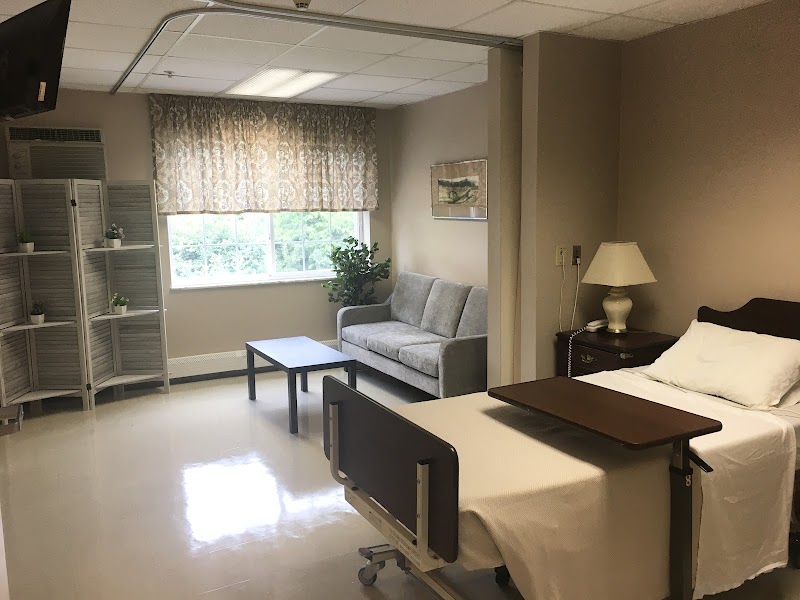
How is Bridgetown Nursing And Rehabilitation Centre Staffed?

CMS rates BRIDGETOWN NURSING AND REHABILITATION CENTRE's staffing level at 2 out of 5 stars, which is below average compared to other nursing homes. Staff turnover is 56%, which is 10 percentage points above the Ohio average of 46%. High turnover can affect care consistency as new staff learn residents' individual needs.

What Have Inspectors Found at Bridgetown Nursing And Rehabilitation Centre?

State health inspectors documented 21 deficiencies at BRIDGETOWN NURSING AND REHABILITATION CENTRE during 2018 to 2024. These included: 19 with potential for harm and 2 minor or isolated issues.
Who Owns and Operates Bridgetown Nursing And Rehabilitation Centre?

BRIDGETOWN NURSING AND REHABILITATION CENTRE is owned by a for-profit company. For-profit facilities operate as businesses with obligations to shareholders or private owners. The facility operates independently rather than as part of a larger chain. With 55 certified beds and approximately 41 residents (about 75% occupancy), it is a smaller facility located in CHEVIOT, Ohio.
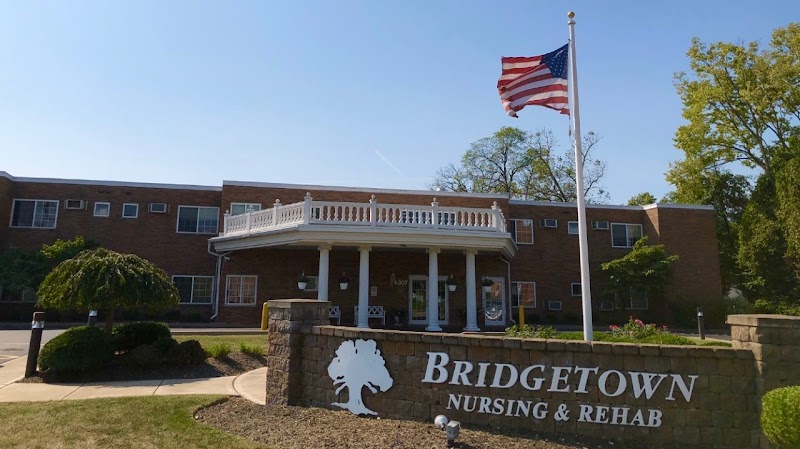
How Does Bridgetown Nursing And Rehabilitation Centre Compare to Other Ohio Nursing Homes?

Compared to the 100 nursing homes in Ohio, BRIDGETOWN NURSING AND REHABILITATION CENTRE's overall rating (4 stars) is above the state average of 3.2, staff turnover (56%) is near the state average of 46%, and health inspection rating (4 stars) is above the national benchmark.

What Should Families Ask When Visiting Bridgetown Nursing And Rehabilitation Centre?

Based on this facility's data, families visiting should ask: "How do you ensure continuity of care given staff turnover, and what is your staff retention strategy?" "Can you walk me through typical staffing levels on day, evening, and night shifts?" "Can I visit during a mealtime to observe dining assistance and food quality?" "How do you handle medical emergencies, and what is your hospital transfer rate?" These questions are particularly relevant given the facility's high staff turnover rate and the below-average staffing rating.

Is Bridgetown Nursing And Rehabilitation Centre Safe?

Based on CMS inspection data, BRIDGETOWN NURSING AND REHABILITATION CENTRE has a clean safety record: no substantiated abuse findings (meaning no confirmed cases of resident harm), no Immediate Jeopardy citations (the most serious violation level indicating risk of serious injury or death), and is not on the Special Focus Facility watch list (a federal program monitoring the lowest-performing 1% of nursing homes). The facility has a 4-star overall rating and ranks #1 of 100 nursing homes in Ohio. While no facility is perfect, families should still ask about staff-to-resident ratios and recent inspection results during their visit.

Do Nurses at Bridgetown Nursing And Rehabilitation Centre Stick Around?

Staff turnover at BRIDGETOWN NURSING AND REHABILITATION CENTRE is high. At 56%, the facility is 10 percentage points above the Ohio average of 46%. High turnover means new staff may not know residents' individual needs, medications, or preferences. It can also be disorienting for residents, especially those with dementia who rely on familiar faces. Families should ask: What is causing the turnover? What retention programs are in place? How do you ensure care continuity during staff transitions?

Was Bridgetown Nursing And Rehabilitation Centre Ever Fined?

BRIDGETOWN NURSING AND REHABILITATION CENTRE has no federal fines on record. CMS issues fines when nursing homes fail to meet care standards or don't correct problems found during inspections. The absence of fines suggests the facility has either maintained compliance or corrected any issues before penalties were assessed. This is a positive indicator, though families should still review recent inspection reports for the full picture.

Is Bridgetown Nursing And Rehabilitation Centre on Any Federal Watch List?

BRIDGETOWN NURSING AND REHABILITATION CENTRE is not on any federal watch list. The most significant is the Special Focus Facility (SFF) program, which identifies the bottom 1% of nursing homes nationally based on persistent, serious quality problems. Not being on this list means the facility has avoided the pattern of deficiencies that triggers enhanced federal oversight. This is a positive indicator, though families should still review the facility's inspection history directly.