ADVANCED HEALTH CARE OF CINCINNATI
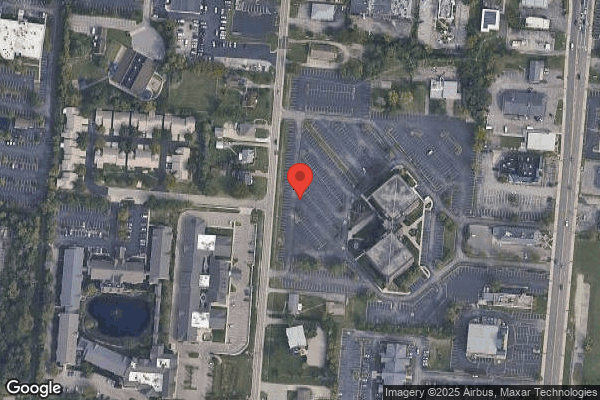
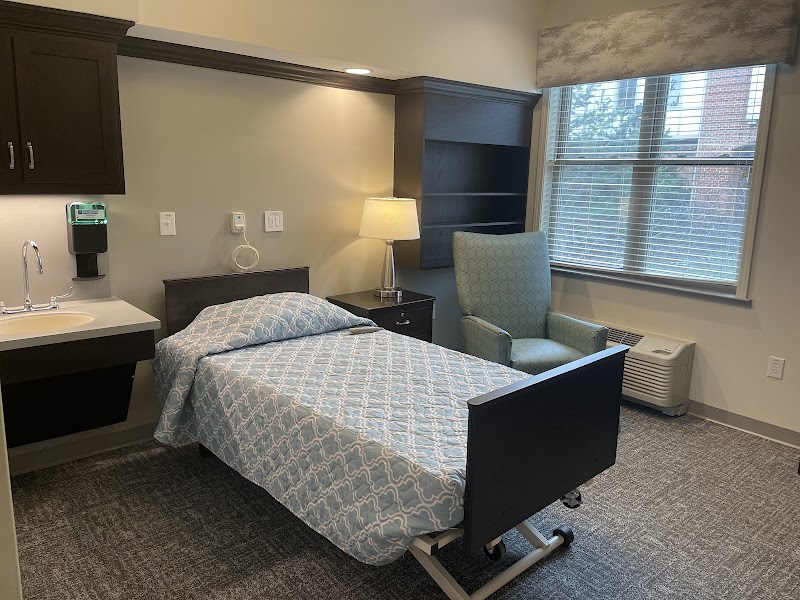
1400 MALLARD COVE DRIVE, CINCINNATI, OH 45246 (513) 830-5014
For profit - Corporation 46 Beds ADVANCED HEALTH CARE Data: November 2025
Trust Grade
85/100
#3 of 913 in OH
Last Inspection: May 2022

Over 2 years since last inspection. Current conditions may differ from available data.

Overview

Advanced Health Care of Cincinnati has a Trust Grade of B+, which means it is above average and recommended for families considering care options. It ranks #3 out of 913 facilities in Ohio, placing it in the top tier for quality care, and #1 out of 70 in Hamilton County, indicating it is the best option locally. The facility is improving, with reported issues decreasing from 6 in 2022 to just 1 in 2024. Staffing is a strong point, receiving a 5-star rating, and has better RN coverage than 96% of facilities in Ohio, which is crucial for identifying potential health issues. However, there were some concerning incidents, such as failing to ensure residents were seen by a physician every 60 days and not holding required quality assurance meetings quarterly, which could impact the overall care provided. Despite these weaknesses, the absence of fines and the excellent overall rating suggest that this facility is committed to providing quality care.

Trust Score
B+
85/100
In Ohio
#3/913
Top 1%
Safety Record
Low Risk
No red flags
Inspections
Getting Better
6 → 1 violations
Staff Stability
⚠ Watch
52% turnover. Above average. Higher turnover means staff may not know residents' routines.
Penalties
✓ Good
No fines on record. Clean compliance history, better than most Ohio facilities.
Skilled Nurses
✓ Good
Each resident gets 126 minutes of Registered Nurse (RN) attention daily — more than 97% of Ohio nursing homes. RNs are the most trained staff who catch health problems before they become serious.
Violations
⚠ Watch
15 deficiencies on record. Higher than average. Multiple issues found across inspections.
★★★★★
5.0
Overall Rating
★★★★★
5.0
Staff Levels
★★★★☆
4.0
Care Quality
★★★★☆
4.0
Inspection Score
Stable
2022: 6 issues
2024: 1 issues

The Good

  • 5-Star Staffing Rating · Excellent nurse staffing levels
  • 4-Star Quality Measures · Strong clinical quality outcomes
  • Full Sprinkler Coverage · Fire safety systems throughout facility
  • No fines on record

Facility shows strength in staffing levels, quality measures, fire safety.

The Bad

Staff Turnover: 52%

Near Ohio avg (46%)

Higher turnover may affect care consistency

Chain: ADVANCED HEALTH CARE

Part of a multi-facility chain

Ask about local staffing decisions and management

The Ugly 15 deficiencies on record

May 2024 1 deficiency
CONCERN (D) 📢 Someone Reported This

A family member, employee, or ombudsman was alarmed enough to file a formal complaint

Potential for Harm - no one hurt, but risky conditions existed

Medical Records (Tag F0842)

Could have caused harm · This affected 1 resident

**NOTE- TERMS IN BRACKETS HAVE BEEN EDITED TO PROTECT CONFIDENTIALITY** Based on record review, staff interview, and review of facility policy, the facility failed to provide timely and complete acces...

Read full inspector narrative →
**NOTE- TERMS IN BRACKETS HAVE BEEN EDITED TO PROTECT CONFIDENTIALITY** Based on record review, staff interview, and review of facility policy, the facility failed to provide timely and complete access to resident medical records. This affected one resident (#17) of three residents reviewed. The facility census was 13. Findings include: Review of the closed medical record for Resident #17 revealed the resident was admitted to the facility on [DATE] and discharged to an unknown location on 02/09/23. His diagnoses included cerebral infarction, anxiety disorder, dysphagia, diabetes mellitus (DM), kidney failure, and essential primary hypertension. The limited medical record provided no additional information pertaining to nurse's progress notes, care plan and Minimum Data Set (MDS) information. Interview with the Director of Nursing (DON) and Rehabilitation (Rehab) Service Manager (#80) on 05/07/24 at 2:35 P.M. revealed the facility only utilized electronic medical records (EMR) for the resident's medical information. The DON stated the facility did not have access to Resident #17's medical record or any other resident's medical record prior to their acquisition date of 03/01/23. The DON verified Resident #17 was a resident at the facility; however, stated the previous owners took all of the resident's medical records with them. Rehab Service Manager #80 indicated the therapy notes were on a different platform and he was able to find a face sheet for Resident #17 that contained the admission date and some diagnosis but nothing else. Interview with the Administrator on 05/07/24 at 4:47 P.M. revealed the facility staff did not have access to any of the resident's medical records prior to the current owners acquiring the facility on 03/01/23. A subsequent interview with the Administrator on 05/08/24 at 9:10 A.M. confirmed the facility did not have access to the closed medical records for Resident #17 prior to the current ownership taking over in March 2023. The Administrator stated the Surveyor would have to reach out to the previous company in order to get access to Resident #17's medical records. The Administrator stated he updated the current policy on 05/07/24, to reflect the facility would start retaining medical records at their new acquisition date. Review of the facility policy titled, Medical Records, updated on 05/07/24, revealed the facility will maintain discharged records for approximately six-months, then the facility will transfer the medical record to a safe location and keep them for no less than seven years. Facilities that are purchased through acquisition shall preserve records beginning on the date of transfer of ownership (acquisition) and moving forward per the regulatory requirement of seven years. This was an incidental finding discovered during the course of the complaint investigation.
May 2022 6 deficiencies
CONCERN (D)

Potential for Harm - no one hurt, but risky conditions existed

Deficiency F0578 (Tag F0578)

Could have caused harm · This affected 1 resident

**NOTE- TERMS IN BRACKETS HAVE BEEN EDITED TO PROTECT CONFIDENTIALITY** Based on record review and interview, the facility failed to ensure a resident's advanced directives were ordered and placed on ...

Read full inspector narrative →
**NOTE- TERMS IN BRACKETS HAVE BEEN EDITED TO PROTECT CONFIDENTIALITY** Based on record review and interview, the facility failed to ensure a resident's advanced directives were ordered and placed on the resident chart accurately. This affected one Resident (#45) out of three residents reviewed for advanced directives. The facility census was 39. Findings include: Resident #45 was admitted to the facility on [DATE]. His diagnoses included, malignant neoplasm of prostate, acute kidney failure, atrial septal defect, osteoarthritis, malignant neoplasm of colon, secondary malignant neoplasm of bone, anemia, type two diabetes mellitus, essential hypertension, and cerebral infarction. Review of the progress notes dated [DATE] at 6:49 A.M. documented Resident #45 was found unresponsive in his bed with no blood pressure and no pulse. Review of the physician order dated [DATE] revealed Resident #45's code status was full code, give cardiopulmonary resuscitation (CPR). There was another order dated [DATE] that stated Resident #45's code status was do not resuscitate (DNR). During interview on [DATE] at 10:14 A.M. the Director of Nursing (DON) stated she admitted Resident #45 to the facility on [DATE]. The DON sated she read through the admission paperwork and placed an order for a full code based on information provided in the hospital admission paperwork dated on [DATE]. Prior to the end of her shift on [DATE], she located another form signed by the physician on [DATE] stating Resident #45 was a DNR comfort care (DNRCC). The DON stated she left the paperwork at the nursing station and gave report to the oncoming nurse regarding the incorrect code status entered as a full code. The DON stated she reviewed the chart the next day and found the oncoming nurse did not correct the code status in the computer. The DON stated the computer will not allow the corrected date to show on the day corrected and that is why the DNR code status appeared to be discharged on [DATE] and ordered on [DATE]. However, the DON did confirm Resident #45 had two orders for the same date, one listed as a full code and one listed as a DNRCC.
CONCERN (D)

Potential for Harm - no one hurt, but risky conditions existed

Assessment Accuracy (Tag F0641)

Could have caused harm · This affected 1 resident

**NOTE- TERMS IN BRACKETS HAVE BEEN EDITED TO PROTECT CONFIDENTIALITY** Based on record review, interview and policy review, the facility failed to ensure the Minimum Data Set (MDS) assessment was com...

Read full inspector narrative →
**NOTE- TERMS IN BRACKETS HAVE BEEN EDITED TO PROTECT CONFIDENTIALITY** Based on record review, interview and policy review, the facility failed to ensure the Minimum Data Set (MDS) assessment was completed accurately to reflect a resident's current health care status. This affected one (Resident #5) of three residents reviewed for accurate MDS assessments. The facility census was 39. Findings include: Record review revealed Resident #5 was admitted on [DATE] with diagnoses including end stage renal failure and dependence on renal dialysis. Review of the Minimum Data Set (MDS) assessments,dated 11/04/22 and 02/09/22, did not have dialysis coded on the assessment. Review of the plan of care for Resident #5, dated 10/27/21 revealed the resident was at risk for complications related to dialysis due to end stage renal disease. Interventions include administer medication as ordered, dialysis Monday, Wednesday and Friday, diet as ordered, and dialysis will communicate results and complications to facility as needed. During interview on 05/10/22 at 11:10 A.M., Resident #5 stated he goes to dialysis on Mondays, Wednesdays, and Fridays. Resident #5 does not remember when dialysis started but stated he has gone to dialysis since arriving to the facility. During interview on 05/12/22 at 2:25 P.M., the MDS nurse, Registered Nurse (RN) #40, verified the assessments dated 11/04/22 02/09/22 for Resident #5 did not have dialysis coded. Review of the facility policy titled Resident Assessment Accuracy of Assessment dated 11/28/17, stated the assessment must represent an accurate picture of the resident's status during the observation period of the MDS.
CONCERN (E)

Potential for Harm - no one hurt, but risky conditions existed

Deficiency F0712 (Tag F0712)

Could have caused harm · This affected multiple residents

**NOTE- TERMS IN BRACKETS HAVE BEEN EDITED TO PROTECT CONFIDENTIALITY** Based on record review and interview, the facility failed to ensure residents were visited by a physician every 60 days. This af...

Read full inspector narrative →
**NOTE- TERMS IN BRACKETS HAVE BEEN EDITED TO PROTECT CONFIDENTIALITY** Based on record review and interview, the facility failed to ensure residents were visited by a physician every 60 days. This affected four (Residents #05, #06, #10, and #31) of four residents reviewed for physician visits. The facility census was 39. Findings include. 1. Record review revealed Resident #06 was admitted on [DATE]. Progress notes revealed the resident was seen by the Nurse Practitioner (NP) on 11/04/19. There was no further documentation in the medical record Resident #06 was seen by a physician every 60 days. 2. Record review revealed Resident #10 was admitted on [DATE]. Progress notes revealed Resident #10 was seen by the physician on 11/21/19 and 03/24/22. There was no documentation in the medical record Resident #10 had been seen by a physician every 60 days., 3. Record review revealed Resident #31 was admitted on [DATE]. Progress notes revealed Resident #31 was seen by the NP on 04/20/22. There was no further documentation in the medical record the resident had been seen by a physician since admission. 4. Record review revealed Resident #5 was admitted on [DATE]. Progress notes revealed Resident #5 was seen by the physician on 11/03/21 and 01/07/22. There was no documentation Resident #5 had been seen by the physician every 60 days. During interview on 05/11/22 at 5:10 P.M. the Clinical Director of Operations verified the facility does not have any records of the physician or nurse practitioner visits for the above residents. The physician progress are to be scanned and entered into the electronic health record on a regular basis. During interview on 05/12/22 at 8:08 A.M., Regional Nurse #110 stated the facility does not know when the residents had been seen by the physician. Review of the facility policy titled Monitoring Physician Visits, dated June 2016, documented to ensure that the physician, nurse practitioner and physician' s assistant visits to residents are timely and in compliance with facility policy and applicable regulatory requirements.
CONCERN (E)

Potential for Harm - no one hurt, but risky conditions existed

Deficiency F0868 (Tag F0868)

Could have caused harm · This affected multiple residents

Based on record review, interview and policy review, the facility failed to hold Quality Assessment and Assurance meetings at least quarterly. This had the potential to affect all 39 residents in the ...

Read full inspector narrative →
Based on record review, interview and policy review, the facility failed to hold Quality Assessment and Assurance meetings at least quarterly. This had the potential to affect all 39 residents in the facility. The facility census was 39. Findings include: Review of the Quality Assurance (QA) records revealed the last meeting was held on 12/27/21. There were no other QA meetings held in 2021 or 2022. During interview on 05/17/22 at 2:30 P.M. the Regional Administrator verified there was only one QA meeting held from January 2021 through May 2022. Review of the facility policy titled, QAPI Policy/Procedure, revealed the QA committee shall meet at least quarterly and as needed.
MINOR (C)

Minor Issue - procedural, no safety impact

Transfer Notice (Tag F0623)

Minor procedural issue · This affected most or all residents

**NOTE- TERMS IN BRACKETS HAVE BEEN EDITED TO PROTECT CONFIDENTIALITY** 2. Review of progress notes revealed Resident #8 was transferred from the facility with the anticipation to return on 02/26/22. ...

Read full inspector narrative →
**NOTE- TERMS IN BRACKETS HAVE BEEN EDITED TO PROTECT CONFIDENTIALITY** 2. Review of progress notes revealed Resident #8 was transferred from the facility with the anticipation to return on 02/26/22. The resident returned on 03/04/22. The medical record contained no documentation of a written notification of transfer to the resident, representative or Ombudsman. 3. Review of the progress notes for Resident #26 revealed she was discharged to the hospital on [DATE] and returned to the facility on [DATE]. The medical record contained no documentation of a written notification of transfer to the resident, representative or Ombudsman. 4. Review of the nursing progress notes for Resident #27 revealed he was discharged to the hospital on [DATE] and returned to the facility on [DATE]. The medical record contained no documentation of a written notification of transfer to the resident, representative or Ombudsman. 5. Review of the nursing notes for Resident #44 he discharged to the hospital on [DATE]. The medical record . During interview on 05/10/22 at 3:35 P.M., Business office Manager (BOM) #112 stated she does not notify the family or resident in writing of discharge notification. Based on record review, interview and policy review, the facility failed to notify the resident, representative or Ombudsman in writing of a transfer from the facility. This affected five (Residents #5, #8, #26, #7 and #44) of five residents reviewed for transfer notices. The facility census was 39. Findings include: 1. Review of progress notes revealed Resident #5 was transferred to the hospital on [DATE] and 05/01/22. The medical record contained no documentation of a written notification of transfer to the resident, representative or Ombudsman. During interview on 05/10/22 at 11:10 A.M., Resident #5 stated he did not receive any information related the transfers.
MINOR (C)

Minor Issue - procedural, no safety impact

Deficiency F0625 (Tag F0625)

Minor procedural issue · This affected most or all residents

**NOTE- TERMS IN BRACKETS HAVE BEEN EDITED TO PROTECT CONFIDENTIALITY** 2. Record review for Resident #08 revealed she was admitted to the facility on [DATE] and discharged to a facility out of state...

Read full inspector narrative →
**NOTE- TERMS IN BRACKETS HAVE BEEN EDITED TO PROTECT CONFIDENTIALITY** 2. Record review for Resident #08 revealed she was admitted to the facility on [DATE] and discharged to a facility out of state on 05/09/22. Her diagnosis included, acute kidney failure, hydronephrosis, unspecified protein-calorie malnutrition, essential primary hypertension, paroxysmal atrial fibrillation, history of traumatic brain injury, encephalopathy, gastro-esophageal reflux disease. Review of the quarterly minimum data set (MDS) 02/20/22 revealed Resident #08 had impaired cognition as evidenced by a brief interview for mental status (BIMS) score of 12. Resident #08 required extensive assistance with bed mobility, walking on the unit, dressing, toilet use, personal hygiene, and supervision from staff with eating. Review of Resident #08's nursing progress notes revealed Resident #08 discharged from the facility with the anticipation to return on 02/26/22. Further review of the nurse's charting for Resident #08 revealed she returned to the facility on [DATE]. Further review of the nursing progress notes did not reveal verification of notice of transfer or information regarding a bed hold notification. 3. Record review for Resident #26 revealed an admission date of 01/01/20. Her diagnosis included coronavirus 2019 (covid-19), displaced intertrochanteric fracture of left femur, unspecified protein calorie malnutrition, hyperglycemia, dementia without behavioral disturbance, and impaired cognition. Review of the quarterly MDS assessment, dated 04/04/22, revealed Resident #26 had severely impaired cognition as evidenced by her BIMS score of 04. Further review of the MDS assessment revealed Resident #26 required limited assistance from staff with transfers, walking, toilet use, personal hygiene, dressing, bed mobility. She required supervision from staff with eating. Review of the progress notes for Resident #26 revealed she was discharged to the hospital on [DATE] and returned to the facility on [DATE]. Further review of the nursing progress notes did not reveal verification of notice of transfer or information regarding a bed hold notification. 4. Record review for Resident # 27 revealed an admission date of 09/04/20. His diagnosis included end stage renal disease, covid-19, cholecystitis, unspecified protein-calorie malnutrition, cognitive communication deficit, delirium, and gout. Review of the quarterly MDS assessment, dated 04/05/22, revealed Resident #27 had moderately impaired cognition as evidenced by a BIMS score of 09. Resident #27 required extensive assistance from staff with bed mobility, dressing, toilet use, and personal hygiene. Further review of the MDS assessment revealed Resident #27 was totally dependent on staff with transfers, walking, and bathing. However, he only required supervision from staff with eating. Review of the nursing progress notes for Resident #27 revealed he was discharged to the hospital on [DATE] and return to the facility on [DATE]. Further review of the nursing progress notes did not reveal verification of notice of transfer or information regarding a bed hold notification. 5. Review of the nursing notes for Resident #44 revealed an admission date of 04/13/22 and he discharged to the hospital on [DATE]. His diagnosis included chronic obstructive pulmonary disease, acute respiratory failure with hypoxia, protein calorie malnutrition, hypothyroidism, gastroesophageal reflux disease. Review of the five-day MDS assessment, dated 04/18/22 revealed Resident #44 was moderately cognitively impaired as evidenced by his BIMS score of 10. Further review of the MDS assessment revealed he required extensive assistance from staff with bed mobility and was totally dependent on staff with assistance with transfers. Resident #44 required supervision assistance from staff with eating, toilet use, personal hygiene, and bathing. Review of the nurse charting for Resident #44 revealed he was discharged to the hospital on [DATE]. Further review of the nursing progress notes did not reveal verification of notice of transfer or information regarding a bed hold notification. Interview on 05/10/22 at 3:30 P.M. with the Admissions and Marketing Representative #111 stated she does not notify the family/residents in writing of bed hold policy. Interview on 05/10/22 at 3:35 P.M. with the Business office Manager (BOM) #112 confirmed she does not notify the family or resident in writing of bed hold policy. Interview on 05/10/22 at 3:36 P.M with the Clinical Director of Operations #110 confirmed the facility has not notified resident or resident families of bed hold policy on or before transfer. Interview on 05/11/22 at 12:59 P.M. with Registered Nurse (RN) #54, via phone interview, verified she transferred resident to the hospital on [DATE] stated she sent face sheet and medication list with emergency personnel. Interview on 5/12/22 at 11:30 A.M. with Unit Manager Licensed Practical Nurse (LPN) #31 stated the nurses send a medication list and a face sheet with all transfers and appointments. Unaware of any additional documents that is provided to the resident regarding the bed hold policy. Review of the facility policy titled Bed Hold dated 04/2018 and reviewed 01/2022 revealed the facility failed to implement the policy as written. Number three states in the event of an emergency transfer to the hospital, the facility social worker or designee will attempt to contact the resident or resident representative within twenty-four hours of the transfer and determine whether to [NAME] the resident's bed. The facility will document multiple attempts if necessary to reach the resident and or the resident representative in case when the facility was unable to notify. Based on medical record review, staff interview, observations and facility policy review, the facility failed to ensure a written bed hold policy was given to the resident prior to transfer from the facility. This affected five residents (#8, #5, #26, #27, #44) of five residents reviewed for bed hold policy. The facility census was 39. Finding include: Medical record review for Resident #5 revealed an admission on [DATE] with diagnoses including end stage renal failure, intestinal malabsorption, iron deficiency anemia, renal dialysis, type two diabetes, depression, peripheral vascular disease, and hypertension. Review of quarterly Minimum Data Set (MDS) assessment dated [DATE] for Resident #5 revealed an intact cognition. Resident #5 requires total assist for bed mobility and transfers. Resident #5 required extensive assist for eating and toileting. Review of the plan of care for Resident #5 dated 12/09/21 revealed resident has behaviors related to placing calls to 911 multiple episodes without reason and after medical assessment. Interventions include engage resident in self-care and physical activities to channel energy, encourage ventilation of feelings, fears and anxiety, reinforce and focus on reality, and do not confront resident's belief system. Review of the Progress note for Resident #5 dated 10/28/21 at 11:36 A.M. as a late entry for 10/21/21 at 11:19 A.M revealed resident called 911 for transfer to the hospital. Review of the Progress notes for Resident #5 dated 10/21/21 through 10/26/21 when resident was readmitted to the facility was silent for transfer notice to resident or resident representative. Review of the Progress note for Resident #5 dated 05/01/22 at 10:52 A.M. revealed resident complained of pain in his toe. Acetaminophen 500 mg given however resident called 911 and went to the hospital. The medical record was silent for transfer notice to resident or resident representative. Observation on 05/10/22 at 11:09 A.M. of Resident #5 revealed resident resting in bed with eyes closed. Awakened easily with knock on door. Interview on 05/10/22 at 11:10 A.M. with Resident #5 stated he did not receive any information related the transfers. Further stated the facility staff give all the papers to the squad when they come and get me. Interview on 05/10/22 at 3:30 P.M. with the Admissions and Marketing Representative #111 stated she does not notify the family/residents in writing of bed hold policy. Interview on 05/10/22 at 3:35 P.M. with the Business office Manager (BOM) #112 confirmed she does not notify the family or resident in writing of bed hold policy. Interview on 05/10/22 at 3:36 P.M with the Clinical Director of Operations #110 confirmed the facility has not notified resident or resident families of bed hold policy on or before transfer. Interview on 05/11/22 at 12:59 P.M. with Registered Nurse (RN) #54, via phone interview, verified she transferred resident to the hospital on [DATE] stated she sent face sheet and medication list with emergency personnel. Interview on 5/12/22 at 11:30 A.M. with Unit Manager Licensed Practical Nurse (LPN) #31 stated the nurses send a medication list and a face sheet with all transfers and appointments. Unaware of any additional documents that is provided to the resident regarding the bed hold policy. Review of the facility policy titled Bed Hold dated 04/2018 and reviewed 01/2022 revealed the facility failed to implement the policy as written. Number three states in the event of an emergency transfer to the hospital, the facility social worker or designee will attempt to contact the resident or resident representative within twenty-four hours of the transfer and determine whether to [NAME] the resident's bed. The facility will document multiple attempts if necessary to reach the resident and or the resident representative in case when the facility was unable to notify.
Jul 2019 8 deficiencies
CONCERN (D)

Potential for Harm - no one hurt, but risky conditions existed

Deficiency F0553 (Tag F0553)

Could have caused harm · This affected 1 resident

**NOTE- TERMS IN BRACKETS HAVE BEEN EDITED TO PROTECT CONFIDENTIALITY** Based on record review and interview, the facility failed to allow a resident to attend a care conference. This affected one (Re...

Read full inspector narrative →
**NOTE- TERMS IN BRACKETS HAVE BEEN EDITED TO PROTECT CONFIDENTIALITY** Based on record review and interview, the facility failed to allow a resident to attend a care conference. This affected one (Resident #180) of 16 residents reviewed for care conferences. The census was 30. Review of resident records revealed an admission date of 06/19/19 with diagnoses including osteomyelitis, contusion of left lesser toe with damage to nail, peripheral vascular disease, major depression, type two diabetes, local infection to skin. The minimum data set (MDS) assessment dated [DATE] revealed resident was cognitively intact and was independent for walking in room and toileting, independent with set-up for eating and personal hygiene, supervision and set-up for transfers, walking in hallway, locomotion, and bathing, and limited one assist for bed mobility and dressing. He was his own responsible party. Interview on 06/30/19 at 12:14 P.M. Resident #180 stated when he initially admitted he was told that there would be a care conference in the first three days, but when the care conference took place he was excluded. He stated that he was told that they would have another care conference, but as of the time of this interview the care conference had not taken place. During interview on 07/02/19 at 10:54 A.M., Social Services Designee (SSD) #1 stated that care conferences take place in resident's room if resident can't come to conference room, otherwise they are brought to the care conference by family or staff. SSD #1 stated that there was a care conference on 06/21/19 for Resident #180 via telephone with his son only at his son's request. Review of the care conference sign in form for Resident #180, dated 06/20/19, the facility had a care conference attended by Administrator, interim Director of Nursing (DON) #825, Assistant DON #308, Registered Nurse #500, Therapy Manager #650, Licensed Social Worker (LSW) #825 and Resident #180's son via telephone. Review of the facility policy titled Resident's Rights to Participate in Planning Care, dated 05/30/18, revealed that Residents and their representative(s) must be afforded the opportunity to participate in their care planning process .This applies to both to initial decisions about care and treatment, as well as the refusal of care or treatment.
CONCERN (D)

Potential for Harm - no one hurt, but risky conditions existed

Deficiency F0582 (Tag F0582)

Could have caused harm · This affected 1 resident

**NOTE- TERMS IN BRACKETS HAVE BEEN EDITED TO PROTECT CONFIDENTIALITY** Based on interview and medical record review, the facility failed to ensure Skilled Nursing Facility Advance Beneficiary Notice ...

Read full inspector narrative →
**NOTE- TERMS IN BRACKETS HAVE BEEN EDITED TO PROTECT CONFIDENTIALITY** Based on interview and medical record review, the facility failed to ensure Skilled Nursing Facility Advance Beneficiary Notice of Non-coverage (SNF ABN) was provided when skilled services ended and the resident remained at the facility. This affected one (Resident #5) of three reviewed for Beneficiary Protection Notification. The facility census was 30. Findings include: Medical record review revealed Resident #5 was admitted to the facility on [DATE]. Review of Notice of Medicare Provider Non-coverage signed on 05/14/19 by Resident #5's representative revealed skilled nursing services ended 05/17/19. The wasn't any evidence in Resident #5's medical record of a SNF ABN notice being provided. Interview on 07/02/19 at 4:22 P.M. with [NAME] President of Clinical Compliance #800 verified Resident #5 remained in the facility after skilled services ended and was not provided with a SNF ABN notice.
CONCERN (D)

Potential for Harm - no one hurt, but risky conditions existed

Deficiency F0625 (Tag F0625)

Could have caused harm · This affected 1 resident

**NOTE- TERMS IN BRACKETS HAVE BEEN EDITED TO PROTECT CONFIDENTIALITY** 4. Closed record review revealed Resident #73 was admitted on [DATE]. Review of Resident #73's progress note dated 04/19/19 reve...

Read full inspector narrative →
**NOTE- TERMS IN BRACKETS HAVE BEEN EDITED TO PROTECT CONFIDENTIALITY** 4. Closed record review revealed Resident #73 was admitted on [DATE]. Review of Resident #73's progress note dated 04/19/19 revealed resident was transferred to the hospital on [DATE] at 8:17 A.M. Review of Resident #73's progress note dated 04/19/19 at 10:52 A.M. revealed resident was admitted to the hospital. Review of Resident #73's medical record revealed no evidence that a bed hold notice or a transfer/discharge notice was provided to the resident or the resident's representative. Interview on 07/02/19 at 3:58 P.M. with [NAME] President of Clinical Compliance (VPCC) #800 confirmed the facility did not provide a transfer/discharge notice for Resident #73 after being emergently transferred and admitted to the hospital on [DATE]. Review of the facility's policy titled Resident Transfers and Discharge Notification, dated April 2018, revealed notice of emergency transfers must be sent to the resident and resident's representative when practicable, such as by mailing, electronic transmission/fax or in person. Policy further revealed a list of residents that have been transferred from the facility will be submitted to the Ombudsman on a monthly basis. Based on record review and interview, the facility failed to provide written bed hold information to resident when hospitalized . This affected four (Residents #5, #7, #18 and #73) of six residents reviewed for hospitalization. Census was 30. Findings include: 1. Review of Resident #18's medical record revealed the resident was admitted to the facility on [DATE]. The resident was hospitalized from [DATE] to 05/03/19. The medical record contained no evidence that a written bed hold notice was provided to the resident or resident's representative at the time of or within 24 hours of the transfer. Interview on 07/01/19 at 2:35 P.M., revealed Resident #18 denied receiving a written bed hold notice, and indicated the facility knew he would be coming back. 2. Medical record review revealed Resident #5 was admitted to the facility on [DATE]. The resident was discharged to the hospital on [DATE] and returned to the facility on [DATE]. Review of nursing progress note dated 03/24/19 at 11:38 P.M. revealed Resident #5 was transported to the hospital for an acute change in condition. Review of nursing progress note dated 04/03/19 at 11:16 P.M. revealed Resident #5 returned to the facility at 3:00 P.M. from the hospital. There was no documentation in the medical record that the resident or the resident's representative were notified about the facility bed hold policy upon hospitalization. Interview on 06/30/19 at 10:29 A.M. with Resident #5 reported several hospitalizations since admitted to the facility. Interview on 07/02/19 at 3:55 P.M. with [NAME] President of Clinical Compliance (VPCC) #800 verified the facility had not provided bed hold notices to residents or representatives upon hospitalization. 3. Medical record review revealed Resident #7 was admitted to the facility on [DATE]. The resident was transferred to the hospital on [DATE] and returned to the facility on [DATE]. Review of nursing progress note dated 06/11/19 at 6:27 P.M. revealed Resident #7 had a change in mental status and was transferred to the hospital for evaluation. Review of nursing note dated 06/13/19 at 11:14 P.M. revealed Resident #7 returned to the facility at 7:00 P.M. There was no documentation in the medical record that the resident or the resident's representative were notified about the facility bed hold policy upon hospitalization Interview on 06/30/19 at 3:36 P.M. with Resident #7's representative reported Resident #7 was hospitalized [DATE] to 06/13/19 for observation after a change in mental status. Resident #7's representative denied receiving anything in writing from the facility regarding the need for hospitalization. Interview on 07/02/19 at 3:55 P.M. with VPCC #800 verified the facility had not provided bed hold notices to residents or representatives upon hospitalization.
CONCERN (D)

Potential for Harm - no one hurt, but risky conditions existed

Deficiency F0687 (Tag F0687)

Could have caused harm · This affected 1 resident

**NOTE- TERMS IN BRACKETS HAVE BEEN EDITED TO PROTECT CONFIDENTIALITY** Based on observation, interview and record review, the facility failed to ensure a resident received needed foot care. This affe...

Read full inspector narrative →
**NOTE- TERMS IN BRACKETS HAVE BEEN EDITED TO PROTECT CONFIDENTIALITY** Based on observation, interview and record review, the facility failed to ensure a resident received needed foot care. This affected one (Resident #7) of one reviewed for activities of daily living (ADL). The facility census was 30. Findings include: Medical record review revealed Resident #7 was admitted to the facility on [DATE] with diagnosis including urinary tract infection, sepsis, diabetes, dementia, cerebral infarction, and hemiparesis affecting the right dominant side. Review of quarterly minimum data set (MDS) assessment dated [DATE] revealed severely impaired cognitive skills for daily decision making, total dependence was required with transfers, extensive assistance was required with bed mobility, eating, toileting, and personal hygiene. Review of care plan dated 04/15/19 revealed Resident #7 was at risk for deterioration in activities of daily living (ADLs) and complications related to diagnosis of diabetes mellitus. Foot care was not specifically addressed. Interview with Resident #7's representative on 06/30/19 at 3:53 P.M. reported Resident #7 had long toenails, had never been seen by a podiatrist toenails had not been trimmed since admission to the facility. During interview on 07/02/19 at 5:20 P.M., Licensed Social Worker (LSW) #875 reported the facility contracted for ancillary services including dental, vision, podiatry, and audiology. LSW #875 reported they had last been at the facility sometime in January 2019. LSW #875 acknowledged the facility now had some long term residents and reported she was working on obtaining consents for treatment from the residents for submission to the ancillary service company along with face sheets to schedule services. There currently wasn't any date scheduled for podiatry services. Consent for ancillary services were not provided upon admission. LSW #875 personally obtained consents and reported Resident #7 was admitted to the facility in April 2019 and she had not yet approached the residents representative to obtain consent for services. Observation on 07/02/19 at 5:51 P.M. of Resident #7's toenails with Assistant Director of Nursing (ADON) #306 revealed the left third toe was 0.6 centimeters (cm) long, the left fourth toe was 0.7 cm long, and the left fifth toe was 0.5 cm long. On the right foot, the first toe was 0.8 cm long, jagged, and sharp where part of the nail had broken off, the right second toe was 0.7 cm long, and the right middle toe was 0.8 cm long. All measurements were obtained and verified by ADON #306. Interview with ADON #306, at the time of the observation, acknowledged Resident #7's toenails were thick, long, jagged, and reported due to the thickness of the toenails and the residents diagnosis of diabetes, toenails would only be cut by a podiatrist. ADON #306 reported she was not sure how a resident was scheduled to receive needed foot care services by the podiatrist as LSW #875 was responsible for scheduling podiatry services.
CONCERN (D)

Potential for Harm - no one hurt, but risky conditions existed

Deficiency F0745 (Tag F0745)

Could have caused harm · This affected 1 resident

**NOTE- TERMS IN BRACKETS HAVE BEEN EDITED TO PROTECT CONFIDENTIALITY** Based on observation, interview and medical record review, the facility failed to ensure transportation services were arranged f...

Read full inspector narrative →
**NOTE- TERMS IN BRACKETS HAVE BEEN EDITED TO PROTECT CONFIDENTIALITY** Based on observation, interview and medical record review, the facility failed to ensure transportation services were arranged for scheduled medical appointments in the community. This affected one (Resident #7) of 12 residents investigated during the survey. Findings include: Medical record review revealed Resident #7 was admitted to the facility on [DATE] with diagnosis including urinary tract infection, sepsis, diabetes, dementia, cerebral infarction, hemiparesis affecting the right dominant side, and a stage four pressure ulcer to the sacrum. Review of quarterly minimum data set (MDS) assessment dated [DATE] revealed the resident had severely impaired cognitive skills for daily decision making, total dependence was required with transfers, extensive assistance was required with bed mobility, eating, toileting, and personal hygiene. Review of wound and ostomy care after-visit summaries revealed Resident #7 had been seen on 04/24/19, 04/30/19 and on 05/28/19. Review of the wound and ostomy care after-visit summary dated 05/28/19 revealed Resident #7 had a stage four pressure injury of the coccyx which measured 3.2 centimeters (cm) long by 1.6 cm wide, and one cm deep. Wound care instructions included to clean wound with normal saline, pat dry, apply Puracol with silver to the wound bed, lightly moisten with Puracol with sliver with normal saline, loosely pack, cover with dry gauze, tape, change daily and as needed. Resident #7 was scheduled to return to wound clinic on 06/25/19 at 1:30 P.M. The medical record did not contain any information for the 06/25/19 wound clinic appointment. Interview on 06/30/19 at 3:54 P.M. with Resident #7's representative reported the resident was not transported to a scheduled wound clinic appointment on 06/25/19 due to the cost of transport. The representative reported the facility had paperwork from the previous wound clinic appointment with the next appointment date, he/she had verified transportation was in place with the facility prior to the appointment, and had not been notified by the facility of lack of transportation until the time of the appointment, at which time it was too late to make other arrangements, The representative acknowledged Resident #7 was also seen by a wound specialist at the facility, but reported due to the severity and chronic nature of the wound, the representative had arranged and chosen for the resident to also be followed by the wound clinic. Observation on 07/01/19 at 3:49 P.M. of wound treatment to Resident #7 by Assistant Director of Nursing (ADON) #306 revealed a quarter size pressure ulcer to the coccyx. The wound bed was pink with minimal drainage and no signs of infection. Resident #7 was appropriately positioned on a low air loss mattress and comfortable throughout the treatment. Interview on 07/02/19 at 5:31 P.M. with ADON #306 reported Resident #7 was not transported to a scheduled wound clinic appointment on 06/25/19 as transportation did not show up to transport the resident. ADON #306 reported she was not sure exactly what the problem was, typically she scheduled transportation for medical appointments in the community. Staff would place appointment papers under her door for transportation to be scheduled, but she had not been notified to schedule transportation for Resident #7's wound care appointment on 06/25/19.
CONCERN (E)

Potential for Harm - no one hurt, but risky conditions existed

Transfer Notice (Tag F0623)

Could have caused harm · This affected multiple residents

**NOTE- TERMS IN BRACKETS HAVE BEEN EDITED TO PROTECT CONFIDENTIALITY** 4. Closed record review revealed Resident #73 was admitted on [DATE] with diagnoses including history of myocardial infarction, ...

Read full inspector narrative →
**NOTE- TERMS IN BRACKETS HAVE BEEN EDITED TO PROTECT CONFIDENTIALITY** 4. Closed record review revealed Resident #73 was admitted on [DATE] with diagnoses including history of myocardial infarction, dementia and congestive heart failure. Review of Resident #73's progress note dated 04/19/19 revealed resident was transferred to the hospital on [DATE] at 8:17 A.M. Review of Resident #73's medical record revealed no evidence that a bed hold notice or a transfer/discharge notice was provided to the resident or the resident's representative. Interview on 07/02/19 at 3:58 P.M. with VPCC #800 confirmed the facility did not provide a transfer/discharge notice for Resident #73 after being emergently transferred and admitted to the hospital on [DATE]. Review of facility's policy titled Resident Transfers and Discharge Notification, dated April 2018, revealed notice of emergency transfers must be sent to the resident and resident's representative when practicable, such as by mailing, electronic transmission/fax or in person. Policy further revealed a list of residents that have been transferred from the facility will be submitted to the Ombudsman on a monthly basis. Based on record review and interview, the facility failed to provide written transfer notification to the resident or resident's representative of their transfer to the hospital in way they could understand and failed to notify the Ombudsman of the transfers and discharges. This affected four (Residents #5, #7, #18 and #73) of six residents reviewed for hospitalization. The census was 30. Findings include: 1. Record review revealed Resident #18 was admitted to the facility on [DATE]. The resident was hospitalized from [DATE] to 05/03/19. The medical record contained no evidence the transfers notice was sent to the Office of the State Long term Care (LTC) Ombudsman when the resident was transferred to the hospital. Interview on 07/02/19 at 3:58 P.M. with [NAME] President of Clinical Compliance (VPCC) #800 confirmed the facility did not provide a transfer/discharge notice for Resident #18 after being emergently transferred and admitted to the hospital on [DATE]. 2. Medical record review revealed Resident #5 was admitted to the facility on [DATE]. Resident #5 was discharged to the hospital on [DATE] and returned to the facility on [DATE]. Review of nursing progress note dated 03/24/19 at 11:38 P.M. revealed Resident #5 was transported to the hospital after an acute change in condition. On 04/03/19 at 11:16 P.M. Resident #5 returned to the facility at 3:00 P.M. The medical record contained no documentation the resident or the resident's representative were notified in writing of the reason for the transfer to the hospital. Interview on 06/30/19 at 10:29 A.M. with Resident #5 reported several hospitalizations since admitted to the facility. Interview on 07/02/19 at 3:55 P.M. with VPCC #800 verified the facility had not provided written notices to explain reasons for transfers to residents or representatives upon hospitalization. 3. Medical record review revealed Resident #7 was admitted to the facility on [DATE]. Review of nursing progress note dated 06/11/19 at 6:27 P.M. revealed Resident #7 had a change in mental status and was transferred to the hospital for evaluation. Review of nursing note dated 06/13/19 at 11:14 P.M. revealed Resident #7 returned to the facility at 7:00 P.M. from the hospital with expressive aphasia. The medical record contained no documentation the resident or the resident's representative was notified in writing of the reason for the transfer to the hospital. Interview on 06/30/19 at 3:36 P.M. with Resident #7's representative reported Resident #7 was hospitalized [DATE] to 06/13/19 for observation after a change in mental status. Resident #7's representative denied receiving anything in writing from the facility regarding the need for hospitalization. Interview on 07/02/19 at 3:55 P.M. with VPCC #800 verified the facility had not provided written notices to explain reasons for transfers to residents or representatives upon hospitalization.
CONCERN (E)

Potential for Harm - no one hurt, but risky conditions existed

Food Safety (Tag F0812)

Could have caused harm · This affected multiple residents

Based on observation, staff interview, the facility failed to label, date and discard expired food items from the walk-in refrigerator and freezer. This had the potential to affect 29 out of 30 reside...

Read full inspector narrative →
Based on observation, staff interview, the facility failed to label, date and discard expired food items from the walk-in refrigerator and freezer. This had the potential to affect 29 out of 30 residents in the facility, one resident was ordered to receive nothing by mouth (NPO). Facility census was 30. Findings include: On 06/30/19 at 8:30 A.M., an initial tour of the kitchen was conducted with Dietary [NAME] (DC) #208. During the observation the following concerns were verified by DC #208: a. In the freezer there was a bag of veal with no date of opened or a use by date. b. In the freezer there was a plastic bag of beef with no date of opened or a use by date. c. In the freezer there was a plastic bag of potatoes wedges with no opened date or use by date. d. In the freezer there was a plastic bag of chicken breast with no opened date or use by date. e. In the freezer there was a bag of California vegetables ripped in the middle of bag with no opened date or use by date. f. In the refrigerator there was a container of beef and noodle soup with no opened date or use by date. g. In the refrigerator there was half of a watermelon with no opened date or use by date. h. In the refrigerator there was a container of puree dated 06/29/19. There was no use by date. Interview on 06/30/19 at 8:40 A.M., revealed DC #208 reported beef and noodle soup was for lunch and dinner as substitutions. DC #208 also reported the pureed food dated on 06/29/19 was extra from yesterday. Review of the facility policy titled Food Policy', revised November 2017, revealed leftovers are refrigerated immediately and used within five to seven days with a use-by date clearly marked. Staff will follow Food Code Requirements for storage and dating. All foods in the freezer are to be wrapped in moisture proof wrapping or placed in suitable containers.
MINOR (C)

Minor Issue - procedural, no safety impact

Staffing Information (Tag F0732)

Minor procedural issue · This affected most or all residents

Based on observation and interview, the facility failed to ensure nursing staffing information was posted daily. This affected all 30 residents at the facility. Findings include: Observation on 06/30/...

Read full inspector narrative →
Based on observation and interview, the facility failed to ensure nursing staffing information was posted daily. This affected all 30 residents at the facility. Findings include: Observation on 06/30/19 at 8:00 A.M., upon entrance to the facility revealed posted nursing staffing information dated 06/28/19 was on a table across from the receptionist desk. Interview on 06/30/19 at 9:31 A.M. with the Administrator verified the posting nursing staffing information was for 06/28/19 and reported the receptionist was to change to staffing sheet daily to reflect the current date but had not arrived to work yet and must have forgot to change the sheet yesterday.
Understanding Severity Codes (click to expand)
Life-Threatening (Immediate Jeopardy)
J - Isolated K - Pattern L - Widespread
Actual Harm
G - Isolated H - Pattern I - Widespread
Potential for Harm
D - Isolated E - Pattern F - Widespread
No Harm (Minor)
A - Isolated B - Pattern C - Widespread

Questions to Ask on Your Visit

  • "Can I speak with families of current residents?"
  • "What's your RN coverage like on weekends and overnight?"

Our Honest Assessment

Strengths
  • • Grade B+ (85/100). Above average facility, better than most options in Ohio.
  • • No major safety red flags. No abuse findings, life-threatening violations, or SFF status.
  • • No fines on record. Clean compliance history, better than most Ohio facilities.
Concerns
  • • 15 deficiencies on record. Higher than average. Multiple issues found across inspections.
Bottom line: Generally positive indicators. Standard due diligence and a personal visit recommended.

About This Facility

What is Advanced Health Care Of Cincinnati's CMS Rating?

CMS assigns ADVANCED HEALTH CARE OF CINCINNATI an overall rating of 5 out of 5 stars, which is considered much above average nationally. Within Ohio, this rating places the facility higher than 99% of the state's 100 nursing homes. This rating reflects solid performance across the metrics CMS uses to evaluate nursing home quality.
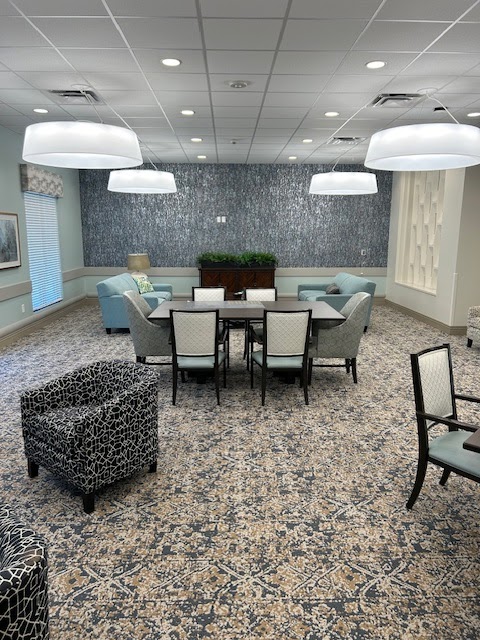
How is Advanced Health Care Of Cincinnati Staffed?

CMS rates ADVANCED HEALTH CARE OF CINCINNATI's staffing level at 5 out of 5 stars, which is much above average compared to other nursing homes. Staff turnover is 52%, compared to the Ohio average of 46%.

What Have Inspectors Found at Advanced Health Care Of Cincinnati?

State health inspectors documented 15 deficiencies at ADVANCED HEALTH CARE OF CINCINNATI during 2019 to 2024. These included: 12 with potential for harm and 3 minor or isolated issues.
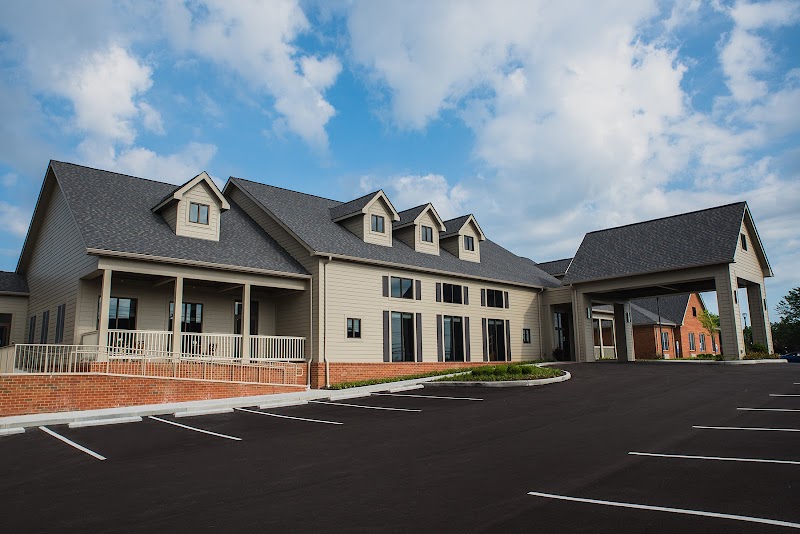
Who Owns and Operates Advanced Health Care Of Cincinnati?

ADVANCED HEALTH CARE OF CINCINNATI is owned by a for-profit company. For-profit facilities operate as businesses with obligations to shareholders or private owners. The facility is operated by ADVANCED HEALTH CARE, a chain that manages multiple nursing homes. With 46 certified beds and approximately 25 residents (about 54% occupancy), it is a smaller facility located in CINCINNATI, Ohio.
How Does Advanced Health Care Of Cincinnati Compare to Other Ohio Nursing Homes?

Compared to the 100 nursing homes in Ohio, ADVANCED HEALTH CARE OF CINCINNATI's overall rating (5 stars) is above the state average of 3.2, staff turnover (52%) is near the state average of 46%, and health inspection rating (4 stars) is above the national benchmark.

What Should Families Ask When Visiting Advanced Health Care Of Cincinnati?

Based on this facility's data, families visiting should ask: "Can I visit during a mealtime to observe dining assistance and food quality?" "How do you handle medical emergencies, and what is your hospital transfer rate?" "Can I speak with family members of current residents about their experience?"

Is Advanced Health Care Of Cincinnati Safe?

Based on CMS inspection data, ADVANCED HEALTH CARE OF CINCINNATI has a clean safety record: no substantiated abuse findings (meaning no confirmed cases of resident harm), no Immediate Jeopardy citations (the most serious violation level indicating risk of serious injury or death), and is not on the Special Focus Facility watch list (a federal program monitoring the lowest-performing 1% of nursing homes). The facility has a 5-star overall rating and ranks #1 of 100 nursing homes in Ohio. While no facility is perfect, families should still ask about staff-to-resident ratios and recent inspection results during their visit.

Do Nurses at Advanced Health Care Of Cincinnati Stick Around?

ADVANCED HEALTH CARE OF CINCINNATI has a staff turnover rate of 52%, which is 6 percentage points above the Ohio average of 46%. Moderate turnover is common in nursing homes, but families should still ask about staff tenure and how the facility maintains care continuity when employees leave.

Was Advanced Health Care Of Cincinnati Ever Fined?

ADVANCED HEALTH CARE OF CINCINNATI has no federal fines on record. CMS issues fines when nursing homes fail to meet care standards or don't correct problems found during inspections. The absence of fines suggests the facility has either maintained compliance or corrected any issues before penalties were assessed. This is a positive indicator, though families should still review recent inspection reports for the full picture.

Is Advanced Health Care Of Cincinnati on Any Federal Watch List?

ADVANCED HEALTH CARE OF CINCINNATI is not on any federal watch list. The most significant is the Special Focus Facility (SFF) program, which identifies the bottom 1% of nursing homes nationally based on persistent, serious quality problems. Not being on this list means the facility has avoided the pattern of deficiencies that triggers enhanced federal oversight. This is a positive indicator, though families should still review the facility's inspection history directly.