ANDERSON, THE

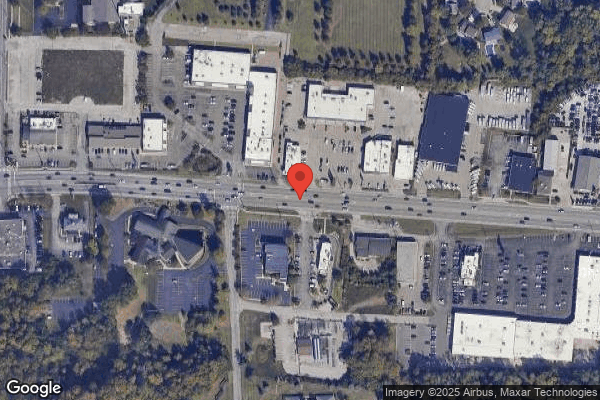
8139 BEECHMONT AVE, CINCINNATI, OH 45255 (513) 474-6200
For profit - Individual 100 Beds Independent Data: November 2025 2 Immediate Jeopardy citations
Trust Grade
0/100
#826 of 913 in OH
Last Inspection: November 2023

Within standard 12-15 month inspection cycle. Federal law requires annual inspections.

Overview

Anderson, The nursing home in Cincinnati has received a Trust Grade of F, indicating poor conditions and significant concerns about care quality. It ranks #826 out of 913 facilities in Ohio, placing it in the bottom half statewide, and #63 of 70 in Hamilton County, meaning there are only a few local options that are better. Although the facility is reportedly improving, having reduced issues from 12 in 2023 to just 3 in 2024, it still has alarming staffing challenges, with a 61% turnover rate that is higher than the state average. The home has accumulated $112,473 in fines, which is concerning as it exceeds the fines of 91% of Ohio facilities, suggesting ongoing compliance issues. Specific incidents include a failure to properly manage infection control practices, leading to potential health risks for residents, and a serious case where a resident's low blood pressure went unnoticed, delaying necessary medical attention. While there are some efforts to improve, families should weigh these serious weaknesses against any strengths before making a decision.

Trust Score
F
0/100
In Ohio
#826/913
Bottom 10%
Safety Record
High Risk
Review needed
Inspections
Getting Better
12 → 3 violations
Staff Stability
⚠ Watch
61% turnover. Above average. Higher turnover means staff may not know residents' routines.
Penalties
○ Average
$112,473 in fines. Higher than 70% of Ohio facilities. Some compliance issues.
Skilled Nurses
⚠ Watch
Each resident gets only 14 minutes of Registered Nurse (RN) attention daily — below average for Ohio. Fewer RN minutes means fewer trained eyes watching for problems.
Violations
⚠ Watch
35 deficiencies on record. Higher than average. Multiple issues found across inspections.
★☆☆☆☆
1.0
Overall Rating
★☆☆☆☆
1.0
Staff Levels
★★★☆☆
3.0
Care Quality
★☆☆☆☆
1.0
Inspection Score
Stable
2023: 12 issues
2024: 3 issues

The Good

  • Full Sprinkler Coverage · Fire safety systems throughout facility
  • No fines on record

Facility shows strength in fire safety.

The Bad

1-Star Overall Rating

Below Ohio average (3.2)

Significant quality concerns identified by CMS

Staff Turnover: 61%

15pts above Ohio avg (46%)

Frequent staff changes - ask about care continuity

Federal Fines: $112,473

Well above median ($33,413)

Significant penalties indicating serious issues

Staff turnover is elevated (61%)

13 points above Ohio average of 48%

The Ugly 35 deficiencies on record

2 life-threatening 1 actual harm
Sept 2024 3 deficiencies 1 IJ
CRITICAL (J) 📢 Someone Reported This

A family member, employee, or ombudsman was alarmed enough to file a formal complaint

Immediate Jeopardy (IJ) - the most serious Medicare violation

Quality of Care (Tag F0684)

Someone could have died · This affected 1 resident

**NOTE- TERMS IN BRACKETS HAVE BEEN EDITED TO PROTECT CONFIDENTIALITY** Based on closed medical record review, hospital record review, review of information from the Cleveland Clinic regarding hypoten...

Read full inspector narrative →
**NOTE- TERMS IN BRACKETS HAVE BEEN EDITED TO PROTECT CONFIDENTIALITY** Based on closed medical record review, hospital record review, review of information from the Cleveland Clinic regarding hypotension, and interviews, the facility failed to ensure staff identified a change in condition for Resident #22 when the resident experienced hypotension (low blood pressure) and diaphoresis (sweating especially to an unusual degree as a symptom of disease) and failed to notify the physician of the resident's hypotension and diaphoresis resulting in a delay in care and treatment. This resulted in Immediate Jeopardy and the potential for serious life-threatening harm beginning on 08/03/24 at 3:15 P.M. when Resident #22, who had a history of hypertension (high blood pressure), had a blood pressure of 93/51 millimeters of mercury (mm/Hg) which was not reported to the physician and no treatment was provided. Resident #22's family member requested the resident be sent to the hospital for evaluation on 08/03/24 at 7:33 P.M. (four hours after the resident first exhibited a decline in condition) due to the resident's continued hypotension and diaphoresis. Resident #22 was admitted to the hospital on [DATE] with diagnoses of septic shock and encephalopathy and expired at the hospital on [DATE]. This affected one (#22) of four residents reviewed for falls. The facility census was 88. On 09/11/24 at 11:42 A.M., President #218, Director of Nursing (DON), and Assistant Director of Nursing (ADON) #226 were notified Immediate Jeopardy began on 08/03/24 at 3:15 P.M. for Resident #22, when staff failed to inform the resident's physician of a change in condition when Resident #22 began to complain of pain, was diaphoretic, and hypotensive thereby delaying care and treatment, until Resident #22's family arrived to the facility and requested the resident be sent to the emergency department for further evaluation. Consequently, Resident #22 was admitted to the hospital with diagnoses of septic shock, hypotension, and hypothermia. The resident expired at the hospital on [DATE]. The Immediate Jeopardy was removed on 09/12/24 when the facility implemented the following corrective actions: • On 09/11/24 at 1:15 P.M., the facility will continue with its staff education and monitoring program specifically to ensure that any and all pertinent policies and procedures regarding resident changes in condition to ensure staff are implementing them as directed to prevent the same actions, situations, and/or practices from occurring in the future, by conducting in-service education via the employee communication system which will include all clinical employees. This was completed on 09/11/24 at 1:15 P.M. and included eight Registered Nurses (RN), 22 Licensed Practical Nurses (LPN) and 35 State Tested Nursing Assistants (STNA). Education will be ongoing. • On 09/11/24 at 2:00 P.M., ADON #226 sent out the education notification immediately to alert nursing staff to notify the physician immediately when a change of resident condition occurs. • On 09/11/24 at 2:00 P.M., the DON completed counseling and education with LPN #185 regarding proper documentation and communication with physician regarding resident change in condition. • On 09/11/24 at 2:00 P.M., the facility will continue to ensure there are systems in place to complete ongoing assessments of residents' health status when they experience a change in condition as evidenced by the following: When a resident has a change in condition, if indicated, the nurse may complete a Change of Condition Assessment in Point Click Care; the form is located under the Assessments tab in the resident electronic medical record. The change of condition includes along with any labs, analysis, x-rays, notification with physician date and time along with notification of responsible party date and time. After the completion of the assessment, if indicated, the attending physician will be notified immediately. Change of condition assessment form has been activated and implemented. The facility will continue to ensure that staff notify the attending physician immediately for any potential changes in treatment when a change in condition occurs. This is implemented and effective. • Beginning on 09/11/24 at 2:00 P.M., all 90 residents in the facility will have a head-to-toe assessment and will be assessed for abnormal vital signs, abnormal change in mental status, any skin issues, and complaints of pain by 7:00 P.M. on 09/11/24. This will be done by the attending charge nurses. Results will be noted in resident's chart and a progress note will be completed. If there are any signs of change in condition the physician will be notified immediately, and the change of condition assessment will be completed. The facility will continue to both assess and reassess all current residents for potential changes in condition, notification of physician, and any needed revisions to the plan of care to ensure potential issues are appropriately addressed and followed through on. This action was verified by the surveyor with record reviews for Residents #28 and #29. • On 09/11/24 at 2:00 P.M., education will be provided to each nurse 1:1 and the employee will be shown the policy and procedure for the change in condition and the physician of notification. The employee will be shown where to find the change of condition assessment and the information it requires. The employee will demonstrate back showing how to find the assessment and where the policy is located. This education will be completed by the start of each nurse's next shift. This will be completed by ADON #226 for dayshift staff and RN #194 for nightshift staff. • On 09/11/24 at 3:00 P.M., the charting guideline policy was reviewed by the DON and ADON #226 to include changes reflective of electronic charting. Information removed consisted of paper documentation and frequency of monitoring systems. The changes now adhere to our current frequency and monitoring systems and inclusive of the change in condition assessment. • On 09/12/24, interview with LPN #210 at 8:52 A.M., STNA #248 at 8:58 A.M., LPN #214 at 9:00 A.M., LPN #253 at 10:31 A.M., and LPN #282 at 10:36 A.M. revealed the staff had received education and in-service training on change in condition, physician notification, and documentation and were knowledgeable about the facility's procedures and processes. • On 09/12/24 at 9:30 A.M., the facility began implementation of the change in condition assessment information to be reviewed during daily morning clinical meeting. It will begin on this date and time and will be ongoing indefinitely. • On 09/13/24 at 9:30 A.M., the quarterly Quality Assurance and Performance Improvement (QAPI) meeting is scheduled and will take place to include all day shift supervisors, MDS, Director of Therapy, Director of Nursing, Assistant Director of Nursing, Director of Food Services, Director of Environmental Services, Social Services, Activity Director, Medical Director, and the Administrator. During this meeting, we will address the revised policy on change in condition and physician notification. • Beginning on 09/16/24, the DON or designee will perform auditing of any change of condition in the facility. The audit will consist of three random residents, twice a week for four weeks and will be monitored monthly for three months. We will be auditing that a change of condition assessment was completed based off our review in clinical meeting from the 24-hour report. All changes to a resident condition will be communicated with families or power of attorney's when it occurs. Although the Immediate Jeopardy was removed on 09/12/24, the facility remained out of compliance at Severity Level 2 (no actual harm with potential for more than minimal harm that is not Immediate Jeopardy) as the facility was continuing to educate staff and was in the process of completing and reviewing audits to determine if further action is required and monitoring to ensure on-going compliance. Findings include: Closed record review revealed Resident #22 was admitted to the facility on [DATE] with diagnoses including type II diabetes, chronic obstructive pulmonary disease, weakness, dementia, and hypertension. Review of the order summary revealed Resident #22 had an order in place for assist of two for bed mobility and Hoyer lift for transfers (12/06/23) and an order for Tylenol oral tablet 325 milligrams (mg) give two tablets by mouth every six hours as needed for pain (06/01/23). Review of a care plan dated 07/03/24 revealed Resident #22 had an activity of daily living (ADL) self-care performance deficit related to impaired balance and obesity. Interventions included two staff assistance with any care given while resident is in bed (06/23/23), resident is totally dependent on two staff to turn and reposition in bed as necessary (07/15/20), resident is totally dependent on two staff to provide shower (07/15/20), to provide a sponge bath if a shower cannot be tolerated (07/03/20), and resident is totally dependent on two staff for transferring with a mechanical lift (07/15/20). Review of a quarterly Minimum Data Set (MDS) assessment collected on 07/26/24 revealed Resident #22 had mildly impaired cognitive function, no behaviors, required dependence of staff for care for bathing, toileting, dressing, bed mobility, and transfers. Review of a Morse Fall Scale assessment completed on 08/02/24 revealed Resident #22 was a moderate risk for falling. Review of the medical record revealed the following vital signs for Resident #22: On 08/01/24 at 11:19 A.M., blood pressure (BP) was 160/88 mm/Hg; at 5:16 P.M., BP was 168/77 mm/Hg. On 08/02/24 at 10:14 A.M., BP was 154/83mm/Hg; at 5:28 P.M., BP was 165/65 mm/Hg. On 08/03/24 at 9:34 A.M., BP was 148/65; at 11:45 A.M., BP was 137/62 mm/Hg (prior to the resident's fall). The resident's body temperature was recorded on 08/03/24 at 6:15 P.M. as 97.6 degrees Fahrenheit (F) (location, forehead). Review of a nursing note dated 08/03/24 at 11:52 A.M. by Licensed Practical Nurse (LPN) #185 revealed a State Tested Nursing Aide (STNA) informed the nurse Resident #22 was rolled out of bed while receiving a bed bath but did not hit her head during the fall. Upon entering the room, Resident #22 was found lying on her back on the floor next to the bed, she was alert and immediately assessed for pain. Resident #22 denied pain but did have abrasions to left index and middle fingers, vital signs were within normal limits, and resident was assisted back into bed with the assistance of four staff and neuro checks were initiated. The nurse called Resident #22's son and made him aware of the situation. Review of a Neurological Check assessment completed on 08/03/24 at 12:00 P.M. revealed Resident #22's blood pressure was 123/58 mm/Hg (normal blood pressure is 120/80 mm/Hg). Review of a Counseling Form completed on 08/03/24 at 12:15 P.M. by the DON with STNA #130 revealed the seriousness of the situation was explained, STNA #130 stated she attempted completing Resident #22's care by herself because she thought she could do it, and the DON instructed her to clock out and informed her she was terminated. Review of a Neurological Check assessment completed on 08/03/24 at 12:15 P.M. revealed Resident #22's blood pressure was 110/57 mm/Hg; an assessment completed at 3:15 P.M. revealed Resident #22's blood pressure was 93/51 mm/Hg, she was complaining of pain rated at four out of 10 and she was grimacing, withdrawing, or showing other non-verbal signs of pain. Review of a nursing note dated 08/03/24 at 3:40 P.M. by LPN #185 revealed Resident #22 was having complaints of increased pain to her left knee, the on-call provider was contacted and gave a new order for STAT (immediate) three-view x-ray of left knee. No new orders were received for pain management. There was no evidence the on-call provider was notified of the resident's low blood pressure (110/57 mm/Hg and 93/51 mm/Hg). Review of a medication administration record (MAR) for August 2024 revealed Resident #22 did not receive as needed Tylenol per orders when complaining of pain on 08/03/24. Review of a Neurological assessment dated [DATE] at 4:15 P.M. revealed Resident #22's blood pressure was 98/50 mm/Hg; at 5:20 P.M. her blood pressure was 93/60 mm/Hg and at 6:21 P.M. her blood pressure was 95/60 mm/Hg. There was no evidence the resident's medical provider was notified. Review of a nursing note dated 08/03/24 at 7:01 P.M. by LPN #185 revealed Resident #22 had an x-ray completed to her left knee and was awaiting results. Resident #22 was very diaphoretic and stated she was cold. Vital signs were checked, blood glucose was checked, and no abnormalities noted. There was no evidence the resident's medical provider was notified of the resident's condition including the previous low blood pressure readings and diaphoresis. Review of a nursing note dated 08/03/24 at 7:33 P.M. by LPN #185 revealed Resident #22 was sent out to the hospital at the request of her family for further evaluation related to increased diaphoresis and pain all over. On-call provider was notified and gave the order to send to the emergency room for evaluation. Review of a hospital History and Physical dated 08/04/24 revealed Resident #22 came to the hospital and presented with septic shock with hypothermia and encephalopathy, a history of extended-spectrum beta-lactamase (ESBL) (an enzyme produced by some bacteria that can make them resistant to certain antibiotics. ESBL producing bacteria are harder to treat and may require complex treatments) and had (urine) cultures pending, acute kidney injury, and elevated troponin levels with a history of coronary artery disease. Resident #22 suffered from a fall while at a nursing facility, afterwards they got her up and she was sweating and did not appear to feel well. During assessment, Resident #22 was confused and unable to answer questions regarding the day, month, year, or date. Review of a critical pulmonology note dated 08/04/24 revealed Resident #22 admitted to the emergency room after diaphoresis and low blood pressure. Resident #22 had been in her room with multiple blankets on and no air conditioning (at the nursing home). At the hospital her blood pressure continued to drop to 49/34 mm/Hg and her temperature was 95.4 degrees Fahrenheit. Review of a hospital note dated 08/04/24 revealed overnight, Resident #22 suffered from respiratory failure (related to aspiration while at the hospital) and worsened hypotension. She was placed on a ventilator. Review of a nursing note dated 08/04/24 at 11:51 P.M. by LPN #275 revealed Resident #22's son called and notified the facility Resident #22 expired. Interview on 08/30/24 at 12:51 P.M. with Resident #22's family revealed the evening of 08/03/24, they came to visit the resident, and she was very sweaty and disoriented. They stated this was abnormal for her and they had to request staff to send her to the hospital. Interview on 08/31/24 at 1:25 P.M. with the DON confirmed Resident #22 had an order and care plan interventions in place for assist of two which was not followed. Interview on 09/04/24 at 2:31 P.M. with LPN #185 revealed on 08/03/24 after she had finished medication pass, the STNA came up the hall and informed her she was giving Resident #22 a bed bath and had rolled her out of the bed. The STNA stated she did not have a second person, and LPN #185 immediately educated the aide. LPN #185 stated she went to Resident #22 to assess her, her vitals were normal, she hadn't hit her head, but the cranial checks were started. LPN #185 stated she had notified the physician and the DON. LPN #185 stated Resident #22 was stable and had no complaints of pain once in bed. As the day progressed, Resident #22 complained of pain and was sweating really bad, so an order was received for an x-ray. After the x-ray was completed, Resident #22's son came in and was concerned so he requested Resident #22 be sent to the hospital for additional evaluation. LPN #185 stated Resident #22 started sweating in the afternoon, after lunch but before dinner. LPN #185 stated that is also when Resident #22 started to have low blood pressure. LPN #185 stated sometimes Resident #22 would have high blood pressure and sometimes it would be low. LPN #185 stated she could not recall how soon after Resident #22 became diaphoretic she contacted the provider, but no new orders were received for pain medication and the as needed Tylenol was not administered. LPN #185 stated low blood pressure was not concerning to her. When asked what diaphoresis and hypotension could be indicators for, LPN #185 stated it could be a sign of sepsis or a bleed. LPN #185 confirmed since Resident #22 had medical health problems and had been rolled out of bed earlier in the day, the hypotension and diaphoresis should have been more concerning. LPN #185 confirmed she did not request to send Resident #22 to the hospital prior to 7:33 P.M. (on 08/03/24). LPN #185 stated she had been about to call the provider to update them on Resident #22's status when the family requested the resident to be sent to the hospital. Interview on 09/04/24 at 4:19 P.M. with the DON revealed the low blood pressure was not concerning because people can have numbers that low and be normal and would not be a reason to send someone to the hospital. The DON stated she could not comment on the combination of hypotension along with diaphoresis because she did not see it in person. The DON stated Resident #22 was always cold and there was nothing abnormal about her symptoms. The DON did confirm nursing notes did not display the resident's medical provider or physician were made aware of the diaphoresis or hypotension until Resident #22's son requested for her to be sent to the hospital. Interview on 09/10/24 at 9:45 A.M. with Physician's Assistant (PA) #400 (Resident #22's primary care provider) revealed he was made aware either on 08/05/24 or 08/07/24 because Resident #22 was a long-term patient and the last time he had seen her was the end of June (2024). PA #400 stated he remembers going to the facility on Wednesday (08/07/24) and he didn't see Resident #22 on point click care (PCC) and when he asked where she was, the facility staff explained to him that she passed away. PA #400 confirmed he was not made aware at the time of the fall on 08/03/24 due to not being on-call over the weekend of the incident. PA #400 stated a normal blood pressure for Resident #22 ranged from about 110-168 (systolic)/57-88 (diastolic). PA #400 confirmed Resident #22's vitals appeared to be stable on 08/03/24 until about 3:15 P.M. PA #400 revealed due to not being on-call, he was not made aware of the change in condition, but a provider should have been made aware of a change in Resident #22's blood pressure if other symptoms of something were present. Interview on 09/10/24 at 10:56 A.M. with Nurse Practitioner (NP) #410 (works for the on-call medical provider company that cover the facility on weekends) revealed she was not aware Resident #22 had been rolled out of bed during care provided by one staff member on 08/03/24. NP #410 stated after three in the afternoon (on 08/03/24), she was called because Resident #22 had fallen out of bed and was complaining of knee pain. NP #410 stated she did order an x-ray. NP #410 confirmed she was not made aware of Resident #22 being diaphoretic or hypotensive. NP #410 stated she could not recall when she was made aware Resident #22 went to the hospital and she did not have access to the system to look. NP #410 stated if she had known during the afternoon phone call, she received regarding Resident #22's pain, that Resident #22 also was diaphoretic and hypotensive, since she was unaware of Resident #22's medical history, she would have sent the resident to the hospital for evaluation. Review of the Cleveland Clinic website (undated) revealed symptoms of low blood pressure include confusion or trouble concentrating and unusual changes in behavior. A low blood pressure is considered to be less than 90 for systolic and less than 60 for diastolic. This deficiency represents non-compliance investigated under Complaint Number OH00156609.
CONCERN (D) 📢 Someone Reported This

A family member, employee, or ombudsman was alarmed enough to file a formal complaint

Potential for Harm - no one hurt, but risky conditions existed

Investigate Abuse (Tag F0610)

Could have caused harm · This affected 1 resident

**NOTE- TERMS IN BRACKETS HAVE BEEN EDITED TO PROTECT CONFIDENTIALITY** Based on record review and interview, the facility failed to thoroughly investigate an allegation of abuse. This affected one re...

Read full inspector narrative →
**NOTE- TERMS IN BRACKETS HAVE BEEN EDITED TO PROTECT CONFIDENTIALITY** Based on record review and interview, the facility failed to thoroughly investigate an allegation of abuse. This affected one resident (#44) of one resident reviewed for abuse. The facility census was 88. Findings included: Record review revealed Resident #44 was admitted to the facility on [DATE] with diagnoses including schizophrenia, cerebral infarction, and vascular dementia. Review of a Facility Reported Incident (FRI) submitted on 05/15/24 revealed Resident #44 alleged an aide hit her on the hand while in the bathroom and told her she should be able to care for herself. Review of the FRI revealed the allegation was unsubstantiated because staff spoke with Resident #44 who stated the aide was a younger aide and she was really good and was not trying to be mean. Additionally, another staff member who entered the room during the alleged incident was interviewed and stated the incident did not occur. Interview on 08/31/24 at 1:25 P.M. with the Director of Nursing (DON) verified she did not have evidence of an investigation being completed. The DON stated there were no witness statements, additional staff or resident interviews. The DON stated the Administrator completed the investigation via phone but did not document the investigation and there was no staff re-education completed to ensure staff were aware of the abuse policy. Review of a policy titled Abuse (dated 08/01/18) revealed different types of incidents should be investigated, a staff member should be responsible for initial reporting, investigation, and reporting to proper authorities. This deficiency represents incidental findings of non-compliance investigated under Complaint Number OH00156609.
CONCERN (D) 📢 Someone Reported This

A family member, employee, or ombudsman was alarmed enough to file a formal complaint

Potential for Harm - no one hurt, but risky conditions existed

Accident Prevention (Tag F0689)

Could have caused harm · This affected 1 resident

**NOTE- TERMS IN BRACKETS HAVE BEEN EDITED TO PROTECT CONFIDENTIALITY** Based on review of the medical record, review of hospital records, and care plan review, observations, and interviews, the facil...

Read full inspector narrative →
**NOTE- TERMS IN BRACKETS HAVE BEEN EDITED TO PROTECT CONFIDENTIALITY** Based on review of the medical record, review of hospital records, and care plan review, observations, and interviews, the facility failed to provide adequate assistance with care resulting in a fall and failed to ensure fall interventions were in place. This affected two residents (#22 and #29) of four residents reviewed for falls. The facility census was 88. Findings include: 1. Record review revealed Resident #22 was admitted to the facility on [DATE] with diagnoses including type II diabetes, chronic obstructive pulmonary disease, weakness, dementia, and hypertension. Review of a quarterly minimum data set (MDS) collected on 07/26/24 revealed Resident #22 had mildly impaired cognitive function, no behaviors, required dependent care for bathing, toileting, dressing, bed mobility, and transfers. Review of a care plan dated 07/03/24 revealed Resident #22 had an activity of daily living (ADL) self-care performance deficit related to impaired balance and obesity. Interventions included two staff assistance with any care given while resident is in bed (06/23/23), resident is totally dependent on two staff to turn and reposition in bed as necessary (07/15/20), resident is totally dependent on two staff to provide shower (07/15/20), to provide a sponge bath if a shower cannot be tolerated (07/03/20), and resident is totally dependent on two staff for transferring with a mechanical lift (07/15/20). Review of the order summary revealed Resident #22 had an order dated 12/06/23 for assist of two for bed mobility and hoyer lift for transfers. Review of a Morse Fall Scale assessment completed on 08/02/24 revealed Resident #22 was a moderate risk for falling. Review of a nursing note dated 08/03/24 at 11:52 A.M. by Licensed Practical Nurse (LPN) #185 revealed a State Tested Nursing Aide (STNA) informed the nurse Resident #22 was rolled out of bed while receiving a bed bath but did not hit her head during the fall. Upon entering the room, Resident #22 was found lying on her back on the floor next to the bed, she was alert and immediately assessment for pain. Resident #22 denied pain but did have abrasions to left index and middle fingers, vital signs were within normal limits, and resident was assisted back into bed with the assistance of four staff and neuro checks were initiated. The nurse called Resident #22's son and made him aware of the situation. Review of a nursing note dated 08/03/24 at 3:40 P.M. by LPN #185 revealed Resident #22 was having complaints of increased pain to her left knee, the on-call provider was contacted and gave a new order for STAT (emergent) three-view x-ray of left knee. Review of a nursing note dated 08/03/24 at 7:01 P.M. by LPN #185 revealed Resident #22 had an x-ray completed to her left knee and was awaiting results. Review of a nursing note dated 08/03/24 at 7:33 P.M. by LPN #185 revealed Resident #22 was sent out to the hospital at the request of her family for further evaluation. The resident's on-call provider was notified and gave the order to send the resident to the emergency room for evaluation. Interview on 08/31/24 at 1:25 P.M. with Director of Nursing (DON) confirmed Resident #22 had an order and care plan interventions in place for assist of two which was not followed. 2. Record review revealed Resident #29 was admitted to the facility on [DATE] with diagnoses including cerebral infarction, history of falls, dementia, and hypertension. Review of an annual MDS completed on 06/12/24 revealed Resident #29's cognition was severely impaired, had no behaviors, and was dependent on staff for bathing, toileting, dressing, bed mobility and transfers. Review of orders dated 12/06/23 revealed Resident #29 should have assist of two for bed mobility and hoyer lift for transfers. Review of a care plan dated 10/13/22 revealed Resident #29 was at risk for falls related to incontinence, psychoactive drug use, and unaware of safety needs. Interventions included but were not limited to bolster in place to mattress (06/12/24), fall mats in place to both sides of the bed (06/12/24), and provide a safe environment (10/13/22). Observation on 08/31/24 at 11:51 A.M. of Resident #29 resting in bed revealed bolsters were not in place to her bed and the floor mats were leaning against the wall across from her bed. Interview on 08/31/24 at 11:59 A.M. with the DON confirmed the fall mats were not in place to both sides of Resident #29's bed nor were the bolsters in place. Review of a policy titled Accident Protocol (dated 02/12/10) revealed the DON will investigate and analyze all accidents to determine any causative factors and any changes in the resident's care plan. This deficiency represents non-compliance investigated under Complaint Number OH00156609.
Nov 2023 10 deficiencies 1 IJ (1 facility-wide)
CRITICAL (L)

Immediate Jeopardy (IJ) - the most serious Medicare violation

Infection Control (Tag F0880)

Someone could have died · This affected most or all residents

⚠️ Facility-wide issue

**NOTE- TERMS IN BRACKETS HAVE BEEN EDITED TO PROTECT CONFIDENTIALITY** Based on review of the posted COVID-19 signage regarding personal protective equipment (PPE), observations, review of the facili...

Read full inspector narrative →
**NOTE- TERMS IN BRACKETS HAVE BEEN EDITED TO PROTECT CONFIDENTIALITY** Based on review of the posted COVID-19 signage regarding personal protective equipment (PPE), observations, review of the facility policies and procedures, staff interviews, and review of the Centers for Disease Control and Prevention guidelines, the facility failed to implement effective and recommended infection control practices including a system to ensure the availabilty and appropriate use of PPE by staff, a system to ensure staff were donning and doffing PPE when required, and ensuring staff were practicing proper hand hygiene to prevent the spread of COVID-19 in the building. This resulted in Immediate Jeopardy and the potential for serious negative health outcomes and/or life-threatening harm when 25 residents (#10, #15, #23, #30, #37, #40, #44, #48, #52, #53, #55, #58, #65, #68, #71, #76, #83, #86, #190, #193, #194, #195, #196, #200 and #240) and 13 staff (Licensed Practical Nurse [LPN] #210, #224, #239, #242, #256, #277, and #291, State Tested Nursing Assistant [STNA] #240, #275 and #299, Housekeeper #233, and Certified Occupational Therapist Assistant [COTA] #208 and #288 tested positive for COVID-19 without the aforementioned systems in place to prevent the transmission and spread of COVID-19 to the vulnerable residents in the facility. The lack of current effective infection control practices during a COVID-19 outbreak in the facility placed all 91 residents at potential risk for the likelihood of serious life-threatening harm, negative health complications and/or death. The facility census was 91. On 11/07/23 at 11:36 A.M., the Administrator, Director of Nursing (DON), and Registered Nurse Infection Control Preventionist (RNICP) #235 were notified that Immediate Jeopardy began on 10/31/23 when Resident #65 and LPN #291 tested positive for COVID-19. The facility failed to implement appropriate and recommended infection control practices during a COVID-19 outbreak at the facility including inappropriate donning and doffing of PPE when entering and exiting a COVID-19 isolation room, improper hand hygiene, and ensuring PPE was readily available to staff. Upon entrance to the facility on [DATE], a total of 10 residents had tested positive with five additional positive residents that day within a six-day time frame since 10/31/23. The Immediate Jeopardy was removed on 11/10/23 when the facility implemented the following corrective actions: • The facility continued to educate staff on the appropriate use of PPE to include what to wear, when to utilize it, and appropriate hygiene in all COVID-19 positive resident rooms to include Residents #10, #15, #23, #30, #37, #40, #44, #48, #53, #55, #71, #76, #86, and #196. Resident #58 no longer resided at the facility. • On 11/07/23, RNICP #235 or designee, immediately started in-servicing all staff via the company messaging system to each staff member. Additionally, in-servicing will continue via in person in-service, telephone in-service, and an in-service will be an sent by email. Education during the in-service included all COVID-19 resident rooms will display a green magnet containing pictures and explanations of what PPE is required. All COVID-19 positive residents require the following: o Location of all appropriate PPE accessible to all staff either on the over the door hanger, central supply or the nurse ' s station. o Transmission based precautions include contact, droplet, and droplet/contact. o Mask N95 only (surgical mask is not acceptable) in COVID-19 positive rooms o Gown - Must be donned prior to entering a room and removed prior to exit in COVID-19 positive rooms o Gloves - Must be donned prior to entering a room and removed prior to exit. o Face Shield or Goggles - Must be donned prior to entering a room and either disposed of or cleaned utilizing a sanitizing wipe found on nurse ' s carts, central supply room, or nurse's stations. o Using hand sanitizer or washing hands prior to entering room and exiting the resident room. o Contact precautions - residents known or suspected to be infected with pathogens transmitted by contact. Employees should wash their hands before and after resident care. Gloves, gowns and dedicated disposable equipment should be used. In our building there will be a yellow magnet displayed outside the residents ' room. All items should be thrown away prior to exiting the room. o Droplet precautions (COVID-19) - patients known or suspected to be infected with pathogens transmitted by respiratory droplets (Coughing, sneezing, or talking). Employees should wash their hands before and after resident care. Mask, eye wear, gown, and gloves should be used. In our building there will be a green magnet displayed outside the residents ' room. All items should be thrown away prior to exiting the room. o Hand Hygiene Technique - Wet hands and wrists thoroughly o Apply soap to hands. o Lather all surfaces of wrists, hands, and fingers producing friction, for at least 20 seconds, keeping hands lower than the elbows and the fingertips down. o Clean fingernails by rubbing fingertips against palms of the opposite hand. o Rinse all surfaces of wrist, hands, and fingers, keeping hands lower than the elbows and the fingertips down. o Use clean dry paper towels/towels to dry all surfaces of fingers, hands, and wrists starting at the fingertips then disposes of paper towels/towels in the waste container in the room. o Using clean dry paper towels/towel to turn of facet then dispose of paper towels/towel into waste container in the room. o Do not touch inside of sink at any time. o Biohazard bags - are no longer required when bagging COVID-19 positive resident ' s trash or other items that need thrown away. Education was completed for all staff on 11/10/23. • On 11/07/23, RNICP #235 or designee, began to audit employee adherence to PPE use in COVID-19 rooms at a minimum of five days a week. Five random COVID-19 positive residents (or remaining number if less than five) will be audited each day for five days every week during the outbreak. The IP or designee will be monitoring in the form of an audit to ensure all appropriate PPE is worn correctly by staff in COVID-19 positive rooms. This will include: N95, gown, gloves, faces shield or goggles. Both donning and doffing will be observed. • On 11/07/23, RNICP #235 or designee, will be responsible for ensuring the PPE is readily available on each unit twice daily, covering each 12 hour shift, during outbreak. PPE will be readily available to staff either in the over the door hangers, the central supply room, or at the nurse ' s station. PPE will include N95, gown, gloves, faces shield or goggles. • The facility will continue to test both residents and staff on Mondays and Thursdays for 14 days following the last positive staff or resident. The facility will also test any resident or staff member that exhibits symptoms to include fever or chills, cough, shortness of breath or difficulty breathing, fatigue, muscle or body ache, headache, new loss of taste or smell, sore throat and cold like symptoms. Residents will be monitored with a pulse oximeter and temperatures will be taken at least daily for each resident during the COVID-19 outbreak. • Observation on 11/08/23 from 11:20 A.M. through 2:00 P.M. revealed the facility staff providing care for residents were wearing correct PPE and performing hand hygiene. All halls had PPE stocked on the doors for access to correct PPE for residents with COVID-19. • Interviews on 11/08/23 with Housekeeper #254, LPN #290, LPN #291, and STNA #275 verified they had been educated on COVID-19 isolation precautions, the proper PPE to wear in the room of a resident who was positive for COVID-19, and hand hygiene. Although the Immediate Jeopardy was removed on 11/10/23, the facility remained out of compliance at Severity Level 2 (no actual harm with potential for more than minimal harm that is not Immediate Jeopardy) as the facility was still in the process of implementing their corrective action plan and monitoring to ensure on-going compliance. Findings include: Review of an email dated 11/01/23 documented the Administrator notified the local health department that a staff member and three residents were positive for COVID-19. The local health department recommended the following: COVID-19 Close Contact: Someone who was within six feet of an infected person (regardless of masks or personal protective equipment worn) for at least fifteen minutes (total/cumulative time) starting from two days or (48 hours) before the illness onset or (for asymptomatic clients), two days prior to positive specimen collection and through their isolation period. Testing was recommended immediately but no earlier than 24 hours after the exposure. If negative, then 48 hours after the first negative test. If negative, then 48 hours after the second negative test. This will typically be at day one, (where day of exposure was day zero), day three, and day five. If additional cases were identified or if contact tracing was not possible, strong consideration should be given to shifting to the broad-based approach if not already being performed. As part of the broad-based approach, testing should continue on affected unit(s) or facility-wide every three to seven days until there were no new cases for 14 days. If antigen testing was used, more frequent testing (every three days), should be considered. Observations on 11/06/23 between 8:05 A.M. through 9:15 A.M. revealed residents diagnosed with COVID-19 were spread throughout the facility and the facility did not have a designated COVID-19 unit. During an observation on the 400 Hall on 11/06/23 at 10:09 A.M., STNA #218 came out of Resident #10 and Resident #15 ' s room, who were COVID-19 positive, with a shower chair and linen cart. STNA #218 left the shower chair and linen cart in the hall next to two Hoyer lifts without completing sanitation. During an interview on 11/06/23 at 10:10 A.M., STNA #218 verified she did not sanitize the shower chair or linen cart after being in a COVID-19 positive room and would get to it later. During an observation on the 400 Hall on 11/06/23 at 11:42 A.M., Maintenance Staff (MS) #297 was in Resident #10 and Resident #15 ' s room, who were COVID-19 positive. Maintenance Staff #297 was changing a smoke detector wearing no PPE and the room door was open. During an observation on the 400 Hall on 11/06/23 at 11:45 A.M., MS #211 was in Resident #37 and Resident #86 ' s room, who were COVID-19 positive. MS #211 was changing a smoke detector wearing no PPE and the room door was open. During an interview on 11/06/23 at 11:48 A.M., MS #211 stated he was not aware he was in a COVID-19 positive room, and if he had known he would have worn a gown, mask, and gloves. During an interview on 11/06/23 at 11:50 A.M., MS #297 verified he was not wearing any PPE in the COVID-19 positive room. During an observation of the 400 Hall on 11/06/23 at 1:14 P.M., the rooms of Residents #10, #15, #37, and #86, who were COVID-19 positive, did not have appropriate PPE supplies readily available for use prior to entering the room. There were surgical masks, gowns, and gloves available. No face shields, eye protection or N-95 masks were available. During an observation on 11/06/23 at 1:16 P.M., STNA #218 came out of Resident #30 ' s room, who was COVID-19 positive, wearing a face shield and surgical mask. STNA #218 did not sanitize the face shield or change the surgical mask prior to entering Resident #03, #80, and #141 ' s room, who were not in isolation. During an interview on 11/06/23 at 1:19 P.M., STNA #218 stated she did not change her surgical mask or sanitize her face shield after being in a COVID-19 positive room. During an observation of the 600 Hall on 11/06/23 at 1:38 P.M., Residents #53 and #65, who were COVID-19 positive, did not have appropriate PPE supplies readily available outside their room. There were surgical masks, gowns, and gloves available. No face shields, eye protection or N-95 masks were available. During an observation of the 400 Hall on 11/06/23 at 1:42 P.M., Residents #30, #23 and #55, who were COVID-19 positive, did not have appropriate PPE supplies readily available outside their room. There were surgical masks, gowns, and gloves available. No face shields, eye protection or N-95 masks were available. During an observation on 11/06/23 at 1:45 P.M., Housekeeping Aide (HA) #203 went into the room of Resident #44 to clean the room. HA #203 was wearing only a surgical mask and gloves. HA #203 came out of the room to get the sweeper with her surgical mask below her nose. During an interview on 11/06/23 at the time of observation, HA #203 did not think Resident #44 was positive with Covid-19. She thought it was the room across the hall. HA #203 verified she was not wearing eye protection, a gown or an N-95 mask prior to entering Resident #44 ' s room. During an observation of the 400 Hall on 11/06/23 at 1:48 P.M., STNA #218 went into Resident #30 ' s room, who was COVID-19 positive, wearing a gown, gloves, and a N-95 mask. She was not wearing eye protection. STNA #218 left the room wearing an N-95 mask. During an interview on 11/06/23 at 1:50 P.M., STNA #218 verified she did not wear eye protection, which was on the desk. STNA #218 stated she did not need to change her N-95 mask because most residents on the 400 Hall had COVID-19. During an observation on 11/06/23 at 1:59 P.M., MS #211 and MS #227 entered the room of Resident #71, who was COVID-19 positive. Both MS #211 and MS #227 were wearing surgical masks and did not perform hand hygiene. During an interview on 11/06/23 at 2:02 P.M., MS #227 verified he went into the COVID-19 positive room with only a surgical mask on. MS #211 stated he did not know Resident #71 was positive for COVID-19. MS #211 stated the other resident, who was moved out of the room, had COVID-19. MS #211 verified he did not have eye protection, gown, gloves, or an N-95 mask on when he entered Resident #71 ' s room. MS #211 stated he did not perform hand hygiene in or out of Resident #71 ' s room. During an observation of the 400 Hall on 11/07/23 at 8:50 A.M., STNA #263 answered the call light for Resident #10 and Resident #15 ' s room, who were COVID-19 positive. STNA #263 donned PPE prior to entering the room which included a gown, gloves, and surgical mask. STNA #263 put an N-95 mask over top of the surgical mask. She was not wearing eye protection. During an interview on 11/07/23 at 8:59 A.M., STNA #263 revealed when entering a COVID-19 positive room, she should don a gown, gloves, N-95 mask, and a face shield. STNA #263 reported there were no face shields/eyewear available. She said she doesn ' t work in central supply, so she didn ' t know about the availability of the face shield, so she did not put one on. STNA #263 also reported she wore a surgical mask under the N-95 mask when going into a COVID-19 positive room. During an interview on 11/07/23 at 9:25 A.M., RNICP #235 and the DON stated they test for COVID-19 routinely every Monday and Thursday. RNICP #235 stated they would test anytime if a resident had symptoms. RNICP #235 stated they leave it up to the nurse to perform vitals and nurse assessments if the resident was not feeling well. During an interview on 11/07/23 at 2:03 P.M., the DON and RNICP #235 verified the appropriate PPE supplies were not readily available outside the rooms of residents positive for COVID-19. Review of the facility policy titled COVID-19 Policy revealed the policy of the facility was to follow the guidance of the CDC and Ohio Department Health (ODH) for recommendations related to the treatment and testing of COVID-19. The objective of this policy was to protect our residents and staff while reducing the risk of spreading COVID-19 by abiding by the current ODH and CDC guidelines. Review of the facility policy titled Infection Control Extended Transmission Based and Isolation Precautions, dated 03/15/2019, revealed transmission-based precautions will be used for residents who are documented or suspected to have infections or communicable disease that can be transmitted by airborne or droplet transmission or by contact with dry skin or contaminated surfaces. Transmission based isolation precautions are to be used in addition to standard precautions. Review of the CDC guidelines titled Interim Infection Prevention and Control Recommendations for Healthcare Personnel During the Coronavirus Disease 2019 (COVID-19) Pandemic, May 8, 2023, revealed under Bullet #2 Recommended infection prevention and control (IPC) practices when caring for a patient with suspected or confirmed SARS-CoV-2 infection Health Care Professionals (HCP) who enter the room of a patient with suspected or confirmed SARS-CoV-2 infection should adhere to standard precautions and use a National Institute for Occupational Safety and Health (NIOSH) approved particulate respirator with N95 filters or higher, gown, gloves, and eye protection (i.e., goggles or a face shield that covers the front and sides of the face). The facility had 25 residents (#10, #15, #23, #30, #37, #40, #44, #48, #52, #53, #55, #58, #65, #68, #71, #76, #83, #86, #190, #193, #194, #195, #196, #200 and #240) and 13 staff (LPN #210, LPN #224, LPN #239, LPN #242, LPN #256, LPN #277, LPN #291, STNA #240, STNA #275, STNA #299, Housekeeper #233, COTA #208, and COTA #288 test positive for COVID-19.
SERIOUS (G)

Actual Harm - a resident was hurt due to facility failures

Accident Prevention (Tag F0689)

A resident was harmed · This affected 1 resident

**NOTE- TERMS IN BRACKETS HAVE BEEN EDITED TO PROTECT CONFIDENTIALITY** Based on medical record review, staff interviews, resident interview, review of the facility's fall investigation, and policy re...

Read full inspector narrative →
**NOTE- TERMS IN BRACKETS HAVE BEEN EDITED TO PROTECT CONFIDENTIALITY** Based on medical record review, staff interviews, resident interview, review of the facility's fall investigation, and policy review, the facility failed to provide adequate staff assistance to prevent accidents. This resulted in actual harm when Resident #73 was receiving care by one staff, fell out of bed and fractured her left femur. Additionally, the facility failed to ensure Resident #2 received adequate staff assistance during care that resulted in an avoidable fall which resulted in no actual harm with the potential for more than minimal harm. This affected two (#2 and #73) out of four residents reviewed for falls. The facility census was 91. Findings include: 1. Review of the closed medical record for Resident #73 revealed she was admitted to the facility from 08/25/21 to 04/10/23, and from 04/14/23 through 10/30/23. Diagnoses included acute and chronic respiratory failure with hypercapnia, metabolic encephalopathy, peripheral vascular disease, generalized anxiety, pulmonary hypertension, fibromyalgia, hypothyroidism, and other specified disorders of bone density and structure. Review of the quarterly Minimum Data Set (MDS) 3.0 assessment, dated 08/02/23, revealed this resident had intact cognition. This resident was assessed to require extensive assistance of two staff for bed mobility and personal hygiene, extensive assistance of one staff for dressing and was totally dependent on two staff for transfer and toilet use. Review of the plan of care, initiated on 08/27/21, revealed the resident had an activities of daily living self-care performance deficit related to impaired balance. Interventions included extensive assistance to dependence by one to two staff to turn and reposition in bed. Review of the progress note dated 10/30/23 revealed Resident #73 was found lying on her left side on the floor. Resident #73 was assessed and no obvious injuries were noted, but the resident reported severe pain in her left knee. Further assessment revealed the resident had severe pain in her left leg. Resident #73 was not moved off the floor until emergency medical services arrived and transferred the resident to a stretcher. Review of the facility's fall investigation, dated 10/30/23, revealed Resident #73 reported My leg went over and I went down on my knees. My face hit on the way down. The investigation also revealed a new intervention of a wide/bariatric bed was in place and the resident was changed to two-person assistance for all bed mobility, including but not limited to turning and repositioning, incontinence care, and activities of daily living. The investigation stated Resident #73's morbid obesity contributed to her inability to maintain balance. The interdisciplinary team note at the conclusion of the investigation revealed Resident #73 was laying on her bed and receiving incontinence care when her left leg pulled her over and caused her to fall off the bed. Resident #73 was still holding onto the side rails and landed on her knees. The facility noted Resident #73 sustained a left femur fracture and educated all staff. Review of the hospital record dated 10/30/23 revealed Resident #73 had a closed bicondylar fracture of the left femur. Review of the facility counseling form for State Tested Nursing Assistant (STNA) #216, dated 10/30/23, revealed STNA #216 was providing care to Resident #73 in bed and the resident rolled over too far, which caused her to fall out of bed. The form stated STNA #216 was counseled that the resident needed two-person assistance during care due to her size and bed mobility. Interview on 11/13/23 at 10:40 A.M. with STNA #216 revealed Resident #73's level of assistance fluctuated depending on how well she was moving. STNA #216 stated Resident #73 was moving well on the date of the incident. STNA #216 reported she was providing incontinence care for Resident #73 while she was in bed and lying on her side. STNA #216 expressed it was time for the resident to roll back and her feet went over the bed, which caused her to fall on her knees out of bed while still holding onto the handrails. STNA #216 stated Resident #73 had already let go and was on the floor by the time she made it around the bed. She yelled for help and ran into the hall to find assistance. Interview on 11/13/23 at 3:50 P.M. with the Director of Nursing (DON) revealed it was a gray area when deciding if a resident needed the assistance of one or two staff. The DON stated Resident #73 could move around in bed by herself, but if she needed help to roll then they would use two staff. Interview on 11/14/23 at 1:15 P.M. with the DON revealed Resident #73 could turn herself and turn to her side. The DON stated Resident #73 had a wider mattress but not a bariatric bed at the time of the incident. The DON expressed the aide is unable to assess the number of staff needed for resident assistance. Review of the facility policy titled Falls Prevention, revised 01/20/16, revealed it was the policy of the facility to have a system in place to prevent initial and/or subsequent falls. 2. Review of the medical record for Resident #2 revealed she was admitted [DATE]. Diagnoses included Schmorl's node of lumbar region, cardiomegaly, insomnia, chronic obstructive pulmonary disease, anxiety disorder, plantar fascial fibromatosis, atherosclerotic heart disease, epilepsy, malignant neoplasm of colon, poly osteoarthritis, metabolic encephalopathy, congestive heart failure, type 2 diabetes, hypertension, morbid obesity, sleep apnea, peripheral vascular disease, anemia, chronic kidney disease, and dementia. Review of the MDS assessments, dated 06/09/23 and 08/01/23, revealed the resident had moderate cognitive impairment. She was dependent for completing activities of daily living (ADL's). Review of her Morse Fall Scale dated 06/01/23 revealed she had no previous falls and knew her own limits, but had an impaired gait. Review of her Care Plan dated 10/24/23 revealed she had a self-care performance deficit related to impaired balance and was at risk for falls related to balance problems, incontinence status and the use of psychoactive medication. Review of the progress notes for Resident #2 dated 06/23/23 revealed Resident #2 was getting a bed bath from an aide when she rolled, fell out of bed and landed on her right side on the floor. She was sent to the emergency room (ER) for further evaluation. Review of the hospital records dated 06/23/23 revealed a computed tomography (CT) scan of Resident #2's head and spine revealed no acute fractures or obvious traumatic injuries. Review of the fall investigation dated 06/23/23 revealed Resident #2 was getting a bed bath by an aide when she rolled and fell out of bed on her right side to the floor. Resident #2 was sent to the ER for further evaluation as she was slow to respond to verbal response and it was unclear if she hit her head. No injuries were observed at time of the incident or post incident. The Interdisciplinary Team Note (IDT) note included with the investigation revealed Resident #2 remained on the floor until the squad arrived to transport her to the ER for evaluation. She returned from the hospital without any known injuries. During an interview on 11/13/23 at 12:10 P.M. Resident #2 verified one staff member was assisting her with her bath when she fell. During an interview on 11/14/23 at 1:26 P.M. with the Director of Nursing (DON) she reported at the time of the fall Resident #2 had a geriatric bed, was normally able to assist with care, and normally was able to have one staff person assist with her care. She stated on 06/23/23 when receiving her bed bath one of Resident #2's legs went over the other while she was laying on her side. This caused her to roll over out of the bed. The DON reported Resident #2 was sent directly to the ER for evaluation with no injuries noted. During an interview on 11/14/23 at 2:38 P.M. with STNA #293 she reported she was the only staff assisting Resident #2 with her bed bath. She stated she had finished the bed bath, Resident #2 was still lying on her side, the resident coughed which threw her body forward, and she landed on the floor on her right side. STNA #293 reported Resident #2 stated she was fine but was sent to the emergency room for evaluation as a precaution and was found to have no injuries.
CONCERN (D)

Potential for Harm - no one hurt, but risky conditions existed

Deficiency F0561 (Tag F0561)

Could have caused harm · This affected 1 resident

Based on medical record review, resident and staff interview, and review of facility documents for residents rights, the facility failed to honor the choice to not be gotten out of bed to be weighed p...

Read full inspector narrative →
Based on medical record review, resident and staff interview, and review of facility documents for residents rights, the facility failed to honor the choice to not be gotten out of bed to be weighed prior to getting up for the day for one resident (#47) out of 21 residents reviewed for choices. The facility census was 91. Findings Include: Review of medical record for Resident #47 revealed an admission date 01/17/23. Diagnosis included Alzheimer's disease, myocardial infarction, chronic obstructive pulmonary disease, cardiac pacemaker, and atherosclerotic heart disease. Review of the Minimum Data Set assessment, dated 10/15/23, revealed Resident #47 was cognitively intact. Resident #47 required two-person physical assist for transfers. Review of plan of care dated 01/27/23 revealed Resident #47 had fluid overload or potential fluid volume overload related to chronic obstructive pulmonary disease, bilateral edema, and dementia. Interventions inncluded monitor fluid overload, notify changes in edema and weight as needed. Review of physician order dated 09/20/23 for Resident #47 revealed an order for daily weight obtained. Notify provider of gain greater than three pounds in a day or five pounds in a week. The time to obtain the weight was listed as 6:00 A.M. Review of progress notes revealed Resident #47 refused morning weights on 09/26/23, 11/03/23, and 11/13/23, with the nurse practitioner notified of the refusal. Review of progress note dated 09/26/23 at 6:20 A.M., documented by Licensed Practical Nurse (LPN) #215, revealed Patient #47 refused daily weight stating It was too early. Review of progress note dated 11/03/23, documented by LPN #226, revealed Resident #47 refused to get up for morning weight. Resident #47 stated she wanted to wait until she got up for the day. Review of medical record for weights revealed the weights that were not obtained on 09/24/23, 09/25/23, 09/29/23, 10/02/23, 10/03/23, 10/04/23, 10/05/23, 10/06/23, 10/07/23, 10/08/23, 10/09/23, 10/13/23, 10/14/23, 10/17/23, 10/18/23, 11/11/23, and 11/12/23. Interview on 11/08/23 at 10:00 A.M. with Resident #47 revealed she was tired of being woke up early in the morning around 5:00 A.M. Resident #47 wanted to be weighed when she got up for the day. Interview on 11/13/23 at 11:00 A.M. with LPN #230 revealed she knew Resident #47 at times refuse her weights. LPN #230 stated she could have the physician change the time of the physician order. Review of the facility document titled The Resident Rights revealed residents had the right to have staff assist in rising and retiring in accordance with their requests.
CONCERN (D)

Potential for Harm - no one hurt, but risky conditions existed

Comprehensive Care Plan (Tag F0656)

Could have caused harm · This affected 1 resident

**NOTE- TERMS IN BRACKETS HAVE BEEN EDITED TO PROTECT CONFIDENTIALITY** Based on review of the medical record, interviews, and policy review, the facility failed to complete a comprehensive care plan....

Read full inspector narrative →
**NOTE- TERMS IN BRACKETS HAVE BEEN EDITED TO PROTECT CONFIDENTIALITY** Based on review of the medical record, interviews, and policy review, the facility failed to complete a comprehensive care plan. This affected three (#15, #20, and #84) out of 21 residents reviewed for care plans. The facility census was 91. Findings include: 1. Review of the medical record for Resident #15 revealed an admission date of 04/03/23. Diagnoses included type two diabetes mellitus (DM II), COVID-19, chronic kidney disease, stage three, morbid obese, and hypertension. Review of the admission Morse fall risk assessment dated [DATE] revealed Resident #15 was at moderate risk for falls Review of the medical chart revealed Resident #15 had falls on 10/30/23 and 10/31/23. No care plan was initiated to identify the residnet to be at risk for falls and no intervention were put into place to prevent further falls. Interview on 11/14/23 at 10:41 A.M. with Registered Nurse Infection Control Preventionist (RNICP) #235 verified there was no care plan created for Resident #15 related to falls. 2. Review of the medical record revealed Resident #20 was admitted to the facility on [DATE]. Diagnoses included chronic obstructive pulmonary disease (COPD), chronic respiratory failure with hypoxia, pulmonary hypertension, major depressive disorder, and congestive heart failure. Review of the physician order dated 09/13/22 revealed Resident #20 was ordered to remove filter from oxygen concentrator, clean and replace every week. Review of the physician order dated 09/13/22 revealed Resident #20 was ordered to change hand held nebulizer tubing monthly and date and initial tubing. Review of the physician order dated 03/13/23 revealed Resident #20 was ordered oxygen at 2-3 liters via nasal cannula to keep oxygen saturation above 90%. Review of the medical chart revealed Resident #20 did not have a care plan initiated for oxygen therapy. Interview on 11/14/23 at 10:44 A.M. with RNCIP #235 verified Resident #20 was currently receiving oxygen therapy but did not have a care plan for oxygen therapy. 3. Review of the medical record revealed Resident #84 was admitted to the facility on [DATE]. Diagnoses included atrial fibrillation, supraventricular tachycardia, localized edema, hyperkalemia, heart failure, hypomagnesemia, anxiety disorder, and hyperlipidemia. Review of the active physician orders revealed an order for Eliquis oral tablet 5 milligrams (mg) to be given by mouth two times a day related to heart failure. Review of the plan of care revealed no care plan related to anticoagulant use. Interview on 11/15/23 at 11:17 A.M. with the Director of Nursing (DON) confirmed there was no care plan for anticoagulant use. Review of the facility policy titled Care Planning Interdisciplinary Team, reviewed 08/16/18, revealed the care planning/interdisciplinary team would develop a comprehensive care plan for each resident.
CONCERN (D)

Potential for Harm - no one hurt, but risky conditions existed

Deficiency F0657 (Tag F0657)

Could have caused harm · This affected 1 resident

**NOTE- TERMS IN BRACKETS HAVE BEEN EDITED TO PROTECT CONFIDENTIALITY** Based on review of the medical record, staff interviews, and policy review, the facility failed to complete care conferences for...

Read full inspector narrative →
**NOTE- TERMS IN BRACKETS HAVE BEEN EDITED TO PROTECT CONFIDENTIALITY** Based on review of the medical record, staff interviews, and policy review, the facility failed to complete care conferences for two residents (#6, #39) and failed to update the care plan for one (#84) of 21 residents reviewed for care conferences. The facility census was 91. Findings include: 1. Review of the medical record for Resident #39 revealed an admission date of 04/29/21. Diagnoses included Parkinson's disease, chronic obstructive pulmonary disease (COPD), generalized anxiety disorder, and major depressive disorder. Review of the annual Minimum Data Set (MDS) assessment, dated 08/30/23, revealed this resident had intact cognition. Review of the medical record for Resident #39 revealed social services reached out to Resident #39's sister, which was his Power of Attorney (POA), through email and voicemail in attempt to schedule a care conference on 11/04/22, 01/09/23, 04/07/23, 06/13/23, and 09/07/23. Review of the medical record for Resident #39 revealed no care conferences had been completed in the last 12 months. Interview on 11/14/23 at 1:42 P.M. with the Director of Nursing (DON) verified social services had not completed any care conferences with Resident #39, who had intact cognition, for the last 12 months. 2. Review of the medical record for Resident #84 revealed she was admitted to the facility on [DATE]. Diagnoses included atrial fibrillation, supraventricular tachycardia, localized edema, hyperkalemia, heart failure, hypomagnesemia, anxiety disorder, and hyperlipidemia. Review of the quarterly MDS 3.0 assessment, dated 08/06/23, revealed this resident had intact cognition. Review of the physician orders revealed an order dated 06/01/23 to obtain weight every Monday, Wednesday, and Friday, which was discontinued on 10/10/23 when a new order was placed for a daily weight. Review of the plan of care initiated on 08/20/23 revealed the resident had congestive heart failure. Interventions included weight monitoring on Monday, Wednesday, and Friday. Interview on 11/15/23 at 11:17 A.M. with the DON confirmed the care plan was not updated to reflect change to daily weight monitoring. 3. Review of the medical record for Resident #6 revealed she was admitted to the facility on [DATE]. Diagnoses included heart failure, anemia, unspecified protein-calorie malnutrition, morbid (severe) obesity due to excess calories, acute respiratory failure with hypoxia, chronic obstructive pulmonary disease, acute kidney failure, hypothyroidism, hyperkalemia, anxiety disorder, and major depressive disorder. Review of the quarterly MDS 3.0 assessment, dated 08/31/23, revealed this resident had intact cognition. Interview on 11/07/23 at 2:26 P.M. with Resident #6 revealed she had not had a recent care conference with facility staff. Review of the progress notes from 08/01/23 through 11/13/23 revealed no documentation related to care conferences. Interview on 11/14/23 at 2:48 P.M. with the DON confirmed no documentation related to care conferences conducted for Resident #6. Review of the facility policy titled Care Conferences, revised 2019, revealed care conferences should be held at least quarterly after initial care conference upon admission, with a change in condition, or upon request.
CONCERN (D) 📢 Someone Reported This

A family member, employee, or ombudsman was alarmed enough to file a formal complaint

Potential for Harm - no one hurt, but risky conditions existed

ADL Care (Tag F0677)

Could have caused harm · This affected 1 resident

**NOTE- TERMS IN BRACKETS HAVE BEEN EDITED TO PROTECT CONFIDENTIALITY** Based on record review, staff interview, and policy review, the facility failed to ensure dependent residents received assistanc...

Read full inspector narrative →
**NOTE- TERMS IN BRACKETS HAVE BEEN EDITED TO PROTECT CONFIDENTIALITY** Based on record review, staff interview, and policy review, the facility failed to ensure dependent residents received assistance with bathing. This affected two (#78 and #84) out of three residents reviewed for activities of daily living. The facility census was 91. Findings include: 1. Review of the closed medical record for Resident (FR) #78 revealed the following admissions to the facility: 05/23/22 to 06/10/22, 06/21/22 to 12/03/22, 12/03/22 to 06/26/23, 06/30/23 to 07/05/23, 07/15/23 to 07/19/23, 07/22/23 to 07/23/23, 07/25/23 to 10/02/23, 10/04/23 to 10/31/23. Diagnoses included chronic obstructive pulmonary disease, acute respiratory failure with hypoxia, major depressive disorder, generalized anxiety disorder, atherosclerotic heart disease, heart failure, metabolic encephalopathy, cerebral infarction, and emphysema. Review of the significant change Minimum Data Set (MDS) 3.0 assessment, dated 07/31/23, revealed this resident had intact cognition. This resident was assessed to be dependent on staff for bathing. Review of the plan of care initiated on 06/10/22 revealed the resident had an activities of daily living self-care performance deficit related to impaired balance. Interventions included provide sponge bath when a full bath or shower cannot be tolerated. Review of the shower documentation for Resident #78 revealed no documentation related to bathing provided from 09/01/23 through 09/20/23. Interview on 11/14/23 at 11:21 A.M. with Unit Manager Licensed Practical Nurse (LPN) #238 confirmed there was no bathing documentation for Resident #78 from 09/01/23 through 09/20/23. 2. Review of the medical record for Resident #84 revealed she was admitted to the facility on [DATE]. Diagnoses included atrial fibrillation, supraventricular tachycardia, localized edema, hyperkalemia, heart failure, hypomagnesemia, anxiety disorder, and hyperlipidemia. Review of the quarterly MDS 3.0 assessment, dated 08/06/23, revealed this resident had intact cognition. This resident was assessed to require one person physical assistance for bathing. Review of the plan of care initiated on 06/15/23 revealed the resident had an activities of daily living self-care performance deficit related to impaired balance, limited mobility, and pain. Interventions included provide a sponge bath when a full bath or shower cannot be tolerated. Interview on 11/07/23 at 2:34 P.M. with Resident #84 revealed she had not received scheduled showers. Review of shower documentation for Resident #84 on 11/14/23 revealed there was no showers documented since 11/02/23. Interview on 11/14/23 at 11:21 A.M. with Unit Manager LPN #238 confirmed there was no shower documentation for Resident #84 since 11/02/23. Review of the facility policy titled Resident Bathing, revised 05/21/14, revealed all residents had the right to choose when and how often they are bathed and/or showered, and all residents would be scheduled for a minimum of two showers per week for general cleanliness and proper hygiene purposes. This deficiency represents non-compliance investigated under Master Complaint Number OH00148336 and Complaint Number OH00148158.
CONCERN (D)

Potential for Harm - no one hurt, but risky conditions existed

Quality of Care (Tag F0684)

Could have caused harm · This affected 1 resident

**NOTE- TERMS IN BRACKETS HAVE BEEN EDITED TO PROTECT CONFIDENTIALITY** Based on record review, staff interview, and policy review, the facility failed to ensure weights were obtained per physician or...

Read full inspector narrative →
**NOTE- TERMS IN BRACKETS HAVE BEEN EDITED TO PROTECT CONFIDENTIALITY** Based on record review, staff interview, and policy review, the facility failed to ensure weights were obtained per physician order for one resident (#84) and failed to follow physician orders to notify the physician of weight changes within prescribed parameters for one (#47) resident. This affected two (#47 and #84) out of 21 residents reviewed for physician orders. The facility census was 91. Findings include: 1. Review of the medical record for Resident #84 revealed she was admitted to the facility on [DATE]. Diagnoses included atrial fibrillation, supraventricular tachycardia, localized edema, hyperkalemia, heart failure, hypomagnesemia, anxiety disorder, and hyperlipidemia. Review of the quarterly Minimum Data Set (MDS) 3.0 assessment, dated 08/06/23, revealed this resident had intact cognition. This resident was assessed to require limited assistance for transfers. Review of the physician orders revealed an order dated 10/10/23 for a daily weight. Review of the Medication Administration Record (MAR) from 10/01/23 through 10/31/23 revealed daily weights were not obtained on 10/13/23 through 10/15/23, 10/17/23, 10/21/23 through 10/22/23, 10/24/23 through 10/26/23, 10/28/23, and 10/30/23. Interview on 11/14/23 at 4:58 P.M. with Unit Manager Licensed Practical Nurse (LPN) #238 confirmed the order was changed to daily weight monitoring for Resident #84. Unit Manager LPN #238 verified there was no documentation of the daily weights on the above dates. Review of the facility policy titled Weight Protocol, 08/20/18, revealed weights would be completed based on clinical judgement and/or physician order. 2. Review of medical record for Resident #47 revealed an admission date 01/17/23. Diagnosis included Alzheimer's disease, myocardial infarction, chronic obstructive pulmonary disease, cardiac pacemaker, and atherosclerotic heart disease. Review of the Minimum Data Set assessment, dated 10/15/23, revealed Resident #47 was cognitively intact. Review of physician order dated 09/20/23 for Resident #47 revealed an order for daily weight to be obtained. Notify provider of gain greater than three pounds in a day or five pounds in a week. Review of weights dated 10/15/23 was 231.2 pounds, 10/16/23 was 234.6 pounds, 10/28/23 was 228.6 pounds, and 10/29/23 was 232.4 pounds. There was no evidence the phsician was notified of the weight changes greater than three pounds in a day. Interview on 11/14/23 at 3:55 P.M. with Director of Nursing (DON) verified on 10/16/23 the resident had a 3.4-pound increase,and 10/29/23 there was a 3.8-pound increase. The DON verified no one notified the physician of the weight gain.
CONCERN (D)

Potential for Harm - no one hurt, but risky conditions existed

Respiratory Care (Tag F0695)

Could have caused harm · This affected 1 resident

**NOTE- TERMS IN BRACKETS HAVE BEEN EDITED TO PROTECT CONFIDENTIALITY** Based on medical record review, observations, and staff interviews, the facility failed to properly date oxygen tubing according...

Read full inspector narrative →
**NOTE- TERMS IN BRACKETS HAVE BEEN EDITED TO PROTECT CONFIDENTIALITY** Based on medical record review, observations, and staff interviews, the facility failed to properly date oxygen tubing according to physician orders. This affected one (#20) out of 19 residents reviewed for oxygen therapy. The facility census was 91. Findings include: Review of the medical record revealed Resident #20 was admitted to the facility on [DATE]. Diagnoses included chronic obstructive pulmonary disease (COPD), chronic respiratory failure with hypoxia, pulmonary hypertension, major depressive disorder, and congestive heart failure. Review of the Minimum Data Set (MDS) assessment, dated 08/23/23, revealed Resident #20 had intact cognition. Review of the physician order dated 09/13/22 revealed Resident #20 was ordered to remove filter from oxygen concentrator, clean and replace every week. Review of the physician order dated 09/13/22 revealed Resident #20 was ordered to change hand held nebulizer tubing monthly and date and initial tubing. Review of the physician order dated 03/13/23 revealed Resident #20 was ordered oxygen at two to three liters via nasal cannula to keep oxygen saturation above 90%. Observation on 11/13/23 at 1:20 P.M. revealed Resident #20 was wearing two liters of oxygen via nasal cannula with no date or initials labeled on the oxygen tubing. Interview on 11/13/23 with the Director of Nursing (DON) verified Resident #20's oxygen tubing was not dated or labeled since the tubing was changed.
CONCERN (D) 📢 Someone Reported This

A family member, employee, or ombudsman was alarmed enough to file a formal complaint

Potential for Harm - no one hurt, but risky conditions existed

Deficiency F0760 (Tag F0760)

Could have caused harm · This affected 1 resident

**NOTE- TERMS IN BRACKETS HAVE BEEN EDITED TO PROTECT CONFIDENTIALITY** Based on medical record review, staff interviews, and policy review, the facility failed to ensure a resident's medications were...

Read full inspector narrative →
**NOTE- TERMS IN BRACKETS HAVE BEEN EDITED TO PROTECT CONFIDENTIALITY** Based on medical record review, staff interviews, and policy review, the facility failed to ensure a resident's medications were administered without error. This affected one resident (#43) of five reviewed for unnecessary medications. The facility census was 91. Findings include: Review of the medical record for Resident #43 revealed an admission date of 09/26/22. Diagnoses included cerebral infarction, left bundle branch block, major depressive disorder, and functional urinary incontinence. Review of the Minimum Data Set (MDS) assessment dated [DATE] revealed Resident #43 had intact cognition. Review of the medication error report dated 10/23/23 revealed Resident #43 was administered Lasix 40 milligrams (mg), Coreg 6.25 mg, Tylenol 650 mg, and Colace 100 mg. Licensed Practical Nurse (LPN) #293 reported she confused two residents (#43 and #74). Resident #43 noticed a pill that was different from her usual medications. LPN #293 told Resident #43 that she would check and see when the order was written and what it was. Resident #43 had already consumed the pills at that time. On-call provider was notified at 6:15 P.M. and provided instructions to LPN #293 to monitor blood pressure for 24 hours. Resident #43 was also aware that her output for the night will increase. An order was placed to monitor Resident #43's blood pressure every four hours for 24 hours. Review of the physician order dated 10/23/23 revealed Resident #43 was ordered to have her blood pressure monitored every four hours for 24 hours. Interview on 11/14/23 at 1:35 P.M. with the Director of Nursing (DON) revealed Resident #43 was given Resident #74's medication. The DON reported no adverse reactions occurred. The physician, family, and the resident were notified. Orders were given to monitor blood pressure every four hours for 24 hours. The DON reported LPN #293 was educated and instructed to complete an incident report. Review of the facility policy titled Physician orders, dated 08/18/18 revealed all medications administered to the resident must be ordered by the resident's attending physician. This deficiency is non-compliance discovered during the investigation for Complaint Number OH00148158.
CONCERN (F)

Potential for Harm - no one hurt, but risky conditions existed

Staffing Data (Tag F0851)

Could have caused harm · This affected most or all residents

THE FOLLOWING DEFICIENCY REPRESENTS AN INCIDENT OF PAST NON-COMPLIANCE THAT WAS SUBSEQUENTLY CORRECTED PRIOR TO THIS SURVEY. Review of Payroll Based Journal , facility documents, and interview with st...

Read full inspector narrative →
THE FOLLOWING DEFICIENCY REPRESENTS AN INCIDENT OF PAST NON-COMPLIANCE THAT WAS SUBSEQUENTLY CORRECTED PRIOR TO THIS SURVEY. Review of Payroll Based Journal , facility documents, and interview with staff, the facility failed to submit the Payroll Based Journal report in first quarter of 2023. The facility censu was 91. Findings include: Review of the Payroll Based Journal revealed the facilty had not submitted their report for the first quarter of 2023. Interview on 11/14/23 at 2:50 P.M. with Data Service (DS) #266 stated he did submit the Payroll Based Journal report on the first quarter. DS #266 stated he was not sure why it did not go through. Review of an email date 05/17/23 revealed Data Service (DS) #266 had reached out to Centers for Medicare and Medicaid Services (CMS) to fix the data that was that not submitted on 02/09/23. DS #266 stated he was stumped on why it was not submitted with success. The deficient practice was corrected on 05/17/23 when the facility implemented the following corrective actions: -On 05/15/23, the second quarter of 2023 Payroll Based Journal data was due. The facility successfully submitted the data. -On 05/17/23, DS #266 reached out to CMS BetterCare to determine the reason for the missing first quarter 2023 data. DSS #266 received information on how to verify successful submission of the staffing information for the Payroll Based Journal. As a result, the facility began tracking the verifications received each month. -Since the implementation of the new procedure, no additional concerns have been identified related to Payroll Based Journal reporting.
Mar 2023 2 deficiencies
CONCERN (D) 📢 Someone Reported This

A family member, employee, or ombudsman was alarmed enough to file a formal complaint

Potential for Harm - no one hurt, but risky conditions existed

Pressure Ulcer Prevention (Tag F0686)

Could have caused harm · This affected 1 resident

**NOTE- TERMS IN BRACKETS HAVE BEEN EDITED TO PROTECT CONFIDENTIALITY** Based on record reviews, observations, resident interview, staff interviews, review of policies, and review of guidelines from t...

Read full inspector narrative →
**NOTE- TERMS IN BRACKETS HAVE BEEN EDITED TO PROTECT CONFIDENTIALITY** Based on record reviews, observations, resident interview, staff interviews, review of policies, and review of guidelines from the National Pressure Ulcer Advisory Panel (NPUAP), the facility failed to pressure ulcer prevention interventions were in place as ordered by the physician; failed to ensure wound care was performed in a clean and sanitary manner and assess skin regularly for a resident at risk for pressure sores. This affected two (#22 and #90) of three residents reviewed for pressure ulcers. The facility census was 84. Findings include: 1. Review of the medical record for Resident #22 revealed an admission date of 02/24/23, with diagnoses including metabolic encephalopathy, bipolar disorder, malignant neoplasm of left breast, acute kidney failure (AKF), osteoarthritis, and HTN. Review of the Minimum Data Set (MDS) assessment for Resident #22 dated 02/28/23 revealed the resident was cognitively intact and required extensive assistance of one to two staff with ADLs. Resident #22 was coded for the presence of an unstageable pressure ulcer which was present upon admission to the facility. Review of the pressure ulcer risk assessment for Resident #22 dated 02/24/23 revealed resident was at risk for the development of pressure ulcers. Review of the care plan for Resident #22 dated 03/07/23 revealed resident had unstageable pressure ulcers to bilateral heels due to decreased mobility and protein malnutrition. Interventions included the following: administer meds as ordered, administer treatments as ordered and monitor for effectiveness, assess/record/monitor wound healing weekly, measure length, width and depth where possible, assess and document status of wound perimeter, wound bed and healing progress, report improvements and declines to the physician, offer frequent repositioning, follow facility policies/protocols for the prevention/treatment of skin breakdown, inform the resident/family/caregivers of any new area of skin breakdown, keep legs up on pillow to float heels off the bed, monitor nutritional status, serve diet as ordered, monitor intake and record, pressure relieving/reducing device on bed/chair. Review of March 2023 monthly physician orders for Resident #22 revealed orders dated 02/24/23, for Prevalon (pressure relief) boots while in bed to bilateral feet and pillows under bilateral lower extremities while in bed to relieve pressure to heels. An order dated 03/14/23, to cleanse pressure ulcer to the right heel with normal saline (NS), pat dry, apply Xeroform gauze and cover with island dressing once daily and as needed. Review of the March 2023, Treatment Administration Record (TAR) for Resident #22 revealed the Prevalon boots were initialed off as applied to resident's feet and the order to float heels was initialed off as completed. Observation on 03/20/23 at 11:16 A.M., of Resident #22 revealed resident was not wearing Prevalon boots and her heels were not floating. Resident #22's heels were resting directly on a pillow. Interview on 03/20/23 at 11:18 A.M., of LPN #150 confirmed Resident #22 was admitted with an unstageable pressure ulcer to the heel, had orders to wear Prevalon boots while in bed and to have her heels floated. LPN #150 further confirmed Resident #22 was not wearing Prevalon boots and there were no boots in her room. LPN #150 confirmed the resident's heels were not floated. Observation on 03/20/23 at 11:27 A.M., of LPN #150 revealed the nurse placed a brand-new pair of Prevalon boots on Resident #22's feet. Resident #22 tolerated the application and said the boots fit appropriately. Interview on 03/20/23 at 11:27 A.M., of LPN #150 confirmed she requested a new pair of boots from central supply to place on the resident because she wanted to comply with the physician's order. Interview on 03/20/23 at 11:31 A.M., of Resident #22 confirmed today was the first time she recalled anyone from the facility applying boots to her foot. Interview on 03/20/23 at 11:40 A.M., with State Tested Nursing Assistant (STNA) #175 confirmed she was Resident #22's nurse aide and she did not think the resident had orders for Prevalon boots. STNA #175 confirmed she propped the resident's feet directly on pillows earlier in the morning. Observation of wound care for Resident #22 on 03/20/23 at 11:45 A.M., per LPN #150 revealed the nurse donned gloves in hallway and was not observed washing or sanitizing hands prior to donning gloves. LPN #150 then retrieved wound care supplies from treatment cart while wearing the same gloves. LPN #150 entered the resident's room and prepared for the dressing change, still wearing the same gloves. LPN #150 removed the old dressing which had a golf ball sized amount of reddish-brown exudate on dressing. Resident #22 had a quarter sized open area to her right heel with a red wound bed and moderate amount of serosanguinous drainage noted. LPN #150 cleansed the ulcer with normal saline and gauze and patted the wound bed dry with gauze. LPN #150 applied Xeroform gauze and a new dressing. LPN #150 was wearing the same gloves she had donned in the hallway throughout the dressing change. Interview on 03/20/23 at 12:10 P.M., with LPN #150 confirmed she had washed her hands at approximately 11:30 A.M., in another resident's room. LPN #150 confirmed she donned gloves in the hallway at approximately 11:45 A.M. and wore the same gloves throughout gathering supplies for the dressing change for Resident #22 and throughout the dressing change for Resident #22. Interview on 03/20/23 at 9:20 A.M., with LPN #100 confirmed she had received the physician's order for Resident #22 upon resident's admission on [DATE] for resident to wear Prevalon boots in bed and to float heels. LPN #100 confirmed these measures were put in place because resident was admitted with unstageable pressure ulcers to her heels. LPN #100 stated that an order to float heels included the heels being suspended in air, so that there is no pressure on them at all, and heels laying directly on a pillow could not be determined to be floated. LPN #100 stated the following steps should be taken regarding hand hygiene during a clean dressing change: wash hands in resident's room prior to starting the procedure, don gloves, remove old dressing, doff gloves, wash hands, don clean gloves, cleanse wound per order, doff gloves, wash hands, don clean gloves, apply wound treatment and cover with dressing, date and initial the dressing, doff gloves, wash hands. Review of the undated policy titled Prevention of Pressure Ulcers revealed the facility would provide preventative measures to prevent development of pressure ulcers based on resident's identified risk factors. Review of the undated policy titled Infection Control-Standard Precautions revealed staff should wash hands after touching blood, body fluids, secretions, or excretions, and contaminated items, whether gloves are worn. Staff should put on clean gloves just before touching mucous membranes and nonintact skin. Staff should remove gloves promptly after use, before touching noncontaminated items and environmental surfaces, and before going to another resident, and wash hands immediately to avoid transfer of microorganisms to other residents or environments. Review of the NPUAP guidelines dated 2014 page 115 revealed ideally, heels should be free of all pressure, a state sometimes called floating heels. Pressure can be relieved by elevating the lower leg and calf from the mattress by placing a pillow under the lower legs, or by using a heel suspension device that floats the heel. Consequently, the pressure will instead spread to the lower legs, and the heels will no longer be subjected to pressure. 2. Review of the medical record for Resident #90 revealed an admission date of 11/06/05, with diagnoses including schizoaffective disorder, diabetes mellitus (DM), dementia with behavioral disturbance, post-traumatic stress disorder (PTSD), peripheral neuropathy, spinal stenosis, protein calorie malnutrition, anxiety disorder, hypertension (HTN), bipolar disorder and a discharge date of 02/26/23. Review of the Minimum Data Set (MDS) assessment for Resident #90 dated 02/13/23 revealed resident was cognitively impaired and required extensive assistance of one staff with activities of daily living (ADLs.) Resident was coded for the presence of an unhealed stage III pressure ulcer which was not present upon admission. Review of the pressure ulcer risk assessment for Resident #90 dated 09/07/22 revealed resident was at moderate risk for the development of pressure ulcers. Review of the care plan for Resident #90 dated 10/18/13 revealed resident was at risk for development of pressure ulcers related to incontinence, decreased mobility, and weight loss. Resident had a history of DM which increased her risk for skin breakdown. Interventions included the following: assist resident with changing of soiled pad as needed, encourage adequate nutritional and fluid intake daily, keep skin clean/dry and bed linens clean, dry and as wrinkle-free as possible, monitor bony prominences during care provision for signs and symptoms of skin breakdown including changes in skin color/temp of skin, complaints of tenderness or burning, uneven color appearance, discuss any areas of concern with physician, pressure reduction mattress to bed. Review of the weekly skin check for Resident #90 dated 10/17/22 revealed there were no skin issues noted. Review of the next weekly skin check for Resident #90 dated 11/07/22 revealed resident had a pressure ulcer noted to her sacrum. The note referred the reader to the wound note per the wound Nurse Practitioner (NP) #1, dated 11/08/22, for more details. There were no skin checks dated 10/18/22 to 11/06/22. Review of the nurse progress notes for Resident #90 dated 10/18/22 to 11/06/22 revealed the notes did not include documentation regarding the resident's skin. Review of the wound NP #1 note for Resident #90, dated 11/08/22, revealed resident presented with a stage III pressure ulcer to her sacrum which measured 0.5 centimeters (cm) in length by 0.6 cm in width by 0.1 cm in depth. The wound bed had 25 percent (%) granulation tissue and 75% slough. Interview on 03/21/23 at 9:20 A.M., with Licensed Practical Nurse (LPN) #100 confirmed Resident #90's skin should be assessed weekly by a licensed nurse and documented in the electronic medical record. LPN #100 confirmed Resident #90 had a weekly skin check on 10/17/22 which indicated resident had no skin issues. Resident #90 did not have a skin check from 10/18/22 to 11/06/22. LPN #100 confirmed when staff checked Resident #90's skin again on 11/07/22 resident presented with a stage III pressure ulcer to her sacrum which was 75 % slough to the wound bed. LPN #100 confirmed Resident #90's progress notes dated 10/18/22 to 11/06/22 did not include documentation regarding the resident's skin. Review of the undated policy titled Prevention of Pressure Ulcers revealed nursing staff will be trained to assess residents for risks of developing pressure ulcers. Review of the NPUAP guidelines dated 2014 pages 70-71 at https://npiap.com/general/custom.asp?page=2014Guidelines revealed facilities should educate health professionals on how to undertake a comprehensive skin assessment that includes the techniques for identifying blanching response, localized heat, edema, and induration. Further review of the guidelines revealed ongoing assessment of the skin was necessary to detect early signs of pressure damage. Visual assessment for erythema (redness of the skin) was the first component of every skin inspection. Skin redness and tissue edema resulting from capillary occlusion was a response to pressure, especially over bony prominence. Staff should conduct a head-to-toe assessment with particular focus on skin overlying bony prominences including the sacrum, ischial tuberosities, greater trochanters and heels and each time the patient was repositioned was an opportunity to conduct a brief skin assessment. This deficiency represents non-compliance investigated under Complaint Numbers OH00140607.
MINOR (C) 📢 Someone Reported This

A family member, employee, or ombudsman was alarmed enough to file a formal complaint

Minor Issue - procedural, no safety impact

Deficiency F0727 (Tag F0727)

Minor procedural issue · This affected most or all residents

Based on review of facility documents and staff interview, the facility failed to ensure there was a Registered Nurse (RN) physically present in the facility for at least eight consecutive hours daily...

Read full inspector narrative →
Based on review of facility documents and staff interview, the facility failed to ensure there was a Registered Nurse (RN) physically present in the facility for at least eight consecutive hours daily. This had the potential to affect 84 of 84 residents residing in the facility. The census was 84. Findings include: Review of facility staffing schedule dated 03/19/23, revealed an RN was not scheduled on this date. Interview on 03/20/23 at 2:04 P.M., with the Administrator confirmed the facility did not have an RN working on 03/19/23. This deficiency is based on incidental findings discovered during the course of this complaint investigation.
Feb 2020 4 deficiencies
CONCERN (D)

Potential for Harm - no one hurt, but risky conditions existed

Comprehensive Care Plan (Tag F0656)

Could have caused harm · This affected 1 resident

**NOTE- TERMS IN BRACKETS HAVE BEEN EDITED TO PROTECT CONFIDENTIALITY** Based on record review and staff interview, the facility failed to develop care plans addressing behaviors and the use of an enc...

Read full inspector narrative →
**NOTE- TERMS IN BRACKETS HAVE BEEN EDITED TO PROTECT CONFIDENTIALITY** Based on record review and staff interview, the facility failed to develop care plans addressing behaviors and the use of an enclosed walker (Merry Walker). This affected one Resident (#20) of 18 sampled residents. The facility census was 79 residents. Findings include: Record review revealed Resident #20 was admitted to the facility on [DATE]. Diagnoses included dementia with behavioral disturbance, protein-calorie malnutrition, anxiety disorder, insomnia, chronic pain syndrome, constipation, and repeated falls. Review of the admission Minimum Data Set (MDS) dated [DATE], revealed the cognitively impaired resident experienced delusions and had a behavior of wandering. The assessment also revealed the resident required extensive assistance of staff with bed mobility, transferring, dressing, toilet use, and personal hygiene tasks. Review of the care plans, revealed there was no care plan in place for the use of the Merry Walker, the resident's behaviors of unlatching the cross bar and seat belt, and crawling out of the bottom or side of the walker. In addition the care plan had not addressed the use of routine and as needed anti-anxiety medications nor any non pharmacological interventions. Behavior note on 01/16/20 at around 9:00 P.M., the resident's personal alarm was sounding. The nurse and nurse aide responded. The resident was observed trying to get out of her Merry Walker. Her head was under the crossbar, her seatbelt was on the side, and her legs were bent in a squat position. The nurse opened the crossbar and and assisted the resident back into her seat. Behavior note on 01/26/20 at 6:06 P.M., the resident was observed on her knees in the lounge area with both hands holding onto the front crossbar of the Merry Walker. Resident assisted to a sitting position in the Merry Walker. The resident removed her personal alarm sensor prior to being found on her knees. Resident educated on proper use of Merry Walker. Behavior note on 02/04/20 at 6:00 A.M., the nurse documented the resident was attempting to get out of the Merry Walker, sat down on her knees, and crawled out under the front of the walker. She was assisted back into the walker. There were no documented injuries to the resident. In addition, the resident had orders in place dated 11/22/19 to administer an anti-anxiety medication, Clonazepam 1.0 milligrams (mg) twice daily. She also had orders in place dated 01/31/20 and updated on 02/04/20 to receive Clonazepam 1.0 mg every 12 hours as needed for behaviors. The resident had orders for an anti-psychotic medication, Seroquel 100 mg at hour of sleep ordered on 11/22/19 and Seroquel 100 mg twice daily ordered on 01/28/20 to treat dementia with behavioral disturbance. On 02/05/20 at 3:00 P.M., the Director of Nursing (DON) confirmed there was no care plan in place for the use of the Merry [NAME] with interventions to provide safety for the resident while using the Merry Walker. She stated the resident's daughter was adamant about the use of the Merry [NAME] as she had been having up to 12 falls per day prior to the use of the Merry [NAME] due to her impulsive behaviors. The daughter felt this was the safest option for the resident. Further interview with the DON revealed, the resident had no care plans in place to address the use of Clonazepam routinely and as needed including non-pharmacological interventions and the use of Seroquel 100 mg three times daily. She confirmed the resident's care plan consisted of five pages and the above areas had not been addressed.
CONCERN (D)

Potential for Harm - no one hurt, but risky conditions existed

Deficiency F0700 (Tag F0700)

Could have caused harm · This affected 1 resident

**NOTE- TERMS IN BRACKETS HAVE BEEN EDITED TO PROTECT CONFIDENTIALITY** Based on record review, observations, interview, and policy review the facility failed to complete ongoing assessments for the u...

Read full inspector narrative →
**NOTE- TERMS IN BRACKETS HAVE BEEN EDITED TO PROTECT CONFIDENTIALITY** Based on record review, observations, interview, and policy review the facility failed to complete ongoing assessments for the use of side rails. This affected one Resident (#65) of one reviewed for side rail use. The facility census was 79. Findings include: Record review revealed Resident #65 was admitted on [DATE]. Diagnoses included cerebral infarction, hemiplegia/hemiparesis, dysphagia, and depression. Review of the most recent Side Rail assessment dated [DATE] revealed Resident #65 used 1/2 side rails to assist with turning and repositioning, to get in and out of bed, and there was no risk to the resident if side rails were used. Review of the Significant Change Minimum Data Set (MDS) assessment dated [DATE] revealed Resident #65 had impaired cognition, required extensive assist with all activities of daily living. Multiple observations from 02/04/20 through 02/06/20 revealed Resident #65 was in bed with 1/2 length side rails up and in place. Interview on 02/04/20 at 3:29 P.M. with the Licensed Practical Nurse (LPN) #14 stated Resident #65 had side rails and assessments were to be done quarterly. LPN #14 verified that there had been no side rail assessments completed since 09/09/18. Interview on 02/04/20 at 3:33 P.M. with the Director of Nursing (DON) verified side rails assessments should have been done quarterly and that no side rail assessments had been completed since 09/09/18. Review of the policy titled Side Rails dated 09/14/18 revealed a side rail assessment would be completed by the admitting nurse upon admission and quarterly, according to the MDS schedule and as relevant during a significant change in condition.
CONCERN (D)

Potential for Harm - no one hurt, but risky conditions existed

Pharmacy Services (Tag F0755)

Could have caused harm · This affected 1 resident

**NOTE- TERMS IN BRACKETS HAVE BEEN EDITED TO PROTECT CONFIDENTIALITY** Based on record review, staff interview, and policy review the facility failed to ensure that one resident's drug regimen was fr...

Read full inspector narrative →
**NOTE- TERMS IN BRACKETS HAVE BEEN EDITED TO PROTECT CONFIDENTIALITY** Based on record review, staff interview, and policy review the facility failed to ensure that one resident's drug regimen was free of anti-psychotic medications administered in excess of the dose ordered by the physician. This involved one resident (#22) of seven residents reviewed for Unnecessary Medications. The facility census was 79. Findings include; Record review revealed the Resident #22 was originally admitted to the facility on [DATE], and readmitted after a hospitalization on 01/10/20. Diagnoses included metabolic encephalopathy, schizophrenia, fracture of right lower leg, intracranial injury, major depressive disorder, unspecified psychosis, anxiety disorder, and congestive heart failure. Review of the assessment dated [DATE] revealed the resident had impaired cognition and was taking an anti-psychotic medication daily. Review of the Resident #22's current physician's order dated 01/14/20 revealed an order for 15 milligrams (mgs) of an anti-psychotic (Zyprexa) to be administrated daily at the hour of sleep. Review of a psychiatry consult for Resident #22 dated 01/14/20 revealed the resident's medications were evaluated and increased the anti-psychotic Zyprexa to 15 mgs every night at the hour of sleep. Review of medication administration record (MAR) dated January 2020 documented the resident received 15 mgs of Zyprexa daily starting on 01/14/20. However, the MAR also documented the resident was administered 7.5 mgs of Zyprexa nightly along with the 15 mgs of Zyprexa from 01/14/20 through 01/18/20. The January 2020 MAR documented the resident received 22.5 mgs of Zyprexa on 01/14/20, 01/15/20, 01/16/20, 01/17/20, and 01/18/20. Review of nursing progress notes for the time period of 01/14/20 through 01/18/20 revealed only one reference to the Resident #22's use of Zyprexa. On 01/14/20 Licensed Practical Nurse (LPN) #45 documented the resident returned from her appointment with the psychiatrist. The psychiatrist ordered to increase the resident's dose of Zyprexa to 15 mgs by mouth at the hour of sleep. Interview with the unit manager, LPN #45 on 02/06/20 at 10:10 A.M. confirmed the resident's Zyprexa dose was increased on 01/14/20 to 15 mgs each night. She also confirmed the orders for 7.5 mgs of Zyprexa daily should have been discontinued. LPN #45 reviewed the January 2020 MAR and confirmed the nurses administering medications to the resident documented the 7.5 mg dose of Zyprexa as well as the 15 mg dose of Zyprexa was administered on 01/14/20 through 01/18/20. LPN #45 confirmed there was no documentation in the nursing progress notes or orders regarding any discontinuation of the 7.5 mg dose of Zyprexa, or any note regarding the resident receiving one and a half times the ordered dose of the Zyprexa or physician notification of the error. Review of the facility policy titled Administration of Drugs dated 08/17/18 documented as follows: should there be any doubt concerning the administering of medication(s), the physician's order must be verified before the medication is administered.
CONCERN (F)

Potential for Harm - no one hurt, but risky conditions existed

Deficiency F0727 (Tag F0727)

Could have caused harm · This affected most or all residents

Based on staff interview, review of the posted staffing and the staffing schedule the facility failed to have a Registered Nurse (RN) for at least eight hours daily. This had the potential to affect a...

Read full inspector narrative →
Based on staff interview, review of the posted staffing and the staffing schedule the facility failed to have a Registered Nurse (RN) for at least eight hours daily. This had the potential to affect all the residents who resided in the facility. The in-house census was 79. Findings include: Review of the required posted staffing dated 02/03/20 revealed there were no RN hours documented. Review of the staffing schedule dated 02/03/20 documented no RN was on the working schedule for eight hours. Interview on 02/05/20 at 3:29 P.M., with the Director of Nursing verified there was no RN who worked in the facility on 02/03/20.
Nov 2018 16 deficiencies
CONCERN (D)

Potential for Harm - no one hurt, but risky conditions existed

Resident Rights (Tag F0550)

Could have caused harm · This affected 1 resident

Based on observation, and staff and resident interview, the facility failed to ensure residents were treated with dignity and in an environment that enhanced their quality of life while dining. This d...

Read full inspector narrative →
Based on observation, and staff and resident interview, the facility failed to ensure residents were treated with dignity and in an environment that enhanced their quality of life while dining. This directly affected two Residents (#5 and #24) of 42 sampled. The census was 89 residents. Findings include: On 11/07/18, beginning at 10:37 A.M., food service and preparation for the noon meal was observed, as well as pre-preparation of the evening meal. The dessert prepared for the noon meal on 11/07/18 was peanut butter brownies. The brownies had been pre-cut and portioned into a clear eight ounce plastic drinking cup with a lid. The brownies sat at the bottom of the cups. On 11/07/18 at approximately 11:15 A.M., Diet Aide (DA)#82 was observed portioning diced pears/diced fruit into the clear eight ounce plastic drinking cup with a lid. The cups of diced fruit were reported to be for the evening meal per DA #82. On 11/07/18, during the noon meal, resident dining was observed in the main dining room, and for residents in the unit dining rooms, and in their rooms. Residents were observed to be served their brownies in the plastic drinking cups, the brownies were not placed in a dish or a plate for the residents. On 11/07/18 at approximately 1:15 P.M., Resident #24 was observed eating his brownie, with a spoon. The brownie was placed on a foam plate. Resident #24 had no use of his left arm or hand. He stated to the surveyor that before someone put the brownie on the plate he was trying to eat the brownie out of the cup, and it was a b----. He did not understand why the facility served desserts in a cup. The resident to his left, Resident #5, who had no use of his right arm or hand was attempting to eat the brownie out of the plastic drinking cup with a spoon. Resident #5 was observed having difficulty trying to get the cup to stay still while he manipulated the spoon to get the brownie out of the bottom of the cup. On 11/07/18, at 5:33 A.M., residents throughout the main dining room and on the 400, 500, and 600 units who ate in their rooms or unit dining room were observed to be served their pears, and extras like pudding, in clear eight ounce drinking cups with lids. At the time of the observation, Resident #4, who was finishing her supper in the main dining room, was interviewed and asked why the residents received their dessert and some other menu items in the clear plastic drinking cups. She shared she did not know why the facility put their food in cups, and didn't use plates, but they did it all the time. On 11/07/18, at 5:36 P.M., DA #82 was interviewed and asked why dietary staff used the clear plastic drinking cups to serve fruit and desserts versus small bowls or plates. DA #82 reported they used to use the little ceramic bowls and then they ran short/ran out of the bowls and they started using the cups for desserts and have been doing so ever since. When asked how long dietary staff had been serving residents their desserts, and extras like pudding, in the plastic cup he stated it had been a while maybe six to ten months.
CONCERN (D)

Potential for Harm - no one hurt, but risky conditions existed

Transfer Notice (Tag F0623)

Could have caused harm · This affected 1 resident

**NOTE- TERMS IN BRACKETS HAVE BEEN EDITED TO PROTECT CONFIDENTIALITY** Based on medical record review and staff interview, the facility failed to ensure the Ombudsman was notified in writing of resid...

Read full inspector narrative →
**NOTE- TERMS IN BRACKETS HAVE BEEN EDITED TO PROTECT CONFIDENTIALITY** Based on medical record review and staff interview, the facility failed to ensure the Ombudsman was notified in writing of resident's transfer or discharge to the hospital. This affected three Residents (#38, #60 and #86) of three reviewed for hospitalization. The facility census was 89. Findings include: 1. Review of the medical record revealed Resident #38 was admitted [DATE]. Diagnoses included major depressive disorder, hyperlipidemia, gastro-esophageal reflux disease, cerebral infarction, tachycardia, acute kidney failure, type 2 diabetes, hypertension, disorder of thyroid, hemiplegia and cerebrovascular disease . Review of the discharge Minimum Data Set (MDS) dated [DATE] revealed the resident had an unplanned discharge to the acute hospital with return anticipated. Review of hospital records from 04/29/18 revealed the resident was admitted on [DATE] and discharged back to the faciliyt on 05/03/18 with primary diagnosis of pneumonia. 2. Review of the closed medical record revealed Resident #86 was admitted on [DATE] and discharged [DATE]. Diagnoses included urinary tract infection, thrombocytopenia, acute post-hemorrhagic anemia, arteriovenous malformation of digestive system vessel, gastrointestinal hemorrhage, acute and chronic respiratory failure, fracture of neck of left femur, chronic obstructive pulmonary disease, hypoxemia, and history of non-Hodgkin lymphomas. Review of the MDS dated [DATE] revealed the resident was severely cognitively impaired. Review of her Minimum Data Set (MDS) discharge date d 10/21/18 revealed she had an unplanned discharge to the hospital on [DATE] with her return not anticipated. 3. Review of the medical record revealed Resident #60 was admitted to the facility on [DATE]. Diagnoses included hypertension, Parkinson's disease, depression, unspecified dislocation of right hip, presence of right artificial hip and dysphagia. Review of the MDS dated [DATE] revealed the resident had moderately cognitive impairment and required extensive assistance of staff with bed mobility, transfers, dressing and toilet use. Review of the Incident Note Late Entry dated 09/07/18 at 4:45 P.M. documented the resident was transferred to the hospital via nine-one-one (911) emergency services. Review of the Psychosocial Note Text dated 09/10/18 at 9:22 A.M. reported the resident was sent to the hospital on [DATE] at 4:42 P.M. The resident was admitted with a diagnosis of dislocation of right hip prosthesis and had surgery that day. During an interview with the Director of Nursing (DON) on 11/07/18 at 8:42 A.M., she stated notice was not given to the Ombudsman when residents were transferred or discharged to the hospital. The DON verified no notice was given to the Ombudsmen when Resident's #38, #86 or #60 were discharged to the hospital. The DON stated they were not aware of this regulation and this responsibility had not been assigned to any staff member.
CONCERN (D)

Potential for Harm - no one hurt, but risky conditions existed

Deficiency F0625 (Tag F0625)

Could have caused harm · This affected 1 resident

**NOTE- TERMS IN BRACKETS HAVE BEEN EDITED TO PROTECT CONFIDENTIALITY** Based on medical record review, staff interview, and policy review the facility failed to ensure residents were informed in writ...

Read full inspector narrative →
**NOTE- TERMS IN BRACKETS HAVE BEEN EDITED TO PROTECT CONFIDENTIALITY** Based on medical record review, staff interview, and policy review the facility failed to ensure residents were informed in writing of bed hold days upon transfer to the hospital. This affected three Residents (#38, #60 and #86) of three reviewed for hospitalization. The facility census was 89. Findings include: 1. Review of the medical record revealed Resident #38 was admitted [DATE]. Diagnoses included major depressive disorder, hyperlipidemia, gastro-esophageal reflux disease, cerebral infarction, tachycardia, acute kidney failure, type 2 diabetes, hypertension, disorder of thyroid, hemiplegia and cerebrovascular disease . Review of the discharge Minimum Data Set (MDS) dated [DATE] revealed the resident had an unplanned discharge to the acute hospital with return anticipated. Review of hospital records from 04/29/18 revealed the resident was admitted on [DATE] and discharged back to the facility on [DATE] with primary diagnosis of pneumonia. 2. Review of the closed medical record revealed Resident #86 was admitted on [DATE] and discharged [DATE]. Diagnoses included urinary tract infection, thrombocytopenia, acute post-hemorrhagic anemia, arteriovenous malformation of digestive system vessel, gastrointestinal hemorrhage, acute and chronic respiratory failure, fracture of neck of left femur, chronic obstructive pulmonary disease, hypoxemia, and history of non-Hodgkin lymphomas. Review of the MDS dated [DATE] revealed the resident was severely cognitively impaired. Review of her Minimum Data Set (MDS) discharge date d 10/21/18 revealed she had an unplanned discharge to the hospital on [DATE] with her return not anticipated. 3. Review of the medical record revealed Resident #60 was admitted to the facility on [DATE]. Diagnoses included hypertension, Parkinson's disease, depression, unspecified dislocation of right hip, presence of right artificial hip and dysphagia. Review of the MDS dated [DATE] revealed the resident had moderately cognitive impairment and required extensive assistance of staff with bed mobility, transfers, dressing and toilet use. Review of the Incident Note Late Entry dated 09/07/18 at 4:45 P.M. documented the resident was transferred to the hospital via nine-one-one (911) emergency services. Review of the Psychosocial Note Text dated 09/10/18 at 9:22 A.M. reported the resident was sent to the hospital on [DATE] at 4:42 P.M. The resident was admitted with a diagnosis of dislocation of right hip prosthesis and had surgery that day. During an interview with the Director of Nursing (DON) on 11/07/18 at 8:42 A.M., she stated when the residents are admitted they ask them if they would like their bed held when they are transferred to the hospital. She reported when the residents were transferred to the hospital they did not receive a bed hold notice. She verified no bed hold notice was given to Residents (#38, #86 or #60). Review of the Bed hold policy revealed the facility policy statement as the facility shall comply with guidelines presented in 5160-3-16.4 of the OAC. Further review of the policy revealed the policy interpretation and implementation as a resident's temporary leave of absence shall not be considered a discharge or transfer of the resident except when a Medicaid resident is deemed discharged from the home due to absence for more than 30 days, was given the options to pay to reserve their bed and declined or a Medicare Part A resident notifies the facility of their desire to hold their bed and payment for 3 days must be received by 12:00 P.M. that date.
CONCERN (D)

Potential for Harm - no one hurt, but risky conditions existed

Deficiency F0655 (Tag F0655)

Could have caused harm · This affected 1 resident

**NOTE- TERMS IN BRACKETS HAVE BEEN EDITED TO PROTECT CONFIDENTIALITY** Based on medical record review and staff interview, the facility failed to develop and implement a baseline care plan within 48 ...

Read full inspector narrative →
**NOTE- TERMS IN BRACKETS HAVE BEEN EDITED TO PROTECT CONFIDENTIALITY** Based on medical record review and staff interview, the facility failed to develop and implement a baseline care plan within 48 hours for newly admitted residents and to provide the resident or resident representative with a summary of the baseline care plan. This affected one (#59) of three residents sampled during the survey. The facility census was 89. Findings include: 1. Resident #59 was admitted [DATE] with diagnoses including mild protein-calorie malnutrition, hypertension, cognitive communication deficit, chronic obstructive pulmonary disease, dysphagia, macular degeneration, history of falls, anxiety disorder, and major depressive disorder. Review of the admission Minimum Data Set (MDS) assessment dated [DATE] documented the resident had intact cognition, required extensive assistance with activities of daily living (ADLs), and was receiving hospice services. Section V of the MDS documented the comprehensive care plan was completed 10/01/18. Review of the medical record revealed acute care plans for fall risk, pressure ulcer risk, and adjustment to the facility, all dated for the day of admission on [DATE]. The medical record contained no evidence that the resident or representative was provided with a summary of the baseline care plan by the time of the comprehensive care plan. Interview on 11/07/18 at 5:14 P.M., the Director of Nursing (DON) reported the facility implemented acute care plans for fall risk, pressure ulcer risk, and adjustment to the facility were implemented for all new admissions. The DON verified Resident #59's comprehensive care plan was completed 10/01/18, and that the facility had not provided a summary of a baseline care plan to the resident or resident's representative. The DON reported the facility was not aware that this was a requirement.
CONCERN (D)

Potential for Harm - no one hurt, but risky conditions existed

Comprehensive Care Plan (Tag F0656)

Could have caused harm · This affected 1 resident

**NOTE- TERMS IN BRACKETS HAVE BEEN EDITED TO PROTECT CONFIDENTIALITY** Based on medical record review, staff interview, and review of facility policy, the facility failed to ensure a resident had a h...

Read full inspector narrative →
**NOTE- TERMS IN BRACKETS HAVE BEEN EDITED TO PROTECT CONFIDENTIALITY** Based on medical record review, staff interview, and review of facility policy, the facility failed to ensure a resident had a hospice care plan while receiving hospice end of life services. This affected one (#3) of one residents reviewed for hospice services. The facility census was 89. Findings include: Resident #3 was admitted on [DATE] with diagnoses including non-Hodgkin's lymphoma, major depressive disorder, glaucoma, chronic kidney disease, atrial fibrillation, and cardiac pacemaker. Review of the annual Minimum Data Set (MDS) assessment dated [DATE] documented the resident had moderately impaired cognition for decisions, required extensive assistance with bed mobility, but only needed supervision for transfers, toilet use, and walking/locomotion. The assessment documented the resident was receiving hospice services. Review of the current physician's order sheet documented an order for hospice pre-admission dated 11/24/17. Review of the Hospice Certification dated 09/08/18 to 11/06/18 documented the resident was receiving hospice services for non-Hodgkin's lymphoma and was to receive clergy visits one to three times per month, aide visits one to three times per week, licensed practical nurse visits one to three times as needed, and registered nurse visits two to four times every two weeks. Review of the resident's comprehensive care plan on 11/06/18 revealed no documented hospice care plan that described the provision of care and services to be provided by the facility and hospice staff. Interview on 11/05/18 at 11:30 A.M., Resident #3 reported receiving hospice services but stated having no recall of what services hospice personnel performed when they visited. Interview on 11/06/18 at 3:47 P.M., Social Service Coordinator (SSC)#117 verified the facility's comprehensive care plan for Resident #3 did not contain a hospice care plan to address care and services to be provided by the facility and hospice staff. Review of the facility policy titled, Hospice Care with review date 08/23/18 documented, The hospice and the facility must communicate, establish and agree upon a coordinated plan of care for both providers which reflects the hospice philosophy and is based on an assessment of the individual's needs and unique living situation in the facility and The coordinated plan of care will identify the care and services which the facility and hospice will provide in order to be responsive to the unique needs of the resident and his/her expressed desire for hospice care.
CONCERN (D)

Potential for Harm - no one hurt, but risky conditions existed

Deficiency F0657 (Tag F0657)

Could have caused harm · This affected 1 resident

**NOTE- TERMS IN BRACKETS HAVE BEEN EDITED TO PROTECT CONFIDENTIALITY** Based on medical record review, resident interview, staff interview, and review of facility policy, the facility failed to ensur...

Read full inspector narrative →
**NOTE- TERMS IN BRACKETS HAVE BEEN EDITED TO PROTECT CONFIDENTIALITY** Based on medical record review, resident interview, staff interview, and review of facility policy, the facility failed to ensure care was planned with the input of the residents or their representatives. This affected two (#3 and #14) of three residents reviewed for care planning. The facility census was 89. Findings include: 1. Resident #3 was admitted [DATE] with diagnoses including non-Hodgkin's lymphoma, major depressive disorder, glaucoma, chronic kidney disease, atrial fibrillation, and cardiac pacemaker. Review of the annual Minimum Data Set (MDS) assessment dated [DATE] documented the resident had moderately impaired cognition for decisions, required extensive assistance with bed mobility, but only needed supervision for transfers, toilet use, and walking/locomotion, and the assessment documented the resident was receiving hospice services. Review of the medical record revealed the resident had a Power of Attorney but did not have a legal guardian. Further review of the medical record revealed the facility performed MDS quarterly assessments on 05/06/18, 07/29/18, and an annual assessment on 10/15/18. The medical record contained no evidence the resident or resident's representative was invited to or declined participation in the review of the care plan after the scheduled assessments. Interview on 11/05/18 at 11:25 A.M., Resident #3 stated not attending care plan meetings and stated having received no invitation to attend care plan meetings. Interview on 11/06/18 at 3:29 P.M., Social Services Coordinator (SSC) #117 reported the facility documented care conferences in the progress notes section of the residents' charts and the notes contained information such as who attended and what was discussed. SSC #117 verified the last documented care conference in the medical record was 03/27/17. The POA was documented as attending the meeting. SSC #117 verified the medical record contained no evidence the resident was invited to attend the meeting, declined, or that it was not practicable for the resident to attend. Further, SSC #117 stated the interdisciplinary team did not meet after MDS assessments dated 05/06/18, 07/29/18, and 10/15/18 were completed, and that each discipline just updated their own parts of the care plan. SSC #117 verified the medical record contained no evidence the resident or representative was informed of, invited to, or declined participation in the review of the resident's care plan after the assessments dated 05/06/18, 07/29/18, and 10/15/18. 2. Resident #14 was admitted on [DATE] with diagnoses included epilepsy, hyperlipidemia, iron deficiency anemia, hypertension, cerebrovascular accident, and flaccid hemiplegia affecting unspecified side. Review of the annual MDS assessment dated [DATE] documented the resident had intact cognition and required extensive to total assistance with activities of daily living (ADLs). Review of the medical record revealed the facility conducted an MDS annual assessment on 08/05/18 and quarterly assessments on 05/14/18 and 02/26/18. The medical record contained no evidence the resident or resident's representative was invited to or declined participation in the review of the care plan after the assessments. Interview on 11/05/18 at 11:49 A.M., Resident #14 denied attending care conferences to discuss the care plan and denied being invited. Resident #14 stated not knowing whether the family was ever invited. Interview on 11/06/18 at 3:29 P.M., SSC #117 stated for the last few care conferences, the resident and family were invited but refused. SSC #117 verified the medical record contained no evidence that the resident or representative was informed of, invited to, or declined participation in the review of the resident's care plan after the assessments dated 08/05/18, 05/14/18 or 02/26/18. Review of facility policy titled, Care Planning Interdisciplinary Team with review date 08/16/18 revealed the resident, resident's family or legal representative may be used as a reference in the development of his/her plan of care and treatment, to the extent practicable and/or deemed necessary by the interdisciplinary care team, and every effort will be made to schedule care conferences meetings at the best time of the day for all involved individuals. Every effort will be made to accommodate the resident and family desiring to participate in development.
CONCERN (D)

Potential for Harm - no one hurt, but risky conditions existed

Deficiency F0761 (Tag F0761)

Could have caused harm · This affected 1 resident

Based on observation,and staff interview the facility failed to ensure expired medications were not available for use in one of two facility medication storage rooms. This occurred in one (East side) ...

Read full inspector narrative →
Based on observation,and staff interview the facility failed to ensure expired medications were not available for use in one of two facility medication storage rooms. This occurred in one (East side) of two medication rooms reviewed for appropriate medication storage. The facility census was 89. Findings include: 1. Observation on 11/07/18 at 9:53 A.M. of the East side medication storage room revealed two unopened bottles of Magnesium Chloride 64 milligram (mg) tablets with an expiration date of 10/2018. At the time of the observation Licensed Practical Nurse (LPN) #98 was interviewed and verified the expiration date of 10/2018 on both bottles of medication. LPN #84 stated the house stock medications in the East side medication room was used for all residents in the facility. Interview on 11/07/18 at 10:27 A.M., the Director of Nursing (DON) stated the nurses were responsible to check for outdated medications on the medication carts and that the nursing supervisors complete a quality assurance check on the carts. The DON further stated the treatment nurse orders and should check and remove all expired medications from the medication storage rooms. The DON reported the facility had no medication storage policy other than the Recommended Minimum Medication Storage Parameters document provided by the facility's contract pharmacy.
CONCERN (D)

Potential for Harm - no one hurt, but risky conditions existed

Dental Services (Tag F0791)

Could have caused harm · This affected 1 resident

**NOTE- TERMS IN BRACKETS HAVE BEEN EDITED TO PROTECT CONFIDENTIALITY** Based on record review, observation, and staff and resident interview, the facility failed to provide each resident receiving Me...

Read full inspector narrative →
**NOTE- TERMS IN BRACKETS HAVE BEEN EDITED TO PROTECT CONFIDENTIALITY** Based on record review, observation, and staff and resident interview, the facility failed to provide each resident receiving Medicaid benefits with routine dental care. This involved one Resident (#62) of two residents reviewed for dental services. The facility census was 89. Findings include: Resident #62 was admitted to the facility in November of 2014 with diagnoses as listed in her medical record including but not limited to dyspnea, acute cystitis, heart failure, chronic obstructive pulmonary disease, spinal stenosis, acute pyelonephritis, non-pressure chronic ulcer of right lower leg, depressive episode, scoliosis, dorsalgia, chronic pain syndrome, and adjustment disorder. Review of Resident #62's active physician's orders revealed an order dated 11/27/16 which specified the resident could be seen by the dentist as needed. Review of Resident #62's annual comprehensive MDS assessment dated [DATE] revealed the resident was assessed as having no oral or dental problems. The facility completed a minimum data set (MDS) assessment of the resident's cognitive and physical functional status dated 10/18/18. The 10/18/18 assessment identified the resident as having good memory and recall, and requiring the physical assistance of one staff for activities of daily living other than eating for which she only required supervision. The quarterly assessment identified the resident as having no oral or dental problems/needs. Resident #62 received Medicaid benefits. An interview was conducted with Resident #62 in her room on 11/06/18 at 9:25 A.M. The resident reported she needed to see the dentist when he was here, about 10 months ago, but she had an appointment outside the facility that day and missed the appointment. She stated she had upper dentures, but had teeth that needed to be pulled in her lower jaw, and needed a lower denture and a new upper denture as the upper denture was ill fitting. A follow-up interview was conducted with Resident #62 on 11/06/18 at 3:53 P.M. regarding the condition of her teeth, and she was asked if this surveyor could view her mouth. The resident was agreeable and opened her mouth. Resident #62's lower gums contained only one tooth visible, with mostly only roots or nubs where the teeth once were. There were blackened areas on some of the roots. She reported they had been like that for a long time. An interview was conducted with Licensed Practical Nurse (LPN) #117 on 11/06/18 at 4:30 P.M. regarding when the last time Resident #62 was scheduled to see the dentist, and or was actually seen by the dentist. On 11/07/18, at 9:20 A.M., LPN #117 provided documentation of the resident being scheduled to see the dentist on 02/18/18 with the appointment being canceled by the resident as she was out of the facility, and documentation the resident was scheduled to see the dentist on 06/08/18 but refused. On 11/07/18 at 11:42 A.M., LPN #117 provided documentation of when Resident #62 was last seen by the dentist contracted by the facility. The last documented dental visit the resident had was on 08/23/16. On 08/23/16 the contracted dentist documented the resident was edentulous upper with full dentures, that the resident's lowers were mostly roots, that he was leaving an oral surgery referral to extract all remaining teeth, and planned to make a lower denture once healed which would be in about 12 months. LPN #117 could not provide any documentation to support that any action had been taken to schedule the extractions as recommended by the dentist, or of any further follow-up visits with the dentist since 08/23/16.
CONCERN (E)

Potential for Harm - no one hurt, but risky conditions existed

Assessment Accuracy (Tag F0641)

Could have caused harm · This affected multiple residents

**NOTE- TERMS IN BRACKETS HAVE BEEN EDITED TO PROTECT CONFIDENTIALITY** 4. Resident #77 was originally admitted on [DATE] and had a readmission on [DATE]. Diagnoses included peripheral vascular diseas...

Read full inspector narrative →
**NOTE- TERMS IN BRACKETS HAVE BEEN EDITED TO PROTECT CONFIDENTIALITY** 4. Resident #77 was originally admitted on [DATE] and had a readmission on [DATE]. Diagnoses included peripheral vascular disease, hypertension, diabetes mellitus, arteriosclerotic heart disease, and chronic obstructive pulmonary disease. Review of the annual comprehensive MDS assessment dated [DATE] revealed the resident had severely impaired cognition, required supervision for most activities of daily living (ADLs), extensive assistance for dressing, and was independent for eating. Further review of the MDS contained no documentation of the resident's active diagnoses of anxiety or psychosis. The MDS did indicate the resident received antianxiety and antipsychotic medication for seven days of the assessment period. Review of the comprehensive care plan revealed the resident used anti-anxiety medication (Buspar) related to Anxiety Disorder and the resident used psychotropic medications (Abilify) related to delusional and paranoid thoughts. Review of the medical record revealed a History and Physical (H&P)signed and dated 06/25/18 by the resident's physician. The assessment documented a diagnosis of anxiety treated with Buspar (antianxiety medication) 7.5 milligrams (mg) twice daily. Review of the current physician's orders in the electronic health record revealed a medication order for Buspar with a current dose of 5 mg twice daily for anxiety started 08/07/18. Further review of the medical record revealed a Psychiatry Initial Consultation note signed and dated 09/07/18 by the resident's physician. The note documented the resident displayed delusions and paranoia, was diagnosed with unspecified psychosis, and a plan to implement a trial dose of Abilify (an antipsychotic medication) 2.5 mg at bedtime for delusional and paranoid thoughts. In addition, in a Psychiatry Initial Consultation note dated 10/05/18, the physician documented staff reported the resident displayed paranoia and hallucinations and the resident was receiving Abilify 2.5 mg. The physician documented a plan to increase the Ability to 5 mg at bedtime and monitor response. Review of the current physician's orders in the electronic health record revealed a medication order for Abilify with a current dose of 5 mg at bedtime starting 10/05/18. Interview on 11/08/18 at 11:38 A.M., RN #84 reported Resident #77 had hallucinations and delusions and saw a psychiatrist monthly. RN #84 reported the resident was being treated with Abilify for this and that the dose had been increased approximately 30 days ago. Interview on 11/08/18 at 11:56 A.M., the the Director of Nursing (DON) verified the diagnoses of anxiety on the H&P and psychosis on the Psychiatry Consult note. The DON further verified the annual MDS assessment dated [DATE] failed to include the resident's diagnoses of anxiety and psychosis for which the resident was being treated. 3. Resident #60 was admitted to the facility on [DATE] with diagnoses that included hypertension, Parkinson's disease, depression, unspecified dislocation of right hip, initial encounter, presence of right artificial hip and dysphagia. Review of the quarterly MDS dated [DATE] revealed the residnet had a moderate cognitive impairment and required extensive assistance of staff with bed mobility, transfers, dressing and toilet use. Review of the admission MDS dated [DATE] revealed no obvious or likely cavity or broken natural teeth. On 11/07/18 at 10:02 A.M. the Director of Nursing (DON) said the dentist had not been to the facility since Resident #60's admission. The DON said the resident was on the list to be seen in 02/2019. On 11/07/18 at 10:55 A.M. Registered Nurse (RN) #2 assessed Resident #60's mouth. RN #2 said the resident was missing teeth and part of his bottom teeth were missing. She verified the oral assessment conducted on 08/08/18 was inaccurate. Based on record review, observation, and staff and resident interview, the facility failed to complete assessments which accurately reflected resident's dental status, and current psychiatric diagnoses. This involved four Residents (#60, #62, #77, #92) out of 21 reviewed for accurate assessments. The facility census was 89. Findings include: 1. Resident #62 was admitted to the facility in November of 2014 with diagnoses as listed in her medical record including but not limited to dyspnea, acute cystitis, heart failure, chronic obstructive pulmonary disease, spinal stenosis, acute pyelonephritis, non-pressure chronic ulcer of right lower leg, depressive episode, scoliosis, dorsalgia, chronic pain syndrome, and adjustment disorder. Review of Resident #62's active physician's orders revealed an order dated 11/27/16 which specified the resident could be seen by the dentist as needed. Review of Resident #62's annual comprehensive MDS assessment dated [DATE] revealed the resident was assessed as having no oral or dental problems. Subsequently, there was not a plan of care developed to address any oral or dental problems or needs. The facility completed a minimum data set (MDS) assessment of the resident's cognitive and physical functional status dated 10/18/18. The assessment identified the resident as having good memory and recall, and requiring the physical assistance of one staff for activities of daily living other than eating for which she only required supervision. The assessment identified the resident as having no oral or dental problems/needs. An interview was conducted with Resident #62 in her room on 11/06/18 at 9:25 A.M. The resident reported she needed to see the dentist when he was here, about 10 months ago, but she had an appointment outside the facility that day and missed the appointment. She stated she has upper dentures, but had teeth that needed to be pulled in her lower jaw. She stated she needed a lower denture and a new upper denture as the upper denture was ill fitting. A follow-up interview was conducted with Resident #62 on 11/06/18 at 3:53 P.M. regarding the condition of her teeth, and she was asked if this surveyor could view her mouth. The resident was agreeable and opened her mouth. Resident #62's lower gums contained only one tooth visible, with mostly only roots or nubs where the teeth once were. There were blackened areas on some of the roots. She reported her mouth had been like that for a long time. An interview was conducted with Licensed Practical Nurse (LPN) #117 on 11/06/18 at 4:30 P.M. regarding when the last time Resident #62 was scheduled to see the dentist, and or was actually seen by the dentist. On 11/07/18, at 9:20 A.M., LPN #117 provided documentation of the resident being scheduled to see the dentist on 02/18/18 with the appointment being canceled by the resident as she was out of the facility. LPN #117 had documentation the resident was scheduled to see the dentist on 06/08/18 but she refused. On 11/07/18 at 11:42 A.M., LPN #117 provided documentation of when Resident #62 was last seen by the dentist contracted by the facility. The last documented dental visit the resident had was on 08/23/16. On 08/23/16 the contracted dentist documented the resident was edentulous upper with full dentures, that the resident's lowers were mostly roots, that he was leaving an oral surgery referral to extract all remaining teeth, and planned to make a lower denture once the resident was healed, which would be in about 12 months. LPN #117 could not provide any documentation to support any action had been taken to schedule the extractions as recommended by the dentist, or of any further follow-up visits with the dentist since 08/23/16. An interview was conducted with MDS nurse, Registered Nurse (RN) #2 on 11/07/18 at 9:27 A.M. regarding Resident #62's 05/01/18 annual MDS assessment, and the 10/18/18 quarterly MDS assessment which did not identify any oral dental problems. RN #2 reported she was the nurse who completed the resident's assessment. She viewed the specified assessments in the resident's electronic health record and affirmed the resident was assessed as having no oral or dental problems. RN #2 was then asked to view Resident #62's mouth, with the resident's permission. RN #2 viewed Resident #62's mouth with the surveyor present and affirmed the resident was missing most all of the teeth in the lower jaw, and only roots remained. Resident #62 reported to RN #2 at that time she also needed her upper denture relined. RN #2 confirmed the 05/01/18 and 10/18/18 MDS assessments regarding the resident's dental status was not accurate. 2. Resident #92 was admitted to the facility in May of 2016 with current diagnoses listed in her medical record including but not limited to angina pectoris, insomnia, major depressive disorder recurrent, anxiety disorder, mild cognitive impairment, unspecified dementia without behavioral disturbance, repeated falls, essential tremors, traumatic subdural hemorrhage, altered mental status and psychosis disorder. The resident was receiving an anti-psychotic, and an-anxiety, and an anti-depressant medication related to her current diagnoses. The facility completed an annual MDS of Resident #92's cognitive and physical functional status dated 10/13/18. The 10/13/18 assessment identified the resident as having good memory and recall, with no behaviors and hallucinations, and requiring the physical assistance of one staff to complete all activities of daily living other than eating for which she only required supervision. Review of the active diagnoses listed on the 10/13/18 MDS failed to reveal any inclusion of the resident's diagnoses of psychosis disorder or psychotic disorder. Review of Resident #92's psychiatry follow-up visit by the facility's psychiatrist revealed on the 05/07/18 and 06/04/18 consultations, the psychiatrist diagnosed the resident as having major depressive disorder, anxiety disorder, and cognitive disorder. Review of Resident #92's psychiatry follow-up visit by the facility's psychiatrist revealed on 07/05/18 the psychiatrist added the diagnoses of unspecified psychosis disorder. He noted the resident appeared to be preoccupied with her medications, and also voices some paranoid thoughts about the staff not giving her the medications she is supposed to get. The psychiatrist documented that he would increase the resident's anti-psychotic medication (from 2.5 milligrams) to 5 milligrams daily and continue with the other medications. Review of subsequent psychiatry follow-up visits with the resident dated 08/08/18 and 09/07/18 revealed the psychiatrist continued to diagnose the resident as having psychosis disorder. Resident #92 was observed on 11/07/18 at 9:55 A.M. up in the corridor outside her room. She appeared to have just had a shower. Resident #92 had good grooming and hygiene, and appeared to be in a pleasant mood at that time as evidence by smiling. The resident was not verbalizing and distress or exhibiting any behaviors at that time. On 11/08/18 at 2:59 P.M., LPN #52 was asked to review Resident #92's 10/13/18 MDS and psychiatry follow-up visit reports dated 006/04/18, 07/05/18, 08/08/18, and 09/07/18. LPN #52 affirmed that the 10/13/18 MDS did not include the diagnoses of psychosis disorder/psychotic disorder, and that the psychiatrist had added the diagnoses during his 07/05/18 visit with the resident.
CONCERN (E)

Potential for Harm - no one hurt, but risky conditions existed

Deficiency F0805 (Tag F0805)

Could have caused harm · This affected multiple residents

Based on observation, review of planned menus approved by the dietitian, and staff interview, the facility failed to provide residents on advance dysphagia diets per the planned menu in order to meet ...

Read full inspector narrative →
Based on observation, review of planned menus approved by the dietitian, and staff interview, the facility failed to provide residents on advance dysphagia diets per the planned menu in order to meet their individual needs related to chewing and swallowing. This affected five (#8, #14, #19, #30 and #83) of five residents with physician orders to receive an advanced dysphagia/National Dysphagia Diet III. The facility census was 89. Findings include: Food preparation and service was observed in the central kitchen on 11/07/18 beginning at 10:37 A.M. The day shift cook, [NAME] #64, was in the process of finishing cooking lunch. [NAME] #64 was asked to confirm what was actually being served for lunch, versus what the menu approved by consultant Registered Dietitian (RD) #120 stated, and if there were any substitutions. [NAME] #64 reported the facility was serving open faced turkey sandwiches with gravy, sweet potatoes, carrots, and a peanut butter brownie to residents for lunch. Review of the menu approved by RD #120 revealed that turkey potato au gratin, crumb topped Brussels sprouts, a fresh baked roll, and banana cream pie were on the menu. He reported the menu had been changed by one of the kitchen managers, either [NAME] #17 who was off that day, or Culinary Manager (CM) #7 who was on vacation for the week. [NAME] #64 was then asked to provide an amended spread sheet for the menu changes to show that the menu had been planned and approved for residents on special diets. [NAME] #64 looked through the desk in the kitchen and reported there was no spread sheet for the lunch menu that had been changed, as he was not provided with a spread sheet which included all the changes. Review of the menu for lunch time on 11/07/18 revealed that residents on a National Dysphagia Diet - level three (NDDIII) were to receive ground turkey potato au gratin. When [NAME] #64 was asked if he was serving residents on NDDIII diets ground turkey he stated that he was not, as the NDDIII diet was basically the same as a regular diet. Diet Aide (DA) #89 who was nearby, stated that he also served as a cook, and reiterated that the NDDIII diet was basically the same as the regular diets. They reported that mechanical soft, NDDIII, diets would receive the ground turkey. [NAME] #64 affirmed that the turkey in gravy would be served to NDDIII diets, although this surveyor showed the cook what the planned menu specified. [NAME] #64 and DA #89 referenced the guidelines posted on the wall regarding the NDDIII diet, one guideline specified that NDDIII diets were to have meats chopped, and no greater than 1/2 inch pieces, and the other guide specified to serve ground meat, although some meat/fish products could be served whole. [NAME] #64 then began serving the tray line at 12:00 P.M Review of the facility's diet type reports revealed five resident's had physician's orders for NDDIII diets; Residents #8, #14, #19, #30, and #83. All five resident's were observed during the lunchtime meal period on 11/07/18 between the hours of 12:21 P.M. and 1:15 P.M. All five resident's were offered/provided meal trays which included the turkey breast sliced that were not mechanically altered, but had been cut into smaller pieces by staff. Resident #8, #14, #19, and #30 did not appear to have any difficulty chewing or swallowing the cut up turkey. Resident #83 refused her tray stating that she did not want it. Review of resident's #8, #14, #19, #30 , and Resident #83's record failed to reveal any concerns related to chewing and swallowing food served by the facility. A test tray was ordered and the turkey slices in gravy was sampled with Licensed Practical Nurse (LPN) #52 on 11/07/18 at 12:24 P.M. The turkey was found to be think sliced and generally soft and moist, as it was served covered in gravy. An interview was conducted with the facility's consultant dietitian, RD #120 on 11/07/18 at 1:05 P.M. in regard to observations of residents on NDDIII diets receiving turkey during the lunch time meal that was not ground per the planned menu. RD #120 was queried as to weather or not the residents on NDDIII diets were to have had their turkey ground per the planned menu. RD #120 reported all five residents should have received ground turkey as that was what was planned on the menu and approved for residents with physician's order for NDDIII diets during that meal. RN #120 then proceeded to in-service all dietary staff present on following the planned menus for special diets as approved by herself.
CONCERN (E)

Potential for Harm - no one hurt, but risky conditions existed

Medical Records (Tag F0842)

Could have caused harm · This affected multiple residents

**NOTE- TERMS IN BRACKETS HAVE BEEN EDITED TO PROTECT CONFIDENTIALITY** Based on record review, observation, staff interview, and facility policy, the facility failed to ensure residents' advanced dir...

Read full inspector narrative →
**NOTE- TERMS IN BRACKETS HAVE BEEN EDITED TO PROTECT CONFIDENTIALITY** Based on record review, observation, staff interview, and facility policy, the facility failed to ensure residents' advanced directive designation was accurate and consistent throughout the medical record. This affected three (#9, #59, and #81) of six residents reviewed for advanced directives. The census was 89. Findings include: 1. Review of the medical record revealed Resident #59 was admitted [DATE] with diagnoses including mild protein-calorie malnutrition, hypertension, cognitive communication deficit, chronic obstructive pulmonary disease, dysphagia, macular degeneration, history of falls, anxiety disorder, and major depressive disorder. Review of the admission Minimum Data Set (MDS) assessment dated [DATE] documented the resident had intact cognition, required extensive assistance with activities of daily living (ADLs), and was receiving hospice services. Further review of the medical record revealed the resident's code status was listed as Do Not Resuscitate (DNR) on the electronic health record (EHR) dashboard, orders, and on a sticker affixed to the spine of the resident's hard chart. The DNR Identification form signed by the resident's Physician's Assistant dated 03/08/18, however, documented the resident's code status as Do Not Resuscitate Comfort Care (DNRCC). Interview on 11/06/18 at 5:04 P.M., the Director of Nursing (DON) verified the code status designated on the EHR was DNR and did not match the DNR Identification form which indicated the code status was DNRCC. 2. Review of the medical record revealed Resident #81 was admitted on [DATE] with diagnoses including anxiety disorder, delusional disorder, major depressive disorder, hypertension, hyperlipidemia, and atrial fibrillation. The annual MDS assessment dated [DATE] documented the resident had intact cognition. The assessment documented the resident required extensive assistance with ADLs. Further review of the medical record revealed the resident's code status as DNR on the EHR dashboard, orders, and on a sticker affixed to the spine of the resident's hard chart. The DNR Identification form signed by the resident's physician dated 03/29/17, however, documented the resident's code status as Do Not Resuscitate Comfort Care - Arrest (DNRCC-A). Interview on 11/06/18 at 5:04 P.M., the DON verified the EHR and sticker affixed to the spine of the hard chart indicated the resident's code status as DNR and did not match the DNR Identification form which documented the resident's code status as DNRCC - Arrest. 3. Resident # 9 was admitted to the facility in September of 2017 with diagnoses listed in her medical record including but not limited to dementia with behavioral disturbance, hypothyroidism, anxiety disorder, transient ischemic attack, and glaucoma. The facility completed a MDS assessment of the resident's cognitive and physical functional status dated 10/17/18. The 10/17/18 assessment identified the resident with moderate cognitive impairment, and requiring the physical assistance of one staff person to complete most activities of daily living. Resident #9's official advanced directive document dated either 01/21/18 or 04/21/18, as the date was illegible, was reviewed. Review of the Resident #9's official advanced directive document signed by the resident's daughter/power of attorney and the resident's physician specified the resident's code status was DNRCC. Review of Resident 9's electronic health record revealed the resident's current physician orders and the resident profile information still identified the resident as a Full Code. Review of the facility's own code status document titled Code Status and Advanced Directives in Resident #9's paper medical record revealed residents had the option of selecting either Full Code of No Code/Do Not Resuscitate (DNR), and did not give residents a choice between DNRCC or DNR-Arrest. Review of Resident #9's physician progress notes dated 04/26/18 revealed the physician still listed the resident as being Full Code. An interview was conducted with Licensed Practical Nurse (LPN) #101 on 11/05/18 at 5:23 P.M. regarding the conflicting information in Resident #9's medical record regarding Code status. She stated that the resident's Code status should match what the official document specified, and would correct the problem in the electronic health record at that time. Review of Resident #9's electronic and paper records on 11/06/18 revealed that code status listed in the paper and electronic health records now specified the resident as DNRCC. An interview was conducted with the DON on 11/06/18 at 4:55 P.M. regarding the conflicting information in Resident #9's paper and medical record regarding Code status, and the facility's own advanced directive document which did not give a choice of, or explain the difference between, DNRCC or DNR-Arrest. The DON affirmed the facility's advanced directive document did not match the official advanced directive document in that it did not specify between/or give a choice of DNRCC versus DNR-Arrest. She stated that all documents, both paper and electronic, should all match the resident's official choice regarding advanced directives.
CONCERN (F)

Potential for Harm - no one hurt, but risky conditions existed

Menu Adequacy (Tag F0803)

Could have caused harm · This affected most or all residents

Based on observation, review of planned menus approved by the dietitian, and staff interview, the facility failed to use menus planned in advance for regular and therapeutic diets that were approved b...

Read full inspector narrative →
Based on observation, review of planned menus approved by the dietitian, and staff interview, the facility failed to use menus planned in advance for regular and therapeutic diets that were approved by a dietitian, and/or follow the menus for regular and therapeutic diets that were approved by the dietitian. This had the potential to affect all 89 residents of the facility, as all 89 residents were able to take food by mouth. Findings include: Review of the menus provided to the surveyor after entrance revealed a five week cyclic menu that had been reviewed and approved by the facility's consultant dietitian, Registered Dietitian (RD) #120. In addition, a different daily menu for the week for November 5th through the 11th, for the lunch and supper meals, were provided that were not accompanied by a spread sheet of the planned menus for regular and therapeutic diets. Food preparation and service was observed in the central kitchen on 11/07/18 beginning at 10:37 A.M. The day shift cook, [NAME] #64, was in the process of finishing cooking lunch. [NAME] #64 was asked to confirm what was actually being served for lunch, versus what the menu approved by RD #120 stated, and if there were any substitutions. [NAME] #64 reported the facility was serving open faced turkey sandwiches with gravy, sweet potatoes, carrots, and a peanut butter brownie to residents for lunch. Review of the menu approved by RD #120 revealed turkey potato au gratin, crumb topped Brussels sprouts, a fresh baked roll, and banana cream pie were on the menu. He reported the menu had been changed by one of the kitchen managers, Culinary Manager (CM) #7 who was on vacation for the week. [NAME] #64 was then asked to provide an amended spread sheet for the menu changes to show that the menu had been planned and approved for residents on regular and special diets. [NAME] #64 looked through the desk in the kitchen and reported there was no spread sheet for the lunch menu that had been changed, as he was not provided with a spread sheet which included all the changes. The only planned menu with a spread sheet for regular and therapeutic diets was the one approved by RD #120 for the 5 week cyclic menu, not for the menus written for the week by CM #7. When asked where the list of food substitutions for all the menu changes were kept, [NAME] #64 reported that he was not sure and deferred to the evening cook, [NAME] #60. [NAME] #60 stated she thought the kitchen manager, CM #7 kept a menu substitution list, then tried to locate it and was not able to locate it at that time. When asked if the facility had a consultant RD who visited and reviewed the menu changes, she reported there was an RD who visited the kitchen. She shared that she was aware that RD #120 had had discussions with CM #7 about changing the menu. Observation of the menu posted outside the kitchen for residents to review revealed the posted menu for lunch on 11/07/18 was for open faced turkey sandwich, stuffing, sweet potatoes, and and unspecified dessert. [NAME] #64 was asked why the menu written and posted for lunch on 11/07/18 did not match either the approved menu or even what he was preparing i.e. no stuffing. He reported CM #7 thought that it was too much starchy food so carrots were substituted for stuffing. [NAME] #64 affirmed he was serving both carrots and sweet potatoes for lunch as that was what he was instructed to do. Cook #64 then served the hot food from the steam table for tray assembly at 12:00 P.M. The cook was plating sliced turkey in gravy, sweet potatoes, and carrots. DA #82 was placing peanut butter brownies in plastic cups on the trays, and was also observed using sugar free chocolate pudding for all the residents on pureed diets. When asked why only sugar free chocolate pudding was being served he stated that too much sugar free pudding was ordered and they needed to get rid of it. Cook #64 used a slotted spoon, not a spoon which had a designated unit of measure, to serve the carrots and sweet potatoes. There were no planned menus with portion sizes used to serve the lunch time meal for regular or therapeutic diets. An interview was conducted with consultant RD #120 on 11/07/18 at 1:05 P.M. regarding observations of the facility's dietary staff writing and serving their own menus for regular and therapeutic diets that were not approved by a licensed dietitian. She reviewed the posted menu and the planned menu for lunch on 11/07/18 and affirmed that what was on the planned, approved menu was not served, with the exception of turkey. RD #120 reported it was CM #7 who was changing the menu and not letting her know so that she could ensure the correct/appropriate substitutions were being made, that food items of similar nutritive value were being substituted, and corresponding menu plans for therapeutic diets could be completed. The menus left for the kitchen staff in CM #7's absence were reviewed and compared to the cyclic menus that had been approved by RD #120. RD #120 confirmed the menus written by CM #7 were significantly different than what was planned, and did not have corresponding menu plans for regular or therapeutic diets. When asked if CM #7 was a licensed dietitian, she reported he was not. The menu posted outside the kitchen for supper on 11/07/18 was for grilled cheese, tomato soup, mixed fruit cup and an unspecified dessert. The approved menu with planned menus for all regular and therapeutic diets included tomato soup, saltines, grilled cheese sandwich, sweet potatoes fried and grapes.
CONCERN (F)

Potential for Harm - no one hurt, but risky conditions existed

Food Safety (Tag F0812)

Could have caused harm · This affected most or all residents

Based on observation, staff interview, and policy/procedure review, the facility failed to ensure refrigerators located on nursing units used for residents snacks and supplements were free of unlabele...

Read full inspector narrative →
Based on observation, staff interview, and policy/procedure review, the facility failed to ensure refrigerators located on nursing units used for residents snacks and supplements were free of unlabeled/undated food, and expired food. This had the potential to affect all 89 residents of the facility. There were no residents of the facility unable to eat by mouth. Findings include: On 11/05/18, at 9:37 A.M., a tour of the food pantry rooms on the nursing units was conducted with [NAME] #17. The food pantry's contained the refrigerators used to store resident snacks, supplements, and personal food items. Observation of the refrigerators in each of the two food pantry's revealed the following: a) In the refrigerator for the 400 through 600 unit there was a large cup of ice coffee with a straw in it partially consumed. There was no indication as to who the iced coffee belonged, to or how long it had been in the refrigerator. There was an approximately 8 ounce cup of thickened liquid with a lid. There was no indication as to who the thickened liquid belonged to or how long in had been in the refrigerator, or when it should be discarded. There was a partially consumed container of chocolate milk. There was no indication as to who the thickened liquid belonged to or how long in had been in the refrigerator, or when it should be discarded. b) In the refrigerator for the 100 through 300 units there was a container of yogurt with an expiration date of 11/01/18. There was a large opened container of white chocolate mocha coffee creamer. There was no indication as to who the thickened liquid belonged to or how long in had been in the refrigerator, or when it should be discarded. The slide out drawer in the bottom of the refrigerator had a heavy accumulation of unidentifiable dried on brownish colored liquid. Cook #17 viewed and verified the contents of the pantry refrigerators as described, and the presence of opened, undated items, which did not include resident names. He stated it was the nursing department's responsibility to maintain the refrigerators. Review of the facility policy titled Storage of Refrigerator Food Brought in by Family/Visitors reviewed by the facility on 08/01/18 revealed the policy specified all family/visitor provided perishable items stored in the pantry refrigerators will be immediately dated with a marker by the staff person accepting the item from the family member or visitor, those perishable items shall expire five days from the date marked on the items unless it has a specified manufacture's date already marked on the item, and all perishable items stored in the pantry refrigerators will be immediately discarded by staff after the items has expired.
CONCERN (F)

Potential for Harm - no one hurt, but risky conditions existed

Infection Control (Tag F0880)

Could have caused harm · This affected most or all residents

Based on observation and staff interviews the facility failed to maintain a clean environment in the clean side of the laundry. This had the potential to affect the 89 residents whose laundry was done...

Read full inspector narrative →
Based on observation and staff interviews the facility failed to maintain a clean environment in the clean side of the laundry. This had the potential to affect the 89 residents whose laundry was done by the facility. The resident census was 89. Findings include: On 11/08/18 at 10:35 A.M. an observation was made of the clean side of the laundry where two staff outer coats were hanging on the clean linen cart. The coats were touching the clean laundry on the shelves of the laundry cart. At this time Housekeeping Staff #102 and Housekeeping #79 affirmed their outer coats were hanging on the linen cart that contained towels, sheets and linen. On 11/08/18 at 11:59 A.M. an interview was conducted with Director of Facility Services #86 (Director #86). Director #86 verified staff outer coats should not be hung on the residents' clean linen cart on the clean side of the laundry.
MINOR (C)

Minor Issue - procedural, no safety impact

Deficiency F0838 (Tag F0838)

Minor procedural issue · This affected most or all residents

Based on staff interview and review of facility assessment information, the facility failed to complete a full facility assessment as required by CFR 483.70(e) facility assessment. This had the potent...

Read full inspector narrative →
Based on staff interview and review of facility assessment information, the facility failed to complete a full facility assessment as required by CFR 483.70(e) facility assessment. This had the potential to affect all 89 residents of the facility. Findings include: The facility assessment was requested from the Administrator of the facility on 11/05/18 during the entrance conference. On 11/06/18 at 4:52 P.M., the document purported by the facility to be the facility assessment was reviewed with the Director of Nursing (DON). Review of the document revealed it was only a piece of the facility assessment; the facility-based and community-based risk assessment which had been completed for development of the emergency preparedness plan. The document did not include a full assessment of the resident population or a full assessment of the facility's resources as outlined the requirement. The DON affirmed the documentation provided to the surveyor did not include all the information outlined in the requirement at CFR 483.70(e) Facility assessment. She stated she would ask the Administrator again if he had a facility assessment that met the requirement. On 11/07/18 at 8:46 A.M., the DON reported to the surveyor, she had talked with the Administrator and the facility assessment had not been completed, as he was not aware of the requirement. On 11/08/18, at 3:47 P.M., an interview was conducted with the Administrator regarding the lack of a facility assessment. The Administrator affirmed a facility assessment consistent with the requirements at CFR 483.70(e). He stated he was not aware of the regulation.
MINOR (C)

Minor Issue - procedural, no safety impact

Deficiency F0865 (Tag F0865)

Minor procedural issue · This affected most or all residents

Based on record review and facility interview the facility failed to participate in a Quality Assurance and Performance Improvement (QAPI) program as required. This had the potential to affect the 89 ...

Read full inspector narrative →
Based on record review and facility interview the facility failed to participate in a Quality Assurance and Performance Improvement (QAPI) program as required. This had the potential to affect the 89 residents in the facility. Findings include: Review of facility records revealed no evidence of a QAPI program. On 11/07/18 at 3:45 P.M. the Administrator verified the facility had not participated in a QAPI program as required. He was unaware this requirement had gone into effect.
Understanding Severity Codes (click to expand)
Life-Threatening (Immediate Jeopardy)
J - Isolated K - Pattern L - Widespread
Actual Harm
G - Isolated H - Pattern I - Widespread
Potential for Harm
D - Isolated E - Pattern F - Widespread
No Harm (Minor)
A - Isolated B - Pattern C - Widespread

Questions to Ask on Your Visit

  • "What changes have you made since the serious inspection findings?"
  • "Why is there high staff turnover? How do you retain staff?"
  • "Can I speak with families of current residents?"
  • "What's your RN coverage like on weekends and overnight?"

Our Honest Assessment

Strengths
  • • Licensed and certified facility. Meets minimum state requirements.
Concerns
  • • Multiple safety concerns identified: 2 life-threatening violation(s), 1 harm violation(s), $112,473 in fines. Review inspection reports carefully.
  • • 35 deficiencies on record, including 2 critical (life-threatening) violations. These warrant careful review before choosing this facility.
  • • $112,473 in fines. Extremely high, among the most fined facilities in Ohio. Major compliance failures.
  • • Grade F (0/100). Below average facility with significant concerns.
Bottom line: Trust Score of 0/100 indicates significant concerns. Thoroughly evaluate alternatives.

About This Facility

What is Anderson, The's CMS Rating?

CMS assigns ANDERSON, THE an overall rating of 1 out of 5 stars, which is considered much below average nationally. Within Ohio, this rating places the facility higher than 0% of the state's 100 nursing homes. A rating at this level reflects concerns identified through health inspections, staffing assessments, or quality measures that families should carefully consider.

How is Anderson, The Staffed?

CMS rates ANDERSON, THE's staffing level at 1 out of 5 stars, which is much below average compared to other nursing homes. Staff turnover is 61%, which is 15 percentage points above the Ohio average of 46%. High turnover can affect care consistency as new staff learn residents' individual needs. RN turnover specifically is 67%, which is notably high. RNs provide skilled clinical oversight, so turnover in this role can affect medical care quality.

What Have Inspectors Found at Anderson, The?

State health inspectors documented 35 deficiencies at ANDERSON, THE during 2018 to 2024. These included: 2 Immediate Jeopardy (the most serious level, indicating potential for serious harm or death), 1 that caused actual resident harm, 29 with potential for harm, and 3 minor or isolated issues. Immediate Jeopardy findings are rare and represent the most serious regulatory concerns. They require immediate corrective action.

Who Owns and Operates Anderson, The?

ANDERSON, THE is owned by a for-profit company. For-profit facilities operate as businesses with obligations to shareholders or private owners. The facility operates independently rather than as part of a larger chain. With 100 certified beds and approximately 91 residents (about 91% occupancy), it is a mid-sized facility located in CINCINNATI, Ohio.

How Does Anderson, The Compare to Other Ohio Nursing Homes?

Compared to the 100 nursing homes in Ohio, ANDERSON, THE's overall rating (1 stars) is below the state average of 3.2, staff turnover (61%) is significantly higher than the state average of 46%, and health inspection rating (1 stars) is much below the national benchmark.

What Should Families Ask When Visiting Anderson, The?

Based on this facility's data, families visiting should ask: "What changes have been made since the serious inspection findings, and how are you preventing similar issues?" "How do you ensure continuity of care given staff turnover, and what is your staff retention strategy?" "Can you walk me through typical staffing levels on day, evening, and night shifts?" "Can I visit during a mealtime to observe dining assistance and food quality?" These questions are particularly relevant given the facility's Immediate Jeopardy citations, the facility's high staff turnover rate, and the below-average staffing rating.

Is Anderson, The Safe?

Based on CMS inspection data, ANDERSON, THE has documented safety concerns. Inspectors have issued 2 Immediate Jeopardy citations (the most serious violation level indicating risk of serious injury or death). The facility has a 1-star overall rating and ranks #100 of 100 nursing homes in Ohio. Families considering this facility should ask detailed questions about what corrective actions have been taken since these incidents.

Do Nurses at Anderson, The Stick Around?

Staff turnover at ANDERSON, THE is high. At 61%, the facility is 15 percentage points above the Ohio average of 46%. Registered Nurse turnover is particularly concerning at 67%. RNs handle complex medical decisions and coordinate care — frequent RN changes can directly impact care quality. High turnover means new staff may not know residents' individual needs, medications, or preferences. It can also be disorienting for residents, especially those with dementia who rely on familiar faces. Families should ask: What is causing the turnover? What retention programs are in place? How do you ensure care continuity during staff transitions?

Was Anderson, The Ever Fined?

ANDERSON, THE has been fined $112,473 across 2 penalty actions. This is 3.3x the Ohio average of $34,204. Fines at this level are uncommon and typically indicate a pattern of serious deficiencies, repeated violations, or failure to correct problems promptly. CMS reserves penalties of this magnitude for facilities that pose significant, documented risk to resident health or safety. Families should request specific documentation of what issues led to these fines and what systemic changes have been implemented.

Is Anderson, The on Any Federal Watch List?

ANDERSON, THE is not on any federal watch list. The most significant is the Special Focus Facility (SFF) program, which identifies the bottom 1% of nursing homes nationally based on persistent, serious quality problems. Not being on this list means the facility has avoided the pattern of deficiencies that triggers enhanced federal oversight. This is a positive indicator, though families should still review the facility's inspection history directly.