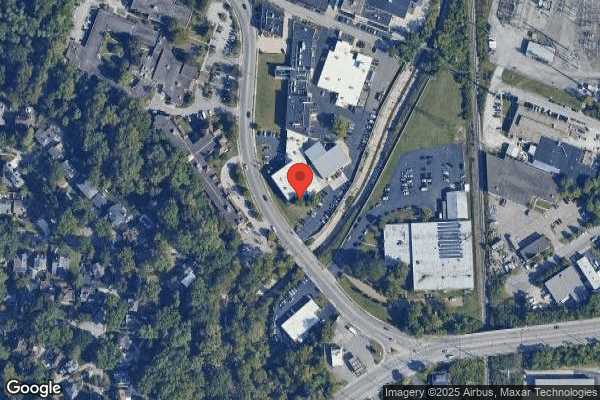

ARC AT CINCINNATI

4001 ROSSLYN DRIVE, CINCINNATI, OH 45209 (513) 272-0600
Non profit - Corporation 130 Beds ARCADIA CARE Data: November 2025
Trust Grade
15/100
#599 of 913 in OH
Last Inspection: June 2022

Over 2 years since last inspection. Current conditions may differ from available data.

Overview

ARC at Cincinnati has received a Trust Grade of F, indicating significant concerns and a poor overall standing. They rank #599 out of 913 facilities in Ohio, placing them in the bottom half of all nursing homes in the state, and #46 out of 70 in Hamilton County, suggesting there are many better local options. The facility's trend is stable, with 8 issues reported in both 2024 and 2025, but the number of serious incidents is alarming. Staffing is rated at 2 out of 5 stars, with a 59% turnover rate, which is average for Ohio, and they have good RN coverage, surpassing 75% of state facilities. However, the facility has incurred $146,379 in fines, which is concerning and indicates repeated compliance problems. Specific incidents of concern include residents developing avoidable pressure ulcers due to inadequate monitoring and care, as well as a resident suffering from a severe fecal impaction due to a lack of appropriate interventions. While they do have strong quality measures, the significant weaknesses in care and compliance cannot be overlooked.

Trust Score
F
15/100
In Ohio
#599/913
Bottom 35%
Safety Record
High Risk
Review needed
Inspections
Holding Steady
8 → 8 violations
Staff Stability
⚠ Watch
59% turnover. Above average. Higher turnover means staff may not know residents' routines.
Penalties
✓ Good
$146,379 in fines. Lower than most Ohio facilities. Relatively clean record.
Skilled Nurses
○ Average
Each resident gets 40 minutes of Registered Nurse (RN) attention daily — about average for Ohio. RNs are the most trained staff who monitor for health changes.
Violations
⚠ Watch
69 deficiencies on record. Higher than average. Multiple issues found across inspections.
★★☆☆☆
2.0
Overall Rating
★★☆☆☆
2.0
Staff Levels
★★★★★
5.0
Care Quality
★☆☆☆☆
1.0
Inspection Score
Stable
2024: 8 issues
2025: 8 issues

The Good

  • 5-Star Quality Measures · Strong clinical quality outcomes
  • Full Sprinkler Coverage · Fire safety systems throughout facility
  • No fines on record

Facility shows strength in quality measures, fire safety.

The Bad

2-Star Overall Rating

Below Ohio average (3.2)

Below average - review inspection findings carefully

Staff Turnover: 59%

13pts above Ohio avg (46%)

Frequent staff changes - ask about care continuity

Federal Fines: $146,379

Well above median ($33,413)

Significant penalties indicating serious issues

Chain: ARCADIA CARE

Part of a multi-facility chain

Ask about local staffing decisions and management

Staff turnover is elevated (59%)

11 points above Ohio average of 48%

The Ugly 69 deficiencies on record

3 actual harm
Aug 2025 2 deficiencies
CONCERN (D) 📢 Someone Reported This

A family member, employee, or ombudsman was alarmed enough to file a formal complaint

Potential for Harm - no one hurt, but risky conditions existed

Deficiency F0559 (Tag F0559)

Could have caused harm · This affected 1 resident

Based on medical record review and staff interview the facility failed to properly notify residents/resident representatives of room changes. This affected one (Residents #194) of three residents revi...

Read full inspector narrative →
Based on medical record review and staff interview the facility failed to properly notify residents/resident representatives of room changes. This affected one (Residents #194) of three residents reviewed for room changes. The facility census was 94 residents.Findings include: Review of the medical record for Resident #194 revealed an admission date of 09/04/15 with diagnosis including dementia, spinal stenosis, injury of cervical spine, neuromuscular dysfunction, bipolar disorder, history of opioid abuse and alcohol abuse and a discharge date of 07/31/25. Review of Minimum Data Set (MDS) assessment for Resident #194 dated 06/20/25 revealed the resident was cognitively impaired and was dependent on staff assistance with activities of daily living (ADLs.) Review of the medical record for Resident #194 revealed it did not include documentation of the room changes for the resident 06/03/25, 06/05/25 and 06/19/25 regarding the reasons for moves nor of notification to the resident and resident’s representative of the moves. Interview on 08/18/25 at 1:17 P.M. with the Administrator confirmed Resident #194 had room changes on 06/03/25, 06/05/25 and 06/19/25. The Administrator confirmed the facility had no documentation of notification to the resident and the resident’s representative of the reasons for the recent room moves. Interview on 08/18/25 at 4:10 P.M. with Resident #194’s representative confirmed the facility had not notified her of the resident’s recent room changes on 06/03/25, 06/05/25, and 06/19/25. Interview on 08/20/25 at 12:35 P.M. with Social Services Director (SSD) #62 confirmed Resident #194 had room moves on 06/03/25, 06/05/25, and 06/19/25 but the resident’s record did not include documentation of the reason for the room moves nor of notification to the resident and resident’s representative of the moves. This represents noncompliance investigated under Complaint Number OH00167216 (iQIES 1331101).
CONCERN (D) 📢 Someone Reported This

A family member, employee, or ombudsman was alarmed enough to file a formal complaint

Potential for Harm - no one hurt, but risky conditions existed

Quality of Care (Tag F0684)

Could have caused harm · This affected 1 resident

Based on medical record review, staff interview, and review of the facility policy, the facility failed to appropriately monitor resident blood pressures. This affected one (Resident #10) of 15 reside...

Read full inspector narrative →
Based on medical record review, staff interview, and review of the facility policy, the facility failed to appropriately monitor resident blood pressures. This affected one (Resident #10) of 15 residents reviewed for blood pressures. The facility census was 94 residents. Findings include:Review of the medical record for Resident #10 revealed an admission date of 06/19/23 with diagnoses including chronic obstructive pulmonary disease, chronic kidney disease, and hypertension. Review of the Minimum Data Set (MDS) assessment for Resident #10 dated 06/17/25 revealed the resident had moderately impaired cognition and required staff assistance with activities of daily living (ADLs.)Review of the progress note for Resident #10 dated 05/21/25 at 9:31 A.M. revealed the resident's blood pressure was 91/40. There was no documentation of rechecking the blood pressure and/or of physician or provider notification of the low blood pressure reading. Resident of the progress note for Resident #10 dated 07/01/25 at 8:29 A.M. revealed the resident's blood pressure was 203/99. There was no documentation of rechecking the blood pressure and/or of physician or provider notification of the elevated blood pressure reading. Interview on 08/18/25 at 1:59 P.M with Nurse Practitioner (NP) #356 confirmed the facility staff did not notify him of Resident #10's abnormal blood pressure readings on 05/21/25 and on 07/01/25. NP #356 confirmed staff should have rechecked Resident #10's blood pressure on 05/21/25, because the blood pressure was low and should have rechecked the blood pressure on 07/01/25 because the blood pressure was high. Interview on 08/18/25 at 2:05 P.M with Licensed Practical Nurse (LPN) #114 stated that she rechecks residents with abnormal blood pressure readings only if she has time and she doesn't notify the medical provider of abnormal blood pressures.Interview on 08/18/25 at 2:05 P.M with Registered Nurse (RN) #36 confirmed if a resident had an abnormal blood pressure she would immediately take the blood pressure on the opposite arm. If the resident was asymptomatic, she would wait 30 minutes to an hour to recheck the blood pressure. If the resident was symptomatic, she would initiate interventions and contact the medical provider. If the blood pressure was still abnormal for the asymptomatic resident she would recheck in 30 minutes to an hour and then phone the medical provider if the blood pressure was still abnormal. Interview on 08/18/25 at 3:05 P.M. with the Director of Nursing (DON) confirmed that the nursing staff were expected to recheck abnormal blood pressures within 2 hours. If the resident was symptomatic staff should contact the medical provider immediately and start interventions. If the resident was asymptomatic with abnormal blood pressures, staff should notify the medical provider.Interview on 08/18/25 at 9:45 A.M with Physician #358 confirmed if a resident had an abnormally high or low blood pressure reading the staff should recheck the blood pressure and if it was still abnormally low or high, the staff should notify the physician or provider. Review of the facility policy titled Measuring Blood Pressure dated September 2010 revealed hypertension was defined as a blood pressure over 140/90. The policy revealed hypotension (low blood pressure) was a reading of less than 100/60. If a resident had an abnormal blood pressure reading it should be reported to the physician and staff should record readings taken at different times of the day. This deficiency represents noncompliance investigated under Complaint Number 2571103.
Apr 2025 5 deficiencies 1 Harm
SERIOUS (G) 📢 Someone Reported This

A family member, employee, or ombudsman was alarmed enough to file a formal complaint

Actual Harm - a resident was hurt due to facility failures

Pressure Ulcer Prevention (Tag F0686)

A resident was harmed · This affected 1 resident

**NOTE- TERMS IN BRACKETS HAVE BEEN EDITED TO PROTECT CONFIDENTIALITY** Based on medical record review, staff interview, observations, review of facility policy, and review of the guidelines from the ...

Read full inspector narrative →
**NOTE- TERMS IN BRACKETS HAVE BEEN EDITED TO PROTECT CONFIDENTIALITY** Based on medical record review, staff interview, observations, review of facility policy, and review of the guidelines from the National Pressure Injury Advisory Panel (NPIAP) website, the facility failed to adequately assess residents' skin, initiate prompt and timely treatment for residents' with pressure ulcers (a pressure ulcer is a localized injury of the skin and/or underlying tissue usually over a bony prominence, as a result of pressure, or pressure in combination with shear and/or friction), provide ongoing monitoring of pressure ulcers and failed to timely implement physician ordered interventions to prevent the development of pressure ulcers and/or aid in the healing of existing pressure ulcers. This resulted in Actual Harm when a resident who was at risk for development of pressure ulcers and subsequently developed avoidable, facility acquired pressure ulcers which were not identified until they had reached an advanced stage. Resident #11 developed a pressure ulcer on the coccyx which was first identified as a stage IV pressure ulcer on 01/31/25 and a pressure ulcer on the left buttock which was first identified as unstageable on 01/31/25. This affected one (#11) of the three residents reviewed for pressure ulcers. The facility census was 92. Findings include: Review of the medical record for Resident #11 revealed an admission date of 09/21/23. Diagnoses included diabetes mellitus type 2, cerebral infarction, vascular dementia, and major depressive disorder. Review of the care plan dated 09/27/24 revealed Resident #11 had a potential for skin breakdown related to impaired mobility, diabetes, incontinence, and impaired cognition. Interventions included barrier ointment applied after incontinent care, instruct and assist the resident in shifting weight in wheelchair frequently, monitor nutritional status, and a pressure reduction mattress with a low-air loss mattress (LALM) to the bed. Review of a physician order dated 10/14/24, revealed Resident #11 was ordered a skin assessment weekly on Mondays every night shift (7:00 P.M. to 7:00 A.M.). Review of the January 2025 Certified Nursing Assistant (CNA) documentation survey report for Resident #11, revealed there was no documentation for rolling the resident from left to right on the following dates: 01/01/25 (day and night shifts); 01/02/25 (day and night shifts); 01/03/25 (day and night shifts); 01/04/25 (day shift); 01/05/25 through 01/14/25 (day and night shifts); 01/15/25 and 01/16/25 (night shift); 01/17/25 (day shift); 01/18/25 through 01/19/25 (day and night shifts); 01/20/25 (night shift); 01/21/25 through 01/24/25 (day and night shifts); 01/25/25 through 01/26/25 (night shift); 01/27/25 through 01/29/25 (day and night shifts); 01/30/25 (night shift); and 01/31/25 (day and night shifts). Review of the weekly skin assessments for Resident #11, revealed no documented evidence of any weekly skin assessments being completed for the month of January 2025. Review of the January 2025 Medication Administration Record (MAR) revealed all weekly skin assessments ordered for 01/06/25, 01/13/25, 01/20/25, and 01/27/25 were recorded with a nine, which indicated to see progress note. Review of the progress notes for Resident #11 dated 01/06/25, 01/13/25, 01/20/25, and 01/27/25, revealed there was no progress note related to the weekly skin observations. Review of the shower sheets for Resident #11 dated 01/21/25 and 01/24/25, revealed the shower sheets were not accurately completed and did not identify if the resident's skin was intact. Review of a progress note for Resident #11 dated 01/25/25 at 2:45 P.M., revealed the resident had a new skin concern located on the sacrum. The measurements were 5.0 centimeters (cm) in length by 4.0 cm in width. A second wound on the left buttock measured 3.0 cm in length by 2.5 cm in width. Treatments included cleaning with normal saline, pat dry, apply wound gel and cover with dry dressing. Resident #11 did not complain of pain. The physician and family were notified. Review of a physician order for Resident #11 dated 01/25/25, revealed the resident was ordered to have coccyx and left gluteal cleansed with normal saline, patted dry, wound gel applied, and covered with a dry dressing twice daily. Review of the January 2025 Treatment Administration Record (TAR) revealed Resident #11 had a nine marked on the morning treatments for 01/28/25 and 01/29/25. There was no documentation on 01/29/25 (evening treatment), 01/30/25 (morning and evening treatments), and 01/31/25 (morning treatment). Review of the progress notes for Resident #11 dated 01/28/25 and 01/29/25, revealed no documentation regarding the wound treatments marked with a nine. Review of a Wound Nurse Practitioner (WNP) progress note for Resident #11 dated 01/31/25 revealed the resident was assessed for a new skin impairment and a wound consultation. The findings included: Wound one was on the resident's coccyx and was categorized as a new, stage IV pressure ulcer. Measurements were 4.0 cm in length and 3.3 cm in width, with 50 percent (%) granulation (the formation of new connective tissue and tiny blood vessels on a wound's surface during the healing process) and 50 % slough (a layer of dead, yellow or gray tissue that separates from the underlying healthy skin), subcutaneous, adipose, and muscle tissue exposed, attached wound edges, with ecchymosis (bruising), scant amount of purulent and serosanguineous (a fluid that contains both blood and serum) drainage. Treatment plan consisted of cleansing the wound with normal saline, Dakins moistened gauze applied to the base of the wound and secured with a bordered foam twice daily and as needed. Wound two was on the resident's left buttock and was categorized as a new, unstageable pressure ulcer. Measurements were 6.2 cm in length by 0.3 cm in width by 0.5 cm in depth, with 20 % slough (a soft, yellow or white, dead tissue that accumulates on the surface of a wound or ulcer) and 80 % eschar (a thick, dry crust of dead tissue that forms over a wound), wound edges attached, erythema (redness), with scant amount of serosanguineous drainage. Treatment plan was to cleanse with normal saline, Hydrogel Calcium alginate applied to the base of wound, secured with bordered foam, and change daily as needed. Recommended ongoing and new interventions included: ongoing pressure reduction and turning/repositioning precautions per protocol, pressure reduction to the heels and all bony prominences, LALM for pressure reduction, and floating heels in bed with use of heel boots. Recommend washing peri-area with soap and water and pat dry thoroughly. Keep areas clean and dry, prevent skin to skin contact, prevent excessive moisture and apply barrier protections as needed. Review of the Five-Day Medicare Minimum Data Set (MDS) assessment dated [DATE], revealed Resident #11 was not able to complete a Brief Interview for Mental Status (BIMS) because she was rarely/never understood. The resident was assessed to require substantial assistance with Activities of Daily Living (ADLS). Observation on 03/27/25 at 10:41 A.M., revealed Licensed Practical Nurse (LPN) #22 performed wound care with the assistance of Registered Nurse (RN) #30 to Resident #11's sacral and left buttock wounds. Wound bed of the sacral wound was about a softball in size with granulation tissue and slough present. LPN #22 cleansed the wound with normal saline, applied a layer of Santyl to the wound bed covered with Dakins moistened gauze to base of wound, covered with bordered foam and secured with tape. The wound bed of the left buttock was approximately the size of a quarter. LPN #22 cleansed the wound with normal saline, applied a layer of Santyl to the wound bed, covered with Dakins moistened gauze to base of wound, covered with bordered foam and secured with tape. Interview on 04/01/25 at 11:43 A.M. with the Director of Nursing (DON), verified the weekly skin assessments for Resident #11 were not completed as ordered. The DON also verified the lack of documentation for turning and repositioning a dependent resident (Resident #11). Interview on 04/01/25 at 3:19 P.M. with Wound Nurse Practitioner (WNP) #60, verified she was consulted to see Resident #11. WNP #60 stated she assessed the resident on 01/31/25 with a stage IV pressure ulcer on the resident's sacral region and an unstageable pressure ulcer to the left buttock. WNP #60 reported the wounds were pressure related and should have been avoided with proper turning and repositioning and timely incontinence care. Review of the facility policy titled, Skin Condition Assessment and Monitoring - Pressure and Non-Pressure, dated October 2024 revealed guidelines for assessing, monitoring, and documenting the presence of skin breakdown, pressure injuries, and other non-pressure skin conditions and assuring interventions were implemented. Residents identified would have a weekly skin assessment by a licensed nurse. Each resident would be observed for skin breakdown daily during care and on the assigned bath day by the certified nursing assistant (CNA). Changes shall be promptly reported to the charge nurse who will perform the detailed assessment. Review of the NPIAP guidelines dated 2014 pages at https://npiap.com/general/custom.asp?page=2014Guidelines revealed facilities should educate health professionals on how to undertake a comprehensive skin assessment that included the techniques for identifying blanching response, localized heat, edema, and induration. Further review of the guidelines revealed ongoing assessment of the skin was necessary in order to detect early signs of pressure damage. Visual assessment for erythema (redness of the skin) was the first component of every skin inspection. Skin redness and tissue edema resulting from capillary occlusion was a response to pressure, especially over bony prominences. Staff should conduct a head-to-toe assessment with particular focus on skin overlying bony prominences including the sacrum, ischial tuberosities, greater trochanters and heels and each time the patient was repositioned was an opportunity to conduct a brief skin assessment. Review of the NPIAP website (https://npiap.com/page/PressureInjuryStages), revealed skin and soft tissue assessment is the basis of pressure injury prevention and treatment. Skin and tissue assessment is an essential component of any pressure injury risk assessment and should be conducted as soon as possible after admission and as a component of a full risk assessment. Each time the individual's clinical condition changes, a comprehensive skin and tissue assessment should be conducted to identify any alterations to skin characteristics or integrity, and to identify any new pressure injury risk factors. A comprehensive skin and soft tissue assessment consists of a head-to-toe assessment with particular focus on skin overlying bony prominence's including the sacrum, ischial tuberosities, greater trochanters and heels. In addition to comprehensive skin assessment, a brief skin assessment of the pressure points should be undertaken during repositioning. Stage 4 Pressure Injury: Full-thickness skin and tissue loss with exposed or directly palpable fascia, muscle, tendon, ligament, cartilage or bone in the ulcer. Slough and/or eschar may be visible. Epibole (rolled edges), undermining and/or tunneling often occur. Depth varies by anatomical location. If slough or eschar obscures the extent of tissue loss this is an Unstageable Pressure Injury. Unstageable Pressure Injury is an obscured full-thickness skin and tissue loss in which the extent of tissue damage within the ulcer cannot be confirmed because it is obscured by slough or eschar. If slough or eschar is removed, a Stage 3 or Stage 4 pressure injury will be revealed. Stable eschar (i.e. dry, adherent, intact without erythema or fluctuance) on the heel or ischemic limb should not be softened or removed. This deficiency represents non-compliance investigated under Complaint Number OH00161929.
CONCERN (D) 📢 Someone Reported This

A family member, employee, or ombudsman was alarmed enough to file a formal complaint

Potential for Harm - no one hurt, but risky conditions existed

Deficiency F0583 (Tag F0583)

Could have caused harm · This affected 1 resident

**NOTE- TERMS IN BRACKETS HAVE BEEN EDITED TO PROTECT CONFIDENTIALITY** Based on observations, staff interviews, and policy review, the facility failed to ensure the resident's electronic medical reco...

Read full inspector narrative →
**NOTE- TERMS IN BRACKETS HAVE BEEN EDITED TO PROTECT CONFIDENTIALITY** Based on observations, staff interviews, and policy review, the facility failed to ensure the resident's electronic medical records (EMR) which contained private and confidential health information were secured and kept confidential. This affected one (#17) of the four residents reviewed for privacy of medical records. The facility census was 92. Findings include: Review of the medical record for Resident #17 revealed an admission date of 06/21/23. Diagnoses included diabetes mellitus type two (DM II), vascular dementia, and major depressive disorder. Review of the Quarterly Minimum Data Set (MDS) assessment dated [DATE] revealed Resident #17 had moderate cognitive impairment as evidenced by a Brief Interview for Mental Status (BIMS) score of 12. Observation on 03/27/25 at 8:15 A.M., revealed Registered Nurse (RN) #30 left Resident #17's EMR with private and confidential health information open and facing the hallway in plain view for other staff and residents to see while he administered medications in the resident's room. Interview on 03/27/25 at 8:19 A.M. with RN #30, verified he left Resident #17's EMR open with private and confidential health information and facing the hallway for others to see while he administered medications in the resident's room. Review of the facility policy titled, Medical Record Policy, dated February 2024 revealed medical information contained in the resident's medical record was confidential and shall be disclosed only to authorized persons with the resident's consent. Unless required by law, medical information shall not be released without a written authorization for release information, signed by the resident or his legal party responsible.
CONCERN (D) 📢 Someone Reported This

A family member, employee, or ombudsman was alarmed enough to file a formal complaint

Potential for Harm - no one hurt, but risky conditions existed

Pharmacy Services (Tag F0755)

Could have caused harm · This affected 1 resident

**NOTE- TERMS IN BRACKETS HAVE BEEN EDITED TO PROTECT CONFIDENTIALITY** Based on observations, staff interviews, and policy review, the facility failed to ensure controlled substances were accounted f...

Read full inspector narrative →
**NOTE- TERMS IN BRACKETS HAVE BEEN EDITED TO PROTECT CONFIDENTIALITY** Based on observations, staff interviews, and policy review, the facility failed to ensure controlled substances were accounted for and signed out after administration. This affected one (#80) of four residents reviewed for medication administration. The facility census was 92. Findings include: Review of the medical record for Resident #80 revealed an admission date of 11/29/18. Diagnoses included cerebral infarction, generalized anxiety disorder (GAD), peripheral vascular disease (PVD), and chronic respiratory failure. Review of the physician order dated 07/09/24 revealed Resident #80 was ordered Lorazepam (controlled substance [schedule IV] used for anxiety) 0.5 milligrams (mg), give one tablet by mouth two times a day for GAD. Review of the physician order dated 07/09/24 revealed Resident #80 was ordered Modafinil (controlled substance [schedule IV] used for excessive sleepiness associated with narcolepsy and/or obstructive sleep apnea) 100 mg, give one tablet by mouth one time a day for supplement. Review of the Annual Minimum Data Set (MDS) assessment dated [DATE] revealed Resident #80 was not able to complete a Brief Interview for Mental Status (BIMS) because he was rarely or never understood. This resident required substantial assistance with activities of daily living (ADLs). Observation on 03/26/25 at 9:06 A.M., revealed Licensed Practical Nurse (LPN) #20 administered Lorazepam 0.5 mg and Modafinil 100 mg to Resident #80. LPN #20 did not verify the count when the controlled medications were pulled or sign out the medications from the controlled substance log after the medications administration. Interview on 03/26/25 at 9:23 A.M., with LPN #20 verified she did not ensure the controlled medication counts were accurate prior to administering Lorazepam 0.5 mg and Modafinil 100 mg. LPN #20 also verified she did not sign out these medications from the controlled substance log. Review of the facility policy titled, Medication Administration Policy, dated October 2024 revealed medications should be prepared, administered, and recorded by the same licensed nurse. Documentation of medication administration was recorded on the medication administration record (MAR) or treatment record and included the date, time, and initials of the licensed nurse who administered the medication. When class two medications were administered, the medication was recorded on the MAR by a licensed nurse and accounted for on the resident's individual control substance record by a licensed nurse.
CONCERN (D) 📢 Someone Reported This

A family member, employee, or ombudsman was alarmed enough to file a formal complaint

Potential for Harm - no one hurt, but risky conditions existed

Unnecessary Medications (Tag F0759)

Could have caused harm · This affected 1 resident

**NOTE- TERMS IN BRACKETS HAVE BEEN EDITED TO PROTECT CONFIDENTIALITY** Based on observations, staff interviews, and policy review, the facility failed to ensure medication error rate was less than fi...

Read full inspector narrative →
**NOTE- TERMS IN BRACKETS HAVE BEEN EDITED TO PROTECT CONFIDENTIALITY** Based on observations, staff interviews, and policy review, the facility failed to ensure medication error rate was less than five percent. This affected one (#80) of four residents reviewed for medication administration. The facility census was 92. Findings include: Review of the medical record for Resident #80 revealed an admission date of 11/29/18. Diagnoses included cerebral infarction, generalized anxiety disorder (GAD), peripheral vascular disease (PVD), gastroesophageal reflux disorder (GERD) and chronic respiratory failure. Review of the physician order for Resident #80 dated 07/09/24 revealed the resident was ordered Stress B/Zinc Oral tablet (B-Complex with Vitamin C & Vitamin E plus Zinc), give one tablet by mouth in the morning for supplement. Review of the physician order dated 07/09/24 revealed Resident #80 was ordered Famotidine oral suspension reconstituted 40 milligrams (mg) per five milliliters (ml), give 2.5 ml by mouth in the morning for GERD. Review of the Annual Minimum Data Set (MDS) assessment dated [DATE] revealed Resident #80 was not able to complete a Brief Interview for Mental Status (BIMS) because he was rarely/never understood. This resident was assessed to require setup with eating, dependent with toileting, dressing, and transfers, and substantial assistance with bathing. Observation on 03/26/25 at 9:06 A.M. revealed LPN #20 administered medications to Resident #80 but two medications were unavailable and not administered including Stress B/Zinc Oral tablet and Famotidine. Interview on 03/26/25 at 9:12 A.M. with LPN #20 verified she did not administer Stress B/Zinc tablet or Famotidine because they were not available. Observations on 03/26/25 and 03/27/25 revealed 26 medications were administered to four Residents (#17, #80, #81, and #85) by three nurses (Licensed Practical Nurse [LPN] #20, LPN #21, and Registered Nurse [RN] #30) where two medication errors were omitted resulting in a medication error rate of 7.7 percent (%). Review of the facility policy titled, Medication Administration Policy, dated October 2024 revealed medications must be administered in accordance with a physician's order, e.g., the right resident, right medication, right dosage, right route, and right time. If a medication and/or treatment error occurred, the licensed nurse would immediately notify the attending physician, describe the error and the resident's response in the nurse's notes, complete an incident report, identify the error on the 24-hour report, and monitor the resident's status. This deficiency represents non-compliance investigated under Complaint Numbers OH00162274 and OH00161929.
CONCERN (D) 📢 Someone Reported This

A family member, employee, or ombudsman was alarmed enough to file a formal complaint

Potential for Harm - no one hurt, but risky conditions existed

Infection Control (Tag F0880)

Could have caused harm · This affected 1 resident

**NOTE- TERMS IN BRACKETS HAVE BEEN EDITED TO PROTECT CONFIDENTIALITY** Based on observations, staff interviews, and policy review, the facility failed to ensure infection control practices were follo...

Read full inspector narrative →
**NOTE- TERMS IN BRACKETS HAVE BEEN EDITED TO PROTECT CONFIDENTIALITY** Based on observations, staff interviews, and policy review, the facility failed to ensure infection control practices were followed during medication administration and failed to ensure Enhanced Barrier Precautions (EBP) were followed during a resident's dressing change. This affected three (#11, #17, and #80) residents of the four reviewed for infection control practices. The facility census was 92. Findings include: 1) Review of the medical record for Resident #11 revealed an admission date of 09/21/23. Diagnoses included diabetes mellitus, cerebral infarction, vascular dementia, and major depressive disorder. Review of the care plan dated 09/27/24, revealed Resident #11 had a potential for skin breakdown related to impaired mobility, diabetes, incontinence, and impaired cognition. Interventions included barrier ointment applied after incontinent care, instruct and assist the resident in shifting weight in wheelchair frequently, monitor nutritional status, a pressure reduction mattress with a low-air loss mattress (LLAM) to the bed. Review of the Five-Day Medicare Minimum Data Set (MDS) assessment dated [DATE], revealed Resident #11 was not able to complete a Brief Interview for Mental Status (BIMS) because she was rarely/never understood. This resident was assessed to require substantial assistance with Activities of Daily Living (ADLS). Observation on 03/27/25 at 10:41 A.M., revealed Licensed Practical Nurse (LPN) #22 performed wound care with the assistance of Registered Nurse (RN) #30 to Resident #11's sacral and left buttock wounds. Resident #11 was in EBP related to her wound. RN #30 did not don an isolation gown when assisting with wound care. Interview on 03/27/25 at 11:01 A.M. with RN #30, verified Resident #11 was in EBP due to the wounds. RN #30 verified he did not wear an isolation gown when assisting with Resident #11 dressing changes. RN #30 verified he should have been wearing a gown while assisting with wound care. Review of the facility policy titled, Enhanced Barrier Precautions, dated April 2024 revealed EBP recommendations included the use of EBP for residents with chronic wounds or indwelling medical devices during high-contact resident care activities regardless of their multi-drug-resistant organism status. Standard precautions must be followed with all cares. Additionally, gown and gloves must be worn when providing the following cares: dressing, bathing/showering, providing hygiene, changing linens, incontinence care, medical device care, and wound care. 2) Review of the medical record for Resident #17 revealed an admission date of 06/21/23. Diagnoses included diabetes mellitus, vascular dementia, and major depressive disorder. Review of the MDS assessment dated [DATE], revealed Resident #17 had moderate cognitive impairment as evidenced by a BIMS score of 12. The resident was independent with ADLs. Observation on 03/27/25 at 8:15 A.M., revealed RN #30 administered medications to Resident #17. During medication administration, RN #30 popped medications from the containers directly into his bare hands then placed the medication into pill cup. RN #30 administered those medications to Resident #17. Interview on 03/27/25 at 8:18 A.M. with RN #30, verified he placed medications directly in his bare hands then put the medications into a pill cup prior to administering medications to Resident #17. 3) Review of the medical record for Resident #80 revealed an admission date of 11/29/18. Diagnoses included cerebral infarction, generalized anxiety disorder (GAD), peripheral vascular disease (PVD), and chronic respiratory failure. Review of the Annual MDS assessment dated [DATE], revealed Resident #80 was not able to complete a BIMS because he was rarely/never understood. The resident was dependent or required substantial assistance with ADLS. Observation on 03/26/25 at 9:06 A.M., revealed Licensed Practical Nurse (LPN) #20 administered medications to Resident #80. During administration, LPN #20 dropped Magnesium oxide 400 milligrams (mg) onto the medication cart and picked this medication up with her gloved hand on and placed into medication cup. LPN #20 administered medications to Resident #80. Continued observation revealed LPN #20 completed the medication administration for Resident #80 and prepped and administered medications to another resident without completing any hand hygiene. Interview on 03/26/25 at 9:13 A.M. with LPN #20, verified she picked up the medication off of the medication cart and placed it into medication cup to administer to Resident #80. LPN #20 verified she administered the medications to Resident #80. LPN #20 also verified she did not perform any hand hygiene after leaving Resident #80's room and before starting on another medication administration. Review of the facility policy titled, Hand Hygiene/Handwashing, dated October 2024 revealed hand hygiene meant cleaning your hands by using either handwashing (washing hands with soap and water) antiseptic hand wash, or antiseptic hand rub (i.e. alcohol-based hand sanitizer including foam or gel). When hands were not visibly dirty, alcohol-based hand sanitizers were the preferred method for cleaning your hands in the healthcare setting. When to perform hand hygiene included before and after having direct contact with a patient's intact skin (taking a blood pressure, performing physical examination, or lifting the patient).
Jan 2025 1 deficiency
CONCERN (D) 📢 Someone Reported This

A family member, employee, or ombudsman was alarmed enough to file a formal complaint

Potential for Harm - no one hurt, but risky conditions existed

Deficiency F0624 (Tag F0624)

Could have caused harm · This affected 1 resident

**NOTE- TERMS IN BRACKETS HAVE BEEN EDITED TO PROTECT CONFIDENTIALITY** Based on closed record review, staff interview and review of facility policy, the facility failed to ensure they discharged a re...

Read full inspector narrative →
**NOTE- TERMS IN BRACKETS HAVE BEEN EDITED TO PROTECT CONFIDENTIALITY** Based on closed record review, staff interview and review of facility policy, the facility failed to ensure they discharged a resident in a safe and orderly manner. This affected one (#90) resident of the five residents reviewed for discharge. The facility census was 87. Findings include: Review of the closed medical record for Resident #90, revealed an admission date of 01/12/25. Diagnosis included surgical after-care for knee, bipolar and schizophrenia. Resident #90 was discharged to a homeless shelter on 01/16/25 per his Caseworkers request then immediately returned to the facility after the homeless shelter refused to accept the resident due to his behaviors during previous stays. Resident #90 was discharged again on 01/17/25 with Caseworker #500 and taken to hospital where he had been recently discharged . Resident was listed as his own person and did not have a Guardian. Review of a statement by the Administrator dated 01/09/25, revealed the management staff were informed Resident #90 was being admitted as a skilled resident for therapy due to a recent knee surgery. The hospital notes were scanned into the electronic medical record (EMR) and when the Administrator was going over some notes, she noticed the resident had some violent incidents while hospitalized . The Administrator was unaware of these incidents. The Administrator started looking at the emails sent by admissions and the hospital notes were not in the emails. The only thing shared was the medication list and continuity of care and nothing about the incidents in the hospital. By the time the incidents were discovered, the resident was already admitted . Review of the progress notes for Resident #90 from 01/12/25 to 01/17/25 revealed no behaviors were recorded while the resident resided in the facility. The Resident refused care daily. Review of a facility document titled Care Conference dated 01/14/25, revealed Resident #90 had plans for a discharge. Social Service Designee (SSD) #101 notified Caseworker #500 and Caseworker Manager #501 who came up with a discharge plan for the resident to go back to a shelter. The resident stated he was onboard with the discharge plans. SSD #101 interviewed the resident and noted his discharge plans could take place this week and the resident understood the plan. Review of therapy notes for Resident #90 dated 01/14/25, revealed physical therapy (PT) and occupational therapy (OT) completed their initial assessments on the resident. PT attempted to see the resident at 10:30 A.M. and the resident requested PT to come back at 2:30 P.M. The resident was initially agreeable to an assessment; however, during the assessment, the resident became adamant he could not do any mobility due to increased left knee pain. Maximum encouragement was used for the resident to participate with the evaluation when the resident became more agitated and stated he could not move his left leg due to pain. When PT attempted to work with the resident for leg for movement, the resident refused and stated he did not want to complete any therapy until his leg was healed and he had no pain. The OT assessment was mostly the same and the resident was only agreeable to bed level activities of daily living (ADLs) and would only move the right leg. The resident had minimal participation of both PT and OT and it was the opinion of PT, the resident would not participate well in therapy due to frequent refusals in the future and was discharged from therapies due to refusal. Review of the facility's Summary of Events completed by the Administrator revealed the following: a) On 01/14/25, Caseworker #500 came to see the resident. Caseworker #500 spoke with the Administrator and informed her Resident #90 had violent unprovoked behaviors and should not be in the facility. The facility started fifteen-minute checks on the resident due to the reported violent behaviors. Caseworker #500 stated he informed the hospital of the resident's behaviors prior to discharge. b) On 01/16/25, Resident #90 was discharged with little notice to a homeless shelter per Caseworker #500. The facility agreed to take the resident to the shelter in the facility's van. When the facility discharged the resident to the homeless shelter he wore a hospital gown wrapped in blankets due to not having any clothes. The homeless shelter refused the resident due to resident's violent behaviors and setting fires at shelters in the past, therefore ,the facility staff returned the resident to the facility. The facility called Caseworker #500 and informed him of what happened at the shelter. Caseworker #500 noted he would return to the facility on [DATE] to find the resident placement. On 01/17/25 Caseworker #500 returned to the facility and brought the resident some clothes and stated he was taking the resident to a group home. It was then determined due to the resident needing medical care and assistance with ambulation he should not go to a group home. Caseworker #500 then decided he would take the resident back to the hospital and make them admit him. Caseworker #500 told the facility he would take full responsibility for the resident without a confirmed placement for the resident. Caseworker #500 signed for medications and instructions. Review of a facility document titled Care Conference dated 01/16/25, revealed Resident #90 and SSD #101 attended a meeting for a discharge plan. SSD #110 notified the resident that Caseworker #500 and Caseworker Manager #501 wanted the resident to go to the shelter today. Resident #90 declined the facility's services and equipment at this time. Review of a progress note for Resident #90 dated 01/16/25, revealed the resident was taken to a homeless shelter. Review of a statement by Director or Nursing (DON) dated 01/17/25 at 11:00 A.M., revealed she escorted Caseworker #500 to the resident's room to assist in discharging the resident to a group home due to his issues transferring and showing signs of paranoia along with other psychological issues of hearing voices. It was determined that Resident #90 would be discharged into the care of Caseworker #500 who was going to accompany the resident to the hospital to be admitted for psychological. Resident #90 was dressed and assisted on the facility bus and was followed to the hospital by Caseworker #500. Review of a statement by Licensed Practical Nurse (LPN) #03 dated 01/17/25, revealed Resident #90 was being discharged to a facility where his psychiatric needs along with his nursing needs could be met. LPN #03 met with Caseworker #500 about the discharge. The resident was helped by LPN #03 and two other staff members in a transportation wheelchair because the resident stated he could not walk or stand. The resident stated he was hearing voices like the devil, and they wouldn't stop. Caseworker #500 stated Resident #90 could be released in his care and he would take the resident back to the discharging hospital. Resident #90 was informed of what was happening and the resident understood. LPN #03 and the DON assisted the resident to the facility bus and the bus drove off with Caseworker #500 following. Review of Resident #90's discharge Minimum Data Set (MDS) assessment dated [DATE], revealed the resident was cognitively intact, required minimal assistance with care and ambulation was impaired due to recent survey. Resident #90 needed daily wound care and had staples in his knee. Review of a progress note for Resident #90 dated 01/17/25, revealed the resident was discharged in care of Caseworker #500 with discharge instructions, future appointments, medications and belongings. Interview with the SSD #110 on 01/22/25 at 9:30 A.M., verified Resident #90 was not provided with a thirty day discharge notice nor did she try to find the resident alternative placement. SSD #100 noted Caseworker #500 set everything up and the facility just followed the plan. Interview with Caseworker Manager #501 via phone on 01/22/25 at 2:00 P.M., revealed Resident #90 was improperly placed in the facility on 01/12/25 by the hospital. Caseworker Manager #501 noted she was not court appointed, and her agency assisted with placement and help for patients to get mental health services. Caseworker Manager #501 stated Caseworker #500 should have never taken responsibility for Resident #90 on 01/16/25. Caseworker Manager #501 stated on 01/17/25, the resident was returned to the discharging hospital, and they refused to accept the resident. Caseworker #500 took the resident to another hospital, and they refused to accept him. Caseworker #500 then returned to the resident to the original hospital who discharged him, and they finally admitted him. Interview with the SSD #110 on 01/22/25 at 9:30 A.M. revealed Resident #90 was not given a thirty-day notice, nor did she try to find proper placement for the resident. SSD#110 noted Caseworker #500 set everything up. Interview with the Administrator on 01/22/25 at 12:00 P.M. revealed Resident #90 did not exhibit any violent behaviors while he resided in the facility. The Administrator noted she was only following Caseworker #500's lead with the discharge. Interview with the homeless shelter staff on 01/22/25 at 2:50 P.M., revealed the shelter would not accept Resident #90 even if he did not have the previous violent behaviors. The shelter staff stated they had no medically trained employees to give medications or provide dressing changes. Review of facility policy titled Notice of Transfer and discharged dated 10/24, revealed the facility provide a reason for the discharge, effective date of discharge, location to where resident is being transferred or discharged to, a statement of the resident's rights to appeal, the name and number of the state ombudsman and will be made at least 30 days before the resident is discharged . This deficiency represents non-compliance investigated under Complaint Number OH00161716.
Dec 2024 8 deficiencies 1 Harm
SERIOUS (G) 📢 Someone Reported This

A family member, employee, or ombudsman was alarmed enough to file a formal complaint

Actual Harm - a resident was hurt due to facility failures

Pressure Ulcer Prevention (Tag F0686)

A resident was harmed · This affected 1 resident

**NOTE- TERMS IN BRACKETS HAVE BEEN EDITED TO PROTECT CONFIDENTIALITY** Based on record review, observation, staff and resident interviews, review of facility policy and review of guidelines from the ...

Read full inspector narrative →
**NOTE- TERMS IN BRACKETS HAVE BEEN EDITED TO PROTECT CONFIDENTIALITY** Based on record review, observation, staff and resident interviews, review of facility policy and review of guidelines from the National Pressure Injury Advisory Panel (NPIAP), the facility failed to adequately assess residents' skin, initiate prompt and timely treatment for residents' with pressure ulcers (a pressure ulcer is a localized injury of the skin and/or underlying tissue usually over a bony prominence, as a result of pressure, or pressure in combination with shear and/or friction), provide ongoing monitoring of pressure ulcers and failed to timely implement physician ordered interventions to prevent the development of pressure ulcers and/or aid in the healing of existing pressure ulcers. This resulted in Actual Harm when two Residents (#75 and #05) were admitted to the facility without pressure ulcers but were at risk for the development of pressure ulcers and subsequently developed avoidable, facility acquired pressure ulcers which were not identified until they had reached an advanced stage. Resident #75 developed a pressure ulcer on 06/04/24 which was first identified as a stage III (full-thickness skin loss in which adipose [fat] is visible) pressure ulcer on his right heel. Resident #75 developed another pressure ulcer on 08/20/24 which was first identified as a stage III pressure ulcer on his right flank. Resident #75 developed a third avoidable pressure ulcer on 09/11/24 which was first identified as a stage III pressure ulcer on the resident's sacrum. Additionally, Resident #05 was noted with skin breakdown by the licensed nurses on 07/13/24 and 07/16/24, and was not evaluated by the wound physician until 07/30/24 when Wound Care Physician (WCP) #198 diagnosed the resident with a stage III pressure ulcer on the resident's sacrum. This affected two (#75 and #05) of three residents reviewed for pressure ulcers. The facility identified six residents with pressure ulcers. The facility census was 84. Findings include: 1) Review of the medical record for Resident #75 revealed the resident was admitted on [DATE]. Diagnoses included dementia, chronic kidney disease stage IV, diabetes mellitus type II and protein-calorie malnutrition. Review of the Minimum Data Set (MDS) quarterly assessment dated [DATE] for Resident #75, revealed the resident was cognitively impaired, was dependent on staff for all activities of daily living (ADLs), Section M (Skin Conditions) revealed Resident #75 did not have a pressure ulcer/injury, was at risk of developing pressure ulcers/injuries and needed pressure relieving devices for the chair and bed. Review of the medical record for Resident #75 from 03/05/24 through 06/01/24, revealed no documentation of a plan of care, any skin risk assessments completed, and physician or Non-Physician Provider (NPP) visits completed for the resident. Review of a nurse progress note dated 06/01/24 for Resident #75 and authored by Licensed Practical Nurse (LPN) #410, revealed the resident had an area to the right heel measuring 7 centimeters (cm) in length by 4 cm in width by no depth. The area was dark brown in color and the surrounding tissue was red and blanchable with no warmth. The Medical Director (MD) #199 and Wound Care Nurse (WCN) #490 were notified. An order was received to apply skin prep to the resident's right heel two times a day and the doctor would be in on Monday. WCN #490 relayed the resident would be placed on the next weekly wound physician rounds. Treatment was applied, the resident was repositioned, and the family was notified. Review of a handwritten physician order dated 06/03/24 for Resident #75, located in the hard/paper chart, revealed the resident was ordered to wear bilateral heel protectors while in the bed or wheelchair. Review of a nurse progress note dated 06/04/24 for Resident #75 and authored by LPN #491, revealed the resident was seen by Wound Care Physician (WCP) #198 for a facility acquired stage III pressure injury to resident's right heel with an onset date of 06/01/24. Measurements were 2.7 centimeters (cm) in length by 2.7 cm in width by 0.1 cm in depth and minimal exudate (drainage) was present with no signs or symptoms of infection. WCP #198 gave orders for daily treatment of the wound and recommended the use of a low air loss (LAL) mattress and consult with physical therapy/occupational therapy for wound offloading needs of the resident's heels while in a wheelchair. Review of a physician order in the electronic medical record (EMR) dated 06/14/24 for Resident #75 by MD #199, revealed an order for Resident #75 to have an LAL mattress. Review of the June 2024, July 2024, August 2024 and September 2024 medication administration records (MAR) and treatment administration records (TAR) for Resident #75, revealed the daily dressing changes on the right heel were being completed as ordered. The MAR and TAR revealed no documented evidence that the heel protectors ordered on 06/03/24 and the LAL mattress ordered on 06/14/24 were ever implemented. Review of the weekly wound round visits by WCP #198, revealed Resident #75 was not assessed again by WCP #198 until 08/20/24, when the resident was evaluated for a newly acquired pressure ulcer. Review of a Wound Assessment and Plan visit note dated 08/20/24 for Resident #75 and authored by WCP #198, revealed the resident developed a new facility acquired Stage III pressure injury on his right flank which measured 21 cm in length by 14.2 cm in width by an unable to determine depth. There was 40 percent (%) granulation (new tissue), five % slough (peeling skin) and 55 % eschar (blackened/dead skin) with a moderate amount of exudate (drainage) and no signs and symptoms of infection. WCP #198 performed a sharp debridement (a medical procedure that involves removing dead, infected, or damaged tissue from a wound to help it heal) procedure to remove the eschar and slough. WCP #198 gave orders for daily treatment of the wound, weekly visits and ordered for physical therapy/occupational therapy to consult for wound offloading needs (to offload the resident's right upper extremity off of the right flank). Review of a Wound Assessment and Plan visit note dated 09/03/24 for Resident #75 and authored by WCP #198, revealed the stage III pressure ulcer on the resident's right flank pressure injury measured 11.5 cm length by 8.5 cm width by 0.1 cm depth (a decrease in size). WCP #198 gave orders for daily treatment of the wound, weekly visits and ordered a LAL mattress for wound off-loading. Review of a Wound Assessment and Plan visit note dated 09/11/24 for Resident #75 and authored by WCP #198, revealed the resident developed a new facility acquired stage III pressure injury on his sacrum which measured 7.5 cm in length by 3.3 cm in width by 0.1 cm in depth. WCP #198 gave orders for daily treatment of the wound, weekly visits and recommended a LAL mattress for wound off-loading. The right flank stage III pressure injury measured 8.6 cm in length by 6.2 cm in width by 0.1 cm in depth (a decrease in size). WCP #198 gave orders for daily treatment of the wound, weekly visits and ordered for physical therapy/occupational therapy to consult for wound offloading needs (to offload the resident's right upper extremity off of the right flank). Review of Resident #75's only documented Braden Scale - for Predicting Pressure Sore Risk, dated 09/15/24, revealed the resident was at very high risk for developing pressures ulcers. Review of a Wound Assessment and Plan visit note dated 09/17/24 for Resident #75 and authored by WCP #198, revealed the resident's right flank stage III pressure ulcer measured 3.9 cm in length by 4.4 cm in width by 0.1 cm in depth (a decrease in size). WCP #198 gave orders for daily treatment of the wound, weekly visits and recommended for physical therapy/occupational therapy to consult for wound offloading needs (to offload the resident's right upper extremity off of the right flank) and for the resident to have a LAL mattress. The sacrum pressure injury measured 3.2 cm in length by 4.9 cm in width by 0.1 cm in depth (a decrease in size). WCP #198 gave orders for daily treatment of the wound. The resident had a new diabetic ulcer on her right heel which measured 0.6 cm in length by 0.6 cm in width by 0.1 cm in depth. WCP #198 gave orders for daily treatment of the wound, weekly wound care visits and recommended for the resident to have a LAL mattress. Review of a Wound Assessment and Plan visit note dated 09/24/24 for Resident #75, and authored by WCP #198, revealed the resident's right flank pressure injury measured 6.9 cm in length by 1.3 cm in width by 0.1 cm in depth (an increase in size). WCP #198 gave orders for daily treatment of the wound, weekly visits and ordered for physical therapy/occupational therapy to consult for wound offloading needs (to offload the resident's right upper extremity off of the right flank) and for the resident to have a LAL mattress. The resident's right heel diabetic ulcer measured 3.6 cm in length by 3.4 cm in width by 0.1 cm in depth (an increase in size). WCP #198 gave orders for daily treatment of the wound, weekly visits and recommended the resident to have a LAL mattress. The sacrum pressure injury measured 6.3 cm in length by 1.3 cm in width by 0.1 cm in depth (an increase in size). WCP #198 gave orders for daily treatment of the wound, weekly visits and recommended the resident to have a LAL mattress. Review of a Wound Assessment and Plan visit dated 10/01/24 for Resident #75 and authored by WCP #198, revealed the resident's right flank pressure injury measured 4.9 cm in length by 1.6 cm in width by 0.2 cm in depth (a decrease in size). WCP #198 gave orders for daily treatment of the wound, weekly visits and ordered for physical therapy/occupational therapy to consult for wound offloading needs (to offload the resident's right upper extremity off of the right flank) and for the resident to have a LAL mattress. The right heel diabetic ulcer measured 2.1 cm in length by 1.5 cm in width by 0.1 cm in depth (a decrease in size). WCP #198 gave orders for daily treatment of the wound, weekly visits and recommended for the resident to have an LAL mattress. The sacrum pressure ulcer measured 6.3 cm in length by 1.3 cm in width by 0.1 cm in depth (no changes). WCP #198 gave orders for daily treatment of the wound, weekly visits and recommended the resident to have a LAL mattress. Review of a Wound Assessment and Plan visit dated 10/08/24 for Resident #75 and authored by WCP #198, revealed the resident's right flank pressure injury measured 4.5 cm length by 1.7 cm width by 0.2 cm depth (a decrease in size). WCP #198 gave orders for daily treatment of the wound, weekly visits and recommended for physical therapy/occupational therapy to consult for wound offloading needs (to offload the resident's right upper extremity off of the right flank) and for the resident to have a LAL mattress. The right heel diabetic ulcer measured 2.3 cm length by 0.7 cm width by 0.1 cm depth (an increase in size). WCP #198 gave orders for daily treatment of the wound, weekly visits and recommended the resident to have a LAL mattress. The sacrum wound was healed. A preventative wound recommendation was for the resident to have a LAL mattress. Review of a Wound Assessment and Plan visit dated 10/15/24 for Resident #75 and authored by WCP #198, revealed the resident's right flank pressure injury measured 4.1 cm in length by 1.4 cm in width by 0.2 cm in depth (a decrease in size). WCP #198 gave orders for daily treatment of the wound, weekly visits and recommended for physical therapy/occupational therapy to consult for wound offloading needs (to offload the resident's right upper extremity off of the right flank) and for the resident to have a LAL mattress. The right heel diabetic ulcer was healed. Review of a physician order dated 10/17/24 for Resident #75, revealed the resident was ordered to have weekly skin assessments every Wednesday and notify the physician for any new impairments. Review of a Wound Assessment and Plan visit note dated 10/22/24 for Resident #75 and authored by WCP #198, revealed the resident's right flank pressure injury measured 2.1 cm in length by 1.1 cm in width by 0.2 cm in depth (decrease in size). WCP #198 gave orders for daily treatment of the wound, weekly visits and recommended for physical therapy/occupational therapy to consult for wound offloading needs (to offload the resident's right upper extremity off of the right flank) and for the resident to have a LAL mattress. Review of a Wound Assessment and Plan note dated 11/05/24 for Resident #75 authored by WCP #198, revealed the resident's right flank pressure injury measured 2.0 cm in length by 1.0 cm in width by 0.1 cm in depth (decrease in size). WCP #198 gave orders for daily treatment of the wound, weekly visits and recommended for physical therapy/occupational therapy to consult for wound offloading needs (to offload the resident's right upper extremity off of the right flank) and for the resident to have a LAL mattress. Interview with MDS Coordinator #395 on 11/06/24 at 10:35 A.M., revealed she assisted in updating the residents' care plans. MDS Coordinator #396 verified she never placed any specific off-loading interventions on Resident #75's plan of care and if the staff needed to know of any specific interventions for Resident #75, they would have to go into the physician's orders to view them. MDS Coordinator #395 indicated the facility did not utilize any type of quick reference [NAME] system. MDS Coordinator #395 verified there was no LAL mattress, or bilateral heel protectors assessed on the MDS. Interview with LPN #420 on 11/06/24 at 11:35 A.M. who reported being Resident #75's regular nurse, revealed she had no knowledge of the order dated 06/14/24 for Resident #75 to have a LAL mattress. LPN #420 stated she was aware of the bilateral heel protectors for the resident because the order was reflected on the MAR. LPN #420 verified the LAL mattress was not in place on Resident #75's bed when the resident developed the stage III pressure ulcers. Observation of Resident #75's room on 11/06/24 at 11:45 A.M. with CNA #575, revealed the resident was seated in a wheelchair with no heel protectors in place and the resident's bed did not have a LAL mattress in place. Interview with CNA #575 at the same time revealed she was unaware Resident #75 had physician orders for a LAL mattress and bilateral heel protectors. Interview with the Interim Director of Nursing (DON) on 11/06/24 at 1:33 P.M., revealed Resident #75 was ordered to have bilateral heel protectors on 06/03/24 and there was no documented evidence that the bilateral heel protectors were ever implemented. The Interim DON verified the resident was ordered to have a LAL mattress on 06/14/24 which wasn't implemented until 11/06/24 when the surveyor questioned it. The Interim DON verified Resident #75 developed an avoidable facility acquired stage III pressure ulcer on the right heel on 06/04/24 and was not assessed again by WCP #198 until 08/20/24 when the resident developed another facility acquired stage III pressure ulcer on the resident's right flank. The Interim DON verified Resident #75 developed a third stage III pressure ulcer on the resident's sacrum on 09/11/24. The Interim DON acknowledged Resident #75's pressure ulcers should have been identified before they had reached an advanced stage. The Interim DON stated the facility did not have a [NAME] type system in place for the staff to use as a quick reference for any physician ordered care interventions for the residents. The Interim DON stated the staff would have to access the physician orders in order to find out if there were any ordered interventions in place for the residents. The Interim DON stated the CNAs did not have access to the physician orders and would have no way of knowing about any specific interventions unless the nursing staff relayed the information. Observation of Resident#75's room on 11/06/24 at 3:45 P.M., revealed the resident was in bed and had a LAL mattress on the bed and was wearing bilateral heel protectors. Review of a Wound Assessment and Plan visit note dated 11/27/24 for Resident #75 and authored by WCP #198, revealed the resident's right flank pressure injury wound measured 2.7 cm in length by 11.3 cm in width by 0.1 cm in depth (decrease in size). WCP #198 gave orders for daily treatment of the wound, weekly visits and recommended for physical therapy/occupational therapy to consult for wound offloading needs (to offload the resident's right upper extremity off of the right flank). Attempted interview with WCP #198 on 12/02/24 at 3:23 P.M. and again on 12/04/24 at 9:05 A.M. with no success. Interview with Regional Director of Rehabilitation (RDR) #800 on 12/04/24 at 1:04 P.M. revealed the facility had been through three different therapy providers since June 2024 with the most recent change in therapy providers taking place on 11/11/24. RDR #800 verified WCP #198 had ordered physical therapy/occupational therapy to be consulted for Resident #75's wound offloading needs. RDR #800 verified there was no documented evidence Resident #75 had been evaluated by therapy for the off-loading needs. Follow-up interview with the Interim DON on 12/04/24 at 4:42 P.M., verified Resident #75 was ordered to have a therapy consultation for off-loading needs on 08/20/24 by WCP #198. Interim DON verified the facility did not have any therapy records for Resident #75 prior to the 11/11/24 transition because the therapy records did not transition over to the new therapy provider. The Interim DON stated the facility recently parted ways with WCP #198 due to several issues and it was not an amicable departure. 2) Review of the medical record for Resident #05 revealed the resident was admitted on [DATE]. The resident was discharged to the hospital on [DATE] and readmitted to the facility on [DATE]. Diagnoses included cerebral infarction (stroke) with hemiplegia affecting dominant side, left femur fracture, and displaced fracture of second cervical vertebrae. Review of the admission History and Physical dated 06/14/24 for Resident #05 revealed the only identified skin impairment was a surgical incision for a repaired left femur fracture. Review of the MDS five-day assessment dated [DATE] for Resident #05, Section M (Skin Conditions) revealed the resident did not have a pressure ulcer/injury, was at risk of developing pressure ulcers/injuries and needed pressure relieving devices for the bed and chair due to a surgical incision. Review of the plan of care dated 06/20/24, revealed Resident #05 had a focus area for skin impairments due to impaired mobility, recent left hip replacement, and osteoarthritis. Interventions included, but not limited to, pressure reduction cushion to wheelchair per facility protocol, apply moisture barrier cream after incontinent care, turn and reposition frequently, follow facility policies/protocols for the prevention/treatment of skin breakdown, instruct/assist to shift weight in wheelchair frequently, and LAL mattress to bed and check placement and function per facility protocol. Review of the June 2024, July 2024, August 2024 and September 2024 MARs and TARs revealed no documented evidence Resident #05 had an order for a LAL mattress or had one in place. Review of a nurse progress note dated 07/05/24 at 6:00 P.M. for Resident #05 and authored by LPN #499, revealed the resident readmitted to the facility from the hospital at 1:30 P.M. There was an area to the resident's coccyx, pink in color, measured 3.0 cm in length by 1.5 cm in width by 0 cm in depth. A dry dressing was applied after cleaning with normal saline. There is no documented evidence that the physician or other provider was notified of the new area identified on the resident's coccyx. Review of the hospital Continuity of Care discharge form dated 07/05/24, revealed when Resident #05 was discharged from the hospital, the only wound present was a surgical incision to the left hip. Resident #05 was hospitalized from [DATE] to 07/05/24 due to acute respiratory failure with hypoxia. Review of the re-admission History and Physical dated 07/08/24 for Resident #05, revealed the only documented skin impairment, was a surgical incision for the repaired left femur fracture. Review of a nurse progress note dated 07/13/24 at 7:00 A.M. for Resident #05 authored by RN #397, revealed Resident #05 was alert, oriented, had normal breathing with no shortness of breath reported and no other complaints. Dressing to left hip continued with no breakthrough drainage noted. Resident #05 noted with skin breakdown to coccyx area which measured 5 cm in length by 3 cm in width and a dressing was applied. The Foley catheter was patent and draining dark colored urine. Review of a nurse progress note dated 07/16/24 for Resident #05 authored by RN #396 revealed the resident was resting in bed with normal vital signs. The nurse was called to the resident's room to observe the skin breakdown on the resident's coccyx area. The color was pink and dark/scabbed in some places which were noted on admission. The area was cleansed with normal saline. The resident reportedly had three episodes diarrhea. Nurse Practitioner (NP) called and ordered for the resident to have a one-time dose of Imodium (anti-diarrhea). The resident's daughter was notified of the diarrhea and the medication. There was no documented evidence of the NP being notified of the skin breakdown. Review of the nurse progress notes from 07/17/24 to 07/30/24 for Resident #05, revealed no additional documentation of the resident's skin breakdown on his coccyx. Review of the weekly skin assessments from 07/17/24 to 07/30/24 for Resident #05 revealed no documented evidence of any skin assessments being completed. Review of a physician order dated 07/17/24 for Resident #05, revealed the resident was ordered to have weekly skin assessments and to notify physician if a new skin impairment developed. Review of a Wound Assessment and Plan note dated 7/30/24 for Resident #05 and authored by WCP #198 revealed the resident was evaluated and diagnosed with a new facility acquired stage III pressure ulcer on his sacrum. The new pressure ulcer measured 3.4 cm in length by 2.0 cm in width and unable to determine depth. The wound had 20 % granulation, 70 % slough, 10% eschar, minimal exudate, and no signs and symptoms of infection. The resident's wound was debrided to remove excess eschar and slough tissue. Post debridement wound bed had 35 % slough and eschar remaining and post debridement wound bed measurement 3.3 cm in length by 2.2 cm in width by 0.5 cm in depth. WCP #198 gave orders for daily treatment of the wound, weekly visits and recommended the resident to have a LAL mattress. Review of a nurse progress note dated 07/31/24 for Resident #05 and authored by WCN #490, revealed the resident was seen by WCP #198 during the weekly wound care rounds on 07/30/24. The resident had a stage III sacrum pressure injury which measured 3.4 cm in length x 2.0 cm in width and unable to determine depth. Resident was ordered to have his sacrum cleansed with normal saline, hydrogel gauze applied, covered with dry dressing and changed daily and as needed. The resident and family are aware of the new orders and voiced understanding. Review of the physician orders dated 07/31/24 for Resident #05, revealed an order to cleanse the resident's sacral wound with normal saline, apply hydrogel gauze to wound bed, cover with dry dressing, change daily every night shift and as needed. Review of a Wound Assessment and Plan for Resident #05 dated 08/06/24, 08/13/24 08/20/24 08/27/24, 09/03/24, 09/11/24, 09/17/24, 09/24/24, 10/01/24, 10/08/24, 10/15/24, 10/22/24, and 11/05/24 and authored by WCP #198, revealed the resident was ordered to have a LAL mattress. Review of a physician order dated 10/22/24 for Resident #05, revealed the resident was ordered a LAL mattress due to resident being a high-risk for skin breakdown. Interview with the Interim DON on 11/06/24 at 3:00 P.M., revealed the staff had to look at the physician orders or the MARs and/or TARs to view any specific resident care interventions which was not practical. The Interim DON stated the CNAs did not have access to the physician's orders to view any specific interventions ordered for the residents. Observation on 11/18/24 at 12:10 P.M. revealed Resident #05 was in bed and had an LAL mattress in place. Interview with the Interim DON on 11/18/24 at 12:16 P.M. verified Resident #05 was at risk for developing pressure ulcers and was diagnosed with a facility acquired stage III pressure injury located on the resident's sacrum on 07/30/24. The Interim DON verified the pressure ulcer was not identified until it had reached a stage III. The interim DON verified Resident #05's LAL mattress was ordered on 07/30/24 by WCP #198 and not put in place until 10/22/24. Interview with WCN #490 on 11/18/24 at 12:33 P.M., verified Resident #05 was at risk for developing pressure ulcers when the resident developed a facility acquired pressure ulcer on his sacrum and it was not identified until it reached a stage III. WCN #490 verified WCP #198 ordered a LAL mattress on 07/30/24 and it was not put in place until 10/22/24. Interview via phone with RN #396 on 12/02/24 at 7:51 P.M. verified there was no documented evidence that the physician or the facility administration was notified when she observed Resident #05's skin breakdown on the coccyx. RN #396 stated she had no recollection of the resident's wounds. Interview via phone with LPN #499 on 12/02/24 at 8:03 P.M. verified there was no documented evidence that the physician or the facility administration was notified when she observed Resident #05's skin breakdown on the coccyx. LPN #499 stated she had no recollection of the resident's wounds. Interview via phone with RN #397 on 12/03/24 at 2:28 P.M. verified there was no documented evidence that the physician or the facility administration was notified when he observed Resident #05's skin breakdown on the coccyx. RN #397 stated he had no recollection of the resident's wounds. Review of the facility policy titled, Skin Condition Assessment and Monitoring-Pressure and Non-Pressure, last updated October 2024, revealed the purpose of the policy is to establish guidelines for assessing, monitoring and documenting the presence of skin breakdown, pressure injuries and other non-pressure skin conditions and assuring interventions are implemented. Guidelines include pressure and other ulcers (diabetic, arterial, venous) will be assessed and measured at least weekly by licensed nurse and documented in the resident's clinical record. The facility policy also states that residents identified will have a weekly skin assessment completed by a licensed nurse. Review of the NPIAP, 2019 edition, pages 75 to 81, indicate skin and soft tissue assessment is the basis of pressure injury prevention and treatment. Skin and tissue assessment is an essential component of any pressure injury risk assessment and should be conducted as soon as possible after admission, as a component of a full risk assessment (see the guideline chapter on Risk Factors and Risk Assessment). Each time the individual's clinical condition changes, a comprehensive skin and tissue assessment should be conducted to identify any alterations to skin characteristics or integrity, and to identify any new pressure injury risk factors. Finally, a comprehensive skin and soft tissue assessment should be conducted on discharge, to ensure that an appropriate pressure injury prevention and treatment plan is in place. A comprehensive skin and soft tissue assessment consists of a head-to-toe assessment with particular focus on skin overlying bony prominence's including the sacrum, ischial tuberosities, greater trochanters and heels. In addition to comprehensive skin assessment, a brief skin assessment of the pressure points should be undertaken during repositioning. Check the pressure points on which the individual has been positioned to identify any alterations in condition and to evaluate the effectiveness of the repositioning regimen. Presence of persistent erythema can indicate a need to increase frequency of repositioning. Check pressure points onto which the individual will be repositioned to ensure that the skin and tissue has fully recovered from previous loading. The NPIAP Pressure Injury Stages, revealed if necrotic tissue, subcutaneous tissue, granulation tissue, fascia, muscle, or other underlying structures are visible, this indicates a full thickness pressure injury (Unstageable, Stage 3 or Stage 4). This deficiency represents noncompliance investigated under Complaint Number OH00158062 and Complaint Number OH00160225.
CONCERN (D) 📢 Someone Reported This

A family member, employee, or ombudsman was alarmed enough to file a formal complaint

Potential for Harm - no one hurt, but risky conditions existed

Abuse Prevention Policies (Tag F0607)

Could have caused harm · This affected 1 resident

**NOTE- TERMS IN BRACKETS HAVE BEEN EDITED TO PROTECT CONFIDENTIALITY** Based on record review, staff interviews, review of facilities Self-Reported Incidents (SRIs), and facility policy review, the f...

Read full inspector narrative →
**NOTE- TERMS IN BRACKETS HAVE BEEN EDITED TO PROTECT CONFIDENTIALITY** Based on record review, staff interviews, review of facilities Self-Reported Incidents (SRIs), and facility policy review, the facility failed to ensure their policy regarding injuries of unknown origins was implemented when a resident was found with injuries. This affected one (#11) of the two residents reviewed for abuse. The facility census was 84. Findings include: Review of the medical record revealed Resident #11 was admitted on [DATE] with diagnoses of Alzheimer's disease, restlessness and agitation, peripheral vascular disease and repeated falls. Review of the facility's Incidents and Accidents Log from 08/12/24 to 11/06/24 revealed an incident documented for an injury of unknown origin dated 09/06/24 for Resident #11. The entry was struck out on 11/04/24 by the Interim Director of Nursing (DON). Review of the Minimum Data Set (MDS) quarterly assessment dated [DATE] revealed Resident #11 had severe cognitive impairment and was frequently incontinent of bowel and bladder. The resident required was dependent on staff for toileting and required maximal assistance with transfers. Review of a struck-out nurse's progress note for Resident #11 dated 09/06/24 at 10:17 A.M., authored by Licensed Practical Nurse (LPN) #401, revealed at 8:40 A.M., staff were passing the breakfast trays and did not see Resident #11. The staff looked and found her in Resident #8609's room. Upon entering the room, this writer noticed a scratch on Resident #11's left eyebrow and left cheek. When asked what happened, Resident #11 smiled, and looked forward to the television. This progress note was struck out by interim DON on 11/04/24 at 11:05 A.M. due to incorrect documentation. Review of a fax cover sheet dated 09/06/24 at 10:51 A.M., revealed the physician was notified of the injuries to Resident #11. The physician verified the receipt of the notification on 09/07/24. Review of a struck-out nurse's progress note for Resident #11 dated 09/06/24 at 11:05 A.M., authored by LPN #401, revealed Resident #11 had a new skin concern which consisted of an abrasion/scratch on the resident's left cheek which measured 0.5 centimeters (cm) and 1.0 cm on the left eyebrow. The areas were cleansed and allowed to air dry. The resident did not complain of pain and a pain assessment was completed. Notifications were made to the family and the physician on 09/06/24. No new orders were received, and care plan was initiated. This progress note was struck out by Interim DON #300 on 11/04/24 at 11:05 A.M. due to incorrect documentation. Review of an abuse/neglect screening for Resident #11 on 09/06/24 at 11:23 A.M. authored by LPN #401 was struck out by Interim DON on 11/04/24 at 11:05 due to incorrect documentation. Review of a Neurological (Neuro) checks 72-Hour Occurrence Follow Up dated 09/06/24 at 11:42 A.M., revealed the form was initiated by LPN #401 and marked as incomplete. Review of a nurse's progress noted for Resident #11 dated 09/06/24, authored by LPN #401, revealed Resident #11 was found in the room of Resident #8609 standing in front of the shelves. LPN #401 noticed two scratches on the resident's face. When questioned about Resident #11's face, Resident #8609 just looked off at the television without answering. Review of an Incident Witness statement completed on 09/06/24 by Certified Nursing Assistant (CNA) #501 revealed Resident #11 was found in Resident #8609's room and Resident #11 had a scratch on her left cheek and left eyebrow. Review of a nurse's progress note for Resident #11 dated 09/07/24 at 5:25 P.M., revealed upon starting the shift (7:00 A.M.), Resident #11 did not have bruising or swelling to the face. At approximately 5:26 P.M., the staff observed slight bruising and swelling to Resident #11's face. The staff applied cold compress periodically to swelling and bruising. Review of a nurse's progress note for Resident #11 dated 09/07/24 at 6:41 P.M., revealed the nurse attempted to apply cold compress to the resident's left side of face and the resident refused. The guardian and physician were notified, no signs of discomfort or pain and the resident was able to eat with no problems. An assessment was completed with no concerns. Review of a nurse's progress note for Resident #11 dated 09/09/24 at 7:27 P.M., revealed this writer spoke with resident's power-of-attorney (POA) / daughter to discuss interventions put in place to ensure the resident's safety. Review of a nurse's progress note for Resident #11 dated 09/10/24 at 7:30 A.M. revealed resident was on 15-minute checks. Interview with interim DON on 11/06/24 at 10:25 A.M., revealed she started employment with the facility on 09/28/24. Interim DON stated she struck out all documentation related to Resident #11's injury of unknown origin on 09/06/24 after she was told by Assistant Director of Nursing (ADON) #333 the injury of unknown origin involving Resident #11 on 09/06/24 did not happen. The Interim DON verified that the facility did not implement their policy regarding injuries of unknown origin when Resident #11 was discovered with injuries on 09/06/24. Interview with ADON #333 on 11/06/24 at 10:30 A.M., revealed she went with the previous Administrator to assess the injuries to Resident #11, and stated the resident had no such injury as described in the progress notes on 09/06/24. When asked about the progress notes which described the specific injuries, bruising and swelling to Resident #11's face, ADON #333 stated that was wrong information documented by the nurses and offered no further explanation, information or documentation. Interview with LPN #401 on 11/18/24 at 8:50 A.M., revealed she and CNAs #501 and #590 found Resident #11 in Resident #8609's room on 09/06/24 with new scratches to her left cheek and left eyebrow. LPN #401 stated on 09/06/24 she made notifications to ADON #333, the physician and family and initiated the abuse/neglect screening document. LPN #401 stated on 11/04/24 she attended a meeting with the facility's administration and asked why she deleted documentation related to Resident #11's injury of unknown origin. LPN #401 stated she did not delete any documentation related to Resident #11. Interview with CNA #501 on 11/18/24 at 9:10 A.M. verified Resident #11 was found in the room of Resident #8609 with new scratches on her left cheek and left eyebrow. Review of the facility policy titled, Abuse Prevention and Reporting, dated 09/24, revealed employees are required to report any incident, allegation or suspicion of potential abuse, neglect, exploitation, mistreatment, injuries of unknown origin or misappropriation of resident property they observe, hear about, or suspect to the administrator immediately, or to an immediate supervisor who must then immediately report it to the administrator. Upon learning of the report, the administrator or a designee shall initiate an incident investigation. Any allegation of abuse or any incident that results in serious bodily injury will be reported to the state agency immediately, but not more than two hours after the allegation of abuse. Any incident that does not involve abuse and does not result in serious bodily injury shall be reported within 24 hours. Any incident or allegation involving abuse, neglect, exploitation, injuries of unknown origin, mistreatment or misappropriation of resident property will result in an investigation. This deficiency represents noncompliance investigated under Complaint Number OH00158062.
CONCERN (D) 📢 Someone Reported This

A family member, employee, or ombudsman was alarmed enough to file a formal complaint

Potential for Harm - no one hurt, but risky conditions existed

Report Alleged Abuse (Tag F0609)

Could have caused harm · This affected 1 resident

**NOTE- TERMS IN BRACKETS HAVE BEEN EDITED TO PROTECT CONFIDENTIALITY** Based on record review, staff interviews, review of facilities Self-Reported Incidents (SRIs), and facility policy review, the f...

Read full inspector narrative →
**NOTE- TERMS IN BRACKETS HAVE BEEN EDITED TO PROTECT CONFIDENTIALITY** Based on record review, staff interviews, review of facilities Self-Reported Incidents (SRIs), and facility policy review, the facility failed to timely report an injury of unknown origin to the state agency. This affected one (#11) of the two residents reviewed for abuse and injury of unknown origin. The facility census was 84. Findings include: Review of the medical record revealed Resident #11 was admitted on [DATE] with diagnoses of Alzheimer's disease, restlessness and agitation, peripheral vascular disease and repeated falls. Review of the facility's Incidents and Accidents Log from 08/12/24 to 11/06/24 revealed an incident documented for an injury of unknown origin dated 09/06/24 for Resident #11. The entry was struck out on 11/04/24 by the Interim Director of Nursing (DON). Review of the Minimum Data Set (MDS) quarterly assessment dated [DATE] revealed Resident #11 had severe cognitive impairment and was frequently incontinent of bowel and bladder. The resident required was dependent on staff for toileting and required maximal assistance with transfers. Review of a struck-out nurse's progress note for Resident #11 dated 09/06/24 at 10:17 A.M., authored by Licensed Practical Nurse (LPN) #401, revealed at 8:40 A.M., staff were passing the breakfast trays and did not see Resident #11. The staff looked and found her in Resident #8609's room. Upon entering the room, this writer noticed a scratch on Resident #11's left eyebrow and left cheek. When asked what happened, Resident #11 smiled, and looked forward to the television. This progress note was struck out by interim DON on 11/04/24 at 11:05 A.M. due to incorrect documentation. Review of a fax cover sheet dated 09/06/24 at 10:51 A.M., revealed the physician was notified of the injuries to Resident #11. The physician verified the receipt of the notification on 09/07/24. Review of a struck-out nurse's progress note for Resident #11 dated 09/06/24 at 11:05 A.M., authored by LPN #401, revealed Resident #11 had a new skin concern which consisted of an abrasion/scratch on the resident's left cheek which measured 0.5 centimeters (cm) and 1.0 cm on the left eyebrow. The areas were cleansed and allowed to air dry. The resident did not complain of pain and a pain assessment was completed. Notifications were made to the family and the physician on 09/06/24. No new orders were received, and care plan was initiated. This progress note was struck out by Interim DON #300 on 11/04/24 at 11:05 A.M. due to incorrect documentation. Review of an abuse/neglect screening for Resident #11 on 09/06/24 at 11:23 A.M. authored by LPN #401 was struck out by Interim DON on 11/04/24 at 11:05 due to incorrect documentation. Review of a Neurological (Neuro) checks 72-Hour Occurrence Follow Up dated 09/06/24 at 11:42 A.M., revealed the form was initiated by LPN #401 and marked as incomplete. Review of a nurse's progress noted for Resident #11 dated 09/06/24, authored by LPN #401, revealed Resident #11 was found in the room of Resident #8609 standing in front of the shelves. LPN #401 noticed two scratches on the resident's face. When questioned about Resident #11's face, Resident #8609 just looked off at the television without answering. Review of an Incident Witness statement completed on 09/06/24 by Certified Nursing Assistant (CNA) #501 revealed Resident #11 was found in Resident #8609's room and Resident #11 had a scratch on her left cheek and left eyebrow. Review of the facility's SRIs on the state agency's website revealed the facility did not timely create an SRI or thoroughly investigate Resident #11's injury of unknown origin discovered on 09/06/24. Review of a nurse's progress note for Resident #11 dated 09/07/24 at 5:25 P.M., revealed upon starting the shift (7:00 A.M.), Resident #11 did not have bruising or swelling to the face. At approximately 5:26 P.M., the staff observed slight bruising and swelling to Resident #11's face. The staff applied cold compress periodically to swelling and bruising. Review of a nurse's progress note for Resident #11 dated 09/07/24 at 6:41 P.M., revealed the nurse attempted to apply cold compress to the resident's left side of face and the resident refused. The guardian and physician were notified, no signs of discomfort or pain and the resident was able to eat with no problems. An assessment was completed with no concerns. Review of a nurse's progress note for Resident #11 dated 09/09/24 at 7:27 P.M., revealed this writer spoke with resident's power-of-attorney (POA) / daughter to discuss interventions put in place to ensure the resident's safety. Review of a nurse's progress note for Resident #11 dated 09/10/24 at 7:30 A.M., revealed the resident was on 15-minute checks. Interview with interim DON on 11/06/24 at 10:25 A.M., revealed she started employment with the facility on 09/28/24. Interim DON stated she struck out all documentation related to Resident #11's injury of unknown origin on 09/06/24 after she was told by Assistant Director of Nursing (ADON) #333 the injury of unknown origin involving Resident #11 on 09/06/24 did not happen. The Interim DON verified that the facility did not submit an SRI to the state agency timely. Interview with ADON #333 on 11/06/24 at 10:30 A.M., revealed she went with the previous Administrator to assess the injuries to Resident #11, and stated the resident had no such injury as described in the progress notes on 09/06/24. When asked about the progress notes which described the specific injuries, bruising and swelling to Resident #11's face, ADON #333 stated that was wrong information documented by the nurses and offered no further explanation, information or documentation. Interview with LPN #401 on 11/18/24 at 8:50 A.M., revealed she and CNAs #501 and #590 found Resident #11 in Resident #8609's room on 09/06/24 with new scratches to her left cheek and left eyebrow. LPN #401 stated on 09/06/24 she made notifications to ADON #333, the physician and family and initiated the abuse/neglect screening document. LPN #401 stated on 11/04/24 she attended a meeting with the facility's administration and asked why she deleted documentation related to Resident #11's injury of unknown origin. LPN #401 stated she did not delete any documentation related to Resident #11. Interview with CNA #501 on 11/18/24 at 9:10 A.M. verified Resident #11 was found in the room of Resident #8609 with new scratches on her left cheek and left eyebrow. Review of the facility policy titled, Abuse Prevention and Reporting, dated 09/24, revealed any allegation of abuse, neglect, mistreatment, injuries of unknown origin or any incident that results in serious bodily injury will be reported to the state agency immediately, but not more than two hours after the allegation of abuse. Any incident that does not involve abuse and does not result in serious bodily injury shall be reported within 24 hours. This deficiency represents noncompliance investigated under Complaint Number OH00158062.
CONCERN (D) 📢 Someone Reported This

A family member, employee, or ombudsman was alarmed enough to file a formal complaint

Potential for Harm - no one hurt, but risky conditions existed

Investigate Abuse (Tag F0610)

Could have caused harm · This affected 1 resident

**NOTE- TERMS IN BRACKETS HAVE BEEN EDITED TO PROTECT CONFIDENTIALITY** Based on record review, review of the facility incident log, review of facility Self-reported Incidents (SRI's), staff interview...

Read full inspector narrative →
**NOTE- TERMS IN BRACKETS HAVE BEEN EDITED TO PROTECT CONFIDENTIALITY** Based on record review, review of the facility incident log, review of facility Self-reported Incidents (SRI's), staff interview, and review of the facility policy, the facility failed to thoroughly investigate an injury of unknown source. This affected one (#11) of the two residents reviewed for abuse and injury of unknown origin. The facility census was 84. Findings include: Review of the medical record revealed Resident #11 was admitted on [DATE] with diagnoses of Alzheimer's disease, restlessness and agitation, peripheral vascular disease and repeated falls. Review of the facility's Incidents and Accidents Log from 08/12/24 to 11/06/24 revealed an incident documented for an injury of unknown origin dated 09/06/24 for Resident #11. The entry was struck out on 11/04/24 by the Interim Director of Nursing (DON). Review of the Minimum Data Set (MDS) quarterly assessment dated [DATE] revealed Resident #11 had severe cognitive impairment and was frequently incontinent of bowel and bladder. The resident required was dependent on staff for toileting and required maximal assistance with transfers. Review of a struck-out nurse's progress note for Resident #11 dated 09/06/24 at 10:17 A.M., authored by Licensed Practical Nurse (LPN) #401, revealed at 8:40 A.M., staff were passing the breakfast trays and did not see Resident #11. The staff looked and found her in Resident #8609's room. Upon entering the room, this writer noticed a scratch on Resident #11's left eyebrow and left cheek. When asked what happened, Resident #11 smiled, and looked forward to the television. This progress note was struck out by interim DON on 11/04/24 at 11:05 A.M. due to incorrect documentation. Review of a fax cover sheet dated 09/06/24 at 10:51 A.M., revealed the physician was notified of the injuries to Resident #11. The physician verified the receipt of the notification on 09/07/24. Review of a struck-out nurse's progress note for Resident #11 dated 09/06/24 at 11:05 A.M., authored by LPN #401, revealed Resident #11 had a new skin concern which consisted of an abrasion/scratch on the resident's left cheek which measured 0.5 centimeters (cm) and 1.0 cm on the left eyebrow. The areas were cleansed and allowed to air dry. The resident did not complain of pain and a pain assessment was completed. Notifications were made to the family and the physician on 09/06/24. No new orders were received, and care plan was initiated. This progress note was struck out by Interim DON #300 on 11/04/24 at 11:05 A.M. due to incorrect documentation. Review of an abuse/neglect screening for Resident #11 on 09/06/24 at 11:23 A.M. authored by LPN #401 was struck out by Interim DON on 11/04/24 at 11:05 due to incorrect documentation. Review of a Neurological (Neuro) checks 72-Hour Occurrence Follow Up dated 09/06/24 at 11:42 A.M., revealed the form was initiated by LPN #401 and marked as incomplete. Review of a nurse's progress noted for Resident #11 dated 09/06/24, authored by LPN #401, revealed Resident #11 was found in the room of Resident #8609 standing in front of the shelves. LPN #401 noticed two scratches on the resident's face. When questioned about Resident #11's face, Resident #8609 just looked off at the television without answering. Review of an Incident Witness statement completed on 09/06/24 by Certified Nursing Assistant (CNA) #501 revealed Resident #11 was found in Resident #8609's room and Resident #11 had a scratch on her left cheek and left eyebrow. Review of the facility's SRIs on the state agency's website revealed the facility did not timely create an SRI or thoroughly investigate Resident #11's injury of unknown origin discovered on 09/06/24. Review of a nurse's progress note for Resident #11 dated 09/07/24 at 5:25 P.M., revealed upon starting the shift (7:00 A.M.), Resident #11 did not have bruising or swelling to the face. At approximately 5:26 P.M., the staff observed slight bruising and swelling to Resident #11's face. The staff applied cold compress periodically to swelling and bruising. Review of a nurse's progress note for Resident #11 dated 09/07/24 at 6:41 P.M., revealed the nurse attempted to apply cold compress to the resident's left side of face and the resident refused. The guardian and physician were notified, no signs of discomfort or pain and the resident was able to eat with no problems. An assessment was completed with no concerns. Review of a nurse's progress note for Resident #11 dated 09/09/24 at 7:27 P.M., revealed this writer spoke with resident's power-of-attorney (POA) / daughter to discuss interventions put in place to ensure the resident's safety. Review of a nurse's progress note for Resident #11 dated 09/10/24 at 7:30 A.M., revealed the resident was on 15-minute checks. Interview with interim DON on 11/06/24 at 10:25 A.M., revealed she started employment with the facility on 09/28/24. Interim DON stated she struck out all documentation related to Resident #11's injury of unknown origin on 09/06/24 after she was told by Assistant Director of Nursing (ADON) #333 the injury of unknown origin involving Resident #11 on 09/06/24 did not happen. The Interim DON verified that the facility did thoroughly investigate Resident #11's injuries of unknown origin on 09/06/24. Interview with ADON #333 on 11/06/24 at 10:30 A.M., revealed she went with the previous Administrator to assess the injuries to Resident #11, and stated the resident had no such injury as described in the progress notes on 09/06/24. When asked about the progress notes which described the specific injuries, bruising and swelling to Resident #11's face, ADON #333 stated that was wrong information documented by the nurses and offered no further explanation, information or documentation. Interview with LPN #401 on 11/18/24 at 8:50 A.M., revealed she and CNAs #501 and #590 found Resident #11 in Resident #8609's room on 09/06/24 with new scratches to her left cheek and left eyebrow. LPN #401 stated on 09/06/24 she made notifications to ADON #333, the physician and family and initiated the abuse/neglect screening document. LPN #401 stated on 11/04/24 she attended a meeting with the facility's administration and asked why she deleted documentation related to Resident #11's injury of unknown origin. LPN #401 stated she did not delete any documentation related to Resident #11. Interview with CNA #501 on 11/18/24 at 9:10 A.M. verified Resident #11 was found in the room of Resident #8609 with new scratches on her left cheek and left eyebrow. Review of the facility policy titled, Abuse Prevention and Reporting, dated 09/24, revealed any incident or allegation involving abuse, neglect, exploitation, injuries of unknown origin, mistreatment or misappropriation of resident property will result in a thorough investigation. This deficiency represents noncompliance investigated under Complaint Number OH00158062.
CONCERN (D) 📢 Someone Reported This

A family member, employee, or ombudsman was alarmed enough to file a formal complaint

Potential for Harm - no one hurt, but risky conditions existed

Pharmacy Services (Tag F0755)

Could have caused harm · This affected 1 resident

**NOTE- TERMS IN BRACKETS HAVE BEEN EDITED TO PROTECT CONFIDENTIALITY** Based on record review, staff interview, and review of facility policy, the facility failed to ensure a resident's medications w...

Read full inspector narrative →
**NOTE- TERMS IN BRACKETS HAVE BEEN EDITED TO PROTECT CONFIDENTIALITY** Based on record review, staff interview, and review of facility policy, the facility failed to ensure a resident's medications were ordered timely upon admission. This affected one Resident (#8601) of three residents reviewed for admissions. The facility census was 84. Findings include: Review of the medical record revealed Resident #8601 was admitted on [DATE]. Diagnoses included malignant neoplasm of unspecified bronchus or lung, hepatic encephalopathy, diabetes mellitus type II, obesity and pleural effusion. The resident was discharged on 08/13/24 after the family took the resident to an appointment and never returned the resident to the facility. Review of a nurse's progress note dated 08/12/24 for Resident #8601, revealed the resident was admitted to the facility from the hospital at 2:34 P.M. via private transport by family. Resident #8601 was alert and oriented and able to comprehend use of call-light, telephone, bed and television controls. A complete head-to-toe assessment was completed which revealed the resident had no skin abnormalities or discoloration. Resident #8601's blood pressure was 140/77 millimeters of mercury (mmHg) with a pulse of 73 beats per minute. Resident #8601 was resting in bed watching television. Review of the physician orders for Resident #8601 dated 08/12/24 revealed the resident was ordered the following medications: Allopurinol 300 milligrams (mg) daily in the morning for gout, escitalopram oxalate 20 mg daily in the morning for mood stabilizer, folic Acid one mg daily in the morning for supplement, magnesium oxide 400 mg daily in the morning for supplement, spironolactone 50 mg daily in the morning as diuretic, lactulose oral solution 20 grams (gm) in 30 milliliters (mL) give 15 mL two times daily for ammonia reducer, rosuvastatin calcium 10 mg daily at bedtime for cholesterol, Melatonin three mg daily at bedtime for insomnia, mirtazapine 7.5 mg, daily at bedtime for insomnia, olanzapine 10 mg daily at bedtime for sleep/nausea, and omeprazole delayed release 20 mg daily at bedtime for digestion. Review of August 2024 Medication Administration Record (MAR) for Resident #8601 dated 08/12/24, revealed the resident did not receive her physician ordered bedtime medications on which consisted of rosuvastatin calcium 10 mg, Melatonin three mg, mirtazapine 7.5 mg, olanzapine 10 mg, omeprazole delayed release 20 mg, and lactulose oral solution 20 gm/30 mL. Review of Resident #8601's progress notes dated 08/12/24 and 08/13/24, revealed no documented evidence the physician was notified when Resident #8601's medications were not administered. Review of the facility's Pyxis (emergency medication system) formulary dated 08/12/24 revealed Resident #8601's physician ordered Melatonin, mirtazapine, omeprazole, folic Acid, magnesium oxide and spironolactone were available in the Pyxis or from the facility's Over the Counter (OTC) stock medication supply. Review of August 2024 MAR for Resident #8601 dated 08/13/24, revealed the resident did not receive her physician ordered morning medications which consisted of Allopurinol 300 mg, Escitalopram Oxalate 20 mg, Folic Acid one mg, Magnesium Oxide 400 mg, Spironolactone 50 mg, and Lactulose oral solution 20 gm./30 mL. Review of the Minimum Data Set (MDS) discharge assessment dated [DATE] revealed Resident #8601 had moderate cognitive impairment Interview with the Interim Director of Nursing (DON) on 11/04/24 at 11:35 A.M. verified Resident #8601 did not receive her physician ordered medications at bedtime on 08/12/24 and morning medications on 08/13/24. Interview with the Interim DON on 11/05/24 at 10:02 P.M. verified Resident #8601 missed her evening medications on 08/12/24 and morning medications on 08/13/24. The Interim DON verified the physician was not notified when Resident #8601 did not receive her medications as ordered the night of 08/12/24 and the morning of 08/13/24. The Interim DON verified there were no nursing notes made, or an incident report completed related to Resident #8601 not receiving her medications as ordered. Interview with Consulting Pharmacist #1010 on 11/05/24 at 10:16 A.M. revealed the cut-off time was 11:00 A.M. for a routine 10:00 P.M. pharmacy delivery. Consulting Pharmacist #1010 stated if the facility would have ordered Resident #8601's medications STAT (immediately) the medications would have been delivered in four hours. Review of a policy titled, Medication Administration General Guidelines, dated 10/24, revealed medications must be administered in accordance with a physician's order, e.g., the right resident, right medication, right dosage, right route, and right time. The Medication Administration policy also states, if a medication and/or treatment error occurs, the licensed nurse will: immediately notify the physician, describe the error and the resident's response in the Nurse's notes, complete an incident report, identify the error on the 24-Hour Report, and monitor the resident's status. This deficiency represents non-compliance investigated under Complaint Number OH00159322.
CONCERN (E) 📢 Someone Reported This

A family member, employee, or ombudsman was alarmed enough to file a formal complaint

Potential for Harm - no one hurt, but risky conditions existed

Deficiency F0804 (Tag F0804)

Could have caused harm · This affected multiple residents

**NOTE- TERMS IN BRACKETS HAVE BEEN EDITED TO PROTECT CONFIDENTIALITY** Based on observation, staff interview, resident interview, and policy review, the facility failed to ensure food was served warm...

Read full inspector narrative →
**NOTE- TERMS IN BRACKETS HAVE BEEN EDITED TO PROTECT CONFIDENTIALITY** Based on observation, staff interview, resident interview, and policy review, the facility failed to ensure food was served warm and palatable. This had the potential to affect all but two Residents (#32 and #75) who did not receive food from the facility's kitchen. The facility census was 84. Findings include: Review of the medical record revealed Resident #73 was admitted on [DATE]. Diagnoses included hypertension, osteoarthritis, unspecified dementia, peripheral vascular disease and protein-calorie malnutrition. Review of the Minimum Data Set (MDS) quarterly assessment dated [DATE] revealed Resident #73 had intact cognition and was always incontinent of bowel and bladder. The resident required no assistance with eating. Review of the dinner menu for 11/04/24 revealed the residents received chili mac, cornbread, salad and peaches. Observation of meal line service on 11/04/24 from 4:55 P.M. to 5:11 P.M., revealed the dinner meal consisted of chili mac, cornbread, salad, green beans, and carrots. Cooking temperatures obtained at this time by using a facility thermometer reveled the chili mac was at 190 degrees Fahrenheit, cornbread at 140 degrees Fahrenheit, green beans at 181 degrees Fahrenheit and carrots at 175 degrees Fahrenheit. Food and beverage items prepared for this meal were confirmed to be consistent with the printed menu. Further observation continued as dietary staff plated the dinner meal from a steam table in the kitchen. As the tray line neared an end, the surveyor requested a test tray be prepared and placed on the Fountains nursing unit food cart. Observation was made as the test tray was prepared, placed on the cart at 5:11 P.M., and transported by Dietary Aide #605 to the Fountains nursing unit where it arrived at 5:13 P.M. The test tray remained on the cart in view of the surveyor, until all other trays were distributed to residents. The test tray was removed from the cart at 5:36 P.M. by Dietary Manager #600 who used a facility thermometer that confirmed the temperatures of the chili mac, cornbread, and milk. The chili mac was 96 degrees Fahrenheit, cornbread 92 degrees Fahrenheit and milk 50 degrees Fahrenheit. Dietary Manager #600 verified the test tray temperatures and the surveyor and Dietary Manager #600 taste-tested the chili mac and cornbread which were found to be at an unsatisfactory temperature, bland in taste and presentation of food items on the plate was not pleasing to the eye. Dietary Manager #600 verified the chili mac and cornbread were not hot by the time the test tray was served, and the plating was not pleasing to the eye. Interview on 11/04/24 from 5:50 P.M. to 6:00 P.M. with Residents #50, #73 and #18 verified their chili mac was cold and bland. Interview on 11/05/24 at 4:44 P.M. with Assistant Director of Nursing (ADON) #333 verified there are two residents (#32 and #75) who did not receive food from the facility's kitchen. Review of a policy titled, Monitoring Food Temperatures for Meal Service, dated 09/23, revealed food temperatures will be monitored to prevent foodborne illness and ensure foods are served at palatable temperatures. This deficiency represents noncompliance investigated under Complaint Number OH00158984.
CONCERN (E) 📢 Someone Reported This

A family member, employee, or ombudsman was alarmed enough to file a formal complaint

Potential for Harm - no one hurt, but risky conditions existed

Safe Environment (Tag F0921)

Could have caused harm · This affected multiple residents

Based on observation and staff interview, the facility failed to ensure a safe, functional, and homelike environment for the residents. This affected 23 (#03, #07, #10, #11, #12, #22, #23 #26, #28, #3...

Read full inspector narrative →
Based on observation and staff interview, the facility failed to ensure a safe, functional, and homelike environment for the residents. This affected 23 (#03, #07, #10, #11, #12, #22, #23 #26, #28, #31, #37, #39, #40, #46, #52, #54, #55, #61, #64, #69, #76, #78 and #84) residents residing in the Fountains Nursing Unit. The facility census was 84. Findings include: Observation of the Fountains Nursing Unit on 11/05/24 from 11:00 A.M. to 11:25 A.M. with Maintenance Director #200 revealed the following: a) Resident #23's room had an area of damaged, brown and black discoloration drywall approximately five feet long and four inches wide directly to the right of the resident's window. a) The therapy gym had six ceiling tiles with brown ring stains. c) The common area outside of Resident #84's room had two ceiling tiles with brown ring stains. d) The common area outside of Residents #64 and #28's room had one ceiling tile broken with a brown ring stain. e) The common area outside of Residents #03 and #55's room had two ceiling tiles with brown ring stains. f) The common area outside of Residents #07 and #54's room had three ceiling tiles with brown ring stains. g) The common area outside of Resident #40's room had two ceiling tiles with brown stains. h) The common area outside of Resident #55's room had one ceiling tile with a brown ring stain. Interview on 11/05/24 at 11:25 A.M. with Maintenance Director #200 verified the conditions of the Fountains Nursing Unit. This deficiency represents non-compliance investigated under Complaint Number OH00158062.
CONCERN (F) 📢 Someone Reported This

A family member, employee, or ombudsman was alarmed enough to file a formal complaint

Potential for Harm - no one hurt, but risky conditions existed

Room Equipment (Tag F0908)

Could have caused harm · This affected most or all residents

Based on observation and staff interview, the facility failed to ensure the phone system was maintained in a safe and functional manner. This had the potential to affect all 84 residents residing in t...

Read full inspector narrative →
Based on observation and staff interview, the facility failed to ensure the phone system was maintained in a safe and functional manner. This had the potential to affect all 84 residents residing in the facility. The facility census was 84. Findings include: Observations from 11/13/24 to 11/19/24 revealed 15 attempts to reach facility personnel on the facility phone system. No personnel answered the phone and the following message was received, Hello, you have reached the ARC of Cincinnati. It is our pleasure to serve you today. Please leave a message and we will be happy to return your call as soon as possible. Thank you and have a good day. There was no option to transfer to an individual, department or nursing unit. Attempts to reach facility staff were unsuccessful on the following dates and times: 11/13/24 at 9:01 A.M., 9:02 A.M., 9:06 A.M., 9:47 A.M., 10:12 A.M., 10:42 A.M., 12:43 P.M. and 2:14 P.M.; 11/14/24 at 9:13 A.M.; 11/15/24 at 9:09 A.M. and 10:12 A.M.; 11/19/24 at 10:39 A.M., 10:42 A.M., 12:54 P.M., 12:56 P.M. and 1:35 P.M. Phone interview on 11/18/24 at 12:45 P.M. with the Administrator revealed she learned the phone system was not functional on 11/17/24. Phone interview on 11/18/24 at 12:54 P.M. with Receptionist #195 verified the phone system had not been functional since at least 11/14/24 when she was alerted by a family member that individuals, departments or nursing units could not be reached. This deficiency is based on an incidental finding discovered during the course of this complaint investigation.
Nov 2023 1 deficiency
CONCERN (D) 📢 Someone Reported This

A family member, employee, or ombudsman was alarmed enough to file a formal complaint

Potential for Harm - no one hurt, but risky conditions existed

Accident Prevention (Tag F0689)

Could have caused harm · This affected 1 resident

**NOTE- TERMS IN BRACKETS HAVE BEEN EDITED TO PROTECT CONFIDENTIALITY** THE FOLLOWING DEFICIENCY REPRESENTS AN INCIDENT OF PAST NONCOMPLIANCE THAT WAS SUBSEQUENTLY CORRECTED PRIOR TO THIS SURVEY. Base...

Read full inspector narrative →
**NOTE- TERMS IN BRACKETS HAVE BEEN EDITED TO PROTECT CONFIDENTIALITY** THE FOLLOWING DEFICIENCY REPRESENTS AN INCIDENT OF PAST NONCOMPLIANCE THAT WAS SUBSEQUENTLY CORRECTED PRIOR TO THIS SURVEY. Based on medical record review, facility investigation review, observations, staff and resident interviews, and facility policy review, the facility failed to provide adequate supervision during a mechanical lift transfer resulting in a mechanical lift (Hoyer) tipping during a transfer. This affected one (#86) of three residents reviewed for accidents. The census was 83. Findings include: Review of Resident #86 medical record revealed an admission date of 07/22/22. Diagnoses included bipolar, depression, diabetes, and high blood pressure. Review of the most recent Minimum Data Set (MDS) dated [DATE] revealed Resident #86 had no cognitive impairments. Resident #86 required a mechanical lift and two staff members for transfers. Review of the most recent updated mobility plan of care dated 10/17/23 revealed Resident #86 required a mechanical lift and two staff members for all transfers. Review of the facility incident report dated 10/27/23 revealed on 10/25/23 Resident #86 was hit in the head with the mechanical lift (sling) bar during a lift to her recliner. One staff member was present with Resident #86 and there should have been two. No injuries were documented. Observation of Resident #86 on 11/20/23 revealed the resident had no bruising, red areas, or visible lumps on her head. Interview with the Director of Nursing (DON) on 11/20/23 at 1:00 P.M. revealed Resident #86 was transferred in the mechanical lift on 10/25/23 with one staff member and two staff members should have been present. The DON confirmed State Tested Nursing Assistant (STNA) #19 transferred Resident #86 by herself during the incident. The DON stated Resident #86 was bumped in the head with the mechanical lift handle. The DON stated Resident #86 had no bruising, open areas or lumps from the incident. The DON noted Resident #86 should have had two staff members in the room until the resident was safely lowered into the recliner. The DON noted Licensed Practical Nurse (LPN) #40 who was the nurse on duty on 10/25/23 assessed the Resident #86 following the incident but failed to document the incident until 10/27/23 when a late entry was noted. The DON confirmed Resident #86 had a care plan for two staff to be present during the mechanical lift transfer and the facility policy is for two staff to be present as well. Interview with Resident #86 on 11/20/23 at 2:00 P.M. revealed the resident had her shower on 10/25/23 and the staff brought her back to her room. Resident #86 stated she had two State Tested Nursing Assistants (STNA) with her. Resident #86 asked to sit in her recliner and one of the STNA's left the room before the resident was completely lowered into her chair. As the one STNA (#19) lowered the resident to the recliner, Resident #86 stated the recliner tipped causing the lift to tip to the side. Resident #86 stated when the lift tipped the handle bumped the resident in the head. Resident #86 noted she did not fall. Resident #86 stated she had no injuries from the incident. Review of the facility policy titled Transfer, dated 12/17 revealed two staff members are required when using the mechanical lift. As a result of the incident, the facility took the following actions to correct the deficient practice by 11/10/23: • On 10/27/23, Resident #86 was fully assessed by facility nursing and deemed to be in good health; there were no injuries or health declines noted. • On 10/27/23, the DON provided education to all nursing staff, including STNA #19 regarding the facility's transfer policy. LPN #40 was also re-educated and counseled about the importance of communicating and charting when a resident is involved in an accident. • On 10/27/23, the DON assessed all other residents who utilize the mechanical lift for transferred. There were no other identified concerns regarding transfers. • On 10/27/23, the DON implemented ongoing monitoring of mechanical lift transfers. As of 11/10/23, there were no further concerns identified regarding mechanical lifts transfers. • On 11/20/23, two (#35 and #79) additional residents were sampled who utilize the mechanical lift. Medical record review, observation of mechanical lifts and interviews with the residents and staff revealed there were no further concerns identified regarding the use of the mechanical lift. This deficiency represents non-compliance investigated under Complaint Number OH00147866.
Jan 2023 1 deficiency
CONCERN (D) 📢 Someone Reported This

A family member, employee, or ombudsman was alarmed enough to file a formal complaint

Potential for Harm - no one hurt, but risky conditions existed

Deficiency F0760 (Tag F0760)

Could have caused harm · This affected 1 resident

**NOTE- TERMS IN BRACKETS HAVE BEEN EDITED TO PROTECT CONFIDENTIALITY** Based on medical record review, interview with Certified Nurse Practitioner (CNP), interview with pharmacy technician, and revie...

Read full inspector narrative →
**NOTE- TERMS IN BRACKETS HAVE BEEN EDITED TO PROTECT CONFIDENTIALITY** Based on medical record review, interview with Certified Nurse Practitioner (CNP), interview with pharmacy technician, and review of facility policy, the facility failed to administer ordered Intravenous (IV) antibiotics for a new admission. This affected one (Resident #25) of three residents reviewed for medication administration of new admissions. The facility census was 98. Findings include: Review of Resident #25's medical record revealed an admission date of 12/10/22 at 7:00 P. M. admission diagnoses included sepsis, unspecified, bacteremia, morbid obesity, pervasive developmental disorder, and muscle weakness. Further review of the resident's medical record revealed Resident #25 transferred to another facility on 01/05/23. Review of Resident #25's Minimum Data Set (MDS) dated [DATE] revealed a Brief Interview Mental Status (BIMS) of fifteen, indicating the resident was cognitively intact. Further review of the MDS revealed the resident required limited two-person assistance for bed mobility, extensive two-person assistance for transfers, dressing and toileting, extensive one-person assistance for personal hygiene, and supervision with set-up for eating. Review of Resident #25's baseline plan of care dated 12/11/22 revealed interventions related to falls, skin, pain, nutrition, and activities of daily living (ADLs). Review of the comprehensive plan of care dated 12/12/22 revealed the resident had a peripherally inserted central catheter (PICC) in his right arm for extended antibiotic therapy. The plan of care revealed the resident was at risk for adverse side effects and complications due to the use of intravenous (IV) antibiotics for six weeks. The plan of care also revealed a goal related to ADLs and mobility related to sepsis, weakness, wheelchair bound, and morbid obesity (body mass index (BMI) of fifty). Review of Resident #25's hospital discharge order dated 12/10/22 revealed Ancef (antibiotic) two grams to be administered every eight hours for a total of six weeks with a stop date of 01/16/23. Review of Resident #25's physician order (on the facility order form was dated 12/12/22) revealed Ancef two grams to be administered intravenously every eight hours. The administration times were at 6:00 A.M., 2:00 P.M. and at 10:00 P.M. The order revealed the stop date as 01/16/23. Review of Resident #25's Medication Administration Record (MAR) revealed the first dose of Ancef was not administered until 12/13/22 at 10:00 P.M. (three days after admission). Interview and review of pharmacy records on 01/27/23 at 1:20 P.M. with Pharmacy Technician (PT) #200 revealed the pharmacy first received Resident #25's hospital discharge orders, via fax on 12/12/22 at 12:46 P.M. The pharmacy technician revealed the discharge orders were not a valid prescription. The pharmacy technician revealed an electronic order, or a verified verbal order must be received prior to the pharmacy filling the prescription. The pharmacy technician revealed the Pharmacist reached out to the facility on [DATE] to clarify the order. The pharmacy technician revealed the medication was delivered to the facility on [DATE] at 8:47 P.M. Interview on 01/27/23 at 1:55 P.M. with Certified Nurse Practitioner (CNP) #300 revealed she had been notified there was a delay in obtaining Resident #25's antibiotic. CNP #300 confirmed she had communicated to staff to administer the medication when the medication was received. CNP #300 confirmed the delay in the administration of Resident #25's antibiotic was not acceptable. Review of the facility policy titled, Administering Medications, dated 12/2012 revealed medications must be administered in accordance with the orders, including required time frame. This deficiency represents non-compliance investigated under Complaint Number OH00138992.
Jun 2022 24 deficiencies 1 Harm
SERIOUS (G)

Actual Harm - a resident was hurt due to facility failures

Quality of Care (Tag F0684)

A resident was harmed · This affected 1 resident

**NOTE- TERMS IN BRACKETS HAVE BEEN EDITED TO PROTECT CONFIDENTIALITY** Based on medical record review, staff interview, physician interview, and review of the hospital records, the facility failed to...

Read full inspector narrative →
**NOTE- TERMS IN BRACKETS HAVE BEEN EDITED TO PROTECT CONFIDENTIALITY** Based on medical record review, staff interview, physician interview, and review of the hospital records, the facility failed to monitor a resident's lack of bowel movements, implement interventions to prevent a fecal impaction, and assess a resident with signs of fecal impaction. This resulted in Actual Harm when Resident #16 had no bowel movements for four days, no assessment of the resident was completed, no interventions were provided, physician ordered as needed laxatives were not administered, and the physician was not notified. Subsequently, Resident #16 experienced abdominal pain, vomiting, and was admitted to the hospital with a large fecal impaction which required treatment with medications, enemas, and a nasogastric tube. This affected one (#16) of two residents reviewed for hospitalization. In addition, the facility failed to ensure timely treatment for a diabetic ulcer was implemented. This affected one (#57) of two residents reviewed for skin conditions. The census was 90. Findings include: 1. Review of the medical record review revealed Resident #16 was admitted to the facility on [DATE]. Diagnoses included sepsis, diabetes, malnutrition, depression, metabolic encephalopathy, and acute cystitis without hematuria. Review of the significant change Minimum Data Set (MDS) assessment, dated 03/17/22, revealed Resident #16 had severely impaired cognition. Resident #16 required extensive assistance for bed mobility with two staff members and total assistance for transfers, toilet use and eating. Resident #16 had an indwelling urinary catheter and was always incontinent of bowel. Resident #16 has a gastrostomy tube and received nutritional support daily. Review of the plan of care, dated 11/22/21, revealed Resident #16 was at risk for constipation related to impaired mobility, history of constipation, medications, diabetes mellitus, and degenerative neurological disorder. Interventions included administer laxatives/stool softeners as ordered, dietary consult as needed, encourage physical activity as tolerated, follow facility bowel protocol for bowel management, monitor medication for side effects of constipation, keep physician informed of any problems, monitor bowel movement patterns, and monitor/document/report as needed signs and symptoms of complications related to constipation such as: change in mental status, new onset of confusion, sleepiness, inability to maintain posture, agitation, bradycardia, abdominal distention and vomiting, new onset of small loose stools, fecal smearing, bowel sounds, diaphoresis, abdomen tenderness, guarding, rigidity, and fecal compaction. Review of the physician's orders for December 2021 revealed Resident #16 had an order dated 11/19/21 for polyethylene glycol 510 grams (gm) mix 17 gm with juice or water and take by mouth nightly. There was also an order dated 11/18/21 for docusate sodium 100 mg soft gel take one capsule by mouth daily as needed. Review of the facility look back summary for bowel movements, dated 12/01/21 through 01/07/22, revealed Resident #16 had a large bowel movement on 12/23/21. There was no recorded bowel movements on 12/24/21 and the summary had no entries on 12/25/21, 12/26/21, 12/27/21. An entry dated 12/28/21 revealed a medium soft formed bowel movement occurred at 2:57 P.M. Resident #16 had a small bowel movement on 12/30/21 was recorded at 2:19 A.M. No bowel movement was recorded on 12/31/21. Review of the Medication Administration Record (MAR) for December 2021 revealed docusate sodium 100 mg soft gel as needed was not administered during the month of December 2021. Review of the department notes on 12/31/21 at 11:35 A.M. revealed Resident #16 was complaining of abdominal pain. The physician was notified and advised to send the resident to the emergency room for further evaluation. Review of the department notes on 12/31/21 at 5:51 P.M. revealed Resident #16 was admitted to the hospital for a fecal impaction. Review of the emergency room note for Resident #16 dated 12/31/21, revealed the reason for the visit was altered mental status. History and physical noted the resident complaining about some pain on the side of his head, abdominal pain and difficulty pooping. Physical examination revealed abdomen diffusely firm with some tenderness to palpation. Resident #16 was admitted to the hospital for further evaluation and management of altered mental status and stercoral colitis (chronic constipation leading to fecal impaction). Review of the hospital imaging studies report, dated 12/31/21, revealed a computed tomography (CT) scan was administered with contrast (dye to highlight areas of the body being examined). The CT scan results revealed Resident #16 had a large amount of stool present with the greatest amount in the rectum. Additionally, a large rectal stool ball was evident measuring up to nine centimeters (cm) in diameter with mass effect on the bladder. The impression listed a large amount of stool with a large rectal stool ball and possible stercoral colitis. Study impression and plan of care revealed a large stool burden. Recommendation included saline, mineral oil, and glycerin (SMOG) enema two times a day and start Golytely if able to take by mouth. Review of hospital progress notes, dated 01/01/22, revealed Resident #16 presents to the hospital with worsening abdominal pain. Resident #16 has increasing nausea, emesis, abdominal pain and distention. In emergency room department the resident was found to have severe stool overload from unclear reasons. The resident was given SMOG enemas with placement of nasogastric tube (NG) and Golytely prep. The resident had massive results with extensive bowel movements and decompression. Resident #16 was diagnosed with stercocral colitis, severe constipation, and positive for Covid-19. Review of the hospital progress notes, dated 01/04/22, for revealed no acute events overnight and the resident continued to have large explosive bowel movements. Review of the physical exam revealed mildly distended abdomen with bowel sounds diminished. Review of the hospital progress notes, dated 01/05/22, revealed no acute events overnight and Resident #16 continued to have large explosive bowel movements. Review of the physical exam revealed mildly distended abdomen with bowel sounds diminished. Interview on 05/24/22 at 12:33 P.M., Licensed Practical Nurse (LPN) #178 stated nurses should check the electronic health record and review the residents on the assignment to ensure no laxatives were needed. LPN #178 verified residents with no bowel movements in three days should have received a laxative per the bowel protocol. Interview on 5/25/22 at 10:24 P.M., State Tested Nursing Assistant (STNA) #152 stated when a resident has a bowel movement the aides record it in the electronic health record. STNA #152 stated she did not know how to look back to see if a resident had a bowel movement on any other shift other than the one she was entering. STNA #152 stated the nurse will look up a resident's bowel movements if we have any problems. Interview on 05/25/22 at 3:17 P.M., the Regional Registered Nurse (RN) #225 stated the facility does not have a policy related to constipation. The expectation was if a resident did not have a bowel movement after three days a laxative was given. RN #225 verified there were multiple days on the look back assessment for bowel movement monitoring that was blank during the 12/01/21 through 01/07/22 time period for Resident #16 and no as needed laxative medication given. Interview on 06/02/22 at 12:09 P.M., LPN #227 stated she was assigned to care for Resident #16 on 12/31/21. LPN #227 verified she did not complete any abdominal assessment for the resident on the day that he was discharged . Resident #16 was yelling out in pain, vomiting, and wanted to go to the hospital. LPN #227 stated she got his vital signs and called 911 for the transfer. LPN #227 stated she was working as an agency nurse for the facility and was unable to access the electronic health record at that time. The STNAs would let her know if a resident needed a laxative and no one had said anything. LPN #227 stated she did not have access to the bowel monitoring at the time of Resident #16's transfer and was not told by staff that he needed a laxative. Interview on 06/03/22 at 4:45 P.M., the facility Medical Director #251 stated she was not notified Resident #16 did not have a bowel movement for four days in December 2021 prior to being hospitalized for a fecal impaction. Medical Director #251 stated if she had been notified she would have ordered an abdominal radiography (x-ray) test to determine if the resident had a problem. The results of the x-ray would determine the next step in treatment. Interview on 06/06/22 at 8:40 A.M., Dietician #206 stated Resident #16 had a diagnosis of constipation but it was an old one from the hospital. Dietician #206 was not aware of any problems since he had been in the facility and there were no specific dietary interventions in place. Dietician #206 stated he was not asked to consult on any dietary interventions for Resident #16. Interview on 06/06/22 at 8:53 A.M., LPN #177, who was assigned to care for Resident #16 on 12/26/21, stated she would have charted a laxative on the medication administration record if she had provided one. LPN #177 stated the STNA would let the nurses know if a resident needed to have a bowel movement. The agency staff working at the facility have had difficulty documenting in the electronic health record. 2. Medical record review for Resident #57 revealed an admission dated 04/28/21. Diagnoses included cancer, heart failure, coronary artery disease, renal insufficiency, diabetes, anxiety, and depression. Review of the MDS dated [DATE] revealed Resident #57 was cognitively intact. The resident required extensive assistance for bed mobility, transfers, and toilet use. The resident was independent for eating. She was frequently incontinent for bowel and bladder. Review of the physician note dated 04/28/21 revealed no mention for a treatment to Resident #57's toe. Review of progress notes dated 04/29/21 revealed there was an area to the right foot second toe. Review of the Treatment Administration Record (TAR) for Resident #57 from 04/28/21 through 04/30/21 revealed the TAR was missing from the chart. Review of the progress notes dated 05/03/21 revealed Resident #57 was admitted with a diabetic ulcer to the right second toe dorsal surface. New order was for betadine moistened gauze to ulcer and cover with dry gauze, twice daily and Aquaphor, to left toes daily, wound specialist visit weekly at the facility. Review of the physician orders dated 05/03/21 revealed an order for right foot second toe to cleanse with normal saline, apply betadine moistened gauze and cover with dry dressing twice a day. Interview with Resident #57 on 05/23/22 at 10:29 A.M. revealed she didn't get her dressing changes on her right foot second toe like she should have been Interview with Licensed Practical Nurse (LPN) #118 on 05/26/22 at 11:05 A.M. revealed she was the admitting nurse for Resident #57 and admitted she did not put a treatment in place for the resident's toe. She said normally when a new admission came into the facility the unit manager would look at the wound the next day and call the physician for a treatment. She said the unit manager no longer worked at the facility.
CONCERN (D)

Potential for Harm - no one hurt, but risky conditions existed

Resident Rights (Tag F0550)

Could have caused harm · This affected 1 resident

**NOTE- TERMS IN BRACKETS HAVE BEEN EDITED TO PROTECT CONFIDENTIALITY** Based on medical record review, observation, staff and resident interview, review of the resident council minutes, and policy re...

Read full inspector narrative →
**NOTE- TERMS IN BRACKETS HAVE BEEN EDITED TO PROTECT CONFIDENTIALITY** Based on medical record review, observation, staff and resident interview, review of the resident council minutes, and policy review the facility failed to ensure residents were treated with dignity and respect. This affected three residents (#17, #57, and #71) out of three residents reviewed for dignity and respect during the annual survey. The facility census was 90. Findings included: 1. Medical record review for Resident #57 revealed an admission dated 04/28/21. Diagnoses included cancer, heart failure, coronary artery disease, renal insufficiency, diabetes, anxiety, and depression. Review of the Minimum Data Set (MDS) dated [DATE] revealed Resident #57 was cognitively intact. The resident required extensive assistance for bed mobility, transfers, and toilet use. The resident was independent for eating. She was frequently incontinent of bowel and bladder. Observation of incontinence care on 05/23/22 at 10:05 A.M. revealed upon entrance to the room State Tested Nursing Aide (STNA) #172 said to the resident you aren't on my side, but I will change you because I like you. Further observation revealed the blind was open and there was a truck parked right outside the window of the residents room that had a driver who went in and out of the truck who could easily see into the room, while the incontinence care was provided to Resident #57. During an interview with STNA #172 on 05/23/22 at 10:15 A.M. confirmed she didn't pay attention to the blind and said she should have shut the blind during care. She said her and the resident had a relationship and what she said was a joke and that it was okay with the resident she joked with her. During an interview with Resident #57 on 05/23/22 at 10:22 A.M. revealed she didn't like what the STNA #172 said to her upon entering the room and it would have been better if she said I saw your light and I wanted to answer it for you. During resident council meeting completed on 05/25/22 at 1:30 P.M. Resident #54 complained STNA #172 nitpicks and had her favorite residents. 2. Medical record review for Resident #17 revealed an admission date of 03/15/22. Diagnoses included cirrhosis, osteoporosis, dementia, and depression. Review of the admission MDS dated [DATE] revealed Resident #17 was cognitively intact. 3. Medical record review for Resident #71 revealed an admission date of 02/24/22. Diagnoses included heart failure, renal insufficiency, cerebrovascular accident (CVA), dementia, and coronary artery disease. Review of the quarterly MDS dated [DATE] for Resident #71 revealed he was cognitively intact. Review of the Resident Council Minutes dated 05/06/22 revealed the residents complained about the dining room not being open and would like for it to reopen so they can use it for eating, socializing and easier access to meals. There wasn't a response for the complaint. Observation of the dining service on 05/23/22 at 12:49 P.M. for lunch revealed everyone was eating in their rooms there was no one in the dining room. Observation of the dining service on 05/24/22 at 12:30 P.M. for lunch revealed everyone was eating in their rooms and no one was in the dining room. During the resident council meeting held on 05/25/22 at 1:30 P.M. Resident #17 and #71 said they would like to eat in the dining room, but the dining room wasn't opened yet and they didn't know why it wasn't opened. During an interview with the Administrator on 05/25/22 at 2:30 P.M. said there hadn't been a case of COVID-19 for a long time and didn't know the date off the top of his head. He said there was a dietary person last week that tested positive, but had not exposed anyone. During an interview with the Kitchen Manager (KM) #205 on 05/25/22 at 2:56 P.M. revealed she had been at the facility for four months and the dining room had not been open because there wasn't enough staff. During an interview with STNA's #137, #172 and #152 on 05/25/22 from 2:50 P.M. to 3:02 P.M. revealed the dining room had not been opened due to COVID-19 for quite sometime. Review of the facility policy titled Quality of Life--Dignity dated 10/01/09 revealed each resident will be cared for in a manner that promotes and enhances quality of life, dignity, respect and individuality. Treated with Dignity means the resident will be assisted in maintaining and enhancing his or her self-esteem and self-worth. The policy further revealed the staff shall promote, maintain and protect resident privacy, including bodily privacy during assistance with personal care and during treatment procedures. This deficiency substantiates Complaint Number OH00112654 and OH00113395.
CONCERN (D)

Potential for Harm - no one hurt, but risky conditions existed

Deficiency F0582 (Tag F0582)

Could have caused harm · This affected 1 resident

Based on medical record review, staff interview, review of the cut letters, and the Skilled Nursing Facility Advanced Beneficiary Notice (SNFABN), the facility failed to ensure the resident notice let...

Read full inspector narrative →
Based on medical record review, staff interview, review of the cut letters, and the Skilled Nursing Facility Advanced Beneficiary Notice (SNFABN), the facility failed to ensure the resident notice letter was accurately completed. This affected three residents (#41, #79, and #488) out of three residents reviewed for Beneficiary Notification. The facility census was 90. 1. Review of the medical record for Resident #41 revealed an admission date of 03/10/22. Diagnoses included acute kidney failure, muscle weakness, type 2 diabetes mellitus, hyperlipidemia, dementia, major depressive disorder, and generalized anxiety disorder. Review of the cut letter for Resident #41 dated 04/09/22 revealed it was signed on 04/05/22 by the resident. The SNFABN for the Resident was dated 04/09/22 and consent was given by the resident verbally. Option one was checked incorrectly, when it was option three that should have been checked because the resident did not want services. 2. Review of the medical record for Resident #79 revealed an admission date of 12/14/21. Diagnoses included Parkinson's, history of Covid, vascular dementia, schizoaffective disorder, bipolar disorder, malaise, muscle weakness, chronic kidney disease, and diabetes mellitus. Review of the cut letter for Resident #79 dated 04/30/22 revealed the facility was given verbal consent from the guardian of the resident on 04/28/22. The SNFABN for the resident was dated 04/30/22 and verbal consent was given by the guardian. The option one was checked incorrectly when option three for no services should have been checked instead. 3. Review of the medical record for Resident #488 revealed an admission date of 04/04/19 and a discharge date of 05/23/22. Diagnoses included urinary tract infection, acute kidney failure, chronic kidney failure, heart failure, history of Covid, hypocalcemia, malaise, diabetes mellitus, hypertension, and dementia without behavioral disturbances. Review of the cut letter for Resident #488 dated 04/11/22 revealed it was signed on 04/09/22 by the resident. The SNFABN for the resident was dated 04/11/22 and not signed by the resident or the guardian. The option one was checked incorrectly instead of option three indicating the resident did not want services. Interview on 05/26/22 at 9:57 A.M., with Licensed Social Worker (LSW) #231 confirmed that the SNFABN's for Residents (#41, #79, and #488) were all incorrectly filled out and each resident had not wanted further services. LSW #231 also confirmed that the SNFABN for Resident #488 was not signed by the resident or the guardian.
CONCERN (D)

Potential for Harm - no one hurt, but risky conditions existed

Safe Environment (Tag F0584)

Could have caused harm · This affected 1 resident

Based on medical record review, observation, staff interview, and policy review, the facility failed to ensure resident rooms were clean. This affected two residents (#54 and #61) out of 25 residents ...

Read full inspector narrative →
Based on medical record review, observation, staff interview, and policy review, the facility failed to ensure resident rooms were clean. This affected two residents (#54 and #61) out of 25 residents in the initial pool. The facility census was 90. Findings include: 1. Review of Resident #54's medical record revealed an admission date of 02/01/18. Diagnoses listed included hypertension, obstructive sleep apnea, atrial fibrillation, and congestive heart failure. Observation of Resident #54's room on 05/23/22 at 10:13 A.M., revealed the window sill had a large amount of dirt and debris. A gallon jug of distilled water was on the window sill and covered with dirt and debris. The window screen had a large amount of dirt and debris stuck in it. There were dead ant remains in the corner of the room by his nightstand and on the top of his nightstand. The floor along the wall with the window had a large amount of dirt, debris, and cobwebs. During an interview on 05/24/22 at 12:04 P.M. Housekeeper #216 verified Resident #54's window sill and floor had dirt and debris. Housekeeper #216 also verified the dead ant remains. Housekeeper #216 stated rooms should be cleaned daily and had not been to Resident #54's room yet today. During and observation and interview on 05/25/22 at 8:47 A.M., Maintenance Director (MD) #226 confirmed Resident #54's window sill and floors were covered with a large amount of dirt and debris. 2. Review of Resident #61's medical record revealed an admission date of 04/26/21. Diagnoses listed included dysphagia, chronic obstructive pulmonary disease, anxiety disorder, major depressive disorder, and type II diabetes mellitus. During and observation and interview on 05/25/22 at 8:51 A.M., Maintenance Director (MD) #226 confirmed Resident #61's window was covered with a large amount of dirt and debris. MD #226 also confirmed that the window sill also had a large amount of dirt and debris. Review of the facility policy titled Cleaning and Disinfecting Residents' Rooms, undated revealed housekeeping surfaces (e.g. , floors, tabletops) will be cleaned on a regular basis, when spills occur, and when when these surfaces are visibly soiled.
CONCERN (D)

Potential for Harm - no one hurt, but risky conditions existed

Transfer Notice (Tag F0623)

Could have caused harm · This affected 1 resident

**NOTE- TERMS IN BRACKETS HAVE BEEN EDITED TO PROTECT CONFIDENTIALITY** Based on medical record review, staff interview, observation, and policy review, the facility failed to ensure residents or resi...

Read full inspector narrative →
**NOTE- TERMS IN BRACKETS HAVE BEEN EDITED TO PROTECT CONFIDENTIALITY** Based on medical record review, staff interview, observation, and policy review, the facility failed to ensure residents or resident representative were notified of a transfer from the nursing facility. This affected two residents (#16 and #69) out of three residents reviewed for transfer notice. The facility census was 90. Findings included 1. Medical record review of Resident #16 revealed an admission on [DATE]. Diagnoses included sepsis, acute cystitis, acute kidney failure, metabolic encephalopathy, protein malnutrition, diabetes type two, hypertension, major depressive disorder, iron deficiency anemia and hyperlipidemia. Review of the Minimum Data Set (MDS) assessment dated [DATE] revealed Resident #16 had severely impaired cognition. Resident #16 required extensive assistance with bed mobility, transfers, and toilet use. Review of the plan of care for Resident #16 dated 11/22/21 revealed the resident admitted with urinary tract infection, risk factors include prostatectomy for prostate cancer, recent catheter use, diabetes and frequent and recurrent urinary tract infections. Interventions include medication as ordered, monitor for signs and symptoms of infection, laboratory tests as ordered and toilet frequently. Review of the progress notes for Resident #16 dated 12/31/22 at 11:35 P.M. revealed the resident was sent to the hospital for abdominal pain. There was no documented entry resident representative notification was completed for the reason for the transfer. Review of the progress notes for Resident #16 dated 02/23/22 at 3:15 P.M. revealed the resident was sent to the hospital for low blood pressure and a high heart rate. There was no documented entry resident representative notification for the reason for the transfer. Observation on 05/23/22 at 9:51 A.M. of Resident #16 revealed the resident was wearing a hospital gown resting in bed with eyes closed. Interview on 5/23/22 at 4:45 P.M. with Licensed Practical Nurse (LPN) #178 stated she sends the resident out with a face sheet and a medication list. LPN #178 stated they attempted to call the emergency contact but at times they are not available at the time of transfer. Interview with Regional Registered Nurse #225 on 05/25/22 at 5:40 P.M. verified notification was not completed and there was not any documentation that the resident or resident representative was notified in writing. 2. Medical record review for Resident #69 revealed an admission date on 01/26/22 with a discharge on readmission on [DATE], a readmission on [DATE], a discharge on [DATE] and a readmission on [DATE] and discharge on 04//22 and a readmission on [DATE]. Diagnoses included esophageal obstruction, hypokalemia, nausea/vomiting, esophagitis, insomnia, diabetes with diabetes mellitus, major depression, iron deficiency anemia, peptic ulcer disease, osteoarthritis, congestive heart failure, anxiety disorder, cerebral infraction, bipolar disorder. Review of the Quarterly MDS for Resident #69 dated 04/12/22 revealed the resident had severely impaired cognition. Review of the progress note dated 01/26/22 through 05/25/22 for Resident #69 revealed there was no documentation regarding the representative notification in writing for the reason for the transfers out of the facility. Interview on 05/23/22 at 1:16 P.M. with Resident #69 stated she had not received any notification regarding the reason for the transfers to the hospital, sometimes the hospital would tell her things. Review of the facility policy titled Transfer/discharge Notice, undated revealed the facility failed to implement the policy at written. The policy states under number three the resident and or the resident representative will be notified in writing of the following information, the reason for discharge, the effective date of the discharge and the location being discharged to. This is an example of continued non-compliance from the survey dated 04/20/22.
CONCERN (D)

Potential for Harm - no one hurt, but risky conditions existed

Deficiency F0625 (Tag F0625)

Could have caused harm · This affected 1 resident

**NOTE- TERMS IN BRACKETS HAVE BEEN EDITED TO PROTECT CONFIDENTIALITY** Based on medical record review, staff and resident interviews, observations, and policy revivew, the facility failed to provide ...

Read full inspector narrative →
**NOTE- TERMS IN BRACKETS HAVE BEEN EDITED TO PROTECT CONFIDENTIALITY** Based on medical record review, staff and resident interviews, observations, and policy revivew, the facility failed to provide written bed hold notices to residents or their representatives prior to transfers. This affected two residents (#16 and #69) of three reviewed for hospitalizations. The facility census was 90. Findings include: 1. Medical record review of Resident #16 revealed an admission on [DATE]. Diagnoses included sepsis, acute cystitis, acute kidney failure, metabolic encephalopathy, protein malnutrition, diabetes type two, hypertension, major depressive disorder, iron deficiency anemia and hyperlipidemia. Review of the Minimum Data Set (MDS) assessment dated [DATE] revealed Resident #16 had severely impaired cognition. Resident #16 required extensive assistance with bed mobility, transfers, and toilet use. Review of the plan of care for Resident #16 dated [DATE] revealed the resident admitted with urinary tract infection, risk factors include prostatectomy for prostate cancer, recent catheter use, diabetes and frequent and recurrent urinary tract infections. Interventions include medication as ordered, monitor for signs and symptoms of infection, laboratory tests as ordered and toilet frequently. Review of the progress notes for Resident #16 dated [DATE] at 11:35 P.M. revealed the resident was sent to the hospital for abdominal pain. There was no documented entry resident representative notification was completed for the reason for the transfer. Review of the progress notes for Resident #16 dated [DATE] at 3:15 P.M. revealed the resident was sent to the hospital for low blood pressure and a high heart rate. There was no documented entry resident representative notification for the reason for the transfer. Observation on [DATE] at 9:51 A.M. of Resident #16 revealed the resident was wearing a hospital gown resting in bed with eyes closed. Interview on [DATE] at 4:45 P.M. with Licensed Practical Nurse (LPN) #178 stated she sends the resident out with a face sheet and a medication list. LPN #178 stated they attempted to call the emergency contact but at times they are not available at the time of transfer. Interview with Regional Registered Nurse #225 on [DATE] at 5:40 P.M. verified notification of the bed hold policy was not completed and there was not any documentation that the resident or resident representative was notified in writing. 2. Medical record review for Resident #69 revealed an admission date on [DATE] with a discharge on readmission on [DATE], a readmission on [DATE], a discharge on [DATE] and a readmission on [DATE] and discharge on 04//22 and a readmission on [DATE]. Diagnoses included esophageal obstruction, hypokalemia, nausea/vomiting, esophagitis, insomnia, diabetes with diabetes mellitus, major depression, iron deficiency anemia, peptic ulcer disease, osteoarthritis, congestive heart failure, anxiety disorder, cerebral infraction, bipolar disorder. Review of the Quarterly MDS for Resident #69 dated [DATE] revealed the resident had severely impaired cognition. Review of the progress note dated [DATE] through [DATE] for Resident #69 revealed there was no documentation regarding the representative notification in writing of the bed hold policy. Interview on [DATE] at 1:16 P.M. with Resident #69 stated she had not received any notification regarding the bed hold policies when she was transferred to the hospital. Interview with Regional Registered Nurse on [DATE] at 5:40 P.M. verified a bed hold notifications for Residents #16 and #69 were not being completed as they should have. Review of the facility policy titled Transfer/discharge Notice, undated revealed the facility failed to implement the policy at written. The policy states under number three the resident and or the resident representative will be notified of the bed hold policy.
CONCERN (D)

Potential for Harm - no one hurt, but risky conditions existed

Deficiency F0637 (Tag F0637)

Could have caused harm · This affected 1 resident

**NOTE- TERMS IN BRACKETS HAVE BEEN EDITED TO PROTECT CONFIDENTIALITY** Based on medical record review, staff interview, and review of the Resident Assessment Instrument (RAI) manual the facility fail...

Read full inspector narrative →
**NOTE- TERMS IN BRACKETS HAVE BEEN EDITED TO PROTECT CONFIDENTIALITY** Based on medical record review, staff interview, and review of the Resident Assessment Instrument (RAI) manual the facility failed ensure a Significant Change in Status Assessment (SCSA) was completed when a resident was admitted to hospice services. This affected one resident (#436) of three residents reviewed for hospice services. The facility census was 90. Findings include: Closed medical record review for Resident #436 revealed an admission on [DATE] with diagnoses that include but not limited to large sacral decubitus ulcer, atrial fibrillation, type two diabetes poorly controlled, congestive heart failure, chronic kidney disease, and chronic abdominal wall surgery with slow healing progression. Review of the Minimum Data Set (MDS) assessment for Resident #436 dated [DATE] revealed resident had intact cognition. Resident #436 required extensive assistance with bed mobility, transfers, toilet use and supervision for eating. Review of the plan of care dated [DATE] revealed the resident was enrolled in hospice program and has a DNR in place. Interventions provide comfort measures as needed, offer support and reassurance, inform family of any changes in resident condition. Review of the physicians' orders dated [DATE] for Resident #436 revealed admit to services of hospice for severe protein malnutrition. Review of the MDS assessments revealed there were no Significant Change assessments completed after the admission to hospice services. Review of progress notes for Resident #436 revealed resident died on [DATE] at 8:25 A.M. with hospice at bedside. Hospice care provided care at bedside for last 24 hours. Family and physician notified. Phone orders to release the body to funeral home. Interview on [DATE] at 12:00 P.M. with the MDS Registered Nurse #103 verified a Significant Change in status assessment was not completed as it should have been. There was no specific policy and they follow the RAI manual. Review of the Centers of Medicare and Medicaid Resident Assessment Instrument version 3.0 dated 10/2019, page 2-23 revealed, the facility is required to complete a significant change in status assessment within 14 days of enrollment into a hospice program.
CONCERN (D)

Potential for Harm - no one hurt, but risky conditions existed

Assessment Accuracy (Tag F0641)

Could have caused harm · This affected 1 resident

**NOTE- TERMS IN BRACKETS HAVE BEEN EDITED TO PROTECT CONFIDENTIALITY** Based on medical record review, staff interview, hospice staff interview, observation, and policy review, the facility failed to...

Read full inspector narrative →
**NOTE- TERMS IN BRACKETS HAVE BEEN EDITED TO PROTECT CONFIDENTIALITY** Based on medical record review, staff interview, hospice staff interview, observation, and policy review, the facility failed to ensure accuracy of the minimum data set (MDS) assessments to reflect the resident current health status. This affected two residents (#36 and #65) of two residents reviewed for accurate MDS's. The facility census was 90. Findings include: 1. Review of the medical record for Resident #65 revealed an admission date on 11/01/19. Diagnoses included multiple sclerosis, trigeminal neuralgia, dementia and Alzheimer's disease. Review of the quarterly Minimum Data Set (MDS) dated [DATE] for Resident #65 revealed the resident's cognition was severely impaired. Resident #65 required extensive assistance with bed mobility, transfers, eating and toilet use. Resident #65 was assessed an incontinent of both bowel and bladder. Resident #65 was coded as receiving hospice services. Review of the physician order dated 12/01/20 revealed an order to admit the Resident #65 to hospice services. Review of the start of care for hospice services dated 12/01/20 revealed Resident #65 was admitted for Alzheimer's disease. Review of the facility plan of care for Resident #65 dated 01/03/21 revealed the resident was receiving hospice services related to end stage multiple sclerosis and advanced dementia. Intervention include monitor for, document and report any changes in resident status to physician and hospice, monitor for pain, changes in pain, document and report to physician and hospice, monitor and document bowel output and coordinate with hospice to maintain adequate bowel comfort, hospice providers name and contact information was listed. Observation on 05/24/22 at 9:15 A.M. revealed resident well groomed, dressed appropriately and sitting in a broda chair in her room. Interview on 05/25/22 at 2:15 P.M. with the MDS Registered Nurse #103 verified the following MDS's were not correct and did not have the hospice services coded for Resident # 65, admission assessment dated [DATE], quarterly assessments dated 03/10/21, 06/08/21, and 08/31/21. Interview on 05/26/22 at 1:09 P.M. with Hospice Registered Nurse (RN) #230 verified Resident #65 was receiving hospice services since 12/01/20. 2. Medical record review for Resident #36 revealed an admission date of 12/15/16. Diagnoses included diabetes, cerebrovascular attack (CVA), and contracture. Review of quarterly MDS dated [DATE] revealed Resident #36 was cognitively impaired. His functional status was extensive assistance for bed mobility, transfers, and toilet use. He was supervision for eating. He had no impairment for his upper extremities. Observation on 05/23/22 at 9:19 A.M. revealed Resident #36 had a contracture to his left hand and there was a sign in his room that said the resident had a contracture to his left hand and to place a rolled splint on his hand daily. Interview with MDS Registered Nurse (RN) #103 on 05/24/22 at 12:20 P.M. verified she had not coded Resident #36 for impairment to his upper extremities for a contracture. Review of the policy titled Resident Assessment Instrument (RAI), revised 09/01/10 revealed the purpose of the assessment was to describe the resident's capability to perform daily life functions and to identify significant impairments in a functional capacity.
CONCERN (D)

Potential for Harm - no one hurt, but risky conditions existed

Deficiency F0655 (Tag F0655)

Could have caused harm · This affected 1 resident

**NOTE- TERMS IN BRACKETS HAVE BEEN EDITED TO PROTECT CONFIDENTIALITY** 2. Record review for Resident #08 revealed he was admitted to the facility on [DATE]. Diagnoses included cerebral infarction, al...

Read full inspector narrative →
**NOTE- TERMS IN BRACKETS HAVE BEEN EDITED TO PROTECT CONFIDENTIALITY** 2. Record review for Resident #08 revealed he was admitted to the facility on [DATE]. Diagnoses included cerebral infarction, altered mental status, aphasia, cognitive communication deficit, Wernicke's encephalopathy, alcohol abuse, history of falling, and spinal stenosis. Review of the quarterly minimum data set (MDS) assessment dated [DATE] revealed Resident #08 had impaired cognition. Resident #08 required extensive assistance from staff with bed mobility, transfers, dressing, toilet use and personal hygiene. However, Resident #08 was completely independent of staff 's assistance with eating. Review of the base line care plan revealed the facility failed to complete a base line care plan. Interview on 05/23/22 at 10:56 A.M. with licensed practical nurse (LPN) #110 confirmed the facility had not completed a baseline care plan for Resident #08. She said it was in Resident #08's chart, however, the baseline care plan was blank. 3. Medical record review of Resident #16 revealed an admission on [DATE]. Diagnoses included sepsis, acute cystitis, acute kidney failure, metabolic encephalopathy, protein malnutrition, diabetes type two, hypertension, major depressive disorder, iron deficiency anemia and hyperlipidemia. Review of the comprehensive Minimum Data Set (MDS) assessment for Resident #16 dated 03/17/22 revealed the resident had severely impaired cognition. Resident #16 required extensive assistance for bed mobility with two staff members and total assistance for transfers, toilet use and eating. Resident #16 has an indwelling urinary catheter and was always incontinent of bowel. Review of the plan of care dated 12/05/21 for Resident #16 revealed admitted with area to coccyx with risk for decline, moisture associated skin disorder, 03/10/22 unstageable sacral ulcer, area to left toe and left heel deep tissue injury. Wound with infection returned with 14 days of Bactrim ordered. Interventions include low air low mattress to bed, check place and function per facility protocol, skin observation weekly and as needed, treatments as ordered, use of pillows or supportive/protective devices to assist with positioning as needed, assist to turn and reposition, incontinent care frequently, dietician to eval and follow as indicated, refer to facility wound nurse practitioner and elevate heels off surfaces, heel boots as tolerated and use pillows to elevate when he chooses to wear heel boots. Interview on 5/25/22 at 2:15 P.M. with the MDS RN #103 stated she did not complete the baseline plan of care or provide the family with a summary of the baseline plan of care. Interview on 5/25/22 at 5:40 P.M. with the Regional Registered Nurse (RN) #225 verified a baseline plan of care was not completed within 48 hours for Residents (#08, #16, and #41). There was not any documentation that the resident or the resident representative was given a summary of the baseline plan of care. Based on medical record review and staff interview the facility failed to complete baseline care plans for residents. This affected three residents (#08, #16, and #41) of 19 reviewed in the sample. The census was 90. Findings include: 1. Review of Resident #41's medical record revealed an admission date of 03/10/22. Diagnoses listed included hyperlipidemia, dementia, major depressive disorder, and type II diabetes mellitus, and peripheral vascular disease. Review of Resident #41's baseline care plan dated 03/10/22 revealed it was not complete. the sections labeled initial goals, therapy services, safety, social services, and barriers to resident's discharge/goals contained no information. A section where interdisciplinary teams members who contributed to the baseline care plan would sign had no signatures. No interventions where listed for any care area sections. The section for a written summary of the baseline care plan was blank.
CONCERN (D)

Potential for Harm - no one hurt, but risky conditions existed

Comprehensive Care Plan (Tag F0656)

Could have caused harm · This affected 1 resident

**NOTE- TERMS IN BRACKETS HAVE BEEN EDITED TO PROTECT CONFIDENTIALITY** Based on medical record review and staff interview, the facility failed to develop a comprehensive plan of care to include the d...

Read full inspector narrative →
**NOTE- TERMS IN BRACKETS HAVE BEEN EDITED TO PROTECT CONFIDENTIALITY** Based on medical record review and staff interview, the facility failed to develop a comprehensive plan of care to include the delegation of hospice services and facility staff services for the hospice resident. This affected one resident (#65) of one reviewed for the development of the comprehensive care plan. The facility census was 90. Findings include Review of the medical record for resident #65 revealed an admission date on 11/01/19 with diagnoses including but not limited to multiple sclerosis, trigeminal neuralgia, dementia and Alzheimer's disease. Review of the quarterly Minimum Data Set (MDS) dated [DATE] for Resident #65 revealed the resident's cognition was severely impaired. Resident #65 required extensive assist with bed mobility, transfers, eating and toilet use. Resident #65 was assessed an incontinent of both bowel and bladder. Resident #65 was coded as receiving hospice services. Review of the facility plan of care for Resident #65 dated 01/03/21 revealed the resident was receiving hospice services related to end stage multiple sclerosis and advanced dementia. Intervention include monitor for, document and report any changes in resident status to physician and hospice, monitor for pain, changes in pain, document and report to physician and hospice, monitor and document bowel output and coordinate with hospice to maintain adequate bowel comfort, hospice providers name and contact information was listed. Further review of the hospice plan of care was silent on what type of services would be provided and by what provider. Review of the physician order dated 12/01/20 for Resident #65 revealed an order to admit the resident to hospice services. Review of the start of care for hospice services dated 12/01/20 for Resident #65 revealed the resident was admitted for Alzheimer's disease. Interview on 05/24/22 at 5:15 P.M. with State Tested Nursing Assistant (STNA) #152 stated she does not know when the hospice staff will provide care for Resident #65. STNA #153 stated she does not know if the hospice staff provided a schedule for Resident #152, and she provides care as she always does and if hospice shows up Resident #65 just gets the care again. Interview on 05/25/22 at 2:15 P.M. with MDS RN #103 stated she had never participated in a care conference with hospice. She was unaware of the specific hospice services provided to Resident #65 and what the schedule was for those services. Interview on 05/25/22 at 3:35 P.M. with the Lisensed Social Worker (LSW) #231 stated he has not had any care conferences with hospice and was not involved in the collaboration of the hospice services. Interview on 05/26/22 at 1:09 P.M. with Hospice Registered Nurse #241 stated she was unaware of how the hospice office staff provided the facility with hospice STNAs schedules. She said she had not participated in a care conference meeting with the facility. RN #241 stated she would collaborate care with the nurse on duty at the time of the visit.
CONCERN (D)

Potential for Harm - no one hurt, but risky conditions existed

Deficiency F0657 (Tag F0657)

Could have caused harm · This affected 1 resident

**NOTE- TERMS IN BRACKETS HAVE BEEN EDITED TO PROTECT CONFIDENTIALITY** 2. Record review for Resident #08 he was admitted to the facility on [DATE]. Diagnoses included cerebral infarction, altered men...

Read full inspector narrative →
**NOTE- TERMS IN BRACKETS HAVE BEEN EDITED TO PROTECT CONFIDENTIALITY** 2. Record review for Resident #08 he was admitted to the facility on [DATE]. Diagnoses included cerebral infarction, altered mental status, aphasia, cognitive communication deficit, Wernicke's encephalopathy, alcohol abuse, history of falling, and spinal stenosis. Review of the quarterly MDS assessment dated [DATE] revealed Resident #08 had impaired cognition. He required extensive assistance from staff with bed mobility, transfers, dressing, toilet use and personal hygiene. However, Resident #08 was completely independent of staff 's assistance with eating. Review of Resident #08's progress notes revealed he had a fall on 05/23/22, 05/16/22, and 04/25/22. Review of Resident #08's care plan does not reveal it was updated regarding falls or fall interventions on 05/23/22 and 04/25/22. 3. Record review for Resident #70 revealed an admission date of 10/20/17. Diagnoses included Alzheimer's disease, anemia, dementia, and repeated falls. Review of the quarterly MDS assessment dated [DATE] revealed Resident #70 was severely cognitively impaired. Resident #08 required limited assistance from staff with bed mobility, transfers, walking, dressing, personal hygiene, and eating. However, she required extensive assistance from staff with toilet use. Review of the nursing progress notes for Resident #70 revealed she experienced a fall on 05/11/22, 03/13/22, 03/06/22, and 12/26/21. Review of the fall care plan revealed the facility failed to address Resident #70's falls and update her care plan. The last date noted on the fall care plan for Resident #70 was 12/15/21. Interview on 05/26/22 at 1:08 P.M. with the Assistant Director of Nursing (ADON) #100 verified the facility failed to update the fall care plans including fall interventions following a fall for Resident #08 and #70. Based on medical record review and staff and resident interview the facility failed to ensure resident care conferences were held. This affected one resident (#54) out of five reviewed for care planning of 19 sampled. In addition, the facility failed to update the plan of care. This affected two residents (#08 and #70) out of five reviewed for care planning of 19 sampled. The census was 90. 1. Review of Resident #54's medical record revealed an admission date of 02/01/18. Diagnoses included hypertension, obstructive sleep apnea, atrial fibrillation, and congestive heart failure. Review of the Minimum Data Set (MDS) assessment dated [DATE] revealed Resident #54 had intact cognition. Review of Resident #54's medical record revealed no documentation of a care conference being held in the last year. During an interview on 05/23/22 at 10:11 A.M. Resident #54 stated it had been awhile since his last care conference with staff. During an interview on 05/25/22 at 11:12 A.M. Licensed Social Worker (LSW) #231 confirmed there was no documentation of Resident #54 having a care conference with staff in the past year. LSW #231 stated he started work at the facility in February 2022 and was trying to get care conferences started this month.
CONCERN (D)

Potential for Harm - no one hurt, but risky conditions existed

Deficiency F0688 (Tag F0688)

Could have caused harm · This affected 1 resident

**NOTE- TERMS IN BRACKETS HAVE BEEN EDITED TO PROTECT CONFIDENTIALITY** Based on medical record review, observation, staff and resident interview, and policy review, the facility failed to ensure a ph...

Read full inspector narrative →
**NOTE- TERMS IN BRACKETS HAVE BEEN EDITED TO PROTECT CONFIDENTIALITY** Based on medical record review, observation, staff and resident interview, and policy review, the facility failed to ensure a physician ordered splint was in place. This affected one resident (#36) of one resident reviewed for range of motion of 19 sampled during the annual survey. The census was 90. Findings included: Medical record review for Resident #36 revealed an admission date of 12/15/16. Diagnoses included diabetes, cerebrovascular attack (CVA), and contracture. Review of the quarterly Minimum Data Set (MDS) dated [DATE] revealed Resident #36 was cognitively impaired. Resident #36 was extensive assistance for bed mobility, transfers, and toilet use. He was supervision for eating. He had no impairment of his upper extremities. Review of the physician orders dated 04/06/22 revealed Resident #36 was ordered a hand splint placed when out of the bed. Review of the care plan dated 04/23/22 revealed Resident #36 had a activity of daily living (ADL) self-care deficit related to dependent for assistance with ADL's and mobility. Contributing factors he had a CVA with left hemiplegia and had a left hand contracture. Intervention was may wear left hand soft splint roll 4-6 hours per day as tolerated and provide skin protection. Review of the progress notes dated from 04/01/22 through 05/24/22 revealed Resident #36 had on his splint on 05/03/22. Review of the nursing notes dated 04/06/22 revealed resident #36 was to have a hand splint on when up and the resident was aware. Review of the Treatment Record Administration (TAR) from 05/01/22 through 05/24/22 revealed out of 24 opportunities the hand splint was placed on the resident 14 times and there were no refusals documented. Observation on 05/23/22 at 9:19 A.M., 12:55 P.M. and at 2:18 P.M. revealed Resident #36 was up and did not have a splint on his left hand. There was a sign in his room that read the resident had a contracture to his left hand and to place a rolled splint on his hand daily. The splint was lying in the resident's room. Interview with Resident #36 on 05/23/33 at 9:19 A.M. revealed he was supposed to have his brace on his hand daily, but only now and then would the staff place it on his hand. He said he needed help with the placement of the brace. Observation on 05/24/22 at 11:42 A.M. revealed Resident #36 was up and did not have his brace on his left hand. Interview with his State Tested Nursing Aide (STNA) #146 on 05/24/22 at 12:01 P.M. revealed the resident refused to put the brace on his hand. She said she told the Licensed Practical Nurse (LPN) #118 and therapy that he refused. Interview with LPN #118 on 05/24/22 at 12:05 P.M. denied STNA #146 reported to her the resident refused to put on his brace today. She verified the brace had not been placed on the resident 14 times during the month of May and verified there were no documented refusals. Interview with Occupational Therapy Assistant (OTA) #300 on 05/24/22 at 12:09 P.M. revealed no one told her Resident #36 refused to wear his splint for his hand. Review of facility policy titled Resident Mobility and Range of Motion dated 07/01/17 revealed residents with limited range of motion will receive appropriate services, equipment, and assistance to maintain or improve mobility unless reduction in mobility is unavoidable.
CONCERN (D)

Potential for Harm - no one hurt, but risky conditions existed

Accident Prevention (Tag F0689)

Could have caused harm · This affected 1 resident

**NOTE- TERMS IN BRACKETS HAVE BEEN EDITED TO PROTECT CONFIDENTIALITY** 3. Review of Resident #51's medical record revealed an admission date of of 04/02/15. Diagnoses included muscle weakness, type I...

Read full inspector narrative →
**NOTE- TERMS IN BRACKETS HAVE BEEN EDITED TO PROTECT CONFIDENTIALITY** 3. Review of Resident #51's medical record revealed an admission date of of 04/02/15. Diagnoses included muscle weakness, type II diabetes mellitus, and anxiety disorder. Review of the quarterly MDS assessment dated [DATE] revealed Resident #51 was assessed as being cognitively intact. Review of a Safe Smoking Evaluation, dated 11/01/21, revealed Resident #51 must wear a smoking apron at all times when smoking and must request smoking materials from staff. Further review of Resident #51's medical record revealed no further documentation of any smoking evaluations being completed. Observation on 05/24/22 at 2:34 P.M. revealed Resident #51 was observed smoking a cigarette in the courtyard of the facility. A lighter was observed through the clear side of Resident #51's purse that she had with her. Resident #51 was not wearing a smoking apron. There was not an ashtray, fire extinguisher, or fire blanket located anywhere in the courtyard. Interview with Central Supply Staff (CS) #186 on 05/24/22 at 2:34 P.M. confirmed Resident #51 was smoking in the courtyard. CS #186 confirmed the courtyard was not a designated smoking area. CS #186 confirmed Resident #51 had a lighter in her purse and was not wearing a smoking apron. CS #186 stated the residents should have to request smoking materials from staff. Review of the facility's undated policy titled Smoking Policy Residents revealed the facility shall establish and maintain safe resident smoking practices. Prior to and upon admission residents shall be informed of the facility smoking policy: including smoking areas, and the extent to which the facility can accommodate their smoking or non-smoking preferences. Smoking is only permitted in designated resident smoking areas. All residents are to be supervised while smoking. The resident will be evaluated on admission to determine if he or she is a smoker. Any resident with restricted smoking privileges' shall requiring monitoring shall have direct supervision of a staff member, family member, visitor or volunteer worker at all times while smoking. Residents are not permitted to give smoking articles to other residents. A resident's ability to smoke safely will be re-evaluated quarterly, upon a significant change (physical or cognitive), and as determined by staff. Based on observations, medical record review, staff and resident interviews, and policy review, the facility failed to ensure residents were safely smoking. This affected three (#32, #51, and #182) of four residents reviewed for smoking. The facility identified there were nine residents who were smokers. The facility census was 90. Findings include: 1. Medical record review for Resident #32 revealed an admission date of 03/08/22. Diagnoses included coronary artery disease (CAD), cerebrovascular disease (CVA) and diabetes mellitus. Review of the quarterly Minimum Data Set (MDS) assessment dated [DATE] revealed Resident #32 was cognitively intact. His functional status was limited assistance from staff for bed mobility, transfers, and toileting. Review of the safe smoking evaluation dated 03/14/22 revealed Resident #32 was not alert and oriented to perform safe smoking techniques. He wasn't able to communicate the risks associated with smoking or able to smoke safely. He must be supervised by staff, volunteer, or a family member at all times when smoking. He was informed of the results of the evaluation and the smoking policies and procedures. Review of the care plan dated 05/24/22 revealed Resident #32 was a smoking risk. Interventions included to inform the resident of appropriate areas of smoking, resident to not have lighters or cigarettes in their room and smoking materials were to be kept with the nurse in a designated areas. Educate the resident on smoking policy. Resident to leave the facility to smoke. Nurse to provide smoking materials and resident to return the smoking materials after smoking. The resident was to have supervised smoking. Residents were not permitted to give smoking materials to other residents. Observation of Resident #32 on 05/24/22 at 1:40 P.M. revealed he was smoking outside the front entrance to the facility where there was a sign stating no smoking. There was no staff present to supervise Resident #32. Interview with Resident #32 on 05/24/22 at 1:45 P.M. confirmed he was smoking in a non-smoking area that was not the smoking area the facility designated for the residents to smoke. He said he had a couple of cigarettes in his package and used the lighter from a resident in assisted living and confirmed he had the smoking materials in his possession and didn't return them to the nurse. Interview with the Receptionist #142 on 05/24/22 at 3:27 P.M. confirmed Resident #32 should not be smoking at the entrance of the facility, and should not be smoking unsupervised and should not have smoking materials on himself. She said it has been a problem and Resident #32 has been told numerous times. 2. Medical record review for Resident #182 revealed an admission date of 05/09/22. Diagnoses included diabetes mellitus, Tourette's disorder, peripheral vascular disease, tracheostomy, and cerebral ischemia. Review of the admission MDS assessment dated [DATE] revealed Resident #182 was cognitively intact. Functional status was limited assistance from staff for bed mobility and transfers. Review of the safe smoking evaluation dated 05/16/22 and not signed by Resident #182 revealed decision-making skills were not reasonable and consistent. He usually does not understands others. He has total or limited range of motion of both arms and hands. The resident does not utilize ashtray safely and properly. The summary of the evaluation revealed he must be supervised by staff, volunteer, or family member at all times when smoking. The resident must request smoking materials from staff and the resident and family member were informed of smoking evaluation results. Review of the care plan dated 05/24/22 revealed Resident #182 chooses to smoke. He was at risk for injury and illness related to tobacco and needed to leave building to smoke. Interventions included to inform residents of appropriate smoking areas and redirect as needed. Resident not to have lighters, cigarettes or tobacco materials in their room. All tobacco materials to be kept at the staff in designated area. Encourage the resident to smoke with staff/family present outside building. Monitor for safety per policy and as needed. Monitor for non-compliance, document and notify administration. Have the resident sign a Smoking Agreement/Policy. Residents to only smoke outside. Nurse to provide smoking materials, resident to return smoking materials to nurse. Observation and interview with Resident #182 on 05/23/22 at 4:15 P.M. revealed Resident #182 was outside at the front entrance smoking. He said he didn't know where he was supposed to smoke. He admitted he had his smoking materials and didn't know if he was supposed to have them on him. Subsequent interview with Resident #182 on 05/24/22 at 11:48 A.M. revealed he smoked in the bathroom this morning. He said the staff told him not to smoke in the facility again and he said he wouldn't do it again. He said he had his lighter and the staff confiscated the lighter too. He denied he burned himself while smoking. Interview with Licensed Practical Nurse (LPN) #118 on 05/24/22 at 11:53 A.M. confirmed Resident #182 was smoking in his room this morning. She said he wasn't supposed to have smoking materials on him and he wasn't to go outside to smoke unsupervised. She wasn't aware of who kept the smoking materials or who would let the residents out to smoke or the smoke times. She denied she gave him smoking materials this morning.
CONCERN (D)

Potential for Harm - no one hurt, but risky conditions existed

Deficiency F0692 (Tag F0692)

Could have caused harm · This affected 1 resident

**NOTE- TERMS IN BRACKETS HAVE BEEN EDITED TO PROTECT CONFIDENTIALITY** Based on medical record review and staff interview, the facility failed to timely implement nutritional recommendations when a r...

Read full inspector narrative →
**NOTE- TERMS IN BRACKETS HAVE BEEN EDITED TO PROTECT CONFIDENTIALITY** Based on medical record review and staff interview, the facility failed to timely implement nutritional recommendations when a resident has severe 12.7% weight loss in one month. This affected one (Resident #70) of three residents reviewed for weight loss. The facility identified one resident with unplanned significant weight loss. Findings include: Record review for Resident #70 revealed an admission date of 10/20/17. Diagnoses included Alzheimer's disease, anemia, and dementia. Review of the quarterly Minimum Data Set (MDS) assessment dated [DATE], revealed Resident #70 was severely cognitively impaired. Review of the nutrition note for Resident #70, dated 05/13/22 revealed she had experienced some weight loss. Resident #70 was on a regular, non-starch polysaccharides (NSP) diet. Resident #70 received an eight-ounce renal supplement two times per day. May weight was 95.7 pounds (lbs.), April weight was 109.8 lbs., February weight was 118.1 lbs., and November weight was 120 lbs. Resident's 70's Body Mass Index (BMI) was 16.4 (indicating underweight status). Resident #70 experienced a 14.1 lbs. weight loss which was a severe weight loss of 12.7% over one month. The recommendation to the physician was to consider Remeron (may increase the appetite). Review of the recorded weights for Resident #70 revealed on 05/13/22 at 95.7 lbs., on 04/11/22 at 109.8 lbs., 03/23/22 at 110 lbs., on 02/24/22 at 118.1 lbs., and on 01/05/22 at 123.2 lbs. Review of the physician orders for Resident #70 revealed an order, dated 05/24/22, for Remeron 7.5 milligrams (mg) for appetite daily in the evening This was 11 days after the nutritional recommendation to start the Remeron. Interview on 05/25/22 at 3:00 P.M. with Registered Dietician (RD) #206 confirmed there was a delay on completing the order for Remeron for Resident #70 and the reason was because the facility physician was on vacation. Dietician #206 suggested nursing maybe aware of the process for requesting orders when the physician was out of town. Interview on 05/25/22 at 3:05 P.M. with Licensed Practical Nurse (LPN) #110 stated she unable to explain why the delay to obtain the order for Remeron for increased appetite. Interview on 05/26/22 at 9:21 A.M. with LPN #124 confirmed a request for Remeron was identified in the chart on 05/13/22 and the order was written on 05/24/22. LPN #124 was unable to explain the reason for the delay in obtaining the order from the physician.
CONCERN (D)

Potential for Harm - no one hurt, but risky conditions existed

Respiratory Care (Tag F0695)

Could have caused harm · This affected 1 resident

**NOTE- TERMS IN BRACKETS HAVE BEEN EDITED TO PROTECT CONFIDENTIALITY** Based on medical record review, observation, resident interview, and staff interview, the facility failed to have clean and sani...

Read full inspector narrative →
**NOTE- TERMS IN BRACKETS HAVE BEEN EDITED TO PROTECT CONFIDENTIALITY** Based on medical record review, observation, resident interview, and staff interview, the facility failed to have clean and sanitary respiratory supply items for a resident. This affected one (Resident #54) of three residents reviewed for respiratory care. The facility identified eight residents who receive respiratory care. The facility census was 90. Findings include: Review of Resident #54's medical record revealed an admission date of 02/01/18. Diagnoses included hypertension, obstructive sleep apnea, atrial fibrillation, and congestive heart failure. Review of the Minimum Data Set (MDS) assessment dated [DATE] revealed Resident #54 was cognitively intact. Observation of Resident #54's room on 05/23/22 at 10:17 A.M. revealed a gallon jug of distilled water sitting on his window sill. The jug was open and approximately half full. The outside of the jug was covered in dirt and debris. The jug was not dated. During an interview on 05/23/22 at 10:17 A.M., Resident #54 stated the distilled water jug on the window sill was used to fill his continuous positive airway pressure (CPAP) machine. During an interview on 05/24/22 at 12:02 P.M., Licensed Practical Nurse (LPN) #178 confirmed the distilled water jug on the window sill was used to re-fill Resident #54's CPAP machine. LPN #178 confirmed the jug was opened and undated. LPN #178 also confirmed the outside of the jug was covered in dirt and debris.
CONCERN (D)

Potential for Harm - no one hurt, but risky conditions existed

Deficiency F0697 (Tag F0697)

Could have caused harm · This affected 1 resident

Based on medical record review, staff interview, resident interview, and review of the facility's policy, the facility failed to routinely assess and document the pain for Resident #63 to monitor the ...

Read full inspector narrative →
Based on medical record review, staff interview, resident interview, and review of the facility's policy, the facility failed to routinely assess and document the pain for Resident #63 to monitor the effectiveness of the pain medications. This affected one (Resident #63) of three residents reviewed for pain management. The facility identified 33 residents on a pain management program. The facility census was 90. Findings include: Review of the medical record for Resident #63 revealed an admission date of 10/02/21. Diagnoses included type II diabetes mellitus and delusional disorders. Review of the plan of care dated 03/26/21 revealed Resident #63 had a potential for alteration in comfort related to fibromyalgia, chronic back pain, and polyneuropathy. Interventions included monitoring the need for scheduled analgesics, evaluating the effectiveness of pain interventions, and monitoring/documenting for side effects of pain medications. Review of the quarterly Minimum Data Set (MDS) assessment, dated 04/19/22, revealed Resident #63 had intact cognition and had no hallucinations or rejection of care. Resident #63 was on scheduled pain medications and received non-medication interventions as well for pain. Review of the physician orders in May 2022 revealed Resident #63 had orders for pain medications including oxycodone 5.0 milligrams (mg) every four hours routine, Lyrica 150 mg at bedtime routine, and Lyrica 100 mg every morning routine. There was no physician orders to assess Resident #63's pain routinely. Review of the medication administration records (MAR) and treatment administration records (TAR) for Resident #63 in May 2022 revealed there were no routine pain assessments completed to monitor for the effectiveness of the pain medications. Interview on 05/25/22 at 10:55 A.M. with Licensed Practical Nurse (LPN) #111 confirmed there was no physician orders for routine pain assessments for Resident #63 in May 2022. LPN #111 confirmed the facility was not recording routine pain scores for Resident #63 in May 2022. Interview on 05/26/22 at 12:50 P.M. with Resident #63 revealed she does receive her pain medications as ordered. Resident #63 stated she has constantly reported to staff that her pain medications were not effective. Review of the facility's policy titled Pain-Clinical Protocol, dated 06/2013, revealed the staff will reassess the individual's pain and related consequences at regular intervals; at least each shift for acute pain or significant changes in levels of chronic pain and at least weekly in stable chronic pain. This deficiency substantiates Complaint Number OH00112654.
CONCERN (D)

Potential for Harm - no one hurt, but risky conditions existed

Pharmacy Services (Tag F0755)

Could have caused harm · This affected 1 resident

**NOTE- TERMS IN BRACKETS HAVE BEEN EDITED TO PROTECT CONFIDENTIALITY** Based on medical record review, staff interview, and policy review, the facility failed to ensure medications were administered ...

Read full inspector narrative →
**NOTE- TERMS IN BRACKETS HAVE BEEN EDITED TO PROTECT CONFIDENTIALITY** Based on medical record review, staff interview, and policy review, the facility failed to ensure medications were administered as physician ordered. This affected two (#65 and #435) of three residents reviewed for medication administration. The facility census was 90. Findings include: 1. Review of the medical record for Resident #65 revealed an admission date on 11/01/19. Diagnoses included multiple sclerosis. Review of the Minimum Data Set (MDS) assessment dated [DATE] revealed Resident #65 had severely impaired cognition. Review of the physicians' orders for Resident #65 revealed an order dated 01/03/22 for Copaxone (used to treat relapsing forms of multiple sclerosis) 40 milligrams (mg) per milliliter (ml), inject one ml subcutaneous (sub-q) two times a week on Tuesday and Friday. Review of the medication administration record (MAR) for the month of May 2022 for Resident #65 revealed the medication was not signed off as administered as ordered on 05/03/22, 05/06/22, 05/10/22, 05/13/22, 05/17/22, 05/20/22, 05/24/22, and 05/27/22. Interview with Director of Nursing (DON) on 05/25/22 at 5:40 P.M. verified the Copaxone was not signed off as administered on 05/03/22, 05/06/22, 05/10/22, 05/13/22, 05/17/22, 05/20/22, 05/24/22 and 05/27/22. The DON additionally stated she was unable to confirm the medication was administered as it was ordered. Observation on 05/25/22 at 2:25 P.M. of medication storage at the nursing station revealed the Copaxone was present and available to administration. Review of the medication label for Resident #65 revealed medications was refilled on 05/17/22. There were five syringes containing Copaxone available for administration. Interview on 06/03/22 at 4:45 P.M. with Physician #251 stated she was not notified that Resident #65 had not received Copaxone 40 as physician ordered. Physician #251 explained Resident #65's multiple sclerosis was so advanced at this point that it could be discontinued but the family wished to have it continued at this time. 2. Medical record review for Resident #435 revealed an admission date of 04/15/20. Resident #435 discharged from the facility on 04/27/20. Diagnoses included chronic obstructive pulmonary disease (COPD). Review of the admission Minimum Data Set (MDS) assessment dated [DATE] revealed Resident #435 was cognitively intact. Review of the physician orders dated dated 04/15/20 revealed Resident #435 was ordered Ipratropinm-Albuterol 0.5 milligram (mg)-3.0 mg/3.0 milliliters (ml) per nebulizer every six hours routine for COPD. Umeclidinium-Vilanterol 62.5 mg-25 micrograms (mcg) to inhale one puff into lungs daily and Ventolin HFA 90 mcg inhaler to inhale two puffs into lungs daily every four hours as needed for wheezing and shortness of breath. Review of the Medication Administration Record (MAR) from 04/15/20 through 04/27/20 revealed the above orders for inhalers were never administered during the 12 days Resident #435 resided in the facility. Interview with the Assistant Director of Nursing (ADON) on 05/26/22 at 10:49 A.M. confirmed the inhalers were not given to Resident #435 and didn't know why. The nurse who admitted the resident no longer worked at the facility. Review of the facility's policy titled Administering Medications, dated 12/2012 revealed the facility failed to implement the policy written. Number 19 states if a drug is withheld, refused or given at a time other than the scheduled time the individual administering the medication shall initial and circle the medication administration (MAR) record shall initial and circle the MAR in the pace provided for that drug and dose. Number 20 states the individual administering the medication must initial the resident's MAR on the appropriate line after giving the mediation and before administering the next one. This deficiency substantiates Complaint Numbers OH00112654 and OH00113395.
CONCERN (D)

Potential for Harm - no one hurt, but risky conditions existed

Medication Errors (Tag F0758)

Could have caused harm · This affected 1 resident

Based on medical record review and staff interview, the facility failed to ensure gradual dose reductions were attempted for residents receiving psychotropic medications. This affected one (Resident #...

Read full inspector narrative →
Based on medical record review and staff interview, the facility failed to ensure gradual dose reductions were attempted for residents receiving psychotropic medications. This affected one (Resident #65) of three residents reviewed for unnecessary psychotropic medications. The facility identified 62 residents receiving psychoactive medications. The facility census was 90. Finding include: Review of the medical record for Resident #65 revealed an admission date on 11/01/19. Diagnoses included multiple sclerosis, trigeminal neuralgia, dementia and Alzheimer's disease. Review of the plan of care dated 01/03/21 revealed Resident #65 had a potential for side effects related to the use of antidepressants, antianxiety, antipsychotics and anticonvulsants. Interventions included to administer medications as ordered, monitor for side effects and effectiveness, report any changes to the physician, and monitor for any adverse side effects. Review of the psychoactive medication consent/education dated 01/26/21 revealed the potential risk and benefits of psychoactive medication. No specific medication was listed on document. Review of the physician's orders for Resident #65 revealed Resident #65 received mirtazapine (antidepressant) 15 milligram (mg) one tablet by mouth daily (dated 03/21/21), quetiapine (antipsychotic) 25 mg one tablet two times a day (dated 07/27/21), sertraline (antidepressant) 20 mg/milliliter (ml) take 7.5 ml by mouth daily (dated 03/18/21), and lorazepam (anti-anxiety) 0.5 mg take one tablet three times a day (dated 03/18/21). Further review of Resident #65's medical record revealed there was no evidence gradual dose reductions were attempted for Resident #65's use of psychotropic medication use. Interview on 05/25/22 10:43 A.M. with the Director of Nursing (DON) verified no gradual dose reductions were conducted for Resident #65. This is an example of continued non-compliance from the survey dated 04/20/22.
CONCERN (D)

Potential for Harm - no one hurt, but risky conditions existed

Deficiency F0761 (Tag F0761)

Could have caused harm · This affected 1 resident

**NOTE- TERMS IN BRACKETS HAVE BEEN EDITED TO PROTECT CONFIDENTIALITY** 2. Observation on [DATE] at 9:16 A.M. of the medication cart for the 100 hall revealed an open bottle of stock acidophilus probi...

Read full inspector narrative →
**NOTE- TERMS IN BRACKETS HAVE BEEN EDITED TO PROTECT CONFIDENTIALITY** 2. Observation on [DATE] at 9:16 A.M. of the medication cart for the 100 hall revealed an open bottle of stock acidophilus probiotic 100 million live cultures being stored in the medication cart. The bottle of acidophilus probiotic stated once open refrigerate. There were four Benadryl (treats allergies) tablet 25 milligrams were unlabeled and expired with an expired date on 12/2021. Observation on [DATE] at 9:30 A.M. of the medication cart for the 400 hall revealed an epinephrine (hormone) injection for Resident #57 that was expired on 12/2021 and a multiuse bottle of ibuprofen tablets 200 mg that expired on 04/2019. Interview on [DATE] at 9:45 A.M. with Licensed Practical Nurse (LPN) #178 verified the acidophilus was opened and not refrigerated as the label stated, further verified the Benadryl, ibuprofen and epinephrine injections were expired and should have been disposed of. Review of the facility's policy titled Storage of Medication, dated 04/2007, revealed the policy stated outdated medication should be sent back to the pharmacy or destroyed. Medication requiring refrigeration must be stored in a refrigerator located in the drug room at the nurse's station. Drugs and and biologicals should be stored in a safe, secure, and orderly manner. Based on medical record review, review of the facility's policy, observation, and resident and staff interview, the facility failed to properly store the resident's medications. This affected one (Resident #57) of 19 residents observed in the final sample and two medication carts of three medication carts observed for drug storage. The facility census was 90. Findings include: 1. Review of Resident #57's medical record revealed an admission date of [DATE]. Diagnoses included type II diabetes mellitus, pulmonary hypertension, fibromyalgia, and major depressive disorder. Review of the annual Minimum Data Set (MDS) assessment dated [DATE] revealed Resident #57 was assessed as being cognitively intact. Observation of Resident #57's rooms on [DATE] at 9:03 A.M. revealed there were pills in a medication cup on a nightstand beside Resident #57's bed. Also, there was a bottle of Naproxen (anti-inflammatory) 125 milligrams per milliliter (mg/ml) suspension and a bottle of omega three ethyl [NAME] (vitamin) located on her nightstand . Both bottles were pharmacy labeled with Resident #57's name. On her bedside table was tube of Lidocaine five percent (treats pain) ointment labeled with Resident #57's name. Interview with Resident #57 on [DATE] at 9:03 A.M. revealed those were her morning medications given to her by the nurse. Resident #57 stated the bottles of medications and tube of Lidocaine were delivered to her. Interview on [DATE] at 9:07 A.M. with Licensed Practical Nurse (LPN) #111 confirmed she had left the medications with Resident #57 and had not observed her take them. LPN #111 confirmed there was eight different pills in the cup consisting of seven different medications. LPN #111 confirmed the two medications bottles and tube of Lidocaine at Resident #57's bedside. Review of Resident #57's medication administration record revealed the medications left in the cup were aspirin 81 milligrams (mg) (anti-inflammatory), Buproprion hydrochloride (HCL) extended release (XR) (antidepressant) 150 mg, Carvedilol (treats high blood pressure) 6,25 mg, Duloxetine delayed release (DR) HCL (antidepressant), Furosemide (diuretic) 40 mg, Hydralazine (treats high blood pressure) 10 mg, Mirtazapine (antidepressant) 7.5 mg, and Potassium ER (multivitamin) 20 milliequivalent (meq).
CONCERN (D)

Potential for Harm - no one hurt, but risky conditions existed

Deficiency F0849 (Tag F0849)

Could have caused harm · This affected 1 resident

**NOTE- TERMS IN BRACKETS HAVE BEEN EDITED TO PROTECT CONFIDENTIALITY** Based on medical record review, staff interview, hospice staff interview, and review of the hospice contract, the facility faile...

Read full inspector narrative →
**NOTE- TERMS IN BRACKETS HAVE BEEN EDITED TO PROTECT CONFIDENTIALITY** Based on medical record review, staff interview, hospice staff interview, and review of the hospice contract, the facility failed to collaborate with hospice on a resident's comprehensive plan of care. Additionally, the facility failed to designate a staff member who was responsible for working with hospice to coordinate care provided to the resident by hospice and facility staff. This affected one (Resident #65) of one resident reviewed for hospice services. The facility identified one resident receiving hospice services. The facility census was 90. Findings include: Review of the medical record for Resident #65 revealed an admission date on 11/01/19. Diagnoses included multiple sclerosis, trigeminal neuralgia, dementia, and Alzheimer's disease. Review of the quarterly Minimum Data Set (MDS) assessment dated [DATE] revealed Resident 65's cognition was severely impaired and was receiving hospice services. Review of the physician orders dated 12/01/20 revealed an order to admit Resident #65 to hospice services. Review of the start of care for hospice services dated 12/01/20 for Resident #65 revealed the resident was admitted to Hospice care for Alzheimer's disease. Review of the facility's plan of care dated 01/03/21 revealed Resident #65 was receiving hospice services related to end stage multiple sclerosis and advanced dementia. Interventions included to monitor for, document and report any changes in the resident's status to physician and hospice, monitor for pain, changes in pain, document and report to physician and hospice, monitor and document bowel output and coordinate with hospice to maintain adequate bowel comfort, hospice provider's name, and contact information was listed. Review of the hospice binder located at the nursing station for Resident #65 revealed it was silent for a current plan of care and collaboration of services. The binder contained a comprehensive assessment for Resident #65 dated 03/10/21. Interview on 05/24/22 at 11:10 A.M. with Licensed Practical Nurse (LPN) #178 verified the Hospice binder did not contain a current plan of care for Resident #65. LPN #178 was unable to locate a schedule for hospice services for Resident #65. LPN #178 stated the hospice nurse will speak with the nurse assigned to Resident #65 at the time of the visit. LPN #178 verified the facility did not have a designated staff member for the collaboration of services. LPN #178 stated the facility staff will care for Resident #65 and if the hospice staff come in they will just take over care. Interview on 05/25/22 at 2:15 P.M. with Registered Nurse (RN) #103 verified the plan of care did not indicate what services hospice would be providing for the resident or when the services would be provided. RN #103 verified the plan of care simply stated to coordinate care with hospice. RN #103 verified the facility did not have one facility member designated to collaborate with hospice. Interview on 05/25/22 at 3:35 P.M. with Social Services Director (SSD) #500 stated he has not had any care conferences that include hospice for Resident #65. SSD #500 was unable to provide any documentation of hospice involvement with the development of the plan of care or ongoing services. SSD #500 denied any knowledge of a facility designated staff member to manage hospice services for Resident #65. Interview on 05/25/22 at 5:15 P.M. with State Tested Nursing Aide (STNA) #152 stated she was currently assigned to Resident #65. STNA #152 stated she will care for Resident #65 as if hospice was not here. STNA #152 stated she will complete the scheduled bath for Resident #65 and if hospice comes in, she will just get another one. STNA #152 stated she has not seen a schedule for hospice service for Resident #65. Interview on 05/26/22 at 1:09 P.M. with Hospice Registered Nurse (RN) #241 states she has not attended a care conference at the facility for Resident #65. RN #241 stated she has a flexible schedule and does not always come on the same day each week. RN #241 verified she does not provide the facility with a schedule of nursing visits, states it was usually on Mondays and Wednesday. RN #241 stated she speaks with the nurse that was assigned to Resident #65 on the day of the visit. RN #241 verified it was not the same person each week as they use agency at times. RN #241 stated she does not leave any notes of the visit with the facility, it was done once a month by the office. RN #241 stated hospice providers chart in an electronic health record and do not have the capability to print documents/plan of care. RN #241 was unaware of any schedule sent to the facility for STNAs to coordinate care for the residents. Review of the hospice contract with the facility dated 11/11/13 under the responsibilities of the nursing facility revealed at 3.11, the nursing facility shall designate the nursing facility administrator, or another qualified individual as a liaison authorized to represent the nursing facility for the purposes of this agreement. Review of the hospice contract under responsibilities of hospice services revealed under 4.4 state the hospice shall establish, modify as appropriate and provide a copy of the plan of care for each hospice patient to whom care shall be provided under this agreement. Additionally, the contract states at 9.2 coordination with hospice plan of care revealed that hospice will provide a copy of the hospice plan of care and will make any modifications to the hospice plan of care required for consistency.
CONCERN (D)

Potential for Harm - no one hurt, but risky conditions existed

Room Equipment (Tag F0908)

Could have caused harm · This affected 1 resident

Based on medical record review, observation, resident interview, staff interview, the facility failed to have a bed in good condition for a resident. This affected one (Resident #61) of 25 residents o...

Read full inspector narrative →
Based on medical record review, observation, resident interview, staff interview, the facility failed to have a bed in good condition for a resident. This affected one (Resident #61) of 25 residents observed in the initial pool. The facility census was 90. Findings include: Review of Resident #61's medical record revealed an admission date of 04/26/21. Diagnoses included chronic obstructive pulmonary disease, anxiety disorder, and major depressive disorder. Interview and observation on 05/24/22 at 2:01 P.M. with Resident #61 stated her bed had been broken since admission to the facility. Resident #61 stated she had told staff. Observation of Resident #61's bed revealed her bed was leaning to the right side. The mattress had a tear along the top side of the head of the bed. Interview on 05/24/22 at 8:51 A.M. with Maintenance Director (MD) #226 confirmed Resident #61's bed was leaning to the right and needed replaced or fixed. MD #226 confirmed Resident #61's mattress had a tear in it.
CONCERN (F)

Potential for Harm - no one hurt, but risky conditions existed

Deficiency F0802 (Tag F0802)

Could have caused harm · This affected most or all residents

2. Observation on 05/23/22 from 9:00 A.M. to 9:15 A.M. with Dietary Manager (DM) #205 during the initial tour of the kitchen revealed the standing dessert refrigerator, the standing refrigerator, and ...

Read full inspector narrative →
2. Observation on 05/23/22 from 9:00 A.M. to 9:15 A.M. with Dietary Manager (DM) #205 during the initial tour of the kitchen revealed the standing dessert refrigerator, the standing refrigerator, and the large walk-in refrigerator contained multiple food items that were not labeled or dated. Interview on 05/23/22 at 9:15 A.M. with DM #205 confirmed the multiple food items in the dessert refrigerator, standing refrigerator, the large walk-in refrigerator were not labeled or dated. Observation and interview on 05/23/22 at 9:19 A.M. with Regional Dietary Manager (RDM) #300 confirmed the kitchen had food and debris along the tops of the counters, equipment, and all along the floor. RDM #300 confirmed the dishwasher was covered along the top of the dishwasher with food debris and dirt. Subsequent observation on 05/24/22 at 11:30 A.M. revealed the dishwashing machine failed to reach the disinfectant temperature of 180 degrees Fahrenheit (F). After three attempts to run the dishwasher, the dishwasher's highest temperature was 174 degrees F. The dishwasher appeared to have food debris along the top and appeared to be dirty. Observed a total of 37 soiled pans and trays around the sink. Observed a large pot on the floor with brown substance and black spotted substance along the top. Observed trash and food all around the dishwashing room. Interview on 05/24/22 at 11:30 A.M. with RDM #300 confirmed the facility has no documentation of water temperatures and was unable to confirm how long the dishwasher has not been reaching the correct temperature. RDM #300 confirmed the 37 soiled pots, pans, and trays around the sink. RDM #300 stated the facility does not have enough staff in the kitchen and that was why the kitchen appears dirty and stacks of soiled dishes. Observation on 05/24/22 at 11:40 A.M. of the tray line revealed the lids of the meal plates were dripping with water and onto the food. Interview on 05/24/22 at 11:40 A.M. with DM #205 stated the facility was using the lids while they were wet because the kitchen was short staffed and does not have the time to dry items properly. Interview on 05/24/22 at 2:54 P.M. with the Administrator and RDM #300 confirmed the facility was short staffed in the kitchen. Review of the facility's list of resident's diets revealed Resident #13 and #58's diets were nothing by mouth. Review of the facility's undated policy titled Food and Nutrition Services Staff revealed the food services department is staffed by food and nutrition services personnel who have demonstrated the skills and competency to carry out the functions of the department. The department will maintain staffing levels sufficient to meet resident nutrition needs and preferences. Based on observations, staff and resident interviews, record review, review of the facility's policy, and review of the resident council minutes, the facility failed to ensure there was enough staff in dietary to provide dining room services to the residents and maintain a clean and sanitary kitchen. This affected two residents (#17 and #71) and had the potential to affect 88 of 90 residents who received food from the kitchen. Two residents (#13 and #58) did not receive food from the kitchen. Findings include: 1. Review of the Resident Council Minutes dated 05/06/22 revealed the residents complained about the dining room not being open and would like for it to reopen so they can use it for eating, socializing and easier access to meals. There wasn't a response for the complaint. Observation of the dining service on 05/23/22 at 12:49 P.M. for lunch revealed all the residents were eating in their rooms and there was no one in the dining room. Observation of the dining service on 05/24/22 at 12:30 P.M. for lunch revealed all the residents were eating in their rooms and there was no one was in the dining room. During the resident council meeting held on 05/25/22 at 1:30 P.M., Resident #17 and #71 said they would like to eat in the dining room, but the dining room wasn't opened yet and they didn't know why it wasn't opened. Interview with the Kitchen Manager (KM) #205 on 05/25/22 at 2:56 P.M. revealed she had been at the facility for four months and the dining room had not been open because there wasn't enough staff. She said she had a total of four part time employees who only worked four hours a day and she had four full time positions open in dietary at this time that had not been filled. Interview with State Tested Nursing Aides (STNAs) #137, #172 and #152 on 05/25/22 from 2:50 P.M. to 3:02 P.M. revealed the dining room had not been opened due to COVID-19 and there wasn't enough staff in dietary to open up the dining room.
CONCERN (F)

Potential for Harm - no one hurt, but risky conditions existed

Food Safety (Tag F0812)

Could have caused harm · This affected most or all residents

Based on observations, record review, review of the facility's policy, and staff interviews, the facility failed to maintain a clean and sanitary kitchen area. This had the potential to affect 88 resi...

Read full inspector narrative →
Based on observations, record review, review of the facility's policy, and staff interviews, the facility failed to maintain a clean and sanitary kitchen area. This had the potential to affect 88 residents who received meals in the facility. The facility identified two residents (#13 and #58) as receiving no food from the kitchen. The facility census was 90. Findings include: Observation on 05/23/22 from 9:00 A.M. to 9:15 A.M. with Dietary Manager (DM) #205 during the initial tour of the kitchen revealed the standing dessert refrigerator contained the following items that were not labeled or dated: a large tray with bowls of what appeared to be covered peaches, a large slice of what appeared to be cherry pie, a bowl of what appeared to be macaroni salad, and another container that contained what appeared to be coleslaw. Located next to the dessert refrigerator was a standing fridge that contained a container of whip cream with no label or date. Observation of the large walk-in refrigerator revealed there was a large standing cart with of what appeared to be chopped ham salad on shelf in a container not marked or dated. Three large pieces of meats were located on the upper shelf of the metal cart with no label or date. Underneath the three large pieces of meat was a container of what appeared to be cooked chicken breast with no label or date. A large container of mixed vegetables was on the shelf next to the cart, and it was open without any type of cover or closure. Observed a large container of unknown gray substance with no label or date. On one counter, a large clear container of pudding with fuzzy, green circles along the top and it was dated 04/18/22. In the back of the walk-in fridge, there was a large three-gallon bucket of fluid with eggs inside. The lid was covered with brown debris and half on the bucket. Interview on 05/23/22 at 9:15 A.M. with DM #205 confirmed the items listed in the dessert fridge were not labeled or dated. DM #205 confirmed the refrigerator next to the dessert fridge contained a container of whipped cream was used for the residents' meals. DM #205 confirmed the findings in the large walk-in refrigerator. DM #205 was unable to determine if the container was chopped ham salad or tuna salad. DM #205 confirmed the precooked meat was thawing on a top shelve over other types of food. DM #205 confirmed the container of pudding with the fuzzy, green circles along the top. DM #205 stated the large bucket was full of hard cooked eggs, however, she stated she could not use the date on the bucket because the lid was off, and she does not know how long it was missing. DM #205 confirmed the bucket lid to the eggs was covered an unknown debris and possible dirt. Observation and interview on 05/23/22 at 9:19 A.M. with Regional Dietary Manager (RDM) #300 confirmed the facility does not have test strips available to test the potential hydrogen (PH) level of the three-compartment sink. On 05/23/22 at 9:30 A.M., RDM #300 confirmed the unknown items located inside the walk-in refrigerator were not labeled or dated. RDM #300 confirmed the kitchen had food and debris along the tops of the counters, equipment, and all along the floor. RDM #300 confirmed the dishwasher was covered along the top of the dishwasher with food debris and dirt. Subsequent observation on 05/24/22 at 11:30 A.M. revealed the dishwashing machine failed to reach the disinfectant temperature of 180 degrees Fahrenheit (F). After three attempts to run the dishwasher, the dishwasher's highest temperature was 174 degrees F. The dishwasher appeared to have food debris along the top and appeared to be dirty. Observed a total of 37 soiled pans and trays around the sink. Observed a large pot on the floor with brown substance and black spotted substance along the top. Observed trash and food all around the dishwashing room. Interview on 05/24/22 at 11:30 A.M. with RDM #300 confirmed the facility has no documentation of water temperatures and was unable to confirm how long the dishwasher has not been reaching the correct temperature. RDM #300 confirmed the 37 soiled pots, pans, and trays around the sink. RDM #300 stated the facility does not have enough staff in the kitchen and that was why the kitchen appears dirty and stacks of soiled dishes. Observation on 05/24/22 at 11:40 A.M. of the tray line revealed the staff were utilizing broken and chipped plates. The lids of the meal plates were dripping with water and onto the food. Interview on 05/24/22 at 11:40 A.M. with RDM #300 confirmed the plates were chipped. He confirmed the lids of the meal tray were wet with water because they did not have enough staff and they had not had time to dry the lids prior to meal service. Review of the facility's list of resident's diets revealed Resident #13 and #58's diets were nothing by mouth. Review of the facility's policy titled Dining Services, Sanitation, dated 02/01/09, revealed large equipment is cleaned with soap and water, and wiped or sprayed with a quaternary ammonia solution. Minimum temperatures will be maintained in the dishwasher; wash cycle 160 degrees F and rinse cycle 180 degrees F. Review of the facility's policy titled Food Receiving and Storage, dated July 2014, revealed food service, or other designated staff, will maintain clean food storage areas at all times. All food stored in the refrigerator or freezer will be covered, labeled, and dated.
CONCERN (F)

Potential for Harm - no one hurt, but risky conditions existed

Infection Control (Tag F0880)

Could have caused harm · This affected most or all residents

Based on review of facility document and staff interview, the facility failed to have a Legionella prevention program in place. This had the potential to affect all 90 residents residing in the facili...

Read full inspector narrative →
Based on review of facility document and staff interview, the facility failed to have a Legionella prevention program in place. This had the potential to affect all 90 residents residing in the facility. Findings include: Review of a facility policy titled Legionella Water Management Program, dated July 2017, revealed as part of the infection control and prevention program, the facility has a water management program that is overseen by the water management team. The water management program will have specific measures used to control the introduction and/or spread of Legionella (e.g. temperature and disinfectants). The facility was unable to provide any documentation of any specific measures being completed or any documentation of a Legionella program in place. During an interview on 05/26/22 at 8:24 A.M., the Administrator confirmed there was no documentation of any water quality checks for Legionella prevention. The Administrator confirmed there was not a Legionella program in place.
Sept 2019 19 deficiencies
CONCERN (D)

Potential for Harm - no one hurt, but risky conditions existed

Resident Rights (Tag F0550)

Could have caused harm · This affected 1 resident

Based on observation, resident interview, and staff interview, the facility failed to maintain the dignity of a resident with a urinary catheter and of a resident who lacked clothing. This affected tw...

Read full inspector narrative →
Based on observation, resident interview, and staff interview, the facility failed to maintain the dignity of a resident with a urinary catheter and of a resident who lacked clothing. This affected two (#28, #88) of two residents reviewed for urinary catheters. The facility census was 125. Findings include: 1. Review of Resident #28's medical record revealed an admit date of 07/26/19. Diagnoses included hypertension, pneumonia, atrial fibrillation, tachycardia, bladder dysfunction, and urinary tract infection. Review of the Minimum Data Set (MDS) assessment, dated 07/29/19, revealed Resident #28 had cognitive impairment and required extensive assist of one staff for dressing, toileting, and bathing. Review of the care plan dated 07/27/19 revealed a self-care deficit with interventions to involve resident in care by offering choices of what to wear. Review of progress note dated 09/05/19 revealed a care conference was held with Resident #28's son attending via phone. Documentation reported needs were discussed, but there was no mention of clothing. Observation on 09/10/19 at 11:25 A.M. revealed Resident #28 sitting in a wheelchair in the facility main dining room eating lunch. She was dressed in a pink nightgown and an unbuttoned denim, button down shirt. Interview on 09/10/19 at 11:25 A.M. Resident #28 stated she did not know what she was wearing, stated the clothes were not hers. Interview on 09/10/19 at 11:33 A.M. with State Tested Nurse Assistant (STNA) #14 verified Resident #28 was wearing a pink nightgown while sitting in the dining room eating lunch. Observation on 09/11/19 at 2:35 P.M. found Resident #28 sitting in bed with a pink nightgown and denim shirt on. Interview on 09/11/19 at 2:51 P.M., STNA #52 reported Resident #28 admitted to the facility wearing a denim skirt, denim shirt, and gym shoes. No one had brought Resident #28 any other cloths. STNA #52 stated she had obtained the pink gown from the donated clothes box, but nothing else was available. She stated she thought social service would ask the family for clothes but she had not spoke to them. Interview on 09/10/19 at 12:34 P.M., Social Worker (SW) #45 verified the facility had discussed Resident #28's needs with her son, who was active in his mother's care. SW #45 reported Resident #28's clothing needs were not brought up with the son. SW #45 denied knowing of the resident being without clothing. 2. Review of Resident #88's medical record revealed an admit date of 09/16/15. Diagnoses included diabetes, pancreatitis, anoxic brain injury, anxiety, major depressive disorder, anemia, and retention of urine. Review of the quarterly Minimum Data Set assessment, dated 07/26/19, revealed Resident #88 had cognitive impairment. The resident was dependent for activities of daily living. Review of the September 2019 orders included the use of an indwelling urinary catheter. Review of the care plan, dated 11/02/18, indicated the catheter should be covered. Observation on 09/09/19 at 9:30 A.M. revealed Resident #88 lying in bed with a catheter tubing extended from him into a black garbage bag tied to the bed railing. Observation on 09/09/19 at 11:50 A.M. noted Resident #88 sitting in a gerichair. A black garbage was tied to the chair and the catheter tubing was noted to be leading into the garbage bag. Interview on 09/09/19 at 11:50 A.M., Resident #88 reported he was unaware of why the garbage bag was used. Interview on 09/09/19 at 11:57 A.M. with Licensed Practical Nurse (LPN) #185 verified Resident #88 had a urinary catheter and his collection bag was inside a garbage bag. LPN #185 stated the collection bag was in the garbage bag until a privacy bag could be obtained from central supply. She reported the garbage bag was in use prior to the start of her shift at 7:00 A.M. Interview on 09/09/19 at 3:07 P.M., Central Supply Clerk #99 reported privacy bags were available in the nurses' supply room at all times and she had observed some of the bags earlier while stocking the room.
CONCERN (D)

Potential for Harm - no one hurt, but risky conditions existed

Abuse Prevention Policies (Tag F0607)

Could have caused harm · This affected 1 resident

Based on record review, review of facility policy, and staff interview, the facility failed to follow their policy to report an allegation of abuse to the Administrator and failed to complete and inve...

Read full inspector narrative →
Based on record review, review of facility policy, and staff interview, the facility failed to follow their policy to report an allegation of abuse to the Administrator and failed to complete and investigation of the allegation. This affected one (#48) of one resident reviewed for abuse. The facility census was 125. Findings include: Review of Resident #48's medical record revealed an admit date of 05/30/19. Diagnoses included convulsions, post-concussive syndrome, corneal ulcer, adjustment disorder with mixed anxiety and depressed mood, intracranial injury, acute respiratory failure, and fractures of femur, scapula, humerus. Review of the Minimum Data Set assessment, dated 07/03/19, indicated Resident #48's mental status was not assessed since the resident was not understood. Resident #48 was dependent for all activities of daily living. Review of the progress note dated 09/08/19 at 5:09 P.M. documented the nurse observed the resident's mother sitting entirely on the resident's pillow at the head of the bed with a very short skirt on. The resident was laying in front of her on the bed. The mother was massaging his shoulders and arms. When the mother saw the nurse passing the resident's room, she removed herself from the bed. Interview on 09/10/19, Registered Nurse (RN) #135 reported she became aware of the incident when reviewing progress notes on 09/09/19. RN #135 reported the incident to the facility abuse coordinator, Social Worker (SW) #45. RN #135 stated the note sounded bad and the nurse who documented the progress note was an agency nurse. She stated she had not contacted the nurse or her agency. Interview on 09/12/19 at 11:07 A.M., the Director of Nursing (DON) stated he was told of the 09/08/19 progress note for Resident #48 on 09/09/19. The DON denied reading the progress note and stated if Resident #48's progress note was as RN #135 described to him it needed to be investigated, but it was up to social service to complete the investigation. Interview on 09/12/19 at 11:31 A.M., SW #45 reported RN #135 had reported Resident #48's progress note to her sometime this week. SW #45 stated she asked RN #135 to interview the staff member who documented the note and ask why the detail was needed. SW #45 stated she did not do any follow up stating it kind of fell off my radar. SW stated the note was weird. She stated all potential abuse was to be reported to the Administrator, but she had not reported this since she would have needed more information to determine if it was abuse. Interview on 09/12/19 at 12:31 P.M., Licensed Practical Nurse (LPN) #400 stated she documented the progress note on 09/08/19 for Resident #48 after observing his mother All the way up on his bed in a really short skirt, squatted over his head, and massaging his chest. LPN #400 stated the mother got off the bed and shut the door to a crack after noting LPN #400 observing. She reported asking two STNAs if the mother was alright to be left with Resident #48. LPN #400 also reported the occurrence to LPN #186, who was working another hall. LPN #400 denied any facility staff had spoken with her regarding the incident. Interview on 09/12/19 at 12:38 P.M., RN #135 denied she had interviewed LPN #400 about the documentation or incident. She stated she had conducted no further action after reporting the documentation to SW #45. RN #135 stated SW #45 had not asked her to interview anyone. Interview on 09/12/19 at 12:41 P.M., the Administrator denied any being notified of any incidents or documentation for Resident #48. Interview on 09/12/19 at 3:20 P.M., the Administrator stated the staff did not notify her of the incident since the incident was a documentation problem and not abuse. She reported talking to the documenting nurse LPN #400 Who seems to have issues. The Administrator acknowledged no one had spoken to the nurse until 09/12/19 and no one had spoken to resident #48 to determine if he had any concerns. Interview on 09/12/19 at 3:40 P.M., LPN #186 stated LPN #400 had reported her concerns on 09/08/19 regarding Resident #48 and his mother. LPN #186 stated she asked LPN #400 if the skirt was over the resident's face or something. LPN #400 reported it wasn't so LPN #186 told her she thought the situation was probably okay. Review of the facility policy titled Abuse Prevention/Reporting Policy and Procedure, updated 05/09/18, revealed the facility should report all allegations of abuse to the Administrator. Under the area of investigation, Bullet #5 revealed an event report will be initiated by the charge nurse upon discovery /allegation and the administration (Administrator and DON) will be notified immediately of the discovery or allegation. Bullet #9 revealed the Administrator and DON will conduct a comprehensive investigation of any and all allegations. Bullet #10 revealed the investigation will include interviews with all parties involved i.e.: witness, staff, accused, and victim.
CONCERN (D)

Potential for Harm - no one hurt, but risky conditions existed

Report Alleged Abuse (Tag F0609)

Could have caused harm · This affected 1 resident

Based on record review, review of facility policy, and staff interview, the facility failed to report an allegation of abuse to the Administrator. This affected one (#48) of one resident reviewed for ...

Read full inspector narrative →
Based on record review, review of facility policy, and staff interview, the facility failed to report an allegation of abuse to the Administrator. This affected one (#48) of one resident reviewed for abuse. The facility census was 125. Findings include: Review of Resident #48's medical record revealed an admit date of 05/30/19. Diagnoses included convulsions, post-concussive syndrome, corneal ulcer, adjustment disorder with mixed anxiety and depressed mood, intracranial injury, acute respiratory failure, and fractures of femur, scapula, humerus. Review of the Minimum Data Set assessment, dated 07/03/19, indicated Resident #48's mental status was not assessed since the resident was not understood. Resident #48 was dependent for all activities of daily living. Review of the progress note dated 09/08/19 at 5:09 P.M. documented the nurse observed the resident's mother sitting entirely on the resident's pillow at the head of the bed with a very short skirt on. The resident was laying in front of her on the bed. The mother was massaging his shoulders and arms. When the mother saw the nurse passing the resident's room, she removed herself from the bed. Interview on 09/10/19, Registered Nurse (RN) #135 reported she became aware of the incident when reviewing progress notes on 09/09/19. RN #135 reported the incident to the facility abuse coordinator, Social Worker (SW) #45. RN #135 stated the note sounded bad and the nurse who documented the progress note was an agency nurse. She stated she had not contacted the nurse or her agency. Interview on 09/12/19 at 11:07 A.M., the Director of Nursing (DON) stated he was told of the 09/08/19 progress note for Resident #48 on 09/09/19. The DON denied reading the progress note and stated if Resident #48's progress note was as RN #135 described to him it needed to be investigated, but it was up to social service to complete the investigation. Interview on 09/12/19 at 11:31 A.M., SW #45 reported RN #135 had reported Resident #48's progress note to her sometime this week. SW #45 stated she asked RN #135 to interview the staff member who documented the note and ask why the detail was needed. SW #45 stated she did not do any follow up stating it kinda fell off my radar. SW stated the note was weird. She stated all potential abuse was to be reported to the Administrator, but she had not reported this since she would have needed more information to detremine if it was abuse. Interview on 09/12/19 at 12:31 P.M., Licensed Practical Nurse (LPN) #400 stated she documented the progress note on 09/08/19 for Resident #48 after observing his mother All the way up on his bed in a really short skirt, squatted over his head, and massaging his chest. LPN #400 stated the mother got off the bed and shut the door to a crack after noting LPN #400 observing. She reported asking two STNAs if the mother was alright to be left with Resident #48. LPN #400 also reported the occurrence to LPN #186, who was working another hall. LPN #400 denied any facility staff had spoken with her regarding the incident. Interview on 09/12/19 at 12:41 P.M., the Administrator denied any being notified of any incidents or documentation for Resident #48. Interview on 09/12/19 at 3:20 P.M., the Administrator stated the staff did not notify her of the incident since the incident was a documentation problem and not abuse. She reported talking to the documenting nurse LPN #400 Who seems to have issues. The Administrator acknowledged no one had spoken to the nurse until 09/12/19 and no one had spoken to resident #48 to determine if he had any concerns. Review of the facility policy titled Abuse Prevention/Reporting Policy and Procedure, updated 05/09/18, revealed the facility should report all allegations of abuse to the Administrator. Under the area of investigation, Bullet #5 revealed an event report will be initiated by the charge nurse upon discovery /allegation and the administration (Administrator and DON) will be notified immediately of the discovery or allegation.
CONCERN (D)

Potential for Harm - no one hurt, but risky conditions existed

Investigate Abuse (Tag F0610)

Could have caused harm · This affected 1 resident

Based on record review, staff interview, review of facility policy, the facility failed to investigate an allegation of abuse involving one (#48) of one resident reviewed for abuse. The facility censu...

Read full inspector narrative →
Based on record review, staff interview, review of facility policy, the facility failed to investigate an allegation of abuse involving one (#48) of one resident reviewed for abuse. The facility census was 125. Findings include: Review of Resident #48's medical record revealed an admit date of 05/30/19. Diagnoses included convulsions, post-concussive syndrome, corneal ulcer, adjustment disorder with mixed anxiety and depressed mood, intracranial injury, acute respiratory failure, and fractures of femur, scapula, humerus. Review of the Minimum Data Set assessment, dated 07/03/19, indicated Resident #48's mental status was not assessed since the resident was not understood. Resident #48 was dependent for all activities of daily living. Review of the progress note dated 09/08/19 at 5:09 P.M. documented the nurse observed the resident's mother sitting entirely on the resident's pillow at the head of the bed with a very short skirt on. The resident was laying in front of her on the bed. The mother was massaging his shoulders and arms. When the mother saw the nurse passing the resident's room, she removed herself from the bed. Interview on 09/10/19, Registered Nurse (RN) #135 reported she became aware of the incident when reviewing progress notes on 09/09/19. RN #135 reported the incident to the facility abuse coordinator, Social Worker (SW) #45. RN #135 stated the note sounded bad and the nurse who documented the progress note was an agency nurse. She stated she had not contacted the nurse or her agency. Interview on 09/12/19 at 11:07 A.M., the Director of Nursing (DON) stated he was told of the 09/08/19 progress note for Resident #48 on 09/09/19. The DON denied reading the progress note and stated if Resident #48's progress note was as RN #135 described to him it needed to be investigated, but it was up to social service to complete the investigation. Interview on 09/12/19 at 11:31 A.M., SW #45 reported RN #135 had reported Resident #48's progress note to her sometime this week. SW #45 stated she asked RN #135 to interview the staff member who documented the note and ask why the detail was needed. SW #45 stated she did not do any follow up stating it kinda fell off my radar. SW stated the note was weird. She stated all potential abuse was to be reported to the Administrator, but she had not reported this since she would have needed more information to detremine if it was abuse. Interview on 09/12/19 at 12:31 P.M., Licensed Practical Nurse (LPN) #400 stated she documented the progress note on 09/08/19 for Resident #48 after observing his mother All the way up on his bed in a really short skirt, squatted over his head, and massaging his chest. LPN #400 stated the mother got off the bed and shut the door to a crack after noting LPN #400 observing. She reported asking two STNAs if the mother was alright to be left with Resident #48. LPN #400 also reported the occurrence to LPN #186, who was working another hall. LPN #400 denied any facility staff had spoken with her regarding the incident. Interview on 09/12/19 at 12:38 P.M., RN #135 denied she had interviewed LPN #400 about the documentation or incident. She stated she had conducted no further action after reporting the documentation to SW #45. RN #135 stated SW #45 had not asked her to interview anyone. Interview on 09/12/19 at 12:41 P.M., the Administrator denied any being notified of any incidents or documentation for Resident #48. Interview on 09/12/19 at 3:20 P.M., the Administrator stated the staff did not notify her of the incident since the incident was a documentation problem and not abuse. She reported talking to the documenting nurse LPN #400 Who seems to have issues. The Administrator acknowledged no one had spoken to the nurse until 09/12/19 and no one had spoken to resident #48 to determine if he had any concerns. Interview on 09/12/19 at 3:40 P.M., LPN #186 stated LPN #400 had reported her concerns on 09/08/19 regarding Resident #48 and his mother. LPN #186 stated she asked LPN #400 if the skirt was over the resident's face or something. LPN #400 reported it wasn't so LPN #186 told her she thought the situation was probably okay. Review of the facility policy titled Abuse Prevention/Reporting Policy and Procedure, updated 05/09/18, revealed under the area of investigation Bullet #9 revealed the Administrator and DON will conduct a comprehensive investigation of any and all allegations. Bullet #10 revealed the investigation will include interviews with all parties involved i.e.: witness, staff, accused, and victim.
CONCERN (D)

Potential for Harm - no one hurt, but risky conditions existed

Deficiency F0638 (Tag F0638)

Could have caused harm · This affected 1 resident

**NOTE- TERMS IN BRACKETS HAVE BEEN EDITED TO PROTECT CONFIDENTIALITY** Based on record review and staff interview, the facility failed to timely complete a quarterly Minimum Data Set (MDS) assessment...

Read full inspector narrative →
**NOTE- TERMS IN BRACKETS HAVE BEEN EDITED TO PROTECT CONFIDENTIALITY** Based on record review and staff interview, the facility failed to timely complete a quarterly Minimum Data Set (MDS) assessment for one (#3) out 25 residents reviewed for MDS accuracy. The facility census was 125. Findings include: Review of the record for Resident #3 revealed he was admitted [DATE]. Diagnoses included acute kidney failure, bladder-neck obstruction, traumatic ischemia of muscle, hyperlipidemia, occlusion and stenosis of left carotid artery, peripheral vascular disease, phantom limb syndrome with pain, dementia without behavioral disturbance, hypotension, mood disorder, anxiety disorder, poly neuropathy, heart disease, insomnia and vitamin B-12 deficiency. Review of the comprehensive MDS assessment revealed it was completed on 04/03/19. There was no evidence a quarterly MDS assessment was completed in July 2019. During an interview on 09/10/19 at 12:38 P.M., Registered Nurse #149 verified Resident #3 should have had an MDS assessment completed in July 2019. She reported she missed completing his assessment which was due in July.
CONCERN (D)

Potential for Harm - no one hurt, but risky conditions existed

Assessment Accuracy (Tag F0641)

Could have caused harm · This affected 1 resident

**NOTE- TERMS IN BRACKETS HAVE BEEN EDITED TO PROTECT CONFIDENTIALITY** Based on record review and staff interview, the facility failed to accurately code he discharge location on the Minimum Data Set...

Read full inspector narrative →
**NOTE- TERMS IN BRACKETS HAVE BEEN EDITED TO PROTECT CONFIDENTIALITY** Based on record review and staff interview, the facility failed to accurately code he discharge location on the Minimum Data Set (MDS) assessment for one (#116) of 25 residents reviewed for accuracy of MDS assessments. The facility census was 125. Findings include: A review of the closed record for Resident #116 revealed she was admitted [DATE] and discharged [DATE]. Her diagnoses included fracture of the right leg, end stage renal disease and dependence on renal dialysis, disorder of phosphorus metabolism, type II diabetes mellitus, and paroxysmal atrial fibrillation. Review of the discharge MDS assessment, dated 06/22/19, revealed the resident had a planned discharge to the acute hospital. Review of a progress note for Resident #116, dated 06/21/19, revealed she was discharged home with home health services. During an interview on 09/11/19 at 4:40 P.M., Registered Nurse #149 verified the progress note was correct regarding Resident #116 discharging home and the MDS documenting she went to the hospital was not coded correctly.
CONCERN (D)

Potential for Harm - no one hurt, but risky conditions existed

Comprehensive Care Plan (Tag F0656)

Could have caused harm · This affected 1 resident

**NOTE- TERMS IN BRACKETS HAVE BEEN EDITED TO PROTECT CONFIDENTIALITY** Based on record review, observation, staff interview, and review of facility policy, the facility failed to develop care plans t...

Read full inspector narrative →
**NOTE- TERMS IN BRACKETS HAVE BEEN EDITED TO PROTECT CONFIDENTIALITY** Based on record review, observation, staff interview, and review of facility policy, the facility failed to develop care plans to address medication use and indwelling urinary catheter use. This affected two (#12 and #28) of 25 residents reviewed for care planning. The facility census was 125. Findings include: 1. Review of the record for Resident #12 revealed he was admitted [DATE]. Diagnoses included dementia with behavioral disturbance, bilateral sensorineural hearing loss, hypertension, encephalopathy, and malignant neoplasm of skin. Review of the quarterly Minimum Data Set (MDS) assessment, dated 08/23/19, revealed Resident #12 had severe cognitive impairment. Review of the physician's orders for Resident #12 revealed he was prescribed the antiseizure medication Depakote Sprinkles 500 milligrams four times per day, the antianxiety medication Ativan 0.5 milligrams three times per day, and the antipsychotic medication olanzapine 2.5 milligram in the morning and five milligram at bedtime. Review of the current Care Plan revealed it did not address goals and interventions for the resident's use of antipsychotic medications. During an interview on 09/11/19 at 3:51 P.M , the Director of Nursing (DON) verified there was no care plan goal for Resident #12's medication. 2. Review of Resident #28's medical record revealed an admit date of 07/26/19. Diagnoses included hypertension, pneumonia, atrial fibrillation, tachycardia, bladder dysfunction, and urinary tract infection. Review of the MDS assessment, dated 07/29/19, revealed Resident #28 had cognitive impairment. Review of the care plan, dated 07/27/19, identified Resident #28 was incontinent of bladder. The care plan did not address the use of an indwelling urinary catheter. Observation on 09/10/19 at 11:25 A.M. revealed Resident #28 sitting in a wheelchair in the facility main dining room eating lunch. A urinary catheter was noted inside a privacy bag attached to her wheelchair. Interview on 09/09/19 at 11:57 A.M. with Licensed Practical Nurse (LPN) #185 verified Resident #28 was admitted from the hospital with a urinary catheter in place. Interview on 09/11/19 at 4:19 P.M. with MDS Registered Nurse (RN) #149 verified Resident #28's care plan did not address the presence of a urinary catheter. Review of the facility policy titled Care Plans, Comprehensive Person-Centered, revised June 2019, revealed the facility would develop and implement a comprehensive, person-centered care plan for each resident. The policy also noted at bullet number 10: Identifying problem areas and their causes and developing interventions that are targeted and meaningful to the resident, are the endpoint of an interdisciplinary process.
CONCERN (D)

Potential for Harm - no one hurt, but risky conditions existed

Deficiency F0657 (Tag F0657)

Could have caused harm · This affected 1 resident

**NOTE- TERMS IN BRACKETS HAVE BEEN EDITED TO PROTECT CONFIDENTIALITY** Based on medical record review, resident interview, staff interview, and review of facility policy, the facility failed to revie...

Read full inspector narrative →
**NOTE- TERMS IN BRACKETS HAVE BEEN EDITED TO PROTECT CONFIDENTIALITY** Based on medical record review, resident interview, staff interview, and review of facility policy, the facility failed to review and revise care plans for three (#79, #88, and #103) of 25 residents reviewed for care plans. The facility census was 125. Findings include: 1. Review of medical records revealed Resident #103 admitted on [DATE]. Diagnoses included cardiac arrest, convulsions, hypertension, type two diabetes mellitus, anoxic brain damage, and tracheostomy. Review of the significant change Minimum Data Set (MDS) assessment, date 08/06/19, revealed Resident #103 had severe cognitive impairment. Review of physician orders revealed on 07/29/19 Resident #103 was admitted to hospice. On 07/30/19 Resident #103's code status changed from Full Code to Do Not Resuscitate - Comfort Care Arrest (DNR-CCA). Resident #103 was receiving hospice services as of . Resident #103's orders revealed the resident received all her nutrition via a tube feeding and was to have nothing by mouth (NPO). Review of the current care plan revealed Resident #103 was a Full Code and did not address the hospice services. The care plan revealed a problem of social isolation related to Clostridium difficule initiated on 08/01/19. Interventions included all meals in dining room. Allow resident to select seating preferences. Interview on 09/10/19 at 12:20 P.M. State Tested Nursing Assistant (STNA) #100 stated Resident #103 does not go to the dining room for meals. Interview on 09/12/19 at 1:27 P.M., Registered Nurse (RN) #141 verified Resident #103's care plan did not include the resident's correct code status nor her admission into hospice. RN #141 verified the care plan had not been revised to address the resident not eating meals. 2. Review of Resident #79's records revealed she was readmitted to the facility on [DATE]. Diagnoses included cellulitis of lower left limb, sepsis, diabetes mellitus with neuropathy, cardiac pacemaker, and heart failure. Review of the MDS assessment, dated 08/15/19, revealed Resident #79 to have moderate cognitive deficits. Review of the medical record revealed Resident #79 had been hospitalized from [DATE] until 07/31/19 for a complication with a wound to her left lower leg which resulted in the addition of a wound vacuum to the site. Review of Resident #79's care plan revealed the wound vacuum was not addressed on the care plan. Interview on 09/12/19 at 3:09 P.M., RN #141 verified Resident #79's care plan did not include the presence of a wound vacuum for the resident's current wound care routine. 3. Review of Resident #88's medical record revealed an admit date of 09/16/15. Diagnoses included diabetes, pancreatitis, respiratory syndrome, anoxic brain injury, ventral hernia, anxiety, major depressive disorder, anemia, and retention of urine. Review of the quarterly MDS assessment, dated 07/26/19, indicated the resident had adequate hearing without any devices. Review of the care plan, dated 05/15/17, revealed a problem for altered cognition with an intervention to place and check hearing aids every day. Interview on 09/11/19 at 3:20 P.M. with Resident #48 revealed him answering questions appropriately and denying ever using any hearing aids. Interview on 09/11/19 at 3:25 P.M. with Licensed Practical Nurse #186 reported Resident #48 did not use hearing aids. Interview on 09/11/19 at 4:19 P.M. with MDS Registered Nurse #149 verified Resident #48 did not have a hearing aid, but it was on his care plan. Review of the facility policy titled Care Plans, Comprehensive Person-Centered, revised June 2019, revealed the facility would develop and implement a comprehensive, person-centered care plan for each resident. The policy also noted at bullet number 10: Identifying problem areas and their causes and developing interventions that are targeted and meaningful to the resident, are the endpoint of an interdisciplinary process.
CONCERN (D)

Potential for Harm - no one hurt, but risky conditions existed

Deficiency F0678 (Tag F0678)

Could have caused harm · This affected 1 resident

**NOTE- TERMS IN BRACKETS HAVE BEEN EDITED TO PROTECT CONFIDENTIALITY** Based on medical record review, policy review and staff interviews, the facility ensure a resident's code status was consistent ...

Read full inspector narrative →
**NOTE- TERMS IN BRACKETS HAVE BEEN EDITED TO PROTECT CONFIDENTIALITY** Based on medical record review, policy review and staff interviews, the facility ensure a resident's code status was consistent through out the medical record. This affected one (#103) of 32 residents reviewed in the initial sample for code status. The facility census was 125. Findings include: Review of medical records revealed Resident #103 admitted on [DATE] with diagnosis including cardiac arrest, convulsions, enterocolitis due to Clostridium difficile (C. diff), multi-drug resistant organisms (MDRO), acute kidney failure, shock, pulmonary embolism, respiratory failure, hypertension (HTN), type two diabetes mellitus (DM2), anoxic brain damage, retention of urine, Methicillin resistant Staphylococcus aureus (MSRA), tracheostomy, and an open wound to left buttock. Review of minimum data set for significant change on 08/06/19 revealed Resident #103 had severe cognitive impairment with moderate hearing difficulty, severe vision difficulty, she was non-verbal, and was rarely/never able to be understood nor could she understand others. Resident #103 was totally dependent upon two people for bed mobility, transfers, and bathing, and totally dependent upon one person for locomotion, dressing, eating, and personal hygiene. Review of relevant physician's orders revealed Resident #103's code status changed from Full Code to Do Not Resuscitate - Comfort Care until Arrest (DNR-CCA) on 07/30/19. Resident admitted to hospice on 07/29/19. Most recent care plan updates revealed resident is a full code as of 05/16/19 with target date 07/30/19 and review on 08/28/19. Resident was unable to swallow and had an order to receive tube feeding through a gastronomy tube (G-tube) for all meals as well she was to receive nothing by mouth (NPO). Interview on 09/12/19 at 1:27 P.M. Registered Nurse (RN) #141 verified Resident #103's code status had not been updated correctly across all medical records to reflect the resident's code preferences. Review of facility undated policy titled Advance Directives/Code Status revealed the Director of Nursing or designee will notify the attending physician of advance directives so that appropriate orders can be documented in the the residents medical record.
CONCERN (D)

Potential for Harm - no one hurt, but risky conditions existed

Deficiency F0685 (Tag F0685)

Could have caused harm · This affected 1 resident

**NOTE- TERMS IN BRACKETS HAVE BEEN EDITED TO PROTECT CONFIDENTIALITY** Based on medical record review, resident and staff interviews, the facility failed to ensure an audiology follow-up services for...

Read full inspector narrative →
**NOTE- TERMS IN BRACKETS HAVE BEEN EDITED TO PROTECT CONFIDENTIALITY** Based on medical record review, resident and staff interviews, the facility failed to ensure an audiology follow-up services for a resident was completed and the resident received services to repair a hearing aide. This affected one (#84) of two reviewed for vision and hearing services. Facility census was 125. Findings include: Review of Resident #84's medical record revealed the resident was admitted to the facility on [DATE], with diagnoses including: respiratory failure, muscle weakness, unsteadiness on feet and unspecified kerato conjunctivitis, gastro-esophageal reflux disease without esophagitis, age-related osteoporosis, chronic obstructive pulmonary disease, abnormal weight loss, glaucoma secondary to both eye disorders, edema, anxiety disorder, hyperglycemia, and chronic kidney disease stage three. Review of Resident #84's Minimum Data Set (MDS) assessment dated [DATE] quarterly, minimal difficulty for hearing with hearing aid, clear speech and difficult to make self-understood. Requires limited assistance for activity of daily living (ADL) and cognition is intact. Review of Resident #84's Care Ear Visit dated on 03/07/19 indicated the resident had earwax removal in the right ear and a follow up in four to six months to assess. Review of Resident #84's medical record revealed no progress notes indicating previous hearing exam. Interview on 09/09/19 at 11:09 A.M., with Resident #84 reported her hearing aid has been broken for two months and no on knows what to do. Interview 09/11/19 at 9:35 A.M., with State Tested Nursing Assistant, (STNA) #144 denied Resident #84 reporting to about hear aid being broken. Interview on 09/12/19 at 3:15 P.M., with Social Services (SS) #12 reported recommendations for hearing and vision are given to the unit manager. Interview on 09/12/19 at 4:47 P.M., with Registered Nurse (RN) #170 reported she is a new employee and denied SS #12 giving her any recommendations for a hearing follow-up for Resident #84. RN #170 reported if she received the recommendation, she would have contacted the physician to receive guidance. RN #170 reviewed Resident #84's record and verified no follow-up appointment for hearing was made for Resident #84 and her hearing aide is broken.
CONCERN (D)

Potential for Harm - no one hurt, but risky conditions existed

Deficiency F0692 (Tag F0692)

Could have caused harm · This affected 1 resident

**NOTE- TERMS IN BRACKETS HAVE BEEN EDITED TO PROTECT CONFIDENTIALITY** Based on record review, observations, resident and staff interviews, the facility failed to monitor Resident #31's meal intakes ...

Read full inspector narrative →
**NOTE- TERMS IN BRACKETS HAVE BEEN EDITED TO PROTECT CONFIDENTIALITY** Based on record review, observations, resident and staff interviews, the facility failed to monitor Resident #31's meal intakes and ensure the resident received nutritional interventions implemented by the speech therapist and follow two (#67 and #18) resident's fluid restrictions. This affected three (#31, #95, and #18) of six residents reviewed for nutritional and fluid intake. The facility census was 125. Findings include: 1. Review of Resident #31's medical record revealed the resident was admitted to the facility on [DATE]. Diagnoses included cerebral infarction, hemiplegia and hemiparesis, altered mental status, mild cognitive impairment, muscle weakness, dysphagia, oral phase, dementia with behavioral disturbance, edema and chronic obstructive pulmonary disease and hypertension, gastro-esophageal reflux disease without esophagitis. Review of the Minimum Data Set (MDS) assessment, dated 09/03/19, indicated the resident had severe cognitive impairment, the resident required limited assistance with eating and was on mechanically altered, therapeutic diet. Review of the resident's undated care plan revealed the resident was at a potential risk for a decline in nutrition and hydration status due to altered mental status, agitation and mild cognitive impairment, weakness, weight loss, mechanically altered diet and dysphagia. One of the goals for the resident included intakes will average greater than or equal to 75% meals. Interventions included to monitor intakes and weights, cue at mealtimes and assist as necessary, offer substitute if resident eats less than 50% of meals and document negative findings. Review of meal intake records for the last 30 days from 08/18/19 to 09/11/19 indicated the facility had only record of two meals. One indicated the resident ate 0-25 percent (%) and one indicated the resident ate 75%. Review of the speech therapist note, dated 08/30/19, indicated the resident received a skilled intervention to address swallow dysfunction due to poor cognition. The resident presented with signs of oral phase dysphagia including increased mastication times and poor bolus control resulting in oral residue after the swallow. Swallowing deficits were worsened by the resident's cognitive status. The resident was noted to exhibit difficulty with coordination of breathing and swallowing (seemed to be in a panic). Resident screamed out throughout the meal yelling, Help me. The resident's diet was downgraded from mechanical with pureed meats. A subsequent speech therapist notes, dated 09/02/19, indicated the speech therapist fed the resident. The resident exhibited difficulties with her meal requiring four to five swallows to clear solid bolus and three to clear liquid boluses. The resident was downgraded to nectar thick liquids. Interview and observation on 09/10/19 from 12:03 P.M. to 12:25 P.M. of Resident #31 revealed she was observed alone in her room sleeping. State Tested Nursing Aide (STNA) #144 was observed placing lunch tray on Resident #31's bedside table. The staff member woke her up and set up her meal with a fork sticking straight up from pureed meat, with two cups of milk that was not nectar thickened. The resident did not attempt to eat the food. STNA #144 reported the resident can feed herself. STNA #144 denied being aware that the resident was dependent on staff to be fed and was on nectar thickened liquids. Continuous observation on 09/11/19 from 8:30 A.M. to 11:42 A.M. of Resident #31 revealed the resident was observed in her room alone sitting in bed with a cup of a high calorie nutritional supplement named Ensure in front of her and she was spitting in it. Interview and observation on 09/11/19 at 12:02 P.M. with STNA #144 revealed the STNA took the cup and verified it was Ensure and it was not thickened due to the consistency. Observation on 09/11/19 at 12:28 P.M. of Resident #31 revealed the resident was in her room alone and her lunch tray was in front of her. The resident had minestrone soup that did not appear to be thickened, pureed turkey noodle casserole, wax beans, pureed bread with margarine and angel food cake. Interview on 09/11/19 at 12:30 P.M. with STNA #67 reported Resident #31 can feed herself. STNA #67 placed a straw in the milk that was not thickened. The STNA verified Resident #31 did not eat or drink. On 09/11/19 at 12:35 P.M., STNA #67 verified she served the resident her lunch tray with no nectar thickened and gave the resident a straw. STNA #67 reported she was not informed Resident #31 required her meals to be fed to her. STNA #67 reported she has not been on the unit in a while, but staff no longer use any type of written communication due to the nurses verbally report to them of any changes. Interview on 09/12/19 at 12:46 P.M. with Registered Dietician (RD) #300 revealed he reported if he was unable to find any information about the resident, he relied on the STNAs to provide him with the information. The RD verified there were only two meal intakes recorded for the last month. RD #300 reported the computers were down for a while and then the facility went on paper. RD #300 reported there was a physician order for Ensure 80 ounce four times a day. RD #300 reported the Ensure does not need to be thickened due to its consistency was naturally thicker than thin liquid. He stated the resident had poor intake and relied on the ensure. Interview on 09/11/19 at 4:06 P.M. with Speech Therapy (ST) #400 revealed reported Resident #31 received speech services from 08/29/19 through 09/02/19. At that time, the resident was downgraded to a feed and nectar thickened liquid consistency with no straw. ST #400 verified staff were to be feeding the resident at all meals. ST #400 reported Ensure was to also to be nectar thickened and if it was not thickened, it would be at choking risk for Resident #31. 2. Review of Resident #18's medical record revealed an admit date of 03/05/19, with diagnoses including diabetes, dementia, congestive heart failure, kidney failure, and chronic obstructive pulmonary disease. Review of the Minimum Data Set (MDS) assessment dated [DATE] indicated cognitive impairment and total dependence on staff for all activities of daily living. Review of September 2019 Medication Administration Record (MAR) revealed an order dated 05/27/19 for two-liter fluid restriction day without any other documentation present. Review of resident's care plan dated 06/11/19 revealed a problem of Alteration in nutrition and hydration secondary to medical diagnosis and mechanical altered diet. Interventions included encourage consumption of all meals without mention of fluid restriction. Observation on 09/09/19 at 3:19 P.M., 09/10/19 at 10:37 A.M., and 09/11/19 at 2:41 P.M. revealed Resident #18 lying in bed with eyes closed. She did not respond to verbal stimuli. Interview on 09/10/19 at 5:41 P.M. with Licensed Practical Nurse (LPN) #121 verified that Resident #18's medical record did not contain documentation of fluid intake. 3. Review of Resident #95's medical record revealed an admit date of 01/20/19 with diagnosis of chronic obstructive pulmonary failure, heart failure, hypertension, diabetes, and bipolar disease. Review of a quarterly Minimum Data Set assessment dated [DATE] indicated resident had intact cognition and required extensive assist of one for all activities of daily living except supervision only for eating. Review of September 2019 Medication Administration Record revealed an order dated 04/10/19 a 64-ounce fluid restriction without any other documentation present. Review of resident's care plan dated 01/24/19 revealed a problem of Alteration in nutrition and hydration secondary to medical diagnosis and therapeutic diet with fluid restriction. Interventions included encourage intake, monitor intakes, encourage preferred fluids. Observation on 09/10/19 at 4:35 P.M., revealed Resident #95 sitting in a wheelchair in the main dining room independently eating dinner and drinking coffee from an eight-ounce cup. Review of her tray ticket revealed No Drinks, Fluid Restrictions. Interview with Resident #95 at the time of observation reported she was unaware of care planning to avoid fluids at lunch and dinner. Interview on 09/10/19 at 4:35 P.M. with Dietary Worker (DW) #109 reported Resident #95 gets eight ounces of coffee with every dinner. DW #109 denied resident was on a fluid restriction. She then reviewed the tray ticket and verified the ticket indicated no drinks. Interview on 09/10/19 at 5:24 P.M. with Licensed Practical Nurse (LPN) #121 reported nursing and dietary were to supply fluids to Resident #95. LPN #121 verified there was no documentation of Resident #95's fluid intake in her medical record. She stated nursing knew to limit her fluids by verbal report but could not identify the amount of fluids nursing to provide. Interview on 09/11/19 at 9:33 A.M., with Dietary Technician (DT) #189 reported Resident #95 had a 1500 milliliter (ml) fluid restriction with nursing to provide 165 ml at each medication pass and resident to self-obtain 240 ml water at lunch and dinner. DT #189 stated those plans should be as an order of the MAR.
CONCERN (D)

Potential for Harm - no one hurt, but risky conditions existed

Respiratory Care (Tag F0695)

Could have caused harm · This affected 1 resident

**NOTE- TERMS IN BRACKETS HAVE BEEN EDITED TO PROTECT CONFIDENTIALITY** Based on observation, review of medical record review, resident and staff interviews, the facility failed to ensure resident oxy...

Read full inspector narrative →
**NOTE- TERMS IN BRACKETS HAVE BEEN EDITED TO PROTECT CONFIDENTIALITY** Based on observation, review of medical record review, resident and staff interviews, the facility failed to ensure resident oxygen tubing was changed on a routine basis. This affected three (#18, #48, and #95) of three residents reviewed for respiratory care. The facility identified eleven residents currently receiving oxygen in the facility. The facility census was 125. Findings include: 1. Review of Resident #18's medical record revealed an admit date of 03/05/19, with diagnoses including: diabetes, dementia, congestive heart failure, kidney failure, and chronic obstructive pulmonary disease. Review a Minimum Data Set (MDS) assessment dated [DATE] indicated cognitive impairment and total dependence on staff for all activities of daily living. Observation on 09/09/19 at 3:19 P.M., revealed Resident #18 lying in bed with oxygen tubing running to her nose. The oxygen concentrator was set at three liters. The tubing revealed no dated. 2. Review of Resident #48's medical record revealed an admit date of 05/30/19, with diagnoses including; convulsions, post-concussive syndrome, corneal ulcer, adjustment disorder with mixed anxiety and depressed mood, intracranial injury, acute respiratory failure, and fractures of femur, scapula, humerus. Review of the MDS assessment dated [DATE], indicated mental status was not assessed since resident was not understood and that Resident #48 was totally dependent for all activities of daily living. Observation on 09/11/19 at 2:40 P.M., revealed Resident #48 lying in bed watching television. A cool mist humidifier tubing with oxygen at two liters was at his tracheostomy site. The oxygen tubing revealed no dates. 3. Review of Resident #95's medical record revealed an admit date of 01/20/19, with diagnoses of chronic obstructive pulmonary failure, heart failure, hypertension, diabetes, and bipolar disease. Review of the quarterly MDS assessment dated [DATE], indicated resident had intact cognition and required extensive assist of one for all activities of daily living except supervision only for eating. Observation on 09/10/19 at 4:45 P.M., revealed Resident #95 sitting in a wheelchair in the main dining room with oxygen tubing in her nares. The oxygen tank was set at three liters. The tubing revealed no dates on the tubing. Interview with Resident #95 at the time of observation reported she did not know of her oxygen tubing being changed at any time. Interview on 09/11/19 at 2:45 P.M. with Registered Nurse (RN) #135 reported all oxygen and cool mist tubing should be changed every Sunday night shift. She verified Residents #18, #48, and #95 were using oxygen continuously and the medical records had no record of tubing changes nor was the tubing currently in use dated.
CONCERN (D)

Potential for Harm - no one hurt, but risky conditions existed

Medical Records (Tag F0842)

Could have caused harm · This affected 1 resident

**NOTE- TERMS IN BRACKETS HAVE BEEN EDITED TO PROTECT CONFIDENTIALITY** Based on record review and staff interviews, the facility failed to ensure accurate medical records were maintained for resident...

Read full inspector narrative →
**NOTE- TERMS IN BRACKETS HAVE BEEN EDITED TO PROTECT CONFIDENTIALITY** Based on record review and staff interviews, the facility failed to ensure accurate medical records were maintained for residents with unclear tube feeding physician orders. This affected two (#15 and #48) of 25 residents whose medical orders were reviewed for accuracy. The facility sample was 125. Findings include: 1. Review of Resident #48's medical record revealed an admission date of 05/30/19, with diagnoses including: convulsions, post-concussive syndrome, corneal ulcer, adjustment disorder with mixed anxiety and depressed mood, intracranial injury, acute respiratory failure, and fractures of femur, scapula, humerus. Review of the Minimum Data Set assessment dated [DATE] indicated mental status was not assessed since resident was not understood and that Resident #48 was totally dependent for all activities of daily living. Review of physician orders for September 2019 revealed undated order for Jevity 1.5 (liquid nutrition) tube feeding at 95 cubic centimeters (cc) per hour via gastrectomy tube for a total volume of 1680 cc daily. Another undated order was may give bolus of Jevity 1.5 eight ounces as needed. The order did not identify a reason that would cause the as needed administration or the frequency. An order dated 06/05/19 indicated 150 cc water flush every four hours. Review of the Medication Administration Record revealed the water order was listed without a route, without times to be administered, and was signed as administered for only twice per day, 7AM-7PM and 7PM-7AM. Interview on 09/11/19 at 12:41 P.M., with Dietician #27 stated the eight ounces as needed Jevity order was for Resident #48's family reporting hunger and he thought it was for whenever. He also stated that nurses had never heard Resident #48 complain of hunger. Dietician #27 stated the flushes should have a time assigned but he assumed the water was given six times per day when he calculated the resident's needs. Interview on 09/12/19 at 12:30 P.M., with Licensed Practical Nurse #400 reported she provided Resident #48 with 150 cc of water flush to his gastrectomy tube when she gave medications and did not know how every four hours would be tracked. 2. Review of Resident #15's medical record revealed an admission date of 10/20/19, with diagnoses including: acute respiratory failure with hypoxia, obstructive hydrocephalus, anxiety disorder, non-traumatic subdural hemorrhage, tracheostomy status, hypertension (HTN), contracture, and cognitive communication deficit. Review of Minimum Data Set, dated [DATE] revealed resident's cognitive skills for tasks of daily living were with modified independence. She required total dependence of one person for locomotion, eating, and personal hygiene and total dependence of two people for bed mobility, transfer, dressing, toileting, and bathing. Review of nutrition related orders revealed on 04/11/19 an order for Jevity 1.5 bolus eight ounces (oz.) six times a day with 125 milliliters (ml) of water flush six times a day. Review of 05/2019 monthly Physician's Orders revealed a single line drawn through the order for Cycle Jevity 1.5 overnight, 80 ml per hour for 10 hours (on at 8:00 P.M., off 6:00 A.M.) and under the order D/C'd (discontinue) was handwritten. The physician's signature was handwritten on the order sheet. Review of monthly physician's orders for 06/01/19, 07/01/19, and 08/01/19 revealed the discontinued order for the overnight feeding remained on the order sheet in addition to the six-bolus feeding order. Interview on 09/10/19 at 5:14 P.M., with Licensed Practical Nurse (LPN) #155 verified the resident received six eight-ounce boluses a day, as well she verified that 10 hour overnight continuous feeding order was still active on the 06/2019, 07/2019, and 08/2019 medication monthly physician orders but the overnight Jevity was not being given. Interview on 09/11/19 at 12:04 P.M., Director of Nursing (DON) verified Resident 15's discontinued order for the night tube feeding was not removed from the monthly physician orders and should have.
CONCERN (E)

Potential for Harm - no one hurt, but risky conditions existed

Transfer Notice (Tag F0623)

Could have caused harm · This affected multiple residents

**NOTE- TERMS IN BRACKETS HAVE BEEN EDITED TO PROTECT CONFIDENTIALITY** Based on medical record review, resident interview, family interview, and staff interview, the facility failed to notify residen...

Read full inspector narrative →
**NOTE- TERMS IN BRACKETS HAVE BEEN EDITED TO PROTECT CONFIDENTIALITY** Based on medical record review, resident interview, family interview, and staff interview, the facility failed to notify residents and/or their responsible parties in writing of the purpose of the resident's transfer out of the facility. This affected four (#4, #18, #28, and #79) of four residents reviewed for discharge. The census was 125. Findings include: 1. Review of Resident #4's records revealed an admission date of 05/01/19. Diagnoses included congestive heart failure (CHF), sarcoidosis of other sites, edema, type two diabetes, presence of automatic (implantable) cardiac defibrillator, sarcoid myocarditis, and hypertension (HTN). Review of progress notes dated 08/05/19 revealed the resident had a routine cardiology appointment and was sent to the hospital for fluid overload related to CHF by her cardiologist. There was no evidence in the record the resident and/or representative was notified of the reason for the transfer. Interview on 09/12/19 at 4:18 P.M., the Director of Nursing (DON) verified Resident #4 did not receive any written transfer documentation for her 08/05/19 hospitalization. 2. Review of Resident #79's records revealed she was readmitted to the facility on [DATE]. Diagnoses included cellulitis of lower left limb, sepsis, diabetes mellitus with neuropathy, cardiac pacemaker, and heart failure. The record revealed Resident #79 was hospitalized from [DATE] until 07/31/19 for a complication with a wound to her left lower leg. The record contained no evidence the resident and/or representative was notified of the reason for the transfer. Interview on 09/12/19 at 4:18 P.M., the DON verified that Resident #79 did not receive any written transfer documentation for her 08/05/19 hospitalization. 3. Review of Resident #28's medical record revealed an admit date of 07/26/19. Diagnoses included hypertension, pneumonia, atrial fibrillation, tachycardia, bladder dysfunction, and urinary tract infection. Review of progress notes revealed resident had transferred to the hospital 06/09/19 and returned to the facility on [DATE]. The record contained no evidence the resident and/or representative was notified of the reason for the transfer. Interview on 09/10/19 at 11:25 A.M. Resident #28 stated she had been to the hospital. She denied receiving anything in writing form the facility. Interview on 09/12/19 at 12:41 P.M., the DON verified the facility was unable to produce a transfer notice for Resident #28. 4. Review of Resident #18's medical record revealed an admit date of 03/05/19. Diagnoses included diabetes, dementia, congestive heart failure, kidney failure, and chronic obstructive pulmonary disease. Review of progress notes for Resident #18 revealed several hospital admissions including a transfer to the hospital on [DATE] with a return on 05/08/19, a transfer on 05/10/19 with a return on 05/15/19, and a transfer on 05/20/19 with a return on 05/26/19. The record contained no evidence the resident and/or representative was notified of the reason for the transfer. Phone interview on 09/10/19 at 11:08 A.M. with Resident #18's first emergency contact reported she received a phone call when her aunt was sent to the hospital, but she did not receive anything in writing. Interview on 09/12/19 at 12:41 P.M., the DON verified the facility was unable to produce a transfer notice for Resident #18.
CONCERN (E)

Potential for Harm - no one hurt, but risky conditions existed

Deficiency F0625 (Tag F0625)

Could have caused harm · This affected multiple residents

**NOTE- TERMS IN BRACKETS HAVE BEEN EDITED TO PROTECT CONFIDENTIALITY** Based on medical record reviews, staff interviews, family interviews, staff interviews and review of facility policy, the facili...

Read full inspector narrative →
**NOTE- TERMS IN BRACKETS HAVE BEEN EDITED TO PROTECT CONFIDENTIALITY** Based on medical record reviews, staff interviews, family interviews, staff interviews and review of facility policy, the facility failed to provide written bed hold information upon transfer to the hospital for four (#4, #18, #28, and #79) out of four residents reviewed for bed hold notices. The census was 125. Findings include: 1. Review of Resident #4's records revealed an admission date of 05/01/19. Diagnoses included congestive heart failure (CHF), sarcoidosis of other sites, edema, type two diabetes, presence of automatic (implantable) cardiac defibrillator, sarcoid myocarditis, and hypertension (HTN). Review of progress notes dated 08/05/19 revealed the resident had a routine cardiology appointment and was sent to the hospital for fluid overload related to CHF by her cardiologist. The record contained no evidence the resident was provided the facility bed hold policy upon transfer. Interview on 09/12/19 at 4:18 P.M., the Director of Nursing (DON) verified Resident #4 did not receive a bed hold notice for her 08/05/19 hospitalization. 2. Review of Resident #79's records revealed she was readmitted to the facility on [DATE]. Diagnoses included cellulitis of lower left limb, sepsis, diabetes mellitus with neuropathy, cardiac pacemaker, and heart failure. The record revealed Resident #79 was hospitalized from [DATE] until 07/31/19 for a complication with a wound to her left lower leg. The record contained no evidence the resident and/or representative was provided written bed hold notice. Interview on 09/12/19 at 4:18 P.M., the DON verified Resident #79 did not receive a bed hold notice or for her 08/05/19 hospitalization. 3. Review of Resident #28's medical record revealed an admit date of 07/26/19. Diagnoses included hypertension, pneumonia, atrial fibrillation, tachycardia, bladder dysfunction, and urinary tract infection. Review of progress notes revealed resident had transferred to the hospital 06/09/19 and returned to the facility on [DATE]. The record contained no evidence the resident and/or representative was provided written bed hold notice. Interview on 09/10/19 at 11:25 A.M., Resident #28 stated she had been to the hospital. She denied receiving anything in writing form the facility. Interview on 09/10/19 at 12:34 P.M. with Social Worker #45 stated facility nurses provided residents a bed hold notice at the time of transfer to the hospital. Interview on 09/12/19 at 12:41 P.M., the DON verified the facility was unable to produce a documentation of a bed hold notice being provided to Resident #28 or her family. 4. Review of Resident #18's medical record revealed an admit date of 03/05/19. Diagnoses included diabetes, dementia, congestive heart failure, kidney failure, and chronic obstructive pulmonary disease. Review of progress notes for Resident #18 revealed several hospital admissions including a transfer to the hospital on [DATE] with a return on 05/08/19, a transfer on 05/10/19 with a return on 05/15/19, and a transfer on 05/20/19 with a return on 05/26/19. The record contained no evidence the resident and/or representative was provided written bed hold notice. Phone interview on 09/10/19 at 11:08 A.M. with Resident #18's first emergency contact reported she received a phone call when her aunt was sent to the hospital, but she did not receive anything in writing. Interview on 09/12/19 at 12:41 P.M., the DON reported the facility was unable to produce a documentation of a bed hold notice being provided to Resident #18 or her family. Review of undated policy titled Attachment F - Bed Hold Policy noted the facility will provide a written copy of the bed hold policy to the resident or the resident's representative in the event of a hospital stay or therapeutic leave of absence.
CONCERN (E)

Potential for Harm - no one hurt, but risky conditions existed

ADL Care (Tag F0677)

Could have caused harm · This affected multiple residents

**NOTE- TERMS IN BRACKETS HAVE BEEN EDITED TO PROTECT CONFIDENTIALITY** Based on observation, medical record review, resident and staff interviews, the facility failed to provide personal care for dep...

Read full inspector narrative →
**NOTE- TERMS IN BRACKETS HAVE BEEN EDITED TO PROTECT CONFIDENTIALITY** Based on observation, medical record review, resident and staff interviews, the facility failed to provide personal care for dependent residents. This affected four (#28, #37, #46, #113) residents of five reviewed for activities of daily living. The facility census was 125. Findings include: 1. Review of Resident #28's medical record revealed an admit date of 07/26/19, with diagnoses including: hypertension, pneumonia, atrial fibrillation, tachycardia, bladder dysfunction, and urinary tract infection. Review of the Minimum Data Set (MDS) assessment dated [DATE] revealed cognitive impairment and extensive assist of one needed for dressing, toileting, and bathing. Review of the care plan dated 07/27/19 revealed self-care deficit with interventions to assist as needed. Observation on 09/10/19 at 11:25 A.M., of Resident #28 sitting in a wheelchair in the facility main dining room eating lunch. Resident #28 was observed with long hairs on her chin. Interview on 09/10/19 at 11:33 A.M. with State Tested Nurse Assistant (STNA) #14 verified the long chin hairs. STNA #14 stated usually staff shaves them off. Interview on 09/11/19 at 2:51 P.M. with STNA #28 verified Resident #28 had long chin hairs. STNA #28 stated she usually tried to shave residents on their shower days but that was only once a week and she had not gotten to the shaves. 2. Review of Resident #37's medical record revealed an admit date of 12/31/15, with diagnoses including: major depressive disorder, hypertension, dementia, anxiety, insomnia, spinal stenosis, bladder dysfunction, and pressure ulcer. Review of the quarterly MDS assessment dated [DATE] indicated Resident #37 was cognitively impaired and totally dependent for mobility and transfers. Review of a care plan dated 06/06/19 revealed resident unable to care for self independently secondary to multiple health issues and self-care deficit with interventions set up materials for activities of daily living and encourage resident/assist as needed. Observation on 09/09/19 at 9:59 A.M., of Resident #37 revealed the resident had multiple long chin hairs. Interview on 09/11/19 at 2:50 P.M. with STNA #51 verified Resident #27 had long chin hairs but she frequently requested to put shaving off a day. STNA #27 stated she does not document the declinations and could not identify the last time she had offered to shave Resident #37. 3. Review of Resident #113's medical record revealed an admit date of 08/13/19, with diagnosis of right hip fracture, cerebral palsy, protein caloric malnutrition, stroke, hypertension, and muscle weakness. Review of the 14-day Minimum Data Set assessment dated [DATE] indicated Resident #113 was cognitively intact, had no behaviors or refusals of care, and was total dependent for dressing, toileting, bathing, and hygiene. Review of a care plan dated 08/13/19 listed self-care deficit related to contractures and medical diagnosis with interventions to set up and assist to complete activities of daily living. Interview on 09/09/19 at 3:34 P.M., with Resident #113 reported he wanted a shave and to get out of bed. He was noted at the time of interview to have a heavy growth of beard and stated he was shaved every day before admittance to the facility. Interview on 09/11/19 at 2:51 P.M., with STNA #28 verified Resident #113 had not been shaven . STNA #28 stated she usually tried to shave residents on their shower days but that was only once a week and she had not gotten to the shaves. 4. Review of Resident #46's medical record revealed an admit date of 11/18/15, with diagnoses including: urinary tract infection, retention of urine, end stage renal disease, dependence on renal, type 2 diabetes mellitus with diabetic neuropathy, insomnia, epilepsy unspecified and vascular dementia. Review of the quarterly MDS assessment dated [DATE] revealed the resident was cognitive intact and required extensive assistance with activities of daily living. Review of shower sheets revealed on 08/07/19, 08/22/19 and 08/29/19 showers were given but no documentation of the resident being shaved. Interview on 09/09/19 at 10:40 A.M., with Resident #46 revealed he had a bed bath last night around 9 P.M. and a STNA tried to come back at 2:00 A.M. to see if he wanted shaved. Resident #46 reported he likes to be shaved before he attends dialysis. The resident was observed not to be shaved. Interview on 09/10/19 at 11:34 A.M., STNA #144 verified the resident was not shaven and needed to be shaved. STNA #144 reported the resident is blind and is unable to shave himself.
CONCERN (E)

Potential for Harm - no one hurt, but risky conditions existed

Accident Prevention (Tag F0689)

Could have caused harm · This affected multiple residents

Based on observation, facility policy reviews, resident and staff interviews, the facility failed to ensure measures were taking to secure sharps containers from un authorized access. This had the pot...

Read full inspector narrative →
Based on observation, facility policy reviews, resident and staff interviews, the facility failed to ensure measures were taking to secure sharps containers from un authorized access. This had the potential to affect three ( #17, #72 and #97) of three residents who were confused and independently mobile in the area. The facility failed to ensure residents were following establish smoking policy. This affected two (#600 and #374) random residents observed smoking. The facility failed to ensure staff was available for residents in the dining room who required supervision while eating. This had the potential to affect 19 (#17, #27, #30, #33, #36, #37, #40, #43, #44, #56, #69, #95, #97, #101, #102, #108, #135, #147, #264) residents who ate in the dining room and required supervision with eating. The facility census was 125. Findings include: 1. Observation during facility tour on 09/09/19 at 10:30 A.M., revealed a medication cart sitting in the main hallway with a biohazard sharps (used needle) container attached. The sharps container was open without a lid and had syringes protruding from the container. Interview on 09/09/19 at 12:52 P.M., with Licensed Practical Nurse (LPN) #121 confirmed the sharps container had syringes protruding as she removed the container from the cart. LPN #121 confirmed the container had no lid and the used material was well above the full mark located on the container. LPN #121 reported several residents who were confused and independently mobile walked by that container multiple times a day since the hall lead immediately into the main dining room. Review of the facility list for confused and independently mobile residents revealed the following three ( #17, #72 and #97) of three residents who were confused and independently mobile in the area.) as confused and independently mobile. Review of the facility policy titled Sharps Disposal, dated 01/12, revealed designated individuals will be responsible for sealing and replacing containers when they are 75-80 percent full to protect employees from punctures. 2. Observations on 09/10/19 at 6:50 P.M., revealed Resident #600 was observed outside of Sycamore hall common area smoking a cigarette while sitting in a wheelchair with a hospital gown on and right lower leg wrapped in a brace. Interview with Registered Nurse (RN) #170 at the time of the observation verified the resident was smoking and the facility was non smoking. RN #170 retrieved Resident #600 back into the building. Interview with Resident #600 on 09/10/19 at 6:55 P.M., reported awareness that the facility was non-smoking, but she had just came from the hospital and really needed a cigarette. Interview with the Director of Nursing (DON) and Licensed Nursing Home Administrator (LNHA) on 09/10/19 at 7:15 P.M., reported upon admission the facility policy is given to new residents at the time of admission. The LNHA stated a smoking assessment is not completed since the facility is non-smoking. The DON reported resident are to sign out at the nurse's station and then go off grounds if they desire to smoke. The DON reported awareness of two current residents who went off grounds to smoke but he had not verified they signed out. The LNHA stated that Resident #600 had not signed the tobacco policy since she was just admitted . Review of the undated facility policy titled Attachment E, revealed residents are to sign the acknowledgement along with a facility representative at admission verifying understanding of smoking policy. 3. Observations on 09/10/19 at 6:58 P.M., revealed Resident #374 was smoking out side the building. Interview with Resident #374 at the time of the observation revealed she was under the impression she can smoke as long as it was 500 ft away from the facility door. Interview on 09/10/19 at 7:11 P.M. with the Administrator and DON reported residents are instructed prior to admission and during admission that the facility is a non smoking facility. The DON reported resident's inventory are checked and if cigarettes and lighters are found then they are removed from the resident's possession. If resident is alert and oriented, a resident can sign themselves out of the building and smoke off the campus grounds. Interview on 09/10/19 at 7:15 P.M. with the DON verified that Resident #374 did not sign herself out of the facility to smoke. 4. Observation on 09/10/19 from 4:30 P.M. to 5:20 P.M., revealed two different dietary staff members delivering food to the 14 residents in the dining room and then returning to the kitchen. No nursing staff entered the dining room during this time frame. The facility Director of Nursing was observed waking past the dining room without looking in at 4:54 P.M. and 5:08 P.M. Interview on 09/10/19 at 4:48 P.M. with Dietary Workers #68 and #109 reported the dining room was supposed to have an aide at meals. When asked what would happen if a resident chocked Dietary Worker #109 shrugged her shoulders and stated, we're not trained like the nurse aides. Both Dietary workers denied having first aide or Heimlich training. Interview on 09/10/19 at 6:32 P.M. with facility Director of Nursing (DON) reported he did not have any supervision of the main dining room at this time. He stated nurses nor nurse aides had responsibility to assist or observe residents in the dining room, stating the kitchen staff served the meals and if needed they could get a nurse from the nurse's station down the hall. The DON admitted the kitchen staff were not trained to assist residents nor did they have training for choking emergencies. He also verified the nurse's station was not also manned by staff for immediate availability and denied a facility policy was present for meal supervision. The DON reported 19 (#17, #27, #30, #33, #36, #37, #40, #43, #44, #56, #69, #95, #97, #101, #102, #108, #135, #147, #264) residents who ate in the dining room and required supervision.
CONCERN (E)

Potential for Harm - no one hurt, but risky conditions existed

Deficiency F0761 (Tag F0761)

Could have caused harm · This affected multiple residents

**NOTE- TERMS IN BRACKETS HAVE BEEN EDITED TO PROTECT CONFIDENTIALITY** Based on observation, review of the facility policy and staff interview, the facility failed to secure resident medications. Thi...

Read full inspector narrative →
**NOTE- TERMS IN BRACKETS HAVE BEEN EDITED TO PROTECT CONFIDENTIALITY** Based on observation, review of the facility policy and staff interview, the facility failed to secure resident medications. This had the potential to affect three (#17, #72 and #97) of three residents who were confused and independently mobile in the area. The facility census was 125. Findings include: Observation during facility tour on 09/09/19 at 1:06 P.M., revealed an unlocked treatment cart sitting in the hall near room [ROOM NUMBER]. Registered Nurse (RN) #170 came to the cart within 4-5 minutes and verified the cart was unlocked and contained prescription medications. RN #170 stated she had been using the cart but went to answer a call light forgetting to lock it. RN #170 reported three (#17, #72 and #97) residents who were confused and independently mobile and lived on the hallway containing room [ROOM NUMBER]. Review of Resident #94 revealed an admission date of 04/19/19, with diagnoses including sepsis, hypotension, end stage renal disease, hypertension, and gastrointestinal hemorrhage. Review of September physician orders revealed orders for atorvastatin 10 milligrams (mg) every bedtime and pantoprazole 40 mg every day. Observation on 09/12/19 at 5:40 P.M., revealed two boxes of prescribed medications sitting on the nurses' desk area. The medications were labeled as atorvastatin and pantoprazole with Resident #94's name. There was no staff present visible in the area. Four residents were in the adjoining common area within sight of the boxed medications. After a wait time of six minutes State Tested Nurse Aide (STNA) #144 walked past. Interview with STNA #144 on 09/12/19 at 5:46 P.M., verified the boxed medications were unattended and stated all the nurse were in a room performing wound care. Review of the facility policy titled Storage of Medications, dated 04/2017, revealed drugs and biological's shall be locked and not left unattended or potentially available to others.
CONCERN (E)

Potential for Harm - no one hurt, but risky conditions existed

Food Safety (Tag F0812)

Could have caused harm · This affected multiple residents

Based on observations, review of facility policy and staff interviews, the facility failed to fail to store food in a safe manner. This had the potential to affect 39 residents (#2, #5, #6, #7, #9, #1...

Read full inspector narrative →
Based on observations, review of facility policy and staff interviews, the facility failed to fail to store food in a safe manner. This had the potential to affect 39 residents (#2, #5, #6, #7, #9, #10, #14, #16, #23, #26, #27, #30, #31, #32, #33, #41, #44, #45, #49, #54, #56, #57, #60, #68, #69, #71, #80, #84, #88, #90, #94, #96, #98, #99, #101, #102, #108, #112, and #266) who resided on the Elm and [NAME] hall. The facility census was 125. Findings include: Observations on 09/09/19 at 1:00 P.M., revealed the refrigerator in the nutrition room on Elm and [NAME] Hall was noted to contain two eight-ounce cans of 2 Call HN (nutritional supplement) that had expiration dates of January 2019 and February 2019. The refrigerator also contained an open 46-ounce box of grape juice dated 08/15/19. The Freezer section contained a individual ice cream serving in a takeout container that was unlabeled and undated. Interview on 09/09/19 at 1:04 P.M. with Licensed Practical Nurse (LPN) #3 verified the findings in the refrigerator and freezer. LPN #3 stated all items should be dated and thrown out at three days after opening. She reported the charge nurse or unit manager was responsible to clean and maintain the nutrition room refrigerator. Review of facility policy titled Food Handling, dated 07/2014, did not address foods kept in the nutrition rooms. The facility identified 39 residents (#2, #5, #6, #7, #9, #10, #14, #16, #23, #26, #27, #30, #31, #32, #33, #41, #44, #45, #49, #54, #56, #57, #60, #68, #69, #71, #80, #84, #88, #90, #94, #96, #98, #99, #101, #102, #108, #112, and #266) who resided on the Elm and [NAME] hall.
Nov 2018 8 deficiencies
CONCERN (D)

Potential for Harm - no one hurt, but risky conditions existed

Quality of Care (Tag F0684)

Could have caused harm · This affected 1 resident

**NOTE- TERMS IN BRACKETS HAVE BEEN EDITED TO PROTECT CONFIDENTIALITY** Based on observation, interview and record review, the facility failed to follow up with physician orders for residents in a tim...

Read full inspector narrative →
**NOTE- TERMS IN BRACKETS HAVE BEEN EDITED TO PROTECT CONFIDENTIALITY** Based on observation, interview and record review, the facility failed to follow up with physician orders for residents in a timely manner. This affected two (#57 and #97) of three residents reviewed for following through with physician orders. The facility census was 120. Findings include: 1. Medical record review revealed Resident #57 admitted to the facility on [DATE]. Diagnoses included post traumatic seizures, dementia, and restless leg syndrome. Review of a physician order, dated 08/09/18, revealed there was a consultation order for Resident #57 to see neurology. Further review of the resident's medical record from 08/09/18 to 10/31/18 revealed there was no evidence the appointment was scheduled or that it was canceled. Interview on 10/29/18 at 12:34 P.M., revealed the resident's Power of Attorney (POA) stated Resident #57 had restless leg syndrome and was waiting for a neurology appointment. On 10/31/18 at 10:05 A.M., interview with License Practical Nurse (LPN) #100 verified the physician had written an order for the resident to see neurology due to seizures. LPN #100 reported an appointment was made and she does not know what happened with that appointment. On 10/31/18 at 11:00 A.M., interview with LPN #76 verified the appointment was not made due to the POA canceling the appointment. LPN #76 reported the POA was expected to take Resident #57 to the neurologist. 2. Record review revealed Resident #97 was admitted to the facility on [DATE] with diagnoses including coronary artery disease and hypertension. Review of the resident's physician orders revealed the physician ordered a neurology consult on 04/11/18. Record review revealed the neurology consult was scheduled for 09/20/18 at 3:00 P.M. On 10/30/18 at 11:46 A.M., an interview with Resident #97 revealed she wanted to see a neurologist as soon as possible. She said her head and right hand shakes and she had not seen the physician. The resident said she was anxious to hear what was causing these shakes. On 11/01/18 at 10:30 A.M., interview with the Director of Nursing (DON) verified the physician had written an order for a neurology consult for tremors on 04/11/18. The DON provided the facility's Appointment Reminder documentation that revealed there was a transport error and the billing department mistakenly removed her from the system and her appointment for 09/20/18 at 3:00 P.M. was canceled. An appointment was rescheduled 02/19/19 at 8:30 A.M.
CONCERN (D)

Potential for Harm - no one hurt, but risky conditions existed

Incontinence Care (Tag F0690)

Could have caused harm · This affected 1 resident

Based on medical record review and staff interview, the facility failed to ensure a resident with a supra pubic catheter had urinary output monitored per physician's orders. This involved one (#73) of...

Read full inspector narrative →
Based on medical record review and staff interview, the facility failed to ensure a resident with a supra pubic catheter had urinary output monitored per physician's orders. This involved one (#73) of three residents reviewed with urinary catheters. The facility identified seven residents with urinary catheters. The facility census was 120. Findings include: Record review revealed Resident #73 was admitted to the facility in November of 2015. Diagnoses included end stage renal disease, urinary tract infections, urinary retention, and hemiplegia. Review of the comprehensive Minimum Data Set (MDS) assessment revealed the resident had a good memory and recall with minor deficits and had an indwelling urinary catheter. Resident #73 received hemodialysis three days a week at an off-site dialysis center. The resident was also on a fluid restriction of 1200 cubic centimeters (cc.) per day. Review of Resident #73's plan of care for being at risk for urinary complications related to the use of the supra pubic catheter revealed the plan of care specified the resident was to receive supra pubic catheter care every shift, and the draining bag was to be emptied and the amount of urine recorded every shift by the nurse aides. Review of Resident #73's physician's orders revealed an order for a urinary catheter due to end stage renal disease and urinary retention. The physician order, dated 10/28/16, stated to record the resident's urine output every 24 hours and send to dialysis. Review of Resident #73's medication administration record, treatment records, and nurse aide activities of daily living flow records failed to reveal any documentation of tracking the resident's urinary output. An interview was conducted with Licensed Practical Nurse (LPN) #74 on 11/01/18 at 11:24 A.M. The LPN was unsure where nursing staff tracked the physician ordered monitoring of the resident's urine output, in either the resident's electronic health record (EHR) or paper record. LPN #74 stated she was not sure about the urinary output tracking and would investigate. On 11/01/18 at 5:30 P.M., LPN #74 verified the resident's 24 hours urinary output had not been being recorded, and had no documentation to support the physician's order had been followed. LPN #74 confirmed the physician's order to monitor the resident's 24 hour urinary output, and report to dialysis, was still current.
CONCERN (D)

Potential for Harm - no one hurt, but risky conditions existed

Deficiency F0697 (Tag F0697)

Could have caused harm · This affected 1 resident

**NOTE- TERMS IN BRACKETS HAVE BEEN EDITED TO PROTECT CONFIDENTIALITY** Based on record review, staff interviews, and observation, the facility failed to provide a daily pain scale according to physic...

Read full inspector narrative →
**NOTE- TERMS IN BRACKETS HAVE BEEN EDITED TO PROTECT CONFIDENTIALITY** Based on record review, staff interviews, and observation, the facility failed to provide a daily pain scale according to physician orders. This affected one (#57) of one resident reviewed for pain. The facility identified 73 residents on a pain management program. The facility census was 120. Findings include: Review of Resident #57's medical record revealed resident was admitted to the facility on [DATE] with medical diagnoses which included post traumatic seizures, dementia, generalized anxiety, chronic pain due to trauma, restless leg syndrome, disorientation, and acute respiratory distress. Review of the resident's quarterly MDS 3.0 assessment dated [DATE] revealed the resident's cognition was moderately impaired and the resident received routine pain medications. The resident did not express any signs of symptoms of pain in the last five days from 08/29/18. Review of the resident's pain plan of care, dated 03/07/18, revealed to assess the resident's pain location, duration frequency and intensity. Record Review of Resident #57's revealed there was a physician order for daily pain scale monitoring. Resident #57 was ordered to take acetaminophen (treats mild pain) 500 milligrams (mg.) by mouth three times daily. Review of the Treatment Administration Record from July 2018 through 10/31/18 revealed there was no indication the resident's pain was monitored per physician order. Observation on 10/29/18 at 5:00 P.M. revealed the resident was sitting in the dining room and was frowning as if he was uncomfortable. This writer asked him if he had to go to the restroom and he nodded, no. This writer then asked if he was in pain and he nodded said yes and he began to rub his leg. Interview on 10/29/18 at 12:34 P.M. with the resident's Power of Attorney (POA) stated Resident #57 was taking a higher dosage of pain medications before being admitted to the facility. During the POA visits with the resident, she stated Resident #57 would gesture he was in pain and when she asked him, he would nod his head and say yes. Interview on 10/31/18 at 10:05 A.M., Licensed Practical Nurse (LPN #100) verified Resident's #57 pain was not being monitored daily as indicated on the physician orders.
CONCERN (D)

Potential for Harm - no one hurt, but risky conditions existed

Deficiency F0757 (Tag F0757)

Could have caused harm · This affected 1 resident

Based on record review and staff interview, the facility failed to ensure a resident was free from unnecessary medications. This affected one (#73) of six residents reviewed for unnecessary medication...

Read full inspector narrative →
Based on record review and staff interview, the facility failed to ensure a resident was free from unnecessary medications. This affected one (#73) of six residents reviewed for unnecessary medications. The facility census was 120. Findings include: Record review revealed Resident #73 was admitted to the facility in November of 2015. Diagnoses included hyperlipedemia. Review of the comprehensive Minimum Data Set (MDS) assessment, dated 09/03/18, revealed the resident had a good memory and recall with minor deficits. Review of Resident #73's physician's orders revealed an order for atorvastatin (a lipid lowering medication) 80 milligrams (mgs.) daily at bedtime. The atorvastatin was ordered and started on 06/29/17. Review of the resident's Medication Administration Record (MAR) for October of 2018 revealed the resident was receiving 80 mgs. of atorvastatin daily at bedtime. Review of a consultant pharmacist medication regimen review (MRR), dated 06/29/18, revealed a recommendation to decrease/reduce the current atorvastatin order. The consultant pharmacist documented on the 06/29/18 medication regimen review the following: Can the physician reduce the current Lipitor (atorvastatin) order of 80 mgs. daily. The resident's last LDL (low density lipoprotein level) was 15 and total cholesterol was 49. The two lipid levels were either below reference ranges, or low within the reference range. The resident's physician , Medical Doctor (MD) #611 signed the 06/29/18 MRR and wrote an order to decreased the atorvastatin to 40 mgs. by mouth at bed time. MD #611 did not date when he signed the MRR for 06/29/18 and the order to decrease the atorvastatin medication was written. Interview with the Director of Nursing (DON) on 11/01/18 at 5:53 P.M. confirmed MD #611 ordered the atorvastatin be decreased to 40 mgs. daily at bed time sometime after the 06/29/18 MRR was completed. The DON verified MD #611 did not sign the 06/29/18 MRR. The DON verified the atorvastatin had not been decreased to 40 mgs., and Resident #73 was still receiving 80 mgs. of the medication daily.
CONCERN (D)

Potential for Harm - no one hurt, but risky conditions existed

Deficiency F0761 (Tag F0761)

Could have caused harm · This affected 1 resident

**NOTE- TERMS IN BRACKETS HAVE BEEN EDITED TO PROTECT CONFIDENTIALITY** Based on record review, review of facility policy, review of manufacturers recommendations, observation and staff interview, the...

Read full inspector narrative →
**NOTE- TERMS IN BRACKETS HAVE BEEN EDITED TO PROTECT CONFIDENTIALITY** Based on record review, review of facility policy, review of manufacturers recommendations, observation and staff interview, the facility failed to ensure one resident's insulin medication was stored appropriately. This affected one resident (#87) on the Elm unit. The facility identified one resident (#87) who received insulin medication on the Elm unit and 11 residents who received insulin medication in the facility. The facility census was 122. Findings include: Record review revealed Resident #87 was admitted to the facility on [DATE] with diagnoses including type two diabetes mellitus, long term use of insulin. Review of physician orders revealed to inject Novolog (insulin) 100 units per milliliter and to inject four units subcutaneously three times daily with meals. On [DATE] at 4:25 P.M., an observation was made of Resident #87's insulin medication in the Elm unit cart. Licensed Practical Nurse (LPN) #18 verified the insulin was opened on [DATE] and had expired. LPN #18 stated he used this insulin vial to administer the medication to Resident #87 at 8:00 A.M. and 12:00 P.M. He confirmed he had not checked the date this vial was opened prior to administering the medication at those times. LPN #18 stated Resident#87 was the only resident who received insulin on the Elm unit. A review of the policy for Insulin Administration, last revised [DATE], revealed step four in the procedure policy instructed the nurse to check the expiration date, if drawing from an opened multi-dose vial. Also, follow manufacturer recommendations for expiration after opening. Per review of the manufacturer's recommendations, Novolog expired 28 days after opening the vial.
CONCERN (D)

Potential for Harm - no one hurt, but risky conditions existed

Medical Records (Tag F0842)

Could have caused harm · This affected 1 resident

**NOTE- TERMS IN BRACKETS HAVE BEEN EDITED TO PROTECT CONFIDENTIALITY** Based on record review and staff interview, the facility failed to the resident's medication administration record was accurate....

Read full inspector narrative →
**NOTE- TERMS IN BRACKETS HAVE BEEN EDITED TO PROTECT CONFIDENTIALITY** Based on record review and staff interview, the facility failed to the resident's medication administration record was accurate. This affected one (#78) of six residents reviewed for medications. The facility census was 120. Findings include: Record review revealed Resident #78 was admitted to the facility on [DATE] with diagnoses including type two diabetes mellitus with hyperglycemia and chronic kidney disease stage three. Review of the facility's Auto Substitution Notice Medication Change Order, dated 08/29/18, documented Admelog insulin (short acting insulin) was to be injected subcutaneously before meals and at bedtime per sliding scale. It was noted the Admelog was substituted for Humalog insulin. The facility was instructed to discontinue the original order for Humalog (short acting, similar to Admelog) insulin on the resident's Medication Administration Record (MAR) and in the physician's orders and replace with the substituted medications order: Admelog injectable 100 units/milliliter on the MAR. Review of the resident's MAR, dated 09/2018 and 10/2018, revealed Humalog was administered to the resident, not the physician ordered Admelog. On 11/01/18 at 5:55 P.M., an interview with the Director of Nursing (DON) confirmed Admelog was not listed as having been administered on the resident's MAR. He confirmed the nurses had documented they had given Humalog when Admelog was actually administered. Further, he was unable to identify when the Admelog was discontinued and when it was ordered. Nor was he able to identify when the nurses stopped administering Admelog and began using the Humalog insulin. The DON stated the Admelog was a therapeutic interchange for Humalog.
CONCERN (D)

Potential for Harm - no one hurt, but risky conditions existed

Infection Control (Tag F0880)

Could have caused harm · This affected 1 resident

**NOTE- TERMS IN BRACKETS HAVE BEEN EDITED TO PROTECT CONFIDENTIALITY** 2. Record review revealed Resident #13 was admitted to the facility on [DATE]. Diagnoses included type two diabetes mellitus wit...

Read full inspector narrative →
**NOTE- TERMS IN BRACKETS HAVE BEEN EDITED TO PROTECT CONFIDENTIALITY** 2. Record review revealed Resident #13 was admitted to the facility on [DATE]. Diagnoses included type two diabetes mellitus without complications. On 10/31/18 at 8:30 A.M., an observation of Licensed Practical Nurse (LPN) #5 administer 10 units of Novolog insulin to Resident #13. After administering the medications, LPN #5 picked up the glucometer she had just used to assess Resident #13 blood glucose level and cleansed it with an alcohol pad. LPN #5 stated that was how she always cleaned the glucometer after each resident use. On 10/31/18 at 12:30 P.M., an interview with the Director of Nursing (DON) verified that cleansing a glucometer with an alcohol pad was not correct. The DON provided the facility policy for cleansing the glucometer. He stated the nursing staff were to cleanse the glucometer with a Sani Wipe that contained bleach. Review of the policy for Obtaining a Fingerstick Glucose Level, last revised 10/2011, revealed the policy instructed to clean and disinfect reusable equipment between uses according to the manufacturer's instructions and current infection control standards of practice. 3. Record review revealed Resident #2 was admitted to the facility on [DATE]. Diagnoses included had diagnoses including type two diabetes mellitus with foot ulcer and diabetic neuropathy. On 10/29/18 at 4:00 P.M., an interview with Resident #2 revealed the nurses sometimes did not have the lid to his eye drops vial. He said sometimes the nurse put the lid in their pocket or left it on top of the medication cart when administering their eye drops. On 10/29/18 at 4:11 P.M., observation of the cap of the Brimonidine solution 0.2% (eye drop medication) did not have the cap on top of the vial, leaving it open for potential contamination. This was verified by Licensed Practical Nurse (LPN) #5. LPN #5 stated she tried to order another vial of the eye drop medication yesterday at 3:30 P.M. because the cap was missing. The pharmacy denied the request as it was too soon to be refilled. On 10/31/18 at 1:42 P.M., an interview with the DON revealed he was not aware Resident #2 eye drop vial did not have the cap on it. Based on record review, observation, review of facility policy, and resident and staff interview, the facility failed to follow proper infection control procedures related to disposing a contaminated blood strip, cleaning a glucometer, and storing an open vial of eye drops. This affected three residents (Resident #2, #13 and #98. This had the potential to affect all 120 residents residing in the facility. Findings include: 1. Observation on 10/31/18 at 11:35 A.M. revealed a small common area on the Sycamore nursing unit. In the common area, there were two small tables with chairs. At one of the tables, Resident #98 was seated in his wheelchair up against the table eating lunch. Laying on the second table, directly behind him, was observed a blood glucose test strip. The blood glucose strip had dried blood on it. On 10/31/18 at 11:37 A.M., the soiled blood test strip was shown to Registered Nurse (RN) #315. RN #315 confirmed the soiled blood strip should not have been left on the table. RN #315 revealed that residents use this area for eating and socialization. Review of the facility policy and procedure for obtaining a finger stick glucose level, revised 2011, stated that once the blood glucose level has been obtained, the supplies were to be discarded in the designated containers.
CONCERN (E)

Potential for Harm - no one hurt, but risky conditions existed

Food Safety (Tag F0812)

Could have caused harm · This affected multiple residents

Based on observation, staff interview, and policy/procedure review, the facility failed to ensure the refrigerators located on nursing units used for resident's snacks and supplements, were kept free ...

Read full inspector narrative →
Based on observation, staff interview, and policy/procedure review, the facility failed to ensure the refrigerators located on nursing units used for resident's snacks and supplements, were kept free of expired foods, and one ice machine use for resident drinking water was kept clean. This had the potential to affect all 20 resident on Elm Unit, and all eight resident on TCU Unit, out of a total facility census of 120. Findings include: A tour of the resident snack/supplement refrigerators and ice machines located on the nursing units was conducted with Culinary Services Director (CSD) #57 on 10/31/18 at 12:08 P.M. and the following was observed: There was an ice machine located in the Elm Unit nutrition room. The metal components inside the ice machine, where the ice was dispensed, was soiled with a substantial accumulation of thick orangish-pink biofilm. CSD #57 viewed and verified the interior of the ice machine had a build-up of orangish-pink biofilm. He reported the maintenance staff were responsible for cleaning the ice machine, and was not sure when it was last cleaned. There was a refrigerator in the TCU unit nutrition room. Inside the freezer of the refrigerator, there were two frozen meal items, neither were labeled or dated as to whom they belonged to or when they were placed in the freezer. Inside the refrigerator, there were three small containers of yogurt with expiration dates as follows; 10/22/18, 10/16/18, and 10/30/18. There was an eight ounce carton of milk with an expiration dated of 10/22/18. In addition, there was a half of a bagel with cream cheese wrapped in plastic wrap that did not have a name or date on it. CSD #57 verified the presence of the expired yogurt and milk in the refrigerator and disposed of the yogurt/milk at that time. CSD #57 shared that nursing staff were responsible for keeping the unit refrigerators clean and orderly on their respective units. Review of the facility policy and procedure titled Safe Food Handling effective 11/26/16 specified that food should be properly labeled and expired foods would be discarded. Review of a preventive maintenance document titled Ice Machine-Preventive Maintenance and Cleaning reviewed/revised on 10/31/18 specified that ice machines would be emptied, cleaned, and sanitized quarterly. No information was provided as to when the Elm unit ice machine was last cleaned.
Understanding Severity Codes (click to expand)
Life-Threatening (Immediate Jeopardy)
J - Isolated K - Pattern L - Widespread
Actual Harm
G - Isolated H - Pattern I - Widespread
Potential for Harm
D - Isolated E - Pattern F - Widespread
No Harm (Minor)
A - Isolated B - Pattern C - Widespread

Questions to Ask on Your Visit

  • "Why is there high staff turnover? How do you retain staff?"
  • "Can I speak with families of current residents?"
  • "What's your RN coverage like on weekends and overnight?"

Our Honest Assessment

Strengths
  • • Licensed and certified facility. Meets minimum state requirements.
Concerns
  • • Multiple safety concerns identified: 3 harm violation(s), $146,379 in fines, Payment denial on record. Review inspection reports carefully.
  • • 69 deficiencies on record, including 3 serious (caused harm) violations. Ask about corrective actions taken.
  • • $146,379 in fines. Extremely high, among the most fined facilities in Ohio. Major compliance failures.
  • • Grade F (15/100). Below average facility with significant concerns.
Bottom line: Trust Score of 15/100 indicates significant concerns. Thoroughly evaluate alternatives.

About This Facility

What is Arc At Cincinnati's CMS Rating?

CMS assigns ARC AT CINCINNATI an overall rating of 2 out of 5 stars, which is considered below average nationally. Within Ohio, this rating places the facility higher than 0% of the state's 100 nursing homes. A rating at this level reflects concerns identified through health inspections, staffing assessments, or quality measures that families should carefully consider.

How is Arc At Cincinnati Staffed?

CMS rates ARC AT CINCINNATI's staffing level at 2 out of 5 stars, which is below average compared to other nursing homes. Staff turnover is 59%, which is 13 percentage points above the Ohio average of 46%. High turnover can affect care consistency as new staff learn residents' individual needs.

What Have Inspectors Found at Arc At Cincinnati?

State health inspectors documented 69 deficiencies at ARC AT CINCINNATI during 2018 to 2025. These included: 3 that caused actual resident harm and 66 with potential for harm. Deficiencies causing actual harm indicate documented cases where residents experienced negative health consequences.

Who Owns and Operates Arc At Cincinnati?

ARC AT CINCINNATI is owned by a non-profit organization. Non-profit facilities reinvest revenue into operations rather than distributing to shareholders. The facility is operated by ARCADIA CARE, a chain that manages multiple nursing homes. With 130 certified beds and approximately 87 residents (about 67% occupancy), it is a mid-sized facility located in CINCINNATI, Ohio.

How Does Arc At Cincinnati Compare to Other Ohio Nursing Homes?

Compared to the 100 nursing homes in Ohio, ARC AT CINCINNATI's overall rating (2 stars) is below the state average of 3.2, staff turnover (59%) is significantly higher than the state average of 46%, and health inspection rating (1 stars) is much below the national benchmark.

What Should Families Ask When Visiting Arc At Cincinnati?

Based on this facility's data, families visiting should ask: "How do you ensure continuity of care given staff turnover, and what is your staff retention strategy?" "Can you walk me through typical staffing levels on day, evening, and night shifts?" "Can I visit during a mealtime to observe dining assistance and food quality?" "How do you handle medical emergencies, and what is your hospital transfer rate?" These questions are particularly relevant given the facility's high staff turnover rate and the below-average staffing rating.

Is Arc At Cincinnati Safe?

Based on CMS inspection data, ARC AT CINCINNATI has a clean safety record: no substantiated abuse findings (meaning no confirmed cases of resident harm), no Immediate Jeopardy citations (the most serious violation level indicating risk of serious injury or death), and is not on the Special Focus Facility watch list (a federal program monitoring the lowest-performing 1% of nursing homes). The facility has a 2-star overall rating and ranks #100 of 100 nursing homes in Ohio. While no facility is perfect, families should still ask about staff-to-resident ratios and recent inspection results during their visit.

Do Nurses at Arc At Cincinnati Stick Around?

Staff turnover at ARC AT CINCINNATI is high. At 59%, the facility is 13 percentage points above the Ohio average of 46%. High turnover means new staff may not know residents' individual needs, medications, or preferences. It can also be disorienting for residents, especially those with dementia who rely on familiar faces. Families should ask: What is causing the turnover? What retention programs are in place? How do you ensure care continuity during staff transitions?

Was Arc At Cincinnati Ever Fined?

ARC AT CINCINNATI has been fined $146,379 across 2 penalty actions. This is 4.2x the Ohio average of $34,543. Fines at this level are uncommon and typically indicate a pattern of serious deficiencies, repeated violations, or failure to correct problems promptly. CMS reserves penalties of this magnitude for facilities that pose significant, documented risk to resident health or safety. Families should request specific documentation of what issues led to these fines and what systemic changes have been implemented.

Is Arc At Cincinnati on Any Federal Watch List?

ARC AT CINCINNATI is not on any federal watch list. The most significant is the Special Focus Facility (SFF) program, which identifies the bottom 1% of nursing homes nationally based on persistent, serious quality problems. Not being on this list means the facility has avoided the pattern of deficiencies that triggers enhanced federal oversight. This is a positive indicator, though families should still review the facility's inspection history directly.