ASTORIA PLACE OF CINCINNATI
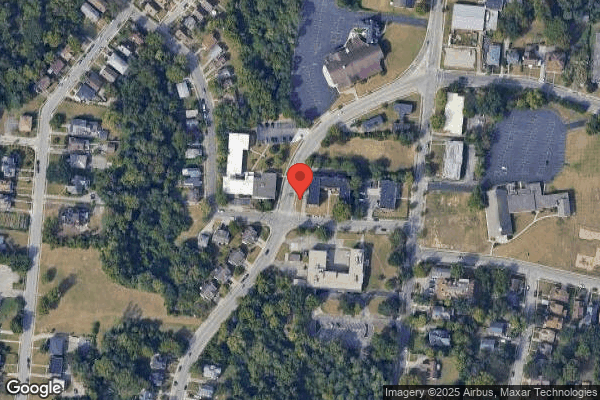
3627 HARVEY AVENUE, CINCINNATI, OH 45229 (513) 961-8881
For profit - Partnership 97 Beds Independent Data: November 2025 5 Immediate Jeopardy citations
Trust Grade
0/100
#602 of 913 in OH
Last Inspection: August 2024

Within standard 12-15 month inspection cycle. Federal law requires annual inspections.

Overview

Astoria Place of Cincinnati has a Trust Grade of F, indicating poor performance with significant concerns about care quality. Ranking #602 out of 913 in Ohio places the facility in the bottom half of nursing homes in the state, and #47 out of 70 in Hamilton County means there are only a few local options that are better. The facility's situation is worsening, with the number of issues increasing from 18 in 2024 to 19 in 2025, and it has accumulated a troubling $472,622 in fines, which is higher than 99% of Ohio facilities. While staffing turnover is excellent at 0%, indicating staff stability, the overall quality ratings are concerning with a 1/5 for health inspections and serious incidents reported, such as a resident being discharged without proper arrangements for care and another resident eloping from the facility, resulting in serious injuries. Despite some strengths, the facility's critical issues and poor trust score make it a risky choice for families considering care for their loved ones.

Trust Score
F
0/100
In Ohio
#602/913
Bottom 35%
Safety Record
High Risk
Review needed
Inspections
Getting Worse
18 → 19 violations
Staff Stability
○ Average
Turnover data not reported for this facility.
Penalties
○ Average
$472,622 in fines. Higher than 69% of Ohio facilities. Some compliance issues.
Skilled Nurses
○ Average
Each resident gets 30 minutes of Registered Nurse (RN) attention daily — about average for Ohio. RNs are the most trained staff who monitor for health changes.
Violations
⚠ Watch
84 deficiencies on record. Higher than average. Multiple issues found across inspections.
★★☆☆☆
2.0
Overall Rating
★★☆☆☆
2.0
Staff Levels
★★★★★
5.0
Care Quality
★☆☆☆☆
1.0
Inspection Score
Stable
2024: 18 issues
2025: 19 issues

The Good

  • 5-Star Quality Measures · Strong clinical quality outcomes
  • Full Sprinkler Coverage · Fire safety systems throughout facility
  • No fines on record

Facility shows strength in quality measures, fire safety.

The Bad

2-Star Overall Rating

Below Ohio average (3.2)

Below average - review inspection findings carefully

Federal Fines: $472,622

Well above median ($33,413)

Significant penalties indicating serious issues

The Ugly 84 deficiencies on record

5 life-threatening 3 actual harm
Aug 2025 3 deficiencies
CONCERN (D) 📢 Someone Reported This

A family member, employee, or ombudsman was alarmed enough to file a formal complaint

Potential for Harm - no one hurt, but risky conditions existed

Deficiency F0602 (Tag F0602)

Could have caused harm · This affected 1 resident

Based on medical record review, staff interview, resident interview, and review of the facility policy, the facility failed to prevent misappropriation of residents' personal property. This affected t...

Read full inspector narrative →
Based on medical record review, staff interview, resident interview, and review of the facility policy, the facility failed to prevent misappropriation of residents' personal property. This affected two (Residents #12 and #13) of three residents reviewed for residents' rights. The facility census was 75 residents.Findings include: Review of the medical record for Resident #12 reveled an admission date of 07/11/25 with diagnoses including anxiety disorder, infective endocarditis, human immunodeficiency virus (HIV), hepatitis C, and depression.Review of the Minimum Data Set (MDS) assessment for Resident #12 dated 07/18/25 revealed the resident was cognitively intact and was independent with activities of daily living (ADLs).Review of the medical record for Resident #13 revealed an admission date of 3/04/25 with diagnoses including spondylosis, depression, and diabetes mellitus.Review of the MDS assessment for Resident #13 dated 06/06/25 revealed the resident had mild cognitive deficits and required extensive staff assistance with ADLs.Interview on 08/11/25 at 2:49 P.M. with the Administrator confirmed a few weeks ago he saw Residents #12 and #13 smoking in front of the facility, which was not a designated smoking area. The Administrator confirmed he told the residents they were not allowed to smoke there, and he took the residents' cigarettes and threw them in the garbage. Interview on 08/12/25 at 8:30 A.M. with Resident #12 confirmed a few weeks ago he was smoking in front of the facility in a non-designated area because it was raining and he was trying to stay dry. Resident #12 confirmed the Administrator told him he was not supposed to smoking in front of the facility and the Administrator then took the resident's cigarettes (five cigarettes in total) and threw them in the garbage. Interview on 08/12/25 at 3:05 A.M. with Resident #13 confirmed a few weeks ago he was smoking in front of the facility, and the Administrator told him he was not allowed to smoke there. Resident #13 confirmed the Administrator took his cigarette from him and threw it away. Interview on 08/12/25 at 3:30 P.M. with the Administrator confirmed a few weeks ago he took one cigarette from Resident #12 and one cigarette from Resident #13 and threw the residents' cigarettes away because they were smoking in a nondesignated area. The Administrator confirmed he had not replaced Resident #12 and #13's cigarettes. Review of the facility policy titled Abuse and Neglect Protocol dated 06/13/21 revealed misappropriation of resident property was defined as the deliberate misplacement, exploitation, or wrongful, temporary or permanent use of a resident's belongings or money without resident's consent.This deficiency represents noncompliance investigated under Complaint Number 2568951.
CONCERN (D) 📢 Someone Reported This

A family member, employee, or ombudsman was alarmed enough to file a formal complaint

Potential for Harm - no one hurt, but risky conditions existed

Report Alleged Abuse (Tag F0609)

Could have caused harm · This affected 1 resident

Based on medical record review, review of personnel records, review of staff statements, resident interview, staff interview, review of facility Self-Reported Incidents, and review of the facility pol...

Read full inspector narrative →
Based on medical record review, review of personnel records, review of staff statements, resident interview, staff interview, review of facility Self-Reported Incidents, and review of the facility policy, the facility failed to report allegations of verbal abuse to the state agency. This affected one (Resident #10) of three residents reviewed for abuse. The facility census was 75 residents. Findings include: Review of the medical record for Resident #10 revealed an admission date of 12/20/24 with diagnoses including Alzheimer's disease, schizophrenia, and bipolar disorder. Review of the Minimum Data Set (MDS) assessment for Resident #10 dated 05/06/25 revealed the resident had no cognitive deficits and required supervision with activities of daily living (ADLs). Review of the personnel file for Business Office Manager (BOM) #58 revealed it contained a disciplinary action form dated 07/24/25 which indicated on 07/22/25 BOM #58 had used vulgar language with another employee. BOM #58 was coached and promised not to do it again. Review of an undated written statement per the Administrator revealed on 07/22/25 BOM #58 was accused of yelling at Receptionist #54. The Administrator sent Receptionist #54 home with pay because she was upset after the interaction with BOM #58. The Administrator told BOM #58 he could not talk disrespectfully to other employees, and further outbursts could result in termination. BOM #58 assured the Administrator there would not be any more issues. Approximately two or three hours following the verbal altercation between BOM #58 and Receptionist #54, Certified Nursing Assistant (CNA) #52 went to the Administrator's office and reported BOM #58 had just yelled at her. The Administrator suspended BOM #58 and had him leave the facility. A few hours late on 07/22/25 the Administrator was in his office when he heard BOM #58 raise his voice towards CNA #52 but could not make out what BOM #58 had said. The Administrator decided to terminate BOM #58's employment but was unable to reach the employee by phone or email so he completed termination paperwork and gave it to human resources. Interview on 08/12/25 at 11:35 A.M. with Resident #10 confirmed she remembered being upset about a month ago when a man on the staff yelled at her in the hallway using profanity and told her she could not get her money. Interview on 08/12/25 at 1:09 P.M. with CNA #52 confirmed on 07/22/25 she took Resident #10 downstairs to the 100-unit hallway in between the nurses' station and the Administrator's office so the resident could withdraw some cash from the resident trust account to buy soda pop and chips. CNA #52 stated BOM #58 said he only had $20.00 available for withdrawal, and would he divide that amount between the residents waiting for their money, so that each resident would each get $5.00. CNA #52 stated when it was Resident #10's time to get her money BOM #58 yelled at them saying, I ain't got anymore (expletive) money. Resident #10 became visibly upset and started crying. CNA #52 took Resident #10 back to the unit and she and Licensed Practical Nurse (LPN) #53 tried to calm Resident #10 who was upset about not getting her money and also at being yelled at by BOM #58. CNA #52 stated she reported Resident #10's concern to the Administrator but felt he was dismissive regarding the incident. Interview on 08/12/25 at 1:36 P.M. with LPN #53 reported when CNA #52 and Resident #10 returned to the unit on 07/22/25 after going downstairs so the resident could withdraw her money, both the aide and the resident were in tears. LPN #53 confirmed BOM #58 had yelled at them and used profanity. LPN #53 stated she then went downstairs to report concerns of verbal abuse per BOM #58 towards Resident #10 to the Administrator, he told her to stop gossiping and spreading rumors. Interview on 08/12/25 at 1:42 P.M. with Receptionist #54 confirmed on 07/22/25 in the morning BOM #58 had yelled and cursed at her which made her so upset that the Administrator had sent her home for the rest of the day with pay. Interview on 08/12/25 at 2:20 P.M. with LPN #55 confirmed she was working on the 100 unit on 07/22/25 and from the nurses' station she heard BOM #58 yell at CNA #52 and Resident #10, I ain't got anymore (expletive) money. LPN #55 reported Resident #10 and CNA #52 were visibly upset regarding the way BOM #58 had spoken to them. Interview on 08/12/25 at 2:28 P.M. with the Administrator confirmed CNA #52 reported on 07/22/25 that BOM #58 had yelled loudly within earshot of Resident #10, I ain't got anymore (expletive) money, but he did not feel that it rose to the level of verbal abuse, so he did not report it to the state agency. Review of the facility SRIs dated 07/22/25 to 08/12/25 revealed there were no reports filed regarding verbal abuse/mistreatment per BOM #58 towards Resident #10. Review of the facility policy titled Abuse and Neglect Protocol dated 06/13/21 revealed verbal abuse was defined as any use of oral, written or gestured language that willfully included disparaging and derogatory terms to residents or their families, or within their hearing distance regardless of their age, ability to comprehend, or disability. If an incident of suspected abuse occurred, the facility should report it immediately to designated state agency. The facility should then conduct a thorough investigation regarding the possible abuse. This deficiency represents noncompliance investigated under Complaint Number 2569326.
CONCERN (D) 📢 Someone Reported This

A family member, employee, or ombudsman was alarmed enough to file a formal complaint

Potential for Harm - no one hurt, but risky conditions existed

Investigate Abuse (Tag F0610)

Could have caused harm · This affected 1 resident

Based on medical record review, review of personnel records, review of staff statements, resident interview, staff interview, review of facility Self-Reported Incidents, and review of the facility pol...

Read full inspector narrative →
Based on medical record review, review of personnel records, review of staff statements, resident interview, staff interview, review of facility Self-Reported Incidents, and review of the facility policy, the facility failed to thoroughly investigate allegations of abuse/mistreatment of residents. This affected one (Resident #10) of three residents reviewed for abuse. The facility census was 75 residents. Findings include: Review of the medical record for Resident #10 revealed an admission date of 12/20/24 with diagnoses including Alzheimer's disease, schizophrenia, and bipolar disorder. Review of the Minimum Data Set (MDS) assessment for Resident #10 dated 05/06/25 revealed the resident had no cognitive deficits and required supervision with activities of daily living (ADLs). Review of the personnel file for Business Office Manager (BOM) #58 revealed it contained a disciplinary action form dated 07/24/25 which indicated on 07/22/25 BOM #58 had used vulgar language with another employee. BOM #58 was coached and promised not to do it again. Review of an undated written statement per the Administrator revealed on 07/22/25 BOM #58 was accused of yelling at Receptionist #54. The Administrator sent Receptionist #54 home with pay because she was upset after the interaction with BOM #58. The Administrator told BOM #58 he could not talk disrespectfully to other employees, and further outbursts could result in termination. BOM #58 assured the Administrator there would not be any more issues. Approximately two or three hours following the verbal altercation between BOM #58 and Receptionist #54, Certified Nursing Assistant (CNA) #52 went to the Administrator's office and reported BOM #58 had just yelled at her. The Administrator suspended BOM #58 and had him leave the facility. A few hours later on 07/22/25 the Administrator was in his office when he heard BOM #58 raise his voice towards CNA #52 but could not make out what BOM #58 had said. The Administrator decided to terminate BOM #58's employment but was unable to reach the employee by phone or email so he completed termination paperwork and gave it to human resources. Interview on 08/12/25 at 11:35 A.M. with Resident #10 confirmed she remembered being upset about a month ago when a man on the staff yelled at her in the hallway using profanity and told her she could not get her money.Interview on 08/12/25 at 1:09 P.M. with CNA #52 confirmed on 07/22/25 she took Resident #10 downstairs to the 100-unit hallway in between the nurses' station and the Administrator's office so the resident could withdraw some cash from the resident trust account to buy soda pop and chips. CNA #52 stated BOM #58 said he only had $20.00 available for withdrawal, and would he divide that amount between the residents waiting for their money, so that each resident would each get $5.00. CNA #52 stated when it was Resident #10's time to get her money BOM #58 yelled at them saying, I ain't got anymore (expletive) money. Resident #10 became visibly upset and started crying. CNA #52 took Resident #10 back to the unit and she and Licensed Practical Nurse (LPN) #53 tried to calm Resident #10 who was upset about not getting her money and also at being yelled at by BOM #58. CNA #52 stated she reported Resident #10's concern to the Administrator but felt he was dismissive regarding the incident. Interview on 08/12/25 at 1:36 P.M. with LPN #53 reported when CNA #52 and Resident #10 returned to the unit on 07/22/25 after going downstairs so the resident could withdraw her money, both the aide and the resident were in tears. LPN #53 confirmed BOM #58 had yelled at them and used profanity. LPN #53 stated she then went downstairs to report concerns of verbal abuse per BOM #58 towards Resident #10 to the Administrator, he told her to stop gossiping and spreading rumors. Interview on 08/12/25 at 1:42 P.M. with Receptionist #54 confirmed on 07/22/25 in the morning BOM #58 had yelled and cursed at her which made her so upset that the Administrator had sent her home for the rest of the day with pay. Interview on 08/12/25 at 2:20 P.M. with LPN #55 confirmed she was working on the 100 unit on 07/22/25 and from the nurses' station she heard BOM #58 yell at CNA #52 and Resident #10, I ain't got anymore (expletive) money. LPN #55 reported Resident #10 and CNA #52 were visibly upset regarding the way BOM #58 had spoken to them. Interview on 08/12/25 at 2:28 P.M. with the Administrator confirmed CNA #52 reported on 07/22/25 that BOM #58 had yelled loudly within earshot of Resident #10, I ain't got anymore (expletive) money, but he did not feel that it rose to the level of verbal abuse, so he did not conduct an abuse investigation. Review of the facility SRIs dated 07/22/25 to 08/12/25 revealed there were no reports filed regarding verbal abuse/mistreatment per BOM #58 towards Resident #10. Review of the facility policy titled Abuse and Neglect Protocol dated 06/13/21 revealed verbal abuse was defined as any use of oral, written or gestured language that willfully included disparaging and derogatory terms to residents or their families, or within their hearing distance regardless of their age, ability to comprehend, or disability. If an incident of suspected abuse occurred, the facility should report it immediately to designated state agency. The facility should then conduct a thorough investigation regarding the possible abuse. This deficiency represents noncompliance investigated under Complaint Number 2569326.
Jul 2025 3 deficiencies 1 Harm
SERIOUS (G) 📢 Someone Reported This

A family member, employee, or ombudsman was alarmed enough to file a formal complaint

Actual Harm - a resident was hurt due to facility failures

Free from Abuse/Neglect (Tag F0600)

A resident was harmed · This affected 1 resident

**NOTE- TERMS IN BRACKETS HAVE BEEN EDITED TO PROTECT CONFIDENTIALITY** Based on medical record review, review of facility Self-Reported Incidents (SRIs), review of staff witness statements, review of...

Read full inspector narrative →
**NOTE- TERMS IN BRACKETS HAVE BEEN EDITED TO PROTECT CONFIDENTIALITY** Based on medical record review, review of facility Self-Reported Incidents (SRIs), review of staff witness statements, review of hospital records, staff interview, resident interview, and review of the facility policy, the facility failed to ensure residents were free from resident-to-resident abuse. This resulted in Actual Harm on 07/01/25 to Resident #38 when Resident #43, a resident with a known history of aggressive behaviors towards other residents, struck Resident #38 in the face causing a nasal fracture. This affected one (Resident #38) of three residents reviewed for abuse. The facility census was 71 residents.Findings include: 1. 1.Review of the medical record for Resident #38 revealed an admission date of 05/13/25 with diagnoses including dementia without behavioral disturbance, hepatitis C, and atrioventricular heart block. Review of the Minimum Data Set (MDS) assessment for Resident #38, dated 05/22/25, revealed the resident had intact cognition and ambulated with a cane. Review of the census profile for Resident #38 revealed the resident was moved into a room with Resident #43 on 06/25/25 because Resident #38 was not getting along with his roommate. Review of the progress note for Resident #38, dated 07/01/25 at 6:06 P.M., revealed Resident #38 had been punched in the face by Resident #43. Upon entering the room, Resident #38 was sitting on his bed with blood and blood clots gushing out of his right nostril. The nose appeared to be injured. Emergency medical services (EMS) were called, and Resident #38 was sent to the hospital for evaluation. Review of the witness statement from Certified Nursing Assistant (CNA) #530 revealed the aide was coming back from a break and was passing Resident #38 and Resident #43's room when the aide noticed blood on the sheets. CNA #530 entered the room and Resident #38 told the aide that Resident #43 had hit him. CNA #530 then notified the nurse. Review of the Self-Reported Incident (SRI) regarding Resident #38 dated 07/01/25 revealed on 07/01/25 at 6:00 P.M., Resident #43 struck Resident #38 in the nose resulting in a bloody nose and a nasal fracture for Resident #38. The facility substantiated abuse had occurred by Resident #43 towards Resident #38. Review of the hospital note for Resident #38, dated 07/01/25 at 6:35 P.M., revealed the resident presented at the hospital due to blunt force trauma to the head and was diagnosed with a closed fracture of nasal bone, which was confirmed by a computerized tomography (CT) scans of the maxillofacial area and the head. Review of the hospital discharge instructions for Resident #38, dated 07/01/25 at 7:42 P.M., revealed the resident had a nasal bone fracture and should follow up with an ear, nose, and throat (ENT) physician for further examination and recommendation. Review of the progress note for Resident #38, dated 07/02/25 at 3:03 A.M., revealed the resident returned from the hospital with a fractured nasal bone. A report from the hospital nurse revealed the resident received tranexamic acid (a medication to help control bleeding) due to the resident's bloody nose. Resident #38 was to follow up with an ENT physician as soon as possible. Resident #38 was moved to a new room and was monitored frequently by staff. Review of the progress note for Resident #38, dated 07/03/25 at 2:43 P.M., revealed the resident returned to the facility after his ENT physician follow up visit with new orders for Amoxicillin 500 milligrams (mg), give one tablet by mouth two times a day for ten days for nasal swelling. The ENT physician's note indicated surgical repair of the nasal fracture was not indicated and staff should monitor the swelling to the resident's nose. 2. Review of the medical record for Resident #43 revealed an admission date of 04/23/25 with diagnoses including schizoaffective disorder (bipolar type), anxiety disorder, unspecified dementia with behavioral disturbance, chronic obstructive pulmonary disease (COPD), and hypertension. Review of the MDS assessment for Resident #43 dated 05/06/25 revealed the resident had severe cognitive impairment and was independently mobile. Review of Resident #38's medical record revealed preadmission progress notes from the nursing home where Resident #43 had previously resided. The progress note dated 03/01/25 at 9:02 A.M., revealed the resident was involved in a physical altercation with another resident after Resident #43 had wandered into the other resident's room. Review of a preadmission progress note dated 03/18/25 at 6:20 P.M., revealed Resident #43 told the nurse he had gotten into a fight with his roommate. Resident #43's roommate had mistakenly laid down in the wrong bed and Resident #43 struck the roommate in the face with a closed fist. The other resident sustained a bruise and an abrasion to his forehead. Review of a preadmission progress note, dated 03/25/25 at 10:27 A.M., revealed Resident #43 was propelling himself in his wheelchair through the common area when he stopped behind another resident who was eating breakfast and punched the other resident twice in the back. Review of a preadmission progress note, dated 03/27/25 at 11:37 A.M., revealed social services spoke with Resident #43's guardian regarding finding alternate placement of the resident due to physically aggressive behaviors. Resident #43's guardian said he was agreeable to alternate placement to any facility able to accept Resident #43. Review of the note revealed Resident #43 had three physical altercations with other residents since his admission to the facility on [DATE]. Resident #43 was physically aggressive to other residents without provocation. Staff noted Resident #43 was cooperative with care and did not exhibit aggression towards staff members but was only physically aggressive with other residents. Review of the one to one observation form for Resident #43 form initiated on 06/25/25 revealed the resident was placed on one-on-one monitoring from 06/25/25 at 7:00 P.M. to 06/27/25 at 7:00 P.M. The one-on-one observation was discontinued for Resident #43 as the resident remained calm and did not appear to want to harm self or others. Review of a progress note for Resident #43, dated 06/25/25 at 5:05 A.M., revealed Resident #43 was observed engaged in a physical altercation with Resident #41. Resident #43 had no injuries and Resident #41 sustained scratches on his face. The staff moved Resident #41 to another room and placed Resident #43 on one to one supervision. Review of the facility SRI dated 06/25/25 revealed Resident #43 was involved in a physical altercation with Resident #41, in which Resident #41 received facial abrasions. The facility did not substantiate abuse, because the investigation revealed Resident #41 was in Resident #43's face and there was no intent to cause harm, just an effort for the residents to be clear of each other. Review of the care plan for Resident #43, initiated on 06/25/25 after the incident involving Resident #41, revealed the resident had the potential to be physically aggressive related to dementia and poor impulse control. Interventions included the following: administer medications as ordered, assess and address contributing sensory deficits, assess and anticipate resident's needs, assess resident's understanding of the situation and allow time for the resident to express self and feelings toward the situation, monitor/document/report as needed any signs/symptoms of resident posing danger to self and others, psychiatric/psychogeriatric consultation as indicated, review for triggers and patterns at scheduled behavior meeting, when physical aggression occurs, remove individuals to a controlled environment, when the resident becomes agitated, intervene before agitation escalates and guide away from source of distress, engage calmly in conversation, if resident is aggressive, staff to walk calmly away and approach later. Review of the census profile for Resident #43 revealed the resident was moved to a private room on 07/01/25 before being sent to the hospital for a psychiatric evaluation. Review of a hospital note for Resident #43 dated 07/01/25 at 6:30 P.M. revealed the resident should be admitted as he represented a substantial risk of physical harm to others as manifested by evidence of recent homicidal or other violent behavior, evidence of recent threats that place another in reasonable fear of violent behavior and serious physical harm, or other evidence of present dangerousness. Resident #43 had exhibited worsening agitation and aggression and had been hitting other residents. Resident #43 was admitted to the psychiatric unit of the hospital on [DATE] and was readmitted to the facility on [DATE]. Review of the progress note for Resident #43, dated 07/02/25 at 8:35 P.M., revealed it was reported to the nurse on 07/01/25 that Resident #43 had punched Resident #38 in the nose. When the nurse asked Resident #43 why he had punched Resident #38, Resident #43 shrugged his shoulders and did not otherwise respond to the nurse. The nurse notified Resident #43's physician who gave orders to send the resident to the hospital for a psychiatric evaluation. Review of the progress note for Resident #43 dated 07/03/25 at 6:41 A.M. revealed the resident was admitted to the hospital's geriatric psych unit. Review of the progress note for Resident #43 dated 07/11/25 at 12:42 P.M. revealed the resident returned from the hospital with no new orders. During an interview on 07/16/25 at 8:13 A.M., CNA #530 stated he was the first person to respond to the incident on 07/01/25 between Residents #43 and #38. CNA #530 stated on 07/01/25 at approximately 6:00 P.M. he returned to the unit after supervising the 5:30 P.M. smoking session when he saw bloody sheets on Resident #38's nightstand. CNA #530 entered Resident #38's room and saw the resident in bed in a fetal position and there was blood everywhere. Resident #38 told the aide he had been resting in bed when Resident #43 wheeled over in his wheelchair and hit him in the face. Resident #43 was sitting in the room in his wheelchair while Resident #38 spoke to the aide regarding the incident. CNA #530 left the room and notified Licensed Practical Nurse (LPN) #401 of the incident. During an interview on 07/16/25 at 8:20 A.M., Resident #38 stated he was lying in bed on 07/01/25 when Resident #43 wheeled up in his wheelchair next to the bed and hit the resident in the face. Resident #38 said his nose hurt after he got hit but it felt better now. An interview with Resident #43 was attempted on 07/16/25 at 8:35 A.M. but was unsuccessful as Resident #43's responses to questions were unintelligible. During an interview on 07/16/25 at 8:42 A.M., LPN# 401 stated on 07/01/25 at approximately 6:00 P.M. she was in the nursing station when CNA #530 notified her Resident #43 had hit Resident #38. LPN #401 said she immediately went to Resident 38's room and observed the resident sitting on the side of the bed with blood gushing out of his nose. LPN #410 stated there was blood on the resident, on the sheets, and on the floor, and Resident #38's nose was crooked. LPN #401 notified the physician who gave orders to send Resident #38 to the hospital emergency room for evaluation and treatment and to send Resident #43 to the hospital for a psychiatric evaluation. During an interview on 07/16/25 at 9:32 A.M., the Director of Nursing (DON) stated Resident #38 was moved into the room with Resident #43 on 06/25/25, which was the same day of the incident between Residents #41 and #43. The DON stated she had heard the previous DON and Administrator had been reluctant to admit Resident #43 to the facility due to the resident's history of aggression towards other residents at his previous nursing home. The DON stated she believed Resident #43 should have been placed in a private room due to the resident's known history of physical aggression towards other residents. During an interview on 07/16/25 at 10:05 A.M., the Administrator stated he was not employed at the facility when Resident #43 was accepted for admission in April 2025. The Administrator stated the DON had the responsibility to screen residents and determine appropriateness for admission, but the Administrator had the final say regarding admissions. The Administrator stated he was unaware the previous Administrator and DON had not wanted to admit Resident #43. The Administrator verified Resident #43 had not had any altercations since being placed in a private room upon return from the hospital. The Administrator could not explain why Resident #38 was moved into a room with Resident #43 on 06/25/25. Review of the facility policy titled Abuse and Neglect Protocol, revised 06/13/21, revealed residents have the right to be free from abuse, neglect, misappropriation or resident property, exploitation, corporal punishment, physical or chemical restraints imposed for purposes of discipline or convenience, and not required to treat the resident's medical symptoms, and involuntary seclusion. This deficiency represents noncompliance investigated under Complaint Number OH00166548 (1313528) and Complaint Number OH00166287 (1313527).
CONCERN (D) 📢 Someone Reported This

A family member, employee, or ombudsman was alarmed enough to file a formal complaint

Potential for Harm - no one hurt, but risky conditions existed

Infection Control (Tag F0880)

Could have caused harm · This affected 1 resident

Based on medical record review, observation, staff interview, and review of the facility policy, the facility failed to implement Enhanced Barrier Precautions (EBP) while providing incontinence and wo...

Read full inspector narrative →
Based on medical record review, observation, staff interview, and review of the facility policy, the facility failed to implement Enhanced Barrier Precautions (EBP) while providing incontinence and wound care and failed to change gloves and perform appropriate hand hygiene during incontinence care. This affected one (Resident #10) of three residents reviewed for infection control. The facility census was 71 residents. Findings include: Review of the medical record for Resident #10 revealed an admission date of 04/22/25 with diagnoses including dementia, hypertension and chronic kidney disease. Review of the Minimum Data Set (MDS) assessment for Resident #10 dated 05/05/25 revealed the resident had intact cognition, was frequently incontinent of bowel and occasionally incontinent of bladder, was independent for eating and bed mobility, required set up assistance with oral hygiene, required supervision with toileting, and required moderate assistance with personal hygiene, dressing, bathing, and transfers. Review of the physician's orders for Resident #10 revealed an order dated 06/16/25 for the resident to be placed in Enhanced Barrier Precautions (EBP). Review of the physician's orders for Resident #10 revealed an order dated 07/02/25 to cleanse the right heel with normal saline, apply Hydrogel, and cover with dry dressing daily. Observation on 07/10/25 at 10:40 A.M. revealed there was a sign on the door of Resident #10's room indicating the resident was on EBP. The sign indicated that everyone must clean their hands, including before entering and when leaving the room, and providers and staff must also wear gloves and gown for the following high-contact resident care activities: dressing, bathing/showering, transferring, changing linens, providing hygiene, changing briefs or assisting with toileting, central line care, urinary catheter care, feeding tube care, tracheostomy care, wound care, and care of any skin opening requiring a dressing. Personal Protective Equipment (PPE) was available in a cart in the corridor adjacent to Resident #10's room door. Observation of incontinence care for Resident #10 on 07/10/25 at 10:40 A.M. per Certified Nursing Assistant (CNA) #506 with assistance from Registered Nurse (RN) #314 revealed the staff did not don gowns prior to providing care. CNA #506 cleansed feces from Resident #10's buttocks with gloved hands. CNA #509 did not remove her gloves, perform hand hygiene, and don new gloves after cleansing the resident's buttocks. CNA #506 then touched the resident's clean brief, the resident's pajama bottoms, the resident's sheets, and the outside of the resident's wash basin. Observation of wound care for Resident #10 on 07/10/25 at 10:58 A.M. per Registered Nurse #314 with CNA #506 assisting revealed the staff did not don gowns prior to providing care. Interview on 07/10/25 at 11:13 P.M. with RN #314 and CNA #506 confirmed they should have donned gowns during incontinence care and wound care for Resident #10 and CNA #506 should have doffed gloves, performed hand hygiene, and donned clean gloves after cleansing feces from Resident #10's buttocks. Interview on 07/10/25 at 12:38 P.M. with the Director of Nursing (DON) confirmed Resident #10 had orders for EBP, and RN #314 and CNA #506 should have donned gowns prior to providing incontinence care and wound care. The DON confirmed CNA #506 should have doffed gloves, performed hand hygiene, and donned clean gloves after cleansing feces from Resident #10's buttocks. Review of the facility policy titled Infection Control dated 02/04/21 revealed it was the facility's policy to ensure appropriate infection control prevention and control measures were taken to prevent the spread of communicable diseases, and to change gloves after handling infected material (fecal material, urine, wound drainage, vomit, sputum).
CONCERN (E) 📢 Someone Reported This

A family member, employee, or ombudsman was alarmed enough to file a formal complaint

Potential for Harm - no one hurt, but risky conditions existed

Safe Environment (Tag F0584)

Could have caused harm · This affected multiple residents

**NOTE- TERMS IN BRACKETS HAVE BEEN EDITED TO PROTECT CONFIDENTIALITY** Based on medical record review, observation, review of maintenance orders, resident interview, staff interview, and review of th...

Read full inspector narrative →
**NOTE- TERMS IN BRACKETS HAVE BEEN EDITED TO PROTECT CONFIDENTIALITY** Based on medical record review, observation, review of maintenance orders, resident interview, staff interview, and review of the facility policy, the facility failed to ensure a safe and homelike environment for the residents. This affected Residents #20 and #21, the following 18 residents residing on the 100- unit (#1, #2, #3, #4, #5, #6, #7, #8, #9, #10, #11, #12, #13, #14, #15, #16, #17, #18), and the following 14 residents residing on the 400-unit (#58, #59, #60, #61, #62, #63, #64, #65, #66, #67, #68, #69, #70, #71) and had the potential to affect all of the residents residing in the facility . The facility census was 71 residents. Findings include: 1.Observations on 07/07/25 between 9:20 A.M. revealed the handrail next to elevator on the 100-nursing unit was not safely secured to the wall rendering it non-functional. The handrail was missing an end cap and was secured to the wall on one end by one screw and the other end was dangling. There was an end cap and a corner cap missing from the handrail near the 100-nursing unit utility closet. Observation on 07/08/25 at 8:30 A.M. revealed the handrail next to elevator on the 100-nursing unit was not safely secured to the wall rendering it non-functional. The handrail was missing an end cap and was secured to the wall on one end by one screw and the other end was dangling. There was an end cap and a corner cap missing from the handrail near the 100-nursing unit utility closet. Observation on 07/09/25 at 1:10 P.M. accompanied by Maintenance Director (MD) #200 revealed the handrail next to elevator on the 100-nursing unit was not safely secured to the wall rendering it non-functional. The handrail was missing an end cap and was secured to the wall on one end by one screw and the other end was dangling. There was an end cap and a corner cap missing from the handrail near the 100-nursing unit utility closet. Interview on 07/09/25 at 1:16 P.M. with MD#200 confirmed the handrail next to elevator on the 100-nursing unit was not safely secured to the wall rendering it non-functional. The handrail was missing an end cap and was secured to the wall on one end by one screw and the other end was dangling. There was an end cap and a corner cap missing from the handrail near the 100-nursing unit utility closet. 2. Observation on 07/07/25 at 11:00 A.M. of Resident #20 and #21's bathroom revealed the light fixture was partially attached at the ceiling and was dropping down on one side about four inches. At the ceiling level, above the fixture, there was dried material covering the light fixture opening of what appeared to be dried grass, indicative of a animal's nest. Interview on 07/09/25 at 12:15 P.M. with the Administrator confirmed the dried material in the ceiling above the light fixture in Resident #20 and #21's room bathroom. Interview on 07/09/25 at 12:22 P.M. with Activity Director (AD) #115 confirmed she had seen what looked like a nest in Resident #20 and #21's bathroom. Interview on 07/09/25 at 12:23 P.M. with Activity Assistants (AAs) #116 and #117 confirmed the presence of grasses in the light fixture of Resident #20 and #21's bathroom. Interview on 07/10/25 at 9:20 A.M. with MD #200 confirmed the material removed from bathroom of Resident #20 and #21's bathroom appeared to be that of an animal nest of some kind. 3.Review of the medical record for Resident #24 revealed an admission date of 04/08/25 with diagnoses including paranoid schizophrenia, hypertension and history of myocardial infarction. Review of the Minimum Data Set (MDS) assessment for Resident #24 dated 04/21/25 revealed the resident had intact cognition, was occasionally incontinent of bowel and always continent of bladder, and required supervision with bathing and was independent with oral and personal hygiene, toileting, dressing, bed mobility and transfers. Interview on 07/07/25 at 10:30 A.M. with Resident #24 confirmed at night she frequently heard what she presumed to be animals making noise in her ceiling and it kept her awake and made her fearful the animals would come into her room through the ceiling. Resident #24 confirmed she heard banging, clawing, and running sounds starting at about 10:00 P.M., lasting for about one hour. Resident #24 confirmed she has heard these noises nearly every night since her admission on [DATE], and she has told the nursing staff, but no maintenance staff had assessed her concerns. Interview on 07/09/25 at 12:22 P.M. with AD #115 confirmed she had observed or heard noises indicative of animal noises during the past two years in the ceiling of her office and in the hallway of the 400 unit. In the fall of 2024, she heard and observed a squirrel in the ceiling when a ceiling tile had been temporarily removed. On 05/20/25 she reported to the former Administrator and MD #200 that she had observation an animal tail, claws and an eye looking down from the ceiling light fixture in her office. MD #200 stated he would contact the facility's pest control vendor. AD #115 stated the pest control never came to her office to assess the sighting. AD #115 stated she signed a statement and reported the animal sighting again on 06/16/25 to MD #20. MD #20 took down one tile and looked up in the ceiling, but did not observe an animal. AD #115 confirmed on 06/26/25 she heard apparent animal noise again and reported it to Assistant Maintenance (AM) #205. AM #205 told AD #115 that wildlife control or pest control had been contacted regarding the concern. AD #115 stated she had not seen or heard of any assessment from the pest control company or a wildlife control company. Interviews on 07/09/25 at 12:22 P.M. with AAs 116 and #117 confirmed they had heard what sounded like animal noises coming from the AD #115's office and in the resident hallway of the 400-unit. AAs #116 and #117 confirmed residents have made comments regarding hearing what sounded like running and clawing of animals in the ceiling. Interview on 07/09/25 at 2:30 P.M. with outside Pest Control Vendor (PCV) #5 confirmed the facility had made no requests regarding assessment of animals in the ceiling in the facility. PCV #5 confirmed they regularly provided pest control services but were unable to provide wildlife control services. PCV #5 confirmed the facility had called them to ask for wildlife assessment on 07/09/25 after the survey was entered. Interview on 07/10/25 at 9:20 A.M. with MD #200 confirmed he had received one report of animal noises which was a written report per AD #115 dated 06/16/25 indicating she heard what she presumed to be an animal in the ceiling of her office. Interviews on 07/07/25 through 07/09/25 from 10:45 A.M to 3:09 P.M. with Certified Nursing Assistants (CNAs) #523 and #521, Licensed Practical Nurses (LPNs) #401 and #411 and #406, and Housekeeping Aide (HA) #702 confirmed on multiple occasions for the past several months during the day and during the evenings they heard what sounded like animal noises from the hallway of the 400 unit short hall. Interviews confirmed the staff reported the animal noises to the former Administrator and the maintenance staff. Review of maintenance orders dated 04/01/25 through 07/09/25 revealed they did not include entries regarding staff concerns of animals in the 400-unit ceiling and no work orders completed related to the assessment of animals in the ceiling. Review of pest control service visit notes dated 04/01/25 through 07/03/25 revealed the company provided general insect control services and treatment of mice in the base on 05/12/25. There was no evidence pest control services assessed or treated for animals in the 400-unit ceiling. Review of the policy titled Housekeeping Policy - Safe, Clean, Comfortable Homelike Environment revised 12/18/22 revealed it was the policy of the facility to provide a safe, clean, comfortable homelike environment in such a manner to acknowledge and respect resident rights. The facility must provide housekeeping and maintenance services necessary to maintain a sanitary, orderly, and comfortable interior. This deficiency represents noncompliance investigated under Master Complaint Number OH00167364 (1313526) and Complaint Number OH00167351 (1313529) and Complaint Number OH00166548 (1313528) and Complaint Number OH166287 (1313527) and is recite to the survey completed 05/19/25.
May 2025 13 deficiencies 2 IJ
CRITICAL (J) 📢 Someone Reported This

A family member, employee, or ombudsman was alarmed enough to file a formal complaint

Immediate Jeopardy (IJ) - the most serious Medicare violation

Deficiency F0624 (Tag F0624)

Someone could have died · This affected 1 resident

**NOTE- TERMS IN BRACKETS HAVE BEEN EDITED TO PROTECT CONFIDENTIALITY** Based on resident interviews, staff interviews, an Ombudsman interview, police interviews, medical record review, and policy rev...

Read full inspector narrative →
**NOTE- TERMS IN BRACKETS HAVE BEEN EDITED TO PROTECT CONFIDENTIALITY** Based on resident interviews, staff interviews, an Ombudsman interview, police interviews, medical record review, and policy review, the facility failed to provide a safe discharge for Resident #19. This resulted in Immediate Jeopardy on 04/10/25 when Resident #19 was placed at risk for potential serious life-threatening harm, injuries, negative health outcomes and/or death when the facility discharged Resident #19 without providing a safe discharge location or provisions for a wound treatment. This affected one (Resident #19) of three residents reviewed for discharge. The facility census was 69. On 04/23/25 at 1:07 P.M., the Administrator, Director of Nursing (DON), and Regional Director of Operations (RDO) #200 were notified that Immediate Jeopardy began on 04/10/25 at 3:00 P.M. when Resident #19 was refused access to the facility and the facility issued an emergency discharge based on allegations from two other residents on 04/09/25 that Resident #19 was in possession of a firearm. On 04/09/24, the resident left the facility at approximately 9:00 A.M. and the facility packed Resident #19's belongings in trash bags while Resident #19 was on leave of absence, and did not locate a firearm. Upon Resident #19's return to the building on 04/10/25 at 3:00 P.M., the resident was not allowed in, and the police were called. Police arrived, were on-site at the facility, and searched Resident #19 for a weapon and did not find one. Police escorted Resident #19 off the property and staff placed Resident #19's personal items by the garbage dumpster. The nurse who discharged the resident gave him his face sheet, his medication list and all his routine medications, except the narcotics. Resident #19 was not provided with a safe discharge destination. The Immediate Jeopardy was removed on 04/23/25 when the facility implemented the following corrective actions: • On 04/16/25 and 04/23/25, the DON/Designee reviewed all facility-initiated discharges in the last 90 days for safe discharge criteria. The Administrator/Designee will conduct weekly audits for four weeks, monthly for one quarter, and periodically thereafter to ensure all facility-initiated discharges are completed in a safe, orderly manner. All findings will be reviewed through the Quality Assurance and Performance Improvement (QAPI) committee, and any negative findings will be corrected immediately. • On 04/16/25, the Administrator reviewed the facility's discharge policy for compliance with safe, orderly discharge criteria, with no revisions made. • On 04/23/25, RDO #200 in-serviced the Administrator about completing a safe and orderly discharge. The education included obtaining orders for discharge, obtaining orders for appropriate services and equipment when transferring to a location in the community, preparing a discharge summary and/or assessment, preparing medications to be discharged with the resident as permitted by law, assisting with transportation as applicable, and communicating with resident and/or representative regarding the discharge plan and appropriate documents. • On 04/23/25, the Administrator in-serviced members of the interdisciplinary team, including the DON, Assistant Director of Nursing (ADON) #127, Minimum Data Set (MDS) Nurse #124, Social Worker #135, and Business Office Manager (BOM) #166, and all nurses about completing a safe and orderly discharge. The education included obtaining orders for discharge, obtaining orders for appropriate services and equipment when transferring to a location in the community, preparing a discharge summary and/or assessment, preparing medications to be discharged with the resident as permitted by law, assisting with transportation as applicable, and communicating with resident and/or representative regarding the discharge plan and appropriate documents. Any nurse that was not educated was not allowed back to the floor until they were in-serviced. Although the Immediate Jeopardy was removed on 04/23/25, the facility remains out of compliance at a Severity Level 2 (no actual harm with potential for more than minimum harm that is not Immediate Jeopardy) as the facility is in the process of implementing their corrective action plan and monitoring to ensure on-going compliance. Findings include: Review of the medical record revealed Resident #19 was admitted to the facility on [DATE] and was discharged on 04/10/25. Diagnoses included unspecified paraplegia, stage III pressure ulcer to the left heel, chronic pain syndrome, unspecified protein calorie malnutrition, morbid obesity, unspecified bipolar disorder, and neuromuscular dysfunction of the bladder. Review of the care plan dated 01/28/25 revealed Resident #19 wanted to discharge to home or community. Interventions included encouraging the resident to discuss feelings/concerns about discharge, evaluating the resident's ability to safely discharge to the community, and providing community referrals to determine/address gaps in the resident's strengths and abilities that could affect a safe discharge. Review of the most recent Minimum Data Set (MDS) assessment, dated 02/04/25, revealed the resident was cognitively intact, had no behaviors, did not reject care, and did not wander. Review of progress notes revealed on 04/09/25 at approximately 7:30 A.M. a male resident on 300 unit asked Licensed Practical Nurse (LPN) #109 to keep Resident #19 out of his room. Resident #19 shouted for the male resident to shut up, and Resident #19 returned to his room. At approximately 9:00 A.M., Resident #19 could not be located in the building and staff stated Resident #19 had left without signing out. The facility notified the Ombudsman who recommended Resident #19 be given an emergency discharge. The facility notified the physician. Review of a progress note dated 04/09/25 at 11:18 A.M. revealed the DON and Administrator were notified that Resident #19 allegedly had a firearm and threatened two male residents earlier that morning. Review of a progress noted dated 04/09/25 at 1:29 P.M. revealed Resident #19 was placed in Emergency Discharge status. Social Worker (SW) #135 attempted to locate emergency placement for Resident #19 with four long-term care facilities, but each denied admission. SW #135 attempted to schedule a follow-up appointment for Resident #19 at University of Cincinnati Health but was unsuccessful. SW #135 reached out to community housing programs for emergency housing but was unsuccessful. Resident #19 was unavailable for participation in the discharge process. Review of a progress note dated 04/09/25 at 6:35 P.M. revealed the facility checked Resident #19's room for safety hazards and found none. The administration directed staff to notify authorities if Resident #19 returned to the facility. Review of the Discharge summary dated [DATE] revealed Resident #19 had a planned, emergency discharge recommended by the Ombudsman related to threats with a firearm. Social Services attempted to locate emergency placement with several long-term care facilities, but the resident was not accepted for admission. The resident was away from the building and was unable to be reached to discuss his plans for discharge location. Resident #19 received a copy of his discharge instructions. Review of the document titled Emergency Notice of Discharge, dated 04/10/25, documented Resident #19 was discharged from the facility because the safety of other residents was endangered. Specific allegations in support of the reason included residents had alleged Resident #19 had threatened them with a gun. The resident had been offered services to assist with placement, and discharge was made to Mountain Crest Health Care. The discharge notice listed the resident's right to appeal the discharge and the right to remain in the facility until the appeal was heard by a Hearing Official. Contact information was listed for the Ohio Office of Legal Services and State Long-Term Care Ombudsman. The document was signed by the Administrator with LPN #88 signing as a witness. Review of the Social Service Recapitulation note, dated 04/10/25 at 5:21 P.M., documented that the social worker was unable to discuss discharge plans with Resident #19 due to him having to exit the building because of an emergency discharge. The physician was notified and gave orders that directed Resident #19 could not have narcotic medications. Staff gave Resident #19 his face sheet, orders, and medications. Review of a progress note dated 04/10/25 at 5:53 P.M. revealed Resident #19 arrived on facility property and police were called. Resident #19 spoke with the Administrator regarding an emergency discharge and Resident #19 refused to accept the discharge notice. Review of progress note dated 04/10/25 at 6:49 P.M. revealed Resident #19 was discharged with all his possessions and a nurse provided discharge instructions. During the entrance conference on 04/16/25 at 9:25 A.M., the Administrator stated on 04/09/25 Residents #42 and #43 reported Resident #19 had threatened each of them on separate occasions with a gun. Each resident stated he had seen Resident #19 with a gun. Resident #19 left the facility without signing himself out. The facility placed the building in lockdown status and vetted anyone who entered the facility. The facility called the police right away. Upon police suggestion, the facility searched Resident #19's room and did not find a weapon. Police instructed the facility not to let Resident #19 back into the building until the police questioned him. Resident #19 returned to the building the next day. The facility told Resident #19 he could not come into the building, but he entered anyway and went towards his room. The police arrived. The facility gave Resident #19 his medications, medical records, and an emergency discharge notice. After making the initial police report the facility contacted the Ombudsman who told them due to the threat, they had to issue an emergency discharge to keep the other residents safe. Resident #19 refused to take the discharge paperwork. Resident #19 took all of his things with him. The police ensured all of his things were out of the building. The Administrator stated Resident #19's sister came and picked him up in the parking lot and took all his items. During a telephone interview on 04/16/25 at 10:18 A.M., Ombudsman #71 stated the facility called her on 04/09/25 for guidance. They stated that Resident #19 had allegedly threatened someone with a gun. They never found a gun. Ombudsman #71 stated she advised the facility they could discharge Resident #19, but it had to be a safe discharge, which they had to provide for both him and his representative in writing. Ombudsman #71 stated Resident #19 returned to the facility on [DATE], and staff alerted her they were putting Resident #19 on the street. Resident #19 slept in a car for two days and was hospitalized at Christ Hospital. During concurrent interviews on 04/16/25 at 10:55 A.M., Residents #42 and #43 each stated they had seen Resident #19 with a nine-millimeter pistol, and he had threatened each of them. During a telephone interview on 04/16/25 at 12:33 P.M., Certified Nursing Assistant (CNA) #172 stated she was working on 04/10/25 from 7:00 A.M. to 7:00 P.M. Resident #19's possessions were in plastic trash liners and lined up by the back door. Resident #19 arrived at the facility around 3:00 P.M. accompanied by another young male. CNA #172 stated she took a 15-minute break and as she went outside, Resident #19 zoomed past her into the building. CNA #172 stated the police pulled up while she was on break, and a task force entered the building through the back. When she went back into the building, the police and Administrator were talking to Resident #19. An officer asked her if she had ever seen Resident #19 with a gun, and she said no. CNA #172 stated per police request, she carried bags of Resident #19's personal items out of the facility and placed them near the garbage dumpster. During an interview on 04/17/25 at 8:30 A.M., SW #135 stated Resident #19 met her at the time clock when she came into work on 04/09/25. He asked her to search him. Resident #19 explained other residents had made accusations that he had threatened them with a gun. Resident #19 went to his room. ADON #127 was there. Resident #19 asked her to search him. Resident #19 said he had an appointment, and he left the building. SW #135 stated she went to the morning meeting, but the meeting was canceled when the police arrived. The management team held an emergency meeting with all staff to discuss the active shooter policy. Staff were instructed to inform the Administrator if Resident #19 returned to the building, to not let him inside until the police arrived. The building was placed on lockdown. Staff could come and go but residents had to stay inside. While he was gone, the social worker attempted to get Resident #19 placement at four long term care facilities. Each rejected him. She tried to set up an appointment with a primary care provider at UC Health and was told to call back the next day. Resident #19 returned to the facility on [DATE] between 2:00 to 3:00 P.M. SW #135 stated she went outside. Resident #19 called the police since the Administrator was not at the building. Human Resources (HR) Staff #176 came out too. They waited together for the police, but no one came. The police called Resident #19 back, and SW #135 talked to them. The officer was confused as to why a police presence was needed and stated the police were not coming. The police advised calling on Friday and talking to Officer #32 in District 4 because he was handling the case. SW #135 stated she looked and saw the Administrator in the building. Resident #19 asked him to come out, but the Administrator refused. SW #135 stated she went back into the building. Later, Resident #19 followed staff into the building. He went towards his room to get his clothes. The Administrator told him he could not be in the building and told him to leave. Police entered the building wearing body [NAME] with guns drawn and were shouting Where is the gun? repeatedly. Resident #19 said they could search him and denied having a weapon. Resident #19 was very upset because he did not have anywhere to go. There was no family there to get him. Management assumed Resident #19 had a sister who worked in housekeeping at the facility, but she was not his sister and of no blood relation. She had no vehicle and had stairs in front of her house that Resident #19 would not have been able to access while in his wheelchair. Police asked staff to move Resident #19's possessions off the property so police would not later be called back to arrest him for trespassing. Resident #19 left and rolled up the hill in his wheelchair. SW #135 stated she stopped her car after exiting out of the parking lot so Resident #19 could cross the street in his wheelchair. SW #135 stated no one knew where Resident #19 went after he left the facility. During an interview on 04/17/25 at 9:09 A.M., HR Staff #176 stated when Resident #19 was accused of having a gun, ADON #127 was right there. Resident #19 asked ADON #127 to search him and his things. She did not search him, told him not to worry about it, and said he could leave. On 04/10/25, Resident #19 called HR Staff #176 and said he was coming to the facility to talk to the Administrator about the situation. HR Staff #176 stated she informed the Administrator. Around 3:00 P.M., HR Staff #176 saw Resident #19 approaching the front door. She went out to speak to him. Resident #19 said he had already called the police. HR Staff #176 waited outside with him for about 30 minutes. The police never came. Resident #19 tried to call the police again and put the call on speaker phone. The officer was confused why a police presence was necessary for Resident #19 to enter the building. HR Staff #176 explained the events to the officer who said he would check and call back. When the officer called back, the officer spoke with the social worker. He was still confused and gave her the name of someone to call the next day. The Administrator returned to the facility and entered through the ambulance entrance. HR Staff #176 stated she explained to the Administrator that the police were confused about why they needed to come to the building. Somehow Resident #19 followed someone into the building and started going towards his room. The Administrator told him he had to leave. Resident #19 said they could not just put him out on the streets, stated he did not have a gun, and stated he called the police, and they weren ' t coming. HR Staff #176 stated around 5:00 P.M., she was driving out of the parking lot when multiple police vehicles approached the facility. She pulled back into the parking lot and entered the building. A male officer was shouting for the DON. He stated the DON called police and reported Resident #19 had a gun. Police started questioning staff if they had seen a gun. All staff denied seeing a gun. HR Staff #176 stated she had gone to her car. An officer approached her and asked her to carry Resident #19's items to the curb so he would not have to be trespassed off the property. Resident #19 was heard saying, How can you put me out? I have no gun. No one saw a gun. The police did not see a gun. Now you got the DON calling in saying I got a gun? HR Staff #176 stated when she finally left the facility, she saw Resident #19 wheeling himself up the street. Staff were still setting his stuff on the curb. He did not take any of his items with him and she did not know what happened to his items. During an interview on 04/17/25 at 10:54 A.M., Housekeeper #97 stated she was not related to Resident #19, and he was not discharged into her care. During a telephone interview on 04/17/25 at 2:21 P.M., Police Supervisor #25 stated he advised the facility that police could not search Resident #19's property without a search warrant and advised the facility to follow their policy. The officer stated the police would respond if the facility called again with additional concerns once Resident #19 returned. During a telephone interview on 04/22/25 Resident #19 denied having a weapon or threatening other residents with a weapon at the facility. Resident #19 stated he asked multiple staff to search himself and his property prior to leaving on 04/09/25. Resident #19 stated that ADON #127 assured him he did not need to be searched before he left. Resident #19 stated he called the facility on 04/10/25 prior to going to the facility and spoke with two staff members who advised him to call the detectives before returning to the facility. Resident #19 stated when he spoke to police, they said they would meet him at the facility. Resident #19 stated he waited outside the facility for approximately two hours before entering the building. Police never came. When he called back, the officers seemed confused as to why they were needed. Resident #19 stated he had put the call on speaker phone so staff waiting outside with him could hear them say they were not coming before he entered the building. After he entered the building, the Administrator yelled at him, told him he could not be there, and said he was calling the police. The police came charging in asking him where his gun was. Resident #19 denied having a weapon. The Administrator stated Resident #19 needed to leave the premises and handed Resident #19 a face sheet. Resident #19 stated they had to send him somewhere. The Administrator stated it was an emergency discharge, and they did not have to do anything but get him out of the building. The administrator had police and staff set his things out by the dumpster. Resident #19 stated he did not carry anything with him in his wheelchair. The police said he had to leave his things and get off the lot so they would not have to arrest him for trespassing. Resident #19 stated he propelled down the street in his wheelchair. Two staff members stopped their cars so he could cross the street. It started raining and Resident #19 stated he began checking cars because he was cold. When he found an unlocked vehicle, Resident #19 pulled himself and his wheelchair inside. Resident #19 stated he stayed in the car for two days until it stopped raining. Resident #19 stated he propelled himself to his cousin's house, within five miles of the facility, and called for an ambulance. Resident #19 stated he was admitted to the hospital on [DATE] for a stomach infection and was to be discharged to another nursing facility on 04/22/25 because he was homeless. During an interview on 04/22/25 at 10:31 A.M., the Administrator verified the discharge notice signed on 04/10/25 had an inaccurate discharge destination. The Administrator stated he was trying to change it, but Resident #19 would not let him. The Administrator stated he did not see Resident #19 leave the building and was told by staff he discharged with his sister. During an interview on 04/22/25 at 12:54 P.M., Scheduler #98 stated she was sitting at the reception desk from 04/09/25 at 9:00 P.M. until 04/10/25 at 7:00 A.M. She had a white envelope with discharge papers inside. She was instructed that if Resident #19 came to the building, she was to notify the Administrator and police. Staff were not allowed to let Resident #19 in the building. During an interview on 04/22/25 at 1:08 P.M., Maintenance Staff #164 stated he covered the front desk on 04/09/25 from 4:00 P.M. until 9:00 P.M. He was instructed that if Resident #19 returned to the building, he was to have Resident #19 sign his discharge papers and to call the police if he refused to sign. During a telephone interview on 04/22/25 at 2:26 P.M., LPN #122 stated she and ADON #127 searched Resident #19's room on 04/09/25 and did not find a weapon. During a telephone interview on 04/22/25 at 2:35 P.M., LPN #88 stated she was working upstairs on 04/10/25 when Resident #19 returned to the facility. LPN #88 stated the Administrator asked her to assist with Resident #19's discharge. LPN #88 stated she prepared Resident #19's medications, reviewed the orders, and read the discharge notice to him. The paper said he was discharged to another nursing facility. Resident #19 refused to sign the paper. The Administrator had LPN #88 sign the discharge notice, and she returned to her assignment upstairs. LPN #88 stated she did not see Resident #19 leave the building. During an interview on 04/22/25 at 3:35 P.M., Receptionist #163 stated on 04/10/25 around 4:30 P.M., Resident #19 wheeled himself into the building. She told him he was not allowed to be in the building. Resident #19 continued to propel towards his room while the receptionist notified the Administrator. Shortly after, the police entered the building from both entrances. They searched the building and did not find a weapon. The Administrator asked the police to get Resident #19 off the property. Resident #19 asked the police where he was supposed to go, and they said they could not help him. An unidentified nurse gave Resident #19 a plastic bag with medications and papers. The receptionist watched Resident #19 propel himself down the sidewalk away from the building, and the police left. The receptionist stated Resident #19 appeared to be wearing a long-sleeved t-shirt and pants. He was not wearing a coat. During a telephone interview on 04/24/25 at 10:30 A.M., Medical Director (MD) #35 stated the facility notified him on 04/09/25 that Resident #19 had left the building, and they did not know where he had gone. The DON called the police on 04/10/25 because Resident #10 brandished a weapon at the facility. He was being given an emergency discharge. MD #35 approved for the facility to discharge Resident #19 with routine medications. MD #35 stated Resident #19 had active unspecified wounds to his heel, great toe, and ankle. MD #35 verified staff did not ask about treatments and he did not give orders for wound care. During a telephone interview on 04/28/25 at 3:09 P.M., Police Officer #40 stated he was among several officers who responded on 04/10/25 when the DON alerted police that a resident was in the building with a firearm. Other officers were already on scene when Officer #40 and his partner arrived. The Administrator was speaking with Resident #19 and another officer. The Administrator had signed discharge papers and stated that Resident #19 needed to leave because he was no longer a patient. Officer #40 stated he told Resident #19 to stay off the property. Staff carried Resident #19's personal items out of the building in bags. Officer #40 stated Resident #19 was in the parking lot speaking to staff when the officers left. Review of the facility policy titled Preparing a Resident for Transfer or Discharge, dated 12/2016, revealed residents were prepared in advance for discharge. Nursing services included obtaining orders for discharge, preparing a discharge summary and post-discharge plan, preparing medications for discharge, providing discharge summary and plan to the resident/family, packing resident belongings, assisting with transportation, and escorting the resident to transportation. This deficiency represents non-compliance investigated under Complaint Numbers OH00165501, OH00164746, and OH00164671.
CRITICAL (J) 📢 Someone Reported This

A family member, employee, or ombudsman was alarmed enough to file a formal complaint

Immediate Jeopardy (IJ) - the most serious Medicare violation

Accident Prevention (Tag F0689)

Someone could have died · This affected 1 resident

**NOTE- TERMS IN BRACKETS HAVE BEEN EDITED TO PROTECT CONFIDENTIALITY** Based on record review, review of hospital records, staff interviews, and policy review, the facility failed to ensure adequate ...

Read full inspector narrative →
**NOTE- TERMS IN BRACKETS HAVE BEEN EDITED TO PROTECT CONFIDENTIALITY** Based on record review, review of hospital records, staff interviews, and policy review, the facility failed to ensure adequate supervision was in place to prevent one resident, identified as an elopement risk and who was assessed with purposeful exit seeking behaviors, from eloping from the facility unknown to staff. This resulted in Immediate Jeopardy and serious physical harm and injuries on 04/26/25 when Resident #75 was removed from one-on-one supervision and was subsequently found on the ground outside of the facility after removing a windowpane from the window in his room and dropping two stories to the pavement below, sustaining bilateral ankle fractures which required surgery. This affected one (Resident #75) of three residents reviewed for elopement risk. The facility census was 69. On 05/02/25, the Administrator was notified that Immediate Jeopardy began on 04/26/25 at 7:50 A.M. when the facility removed Resident #75 from one-on-one supervision. At 8:10 A.M., staff found Resident #75 on the ground outside of the facility. He was unable to stand or walk. On 04/25/25 around 11:00 A.M., Resident #75 stated to Licensed Practical Nurse (LPN) #106 if the facility did not let him leave to go to the bank, he would jump out the window. LPN #106 educated Resident #75 to the risks of his actions. Resident #75 stated he would rather be homeless than stay at the facility. Staff pursued having Resident #75 sent to the hospital for involuntary psychiatric treatment for suicidal ideations. Resident #75 was sent to the hospital on [DATE] around 4:00 P.M. The hospital sent Resident #75 back to the facility on [DATE] around 8:00 P.M. with documentation stating Resident #75 was assessed and did not have suicidal ideations; Resident #75 wanted to leave the facility and go to the bank. The facility continued with one-on-one supervision from 04/25/25 at 9:00 P.M. to 04/26/25 at 7:50 A.M. On 04/26/25 at 8:10 AM, kitchen staff reported to nursing staff they found Resident #75 on the sidewalk near the outside entrance after responding to a loud thud noise. Nursing staff sent Resident #75 to the hospital via emergency transport after Resident #75 was assessed and unable to bear weight or ambulate. The initial facility investigation revealed that Resident #75 had removed the lower pane from his window to exit the facility. The hospital reported on 04/26/25 that Resident #75 was admitted with bilateral ankle fractures and required surgery. Immediate Jeopardy was removed on 05/02/25 when the facility implemented the following corrective actions: • On 04/26/25, Resident #75 was found outside, the nurse immediately assessed the resident and called 911, and he was sent to the hospital for evaluation and treatment. • On 04/26/25, the facility immediately notified Resident #75 ' s responsible party and doctor. • On 04/26/25, Maintenance Director (MD) #164 or/designee completed immediate audits on all windows that were accessible to residents on the second floor to ensure they were secure. All windows that were found unsecure were immediately addressed to ensure they could not be pulled out of the frame. • On 04/26/25, the Administrator/designee held an in-service for staff to provide education and expectations as it relates to monitoring suicidal ideation. The Administrator/designee held an in-service for maintenance staff as it relates to window maintenance. • On 05/02/25, the Administrator/designee commenced an in-service for staff to provide education on policies and procedures as it relates supervision to prevent elopement. No staff will be allowed to start their shift until they have completed said education. • On 05/02/25, Assistant Director of Nursing (ADON) #127/designee completed elopement assessments for all residents to assess risk for elopement and ensure there is proper supervision in place. Although the Immediate Jeopardy was removed on 05/02/25, the facility remains out of compliance at a Severity Level 2 (no actual harm with potential for more than minimum harm that is not Immediate Jeopardy) as the facility is in the process of implementing their corrective action plan and monitoring to ensure on-going compliance. Findings include: Review of the medical record revealed Resident #75 was admitted to the facility on [DATE] and remains in active status. Diagnoses included schizoaffective disorder bipolar type, suicidal ideations, other uncomplicated psychoactive substance abuse, antisocial personality disorder, uncomplicated nicotine dependence, uncomplicated alcohol dependence, mild neurocognitive disorder with behavioral disturbance, and mild cognitive condition with behavioral disturbance. Review of elopement assessment dated [DATE] revealed Resident #75 was at risk for elopement based on medical diagnoses, independent mobility, purposeful exit-seeking, and recent admission. Interventions included placement on a locked (secured) unit in the facility. Review of the care plan dated 04/23/25 revealed Resident #75 had no care plan related to placement on a secured unit for increased risk for elopement. Review of the document titled Statement of Expert Evaluation dated 04/22/25 revealed a University of Cincinnati Physician evaluated Resident #75 and determined him to be mentally impaired with a low level of fundamental knowledge and incapable of managing personal finances, personal property, incapable of caring for activities of daily living, and incapable of making decisions concerning medical treatments, living arrangements, and diet. Resident #75 had a poor prognosis, especially if he became noncompliant and began using drugs or alcohol again. The physician indicated Resident #75 was incompetent and guardianship should be granted. The evaluation had a disclaimer stating the evaluation did not declare the prospective ward to be incompetent but was evidence to be considered by the Court. Review of progress notes documented on 04/24/25 at 11:08 A.M., an unidentified therapy staff noticed Resident #75 pulling on doors, exit-seeking, and requesting to leave. Therapy staff notified management (specific person unidentified) and Social Worker (SW) #135. On 04/24/25, SW #135 spoke with Resident #75 ' s responsible party to inquire about guardianship. The responsible party stated he was working on it. On 04/25/25 at 10:54 A.M., Resident #75 was agitated and pacing. He told the staff he wanted to leave immediately and threatened to jump out the window if he was not allowed to sign out immediately. LPN #106 educated Resident #75 of the risks of jumping out the window. Resident #75 stated he did not care, he just wanted to leave. LPN #106 notified the Director of Nursing (DON), Psychiatric Nurse Practitioner (PNP) #45 and SW #135. On 04/25/25 at 11:08 A.M., the DON placed Resident #75 on one-on-one supervision and called PNP #45 after LPN #106 reported Resident #75 threatened to kill himself by jumping out the second-floor window. PNP #45 authorized a pink slip for suicidal ideation. The DON notified Resident #75 ' s responsible party. On 04/25/25 at 2:51 P.M., SW #135 went to the men ' s locked unit and spoke to Resident #75. Resident #75 stated he wanted to leave Against Medical Advice (AMA). He did not like being around others and stated he felt confined/closed in. Resident #75 stated he did not want to be in a room with a person who required professionals to clean him and stated this was a trigger for him. Resident #75 stated he was a lander and chose to be homeless, living outside or in a shelter. Resident #75 verbalized knowledge of community resources. Resident #75 stated when he went to the bank, his ATM (Automated Teller Machine) card got stuck in the ATM machine. The bank was closing and staff told him to come back the next day. He did not want to sleep outside, so he took himself to the hospital. Resident #75 stated he wanted to go to the bank to get money for cigarettes and stated if they let him leave, he would return to the facility. Review of a late entry progress note created on 04/26/25 at 8:45 P.M. for 04/25/25 at 8:55 P.M. revealed Resident #75 returned from the hospital via stretcher and was placed back on one-on-one supervision while he was re-acclimated to the facility. The hospital reported Resident #75 did not have suicidal ideation. Resident #75 was calm and cooperative. He stated all he wanted to do was smoke. Resident #75 slept through the night with no signs of suicidal ideation. Review of the late entry progress note created 04/26/25 at 8:46 P.M. for 04/26/25 at 7:30 A.M. documented provider was notified of discontinuation of one-on-one supervision. Resident #75 was stable with no signs of suicidal ideation. Review of progress notes dated 04/26/25 at 9:48 A.M. revealed at 8:10 A.M. staff reported Resident #75 was outside on the ground after jumping out of a second-floor window on the 200 Unit. Prior to this incident, Resident #75 had asked LPN #42 to call 911 and tell them to get him out of there. Upon investigation, LPN #42 noted the windowpane was on the floor leaning against the wall. At 10:08 A.M., LPN #42 notified Resident #75 ' s responsible party who questioned why there were no additional safety measures placed after Resident #75 had first threatened to jump out the window and voiced concerns for safety moving forward. At 7:41 P.M., LPN #42 called the hospital and learned Resident #75 was admitted for bilateral ankle fractures. During concurrent interviews with the Administrator, ADON #127 and Scheduler #98 on 04/30/25 at 9:54 A.M., ADON #127 stated after the original admission, the former DON decided to place Resident #75 in the secured unit due to his history of admission from the hospital on a psychiatric hold. ADON #127 was unaware of any assessment required for the secured unit placement. ADON #127 stated on the elopement risk assessment, if a patient was identified at risk, the nurse would add the intervention on the assessment to place in a secured unit. ADON #127 stated when Resident #75 returned from the hospital on [DATE], he was placed back on one-on-one supervision for 12 hours out of an abundance of caution for safety. When Resident #75 had remained calm during those 12 hours and made no further statements of wanting to leave, the one-on-one supervision was removed at change of shift on 04/26/25 after 7:00 A.M. During an interview on 04/30/25 at 11:28 A.M., Regional Director of Operations (RDO) #200 stated Resident #75 came from a psychiatric hospital and had paranoid delusions. His responsible party was going to retain guardianship. He was placed on a secured unit for safety after he was discharged from the psychiatric unit. He was focused on getting out of the facility and going to the bank. While the Ohio Department of Health was present in the building for a survey, the facility could not spare staff to go downtown. Staff had planned to take Resident #75 to the bank next week. Resident #75 had stated, If you don ' t let me go, I ' m going to jump out the window. RDO #200 stated he did not know if staff specifically asked Resident #75 if he wanted to hurt himself, but the facility had him sent out for suicidal ideation. The hospital sent him back. They said he wanted to go to the bank, and he did not have suicidal ideations. Out of caution, staff continued one-on-one supervision for 12 hours after his return. He seemed calm and pleasant, so staff removed the one-on-one supervision after night shift ended. The doctor was notified immediately after the incident. The facility decided on 04/29/25 to begin auditing all resident records to ensure admission paperwork was completed and all residents upstairs had assessments for placement on the secured unit. Resident #75 was a skinny 140-pound man, and staff were not sure how he did it. On 04/26/25, the maintenance department secured all windows with washers and screws so the windows could not be opened. During a telephone interview on 04/30/25 at 2:27 P.M., Resident #75 ' s responsible party stated he was trying to obtain guardianship for his responsible party. He stated he had three or four separate phone calls with female staff on 04/25/25 but did not remember all their names. One said Resident #75 stated he was being held against his will, and he was leaving. If they did not let him leave, he was going to jump out the window. The responsible party stated he was not there to determine Resident #75 ' s state of mind but based on prior history that statement could have easily been interpreted as both ways. Resident #75 was very labile and would swing easily from desperation to suicidal ideation. The responsible party described Resident #75 as having the mind and emotional control of an 8-year-old. He could be very cooperative and sweet one minute and become aggressive and temperamental the next with little warning. He said he recommended staff not let Resident #75 leave the facility unsupervised. The responsible party stated Resident #75 was an alcoholic, and if they had let him go, he would have been drunk by 5:00 P.M. The responsible party stated he almost told them to just let him go based on how upset Resident #75 was, but he thought it would be a shame to waste all the hard work the hospital staff had completed to make him stable. During an interview on 04/30/25 at 3:02 P.M. Activity Aide (AA) #108 stated on 04/25/25 around 10:45 A.M. she noticed Resident #75 pacing near the door between the men and women ' s locked units repeatedly punching his fisted hand into his palm. AA #108 stated she reported it to the activities director that he seemed agitated, and she was afraid he was going to hit somebody. Staff assigned AA #108 to one-on-one supervision with Resident #75 around 11:00 A.M. until about 4:00 P.M., and SW #135 came to the unit and there was a meeting in the activity room with Resident #75, SW #135, Activities Director #75 and MDS nurse #124. They spoke about the resident wanting to leave AMA to go to the bank, about his lifestyle as a lander, and about his knowledge of community resources. Resident #75 stated he had enough money in the bank to get a car or apartment. SW #135 said she could help him with that if he gave her the time. He was calm during the meeting and made no remarks about wanting to hurt himself or anyone else. He said he had to get to the bank downtown and get his ATM card from the machine. The facility bus was not there, or staff could have taken him to the bank that day. Staff took Resident #75 downstairs to ask the DON about signing him out to go to the bank. She told him he could not leave, and they returned to the locked unit. AA #108 stated she was with Resident #75 until he left with EMS personnel, and stated Resident #75 never made any comments to her about self-harm or jumping out the window. During an interview on 04/30/25 at 3:23 P.M., LPN #106 stated she was assigned to the men ' s locked unit on 04/25/25. It was before 11:00 A.M. when Resident #75 approached the nurse ' s station and stated he wanted to leave the facility. He said, I want to get out of this place. I don ' t want to be here. If I don ' t get out of here, I will jump out the window. LPN #106 stated she educated Resident #75 about the potential harm his actions could cause. He stated he did not care, and he would rather be homeless than stay there. LPN #106 stated she did not believe Resident #75 was suicidal at the time; he was just desperate to leave. LPN #106 reported the incident to the DON, and they placed Resident #75 on one-on-one supervision. She called PNP #45 and got a pink slip to send him out to the hospital for suicidal ideations. During an interview on 04/30/25 at 3:41 P.M., LPN #42 stated she met Resident #75 when he admitted to the facility on [DATE] but she was not his admitting nurse. LPN #42 stated Resident #75 repeatedly and obsessively spoke about going to the bank and getting his ATM card. LPN #42 stated Resident #75 needed to speak to the social worker about getting assistance to go to the bank. LPN #42 stated she had no knowledge Resident #75 was on one-on-one supervision on 04/26/25 when she reported to work. It was not communicated to her in nurse-to-nurse report that Resident #75 had been on one-on-one supervision overnight, or that the one-on-one supervision had been removed. LPN #42 stated she had been downstairs for approximately five minutes on 04/26/25 when kitchen staff reported Resident #75 was outside on the ground. He was sitting on the concrete at the top of the steps near the entrance to the kitchen, smiling, and asking for a cigarette. He had attempted to walk but could not and stated his ankles hurt. Staff called 911, and he was sent to the hospital. LPN #42 stated she called the hospital later and was informed that Resident #75 was admitted for bilateral ankle fractures and had no head injuries. LPN #42 stated her investigation revealed Resident #75 had removed the lower windowpane and placed it against the wall before eloping by climbing out the window. During an interview on 05/01/25 at 10:18 A.M., Medical Director (MD) #35 stated the admissions team made the decision of where to place residents on admission based on the resident ' s past medical history, mental health history, behaviors, and mental status at the time of admission. MD #35 stated he was aware of the incident with Resident #75 but had not reviewed his chart. MD #35 stated he was in the building on 04/24/25 but did not see Resident #75 because he was not on his schedule to be seen that day. Review of the facility policy titled Wandering, Unsafe Resident, not dated, revealed staff identified residents who were at risk for harm for unsafe wandering and elopement and developed a detailed monitoring plan to maintain safety as indicated. Review of the facility policy titled Safety and Supervision of Residents, dated July 2017, revealed the care team implemented resident-centered interventions to reduce individual risks related to hazards in the environments, including adequate supervision and assistive devices. Monitoring included evaluating the effectiveness of interventions and modifying or replacing interventions as needed. This deficiency represents non-compliance investigated under Complaint Numbers OH00165190, OH00163006 and OH00165734.
CONCERN (D) 📢 Someone Reported This

A family member, employee, or ombudsman was alarmed enough to file a formal complaint

Potential for Harm - no one hurt, but risky conditions existed

Notification of Changes (Tag F0580)

Could have caused harm · This affected 1 resident

**NOTE- TERMS IN BRACKETS HAVE BEEN EDITED TO PROTECT CONFIDENTIALITY** Based on record review, interview, and policy review, the facility failed to ensure the physician was notified of diagnostic res...

Read full inspector narrative →
**NOTE- TERMS IN BRACKETS HAVE BEEN EDITED TO PROTECT CONFIDENTIALITY** Based on record review, interview, and policy review, the facility failed to ensure the physician was notified of diagnostic results in a timely manner. This affected one (Resident #60) of six residents reviewed for falls. The facility census was 69. Findings include: Review of the medical record revealed Resident #60 was admitted to the facility on [DATE]. Diagnoses included chronic obstructive pulmonary disease, type II diabetes, schizoaffective disorder bipolar type, major depressive disorder, unspecified anxiety disorder, unspecified protein-calorie malnutrition, unspecified psychosis, and repeated falls. Review of the most recent Minimum Data Set (MDS) assessment dated [DATE] revealed the resident had moderately impaired cognition, had verbal behaviors, did not reject care, and did not wander. Resident #60, required supervision/setup assistance for ADLs. Review of the care plan dated 04/17/25 revealed Resident #60 had an unwitnessed fall with shoulder fracture injury related to unsteady gait due to her spilling water on the floor. Resident #60 had bruising. Interventions included providing a capped water pitcher, assessing neuro-checks for unwitnessed falls, notifying provider and family of falls, and assessing injuries. Review of left shoulder X-ray results dated 04/15/25 at 11:40 AM revealed Resident #60 had a fracture dislocation with abnormal position of the humeral head relative to the glenoid, indeterminate anterior versus posterior. Fracture fragments from an unknown donor site were seen adjacent to the glenoid. Review of progress note dated 04/15/25 at 11:46 AM revealed Licensed Practical Nurse (LPN) #88 documented X-ray results were reviewed with no new orders. During a telephone interview on 04/24/25 at 11:31 A.M. LPN #88 stated she was working on 04/15/25 when Resident #60's lab results came back. LPN #88 stated she did not notify the physician. LPN #88 stated she gave the results to the DON to call the doctor as per protocol at the time. The Director of Nursing (DON) stated the medical director had reviewed the results and there were no new orders. During a telephone interview on 04/24/25 at 12:04 P.M. Medical Director #35 stated he did not receive a call from the DON on 04/15/25 and was not aware of Resident #60's X-ray results until he visited the facility on 04/17/25. Medical Director #35 stated if he had known about the fracture dislocation, he would have sent Resident #60 to the hospital for evaluation and treatment on 04/15/25. Medical Director #35 stated the nurse practitioner who worked for him was waiting on credentials and was unable to give orders. He stated he was the only practitioner the facility was able to call. Review of policy titled Assessing Falls and Their Causes dated March 2018 revealed the facility notified the practitioner immediately by phone when a fall resulted in significant injury. This deficiency represents noncompliance investigated under Complaint Number OH00164671.
CONCERN (D) 📢 Someone Reported This

A family member, employee, or ombudsman was alarmed enough to file a formal complaint

Potential for Harm - no one hurt, but risky conditions existed

Report Alleged Abuse (Tag F0609)

Could have caused harm · This affected 1 resident

**NOTE- TERMS IN BRACKETS HAVE BEEN EDITED TO PROTECT CONFIDENTIALITY** Based on record review, staff interviews, and policy review, the facility failed to report allegations of abuse to the State Age...

Read full inspector narrative →
**NOTE- TERMS IN BRACKETS HAVE BEEN EDITED TO PROTECT CONFIDENTIALITY** Based on record review, staff interviews, and policy review, the facility failed to report allegations of abuse to the State Agency in a timely manner. This affected two (Residents #64 and #51) of six residents sampled for abuse. The facility census was 69. Findings include: 1. Review of the medical record revealed Resident #64 was admitted to the facility on [DATE]. Diagnoses included chronic obstructive pulmonary disease, unspecified schizoaffective disorder, unspecified myelodysplastic syndrome, type II diabetes, unspecified heart failure, unspecified dementia, unspecified psychosis, unspecified bipolar disorder, and unspecified anxiety disorder. Review of the most recent Minimum Data Set (MDS) assessment dated [DATE] revealed the resident was cognitively intact, had verbal behaviors, did not reject care, and did not wander. Resident # 64 required supervision with all activities of daily living. Review of the care plan dated 06/17/24 revealed Resident #64 wandered into other resident's rooms and took their belongings. Resident #64 screamed and yelled at staff at times. Interventions included redirecting and offering activities. Review of progress note dated 03/13/25 at 3:24 P.M. revealed Certified Nursing Assistant (CNA) #113 reported she was walking up the ramp towards the dining room when she heard Resident #64 scream. CNA #113 saw Resident #51 hit Resident #64 in the face. The aide yelled for Resident #51 to stop. Resident #51 rolled away in her wheelchair. Upon assessment Resident #64 had three superficial scratches on the right side of her face. Upon interview Resident #51 stated she hit her because Resident #64 was in Resident #54's room. Resident #64 is known to wander. Resident #54 stated Resident #64 was in her room washing her hands. Appropriate notifications were made, and Resident #51 was placed on one to one supervision for 24 hours. 2. Review of the medical record revealed Resident #51 was admitted to the facility on [DATE]. Diagnoses included hemiplegia and hemiparesis following nontraumatic subarachnoid hemorrhage, unspecified schizophrenia, unspecified epilepsy, unspecified anxiety disorder, recurrent major depressive disorder, schizoaffective disorder bipolar type, chronic viral Hepatitis C, anoxic brain damage, and attention-deficit hyperactivity disorder. Review of the most recent MDS assessment dated [DATE] revealed the resident was cognitively intact, had no behaviors, did not reject care, and did not wander. Resident #51 required one-person physical assistance for assistance with activities of daily living. Review of care plan dated 08/19/24 revealed Resident #51 had a recent increase in verbal and physical aggression with peers due to multiple diagnoses. She also has Anoxic Brain Damage related to Psychoactive Substance Abuse, for which she currently receives Zubsolv (Buprenorphine). Interventions included administering medications as ordered, assessing resident's understanding of the situation, allowing time for the resident to express feelings, consulting with psych as needed, and de-escalating by removing the resident from the situation and providing close supervision. Review of incident report dated 03/13/25 revealed Certified Nursing Assistant (CNA) #113 reported to the Licensed Practical Nurse (LPN) #88 that Resident #51 scratched Resident #64 on her arms and face while trying to pull her out of Resident #54's room. When questioned Resident #51 confirmed she scratched Resident #64 because she was upset Resident #64 was in Resident #54's room. Resident #51 was placed on one to one supervision for 24 hours. During an interview on 04/25/25 at 9:00 AM the Administrator stated the facility investigated the incident between Resident #51 and #64 and determined it was not abuse. The Administrator verified the incident was not reported to the State Agency and the facility did not file an self-reported incident because it seemed like Resident #51's intent was to get Resident #64 out of the room and not to harm her. Review of policy titled Abuse dated 12/10/23 revealed the facility reported abuse allegations to the state survey agency no later than 24 hours if the events that caused the allegation did not involve abuse and did not result in serious bodily injury. This deficiency represents noncompliance investigated under Complaint Numbers OH00165674, OH00164671, OH00164321 and OH00165734.
CONCERN (D) 📢 Someone Reported This

A family member, employee, or ombudsman was alarmed enough to file a formal complaint

Potential for Harm - no one hurt, but risky conditions existed

PASARR Coordination (Tag F0644)

Could have caused harm · This affected 1 resident

**NOTE- TERMS IN BRACKETS HAVE BEEN EDITED TO PROTECT CONFIDENTIALITY** Based on record review, interview and policy review, the facility failed to ensure residents received appropriate screening for ...

Read full inspector narrative →
**NOTE- TERMS IN BRACKETS HAVE BEEN EDITED TO PROTECT CONFIDENTIALITY** Based on record review, interview and policy review, the facility failed to ensure residents received appropriate screening for pre-admission screening and resident review (PASRR) prior to admission. This affected one (Resident #43) of six residents reviewed for PASRR. The facility census was 69. Findings include: Review of the medical record revealed Resident #43 was admitted to the facility on [DATE]. Diagnoses included paraplegia, uncomplicated opioid dependence, chronic post-traumatic stress disorder, schizoaffective disorder bipolar type, dependent personality disorder, and generalized anxiety disorder. Review of the most recent Minimum Data Set (MDS) assessment dated [DATE] revealed the resident was cognitively intact, had no behaviors, did not reject care, and did not wander. Review of the medical record revealed Resident #43 had no PASRR screening documented in his medical record. During an interview on 05/13/25 at 9:34 AM Social Worker (SW) #135 stated a resident coming from the hospital should have been screened for PASRR prior to admission. SW #135 verified Resident #43 had no evidence of PASRR screening in his medical record. Review of policy titled Admission/readmission Policy, dated 10/21/21 revealed residents were screened for major mental disability before admission to ensure the needs of the resident could be managed in a skilled nursing facility. Level II PASRR screens were sent to Behavioral Consulting Services (BCS) prior to admission. This deficiency represents noncompliance identified under Complaint Number OH00165501.
CONCERN (D) 📢 Someone Reported This

A family member, employee, or ombudsman was alarmed enough to file a formal complaint

Potential for Harm - no one hurt, but risky conditions existed

Deficiency F0646 (Tag F0646)

Could have caused harm · This affected 1 resident

**NOTE- TERMS IN BRACKETS HAVE BEEN EDITED TO PROTECT CONFIDENTIALITY** Based on record review, interview, and policy review, the facility failed to ensure residents were reassessed for pre-admission ...

Read full inspector narrative →
**NOTE- TERMS IN BRACKETS HAVE BEEN EDITED TO PROTECT CONFIDENTIALITY** Based on record review, interview, and policy review, the facility failed to ensure residents were reassessed for pre-admission screening and resident review (PASRR) after new mental health diagnoses and new psychotropic medications were ordered. This affected one (Resident #36) of six residents reviewed for PASRR. The facility census was 69. Findings include: Review of the medical record revealed Resident #36 was admitted to the facility on [DATE]. Diagnoses included hemiplegia and hemiparesis following cerebral infarction, type II diabetes, unspecified anxiety disorder, unspecified persistent mood disorder, and chronic systolic heart failure. Review of the most recent Minimum Data Set (MDS) assessment dated [DATE] revealed the resident was not assessed for cognition status, had self-directed behaviors, did not reject care, and did not wander. Review of the medical record revealed Resident #36 had physician orders for psychotropic medications including (0)Divalproex sodium 250 mg delayed release tablet, 500 milligrams (mg) by mouth three times daily for persistent mood disorder, Ativan 0.5 mg by mouth three times daily for anxiety, and Lexapro 5 mg by mouth once daily for mood disorder. Review of the medical record revealed no evidence a significant change PASRR was completed after Resident #36 was diagnosed on [DATE] with unspecified anxiety disorder, or on 02/25/25 when Resident #36 was diagnosed with persistent mood (affective) disorder. There was no evidence Resident #36 was assessed after he was prescribed psychotropic medications on 02/24/25, 03/04/25, or 03/18/25. During an interview on 05/13/25 at 11:48 A.M. Social Worker #135 verified she had not reassessed Resident #36 for PASRR after changes in his diagnoses and medications because she was unaware these changes had occurred. Review of policy titled Astoria Place of Cincinnati Procedure for Completion of PASRR, not dated, revealed the social worker coordinated assessments with the PASRR screening program and notified Behavioral Consulting Services if Level II services were required. This deficiency represents noncompliance identified under Complaint Number OH00165501.
CONCERN (D) 📢 Someone Reported This

A family member, employee, or ombudsman was alarmed enough to file a formal complaint

Potential for Harm - no one hurt, but risky conditions existed

Deficiency F0657 (Tag F0657)

Could have caused harm · This affected 1 resident

**NOTE- TERMS IN BRACKETS HAVE BEEN EDITED TO PROTECT CONFIDENTIALITY** Based on medical record review, interview, and policy review, the facility failed to ensure residents received quarterly confere...

Read full inspector narrative →
**NOTE- TERMS IN BRACKETS HAVE BEEN EDITED TO PROTECT CONFIDENTIALITY** Based on medical record review, interview, and policy review, the facility failed to ensure residents received quarterly conferences attended by members of the clinical team. This affected three (Residents #36, #51, and #60) of five residents reviewed for care conferences. The facility census was 69. Findings include: 1. Review of the medical record revealed Resident #36 was admitted to the facility on [DATE]. Diagnoses included hemiplegia and hemiparesis following cerebral infarction, type II diabetes, unspecified anxiety disorder, unspecified persistent mood disorder, and chronic systolic heart failure. Review of the most recent Minimum Data Set (MDS) assessment dated [DATE] revealed the resident was not assessed for cognition status, had self-directed behaviors, did not reject care, and did not wander. Review of the medical record revealed Resident #36 had a care conference on 12/23/24 with the social worker. There were no additional members of the interdisciplinary (IDT) team represented at this meeting. Review of the medical record revealed Resident #36 had no additional care conference documented. During an interview on 05/13/25 at 11:48 A.M., Social Worker (SW) #135 verified Resident #36 had not had quarterly care conferences. SW #135 stated they were in the process of getting a guardian for Resident #36 and he was not cognitively appropriate to participate in a care conference. 2. Review of the medical record revealed Resident #51 was admitted to the facility on [DATE]. Diagnoses included hemiplegia and hemiparesis following nontraumatic subarachnoid hemorrhage, unspecified schizophrenia, unspecified epilepsy, unspecified anxiety disorder, recurrent major depressive disorder, schizoaffective disorder bipolar type, chronic viral Hepatitis C, anoxic brain damage, and attention-deficit hyperactivity disorder. Review of the most recent MDS assessment dated [DATE] revealed the resident was cognitively intact, had no behaviors, did not reject care, and did not wander. Review of progress notes revealed Resident #51's last documented care conference was held on 09/06/23. During an interview on 05/13/25 at 11:48 A.M. SW #135 verified Resident #51 had not had quarterly care conferences. SW #135 stated she spoke with Resident #51's guardian frequently but had not documented any care conversations as a care conference and did not have the IDT team represented in those conversations. SW #135 stated she emailed the team when care conferences were scheduled, but she rarely got a response and only recently learned she could include the nursing staff working on the floor in the meetings to represent the nursing department. 3. Review of the medical record revealed Resident #60 was admitted to the facility on [DATE]. Diagnoses included chronic obstructive pulmonary disease, type II diabetes, schizoaffective disorder bipolar type, major depressive disorder, unspecified anxiety disorder, unspecified protein-calorie malnutrition, unspecified psychosis, and repeated falls. Review of the most recent MDS assessment dated [DATE] revealed the resident had moderately impaired cognition, had verbal behaviors, did not reject care, and did not wander. Resident #60 required supervision/setup assistance for activities of daily living. Review of the medical record revealed Resident #51's last documented care conference occurred on 11/17/24 via telephone between SW #135 and Resident #75's legal representative. Neither Resident #75 nor additional members of the IDT team were present at the care conference. During an interview on 05/13/25 at 11:48 A.M., SW #135 verified Resident #60 had not had quarterly care conferences. SW #135 stated Resident #60 was able to make her needs known, but excluded her from care conferences with her legal representative because her involvement resulted in the resident becoming tearful and talking about her family. SW #135 also stated conferences were missed because when she attempted to reach Resident #60's legal representative for conferences, he did not return her calls. Review of policy titled Resident Participation- Assessment/Care Plans dated 12/2016, revealed residents and resident representative were encouraged to participate in the care planning process and were given advance notice of care conferences. This deficiency represents noncompliance investigated under Complaint Number OH00165501.
CONCERN (D) 📢 Someone Reported This

A family member, employee, or ombudsman was alarmed enough to file a formal complaint

Potential for Harm - no one hurt, but risky conditions existed

Quality of Care (Tag F0684)

Could have caused harm · This affected 1 resident

**NOTE- TERMS IN BRACKETS HAVE BEEN EDITED TO PROTECT CONFIDENTIALITY** Based on record review, interview and policy review, the facility failed to timely treat residents with displaced joints. This a...

Read full inspector narrative →
**NOTE- TERMS IN BRACKETS HAVE BEEN EDITED TO PROTECT CONFIDENTIALITY** Based on record review, interview and policy review, the facility failed to timely treat residents with displaced joints. This affected one (Resident #60) of five residents reviewed for falls. The facility census was 69. Findings include: Review of the medical record revealed Resident #60 was admitted to the facility on [DATE]. Diagnoses included chronic obstructive pulmonary disease, type II diabetes, schizoaffective disorder bipolar type, major depressive disorder, unspecified anxiety disorder, unspecified protein-calorie malnutrition, unspecified psychosis, and repeated falls. Review of the most recent Minimum Data Set (MDS) assessment dated [DATE] revealed the resident had moderately impaired cognition, had verbal behaviors, did not reject care, and did not wander. Resident #60 required supervision/setup assistance for activities of daily living. Review of the care plan dated 04/17/25 revealed Resident #60 had an unwitnessed fall with shoulder fracture injury related to unsteady gait due to her spilling water on the floor. Resident #60 had bruising. Interventions included providing a capped water pitcher, assessing neuro-checks for unwitnessed falls, notifying provider and family of falls, and assessing injuries. Review of progress note dated 04/14/25 at 2:25 PM Resident #60 attempted to throw herself on the floor. Licensed Practical Nurse (LPN) #88 was able to break her fall. Resident #60 was crying and yelling that her arm hurt from a previous fall. Resident #60 stated she did not tell the nurse before, but the pain was getting worse. New orders were received for X-ray. Family was notified. Review of left shoulder X-ray results dated 04/15/25 at 11:40 AM revealed Resident #60 had a fracture dislocation with abnormal position of the humeral head relative to the glenoid, indeterminate anterior versus posterior. Additionally, fracture fragments were seen to the glenoid. Review of progress note dated 04/15/25 at 11:46 AM revealed X-ray results were reviewed with no new orders. Review of progress note dated 04/17/25 at 12:43 PM revealed Resident #60 was in the dining room eating lunch and was unable to feed herself independently without food and drink falling onto her clothes. Resident #60 complained of left arm pain and had swelling and discoloration. The doctor was notified and gave new orders for Resident #60 to be sent to the hospital for evaluation and treatment. Review of progress note dated 04/18/25 revealed staff spoke with hospital staff: Resident #60 was admitted to the hospital for pain related to a dislocated left shoulder. Hospital staff put her shoulder back in proper position. Review of progress note dated 04/19/25 at 8:00 PM revealed Resident #60 was readmitted to the facility from the hospital at 7:25 PM. Resident #60 had a sling in place to the left arm. Resident #60 had orders to be no weight-bearing and there was to be no range of motion to the left upper extremity. Resident #60 was being treated with antibiotics for pneumonia. During an interview on 04/17/25 Resident #60 stated her left arm was hurting after she fell and hit it hard. Resident #60 stated she did not remember when the fall happened. She was running and tripped landing on her left arm and she heard something snap. Resident #60 stated Licensed Practical Nurse (LPN) #88 and an unidentified aide helped her up. During a telephone interview on 04/24/25 at 11:31 A.M., LPN #88 stated she was working on 04/15/25 when Resident #60's X-ray results came back. LPN #88 stated she did not notify the physician. LPN #88 stated she gave the results to the Director of Nursing (DON) to call the doctor as per protocol at the time. The DON stated the medical director had reviewed the results and there were no new orders and LPN #88 stated she documented the results were reviewed and there were no new orders. During a telephone interview on 04/24/25 at 12:04 P.M. Medical Director #35 stated he did not receive a call from the DON on 04/15/25 and was not aware of Resident #60's X-ray results until he visited the facility on 04/17/25. Medical Director #35 stated if he had known about the fracture dislocation, he would have sent Resident #60 to the hospital for evaluation and treatment on 04/15/25. Review of policy titled Assessing Fallsdated March 2018 revealed after a fall, if there was evidence of injury, notify the attending physician in a timely manner and obtain medical treatment immediately. This deficiency represents noncompliance investigated under Complaint Number OH00164671.
CONCERN (D) 📢 Someone Reported This

A family member, employee, or ombudsman was alarmed enough to file a formal complaint

Potential for Harm - no one hurt, but risky conditions existed

Deficiency F0740 (Tag F0740)

Could have caused harm · This affected 1 resident

**NOTE- TERMS IN BRACKETS HAVE BEEN EDITED TO PROTECT CONFIDENTIALITY** Based on record review, interview and policy review, the facility failed to ensure residents attended mental heath appointments ...

Read full inspector narrative →
**NOTE- TERMS IN BRACKETS HAVE BEEN EDITED TO PROTECT CONFIDENTIALITY** Based on record review, interview and policy review, the facility failed to ensure residents attended mental heath appointments as scheduled. This affected one (Resident #75) of seven residents reviewed for mental health services. The facility census was 69. Findings include: Review of the medical record revealed Resident #75 was admitted to the facility on [DATE] and was never discharged out of the system. Diagnoses included schizoaffective disorder bipolar type, suicidal ideations, other uncomplicated psychoactive substance abuse, antisocial personality disorder, uncomplicated nicotine dependence, uncomplicated alcohol dependence, mild neurocognitive disorder with behavioral disturbance, and mild cognitive condition with behavioral disturbance. Review of the Minimum Data Set (MDS) assessment dated [DATE] revealed Resident#75 was cognitively intact. Review of hospital records revealed Resident #75 had a telemedicine appointment on 08/24/25 at 10:00 A.M. with UC Psychiatry Bridge Clinic to ensure needs were being met and to assist with any additional required resources. The Licensed Social Worker (LSW) from the hospital would call Resident #75 at the facility. During an interview on 04/30/24 at 9:54 A.M., Assistant Director of Nursing (ADON) #127 stated the clinical team normally reviewed admissions in the next morning meeting; however, the team was unable to have a morning meeting on 04/24/25 because ADON #127 had an assignment on the floor. Staff had communicated the highlights, but Resident #75's admission was not reviewed. ADON #127 stated she was not aware that Resident #75 had a telemedicine appointment on 04/24/25. During an interview on 05/02/25 at 12:05 P.M. the Administrator verified Resident #75 had a mental health telemedicine consult scheduled for 04/24/25 at 10:00 AM that was listed on three separate pages in Resident #75's hospital papers that came with him upon admission. Review of policy titled Admissions/Re-Admissions, dated 10/21/21, revealed admission paperwork was sent to nursing staff and leadership prior to admission, and admission information was communicated to the appropriate department in a timely manner. This deficiency represents noncompliance investigated under Complaint Number OH00165190.
CONCERN (D) 📢 Someone Reported This

A family member, employee, or ombudsman was alarmed enough to file a formal complaint

Potential for Harm - no one hurt, but risky conditions existed

Pharmacy Services (Tag F0755)

Could have caused harm · This affected 1 resident

**NOTE- TERMS IN BRACKETS HAVE BEEN EDITED TO PROTECT CONFIDENTIALITY** Based on record review, interview and policy review, the facility failed to ensure medications were given as prescribed. This af...

Read full inspector narrative →
**NOTE- TERMS IN BRACKETS HAVE BEEN EDITED TO PROTECT CONFIDENTIALITY** Based on record review, interview and policy review, the facility failed to ensure medications were given as prescribed. This affected three (Residents #38, #45, and #73) of eight residents reviewed for medication administration. The facility census was 69. Findings include: 1. Review of the medical record revealed Resident #38 was admitted to the facility on [DATE]. Diagnoses included unspecified humerus fracture, type II diabetes, unspecified protein calorie malnutrition, essential hypertension, and nontraumatic intracerebral hemorrhage in the brain stem. Resident #38 had physician orders dated 03/26/25 for Carvedilol 25 milligrams (mg) twice daily. 2. Review of the medical record revealed Resident #45 was admitted to the facility on [DATE]. Diagnoses included unspecified combined congestive heart failure, interstitial lung disease with progressive fibrotic phenotype, type II diabetes, psychotic disorder with delusions, and unspecified dementia with behavioral disturbances. Resident #45 had physician orders dated 10/15/24 for Tricor (Fenofibrate) 145 mg once daily at bedtime. 3. Review of the medical record revealed Resident #73 was admitted to the facility on [DATE]. Diagnoses included unspecified diastolic congestive heart failure, unspecified bipolar disorder, unspecified anxiety disorder, unspecified noncompliance with medical treatment and regimen, and cellulitis of right lower limb. Review of the medical record revealed Resident #73 had physician orders dated 04/28/25 for routine medications including Depakote ER 12-hour tablet 250 mg daily, Fenofibrate 145 mg once daily at bedtime, Valsartan 40 mg once daily in the morning, Colace 100 mg once daily, Digoxin 125 micrograms (mcg) daily, Carvedilol 25 mg twice daily, Spironolactone 25 mg once daily in the morning, Eliquis 5 mg twice daily, and Flomax 0.4 mg once daily. Review of Medication Administration Record (MAR) dated April 2025 revealed on 04/28/25 Resident #73 was scheduled to receive the following medications at 9:00 PM: Colace 100 mg, Eliquis 5 mg, Fenofibrate 145 mg, and Carvedilol 25 mg. Resident #73 received Colace 50 mg and refused the rest of the medications. During a telephone interview on 05/01/25 at 4:28 P.M., Licensed Practical Nurse (LPN) #136 stated on 04/28/25 he borrowed medications from three residents (Resident #38, Resident #35, and one unidentified resident on 100-Hall) to give to Resident #75 because Resident #75's medication were unavailable. LPN #136 stated he took Fenofibrate 145 mg from Resident #45, Eliquis 5 mg from an unidentified resident in 100-Hall, and Coreg (Carvedilol) 25 mg from Resident #38. LPN #136 stated it was possible to pull medications from the emergency drug supply, but it was easier to get them from other residents. LPN #136 stated he offered the borrowed medications to Resident #73 but Resident #73 refused them and the medications were wasted. Review of policy titled, Administering Medications, dated 04/2019, revealed medications ordered for one resident were not permitted to be administered to another resident. This deficiency represents noncompliance investigated under Complaint Numbers OH00165255 and OH00165734.
CONCERN (D) 📢 Someone Reported This

A family member, employee, or ombudsman was alarmed enough to file a formal complaint

Potential for Harm - no one hurt, but risky conditions existed

Medical Records (Tag F0842)

Could have caused harm · This affected 1 resident

**NOTE- TERMS IN BRACKETS HAVE BEEN EDITED TO PROTECT CONFIDENTIALITY** Based on record review, interview and policy review, the facility failed to ensure information documented in the medical record ...

Read full inspector narrative →
**NOTE- TERMS IN BRACKETS HAVE BEEN EDITED TO PROTECT CONFIDENTIALITY** Based on record review, interview and policy review, the facility failed to ensure information documented in the medical record was accurate. This affected three (Residents #19, #60, and #75) of six residents reviewed for accurate documentation. The facility census was 69. Findings include: 1. Review of the medical record revealed Resident #19 was admitted to the facility on [DATE] and was discharged on 04/10/25. Diagnoses included unspecified paraplegia, stage III pressure ulcer to the left heel, chronic pain syndrome. Unspecified protein calorie malnutrition, morbid obesity, unspecified bipolar disorder, and neuromuscular dysfunction of the bladder. Review of the most recent Minimum Data Set (MDS) assessment dated [DATE] revealed the resident was cognitively intact, had no behaviors, did not reject care, and did not wander. Review of the care plan dated 01/28/25 revealed Resident #19 wanted to discharge to home or community. Interventions included encouraging the resident to discuss feelings/concerns about discharge, evaluating the resident's ability to safely discharge to the community, and providing community referrals to determine/address gaps in the resident's strengths and abilities that could affect a safe discharge. Review of progress noted dated 04/09/25 at 1:29 PM revealed Resident #19 was placed in Emergency Discharge status. Social Worker (SW) #135 attempted to locate emergency placement with four long-term care facilities, but each denied admission. SW #135 attempted to schedule a follow-up appointment for Resident #19 at University of Cincinnati Health but was unsuccessful. SW #135 also reached out to community housing programs for emergency housing but was unsuccessful. Resident #19 was unavailable for participation in the discharge process. Review of Emergency Notice of discharge date d 04/10/25 revealed Resident #19 was discharged from the facility because the safety of other residents was endangered. Specific allegations in support of the reason included residents had alleged Resident #19 had threatened them with a gun. The resident had been offered services to assist with placement and discharge was made to another nursing home. The discharge notice listed the Resident's right to appeal the discharge and the right to remain in the facility until the appeal was heard by a Hearing Official. Contact information was listed for the Ohio Office of Legal Services and State LTC Ombudsman. The document was signed by the Administrator and Licensed Practical Nurse (LPN) #88 as a witness. During interviews on 04/17/25 from 8:30 AM to 9:09 AM, SW #135 and Human Resources (HR) Staff #176 each stated they stopped their vehicles in the street on 04/10/25 so Resident #19 could safely cross the street and watched him propel himself down the street in his wheelchair after being discharged . During an interview on 04/22/25 at 10:31 AM the Administrator confirmed the discharge location on Notice of Discharge was not correct, and that Resident #19 was not discharged to another facility on 04/10/25. 2. Review of the medical record revealed Resident # was admitted to the facility on [DATE]. Diagnoses included chronic obstructive pulmonary disease, type II diabetes, schizoaffective disorder bipolar type, major depressive disorder, unspecified anxiety disorder, unspecified protein-calorie malnutrition, unspecified psychosis, and repeated falls. Review of the most recent MDS assessment dated [DATE] revealed the resident had moderately impaired cognition, had verbal behaviors, did not reject care, and did not wander. Resident #60, required supervision/setup assistance for activities of daily living. Review of the care plan dated 04/17/25 revealed Resident #60 had an unwitnessed fall with shoulder fracture injury related to unsteady gait due to her spilling water on the floor. Resident #60 had noted bruising. Interventions included providing a capped water pitcher, assessing neuro-checks for unwitnessed falls, notifying provider and family of falls, assessing for injuries. Review of left shoulder X-ray results dated 04/15/25 at 11:40 AM revealed Resident #60 had a fracture dislocation with abnormal position of the humeral head relative to the glenoid, indeterminate anterior versus posterior. Additionally, fracture fragments were seen to the glenoid. Review of progress note dated 04/15/25 at 7:210 PM revealed LPN #88 documented X-ray results were reviewed and there were no new orders. During a telephone interview on 04/24/25 at 11:31 A.M. LPN #88 stated she was working on 04/15/25 when Resident #60's lab results came back. LPN #88 stated she did not notify the physician. LPN #88 stated she gave the results to the Director of Nursing to call the doctor as per protocol at the time. The DON stated the medical director had reviewed the results and there were no new orders. During a telephone interview on 04/24/25 at 12:04 P.M. Medical Director #35 stated he did not receive a call from the DON on 04/15/25 and was not aware of Resident #60's x-ray results until he visited the facility on 04/17/25. Medical Director #35 stated if he had known about the fracture dislocation, he would have sent Resident #60 to the hospital for evaluation and treatment on 04/15/25. 3. Review of the medical record revealed Resident #75 was admitted to the facility on [DATE] and was never discharged out of the system. Diagnoses included schizoaffective disorder bipolar type, suicidal ideations, other uncomplicated psychoactive substance abuse, antisocial personality disorder, uncomplicated nicotine dependence, uncomplicated alcohol dependence, mild neurocognitive disorder with behavioral disturbance, and mild cognitive condition with behavioral disturbance. Review of late entry progress noted created 04/26/25 at 8:46 PM for 04/26/25 at 7:30 AM revealed LPN #153 documented the provider was notified of discontinuation of one to one supervision. Resident #75 was stable with no signs of suicidal ideation. During a telephone interview on 04/30/25 at 4:55 PM LPN #153 verified she falsely documented she had notified the provider that one to one supervision was removed. LPN #153 stated she did not notify any provider on 04/26/25 regarding one to one supervision. Review of policy titled Charting and Documentation, not dated, revealed documentation in the medical record was objective, complete, and accurate. This represents noncompliance investigated under Complaint Numbers OH00165501, OH00164671, and OH00164321.
CONCERN (E) 📢 Someone Reported This

A family member, employee, or ombudsman was alarmed enough to file a formal complaint

Potential for Harm - no one hurt, but risky conditions existed

Safe Environment (Tag F0584)

Could have caused harm · This affected multiple residents

**NOTE- TERMS IN BRACKETS HAVE BEEN EDITED TO PROTECT CONFIDENTIALITY** Based on observations and staff interviews the facility failed to ensure residents were able to control room temperature and fai...

Read full inspector narrative →
**NOTE- TERMS IN BRACKETS HAVE BEEN EDITED TO PROTECT CONFIDENTIALITY** Based on observations and staff interviews the facility failed to ensure residents were able to control room temperature and failed to maintain sanitary shower rooms. This affected one (Resident #73) of six residents sampled for appropriate room temperature controls. This had the potential to affect all residents on the first floor and in the Women's Secured Unit who used the shower rooms. The facility census was 69. Findings include: 1. Review of the medical record revealed Resident #73 was admitted to the facility on [DATE]. Diagnoses included unspecified diastolic congestive heart failure, unspecified bipolar disorder, unspecified anxiety disorder, unspecified noncompliance with medical treatment and regimen, and cellulitis of right lower limb. During an observation on 04/30/25 at 9:06 A.M., the air conditioning unit under the window was actively blowing cold air into the room. The control panel could be opened and had metal switch to turn fan on or off. The dial for the temperature control was missing a knob. During an interview on 04/30/25 at 9:07 A.M., Resident #73 stated the air conditioner ran throughout the night on 04/28/25 and he did not know how to turn it off. He was cold and had to ask staff for a blanket. Resident #73 stated he did not know how to open the unit's control panel, and no one had explained how to adjust the temperature or turn the unit on and off. During an interview on 05/02/25 at 8:40 AM Maintenance Director #164 confirmed the knob was missing for the air conditioner control. 2. During an observation on 04/24/25 at 10:44 A.M. revealed the shower room on the women's locked unit had significant water damage to one wall causing the sheet rock to pull away from the wall, and the bottom fourth of the shower curtain was mildewed. The shower room on the 100 unit had a toilet filled with brown-colored water that would not flush. The shower room on the 300 Unit had two small formed pieces of brown stool on the floor near the drain. During an interview on 04/24/25 at 10:47 AM, Certified Nursing Assistant (CNA) #144 confirmed the toilet in the 100-Unit shower room was not working and had not been working for at least one week. CNA #144 stated he had not reported the broken toilet to maintenance. During an interview on 04/24/25 at 10:49 AM Maintenance Director #164 verified toilet in the 100-Unit shower room was not flushing. He stated he was not notified the toilet was not working. Maintenance Director #164 verified the sheet rock in the Women's Unit shower room was pulling away from the wall due to water damage and the shower curtain had mildew along the bottom quarter of the curtain. He stated he had tiles to repair the wall but had not gotten to it. During an interview on 04/24/25 at 10:54 AM, Maintenance Director #164 and the Administrator verified the shower room on the 300 Unit had feces on the floor and was unsanitary. Review of policy titled, Environmental Services: Supplies and Equipment, dated February 2009, revealed equipment was ready for use at all times of the day or night to serve the residents' needs. This deficiency represents noncompliance investigated under Complaint Numbers OH00165501, OH00165429, OH00165255, OH00164321, OH00163006, OH00165781 and OH00165734.
CONCERN (F) 📢 Someone Reported This

A family member, employee, or ombudsman was alarmed enough to file a formal complaint

Potential for Harm - no one hurt, but risky conditions existed

Menu Adequacy (Tag F0803)

Could have caused harm · This affected most or all residents

Based on observation, record review, interview and policy review, the facility failed to notify residents of changes to the menu in a timely manner. This all residents who accepted food from the kitch...

Read full inspector narrative →
Based on observation, record review, interview and policy review, the facility failed to notify residents of changes to the menu in a timely manner. This all residents who accepted food from the kitchen. The facility identified two (Residents ##10 and #18) residents who did not receive food form the kitchen. The facility census was 69. Findings include: Review of the menu titled Week-At-A-Glance Cincinnati Fall-Winter 24-25 Week 3 printed 04/14/25 revealed the lunch menu for Wednesday, 04/16/25 included three ounces beef pot roast, two ounces brown gravy, four ounces mashed potatoes, four ounces glazed carrots, and four ounces pineapple tidbits. Observation of meal preparation on 04/16/25 at 11:32 A.M. revealed dietary staff prepared resident lunch trays with beef patties on wheat bread, mashed potatoes with brown gravy, and glazed carrots. During an interview on 04/16/25 at 11:35 AM, Dietary Manager #92 stated he substituted hamburgers on the lunch menu because the pot roast did not finish cooking in time. He stated he did not notify residents of the substitution but it was ok because they loved hamburgers. Review of policy titled Food and Nutrition Policy: Menu Change and Notification, no date, revealed residents were notified of menu changes at the earliest convenience either by visible notes posted or verbal communication. This is an incidental deficiency discovered during the course of the complaint investigation.
Aug 2024 6 deficiencies
CONCERN (D)

Potential for Harm - no one hurt, but risky conditions existed

Deficiency F0685 (Tag F0685)

Could have caused harm · This affected 1 resident

Based on observation, medical record review and interview the facility failed to ensure Resident #23 received proper treatment and assistive devices to maintain vision. This affected one resident (#23...

Read full inspector narrative →
Based on observation, medical record review and interview the facility failed to ensure Resident #23 received proper treatment and assistive devices to maintain vision. This affected one resident (#23) of six residents reviewed for vision services. The facility census was 62 residents. Findings include: Review of the medical record for Resident #23 revealed an admission date of 12/14/22 with diagnoses including chronic obstructive pulmonary disease (COPD), schizoaffective disorder, dementia, and generalized anxiety disorder. Review of the optometry note for Resident #23 dated 11/15/23 revealed eyeglasses were recommended and ordered for the resident. Review of the Minimum Data Set (MDS) assessment for Resident #23 dated 06/06/24 revealed the resident was cognitively intact. Interview on 8/06/24 at 9:32 A.M. with Licensed Practical Nurse (LPN) #73 revealed Resident #23 did not have eyeglasses to wear. Observation on 08/06/24 at 1:33 P.M. revealed Resident #23 was not wearing eyeglasses and was squinting to read a clock on the wall of the second-floor men's unit. Interview on 08/06/24 at 1:33 P.M. with Resident #23 confirmed he needed eyeglasses, and he was unable to read the time of the clock on the wall due to his poor vision. Interview on 08/07/24 at 8:44 A.M. with Social Worker Designee (SWD) #45 confirmed the optometrist examined Resident #23 on 11/15/23 and recommended the resident needed eyeglasses. SWD #45 further confirmed the optometrist was supposed to order the eyeglasses for Resident #23, but they had not done so, and the resident had not received his eyeglasses.
CONCERN (E) 📢 Someone Reported This

A family member, employee, or ombudsman was alarmed enough to file a formal complaint

Potential for Harm - no one hurt, but risky conditions existed

Safe Environment (Tag F0584)

Could have caused harm · This affected multiple residents

Based on observation, medical record reveiw, policy review and interview the facility failed to provide a safe, comfortable and clean environment for all residents. This affected 13 residents (#3, #5,...

Read full inspector narrative →
Based on observation, medical record reveiw, policy review and interview the facility failed to provide a safe, comfortable and clean environment for all residents. This affected 13 residents (#3, #5, #6, #8, #14, #30, #31, 34, #38, #44, #48, #52 and #56) of 19 residing on the women's secured unit. The facility census was 62 residents. Findings include: 1. Review of the medical record for Resident #38 revealed an admission date of 03/10/23 with diagnoses including schizophrenia, right eye blindness, depression, and anxiety. Review of the Minimum Data Set (MDS) assessment for Resident #38 dated 06/03/24 revealed the resident had intact cognition and required limited assist with transfer and was independent with ambulation. Observation on 08/05/24 at 2:22 P.M. revealed the wall adjacent to Resident #38's bed and the walls in the bathroom had handwritten statements with letters that were two to three inches high and covered a wall span of approximately six feet. The verbiage of the handwritten statements were vulgar in nature. Interview on 08/05/24 at 2:25 P.M. with Maintenance Assistant (MA) #34 confirmed the handwritten statements on Resident #38's wall next to the bed and in the bathroom covered a six-foot span and contained vulgar statements. MA #34 stated Resident #38 had not written on the walls; a previous resident had written on the walls. MA #34 verified Resident #38 had resided in the room for several months with the vulgar writing on the walls and the facility had not been removed the writing from the walls. Interview on 08/06/24 at 2:08 P.M. with Resident #38 revealed she did not like the vulgar writing on her walls. Resident #38 confirmed she did not write on her walls, and the vulgar writing had been there since she moved into the room several months ago. 2. Review of the medical record for Resident #8 revealed an admission date of 07/28/22 with diagnoses including asthma, schizoaffective disorder, hypertension, cancer of oropharynx, heart disease, nightmare disorder, insomnia, post-traumatic stress disorder and psychosis. Review of the Minimum Data Set, (MDS) assessment for Resident #8 dated 05/23/24 revealed the resident had intact cognition and required supervision assistance for transfers, mobility and toileting. Observation on 08/05/24 at 2:22 P.M with Maintenance Assistant (MA) #34 revealed Resident #8's room was 83 degrees Fahrenheit (F). Resident #8 was in the room with a floor fan which was not running, window blinds open and no air-cooling equipment operating. Interview on 08/05/24 at 2:22 P.M. with Resident #8 revealed her room was too hot and she could not sleep at night. She stated she had to leave her room door open to have some cooler air from the hallway, but she did not like the other wandering residents being able to enter her room. She also stated she did run the floor fan because all it did was circulate the hot air in her room. Resident #8 confirmed the facility had not offered her a different room or any air-cooling device. Interview on 08/05/24 at 2:25 P.M. with MA #34 confirmed Resident #8's room temperature was above the temperature range (of 71-81 degrees Fahrenheit) and the room did not have any air-cooling equipment operating. MA #34 verified the room felt hot, and there had been no documentation of air temperature monitoring for Resident #8 and no alternative accommodations for cooling of the room. 3. Review of the medical record for Resident #52 revealed an admission date of 10/28/22 with diagnoses including schizoaffective disorder diabetes, anxiety disorder, behavior disorder, cerebral infarction, hypertension, reduced mobility, and encephalopathy. Review of the MDS assessment for Resident #52 dated 06/18/24 revealed the resident had severely impaired cognition and required extensive assistance for bed mobility, toileting, and limited assistance for transfers. Observation on 08/05/24 at 2:22 P.M with Maintenance Assistant (MA) #34 revealed Resident #52's room revealed the room air was measured at 81 degrees F, and there was no air-cooling equipment operating Interview on 08/05/24 at 2:25 P.M. with MA #34 revealed Resident #52's room temperature was at the top of the temperature range and did not have air-cooling equipment operating. MA #34 verified the room felt hot, and there had been no documentation of air temperature monitoring for Resident #52 and no alternative accommodations for cooling of the room. Interview on 08/07/24 at 8:32 A.M with Resident #52 revealed she was moved out of her previous room in the afternoon of 08/05/24 because it was too hot, and she did not have an air conditioner. The resident stated she had not been offered an air conditioner or a different room until 08/05/24 in the afternoon after MA #34 took the room temperature. 4. Review of the medical record for Resident #48 revealed an admission date of 03/15/24 with diagnoses including Huntington's disease, asthma, hypertension, encephalopathy, and adult failure to thrive. Review of the MDS assessment for Resident #48 dated 06/04/24 revealed the resident had severely impaired cognition and required supervision for bed mobility, transferring, eating and extensive assistance with toileting Observation on 08/05/24 at 2:22 P.M with Maintenance Assistant (MA) #34 revealed Resident #48's room revealed the room air was measured at 81 degrees F, and there was no air-cooling equipment operating. Interview on 08/05/24 at 2:25 P.M. with MA #34 confirmed Resident #48's room temperature was at the top of the temperature range and did not have air-cooling equipment operating. MA #34 verified the room felt hot, and there had been no documentation of air temperature monitoring for Resident #48 and no alternative accommodations for cooling of the room. MA #34 verified Resident #48 had only a circulating fan and was unable to verbally communicate. 5. Review of Resident Smoker List revealed Residents #3, #5, #6, #8, #14, #30, #31, #34, #44 and #56 were assessed to be supervised smokers and smoked in the interior smoke room located on the secured women's unit. Observation on 08/07/24 at 9:27 A.M. revealed Residents #3, #5, #14, #20, #31, #44, and #56 were smoking in the interior smoke room on the women's secured unit, and State Tested Nurse Aide (STNA) #50 was monitoring the residents. There was a red cigarette end container containing trash and cigarette ends. There were two ash trays in disrepair with no tops. The ashtrays were divided between the seven residents such that the distance was not in reach for all residents resulting in cigarette ashes noted on the floor. There was an incoming air fan which was not operating and was covered with a film of dark fuzzy material, and the air was thick with heavy smoke. The ceiling and walls had a dark brown discoloration with the appearance of nicotine build up. There was a piece of floor and wall molding separated away from the wall of a distance of 12 inches in the walking pathway. Interview on 08/07/24 at 9:40 A.M. with STNA #50 confirmed the walls of the room were discolored with nicotine and had not been cleaned or painted for a year. STNA #50 further confirmed the incoming fan was not operating and there was little fresh air circulating. STNA verified there were not enough ash trays to catch the ashes of all residents, so there were ashes on the floor, and trash should not be discarded in the container used to extinguish cigarette ends. Interview on 08/07/24 at 10:00 A.M. with Residents #44 and #56 revealed the smoke room needed to be cleaned and there were not enough ashtrays to catch the cigarette ashes. Review of facility policy titled Storage Areas, Maintenance and Maintenance Services dated December 2009 revealed storage areas would be maintained in clean and safe manner. Maintenance services should be provided to all areas of the building, grounds and equipment, including maintaining cooling system in working order, the maintaining the building in good repair and free from hazards. This deficiency represents noncompliance investigated under Complaint Number OH00155399.
CONCERN (E) 📢 Someone Reported This

A family member, employee, or ombudsman was alarmed enough to file a formal complaint

Potential for Harm - no one hurt, but risky conditions existed

Deficiency F0914 (Tag F0914)

Could have caused harm · This affected multiple residents

**NOTE- TERMS IN BRACKETS HAVE BEEN EDITED TO PROTECT CONFIDENTIALITY** Based on observation, medical record review, facility policy review and interview, the facility failed to ensure resident bedroo...

Read full inspector narrative →
**NOTE- TERMS IN BRACKETS HAVE BEEN EDITED TO PROTECT CONFIDENTIALITY** Based on observation, medical record review, facility policy review and interview, the facility failed to ensure resident bedrooms provided visual privacy for the residents. This affected eight residents (#3, #5, #6, #24, #30, #31, #52, and #56) of 19 women residing on the secured women's unit. The facility census was 62 residents. Findings include: 1. Review of the medical record for Resident #24 revealed an admission date of 12/06/17 with diagnoses including diabetes, schizophrenia, and anxiety. Review of the Minimum Data Set (MDS) assessment for Resident #24 dated 07/09/24 revealed the resident had intact cognition and was independent with mobility. Review of the medical record for Resident #56 revealed an admission date of 06/23/23 with diagnoses including schizophrenia, diabetes, and anxiety. Review of the MDS assessment for dated 06/12/24 revealed the resident had intact cognition and was independent with mobility. Observation on 08/08/24 at 10:37 A.M. revealed Residents #24, #52, and #56 were residing in double occupied rooms. The privacy curtain did not completely encircle the bed for Residents #24 and #56. Resident #52 had no privacy curtain. Interview on 08/08/24 at 10:37 A.M. with State Tested Nurse Aide (STNA) #66 and Licensed Practical Nurse (LPN) #72 confirmed the privacy curtains for Residents #24 and #56 did not encircle the beds, and Resident #52 had no privacy curtain. STNA #66 and LPN #72 confirmed residents should have privacy curtains which provide full visual privacy while in bed. Interview on 08/08/24 at 10:38 A.M. with Resident #24 and at 10:40 A.M. with Resident #56 confirmed their privacy curtains did not provide full visual privacy while in bed, and they wanted privacy from their roommates when care was provided. 2. Review of the medical record for Resident #3 revealed the resident was admitted to the facility on [DATE] with diagnoses including hypertension, diabetes and schizophrenia. Review of the MDS assessment for Resident #3 dated 05/21/24 revealed the resident had intact cognition and was independent with mobility. Record of the medical record for Resident #30 revealed an admission date of 04/20/18 with diagnoses including diabetes, hypertension, manic depression and anxiety. Review of the MDS assessment for Resident #30 dated 04/19/24 revealed the resident had intact cognition and was independent with mobility. Observation on 08/08/24 beginning at 10:37 A.M. revealed there were no window blinds in the resident rooms to provide visual privacy for Residents #3, #5, #6, #30, and #31. Interview on 08/08/24 at 10:37 A.M. with STNA #66 and LPN #72 confirmed there were no window blinds in the resident rooms to provide visual privacy for Residents #3, #5, #6, #30, and #31. STNA #66 and LPN #72 confirmed the residents needed window coverings when care was provided. Interviews on 08/08/24 at 10:40 A.M. Residents #3 and #30 confirmed they needed a window blind in their room for privacy. Review of facility policy titled Privacy dated September 2019 revealed the facility would provide privacy in all aspects of care. This deficiency represents noncompliance investigated under Complaint Number OH00155399.
CONCERN (E) 📢 Someone Reported This

A family member, employee, or ombudsman was alarmed enough to file a formal complaint

Potential for Harm - no one hurt, but risky conditions existed

Safe Environment (Tag F0921)

Could have caused harm · This affected multiple residents

Based on observation, facility policy review the facility failed to provide a safe, functional, sanitary and comfortable environment. This affected 19 residents (#3, #5, #6, #8, #9, #14, #20, #24, #28...

Read full inspector narrative →
Based on observation, facility policy review the facility failed to provide a safe, functional, sanitary and comfortable environment. This affected 19 residents (#3, #5, #6, #8, #9, #14, #20, #24, #28, #29, #30, #31, 34, #38, #40, #44, #48, #52 and #56) of 19 residing on the women's secured unit. The facility census was 62 residents. Findings Include: 1. Observation on 08/05/24 at 2:32 P.M. revealed the women's secure unit shower room had a blackened substance, consistent with appearance of mold, at base of shower stall and adjacent walls. The shower exhaust fan did operate and had a gray fuzzy layer covering the surface. There was a shower privacy curtain which was torn three feet from the top and was not attached to the track and was hanging which prevented complete privacy around the shower area from the door entrance. Interview on 08/05/24 at 2:32 P.M. with MA #34 confirmed the main shower room had blackened areas around the base of the shower and on the walls and needed to be cleaned. MA #34 verified the exhaust fan did not operate and needed to be cleaned. MA #34 verified the shower curtain was torn and did not provide full privacy. Interview on 08/07/24 at 3:30 P.M. with Licensed Practical Nurse Supervisor (LPNS) #72 revealed all the residents, Resident #3, #5, #6, #8, #9, #14, #20, #24, #28, #29, #30, #31, 34, #38, #40, #44, #48, #52 and #56 who resided on the women's unit used the main shower room. 2. Observation on 08/05/24 at 2:10 P.M. revealed on the women's secured unit there was a one foot by two-foot missing span of dry wall around the faucets in the chemical room which exposed the interior wall. Observation revealed a room labeled as whirlpool room was being used for storage and was full of files and paperwork. The room had a shower head dripping water onto the floor resulting in a substance consistent with mold on the floor area. Interview on 08/05/24 at 2:10 P.M. with Housekeeping Aide (HA) #16 confirmed the wall in the chemical room was in disrepair and had been that way for several months. HA #16 verified the shower head was leaking in the storage room. Review of facility policy titled Storage Areas, Maintenance and Maintenance Services dated December 2009 revealed storage areas would be maintained in clean and safe manner. Maintenance services should be provided to all areas of the building, grounds and equipment, including maintaining cooling system in working order, the maintaining the building in good repair and free from hazards. This deficiency represents noncompliance investigated under Complaint Number OH00155399.
CONCERN (F)

Potential for Harm - no one hurt, but risky conditions existed

Food Safety (Tag F0812)

Could have caused harm · This affected most or all residents

Based on observation, staff interview and review of the facility policy, the facility failed to store foods safely, and maintain a sanitary kitchen to ensure food service safety. This had the potentia...

Read full inspector narrative →
Based on observation, staff interview and review of the facility policy, the facility failed to store foods safely, and maintain a sanitary kitchen to ensure food service safety. This had the potential to affect 60 of 60 residents who received food from the kitchen. The facility identified two residents (#21, #49) who received nothing by mouth. The facility census was 62 residents. Findings include: Observation on 08/05/24 from 8:19 A.M. through 8:50 A.M. of the facility kitchen and refrigerators on the nursing units revealed the following concerns: There was a four-foot diameter floor fan with gray fuzzy debris blowing from the fan grill across the kitchen area onto the food preparation area, food service area, clean dish storage and food storage areas. The exhaust louvers above the stove cooking surface had gray and blackened debris consistent with the appearance of heavy grease build up. The six ceiling fan louvers throughout the kitchen had a heavy buildup of gray fuzzy debris located over food preparation areas, food service areas and clean dish storage areas. There was a three-foot wide by three-foot-wide exhaust fan louver on the wall near the food service area with a heavy buildup of a black wet substance consistent with the appearance of grease. In the cooking area above the stove the ceiling had splatters of a brown substance, consistent with food splatters. There were missing, exposed, broken, falling and heavily soiled ceiling tiles above the food preparation table near the walk-in refrigerator. The flooring throughout the food preparation areas had heavy buildup of black debris in the floor corners and edges around food preparation equipment. The meal plate warmer equipment was heavily soiled on the exterior and top surfaces of which clean dishes were store. In the dishwashing area, there was caulking missing to the dish table. The dish table walls were blackened, consistent with the appearance of mold. The floors and walls around the dishwasher were blackened with heavy buildup of debris. The floor of the mopping storage and drain area had walls which were blackened, consistent with the appearance of mold and the floor surrounding the area had missing cove base, exposing the interior walls. The stove had a heavy buildup of brown debris on the cooking surfaces, corners and shelf below. The food preparation table below the shelving had dried food debris. The ice machine had a pink wet substance consistent with the appearance of mold on the interior surface in contact with the ice. The shelving under the food service steam table, had dried food debris. There was no thermometer in the food storage freezer chest filled with food. There was no exterior temperature reading and there was no temperature log to indicate previous temperature monitoring. There was no temperature log for the milk cooler indicating previous temperature monitoring. The indirect sink drain had a heavily soiled blanket wrapped around the base of the drain. There were multiple foods unlabeled undated and expired in the resident designated refrigerators in the nursing stations. On the 100 unit there were two food containers with no dates. On the 300 unit, there was milk which was labeled as expired on 06/28/24. On the 400 unit, there were five food containers unlabeled and undated. On the 200 unit there two staff identified containers of foods unlabeled and undated. Interview on 08/05/24 at 8:50 A.M. with the Dietary Manger (DM) #11 confirmed stored foods should be labeled and dated and refrigerator temperatures should be monitored daily and recorded on a temperature log. DM #11 confirmed the kitchen sanitation issues and verified the walls, ceilings, fans, louvers, ice machine, and stove needed to be cleaned. DM #11 confirmed the indirect sink drain needed to be repaired to prevent water from running into the kitchen floor. Review of the facility policy titled Sanitation dated October 2008 revealed the food service area should be maintained in a clean and sanitary manner including all kitchen areas, equipment, and shelves, and ice machines should be kept clean.
MINOR (C)

Minor Issue - procedural, no safety impact

Staffing Data (Tag F0851)

Minor procedural issue · This affected most or all residents

Based on record review and staff interview, the facility failed to submit complete and accurate staffing information for the Payroll-Based Journal (PBJ) staffing report to the Centers for Medicare and...

Read full inspector narrative →
Based on record review and staff interview, the facility failed to submit complete and accurate staffing information for the Payroll-Based Journal (PBJ) staffing report to the Centers for Medicare and Medicaid Services (CMS). This had the potential to affect all 62 residents residing in the facility. Findings include: Review of the PBJ staffing data report for the first quarter of 2024 revealed the facility triggered for no PBJ staffing data submitted. Interview on 08/06/24 at 4:08 P.M. with Regional Operations Manager (ROM) #200 and Administrator #201 confirmed the facility had not submitted data for the PBJ staffing report for the first quarter of 2024. The Administrator #201 revealed she submitted the first quarter 2024 information to the facility's corporate office in order for them to submit the data to CMS. ROM #200 revealed at the time that the PBJ was due to be submitted, the individual who was responsible for submitting the data to CMS was a contractor who had been given a 30 days' notice to terminate his contract. The contractor did not turn over the log in profile to the facility. The facility had to create a new profile to ensure future PBJ reports were submitted properly.
Mar 2024 3 deficiencies
CONCERN (D)

Potential for Harm - no one hurt, but risky conditions existed

Notification of Changes (Tag F0580)

Could have caused harm · This affected 1 resident

**NOTE- TERMS IN BRACKETS HAVE BEEN EDITED TO PROTECT CONFIDENTIALITY** Based on record review, review of facility policy, and interview, the facility failed to ensure Resident #11's physician and gua...

Read full inspector narrative →
**NOTE- TERMS IN BRACKETS HAVE BEEN EDITED TO PROTECT CONFIDENTIALITY** Based on record review, review of facility policy, and interview, the facility failed to ensure Resident #11's physician and guardian were notified timely following a fall with injury. This affected one resident (#11) of five residents reviewed for falls. The facility census was 63. Findings Include: Review of the medical record for Resident #11 revealed admission date of 09/12/11 with diagnoses including cerebral palsy (CP), schizophrenia, convulsion, moderate intellectual disabilities (ID), borderline personality disorder, type two diabetes mellitus, seizures, psychosis, dementia, peripheral vascular disease, impulse disorder, post-traumatic stress disorder (PTSD), and intermittent explosive disorder. Review of the Minimum Data Set (MDS) assessment dated [DATE], revealed Resident #11 was rarely understood and was dependent on staff for transfers and mobility. The resident had an unwitnessed fall on 03/11/24 at 6:00 A.M. On 03/11/24 at 3:25 P.M. review of Resident #11's medical record revealed there was no documented evidence the physician and the resident's guardian were notified at the time the resident sustained the fall on 03/11/24 at 6:00 A.M. Review a Nurse Practitioner (NP)'s note dated 03/11/24 at 3:45 P.M., for Resident #11 and authored by NP #150, revealed the resident was seen due to a request by the nursing staff for swelling and pain in the resident's right hand. The resident complained of pain in the right hand upon assessment and an x-ray was ordered. NP #150's note revealed no documentation regarding the resident having a recent unwitnessed fall or the provider being notified of the resident's fall at the time it occurred. Review of a nurse's progress note dated 03/11/24 at 6:29 P.M. and authored by Registered Nurse (RN) #51, revealed the resident had swelling and pain in right hand and an x-ray was ordered. A nurse's progress note at 8:27 P.M. revealed the x-ray was performed. Review of the x-ray report dated 03/11/24 at 7:29 P.M. for Resident #11, revealed the resident had a right hand x-ray due to pain/swelling. The findings indicated the resident had acute fracture base of the thumb metacarpal. Interview with the Administrator and the Director of Nursing (DON) on 03/12/24 at 3:40 P.M., revealed Resident #11 was sent to the hospital on [DATE] for a fractured hand. The Administrator revealed the local Police Department had notified the facility the resident (after arriving to the hospital) had made an allegation of abuse against State Testing Nursing Assistant (STNA) #75. The Administrator and the DON initiated an investigation based on the abuse allegation and discovered Resident #11 had sustained an unwitnessed fall on 03/11/24 and was found on the floor by STNA #75. The DON verified Resident #11 had an unwitnessed fall on 03/11/24 at approximately 6:00 A.M. and the physician and the guardian were not notified. Interview with STNA #75 on 03/12/24 at 3:52 P.M., revealed she was assigned to care for Resident #11 on 03/10/24 from 7:00 P.M. to 03/11/24 at 7:00 A.M. STNA #75 stated she heard Resident #11 calling her name and she found Resident #11 on the floor at approximately 6:00 A.M. STNA #75 stated Resident #11 had an unwitnessed fall and was found lying next to her bed with the fall mat in place. Resident #11 reported the resident rolled out of the bed and fell on the ground. STNA #75 stated she notified LPN #47 of the fall and she and LPN #47 assisted Resident #11 from the floor back to her bed. STNA #75 stated she was unsure if LPN #47 notified the physician and the resident's guardian. On 03/12/24 at 4:00 P.M. an attempt to interview LPN #47 was unsuccessful as the LPN could not be reached. Review of the facility's transfer form dated 03/12/24 at 6:26 P.M. for Resident #11, revealed the resident was sent to the hospital for a fractured hand. Interview with NP #150 on 03/19/24 at 2:30 P.M. revealed she was at the facility doing her routine rounds when an aide brought Resident #11 to her and indicated the resident was having pain. NP #150 stated the resident's hand was swollen, bruised and the resident complained of pain. NP #150 reported she ordered an x-ay to rule out a fracture. NP #150 stated she was never notified of the resident's fall on 03/11/24 but would expect the facility to contact her. Review of facility policy titled Fall Policy dated 07/10/22 revealed after a resident's fall the physician and family/responsible party were to be notified.
CONCERN (D)

Potential for Harm - no one hurt, but risky conditions existed

Quality of Care (Tag F0684)

Could have caused harm · This affected 1 resident

**NOTE- TERMS IN BRACKETS HAVE BEEN EDITED TO PROTECT CONFIDENTIALITY** Based on record review, review of facility policy, and interview, the facility failed to ensure adequate assessment and timely c...

Read full inspector narrative →
**NOTE- TERMS IN BRACKETS HAVE BEEN EDITED TO PROTECT CONFIDENTIALITY** Based on record review, review of facility policy, and interview, the facility failed to ensure adequate assessment and timely care and treatment were provided to Resident #11 following an unwitnessed fall with injury. This affected one resident (#11) of five residents reviewed for falls. The facility census was 63. Findings Include: Review of the medical record for Resident #11 revealed admission date of 09/12/11 with diagnoses including cerebral palsy (CP), schizophrenia, convulsion, moderate intellectual disabilities (ID), borderline personality disorder, type two diabetes mellitus, seizures, psychosis, dementia, peripheral vascular disease, impulse disorder, post-traumatic stress disorder (PTSD), and intermittent explosive disorder. Review of a fall risk assessment dated [DATE] revealed Resident #11 was a high risk for falls. Review of the Minimum Data Set (MDS) assessment dated [DATE], revealed Resident #11 was rarely understood and was dependent on staff for transfers and mobility. Review of the most recent plan of care for Resident #11, revealed the resident was at risk for falls with the potential for injury related to impaired balance, impaired mobility, seizure disorder, cognitive deficits, cataracts, and diabetes. Interventions were to ensure a fall mat was on the right side of the bed, and to provide the necessary assistance with transfer. The resident had an unwitnessed fall on 03/11/24 at 6:00 A.M. On 03/11/24 at 3:25 P.M. review of Resident #11's medical record revealed there was no documented evidence the physician and the resident's guardian were notified at the time the resident sustained the fall on 03/11/24 at 6:00 A.M. Review a Nurse Practitioner (NP)'s note dated 03/11/24 at 3:45 P.M., for Resident #11 and authored by NP #150, revealed the resident was seen due to a request by the nursing staff for swelling and pain in the resident's right hand. The resident complained of pain in the right hand upon assessment and an x-ray was ordered. NP #150's note revealed no documentation regarding the resident having a recent unwitnessed fall or the provider being notified of the resident's fall at the time it occurred. Review of a nursing progress note dated 03/11/24 at 5:00 P.M. and recorded as a late entry on 03/13/24 by the Director of Nursing (DON) revealed Resident #11 screamed out for the State Tested Nursing Aide (STNA) (identified as STNA #75). The resident was noted on the floor on the right side of her bed on 3/11/24 at 6:00 AM. The resident stated she rolled out of the bed. The STNA and the nurse (identified as Licensed Practical Nurse [LPN] #47) assisted the resident off floor and the resident complained of right-hand pain. Tylenol was administered. Review of a nurse's progress note dated 03/11/24 at 6:29 P.M. and authored by Registered Nurse (RN) #51, revealed the resident had swelling and pain in right hand and an x-ray was ordered. A nurse's progress note at 8:27 P.M. revealed the x-ray was performed. Review of the x-ray report dated 03/11/24 at 7:29 P.M. for Resident #11, revealed the resident had a right hand x-ray due to pain/swelling. The findings indicated the resident had acute fracture base of the thumb metacarpal. Interview with the Administrator and the Director of Nursing (DON) on 03/12/24 at 3:40 P.M., revealed Resident #11 was sent to the hospital on [DATE] for a fractured hand. The Administrator stated the local Police Department notified the facility regarding an allegation of abuse made by Resident #11 against State Testing Nursing Assistant (STNA) #75 (after the resident arrived to the hospital). The Administrator and DON initiated their investigation after receiving the notification of the allegation of abuse and discovered Resident #11 had been found on the floor from an unwitnessed fall by STNA #75 on 03/11/24. The DON verified Resident #11 had an unwitnessed fall on 03/11/24 at 6:00 A.M. and neither the physician or the guardian were notified at that time. At the time of the interview, the Administrator and DON revealed STNA #75 provided a statement to them that she made LPN #47 aware of the fall and did not move Resident #11 until LPN #47 was present in the resident's room. The DON verified there was no documentation related to Resident #11's fall with injuries, no assessment completed, nor neurological (neuro) checks being initiated by LPN #47 at the time of the fall. The DON verified that the facility's policy was to assess a resident after a fall and perform neuro checks for any unwitnessed falls. Interview with STNA #75 on 03/12/24 at 3:52 P.M., revealed she was assigned to care for Resident #11 on 03/10/24 from 7:00 P.M. to 03/11/24 at 7:00 A.M. STNA #75 stated she heard Resident #11 calling her name and she found Resident #11 on the floor (on 03/11/24) at approximately 6:00 A.M. STNA #75 stated Resident #11 had an unwitnessed fall and was found lying next to her bed with the fall mat in place. Resident #11 reported the resident rolled out of the bed and fell on the ground. STNA #75 stated she notified LPN #47 of the fall and she and LPN #47 assisted Resident #11 from the floor back to her bed. STNA #75 stated she was unsure if LPN #47 did an assessment on the resident or if she documented the fall. The STNA also revealed she was unsure if LPN #47 notified the physician and the resident's guardian of the fall. On 03/12/24 at 4:00 P.M. an attempt to interview LPN #47 was unsuccessful as the LPN could not be reached. Review of the facility's transfer form dated 03/12/24 at 6:26 P.M. for Resident #11, revealed the resident was sent to the hospital for a fractured hand (approximately 12 hours after she sustained the fall). Review of a nurse's progress note dated 03/13/24 at 3:42 A.M. revealed the nurse called the hospital and was updated that the resident had been admitted to the hospital with the diagnosis of fracture. Interview with NP #150 on 03/19/24 at 2:30 P.M. revealed she was at the facility doing her routine rounds when an aide brought Resident #11 to her and indicated the resident was having pain. NP #150 stated the resident's hand was swollen, bruised and the resident complained of pain. NP #150 reported she ordered an x-ay to rule out a fracture. NP #150 stated she was never notified of the resident's fall on 03/11/24 but would expect the facility to contact her. NP #150 revealed that had she been notified of the resident's fall at the time of the incident, she would have ordered the x-ray and proceeded with the same treatment plan. Review of the facility policy titled Fall Policy dated 07/10/22 revealed after a fall the investigative procedure included to check resident for injuries; vital signs; and neuro-checks for head injuries of unwitnessed falls. The policy also included the physician and family/responsible party were to be notified.
MINOR (C)

Minor Issue - procedural, no safety impact

Staffing Data (Tag F0851)

Minor procedural issue · This affected most or all residents

Based on staff interviews, record review, and review of the Payroll-Based Journal (PBJ), the facility failed to submit complete and accurate staffing information for the PBJ report to the Centers for ...

Read full inspector narrative →
Based on staff interviews, record review, and review of the Payroll-Based Journal (PBJ), the facility failed to submit complete and accurate staffing information for the PBJ report to the Centers for Medicare and Medicaid Services (CMS). This had the potential to affect all 63 residents in the facility. Findings Include: Review of the [NAME] PBJ staffing data report for the third quarter of 2023 revealed the facility triggered for no Registered Nurse (RN) hours and no licensed nursing coverage 24 hours/day for the entire quarter. Interview with the Administrator on 03/13/24 at 9:00 A.M. confirmed inaccurate data was sent in on the PBJ for the third quarter of 2023. The Administrator revealed she collected data for two facilities and sends the information to corporate. The Administrator revealed she had no access to verify the information was received by CMS.
Feb 2024 6 deficiencies
CONCERN (D) 📢 Someone Reported This

A family member, employee, or ombudsman was alarmed enough to file a formal complaint

Potential for Harm - no one hurt, but risky conditions existed

Notification of Changes (Tag F0580)

Could have caused harm · This affected 1 resident

Based on medical record review, resident representative interview, staff interview, and review of facility policy, the facility failed to ensure staff made timely notification of changes in resident c...

Read full inspector narrative →
Based on medical record review, resident representative interview, staff interview, and review of facility policy, the facility failed to ensure staff made timely notification of changes in resident condition to the physician and resident representative. This affected one (Resident #78) of three residents reviewed for falls. The facility census was 63. Findings include: Review of the medical record for Resident #78 revealed an admission date of 08/31/22 with diagnoses including chronic obstructive pulmonary disease (COPD), major depressive disorder, and generalized anxiety disorder. Review of the Minimum Data Set (MDS) for Resident #78 dated 10/19/23 revealed the resident was cognitively intact. Review of the discharge return anticipated Minimum Data Set MDS assessment for Resident #78 dated 01/04/24 revealed the resident required partial/moderate assistance with toileting. Review of the nurse progress note for Resident #78 dated 01/04/24 timed at 5:44 A.M. per Licensed Practical Nurse (LPN) #205 revealed State Tested Nursing Assistant (STNA) #101 notified the nurse at 3:44 A.M. that Resident #78 requested pain medication due to a fall which had occurred earlier in the shift. The note did not include documentation regarding notification to the physician or the resident's representative of the fall. Review of the facility fall incident report for Resident #78 dated 01/04/24 revealed the resident had suffered a fall and was verbalizing complaints of pain. The incident report did not include documentation regarding notification to the physician or the resident's representative of the fall. Review of progress note for Resident #78 dated 01/04/24 timed at 1:00 P.M. revealed the nurse practitioner (NP) gave an order for resident to be sent to the emergency room for evaluation of right hip pain and possible fracture related to the fall in early morning hours of 01/04/24. Telephone interview on 02/20/24 at 9:41 A.M. with Representative #199 (Resident #78's representative) confirmed facility staff did not notify her of the resident's fall on 01/04/24. Telephone interview on 02/20/24 at 12:29 P.M. with LPN #205 confirmed he did not notify Resident #78's physician nor Representative #199 of the resident's fall. Review of the facility policy titled Change of Condition Process dated 11/30/22 revealed the facility would ensure staff responded promptly when a resident exhibited a change from baseline including resident falls. The licensed nurse was responsible for evaluating the resident's condition and notifying the resident's physician and the resident's representative. This deficiency represents noncompliance investigated under Complaint Number OH00150869.
CONCERN (D) 📢 Someone Reported This

A family member, employee, or ombudsman was alarmed enough to file a formal complaint

Potential for Harm - no one hurt, but risky conditions existed

Deficiency F0602 (Tag F0602)

Could have caused harm · This affected 1 resident

**NOTE- TERMS IN BRACKETS HAVE BEEN EDITED TO PROTECT CONFIDENTIALITY** Based on medical record review, review of resident banking records, review of review of facility grievance logs, review of facil...

Read full inspector narrative →
**NOTE- TERMS IN BRACKETS HAVE BEEN EDITED TO PROTECT CONFIDENTIALITY** Based on medical record review, review of resident banking records, review of review of facility grievance logs, review of facility investigative reports, review of facility Self-Reported Incidents (SRIs), resident representative interview, staff interview, and review of facility policy, the facility failed to ensure residents were free from misappropriation. This affected one (Resident #78) of three residents reviewed for misappropriation. The facility census was 63. Findings include: Review of the medical record for Resident #78 revealed an admission date of [DATE] with diagnoses including chronic obstructive pulmonary disease (COPD), major depressive disorder, and generalized anxiety disorder. Review of the Minimum Data Set (MDS) for Resident #78 dated [DATE] revealed the resident was cognitively intact. Review of the resident fund account record for Resident #78 revealed the resident withdrew 30 dollars in cash from his account on [DATE]. Review of the discharge return anticipated MDS assessment for Resident #78 dated [DATE] revealed the resident required partial/moderate assistance with toileting. Review of progress note for Resident #78 dated [DATE] timed at 1:00 P.M. revealed the nurse practitioner (NP) gave an order for resident to be sent to the emergency room for evaluation of right hip pain and possible fracture related to a fall in early morning hours of [DATE]. Review of the facility grievance log dated [DATE] revealed on [DATE] Representative #199 (Resident #78's representative) reported the resident was missing approximately $140.00 from his drawer in his room at the facility. Further review of the log revealed the facility was unable to verify the resident had money because the resident had been discharged from the facility since [DATE]. The grievance was documented as resolved on [DATE]. Review of the facility investigation report dated [DATE] revealed on [DATE] Social Service Designee (SSD) #410 called Representative #199 regarding the disposition of Resident #78's belongings because the resident had expired in the hospital. Representative #199 informed SSD #410 that resident was missing approximately $140.00 in cash. Further review of the investigation revealed Resident #78 was sent to the hospital on [DATE] and had expired in the hospital on [DATE] and no one had reported resident was missing money until [DATE]. The investigation report included statements from four staff dated [DATE] indicating Resident #78 usually kept his money on his person and had never reported to them he had any missing money. Review of the facility Self-Reported Incidents (SRIs) for the month of [DATE] revealed there were no reports filed regarding the allegation of misappropriation of money for Resident #78. Telephone interview on [DATE] at 9:41 A.M. with Representative #199 revealed while she was in the hospital visiting Resident #78 on [DATE], the resident had asked her to go to the facility to retrieve $147.00 from the drawer in the resident's room at the facility. Representative #199 confirmed she went to the facility on [DATE] and could not find the resident's money in the resident's drawer or other areas of the room. Representative #199 stated she informed a male nurse working on the unit regarding the missing money, and he stated he would look into it and get back with her. Representative #199 stated SSD #410 had called her on a later date, and she again reported the missing money. Representative #199 confirmed SSD #410 said someone would check into the concern and get back with her. Representative #199 stated she had not yet received an update regarding Resident #78's missing money, and she believed the money had been taken by someone at the facility while the resident was in the hospital. Interview on [DATE] at 9:52 A.M. with SSD #410 confirmed Representative #199 informed her on [DATE] Resident #78 was missing approximately $140.00 from his room at the facility. SSD #410 stated Representative #199 told her she had given the resident $40.00 or $50.00 and the resident had also pulled money out of his account. SSD #410 confirmed Representative #199 reported that she came to the facility on [DATE] to search for the money while the resident was in the hospital and the money was missing. SSD #410 revealed she sent an email to the Administrator dated [DATE] that Representative #199 had reported Resident #78's money as missing. SSD #410 stated facility staff had searched Resident #78's room for the money on [DATE] and were unable to locate it. Telephone interview on [DATE] at 1:48 P.M. with Licensed Practical Nurse (LPN) #307 confirmed on [DATE] while Resident #78 was in the hospital, Representative #199 had come to the facility and searched for money in the resident's room. LPN #307 confirmed Representative #199 reported to him that Resident #78's money was missing on this date. LPN #307 confirmed Resident #78 usually kept his cash on his person and occasionally asked staff for change for larger bills. LPN #307 confirmed he did not report Resident #199's allegation of Resident #78's missing money to anyone at that time. Interview with the Administrator on [DATE] at 2:45 P.M. confirmed the staff did not notify her of the allegation of misappropriation of Resident #78's money until [DATE]. The Administrator confirmed the facility did not initiate an SRI regarding Resident #78's missing money and were unable to determine what had happened to the resident's money. Interview with the Administrator on [DATE] at 9:05 A.M. confirmed the facility did not notify the police of Resident #78's missing money. Interview on [DATE] at 8:15 A.M. with Representative #199 revealed she had brought Resident #78 $100.00 in cash on [DATE] and he said he had also withdrawn cash from his account at the facility and the representative knew he got $50.00 per month. Representative #199 confirmed the resident told her on [DATE] when she went to visit him in the hospital, he had approximately $147.00 cash in his drawer in his room at the facility, because he had spent a little of the money as of that time. Representative #199 revealed Resident #78 usually kept money in his shirt or pants pockets except when he went to bed, and then would put the cash in the drawer in his room. Representative #199 revealed the resident told her he had gone to the hospital on [DATE] wearing just his underwear and blankets due to having fallen during the night and hurting his hip. Representative #199 confirmed she told Resident #78 she had gone to the facility on [DATE] to try to find the $147.00 but was unable to locate the money. Representative #199 confirmed again she told the male nurse on [DATE] the money was missing, and he said he would get back to her, but he never did. Representative #199 confirmed Resident #78 told her he would follow up on the issue of his missing money when he returned to the facility because he had money stolen from him while in the facility in the past. However, the resident did not return to the facility following the hospitalization; he passed away. Review of the facility policy titled Abuse dated [DATE] revealed misappropriation of a resident's property meant the misplacement, exploitation, or wrongful, temporary, or permanent use of a resident's belongings or money without the resident's consent. Further review of the policy revealed residents had the right to be free from abuse and misappropriation and employees must always report any abuse or suspicion of abuse or misappropriation immediately to the Administrator. The facility would thoroughly investigate and report all allegations of abuse and misappropriation. All reports of suspected crimes should be reported to local law enforcement. This deficiency represents noncompliance investigated under Complaint Number OH00150869 and Complaint Number OH00151115.
CONCERN (D) 📢 Someone Reported This

A family member, employee, or ombudsman was alarmed enough to file a formal complaint

Potential for Harm - no one hurt, but risky conditions existed

Report Alleged Abuse (Tag F0609)

Could have caused harm · This affected 1 resident

**NOTE- TERMS IN BRACKETS HAVE BEEN EDITED TO PROTECT CONFIDENTIALITY** Based on medical record review, review of resident banking records, review of review of facility grievance logs, review of facil...

Read full inspector narrative →
**NOTE- TERMS IN BRACKETS HAVE BEEN EDITED TO PROTECT CONFIDENTIALITY** Based on medical record review, review of resident banking records, review of review of facility grievance logs, review of facility investigative reports, review of facility Self-Reported Incidents (SRIs), resident representative interview, staff interview, and review of facility policy, the facility failed to ensure allegations of misappropriation were reported to the Ohio Department of Health (ODH) as required. This affected one (Resident #78) of three residents reviewed for misappropriation. The facility census was 63. Findings include: Review of the medical record for Resident #78 revealed an admission date of [DATE] with diagnoses including chronic obstructive pulmonary disease (COPD), major depressive disorder, and generalized anxiety disorder. Review of the Minimum Data Set (MDS) for Resident #78 dated [DATE] revealed the resident was cognitively intact. Review of the resident fund account record for Resident #78 revealed the resident withdrew $30.00 in cash from his account on [DATE]. Review of the discharge return anticipated MDS assessment for Resident #78 dated [DATE] revealed the resident required partial/moderate assistance with toileting. Review of progress note for Resident #78 dated [DATE] timed at 1:00 P.M. revealed the nurse practitioner (NP) gave an order for resident to be sent to the emergency room for evaluation of right hip pain and possible fracture related to a fall in early morning hours of [DATE]. Review of the facility grievance log dated [DATE] revealed on [DATE] Representative #199 (Resident #78's representative) reported the resident was missing approximately $140.00 from his drawer in his room at the facility. Further review of the log revealed the facility was unable to verify the resident had money because the resident had been discharged from the facility since [DATE]. The grievance was documented as resolved on [DATE]. Review of the facility investigation report dated [DATE] revealed on [DATE] Social Service Designee (SSD) #410 called Representative #199 regarding the disposition of Resident #78's belongings because the resident had expired in the hospital. Representative #199 informed SSD #410 the resident was missing approximately $140.00 in cash. Further review of the investigation revealed Resident #78 was sent to the hospital on [DATE] and had expired in the hospital on [DATE] and no one had reported resident was missing money until [DATE]. The investigation report included statements from four staff dated [DATE] indicating Resident #78 usually kept his money on his person and had never reported to them he had any missing money. Review of the facility Self-Reported Incidents (SRIs) for the month of [DATE] revealed there were no reports filed regarding misappropriation of money for Resident #78. Telephone interview on [DATE] at 9:41 A.M. with Representative #199 revealed while she was in the hospital visiting Resident #78 on [DATE], the resident had asked her to go to the facility to retrieve $147.00 from the drawer in the resident's room at the facility. Representative #199 confirmed she went to the facility on [DATE] and could not find the resident's money in the resident's drawer or other areas of the room. Representative #199 stated she informed a male nurse working on the unit regarding the missing money, and he stated he would look into it and get back with her. Representative #199 stated SSD #410 had called her on a later date, and she again reported the missing money. Representative #199 confirmed SSD #410 said someone would check into the concern and get back with her. Representative #199 stated she had not yet received an update regarding Resident #78's missing money, and she believed the money had been taken by someone at the facility while the resident was in the hospital. Interview on [DATE] at 9:52 A.M. with SSD #410 confirmed Representative #199 informed her on [DATE] Resident #78 was missing approximately $140.00 from his room at the facility. SSD #410 stated Representative #199 told her she had given the resident $40.00 or $50.00 and the resident had also pulled money out of his account. SSD #410 confirmed Representative #199 reported that she came to the facility on [DATE] to search for the money while the resident was in the hospital and the money was missing. SSD #410 confirmed sent an email to the Administrator dated [DATE] that Representative #199 had reported Resident #78's money as missing. SSD #410 stated facility staff had searched Resident #78's room for the money on [DATE] and were unable to locate it. Telephone interview on [DATE] at 1:48 P.M. with Licensed Practical Nurse (LPN) #307 confirmed on [DATE] while Resident #78 was in the hospital, Representative #199 had come to the facility and searched for money in the resident's room. LPN #307 confirmed Representative #199 reported to him that Resident #78's money was missing. LPN #307 confirmed Resident #78 usually kept his cash on his person and occasionally asked staff for change for larger bills. LPN #307 confirmed he did not report Resident #199's allegation of Resident #78's missing money to anyone. Interview with the Administrator on [DATE] at 2:45 P.M. confirmed the staff did not notify her of the allegation of misappropriation of Resident #78's money until [DATE]. The Administrator confirmed the facility did not initiate an SRI regarding Resident #78's missing money and were unable to determine what had happened to the resident's money. Interview with the Administrator on [DATE] at 9:05 A.M. confirmed the facility did not notify the police of Resident #78's missing money. Interview on [DATE] at 8:15 A.M. with Representative #199 revealed she had brought Resident #78 $100.00 in cash on [DATE] and he said he had also withdrawn cash from his account at the facility and the representative knew he got $50.00 per month. Representative #199 confirmed the resident told her on [DATE] when she went to visit him in the hospital, he had approximately $147.00 cash in his drawer in his room at the facility, because he had spent a little of the money. Representative #199 revealed Resident #78 usually kept money in his shirt or pants pockets except when he went to bed, and then would put the cash in the drawer in his room. Representative #199 confirmed the resident told her he had gone to the hospital on [DATE] wearing just his underwear and blankets due to having fallen during the night and hurting his hip. Representative #199 confirmed she told Resident #78 she had gone to the facility on [DATE] to try to find the $147.00 but was unable to locate the money. Representative #199 confirmed again she told the male nurse on [DATE] the money was missing, and he said he would get back to her, but he never did. Representative #199 confirmed Resident #78 told her he would follow up on the issue of his missing money when he returned to the facility because he had money stolen from him while in the facility in the past. However, the resident did not return to the facility following the hospitalization; the resident had passed away. Review of the facility policy titled Abuse dated [DATE] revealed misappropriation of a resident's property meant the misplacement, exploitation, or wrongful, temporary, or permanent use of a resident's belongings or money without the resident's consent. Further review of the policy revealed residents had the right to be free from abuse and misappropriation and employees must always report any abuse or suspicion of abuse or misappropriation immediately to the Administrator. The facility would thoroughly investigate all allegations of abuse and misappropriation and would report them to ODH. All reports of suspected crimes should be reported to local law enforcement. This deficiency represents non-compliance investigated under Complaint Number OH00150869 and Complaint Number OH00151115.
CONCERN (D) 📢 Someone Reported This

A family member, employee, or ombudsman was alarmed enough to file a formal complaint

Potential for Harm - no one hurt, but risky conditions existed

Investigate Abuse (Tag F0610)

Could have caused harm · This affected 1 resident

**NOTE- TERMS IN BRACKETS HAVE BEEN EDITED TO PROTECT CONFIDENTIALITY** Based on medical record review, review of resident banking records, review of review of facility grievance logs, review of facil...

Read full inspector narrative →
**NOTE- TERMS IN BRACKETS HAVE BEEN EDITED TO PROTECT CONFIDENTIALITY** Based on medical record review, review of resident banking records, review of review of facility grievance logs, review of facility investigative reports, review of facility Self-Reported Incidents (SRIs), resident representative interview, staff interview, and review of facility policy, the facility failed to complete a timely and thorough investigation of misappropriation of resident property. This affected one (Resident #78) of three residents reviewed for misappropriation. The facility census was 63. Findings include: Review of the medical record for Resident #78 revealed an admission date of [DATE] with diagnoses including chronic obstructive pulmonary disease (COPD), major depressive disorder, and generalized anxiety disorder. Review of the Minimum Data Set (MDS) for Resident #78 dated [DATE] revealed the resident was cognitively intact. Review of the resident fund account record for Resident #78 revealed the resident withdrew $30.00 in cash from his account on [DATE]. Review of the discharge return anticipated MDS assessment for Resident #78 dated [DATE] revealed the resident required partial/moderate assistance with toileting. Review of progress note for Resident #78 dated [DATE] timed at 1:00 P.M. revealed the nurse practitioner (NP) gave an order for resident to be sent to the emergency room for evaluation of right hip pain and possible fracture related to a fall in early morning hours of [DATE]. Review of the facility grievance log dated [DATE] revealed on [DATE] Representative #199 (Resident #78's representative) reported the resident was missing approximately $140.00 from his drawer in his room at the facility. Further review of the log revealed the facility was unable to verify the resident had money because the resident had been discharged from the facility since [DATE]. The grievance was documented as resolved on [DATE]. Review of the facility investigation report dated [DATE] revealed on [DATE] Social Service Designee (SSD) #410 called Representative #199 regarding the disposition of Resident #78's belongings because the resident had expired in the hospital. Representative #199 informed SSD #410 the resident was missing approximately $140.00 in cash. Further review of the investigation revealed Resident #78 was sent to the hospital on [DATE] and had expired in the hospital on [DATE] and no one had reported resident was missing money until [DATE]. The investigation report included statements from four staff dated [DATE] indicating Resident #78 usually kept his money on his person and had never reported to them he had any missing money. The investigation did not include resident interviews, interview with Licensed Practical Nurse (LPN) #307, or a follow up interview with Representative #199. Review of the facility Self-Reported Incidents (SRIs) for the month of [DATE] revealed there were no reports filed regarding misappropriation of money for Resident #78. Telephone interview on [DATE] at 9:41 A.M. with Representative #199 revealed while she was in the hospital visiting Resident #78 on [DATE], the resident had asked her to go to the facility to retrieve $147.00 from the drawer in the resident's room at the facility. Representative #199 confirmed she went to the facility on [DATE] and could not find the resident's money in the resident's drawer or other areas of the room. Representative #199 stated she informed a male nurse working on the unit regarding the missing money, and he stated he would look into it and get back with her. Representative #199 stated SSD #410 had called her on a later date, and she again reported the missing money. Representative #199 confirmed SSD #410 said someone would check into the concern and get back with her. Representative #199 stated she had not yet received an update regarding Resident #78's missing money, and she believed the money had been taken by someone at the facility while the resident was in the hospital. Interview on [DATE] at 9:52 A.M. with SSD #410 confirmed Representative #199 informed her on [DATE] Resident #78 was missing approximately $140.00 from his room at the facility. SSD #410 stated Representative #199 told her she had given the resident $40.00 or $50.00 and the resident had also pulled money out of his account. SSD #410 confirmed Representative #199 reported that she came to the facility on [DATE] to search for the money while the resident was in the hospital and the money was missing. SSD #410 confirmed sent an email to the Administrator dated [DATE] that Representative #199 had reported Resident #78's money as missing. SSD #410 stated facility staff had searched Resident #78's room for the money on [DATE] and were unable to locate it. Telephone interview on [DATE] at 1:48 P.M. with LPN #307 confirmed on [DATE] while Resident #78 was in the hospital, Representative #199 had come to the facility and searched for money in the resident's room. LPN #307 confirmed Representative #199 reported to him that Resident #78's money was missing. LPN #307 confirmed Resident #78 usually kept his cash on his person and occasionally asked staff for change for larger bills. LPN #307 confirmed he did not report Resident #199's allegation of Resident #78's missing money to anyone. Interview with the Administrator on [DATE] at 2:45 P.M. confirmed the staff did not notify her of the allegation of misappropriation of Resident #78's money until [DATE]. The Administrator confirmed the facility did not initiate an SRI regarding Resident #78's missing money and were unable to determine what had happened to the resident's money. Interview with the Administrator on [DATE] at 9:05 A.M. confirmed the facility did not notify the police of Resident #78's missing money. Interview on [DATE] at 8:15 A.M. with Representative #199 revealed she had brought Resident #78 $100.00 in cash on [DATE] and he said he had also withdrawn cash from his account at the facility and the representative knew he got $50.00 per month. Representative #199 revealed the resident told her on [DATE] when she went to visit him in the hospital, he had approximately $147.00 cash in his drawer in his room at the facility, because he had spent a little of the ,money. Representative #199 confirmed Resident #78 usually kept money in his shirt or pants pockets except when he went to bed, and then would put the cash in the drawer in his room. Representative #199 confirmed the resident told her he had gone to the hospital on [DATE] wearing just his underwear and blankets due to having fallen during the night and hurting his hip. Representative #199 confirmed she told Resident #78 she had gone to the facility on [DATE] to try to find the $147.00 but was unable to locate the money. Representative #199 confirmed again she told the male nurse on [DATE] the money was missing, and he said he would get back to her, but he never did. Representative #199 confirmed Resident #78 told her he would follow up on the issue of his missing money when he returned to the facility because he had money stolen from him while in the facility in the past. However, the resident did not return to the facility; the resident subsequently passed away. Review of the facility policy titled Abuse dated [DATE] revealed misappropriation of a resident's property meant the misplacement, exploitation, or wrongful, temporary, or permanent use of a resident's belongings or money without the resident's consent. Further review of the policy revealed residents had the right to be free from abuse and misappropriation and employees must always report any abuse or suspicion of abuse or misappropriation immediately to the Administrator. The facility would thoroughly investigate all allegations of abuse and misappropriation and would report them to ODH. All reports of suspected crimes should be reported to local law enforcement. The investigation of allegations of misappropriation should be started immediately should include the following: a review of the completed complaint or grievance form, an interview with the person or persons reporting the incident, interviews with any witnesses to the incident, a review of the resident medical record if indicated, a search of the resident room, an interview with staff members having contact with the resident during the relevant periods or shifts of the alleged incident, interviews with the residents family members and visitors, a root cause analysis of all circumstances surrounding the incident. This deficiency represents noncompliance investigated under Complaint Number OH00150869 and Complaint Number OH00151115.
CONCERN (D) 📢 Someone Reported This

A family member, employee, or ombudsman was alarmed enough to file a formal complaint

Potential for Harm - no one hurt, but risky conditions existed

Quality of Care (Tag F0684)

Could have caused harm · This affected 1 resident

Based on medical record review, staff interview, and review of facility policy, the facility failed to ensure Resident #78 was timely and adequately assessed and provided timely medical intervention f...

Read full inspector narrative →
Based on medical record review, staff interview, and review of facility policy, the facility failed to ensure Resident #78 was timely and adequately assessed and provided timely medical intervention following a fall with major injury. This affected one (Resident #78) of three residents reviewed for falls. The facility census was 63. Findings include: Review of the medical record for Resident #78 revealed an admission date of 08/31/22 with diagnoses including chronic obstructive pulmonary disease (COPD), major depressive disorder, and generalized anxiety disorder. Review of the Minimum Data Set (MDS) assessment for Resident #78 dated 10/19/23 revealed the resident was cognitively intact. Review of the discharge return anticipated MDS assessment for Resident #78 dated 01/04/24 revealed the resident required partial/moderate assistance with toileting and had one fall with major injury since the prior assessment. Review of the nursing progress note for Resident #78 dated 01/04/24 timed at 5:44 A.M. per Licensed Practical Nurse (LPN) #205 revealed State Tested Nursing Assistant (STNA) #101 notified the nurse at 3:44 A.M. that Resident #78 requested pain medication due to a fall which had occurred earlier in the shift. STNA #101 stated the Resident #78 denied hitting his head and said he was fine following the fall. Further review of the note revealed LPN #205 took the resident's vital signs which were within normal limits and administered pain medications. The note did not include an assessment of Resident #78's condition including range of motion following the fall. Review of the facility fall incident report for Resident #78 dated 01/04/24 revealed the resident had fallen and STNA #101 had assisted the resident back into bed. STNA #101 reported the fall to LPN #205 after the resident was back in bed on 01/04/24 at approximately 3:44 A.M. Review of the incident report revealed the resident's vital signs were stable but did not include any further assessment of the resident's condition following the fall. Review of the neurological assessment flow sheet for Resident #78 dated 01/0/4/24 revealed neurological checks were initiated at 5:45 A.M. with checks done every 15 minutes times three and every 30 minutes times nine. The section of the flow sheet which assessed range of motion to the extremities was blank for all of the assessments. Review of the nursing progress note for Resident #78 dated 01/04/24 timed at 4:34 P.M. revealed the day shift nurse assessed the resident at 8:00 A.M. and noted the resident was unable to bear weight on his right leg. The nurse notified the nurse practitioner (NP) who gave an order of an x-ray to the resident's right leg. Resident #78 reported to the day shift nurse that he had fallen while trying to go to the bathroom during the night and the aide had helped get him off the floor and back into bed. Review of nurse practitioner (NP) progress note for Resident #78 dated 01/04/24 timed at 10:20 A.M. revealed the NP examined the resident because staff reported he had fallen during the night. Resident was unable to move his right leg and complained of pain. NP ordered an x-ray, and the findings were pending. NP gave an order to send Resident #78 to the hospital for an evaluation of possible right hip fracture. Review of progress note for Resident #78 dated 01/04/24 timed at 1:00 P.M. revealed the nurse practitioner (NP) gave an order for resident to be sent to the emergency room for evaluation of right hip pain and possible fracture related to the fall in early morning hours of 01/04/24. Interview with the Administrator and Director of Nursing (DON) on 02/20/24 at 12:10 P.M. confirmed Resident #78's record did not include a post-fall assessment for the resident at the time of the fall. Interview confirmed Resident #78's range of motion was not assessed until the day shift nurse on 01/04/24 at approximately 8:00 A.M. following the resident's fall which had been reported by STNA #101 on 01/04/24 at 3:44 A.M. Further interview confirmed Resident #78 sustained a right hip fracture and was hospitalized as a result of the fall on 01/04/24 sometime before 3:44 A.M. Telephone interview on 02/20/24 at 12:29 P.M. with LPN #205 confirmed Resident #78 fell during the night of 01/04/24 and STNA #101 assisted the resident back into bed following the fall. LPN #205 confirmed STNA #101 did not notify him of the resident's fall until 3:44 A.M. when the resident requested pain medication. LPN #205 confirmed he did not conduct a post-fall assessment for Resident #78. Telephone interview on 02/20/24 at 7:20 P.M. with STNA #101 on 02/20/24 at 7:20 P.M. confirmed he found Resident #78 on the floor of his room and assisted the resident back into bed. STNA #101 confirmed he did not report the fall LPN #205 immediately and he did not wait to allow the nurse to assess the resident before assisting the resident back into bed. Review of the facility policy titled Post Fall Monitoring dated 07/10/22 revealed residents should receive adequate post fall monitoring. Physical assessments should be completed at the following intervals for all falls: at the time of the fall, every fifteen minutes for the first hour, every 30 minutes times four, every hour times four, then every eight hours times four. Post fall assessments should include vital signs, orientation, and skin assessment. Review of the facility policy titled Change of Condition Process dated 11/30/22 revealed the facility would ensure staff responded promptly when a resident exhibited a change from baseline including resident falls. The licensed nurse was responsible for evaluating the resident's condition and notifying the physician of the change. This deficiency represents noncompliance investigated under Complaint Number OH00150869 and OH00151115.
CONCERN (D) 📢 Someone Reported This

A family member, employee, or ombudsman was alarmed enough to file a formal complaint

Potential for Harm - no one hurt, but risky conditions existed

Accident Prevention (Tag F0689)

Could have caused harm · This affected 1 resident

Based on medical record review, resident representative interview, staff interview, and review of facility policy, the facility failed to ensure resident falls were thoroughly investigated including i...

Read full inspector narrative →
Based on medical record review, resident representative interview, staff interview, and review of facility policy, the facility failed to ensure resident falls were thoroughly investigated including identification of root cause of the fall, identification of hazards and risks associated with falls and evidence of implementation of appropriate interventions to prevent resident falls. This affected one (Resident #78) of three residents reviewed for falls. The facility census was 63. Findings include: Review of the medical record for Resident #78 revealed an admission date of 08/31/22 with diagnoses including chronic obstructive pulmonary disease (COPD), major depressive disorder, and generalized anxiety disorder. Review of the care plan for Resident #78 dated 08/31/22 revealed the resident was at risk for falls and injury related to falls. Interventions included the following: review information on past falls and attempt to determine cause of falls, record root cause of falls, alter and remove any potential causes, follow facility fall protocol. Resident #78's fall care plan was not updated following the resident's fall on 01/04/24. Review of the care plan for Resident #78 dated 08/31/22 revealed the resident had bowel incontinence. Interventions included observation of patterns of incontinence and initiation of toileting schedule if indicated. Resident #78's incontinence care plan was not updated following the resident's fall on 01/04/24. Review of the Minimum Data Set (MDS) assessment for Resident #78 dated 10/19/23 revealed the resident was cognitively intact. Review of the discharge return anticipated MDS assessment for Resident #78 dated 01/04/24 revealed the resident required partial/moderate assistance with toileting and had one fall with major injury since the prior assessment. Review of the nursing progress note for Resident #78 dated 01/04/24 timed at 5:44 A.M. per Licensed Practical Nurse (LPN) #205 revealed State Tested Nursing Assistant (STNA) #101 notified the nurse at 3:44 A.M. that Resident #78 requested pain medication due to a fall which had occurred earlier in the shift. STNA #101 stated the Resident #78 denied hitting his head and said he was fine following the fall. Further review of the note revealed LPN #205 took the resident's vital signs which were within normal limits and administered pain medications. Review of the facility fall incident report for Resident #78 dated 01/04/24 revealed the resident had fallen and STNA #101 had assisted the resident back into bed. STNA #101 reported the fall to LPN #205 after the resident was back in bed on 01/04/24 at approximately 3:44 A.M. The incident report did not include a thorough investigation of the resident's fall. Review of nurse progress note for Resident #78 dated 01/04/24 timed at 4:34 P.M. revealed the day shift nurse assessed the resident at 8:00 A.M. and noted the resident was unable to bear weight on his right leg. The nurse notified the nurse practitioner (NP) who gave an order of an x-ray to the resident's right leg. Resident #78 reported to the day shift nurse that he had fallen while trying to go to the bathroom during the night and the aide had helped get him off the floor and back into bed. Review of nurse practitioner (NP) progress note for Resident #78 dated 01/04/24 timed at 10:20 A.M. revealed the NP examined the resident because staff reported he had fallen during the night. Resident was unable to move his right leg and complained of pain. NP ordered an x-ray, and the findings were pending. NP gave an order to send Resident #78 to the hospital for an evaluation of possible right hip fracture. Review of progress note for Resident #78 dated 01/04/24 timed at 1:00 P.M. revealed the nurse practitioner (NP) gave an order for resident to be sent to the emergency room for evaluation of right hip pain and possible fracture related to the fall in early morning hours of 01/04/24. Interview with the Administrator and Director of Nursing (DON) on 02/20/24 at 12:10 P.M. Resident #78 had an unwitnessed fall which State Tested Nursing Assistant (STNA) #101 reported to the nurse on 01/04/24 at 3:44 A.M. Further interview confirmed Resident #78 sustained a right hip fracture and was hospitalized as a result of the fall on 01/04/24 sometime before 3:44 A.M. Interview confirmed the facility had not completed a thorough investigation of Resident #78's fall to identify the root cause of the fall and if the resident's fall prevention measures were in place per the resident's plan of care. Interview confirmed the facility had not updated the resident's care plan following the fall or determined if the current care plan was sufficient to prevent recurrence. Telephone interview on 02/20/24 at 12:29 P.M. with LPN #205 confirmed Resident #78 fell during the night of 01/04/24 and STNA #101 assisted the resident back into bed following the fall. LPN #205 confirmed STNA #101 did not notify him of the resident's fall until 3:44 A.M. when the resident requested pain medication. LPN #205 confirmed he did not conduct a post-fall assessment, nor did he initiate an investigation of the fall for Resident #78. LPN #205 confirmed Resident #78 frequently attempted to use the bathroom without requesting or waiting for staff assistance. Telephone interview on 02/20/24 at 7:20 P.M. with STNA #101 on 02/20/24 at 7:20 P.M. confirmed he found Resident #78 on the floor of his room and assisted the resident back into bed. STNA #101 confirmed he did not report the fall LPN #205 immediately, and he did not wait to allow the nurse to assess the resident before assisting the resident back into bed. STNA #101 confirmed Resident #78 frequently attempted to go to the bathroom without requesting assistance from staff or waiting for staff assistance, so he checked on the resident frequently. STNA #101 confirmed Resident #78 told the aide he had fallen on 01/04/24 while trying to take himself to the bathroom and the resident had not used his call light or requested staff assistance prior to the fall. Telephone interview on 02/21/24 at 8:15 A.M. with Representative #199 (Resident #78's representative) confirmed Resident #78 was known by staff to frequently try to go to the bathroom without requesting assistance and felt the resident's fall may have been prevented if staff had offered assistance with toileting more frequently. Review of the facility policy titled Fall Policy dated 07/10/22 revealed all residents would receive adequate supervision, assistance and assistive devices to prevent falls. Each resident would be evaluated for safety risks, including falls and accidents. Care plans would be created and implemented based on the individual risk factors to aid in preventing falls. The facility staff would thoroughly investigate all resident falls. This deficiency represents noncompliance investigated under Complaint Number OH00150869 and Complaint Number OH00151115.
Jan 2024 3 deficiencies
CONCERN (E) 📢 Someone Reported This

A family member, employee, or ombudsman was alarmed enough to file a formal complaint

Potential for Harm - no one hurt, but risky conditions existed

Safe Environment (Tag F0584)

Could have caused harm · This affected multiple residents

Based on observation, resident and staff interview and review of facility policy, the facility failed to provide a comfortable, safe, and homelike environment with (air) temperatures maintained betwee...

Read full inspector narrative →
Based on observation, resident and staff interview and review of facility policy, the facility failed to provide a comfortable, safe, and homelike environment with (air) temperatures maintained between 71 and 81 degrees Fahrenheit. This affected 30 residents (#01, #05, #06, #07, #08, #09, #10, #11, #12, #15, #16, #17, #18, #19, #20, #21, #22, #23, #24, #25, #26, #27, #28, #29, #43, #52, #53, #57, #58 and #64) of 67 residents residing in the facility. Findings include: On 01/16/24 at 8:30 A.M. a tour of the facility revealed there was a slight chill inside the facility. An interview on 01/16/24 at 1:07 P.M. with Resident #06 reported that her room was so cold she had to wear her coat, a scarf, and gloves to bed on the night of 01/15/24 through 01/16/24. An observation at the time of the interview revealed there was cold air coming from under the wall heating unit and near the floor in the resident's room and it was not functioning. Interview with Resident #05 (roommate of Resident #06) at the same time, revealed the room was cold and she was buried under her blankets as she slept. Observations of the resident's room temperatures on 01/17/24 from 10:00 A.M. to 10:34 A.M. with Maintenance Director #33 revealed the following: Resident #27 and #28's room was 69.9 degrees Fahrenheit (F). Resident #29's room was 68.3 degrees F. Resident #22's room was 69.2 degrees F. Resident #18's room was 66.2 degrees F. Resident #21's room was 68.1 degrees F. Resident #16 and #17's room was 67.8 degrees F. Resident #10's room was 69.4 degrees F. Resident #05 and #06's room was 68.7 degrees F Resident #07's room was 69.8 degrees F. Resident #08's room was 67 degrees F. Resident #11 and #23's room was 69.4 degrees F. Resident #24 and #25's room was 68.5 degrees F. Resident #19 and #20's room was 69.2 degrees F. Resident #26's room was 69.6 degrees F. Interview with Maintenance Director #33 on 01/17/24 at 10:36 A.M. verified the temperatures in the above resident's rooms. Maintenance Director #33 noted the temperatures should be between 71 to 81 degrees F. Observation of the facility on 01/17/24 from 1:50 P.M. to 2:10 P.M. with Maintenance Director #33 revealed Resident #18, #16, #17, #10, #05, #06 #19, and #20's heating units in their rooms were not functional. Interview with Maintenance Director #33 on 01/17/24 at 2:15 P.M. verified the heaters in the resident's room were not functional. Maintenance Director #33 noted the facility had disabled the controls on the resident's individual heating units and the facility controlled the temperatures in the facility. Observations of the facility on 01/22/24 from 12:00 to 12:30 P.M. revealed numerous resident's rooms with removable window air conditioner (AC) units in place. Resident #43 on the 100 unit, Resident #52, #53, #57, and #58 on the 200 unit and Resident #09, #15, #01, #12, #20, and #64 on the 300 unit had a window AC unit still in place allowing cooler air to enter the room. Review of the facility policy titled Quality of Life - Homelike Environment revealed residents are provided a safe, clean, comfortable, and homelike environment. This deficiency represents non-compliance investigated under Complaint Number OH0014988 and is an example of ontinued non-compliance from the surveys dated 09/21/23 and 11/08/23.
CONCERN (F) 📢 Someone Reported This

A family member, employee, or ombudsman was alarmed enough to file a formal complaint

Potential for Harm - no one hurt, but risky conditions existed

Free from Abuse/Neglect (Tag F0600)

Could have caused harm · This affected most or all residents

**NOTE- TERMS IN BRACKETS HAVE BEEN EDITED TO PROTECT CONFIDENTIALITY** Based on observation, staff and vendor interviews, review of facility billing/financial information, and review of facility poli...

Read full inspector narrative →
**NOTE- TERMS IN BRACKETS HAVE BEEN EDITED TO PROTECT CONFIDENTIALITY** Based on observation, staff and vendor interviews, review of facility billing/financial information, and review of facility policy, the facility neglected to meet financial obligations for the delivery of care and maintenance to all the residents and to operate in a manner to ensure all bills were being paid in a timely manner to prevent potential interruption in services and to meet the needs of all 67 residents residing in the facility. Findings include: 1. Review of an itemized invoice statement from Prairie Farms (milk delivery) dated 01/10/24, revealed numerous unpaid balances from 10/19/23 through 12/07/23 which totaled $3,847.32 due. Review of a facility check (number 13089) dated 01/10/24, revealed a payment was made to Prairie Farms in the amount of $3,847.32. An observation of the food storage on 01/16/24 at 8:12 A.M. with the Dietary Manager (DM #30) revealed there were only two gallons of milk in the milk cooler. An interview with DM #30 at the same time, revealed he had to go to the grocery store to get milk for the residents because their dairy vendor had stopped delivering milk to the facility. DM #30 reported he did not know why the dairy vendor stopped delivering milk to the facility. A telephone interview on 01/16/24 at 11:41 A.M. with Office Assistant #38 at Prairie Farms reported that milk delivery to the facility had been stopped due to non-payment which dated back to October 2023. An interview with a staff member, who wished to remain anonymous on 01/17/24 at 3:50 P.M., revealed the facility had not been paying vendors until the new people stepped in and took over the building. An interview with the Administrator on 01/18/24 at 12:01 P.M., revealed she had made numerous attempts since October 2023 to get Prairie Farms set up with the facility's payor system for them to get paid. The Administrator stated she tried to send a wire fund, but Prairie Farm would not accept it and would not set up an account to receive the wire fund. The Administrator stated she had to get [NAME] President of Operations (VPO) #37 for Bedrock Detroit (outside management company tasked with the facility's financial obligations and the day-to-day operations) involved and he was able to get things set up so Prairie Farms could get paid and the services for milk delivery re-instated. A telephone interview with Accounts Receivable Clerk (ARC) #52 at Prairie Farms on 01/18/24 at 1:52 P.M., revealed the vendor did not receive any payments for the milk deliveries since October 2023 and after multiple conversations with the Administrator and with no results, they stopped milk delivery services due to non-payment. ARC #52 indicated the vendor gave the facility numerous ways to pay the bills including putting the amount owed on a credit card and/or setting up an Automated Clearing house (ACH) (financial network used for electronic payments and money transfers) and no payments were ever received from the facility. ARC #52 stated the outstanding bill for $3,847.32 was finally paid in full on 01/10/24 and the vendor agreed to start delivering milk again. ARC #52 stated the vendor was giving the facility one more chance and the terms were to be paid in 21 days from the delivery and once a payment was past due, they would stop deliveries again. Review of an email provided by the Administrator dated 01/19/24 from Prairie Farms, revealed the vendor had stopped deliveries of milk to the facility from 07/27/23 to 08/10/23 and again from 11/20/23 through 01/18/24 due to non-payment. 2. An interview on 01/16/24 at 1:35 P.M. with Social Service Designee (SSD) #35 revealed her paycheck was deposited into her bank account later than normal on Friday 01/12/24. SSD #35 stated her check was deposited after 5:00 P.M. but reported other employee's checks were deposited later than that. An interview on 01/16/23 at 1:45 P.M. with Licensed Practical Nurse (LPN) #34, revealed she got paid on 01/12/24; however, it was so late in the day, she could not use the money until the following day. An interview on 01/16/24 at 2:52 P.M. with Human Resource (HR) #50, reported employees were paid every two weeks on Fridays. HR #50 reported she had payroll completed on time for 01/12/24, but there was a glitch somewhere in the system at Paycor (company that provides human resources, payroll, and timekeeping) which caused employees to get their checks late. HR #50 stated she gets payroll together every other Monday and emails it to Propay (a human resources [NAME] for employee management) on Tuesdays and they send it to Paycor. HR #50 stated after she emails the payroll out on Tuesdays, and she gets one paper check on Wednesdays for the one employee who does not have a direct deposit. A telephone interview on 01/17/24 at 3:07 P.M. with Chief Executive Officer (CEO) #51 of Propay, revealed they use Paycor for the facility's payroll. CEO #51 acknowledged the payroll for the facility was posted late causing the employees direct deposits to be posted late to their accounts. CEO #51 refused to provide any additional information on why payroll was posted late. CEO #51 stated they noticed payroll did not post on the morning of Friday 01/12/24, so they started fixing the issues and got it posted to the employee's accounts as soon as they could. A telephone interview on 01/18/24 at 12:19 P.M. with VPO #37, reported he was recently asked to take over the facility to fix some outstanding financial and operational issues. VPO #37 reported he had identified some issues with vendors not getting paid; however, they were still in the process of reaching out to all the vendors to identify all of the issues and to get them resolved. VPO #37 stated the Administrator identified a payroll glitch on 01/12/24 at 4:45 A.M. and called him. VPO #37 stated there was a delay in the wire transfer of the funds for payroll. VPO #37 noted payroll was processed; however, it just took longer than expected with the wire transfer. VPO #37 reported the new payroll process started two weeks ago and he felt it was something to do with the process at the bank but was not able to identify the true cause of payroll being late. 3. Review of a Northwest Environmental Services (a trash and recycling service) invoice statement dated 11/27/23, revealed there were late fees added to the original invoices dated 09/26/23 and 10/27/23. Review of the invoice dated 12/27/23 revealed there were late fees added to the original invoices dated 11/26/23 and 12/01/23. An interview on 01/22/24 at 9:00 A.M. with the Administrator verified the additional charges on the invoices were due to late fees. A telephone interview on 01/22/24 at 9:32 A.M. with Accounts Receivable (AR) #40 at Northwest Environmental Services reported there were no current issues with the facility's balance and that was all she was allowed to disclose. 4. Review of a payment receipt invoice from Specialty Rx Pharmacy dated 12/31/23, revealed the facility made out three separate checks for $20,000 each (totaling $60,000) for outstanding balances which dated back to July 2023. An interview on 01/18/24 at 11:29 P.M. with the Business Office Manager (BOM) #36 revealed when an invoice statement comes in for payment, she either scans them and emails them to their accounts payable or just forwards the emails to their accounts payable. BOM #36 indicated all invoices for the facility were sent out of the facility via email and she never had any correspondence with anyone. BOM #36 indicated she had observed past due balances with utilities including the water provider, the electric provider, the internet provider and and other vendors. BOM #36 indicated the milk delivery had stopped their services likely from non-payment. A telephone interview on 01/22/24 at 9:24 A.M. with Pharmacy Representative #39 reported there were no current issues and there was no outstanding balance. Pharmacy Representative #39 noted there had not been any interruption of services to the facility and he was not able to disclose any additional information. An interview on 01/22/24 at approximately 9:50 A.M. with Regional Director of Operations (RDO) #41 revealed that the three checks on 12/31/23 were made out to the pharmacy to cover the outstanding balances from July 2023. During the investigation, although the facility was able to provide evidence of recent payments to vendors in regard to past due balances/late fees, there was no evidence of auditing/monitoring or system oversight to ensure all payments continued to be made on time and as required to prevent future incidents of disconnection or stoppage of services. Review of the facility policy titled Procurement Responsibilities revealed the purchasing agent shall be responsible for the procurement and processing of all goods and services. The purchasing agent was responsible for initiating and maintaining effective and professional relationships with vendors, actual and potential. This deficiency represents non-compliance investigated under Complaint Number OH00149880.
CONCERN (F) 📢 Someone Reported This

A family member, employee, or ombudsman was alarmed enough to file a formal complaint

Potential for Harm - no one hurt, but risky conditions existed

Room Equipment (Tag F0908)

Could have caused harm · This affected most or all residents

Based on observation, resident and staff interview and review of facility policy, the facility failed to ensure heating equipment was functional to provide warm temperatures in resident rooms. This af...

Read full inspector narrative →
Based on observation, resident and staff interview and review of facility policy, the facility failed to ensure heating equipment was functional to provide warm temperatures in resident rooms. This affected nine residents (#05, #06, #10, #16, #17, #18, #19, #20 and #26) observed/interviewed related to temperatures in the facility. The lack of preventative/routine maintenance on resident individual room heating units had the potential to affect all 67 residents residing in the facility. Findings include: On 01/16/24 at 8:30 A.M. a tour of the facility revealed there was a slight chill inside the facility. An interview on 01/16/24 at 1:07 P.M. with Resident #06 reported her room was so cold she had to wear her coat, a scarf, and gloves to bed the last couple of nights. An observation at the time of the interview revealed there was cold air coming from around the wall heating unit and it was not functioning. The heating unit had individual controls for the heat and fan. Interview with Resident #05 (the roommate of Resident #06) at the same time, revealed the resident reported the room was cold and she was buried under her blankets as she slept. An observation of the women's unit on 01/17/24 from 10:00 A.M. to 10:34 A.M. with Maintenance Director #33, revealed numerous resident room temperatures that were below 71 degrees Fahrenheit (F). Resident #18's room was 66.2 degrees F. Resident #16 and #17's room was 67.8 degrees F. Resident #10's room was 69.4 degrees F. Resident #05 and #06's room was 68.7 degrees F. Resident #19 and #20's room was 69.2 degrees F. Resident #26's room was 69.6 degrees F. Interview with Maintenance Director #33 at the time of the observation revealed the facility had a boiler system in place which provided heat for the individual heating units located in each resident's room. An observation of the facility on 01/17/24 at 1:00 P.M. revealed heat was provided via four boiler systems located in the basement of the facility. Observation of the boilers revealed all boilers had certificates valid through 06/30/24. The boilers provided heat to individual heating units located in each resident room. Observation on 01/17/24 from 1:50 P.M. to 2:10 P.M. with Maintenance Director #33 revealed and verified the individual heating units in Resident #18, #16, #17, #10, #05, #06, #19, #20 and #26's rooms were identified to be not functional. Interview at the time of the observation with Maintenance Director #33 revealed he was not sure why the units were not working properly or how long they had not been working. Maintenance Director #33 reported he was going to have to call in an outside company to get them repaired. Maintenance Director #33 revealed the heating units in the resident rooms were designed to be controlled at the unit itself; however, they were all disabled due to the residents' behaviors and for safety reasons. Maintenance Director #33 reported he could not find any of the facility's heating system maintenance records which included the last time the systems were serviced and/or any routine or preventative maintenance records for the individual units. All 67 residents had an individual heating unit in their resident room which controlled the heat for the resident. Review of the facility policy titled Quality of Life - Homelike Environment revealed residents were provided a safe, clean, comfortable and homelike environment. This deficiency represents non-compliance investigated under Complaint Number OH00149880.
Dec 2023 1 deficiency
CONCERN (F) 📢 Someone Reported This

A family member, employee, or ombudsman was alarmed enough to file a formal complaint

Potential for Harm - no one hurt, but risky conditions existed

Deficiency F0562 (Tag F0562)

Could have caused harm · This affected most or all residents

Based on staff interview, observation, and review of the facility policy, the facility failed to ensure resident representatives had reasonable access to communication with residents by telephone. Thi...

Read full inspector narrative →
Based on staff interview, observation, and review of the facility policy, the facility failed to ensure resident representatives had reasonable access to communication with residents by telephone. This had the potential to affect all of the residents residing in the facility. The facility census was 71. Findings include: Interview: 12/21/23 at 11:30 A.M. with Licensed Practical Nurse (LPN) #131 confirmed she could not hear the phone if it rang in the nurses' station unless she was sitting in the nurses' station. If she was on the floor administering medications or addressing a resident's needs, the phone would ring multiple times and would go unanswered. Observation on 12/25/23 at 6:19 P.M. revealed the surveyor called the facility, and the phone rang 15 times and was unanswered. Observation on 12/26/23 at 5:23 A.M. revealed the surveyor called the facility, and the phone rang 10 times and was unanswered. Observation on 12/26/23 at 6:00 A.M. revealed the surveyor called the facility, and the phone rang 10 times and was unanswered. Interview on 12/26/23 at 10:00 A.M. with the Administrator confirmed the facility had a receptionist who answered the phone from 8:00 A.M. to 4:30 P.M. Monday through Friday. When the receptionist was not on duty the phones rang into the nurses' station and calls went unanswered unless the nurse was sitting at the nurses' station and was able to answer the phone. The Administrator further confirmed the facility had identified there was a problem with resident representatives calling into the facility after hours because there was no one to answer the phone. The Administrator confirmed the facility was considering the purchase of cordless phones for the staff because the nurses could not receive incoming phone calls for residents unless they were sitting at the nurses' station. Interview on 12/26/23 at 11:52 A.M. of Receptionist #205 confirmed she worked Monday through Friday from 8:00 A.M. to 4:30 P.M. and one of her duties was to answer incoming calls to the facility from resident representatives. Receptionist #205 confirmed if she was on a break one of the activity department staff would answer the phone for her, but any calls that came into the facility after hours went to the nurses' station and often went unanswered unless there was a nurse at the station who could answer the phone. Review of the facility policy titled Resident Rights-Exercise of Rights dated 08/01/22 revealed the resident had a right to a dignified existence, self-determination, and communication with and access to persons and services inside and outside the facility. This deficiency represents non-compliance investigated under Complaint Number OH00149259.
Nov 2023 1 deficiency
CONCERN (E) 📢 Someone Reported This

A family member, employee, or ombudsman was alarmed enough to file a formal complaint

Potential for Harm - no one hurt, but risky conditions existed

Safe Environment (Tag F0584)

Could have caused harm · This affected multiple residents

**NOTE- TERMS IN BRACKETS HAVE BEEN EDITED TO PROTECT CONFIDENTIALITY** Based on observations, resident interview, staff interview and review of policy, the facility failed to provide a homelike envir...

Read full inspector narrative →
**NOTE- TERMS IN BRACKETS HAVE BEEN EDITED TO PROTECT CONFIDENTIALITY** Based on observations, resident interview, staff interview and review of policy, the facility failed to provide a homelike environment to residents. This affected one resident, (#2), with the potential to affect all 23 of the 100-hall residents (#1, #3, #11, #12, #13, #16, #17, #20, #23, #27, #31, #32, #36, #40, #42, #43, #47, #53, #55, #56, #58, #69). The current census is 71. Findings include: Record review of Resident #2 revealed the resident was admitted to the facility on [DATE]. Diagnoses for Resident #2 include cerebral infarction, diabetes, encephalopathy, depression, and non-pressure ulcer of skin. Review of the comprehensive Minimum Data Set (MDS) assessment dated [DATE] revealed the resident had mildly impaired cognition, was continent of bowel and bladder, and was a one-person assist for Activities of Daily (ADL). Review of Resident #2's care plans dated 09/2023 revealed a focus for self-care performance requiring limited hands-on assistance with daily hygiene and ADLs. Observation and interview on 11/07/23 at 9:32 A.M., of Resident #2's room revealed there was a tray table near the door which appeared worn and dirty, and Resident #2 was sitting in his wheelchair staring at the wall in front of the bed. Resident #2 stated he felt his room was dirty and the walls were damaged. Resident #2 asked the surveyor to look at the bathroom floor and the ceiling above the sink. Black stains around the toilet and brown stains on the ceiling tile above the sink were observed. Resident #2 stated the stains have been present since he moved into the room. Resident #2 stated he was staring at the wall because a staff member came in and took the television leaving holes in his wall. Resident #2 stated he was unsure of when his television was removed but stated he remembered watching a game with his roommate recently, so he knew the television was in working order when they removed it. Resident #2 stated he was not informed when the television would be replaced and stated the holes in the walls made his room 'ugly'. Interview on 11/07/23 at 10:10 A.M., with the Administrator during an observation tour of the 100-hall verified there was no television on Resident #2's wall and there were holes in the wall where the television once was. Per the Administrator, Resident #2 is confused, and he moved from one room, where he was the only resident in the room, to another semi-private room with a roommate recently. Per the Administrator there was a television provided by the facility in the old private room and there was no television provided by the facility in the new semi-private room. The Administrator verified the facility was in the process of completing all the repairs from the citations issued during their annual survey and verified the ceiling had stains above the sink and the floor had stains around the toilet in the bathroom. The Administrator verified the resident's tray table was old and appeared dirty and stated the facility was waiting on a shipment of new trays for the residents to arrive in the mail. Observation upon entry at 11/07/23 at 8:05 A.M., revealed a wooden pallet was observed leaning up against the wall in the front entrance way and a wooden pallet in the general gathering area. Three residents were observed in the general gathering area sitting in chairs. A white cloth was draped over an air conditioning unit at the front doorway and the floors appeared dirty with debris around the front entrance. Interview on 11/07/23 at 8:10 A.M., with Receptionist #700 verified the observations of the pallets and the white cloth on the air conditioning unit and would not comment on why they were there. During an initial tour on 11/07/23 at 9:20 A.M., of the 100-hall an opened 5-gallon bucket with no cover, unlabeled, 2/3rds full of white colored liquid was observed in the hallway at the end of the 100-hall. No staff were observed in the hallway around the bucket at the time of the observation. A brown stain was observed above the bucket on the ceiling tile and flecks of brown debris were observed in the bucket on top of the liquid. The floor around the bucket and down the hallway appeared to be dirty with brown and black marks. Interview on 11/07/23 at 9:28 A.M., with Maintenance Staff (MS) #600 verified there was an unopened bucket in the hallway. MS #600 stated he believed it was watered down paint being used to paint the walls in the halls. MS #600 stated he is working on repairing the walls but stated he was not currently painting, and the bucket was not supposed to be open and unattended. MS #600 verified the brown stain on the ceiling upon the bucket but stated the bucket was not collecting a leak from the ceiling. Review of the policy titled, 'Homelike Environment' dated 05/2017, revealed the residents will be provided with a clean, comfortable, and homelike environment. This citation represents non-compliance discovered during the investigation for Complaint OH00148042 and OH00147747 and an example of the continued noncompliance from the survey dated 09/21/23.
Sept 2023 10 deficiencies
CONCERN (D)

Potential for Harm - no one hurt, but risky conditions existed

Comprehensive Care Plan (Tag F0656)

Could have caused harm · This affected 1 resident

Based on record review and staff interview, the facility failed to ensure there was a comprehensive care plan in place to include measurable objectives for antipsychotic medications. This affected the...

Read full inspector narrative →
Based on record review and staff interview, the facility failed to ensure there was a comprehensive care plan in place to include measurable objectives for antipsychotic medications. This affected the two (#48 and #65) of five residents reviewed for psychotropic medications. The facility census was 70. Findings include: 1. Review of medical records for Resident #65 revealed an admission date of 10/28/22, with diagnoses including: schizoaffective disorder, cerebral infarction, attention-deficit hyperactivity disorder, anxiety, Wernicke's encephalopathy, depression, lack of expected normal physiological development in childhood, and post-traumatic stress disorder chronic. Review of the Minimum Data Set (MDS) Assessment 3.0, dated 08/14/23, revealed Brief Interview for Mental Status (BIMS) assessment score of 00, severely cognitively impaired. Review of Resident #65's physician's orders dated 06/28/23 revealed Resident #65 was ordered the following medications: Citalopram Hydrobromide Tablet 20 milligram (mg) 1 tablet daily for depression; Alprazolam Tablet 1 mg, 1 tablet 3 times (x) daily for post-traumatic stress disorder; Ziprasidone HCl Oral Capsule 40 mg (Ziprasidone HCl) 1 capsule 2 x daily for schizoaffective disorder; Vyvanse Oral Capsule 30 mg (Lisdexamfetamine Dimesylate) 1 capsule daily for schizoaffective disorder; Invega Sustenna Intramuscular Suspension Prefilled Syringe 234 /1.5 mg/milliliter (ml) (Paliperidone Palmitate) inject 1.5 mg/ml intramuscularly daily 1 x monthly for schizoaffective disorder; Geodon Intramuscular Solution Reconstituted 20 mg (Ziprasidone Mesylate) Inject 20 mg intramuscularly, reconstitute with 1.2 milliliter (ml) sterile water every 8 hours as needed for increased agitation; Haloperidol Tablet 10 mg 1 tablet 3 x daily for schizoaffective disorder; and Depakene Oral Solution 250 mg/5 ml (Valproate Sodium) 15 ml 3 x daily for schizoaffective disorder. Review of the undated care plan revealed the only intervention listed on the psychotropic care plan was for Resident #65 was to administer psychotropic medications as ordered by the physician. Interview on 09/21/23 1:35 P.M., with the Administrator and Director of Nursing revealed there was not a comprehensive care plan in place that included measurable objectives for monitoring the use of psychotropic medications. 2. Record review for Resident #48 revealed an admission date of 10/03/22, with diagnoses including: paranoid schizophrenia, major depressive disorder, anxiety disorder, delusional disorder, and depression. Review of the quarterly Minimum Data Set (MDS) assessment 3.0, dated 06/16/23, revealed this resident had intact cognition evidenced by a Brief Interview for Mental Status (BIMS) assessment score of 15. This resident was assessed to require limited assistance from one staff member for transfers, supervision with setup help only for bed mobility, supervision with one-person physical assistance for toileting, and supervision with setup help only for eating. Review of the active care plans for Resident #48 revealed the resident did not have a plan of care in place addressing the use of anti-psychotic medication or the target behaviors the anti-psychotic medication was intended to treat. Review of the active physician's order, revised 07/10/23, revealed Resident #48 was ordered to be administered 60 milligrams (mg) of Latuda (an anti-psychotic medication) once daily for Schizophrenia. Interview on 09/21/23 at 12:48 P.M., with the Administrator verified there was not a care plan in place addressing the use of anti-psychotic medication or the target behaviors the anti-psychotic medication was intended to treat.
CONCERN (D)

Potential for Harm - no one hurt, but risky conditions existed

Deficiency F0657 (Tag F0657)

Could have caused harm · This affected 1 resident

Based on observations, staff interview, and record review, the facility failed to ensure care plans were revised and accurate. This affected one (#57) of one resident reviewed for limited range of mot...

Read full inspector narrative →
Based on observations, staff interview, and record review, the facility failed to ensure care plans were revised and accurate. This affected one (#57) of one resident reviewed for limited range of motion during the annual survey. The facility census was 70. Findings include: Record review for Resident #57 revealed an admission date of 02/28/23, with diagnoses including: hemiplegia and hemiparalysis, anoxic brain damage, epilepsy, and muscle weakness. Review of the quarterly Minimum Data Set (MDS) assessment 3.0, dated 08/08/23, revealed this resident had intact cognition evidenced by a Brief Interview for Mental Status (BIMS) assessment score of 13. This resident was assessed to require limited assistance from one staff member for bed mobility and toileting, and to require supervision for transfers and eating. This resident was assessed to have limitation in functional range of motion on one side of the upper extremity. Review of the active physicians order, dated 06/28/23, revealed an order for a right wrist brace to be worn per the residents tolerance. Review of the active care plan, most recently revised 07/19/23, revealed Resident #57 had an Activities of Daily Living (ADL) self-care deficit. Interventions included to ensure right wrist brace is applied daily per physicians order as tolerated. Observation on 09/18/23 at 10:55 A.M., revealed Resident #57 was sitting in her wheelchair in her room. The resident was not observed to have a brace in place to the right wrist. Observation on 09/19/23 at 2:45 P.M., revealed Resident #57 was sitting in her wheelchair in her room. The resident was not observed to have a brace in place to the right wrist. Observation on 09/20/23 at 12:10 P.M., revealed Resident #57 was sitting at the dining room table. The resident was not observed to have a brace in place to the right wrist. Interview on 09/20/23 at 2:15 P.M., with MDS Nurse #110 verified Resident #57 was no longer using a right wrist brace and the care plan addressing the use of the right wrist brace was inaccurate.
CONCERN (D)

Potential for Harm - no one hurt, but risky conditions existed

Drug Regimen Review (Tag F0756)

Could have caused harm · This affected 1 resident

3. Review of medical records for Resident #65 revealed an admission date of 10/28/22, with diagnoses including: schizoaffective disorder, cerebral infarction, severe protein-calorie malnutrition, type...

Read full inspector narrative →
3. Review of medical records for Resident #65 revealed an admission date of 10/28/22, with diagnoses including: schizoaffective disorder, cerebral infarction, severe protein-calorie malnutrition, type 2 diabetes mellitus, hyperlipidemia, attention-deficit hyperactivity disorder, anxiety, Wernicke's encephalopathy, essential hypertension, depression, muscle weakness, unsteadiness on feet, dysphagia, lack of expected normal physiological development in childhood, post-traumatic stress disorder chronic. Review of the Minimum Data Set (MDS) Assessment 3.0, dated 08/14/23, revealed Brief Interview for Mental Status (BIMS) assessment score of 00, severely cognitively impaired. Review of physician orders for Resident #65 revealed Alprazolam Tablet 1 mg, 1 tablet 3 times (x) daily for post-traumatic stress disorder and Vyvanse Oral Capsule 30 mg (Lisdexamfetamine Dimesylate) 1 capsule daily for schizoaffective disorder have not had an attempted gradual dose reduction (GDR) since admission. Geodon Intramuscular Solution Reconstituted 20 mg (Ziprasidone Mesylate), Inject 20 mg intramuscularly, reconstitute with 1.2 milliliter (ml) sterile water, every 8 hours as needed for increased agitation, has not been discontinued or had documentation by the physician as to why it has been continued as a as needed medication. Review of pharmacy recommends dated 05/31/23, 03/31/23, 02/28/23 and 10/31/22 have no documented evidence of the physician reviewing or addressing the pharmacy recommends. Interview 09/20/23 at 3:16 P.M., with Director of Nursing (DON) and Administrator confirmed facility does not have paperwork on GDR being attempted for the months of August 2023, June 2023, May 2023, April 2023, January 2023, December 2023, and November 2023; monthly review from pharmacy current through July 1, 2023; and no evidence the physician has reviewed the monthly pharmacy reports. Interview 09/21/23 at 10:02 A.M., with DON confirmed monthly pharmacy reports are not available for August 2023 and that there is no evidence of physician reviewing the pharmacy reports for any months during 2023. Interview on 09/21/23 at 12:48 P.M., with the Administrator, revealed there was no evidence of the pharmacy recommends being reviewed by the physician or acted upon timely. Review of policy titled Medication Regimen Review (MRR), dated May 2019, revealed the pharmacist will perform a medication regimen review for every resident. Medication regimen reviews are done upon admission and at least monthly thereafter. The goal of the MRR is to promote positive outcomes while minimizing adverse consequences and potential risks associated with medications. Within 24 hours of the MRR, the consultant pharmacist provides a written report to the attending physician for each resident identified as having a non-life-threatening medication irregularity. The attending physician documents in the medical record that the irregularity has been reviewed and what (if any) action was taken. Based on record review, staff interview, and review of policy, the facility failed to ensure pharmacy recommendations were reviewed by the physician. This affected three (#48, #57, and #65) of the five residents reviewed for unnecessary medications during the annual survey. The facility census was 70. Findings include: 1. Record review for Resident #48 revealed an admission date of 10/03/22, with diagnoses including: paranoid schizophrenia, major depressive disorder, anxiety disorder, delusional disorders, and depression. Review of the quarterly Minimum Data Set (MDS) assessment 3.0, dated 06/16/23, revealed this resident had intact cognition evidenced by a Brief Interview for Mental Status (BIMS) assessment score of 15. This resident was assessed to require limited assistance from one staff member for transfers, supervision with setup help only for bed mobility, supervision with one-person physical assistance for toileting, and supervision with setup help only for eating. Review of pharmacy recommends dated 05/31/23, 03/31/23, 02/28/23 and 10/31/22 have no documented evidence of the physician reviewing or addressing the pharmacy recommends. Interview on 09/21/23 at 12:48 P.M., with the Administrator verified the facility did not have evidence of the monthly pharmacy recommendations for Resident #48 being reviewed and acted on by the physician from October 2022 through July 2023. 2. Record review for Resident #57 revealed an admission date of 02/28/23, with diagnoses including: hemiplegia and hemiparalysis, anoxic brain damage, epilepsy, schizophrenia, and bipolar disorder. Review of the quarterly MDS assessment 3.0, dated 08/08/23, revealed this resident had intact cognition evidenced by a BIMS assessment score of 13. This resident was assessed to require limited assistance from one staff member for bed mobility and toileting, and to require supervision for transfers and eating. Review of pharmacy recommends dated 05/31/23 and 03/31/23 have no documented evidence of the physician reviewing or addressing the pharmacy recommends. Interview on 09/21/23 at 12:48 P.M., with the Administrator verified the facility did not have evidence of the monthly pharmacy recommendations for Resident #48 being reviewed and acted on by the physician.
CONCERN (D)

Potential for Harm - no one hurt, but risky conditions existed

Medication Errors (Tag F0758)

Could have caused harm · This affected 1 resident

3. Review of medical records for Resident #65 revealed an admission date of 10/28/22, with diagnoses including: schizoaffective disorder, cerebral infarction, severe protein-calorie malnutrition, type...

Read full inspector narrative →
3. Review of medical records for Resident #65 revealed an admission date of 10/28/22, with diagnoses including: schizoaffective disorder, cerebral infarction, severe protein-calorie malnutrition, type 2 diabetes mellitus, hyperlipidemia, attention-deficit hyperactivity disorder, anxiety, Wernicke's encephalopathy, essential hypertension, depression, muscle weakness, unsteadiness on feet, dysphagia, lack of expected normal physiological development in childhood, post-traumatic stress disorder chronic. Review of the Minimum Data Set (MDS) Assessment 3.0, dated 08/14/23, revealed Brief Interview for Mental Status (BIMS) assessment score of 00, severely cognitively impaired. Review of physician orders for Resident #65 revealed Alprazolam Tablet 1 mg, 1 tablet 3 times (x) daily for post-traumatic stress disorder and Vyvanse Oral Capsule 30 mg (Lisdexamfetamine Dimesylate) 1 capsule daily for schizoaffective disorder have not had an attempted gradual dose reduction (GDR) since admission. Geodon Intramuscular Solution Reconstituted 20 mg (Ziprasidone Mesylate), Inject 20 mg intramuscularly, reconstitute with 1.2 milliliter (ml) sterile water, every 8 hours as needed for increased agitation, has not been discontinued or had documentation by the physician as to why it has been continued as a as needed medication. Review of pharmacy recommends dated 05/31/23, 03/31/23, 02/28/23 and 10/31/22 have no documented evidence of the physician reviewing or addressing the pharmacy recommends. Interview 09/20/23 at 3:16 P.M., with Director of Nursing (DON) and Administrator confirmed facility does not have paperwork on GDR being attempted. Interview on 09/21/23 at 10:02 A.M., with DON also verified there is no proof of GDR available since admission for Resident #65 other than the psychiatric noted dated 04/25/23. Interview on 09/21/23 at 12:48 P.M., with the Administrator revealed there was no evidence of a GDR being attempted on Resident #65 since admission for these medications. Based on record review and staff interview, the facility failed to ensure adequate monitoring for the use of anti-psychotic medications, attempt a gradual dose reduction and include stop date for the use of psychotropic medications. This affected three residents (#48, #57, and #65) of the five residents reviewed for unnecessary medications during the annual survey. The facility census was 70. Findings include: 1. Record review for Resident #48 revealed an admission date 10/03/22, with diagnoses including: paranoid schizophrenia, major depressive disorder, anxiety disorder, delusional disorders, and depression. Review of the quarterly Minimum Data Set (MDS) assessment 3.0, dated 06/16/23, revealed this resident had intact cognition evidenced by a Brief Interview for Mental Status (BIMS) assessment score of 15. This resident was assessed to require limited assistance from one staff member for transfers, supervision with setup help only for bed mobility, supervision with one-person physical assistance for toileting, and supervision with setup help only for eating. Review of the active physicians order, revised 07/10/23, revealed Resident #48 was ordered to be administered 60 milligrams (mg) of Latuda (an anti-psychotic medication) once daily for Schizophrenia. Further record review for this resident revealed no evidence of target behaviors being identified or monitored for related to the use of Latuda. Interview on 09/21/23 at 12:48 P.M., with the Administrator verified no target behaviors were identified or monitored for in the residents medical record. 2. Record review for Resident #57 revealed an admission date 02/28/23, with diagnoses including: hemiplegia and hemiparalysis, anoxic brain damage, epilepsy, schizophrenia, and bipolar disorder. Review of the quarterly MDS assessment 3.0, dated 08/08/23, revealed this resident had intact cognition evidenced by a BIMS assessment score of 13. This resident was assessed to require limited assistance from one staff member for bed mobility and toileting, and to require supervision for transfers and eating. Review of the active physicians order, dated 06/28/23, revealed this resident was to be administered 0.5 mg of Ativan (an anti-anxiety medication) intramuscularly every four hours as needed for seizure activity. This order did not contain a stop date. Interview on 09/20/23 at 2:15 P.M., with MDS Nurse #110 verified the order for 0.5 mg of Ativan to be administered every four hours as needed did not contain a stop date.
CONCERN (D)

Potential for Harm - no one hurt, but risky conditions existed

Medical Records (Tag F0842)

Could have caused harm · This affected 1 resident

Based on observation, staff interview, and record review, the facility failed to ensure physician orders were accurate related to the use of a wrist brace. This affected one resident (#57) of one resi...

Read full inspector narrative →
Based on observation, staff interview, and record review, the facility failed to ensure physician orders were accurate related to the use of a wrist brace. This affected one resident (#57) of one resident reviewed for limited range of motion during the annual survey. The facility census was 70, Findings include: Record review for Resident #57 revealed an admission date of 02/28/23, with diagnoses including: hemiplegia and hemiparalysis, anoxic brain damage, epilepsy, and muscle weakness. Review of the quarterly Minimum Data Set (MDS) assessment 3.0, dated 08/08/23, revealed this resident had intact cognition evidenced by a Brief Interview for Mental Status (BIMS) assessment score of 13. This resident was assessed to require limited assistance from one staff member for bed mobility and toileting, and to require supervision for transfers and eating. This resident was assessed to have limitation in functional range of motion on one side of the upper extremity. Review of the active physicians order, dated 06/28/23, revealed an order for a right wrist brace to be worn per the residents tolerance. Review of the active care plan, most recently revised 07/19/23, revealed Resident #57 had an Activities of Daily Living (ADL) self-care deficit. Interventions included to ensure right wrist brace is applied daily per physicians order as tolerated. Observation on 09/18/23 at 10:55 A.M., revealed Resident #57 was sitting in her wheelchair in her room. The resident was not observed to have a brace in place to the right wrist. Observation on 09/19/23 at 2:45 P.M., revealed Resident #57 was sitting in her wheelchair in her room. The resident was not observed to have a brace in place to the right wrist. Observation on 09/20/23 at 12:10 P.M., revealed Resident #57 was sitting at the dining room table. The resident was not observed to have a brace in place to the right wrist. Interview on 09/20/23 at 2:15 P.M., with MDS Nurse #110 revealed Resident #57 had previously been ordered to wear a right wrist brace as tolerated and the order had been discontinued due to the residents non-compliance with wearing the brace prior to 06/28/23. MDS Nurse #110 stated some old, discontinued physician's orders for residents had been reactivated during a change in physicians and pharmacies on 06/28/23. MDS Nurse #110 verified the order for Resident #57 was active although it still should have been discontinued.
CONCERN (D)

Potential for Harm - no one hurt, but risky conditions existed

Deficiency F0917 (Tag F0917)

Could have caused harm · This affected 1 resident

Based on observation, staff interview, and record review, the facility failed to ensure a resident had an adequate closet or furniture in which to store clothing. This affected one (#57) of 70 residen...

Read full inspector narrative →
Based on observation, staff interview, and record review, the facility failed to ensure a resident had an adequate closet or furniture in which to store clothing. This affected one (#57) of 70 residents, whose room was observed during the annual survey. The facility census was 70. Findings include: Record review for Resident #57 revealed an admission date of 02/28/23, with diagnoses including: hemiplegia and hemiparalysis, anoxic brain damage, epilepsy, muscle weakness, and schizophrenia. Review of the quarterly Minimum Data Set (MDS) assessment 3.0, dated 08/08/23, revealed this resident had intact cognition evidenced by a Brief Interview for Mental Status (BIMS) assessment score of 13. This resident was assessed to require limited assistance from one staff member for bed mobility and toileting, and to require supervision for transfers and eating. This resident was assessed to have limitation in functional range of motion on one side of the upper extremity. Observation on 09/18/23 at 10:55 A.M., revealed Resident #57's room was observed to not have a closet, wardrobe, or dresser in it. Resident #57's clothing was observed hanging on a light fixture adhered to the wall and in a cardboard box in the corner of the room. Observation and interview on 09/21/23 at 9:25 A.M., with State Tested Nursing Assistant (STNA) #122 verified there was not a closet, wardrobe, or dresser in Resident #57's room and further verified the residents clothing was stored in a cardboard box in the corner of the room.
CONCERN (E)

Potential for Harm - no one hurt, but risky conditions existed

Safe Environment (Tag F0584)

Could have caused harm · This affected multiple residents

**NOTE- TERMS IN BRACKETS HAVE BEEN EDITED TO PROTECT CONFIDENTIALITY** Based on observation, resident interviews and staff interviews, the facility failed to maintain resident's environment in a clea...

Read full inspector narrative →
**NOTE- TERMS IN BRACKETS HAVE BEEN EDITED TO PROTECT CONFIDENTIALITY** Based on observation, resident interviews and staff interviews, the facility failed to maintain resident's environment in a clean, comfortable and homelike manner. This affected six (#20, #8, #48, #44, #16 and #52) of 70 resident rooms observed. The facility census was 70. Findings include: 1. Observation on 09/21/23 at 10:04 A.M., revealed Resident #20's footboard of the bed was on floor leaning against the wall at foot of bed. The divider curtain was observed tied to the blind. Interview with Resident #20 at the time of the observation revealed the footboard keeps falling off and she has tried to put it back on. Resident #20 also stated her curtain divider was tied to the blind making it unusable. Observations 09/21/23 at 10:10 A.M., of Resident #8's room revealed missing tile in the bathroom at the baseboard, the air conditioning unit was missing knobs and a cover, the bedside dresser drawer was broken and hanging loose. Interview with Resident #8 at the time of the observation revealed these areas have been like that for a while. Interview on 09/21/23 at 10:26 A.M., with State Tested Nurse Aide (STNA) #128 confirmed the footboard on floor should not be on the floor and should be fixed to the bed in Resident #20's room. STNA #128 also confirms she does not know why the curtain is tied to the blind in Resident #20's room. STNA #128 also confirmed missing tile in bathroom at baseboard missing, air conditioning unit missing knobs and cover, bedside dresser drawer broke and hanging loose in Resident #8's room. Interview on 09/21/23 at 12:51 P.M., with the Administrator, revealed many areas of the building need repair, including the hallways and rooms. 2. Observations on 09/21/23 at 9:25 A.M., of Resident #48's room revealed the edge of the bathroom sink was broken off. The pipe under the bathroom sink was observed to be leaking water onto the floor when the water was turned on. One of the glass light covers was observed missing from the light fixture above the bed in room. Shards of broken glass were observed inside the air conditioning unit located under the window in the room. The window shade was observed to be broken and lying in the corner of the room, leaving the window without a covering. Interview with STNA #122, at the time of the observations verified the findings. 3. Observations on 09/21/23 at 12:15 P.M. revealed the unoccupied room [ROOM NUMBER] had a brown substance splashed up the wall next to the window bed. In Resident #44's room black marks were noted on the wall beside the bed. In Resident #52's room the ceiling inside the entry way plaster was noted without paint. In Resident #16's room there were black marks where the paint is off beside both resident beds with peeling plaster on the wall in the bathroom. Outside room [ROOM NUMBER] in the hallway the base board is loose and hanging. Interview on 09/21/23 at 12:35 P.M., STNA #174 verified these areas and stated these areas had been present for a few months. Interview on 09/21/23 at 12:50 P.M., with the Administrator, revealed the facility is aware of the environmental needs and is working on repairs.
CONCERN (E)

Potential for Harm - no one hurt, but risky conditions existed

Safe Environment (Tag F0921)

Could have caused harm · This affected multiple residents

2. Observations on 09/21/23 at 10:20 A.M., revealed on the 400 unit, the wallpaper was ripped off wall and partially screwed back on at end of hall by dining area. The end of handrails was missing the...

Read full inspector narrative →
2. Observations on 09/21/23 at 10:20 A.M., revealed on the 400 unit, the wallpaper was ripped off wall and partially screwed back on at end of hall by dining area. The end of handrails was missing the endcap on handrail outside of dining room, the baseboard trim was peeling away from wall and hanging out into the hallway outside of the dining room. The dining room was observed to have a huge piece of wallpaper missing by sink along with square area of drywall exposed and a large crack running across the floor between the dining room and the hallway. Interview on 09/21/23 at 10:26 A.M., with State Tested Nurse Aide (STNA) #128 confirmed all the areas in the 400 hall listed were in need of repair and have been in disrepair for a while. Interview on 09/21/23 at 12:51 P.M., with the Administrator, revealed many areas of the building need repair, including the hallways and rooms. 3. Observations on 09/21/23 at 9:25 A.M., of the end of the 400 hall by the exit door was a window which had multiple cracks covered with duct tape. The floors in the common area of the 400-hall had multiple rectangle shaped patches of flooring which were missing. There was a large crack, approximately one inch wide, in the tiles extending across the floor of the double doors located by the common room in 400 hall. Interview with STNA #122, at the time of the observations verified the findings. Based on observation and staff interviews, the facility failed to provide a clean, safe, and sanitary environment throughout the building. This had the potential to affect a limited number of residents who would use the front entrance and the 400 hall. The facility census was 70. Findings include: 1. Observation on 09/21/23 at 11:27 A.M., of the Main Entry and sitting room wall revealed the wall above the cooling register is cracking and peeling with large chips of the wall and paint falling off onto the register. Large cracks in the wall were also observed on each day of the survey, from 09/18/23 through 09/21/23. Interview on 09/21/23 at 11:29 A.M., with the Administrator verified many of the walls are in need of repair, including the Main Entry and sitting room.
CONCERN (F)

Potential for Harm - no one hurt, but risky conditions existed

Food Safety (Tag F0812)

Could have caused harm · This affected most or all residents

Based on observations and staff interview, the facility failed to ensure a clean, sanitary kitchen was maintained. This had the potential to affect all residents residing in the facility with the exce...

Read full inspector narrative →
Based on observations and staff interview, the facility failed to ensure a clean, sanitary kitchen was maintained. This had the potential to affect all residents residing in the facility with the exception of one resident (#27) who did not receive meals from the facility kitchen. The facility census was 70. Findings include: Observations on 09/18/23 at 8:40 A.M. revealed the walk-in freezer contained bags of brown rice, sausage patties, and cinnamon rolls which all had been opened and were not sealed. Ceiling tiles located directly outside the walk-in refrigerator were saturated with water and had mold like substances on them. Water was observed dripping from the tiles onto a metal preparation table and the floor beneath it. A dirty, wet blanket was observed lying under the dripping water to absorb it. Six metal steam pans were observed to be stacked on top of each other upside down on a shelf by the 3-sink compartment. The bottoms of the steam pans had a layer of black substance on them which was rubbing off onto the inside of the steam pans stacked on top of them. Serving spoons and ladles were observed in plastic bins on the bottom shelf of the metal preparation table across from the gas oven. The inside of the plastic containers contained old, dried food debris. The wall vent located beside the steam table was observed to have a layer of dust and grease covering it. Interview with Dietary Aide #108, at the time of the observations, verified the findings. Observation on 09/18/23 at 11:15 A.M. revealed the plastic canister used to puree resident's foods was observed to have multiple cracks covered with clear tape. A green substance and a tan substance were observed under the tape. Interview with [NAME] #130, at the time of the observation, verified the plastic canister was cracked and clear tape had been used to temporarily fix it. [NAME] #130 further stated the green and tan substances observed under the tape were the pureed green beans and roasted turkey he had prepared for the lunch meal.
MINOR (C)

Minor Issue - procedural, no safety impact

Menu Adequacy (Tag F0803)

Minor procedural issue · This affected most or all residents

Based on observations, staff interview, and record review, the facility failed to ensure food was served according to the planned menu. This had the potential to affect all residents with the exceptio...

Read full inspector narrative →
Based on observations, staff interview, and record review, the facility failed to ensure food was served according to the planned menu. This had the potential to affect all residents with the exception of one resident (#27) who did not receive meals from the facility kitchen. The facility census was 70. Findings include: Observation on 09/18/23 at 8:40 A.M., revealed there was a very low supply of food items necessary to provide the lunch and dinner meals on 09/18/23 and the breakfast meal on 09/19/23. Interview with Dietary Aide #108, at the time of the observation, verified there was not a sufficient amount of foods available to serve the lunch and dinner meals on 09/18/23 and the breakfast meal on 09/19/23 according to the planned menu. Review of the facility menu for Day 16- Monday revealed the lunch meal was to consist of mashed sweet potatoes, roasted turkey, green peas with sauteed onions, cookies, a dinner roll with margarine, and a beverage. Review of the facility substitution log revealed documentation green beans had been substituted for green peas with sauteed onions on 09/18/23. No other substitutions were documented for 09/18/23. Observation on 09/18/23 at 11:30 A.M., of the lunch meal being served revealed roasted turkey, green beans, pineapples, and rolls were observed being served to residents on the 100, 200, and 400 halls. Residents on the 300 hall were served green beans, pineapples, and sliced ham on a submarine bun due to running out of turkey. No mashed sweet potatoes were served. Interview on 09/18/23 at 12:10 P.M., with [NAME] #130 verified no mashed sweet potatoes had been served during the lunch meal and no substitution for the mashed sweet potatoes had been served. [NAME] #130 further verified there had not been any cookies so pineapples had been served in their place. [NAME] #130 additionally verified there had not been enough roasted turkey so he had to prepare and serve sliced ham on submarine rolls in its place.
Jul 2023 8 deficiencies 1 Harm
SERIOUS (G) 📢 Someone Reported This

A family member, employee, or ombudsman was alarmed enough to file a formal complaint

Actual Harm - a resident was hurt due to facility failures

Quality of Care (Tag F0684)

A resident was harmed · This affected 1 resident

**NOTE- TERMS IN BRACKETS HAVE BEEN EDITED TO PROTECT CONFIDENTIALITY** Based on closed record review, hospital record review, review of a facility timeline and investigation, physical therapy notes, ...

Read full inspector narrative →
**NOTE- TERMS IN BRACKETS HAVE BEEN EDITED TO PROTECT CONFIDENTIALITY** Based on closed record review, hospital record review, review of a facility timeline and investigation, physical therapy notes, review of a facility self-reported incident (SRI), review of facility policy, and staff interview, the facility failed to ensure adequate monitoring/assessment and timely medical intervention following a change in condition. Actual harm occurred on 06/21/23 when Resident #25 was transferred to the hospital and admitted with a diagnosis of left femoral neck fracture requiring surgical intervention to repair the femoral fracture. Resident #25 sustained a fall on 06/09/23, complained of pain to Physician Assistant (PA) #120 on 06/14/23 and was refusing to get out of bed. The resident was not further assessed or provided treatment at that time. On 06/21/23 the resident continued to complain of pain and therapy staff identified the resident's left leg was shortened. An x-ray, on 06/21/23 identified the fracture. This affected one Resident (#25) of three residents reviewed for quality of care. The in-house facility census was 71. Findings include: Review of Resident #25's closed medical record revealed the resident was admitted to the facility on [DATE] with a re-assessment date of 04/17/17. Resident #25 had diagnoses including delusional disorders, cataracts, polyosteoarthritis, anxiety, vascular dementia, schizoaffective bipolar disorder, and muscle weakness. Resident #25 was discharged to the hospital on [DATE] and did not return to the facility. Review of the quarterly Minimum Data Set (MDS) 3.0 assessment dated [DATE] for Resident #25, revealed the resident was severely cognitively impaired and required supervision with all activities of daily living (ADLs). Review of the fall risk scoring tool dated 05/05/23 revealed the resident scored a 12, indicating she was at high risk for falls. Review of Resident #25's care plan, dated 05/31/23 revealed the resident was at risk for falls related to unsteady gait, psychoactive medication use, incontinent episodes, impaired mobility, and anxiety. Resident #25 would occasionally place herself on the floor, lay on the floor, or crawl around on the floor. Interventions included assist resident with ambulating, encourage resident to ask for assistance, fall mats in place, place resident in common area for increased supervision, and have commonly used items within easy reach. Review of an incident report dated 06/09/23 at 7:25 A.M., authored by Licensed Practical Nurse (LPN) #80, revealed Resident #25 was observed laying on her left side, in her room and an assessment revealed the resident's range motion (ROM) was at baseline for the bilateral upper extremities, the left lower extremity was at baseline, and the right lower extremity at baseline with minimal contraction. Resident #25 denied pain, had no outward rotation to bilateral lower extremities, had no hip pain, the neuro checks were within normal limits, resident was resistant to straighten right lower extremity at times and the resident's vital signs were at baseline. Resident #25 was assisted to her bed with assistance of two staff. The incident report revealed there were no injuries observed at the time of the incident. New interventions to be determined and MD #141 was notified on 06/09/23 at 7:58 A.M. Review of a nurse's progress note dated 06/09/23 at 8:07 A.M., revealed Resident #25 had a history of transferring herself onto the floor. The resident's lower left extremity was at baseline and the resident was observed to straighten right lower extremity on command and at other times, the resident was observed to keep right leg bent. Resident #25 denied pain/discomfort, and MD #141 was notified for possible therapy evaluation. Review of a nurse's progress note dated 06/11/23 at 6:38 P.M., for Resident #25, revealed the resident was at baseline, and when ADLs were provided by staff, the resident was resistant to turn, repositioning and participate with any ROM. The resident denied pain, no distress was assessed, and medications were administered as ordered. The note did not further elaborate why the resident was resistant to turn, reposition or participate with ROM. Review of Physician Assistant (PA) #120's progress note dated 06/14/23 at 12:00 A.M. for Resident #25, revealed the resident was seen for follow-up and a possible fall, but staff and the resident denied a recent fall. Resident #25 was complaining of pain to left leg and PA #120 gave reassurance and ordered Tylenol 500 milligrams every six hours as needed for left leg pain. There was no evidence the resident's left leg was further assessed or follow up testing/medical intervention/x-ray being considered or completed at this time. Review of a nursing progress note dated 06/19/23 at 6:19 P.M. for Resident #25, revealed the resident was in bed, was fed by staff, ADL care was provided by staff and the resident had limited ROM to bilateral lower extremities and therapy was notified. Resident #25 had a blistered area to outer left ankle and the resident was repositioned as tolerated. Record review revealed no evidence the limited range of motion was further investigated or assessed or that the physician was notified at this time. Review of a nurse's progress note dated 06/20/23 at 7:21 P.M. for Resident #25, revealed the resident transferred to her wheelchair with assistance of two staff. The note documented the resident was up in her wheelchair propelling self in common areas with no pain. Review of a physical therapy assessment note dated 06/20/23 for Resident #25 and authored by Physical Therapist (PT) #121, revealed the resident was referred to therapy due to a decrease in functional mobility and decreased lower extremity ROM. Resident #25 exhibited new onset of decrease in strength, decrease in functional mobility, decrease in transfers, reduced balance and decrease in ROM. Therapy was ordered to increase lower extremity ROM and minimize falls. Resident #25 was noted to be bed bound with total dependence on staff for transfers. The therapy assessment note did not include any information or indication the resident had been out of bed or related to the resident's ability to self-proper herself at this time. Review of a nurse's progress note dated 06/21/23 at 3:20 P.M. for Resident #25, revealed the resident was in therapy when the therapy staff noted a shortening of the resident's left leg and the resident complained pain. The resident was given Tylenol. The nurse received an order for a stat Xray for left hip and pelvis. Review of a nurse's progress note dated 06/21/23 at 8:11 P.M. for Resident #25, revealed the resident's x-ray was completed and the x-ray technologist made the nurse aware of a left hip fracture. MD #141 and Nurse Practitioner (NP) #142 were made aware. The guardian was made aware and wanted an update on the plan of care. Review of a nurse's progress note dated 06/21/23 at 10:00 P.M. for Resident #25, revealed the nurse received a call from the Director of Nursing (DON) and ordered resident to be transported to the hospital via 911 per a physician's order due to a fractured left hip. The resident's guardian was made aware. Review of a PT progress note dated 06/21/23 for Resident #25 authored by Physical Therapy Assistant (PTA) #140, revealed the resident was positioned in extension with a pillow under the resident's calves as tolerated with resident's left lower extremity shorter than the right and the resident complained of hip pain. Nursing was informed of concerns with hip positioning and nursing to check on previous fall. Concerns were reported to the Director of Rehabilitation (rehab) due to the Director of Nursing (DON) and the Assistant Director of Nursing (ADON) not being in the building. Review of a facility timeline, revealed Resident #25 had a fall on 06/09/23 when she was found on the floor in front of her bed. Resident #25 did not show any signs/symptoms of a fracture or pain and the resident was to be monitored. The next entry on the timeline, dated 06/19/23 revealed Resident #25 was up in chair, propelling herself in a wheelchair, enjoying her peers, with no complaints of pain. On 06/20/23, Resident #25 was prescribed Tylenol (over the counter pain medication) as needed (PRN) for pain to the left leg. On 06/21/23, Resident #25 was evaluated by therapy, and when the therapy staff were unable to extend the resident's left leg, an x-ray was suggested. The x-ray results showed a fracture. On 06/21/23, MD #141 was made aware of the injury and ordered for Resident #25 be sent to the hospital and the family agreed. Review of a hospital note dated 06/21/23, revealed Resident #25 was presented to the emergency department due to concerns for repeated falls. The resident complained of diffuse tenderness throughout the entire left lower extremity. Resident #25 was diagnosed with an impacted superolaterally displaced, and varus angulated left femoral subcapital neck fracture with soft tissue swelling along the lateral left hip from an unknown date of injury. The resident was referred to an orthopedic surgeon and required an operative intervention for the left femoral neck fracture. Review of a facility SRI tracking number 236341, created 06/23/23 revealed the facility reported an injury of unknown origin/source to the State agency. The SRI noted Resident #25 fell from bed on 06/09/23, landed on her left side, and was discovered as having a fractured left hip on 06/21/23. The SRI was marked as completed on 06/29/23 and the allegations were unsubstantiated as the evidence was inconclusive. The facility implemented a new fall intervention and resident was being treated at the hospital at the time the SRI was created. Review the facility investigation dated 06/28/23, revealed Resident #25 had an unwitnessed fall on 06/09/23 and when staff asked resident what she was doing, the resident stated she was taking a walk. Resident #25 had no psychosocial changes due to the fall. Resident #25 was a frequent faller and known to place herself on the floor at times. The nurses stated Resident #25 did not show any other signs and symptoms of discomfort outside of her normal. Staff thought the resident was slowly starting to contract possibly in her lower extremities because she could be resistant and fights with care. The resident had diagnoses of polyosteoarthritis, bipolar disorder and schizoaffective disorder. The resident had a history of refusing care, being combative and placing self on the floor. The investigation findings were not verified, and the injury was linked to a prior fall. A full fall investigation was completed, and intervention of fall mats was placed on 06/09/23. The investigation revealed the Interdisciplinary Team (IDT) would continue to remind staff to check the resident for three days after the fall and to notify the physician right now if they notice something strange with the resident. Interview on 07/13/23 at 10:30 A.M. with LPN #80, reported Resident #25 was not getting out of bed like she normally did after the 06/09/23 fall but the LPN stated she did not think anything about it due to the resident's previous behaviors. An attempted interview on 07/13/23 at 11:00 A.M. with the DON, revealed the DON refused to participate in an interview with the surveyor regarding Resident #25. The DON would only state, LPN #80 put in a fall note for Resident #25. Review of a nurse's progress note dated 07/13/23 at 11:43 A.M. as a late entry for 06/09/23 at 7:20 A.M. and authored by Licensed Practical Nurse (LPN) #80, revealed Resident #25 was observed laying on her left side on the floor in her room. Resident #25's mental status was noted to be at baseline and resident stated she was taking a walk. Resident #25 was bending and straightening right leg randomly and with directions, denied any pain, had no outward rotation, neurological (neuro) checks were normal, vital signs assessed to be normal, and Medical Director (MD) #141 and guardian were notified of a gravitational incident. Interviews on 07/13/23 at 2:51 P.M. with three State Tested Nursing Assistants (STNA), STNA #44, #58, and #88, who regularly cared for Resident #25, revealed the resident was not very active after the fall on 06/09/23 but stated they did not report this to anyone because they thought it was just the resident's behaviors. An attempted interview with MD #141 on 07/17/23 at 3:42 P.M., revealed the MD's voice mail was full and a voice message could not left. There was a text message sent to call the surveyor back and no contact was made. A telephone interview on 07/18/23 at 10:26 A.M. with PT #121, revealed he does telehealth sessions, and his assistant PTA #140 does the physical work with the residents. PT #121 stated during Resident #25's evaluation on 06/20/23, the resident did not do any initiation and was totally dependent on staff to stand or transfer. PT #121 reported since Resident #25 would not initiate or participate in evaluation, they ended up putting the resident back in bed. PT #121 was not aware Resident #25 was admitted to the hospital with a fractured femur. A telephone interview on 07/18/23 at 3:09 P.M. with PA #120 reported a staff nurse (identified as LPN #59) was on duty and told her that Resident #25 did not have a fall. Interview on 07/19/23 at 8:30 A.M. with LPN #59, indicated she was caring for Resident #25 when PA #120 saw the resident on 06/14/23. LPN #59 stated she was not aware Resident #25 had fallen when PA #120 was making rounds. Review of e-mail correspondence from the DON dated 07/24/23 at 3:58 P.M. revealed there were no specific IDT meeting notes for this incident. The DON stated the facility reviewed notes and orders daily in the morning meetings. The DON indicated the team consisted of Assistant Director of Nursing (ADON) #41, MDS Nurse #105 and occasionally therapy. The DON stated the team discussed Resident #25's fall and interventions at that time. Review of the Fall Policy, dated 01/11/21 revealed all residents would receive adequate supervision, assistance, and assistive devices to prevent falls. Each resident would be evaluated for safety risks, including falls and accidents. Care plans would be created and implemented based on the individual risk factors to aid in preventing falls. All falls were to be investigated and monitored. This deficiency represents non-compliance investigated under Complaint Number OH00144228.
CONCERN (D) 📢 Someone Reported This

A family member, employee, or ombudsman was alarmed enough to file a formal complaint

Potential for Harm - no one hurt, but risky conditions existed

Deficiency F0761 (Tag F0761)

Could have caused harm · This affected 1 resident

**NOTE- TERMS IN BRACKETS HAVE BEEN EDITED TO PROTECT CONFIDENTIALITY** Based on record review, observation, interview and policy review, the facility failed to ensure resident's prescription medicati...

Read full inspector narrative →
**NOTE- TERMS IN BRACKETS HAVE BEEN EDITED TO PROTECT CONFIDENTIALITY** Based on record review, observation, interview and policy review, the facility failed to ensure resident's prescription medications were not left unattended in resident's room. This affected one resident (#20) out of five residents observed for medication administration. The in-house facility census was 71. Findings include: Medical record review for Resident #20, revealed the resident was admitted on [DATE] with diagnosis including, but not limited to, cannabis abuse, diabetes, and hypertension. Review of the Quarterly Minimum Data Set (MDS) assessment dated [DATE] for Resident #20, revealed the resident had mild cognitive deficits. Observation during medication administration on 07/20/23 at 8:58 A.M. with Licensed Practical Nurse (LPN) #127 revealed a clear medicine cup of pills sitting on Resident #20's bedside table and next to his breakfast tray. An interview with Resident #20 at the same time, reported he did not know how the pills got on his table and was not taking them because he was not sure where they came from. An interview on 07/20/23 with LPN #127 at 9:00 A.M., verified the clear cup of five pills on Resident #20's bedside table. LPN #127 stated she had not administered any medications to Resident #20 today, and they must have been from the previous night shift. Review of 04/01/22 facility policy titled Medication Storage revealed medications will be stored in a manner that maintains the integrity of the product, ensures the safety of the residents, and is in accordance with the Department of Health guidelines.
CONCERN (D) 📢 Someone Reported This

A family member, employee, or ombudsman was alarmed enough to file a formal complaint

Potential for Harm - no one hurt, but risky conditions existed

Deficiency F0918 (Tag F0918)

Could have caused harm · This affected 1 resident

**NOTE- TERMS IN BRACKETS HAVE BEEN EDITED TO PROTECT CONFIDENTIALITY** Based on record review, observation, and interviews, the facility failed have appropriately equipped bathrooms for residents. Th...

Read full inspector narrative →
**NOTE- TERMS IN BRACKETS HAVE BEEN EDITED TO PROTECT CONFIDENTIALITY** Based on record review, observation, and interviews, the facility failed have appropriately equipped bathrooms for residents. This affected one resident (#14) out of all resident room observed for a sink and hot water. Findings include: A record review revealed Resident #14 was admitted on [DATE] with diagnosis including schizoaffective disorder, diabetes, post-traumatic stress disorder, and Wernicke's encephalopathy. Review of the Quarterly Minimum Data Set (MDS) assessment dated [DATE], revealed Resident #14 had severe cognitive impairment, required limited to extensive assistance with activities of daily living (ADLs), and was frequently incontinent of bowel and bladder. Resident #14 was ambulatory and was able to utilize the bathroom in her room. An observation of Resident #14's room on 07/18/23 at 11:45 A.M. with Maintenance Director #97, revealed there was no sink, no emergency pull cord, and no cover on the light fixture in Resident #14's bathroom. An interview with Maintenance Director #97 at the same time, verified there was no sink, no emergency pull cord, and no cover on the light fixture in Resident #14's bathroom and he reported he did not know why. Review of facility document titled Maintenance Repairs, revealed no documented evidence of Resident #14's bathroom being on the log for repairs. This deficiency represents non-compliance investigated under Complaint Number OH00144503.
CONCERN (E) 📢 Someone Reported This

A family member, employee, or ombudsman was alarmed enough to file a formal complaint

Potential for Harm - no one hurt, but risky conditions existed

Deficiency F0569 (Tag F0569)

Could have caused harm · This affected multiple residents

**NOTE- TERMS IN BRACKETS HAVE BEEN EDITED TO PROTECT CONFIDENTIALITY** Based on record review, resident and guardian interviews, and policy review, the facility failed to notify residents and/or thei...

Read full inspector narrative →
**NOTE- TERMS IN BRACKETS HAVE BEEN EDITED TO PROTECT CONFIDENTIALITY** Based on record review, resident and guardian interviews, and policy review, the facility failed to notify residents and/or their guardians that the amount of funds in their accounts was $200.00 dollars less than the Social Security Income (SSI) resource limit and that the residents may lose eligibility for Medicaid or social security income. This affected six residents (#24, #27. #28, #29, #30, and #31) of the six residents reviewed for personal funds. The facility in house census was 71. Findings include: 1. Medical record review for Resident #24, revealed the resident was was admitted on [DATE] with diagnosis including, but not limited to, diabetes, bipolar, schizoaffective disorder, and psychosis. Review of the quarterly Minimum Data Set (MDS) assessment dated [DATE] for Resident #24, revealed the resident had no cognitive deficits. Review of Resident #24's funds as of 07/18/23, revealed the resident had $2,341.49 dollars in their personal account. 2. Medical record review for Resident #27, revealed the resident was admitted on [DATE] with diagnosis including, but not limited to, schizophrenia, dementia, and dysphagia. Review of the quarterly MDS assessment dated [DATE] for Resident #27, revealed the resident had no cognitive deficits. Review of Resident #27's funds as of 07/18/23, revealed the resident had $4,078.54 dollars in their personal account. 3. Medical record review for Resident #28, revealed the resident was admitted on [DATE] with diagnosis including, but not limited to, paranoid schizophrenia, dementia, and bipolar. Review of the quarterly MDS assessment dated [DATE] for Resident #28, revealed the resident had moderate cognitive deficits. Review of Resident #28's funds as of 07/18/23, revealed the resident had $3,469.42 dollars in their personal account. 4. Medical record review for Resident #29, revealed the resident was admitted on [DATE] with diagnosis including, but not limited to, dementia, anxiety, and psychosis. Review of the quarterly MDS assessment dated [DATE] for Resident #29, revealed the resident had mild cognitive impairment. Review of Resident #29's funds as of 07/18/23, revealed the resident had $8,385.45 dollars in their personal account. 5. Medical record review for Resident #30, revealed the resident was admitted on [DATE] with diagnosis including, but not limited to, mild intellectual disability (ID), dementia, and schizoaffective disorder. Review of the quarterly MDS assessment dated [DATE] for Resident #30, revealed the resident had no cognitive deficits. Review of Resident #30 funds as of 07/18/23, revealed the resident had $3,857.80 dollars in their personal account. 6. Medical record review for Resident #31, revealed the resident was admitted on [DATE] with diagnosis including, but not limited to, Parkinson's disease, neurocognitive disorder, and anxiety. Review of the quarterly MDS assessment dated [DATE] for Resident #31, revealed the resident had mild to moderate cognitive impairment. Review of Resident#31's funds as of 07/18/23, revealed the resident had $2,563.24 dollars in their personal account. A telephone interview on 07/19/23 at 1:40 P.M. with Guardian (#126) for Residents (#24 and #28), reported that the facility did not notify her of the need to spend down the funds, and she does not receive quarterly statements. An interview on 07/19/23 at approximately 3:10 P.M. with Resident #30, revealed he did not know he needed to spend his money. Telephone interview on 07/20/23 at 11:22 P.M. with Guardian (#125) for Resident #29, reported she was just notified on 07/18/23 that Resident #24 needed a spend down funds. Guardian #125 reported she told the facility to buy Resident #29 a new and better bed since she spent most of her time in bed. Review of the Resident Trust Policy (dated 04/01/22) revealed the facility would ensure that the facility residents have access to and are able to manage their personal funds. The facility shall notify each resident that receives Medicaid benefits when the amount in the resident's account reaches $200.00 less than the SSI resource limit for one person, specified in section 1611(a)(3)(B) of the Social Security Act; and that, if the amount in the account, in addition to the value of the resident's other nonexempt resources, reaches the SSI resource limit for one person, the resident may lose eligibility for Medicaid or SSI. This deficiency represents non-compliance investigated under Complaint Number OH00144627.
CONCERN (E) 📢 Someone Reported This

A family member, employee, or ombudsman was alarmed enough to file a formal complaint

Potential for Harm - no one hurt, but risky conditions existed

Deficiency F0919 (Tag F0919)

Could have caused harm · This affected multiple residents

**NOTE- TERMS IN BRACKETS HAVE BEEN EDITED TO PROTECT CONFIDENTIALITY** Based on record review, observation, and interviews, the facility failed to have properly functioning call lights for all reside...

Read full inspector narrative →
**NOTE- TERMS IN BRACKETS HAVE BEEN EDITED TO PROTECT CONFIDENTIALITY** Based on record review, observation, and interviews, the facility failed to have properly functioning call lights for all resident rooms. This affected four residents (#10, #11, #12 and #13) of 15 resident rooms reviewed for call lights. The in-house facility census was 71. Findings include: A tour on 07/13/23 from 3:14 P.M. to 3:57 P.M. with Maintenance Director #97, revealed the call lights for residents (#10, #11, #12 and #13) were not in working order. An interview with Maintenance Director #97 during the tour verified the call lights for residents (#10, #11, #12 and #13) were not working. a. Medical record review for Resident #10 revealed the resident was admitted on [DATE] with diagnosis including manic episodes, depression, Huntington's, anxiety, and mild cognitive deficits. Review of the quarterly Minimum Data Set (MDS) assessment dated [DATE] revealed Resident #10 has severe cognitive deficits and required supervision to limited assistance with activities of daily living (ADLs). b. Medical record review for Resident #11 revealed the resident was admitted on [DATE] with diagnosis including epilepsy, hallucinations, and schizophrenia. Review of the quarterly MDS dated [DATE] for Resident #11, revealed the resident had severe cognitive impairment and required supervision to limited assistance with ADLs. c. Medical record review for Resident #12, revealed the resident was admitted on [DATE] with diagnosis including epilepsy, anxiety, schizophrenia, dementia, glaucoma, and psychosis. Review of the Discharge Return Anticipated (DRA) MDS dated [DATE] for Resident #12, revealed the resident had mild cognitive deficits and requires only supervision with ADLs. d. Medical record review for Resident #13, revealed the resident was admitted on [DATE] with diagnosis of multiple sclerosis, dementia, anxiety, mood disorder, conversion disorder with convulsions, and left below the knee amputation. Review of the quarterly MDS dated [DATE] for Resident #13, revealed the resident had moderate cognitive deficits and is independent to supervision for ADLS. This deficiency represents non-compliance investigated under Complaint Number OH00144503.
CONCERN (E) 📢 Someone Reported This

A family member, employee, or ombudsman was alarmed enough to file a formal complaint

Potential for Harm - no one hurt, but risky conditions existed

Safe Environment (Tag F0921)

Could have caused harm · This affected multiple residents

Based on record review, observation, and interviews, the facility failed to have a safe, functional, and homelike environment for the residents. This had the potential to affect all 36 residents who r...

Read full inspector narrative →
Based on record review, observation, and interviews, the facility failed to have a safe, functional, and homelike environment for the residents. This had the potential to affect all 36 residents who resided on the first floor and utilized the shower rooms. The in-house facility census was 71. Findings include: Observation on 07/17/23 at 9:48 A.M. with Licensed Practical Nurse (LPN) #48, revealed the shower room between the 100 and 300 halls had part of the ceiling hanging down and the shower room on the 100 hall had a hole in the ceiling revealing a dark black substance. Interview on 07/17/23 at the same time with LPN #48 verified the ceilings and reported both shower rooms were used by all the residents on the floor. LPN #48 stated the ceiling is an ongoing problem due to (resident) behaviors on the second floor. Review of facility document titled Maintenance Repairs revealed no documented evidence of the ceilings being on the log. This deficiency represents non-compliance investigated under Complaint Number OH00144503.
CONCERN (F) 📢 Someone Reported This

A family member, employee, or ombudsman was alarmed enough to file a formal complaint

Potential for Harm - no one hurt, but risky conditions existed

Administration (Tag F0835)

Could have caused harm · This affected most or all residents

**NOTE- TERMS IN BRACKETS HAVE BEEN EDITED TO PROTECT CONFIDENTIALITY** Based on observation, record review, review of the Administrator Job Description and interview the facility failed to employ a q...

Read full inspector narrative →
**NOTE- TERMS IN BRACKETS HAVE BEEN EDITED TO PROTECT CONFIDENTIALITY** Based on observation, record review, review of the Administrator Job Description and interview the facility failed to employ a qualified administrator to ensure the facility was administered in a manner which enabled the effective and efficient use of resources to allow all residents to attain or maintain their highest practicable well-being. This had the potential to affect all 71 residents residing in the facility. Findings include: 1. Review of the facility undated Administrator Job Description revealed the purpose of the position was to establish and maintain systems that were effective and efficient to operate the facility in a manner to safely meet residents' needs in compliance with federal, state, and local requirements. The purpose of the position was also to ensure the facility remained compliant with all policies and procedures as stated, including but not limited to operational, clinical, financial, and integrity. Review of the facility survey history revealed on 06/22/23 a complaint survey resulted in a certification deficiency at F837 Governing Body related to the facility not having a qualified licensed nursing home administrator after the previous administrator resigned effective 06/18/23. The facility submitted a plan of correction with an allegation of compliance date of 07/10/23. The facility's plan of correction revealed the facility owner would have an interim administrator in-place at the facility on or before 7/10/2023. The facility plan of correction also noted the interim administrator would educate the owner on ensuring the facility had an administrator, licensed in the State of Ohio who was responsible for the management of the facility at all times on or before 7/10/2023. The facility owner would conduct ongoing audits to ensure the facility had an administrator at all times. In addition, between 06/22/23 (the date of the last onsite complaint survey) and 07/25/23 there have been five new health complaints (lodged between 07/03/23 and 07/18/23) with a total of 34 allegations and one new Life Safety Code complaint (lodged on 07/13/23). These five health complaints have included allegations including but not limited to Quality of Care and Treatment, Resident Rights, Physical Environment, Infection Control, Dietary Services and Administration/Personnel. The complaint lodged on 07/13/23 included an allegation that the facility administration failed to timely address identified concerns (which included evening staff stealing food). The investigation of these complaints/allegations resulted in non-compliance being identified during this survey. On 07/12/23 at 7:16 A.M. the facility was entered to conduct a complaint investigation. Upon entrance, observation revealed there was no licensed nursing home administrator present in the facility. Interview with Licensed Practical Nurse (LPN) #43, upon entrance to the facility revealed there was no administrator. No licensed administrator was observed to be present while the surveyor was onsite in the facility on 07/12/23 from 7:21 A.M. to 5:09 P.M. An interview on 07/12/23 at approximately 9:00 A.M. with Facility Owner #130 revealed he had hired a new administrator who was due to start July 31, 2023, and Administrator #135 from a sister facility would be the acting interim administrator until then. An interview on 07/12/23 at 2:51 P.M. with LPN #43 revealed there was no facility administrator, and she had not seen one in the facility when she was working. An interview on 07/12/23 at 2:55 P.M. with LPN #59 revealed she was not sure if there was an administrator because she hadn't seen one since the last white girl left. Interview on 07/12/23 at 2:57 P.M. with State Tested Nursing Assistant (STNA) #44 revealed there was no administrator for the facility. Interview on 07/12/23 at 3:02 P.M. with STNA #50 revealed she had not seen any signs of an administrator at the facility since the last one left. Interview on 07/12/23 at 3:05 P.M. with STNA #38 revealed she heard there was an administrator but had not yet seen or met her/him. Interview on 07/12/23 at 3:07 P.M. with STNA #66 revealed she did not know if there was an administrator or not. Interview on 07/12/23 at 3:10 P.M. with STNA #88 revealed she had not seen an administrator and was not sure if there was one. On 07/13/23 at approximately 1:00 P.M. interview with Administrator #135 revealed she was the current facility interim administrator and also the administrator of a sister facility. Administrator #135 revealed this was the first day she had been in the facility to function as the administrator since the previous administrator resigned on 06/18/23. Administrator #135 reported she would be covering at the facility 16 hours a week to keep the facility in the regulatory requirements for an onsite administrator. During on-site complaint survey from 07/12/23 to 07/24/23 observation and/or interview with Interim Administrator #135 revealed the following: On Thursday 07/13/23 onsite 8:00 A.M. to 6:00 P.M.; surveyor also onsite On Friday 07/14/23 onsite 8:30 A.M. to 4:00 P.M. On Saturday 07/15/23 not onsite at facility. On Sunday 07/16/23 onsite one hour. On Monday 07/17/23 onsite from 7:45 A.M. to 8:45 A.M. and then 3:30 P.M. to 6:00 P.M.; surveyor also onsite. On Tuesday 07/18/23 onsite 11:45 A.M. to 6:00 P.M.; surveyor also onsite On Wednesday 07/19/23 onsite from 11:00 A.M. to 12:30 P.M. and then from 4:15 P.M. to 6:15 P.M.; surveyor also onsite. On Thursday 07/20/23 onsite from 7:45 A.M. to 4:30 P.M.; surveyor also onsite. From Friday 07/21/23 through Sunday 07/23/23 Interim Administrator #135 was not in the facility. On Monday 07/24/23 onsite from 8:30 A.M. to 11:30 A.M. 2. During the complaint survey beginning on 07/12/23 concerns were identified related to the physical environment (call lights not functioning and the resident environment not being homelike), staff sleeping and staff stealing kitchen supplies: a. Review of a statement from Dietary Aide (DA) #54 dated 07/17/23 revealed on 07/10/23 he witnessed two former STNAs (#55 and #70) packing [NAME] brown plastic bags of food out of the kitchen refrigerator. DA #54 contacted the Kitchen Manager (KM) #91 and told him he would send him a picture. KM #91 asked DA #54 to see if he could see what was in the bags, but DA #55 was by the bags so he could not. DA #54 then left the kitchen to go to the bathroom and when he returned both DA #55 and #70 were doing the dishes so he quickly snapped pictures of the grocery bags and what was inside them and sent the pictures to KM #91 letting him know they were stealing items out of the kitchen. Record review revealed an investigation of this incident was completed by Human Resources (HR) #29 and only included the one above statement. HR #29 indicated the incident had been reported to the interim administrator, however there was no evidence the interim administrator completed any type of additional follow up or investigation. Both STNAs were subsequently terminated. b. During an environmental tour on 07/13/23 from 3:14 P.M. to 3:57 P.M. with Maintenance Director #97 Resident #10, #11, #12 and #13 were observed without functioning call lights. Following the observation, the call lights were repaired. However, there was no evidence the interim administrator was overseeing the resident environment, physical condition of the facility and/or provision of maintenance services. In addition, in Resident #14's bathroom there was no sink with running water, no pull cord, and no cover on the light fixture. Following the observation, the call lights were repaired. However, there was no evidence the interim administrator was overseeing the resident environment, physical condition of the facility and/or provision of maintenance services. On 07/17/23 at 9:48 A.M. observation with Licensed Practical Nurse (LPN) #48 revealed the shower room between the two halls had ceiling tile hanging and the shower room on the 100-hall had a hole in the ceiling revealing a dark black substance. There was no evidence the interim administrator was overseeing the resident environment, physical condition of the facility and/or provision of maintenance services. Interview on 07/17/23 at time of the observation with LPN #48 revealed both shower rooms were used by residents and the ceiling was an ongoing problem due to resident behaviors on the second floor. c. An observation on 07/20/23 at 6:10 A.M. revealed LPN #36 appeared to be sleeping in the nurse's station. When asked if she was sleeping, the LPN acknowledged she was. The LPN then reported she was at lunch, however this could not be verified as the employee was from a staffing agency. The observation was reported to the interim administrator who indicated sleeping would not be appropriate. The interim administrator placed the individual, on the facility do not return list. On 07/19/23 at approximately 4:30 P.M. interview with the interim administrator revealed she believed the issues currently occurring in the building were related to the culture of the employees. The interim administrator did not elaborate or provide any additional information as to the role of the administrator as it pertained to instilling an effective and positive culture to ensure all residents attained/maintained their highest level of well-being. This deficiency represents non-compliance investigated under Complaint Number OH00144503.
CONCERN (F) 📢 Someone Reported This

A family member, employee, or ombudsman was alarmed enough to file a formal complaint

Potential for Harm - no one hurt, but risky conditions existed

Deficiency F0837 (Tag F0837)

Could have caused harm · This affected most or all residents

Based on observation, staff interview, and review of the Administrator position description, the facility governing body failed to maintain an administrator, licensed in the State of Ohio who was resp...

Read full inspector narrative →
Based on observation, staff interview, and review of the Administrator position description, the facility governing body failed to maintain an administrator, licensed in the State of Ohio who was responsible for the management of the facility. This had the potential to affect all 71 residents residing in the facility. Findings include: Review of the facility survey history revealed on 06/22/23 a complaint survey resulted in a certification deficiency at F837 Governing Body related to the facility not having a qualified licensed nursing home administrator after the previous administrator resigned effective 06/18/23. The facility submitted a plan of correction with an allegation of compliance date of 07/10/23. The facility's plan of correction revealed the facility owner would have an interim administrator in-place at the facility on or before 7/10/2023. The facility plan of correction also noted the interim administrator would educate the owner on ensuring the facility had an administrator, licensed in the State of Ohio who was responsible for the management of the facility at all times on or before 7/10/2023. The facility owner would conduct ongoing audits to ensure the facility had an administrator at all times. On 07/12/23 at 7:16 A.M. the facility was entered to conduct a complaint investigation. Upon entrance, observation revealed there was no licensed nursing home administrator present in the facility. Interview with Licensed Practical Nurse (LPN) #43, upon entrance to the facility revealed there was no administrator. No licensed administrator was observed to be present while the surveyor was onsite in the facility on 07/12/23 from 7:21 A.M. to 5:09 P.M. An interview on 07/12/23 at approximately 9:00 A.M. with Facility Owner #130 revealed he had hired a new administrator who was due to start July 31, 2023, and Administrator #135 from a sister facility would be the acting interim administrator until then. An interview on 07/12/23 at 2:51 P.M. with LPN #43 revealed there was no facility administrator, and she had not seen one in the facility when she was working. An interview on 07/12/23 at 2:55 P.M. with LPN #59 revealed she was not sure if there was an administrator because she hadn't seen one since the last white girl left. Interview on 07/12/23 at 2:57 P.M. with State Tested Nursing Assistant (STNA) #44 revealed there was no administrator for the facility. Interview on 07/12/23 at 3:02 P.M. with STNA #50 revealed she had not seen any signs of an administrator at the facility since the last one left. Interview on 07/12/23 at 3:05 P.M. with STNA #38 revealed she heard there was an administrator but had not yet seen or met her/him. Interview on 07/12/23 at 3:07 P.M. with STNA #66 revealed she did not know if there was an administrator or not. Interview on 07/12/23 at 3:10 P.M. with STNA #88 revealed she had not seen an administrator and was not sure if there was one. On 07/13/23 at approximately 1:00 P.M. interview with Administrator #135 revealed she was the current facility interim administrator and also the administrator of a sister facility. Administrator #135 revealed this was the first day she had been in the facility to function as the administrator since the previous administrator resigned on 06/18/23. Administrator #135 reported she would be covering at the facility 16 hours a week to met the regulatory requirements for an onsite administrator. Review the facility undated Administrator position description revealed the Administrator would operate and manage the facility in accordance with the established policies and procedures of the governing body in compliance with federal, state and local regulations. The Administrator would ensure compliance with written policies regarding responsibilities and activities of individuals employed or acquired under arrangement. The Administrator was responsible for overseeing resident care was provided based on physician's orders and to communicate, physician, resident, and family needs with appropriate caregivers. The Administrator was required to have a valid state of Ohio nursing home administrator's license. This deficiency is an example of continued non-compliance from the survey dated 06/22/23.
Jun 2023 4 deficiencies
CONCERN (D) 📢 Someone Reported This

A family member, employee, or ombudsman was alarmed enough to file a formal complaint

Potential for Harm - no one hurt, but risky conditions existed

Report Alleged Abuse (Tag F0609)

Could have caused harm · This affected 1 resident

Based on record review, staff interview, review of a facility Self-Reported Incident (SRI), and review of the facility Abuse policy, the facility failed to report the results of all investigations to ...

Read full inspector narrative →
Based on record review, staff interview, review of a facility Self-Reported Incident (SRI), and review of the facility Abuse policy, the facility failed to report the results of all investigations to the State Survey Agency, within five working days of the incident as required. This affected one resident (#38) of one resident reviewed for abuse/neglect. Findings include: Review of Resident #38's medical record revealed an admission date of 07/13/22 with diagnoses including cerebral infarction and dementia with psychotic disturbance. Review of the Minimum Data Set (MDS) 3.0 assessment, dated 04/17/23 revealed resident was cognitively impaired and required extensive assistance from one staff for activities of daily living (ADL) care. Review of a nursing progress note, dated 05/07/23 at 6:39 A.M. revealed resident was found with a cut on his eyelid. Review of a nursing progress note, dated 05/07/23 at 11:21 A.M. revealed the night shift nurse had reported a cut to the resident's right eye lid. The nurse assessed the resident and noted the cut was actually to the lower left eyebrow and measured 2.5 centimeters (cm) in length by 0.5 cm in width. The cut had scabbed over and there was redness and edema to the peri wound. Purple and reddish bruising was noted under the resident's left eye. A treatment order was obtained from the physician on 05/07/23 at 2:55 P.M. Review of a facility SRI, tracking number 234795 revealed the facility administrator initiated and made an initial report to the State agency on 05/07/23 at 7:23 P.M. for an injury of unknown source for Resident #38. The SRI contained no other information and had not been completed. Review of a nursing progress note, authored by the Director of Nursing (DON) and dated 05/08/23 revealed the Interdisciplinary Team (IDT) met and discussed the injury to Resident #38's left eye. The team suspected the resident had an unwitnessed fall out of bed. On 06/22/23 at 2:31 P.M. interview with the DON revealed Administrator #570 had initiated the SRI for Resident #38 on 05/07/23, but she (the Administrator) had subsequently resigned. The DON revealed she did not have access to report SRIs to the State agency. The DON indicated the IDT team was unsure exactly how Resident #38's eye was injured but they suspected he had an unwitnessed fall and put himself back into bed. The DON confirmed the facility did not conduct an investigation regarding how Resident #38's injury to his eye had occurred. On 06/22/23 at 2:51 P.M. interview with the DON and Assistant Director of Nursing (ADON) #220 revealed they had searched Administrator #570's office to look through the SRI files and they were unable to find an investigation, follow-up to SRI tracking number 234795 or evidence a final report had been submitted to the State agency related to the injury of unknown origin involving Resident #38. Review of the facility Abuse policy, dated 10/24/22 revealed all allegations of abuse including injuries of unknown origin should be reported to the Ohio Department of Health (ODH) immediately and thoroughly investigated with a follow up report to ODH to be completed within five days. This deficiency is based on incidental findings discovered during the course of this complaint investigation.
CONCERN (D) 📢 Someone Reported This

A family member, employee, or ombudsman was alarmed enough to file a formal complaint

Potential for Harm - no one hurt, but risky conditions existed

Investigate Abuse (Tag F0610)

Could have caused harm · This affected 1 resident

Based on record review, staff interview, review of a facility Self-Reported Incident (SRI), and review of the facility Abuse policy, the facility failed to ensure an incident of unknown origin involvi...

Read full inspector narrative →
Based on record review, staff interview, review of a facility Self-Reported Incident (SRI), and review of the facility Abuse policy, the facility failed to ensure an incident of unknown origin involving Resident #38 was thoroughly investigated. This affected one resident (#38) of one resident reviewed for abuse/neglect. Findings include: Review of Resident #38's medical record revealed an admission date of 07/13/22 with diagnoses including cerebral infarction and dementia with psychotic disturbance. Review of the Minimum Data Set (MDS) 3.0 assessment, dated 04/17/23 revealed the resident was cognitively impaired and required extensive assistance from one staff for activities of daily living (ADL) care. Review of a nursing progress note, dated 05/07/23 at 6:39 A.M. revealed resident was found with a cut on his eyelid. Review of a nursing progress note, dated 05/07/23 at 11:21 A.M. revealed night shift nurse had reported a cut to the resident's right eye lid, The nurse assessed the resident and noted the cut was actually to the lower left eyebrow and measured 2.5 centimeters (cm) in length by 0.5 cm in width. The cut had scabbed over and there was redness and edema to the peri wound. Purple and reddish bruising was noted under the resident's left eye. A treatment order was obtained from the physician on 05/07/23 at 2:55 P.M. Review of a facility Self-Reported Incident (SRI), tracking number 234795 revealed the facility administrator initiated and made an initial report to the State agency on 05/07/23 at 7:23 P.M. for an injury of unknown source for Resident #38. The SRI contained no other information and had not been completed. Review of a nursing progress note, authored by the Director of Nursing (DON) and dated 05/08/23 revealed the Interdisciplinary Team (IDT) met and discussed the injury to Resident #38's left eye. The team suspected the resident had an unwitnessed fall out of bed. However, there were no statements obtained from staff working with the resident (at the time of or prior to the injury being found), statements from any staff who might have knowledge of the incident, no evidence an attempt was made to interview the resident, no evidence like residents were interviewed or assessed as a result of the incident and no evidence the physical environment was assessed to determine a possible cause of the injury and/or to rule out a situation of abuse. On 06/22/23 at 2:31 P.M. interview with the DON revealed Administrator #570 had initiated the SRI for Resident #38 on 05/07/23, but she (the Administrator) had subsequently resigned. The DON indicated the IDT team was unsure exactly how Resident #38's eye was injured but they suspected he had an unwitnessed fall and put himself back into bed. The DON confirmed the facility did not conduct an investigation regarding how Resident #38's injury to his eye had occurred. On 06/22/23 at 2:51 P.M. interview with the DON and Assistant Director of Nursing (ADON) #220 revealed they had searched Administrator #570's office to look through the SRI files and they were unable to find an investigation, follow-up to SRI tracking number 234795 or evidence a final report had been submitted to the State agency related to the injury of unknown origin involving Resident #38. Review of the facility Abuse policy, dated 10/24/22 revealed all allegations of abuse including injuries of unknown origin should be reported to the Ohio Department of Health (ODH) immediately and thoroughly investigated with a follow up report to ODH to be completed within five days. This deficiency is based on incidental findings discovered during the course of this complaint investigation.
CONCERN (F) 📢 Someone Reported This

A family member, employee, or ombudsman was alarmed enough to file a formal complaint

Potential for Harm - no one hurt, but risky conditions existed

Deficiency F0727 (Tag F0727)

Could have caused harm · This affected most or all residents

Based on review of facility schedules and staff interview, the facility failed to ensure there was a registered nurse (RN) working in the facility for eight consecutive hours daily, seven days a week....

Read full inspector narrative →
Based on review of facility schedules and staff interview, the facility failed to ensure there was a registered nurse (RN) working in the facility for eight consecutive hours daily, seven days a week. This had the potential to affect all 71 residents residing in the facility. Findings include: Review of the facility staffing schedules revealed there was no RN working in the facility on 05/21/23, 05/27/23, 06/03/23, 06/17/23 or 06/18/23. On 06/22/23 at 3:03 P.M. interview with the Director of Nursing (DON) confirmed there was no RN working in the facility on 05/21/23, 05/27/23, 06/03/23, 06/17/23 or 06/18/23. This deficiency is based on incidental findings discovered during the course of this complaint investigation.
CONCERN (F) 📢 Someone Reported This

A family member, employee, or ombudsman was alarmed enough to file a formal complaint

Potential for Harm - no one hurt, but risky conditions existed

Deficiency F0837 (Tag F0837)

Could have caused harm · This affected most or all residents

Based on observation, staff interview, and review of the Administrator position description, the facility governing body failed to appoint an administrator, licensed in the State of Ohio who was respo...

Read full inspector narrative →
Based on observation, staff interview, and review of the Administrator position description, the facility governing body failed to appoint an administrator, licensed in the State of Ohio who was responsible for the management of the facility. This had the potential to affect all 71 residents residing in the facility. Findings include: On 06/22/23 from 7:16 A.M. to 4:12 P.M. observations revealed there was no indivudual licensed in the State Ohio functioning as the facility Administrator present in the facility. On 06/22/23 at 7:30 A.M. interview with the Director of Nursing (DON) revealed Administrator #570 was the current facility Administrator of record, but she had not arrived to work yet. On 06/22/23 at 8:32 A.M. interview with the DON revealed following the above interview, Owner #565 had notified her Administrator #570 had resigned without notice over the (previous) weekend. On 06/22/23 at 9:22 A.M. interview with Owner #565 revealed Administrator #570 notified him of her intent to resign her position effective 06/18/23. Owner #565 confirmed the facility had been without a licensed nursing home administrator since 06/19/23 and did not currently have an Administrator. Owner #565 revealed he had hired an Administrator, but the newly hired administrator would not be available to start work until the end of July 2023. On 06/22/23, review of the State Agency Enhanced Information Dissemination Collection (EIDC) System revealed Administrator #570 was listed as the facility current and primary Administrator with an effective date of 05/16/23. On 06/22/23 at 8:50 A.M. and 12:11 P.M. attempts to reach Administrator #570 via telephone were unsuccessful as she did not answer the phone or return the surveyor's call. Review the facility undated Administrator position description revealed the Administrator would operate and manage the facility in accordance with the established policies and procedures of the governing body in compliance with federal, state and local regulations. The Administrator would ensure compliance with written policies regarding responsibilities and activities of individuals employed or acquired under arrangement. The Administrator was responsible for overseeing resident care was provided based on physician's orders and to communicate, physician, resident and family needs with appropriate caregivers. The Administrator was required to have a valid state of Ohio nursing home administrator's license. This deficiency represents non-compliance investigated under Complaint Number OH00143834.
May 2023 5 deficiencies 1 IJ
CRITICAL (J) 📢 Someone Reported This

A family member, employee, or ombudsman was alarmed enough to file a formal complaint

Immediate Jeopardy (IJ) - the most serious Medicare violation

Accident Prevention (Tag F0689)

Someone could have died · This affected 1 resident

**NOTE- TERMS IN BRACKETS HAVE BEEN EDITED TO PROTECT CONFIDENTIALITY** Based on observation, record review, review of the Cincinnati Fire Department (CFD) first responders report, review of an Emerge...

Read full inspector narrative →
**NOTE- TERMS IN BRACKETS HAVE BEEN EDITED TO PROTECT CONFIDENTIALITY** Based on observation, record review, review of the Cincinnati Fire Department (CFD) first responders report, review of an Emergency Medical Services (EMS) report, review of the facility policy regarding elopement and interviews, the facility failed to provide adequate supervision to prevent Resident #10, who resided on and had physician orders (dated [DATE]) for placement on the facility's secured behavioral unit due to poor judgment and insight and safety concerns from eloping. This resulted in Immediate Jeopardy and the potential for serious life-threatening harm/death on [DATE] at approximately 9:50 P.M. when Resident #10 exited the secured behavioral unit through an alarmed basement door without staff's knowledge. After exiting the facility, Resident #10 wheeled herself up an exterior wheelchair ramp, across the facility's parking lot and into a dimly lit, busy, curvy two-way street where Resident #10 had fallen out of her wheelchair and on to the street when a motorist discovered the resident. Upon CFD first responders and EMS arrival to the scene, they recognized Resident #10 and knew she resided on the facility's secured behavioral unit. EMS took the resident back to the facility on [DATE] at approximately 10:25 P.M.; however, staff were not aware Resident #10 had eloped or how she exited the facility without staff knowledge. Consequently, Resident #10 was transported to the local emergency department (ED) where she was treated for possible injuries from being found in the street and for a psychiatric evaluation. This affected one resident (#10) of the seven residents reviewed for being at risk for elopement. The facility identified 10 residents (#1, #2, #3, #4, #5, #8, #10, #11, #12, and #13) currently residing in the facility at risk for elopement. The facility census was 63. On [DATE] at 2:57 P.M., the Administrator and Assistant Director of Nursing (ADON) were notified Immediate Jeopardy began on [DATE] at approximately 9:50 P.M. when Resident #10 exited the secured behavioral unit through an alarmed basement door without staff's knowledge. The resident was subsequently found on the ground in the road in a dimly lit, busy, curvy two-way street area by a motorist. The resident was returned to the facility by EMS at approximately 10:25 P.M. and staff were not aware Resident #10 had eloped or how. Consequently, Resident #10 was transported to the local emergency department (ED) where she was treated for possible injuries. The Immediate Jeopardy was removed on [DATE] when the facility implemented the following corrective actions: • On [DATE], Maintenance Director #151 changed all doors, elevator, and stairwell codes and no numbers were the same. In addition, the facility indicated door codes would be changed, per the elopement policy. Then updated door codes were at each secured nurse's station and given to the nursing staff by Maintenance Director #151 each time they would be changed. Maintenance Director #151 would give copies of the door code to the department heads each time the codes were changed. • On [DATE] at 2:00 P.M., Assistant Director or Nursing (ADON) #120 reviewed the care plan, the elopement risk assessments, and the physician orders for Resident #10. No changes were made. • On [DATE] at 4:00 P.M., the elopement policy was reviewed by Medical Director #400, the Administrator, ADON #120, and Maintenance Director #151. No changes were made. • On [DATE] at 5:04 P.M., Regional Registered Nurse (RN) #410 educated the Administrator on the elopement policy, door codes, (including ensuring when employees entered the door codes, it was discreet/confidential and the residents were not around), and not to give codes to residents and/or family members. • On [DATE] and [DATE] Human Resources Director #148 and/or the Administrator educated all staff regarding elopement. Topics included ensuring when employees entered the door codes, it was discreet/confidential and the residents were not around, and not to give codes to residents and/or family members. Staff educated included: ADON #120, 17 licensed nurses, 15 State Tested Nursing Assistants (STNAs), Business Office Manager (BOM) #128, Admissions Director #119, Activities Director #180 and two activities aids, Social Service Designee (SSD) #108, Dietary Manager #109 and eight dietary staff, Minimum Data Set (MDS) /Care Plan Coordinator #124, Medical Records Clerk #113, Receptionist #163, Housekeeping Manager #159 and eight housekeepers, Maintenance Director #151 and two maintenance workers. The facility also planned additional mandatory staff education on [DATE] at 7:00 A.M., 2:00 P.M. and 4:00 P.M. for topics including the facility elopement policy, active shooter, facility key code usage, and resident safety. Those staff who were not able to attend would be in serviced prior to their next shift being worked. • To monitor ongoing compliance, beginning on [DATE], head counts on all residents would be completed by ADON #120 or designee every 15 minutes for 48 hours, then beginning on [DATE] head counts for all residents would be conducted three times a week for four weeks. The findings will be reviewed by Quality Assurance Performance Improvement (QAPI) weekly. • On [DATE] at 4:18 A.M. and 10:27 A.M., elopement drills were completed by Maintenance Director #151 and the staff participated with no issues discovered. The missing resident identified in the drill was found within minutes after the drill began. • On [DATE] at 1:38 P.M., the Administrator spoke with the staffing agency supervisor and did education with her via telephone regarding the facility elopement policy and to ensure when employees entered the door codes, it was discreet/confidential, residents were not around, and not to give codes to residents and/or family members. The Staffing Agency Supervisor informed the Administrator this education would be reviewed and acknowledged by all agency staff before they could pick up a shift at the facility. • On [DATE] between 8:30 A.M. and 9:00 A.M., interviews with SSD #108, STNAs (#142 and #129) Housekeeping #127, Receptionist #163, Licensed Practical Nurse (LPN) #171, verified they were educated on resident elopements and wandering as well as responding to resident alarms.? All staff members interviewed were knowledgeable of the content of each education provided by the facility. • On [DATE], a staffing agency orientation binder was created by the Administrator and left at each nurse's station with helpful facility information, including the above in-services and any future in-services. This information was also communicated to the Staffing Agency Supervisor on [DATE] and she would communicate this with her agency staff immediately. • On [DATE], ADON #120 reviewed the care plans, the elopement risk assessments, and the physician's order for all facility residents. The facility also identified the Immediate Jeopardy action plan would be a Quality Assessment and Performance Improvement (QAPI) plan and would be followed-up with facility QAPI team members. • On [DATE], Resident #10 had an expert evaluation by Physician #181 and the resident was deemed to be incompetent. Resident #10's father would pursue guardianship. • On [DATE], Resident #10 was placed on 1:1 observation until a wanderguard device (elopement monitoring device) could be placed on the resident. The wanderguard was ordered on [DATE] and was scheduled to be delivered and implemented on [DATE]. • To monitor on-going compliance, beginning on [DATE], the interim Director of Nursing (DON) will complete audits on exit seeking residents three times a week for four weeks. Findings to be reviewed in QAPI weekly for four weeks. • On [DATE], ADON #120 updated the elopement risk evaluations for residents (#01, #02, #03, #04, #05, #08, #11, #12, and #13). • On [DATE] review of the medical records for Resident # #4, #5, #6, #7, #8, #9, and #10, identified by the facility as elopement risks revealed no additional concerns related to actual elopements from the facility. The elopement risk assessments were current and accurate, and care plans were initiated and updated with appropriate interventions to prevent elopement. Although the Immediate Jeopardy was removed on [DATE], the deficiency remains at a Severity Level 2 (no actual harm with potential for more than minimal harm that is not Immediate Jeopardy) as the facility is in the process of implementing their corrective action plan and monitoring to ensure on-going compliance. Findings Include: Review of the medical record for Resident #10 revealed an admission date of [DATE]. The resident had a diagnosis including schizophrenia, cerebral infarction (disrupted blood flow to the brain) with hemiplegia/hemiparesis, epilepsy, and anxiety. Review of Resident #10's plan of care, dated [DATE] revealed the resident was at risk for elopement related to impaired safety awareness with interventions to distract the resident from wandering, staff to identify patterns of wandering and to monitor exit seeking behavior. Review of a psychiatry progress note dated [DATE] revealed Resident #10 was seen per the facility request for a psychiatric evaluation and medication management. The evaluation indicated resident's cognitive status was forgetful but functional, she had mild impairment related to judgment and insight and she had ongoing episodes of drug seeking behaviors that led to dangerous behaviors. Furthermore, the note revealed the resident attempted to jump out of a window and would call strangers to pick her up. During the evaluation, the resident presented with symptoms of anxiety, exit seeking, and substance usage. Review of the quarterly Minimum Data Set (MDS) 3.0 assessment dated [DATE] for Resident #10, revealed the resident had no cognitive deficits and required supervision to limited assistance with activities of daily living (ADLs). Review of a progress note, dated [DATE] revealed Resident #10 left the secured unit at approximately 11:45 A.M. When staff searched the building, the resident was found on the lower level (basement) in the employee break room. STNA #116 brought Resident #10 back to the secured unit. When the on-duty nurse questioned Resident #10 on how she got down to the basement, the resident replied that she knew the codes to the door and the elevator. Resident #10 was placed on every 15-minute checks throughout the night. Review of an elopement risk evaluation, dated [DATE] completed by ADON #120, revealed Resident #10 was assessed as being an elopement risk. Further review of Resident #10's elopement/wandering assessment indicated the resident had impaired decision-making skills. Review of the progress note dated [DATE] at 10:48 P.M. completed by LPN #117, revealed the nurse was coming out of another resident's room when STNA #116 alerted her that the fire department was outside with Resident #10. Resident #10 had been outside the building trying to cross the street when she was seen by a pedestrian who called 911 out of concern. The note revealed Resident #10 was last seen in the dining area by STNA #107 who was assigned to the secured unit. Resident #10 stated she was going to bed since she had already received her night-time medications, and LPN #117 did not see Resident #10 again until she was returned by the fire department. Review of the Cincinnati Fire Department (CFD) report, dated [DATE], revealed the first responder (Engine #32) was dispatched to the area of [NAME] Avenue at 10:17 P.M. for a person who was found in the street. The CFD first responders arrived on the scene at 10:21 P.M. and found a person (later identified as Resident #10) in a wheelchair, seated on the sidewalk with bystanders stating they found the person in the middle of the street.? Resident #10 had no medical complaints, she was a resident at Astoria Place Nursing Home, under the care of a behavioral psychiatrist locked down unit on the second floor. Resident #10 was wheeled back to the nursing home when the resident began acting to be unresponsive. However, the resident was responsive to painful stimuli of a sternal rub. The nursing home staff stated they did not know how Resident #10 got out of the facility. Resident #10 was transported to the ER for an evaluation due to patients' known history of street drug usage and prior medical history of a stroke from drug usage. Review of the EMS report dated [DATE], revealed EMS was dispatched to the area of [NAME] Avenue at 10:27 P.M. EMS arrived on scene at 10:31 P.M. and found Resident #10 acting erratic, outside her rehabilitation facility and refused to go back in Resident #10 stated she wanted to go see her boyfriend. Resident #10 faked sleeping when questioned by the police.?Resident #10 stated she got out of the facility and wanted someone to drive her to her boyfriend's home. Resident #10 was noted to be in the middle of the street as she had deficits from a previous stroke and a broken hip. Resident #10 vital signs were normal, she had no complaints, and was transported to a local emergency room for evaluation. The resident returned to the facility after being evaluated in the emergency room. Review of a witness statement from STNA #107, dated [DATE], revealed STNA #107 was in the women's secured unit's dining room with other residents including Resident #10 going through and giving out clothes that a staff member had brought in for the residents. STNA #107 was talking to Resident #10 between 9:30 P.M. and 10:00 P.M. STNA #107 reported she did not hear any alarms go off on the units. Review of a progress note dated [DATE] at approximately 10:00 A.M. and authored by LPN #132 revealed this nurse was notified by the on-call manager that Resident #10 had an elopement attempt and questioned if Resident #10 was on 1:1 observation. LPN #132 informed the on-call manager, Resident #10 was on every 15-minute checks and the unit was staffed with two STNAs and one nurse. One aide was giving a shower, the nurse was performing medication administration, and the other aide was on the floor providing resident care. The on-call manager informed LPN #132 that Resident #10 was to be always in sight of staff. When LPN #132 went to inform the unit staff about Resident #10's 1:1 observation, the unit staff went to get Resident #10 for continued close observation. After a unit sweep, Resident #10 was found hiding in another resident's closet with the door closed. Resident #10 was immediately assigned to have a 1:1 aide and the on-call manager was called and made aware of events. The activities aid was pulled to the unit to be 1:1 with Resident #10 for the remainder of the shift. Interview on [DATE] at 7:03 A.M. with SSD #108, revealed the door pass codes were not hidden when staff entered the numbers and often times the staff would just say the codes aloud and in front of the residents. Interview [DATE] at 12:22 P.M. with LPN #117, revealed Resident #10 was in the dining room on [DATE] at unknown time going through clothes that were brought in for residents when the resident stated she was going to bed and the next thing she knew, the fire department was at the door bringing Resident #10 back into facility. LPN #117 stated she was not aware Resident #10 was out of the facility. LPN #117 stated she was not sure of the time frame when Resident #10 was in the dining room, but stated it was after 9:00 P.M. because she had given the resident her nighttime medications. Interview on [DATE] at approximately 1:00 P.M. with Maintenance Director #151, revealed every time there was an elopement, he was required to immediately change all the key codes on the doors, stairwells, and the elevators. Maintenance Director #151 stated he was in the facility after Resident #10's elopement on [DATE] for most of the night changing the codes to all the doors, stairwells, and elevator. Maintenance Director #151 stated when he changed the codes, he had to send out an all-staff alert as to what the codes were, so they were able to get in and around the building. Maintenance Director #151 stated he was not aware Resident #10 had gotten off the secured unit on [DATE]. On [DATE] at 2:30 P.M. observation of the facility's video footage from [DATE] with Maintenance Director #151, revealed Resident #10 was seen propelling into the parking lot from an exterior ramp on the north side of the parking lot. Resident #10 wheeled through the parking lot and onto the sidewalk where the resident went south and visual was lost when she went around the facility's van parked in the lot. The ambulance entrance video footage at 9:50 P.M. revealed EMS were at the door with Resident #10. Interview on [DATE] at 4:07 PM with Resident #10's power-of-attorney (father) revealed the resident was supposed to be on a locked unit because she had brain damage to the frontal lobe from a stroke she suffered, and she made bad judgments and bad decisions. He stated the resident had been in multiple other nursing homes because of her behaviors and none of them wanted to keep her. He was unaware the resident had eloped on [DATE] but stated he does not always get his calls when he has no service. Interview on [DATE] at 7:40 AM with Interim Nurse Practitioner (NP #400), revealed she was unable to comment on Resident #10's competency since she had only seen the resident a couple of times. Observation of the active camera times on [DATE] at 8:15 A.M. with Maintenance Director #151 revealed the camera times were showing 7:49 AM and the real time was 8:15 AM. Maintenance Director #151 confirmed that the camera times were off by 35 minutes. Interview on [DATE] at 9:48 A.M. with Resident #10, revealed someone gave her the pass codes, but she was not going to say who it was. Resident #10 stated on [DATE], she was trying to get a ride to Colerain and when she was crossing the street, a bra that she had on her lap got caught in the front wheel of her wheelchair which led her to getting stuck in the middle of the road. Resident #10 stated she fell out of the wheelchair and almost got hit by two cars when a third car noticed her, stopped, and the guy got out and called 911. Resident #10 could not focus on the interview and kept looking at the ground and yelling expletives. Interview on [DATE] at 3:35 P.M. with Medical Director (MD) #410 reported Resident #10 makes very bad choices which were dangerous for her safety due to her brain injuries. MD #410 indicated Resident #10 should be on a secured unit. On [DATE] at approximately 3:30 P.M., an interview with the Administrator revealed she did not do a thorough assessment of Resident #10's cognitive status, so she was going to have an expert evaluation completed on Resident #10. Review of the Statement of Expert Evaluation dated [DATE] by Physician #181, revealed Resident #10 was incompetent due to poor judgement and insight and guardianship should be granted. Review of the Elopement Prevention and Missing Resident Policy dated [DATE] revealed the policy indicated to create an environment that was as safe as possible for residents at risk for elopement. The policy also included to develop a plan of action that would ensure a prompt, effective, and coordinated response when a resident was reported missing. This deficiency represents non-compliance investigated under Complaint Number OH000142443. This deficiency represents ongoing non-compliance from the surveys dated [DATE] and [DATE].
CONCERN (D) 📢 Someone Reported This

A family member, employee, or ombudsman was alarmed enough to file a formal complaint

Potential for Harm - no one hurt, but risky conditions existed

Free from Abuse/Neglect (Tag F0600)

Could have caused harm · This affected 1 resident

**NOTE- TERMS IN BRACKETS HAVE BEEN EDITED TO PROTECT CONFIDENTIALITY** Based on observations, record review, facility policy and procedure review and interview the facility failed to monitor and prov...

Read full inspector narrative →
**NOTE- TERMS IN BRACKETS HAVE BEEN EDITED TO PROTECT CONFIDENTIALITY** Based on observations, record review, facility policy and procedure review and interview the facility failed to monitor and provide adequate supervision to assure that environmental hazards were not present resulting in a situation of neglect when Resident #10 accessed and ingested prescription medications from an unlocked medication room. In addition, the facility failed to ensure the circumstances of accessing and ingesting the medications were documented in Resident #10's medical record. This affected one resident (#10) of seven residents reviewed for accidents. The facility census was 63. Findings include: Record review for Resident #10, revealed the resident was admitted to the facility on [DATE] with diagnoses including, but not limited to, cerebral infarction (disruption of blood flow to the brain) with hemiplegia/hemiparesis, epilepsy, anxiety, schizophrenia, Coronavirus (COVID-19), attention-deficit hyperactivity disorder, depression, and bipolar. Review of a psychiatry progress note dated 03/22/23 for Resident #10, revealed the resident was seen per facility request for psychiatric evaluation and medication management. The evaluation indicated the resident's cognitive status was forgetful but functional, she had mild impairment related to judgment and insight and had ongoing episodes of drug seeking behaviors that led to dangerous behaviors. Furthermore, the resident attempted to jump out of a window and would call strangers to pick her up. The resident attempted to break into the nurse's station to steal medications. During the evaluation, the resident presented with symptoms of anxiety, exit seeking behavioral, and substance usage. Review of the annual Minimum Data Set (MDS) 3.0 assessment, dated 04/02/23 for Resident #10, revealed the resident had no cognitive deficits, required supervision to limited assistance with activities of daily living (ADLs), and required supervision for mobility with device. Review of a nurse's progress note dated 05/02/23 at approximately 10:30 A.M. for Resident #10, revealed Licensed Practical Nurse (LPN) #132 was notified by STNA # 169 that resident was slow to respond and looked unusually tired. Resident #10's vital signs were assessed as blood pressure 102/58 (normal below 140/90), pulse 88 (normal 60-100), temperature 100.1 degrees Fahrenheit (normal 98.6 degrees Fahrenheit), respirations 17 (normal 12-20), and oxygen saturation 98 percent (%) (normal 96-100 %) on room air. Nurse Practitioner (NP) #400 was notified and provided an order to send Resident #10 to the emergency room (ER) for drug screen/ and laboratory (lab) work due to resident's previous history of psychotropic drug abuse. 911 was called and Resident #10 was transported to hospital per emergency medical services (EMS) for a mental status change. Review of the hospital ER notes dated 05/02/23 at 10:24 A.M., revealed Resident #10 arrived at the ER for overdose. Assessment revealed the resident was from a nursing and apparently took seven Gabapentin (Neurontin) 600 milligram (mg) tablets at 9:00 A.M. Resident #10 stated she did this to get high. Resident #10 was assessed to be awake, alert, and had some slurred speech and in no acute distress. Resident was diagnosed with accidental/intentional overdose and discharged back to the facility at 7:25 P.M. with no new orders. Review of the Administrator's witness statement dated 05/02/23, revealed she was walking down the hall of the women's secured unit with Assistant Director of Nursing (ADON) #120 and LPN #132 was frantic stating Resident #10 told her she took seven Gabapentin, and she was sending Resident #10 to the hospital via 911 for a change in mental status. Review of ADON #120's witness statement dated 05/02/23, revealed she was rounding with the Administrator and LPN #132 alerted them that she needed to send Resident #10 to the hospital due to an altered mental status. Resident #10 stated she took some Gabapentin. Review of a statement dated 05/03/23 provided by Resident #10 and recorded by Administrator and ADON #120, revealed Resident #10 was interviewed upon return from the hospital regarding an incident where resident reported she took/ingested medications. When Administrator and ADON #120 questioned Resident #10 about why she went to the hospital and details about the incident with Gabapentin, Resident #10 relayed on Monday night (05/01/23) some agency expletive was working and left the nurse's station unlocked when she went on break. Resident #10 reported she went in the nurse's station after the nurse left and took a pack of Gabapentin sitting on the desk. Resident #10 noted she took seven of the Gabapentin yesterday (05/02/23) but did not remember what time. Review of LPN #132's witness statement dated 05/03/23, revealed on 05/02/23 State Tested Nursing Assistant (STNA) #169 came up to get her and stated there was a package of medicine on Resident #10's person. LPN #132 immediately went to the resident's room and Resident #10 gave LPN #169 the medicine. Resident #10 looked impaired, so LPN #132 called 911 and the Nurse Practitioner (NP). Resident #10 was sent to a local hospital for mental status change. Resident #10's room was searched with the residents' permission and no other medications were found. Resident #10's speech was slurred, and she would not answer if she took the pills or not. LPN #132 notified the Administrator and ADON #120 as they were passing by in the hallway. Review of STNA #169's witness statement dated 05/03/23, revealed on 05/02/23 at approximately 10:00 A.M., STNA #169 went into Resident #10's room to provide care and found pills (Gabapentin) on the resident's person. STNA #169 immediately got LPN #132 and Resident #10 handed the medication to the nurse. STNA #169 and LPN #132 searched the room with residents' consent and did not find any other medications. Resident #10 appeared to be sleepy and looked impaired. Interview on 05/03/23 at 1:45 P.M. with LPN #132, revealed on 05/02/23 at approximately 10:00 A.M., STNA #169 came to her and stated Resident #10 had medications on her person. LPN #132 went to the resident's room and Resident #10 gave her the medicine and told the nurse she took seven of them. LPN #132 stated it was a package of Gabapentin 600 mg 30 count belonging to another resident (#15) and there were seven pills missing. LPN#132 stated Resident #10 appeared to be very sleepy, slurring her words, and just off so she sent Resident #10 to the hospital via 911. During the interview, LPN #132 was asked why the specifics of the incident with Resident #10, including the resident accessing and ingestion of the medications were not documented in Resident #10's medical record. The LPN replied administration told her not to chart about it. A telephone interview on 05/03/23 at 3:35 P.M. with Medical Director #410, reported Resident #10 resided on a locked unit due to her lack of safety awareness and drug seeking/use. Medical Director #410 stated she had gotten a hold of some medications yesterday (05/02/23) and she took some. Medical Director #410 reported that no medicines should be left unlocked or available because Resident #10 would take them and ingest them. An observation on 05/04/23 at approximately 1:30 P.M. of the secured women unit's medication room door revealed the door was being propped open with a locked medication cart while LPN #171 was observed being down the hall with her back turned to the medication room looking at her personal mobile phone. When LPN #171 saw the surveyor standing at the medication room, the nurse rushed back to the medication room. LPN #171 removed the medication cart, and the door automatically shut and locked. An interview with LPN #171 at the same time revealed she had the medication room door propped open due to the room being warm. LPN #171 verified the medication was unsecured. Review of the Medication Storage Policy, dated 04/01/22 revealed medications would be stored in a manner that maintained the integrity of the product, ensured the safety of the residents, and was in accordance with the Department of Health guidelines. All medications would be stored in a locked cabinet, cart of medication room that was accessible only to authorized personnel. Review of the facility policy titled Abuse, Neglect, Exploitation, and Misappropriation Resident Property Policy, dated 11/2016 revealed the facility would not tolerate abuse, neglect exploitation of its residents or misappropriation. The facility would investigate and document all alleged violations involving abuse, neglect, exploitation, mistreatment of a resident, or misappropriation of resident property including injuries of unknown source, in accordance with this policy. The policy indicated neglect was the failure of the facility, the employees, or facility services providers to provide good and service to a resident necessary to avoid physical harm, pain, mental anguish, or emotional distress. The facility shall do an analysis of the physical environment that may make neglect more likely to occur and facility would care plan and monitor residents with needs and behaviors which might lead to conflict or neglect. The facility would document the allegations of neglect in the nurse's notes, results of the assessment, notification of the physician and to the resident's representative and any treatment provided. All incidents and allegations of neglect must be reported immediately to the Administrator or designee and reported to the Ohio Department of Health.
CONCERN (E) 📢 Someone Reported This

A family member, employee, or ombudsman was alarmed enough to file a formal complaint

Potential for Harm - no one hurt, but risky conditions existed

Deficiency F0761 (Tag F0761)

Could have caused harm · This affected multiple residents

Based on observations, staff interviews and review of facility policy, the facility failed to ensure a medication cart on the first floor 100-unit with numerous prescription medications inside, was pr...

Read full inspector narrative →
Based on observations, staff interviews and review of facility policy, the facility failed to ensure a medication cart on the first floor 100-unit with numerous prescription medications inside, was properly secured at all times. This had the potential to affect seven residents (#26, #25, #24, #23, #22, #21 and #20) who the facility identified as being independently mobile. The facility census was 63. Findings Include: An observation on 05/02/23 at 7:55 A.M. revealed a medication cart on the 100 unit on first floor was left unattended, unlocked with residents walking around in the hallway and no nurse in sight. An interview on 05/02/23 at 7:57 A.M. with Licensed Practical Nurse (LPN) #141, verified the medication cart was unlocked, unattended and with independently mobile residents in the area at risk of accessing the medication cart. LPN #141 stated she forgot to lock the medication cart when she left the floor to get some applesauce and pudding from the kitchen which was on a separate level. Review of the Medication Storage Policy, dated 04/01/22 revealed medications would be stored in a manner that maintained the integrity of the product, ensured the safety of the residents, and was in accordance with the Department of Health guidelines. All medications would be stored in a locked cabinet, cart of medication room that is accessible only to authorized personnel.
CONCERN (F) 📢 Someone Reported This

A family member, employee, or ombudsman was alarmed enough to file a formal complaint

Potential for Harm - no one hurt, but risky conditions existed

Deficiency F0727 (Tag F0727)

Could have caused harm · This affected most or all residents

Based on observations and staff interviews, the facility failed to designate a Registered Nurse (RN) to serve as the Director of Nursing (DON) on a full-time basis. This had the potential to affect al...

Read full inspector narrative →
Based on observations and staff interviews, the facility failed to designate a Registered Nurse (RN) to serve as the Director of Nursing (DON) on a full-time basis. This had the potential to affect all 63 residents residing in the facility. Findings include: During the initial tour of the facility on 05/02/23 at 7:30 A.M., Social Service Designee (SSD) #108 was asked for the name of the Director of Nursing (DON). SSD #108 replied the facility did not currently have a DON; the previous DON had been escorted out of the building about a week ago. Interview on 05/02/23 at approximately 12:00 P.M. with Administrator #200 (Administrator on site from another facility) revealed the former DON had been terminated on 04/27/23 because they were not jiving. Administrator #200 indicated the facility was in the process of hiring a new DON. Observations of the facility on 05/02/23, 05/03/23, and 05/04/23 revealed no DON present in the facility. Telephone interview on 05/09/23 at 12:19 P.M. with Receptionist #163, revealed the facility did not have a DON. Receptionist #163 indicated the facility did have an Assistant Director of Nursing (ADON) who was a Licensed Practical Nurse (LPN). A telephone interview on 05/11/23 at 9:47 A.M. with the Administrator verified there was no DON present for the week of 05/01/23 through 05/07/23. The Administrator noted the new DON was hired and started on 05/08/23.
CONCERN (F) 📢 Someone Reported This

A family member, employee, or ombudsman was alarmed enough to file a formal complaint

Potential for Harm - no one hurt, but risky conditions existed

QAPI Program (Tag F0867)

Could have caused harm · This affected most or all residents

Based on record review, staff interviews, physician interview, review of the facility policy regarding elopement, and review of the facility's prior surveys documentation regarding Quality Assurance a...

Read full inspector narrative →
Based on record review, staff interviews, physician interview, review of the facility policy regarding elopement, and review of the facility's prior surveys documentation regarding Quality Assurance and Performance Improvement (QAPI) plans, the facility failed to develop, implement, and ensure a comprehensive and effective plan of action was in place to correct identified quality deficiencies. This had the potential affect all 63 residents who resided in the facility. Findings include: Review of the facility survey history revealed during the complaint survey completed on 03/07/23 a concern with resident elopement was identified and cited at F689 as an Immediate Jeopardy. Review of the facility corrective action plan for the 03/07/23 survey revealed the facility would hold QAPI committee meetings to review the deficiencies, create plans and review audits to ensure 100 percent compliance was achieved. During the survey completed on 05/11/23 ongoing concerns related to resident safety/supervision and elopement (involving Resident #10) were identified. An Immediate Jeopardy at F689 was issued during this survey. Interview on 05/02/23 at approximately 1:00 P.M. with Maintenance Director #151, revealed every time there was an elopement, he was required to immediately change all the key codes on the doors, stairwells, and the elevators. Maintenance Director #151 stated he was in the facility after Resident #10's elopement on 04/19/23 for most of the night changing the codes to all the doors, stairwells, and elevator. Maintenance Director #151 stated when he changed the codes, he had to send out an all-staff alert as to what the codes were, so they were able to get in and around the building. However, Maintenance Director #151 stated he was not aware Resident #10 had also gotten off the secured unit on 04/12/23. Interview on 05/03/23 at 9:48 A.M. with Resident #10, revealed someone gave her the pass codes, but she was not going to say who it was. Resident #10 stated on 04/19/23, she was trying to get a ride to Colerain and when she was crossing the street, a bra that she had on her lap got caught in the front wheel of her wheelchair which led her to getting stuck in the middle of the road. Resident #10 stated she fell out of the wheelchair and almost got hit by two cars when a third car noticed her, stopped, and the guy got out and called 911. Resident #10 could not focus on the interview and kept looking at the ground and yelling expletives. Interview on 05/03/23 at 3:35 P.M. with Medical Director (MD) #410 reported Resident #10 makes very bad choices which were dangerous for her safety due to her brain injuries. MD #410 indicated Resident #10 should be on a secured unit. A follow up interview with the MD #410 on 05/11/23 at 9:27 A.M. revealed he started providing physician services to the residents in the facility during the middle of March 2023. MD #410 indicated he had not attended any QAPI meetings since starting in March 2023. MD #410 stated he was aware of the April 2023 survey and the deficiencies; however, he was never informed of a QAPI meeting and/or asked to attend one. MD #410 indicated his expectations were for the facility to include him in the QAPI meetings since he was a required to attend and participate. Interview with Administrator on 05/11/23 at 10:04 A.M. indicated the facility had no documented evidence of a QAPI meeting or the plans of actions for the March 2023 survey or the April 2023 survey where the facility had deficiencies identified. The administrator stated the previous administrator set up a meeting on 03/03/23; however, there were no minutes, note or signatures of any attendees for a meeting. The Administrator verified the facility should have conducted a QAPI meeting as planned. The Administrator reported the facility had no policy that addressed QAPI meetings or plans of actions for identified deficiencies. Review of the Elopement Prevention and Missing Resident Policy dated 01/05/21 revealed the policy indicated to create an environment that was as safe as possible for residents at risk for elopement. The policy also included developing a plan of action that would ensure a prompt, effective, and coordinated response when a resident was reported missing.
Apr 2023 5 deficiencies 1 IJ
CRITICAL (J) 📢 Someone Reported This

A family member, employee, or ombudsman was alarmed enough to file a formal complaint

Immediate Jeopardy (IJ) - the most serious Medicare violation

ADL Care (Tag F0677)

Someone could have died · This affected 1 resident

**NOTE- TERMS IN BRACKETS HAVE BEEN EDITED TO PROTECT CONFIDENTIALITY** Based on medical record review, review of hospital medical records, staff interview, and facility policy and procedure review, t...

Read full inspector narrative →
**NOTE- TERMS IN BRACKETS HAVE BEEN EDITED TO PROTECT CONFIDENTIALITY** Based on medical record review, review of hospital medical records, staff interview, and facility policy and procedure review, the facility failed to ensure a dependent resident (Resident #57) received adequate nail care. This resulted in Immediate Jeopardy on 03/08/23 when Resident #57 was found to have his fingernails grown into his palm, forming an abscess. Resident #57 was subsequently sent to the hospital and found to be severely septic (severe infection) and diagnosed with tenosynovitis (inflammation of a tendon) of the right middle finger and gas gangrene (highly lethal infection)/necrotizing fasciitis (a rare bacterial infection that spreads quickly in the body and can cause death) of the right middle finger. Resident #57 required emergency amputation of his right third finger and partial amputation of his right fifth finger. Additionally, the facility failed to provide adequate nail care for dependent residents (#50 and #56) which did not rise to the level of Immediate Jeopardy. This affected three (#57, #50, and #56) of five residents reviewed for dependent residents receiving appropriate Activity of Daily Living (ADL) care. The facility reported all residents residing in the facility required some sort of assistance with nail care. The facility's census was 64. On 04/06/23 at 4:28 P.M., the Administrator, Director of Nursing (DON) #301, Registered Nurse (RN) #560, Licensed Practical Nurse (LPN) #360, and LPN #550 were notified Immediate Jeopardy began on 03/08/23 when Resident #57 was discovered to have his fingernails growing into his palm, forming an abscess, due to the lack of nail care. Resident #57 was subsequently sent to the hospital and found to be severely septic and diagnosed with tenosynovitis of the right middle finger and gas gangrene/necrotizing fasciitis of the right middle finger. Resident #57 required emergency amputation of his right third finger and partial amputation of his right fifth finger. The Immediate Jeopardy was removed on 04/10/23 when the facility implemented the following corrective actions: · On 03/09/23, Resident #57 was assessed by the facility Nurse Practitioner (NP) and was immediately sent to the Emergency Department (ED) for care. Resident #57 returned to the facility on [DATE]. · On 03/10/23, the Administrator filed a Self-Reported Incident (SRI) regarding the incident involving Resident #57. · On 03/10/23, former DON #710, RN #700, and RN #705 assessed the fingernails and hands of all residents on Resident #57's unit (100 unit) to ensure proper length and hygiene. On 03/10/23, two residents (#47 and #52) were identified with fingernails that needed trimmed, however both residents refused to have their fingernails cut and neither resident had any skin issues noted. · On 03/28/23 and 04/07/23, current DON #301 and LPN #555 completed skin assessments on all residents on all units. On 03/28/23, LPN #555 identified three additional residents with pressure ulcers (#50, #41, and #57). Treatments were put into place immediately on 03/28/23. On 04/07/23, no additional skin concerns were identified. · On 03/28/23 and 04/10/23, all residents on all units were assessed for proper nail care by DON #301 and LPN #555. There were no areas of further concern noted. · On 03/31/23, a new wound care provider began providing services in the facility. The previous provider was removed due to incorrect documentation regarding Resident #57's skin assessments. The program consists of wound rounds with the physician and LPN #555 every Friday. The purpose of the program is to identify new wounds and treat new/existing wounds. Residents identified by LPN #555 as needing the wound care program will be referred. This program will be ongoing. · On 04/03/23, LPN #550 reviewed all resident care plans to ensure bathing, nail care, and skin needs were updated and correct. Any care plans requiring corrections were corrected by 04/03/23. · On 04/07/23, all resident shower schedules were reviewed by DON #301 and updated as needed to ensure resident preferences were being met and all residents were scheduled for showers/nail care twice a week. · On 04/07/23, the Administrator reviewed the facility's bathing policy, and no changes were needed. DON #301 and the Administrator re-educated all nursing staff on the bathing policy by 04/10/23. · On 04/09/23, DON #301 and LPN #555 updated all residents' Treatment Administration Records (TAR) to include showers and nail care to ensure proper care is being provided. Shower/nail care days were added to the TAR on the days they are scheduled, and the nurse must sign off once they are completed. · On 04/10/23, DON #301 created binders, containing the bathing policy, nail care policy, and skin assessment procedures. The binders are for agency staff who pick up shifts at the facility. The agency staff must sign off on these policies on the included sign-off sheet in the front of the binder before starting to work on the floor. · Beginning 04/10/23, DON #301 and/or designee will conduct audits on nail care, shower sheets, and skin assessments on five residents, twice weekly for four weeks, three residents, once a week for four weeks, and then one resident once a week for four weeks. The results of these audits will be reviewed in the monthly Quality Assurance and Performance Improvement (QAPI) meeting and the QAPI committee will determine when 100% compliance is achieved or if ongoing monitoring is required. Although the Immediate Jeopardy was removed on 04/10/23, the facility remained out of compliance at Severity Level 2 (no actual harm with potential for more than minimal harm that is not Immediate Jeopardy) as the facility was still in the process of implementing their corrective action and monitoring to ensure on-going compliance. Findings include: Review of the medical record for Resident #57 revealed an admission date of 12/07/20. Resident #57 transferred to the hospital on [DATE] and returned to the facility on [DATE]. Diagnoses included type II diabetes mellitus, anemia, bipolar disorder, acquired absence of left leg below knee, peripheral vascular disease, acquired absence of right leg above knee, paranoid schizophrenia, cognitive communication deficit, and hypertensive heart disease. Review of the quarterly Minimum Data Set (MDS) assessment dated [DATE] revealed Resident #57 had moderately impaired cognition. Resident #57 was assessed as not exhibiting any behaviors during the assessment period, including rejection of care. Resident #57 was dependent on staff for bed mobility, transfers, dressing, and maintaining personal hygiene, and required limited assistance for eating. Resident #57 had impaired range of motion on all extremities. Review of Resident #57's current care plans revealed refusals of skin care were not incorporated into the care plan until 03/10/23. Review of Occupational Therapy (OT) progress notes dated from 11/18/22 to 12/15/22 revealed Resident #57 worked with OT on tolerance of Bilateral Upper Extremity (BUE) splints for the resident's hands, including application and wear. Resident #57 was noted to be cooperative with treatment and was tolerating the splints for approximately two hours at a time upon discharge from therapy. The resident required maximum assistance to don (put on) and doff (take off) the right-hand splint. At the time of discharge, OT recommended to continue bilateral hand splints as tolerated. Review of physician orders revealed an order dated 12/15/22 and discontinued 01/16/23 to discontinue OT as maximum potential had been reached. Continue Wrist Hand Orthotics as tolerated to improve hand Range of Motion (ROM) and function and prevent further contractures. No documentation was required with the order. Review of the Skin Observation Tool dated 03/01/23 revealed Resident #57's skin was intact. Review of the ADL charting from 03/01/23 to 03/08/23 revealed no refusals of care were documented for Resident #57 in the State Testing Nurse Aide (STNA) charting. Review of behavior charting from 03/05/23 to 04/03/23 revealed no behaviors noted. Resident #57 did not refuse care. Review of progress notes dated 01/01/23 through 03/09/23 revealed Resident #57 frequently refused ordered medications; however, there was no documentation related to Resident #57's right hand, nor his fingernails. Additional review revealed no refusal for nail care documented. Review of the progress note dated 03/08/23 at 6:56 P.M. revealed Resident #57 was noted with a skin infection to the right third finger. The Nurse Practitioner was notified and ordered antibiotics and indicated Resident #57 would be evaluated the following day. Observation on 04/03/23 at 2:05 P.M. revealed Resident #57 was in the facility following a recent hospital stay. Resident #57 was resting in bed with his right hand wrapped. Resident #57 was unable to provide any meaningful information and mostly mumbled when asked questions. Interview on 04/03/23 at 3:35 P.M. with LPN #310 she stated she found the abscessed area on Resident #57's hand. LPN #310 stated she had not worked on Resident #57's unit in a while and, on 03/08/23, she noticed a foul odor in his room. LPN #310 stated, before dinner on 03/08/23, she went to check Resident #57's blood sugar. LPN #310 reported Resident #57 typically utilized a freestyle libre (device used to detect blood sugar levels without having to do a fingerstick), however the device was not working, so she went to conduct a finger stick when she noticed the resident's right hand was wrapped in the bed sheets and the resident was guarding it. LPN #310 stated Resident #57 used to wear a palm protector and was unsure of the last time she saw the resident with it. LPN #310 stated she unwrapped the resident's hand and found the nailbed was infected. LPN #310 stated Resident #57 fought with her and two other aids to get the hand open and, once they got the hand open, they found his fingernail had dug into his palm and formed an abscess. LPN #310 stated she thought the podiatrist cut his fingernails and described the nail as thick, overgrown, and calloused and described it as looking like a toenail. LPN #310 stated the nurses in the facility could not have done anything with his fingernails and further stated, for someone like Resident #57, who was a brittle diabetic, she wouldn't have touched his fingernails anyway. Interview on 04/04/23 at 3:09 P.M., RN #430 stated he did not recall ever seeing anything in Resident #57's hand to protect his palm prior to the abscessed area being identified. Interview on 04/05/23 at 10:45 A.M., LPN #440 stated sometimes Resident #57 would allow staff to apply a splint or put something in his hand to protect against pressure, however on occasion, he would refuse. LPN #440 stated, if the resident refused, it should be charted in the progress notes. Interview on 04/06/23 at 9:32 A.M., Podiatrist #505 stated, by law, he cannot provide care to any body parts above the ankle and denied ever cutting Resident #57's fingernails. Interview on 04/06/23 at 12:34 P.M., LPN #435 stated the last time he provided care to Resident #57 was prior to going out for the amputation and his hand was not wrapped. LPN #435 stated he did not know the area was there and did not recall seeing any type of barrier in place to the right palm prior to then. Interview on 04/06/23 at 12:52 P.M., LPN #520 stated the last time she provided care to Resident #57 was prior to him going out for the amputation, and his hand was not wrapped, nor was she aware of any conditions to the resident's hand. LPN #520 stated Resident #57 could get aggressive, so she didn't get too close to him. LPN #520 stated, sometimes she would notice a rag in Resident #57's hand and stated sometimes he would allow her to put something in it. LPN #520 stated she would document the resident's refusals in the medical record. LPN #520 stated she was unsure of the last time she tried to cut the resident's fingernails, however estimated it to be approximately two weeks prior to the area in the palm being identified and she recalled the resident was aggressive that day and she did not get far in cutting his fingernails. Interview on 04/06/23 at 12:41 P.M., LPN #460 stated she was unsure of the last time she saw a washcloth or splint in Resident #57's right hand. LPN #460 stated she did not perform Passive Range of Motion (PROM) services at any point for Resident #57's right hand. LPN #460 stated she had probably tried to cut the resident's fingernails in the past, and was probably not successful, and stated she probably would not have documented that. Interview on 04/06/23 at 12:46 P.M., Nurse Practitioner (NP) #515 stated the area and condition of Resident #57's palm definitely did not form overnight. NP #515 stated, upon visiting Resident #57 during the morning of 03/09/23, there was nothing in his right hand and, during prior visits, she did not recall seeing anything in his right hand. NP #515 denied being aware of any problems with staff cutting the resident's fingernails. She stated staff informed her of refusing medications and sometimes, personal care, however they did not say anything specific relating to his fingernails. Review of the Emergency Department (ED) Physician note dated 03/09/23 at 3:13 P.M. revealed Resident #57 presented to the ED via EMS (emergency medical services) from a local nursing home with reports of a tender, swollen right middle finger, which Resident #57 refused to allow staff to cut his fingernail on. Resident #57's other fingernails were noted to be cut. Resident #57 stated he did not want his fingernail touched, which was noted to be curled around the end of his fingertip and pierced the skin over the volar aspect of the distal phalanx (fingertip). There were reports the NP at the nursing home had hoped Resident #57 could be sedated in the ED to cut the fingernail. Resident #57's [NAME] Blood Cell Count (WBC) was 19.38 (high) in the ED. Resident #57 was determined to be severely septic and was diagnosed with tenosynovitis of the right middle finger and gas gangrene/necrotizing fasciitis of the right middle finger. Review of the Orthopedic Surgery Consultation dated 03/09/23 at 6:29 P.M. revealed Resident #57 had little use of his right hand and maintained it in a clenched fashion. As a result, his fingernails had grown back into his fingertips and his right middle finger had become severely infected. Orthopedics was consulted for management of an acute and severe infection. Resident #57 was noted to be seen for a limb threatening condition and a life-threatening condition. Review of the Orthopedic Op-Note dated 03/09/23 at 8:41 P.M. revealed a post-op diagnosis of osteomyelitis of entire third finger, full necrosis (dead tissue) and death of distal fifth digit as a result of the fingernail growing into the finger, flexor tenosynovitis (infection) of the third flexor sheath, mild flexor tenosynovitis of the fifth flexor sheath, and palmar abscess (a hand abscess is an accumulation of pus affecting the hand, usually caused by a bacterial infection). The procedure included amputation of the right third finger through the MCP joint (metacarpophalangeal joint), amputation of the right fifth finger through the PIP joint (the middle joint of each of your fingers). Incision and Drainage (I and D) of flexor sheath right finger, I and D of flexor sheath of right fifth finger, I and D of palmar abscess, and I and D of volar distal forearm. Review of the facility policy titled, Bathing Policy, dated 03/01/21 revealed care of fingers is part of the bath. Be sure nails are clean and notify the nurse if the nails are challenging. 2. Review of the medical record of Resident #50 revealed an admission date of 05/24/18. Diagnoses included hypertensive heart and chronic kidney disease with heart failure, chronic obstructive pulmonary disease, mild protein-calorie malnutrition, gastro-esophageal reflux disease, history of covid-19, type II diabetes mellitus, adult failure to thrive, and chronic pain syndrome. Review of the comprehensive MDS assessment dated [DATE] revealed Resident #50 had moderately impaired cognition. Resident #50 was dependent on one staff for personal hygiene and bathing. Resident #50 required limited assistance with eating. Resident #50 was assessed as having impairment on one side of his upper extremities. Review of the plan of care dated 07/28/20 revealed Resident #50 had an ADL self-care performance deficit. Interventions included to check nail length and trim and clean on bath day and as necessary. Report any changes to the nurse. Review of task documentation dated 03/13/23 through 04/10/23 revealed Resident #50 did not refuse personal hygiene/grooming, Observation on 04/10/23 at 9:56 A.M. revealed Resident #50 lying in his bed. Resident #50's fingernails were observed to extend approximately 1/4 inch beyond the fingertip and an unidentified brown substance was observed beneath all fingernails. Interview on 04/10/23 at 9:57 A.M., LPN #555 verified Resident #50's fingernails were long and had a brown substance underneath. 3. Review of the medical record of Resident #56 revealed an admission date of 11/23/21. Diagnoses included hemiplegia and hemiparesis following cerebral infarction affecting left dominant side, major depressive disorder, schizoaffective disorder. Review of the quarterly MDS assessment dated [DATE] revealed Resident #56 had intact cognition. The resident did not exhibit behaviors during the assessment period. The resident was dependent on staff for personal hygiene. Review of the plan of care dated 05/14/22 revealed Resident #56 had an ADL self-care performance deficit related to hemiplegia and hemiparesis following cerebral infarction affecting left dominant side. Interventions included to check nail length and trim and clean on bath day and as necessary. Report any changes to the nurse. Review of task documentation dated 03/13/23 through 04/10/23 revealed the resident did not refuse personal hygiene/grooming. Review of progress notes from 03/01/23 to 04/10/23 revealed no documentation of refusals of nail care Observation and interview on 04/10/23 at 10:00 A.M. revealed Resident #56's fingernails of his left (contracted) hand extended approximately 1/4 inch beyond the fingertip and an unidentified brown substance was observed beneath some of the fingernails. Resident #56 stated it had been awhile since someone cut his fingernails. Interview on 04/10/23 at 10:01 A.M., Activity Aid (AA) #410 verified Resident #56's fingernails were long and had an unidentified brown substance underneath. This deficiency is based on incidental findings discovered during the course of this complaint investigation.
CONCERN (D) 📢 Someone Reported This

A family member, employee, or ombudsman was alarmed enough to file a formal complaint

Potential for Harm - no one hurt, but risky conditions existed

Accident Prevention (Tag F0689)

Could have caused harm · This affected 1 resident

**NOTE- TERMS IN BRACKETS HAVE BEEN EDITED TO PROTECT CONFIDENTIALITY** Based on medical record review, staff interview, review of punch details and review of the staffing schedules, the facility fail...

Read full inspector narrative →
**NOTE- TERMS IN BRACKETS HAVE BEEN EDITED TO PROTECT CONFIDENTIALITY** Based on medical record review, staff interview, review of punch details and review of the staffing schedules, the facility failed to provide adequate supervision to prevent accidents. This affected one (#70) of three residents reviewed for accidents. The facility census was 64. Findings include: Review of the medical record of Resident #70 revealed an admission date of 12/10/19. Resident #70 transferred to the hospital on [DATE], readmitted to the facility on [DATE], and transferred out to a mental health facility on 03/29/23. Diagnoses included paranoid schizophrenia, schizoaffective disorder, bipolar type, delusional disorders, generalized anxiety disorder, major depressive disorder, insomnia, bipolar disorder. Review of the quarterly Minimum Data Set (MDS) assessment dated [DATE] revealed Resident #70 had intact cognition. Resident #70 exhibited hallucinations and delusions during the assessment period. Resident #70 required supervision for bed mobility, transfers, dressing, eating, toileting, and personal hygiene. Review of the plan of care dated 01/07/20 revealed Resident #70 was at risk for development or actual depression related to major depressive disorder. Interventions included to monitor/document/report PRN (as needed) any risk for harm to self: suicidal plan, past attempt at suicide, intentionally harmed or tried to harm self, sense of hopelessness or helplessness, impaired judgement or safety awareness and monitor/document/report PRN any signs or symptoms of depression, including hopelessness, anxiety, sadness, insomnia, anorexia, verbalizing negative statements, repetitive anxious or health-related complaints, tearfulness. Review of a progress note dated 03/05/23 revealed Resident #70 was tearful and did not know why. Resident #70 was redirected and returned to her room without incident. Medications were given per order and no distress was noted. Review of a progress note dated 03/10/23 at 8:50 A.M. revealed Resident #70 was tearful and said she wanted to go to the hospital. Review of a progress note dated 03/14/23 at 4:38 P.M. revealed Resident #70 was tearful, sitting outside of the nurses station door, crying, saying she was upset and did not know why. One-on-one, redirection, and offering of food/fluids was ineffective. PRN medication administered. Review of a progress note dated 03/21/23 at 2:52 P.M. revealed Resident #70 was tearful and anxious. One-on-one was effective. Review of a psychiatry progress note dated 03/22/23 revealed Psychiatric Advanced Practice Registered Nurse (APRN) #715 revealed Resident #70 was observed sitting in her wheelchair in the common area talking with other residents. Upon being approached by APRN #715, Resident #70 stated she wanted to go somewhere private to talk. APRN #715 and Resident #70 sat alone at the end of a hallway by a window and Resident #70 started crying and stated she felt sad and needed to go to the hospital. Resident #70 stated she felt depressed most of the time and admitted to suicidal ideation's and stated she thinks about cutting her wrists with her razor, but stated she would not do it. APRN #715 documented the information was shared with staff. The decision was made not to send Resident #70 to the hospital. Medications were ordered and staff were to monitor and report changes. The resident was agreeable with the plan. Current risk factors revealed Resident #70 was currently a danger to herself and to others. The Staff RN was notified on 03/22/23 at 2:00 P.M. Review of a progress note dated 03/23/23 at 10:38 A.M. revealed Resident #70 was exhibiting anxiety, refusing to leave the nurses' station, repeatedly asking for unordered med's. Resident #70 was provided with one-on-one, counseling, and redirection, which was ineffective. PRN medications were administered. Review of a progress note dated 03/27/23 at 9:29 A.M. revealed Resident #70 was at the nurses' station yelling, crying, and screaming, saying she wanted to go to the hospital. Medications were not effective and the Resident #70's guardian/brother was in the facility providing one-on-one supervision. Review of a progress note dated 03/28/23 at 9:22 A.M. revealed Resident #70 was tearful and yelling at times. Resident #70 stated she wanted to go to the hospital and she could not rest and the television was watching her and the people seemed to be coming out. Resident #70 stated she could not do this anymore and did not want to be here anymore and stated she wanted to die. Resident #70 did not verbalize or indicate a plan. Resident #70's guardian, DON, and psych services were notified. Review of a progress note dated 03/28/23 at 2:17 P.M. revealed Resident #70 was yelling, crying, getting out of her wheelchair and laying on the floor, then getting off the floor independently and returning to her wheelchair. Resident #70 was saying she did not want to be alone. One-on-one was provided by staff. Review of a progress note dated 03/29/23 at 8:06 A.M. revealed Resident #70's injuries were assessed. The nurse applied four by four (4 x 4) gauze and ace bandage to control the bleeding while applying pressure. The DON was notified of the incident and arrived on the unit within five minutes, 911 was called, Resident #70 was assessed by Emergency Medical Services (EMS) and transported to the hospital. Review of progress notes dated 03/29/23 at 12:19 P.M. and 12:32 P.M., revealed Resident #70 returned to the facility from the hospital ER. Resident #70 had superficial cuts on her left wrist left open to air. No medication changes were made and the ER nurse stated the left wrist was cleaned with saline and antibiotic ointment was applied. Resident #70 was awaiting transfer to a local mental health facility. Review of a progress note dated 03/29/23 at 4:30 P.M. revealed Resident #70 transferred out of the facility via facility transportation and accompanied by nursing, to a local mental health facility. Interview on 04/04/23 at 9:47 A.M., APRN #715 stated, when she saw Resident #70 on 03/22/23, Resident #70 stated she wanted to go to the hospital, so she started the pink slip process. APRN #715 affirmed the resident told her she was thinking about slitting her wrists but said she would never do it. APRN #715 stated she is new to the facility and was told Resident #70 was manipulative. APRN #715 stated she was unsure what nurse she told of Resident #70's statements because she did not yet know the staff. Interview on 04/04/23 at 10:10 A.M., Activity Aid (AA) #330 stated, on 03/28/23, she provided one-on-one supervision to Resident #70 but not for the whole day. AA #330 stated she left at approximately 5:30 P.M. and, when queried on who took over the one-on-one supervision after she left, AA #330 stated she was unsure if anyone took over. Interview on 04/04/23 at 11:26 A.M., LPN #340 stated the one-on-one supervision provided to Resident #70 on 03/28/23 was not continuous. LPN #340 stated the DON told her Resident #70 needed to be one-on-one at some point during the day and all of the staff were doing different things during the day, so they traded off. When queried, LPN #340 stated she was not sure who was watching Resident #70 when she ended her shift and stated she last saw Resident #70 at approximately 7:00 P.M. and she was sitting in the hallway with her and following her while she was doing her med pass. LPN #340 stated she saw an aid in the common area when she was leaving, however did not know who was watching Resident #70 when she left. LPN #340 affirmed, as the nurse on duty, she should have known who was watching the Resident #70 when she left and verified she should have known at all times during her shift, who was watching a resident receiving one-on-one supervision. Interview on 04/04/23 at 11:02 A.M., STNA #360 affirmed she worked 03/28/23 and stated she was told Resident #70 needed one-on-one supervision toward the end of her shift. STNA #360 stated did not recall anyone sitting with Resident #70 providing one-on-one supervision. Interview on 04/04/23 at 1:39 P.M., the Administrator and DON affirmed Resident #70 was supposed to be receiving one-on-one supervision at the time of the incident on 03/28/23. Interview on 04/03/23 at 1:36 P.M., LPN #310 denied knowledge of Resident #70's statements to APRN #715 regarding intent to hurt herself. Interview on 04/04/23 at 9:31 A.M., LPN #300 stated, on 03/28/23, she arrived at work at approximately 7:00 P.M., and at approximately 7:15 P.M., Resident #70 rolled up in her wheelchair with dried blood on her hand and arm and was asking for medications and said she wanted to be sent to the hospital. LPN #300 stated she immediately called the DON, who came up to the unit, and then 911. Interview on 04/03/23 at approximately 4:50 P.M., the DON stated, on 03/28/23, earlier in the day, she told the staff Resident #70 needed to be supervised one-on-one by a staff member, when Resident #70 started expressing concerns. The DON stated the incident occurred sometime during the evening shift change, when Resident #70's one-on-one supervision was not fully executed and the floor staff did not have eyes on Resident #70. The DON stated Resident #70 utilized a razor to cut her wrists and, upon investigation of the incident, she found a pack of razors in the Resident #70's room that was not from the facility. The DON stated Resident #70 told her she purchased the razors on her own. Review of the punch detail for AA #330 revealed, on 03/28/23, AA #330 clocked out at 5:46 P.M. Review of the nursing schedule dated 03/22/23 revealed LPN #310 was the nurse assigned to Resident #70's unit on the day APRN #715 visited the facility and documented on Resident #70. This deficiency represents non-compliance investigated under Complaint Number OH00141639. This deficiency represents ongoing non-compliance from the survey dated 03/07/23.
CONCERN (E) 📢 Someone Reported This

A family member, employee, or ombudsman was alarmed enough to file a formal complaint

Potential for Harm - no one hurt, but risky conditions existed

Deficiency F0567 (Tag F0567)

Could have caused harm · This affected multiple residents

**NOTE- TERMS IN BRACKETS HAVE BEEN EDITED TO PROTECT CONFIDENTIALITY** Based on record review, interviews, and policy review, the facility failed to ensure residents had access to funds on the weeken...

Read full inspector narrative →
**NOTE- TERMS IN BRACKETS HAVE BEEN EDITED TO PROTECT CONFIDENTIALITY** Based on record review, interviews, and policy review, the facility failed to ensure residents had access to funds on the weekends. This affected one (Resident #55) and had the potential to affect 51 residents with resident funds accounts handled by the facility. The census was 64. Findings include: Review of the medical record for the Resident #55 revealed an admission date of 01/23/23. Diagnoses included schizophrenia, chronic obstructive pulmonary disease, major depressive disorder, type two diabetes mellitus, acute kidney failure, and heart failure. Review of the admission Minimum Data Set (MDS) assessment dated [DATE] revealed Resident #55 had intact cognition as evidenced by a Brief Interview for Mental Status (BIMS) score of 15. This resident was assessed to require supervision with transfers, dressing, eating, toileting, and bathing. Review of the quarterly statement for Resident #55 revealed funds were not available on the weekends for resident access. Interview on 04/06/23 at 12:41 P.M. with Resident #55 revealed he was unable to get money on the weekends because there was no receptionist working in the building. Interview on 04/06/23 at 12:17 P.M. with Receptionist #350 revealed she provided money to the residents. Receptionist #350 explained she worked Monday through Friday, and funds were available to residents on those days. Receptionist #350 stated resident did not have access to their funds on the weekends. Interview on 04/06/23 at 3:10 P.M. with Business Office Manager (BOM) #465 revealed resident funds were available when the receptionist was at the facility Monday through Friday. BOM #465 stated as of right now, residents did not have access to their funds on the weekends. BOM #465 verified residents should have access to funds like regular banking hours including the weekend. Review of a facility provided list of residents with resident fund accounts revealed there were 51 residents who had resident fund accounts through the facility, indicating 51 residents did not have access to their funds on the weekends. Review of the facility policy titled, Resident Trust Policy, dated 04/01/22 revealed each of the residents had the right to manage his or her financial affairs. Residents shall have access to petty cash on an ongoing basis and be able to arrange for access to larger funds. This deficiency represents non-compliance investigated under Complaint Number OH00141639.
CONCERN (E) 📢 Someone Reported This

A family member, employee, or ombudsman was alarmed enough to file a formal complaint

Potential for Harm - no one hurt, but risky conditions existed

Deficiency F0576 (Tag F0576)

Could have caused harm · This affected multiple residents

Based on observation, staff interview, and policy review, the facility failed to ensure residents had access to outside communication via the telephone. This had the potential to affect all 21 residen...

Read full inspector narrative →
Based on observation, staff interview, and policy review, the facility failed to ensure residents had access to outside communication via the telephone. This had the potential to affect all 21 residents residing on the facility's women's locked unit (400-hall). The facility census was 64. Findings include: Interview on 04/03/23 at 12:38 P.M., the Administrator denied knowledge of any current problems with the facility phones. The Administrator stated the receptionist works Monday through Friday from 8:00 A.M. to 4:30 P.M. The Administrator stated the nurses did not carry cordless phones, so if they are not in the nurses' station (passing medications, doing treatments, for example), they will not answer the phone. The Administrator stated, outside of the receptionist's normal hours, families are instructed to call the facility's main number and go through the prompts to reach the desired unit or department. The Administrator stated, when she calls, she is able to get through. The Administrator further stated families are told they can select the option for Administration and leave her a voicemail. The Administrator denied knowledge of any family members complaining of not being able to get through on the phones. Interview on 04/03/23 at 1:36 P.M., Licensed Practical Nurse (LPN) #310 stated about a month ago, Resident #70 tore up the nurses' station on the 400 hall and the phone was briefly not working then. LPN #310 stated on the 400-hall, the receptionist calls the nurse's cell phone to give messages. LPN #310 reported at night, when the receptionist is gone, the phones ring to the nurses station. LPN #310 stated she did not think all callers knew how to use the system. Interview on 04/03/23 at 2:30 P.M., LPN #355 stated the phone in the nurses' station on the 400-hall was not working correctly. LPN #355 stated Resident #70 recently threw the phone against the wall and it hadn't worked right since. LPN #355 stated she can make outgoing calls, however the receptionist takes messages and calls her cell phone to give her the messages. Interview on 04/04/23 at 9:31 A.M., LPN #300 stated the phones on the 400-hall had not worked in awhile. LPN #300 stated Resident #70 tore up the phone and the unit had gone without a properly functioning phone for at least three months. LPN #300 stated she had to use her cell phone to make calls. Interview on 04/04/23 at 9:56 A.M., Receptionist #350 stated the phones on the 400-hall were not accepting incoming calls. Receptionist #350 reported, when transferring a call, it immediately rings back to the reception area. Receptionist #350 stated the nurses were able to make outgoing calls. Receptionist #350 stated when she needs to get a hold of the 400-hall nurse, she calls the nurse's cell phone and leaves them a message. Receptionist #350 estimated this had probably been going on for a month or two. Receptionist #350 stated she informed the Maintenance Director, Administrator, and Director of Nursing (DON). Receptionist #350 stated maintenance was able to make repairs so the nurses could make outgoing calls. Interview on 04/03/23 at 4:53 P.M., the DON stated the phone at the nurses' station on the 400-hall was now working. The DON stated Resident #70 ripped the phone out of the wall but it was replaced and she made sure of it. Observation on 04/03/23 at 9:54 P.M. revealed the main number to the facility was called. There was a greeting announcing the facility name. The caller was then prompted to press one for marketing, two for administration, or three for nursing. Caller pressed three for nursing. Caller then pressed 4 for the 400 hall nurses' station. There was immediately a rapid busy signal and no further options. The same process was repeated at 9:55 P.M. with the same results. Interview on 04/04/23 at 8:46 A.M., the Administrator was informed of the observations of the phone system on 04/03/23 and denied knowledge of the phone system not working on the 400-hall. Review of facility policy titled, Resident Rights-Exercise of Rights, dated 01/11/21 revealed residents had the right to communication with and access to persons and services inside and outside the facility. This deficiency represents non-compliance investigated under Complaint Number OH00140832.
CONCERN (F) 📢 Someone Reported This

A family member, employee, or ombudsman was alarmed enough to file a formal complaint

Potential for Harm - no one hurt, but risky conditions existed

Infection Control (Tag F0880)

Could have caused harm · This affected most or all residents

**NOTE- TERMS IN BRACKETS HAVE BEEN EDITED TO PROTECT CONFIDENTIALITY** Based on review of facility documents, staff interview, and review of the facility policy, the facility failed to conduct ongoin...

Read full inspector narrative →
**NOTE- TERMS IN BRACKETS HAVE BEEN EDITED TO PROTECT CONFIDENTIALITY** Based on review of facility documents, staff interview, and review of the facility policy, the facility failed to conduct ongoing surveillance of infections. This had the potential to affect all 64 residents residing in the facility. Facility census was 64. Findings include: Review of the facility-provided document, titled Infection Control Log revealed, a list of several residents in the facility with orders for antibiotic medications for infections such as urinary tract infection (UTI), dental infection, abnormal findings of blood chemistry, toe fungus, fungal infection, and infection both active and discontinued, from 01/10/23 to 04/03/23. Surveyor requested infection log for the facility from January through April 2023 on 04/03/23 at approximately 12:00 P.M. Interview on 04/03/23 at 4:54 P.M., the Director of Nursing (DON) stated she was new to her role in the facility and was unable to locate the facility infection logs requested for January through April 2023. The Administrator stated the Infection Preventionist (IP) is responsible for maintaining an up-to-date infection log and the former IP (Registered Nurse [RN] #705 left the faciity on [DATE] without notice and that was all they were able to produce for an infection log. The DON and Administrator confirmed the facility should conduct ongoing infection surveillance and there should be a chronological line-listing of infections, list the residents' name and type of infection, date of onset and treatment so the facility could watch for trends and concerns regarding infections. Review of the facility policy titled, Infection Control-Surveillance of Infections, dated 02/04/21, revealed the Infection Prevention and Control Coordinator (IPC Coordinator) or designee will document review and work to minimize infections in the facility by detecting, documenting, and reviewing trends and possible outbreaks of infections in the facility and collecting data necessary for making infection prevention and control decisions. The IPC Coordinator or designee will utilize the Infection Prevention and Control Log by completing all required data complete a monthly analysis of the infection form, analyzing the data and reviewing the log and action plan in IPC meetings. This deficiency is based on incidental findings discovered during the course of this complaint investigation.
Mar 2023 1 deficiency 1 IJ
CRITICAL (J) 📢 Someone Reported This

A family member, employee, or ombudsman was alarmed enough to file a formal complaint

Immediate Jeopardy (IJ) - the most serious Medicare violation

Accident Prevention (Tag F0689)

Someone could have died · This affected 1 resident

**NOTE- TERMS IN BRACKETS HAVE BEEN EDITED TO PROTECT CONFIDENTIALITY** Based on medical record review, observation, resident interview, staff interview, review of the facility's timeline, review of s...

Read full inspector narrative →
**NOTE- TERMS IN BRACKETS HAVE BEEN EDITED TO PROTECT CONFIDENTIALITY** Based on medical record review, observation, resident interview, staff interview, review of the facility's timeline, review of staff statements, review of the facility's incident log, review of information from MapQuest, review of a weather report, review of facility investigative files, and review of a facility policy, the facility failed to complete thorough investigations following resident elopements to potentially prevent additional elopements. Additionally, the facility failed to update residents' elopement assessments and care plans following elopements. Lastly, the facility failed to identify like-residents at risk for elopement to ensure appropriate interventions were in place to potentially prevent future elopements. This resulted in Immediate Jeopardy and the potential for serious life-threatening harm, injuries and/or death on [DATE] at approximately 10:45 P.M. when Resident #59 exited the facility's secured, all-female unit on the second floor via an alarmed door which led to a stairwell and exited the building through an exterior door. Resident #59 was found by staff the following morning sitting on a bench approximately 4.7 miles away from the facility. The Immediate Jeopardy continued when Resident #41 exited the secured, all-male unit on the second floor of the facility, without staff knowledge, on [DATE] at approximately 12:01 A.M. and was returned to the facility by police on [DATE] at approximately 1:45 A.M. Resident #41 left the faciity on [DATE] and walked approximately 1.8 miles from the facility and was found by police wandering near a local hospital. The facility failed to follow their elopement policy and did not review and update Resident #41's elopement risk assessment and care plan to prevent recurrence. This affected two (Residents #41 and #59) of three residents reviewed for elopements. The facility census was 69. On [DATE] at 4:30 P.M., the Administrator was notified Immediate Jeopardy began on [DATE] at 10:45 P.M. when Resident #59 eloped from the facility and was not found until the following morning. Resident #59 was found by the Director of Nursing (DON) sitting on a bench at a busy intersection 4.7 miles away from the facility. Resident #59 complained she was cold but refused to have her body temperature taken and refused evaluation at the hospital. Temperature in the area in which the facility was situated for [DATE] in the late-night hours was approximately 28 degrees Fahrenheit (F) with a wind chill of 25 degrees F. Upon Resident #59's return to the facility, the facility did not conduct a re-assessment of her elopement risk nor did they update her elopement risk care plan to prevent recurrence. Additionally, the facility did not identify like-residents to ensure appropriate interventions were in place to potentially prevent future elopements. The Immediate Jeopardy continued when Resident #41 left the facility without staff knowledge and was found wandering outside a hospital 1.8 miles away from the facility. Temperature in the area in which the facility was situated for [DATE] in the late-night hours was approximately 39 degrees F with a wind chill of 34 degrees F. The facility did not conduct a physical assessment of Resident #59 when he was returned to the facility by the police. Upon Resident #41's return to the facility, the facility did not conduct a reassessment of his elopement risk, nor did they update his elopement risk care plan to prevent recurrence. Additionally, the facility did not identify like-residents to ensure appropriate interventions were in place to potentially prevent future elopements. The Immediate Jeopardy was removed on [DATE] when the facility implemented the following corrective actions: • On [DATE], the DON identified nine residents in the facility at risk for elopement and completed updated elopement risk assessments. • On [DATE], Minimum Data Set Nurse (MDSN) #295 updated all care plans for residents at risk for elopement. • On [DATE], Maintenance Director (MD) #515 did a physical audit of all alarmed and coded doors and ensured they were functioning properly. MD #515 also changed the elevator code. • On [DATE] at 6:15 P.M., all department heads were assigned continuous 4-hour supervisory shifts over the weekend, including the night shift. The supervising staff observed to ensure staff responded to alarms appropriately and were conducting 15-minute checks on all units throughout the weekend until [DATE]. • On [DATE] at 6:30 P.M., the DON and Administrator began conducting in-person in-servicing of dayshift and nightshift staff addressing the elopement policy, specifically how to respond to elopement situations. Staff education concluded on [DATE]. • On [DATE] at 7:00 P.M., clinical staff completed rounding and 15-minute checks on all residents with all residents present in the facility. The clinical staff will continue every 15-minute checks on all residents until [DATE]. • On [DATE], elopement drills were completed by the Administrator on all three shifts. Elopement drills are to continue once per month for four months. • Staff interviews on [DATE] at 11:53 A.M. with Floor Tech (FT) #520, at 11:55 A.M. with State Tested Nurse Aide (STNA) #400 and at 11:57 A.M. with Human Resources Director (HRD) #525 confirmed they received education and were knowledgeable regarding the importance of responding immediately to door alarms and the importance of following the facility elopement policy. • Medical record review on [DATE] for Residents #59, #41, #44, #58, and #62 identified as elopement risk revealed their care plans and elopement risk assessments were updated. • On [DATE], the DON and/or Administrator will complete audits to determine staff knowledge of the facility's elopement procedures to continue twice per week for four weeks. • On [DATE], the facility's Quality Assurance and Performance Improvement (QAPI) committee will meet to review the elopements and the facility's abatement plan to determine the need for further monitoring. Although the Immediate Jeopardy was removed on [DATE], the facility remained out of compliance at a Severity Level 2 (no actual harm with potential for more than minimal harm that is not Immediate Jeopardy) as the facility was in the process of implementing their corrective action plan and monitoring to ensure on-going compliance. Findings include: 1) Review of the medical record for Resident #59 revealed an admission date of [DATE] with diagnoses including schizoaffective disorder bipolar type, psychosis, paranoid schizophrenia, major depressive disorder, anxiety disorder, and diabetes mellitus (DM). Review of the Minimum Data Set (MDS) assessment dated [DATE] revealed Resident #59 was cognitively impaired and required supervision and physical assistance of one staff with activities of daily living (ADLs). Review of the most recent elopement risk assessment dated [DATE] revealed Resident #59 was at risk for elopement. Further review of the medical record revealed no additional elopement assessments were completed. Review of the elopement care plan for Resident #59, last updated [DATE], revealed the resident had a behavior problem which included repeated attempts to elope from the facility, laughs repeatedly without cause or reason, makes up fictitious stories about her children, asks repeatedly about her upcoming discharge, and will say she needs to leave immediately to go home and get her kids. Interventions included the following: 15 minute checks for 24 hours ([DATE]), administer medications as ordered and monitor for effectiveness, anticipate and meet the resident's needs, caregivers to provide positive interaction, stop and talk with the resident when passing by, medication review ([DATE]), monitor behavior episodes and attempt to determine the underlying cause, and provide a program of activities that is of interest and accommodates resident's status. Review of the nurse progress note dated [DATE] at 9:30 A.M. revealed Resident #59 returned to the facility escorted by staff. Medications were administered as ordered and the resident was observed to have random verbal outbursts. Resident #59 denied pain but complained of being cold and was offered blankets. Vital signs were within normal limits, but the resident refused to have her temperature taken. The resident was to be transferred to the hospital for an evaluation. Further review of the progress note revealed no details about how the resident eloped from the facility. Review of the nurse progress note dated [DATE] revealed Resident #59 was evaluated by Nurse Practitioner (NP) #600 due to her elopement from the facility during the night of [DATE] and not returning until the morning on [DATE]. The resident denied pain and was receiving one-on-one (1:1) supervision at the time of the visit. Review of a timeline provided by the facility revealed on [DATE] at 10:30 P.M., Resident #59 was observed in the hallway of the secured all-female behavioral unit on the second floor of the facility, and Licensed Practical Nurse (LPN) #465 directed the resident to go to her room to get some rest. At 10:45 P.M., the coded and alarmed door adjacent to Resident #59's room was noted to alarm. Resident #59's room was immediately searched without success. Staff searched all rooms on the unit and a resident headcount was completed noting Resident #59 was not present. At 10:50 P.M., all units were alerted that Resident #59 was not on the unit and the DON was notified via telephone that Resident #59 could not be located. Police were contacted by LPN #245. Direct care staff conducted a search of the facility and a resident headcount of all residents. At 11:00 P.M., LPN #465 was instructed to participate in an outside facility grounds search including the rear of the building and parking lot without success. At 11:05 P.M., Resident #59's physician and responsible party were contacted and notified of the resident's elopement. Management staff arrived at the facility along with emergency services personnel. At 11:10 P.M., management staff were instructed to drive their vehicles within the closely connected neighborhoods to look for Resident #59. On [DATE] at 8:30 A.M., management personnel arrived at the facility and the search recommenced. At 10:00 A.M., the resident was located. Resident #59 declined to go the hospital for an evaluation. Review of the in-service provided to staff dated [DATE] revealed, 'should an exit alarm sound, staff shall immediately respond and determine the cause of the alarm. If no reason can be found, the Supervisor shall be notified, and an account of all residents identified to be at risk for elopement shall be performed.' Review of agency STNA #545's statement dated [DATE] revealed the aide was in the hallway when an alarm went off, and she checked the door by the nurses' station and the television room. STNA #545 then asked where it was coming from and was told it was the back door by the elevator. STNA #545 went to turn off the alarm and while doing so, noticed Resident #59 was not on the unit. Review of STNA #225's statement dated [DATE] revealed she was notified Resident #59 was missing. She and LPN #240 went looking in all the rooms for Resident #59 and did not find her. Review of agency STNA #545's added statement dated [DATE] revealed on the night of Resident #59's elopement, she, and another (undisclosed) aide went to the door at the back of the hallway (where the resident had left from). The aide turned off the alarm and they checked the stairways and hallway rooms, and another aide went outside. Observations on [DATE] during initial tour of the facility with MD #515 revealed the facility's secured doors were in working order and alarmed appropriately, including the door Resident #59 exited through. Observation on [DATE] at 1:19 P.M. of Resident #59 revealed the resident was ambulating in the hallway on the women's secured unit on the second floor of the facility. Interview on [DATE] at 1:19 P.M. with Resident #59 revealed the resident was confused but stated, I want to get out of here. Interview on [DATE] at 1:30 P.M. with the Administrator and the DON confirmed Resident #59 eloped from the facility on [DATE] at approximately 10:45 P.M. Interview confirmed the resident's record did not include a description of the elopement. STNA #545 heard a door alarm on the women's secured behavioral unit located on the second floor. Interview confirmed the staff statements did not say how long it took STNA #545 to respond to the alarm, nor did the statements or facility timeline indicate the area outside the facility was searched until [DATE] at 11:00 P.M., approximately fifteen minutes after the alarm had sounded. Interview further confirmed STNA #545 checked the stairwell, and no one saw Resident #59 leave the facility. Staff did a headcount and determined Resident #59 was missing. The Police, DON, and Administrator were notified of the missing resident, and other management staff came in to assist with the search. Staff searched nearby neighborhoods in their vehicles but did not find the resident. Staff notified the resident's family the resident was missing. On [DATE] at 8:30 A.M. staff resumed the search. The DON found Resident #59 at approximately 9:30 A.M. downtown sitting on a bench at a busy intersection approximately 4.5 miles away from the facility. Interview confirmed the facility had not updated Resident #59's elopement risk assessment or care plan following the elopement. Additionally, the facility did not review other residents in the facility who were at risk for elopement. Interview on [DATE] at 10:33 A.M. with the Administrator and DON confirmed they had no other statements regarding Resident #59's elopement besides the ones provided. The Administrator confirmed STNA #545 was employed with an agency at the time of Resident #59's elopement. They learned she is no longer employed with the agency, but they were able to reach her again on [DATE] to question her. A phone interview with STNA #545 was attempted on [DATE] at 11:34 A.M. STNA #545 answered the phone and confirmed her identity but when the surveyor explained the reason for the call, STNA #545 hung up the phone. A second attempt was made to interview STNA #545 on [DATE] at 11:35 A.M. but was unsuccessful. A phone interview with STNA #225 was attempted on [DATE] at 11:46 A.M. and 5:16 P.M. but was unsuccessful. Phone interview on [DATE] at 3:47 P.M. with STNA #545 revealed she worked the night Resident #59 eloped. STNA #545 reported she was in another resident's room when she heard an alarm. STNA #545 stated she responded to the alarm, and herself and an unidentified aide looked up and down the floor and had not seen anyone leave. STNA #545 went down the stairs and did not see anyone. STNA #545 verified she did not go outside. When asked how staff figured out which resident was missing, STNA #545 reported a headcount was completed, and once it was discovered Resident #59 was missing, then staff went outside to look. Phone interview on [DATE] at 4:09 P.M. with LPN #245 revealed he helped search for Resident #59, but he was not working on her floor. LPN #245 reported he did not see the resident leave, but he did call the police to report the missing resident. Review of an online map per the website MapQuest, revealed the intersection where Resident #59 was located on [DATE] was 4.7 miles from the facility. Review of the online weather resource at https://world-weather.info/forecast/usa/cincinnati/08-january/ revealed the air temperature was 28 degrees F, and the wind chill was 25 degrees F for the night of [DATE] for the city in which the facility was situated. 2) Review of the medical record for Resident #41 revealed an admission date of [DATE] with diagnoses including schizoaffective disorder bipolar type, dementia with behavioral disturbance, DM, and hypertension (HTN). Review of the MDS assessment dated [DATE] revealed Resident #41 was cognitively impaired and required supervision with ADLs. Review of the most recent elopement risk assessment completed for Resident #41, prior to this survey, was dated [DATE] and revealed the resident was at risk for elopement. Review of the elopement care plan for Resident #41, last updated [DATE], revealed the resident was at risk for elopement. Interventions included: apply Wanderguard (bracelet device used to alert staff if a resident exits an alarmed door to prevent elopement); monitor function and placement, monitor exit seeking behavior, provide structured activities, toileting, walking inside and outside, and re-orientation strategies including signs, pictures and memory boxes. Review of the facility incident log dated [DATE] to [DATE] revealed Resident #41 had an elopement on [DATE]. Review of nurse's progress notes dated [DATE] at 6:48 P.M. revealed the nurse questioned Resident #41 about his elopement from the facility, and the resident indicated he had learned the elevator code and exited the facility via the coded and alarmed elevator on the all-male secured behavioral unit on the second floor of the facility. Further review of progress notes revealed no additional documentation regarding the resident's elopement or the resident's condition following the elopement. Review of a timeline provided by the facility dated [DATE] revealed at 12:00 A.M., Resident #41 was noted to be sitting in his doorway in his wheelchair by the aide. At 1:45 A.M., the resident was returned to the facility by the police. The resident was placed on 1:1 supervision for 72 hours. Review of agency STNA #550's statement dated [DATE] revealed the aide observed Resident #41 lying in bed on [DATE] at approximately 12:00 A.M. Review of LPN #240's statement dated [DATE] revealed the nurse last observed Resident #41 up in his wheelchair on [DATE] at approximately 12:00 A.M. Further review of the statement revealed the police brought the resident back to the facility at 1:45 A.M. Observations on [DATE] during initial tour of the facility with Maintenance Director #515 revealed the facility's secured doors were in working order and alarmed appropriately. Observation on [DATE] at 1:05 P.M. of Resident #41 revealed the resident was seated in his wheelchair on the first floor (off the secured unit) and was getting ready to go outside with staff for a supervised smoke break. Interview on [DATE] at 1:05 P.M. with Resident #41 revealed he wanted to go home. Interview on [DATE] at 1:30 P.M. with the Administrator and the DON confirmed Resident #41 eloped from the facility without staff knowledge on [DATE] and was brought back to the facility by local police. Interview confirmed STNA #550, and LPN #240 were the staff on the all-male secured behavioral unit on the second floor of the facility. Police said resident was found at a nearby hospital about 1.5 miles away from the facility. Interview confirmed there was no documentation in the resident's medical record regarding the elopement. Additionally, there was no assessment of the resident following his return by the police regarding possible injuries. Resident #41's elopement risk assessment and elopement risk care plan were not updated following the elopement, and the facility did not review other residents at risk for elopement. The Administrator confirmed Resident #41's care plan listed placement of a Wanderguard bracelet as an intervention, but the facility did not have a Wanderguard system. Interview on [DATE] at 10:03 A.M. with the Administrator and the DON confirmed they interviewed LPN #240 again on [DATE] and he confirmed when Resident #41 was brought back to the facility by police, the resident was on foot and had not taken his wheelchair. A phone interview with LPN #240 was attempted on [DATE] at 11:36 A.M. and 5:17 P.M. but was unsuccessful. Phone interview on [DATE] at 4:09 P.M. with LPN #245 revealed he was Resident #41's nurse the night of the elopement. LPN #245 reported Resident #41 was sitting in a regular chair outside of his room the last time he saw the resident (not a wheelchair as described in the facility's timeline). LPN #245 reported Resident #41 did not use a wheelchair. LPN #245 further verified he had no idea Resident #41 was gone. LPN #245 suspects the resident learned the code for the elevator and eloped through the smoking area because the smoke door did not shut all the way. LPN #245 reported 'everyone' was aware the smoke patio door did not shut all the time and it could just be pushed open sometimes. Review of an online map per the website MapQuest, revealed the hospital where Resident #41 was found by police on [DATE] was 1.8 miles from the facility. Review of the online weather resource at https://world-weather.info/forecast/usa/cincinnati/10-february/ revealed the air temperature was 39 degrees F and the wind chill was 34 degrees F for the night of [DATE] for the city in which the facility was situated. Review of the facility policy titled, Elopement Prevention and Missing Resident, dated [DATE] revealed the facility will ensure the environment is as safe as possible for residents at risk for elopement and develop a plan of action that will ensure a prompt, effective, and coordinated response when a resident is reported missing. Upon admission, re-admission, or the development of elopement behaviors, all residents will be assessed for elopement risk. A comprehensive elopement prevention plan of care will be developed for each resident identified as at risk for elopement. Should an exit alarm sound, staff shall immediately respond and determine the cause of the alarm. Should an elopement occur, the facility's QAPI Committee should review the facility's systems, policies, procedures, and responses to elopements to evaluate all systems. Should a resident attempt to elope, a review of the resident's care plan shall be conducted for possible adjustments in care practices or safety precautions. This deficiency represents non-compliance investigated under Complaint Number OH00140432.
Nov 2022 12 deficiencies 1 Harm
SERIOUS (G) 📢 Someone Reported This

A family member, employee, or ombudsman was alarmed enough to file a formal complaint

Actual Harm - a resident was hurt due to facility failures

Free from Abuse/Neglect (Tag F0600)

A resident was harmed · This affected 1 resident

**NOTE- TERMS IN BRACKETS HAVE BEEN EDITED TO PROTECT CONFIDENTIALITY** Based on record review, review of hospital records, review of facility Self-Reported Incidents (SRI's), staff interview, and rev...

Read full inspector narrative →
**NOTE- TERMS IN BRACKETS HAVE BEEN EDITED TO PROTECT CONFIDENTIALITY** Based on record review, review of hospital records, review of facility Self-Reported Incidents (SRI's), staff interview, and review of facility policy, the facility failed to ensure residents were free from abuse. This resulted in Actual harm when Resident #83 was physically assaulted by another resident (Resident #22) in the facility and Resident #83 was transported to the hospital immediately following the assault and was admitted with a fracture to his rib and bruising to both eyes and right side of his face. This affected one (#83) out of three residents reviewed for abuse. The census was 82. Findings include: Review of the medical record for Resident #83 revealed an admission date of 09/15/22 with a diagnosis of undifferentiated paranoid schizophrenia. Review of the Minimum Data Set (MDS) assessment for Resident #83 dated 09/21/22 revealed the resident was severely cognitively impaired. Activities of daily living (ADL's) were not assessed. Review of the care plan for Resident #83 dated 09/15/22 revealed the resident was weight bearing and ambulatory. Review of the admission note for Resident #83 dated 09/15/22 revealed the resident was admitted to the secured men's behavioral unit and exhibited increased anxiety. Resident #83 was a wanderer, was non-cooperative, and walks into other rooms in the unit and refused care sometimes. Review of the nurse's progress note for Resident #83 dated 10/17/22 revealed the resident was in bed most of the shift but was noted going in and out of rooms on the unit during the meal hour. Review of the next nurse's progress note for Resident #83 dated 10/19/22 timed at 11:09 P.M. revealed per report the resident was sent to the emergency room due to being assaulted by another resident (Resident #22). Review of the hospital note for Resident #83 dated 10/20/22 revealed the resident had a history of catatonic schizophrenia and was nonverbal at baseline and presented to the hospital on [DATE] following a physical assault at the facility by another resident. Resident #83 had dried blood covering his face, bruising to both eyes, and swelling to the right eye and right side of face. X-ray revealed an acute right rib fracture. Review of the medical record for Resident #22 revealed an admission date of 10/10/22 with a diagnosis of paranoid schizophrenia. Review of MDS assessment for Resident #22 dated 10/17/22 revealed the resident was cognitively intact and required supervision and set up with ADL's. Review of the nurse's progress note for Resident #22 dated 10/19/22 revealed the resident assaulted another resident (Resident #83) who had to be sent to the hospital for evaluation of injuries. Resident #22 was sent to the hospital via nine-one-one (911) for a psychological evaluation due to his behavior. Review of the hospital note for Resident #22 dated 10/20/22 revealed the resident reported to hospital staff that he got into an altercation last night at the facility after another resident touched his arm several times before he acted. Review of the facility SRI dated 10/19/22 revealed the facility conducted an investigation of alleged physical abuse between Resident #83 and Resident #22. The Administrator interviewed Resident #22 who stated that Resident #83 got about an inch from his face and was antagonizing him. He asked him to step back and leave him alone. Resident #22 stated that Resident #83 then hit him in the arm and then he hit Resident #83 back. The altercation was unwitnessed, but staff heard commotion in the activity area, and separated both residents. Resident #83 was sent to the hospital for assessment of his injuries and was not able to be interviewed. Resident #22 was assessed and had no injuries and was sent to the hospital for a psychological evaluation due to his behavior. The facility did not substantiate abuse. Review of the witness statement from agency State Tested Nursing Assistant (STNA) #475 dated 10/19/22 revealed the aide called her into the room and said, He's beating him. Review of the statement revealed STNA #475 saw Resident #83 on the floor in the dining room with blood dripping down his face and he was unable to verbalize what happened. The statement revealed the aide felt Resident #83's injuries were serious, so they called 911. Resident #22 said Resident #83 had hit him, so he hit him back. Review of the witness statement from Licensed Practical Nurse (LPN) #155 revealed she was called to the unit and saw Resident #83 walking with blood coming from his face and eyes and she assisted with getting the resident sent to the hospital via 911 for an evaluation of his injuries. Resident #83 was nonverbal and unable to give an account of what happened. Resident #22 had no injuries and said he beat Resident #83 because he kept going into his room. Interview on 11/01/22 at 3:33 P.M. with the Administrator confirmed Resident #22 sustained no injuries in the altercation with Resident #83 on 10/19/22. Administrator confirmed when she interviewed Resident #22, he admitted he hit Resident #83 and that he did so in response to Resident #83 hitting him on the arm. Administrator confirmed she was not aware of the severity of Resident #83's injuries (rib fracture, black eyes, facial contusion) because she had not reviewed the hospital notes at the time of the SRI investigation. Review of the facility policy titled Resident Rights dated December 2016 revealed residents had the right to be free from abuse. Review of the facility policy titled Abuse and Neglect - Clinical Protocol dated March 2018 revealed Abuse was defined as the willful infliction of injury. The word willful as used in the definition of abuse meant the individual must have acted deliberately, not that the individual must have intended to inflict injury or harm. The facility management and staff would institute measures to address the needs of residents and minimize the possibility of abuse and neglect. This deficiency represents non-compliance investigated under Complaint Number OH00136846.
CONCERN (D) 📢 Someone Reported This

A family member, employee, or ombudsman was alarmed enough to file a formal complaint

Potential for Harm - no one hurt, but risky conditions existed

Deficiency F0603 (Tag F0603)

Could have caused harm · This affected 1 resident

Based on record review, staff interview, and review of the facility policy, the facility failed to ensure that residents were assessed for appropriateness for placement on a secured behavioral unit pr...

Read full inspector narrative →
Based on record review, staff interview, and review of the facility policy, the facility failed to ensure that residents were assessed for appropriateness for placement on a secured behavioral unit prior to being moved to the unit. This affected one (#79) of three residents reviewed for placement on a secured unit. The census was 82. Findings include: Review of the medical record for Resident #79 revealed an admission date of 09/26/22 with a diagnoses including anxiety disorder, post-traumatic stress disorder (PTSD), schizoaffective disorder, and acute kidney failure. Review of the Minimum Data Set (MDS) for Resident #79 dated 10/11/22 revealed the resident was cognitively intact and required extensive assistance of one to two staff with activities of daily living (ADL's). Resident #79 was coded negative for the presence of behavioral symptoms. Review of the consent form for secured unit for Resident #79 dated 10/17/22 revealed it included the resident's signature and date of signing. The form was not signed by a facility representative. The space at the bottom of the form for a Registered Nurse (RN), Director of Nursing (DON), licensed representative, Medical Director, or resident's physician, who explained-the risk and benefits of restraint use to the resident to sign was left blank. Further review of the form revealed it noted the resident had been assessed by the IDT interdisciplinary team, and the assessment revealed resident had medical symptoms which warranted placement on the facility's 400 Hall unit which was a specialized locked unit that restricted resident's movement throughout the facility. Review of the physician orders for Resident #79 revealed there were no physician orders for resident to reside on the secured unit. Review of the care plan for Resident #79 dated 09/26/22 revealed the care plan did not include documentation regarding behaviors or the need for placement on a secured unit. Review of the nurse progress note for Resident #79 dated 10/18/22 revealed resident returned from dialysis and was moved to a room on the secured unit. Review of the nurse progress notes for Resident #79 dated 09/26/22 through 10/18/22 revealed there were no behavioral issues documented for resident. Review of the nurse progress note for Resident #79 dated 09/30/22 revealed the resident was adjusting well to facility. Review of the nurse progress note for Resident #79 dated 10/01/22 revealed the resident called 911 because she couldn't find the call light and resident was complaining of pain and was concerned their urinary catheter was infected. Review of the nurse progress note for Resident #79 dated 10/09/22 revealed the resident was alert and oriented times three and was able to state needs. Review of nurse practitioner (NP) note for Resident #79 dated 10/12/22 revealed the resident complained of pain to her hips and shoulders and was tearful and upset. Resident #79 was crying, sad, and talking again about past traumatic events. Review of NP note for Resident #79 dated 10/18/22 revealed the resident appeared comfortable, was alert with no anxiety noted and in no acute distress. Review of the medical record for Resident #79 revealed there was no assessment for placement on a secured unit. Interview on 11/01/22 at 12:17 P.M. with the Director of Nursing (DON) confirmed Resident #79 did not have a physician's order to move to secured unit. DON confirmed Resident #79's care plan did not include documentation of behaviors or need for secured unit. DON confirmed Resident #79's progress notes did not include documentation of behaviors which would warrant need for a secured unit. DON confirmed Resident #79's record did not include an assessment for placement of Resident #79 on a secured unit. Interview on 11/01/22 at 12:20 P.M. with Social Service Designee (SSD) #135 revealed Resident #79 was moved to first floor of the facility to the secured women's behavioral unit on the second floor on 10/18/22. SSD #135 confirmed the facility had not completed an assessment regarding appropriateness for placement on the secured unit. SSD #135 confirmed she told Resident #79 on 10/17/22 that they wanted to move her upstairs and that resident signed the consent form. SSD #135 confirmed the consent form did include a signature indicating a licensed professional such as a nurse or physician had explained the risks and benefits of placement in a locked unit. SSD #135 confirmed they had a discussion in the morning meeting about Resident #79's behaviors which she was told included throwing herself on the floor, picking at her dialysis port, and calling 911 for non-emergent reasons. SSD #135 confirmed she had not completed a social service or behavioral assessment for resident Interview on 11/01/22 at 3:33 P.M. with the Administrator confirmed Resident #79 had been moved from the first floor of the facility to the locked unit on the 400 Hall on 10/18/22. Administrator confirmed she had not been involved in the decision to move the resident to the unit. Administrator confirmed Resident #79's record did not include an assessment regarding the resident's appropriateness for the unit. Review of the facility policy titled Behavioral Health Unit dated 01/2022 revealed behavioral health unit referred to a special care, secured unit for residents who might benefit from increased structure and supervision. The interdisciplinary team (IDT) would determine if placement on the Behavioral Healthcare Unit (BHU) was appropriate. Other factors considered in the determination for placement on the BHU included the following: behavioral history prior to any present incident or crisis, general coping skills, compliance with medication, conflict resolution/problem solving skills, compliance with therapy interventions, insight (awareness, understanding of one's own behavior and ability to positively adapt in the future). Each resident's needs would be evaluated on an individual basis and residents would not be automatically placed on BHU following a behavioral incident. This deficiency represents non-compliance investigated under Complaint Numbers OH00137009 and OH00136916
CONCERN (D) 📢 Someone Reported This

A family member, employee, or ombudsman was alarmed enough to file a formal complaint

Potential for Harm - no one hurt, but risky conditions existed

Deficiency F0655 (Tag F0655)

Could have caused harm · This affected 1 resident

Based on record review, staff interview, and review of the facility policy, the facility failed to implement a baseline care plan based on resident's risk for falls. This affected one (#26) of three r...

Read full inspector narrative →
Based on record review, staff interview, and review of the facility policy, the facility failed to implement a baseline care plan based on resident's risk for falls. This affected one (#26) of three residents reviewed for falls. The census was 82. Findings include: Review of the medical record for Resident #26 revealed an admission date of 08/09/22 with diagnoses including diabetes mellitus (DM) and epilepsy. Review of the admission Minimum Data Set (MDS) for Resident #26 dated 08/16/22 revealed the resident was severely cognitively impaired and required limited physical assistance of staff with activities of daily living (ADL's). Review of the care area assessment worksheets (CAA) for Resident #26 revealed the resident triggered for falls. Review of the worksheet narrative revealed resident was recently admitted and risks for falls was noted. Staff would monitor for decline and increased need for assistance. Staff will continue to assist and provide therapy as needed, interventions for prevention are placed as needed. Staff were to proceed to care plan for resident. Review of the fall risk assessment for Resident #26 dated 08/14/22 revealed the resident was at high risk for falls. Review of the medical record for Resident #26 revealed it did not include a baseline care plan. Review of the nurse progress note for Resident #26 dated 10/03/22 revealed the nurse was alerted by the aide that resident was on the floor in the dining room. Fall was unwitnessed and resident was unable to tell staff how she fell. Resident had no injuries and neurochecks revealed no negative findings. Review of the facility fall investigation dated 10/03/22 revealed the nurse was alerted by the aide that resident was on the floor in the dining room. Fall was unwitnessed and resident was unable to tell staff how she fell. Resident #26 had no injuries and neurochecks revealed no negative findings. There was a checklist of predisposing factors which could have contributed to the fall and the box indicating none was checked. The investigation did not include a determination as to the root cause of the fall nor did it include a review of the resident's care plan to determine if it needed to be updated with new interventions to prevent recurrence. Interview on 11/02/22 at 11:55 A.M. with the Director of Nursing (DON) confirmed Resident #26 was at risk for falls. DON confirmed the facility had not completed a baseline care plan for Resident #26. The DON confirmed part of preventing falls for residents was to assess residents for individual risk factors for falls and implement a baseline care plan upon admission with interventions to prevent falls. Review of the facility policy titled Fall Policy dated 07/10/22 revealed each resident will be evaluated for safety risks, including falls and accidents. Care plans will be created and implemented based on the individual's risk factors to aid in preventing falls. Review of the facility policy titled Baseline Care Plan policy dated 11/28/17 revealed a base line plan of care to meet the resident's immediate needs shall be developed for each resident within forty-eight hours of admission. This deficiency represents non-compliance investigated under Complaint Number OH00136942.
CONCERN (D) 📢 Someone Reported This

A family member, employee, or ombudsman was alarmed enough to file a formal complaint

Potential for Harm - no one hurt, but risky conditions existed

Comprehensive Care Plan (Tag F0656)

Could have caused harm · This affected 1 resident

Based on record review, staff interview, and review of the facility policy, the facility failed to implement a baseline care plan based on resident's risk for falls. This affected one (Resident #26) o...

Read full inspector narrative →
Based on record review, staff interview, and review of the facility policy, the facility failed to implement a baseline care plan based on resident's risk for falls. This affected one (Resident #26) of three residents reviewed for falls. The census was 82. Findings include: Review of the medical record for Resident #26 revealed an admission date of 08/09/22 with diagnoses including diabetes mellitus (DM) and epilepsy. Review of the admission Minimum Data Set (MDS) for Resident #26 dated 08/16/22 revealed the resident was severely cognitively impaired and required limited physical assistance of staff with activities of daily living (ADL's). Review of the care area assessment worksheets (CAA) for Resident #26 revealed the resident triggered for falls. Review of the worksheet narrative revealed resident was recently admitted and risks for falls was noted. Staff would monitor for decline and increased need for assistance. Staff will continue to assist and provide therapy as needed, interventions for prevention are placed as needed. Staff were to proceed to care plan for resident. Review of the fall risk assessment for Resident #26 dated 08/14/22 revealed resident was at high risk for falls. Review of the comprehensive care plan for Resident #26 dated revealed it did not include a care plan for fall risk. Review of the nurse progress note for Resident #26 dated 10/03/22 revealed the nurse was alerted by the aide that resident was on the floor in the dining room. Fall was unwitnessed and resident was unable to tell staff how she fell. Resident had no injuries and neurochecks revealed no negative findings. Review of the facility fall investigation dated 10/03/22 revealed the nurse was alerted by the aide that resident was on the floor in the dining room. Fall was unwitnessed and resident was unable to tell staff how she fell. Resident #26 had no injuries and neurochecks revealed no negative findings. There was a checklist of predisposing factors which could have contributed to the fall and the box indicating none was checked. The investigation did not include a determination as to the root cause of the fall nor did it include a review of the resident's care plan to determine if it needed to be updated with new interventions to prevent recurrence. Interview on 11/02/22 at 11:55 A.M. with the Director of Nursing (DON) confirmed Resident #26 was at risk for falls. DON confirmed the facility had not developed and implemented a comprehensive care plan for fall risk for Resident #26. The DON confirmed part of preventing falls for residents was to assess residents for individual risk factors for falls and develop a comprehensive care plan for residents at risk for falls. Review of the facility policy titled Fall Policy dated 07/10/22 revealed each resident will be evaluated for safety risks, including falls and accidents. Care plans will be created and implemented based on the individual's risk factors to aid in preventing falls. Review of the facility policy titled Comprehensive Care Plans dated 09/26/22 revealed the facility would develop a comprehensive care plan that directs the care team and incorporates the resident's goals, preferences, and services that are to be furnished to attain or maintain the resident's highest practicable physical, mental, and psychosocial well-being. This deficiency represents non-compliance investigated under Complaint Number OH00136942.
CONCERN (D) 📢 Someone Reported This

A family member, employee, or ombudsman was alarmed enough to file a formal complaint

Potential for Harm - no one hurt, but risky conditions existed

Accident Prevention (Tag F0689)

Could have caused harm · This affected 1 resident

Based on record review, staff interview, and review of the facility policy, the facility failed conduct thorough investigations to determine root cause analysis to identify potential hazards and resid...

Read full inspector narrative →
Based on record review, staff interview, and review of the facility policy, the facility failed conduct thorough investigations to determine root cause analysis to identify potential hazards and resident-specific interventions to reduce and/or eliminate falls and falls with injury. This affected three (#22, #26, #67) of three residents reviewed for falls. The census was 82. Findings include: 1. Review of the medical record for Resident #22 revealed an admission date of 10/10/22 with a diagnosis of paranoid schizophrenia. Review of the Minimum Data Set (MDS) for Resident #22 dated 10/17/22 revealed the resident was cognitively intact and required supervision and set up with activities of daily living (ADL's.) Review of the admission nursing assessment for Resident #22 dated 10/10/22 revealed the resident was at risk for falls. Review of the care plan for Resident #22 dated 10/10/22 revealed the resident was at risk for falls. The care plan had one intervention: be sure the resident's call light is within reach and encourage the resident to use it for assistance as needed. Review of the nurse progress note for Resident #22 dated 10/18/22 timed at 9:57 P.M. revealed the resident's wheelchair rolled back and resident fell after the smoke break. The resident denied hitting his head. Review of the nurse practitioner (NP) progress note for Resident #22 dated 10/19/22 revealed NP evaluated resident for an unwitnessed fall out of his wheelchair on 10/18/22. Resident #22 had no injuries. Review of the facility fall investigation for Resident #22 dated 10/19/22 revealed the resident's wheelchair rolled back and resident fell out of his wheelchair after the smoking break per the aide. Resident #22 denied hitting his head. Resident #22 had no injuries and staff assisted him back into his wheelchair. Resident #22 was assessed for pain and had no pain. The resident's wheelchair was unlocked and there was clutter and crowding to the area where the fall occurred. The investigation did not include a determination as to the root cause of the fall nor did it include a review of the resident's care plan to determine if it needed to be updated with new interventions to prevent recurrence. 2. Review of the medical record for Resident #26 revealed an admission date of 08/09/22 with diagnoses including diabetes mellitus (DM) and epilepsy. Review of the MDS for Resident #26 dated 10/24/22 revealed the resident was severely cognitively impaired and required limited physical assistance of staff with ADL's. Review of the fall risk assessment for Resident #26 dated 08/14/22 revealed the resident was at high risk for falls. Review of the care plan for Resident #26 dated revealed it did not include a care plan for fall prevention. Review of the nurse progress note for Resident #26 dated 10/03/22 revealed the nurse was alerted by the aide that resident was on the floor in the dining room. Fall was unwitnessed and resident was unable to tell staff how she fell. Resident #26 had no injuries and neurochecks revealed no negative findings. Review of the facility fall investigation dated 10/03/22 revealed the nurse was alerted by the aide that resident was on the floor in the dining room. Fall was unwitnessed and resident was unable to tell staff how she fell. Resident #26 had no injuries and neurochecks revealed no negative findings. There was a checklist of predisposing factors which could have contributed to the fall and the box indicating none was checked. The investigation did not include a determination as to the root cause of the fall nor did it include a review of the resident's care plan to determine if it needed to be updated with new interventions to prevent recurrence. 3. Review of the medical record for Resident #67 revealed an admission date of 03/10/19 with a diagnosis of schizoaffective disorder. Review of the MDS for Resident #67 dated 07/18/22 revealed the resident was cognitively intact and required supervision and set up with ADL's. Review of the fall risk assessment for Resident #67 dated 07/08/22 revealed resident was at high risk for falls. Review of the care plan for Resident #67 last updated 08/30/19 revealed resident was at risk for falls related to psychoactive medications, unsteady gait, dementia, osteoarthritis, delusional disorder, use of insulin, and history of falls. Interventions included the following: call light kept within reach, monitor bipolar disorder, monitor for changes in mood, behavior, monitor blood sugars as ordered, monitor side effects of medications, re-educate resident to only wear non-slip socks or proper footwear when ambulating as needed, staff is to get her up before breakfast daily, staff will assist with transfers as needed, staff will provide a clear pathway, clutter free environment, therapy will treat as ordered, staff will assist with ambulation as needed with use of assistive devices. Review of the nurse progress note for Resident #67 dated 10/13/22 revealed the nurse found resident on the floor in her bathroom and she had vomited. Resident was lethargic and slurring her words and reported she felt weak when transferring herself from the toilet to the wheelchair. Resident was sent to the hospital for an evaluation. Review of hospital notes for Resident #67 dated 10/21/22 revealed resident had an inpatient stay at the hospital and was returning to the facility. Resident #67 sustained no injuries related to the fall on 10/13/22. Review of the fall investigation for Resident #67 dated 10/13/22 revealed the nurse found resident on the floor in her bathroom and she had vomited. Resident #67 was lethargic and slurring her words and reported she felt weak when transferring herself from the toilet to the wheelchair. Resident #67 was sent to the hospital for an evaluation. There was a checklist of predisposing factors which could have contributed to the fall and the box indicating drowsiness was checked. The investigation did not include a determination as to the root cause of the fall nor did it include a review of the resident's care plan to determine if it needed to be updated with new interventions to prevent recurrence. Interview on 11/01/22 at 12:17 P.M. with the Director of Nursing (DON) confirmed the fall investigations for Residents #22, #26, and #67 had not been fully completed. DON confirmed the nurse documenting the falls had started the investigation by providing a narrative summary of the fall and completing a checklist of predisposing factors. DON further confirmed the rest of the investigations had not been completed. DON confirmed the facility interdisciplinary team (IDT) was supposed to determine the root cause of the resident's fall, the IDT should determine if the interventions in the resident's care plan were in place at the time of the fall and should also determine if the residents' care plan needed to be updated to prevent possible recurrence of falls and minimize risk of injury. Interview on 11/01/22 at 3:33 P.M. with the Administrator confirmed the facility fall investigations for Residents #22, #26, and #67 had been started by the nurse documenting the falls but complete fall investigations had not been completed for the residents. Review of the facility policy titled Fall Policy dated 07/10/22 revealed each resident will be evaluated for safety risks, including falls and accidents. Care plans will be created and implemented based on the individual's risk factors to aid in preventing falls. All falls are to be investigated and monitored. The Interdisciplinary Plan of Care (IPOC) team will meet within the same period and discuss the causative factors, interventions to prevent another fall, make therapy referral as necessary, and revise the care plan if necessary. This deficiency represents non-compliance investigated under Complaint Number OH00136942. This deficiency represents ongoing non-compliance from the survey dated 10/18/22.
CONCERN (D) 📢 Someone Reported This

A family member, employee, or ombudsman was alarmed enough to file a formal complaint

Potential for Harm - no one hurt, but risky conditions existed

Deficiency F0742 (Tag F0742)

Could have caused harm · This affected 1 resident

**NOTE- TERMS IN BRACKETS HAVE BEEN EDITED TO PROTECT CONFIDENTIALITY** Based on record review, review of hospital records, staff interview, and review of the facility policy, the facility failed to i...

Read full inspector narrative →
**NOTE- TERMS IN BRACKETS HAVE BEEN EDITED TO PROTECT CONFIDENTIALITY** Based on record review, review of hospital records, staff interview, and review of the facility policy, the facility failed to investigate resident incidents of self-harm/suicide attempts. This affected two (#32 and #79) of three residents reviewed for self-harm/suicide attempts. The census was 82. Findings include: 1. Review of the medical record for Resident #79 revealed an admission date of 09/26/22 with a diagnoses including anxiety disorder, post-traumatic stress disorder (PTSD), schizoaffective disorder, and acute kidney failure. Review of the Minimum Data Set (MDS) for Resident #79 dated 10/11/22 revealed the resident was cognitively intact and required extensive assistance of one to two staff with activities of daily living (ADL's). Resident #79 was coded negative for the presence of behavioral symptoms. Review of the care plan for Resident #79 dated 09/26/22 revealed it did not address behavioral or psychiatric issues. Review of the MDS for Resident #79 dated 10/23/22 revealed the resident was discharged from the facility with a return not anticipated. Review of the hospital note for Resident #79 dated 10/24/22 revealed the resident had damaged her hemodialysis cath catheter prior to admission to the facility with both hubs of the catheter severed. Resident #79 had to have the dialysis catheter removed and new catheter surgically implanted. Review of hospital note for Resident #79 dated 10/25/22 revealed the resident presented to the hospital on [DATE] for an attempt at self-harm by cutting her hemodialysis catheter. Resident #79 was transferred to the inpatient psychiatric unit following surgery. Suicidal ideation was one of the problems treated at the hospital. Resident #79 had a bedside sitter and was placed on suicide precautions during her stay. Resident #79 reported having emotional difficulties throughout her life and suffered from bullying and practiced self-cutting in adolescence. Resident #79 reported episodes of hopelessness with active suicidal ideation since her mom passed away five years ago. Interview on 11/01/22 at 3:33 P.M. with the Administrator confirmed she heard Resident #79 was sent to the hospital on [DATE] due to attempting to cut her dialysis catheter. Administrator confirmed she was unsure if resident cut the catheter in the facility or at the dialysis clinic. Administrator confirmed she wasn't sure if the resident was sent to the hospital from the facility or from the dialysis clinic, but she had learned the resident had decided not to return to the facility. Administrator confirmed the facility had not completed an investigation regarding the self-harm incident for Resident #79. Administrator confirmed Resident #79's record did not include a description of the incident. Interview on 11/02/22 at 1:29 P.M. with the Director of Nursing (DON) conferred Resident #79's record did not have a description of the incident involving self-harm on 10/23/22. DON confirmed on 10/23/2022 at approximately 1:45 P.M. Resident #79 was transferred to the hospital via 911 due to suicidal ideation as evidenced by tampering with her dialysis access device. Resident #79 approached the direct care staff and stated Look what I did while gesturing to her port and then told staff if they didn't send her to the hospital, she would rip the port out of her body. 2. Review of the medical record for Resident #32 revealed an admission date of 10/11/20 with a diagnosis of schizoaffective disorder. Review of the MDS for Resident #32 dated 09/30/22 revealed the resident was cognitively impaired and required supervision and set up with ADL's. Review of the care plan for Resident #32 dated 12/11/28 revealed resident had feelings of sadness, emptiness, anxiety, uneasiness, depression characterized by; ineffective coping, low self-esteem, tearfulness, motor agitation, withdrawal from care/ activities related to feelings of failure as evidenced by suicide attempts. Interventions included the following: acknowledge resident moods in one-on-one interactions, remove resident to quiet room and spend 15 minutes to reassure, administer medications as prescribed. Encourage resident to attend group activities, encourage verbalization, offer assistance with activities only after resident attempts activity on own, realistically discuss resident's weaknesses and determine options to improve with resident. Review of the nurse progress note for Resident #32 dated 10/19/22 revealed the nurse was alerted that resident had slit his wrist. Nurse applied pressure to the resident's wrist to control the bleeding and called 911 and sent resident to the hospital. Review of the hospital note for Resident #32 dated 10/21/22 revealed the resident was admitted to the hospital after intentionally cutting his left wrist with a shard of glass at the facility. Resident #32 remembered cutting his wrist and was not sure how he did it. Resident #32 reported he had been feeling depressed and anxious and that the devil had been speaking to him. Interview on 11/01/22 at 3:33 P.M. with the Administrator confirmed Resident #32 was sent to the hospital on [DATE] due to a suicide attempt. Resident #32 had slit his wrists with a sharp object-she was unsure what he used. Administrator confirmed the facility had not conducted an investigation regarding Resident #32's suicide attempt. Interview on 11/04/22 at 11:00 A.M. with the Administrator confirmed the facility did not have a policy regarding suicidal ideation/threats. Review of the facility policy titled Behavioral Management Policy dated March 2019 revealed the interdisciplinary team would evaluate behavioral symptoms in residents to determine the degree of severity, distress and potential safety risk to the resident, and develop a plan of care accordingly. Safety strategies will be implemented immediately if necessary to protect the resident and others from harm. This deficiency represents non-compliance investigated under Complaint Numbers OH00137009 and OH00136992.
CONCERN (D) 📢 Someone Reported This

A family member, employee, or ombudsman was alarmed enough to file a formal complaint

Potential for Harm - no one hurt, but risky conditions existed

Pharmacy Services (Tag F0755)

Could have caused harm · This affected 1 resident

Based on record review, staff interview, and review of facility policy, the facility failed to ensure residents received medications as ordered by the physician. This affected one (#83) of three resid...

Read full inspector narrative →
Based on record review, staff interview, and review of facility policy, the facility failed to ensure residents received medications as ordered by the physician. This affected one (#83) of three residents reviewed for medications. The census was 82. Findings include: Review of the medical record for Resident #83 revealed an admission date of 09/15/22 with a diagnosis of undifferentiated paranoid schizophrenia. Review of the Minimum Data Set (MDS) for Resident #83 dated 09/21/22 revealed resident was severely cognitively impaired. Activities of daily living (ADL's) were not assessed. Review of the care plan for Resident #83 dated 09/15/22 revealed resident had an order for anti-anxiety medication use. Goal of care plan was for the resident to be free from discomfort or adverse reactions related to anti-anxiety therapy. Interventions included the following: administer anti-anxiety medications as ordered by physician, educate the resident/family/caregivers about risks, benefits, and the side effects and/or toxic symptoms of the medication. Review of the admission physician orders for Resident #83 revealed an order dated 09/15/22 for resident to receive Ativan three times daily routinely for anxiety disorder. Review of nurse progress notes for Resident #83 dated 09/16/22, 09/17/22, 09/18/22, and 09/21/22 revealed the resident did not receive Ativan as ordered due to the medication was not available. Review of the September 2022 Medication Administration Record (MAR) for Resident #83 revealed Ativan was not administered on 09/15/22 through 09/21/22. Review of the medical record for Resident #83 revealed there were no controlled substance count sheets for Ativan for Resident #83 for 09/15/22 through 09/21/22. Interview on 11/01/22 at 12:17 P.M. with the Director of Nursing (DON) confirmed Resident #83 did not receive Ativan as ordered three times daily on 09/15/22 through 09/21/22 due to medication was not available. DON confirmed resident's record did not include documentation of physician notification regarding the missed doses. DON confirmed the facility was unable to locate controlled substance count sheets for Ativan for Resident #83 for 09/15/22 through 09/21/22. Review of the facility policy titled Administering Medications dated December 2012 revealed med's administered in a safe and timely manner and as prescribed. This deficiency is based on incidental findings discovered during the course of this complaint investigation.
CONCERN (D) 📢 Someone Reported This

A family member, employee, or ombudsman was alarmed enough to file a formal complaint

Potential for Harm - no one hurt, but risky conditions existed

Deficiency F0757 (Tag F0757)

Could have caused harm · This affected 1 resident

Based on record review, staff interview, and review of the facility policy, the facility failed to ensure residents were free from unnecessary medications by ensuring residents were free of duplicate ...

Read full inspector narrative →
Based on record review, staff interview, and review of the facility policy, the facility failed to ensure residents were free from unnecessary medications by ensuring residents were free of duplicate medications. This affected one (#59) of three residents reviewed for medications The census was 82. Findings include: Review of the medical record for Resident #59 revealed an admission date of 09/12/22 with a diagnosis of dementia with behavioral disturbance. Review of the Minimum Data Set (MDS) for Resident #59 dated 10/03/22 revealed the resident was cognitively intact. Activities of daily living (ADL's) were not assessed. Review of October 2022 monthly physician orders for Resident #59 revealed an order dated 09/13/22 for the resident to receive Macrobid (also known as nitrofurantoin) 100 milligrams (mg) by mouth once daily for prevention of urinary tract infection (UTI). Review of the September, October, and November 2022 Medications Administration Records (MAR's) for Resident #59 revealed resident received daily dose of Macrobid as ordered. Review of urinalysis for Resident #59 dated 10/05/22 revealed urine was turbid and positive for protein, leukocytes, and a moderate number of bacteria. A culture and sensitivity were not completed. Review of physician orders for Resident #59 revealed an order dated 10/28/22 to obtain a urine specimen STAT (immediately) and send to the lab for urinalysis and culture and sensitivity and for resident to receive nitrofurantoin 100 mg twice daily for five days for UTI symptoms. Review of the nurse practitioner (NP) progress note for Resident #59 dated 10/28/22 revealed Resident #59 had an abnormal urinalysis on 10/05/22 which indicated presence of a UTI, but a culture and sensitivity was not completed by the lab at that time. Review of NP note revealed an order for nitrofurantoin twice daily for five days and for the facility to obtain a stat urine specimen and send to the lab for urinalysis and culture and sensitivity. Review of the medical record for Resident #59 revealed it did not include results of urinalysis or culture and sensitivity ordered on 10/28/22. Review of the October and November 2022 MAR's for Resident #59 revealed resident received nitrofurantoin twice daily from 10/28/22 to 11/01/22. Observation on 11/01/22 at 8:43 A.M. of medication administration for Resident #59 per Registered Nurse (RN) #470 revealed Resident #59 had a card of Macrobid tablets 100 mg in the cart with instructions to administer once daily for prophylaxis and a card of nitrofurantoin tablets 100 mg in the cart with instructions to administer twice daily for five days starting on 10/28/22. Interview on 11/01/22 at 8:43 A.M. with RN #470 confirmed Resident #59 had duplicate orders for nitrofurantoin because Macrobid was the same medication as nitrofurantoin. RN #470 confirmed Macrobid was the trade name and nitrofurantoin were the generic name. Interview on 11/01/22 at 12:17 P.M. with the Director of Nursing (DON) confirmed Resident #59 had duplicate orders for the antibiotic Macrobid/nitrofurantoin and the prescriber should be consulted for clarification. Interview on 11/01/22 at 12:25 P.M. with Nurse Practitioner (NP) #480 confirmed Resident #59 had been prescribed duplicate medications because of her existing order for Macrobid once daily for prophylaxis and the new order dated 10/28/22 for twice daily nitrofurantoin. NP #480 further confirmed it was not her intent to order duplicate antibiotic therapy. Review of the facility policy titled Administering Medications dated December 2012 revealed if a dosage of a medication is believed to be inappropriate or excessive for a resident, the nurse should contact the resident's attending physician to discuss the concerns. This deficiency represents non-compliance investigated under Complaint Number OH00136916.
CONCERN (D) 📢 Someone Reported This

A family member, employee, or ombudsman was alarmed enough to file a formal complaint

Potential for Harm - no one hurt, but risky conditions existed

Medication Errors (Tag F0758)

Could have caused harm · This affected 1 resident

Based on record review, staff interview, and review of the facility policy, the facility failed to ensure residents were free from unnecessary psychotropic medication when staff failed to administer a...

Read full inspector narrative →
Based on record review, staff interview, and review of the facility policy, the facility failed to ensure residents were free from unnecessary psychotropic medication when staff failed to administer as needed antipsychotic's only when needed to treat a medical symptoms and the facility failed to attempt non-pharmacological interventions prior to administration of an as needed injectable anti-psychotic medication. This affected one (#83) of three residents reviewed for medications. Findings include: Review of the medical record for Resident #83 revealed an admission date of 09/15/22 with a diagnosis of undifferentiated paranoid schizophrenia. Review of the Minimum Data Set (MDS) for Resident #83 dated 09/21/22 revealed the resident was severely cognitively impaired. Activities of daily living (ADL's) were not assessed. Review of the care plan for Resident #83 dated 09/15/22 revealed it did not include a care plan for the use of anti-psychotic medications nor did it include a care plan for behavioral symptoms. Review of the admission physician orders for Resident #83 revealed an order dated 09/15/22 for resident to receive the antipsychotic Geodon per intramuscular injection once daily as needed for psychotic behaviors. Review of the nurse progress note for Resident #83 dated 09/16/22 timed at 2:17 A.M. revealed resident received an as-needed IM injection of Geodon. The note did not include documentation of behavioral symptoms which would warrant the use of an injectable antipsychotic medication nor did the note include documentation regarding non-pharmacological interventions attempted prior to administration of the medication. Interview on 11/01/22 at 12:17 P.M. with the Director of Nursing (DON) confirmed Resident #83 received Geodon via IM injection on 09/16/22. DON confirmed the resident's record did not include documentation of behavioral symptoms which would warrant the use of an injectable antipsychotic medication nor did the note include documentation regarding non-pharmacological interventions attempted prior to administration of the medication. Review of the facility policy titled Behavioral Assessment, Intervention and Monitoring dated March 2019 revealed non-pharmacologic approaches would be utilized to the extent possible to avoid or reduce the use of antipsychotic medications to manage behavioral symptoms. When medications were prescribed for behavioral symptoms, documentation will include rationale for use, potential underlying causes of the behavior, other approaches and interventions tried prior to the use of antipsychotic medication, potential risks and benefits of medications as discussed with the resident and/or family. This deficiency represents non-compliance investigated under Complaint Number OH00137009.
CONCERN (D) 📢 Someone Reported This

A family member, employee, or ombudsman was alarmed enough to file a formal complaint

Potential for Harm - no one hurt, but risky conditions existed

Laboratory Services (Tag F0770)

Could have caused harm · This affected 1 resident

Based on record review, review of laboratory test results, staff interview, and review of the facility policy, the facility failed to obtain urinalysis and culture and sensitivity testing as ordered b...

Read full inspector narrative →
Based on record review, review of laboratory test results, staff interview, and review of the facility policy, the facility failed to obtain urinalysis and culture and sensitivity testing as ordered by the provider. This affected one (#59) of three residents reviewed for infections. The census was 82. Findings include: Review of the medical record for Resident #59 revealed an admission date of 09/12/22 with a diagnosis of dementia with behavioral disturbance. Review of the Minimum Data Set (MDS) for Resident #59 dated 10/03/22 revealed resident was cognitively intact. Activities of daily living (ADL's) were not assessed. Review of October 2022 monthly physician orders for Resident #59 revealed an order dated 09/13/22 for resident to receive Macrobid (also known as nitrofurantoin) 100 milligrams (mg) by mouth once daily for prevention of urinary tract infection (UTI). Review of urinalysis for Resident #59 dated 10/05/22 revealed urine was turbid and positive for protein, leukocytes and a moderate amount of bacteria. Review of physician orders for Resident #59 revealed an order dated 10/28/22 to obtain a urine specimen stat (immediately) and send to the lab for urinalysis and culture and sensitivity and for resident to receive nitrofurantoin 100 mg twice daily for UTI symptoms. Review of the nurse practitioner (NP) progress note for Resident #59 dated 10/28/22 revealed Resident #59 had an abnormal urinalysis on 10/05/22 which indicated presence of a UTI but a culture and sensitivity was not completed by the lab at that time. Review of NP note revealed an order for nitrofurantoin twice daily for five days and for the facility to obtain a stat urine specimen and send to the lab for urinalysis and culture and sensitivity. Review of the medical record for Resident #59 revealed it did not include results of urinalysis or culture and sensitivity ordered on 10/28/22. Interview on 11/01/22 at 12:17 P.M. with the Director of Nursing (DON) confirmed the facility had not obtained a urine specimen for Resident #59 as ordered by the NP on 10/28/22. Review of the facility policy titled Antibiotic Stewardship dated December 2016 revealed when a culture and sensitivity (C&S) is ordered lab results and the current clinical situation should be communicated to the prescriber as soon as available to determine if antibiotic therapy should be started, continued, modified, or discontinued. This deficiency represents non-compliance investigated under Complaint Number OH00136916.
CONCERN (F) 📢 Someone Reported This

A family member, employee, or ombudsman was alarmed enough to file a formal complaint

Potential for Harm - no one hurt, but risky conditions existed

Deficiency F0576 (Tag F0576)

Could have caused harm · This affected most or all residents

Based on observation, staff interview, and review of the facility policy, the facility failed to ensure residents had access to outside communication via the telephone. This had the potential to affec...

Read full inspector narrative →
Based on observation, staff interview, and review of the facility policy, the facility failed to ensure residents had access to outside communication via the telephone. This had the potential to affect all 82 residents residing in the facility. The census was 82. Findings include: Interview on 10/31/22 at 4:18 P.M. with the Administrator confirmed it was brought to her attention on 10/17/22 that incoming calls to the facility were going to voicemail rather than to the directory. Administrator confirmed she reached out to information technology (IT) personnel and that problem was corrected on 10/20/22. Administrator provided surveyor with phone number used by resident family members to call when they needed to reach a resident in the facility. Observation on 11/01/22 at 6:18 A.M. revealed when the number to the facility provided by the Administrator was called, there was a greeting announcing the facility name. Caller was then prompted to press one for marketing, two for administration or three for nursing. Caller pressed three for nursing. Caller then pressed one for the 100 Hall nurses' station. There was a voice greeting which said, There is no one available to answer your call, and then the facility phone system disconnected the call. Observation on 11/02/22 at 6:20 A.M. revealed a call to the main number of the facility was made. The facility name was announced. Caller pressed three for nursing and two for the 200 Hall nurses' station. The phone rang for approximately one minute and then the facility phone system disconnected the call. Observation on 11/02/22 at 6:35 A.M. revealed a call to the main number of the facility was made. The facility name was announced. Caller pressed three for nursing and three for the 300 Hall nurses' station. The phone rang for approximately one minute and then the facility phone system disconnected the call. Observation on 11/02/22 at 6:39 A.M. revealed a call to the main number of the facility was made. The facility name was announced. Caller pressed three for nursing and four for the 400 Hall nurses' station. The phone rang for approximately one minute and then the facility phone system disconnected the call. Interview on 11/01/22 at 3:33 P.M. with the Administrator confirmed the problems with making incoming calls to the facility. Review of the facility policy titled Resident Rights dated December 2016 revealed residents had the right to communication and access to people and services both in and outside the facility and residents had the right to access to a telephone. This deficiency represents non-compliance investigated under Complaint Numbers OH00137009, OH00136942 and OH00136916.
CONCERN (F) 📢 Someone Reported This

A family member, employee, or ombudsman was alarmed enough to file a formal complaint

Potential for Harm - no one hurt, but risky conditions existed

Infection Control (Tag F0880)

Could have caused harm · This affected most or all residents

Based on review of facility documents, staff interview, and review of the facility policy, the facility failed to conduct ongoing surveillance of infections. This had the potential to affect all 82 re...

Read full inspector narrative →
Based on review of facility documents, staff interview, and review of the facility policy, the facility failed to conduct ongoing surveillance of infections. This had the potential to affect all 82 residents residing in the facility. The census was 82. Findings include: Review of antibiotic list for the facility dated 10/01/22 to 10/30/22 revealed there were several residents in the facility with orders for antibiotic medications for infections such as urinary tract infection (UTI), yeast infection, and skin infection. Surveyor requested infection log for the facility from August through October 2022 on 10/31/22 at 11:19 A.M. Interview on 11/01/22 at 12:17 P.M. with the Director of Nursing (DON) confirmed she was new to her role and could not find the facility infection logs requested for August through October 2022. DON confirmed she knew there were residents with infections, and she provided a list of residents currently on antibiotic medications. DON confirmed the facility should conduct ongoing infection surveillance and there should be a chronological line-listing of infections listing residents' name and type of infection, date of onset and treatment so that the facility could watch for trends and concerns regarding infections. DON confirmed she was unable to locate infection logs for the facility for August through October 2022. Interview on 11/01/22 with the Administrator confirmed the facility should maintain an infection log but they were unable to locate the infection log for August through September 2022. Review of the facility policy titled Monitoring Compliance with Infection Control dated September 2017 revealed the facility Infection Preventionist (IP) should provide reports to the Quality Assurance Performance Improvement (QAPI) Committee of the facility's infection surveillance data. The Committee should review and act upon, as necessary, surveillance and monitoring records. This deficiency represents non-compliance investigated under Complaint Number OH00136916.
Understanding Severity Codes (click to expand)
Life-Threatening (Immediate Jeopardy)
J - Isolated K - Pattern L - Widespread
Actual Harm
G - Isolated H - Pattern I - Widespread
Potential for Harm
D - Isolated E - Pattern F - Widespread
No Harm (Minor)
A - Isolated B - Pattern C - Widespread

Questions to Ask on Your Visit

  • "What changes have you made since the serious inspection findings?"
  • "What safeguards are in place to prevent abuse and neglect?"
  • "Can I speak with families of current residents?"
  • "What's your RN coverage like on weekends and overnight?"

Our Honest Assessment

Strengths
  • • Licensed and certified facility. Meets minimum state requirements.
Concerns
  • • Multiple safety concerns identified: Federal abuse finding, 5 life-threatening violation(s), Special Focus Facility, 3 harm violation(s), $472,622 in fines, Payment denial on record. Review inspection reports carefully.
  • • 84 deficiencies on record, including 5 critical (life-threatening) violations. These warrant careful review before choosing this facility.
  • • $472,622 in fines. Extremely high, among the most fined facilities in Ohio. Major compliance failures.
  • • Grade F (0/100). Below average facility with significant concerns.
Bottom line: This facility has a substantiated abuse finding. Extreme caution advised. Explore alternatives.

About This Facility

What is Astoria Place Of Cincinnati's CMS Rating?

CMS assigns ASTORIA PLACE OF CINCINNATI an overall rating of 2 out of 5 stars, which is considered below average nationally. Within Ohio, this rating places the facility higher than 0% of the state's 100 nursing homes. A rating at this level reflects concerns identified through health inspections, staffing assessments, or quality measures that families should carefully consider.

How is Astoria Place Of Cincinnati Staffed?

CMS rates ASTORIA PLACE OF CINCINNATI's staffing level at 2 out of 5 stars, which is below average compared to other nursing homes.

What Have Inspectors Found at Astoria Place Of Cincinnati?

State health inspectors documented 84 deficiencies at ASTORIA PLACE OF CINCINNATI during 2022 to 2025. These included: 5 Immediate Jeopardy (the most serious level, indicating potential for serious harm or death), 3 that caused actual resident harm, 73 with potential for harm, and 3 minor or isolated issues. Immediate Jeopardy findings are rare and represent the most serious regulatory concerns. They require immediate corrective action.

Who Owns and Operates Astoria Place Of Cincinnati?

ASTORIA PLACE OF CINCINNATI is owned by a for-profit company. For-profit facilities operate as businesses with obligations to shareholders or private owners. The facility operates independently rather than as part of a larger chain. With 97 certified beds and approximately 69 residents (about 71% occupancy), it is a smaller facility located in CINCINNATI, Ohio.

How Does Astoria Place Of Cincinnati Compare to Other Ohio Nursing Homes?

Compared to the 100 nursing homes in Ohio, ASTORIA PLACE OF CINCINNATI's overall rating (2 stars) is below the state average of 3.2 and health inspection rating (1 stars) is much below the national benchmark.

What Should Families Ask When Visiting Astoria Place Of Cincinnati?

Based on this facility's data, families visiting should ask: "What changes have been made since the serious inspection findings, and how are you preventing similar issues?" "What safeguards and monitoring systems are in place to protect residents from abuse or neglect?" "Can you walk me through typical staffing levels on day, evening, and night shifts?" "Can I visit during a mealtime to observe dining assistance and food quality?" These questions are particularly relevant given the facility's Immediate Jeopardy citations, the substantiated abuse finding on record, and the below-average staffing rating.

Is Astoria Place Of Cincinnati Safe?

Based on CMS inspection data, ASTORIA PLACE OF CINCINNATI has documented safety concerns. The facility has 1 substantiated abuse finding (meaning confirmed case of resident harm by staff or other residents). Inspectors have issued 5 Immediate Jeopardy citations (the most serious violation level indicating risk of serious injury or death). The facility is currently on the Special Focus Facility watch list (a federal program monitoring the lowest-performing 1% of nursing homes nationwide). The facility has a 2-star overall rating and ranks #100 of 100 nursing homes in Ohio. Families considering this facility should ask detailed questions about what corrective actions have been taken since these incidents.

Do Nurses at Astoria Place Of Cincinnati Stick Around?

ASTORIA PLACE OF CINCINNATI has not reported staff turnover data to CMS. Staff turnover matters because consistent caregivers learn residents' individual needs, medications, and preferences. When staff frequently change, this institutional knowledge is lost. Families should ask the facility directly about their staff retention rates and average employee tenure.

Was Astoria Place Of Cincinnati Ever Fined?

ASTORIA PLACE OF CINCINNATI has been fined $472,622 across 5 penalty actions. This is 12.5x the Ohio average of $37,805. Fines at this level are uncommon and typically indicate a pattern of serious deficiencies, repeated violations, or failure to correct problems promptly. CMS reserves penalties of this magnitude for facilities that pose significant, documented risk to resident health or safety. Families should request specific documentation of what issues led to these fines and what systemic changes have been implemented.

Is Astoria Place Of Cincinnati on Any Federal Watch List?

ASTORIA PLACE OF CINCINNATI is currently an SFF Candidate, meaning CMS has identified it as potentially qualifying for the Special Focus Facility watch list. SFF Candidates have a history of serious deficiencies but haven't yet reached the threshold for full SFF designation. The facility is being monitored more closely — if problems continue, it may be added to the official watch list. Families should ask what the facility is doing to address the issues that led to this status.