ASTORIA PLACE OF SILVERTON
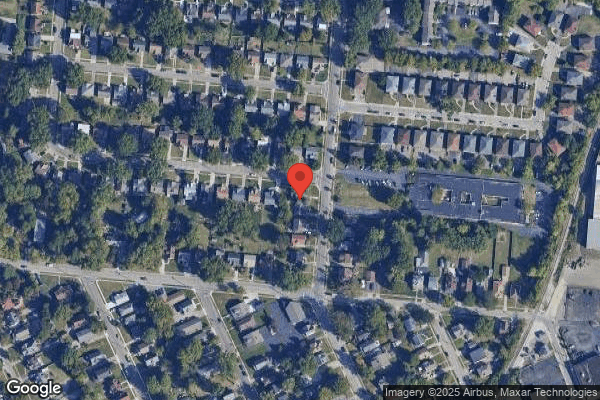

6922 OHIO AVENUE, CINCINNATI, OH 45236 (513) 793-2090
For profit - Partnership 98 Beds Independent Data: November 2025 1 Immediate Jeopardy citation
Trust Grade
26/100
#831 of 913 in OH
Last Inspection: April 2023

Over 2 years since last inspection. Current conditions may differ from available data.

Overview

Astoria Place of Silverton has received a Trust Grade of F, indicating significant concerns and a poor quality of care. Ranking #831 out of 913 facilities in Ohio places them in the bottom half, and at #64 of 70 in Hamilton County, it is one of the least favorable options available. While the facility is improving, decreasing from 15 issues in 2024 to 5 in 2025, it still reported serious deficiencies, including a disturbing incident where staff physically restrained and slapped a cognitively impaired resident. Staffing is a bright spot, with a turnover rate of 0%, which is well below the state average; however, the facility has less RN coverage than 82% of Ohio facilities, which is concerning. Additionally, there are issues with cleanliness, as inspectors found unsanitary conditions in the kitchen and unsafe environments due to missing or broken handrails, affecting the safety and well-being of residents.

Trust Score
F
26/100
In Ohio
#831/913
Bottom 9%
Safety Record
High Risk
Review needed
Inspections
Getting Better
15 → 5 violations
Staff Stability
○ Average
Turnover data not reported for this facility.
Penalties
✓ Good
$15,887 in fines. Lower than most Ohio facilities. Relatively clean record.
Skilled Nurses
⚠ Watch
Each resident gets only 21 minutes of Registered Nurse (RN) attention daily — below average for Ohio. Fewer RN minutes means fewer trained eyes watching for problems.
Violations
⚠ Watch
59 deficiencies on record. Higher than average. Multiple issues found across inspections.
★☆☆☆☆
1.0
Overall Rating
★☆☆☆☆
1.0
Staff Levels
★★★★☆
4.0
Care Quality
★☆☆☆☆
1.0
Inspection Score
Stable
2024: 15 issues
2025: 5 issues

The Good

  • 4-Star Quality Measures · Strong clinical quality outcomes
  • Full Sprinkler Coverage · Fire safety systems throughout facility
  • No fines on record

Facility shows strength in quality measures, fire safety.

The Bad

1-Star Overall Rating

Below Ohio average (3.2)

Significant quality concerns identified by CMS

Federal Fines: $15,887

Below median ($33,413)

Minor penalties assessed

The Ugly 59 deficiencies on record

1 life-threatening
Jul 2025 4 deficiencies
CONCERN (D) 📢 Someone Reported This

A family member, employee, or ombudsman was alarmed enough to file a formal complaint

Potential for Harm - no one hurt, but risky conditions existed

Accident Prevention (Tag F0689)

Could have caused harm · This affected 1 resident

**NOTE- TERMS IN BRACKETS HAVE BEEN EDITED TO PROTECT CONFIDENTIALITY** Based on record review, staff interview, and review of facility policy, the facility failed to ensure care and services to preve...

Read full inspector narrative →
**NOTE- TERMS IN BRACKETS HAVE BEEN EDITED TO PROTECT CONFIDENTIALITY** Based on record review, staff interview, and review of facility policy, the facility failed to ensure care and services to prevent falls were implemented timely and appropriately. This affected one resident (#13) of 23 residents reviewed for falls. The facility census was 71. Record review for Resident #13 revealed the resident was admitted to the facility on [DATE] and had diagnoses which included Alzheimer's disease, dementia with behavioral disturbances, and hypertension. Review of the facility Fall Risk Assessment, dated 04/15/25, revealed the resident was assessed to be at moderate risk for falls. Review of the facility incident log revealed Resident #13 experienced a fall in the facility on 05/10/25. Review of the plan of care for Resident #13 revealed a plan of care and interventions to reduce the risk of falls had not been implemented for the resident until 05/14/25, four days after the resident experienced a fall at the facility. Interview with Minimum Data Set (MDS) Nurse #390 on 07/08/25 at 3:08 P.M. confirmed a plan of care to include interventions to prevent falls should be implemented for all residents assessed to be at risk for falls. Interview with MDS Nurse #390 on 07/09/25 at 9:30 A.M. confirmed a plan of care and interventions to prevent falls had not been implemented for Resident #13 until 05/14/25, four days after the resident fell while residing in the facility. Review of the facility policy titled Fall Policy, reviewed on 01/01/25, revealed all residents will receive adequate supervision, assistance, and assistive devices to prevent falls. Each resident will be evaluated for safety risks, including falls and accidents. Care plans will be created and implemented based on the individual's risk factors to aid in preventing falls. This deficiency represents non-compliance investigated under Complaint Numbers 1308974, 1308976, and 1308977.
CONCERN (D) 📢 Someone Reported This

A family member, employee, or ombudsman was alarmed enough to file a formal complaint

Potential for Harm - no one hurt, but risky conditions existed

Infection Control (Tag F0880)

Could have caused harm · This affected 1 resident

**NOTE- TERMS IN BRACKETS HAVE BEEN EDITED TO PROTECT CONFIDENTIALITY** Based on record review, observation, interview and review of the medication administration policy the facility failed to provide...

Read full inspector narrative →
**NOTE- TERMS IN BRACKETS HAVE BEEN EDITED TO PROTECT CONFIDENTIALITY** Based on record review, observation, interview and review of the medication administration policy the facility failed to provide medications while adhering to proper infection control procedures during administration. This affected one resident (Resident #53) out of three observed during medication administration. The facility census was 71.Findings include:Record review of Resident #53 revealed this resident was admitted to the facility on [DATE] with the following medical diagnoses: Alzheimer's disease, seizures, depression, dysphagia, supraventricular tachycardia, atrial fibrillation, and benign prostatic hyperplagia. Review of the Minimum Data Set(MDS) assessment completed on 06/05/25 revealed this resident had minimal cognitive impairments. Review of Physician Orders revealed this resident was receiving the following medications observed during administration: Vitamin B12 100 milligrams (mg) 1 tablet, Zinc 50 mg 1 tablet, Sertraline 50 mg 1 tablet, Multivitamin 1 tablet, Folic Acid 800 mg 1 tablet, Flecainide Acetate 100 mg 1 tablet, Diazepam 120 mg 1 tablet, and Carbazepine 200 mg 1 tablet during the morning administration. Observation of medication administration for Resident #53 on 07/08/25 at 7:50 A.M. revealed all medications were prepared by Medication Tech #770. All medications were collected from their individual packaging by the preparer with the use of bare hands into the medication cup for administration. Hand washing was not completed prior to or following administration. Interview with Medication Tech #770 on 07/08/25 at 7:50 A.M. verified she had handled all eight medications with her bare hands, and also verified she did not wash her hands prior to or following administration to Resident #53. She stated she should not have touched the medications to put them in the medication cup. Review of the Medication Administration Policy revised on 01/01/25 revealed hand hygiene is to be performed prior to handling any medication. The policy also states if a medication becomes contaminated or compromised, the medication is discarded.
CONCERN (F) 📢 Someone Reported This

A family member, employee, or ombudsman was alarmed enough to file a formal complaint

Potential for Harm - no one hurt, but risky conditions existed

Food Safety (Tag F0812)

Could have caused harm · This affected most or all residents

Based on observation and interview, the facility failed to ensure the kitchen was maintained in a clean and sanitary manner. This had the potential to affect 70 out of 71 residents in the facility. On...

Read full inspector narrative →
Based on observation and interview, the facility failed to ensure the kitchen was maintained in a clean and sanitary manner. This had the potential to affect 70 out of 71 residents in the facility. One resident (#67) was unable to consume food from the kitchen per diet order. The census was 71.Observation on 07/07/25 at 10:15 A.M. of the kitchen revealed the floor of the walk-in refrigerator had a pooling of water with a brownish tint. Interview on 07/07/25 at 10:15 A.M. with Dietary Manager (DM) #710 verified the pooling of water on the floor in the walk-in refrigerator. DM #710 stated she was newer to the position and had no information regarding the issue in the walk-in refrigerator. This deficiency represents non-compliance investigated under Complaint Number 1308977.
CONCERN (F) 📢 Someone Reported This

A family member, employee, or ombudsman was alarmed enough to file a formal complaint

Potential for Harm - no one hurt, but risky conditions existed

Safe Environment (Tag F0921)

Could have caused harm · This affected most or all residents

**NOTE- TERMS IN BRACKETS HAVE BEEN EDITED TO PROTECT CONFIDENTIALITY** Based on record review, observations, staff interviews, and policy review, the facility failed to maintain a clean, safe, and ho...

Read full inspector narrative →
**NOTE- TERMS IN BRACKETS HAVE BEEN EDITED TO PROTECT CONFIDENTIALITY** Based on record review, observations, staff interviews, and policy review, the facility failed to maintain a clean, safe, and homelike environment. This affected one resident (#72) and had the potential to affect all residents residing in the facility. The census was 71.Findings include:1. Observation on 07/07/25 at 8:24 A.M. revealed an area of the handrail on the 200 hall was missing. There was a wooden box between the two sections of handrail that was half-way secured to the wall. At the time of the observation, Maintenance Director (MD) #990 verified the missing section of handrail. MD #990 stated there was a water fountain that was removed from the wall, and the wooden box contained some plumbing parts. MD #990 expressed the plan was to remove the plumbing parts and replace the handrail. 2. Observation on 07/07/25 at 9:55 A.M. revealed a broken handrail on the 400 hall. The front portion of the handrail was cracked and separated from the rest of the handrail and had a sharp edge, which was verified by State Tested Nursing Assistant (STNA) #440 at 9:57 A.M. on 07/07/25. 3. Observation on 07/07/25 at 9:58 A.M. of the ceiling tiles in the hallway where the shower room is located revealed several ceiling tiles had multiple brown stains and black spots, which were confirmed by Human Resources Director #680 at the time of the observation. 4. Observation on 07/07/25 at 10:02 A.M. on the secured unit revealed several ceiling tiles near the door to the unit were cracked with various brown and black spots, which were verified by Registered Nurse (RN) #105 when observed. 5. Observation on 07/07/25 at 10:11 A.M. on the 300 hall revealed blankets on the floor that were folded up and pressed against the bottom of a ventilation unit. There was also a puddle of water near the blankets, and brownish water coming up from under the flooring. These observations were verified on 07/07/25 at 10:12 A.M. by Activities Staff #530. 6. Observation on 07/07/25 at 2:39 P.M. of the shower room revealed a blue shower chair that was broken and leaned back. STNA #220 verified the shower chair was broken and still being used. 7. Observation on 07/09/25 at 8:17 A.M. of the shower room revealed black discoloration between the tiles on the shower wall. The outer edge of the shower frame was cracked and missing pieces. There was also a hole in the ceiling of the shower room near the toilet. These observations were verified at the time of the observations with Housekeeping Staff #175. 8. Review of the medical for Resident #72 revealed an admission date of 07/07/23. Diagnoses included congestive heart failure, lobar pneumonia, acute kidney failure, type two diabetes mellitus without complications, chronic obstructive pulmonary disease, anxiety disorder, major depressive disorder, and schizophrenia. Review of the quarterly Minimum Data Set (MDS) assessment dated [DATE] revealed Resident #72 was cognitively intact and was assessed to require partial/moderate assistance with toileting and bathing, supervision with personal hygiene and transfer, and was independent with eating, oral hygiene, dressing, and bed mobility. Observation on 07/09/25 at 9:11 A.M. in Resident #72's room revealed the edge of the column of wall between the closet and dresser was missing pieces. A piece of material had been screwed into the wall to cover some of the missing wall but there were still areas of the wall that were rough and missing. Interview on 07/09/25 at 9:15 A.M. with RN #145 verified the wall was missing drywall. Observation on 07/09/25 at 9:16 A.M. in Resident #72's room revealed the edge of the wall near the door frame was breaking off, and the flooring outside of the room was missing a section. These observations were verified on 07/09/25 at 9:17 A.M. by Housekeeping Staff #780. Review of the facility policy titled Safe, Clean, Comfortable Homelike Environment, reviewed 01/01/25, revealed it was the policy of the facility to provide a safe, clean, comfortable homelike environment for residents.This deficiency represents non-compliance investigated under Complaint Numbers 1308974, 1308976, and 1308977.
Apr 2025 1 deficiency
CONCERN (D) 📢 Someone Reported This

A family member, employee, or ombudsman was alarmed enough to file a formal complaint

Potential for Harm - no one hurt, but risky conditions existed

Deficiency F0569 (Tag F0569)

Could have caused harm · This affected 1 resident

**NOTE- TERMS IN BRACKETS HAVE BEEN EDITED TO PROTECT CONFIDENTIALITY** Based on record review, family interview, staff interview, and policy review, the facility failed to provide evidence of a refun...

Read full inspector narrative →
**NOTE- TERMS IN BRACKETS HAVE BEEN EDITED TO PROTECT CONFIDENTIALITY** Based on record review, family interview, staff interview, and policy review, the facility failed to provide evidence of a refund being issued within thirty days of discharge. This affected one (110) of the two residents reviewed for personal accounts. The facility census was 59. Findings include: Review of the medical record of Resident #110 revealed an admission date of 06/26/24. The resident passed away in the facility on 08/12/24. Diagnoses included lung cancer and depression. Review of the quarterly Minimum Data Set (MDS) assessment dated [DATE] revealed Resident #110 had moderately impaired cognition. The resident required partial/moderate assistance with activities of daily living (ADLs). Interview on 04/07/25 at 3:54 P.M., Resident #110's daughter stated she had not received a refund from the funds paid in advance for August 2024. Resident #110's daughter stated she had reached out to the facility multiple times and had not received any answers as to why she had not been refunded approximately $3900.00 Resident #110's daughter stated she had set-up mail to be forwarded from the resident's former address to her current address in December and, prior to December, she was still receiving mail at the resident's former address. Review of a billing statement dated 04/07/25 revealed on 08/01/24, a payment of $7595.00 was posted to Resident #110's account. On 08/01/24, the resident was billed $2585.00 for room and board for 08/01/24 - 08/11/24. On 09/30/24, a payment of $4145.00 was issued and the account had a zero balance. Interview on 04/08/25 at 1:57 P.M., Business Office Manager (BOM) #320 stated Resident #110's daughter contacted her in October 2024 and she forwarded the request to the corporate office. BOM #320 stated Resident #110's daughter contacted her several more times and, when she was unable to get it resolved, she notified the Administrator of the concern. BOM #320 stated she was not aware Resident #110's daughter had not been paid yet as she had not called her in over a month. Interview on 04/07/25 at 2:32 P.M., the Administrator stated she was alerted to the concern and forwarded the information to the corporate level. The Administrator stated she was still waiting for a resolution at the corporate level. Interview on 04/07/25 at 2:49 P.M., Director of Operations (DO) #315 stated a new company had recently taken over to manage their billing and stated the refund must have fallen between the cracks. DO #315 stated there was no documented evidence of a payment being issued to Resident #110's daughter and, now that he was aware, he would make sure the payment was issued. Review of the facility policy titled, Refunds, dated 04/2017, revealed, within thirty days of a resident's discharge or death, the facility would refund the resident's funds and provide a final accounting of those funds to the resident or representative. If the resident passes away, the facility would refund to the resident or representative any charges already paid, less the facility's per diem rate, for the days the resident actually resided in the facility. This deficiency represents non-compliance investigated under Complaint Number OH00163787.
Sept 2024 2 deficiencies
CONCERN (D) 📢 Someone Reported This

A family member, employee, or ombudsman was alarmed enough to file a formal complaint

Potential for Harm - no one hurt, but risky conditions existed

Transfer Requirements (Tag F0622)

Could have caused harm · This affected 1 resident

**NOTE- TERMS IN BRACKETS HAVE BEEN EDITED TO PROTECT CONFIDENTIALITY** Based on medical record review, staff interviews, and policy review, the facility failed to allow a resident to remain in the fa...

Read full inspector narrative →
**NOTE- TERMS IN BRACKETS HAVE BEEN EDITED TO PROTECT CONFIDENTIALITY** Based on medical record review, staff interviews, and policy review, the facility failed to allow a resident to remain in the facility and not transfer or discharge the resident without justification and proper documentation. This affected one (#61) resident out of three residents reviewed for transfer and discharge. The facility census was 53. Findings include: Review of the closed medical record for Resident #61 revealed an admission date of 05/27/21 and a discharge date of 08/20/24. Diagnoses included unspecified psychosis not due to a substance or known physiological condition, vascular dementia, unspecified severity, without behavioral disturbance, psychotic disturbance, mood disturbance, and anxiety, anxiety disorder, bipolar disorder, and alcohol use, unspecified with alcohol-induced persisting dementia. Review of the quarterly Minimum Data Set (MDS) assessment, dated 07/01/24, revealed Resident #61 had moderately impaired cognition. Resident #61 was assessed to be independent for eating, oral hygiene, toileting, bathing, dressing, personal hygiene, bed mobility, and transfer. Review of the progress notes from 07/01/24 to 08/20/24 revealed no documentation related to discussion of transfer or discharge with Resident #61's guardian. Review of the incomplete Discharge summary dated [DATE] revealed Resident #61 was discharged to another nursing home. The summary indicated the reason for discharge was being incompatible with other residents on unit. Interview on 09/10/24 at 5:47 P.M. via telephone with Resident #61's guardian revealed he had not been involved in the discharge process. Resident #61's guardian stated the facility contacted him and informed him of concerns with Resident #61's behaviors, and he believed the facility did not want Resident #61 to remain a resident there. Resident #61's guardian reported he was unaware Resident #61 was being transferred to another facility until he was called to meet with staff and Resident #61 at the proposed new facility because Resident #61 had refused to stay. Resident #61's guardian also revealed that Resident #61 was returned to the facility and was ultimately transferred to another facility days later. Interview on 09/11/24 at 11:38 A.M. with the Director of Nursing (DON) revealed Resident #61's behaviors had escalated, and the decision was made after speaking with the guardian to transfer Resident #61 for safety reasons. Interview on 09/11/24 at 12:29 P.M. with the Administrator revealed multiple conversations occurred with the guardian regarding Resident #61's desire to leave the facility. The Administrator stated the guardian was advised that alternate placement would be needed if Resident #61 wished to leave the facility. Interview on 09/11/24 at 2:33 P.M. with the Administrator verified the lack of documentation regarding Resident #61's transfer. Review of the policy titled Resident Transfer and Discharge, dated 04/01/22, revealed all transfers or discharges must be documented in the medical record. This deficiency represents non-compliance investigated under Complaint Number OH00156824.
CONCERN (D) 📢 Someone Reported This

A family member, employee, or ombudsman was alarmed enough to file a formal complaint

Potential for Harm - no one hurt, but risky conditions existed

Transfer Notice (Tag F0623)

Could have caused harm · This affected 1 resident

**NOTE- TERMS IN BRACKETS HAVE BEEN EDITED TO PROTECT CONFIDENTIALITY** Based on medical record review, staff interviews, and policy review, the facility failed to give proper notice before a transfer...

Read full inspector narrative →
**NOTE- TERMS IN BRACKETS HAVE BEEN EDITED TO PROTECT CONFIDENTIALITY** Based on medical record review, staff interviews, and policy review, the facility failed to give proper notice before a transfer or discharge. This affected one (#61) resident out of three residents reviewed for transfer and discharge. The facility census was 53. Findings include: Review of the closed medical record for Resident #61 revealed an admission date of 05/27/21 and a discharge date of 08/20/24. Diagnoses included unspecified psychosis not due to a substance or known physiological condition, vascular dementia, unspecified severity, without behavioral disturbance, psychotic disturbance, mood disturbance, and anxiety, anxiety disorder, bipolar disorder, and alcohol use, unspecified with alcohol-induced persisting dementia. Review of the quarterly Minimum Data Set (MDS) assessment, dated 07/01/24, revealed Resident #61 had moderately impaired cognition. Resident #61 was assessed to be independent for eating, oral hygiene, toileting, bathing, dressing, personal hygiene, bed mobility, and transfer. Review of the progress notes from 07/01/24 to 08/20/24 revealed no documentation related to discussion of transfer or discharge with Resident #61's guardian. Review of the incomplete Discharge summary dated [DATE] revealed Resident #61 was discharged to another nursing home. The summary indicated the reason for discharge was being incompatible with other residents on unit. Interview on 09/10/24 at 5:47 P.M. via telephone with Resident #61's guardian revealed he had not been involved in the discharge process. Resident #61's guardian stated the facility contacted him and informed him of concerns with Resident #61's behaviors, and he believed the facility did not want Resident #61 to remain a resident there. Resident #61's guardian reported he was unaware Resident #61 was being transferred to another facility until he was called to meet with staff and Resident #61 at the proposed new facility because Resident #61 had refused to stay. Resident #61's guardian also revealed that Resident #61 was returned to the facility and was ultimately transferred to another facility days later. Interview on 09/11/24 at 11:38 A.M. with the Director of Nursing (DON) revealed Resident #61's behaviors had escalated, and the decision was made after speaking with the guardian to transfer Resident #61 for safety reasons. Interview on 09/11/24 at 12:29 P.M. with the Administrator revealed multiple conversations occurred with the guardian regarding Resident #61's desire to leave the facility. The Administrator stated the guardian was advised that alternate placement would be needed if Resident #61 wished to leave the facility. Interview on 09/11/24 at 2:33 P.M. with the Administrator verified the lack of documentation regarding Resident #61's transfer. The Administrator stated Resident #61 was not given a formal discharge notice because the guardian had agreed with the transfer. Review of the policy titled Resident Transfer and Discharge, dated 04/01/22, revealed before the facility transfers or discharges a resident, the facility would provide a written notice that notified the resident and the resident's representative of the transfer or discharge and the reasons for the move, and record the reasons for the transfer or discharge in the resident's medical record. This deficiency represents non-compliance investigated under Complaint Number OH00156824.
Jul 2024 2 deficiencies
CONCERN (D) 📢 Someone Reported This

A family member, employee, or ombudsman was alarmed enough to file a formal complaint

Potential for Harm - no one hurt, but risky conditions existed

Medical Records (Tag F0842)

Could have caused harm · This affected 1 resident

Based on medical record review, staff interview, and review of the facility policy, the facility failed to accurately and timely document resident wound treatments. This affected one (Resident #48) re...

Read full inspector narrative →
Based on medical record review, staff interview, and review of the facility policy, the facility failed to accurately and timely document resident wound treatments. This affected one (Resident #48) resident of three residents reviewed for treatments. The facility census was 55 residents. Findings include: Review of the medical record for Resident #48 revealed an admission date of 02/08/24 with diagnoses including chronic obstructive pulmonary disease (COPD), cellulitis, lymphedema, and type two diabetes mellitus. Review of the care plan for Resident #48 dated 02/15/24 revealed the resident had actual impairment to skin integrity. Interventions included staff were to perform wound treatments with documentation to include measurements, type of tissue, and any exudate noted. Review of the Minimum Data Set (MDS) assessment for Resident #48 dated 05/17/24 revealed the resident had intact cognition and required supervision with bathing. Review of the physician's orders for Resident #48 revealed an order dated 06/04/24 to cleanse the bilateral lower extremities (BLE) with normal saline, apply Eucerin ointment to BLE, wrap with kerlix and ACE wraps in the morning. Review of the Treatment Administration Record (TAR) for Resident #48 dated June 2024 revealed the treatment was not documented as completed on the following dates: 06/07/24, 06/08/24, 06/09/24, 06/10/24, 06/11/24, 06/12/24, 06/13/24, 06/14/24, 06/16/24, 06/19/24, 06/21/24, 06/25/24. Interview on 06/27/24 at 10:23 A.M. with the Director of Nursing (DON) confirmed Resident #48's treatment to her legs was not signed off as completed in the TAR on multiple dates in June 2024: 06/07/24, 06/08/24, 06/09/24, 06/10/24, 06/11/24, 06/12/24, 06/13/24, 06/14/24, 06/16/24, 06/19/24, 06/21/24, 06/25/24. The DON further confirmed nurses were required to document completion of treatments in the TAR. Interview on 06/27/24 at 11:31 A.M. with Licensed Practical Nurse (LPN) #25 confirmed she completed the treatments for Resident #48 as ordered but did not document completion in the resident's TAR on the following dates: 06/07/24, 06/08/24, 06/09/24, 06/12/24, 06/13/24, 06/14/24. Interview on 06/27/24 at 11:36 A.M. with Registered Nurse (RN) #32 confirmed completed the treatments for Resident #48 as ordered but did not document completion in the resident's TAR on the following dates: 06/10/24, 06/11/24, 06/19/24. Interview on 06/27/24 at 11:40 A.M. with RN #33 confirmed completed the treatments for Resident #48 as ordered but did not document completion in the resident's TAR on the following dates: 06/21/24, 06/24/24. Review of the facility policy titled Charting and Documentation dated 04/01/22 revealed all services provided to the resident, or any changes in the resident's medical or mental condition, should be documented in the resident's medical record. Observations, medications administered, services performed, etc., would be documented in the resident's clinical records.
CONCERN (F) 📢 Someone Reported This

A family member, employee, or ombudsman was alarmed enough to file a formal complaint

Potential for Harm - no one hurt, but risky conditions existed

Deficiency F0804 (Tag F0804)

Could have caused harm · This affected most or all residents

Based on review of the facility menu, observation, resident interview, staff interview, and review of the facility policy, the facility failed to provide palatable food to meet resident nutritional ne...

Read full inspector narrative →
Based on review of the facility menu, observation, resident interview, staff interview, and review of the facility policy, the facility failed to provide palatable food to meet resident nutritional needs. This had the potential to affect all residents residing in the facility. The facility census was 55 residents. Findings include: Review of the menu for lunch dated 06/27/24 revealed the menu items included the following: creamy Maryland chicken with mushroom sauce, egg noodles, yellow squash, chilled peach, choice of cold beverage. Observation on 06/27/24 at 11:44 A.M. of the test tray revealed the meal included creamy Maryland chicken with mushroom sauce, penne noodles, yellow squash, and peaches. The squash was sliced and green in color and was mushy to the touch with no taste or flavoring. The creamy Maryland chicken had pieces of cut up chicken breast in a crem sauce over noodles. There was a hard substance which appeared to be a chicken bone mixed in with the sauce and pieces of chicken. The chicken dish was bland and had no flavor. Observations on 06/27/24 from 11:50 A.M. through 12:24 P.M. of the lunch meal revealed residents consumed very little of the lunch meal. Interviews on 06/27/24 from 11:50 A.M. through 12:24 P.M. with Resident #36, #37, #44, #45, #48, and #52 confirmed the vegetables were soggy and distasteful. Further resident interviews confirmed the entree did not look appealing and they ordered substitute items. Interview on 06/27/24 at 11:55 A.M. with Dietary Manager (DM) #50 confirmed the squash and zucchini were mushy, and this happened frequently when they cooked it. DM #50 confirmed he wanted to remove this item from the menu and give the residents a better option. Review of a policy titled Food Preparation and Service undated revealed food and nutrition services employees prepared and serve food in a manner that complied with safe food handling practices. This deficiency represents noncompliance investigated under Complaint Number OH00155100.
May 2024 4 deficiencies
CONCERN (D) 📢 Someone Reported This

A family member, employee, or ombudsman was alarmed enough to file a formal complaint

Potential for Harm - no one hurt, but risky conditions existed

Transfer Notice (Tag F0623)

Could have caused harm · This affected 1 resident

**NOTE- TERMS IN BRACKETS HAVE BEEN EDITED TO PROTECT CONFIDENTIALITY** Based on record review, staff interviews, and review of the facility policy, the facility failed to ensure a written discharge n...

Read full inspector narrative →
**NOTE- TERMS IN BRACKETS HAVE BEEN EDITED TO PROTECT CONFIDENTIALITY** Based on record review, staff interviews, and review of the facility policy, the facility failed to ensure a written discharge notice with provision of the discharge was provided to resident upon discharge to the community. This affected one resident (#56) out of three residents reviewed. The facility census was 53. Findings include: Record review for Resident #56 revealed the resident was admitted on [DATE] and discharged on 05/14/24. His diagnoses included, spondylosis, chronic obstructive pulmonary disease, coronary artery dissection, major depressive disorder, insomnia, hypertension, and alcohol abuse. Review of the quarterly Minimum Data Set (MDS) assessment dated [DATE] for Resident #56, revealed the resident was cognitively intact. Resident #56 was dependent on facility staff for medication administration and independent with all other activities of daily living. Review of the nursing progress notes for Resident #56 dated 05/14/24 at 4:12 P.M. revealed the resident was discharged to a local hotel's address with all of his personal belongings, a courtesy bag, a list of medications and the resident reported an understanding of discharge instructions. The progress notes revealed no documented evidence of a written discharge notice with provision of the discharge being provided to resident upon discharge to the community or a discharge appeal being offered to the resident. Interview with the Social Service Designee (SSD) #128 on 05/29/24 at 10:26 A.M., revealed Resident #56 discharged to a local hotel on 05/14/24 and the facility agreed to pay for seven days at the hotel. SSD #128 stated she was on vacation when Resident #56 discharged on 05/14/24, however, prior to her leave, she referred Resident #56 to a program that could help with finding an apartment but there was nothing set up. SSD #128 verified there was no documented evidence of a discharge summary for Resident #56 and no documented evidence of a written discharge notice with provision of the discharge being provided to resident upon discharge to the community or a discharge appeal being offered to the resident. Interview with the Administrator and Director of Nursing (DON) on 05/29/24 at 10:45 A.M. revealed Resident #56's discharge was initiated due to the resident wanting to sign himself out all the time and stay with a friend. The Administrator stated they also learned of Resident #56 being listed as a sexual offender on 05/14/24. The Administrator indicated the facility discharged the resident on 05/14/24 and paid for a hotel room for seven days. The DON reported the resident was given a list of his medications upon discharge. The DON reported Resident #56's physician was aware of the discharge and stated the resident was ready for discharge. The DON verified the facility had no documented evidence of a discharge summary in the medical record and no documented evidence of a written discharge notice with provision of the discharge being provided to resident upon discharge to the community or a discharge appeal being offered to the resident. Interview with the Medical Director (MD) #500 on 05/29/24 at 4:44 P.M. revealed he was advised Resident #56 was ready to be discharged on 05/14/24 and was not aware of the resident being discharged due to being a sexual offender. Review of the facility policy titled, Transfer or Discharge Documentation, dated December 2016 confirmed when a resident is transferred or discharged it will be documented in the medical record and the resident will be provided with a copy of the discharge summary. The resident has the right to appeal the discharge and if a resident appeals a discharge notice, the resident will not be transferred or discharged while the appeal is pending. This deficiency represents non-compliance investigated under Master Complaint Number OH00154263.
CONCERN (D) 📢 Someone Reported This

A family member, employee, or ombudsman was alarmed enough to file a formal complaint

Potential for Harm - no one hurt, but risky conditions existed

Deficiency F0624 (Tag F0624)

Could have caused harm · This affected 1 resident

**NOTE- TERMS IN BRACKETS HAVE BEEN EDITED TO PROTECT CONFIDENTIALITY** Based on record review, staff interviews, and review of the facility policy, the facility failed to ensure a safe and orderly di...

Read full inspector narrative →
**NOTE- TERMS IN BRACKETS HAVE BEEN EDITED TO PROTECT CONFIDENTIALITY** Based on record review, staff interviews, and review of the facility policy, the facility failed to ensure a safe and orderly discharge. This affected one resident (#56) out of three residents reviewed. The facility census was 53. Findings include: Record review for Resident #56 revealed the resident was admitted on [DATE] and discharged on 05/14/24. His diagnoses included, spondylosis, chronic obstructive pulmonary disease, coronary artery dissection, major depressive disorder, insomnia, hypertension, and alcohol abuse. Review of the quarterly Minimum Data Set (MDS) assessment dated [DATE] for Resident #56, revealed the resident was cognitively intact. Resident #56 was dependent on facility staff for medication administration and independent with all other activities of daily living. Review of the nursing progress notes for Resident #56 dated 05/14/24 at 4:12 P.M. revealed the resident was discharged to a local hotel's address with all of his personal belongings, a courtesy bag, a list of medications and the resident reported an understanding of discharge instructions. The progress notes revealed no documented evidence of any follow-up services being set for the resident. Interview with the Social Service Designee (SSD) #128 on 05/29/24 at 10:26 A.M. revealed Resident #56 discharged to a local hotel on 05/14/24 and the facility agreed to pay for seven days at the hotel. SSD #128 stated she was on vacation when Resident #56 discharged on 05/14/24, however, prior to her leave, she referred Resident #56 to a program that could help with finding an apartment but there was nothing set up. SSD #128 verified there was no documented evidence of a discharge summary for Resident #56 and no documented evidence of any follow up services being initiated for Resident #56 at the time of discharge. Interview with the Administrator and Director of Nursing (DON) on 05/29/24 at 10:45 A.M. revealed Resident #56's discharge was initiated due to the resident wanting to sign himself out all the time and stay with a friend. The Administrator stated they also learned of Resident #56 being listed as a sexual offender on 05/14/24. The Administrator indicated the facility discharged the resident on 05/14/24 and paid for a hotel room for seven days. The DON reported the resident was given a list of his medications upon discharge. The DON reported Resident #56's physician was aware of the discharge and stated the resident was ready for discharge. The DON verified the facility had no documented evidence of a discharge summary in the medical record and no evidence of a discharge summary being provided to the resident. Interview with the Medical Director (MD) #500 on 05/29/24 at 4:44 P.M. revealed he was advised Resident #56 was ready to be discharged on 05/14/24 and was not aware of the resident being discharged due to being a sexual offender. A subsequent interview with the Administrator on 05/29/24 at 5:22 P.M. revealed the facility learned of Resident #56's sexual offender status from his Case Manager. The Administrator provided an email thread, and it was dated 05/14/24. The email thread discussed Resident #56 could not be part of the placement program because he was a registered sex offender in [NAME] County, Ohio and the case manager provided the verification. The Administrator stated the facility utilized the national sexual offender listing and not the local one. The Administrator stated once they learned of Resident #56's sexual offender status, they discharged him to a local hotel and paid for his room for seven days. She indicated the facility did notify other residents and their representatives. Review of facility policy titled admission Criteria revealed all new admission are to be screened through the Dru [NAME] National Sex Offender Public Website. Review of the facility policy titled, Transfer or Discharge Documentation, dated December 2016 confirmed when a resident is transferred or discharged it will be documented in the medical record and appropriate information will be communicated to the receiving provider. When a resident is discharged from the facility, the following information should be documented in the medical chart, the basis for discharge, the date and time of discharge, the new location address, the mode of transpiration, a summary of the resident's mental, physical, and mental condition, and dispositions of medications. This deficiency represents non-compliance investigated under Master Complaint Number OH00154263.
CONCERN (D) 📢 Someone Reported This

A family member, employee, or ombudsman was alarmed enough to file a formal complaint

Potential for Harm - no one hurt, but risky conditions existed

Safe Environment (Tag F0921)

Could have caused harm · This affected 1 resident

**NOTE- TERMS IN BRACKETS HAVE BEEN EDITED TO PROTECT CONFIDENTIALITY** Based on record review, observation, staff interviews, and review of facility policy, the facility failed to provide a clean, sa...

Read full inspector narrative →
**NOTE- TERMS IN BRACKETS HAVE BEEN EDITED TO PROTECT CONFIDENTIALITY** Based on record review, observation, staff interviews, and review of facility policy, the facility failed to provide a clean, safe, and sanitary environment. This directly affected three residents (#14, #25, and #42) but had the potential to affect all 18 residents (#01, #02, #03, #04, #05, #06, #07, #08, #09, #10, #11, #12, #13, #14, #15, #16, #25 and #42) who resided on the memory care unit. The facility census was 53. Findings include: 1) Record review for Resident #14 revealed he was admitted to the facility on [DATE]. Diagnoses included multiple sclerosis, chronic respiratory failure with hypercapnia, diabetes mellitus (DM)2, Alzheimer's disease, depression, insomnia, and anxiety disorder. Review of Resident #14's most recent Minimum Data Set (MDS) assessment dated [DATE], revealed Resident #14 had impaired cognition. Observation of Resident #14's room on 05/29/24 at 11:20 A.M. revealed the following: a. The cove base around the outside of the bathroom wall was hanging off the wall. b. There was white drywall mud splatter all along the wall. c. The resident was sitting on the side of his bed and there was a large brownish/red stain on the resident's bed sheet. d. There was an unknown brown liquid substance in the floor around the resident's bed and black smudges/stains throughout the floor. e. A metal electric box with four receptacles that had been removed from the wall and sitting on the floor near the unknown brown liquid all over the floor. f. The metal base board heater in the resident's bathroom was rusted and rust was hanging from the heater. Interview with Resident #14 on 05/29/24 at 11:25 A.M. revealed the large unknown brown liquid substance had been in the floor for two days and he had requested for the staff to clean his room. An interview with Licensed Practical Nurse (LPN) #126 on 05/29/24 at 11:39 A.M. verified the condition of Resident #14's room. 2) Record review for Resident #25 revealed she was admitted to the facility on [DATE]. Diagnoses included osteoarthritis, schizoaffective disorder, anemia, post-traumatic stress disorder (PTSD), bipolar disorder, and conversion disorder. Review of the most recent MDS assessment revealed Resident #25 was cognitively intact. Observation of Resident #25's room on 05/29/24 at 3:20 P.M. with Maintenance Supervisor (MS) #169 revealed a large crack in the resident's wall that ran the entire length of her wall and a large crack under the window with the peeling, exposed drywall. MS #169 verified the condition of Resident #25's room. 3) Record review for Resident #42 revealed she was admitted to the facility on [DATE]. Diagnoses included, hemiplegia, hemiparasite, diabetes mellitus, morbid obesity, bradycardia, and anemia. Review of the most recent MDS assessment dated [DATE], revealed Resident #42 had impaired cognition. Observation of Resident #42's room on 05/29/24 at 11:40 P.M. revealed the walls had areas of damaged drywall and black marks. Interview with Resident #42 at the same time indicated had been damaged for a while. Interview with MS #169 on 05/29/24 at 3:20 P.M. verified the condition of Resident #42's walls. 4) Observation of the Memory Care Unit shower room on 05/29/24 at 3:18 P.M. with MS #169 revealed the shower room contained a large, white, chunky substance on top of the shower room tile floor, a black fuzzy substance throughout the tile grout, the overhead light was not working, there were missing ceiling tiles, the toilet was missing the tank and the main floor and the floor in the shower had uneven edges. MS #169 stated confirmed the condition of the resident's shower room. MS #169 stated the white substance on the floor was floor leveler. Review of facility policy titled Quality of Life -Homelike Environment revealed the residents are provided with the safe, clean. Comfortable and homelike environment.
CONCERN (F) 📢 Someone Reported This

A family member, employee, or ombudsman was alarmed enough to file a formal complaint

Potential for Harm - no one hurt, but risky conditions existed

Deficiency F0925 (Tag F0925)

Could have caused harm · This affected most or all residents

Based on observation, staff interviews, record review and review of facility policy, the facility failed to maintain an effective pest control program. This had the potential to affect all 53 resident...

Read full inspector narrative →
Based on observation, staff interviews, record review and review of facility policy, the facility failed to maintain an effective pest control program. This had the potential to affect all 53 residents who resided at the facility. The facility census was 53. Findings include: Interview on 05/29/24 at 4:00 P.M. with Resident #35 revealed the facility has had an on-going issue with various bugs. Resident #35 stated she observed several bugs in her room recently. Interview with Resident #42 on 05/29/24 at 11:40 P.M. revealed she has observed various bugs in her room recently. An interview with an unknown Visitor #51 on 05/29/24 at 11:22 A.M. revealed she was very upset with the conditions of the facility. Visitor #51 took out her phone and showed Surveyor several pictures of large bugs she had observed in the facility. Interview with Resident #47 on 05/29/24 at 11:28 A.M. revealed she had large bugs in her room. Observed at the same time revealed a dead, large, black hard-shelled bug approximately one inch inside her door frame and a live one underneath the resident's sink. Resident #47 stated she just kills them as she sees them. Interview with Activity Director (AD) #78 on 05/29/24 11:30 A.M. verified the bugs inside Resident #47's room. When AD #78 opened Resident #47's bathroom door, there were three large bugs crawling around the base of the toilet. Interview with Housekeeper (HK) #64 on 05/29/24 at 4:12 P.M. revealed she had observed bugs in the resident's rooms while cleaning. Observation at the same time with HK #64, revealed a large, brown, hard-shelled bug crawling in the hallway near Resident #20's room. Interview with State Tested Nurse Aide (STNA) #88 on 05/29/24 at 4:18 P.M. revealed the facility has had an ongoing issue with several types of pests throughout the facility. STNA #88 stated the residents have voiced concerns related to the pest control. Interview with the Administrator on 05/29/24 at 5:22 P.M. revealed the facility has had an ongoing issue with large water bugs for several months and reported the pest control procedures currently in place were not effective. Review of the facility policy titled, Pest Control, dated May 2008, confirmed the facility will maintain an effective pest control program to ensure the facility is kept free of pests and rodents.
Apr 2024 1 deficiency
CONCERN (D) 📢 Someone Reported This

A family member, employee, or ombudsman was alarmed enough to file a formal complaint

Potential for Harm - no one hurt, but risky conditions existed

Infection Control (Tag F0880)

Could have caused harm · This affected 1 resident

Based on record review, observations, staff interviews and policy review, the facility staff failed to perform hand washing/hand hygiene after providing incontinence care and before applying barrier c...

Read full inspector narrative →
Based on record review, observations, staff interviews and policy review, the facility staff failed to perform hand washing/hand hygiene after providing incontinence care and before applying barrier cream, repositioning, and clothing adjustments. This affected two (#4 and #26) of three residents review for incontinence care. The facility census was 52. Findings include: 1. Review of Resident #26's medical record revealed an admission date of 01/16/24. Diagnoses included hemiplegia and hemiparesis following cerebral infarction affecting left non-dominant side, excoriation (skin-picking) disorder, and functional urinary incontinence. Review of the Minimum Data Set (MDS) for Resident #26, dated 03/13/24, revealed the resident was cognitively intact, required partial assistance with toileting hygiene and personal hygiene. Review of the physician's orders for Resident #26 revealed an order dated 01/16/24 to apply barrier cream as needed. Observation of incontinence care on 04/29/24 at 10:00 A.M., on Resident #26, was provided by State Tested Nursing Assistant (STNA) #256. Observation revealed STNA #256 washed her hands, donned gloves, prepare two trash bags, performed peri care on Resident #26 using a clean section of the washcloth for each labia and down the middle, threw the washcloth in one of the trash bags, rolled resident over and performed peri care to resident's bottom, which contained a large amount of stool, and threw the soiled wash clothes in the trash bag. STNA #256 then applied barrier cream, a new incontinence brief; repositioned the resident; and covered the resident up with a sheet. STNA #256 then proceeded to remove her gloves, washed her hands, picked up the bag of dirty linen, the trash and exited the room. Interview on 04/29/24 at 10:15 A.M. with STNA #256 confirmed she did not change her gloves after performing peri care on Resident #26. Interview also confirmed STNA #256 continued wearing her soiled gloves when she applied barrier cream, a clean incontinence brief, repositioning, and covered Resident #26 up with a sheet. 2. Review of Resident #4's medical record revealed an admit date of 04/20/18. Diagnoses included Parkinson's disease without dyskinesia, with fluctuations, need for assistance with personal care, irritant contact dermatitis due to friction or contact with body fluids, and other sites of candidiasis. Review of the MDS for Resident #4 dated 04/05/24, revealed the resident had moderate cognitive impairment, required partial assistance with personal hygiene and was dependent with toileting hygiene. Review of the physician orders for Resident #4 revealed an order for barrier cream after each incontinence episode dated 12/21/23. Observation of incontinence care on 04/29/24 at 11:32 A.M., on Resident #4 was provided by STNA #235 and STNA #248. Observation revealed STNA #235 and STNA #248 washed their hands and donned gloves. STNA #235 and STNA #248 removed the urine-soaked incontinence brief of Resident #4 and threw it in a trash bag. STNA #248 used a clean washcloth with soap and water and washed the Resident #4's posterior peri area and applied barrier cream. Resident #4 rolled to her back. STNA #235 used a clean washcloth with soap and water and cleansed the Resident #4's anterior peri area, using a clean section of the washcloth with each swipe down the Resident #4's labia. Peri area rinse, dried with washcloth and new incontinence brief applied. STNA #235 applied barrier cream to resident's abdominal folds, and to peri area. Both STNA #235 and #248 repositioned Resident #4, straightened her clothes, and covered the resident up with a bed sheet. Both STNA #235 and #248 then proceeded to remove their gloves, washed their hands, and took the resident's trash from the room. Interview on 04/29/24 at 11:38 A.M., with STNA #235 and STNA #248 confirmed they did not change their gloves after performing peri care on Resident #4. Interview confirmed STNA #235 and #248 continued using the soiled gloves on Resident #4 while applying clean incontinence brief, barrier cream, repositioning, straightening Resident #4's clothes, and covering Resident #4 up with her sheet. Review of the policy titled, Hand Hygiene/Handwashing, dated 05/17/22, revealed Hand Hygiene means cleaning your hands by using either handwashing (washing hands with soap and water), antiseptic hand wash, or antiseptic hand rub (i.e. alcohol-based hand sanitizer including foam or gel). Examples of When to Perform Hand Hygiene (Either Alcohol Based Hand Sanitizer or Handwashing): Before and after having direct contact with a patient's intact skin (taking a pulse or blood pressure, performing physical examinations, lifting the patient in bed); After contact with blood, body fluids or excretions, mucous membranes, non-intact skin, or wound dressings; After contact with inanimate objects (including medical equipment) in the immediate vicinity of the patient; If hands will be moving from a contaminated-body site to a clean-body site during patient care; After glove removal; and After using a restroom (may use alcohol-based sanitizer if soap and water are not available or hands are not visibly soiled). This deficiency represents non-compliance investigated under Complaint Number OH00152686.
Mar 2024 1 deficiency
CONCERN (E) 📢 Someone Reported This

A family member, employee, or ombudsman was alarmed enough to file a formal complaint

Potential for Harm - no one hurt, but risky conditions existed

Safe Environment (Tag F0584)

Could have caused harm · This affected multiple residents

**NOTE- TERMS IN BRACKETS HAVE BEEN EDITED TO PROTECT CONFIDENTIALITY** Based on observations, staff and resident interviews, and policy review, the facility failed to ensure the residents were provid...

Read full inspector narrative →
**NOTE- TERMS IN BRACKETS HAVE BEEN EDITED TO PROTECT CONFIDENTIALITY** Based on observations, staff and resident interviews, and policy review, the facility failed to ensure the residents were provided a clean, functional, homelike environment. This affected two residents (#37 and #40) and had the potential to affect 34 residents (#18, #19, #20, #21, #22, #23, #24, #25, #26, #27, #28, #29, #30, #31, #32, #33, #34, #35, #36, #38, #39, #41, #42, #43, #44, #45, #46, #47, #48, #49, #50, #51, #52, and #53) of 53 residents residing in the facility. Findings include: Observation was conducted in the facility on 03/28/24 from 8:42 A.M. to 9:10 A.M. revealed: • The 100-hall outside of room [ROOM NUMBER] had bugs and dust in the ceiling light. Outside of room [ROOM NUMBER], there were bugs and dust in the ceiling lights and the shield was broken. Outside of rooms [ROOM NUMBER], there were bugs, dust, and lights burned out. Throughout the 100-hallway, the walls and handrails had scuff marks. On the entrance to the 100-hall, there was a missing strip of flooring. • The bathroom on the 100-hall revealed around the toilet, there was a thick yellow substance and the wall tiles along the bottom of the floor in front of the right side of the toilet were caving into the wall, making a hole. The paper towel holder was hanging off of the wall on the left side, and the light bulb was burned out on one half of the light on the wall. • The 200-hall dining room had two lights in the middle of the ceiling that the bulbs were burned out. There were seven lights in the dining area that were dirty with dust and bugs in the lights. Outside of rooms 201, 203, 204, 206, 209, 210, and 211, there was lights burned out and the lights have bugs and dust inside of them. Throughout the 200-hallway, the walls and handrails had scuff marks. • The 300-hall, as you enter the unit had a light in the ceiling that the bulbs were burned out. The next five lights had dust and bugs inside the light protectors. Outside of room [ROOM NUMBER] and 305, the ceiling lights had dust and bugs inside of them. Throughout the 300-hallway, the walls and handrails had scuff marks. • Outside the rehabilitation department, there was a light that had dust and bugs in it and bulbs that were burned out. There was a ceiling tile that was broken. • The 400-hall had a ceiling light without a shield on the bulbs, the ceiling light had bulbs that were burned out. At the end of the hall, the ceiling was sagging. Outside of room [ROOM NUMBER], there was a broken ceiling light. Outside of room [ROOM NUMBER], the ceiling tile had stains on it. • Outside of the business office, there was a ceiling light that was burned out. There was also a water fountain that no longer works that was dusty and hanging off of one side of the wall. Subsequent observation of Resident #40's and interview with Resident #40 on 03/28/24 at 11:18 A.M. revealed the handwashing sink had rust inside the bowl and on top of it. The window sill in the bedroom was full of a black substance in both sides of the window. The floor in the bathroom has black substance on it and the ceiling and the walls were peeling paint. There was a yellow substance splashes underneath the sink. There was an old heater in the bathroom that was rusted on top and the bottom and dark substance on it. The wall baseboard was coming away from the wall, a punch in the wall in the corner, plaster was coming off under the sink, the walls were peeling paint and scuff marks by the television down at the bottom of the folding doors of the closet was with a black substance along the bottom, and the hand rails in the room were coming off the wall and scuffed up badly. The resident thought her room was 'disgusting' especially under the sink where it looked like dried food or feces. Observation of Resident #37's room and interview with Resident #37 on 03/28/24 at 12:06 P.M. revealed the handwashing sink had rust inside the bowl and on top of it. The windowsill in the bedroom was full of a black substance in both sides of the window. The floor in the bathroom has black substance on it and the ceiling was peeling paint and the walls too. There were cobwebs in the corner next to the bed. There was an old heater in the bathroom that was rusted on top, and the bottom and dark substance on it. The resident stated the room was like this when he moved in and he didn't think it looked nice and said it was dirty. Observation and interview with the Maintenance Director (MD) #135 on 03/28/24 at 1:42 P.M. confirmed the environmental problems on the 100-hall and the 100-hall bathroom, the 200-hall and dining room, the 300-hall, 400-hall, rehabilitation room, and business office. MD #135 also verified the environmental findings in Resident #40 and #37's room. Review of the facility policy titled Quality of Life-Homelike Environment, dated 05/01/17, revealed residents are provided with a safe, clean, comfortable and homelike environment and encouraged to use their personal belongings to the extent possible. Comfortable and adequate lighting is provided in all areas of the facility to promote a safe, comfortable and homelike environment. The lighting design emphasizes: sufficient general lighting in resident-use areas; task lighting as needed; and even light levels. This deficiency represents non-compliance investigated under Master Complaint Number OH00151698.
Feb 2024 3 deficiencies
CONCERN (E) 📢 Someone Reported This

A family member, employee, or ombudsman was alarmed enough to file a formal complaint

Potential for Harm - no one hurt, but risky conditions existed

Safe Environment (Tag F0584)

Could have caused harm · This affected multiple residents

**NOTE- TERMS IN BRACKETS HAVE BEEN EDITED TO PROTECT CONFIDENTIALITY** Based on observation, record review and staff interview, the facility failed to provide a comfortable, safe, and homelike enviro...

Read full inspector narrative →
**NOTE- TERMS IN BRACKETS HAVE BEEN EDITED TO PROTECT CONFIDENTIALITY** Based on observation, record review and staff interview, the facility failed to provide a comfortable, safe, and homelike environment by ensuring the residents had water. This affected 23 (#01, #03, #05, #07, #10, #12 #14, #16, #19, #24, #27, #29, #32, #33, #34, #37, #38, #39, #40, #44, #45, #46 and #52) of the 54 residents who resided at the facility. Findings include: Review of Resident #05's chart revealed Resident #05 admitted to the facility on [DATE] with diagnoses including hemiplegia and hemiparesis following cerebral infarction affecting right dominant side, unspecified dementia unspecified severity without behavioral disturbance, psychotic disturbance, mood disturbance or anxiety, anemia, muscle weakness and dysphagia. Review of Resident #05's quarterly Minimum Data Set (MDS) assessment dated [DATE] revealed the resident was severely cognitively impaired. Resident #05 was dependent on staff for oral hygiene, toileting, showering, personal hygiene, and transfers. Review of Resident #07's chart revealed Resident #07 admitted to the facility on [DATE] with diagnoses including hemiplegia and hemiparesis following cerebral infarction affecting right dominant side, chronic obstructive pulmonary disease, type two diabetes mellitus, muscle weakness, chronic atrial fibrillation, aphasia following unspecified cerebrovascular disease, asthma, cellulitis of the right toe, corns and callosities, nail dystrophy, and bradycardia. Review of Resident #07's quarterly MDS assessment dated [DATE] revealed the resident was moderately cognitively impaired. Resident #07 was dependent on staff for toileting, chair transfers, showers and personal hygiene. Interview on 02/07/24 at 9:35 A.M. with Housekeeper #42 revealed the water temperatures were cold in the facility. Interview on 02/07/24 at 9:37 A.M. with Registered Nurse (RN) #66 revealed the center unit was the only unit with hot water in the facility. RN #66 stated all other units did not have hot water. Interview with Resident #07 on 02/07/24 at 9:39 A.M. revealed the water temperatures in the facility were cold and she wanted a warm shower. Interview on 02/07/24 at 9:46 A.M. with Resident #05 revealed the water temperatures in the facility were cold. Interview on 02/07/24 at 9:50 A.M. with RN #45 revealed the facility did not have any hot water to wash his hands. Interview on 02/07/24 at 9:52 A.M. with Resident #23 revealed he took a shower Sunday and the shower water fluctuated between being hot and being cold. Interview on 02/07/24 at 9:56 A.M. with Resident #47 revealed the water temperature in the facility fluctuated between being hot and being cold. Observation of water temperatures on the 400 unit with Maintenance Director #72 on 02/07/24 at 10:51 A.M. revealed the following: • Resident #05's room water temperature was 55 degrees Fahrenheit with no water pressure. • Resident #07's room water temperature was 69 degrees Fahrenheit with no water pressure. • Residents #33 and #34's room water temperature was 69 degrees Fahrenheit. • The secured unit shower room was 74 degrees Fahrenheit and immediately went to 65 degrees Fahrenheit, and the middle shower room did not have running water in the sink or shower. Observation of water temperatures on the 200 unit with Maintenance Director #72 on 02/07/24 at 11:00 A.M. revealed the following: • Residents #11 and #47's room water temperature was 81 degrees Fahrenheit. • The 200-unit front center shower room was 79 degrees Fahrenheit. Interview with Maintenance Director #72 on 02/07/24 at 10:51 A.M. verified the aforementioned Residents room water temperatures and the middle shower room did not have running water in the sink or shower. Telephone interview with Plumbing Contractor #800 on 02/07/24 at 11:43 A.M. revealed the plumbing contractor was notified that one of the facility's two boilers had malfunctioned on 01/28/24. Plumbing Contractor #800 stated the company came to the facility on [DATE] to look at the boiler and provided an estimate to the facility on [DATE] for a new boiler. Plumbing Contractor #800 confirmed the facility sent the contractor a check for the new boiler of 02/05/24 and it was ordered and was expected to arrive at the end of the week. Telephone interview with Admissions Director #63 on 02/07/24 at 12:48 P.M. revealed she took the temperatures on 01/29/24 but she only took temperatures of the front center shower room and the 200 hallway because the boiler was not working for other areas of the facility and the water temperatures were cold. Admissions Director #63 stated that she was made aware that the boiler was not working on 01/28/24. Admissions Director #63 reported residents that resided in the impacted rooms were taking showers in the front shower rooms and staff were going into empty rooms and getting basins of hot water. Interview on 02/07/24 at 1:59 P.M. with State Tested Nurse Aide (STNA) #05 revealed all the water was cold in the facility. Interview with the Administrator on 02/08/24 at 3:50 P.M. revealed all residents on the side where the boiler was not functioning received showers on the unit where the functioning boiler was located, and no showers were impacted by the boiler being out. The Administrator reported one of the facility's two boilers that provided hot water went out on 01/28/24. The Administrator reported the facility had to get different quotes before a replacement boiler could be ordered and installed. The Administrator reported the facility sent a check to the contractor on 02/05/24 for the new boiler; however, did not have a time frame of when the new boiler would be installed. Review of email correspondence from the Administrator dated 02/07/24 at 4:39 P.M. revealed 23 Residents (#01, #03, #05, #07, #10, #12 #14, #16, #19, #24, #27, #29, #32, #33, #34, #37, #38, #39, #40, #44, #45, #46 and #52) were in rooms affected by the boiler not functioning. Review of the facility's plumbing proposal dated 01/29/24 revealed the total price for the boiler replacement was $19,620 dollars. The proposal was accepted on 02/05/24 by the Administrator. Review of the facility's check to the plumbing contractor dated 02/05/24 revealed the facility paid the plumbing contractor $19,620 dollars. Review of the facility's safety of water temperatures policy dated December 2009 revealed water heaters that service resident rooms, bathrooms, common areas and shower areas shall be set to temperatures of no more than 120 degrees Fahrenheit or the maximum allowable temperature per state regulation. Review of the facility policy titled Quality of Life - Homelike Environment revealed residents are provided a safe, clean, comfortable and homelike environment. This deficiency represents non-compliance investigated under Complaint Number OH00150761.
CONCERN (E) 📢 Someone Reported This

A family member, employee, or ombudsman was alarmed enough to file a formal complaint

Potential for Harm - no one hurt, but risky conditions existed

Room Equipment (Tag F0908)

Could have caused harm · This affected multiple residents

**NOTE- TERMS IN BRACKETS HAVE BEEN EDITED TO PROTECT CONFIDENTIALITY** Based on observations, resident and staff interviews and review of facility policy, the facility failed to maintain essential eq...

Read full inspector narrative →
**NOTE- TERMS IN BRACKETS HAVE BEEN EDITED TO PROTECT CONFIDENTIALITY** Based on observations, resident and staff interviews and review of facility policy, the facility failed to maintain essential equipment to provide hot water to the residents. This directly affected 23 (#01, #03, #05, #07, #10, #12 #14, #16, #19, #24, #27, #29, #32, #33, #34, #34, #34, #37, #38, #39, #40, #44, #46 and #52) of the 54 residents reviewed for safe and comfortable hot water temperatures. This also had the potential to affect all 54 residents who resided in the facility. Findings include: Interview on 02/07/24 at 9:35 A.M. with Housekeeper #42 revealed the water was cold in the facility. Interview on 02/07/24 at 9:37 A.M. with Registered Nurse (RN) #66 revealed the center unit was the only unit with hot water in the facility. RN #66 stated all other units did not have hot water. Interview with Resident #07 on 02/07/24 at 9:39 A.M. revealed the water at the facility was cold and she wanted a warm shower. Interview on 02/07/24 at 9:46 A.M. with Resident #05 revealed the water in the facility was cold when she took a shower. Interview on 02/07/24 at 9:50 A.M. with RN #45 revealed the facility did not have any hot water. Interview on 02/07/24 at 9:52 A.M. with Resident #23 revealed he took a shower Sunday and the shower water fluctuated between being hot and being cold. Interview on 02/07/24 at 9:56 A.M. with Resident #47 revealed the water temperature in the facility fluctuated between being hot and being cold. An interview with the Administrator on 02/07/24 at 10:13 A.M. revealed one of the facility's two boilers went out on 01/28/24 but staff were taking residents to the front center shower room because the water temperature was in range in that shower room. Observation of water temperatures on the 400 unit with Maintenance Director #72 on 02/07/24 at 10:51 A.M. revealed the following: • Resident #05's room water temperature was 55 degrees Fahrenheit with no water pressure. • Resident #07's room water temperature was 69 degrees Fahrenheit with no water pressure. • Residents #43 and #15's room water temperature was 89 degrees Fahrenheit. • Resident #26's room water temperature was 64 degrees Fahrenheit. • Residents #33 and #34's room water temperature was 69 degrees Fahrenheit. • The secured unit shower room was 74 degrees Fahrenheit and immediately went to 65 degrees Fahrenheit, and the middle shower room did not have running water in the sink or shower. Observation of water temperatures on the 200 unit with Maintenance Director #72 on 02/07/24 at 11:00 A.M. revealed the following: • Residents #11 and #47's room water temperature was 81 degrees Fahrenheit. • Resident #41's room water temperature was 103 degrees Fahrenheit. • The 200-unit front center shower room was 79 degrees Fahrenheit. Observation of water temperatures on the 300 unit with Maintenance Director #72 on 02/07/24 at 11:05 A.M. revealed the following: • Resident #08 and room water temperature was 70 degrees Fahrenheit. • Resident #48's room water temperature was 70 degrees Fahrenheit. Observation of water temperatures in the kitchen with Maintenance Director #72 on 02/07/24 at 11:10 A.M. revealed the handwashing sink in the kitchen was 72 degrees Fahrenheit, the dishwasher was at 71 degrees Fahrenheit for the wash and the rinse cycles, and the three-compartment sink water was 87 degrees Fahrenheit. Telephone interview with Plumbing Contractor #800 on 02/07/24 at 11:43 A.M. revealed the plumbing contractor was notified that one of the facility's two boilers had malfunctioned on 01/28/24. Plumbing Contractor #800 stated the company came to the facility on [DATE] to look at the boiler and provided an estimate to the facility on [DATE] for a new boiler. Plumbing Contractor #800 confirmed the facility sent the contractor a check for the new boiler of 02/05/24 and it was ordered and was expected to arrive at the end of the week. Telephone interview with Admissions Director #63 on 02/07/24 at 12:48 P.M. revealed she took the water temperatures on 01/29/24 but she only took water temperatures of the front center shower room and the 200 hallway because the boiler was not working for other areas of the facility and the water temperatures were cold. Admissions Director #63 stated that she was made aware that the boiler was not working on 01/28/24. Admissions Director #63 reported residents that resided in the impacted rooms were taking showers in the front shower rooms and staff were going into empty rooms and getting basins of hot water. Interview on 02/07/24 at 1:59 P.M. with State Tested Nurse Aide (STNA) #05 revealed all the water was cold in the facility. Review of email correspondence from the Administrator dated 02/07/24 at 4:39 P.M. revealed 23 Residents (#01, #03, #05, #07, #10, #12 #14, #16, #19, #24, #27, #29, #32, #33, #34, #37, #38, #39, #40, #44, #45, #46 and #52) were in rooms that did not have hot water due to the malfunctioning boiler. Interview with outside Heating Ventilation Air Conditioning (HVAC) contractor Staff #801, #802 and #803 on 02/08/24 at 10:00 A.M. revealed they were not contracted to do the facility's routine maintenance on the boiler system; however, they were trying to get the facility to contract with them to do the routine HVAC maintenance. Outside contractor Staff #801, #802 and #803 indicated the facility's boiler system should have routine maintenance scheduled yearly as part a preventative maintenance plan. Outside contractor Staff #801, #802 and #803 indicated they were contracted to install a new boiler system to regain hot water on the side of the building that was not getting hot water. Interview with the Administrator on 02/08/24 at 3:50 P.M. revealed the facility had to get different quotes before a replacement boiler could be ordered and installed. The Administrator reported the facility sent a check to the contractor on 02/05/24 for the new boiler; however, did not have a time frame of when the new boiler would be installed. The Administrator verified the facility had no documented evidence of any routine or preventative maintenance on the boiler system. Review of routine maintenance on the facility's boiler from 02/07/23 to 02/08/24 revealed no documented evidence the facility's boiler system had any routine maintenance on the boiler system or when the last routine maintenance was performed. Review of the water temperature logs from 01/29/24 through 02/08/24 revealed the boiler was down for 400 unit and part of the 100 unit and not water temperatures were tested. Review of the State of Ohio Department of Commerce inspection report dated 01/11/24 revealed the flow sensing device was leaking and must be replaced with an approved type and size by a qualified repair concern. Review of the plumbing contractor finished work order dated 01/17/24 revealed the flow switch was replaced and hot water was running to the dishwasher and sink at 120 degrees Fahrenheit. Review of the plumbing contractor work invoice dated 01/25/24 revealed the contractor went to the kitchen to check the hot water. The sink had hot water and it was 120 degrees Fahrenheit. The boiler was working properly at that time. Review of the facility's plumbing proposal dated 01/29/24 revealed the total price for the boiler replacement was $19,620.00 dollars. The proposal was accepted on 02/05/24 by the Administrator. Review of the facility's check to the plumbing contractor dated 02/05/24 revealed the facility paid the plumbing contractor $19,620.00 dollars for the new boiler. Review of the facility's safety of water temperatures policy dated December 2009 revealed water heaters that service resident rooms, bathrooms, common areas and shower areas shall be set to temperatures of no more than 120 degrees Fahrenheit or the maximum allowable temperature per state regulation. This deficiency represents non-compliance investigated under Complaint Number OH00150761.
CONCERN (F) 📢 Someone Reported This

A family member, employee, or ombudsman was alarmed enough to file a formal complaint

Potential for Harm - no one hurt, but risky conditions existed

Food Safety (Tag F0812)

Could have caused harm · This affected most or all residents

Based on observations, record review and staff interviews, the facility failed to ensure the dishwasher temperature and water temperatures in the kitchen were maintained in manner to promote kitchen s...

Read full inspector narrative →
Based on observations, record review and staff interviews, the facility failed to ensure the dishwasher temperature and water temperatures in the kitchen were maintained in manner to promote kitchen sanitation. This affected 54 of the 54 residents who the facility identified as receiving food from the kitchen. The facility census was 54. Findings include: Observation of Maintenance Director #72 taking water temperatures in the facility on 02/07/24 at 10:51 A.M. revealed the handwashing sink in the kitchen was 72 degrees Fahrenheit, the dishwasher registered 71 degrees Fahrenheit for the wash and rinse, and the three-compartment sink was 87 degrees Fahrenheit. Dietary Aide #13 was actively washing pans in the three-compartment sink. Interview with Maintenance Director #72 on 02/07/24 at 10:51 A.M. verified the handwashing sink in the kitchen was 72 degrees Fahrenheit, the dishwasher registered 71 degrees Fahrenheit for the wash and rinse, and the three-compartment sink was 87 degrees Fahrenheit. Maintenance Director #72 also verified Dietary Aide #13 was actively washing pans in the three-compartment sink. Maintenance Director ##72 reported the dishwasher was a low temperature /chemical dishwasher and the temperatures should be at minimum 120 degrees Fahrenheit for wash and 150 degrees Fahrenheit for the wash cycle. Observation of the facility's kitchen on 02/07/24 at 2:00 P.M. revealed Dietary Aide #13 was running lunch dishes through the dishwasher. The dishwasher wash and rinse registered 70 degrees Fahrenheit. The chemical was approximately 150 parts per million (ppm). Interview on 02/07/24 at 2:00 P.M. with Dietary Aide #13 verified she was running lunch dishes in the dishwasher and the dishwasher wash and rinse were 70 degrees Fahrenheit. Interview on 02/07/24 at 2:00 P.M. with Dietary Manager #16 verified Dietary Aide #13 was running lunch dishes in the dishwasher and the dishwasher wash and rinse were 70 degrees Fahrenheit and the chemical was approximately 150 parts per million. Review of the dishwasher temperature log dated 02/07/24 revealed the breakfast dishwasher wash and rinse temperature were 85 degrees Fahrenheit and the lunch dishwasher wash and rinse temperature were 85 degrees Fahrenheit. Review of the sanitation policy dated October 2009 revealed the dishwasher temperature for a low temperature dishwasher should be 120 degrees Fahrenheit for the wash and a final rinse with 50 parts per million hypochlorite for at least ten seconds. This deficiency represents non-compliance investigated under Complaint Number OH00150761. This deficiency is an example of continued non-compliance from the survey dated 01/04/24.
Jan 2024 2 deficiencies 1 IJ
CRITICAL (J) 📢 Someone Reported This

A family member, employee, or ombudsman was alarmed enough to file a formal complaint

Immediate Jeopardy (IJ) - the most serious Medicare violation

Free from Abuse/Neglect (Tag F0600)

Someone could have died · This affected 1 resident

**NOTE- TERMS IN BRACKETS HAVE BEEN EDITED TO PROTECT CONFIDENTIALITY** THE FOLLOWING DEFICIENCY REPRESENTS AN INCIDENT OF PAST NON-COMPLIANCE THAT WAS SUBSEQUENTLY CORRECTED PRIOR TO THIS SURVEY Bas...

Read full inspector narrative →
**NOTE- TERMS IN BRACKETS HAVE BEEN EDITED TO PROTECT CONFIDENTIALITY** THE FOLLOWING DEFICIENCY REPRESENTS AN INCIDENT OF PAST NON-COMPLIANCE THAT WAS SUBSEQUENTLY CORRECTED PRIOR TO THIS SURVEY Based on medical record review, review of a Self-Reported Incident (SRI), staff interviews, review of employee timeclock punch reports, review of the local police report, review of witness statements, review of an employee personnel file and facility policy review, the facility failed to ensure one cognitively impaired resident (#20) was free from physical abuse by facility staff. This resulted in Immediate Jeopardy and the potential for serious physical injuries and psychosocial harm for Resident #20 when on 12/10/23, State Tested Nursing Assistant (STNA) #800 was witnessed by Activities Aide #400 to physically restrain Resident #20 in his wheelchair and then slapped the resident on the left side of his head/face causing the resident's glasses to fall off and the lenses came out of the frame. This affected one (#20) of three residents reviewed for abuse. The facility census was 62. On 12/27/23 at 3:53 P.M., the Administrator, and the Director of Nursing (DON) were notified that Immediate Jeopardy began on 12/10/23 at approximately 12:10 P.M., when Activities Aide #400 revealed she was playing cards with residents in the dining room of the men's secured unit on 12/10/23 when she heard Resident #20 and STNA #800 arguing because Resident #20 wanted to go to his room and STNA #800 did not want Resident #20 to go to his room. Activities Aide #400 stated she heard Resident #20 say do not hit me so she got up and saw STNA #800 restraining Resident #20 in his wheelchair. Activities Aide #400 stated STNA #800 was holding Resident #20 by his upper arm and then he slapped him on the left side of his head with his right hand. Activities Aide #400 stated Resident #20's glasses fell off his face and onto the floor. Activities Aide #400 reported Resident #20 as not trying to hit STNA #800 and his wheelchair was in the middle of the hallway. Activities Aide #400 stated she got in the middle of Resident #20 and STNA #800 upon witnessing the incident. Activities Aide #400 reported Resident #20 stated did you see him slap me? after the incident. Activities Aide #400 reported she called her supervisor and notified Registered Nurse (RN) Supervisor #27 in person of the incident. Although the Immediate Jeopardy was removed on 12/11/23, the facility remained out of compliance at Severity Level 2 (no actual harm with potential for more than minimal harm that is not Immediate Jeopardy) until the deficiency was corrected on 12/20/23 when the facility implemented the following corrective actions: • On 12/10/23 at 12:10 P.M., Activity Aide #400 witnessed STNA #800 restrain and slap Resident #20 on the left side of his head causing the resident's glasses to fall off and the lens popped out. Activity Aide #400 separated STNA #800 and Resident #20 immediately. • On 12/10/23 at 12:15 P.M., RN Supervisor #27 escorted STNA #800 to the timeclock and then off the premises. • On 12/10/23 at approximately 12:30 P.M., neurological (neuro) checks were initiated for Resident #20 and continued for five days. No issues were identified. • On 12/10/23 at 12:45 P.M., the DON arrived at the facility to begin the investigation. • On 12/10/23 at 12:57 P.M., an SRI was created by the Administrator off-site. The SRI for staff to resident abuse was completed on 12/15/23 at 11:36 A.M. and was substantiated. • On 12/10/23 at 1:00 P.M., the DON interviewed Resident #20 about the incident and the Administrator was on speaker phone during the interview. Resident #20 stated it was not pretty; I was trying to do one thing and he wanted me to do another; he took a shot at me and knocked my glasses off. • On 12/10/23 at 1:10 P.M., the DON completed a skin assessment, pain assessment and a psychosocial assessment on Resident #20 with no concerns noted. • On 12/10/23 at 1:15 P.M., Resident #20's wife/power-of-attorney (POA) was notified of the abuse incident. The resident's wife chose not to press any charges on STNA #800. Resident #20's wife wanted STNA #800 removed from the facility permanently. • On 12/10/23 at 1:20 P.M., the Police Department arrived at the building to interview Activity Aide #400, Resident #20, and Resident #20's wife. Due to the relationship between STNA #800 and Resident #20, the offense would be increased to a felony of the fourth degree. Both Resident #20 and his wife declined prosecution against STNA #800. The Police Officer advised both Resident #20 and his wife that if they changed their mind about pursuing charges, to call the Police Department and the case could be reopened. • On 12/10/23 at 1:30 P.M., the DON interviewed 18 out of 18 residents on the back unit (men's secured unit) to ensure they felt safe in the facility and if they specifically had any issues with STNA #800 and no concerns were identified. • On 12/10/23 at 1:30 P.M., the DON collected a witness statement from Activities Aide #400. • On 12/10/23 at 1:40 P.M., 57 out of 57 current residents were interviewed to ensure they felt safe in the facility and if they specifically had any issues with STNA #800 and no concerns were noted. Skin assessments were completed on all like residents (men's secured unit) by the DON. • On 12/10/23 at approximately 3:00 P.M, Medical Director (MD) #500 was contacted and notified of the incident and there were no new orders received. Nurse Practitioner (NP) #501 saw Resident #20 on 12/20/23 and there were no new orders. • On 12/11/23 at 8:30 A.M., 80 out of 80 facility staff members were in-serviced on the facility abuse policy via in-person and via text messages. All text messages were received and did not bounce back to the sender. • On 12/11/23 at 8:30 A.M., the facility implemented audits to ensure the residents felt safe at the facility. The audits were to occur three times weekly for four weeks. Any resident who did not feel safe or feels abused will have an SRI filed immediately. • On 12/11/23 at 8:30 A.M., the facility implemented audits for testing employee knowledge of the facility's abuse policy. Audits were to occur three times weekly for four weeks. Any employee who answered the abuse policy questions incorrectly would be re-educated immediately by the Administrator/Designee. • On 12/11/23 at approximately 11:00 A.M., Crisis Prevention Intervention (CPI) training was scheduled for the staff and the training will take place on 01/08/23 at 9:00 A.M. as an ongoing effort to prevent abuse in facility. • On 12/11/23 at 11:30 A.M., the abuse policy was reviewed by the Interdisciplinary Team (IDT) and no changes were made. • On 12/11/23 at 1:00 P.M., Social Worker (SW) #63 and Minimum Data Set (MDS)/Licensed Practical Nurse (LPN) #48 met with Resident #20 and no issues were identified. SW #63 made a referral to counseling for a follow-up since Resident #20 was already an established patient/resident. • On 12/11/23, SW #63 implemented follow-ups with Resident #20 daily for four weeks and a referral was made for counseling for a follow-up since the resident was already an established resident/patient. • On 12/11/23 at 3:30 P.M., abuse rounds were started by the DON. Abuse rounds consisted of interviewing all of the residents to ensure they feel safe in their home and to ensure they have not experienced any abuse. This is an ongoing process the facility participates in. • On 12/13/23 at 1:00 P.M., Counseling Source Counselor #502 saw Resident #20 post-incident with no concerns noted. • On 12/18/23 at approximately 8:00 A.M., STNA #800 was reported to the Nurse Aide Registry by the Administrator. The Registry contact person stated that the facility's substantiated SRI would automatically trigger an investigation into STNA #800's license. • On 12/20/23 at 12:00 P.M., a secondary abuse in-service for 80 out of 80 employees was completed with an abuse post-test. No issues were identified. • On 12/20/23 at 1:00 P.M., an Ad HOC Quality Assurance Performance Improvement (QAPI) meeting was held to discuss the abuse in-service and ongoing interventions. The managers in attendance included the Administrator, the DON, LPN #48, Human Resources #08, SW #63, Business Office Manager (BOM) #55, and Activities Director (AD) #46. MD #500 attended by phone and was unavailable to be on-site. On 01/10/24, the QAPI team will meet again to review the results of the audits. • On 12/27/23, review of the facility's audits by the surveyor completed on 12/11/23, 12/13/23, 12/15/23, 12/16/23, 12/18/23, 12/19/23, 12/21/23, and 12/22/23, 12/24/23, 12/25/23, and 12/26/23 revealed the audits were conducted as reported and no issues were identified. • On 12/27/23 from 9:00 A.M. to 2:00 P.M., interviews with LPN #62, STNA #12, STNA #53, and Housekeeper #70 revealed they had recently received education on abuse and were knowledgeable about what abuse was, what to do if they witnessed abuse occurring, and who to report abuse allegations too. • On 12/27/23 and 12/28/23, review of the medical records for Residents (#16, #21 and #23) reviewed for abuse, revealed no concerns related to abuse of a resident. Proper assessments, care plans and appropriate interventions were noted in the medical records of the residents. Findings include: Review of the medical record for Resident #20 revealed the resident was admitted to the facility on [DATE]. Diagnoses included multiple sclerosis (MS), chronic respiratory failure with hypercapnia, chronic obstructive pulmonary disease (COPD), dysphagia, Alzheimer's disease, paraplegia, unspecified dementia unspecified severity with other behavioral disturbance, muscle weakness, hypertension, anxiety disorder, mood disorder and polyneuropathy. Review of the dementia care plan dated 10/16/23 for Resident #20 revealed the resident had a history of poor impulse control and harming others at his previous facility. Interventions included administer medications as ordered, assess and address for contributing sensory deficits, assess and anticipate the resident's needs, provide physical and verbal cues to alleviate anxiety, give the resident as many choices as possible about care and activities, place the resident on one-on-one (1:1), monitor and report changes as needed, and the resident to reside on a locked unit. Review of the quarterly MDS 3.0 assessment dated [DATE] for Resident #20 revealed the resident was severely cognitively impaired and used a manual wheelchair. Resident #20 was not assessed to have any behaviors. Review of STNA #800's time punch dated 12/10/23 revealed STNA #800 worked from 6:48 A.M. to 12:19 P.M. on that date. Review of the staff schedule dated 12/10/23 revealed STNA #800 was scheduled to work on the men's secured unit from 7:00 A.M. to 7:00 P.M. Review of Activities Aide #400's witness statement dated 12/10/23 at 12:15 P.M., revealed Activities Aide #400 was playing cards with the residents in the dining room on the men's unit and she heard STNA #800 telling Resident #20 that he could not go to his room. They began arguing. Resident #16 got up from the table to go see what was going on and Activities Aide #400 heard Resident #20 say stop hitting me. Activities Aide #400 then got up to see what was going on and when she turned onto the hall, STNA #800 was restraining Resident #20 and then slapped him upside the left side of his head knocking his glasses off. Activities Aide #400 got in between them and then left the unit to call her supervisor. Activities Aide #400 was then told RN Supervisor #27 was on duty and reported it to him. Review of the pain comprehensive evaluation for Resident #20 dated 12/10/23 at 12:21 P.M. revealed the resident was assessed to have a pain score of a three (pain scale of zero indicates no pain and 10 indicates severe pain). Review of the skin observation tool assessment dated [DATE] at 12:43 P.M. for Resident #20 revealed the resident had no new skin areas. Review of the facility's SRI dated 12/10/23 and timed 12:57 P.M., revealed the DON received a report that a physical altercation happened between Resident #20 and STNA #800. The altercation was witnessed by Activity Aide #400 and Resident #16. The DON asked RN Supervisor #27 to remove STNA #800 from the building immediately. The DON reported the incident to the Administrator and an investigation was started. Further review of the SRI revealed the allegation of physical abuse was substantiated and the SRI was marked completed on 12/15/23 at 11:36 A.M. Review of the police report dated 12/10/23 at 2:07 P.M., revealed the Police Officer was dispatched to the facility on [DATE] at 2:07 P.M. for an assault. The police were met by the DON and the DON stated staff alerted her to a physical altercation between a resident and an employee. The DON stated STNA #800 hit Resident #20 in the face. The DON stated she did not see what transpired but Activities Aide #400 did. Activities Aide #400 stated around noon she was working in the memory unit and heard a verbal altercation transpiring between Resident #20 and STNA #800. When Activities Aide #400 turned down the hallway, she saw STNA #800 restraining Resident #20 in his wheelchair by holding his arms. STNA #800 hit Resident #20 in the face with his left hand with an open palm and Resident #20's glasses were knocked off his face and landed on the ground. Resident #20's story aligned with Activities Aide #400's story and Resident #20 stated that STNA #800 did not make contact with his face but did come close enough to knock his glasses off. No visible marks were noted on Resident #20's face. STNA #800 had been terminated and escorted off the property prior to police arrival. Due to the relationship between STNA #800 and Resident #20, the offense would be increased to a felony of the fourth degree. Both Resident #20 and his wife declined prosecution against STNA #800. Police advised both Resident #20 and his wife that if they changed their minds to call back and the case could be reopened. Review of the nurse's progress note dated 12/10/23 at 2:31 P.M. for Resident #20, revealed LPN #62 was informed when she got back from a break that there was some type of altercation involving Resident #20 and a staff member (identified as STNA #800). The altercation was reported to the supervisor on duty and was dissolved by the supervisor. The supervisor walked the staff member to the time clock and sent them home. The supervisor reported the incident to the nurse and the nurse conducted a skin assessment on the resident with no new areas found. The DON was notified, and the DON notified the family. Review of Resident #20's witness statement dated 12/10/23 and untimed, revealed it wasn't pretty. I was trying to do one thing and he wanted me to do another. He took a shot at me and knocked my glasses off. Review of RN Supervisor #27's witness statement dated 12/10/23 and untimed, revealed RN Supervisor #27 escorted STNA #800 out of the building and reported it to the DON immediately upon notification of the accusation. Review of STNA #54's undated witness statement revealed STNA #54 worked on the men's unit on 12/10/23 and did not witness any altercation between STNA #800 and Resident #20 but STNA #54 did hear a commotion and thought it was residents going back and forth. STNA #54 went to investigate and by that time nothing was going on anymore. Review of the interdisciplinary team (IDT) progress note dated 12/11/23 at 12:18 P.M. for Resident #20, revealed the DON became aware that there was physical aggression contact with a staff member on 12/10/23. The DON immediately directed the supervisor to escort the staff member out of the facility. The assigned nurse did a skin and pain assessment with no residual effects noted. All parties were made aware. Review of the nurse's progress note dated 12/11/23 at 3:33 P.M. for Resident #20, revealed LPN #39 spoke with the resident's wife on the phone. Resident #20 was compliant with all care provided that shift and was noted with verbal aggression earlier in the shift. The staff redirected and spoke with the resident 1:1 with no further behaviors noted after the intervention was provided. Resident #20's wife stated that the resident was complaining about his glasses and requested for the facility staff to provide assistance. LPN #39 spoke with the medical records office and Resident #20 would be seen by the eye doctor on 12/14/23. Review of the disciplinary action form dated 12/11/23 for STNA #800, revealed on 12/10/23 in the memory care unit, the employee failed to conduct self in a professional manner. This employee failed to control himself and was noted to use physical force when frustrated with a resident. The employee was terminated. Review of the Optometrist's eye care chart note dated 12/19/23, revealed Resident #20 had an eye evaluation and new glasses were to be ordered pending insurance approval and a follow up in 12 to 15 months. Interview on 12/27/23 at 9:17 P.M. with RN Supervisor #27, revealed Activities Aide #400 came to him upset and crying a few weeks ago and stated STNA #800 had slapped a resident. RN Supervisor #27 stated he could not recall the resident's name but stated he called the DON immediately upon being notified of the incident by Activities Aide #400. RN Supervisor #27 also stated he escorted STNA #800 out of the facility and the DON came to the facility and took over the investigation. Interview on 12/27/23 at 9:22 A.M. with LPN #62, revealed she was working at the facility on 12/10/23 with STNA #800 and STNA #54. LPN #62 stated she did not witness the incident between STNA #800 and Resident #20 because she was out of the facility at lunch. LPN #62 reported STNA #800 had been removed from the facility prior to her return from lunch. LPN #62 stated STNA #800 called her to give report on the residents later that day and STNA #800 stated that Resident #20 was having increased behaviors and Resident #20 had put his hands on STNA #800. LPN #62 reported that STNA #800 told her that he snap reacted and pushed Resident #20's head with his hand when Resident #20 put his hands on him, and Resident #20's glasses fell off his face. LPN #62 stated STNA #54 was currently out on maternity leave. Interview on 12/27/23 at 9:28 A.M. with Resident #20 revealed the resident denied being abused by any staff member at the facility and Resident #20 denied ever being hit or slapped by STNA #800. Resident #20 stated staff would not want to hit him because he would hit them back. Telephone interview on 12/27/23 at 9:55 A.M. with STNA #800 revealed STNA #800 was out of town, and he wanted to call the surveyor back. STNA #800 declined to provide any information related to the incident. Telephone interview on 12/27/23 at 10:15 A.M. with Activities Aide #400, revealed she was playing cards with residents in the dining room of the men's secured unit on 12/10/23 when she heard Resident #20 and STNA #800 arguing because Resident #20 wanted to go to his room and STNA #800 did not want Resident #20 to go to his room. Activities Aide #400 stated she heard Resident #20 say do not hit me so she got up and saw STNA #800 restraining Resident #20 in his wheelchair. Activities Aide #400 stated STNA #800 was holding Resident #20 by his upper arm and then he slapped him on the left side of his head with his right hand. Activities Aide #400 stated Resident #20's glasses fell off his face and onto the floor. Activities Aide #400 reported Resident #20 as not trying to hit STNA #800 and his wheelchair was in the middle of the hallway. Activities Aide #400 stated she got in the middle of Resident #20 and STNA #800 upon witnessing the incident. Activities Aide #400 reported Resident #20 stated did you see him slap me? after the incident. Activities Aide #400 reported she called her supervisor and notified RN Supervisor #27 in person of the incident. Activities Aide #400 stated RN Supervisor #27 escorted STNA #800 out of the facility and the police came to the facility and interviewed her regarding the incident. Interview on 12/27/23 at 10:31 A.M. with the Administrator revealed Activities Aide #400 notified Activities Director (AD) #46 and RN Supervisor #27 that she had observed STNA #800 slap Resident #20 in the head. The Administrator stated AD #46 called the DON and the DON notified the Administrator of the incident. RN Supervisor #27 removed STNA #800 from the building immediately and an SRI was filed on 12/10/23. The Administrator also reported the incident to the police and Resident #20's wife was called on 12/10/23 but Resident #20 and Resident #20's wife did not want to press any charges. The Administrator stated all residents were interviewed on 12/10/23. Interview on 12/27/23 at 10:38 A.M. with the DON revealed she received a phone call from RN Supervisor #27 stating that STNA #800 had slapped Resident #20 and the incident was witnessed by Activities Aide #400. The DON directed RN Supervisor #27 to remove STNA #800 from the property. The DON stated she came to the facility, and she interviewed all residents, conducted skin assessments on the residents, and called the police. The DON reported that Resident #20 did not have any injuries, but his glasses were broken because the lens popped out, but he was able to pop it back in. The DON stated that he interviewed Resident #20 on 12/10/23 and Resident #20 stated it wasn't pretty. I was trying to do one thing and he wanted me to do another. He took a shot at me and knocked my glasses off. Interview on 12/27/23 at 12:28 P.M. with Resident #16 revealed the resident had never seen any residents be hit, slapped, or abused at the facility. Review of STNA #800's personnel file on 12/27/23 at 2:00 P.M., revealed STNA #800 was hired on 09/28/22 and signed the abuse prevention program acknowledgement form and the Declaration of the Resident's [NAME] of Rights. Review of the abuse, neglect, exploitation, and misappropriation of resident property policy dated 11/21/16, revealed abuse was the willful infliction of injury, unreasonable confinement, intimidation, or punishment with resulting physical harm, pain, or mental anguish. It includes physical abuse. The facility will investigate all alleged violations involving abuse. Review of the facility's abuse policy revised on 10/24/22 revealed residents will be free from abuse. Abuse includes physical abuse. Physical abuse includes hitting, slapping, pinching, and kicking. It also includes controlling behavior through corporal punishment. This deficiency represents non-compliance investigated under Complaint Number OH00149327.
CONCERN (F) 📢 Someone Reported This

A family member, employee, or ombudsman was alarmed enough to file a formal complaint

Potential for Harm - no one hurt, but risky conditions existed

Food Safety (Tag F0812)

Could have caused harm · This affected most or all residents

**NOTE- TERMS IN BRACKETS HAVE BEEN EDITED TO PROTECT CONFIDENTIALITY** Based on record review, observation and staff interview, the facility failed to store, prepare, distribute, and serve foods in a...

Read full inspector narrative →
**NOTE- TERMS IN BRACKETS HAVE BEEN EDITED TO PROTECT CONFIDENTIALITY** Based on record review, observation and staff interview, the facility failed to store, prepare, distribute, and serve foods in accordance with professional standards for food service safety. This had the potential to affect all 62 residents who received food from the kitchen. The facility census was 62. Findings include: Observation of the kitchen on 12/27/23 from 8:47 A.M. to 9:03 A.M. revealed the following: a) The high temperature dishwasher temperature gauge was stuck at 90 degrees Fahrenheit, the clear covering on the gauge was cracked, and the gauge was broken. There was white and brown debris on the top of the dishwasher and all around the openings of the dishwasher. b) The reach in refrigerator's seal around the door was broken. The reach in refrigerator did not have a thermometer inside and the temperature gauge outside the refrigerator was broken and stuck at 17 degrees Fahrenheit. c) There were two packages of expired buns in the dry storage room that were dated 12/13/23. One of the packages of buns had a black, fuzzy substance consistent with the appearance of mold. d) Observation of the steam table revealed the water was brown with a brown colored build up throughout the hopper and there were brown chunks floating throughout the water. e) Observation of the oven revealed there was a large amount of brown substance built up on the inside of the oven and the door. f) Observation of the meat slicer revealed there was a bag over the slicer that had brown drip marks on it and brown debris on the slicer when the bag was removed. g) Observation of the juice machine revealed there was red build up on the inside of the juice nozzle and there was a gray fuzzy substance on the vent on the front of the juice machine consistent with the appearance of mold. h) Observation of the office in the kitchen revealed there were two blue tubs of silverware soak sitting on the floor of the office with a box of disposable cups sitting on top of and next to tubs of silverware soak. i) Observation of the walk refrigerator revealed the affixed temperature gauge was broken and there was no thermometer inside of the refrigerator. Interview with Dietary Manager #16 on 12/27/23 at 8:53 A.M. verified the facility's dishwasher temperature gauge was stuck at 90 degrees Fahrenheit, and there were white and brown to debris to be on the top of the dishwasher, and around the openings of the dishwasher. Dietary Manager #16 verified the temperature gauge on the high temperature dishwasher was broken and the facility did not have any chemical or temperature tests strips for the dishwasher. Dietary Manager #16 also verified the reach in refrigerator seal was broken around the door and did not have a functioning thermometer and the gauge outside the refrigerator was stuck at 17 degrees Fahrenheit. Dietary Manager #16 verified the two packages of expired buns in the dry storage room that were dated 12/13/23 and one of the packages of buns had a black substance on it. Dietary Manager #16 verified the steam table water was brown with light brown chunks floating throughout the water and there was brown substance build up in the hoppers. Additionally, the Dietary Manager #16 verified the brown substance that was on the inside of the oven and door, the bag over the slicer that had brown drip marks on it, there were brown debris on the slicer that was located under the bag, there was red build up on the inside of the juice nozzle, there was a gray fuzz substance on the vent on the front of the juice machine, there were two blue tubs of silverware soak sitting on the floor of the office with disposable cups sitting on top of and next to the items, and the walk in refrigerator had a broken temperature gauge and the facility did not have a thermometer inside of the refrigerator. Interview with the Administrator on 12/27/23 at 1:30 P.M. indicated all residents received food from the kitchen and there were no residents who were identified as no food by mouth (NPO). Review of the list of residents with the Administrator at the same time, revealed no residents were identified as NPO and all 62 residents received food from the kitchen. Review of the [NAME] County Food Inspection Report dated 12/19/23 revealed the facility did not have an employee with a manager certification in food protection, there were no paper towels at the hand sink, the hand washing sink did not reach 100 degrees Fahrenheit, there was raw beef sitting on top of a juice container, the dishwasher thermometer was broken and the dishwasher temperature was not reaching over 80 degrees Fahrenheit, and a build up debris was observed throughout the facility. Review of the undated facility policy titled Sanitation of Dishes and Dish Machine revealed spray type dish machines using hot water to sanitize should be 150 to 165 degrees Fahrenheit with a final rinse of 180 degrees Fahrenheit. Review of the undated facility policy titled Food Storage Dating and Labeling revealed food will be stored in an area that is clean, dry, and free from contaminants. Chemicals must be clearly labeled, kept in original containers when possible and kept in a locked area and stored away from food. All refrigerator units should be kept clean and in good working condition and the facility should periodically take temperatures of refrigerated foods to assure temperatures are maintained at or below 41 degrees Fahrenheit. Every refrigerator must be equipped with an internal thermometer. This deficiency represents non-compliance investigated under Complaint Number OH00149375.
Jul 2023 2 deficiencies
CONCERN (D) 📢 Someone Reported This

A family member, employee, or ombudsman was alarmed enough to file a formal complaint

Potential for Harm - no one hurt, but risky conditions existed

Accident Prevention (Tag F0689)

Could have caused harm · This affected 1 resident

**NOTE- TERMS IN BRACKETS HAVE BEEN EDITED TO PROTECT CONFIDENTIALITY** Based on observation, record review, staff interview and policy review, the facility failed to ensure a resident, who had left s...

Read full inspector narrative →
**NOTE- TERMS IN BRACKETS HAVE BEEN EDITED TO PROTECT CONFIDENTIALITY** Based on observation, record review, staff interview and policy review, the facility failed to ensure a resident, who had left sided weakness, was transferred from his chair to bed, in a safe manner. This affected one (#59) of one resident reviewed for transfers. The census was 57. Findings include: Review for Resident #59's medical record revealed an admission date of 01/05/20, with diagnoses including traumatic brain injury, coronary artery disease, heart failure, and cerebrovascular attack (CVA). Review of quarterly Minimum Data Set assessment dated [DATE] revealed the resident was severely cognitively impaired. His functional status was extensive assistance for bed mobility transfers toilet use, and eating were total dependence. He was coded for bilateral left side weakness. Review of the activities of daily living performance deficit care plan revised 01/24/22 revealed for transfers Resident #59 requires assistance by staff to move between surfaces as necessary. This intervention was revised on 05/23/23. Observation on 07/27/23 at 12:37 P.M., revealed State Tested Nurses Assistant (STNA) #109 took Resident #59 to his room. STNA #109 took the wheelchair and placed the chair, with the resident facing the bed, on the right side of the bed. STNA #109 put his arms under both of the Resident #59's armpits and transferred Resident #59 to the bed. When Resident #59 was placed on the bed, Resident #59 slumped over to the left side. STNA #109 continued to attempt to place Resident #59 into the bed. Interview on 07/27/23 at 1:10 P.M., with STNA #109 stated he should have used the gait belt to transfer Resident #59 into the bed, especially with the left side weakness the resident had bilaterally. Review of policy titled Rehabilitation Policy and Procedures dated 07/14/22, revealed to promote patient safety during functional mobility tasks through the use of a gait belt, which must be applied and worn at all times when performing mobility activities as a part of the patient's plan of treatment, unless contraindicated. This deficiency represents the noncompliance discovered during the investigation of Complaint Number OH00144816.
CONCERN (D) 📢 Someone Reported This

A family member, employee, or ombudsman was alarmed enough to file a formal complaint

Potential for Harm - no one hurt, but risky conditions existed

Incontinence Care (Tag F0690)

Could have caused harm · This affected 1 resident

**NOTE- TERMS IN BRACKETS HAVE BEEN EDITED TO PROTECT CONFIDENTIALITY** Based on medical record review, staff and resident interview, observation and policy review, the facility failed to ensure incon...

Read full inspector narrative →
**NOTE- TERMS IN BRACKETS HAVE BEEN EDITED TO PROTECT CONFIDENTIALITY** Based on medical record review, staff and resident interview, observation and policy review, the facility failed to ensure incontinence care was provided in a timely and in a sanitary manner. This affected one (#59) of three residents reviewed for incontinence. The facility identified 31 residents who were incontinent and dependent on staff. The facility census was 57. Findings included: Review of Resident #59's medical record revealed an admission date of 01/05/20, with diagnoses including traumatic brain injury, coronary artery disease, heart failure, and cerebrovascular attack (CVA). Review of quarterly Minimum Data Set assessment dated [DATE] revealed the resident was severely cognitively impaired. His functional status was extensive assistance for bed mobility transfers toilet use, and eating were total dependence. Review of the activities of daily living performance deficit care plan revised 01/24/22 revealed for toilet use: Resident #59 is not toileted. Resident #59 is incontinent and needs assistance with personal hygiene. This intervention was revised on 05/23/23. Observations on 07/27/23 at 7:20 A.M., 7:38 A.M., 10:40 A.M., and at 12:30 P.M., of Resident #59 revealed the resident was sitting in the dining area on the Memory Care Unit (MCU) sitting in his wheelchair. Interview on 07/27/23 at 12:34 P.M., with State Tested Nursing Aide (STNA) #109 and STNA #135 revealed they had not checked the resident's brief, since he was placed in the wheelchair before they arrived at the facility at 7:00 A.M. STNA #109 and #135 stated it was the facility policy, they should check and change a resident every two hours and if they are not soiled, they should check them again and change if necessary. Observation on 07/27/23 at 12:37 P.M., revealed STNA #109 took Resident #59 to his room and called STNA #135. The resident was placed in bed and had the basin of water with soap, towels, and washcloths available. STNA #109 proceeded to turn the resident onto his left side and remove the brief and there was an abundance of stool all over the buttocks, between the residents' legs and in his scrotum area to the front of the resident. Some of the stool appeared dried on the outer edges of the buttocks. Resident #59 was observed to be wet with urine as well. STNA #109 had on clean gloves and kept changing them while wiping the stool off the backside of the resident. Licensed Practical Nurse (LPN) #128 told STNA #109, he didn't have to keep changing the gloves, so STNA #109 stopped changing the gloves and continued to clean the back of the resident. STNA #109 continued to stuff the bed linen under Resident #59 and rolled him onto his back. The STNA proceeded to clean the front of the resident with the dirty gloves. When STNA #109 was finished with the cleaning of Resident #59, he had worn the same gloves to pull out the dirty linens and pulled out the clean linens from the resident and straighten them. STNA #109 placed on the pants of Resident #59; adjusted him into bed; and covered him with a sheet. STNA #109 then took out the dirty linen to the hallway and lifted the soiled linen cart lid with his right hand; put the dirty linens in; came back to the bathroom; and washed his hands. Interview on 07/27/23 at 1:02 P.M., with the Resident #59 revealed the staff get him up early every day and they leave him sit in his wheelchair and they don't change him in a timely manner. Interview on 07/27/23 at 1:10 P.M., with STNA #109 revealed he should have changed his gloves from going dirty to clean. Review of policy titled Perineal Care dated 03/01/21, revealed residents who are incontinent of urine or feces should have peri-care provided after each soiling. Providing peri-care to the resident can be embarrassing to both the resident and the caregiver. Be sensitive to these emotions and provide appropriate privacy and respect while performing peri-care. Review of policy titled Using Gloves dated 09/01/10 revealed the use of gloves were to prevent the spread of infection. Use non-sterile gloves primarily to prevent the contamination of the employee's hands when providing treatment or services to the patient and when cleaning contaminated surfaces. Wash hands after removing gloves. Remove gloves and discard them into the designated waste receptacle inside the room. This deficiency represents the noncompliance discovered during the investigation of Complaint Number OH00144816.
Jul 2023 2 deficiencies
CONCERN (D) 📢 Someone Reported This

A family member, employee, or ombudsman was alarmed enough to file a formal complaint

Potential for Harm - no one hurt, but risky conditions existed

Deficiency F0661 (Tag F0661)

Could have caused harm · This affected 1 resident

**NOTE- TERMS IN BRACKETS HAVE BEEN EDITED TO PROTECT CONFIDENTIALITY** Based on medical record review and staff interview, the facility failed to ensure discharge summary was provided for residents w...

Read full inspector narrative →
**NOTE- TERMS IN BRACKETS HAVE BEEN EDITED TO PROTECT CONFIDENTIALITY** Based on medical record review and staff interview, the facility failed to ensure discharge summary was provided for residents who discharged from the facility. This affected two (#201 and #202) of three residents reviewed for discharges. The census was 60. Findings included 1. Medical record review for Resident #201 revealed an admission date of 10/29/20. Medical diagnoses included heart failure and schizophrenia. Review of a quarterly Minimum Data Set (MDS) assessment dated [DATE] revealed Resident #201 was cognitively intact. Review of progress notes dated 07/13/23 revealed it was silent for a note related to Resident #201's discharge. Further review of the record revealed there was not a discharge summary for the resident. Interview with Social Service Designee (SSD) #111 on 07/19/23 at 2:44 P.M. confirmed she did not complete a discharge summary for Resident #201, but sent all of the information with the resident for a transfer to another facility. 2. Medical record review for Resident #202 revealed an admission date of 04/21/21. Medical diagnoses included heart failure and renal insufficiency. Review of progress notes dated 05/28/23 revealed Resident #202 was transferred to another long term care facility and there was not any discharge summary in the record. Interview with SSD #111 on 07/19/23 at 2:50 P.M. revealed she did not complete a discharge summary for Resident #202 and did not usually complete a discharge summary if a resident transferred to another facility.
CONCERN (D) 📢 Someone Reported This

A family member, employee, or ombudsman was alarmed enough to file a formal complaint

Potential for Harm - no one hurt, but risky conditions existed

Deficiency F0692 (Tag F0692)

Could have caused harm · This affected 1 resident

**NOTE- TERMS IN BRACKETS HAVE BEEN EDITED TO PROTECT CONFIDENTIALITY** Based on observation, medical record review, staff interview, and policy review, the facility failed to ensure a resident was pr...

Read full inspector narrative →
**NOTE- TERMS IN BRACKETS HAVE BEEN EDITED TO PROTECT CONFIDENTIALITY** Based on observation, medical record review, staff interview, and policy review, the facility failed to ensure a resident was provided a nutritional supplement as ordered and failed to assist with feeding as care planned. This affected one (#47) of three residents reviewed for nutrition and assistance with eating. The census was 60. Findings included: Medical record review for Resident #47 revealed an admission date of 06/05/23. Medical diagnoses included aphasia following cerebral infarction and diabetes. Review of an admission Minimum Data Set (MDS) assessment dated [DATE] revealed Resident #47 was rarely or never understood. The resident required supervision for bed mobility, extensive assistance for transfers and toilet use, and limited assistance for eating. Review of care plan dated 06/14/23 for Resident #47 revealed she was nutritionally compromised with an intervention which indicated she needed feeding assistance. Review of physician orders dated 07/05/23 revealed Resident #47 was ordered to receive a health shake with meals. Review of weights for Resident #47 between 06/07/23 and 07/05/23 revealed the resident was found to have no significant weight loss. Observation of lunch meal service for Resident #47 on 07/17/23 at 1:02 P.M. revealed State Tested Nurse Aide (STNA) #118 delivered the lunch tray, set it up for the resident, and cued Resident #47 to eat. STNA #118 then left the room and went across the hall to feed Resident #26. An unidentified nurse aide and STNA #92 went into Resident #47's room at 1:05 P.M. and cued the resident to eat and left the room. At 1:38 P.M., Resident #47 was sitting at the bedside table in her room and had not touched her plate of food. Interview with STNA #118 on 07/17/23 at 1:40 P.M. confirmed she cued Resident #47 to eat but did not sit down with the resident to assist her with eating. Observation of the breakfast meal service for Resident #47 on 07/18/23 at 8:53 A.M. revealed the resident was sitting in the dining area for the meal. Further observation of Resident #47's meal tray revealed no health shake was provided. Interview with STNA #92 on 07/18/23 at 9:10 A.M. confirmed Resident #47's breakfast meal tray did not have a health shake on it, and verified the resident was finished with the meal tray. Review of the policy titled, Weight Management, dated 03/01/21, revealed the facility's policy was to provide care and services to weight management by state and federal guidelines. This violation represents non-compliance investigated under Complaint Number OH00143947.
Apr 2023 4 deficiencies
CONCERN (D) 📢 Someone Reported This

A family member, employee, or ombudsman was alarmed enough to file a formal complaint

Potential for Harm - no one hurt, but risky conditions existed

Deficiency F0657 (Tag F0657)

Could have caused harm · This affected 1 resident

**NOTE- TERMS IN BRACKETS HAVE BEEN EDITED TO PROTECT CONFIDENTIALITY** Based on medical record review, staff and resident interview, and policy review, the facility failed to ensure residents and rep...

Read full inspector narrative →
**NOTE- TERMS IN BRACKETS HAVE BEEN EDITED TO PROTECT CONFIDENTIALITY** Based on medical record review, staff and resident interview, and policy review, the facility failed to ensure residents and representatives had the opportunity to participate in care conferences. This affected one resident (#09) out of one resident reviewed for care conferences participation. The facility census was 61. Findings include: Medical record revealed Resident #09 was admitted on [DATE]. Diagnoses included dementia, attention and concentration deficit following cerebral infarction, paranoid schizophrenia, peripheral vascular diseases, and chronic kidney disease stage two. Review of the quarterly Minimum Data Set (MDS) assessment dated [DATE] revealed Resident #09 had intact cognition and required supervision of one staff for bed mobility, transfers, and ambulation. The record review revealed no evidence of residents participating in care conferences. Further record review revealed no documentation from other interdisciplinary team members was invited. There is no documentation whether resident was invited or refused. Interview on 04/10/23 12:37 P.M., revealed Resident #09 denies he been asked to participate in care conferences. Resident #9 reported has not been to a care conference for a long time. Interview on 04/12/23 at 4:45 P.M., revealed Social Services Designee (SSD) #69 reported she has not invited Resident #09 or family member to care conferences. SSD #69 reported MDS triggers care conferences but with COVID-19 things got confusing and she has not been having care conferences with residents and their representatives. Review of facility policy titled, Care Plan Meeting, dated October 24, 2022 revealed the facility will ensure that the residents, families, or representatives understand the comprehensive care planning process which includes the care planning meetings. The facility will designate a member of the team to communicate with residents and representatives regarding the day and time of the scheduled care plan meeting. Residents should be encouraged to participate in their care plan review process. The residents are asked to express their preferences about care which will be incorporated into the care plan. This deficiency represents noncompliance in Complaint Number OH00141931.
CONCERN (E) 📢 Someone Reported This

A family member, employee, or ombudsman was alarmed enough to file a formal complaint

Potential for Harm - no one hurt, but risky conditions existed

Safe Environment (Tag F0584)

Could have caused harm · This affected multiple residents

**NOTE- TERMS IN BRACKETS HAVE BEEN EDITED TO PROTECT CONFIDENTIALITY** Based on observation, and resident and staff interview, the facility failed to ensure a safe, clean comfortable and homelike env...

Read full inspector narrative →
**NOTE- TERMS IN BRACKETS HAVE BEEN EDITED TO PROTECT CONFIDENTIALITY** Based on observation, and resident and staff interview, the facility failed to ensure a safe, clean comfortable and homelike environment. This affected 23 residents (#03, #09, #12, #14, #16, #19, #27, #32, #34, #36, #37, #40, #41, #42, #45, #48, #50, #52, #53, #57, #60, #62, and #63) of 61 residents reviewed for a homelike environment. The facility census was 61. Findings include: 1. Observation on 04/10/23 and 04/11/23 from 11:00 A.M. to 6:00 P.M., revealed the hallway railings had dark brown and black particles of dirt and crumbs on them. There was a slice of bread from a mealtime left on the hallway railings. There was toilet paper, an empty milk container, bread and paper fragments were in between the wall and the hallway railings. The hallway railings had chipped paint exposing the wood and the white painted railings were dirty and dingy in appearance. The vent in the hallway outside of room [ROOM NUMBER] was caked with dirt and debris and the turning knob of the vent was missing. Interview on 04/11/23 at 3:00 P.M., with Licensed Practical Nurse (LPN) #41 verified the condition of the hallway railings and the vent needed to be cleaned. 2. Interview on 04/10/23 at 12:34 P.M., revealed Resident #09 reported his light over his bed was not working and he reported to staff. Resident #09's over bed light was out as well. 3. Observation and interview on 04/10/23 at 1:06 P.M., revealed Resident #41's light was not working over his bed. The bathroom light in the room has a loud buzzing sound. Resident #41 reported the noise was annoying and he had reported it to staff. 4. Observation on 04/10/23 at 5:12 P.M., revealed Resident #53 and #60's bathroom heating vent was covered in a red rust like appearance with particles of brown/red pieces on the floor and the bathroom smelled of urine. 5. Observation on 04/11/23 at 9:08 A.M., revealed Resident #27's foot board was broken and hanging down, touching the floor. Resident #27's window plaster was exposed surrounding the window. There were holes in the upper part of the window and on the side of the window. The facility placed a long curtain to hide the poor conditioned window. 6. Observation on 04/11/23 at 9:15 A.M., revealed Resident #03 and #45's baseboard was missing and plaster was exposed. There was a silver electrical box connected to the wall but was hanging from the wall and touching the floor. 7. Observation on 04/11/23 at 9:18 A.M., revealed Resident #14's bedside table was missing one wheel n the bottom of the four wheeled table. 8. Observation on 04/11/23 at 9:20 A.M. revealed room [ROOM NUMBER] had a bed, cups, paper, and debris in it. The outside door had the hardware of a lock, but the door was unlocked. 9. Observation on 04/11/23 at 9:23 A.M., revealed Resident #32 and #34's window had plaster exposed and hidden with a long curtain. 10. Observation on 04/11/23 at 9:25 A.M. revealed room [ROOM NUMBER] was empty and had debris inside. There was a lock on the outside of the door but not locked. 11. Observation on 04/11/23 at 9:27 A.M. revealed room [ROOM NUMBER] was empty. There was a large wood board covering the broken window. Interview on 04/11/23 at 9:38 A.M., revealed Unit Manager (UM) #59 verified the above findings and stated the doors with lock hardware were supposed to be locked due to residents wandering. 12. Observation on 04/12/23 at 11:23 A.M., revealed the unit sink in the dining area had no handle to turn on the water and the dining room chairs were cracked on the seat. Interview on 04/12/23 at 11:30 A.M., revealed State Tested Nursing Aide (STNA) #49 verified the above findings. This deficiency represents noncompliance in Complaint Number OH00141931.
CONCERN (E)

Potential for Harm - no one hurt, but risky conditions existed

Grievances (Tag F0585)

Could have caused harm · This affected multiple residents

Based on observation, resident and staff interviews, the facility failed to ensure residents were given the correct grievance official during monthly resident council meetings and aware of the designa...

Read full inspector narrative →
Based on observation, resident and staff interviews, the facility failed to ensure residents were given the correct grievance official during monthly resident council meetings and aware of the designated grievance official. This directly affected six (#13, #18, #22, #31, #37, and #48) residents interviewed during the resident council meeting and had the potential to affect all 61 residents in the facility. The Facility census was 61. Findings include: Interviews during the resident group meeting on 04/12/23 12:59 P.M., revealed Residents #13, #18, #22, #31, #37, and #48 expressed a concern they were reporting their grievances to the Activity Director (AD) #43 during council meetings and outside of council meetings and don't believe anything was being done. The residents were not aware of a posting which revealed the Grievance Official in the center, back, and or front of the facility. Interview on 04/12/23 at 1:38 P.M., revealed AD #43 reported residents can come to her about a grievance. She took those concerns to the department heads to address the concerns. Observation on 04/12/23 from 1:50 P.M. to 2:35 P.M., revealed the center, back and front of the facility bulletin boards revealed grievances were conducted through the director of social services or the Administrator. AD #43 verified the findings and reported she was not aware other staff were in charge of grievances. Review of facility policy titled Grievance Policy, reviewed 05/17/21 revealed the Grievance Officer will route the grievance to the appropriate department head related to the grievance filed, and an investigation of the grievance will be conducted. After thorough research has been conducted, the Department Head/or Grievance Officer will work with staff identified as key individuals critical to problem resolution for the specially identified concern.
MINOR (C)

Minor Issue - procedural, no safety impact

Deficiency F0577 (Tag F0577)

Minor procedural issue · This affected most or all residents

Based on observation, and resident and staff interviews, the facility failed to display the state agency survey results where residents and visitors could visibly access them. This directly affected s...

Read full inspector narrative →
Based on observation, and resident and staff interviews, the facility failed to display the state agency survey results where residents and visitors could visibly access them. This directly affected six residents (#13, #18, #22, #31, #37, and #48) of six residents interviewed during the resident council meeting and had the potential to affect all 61 residents in the facility. The facility census was 61. Finding include: Interviews during the resident group meeting on 04/12/23 12:59 P.M., revealed residents #13, #18, #22, #31, #37, and #48 expressed a concern they were unaware of the posting of the health survey results. Observation on 04/12/23 from 1:50 P.M. to 2:35 P.M., revealed the center, the back and the front of the facility had no visible signs posted to identify where the survey results were located. Interview on 04/12/23 at 2:35 P.M., with the Director of Nursing (DON) and the Activity Director (AD) #43 verified the survey results were not posted in every section of the facility to be visible by every resident. The DON reported she would inform the Administrator and the Administrator would make sure results are current and residents and visitors are aware of results in every part of the building.
Dec 2019 9 deficiencies
CONCERN (D)

Potential for Harm - no one hurt, but risky conditions existed

Abuse Prevention Policies (Tag F0607)

Could have caused harm · This affected 1 resident

**NOTE- TERMS IN BRACKETS HAVE BEEN EDITED TO PROTECT CONFIDENTIALITY** Based on record review, interview and policy review, the facility failed to implement their policy for abuse by not reporting to...

Read full inspector narrative →
**NOTE- TERMS IN BRACKETS HAVE BEEN EDITED TO PROTECT CONFIDENTIALITY** Based on record review, interview and policy review, the facility failed to implement their policy for abuse by not reporting to the State Agency or investigating an allegation of abuse. This affected one (Resident #15) of two residents reviewed for abuse. The census was 82. Findings include: Record review revealed Resident #15 was admitted on [DATE] with diagnosis including diabetes, bipolar II disorder, psychoactive substance abuse, insomnia, encephalopathy, hypertension, benign neoplasm of pituitary gland, depression, personality disorder, chronic viral hepatitis C, vitamin D deficient, anemia, anxiety, chronic obstructive pulmonary disease, thrombocytopenia, post traumatic stress disorder, and accidental overdose. Review of the quarterly Minimum Data Set (MDS) assessment dated [DATE] revealed Resident #15 has no cognitive deficits, requires limited assist with bed mobility, transfers, extensive assistance with personal hygiene, dressing, toileting, is frequently incontinent of urine, and always continent of bowel. During interview on [DATE] at 11:33 A.M., Resident #15 reported that Licensed Practical Nurse (LPN) #68 told Resident #15 that his daughter died to get away from him and then Registered Nurse (RN) #72 started laughing at him. Resident #15 stated he reported what happened to the Licensed Social Worker (LSW), the Director of Nursing (DON), his Mental Health Therapist (MHT) and the Administrator but nobody did anything. During phone interview on [DATE] at 3:15 P.M., MHT #88 reported on [DATE] Resident #15 reported to him that LPN #68 told him that his daughter died to get away from him and then RN #72 started laughing at him. MHT #88 stated he reported the behavior to LSW #80 on [DATE] via email. During interview on [DATE] at 4:29 P.M., LSW #80 reported that MHT #88 did send her an e-mail regarding the above allegation and she notified the DON. During interview on [DATE] at 4:59 P.M. with the DON verified on [DATE] that LSW #80 notified her about the allegation. During interview on [DATE] at 9:35 A.M. the Administrator reported he was aware of what was reported, however he was under the impression that it was a situation that had been taken care of by the previous administrator. He stated a thorough investigation had not been completed. Review of the facility policy titled Abuse Policy, dated [DATE], revealed all reports of resident abuse, neglect, exploitation, misappropriation of resident property, mistreatment and/or injuries of unknown origin shall be promptly reported to the local, state, and federal agencies (as defined by the regulations) and thoroughly investigated by facility management. Findings of abuse investigations will also be reported.
CONCERN (D)

Potential for Harm - no one hurt, but risky conditions existed

Report Alleged Abuse (Tag F0609)

Could have caused harm · This affected 1 resident

**NOTE- TERMS IN BRACKETS HAVE BEEN EDITED TO PROTECT CONFIDENTIALITY** Based on record review, interview and policy review, the facility failed to report allegations of abuse to the State Agency. Thi...

Read full inspector narrative →
**NOTE- TERMS IN BRACKETS HAVE BEEN EDITED TO PROTECT CONFIDENTIALITY** Based on record review, interview and policy review, the facility failed to report allegations of abuse to the State Agency. This affected one (Resident #15) of two residents reviewed for abuse. The facility census was 82. Findings include: Record review revealed Resident #15 was admitted on [DATE] with diagnosis including diabetes, bipolar II disorder, psychoactive substance abuse, insomnia, encephalopathy, hypertension, benign neoplasm of pituitary gland, depression, personality disorder, chronic viral hepatitis C, vitamin D deficient, anemia, anxiety, chronic obstructive pulmonary disease, thrombocytopenia, post traumatic stress disorder, and accidental overdose. Review of the quarterly Minimum Data Set (MDS) assessment dated [DATE] revealed Resident #15 has no cognitive deficits, requires limited assist with bed mobility, transfers, extensive assistance with personal hygiene, dressing, toileting, is frequently incontinent of urine, and always continent of bowel. During interview on [DATE] at 11:33 A.M., Resident #15 reported that Licensed Practical Nurse (LPN) #68 told Resident #15 that his daughter died to get away from him and then Registered Nurse (RN) #72 started laughing at him. Resident #15 stated he reported what happened to the Licensed Social Worker (LSW), the Director of Nursing (DON), his Mental Health Therapist (MHT) and the Administrator but nobody did anything. During phone interview on [DATE] at 3:15 P.M., MHT #88 reported on [DATE] Resident #15 reported to him that LPN #68 told him that his daughter died to get away from him and then RN #72 started laughing at him. MHT #88 stated he reported the behavior to LSW #80 on [DATE] via email. During interview on [DATE] at 4:29 P.M., LSW #80 reported that MHT #88 did send her an e-mail regarding the above allegation and she notified the DON. During interview on [DATE] at 4:59 P.M. with the DON verified on [DATE] that LSW #80 notified her about the allegation. During interview on [DATE] at 9:35 A.M. the Administrator reported he was aware of what was reported, however he was under the impression that it was a situation that had been taken care of by the previous administrator. He stated a thorough investigation had not been completed. Review of the facility policy titled Abuse Policy, dated [DATE], revealed all reports of resident abuse, neglect, exploitation, misappropriation of resident property, mistreatment and/or injuries of unknown origin shall be promptly reported to the local, state, and federal agencies (as defined by the regulations) and thoroughly investigated by facility management. Findings of abuse investigations will also be reported.
CONCERN (D)

Potential for Harm - no one hurt, but risky conditions existed

Investigate Abuse (Tag F0610)

Could have caused harm · This affected 1 resident

**NOTE- TERMS IN BRACKETS HAVE BEEN EDITED TO PROTECT CONFIDENTIALITY** Based on record review, interview, and policy review the facility failed to thoroughly investigate an allegation of abuse. This ...

Read full inspector narrative →
**NOTE- TERMS IN BRACKETS HAVE BEEN EDITED TO PROTECT CONFIDENTIALITY** Based on record review, interview, and policy review the facility failed to thoroughly investigate an allegation of abuse. This affected one (Resident #1) out of two residents reviewed for abuse. The census was 82. Findings include: Record review revealed Resident #15 was admitted on [DATE] with diagnosis including diabetes, bipolar II disorder, psychoactive substance abuse, insomnia, encephalopathy, hypertension, benign neoplasm of pituitary gland, depression, personality disorder, chronic viral hepatitis C, vitamin D deficient, anemia, anxiety, chronic obstructive pulmonary disease, thrombocytopenia, post traumatic stress disorder, and accidental overdose. Review of the quarterly Minimum Data Set (MDS) assessment dated [DATE] revealed Resident #15 has no cognitive deficits, requires limited assist with bed mobility, transfers, extensive assistance with personal hygiene, dressing, toileting, is frequently incontinent of urine, and always continent of bowel. During interview on [DATE] at 11:33 A.M., Resident #15 reported that Licensed Practical Nurse (LPN) #68 told Resident #15 that his daughter died to get away from him and then Registered Nurse (RN) #72 started laughing at him. Resident #15 stated he reported what happened to the Licensed Social Worker (LSW), the Director of Nursing (DON), his Mental Health Therapist (MHT) and the Administrator but nobody did anything. During phone interview on [DATE] at 3:15 P.M., MHT #88 reported on [DATE] Resident #15 reported to him that LPN #68 told him that his daughter died to get away from him and then RN #72 started laughing at him. MHT #88 stated he reported the behavior to LSW #80 on [DATE] via email. During interview on [DATE] at 4:29 P.M., LSW #80 reported that MHT #88 did send her an e-mail regarding the above allegation and she notified the DON. During interview on [DATE] at 4:59 P.M. with the DON verified on [DATE] that LSW #80 notified her about the allegation. During interview on [DATE] at 9:35 A.M. the Administrator reported he was aware of what was reported, however he was under the impression that it was a situation that had been taken care of by the previous administrator. He stated a thorough investigation had not been completed. Review of the facility policy titled Abuse Policy, dated [DATE], revealed all reports of resident abuse, neglect, exploitation, misappropriation of resident property, mistreatment and/or injuries of unknown origin shall be promptly reported to the local, state, and federal agencies (as defined by the regulations) and thoroughly investigated by facility management. Findings of abuse investigations will also be reported.
CONCERN (D)

Potential for Harm - no one hurt, but risky conditions existed

Deficiency F0679 (Tag F0679)

Could have caused harm · This affected 1 resident

**NOTE- TERMS IN BRACKETS HAVE BEEN EDITED TO PROTECT CONFIDENTIALITY** Based on record review, observation and interview, the facility failed to provide an individualized activity program designed to...

Read full inspector narrative →
**NOTE- TERMS IN BRACKETS HAVE BEEN EDITED TO PROTECT CONFIDENTIALITY** Based on record review, observation and interview, the facility failed to provide an individualized activity program designed to meet the interests and total care needs of the residents on the dementia unit. This affected two (#21 and #49) out of 29 residents reviewed for activities. The facility census was 82. Findings include: 1. Review of Resident #21's care plan, dated 10/08/19, revealed Resident #21 was dependent on staff for meeting emotional, intellectual, physical and social needs and would attend/participate in activities of choice two to three times weekly. Review of Resident #21's activity assessment dated [DATE] revealed the resident's current interests included newspapers, magazines, listening to music, puzzles and participation in religious services was very important. Review of Resident #21's Daily Participation Record for October 2019, November 2019 and December 2019 revealed Resident #21 was not offered to play bingo, puzzles or participate in music any time it was scheduled. Observation on 12/15/19 at 10:01 A.M., revealed Resident #21 was sitting at the nurse's station while an activity was presented. Observation on 12/16/19 at 3:06 P.M., revealed Resident #21 was sitting in the bedroom with no television on. Observation on 12/18/19 at 10:05 A.M., revealed Resident #21 was sitting at nurses' station in her wheelchair while an activity was presented. 2. Review of Resident #49's care plan, dated 02/16/18, revealed the resident would attend and/or participate in activities of choice two to three times weekly for social visits. Activity staff are to arrange one on one contact with resident. Review of Resident #49's activity assessment, dated 08/01/19, revealed the resident preferred one on one activities and staff should visit with the resident two to three times a week. Review of Resident #49's Daily Participation Record for October 2019, November 2019 and December 2019 revealed Resident #49 was not offered one on one activities two to three times a week. Observation on 12/15/19 at 10:08 A.M., revealed Resident #49's lying in bed with a television in room but turned off. Observation on 12/15/19 at 3:33 P.M., revealed Resident #49 was in lying in bed with a television in room but turned off. Observation on 12/16/19 at 11:00 A.M., revealed Resident #49 was in lying in bed with a television in room but turned off. Observation on 12/17/19 at 3:39 P.M., revealed Resident #49 was in lying in bed with a television in room but turned off. During interview on 12/18/19 at 10:00 A.M., Activity Director (AD) #78 stated Resident #49 does not like to participate in activities and would not hold a conversation and Resident #21 is an elopement risk and at times it's difficult to invite him for activities outside of the dementia unit. AD #78 verified Resident #21 and Resident #49 were not participating with activities as stated in the plan of care.
CONCERN (D)

Potential for Harm - no one hurt, but risky conditions existed

Deficiency F0919 (Tag F0919)

Could have caused harm · This affected 1 resident

**NOTE- TERMS IN BRACKETS HAVE BEEN EDITED TO PROTECT CONFIDENTIALITY** Based on observation and interview, the facility failed to ensure all resident call lights were in working order. This affected ...

Read full inspector narrative →
**NOTE- TERMS IN BRACKETS HAVE BEEN EDITED TO PROTECT CONFIDENTIALITY** Based on observation and interview, the facility failed to ensure all resident call lights were in working order. This affected three (rooms [ROOM NUMBER]) of 26 resident rooms. The facility census was 82. Findings include: Observation made on 12/15/19 at 10:01 A.M. revealed call light in room [ROOM NUMBER] was not in working condition. Observation made on 12/15/19 at 2:12 P.M. revealed call light in room [ROOM NUMBER] was not in working condition. Observation made on 12/15/19 at 4:07 P.M. revealed call light in room [ROOM NUMBER] was not in working condition. A tour conducted on 12/17/19 at 3:49 P.M. with Maintenance Director #79 verified call lights were not functioning.
CONCERN (E)

Potential for Harm - no one hurt, but risky conditions existed

Safe Environment (Tag F0584)

Could have caused harm · This affected multiple residents

Based on observation and interview, the facility failed to keep rooms clean and in proper repair. This affected one resident on the 400 hall (Resident #45), and 11 (Resident #14, #21, #23, #37, #38, #...

Read full inspector narrative →
Based on observation and interview, the facility failed to keep rooms clean and in proper repair. This affected one resident on the 400 hall (Resident #45), and 11 (Resident #14, #21, #23, #37, #38, #44, #52, #53, #59, #60, and #281) residents on the dementia unit. The facility census was 82. Findings include: 1. Observation on 12/15/19 at 2:56 P.M. of Resident #45's room, the string to turn on the resident's room light was broken; the assist rails in the bathroom were loose; the wall was separated from the air vent used for heat in the bathroom; and there was a handrail that was detaching from the the wall, which was being used as a shelf. A tour on 12/17/19 at 4:04 P.M. with the Maintenance Director #79 verified the above observations. 2. On 12/15/19 at 11:05 A.M., an observation of Resident #52 and #281's room revealed paint peeling over Resident #281's bed and the toilet was clogged with feces. 3. On 12/15/19 11:27 A.M., an observation of Resident #21's and Resident #38's room revealed the call light in bathroom was broken. 4. On 12/15/19 at 11:48 A.M., an observation of Resident #37's bedroom revealed a transition strip loose, baseboard loosed not glued to the wall, and a discolored wall with paint chipped on the side of bedroom wall. 5. On 12/15/19 at 12:10 P.M., an observation of Resident #53's and Resident #59's room revealed the air vent knobs were missing and wires exposed near the wall. 6. On 12/15/19 at 1:30 P.M., an observation of Resident #23's room revealed the cove base was not attached to the wall, a corner piece missing from the corner of wall which exposed drywall and six to eight inches of drywall was exposed on side wall. 6. On 12/15/19 at 3:15 P.M., an observation of Resident #14's and Resident #60's room revealed the toilet was stopped up with feces. There was no front cover to the air vent. Paint was peeled on walls. 7. On 12/15/19 at 3:30 P.M., an observation of Resident #44's wall revealed water damage, exposing the metal in the wall. The air vent was rusted at the bottom and the plate cover missing on the wall for the cable cords near the television. During interview on 12/18/19 at 3:27 P.M., revealed Maintenance Assistant (MA) #62 verified the above observations.
CONCERN (E)

Potential for Harm - no one hurt, but risky conditions existed

Deficiency F0657 (Tag F0657)

Could have caused harm · This affected multiple residents

**NOTE- TERMS IN BRACKETS HAVE BEEN EDITED TO PROTECT CONFIDENTIALITY** Based on record review and interview, the facility failed to ensure care planning conferences were being held. This affected fou...

Read full inspector narrative →
**NOTE- TERMS IN BRACKETS HAVE BEEN EDITED TO PROTECT CONFIDENTIALITY** Based on record review and interview, the facility failed to ensure care planning conferences were being held. This affected four (Residents #17, #26, #33 and #57) of six residents reviewed for care planning conferences. The facility census was 82. Findings include: 1. Review of the medical record for Resident #26 revealed an admission date of 06/23/14. Review of care plan conference sheets revealed Resident #26 had two conferences at the family request on 04/15/19 and again on 08/26/19. There were no other care plan conference records provided for the resident for the year. Interview on 12/15/19 at 3:29 P.M. with Resident #26's mother and sister revealed they did not recall any care conferences being offered recently. 2. Review of the medical record for Resident # 57 revealed an admission date of 03/28/14. Review of care plan conference sheets revealed Resident #57 had one conference at the family request on 09/08/19. There were no other care plan conference records provided for the resident for the year. Interview on 12/15/19 at 2:12 P.M. with Resident #57 revealed he did not recall having a care conference. 3. Review of Resident #17's medical record revealed an admission date of 06/14/13. Record review of care conference documentation revealed only one meeting was held on 07/18/19 in the last year. 4. Record review revealed that Resident #33 was admitted on [DATE]. Review of care conference documentation revealed only two care conferences were held in the last year on 05/29/19 and 10/22/19. During interview with Licensed Social Worker (LSW) #80 on 12/17/19 at 2:01 P.M., she stated once someone is admitted , the facility calls their families to schedule care conferences based on family's availability. Care conference letters are sent to the person who is their contact person or POA. Interview on 12/17/19 3:01 P.M. with the Director of Nursing (DON) revealed the care conferences should be formally done quarterly. Reviewed of the policy titled Astoria Place Care Planning and Conferences- Interdisciplinary Team, revised September 2013, stated the resident, the resident's family and/or the resident's legal representative/guardian or surrogate are encouraged to participate in the development of and revisions to the resident's care plan. Every effort will be made to schedule care plan meetings at the best time of the day for resident and family.
CONCERN (F)

Potential for Harm - no one hurt, but risky conditions existed

Deficiency F0804 (Tag F0804)

Could have caused harm · This affected most or all residents

**NOTE- TERMS IN BRACKETS HAVE BEEN EDITED TO PROTECT CONFIDENTIALITY** Based on observation and interview, the facility failed to ensure meals served were palatable. This had the potential to affect ...

Read full inspector narrative →
**NOTE- TERMS IN BRACKETS HAVE BEEN EDITED TO PROTECT CONFIDENTIALITY** Based on observation and interview, the facility failed to ensure meals served were palatable. This had the potential to affect all 82 residents who received meals from the kitchen. The census was 82. Findings include: Observation on 12/16/19 at 2:15 P.M. revealed dietary services preparing to serve dinner that consisted of diced chicken and dumplings, diced carrots, wheat bread and [NAME] dump cake. Dietary [NAME] (DC) #20 was cooking the chicken dumplings which consisted of diced chicken, frozen dumpling pieces, concentrated chicken flavored base, pepper and garlic powder. DC #20 placed canned apples in the pan and placed cinnamon on top along with melted butter. DC #20 sprinkled yellow cake mix on top of the apples. During interview on 12/16/19 at 2:16 P.M., DC #20 and Dietary Assistant Manager (DAM) #23 was unable to find the recipe for the dinner menu. DC #20 reported she has never used a recipe when cooking meals. During interview on 12/16/19 at 2:30 P.M., Dietician (DT) #87 stated a copy of the dinner recipe was provided to DC #20. The chicken and dumpling recipe called for one and half pounds of onions, one and half pounds and ten ounces of celery, eight ounces of flour, three and half pounds and four ounces of carrots, five ounces of low sodium chicken base, and one and half pounds of margarine. The [NAME] dump cake recipe called for one and the half pounds of pear slices, four and the half cups of dried cranberries, one and half box of yellow cake mix,and two cups of caramel topping. During interview on 12/16/19 at 2:31 P.M., DC #20 stated the dinner food was not prepared according to the recipe. The facility did not have the caramel topping which was required for the [NAME] dump cake and did not have diced carrots but had peas and carrots combined so she cooked it for the dinner meal. A test tray was sampled on 12/16/19 at 3:30 P.M., with Dietary Manager (DM) #2. The chicken and dumplings were bland, soupy and tasteless. Review of the monthly Resident Council minutes revealed residents had requested and suggested various entrees of food that they would prefer to eat. Residents also complained about food not being warm.
CONCERN (F)

Potential for Harm - no one hurt, but risky conditions existed

Food Safety (Tag F0812)

Could have caused harm · This affected most or all residents

Based on observation, staff interview, and policy review, the facility failed to label, date, and discard expired food items from the walk-in refrigerator and freezer. This had the potential to affect...

Read full inspector narrative →
Based on observation, staff interview, and policy review, the facility failed to label, date, and discard expired food items from the walk-in refrigerator and freezer. This had the potential to affect all 82 residents. The census was 82. Findings include: On 12/15/19 at 8:05 A.M., an initial tour of the kitchen was conducted with Dietary Assistant (DA) #23, the following was observed: 1. In the refrigerator there was a large bowl of mixed salad was covered with no preparation date or use by date; two 20 pound portions of ground beef and two 34 pound hams were thawing on a cookie sheet, one shelf up from the bottom; two dozen eggs were stored one shelf up from the bottom; a container of country steak and a container of corn were dated 12/14 and a container of sliced potatoes with a date of 12/6, but it was not specified if this was an open date or use by date; three large pans of macaroni and cheese with no opened date or use by date; three large storage bags of shaved ham with no date; a plastic container beef with no opened date or use by date; and a large pan of green beans with no opened date or use by date. 2. In the freezer, there was a bag of sausages patties with no opened date or use by date and a hole in the bag. 3. In the dry food storage, a plastic bag of unknown substance that had no date or name of the contents in it. 4. The convection oven was covered with food particles, debris and old grease stains. 5. Both utensil bins were dirty and filled with debris and food particles in and outside of the bins. During interview on 12/15/19 at 8:20 A.M. DA #23 stated all items are to be labeled and dated with an open date and and an expiration date. Eggs and meat are to be stored on the bottom shelves. DA #23 verified the utensil bins and the convection oven needed cleaned. Review of facility policy titled Food Safety and Sanitation for Dating and Labeling, dated April 2017, revealed food labels should include the common name of the food or a statement that clearly and accurately identifies it.
Nov 2018 22 deficiencies
CONCERN (D)

Potential for Harm - no one hurt, but risky conditions existed

Deficiency F0582 (Tag F0582)

Could have caused harm · This affected 1 resident

**NOTE- TERMS IN BRACKETS HAVE BEEN EDITED TO PROTECT CONFIDENTIALITY** Based on medical record review and staff interview, the facility failed to provide required beneficiary notices in writing to re...

Read full inspector narrative →
**NOTE- TERMS IN BRACKETS HAVE BEEN EDITED TO PROTECT CONFIDENTIALITY** Based on medical record review and staff interview, the facility failed to provide required beneficiary notices in writing to residents when skilled Medicare Part A services were discontinued. This affected two (#31 and #285) of three residents reviewed for beneficiary protection notification. The facility census was 85. Findings include: 1. Review of the medical record revealed Resident #31 was admitted on [DATE]. Review of the Skilled Nursing Facility (SNF) Beneficiary Protection Notification Review provided by the facility revealed the resident received skilled Part A services, and the last covered day of services was 10/26/18. Further review of the medical record revealed the resident remained in the facility after skilled services were discontinued. Review of the Notice of Medicare Non-Coverage (NOMNC) and Skilled Nursing Facility Advanced Beneficiary Notice (SNFABN) revealed the facility contacted the resident's representative on 10/18/18 by telephone to inform of skilled services ending and the content of the notices. The medical record contained no evidence that the facility offered or provided the resident or representative with written copies of the notices. 2. Review of the medical record revealed Resident #285 was admitted on [DATE]. Review of the SNF Beneficiary Protection Notification Review provided by the facility revealed the resident received skilled Part A services, and the last covered day of services was 10/17/18. Further review of the medical record revealed the resident remained in the facility after skilled services were discontinued. Review of the NOMNC and SNFABN revealed the facility contacted the resident's representative on 10/12/18 by telephone to inform of skilled services ending and the content of the notices. The medical record contained no evidence that the facility offered or provided the resident or representative with written copies of the notices. Interview on 11/14/18 at 8:54 A.M., Licensed Social Worker (LSW) #86 stated the facility gives the notices to the residents if they are alert, oriented, and able to sign the notices. LSW #86 reported the facility's practice was to contact the residents' guardians or their representatives by telephone (if residents have one) and ask if they want to pick up a copy of the notices or have them mailed. LSW #86 verified the facility did not provide or mail Resident #31, Resident #285, or their representatives with written copies of the notices as required.
CONCERN (D)

Potential for Harm - no one hurt, but risky conditions existed

Free from Abuse/Neglect (Tag F0600)

Could have caused harm · This affected 1 resident

**NOTE- TERMS IN BRACKETS HAVE BEEN EDITED TO PROTECT CONFIDENTIALITY** 2. Review of the medical record revealed Resident #22 was admitted on [DATE] with diagnoses including Alzheimer's disease, demen...

Read full inspector narrative →
**NOTE- TERMS IN BRACKETS HAVE BEEN EDITED TO PROTECT CONFIDENTIALITY** 2. Review of the medical record revealed Resident #22 was admitted on [DATE] with diagnoses including Alzheimer's disease, dementia, and seizure disorder. Review of the quarterly MDS assessment dated [DATE] documented the resident had short and long-term memory problems and had moderately impaired cognition for daily decisions. Further review of Resident #22's medical record revealed a progress note dated 11/04/18 that documented the resident wandered into another resident's room and began eating the other resident's snacks. Resident #22 did not leave the room after the other resident requested. The note documented a facility staff person observed the other resident with his/her hands around the back of Resident #22's neck, and the staff person told the other resident to remove his/her hands from Resident #22. Review of the FRI tracking number 163443 dated 11/04/18 revealed the incident was investigated and witnessed by facility staff. Review of the facility's investigation documents revealed a witness statement dated 110/4/18 and signed by STNA #22. The statement documented STNA #22 observed Resident #57 had Resident #22 by the back of his neck as he sat in the chair, pressing hard holding his head to his knee. STNA #22 stepped in the room and told the resident to let Resident #22 go. Resident #57 stated he was tired of him coming in his room taking his stuff. STNA #22 called for the nurse to come in, Resident #57 let go of Resident #22. Interview on 11/15/18 at 4:15 P.M., the facility's administrator verified the facility completed a FRI that documented Resident #57 had hands on Resident #22's neck and was trying to push the resident down. The administrator also verified that STNA #22 was interviewed and documented a witness statement attesting to having observed the incident. When asked why the FRI was marked as unsubstantiated even though the facility's investigation revealed a facility staff person reported having witnessed the incident, the administrator reported she did not know and that she should have marked it as substantiated. 3. Review of Resident #69's medical record revealed an admission date of 04/26/18. Review of the quarterly MDS assessment dated [DATE] documented the resident had intact cognition. The resident's MDS diagnoses included heart failure, seizure disorder, schizophrenia, and chronic obstructive pulmonary disease. Further review of the medical record revealed a progress note dated 11/07/18 that documented Resident #69 was standing at the nurse's station drinking a cup of water, when another resident came up to him and struck him several times in the abdomen and chest region with a closed fist, causing him to fall backwards onto his walker. Review of the FRI tracking number 163632 dated 11/07/18 revealed the incident was investigated and witnessed by facility staff. Review of the facility's investigation documents revealed a witness statement dated 11/07/18 and signed by Unit Manager #28. The statement documented Unit Manager #28 observed Resident #36 hitting Resident #69 several times in the chest and stomach region, causing Resident #69 to fall backwards. Interview on 11/15/18 at 3:41 P.M., Resident #69 stated another resident (whose name the resident was able to state) hit him/her in the stomach region. Interview on 11/15/18 at 4:24 P.M., the administrator verified the facility completed a FRI of the incident that documented Resident #36 hit Resident #69. The administrator also verified the incident was investigated, and that Unit Manager #28 was interviewed and documented a witness statement attesting to having observed the incident. Review of the facility's Abuse Prevention Program policy with revised date of 12/2016 revealed the residents have the right to be free from abuse, and that the facility would, Protect our residents from abuse by anyone including, but not limited to: facility staff, other residents, consultants, volunteers, staff from other agencies, family members, legal representatives, friends, visitors, or any other individual. This deficiency is a recite to the complaint surveys completed 09/24/18 and 10/22/18 Based on record review, Facility Reported Incidents (FRI) and written statement reviews, interviews, and review of facility policy, the facility failed to prevent resident to resident abuse. This affected three Residents (#22, #33, & #69) of five reviewed for abuse. The facility census was 85. Findings include: 1. Review of the medical record revealed Resident #33 was admitted on [DATE] with diagnosis including dementia, hypertension, dysphagia, constipation, magnesium deficiency, impulse disorder, depression, psychosis, mood disorder, and cerebrovascular disease. Review of the Quarterly Minimum Data Set (MDS) dated [DATE] revealed Resident #33 had moderate cognitive deficits. Review of the closed medical record revealed Resident #50 was admitted on [DATE] with diagnosis including cerebrovascular disease, schizoaffective disorder, diabetes, abuse of non-psychoactive substances, traumatic brain injury, muscle weakness, bipolar disorder, hypertension, and dementia with behavioral disturbance. Resident #50 was discharged to a local psychiatric facility on 10/31/18. Review of the discharge return anticipated MDS dated [DATE] revealed Resident #50 had moderate cognitive impairment. Review of FRI tracking number 162871 dated 10/23/18 revealed on 10/23/18 at 9:20 P.M. Resident #33 was found with his hand on Residents #50 shoulder and yelling at him to get off my sh*t. Resident #50 was in Resident #33's refrigerator where he keeps food/drink items. Resident #50 then responded by hitting Resident #33 in the face. The State Tested Nursing Assistant (STNA) had gone to the room because she had heard yelling but was unable to get to the room quick enough to stop Resident #50 from physically responding. Review of STNA #101's statement revealed on 10/23/18 around 8:30 P.M. Resident #33 was standing up and pushing Resident #50 on his shoulders telling him to get out of his stuff, meaning his pops and refrigerator. Resident #50 hit Resident #33 in the face as STNA #101 was walking in the room. Interview on 11/15/18 at 3:59 P.M. with the Administrator verified she interviewed STNA #101 and that STNA #101 had witnessed Resident #33 with his hand on Resident #50's shoulder and saw Resident #50 hit Resident #33 in the face.
CONCERN (D)

Potential for Harm - no one hurt, but risky conditions existed

Report Alleged Abuse (Tag F0609)

Could have caused harm · This affected 1 resident

**NOTE- TERMS IN BRACKETS HAVE BEEN EDITED TO PROTECT CONFIDENTIALITY** Based on closed medical record review, interviews, and review of facility Abuse Prevention Program and Abuse Investigation and R...

Read full inspector narrative →
**NOTE- TERMS IN BRACKETS HAVE BEEN EDITED TO PROTECT CONFIDENTIALITY** Based on closed medical record review, interviews, and review of facility Abuse Prevention Program and Abuse Investigation and Reporting Policies the facility failed to report to the state agency a resident to resident altercation and an injury of unknown origin. This affected one (#83) of five residents reviewed for abuse. The facility census was 85. Findings include: Closed medical record review revealed Resident #83 was admitted to the facility on [DATE] and discharged on 07/01/18. Diagnosis included chronic obstructive pulmonary disease, cerebral vascular disease, congestive heart failure, and schizophrenia. Review of admission minimum data set (MDS) dated [DATE] revealed moderately impaired cognitive skills for daily decision making, extensive assistance was required with bed mobility, transfers, toileting, limited assistance was required with eating, personal hygiene, a cane and walker were utilized for mobility. Review of nursing progress note dated 06/13/18 at 7:47 P.M. revealed Resident #7 self propelled his/her wheelchair in the dining area past Resident #83, whom was seated in a chair, and pulled Resident #83's walker from him. Resident #83 tugged the walker back away from Resident #7 whom in return pulled the walker again and Resident #83 fell out of the chair onto his right arm. Resident #83 was transported to the hospital for evaluation. Review of nursing progress note on 06/14/18 at 12:00 A.M. revealed Resident #83 was admitted to the hospital with diagnosis of a right shoulder dislocation and pneumonia. On 06/19/18 at 2:45 P.M., Resident #83 returned to the facility from the hospital with a sling to the right arm. On 06/22/18 at 3:15 P.M., nine-one-one (911) was called to transport Resident #83 back to the hospital for a change in cognition, right sided facial drooping, and pale skin. The resident was admitted for altered mental status. Review of progress note dated 06/24/18 at 11:33 A.M. revealed the hospital was contacted for an update on Resident #83. The hospital reported upon further assessment, Resident #83 was diagnosed with a right hip fracture and total cardiac heart block. Interview on 11/15/18 at 1:58 P.M. with the Administrator reported on 06/13/18 at approximately 7:47 P.M., she was notified by staff that Resident #83 was seated in a chair in the common dining room with his walker next to him/her when Resident #7 rolled past in a wheelchair and tugged at the walker. Resident #83 tugged the walker back, Resident #7 tugged at the walker again, and Resident #83 fell out of the chair. Resident #83 was transported to the hospital, treated for a dislocated right shoulder and returned to the facility on [DATE] with a sling to the right arm. On 06/22/18, Resident #83 had a change in condition including right sided facial drooping, and was transported back to the hospital. An update received from the hospital on [DATE] revealed upon further assessment, a right hip fracture and total cardiac heart block was discovered. The Administrator reported it was unknown how Resident #83 obtained a hip fracture as upon return from initial hospitalization the resident was only diagnosed with a dislocated shoulder and acute medical issues. The Administrator reported the facility had not submitted a self-reported incident for the resident to resident altercation or injury of unknown origin. An additional interview on 11/15/18 at 4:59 P.M. revealed the facility did not have any evidence of an investigation into the resident to resident altercation and the Administrator reported Resident #83's hip fracture was never investigated as it was discovered after the resident was transferred to the hospital and then discharged without returning to the facility. Review of Abuse Prevention Program policy revised December 2016 revealed as part of the resident abuse prevention, the administration will develop and implement policies and procedures to aid our facility in preventing abuse, neglect, or mistreatment of residents. Investigate and report any allegations of abuse within timeframe's as required by federal requirements. Review of Abuse Investigation and Reporting policy revised July 2017 revealed all reports of resident abuse, neglect, exploitation, misappropriation of resident property, mistreatment and/or injuries of unknown source (abuse) shall be promptly reported to local, state and federal agencies (as defined by current regulations) and thoroughly investigated by facility management.
CONCERN (D)

Potential for Harm - no one hurt, but risky conditions existed

Investigate Abuse (Tag F0610)

Could have caused harm · This affected 1 resident

**NOTE- TERMS IN BRACKETS HAVE BEEN EDITED TO PROTECT CONFIDENTIALITY** Based on closed medical record review, interviews, and review of facility Abuse Prevention Program and Abuse Investigation and R...

Read full inspector narrative →
**NOTE- TERMS IN BRACKETS HAVE BEEN EDITED TO PROTECT CONFIDENTIALITY** Based on closed medical record review, interviews, and review of facility Abuse Prevention Program and Abuse Investigation and Reporting Policies the facility failed to thoroughly investigate and resident to resident altercation and an injury of unknown origin. This affected one(#83) of five Residents reviewed for abuse. The facility census was 85. Findings include: Closed medical record review revealed Resident #83 was admitted to the facility on [DATE] and discharged on 07/01/18. Diagnosis included chronic obstructive pulmonary disease, cerebral vascular disease, congestive heart failure, and schizophrenia. Review of admission minimum data set (MDS) dated [DATE] revealed moderately impaired cognitive skills for daily decision making, extensive assistance was required with bed mobility, transfers, toileting, limited assistance was required with eating, personal hygiene, a cane and walker were utilized for mobility. Review of nursing progress note dated 06/13/18 at 7:47 P.M. revealed Resident #7 self propelled his/her wheelchair in the dining area past Resident #83, whom was seated in a chair, and pulled Resident #83's walker from him. Resident #83 tugged the walker back away from Resident #7 whom in return pulled the walker again and Resident #83 fell out of the chair onto his right arm. Resident #83 was transported to the hospital for evaluation. Review of nursing progress note on 06/14/18 at 12:00 A.M. revealed Resident #83 was admitted to the hospital with diagnosis of a right shoulder dislocation and pneumonia. On 06/19/18 at 2:45 P.M., Resident #83 returned to the facility from the hospital with a sling to the right arm. On 06/22/18 at 3:15 P.M., nine-one-one (911) was called to transport Resident #83 back to the hospital for a change in cognition, right sided facial drooping, and pale skin. The resident was admitted for altered mental status. Review of progress note dated 06/24/18 at 11:33 A.M. revealed the hospital was contacted for an update on Resident #83. The hospital reported upon further assessment, Resident #83 was diagnosed with a right hip fracture and total cardiac heart block. Interview on 11/15/18 at 1:58 P.M. with the Administrator reported on 06/13/18 at approximately 7:47 P.M., she was notified by staff that Resident #83 was seated in a chair in the common dining room with his walker next to him/her when Resident #7 rolled past in a wheelchair and tugged at the walker. Resident #83 tugged the walker back, Resident #7 tugged at the walker again, and Resident #83 fell out of the chair. Resident #83 was transported to the hospital, treated for a dislocated right shoulder and returned to the facility on [DATE] with a sling to the right arm. On 06/22/18, Resident #83 had a change in condition including right sided facial drooping, and was transported back to the hospital. An update received from the hospital on [DATE] revealed upon further assessment, a right hip fracture and total cardiac heart block was discovered. The Administrator reported it was unknown how Resident #83 obtained a hip fracture as upon return from initial hospitalization the resident was only diagnosed with a dislocated shoulder and acute medical issues. The Administrator reported the facility had not submitted a self-reported incident for the resident to resident altercation or injury of unknown origin. An additional interview on 11/15/18 at 4:59 P.M. revealed the facility did not have any evidence of an investigation into the resident to resident altercation and the Administrator reported Resident #83's hip fracture was never investigated as it was discovered after the resident was transferred to the hospital and then discharged without returning to the facility. Review of Abuse Prevention Program policy revised December 2016 revealed as part of the resident abuse prevention, the administration will develop and implement policies and procedures to aid our facility in preventing abuse, neglect, or mistreatment of residents. Investigate and report any allegations of abuse within timeframe's as required by federal requirements. Review of Abuse Investigation and Reporting policy revised July 2017 revealed all reports of resident abuse, neglect, exploitation, misappropriation of resident property, mistreatment and/or injuries of unknown source (abuse) shall be promptly reported to local, state and federal agencies (as defined by current regulations) and thoroughly investigated by facility management.
CONCERN (D)

Potential for Harm - no one hurt, but risky conditions existed

Transfer Notice (Tag F0623)

Could have caused harm · This affected 1 resident

**NOTE- TERMS IN BRACKETS HAVE BEEN EDITED TO PROTECT CONFIDENTIALITY** Based on closed record review and interviews the facility failed to provide a written discharge notice or notify the ombudsman o...

Read full inspector narrative →
**NOTE- TERMS IN BRACKETS HAVE BEEN EDITED TO PROTECT CONFIDENTIALITY** Based on closed record review and interviews the facility failed to provide a written discharge notice or notify the ombudsman office of a facility initiated discharge. This affected one (#85) of one resident reviewed for discharge. The facility census was 85. Findings include: Closed medical record review revealed Resident #85 was admitted to the facility on [DATE] and discharged on [DATE]. Diagnosis included schizophrenia, cognitive communication deficit, difficulty walking, diabetes, and asthma. Review of the quarterly minimum data set (MDS) dated [DATE] revealed intact cognitive skills for daily decision making, Resident #85 was independent with transfers, mobility, supervision was required with eating, limited assistance was required with toileting and personal hygiene. A cane or crutch was utilized for mobility. Review of the care plan dated [DATE] revealed a self care deficit with decline expected related to cognitive deficit. Alterations in mood and behavior related to anxiety, cognitive decline/deficit, and signs/symptoms of depression. Resident previously at another skilled nursing facility and a previous group home but required long term care due to incontinence episodes. Resident with diagnosis of schizophrenia, diabetes, hypertension, and chronic lower extremity edema. Resident had a history of hallucinations and was prescribed injectable long acting antipsychotic medication. Resident required assistance with chronic medical conditions, activities of daily living (ADL's), medication administration, rehabilitation, management of psychiatric condition. History of agitation, aggression, serious mental illness, paranoia, inpatient psychiatric services, and non-compliance with smoking policy, on toileting program. Altered cognitive function, inability to make safe decisions, experienced short and long term memory deficit, and periods of restlessness. Review of Preadmission Screening/Resident Review (PASRR) dated [DATE] revealed Resident #85 was approved for a specified period of 90 days for nursing facility services and must return to the community when the determination expired. The determination would expire on [DATE] and if an extension was needed it must be requested by [DATE]. Review of PASRR dated [DATE] noted as other: 90 day approval initially given and extension missed noted Resident #85's care needs exceeded community capacity. Review of PASRR determination dated [DATE] revealed Resident #85 was denied nursing facility services and must remain in, or return to the community. A number was provided if help was needed with living in the community. It was recommended the resident worked with the nursing facility to develop a discharge plan that met needs in order to prepare for discharge to the community. Resident #85 signed to appeal the determination on [DATE]. Review of social service progress note dated [DATE] at 11:49 A.M. revealed Resident #85 was placed on every 15 minute checks to monitor behaviors. Resident #85 reported others were lying and trying to set him up and requested alternate placement. Review of nursing progress note dated [DATE] at 12:37 A.M. revealed Resident #85 was very aggressive, walking toward nurse screaming and cursing very loud. On [DATE] at 6:37 A.M., Resident #85 was smoking too close to the building and had not signed out in the book at the lobby. Resident #85 was educated and reported he/she had forgotten. Resident #85 was later found asleep on a bench visibly wet with strong odor of urine. Resident denied being wet with urine and was once again reminded about signing out in book. On [DATE] at 2:18 P.M., Resident #85 was dressed in a suit with jacket. Resident was informed it was hot and humid outside but resident refused to change clothing. On [DATE] at 6:34 P.M., the social worker sent referral to three nursing facilities for placement. On [DATE], Resident #85 remained on 15 minute observation. At 1:20 P.M., Resident #85 was accepted for placement on a secure unit at a nursing facility. A nursing progress note on [DATE] at 7:47 P.M. revealed Resident #85 was sleeping in the dining room and urinated multiple times in the dining room chair. The urine streamed all the way into another residents room. Resident #85 denied urinating, reported it was water, and refused to change clothing. On [DATE], a physician order was obtained to discharge Resident #85 to the other nursing facility. At 11:51 P.M., Resident #85 was observed smoking in the facility. On [DATE] at 3:30 P.M., a referral was submitted to another nursing facility. On [DATE] at 10:37 P.M. Resident #85 refused to change urine soaked clothing and reported somebody was stealing his/her clothing. Review of social service progress note dated [DATE] at 11:02 A.M. revealed Resident #85 would have to be discharged to a homeless shelter if family was unable to provide housing for a few days in order to get connected with mental health services. The facility needed to call the drop in center the same day of discharge to ensure availability and then contact case manager. On [DATE] at 5:18 P.M., a care conference was conducted with Resident #85's family to discuss the need for the resident to move into a group home due to no longer needing nursing facility care. Options discussed to see if family could provide housing until a case manager was assigned and group home located. Family verbalized understanding the resident no longer required nursing facility placement and were aware of options if family was unable to assist with placement. Resident #85 was not documented as being included in the care conference. On [DATE] at 11:06 A.M., a social service note revealed the family informed the facility they were unable to provide housing for Resident #85 and they were okay with discharge to a homeless shelter. Homeless shelter was contacted and reported they had space available. Resident discharged with seven days of medications and some personal belongings. Family to pick up remaining personal belongings. Resident provided some money but the rest of residents money to be placed in check form and mailed to resident family for safekeeping. Behavioral health agency notified of residents discharge. Review of most recent physician progress note prior to discharge date d [DATE] revealed no mention of discharge plans. Assessment and plan included weight gain, hip pain resolved continue Naproxen for one more month, hypertension controlled, diabetes not controlled due to weight gain, to continue current regimen with lab work next month, edema controlled with low dose of Lasix. Review of interdisciplinary discharge summary of stay: recapitulation dated [DATE] revealed Resident #85 had poor safety awareness, was non-compliant with smoking policy, and urinated in public areas. Resident discharged to homeless shelter as family was unable to assist with placement. Interview on [DATE] at 1:24 P.M. with Ombudsman #800 reported they were not informed about Resident #85's facility initiated discharge to a homeless shelter. Interview on [DATE] at 1:37 P.M. with the Administrator reported Resident #85 had previously been at a group home prior to hospitalization. Upon discharge from the hospital, Resident #85 was admitted to the facility. Resident #85 had requested to transfer to another facility on the other side of town. The social worker requested a transfer level of care from council on aging and was informed another PASRR was required as the initial one was time limited. The original PASRR was only valid until [DATE] and an extension request was to be submitted by [DATE] and it was already past [DATE]. The council on aging recommended submitting as if the resident was a new admit. Upon submission, Resident #85 triggered for a level two screening due to mental illness. A level two screening was completed on site and determined Resident #85 was not appropriate for nursing facility care. The Administrator reported the facility was unable to bill for the residents care services since [DATE]. A care conference was conducted as the resident was unable to transfer to another facility due to not having a PASRR transfer level of care. The family was involved but didn't want to take the resident home. The family contacted a previous case manager whom reported the resident had to be discharged back into the community in order to be eligible for services. The case manager suggested a homeless shelter since the family couldn't assist in the transition process. Resident #85 was okay with the plan, was provided with seven days of medication, transported and dropped off at the homeless shelter. The Administrator reported the homeless shelter did not provide services to administer medications but they did provide three meals and the resident did not have to leave the shelter during certain hours. The Administrator reported it was the best shelter option available as she wouldn't have felt comfortable sending Resident #85 to a shelter without meals being provided or 24 hour access. Later that same night, the homeless shelter transported Resident #85 back to the facility. The Administrator reported the homeless shelter didn't provide any information and Resident #85 was unable to provide any meaningful information except being hungry. Since the resident was already discharged the facility couldn't accept the resident back so the resident was transported to a local hospital. The Administrator reported Resident #85 signed to appeal the PASRR determination but the appeal was not conducted prior to discharge. The number on the PASRR determination for help living in the community was not contacted. The Administrator reported everything was discovered upon the residents request for transfer to another nursing facility. A follow up interview with the Administrator on [DATE] at 3:37 P.M. reported Resident #85 was never provided a written discharge notice with appeal rights or advocate contact information. The nurse reviewed medications with the resident prior to discharge and the resident verbalized understanding but there wasn't any documented resident education or assessment of understanding of education in the medical record. The Administrator reported other than social service notes, there wasn't any documentation in the medical record of discharge information being provided to the homeless shelter or resident education in preparation for discharge.
CONCERN (D)

Potential for Harm - no one hurt, but risky conditions existed

Deficiency F0624 (Tag F0624)

Could have caused harm · This affected 1 resident

**NOTE- TERMS IN BRACKETS HAVE BEEN EDITED TO PROTECT CONFIDENTIALITY** Based on closed record review and interviews the facility failed to ensure a resident was properly prepared for a safe and order...

Read full inspector narrative →
**NOTE- TERMS IN BRACKETS HAVE BEEN EDITED TO PROTECT CONFIDENTIALITY** Based on closed record review and interviews the facility failed to ensure a resident was properly prepared for a safe and orderly discharge. This affected one (#85) of one resident reviewed for discharge. The facility census was 85. Findings include: Closed medical record review revealed Resident #85 was admitted to the facility on [DATE] and discharged on [DATE]. Diagnosis included schizophrenia, cognitive communication deficit, difficulty walking, diabetes, and asthma. Review of the quarterly minimum data set (MDS) dated [DATE] revealed intact cognitive skills for daily decision making, Resident #85 was independent with transfers, mobility, supervision was required with eating, limited assistance was required with toileting and personal hygiene. A cane or crutch was utilized for mobility. Review of the care plan dated [DATE] revealed a self care deficit with decline expected related to cognitive deficit. Alterations in mood and behavior related to anxiety, cognitive decline/deficit, and signs/symptoms of depression. Resident previously at another skilled nursing facility and a previous group home but required long term care due to incontinence episodes. Resident with diagnosis of schizophrenia, diabetes, hypertension, and chronic lower extremity edema. Resident had a history of hallucinations and was prescribed injectable long acting antipsychotic medication. Resident required assistance with chronic medical conditions, activities of daily living (ADL's), medication administration, rehabilitation, management of psychiatric condition. History of agitation, aggression, serious mental illness, paranoia, inpatient psychiatric services, and non-compliance with smoking policy, on toileting program. Altered cognitive function, inability to make safe decisions, experienced short and long term memory deficit, and periods of restlessness. Review of Preadmission Screening/Resident Review (PASRR) dated [DATE] revealed Resident #85 was approved for a specified period of 90 days for nursing facility services and must return to the community when the determination expired. The determination would expire on [DATE] and if an extension was needed it must be requested by [DATE]. Review of PASRR dated [DATE] noted as other: 90 day approval initially given and extension missed noted Resident #85's care needs exceeded community capacity. Review of PASRR determination dated [DATE] revealed Resident #85 was denied nursing facility services and must remain in, or return to the community. A number was provided if help was needed with living in the community. It was recommended the resident worked with the nursing facility to develop a discharge plan that met needs in order to prepare for discharge to the community. Resident #85 signed to appeal the determination on [DATE]. Review of social service progress note dated [DATE] at 11:49 A.M. revealed Resident #85 was placed on every 15 minute checks to monitor behaviors. Resident #85 reported others were lying and trying to set him up and requested alternate placement. Review of nursing progress note dated [DATE] at 12:37 A.M. revealed Resident #85 was very aggressive, walking toward nurse screaming and cursing very loud. On [DATE] at 6:37 A.M., Resident #85 was smoking too close to the building and had not signed out in the book at the lobby. Resident #85 was educated and reported he/she had forgotten. Resident #85 was later found asleep on a bench visibly wet with strong odor of urine. Resident denied being wet with urine and was once again reminded about signing out in book. On [DATE] at 2:18 P.M., Resident #85 was dressed in a suit with jacket. Resident was informed it was hot and humid outside but resident refused to change clothing. On [DATE] at 6:34 P.M., the social worker sent referral to three nursing facilities for placement. On [DATE], Resident #85 remained on 15 minute observation. At 1:20 P.M., Resident #85 was accepted for placement on a secure unit at a nursing facility. A nursing progress note on [DATE] at 7:47 P.M. revealed Resident #85 was sleeping in the dining room and urinated multiple times in the dining room chair. The urine streamed all the way into another residents room. Resident #85 denied urinating, reported it was water, and refused to change clothing. On [DATE], a physician order was obtained to discharge Resident #85 to the other nursing facility. At 11:51 P.M., Resident #85 was observed smoking in the facility. On [DATE] at 3:30 P.M., a referral was submitted to another nursing facility. On [DATE] at 10:37 P.M. Resident #85 refused to change urine soaked clothing and reported somebody was stealing his/her clothing. Review of social service progress note dated [DATE] at 11:02 A.M. revealed Resident #85 would have to be discharged to a homeless shelter if family was unable to provide housing for a few days in order to get connected with mental health services. The facility needed to call the drop in center the same day of discharge to ensure availability and then contact case manager. On [DATE] at 5:18 P.M., a care conference was conducted with Resident #85's family to discuss the need for the resident to move into a group home due to no longer needing nursing facility care. Options discussed to see if family could provide housing until a case manager was assigned and group home located. Family verbalized understanding the resident no longer required nursing facility placement and were aware of options if family was unable to assist with placement. Resident #85 was not documented as being included in the care conference. On [DATE] at 11:06 A.M., a social service note revealed the family informed the facility they were unable to provide housing for Resident #85 and they were okay with discharge to a homeless shelter. Homeless shelter was contacted and reported they had space available. Resident discharged with seven days of medications and some personal belongings. Family to pick up remaining personal belongings. Resident provided some money but the rest of residents money to be placed in check form and mailed to resident family for safekeeping. Behavioral health agency notified of residents discharge. Review of most recent physician progress note prior to discharge date d [DATE] revealed no mention of discharge plans. Assessment and plan included weight gain, hip pain resolved continue Naproxen for one more month, hypertension controlled, diabetes not controlled due to weight gain, to continue current regimen with lab work next month, edema controlled with low dose of Lasix. Review of interdisciplinary discharge summary of stay: recapitulation dated [DATE] revealed Resident #85 had poor safety awareness, was non-compliant with smoking policy, and urinated in public areas. Resident discharged to homeless shelter as family was unable to assist with placement. Interview on [DATE] at 1:24 P.M. with Ombudsman #800 reported they were not informed about Resident #85's facility initiated discharge to a homeless shelter. Interview on [DATE] at 1:37 P.M. with the Administrator reported Resident #85 had previously been at a group home prior to hospitalization. Upon discharge from the hospital, Resident #85 was admitted to the facility. Resident #85 had requested to transfer to another facility on the other side of town. The social worker requested a transfer level of care from council on aging and was informed another PASRR was required as the initial one was time limited. The original PASRR was only valid until [DATE] and an extension request was to be submitted by [DATE] and it was already past [DATE]. The council on aging recommended submitting as if the resident was a new admit. Upon submission, Resident #85 triggered for a level two screening due to mental illness. A level two screening was completed on site and determined Resident #85 was not appropriate for nursing facility care. The Administrator reported the facility was unable to bill for the residents care services since [DATE]. A care conference was conducted as the resident was unable to transfer to another facility due to not having a PASRR transfer level of care. The family was involved but didn't want to take the resident home. The family contacted a previous case manager whom reported the resident had to be discharged back into the community in order to be eligible for services. The case manager suggested a homeless shelter since the family couldn't assist in the transition process. Resident #85 was okay with the plan, was provided with seven days of medication, transported and dropped off at the homeless shelter. The Administrator reported the homeless shelter did not provide services to administer medications but they did provide three meals and the resident did not have to leave the shelter during certain hours. The Administrator reported it was the best shelter option available as she wouldn't have felt comfortable sending Resident #85 to a shelter without meals being provided or 24 hour access. Later that same night, the homeless shelter transported Resident #85 back to the facility. The Administrator reported the homeless shelter didn't provide any information and Resident #85 was unable to provide any meaningful information except being hungry. Since the resident was already discharged the facility couldn't accept the resident back so the resident was transported to a local hospital. The Administrator reported Resident #85 signed to appeal the PASRR determination but the appeal was not conducted prior to discharge. The number on the PASRR determination for help living in the community was not contacted. The Administrator reported everything was discovered upon the residents request for transfer to another nursing facility. A follow up interview with the Administrator on [DATE] at 3:37 P.M. reported Resident #85 was never provided a written discharge notice with appeal rights or advocate contact information. The nurse reviewed medications with the resident prior to discharge and the resident verbalized understanding but there wasn't any documented resident education or assessment of understanding of education in the medical record. The Administrator reported other than social service notes, there wasn't any documentation in the medical record of discharge information being provided to the homeless shelter or resident education in preparation for discharge.
CONCERN (D)

Potential for Harm - no one hurt, but risky conditions existed

MDS Data Transmission (Tag F0640)

Could have caused harm · This affected 1 resident

**NOTE- TERMS IN BRACKETS HAVE BEEN EDITED TO PROTECT CONFIDENTIALITY** Based on closed record review and interview the facility failed to ensure a minimum data set (MDS) assessment was completed and ...

Read full inspector narrative →
**NOTE- TERMS IN BRACKETS HAVE BEEN EDITED TO PROTECT CONFIDENTIALITY** Based on closed record review and interview the facility failed to ensure a minimum data set (MDS) assessment was completed and submitted upon discharge from the facility. This affected one (#83) of one resident reviewed for resident assessment. The facility census was 85. Findings include: Closed medical record review revealed Resident #83 was admitted to the facility on [DATE] and discharged on [DATE]. Diagnosis included chronic obstructive pulmonary disease, cerebral vascular disease, congestive heart failure, and schizophrenia. Review of admission MDS assessment dated [DATE] revealed moderately impaired cognitive skills for daily decision making, extensive assistance was required with bed mobility, transfers, toileting, limited assistance was required with eating, personal hygiene, a cane and walker were utilized for mobility. The medical record did not contain any completed MDS assessments after [DATE]. Review of nursing progress note dated [DATE] at 3:15 P.M., revealed nine-one-one (911) was called to transport Resident #83 to the hospital for a change in cognition, right sided facial drooping, and pale skin. The resident was admitted for altered mental status. Review of progress note dated [DATE] revealed Resident #83 expired at the hospital at 3:52 A.M. Interview on [DATE] at 3:59 P.M. with the Administrator reported inability to locate a completed or submitted MDS for Resident #83's discharge on [DATE].
CONCERN (D)

Potential for Harm - no one hurt, but risky conditions existed

Deficiency F0645 (Tag F0645)

Could have caused harm · This affected 1 resident

**NOTE- TERMS IN BRACKETS HAVE BEEN EDITED TO PROTECT CONFIDENTIALITY** Based on closed record review and interviews the facility failed to ensure a Pre-admission Screen and Resident Review (PASRR) ex...

Read full inspector narrative →
**NOTE- TERMS IN BRACKETS HAVE BEEN EDITED TO PROTECT CONFIDENTIALITY** Based on closed record review and interviews the facility failed to ensure a Pre-admission Screen and Resident Review (PASRR) extension was requested timely. This affected one (#85) of one Resident reviewed for discharge. The facility census was 85. Findings include: Closed medical record review revealed Resident #85 was admitted to the facility on [DATE] and discharged on [DATE]. Diagnosis included schizophrenia, cognitive communication deficit, difficulty walking, diabetes, and asthma. Review of the quarterly minimum data set (MDS) dated [DATE] revealed intact cognitive skills for daily decision making, Resident #85 was independent with transfers, mobility, supervision was required with eating, limited assistance was required with toileting and personal hygiene. A cane or crutch was utilized for mobility. Review of the care plan dated [DATE] revealed a self care deficit with decline expected related to cognitive deficit. Alterations in mood and behavior related to anxiety, cognitive decline/deficit, and signs/symptoms of depression. Resident previously at another skilled nursing facility and a previous group home but required long term care due to incontinence episodes. Resident with diagnosis of schizophrenia, diabetes, hypertension, and chronic lower extremity edema. Resident had a history of hallucinations and was prescribed injectable long acting antipsychotic medication. Resident required assistance with chronic medical conditions, activities of daily living (ADL's), medication administration, rehabilitation, management of psychiatric condition. History of agitation, aggression, serious mental illness, paranoia, inpatient psychiatric services, and non-compliance with smoking policy, on toileting program. Altered cognitive function, inability to make safe decisions, experienced short and long term memory deficit, and periods of restlessness. Review of Preadmission Screening/Resident Review (PASRR) dated [DATE] revealed Resident #85 was approved for a specified period of 90 days for nursing facility services and must return to the community when the determination expired. The determination would expire on [DATE] and if an extension was needed it must be requested by [DATE]. Review of PASRR dated [DATE] noted as other: 90 day approval initially given and extension missed noted Resident #85's care needs exceeded community capacity. Review of PASRR determination dated [DATE] revealed Resident #85 was denied nursing facility services and must remain in, or return to the community. A number was provided if help was needed with living in the community. It was recommended the resident worked with the nursing facility to develop a discharge plan that met needs in order to prepare for discharge to the community. Resident #85 signed to appeal the determination on [DATE]. Review of social service progress note dated [DATE] at 11:49 A.M. revealed Resident #85 was placed on every 15 minute checks to monitor behaviors. Resident #85 reported others were lying and trying to set him up and requested alternate placement. Review of nursing progress note dated [DATE] at 12:37 A.M. revealed Resident #85 was very aggressive, walking toward nurse screaming and cursing very loud. On [DATE] at 6:37 A.M., Resident #85 was smoking too close to the building and had not signed out in the book at the lobby. Resident #85 was educated and reported he/she had forgotten. Resident #85 was later found asleep on a bench visibly wet with strong odor of urine. Resident denied being wet with urine and was once again reminded about signing out in book. On [DATE] at 2:18 P.M., Resident #85 was dressed in a suit with jacket. Resident was informed it was hot and humid outside but resident refused to change clothing. On [DATE] at 6:34 P.M., the social worker sent referral to three nursing facilities for placement. On [DATE], Resident #85 remained on 15 minute observation. At 1:20 P.M., Resident #85 was accepted for placement on a secure unit at a nursing facility. A nursing progress note on [DATE] at 7:47 P.M. revealed Resident #85 was sleeping in the dining room and urinated multiple times in the dining room chair. The urine streamed all the way into another residents room. Resident #85 denied urinating, reported it was water, and refused to change clothing. On [DATE], a physician order was obtained to discharge Resident #85 to the other nursing facility. At 11:51 P.M., Resident #85 was observed smoking in the facility. On [DATE] at 3:30 P.M., a referral was submitted to another nursing facility. On [DATE] at 10:37 P.M. Resident #85 refused to change urine soaked clothing and reported somebody was stealing his/her clothing. Review of social service progress note dated [DATE] at 11:02 A.M. revealed Resident #85 would have to be discharged to a homeless shelter if family was unable to provide housing for a few days in order to get connected with mental health services. The facility needed to call the drop in center the same day of discharge to ensure availability and then contact case manager. On [DATE] at 5:18 P.M., a care conference was conducted with Resident #85's family to discuss the need for the resident to move into a group home due to no longer needing nursing facility care. Options discussed to see if family could provide housing until a case manager was assigned and group home located. Family verbalized understanding the resident no longer required nursing facility placement and were aware of options if family was unable to assist with placement. Resident #85 was not documented as being included in the care conference. On [DATE] at 11:06 A.M., a social service note revealed the family informed the facility they were unable to provide housing for Resident #85 and they were okay with discharge to a homeless shelter. Homeless shelter was contacted and reported they had space available. Resident discharged with seven days of medications and some personal belongings. Family to pick up remaining personal belongings. Resident provided some money but the rest of residents money to be placed in check form and mailed to resident family for safekeeping. Behavioral health agency notified of residents discharge. Review of most recent physician progress note prior to discharge date d [DATE] revealed no mention of discharge plans. Assessment and plan included weight gain, hip pain resolved continue Naproxen for one more month, hypertension controlled, diabetes not controlled due to weight gain, to continue current regimen with lab work next month, edema controlled with low dose of Lasix. Review of interdisciplinary discharge summary of stay: recapitulation dated [DATE] revealed Resident #85 had poor safety awareness, was non-compliant with smoking policy, and urinated in public areas. Resident discharged to homeless shelter as family was unable to assist with placement. Interview on [DATE] at 1:24 P.M. with Ombudsman #800 reported they were not informed about Resident #85's facility initiated discharge to a homeless shelter. Interview on [DATE] at 1:37 P.M. with the Administrator reported Resident #85 had previously been at a group home prior to hospitalization. Upon discharge from the hospital, Resident #85 was admitted to the facility. Resident #85 had requested to transfer to another facility on the other side of town. The social worker requested a transfer level of care from council on aging and was informed another PASRR was required as the initial one was time limited. The original PASRR was only valid until [DATE] and an extension request was to be submitted by [DATE] and it was already past [DATE]. The council on aging recommended submitting as if the resident was a new admit. Upon submission, Resident #85 triggered for a level two screening due to mental illness. A level two screening was completed on site and determined Resident #85 was not appropriate for nursing facility care. The Administrator reported the facility was unable to bill for the residents care services since [DATE]. A care conference was conducted as the resident was unable to transfer to another facility due to not having a PASRR transfer level of care. The family was involved but didn't want to take the resident home. The family contacted a previous case manager whom reported the resident had to be discharged back into the community in order to be eligible for services. The case manager suggested a homeless shelter since the family couldn't assist in the transition process. Resident #85 was okay with the plan, was provided with seven days of medication, transported and dropped off at the homeless shelter. The Administrator reported the homeless shelter did not provide services to administer medications but they did provide three meals and the resident did not have to leave the shelter during certain hours. The Administrator reported it was the best shelter option available as she wouldn't have felt comfortable sending Resident #85 to a shelter without meals being provided or 24 hour access. Later that same night, the homeless shelter transported Resident #85 back to the facility. The Administrator reported the homeless shelter didn't provide any information and Resident #85 was unable to provide any meaningful information except being hungry. Since the resident was already discharged the facility couldn't accept the resident back so the resident was transported to a local hospital. The Administrator reported Resident #85 signed to appeal the PASRR determination but the appeal was not conducted prior to discharge. The number on the PASRR determination for help living in the community was not contacted. The Administrator reported everything was discovered upon the residents request for transfer to another nursing facility. A follow up interview with the Administrator on [DATE] at 3:37 P.M. reported Resident #85 was never provided a written discharge notice with appeal rights or advocate contact information. The nurse reviewed medications with the resident prior to discharge and the resident verbalized understanding but there wasn't any documented resident education or assessment of understanding of education in the medical record. The Administrator reported other than social service notes, there wasn't any documentation in the medical record of discharge information being provided to the homeless shelter or resident education in preparation for discharge.
CONCERN (D)

Potential for Harm - no one hurt, but risky conditions existed

Deficiency F0657 (Tag F0657)

Could have caused harm · This affected 1 resident

**NOTE- TERMS IN BRACKETS HAVE BEEN EDITED TO PROTECT CONFIDENTIALITY** Based on medical record review, resident interview, and staff interview, the facility failed to ensure care was planned with the...

Read full inspector narrative →
**NOTE- TERMS IN BRACKETS HAVE BEEN EDITED TO PROTECT CONFIDENTIALITY** Based on medical record review, resident interview, and staff interview, the facility failed to ensure care was planned with the input of the resident. This affected one resident (#4) of one reviewed for care planning. The facility census was 85. Findings include: Review of medical record revealed Resident #4 was admitted on [DATE] with diagnoses including muscle weakness, adult failure to thrive, anorexia, pancreatic steatorrhea, dysphagia, hypertension, and depression. Review of the annual Minimum Data Set (MDS) assessment dated [DATE] documented the resident was cognitively intact for making decisions, independent with bed mobility, but extensive assist with one person for transfers and toilet use. Further review of the medical record revealed the resident was his own responsible party/representative. Review plan of care dated 02/13/17 revealed advanced care planning wishes will be respected and coordinated with resident upon his choices. Review of care conference meetings revealed none were offered to Resident #4 for seven months. The last one offered was 04/13/18; however, no advance and care plan conference sheet was completed which required Resident #4's signature. Further review of the medical record revealed the facility performed MDS quarterly assessments on 07/14/18 and 10/13/18. The medical record contained no evidence the resident was invited to or declined participation in the review of the care plan after the scheduled assessments. Interview on 11/14/18 at 12:50 P.M., Resident #4 reported remembering one care conference since he was admitted to the facility, but the social worker was no longer employed with the facility. Interview on 11/14/18 at 1:00 P.M., Social Services Director (SSD) #86 reported she was new and could not vouch what the previous social worker. SSD #86 indicated care conferences were documented in progress notes and the Advance and Care plan Conference Sheet should have documentation of all parties involved including residents. SSD #86 stated she was flexible with scheduling and gives a letter to the residents so they can post it in their rooms as a reminder. SSD #86 was aware that Resident #4 was his own responsible party.
CONCERN (D)

Potential for Harm - no one hurt, but risky conditions existed

Deficiency F0688 (Tag F0688)

Could have caused harm · This affected 1 resident

**NOTE- TERMS IN BRACKETS HAVE BEEN EDITED TO PROTECT CONFIDENTIALITY** Based on record review, observation, and interview the facility failed to ensure a splint was applied per physician's order. Thi...

Read full inspector narrative →
**NOTE- TERMS IN BRACKETS HAVE BEEN EDITED TO PROTECT CONFIDENTIALITY** Based on record review, observation, and interview the facility failed to ensure a splint was applied per physician's order. This affected one Resident (#28) of three reviewed for range of motion. The facility census was 85. Findings include: Review of the medical record revealed Resident #28 was admitted on [DATE] with diagnosis including acute respiratory failure, dementia, voice and resonance disorder, intellectual disabilities, anemia, dysphagia, muscle weakness, hemiplegia, obstructive sleep apnea, schizoaffective disorder, and depression. Review of the Quarterly Minimum Data Set, dated [DATE] revealed Resident #28 had moderate to severe cognitive impairment, required extensive assist with activities of daily living, impairment on right upper side extremity, and was always incontinent of bowel and bladder. Review of physician order dated 09/28/18 revealed that Resident #28 was to wear right hand splint eight hours daily as tolerated. Further review of the record revealed no evidence the resident was unable to tolerate wearing a splint. Observation on 11/13/18 at 4:01 P.M. revealed Resident #28 did not have the right-hand splint in place. Observation on 11/14/18 at 12:35 P.M. revealed Resident #28 did not have the right-hand splint in place. Interview on 11/14/18 at 12:40 P.M. with Licensed Practical Nurse (LPN) #62 verified that the right-hand splint was not in place on Resident #28. LPN #62 indicated that therapy was supposed to put the splint on at lunch time and take it off at dinner time.
CONCERN (D)

Potential for Harm - no one hurt, but risky conditions existed

Accident Prevention (Tag F0689)

Could have caused harm · This affected 1 resident

**NOTE- TERMS IN BRACKETS HAVE BEEN EDITED TO PROTECT CONFIDENTIALITY** Based on record review, observation, interview, and policy review the facility failed to store oxygen safely and appropriately. ...

Read full inspector narrative →
**NOTE- TERMS IN BRACKETS HAVE BEEN EDITED TO PROTECT CONFIDENTIALITY** Based on record review, observation, interview, and policy review the facility failed to store oxygen safely and appropriately. This affected one Resident (#62) of two reviewed for respiratory care. The facility census was 85. Findings include: Review of the medical record revealed Resident #62 was admitted on [DATE] with diagnosis including early onset Alzheimer's, dysphagia, restlessness, agitation, gastro-esophageal reflux disease, and hypertension. Review of the Quarterly Minimum Data Set, dated [DATE] revealed Resident #62 had moderate impaired cognitive deficits and required extensive assistance with all activities of daily living. Observations on 11/13/18 at 12:09 P.M. and 11/14/18 at 9:00 A.M. revealed there were two canisters of oxygen in Resident #62's room. The observations also revealed no signage indicated that oxygen was in use in the room. Interview on 11/14/18 at 9:14 A.M. with Licensed Practical Nurse (LPN) #62 verified there was no sign to indicate the use of oxygen in the residents room. LPN #62 further verified there were two canisters of oxygen stored in the resident's room. Review of the facility's Oxygen Protocol Policy (not dated) revealed; all smoking signs shall be posted in areas and on doors of rooms were oxygen is stored or in use, and all oxygen will be stored in only the oxygen storage areas in the facility when not being used.
CONCERN (D)

Potential for Harm - no one hurt, but risky conditions existed

Respiratory Care (Tag F0695)

Could have caused harm · This affected 1 resident

**NOTE- TERMS IN BRACKETS HAVE BEEN EDITED TO PROTECT CONFIDENTIALITY** Based on record review, observation, and interview the facility failed to ensure oxygen tubing was changed on a weekly basis acc...

Read full inspector narrative →
**NOTE- TERMS IN BRACKETS HAVE BEEN EDITED TO PROTECT CONFIDENTIALITY** Based on record review, observation, and interview the facility failed to ensure oxygen tubing was changed on a weekly basis according to physician orders. This affected one Resident (#28) of two reviewed for respiratory care. The facility census was 85. Findings include: Review of the medical record revealed Resident #28 was admitted on [DATE] with diagnosis including acute respiratory failure, dementia, voice and resonance disorder, intellectual disabilities, anemia, dysphagia, muscle weakness, hemiplegia, obstructive sleep apnea, schizoaffective disorder, and depression. Review of the Quarterly Minimum Data Set, dated [DATE] revealed Resident #28 had moderate to severe cognitive impairment, required extensive assist with activities of daily living, had impairment on right upper side extremity, and was always incontinent of bowel and bladder. Review of physician order dated 01/21/17 revealed an order to change oxygen tubing/mask every week on Sunday on night shift. Further review of the medical record revealed no evidence of the oxygen tubing/mask being changed weekly. Observation on 11/13/18 at 3:57 P.M. and 11/14/18 at 12:30 P.M. revealed the oxygen tubing for Resident #28 was not dated and therefore unable to verify when it was last changed. Interview on 11/14/18 at 12:40 P.M. with Licensed Practical Nurse (LPN) #62 verified the oxygen tubing was not dated. LPN #62 further verified there was no way to know when the tubing and mask were changed since it wasn't dated.
CONCERN (D)

Potential for Harm - no one hurt, but risky conditions existed

Medication Errors (Tag F0758)

Could have caused harm · This affected 1 resident

**NOTE- TERMS IN BRACKETS HAVE BEEN EDITED TO PROTECT CONFIDENTIALITY** Based on record review and interview the facility failed to have a stop date for an as needed antipsychotic medications. This af...

Read full inspector narrative →
**NOTE- TERMS IN BRACKETS HAVE BEEN EDITED TO PROTECT CONFIDENTIALITY** Based on record review and interview the facility failed to have a stop date for an as needed antipsychotic medications. This affected one Resident (#21) out of five reviewed for unnecessary medications. The facility census was 85. Findings include: Review of the medical record revealed Resident #21 was admitted on [DATE] with diagnosis including altered mental status, psychosis, ataxia, mood disorder, diabetes, dementia with behavioral disturbance, and idiopathic peripheral neuropathy. Review of the Quarterly Minimum Data Set, dated [DATE] revealed Resident #21 had severe cognitive deficits, required extensive assistance with personal hygiene, toileting, dressing, supervision with the remaining activities of daily living, and was occasionally incontinent of bowel and bladder. Review of physician order dated 10/30/18 revealed to give Haldol (antipsychotic) one milligram (mg) tablet by mouth every eight hours as needed for agitation with no end date. Interview on 11/14/18 at 3:42 P.M. with the Director of Nursing verified there was no stop date for the Haldol one mg tablet by mouth every eight hours as needed for agitation.
CONCERN (D)

Potential for Harm - no one hurt, but risky conditions existed

Laboratory Services (Tag F0770)

Could have caused harm · This affected 1 resident

**NOTE- TERMS IN BRACKETS HAVE BEEN EDITED TO PROTECT CONFIDENTIALITY** Based on record review, and interview the facility failed to have ordered laboratory tests completed and drawn as ordered. This ...

Read full inspector narrative →
**NOTE- TERMS IN BRACKETS HAVE BEEN EDITED TO PROTECT CONFIDENTIALITY** Based on record review, and interview the facility failed to have ordered laboratory tests completed and drawn as ordered. This affected one Resident (#33) out of five reviewed for unnecessary medications. The facility census was 85. Findings include: Review of the medical record revealed Resident #33 was admitted on [DATE] with diagnosis including dementia, hypertension, dysphagia, constipation, magnesium deficiency, impulse disorder, depression, psychosis, mood disorder, and cerebrovascular disease. Review of Quarterly Minimum Data Set, dated [DATE] revealed Resident #33 had moderate cognitive deficits, required extensive assistance with toileting, supervision with remaining activities of daily living, was occasionally incontinent of bladder, and always continent of bowel. Review of physician order revealed an order dated 01/28/17 for serum magnesium, complete metabolic panel, valproic acid serum, complete blood count, liver function test every six months on the fourth Monday in January/July. Review of laboratory results revealed the last valproic acid serum draw was completed on 12/19/17, and the last serum magnesium was draw was completed on 03/08/18. Interview on 11/15/18 at 9:00 A.M. with the Director of Nursing verified that the last valproic acid serum level was drawn on 12/19/17, and the last serum magnesium level was drawn on 03/08/18.
CONCERN (D)

Potential for Harm - no one hurt, but risky conditions existed

Menu Adequacy (Tag F0803)

Could have caused harm · This affected 1 resident

**NOTE- TERMS IN BRACKETS HAVE BEEN EDITED TO PROTECT CONFIDENTIALITY** Based on medical record review, observation, resident and staff interviews, test tray trial, and review of resident council meet...

Read full inspector narrative →
**NOTE- TERMS IN BRACKETS HAVE BEEN EDITED TO PROTECT CONFIDENTIALITY** Based on medical record review, observation, resident and staff interviews, test tray trial, and review of resident council meetings, the facility failed to follow the prepared menus and failed to provide meal preferences for the residents. This affected two Residents (#4 and #19) of three reviewed for food preferences. The facility census was 85. Findings include: 1. Review of the medial record revealed Resident #4 was admitted [DATE] with diagnoses including muscle weakness, adult failure to thrive, anorexia, pancreatic steatorrhea, dysphagia, hypertension, and depression. Review of the annual Minimum Data Set (MDS) assessment dated [DATE] documented the resident had intact cognition for decisions. Further review revealed Resident #4 took supplements for every meal. Interview on 11/13/18 at 10:58 A.M., Resident #4 indicated he had reported concerns to the dietary manager that the food did not taste well and he was tired of eating sandwiches for lunch and dinner. Resident #4 reported the facility served bologna sandwiches and potato chips on 11/10/18 for dinner. Resident stated no one has had a tasty or decent meal in a long time. Resident #4 stated most of the time he drank his supplements to replace the meals served. Resident #4 also stated he had someone buy him a burger or chicken but he complained he could not afford to buy food all the time. Observation on 11/13/18 at 12:30 P.M., revealed the facility served turkey burgers on white bun, buttered noodles, parsley carrots, white bread, pineapple tidbits, milk water and supplements for lunch to Resident #4. Review of the facility menu for lunch for 11/13/18 revealed the facility was to serve peach glazed pork loin, buttered noodles, parsley carrots, white bread and pineapple tidbits, milk, water, and supplement. Resident #4 was observed to not eat his lunch and stated he had some other things in his room he could eat. Observation on 11/14/18 at 1:00 P.M., revealed the facility served chicken and rice with green peas, bread, peaches, milk, water and supplement. Resident #4 did not eat his meal and stated he would drink his supplement and would eat his Kentucky Fried Chicken that someone bought for him. Follow up interview on 11/14/18 at 6:05 P.M., Resident #4 revealed he did not eat his meal because, It didn't look right. Resident #4 stated he would eat some crackers along with his nutrition supplement. 2. Review of the medical record revealed Resident #19 was admitted [DATE] with diagnoses including hypertension, diabetes, gastroesophageal, hyperlipidemia, depression and respiratory failure. Review of the annual MDS assessment dated [DATE] documented the resident had intact cognition for decisions, limited assistance with bed mobility, transfers and toileting. Interview on 11/13/18 at 11:40 A.M., Resident #19 stated the food was not good, and the facility did not give enough food. Resident #19 reported on 11/10/18 the facility served bologna sandwich and a handful of potato chips. Observation on 11/13/18 at 12:35 P.M., revealed Resident #19 did not eat the meal that was served. Resident #19 requested for the substitution which was hamburger, french fries, and soup. Observation on 11/14/18 at 1:10 P.M., revealed Resident #19 did not eat the meal that was served and requested for the substitution which was hamburger, french fries and soup. On 11/15/18 at 12:27 P.M., revealed resident stated the food did not look good; therefore, requested hamburger, french fries and soup as offered for meal substitution. Follow up interview on 11/14/18 at 6:00 P.M., revealed Resident #19 did not like meal that was served. Resident #19 stated the meal did not look good and did not taste well. Resident #19 requested meal substitution and reports of getting tired of eating hamburgers and soup all the time due to the quality of the meals served. Observation on 11/14/18 from 5:15 P.M. to 5:55 P.M., revealed dietary services served dinner that consisted of Hungarian goulash, buttered noodles, Capri vegetables and peanut butter cookies. Several residents sent the served meal back to the kitchen and requested for the substitution dinner which consisted of hamburger, fries and soup. The original meal was observed with white noodles with brown meat on top of the noodles and next to the noodles was a mixture of cauliflower, broccoli and one or two carrot slices. A food tray was requested and tasted by surveyor. The goulash was salty, the noodles tasted plain and did not appear to be buttered, the Capri vegetables were soaked in water and tasted overcooked. The Capri vegetables consisted of carrot slices, broccoli cuts and cauliflower. The surveyor was able to take a fork and smash the vegetables. The vegetables were tasteless with no seasonings. A copy of the recipe was given to surveyor. Interview on 11/14/18 at 6:08 P.M., Dietary [NAME] (DC) #47 stated she did not follow the recipe as indicated in the recipe for Hungarian goulash. DC #47 reported she did not add catsup, dry mustard, paprika, cayenne pepper nor Worcestershire sauce to the goulash. DC #47 verified the above findings related to the food tray Review of the monthly Resident Council minutes from 08/30/18 through 10/25/18 revealed residents had requested and suggested various entrees of food that they preferred to eat. Residents also complained of inadequate portion sizes.
CONCERN (E)

Potential for Harm - no one hurt, but risky conditions existed

Safe Environment (Tag F0584)

Could have caused harm · This affected multiple residents

**NOTE- TERMS IN BRACKETS HAVE BEEN EDITED TO PROTECT CONFIDENTIALITY** 7. Resident #70 was originally admitted on [DATE] and had a re-entry date of 08/13/18. Diagnoses included chronic obstructive pu...

Read full inspector narrative →
**NOTE- TERMS IN BRACKETS HAVE BEEN EDITED TO PROTECT CONFIDENTIALITY** 7. Resident #70 was originally admitted on [DATE] and had a re-entry date of 08/13/18. Diagnoses included chronic obstructive pulmonary disease, end stage renal disease, hypertension, abdominal aortic aneurysm without rupture, anemia in chronic kidney disease, and major depressive disorder. The quarterly Minimum Data Set (MDS) assessment dated [DATE] documented the resident had intact cognition and required extensive assistance for bed mobility and toilet use, supervision for transfers, and setup assistance for bathing. Interview on 11/13/18 at 3:54 P.M., Resident #70 reported the facility did not clean the shower drains and there ws a foul odor in the shower room on the Front/Center hallway on which the resident resided. The resident stated he/she refused to use the shower room due to this. Resident #70 further reported the facility allowed residents to use the bathroom in the shower room and that there was feces on the shower floor at times. Observation on 11/13/18 at 4:21 P.M. of the Front/Center shower room was conducted with Unit Manager #28. The observation revealed a strong, foul odor in the room and the raised toilet seat over the toilet had a substantial amount of brown rust on all four legs of the assistive device as well as dried brown liquid on the seat. At the time of he observation, Unit Manager #28 verified the strong odor in the room, the rust on the legs of the raised toilet seat, and the dried, brown substance on the raised toilet seat at the time of the observation. Unit Manager #28 stated the shower room was used by the residents and stated the raised toilet seat would be removed from the room immediately. Observation on 11/14/18 at 5:02 PM revealed the Front/Center shower room had a different, clean raised toilet than the one observed on 11/13/18. The strong foul odor to the room was unchanged. Review of Resident Council Minutes dated 09/27/18 documented the residents complained about the floors in the shower room needing to be cleaned due to too much buildup that caused the floor to be slippery, the shower rooms needed to be cleaned thoroughly, requests for something to remove the smell throughout the facility, mold in the front shower room, and repairs not being completely timely. Review of the Resident Council Minutes date 10/25/18 documented there was discussion about the resident's complaints that were communicated in 09/27/18 meeting. Based on record review, observation, resident and staff interviews, and review of resident council meeting minutes the facility failed to maintain resident's room environment in a sanitary and comfortable manner. This affected 10 Residents (#2, #26, #28, #41, #55, #59, #62, #70, #72 and #235) of 24 residents who were interviewed about room environment. Facility census was 85. Findings include: 1. On 11/13/18 at 11:18 A.M., observation revealed the toilet seat was broken and the privacy curtain was stained in the shared room of Resident #2 and #235. 2. On 11/13/18 at 11:52 A.M., observation revealed Resident #55 and #59's room had a 4 x 4 piece of base board missing near the closet door opening. The closet door was missing, and there was a coffee color stain on the wall near the closet towards the bottom of the wall closer to the floor. The privacy curtain was also stained. On 11/15/18 at 4:31 P.M., interview with Maintenance Director (MD) #36 verified broken toilet seat in the room of Resident #2 and 235. MD #36 also verified the missing 4 x 4 piece of base board near the closet opening and verified there was no closet door for Resident #59. On 11/15/18 at 4:45 P.M., interview with Housekeeping Supervisor (HS) #72 verified Resident #2 and #59's stained privacy curtains. HS #72 stated housekeeping cleans privacy curtains once a month based upon a schedule or as needed. HS #72 also verified the coffee color stain on the wall in Resident #55 and #59's room. 3. Observation on 11/13/18 at 12:01 P.M. revealed scrapes to the wall, the entire length of Resident #62's bed, the laminate was peeling off the front of the sink counter leaving exposed wood, and the bottom of the corner wall, next to the sink. Resident #72's bed, was crumbling with a visible hole. Observation on 11/15/18 at 2:30 P.M. with MD #36 verified the scrapes to the wall and reported they were the result of Resident #62's bed being raised and lowered during care. MD #36 also verified the exposed wood to the front of the sink, reported the laminate was sliding down, and the crumbling lower corner wall near Resident #72's bed was a five inch area of exposed drywall where the cove base was off. The measurement was obtained by MD #36. 4. Observation on 11/13/18 at 3:54 P.M. revealed Resident #28's bathroom ceiling was cracked, peeling, with a large piece hanging down. Observation on 11/15/18 at 2:26 P.M. with MD #36, measured and reported it was a 13 inch by seven inch piece of peeling paint hanging off Resident #28's bathroom ceiling. 5. Observation on 11/13/18 at 4:12 P.M. revealed sinking, uneven floor tiles near the top of Resident #26's bed. Interview on 11/15/18 at 2:31 P.M. with Resident #26 reported a hole in the bedroom floor near the top of the bed. Observation on 11/15/18 at 2:37 P.M. with MD #36 reported an approximate 3/4 inch dip which affected six 12 inch square floor tiles near Resident #26's bed from where excessive weight was placed. MD #36 measured and reported Resident #26's sink water temperature was 100 degrees Farenheit. 6. Observation on 11/14/18 at 3:04 P.M. of incontinence care to Resident #41 revealed hot water was unable to be obtained from the sink. State tested nursing assistant (STNA) #10 had personal protective equipment (PPE) on as Resident #41 was on isolation precautions and therefore requested another employee to obtain warm water from the employee break room in order to provide care to Resident #41 which delayed care by approximately ten minutes. STNA #10 reported there were several rooms on the 300 hall without hot water for unknown reasons. Observation on 11/15/18 at 2:52 P.M. with MD #36 whom obtained the water temperature in Resident #41's room which measured 89 degrees F. MD #36 reported staff had not informed him about the lack of hot water.
CONCERN (E)

Potential for Harm - no one hurt, but risky conditions existed

Abuse Prevention Policies (Tag F0607)

Could have caused harm · This affected multiple residents

**NOTE- TERMS IN BRACKETS HAVE BEEN EDITED TO PROTECT CONFIDENTIALITY** 3. Review of the medical record revealed Resident #22 was admitted on [DATE] with diagnoses including Alzheimer's disease, demen...

Read full inspector narrative →
**NOTE- TERMS IN BRACKETS HAVE BEEN EDITED TO PROTECT CONFIDENTIALITY** 3. Review of the medical record revealed Resident #22 was admitted on [DATE] with diagnoses including Alzheimer's disease, dementia, and seizure disorder. Review of the quarterly MDS assessment dated [DATE] documented the resident had short and long-term memory problems and had moderately impaired cognition for daily decisions. Further review of Resident #22's medical record revealed a progress note dated 11/04/18 that documented the resident wandered into another resident's room and began eating the other resident's snacks. Resident #22 did not leave the room after the other resident requested. The note documented a facility staff person observed the other resident with his/her hands around the back of Resident #22's neck, and the staff person told the other resident to remove his/her hands from Resident #22. Review of the FRI tracking number 163443 dated 11/04/18 revealed the incident was investigated and witnessed by facility staff. Review of the facility's investigation documents revealed a witness statement dated 110/4/18 and signed by STNA #22. The statement documented STNA #22 observed Resident #57 had Resident #22 by the back of his neck as he sat in the chair, pressing hard holding his head to his knee. STNA #22 stepped in the room and told the resident to let Resident #22 go. Resident #57 stated he was tired of him coming in his room taking his stuff. STNA #22 called for the nurse to come in, Resident #57 let go of Resident #22. Interview on 11/15/18 at 4:15 P.M., the facility's administrator verified the facility completed a FRI that documented Resident #57 had hands on Resident #22's neck and was trying to push the resident down. The administrator also verified that STNA #22 was interviewed and documented a witness statement attesting to having observed the incident. When asked why the FRI was marked as unsubstantiated even though the facility's investigation revealed a facility staff person reported having witnessed the incident, the administrator reported she did not know and that she should have marked it as substantiated. 4. Review of Resident #69's medical record revealed an admission date of 04/26/18. Review of the quarterly MDS assessment dated [DATE] documented the resident had intact cognition. The resident's MDS diagnoses included heart failure, seizure disorder, schizophrenia, and chronic obstructive pulmonary disease. Further review of the medical record revealed a progress note dated 11/07/18 that documented Resident #69 was standing at the nurse's station drinking a cup of water, when another resident came up to him and struck him several times in the abdomen and chest region with a closed fist, causing him to fall backwards onto his walker. Review of the FRI tracking number 163632 dated 11/07/18 revealed the incident was investigated and witnessed by facility staff. Review of the facility's investigation documents revealed a witness statement dated 11/07/18 and signed by Unit Manager #28. The statement documented Unit Manager #28 observed Resident #36 hitting Resident #69 several times in the chest and stomach region, causing Resident #69 to fall backwards. Interview on 11/15/18 at 3:41 P.M., Resident #69 stated another resident (whose name the resident was able to state) hit him/her in the stomach region. Interview on 11/15/18 at 4:24 P.M., the administrator verified the facility completed a FRI of the incident that documented Resident #36 hit Resident #69. The administrator also verified the incident was investigated, and that Unit Manager #28 was interviewed and documented a witness statement attesting to having observed the incident. Review of Abuse Prevention Program policy revised December 2016 revealed as part of the resident abuse prevention, the administration will develop and implement policies and procedures to aid our facility in preventing abuse, neglect, or mistreatment of residents. Investigate and report any allegations of abuse within timeframe's as required by federal requirements. Review of Abuse Investigation and Reporting policy revised July 2017 revealed all reports of resident abuse, neglect, exploitation, misappropriation of resident property, mistreatment and/or injuries of unknown source (abuse) shall be promptly reported to local, state and federal agencies (as defined by current regulations) and thoroughly investigated by facility management. This deficiency is a recite to the complaint surveys completed 09/24/18 and 10/22/18 2. Review of the medical record revealed Resident #33 was admitted on [DATE] with diagnosis including dementia, hypertension, dysphagia, constipation, magnesium deficiency, impulse disorder, depression, psychosis, mood disorder, and cerebrovascular disease. Review of the Quarterly MDS dated [DATE] revealed Resident #33 had moderate cognitive deficits. Review of the closed medical record revealed Resident #50 was admitted on [DATE] with diagnosis including cerebrovascular disease, schizoaffective disorder, diabetes, abuse of non-psychoactive substances, traumatic brain injury, muscle weakness, bipolar disorder, hypertension, and dementia with behavioral disturbance. Resident #50 was discharged to a local psychiatric facility on 10/31/18. Review of the discharge return anticipated MDS dated [DATE] revealed Resident #50 had moderate cognitive impairment. Review of FRI tracking number 162871 dated 10/23/18 revealed on 10/23/18 at 9:20 P.M. Resident #33 was found with his hand on Residents #50 shoulder and yelling at him to get off my sh*t. Resident #50 was in Resident #33's refrigerator where he keeps food/drink items. Resident #50 then responded by hitting Resident #33 in the face. The State Tested Nursing Assistant (STNA) had gone to the room because she had heard yelling but was unable to get to the room quick enough to stop Resident #50 from physically responding. Review of STNA #101's statement revealed on 10/23/18 around 8:30 P.M. Resident #33 was standing up and pushing Resident #50 on his shoulders telling him to get out of his stuff, meaning his pops and refrigerator. Resident #50 hit Resident #33 in the face as STNA #101 was walking in the room. Interview on 11/15/18 at 3:59 P.M. with the Administrator verified she interviewed STNA #101 and that STNA #101 had witnessed Resident #33 with his hand on Resident #50's shoulder and saw Resident #50 hit Resident #33 in the face. Based on medical record review,review of Facility Reported Incidents (FRI) and witness statements, interviews, and review of facility Abuse Prevention Program and Abuse Investigation and Reporting Policies the facility failed to ensure abuse policies were implemented for allegations of abuse including injuries of unknown origin. This affected four (#22, #33, #69, #83) of five residents reviewed for abuse. The facility census was 85. Findings include: 1. Closed medical record review revealed Resident #83 was admitted to the facility on [DATE] and discharged on 07/01/18. Diagnosis included chronic obstructive pulmonary disease, cerebral vascular disease, congestive heart failure, and schizophrenia. Review of admission minimum data set (MDS) dated [DATE] revealed moderately impaired cognitive skills for daily decision making, extensive assistance was required with bed mobility, transfers, toileting, limited assistance was required with eating, personal hygiene, a cane and walker were utilized for mobility. Review of nursing progress note dated 06/13/18 at 7:47 P.M. revealed Resident #7 self propelled his/her wheelchair in the dining area past Resident #83, whom was seated in a chair, and pulled Resident #83's walker from him. Resident #83 tugged the walker back away from Resident #7 whom in return pulled the walker again and Resident #83 fell out of the chair onto his right arm. Resident #83 was transported to the hospital for evaluation. Review of nursing progress note on 06/14/18 at 12:00 A.M. revealed Resident #83 was admitted to the hospital with diagnosis of a right shoulder dislocation and pneumonia. On 06/19/18 at 2:45 P.M., Resident #83 returned to the facility from the hospital with a sling to the right arm. On 06/22/18 at 3:15 P.M., nine-one-one (911) was called to transport Resident #83 back to the hospital for a change in cognition, right sided facial drooping, and pale skin. The resident was admitted for altered mental status. Review of progress note dated 06/24/18 at 11:33 A.M. revealed the hospital was contacted for an update on Resident #83. The hospital reported upon further assessment, Resident #83 was diagnosed with a right hip fracture and total cardiac heart block. Interview on 11/15/18 at 1:58 P.M. with the Administrator reported on 06/13/18 at approximately 7:47 P.M., she was notified by staff that Resident #83 was seated in a chair in the common dining room with his walker next to him/her when Resident #7 rolled past in a wheelchair and tugged at the walker. Resident #83 tugged the walker back, Resident #7 tugged at the walker again, and Resident #83 fell out of the chair. Resident #83 was transported to the hospital, treated for a dislocated right shoulder and returned to the facility on [DATE] with a sling to the right arm. On 06/22/18, Resident #83 had a change in condition including right sided facial drooping, and was transported back to the hospital. An update received from the hospital on [DATE] revealed upon further assessment, a right hip fracture and total cardiac heart block was discovered. The Administrator reported it was unknown how Resident #83 obtained a hip fracture as upon return from initial hospitalization the resident was only diagnosed with a dislocated shoulder and acute medical issues. The Administrator reported the facility had not submitted a self-reported incident for the resident to resident altercation or injury of unknown origin. An additional interview on 11/15/18 at 4:59 P.M. revealed the facility did not have any evidence of an investigation into the resident to resident altercation and the Administrator reported Resident #83's hip fracture was never investigated as it was discovered after the resident was transferred to the hospital and then discharged without returning to the facility.
CONCERN (E)

Potential for Harm - no one hurt, but risky conditions existed

Deficiency F0919 (Tag F0919)

Could have caused harm · This affected multiple residents

**NOTE- TERMS IN BRACKETS HAVE BEEN EDITED TO PROTECT CONFIDENTIALITY** Based on observation and interview the facility failed to have an operational call light system. This affected 10 rooms (#300, #...

Read full inspector narrative →
**NOTE- TERMS IN BRACKETS HAVE BEEN EDITED TO PROTECT CONFIDENTIALITY** Based on observation and interview the facility failed to have an operational call light system. This affected 10 rooms (#300, #314, #410, #412, #414, #416, #422, #423, #424,and #425) out 21 rooms reviewed for operational call lights. This had the potential to affect 16 Residents (#1, #6, #21, #22, #24, #25, #28, #31, #33, #37, #51, #52, #58, #63, #75, and #184) identified by the facility as residing in the affected rooms. The facility census was 85. Findings include: Observation on 11/13/18 at 11:28 A.M. revealed there was no call light button to push to activate the call light in room [ROOM NUMBER]. Interview on 11/13/18 at 11:31 A.M. with Maintenance Director (MD) #36 verified there was no push button to activate the call light in room [ROOM NUMBER]. A tour conducted on 11/13/18 from 12:10 P.M. to 12:28 P.M with State Tested Nursing Aide (STNA) #34 revealed the following: rooms [ROOM NUMBERS] the call light did not activate when pushed, rooms [ROOM NUMBER] the bathroom call light did not activate when the cord was pulled, and rooms [ROOM NUMBERS] there was no pull cord to activate the call light in the bathrooms. At the time of the tour, STNA #34 was interviewed and verified the above findisngs. Observation on 11/13/18 at 12:37 P.M. of room [ROOM NUMBER] revealed the room call light did not activate when pushed. Interview on 11/13/18 at 12:39 P.M. with STNA #1 verified that the call light in room [ROOM NUMBER]. 2. Observation on 11/13/18 at 3:54 P.M. revealed the call light in the bathroom of room [ROOM NUMBER], did not activate when pulled. Observation and interview on 11:15/18 at 2:26 P.M. with MD #36 verified the bathroom call light did not work in room [ROOM NUMBER]. The facility identified 16 Residents (#1, #6, #21, #22, #24, #25, #28, #31, #33, #37, #51, #52, #58, #63, #75, and #184) who resided in the 10 affected rooms (#300, #314, #410, #412, #414, #416, #422, #423, #424,and #425).
CONCERN (F)

Potential for Harm - no one hurt, but risky conditions existed

Deficiency F0804 (Tag F0804)

Could have caused harm · This affected most or all residents

Based on observation, test tray trial, and interview, the facility failed to ensure meals were served in a palatable manner This had the potential to affect all 85 residents who received meals from th...

Read full inspector narrative →
Based on observation, test tray trial, and interview, the facility failed to ensure meals were served in a palatable manner This had the potential to affect all 85 residents who received meals from the kitchen. Census was 85. Findings include: Interviews were conducted on 11/13/18 throughout the day with 10 residents, who wished to remain anonymous. The residents complained about the taste of the food. Observation on 11/14/18 from 5:15 P.M. to 5:55 P.M., revealed dietary services served dinner that consisted of Hungarian goulash, buttered noodles, Capri vegetables and peanut butter cookies. Several residents sent the served meal back to the kitchen and requested for the substitution dinner which consisted of hamburger, fries and soup. There were white noodles with brown meat on top of the noodles, and next to the noodles was a mixture of cauliflower, broccoli and one or two carrot slices. At 5:45 P.M., after all the residents received their meal trays, the surveyor, Dietary Manager (DM) #31 and Dietary [NAME] (DC) #47 tasted tested the meal. The surveyor tasted the food and the goulash was salty, the noodles tasted plain and did not appear to be buttered and the Capri vegetables tasted overcooked. The Capri vegetables consisted of carrots slices, broccoli cuts and cauliflower. The surveyor was able to take a fork and smash the vegetables. The vegetables were tasteless with no seasonings. DM #31 and DC #47 verified the findings. Interview on 11/14/18 at 6:05 P.M., Resident #4 stated he did not eat the meal that was served because, It didn't look right. Resident #4 stated he would eat some crackers along with his nutrition supplement. Interview on 11/14/18 at 6:00 P.M., Resident #19 stated he did not like meal that was served. Resident #19 stated the meal did not look or taste good. Resident #19 requested the meal substitution and was served a hamburger and soup. Resident #19 complained of being tired of always eating hamburgers and soup. He stated he normally requested the substitution due to the quality of the meals served. Review of the monthly Resident Council minutes from 08/30/18 to 10/25/18 revealed residents had requested and suggested various entrees of food that they would prefer to eat.
CONCERN (F)

Potential for Harm - no one hurt, but risky conditions existed

Food Safety (Tag F0812)

Could have caused harm · This affected most or all residents

Based on observation, staff interview, and policy/procedure review, the facility failed to label, date, and discard expired food items from the walk-in refrigerator and freezer. The facility also fail...

Read full inspector narrative →
Based on observation, staff interview, and policy/procedure review, the facility failed to label, date, and discard expired food items from the walk-in refrigerator and freezer. The facility also failed to serve food in a sanitary environment. This had the potential to affect all 85 residents. Facility census was 85. Findings include: On 11/13/18 from 9:22 A.M. to 9:45 A.M., an initial tour of the kitchen was conducted with Registered Dietician (RD) #42. During the observation the following concerns were observed and all the concerns were verified by RD #42. a) In the refrigerator there was a container of chili was covered but had no date or use by date. b) In the refrigerator there was a 12-pack of assorted donuts with one donut missing and had no opened date or use by date. c) In the refrigerator there were seven ½ pints of milk dated 11/10/18 and five containers of 4.0 fluid ounces of reduced fat free milk dated 11/06/18. d) In the refrigerator there were two-gallon bags of Ziploc baggies that consisted of bologna with no date and no used by date. e) In the freezer there were rib shaped meat in a plastic bag opened exposed to the air. There also was no use by date. f) In the freezer there were hot dogs in a Ziploc bag with no date or a use by date. g) In the freezer there was a one gallon of bologna in a Ziploc bag with no date or use by date. h) In the freezer there were a bag of hot dogs with a date of 10/13/18. i) In the freezer there was a bag of chicken breast laying on top of a box of bread sticks. The box was opened, and the chicken was lying on the bare bread with no date or use by date. j) In the freezer there were a large box of bread sticks opened with no date of use by date. k) In the freezer there were frozen cookies in a plastic bag with no date or use by date. l) In the freezer there were a bag of meatballs in a plastic bag with no use by date. On observation on 11/14/18 at 5:00 P.M. revealed the utensil bin was filled with food particles, debris and crumbs in it. The stove, the knobs on the stove, and the back splash behind the stove were covered with thick layers of grease. The can opener was attached to the food prep table which was covered with thick layers of dried food, grease and dirt. The convection oven was heavily soiled with grease, food particles and debris and dirt. At the time of the observation RD #42 was interviewed and confirmed the condition of the kitchen and reported the kitchen was supposed to be clean after every shift. Review of facility policy titled, Food Storage -Labeling and Dating, (undated) revealed items must be dated after opening with an Open date and a Use by Date. The use-by-date will be seven days , (today plus six). All foods should be discarded prior to or on day seven.
CONCERN (F)

Potential for Harm - no one hurt, but risky conditions existed

Infection Control (Tag F0880)

Could have caused harm · This affected most or all residents

Based on review of monitoring measures, interview and policy review the facility failed to have appropriate Legionella monitoring. This has the potential to affect all residents residing in the facili...

Read full inspector narrative →
Based on review of monitoring measures, interview and policy review the facility failed to have appropriate Legionella monitoring. This has the potential to affect all residents residing in the facility. Facility census was 85. Findings include: Review of the facility's Monitoring Control Measures to Prevent Growth and Spread of Legionella revealed no evidence of water temperatures being done in rooms or water heaters, no evidence of flushing of resident rooms/unused rooms, and no evidence of wash basins aerators or shower heads being cleaned or replaced. Interview on 11/15/18 at 5:12 P.M. with Maintenance Director (MD) #36 verified there was no evidence of water temperatures being done in rooms or water heaters, no evidence of flushing of resident rooms/unused rooms, and no evidence of wash basins aerators or shower heads being cleaned or replaced. Review of the facility's policy entitled Legionella Hazard Risk Analysis (not dated) revealed all resident rooms and other areas in the facility that have not had use in the past week will have the appropriate output devices flushed for a minimum of ten minutes; all shower heads and wash basins aerators will be cleaned or replaced monthly to eliminate scale and lime, and water temperatures will be gathered weekly at each facility's water heaters to ensure water is being maintained at a minimum/maximum of 120 degrees Fahrenheit.
CONCERN (F)

Potential for Harm - no one hurt, but risky conditions existed

Deficiency F0925 (Tag F0925)

Could have caused harm · This affected most or all residents

Based on observation, resident and staff interview and review of pest control records the facility failed to provide an environment free of insects in the kitchen and in the residents' rooms. This had...

Read full inspector narrative →
Based on observation, resident and staff interview and review of pest control records the facility failed to provide an environment free of insects in the kitchen and in the residents' rooms. This had the potential to affect all 85 residents. Facility census was 85. Findings include: Observation on 11/13/18 from 9:22 A.M. and on 11/15/18 at 8:28 A.M., revealed gnats in the kitchen near the dry storage area, near the stove, near the dishwasher, near the serving table and around the trash can. Interview on 11/13/18 at 10:58 A.M., Resident #4 complained about gnats and ants in his room and in the dining area. Interview on 11/14/18 at 10:28 A.M., Dietary Manager (DM) #31 stated the kitchen had some problems with gnats about two months ago, but it was getting better. DM #31 verified there were still gnats in the kitchen. Interview on 11/14/18 at 6:30 P.M., Maintenance Director (MD) #36 reported the exterminator sprays the facility twice a month for bugs. MD #36 reported some residents had reported gnats in their rooms. Review of local pest control company records revealed the company was at the facility 06/2018, 09/2018, 10/2018 and 11/2018. 2. Observation on 11/13/18 at 11:38 A.M. revealed a half eaten sandwich covered with gnats on Resident #65's tray table. State Tested Nursing Assistant (STNA) #10 entered the room and informed Resident #65 she was throwing the sandwich away since it was covered with gnats. Observation on 11/13/18 at 2:38 P.M. revealed Resident #41 was on isolation precautions, had limited movement of the left hand, and oxygen was being administered through a tracheostomy. Resident #41 had two two sided sticky strips, approximately two inch by 36 inch, hanging directly over the bed. The sticky strips were attached to the privacy curtain hooks and were covered with dead gnats and flies. During an interview with Resident #41 gnats were landing on Resident #41's face. Observation on 11/14/18 at 10:37 A.M. of Resident #41 with STNA #10 revealed two gnats were on the pillow beside the residents head. Interview with STNA #10 at the time of the observation reported it had been a bad year for gnats. Interview on 11/15/18 at 12:46 P.M. with Resident #41 reported there were always flies and gnats in the room which were bothersome so Resident #41's family purchased and hung the sticky traps to catch them. Observation on 11/15/18 at 2:30 P.M. with MD #36 confirmed numerous gnats and flies were on the sticky strips over Resident #41's bed and denied knowledge of when or whom obtained the sticky traps. Interview on 11/15/18 at 2:31 P.M. with Resident #26 reported black gnats were bothersome, everywhere, and he/she tried to kill them.
Understanding Severity Codes (click to expand)
Life-Threatening (Immediate Jeopardy)
J - Isolated K - Pattern L - Widespread
Actual Harm
G - Isolated H - Pattern I - Widespread
Potential for Harm
D - Isolated E - Pattern F - Widespread
No Harm (Minor)
A - Isolated B - Pattern C - Widespread

Questions to Ask on Your Visit

  • "What changes have you made since the serious inspection findings?"
  • "Can I speak with families of current residents?"
  • "What's your RN coverage like on weekends and overnight?"

Our Honest Assessment

Strengths
  • • Licensed and certified facility. Meets minimum state requirements.
Concerns
  • • Multiple safety concerns identified: 1 life-threatening violation(s). Review inspection reports carefully.
  • • 59 deficiencies on record, including 1 critical (life-threatening) violation. These warrant careful review before choosing this facility.
  • • $15,887 in fines. Above average for Ohio. Some compliance problems on record.
  • • Grade F (26/100). Below average facility with significant concerns.
Bottom line: Trust Score of 26/100 indicates significant concerns. Thoroughly evaluate alternatives.

About This Facility

What is Astoria Place Of Silverton's CMS Rating?

CMS assigns ASTORIA PLACE OF SILVERTON an overall rating of 1 out of 5 stars, which is considered much below average nationally. Within Ohio, this rating places the facility higher than 0% of the state's 100 nursing homes. A rating at this level reflects concerns identified through health inspections, staffing assessments, or quality measures that families should carefully consider.

How is Astoria Place Of Silverton Staffed?

CMS rates ASTORIA PLACE OF SILVERTON's staffing level at 1 out of 5 stars, which is much below average compared to other nursing homes.

What Have Inspectors Found at Astoria Place Of Silverton?

State health inspectors documented 59 deficiencies at ASTORIA PLACE OF SILVERTON during 2018 to 2025. These included: 1 Immediate Jeopardy (the most serious level, indicating potential for serious harm or death), 57 with potential for harm, and 1 minor or isolated issues. Immediate Jeopardy findings are rare and represent the most serious regulatory concerns. They require immediate corrective action.

Who Owns and Operates Astoria Place Of Silverton?

ASTORIA PLACE OF SILVERTON is owned by a for-profit company. For-profit facilities operate as businesses with obligations to shareholders or private owners. The facility operates independently rather than as part of a larger chain. With 98 certified beds and approximately 68 residents (about 69% occupancy), it is a smaller facility located in CINCINNATI, Ohio.

How Does Astoria Place Of Silverton Compare to Other Ohio Nursing Homes?

Compared to the 100 nursing homes in Ohio, ASTORIA PLACE OF SILVERTON's overall rating (1 stars) is below the state average of 3.2 and health inspection rating (1 stars) is much below the national benchmark.

What Should Families Ask When Visiting Astoria Place Of Silverton?

Based on this facility's data, families visiting should ask: "What changes have been made since the serious inspection findings, and how are you preventing similar issues?" "Can you walk me through typical staffing levels on day, evening, and night shifts?" "Can I visit during a mealtime to observe dining assistance and food quality?" "How do you handle medical emergencies, and what is your hospital transfer rate?" These questions are particularly relevant given the facility's Immediate Jeopardy citations and the below-average staffing rating.

Is Astoria Place Of Silverton Safe?

Based on CMS inspection data, ASTORIA PLACE OF SILVERTON has documented safety concerns. Inspectors have issued 1 Immediate Jeopardy citation (the most serious violation level indicating risk of serious injury or death). The facility has a 1-star overall rating and ranks #100 of 100 nursing homes in Ohio. Families considering this facility should ask detailed questions about what corrective actions have been taken since these incidents.

Do Nurses at Astoria Place Of Silverton Stick Around?

ASTORIA PLACE OF SILVERTON has not reported staff turnover data to CMS. Staff turnover matters because consistent caregivers learn residents' individual needs, medications, and preferences. When staff frequently change, this institutional knowledge is lost. Families should ask the facility directly about their staff retention rates and average employee tenure.

Was Astoria Place Of Silverton Ever Fined?

ASTORIA PLACE OF SILVERTON has been fined $15,887 across 1 penalty action. This is below the Ohio average of $33,238. While any fine indicates a compliance issue, fines under $50,000 are relatively common and typically reflect isolated problems that were subsequently corrected. Families should ask what specific issues led to these fines and confirm they've been resolved.

Is Astoria Place Of Silverton on Any Federal Watch List?

ASTORIA PLACE OF SILVERTON is not on any federal watch list. The most significant is the Special Focus Facility (SFF) program, which identifies the bottom 1% of nursing homes nationally based on persistent, serious quality problems. Not being on this list means the facility has avoided the pattern of deficiencies that triggers enhanced federal oversight. This is a positive indicator, though families should still review the facility's inspection history directly.