AVENTURA AT WEST PARK
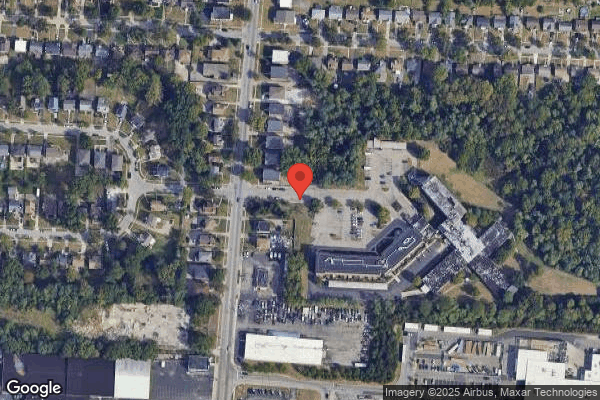
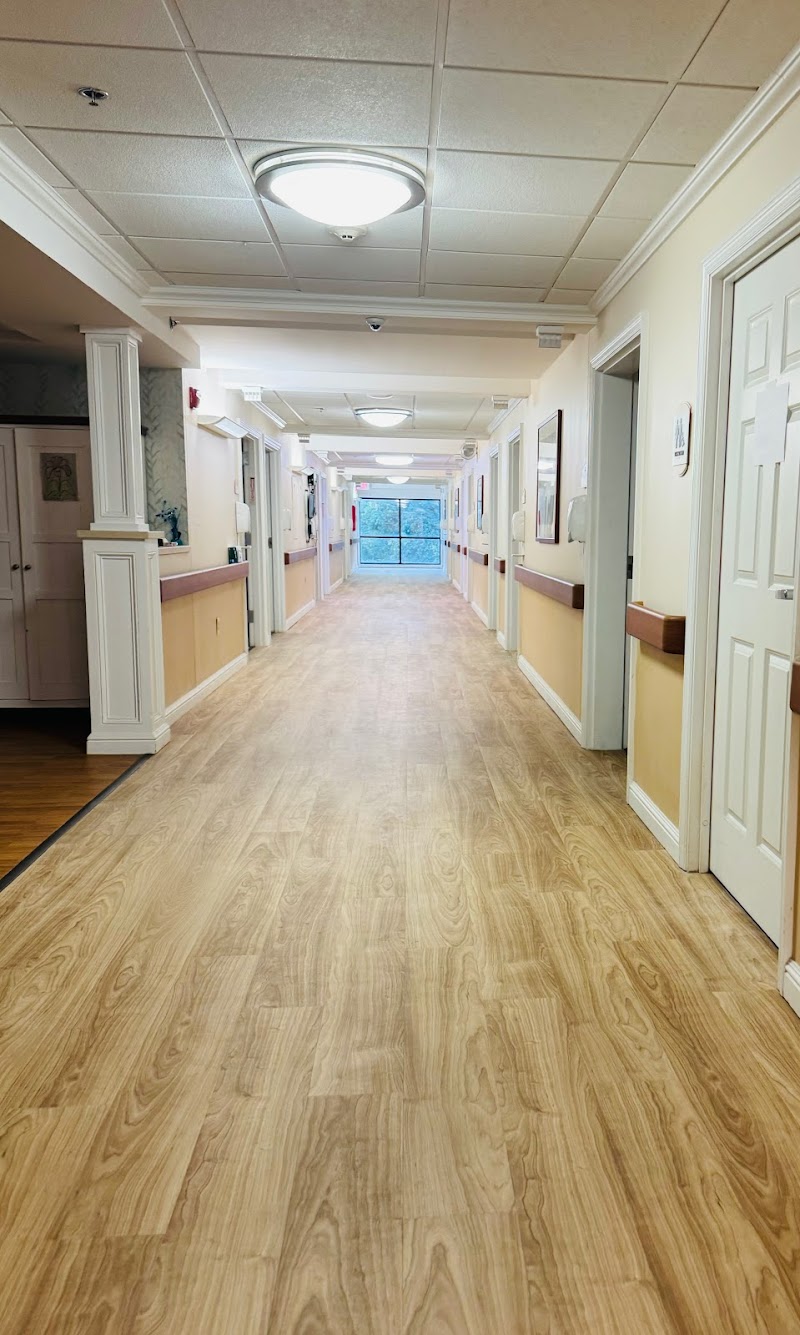
2950 WEST PARK DRIVE, CINCINNATI, OH 45238 (513) 451-8900
For profit - Corporation 125 Beds AVENTURA HEALTH GROUP Data: November 2025 1 Immediate Jeopardy citation
Trust Grade
11/100
#611 of 913 in OH
Last Inspection: April 2024

Within standard 12-15 month inspection cycle. Federal law requires annual inspections.

Overview

Aventura at West Park has received a Trust Grade of F, indicating significant concerns with care quality and overall service. They rank #611 out of 913 facilities in Ohio, placing them in the bottom half of nursing homes in the state, and #48 out of 70 in Hamilton County, meaning there are many better options nearby. Although the facility is improving, having reduced issues from 19 in 2024 to just 3 in 2025, it still reports a concerning staff turnover rate of 69%, significantly higher than the state average. The facility has also faced serious incidents, including a failure to provide CPR to a resident who was a full code, which resulted in death, and another case where a resident suffered a fractured femur due to inadequate fall prevention measures. While they maintain average RN coverage and received $16,801 in fines, which is average for the area, families should weigh these strengths against the critical issues present when considering Aventura at West Park for their loved ones.

Trust Score
F
11/100
In Ohio
#611/913
Bottom 34%
Safety Record
High Risk
Review needed
Inspections
Getting Better
19 → 3 violations
Staff Stability
⚠ Watch
69% turnover. Above average. Higher turnover means staff may not know residents' routines.
Penalties
✓ Good
$16,801 in fines. Lower than most Ohio facilities. Relatively clean record.
Skilled Nurses
⚠ Watch
Each resident gets only 29 minutes of Registered Nurse (RN) attention daily — below average for Ohio. Fewer RN minutes means fewer trained eyes watching for problems.
Violations
⚠ Watch
46 deficiencies on record. Higher than average. Multiple issues found across inspections.
★★☆☆☆
2.0
Overall Rating
★★☆☆☆
2.0
Staff Levels
★★★★☆
4.0
Care Quality
★★☆☆☆
2.0
Inspection Score
Stable
2024: 19 issues
2025: 3 issues

The Good

  • 4-Star Quality Measures · Strong clinical quality outcomes
  • Full Sprinkler Coverage · Fire safety systems throughout facility
  • No fines on record

Facility shows strength in quality measures, fire safety.

The Bad

2-Star Overall Rating

Below Ohio average (3.2)

Below average - review inspection findings carefully

Staff Turnover: 69%

23pts above Ohio avg (46%)

Frequent staff changes - ask about care continuity

Federal Fines: $16,801

Below median ($33,413)

Minor penalties assessed

Chain: AVENTURA HEALTH GROUP

Part of a multi-facility chain

Ask about local staffing decisions and management

Staff turnover is elevated (69%)

21 points above Ohio average of 48%

The Ugly 46 deficiencies on record

1 life-threatening 1 actual harm
Mar 2025 3 deficiencies
CONCERN (D) 📢 Someone Reported This

A family member, employee, or ombudsman was alarmed enough to file a formal complaint

Potential for Harm - no one hurt, but risky conditions existed

Deficiency F0711 (Tag F0711)

Could have caused harm · This affected 1 resident

**NOTE- TERMS IN BRACKETS HAVE BEEN EDITED TO PROTECT CONFIDENTIALITY** Based on medical record review, physician interview, and staff interview, the facility failed to ensure physician notes were sig...

Read full inspector narrative →
**NOTE- TERMS IN BRACKETS HAVE BEEN EDITED TO PROTECT CONFIDENTIALITY** Based on medical record review, physician interview, and staff interview, the facility failed to ensure physician notes were signed at the time service was rendered. This affected three (#51, #52, and #60) of three residents reviewed for physician visits. The facility census was 90. Findings include: 1. Review of the medical record of Resident #51 revealed an admission date of 07/19/18. Diagnoses included emphysema, dementia, Alzheimers, anxiety, depression, hypertension, gastro-esophageal reflux disease, chronic pain syndrome, and atrial fibrillation. Review of the quarterly Minimum Data Set (MDS) assessment dated [DATE] revealed the resident had moderately impaired cognition. The resident was independent with eating, supervision with toileting, and partial/moderate assistance with bathing, dressing, bed mobility, and transfers. Review of a physician visit dated 01/27/25 revealed the physician did not sign the progress note until 02/09/25. Interview on 03/27/25 at 1:43 P.M. Physician #340 stated he signs his notes the minute he completes them. Interview on 03/27/25 at 1:58 P.M. the Director of Nursing (DON) verified the physician did not sign his progress note at the time of service. 2. Review of the medical record of Resident #52 revealed an admission date of 08/28/24. Diagnoses included stage 3 chronic kidney disease, depression, and rheumatoid arthritis. Review of the quarterly MDS assessment dated [DATE] revealed the resident had intact cognition. The resident required supervision for eating, bed mobility, and transfers, partial/moderate assistance for toileting, substantial/maximal assistance for bathing, and dressing. Review of a physician visit dated 09/10/24 revealed the physician did not sign the progress note until 10/19/24. Review of a physician visit dated 10/07/24 revealed the physician did not sign the progress note until 10/19/24. Interview on 03/27/25 at 1:58 P.M., the DON verified the physician did not sign his progress note at the time of service. 3. Review of the medical record of Resident #60 revealed an admission date of 10/08/24. Diagnoses included pulmonary embolism, chronic kidney disease, post-traumatic stress disorder, chronic pain syndrome, polyneuropathy, depression, osteoarthritis, hypertension, anxiety, barrett's esophagus, history of bariatric surgery. Review of the quarterly MDS assessment dated [DATE] revealed the resident had intact cognition. The resident required supervision with eating, bed mobility and transfers, and partial/moderate assistance with toileting, showering, dressing. Review of a physician visit dated 10/21/24 revealed the physician did not sign the progress note until 11/16/24. Interview on 03/27/25 at 1:58 P.M., the DON verified the physician did not sign his progress note at the time of service. This deficiency was an incidental finding that was discovered during the complaint investigation.
CONCERN (D) 📢 Someone Reported This

A family member, employee, or ombudsman was alarmed enough to file a formal complaint

Potential for Harm - no one hurt, but risky conditions existed

Deficiency F0712 (Tag F0712)

Could have caused harm · This affected 1 resident

Deficiency Text Not Available

Read full inspector narrative →
Deficiency Text Not Available
CONCERN (E) 📢 Someone Reported This

A family member, employee, or ombudsman was alarmed enough to file a formal complaint

Potential for Harm - no one hurt, but risky conditions existed

Deficiency F0761 (Tag F0761)

Could have caused harm · This affected multiple residents

Based on observation and interview, the facility failed to secure all medications in a locked storage area and to limit access to authorized personnel. This had the potential to affect 12 residents (#...

Read full inspector narrative →
Based on observation and interview, the facility failed to secure all medications in a locked storage area and to limit access to authorized personnel. This had the potential to affect 12 residents (#3, #7, #11, #13, #24, #25, #26, #28, #34, #41, #66 and #74) that are independently mobile on the 400 floor. The facility census was 90. Findings include: Observation of medication administration on 03/27/25 at 8:29 A.M. revealed Licensed Practical Nurse (LPN) #315 to retrieve a medication that needed to be re-stocked on the cart. LPN #315 went to the medication storage room on level 4 of the facility. The door was observed to be unlocked. Interview with LPN #315 on 03/27/25 at 8:29 A.M. revealed that the medication storage room was never locked and had not been since the electronic key pad lock was taken off the door. On 03/27/25 at 8:41 A.M. this surveyor went back to the medication storage room and was able to gain access due to the door not being locked. Observation on 03/27/25 at 8:47 A.M. revealed that the door to the medication storage room was ajar. Interview on 03/27/25 at 8:48 A.M. with Employee #360 revealed that she was restocking a wound supplies cart. Employee #360 revealed that she has keys somewhere if the door gets locked but usually it was left unlocked. Interview with the Director of Nursing (DON) on 03/27/25 at 2:00 P.M. revealed that a key pad lock had been placed on the medication storage room door that day in an attempt to correct the deficiency.
Nov 2024 1 deficiency
CONCERN (D) 📢 Someone Reported This

A family member, employee, or ombudsman was alarmed enough to file a formal complaint

Potential for Harm - no one hurt, but risky conditions existed

Free from Abuse/Neglect (Tag F0600)

Could have caused harm · This affected 1 resident

**NOTE- TERMS IN BRACKETS HAVE BEEN EDITED TO PROTECT CONFIDENTIALITY** THE FOLLOWING DEFICIENCY REPRESENTS AN INCIDENT OF PAST NON-COMPLIANCE THAT WAS SUBSEQUENTLY CORRECTED PRIOR TO THIS SURVEY. Ba...

Read full inspector narrative →
**NOTE- TERMS IN BRACKETS HAVE BEEN EDITED TO PROTECT CONFIDENTIALITY** THE FOLLOWING DEFICIENCY REPRESENTS AN INCIDENT OF PAST NON-COMPLIANCE THAT WAS SUBSEQUENTLY CORRECTED PRIOR TO THIS SURVEY. Based on medical record review, review of facility Self-Reported Incidents (SRI), staff interview, and policy review, the facility failed to ensure residents were free from verbal abuse. This affected one (#64) of three residents reviewed for abuse. The facility census was 89. Findings include: Review of the medical record of Resident #64 revealed an admission date of 01/15/20. Diagnoses included Alzheimer's disease, anxiety disorder, dementia with behavioral disturbance, rheumatoid arthritis, delusional disorders, essential hypertension, heart failure, benign prostatic hyperplasia, unsteadiness on feet, and major depressive disorder. Review of the comprehensive Minimum Data Set (MDS) assessment dated [DATE] revealed the resident had severely impaired cognition. The resident exhibited fluctuating inattention and continuous disorganized thinking during the assessment period. The resident utilized a walker and required partial/moderate assistance with transfers and supervision or touching assistance for walking 10 feet. Review of the care plan dated 12/21/23 revealed Resident #64 had the potential for behavioral issues related to a diagnosis of Alzheimers dementia with behavioral disturbance and a history of episodes of increased anxiety, agitation, paranoia, and delusions. The resident was noted to attempt to put himself on the floor and say God wanted him to do it. Interventions included to approach in a calm and gentle manner. Review of a progress note dated 10/18/24 at 9:04 A.M. revealed the nursing assistant informed the nurse Resident #64 was on the floor. The resident was observed sitting on the floor, leaning on the couch and the aid stated she was helping him walk from bed to the couch when the resident became aggressive and resistive to care and slid to the floor. The resident was assessed and no injuries were noted. Review of the SRI dated 10/18/24 revealed Resident #64's family alleged State Tested Nursing Assistant (STNA) #300 dropped Resident #64 during a transfer. STNA #300 was assisting Resident #64 with personal care and transferring him to his chair when the resident had a behavioral episode and began to stiffen and would not move, stating, God told him to do it. STNA #300 then began trying to move the resident to sit on the couch and the resident began falling to the floor during the transfer stating, God told me to do it. The STNA told the resident to get his behind up and the STNA let go of the resident, as he was already down, and went to get help. As a result of the investigation, physical abuse was not substantiated, however the facility felt STNA #300 was inappropriate with the resident. STNA #300 was suspended immediately upon learning of the incident and was terminated at the conclusion of the investigation. The police were notified. The resident received psychosocial follow-up and staff was educated on the facility abuse policy and transferring a patient. Review of the SRI dated 10/25/24 revealed, through an investigation, it was found an STNA was verbally inappropriate with Resident #64. During the investigation for the SRI dated 10/18/24, the STNA admitted saying, Come on man. Get your ass up. The facility substantiated verbal abuse. Interview on 11/18/24 at 12:55 P.M., the Administrator stated, following the investigation from the first SRI filed, Resident #64's family shared video footage of the incident and stated they felt as if STNA #300 dropped Resident #64. The Administrator stated the video footage was reviewed and did not support the aide dropping the resident, however the aide attempted to get the resident back up without assistance and said, Get your ass up. The Administrator stated STNA #300 had been suspended and then terminated following the first investigation because the aid did not follow policy and attempted to get the resident up without notifying the nurse. Upon review of the video, the Administrator discussed the video footage with STNA #300 and, when questioned, STNA #300 stated she, may have said that. The Administrator stated any swearing to residents is not tolerated. Observation on 11/18/24 at 2:00 P.M. with the Administrator and Director of Nursing (DON) of in-room surveillance video revealed STNA #300 standing behind Resident #64, who was standing at his walker. STNA #300 was assisting the resident to transfer onto his couch when the resident said something (unclear in video footage) and his body went limp and was lowered to the ground. STNA #300 attempted to assist Resident #64 off the floor and stated, Get your ass up, come on man. Interview at the same time, the Administrator verified STNA #300's statement to Resident #64 and verified this was a form of verbal abuse. Review of the facility policy titled, Resident's Right to Freedom from Abuse, Neglect, and Exploitation, dated 2024, revealed the facility residents have the right to be free from abuse, including verbally aggressive behavior such as curing, bossing around, or demanding. The deficient practice was corrected on 10/25/24 when the facility implemented the following corrective actions: -On 10/18/24 at 9:45 A.M., STNA #300 was providing care to Resident #64 in his room when, while walking to the couch, he dropped to his knees, landing his upper body on the couch and knees on the floor, stating God told me to do it. -On 10/18/24 at 9:54 A.M., Resident #64's daughter sent a video to Assistant Director of Nursing (ADON) #533 for review of an interaction between Resident #64 and STNA #300 -On 10/18/24 at 10:00 A.M., STNA #300 went to get LPN #310 and LPN Unit Manager (UM) #193 to come and assist and assess Resident #64 for injury and assist off the floor. Resident #64 did not have any injuries. -On 10/18/24 at 10:00 A.M. ADON #533 went and removed STNA #300 from Resident #64's room and, with the Administrator, took her statement and suspended STNA #300 immediately, pending investigation. -On 10/18/24 at 10:10 A.M., UM #193, LPN #864, and ADON #533 began inservicing staff in the facility regarding the abuse policy, started questioning residents about abuse, and obtained statements from staff. -Interviews on 11/19/24 with STNA #330, Housekeeping Aid #335, STNA #345, LPN #360, and Social Services Assistant #377 confirmed they had received education on the facility abuse policy on 10/18/24. -On 10/18/24 at 10:15 A.M., the Administrator opened an SRI. On 10/18/24 at 10:15 A.M., the Administrator, LPN #864, UM #193, and ADON #533 spoke with Resident #64's family in the facility to discuss the video and how the facility would handle the situation. The family was surprised the aid was suspended and stated they did not want her to lose her job. -On 10/18/24 at 10:30 A.M., UM #193 notified Medical Director #786 of the fall and allegation of abuse of Resident #64. Orders were received for an x-ray of the right ankle (negative results on 10/21/24) and a medication review by psychiatry. -On 10/18/24 at 3:00 P.M., the Clinical Management team conducted a QAPI meeting with Corporate Risk Management to discuss the findings of the investigation. The root-cause analysis of the incident was Resident #64 having behaviors (God told him to do it), which made him drop to the ground. -On 10/19/24 at 2:00 P.M., the Clinical Management team met again to discuss the investigation. The determination was made to terminate STNA #300. -On 10/19/24 at 3:00 P.M., the Administrator and DON terminated STNA #300's employment at the facility. -On 10/21/24 at 11:00 A.M., Social Services employees continued follow-up with Resident #64 for psychosocial follow-up. -On 10/24/24, the DON and Administrator began completing daily audits five days a week, which included rounding the entire facility, talking with residents to ensure they know how to report abuse and asking if there are any concerns. -On 10/25/24, the DON submitted the final SRI unsubstantiating physical abuse. -On 10/25/24, the DON opened an additional SRI for verbal abuse and continued abuse education and psychosocial follow-up on Resident #64. This deficiency represents non-compliance investigated under Complaint Number OH00159133.
Sept 2024 1 deficiency
CONCERN (D) 📢 Someone Reported This

A family member, employee, or ombudsman was alarmed enough to file a formal complaint

Potential for Harm - no one hurt, but risky conditions existed

Deficiency F0602 (Tag F0602)

Could have caused harm · This affected 1 resident

**NOTE- TERMS IN BRACKETS HAVE BEEN EDITED TO PROTECT CONFIDENTIALITY** THE FOLLOWING DEFICIENCY REPRESENTS AN INCIDENT OF PAST NON-COMPLIANCE THAT WAS SUBSEQUENTLY CORRECTED PRIOR TO THIS SURVEY. Bas...

Read full inspector narrative →
**NOTE- TERMS IN BRACKETS HAVE BEEN EDITED TO PROTECT CONFIDENTIALITY** THE FOLLOWING DEFICIENCY REPRESENTS AN INCIDENT OF PAST NON-COMPLIANCE THAT WAS SUBSEQUENTLY CORRECTED PRIOR TO THIS SURVEY. Based on record review, staff interview, review of witness statements, review of a facility Self-Reported Incident (SRI) and policy review, the facility failed to ensure misappropriation of resident funds. This affected three (#21, #22, and #23) residents of the six Residents (#11, #14, #15, #21, #22, and #23) reviewed for resident funds. The facility census was 57. Findings include: Review of the medical record for Resident #21, revealed the resident was admitted on [DATE]. Diagnoses included, but not limited to, acute respiratory failure, paranoid schizophrenia, anxiety, cerebrovascular disease, and acute kidney failure. Resident #21 expired in the facility on [DATE]. Review of the admission Minimum Data Set (MDS) assessment dated [DATE] revealed Resident #21 was cognitively intact. Review of the medical record for Resident #22, revealed the resident was admitted on [DATE]. Diagnoses included, but not limited to, bipolar, anxiety, paraplegia, pain, and cerebrovascular disease. Resident #22 expired in the facility on [DATE]. Review of the most recent MDS assessment dated [DATE] revealed Resident #22 had mild to moderated cognitive deficits. Review of the medical record for Resident #23, revealed the resident was admitted on [DATE]. Diagnoses included, but not limited to, heart failure, depression, dry eye syndrome, kyphosis, and anxiety. Resident #23 expired in the facility on [DATE]. Review of the most recent MDS assessment dated [DATE] revealed Resident #23 had moderate to severe cognitive deficits. Review of a check dated [DATE], revealed the check was made out to Petty Cash in the amount of $300.00 signed and endorse by Former Business Office Manager (BOM) #61. The memo indicated the check was for account closure (Resident #23). Review of a check dated [DATE], revealed the check was made out to Former BOM #61 in the amount of $567.49 signed and endorsed by former BOM #61. The memo indicated the check was for account closure (Resident #21). Review of check dated [DATE], revealed the check was made out to Receptionist #64 in the amount of $1,548.58 signed by former BOM #61 and endorsed by Receptionist #64. The memo indicated the check was for account closure (Resident #22). Review of a facility SRI dated [DATE] categorized for misappropriation, revealed while the facility was completing a resident trust audit, the facility discovered an employee had written check to themselves out of a residents account who was deceased . Receptionist #64 notified the Administrator about concerns she had with missing resident trust account money. The Administrator began a full comprehensive investigation. Former BOM #61 was suspended while the facility conducted an audit of Resident #21's resident trust account. During the audit, the facility discovered former BOM #61 wrote out a check to herself on [DATE] from Resident #21's trust account in the amount of $567.49 and signed the check. Former BOM #61 then took the check to the bank and endorsed it. Resident #21 was deceased [DATE]. The memo on the check stated account closure. When the Administrator questioned former BOM #16 about the process to close an account, former BOM #61 was not able to give the appropriate steps. The Administrator reminded former BOM #61 that an account needs to be closed and sent to either the funeral home or to the Attorney General's Office in a check format and closed account checks should not be written out to yourself or another employee, cashed and be given to anyone. Former BOM #61 stated understanding. Former BOM #61 has since been terminated from her position. Receptionist #64 was interviewed, but she noted she doesn't touch the checks, so she was not aware of this incident. The [NAME] President of Revenue Operations (VPRO) #60 completed a whole house audit on the resident accounts that were deceased back to [DATE] and there were no further incidents discovered. On [DATE] the Administrator was educated by VPRO #60 on the need to audit resident funds accounts. All staff were educated by the Administrator on abuse and misappropriation. The police were called, and they would conduct an investigation also. The facility substantiated abuse, neglect or misappropriation verified by evidence. After completing a full investigation, the incident was substantiated due to finding a check written to the employee from a deceased resident's account. The local Police Department was called, and a copy of the check was provided to the Police and was instructed a detective would be investigating. An addendum to the SRI was uploaded on [DATE] to indicate the Administrator was informed by VPRO #60 that two more Residents (#22 and #23) had concerns with their closed accounts. Resident #22's account was opened with a personal check on [DATE] and closed on [DATE]. Former BOM #61 issued and signed a check made out to Receptionist #64 for $1,548.58. Receptionist #64 stated the cash was handed to former BOM #61 who was taking it to meet Resident #22's daughter at Walmart. Resident #22 was on Medicaid at time of death. The Administrator called Resident #22's daughters and neither had received any money or met anyone in the Walmart parking lot. Resident #23 expired [DATE] and the account was closed on [DATE] with two checks issued. One check for $330.00 issued to Resident #23's niece and has not been cashed as of yet. VPRO #60 will be putting a stop payment on the check and issuing to estate recovery. The second check was issued to Petty Cash for $300.00, signed and endorsed by former BOM #61. Remaining $1.44 left in the account and need checks issued to estate recovery. Review of a facility documented titled Employee Discipline Notice dated [DATE] revealed former BOM #61 was in violation of the facility's progressive discipline policy. Group IV-Theft, attempted theft, or misuse of facility, employee, resident or visitor property. On [DATE], BOM #61 wrote a check out to herself, and cashed it out of deceased Resident #21's account. Former BOM #61 was terminated. Review of a witness stated dated [DATE] by Receptionist #65, revealed former BOM #61 never asked her to go to the bank to cash any checks at any time. She indicated that she never had checks made out to her for cash, and as of 01/2024 she no longer entered transactions into the Resident Fund Management Service. Review of undated witness statement revealed Receptionist #64 had been the payee at times. Receptionist #64 would go to the bank and bring the money back to the facility. Receptionist #64 had concerns that the resident trust accounts in general were not accurate, so she brought it to the Administrator's attention. Review of an undated witness statement from Receptionist #66 and narrated by the Administrator revealed the Administrator spoke to Receptionist #66 over the phone and she indicated she would only give the residents cash out of the petty cash box and then turn the receipts into the Business office manager. Interview with the Administrator on [DATE] at 3:00 P.M. revealed the former BOM #61 had taken the money, and it has never been recovered. The Administrator stated that the police were notified, and she is still in contact with them on a weekly basis and they going to press charges on former BOM #61. The Administrator stated the money for all three Residents (#21, #22, and #23) has been put back into their accounts and they are waiting for the check signers from the bank so they can sign the checks and sent them where they need to go. Resident #21's money goes to the estate, and Residents #22 and #23 are to be sent to the Attorney General due to being Medicaid. Review of the Residents Right to Freedom from Abuse, Neglect, and Exploitation Policy and Procedures (dated 2023) revealed to ensure that all of the facility's residents are free from abuse, neglect, misappropriation of their property, and exploitation. The deficient practice was corrected on [DATE] when the facility implemented the following corrective actions: On [DATE], an SRI was submitted to the State Agency for the allegations of misappropriation. The SRI was completed on [DATE] and the allegations of misappropriation were substantiated. On [DATE], former BOM #61 was terminated. On [DATE], all staff were educated by the Administrator on abuse and misappropriation. On [DATE], the Police were notified and were given a copy of the check. The Police are in the process of investigation and possibly filing formal charges against former BOM #61. On [DATE], An Ad hoc Quality Assurance Performance Improvement (QAPI) meeting was held with the Administrator, the Director of Nursing (DON) and the Medical Director. A Root Cause Analysis (RCA) was determined that the former BOM #61 was doing illegal activity with the resident accounts and a working system was not in place. A house wide audit for resident accounts were started on [DATE] and to be completed on [DATE]. Additional QAPI meetings were held on [DATE], [DATE], and [DATE]. Attendees included Administrator, Assisted Living (AL) Director #106, Staffing Coordinator #102, MDS Coordinator#103, Unit Manager / Licensed Practical Nurse (LPN) #104, Activities Supervisor #100, Registered Nurse (RN) #105, and the Medical Director. No additional issues were identified. On [DATE], the Administrator, and two Receptionists (#64 and #65) were educated by VPRO #60 on the need to audit resident fund accounts. On [DATE], a whole house audit of the resident's fund accounts was completed by the Administrator with no issues being identified. On [DATE], the Administrator started weekly audits of five resident fund accounts to ensure that no misappropriation was occurring. The audits will be completed weekly for four weeks then monthly and reported to the QAPI committee to determine the need for further formal audits. Additional audits from [DATE] and [DATE] were reviewed with no issues being identified.
Jul 2024 2 deficiencies
CONCERN (E) 📢 Someone Reported This

A family member, employee, or ombudsman was alarmed enough to file a formal complaint

Potential for Harm - no one hurt, but risky conditions existed

Deficiency F0620 (Tag F0620)

Could have caused harm · This affected multiple residents

**NOTE- TERMS IN BRACKETS HAVE BEEN EDITED TO PROTECT CONFIDENTIALITY** Based on medical record review and staff interview, the facility failed to ensure new residents were provided written admission ...

Read full inspector narrative →
**NOTE- TERMS IN BRACKETS HAVE BEEN EDITED TO PROTECT CONFIDENTIALITY** Based on medical record review and staff interview, the facility failed to ensure new residents were provided written admission Agreements at the time of admission. This affected four (#8610, #8611, #8613 and #8618) of five residents reviewed for admission procedures. The facility census was 66. Findings Include: 1. Review of the medical record for Resident #8610 revealed an admission date of 05/27/24. Diagnoses included diabetes mellitus type II, lumbar disc degeneration, congestive heart failure and acute myocardial infarction. Resident #8610 was discharged home on [DATE]. Review of the Minimum Data Set (MDS) Discharge-Return Not Anticipated assessment dated [DATE] revealed Resident #8610 had intact cognition, was occasionally incontinent of bowel and bladder, was independent with eating, oral hygiene and bed mobility, and required set up assistance with toileting, bathing, dressing, personal hygiene and transfers. 2. Review of the medical record for Resident #8611 revealed an admission date of 05/29/24. Diagnoses included adult failure to thrive, diabetes mellitus type II, non-pressure chronic ulcer of left heel and foot, morbid obesity, acute kidney failure and depression. Resident #8611 discharged to home on [DATE]. Review of the MDS Discharge-Return Not Anticipated assessment dated [DATE] revealed Resident #8611 had intact cognition, was frequently incontinent of bladder and occasionally incontinent of bowel, required set up assistance for eating and oral hygiene, supervision for personal hygiene and moderate assistance for toileting, bathing, dressing, bed mobility and transfers. 3. Review of the medical record for Resident #8613 revealed an admission date of 05/29/24. Diagnoses included acute osteomyelitis right ankle and foot, diabetes mellitus type II, morbid obesity, partial traumatic amputation of right foot and polyneuropathy. Resident #8613 discharged to home on [DATE]. Review of the MDS Discharge-Return Not Anticipated assessment dated [DATE] revealed Resident #8613 had intact cognition, was frequently incontinent of bowel and bladder, was independent with eating, oral hygiene and bed mobility and required supervision with toileting, bathing, dressing, personal hygiene and transfers. 4. Review of the medical record for Resident #8618 revealed an admission date of 04/08/24. Diagnoses included bilateral osteoarthritis of both hips, morbid obesity and edema. Resident #8618 discharged to home on [DATE]. Review of the MDS Discharge-Return Not Anticipated assessment dated [DATE] revealed Resident #8618 had intact cognition, was always incontinent of bladder and frequently incontinent of bowel. required set up assistance with eating and oral and personal hygiene, maximal assistance with toileting and bathing, moderate assistance with bed mobility and transfers and was dependent for dressing. A record request was made on 07/17/24 at 10:30 A.M. to the Business Office Manager (BOM) #102 for evidence written admission Agreements were provided to Residents #8603, #8610, #8611, #8613 and #8618. BOM #102 did not provide the requested evidence. Interview on 07/17/24 at 1:45 P.M. with the Administrator confirmed the facility had no evidence written admission Agreements were provided to Residents #8610, #8611, #8613 and #8618. Follow-up interview on 07/18/24 at 12:20 P.M. with the Administrator re-confirmed Residents #8610, #8611, #8613 and #8618 did not have admission Agreements signed upon admission to the facility. This deficiency represents non-compliance investigated under Complaint Number OH00154443.
CONCERN (E) 📢 Someone Reported This

A family member, employee, or ombudsman was alarmed enough to file a formal complaint

Potential for Harm - no one hurt, but risky conditions existed

Safe Environment (Tag F0921)

Could have caused harm · This affected multiple residents

Based on observations and staff interviews, the facility failed to ensure carpets were maintained in a clean and sanitary manner. This affected all 10 residents (#6, #7, #17, #30, #33, #41, #43, #54, ...

Read full inspector narrative →
Based on observations and staff interviews, the facility failed to ensure carpets were maintained in a clean and sanitary manner. This affected all 10 residents (#6, #7, #17, #30, #33, #41, #43, #54, #62 and #63) residing on the third floor. The facility census was 66. Findings include: Observations on 07/17/24 of the third floor revealed carpeting with multiple stains throughout the main corridors and sitting area. Interview on 07/17/24 at 10:35 A.M. with Maintenance Aid (MA) #201 confirmed the stained carpeting throughout the third floor. Interview on 07/17/24 at 2:00 P.M. with the Administrator verified the condition of the third floor carpeting. The Administrator indicated steps were being taken to replace the flooring but was unable to provide any specific information on when this was to be completed. This deficiency represents non-compliance investigated under Master Complaint Number OH00155422 and Complaint Number OH00154443.
May 2024 2 deficiencies
CONCERN (D) 📢 Someone Reported This

A family member, employee, or ombudsman was alarmed enough to file a formal complaint

Potential for Harm - no one hurt, but risky conditions existed

Pharmacy Services (Tag F0755)

Could have caused harm · This affected 1 resident

**NOTE- TERMS IN BRACKETS HAVE BEEN EDITED TO PROTECT CONFIDENTIALITY** Based on medical record review, staff interview, and review of facility policy, the facility failed to ensure medications were a...

Read full inspector narrative →
**NOTE- TERMS IN BRACKETS HAVE BEEN EDITED TO PROTECT CONFIDENTIALITY** Based on medical record review, staff interview, and review of facility policy, the facility failed to ensure medications were available to administer as ordered. This affected one (Resident #80) of five patients reviewed for medication administration. The facility census was 65. Findings include: Review of the medical record revealed Resident #80 was admitted to the facility on [DATE] and expired at the facility on [DATE]. Resident #80 had diagnoses including unspecified neoplasm of digestive organ, essential hypertension, gastroesophageal reflux disease, absence epileptic syndrome, oropharyngeal phase dysphagia, chronic ulcerative pancreatitis, unspecified lymphedema, sciatica, and unspecified anxiety disorder. Review of the most recent quarterly Minimum Data Set (MDS) assessment dated [DATE] revealed the resident was cognitively intact, had no behaviors, did not reject care, and did not wander. Review of the care plan dated [DATE] revealed Resident #80 received Hospice services related to a diagnosis of protein calorie malnutrition. Interventions included to collaborate with Hospice to provide care services, to observe for non-verbal symptoms of pain (facial grimacing, crying, increased respirations), to observe for shortness of breath/secretions, to obtain orders as needed as symptoms occurred, to administer comfort medications as ordered, to monitor for effectiveness of medications, to notify Hospice of any change in condition, and to report any changes to Hospice and physician. Review of the medical record revealed Resident #80 had physician orders dated [DATE] for Morphine Sulfate 100 milligrams (mg) per 20 milliliters (ml) solution, 0.25 ml (5 mg) by mouth every four hours as needed for moderate pain or shortness of breath. This order was discontinued on [DATE] and a new order was placed for morphine sulfate 20 mg per 5 ml solution, give 0.5 ml (2 mg) by mouth every two hours for shortness of breath and pain for 14 days. This order was changed on [DATE] from as needed to be administered routinely every hour. Review of the Medication Reconciliation Sheet revealed on [DATE], the facility received a 30 ml bottle of Morphine Sulfate solution 100 mg/5 ml for Resident #80. The last dose from this bottle was administered on [DATE] at 9:00 A.M. Review of the Medication Reconciliation Sheet revealed on [DATE], the facility received a 15 ml bottle of Morphine Sulfate Concentrate, no strength, dosage, or frequency indicated. The first dose was administered on [DATE] at 9:42 A.M. Review of the Medication Administration Record (MAR) dated [DATE] revealed Resident #80 received hourly administrations from [DATE] at 10:00 A.M. until 5:00 P.M., even though the morphine supply had run out. Hourly administrations were held from [DATE] at 6:00 P.M. to [DATE] at 8:00 A.M. Review of the progress notes revealed an unidentified agency nurse documented on [DATE] at 10:30 A.M. Resident #80's Morphine Sulfate 20 mg per 5 ml solution was unavailable due to awaiting med from pharmacy. LPN #33 documented on [DATE] at 5:35 P.M. and 11:32 P.M. that Resident #80's morphine sulfate was held due to the medication was on order. LPN #33 documented on [DATE] at 1:38 A.M., 3:16 A.M., and 6:43 A.M., the medication was held due to needing a prescription. On [DATE] at 9:12 A.M., LPN #44 documented Resident #80's routine morphine sulfate was held due to still waiting for the pharmacy to deliver. There was no additional documentation provided regarding the resident's condition between [DATE] at 9:00 A.M. to [DATE] at 9:42 A.M. while the morphine sulfate medication was held. During an interview on [DATE] at 11:00 A.M., the Director of Nursing (DON) verified the Medication Reconciliation Sheets showed Resident #80 did not receive Morphine Sulfate hourly as ordered from [DATE] at 9:00 A.M. until [DATE] at 9:42 A.M. The DON verified Resident #80's Morphine Sulfate was documented on the MAR as given at times when the reconciliation sheets showed there was no morphine sulfate available to administer. Review of policy titled Administering Medications dated 08/2022 revealed medications were administered as prescribed in a safe and timely manner. This deficiency represents noncompliance investigated under Complaint Number OH00154174.
CONCERN (D) 📢 Someone Reported This

A family member, employee, or ombudsman was alarmed enough to file a formal complaint

Potential for Harm - no one hurt, but risky conditions existed

Deficiency F0760 (Tag F0760)

Could have caused harm · This affected 1 resident

**NOTE- TERMS IN BRACKETS HAVE BEEN EDITED TO PROTECT CONFIDENTIALITY** Based on medical record review, staff interview, and review of facility policy, the facility failed to ensure residents were fre...

Read full inspector narrative →
**NOTE- TERMS IN BRACKETS HAVE BEEN EDITED TO PROTECT CONFIDENTIALITY** Based on medical record review, staff interview, and review of facility policy, the facility failed to ensure residents were free from significant medication errors when they gave double the dose of Morphine to a resident. This affected one (Resident #80) of five residents sampled for medication administration. The facility census was 65. Findings include: Review of the medical record revealed Resident #80 was admitted to the facility on [DATE] and expired at the facility on [DATE]. Resident #80 had diagnoses including unspecified neoplasm of digestive organ, essential hypertension, gastroesophageal reflux disease, absence epileptic syndrome, oropharyngeal phase dysphagia, chronic ulcerative pancreatitis, unspecified lymphedema, sciatica, and unspecified anxiety disorder. Review of the most recent quarterly Minimum Data Set (MDS) assessment dated [DATE] revealed the resident was cognitively intact, had no behaviors, did not reject care, and did not wander. Review of care plan dated [DATE] revealed Resident #80 received Hospice services related to a diagnosis of protein calorie malnutrition. Interventions included to collaborate with Hospice to provide care services, to observe for non-verbal symptoms of pain (facial grimacing, crying, increased respirations), to observe for shortness of breath/secretions, to obtain orders as needed as symptoms occurred, to administer comfort medications as ordered, to monitor for effectiveness of medications, to notify Hospice of any change in condition, and to report any changes to Hospice and physician. Review of the medical record revealed Resident #80 had physician orders dated [DATE] for Morphine Sulfate 100 milligrams (mg) per 20 milliliters (ml) solution, 0.25 ml (5 mg) by mouth every four hours as needed for moderate pain or shortness of breath. This order was discontinued on [DATE] and a new order was placed for morphine sulfate 20 mg per 5 ml solution, give 0.5 ml (2 mg) by mouth every two hours for pain or shortness of breath for 14 days. This order was changed on [DATE] from as needed to be administered routinely every hour. Review of the Narcotic Reconciliation Sheet revealed the facility documented administered 75 doses of Morphine Sulfate 100 mg per 20 ml, 0.5 ml per dose, from [DATE] at 6:20 A.M. to [DATE] at 9:00 A.M. The facility gave double the dose that was ordered. During an interview on [DATE] at 12:26 P.M., Licensed Practical Nurse (LPN) #75 verified Resident #80 had a physician's order for Morphine Sulfate 20 mg per 5 ml solution give 0.5 ml (2 mg) every hour for pain and was administered multiple 0.5 ml (10 mg) doses of Morphine Sulfate 100 mg/5 ml from [DATE] to [DATE]. Review of the facility policy titled Administering Medications dated 08/2022 revealed the person administering medications checked three times prior to administering to ensure the nurse was giving the right medication in the right dose. This deficiency represents noncompliance investigated under Complaint Number OH00154174.
Apr 2024 13 deficiencies 1 IJ
CRITICAL (J) 📢 Someone Reported This

A family member, employee, or ombudsman was alarmed enough to file a formal complaint

Immediate Jeopardy (IJ) - the most serious Medicare violation

Deficiency F0678 (Tag F0678)

Someone could have died · This affected 1 resident

**NOTE- TERMS IN BRACKETS HAVE BEEN EDITED TO PROTECT CONFIDENTIALITY** THE FOLLOWING DEFICIENCY REPRESENTS AN INCIDENT OF PAST NON-COMPLIANCE THAT WAS SUBSEQUENTLY CORRECTED PRIOR TO THIS SURVEY Base...

Read full inspector narrative →
**NOTE- TERMS IN BRACKETS HAVE BEEN EDITED TO PROTECT CONFIDENTIALITY** THE FOLLOWING DEFICIENCY REPRESENTS AN INCIDENT OF PAST NON-COMPLIANCE THAT WAS SUBSEQUENTLY CORRECTED PRIOR TO THIS SURVEY Based on medical record review, staff interview, Physician Assistant (PA) interview, review of facility witness statements, review of facility policy and review of the American Heart Association (AHA) guidelines, the facility failed to ensure cardiopulmonary resuscitation (CPR) was provided to a resident who was a full code. This resulted in Immediate Jeopardy and the potential for serious life-threatening harm and/or death when Resident #76, who was a full code, was found unresponsive and without vital signs on [DATE] at 7:20 A.M. and staff failed to immediately perform CPR and the resident was subsequently pronounced dead. This affected one (Resident #76) of three residents reviewed for death over the last three months. The facility census was 78. On [DATE] at 1:25 P.M., the Administrator, Regional Director of Clinical Operations (RDCO) #508, the Director of Nursing (DON), and Director of Operations (DO) #517 were notified of the Immediate Jeopardy, which began on [DATE] at approximately 7:20 A.M. when the facility failed to initiate CPR for Resident #76 who was a full code and was found unresponsive and without vital signs. Registered Nurse (RN) #393 was completing morning rounds on [DATE] at 7:20 A.M. when she found Resident #76 unresponsive and absent of all vital signs. RN #393 then called for help and left the room to summon assistance from PA #500. RN #385 called nine-one-one (911). The facility staff did not initiate CPR for Resident #76. The Immediate Jeopardy was removed on [DATE] when the facility implemented the following corrective actions: - On [DATE], Resident #76 expired in the facility and was transferred to the funeral home. - On [DATE], the facility obtained written statements from staff involved in the incident with Resident #76 on the following dates and times: on [DATE] at 7:45 A.M. from Licensed Practical Nurse (LPN) #406, on [DATE] at 8:00 A.M. from RN #385, on [DATE] at 8:15 A.M. from State Tested Nursing Assistant (STNA) #432, on [DATE] at 2:50 P.M. from RN #393, on [DATE] at 5:26 P.M. from LPN #341, on [DATE] at 5:54 P.M. from LPN #507, and on [DATE] at 9:00 A.M. from STNA #337. - On [DATE] at 2:00 P.M., [NAME] President of Clinical Operations (VPCO) #510 reviewed the facility policies titled Advanced Directives, Change-in-Condition, and Emergency Procedure-Cardiopulmonary Resuscitation and made no changes or revisions. - On [DATE] starting at 2:45 P.M. to 7:10 P.M., RDCO #508 educated the Administrator and the DON on the facility policies titled Emergency Procedure-Cardiopulmonary Resuscitation and Change in a Resident's Condition or Status. The Administrator and DON educated the management team on the policies. The management team then educated all staff in all departments, on the policies. - On [DATE] through [DATE] Agency staff was educated on facility policies titled Emergency Procedure-Cardiopulmonary Resuscitation and Change in a Resident's Condition or Status by the facility management team. - On [DATE] at 9:30 A.M., the Administrator, the DON, Assistant Director of Nursing (ADON) #392, and LPN #406 started audits five times a week for four weeks to ensure the residents' code status was honored. No additional codes occurred during this time period. The audits were completed on [DATE]. - On [DATE] at 3:00 P.M., the Administrator and the DON educated PA #500 on the facility policies titled Emergency Procedure-Cardiopulmonary Resuscitation and Change in a Resident's Condition or Status. - On [DATE] at 4:27 P.M., the facility held an ad-hoc Quality Assurance Performance Improvement (QAPI) committee meeting to discuss the root-cause of why CPR was not provided to Resident #76 who was a full code status, and to discuss the steps that were necessary to show performance improvement moving forward. The attendees were as follows: the Administrator, the DON, ADON #392, LPN #374, LPN #406, Social Worker (SW) #383, SW #324, LPN #315, Activities Director (AD) #304, Maintenance Director (MD) #307, Human Resources Manager (HRM) #316, Staffing Coordinator (SC) #421, and Medical Director #512 via phone. The committee discussed the results of the interviews with the staff working the night prior to the incident with Resident #76 and with the staff working at the time of the incident and determined the resident had not experienced an obvious change in condition prior to the incident. The committee discussed VPCO #510's review of the facility policies titled Advanced Directives, Change-in-Condition, and Emergency Procedure-Cardiopulmonary Resuscitation, and made no changes to the policies. The committee discussed and assigned audits to the nursing management on ensuring residents' code status was honored and they were to be completed over a four-week period, for four weeks. - On [DATE], [DATE], and [DATE] nursing management completed a mock Code Blue Drill with follow up evaluation completed. - Interviews on [DATE] between 11:45 A.M. and 12:10 P.M. with STNAs #349, #355, #367, #381, and #448, LPNs #305, #315, #416, #418, and RN #393 confirmed they had received education regarding CPR and change in condition. Although the Immediate Jeopardy was removed on [DATE], the deficiency remained at a Severity Level 2 (no actual harm with potential for more than minimal harm that is not Immediate Jeopardy) until the deficient practice was corrected on [DATE] when the facility implemented the above corrective actions. Findings include: Review of the closed medical record of Resident #76 revealed an admission date of [DATE]. The resident died in the facility on [DATE]. Diagnoses included left hip fracture, essential hypertension, paralytic ileus, pancytopenia, cachexia, chronic iron deficiency anemia secondary to blood loss, congestive heart failure, adult failure to thrive, severe protein-calorie malnutrition, atrial fibrillation, chronic thromboembolic pulmonary hypertension, and gastro-esophageal reflux disease (GERD). Review of the comprehensive Minimum Data Set (MDS) assessment for Resident #76 dated [DATE] revealed the resident had severe cognitive impairment. Review of the physician orders for Resident #76 revealed an order dated [DATE] for the resident to be a full code. Review of the care plan dated [DATE] revealed the resident was a full code. Review of the nurse's progress note for Resident #76 dated [DATE] timed at 8:06 A.M. per RN #393 revealed the nurse arrived on the unit, received report, and went to assess Resident #76. The nurse called to Resident #76, and he did not respond. Resident #76 was not breathing and did not have a pulse. PA #500 was made aware of Resident #76's condition, 911 was called, and the crash cart was brought to the room. Resident #76 was pronounced expired at 7:20 A.M. Review of the nurse's progress note for Resident #76 dated [DATE] timed at 8:59 A.M. per LPN #404 revealed the nurse arrived on the unit and staff nurses and PA #500 were in Resident #76's room. Resident #76 was absent of breath sounds and had no pulse. 911 had been called and the crash cart was in Resident #76's room. Resident #76's skin was noted to be cold. 911 arrived, hooked the resident to the monitor and had no results. Time of death was called at 7:20 A.M. Review of the progress note for Resident #76 per PA #500 dated [DATE] timed at 3:56 P.M. revealed on [DATE] PA #500 was asked to examine Resident #76 because the resident was not responding. Upon examination, Resident #76 was not responding to verbal or tactile stimuli, was not breathing, and did not have a pulse. 911 was called and the crash cart was obtained. Emergency Medical Services (EMS) arrived, assessed the resident, determined the resident had expired, and EMS left the building. Review of the death certificate for Resident #76 dated [DATE] revealed the cause of the resident's death on [DATE] was determined to be acute respiratory failure with underlying hypoxia. Interview on [DATE] at 11:51 A.M. with RN #393 confirmed she was Resident #76's nurse on the morning he was found not responding, not breathing, and without a pulse. RN #393 confirmed Resident #76 was a full code. RN #393 confirmed CPR was not initiated for the resident. RN #393 stated she asked PA #500 to assess the resident and the PA stated the resident had already died. Interview on [DATE] at 10:22 A.M. with LPN #406 confirmed on the morning of [DATE], she arrived on the unit between 7:15 A.M. and 7:30 A.M. and was alerted there was something going on in Resident #76's room. LPN #406 confirmed as she was walking to Resident #76's room, RN #393 and PA #500 were coming out of Resident #76's room and she heard PA #500 state the resident was gone. LPN #406 stated CPR was not initiated because it was obvious he was gone. A follow-up telephone interview on [DATE] at 10:36 A.M. with RN #393 confirmed upon finding Resident #76 without vital signs on [DATE] she asked PA #500 to come to Resident #76's room to assess the resident. RN #393 stated PA #500 assessed the resident, pronounced the resident's death, and advised RN #393 not to do CPR. RN #393 stated she had directed the staff to call 911 before PA #500 entered Resident #76's room. RN #393 stated she was unsure how long it took for EMS to arrive, but when they arrived, they checked for a pulse and heart rate, and did not do anything further with the resident. Interview on [DATE] at 11:08 A.M. with the DON confirmed if a nurse found a resident who was a full code to be without vital signs, the nurse should immediately initiate CPR. The DON further confirmed the facility staff failed to initiate CPR for Resident #76 who was a full code and was found without vital signs on [DATE]. Telephone interview on [DATE] at 12:57 P.M. with PA #500 confirmed RN #393 asked him to assess Resident #76 and the nurse told the PA the resident was a full code. PA #500 stated he went to assess Resident #76 and told RN #393 to run the code and call 911. PA #500 stated he did not pronounce Resident #76's death. PA #500 stated he then left the room as he felt the situation was under control with the nurses, though he did not witness anybody start CPR on Resident #76. PA #500 confirmed he stopped coming to the facility around [DATE] because the facility had a nurse practitioner who began coming to the facility three times per week. Review of a written statement dated [DATE] per LPN #406 revealed upon arriving on the unit, she was informed Resident #76 had coded. As LPN #406 was on her way to Resident #76's room, PA #500 and nurses were coming out of the room. One nurse was on the phone giving 911 information, and PA #500 stated Resident #76 was gone but he was a full code. Another nurse stated he was cold. LPN #406 asked another nurse to get the crash cart. As the crash cart was being brought up the hall, paramedics arrived on the unit. LPN #406 told the paramedics that PA #500 had stated Resident #76 was deceased , but the resident was a full code. Paramedics went to the room and hooked the resident up to a monitor. After a minute or two, the paramedics removed the monitor and asked what time the nurse found him. The nurse stated 7:20 A.M. The paramedic stated the time of death was 7:20 A.M., and the paramedics left. Review of the facility policy titled Advanced Directives dated [DATE] revealed advanced directives would be respected in accordance with state law and facility policy. Review of the facility policy titled Emergency Procedure-Cardiopulmonary Resuscitation dated [DATE] revealed if a resident was found unresponsive and not breathing normally, a licensed staff member who was certified in CPR/BLS (basic life support) shall initiate CPR. Review of the American Heart Association (AHA) guidelines dated [DATE] revealed the AHA urged all potential rescuers to immediately start CPR unless a valid DNR order was in place or there were obvious clinical signs of irreversible death present (e.g. rigor mortis, dependent lividity, decapitation, transection, or decomposition) or initiating CPR could cause injury or peril to the rescuer.
CONCERN (D) 📢 Someone Reported This

A family member, employee, or ombudsman was alarmed enough to file a formal complaint

Potential for Harm - no one hurt, but risky conditions existed

Investigate Abuse (Tag F0610)

Could have caused harm · This affected 1 resident

Based on medical record review, review of facility Self-Reported Incident (SRI), review of daily staffing sheet, review of time clock records, resident interview, staff interview, and review of the fa...

Read full inspector narrative →
Based on medical record review, review of facility Self-Reported Incident (SRI), review of daily staffing sheet, review of time clock records, resident interview, staff interview, and review of the facility policy the facility failed to ensure residents were protected during abuse investigations. This affected one (Resident #14) of one reviewed for abuse. The facility census was 78. Findings include: Review of the medical record for Resident #14 revealed an admission date of 01/31/24 with diagnoses including acute and respiratory failure with hypercapnia, congestive heart failure (CHF), bipolar disorder, chronic kidney disease stage three, and type two diabetes mellitus. Review of the Minimum Data Set (MDS) assessment for Resident #14 dated 02/05/24 revealed the resident had intact cognition, required setup with eating, and was dependent on staff assistance with toileting, bathing, dressing, and transfers. Review of the Self-Reported Incident (SRI) #245840 for Resident #14 dated 04/01/24 timed at 2:11 P.M. revealed the resident alleged that on 03/11/24 State Tested Aide (STNA) #361 and STNA #432 raised her too high in the stand lift after requesting them to stop. Resident #14 alleged she then passed out from the pain and fell to the ground. STNA #361 and STNA #432 stated Resident #14 let go of the stand lift and slid out and onto the floor. STNA #361 and STNA #432 notified Registered Nurse (RN) #393 of the incident immediately. RN #393 assessed Resident #14 with no injuries noted besides complaint of pain to shoulders. RN #393, STNA #361, and STNA #432 assisted Resident #14 back into bed using the Hoyer lift. Further review of the SRI revealed the Alleged Perpetrators (APs), STNAs #361 and #432 were suspended during the abuse investigation. Review of the daily staffing sheet for 04/01/24 revealed STNA #361 and STNA #432 were working on the floor. Review of the time sheet for STNA #361 dated 04/01/24 revealed the employee did not clock out until 5:00 P.M. which was almost three hours after the SRI was initiated. Review of the time sheet for STNA #432 dated 04/01/24 revealed the employee did not clock out until 4:44 P.M. which was two and a half hours after the SRI was initiated. Interview on 04/01/24 at 12:55 P.M. with Resident #14 confirmed the resident made an allegtation of abuse which occurred on 03/11/24 per STNAs #361 and STNA #432 who were assisting her with a transfer in the stand lift. Resident #14 confirmed she asked the aides to stop lifting her because she was in pain, but they intentionally ignored her request to stop lifting her. Resident #14 confirmed she was in so much pain she passed out and woke up on the floor. Interview on 04/03/24 at 12:31 P.M. with the Administrator confirmed the Surveyor notified him on 04/01/24 at approximately 1:15 P.M. that Resident #14 had made an allegation of physical abuse per STNAs #361 and #432 which allegedly occurred on 03/11/24. The Administrator confirmed he initiated the SRI for abuse for Resident #14 on 04/01/24 at 2:11 P.M. but he did not suspend STNAs #361 and #432 immediately. The Administrator confirmed STNA #361 was permitted to work until 5:00 P.M. on 04/01/24 and STNA #432 was permitted to work until 4:44 P.M. on 04/01/24. Review of the facility policy titled Abuse dated 07/20/23 revealed the facility would ensure residents were protected during the investigation of allegations of abuse. Facility employees who had been accused of or suspected of resident abuse would be suspended immediately.
CONCERN (D) 📢 Someone Reported This

A family member, employee, or ombudsman was alarmed enough to file a formal complaint

Potential for Harm - no one hurt, but risky conditions existed

Accident Prevention (Tag F0689)

Could have caused harm · This affected 1 resident

Based on record review, observation, staff interview, and review of the facility policy, the facility failed to properly transfer the resident using an appropriate assistive lift device. This affected...

Read full inspector narrative →
Based on record review, observation, staff interview, and review of the facility policy, the facility failed to properly transfer the resident using an appropriate assistive lift device. This affected one (Resident #14) resident of two residents reviewed for falls. The facility census was 78. Findings include: Review of the medical record for Resident #14 revealed an admission date of 01/31/24 with diagnoses including acute and respiratory failure with hypercapnia, congestive heart failure (CHF), bipolar disorder, chronic kidney disease stage three, and type two diabetes mellitus (DM II). Review of the care plan for Resident #14 dated 02/01/24 revealed the resident was at risk for falls related to DM II and CHF. Interventions included the following: call light and personal items within reach while in room, staff to ensure a clutter-free environment and adequate lighting, staff to observe for safety, staff to provide rest periods, staff to use proper assistive devices. Review of the Minimum Data Set (MDS) assessment for Resident #14 dated 02/05/24 revealed the resident had intact cognition, required setup with eating, and was dependent on staff with toileting, bathing, dressing, and transfers. Review of the progress note for Resident #14 dated 03/11/24 timed at 6:33 P.M. revealed the resident slid out of sit-to-stand lift while two staff transferred the resident to the bed and the resident landed on the floor. The nurse assessed Resident #14 for injuries and found none. Staff assisted the resident into bed using a Hoyer lift. Review of the progress note for Resident #14 dated 03/13/24 timed at 12:57 P.M. revealed the interdisciplinary team (IDT) met to discuss the resident's fall on 03/11/24. The IDT determined the resident should be evaluated and treated by physical therapy and staff should utilize a Hoyer lift for transfers to prevent further falls. Review of the physical therapy note for Resident #14 dated 04/01/24 revealed staff should utilize a Hoyer lift for all transfers in and out of bed for resident and staff safety. Observation on 04/04/24 at 11:38 A.M. revealed State Tested Nursing Assistants (STNAs) #311 and STNA #518 transferred Resident #14 from bed to wheelchair using the sit to stand lift. Interview on 04/09/24 at 11:22 A.M. with Physical Therapist (PT) #314 confirmed staff should be utilizing the Hoyer lift when transferring Resident #14. Review of the facility policy titled Lifting Machine, Using a Mechanical Lift dated October 2022 revealed staff would follow general principles of safe lifting using a mechanical lifting device. Before using a lift, staff should assess the resident's condition to determine the resident's appropriateness for transfer using a mechanical lift. This deficiency represents noncompliance investigated under Complaint Number OH00152118.
CONCERN (D) 📢 Someone Reported This

A family member, employee, or ombudsman was alarmed enough to file a formal complaint

Potential for Harm - no one hurt, but risky conditions existed

Deficiency F0692 (Tag F0692)

Could have caused harm · This affected 1 resident

Based on medical record review, staff interview, and review of the facility policy, the facility failed to implement nutritional recommendations made per the licensed dietitian for residents with weig...

Read full inspector narrative →
Based on medical record review, staff interview, and review of the facility policy, the facility failed to implement nutritional recommendations made per the licensed dietitian for residents with weight loss. This affected one (Resident #11) of three residents reviewed for nutrition. The facility census was 78. Findings include: Review of the medical record for Resident #11 an admission date of 03/31/20 with diagnoses including polyneuropathy, cellulitis of right lower limb, generalized anxiety disorder, major depressive disorder, dementia, other cervical disc degeneration, and peripheral vascular disease. Review of the plan of care dated for Resident #11 dated 01/03/24 revealed the resident was at risk for alteration in nutrition related to polyneuropathy, depression, hypertension, cervical disc degeneration, peripheral vascular disease, anemia, cognitive communication deficit, and anxiety. The plan of care also indicated the resident was at risk for malnutrition due to history of weight fluctuations and advanced age. Interventions included the following: administer medications as ordered, honor food preferences as able, offer substitutes as needed, provide and serve diet as ordered, provide and serve supplements as ordered, registered dietician to evaluate and make diet change recommendations as needed. Review of the physician orders for Resident #11 revealed an order dated 01/15/24 for a house supplement in the morning. Review of the quarterly Minimum Data Set (MDS) assessment for Resident #11 dated 03/01/24 revealed the resident had moderately impaired cognition and required setup assistance for eating. Review of the weight records revealed Resident #11 weighed 122 pounds on 01/12/24, 117 pounds on 02/04/24, 113 pounds on 03/03/24, 109 pounds on 04/03/24, and 113 pounds on 04/09/24. Review of the nutrition assessment for Resident #11 dated 03/03/24 completed per Diet Technician (DT) #511 revealed the resident had a significant weight loss trend in the last 90 days with a recommendation to increase the house supplement to twice a day between meals due to significant weight loss. Review of the April 2024 physician orders for Resident #11 revealed the resident's order for house supplement once per day dated 01/25/24 had not been updated to reflect DT #511's recommendation to increase the house supplement to twice daily. Interview on 04/09/24 at 5:16 P.M. with the Director of Nursing (DON) confirmed the order for a house supplement for Resident #11 had not been increased per the recommendation of DT #511 made on 03/03/24. Review of the facility policy titled Weight Assessment and Intervention dated August 2023 revealed the facility staff would implement interventions for undesirable weight loss based upon resident choices and preferences and the nutritional needs of the resident.
CONCERN (D) 📢 Someone Reported This

A family member, employee, or ombudsman was alarmed enough to file a formal complaint

Potential for Harm - no one hurt, but risky conditions existed

Drug Regimen Review (Tag F0756)

Could have caused harm · This affected 1 resident

3. Review of the medical record for Resident #16 revealed an admission date of 10/25/23 with diagnoses including necrotizing fasciitis, generalized anxiety disorder, type two diabetes mellitus, periph...

Read full inspector narrative →
3. Review of the medical record for Resident #16 revealed an admission date of 10/25/23 with diagnoses including necrotizing fasciitis, generalized anxiety disorder, type two diabetes mellitus, peripheral vascular disease, anemia, lumbar spina bifida without hydrocephalus, atrial fibrillation, depression, and arthropathy. Review of the MDS assessment for Resident #16 dated 02/26/24 revealed the resident had intact cognition and required staff assistance with ADLs. Review of the pharmacy recommendation for Resident #16 dated 02/13/24 revealed a recommendation to start a dose of Insulin Lispro at two units daily. Nurse Practitioner (NP)#514 signed agreement with the recommendation on 02/23/24. Review of the April 2024 physician orders for Residents #16 revealed there were no orders for insulin Lispro two units. Interview on 04/09/24 at 5:10 P.M. with the DON confirmed the pharmacist made a recommendation on 02/13/24 to start insulin Lispro two units which NP #514 signed in agreement on 02/23/24. Interview with the DON confirmed the facility had not implemented the pharmacist's recommendation. Review of the facility policy titled Medication Therapy revised April 2007 revealed shortly after admission and periodically thereafter, the facility and practitioner with the assistance of the Consultant Pharmacist would review a resident's medication regimen to identify whether there was a clear indication for use of the medication, appropriate dosage, frequency of administration and duration of use are appropriate, and any potential or suspected side effects that are present. Based on record review, staff interview, and review of the facility policy, the facility failed to implement physician orders following pharmacy recommendations. This affected three (Residents #5, #16, and #23) of five residents reviewed for unnecessary medications. The facility census was 78. Findings include: 1. Review of the medical record for Resident #5 revealed an admission date of 09/12/22 with diagnoses including cerebral infarction, schizophrenia, anxiety, expressive language disorder, depression, and dementia. Review of the Minimum Data Set (MDS) assessment for Resident #5 dated 01/15/24 revealed the resident had severe cognitive deficits and required extensive to total dependence with activities of daily living (ADLs.) Review of pharmacy recommendation for Resident #5 dated 06/21/23 revealed a recommendation to discontinue Seroquel 25 milligrams (mg) by mouth at bedtime signed by the medical director on 07/17/23 indicating agreement with the recommendation. Review of the physician orders for Resident #5 revealed an order dated 11/03/23 to discontinue Seroquel 25 mg. Interview on 04/10/24 at 12:50 PM with the Director of Nursing (DON) confirmed the pharmacist made a recommendation on 06/21/23 to discontinue Seroquel 25 mg for Resident #5. The physician signed in agreement of the recommendation on 07/17/23 but the recommendation was not implemented until Seroquel 25mg was discontinued on 11/03/23. 2. Review of the medical record for Resident #23 revealed an admission date of 09/29/21 with diagnoses including congestive heart failure (CHF), type two diabetes mellitus (DM II), acute and chronic respiratory failure, Alzheimer's disease, anxiety disorder, and major depressive disorder. Review of the MDS assessment for Resident #23 dated 03/11/24 revealed the resident had severe cognitive impairment and required supervision with ADLs. Review of the pharmacy recommendation for Resident #23 dated 07/17/23 revealed a recommendation to increase lisinopril to 30 mg once daily. The physician signed agreement with the recommendation. Review of the physician order for Resident #23 dated 10/03/23 revealed an order for lisinopril 30 mg every day. Review of the pharmacy recommendation for Resident #23 dated 02/13/24 revealed a recommendation to increase Novolog insulin six units three times daily with meals. The physician signed agreement with the recommendation. Review of the physician orders for April 2024 for Resident #23 revealed there was no order for six units of Novolog to be given three times a day with meals. Interview on 04/10/24 at 10:06 A.M. with the Assistant Director of Nursing (ADON) confirmed the pharmacist made a recommendation on 07/17/23 to increase Resident #23's lisinopril. The physician signed agreement to increase the lisinopril, but the recommendation was not implemented until 10/03/23. Interview with the ADON also confirmed the pharmacist made a recommendation to increase Resident #23's Novolog insulin to six units three times per day with meals. The physician signed agreement to increase the resident's insulin, but the facility had not implemented the recommendation.
CONCERN (D) 📢 Someone Reported This

A family member, employee, or ombudsman was alarmed enough to file a formal complaint

Potential for Harm - no one hurt, but risky conditions existed

Unnecessary Medications (Tag F0759)

Could have caused harm · This affected 1 resident

Based on medical record review, observation, staff interview, and review of the facility policy, the facility failed to ensure a medication error of below five percent for medication administration ob...

Read full inspector narrative →
Based on medical record review, observation, staff interview, and review of the facility policy, the facility failed to ensure a medication error of below five percent for medication administration observation. The medication error rate was eight percent (%.) This affected one (Resident #55) of four residents observed for medication administration. The facility census was 78. Findings include: Review of the medical record for Resident #55 revealed an admission date of 02/16/23 with diagnoses including diabetes, atrial fibrillation, insomnia, hypertension, and Asperger's syndrome. Review of the Minimum Data Set (MDS) for Resident #55 dated 02/19/24 revealed the resident was cognitively impaired and required staff assistance with activities of daily living (ADLs). Review of physician orders for Resident #55 revealed the resident had an orders for pantoprazole 40 milligrams in the morning and Flonase nasal spray two sprays in each nostril each morning. Observation on 04/03/24 at 9:03 A.M. of medication administration for Resident #55 per Licensed Practical Nurse (LPN #505) revealed the nurse administered the resident's morning medications but omitted administration of pantoprazole and Flonase. LPN #505 signed the medications off in the electronic medical record (EMR) as administered. Interview on 04/03/24 at 9:27 P.M. with LPN #505 confirmed she was nervous and did not know the people on that hall and she had signed Resident #55's pantoprazole and Flonase as administered but she had not given the medications to the resident. LPN #505 confirmed the medication error rate for medication administration observation was eight %. Interview on 04/04/24 at approximately 1:00 P.M. with Regional Director of Clinical Operations (RDCO) #508 confimred understanding that the medication error rate was eight % for the medication administration observation completed on 04/03/24. Review of the facility policy titled Administering Medications dated August 2022 revealed medications were administered in safe and timely manner, and as prescribed.
CONCERN (D) 📢 Someone Reported This

A family member, employee, or ombudsman was alarmed enough to file a formal complaint

Potential for Harm - no one hurt, but risky conditions existed

Deficiency F0761 (Tag F0761)

Could have caused harm · This affected 1 resident

Based on medical record review, observation, staff interviews, and review of the facility policy, the facility failed to ensure insulin pens were properly labeled and stored. This affected two (Reside...

Read full inspector narrative →
Based on medical record review, observation, staff interviews, and review of the facility policy, the facility failed to ensure insulin pens were properly labeled and stored. This affected two (Residents #23 and #55) of 39 residents with medications stored in the 700 hall cart. The facility census was 78. Findings include: Review of the medical record for Resident #23 revealed an admission date of 09/29/21 with diagnoses including congestive heart failure (CHF), type two diabetes mellitus (DM II), and acute kidney failure. Review of the physician orders for Resident #23 revealed an order dated 01/17/24 for Lantus insulin inject ten units at bedtime. Review of the medical record for Resident #55 revealed an admission date of 02/16/23 with diagnoses including type one diabetes mellitus, atrial fibrillation, and Asperger's syndrome. Review of the physician orders for Resident #55 revealed an order dated 01/17/24 for Lantus insulin inject 25 units and an order dated 03/29/24 for Humalog insulin inject four units. Observation on 04/03/24 at 4:02 P.M. of medication cart on 700 hall revealed Resident #23's Lantus insulin pen was opened without an open date. Resident #55's insulin pens, Humalog and Lantus, were opened without an open date. Interview on 04/03/24 at 4:04 P.M. with Licensed Practical Nurse (LPN) #502 confirmed insulin pens should be dated upon opening so staff would know when to discard them. LPN #502 further confirmed the insulin pens for Resident #23 and #55 were opened but undated. Review of the facility policy titled Administering Medications dated August 2022 revealed medications were administered in a safe and timely manner, and as prescribed. The expiration/beyond use date on the medication label was checked prior to administering. When opening a multi-dose container, the date opened was recorded on the container.
CONCERN (D) 📢 Someone Reported This

A family member, employee, or ombudsman was alarmed enough to file a formal complaint

Potential for Harm - no one hurt, but risky conditions existed

Deficiency F0883 (Tag F0883)

Could have caused harm · This affected 1 resident

Based on record review, staff interview, and review of the facility policy, the facility failed to provide the pneumococcal vaccine in a timely manner. This affected three (Residents #10, #11, and #21...

Read full inspector narrative →
Based on record review, staff interview, and review of the facility policy, the facility failed to provide the pneumococcal vaccine in a timely manner. This affected three (Residents #10, #11, and #21) of five resident reviewed for vaccinations. The facility census was 78. Findings include: Review of the medical record for Resident #10 revealed an admission date of 10/22/19 with diagnoses including type two diabetes mellitus, generalized anxiety, depression, and chronic kidney disease stage three. Review of the medical record for Resident #10 revealed Pneumococcal vaccine 23 (PPSV23) was given on 02/01/13. Resident #10 should have received PCV15 or PCV20 at least one year after PPSV23. Review of the medical record for Resident #11 revealed an admission date 03/31/20 with diagnoses including generalized anxiety disorder, major depressive disorder, and dementia. Review of the medical record for Resident #11 revealed the PPSV23 was given on 07/01/18. Resident #11 should have received PCV15 or PCV20 at least one year after PPSV23. Review of the medical record for Resident #21 revealed an admission date of 01/03/23 with diagnoses including hemiplegia and hemiparesis following cerebral infarction affecting right dominant side, type two diabetes mellitus (DM II), and depression. Review of the medical record for Resident #21 revealed the resident was not offered the pneumococcal vaccine since admission to the facility. Interview on 04/10/24 at 9:27 A.M. with Assistant Director of Nursing (ADON) confirmed Residents #10, #11, and #21 were not up to date on their pneumococcal vaccines. Review of the facility policy titled Pneumococcal Vaccine dated November 2023 revealed all residents were offered pneumococcal vaccines to aid in preventing pneumonia/pneumococcal infections. Prior to or upon admission, residents were assessed for eligibility to receive the pneumococcal vaccine series, and when indicated, were offered the vaccine series within thirty days of admission to the facility unless medically contraindicated or the resident had already been vaccinated.
CONCERN (E)

Potential for Harm - no one hurt, but risky conditions existed

Deficiency F0657 (Tag F0657)

Could have caused harm · This affected multiple residents

3. Review of the medical record for Resident #19 revealed an admission date of 06/29/18 with diagnoses including unspecified dementia without behavioral disturbance, aphasia following cerebral infarct...

Read full inspector narrative →
3. Review of the medical record for Resident #19 revealed an admission date of 06/29/18 with diagnoses including unspecified dementia without behavioral disturbance, aphasia following cerebral infarction, abnormalities of gait and mobility, and other problems related to life management difficulty. Review of the MDS assessment for Resident #19 dated 01/08/24 revealed the resident had severely impaired cognition and required extensive assistance for bed mobility, transfers, locomotion, dressing, toileting, and personal hygiene. Review of care conference documentation for Resident #19 revealed no care plan conferences were conducted for the second and third quarters of 2023 or for the first quarter of 2024. Resident #19 had a care conference on 10/02/23. Review of the census revealed resident #19 was in the facility continuously from 04/01/23 to 04/01/24. Interview on 04/05/24 at 10:21 A.M. Resident #19's representative confirmed the facility did not conduct care plan conferences for the second and third quarters of 2023 (April to September) or for the first quarter of 2024 (January to March). 4. Review of the medical record for Resident #41 revealed an admission date of 11/01/23 with diagnoses including cerebral infarction, left sided hemiparesis, diabetes mellitus type two, chronic kidney disease, obstructive and reflux uropathy, and long-term use of anticoagulants. Review of the MDS assessment for Resident #41 dated 02/04/24 revealed the resident had intact cognition and required staff assistance with ADLs. Review of care conference documentation for Resident #41 revealed no care conference was conducted in the first quarter of 2024. A care conference was documented on 11/03/23. Review of the census for resident #41 revealed resident #41 was in the facility continuously during the period of 01/01/24 to 04/01/24. Interview on 04/03/24 at 3:43 P.M. with Resident #41 confirmed the facility had not conducted a care conference with her in the first quarter of 2024 (January to March). Interview on 04/03/24 at 3:25 P.M. with SW #383 confirmed the facility should be conducting care plan conferences with the resident and/or resident representative on a quarterly basis. SW #383 confirmed facility did not have quarterly care plan conferences with the representative for Resident #19 for the second and third quarters of 2023 and the first quarter of 2024, and confirmed the facility failed to conduct a quarterly care conference with Resident #41 during the first quarter of 2024. Review of the facility policy titled Care Planning - Interdisciplinary Team revised August 2022 revealed the resident and/or resident's representative were encouraged to participate in the development of and revisions to the resident's care plan. Care plan meetings were to be scheduled at the best time of the day for the resident and family. 2. Review of the medical record for Resident #23 revealed an admission date of 09/29/21 with diagnoses including congestive heart failure (CHF), type two diabetes mellitus (DM II), acute and chronic respiratory failure, Alzheimer's disease, anxiety disorder, and major depressive disorder. Review of the MDS assessment for Resident #23 dated 03/11/24 revealed the resident had severe cognitive impairment and required setup with eating, toileting, and bathing, and supervision with dressing and transfers. Review of the progress note for Resident #23 dated 08/08/23 revealed the resident was scheduled for a care conference on 08/14/23. Review of the medical record for Resident #23 revealed the only recent care conference completed for the resident was held 08/14/23. Interview on 04/03/24 at 3:24 P.M. SSD #383 confirmed the facility had not had a care conference for Resident #23 since the one on 08/14/23. Based on medical record review, staff interview, review of the facility policy, the facility failed to conduct care conferences as required. This affected four (Residents #16, #19, #23, and #41) of five residents reviewed for care planning. The facility census was 78. Findings include: 1. Review of the medical record for Resident #16 revealed an admission date of 10/25/23 with diagnoses including necrotizing fasciitis, generalized anxiety disorder, type two diabetes mellitus, peripheral vascular disease, anemia, lumbar spina bifida without hydrocephalus, atrial fibrillation, depression, and arthropathy. Review of the quarterly Minimum Data Set (MDS) assessment for Resident #16 dated 02/26/24 revealed the resident had intact cognition, required setup assistance for eating, moderate assistance for oral hygiene, and maximal assistance for toileting, bathing, dressing, personal hygiene, bed mobility and transfer. Review of the social services progress note for Resident #16 dated 10/27/23 revealed the facility held a care conference with Resident #16. Further review of the social services progress notes revealed no further documentation related to care conferences. Interview on 04/09/24 at 12:37 P.M. with Social Services Director (SSD) #383 confirmed the facility had not had a care conference for Resident #16 since the one on10/27/23.
CONCERN (E) 📢 Someone Reported This

A family member, employee, or ombudsman was alarmed enough to file a formal complaint

Potential for Harm - no one hurt, but risky conditions existed

Deficiency F0804 (Tag F0804)

Could have caused harm · This affected multiple residents

Based on observation, staff interview, and review of facility recipes, the facility failed to properly prepare pureed food. This had the potential to affect five (Residents #12, #22, #47, #49, #50) of...

Read full inspector narrative →
Based on observation, staff interview, and review of facility recipes, the facility failed to properly prepare pureed food. This had the potential to affect five (Residents #12, #22, #47, #49, #50) of five facility-identified residents who received a pureed diet. The facility census was 78. Findings include: Observation on 04/03/24 at 1:08 P.M. revealed Dietary [NAME] (DC) #430 began process of making pureed broccoli. DC #430 placed 6 scoops (3 cups) of broccoli into the blender pitcher and then placed the pitcher under the water spigot and filled the pitcher to the 6-cup line. Continued observation revealed DC #430 blended the broccoli mixture in the blender for approximately four minutes. DC #430 then poured the contents into a pan, covered the pan, and placed it in the steamer. The contents of the pitcher were liquified and runny. Interview on 04/03/24 at 1:10 P.M. with DC #430 confirmed he used equal parts of water and vegetables because he wanted to make sure the food was as watery as possible to ensure the residents could digest it without choking. DC #430 confirmed the mixture was runny and stated that's the way he wanted it to be mixed. Interview on 04/09/24 at 3:16 P.M. with Registered Dietetic Technician (DTR) #511 confirmed a ratio of one part vegetable to one part water would be too much water to maintain the nutritive value of the food. Review of the facility recipe for pureed vegetables revealed 1/4 cup of vegetables should be mixed with two teaspoons of water and 1/4 slice of bread and blended to a mashed potato consistency.
CONCERN (F) 📢 Someone Reported This

A family member, employee, or ombudsman was alarmed enough to file a formal complaint

Potential for Harm - no one hurt, but risky conditions existed

Deficiency F0800 (Tag F0800)

Could have caused harm · This affected most or all residents

Based on staff interview, observation, record review, and review of the facility policy, the facility failed to ensure all food temperatures were checked prior to the start of meal service. This had t...

Read full inspector narrative →
Based on staff interview, observation, record review, and review of the facility policy, the facility failed to ensure all food temperatures were checked prior to the start of meal service. This had the potential to affect all 78 residents in the facility. Findings include: Interview on 04/03/24 at 4:00 P.M. with Dietary [NAME] (DC) #430 confirmed he only gets the temperature of one food on the steam table at the beginning of each meal because if one was hot, the rest will be hot. DC #430 further confirmed he would be testing the temperature of the chicken for the meal because it was the only food on the steam table which did not have foil over it in addition to the metal lid. DC #430 then tested the temperature of the chicken and the thermometer read 140 degrees Fahrenheit (F). DC #430 confirmed the chicken needed to be at least 165 degrees F and then placed the chicken back in the steamer. Observation on 04/03/24 at 4:10 P.M. revealed DC #430 retrieved the pan of chicken from the steamer and placed it in the steam table. DC #430 obtained the temperature of the chicken at 179 degrees F. DC #430 then began plating food for the dinner meal. DC #430 did not obtain the temperature of any other foods. Review of the food temperature log on 04/03/24 at 4:20 P.M. revealed there was an entry made on 04/03/24 for the chicken at 179.3 degrees F with DC #430's initials. There were no other food temperatures documented for the date and the previous and most recent temperatures were dated 03/15/24. Interview on 04/03/24 at 4:20 P.M. with DC #430 confirmed there were no other temperature log entries for the dinner meal on 04/03/24 Interview on 04/09/24 at 3:16 P.M. with Registered Dietetic Technician (DTR) #511 confirmed the temperature of all foods should be checked prior to the start of meal service. Review of the facility policy titled Food Temperatures undated revealed all hot food items must be held and served at a temperature of at least 135 degrees F and temperatures should be taken often to monitor for safe food holding temperatures above 135 degrees F for hot foods.
CONCERN (F) 📢 Someone Reported This

A family member, employee, or ombudsman was alarmed enough to file a formal complaint

Potential for Harm - no one hurt, but risky conditions existed

Food Safety (Tag F0812)

Could have caused harm · This affected most or all residents

Based on observation, staff interview, and review of the facility policy, the facility failed to ensure kitchen equipment was maintained in a sanitary manner. The facility also failed to ensure staff ...

Read full inspector narrative →
Based on observation, staff interview, and review of the facility policy, the facility failed to ensure kitchen equipment was maintained in a sanitary manner. The facility also failed to ensure staff wore hair restraints which fully contained the hair while preparing food. This had the potential to affect all 78 residents in the facility. Findings include: 1. Observation on 04/01/24 at 8:37 A.M. revealed the hood in the kitchen, which covered the fryer, stove, grill, and steamers, was covered with a black and grey fuzzy substance. Further observation revealed a sticker on the hood, which indicated the last cleaning was completed on June 2023. Interview on 04/01/24 at 8:37 A.M. with Food Service Manager (FSM) #503 confirmed the slats of the hood in the kitchen were in need of cleaning. FSM #503 confirmed the cleaning was past due, and the hood should be cleaned every three months. Review of the facility policy titled Cleaning Instructions: Hoods and Filters undated revealed stove hoods and filters should be cleaned at least monthly and professionally cleaned at least yearly. 2. Observation on 04/03/24 at 11:50 A.M. revealed Dietary [NAME] (DC) #430 was preparing food in the kitchen. DC #430 had a beard and did not have any type of covering over the facial hair. Interview on 04/03/24 at 11:50 A.M. with DC #430 confirmed he was not wearing anything to contain his facial hair. 3. Observation on 04/03/24 at 11:51 A.M. revealed DC #445 was assisting with food preparation. DC #445 had facial hair which was not covered. Interview on 04/03/24 at 11:51 A.M. with DC #445 confirmed he was not wearing anything to contain his facial hair while preparing food. Observation on 04/03/24 at 11:53 A.M. revealed DC #445 brought facial hair covers into the kitchen. DC #445 applied a beard net to his face, but it was tucked under his chin and did fully contain his facial hair. 4. Observation on 04/03/24 at 11:52 A.M., revealed Dietary Aide (DA) #338 was assisting with meal service and food preparation. DA #338 had facial hair and did not have any type of facial hair restraint. Interview on 04/03/24 at 11:52 A.M. with DA #338 confirmed he had facial hair and was not wearing a facial hair restraint while preparing food. Review of the facility policy titled Employee Sanitary Practices undated revealed all employees shall wear hair restraints to prevent hair from contacting exposed food.
CONCERN (F) 📢 Someone Reported This

A family member, employee, or ombudsman was alarmed enough to file a formal complaint

Potential for Harm - no one hurt, but risky conditions existed

Infection Control (Tag F0880)

Could have caused harm · This affected most or all residents

Based on record review, staff interview, and review of the facility policy, the facility failed to properly implement the Legionella plan. This had the potential to affect all of the residents residin...

Read full inspector narrative →
Based on record review, staff interview, and review of the facility policy, the facility failed to properly implement the Legionella plan. This had the potential to affect all of the residents residing in the facility. The facility census was 78. Findings include: Review of the facility's water management records revealed the facility failed to complete water temperatures for the year of 2023 which was one of the specific control measures the facility was using to monitor Legionella. Review of the facility temperature log revealed water temperatures had only been completed from January 2024 through March 2024. There were no water temperatures recorded for 2023. Interview on 04/10/24 at 1:03 P.M. with Maintenance Director (MD) #307 confirmed the facility had not completed water temperatures for the year 2023. Review of the facility policy titled Legionella Water Management Program dated July 2017 revealed the facility was committed to the prevention, detection, and control of water-borne contaminants, including Legionella. The purpose of the water management program was to identify areas in the water system where legionella bacteria can grow and spread, and to reduce the risk of Legionnaire's disease. Specific measures used to control the introduction and/or spread of legionella included taking water temperatures and use of disinfectants.
Dec 2022 8 deficiencies 1 Harm
SERIOUS (G) 📢 Someone Reported This

A family member, employee, or ombudsman was alarmed enough to file a formal complaint

Actual Harm - a resident was hurt due to facility failures

Accident Prevention (Tag F0689)

A resident was harmed · This affected 1 resident

Based on record review, observation, staff interview, and review of the facility policy, the facility failed to conduct a thorough investigation to determine root cause analysis to identify potential ...

Read full inspector narrative →
Based on record review, observation, staff interview, and review of the facility policy, the facility failed to conduct a thorough investigation to determine root cause analysis to identify potential hazards and resident-specific interventions to reduce and/or eliminate falls and falls with injury and the facility also failed to ensure fall prevention interventions were in place. This resulted in Actual Harm when Resident #38 experienced repeated falls resulting in a fractured femur which required surgery. This affected two (#38, #74) out of three residents reviewed for falls. The facility census was 73. Findings include: 1. Review of the medical record for Resident #38 revealed an admission date of 01/05/20 with a diagnosis of dementia with behavioral disturbance. Review of the Minimum Data Set (MDS) for Resident #38 dated 11/10/22 revealed resident was cognitively impaired and required extensive assistance of one staff with activities of daily living (ADLs.) Review of the fall risk assessment for Resident #38 dated 07/04/22 revealed resident was at a high risk for falling. Review of the care plan for Resident #38 initiated 01/06/22 revealed resident was at risk for falls related to fluctuations in functioning due to health issues, cognitive deficits, mood/behavior issues, impulsivity and use poor safety judgment at times, use of psychotropic medications, and history of falls. Interventions included the following: bed against the wall, bed wheels locked and bed in lowest position, enabling devices as needed, keep call light and frequently used items within reach when in room, medications as ordered, notify physician as needed for adverse effects to medications, non-skid footwear, observe for changes in safety and intervene as necessary, pathways well- lit and clutter free, staff to offer/assist with toileting tasks as needed, and therapy services as indicated. Review of the nurse progress note for Resident #38 dated 10/29/22 timed 10:29 A.M. revealed resident was noted on 10/28/22 in the evening in his room bent over and he then went into a squatting position and stating he was looking for his video. Nurse told him he did not have any video and to stand up, but resident stated he wanted to find it. The nurse left the room and then later walked past the resident's room, and he was laying on the floor flat on his back. Resident was unable to stand up and was lifted onto his couch per three staff. Review of note revealed resident complained of pain to his hips and his left hip was swollen and left leg was shorter than the right. Resident reported pain on a level of 8 out of 10 on a scale of 1 to 10 with 10 being the worst pain. The physician was notified and gave an order to send resident to the hospital for an evaluation. Review of the post fall assessment for Resident #38 dated 10/29/22 timed at 11:54 A.M. revealed resident was confused, obeyed commands, had full range of motion to arms, partial range of motion to legs, complained of pain 8 out of 10, and vital signs were as follows: blood pressure 145/78, pulse 84, respirations 18, temperature 98.6, oxygen saturation 95 percent (%.) Review of MDS for Resident #38 dated 10/29/22 revealed resident was discharged to the hospital with a return anticipated. Review of entry MDS for Resident #38 dated 11/05/22 revealed resident was readmitted to the facility. Review of the hospital note for Resident #38 dated 10/29/22 revealed x-ray showed an acute displaced comminuted fracture of the left proximal femur which occurred following a fall in the facility. Resident was admitted and referred to orthopedics for surgical repair of the fracture. Review of the progress note per Nurse Practitioner (NP) for Resident #38 dated 11/07/22 revealed resident was examined for skilled admission follow up for left femur fracture. Resident had a fall on 10/29/22 and was sent out to the hospital. The left leg had two incision sites covered with Tegaderm. While in the hospital, the resident had surgery to repair the fracture of the left femur and was to follow up with the orthopedic surgeon in two weeks. Review of the facility incident log dated 09/01/22 through 11/30/22 revealed it did not include Resident #38's fall on 10/29/22. Observation on 12/12/22 at 1:28 P.M. of Resident #38 revealed resident was resting in bed with a fall mat propped against the wall by the window and another fall mat propped against the wall by the door. Interview on 12/12/22 at 1:28 P.M. with Resident #38 confirmed he was not sure why the fall mats were in his room and why they were propped up on the walls. Interview on 12/12/22 at 1:30 P.M. with State Tested Nursing Assistant (STNA) #821 confirmed Resident #38 was in bed and had fall mats propped up against his walls. STNA #821 confirmed she was an agency aide, and she was unsure if the mats were supposed to be on the floor while resident was in bed. Interview on 12/12/22 at 1:33 P.M. with Licensed Practical Nurse (LPN) #822 confirmed she was an agency nurse, and she was unsure if the mats propped up on Resident #38's walls were supposed to be on the floor while resident was in bed. Observation on 12/12/22 at 2:02 P.M revealed resident was still resting in bed with fall mats propped against the walls. Interview on 12/12/22 at 3:41 P.M. with the Director of Nursing (DON) confirmed the facility incident log did not include Resident #38's fall on 11/25/22 and the facility had not conducted a fall investigation for Resident #38's fall. DON further confirmed Resident #38 sustained a left femur fracture during the fall on 10/29/22 which required surgical repair. Interview on 12/15/22 at 8:42 A.M. with the DON confirmed Resident #38 did not have an order fall mats to be placed at his bedside when he was in bed nor had this information been added to the resident's care plan. DON confirmed she was not sure when the fall mats were placed in resident's room, but she was going to contact the physician and get an order for fall mats to the bedside while resident was in bed, because she thought it was a good intervention for the resident due to his history of falls. 2. Review of the medical record for Resident #74 revealed an admission date of 11/11/22 with a diagnosis of acute pyelonephritis and a discharge date of 11/26/22. Review of the MDS for Resident #74 dated 11/18/22 revealed resident was cognitively intact and required supervision and physical assistance of one staff with ADLs. Review of the fall risk assessment for Resident #74 dated 11/12/22 revealed resident was at high risk for falls. Review of the care plan for Resident #74 dated 11/22/22 revealed the resident was at risk for falls related to confusion and weakness. Interventions included to ensure the call light is within reach. Review of the facility incident log dated 09/01/22 through 11/30/22 revealed it did not include Resident #74's fall on 11/25/22. Interview on 12/12/22 at 3:41 P.M. with the DON confirmed the facility incident log did not include Resident #74's fall on 11/25/22 and the facility had not conducted a fall investigation for Resident #74's fall on 11/25/22. Review of the facility policy titled Managing Falls and Fall Risk dated 08/2022 revealed based on previous evaluations and current data, the staff will identify interventions related to the resident's specific risks and causes to try to prevent the resident from falling and to try to minimize complications from falling. If falling recurs despite initial interventions, staff will implement additional or different interventions, or indicate why the current approach remains relevant. The staff will monitor and document each resident's response to interventions intended to reduce falling or the risks of falling. This deficiency represents non-compliance investigated under Complaint Number OH00137968.
CONCERN (D) 📢 Someone Reported This

A family member, employee, or ombudsman was alarmed enough to file a formal complaint

Potential for Harm - no one hurt, but risky conditions existed

Deficiency F0620 (Tag F0620)

Could have caused harm · This affected 1 resident

Based on record review, staff interview, and review of the facility policy, the facility failed to ensure new residents were provided with an admission contract at the time of admission. This affected...

Read full inspector narrative →
Based on record review, staff interview, and review of the facility policy, the facility failed to ensure new residents were provided with an admission contract at the time of admission. This affected two (Residents #73 and #74) of three residents reviewed for admission rights. The facility census was 73. Findings include: 1. Review of the medical record for Resident #73 revealed an admission date of 11/15/22 with diagnoses including pneumonia, acute respiratory failure, malignant neoplasm of the trachea, diabetes mellitus (DM) and atrial fibrillation and a discharge date of 11/23/22. Review of the Minimum Data Set (MDS) for Resident #73 dated 11/22/22 revealed resident was cognitively intact and required extensive assistance of two staff with activities of daily living (ADLs.) Review of the medical record for Resident #73 revealed it did not include signed admission paperwork for resident. Interview on 12/14/22 at 12:44 P.M. with the Administrator confirmed the facility did not have an admission contract signed for Resident #73. 2. Review of the medical record for Resident #74 revealed an admission date of 11/11/22 with a diagnosis of acute pyelonephritis and a discharge date of 11/26/22. Review of the MDS for Resident #74 dated 11/18/22 revealed resident was cognitively intact and required supervision and physical assistance of one staff with ADLs. Review of the medical record for Resident #74 revealed it did not include signed admission paperwork for resident. Interview on 12/14/22 at 12:44 P.M. with the Administrator confirmed the facility did not have an admission contract signed for Resident #74. Review of the facility policy titled Resident admission dated 2020 revealed the facility shall disclose and provide to a resident or potential resident prior to time of admission, notice of special characteristics or service limitations of the facility, all individuals admitted to the facility will be required to read and sign an admission contract agreement prior to admission or within 24 hours after admission. This deficiency represents non-compliance investigated under Complaint Numbers OH00137968.
CONCERN (D) 📢 Someone Reported This

A family member, employee, or ombudsman was alarmed enough to file a formal complaint

Potential for Harm - no one hurt, but risky conditions existed

Deficiency F0655 (Tag F0655)

Could have caused harm · This affected 1 resident

Based on record review, staff interview, and review of the facility policy, the facility failed to ensure baseline care plans were completed upon admission and a summary was provided to the resident a...

Read full inspector narrative →
Based on record review, staff interview, and review of the facility policy, the facility failed to ensure baseline care plans were completed upon admission and a summary was provided to the resident and/or resident's representative within 48 hours of admission. This affected one (Residents #74) of three residents reviewed for admission rights. The facility census was 73. Findings include: Review of the medical record for Resident #74 revealed an admission date of 11/11/22 with a diagnosis of acute pyelonephritis and a discharge date of 11/26/22. Review of the MDS for Resident #74 dated 11/18/22 revealed resident was cognitively intact and required supervision and physical assistance of one staff with activities of daily living (ADLs). Review of the baseline care plan for Resident #74 dated 11/11/22 revealed it was completed by the nurse on 11/12/22 did not include documentation that the plan was shared with the resident and/or resident's representative. The form had a space for resident and resident representative signatures, but it was blank. Interview on 12/13/22 at 1:12 P.M. with the Director of Nursing (DON) confirmed the facility did not have evidence that Resident #74's baseline care plan was shared with the resident and/or resident's representative. Review of the facility policy titled Care Planning - Interdisciplinary Team dated 08/2022 revealed the resident, the resident's family and/or the resident's legal representative/guardian or surrogate are encouraged to participate in the development of and revisions to the resident's care plan. This deficiency represents non-compliance investigated under Complaint Number OH00137968.
CONCERN (D) 📢 Someone Reported This

A family member, employee, or ombudsman was alarmed enough to file a formal complaint

Potential for Harm - no one hurt, but risky conditions existed

ADL Care (Tag F0677)

Could have caused harm · This affected 1 resident

Based on record review, observation, resident interview, and staff interview, the facility failed to ensure residents received adequate grooming (nail care and hair washed). This affected two (Residen...

Read full inspector narrative →
Based on record review, observation, resident interview, and staff interview, the facility failed to ensure residents received adequate grooming (nail care and hair washed). This affected two (Residents #2 and #64) of three residents reviewed for activities of daily living (ADL) care. The facility census was 73. Findings include: 1. Review of the medical record for Resident #64 revealed an admission date of 05/24/19 with a diagnosis of Alzheimer's disease. Review of the Minimum Data Set (MDS) for Resident #64 dated 10/08/22 revealed resident was cognitively impaired and required extensive assistance of one staff with dressing, hygiene, and bathing. Resident was coded as negative for refusal of care. Review of the care plan for Resident #64 dated 09/18/22 revealed resident had a self-care deficit related to confusion, history of falls and history of dizziness and recent pneumonia as evidenced by weakness and need for increased assistance with activities of daily living (ADL's.) Interventions included the following: assemble supplies for bathing, dressing, and grooming every morning, encourage resident to do as much for self as possible, assisting with tasks as needed, assist resident with partial bath every morning and shower one to two times per week, nail care as needed. Review of the shower sheets for Resident #64 for the month of December 2022 revealed resident had a bed bath on 12/01/22 and refused bathing on 12/12/22. The sheets did not indicate if nail care was offered and/or if resident's hair was washed. Review of the nurse progress notes for Resident #64 dated 12/01/22 through 12/12/22 revealed the notes did not include documentation regarding resident's refusal of care. Observation on 12/12/22 at 10:19 A.M. revealed Resident #64's nails were long (extending approximately one-quarter inch beyond the end of fingers) and had debris underneath them. Resident's hair appeared dirty and unwashed. Resident #64 was not interviewable. Interview on 12/12/22 at 10:23 A.M. with State Tested Nursing Assistant (STNA) #825 confirmed Resident #64's nails were long and needed to be trimmed. STNA #825 confirmed her nails had debris under them and should be cleaned. STNA #825 confirmed Resident #64's hair needed to be washed. 2. Review of the medical record for Resident #2 revealed an admission date of 05/12/21 with a diagnosis of Alzheimer's disease. Review of the MDS for Resident #2 dated 11/22/22 revealed resident was cognitively impaired and required extensive assistance of one staff with dressing, hygiene, and bathing. Resident was coded as negative for refusal of care. Review of the care plan for Resident #2 dated 08/02/21 revealed resident had a self-care deficit related to dementia, history of falls, history of stroke as evidenced by weakness, pain, decreased endurance, need for staff assist with ADLs. Interventions included the following: assemble supplies for bathing, dressing, and grooming every morning, encourage resident to do as much for self as possible, assisting with tasks as needed, assist resident with partial bath every morning and shower one to two times per week. Review of the shower sheets for Resident #2 for the month of December 2022 all signed by STNA #620 revealed resident refused bathing on 12/04/22, 12/07/22, and 12/10/22. The sheets did not indicate if nail care was offered. Review of the nurse progress notes for Resident #2 dated 12/01/22 through 12/13/22 revealed the notes did not include documentation regarding resident's refusal of care. Observation on 12/13/22 at 12:01 P.M. revealed Resident #2's nails were long (extending approximately one-quarter inch beyond the end of fingers) and had debris underneath them. Interview on 12/13/22 at 12:10. of Resident #2 confirmed no one had offered to trim or clean her nails recently and she would like them to be cleaned and trimmed. Interview on 12/13/22 at 10:23 A.M. with STNA #400 confirmed Resident #64's nails were long and needed to be trimmed. STNA #825 confirmed her nails had debris under them and should be cleaned. STNA #825 confirmed she did not think aides were allowed to trim the resident's nails because she was diabetic. Interview on 12/13/22 at 12:15 P.M. with Licensed Practical Nurse (LPN) #730 confirmed aides were permitted to clean and trim Resident #2's fingernails and this should be done on bath days and whenever needed. Interview on 12/13/22 at 1:12 P.M. with the Director of Nursing (DON) confirmed nail care, trimming and cleaning fingernails should be done on resident's bath day and as needed. DON further confirmed resident's hair should be washed per resident preference on their bath/shower day. DON confirmed the facility last recorded bath for Resident #64 was 12/01/22 and did not include information regarding nail care or offering to wash resident's hair. DON confirmed the resident's progress notes dated 12/01/22 through 12/12/22 did not include documentation regarding refusals of care for Resident #64. DON confirmed the facility had no recorded bath for Resident #2 during the month of December. DON confirmed STNA #400 had submitted three bath sheets indicating resident refused but there was no documentation of refusals in the progress notes dated 12/01/22 to 12/13/22 for Resident #2 nor was there documentation of attempts to reapproach resident or determine reasons for noncompliance. Review of the facility policy titled Supporting ADLs dated 08/2022 revealed appropriate care and services would be provided for residents who were unable to carry out ADLs in accordance with the plan of care to include support and assistance with hygiene, bathing, and grooming. This deficiency represents non-compliance investigated under Complaint Numbers OH00137365, OH00137595, OH00137857, OH00136752.
CONCERN (D) 📢 Someone Reported This

A family member, employee, or ombudsman was alarmed enough to file a formal complaint

Potential for Harm - no one hurt, but risky conditions existed

Quality of Care (Tag F0684)

Could have caused harm · This affected 1 resident

Based on record review, observation, staff interview, and review of the facility policy, the facility failed to ensure intravenous (IV) access sites were appropriately monitored and covered with a dre...

Read full inspector narrative →
Based on record review, observation, staff interview, and review of the facility policy, the facility failed to ensure intravenous (IV) access sites were appropriately monitored and covered with a dressing and changed regularly per a physician's order. This affected two (Residents #42 and #73) of three residents reviewed for medications. The facility identified one resident receiving IV therapy at the time of the survey. The facility census was 73. Findings include: 1. Review of the medical record for Resident #73 revealed an admission date of 11/15/22 with diagnoses including pneumonia, acute respiratory failure, malignant neoplasm of the trachea, diabetes mellitus (DM) and atrial fibrillation and a discharge date of 11/23/22. Review of the Minimum Data Set (MDS) for Resident #73 dated 11/22/22 revealed resident was cognitively intact and required extensive assistance of two staff with activities of daily living (ADLs.) Review of the November 2022 monthly physician orders for Resident #73 revealed an order dated 11/16/22 for resident to receive Meropenem solution via IV every eight hours for 42 days for treatment of pneumonia. There were no orders regarding care and treatment of the IV access cite. Review of the November 2022 Medication Administration Record (MAR) for Resident #73 revealed Meropenem was signed off as administered. Review of the November 2022 Treatment Administration Record (TAR) for Resident #73 revealed there were no orders for care and monitoring of the IV site. Interview on 12/13/22 at 1:12 P.M. with the Director of Nursing (DON) confirmed Resident #73 did not have orders regarding care and monitoring of the IV site. 2. Review of the medical record for Resident #42 revealed an admission date of 11/17/22 with a diagnosis of osteonecrosis of bone. Review of the MDS for Resident #42 dated 11/24/22 revealed resident was cognitively intact and required supervision and set up help with ADLs. Review of the December 2022 monthly physician orders for Resident #42 revealed an order dated 11/24/22 for resident to receive Zosyn solution via IV every eight hours for 28 days for treatment of osteonecrosis of bone. There were no orders regarding care and monitoring of the IV site. Review of the December 2022 Medication Administration Record (MAR) for Resident #42 revealed Zosyn was signed off as administered. Review of the November 2022 Treatment Administration Record (TAR) for Resident #42 revealed there were no orders for care and monitoring of the IV site. Observation of IV medication administration for Resident #42 on 12/12/22 at 1:33 P.M. per Licensed Practical Nurse (LPN) #822 revealed there was a transparent dressing to the IV site to resident's right upper arm and the dressing was dated 12/09/22. Interview on 12/12/22 at 1:35 P.M. with LPN #822 confirmed Resident #42 had a transparent dressing to the IV site on her right upper arm but she was unsure who had applied the dressing as there were no physician's orders for care and monitoring of the IV site. Interview on 12/13/22 at 1:12 P.M. with the Director of Nursing (DON) confirmed Resident #42 did not have orders regarding care and monitoring of the IV site. DON confirmed when she was in the facility on 12/09/22 she noticed the dressing to resident's right upper arm was coming loose so she applied a transparent dressing to the resident's IV site and dated it 12/09/22. Review of the facility policy titled Wound Care dated 09/2022 revealed the nurse should verify there is a physician's order for wound treatments and dressing changes. Documentation of wound care should be noted in the resident's medical record. Review of facility policy titled Peripheral and Midline IV Dressing Changes undated revealed the purpose of the procedure was to to prevent complications associated with intravenous therapy, including catheter related infections associated with contaminated, loosened or soiled catheter-site dressings. The nurse should perform site care and dressing change at established intervals or immediately if the integrity of the dressing is compromised (e.g., damp, loosened or visibly soiled). The facility staff should maintain sterile dressing (transparent semi-permeable membrane [TSM] dressing or sterile gauze) for all peripheral catheter sites. TSM dressings should be changed at least every seven days and at least every two days for a gauze dressing. In addition, the nurse should assess the peripheral/midline access device: visually inspect the entire infusion system (solution, administration set and dressing), check expiration dates of the infusion, dressing and administration set, assess the patency of the vascular access device, palpate and inspect the skin, dressing and securement device for signs of complications, ask the resident if he or she is experiencing pain, tingling or numbness, remove any non-transparent dressing and visually inspect the insertion site if any signs or symptoms of complication are present. This deficiency represents non-compliance investigated under Complaint Numbers OH00137857 and OH00137595.
CONCERN (D) 📢 Someone Reported This

A family member, employee, or ombudsman was alarmed enough to file a formal complaint

Potential for Harm - no one hurt, but risky conditions existed

Deficiency F0694 (Tag F0694)

Could have caused harm · This affected 1 resident

Based on record review, observation, staff interview, and review of the facility policy, the facility failed to ensure intravenous (IV) medications were administered in accordance with professional st...

Read full inspector narrative →
Based on record review, observation, staff interview, and review of the facility policy, the facility failed to ensure intravenous (IV) medications were administered in accordance with professional standards of care. This affected two (Residents #42 and #73) of three residents reviewed for medications. The facility identified one resident receiving IV therapy at the time of the survey. The facility census was 73. Findings include: 1. Review of the medical record for Resident #73 revealed an admission date of 11/15/22 with diagnoses including pneumonia, acute respiratory failure, malignant neoplasm of the trachea, diabetes mellitus (DM) and atrial fibrillation and a discharge date of 11/23/22. Review of the Minimum Data Set (MDS) for Resident #73 dated 11/22/22 revealed resident was cognitively intact and required extensive assistance of two staff with activities of daily living (ADLs.) Review of the November 2022 monthly physician orders for Resident #73 revealed an order dated 11/16/22 for resident to receive Meropenem solution via IV every eight hours for 42 days for treatment of pneumonia. There were no orders regarding how and when the IV catheter was to be flushed. Review of the November 2022 Medication Administration Record (MAR) for Resident #73 revealed Meropenem was signed off as administered. Interview on 12/13/22 at 1:12 P.M. with the Director of Nursing (DON) confirmed Resident #73 did not have orders regarding how the IV catheter was to be flushed. 2. Review of the medical record for Resident #42 revealed an admission date of 11/17/22 with a diagnosis of osteonecrosis of bone. Review of the MDS for Resident #42 dated 11/24/22 revealed resident was cognitively intact and required supervision and set up help with ADLs. Review of the December 2022 monthly physician orders for Resident #42 revealed an order dated 11/24/22 for resident to receive Zosyn solution via IV every eight hours for 28 days for treatment of osteonecrosis of bone. There were no orders regarding how and when the IV catheter was to be flushed. Review of the December 2022 Medication Administration Record (MAR) for Resident #42 revealed Zosyn was signed off as administered. Observation of IV medication administration for Resident #42 on 12/12/22 at 1:33 P.M. per Licensed Practical Nurse (LPN) #822 revealed nurse attempted flush resident's IV catheter with 10 milliliters (mls) of saline but the nurse did not unclamp the tubing and the saline squirted all over the resident's clothing. The nurse then apologized, unclamped the tubing and flushed the IV catheter with 10 ml of saline. Interview on 12/13/22 at 1:12 P.M. with the Director of Nursing (DON) confirmed Resident #42 did not have orders regarding how the IV catheter was to be flushed. DON confirmed generally the IV should be flushed with 10 ml of saline prior to administration of IV antibiotic and flushed afterward with saline and/or heparin in accordance with the physician's orders. Interview on 12/15/22 at 7:09 A.M. with Regional Nurse (RN) #827 confirmed the facility did not have a policy regarding how IV catheters should be flushed. RN #827 further confirmed they should be flushed per the physician's order. This deficiency represents non-compliance investigated under Complaint Numbers OH00137857, OH00137861.
CONCERN (D) 📢 Someone Reported This

A family member, employee, or ombudsman was alarmed enough to file a formal complaint

Potential for Harm - no one hurt, but risky conditions existed

Respiratory Care (Tag F0695)

Could have caused harm · This affected 1 resident

Based on record review, observation, resident interview, staff interview, and review of the facility policy, the facility failed to administer oxygen per physician's order and failed to ensure oxygen ...

Read full inspector narrative →
Based on record review, observation, resident interview, staff interview, and review of the facility policy, the facility failed to administer oxygen per physician's order and failed to ensure oxygen was administered in accordance with professional standards of care. This affected two (Residents #46 and #73) of three residents reviewed for oxygen therapy. The facility identified 10 residents receiving oxygen. The facility census was 73. Findings include: 1. Review of the medical record for Resident #73 revealed an admission date of 11/15/22 with diagnoses including pneumonia, acute respiratory failure, malignant neoplasm of the trachea, diabetes mellitus (DM) and atrial fibrillation and a discharge date of 11/23/22. Review of the Minimum Data Set (MDS) for Resident #73 dated 11/22/22 revealed resident was cognitively intact and required extensive assistance of two staff with activities of daily living (ADLs.) Review of the care plan for Resident #73 revealed it did not include oxygen therapy. Review of the November 2022 monthly physician orders for Resident #73 revealed there were no orders for oxygen administration. Review of nurse progress note for Resident #73 dated 11/15/22 revealed resident received oxygen per nasal cannula (NC). Review of nurse progress note for Resident #73 dated 11/20/22 revealed resident received oxygen via NC at three liters per minute (LPM.). Review of the November 2022 Medication Administration Record (MAR) and November 2022 Treatment Administration Record (TAR) for Resident #73 revealed there were no orders for oxygen administration signed off as administered. 2. Review of the medical record for Resident #46 revealed an admission date of 11/05/21 with a diagnosis of acute and chronic respiratory failure with hypoxia. Review of the MDS for Resident #46 dated 10/12/22 revealed resident was cognitively intact and required supervision and set up help with ADLs. Review of the care plan for Resident #46 revealed it did not include oxygen therapy. Review of the December 2022 monthly physician orders for Resident #46 revealed there were no orders for oxygen administration. Review of the nurse progress note for Resident #46 dated 12/04/22 revealed resident received oxygen per NC. Review of the nurse progress note for Resident #46 dated 12/06/22 revealed resident's oxygen saturation level was 72 percent (%) on room air and nurse applied oxygen at two LPM per NC. Review of the November 2022 MAR and TAR for Resident #73 revealed there were no orders for oxygen signed off as administered. Review of vital sign records for Resident #46 for daily check of oxygen saturation levels revealed resident's level was checked while resident was receiving oxygen on the following dates in December 2022: 12/02/22, 12/03/22, 12/05/22, 12/06/22, 12/07/22, 12/11/22, 12/12/22. Observation on 12/13/22 at 8:12 A.M. of Resident #46 revealed resident was receiving humidified oxygen per concentrator per nasal cannula (NC) at two liters per minute (LPM.) The humidification bottle and oxygen tubing were not dated. Interview on 12/13/22 at 8:12 A.M. of Resident #46 confirmed resident was receiving humidified oxygen per concentrator per NC at two LPM and that he had been receiving oxygen continuously for the past few weeks. Interview on 12/13/22 at 8:15 A.M. of Licensed Practical Nurse (LPN) #828 confirmed Resident #46's oxygen humidification bottle and tubing were not dated and she was unsure when they had been changed last. LPN #828 confirmed Resident #46 did not have a physician's order for his oxygen. Interview on 12/13/22 at 1:12 P.M. with the Director of Nursing (DON) confirmed Residents #73 and #46 did not have orders regarding oxygen therapy. DON further confirmed oxygen tubing and humidification bottles should be dated when initiated and changed at least weekly and as needed. Review of the facility policy titled Oxygen Administration dated 08/2022 revealed the facility would provide safe oxygen administration. Prior to administration of oxygen the nurse should verify that there was a physician's order for the procedure and should review the physician's orders or facility protocol for oxygen administration. The nurse should review the resident's care plan to assess for any special needs of the resident. Oxygen should be administered in accordance with professional standards of care. This deficiency represents non-compliance investigated under Complaint Number OH00137857.
CONCERN (E) 📢 Someone Reported This

A family member, employee, or ombudsman was alarmed enough to file a formal complaint

Potential for Harm - no one hurt, but risky conditions existed

Infection Control (Tag F0880)

Could have caused harm · This affected multiple residents

Based on record review, observation, staff interview, and review of the facility policy, the facility failed to ensure staff wore appropriate personal protective equipment (PPE) to prevent the spread ...

Read full inspector narrative →
Based on record review, observation, staff interview, and review of the facility policy, the facility failed to ensure staff wore appropriate personal protective equipment (PPE) to prevent the spread of Coronavirus (COVID-19). This had the potential to affect Resident #40 on the Third Floor and Residents #50, #58, #59, #60, #61, #62, #63, #64, #65, #66, #67, #69, #70, #71, #72 on the Fourth Floor. The facility census was 73. Findings include: 1. Observation on 12/12/22 at 8:12 A.M. revealed there was prominent signage at the entrance to the facility indicating all staff and visitors were required to wear a facemask upon entry to the facility and in resident areas. Random observations during initial tour on 12/12/22 from 8:40 A.M. to 9:00 A.M. revealed all staff were wearing facemasks. Observation on 12/12/22 at 10:23 A.M. revealed State Tested Nursing Assistant (STNA) #825 was in the hallway on the Fourth Floor and was not wearing a facemask. Interview on 12/12/22 at 10:23 A.M. with STNA #825 confirmed he had been working in the facility since 7:00 A.M. on 12/12/22 and caring for the following residents: #50, #58, #59, #60, #61, #62, #63, #64, #65, #66, #67, #69, #70, #71, #72. STNA #825 confirmed he had not worn a facemask on 12/12/22 because he did not think it was required. Observation on 12/12/22 at 1:22 P.M. revealed STNA #825 was wearing a face mask in the hallway on the Fourth Floor. Interview on 12/12/22 at 1:22 P.M. with STNA #825 confirmed he had donned a mask at approximately 12:00 P.M. after he went downstairs and saw the signs indicating masks were required. 2. Observation on 12/13/22 at 8:13 A.M. revealed there was prominent signage at the entrance to the facility indicating all staff and visitors were required to wear a facemask upon entry to the facility and in resident areas. Observation on 12/13/22 at 7:45 A.M. revealed Licensed Practical Nurse (LPN) #828 carried a cup of medication into Resident #40's room and was not wearing a mask. LPN #828 exited the resident's room and donned a mask upon returning to the medication cart. Interview on 12/13/22 at 7:46 A.M. with LPN #828 confirmed she had not been wearing a mask while administering Resident #40's medications. LPN #828 confirmed the staff were supposed to be wearing facemasks in resident areas to prevent the spread of COVID-19. Interview on 12/12/22 at 3:41 P.M. with the Director of Nursing (DON) confirmed all staff were required to wear facemasks in resident areas at this time. DON confirmed the facility posted information at the entrance of the facility daily advising PPE required for entrance. Review of the facility policy titled COVID-19 Infection Prevention and Control Measures dated 10/2022 revealed the facility will post visual alerts (e.g., signs, posters) at the entrance and in strategic places (e.g., waiting areas, elevators, cafeterias) with instructions about current infection control recommendations (e.g., when to use source control and perform hand hygiene). This deficiency represents non-compliance investigated under Complaint Number OH00137660.
Apr 2021 3 deficiencies
CONCERN (D)

Potential for Harm - no one hurt, but risky conditions existed

Unnecessary Medications (Tag F0759)

Could have caused harm · This affected 1 resident

**NOTE- TERMS IN BRACKETS HAVE BEEN EDITED TO PROTECT CONFIDENTIALITY** Based on medical record review, observation, staff interview, and facility policy review, the facility failed to administer orde...

Read full inspector narrative →
**NOTE- TERMS IN BRACKETS HAVE BEEN EDITED TO PROTECT CONFIDENTIALITY** Based on medical record review, observation, staff interview, and facility policy review, the facility failed to administer ordered medications with an error rate of less than 5 percent (%). There were six errors observed of 26 opportunities, resulting in an error rate of 23.08%. This affected two Residents (#17 and #24) of four observed for medication administration. The facility census was 71. Findings include: 1. Medical record review revealed Resident #24 was admitted to the facility on [DATE] with diagnoses including Alzheimer's, hypertension, depression, and pulmonary embolism. Review of Resident #24's physician's orders dated 05/24/19 revealed an order for Xarelto (blood thinner) tablet, 20 milligrams (mg) daily, Citracal (supplement) slow release tablet 600-40-500 mg, twice a day, Midodrine (for orthostatic low blood pressure) HCI tablet 2.5 mg before meals, and Citalopram (anti-depressant) hydrobromide 10 mg daily. There was no evidence in the medical record of any orders to crush the resident's medications. Observation on 04/14/21 at 8:32 A.M. with Licensed Practical Nurse (LPN) #5 revealed she prepared the following ordered medications to administer to Resident #24, Xarelto, Citracal, Midodrine, and Citalopram. The LPN was observed to crush the four medications together and put them in applesauce. She then gave them to the resident. Interview with the LPN at the time of the observation confirmed she crushed the four medications, put them in applesauce and gave them to the resident. She revealed she always crushed the resident's medications and put them applesauce. The LPN further confirmed there was no physician's order to crush the resident's medications. 2. Medical record review revealed Resident #17 was admitted to the facility on [DATE] with diagnoses including pulmonary hypertension (high blood pressure), chronic heart failure, and diabetes. Review of physician's orders revealed Resident #17 had an order for Metoprolol (for high blood pressure) 25 mg, twice daily, and Metformin (for diabetes) 500 mg, twice daily. Observation on 04/14/21 at 8:43 A.M. with LPN #5 revealed she administered two 500 mg tablets of Metformin, totaling 1000 mg, and the ordered Metoprolol was not given. Interview on 04/14/21 at 9:25 A.M. with the Director of Nursing (DON) verified two 500 mg Metformin tablets were given to Resident #17, and the Metoprolol was not administered. Review of the facility's policy titled, Medication Administration, dated 04/2019, revealed crushing oral medications requires a physician's order, and sustained or extended-release tablets should not be crushed.
CONCERN (D)

Potential for Harm - no one hurt, but risky conditions existed

Deficiency F0761 (Tag F0761)

Could have caused harm · This affected 1 resident

Based on observation, staff interview, and facility policy review, the facility failed to label open vials of insulin and failed to dispose of expired medications in a timely manner. This affected two...

Read full inspector narrative →
Based on observation, staff interview, and facility policy review, the facility failed to label open vials of insulin and failed to dispose of expired medications in a timely manner. This affected two medication carts of three observed, and one out of one medication room observed for medication storage. The facility census was 71. Findings include: 1. Observation on 04/14/21 at 3:30 P.M. with Licensed Practical Nurse (LPN) #8 of the east medication cart revealed one vial of Lantus (insulin) prescribed to Resident #16, a vial of Levemire (insulin) and Novolog (insulin) prescribed to Resident #14 were opened with no open date on the label. Interview at the time of the observation with Licensed Practical Nurse (LPN) #8 verified the vials of insulin were opened and not dated. 2. Observation on 04/14/21 at 3:39 P.M. with LPN #5 of the south medication cart revealed a vial of Novolog with an opened date 02/16/21 prescribed to Resident #17, and a Basaglar insulin pen which had an expiration date of 03/21 prescribed to Resident #44. 3. Observation on 04/14/21 at 3:54 P.M. with the Director of Nursing (DON) of the medication room on the skilled unit revealed three bottles of Aspirin 325 milligrams (mg) with an expiration date of 01/21, and a bottle of anti-diarrheal 2 mg with a expiration date of 03/21. Interview at the time of the observation with the DON verified the above findings. Review of the facility's policy titled, Drug Storage, (undated) revealed insulin and other multi-dose vials requiring refrigeration need to be dated when opened and discarded according to manufacturer recommendations, discontinued and expired medication should be removed from medication carts, refrigerators, and medication rooms promptly.
MINOR (C)

Minor Issue - procedural, no safety impact

Abuse Prevention Policies (Tag F0607)

Minor procedural issue · This affected most or all residents

Based on personnel record review, staff interview, and facility policy review, the facility failed to implement their abuse policy to ensure reference checks were completed for six employees, Register...

Read full inspector narrative →
Based on personnel record review, staff interview, and facility policy review, the facility failed to implement their abuse policy to ensure reference checks were completed for six employees, Registered Nurse (RN) #6, Licensed Practical Nurses (LPNs) #5, #13, #30, and State Tested Nursing Assistants (STNAs) #4 and #19, of 11 personnel records reviewed. This had the potential to affect all 71 resident of the facility. Findings include: Review of personnel records revealed no evidence reference check were completed for RN #6, LPNs #5, #13, #30, and STNAs #4 and #19. Interview on 04/14/21 at 1:45 P.M. with Human Resources Director (HRD) #200 revealed per the recommendation of their talent acquisition agency they stopped doing reference checks on their employees on 12/01/19. Review of the facility's policy titled, Employment Eligibility Policy, dated 01/01/20, revealed pre-employment requirements included professional reference checks, where applicable.
Jan 2019 13 deficiencies
CONCERN (D)

Potential for Harm - no one hurt, but risky conditions existed

Deficiency F0561 (Tag F0561)

Could have caused harm · This affected 1 resident

**NOTE- TERMS IN BRACKETS HAVE BEEN EDITED TO PROTECT CONFIDENTIALITY** 2. Resident #64 was admitted to facility on 04/11/17 (readmitted on [DATE]) with diagnosis including chronic systolic (congestiv...

Read full inspector narrative →
**NOTE- TERMS IN BRACKETS HAVE BEEN EDITED TO PROTECT CONFIDENTIALITY** 2. Resident #64 was admitted to facility on 04/11/17 (readmitted on [DATE]) with diagnosis including chronic systolic (congestive) heart failure, chronic atrial fibrillation, major depressive disorder, hypertension, dementia without behavioral disturbance, arthropathies, peripheral vascular disease, sequelae of unspecified cerebrovascular disease, atherosclerotic heart disease of native coronary artery, dysphagia, cerebral infarction, repeated falls and pleural effusion. Review of quarterly Minimum Data Set, dated [DATE] revealed resident to be mildly cognitively impaired. Resident #64 required limited assistance of of one person for bed mobility. Resident required extensive assistance of one person to transfer between surfaces; locomotion off the unit; dressing; toileting; and personal hygiene and bathing. Resident required supervision of one person for ambulating in her room and the unit; and locomotion on the unit. Resident required set up only for eating. Interview on 01/28/19 at 10:47 A.M. Resident #64 stated she does not wish to get up in the morning for breakfast. Observation on 01/29/19 at 7:25 AM Resident #64 noted up in dining room dressed and eating breakfast, her bed made in her room. Interview on 01/29/19 at 01:21 PM with Manager Nursing #71 stated she was unaware that Resident #64 had made a request to sleep in late and skip/delay breakfast, but would address that for following day. Review of document entitled Resident choices information sheet dated 08/30/17 revealed the resident preferred time to rise is 8:30 A.M. Review of Preferences for Everyday Living Policy with implementation date of 11/01/16 revealed The resident's individual needs and preferences shall be accommodated to the extent possible. Based on observation, resident and staff interviews, medical record review and policy review, the facility failed to gather resident preferences for care and failed to honor a resident's expressed care preferences. This affected two (#64 and #419) of three residents assessed for choices and had the potential to affect all residents. The facility census was 115. Findings include: 1. Review of the medical record for Resident #419 revealed an admit date of 01/14/19 with diagnosis including but not limited to chronic obstructive pulmonary disease, hypertension, chronic kidney disease, degenerative joint disease, and diabetes. A five-day Minimum Data Set (MDS) assessment dated [DATE] indicated resident was cognitively intact and required limited assist of one for toileting, ambulation, and bed mobility. The MDS also indicated resident required extensive assist of one for dressing and locomotion with supervision for eating, and physical assistance for bathing. The MDS section F did not address showering frequency. A care plan dated 01/14/19 stated resident would be assisted with personal hygiene. Review of the medical record failed to reveal a Resident Choices Information Sheet or any indication of choice assessment. Review of the Day Shift Shower Schedule revealed a signature indicating Resident #419 had received a shower on Saturday 01/26/19. Observation of Resident #419's room revealed a paper hanging on the wall indicating a shower would be given on Wednesdays and Saturdays from 7:00 P.M. to 7:00 A.M. Interview with Resident #419 on 01/30/19 at 12:01 P.M. reported she would like to shower every day but has only had two showers since admit to the facility. Resident #419 stated a State Tested Nurse Assistant (STNA) had assisted her with a shower once and a therapist had assisted her once. She stated no one had asked her for preferences or usual habits. Resident #419 voiced concern with falling in the shower due to foot drop from back surgery. Interview on 01/30/19 at 12:13 P.M. with Registered Nurse (RN) #163 reported all residents are assessed at admission for preferences and information is recorded on a Resident Choices Information Sheet. RN #163 reported the information is verbally shared with staff, that there is not written record to indicate the resident preferences to STNA's. She stated the form on Resident #419's wall is a preprogrammed schedule and is in each room. RN #163 verified a Resident Choices Information Sheet was not in Resident #419's medical record. Interview on 01/30/19 at 4:10 P.M. with the Director of Nursing verified Resident #419's medical record did not include any assessment of resident preferences/choices. Review of Preferences for Everyday Living Policy with implementation date of 11/01/16 revealed residents preferences will be completed upon admission, annually, and with significant change.
CONCERN (D)

Potential for Harm - no one hurt, but risky conditions existed

Transfer Notice (Tag F0623)

Could have caused harm · This affected 1 resident

**NOTE- TERMS IN BRACKETS HAVE BEEN EDITED TO PROTECT CONFIDENTIALITY** Based on medical record review, staff interview, and review of facility policy, the facility failed to inform the Office of the ...

Read full inspector narrative →
**NOTE- TERMS IN BRACKETS HAVE BEEN EDITED TO PROTECT CONFIDENTIALITY** Based on medical record review, staff interview, and review of facility policy, the facility failed to inform the Office of the State Long-Term Care Ombudsman when a resident was transferred to an acute care facility. This affected one (#46) of two residents reviewed for hospitalizations. The facility census was 115. Findings include: Resident #46 was admitted [DATE] with diagnoses including dementia, paroxysmal atrial fibrillation, major depressive disorder, cerebral infarction, and osteoarthritis. Review of the quarterly Minimum Data Set (MDS) assessment dated [DATE] documented the resident had a Brief Interview for Mental Status of 12 out of 15, indicating moderately impaired cognition and required one-person extensive assistance for activities of daily living (ADL's). Review of the medical record progress note dated 07/30/18 revealed the resident was transferred to an acute care hospital 07/30/18 via 911 emergency, and returned to the facility 08/01/18. The medical record contained no evidence that the facility informed the Office of the State Long-Term Care Ombudsman of the resident's transfer. Interview on 01/31/19 at 11:37 A.M., the director of nursing (DON) verified that when evidence of ombudsman notification was requested by the surveyor, the facility had not informed the ombudsman of the resident's 07/30/18 hospitalization. The DON stated that at the time of acute care transfers, the nursing staff were to send a copy of the transfer notice to the business office for notification to the ombudsman. The DON stated the form had not been sent to the business office, and was instead found in the resident's hard chart on 01/31/19. Review of facility policy titled, Notice of a Transfer and/or Discharge revised 12/2008 revealed the facility would provide a resident and/or the resident's representative with a notice of an impending transfer when the transfer is necessary for the resident's welfare, and the resident's needs cannot be met in the facility. The policy further stated, Communication to the state ombudsman will be submitted by facility.
CONCERN (D)

Potential for Harm - no one hurt, but risky conditions existed

Deficiency F0625 (Tag F0625)

Could have caused harm · This affected 1 resident

**NOTE- TERMS IN BRACKETS HAVE BEEN EDITED TO PROTECT CONFIDENTIALITY** Based on medical record review, staff interview, and review of facility policy, the facility failed to ensure written bed hold i...

Read full inspector narrative →
**NOTE- TERMS IN BRACKETS HAVE BEEN EDITED TO PROTECT CONFIDENTIALITY** Based on medical record review, staff interview, and review of facility policy, the facility failed to ensure written bed hold information was provided to residents when hospitalized . This affected one (#110) of two residents reviewed for hospitalizations. The facility census was 115. Findings include: Resident #110 was admitted [DATE] with diagnoses including atrial fibrillation and Parkinson's Disease. Review if the quarterly Minimum Data Set (MDS) assessment dated [DATE] documented the resident had a Brief Interview for Mental Status of 15 out of 15, indicating intact cognition. Review of the medical record revealed the resident was emergently transferred to an acute care hospital on [DATE]. The medical record contained no evidence that a written bed-hold notice provided to the resident or his/her representative when the resident was hospitalized . Interview on 01/29/19 at 2:37 P.M., Business Office Manager (BOM) #15 stated the facility provided written bed hold information to residents upon admission but did not provide written bed-hold information when hospitalized if the payment source is private pay. BOM #15 stated Resident #110 was private pay status when hospitalized and verified the facility did not provide a written bed-hold notice to the resident or representative when hospitalized [DATE]. Review of the facility's undated Room Hold Procedure policy revealed the facility will hold your bed for your return should you be transferred to the hospital or go on leave out of the facility in accordance with your admission Agreement signed on admission. Residents/Representatives not wishing to hold his/her nursing bed upon discharge should contact the facility the same day and remove all belongings.
CONCERN (D)

Potential for Harm - no one hurt, but risky conditions existed

Assessment Accuracy (Tag F0641)

Could have caused harm · This affected 1 resident

**NOTE- TERMS IN BRACKETS HAVE BEEN EDITED TO PROTECT CONFIDENTIALITY** Based on medical record review, staff interview, and review of the Minimum Data Set (MDS) 3.0 User's Manual, the facility failed...

Read full inspector narrative →
**NOTE- TERMS IN BRACKETS HAVE BEEN EDITED TO PROTECT CONFIDENTIALITY** Based on medical record review, staff interview, and review of the Minimum Data Set (MDS) 3.0 User's Manual, the facility failed to ensure resident assessments accurately reflected a resident's fall with major injury. This affected one (#46) of 26 residents sampled during the survey. Facility census was 115. Findings include: Resident #46 was admitted [DATE] with diagnoses including dementia, paroxysmal atrial fibrillation, major depressive disorder, cerebral infarction, and osteoarthritis. Review of the quarterly Minimum Data Set (MDS) assessment dated [DATE] documented the resident had a Brief Interview for Mental Status of 12 out of 15, indicating moderately impaired cognition and required one-person extensive assistance for activities of daily living (ADL's). The assessment indicated the resident had no falls since the prior assessment. Review of the quarterly Minimum Data Set (MDS) assessment dated five days earlier on 11/10/18 documented the resident had two falls without major injury. Review of the care plan dated 11/16/18 documented the resident had decreased function status post fall/sacral fracture. Review of Resident #46's nurse's progress note dated 11/05/18 at 2:26 A.M. revealed the resident sustained a fall, 911 was called, the resident was transported to an acute care hospital. The progress notes revealed the resident returned to the facility the same day. Review of the fall investigation report dated 11/05/18 documented the resident landed in a seated position when he/she fell. Review of the hospital X-ray report dated 11/05/18 in the resident's medical record revealed an X-ray of the sacrum/coccyx was performed. The results documented, There is mild contour irregularity on the lateral view suggesting the possibility of underlying fracture. Recommend additional follow-up. Review of the nurse's progress note dated 11/06/18 at 11:27 A.M. documented the resident complained of tailbone pain. Review of the nurse's progress note dated 11/06/18 at 6:11 P.M. documented the facility received a new order for the resident to receive an magnetic resonance imaging (MRI) of the sacrum. Review of the nurse's progress note dated 11/08/18 at 6:33 P.M. documented the MRI was scheduled for 11/12/18 at an acute care hospital. Review of the hospital MRI report of sacrum/coccyx dated 11/12/18 documented, Findings consistent with slightly posteriorly displaced fracture of the mid sacrum at S2-S3 with cortical offset measuring 5 mm along the anterior cortex of S2-S3 and bilateral acute on possible chronic sacral insufficiency fractures with associated marrow edema as detailed above. Review of the nurse's progress note dated 11/13/18 at 2:58 P.M. documented the MRI results were received and reported to the physician. Interview on 01/31/19 at 11:28 A.M., Minimum Data Set Nurse #103 verified the MDS assessment dated [DATE] did not document the resident's major injury (fracture) after the fall on 11/05/18, and stated this was because the results of the MRI that indicated the fracture were not received until 11/13/18. Upon further interview on 01/31/19 at 1:57 P.M., MDS Nurse #103 stated she was not aware of the requirement to modify the 11/10/18 assessment to capture the actual level of injury that occurred with the fall. Review of Section J of the MDS 3.0 User's Manual Version 1.16 revealed, If the level of injury directly related to a fall that occurred during the look-back period is identified after the ARD and is at a different injury level than what was originally coded on an assessment that was submitted to QIES ASAP, the assessment must be modified to update the level of injury that occurred with that fall.
CONCERN (D)

Potential for Harm - no one hurt, but risky conditions existed

Deficiency F0655 (Tag F0655)

Could have caused harm · This affected 1 resident

Based on observation, resident and staff interviews, medical record review and policy review, the facility failed to develop a baseline care plan to address a residents fluid restrictions. This affect...

Read full inspector narrative →
Based on observation, resident and staff interviews, medical record review and policy review, the facility failed to develop a baseline care plan to address a residents fluid restrictions. This affected one (#410) of two residents reviewed for hydration. The facility identified three residents with fluid restriction orders. Facility census was 115. Findings include: Review of Resident #410's medical record revealed an admit date of 01/26/19 with diagnosis including but not limited to rheumatoid arthritis, atrial fibrillation, osteoporosis, vertebral fractures, hypertension, esophageal strictures, and hyponatremia. A Minimum Data Set was not available for review since resident was such a recent admit. Review of a therapy progress note dated 01/28/19 and a nursing progress note dated 01/31/19 revealed Resident #410 was cognitively intact and required extensive assist of one for all activities of daily living except supervision only for eating. The notes also indicated resident was incontinent of bowel and bladder. Review of Resident of Resident #410's physician orders dated 01/26/19 revealed an order for 1200 milliliter fluid restrictions daily. There was no diagnoses related to the fluid restriction. Further review of Resident #410's care plan revealed there was no baseline care plan related to the fluid restrictions. Observation and interview on 01/30/19 at 7:38 A.M. revealed Resident #410 lying in bed with head of bed up approximately thirty degrees. Resident reports fluids on her tray do not count toward her fluid restriction but was unable to give more information regarding restriction. Observation on 01/30/19 at 11:57 A.M. revealed Resident #410 lying in bed eating lunch. The lunch tray contained a full cup of coffee and a full glass of milk. Review of the tray ticket indicated six-ounce fluid restriction. Interview on 01/30/19 at 12:05 P.M. with State Tested Nurse Assistant #29 verified the coffee and milk for Resident #410 was eight ounces each container. Interview on 01/30/19 at 4:10 P.M. with Director of Nursing (DON) verified Resident #410 had a 1200 ml fluid restriction and the residents care plan did not identify the restriction or how the restriction would be used. Interview on 01/31/19 at 8:50 A.M. with Registered Nurse (RN) #136 reported Resident #410 was on a 1200 ml fluid restriction per day. RN #136 stated dietary uses 600 ml on the resident's tray and day shift nursing is to use 300 ml and night shift allotted 300 ml. RN #136 verified Resident #410 had Ensure supplement 240 ml three times a day ordered, and that fluid had not been calculated into the restriction. RN #136 verified the residents Medication Administration Record had no means of monitoring the amount of fluids Resident #410 received. RN#136 stated Resident #410 was ordered a fluid restriction related to hyponatremia. Interview on 01/31/19 at 9:25 A.M. with STNA #29 reported she asks a nurse if she can give fluids to any resident that she is aware of having orders for a fluid restriction. STNA reports she becomes aware of fluid restrictions by reviewing her report sheet that nursing completes. Review of the Report Sheet was silent to fluid restrictions for any residents. STNA #29 verified the report did not include any fluid restrictions for Resident #410. Review of the facility policy titled Hydration/Dehydration in SHHS Resident, dated 01/01/04 made no mention of fluid restriction or monitoring of amounts.
CONCERN (D)

Potential for Harm - no one hurt, but risky conditions existed

Quality of Care (Tag F0684)

Could have caused harm · This affected 1 resident

Based on observation, resident and staff interviews, medical record review and policy review, the facility failed to implement a resident's physician ordered fluid restrictions. This affected one (#41...

Read full inspector narrative →
Based on observation, resident and staff interviews, medical record review and policy review, the facility failed to implement a resident's physician ordered fluid restrictions. This affected one (#410) of two residents reviewed for hydration. The facility identified three residents with fluid restriction orders. Facility census was 115. Findings include: Review of Resident #410's medical record revealed an admit date of 01/26/19 with diagnosis including but not limited to rheumatoid arthritis, atrial fibrillation, osteoporosis, vertebral fractures, hypertension, esophageal strictures, and hyponatremia. A Minimum Data Set was not available for review since resident was such a recent admit. Review of a therapy progress note dated 01/28/19 and a nursing progress note dated 01/31/19 revealed Resident #410 was cognitively intact and required extensive assist of one for all activities of daily living except supervision only for eating. The notes also indicated resident was incontinent of bowel and bladder. Review of Resident of Resident #410's physician orders dated 01/26/19 revealed an order for 1200 milliliter fluid restrictions daily. There was no diagnoses related to the fluid restriction. Further review of Resident #410's care plan revealed there was no baseline care plan related to the fluid restrictions. Observation and interview on 01/30/19 at 7:38 A.M. revealed Resident #410 lying in bed with head of bed up approximately thirty degrees. Resident reports fluids on her tray do not count toward her fluid restriction but was unable to give more information regarding restriction. Observation on 01/30/19 at 11:57 A.M. revealed Resident #410 lying in bed eating lunch. The lunch tray contained a full cup of coffee and a full glass of milk. Review of the tray ticket indicated six-ounce fluid restriction. Interview on 01/30/19 at 12:05 P.M. with State Tested Nurse Assistant #29 verified the coffee and milk for Resident #410 was eight ounces each container. Interview on 01/30/19 at 4:10 P.M. with Director of Nursing (DON) verified Resident #410 had a 1200 ml fluid restriction and the residents care plan did not identify the restriction or how the restriction would be used. Interview on 01/31/19 at 8:50 A.M. with Registered Nurse (RN) #136 reported Resident #410 was on a 1200 ml fluid restriction per day. RN #136 stated dietary uses 600 ml on the resident's tray and day shift nursing is to use 300 ml and night shift allotted 300 ml. RN #136 verified Resident #410 had Ensure supplement 240 ml three times a day ordered, and that fluid had not been calculated into the restriction. RN #136 verified the residents Medication Administration Record had no means of monitoring the amount of fluids Resident #410 received. RN#136 stated Resident #410 was ordered a fluid restriction related to hyponatremia. Interview on 01/31/19 at 9:25 A.M. with STNA #29 reported she asks a nurse if she can give fluids to any resident that she is aware of having orders for a fluid restriction. STNA reports she becomes aware of fluid restrictions by reviewing her report sheet that nursing completes. Review of the Report Sheet was silent to fluid restrictions for any residents. STNA #29 verified the report did not include any fluid restrictions for Resident #410. Review of the facility policy titled Hydration/Dehydration in SHHS Resident, dated 01/01/04 made no mention of fluid restriction or monitoring of amounts.
CONCERN (D)

Potential for Harm - no one hurt, but risky conditions existed

Deficiency F0692 (Tag F0692)

Could have caused harm · This affected 1 resident

**NOTE- TERMS IN BRACKETS HAVE BEEN EDITED TO PROTECT CONFIDENTIALITY** Based on resident, resident representative and staff interview, medical record review and policy review, the facility failed to ...

Read full inspector narrative →
**NOTE- TERMS IN BRACKETS HAVE BEEN EDITED TO PROTECT CONFIDENTIALITY** Based on resident, resident representative and staff interview, medical record review and policy review, the facility failed to assess and implement interventions to prevent significant weight loss. This affect one (#68) of four residents reviewed for nutrition. The facility census was 115. Findings include: Review of Resident #68's medical record revealed an admit date of 12/19/18 with a readmit date of 01/06/19. Her diagnosis included but were not limited to wedge compression fracture of thoracic vertebra 11 and 12, fracture of pelvis, fracture of right lower leg, dysphagia, heart failure, hypertension, anxiety disorder, major depressive disorder, and chronic obstructive pulmonary disease. A five-day Minimum Data Set assessment dated [DATE] indicated resident was cognitively intact and required extensive assist of two for bed mobility, transfers, toileting, and locomotion. Resident #68 required extensive assist of one for dressing and hygiene but was supervision only for eating. A PHQ-9 depression screening tool included in the MDS indicated mild depression. The medical record revealed resident was admitted to the hospital on [DATE] and returned to the facility on [DATE]. Review of Resident #68's weights revealed an admission weight of 142.9 pounds on 12/19/18, 128.0 pounds on 12/27/18, and 122.8 pounds on 01/07/19. Review of a nutritional assessment dated [DATE] revealed a mechanical soft diet with no added salt. Resident needs set up and encouragement. Supplement of Nepro is to be provided three times a day. Selective menu ordered. Review of physician orders for December 2018 and January 2019 revealed the orders for Nepro supplement did not resume on return from the hospital 01/06/19. Review of nursing progress note dated 01/31/19 indicated a referral was made to Registered Dietitian to consult for weight loss. Review of a dietary note dated 01/31/19 indicated Resident #68 had a mechanical soft diet with honey thick liquids. Recommended start of Ensure Chocolate daily at lunch and weekly weights. Interview on 01/29/19 at 3:30 P.M. with Dietary Technician #60 reported she suspected Resident #68's admission weight of 142.9 pounds was with her back brace on and the weight of 128 pounds on 12/27/18 was without the brace. She denied any knowledge of brace's weight. Interview on 01/31/19 at 1:03 P.M. with Resident #68 and Representative reports her weight as of today was 113 pounds. Interview on 01/31/19 at 1:10 P.M. with Registered Nurse (RN) #163 verified the medical record had no documentation of physician notification of significant weight loss for Resident #68. RN #163 stated the 01/30/19 weight she entered into the medical record of Resident #68 was reported from an outside medical appointment and she was unaware of the weight included any equipment, i.e Back brace, immobilizer, oxygen. Interview on 01/31/19 at 1:21 P.M. with state tested nursing assistant (STNA) #158 reported she weighed Resident #68 in her wheelchair with a full tank of oxygen, leg immobilizer, back brace, and cushion. She stated she then put then resident in her recliner and weighed all the devices, then subtracted that from the overall weight. Interview on 01/31/19 at 1:32 P.M. with Dietary Technician (DT) #60 reported she felt the weight loss for Resident #68 could be attributed to the brace being on and being off. DT #60 stated nursing advises her of significant weight losses, she only looks at weights with initial assessments and monthly for long term care residents (Resident #68 is short term). DT #60 states she is often unaware of short term residents weight loss and has asked nursing to call her so she can notify dietician every Thursday. She stated nursing had documented Resident #68's weight as 128 pounds on 01/30/19 but she was unaware it was from an outside medical visit report. Interview on 01/31/19 at 1:45 P.M. with Dietician #189 who reported she is notified of weight loss by dietary tech who is notified by nursing. Dietician #189 reported she was unaware of Resident #68's weight loss until 01/31/19 and reviewed the medical record same day. She reported requesting and observing resident being weighed by STNA #158 and verified correct procedure was used subtracting all equipment. Dietician #189 admitted to a weight of 113 pounds being obtained on 01/31/19, indicating a 30-pound weight loss since admit on 12/19/18. She acknowledged awareness of the 128 pounds reported by nursing on 01/30/19 being obtained from an outside doctor office visit report. She reported recommending weekly weights and nutritional supplement once per day on 01/31/19, verifying the Nepro supplement was not resumed after hospitalization. Dietician #189 reported the back brace for Resident #68 weighed 2.8 pounds. Review of the facility policy titles Monthly Weights and Assessment of Weight Changes, dated 03/07/18 indicated residents are weighed monthly, nutritional services was responsible for recording weights in the medical record, significant weight changes are investigated and trended, nursing to notify physician.
CONCERN (D)

Potential for Harm - no one hurt, but risky conditions existed

Deficiency F0740 (Tag F0740)

Could have caused harm · This affected 1 resident

**NOTE- TERMS IN BRACKETS HAVE BEEN EDITED TO PROTECT CONFIDENTIALITY** Based on observation, resident and staff interview, and medical record review the facility failed to provide behavioral health c...

Read full inspector narrative →
**NOTE- TERMS IN BRACKETS HAVE BEEN EDITED TO PROTECT CONFIDENTIALITY** Based on observation, resident and staff interview, and medical record review the facility failed to provide behavioral health care services when requested. This affected one (#68) resident of four residents assessed for mood and behavior. The facility census was 115. Findings include: Review of Resident #68's medical record revealed an admit date of 12/19/18 with a readmit date of 01/06/19. Her diagnosis included but were not limited to wedge compression fracture of thoracic vertebra 11 and 12, fracture of pelvis, fracture of right lower leg, dysphagia, heart failure, hypertension, anxiety disorder, major depressive disorder, and chronic obstructive pulmonary disease. A five-day Minimum Data Set assessment dated [DATE] indicated resident was cognitively intact and required extensive assist of two for bed mobility, transfers, toileting, and locomotion. Resident #68 required extensive assist of one for dressing and hygiene but was supervision only for eating. A PHQ-9 depression screening tool included in the MDS indicated mild depression. Review of Progress notes revealed a note dated 01/21/19 at 11:11 A.M. with text stating patients husband asking if patient could be depressed and requested medication. A progress note dated 01/22/19 at 6:54 P.M. revealed resident complained of increased depression, nausea, abdominal cramping. Patient said she has an appetite but doesn't wish to eat. Fax was sent to doctor. A progress note dated 12/24/19 at 3:35 P.M. indicated physician ordered Resident #68 be seen by psychology. Review of subsequent progress notes through 01/30/19 failed to reveal any information regarding depression. Observation of Resident #68 on 01/29/19 at 2:31 P.M. revealed lying on back in bed with eyes closed, on 01/30/19 at 7:32 A.M. lying in bed on back with eyes closed, oxygen on at three point five liter. On 01/30/19 at 12:04 P.M. lying in bed with lunch in front of her minus a few bites. Interview on 01/28/19 at 3:48 P.M. Resident #68 reports weight loss since facility admission. She reported a feeling of hunger then on seeing food her appetite goes away. Resident #68 states she does not read or watch television and only gets out of bed for therapy. She denied any visit form psychologist or psychiatrist, voicing she was still waiting. Interview with Director of Nursing (DON) on 01/30/19 at 4:10 P.M. verified Resident #68's medical record indicated a request by resident and family for psychiatric care and the medical record failed to reveal any follow-up.
CONCERN (D)

Potential for Harm - no one hurt, but risky conditions existed

Drug Regimen Review (Tag F0756)

Could have caused harm · This affected 1 resident

**NOTE- TERMS IN BRACKETS HAVE BEEN EDITED TO PROTECT CONFIDENTIALITY** 2. Review of Resident #21's admission record, revealed she was admitted to the facility on [DATE] with diagnoses of depression, ...

Read full inspector narrative →
**NOTE- TERMS IN BRACKETS HAVE BEEN EDITED TO PROTECT CONFIDENTIALITY** 2. Review of Resident #21's admission record, revealed she was admitted to the facility on [DATE] with diagnoses of depression, anxiety, paroxysmal atrial fibrillation, dementia, hypertension, vertigo, gastric reflux, overactive bladder, constipation, chronic back pain, anxiety disorder, and restless leg syndrome. The Annual Minimum Data Set (MDS) dated [DATE] stated the cognitively impaired resident, had little interest in doing things, feeling down and depressed, trouble falling and staying asleep, feeling tired, and moving and speaking slowly. The resident was documented as having no behaviors. The MDS also revealed the resident required extensive assistance of staff with bed mobility, transferring, dressing, toilet use, and personal hygiene tasks. She was able to feed herself with supervision. Review of the care plan dated 12/11/17 revealed the resident was at risk for adverse effects of psychotropic medication related to the use of Risperdal, Klonopin, and Celexa as ordered for diagnoses of anxiety and depression. Interventions included administering the medications as ordered. (Risperdal, Klonopin, & Celexa), monitoring labs as ordered, notifying medication doctor of changes in behaviors or any adverse effects, and providing emotional support as needed. Review of the 01/2019 physician order sheet, revealed the resident had orders for an anti-anxiety medication, Clonazepam 0.5 milligrams (mg) daily, an anti-psychotic medication, Risperdal 0.25 mg daily, and an anti-depressant, Celexa 10 mg daily. The resident had been receiving all of the medications since 12/26/17 (one year and one month) with no gradual dose reduction attempted. Review of the Consultant Pharmacist's Progress Note dated 06/01/18 which was directed to the resident's physician, revealed the pharmacist documented the resident was currently taking the following psychotropic medications: Celexa 10 mg daily, Risperdal 0.25 mg daily, and Klonopin 0.5 mg daily. He further documented, please evaluate for a gradual dose reduction (per CMS guidelines). Please document if a reduction is clinically contraindicated. Further review of the Progress Note revealed the physician was to document on the form a) whether to change the current order; or b) a dose reduction was clinically contraindicated based on the resident's current mental condition. Review of the Form revealed the physician did not address the gradual dose reduction recommendation by the pharmacist as required. During interview with the DON on 01/31/19 at 1:12 P.M., she confirmed the resident's physician had not received the Consultant Pharmacist's recommendation, therefore a gradual dose reduction was not addressed as required for Resident #21. Based on record review, staff interview, and policy review, the facility failed to ensure any irregularities noted by the pharmacist during residents' monthly drug regimen reviews were reviewed and responded to in writing by residents' attending physician regarding any action to be taken, if any. This affected two residents (#16 and #21) of five residents reviewed for Unnecessary Medications. The facility census was 115. Findings include: 1. Resident #16 was admitted to the facility from an acute care hospital in July of 2018 with diagnoses including status post left hip fracture, wedge compression fracture, pain in thoracic spine, repeated falls, dementia without behavioral disturbance, unilateral primary osteoarthritis, anxiety disorder, insomnia, hypertension, and gastro-esophageal reflux disease. The facility completed a quarterly Minimum Data Set (MDS) assessment of Resident #16's cognitive and physical functional status dated 01/18/19. The 01/18/19 MDS identified the resident as having mild to moderate cognitive impairment, and requiring limited to extensive assistance of one staff person to complete activities of daily living. Review of Resident #16's current physician ordered medications and medication administration records revealed the resident was receiving 10 milligrams (mgs) of a hypnotic medication (Ambien) at bed time for insomnia. The resident had been receiving 10 mgs of Ambien nightly since 07/19/18. In addition, the resident had been receiving 40 mgs of Nexium, a proton-pump inhibitor medication to reduce acid in the stomach,continually since 07/20/18. Resident #16's Medication Regimen reviews, which resulted in Registered Pharmacist (R.Ph.) recommendations to the resident's physician, were reviewed. Review of a R.Ph. note to the resident's attending physician dated 08/08/18 revealed the R.Ph. documented the following recommendation after reviewing the resident's medication regimen: Resident is currently taking Ambien 10 mg routinely at bed time. Please evaluate if this medication can be reduced to as needed at bed time. Please document any clinical contraindications to a dose reduction. The same recommendation was made to Resident #16's physician on 12/05/18. There was no acknowledgement of receipt of the recommendations by the resident's physician, or a response to the R.Ph.'s recommendations evident by the physician. No action was taken regarding the pharmacist's recommendation. On 10/02/18 the R.Ph. documented the following on a note to the attending physician after reviewing Resident #16's medication regimen: Please evaluate if Nexium is still needed at this time. If doing a trail discontinuation it is suggested to every other day for a two week period then discontinue. There was no acknowledgement of receipt of the recommendation by the resident's physician, or a response to the R.Ph.'s recommendations evident by the physician. No action was taken regarding the pharmacist's recommendation. The Director of Nursing (DON) was interviewed and Resident #16's medication regimen review recommendations to the physician made by the consultant R.Ph. on 01/31/19 at 9:02 A.M. The DON affirmed the R.Ph.'s notes to Resident #16's attending physician and recommendations for dose reductions were provided to the physician and were not responded to. She affirmed the Physician/Prescriber Response section of the medication review recommendation was blank, and the physician had taken no action on the recommendations dated 08/08/18, 10/02/18, and 12/05/18. A follow-up interview was conducted with the DON on 01/31/19 at 1:13 P.M. regarding what the facility procedure was to ensure each resident's attending physician was made aware of medication regimen review recommendation, and responded. She stated that the consultant R.Ph. visits the facility and conducted monthly medication regimen reviews. The DON communication the R.Ph. then send the recommendations to the DON who in turns send them to the respective nurse managers of the resident's with recommendations. The nurse managers then print off the medication regimen review recommendations and place them in the respective resident's medical records for review. There they can be reviewed by each resident's attending physician, as well as the psychiatrist as indicated. The DON again affirmed that in the case of Resident #16's medication regimen review recommendations they were provided to the physician, but he did not provide a response. Review of the facility policy titled Medication Regimen Review was reviewed on 01/31/19 and included the following language. The recommendations must be addressed and appropriate action taken in a reasonable time frame and must remain in the resident's medical record. Any recommendation requiring immediate action will be communicated to the facility by the consultant pharmacist upon discovery and documented in the monthly summary report. In addition, the procedure within the policy specified that the physician will review recommendations made and either check the boxes next to approved orders, write new orders, or check no new orders. If no new orders box is checked, then a brief explanation will be noted in the comments section to justify the declined recommendation.
CONCERN (E)

Potential for Harm - no one hurt, but risky conditions existed

Abuse Prevention Policies (Tag F0607)

Could have caused harm · This affected multiple residents

**NOTE- TERMS IN BRACKETS HAVE BEEN EDITED TO PROTECT CONFIDENTIALITY** Based on medical record review, resident and staff and interviews, review of self reported incidents (SRI's), personnel file rev...

Read full inspector narrative →
**NOTE- TERMS IN BRACKETS HAVE BEEN EDITED TO PROTECT CONFIDENTIALITY** Based on medical record review, resident and staff and interviews, review of self reported incidents (SRI's), personnel file review and policy review, the facility failed implement their policy to ensure allegations of sexual abuse and/or misappropriation were reported to authorities and thoroughly investigated. This affected four (#46, #58, #94, and #424) residents out of four SRI's reviewed during the annual survey. Facility census was 115. Finding included: 1. Review of Resident #424's medical record revealed an admit date of 08/01/18 and a discharge date of 08/14/18. The diagnosis included congestive heart failure, hypertension, gastroesophageal reflux disease, right artificial hip, unsteadiness on feet, and weakness. Review of admission Minimum Data set assessment dated [DATE] indicated Resident #424 was cognitively intact and required limited assist of one for activities of daily living. Review of a SRI dated 10/29/18 revealed Resident #424 complained of sexual abuse in a voice message left for the Administrator and then a letter hand delivered to the facility the same day. Resident #424 reported a specific State Tested Nurse Assistant (STNA) #49 had fondled her and propositioned sex while she was a resident of the facility. The facility summary of incident reported the alleged perpetrator was interviewed and denied a sexual relationship. The SRI indicated the alleged perpetrator was suspended while investigation was ongoing, staff familiar with the resident and STNA were questioned and the complaint was unsubstantiated. Review of the hand-written letter from the alleged victim stated the alleged perpetrator had fondled her breasts and described positions they could have sex. An interview was conducted with the Administrator on 01/29/19 at 2:59 P.M. regarding Resident #424's allegation of sexual abuse, and the investigation for SRI. The Administrator reported that Resident #424 named a specific male employee, a STNA #49, of fondling her breast and propositioning sex with descriptions of the act. They stated there was one hour of voice messages from Resident #424, but they had never spoke with her directly since she did not answer her phone. The Administrator was queried as to why law enforcement was not contacted, and she stated that there was no evidence of abuse, she did not believe abuse occurred and Resident #424 had indicated she wanted the allegation to go no further. The Administrator also stated that the facility did not always offer the resident who makes an allegation the option of calling the police. She communicated the facility did not get much cooperation from local law enforcement, and when they do contact the local police they tend to dismiss their reports and say they will send someone out to investigate and then never do. The Administrator and Director of Ancillary Services (DAS) #72 affirmed that they did not interview any residents regarding possible inappropriate behavior by STNA #49, but did provide staff education for abuse and misappropriation. Review of STNA #49 personnel file revealed a hire date of 08/08/19 with a background check completed on 07/11/16. A license verification copy indicated good standing with an expiration of 12/10/19. The file contained evidence of abuse, neglect, misappropriation training on 08/09/16 and 11/11/18. Review of the facility's policy titled Abuse, Neglect, and Misappropriation of Resident Property, dated 3/2016, revealed - All reported incidents of resident abuse, neglect, or misappropriation by facility staff or any other person shall be thoroughly investigated and findings of resident neglect, abuse, or misappropriation shall be reported to the appropriate law enforcement agencies when necessary. 2. Review of Resident #46's medical record revealed an admit date of 06/11/18 with diagnosis including dementia, atrial fibrillation, osteoarthritis, peripheral vascular disease, major depressive disorder, cerebral infarct, and hypertension. Review of a quarterly Minimum Data Set assessment dated [DATE] indicated Resident #46 was cognitively intact and required limited to extensive assist of staff for activities of daily living. Review of a SRI dated filed 09/14/18 revealed Resident #46 complained of missing thirty-five dollars from her wallet on 09/13/18 and was last seen 09/11/18 or 09/12/18. Resident stated money was in her wallet when she took her purse to the shower room for a shower. The facility summary of incident indicated staff was questioned, room was searched, and camera review revealed resident did not have her purse went she went to the shower room and the complaint was unsubstantiated. Attempts to interview Resident #46 on 01/29/19 found her confused and unable to answer questions regarding misappropriation of money. An interview was conducted with the Administrator and DAS #72 on 01/29/19 at 2:59 P.M. regarding Resident #46's allegation of misappropriation, and the investigation for the SRI. The Administrator reported that Resident #46 reported to the social worker on 09/13/18 that she had noted $35.00 dollars missing from her wallet on 09/13/18, having last seen the money on 09/11/18 or 09/12/18. The Administrator stated Resident #46's room was searched, staff was questioned, and hall camera was viewed to investigate the missing money, but nothing was found. The Administrator was queried as to why law enforcement was not contacted, and she stated that if the facility doesn't have a suspicion of who the perpetrator is then the police are called, and if we believe we know who it is then we don't call the police. The Administrator also stated that the facility did not always offer the resident who makes an allegation of misappropriation the option of calling the police. She communicated the facility did not get much cooperation from local law enforcement, and when they do contact the local police they tend to dismiss their reports and say they will send someone out to investigate and then never do. The Administrator and DAS #72 affirmed that they did not interview any other residents regarding Resident #46's missing money, that typically Licensed Social Worker (LSW) #50 conducts the investigation. An interview was conducted with LSW #50 on 01/29/19 at 3:49 P.M. regarding her investigation of Resident #46's allegation of misappropriation on 09/13/18. She stated that she did interview multiple staff persons from different department to see if they had any knowledge of the alleged misappropriation. LSW #50 confirmed that no other residents were interviewed to determine if they had missing money or personal items. She also confirmed that law enforcement was not contacted regarding Resident #46's allegation of misappropriation, that if the missing item was greater in value like $100.00 or a missing wedding ring the facility would call the policy. Review of the facility's policy titled Abuse, Neglect, and Misappropriation of Resident Property, dated 03/2016, revealed - All reported incidents of resident abuse, neglect, or misappropriation by facility staff or any other person shall be thoroughly investigated and findings of resident neglect, abuse, or misappropriation shall be reported to the appropriate law enforcement agencies when necessary. 3. Resident #94 was admitted to the facility in February of 2015 with diagnoses including Parkinson's disease, dementia with lewy bodies, acute and chronic respiratory failure, congestive heart failure, atrial fibrillation, diabetes mellitus and anxiety disorder. The facility complete an annual Minimum Data Set (MDS) assessment of Resident #94's cognitive status and physical functional abilities dated 01/04/19. The 01/04/19 assessment identified the resident with good memory and recall and requiring the physical assistance of at least one staff person for completion of all activities of daily living with the exception of eating for which she was independent. On 01/29/19 at 10:05 A.M. an interview was conducted with Resident #94 to discern if she had any concerns related to personal property being missing. She stated that about four months ago, a housekeeper, took $60.00 out of her room, and she reported it to staff. Resident #94 stated the facility came and asked her questions about the missing money, and believed the man was fired. She communicated the facility replaced her money. When asked if she was provided with a locked drawer in which to keep her money she stated that she was not. Review of facility SRI's revealed an incident report on 09/14/18, with the date of discovery being 09/13/18, in which Resident #94 alleged that a over $60.00 had been removed from her room and specified misappropriation as the allegation area. The facility investigator was listed as Licensed Social Worker (LSW) #50. The narrative on the SRI was as follows: Resident did receive $50 monthly income on 9/12/2018 and states she had $2 or $13 already in her wallet in preparation to go shopping later in the week. She leaves her purse with the wallet in it on her chair while she goes to meals. She said she was concerned because a staff person was sitting in her chair when she came back in after lunch. She later said it wasn't directly after lunch that he was sitting there, but she was suspicious about his behavior. She checked her wallet and the $62 or $63 she had in her purse was gone. LSW #50 noted the resident was distressed over the missing money. She also noted that law enforcement was not contacted. LSW #50 concluded that the allegation was unsubstantiated as the evidence was inconclusive, however misappropriation was suspected. LSW #50 documented that as a result of the investigation the facility did the following: Received statements from staff of different disciplines and on different shifts. Reviewed security cameras in hall with the Director of Nursing (DON). No conclusive perpetrator found. Will continue to observe and investigate. The facility's investigation into Resident #94's allegation of misappropriation SRI was reviewed. There was no evidence of reporting to law enforcement the resident's allegation of theft, or of a suspected perpetrator. There was no evidence to support that any other residents had been interviewed to determine if they had been affected by any incidents of misappropriation, or had observations or other information that was substantial to the investigation. An interview was conducted with the Administrator and DAS #72 on 01/29/19 at 2:59 P.M. regarding Resident #94's allegation of misappropriation, and the investigation for SRI. The Administrator reported that Resident #94 named a specific male employee, a housekeeper, former housekeeping staff (HS) #210 and security cameras were reviewed and he was observed going in and out of her room multiple times on 09/13/18. They affirmed they did not catch former HS #210 in the act of stealing but circumstantial evidence pointed to him. The Administrator reported HS #210 was made aware he was being investigated and was sent home, and terminated the next day. The Administrator was queried as to why law enforcement was not contacted and she stated that if the facility doesn't have a suspicion of who the perpetrator is then the police are called, and if we believe we know who it is then we don't call the police. The Administrator also stated that the facility did not always offer the resident who makes an allegation of misappropriation the option of calling the police. She communicated the facility did not get much cooperation from local law enforcement, and when they do contact the local police they tend to dismiss their reports and say they will send someone out to investigate and then never do. When asked why the former HS #201 was terminated, DAS #72 reported the housekeeper was terminated on 09/14/18 for failure to follow the facility's policy regarding personal electronic device use, not for presumed or actual theft/misappropriation. DAS #72 who reportedly assisted with the investigation stated the former HS #201 was not interviewed by the facility regarding the allegation of misappropriation made against him as part of the investigation. There was no statement taken from the former HS #201 evident in the SRI investigation. The Administrator and DAS #72 affirmed that they did not interview any other staff or residents regarding Resident #94's missing money, that typically LSW #50 conducts the investigation. An interview was conducted with LSW #50 on 01/29/19 at 3:49 P.M. regarding her investigation of Resident #94's allegation of misappropriation on 09/13/18. She stated that she did interview multiple staff persons from different department to see if they had any knowledge of the alleged misappropriation. LSW #50 confirmed that no other resident's were interviewed to determine if they had missing money or personal items, and that former HS #201 had also not been interviewed regarding Resident #94's allegation. She also confirmed that law enforcement was not contacted regarding Resident #94's allegation of misappropriation, that if the missing item was greater in value like $100.00 or a missing wedding ring the facility would call the policy. Former HS #201's personnel record was reviewed. HS #201 was terminated on 09/14/18 for violation of the facility's personal electronic device policy. There was documentation that HS 3201 was in and out of a resident's room [ROOM NUMBER] times between the times of 12:02 P.M. and 1:32 P.M., and he was carrying his iPad. The facility's policy and procedure titled Abuse, Neglect, and Misappropriation of Resident Property was requested and reviewed. The policy included the following language: All reported incidents of resident abuse, neglect, or misappropriation by facility staff or any other person shall be thoroughly investigated and findings of resident neglect, abuse, or misappropriation shall be reported to the appropriate law enforcement agencies when necessary. In addition, the procedure specified that section 5. all allegation will be thoroughly investigated by the suspected individual's manager and/or Director of Hospitality (DAS #72) depending on the allegation. The procedure also specified at section 10. that is the misappropriation or loss involves theft in any area, the Executive Director or his/her designated representative will determine in law enforcement involvement is necessary. Law enforcement will be contacted in all cases when specifically requested by a resident. 4. Resident #58 admitted on [DATE] with diagnosis including acute and chronic respiratory failure with hypoxia, hemiplegia and hemiparesis following cerebral infarction affecting left non-dominant side, heart failure, chronic obstructive pulmonary disease, ischemic cardiomyopathy, sequelae of unspecified cerebrovascular disease, chronic kidney disease, stage three, type two diabetes mellitus with diabetic polyneuropathy, hypertension, peripheral vascular disease, weakness, paralytic gait, acute on chronic systolic (congestive) heart failure, chronic respiratory failure with hypoxia, atrial fibrillation, atherosclerotic heart disease of native coronary artery and presence of cardiac pacemaker. Review of quarterly Minimum Data Set, dated [DATE] revealed resident to be cognitively intact. Resident required extensive assistance of one person for bed mobility; transfer between surfaces; walking in the corridors; locomotion on and off unit; dressing; and personal hygiene and bathing. Resident requires only set up for eating meals. Interview on 01/28/19 at 2:07 P.M. with Resident #58 revealed he had some money in his drawer before going to the hospital. Resident #58 stated he asked a nurse to put his wallet in his pencil bag so it wouldn't be readily visible, and a change purse with $15 in change and singles. He stated he just purchased the change purse from his friend's shoe store, so he knew where he kept it. The resident knew the facility performed an investigation, but was unaware of the outcome. The Administrator gave him $60. Interview on 01/29/19 at 2:49 P.M. with the Administrator stated that 11 days passed between the last time Resident #58 he saw the money and when he noted it was missing. The Administrator stated the resident was hospitalized for most of that time and his roommate goes out for dialysis on a regular schedule, so there was frequent predictable times when no one was in the room. Interview on 01/29/19 at 2:57 P.M. with Social Work #70 verified that police was not called for this facility reported incident. Additionally while multiple employees were interviewed but no residents were interviewed in the course of this investigation. Interview on 01/29/19 at 3:04 P.M. with the Administrator revealed their policy was that if there is no suspect, they will call the police, because they have not had a lot of luck with the local police responding to their calls. If they feel like they know who it is, they investigate it and address it internally. The facility does not ask the residents if they wish to press charges. She stated the police have been extremely put out with non-urgent calls or that the police say they'll send someone out and no one comes to address the situation. Interview on 01/29/19 at 4:06 P.M. with the Administrator stated that the full amount had not been returned to, but that he has been out of the facility and the facility's cash on hand has not been sufficient to return full amount, it is the facility's intention to do return the full sum of money. Review of Freedom from Abuse, Neglect and Exploitation Policy revealed the facility will Establish policies and procedures to investigate any such allegations, and . Ensure reporting of crimes occurring in federally-funded long-term care facilities. The policy goes on to say Each covered individual shall report to the State Agency and one or more law enforcement entities for the political subdivision in which the facility is located any reasonable suspicion of a crime against any individual who is a resident.
CONCERN (E)

Potential for Harm - no one hurt, but risky conditions existed

Deficiency F0608 (Tag F0608)

Could have caused harm · This affected multiple residents

**NOTE- TERMS IN BRACKETS HAVE BEEN EDITED TO PROTECT CONFIDENTIALITY** Based on medical record review, resident and staff interviews, review of self reported incidents (SRI's), personnel file review ...

Read full inspector narrative →
**NOTE- TERMS IN BRACKETS HAVE BEEN EDITED TO PROTECT CONFIDENTIALITY** Based on medical record review, resident and staff interviews, review of self reported incidents (SRI's), personnel file review and policy review, the facility failed to report allegations of sexual abuse and/or misappropriation to local authorities. This affected four (#46, #58, #94, and #424) residents out of four SRI's reviewed during the annual survey. Facility census was 115. Finding included: 1. Review of Resident #424's medical record revealed an admit date of 08/01/18 and a discharge date of 08/14/18. The diagnosis included congestive heart failure, hypertension, gastroesophageal reflux disease, right artificial hip, unsteadiness on feet, and weakness. Review of admission Minimum Data set assessment dated [DATE] indicated Resident #424 was cognitively intact and required limited assist of one for activities of daily living. Review of SRI form dated 10/29/18 revealed Resident #424 complained of sexual abuse in a voice message left for the Licensed Nursing Home Administrator and then a letter hand delivered to the facility the same day. Resident #424 reported a specific State Tested Nurse Assistant (STNA) #49 had fondled her and propositioned sex while she was a resident of the facility. The facility summary of incident reported the alleged perpetrator was interviewed and denied a sexual relationship. The SRI indicated the alleged perpetrator was suspended while investigation was ongoing, staff familiar with the resident and STNA were questioned and the complaint was unsubstantiated. Review of the hand-written letter from the alleged victim stated the alleged perpetrator had fondled her breasts and described positions they could have sex. An interview was conducted with the Administrator on 01/29/19 at 2:59 P.M. regarding Resident #424's allegation of sexual abuse, and the investigation for the SRI. The Administrator reported that Resident #424 named a specific male employee, a STNA #49, of fondling her breast and propositioning sex with descriptions of the act. They stated there was one hour of voice messages from Resident #424, but they had never spoke with her directly since she did not answer her phone. The Administrator was queried as to why law enforcement was not contacted, and she stated that there was no evidence of abuse, she did not believe abuse occurred and Resident #424 had indicated she wanted the allegation to go no further. The Administrator also stated the facility did not always offer the resident who makes an allegation the option of calling the police. She communicated the facility did not get much cooperation from local law enforcement, and when they do contact the local police they tend to dismiss their reports and say they will send someone out to investigate and then never do. The Administrator and Director of Ancillary Services (DAS) #72 affirmed that they did not interview any residents regarding possible inappropriate behavior by STNA #49. Review of STNA #49's personnel file revealed a hire date of 08/08/19 with a background check completed on 07/11/16. A license verification copy indicated good standing with an expiration of 12/10/19. The file contained evidence of abuse, neglect, misappropriation training on 08/09/16 and 11/11/18. 2. Review of Resident #46's medical record revealed an admit date of 06/11/18 with diagnosis including dementia, atrial fibrillation, osteoarthritis, peripheral vascular disease, major depressive disorder, cerebral infarct, and hypertension. Review of a quarterly Minimum Data Set assessment dated [DATE] indicated Resident #46 was cognitively intact and required limited to extensive assist of staff for activities of daily living. Review of a SRI dated 09/14/18 revealed Resident #46 complained of missing thirty-five dollars from her wallet on 09/13/18 and it was last seen 09/11/18 or 09/12/18. Resident stated money was in her wallet when she took her purse to the shower room for a shower. The facility summary of incident indicated staff was questioned, room was searched, and camera review revealed resident did not have her purse went she went to the shower room and the complaint was unsubstantiated. Attempts to interview Resident #46 on 01/29/19 found her confused and unable to answer questions regarding misappropriation of money. An interview was conducted with the Administrator and DAS #72 on 01/29/19 at 2:59 P.M. regarding Resident #46's allegation of misappropriation, and the investigation into the SRI. The Administrator reported Resident #46 reported to the social worker on 09/13/18 that she had noted $35.00 dollars missing from her wallet on 09/13/18, having last seen the money on 09/11/18 or 9/12/18. The Administrator stated Resident #46's room was searched, staff was questioned, and hall camera was viewed to investigate the missing money, but nothing was found. The Administrator was queried as to why law enforcement was not contacted, and she stated that if the facility doesn't have a suspicion of who the perpetrator is then the police are called, and if we believe we know who it is then we don't call the police. The Administrator also stated that the facility did not always offer the resident who makes an allegation of misappropriation the option of calling the police. She communicated the facility did not get much cooperation from local law enforcement, and when they do contact the local police they tend to dismiss their reports and say they will send someone out to investigate and then never do. The Administrator and DAS #72 affirmed that they did not interview any other residents regarding Resident #46's missing money, that typically Licensed Social Worker (LSW) #50 conducts the investigation. An interview was conducted with LSW #50 on 01/29/19 at 3:49 P.M. regarding her investigation of Resident #46's allegation of misappropriation on 09/13/18. She stated that she did interview multiple staff persons from different department to see if they had any knowledge of the alleged misappropriation. LSW #50 confirmed that no other residents were interviewed to determine if they had missing money or personal items. She also confirmed that law enforcement was not contacted regarding Resident #46's allegation of misappropriation, that if the missing item was greater in value like $100.00 or a missing wedding ring the facility would call the police. 3. Resident #94 was admitted to the facility in February of 2015 with diagnoses including Parkinson's disease, dementia with lewy bodies, acute and chronic respiratory failure, congestive heart failure, atrial fibrillation, diabetes mellitus, and anxiety disorder. The facility completed an annual Minimum Data Set (MDS) assessment of Resident #94's cognitive status and physical functional abilities dated 01/04/19. The 01/04/19 assessment identified the resident with good memory and recall and requiring the physical assistance of at least one staff person for completion of all activities of daily living with the exception of eating for which she was independent. On 01/29/19 at 10:05 A.M. an interview was conducted with Resident #94 to discern if she had any concerns related to personal property being missing. She stated that about four months ago, a housekeeper, took $60.00 out of her room, and she reported it to staff. Resident #94 stated the facility came and asked her questions about the missing money, and believed the man was fired. She communicated the facility replaced her money. When asked if she was provided with a locked drawer in which to keep her money she stated that she was not. Review of facility SRI's revealed an incident report on 09/14/18, with the date of discovery being 09/13/18, in which Resident #94 alleged that over $60.00 had been removed from her room and the incident specified misappropriation as the allegation area. The facility investigator was listed as LSW #50. The narrative on the SRI was as follows: Resident did receive $50 monthly income on 09/12/2018 and states she had $2 or $13 already in her wallet in preparation to go shopping later in the week. She leaves her purse with the wallet in it on her chair while she goes to meals. She said she was concerned because a staff person was sitting in her chair when she came back in after lunch. She later said it wasn't directly after lunch that he was sitting there, but she was suspicious about his behavior. She checked her wallet and the $62 or $63 she had in her purse was gone. LSW #50 noted the resident was distressed over the missing money. She also noted that law enforcement was not contacted. LSW #50 concluded that the allegation was unsubstantiated as the evidence was inconclusive, however misappropriation was suspected. LSW #50 documented that as a result of the investigation the facility did the following: Received statements from staff of different disciplines and on different shifts. Reviewed security cameras in hall with Director of Nursing (DON). No conclusive perpetrator was found. Will continue to observe and investigate. The facility's investigation into Resident #94's allegation of misappropriation SRI was reviewed. There was no evidence of reporting to law enforcement the resident's allegation of theft, or of a suspected perpetrator. There was no evidence to support that any other residents had been interviewed to determine if they had been affected by any incidents of misappropriation, or had observations or other information that was substantial to the investigation. An interview was conducted with the Administrator and DAS #72 on 01/29/19 at 2:59 P.M. regarding Resident #94's allegation of misappropriation, and the investigation for SRI. The Administrator reported that Resident #94 named a specific male employee, a housekeeper, former housekeeping staff (HS) #210 and security cameras were reviewed and he was observed going in and out of her room multiple times on 09/13/18. They affirmed they did not catch former HS #210 in the act of stealing but circumstantial evidence pointed to him. The Administrator reported HS #210 was made aware he was being investigated and was sent home, and terminated the next day. The Administrator was queried as to why law enforcement was not contacted and she stated that if the facility doesn't have a suspicion of who the perpetrator is then the police are called, and if we believe we know who it is then we don't call the police. The Administrator also stated that the facility did not always offer the resident who makes an allegation of misappropriation the option of calling the police. She communicated the facility did not get much cooperation from local law enforcement, and when they do contact the local police they tend to dismiss their reports and say they will send someone out to investigate and then never do. When asked why the former HS #201 was terminated, DAS #72 reported the housekeeper was terminated on 09/14/18 for failure to follow the facility's policy regarding personal electronic device use, not for presumed or actual theft/misappropriation. DAS #72 who reportedly assisted with the investigation stated the former HS #201 was not interviewed by the facility regarding the allegation of misappropriation made against him as part of the investigation. There was no statement taken from the former HS #201 evident in the SRI investigation. The Administrator and DAS #72 affirmed that they did not interview any other staff or residents regarding Resident #94's missing money, that typically LSW #50 conducts the investigation. An interview was conducted with LSW #50 on 01/29/19 at 3:49 P.M. regarding her investigation of Resident #94's allegation of misappropriation on 09/13/18. She stated that she did interview multiple staff persons from different department to see if they had any knowledge of the alleged misappropriation. LSW #50 confirmed that no other resident's were interviewed to determine if they had missing money or personal items, and that former HS #201 had also not been interviewed regarding Resident #94's allegation. She also confirmed that law enforcement was not contacted regarding Resident #94's allegation of misappropriation, that if the missing item was greater in value like $100.00 or a missing wedding ring the facility would call the policy. Former HS #201's personnel record was reviewed. HS #201 was terminated on 09/14/18 for violation of the facility's personal electronic device policy. There was documentation that HS #201 was in and out of a resident's room [ROOM NUMBER] times between the times of 12:02 P.M. and 1:32 P.M., and he was carrying his iPad. 4. Resident #58 admitted on [DATE] with diagnosis including acute and chronic respiratory failure with hypoxia, hemiplegia and hemiparesis following cerebral infarction affecting left non-dominant side, heart failure, chronic obstructive pulmonary disease, ischemic cardiomyopathy, sequelae of unspecified cerebrovascular disease, chronic kidney disease, stage three; type two diabetes mellitus with diabetic polyneuropathy, hypertension, peripheral vascular disease, weakness, paralytic gait, acute on chronic systolic (congestive) heart failure, chronic respiratory failure with hypoxia, atrial fibrillation, atherosclerotic heart disease of native coronary artery and presence of cardiac pacemaker. Review of quarterly MDS dated [DATE] revealed resident to be cognitively intact. Resident required extensive assistance of one person for bed mobility; transfer between surfaces; walking in the corridors; locomotion on and off unit; dressing; and personal hygiene and bathing. Resident requires only set up for eating meals. Interview on 01/28/19 at 2:07 P.M. with Resident #58 revealed he had some money in his drawer before going to the hospital. Resident #58 stated he asked a nurse to put his wallet in his pencil bag so it wouldn't be readily visible, and a change purse with $15 in change and singles. He stated he just purchased the change purse from his friend's shoe store, so he knew where he kept it. The resident knew the facility performed an investigation, but was unaware of the outcome. The Administrator gave him $60. Interview on 01/29/19 at 2:49 P.M. with the Administrator revealed that 11 days passed between the last time Resident #58 he seen the money and when he noted it was missing. The Administrator stated he was hospitalized for most of that time and his room mate goes out for dialysis on a regular schedule, so there was frequent predictable times when no one was in the room. Interview on 01/29/19 at 2:57 P.M. with Social Work #70 verified that police was not called for this facility reported incident. Additionally while multiple employees were interviewed but no residents were interviewed in the course of this investigation. Interview on 01/29/19 at 3:04 P.M. with the Administrator revealed their policy was that if there is no suspect, they will call the police, because they have not had a lot of luck with the local police responding to their calls. If they feel like they know who it is, they investigate it and address it internally. The facility does not ask the residents if they wish to press charges. She stated the police have been extremely put out with non-urgent calls or that the police say they'll send someone out and no one comes to address the situation. Interview on 01/29/19 at 4:06 P.M. with the Administrator revealed the full amount had not been returned to, but that he has been out of the facility and the facility's cash on hand has not been sufficient to return full amount, it is the facility's intention to do return the full sum of money. The facility's policy and procedure titled Abuse, Neglect, and Misappropriation of Resident Property was requested and reviewed. The policy included the following language: All reported incidents of resident abuse, neglect, or misappropriation by facility staff or any other person shall be thoroughly investigated and findings of resident neglect, abuse, or misappropriation shall be reported to the appropriate law enforcement agencies when necessary. In addition, the procedure specified that section 5. all allegation will be thoroughly investigated by the suspected individual's manager and/or Director of Hospitality (DAS #72) depending on the allegation. The procedure also specified at section 10. that is the misappropriation or loss involves theft in any area, the Executive Director or his/her designated representative will determine in law enforcement involvement is necessary. Law enforcement will be contacted in all cases when specifically requested by a resident. Further review of Freedom from Abuse, Neglect and Exploitation Policy revealed the facility will Establish policies and procedures to investigate any such allegations, and . Ensure reporting of crimes occurring in federally-funded long-term care facilities. The policy goes on to say Each covered individual shall report to the State Agency and one or more law enforcement entities for the political subdivision in which the facility is located any reasonable suspicion of a crime against any individual who is a resident.
CONCERN (E)

Potential for Harm - no one hurt, but risky conditions existed

Investigate Abuse (Tag F0610)

Could have caused harm · This affected multiple residents

**NOTE- TERMS IN BRACKETS HAVE BEEN EDITED TO PROTECT CONFIDENTIALITY** 4. Resident #58 admitted on [DATE] with diagnosis including acute and chronic respiratory failure with hypoxia, hemiplegia and h...

Read full inspector narrative →
**NOTE- TERMS IN BRACKETS HAVE BEEN EDITED TO PROTECT CONFIDENTIALITY** 4. Resident #58 admitted on [DATE] with diagnosis including acute and chronic respiratory failure with hypoxia, hemiplegia and hemiparesis following cerebral infarction affecting left non-dominant side, heart failure, chronic obstructive pulmonary disease, ischemic cardiomyopathy, sequelae of unspecified cerebrovascular disease, chronic kidney disease, stage three, type two diabetes mellitus with diabetic polyneuropathy, hypertension, peripheral vascular disease, weakness, paralytic gait, acute on chronic systolic (congestive) heart failure, chronic respiratory failure with hypoxia, atrial fibrillation, atherosclerotic heart disease of native coronary artery and presence of cardiac pacemaker. Review of quarterly Minimum Data Set, dated [DATE] revealed resident to be cognitively intact. Resident required extensive assistance of one person for bed mobility; transfer between surfaces; walking in the corridors; locomotion on and off unit; dressing; and personal hygiene and bathing. Resident requires only set up for eating meals. Interview on 01/28/19 at 2:07 P.M. with Resident #58 revealed he had some money in his drawer before going to the hospital. Resident #58 stated he asked a nurse to put his wallet in his pencil bag so it wouldn't be readily visible, and a change purse with $15 in change and singles. He stated he just purchased the change purse from his friend's shoe store, so he knew where he kept it. The resident knew the facility performed an investigation, but was unaware of the outcome. The Administrator gave him $60. Interview on 01/29/19 at 2:49 P.M. with the Administrator stated that 11 days passed between the last time Resident #58 he saw the money and when he noted it was missing. The Administrator stated the resident was hospitalized for most of that time and his roommate goes out for dialysis on a regular schedule, so there was frequent predictable times when no one was in the room. Interview on 01/29/19 at 2:57 P.M. with Social Work #70 verified that police was not called for this facility reported incident. Additionally while multiple employees were interviewed but no residents were interviewed in the course of this investigation. Interview on 01/29/19 at 3:04 P.M. with the Administrator revealed their policy was that if there is no suspect, they will call the police, because they have not had a lot of luck with the local police responding to their calls. If they feel like they know who it is, they investigate it and address it internally. The facility does not ask the residents if they wish to press charges. She stated the police have been extremely put out with non-urgent calls or that the police say they'll send someone out and no one comes to address the situation. Interview on 01/29/19 at 4:06 P.M. with the Administrator stated that the full amount had not been returned to, but that he has been out of the facility and the facility's cash on hand has not been sufficient to return full amount, it is the facility's intention to do return the full sum of money. Review of Freedom from Abuse, Neglect and Exploitation Policy revealed the facility will Establish policies and procedures to investigate any such allegations, and . Ensure reporting of crimes occurring in federally-funded long-term care facilities. The policy goes on to say Each covered individual shall report to the State Agency and one or more law enforcement entities for the political subdivision in which the facility is located any reasonable suspicion of a crime against any individual who is a resident. Based on medical record review, resident and staff and interviews, review of self reported incidents (SRI's), personnel file review and policy review, the facility failed to thoroughly investigate reported sexual abuse and misappropriation. This affected four (#46, #58, #94, and #424) residents out of four SRI's reviewed during the annual survey. Facility census was 115. Finding included: 1. Review of Resident #424's medical record revealed an admit date of 08/01/18 and a discharge date of 08/14/18. The diagnosis included congestive heart failure, hypertension, gastroesophageal reflux disease, right artificial hip, unsteadiness on feet, and weakness. Review of admission Minimum Data set assessment dated [DATE] indicated Resident #424 was cognitively intact and required limited assist of one for activities of daily living. Review of a SRI dated 10/29/18 revealed Resident #424 complained of sexual abuse in a voice message left for the Administrator and then a letter hand delivered to the facility the same day. Resident #424 reported a specific State Tested Nurse Assistant (STNA) #49 had fondled her and propositioned sex while she was a resident of the facility. The facility summary of incident reported the alleged perpetrator was interviewed and denied a sexual relationship. The SRI indicated the alleged perpetrator was suspended while investigation was ongoing, staff familiar with the resident and STNA were questioned and the complaint was unsubstantiated. Review of the hand-written letter from the alleged victim stated the alleged perpetrator had fondled her breasts and described positions they could have sex. An interview was conducted with the Administrator on 01/29/19 at 2:59 P.M. regarding Resident #424's allegation of sexual abuse, and the investigation for SRI. The Administrator reported that Resident #424 named a specific male employee, a STNA #49, of fondling her breast and propositioning sex with descriptions of the act. They stated there was one hour of voice messages from Resident #424, but they had never spoke with her directly since she did not answer her phone. The Administrator was queried as to why law enforcement was not contacted, and she stated that there was no evidence of abuse, she did not believe abuse occurred and Resident #424 had indicated she wanted the allegation to go no further. The Administrator also stated that the facility did not always offer the resident who makes an allegation the option of calling the police. She communicated the facility did not get much cooperation from local law enforcement, and when they do contact the local police they tend to dismiss their reports and say they will send someone out to investigate and then never do. The Administrator and Director of Ancillary Services (DAS) #72 affirmed that they did not interview any residents regarding possible inappropriate behavior by STNA #49, but did provide staff education for abuse and misappropriation. Review of STNA #49 personnel file revealed a hire date of 08/08/19 with a background check completed on 07/11/16. A license verification copy indicated good standing with an expiration of 12/10/19. The file contained evidence of abuse, neglect, misappropriation training on 08/09/16 and 11/11/18. Review of the facility's policy titled Abuse, Neglect, and Misappropriation of Resident Property, dated 3/2016, revealed - All reported incidents of resident abuse, neglect, or misappropriation by facility staff or any other person shall be thoroughly investigated and findings of resident neglect, abuse, or misappropriation shall be reported to the appropriate law enforcement agencies when necessary. 2. Review of Resident #46's medical record revealed an admit date of 06/11/18 with diagnosis including dementia, atrial fibrillation, osteoarthritis, peripheral vascular disease, major depressive disorder, cerebral infarct, and hypertension. Review of a quarterly Minimum Data Set assessment dated [DATE] indicated Resident #46 was cognitively intact and required limited to extensive assist of staff for activities of daily living. Review of a SRI dated filed 09/14/18 revealed Resident #46 complained of missing thirty-five dollars from her wallet on 09/13/18 and was last seen 09/11/18 or 09/12/18. Resident stated money was in her wallet when she took her purse to the shower room for a shower. The facility summary of incident indicated staff was questioned, room was searched, and camera review revealed resident did not have her purse went she went to the shower room and the complaint was unsubstantiated. Attempts to interview Resident #46 on 01/29/19 found her confused and unable to answer questions regarding misappropriation of money. An interview was conducted with the Administrator and DAS #72 on 01/29/19 at 2:59 P.M. regarding Resident #46's allegation of misappropriation, and the investigation for the SRI. The Administrator reported that Resident #46 reported to the social worker on 09/13/18 that she had noted $35.00 dollars missing from her wallet on 09/13/18, having last seen the money on 09/11/18 or 09/12/18. The Administrator stated Resident #46's room was searched, staff was questioned, and hall camera was viewed to investigate the missing money, but nothing was found. The Administrator was queried as to why law enforcement was not contacted, and she stated that if the facility doesn't have a suspicion of who the perpetrator is then the police are called, and if we believe we know who it is then we don't call the police. The Administrator also stated that the facility did not always offer the resident who makes an allegation of misappropriation the option of calling the police. She communicated the facility did not get much cooperation from local law enforcement, and when they do contact the local police they tend to dismiss their reports and say they will send someone out to investigate and then never do. The Administrator and DAS #72 affirmed that they did not interview any other residents regarding Resident #46's missing money, that typically Licensed Social Worker (LSW) #50 conducts the investigation. An interview was conducted with LSW #50 on 01/29/19 at 3:49 P.M. regarding her investigation of Resident #46's allegation of misappropriation on 09/13/18. She stated that she did interview multiple staff persons from different department to see if they had any knowledge of the alleged misappropriation. LSW #50 confirmed that no other residents were interviewed to determine if they had missing money or personal items. She also confirmed that law enforcement was not contacted regarding Resident #46's allegation of misappropriation, that if the missing item was greater in value like $100.00 or a missing wedding ring the facility would call the policy. Review of the facility's policy titled Abuse, Neglect, and Misappropriation of Resident Property, dated 03/2016, revealed - All reported incidents of resident abuse, neglect, or misappropriation by facility staff or any other person shall be thoroughly investigated and findings of resident neglect, abuse, or misappropriation shall be reported to the appropriate law enforcement agencies when necessary. 3. Resident #94 was admitted to the facility in February of 2015 with diagnoses including Parkinson's disease, dementia with lewy bodies, acute and chronic respiratory failure, congestive heart failure, atrial fibrillation, diabetes mellitus and anxiety disorder. The facility complete an annual Minimum Data Set (MDS) assessment of Resident #94's cognitive status and physical functional abilities dated 01/04/19. The 01/04/19 assessment identified the resident with good memory and recall and requiring the physical assistance of at least one staff person for completion of all activities of daily living with the exception of eating for which she was independent. On 01/29/19 at 10:05 A.M. an interview was conducted with Resident #94 to discern if she had any concerns related to personal property being missing. She stated that about four months ago, a housekeeper, took $60.00 out of her room, and she reported it to staff. Resident #94 stated the facility came and asked her questions about the missing money, and believed the man was fired. She communicated the facility replaced her money. When asked if she was provided with a locked drawer in which to keep her money she stated that she was not. Review of facility SRI's revealed an incident report on 09/14/18, with the date of discovery being 09/13/18, in which Resident #94 alleged that a over $60.00 had been removed from her room and specified misappropriation as the allegation area. The facility investigator was listed as Licensed Social Worker (LSW) #50. The narrative on the SRI was as follows: Resident did receive $50 monthly income on 9/12/2018 and states she had $2 or $13 already in her wallet in preparation to go shopping later in the week. She leaves her purse with the wallet in it on her chair while she goes to meals. She said she was concerned because a staff person was sitting in her chair when she came back in after lunch. She later said it wasn't directly after lunch that he was sitting there, but she was suspicious about his behavior. She checked her wallet and the $62 or $63 she had in her purse was gone. LSW #50 noted the resident was distressed over the missing money. She also noted that law enforcement was not contacted. LSW #50 concluded that the allegation was unsubstantiated as the evidence was inconclusive, however misappropriation was suspected. LSW #50 documented that as a result of the investigation the facility did the following: Received statements from staff of different disciplines and on different shifts. Reviewed security cameras in hall with the Director of Nursing (DON). No conclusive perpetrator found. Will continue to observe and investigate. The facility's investigation into Resident #94's allegation of misappropriation SRI was reviewed. There was no evidence of reporting to law enforcement the resident's allegation of theft, or of a suspected perpetrator. There was no evidence to support that any other residents had been interviewed to determine if they had been affected by any incidents of misappropriation, or had observations or other information that was substantial to the investigation. An interview was conducted with the Administrator and DAS #72 on 01/29/19 at 2:59 P.M. regarding Resident #94's allegation of misappropriation, and the investigation for SRI. The Administrator reported that Resident #94 named a specific male employee, a housekeeper, former housekeeping staff (HS) #210 and security cameras were reviewed and he was observed going in and out of her room multiple times on 09/13/18. They affirmed they did not catch former HS #210 in the act of stealing but circumstantial evidence pointed to him. The Administrator reported HS #210 was made aware he was being investigated and was sent home, and terminated the next day. The Administrator was queried as to why law enforcement was not contacted and she stated that if the facility doesn't have a suspicion of who the perpetrator is then the police are called, and if we believe we know who it is then we don't call the police. The Administrator also stated that the facility did not always offer the resident who makes an allegation of misappropriation the option of calling the police. She communicated the facility did not get much cooperation from local law enforcement, and when they do contact the local police they tend to dismiss their reports and say they will send someone out to investigate and then never do. When asked why the former HS #201 was terminated, DAS #72 reported the housekeeper was terminated on 09/14/18 for failure to follow the facility's policy regarding personal electronic device use, not for presumed or actual theft/misappropriation. DAS #72 who reportedly assisted with the investigation stated the former HS #201 was not interviewed by the facility regarding the allegation of misappropriation made against him as part of the investigation. There was no statement taken from the former HS #201 evident in the SRI investigation. The Administrator and DAS #72 affirmed that they did not interview any other staff or residents regarding Resident #94's missing money, that typically LSW #50 conducts the investigation. An interview was conducted with LSW #50 on 01/29/19 at 3:49 P.M. regarding her investigation of Resident #94's allegation of misappropriation on 09/13/18. She stated that she did interview multiple staff persons from different department to see if they had any knowledge of the alleged misappropriation. LSW #50 confirmed that no other resident's were interviewed to determine if they had missing money or personal items, and that former HS #201 had also not been interviewed regarding Resident #94's allegation. She also confirmed that law enforcement was not contacted regarding Resident #94's allegation of misappropriation, that if the missing item was greater in value like $100.00 or a missing wedding ring the facility would call the policy. Former HS #201's personnel record was reviewed. HS #201 was terminated on 09/14/18 for violation of the facility's personal electronic device policy. There was documentation that HS 3201 was in and out of a resident's room [ROOM NUMBER] times between the times of 12:02 P.M. and 1:32 P.M., and he was carrying his iPad. The facility's policy and procedure titled Abuse, Neglect, and Misappropriation of Resident Property was requested and reviewed. The policy included the following language: All reported incidents of resident abuse, neglect, or misappropriation by facility staff or any other person shall be thoroughly investigated and findings of resident neglect, abuse, or misappropriation shall be reported to the appropriate law enforcement agencies when necessary. In addition, the procedure specified that section 5. all allegation will be thoroughly investigated by the suspected individual's manager and/or Director of Hospitality (DAS #72) depending on the allegation. The procedure also specified at section 10. that is the misappropriation or loss involves theft in any area, the Executive Director or his/her designated representative will determine in law enforcement involvement is necessary. Law enforcement will be contacted in all cases when specifically requested by a resident.
CONCERN (E)

Potential for Harm - no one hurt, but risky conditions existed

Accident Prevention (Tag F0689)

Could have caused harm · This affected multiple residents

Based on observation, staff interview and policy review, the facility failed to secure hazardous materials. This had the potential to affect 19 (#4, #5, #7, #12, #14, #15, #21, #28, #31, #36, #37, #40...

Read full inspector narrative →
Based on observation, staff interview and policy review, the facility failed to secure hazardous materials. This had the potential to affect 19 (#4, #5, #7, #12, #14, #15, #21, #28, #31, #36, #37, #40, #55, #74, #86, #89, #91, #93, and #418) residents who the facility identified as cognitively impaired and independently mobile and that could potentially access the hazardous materials. Facility census was 115. Findings include: A random observation on 01/29/19 at 10:01 A.M. revealed the central shower room wall cabinet open with a large spray bottle of Virex (powerful cleaner, sanitizer and disinfectant) and a tub of Sani wipes (germicidal disposable wipes) visible. Labeling of both items indicated the product is hazardous to humans. Interview on 01/29/19 at 10:15 A.M. with the Director of Nursing (DON) reported the Virex and Sani wipes should be locked up when not in use by staff. She verified the unit had confused residents who wander. DON verified both items had labeling of keep out of reach of children and stated the cabinet door child proof device was broken. The facility confirmed this had the potential to affect 19 (#4, #5, #7, #12, #14, #15, #21, #28, #31, #36, #37, #40, #55, #74, #86, #89, #91, #93, and #418) residents were cognitively impaired and independently mobile and that could potentially access the hazardous materials. Review of the facility policy titled Storage of Hazardous Materials, dated 08/2002, indicated all items with a keep out of reach of children warning would be kept in designated areas through locked cabinets, locked carts, or child safety cabinets.
Understanding Severity Codes (click to expand)
Life-Threatening (Immediate Jeopardy)
J - Isolated K - Pattern L - Widespread
Actual Harm
G - Isolated H - Pattern I - Widespread
Potential for Harm
D - Isolated E - Pattern F - Widespread
No Harm (Minor)
A - Isolated B - Pattern C - Widespread

Questions to Ask on Your Visit

  • "What changes have you made since the serious inspection findings?"
  • "What safeguards are in place to prevent abuse and neglect?"
  • "Why is there high staff turnover? How do you retain staff?"
  • "Can I speak with families of current residents?"
  • "What's your RN coverage like on weekends and overnight?"

Our Honest Assessment

Strengths
  • • Licensed and certified facility. Meets minimum state requirements.
Concerns
  • • Multiple safety concerns identified: Federal abuse finding, 1 life-threatening violation(s), 1 harm violation(s), Payment denial on record. Review inspection reports carefully.
  • • 46 deficiencies on record, including 1 critical (life-threatening) violation. These warrant careful review before choosing this facility.
  • • $16,801 in fines. Above average for Ohio. Some compliance problems on record.
  • • Grade F (11/100). Below average facility with significant concerns.
Bottom line: This facility has a substantiated abuse finding. Extreme caution advised. Explore alternatives.

About This Facility

What is Aventura At West Park's CMS Rating?

CMS assigns AVENTURA AT WEST PARK an overall rating of 2 out of 5 stars, which is considered below average nationally. Within Ohio, this rating places the facility higher than 0% of the state's 100 nursing homes. A rating at this level reflects concerns identified through health inspections, staffing assessments, or quality measures that families should carefully consider.
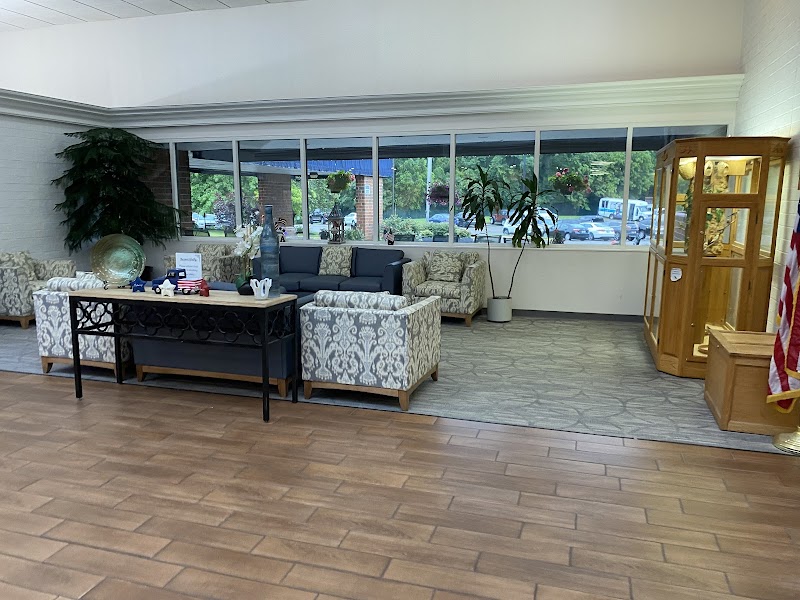
How is Aventura At West Park Staffed?

CMS rates AVENTURA AT WEST PARK's staffing level at 2 out of 5 stars, which is below average compared to other nursing homes. Staff turnover is 69%, which is 23 percentage points above the Ohio average of 46%. High turnover can affect care consistency as new staff learn residents' individual needs. RN turnover specifically is 67%, which is notably high. RNs provide skilled clinical oversight, so turnover in this role can affect medical care quality.

What Have Inspectors Found at Aventura At West Park?

State health inspectors documented 46 deficiencies at AVENTURA AT WEST PARK during 2019 to 2025. These included: 1 Immediate Jeopardy (the most serious level, indicating potential for serious harm or death), 1 that caused actual resident harm, 43 with potential for harm, and 1 minor or isolated issues. Immediate Jeopardy findings are rare and represent the most serious regulatory concerns. They require immediate corrective action.
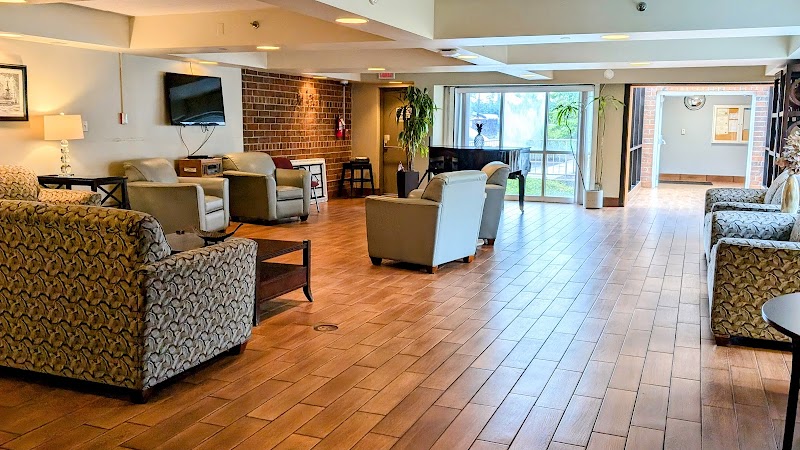
Who Owns and Operates Aventura At West Park?

AVENTURA AT WEST PARK is owned by a for-profit company. For-profit facilities operate as businesses with obligations to shareholders or private owners. The facility is operated by AVENTURA HEALTH GROUP, a chain that manages multiple nursing homes. With 125 certified beds and approximately 92 residents (about 74% occupancy), it is a mid-sized facility located in CINCINNATI, Ohio.
How Does Aventura At West Park Compare to Other Ohio Nursing Homes?

Compared to the 100 nursing homes in Ohio, AVENTURA AT WEST PARK's overall rating (2 stars) is below the state average of 3.2, staff turnover (69%) is significantly higher than the state average of 46%, and health inspection rating (2 stars) is below the national benchmark.

What Should Families Ask When Visiting Aventura At West Park?

Based on this facility's data, families visiting should ask: "What changes have been made since the serious inspection findings, and how are you preventing similar issues?" "What safeguards and monitoring systems are in place to protect residents from abuse or neglect?" "How do you ensure continuity of care given staff turnover, and what is your staff retention strategy?" "Can you walk me through typical staffing levels on day, evening, and night shifts?" These questions are particularly relevant given the facility's Immediate Jeopardy citations, the substantiated abuse finding on record, the facility's high staff turnover rate, and the below-average staffing rating.

Is Aventura At West Park Safe?

Based on CMS inspection data, AVENTURA AT WEST PARK has documented safety concerns. The facility has 1 substantiated abuse finding (meaning confirmed case of resident harm by staff or other residents). Inspectors have issued 1 Immediate Jeopardy citation (the most serious violation level indicating risk of serious injury or death). The facility has a 2-star overall rating and ranks #100 of 100 nursing homes in Ohio. Families considering this facility should ask detailed questions about what corrective actions have been taken since these incidents.

Do Nurses at Aventura At West Park Stick Around?

Staff turnover at AVENTURA AT WEST PARK is high. At 69%, the facility is 23 percentage points above the Ohio average of 46%. Registered Nurse turnover is particularly concerning at 67%. RNs handle complex medical decisions and coordinate care — frequent RN changes can directly impact care quality. High turnover means new staff may not know residents' individual needs, medications, or preferences. It can also be disorienting for residents, especially those with dementia who rely on familiar faces. Families should ask: What is causing the turnover? What retention programs are in place? How do you ensure care continuity during staff transitions?

Was Aventura At West Park Ever Fined?

AVENTURA AT WEST PARK has been fined $16,801 across 1 penalty action. This is below the Ohio average of $33,247. While any fine indicates a compliance issue, fines under $50,000 are relatively common and typically reflect isolated problems that were subsequently corrected. Families should ask what specific issues led to these fines and confirm they've been resolved.

Is Aventura At West Park on Any Federal Watch List?

AVENTURA AT WEST PARK is not on any federal watch list. The most significant is the Special Focus Facility (SFF) program, which identifies the bottom 1% of nursing homes nationally based on persistent, serious quality problems. Not being on this list means the facility has avoided the pattern of deficiencies that triggers enhanced federal oversight. This is a positive indicator, though families should still review the facility's inspection history directly.