AYDEN HEALTHCARE OF MADEIRA
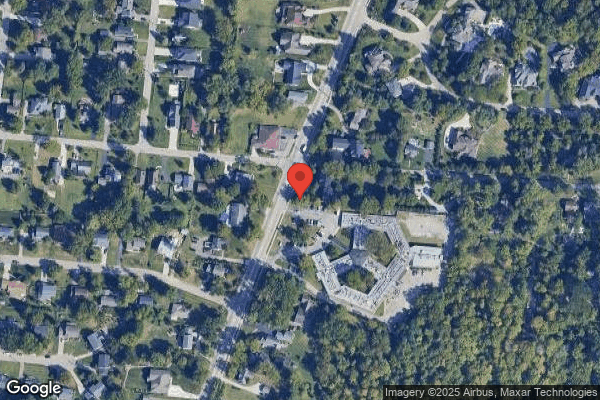
5970 KENWOOD ROAD, CINCINNATI, OH 45243 (513) 561-4111
For profit - Limited Liability company 115 Beds AYDEN HEALTHCARE Data: November 2025
Trust Grade
40/100
#615 of 913 in OH
Last Inspection: January 2024

Within standard 12-15 month inspection cycle. Federal law requires annual inspections.

Overview

Ayden Healthcare of Madeira has a Trust Grade of D, indicating a below-average performance with some concerns about the quality of care. It ranks #615 out of 913 facilities in Ohio, placing it in the bottom half, and #49 out of 70 in Hamilton County, meaning there are only a few local options that perform better. The facility is showing signs of improvement, having reduced issues from 26 in 2024 to just 1 in 2025. However, staffing is a concern, with only 1 out of 5 stars and a high turnover rate of 51%. Additionally, there have been troubling incidents, such as a resident being physically harmed by another resident and staff failing to maintain proper hygiene practices in the kitchen, which could pose health risks to all residents. While the facility has excellent quality measures, the overall situation suggests families should proceed with caution.

Trust Score
D
40/100
In Ohio
#615/913
Bottom 33%
Safety Record
Moderate
Needs review
Inspections
Getting Better
26 → 1 violations
Staff Stability
⚠ Watch
51% turnover. Above average. Higher turnover means staff may not know residents' routines.
Penalties
✓ Good
$42,090 in fines. Lower than most Ohio facilities. Relatively clean record.
Skilled Nurses
⚠ Watch
Each resident gets only 15 minutes of Registered Nurse (RN) attention daily — below average for Ohio. Fewer RN minutes means fewer trained eyes watching for problems.
Violations
⚠ Watch
61 deficiencies on record. Higher than average. Multiple issues found across inspections.
★★☆☆☆
2.0
Overall Rating
★☆☆☆☆
1.0
Staff Levels
★★★★★
5.0
Care Quality
★☆☆☆☆
1.0
Inspection Score
Stable
2024: 26 issues
2025: 1 issues

The Good

  • 5-Star Quality Measures · Strong clinical quality outcomes
  • Full Sprinkler Coverage · Fire safety systems throughout facility
  • No fines on record

Facility shows strength in quality measures, fire safety.

The Bad

2-Star Overall Rating

Below Ohio average (3.2)

Below average - review inspection findings carefully

Staff Turnover: 51%

Near Ohio avg (46%)

Higher turnover may affect care consistency

Federal Fines: $42,090

Above median ($33,413)

Moderate penalties - review what triggered them

Chain: AYDEN HEALTHCARE

Part of a multi-facility chain

Ask about local staffing decisions and management

The Ugly 61 deficiencies on record

1 actual harm
Jul 2025 1 deficiency
CONCERN (F) 📢 Someone Reported This

A family member, employee, or ombudsman was alarmed enough to file a formal complaint

Potential for Harm - no one hurt, but risky conditions existed

Food Safety (Tag F0812)

Could have caused harm · This affected most or all residents

Based on observation, staff interview, and policy review, the facility failed to ensure clean dishes were handled in a sanitary manner. This had the potential to affect all 87 residents in the facilit...

Read full inspector narrative →
Based on observation, staff interview, and policy review, the facility failed to ensure clean dishes were handled in a sanitary manner. This had the potential to affect all 87 residents in the facility who the facility identified all residents receiving food from the kitchen. The facility census was 87.Findings include:Observation of the kitchen on 07/09/25 at 11:01 A.M., revealed [NAME] #300 loading dirty dishes onto racks and pushing the dirty racks through the dish machine. [NAME] #300 pushed two racks through the dish machine, rinsed her hands with the dish sprayer, and walked over to the other side of the dish machine and began unloading clean dishes from the racks. [NAME] #300 was not observed to wash her hands or complete any hand hygiene when moving between the dirty dishes to the clean dishes. [NAME] #300 then finished unloading the clean dishes from two racks and walked back over to the dirty dishes and began loading more dirty dishes onto a rack. [NAME] #300 pushed another rack through the dish machine and, again, walked over to the other side of the dish machine to unload clean dishes from a rack. [NAME] #300 was not observed to wash her hands or complete any hand hygiene when moving between the dirty dishes to the clean dishes.Interview on 07/09/25 at 11:08 A.M., [NAME] #300 verified she did not complete any hand hygiene after she loaded the dirty dishes and before handling the clean dishes. [NAME] #300 stated her coworker stepped away to do something else and she was trying to keep things moving. [NAME] #300 verified she should have completed hand hygiene prior to handling the clean dishes. Review of the facility policy titled, Food Safety and Sanitation, dated 2021 revealed employees should wash their hands after handling dirty dishes. This deficiency represents non-compliance investigated under Master Complaint Number OH00167416 and Complaint Number OH00167363.
Nov 2024 2 deficiencies
CONCERN (D) 📢 Someone Reported This

A family member, employee, or ombudsman was alarmed enough to file a formal complaint

Potential for Harm - no one hurt, but risky conditions existed

Pharmacy Services (Tag F0755)

Could have caused harm · This affected 1 resident

Based on medical record review, resident interview, staff interview, and review of the facility policy, the facility failed to provide medications as ordered by physician. This affected one resident (...

Read full inspector narrative →
Based on medical record review, resident interview, staff interview, and review of the facility policy, the facility failed to provide medications as ordered by physician. This affected one resident (Resident #11) of three residents reviewed for medication administration. The facility census was 94 residents. Findings include: Review of the medical record for Resident #11 revealed an admission date of 07/10/24 with diagnoses including osteoarthritis and attention deficit hyperactivity disorder (ADHD). Review of the Minimum Data Set (MDS) assessment for Resident #11 dated 10/15/24 revealed the resident was cognitively intact and required assistance with activities of daily living (ADLs.) Review of physician's orders for Resident #11 revealed an order dated 07/15/24 for Adderall five milligrams (mg) two tablets twice daily. Review of controlled drug administration records for Resident #11 revealed Adderall was not administered on the following dates: 08/27/24 to 09/03/24, 09/07/24, 09/08/24, and 9/13/24 to 09/25/24. Review of Medication Administration Records (MAR) for Resident #11 dated August 2024 and September 2024 revealed Adderall was documented as not administered on 08/28/24, 08/29/24, 09/02/24 evening dose only, 09/03/24, 09/07/24, 09/08/24, 09/13/24, 09/14/24, 09/16/24 to 09/23/24, and 09/25/24 morning dose only. Interview on 11/13/24 at 10:25 A.M. with Resident #11 confirmed she did not receive her Adderall for approximately two weeks a couple months ago. Interview on 11/13/24 at 1:45 P.M. with the Director of Nursing (DON) confirmed Resident #11's Adderall was not available to be administered on the following dates: 08/27/24 to 09/03/24, 09/07/24, 09/08/24, and 9/13/24 to 09/25/24. The DON confirmed staff were at times signing off medication as administered in the MAR when the medication was not available. Further interview with the DON confirmed she was unaware Resident #11 had missed numerous doses of Adderall in August and September 2024 until the Surveyor questioned her regarding the medications. Review of the facility policy titled Administering Medications dated December 2012 revealed medications must be administered in accordance with the orders, including any required time frame. The deficiency represents noncompliance investigated under Complaint Number OH00159293.
CONCERN (D) 📢 Someone Reported This

A family member, employee, or ombudsman was alarmed enough to file a formal complaint

Potential for Harm - no one hurt, but risky conditions existed

Medical Records (Tag F0842)

Could have caused harm · This affected 1 resident

Based on medical record review, resident interview, staff interview, and review of the facility policy, the facility failed to accurately document medication administration. This affected one (Residen...

Read full inspector narrative →
Based on medical record review, resident interview, staff interview, and review of the facility policy, the facility failed to accurately document medication administration. This affected one (Resident #11) of three residents reviewed for medication administration. The facility census was 94 residents. Findings include: Review of the medical record for Resident #11 revealed an admission date of 07/10/24 with diagnoses including osteoarthritis and attention deficit hyperactivity disorder (ADHD). Review of the Minimum Data Set (MDS) assessment for Resident #11 dated 10/15/24 revealed the resident was cognitively intact and required assistance with activities of daily living (ADLs.) Review of physician's orders for Resident #11 revealed an order dated 07/15/24 for Adderall five milligrams (mg) two tablets twice daily. Review of controlled drug administration records for Resident #11 revealed Adderall was not administered on the following dates: 08/27/24 to 09/03/24, 09/07/24, 09/08/24, and 9/13/24 to 09/25/24. Review of Medication Administration Records (MAR) for Resident #11 dated August 2024 and September 2024 revealed Adderall was documented as administered on 08/27/24, 08/30/24, 08/31/24, 09/01/24, 09/02/24 morning dose only, 09/15/24, 09/17/24, 09/18/24, 09/19/24, 09/20/24, 09/21/24, 09/22/24, 09/24/24, 09/25/24 evening dose only. Interview on 11/13/24 at 10:25 A.M. with Resident #11 confirmed she did not receive her Adderall for approximately two weeks a couple months ago. Interview on 11/13/24 at 1:45 P.M. with the Director of Nursing (DON) confirmed Resident #11's Adderall was not available to be administered on the following dates: 08/27/24 to 09/03/24, 09/07/24, 09/08/24, and 9/13/24 to 09/25/24. The DON confirmed staff signed off medication in the resident's MAR as administered on the following dates/times: 08/27/24, 08/30/24, 08/31/24, 09/01/24, 09/02/24 morning dose only, 09/15/24, 09/17/24, 09/18/24, 09/19/24, 09/20/24, 09/21/24, 09/22/24, 09/24/24, 09/25/24 evening dose only. Further interview with the DON confirmed staff should not document medications as administered unless they were actually administered. Review of the facility policy titled Administering Medications dated December 2012 revealed the individual administering medications will record admininstration in the medical record.
Sept 2024 1 deficiency
CONCERN (D) 📢 Someone Reported This

A family member, employee, or ombudsman was alarmed enough to file a formal complaint

Potential for Harm - no one hurt, but risky conditions existed

Comprehensive Care Plan (Tag F0656)

Could have caused harm · This affected 1 resident

**NOTE- TERMS IN BRACKETS HAVE BEEN EDITED TO PROTECT CONFIDENTIALITY** Based on record review, facility staff interviews and policy review the facility failed to develop a complete comprehensive care...

Read full inspector narrative →
**NOTE- TERMS IN BRACKETS HAVE BEEN EDITED TO PROTECT CONFIDENTIALITY** Based on record review, facility staff interviews and policy review the facility failed to develop a complete comprehensive care plan to include activities. This affected three (Resident #9, #13, and #45) out of four residents reviewed for activities. The facility census was 88. Findings include: 1. Record review of Resident #9 revealed an admission date of 07/10/23 with diagnoses of acute and chronic respiratory failure with hypoxia, major depressive disorder, and heart failure. Review of the annual Minimum Data Set (MDS) assessment dated [DATE] revealed the resident was cognitively intact, required set-up assistance with eating, and required supervision assistance with oral hygiene, toileting hygiene, bathing, dressing, personal hygiene, bed mobility, transfers, and ambulation. Review of the Activities Initial Review assessment dated [DATE] revealed the resident had interests / hobbies of arts and crafts. Unknown if resident wished to participate in activities while in the facility. Review of the current care plan revealed it was absent for activities. 2. Record review of Resident #13 revealed an admission date of 07/10/24 with diagnoses of osteoarthritis of the hip, type II diabetes mellitus without complications, and depression. Review of the quarterly MDS dated [DATE] revealed the resident was cognitively intact, required supervision assistance with eating, required substantial assistance with oral hygiene, toileting hygiene, bathing, dressing, personal hygiene, bed mobility, transfers, and wheelchair mobility. Review of the Activities Initial Review assessment dated [DATE] revealed the resident had interests / hobbies of word puzzles and watching television. Unknown if resident wishes to participate in activities while in the facility. Review of the current care plan revealed it was absent for activities. 3. Record review of Resident #45 revealed an admission date of 04/19/24 with diagnoses of acute osteomyelitis of right ankle and foot, acquired absence of left leg below knee, and type II diabetes mellitus with diabetic chronic kidney disease. Review of the MDS dated [DATE] revealed resident had cognitive skills for independent decision-making skills and required set-up assistance with all activities of daily living. Review of the Activities Initial Review assessment dated [DATE] revealed resident had interests / hobbies of arts, crafts, bingo, cards, and board games. Unknown if resident wishes to participate in activities while in the facility. Review of the current care plan revealed it was absent for activities. Interview on 09/19/24 at 10:44 A.M. with Activities Director #282 confirmed the Activities Director is responsible for to completing and updating residents activity care plans. Interview also confirmed Residents #9, #13, and #45 did not have an activity care plan. Interview on 09/19/24 at 12:01 P.M. with Registered Nurse (RN) MDS Coordinator #297 confirmed Residents #9, #13, and #45 did not have an activity care plan. Review of the Care Planning policy dated 08/2021 revealed Our facility's care planning / interdisciplinary team is responsible for the development of an individualized comprehensive care plan for each resident. 1. A comprehensive care plan for each resident is developed within seven (7) days of completion of the resident assessment (MDS). 2. The care plan is based on the resident's comprehensive assessment and is developed by care planning / interdisciplinary team which includes, but is not necessarily limited to the following personnel: e. The activity director / coordinator.
Jul 2024 1 deficiency
CONCERN (F) 📢 Someone Reported This

A family member, employee, or ombudsman was alarmed enough to file a formal complaint

Potential for Harm - no one hurt, but risky conditions existed

Deficiency F0727 (Tag F0727)

Could have caused harm · This affected most or all residents

Based on review of the Payroll-Based Journal (PBJ) report, record review and staff interview the facility failed to have eight consecutive hours of Registered Nurse (RN) coverage in the facility. This...

Read full inspector narrative →
Based on review of the Payroll-Based Journal (PBJ) report, record review and staff interview the facility failed to have eight consecutive hours of Registered Nurse (RN) coverage in the facility. This had the potential to affect all 92 residents who resided in the facility. Findings include: Review of the PBJ report for quarter one of the 2024 fiscal year, revealed the facility had a high number of days without RN coverage. Review of the staffing schedules from 01/01/24 to 03/31/24 revealed no RN was scheduled for eight consecutive hours on 02/03/24, 02/04/24, 02/10/24, 02/11/24, 02/17/24, 02/18/24, 03/30/24, and 03/31/24. Review of the daily staffing posting for 02/03/24, 02/04/24, 02/10/24, 02/11/24, 02/17/24, 02/18/24, 03/30/24 and 03/31/24 revealed no documented RN coverage for eight consecutive hours. Interview with the Administrator on 07/16/24 at 10:00 A.M. verified that there was no RN scheduled for eight consecutive hours on 02/03/24, 02/04/24, 02/10/24, 02/11/24, 02/17/24, 02/18/24, 03/30/24, and 03/31/24.
May 2024 1 deficiency
CONCERN (D) 📢 Someone Reported This

A family member, employee, or ombudsman was alarmed enough to file a formal complaint

Potential for Harm - no one hurt, but risky conditions existed

ADL Care (Tag F0677)

Could have caused harm · This affected 1 resident

**NOTE- TERMS IN BRACKETS HAVE BEEN EDITED TO PROTECT CONFIDENTIALITY** Based on medical record review, observations and resident and staff interviews, the facility failed to ensure perineal care was ...

Read full inspector narrative →
**NOTE- TERMS IN BRACKETS HAVE BEEN EDITED TO PROTECT CONFIDENTIALITY** Based on medical record review, observations and resident and staff interviews, the facility failed to ensure perineal care was provided for a resident. This affected one (#38) of three reviewed for incontinent care. The facility census is 87. Findings include Medical record review for Resident #38 revealed an admission on [DATE] with diagnoses including but not limited to congestive heart failure, asthma, hypotension, and neuromuscular dysfunction of the bladder. Review of the comprehension Minimum Data Set (MDS) assessment dated [DATE] for Resident #38 revealed the resident had intact cognition. Resident #38 was not coded with refusals or rejections of care. Resident #38 required set up for meals, dependent for toileting, maximum assistance for transfers and moderate assistance for bed mobility. Resident #38 was coded as incontinent of bladder and bowel. Review of the plan of care for Resident #38 revealed resident required assistance with activities of daily living (ADL) due to hypertension, diabetes, obesity, chronic pain,osteoarthritis, asthma, heart failure and overall medical condition. She is at risk for decline in ADL self-care. Interventions include toileting with extensive to total assistance with one or two staff members. Review of the plan of care for Resident #38 revealed resident has bladder incontinence related to neurogenic disorder dated 02/21/24. Interventions include clean peri-area with each incontinence episode, encourage fluids during the day to promote prompted voiding responses. Review of the facility bladder and bowel review for Resident #38 revealed the resident was continent of bowel and bladder. Assessment indicated Resident #38 has not had a change in continence status and as not been checked for a urinary tract infection. Resident #38 is alert and oriented with adequate vision and uses a wheelchair for mobility. Resident #38 requires one person assist and is occasionally incontinent and frequently incontinence of bladder. Resident #38 takes diuretics daily. Review of the electronic health record state testing nursing assistant (STNA) documentation for the toileting task for Resident #38 dated 04/19/24 through 05/13/24 revealed only two shifts, on 04/23/24 and 05/12/24, with documented episodes of perineal care on night shift. All other days for the thirty day look back period contained no documentation for incontinent services on the night shift. Interview and observation on 05/13/24 at 12:30 P.M. with Resident #38 states the STNA's put two incontinent pads on her at night and do not check until the morning. Resident #38 states she is always wet and cold in the morning. Interview on 05/13/24 at 2:10 P.M. with Director of Nursing (DON) verified the facility only had two episodes of charting for incontinent care for Resident #38 on the night shift. Additionally, the DON stated Resident #38 should be checked and changed every two hours. The DON was unable to provide any additional documentation that Resident #38 was provided incontinent care during the night shift. Review of the facility policy titled Incontinence Care, dated 08/2022 was silent for any directions of documentation related to the task. This deficiency represents non-compliance investigated under Complaint Number OH00152805.
Jan 2024 21 deficiencies
CONCERN (D)

Potential for Harm - no one hurt, but risky conditions existed

Resident Rights (Tag F0550)

Could have caused harm · This affected 1 resident

**NOTE- TERMS IN BRACKETS HAVE BEEN EDITED TO PROTECT CONFIDENTIALITY** Based on observation, record review, interview, and policy review, the facility failed to ensure staff were not assigned to resi...

Read full inspector narrative →
**NOTE- TERMS IN BRACKETS HAVE BEEN EDITED TO PROTECT CONFIDENTIALITY** Based on observation, record review, interview, and policy review, the facility failed to ensure staff were not assigned to residents who specified they did not want that caregiver and failed to ensure residents received their phone calls. This affected two (Residents #26 and #336) of two residents reviewed for resident rights. The census was 87. Findings include: 1. Record review revealed Resident #26 was admitted on [DATE] with diagnoses including multiple sclerosis and heart failure. Review of the quarterly Minimum Data Set (MDS) assessment dated [DATE] revealed Resident #26 was cognitively intact. Review of a facility Self-Reported Incident (SRI), #242077 dated 12/12/23, documented the facility received an anonymous letter from a church in the community alleging possible abuse or neglect of Resident #26. When staff spoke with Resident #26 she said there were two staff members she didn't want to care for her because of personal reasons. During an interview on 01/17/24 at 2:31 P.M., Resident #26 stated she did not want State Tested Nursing Assistant (STNA) #53 to take care of her because the STNA said to her in conversation at least I can wipe my own [expletive] (buttocks). Resident #26 said she told the nursing staff she didn't want STNA #53 to care for her anymore, but the STNA #53 continued to care for her and she cared for her this morning. During an interview on 01/17/24 at 2:59 P.M., Licensed Social Worker (LSW) #114 stated she remembered one of the STNA's mentioned in the SRI was STNA #53. LSW #114 said Resident #26 doesn't like STNA #53 to take care of her. During an interview on 01/17/24 at 4:50 P.M., STNA #53 denied she made the above comment to Resident #26. STNA#53 said Resident #26 did not like her to provide care to her. She said she was assigned to care for Resident #26 this day. 2. Record review revealed Resident #336 was admitted on [DATE]. Review of the admission MDS dated [DATE] revealed Resident #336 was cognitively intact. During an interview on 01/17/24 at 1:59 P.M., Resident #336 stated she called churches to help her with food and other items. She has stopped receiving the phone calls. She said Receptionist #107 came to her room and said her phone calls were being screened because it was inappropriate to call churches and ask them to help her. During an interview on 01/17/24 at 3:03 P.M., Receptionist #107 said she usually sent the calls back to the resident's room and if the resident didn't answer, she would take a message and let the resident know someone called. She said Resident #336 was making calls to churches and telling them she was hungry. Receptionist #107 said she was told to screen the calls to Resident #226 and give the numbers to the Administrator and he would return the calls. During an interview on 01/17/24 at 3:43 P.M., the Administrator stated he did not screen calls for Resident #336. He stated Resident #336 would call food banks telling them she needed money for food and cigarettes. He told the receptionist to write down the location of the church or the name and give it to him. He wanted to know who the resident was calling and telling the church she needs money because she is hungry, because it wasn't true. The resident was fabricating things to the church. Review of the policy titled Resident Rights, dated 12/01/16 revealed the resident had the right to communicate with and access to people and services, both inside and outside the facility. The resident can exercise their rights as a resident at the facility and be supported by the facility in exercising his or her rights. The residents can exercise rights without interference, coercion, discrimination or reprisal from the facility. The resident's will have access to a phone and may communicate with outside agencies.
CONCERN (D)

Potential for Harm - no one hurt, but risky conditions existed

PASARR Coordination (Tag F0644)

Could have caused harm · This affected 1 resident

**NOTE- TERMS IN BRACKETS HAVE BEEN EDITED TO PROTECT CONFIDENTIALITY** Based on record review and interview, the facility failed to complete a new Preadmission Screening and Resident Review (PASRR) w...

Read full inspector narrative →
**NOTE- TERMS IN BRACKETS HAVE BEEN EDITED TO PROTECT CONFIDENTIALITY** Based on record review and interview, the facility failed to complete a new Preadmission Screening and Resident Review (PASRR) when a new mental health diagnosis was given. This affected two (Residents #33 and #45) of six reviewed for PASRR. The facility census was 87. Findings include: 1. Review of the record for Resident #33 revealed he was admitted [DATE] with diagnoses including schizophrenia (08/08/22), bipolar disorder, anxiety disorder, and panic disorder. Review of the Minimum Data Set (MDS) assessment dated [DATE] revealed Resident #33 was cognitively intact. Review of the medical record revealed a PASRR was completed on 07/20/20. However, a new PASRR was not completed for Resident #33 after the diagnosis of schizophrenia was added 08/08/22. 2. Review of the record for Resident #45 revealed he was admitted [DATE] with diagnoses including dementia with psychotic disturbance, delusional disorder (10/28/21), major depression and anxiety disorder. Review of the MDS dated [DATE] revealed Resident #45 was severely cognitively impaired. Review of the medical record revealed a PASRR for Resident #45 was completed on dated 05/11/20. However, a new PASRR was not completed for Resident #45 after the diagnosis of delusional disorder was added on 10/28/21. During an interview on 01/18/24 at 2:10 P.M., Licensed Social Worker (LSW) #114 she confirmed the PASRR screenings were not completed again when new mental health diagnoses were added.
CONCERN (D)

Potential for Harm - no one hurt, but risky conditions existed

Deficiency F0657 (Tag F0657)

Could have caused harm · This affected 1 resident

**NOTE- TERMS IN BRACKETS HAVE BEEN EDITED TO PROTECT CONFIDENTIALITY** Based on record review, interview, and policy review, the facility failed to ensure residents received quarterly care conference...

Read full inspector narrative →
**NOTE- TERMS IN BRACKETS HAVE BEEN EDITED TO PROTECT CONFIDENTIALITY** Based on record review, interview, and policy review, the facility failed to ensure residents received quarterly care conferences. This affected two (Residents #6 and #62) of three residents sampled for care conferences. The facility census was 87. Findings include: 1. Review of the medical record revealed Resident # 6 was admitted to the facility on [DATE] and had diagnoses including unspecified cerebral palsy, COPD, type II diabetes, (03/14/13) unspecified bipolar disorder, unspecified hallucinations, contracture to unspecified joint. unspecified major depressive disorder, and other chronic pain. Review of the most recent Minimum Data Set (MDS) assessment dated [DATE] revealed Resident # 6 was cognitively intact, had no behaviors, did not wander, and did not reject care. Record review revealed there were only two care conferences held in 2023 for Resident #6 on 04/25/23 and 07/28/23. 2. Review of the medical record revealed Resident # 62 was admitted to the facility on [DATE] and had diagnoses including dysphagia following cerebrovascular disease, unspecified asthma, unspecified dementia, left wrist flexion deformity, type II diabetes, and seizures. Review of most recent MDS assessment, dated 12/08/23, revealed Resident #62 had severely impaired cognition, had no behaviors, did not wander, and did not reject care. Review of the medical record revealed there were only two care conferences held in 2023 for Resident #62 on 03/31/23 and 08/08/23. During an interview on 01/16/23 at 11:05 A.M. Resident #62 stated he did not receive regular care conferences. During an interview on 01/16/2024 at 12:19 P.M., Resident #6 stated she was not receiving care conferences regularly. During an interview on 01/18/24 at 12:45 P.M., Social Worker #114 stated care conferences were supposed to happen quarterly in conjunction with quarterly MDS assessments. The social worker explained she had been unable to keep up with care conferences for a period of time as she was expected to schedule transportation for resident appointments. She verified Residents #6 and #62 had not received quarterly care conferences. Review of the policy titled Care Conference, dated 11/08/23, documented care conferences were held for all residents upon admission, quarterly, and additionally as needed for significant change in resident condition, re-admission, and Medicare residents receiving skilled services.
CONCERN (D)

Potential for Harm - no one hurt, but risky conditions existed

ADL Care (Tag F0677)

Could have caused harm · This affected 1 resident

**NOTE- TERMS IN BRACKETS HAVE BEEN EDITED TO PROTECT CONFIDENTIALITY** Based on record review, interview and policy review, the facility failed to ensure showers were given. This affected two (Reside...

Read full inspector narrative →
**NOTE- TERMS IN BRACKETS HAVE BEEN EDITED TO PROTECT CONFIDENTIALITY** Based on record review, interview and policy review, the facility failed to ensure showers were given. This affected two (Residents #29 and #33) of two reviewed for activities of daily living. The census was 87. Findings included: 1. Record review for Resident #29 revealed an admission date of 03/24/23. His medical diagnoses included cerebrovascular accident, diabetes, hypertension, and heart failure. Review of progress notes dated 09/01/23 through 01/18/24 revealed no refusals for showers. Review of quarterly MDS dated [DATE] revealed Resident #29 was cognitively intact. There was no care plan for bathing or showers in his record. Review of the documentation for Resident #29 revealed since 11/14/23 revealed Resident #29 had received six showers out of 20 opportunities. During an interview on 01/16/24 at 1:44 P.M., Resident #29 stated he gets showers but he goes a little longer than he would like to in between showers. He stated there wasn't enough aides on nights to give him a shower and he has voiced it to the facility's management. 2. Record review for Resident #33 revealed an admission date of 07/23/20. Medical diagnoses included traumatic spinal cord dysfunction. Review of shower documentation for Resident #33 revealed since 11/09/23, Resident #33 has received four showers out of 18 opportunities. He refused three showers. Review of quarterly MDS dated [DATE] revealed Resident #33 was cognitively intact. There was no care plan for bathing or showers in his record. During an interview on 01/16/24 at 1:59 P.M., Resident #33 stated he wasn't getting enough showers and the staff keep telling him they don't have a shower bed for him to go to the shower. He didn't know who the staff were. During an interview on 01/18/24 at 1:15 P.M., the Director of Nursing (DON) stated she couldn't provide any evidence Resident #29 or Resident #33 were receiving showers as requested. Review of the policy titled Bathing Policy, dated 08/01/23, revealed the residents will have the option to take a bath/shower/bed bath as often as they would like and choose what time of the day. The shower sheets for the STNA's [State Tested Nursing Assistant] to record bathing will be changed monthly. Every effort will be made to maintain a consistent bathing schedule for each of our residents.
CONCERN (D)

Potential for Harm - no one hurt, but risky conditions existed

Pressure Ulcer Prevention (Tag F0686)

Could have caused harm · This affected 1 resident

**NOTE- TERMS IN BRACKETS HAVE BEEN EDITED TO PROTECT CONFIDENTIALITY** Based on record review and interview, the facility failed to ensure a pressure ulcer was monitored when hospice took over the ca...

Read full inspector narrative →
**NOTE- TERMS IN BRACKETS HAVE BEEN EDITED TO PROTECT CONFIDENTIALITY** Based on record review and interview, the facility failed to ensure a pressure ulcer was monitored when hospice took over the care of the resident. This affected one (Resident #27) of two residents reviewed for pressure ulcers. The facility identified three residents with pressure ulcers in the facility. The census was 87. Findings include: Record review for Resident #27 revealed an admission date of 02/22/23. His medical diagnoses included traumatic brain disorder, cerebrovascular accident (CVA), non-Alzheimer's dementia, malnutrition, and schizophrenia. Review of the initial pressure ulcer assessment dated [DATE] documented a pressure injury wound to the right trochanter measured seven centimeters (cm) by 6.5 cm by two cm with 100 percent granulation tissue. There was moderate exudate and and the peri-wound was normal and the wound had no signs of infection. Review of the inial pressure ulcer assessment dated [DATE] documented a pressure injury to the coccyx that measured 2.7 cm by 1.5 cm by one cm with 100 percent granulation tissue. There was moderate exudate and peri-wound was normal and no signs of infection. Review of the initial assessment dated [DATE] documented a pressure injury wound to the left trochanter that measured nine cm by eight cm. Depth could not be determined. There was 60 percent granulation tissue, 40 percent slough and peri-wound was normal. There were no signs of infection. Review of the care plan dated 03/10/23 revealed Resident #27 had experienced skin pressure to the right and left trochanter and coccyx. Interventions were to administer medications as ordered. Monitor/document for side effects and effectiveness. Administer treatments as ordered and monitor for effectiveness. Follow facility policies/protocols for the prevention/treatment of skin breakdown. Monitor dressing to ensure it is intact and adhering. Report lose dressing to Treatment nurse. Monitor nutritional status. Serve diet as ordered, monitor intake and record. Monitor/document/report to physician as needed changes in skin status: appearance, color, wound healing, signs and symptoms of infection, wound size (length times width times depth), stage. Give Prostat as ordered. Treat pain as per orders prior to treatment/turning to ensure the resident's, comfort. The care plan also revealed the resident had pressure ulcers related to bilateral contractures with impaired knee and hip flexion. Review of the quarterly Minimum Data Set (MDS) assessment dated [DATE] revealed Resident #27 was cognitively intact. He required extensive assistance for eating, toileting, bed mobility, and for transfers. He was frequently incontinent of bowel and bladder. Review of wound documentation dated 10/05/23 revealed the left trochanter wound measured 8.5 cm by 5.5 cm by 0.3 cm, thick underlying structure and 100 percent granulation. There was a moderate amount of drainage, red, no odor, unchanged. Review of wound documentation dated 10/05/23 revealed the wound to the coccyx was measured at 3.4 cm by one cm by one cm with 100 percent granulation. There was moderate exudate and the peri-wound was normal. This wound was healing. Review of wound documentation dated 10/05/23 revealed the wound to the right trochanter was measured at 12.5 cm by eight cm by 0.4 cm with 60 percent granulation and 40 percent slough. There was moderate exudate and the peri-wound was normal. There were no signs and symptoms of infection. This wound was healing. Review of the record revealed hospice started caring for the resident on 10/11/23 and the facility only provided the care for the wounds one time a week. Review of the hospice documentation from 10/11/23 through 01/23/24 revealed there were no wound measurements taken. Hospice staff were changing the dressings and changing order for the wounds if needed. Review of the medical record revealed the facility had not measured the wounds since 10/05/23. During observations on 01/17/24 at 7:42 A.M. and 12:56 P.M. and on 01/18/24 at 07:55 A.M., Resident #27 was lying on a air mattress and he had his knees folded up to his chest lying on his right trochanter. Resident #27 refused an observation of care. During interview on 01/18/24 at 9:03 A.M., the Director of Nursing (DON) stated she did not have any documentation from hospice concerning the wounds. The DON also verified the facility had not measured the wounds since 10/05/23, when hospice assumed Resident #27's care.
CONCERN (D) 📢 Someone Reported This

A family member, employee, or ombudsman was alarmed enough to file a formal complaint

Potential for Harm - no one hurt, but risky conditions existed

Incontinence Care (Tag F0690)

Could have caused harm · This affected 1 resident

Based on observation, interview, record review and policy review, the facility failed to provide incontinence care in a manner to prevent urinary tract infection. This affected one (Resident #11) resi...

Read full inspector narrative →
Based on observation, interview, record review and policy review, the facility failed to provide incontinence care in a manner to prevent urinary tract infection. This affected one (Resident #11) resident reviewed for incontinence. The facility identified 45 residents who were incontinent. The facility census was 87. Findings include: Review of the medical record for Resident #11 revealed an admission date of 02/12/19. Diagnoses included diabetes mellitus type II, spondylosis, post menopausal bleeding, hypertension, anxiety disorder, morbid obesity due to excess calories. Review of the Minimum Data Set (MDS) assessment for Resident #11, dated 10/27/23, revealed the resident had intact cognition. The resident required the assistance of two persons for activities of daily living and was totally dependent for transfers. The resident had no pressure ulcers. During an interview on 01/22/24 at 10:30 A.M., Resident #11 stated she had a urinary tract infection about a month ago. During an observation of incontinence care for Resident #11 on 01/22/24 at 10:30 A.M., State Tested Nursing Assistant (STNA) #21 washed the resident's buttocks and anus first. She then asked the resident to turn to her side and washed her peri-area from behind. She did not pull the labia apart and wash down both sides with a clean section of the washcloth. During an interview on 01/22/24 at 10:40 A.M., STNA #21 confirmed she did not pull the labia apart and clean down both sides with a clean section of the cloth. Review of the facility policy titled Incontinence Care, dated August 2022 revealed to separate the labia with one hand and wash with the other, using gently downward strokes from the front to the back of the perineum. Use a clean section of the washcloth with each stroke. Avoid the anus. This deficiency represents non-compliance investigated under Complaint OH00150146.
CONCERN (D)

Potential for Harm - no one hurt, but risky conditions existed

Pharmacy Services (Tag F0755)

Could have caused harm · This affected 1 resident

**NOTE- TERMS IN BRACKETS HAVE BEEN EDITED TO PROTECT CONFIDENTIALITY** Based on observation, interview, and record review, the facility failed to ensure residents received medications as ordered. Thi...

Read full inspector narrative →
**NOTE- TERMS IN BRACKETS HAVE BEEN EDITED TO PROTECT CONFIDENTIALITY** Based on observation, interview, and record review, the facility failed to ensure residents received medications as ordered. This affected three (Residents # 18, #45, and #29) of six residents sampled for medication administration. The facility census was 87. Findings include: 1. Review of the medical record revealed Resident #18 was admitted to the facility on [DATE] and had diagnoses including unspecified anxiety disorder, major depressive disorder, unspecified ankle contracture, unspecified pain, and hereditary spastic paraplegia. Review of the most recent Minimum Data Set (MDS) assessment, dated 12/02/23, revealed Resident #18 was cognitively intact, had no behaviors, did not wander, and did not reject care. Resident #18 had an indwelling urinary catheter. Review of the medical record revealed Resident #18 had physician orders for medications including cranberry capsule 425 milligrams (mg) by mouth once daily; ferrous sulfate 300 mg/5 milliliters (ml), give 5 ml by mouth once daily; loratadine 10 mg by mouth once daily; and Visine solution 0.05% instill one drop in each eye once daily. During an observation on 01/18/24 at 9:07 A.M., Licensed Practical Nurse (LPN) #59 prepared medications for administration to Resident #18 and medications including Cranberry Capsule 425 mg, Loratadine 10 mg, Ferrous sulfate 300 mg/5 ml, and Visine 0.05% solution. LPN #59 attempted to search for the medications in the 200-300 hall medication room, but there were no medications stored in that room. LPN #59 attempted to acquire medications from the 100 hall medication room, but did have keys to access the room and was not able to locate the 100 hall nurse, who had the keys. During an interview on 01/18/24 at 9:36 A.M. LPN #59 verified Resident #18's medications were not available in medication cart or the medication room. 2. Review of the record for Resident #45 revealed he was admitted [DATE] with diagnoses including dementia with psychotic disturbance, chronic obstructive pulmonary disease, moderate protein-calorie malnutrition, congestive heart failure, peripheral vascular disease, atherosclerotic heart disease, hypertension, delusional disorder, major depression and anxiety disorder. Resident #45 had a physician order for Clonidine 0.3 milligram patch applied transdermally every Sunday related to hypertensive heart disease and chronic kidney disease. Review of his Medication Administration Record (MAR) for January 2024 revealed the patch was not applied 01/07/24 or 01/14/24 and was refused by Resident #45 on 01/21/24. During an observation on 01/22/24 at 10:24 A.M., Resident #45 had a Clonidine patch adhered to the back of his left shoulder dated 12/31/23. During an interview on 01/22/24 at 10:26 A.M., LPN #55 confirmed the Clonidine patch on Resident #45 was dated 12/31/23 and should have been replaced each Sunday. 3. Medical record review for Resident #29 revealed an admission date of 03/24/23. His diagnoses included cerebrovascular accident, diabetes, hypertension, and heart failure. Review of physician orders dated 03/24/23 revealed Xarelto tablet, 15 mg in the evening for anticoagulation. There was a physician order dated 03/24/23 for Carvedilol tablet, 25 mg two times a day for hypertension and Clonidine HCI tablet 0.2 mg every morning and bedtime for hypertension. Review of the MAR for December 2023 and January 2024 documented the Xarelto was not given on 12/02,23, 12/03/23, and 01/02/24. The morning dose of Carvedilol was not given on 12/04/23, 12/05/23, 12/07/23, 12/08/23, 12/10/23, 12/15/23, 12/18/23, 12/20/23, 12/20/23, 12/21/23, 12/22/23, 01/01/24 and 01/02/24. The evening dose of Carvedilol was not given on 12/01/23, 12/03/23, 12/04/23, 12/07/23 through 12/11/23, 12/13/23, 12/15/23, 12/18/23, 12/20/23 through 12/25/23, 01/02/24, 01/04/24, 01/06/24 and 01/07/24. The morning dose of Clonidine was not given on 12/03/23, 12/06/23, 12/07/23, 12/10/23, 12/18/23, 12/23/23, 01/02/24 and 01/12/24. The evening dose of Clonidine was not given 12/19/24. Review of the progress notes from 12/01/23 through 01/22/24 revealed no documentation as to why the aforementioned medications were not given. During an interview on 01/16/24 1:44 P.M., Resident #29 stated he was not getting his medications in a timely manner. He stated he wasn't getting his blood pressure medication or his blood thinners. He said the facility was consistently running out of his medications and he didn't know why they couldn't get it fixed. During an interview on 01/22/24 at 1:54 P.M., the Director of Nursing confirmed the aforementioned medications were not given. because they weren't available in the facility. She said the staff are not writing a note because they were out of the medication and this has been an ongoing problem in the facility. Review of policy titled Administering Medications, dated December 2012, revealed medications were administered in a safe and timely manner and as prescribed.
CONCERN (D)

Potential for Harm - no one hurt, but risky conditions existed

Deficiency F0761 (Tag F0761)

Could have caused harm · This affected 1 resident

**NOTE- TERMS IN BRACKETS HAVE BEEN EDITED TO PROTECT CONFIDENTIALITY** Based on observation, interview, and record review, the facility failed to ensure medications were not left at the bedside. This...

Read full inspector narrative →
**NOTE- TERMS IN BRACKETS HAVE BEEN EDITED TO PROTECT CONFIDENTIALITY** Based on observation, interview, and record review, the facility failed to ensure medications were not left at the bedside. This affected one (Resident #43) out of 21 residents the nurse administered medications to. The facility census was 87. Findings include: Review of Resident #43's medical record revealed he was admitted to the facility on [DATE] with a diagnoses including chronic obstructive pulmonary disease, diabetes mellitus type II, morbid obesity, peripheral vascular disease, chronic atrial fibrillation, and acute respiratory failure. Review of the Minimum Data Set (MDS) assessment, dated 10/20/23, revealed Resident #43 was cognitively intact. During an observation on 01/16/24 at 10:30 A.M., there was a cup of medications at Resident #43's bedside. During an interview at the time of the observation, Resident #43 stated he has trouble taking all of the medication at once. He asked the nurse to leave the medication and he would take it later. During an interview on 01/16/24 at 10:45 A.M., Nurse #77 stated he left the medication for Resident #43 to consumed at will.
CONCERN (D)

Potential for Harm - no one hurt, but risky conditions existed

Dental Services (Tag F0791)

Could have caused harm · This affected 1 resident

Based on observation, record review and interview, the facility failed to ensure dental services were provided to residents. This affected two (Residents #33 and #73) four residents reviewed for denta...

Read full inspector narrative →
Based on observation, record review and interview, the facility failed to ensure dental services were provided to residents. This affected two (Residents #33 and #73) four residents reviewed for dental services. The facility census was 87. Findings include: 1. Medical record review for Resident #33 revealed an admission date of 07/23/20. Diagnoses included traumatic spinal cord dysfunction. Review of a visit for the dentist on 08/24/23 revealed the resident was seen in his room. The recommendation was to bring the resident to the clinic. There was moderate plaque, calculus, and gingivitis. Recommended staff assistance with daily oral care, brushing two times a day to decrease bacterial load. Review of quarterly Minimum Data Set (MDS) assessment, dated 12/14/23, revealed Resident #33 was cognitively intact. During an interview on 01/16/24 at 2:08 P.M., Resident #33 stated he was supposed to visit the dentist office and it hasn't been set up yet. He said the staff told the dentist he refused to go, but they didn't get him up out of bed to go to the dentist. He denied he had pain in his mouth. Review of the progress notes revealed no documentation Resident #33 had refused to go to the dentist. 2. Medical record review for Resident #73 revealed an admission date of 05/04/23. Diagnoses included non-traumatic brain dysfunction and paranoid schizophrenia. Review of a dental visit dated 06/29/23 revealed the dentist was unable to obtain X-rays and cleaning due to resident being seen in room. Resident has severe periodontal disease and bone loss, all remaining teeth will need to be extracted, oral surgeon referral was completed and left at the facility. Limited mouth opening, resident just started up on antibiotic 6/28/23. Please assist with daily mouth care. Review of quarterly MDS assessment, dated 10/27/23, revealed Resident #73 was severely cognitively impaired. Resident #73 saw the dental hygienist on 12/26/23 and 01/02/24. During an interview on 01/22/24 at 11:33 A.M., Resident #73 stated she has pain in her mouth, but the staff gave her pain medication. She said she was able to eat her meals. During an interview on 01/18/24 at 1:42 P.M., the Director of Nursing verified the visit to the dentist had not been completed for either resident. She stated it has been a struggle for a long time because the facility bus was broken and there just wasn't any way to take them to the appointment. During an interview on 01/22/24 at 12:33 P.M., Appointment Scheduler (AS) #105 stated there wasn't any dental appointments scheduled for Resident #33 and #73.
CONCERN (D)

Potential for Harm - no one hurt, but risky conditions existed

Deficiency F0810 (Tag F0810)

Could have caused harm · This affected 1 resident

**NOTE- TERMS IN BRACKETS HAVE BEEN EDITED TO PROTECT CONFIDENTIALITY** Based on observation, record review and interview, the facility failed to provide a resident with adaptive equipment at meals. T...

Read full inspector narrative →
**NOTE- TERMS IN BRACKETS HAVE BEEN EDITED TO PROTECT CONFIDENTIALITY** Based on observation, record review and interview, the facility failed to provide a resident with adaptive equipment at meals. This affected one (Resident #62) resident. The census was 87. Findings include: Review of the medical record revealed Resident #62 was admitted to the facility on [DATE] and had diagnoses including dysphagia following cerebrovascular disease, unspecified asthma, unspecified dementia, left wrist flexion deformity, type II diabetes, and seizures. Review of the care plan, dated 04/16/21, revealed Resident #62 was at risk for decline in activities of daily living (ADL) function as evidenced by need for assistance with ADL's. Interventions included adaptive equipment including built up spoon/fork utensils, and plate guards. Review of most recent Minimum Data Set (MDS) assessment, dated 12/08/23, revealed Resident #62 had severely impaired cognition. The resident had no functional impairment or limitation in range of motion. Review of the medical record revealed Resident # 62 had physician orders dated 12/11/23 for non-weighted utensils and a plate guard for ease in self feeding as tolerated. During an interview on 01/16/24 at 11:12 A.M., Resident #62 stated he needs adaptive silverware and they never send it. The resident stated therapy had brought foam covers for silverware in case the kitchen did not bring adaptive utensils. He stated he did not receive a plate guard. During an observation on 01/18/24 at 8:52 A.M., State Teste Nursing Assistant (STNA) #101 delivered a breakfast tray to Resident #62. The meal was served on a regular plate with no plate guard and had adaptive silverware on the tray. During an interview on 01/18/24 at 8:55 A.M., STNA #101 confirmed the food was served on a regular plate and there was no plate guard. There was no indication on the ticket that the resident was to have a plate guard. During an interview on 01/18/24 at 1:14 P.M., [NAME] #66 stated the plate guard was a plastic ring that was placed on a regular or divided plate and Resident #62 was the only resident in the facility to use one. During an observation on 01/18/24 at 1:21 P.M. Resident #62 did not have a plate guard for the lunch meal. During an interview on 01/18/2024 at 1:22 P.M. STNA #66 verified when she delivered lunch tray, Resident # 62 did not have plate guard.
CONCERN (D)

Potential for Harm - no one hurt, but risky conditions existed

Infection Control (Tag F0880)

Could have caused harm · This affected 1 resident

**NOTE- TERMS IN BRACKETS HAVE BEEN EDITED TO PROTECT CONFIDENTIALITY** Based on record review, observation, interview and policy review, the facility failed to implement appropriate infection control...

Read full inspector narrative →
**NOTE- TERMS IN BRACKETS HAVE BEEN EDITED TO PROTECT CONFIDENTIALITY** Based on record review, observation, interview and policy review, the facility failed to implement appropriate infection control measure for residents in transmission-based precautions. This affected two (Residents #48, and #27) of four residents sampled for infection control. The facility census was 87. Findings include: 1. Review of the medical record revealed Resident #48 was admitted to the facility on [DATE] and had diagnoses including type II diabetes, chronic obstructive pulmonary disease, chronic viral hepatitis B, and chronic viral hepatitis C. Review of the most recent Minimum Data Set (MDS) assessment, completed on 11/03/23, revealed Resident #48 was cognitively intact, had no behaviors, did not wander, and did not reject care. Review of progress notes dated 01/14/24 at 5:37 P.M. revealed Resident #48 had a red rash under the right breast which was associated with pain. The nurse called the on-call provider and passed it on to the night shift nurse in report. On 01/14/23 at 10:51 P.M. the night shift nurse documented Resident #48 had received a new order for Zovirax 800 milligrams (mg) by mouth five times daily for seven days for the treatment of shingles. The night shift nurse assessed the patient and found four blisters underneath the patient's right breast and a cluster of blisters on the resident's right scapula. The resident was encouraged not to scratch the area. There was no mention in the progress notes regarding transmission-based precautions. Review of the medical record revealed Resident #48 had physician orders dated 01/15/24 for Zovirax 800 mg by mouth five times daily for seven days for treatment of shingles and dated 01/17/24 for contact isolation every day and night shift until 01/22/24 due to shingles diagnosis. During an interview on 01/16/24 at 1:53 P.M., Resident #48 stated a nurse had told her the night before that she was in quarantine for shingles. The resident stated staff were wearing face masks but were not wearing any other personal protective equipment (PPE) when they entered the room. During an interview on 01/16/24 at 4:28 P.M., the Director of Nursing (DON) verified Resident #48 had shingles for the past couple days and had not been placed in transmission-based precautions yet because they were unsure what level of transmission-based precaution was required for shingles. The DON verified there was no sign on the door and was no bin with PPE outside the resident's room. During an observation on 01/16/24 at 1:53 P.M. there was no sign on Resident #48 door and no isolation cart with PPE available for staff outside of Resident #48's room. 2. Medical record review for Resident #27 revealed an admission date of 02/22/23. Diagnoses included traumatic brain disorder, cerebrovascular accident (CVA), Non-Alzheimer's dementia, malnutrition, and Schizophrenia. Review of quarterly MDS, dated [DATE], revealed Resident #27 was cognitively intact. He was frequently incontinent of bowel and bladder. Review of physician orders dated 04/07/23 revealed the resident was to remain in transmission-based precautions due to Carbapenemase-Producing Carbapenem-Resistant Enterobacteriaceae (CPCR) specifically the Acinetobacter Baumannii, every shift for enhanced barrier precautions. During an interview on 01/16/24 at 4:43 P.M., Hospice Registered Nurse (RN) #116 stated there wasn't a sign on the door, but a cart was outside the door. She took the blood pressure and the resident's temperature. She was not wearing any PPE for contact precautions on while in the room. She stated she didn't see a sign on the door and asked the nurse if he was still in contact precautions and she said no. She confirmed she didn't have PPE while in the room. During interview on 01/16/24 at 4:50 P.M., Licensed Practical Nurse (LPN) #55 confirmed Resident #27 was in contact isolation and there wasn't a sign on the door. Review of policy titled Transmission-Based Precautions, dated 08/21/23, revealed Transmission-based precautions were implemented including appropriate signage and PPE available outside the resident's room when a resident developed signs and symptoms of a transmissible infection based on clinical presentation and likely category of pathogens.
CONCERN (E)

Potential for Harm - no one hurt, but risky conditions existed

Deficiency F0565 (Tag F0565)

Could have caused harm · This affected multiple residents

Based on record review, interview and policy review, the facility failed to address concerns brought forth by the Resident Council in a timely manner. This directly affected 15 residents who attended ...

Read full inspector narrative →
Based on record review, interview and policy review, the facility failed to address concerns brought forth by the Resident Council in a timely manner. This directly affected 15 residents who attended the resident council meetings and had the potential to affect all residents. The census was 87. Findings include: Review of resident council meeting minutes dated 01/26/23 documented the residents were concerned about the availability of a substitute menu. When they call down to the kitchen they are told the items aren't available and that additional portions had been thrown away. The minutes dated 03/23/23 documented the residents stated they would like a weekly menu. The minutes dated 04/20/23 documented he residents complained they weren't seeing their concerns reviewed in a timely manner and not seeing resolutions to the concerns. The residents were not pleased with the quality of food presentation and not knowing what the daily meals are going to be. The residents complained of the taste of the food and receiving unwanted items and don't think the diet orders are being followed. The minutes dated 05/25/23 documented the residents complained about not receiving menus and about the quality of the food. The minutes dated 06/22/23 documented the residents were still not receiving menus, receiving wrong items and not receiving requested items. The residents requested to see the dietician, but she didn't come to the meeting. The minutes dated 07/20/23 documented the residents would like their meal tickets updated as they were still receiving items not requested, no weekly menus, and still told alternatives posted are not available. The minutes dated 08/09/23 documented the residents were told there was no alternative meals available, that they cannot get extra food because it was thrown away, menus are not available and the resident's don't know what is being served. They complained about the quality of the food. The minutes dated 09/21/23 documented all of the issues were addressed by the appropriate department heads with resolutions to the problems, but it was not listed what was resolved or how it was resolved. The minutes dated 11/30/23 documented unavailable food alternatives, preferences weren't being honored and residents were receiving food items they were allergic to or didn't like. Review of minutes dated 12/21/23 documented food preferences were not being followed and residents were not receiving a menu. During an interview on 01/22/24 at 3:01 P.M., the Administrator stated he had not discussed the food concerns including menus, alternatives or food related concerns in his Quality Assurance Performance Improvement (QAPI) meetings because he hasn't had any meetings since he took over the facility a year ago in January 2023. During an interview on 01/23/24 at 9:26 A.M., Activity Director )AD) #41 stated she conducts the Resident Council meeting monthly for the residents. She stated month after month the residents complain about the food and menus and she writes out the concern forms and gives them to the dietary manager. She stated when the complaints aren't getting addressed and continue to be a complaint she speaks to the Administrator about the problem. She confirmed the complaints from the Resident Council have not been resolved in a timely manner. Review of the policy titled Resident Council dated 04/01/17 revealed a Resident Council Response Form will be utilized to track issues and their resolution. The facility department related to any issues will be responsible for addressing the item(s) of concern. The QAPI Committee will review information and feedback from the Resident Council as part of their quality review. Issues documented on council response forms may be referred to the QAPI Committee, if applicable (i.e., the issue is of serious nature or if there is a pattern, etc.).
CONCERN (E)

Potential for Harm - no one hurt, but risky conditions existed

Safe Environment (Tag F0584)

Could have caused harm · This affected multiple residents

Based on observation, interview, and policy review, the facility failed to ensure the environment and resident equipment were in good repair. This affected four (Residents#5, #27, #29, and #33) of fiv...

Read full inspector narrative →
Based on observation, interview, and policy review, the facility failed to ensure the environment and resident equipment were in good repair. This affected four (Residents#5, #27, #29, and #33) of five reviewed for environment. The census was 87. Findings include: 1. During an observation on 01/16/24 at 11:29 A.M., Resident #5's room had splashes of a yellowish substance on the right side of the toilet. Two light globes at the top of the mirror in the bathroom had thick dust on them and the bulb was burnt out in the left light. There were multiple holes in the wall behind the sink in the bathroom. The privacy curtain in the room was soiled with a black and yellow substance. 2. During an observation on 01/17/24 at 7:46 A.M., Resident #27's window blinds were not in place properly and were missing slats. 3. During an observation on 01/16/24 at 1:44 P.M., Resident #29's bedroom floor had stains. The lights in the bathroom were covered with dust. The tile next to the right side of the toilet was coming up from the floor. The wallpaper was coming off the wall going into the bathroom, and the outside of the bathroom door was scuffed up. During interview at the time of the observation, Resident #29 stated he felt the room was dirty and needed some repairs. 4. During an observation on 01/16/24 at 2:34 P.M., Resident #33's room had an old heating unit in the right corner of the room that was scuffed and had a yellow substance running down the side of it. The light in the bed \room wasn't working, all of the walls had a yellow substance running down the them, and the floors had a black substance on them. During interview on 01/22/24 at 9:50 A.M., Maintenance Supervisor #42 confirmed all of the items aforementioned were either in disrepair or dirty. Review of policy titled Homelike Environment dated 02/01/11 revealed residents will be provided with a safe, clean, comfortable and homelike environment.
CONCERN (E)

Potential for Harm - no one hurt, but risky conditions existed

Comprehensive Care Plan (Tag F0656)

Could have caused harm · This affected multiple residents

**NOTE- TERMS IN BRACKETS HAVE BEEN EDITED TO PROTECT CONFIDENTIALITY** Based on interview, record review, and policy review, the facility failed to ensure residents had complete and accurate care pla...

Read full inspector narrative →
**NOTE- TERMS IN BRACKETS HAVE BEEN EDITED TO PROTECT CONFIDENTIALITY** Based on interview, record review, and policy review, the facility failed to ensure residents had complete and accurate care plans and failed to ensure that care plans were implemented. This affected six (Residents #22, #29, #33, #76, #336, and #82) of twenty-four residents sampled for care plans. The facility census was 87. Findings include: 1. Review of the medical record revealed Resident #22 was admitted to the facility on [DATE] and had diagnoses including unspecified cerebral infarction with hemiplegia and hemiparesis affecting the left dominant side, paranoid schizophrenia, type II diabetes, unspecified chronic obstructive pulmonary disease, type II diabetes, and schizoaffective disorder. Review of the most recent Minimum Data Set (MDS) assessment, dated 11/03/23, revealed Resident #22 was cognitively intact, had no behaviors, did not wander, and did not reject care. Resident #22 had impairment on one side which caused functional limitation in range of motion. Review of the care plan dated 01/16/24 revealed Resident # 22 was at risk for decline in Activities of Daily Living (ADL) function as evidenced by need for assistance with ADL's, transfers, ambulation, and toileting related to diagnoses. Interventions included manual wheelchair, adaptive reacher device , encourage resident participation in ADL's, report declines in ADL function to physician, and therapy to evaluate and treat as needed. There was no care plan related to contractures or limited range of motion. Observation on 01/16/24 at 2:13 P.M. revealed Resident #22 had a noticeable contracture to the right wrist. During an interview on 01/22/24 at 10:16 AM Therapy Director (TD) #86 verified Resident #22 had a contracture to his right wrist related to history of stroke. TD #86 stated occupational therapy had worked with the resident in April 2023 to tolerate a resting hand splint but he refused all trials. He eventually had to be discontinued from therapy for non-participation. Therapy went back and screened the resident quarterly, but he was never interested in participating again. During an interview on 01/22/2024 3:27 P.M. Licensed Practical Nurse (LPN) #109 verified the patient had a contracture to his right wrist and did not have a care plan for contractures. 2. Medical record review for Resident #29 revealed an admission date of 03/24/23. His medical diagnoses included cerebrovascular accident, diabetes, hypertension, and heart failure. Review of quarterly MDS dated [DATE] revealed Resident #29 was cognitively intact. He required partial/moderate assistance for toileting, and he required supervision for bed mobility and transfers. Review of the record revealed he didn't have a care plan for bathing. 3. Medical record review for Resident #33 revealed an admission date of 07/23/20. Medical diagnoses included traumatic spinal cord dysfunction. Review of quarterly MDS dated [DATE] revealed Resident #33 was cognitively intact. He required supervision for toileting, bed mobility, and transfers. Review of the care plans for the resident revealed there wasn't one for bathing. 4. Medical record review for Resident #336 revealed an admission date of 12/15/23. Her medical diagnoses included hypertension, diabetes, arthritis, and manic depression. The resident was a smoker. Review of admission MDS dated [DATE] revealed Resident #336 was cognitively intact. Review of the care plans for the resident revealed there wasn't one for smoking. 5. Medical record review for Resident #76 revealed an admission date of 05/12/23. His medical diagnoses included fractures. The resident was a smoker. Review of the quarterly MDS dated [DATE] revealed he was cognitively intact. Review of the care plans for the resident revealed there wasn't one for smoking. Interview with MDS nurse (MDSRN) #97 dated 01/22/24 at 2:41 P.M. revealed there wasn't evidence in the records concerning care plans for the above issues regarding Residents #29, #33, #336 and #76. 6. Review of the medical record for Resident #82 revealed he was admitted to the facility on [DATE] with diagnoses including metabolic encephalopathy, abnormal weight loss, abdominal aortic aneurysm, dementia, dizziness and giddiness and difficulty walking. Review of the MDS dated [DATE] revealed Resident #82 had extensive cognitive impairment. His functional status is listed as dependent on staff for most activities of daily living. Review of the care plan dated 10/25/23 revealed the facility does not have a care plan for activities for this resident. Interview with the Director of Nursing on 01/22/24 at 10:00 A.M. confirmed no care plan for Resident #82 for activities. She also confirmed the facility did not have a policy for care planning.
CONCERN (E)

Potential for Harm - no one hurt, but risky conditions existed

Accident Prevention (Tag F0689)

Could have caused harm · This affected multiple residents

**NOTE- TERMS IN BRACKETS HAVE BEEN EDITED TO PROTECT CONFIDENTIALITY** Based on record review, observation, interview and policy review, the facility failed to ensure residents smoked in designated a...

Read full inspector narrative →
**NOTE- TERMS IN BRACKETS HAVE BEEN EDITED TO PROTECT CONFIDENTIALITY** Based on record review, observation, interview and policy review, the facility failed to ensure residents smoked in designated areas and failed to ensure smoking materials were kept secured. This affected four (Residents #45, #33, #336 and #76) of five residents reviewed for smoking. The facility identified 62 residents who smoked. The facility census was 87. Findings include: 1. Record review for Resident #45 revealed an admission date of 01/08/18. Medical diagnoses included traumatic brain dysfunction. There was not a current smoking assessment. The last smoking assessment in Resident #45's record was dated 04/12/21. Review of the annual Minimum Data Set (MDS) assessment, dated 12/01/23, revealed Resident #45 was severely cognitively impaired. Review of the care plan for Resident #45 dated 12/01/23 revealed the resident was at risk for injury related to smoking. Intervention was to provide supervision at all times for smoking. Smoking items are to be kept at the nursing station. Review of the progress notes dated 12/24/23 at 6:11 P.M. revealed Resident #45 was propelling himself in his wheelchair toward his room. A strong smell of smoke was noted. As the resident approached he puffed a lit cigarette in his left hand and smoke coming out of his mouth. The cigarette was extinguished and smoking rules were explained to the resident and he propelled away. 2. Record review for Resident #33 revealed an admission date of 07/23/20. Medical diagnoses included traumatic spinal cord dysfunction. There was not a current smoking assessment. The last smoking assessment in Resident #33's record was dated 04/12/21. Review of quarterly MDS dated [DATE] revealed Resident #33 was cognitively intact. Review of his care plan for smoking dated 12/01/23 revealed Resident #33 was at risk for injury related to smoking. Interventions was for resident to verbalize safe smoking practices and smoking items should be kept in the nursing station. During observation on 01/16/24 at 2:13 P.M., Resident #33 was propelling himself down the 100 hall in his wheelchair with an unlit cigarette in his mouth and his lighter in his lap. Resident #33 stated at this time he kept his smoking materials in his room and knew he wasn't supposed to. During an interview on 01/16/23 at 2:16 P.M., Receptionist #107 verified the resident was coming down the hall with a cigarette in his mouth and lighter in his lap. She stated no one was supposed to keep smoking materials in their room. 3. Record review for Resident #336 revealed an admission date of 12/15/23. Her medical diagnoses included hypertension, diabetes, arthritis, and manic depression. Review of admission MDS dated [DATE] revealed Resident #336 was cognitively intact. Review of the record revealed no care plan related to smoking. During interview and observation on 01/16/24 at 2:39 P.M., Resident #336 stated she her cigarettes in her purse. She opened her purse and she had a lighter and two cigarettes. 4. Record review for Resident #76 revealed an admission date of 05/12/23. His medical diagnoses included fractures. Review of the quarterly MDS dated [DATE] revealed he was cognitively intact. Review of the record revealed no care plan related to smoking. He also had no smoking assessment. Review of progress note dated 11/11/23 and 12/08/23 revealed Resident #76 was smoking in unauthorized areas and in his room and was reeducated. During an interview on 01/16/24 at 2:54 P.M., State Tested Nursing Assistant (STNA) #72 stated she had no idea what the residents were supposed to do with their cigarettes and lighters or if they could keep them on their person. During an interview on 01/16/24 at 3:00 P.M., STNA #101 stated residents could keep their cigarettes on their person if they were alert and oriented. During interview on 01/17/24 at 1:45 P.M., the Director of Nursing (DON) confirmed all of the residents aforementioned were smoking in unauthorized places or in their rooms, and and the residents were not supposed to be keeping any smoking materials on their person even if they are alert and oriented. She said it has been a real struggle with the smoking materials because as soon as the materials are confiscated the residents will go across the street to buy them again. During an interview on 01/22/24 at 2:36 P.M., the Resident Council President stated she had a concern of the residents smoking in the wrong places. There was a meeting last week with the administration and nursing to discuss smoking rules and appropriate places to smoke. She stated the public relations employee had been telling potential residents they could smoke where they wanted to smoke. People were smoking in their rooms and it wasn't safe since there was a lot of oxygen in the facility. Review of the policy titled Smoking Policy, dated 08/01/21, revealed this facility is dedicated to the preservation and enhancement of good health. Our goal is to provide a comfortable and productive environment for all residents and employees. We are committed to protecting the health of those living and working in our facilities. 1. Residents that live/stay within the licensed nursing home: a. Residents in the Nursing Center who smoke tobacco-cigarettes will be assessed using a Smoking Assessment. b. Residents may be discouraged from smoking on an individual basis, if it is not medically advisable or safe for the resident to smoke, as documented in their medical record. 2. There will be no smoking in areas, rooms, apartments or homes where oxygen is in use or is stored. 3. Residents are to smoke in outside designated smoking areas if determined to be a safe smoker as assessed. 4. Visitors or family must leave smoking materials for resident at nurse station. 5. Smoking times are listed on the smoking schedule. 6. The use of nicotine vape electronic smoking devices will be used outside the facility in the designated smoking area. 7. Violation of the smoking policy may result in immediate or 30 day discharge from the facility.
CONCERN (F)

Potential for Harm - no one hurt, but risky conditions existed

Deficiency F0727 (Tag F0727)

Could have caused harm · This affected most or all residents

Based on record review and interview, the facility failed to have a Registered Nurse on duty for two days on the weekends. This affected all residents in the facility. The facility census was 87. Fin...

Read full inspector narrative →
Based on record review and interview, the facility failed to have a Registered Nurse on duty for two days on the weekends. This affected all residents in the facility. The facility census was 87. Findings include: Review of the time punches and daily schedules the facility did not have a registered nurse on duty on Saturday 01/13/24 and Sunday 01/14/24. Interview with Resident #43 and Resident #66 on 01/18/24 at 10:00 A.M. revealed the facility is short staffed on the weekends. Interview with the Director of Nursing on 01/18/24 at 2:00 P.M. confirmed she did not have a registered nurse on duty for the weekend of 01/13/24 and 01/14/24.
CONCERN (F)

Potential for Harm - no one hurt, but risky conditions existed

Menu Adequacy (Tag F0803)

Could have caused harm · This affected most or all residents

**NOTE- TERMS IN BRACKETS HAVE BEEN EDITED TO PROTECT CONFIDENTIALITY** Based on observations, interviews, and policy review, the facility failed to ensure residents had reasonable access to menus to ...

Read full inspector narrative →
**NOTE- TERMS IN BRACKETS HAVE BEEN EDITED TO PROTECT CONFIDENTIALITY** Based on observations, interviews, and policy review, the facility failed to ensure residents had reasonable access to menus to meet resident needs, facility failed to have alternate menus, failed to ensure residents were notified of menu substitutions, and failed to prepare meals according to the menu. This directly affected seven (Residents #3, #6 #11, #62, #29, #33 and #56) residents and had the potential to affect all residents who received food from the kitchen. The facility census was 87. Findings include: 1. Review of the medical record revealed Resident #3 was admitted to the facility on [DATE]. Review of the most recent Minimum Data Set (MDS) assessment, dated 11/24/23, revealed Resident #3 was cognitively intact. During an interview on 01/16/24 at 3:02 P.M., Resident #6 had stated she had no menu, and the food served was a surprise. She and other residents had asked for menus to be printed, but she thought it would be senseless, because they tell you one thing was being served and something else was sent up from the kitchen. During observation at this time, there was no menu available in the room. 2. Review of the medical record revealed Resident #6 was admitted to the facility on [DATE]. Review of the most recent MDS assessment dated [DATE] revealed Resident #6 was cognitively intact. During an interview on 01/16/24 at 12:20 P.M., Resident #6 stated the food was bad, they served the same stuff over and over again. She said she had not received a menu for a couple of years. During observation at this time, there was no menu available in the room. 3. Review of the medical record revealed Resident #11 was admitted to the facility on [DATE]. Review of the most recent MDS assessment, dated 12/11/23, revealed the resident was cognitively intact. During an interview on 01/16/24 at 2:40 P.M., Resident #11 stated the residents were not given food choices. The facility served some version of a macaroni and hamburger variety three times a week. Resident #11 said she did not have a current menu, and if they did get a menu, it did not match what they were served. She attended monthly food committee meetings and resident council but nothing changed. People with food allergies were still served things that could make them sick and they did not get menus. During observation at this time, there was no menu available in the room. 4. Review of the medical record revealed Resident #62 was admitted to the facility on [DATE]. Review of most recent MDS assessment, dated 12/08/23, revealed Resident #62 had severely impaired cognition. , During an interview on 01/16/2024 at 11:09 A.M., Resident #62 stated the food was worthless, he received no menus, and they got whatever was thrown on the plate. The resident stated he could ask for something else but had to wait a long time to get it. Resident #62 stated the kitchen ran out of food around the second week of every month. The resident stated the portions were not consistent. The kitchen would send a carton of milk for breakfast one day and the next day they only sent half a cup of milk and it was warm. During observation at this time, there was no menu available in the room. During an interview on 01/16/24 at 4:35 P.M. the Administrator stated the facility provided two seasonal menus starting April and October which provided meals in a four week rotation throughout the season. When asked if the Administrator believed it was a reasonable expectation that residents could keep the menus for the six month period and be able to keep track of which week of the rotation was being served, the Administrator did not comment. The administrator stated menus were blown up and available at each nurse's station and at the front desk. During observations on 01/22/2023 from 2:30 P.M. to 3:05 P.M. revealed there were no menus available at the nurse's stations. During interviews on 01/22/24 from 2:30 P.M. to 3:05 P.M., State Tested Nursing Assistants (STNA) #21 and #82 each verified there were no menus available at the nurse's station. STNA #82 stated she would call down to the kitchen or ask dietary staff if she passed them in the hall what was being served for the day, and the STNA #21 stated she only told the residents on her assignment whom she knew would ask her about the menu. Licensed Practical Nurses (LPN) #91 and #109 each verified there were no menus available at the nurse's station. Each stated they did not know if residents had menus available in their rooms. 5. Record review for Resident #29 revealed an admission date of 03/24/23. Review of the quarterly MDS, dated [DATE], revealed Resident #29 was cognitively intact. During an interview on 01/16/24 at 1:44 P.M., Resident #29 stated the food was inedible. They put hot food with the cold food on the same plate. He said sometimes the food was cold. There were no menus and even if they had one they wouldn't follow the menu. He stated he goes to resident council meeting every month and complains about it every month and nothing has been fixed. He stated there may be an alternate and there may not be. During observation at this time, there was no menu available in the room. 6. Record review for Resident #33 revealed an admission date of 07/23/20. Review of quarterly MDS, dated [DATE], revealed Resident #33 was cognitively intact. During an interview on 01/16/24 at 2:01 P.M., Resident #33 stated the food doesn't taste good and there hasn't been a menu either. He said at times there was an alternate. During observation at this time, there was no menu available in the room. 7. Record review for Resident #56 revealed an admission date of 12/23/18. Review of quarterly MDS, dated [DATE], revealed Resident #56 was cognitively intact. During an interview on 01/16/24 at 12:29 P.M., Resident #56 stated the food wasn't good and sometimes the food looked odd and sometimes it was a total throwaway. He stated sometimes he could get an alternate and sometimes he couldn't get one because the kitchen runs out of the alternates. During observation at this time, there was no menu available in the room. 8. During an interview 01/16/24 at 3:34 P.M., STNA's #75, and #101 stated they didn't have any idea what the residents were going to have for their meals and they get whatever is sent on the trays. There was no menu or alternates posted at the nursing station. 9. Review of the menu for lunch on 01/18/24 revealed the meal was supposed to be beef macaroni casserole, Normandy vegetables, garlic roll, crushed pineapple, choice of milk and beverage. Review of the menu the staff switched to was spaghetti with meat sauce, salad, Oreo fluff, garlic buttered dinner roll, and choice of milk or beverage. Observations of the trays that were served to the residents revealed the meal on 01/18/24 at 2:10 P.M. was spaghetti, mandarin oranges, salad and a roll. During an interview on 01/18/24 at 2:20 P.M., Dietary Aide #115 stated she didn't follow the menu for lunch this day because the kitchen didn't have the Normandy vegetables or crushed pineapple, so she made something else. She stated she didn't make the Oreo fluff because she didn't know what it was and didn't have the ingredients in the kitchen for it. She said there was no substitute for the Oreo fluff. 10. Review of the lunch menu for 01/22/24 revealed the meal was supposed to be garlic crusted pork loin, buttered noodles, california blend vegetables, wheat bread, mixed fruit, and a choice of milk and beverage. The staff switched to spaghetti and meat sauce, salad, garlic buttered dinner roll, Oreo fluff, and choice of milk or beverage. Review of the actual tray served to the residents for lunch on 01/22/24 at 12:30 P.M. revealed it was spaghetti and meat sauce, california blend vegetables, a roll, applesauce, and choice of milk and beverage. During an interview on 01/22/24 at 12:43 P.M., Dietary Manager (DM) #44 stated the staff didn't serve what was on the original menu because they didn't have any pork loin to serve. There was no Oreo fluff. DM #44 stated she let the residents know there were going to be substitutions and she let the receptionist know about the substitutions so she could let the residents know about the changes to the menu. During an interview on 01/22/24 at 4:33 P.M., Receptionist #107 stated she didn't tell any of the residents there were substitutions on 01/18/24 or on 01/22/24. 11. Review of the substitutions list revealed on 01/18/24 the scheduled food item was chili macaroni, and blended vegetables. On 01/27/24 there was nothing in the scheduled meal slot and substituted with spaghetti and meat sauce and apples. Reason for substitution was out of stock. This is recite from the survey dated 12/28/23.
CONCERN (F)

Potential for Harm - no one hurt, but risky conditions existed

Deficiency F0804 (Tag F0804)

Could have caused harm · This affected most or all residents

Based on observation, and interview, the facility failed to ensure the food looked appetizing and was palatable. This affected all of the residents in the facility. The census was 87. Findings includ...

Read full inspector narrative →
Based on observation, and interview, the facility failed to ensure the food looked appetizing and was palatable. This affected all of the residents in the facility. The census was 87. Findings include: Observation of the lunch tray on 01/22/24 at 12:30 P.M. revealed it was spaghetti with meat sauce and cheese on the top, roll, and Normandy blend of vegetables. The vegetables looked brownish. The roll was sitting on the plate and the juices from the other foods made the roll soggy. Interview with the Dietary Manager #44 on 01/22/24 at 12:35 P.M. agreed the meal looked over cooked. She confirmed the roll was soggy from the juices on the plate.
CONCERN (F)

Potential for Harm - no one hurt, but risky conditions existed

Food Safety (Tag F0812)

Could have caused harm · This affected most or all residents

Based on observation and interview, the facility failed to ensure opened food items were dated, staff wore hair coverings and that food was stored properly in the freezer. This had the potential to af...

Read full inspector narrative →
Based on observation and interview, the facility failed to ensure opened food items were dated, staff wore hair coverings and that food was stored properly in the freezer. This had the potential to affect all residents who received food from the kitchen. The facility census was 87. Findings include: 1. During an observation of the reach in freezer on 01/16/24 at 9:00 A.M., there was opened lettuce, hot dogs, turkey lunch meat, bologna, cheese, left over soup, left over enchiladas, and open tuna salad without dates. Nutritional Juice Drinks 6 ounces without dates (Four orange pineapple, six apple juice, 13 cranberry juice) were taken from their original boxes and placed into the refrigerator without a date on them. 2. During an observation on 01/16/24 at 9:10 A.M., there was a large box of beef on the floor of the freezer. 3. During an observation of the tray line on 01/16/24 at 11:30 A.M, [NAME] #66, and Dietary Aides #26 and #30 were not wearing a covering ot wearing hair on 01/16/24 at 11:30 A.M. during tray line, without covering their facial hair. During an interview on 01/16/24 at 11:35 A.M., Dietary Manager #44 confirmed the above observations. Review of the facility policy titled Date Marking, dated November 2005, revealed all refrigerated, ready to eat, potentially hazardous food prepared and held refrigerated food shall be clearly marked at the time of preparation to indicate the date by which the food shall be consumed or discarded. Certain unpackaged food should be clearly marked to indicate the date by which food must be discarded. Review of the facility policy titled Hair Restraints dated November 2005, revealed hair restraints shall be worn by all dietary employees while on duty to cover ALL hair. This is a recite from the survey dated 12/28/23.
CONCERN (F)

Potential for Harm - no one hurt, but risky conditions existed

Deficiency F0865 (Tag F0865)

Could have caused harm · This affected most or all residents

Based on record review and interview, the facility failed to implement a quality assurance performance improvement (QAPI) plan. This had the potential to affect all 87 residents residing in the facili...

Read full inspector narrative →
Based on record review and interview, the facility failed to implement a quality assurance performance improvement (QAPI) plan. This had the potential to affect all 87 residents residing in the facility. Findings include: During the entrance conference on 01/17/24 at 10:04 A.M., the facility's QAPI plan was requested to be provided. During the course of the survey, the QAPI plan was not received. During an interview on 01/22/24 at 3:01 P.M., the Administrator stated he had been working in the facility since January of 2023 and he didn't have a QAPI plan. He stated he goes over the areas of concerns in the morning meetings with the staff and had nothing documented. Review of the policy titled Quality Assurance Performance Improvement Program, dated 10/01/18, revealed this facility shall develop, implement, and maintain an ongoing, facility-wide QAPI program that builds on the Quality Assessment and Assurance Program to actively pursue quality of care and quality of life goals.
CONCERN (F)

Potential for Harm - no one hurt, but risky conditions existed

Deficiency F0868 (Tag F0868)

Could have caused harm · This affected most or all residents

Based on interview and record review, the facility failed to provide evidence a quarterly quality assessment and assurance (QAA) meeting was held. This had the potential to affect all 87 residents res...

Read full inspector narrative →
Based on interview and record review, the facility failed to provide evidence a quarterly quality assessment and assurance (QAA) meeting was held. This had the potential to affect all 87 residents residing in the facility. Findings include: Evidence of the facility's quarterly QAA meetings for the last 12 months were requested. Nothing was provided by the end of the survey. During interview on 01/22/24 a 3:01 P.M., the Administrator said he could provide no evidence QAA meetings were held.
Dec 2023 2 deficiencies
CONCERN (F) 📢 Someone Reported This

A family member, employee, or ombudsman was alarmed enough to file a formal complaint

Potential for Harm - no one hurt, but risky conditions existed

Menu Adequacy (Tag F0803)

Could have caused harm · This affected most or all residents

Based on record review, observation, and staff interviews, the facility failed to prepare an adequate amount of food to serve all the residents and failed to follow the prepared menu. This had the pot...

Read full inspector narrative →
Based on record review, observation, and staff interviews, the facility failed to prepare an adequate amount of food to serve all the residents and failed to follow the prepared menu. This had the potential to affect all residents residing in the facility. The facility census was 87. Findings include: Review of the lunch menu dated 12/27/23 revealed lunch service included spaghetti with meat sauce, Caesar salad, garlic buttered dinner roll, Oreo fluff, choice of milk, and beverage of choice. Observation of the lunch service tray line on 12/27/23 at 12:05 P.M. through 1:05 P.M. revealed [NAME] #26 was serving spaghetti with meat sauce and ran out of spaghetti with five trays remaining and had to serve hot dogs or hamburgers as an alternative even though an alternative meal was not requested. During tray line observation, a regular salad had replaced the Caesar salad, and a garlic butter dinner roll was supposed to be served but was not available to be put on the trays. Interview on 12/27/23 at 1:19 P.M. with Resident #21 reported that she would have preferred to have spaghetti but stated she was not picky. Interview on 12/27/23 at 1:23 P.M. with Resident #20 reported that the facility is always running out of food. Resident #20 stated that the facility ran out of hamburgers on Saturday 12/23/23 and then ran out of hot dogs on Sunday 12/24/23. Interview on 12/27/23 at 1:33 P.M. with Kitchen Manager (KM) #29 verified there was no dinner roll served with the spaghetti and they were not available to serve. KM #30 stated she knew she was forgetting something. Interview on 12/27/23 at 1:51 P.M. with [NAME] #26 verified that the kitchen ran out of hamburgers on 12/23/23 and hotdogs on 12/24/23. Review of the Food Ordering Policy (dated 11/05) revealed a one-week supply of staple foods, and a two-to-three-day supply of perishable foods shall be maintained at all times. This deficiency represents non-compliance investigated under Complaint Number OH00148816.
CONCERN (F) 📢 Someone Reported This

A family member, employee, or ombudsman was alarmed enough to file a formal complaint

Potential for Harm - no one hurt, but risky conditions existed

Food Safety (Tag F0812)

Could have caused harm · This affected most or all residents

Based on record review, observation and staff interview, the facility failed to store, prepare, distribute, and serve foods in accordance with professional standards for food service safety. This had ...

Read full inspector narrative →
Based on record review, observation and staff interview, the facility failed to store, prepare, distribute, and serve foods in accordance with professional standards for food service safety. This had the potential to affect all residents residing in the facility. The facility census was 87. Findings include: Observation of the kitchen on 12/27/23 at 12:05 P.M. and during tray line for lunch service revealed the Kitchen Manager (KM) #29, two Dietary Aides (#27 and #28) and [NAME] #50 were not wearing any hair nets. [NAME] #50 was not wearing a hair net to cover his beard and was observed assisting with the preparation of lunch. Interview with KM #29 at the same time verified the kitchen staff were not wearing hairnets and should be covering all hair with hairnets. Review of the Hair Restraints Policy (dated 11/05) revealed hair restraints shall be worn by all dietary employees while on duty to cover all their hair.
Nov 2023 3 deficiencies
CONCERN (D) 📢 Someone Reported This

A family member, employee, or ombudsman was alarmed enough to file a formal complaint

Potential for Harm - no one hurt, but risky conditions existed

Deficiency F0760 (Tag F0760)

Could have caused harm · This affected 1 resident

**NOTE- TERMS IN BRACKETS HAVE BEEN EDITED TO PROTECT CONFIDENTIALITY** Based on medical record review, and staff interviews, the facility failed to administer insulin per sliding scale as ordered res...

Read full inspector narrative →
**NOTE- TERMS IN BRACKETS HAVE BEEN EDITED TO PROTECT CONFIDENTIALITY** Based on medical record review, and staff interviews, the facility failed to administer insulin per sliding scale as ordered resulting in a significant medication error. This affected one (#90) of three residents reviewed for diabetic management/medication administration. The facility census was 88. Findings included: Medical record review for Resident #90 revealed an admission on [DATE] and a discharge on [DATE]. Diagnoses include pneumonia, asthma, shortness of breath, diabetes mellitus with hyperglycemia, vitamin B12 deficiency, major depressive disorder, fibromyalgia, hypertension, hypothyroidism, systemic lupus, rheumatoid arthritis, Sjogren syndrome, acid reflux disease and hyperlipidemia. Review of the completed discharge return not anticipated Minimum Data Set (MDS) dated [DATE] revealed a staff assessment for cognitive skill revealed Resident #90 had modified independence for cognition. Resident #90 was not coded with any behaviors. Resident #90 requires extensive assist for bed mobility, transfers, eating and toileting. Review of the hospital discharge instructions for Resident #90 dated 08/31/23 revealed an order for Humalog injection solution 100 unit per milliliter (ml). Inject as per sliding scale according to blood glucose levels. If blood sugar is between 80-150 administer zero insulin; 151-200 administer two units; 201-250 administer four units; 251-300 administer six units; 301-350 administer eight units; and if greater than 351 administer 12 units subcutaneously at bedtime for diabetes. Review of the physician orders for Resident #90 revealed an order dated 09/01/23 and discontinued on 09/01/23 for Humalog injection solution 100 unit per milliliter (ml). Inject as per sliding scale according to blood glucose levels. If blood sugar is between 80-150 administer zero insulin; 151-200 administer two units; 201-250 administer four units; 251-300 administer six units; 301-350 administer eight units; and if greater than 351 administer 12 units subcutaneously at bedtime for diabetes. Review of the facility electronic health record vital signs tab for Resident #90 revealed there was no documentation regarding for any blood sugars during the residents stay at the facility. Interview on 11/01/23 at 10:13 A.M. with the Director of Nursing (DON) verified Resident #90's order for Humalog insulin per sliding scale was discontinued in error and not administered as ordered by the hospital. Additionally, the DON verified the medical record for Resident #90 contained no blood sugar monitoring or insulin administration per the order. A policy request regarding medication order reconciliation was requested during the survey and advised the facility does not have a policy. Interview with the facility's Pharmacy #200 on 11/13/23 at 2:00 P.M. verified Resident #90's order for Humalog insulin was received and filled on 09/01/23 and delivered to the facility on [DATE] at 7:34 P.M. This deficiency represents non-compliance investigated under Complaint Number OH00146292.
CONCERN (D) 📢 Someone Reported This

A family member, employee, or ombudsman was alarmed enough to file a formal complaint

Potential for Harm - no one hurt, but risky conditions existed

Infection Control (Tag F0880)

Could have caused harm · This affected 1 resident

**NOTE- TERMS IN BRACKETS HAVE BEEN EDITED TO PROTECT CONFIDENTIALITY** Based on medical record review, observation and staff interview, the facility failed to maintain infection practices by ensuring...

Read full inspector narrative →
**NOTE- TERMS IN BRACKETS HAVE BEEN EDITED TO PROTECT CONFIDENTIALITY** Based on medical record review, observation and staff interview, the facility failed to maintain infection practices by ensuring staff completed hand hygiene between multiple dressing changes. This affected one (#28) of three reviewed for infection control. Facility census was 88. Findings include: Review of the medical record for Resident #28 revealed an admission on [DATE]. Diagnoses include intracranial injury without loss of consciousness, malnutrition, encephalopathy, paranoid schizophrenia, dementia with behavioral disturbances, cerebral infarction, schizoaffective disorder bipolar type, osteomyelitis of vertebra,and chronic pain. Review of the Comprehensive Minimum Data Set (MDS) assessment date 02/24/23 for Resident #28 revealed impaired cognition. Resident #28 was coded with verbal behaviors and rejection of care for 1-3 days during the look back period. Resident #28 requires total assist with two or more staff members for bed mobility, transfers, and toileting. Resident #28 requires total assistance for eating. Resident #28 was coded with incontinence of bowel and bladder. Resident #28 did not receive routine or as needed pain medication during the look back period. Resident #28 was admitted with one stage three pressure ulcer, two stage four pressure ulcer and one unstageable ulcer. Review of the plan of care for Resident #28 revealed resident has experiencing an alteration in skin pressure wound to right trachanter, left heel, coccyx, and left and right hip. Resident #28 has long term antibiotic usage related to osteomyelitis of sacrum. Interventions include; administer medications as ordered, monitor/document for side effects and effectiveness, administer treatments as ordered and monitor for effectiveness, follow facility policies/protocols for the prevention/treatment of skin breakdown, monitor dressing to ensure it is intact and adhering, report lose dressing to treatment nurse, monitor nutritional status, serve diet as ordered, monitor dietary intake and record, obtain and monitor laboratory and diagnostic work as ordered, Prostat nutritional supplement to promote healing, and treat pain as per orders prior to treatment. Review of the physicians orders for November 2023 for Resident #28 revealed an order dated 10/05/23 cleanse left side rib with normal saline or sterile water (NS/SW) and apply betadine soaked gauze every day and as needed, an order dated 09/28/23 to cleanse left trochanter would with NS/SW and apply Santyl nickel thick to wound bed then apply alginate the cover with moist gauze and cover with dry clean dressing everyday and as needed, an order dated 09/28/23 to cleanse right heel wound with NS/SW and apply Santyl nickel thick to wound bed then apply alginate the cover with moist gauze and cover with dry clean dressing everyday and as needed, an order dated 09/28/23 to cleanse right trochanter would with NS/SW and apply Santyl nickel thick to wound bed then apply alginate the cover with moist gauze and cover with dry clean dressing everyday and as needed, an order dated 09/28/23 to cleanse sacrum wound with NS/SW and apply Santyl nickel thick to wound bed then apply alginate the cover with moist gauze and cover with dry clean dressing everyday and as needed, an order dated 09/28/23 to cleanse right heel wound with NS/SW and apply Santyl nickel thick to wound bed then apply alginate the cover with moist gauze and cover with dry clean dressing everyday and as needed. Observation on 10/26/23 at 3:10 P.M. of wound care and dressing change for Resident #28 with Registered Nurse (RN) #67 and Licensed Practical Nurse (LPN) #66 revealed the nurses entered the resident room with gathered supplies from treatment cart. LPN #66 explained to Resident #28 what she was going to do. LPN #66 applied gloves and removed clothing from area to left upper chest of Resident #28. LPN #66 removed a foam bordered dressing from upper lateral chest area folding the dressing in half and laid the dressing directly on the bed linen. LPN #66 then picked up two packages of four inch by four inch squares and tore open the package, laying the package on the bed linen on top of the dirty dressing. LPN #66 applied the opened gauze dressings to the base of the open wound and sprayed normal saline onto the wound. LPN #66 opened an additional package and dried the peri wound to the left upper chest. LPN #66 saturated a two inch x two inch gauze dressing with betadine and applied it to the chest wound, followed by a dry dressing. LPN #66 did not remove gloves or complete hand hygiene. LPN #66 removed the dressing to right heel and laid it on top of the previously discarded dressing laying on the residents bed linen. LPN #66 did not remove gloves and complete hand hygiene before cleansing right heel wound. LPN #66 removed scissors from her uniform pocket and cut a piece of silver alginate and returning the scissors to her pocket, and RN #67 applied a quarter size amount of ointment to the silver alginate. LPN #66 folded the alginate to spread the ointment on the dressing then realizing the dressing was too big for the area. LPN #66 then stated as she laid the silver alginate dressing onto the residents bare knee without barrier that she would use it for the hip dressing. LPN #66 repeated the process pulling the scissors from her pocket and cutting a piece of silver alginate to size and RN #67 applying the Santyl ointment to the dressing. LPN #66 then applied the dressing to the right heel and applying a dry dressing. LPN #66 removed the left hip dressing and laid it on tip of the previous three discarded dressings. RN #67 then moved the room trash can closer to the bed and discarded all dressing and emply dressing packaging into the waste can. LPN #66 did not remove her gloves and complete hand hygiene before removing the left hip dressing, or complete hand hygiene before cleansing wound with normal saline. LPN #66 then used the silver alginate dressing laying on the Resident #28's knee to apply it on the left hip wound and cover it with a dry dressing. Resident #28 was then repositioned to the left side when LPN #66 still wearing the same gloves removed the right hip dressing and discarding it into the waste can. LPN #66 failed to complete hand hygiene before cleansing the wound with normal saline, removing the scissors from her pocket and cutting a piece of silver alginate and replacing scissors into her uniform pocket. RN #67 applied Santyl ointment onto silver alginate dressing. LPN #66 folded the dressing in half to smear the ointment over dressing and applied it to the right hip. LPN #66 then covered the silver alginate with a dry dressing. LPN #66 failed to complete hand hygiene before removing the sacral dressing and disposing it into the waste can. LPN #66 did not removed gloves before cleansing the wound with normal saline and removing the scissors from her pocket and cutting a piece of silver alginate. LPN #66 replaced scissors into her uniform pocket and RN #67 applied Santyl ointment to the silver alginate dressing. LPN #66 folded the dressing in half and smeared the ointment to cover the dressing before applying the dressing to the sacrum and covering it with a dry dressing. Resident #28 was positioned with supporting pillows and covered. LPN #66 then removed her gloves and left the residents room. Interview on 10/26/23 at 4:10 P.M. with LPN #66 verified she did not remove her gloves when she removed five old dressings and replace them with new dressings and should have. Interview on 10/26/23 at 4:25 P.M. with Director of Nursing (DON) verified the nurse should have removed the old dressing and completed hand hygiene between each dressing removal. This deficiency represents non-compliance investigated under Complaint Number OH00146977.
CONCERN (F) 📢 Someone Reported This

A family member, employee, or ombudsman was alarmed enough to file a formal complaint

Potential for Harm - no one hurt, but risky conditions existed

Food Safety (Tag F0812)

Could have caused harm · This affected most or all residents

Based on observation and staff interview, the facility failed to ensure kitchen was clean and sanitary. This had the potential to affect all 88 residents residing in the facility. The facility census ...

Read full inspector narrative →
Based on observation and staff interview, the facility failed to ensure kitchen was clean and sanitary. This had the potential to affect all 88 residents residing in the facility. The facility census was 88. Findings include: Observation on 10/26/23 at 10:30 A.M. of the facility kitchen revealed directly inside the door was two coffee makers with unknown food/liquid spatters on all sides of the machines and down the sides of the stainless-steel table they were sitting on; coffee grounds were all over the table top; the steam table has unknown splatter marks on all sides of the clear plastic protector and down the sides; the electrical outlets on the floor in front of the steam table were covered with heavy accumulation of unknown splatter marks with one plug was being used with an electrical cord inserted; the floor under steam table has heavy accumulation of unknown dark brown and black substances; three metal stands with three shelves each were noted in the kitchen and had heavy accumulation of unknown dark brown black material on shelves and the lowest shelf was covered with excessive amount of paperclips that appeared to have orange/brown rings under them when moved by staff; walls though out the facility kitchen had splatter marks; personal drinks were being stored in the reach in freezers; and employee's personal clothing was noted to be on shelving units in and around the kitchen. A box of straws were observed to have brown stains on them had dried. Observation of the facility oven revealed a heavy brown/black accumulation of unknown substances on the bottom surface bubbling from the heat. Observation of the walk-in freezer revealed large deep red drippings on floor. Interview on 10/26/23 at 10:45 A.M. with Dietary Supervisor (DS) #6 verified the observations. Further interview with DS #6 verified the posted cleaning schedule was blank and was unable to provide a signed/initialed cleaning schedule. DS #6 stated the dietary staff don't complete the sheet and the dietary staff just use it as a guide to what needed to be completed at the end of the day. DS #6 verified there was no other cleaning schedule was completed by staff. Interview on 10/26/23 at 11:00 A.M. with Administrator in the kitchen verified the above stated observations. The facility confirmed all 88 residents receiving their meals from the kitchen. This deficiency represents non-compliance investigated under Complaint Number OH00146977.
Aug 2023 1 deficiency
CONCERN (D) 📢 Someone Reported This

A family member, employee, or ombudsman was alarmed enough to file a formal complaint

Potential for Harm - no one hurt, but risky conditions existed

Quality of Care (Tag F0684)

Could have caused harm · This affected 1 resident

**NOTE- TERMS IN BRACKETS HAVE BEEN EDITED TO PROTECT CONFIDENTIALITY** Based on medical record review, resident interview, staff interview, and review of facility policy, the facility failed to ensur...

Read full inspector narrative →
**NOTE- TERMS IN BRACKETS HAVE BEEN EDITED TO PROTECT CONFIDENTIALITY** Based on medical record review, resident interview, staff interview, and review of facility policy, the facility failed to ensure residents received adequate post-operative care including failure to arrange for a post-operative surgical visit, assess and monitor the surgical incision, and arrange for or remove staples to the surgical incision. This affected one (Resident #75) of three residents reviewed for quality of care. The facility census was 91. Findings include: Review of the medical record for Resident #75 revealed an admission date of 05/12/23 with a primary diagnosis of displaced comminuted fracture of the right femur. Review of the Resident #75's hospital note by Surgeon #645, dated 05/05/23, revealed on 05/05/23 Resident #75 came to the hospital complaining of right hip pain following a fall sustained while working on fixing a deck. X-rays showed a displaced comminuted fracture of the femur. The surgeon recommended surgical repair of the fracture to be done on 05/06/23 which included an open reduction and internal fixation with Gamma nail and cables given the amount of displacement of the fracture. Review of hospital operative note dated 05/06/23 for Resident #75 revealed Surgeon #645 performed a surgical procedure called Gamma Nail with Cables to correct Resident #75's right femur fracture. Resident #75 tolerated the procedure. Review of Resident #75's admission nurses' note, dated 05/12/23, revealed Resident #75 was admitted to the facility following surgery to his right hip. Resident #75 stated whis right hip was broken in four places and a rod was put in. The note indicated there were staples to Resident #75's right leg. Review of Resident #75's hospital After Visit Summary, dated 05/12/23, revealed the surgeon's post-operative instructions included for Resident #75 to have a follow up appointment with Surgeon #645 in 10 to 14 days and staff should change the Mepilex dressing to right hip every three to five days or as needed, and to notify the physician if there was redness at the incision or increased drainage. Review of Resident #75's admitting physician orders, dated 05/12/23, revealed an order for the facility to arrange for Resident #75 to have a follow up appointment with Surgeon #645 in 10 to 14 days and the physician contact information was included in the order. There was no order regarding removal of Resident #75's staples to the right hip. Review of Resident #75's Minimum Data Set (MDS) assessment, dated 05/16/23, revealed Resident #75 was cognitively intact and required extensive assistance of one to two staff with activities of daily living (ADLs). Review of Resident #75's August 2023 monthly physician orders revealed an order, dated 05/17/23, to change the Mepilex dressing to right hip every three to five days or as needed and to notify the physician if there was redness at the incision or increased drainage. Review of the assessments in Resident #75's electronic medical record completed from 05/12/23 to 08/02/23, revealed there was no assessment of Resident #75's surgical wound to his right hip. Review of Resident #75's nurse progress notes, dated 05/12/23/ to 08/02/23, revealed there was no documentation regarding the facility arranging for a follow up appointment with Surgeon #645. There was no assessment or description of the surgical wound to Resident #75's right hip. There was no documentation regarding removal of the staples to Resident #75's right hip. Interview on 08/02/23 at 2:46 P.M. with the Director of Nursing (DON) confirmed the facility had not arranged for Resident #75 to have a follow-up appointment with Surgeon #645 due to transportation issues. The DON confirmed Resident #75 did not have an order to remove the staples to his right hip, and that it was her understanding the surgeon would have removed the staples at the post-operative appointment which was ordered 10 to 14 days following Resident #75's admission to the facility. The DON revealed the facility staff had removed the staples but she was unable to indicate which nurse had removed them and was unsure of the date the staples were removed for Resident #75. Interview by phone at 3:55 P.M. with Resident #75 confirmed on 05/06/23, he had surgery by Surgeon #645 to his right hip following a fall. Resident #75 confirmed he was admitted to the facility on [DATE] and he had asked the nurses on multiple occasions when he was going to have a follow up appointment with Surgeon #645 as well as when he was going to have the staples to his right hip removed. Resident #75 confirmed he was never able to get a definitive answer to these questions. The interview revealed Resident #75 removed the staples himself approximately eight weeks post-operatively using a pair of pliers. Interview on 08/02/23 at 4:08 P.M. with the DON revealed an agency nurse told her Resident #75 had removed his own staples with a pair of pliers. The DON confirmed Resident #75's record did not include orders for staple removal, assessment and description of the surgical wound, and information regarding arrangement of a follow up appointment with Surgeon #645. Review of the facility policy titled, Wound Care, dated 08/2021, revealed the facility would care for wounds to promote healing. The nurse should verify there was a a physician's order for wound care, review the care plan to assess for any special needs of the resident, and document that the treatment was completed in the electronic medical record. This deficiency represents non-compliance investigated under Complaint Number OH00144715.
Mar 2023 2 deficiencies 1 Harm
SERIOUS (G) 📢 Someone Reported This

A family member, employee, or ombudsman was alarmed enough to file a formal complaint

Actual Harm - a resident was hurt due to facility failures

Free from Abuse/Neglect (Tag F0600)

A resident was harmed · This affected 1 resident

**NOTE- TERMS IN BRACKETS HAVE BEEN EDITED TO PROTECT CONFIDENTIALITY** The following deficiency represents an incident of past non-compliance that was subsequently corrected prior to this survey. Ba...

Read full inspector narrative →
**NOTE- TERMS IN BRACKETS HAVE BEEN EDITED TO PROTECT CONFIDENTIALITY** The following deficiency represents an incident of past non-compliance that was subsequently corrected prior to this survey. Based on medical record review, observation, review of a Self-Reported Incident (SRI), review of the facility investigation and witness statements, and policy review, the facility failed to ensure one resident (#67) was free from physical abuse by a facility resident. This resulted in Actual Physical and Psychosocial Harm, based on a reasonable person's response of fear and anxiety, for Resident #67, who has impaired cognition, when Resident #85 bit her right forearm and her left breast, requiring Resident #67 to be placed on prophylactic antibiotic medication. This affected one resident (#67) out of three residents reviewed for physical abuse. The facility census was 85. Findings include: 1. Review of the medical record for Resident #67 revealed an admission date of 12/02/20. Diagnoses included COVID-19, major depressive disorder, anemia, pain in the right hip, dementia, mental disorders, and hyperparathyroidism. Review of the quarterly Minimum Data Set (MDS) assessment dated [DATE] revealed Resident #67 had impaired cognition. Resident #67 required supervision for bed mobility, transfers, eating and toilet use. The resident was coded as receiving an antidepressant and an antipsychotic medication during the assessment period. Resident #67 had no increased behaviors or moods and was unchanged from the 10/08/22 assessment. Review of the plan of care, dated 12/03/20 and revised on 08/15/22 for Resident #67, revealed impaired cognitive function/dementia or impaired thought process related to Alzheimer's. Interventions included administer medications as ordered; use resident preferred name; cue, reorient and supervise as needed; keep resident routine consistent; try to provide consistent caregivers to decrease confusion; and monitor, document and report any changes in cognitive function. Review of Resident #67's progress note dated 11/26/22 at 7:32 P.M. revealed Resident #67 had a physical altercation with another resident, Resident #85. Staff was sitting in the nurse's station with Resident #67. Resident #67 complained of pain where she was bit, with as needed Tylenol given which relieved the pain. A skin assessment was completed and noted a bite mark to the right forearm and a bruise noted to the left breast. No other injuries were noted. Resident #67 was unable to describe the incident in detail related to her mental status. Resident #67 appeared to calm down when dinner arrived, and no further distress was noted. The physician, the power of attorney (POA), the Administrator, and the Director of Nursing (DON) were notified. New orders were received for a prophylactic antibiotic. Review of a weekly skin assessment dated [DATE] revealed Resident #67 had a bite mark to the right forearm with bruising two centimeters (cm) by three cm and a bruise to the left breast that measured two cm by two cm. 2. Review of the medical record for Resident #85 revealed an admission date of 09/30/22. Diagnoses included dementia, delirium, hypertension, and schizophrenia. Resident #85 was discharged from the facility on 12/30/22. Review of the quarterly MDS assessment dated [DATE] revealed Resident #85 had severely impaired cognition. The resident required one-person extensive assistance with transfers, dressing, and toilet use, supervision with eating, and one-person dependence with bathing. Section E of the MDS related to behaviors dated 10/13/22 revealed Resident #85 had physical behaviors directed towards others (hitting, kicking, pushing, scratching, grabbing, and abusing others sexually) revealed behavior of this type occurred four to six days. Verbal behaviors occurred one to three days. Review of a progress note dated 11/26/22 at 7:13 P.M. revealed Resident #85 had initiated aggression on another resident. Resident #85 was standing in the hallway with Registered Nurse (RN) #30. Resident #85 was immediately placed on one-to-one observation and 15-minute checks. A skin assessment was completed with no new skin issues noted. Resident #85 was unable to provide details of the incident due to mental status. Emergency services were called, and Resident #85 was transferred to the hospital. Review of a Self-Reported Incident (SRI), dated 11/26/22 at 5:23 P.M. revealed the facility reported an incident of physical abuse involving Resident #67 and Resident #85. The SRI noted Resident #67's diagnoses included major depressive disorder, and dementia with behavioral disturbances. Resident #85's diagnoses included schizophrenia, altered mental status, and hypertension. The incident occurred on 11/26/22 at 4:00 P.M. in the hallway when Resident #85 walked up to Resident #67, grabbed her arm, and bit her in two areas. Both residents were separated immediately and Resident #85 was placed on one-to-one observation and 15-minute checks until emergency services arrived and transported her to the hospital. Review of the facility investigation dated 11/26/22 revealed all like residents residing on the memory care unit were assessed for injury or wrongdoing. Staff interviews and witness statements were completed. On 12/12/22 social services made a referral for a behavioral unit for Resident #85. Review of State Tested Nurse Aide (STNA) #13's witness statement dated 11/26/22, revealed STNA #13 reported she came to help on the secured dementia unit related to the incident. Resident #85 had Resident #67's breast in her mouth while holding a fork to her neck. Resident #85 voiced she could kill her. STNA #13 and other staff got Resident #67's breast dislodged from Resident #85's teeth. Resident #85 was taken to her room and Resident #67 was taken to the nurse's station for further evaluation. Review of STNA #14's witness statement dated 11/26/22, revealed STNA #14 reported the attack started around 3:00 P.M. and continued through 4:30 P.M. STNA #14 stated she left the unit to get the nurse. STNA #14 got help from STNA #13. STNA #14 explained when STNA #13 and herself walked through the doors, Resident #85 was after Resident #67 again. Resident #85 was biting Resident #67 and would not let her go. It took STNA #13 and STNA #14 to remove Resident #85 from Resident #67. STNA #13 and STNA #14 took Resident #85 to her room. STNA #13 and STNA #14 took Resident #67 to the nurse's station, where the doors lock. Resident #85 was pushing and banging on the door trying to get in to attack Resident #67 again. Resident #85 attacked Resident #67 three different times. Review of RN #30's witness statement dated 11/26/22 revealed she was summoned by staff on the secured dementia unit related to a resident biting another resident in two areas. Resident #85 was abusive to staff, hitting and noncompliant. Resident #67 was sitting at the nurse's station with staff. RN #30 stayed with Resident #85 in the hallway until the police and the ambulance arrived at 5:16 P.M. and a 15-minute observation sheet was completed. Resident #85 was assisted to stretcher for transport to the hospital. Resident #67 had a bite mark visible to her right forearm and no visible injury noted on breast. Review of Licensed Practical Nurse (LPN) #22's witness statement dated 11/26/22 revealed Resident #85 had bit Resident #67. LPN #22 found Resident #67 in the nurse's station with staff. Resident #85 was walking in the hall with RN #30. RN #30 and LPN #22 initiated one-to-one supervision with Resident #85. Resident #67 was assessed and was noted to have a bite mark on her right forearm and left breast. Emergency services were called. Resident #85 was taken to the hospital for evaluation. Observation on 02/21/23 at 2:41 P.M. revealed Resident #67 was sitting in the dining room in a chair of the memory care unit. Staff were trying to get her to go to her room to be changed, Resident #67 became agitated and walked to her room and slammed the door. Resident #67 was unable to be interviewed related to cognition. Resident #85 no longer resided in the facility and was unable to be observed or interviewed. Telephone interview on 02/23/23 at 6:34 P.M., with STNA #13 revealed STNA #14 asked STNA #13 for help related to Resident #67 and Resident #85 altercations. STNA #13 stepped onto the unit as STNA #14 left to find a nurse. STNA #13 reported Resident #67 and Resident #85 were in the dining room. Resident #67 was screaming and saying get off me to Resident #85. Resident #85 was grabbing Resident #67. STNA #13 explained she asked Resident #85 to let go of Resident #67. STNA #13 stated Resident #85 let go of Resident #67 and turned towards and came at STNA #13 and threatened her. STNA #13 reported she kept her distance from Resident #85. STNA #13 explained Resident #67 was holding her head and went to her room and shut the door. STNA #13 reported other staff members arrived at the unit and asked what had happened. STNA #13 explained to staff what happened and went back to her assigned unit. She had not recalled writing about a fork or the threatening remarks. Interview on 03/07/23 at 12:52 P.M. with STNA #14 revealed she was in room [ROOM NUMBER] assisting another resident when she heard Resident #67 hollering out, Why are you doing this? STNA #14 reported she saw Resident #85 hitting and pulling Resident #67's hair. STNA #14 took Resident #85 to her room. STNA #14 placed Resident #67 in the nurse's station. STNA #14 explained Resident #85 came out of her room and started banging and kicking on the nurse's station door trying to get in. STNA #14 stated she left the nurses station and redirected Resident #85 to her room again. STNA #14 revealed she was trying to page and call LPN #22 but was unable to reach her. STNA #14 explained Resident #67 exited the nurse's station and walked in the opposite direction. STNA #14 escorted Resident #67 to her room. Resident #85 was heading towards Resident #67 again, but STNA #14 walked Resident #85 to her room. STNA #14 reported she went to find help and found STNA #13 on the adjacent unit. STNA #13 and STNA #14 found Resident #85 attacking Resident #67. Resident #85 was biting Resident #67's shirt, near her left breast. STNA #14 revealed Resident #67 wore multiple layers of clothes. STNA #14 stated STNA #13 and herself had to maneuver Resident #85 off of Resident #67. When STNA #13 and STNA #14 removed Resident #85 from biting Resident #67's shirt, Resident #85 bit Resident #67 in the arm. Resident #67 was placed back in nurse's station and STNA #13 stayed with Resident #85. STNA #14 reported she went to find LPN #22 because she was not on the unit. She said at no time had she seen Resident #85 have a fork to Resident #67's neck during the incidents. STNA #14 said the incidents happened quick and they were not happening continuously for an hour and a half. Telephone interview on 03/08/23 at 8:55 A.M., with LPN #22 revealed she was on another unit taking care of residents when the incident happened between Resident #67 and Resident #85. Telephone interview on 03/08/23 at 1:39 P.M. with the former Administrator #100 revealed the investigation was uploaded into the system prior to her departure from the facility and given to the current Administrator. The former Administrator #100 reported she spoke with staff regarding the incident. She reported LPN #22 was placed on suspension related to not providing supervision on the unit. The Former Administrator #100 stated all staff present in the building on 11/26/22 were educated on abuse. All staff were educated on abuse on 11/28/22. Skin checks were completed on all residents on the dementia unit, where the abuse occurred. The former Administrator #100 also revealed Resident #85 was taken off the unit during the day to participate in activities and this kept her busy. The former Administrator #100 said they had a hard time finding a behavior unit for Resident #85 but one was willing to accept her on 12/30/22. She said her investigation showed the incidents happened in a short time period, not ongoing abuse for hours. They provided on-going monitoring of abuse on the unit. Review of facility policy titled Abuse, Mistreatment, Neglect, Exploitation, and Misappropriation of Resident Property, dated 10/06/22 revealed the residents had the right to be free from abuse, neglect, exploitation, and misappropriation of resident property. It was the facility's policy to investigate all alleged violations involving abuse, neglect, misappropriation of resident property, exploitation, or mistreatment, including injuries of unknown origin. Facility staff should immediately report all such allegations to the Administrator and to the Ohio Department of Health in accordance with the procedures in this policy. Staff were required to identify, correct, and intervene in situations in which abuse, neglect, exploitation and/or mistreatment of resident property was more likely to occur in accordance with the facility's quality assurance and performance improvement (QAPI). If a resident was accused or suspected, the facility would ensure other residents are protected as determined by the circumstances, which may include but are not limited to, increased supervision of the alleged perpetrator and/or other residents, room, or staffing changes, and immediate transfer or discharge, if indicated. As a result of the incident, the facility took the following actions to correct the deficient practice as of 12/30/22: • On 11/26/22, the former Administrator #100 and designee educated all staff who were on the schedule and working on 11/26/22 on abuse. • On 11/26/22, Registered Nurse #30 completed skin sweeps on all residents who resided on the dementia unit where Resident #85 resided. No residents were found with any new skin issues or suspected abuse. • On 11/26/22, Resident #85 and Resident #67 were both placed on increased supervision. • On 11/26/22, Resident #85 was sent out to the local hospital for evaluation. • On 11/28/22, the former Administrator #100 and the Director of Nursing (DON) provided abuse education/in-service all staff either in person or via telephone was completed 11/28/22. • On 11/28/22, the former Administrator #100 suspended LPN #22 pending the outcome of the investigation. LPN #22 then wrote a formal complaint against the former Administrator #100 and never returned to work. • On 11/28/22, Resident #85 was escorted out of the unit for activities during the day. • On 12/12/22, the Social Service Designee made a referral for all behavior units in the area. None were willing to take Resident #85. Placement on a women's behavioral unit was found on 12/30/22 for Resident #85. • The former Administrator #100 and/or the DON/Designee completed audits to ensure the interventions and supervision levels were in place. The audits were taken to the Quality Assurance Performance Improvement (QAPI) committee for review. Review of the audits discussed with former Administrator #100 revealed they began the week of 11/28/22 and revealed a second incident occurred on 12/27/22 where Resident #85 ran in Resident #67's room and bent her thumb despite increased supervision levels. No injuries occurred during this incident. This deficiency represents non-compliance investigated under Master Complaint Number OH00139812 and Control Number OH00138276.
CONCERN (D) 📢 Someone Reported This

A family member, employee, or ombudsman was alarmed enough to file a formal complaint

Potential for Harm - no one hurt, but risky conditions existed

Medical Records (Tag F0842)

Could have caused harm · This affected 1 resident

**NOTE- TERMS IN BRACKETS HAVE BEEN EDITED TO PROTECT CONFIDENTIALITY** Based on medical record review, observation, interview, and protocol review, the facility failed to ensure accurate documentatio...

Read full inspector narrative →
**NOTE- TERMS IN BRACKETS HAVE BEEN EDITED TO PROTECT CONFIDENTIALITY** Based on medical record review, observation, interview, and protocol review, the facility failed to ensure accurate documentation in each resident's medical record. This affected three residents (#11, #35, and #67) out of five resident medical records reviewed. The facility census was 85. Findings include: 1. Review of the medical record for Resident #11 revealed an admission date of 07/27/16. Diagnoses included multiple sclerosis (a disease resulting in nerve damage disrupting the communication between the body and the brain), Covid-19, Major depressive disorder, heart failure, abnormal weight loss, retention of urine, adult failure to thrive, insomnia, repeated falls, and abnormal posture. Review of the comprehensive Minimum Data Set (MDS) assessment dated [DATE] for Resident #11 revealed intact cognition. Resident #11 required total dependence for bed mobility with one staff member, transfers with two staff members, and toilet use with one staff member. Resident #11 required extensive assistance with eating with one staff member. Resident #11 was coded as incontinent of bowel and bladder. Review of the plan of care for Resident #11 dated 11/11/16 with revision on 09/01/20 revealed resident was noted with episodes of bowel incontinence related to impaired mobility and lack of sensation. Interventions included record bowel movements and report any abnormalities and report changes in bowel movement frequency, consistency, and control. Review of the plan of care for Resident #11 dated 12/09/22 revealed resident has bladder incontinence related to history of urinary tract infection and urinary retention. Interventions included large disposable brief, change every two hours and as needed, cleanse peri area with each incontinence episode. Review of the activities of daily living log for Resident #11 dated 12/21/22 through 02/21/23 revealed omission of documentation for toilet use on the following days: 12/26/22, 12/27/22, 12/28/22, 12/31/22, 01/02/23, 01/04/23, 01/10/23, 01/14/23, 01/15/23, 01/16/23, 01/19/23, 01/25/23, 01/29/23, 02/01/23, 02/07/23, 02/10/23, 02/11/23, 02/13/23, 02/15/23, and 02/20/23. Observation on 02/21/23 at 9:01 A.M. of Resident #11, who appeared clean and groomed, resting in bed with call light in reach. No signs of incontinence noted. Interview on 02/21/23 at 5:02 P.M. with Resident #11 and her mother revealed staff were not changing her in a timely manner. Resident #11's mother reported she just wanted her daughter to receive quality care and stated she was not asking for anything above and beyond. Interview on 02/22/23 at 12:15 P.M. with the Director of Nursing (DON) revealed she spoke to Resident #11 regarding incontinence care. Resident #11 revealed she had never not received incontinence care from staff. The DON reported the missing documentation could be from agency staff, and she was going to have scheduling pull up staff that worked those days. 2. Review of the medical record for Resident #35 revealed an admission date of 12/27/21. Diagnoses included peroxisomal disorders (hereditary metabolic disorder), anxiety disorder, asthma, ataxia (involuntary movements), spastic paraplegia (weakness and stiffness in the leg muscles), x-linked adrenoleukodystrophy (genic disorder affecting the nervous system and the adrenal glands), major depressive disorder, pain in shoulder, anemia, neuromuscular dysfunction of bladder, wheelchair dependent, and chronic migraine without aura. Review of the quarterly MDS dated [DATE] for Resident #35 revealed intact cognition. Resident #35 was not coded with any behaviors. Resident #35 required extensive assist for bed mobility by one staff member, total assistance for transfers from two or more staff members, eating was supervised by one staff member, and toilet use was total assistance by one staff member. Resident #35 was always incontinent of bladder and not rated for bowel continence. Review of the care plan dated 07/03/19 revealed Resident #35 was noted with episodes of urinary incontinence related to impaired mobility, functional incontinence, and urinary tract infections. Interventions included provide incontinent care as needed. Report any signs and symptoms of urinary tract infections such as flank pain, burning, pain, fever, and blood in urine. Staff to insert two smaller pads into brief to make it longer to maintain dignity during incontinent episodes. Review of the activities of daily living log for Resident #35 dated 12/21/22 through 02/21/23 revealed omission of documentation for toilet use on the following days: 12/25/22, 12/26/22, 01/02/23, 01/08/23, 01/09/23, 01/16/23, 01/18/23, 01/19/23, 01/24/23, 01/27/23, 01/28/23, 01/30/23, 02/02/23, 02/05/23, 02/06/23, 02/10/23, and 02/13/23. Observations on 02/21/23 from 8:35 A.M. through 5:37 P.M. of Resident #35, who appeared clean and well-groomed, no pervasive odors noted. Interview on 02/21/23 at 3:03 P.M. with Resident #35 revealed she notified staff of when she needed to be changed, and staff would come change her in a timely manner. Resident #35 revealed her care had gotten better. Interview on 02/22/23 at 12:15 P.M. with the Director of Nursing (DON) revealed she spoke to Resident #35 regarding incontinence care. Resident #35 revealed she had never not received incontinence care from staff. The DON reported the missing documentation could be from agency staff, and she was going to have scheduling pull up staff that worked those days. 3. Review of the medical record for the Resident #67 revealed an admission date of 12/02/20. Diagnoses included Covid-19, Major depressive disorder, anemia, pain in right hip, dementia, mental disorders due to known physiological condition and hyperparathyroidism. Review of the quarterly MDS dated [DATE] for Resident #67 revealed an impaired cognition. Resident #67 required supervision for bed mobility, transfers, eating and toilet use. Review of the plan of care dated 12/03/20 and revised on 08/15/22 for Resident #67 revealed impaired cognitive function/dementia or impaired thought process related to Alzheimer's. Interventions included administer medications as ordered, use resident preferred name, cue, reorient and supervise as needed, keep resident routine consistent and try to provide consistent caregivers in order to decrease confusion, and monitor, document and report any changes in cognitive function. Review of the activities of daily living log for Resident #67 dated 12/21/22 through 02/21/23 revealed omission of documentation for toilet use on the following days: 12/23/22, 12/24/22, 12/31/22, 01/01/23, 01/06/23, 01/09/23, 01/15/23, 01/16/23, 01/20/23, 01/23/23, 01/28/23, 01/29/23, 01/31/23, 02/04/23, 02/08/23, 02/11/23, 02/13/23, and 02/21/23. During observation on 02/21/23 at 2:41 P.M. revealed Resident #67 was sitting in the dining room in a chair of the memory care unit. Staff were trying to get her to go to her room to be changed, but Resident #67 became agitated and walked to her room and slammed the door. Resident #67 was not able to be interviewed related to behaviors. Interview on 02/22/23 at 12:15 P.M. with the Director of Nursing (DON) revealed Resident #67 was non-interviewable. The DON reported the missing documentation could be from agency staff, and she was going to have scheduling pull up staff that worked those days. Review of the staff statements dated on 02/22/23 completed by the DON revealed the following staff members STNA #01, STNA #02, STNA #03, STNA #04, STNA #05, STNA #06, STNA #10, STNA #12, STNA #15, STNA #16, STNA #17, STNA #18, and STNA #19 stated care was completed for Resident #11, #35, and #67 on the dates they worked from 12/22/22 through 02/22/23. Review of the facility protocol for documentation undated revealed staff including agency, were required to completed point of care documentation per shift. Each facility staff member was issued a personal log in and password to document. There was a sign up at each nurse's station with agency logins that were to be utilized by agency personnel to complete point of care charting during each shift. The unit managers, supervisors, and charge nurses should be monitoring that point of care documentation was being completed throughout each shift.
Jan 2020 21 deficiencies
CONCERN (D)

Potential for Harm - no one hurt, but risky conditions existed

Safe Environment (Tag F0584)

Could have caused harm · This affected 1 resident

**NOTE- TERMS IN BRACKETS HAVE BEEN EDITED TO PROTECT CONFIDENTIALITY** Based on observation, staff and resident interviews, the facility failed to ensure the resident's wheelchairs and the glove disp...

Read full inspector narrative →
**NOTE- TERMS IN BRACKETS HAVE BEEN EDITED TO PROTECT CONFIDENTIALITY** Based on observation, staff and resident interviews, the facility failed to ensure the resident's wheelchairs and the glove dispensers were in good repair. This affected four (#210, #211, #212, and #216) of 99 resident rooms. The facility census was 91. Findings include: During an environmental observation tour of the 208 to 217 hall conducted on 01/10/20 at 9:29 A.M. with Assistant Director of Nursing (ADON) #144 revealed the following observations: • In room [ROOM NUMBER], the resident's wheelchair armrest was noted to be cracked with visible foam. • In room [ROOM NUMBER], there was a wheelchair armrest cracked with visible foam, and the glove dispenser holder was broken with half on the wall. • In room [ROOM NUMBER], there was a wheelchair armrest cracked with visible foam and the [NAME] dispenser holder in the room was observed broken with pieces noted on the wall, with the gloves sitting on a box underneath. The resident in room [ROOM NUMBER] stated he was unsure of how long the dispenser had been broken, but it had been a long time. He also stated he was unsure of how long his armrest had been cracked. • In room [ROOM NUMBER], the resident was observed sitting in her wheelchair and the wheelchair had torn armrests of both sides of the wheelchair. The resident in #212 stated she was unsure of how long the wheelchair had been torn. Interview on 01/10/20 at 9:29 A.M. with ADON #144 verified the wheelchairs and glove dispensers were not in good repair for the resident rooms 210, 211, 212 and 216. This deficiency is a recite to the complaint survey completed on 12/10/19. This deficiency substantiates Complaint Number OH00109087.
CONCERN (D)

Potential for Harm - no one hurt, but risky conditions existed

Report Alleged Abuse (Tag F0609)

Could have caused harm · This affected 1 resident

**NOTE- TERMS IN BRACKETS HAVE BEEN EDITED TO PROTECT CONFIDENTIALITY** Based on medical record review, staff and resident interviews, review of the facility's Self-Reported Incidents(SRI) and review ...

Read full inspector narrative →
**NOTE- TERMS IN BRACKETS HAVE BEEN EDITED TO PROTECT CONFIDENTIALITY** Based on medical record review, staff and resident interviews, review of the facility's Self-Reported Incidents(SRI) and review of the facility's policy, the facility failed to report an allegation of misappropriation of resident money to the Administrator and/or designee and the State Survey Agency. This affected one (Resident #1) of four residents reviewed for personal property during the investigation stage of the annual survey. The facility census was 91. Findings include: Review of the medical record revealed Resident #1 was admitted to the facility on [DATE] with diagnoses including bipolar disorder, major depressive disorder, psychotic disorder due to substance abuse, delusional disorder, chronic pain syndrome and insomnia. Review of the five-day Minimum Data Set (MDS) assessment, dated 11/04/19, revealed the resident was moderately cognitive impaired with no noted behaviors. Review of the facility's SRIs revealed there were no SRI involving Resident #1 for the month of 12/2019. Interviews on 01/06/20 at 11:51 A.M. and again on 01/08/20 with Resident #1 stated she had five dollars missing from her room sometime before New Year's day, and she was not sure exactly when. Resident #1 stated she informed the staff of her money missing and she informed them the last person in her room was Housekeeper (HSK) #59. Resident #1 stated no one from the staff had followed up on her concerns since she informed them. Interview on 01/08/20 at 2:43 P.M. with HSK #59 stated she had worked in the facility between six to seven months. HSK #59 stated she was working in Resident #1's room when she said her money was missing and she had informed Unit Manager Nurse (UM) #240, who went in to talk with the resident. Interview on 01/09/20 at 11:40 A.M. with Assistant Director of Nursing (ADON) #144 stated if resident's have concerns with missing property, concern forms should be completed by the resident or staff member informed of the allegation. Concern forms were reviewed in morning meetings, and were followed up by appropriate staff. ADON #144 verified Resident #1's concern was not noted on the concern forms log as being submitted by staff. ADON #144 stated UM #240 was no longer employed at the facility, and she was unsure as to why she did not complete a concern form regarding Resident #1's money, however a form should have been completed. Interview on 01/10/20 at 2:00 P.M. with the Administrator and Director of Nursing stated Resident #1's missing money should have been reported in a concern form by HSK #59 when the the resident informed her, and UM #240 when it was brought to her attention. Both verified no one had followed up on Resident #1's allegation prior to notification by the surveyor, and it should have been followed up on, and reported to the State Survey Agency when the allegation arised. Review of the facility's policy titled Abuse Prevention Policy and Procedure, dated 01/2016, revealed abuse includes misappropriation of resident money without consent, and the facility would report and investigate all suspicion or allegations of abuse.
CONCERN (D)

Potential for Harm - no one hurt, but risky conditions existed

Investigate Abuse (Tag F0610)

Could have caused harm · This affected 1 resident

**NOTE- TERMS IN BRACKETS HAVE BEEN EDITED TO PROTECT CONFIDENTIALITY** Based on medical record review, staff and resident interviews, and review of the facility's policy, the facility failed to inves...

Read full inspector narrative →
**NOTE- TERMS IN BRACKETS HAVE BEEN EDITED TO PROTECT CONFIDENTIALITY** Based on medical record review, staff and resident interviews, and review of the facility's policy, the facility failed to investigate an allegation of misappropriation of resident money. This affected one (Resident #1) of four residents reviewed for personal property during the investigation stage of the annual survey. The facility census was 91. Findings include: Review of the medical record revealed Resident #1 was admitted to the facility on [DATE] with diagnoses including bipolar disorder, major depressive disorder, psychotic disorder due to substance abuse, delusional disorder, chronic pain syndrome and insomnia. Review of the five-day Minimum Data Set (MDS) assessment, dated 11/04/19, revealed the resident was moderately cognitive impaired with no noted behaviors. Interviews on 01/06/20 at 11:51 A.M. and again on 01/08/20 with Resident #1 stated she had five dollars missing from her room sometime before New Year's day, and she was not sure exactly when. Resident #1 stated she informed the staff of her money missing and she informed them the last person in her room was Housekeeper (HSK) #59. Resident #1 stated no one from the staff had followed up on her concerns since she informed them. Interview on 01/08/20 at 2:43 P.M. with HSK #59 stated she had worked in the facility between six to seven months. HSK #59 stated she was working in Resident #1's room when she said her money was missing and she had informed Unit Manager Nurse (UM) #240, who went in to talk with the resident. Interview on 01/09/20 at 11:40 A.M. with Assistant Director of Nursing (ADON) #144 stated if resident's have concerns with missing property, concern forms should be completed by the resident or staff member informed of the allegation. Concern forms were reviewed in morning meetings, and were followed up by appropriate staff. ADON #144 verified Resident #1's concern was not noted on the concern forms log as being submitted by staff. ADON #144 stated UM #240 was no longer employed at the facility, and she was unsure as to why she did not complete a concern form regarding Resident #1's money, however a form should have been completed. Interview on 01/10/20 at 2:00 P.M. with the Administrator and Director of Nursing stated Resident #1's missing money should have been reported in a concern form by HSK #59 when the the resident informed her, and UM #240 when it was brought to her attention. Both verified no one had followed up on Resident #1's allegation prior to notification by the surveyor, and it should have been followed up on, and reported to the State Survey Agency when the allegation arised. Review of the facility's policy titled Abuse Prevention Policy and Procedure, dated 01/2016, revealed abuse includes misappropriation of resident money without consent, and the facility would report and investigate all suspicion or allegations of abuse. This deficiency substantiates Master Complaint Number OH00109130.
CONCERN (D)

Potential for Harm - no one hurt, but risky conditions existed

Quality of Care (Tag F0684)

Could have caused harm · This affected 1 resident

**NOTE- TERMS IN BRACKETS HAVE BEEN EDITED TO PROTECT CONFIDENTIALITY** Based on record review, observation, staff and resident interview, and review of the facility's policy, the facility failed to t...

Read full inspector narrative →
**NOTE- TERMS IN BRACKETS HAVE BEEN EDITED TO PROTECT CONFIDENTIALITY** Based on record review, observation, staff and resident interview, and review of the facility's policy, the facility failed to treat and monitor a resident's shin wound. This affected one (Resident #71) of four residents reviewed for skin/pressure wounds during the investigation stage of the annual survey. The facility census was 91. Findings include: Review of the medical record revealed Resident #71 was admitted to the facility on [DATE]. Diagnoses included type two diabetes mellitus, peripheral vascular disease and cervical disc disorder. Review of the quarterly Minimum Data Set (MDS) assessment, dated 11/29/19, revealed the resident was cognitively intact with no behaviors noted. The resident required supervision with one-person assistance with bed mobility and transfers and supervision with dressing and personal hygiene. Review of the physician orders, dated 12/03/19, revealed a physician order to discontinue the current orders to the right shin, cleanse with normal saline, pat dry, apply non-adherent pad, and wrap with gauze, with new orders to cleanse the right shin with normal saline and apply skin prep. No further orders for the right shin were noted. Review of the Treatment Administration Record (TAR), dated 01/2020, revealed written orders to cleanse right shin with normal saline and apply skin prep daily. Further review of the TAR revealed the treatments were not documented as completed, as ordered. Review of Wound Assessment and Plan forms for Resident #71, from Wound Doctor (DR) #375, revealed the shin wound was noted as a skin tear with onset of 11/19/19. From 11/19/19, the wound was reviewed weekly by the wound physician. On 12/10/19, DR #375 noted the wound was healed with no further documentation of skin assessments completed for the wound after that time. Further review of DR #375 wound assessments, dated 01/07/20, revealed the physician was in that day, assessed and treated a wound to the resident's right foot, however, no documentation and/or assessments were noted for the residents shin wound. An observation and interview was conducted on 01/06/20 at 1:57 P.M. and again on 01/08/19 at 8:48 A.M. with Resident #71. Resident #71 was observed both days with a wound to his right shin, with a tegaderm (clear bandage) noted covering the wound and dated 01/04. Resident #71 stated the dressing on his shin was supposed to be changed every three days and that never happens. Observation and interview on 01/08/20 at 1:29 P.M. with Registered Nurse (RN) #143 and Licensed Practical Nurse (LPN) #43 revealed they provided wound care treatment for Resident #71. During the observation, Resident #71 was provided his treatment to his foot wound, however no treatment was provided to the resident's shin. As RN #143 and LPN #43 began to exit the room, the surveyor requested information regarding why Resident #71's shin treatment was not completed. Both nurses verified the resident's wound dressing was dated 01/04/20. RN #143 stated she was unaware of the wound and/or ordered treatments. Both nurses reviewed the resident record and orders to complete shin care treatment daily. RN #143 verified the wound care had not been conducted on the shin wound since 01/04/19 and it should have been done daily. RN #143 stated the wound was Resident #71's skin tear, and she was unsure as to why DR #375 did not assess/monitor and document on the wound when in the facility the day before. Both nurses verified there was no documentation/assessments completed for the resident's shin since 12/10/19. Review of the facility's policy titled Wound Care, dated 09/2018, revealed the policy was in place for care and to promote healing of wounds. Physician orders should be verified, equipment collected to complete treatment, and documentation should be placed in the medical record. This deficiency substantiates Complaint Number OH00109087.
CONCERN (D)

Potential for Harm - no one hurt, but risky conditions existed

Accident Prevention (Tag F0689)

Could have caused harm · This affected 1 resident

**NOTE- TERMS IN BRACKETS HAVE BEEN EDITED TO PROTECT CONFIDENTIALITY** Based on resident and staff interviews, observation, review of the facility's policy and record review, the facility failed to e...

Read full inspector narrative →
**NOTE- TERMS IN BRACKETS HAVE BEEN EDITED TO PROTECT CONFIDENTIALITY** Based on resident and staff interviews, observation, review of the facility's policy and record review, the facility failed to ensure resident's practiced safe smoking. This affected two (#33 and #81) of two residents reviewed for smoking. The facility identified 13 residents who smoked. The facility census was 91. Findings include: 1. Record review for Resident #81 revealed he was admitted to the facility on [DATE]. Diagnoses included acute kidney failure, hypertension and schizophrenia. Review of the quarterly Minimum Data Set (MDS) assessment, dated 12/31/19, revealed he was cognitively intact and required supervision with eating, dressing and personal hygiene. Review of the care plan revealed the resident had a history of smoking in the community, wanting to smoke at nonsmoking times and being allowed to smoke with supervision in designated areas at designated times. Interventions included securing his smoking materials at the nurse's station or other designated area. Review of the smoking assessment, dated 01/09/20, revealed Resident #81 was a smoker with no visual or cognitive deficits or dexterity concerns, he could light his own cigarettes, did not require supervision and no adaptive equipment was needed and the facility was to store his lighter and cigarettes. During an observation on 01/07/20 at 11:00 A.M., Resident #81 was smoking with no supervision and had his own supplies on his person. Interview on 01/07/20 at 4:10 P.M. with State Tested Nurse Aide (STNA) #73 verified Resident #81 was smoking independently. Interview on 01/08/20 at 3:35 P.M. with Resident #81 stated he could smoke independently but kept his smoking supplies at the nursing station. He stated he did at times share his cigarettes with others or light others cigarettes. 2. Record review for Resident #33 revealed he was admitted to the facility on [DATE]. Diagnoses included bipolar disorder, adult failure to thrive, dysphagia, hypertension and emphysema. Review of the annual MDS assessment, dated 11/01/19, revealed he was cognitively intact, and he was independent with eating and he required extensive assistance with dressing and personal hygiene. Review of the care plan, with a creation date of 01/07/20, revealed he was at risk for injury related to smoking with interventions to provide supervision at all times for smoking and keep smoking items at the nurse's station. Review of the smoking assessment, dated 01/07/20, revealed he was a smoker with no visual or cognitive deficits or dexterity concerns, could light his own cigarettes, had no need for adaptive equipment with supervision not checked and he did not need the facility to store his lighter and cigarettes. Interview on 01/06/20 at 03:17 P.M. with Licensed Practical Nurse (LPN) #42 verified Resident #33 had his cigarettes but he denied having his lighter. Interview on 01/07/20 at 2:16 P.M. with Social Service Assistant (SSA) #11 stated Resident #33 was not a smoker when he was admitted but everyone was educated on smoking rules at admission. Interview on 01/07/20 at 4:16 P.M. with the Director of Nursing (DON) stated the facility was to store all cigarettes and lighters. Interview in 01/09/20 at 2:15 P.M. with Resident #33 stated he was independent with smoking and kept his smoking supplies at the nursing station. He reported he did at times light cigarettes for other residents or share his cigarettes. Observation on 01/09/20 at 2:19 P.M. of Resident #33 revealed he was observed going out to smoke and withdrew a pack of cigarettes from his pocket. He was re-redirected by the SSA #11 who stated Resident #33 did not require assistance, but the policy was all smoking was supervised. Interview on 01/11/20 at 2:15 P.M. with the Director of Nursing (DON) reported Resident #33 had no smoking assessment or care plan for smoking until 01/07/20 as he was not a smoker when admitted and only recently was identified as a smoker. She could not give the date he began to smoke. Interview on 01/09/20 at 5:20 P.M. with the Administrator stated everyone should be supervised when smoking but some of the residents were very capable of smoking independently. He stated all residents were to keep their smoking supplies at the nursing station. Interview on 01/11/20 at 10:50 A.M. with the Director of Nursing (DON) reported Resident #81 could smoke independently and went to the store to buy his own cigarettes. She stated staff provided monitoring to all residents even if they were deemed independent. She reported residents were not allowed to share cigarettes or help others by giving them lighters. She stated residents were to keep their smoking supplies at the nursing station but those deemed independent could lock their cigarettes in their rooms so others could not access them. Interview on 01/11/20 at 11:10 A.M. with Regional Registered Nurse (RRN) #250 reported some of the residents had been assessed as able to smoke independently but all residents should be keeping their supplies at the nursing desk. Review of the facility's Smoking Policy and Procedure, dated 01/29/19 revealed residents who smoked would be assessed for needed assistance upon admission, annually and with any significant change. The staff would supervise all residents while smoking whose assessment showed the need, lighting all smoking products and providing assistance as needed. Smoking was only allowed in designated areas with smoking times posted, all residents requiring supervision would keep their smoking materials in a secured area to be distributed by staff. Residents were not permitted to supervise or assist other residents with smoking. This deficiency substantiates Master Complaint Number OH00109130 and Complaint Number OH00109087.
CONCERN (D)

Potential for Harm - no one hurt, but risky conditions existed

Deficiency F0692 (Tag F0692)

Could have caused harm · This affected 1 resident

Based on record review, observation and resident and staff interview, the facility failed to ensure a therapeutic diet was was provided to a resident. This affected one (Resident #90) of four resident...

Read full inspector narrative →
Based on record review, observation and resident and staff interview, the facility failed to ensure a therapeutic diet was was provided to a resident. This affected one (Resident #90) of four residents reviewed for nutrition. The facility identified four residents on a renal diet. The facility census was 91. Findings include: Review of the medical record for Resident #90 revealed an admission date of 09/27/19 with diagnoses including chronic congestive heart failure, diabetes mellitus, and chronic kidney disease stage III. There was no evidence the resident had any physician diet orders. Review of the Minimum Data Set (MDS) assessment, dated 12/11/19, revealed Resident #90 had intact cognition. Interview on 01/06/20 at 2:32 P.M. with Resident #90 revealed she frequently received foods that were not on her diet, such as breads every meal, tomatoes, potatoes, cheese, and salty foods. Interview and observation on 01/07/20 at 1:04 P.M. of Resident #90 receiving her lunch in the dining room revealed a piece of chicken, diced potatoes, and spinach. Her diet ticket listed her diet as controlled carbohydrate with double portions. Interview at the time of the observation with Dietary Staff (DS) #222 who had plated and was serving the food revealed she did not have any tickets to indicate what residents were to receive, however she knew what each resident was supposed to get. She further revealed she provided the resident with the regular lunch except a double portion of potatoes. DS #222 revealed Resident #90 was diabetic and she was not given a dessert. Dietary Manager (DM) #350 intervened and told DS #222 the resident was to receive a renal diet consisting of no potatoes or tomatoes. DM #350 further revealed the resident was supposed to be served a renal diet. Interview on 01/08/20 at 10:18 A.M. with Dietary Technician (DT) #200 revealed the house renal diet was no potatoes, tomatoes, or oranges, however Resident #90 was on a strict renal diet. DT #200 revealed the previous dietician had suggested no cheese, no potatoes, or orange juice. DT #200 verified Resident #90's care plan did not address her current diet. DT #200 further verified Resident #90's January 2020 physician orders did not include any diet orders. Review of the facility's list titled Madeira Village Specialty Diets, dated 01/08/20, revealed Resident #90 was on a controlled carbohydrate renal diet. This deficiency substantiates Complaint Number OH00109087.
CONCERN (D)

Potential for Harm - no one hurt, but risky conditions existed

Drug Regimen Review (Tag F0756)

Could have caused harm · This affected 1 resident

**NOTE- TERMS IN BRACKETS HAVE BEEN EDITED TO PROTECT CONFIDENTIALITY** 2. Review of the medical record revealed Resident #30 was admitted to the facility on [DATE] with diagnoses including major depr...

Read full inspector narrative →
**NOTE- TERMS IN BRACKETS HAVE BEEN EDITED TO PROTECT CONFIDENTIALITY** 2. Review of the medical record revealed Resident #30 was admitted to the facility on [DATE] with diagnoses including major depressive disorder, tumor of the bronchus and lung, post traumatic seizures, chronic pain, and multiple sclerosis. Review of the 5-day Minimum Data Set (MDS) dated [DATE] revealed Resident #30 was cognitively intact. Review of Section N-Medications revealed the resident received injections, antidepressants, anticoagulant, antibiotic, and opioid medications seven of the seven day lookback period. Review of Resident #30's monthly Medication Regimen Review (MRR) dated 09/25/19 revealed recommendations including: Duloxetine (antidepressant) 20 mg be reviewed for continued use, add parameters for the ordered Tylenol 650 mg every four hours due to the potential to exceed the recommended daily amount of 3000 mg in 24 hours. Further review of the MRR revealed the recommendations made by the pharmacist were not reviewed and followed up on until 12/04/19 by the physician. Interview on 01/08/20 at 3:44 P.M. with the Regional Registered Nurse (RRN) #250 revealed pharmacy reviews resident's medications monthly and makes recommendations which are reviewed by the physician. RRN #250 verified Resident #30's pharmacy recommendations from September 2019 were not documented as reviewed until December 2019, four months later. Review of the facility policy titled, Medication Regimen Review dated 01/2018 revealed MRR are completed and resident-specific irregularities and/or clinically significant risks are documented and reported, the irregularity is provided to the medical director monthly and the recommendations are acted upon and documented by the prescriber whom accepts or rejects with provided explanation for disagreeing. Based on medical record review, staff interview, and review of facility policy, the facility failed to ensure pharmacy recommendations were completed and those completed were acted on in a timely manner This affected two Residents (#30 and #90) of five reviewed for unnecessary medications. The facility census was 91. Findings include: 1 Review of the medical record for Resident #90 revealed an admission date of 09/27/19 with diagnoses including diabetes, chronic pain, fibromyalgia, major depressive disorder, and hypothyroidism. Review of Resident #90's January 2020 physician orders revealed and order for Citalopram (anti-depressant) 20 milligrams (mg) daily, Duloxetine (nerve pain and anti-depressant) 60 mg daily, Levothyroxine (hypothyroidism) 25 micrograms daily at 8:00 A.M., Elavil (nerve pain and anti-depressant) 25 mg daily dated 11/18/19, and Dulera (inhaler). Review Resident #90's Pharmacy Recommendation dated 03/26/19 revealed to attempt a dose reduction of Citalopram and Duloxetine, or provide an explanation of continuation or orders for a dose reduction. A pharmacy recommendation dated 07/29/19 requested Resident #90's Levothyroxine be given on an empty stomach, usually taken at 6 A.M., separate from calcium products. A pharmacy recommendation dated 08/19/19 revealed to attempt a dose reduction or an explanation of continuation for Elavil. There was no evidence a pharmacy recommendation was completed for August 2019. A pharmacy recommendation dated 09/26/19 revealed an addition to the Resident's Dulera order, to add rinse mouth with water after use. Do not swallow. Interview on 01/08/20 at 4:50 P.M. with the Director of Nursing (DON) confirmed she was unable to locate any Pharmacy Recommendations acted on for Resident #90. She further confirmed a Pharmacy Recommendation was not completed in August of 2019 for the resident.
CONCERN (D)

Potential for Harm - no one hurt, but risky conditions existed

Medication Errors (Tag F0758)

Could have caused harm · This affected 1 resident

**NOTE- TERMS IN BRACKETS HAVE BEEN EDITED TO PROTECT CONFIDENTIALITY** 2. Review of the medical record revealed Resident #1 was admitted to the facility on [DATE] with diagnoses including bipolar dis...

Read full inspector narrative →
**NOTE- TERMS IN BRACKETS HAVE BEEN EDITED TO PROTECT CONFIDENTIALITY** 2. Review of the medical record revealed Resident #1 was admitted to the facility on [DATE] with diagnoses including bipolar disorder, major depressive disorder, psychotic disorder due to substance abuse, delusional disorder, and insomnia. Review of Resident #1's Behavioral Health Services Client physician summary dated 12/30/19 revealed a new medication Lamictal (mood stabilizer) 25 milligram (mg) twice a day, with a note to increase the medication in five weeks. Further review of the visit summary revealed Resident #1's Lithium (antipsychotic) was discontinued. Review of Resident #1's Medication Administration Record (MAR) dated 01/2020 revealed the resident was documented as being administered Lithium at 7:00 A.M. on 01/03/20, 01/04/20, 01/06/20, and 01/07/20. Interview on 01/08/20 at 2:43 P.M., Resident #1 revealed she saw her mental health physician on 12/30/19, and they discontinued her Lithium and ordered her a new medication. She revealed she provided the staff with the visit summary and prescription for the new medication, and she was still getting the Lithium even after she had told them several times the medication was discontinued. Telephone interview on 01/09/20 at 3:37 P.M. with Resident #1's Behavioral Health Services center, Clinical Case Manager (CM) #380 confirmed the resident was seen in the office on 12/30/19 and during her visit the physician discontinued her Lithium and started Lamictal. Interview on 01/09/20 at 3:45 P.M. with Registered Nurse(RN) #143 verified with the physician office Resident #1's Lithium was discontinued on 12/30/19 at her appointment and Lamictal was added. RN #143 verified Resident #1 was documented as provided the Lithium four times, since being discontinued. RN #143 stated the orders should have been followed up on when the resident returned from the physician visit. Review of the facility policy titled, Antipsychotic Medication Use dated 12/16 revealed resident's would only receive antipsychotic medication when necessary, and at the lowest possible dosage for the shortest period of time. Based on medical record review, staff interview, and review of facility policy, the facility failed to ensure pharmacy recommendations for dose reductions were responded to for one Resident (#90) of five reviewed for unnecessary medications. The facility further failed to discontinue a resident's psychotropic medication following a outside physician visit. This affected one Resident (#1) of five residents reviewed for unnecessary medication. The facility census was 91. Findings include: 1. Review of the medical record for Resident #90 revealed an admission date of 09/27/19 with diagnoses including hypertension, major depressive disorder, fibromyalgia, and hypothyroidism. Review of Resident #90's January 2020 physician orders revealed Citalopram (for depression) 20 milligrams (mg) daily, Duloxetine (nerve pain and depression) 60 mg daily, Levothyroxine (hypothyroidism) 25 micrograms daily, and Elavil (nerve pain and depression) 25 mg daily dated 11/18/19. Review of Pharmacy Recommendations dated 03/26/19 revealed a request for an explanation for the continuation or a dose reduction for Citalopram and Duloxetine. A pharmacy recommendation dated 08/19/19 requested Elavil medication be reduced or an explanation of continuation at same dose. The requests were repeated on 09/19/19. Interview on 01/08/20 at 4:50 P.M. with the Director of Nursing (DON) revealed she was unable to locate any responded for the Pharmacy Recommendations for Resident #90 and no gradual dose reductions or explanations for not attempting were not completed. Review of the facility policy titled Pharmacy Recommendations Policy, dated 12/01/19, revealed the pharmacist will review medication regimen as required by regulations, the DON or designee will review recommendations with physician and implement any changes into the medical record.
CONCERN (D)

Potential for Harm - no one hurt, but risky conditions existed

Deficiency F0760 (Tag F0760)

Could have caused harm · This affected 1 resident

Based on medical record review, observation, staff interview, and review of facility policy, the facility failed to ensure residents were free of significant medications errors. This affected one Resi...

Read full inspector narrative →
Based on medical record review, observation, staff interview, and review of facility policy, the facility failed to ensure residents were free of significant medications errors. This affected one Resident (#90) of 19 reviewed. The facility census was census was 91. Findings include: Review of the medical record for Resident #90 revealed an admission date of 09/27/19 with diagnoses including diabetes, chronic pain, chronic kidney disease stage III, and hypothyroidism. Review of January 2020 physician orders revealed orders for blood sugar checks before meals and at bedtime, Humulog insulin 17 units subcutaneously, three times a day, call the physician if blood sugar is above 300, and hold for blood sugar less than 100. Additionally, Metolazone 2.5 milligrams (mg) tablet daily as needed for weight greater than 165 pounds was ordered, as well as an order dated 11/19/19 to weight the resident daily. Review of Resident #90's January Medication Administration Record (MAR) revealed blood sugar checks were not documented at 8 A.M. on 01/01, 01/02, 01/04, and 01/05/20, however the Basaglar insulin was signed as given without a blood sugar result. Additionally Metolazone had not been administered any days in January 2020. Interview on 01/06/20 at 2:15 P.M. with Resident #90 revealed she had not received her morning insulin injection, or blood sugar check the last two mornings. She also revealed she had not been weighed in the last five days. Interview on 01/06/20 at 3:17 P.M. with Licensed Practical Nurse (LPN) #43 verified Resident #90's weights were not documented as ordered and the last weight documented was 01/01/20 at 182.2 pounds. LPN #43 verified the Metolazone was not documented in January 2020 as administered. Interview on 01/07/20 at 1:15 P.M. with Registered Nurse (RN) #144 verified Resident #90's medical record did not contain daily weights and had missing blood sugar results on 01/01, 01/02, 01/04, and 01/05/20. Review of the facility policy Preparation and General Guideline, dated 01/2018, revealed at the end of each medication pass the individual administering the medications reviews the MAR to ensure necessary doses were administered and documented. If a dose of scheduled medication is not available, it is documented on the MAR. Medications are administered within 60 minutes of scheduled time. This deficiency substantiates Master Complaint Number OH00109130 and Complaint Number OH00109087.
CONCERN (D)

Potential for Harm - no one hurt, but risky conditions existed

Deficiency F0761 (Tag F0761)

Could have caused harm · This affected 1 resident

Based on observation, staff interview, and review of pharmacy information, the facility failed to remove medications when they expired. This affected one Supply Room of one reviewed for expired medica...

Read full inspector narrative →
Based on observation, staff interview, and review of pharmacy information, the facility failed to remove medications when they expired. This affected one Supply Room of one reviewed for expired medications. The facility further failed to date insulin when opening a new vial. The expired medications had the potential to affect two Residents (#8 and #90) of two reviewed for insulin. The facility census was 91. Findings include: Observation of medication storage area on 01/07/20 at 1:35 P.M. revealed the Central Supply room contained four bottles of aspirin 325 milligrams (mg) with an expiration date of 08/19, two bottles of Iron 325 mg with an expiration date of 12/19, on bottle of stress tablets with an expiration date of 08/18, and one bottle of folic acid 400 mg with an expiration date of 04/19. Interview with Central Supply staff State Tested Nurse Assistant (STNA) #150 verified the expiration dates. Medication storage observation on 01/07/20 at 4:02 P.M. of the 400 hall medication cart revealed an open vial of Lantus insulin labeled for Resident #8. The vial did not display an open date. The cart also contained a Basaglar insulin pen labeled for Resident #90 that displayed no open date. Interview with Registered Nurse (RN) #130 verified neither the Lantus vial nor the Basaglar pen had an open date. RN #130 stated both items should be dated since they expire 30 days after opening. Review of Sanofi Pharmaceutical patient information indicated vials should be discarded 28 days after opening. Review of Lilly Pharmaceutical patient information indicated pens should be thrown away 28 days after opening.
CONCERN (D)

Potential for Harm - no one hurt, but risky conditions existed

Deficiency F0790 (Tag F0790)

Could have caused harm · This affected 1 resident

**NOTE- TERMS IN BRACKETS HAVE BEEN EDITED TO PROTECT CONFIDENTIALITY** Based on medical record review, resident and staff interview, the facility failed to ensure one resident was provided annual den...

Read full inspector narrative →
**NOTE- TERMS IN BRACKETS HAVE BEEN EDITED TO PROTECT CONFIDENTIALITY** Based on medical record review, resident and staff interview, the facility failed to ensure one resident was provided annual dental care. This affected one resident (#52) of 24 reviewed for dental services. The facility census was 91. Findings include: Review of Resident #52's medical record revealed an admission date of 08/24/17 with diagnoses including heart failure, spinal stenosis and pulmonary edema. Review of Resident #52's Minimum Data Set (MDS) assessment dated [DATE] revealed the resident was cognitively intact. Review of Resident #52's plan of care dated 11/15/19 revealed the resident was at risk for dental or oral cavity health problems related to assistance with oral care. Intervention included to ensure routine cleaning and check-ups. Review of Resident #52's summary dental report revealed resident was seen for an oral evaluation on 06/06/18. There was no documentation the resident had been seen since 06/06/18. Interview on 01/06/20 at 2:13 P.M. with Resident #52 revealed she had not seen a dentist since she was admitted to the facility in 08/24/17. Interview on 01/07/20 at 1:15 P.M. with Regional Clinical Consultant (RCC) #250 confirmed there was no documentation to support Resident #52 received routine cleaning and dental care in the past year.
CONCERN (D)

Potential for Harm - no one hurt, but risky conditions existed

Menu Adequacy (Tag F0803)

Could have caused harm · This affected 1 resident

Based on review of speciality diet list, observation, staff interview, resident interview, and review of facility policy, the facility failed to provide foods of similar nutritive value to residents w...

Read full inspector narrative →
Based on review of speciality diet list, observation, staff interview, resident interview, and review of facility policy, the facility failed to provide foods of similar nutritive value to residents who chose a speciality diet. This affected three Residents ( #79, #37 and #16) of three reviewed who requested a speciality diet. The facility census was 91. Findings include: Review of the facility Specialty Diet listing revealed three Residents (#79, #37 and #16) with Lacto Ovo Vegetarian diet. (diet consists of mostly plant based foods, dairy and eggs). Interview on 01/06/20 at 11:15 A.M. with Resident #79 confirmed being a vegetarian. Resident #79 revealed she often received an over abundance of carbohydrates and very little protein. Observation and interview on 01/07/20 at 4:50 P.M. of the evening tray line revealed Dietary Manager (DM) #350 plated all three vegetarian resident's meals with only sweet potato fries and cole slaw. Observation of the tray revealed no source of protein was placed on the resident's trays. The DM confirmed there was no protein source included on the vegetarian trays. Interview on 01/09/20 at 2:15 P.M. with Dietitian # 300 confirmed residents choosing to eat vegetarian diets should be offered a source of protein with each meal. Dietitian #300 confirmed she did not review the menus. Review of the facility policy titled, Food and Nutrition Services, dated October 2017 revealed reasonable efforts will be made to accommodate resident choices and preferences. This deficiency substantiates Complaint Number OH00109087 and OH00109085
CONCERN (D)

Potential for Harm - no one hurt, but risky conditions existed

Deficiency F0809 (Tag F0809)

Could have caused harm · This affected 1 resident

Based on observation, staff, resident interview, and review of facility policy, the facility failed to offer snacks to residents. This affected two Residents (#1 and #30), of five residents reviewed f...

Read full inspector narrative →
Based on observation, staff, resident interview, and review of facility policy, the facility failed to offer snacks to residents. This affected two Residents (#1 and #30), of five residents reviewed for snacks. The facility census was 91. Findings include: 1. Interview 01/09/20 at 1:24 P.M., with Resident #1 revealed facility staff were supposed to offer snacks, however she never receives any. Resident #1 revealed she has seen staff pass by the cart of snacks, however she is never offered any. Resident #1 revealed her family brought in snacks because the facility did not provide them. 2. Interview on 01/06/20 at 12:08 P.M. and again on 01/08/20 at 8:39 A.M. with Resident #30 revealed the facility staff did not provided snacks. Resident #30 revealed the only snacks she receives were brought in from outside the facility. Interview on 01/09/20 at 1:46 P.M. with State Tested Nursing Assistants (STNAs) #9 and #142 revealed snacks were received after dinner and are put on a tray, then they walk around the unit. STNA #9 revealed there were some residents with snacks in there room, so the STNAs would not even ask them if they wanted any snacks. Observation and interview on 01/09/20 at 7:56 P.M. revealed snacks were being delivered to the units consisting of brownies, chips, yogurt and donuts. STNA #145 was observed passing snacks on the hall Resident #1 and #30 both reside, and said only five resident's take snacks. STNA #145 was observed offering snacks to five other residents on the same hall, however no snacks were offered to Resident's #1 or #30. STNA #145 revealed she did not offer them snacks because they had snacks in their room. Review of the undated facility policy titled, Floor Stock and Between Meal Snacks revealed a limited supply of floor stock would be provided to the nursing stations for snacks. Snacks will be provided anytime the resident request, and snacks will be offered to residents at bedtime with documentation of acceptance or refusal. This deficiency substantiates Master Complaint Number OH00109130 and Complaint Number OH00109085.
CONCERN (E)

Potential for Harm - no one hurt, but risky conditions existed

Unnecessary Medications (Tag F0759)

Could have caused harm · This affected multiple residents

Based on medical record review, observation, and staff interview the facility failed to ensure residents were free of significant mediation errors. There were five medications errors observed out of 2...

Read full inspector narrative →
Based on medical record review, observation, and staff interview the facility failed to ensure residents were free of significant mediation errors. There were five medications errors observed out of 27 opportunities observed, resulting in a 18.5 % medication error. This affected three Residents (#15, #90, and #196) of 8 observed during medication administration. The facility census was 91. Findings include: 1. Review of Resident #196's medical record revealed an admission date of 12/28/19 with diagnoses including osteoarthritis of shoulders and knees, chronic obstructive pulmonary disease, major depressive disorder, and adult failure to thrive. Review of Resident #196's January 2020 physician orders revealed orders for Pepcid (ulcers) 20 milligrams (mg) twice a day, and Symbicort (inhaler) 160-4.5 micrograms twice a day. Observation of medication administration on 01/08/20 at 8:22 A.M. with Registered Nurse (RN) #143 revealed she did not have Symbicort or Pepcid in the medication card to administer to Resident #196. 2. Review of the medical record for Resident #90 revealed an admission date of 09/27/19 with diagnoses including congestive heart failure, hypertension (high blood pressure), major depressive disorder, and hypothyroidism. Review of Resident #90's January 2020 physician orders revealed an order dated 11/15/19 for Hydralazine (for high blood pressure) 25 mg, take three tablets by mouth, three times a day, and hold for systolic blood pressure less than or equal to 100. Observation on 01/08/20 at 11:57 A.M. of RN #47 revealed the nurse administered the Hydralazine to Resident #90 without taking her blood pressure to ensure it was within the parameters to administer. The RN confirmed she should have taken a blood pressure measurement before administering the medication. 3. Review of the medical record for Resident #15 revealed an admission date of 07/28/16 with diagnoses of Parkinson's, hallucinations, and left shoulder pain. Review of Resident #15's January 2020 physician orders revealed orders for Atropine sulfate solution 1 %, dissolve two drops sublingually every four hour for increased secretions scheduled at 12 A.M., 4 A.M., 8 A.M., 12 P.M., 4 P.M., and 8 P.M. An order for Sinemet (for Parkinson's) administer 25 mg, three tables, four times a day. The MAR also included a note which revealed it was very important Sinemet must be given on time. Observation on 01/09/20 at 10:42 A.M. of RN #19 revealed she administered the Atropine drops and Sinemet to Resident #15. RN #19 verified she was administering the 8 A.M. doses of Atropine and Sinemet late. She revealed she would need to stagger his medications all day since the next dose of these medications were scheduled at 12 noon. Review of the facility policy Preparation and General Guideline, dated 01/2018, indicated at the end of each medication pass the individual administering the medications reviews the MAR to ensure necessary doses were administered and documented. If a dose of scheduled medication is not available, it is documented on the MAR. Medications are administered within 60 minutes of scheduled time. This deficiency substantiates Master Complaint Number OH00109130 and Complaint Number OH00109087.
CONCERN (F)

Potential for Harm - no one hurt, but risky conditions existed

Deficiency F0565 (Tag F0565)

Could have caused harm · This affected most or all residents

**NOTE- TERMS IN BRACKETS HAVE BEEN EDITED TO PROTECT CONFIDENTIALITY** 2. Review of the Resident Council Minutes, dated 11/21/19, revealed the residents voiced concerns that staff should be in unifor...

Read full inspector narrative →
**NOTE- TERMS IN BRACKETS HAVE BEEN EDITED TO PROTECT CONFIDENTIALITY** 2. Review of the Resident Council Minutes, dated 11/21/19, revealed the residents voiced concerns that staff should be in uniforms that were consistent and badges should always be worn. Review of the medical record revealed Resident #71 was admitted to the facility on [DATE]. Diagnoses including type two diabetes mellitus. Review of the quarterly Minimum Data Set (MDS) assessment, dated 11/29/19, revealed the resident was cognitively intact with no behaviors noted. Observation and interview on 01/06/20 at 9:03 A.M. with Licensed Practical Nurse (LPN) #135 revealed the LPN was observed not wearing a name badge. LPN #135 stated the company was re-branding so no badges were provided. Observation and interview on 01/07/20 at 1:40 P.M. with Housekeeper (HSK) #137 stated they had worked in the facility for over three months and was only provided a sticker name badge on one occasion. HSK #137 was observed going in and out of resident room, with no name badge noted. HSK #137 stated they requested a name badge and was informed only the nurses get them. HSK #137 stated when they go into the resident room, they will announce housekeeping, but they never provide a name. Observation and interview conducted on 01/07/20 at 1:52 P.M. with LPN #94 revealed the LPN was observed not wearing a name badge. LPN #94 stated she had worked at the facility for six months and was never provided a name badge. LPN #94 stated she had requested one in the past, but one was never provided. Interview on 01/08/20 at 8:48 A.M. with Resident #71 stated some staff wear name badges and others do not and this has been an issue. Resident #71 stated he attends the resident council monthly and they have brought it up for the last three months, and nothing has been done to correct the issue. Resident #71 stated sometimes the staff will come in his room without a badge on, they will introduce themselves, but other times they will not. Resident #71 stated he had asked a staff member in the past who they were, and they just replied why do you want to know and just left the room without saying. Observation and interview on 01/08/20 at 11:44 A.M. with Human Resources (HR) #14 revealed she had a paper hand written name badge on. HR #14 stated she made it herself, she said the facility was in the process of re-designing them and they were not provided. This deficiency substantiates Master Complaint Number OH00109130 and Complaint Number OH00109087. Based on resident and staff interviews, observation, record review and review of the facility's policy, the facility failed to address the resident's concerns in a timely manner. This had the potential to affect all 91 residents residing in the facility. Findings include: 1. During the Resident Council Meeting held on 01/07/20 at 1:30 P.M., the residents reported the process was to voice concerns at the meeting, a concern form was sent to the managers and they were to hear back regarding the resolution. They stated they did not feel they got feedback regarding their concerns. They stated they were not sure how to access the grievance process. During an interview on 01/09/20 at 11:35 A.M. with Assistant Director of Nursing (ADON) #144, she stated they discussed the resident concern forms daily at a morning meeting and turned the forms over to the Administrator who delegated who would follow-up on the concerns. She reported residents can turn in the concern forms into any staff or staff who could help them completed the form. She stated ideally the person who turned the form in should try to address the concern right away if possible. She reported the resident would verbally be told the follow-up to their concern. She stated if the concern came from a Resident Council meeting, the Activity Director would discuss the resolution of the concern at the next meeting. During an interview with the Administrator on 01/09/20 at 5:20 P.M., he stated residents felt comfortable coming to him with concerns, there was a number they could call to reach him, and his door was always open. He reported when a resident formally shared a concern in a concern form, the concern would be discussed in morning meeting and the resident should expect feedback or resolution within 24 hours. The Administrator stated he was out on the floor checking in with residents, families and staff to make sure he was aware of any concerns and he attended Resident Council meetings when invited. During an interview in 01/11/20 at 10:50 P.M. with the Director of Nursing (DON), she reported when a resident expressed a concern, it was discussed in morning meeting, assigned to the appropriate department to resolve the concern and the resident should receive feedback about their concern within 24 hours. Review of the facility's Grievance Policy and Procedure, dated 01/01/19, revealed a grievance form was available for the residents to complete and the committee would complete an investigation of their concern. The investigation would be completed within 30 days and the resident would be informed of the results.
CONCERN (F)

Potential for Harm - no one hurt, but risky conditions existed

Abuse Prevention Policies (Tag F0607)

Could have caused harm · This affected most or all residents

**NOTE- TERMS IN BRACKETS HAVE BEEN EDITED TO PROTECT CONFIDENTIALITY** 2. Review of the medical record revealed Resident #1 was admitted to the facility on [DATE] with diagnoses including bipolar dis...

Read full inspector narrative →
**NOTE- TERMS IN BRACKETS HAVE BEEN EDITED TO PROTECT CONFIDENTIALITY** 2. Review of the medical record revealed Resident #1 was admitted to the facility on [DATE] with diagnoses including bipolar disorder, major depressive disorder, psychotic disorder due to substance abuse, delusional disorder, chronic pain syndrome and insomnia. Review of the five-day Minimum Data Set(MDS) assessment, dated 11/04/19 ,revealed the resident was moderately cognitive impaired with no noted behaviors. Interview on 01/06/20 at 11:51 A.M. and again on 01/08/20 revealed Resident #1 stated she had five dollars missing from her room sometime before New Year's Day and she was not sure exactly when. Resident #1 stated she informed the staff of her money missing and she informed them the last person in her room was Housekeeper (HSK) #59. Resident #1 stated no one from the staff had followed up on her concerns since she informed them. Interview on 01/08/20 at 2:43 P.M. with HSK #59 stated she had worked in the facility between six to seven months. HSK #59 stated she was working in Resident #1's room when she said her money was missing and she had informed Unit Manager Nurse (UM) #240, who went in to talk with the resident. Interview on 01/09/20 at 11:40 A.M. with Assistant Director of Nursing (ADON) #144 stated if resident's have concerns with missing property, concern forms should be completed by the resident or staff member informed of the allegation. Concern forms were reviewed in morning meetings, and were followed up by appropriate staff. ADON #144 verified Resident #1's concern was not noted on the concern forms log as being submitted by staff. ADON #144 stated UM #240 was no longer employed at the facility, and she was unsure as to why she did not complete a concern form regarding Resident #1's money, however a form should have been completed. Interview on 01/10/20 at 2:00 P.M. with the Administrator and Director of Nursing stated Resident #1's missing money should have been reported in a concern form by HSK #59 when the the resident informed her, and UM #240 when it was brought to her attention. Both verified no one had followed up on Resident #1's allegation prior to the notification by the surveyor, and it should have been followed up on, and reported to the state agency when the allegation arised. Review of the facility's policy titled Abuse Prevention Policy and Procedure, dated 01/2016, revealed abuse includes misappropriation of resident money without consent, and the facility would report and investigate all suspicion or allegations of abuse. This deficiency substantiates Master Complaint Number OH00109130 and Complaint Number OH00109087. Based on record review, review of personnel files, review of the Bureau of Criminal Identification and Investigation (BCI) log, review of the Ohio Attorney General's web site, review of the facility's abuse policy, and resident and staff interviews, the facility failed to implement their abuse policy to ensure employee fingerprints were obtained and sent to the Bureau of Criminal Identification and Investigation (BCI & I) for seven employees. Additionally, the facility failed to implement their abuse policy to ensure the BCI & I results were received within 30 days for four employees. The facility also failed to implement their abuse policy when a resident (Resident #1) voiced concerns of an allegation of misappropriation. This had the potential to affect all 91 residents residing in the facility. Findings include: Review of BCI & I facility log revealed the following: 1. Housekeeper (HK) #137 had date of hire (DOH) on 10/23/19. The BCI & I was completed on 12/13/19 and the results were received on 12/18/19. 2. State Tested Nursing Assistants (STNA) #63 had a DOH on 11/20/19. The BCI & I was completed on 12/26/19 and no results had been received as of 01/08/20. The STNA was currently suspended until the results were received. 3. Activity Aide (AA) #12 had a DOH on 11/20/19. The BCI & I was completed on 12/20/19 and the results were received on 12/23/19. 4. HK #153 had a DOH on 11/22/19. The BCI & I was completed on 12/09/19 and the results were not available on 01/08/19. Further investigation on 01/09/20 revealed the results were completed on 12/10/19 and entered on BCI & I log on 01/09/20. 5. STNA #100 had a DOH on 10/23/19. Upon initial review of the BCI & I log on 01/08/20, there was no documentation STNA #100 had any background testing completed. Upon further review of BCI & I documentation on 01/09/20, it was determined STNA # 100 completed fingerprinting on 10/22/19. The facility contacted BCI & I on 01/09/20 who provided documentation the fingerprints were completed on 10/22/19. There was no documentation on the BCI & I log of the fingerprinting or results. 6. STNA # 41 had a DOH on 11/20/19. The BCI & I was completed on 12/04/19 and the results were received on 12/05/19. 7. Licensed Practical Nurse (LPN) #77 had a DOH on 10/23/19. The BCI & I was completed on 12/23/19 and the results were received on 12/23/19. 8. LPN #55 had a DOH on 10/02/19. The BCI & I was completed on 10/02/19 and the results were not documented on 01/08/20. The facility did locate the results and provided documentation of the completed BCI & I results on 10/03/19. Interview on 01/08/20 at 10:10 A.M. with Human Resource Director (HR) #14 confirmed she became aware there were six employees who had no evidence BCI & I finger-printing was completed at hire. HR #14 confirmed STNA #63 and #41, LPN #77; HK #137 and #153 and AA #12 had not completed their BCI & I finger-printing at hire. HR #14 confirmed knowledge the fingerprinting should be completed within five days of hire. HR #14 further confirmed knowledge the facility had not received results within thirty days for four employees, STNA #63 and #100 and LPN #55 and HK #153. The HR #14 confirmed all employees have now had background checks completed. HR #14 stated there was one employee (STNA #63) who had not yet received the BCI & I result. HR #14 stated STNA #63 was suspended until the results were received. Interview on 01/10/20 at 2:11 P.M. with the Director of Nursing (DON) revealed the facility's policy was to have the fingerprinting completed within five days of employment and to ensure results were received within thirty days of employment. The DON stated if the results were not received from BCI & I, the staff was to be suspended until the results were received. Interview on 01/09/20 at 3:15 P.M. with Regional Registered Nurse Consultant (RRN) #250 confirmed the BCI & I log was incomplete. RRN #250 confirmed there were seven employees who had late or no BCI & I documentation in the BCI log. The RRN #250 confirmed the BCI & I log was incomplete. RRN #250 confirmed the facility had no available documentation to confirm results on 01/08/20 until BCI & I was contacted on 01/09/20. RNN #250 confirmed the facility contacted BCI & I to obtain results for STNA #63 and #100, LPN #55 and HK #153. Review of the Ohio Attorney General's web site revealed the State law mandates health care facilities require such checks as part of the hiring process. Review of the facility's policy titled, Abuse Prevention Policy and Procedure, dated 01/01/16, revealed criminal background checks are conducted per the facility policy.
CONCERN (F)

Potential for Harm - no one hurt, but risky conditions existed

Deficiency F0804 (Tag F0804)

Could have caused harm · This affected most or all residents

**NOTE- TERMS IN BRACKETS HAVE BEEN EDITED TO PROTECT CONFIDENTIALITY** Based on observation, resident interview, staff interview, and a tray test of food, the facility failed to provide palatable foo...

Read full inspector narrative →
**NOTE- TERMS IN BRACKETS HAVE BEEN EDITED TO PROTECT CONFIDENTIALITY** Based on observation, resident interview, staff interview, and a tray test of food, the facility failed to provide palatable food at an appetizing temperature. This had the potential to affect all residents of the facility except Resident #5 and Resident #29 who ate nothing by mouth. The facility census was 91. Findings include: Interview on 01/06/20 at 2:08 P.M. with Resident #62 revealed the meat did not taste like meat and the eggs were always cold. Resident #56 further revealed they used to be served juice and now only get kool-aid to drink. She revealed her husband brings in soup and crackers for her to eat. Interview on 01/06/20 at 3:43 P.M. with Resident #62's daughter revealed the food was garbage. She revealed one Sunday for dinner the only food served was corn bread and french fries. Observation and tasting of the test tray for the dinner meal on 01/07/20 at 5:20 P.M. with the Director of Nursing (DON), the Assistant Director of Nursing (ADON) revealed the meal consisted of chicken nuggets, sweet potato fries, [NAME] slaw, and angel food cake. The meal was obtained directly off the serving line in the kitchen. The temperatures of the food were obtained as followed: chicken nuggets at 99 degrees Fahrenheit (F), sweet potato fries at 93 degrees F, and the [NAME] slaw was 61 degrees F. The appearance of the sweet potato fries were soggy. The sweet potato fries were not at an appetizing temperature. The [NAME] slaw taste was not cold. The angel food cake had an unusual dense, heavy texture and taste unlike angel food cake. The DON and ADON confirmed the sweet potatoes were not palatable and not at an appetizing temperature. The DON and the ADON confirmed the [NAME] slaw was not cold and was not in a consistency of typical cold slaw. They also confirmed the angel food cake was not good. They further confirmed the meal temperatures mentioned above. Interview on 01/07/20 at 5:35 P.M. with Resident #90 and Resident #76 revealed the sweet potato fries were soggy and cold. Both residents revealed they only ate the chicken nuggets. Both Resident #90 and #76 stated the cake was not good and they both did not like [NAME] slaw. Interview on 01/07/20 at 5:45 P.M. with Dietary Manager (DM) #350 revealed the sweet potato fries temperature was 185 degrees F when they were taken from the oven prior to putting them on the steam table. DM #350 confirmed he over baked the angel food cake. DM #350 confirmed the [NAME] slaw was made just prior to serving and had not been chilled prior to serving. DM #350 also revealed the [NAME] slaw was plated with the chicken nuggets and the sweet potato fries because he did not have enough small bowls to put the [NAME] slaw in. He confirmed the texture of the sweet potato fries were not appetizing. Interview on 01/08/20 at 10:00 A.M. with Dietary Technician (DT) #200 revealed being aware the food was cold when it arrived to the resident's room, however denied being aware the food was cold when served from the tray line. DT #200 confirmed being aware of complaints about the taste and temperatures of the food served at the facility. DT #200 revealed she told the Administrator in November 2019 there were residents who normally eat well who were having weight loss. The DT #200 stated the contracted food company was notified of the concerns. DT #200 stated a new Dietary Manager was assigned. The DT #200 denied having tasted a test tray at the facility. Interview on 01/08/20 at 4:33 P.M. with Dietitian #300 denied having tasted a test tray. She confirmed knowledge of the resident's concerns about the taste and temperature of the food served at the facility. Dietitian #300 revealed DM #350 was the fourth dietary manager in six months. Observation on 01/10/20 at 5:10 P.M. of the dinner tray revealed a baked quartered sweet potato on the dinner tray. The baked sweet potato was not thoroughly cooked and Resident #76's fork could not cut through the baked potato. Interview on 01/10/20 at 5:17 P.M. with DM #350 revealed he did not know why the sweet potatoes were not tender. The DM #350 confirmed the sweet potatoes were hard and not of a texture that was appetizing to eat. Review of the Resident Council Meeting minutes dated 09/19/19 revealed the food was still not hot in the main dining room. On 11/21/19 the minutes revealed the residents were not happy with the new company and did not like all of the processed foods. The minutes also revealed the meals were late and the food was cold. On 12/19/19 the minutes revealed the residents were not happy with the food that was being served to them. Review of the facility policy titled, Food and Nutrition Services, dated October of 2017 revealed each resident will be provided nourishing, palatable, and a well balanced diet that meet the resident's nutritional needs. This deficiency substantiates Complaint Number OH00109087 and OH00109085.
CONCERN (F)

Potential for Harm - no one hurt, but risky conditions existed

Food Safety (Tag F0812)

Could have caused harm · This affected most or all residents

Based on review of the Dietician Food Safety and Sanitation Checklist, observations, and staff interview, the facility failed to ensure proper use of gloves, ensure hand washing facilities were availa...

Read full inspector narrative →
Based on review of the Dietician Food Safety and Sanitation Checklist, observations, and staff interview, the facility failed to ensure proper use of gloves, ensure hand washing facilities were available in the kitchen, and failed to date and label opened stored foods. This had the potential to affect all of the residents of the facility except two Residents (#5 and #29) who received nothing by mouth (NPO). The facility census was 91. Findings include: Review of the Dietitian Food Safety and Sanitation Checklist dated 12/24/19 revealed the kitchen and the dish room needed a good cleaning. The checklist revealed the floors needed mopped and cleaned and there were many food items not dated or labeled in the freezer, refrigerator, and the dry storage area. Observation of the kitchen on 01/06/20 at 8:44 A.M. revealed there was no soap or paper towels available at the hand washing area in the main kitchen. Interview with [NAME] #211 at the time of the observation confirmed there was no soap and no paper towels available. Observation on 01/06/20 from 8:44 A.M. until 9:15 A.M. revealed multiple opened, unlabeled and undated food items including a large round of bologna, left-overs, mayonnaise, fresh fruit and ice cream. Interview at the time of the observation with [NAME] #211 confirmed multiple opened, unlabeled and undated food items. Observation on 01/06/20 from 11:59 P.M. until 12:15 P.M. of the main dining area revealed one Dining Staff (DS) #222 in the main dining area for fourteen residents (#27, #48, #90, #76, #23, #52, #91, #47, #92, #85, #45, #7, #18 and #42). During the observation, DS #222 used the same pair of gloves from the beginning of the plating of the food, until all meals were served. DS #222 would plate two resident's lunches then walk around through the door touching the latch on the door, and then serve the residents. This process continued though the entire lunch for all fourteen residents eating in the dining area. The DS #222 also reached in a loaf of bread with the same gloves and retrieved a slice of bread for one of the residents. Interview on 01/06/20 at 12:15 P.M. with Dietary Manager (DM) #350 and DS #222 confirmed DS #222 had not changed her gloves during the plating and the serving of the food. Interview on 01/09/20 at 2:15 P.M. with Dietitian #300 revealed she conducted a Food Safety and Sanitation Checklist of the kitchen on 12/24/19. Dietitian #300 revealed she identified many items not dated or labeled in the freezer, refrigerator and dry storage area.
CONCERN (F)

Potential for Harm - no one hurt, but risky conditions existed

Deficiency F0868 (Tag F0868)

Could have caused harm · This affected most or all residents

Based on review of the Quality Assessment and Assurance Committee (QAA) records and staff interview, the facility failed to have documentation quarterly meetings were held. This had the potential to a...

Read full inspector narrative →
Based on review of the Quality Assessment and Assurance Committee (QAA) records and staff interview, the facility failed to have documentation quarterly meetings were held. This had the potential to affect all 91 residents of the facility. Findings include: Review of the records for the QAA Committee records revealed no documentation of quarterly meetings being held. for the past 12 months. Interview with the Director of Nursing (DON) on 01/09/20 at 10:35 A.M., confirmed the facility binder documenting the monthly QAA meetings could not be found. The DON revealed the Medical Director reported she did attend QAA meetings in September 2019 and November 2019, however there was no documentation of the meetings.
CONCERN (F)

Potential for Harm - no one hurt, but risky conditions existed

Infection Control (Tag F0880)

Could have caused harm · This affected most or all residents

Based on observation, staff interview, and review of facility policy, the facility failed to provide laundry services under proper infection control measures. Additionally, based on facility personnel...

Read full inspector narrative →
Based on observation, staff interview, and review of facility policy, the facility failed to provide laundry services under proper infection control measures. Additionally, based on facility personnel records review, staff interview, and review of facility policy, the facility failed to ensure five staff (State Tested Nursing Assistants (STNAs) #16, #85, and #95, Licensed Practical Nurse (LPN) # 54, and Registered Nurse (RN) #72) of nine reviewed completed annual tuberculosis (TB) screenings. This had the potential to affect all 91 residents residing in the facility. Findings include: 1. Observation and interview on 01/09/20 at 4:27 P.M. revealed Housekeeping Assistant (HSK) #69 was observed grabbing dirty linens out of bags with her bare hands placing them in the washer, with no personal protective equipment (PPE) on. HSK #69 revealed she usually wore Personal Protective Equipment (PPE), however she was about to leave for the night and just took them off. Further observation of the laundry room revealed towels on the floor around the washing machine. HSK #69 revealed they were to collect water leaking from the washer. There were open and closed bags of clean pillows sitting on the floor next to open trash cans over flowing with dirty clothes and linens. Continued observation and interview with Laundry Assistant (LA) #56 confirmed the clean area of the laundry room revealed multiple bags of clean linens stored on the floor around the dryer area under the table and in the storage area outside of the laundry area. Review of the undated facility policy titled, Soiled Linen, Collection, Sorting, Washing revealed collection of soiled linens to avoid contamination of clean linens, with universal precautions to be followed when handled. 2. Review of five personnel files, STNAs #16, #85, and #95, LPN #54, and RN #72 revealed no evidence a TB screening was completed in the past year. Interview with Human Resources Director (HR) #14 on 01/08/20 at 10:10 A.M. confirmed the above named staff had not completed a TB screening in the past year. Review of the facility policy titled, Tuberculosis Exposure Control Policy and Procedure, dated 12/01/18 revealed tuberculosis screenings are to be completed annually. This deficiency substantaites Complaint Number OH0010987.
MINOR (B)

Minor Issue - procedural, no safety impact

Deficiency F0568 (Tag F0568)

Minor procedural issue · This affected multiple residents

Based on facility record review, review of the facility's policy and staff interview, the facility failed to provide quarterly statements to resident with Personal Resident Trust accounts. This had th...

Read full inspector narrative →
Based on facility record review, review of the facility's policy and staff interview, the facility failed to provide quarterly statements to resident with Personal Resident Trust accounts. This had the potential to affected 56 residents identified with personal funds accounts. The facility census was 91. Findings include: Review of the facility documentation related to Resident Trust Fund accounts revealed the facility provided evidence quarterly statements were completed by Business Office Manager (BOM) #14. Review of the documentation revealed no evidence the quarterly statements were provided to the residents or the resident's representatives. Interview on 01/07/20 at 9:35 A.M. with BOM #14 confirmed the 2019 third quarter Resident Trust Fund statements were not provided to the residents or the resident's representatives. Review of the facility undated policy titled, Resident Trust, revealed the facility will deliver a quarterly statement of the account to the resident or the authorized representatives .
Mar 2019 5 deficiencies
CONCERN (D)

Potential for Harm - no one hurt, but risky conditions existed

Resident Rights (Tag F0550)

Could have caused harm · This affected 1 resident

Based on observation and interview, the facility failed to ensure residents were provided care in a dignified manner. This affected three (Residents #65, #74 and #81) of four residents. The facility c...

Read full inspector narrative →
Based on observation and interview, the facility failed to ensure residents were provided care in a dignified manner. This affected three (Residents #65, #74 and #81) of four residents. The facility census was 103. Findings include: 1. Observation of Resident #65 on 03/25/19 from 10:05 A.M. through 03/28/19 to 10:00 A.M., revealed the resident's splint schedule instructions were taped on a large armoire in view for family and visitors to see. 2. Observation of Resident #81 on 03/25/19 from 10:05 A.M. through 03/28/19 to 10:00 A.M., revealed the resident's splint schedule instructions were taped on a large armoire in view for family and visitors to see. Interview with the Administrator on 03/28/19 at 4:03 P.M. revealed it would be in the best interest of the residents for the splint schedules to be concealed away from the public. 3. During observation and interview on 03/25/19 at 2:40 P.M., Resident #74 revealed that the facility had taken down her privacy curtain around three weeks ago. She was told they were going to put a new one up. She went on to state that she liked her roommate, but it bothered her when the staff were doing personal care and changing her incontinence brief with the roommate in the room. During interview on 03/25/19 at 2:42 P.M. with Maintenance Supervisor #107, he stated he did not know why the privacy curtain was not in place.
CONCERN (D)

Potential for Harm - no one hurt, but risky conditions existed

Deficiency F0582 (Tag F0582)

Could have caused harm · This affected 1 resident

**NOTE- TERMS IN BRACKETS HAVE BEEN EDITED TO PROTECT CONFIDENTIALITY** Based on record review and interview, the facility failed to provide the Advanced Beneficiary Notice (ABN) to a resident after M...

Read full inspector narrative →
**NOTE- TERMS IN BRACKETS HAVE BEEN EDITED TO PROTECT CONFIDENTIALITY** Based on record review and interview, the facility failed to provide the Advanced Beneficiary Notice (ABN) to a resident after Medicare Services Part A were terminated and the resident chose to remain in the facility. This affected one (Resident #78) of three residents sampled for beneficiary notices. The resident census was 103. Findings include: Resident #78 was admitted to the facility on [DATE]. A review of the Skilled Nursing Facility Beneficiary Protection Notification Review revealed Part A Medicare Services were terminated on 03/02/19. The resident received a Notice Of Medicare Non-Coverage document but did not receive an Advanced Beneficiary Notice (ABN) as he chose to remain in the facility and still had days remaining. On 03/28/19 at 2:30 P.M. an interview with Corporate Nurse #200 affirmed Resident #78 had not received an ABN notice when he chose to remain in the facility and still had days remaining.
CONCERN (D)

Potential for Harm - no one hurt, but risky conditions existed

Safe Environment (Tag F0584)

Could have caused harm · This affected 1 resident

Based on observation and interview, the facility failed to maintain resident's room environment in a clean, sanitary and comfortable manner. This affected four (Residents #9, #17, #56 and #65) of the ...

Read full inspector narrative →
Based on observation and interview, the facility failed to maintain resident's room environment in a clean, sanitary and comfortable manner. This affected four (Residents #9, #17, #56 and #65) of the 24 residents reviewed for environment. The facility census was 99. Findings include: 1. Observation on 03/25/19 from 11:34 A.M., through 03/28/19 at 2:30 P.M. revealed Resident #17's privacy curtain was stained throughout the entire curtain. 2. Observation on 03/25/19 at 11:46 A.M., through 03/28/19 2:35 P.M. revealed Resident #65's privacy curtain was stained, the equipment pole was splattered with liquid and there was liquid on the floor surrounding the equipment pole. 3. Observation on 03/25/19 from 12:28 P.M., through 03/28/19 revealed Resident #9's bathroom door was broken and unable to open and close. 4. Observation on 03/26/19 from 3:12 P.M. to 03/28/19 to 2:35 P.M. revealed Resident #56's wall had a dark orange substance that was dried up and had dripped on the wall from a dispenser that's labeled skin care. During interview on 03/28/19 at 3:00 P.M., Housekeeping Supervisor (HS) #124 reported he only had one person who was cleaning all the rooms while he did the laundry. HS #124 reported he is fully staffed. HS #124 verified all the above findings.
CONCERN (D)

Potential for Harm - no one hurt, but risky conditions existed

Deficiency F0914 (Tag F0914)

Could have caused harm · This affected 1 resident

Based on observation and interview, the facility failed to ensure a resident was ensured full visual privacy. This affected one (Resident #74) of four residents. The facility census was 103. Findings...

Read full inspector narrative →
Based on observation and interview, the facility failed to ensure a resident was ensured full visual privacy. This affected one (Resident #74) of four residents. The facility census was 103. Findings include: During observation and interview on 03/25/19 at 2:40 P.M., Resident #74 revealed that the facility had taken down her privacy curtain around three weeks ago. She was told they were going to put a new one up. She went on to state that she liked her roommate, but it bothered her when the staff were doing personal care and changing her incontinence brief with the roommate in the room. During interview on 03/25/19 at 2:42 P.M. with Maintenance Supervisor #107, he stated he did not know why the privacy curtain was not in place.
CONCERN (F)

Potential for Harm - no one hurt, but risky conditions existed

Deficiency F0865 (Tag F0865)

Could have caused harm · This affected most or all residents

Based on record review and interview, the facility failed to participate in an quality assurance and performance improvement (QAPI) project. This had the potential to affect all 103 residents residing...

Read full inspector narrative →
Based on record review and interview, the facility failed to participate in an quality assurance and performance improvement (QAPI) project. This had the potential to affect all 103 residents residing in the facility. Findings include: Documents related to the quality assurance and performance improvement project were requested. During interview on 03/28/19 at 3:30 P.M., Corporate Nurse #200 verified the facility had failed to participate in a quality assurance and performance improvement.
Understanding Severity Codes (click to expand)
Life-Threatening (Immediate Jeopardy)
J - Isolated K - Pattern L - Widespread
Actual Harm
G - Isolated H - Pattern I - Widespread
Potential for Harm
D - Isolated E - Pattern F - Widespread
No Harm (Minor)
A - Isolated B - Pattern C - Widespread

Questions to Ask on Your Visit

  • "Can I speak with families of current residents?"
  • "What's your RN coverage like on weekends and overnight?"

Our Honest Assessment

Strengths
  • • Licensed and certified facility. Meets minimum state requirements.
Concerns
  • • 61 deficiencies on record, including 1 serious (caused harm) violation. Ask about corrective actions taken.
  • • $42,090 in fines. Higher than 94% of Ohio facilities, suggesting repeated compliance issues.
  • • Grade D (40/100). Below average facility with significant concerns.
Bottom line: Trust Score of 40/100 indicates significant concerns. Thoroughly evaluate alternatives.

About This Facility

What is Ayden Healthcare Of Madeira's CMS Rating?

CMS assigns AYDEN HEALTHCARE OF MADEIRA an overall rating of 2 out of 5 stars, which is considered below average nationally. Within Ohio, this rating places the facility higher than 0% of the state's 100 nursing homes. A rating at this level reflects concerns identified through health inspections, staffing assessments, or quality measures that families should carefully consider.

How is Ayden Healthcare Of Madeira Staffed?

CMS rates AYDEN HEALTHCARE OF MADEIRA's staffing level at 1 out of 5 stars, which is much below average compared to other nursing homes. Staff turnover is 51%, compared to the Ohio average of 46%. RN turnover specifically is 57%, which is notably high. RNs provide skilled clinical oversight, so turnover in this role can affect medical care quality.

What Have Inspectors Found at Ayden Healthcare Of Madeira?

State health inspectors documented 61 deficiencies at AYDEN HEALTHCARE OF MADEIRA during 2019 to 2025. These included: 1 that caused actual resident harm, 59 with potential for harm, and 1 minor or isolated issues. Deficiencies causing actual harm indicate documented cases where residents experienced negative health consequences.

Who Owns and Operates Ayden Healthcare Of Madeira?

AYDEN HEALTHCARE OF MADEIRA is owned by a for-profit company. For-profit facilities operate as businesses with obligations to shareholders or private owners. The facility is operated by AYDEN HEALTHCARE, a chain that manages multiple nursing homes. With 115 certified beds and approximately 88 residents (about 77% occupancy), it is a mid-sized facility located in CINCINNATI, Ohio.

How Does Ayden Healthcare Of Madeira Compare to Other Ohio Nursing Homes?

Compared to the 100 nursing homes in Ohio, AYDEN HEALTHCARE OF MADEIRA's overall rating (2 stars) is below the state average of 3.2, staff turnover (51%) is near the state average of 46%, and health inspection rating (1 stars) is much below the national benchmark.

What Should Families Ask When Visiting Ayden Healthcare Of Madeira?

Based on this facility's data, families visiting should ask: "Can you walk me through typical staffing levels on day, evening, and night shifts?" "Can I visit during a mealtime to observe dining assistance and food quality?" "How do you handle medical emergencies, and what is your hospital transfer rate?" "Can I speak with family members of current residents about their experience?" These questions are particularly relevant given the below-average staffing rating.

Is Ayden Healthcare Of Madeira Safe?

Based on CMS inspection data, AYDEN HEALTHCARE OF MADEIRA has a clean safety record: no substantiated abuse findings (meaning no confirmed cases of resident harm), no Immediate Jeopardy citations (the most serious violation level indicating risk of serious injury or death), and is not on the Special Focus Facility watch list (a federal program monitoring the lowest-performing 1% of nursing homes). The facility has a 2-star overall rating and ranks #100 of 100 nursing homes in Ohio. While no facility is perfect, families should still ask about staff-to-resident ratios and recent inspection results during their visit.

Do Nurses at Ayden Healthcare Of Madeira Stick Around?

AYDEN HEALTHCARE OF MADEIRA has a staff turnover rate of 51%, which is about average for Ohio nursing homes (state average: 46%). Moderate turnover is common in nursing homes, but families should still ask about staff tenure and how the facility maintains care continuity when employees leave.

Was Ayden Healthcare Of Madeira Ever Fined?

AYDEN HEALTHCARE OF MADEIRA has been fined $42,090 across 4 penalty actions. The Ohio average is $33,500. While any fine indicates a compliance issue, fines under $50,000 are relatively common and typically reflect isolated problems that were subsequently corrected. Families should ask what specific issues led to these fines and confirm they've been resolved.

Is Ayden Healthcare Of Madeira on Any Federal Watch List?

AYDEN HEALTHCARE OF MADEIRA is not on any federal watch list. The most significant is the Special Focus Facility (SFF) program, which identifies the bottom 1% of nursing homes nationally based on persistent, serious quality problems. Not being on this list means the facility has avoided the pattern of deficiencies that triggers enhanced federal oversight. This is a positive indicator, though families should still review the facility's inspection history directly.