BEECHWOOD HOME FOR INCURABLES
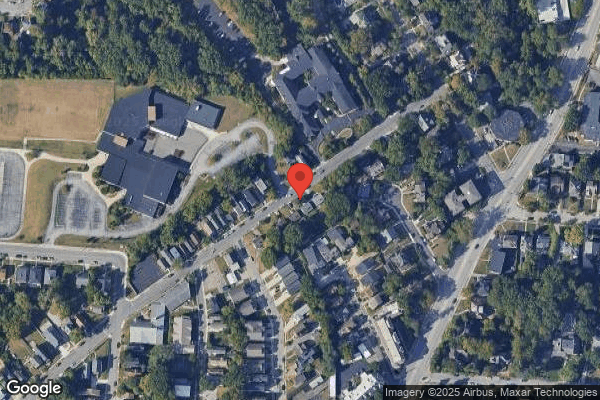

2140 POGUE AVENUE, CINCINNATI, OH 45208 (513) 321-9294
Non profit - Corporation 80 Beds Independent Data: November 2025
Trust Grade
75/100
#224 of 913 in OH
Last Inspection: May 2025

Inspected within the last 6 months. Data reflects current conditions.

Overview

Beechwood Home for Incurables has a Trust Grade of B, which means it is a solid choice for families, indicating good quality care. It ranks #224 out of 913 nursing homes in Ohio, placing it in the top half of the state, and #19 out of 70 in Hamilton County, meaning only a handful of local facilities are better. However, the facility is currently worsening, with issues increasing from 1 in 2024 to 4 in 2025. Staffing is a strength here, with a 4/5 star rating and a turnover rate of 47%, which is below the Ohio average. On the downside, there were concerns about incorrect portion sizes for residents on pureed diets, a failure to report an allegation of staff-to-resident physical abuse, and inaccuracies in reporting a resident's mental illness during admission, indicating some areas needing improvement.

Trust Score
B
75/100
In Ohio
#224/913
Top 24%
Safety Record
Low Risk
No red flags
Inspections
Getting Worse
1 → 4 violations
Staff Stability
⚠ Watch
47% turnover. Above average. Higher turnover means staff may not know residents' routines.
Penalties
✓ Good
No fines on record. Clean compliance history, better than most Ohio facilities.
Skilled Nurses
✓ Good
Each resident gets 52 minutes of Registered Nurse (RN) attention daily — more than average for Ohio. RNs are trained to catch health problems early.
Violations
⚠ Watch
13 deficiencies on record. Higher than average. Multiple issues found across inspections.
★★★★☆
4.0
Overall Rating
★★★★☆
4.0
Staff Levels
★★★★☆
4.0
Care Quality
★★★★☆
4.0
Inspection Score
Stable
2024: 1 issues
2025: 4 issues

The Good

  • 4-Star Staffing Rating · Above-average nurse staffing levels
  • 4-Star Quality Measures · Strong clinical quality outcomes
  • Full Sprinkler Coverage · Fire safety systems throughout facility
  • No fines on record

Facility shows strength in staffing levels, quality measures, fire safety.

The Bad

Staff Turnover: 47%

Near Ohio avg (46%)

Higher turnover may affect care consistency

The Ugly 13 deficiencies on record

May 2025 4 deficiencies
CONCERN (D) 📢 Someone Reported This

A family member, employee, or ombudsman was alarmed enough to file a formal complaint

Potential for Harm - no one hurt, but risky conditions existed

Report Alleged Abuse (Tag F0609)

Could have caused harm · This affected 1 resident

**NOTE- TERMS IN BRACKETS HAVE BEEN EDITED TO PROTECT CONFIDENTIALITY** Based on staff interview, record review, review of the facilities Self-Reported Incident (SRI) and investigation, and policy rev...

Read full inspector narrative →
**NOTE- TERMS IN BRACKETS HAVE BEEN EDITED TO PROTECT CONFIDENTIALITY** Based on staff interview, record review, review of the facilities Self-Reported Incident (SRI) and investigation, and policy review, the facility failed to report to law enforcement an allegation of staff-to-resident physical abuse. This affected one (Resident #70) of one resident reviewed for abuse. The facility census was 73. Findings include: Review of Resident #70's medical record revealed Resident #70 admitted to the facility on [DATE]. Resident #70 had a medical history which included pseudobulbar effect and post-traumatic stress disorder. Review of the quarterly Minimum Data Set (MDS) assessment dated [DATE] revealed Resident #70 had a Brief Interview for Mental Status (BIMS) score of 15, which indicated the resident had intact cognition. Resident #70 was dependent on staff assistance for toileting hygiene. Review of the care plan initiated 11/28/23 revealed Resident #70 had impaired communication, including impaired speech, and communicated by typing on their cell phone. Interventions included directing staff to allow the resident time to respond/text and do not rush, observe for nonverbal communication, and keep call light in reach. The care plan also included a focus area initiated 11/28/23 which indicated Resident #70 had an alteration in elimination. Interventions included directing staff to assist with toileting transfers and provide dignity and privacy when giving incontinence care. Review of the facility's SRI dated 03/27/25, revealed an allegation of physical abuse that occurred on 03/26/25 at 1:40 P.M. The SRI indicated the alleged perpetrator was a Certified Nursing Assistant (CNA). Resident #70 alleged CNA #14 was rough when providing care to the resident. The SRI included resident statements, staff statements, and a statement from the alleged perpetrator (CNA #14). The SRI revealed no evidence the facility reported the allegation of abuse to law enforcement. The facility unsubstantiated the allegation of staff-to-resident physical abuse. The facility's investigation documentation included a typed statement, dated 003/27/25 and signed by the Administrator, that indicated Resident #70 stated CNA #14 had strong-armed the resident and the resident received a small bruise to the inner part of their eye near the bridge of their nose. The Administrator's statement indicated the contents of video surveillance of the resident's room on the date of the alleged incident showed CNA #14 providing incontinence care to Resident #70, who had been incontinent of bowel. While CNA #14 had the resident rolled to the side and was cleaning the resident, Resident #70 was pushing back against the CNA. The CNA was holding Resident #70 to the side with one arm while cleaning with her other hand. Due to the angle of the video, the Administrator was unable to clearly see the resident's face and could not ascertain whether there was a bruise or reddened area to the same area of the resident's face where the bruise was subsequently identified. The facility's investigation documentation also contained a print-out of screenshots of a text conversation between the Director of Nursing (DON) and CNA #14. CNA #14 indicated in her text messages to the DON that she had provided incontinence care to Resident #70 and the resident got upset during the care and wanted their phone but CNA #14 was in the midst of cleaning the resident and was unable to hand the phone to Resident #70. CNA #14 denied being rough with Resident #70 and indicated the resident turned back over while CNA #14 was attempting to clean the resident, then Resident #70 started yelling for CNA #14 to get out of the room. CNA #14 indicated she complied with Resident #70's request and went to the nurse to report what had happened. During an interview on 05/22/25 at 12:38 P.M., the Administrator confirmed the abuse allegation made by Resident #70 was not reported to law enforcement. The Administrator stated they would have reported the allegation if there was reasonable evidence or information that could prove an abuse incident happened. Review of the facility's undated policy titled Abuse Policy revealed all reports of suspected crime and/or alleged sexual abuse must be immediately reported to local law enforcement to be investigated.
CONCERN (D)

Potential for Harm - no one hurt, but risky conditions existed

Deficiency F0645 (Tag F0645)

Could have caused harm · This affected 1 resident

**NOTE- TERMS IN BRACKETS HAVE BEEN EDITED TO PROTECT CONFIDENTIALITY** Based on staff interview and record review, the facility failed to ensure the level one Preadmission Screening and Resident Revi...

Read full inspector narrative →
**NOTE- TERMS IN BRACKETS HAVE BEEN EDITED TO PROTECT CONFIDENTIALITY** Based on staff interview and record review, the facility failed to ensure the level one Preadmission Screening and Resident Review (PASARR) accurately reflected a resident's existing mental illness at the time of admission. This affected one (Resident #69) of two residents reviewed for PASARR . Findings include: Review of Resident #69's medical record revealed Resident #69 admitted to the facility on [DATE]. Diagnoses included dementia, post-traumatic stress disorder (PTSD), and epilepsy. Review of the PASARR Identification Screen dated 02/09/23 revealed Resident #69 did not have any of the diagnoses or disorders listed on the form. Mood disorder, panic or other severe anxiety disorder, and another mental disorder that may lead to a chronic disability were included in the list of diagnoses; however, none of the diagnoses were selected as applicable to Resident #69. Review of Resident #69's five-day Minimum Data Set (MDS) assessment dated [DATE] revealed PTSD was selected as an active diagnosis under psychiatric/mood disorder. During an interview on 05/22/25 at 10:30 A.M., the Director of Social Services (DSS) #500 stated the facility did not have a policy for PASARRs. During an interview on 05/22/25 at 1:00 P.M., the Director of Nursing (DON) verified Resident #69's PASARR level one dated 02/09/23 should have been marked with a mood disorder and stated her expectation going forward was that the PASARR would be reviewed upon admission, and corrections would be made based on the resident's diagnoses and medical records. During an interview on 05/22/25 at 1:04 P.M., the Administrator stated going forward they would review the PASARR upon admission, make corrections based on the resident's diagnoses and medication records, and ensure the PASARR was correct.
CONCERN (D)

Potential for Harm - no one hurt, but risky conditions existed

Deficiency F0760 (Tag F0760)

Could have caused harm · This affected 1 resident

**NOTE- TERMS IN BRACKETS HAVE BEEN EDITED TO PROTECT CONFIDENTIALITY** Based on staff interview, record review, and facility policy review, the facility failed to ensure a resident was free from sign...

Read full inspector narrative →
**NOTE- TERMS IN BRACKETS HAVE BEEN EDITED TO PROTECT CONFIDENTIALITY** Based on staff interview, record review, and facility policy review, the facility failed to ensure a resident was free from significant medication errors, when the facility failed to follow a physician's order to hold a blood pressure medication when the systolic blood pressure (SBP), the top number in a blood pressure (BP)) reading was above 120. This affected one (Resident #7) of six residents reviewed for unnecessary medications. The facility census was 73. Findings include: Review of Resident #7's medical record revealed the resident was admitted to the facility on [DATE]. Diagnoses included cerebral palsy, hyperlipidemia, and acute kidney failure. Review of the quarterly Minimum Data Set (MDS) assessment dated [DATE] revealed Resident #7 had a Brief Interview for Mental Status (BIMS) score of 15, which indicated the resident had intact cognition. Review of the care plan revealed a focus area revised on 03/23/20, which indicated Resident #7 had an alteration in cardiac status. Interventions included directing staff to provide medications and labs as ordered and to obtain vital signs as ordered. Review of Resident #7's Order Summary Report, with active orders as of 05/22/25 revealed an order dated 02/18/25, for Midodrine HCL (hydrochloride) (treats low blood pressure) oral tablet 10 milligrams (mg), one tablet by mouth three times a day for hypotension (low blood pressure), with instructions to hold for systolic blood pressure greater than 120. Review of the Medication Administration Record (MAR) from 05/01/25 to 05/21/25, revealed staff administered the Midodrine HCL oral tablet 10 mg to Resident #7 when the resident's SBP was greater than 120 on 05/03/25 at 2:00 P.M. (SBP was 127), 05/04/25 at 2:00 P.M. (SBP was 146), 05/05/25 at 2:00 P.M. (SBP was 125), 05/07/25 at 2:00 P.M. (SBP was 133), 05/08/25 at 2:00 P.M. (SBP was 136), 05/12/25 at 2:00 P.M. (SBP was 125), 05/13/25 at 2:00 P.M. (SBP was 129), 05/14/25 at 8:30 A.M. (SBP was 141) and 2:00 P.M. (SBP was 127), 05/18/25 at 2:00 P.M. (SBP was 150), 05/19/25 at 2:00 P.M. (SBP was 142), and 05/21/25 at 2:00 P.M. (SBP was 131). During an interview on 05/22/25 at 9:40 A.M., Licensed Practical Nurse (LPN) #1 stated blood pressure parameters were located in the physician's order on the MAR. She stated if Resident #7's SBP was higher than 120 and the medication was not held, it would be considered a medication error. LPN #1 stated when the nurses documented a held medication, it would auto populate in the progress notes. She said if no number was entered on the MAR for the reason a medication was held, and no progress note indicated the medication was held, then the checkmark on the MAR meant the medication was given. LPN #1 confirmed multiple doses of medication that were outside of the parameters of the order, were documented as given with her initials and a checkmark. LPN #1 stated if she did not document the medication was held, then it was probably given, but she could not say for sure. During an interview on 05/22/25 at 10:37 AM, Registered Nurse (RN) #3 stated if a medication was ordered to be held for a SBP over 120 and was not, it would be a medication error. RN #3 stated if there was not a numeric reason a medication was held or a progress note for the reason a medication was held, then a checkmark in the box on the MAR meant a medication was given. RN #3 reviewed Resident #7's Midodrine order and agreed there were multiple times the medication was recorded as given when it should not have been, based on the blood pressure recorded. She stated for the days where the medication was coded as held and there was no progress note, that it was held, but the checkmark meant they gave the medication when they should not have and that it was a medication error. During an interview on 05/22/25 at 10:49 A.M., RN #4 stated parameters for a medication should be in the order and should show up on the MAR. She stated if a medication was given outside of those parameters, it would be a medication error. During an interview on 05/22/25 at 12:11 P.M., the Director of Nursing (DON) confirmed there were multiple times where there was no documentation in the progress notes or on the MAR that the medications were held when the SBP was over 120 for Resident #7. She stated her expectation was for the nurses to take vital signs prior to administering the medications, and if the value was outside of the parameters, the nurse should hold the medication, document it was held, and the reason it was held. The DON stated that if there was a checkmark in the box on the MAR, no numeric value to indicate it was held, and no progress note for the reason it was held, it would be considered a medication error. During an interview on 05/22/25 at 12:41 P.M., the Administrator stated she deferred to nursing for the clinical portion, but she would expect the nurses to follow the physician's order and hold the medications when they needed to be held. Review of the facility policy titled Medication Administration dated 11/01/24 revealed nurses will administer medications safely and effectively following the five rights of medication administration. Nurses will follow physician/physician extender orders regarding medication administration. Vital signs and other measurements will be checked prior to administering medications with parameters as indicated/ordered. The facility policy titled Medication Regimen - Unnecessary Medications dated 11/01/24 revealed each resident's drug regimen will be free of unnecessary drugs.
CONCERN (D)

Potential for Harm - no one hurt, but risky conditions existed

Infection Control (Tag F0880)

Could have caused harm · This affected 1 resident

**NOTE- TERMS IN BRACKETS HAVE BEEN EDITED TO PROTECT CONFIDENTIALITY** Based on record review, observation, staff interview, and facility policy review, the facility failed to maintain appropriate in...

Read full inspector narrative →
**NOTE- TERMS IN BRACKETS HAVE BEEN EDITED TO PROTECT CONFIDENTIALITY** Based on record review, observation, staff interview, and facility policy review, the facility failed to maintain appropriate infection control practices during Resident #42's wound care. This affected one (#42) of two residents observed for wound care. Findings include: Review of Resident #42's medical record revealed the resident admitted to the facility on [DATE]. Diagnoses included ataxia, pneumonia, and acute embolism and thrombosis of deep veins of lower extremity. Review of the significant change Minimum Data Set (MDS) assessment dated [DATE] revealed Resident #42 had intact cognition. Resident #42 had one unstageable pressure ulcer (slough and/or eschar: known but not stageable due to coverage of wound bed by slough and/or eschar) and received pressure ulcer care. Review of the care plan dated 03/04/25 revealed Resident #42 had a pressure area to their sacrum. Interventions included for staff to provide treatment per physician orders. Review of Resident #42's active physician orders dated 5/21/25 revealed there were treatment orders to clean the sacrum area with soap and water, tap dry, and apply a treatment to the wound and apply an abdominal (ABD) pad. During an observation of wound care for Resident #42 on 05/21/25 at 1:37 P.M., Licensed Practical Nurse (LPN) #1 donned a gown and gloves. LPN #1 did not perform hand hygiene prior to placing the gloves on. With gloved hands, she reached for Resident #42's electronic bed control and raised the bed prior to starting the wound treatment. With the same gloves on, LPN #1 pulled the bedside table to within reach, turned and assisted Resident #42 to roll to their left side, and loosened the incontinence brief and pulled it to the side to gain access to the wound. Without changing gloves, LPN #1 cleaned the wound with four-by-four gauze pads and soap and water then rinsed the wound with four-by-four gauze pads and normal saline. Without changing gloves, LPN #1 grabbed two dry four-by-four gauze pads and patted the wound bed dry. Without changing gloves or performing hand hygiene, LPN #1 grabbed a tube of lidocaine gel, squirted a dime-size amount on her gloved right index finger and applied the gel over the wound bed. Again without changing gloves or performing hand hygiene, LPN #1 grabbed a 30 cubic centimeter medication cup with skin barrier cream in it and squirted a small amount of Silvadene cream into the cup, then mixed the two creams together with a tongue blade. LPN #1 then used the tongue blade to apply the mixture over the wound bed. Without changing gloves or performing hand hygiene, LPN #1 grabbed an ABD pad, placed it over the wound, and then closed Resident #42's brief. LPN #1 then threw away the used supplies and doffed her gloves and gown. LPN #1 did not perform hand hygiene after removing her gloves and gown. At no time prior to donning gloves and gown for Resident #42's wound care, during the wound care, or immediately after she took off her gloves following Resident #42's wound care did LPN #1 perform hand hygiene. During an interview on 05/21/25 at 1:51 P.M., LPN #1 verified she did not perform prior to donning her gown and gloves, did not change gloves and perform hand hygiene in between the dirty and clean part of wound care, and did not perform hand hygiene when she completed wound care for Resident #42 and removed her gown and gloves. LPN #1 stated she should have completed the hand hygiene prior to placing the gown and gloves on, changed her gloves in between dirty and clean part of wound care, and after wound care and removing gown and gloves. During an interview on 05/22/25 at 9:42 A.M., LPN #2 stated a nurse should wash their hands before and after a wound treatment and in between wounds, should a resident have more than one wound. She stated if a nurse donned a gown and gloves at the beginning of a wound treatment and did not change gloves or wash their hands throughout the entire process, this would be a breach of infection control. During an interview on 05/22/25 at 10:00 A.M., Registered Nurse (RN) #3, who was a Nursing Supervisor, stated a nurse should put on gloves going into the room, change gloves in between dirty and clean processes of wound care, and sanitize their hands in between glove changes. She stated if a nurse put on gloves at the beginning of a wound treatment and did not change them or wash their hands throughout the process, it would be considered a breach in infection control practice. RN #3 could not remember when her last in-service on infection control or wound care was. During an interview on 05/22/25 at 12:11 P.M., the Director of Nursing (DON) stated her expectation was for the nurse to wash their hands prior to putting on gloves and to remove their gloves after removing the soiled dressing and sanitize their hands. The DON stated the nurse should then re-glove, clean the wound, and remove their gloves again and sanitize their hands. Per the DON, the nurse would then re-glove and perform the treatment for the wound and then remove their gloves when finished with the treatment and wash their hands. The DON stated the nurses should be changing gloves between dirty and clean processes of the treatment. During an interview on 05/22/25 at 12:41 P.M., the Administrator stated her expectation was for the nurses to change gloves when they were supposed to for infection control practices during wound care. Review of the facility policy titled Dressing Change revised 11/01/22 revealed staff were to follow the procedure: 1. Perform hand hygiene 2. Put on clean gloves. 3. Remove the old dressing and dispose of it. 4. Clean the wound per physician order 5. Perform hand hygiene 6. Put on clean gloves 7. Apply treatment per physician order, if applicable. 8. Apply the new dressing and secure it in place. 9. Remove gloves and perform hand hygiene.
Nov 2024 1 deficiency
CONCERN (D) 📢 Someone Reported This

A family member, employee, or ombudsman was alarmed enough to file a formal complaint

Potential for Harm - no one hurt, but risky conditions existed

Notification of Changes (Tag F0580)

Could have caused harm · This affected 1 resident

**NOTE- TERMS IN BRACKETS HAVE BEEN EDITED TO PROTECT CONFIDENTIALITY** Based on medical record review, staff interview, and facility policy review, the facility failed to discuss and notify the resid...

Read full inspector narrative →
**NOTE- TERMS IN BRACKETS HAVE BEEN EDITED TO PROTECT CONFIDENTIALITY** Based on medical record review, staff interview, and facility policy review, the facility failed to discuss and notify the resident's family of changes in his care/treatment. This affected one (Resident #22) of three residents reviewed for notification of change. The census was 74. Findings include: Resident #22 was admitted to the facility on [DATE]. His diagnoses were Parkinsonism, dementia, change in skin texture, erythema, mixed incontinence, abnormal posture, dry eye syndrome, cognitive communication deficit, dysarthria and anarthria, repeated falls, lack of coordination, major depressive disorder, preglaucoma, muscle weakness, anxiety disorder, hyperlipidemia, hypertension, adjustment disorder, vitamin D deficiency, spondylosis, arthropathy, osteoporosis, dysphonia, hypothyroidism, hypothyroidism, and neuromuscular dysfunction of bladder. Review of his minimum data set (MDS) assessment, dated 08/01/24, revealed he had a severe cognitive impairment. Review of Resident #22's progress notes, dated 09/12/24, revealed a note that stated the following, Resident no longer attempts to get out of his w/c (wheelchair) independently. It was IDT (interdisciplinary team) decision to discontinue the seat belt. Review of Resident #22's progress notes and medical records found no evidence to support the family was contacted, consulted, or notified about the discontinuation for Resident #22's seat belt as a fall intervention. Interview with Director of Nursing (DON) and Administrator on 11/15/24 at 2:30 P.M. and 5:36 P.M. confirmed there was no evidence to support Resident #22's family was notified or consulted about the removal of the seat belt. DON confirmed it is typical for the facility staff to speak with various members of a resident's IDT, which includes the physician, facility staff, and resident/representative prior to removing a fall intervention, and the resident/representative should be notified at the time it's removed as well. Review of facility Change in Health Status policy, dated 07/01/23, revealed resident will be routinely monitored by all associates to determine the need for additional health services monitoring of chronic, unstable, or acute changes in condition. Upon the identification of a change in condition in a resident, non-nurse associates will notify the nurse. Upon the identification of a change in condition in a resident the nurse will observe the resident's status, and document findings in the resident's electronic medical record. The nurse will inform the resident; consult with the resident's physician; and notify, consistent with his or her authority, the resident's representative regarding the following: an accident involving the resident which results in injury and has the potential for requiring physician intervention or a significant change in resident's physical, mental, or psychosocial status such as a deterioration in health, mental, or psychosocial status in either life threatening conditions or clinical complications. The notification shall include a description of the circumstances and cause, if known, of the illness, injury, or death. A notation of change in health status and any intervention taken shall be documented in the medical record. This deficiency represents non-compliance investigated under Complaint Number OH00158993.
Apr 2022 2 deficiencies
CONCERN (D)

Potential for Harm - no one hurt, but risky conditions existed

Dental Services (Tag F0791)

Could have caused harm · This affected 1 resident

**NOTE- TERMS IN BRACKETS HAVE BEEN EDITED TO PROTECT CONFIDENTIALITY** Based on resident and staff interview, review of the facility's policy, and record review, the facility failed to ensure residen...

Read full inspector narrative →
**NOTE- TERMS IN BRACKETS HAVE BEEN EDITED TO PROTECT CONFIDENTIALITY** Based on resident and staff interview, review of the facility's policy, and record review, the facility failed to ensure residents received timely dental services. This affected two (#22 and #33) of two residents reviewed for dental services. The facility census was 71. Findings include: 1. Review of Resident #33's medical record revealed the resident was admitted on [DATE]. Diagnoses included cerebral palsy, polyarthritis, and chronic obstructive pulmonary disease. Review of the Minimum Data Set (MDS) assessment dated [DATE] revealed Resident #33 was cognitively intact, had no behaviors, did not refuse care, and did not wander. Review of the progress note dated 02/06/22 revealed Resident #33 lost a filling to his right lower molar during lunch. The supervisor was notified and the dentist was to be called the following Monday. Review of the medical record reviewed no documentation related to dental appointments for Resident #33 on or after 02/06/22. There was no evidence Resident #33 was seen by a dentist on or after 02/06/22. Interview on 04/26/22 at 9:30 A.M. with Resident #33 stated he didn't like to go but needed to see the dentist related to a filling that had fallen out. Resident #33 stated the area was not painful, but there was a sharp edge to the tooth that he avoided when chewing. Interview on 04/27/22 at 10:26 A.M. with Licensed Practical Nurse (LPN) #13 stated Resident #33 had a filling fall out a couple months ago, was seen by a dentist in the facility, but could not be treated in house. Resident #33 had an appointment scheduled with a dentist in the community. On the day of the appointment, date not specified, Resident #33 got up and ready for the appointment, but LPN #13 was not sure if the appointment was canceled by the dental office or transport. LPN #13 was not sure if the appointment was ever rescheduled. Interview on 04/27/22 at 10:57 A.M. with Registered Nurse (RN) #105 stated she was unaware of any dental concerns, and had not scheduled any dental appointments for Resident #33 since she assumed the role of scheduler on 02/14/22. Resident #33 was not on the list to be seen by Care 360 and did not receive dental services on 04/22/22. Care 360 was scheduled to return on 06/02/22. Subsequent interview on 04/28/22 at 8:47 A.M. with LPN #13 clarified she told the unit manager (Registered Nurse #45) that Resident #33 needed a dental appointment. On the day of the appointment, unspecified, Resident #13 was out of bed, dressed and waiting in the lobby for transportation when LPN #13 began her shift. LPN #13 stated after she started her medication pass, she saw Resident #33 returning to the floor. LPN #13 questioned Resident #33 about his dental appointment and he indicated either the appointment or the transportation had been canceled. 2. Review of Resident #22's medical record revealed Resident #22 admitted to the facility on [DATE]. Diagnoses included osteoarthritis, chronic pain, and cognitive communication deficit. Review of the annual Minimum Data Set (MDS) assessment dated [DATE] revealed Resident #22 was cognitively intact and Resident #22 had obvious or likely cavity or broken teeth. Review of the dental care plan, last revised on 07/12/21, revealed Resident #22 had an alteration in dentition. Interventions included dental exams routinely and as needed by the dentist. Review of Resident #22's dental summary report dated 09/01/21 revealed an oral surgeon referral was made to extract all remaining teeth. Further review of the summary report revealed the resident, and the facility were advised the resident needed to be seen by an oral surgeon for extractions. Review of the dental oral surgery referral dated 09/01/21 revealed Resident #22's dentist completed referral form for Resident #22 to have all remaining teeth extracted. Further review of the oral surgery referral revealed the referral was not sent to the oral surgeon until 04/28/22. Review of Resident #22's medical record from 09/01/22 to 04/27/22 revealed no documentation that an appointment was made for Resident #22 to see the oral surgeon. There was also no documentation that Resident #22 was seen by an oral surgeon. Interview with Resident #22 on 04/25/22 at 8:30 P.M. revealed Resident #22 had not seen the dentist and all of her teeth were falling out. Interview with the Administrator on 04/28/22 at 9:38 A.M. verified Resident #22 was not seen by the oral surgeon and the oral surgeon referral was not sent until 04/28/22. Review of the facility's dental services policy dated 11/15/15 revealed the facility will promptly refer residents with lost or damaged dentures to a dentist.
CONCERN (E)

Potential for Harm - no one hurt, but risky conditions existed

Menu Adequacy (Tag F0803)

Could have caused harm · This affected multiple residents

Based on observations, review of a therapeutic spreadsheet, record review, review of the facility's policy, and staff interviews, the facility failed to serve the correct portion sizes for a pureed di...

Read full inspector narrative →
Based on observations, review of a therapeutic spreadsheet, record review, review of the facility's policy, and staff interviews, the facility failed to serve the correct portion sizes for a pureed diet. This affected eight residents (#13, #19, #31, #40, #48, #52, #53, and #57) residing in the facility whom receive puree diets. The facility census was 71. Findings include: Review of the facility's therapeutic spreadsheet revealed the pureed diet consisted of pork loin three ounce measuring scoop, grilled buttered asparagus four ounce measuring scoop, roasted sweet potatoes four ounce measuring scoop, and hot spiced apples four ounce measuring cup. Observation on 04/27/22 at 11:58 A.M. of tray line service revealed [NAME] #160 partially filled a four-ounce scoop of puree food items including sweet potato, asparagus, and pork and placed them on a plate to be served to Resident #57. Review of the diet ticket revealed Resident #57 was to receive a pureed diet. Interview on 04/27/22 at 11:59 A.M. with [NAME] #160 verified he was giving a partial measuring scoop of pureed food to the residents who had pureed meal. Subsequent observation on 04/27/22 at 12:00 P.M. of tray line service revealed Dietician #170 was educating [NAME] #160 to fill up the scoop when serving pureed diets instead of providing pureed diets a partial scoop. Interview on 04/27/22 at 12:01 P.M. with Dietician #170 verified [NAME] #160 was not filling the scoop serving up for pureed diets. Review of the facility's list of pureed diets revealed Residents #13, #19, #31, #40, #48, #52, #53, and #57 were on a pureed diet. Review of facility's policy titled Forefront Standard Serving Portions Policy, issued on 05/01/19, revealed pureed vegetables were to be served in a number eight scoop that was equivalent to four ounces.
Mar 2019 6 deficiencies
CONCERN (D)

Potential for Harm - no one hurt, but risky conditions existed

Deficiency F0604 (Tag F0604)

Could have caused harm · This affected 1 resident

**NOTE- TERMS IN BRACKETS HAVE BEEN EDITED TO PROTECT CONFIDENTIALITY** Based on medical record review, observation, staff interview, resident interview, and review of facility policy, the facility fa...

Read full inspector narrative →
**NOTE- TERMS IN BRACKETS HAVE BEEN EDITED TO PROTECT CONFIDENTIALITY** Based on medical record review, observation, staff interview, resident interview, and review of facility policy, the facility failed to assess, and monitor a resident's restraint. This affected one resident (#39) of one reviewed for restraints. The facility census was 78. Findings include: Review of the medical record revealed Resident #39 was admitted to the facility on [DATE] with diagnoses including multiple sclerosis (MS), dysphagia (difficulty swallowing), glaucoma, and dementia without behavioral disturbance. Review of Resident #39's annual Minimum Data Set (MDS) assessment dated [DATE] revealed the resident was moderately cognitively impaired with no behaviors noted. Review of Section P-Physical Restraints revealed no physical restraints were used during the look back period for the resident. Review of Resident #39's physician orders revealed the resident did not have an order for the use of a seatbelt, however on 03/11/19 there was an order to discontinue the use of the seatbelt when the resident was up in her wheelchair. Observation and interview on 03/18/19 4:28 P.M., with Resident #39 revealed the resident was in her wheelchair with a seatbelt fastened over her lap. Resident #39 stated she was unsure why she had a seatbelt and she was unable to unfasten it due to not having full function and strength of her hands. Interview on 03/21/19 at 11:28 A.M., with Licensed Practical Nurse (LPN) #12 revealed she was the nurse caring for Resident #39. LPN #12 revealed the resident had a seatbelt on her wheelchair and to the best of her knowledge she wore it whenever she was in the chair. LPN #12 revealed the resident was able to unbuckle the seatbelt when needed, however she never did. Observation and interview on 03/21/19 at 12:42 P.M., with State Tested Nursing Assistant (STNA) #56 revealed Resident #39 was observed in the dining room after eating her lunch, in her wheelchair, her seatbelt attached. STNA #56 verified the resident's seatbelt was attached. Resident #39 was asked to unbuckle the seatbelt and she was not able to do so. Resident #39 revealed she did not like wearing the seatbelt. Interview on 03/21/19 at 1:26 P.M., with LPN #12 verified Resident #39's nursing progress notes and physician orders revealed the seatbelt was to be discontinued on 03/11/19. Interview on 03/21/19 at 2:47 P.M., with Occupational Therapy Program Director (OTPD) #299 revealed she put the order in to discontinue Resident #39's seatbelt. OTPD #299 revealed the resident was being evaluated last week for new cushions for her custom wheelchair and it was noted the seatbelt was no longer necessary. OTPD further revealed she was unable to find where the resident had ever been assessed for the seatbelt use and/or safety. OTPD #299 stated she also reviewed the resident orders, including her discontinued orders, and was unable to find any order related to the use of the seatbelt. Review of the facility policy titled, Physical Restraints dated 01/03/06, revealed residents will be free from physical restraints that are not required to treat the resident's medical symptoms. When a restraint is used, an assessment shall identify the medical symptom that warrants it's use, risk and benefits of usage will be discussed with the resident and/or their representative, physician's order including type/medical reason/duration will be documented, care plan will be developed, and periodical assessments will be completed to reassess for continued use.
CONCERN (D)

Potential for Harm - no one hurt, but risky conditions existed

Abuse Prevention Policies (Tag F0607)

Could have caused harm · This affected 1 resident

**NOTE- TERMS IN BRACKETS HAVE BEEN EDITED TO PROTECT CONFIDENTIALITY** Based on medical record review, staff interview, resident interview, review of the facility Self Reported Incident(SRI), and rev...

Read full inspector narrative →
**NOTE- TERMS IN BRACKETS HAVE BEEN EDITED TO PROTECT CONFIDENTIALITY** Based on medical record review, staff interview, resident interview, review of the facility Self Reported Incident(SRI), and review of facility policy, the facility failed to implement their abuse policy when an allegation of staff to resident verbal abuse was alleged. This affected one resident (#45) of one reviewed for abuse. The facility census was 78. Findings include: Review of the medical record revealed Resident #45 was admitted to the facility on [DATE] with diagnoses including cerebrovascular disease, abnormal gait and mobility, and the need for assistance with personal care. Review of the quarterly Minimum Data Set (MDS) assessment dated [DATE] revealed the resident was cognitively intact with no noted behaviors. Review of the SRI revealed investigation statements were collected from State Tested Nursing Assistant (STNA) #100, Registered Nurse (RN) #101, and Resident #45, regarding the allegation of abuse made by Resident #45's wife. The SRI revealed no evidence the facility had conducted interviews of other staff and residents that STNA #100 had come into contact with that day. Review of the SRI statement from RN #101 revealed she was the nurse providing care for the resident the day of the alleged incident, and Resident #45 only told her STNA #100 wasn't nice to him and didn't make his bed correctly. Review of the SRI statement from the Director of Nursing (DON) revealed Resident #45 had reported STNA #100 was verbally abusive when she asked him, can't you stand? The resident further revealed when he asked the STNA to take him to the dining room, the STNA revealed she had seen him in the halls in the wheelchair and asked him if he was able to do it by himself. Review of STNA #100's statement revealed she was rushing to pull Resident #45's pants up in the morning of 03/18/19 because he was shaky and unsteady on his feet. STNA #100 noted Resident #45 requested assistance to the dining room and she asked him if he was pulling her leg because she had witnessed the resident be independently mobile in his wheelchair. The STNA told the resident she would assist him to the dining room after providing care for another resident. Interview on 03/18/19 at 2:36 P.M., with Resident #45 revealed during his morning care a STNA was providing care to him and the STNA started accusing him of not trying to assist her. He felt the STNA did not treat him in a dignified manor. Resident #45 was unable to identify the STNA by name, however he stated he did inform his nurse of the situation that morning after the incident. Interview on 03/20/19 at 12:36 P.M., with the Administrator and DON revealed they submitted a SRI related to the alleged verbal abuse between STNA #100 and Resident #45. The Administrator stated Resident #45's wife had notified the facility on 03/18/19 around 4:00 P.M., that she felt the resident had been verbally abused by the STNA, when she was rushing the resident though personal care. The resident had asked the STNA to assist him down to the dining room, and the STNA told him she had seen him take himself to lunch before and she did not assist him. The Administrator revealed the facility reviewed the allegation, filed an SRI, and concluded the incident was unsubstantiated. The Administrator verified the investigation consisted of interviews with Resident #45 and STNA #100. The Administrator confirmed no other interviews with staff or other residents were completed. Review of the facility policy, Abuse Reporting and Investigation review dated 11/12/18 revealed the facility will report and thoroughly investigate any allegation of abuse.
CONCERN (D)

Potential for Harm - no one hurt, but risky conditions existed

Investigate Abuse (Tag F0610)

Could have caused harm · This affected 1 resident

**NOTE- TERMS IN BRACKETS HAVE BEEN EDITED TO PROTECT CONFIDENTIALITY** Based on medical record review, staff interview, resident interview, review of the facility Self Reported Incident(SRI), and rev...

Read full inspector narrative →
**NOTE- TERMS IN BRACKETS HAVE BEEN EDITED TO PROTECT CONFIDENTIALITY** Based on medical record review, staff interview, resident interview, review of the facility Self Reported Incident(SRI), and review of facility policy, the facility failed to thoroughly investigate an allegation of staff to resident verbal abuse. This affected one resident (#45) of one reviewed for abuse. The facility census was 78. Findings include: Review of the medical record revealed Resident #45 was admitted to the facility on [DATE] with diagnoses including cerebrovascular disease, abnormal gait and mobility, and the need for assistance with personal care. Review of the quarterly Minimum Data Set (MDS) assessment dated [DATE] revealed the resident was cognitively intact with no noted behaviors. Review of the SRI revealed investigation statements were collected from State Tested Nursing Assistant (STNA) #100, Registered Nurse (RN) #101, and Resident #45, regarding the allegation of abuse made by Resident #45's wife. The SRI revealed no evidence the facility had conducted interviews of other staff and residents that STNA #100 had come into contact with that day. Review of the SRI statement from RN #101 revealed she was the nurse providing care for the resident the day of the alleged incident, and Resident #45 only told her STNA #100 wasn't nice to him and didn't make his bed correctly. Review of the SRI statement from the Director of Nursing (DON) revealed Resident #45 had reported STNA #100 was verbally abusive when she asked him, can't you stand? The resident further revealed when he asked the STNA to take him to the dining room, the STNA revealed she had seen him in the halls in the wheelchair and asked him if he was able to do it by himself. Review of STNA #100's statement revealed she was rushing to pull Resident #45's pants up in the morning of 03/18/19 because he was shaky and unsteady on his feet. STNA #100 noted Resident #45 requested assistance to the dining room and she asked him if he was pulling her leg because she had witnessed the resident be independently mobile in his wheelchair. The STNA told the resident she would assist him to the dining room after providing care for another resident. Interview on 03/18/19 at 2:36 P.M., with Resident #45 revealed during his morning care a STNA was providing care to him and the STNA started accusing him of not trying to assist her. He felt the STNA did not treat him in a dignified manor. Resident #45 was unable to identify the STNA by name, however he stated he did inform his nurse of the situation that morning after the incident. Interview on 03/20/19 at 12:36 P.M., with the Administrator and DON revealed they submitted a SRI related to the alleged verbal abuse between STNA #100 and Resident #45. The Administrator stated Resident #45's wife had notified the facility on 03/18/19 around 4:00 P.M., that she felt the resident had been verbally abused by the STNA, when she was rushing the resident though personal care. The resident had asked the STNA to assist him down to the dining room, and the STNA told him she had seen him take himself to lunch before and she did not assist him. The Administrator revealed the facility reviewed the allegation, filed an SRI, and concluded the incident was unsubstantiated. The Administrator verified the investigation consisted of interviews with Resident #45 and STNA #100. The Administrator confirmed no other interviews with staff or other residents were completed. Review of the facility policy, Abuse Reporting and Investigation review dated 11/12/18 revealed the facility will report and thoroughly investigate any allegation of abuse.
CONCERN (D)

Potential for Harm - no one hurt, but risky conditions existed

Deficiency F0661 (Tag F0661)

Could have caused harm · This affected 1 resident

**NOTE- TERMS IN BRACKETS HAVE BEEN EDITED TO PROTECT CONFIDENTIALITY** Based on closed medical record review and staff interview, the facility failed to complete a recapitulation/discharge summary fo...

Read full inspector narrative →
**NOTE- TERMS IN BRACKETS HAVE BEEN EDITED TO PROTECT CONFIDENTIALITY** Based on closed medical record review and staff interview, the facility failed to complete a recapitulation/discharge summary for a resident discharged from the facility. This affected one resident (#79) of one reviewed for discharge. The facility census was 78. Findings include: Review of the closed medical record revealed Resident #79 was admitted to the facility on [DATE], discharged on 02/14/19 to another facility. Diagnoses included cerebral palsy, abnormal posture, dysphagia, hypertension, benign neoplasm of colon, and gastro-esophageal reflux disease. Review of the admission Minimum Data Set (MDS) assessment dated [DATE] revealed Resident #79 was cognitively intact with no noted behaviors. Review of Section Q- Participation in Assessment and Goal Setting revealed the resident expected to remain in the facility with no active discharge planning occurring, and no interest in talking to someone about the possibility of leaving the facility. Review of the progress note dated 02/14/19 revealed Resident #79 was discharged to another facility and left the facility with their guardian. The note revealed the resident left with medication and an order summary. There was no evidence of a discharge summary for Resident #79. Interview on 03/21/19 at 4:17 P.M., with Social Worker (SW) #111 revealed she was the discharge planner for Resident #79. SW #111 stated Resident #79's discharge request was abrupt, and that the resident had only lived in the facility for a couple weeks. SW #111 stated the resident's discharge was initiated by his mother and she took control of everything. SW #111 stated she faxed over the information the mother had requested, and a couple days later he discharged . SW #111 stated she provided the items the facility requested, however she did not complete a recapitulation of stay.
CONCERN (D)

Potential for Harm - no one hurt, but risky conditions existed

Unnecessary Medications (Tag F0759)

Could have caused harm · This affected 1 resident

**NOTE- TERMS IN BRACKETS HAVE BEEN EDITED TO PROTECT CONFIDENTIALITY** Based on medical record review, observations, review of manufacturer recommendations, staff interview, and facility policy revie...

Read full inspector narrative →
**NOTE- TERMS IN BRACKETS HAVE BEEN EDITED TO PROTECT CONFIDENTIALITY** Based on medical record review, observations, review of manufacturer recommendations, staff interview, and facility policy review, the facility failed to ensure their medication administration error rate was five percent (%) or lower. There were 32 opportunities observed with two errors. This resulted in a medication administration error rate of 6.25%. This affected two residents (#3 and #8) of six observed during medication administration. The facility census was 78. Finding include: 1. Medical record review revealed Resident #3 was admitted to the facility on [DATE] with diagnoses of hypertension (high blood pressure), diabetes, multiple sclerosis (MS), and unspecified osteoarthritis. Review of Resident #3's physician orders revealed orders for 10 milligrams (mg) of Baclofen (muscle spasms) and Lisinopril (high blood pressure), and 500 mg of Metformin (diabetes) through her gastrostomy tube (G-tube). Observation on 03/20/19 at 11:15 A.M., revealed Licensed Practical Nurse (LPN) #9 administered Resident #3's medications through her G-tube. LPN #9 flushed the G-tube with 10 milliliters (ml) of water and administered the three medications through the G-tube. She flushed the G-tube with 10 ml of water between each medication administration. LPN #9 then administered a final flush of 25 ml of water. Interview on 03/20/19 at 12:00 P.M., with LPN #9 revealed she flushed Resident #3's G-tube with 10 to 30 ml of water before and after medication administration. On 03/20/19 at 5:00 P.M., interview with the Director of Nursing (DON) verified the facility policy instructed the nurses to administer 30 ml of a water flush before and after medication administration. Review of the facility's policy for Administration of Medications via Feeding Tubes with a revision date of 09/08/17 revealed the nurse was to flush G-tubes with 30 ml of water to rinse the feeding tube before and after giving medications. 2. Medical record review revealed Resident #8 was admitted to the facility on [DATE] with diagnoses of heart failure, respiratory failure, acute and chronic respiratory failure with hypoxia. A review of Resident #8's physician orders revealed the resident was to receive two puffs of Mometasone Furo-Formoterol Fum (Dulera) Aerosol 200-5 mg (inhaler) for respiratory health. On 03/21/19 at 8:30 A.M., LPN #12 administered two puffs of the inhaler medication to Resident #8. LPN #12 did not offer or instruct Resident #8 to rinse and spit after inhaling the medication. Interview with LPN #12 verified she had forgotten to offer or instruct the resident to rinse and spit after inhaling the medication. Review of the Dulera manufacturer recommendations revealed the resident should rinse their mouth with water after each dose (two) puffs. This will help to lessen the chance of getting a yeast infection (thrush) in the mouth and throat. A review of the facility's policy for Administration of Metered-Dose Inhalers (undated) revealed the resident should rinse their mouth and spit out the rinse water.
CONCERN (D)

Potential for Harm - no one hurt, but risky conditions existed

Deficiency F0804 (Tag F0804)

Could have caused harm · This affected 1 resident

**NOTE- TERMS IN BRACKETS HAVE BEEN EDITED TO PROTECT CONFIDENTIALITY** Based on medical record review, observation, food test tray, staff interview, resident interview, and review of facility policy,...

Read full inspector narrative →
**NOTE- TERMS IN BRACKETS HAVE BEEN EDITED TO PROTECT CONFIDENTIALITY** Based on medical record review, observation, food test tray, staff interview, resident interview, and review of facility policy, the facility failed to serve meals at appetizing temperatures. This affected two residents (#53 and #66) of 24 residents reviewed for food temperatures. The facility census was 78. Findings include: 1. Review of the medical record revealed Resident #53 was admitted to the facility on [DATE] with diagnoses including muscle spasms, dysphagia, constipation, neuromuscular dysfunction of the bladder, type two diabetes, and multiple sclerosis. Review of the quarterly Minimum Data Set (MDS) assessment 02/06/19 revealed the resident was cognitively intact. Interview conducted on 03/18/19 at 3:08 P.M., Resident #53 revealed the food comes to the unit at 5:00 P.M., and the residents do not receive it until 5:30 P.M. Resident #53 stated she had voiced her concerns to the food committee, and said she was entitled to warm food. 2. Review of the medical record revealed Resident #66 was admitted the the facility on 06/14/17 with diagnoses including hypertension, multiple sclerosis (MS), depression and cognitive communication deficit. Review of the resident's MDS assessment dated [DATE] revealed her cognition was intact. Interview on 03/19/19 at 9:32 A.M., with Resident #66 revealed her food was sometimes cold when she received it. A meal test tray was completed on 03/21/19 11:49 A.M., with the Dietary Manager (DM) #27. The food was plated and taken to the third floor at 11:54 A.M., after all residents were served. The test tray was removed from the transportation cart at approximately 12:23 P.M. Temperatures were completed with DM #27. The potatoes were 119 degrees Fahrenheit (F), the BBQ ribs were 120 degrees (F), the cabbage was 127 degrees (F), and the pea soup was 116 degrees (F). Food was then tasted for temperature with verification by DM #27. The food was no longer hot, and at luke warm temperature. DM #27 revealed the plate warmer had been broken and plates were being heated in the oven prior to the food being plated. Review of the facility policy, Food Preparation and Consistencies dated 09/10/15 revealed foods are maintained at proper temperature both during preparation and at serving time.
Understanding Severity Codes (click to expand)
Life-Threatening (Immediate Jeopardy)
J - Isolated K - Pattern L - Widespread
Actual Harm
G - Isolated H - Pattern I - Widespread
Potential for Harm
D - Isolated E - Pattern F - Widespread
No Harm (Minor)
A - Isolated B - Pattern C - Widespread

Questions to Ask on Your Visit

  • "Can I speak with families of current residents?"
  • "What's your RN coverage like on weekends and overnight?"

Our Honest Assessment

Strengths
  • • No major safety red flags. No abuse findings, life-threatening violations, or SFF status.
  • • No fines on record. Clean compliance history, better than most Ohio facilities.
Concerns
  • • 13 deficiencies on record. Higher than average. Multiple issues found across inspections.
Bottom line: Generally positive indicators. Standard due diligence and a personal visit recommended.

About This Facility

What is Beechwood Home For Incurables's CMS Rating?

CMS assigns BEECHWOOD HOME FOR INCURABLES an overall rating of 4 out of 5 stars, which is considered above average nationally. Within Ohio, this rating places the facility higher than 99% of the state's 100 nursing homes. This rating reflects solid performance across the metrics CMS uses to evaluate nursing home quality.

How is Beechwood Home For Incurables Staffed?

CMS rates BEECHWOOD HOME FOR INCURABLES's staffing level at 4 out of 5 stars, which is above average compared to other nursing homes. Staff turnover is 47%, compared to the Ohio average of 46%.

What Have Inspectors Found at Beechwood Home For Incurables?

State health inspectors documented 13 deficiencies at BEECHWOOD HOME FOR INCURABLES during 2019 to 2025. These included: 13 with potential for harm.
Who Owns and Operates Beechwood Home For Incurables?

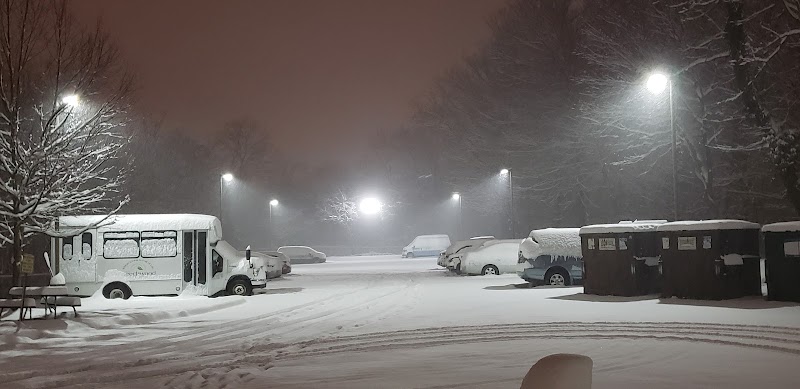
BEECHWOOD HOME FOR INCURABLES is owned by a non-profit organization. Non-profit facilities reinvest revenue into operations rather than distributing to shareholders. The facility operates independently rather than as part of a larger chain. With 80 certified beds and approximately 74 residents (about 92% occupancy), it is a smaller facility located in CINCINNATI, Ohio.
How Does Beechwood Home For Incurables Compare to Other Ohio Nursing Homes?

Compared to the 100 nursing homes in Ohio, BEECHWOOD HOME FOR INCURABLES's overall rating (4 stars) is above the state average of 3.2, staff turnover (47%) is near the state average of 46%, and health inspection rating (4 stars) is above the national benchmark.

What Should Families Ask When Visiting Beechwood Home For Incurables?

Based on this facility's data, families visiting should ask: "Can I visit during a mealtime to observe dining assistance and food quality?" "How do you handle medical emergencies, and what is your hospital transfer rate?" "Can I speak with family members of current residents about their experience?"

Is Beechwood Home For Incurables Safe?

Based on CMS inspection data, BEECHWOOD HOME FOR INCURABLES has a clean safety record: no substantiated abuse findings (meaning no confirmed cases of resident harm), no Immediate Jeopardy citations (the most serious violation level indicating risk of serious injury or death), and is not on the Special Focus Facility watch list (a federal program monitoring the lowest-performing 1% of nursing homes). The facility has a 4-star overall rating and ranks #1 of 100 nursing homes in Ohio. While no facility is perfect, families should still ask about staff-to-resident ratios and recent inspection results during their visit.

Do Nurses at Beechwood Home For Incurables Stick Around?

BEECHWOOD HOME FOR INCURABLES has a staff turnover rate of 47%, which is about average for Ohio nursing homes (state average: 46%). Moderate turnover is common in nursing homes, but families should still ask about staff tenure and how the facility maintains care continuity when employees leave.

Was Beechwood Home For Incurables Ever Fined?

BEECHWOOD HOME FOR INCURABLES has no federal fines on record. CMS issues fines when nursing homes fail to meet care standards or don't correct problems found during inspections. The absence of fines suggests the facility has either maintained compliance or corrected any issues before penalties were assessed. This is a positive indicator, though families should still review recent inspection reports for the full picture.

Is Beechwood Home For Incurables on Any Federal Watch List?

BEECHWOOD HOME FOR INCURABLES is not on any federal watch list. The most significant is the Special Focus Facility (SFF) program, which identifies the bottom 1% of nursing homes nationally based on persistent, serious quality problems. Not being on this list means the facility has avoided the pattern of deficiencies that triggers enhanced federal oversight. This is a positive indicator, though families should still review the facility's inspection history directly.