BLUE ASH CARE CENTER
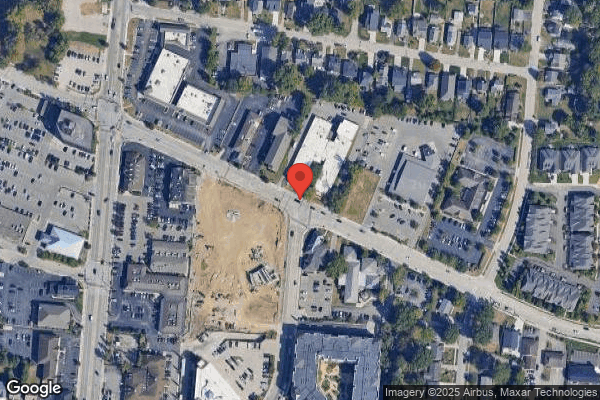
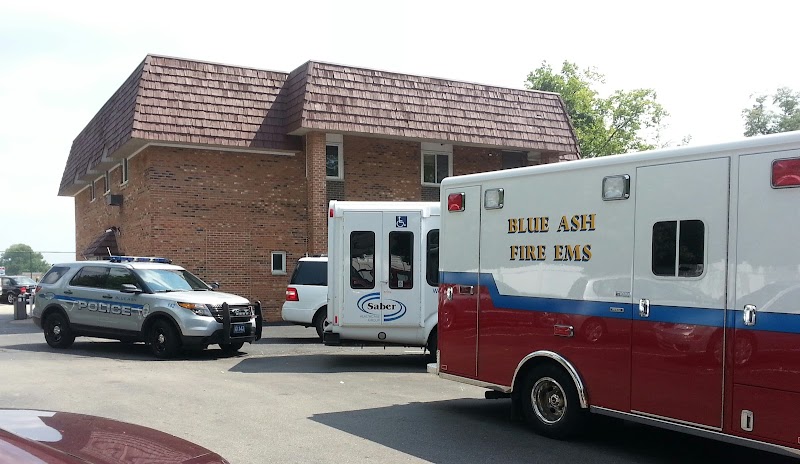
4900 COOPER ROAD, CINCINNATI, OH 45242 (513) 793-3362
For profit - Corporation 64 Beds HILLSTONE HEALTHCARE Data: November 2025
Trust Grade
45/100
#420 of 913 in OH
Last Inspection: February 2023

Over 2 years since last inspection. Current conditions may differ from available data.

Overview

Blue Ash Care Center has a Trust Grade of D, indicating below-average performance with some concerns about care quality. Ranking #420 out of 913 facilities in Ohio puts them in the top half, while their county rank of #32 out of 70 suggests there are better local options available. Unfortunately, the trend is worsening, with issues increasing from 5 in 2024 to 9 in 2025. Staffing is a significant concern, rated only 1 out of 5 stars, with a high turnover rate of 74%, meaning many staff leave frequently, which can affect resident care. However, there have been no fines recorded, which is a positive sign. Specific incidents raise red flags, such as a resident being hospitalized due to inadequate care for constipation, and unclean conditions in the kitchen, which could affect all residents. Additionally, the facility did not have a Registered Nurse on duty for eight consecutive hours on two separate days, which could compromise care quality. While the quality measures are rated excellent, the overall picture indicates significant weaknesses that families should consider carefully.

Trust Score
D
45/100
In Ohio
#420/913
Top 46%
Safety Record
Moderate
Needs review
Inspections
Getting Worse
5 → 9 violations
Staff Stability
⚠ Watch
74% turnover. Very high, 26 points above average. Constant new faces learning your loved one's needs.
Penalties
✓ Good
No fines on record. Clean compliance history, better than most Ohio facilities.
Skilled Nurses
⚠ Watch
Each resident gets only 23 minutes of Registered Nurse (RN) attention daily — below average for Ohio. Fewer RN minutes means fewer trained eyes watching for problems.
Violations
⚠ Watch
34 deficiencies on record. Higher than average. Multiple issues found across inspections.
★★★☆☆
3.0
Overall Rating
★☆☆☆☆
1.0
Staff Levels
★★★★★
5.0
Care Quality
★★★☆☆
3.0
Inspection Score
Stable
2024: 5 issues
2025: 9 issues

The Good

  • 5-Star Quality Measures · Strong clinical quality outcomes
  • No fines on record

Facility shows strength in quality measures.

The Bad

3-Star Overall Rating

Near Ohio average (3.2)

Meets federal standards, typical of most facilities

Staff Turnover: 74%

27pts above Ohio avg (46%)

Frequent staff changes - ask about care continuity

Chain: HILLSTONE HEALTHCARE

Part of a multi-facility chain

Ask about local staffing decisions and management

Staff turnover is very high (74%)

26 points above Ohio average of 48%

The Ugly 34 deficiencies on record

1 actual harm
Jul 2025 3 deficiencies
CONCERN (D) 📢 Someone Reported This

A family member, employee, or ombudsman was alarmed enough to file a formal complaint

Potential for Harm - no one hurt, but risky conditions existed

Deficiency F0579 (Tag F0579)

Could have caused harm · This affected 1 resident

Based on medical record review, staff interview, resident interview, and review of the facility policy, the facility failed to provide residents with information regarding how to apply for Medicaid be...

Read full inspector narrative →
Based on medical record review, staff interview, resident interview, and review of the facility policy, the facility failed to provide residents with information regarding how to apply for Medicaid benefits. This affected one (Resident #53) of two residents reviewed for discharge. The facility census was 53. Findings include: Review of the medical record for Resident #53 revealed an admission date of 11/20/24 with diagnoses including chronic respiratory failure with hypoxia, severe protein-calorie malnutrition, chronic obstructive pulmonary disease (COPD), opioid dependence, cocaine abuse, pulmonary hypertension, bipolar disorder and post-traumatic stress disorder and a discharge date of 04/02/25. Review of a notice of adverse determination from the Medicaid provider for Resident #53 dated 03/28/25 revealed the resident no longer needed daily nursing care and her care needs could be met in a lower level of care. The document also included information for the resident with the opportunity to file a grievance against the decision or appeal the decision. Review of a social services progress note for Resident #53 dated 04/01/25 at 2:34 P.M. and created 04/02/25 at 2:38 P.M. per Social Services Director (SSD) #343 revealed she and the Director of Nursing (DON) spoke with Resident #53 about immediate discharge due to non-payment. The resident was in her room packing saying she would be discharging with her brother. This note was struck out on 04/08/25 with the reason cited as inaccurate documentation. Review of the Minimum Data Set (MDS) assessment for Resident #53 dated 04/02/25 revealed the resident had intact cognition and had an unplanned discharge Interview on 06/30/25 at 10:08 A.M. with Business Office Manager (BOM) #450 confirmed Resident #53 had a skilled care Medicaid payor and payment was stopped because the resident no longer required a skilled nursing service. The BOM verified the facility had the opportunity to assist the resident in applying for long-term Medicaid services but did not do so. She had no explanation as to why the facility did not do so. Follow up interview on 06/30/25 at 10:51 A.M. with BOM #450 verified the facility did not provide Resident #53 the opportunity or assistance to apply for long-term Medicaid. Phone interview on 06/30/25 at 3:00 P.M. with Resident #53 verified she was not offered the opportunity or assistance to apply for long-term Medicaid. Review of the policy titled Transfer and discharge date d 10/17/22 revealed a facility-initiated transfer or discharge was a transfer or discharge to which the resident objects or did not originate through a resident's verbal or written request, and/or was not in alignment with the resident's stated goals for care and preferences. The facility would not initiate the discharge of a resident based solely on resident's payment source or change in the resident's payment source. If the resident continued to need long-term care services, the facility would offer the resident the ability to remain in the facility by providing the Medicaid-eligible residents with the necessary assistance to apply for Medicaid coverage. This deficiency represents noncompliance investigated under Complaint Number OH00164494.
CONCERN (D) 📢 Someone Reported This

A family member, employee, or ombudsman was alarmed enough to file a formal complaint

Potential for Harm - no one hurt, but risky conditions existed

Deficiency F0627 (Tag F0627)

Could have caused harm · This affected 1 resident

Based on medical record review, staff interview, resident interview, and review of the facility policy, the facility failed to ensure a safe and orderly discharge. The affected one (Resident #53) of t...

Read full inspector narrative →
Based on medical record review, staff interview, resident interview, and review of the facility policy, the facility failed to ensure a safe and orderly discharge. The affected one (Resident #53) of two residents reviewed for discharge. The facility census was 53 residents. Findings include: Review of the medical record for Resident #53 revealed an admission date of 11/20/24 with diagnoses including chronic respiratory failure with hypoxia, severe protein-calorie malnutrition, chronic obstructive pulmonary disease, opioid dependence, cocaine abuse, pulmonary hypertension, bipolar disorder and post-traumatic stress disorder. The resident was discharged from the facility on 04/02/25. Review of the physician's orders for Resident #53 revealed an order dated 01/27/25 for oxygen at three liters per minute via nasal cannula every shift. Review of a notice of adverse determination from the Medicaid provider for Resident #53 dated 03/28/25 revealed the resident no longer needed daily nursing care and that her care needs could be met at a lower level of care. The document also provided the resident with the opportunity to file a grievance against the decision or appeal the decision. Review of a social services progress note for Resident #53 dated 04/01/25 at 2:34 P.M. and created 04/02/25 at 2:38 P.M. per Social Services Director (SSD) #343 revealed she and the Director of Nursing (DON) spoke with Resident #53 about immediate discharge due to non-payment. The resident was in her room packing saying she would be discharging with her brother. This note was struck out on 04/08/25 with the reason cited as inaccurate documentation. Review of the Minimum Data Set (MDS) assessment for Resident #53 dated 04/02/25 revealed the resident had an unplanned discharge. Resident #53 had intact cognition, was always continent of bowel and bladder was independent for eating, required supervision for oral and personal hygiene, bed mobility and toileting, and required moderate assistance for bathing, dressing and transfers. Interview on 06/30/25 at 10:14 A.M. with SSD #343 confirmed Resident #53 was discharged to the community without home health and oxygen services in place and the exact location of the discharge was unknown. Interview on 06/30/25 at 10:27 A.M. with the DON confirmed she was involved in the discharge of Resident #53 and the resident was not offered the opportunity to appeal the noncoverage of services decision. The DON confirmed the facility had not made arrangements for home health or oxygen services for Resident #53 prior to discharge and these services should have been arranged at the time of discharge. Phone interview on 06/30/25 at 3:00 P.M. with Resident #53 confirmed the SSD and the DON told her she had to leave the facility because Medicaid stopped paying. Resident #53 confirmed the facility staff told her she had 12 hours to leave, or they would call the police. Resident #53 confirmed the facility did not offer home health services or ongoing oxygen services. Resident #53 confirmed the facility discharged her with a four-hour oxygen tank and she had to take the oxygen nasal cannula she used while at the facility to receive the oxygen from the tank. Resident #53 confirmed after the oxygen tank ran out, she went to the hospital and remained there for 24 hours. After the hospitalization Resident #53 confirmed she was living on the street. Resident #53 confirmed she was currently staying with her mother and was trying to be admitted to a local homeless shelter. Phone interview on 06/30/25 at 4:30 P.M. with the Ombudsman confirmed there was a meeting with Resident #53 at the hospital discussing the resident's discharge. The Ombudsman confirmed Resident #53 did not want to remain a resident of the facility long-term, but the facility did not make the proper arrangements needed for a safe discharge such as a safe destination and provision of home health and oxygen services. Phone interview on 07/01/25 at 10:13 A.M. with Medical Director (MD) #405 for Resident #53 confirmed she was not involved in Resident 53's discharge and had no knowledge of where the resident's discharge location. MD #405 confirmed Resident #53 needed continuous oxygen due to her compromised respiratory status and should never have been discharged without home health services and an adequate supply of oxygen and oxygen supplies. Review of the facility policy titled Transfer and discharge date d 10/17/22 revealed a facility-initiated transfer or discharge was a transfer or discharge to which the resident objects or which did not originate through a resident's verbal or written request and/or was not in alignment with the resident's stated goals for care and preferences. Orientation for transfer or discharge would be provided and documented to ensure safe and orderly transfer or discharge from the facility, in a form and manner that the resident could understand. Depending on the circumstances, the orientation might be provided by various members of the interdisciplinary team. This deficiency represents noncompliance investigated under Complaint Number OH00164494.
CONCERN (D) 📢 Someone Reported This

A family member, employee, or ombudsman was alarmed enough to file a formal complaint

Potential for Harm - no one hurt, but risky conditions existed

Deficiency F0628 (Tag F0628)

Could have caused harm · This affected 1 resident

**NOTE- TERMS IN BRACKETS HAVE BEEN EDITED TO PROTECT CONFIDENTIALITY** Based on medical record review, staff interview, resident interview, and review of the facility policy, the facility provide an ...

Read full inspector narrative →
**NOTE- TERMS IN BRACKETS HAVE BEEN EDITED TO PROTECT CONFIDENTIALITY** Based on medical record review, staff interview, resident interview, and review of the facility policy, the facility provide an accurate notice of discharge to a resident before discharge and failed to provide a copy of the discharge notice to the Ombudsman. This affected one (Resident #53) of two residents reviewed for discharge. The facility census was 53 residents. Findings include: Review of the medical record for Resident #53 revealed an admission date of 11/20/24 with diagnoses including chronic respiratory failure with hypoxia, severe protein-calorie malnutrition, chronic obstructive pulmonary disease, opioid dependence, cocaine abuse, pulmonary hypertension, bipolar disorder and post-traumatic stress disorder. The resident was discharged from the facility on 04/02/25. Review of the Minimum Data Set (MDS) assessment for Resident #53 dated 04/02/25 revealed the resident had an unplanned discharge. Resident #53 had intact cognition, was always continent of bowel and bladder was independent for eating, required supervision for oral and personal hygiene, bed mobility and toileting, and required moderate assistance for bathing, dressing and transfers. Review of the medical record for Resident #53 revealed the record did not include information regarding a formal discharge from the facility and there was no documentation per the physician regarding the resident's discharge. Interview on 06/30/25 at 10:27 A.M. with the Director of Nursing (DON) confirmed Resident #53 was discharged from the facility to the community on 04/02/25, and the facility did not provide the resident with a written discharge notice. Interview on 06/30/25 at 10:39 A.M. with Social Services Director (SSD) #343 confirmed Resident #53 was discharged to the community on 04/02/25 without home health and oxygen services in place and the exact location of the discharge was unknown. SSD #343 verified Resident #53 was not provided with a thirty-day discharge notice. Phone interview on 06/30/25 at 3:00 P.M. with Resident #53 confirmed the SSD and the DON told her she had to leave the facility because Medicaid stopped paying. Resident #53 confirmed the facility staff told her she had 12 hours to leave, or the police would be called. The resident said the facility did not offer her the opportunity to appeal the decision, and she did not learn about the appeal process until she met with the Ombudsman at the hospital on [DATE]. Resident #53 confirmed the facility did not issue her a written discharge notice. Phone interview on 06/30/25 at 4:30 P.M. with the Ombudsman confirmed there was a meeting with Resident #53 at the hospital discussing the resident's discharge and the facility did not provide a notice of the resident's discharge to the Ombudsman's office. Phone interview on 07/01/25 at 10:13 A.M. with Medical Director (MD) #405 confirmed she was not involved with the facility's decision to discharge Resident #53 and had no knowledge of the resident's discharge location. MD #405 confirmed did not sign a written discharge notice nor did she document in the resident's medical record regarding the discharge. Review of the policy titled Transfer and discharge date d 10/17/22 revealed the facility's transfer/discharge notice would be provided to the resident and the resident's representative in a language and manner in which the resident could understand. Generally, the notice must be provided at least 30 days prior to a facility-initiated transfer or discharge of the resident. Exceptions to the 30-day requirement applied when the transfer or discharge was affected because the health and/or safety of individuals in the facility would be endangered due to the clinical or behavioral status of the resident, resident's health improved sufficiently to allow a more immediate transfer or discharge, an immediate transfer or discharge was required by the resident's urgent medical needs, or the resident had not resided in the facility for 30 days. A written discharge notice must be provided to the resident, resident's representative if appropriate, and the Ombudsman as soon as practicable before the transfer or discharge. The facility would maintain evidence that the notice was sent to the Ombudsman. This deficiency represents noncompliance investigated under Complaint Number OH00164494.
Apr 2025 3 deficiencies
CONCERN (D) 📢 Someone Reported This

A family member, employee, or ombudsman was alarmed enough to file a formal complaint

Potential for Harm - no one hurt, but risky conditions existed

Quality of Care (Tag F0684)

Could have caused harm · This affected 1 resident

Based on record review, interview, and policy review, the facility failed to ensure a resident was provided the correct diet texture. This affected one (Resident #52) of three residents reviewed. The ...

Read full inspector narrative →
Based on record review, interview, and policy review, the facility failed to ensure a resident was provided the correct diet texture. This affected one (Resident #52) of three residents reviewed. The facility census was 55. Findings include: Review of the medical record for Resident #52 revealed admission date 05/25/24. Diagnoses included pneumonitis, anxiety disorder, type two diabetes, hemiplegia, and hemiparesis. Review of plan of care dated 12/10/24 revealed Resident #52 was at risk for nutrition and hydration problems related to diabetes mellitus, schizoaffective disorder, bipolar, need for nutritional supplements, supervision for all meals, nosey cup with drinks, and need for mechanically altered diet and thickened liquids. Interventions include allowing residents to make choices, or preferences, observe any signs and symptoms of choking, provide assisted devices with meals, obtain weights as ordered, speech therapy screen as need, and weekly weights. Review of the quarterly Minimum Data Set (MDS) assessment, dated 01/04/25, revealed that Resident #52 was severely cognitively impaired and required partial to moderate assistance meal assistance. Review of progress note dated 02/01/25 at 6:40 P.M. by unknown nurse stated another resident notified this nurse that the resident was choking. The nurse and another nurse ran to Resident #52 and noted her unable to make any noise, no coughing, no talking, and showing signs and symptoms of choking. Both nurses initiated the Heimlich Maneuver to Resident #52. Resident #52 coughed up the food and was able to speak. 911 arrived but did not take Resident #52 because she was responsive. Review of progress note dated 02/01/25 at 7:01 P.M. by unknown nurse stated Resident #52 was assessed and vitals as follows: blood pressure 136/78, heart rate 78 beats per minute, oxygen saturation 97 percent, blood sugar was 111, and temperature was 97.8 degrees Fahrenheit. Resident #52 was assessed for pain. Resident #52 stated she had not had pain or hurting at any time in the last five days. Review of progress note 02/01/25 at 7:21 P.M. by unknown nurse stated she notified the on call physician of choking event. The physician gave orders to assess her vitals once a shift until seen by physician next week. Review of the facility incident document dated 02/01/25 revealed Resident #52 was choking on a food item in the dining room. Agency Licensed Practical Nurse (LPN) #330 and another nurse administered the Heimlich Maneuver to Resident #52, who was coughing. Resident #52 coughed up an item and began to speak. Resident #52 denied pain or discomfort. Resident #52 stated she was trying to eat a sweet cake. Resident #52 had vitals assessed, assessed for pain. LPN #330 helped Resident #52 change her clothes. Resident #52's diet was reviewed. Resident #52 was to eat meals in the dining room with assistance. There was an order for consultation with speech therapy. A respiratory assessment was completed and a new order for a chest X-ray. LPN #330 stated there were no signs and symptoms of respiratory distress. LPN #330 notified the Director of Nursing (DON), guardian, and medical director. Resident #52 refused to be taken to the hospital. The predisposing environmental factor that affected Resident #52 was crowding. No injuries observed post incident of choking. Review of physician order dated 02/03/25 revealed Resident #52 had an order for a regular pureed diet with nectar thick liquids and a STAT chest X-ray for two views. Review of the facility chest X-ray result dated 02/03/25 revealed that Resident #52 had a chest x-ray impression that stated with comparison study from prior chest -ray done on date 10/28/24, Resident #52 had right basilar infiltrate developed since last X-ray. Review of physician order dated 02/05/25 revealed Resident #52 had an upgraded diet to mechanical textures, regular diet, nectar thick liquids, with ordered staff supervision during meals. Review of physician order dated 02/05/25 revealed Resident #52 was to have a speech evaluation. Review of physician order dated 02/17/25 revealed Resident #52 to have consistent carbohydrate diet, pureed texture, and nectar thick liquids. During an interview on 03/24/25 at 11:48 A.M., the Director of Nursing (DON) stated Resident #52 was aware she was on an altered diet. She took the corn bread from the resident sitting next to her. Resident #52 asked Nurse Supervisor (NS) #202 to open the corn bread, which was wrapped. NS #202 educated Resident #52 her diet, that she was a puree diet and could not have the corn bread. Resident #52 then found another piece of corn bread from another resident's food plate and asked Agency LPN #330 to open it for her. LPN #330 opened for Resident #30 and gave it to her without checking her diet. DON stated that Resident #52 ate it, and she began to choke. Nurse Supervisor (NS) #202 and LPN #330 performed the Heimlich maneuver on Resident #52. The emergency medical service arrived, and Resident #52 refused to be evaluated at the hospital. Resident #52's guardian was told she refused, and the guardian was ok with the resident's refusal to go out to the hospital. The DON stated Resident #52 was noncompliant in her diet and had since made her a one on one with all her meals. At this time, Resident #52 was compliant with the one-on-one staff at meals. During an interview on 03/25/25 at 5:50 P.M., LPN #330 stated she did give Resident #52 corn bread and did not look up or ask what Resident #52's diet was. Ten minutes later Resident #30 was in her wheelchair choking. LPN #330 tried to give her Heimlich, then another nurse assisted to help and the choking was resolved. LPN #52 stated she had never taken care of Resident #52 before and should have looked up her diet. Review of facility document titled Dietary Supervision of Resident's Nutrition, undated, revealed the facility personnel are responsible for assuring the Residents' are served the correct food tray. Prior to serving the food tray, the nurse aid must check the diet card to assure that the correct food tray was being served to the Resident. If there was doubt, the nurse supervisor or charge nurse will check the written physician's order. If an error has been made, report it to the dietary supervisor so that a new food tray can be issued. Residents needing assistance in eating must be promptly assisted upon being served. Self-help devices must be provided to those who need this assistance. The food and fluid intake must be observed by nursing personnel at each meal. The amount eaten must be recorded and or reported to the charge nurse. Deviations from the normal patterns must be recorded in the Resident's chart. The Director of Nursing and the Dietary Manager, with input from the consultant dietician, must review the Resident's nutritional problem and coordinate all resolutions. Recommendations must be presented to the attending physician for his or her approval. This deficiency represents non-compliance investigated under Complaint Number OH00162245.
CONCERN (D) 📢 Someone Reported This

A family member, employee, or ombudsman was alarmed enough to file a formal complaint

Potential for Harm - no one hurt, but risky conditions existed

Accident Prevention (Tag F0689)

Could have caused harm · This affected 1 resident

**NOTE- TERMS IN BRACKETS HAVE BEEN EDITED TO PROTECT CONFIDENTIALITY** Based on record review, observations, interview, and policy review, the facility failed to implement fall prevention interventio...

Read full inspector narrative →
**NOTE- TERMS IN BRACKETS HAVE BEEN EDITED TO PROTECT CONFIDENTIALITY** Based on record review, observations, interview, and policy review, the facility failed to implement fall prevention interventions for residents. This affected one (Resident #46) of three residents reviewed for falls. The facility census was 55. Findings include: Record review revealed Resident #46 was admitted on [DATE]. Diagnoses included chronic obstructive pulmonary disease, Schizophrenia disorder, disturbance psychotic disorder, anxiety disorder, irritable bowel syndrome, dementia, and pseudobulbar affect. Review of the quarterly Minimum Data Set (MDS) assessment, dated 10/18/24, revealed that Resident #46 was cognitively impaired. Resident #46 required maximal assistance for meals, oral care, personal hygiene, and dressing upper body. Resident #46 was dependent for dressing lower body, bathing, placing shoes on and off, and toileting hygiene. Review of the plan of care dated 02/07/25 revealed Resident #46 was at risk for falls related to Alzheimer's disease, impaired gait balance, impaired vision, schizophrenia, and seizure disorder. Interventions included floor mat placed to open side of bed while bed was occupied, close supervision by staff, encourage residents to lie down after lunch, fall risk assessment, ensure resident was wearing nonskid footwear, and left side of bed against the wall. Review of non-compliance that was resistant to assistance with care revealed that Resident #46 interventions was encouraged to keep call light in reach and encouraged to use assistance. During an observation on 03/24/25 at 3:54 P.M., Resident #46 was in bed, and had no call light in reach. Resident #46's call light was under the bed, at the wall. Resident #46 did not have his bedside table near him with personal items. There was no floor mat next to the bed. During an interview on 03/24/25 at 3:58 P.M., Nurse Supervisor (NS) #202 verified that Resident #46's call light was out of reach, that his personal items were out of reach and no fall mat was next to the bed. Review of facility document titled Call Light Policy and Procedure dated 12/2020 revealed the policy of the facility was to ensure timely response to resident call light to ensure needs are met. The call light was used by a resident to notify staff of the nursing facility that the resident had a need that he would like addressed. Staff will ensure that the resident was in a comfortable position and that the call light was within reach of the resident before leaving the resident's room. This deficiency represents non-compliance investigated under Complaint Number OH00163300.
CONCERN (F) 📢 Someone Reported This

A family member, employee, or ombudsman was alarmed enough to file a formal complaint

Potential for Harm - no one hurt, but risky conditions existed

Food Safety (Tag F0812)

Could have caused harm · This affected most or all residents

Based on observations, staff interview, and review of facility policy, the facility failed to provide clean, sanitary kitchen. This had the potential to affect all 55 residents residing in the facilit...

Read full inspector narrative →
Based on observations, staff interview, and review of facility policy, the facility failed to provide clean, sanitary kitchen. This had the potential to affect all 55 residents residing in the facility who receive food from the kitchen. Findings include: During an observations of the kitchen on 03/25/25 at 11:08 A.M., the floor was dirty with food crumbs scattered on floor, cracks on the floor, dirt was smeared all over the floor, the trash can which was full of trash had no lid. A hair net was lying on the floor next to the trash can. There was a dirty bath blanket and four towels with black unknown substance on them in a pile under the kitchen sink next to prep table. Interview on 03/25/25 at 11:30 A.M. with [NAME] #134 verified there was a blanket and towels under the sink. [NAME] #234 stated there was a big accident in the kitchen and there was spillage on the floor. Review of the policy titled Dietary Food Preparation Area, undated, revealed the facility will maintain a clean, sanitary and safe food preparation area. The facility was to have a sink hot water and soap disposable, hand towel rack, and step-on trash can. This deficiency represents non-compliance investigated under Complaint Number OH00162245.
Jan 2025 3 deficiencies
CONCERN (D) 📢 Someone Reported This

A family member, employee, or ombudsman was alarmed enough to file a formal complaint

Potential for Harm - no one hurt, but risky conditions existed

Transfer Requirements (Tag F0622)

Could have caused harm · This affected 1 resident

Based on medical record review, resident representative interview, staff interview, and review of the facility policy, the facility discharged a resident from the facility without a physician's order ...

Read full inspector narrative →
Based on medical record review, resident representative interview, staff interview, and review of the facility policy, the facility discharged a resident from the facility without a physician's order or proper documentation of a rationale for the facility-initiated discharge. This affected one (Resident #42) of two residents reviewed for transfer or discharge. The facility census was 51 residents. Findings include: Review of the medical record for Resident #42 revealed an admission date of 08/18/23 with diagnoses including unspecified encephalopathy, dementia, mood affective disorder and hypertension. Review of the Minimum Data Set (MDS) assessment for Resident #42 dated 10/03/24 revealed the resident had severe cognitive impairment and required staff assistance with activities of daily living (ADLs.) Review of the progress notes for Resident #42 dated 08/18/24 to 01/10/25 revealed they did not include documentation of a discharge notice from the facility to the resident nor did they include any documentation of a reason for discharge. Review of the physician's orders for Resident #42 dated 08/18/24 to 01/10/25 revealed there was no discharge order for the resident. Review of social services progress note for Resident #42 dated 01/10/25 per Social Service Director (SSD) #31 revealed the resident was transferred on 01/10/25 to another facility. Resident #42 was picked up by receiving facility transport and the resident's responsible party was notified. Review of the facility initiated thirty-day discharge notice for Resident #42 dated 01/10/25 revealed the notice was sent to Resident #42 and Resident #42's responsible party via certified mail on 01/13/25. Review of the notice revealed Resident #42 was being discharged immediately because the safety of other individuals in the facility was endangered. Interview on 01/13/25 at 9:46 A.M. with Resident #42's responsible party revealed SSD #31 called the resident's brother on 01/08/25 and told him the facility was discharging the resident to another nursing home immediately. Resident #42's responsible party confirmed he did not speak directly with anyone from the facility but received a text message from the resident's brother on 01/08/25 indicating the facility informed him the resident would be discharged to another local nursing facility on 01/10/25. Resident #42's responsible party confirmed the facility did not provide any written notice the resident would be discharged . Interview on 01/13/25 at 11:00 A.M. with the Administrator confirmed the facility sent a 30-day discharge notice via certified mail to Resident #42's responsible party on 01/13/25 after the resident had already been discharged from the facility. Interview on 01/15/25 at 9:20 A.M. with the Medical Director (MD) confirmed the either the Administrator or the Director of Nursing (DON) had called her the week prior and notified her of Resident #42's discharge. The MD confirmed she did not make a note in the resident's medical record stating the basis for the resident's discharge from the facility nor did she write a discharge order. Review of the facility policy titled Transfer and Discharge revised 01/13/25 revealed the facility would permit each resident to remain in the facility and would not initiate transfers or discharges for the residents from the facility, except in limited circumstances. For non-emergency transfers or discharges the facility would document the reasons for the transfer or discharge in the resident's medical record. The facility staff would document any danger to the health or safety of the resident or other individuals that failure to transfer or discharge would pose. The physician should document medical reasons for transfer or discharge in the medical record, when the reason for transfer or discharge was for any reason other than nonpayment of the stay or the facility ceasing to operate. A copy of the physician's order for the discharge should be attached to the discharge notice.
CONCERN (D) 📢 Someone Reported This

A family member, employee, or ombudsman was alarmed enough to file a formal complaint

Potential for Harm - no one hurt, but risky conditions existed

Transfer Notice (Tag F0623)

Could have caused harm · This affected 1 resident

Based on medical record review, resident representative interview, staff interview, and review of the facility policy, the facility discharged a resident from the facility and failed to a written noti...

Read full inspector narrative →
Based on medical record review, resident representative interview, staff interview, and review of the facility policy, the facility discharged a resident from the facility and failed to a written notice of discharge to the resident and resident representative before the discharge. This affected one (Resident #42) of two residents reviewed for transfer or discharge. The facility census was 51 residents. Findings include: Review of the medical record for Resident #42 revealed an admission date of 08/18/23 with diagnoses including unspecified encephalopathy, dementia, mood affective disorder and hypertension. Review of the Minimum Data Set (MDS) assessment for Resident #42 dated 10/03/24 revealed the resident had severe cognitive impairment and required staff assistance with activities of daily living (ADLs.) Review of the progress notes for Resident #42 dated 08/18/24 to 01/10/25 revealed they did not include documentation of a discharge notice from the facility to the resident nor did they include any documentation of a reason for discharge. Review of the physician's orders for Resident #42 dated 08/18/24 to 01/10/25 revealed there was no discharge order for the resident. Review of social services progress note for Resident #42 dated 01/10/25 per Social Service Director (SSD) #31 revealed the resident was transferred on 01/10/25 to another facility. Resident #42 was picked up by receiving facility transport and the resident's responsible party was notified. Review of the facility initiated thirty-day discharge notice for Resident #42 dated 01/10/25 revealed the notice was sent to Resident #42 and Resident #42's responsible party via certified mail on 01/13/25. Review of the notice revealed Resident #42 was being discharged immediately because the safety of other individuals in the facility was endangered. Interview on 01/13/25 at 9:46 A.M. with Resident #42's responsible party revealed SSD #31 called the resident's brother on 01/08/25 and told him the facility was discharging the resident to another nursing home immediately. Resident #42's responsible party confirmed he did not speak directly with anyone from the facility but received a text message from the resident's brother on 01/08/25 indicating the facility informed him the resident would be discharged to another local nursing facility on 01/10/25. Resident #42's responsible party confirmed the facility did not provide any written notice the resident would be discharged . Interview on 01/13/25 at 11:00 A.M. with the Administrator confirmed the facility sent a 30-day discharge notice via certified mail to Resident #42's responsible party on 01/13/25 after the resident had already been discharged from the facility. Interview on 01/15/25 at 9:20 A.M. with the Medical Director (MD) confirmed the either the Administrator or the Director of Nursing (DON) had called her the week prior and notified her of Resident #42's discharge. The MD confirmed she did not make a note in the resident's medical record stating the basis for the resident's discharge from the facility nor did she write a discharge order. Review of the facility policy titled Transfer and Discharge revised 01/13/25 revealed the facility would provide written notice of the discharge to the resident and the resident's representative of the discharge as soon as practicable before the discharge.
CONCERN (E) 📢 Someone Reported This

A family member, employee, or ombudsman was alarmed enough to file a formal complaint

Potential for Harm - no one hurt, but risky conditions existed

Respiratory Care (Tag F0695)

Could have caused harm · This affected multiple residents

Based on medical record review, observation, staff interview, and review of the facility policy, the facility failed to ensure oxygen was administered as ordered by a physician and in accordance with ...

Read full inspector narrative →
Based on medical record review, observation, staff interview, and review of the facility policy, the facility failed to ensure oxygen was administered as ordered by a physician and in accordance with professional standards of practice for respiratory care. This affected three (Residents #3, #14, and #18) of three residents reviewed for oxygen administration. The facility census was 51 residents. Findings include: 1. Review of the medical record for Resident #14 revealed an admission date of 11/20/24 with diagnoses including acute infarction of intestine due to gunshot wound, cocaine abuse, opioid dependence, bipolar disorder, chronic obstructive pulmonary disease (COPD), chronic respiratory failure, severe protein-calorie malnutrition and pulmonary hypertension. Review of the Minimum Data Set (MDS) assessment for Resident #14 dated 12/01/24 revealed the resident was cognitively intact and required assistance with activities of daily living (ADLs). Review of the plan of care for Resident #14 dated 12/18/24 revealed the resident had altered respiratory status related to COPD with a goal to maintain a normal breathing pattern. The primary interventions included administration of inhaler as ordered, medications as ordered, and oxygen as ordered. Review of physician's orders for Resident #14 revealed an order dated 11/21/24 for the resident to receive oxygen at two to four liters per minute (LPM) per nasal cannula (NC) to keep oxygenation levels above 92 percent (%) and for the oxygen tubing to be changed every week and dated. Observation on 01/13/25 at 8:45 A.M. revealed Resident #14 was in bed and receiving oxygen via NC at two LPM. The tubing and NC were dated 01/03/25 and there was no signage on the door that indicated oxygen was in use. Interview on 01/13/25 at 8:45 A.M. with Registered Nurse (RN) #77 confirmed Resident #14's oxygen tubing and NC were outdated and there was no signage on the door indicating oxygen was in use. 2. Review of the medical record for Resident #18 revealed an admission date of 11/11/24 with diagnoses including COPD, hypertension, alcohol dependence and depression. Review of the MDS assessment for Resident #18 dated 11/18/24 revealed the resident had moderate cognitive impairment and required supervision and assistance with ADLs. Review of the care plan for Resident #18 dated 11/14/24 revealed the resident was at risk due to altered respiratory status related to COPD with a goal to maintain normal a breathing pattern. The primary interventions included administration of medications as ordered, elevated head of bed as needed for shortness of breath, observe for signs and symptoms of respiratory distress and notify the physician as needed, and teach resident relaxation techniques. Review of physician's orders for Resident #18 revealed an order dated 01/02/25 for the resident to receive oxygen at two LPM per nasal cannula. There was no order to change the oxygen tubing and nasal cannula. Observation on 01/13/25 at 9:00 A.M. revealed Resident #18 was receiving oxygen at two LPM and oxygen tubing and nasal cannula were undated. There was no sign on the door that indicated oxygen was in use. Interview on 01/13/25 at 9:00 A.M. with RN #77 confirmed Resident #18 did not have a physician order for the tubing and nasal cannula to be changed every seven days. RN #77 confirmed Resident #18's tubing and nasal cannula were undated and she was unsure when they were due to be changed and there was no signage on the door indicating oxygen was in use. 3. Review of the medical record for Resident #3 revealed an admission date of 05/03/23 with diagnoses including osteoarthritis, morbid obesity, hypertension, congestive heart failure, hyperlipidemia, asthma and chronic viral hepatitis C. Review of the MDS assessment for Resident #3 dated 10/27/24 revealed the resident was cognitively intact and required supervision with ADLs. Review of the care plan for Resident #3 dated 05/18/23 revealed the resident was at risk due to altered cardiac output related to congestive heart failure, hypertension and hyperlipidemia with a goal to be free of signs and symptoms of cardiac complications. The primary interventions were to administer medications and oxygen as ordered. Review of physician's orders for Resident #3 revealed the resident did not have an order for the administration of oxygen nor did the resident have an order to have the tubing and NC changed every seven days. Observation on 01/13/25 at 9:10 A.M. revealed Resident #3 was in his room in his wheelchair and was receiving oxygen via an oxygen concentrator at four LPM with oxygen tubing and NC dated 11/29/24. There was no sign on the door that indicated oxygen was in use. Interview on 01/13/25 at 9:05 A.M. with Registered Nurse (RN) #77 confirmed Resident #3 did not have physician orders for the administration of oxygen or for the oxygen tubing and NC to be changed. RN #77 confirmed Resident #3 was receiving oxygen at four LPM and the tubing was outdated and there was no signage on the door that indicated oxygen was in use. Interview on 01/14/25 at 3:55 P.M. with the Director of Nursing (DON) confirmed oxygen tubing and nasal cannula are to be changed and dated every seven days. Review of the facility policy titled Oxygen Administration revised October 2010 revealed the facility would provide safe oxygen administration which included to verify there was a physician's order in place for oxygen administration and to place an oxygen in use sign outside the resident's door.
Nov 2024 3 deficiencies
CONCERN (D) 📢 Someone Reported This

A family member, employee, or ombudsman was alarmed enough to file a formal complaint

Potential for Harm - no one hurt, but risky conditions existed

Deficiency F0582 (Tag F0582)

Could have caused harm · This affected 1 resident

Based on medical record review and staff interview, the facility failed to ensure residents' Medicaid coverage was maintained. This affected two (Residents #14 and #15) out of three residents reviewed...

Read full inspector narrative →
Based on medical record review and staff interview, the facility failed to ensure residents' Medicaid coverage was maintained. This affected two (Residents #14 and #15) out of three residents reviewed for payor source. The facility census was 52 residents. Findings include: Review of the medical record for Resident #14 revealed an admission date of 05/20/24 with diagnoses including insomnia, psychosis, anxiety, depression, and schizophrenia. Review of the Minimum Data Set (MDS) assessment for Resident #14 dated 08/27/24 the resident was cognitively intact and required extensive assistance with activities of daily living (ADLs). Review of the medical record for Resident #15 revealed an admission date of 06/08/23 with diagnoses including encephalopathy, diabetes mellitus, and cerebral infarction. Review of the MDS assessment for Resident #15 dated 10/03/24 revealed the resident was severely cognitively impaired deficits and required extensive assistance to total dependence with ADLs. Review of the facility daily census dated 11/26/24 revealed Resident #14 and Resident #15 had Medicaid pending listed as their primary payor source. Interview on 11/26/24 at 2:46 P.M. with [NAME] President of Operations (VPO) #35 confirmed the facility failed to provide the needed information to ensure Resident #14 and #15 had ongoing Medicaid coverage. VPO #35 confirmed Resident #14 and #15's Medicaid lapsed as a result and the facility was in the process of completing new Medicaid applications to reinstate Medicaid coverage for the residents. This deficiency represents noncompliance investigated under Complaint Number OH00159262.
CONCERN (D) 📢 Someone Reported This

A family member, employee, or ombudsman was alarmed enough to file a formal complaint

Potential for Harm - no one hurt, but risky conditions existed

Infection Control (Tag F0880)

Could have caused harm · This affected 1 resident

Based on medical record review, observation, staff interview, and review of the facility policy, the facility failed to ensure staff followed guidelines for wearing personal protective equipment (PPE)...

Read full inspector narrative →
Based on medical record review, observation, staff interview, and review of the facility policy, the facility failed to ensure staff followed guidelines for wearing personal protective equipment (PPE) during care for residents on enhanced barrier precautions (EBP.) This affected one (Resident #16) of three residents reviewed for catheter care. The facility census was 52 residents. Findings include: Review of the medical record for Resident #16 revealed an admission date of 10/14/24 with diagnoses including depression, neuromuscular dysfunction of bladder, and paraplegia. Review of the Minimum Data Set (MDS) assessment for Resident #16 dated 10/21/24 revealed the resident had no cognitive deficits and required substantial assistance to total dependence with activities of daily living (ADLs). Observation of catheter care for Resident #16 on 11/27/24 at 11:07 A.M. per Certified Nursing Assistant (CNA) #40 revealed the resident was in EBP due to the catheter and the aide did not wear a gown while providing direct care to the resident. Interview on 11/27/24 at 11:10 A.M. with CNA #40 confirmed Resident #16 was in EBP and further confirmed she should have donned a gown and worn it while providing direct care to the resident. Review of the facility policy titled Enhanced Barrier Precautions dated 04/01/24 revealed the facility would utilize enhanced barrier precautions to prevent broader transmission of multidrug-resistant organisms. Residents with indwelling catheters should be placed on EBP and staff should wear a gown and gloves during high contact care activities.
CONCERN (F) 📢 Someone Reported This

A family member, employee, or ombudsman was alarmed enough to file a formal complaint

Potential for Harm - no one hurt, but risky conditions existed

Deficiency F0727 (Tag F0727)

Could have caused harm · This affected most or all residents

Based on record review and staff interview, the facility failed to have a Registered Nurse (RN) on duty for eight consecutive hours every day. This had the potential to affect all residents residing i...

Read full inspector narrative →
Based on record review and staff interview, the facility failed to have a Registered Nurse (RN) on duty for eight consecutive hours every day. This had the potential to affect all residents residing in the facility. The facility census was 52 residents. Findings include: Review of the staffing schedule dated 10/26/24 through 10/31/24 revealed the facility did not have an RN scheduled on 10/26/24 and 10/27/24. Interview on 11/27/24 at 12:21 P.M. with [NAME] President of Operations (VPO) #35 confirmed the facility did not have an RN work on 10/26/24 and 10/27/24. This deficiency represents noncompliance investigated under Complaint Number OH00159379.
Aug 2024 2 deficiencies 1 Harm
SERIOUS (G) 📢 Someone Reported This

A family member, employee, or ombudsman was alarmed enough to file a formal complaint

Actual Harm - a resident was hurt due to facility failures

Quality of Care (Tag F0684)

A resident was harmed · This affected 1 resident

**NOTE- TERMS IN BRACKETS HAVE BEEN EDITED TO PROTECT CONFIDENTIALITY** Based on medical record review, review of hospital records, and resident and staff interviews the facility failed to provide ade...

Read full inspector narrative →
**NOTE- TERMS IN BRACKETS HAVE BEEN EDITED TO PROTECT CONFIDENTIALITY** Based on medical record review, review of hospital records, and resident and staff interviews the facility failed to provide adequate care and services to prevent constipation. This resulted in harm on 08/22/2024 when Resident #15 was sent to the hospital and received treatment for a large fecal impaction. This affected one of three resident sampled for constipation. The facility census was 51. Findings include: Review of the medical record revealed Resident #15, was admitted to the facility on [DATE]. Diagnoses included unspecified neuromuscular dysfunction of the bladder, stage IV sacral pressure ulcer, unstageable pressure ulcer to the left heel, generalized anxiety disorder, unspecified major depressive disorder, and hemiplegia with hemiparesis following cerebral infarction affecting the left non-dominant side. Review of the most recent Minimum Data Set (MDS) 3.0 assessment dated [DATE] revealed the resident was cognitively intact, had no behaviors, occasionally rejected care, and did not wander. Resident #15 had an indwelling catheter. Urinary continence was not rated. Resident #15 was frequently incontinent of bowel and was not on a toileting program. Resident #15 required maximum assist with toileting. Review of care plan dated 08/21/2024 revealed Resident #15 was at risk for constipation related to decreased mobility and medication side effects. Interventions included administer medications as ordered, encourage consumption of high fiber foods, monitor and record bowel movements, monitor /report signs of constipation, and auscultate bowel sounds as needed. Review of task documentation dated August 2024 revealed Resident #15 had a medium formed bowel movement on 08/13/2024. Resident #15 had documentation stating she had no bowel movements from 08/14/2024 to 08/19/2024. Resident #15 had a small bowel movement documented on first shift on 08/20/2024 at 1:58 P.M. and documentation which specified No bowel movement from 08/20 on night shift to 08/23/2024 on day shift. Resident #15 had a small bowel movement documented on 08/23/2024 on night shift and had specific documentation indicating No bowel movement from 08/24/2024 to 08/26/2026. Review of hospital documentation dated 08/22/2024 revealed Resident #15 presented to the hospital emergency room for evaluation and treatment on 08/21/2024 at 2:15 P.M. The resident stated she was concerns she had a urinary tract infection (UTI) related to not having her catheter changed in 37 days, fevers, chills, general malaise, and lower abdominal pain. Additionally, the resident complained she had not had a bowel movement in 11 days. Upon physical examination she had a large fecal impaction, and a large amount of hard, brown stool was disimpacted. The resident was discharged back to the facility on [DATE] at 2:41 A.M. During an interview on 08/26/2024 at 3:06 P.M. Regional Registered Nurse (RN) #120 stated the facility did not have a policy for constipation or tracking bowel movements. Regional RN #120 stated if a resident had not had a bowel movement in three days, it would pop up on the electronic health record as a clinical alert, and the nurse would follow up with PRN orders or contact the provider for new orders. During an interview on 08/26/2024 at 3:06 P.M. Assistant Director of Nursing (ADON) #176 verified Resident #15 had not had a bowel movement from 08/14/to 08/20/2024. The ADON stated when a resident had no bowel movements for three days, it should have triggered a clinical alert for the nurse to administer PRN's or call the doctor for new orders. ADON #176 verified there had been no clinical alert in response to Resident #15 not having bowel movements, Resident #15 had no PRN orders for constipation, and there was no provider notification. This deficiency represents noncompliance investigated under complaint #OH00157088.
CONCERN (D) 📢 Someone Reported This

A family member, employee, or ombudsman was alarmed enough to file a formal complaint

Potential for Harm - no one hurt, but risky conditions existed

Incontinence Care (Tag F0690)

Could have caused harm · This affected 1 resident

**NOTE- TERMS IN BRACKETS HAVE BEEN EDITED TO PROTECT CONFIDENTIALITY** Based on observation, review of the medical record, resident and staff interview, and policy review, the facility failed to ensu...

Read full inspector narrative →
**NOTE- TERMS IN BRACKETS HAVE BEEN EDITED TO PROTECT CONFIDENTIALITY** Based on observation, review of the medical record, resident and staff interview, and policy review, the facility failed to ensure urine collection bags were stored in a sanitary manner. The facility identified one resident (Resident #15) with a catheter. The facility census was 51. Findings include: Review of the medical record revealed Resident #15, was admitted to the facility on [DATE]. Diagnoses included neuromuscular dysfunction of the bladder, stage IV sacral pressure ulcer, unstageable pressure ulcer to the left heel, generalized anxiety disorder, unspecified major depressive disorder, and hemiplegia with hemiparesis following cerebral infarction affecting the left non-dominant side. Review of the most recent Minimum Data Set (MDS) 3.0 assessment dated [DATE] revealed the resident was cognitively intact, had no behaviors, occasionally rejected care, and did not wander. Resident #15 had an indwelling catheter. Urinary continence was not rated. Resident #15 was frequently incontinent of bowel and was not on a toileting program. Resident #15 required maximum assist with toileting. Review of the care plan dated 08/08/2024 revealed Resident #15 had an indwelling catheter related to neurogenic bladder. Interventions included to change the catheter bag as needed, change catheter as ordered, document output, enhanced barrier precautions for Foley catheter, position tubing below the bladder, report signs of discomfort or infection, and catheter care every shift. Observation on 08/26/2024 at 11:17 A.M. revealed Resident #15 in bed with the head elevated and a urine collection bag lying on the floor under the bed. During an interview on 08/26/2024 at 11:17 A.M. Resident #15 stated staff last emptied her bag at 9:00 PM on 08/25/2024 and the bag fell on the floor frequently when the bed position was changed. During an interview on 08/26/2024 at 11:21 A.M. State Tested Nurse Aide (STNA) #171 verified the urine collection bag lay on the floor under the bed. STNA #117 stated she had not been in Resident #15's room all morning. STNA #171 verified the bag was to be stored clipped to the bed and was not supposed to be touching the floor. Review of policy titled Catheter Care Policy & Procedure dated 12/01/2018 revealed The facility provided catheter care to keep the resident free from infection and cross contamination. This deficiency represents noncompliance investigated under complaint #OH00157088.
Dec 2023 1 deficiency
CONCERN (E) 📢 Someone Reported This

A family member, employee, or ombudsman was alarmed enough to file a formal complaint

Potential for Harm - no one hurt, but risky conditions existed

Deficiency F0761 (Tag F0761)

Could have caused harm · This affected multiple residents

Based on review of time sheets, staff interviews and policy review, the facility failed to ensure staff completed medication counts at shift change and failed to ensure narcotic lock box keys were sec...

Read full inspector narrative →
Based on review of time sheets, staff interviews and policy review, the facility failed to ensure staff completed medication counts at shift change and failed to ensure narcotic lock box keys were securely locked when not in possession of the designated nurse. This had the potential to affect 17 (#29, #23, #25, #24, #39, #28, #27, #41, #31, #42, #37, #32, #40, #30, #45, #35, and #34) residents who had narcotics stored on the medication cart and 32 (#29, #3, #20, #46, #23, #37, #36, #32, #22, #33, #13, #1, #38, #47, #8, #21, #44, #5, #16, #25, #24, #39, #15, #28, #10, #43, #27, #26, #12, #19, #4, and #17) residents who were ambulatory or could self-propel with mobility assistive devices and that could access the medication cart. The census was 45. Findings include: 1. Review of time sheets dated 12/12/23 revealed Licensed Practical Nurse (LPN) #127 clocked in at 7:15 A.M. and clocked out at 11:15 P.M. LPN #123 clocked in at 12:00 A.M. and clocked out at 6:30 A.M. Interview on 12/29/23 at 10:05 A.M. LPN #127 stated she worked overtime on 12/12/23 because there had been some confusion with the schedule. LPN #127 stated she had to leave to pick up her kids. LPN #127 stated there was a second nurse in the facility. LPN #127 had passed the evening medications and the other nurse would not complete the medication cart count and would not take possession of the medication cart keys. LPN #127 stated she counted the medications and recorded it with her cell phone. LPN #127 then secured the keys and texted the oncoming nurse the location. LPN #127 stated the keys were secured where no one would find them. LPN #127 was only out of the facility for 15 minutes. LPN #127 had returned to the facility after she picked up her kids, the oncoming nurse was in the facility, had located the keys and completed the medication cart count with no discrepancy. Interview on 12/29/23 at 10:37 A.M. the Administrator stated she was aware of the schedule confusion and to her understanding, LPN #127 had agreed to stay until LPN #123 arrived. The three of them had been in contact with each other. The Administrator was not sure why LPN #127 did not stay that last 15 minutes. The Administrator stated there was a 15 minute gap between the nurses leaving and arriving in the facility. At 12:04 P.M. the Administrator reported the keys were placed in the bottom right hand drawer, behind and under everything, in a binder at the nurses station. There was no lock on the drawer. The Administrator verified the keys should have been in a locked location. The Administrator verified the nurses had not completed the medication count together. There had been no medication errors and no count discrepancies. The facility confirmed there were 17 (#29, #23, #25, #24, #39, #28, #27, #41, #31, #42, #37, #32, #40, #30, #45, #35, and #34) residents who had narcotics stored on the medication cart and 32 (#29, #3, #20, #46, #23, #37, #36, #32, #22, #33, #13, #1, #38, #47, #8, #21, #44, #5, #16, #25, #24, #39, #15, #28, #10, #43, #27, #26, #12, #19, #4, and #17) residents who were ambulatory or could self-propel with mobility assistive devices and that could access the medication cart. Review of facility policy titled Medication Storage in the Facility, dated 07/01/23, revealed only licensed nursing and pharmacy personnel have access to controlled substances. Scheduled II-V medications and other medication subject to abuse of diversion are stored in a permanently affixed, double-locked compartment separate from all medication or per state regulation. Alternatively, in a unit dose system, medications may be kept with other medications in the cart if the supply of medications is minimal and a shortage is readily detectable. The access system to controlled medications is not the same as the system giving access to other medications (the key that opens the is different for the key that opens the medication cart). If a key system is used, the keys to all medication storage areas, including those for controlled substances, are kept by the director of nursing or designee. Review of facility policy titled Medication Storage in the Facility, dated 07/01/23, revealed at each shift change, or when keys are transferred, a physical inventory or all controlled substances, including refrigerated items is conducted by two licensed nurses and is documented. This deficiency represents non-compliance investigated under Complaint Number OH00148827.
Aug 2022 5 deficiencies
CONCERN (D)

Potential for Harm - no one hurt, but risky conditions existed

Comprehensive Assessments (Tag F0636)

Could have caused harm · This affected 1 resident

**NOTE- TERMS IN BRACKETS HAVE BEEN EDITED TO PROTECT CONFIDENTIALITY** Based on medical record review, staff interview, and review of the Centers for Medicare and Medicaid Services Long-Term Care Fac...

Read full inspector narrative →
**NOTE- TERMS IN BRACKETS HAVE BEEN EDITED TO PROTECT CONFIDENTIALITY** Based on medical record review, staff interview, and review of the Centers for Medicare and Medicaid Services Long-Term Care Facility Resident Assessment Instrument 3.0 User's Manual, the facility failed to ensure the required Minimum Data Set (MDS) assessments were completed in a timely manner. This affected one (#124) of 17 residents reviewed for assessment. The facility census was 22. Findings include: Review of the medical record of Resident #124 revealed an admission date of 08/04/22. Diagnoses included diabetes mellitus with bilateral diabetic macular edema, psychotic disorder with hallucinations, essential hypertension, altered mental status, unspecified symptoms and signs involving cognitive functions and awareness. Review of the 5-day Minimum Data Set (MDS) assessment dated [DATE] revealed the resident was cognitively intact. The resident required supervision for bed mobility, limited assistance for transferring, eating, and toileting. The resident was assessed as having severely impaired vision and utilized corrective lenses. Review of MDS assessments revealed an admission assessment with a reference date of 08/13/22 was open but not yet completed as of 08/24/22. Interview on 08/24/22 at 3:27 P.M., Licensed Practical Nurse (LPN) #04 verified the admission assessment for Resident #04 had not yet been completed. LPN #04 stated it must have been missed and should have been completed within fourteen days of admission. Interview on 08/25/22 at 2:51 P.M., Corporate Registered Nurse (RN) #44 stated the facility did not have a policy regarding the completion of MDS assessments, however followed the Resident Assessment Instrument Manual. Review of the Centers for Medicare and Medicaid Services Long-Term Care Facility Resident Assessment Instrument 3.0 User's Manual, version 1.17.1, chapter two, page 2-21, dated 10/2019, revealed a comprehensive admission MDS assessment must be completed no later than day 14 of the residents stay.
CONCERN (D)

Potential for Harm - no one hurt, but risky conditions existed

Assessment Accuracy (Tag F0641)

Could have caused harm · This affected 1 resident

**NOTE- TERMS IN BRACKETS HAVE BEEN EDITED TO PROTECT CONFIDENTIALITY** Based on observation, record review, resident and staff interview and review of the Centers for Medicare and Medicaid Services L...

Read full inspector narrative →
**NOTE- TERMS IN BRACKETS HAVE BEEN EDITED TO PROTECT CONFIDENTIALITY** Based on observation, record review, resident and staff interview and review of the Centers for Medicare and Medicaid Services Long-Term Care Facility Resident Assessment Instrument (RAI) 3.0 User's Manual, the facility failed to accurately complete the Minimum Data System (MDS) information. This affected one (#7) of 17 residents assessments reviewed. The facility census was 22. Findings included: Review of Resident #7's medical record revealed an admission date of 10/30/22. admission diagnoses included chronic obstructive pulmonary disease, anxiety disorder, alcohol abuse, bipolar disorder, and hypothyroidism. Review of Resident #7's Minimum Data Set (MDS) 07/06/22 revealed a Brief Interview Mental Status (BIMS) of fifteen which indicated the resident was cognitively intact. The MDS revealed the resident required total dependence with two-person physical assistance for transfer. The resident required extensive one-person assistance with bed mobility and total dependence with one-person assistance for dressing, eating, toileting and personal hygiene. Review of Resident #7's MDS dated [DATE] revealed Resident #7 required total dependence with two-person assistance for transfers. The resident required total dependence with one-person assistance for bed mobility, dressing, eating and personal hygiene. Review of Resident #7's plan of care dated 07/06/22 revealed the resident required extensive one-to-two-person assistance for bed mobility. The resident required extensive one-person assistance for bathing, personal hygiene toileting and dressing. The resident required set-up for eating. Interview and observation on 08/24/22 at 12:08 P.M., with Resident #7 revealed she was independently eating her lunch. The resident was observed sitting in her wheelchair in her room using both hands to eat. The resident denied she required any assistance with eating. The resident denied she required assistance with dressing, bed mobility, or transfers. The resident revealed she was independent with toileting during the day, however used a brief during the night. The resident stated she did require assistance with her shower. Interview on 08/24/22 at 12:14 P.M., with State Tested Nursing Assistant (STNA) #27 revealed Resident #7 did not require his assistance with eating, bed mobility, toileting, or dressing. The STNA #27 stated the resident did require assistance when she showers. Interview on 08/24/22 12:29 P.M., with Licensed Practical Nurse (LPN) #35 confirmed she had worked at the facility for the past three years and was familiar with Resident #7. LPN #35 revealed the resident was independent with eating and required only minimal assistance with her other activities of daily living. The LPN #35 revealed the resident did not require supervision of her activities of daily living. Telephone interview on 08/24/22 at 3:28 P.M., with MDS-LPN #04 confirmed she may have miscoded Resident #7's MDS for eating, dressing, toileting, bed mobility and transfers. Review of the Centers for Medicare and Medicaid Services Long-Term Care Facility Resident Assessment Instrument (RAI) 3.0 User's Manual, version 1.17.1, dated 10/2019, revealed the MDS should accurately reflect the resident's status. The RAI manual identified total dependence as full staff performance every time during entire 7-day period.
CONCERN (D)

Potential for Harm - no one hurt, but risky conditions existed

Accident Prevention (Tag F0689)

Could have caused harm · This affected 1 resident

**NOTE- TERMS IN BRACKETS HAVE BEEN EDITED TO PROTECT CONFIDENTIALITY** Based on observation, resident interview, staff interview, record review and review of policy, the facility failed to ensure smo...

Read full inspector narrative →
**NOTE- TERMS IN BRACKETS HAVE BEEN EDITED TO PROTECT CONFIDENTIALITY** Based on observation, resident interview, staff interview, record review and review of policy, the facility failed to ensure smoking materials were secured. This affected one (#16) of 13 residents identified by the facility, who smoked at the facility. The facility census was 22. Findings included: Review of Resident #16's medical record revealed an admission date of 05/14/14. Resident #16's diagnoses included: nicotine dependence of cigarettes, chronic rhinitis, muscle spasm, malaise, personal history of COVID-19, aphasia, spastic hemiplegia affecting the right dominant side, cognitive communication deficit, muscle weakness, symbolic dysfunctions, difficulty in walking, dementia without behavioral disturbance and alcohol abuse. Review of Resident #16's annual Minimum Data Set (MDS) assessment completed on 07/24/22 revealed the resident had moderate cognitive impairment, required supervision with setup help for bed mobility, walking, locomotion, and eating. Resident #16 needed limited assist of one staff for transfer, dressing, toilet use, personal hygiene and bathing. Resident #16 was not under hospice care. Review of Resident #16's care plan revealed the resident was a supervised smoker, indicated the resident smoked cigars. The interventions included storing his smoking materials at the nurse's station and supervising him while he smoked. Review of the smoking assessment dated [DATE] revealed the resident had cognitive loss. He was assessed as needing supervision with smoking. It indicated the resident needed the facility to store his lighter and cigarettes. Interview and observations on 08/22/22 at 10:15 A.M., with Resident #16 revealed the resident was a smoker. He proceeded to show the surveyor the cigar he had in the top drawer of his dresser. When asked if he had a lighter, he took a paper bag out of the top drawer and showed the surveyor the lighter. When asked if the facility was aware that he had the smoking materials he said yes. Interview on 08/22/22 at 10:52 A.M., with Licensed Practical Nurse (LPN) #35 indicated she was not aware Resident #16 had his smoking materials. LPN #35 went to Resident #16's room and removed the cigars. She obtained the lighter from the resident when he pulled it out of his pocket and handed it to her. Resident #16 was made aware that the items were being locked up for him to use during smoke break by LPN #35. Review of the policy titled Smoking Policy revised on January 2021 stated the facility will make every best effort to establish and maintain safe resident smoking practices that accommodate the resident's needs. Residents who require supervision must store smoking materials with staff, except when they are under supervision.
CONCERN (D)

Potential for Harm - no one hurt, but risky conditions existed

Laboratory Services (Tag F0770)

Could have caused harm · This affected 1 resident

Based on record review and staff interview, the facility failed to ensure laboratory test were completed as ordered. This affected one (#6) of five residents reviewed for unnecessary medication. The f...

Read full inspector narrative →
Based on record review and staff interview, the facility failed to ensure laboratory test were completed as ordered. This affected one (#6) of five residents reviewed for unnecessary medication. The facility census was 22. Findings included: Review of Resident #6's medical record revealed an admission date of 05/12/22, with diagnoses including: type II diabetes with hyperglycemia, malignant neoplasm of part of the left bronchus or lung, cirrhosis of the liver, atherosclerotic heart disease of the native coronary artery, hypothyroidism, personal history of malignant neoplasm of the breast, hypertension, morbid obesity, iron deficiency anemia secondary to blood loss, intestinal malabsorption, lactose intolerance, primary osteoarthritis, hyperlipidemia, angiodysplasia of the stomach and duodenum, Vitamin D deficiency and nontoxic single thyroid nodule. Review of the Physician Monthly Order Summary Report for August 2022 revealed an order dated 03/16/22 for a Complete Blood Count (CBC) and Comprehensive Metabolic Profile (CMP) every Monday. Review of the laboratory results in the medical record revealed the laboratory work was not completed on the following dates: 05/02/22, 06/13/22, 06/20/22, 06/27/22, 07/04/22, 07/18/22, 07/25/22, and 08/08/22. A request was made to the Administrator and Director of Nursing (DON) to provide evidence of the CBC and CMP being completed. The CBC and CMP were completed by the DON on 08/25/22 at approximately 2:00 P.M. Results for these test were not provided. Review of the Physician Monthly Order Summary Report for August 2022 revealed an order dated 03/16/22 for an Hemoglobin A1C (HGA1C), thyroid stimulating hormone (TSH), ammonia, CBC, and CMP every four months starting 05/02/22 to end 09/06/22. Interview 08/24/22 at 4:46 P.M., with the DON on 08/24/22 at 4:46 P.M., indicated the laboratory orders were missed and not completed. The next laboratory test day was scheduled for 09/05/22.
MINOR (C)

Minor Issue - procedural, no safety impact

Safe Environment (Tag F0921)

Minor procedural issue · This affected most or all residents

Based on observation, staff interview, and policy review, the facility failed to ensure the vets were maintained in a clean manner. This had the potential to affect 22 of 22 residents in the facility....

Read full inspector narrative →
Based on observation, staff interview, and policy review, the facility failed to ensure the vets were maintained in a clean manner. This had the potential to affect 22 of 22 residents in the facility. The facility census was 22. Findings include: 1. Observation on 08/22/22 at 8:25 A.M., in the kitchen, revealed the vents of the hood above the stove and grill in the kitchen were coated in a grey and black textured substance. Further observation revealed a sticker on the hood, indicating the hood was last professionally cleaned in April 2021. Interview with [NAME] #09, at the time of the investigation, verified the vents of the hood were dirty and needed to be cleaned and stated he was unsure when the last time it was, that the hood vents were cleaned. 2. Observation on 08/23/22 at 11:53 A.M., in the kitchen, revealed a vent, approximately 20 inches squared and six feet high, was coated in a grey and furry textured substance. The vent was directed toward the tray line. Interview with Dietary Supervisor (DS) #33, at te time of the observation, verified the vent was dirty and needed to be cleaned. DS #33 stated the vent should be cleaned every one or two months. 3. Observation on 08/25/22 at 11:57 A.M., in the kitchen, revealed two vents, approximately 20 inches by 12 inches, coated in a grey and furry textured substance. The vents were directed toward the stove and oven. Interview with DS #33 and the Administrator, at the time of the observation, verified the two vents were dirty and needed to be cleaned. Review of the undated policy titled, Dietary: Sanitation, revealed all kitchen areas shall be kept clean.
Mar 2022 14 deficiencies
CONCERN (D)

Potential for Harm - no one hurt, but risky conditions existed

Report Alleged Abuse (Tag F0609)

Could have caused harm · This affected 1 resident

Based on medical record review, grievance log review, policy review, resident and staff interview, the facility failed to report allegations of misappropriation of resident property to the state surve...

Read full inspector narrative →
Based on medical record review, grievance log review, policy review, resident and staff interview, the facility failed to report allegations of misappropriation of resident property to the state survey agency. This affected one (#19) of 24 residents sampled. The facility census was 32. Findings include: Review of Resident #19's medical record revealed an admission date of 05/21/21, with diagnoses of thyroid nodule, hyperlipidemia, hoarding disorder, bilateral mastectomy, bipolar disorder, osteoarthritis, anxiety, depression, insomnia, anemia, obesity, myocardial infarction, hypothyroidism, cirrhosis, macular degeneration, sleep apnea, chronic obstructive pulmonary disease, and diabetes mellitus type two. Review of Resident #19's care plan dated 03/03/22 was silent for history of false allegations. Review of Resident # 19's Progress notes was silent for occurrences of false allegations. Interview on 03/21/22 at 12:10 P.M., with Resident #19 stated she reported 12 pair of missing earrings and one wristwatch after a hospitalization in February 2022. Resident #19 stated she reported these missing items to Executive Director #348. Interview on 03/22/22 at 1:25 P.M., with Executive Director #348 revealed Resident #19 reported the missing items to her. Executive Director #348 stated a report was not completed regarding the missing items and Resident #19 is care planned for false accusations. Review of the facility Grievance Log was silent for Resident #19's allegation of missing jewelry items. Review of the undated policy titled Abuse, Neglect, Exploitations & Misappropriation of Resident Property, revealed in Section E, all allegations of misappropriation are immediately reported to the Administrator or designee. The Administrator or designee with notify the Ohio Department of Health of allegations of misappropriation within 24 hours. Section F revealed the investigation must be completed within five days. Section H revealed the results of the investigation will be reported to the Administrator and be reported to the Ohio Department of Health.
CONCERN (D)

Potential for Harm - no one hurt, but risky conditions existed

Investigate Abuse (Tag F0610)

Could have caused harm · This affected 1 resident

Based on medical record review, grievance log review, policy review, resident and staff interview, the facility failed to investigate an allegation of the misappropriation of resident property. This a...

Read full inspector narrative →
Based on medical record review, grievance log review, policy review, resident and staff interview, the facility failed to investigate an allegation of the misappropriation of resident property. This affected one (#19) of 24 residents sampled. The facility census was 32. Findings include: Review of Resident #19's medical record revealed an admission date of 05/21/21, with diagnoses of thyroid nodule, hyperlipidemia, hoarding disorder, bilateral mastectomy, bipolar disorder, osteoarthritis, anxiety, depression, insomnia, anemia, obesity, myocardial infarction, hypothyroidism, cirrhosis, macular degeneration, sleep apnea, chronic obstructive pulmonary disease, and diabetes mellitus type two. Review of Resident #19's care plan dated 03/03/22 was silent for history of false allegations. Review of Resident # 19's Progress notes was silent for occurrences of false allegations. Interview on 03/21/22 at 12:10 P.M., with Resident #19 stated she reported 12 pair of missing earrings and one wristwatch after a hospitalization in February 2022. Resident #19 stated she reported these missing items to Executive Director #348. Interview on 03/22/22 at 1:25 P.M., with Executive Director #348 revealed Resident #19 reported the missing items to her. Executive Director #348 stated an investigation was not completed regarding the missing items and Resident #19 is care planned for false accusations. Review of the facility Grievance Log was silent for Resident #19's allegation of missing jewelry items. Review of the undated policy titled Abuse, Neglect, Exploitations & Misappropriation of Resident Property, revealed in Section E, all allegations of misappropriation are immediately reported to the Administrator or designee. The Administrator or designee with notify the Ohio Department of Health of allegations of misappropriation within 24 hours. Section F revealed the investigation must be completed within five days. Section H revealed the results of the investigation will be reported to the Administrator and be reported to the Ohio Department of Health.
CONCERN (D)

Potential for Harm - no one hurt, but risky conditions existed

Deficiency F0692 (Tag F0692)

Could have caused harm · This affected 1 resident

**NOTE- TERMS IN BRACKETS HAVE BEEN EDITED TO PROTECT CONFIDENTIALITY** Based on observations, medical record review, policy review, interviews with staff, Dietary Technician, and Dietitian, the facil...

Read full inspector narrative →
**NOTE- TERMS IN BRACKETS HAVE BEEN EDITED TO PROTECT CONFIDENTIALITY** Based on observations, medical record review, policy review, interviews with staff, Dietary Technician, and Dietitian, the facility failed to ensure a resident received physician ordered weekly weights and ensure a resident experiencing weight loss was provided a lunch tray. This affected one (#28) of four residents reviewed for nutrition. The facility census was 32. Findings include: Review of the Resident #28's medical record revealed Resident #28 admitted to the facility on [DATE], with diagnoses including hematemesis, hyperosmolality and hypernatremia, dysphagia, chronic obstructive pulmonary disease, osteoarthritis, chronic kidney disease, mood disorder, adult failure to thrive, and hypertension. Review of Resident #28's significant change Minimum Data Set (MDS) assessment dated [DATE] revealed the resident to be severely cognitively impaired and required extensive assistance with bed mobility, transfers, and toileting. Resident #28 also required limited assistance with dressing and personal hygiene and supervision with eating. Resident #28 also had no or unknown weight loss of more than five percent or more in the last month or a loss of ten percent or more in the past six months. Review of Resident #28's nutritional care plan dated 01/26/22 revealed Resident #28 refuses weights at times and refuses assistance with intake. Interventions include monitor and record intake, monitor for signs and symptoms of dehydration, monitor weight monthly and as needed, monitor need for increased nutritional intervention, provide assistance with meals as needed to encourage intake and respect food and beverage preferences. Review of Resident #28's physician's order dated 02/16/21 revealed Resident #28 was ordered ensure 240 milliliters (ml) two times a day. Review of Resident #28's physician's order dated 02/16/21 revealed Resident #28 was ordered Mirtazapine 7.5 milligrams (mg) one tablet at bed time for weight loss. Resident #28's Mirtazapine 7.5 was discontinued on 02/08/22. Review of Resident #28's physician's order dated 06/16/21 revealed Resident #28 was ordered a mechanical soft diet. Review of Resident #28's physician's order dated 06/14/21 revealed Resident #28 was order weekly weights every day shift on Mondays for weight monitoring on 06/14/21. Review of Resident #28's physician's order dated 11/09/21 revealed Resident #28 was ordered a mighty shake with meals for a supplement. Review of Resident #28's physician's visit dated 01/05/22 revealed Resident #28 had weight loss and a decreased appetite. Review of Resident #28's physician's order dated 02/08/22 revealed Resident #28 was ordered Mirtazapine 15 mg one tablet at bedtime for weight loss. Review of Resident #28's physician's order dated 02/14/22 revealed Resident #28 was admitted to hospice for adult failure to thrive. Review of Resident #28's weights from 08/16/21 to 03/22/22 revealed Resident #28 weighted 165.7 pounds (lbs) on 08/16/21, 148.5 lbs on 10/19/21, 140.5 lbs on 11/22/21, 141.5 lbs on 12/15/21, 141.0 lbs on 12/20/21, 140.0 lbs on 01/03/22, 127.0 lbs on 01/24/22, 129.1 lbs on 01/27/22, 127.4 lbs on 01/31/22, 128.5 lbs on 02/28/22, and 128.0 lbs on 03/01/22. Review of Resident #28's Medication Administration Record (MAR) dated August 2021 revealed Resident #28 was not weighed on 08/22/21 or on 08/30/21 with no reason for the weights not being taken in the progress notes. Review of Resident #28's MAR dated September 2021 revealed Resident #28 was not weighed on 09/06/21, 09/13/21, 09/20/21 and 09/27/21 with no reason for the weights not being taken in the progress notes. Review of Resident #28's MAR dated October 2021 revealed Resident #28 was not weighed on 10/04/21, 10/18/21 and 10/25/21 with no reason for the weights not being taken in the progress notes. Review of Resident #28's MAR dated November 2021 revealed Resident #28 was not weighed on 11/01/21, 11/08/21, and 11/29/21 with no reason for the weights not being taken in the progress notes. Review of Resident #28's MAR dated December 2021 revealed Resident #28 was not weighed on 12/06/21 or on 12/13/21 with no reason for the weights not being taken in the progress notes. Review of Resident #28's MAR dated January 2022 revealed Resident #28 was not in the facility on 01/17/22. Resident #28's MAR revealed Resident #28 was not weighed on 01/10/22 with no reason for the weight not being taken in the progress notes. Review of Resident #28's MAR dated February 2022 revealed Resident #28 was not weighed on 02/07/22, and 02/14/22 with no reason for the weights not being taken in the progress notes. Resident #28 refused a weight on 02/21/22. Review of Resident #28's MAR dated March 2022 revealed Resident #28 was not weighed on 03/07/22, 03/14/22, and 03/21/22 with no reason for the weights not being taken in the progress notes. Review of Resident #28's physicians visit dated 03/09/22 revealed Resident #28 had weight loss and a decreased appetite. There were no physician's visits noted between 01/05/22 and 03/09/22 when Resident #28 had a weight loss of 9.29 percent from 01/03/22 to 01/24/22. Observation on 03/21/22 at 7:44 A.M., revealed Resident #28 to be eating breakfast independently without assistance in the dining room. Telephone interview on 03/23/22 at 9:59 A.M., with Dietitian #349 verified Resident #28 did not receive weekly weights per the physician's order from 08/16/21 to 03/22/22. Telephone interview on 03/23/22 at 3:38 P.M., with Dietary Technician #350 verified Resident #28 did not receive weekly weights per the physician's order from 08/16/21 to 03/22/22. Observations on 03/24/22 at 12:05 P.M., revealed all room trays were passed on the A and B hallway of the facility. Resident #28 was observed to be asleep in bed. Resident #28's lunch tray was observed to be sitting on a cart in the dining room. All trays had been passed in the dining room except Resident #28's tray. Observation of the dining room on 03/24/22 at 12:22 P.M., revealed State Tested Nurse Aide (STNA) #356 placed dirty finished lunch trays of Resident #13 and #16's, five racks above Resident # 28's lunch tray that had not been eaten or passed to Resident #28, on the cart. Interview on 03/24/22 at 12:22 P.M., with STNA #356 stated Resident #28 had decided to eat in his room and that he was given another tray in his room. Observation on 03/24/22 at 12:25 P.M., revealed Resident #28 to be asleep in his bed. Resident #28 did not have a lunch tray in his room and the dietary cart that had been used to bring the lunch trays to Resident #28's hallway was empty. Interview on 03/24/22 at 12:25 P.M., with Licensed Practical Nurse (LPN) #327 verified Resident #28 did not receive a lunch tray in his room. Observation on 03/24/22 at 12:25 P.M., revealed LPN #327 to go to the dining room where Resident #28's lunch tray was moved from below the finished lunch trays of Resident #13 and #16, on the cart to above the finished lunch trays on the cart. LPN #327 was observed to ask STNA #356 about Resident #28's lunch tray. STNA #356 told her the tray was on the top of the cart. LPN #327 walked over to the cart and started to move the tray on the cart until the surveyor intervened and informed her that the tray was previously below Resident #13 and Resident #16's trays that they had eaten off of and completed. LPN #327 entered the kitchen and came out with a new lunch tray for Resident #28. Resident #28 was provided a new lunch tray on 03/26/22 at 12:26 P.M. On 03/26/22 at 12:28 P.M., Resident #28 was observed sitting at the edge of his bed to eat his sandwich independently Review of the undated policy titled Weights revealed weights should be reviewed routinely by nursing and dietary services to identify those residents who are experiencing weight changes. Appropriate measures will be taken to ensure that a resident maintains acceptable parameters of nutritional status unless the resident's clinical condition and documentation demonstrates that is not possible.
CONCERN (D)

Potential for Harm - no one hurt, but risky conditions existed

Drug Regimen Review (Tag F0756)

Could have caused harm · This affected 1 resident

**NOTE- TERMS IN BRACKETS HAVE BEEN EDITED TO PROTECT CONFIDENTIALITY** Based on medical record review and staff interview, the facility failed to ensure monthly pharmacy regimen reviews were addresse...

Read full inspector narrative →
**NOTE- TERMS IN BRACKETS HAVE BEEN EDITED TO PROTECT CONFIDENTIALITY** Based on medical record review and staff interview, the facility failed to ensure monthly pharmacy regimen reviews were addressed by the physician in a timely manner. This affected two (#6 and #30) of five residents reviewed for unnecessary medications. The facility census was 32. Findings include: 1. Review of the medical record of Resident #6 revealed an admission date of 10/04/21. Diagnoses included schizoaffective disorder, extrapyramidal and movement disorder, type 2 diabetes mellitus, traumatic subdural hemorrhage, fibromyalgia, major depressive disorder, anxiety disorder, essential hypertension, and hyperlipidemia. Review of the Minimum Data Set (MDS) dated [DATE] revealed the resident had intact cognition. The resident did not exhibit any behaviors during the assessment period. The resident was independent with bed mobility, transfers and supervision for toileting. Review of the pharmacy regimen reviews dated 08/26/21, 10/18/21, and 12/10/21 revealed the resident was receiving abilify and seroquel for schizophrenia and the use of two or more antipsychotics simultaneously may increase the risk of side effects such as hyperglycemia and hyperlipidemia. The combined use of two antispychotics will increase the extrapyramidal symptoms and the resident was currently receiving both benzotropine and ingrezza. Recommendations to re-evaluate the combination of abilify and seroquel and decrease the dose of abilify and adjust the doses of alternative psychoactive medications. Review of the medical record revealed no evidence of the physician addressing the recommendations dated 08/26/21, 10/18/21, and 12/10/21. Further review of a physician progress note dated 03/15/22 revealed the physician addressed the recommendations at that time. Interview on 03/23/22 at 2:38 P.M., with the Director of Nursing (DON) verified there was no evidence of the physician addressing the pharmacy recommendations for the dates as listed. 2. Review of the medical record of Resident #30 revealed an admission date of 04/16/20. Diagnoses included COVID-19, suicide attempt, history of venous thrombosis and embolism, tachycardia, type 2 diabetes mellitus, major depressive disorder, alcohol abuse with alcohol-induced psychotic disorder with hallucinations, attention-deficit hyperactivity disorder, morbid obesity due to excess calories, morbid obesity with alveolar hypoventilation, heart failure, peripheral vascular disease, anemia, hyperlipidemia, anxiety disorder, epilepsy, chronic obstructive pulmonary disease, and benign prostatic hyperplasia without lower urinary tract symptoms. Review of the quarterly MDS assessment dated [DATE] revealed the resident had intact cognition. The resident was assessed as exhibiting, both, verbal behavioral symptoms directed towards others and rejection of care 4-6 days during the assessment period. The resident was dependent on two staff for bed mobility, transfers, and toileting and dependent on one staff for dressing. Review of the pharmacy regimen review dated 03/22/21 revealed recommendations to evaluate if Resident #30's sliding scale insulin could be changed to an oral agent, basal insulin, or an antagonist due to a lower risk of hypoglycemia and reduce the need for fasting blood sugars. Review of the pharmacy regimen reviews dated 08/26/21, 10/18/21, and 10/27/21 revealed recommendations for dosage and parameters to be added to the order vitamin K tablet every 12 hours as needed for clotting blood. Review of the medical record revealed no evidence of the physician addressing the recommendations dated 03/22/21, 08/26/21, 10/18/21, and 10/27/21 in a timely manner. Interview on 03/23/22 at 2:38 P.M., with the Director of Nursing (DON) verified there was no evidence of the physician addressing the pharmacy recommendations in a timely manner for the dates as listed.
CONCERN (D)

Potential for Harm - no one hurt, but risky conditions existed

Medical Records (Tag F0842)

Could have caused harm · This affected 1 resident

**NOTE- TERMS IN BRACKETS HAVE BEEN EDITED TO PROTECT CONFIDENTIALITY** Based on medical record review and staff interview, the facility failed to maintain medication administration records (MARs) and...

Read full inspector narrative →
**NOTE- TERMS IN BRACKETS HAVE BEEN EDITED TO PROTECT CONFIDENTIALITY** Based on medical record review and staff interview, the facility failed to maintain medication administration records (MARs) and treatment administration records (TARs) within the medical record. This affected one (#193) of 14 residents reviewed for medical records. The facility census was 32. Findings include: Review of the medical record of Resident #193 revealed an admission date of 08/23/18. The resident transferred to the hospital on [DATE] and did not return to the facility. Diagnoses included jaw pain, frequency of micturition, moderate persistent asthma, cerebral ischemia, type 2 diabetes mellitus, delusional disorder, post-traumatic stress disorder, adjustment disorder with mixed anxiety and depressed mood, hyperlipidemia, major depressive disorder, bipolar disorder, hypertension, Alzheimer's disease, dementia with behavioral disturbance, GERD, hypothyroidism, schizoaffective disorder. Review of the quarterly minimum data set (MDS) assessment dated [DATE] revealed the resident had intact cognition. Review of the medical record revealed there were no completed MARs and TARs for the following months: March 2020, April 2020, and May 2020. Interview on 03/23/22 at 11:37 A.M., the Director of Nursing verified there were no completed MARs and TARs for March 2020, April 2020, and May 2020. Review of the undated policy titled, Requirements for Retention and Preservation of Inactive/Closed Records, revealed resident records will be retained in the facility for a minimum of five years following discharge or death of the resident. This deficiency substantiates complaint number OH00114131.
CONCERN (E)

Potential for Harm - no one hurt, but risky conditions existed

Safe Environment (Tag F0584)

Could have caused harm · This affected multiple residents

**NOTE- TERMS IN BRACKETS HAVE BEEN EDITED TO PROTECT CONFIDENTIALITY** 4. Review of Resident # 1's medical record revealed an admission date of 12/04/19 with diagnoses of history of right femur fract...

Read full inspector narrative →
**NOTE- TERMS IN BRACKETS HAVE BEEN EDITED TO PROTECT CONFIDENTIALITY** 4. Review of Resident # 1's medical record revealed an admission date of 12/04/19 with diagnoses of history of right femur fracture, left femur fracture with surgical repair, left tibia fracture, depression, schizophrenia, anxiety, neuropathy, post traumatic stress disorder, heart failure, neuromuscular dysfunction of bladder, anemia, cerebral infarct, chronic obstructive pulmonary disease, and hypertension. Review of the MDS assessment dated [DATE] revealed Resident #1 was assessed as cognitively intact and totally dependent for bathing and toileting and required extensive assistance with personal hygiene. Interview on 03/21/22 at 8:08 A.M., with Resident # 1 stated there is no hot water in her bathroom and the staff are unable to use hot water in the bathroom sink. Observation on 03/21/22 at 8:10 A.M., of Resident # 1's bathroom revealed the hot water handle was missing from the bathroom sink which prevented the hot water from being turned on. Observation on 03/22/22 at 5:37 A.M., of Licensed Practical Nurse (LPN) #361 revealed an attempt to access hot water in Resident #1's bathroom unsuccessfully due to missing hot water handle. Interview on 03/22/22 at 5:37 A.M., with LPN #361 confirmed the missing hot water handle and the inability to access hot water in Resident #1's bathroom. Interview on 03/24/22 at 9:48 A.M., with Executive Director #348 revealed she was unaware of missing hot water handle in Resident #1's bathroom. She stated this would be written in the maintenance log to notify the maintenance staff. Interview on 03/24/22 at 10:05 A.M., with Maintenance Director #329 revealed Resident #1's missing hot water handle was not written in the maintenance log and he was unaware of the need for repair. Based on observations, staff and resident and interviews, the facility failed to maintain working plumbing in resident bathrooms including faucets and toilets. This affected four (#1, #3, #21, and #33) of 24 residents sampled for environment. The facility census was 32. Findings include: 1. Review of the medical record revealed Resident #21 admitted on [DATE], with diagnoses of chronic obstructive pulmonary disease (COPD), acute duodenal ulcer perforation, moderate protein calorie malnutrition, and schizophrenia. Review of most recent Minimum Data Set (MDS) assessment dated [DATE] revealed Resident #21 was cognitively intact, had no behavior, did not wander, and did not reject care. The resident required limited assistance of one staff with transfers, toileting, and personal hygiene, and limited assistance with bed mobility, dressing, locomotion, and eating. Resident #21 was not on a toileting program and was always continent of bowel and bladder. 2. Review of the medical record revealed Resident #3 admitted on [DATE], with diagnoses of post-procedural cerebral infarction, unspecified epilepsy, and unspecified psychosis. Review of most recent Minimum Data Set (MDS) assessment dated [DATE] revealed Resident #3 had severely impaired cognition, had no behaviors, frequently rejected care, and did not wander. Resident #3 required two-person assistance and required dependent assistance for bed mobility, transfers, dressing, toileting, and personal hygiene, supervision with eating, and locomotion did not occur. Resident #3 was incontinent of bowel and bladder. 3. Review of the medical record revealed Resident #33 was admitted on [DATE], with diagnoses of non-displaced fracture of right femur, irritable bowel syndrome, unspecified dementia, and failure to thrive. Review of annual MDS assessment dated [DATE] revealed Resident #33 had severely impaired cognition, had physical behaviors, rejected care daily, and did not wander. Resident #33 was a two-person assist and required extensive assistance with bed mobility, dressing, toileting, and personal hygiene, total dependence for transfers and locomotion, and supervision for eating. The resident was always incontinent of bowel and bladder. Observation on 03/21/2022 at 2:41 P.M., revealed there was an out of order sign posted on the door to Resident #3 and #21's bathroom, and the door was taped shut. Observation on 03/22/22 at 5:36 A.M., revealed State Tested Nurse Aide (STNA) #339 answered call light for Resident #3 and carried a full urinal to the bathroom in hallway on D-Hall to empty. Interview on 03/22/22 at 5:38 A.M., with STNA #339 verified she carried a full urinal through the hallway and emptied the urinal in the hall bathroom because Resident #3's bathroom was broken. She did not know how long the bathroom had been out of order. Interview on 03/24/22 at 9:53 A.M., with the Director of Nursing (DON) stated there was something wrong with the bathroom on D-hall that Residents #3, #21, and #33 shared and believed there was something wrong with the toilet. The DON stated normally concerns are written on maintenance log located at each nurse's station, and maintenance addressed concerns daily. Interview on 03/24/22 at 10:01 A.M., with Maintenance #329 stated he was unsure when the initial complaint for the broken toilet was made, but he believed it had been out of order for approximately one month. Maintenance #329 stated he received several bids from outside plumbers to repair the toilet, but the bids were too high. Maintenance #329 stated he had just received the toilet and parts and planned to finish the work himself within the week. Maintenance #329 stated Residents #3, #21, and #33 did not use the bathroom, but the door was taped shut due to a resident who wandered into the bathroom and used the toilet. The facility taped the door shut to keep residents out. Maintenance #329 verified staff and residents had no access to the water faucet to complete activities of daily living (ADL) or hand hygiene. Interview on 03/24/22 at 11:50 A.M., with STNA #325 stated she used hand sanitizer after performing care for Residents #3, #21, or #33, and used the sink in the shower room on D-Hall to wash her hands in running water. In order to complete morning care, bed baths, oral care with Resident #33 at bedside, the aide had to bring basins of hot water and supplies to the room from the shower room. STNA #325 propelled Resident #21 to the shower room on D-Hall to complete morning care. Resident #21 was continent of bowel and bladder and let staff know when he needed to go to the bathroom. He either used the urinal or was taken to the bathroom on the hall. STNA #325 verified that Residents #3 and #21 both used a urinal, that had to be carried through the hallway to empty in the toilet in the shower room. STNA #325 verified it was not normal, sanitary practice to carry urine or wear gloves in the hallway. Interview on 03/24/22 at 12:15 P.M., with Resident #21 stated it was inconvenient to have to use the bathroom across the hall when he really needed to go. The resident stated he had incontinent accidents at times because he did not make it the the bathroom across the hall in time.
CONCERN (E)

Potential for Harm - no one hurt, but risky conditions existed

Deficiency F0761 (Tag F0761)

Could have caused harm · This affected multiple residents

**NOTE- TERMS IN BRACKETS HAVE BEEN EDITED TO PROTECT CONFIDENTIALITY** Based on observation, facility list review, staff interviews, policy reviews, the facility failed to secure medications. This ha...

Read full inspector narrative →
**NOTE- TERMS IN BRACKETS HAVE BEEN EDITED TO PROTECT CONFIDENTIALITY** Based on observation, facility list review, staff interviews, policy reviews, the facility failed to secure medications. This had the potential to affect 20 (#4, #5, #6, #7, #8, #9, #11, #12, #14, #15, #19, #20, #23, #24, #25, #26, #27, #29, #31 and #32) of 20 facility identified independently mobile residents. The facility census was 32. Findings include: Observation on 03/22/22 at 5:16 A.M., revealed Licensed Practical Nurse (LPN) #362 in B hall with Medication Cart, labeled B Hall outside of room [ROOM NUMBER]-B. Observation on 03/22/22 at 5:17 A.M., revealed an unlocked Medication Cart, labeled A Hall, located in a hallway perpendicular to A hall and B hall. All drawers were able to be accessed and contained medications. Interview with State Tested Nurse Aide (STNA) #339 on 03/22/22 at 5:18 A.M., confirmed the Medication Cart labeled A Hall was not locked and medications were accessible. Interview with LPN #362 on 03/22/22 at 5:19 A.M., confirmed the Medication Cart labeled A Hall was not locked and medications were accessible. LPN #362 confirmed the cart contained medications for residents residing in A hall. Review of a facility provided list identified 20 (#4, #5, #6, #7, #8, #9, #11, #12, #14, #15, #19, #20, #23, #24, #25, #26, #27, #29, #31 and #32) independently mobile residents. Review of the policy titled Medication Administration-General Guidelines, dated revised November 2018, revealed in section B-15 medication carts are to be kept locked when out of sight of medication administration personnel. Review of the undated policy titled Medication Storage revealed medication carts containing drugs shall be locked when not in use and shall not be left unattended or otherwise potentially available to others.
CONCERN (E)

Potential for Harm - no one hurt, but risky conditions existed

Safe Environment (Tag F0921)

Could have caused harm · This affected multiple residents

Based on observation, census review, policy review, and staff interviews, the facility failed to ensure a resident bathroom had soap and ensure the water temperature was a minimum of 105 degrees fahre...

Read full inspector narrative →
Based on observation, census review, policy review, and staff interviews, the facility failed to ensure a resident bathroom had soap and ensure the water temperature was a minimum of 105 degrees fahrenheit in resident bathrooms. This affected 14 (#5, #6, #7, #8, #11, #13, #15, #16, #20, #22, #26, #29, #30 and #32) of 32 residents that resided at the facility. The facility census was 32. Findings include: 1. Observation of the facility on 03/24/22 at 10:08 A.M., revealed Maintenance Director #329 to be taking the water temperatures in resident rooms. The water temperature in Resident #22's bathroom was 78 degrees fahrenheit, the water temperature in Resident #11 and Resident #26's bathroom was 78 degrees fahrenheit and the water temperature in Resident #13, Resident #16, and Resident #32's bathroom was 82 degrees fahrenheit. Interview with Maintenance Director #329 on 03/24/22 at 10:08 A.M., verified the water temperature in Resident #22's bathroom was 78 degrees fahrenheit; the water temperature in Resident #11 and Resident #26's bathroom was 78 degrees fahrenheit; and the water temperature in Resident #13, Resident #16, and Resident #32's bathroom was 82 degrees fahrenheit. Maintenance Director #329 also confirmed Resident #11, #13, #16, #22, #26, and #32's bathroom water felt cool to the touch with the hot water turned on. Maintenance Director #329 reported that all residents on the B hallway were on the same water heater. Interview with Maintenance Director #329 on 03/24/22 at 10:59 A.M., revealed the pilot light was out on B hallway water heater. Review of the facility's census revealed Resident #6, #7, #11, #13, #15, #16, #20, #22, #26, #29, #30 and #32 resided on the B hallway. Review of the policy Safety of Water Temperatures dated December 2009 revealed tap water in the facility shall be kept within a temperature range to prevent scalding of residents. 2. Observation of the facility on 03/21/22 at 8:08 A.M., revealed there was no soap in Resident #5, and Resident #8's bathroom. Observation of the facility on 03/24/22 at 8:49 A.M., revealed there was no soap in Resident #5, and Resident #8's bathroom. Interview with the Director of Nursing (DON) on 03/24/22 at 8:51 A.M., verified there was not any soap in Resident #5 and Resident #8's bathroom. This deficiency substantiates Complaint Number OH00114131 and OH00113263.
CONCERN (F)

Potential for Harm - no one hurt, but risky conditions existed

Abuse Prevention Policies (Tag F0607)

Could have caused harm · This affected most or all residents

4. Review of Resident #19's medical record revealed an admission date of 05/21/21, with diagnoses of thyroid nodule, hyperlipidemia, hoarding disorder, bilateral mastectomy, bipolar disorder, osteoart...

Read full inspector narrative →
4. Review of Resident #19's medical record revealed an admission date of 05/21/21, with diagnoses of thyroid nodule, hyperlipidemia, hoarding disorder, bilateral mastectomy, bipolar disorder, osteoarthritis, anxiety, depression, insomnia, anemia, obesity, myocardial infarction, hypothyroidism, cirrhosis, macular degeneration, sleep apnea, chronic obstructive pulmonary disease, and diabetes mellitus type two. Review of Resident #19's care plan dated 03/03/22 was silent for history of false allegations. Review of Resident # 19's Progress notes was silent for occurrences of false allegations. Interview on 03/21/22 at 12:10 P.M., with Resident #19 stated she reported 12 pair of missing earrings and one wristwatch after a hospitalization in February 2022. Resident #19 stated she reported these missing items to Executive Director #348. Interview on 03/22/22 at 1:25 P.M., with Executive Director #348 revealed Resident #19 reported the missing items to her. Executive Director #348 stated a report was not completed regarding the missing items and Resident #19 is care planned for false accusations. Review of the facility Grievance Log was silent for Resident #19's allegation of missing jewelry items. Review of the undated policy titled Abuse, Neglect, Exploitations & Misappropriation of Resident Property, revealed in Section E, all allegations of misappropriation are immediately reported to the Administrator or designee. The Administrator or designee with notify the Ohio Department of Health of allegations of misappropriation within 24 hours. Section F revealed the investigation must be completed within five days. Section H revealed the results of the investigation will be reported to the Administrator and be reported to the Ohio Department of Health. This deficiency substantiates Complaint Number OH00110889. Based on medical record review, personnel record reviews, grievance log review, policy review, resident and staff interviews, the facility failed to establish and implement the abuse policy to address how the facility will complete reference checks on potential employees and failed to report allegations of potential misappropriation per the policy. This affected three (Dietary Manager #323, Business Office Manager (BOM) #345, Licensed Practical Nurse (LPN) #347) of five newly hired employees reviewed for personnel files. This affected one resident (#19) of three residents reviewed for personal property. This had the potential to affect all 32 residents residing in the facility. The facility census was 32. Findings include: 1. Review of Licensed Practical Nurse (LPN) #347's personnel file revealed LPN #347 was hired on 01/17/22. Further review of LPN #347's personnel file revealed LPN #347 did not have any reference checks upon hire. 2. Review of Business Office Manager (BOM) #345's personnel file revealed BOM #345 was hired on 01/24/22. Further review of BOM #345's personnel file revealed BOM #345 did not have any reference checks upon hire. 3. Review of Dietary Manager #323's personnel file revealed Dietary Manager #323 was hired on 01/24/22. Further review of Dietary Manager #323's personnel record revealed Dietary Manager #323 did not have any reference checks upon hire. Interview on 3/23/22 at 3:20 P.M., with Executive Director #348 verified Dietary Manager #323, BOM #345, LPN #347 did not have reference checks upon hire and this was the policy and did not address the reference checks. Review of the the undated policy tilted Abuse, Neglect, Exploitations and Misappropriation of Resident Property revealed the facility will undertake background checks of all employees and retain the background checks on file. The policy did not address how the facility would attempt to obtain information from previous employers and/or current employers, and checking with the appropriate licensing boards and registries.
CONCERN (F)

Potential for Harm - no one hurt, but risky conditions existed

Food Safety (Tag F0812)

Could have caused harm · This affected most or all residents

Based on observations, temperature log review, staff interviews, and policy review, the facility failed to ensure food was labeled and dated; maintain temperature logs for the dish machine, refrigerat...

Read full inspector narrative →
Based on observations, temperature log review, staff interviews, and policy review, the facility failed to ensure food was labeled and dated; maintain temperature logs for the dish machine, refrigerators, and freezer; ensure foods were served in a sanitary manner; and ensure kitchen equipment was maintained in a clean manner. This had the potential affect 32 of 32 residents in the facility. The facility census was 32. Findings include: 1. Observation on 03/21/22 at 11:17 A.M., revealed a tray containing 19 cups with lids of applesauce in the walk-in refrigerator. There were no dates observed on the cups of applesauce. Continued observation revealed a box of Italian sausage in the freezer. The plastic wrapper around the Italian sausage was opened, exposing the food to the air. Interview on 03/17/22 at 11:17 A.M., with Dietary Manager (DM) #323 affirmed the applesauce was not labeled nor dated and the Italian sausage was not sealed and exposed to air. DM #323 stated the cups of applesauce were for medication administration and was unable to say when they had been prepared. 2. Review of the temperature log for the dish machine revealed temperatures were documented at the breakfast meal on 03/01/22, 03/02/22, 03/03/22, and 03/04/22. The columns for the noon and evening meals were blank. Further review of the log revealed no temperatures documented at any time on 03/05/22, 03/06/22, 03/07/22, 03/08/22, 03/09/22, 03/10/22, 03/11/22, 03/12/22, 03/13/22, 03/14/22, 03/15/22, 03/16/22, 03/17/22, 03/18/22, 03/19/22, and 03/20/22. Review of the freezer and refrigerator temperature log for March 2022 revealed no temperatures documented for 03/17/22, 03/18/22, 03/19/22, and 03/20/22. Interview on 03/21/22 at 11:10 A.M., Dietary [NAME] (DC) #336 verified the missing temperatures on the dish machine and refrigerator/freezer log. 3. Observation on 03/21/22 at 12:14 P.M., revealed DC #336 plating the lunch meal. A cellular phone was observed on the counter behind DC #336 ringing. DC #336 was observed to turn around, silence the phone with his gloved hand, turn back around toward the tray line, and continue plating the meals with the same contaminated gloved hand. Interview on 03/21/22 at 12:20 P.M., DC #336 verified he did not change his gloves after handling the cellular phone while serving food. 4. Observation on 03/21/22 at 11:20 A.M., revealed the vents of the hood above the stove and grill in the kitchen were coated in a gray and black textured substance. Concurrent interview with DM #323 verified the vents of the hood contained a gray and black textured substance. DM #323 stated the hood had not been cleaned since he started working as the DM in October 2021. Review of the policy titled, Food Receiving and Storage, dated 10/2017, revealed all foods stored in the refrigerator or freezer will be covered, labeled, and dated. Wrappers of frozen foods must stay intact until thawing. Functioning of the refrigeration and temperatures will be monitored at designated intervals throughout the day and documented according to state-specific requirements.
CONCERN (F)

Potential for Harm - no one hurt, but risky conditions existed

Deficiency F0868 (Tag F0868)

Could have caused harm · This affected most or all residents

Based on record review and staff interview, the facility failed to ensure the medical director of designee was present at quarterly quality assessment and assurance meetings. This affected 32 out of 3...

Read full inspector narrative →
Based on record review and staff interview, the facility failed to ensure the medical director of designee was present at quarterly quality assessment and assurance meetings. This affected 32 out of 32 residents residing at the facility. The facility census was 32. Findings include: Review of quality assessment and assurance meetings notes dated 02/12/21, 03/31/21, 09/15/21, 11/03/21, 11/11/21, 11/29/21, 11/26/21, 12/03/21, 12/09/21, 12/16/21, 12/23/21, 12/30/21, 01/07/22, 01/14/22, 01/21/22, 01/28/22 and 02/16/22 revealed the medical director or designee was not present at any of the quality assessment and assurance meetings. Interview on 03/24/22 at 12:57 P.M., with Executive Director #348 verified the medical director or designee was not present at the quality assessment and assurance meetings held on 02/12/21, 03/31/21, 09/15/21, 11/03/21, 11/11/21, 11/29/21, 11/26/21, 12/03/21, 12/09/21, 12/16/21, 12/23/21, 12/30/21, 01/07/22, 01/14/22, 01/21/22, 01/28/22 and 02/16/22.
CONCERN (F)

Potential for Harm - no one hurt, but risky conditions existed

Infection Control (Tag F0880)

Could have caused harm · This affected most or all residents

Based on personnel file review, policy review and staff interview, the facility failed to implement their tuberculosis control plan and ensure all newly hired employees were tested for tuberculosis. T...

Read full inspector narrative →
Based on personnel file review, policy review and staff interview, the facility failed to implement their tuberculosis control plan and ensure all newly hired employees were tested for tuberculosis. This affected five (Dietary Manager #323, Business Office Manager #345, State Tested Nurse #325, Licensed Practical Nurse #347 and Housekeeping Manager #333) of five newly hired employees reviewed for personnel files. The facility census was 32. Findings include: Review of Housekeeping Manager #333's personnel file revealed Housekeeping Manager #333 was hired on 01/22/22. Further review of Housekeeping Manager #333's personnel file revealed Housekeeping Manager #333 did not receive a first or second step tuberculosis (TB) test upon hire. Review of Licensed Practical Nurse (LPN) #347's personnel file revealed LPN #347 was hired on 01/17/22. Further review of LPN #347's personnel file revealed LPN #347 did not receive a first or second step tuberculosis (TB) test upon hire. Review of State Tested Nurse (STNA) #325's personnel file revealed STNA #325 was hired on 06/25/21. Further review of STNA #325's personnel file revealed STNA #325 did receive a first or second step tuberculosis (TB) test upon hire. Review of Business Office Manager (BOM) #345's personnel file revealed BOM #345 was hired on 01/24/22. Further review of BOM #345's personnel file revealed BOM #345 did receive a first or second step tuberculosis (TB) test upon hire. Review of Dietary Manager #323's personnel file revealed Dietary Manager #323 was hired on 01/24/22. Further review of Dietary Manager #323's personnel file revealed Dietary Manager #323 did receive a first or second step tuberculosis (TB) test upon hire. Interview with Executive Director #348 on 3/23/22 at 3:20 P.M. verified Dietary Manager #323, Business Office Manager #345, State Tested Nurse #325, Licensed Practical Nurse #347 and Housekeeping Manager #333 did receive a first or second step tuberculosis (TB) test upon hire. Review of the undated policy titled Tuberculosis Infection Control Program revealed a two step TB skin test will be administered to all new hire employees.
MINOR (C)

Minor Issue - procedural, no safety impact

Deficiency F0730 (Tag F0730)

Minor procedural issue · This affected most or all residents

Based on personnel file review, policy review and staff interview, the facility failed to ensure a State Tested Nurse Aide (STNA) received an annual performance review evaluation. This affected one (#...

Read full inspector narrative →
Based on personnel file review, policy review and staff interview, the facility failed to ensure a State Tested Nurse Aide (STNA) received an annual performance review evaluation. This affected one (#33) of two STNAs reviewed for annual performance evaluations. The facility census was 32. Findings include: Review of State Tested Nurse (STNA) #338's personnel file revealed STNA #338 was hired on 12/02/19. Further review of STNA #338's personnel file reviewed STNA #338 did not receive an annual performance review evaluation from 12/02/20 to 12/02/21. Interview with Executive Director #348 on 3/23/22 at 3:20 P.M., verified STNA #338 did not receive an annual performance review evaluation from 12/02/20 to 12/02/21. Review of the policy titled Performance Evaluations dated June 2010, revealed each employee shall be reviewed and evaluated at least annuals.
MINOR (C)

Minor Issue - procedural, no safety impact

Deficiency F0947 (Tag F0947)

Minor procedural issue · This affected most or all residents

Based on record review and staff interview, the facility failed to ensure State Tested Nurse Aides (STNAs) received 12 hours of annual in services. This affected two (#331 and #338) of two STNAs emplo...

Read full inspector narrative →
Based on record review and staff interview, the facility failed to ensure State Tested Nurse Aides (STNAs) received 12 hours of annual in services. This affected two (#331 and #338) of two STNAs employed by the facility for over one year that were reviewed for annual in services. The facility census was 32. Findings include: Review of State Tested Nurse (STNA) #331's personnel file revealed STNA #331 was hired on 04/28/17. Further review of STNA #331's personnel file reviewed STNA #331 did not receive any recorded staff in services from 04/28/20 to 04/28/21. Review of State Tested Nurse (STNA) #338's personnel file revealed STNA #338 was hired on 12/02/19. Further review of STNA #338's personnel file reviewed STNA #338 did not receive any recorded staff in services from 12/02/20 to 12/02/21. Interview with Executive Director #348 on 03/23/22 at 3:20 P.M. verified STNA #331 and STNA #338 did not have 12 hours of annual in services from 2020 to 2021. Review of the policy titled Employee Required Training, dated February 2008, revealed the facility will offer all required training for the staff.
Understanding Severity Codes (click to expand)
Life-Threatening (Immediate Jeopardy)
J - Isolated K - Pattern L - Widespread
Actual Harm
G - Isolated H - Pattern I - Widespread
Potential for Harm
D - Isolated E - Pattern F - Widespread
No Harm (Minor)
A - Isolated B - Pattern C - Widespread

Questions to Ask on Your Visit

  • "Why is there high staff turnover? How do you retain staff?"
  • "Can I speak with families of current residents?"
  • "What's your RN coverage like on weekends and overnight?"

Our Honest Assessment

Strengths
  • • No fines on record. Clean compliance history, better than most Ohio facilities.
Concerns
  • • 34 deficiencies on record, including 1 serious (caused harm) violation. Ask about corrective actions taken.
  • • Grade D (45/100). Below average facility with significant concerns.
  • • 74% turnover. Very high, 26 points above average. Constant new faces learning your loved one's needs.
Bottom line: Trust Score of 45/100 indicates significant concerns. Thoroughly evaluate alternatives.

About This Facility

What is Blue Ash's CMS Rating?

CMS assigns BLUE ASH CARE CENTER an overall rating of 3 out of 5 stars, which is considered average nationally. Within Ohio, this rating places the facility higher than 0% of the state's 100 nursing homes. This mid-range rating indicates the facility meets federal standards but may have areas for improvement.
How is Blue Ash Staffed?

CMS rates BLUE ASH CARE CENTER's staffing level at 1 out of 5 stars, which is much below average compared to other nursing homes. Staff turnover is 74%, which is 27 percentage points above the Ohio average of 46%. High turnover can affect care consistency as new staff learn residents' individual needs. RN turnover specifically is 100%, which is notably high. RNs provide skilled clinical oversight, so turnover in this role can affect medical care quality.

What Have Inspectors Found at Blue Ash?

State health inspectors documented 34 deficiencies at BLUE ASH CARE CENTER during 2022 to 2025. These included: 1 that caused actual resident harm, 30 with potential for harm, and 3 minor or isolated issues. Deficiencies causing actual harm indicate documented cases where residents experienced negative health consequences.
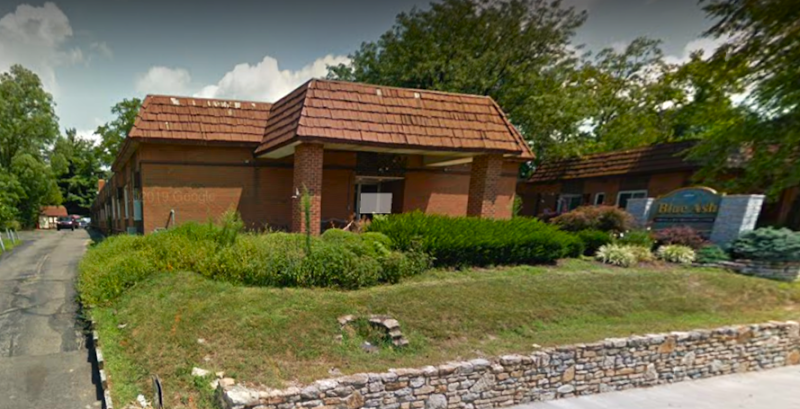
Who Owns and Operates Blue Ash?

BLUE ASH CARE CENTER is owned by a for-profit company. For-profit facilities operate as businesses with obligations to shareholders or private owners. The facility is operated by HILLSTONE HEALTHCARE, a chain that manages multiple nursing homes. With 64 certified beds and approximately 52 residents (about 81% occupancy), it is a smaller facility located in CINCINNATI, Ohio.
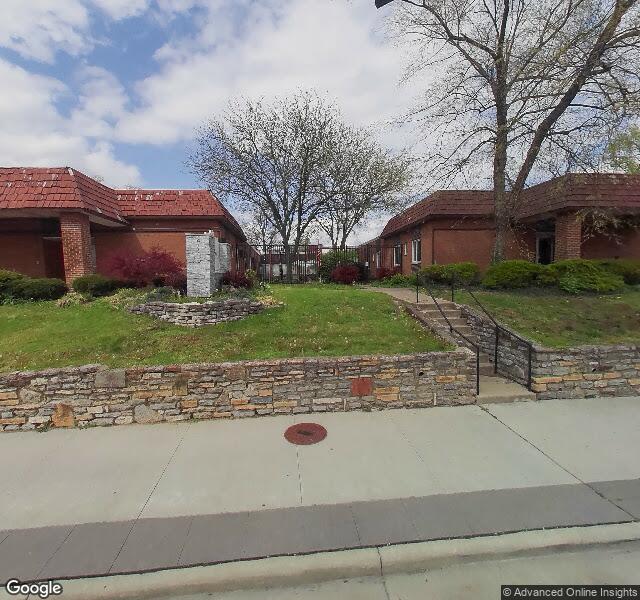
How Does Blue Ash Compare to Other Ohio Nursing Homes?

Compared to the 100 nursing homes in Ohio, BLUE ASH CARE CENTER's overall rating (3 stars) is below the state average of 3.2, staff turnover (74%) is significantly higher than the state average of 46%, and health inspection rating (3 stars) is at the national benchmark.

What Should Families Ask When Visiting Blue Ash?

Based on this facility's data, families visiting should ask: "How do you ensure continuity of care given staff turnover, and what is your staff retention strategy?" "Can you walk me through typical staffing levels on day, evening, and night shifts?" "Can I visit during a mealtime to observe dining assistance and food quality?" "How do you handle medical emergencies, and what is your hospital transfer rate?" These questions are particularly relevant given the facility's high staff turnover rate and the below-average staffing rating.

Is Blue Ash Safe?

Based on CMS inspection data, BLUE ASH CARE CENTER has a clean safety record: no substantiated abuse findings (meaning no confirmed cases of resident harm), no Immediate Jeopardy citations (the most serious violation level indicating risk of serious injury or death), and is not on the Special Focus Facility watch list (a federal program monitoring the lowest-performing 1% of nursing homes). The facility has a 3-star overall rating and ranks #100 of 100 nursing homes in Ohio. While no facility is perfect, families should still ask about staff-to-resident ratios and recent inspection results during their visit.

Do Nurses at Blue Ash Stick Around?

Staff turnover at BLUE ASH CARE CENTER is high. At 74%, the facility is 27 percentage points above the Ohio average of 46%. Registered Nurse turnover is particularly concerning at 100%. RNs handle complex medical decisions and coordinate care — frequent RN changes can directly impact care quality. High turnover means new staff may not know residents' individual needs, medications, or preferences. It can also be disorienting for residents, especially those with dementia who rely on familiar faces. Families should ask: What is causing the turnover? What retention programs are in place? How do you ensure care continuity during staff transitions?

Was Blue Ash Ever Fined?

BLUE ASH CARE CENTER has no federal fines on record. CMS issues fines when nursing homes fail to meet care standards or don't correct problems found during inspections. The absence of fines suggests the facility has either maintained compliance or corrected any issues before penalties were assessed. This is a positive indicator, though families should still review recent inspection reports for the full picture.

Is Blue Ash on Any Federal Watch List?

BLUE ASH CARE CENTER is not on any federal watch list. The most significant is the Special Focus Facility (SFF) program, which identifies the bottom 1% of nursing homes nationally based on persistent, serious quality problems. Not being on this list means the facility has avoided the pattern of deficiencies that triggers enhanced federal oversight. This is a positive indicator, though families should still review the facility's inspection history directly.