BROOKSIDE HEALTHCARE CENTER
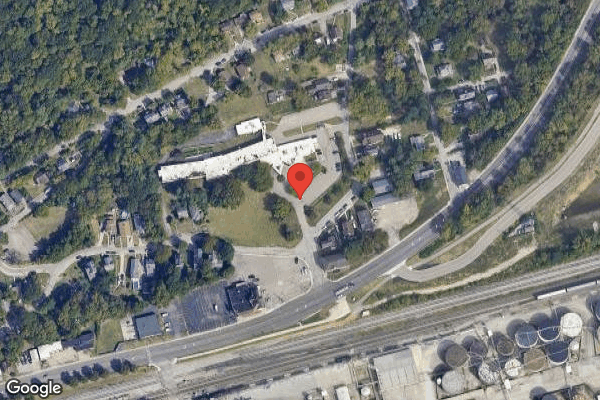
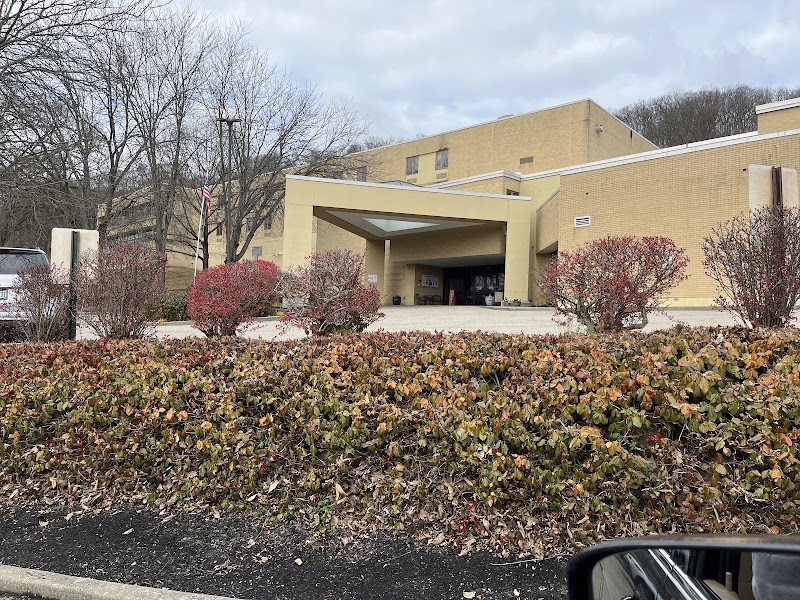
315 LILIENTHAL STREET, CINCINNATI, OH 45204 (513) 471-8667
For profit - Individual 105 Beds HEALTH CARE FACILITY MANAGEMENT, LLC Data: November 2025
Trust Grade
65/100
#230 of 913 in OH
Last Inspection: April 2025

Within standard 12-15 month inspection cycle. Federal law requires annual inspections.

Overview

Brookside Healthcare Center in Cincinnati, Ohio, has a Trust Grade of C+, indicating it is slightly above average but not outstanding. It ranks #230 out of 913 facilities in Ohio, placing it in the top half, and #21 out of 70 in Hamilton County, meaning there are only 20 better local options. The facility has shown improvement over time, reducing issues from 12 in 2022 to just 2 in 2025; however, it has a concerning staffing rating of only 1 out of 5 stars, with a turnover rate of 38%, which is better than the state average. Notably, while there have been no fines recorded, the RN coverage is below that of 93% of Ohio facilities, which could impact resident care. There have been some serious incidents, including a failure to monitor a resident's immobilizer, leading to a preventable pressure ulcer. Additionally, staff did not serve the correct portion sizes at meals, which could affect all residents. Infection control practices were also not consistently followed, as one staff member failed to wear the necessary mask while working with residents under droplet precautions. Overall, while there are strengths in improvement and no fines, the facility has notable weaknesses in staffing and specific care practices that families should consider.

Trust Score
C+
65/100
In Ohio
#230/913
Top 25%
Safety Record
Moderate
Needs review
Inspections
Getting Better
12 → 2 violations
Staff Stability
○ Average
38% turnover. Near Ohio's 48% average. Typical for the industry.
Penalties
✓ Good
No fines on record. Clean compliance history, better than most Ohio facilities.
Skilled Nurses
⚠ Watch
Each resident gets only 18 minutes of Registered Nurse (RN) attention daily — below average for Ohio. Fewer RN minutes means fewer trained eyes watching for problems.
Violations
⚠ Watch
24 deficiencies on record. Higher than average. Multiple issues found across inspections.
★★★★☆
4.0
Overall Rating
★☆☆☆☆
1.0
Staff Levels
★★★★★
5.0
Care Quality
★★★★☆
4.0
Inspection Score
Stable
2022: 12 issues
2025: 2 issues

The Good

  • 5-Star Quality Measures · Strong clinical quality outcomes
  • Full Sprinkler Coverage · Fire safety systems throughout facility
  • No fines on record
  • Staff turnover below average (38%)

    10 points below Ohio average of 48%

Facility shows strength in quality measures, fire safety.

The Bad

Staff Turnover: 38%

Near Ohio avg (46%)

Typical for the industry

Chain: HEALTH CARE FACILITY MANAGEMENT, LL

Part of a multi-facility chain

Ask about local staffing decisions and management

The Ugly 24 deficiencies on record

1 actual harm
Apr 2025 2 deficiencies
CONCERN (D)

Potential for Harm - no one hurt, but risky conditions existed

Respiratory Care (Tag F0695)

Could have caused harm · This affected 1 resident

**NOTE- TERMS IN BRACKETS HAVE BEEN EDITED TO PROTECT CONFIDENTIALITY** Based on observation, record review, interview and policy review, the facility failed to maintain infection control principles d...

Read full inspector narrative →
**NOTE- TERMS IN BRACKETS HAVE BEEN EDITED TO PROTECT CONFIDENTIALITY** Based on observation, record review, interview and policy review, the facility failed to maintain infection control principles during tracheostomy care. This affected one (Resident #19) of one resident observed for tracheostomy care. The facility identified one resident who currently has a tracheostomy. The facility census was 94. Findings include: Review of the medical record revealed Resident #19 was admitted to the facility on [DATE] with diagnoses of tracheostomy, stenosis of larynx, post-procedural subglottic stenosis, paranoid schizophrenia, drug induced dyskinesia and morbid obesity. Review of the Minimum Data Set (MDS) quarterly assessment dated [DATE] revealed Resident #19 had intact cognition and was always continent of bowel and bladder. The resident required supervision with eating, oral and personal hygiene, toileting, bathing, dressing, bed mobility and transfers. Review of physician orders revealed an order dated 02/22/24 for Resident #19 to have her tracheostomy inner cannula cleansed during tracheostomy care every day and as needed, and to apply a dressing around the tracheostomy to protect the skin. Review of physician orders revealed an order dated 04/17/24 for Resident #19 to have Enhanced Barrier Precautions (EBP) implemented for tracheostomy care, dressing, bathing, showering, transfers in room or therapy gym, personal hygiene, changing linen, providing hygiene, changing briefs or assistance with toileting. Review of physician orders revealed an order dated 02/27/25 for Resident #19 to have tracheostomy care completed every shift and as needed. The nurse is to cleanse the stoma with soap and water, assist the resident with removal of tracheostomy and clean with tracheostomy care cleaning kit solution, reinsert the tracheostomy and apply tracheostomy after care. Ensure tracheostomy ties are secure. During an observation on 04/16/25 at 11:00 A.M., Licensed Practical Nurse (LPN) #46 attempted to provide tracheostomy care to Resident #19 who had Enhanced Barrier Precautions (EBP) in place. Observation revealed that LPN #46 did not perform hand hygiene with alcohol-based hand sanitizer or soap and water prior to entering the resident's room and putting on Personal Protective Equipment (PPE) that included gown, mask and gloves. LPN #46 was observed using her gloved hand to push down overflowing trash in the trash can, then used the same gloved hand to pick up a cup, to be used for saline solution for suctioning, with her thumb inside the cup, and used the same gloved hand to open the tracheostomy care kit, pick up the tracheostomy inner-cannula cleaning brush and place it on the overbed table, and picked up the tracheostomy cleaning kit by placing her gloved thumb inside of the area used to hold the tracheostomy cleaning solution. At this point, LPN #46 was asked to stop the tracheostomy care process due to infection control concerns. This was reported to the Director of Nursing (DON). During an interview on 04/16/25 at 11:25 A.M., LPN #46 verified she did not perform hand hygiene upon entering the room of Resident #19 and before putting on PPE. LPN #46 also verified her gloved hand came in contact with trash in the trash can and she then touched the inside of the plastic cup to hold saline for suctioning, and then used the same gloved hand to open the tracheostomy kit, touched the brush used to clean the inner cannula, and then touched the inside of the tracheostomy kit reservoir that was to be used for the tracheostomy inner cannula cleaning solution. During an interview on 04/17/25 at 11:00 A.M. the DON verified LPN #46 did not adhere to EBP guidelines for proper hand hygiene fore entering the room of Resident #19, and did not maintain aseptic technique while attempting to perform tracheostomy care. Review of the policy titled, Enhanced Barrier Precautions (EBP), undated, revealed EBP refer to an infection control intervention designed to reduce transmission of Multi-Drug Resistant Organisms (MDRO) that employs hand hygiene, targeted gown and glove use during high contact resident care activities that include dressing, bathing/showering, transferring, providing hygiene, changing linens, changing briefs or assisting with toileting, device care or use, central line, urinary catheter, feeding tube, tracheostomy/ventilator, wound care with any skin opening requiring a dressing. Review of the policy titled, Standard Precautions, undated, revealed the facility will adhere to Centers for Disease Control and Prevention (CDC) guidelines and recommendations for hand hygiene unless otherwise explicitly stated. When using soap and water, rub hands vigorously for at least 20 seconds, covering all surfaces of the hands, top of hands and fingers, and wrists. Review of the policy titled, Tracheostomy Care, undated, revealed the purpose of the policy is to provide guidance for tracheostomy care for the licensed and competent nurse or respiratory therapist. Process steps may be performed using a different sequence and does not imply incorrect procedure. Maintaining key areas of aseptic technique and working efficiency to resume oxygenation are the critical components of this process. Maintain an aseptic environment, to the extent possible, to reduce pathogen transmission. Remove gloves and perform hand hygiene prior to opening the sterile tracheostomy kit, set up sterile field, and apply sterile gloves.
CONCERN (F)

Potential for Harm - no one hurt, but risky conditions existed

Menu Adequacy (Tag F0803)

Could have caused harm · This affected most or all residents

Based on observation, record review and interview, the facility failed to ensure portion sizes were served as planned. This had the potential to affect all 94 residents in the facility. Findings incl...

Read full inspector narrative →
Based on observation, record review and interview, the facility failed to ensure portion sizes were served as planned. This had the potential to affect all 94 residents in the facility. Findings include: Review of the dietary spreadsheet for the breakfast meal on 04/17/25 revealed the serving sizes for the scrambled eggs was 1/4 cup, ground ham was a #16 scoop (1/4 cup), pureed ham was a #16 scoop, pureed eggs was a #16 scoop, and pureed muffin was a #16 scoop. During an observation on 04/17/25 at 8:00 A.M., the breakfast tray line revealed [NAME] #24 utilized #8 scoops (1/2 cup) for the ground ham, pureed ham, and pureed eggs and #12 scoops (1/3 cup) were utilized for the scrambled eggs and pureed muffins. During an interview on 04/17/25 at 8:06 A.M., Registered Dietitian (RD) #330 verified [NAME] #24 was not utilizing the correct size scoops for the ground ham, pureed ham, pureed eggs, scrambled eggs, and pureed muffins. During an interview on 04/17/25 at 8:08 A.M., [NAME] #24 stated he utilizes the dietary spread sheets to determine scoop sizes, however got mixed up and was referring to the lunch portions of the spread sheet instead of breakfast.
Jul 2022 12 deficiencies 1 Harm
SERIOUS (G)

Actual Harm - a resident was hurt due to facility failures

Pressure Ulcer Prevention (Tag F0686)

A resident was harmed · This affected 1 resident

**NOTE- TERMS IN BRACKETS HAVE BEEN EDITED TO PROTECT CONFIDENTIALITY** Based on record review, staff interview, review of information from the National Pressure Injury Advisory Panel (NPIAP), and pol...

Read full inspector narrative →
**NOTE- TERMS IN BRACKETS HAVE BEEN EDITED TO PROTECT CONFIDENTIALITY** Based on record review, staff interview, review of information from the National Pressure Injury Advisory Panel (NPIAP), and policy review, the facility failed to assess and monitor a newly applied lower left extremity immobilizer for a pressure area. This resulted in Actual Harm when Resident #57 was readmitted to the facility with a left lower extremity immobilizer on 03/25/22. The immobilizer was not checked for skin breakdown causing a subsequent avoidable unstageable pressure ulcer that was found on 04/06/22. This affected one (Residents #57) of two residents reviewed for pressure ulcer care. The facility census was 93. Findings included: Record review revealed Resident #57 was admitted to the facility on [DATE] with diagnoses including hemiplegia and hemiparesis following cerebral infarction affecting right dominant side, unspecified asthma, chronic obstructive pulmonary disease, aphasia, coronavirus, insomnia, dysphagia, mild cognitive impairment, muscle wasting and atrophy and anxiety disorder. Review of Resident #57's quarterly Minimum Data Set (MDS) assessment, dated 05/22/22, revealed the resident was severely cognitively impaired and was totally dependent for bed mobility, dressing, and toileting. Resident #57 required extensive assistance with eating, and personal hygiene and transfers did not occur during the MDS timeframe. Resident #57 had one or more unhealed pressure ulcers or injuries with one Stage III pressure area, two unstageable pressure areas due to coverage of the wound bed by slough or eschar and one unstageable pressure injury presenting as a deep tissue injury. The resident was receiving hospice services. Review of Resident #57's skin care plan, dated 10/06/20, revealed Resident #57 was at risk for altered skin integrity due to moisture secondary to obesity, incontinence, limited mobility, diabetes mellitus and right hemiparesis. Resident #57 had reoccurrence of excoriation under the bilateral breasts, bilateral groin, and abdominal folds due to moisture. Resident #57 refused showers and to get out of bed. Interventions included upper half rails for turning and repositioning while in bed due to flaccid hemiplegia affecting the right dominant side related to cerebrovascular accident (CVA), administer medications as ordered, monitor for side effects and effectiveness of medications, administer treatments as ordered and monitor for effectiveness, assess, record and monitor wound healing, assist resident to reposition the left side every four hours, a low air loss mattress as ordered, monitor nutritional status, serve diet as ordered, monitor intake and record, obtain and monitor lab work as ordered, report results to the physician and follow up as indicated, pressure reduction mattress to bed, trapeze to assist with bed mobility, and treatment as ordered to coccyx. Resident #57's care plan did not contain any documentation related to a lower left extremity immobilizer. Review of the facility's Braden scale dated 01/06/22 revealed Resident #57 was at moderate risk for pressure ulcers. Review of the hospital continuation of care dated 03/25/22 revealed Resident #57 was to wear a lower left extremity immobilizer at least 80 percent of the day and night for three weeks. Review of Resident #57's medical record from 03/25/22 to 04/06/22 contained no documentation that Resident #57's lower left extremity immobilizer was being removed or checked for skin impairment. Review of the nursing notes dated from 03/25/22 to 04/05/22 revealed no documentation related to Resident #57's lower left extremity immobilizer or checking the lower left extremity immobilizer. Review of the Medication Administration Record and Treatment Administration Record from 03/25/22 to 04/06/22 revealed no orders for skin checks or that any skin checks of Resident #57's lower left extremity immobilizer were completed. Resident #57 received weekly skin checks on 03/31/22 and on 04/06/22. Review of Resident #57's admission initial evaluation dated 03/25/22 revealed direct nursing care was being provided for wound care for a left hip fracture repair. Resident #57 did not have any new skin areas noted. The assessment did not contain any documentation regarding a lower left extremity immobilizer. Review of Resident #57's wound care notes dated 04/01/22 revealed Resident #57 was seen by the wound nurse practitioner on 04/01/22 for a surgical wound to her left hip, an unstageable pressure area to her left buttock acquired prior to admission on [DATE] and a surgical wound to her left knee. Review of Resident #57's weekly skin check dated 04/01/22 revealed resident had skin conditions, changes, ulcers, or injuries. There were no new areas since the last documented skin check. Resident #57 had an area to her coccyx. Resident returned from the hospital with the area and was followed by the wound nurse practitioner weekly. Review of weekly wound evaluations from 04/06/22 to 07/12/22 revealed weekly wound evaluations were completed. Review of the Resident #57's wound evaluation dated 04/06/22 revealed Resident #57 had a device related pressure injury from a lower left extremity immobilizer that was an unstageable pressure ulcer on the posterior ankle. The pressure ulcer was acquired in house. The area was 2.68 centimeters (cm) in length, 7.99 cm in width and was zero centimeters in depth. No odor was present. The wound was 100 percent slough or eschar, and an order was put in place to paint the wound with betadine two times a day and secure with a four by four foam and dry dressing. Resident was to offload the lower left extremity with pillows and heel protector boots and the site was to be monitored closely. Review of Resident #57's wound evaluation dated 07/12/22 revealed Resident #57 had a device related pressure injury from a lower left extremity immobilizer that was an unstageable pressure ulcer on the posterior ankle that was acquired in house on 04/06/22. The area was 10.73 cm in length, 2.59 cm in width and was .10 cm in depth. No odor was present with scant drainage. The wound was 100 percent slough or eschar, and an order was put in place to apply betadine soaked gauze and secure with an abdominal pad and kerlix. Resident #57 was recommended to offload heels, frequent turning and repositioning, optimized nutrition, specialty mattress and to provide frequent incontinence care. Telephone interview on 07/21/22 at 9:31 A.M. with Nurse Practitioner (NP) #900 verified Resident #57's pressure ulcer to left posterior ankle on 04/06/22 was found while doing wound rounds on Resident #57's surgical wounds. NP #900 stated that she found the wound because she saw drainage coming from Resident #57's lower left extremity immobilizer and upon further investigation she found a pressure area to the posterior ankle that was unstageable. NP #900 verified the pressure area to Resident #57's posterior ankle was avoidable because it was caused by her lower left extremity immobilizer and frequent checks and repositioning of the immobilizer and lower left extremity could have prevented the pressure ulcer. NP #900 reported the deterioration of the left posterior ankle wound after it was discovered was unavoidable due to Resident #57's vascular insufficiency. NP #900 reported Resident #57 was admitted to hospice services after the posterior ankle wound was acquired. Interview with Regional Director of Clinical Operations (RDCO) #901 on 07/21/22 at 10:49 A.M. verified Resident #57 returned from the hospital on [DATE] with a lower left extremity immobilizer. RDCO #901 confirmed Resident #57 did not have an order for the lower left extremity immobilizer and there was no documentation that the lower left extremity immobilizer was checked, taken off or monitored by staff. RDCO #901 verified there was no documentation in the Medication Administration Record or in the Treatment Administration Record regarding the immobilizer or a plan to prevent pressure ulcers with the use of the lower left extremity immobilizer. Review of the NPIAP Pressure Injury Stages undated defined an Unstageable Pressure Injury: Obscured full-thickness skin and tissue loss, Full-thickness skin and tissue loss in which the extent of tissue damage within the ulcer cannot be confirmed because it is obscured by slough or eschar. If slough or eschar is removed, a Stage 3 or Stage 4 pressure injury will be revealed. Stable eschar (i.e. dry, adherent, intact without erythema or fluctuance) on the heel or ischemic limb should not be softened or removed. Review of the facility's skin care and wound management overview policy dated 05/30/19 revealed staff strives to prevent resident skin impairment and to promote healing of existing wounds. The facility will identify diagnoses and conditions that place the resident at risk for pressure ulcer development. The facility will develop a care plan with individual interventions to address risk factors. The facility will communicate risk factors and interventions to the care giving team and will evaluate for consistent implementation of interventions and effectiveness at clinical meeting. This deficiency substantiates Complaint Number OH00110718.
CONCERN (D)

Potential for Harm - no one hurt, but risky conditions existed

Notification of Changes (Tag F0580)

Could have caused harm · This affected 1 resident

Based on record review, interview and policy review, the facility failed to ensure the physician was notified of abnormal resident blood sugars as ordered. This affected one (Resident #82) of 16 resid...

Read full inspector narrative →
Based on record review, interview and policy review, the facility failed to ensure the physician was notified of abnormal resident blood sugars as ordered. This affected one (Resident #82) of 16 residents with orders for routine blood sugar monitoring. The census was 93. Findings include: Review of the medical record for Resident #82 revealed an admission date of 12/03/21 with a diagnosis of diabetes mellitus. Review of the Minimum Data Set (MDS) for Resident #82 dated 06/12/22 revealed resident was cognitively intact and required limited assistance of one staff with activities of daily living. Review of physician exam note for Resident #82 dated 07/20/22 revealed resident was being treated in the facility for chronic medical problems which included diabetes and a history of diabetic foot ulcers. The physician's plan for diabetic management included to monitor blood sugars and administer insulin as ordered. Review of July 2022 monthly physician's orders for Resident #82 revealed an order dated 01/20/22 for inulin lispro per sliding scale: If blood sugar was under 80, call physician. If blood sugar was 100 - 199 = 0 Units, 200 - 249 = 3 Units; 250 - 299 = 6 Units; 300 - 349 = 9 Units; 350 - 400 = 12 Units, over 400 = 15 Units, and call physician. Review of the June 2022 Medication Administration Record (MAR) for Resident #82 revealed resident's blood sugar was 65 on 06/01/22 at 6:00 A.M., blood sugar was 78 at 12:00 P.M. on 06/01/22, blood sugar was 64 on 6/10/22 at 6:00 A.M., blood sugar was 66 on 06/11/22 at 6:00 A.M., and blood sugar was 75 on 06/30/22 at 12:00 P.M. Review of the nurse progress notes for Resident #82 dated 06/01/22, 06/10/22, 06/11/22, and 06/30/22 revealed the notes did not include documentation of physician notification of blood sugars below 80 for resident. During interview on 07/21/22 at 10:32 A.M., Licensed Practical Nurse (LPN) #77 confirmed Resident #82 had a physician's order to notify the physician if resident's blood sugar was under 80. LPN #77 further confirmed Resident #82's record did not include documentation of physician notification of resident's blood sugar being under 80 on 06/01/22, 06/10/22, 06/11/22, and 06/30/22. Review of the facility policy titled Notification of Changes in Condition, dated 05/30/19, revealed the facility would notify the physician of changes in clinical condition which included poor glycemic control. Documentation of physician notification should be made in the resident's medical record. This deficiency substantiates Complaint Number OH00113854.
CONCERN (D)

Potential for Harm - no one hurt, but risky conditions existed

Deficiency F0637 (Tag F0637)

Could have caused harm · This affected 1 resident

**NOTE- TERMS IN BRACKETS HAVE BEEN EDITED TO PROTECT CONFIDENTIALITY** Based on record review and staff interview, the facility failed to complete and transmit a significant change Minimum Data Set (...

Read full inspector narrative →
**NOTE- TERMS IN BRACKETS HAVE BEEN EDITED TO PROTECT CONFIDENTIALITY** Based on record review and staff interview, the facility failed to complete and transmit a significant change Minimum Data Set (MDS) assessment for a resident that was admitted to hospice services. This affected one (Resident #57) of 19 residents reviewed for assessments. The facility census was 93. Findings include: Record review revealed Resident #57 was admitted to the facility on [DATE] with diagnoses including hemiplegia and hemiparesis following cerebral infarction affecting right dominant side, unspecified asthma, chronic obstructive pulmonary disease, aphasia, coronavirus, insomnia, dysphagia, mild cognitive impairment, muscle wasting and atrophy and anxiety disorder. Review of Resident #57's quarterly Minimum Data Set (MDS) assessment, dated 05/22/22, revealed the resident was severely cognitively impaired and was totally dependent with bed mobility, dressing, and toileting. Resident #57 required extensive assistance with eating, and personal hygiene and transfers did not occur during the MDS timeframe. Resident #57 was on hospice services. Review of Resident #57's MDS assessments revealed Resident #57 did not have a significant change MDS upon admission to hospice services on 04/21/22. Review of Resident #57's hospice certification and plan of care dated 04/21/22 revealed Resident #57 was admitted to hospice services on 04/21/22 with a diagnosis of cerebral atherosclerosis. During interview on 07/20/22 at 8:12 A.M., the Administrator verified Resident #57 was admitted to hospice services on 04/21/22 and Resident #57 did not have a significant change assessment upon her admission to hospice services. Review of the facility policy titled MDS Responsibilities, dated 06/03/21, revealed the interdisciplinary assessment will be completed for all residents utilizing the guidelines provided in the resident assessment instrument (RAI).
CONCERN (D)

Potential for Harm - no one hurt, but risky conditions existed

Assessment Accuracy (Tag F0641)

Could have caused harm · This affected 1 resident

Based on record review, observation, and interview, the facility failed to ensure the resident assessment was accurate regarding the presence of gastrostomy tubes (g-tubes.) This affected one (Residen...

Read full inspector narrative →
Based on record review, observation, and interview, the facility failed to ensure the resident assessment was accurate regarding the presence of gastrostomy tubes (g-tubes.) This affected one (Resident #33) of three residents in the facility with g-tubes. The census was 93. Findings include: Review of the medical record for Resident #33 revealed an admission date of 04/14/22 with a diagnosis of malignant neoplasm of the nasal cavity. Review of the Minimum Data Set (MDS) for Resident #33 dated 04/21/22 revealed resident was cognitively intact and required assistance of staff with activities of daily living. Review of section K of the MDS for Resident #33 revealed resident was coded as negative for the presence of a feeding tube. Review of admission nursing assessment for Resident #33 dated 04/14/22 revealed resident had a g-tube in his abdomen present upon admission. Observation on 07/18/22 10:51 A.M. of Resident #33 revealed resident had a g-tube inserted in his abdomen. During interview on 07/18/22 at 10:51 A.M., Resident #33 confirmed resident was admitted to the facility with the g-tube and the facility did not provide food or fluids through the tube. During interview on 07/21/22 at 10:27 A.M., Licensed Practical Nurse (LPN) #77 confirmed Resident #33 had a g-tube which was present upon admission. LPN #77 confirmed the MDS for Resident #33 dated 04/21/22 was not accurate regarding the presence of a g-tube.
CONCERN (D)

Potential for Harm - no one hurt, but risky conditions existed

ADL Care (Tag F0677)

Could have caused harm · This affected 1 resident

Based on record review, observation, interview and policy review, the facility failed to ensure dependent residents were provided with adequate toenail care. This affected one (Resident #33) of 19 res...

Read full inspector narrative →
Based on record review, observation, interview and policy review, the facility failed to ensure dependent residents were provided with adequate toenail care. This affected one (Resident #33) of 19 residents sampled. The census was 93. Findings include: Review of the medical record for Resident #33 revealed an admission date of 04/14/22 with a diagnosis of malignant neoplasm of the nasal cavity. Review of the Minimum Data Set (MDS) for Resident #33 dated 04/21/22 revealed resident was cognitively intact and required assistance of staff with personal hygiene. Review of admission physician orders for Resident #33 dated 04/14/22 revealed an order for resident to have a podiatry consult. Review of the care plan for Resident #33 dated 05/04/22 revealed resident had an activities of daily living (ADL) self-care performance deficit. Interventions included staff would provide assistance with grooming, dressing, bathing, locomotion, and ambulation. Observation on 07/20/22 at 8:35 A.M. of Resident #33 with Licensed Practical Nurse (LPN) #110 revealed resident's toenails were thick and mycotic and extended approximately one-half inch from the end of the toe. Interview on 07/20/22 at 8:35 A.M. with Resident #33 confirmed he had not had his toenails cut since his admission to the facility in April 2022 and they were getting too long. Interview on 07/20/22 at 8:36 A.M. with LPN #110 confirmed Resident #33's toenails were thick and mycotic and extended approximately one-half inch from the end of the toe. LPN #110 confirmed Resident #33 should have his toenails trimmed by a podiatrist because they were very thick. Interview on 07/21/22 at 8:02 A.M. with the Administrator confirmed Resident #33 had not been seen by a podiatrist during his stay at the facility. Review of the facility policy titled Nail and Hair Hygiene Services dated 02/15/22 revealed residents would have routine nail hygiene as part of the bath or shower and the nurse would inspect the nails and obtain a podiatrist consult if indicated. This deficiency substantiates Complaint Numbers OH00110822 and OH00111259.
CONCERN (D)

Potential for Harm - no one hurt, but risky conditions existed

Accident Prevention (Tag F0689)

Could have caused harm · This affected 1 resident

**NOTE- TERMS IN BRACKETS HAVE BEEN EDITED TO PROTECT CONFIDENTIALITY** Based on observation, record review and staff interview, the facility failed to ensure residents smoked safely and in designated...

Read full inspector narrative →
**NOTE- TERMS IN BRACKETS HAVE BEEN EDITED TO PROTECT CONFIDENTIALITY** Based on observation, record review and staff interview, the facility failed to ensure residents smoked safely and in designated smoking areas. This affected one (Resident #39) of 39 residents reviewed for smoking. The facility census was 93. Findings include: Record review revealed Resident #39 was admitted to the facility on [DATE] with diagnoses including metabolic encephalopathy, traumatic subdural hemorrhage with loss of consciousness of unspecified duration initial encounter, unspecified bacterial pneumonia, chronic viral hepatitis C, schizoaffective disorder, difficulty in walking, other psychoactive substance abuse, acidosis, generalized anxiety disorder and nicotine dependence. Review of Resident #39's quarterly Minimum Data Set (MDS) assessment dated [DATE] revealed the resident was cognitively intact and Resident #39 was independent with activities of daily living. Review of Resident #39's smoking care plan dated 05/12/22 revealed Resident #39 used nicotine products and was known to smoke off and in areas that were not designated. Resident #39 was independent with smoking. Interventions included provide safe smoking devices such as smoke aprons, smoke blankets and cigarette extenders and educate the resident to the smoking policy and obtain the resident's signature. Review of Resident #39's smoking assessment dated [DATE] revealed Resident #39 smoked cigarettes. Resident #39 was able to light his own cigarette and had no needs for adaptive equipment. During observation on 07/21/22 at 9:04 A.M., Resident #39 was smoking in the front of the facility next to the signs that stated no smoking. Resident #39 had his surgical mask below his chin while he was smoking a cigarette. During interview on 07/21/22 at 9:04 A.M., Receptionist #67 verified Resident #39 was smoking in a no smoking area with his mask below his chin. Receptionist #67 stated that Resident #39 smokes in the non smoking area without supervision daily despite staff telling him that the area was not a designated smoking area. Review of the facility policy titled Smoking, dated 05/30/19, revealed the facility will promote resident centered care by providing a safe smoking area for residents that request to smoke and are capable of safe smoking either independently or with supervision unless the facility is designated a non smoking facility. Smokers will be permitted to smoke only in designated smoking areas.
CONCERN (D)

Potential for Harm - no one hurt, but risky conditions existed

Tube Feeding (Tag F0693)

Could have caused harm · This affected 1 resident

Based on record review, observation, interview and policy review, the facility failed to ensure residents were provided with adequate care and management of gastrostomy tubes (g-tubes.) This affected ...

Read full inspector narrative →
Based on record review, observation, interview and policy review, the facility failed to ensure residents were provided with adequate care and management of gastrostomy tubes (g-tubes.) This affected one (Resident #33) of three residents in the facility with g-tubes. The census was 93. Findings include: Review of the medical record for Resident #33 revealed an admission date of 04/14/22 with a diagnosis of malignant neoplasm of the nasal cavity. Review of the Minimum Data Set (MDS) for Resident #33 dated 04/21/22 revealed resident was cognitively intact and required assistance of staff with activities of daily living (ADLs.) Review of section K of the MDS for Resident #33 revealed resident was coded as negative for the presence of a feeding tube. Review of admission nursing assessment for Resident #33 dated 04/14/22 revealed resident had a g-tube in his abdomen present upon admission. Review of monthly physician orders for Resident #33 for July 2022 revealed the orders did not include orders for care and management of resident's g-tube. Review of the dietary progress note for Resident #33 dated 07/14/22 revealed the note did not include documentation regarding the presence of g-tube for resident. Observation on 07/18/22 10:51 A.M. of Resident #33 revealed resident had a g-tube inserted in his abdomen. During interview on 07/18/22 at 10:51 A.M., Resident #33 confirmed resident was admitted to the facility with the g-tube and the facility did not provide food or fluids through the tube. During interview on 07/20/22 at 2:25 P.M., Registered Dietitian (RD) #125 confirmed she was not aware Resident #33 had a g-tube and resident's care plan did not include information regarding care and management of a g-tube, and resident did not have orders for care and treatment of the g-tube and/or what nutrition, if any, should be administered via the g-tube. During interview on 07/21/22 at 10:27 A.M., Licensed Practical Nurse (LPN) #77 confirmed Resident #33 had a g-tube which was present upon admission. LPN #77 further confirmed Resident #33 did not have a care plan for care and management of the g-tube and did not have orders for care and treatment of the g-tube. Review of the facility policy titled Enteral Nutrition Guidelines, dated 01/05/22, revealed the facility would obtain physician orders for care and management of g-tubes which included the type of feeding solution (if any), the amount of feeding solution, frequency of feedings, amount and frequency of flushes, and orders to change dressings to tube insertion site.
CONCERN (E)

Potential for Harm - no one hurt, but risky conditions existed

Deficiency F0761 (Tag F0761)

Could have caused harm · This affected multiple residents

**NOTE- TERMS IN BRACKETS HAVE BEEN EDITED TO PROTECT CONFIDENTIALITY** Based on record review, observation, interview and policy review, the facility failed to appropriately secure and store resident...

Read full inspector narrative →
**NOTE- TERMS IN BRACKETS HAVE BEEN EDITED TO PROTECT CONFIDENTIALITY** Based on record review, observation, interview and policy review, the facility failed to appropriately secure and store resident medications which had the potential to affect all residents on the 400 [NAME] Hall (#2, #3, #5, #12, #17, #18, #19, #20, #32, #35, #36, #40, #41, #43, #46, #47, #52, #53, #54, #61, #63, #75, #81, #87, #88.) The facility also failed to discard expired medication which had the potential to affect all residents receiving medications from the 3 East medication cart (#9, #10, #13, #21, #22, #24, #25, #28, #30, #57, #64, #65, #68, #69, #72, #85, #341, #342) The census was 93. Findings include: 1. Observation on [DATE] at 9:07 A.M. revealed the 400 Hall [NAME] medication cart was unlocked and unattended and there was a plastic cup sitting on top the cart containing two tablets. Interview on [DATE] at 9:13 A.M. with Licensed Practical Nurse (LPN) #130 confirmed she had left the cart unlocked and unattended and the medications sitting on top of the cart included an iron tablet and a vitamin D tablet she had prepared for administration for Resident #40. Further observation on [DATE] at 9:14 A.M. with LPN #130 confirmed the top drawer of the cart included two cups of unidentified loose pills. Interview on [DATE] at 9:14 A.M. with LPN #130 confirmed the first cup included medications she had prepared for administration to Resident #19 (Abilify, gabapentin, ibuprofen, omeprazole, propranolol, tizanidine. LPN #130 confirmed the second cup included medications she had prepared for administration to Resident #41 (amlodipine, lisinopril, Zyprexa.) LPN #130 confirmed the medication cart should be locked when unattended and medications should be not be left unattended. Medications should not be prepoured but should be administered at the time of preparation. Review of the facility policy titled Storage of Medications, dated [DATE], revealed medications and biologicals are stored safely, securely, and properly, following manufacturer's recommendations or those of the supplier. The medication supply is accessible only to licensed nursing personnel, pharmacy personnel, or staff members lawfully authorized to administer medications. All medications dispensed by the pharmacy are stored in the pharmacy container with the pharmacy label. 2. Review of the medical record for Resident #24 revealed an admission date of [DATE] with a diagnosis of chronic obstructive pulmonary disease (COPD). Review of the [DATE] monthly physician orders for Resident #24 revealed an order dated [DATE] for Flonase nasal spray to be given routinely at bedtime for allergies. Review of the [DATE] Medication Administration Record (MAR) for Resident #24 revealed Flonase was documented as administered every night. Observation on [DATE] at 9:40 A.M. of the 3 East medication cart with Licensed Practical Nurse (LPN) #105 revealed the cart contained an open bottle of Flonase for Resident #24 with a manufacturer's expiration date of 04/2022. Interview on [DATE] at 9:40 A.M. with LPN #105 confirmed the 3 East medication cart contained an open bottle of Flonase for Resident #24 which had a manufacturer's expiration date of 04/2022. LPN #105 confirmed the Flonase was expired and should have been discarded. 3. Observation on [DATE] at 9:41 A.M. with LPN #105 revealed the 3 East medication cart contained an open house stock bottle of vitamin B complex tablets with a manufacturer's expiration date of 02/2022 and an open house stock bottle of liquid Tylenol with a manufacturer's expiration date of 09/2021. Interview on [DATE] at 9:41 A.M. with LPN #105 confirmed the vitamin B tablets and the liquid Tylenol were expired and should have been discarded. Review of the facility policy titled Storage of Medications, dated [DATE], revealed outdated medications are immediately removed from inventory, disposed of according to procedures for medication disposal, and reordered from the pharmacy if a current order exists. This deficiency substantiates Complaint Number OH00110654.
CONCERN (E)

Potential for Harm - no one hurt, but risky conditions existed

Deficiency F0802 (Tag F0802)

Could have caused harm · This affected multiple residents

Based on observation, interview, and review of facility meal times, the facility failed to ensure resident meals were delivered timely. This had the potential to affect 91 of 93 residents who received...

Read full inspector narrative →
Based on observation, interview, and review of facility meal times, the facility failed to ensure resident meals were delivered timely. This had the potential to affect 91 of 93 residents who received meals from the kitchen. The facility identified two residents (#27 and #44) who did not received food from the kitchen. The facility census was 93. Findings include: Observations made on 07/18/22 from 12:30 P.M. to 1:11 P.M. revealed dietary staff delivered meal carts to the 300-Unit at 12:30 P.M., the 400-East Unit at 12:58 P.M., and The 400-West Unit at 1:11 P.M. Observation on 07/20/22 at 1:42 P.M. revealed Dietary staff delivered the meal cart to 400-West Unit. Interviews on 07/18/22 from 10:32 A.M. to 12:16 P.M. Residents #5 and #18 complained that meals were late. Interview on 07/20/22 at 1:48 P.M. State Tested Nurse Aide (STNA) #42 stated when he first started working they made trays in the kitchenette on the unit , but after COVID , it all changed. The kitchen never notified when they make substitutes to the menus and the trays were always late. It happened all the time. During an interview on 07/21/22 at 10:21 A.M. Dietary Manager #42 - stated carts stated meal times included breakfast at 8:00 A.M., lunch at 12:00 noon, and dinner at 5:00 P.M. Dietary Manager #42 stated meal services on 07/20/22 were affected by a call off which threw everything off. Review of document titled Brookside Meal Times no date, revealed breakfast was served at 8:00 A.M., lunch at 12:00 P.M., and dinner at 5:00 P.M.
CONCERN (E)

Potential for Harm - no one hurt, but risky conditions existed

Menu Adequacy (Tag F0803)

Could have caused harm · This affected multiple residents

**NOTE- TERMS IN BRACKETS HAVE BEEN EDITED TO PROTECT CONFIDENTIALITY** 2. Review of physician ordered diets listed by the facility, there were 21 Consistent Carbohydrate Diets, (CCD), six Therapeutic...

Read full inspector narrative →
**NOTE- TERMS IN BRACKETS HAVE BEEN EDITED TO PROTECT CONFIDENTIALITY** 2. Review of physician ordered diets listed by the facility, there were 21 Consistent Carbohydrate Diets, (CCD), six Therapeutic Lifestyle Changes diets, (TLC), and two Renal Diets. There were six residents identified with puree consistency. Review of breakfast menu spreadsheet dated 07/19/22 revealed the protein portion of the regular diet meal consisted of one biscuit and three ounces of sausage gravy. The CCD, TLC and Renal diets consisted of one fourth cup of scrambled egg. During observation on 07/19/22 at 6:55 A.M., [NAME] #126 served 300 East unit residents on diets of CCD, TLC, and renal diets, one biscuit and three ounces of sausage gravy. During interview on 07/19/22 at 6:55 A.M., [NAME] #126 verified he served the residents ordered on CCD, TLC and renal diets one biscuit and three ounces of sausage gravy. He revealed he did not know what foods to serve the CCD, TLC and renal diets at breakfast, the lunch or the supper meals because he did not have the Registered Dietitian planned spreadsheet to review and follow. He stated he did not prepared foods according to the Registered Dietitian diet plans as he did not know there was a spreadsheet and had not been trained to use a spreadsheet for food preparation and serving foods. He stated he did not know who to contact to clarify the correct foods to prepare for specific diets. During observation on 07/19/22 at 6:55 A.M., [NAME] #126 served pureed biscuits and gravy with a #20 scoop and the spreadsheet listed a #16 scoop. The puree cereal was served with a #16 scoop and the spreadsheet listed a #6 scoop. The puree potato was served with a #16 scoop and the spreadsheet listed a #8 scoop. During interview on 07/19/22 at 7:00 A.M., [NAME] #126 verified he was unaware of how much food to serve and the scoop sizes for the puree diets as he did not have the spreadsheet planned by the Registered Dietitian. Review of policy titled Therapeutic Diets , dated September 2017, revealed all diets are prescribed by the attending physician and diets are prepared in accordance with guidelines of the Diet Manual. This deficiency substantiates Complaint Number OH00111259. Based on interview, observation, and record review, the facility failed to ensure residents received food items as printed on the dietary ticket and the facility failed to provide food portions and therapeutic diets as planned by the dietitian. This affected one (Resident #41) of six residents reviewed for dietary services, and this had the potential to affect 91 of 93 residents who received meals from the kitchen. The facility identified two residents (#27 and #44) who did not received food from the kitchen. The facility census was 93. Findings include: 1. Resident #41 admitted to the facility on [DATE] with diagnoses including schizoaffective disorder bipolar type, paranoid schizophrenia, dementia with behavioral disturbances, Barrett's esophagus without dysplasia, and impulsiveness. Review of the most recent Minimum Data Set (MDS) assessment, dated 06/30/22 revealed Resident #41 was cognitively intact, had no behaviors, did not wander, and did not reject care. Resident #41 was frequently incontinent of B&B with no toileting program and independent with Activities of Daily Living (ADL's) with setup assistance as needed. Review of the medical record revealed Resident #41 had physician orders dated 07/01/2022 for regular diet with regular texture and consistency. Review of care plan revised 06/28/22 revealed Resident #41 was at risk for nutrition/hydration complications due to diagnoses of dementia, hypertension, Barrett's esophagus, GERD, and constipation. Resident #41 continuously refused weights and had no weight on file. Interventions included medications as ordered, encouraged to comply with weights, report signs/symptoms of malnutrition/dysphagia, serve diet as ordered, offer alternates as needed, document meal intakes, and dietary consult as needed. Review of dietary lunch ticket dated 07/20/22 revealed Resident #41 was ordered hamburger on bun, ketchup, lettuce, tomato, pickle spear, tater tots, cucumber and onion salad, chilled peaches, assorted yogurt cup, and coffee or hot tea. Observation on 07/20/22 at 1:48 P.M. State Tested Nurse Aide (STNA) #42 delivered the lunch tray to Resident #41 . The tray contained a cheeseburger, tater tots, california blend vegetables, a bowl of lettuce, a cup of peaches, a carton of 2 percent milk, and a tumbler of Kool-Aid. During an interview on 07/19/2022 at 8:42 A.M. Resident #41 stated he wanted yogurt with every meal but only received it sometimes. Resident #41 stated he did not always receive all of the items listed on the meal tickets. During an interview on 07/20/22 at 1:48 P.M. STNA #42 verified the contents of Resident #41's lunch tray did not match the dietary ticket. STNA #42 verified there was no cucumber salad and no yogurt on the tray. STNA #42 stated the kitchen never notified when they made substitutes to the menu. During an interview on 07/20/22 at 1:50 P.M. Resident # 41 verified there was no yogurt, cucumber salad, coffee, pickle, or tomato on the lunch tray.
CONCERN (E)

Potential for Harm - no one hurt, but risky conditions existed

Food Safety (Tag F0812)

Could have caused harm · This affected multiple residents

**NOTE- TERMS IN BRACKETS HAVE BEEN EDITED TO PROTECT CONFIDENTIALITY** Based on record review, observation and interview, the facility failed to label and date stored foods, discard expired foods and...

Read full inspector narrative →
**NOTE- TERMS IN BRACKETS HAVE BEEN EDITED TO PROTECT CONFIDENTIALITY** Based on record review, observation and interview, the facility failed to label and date stored foods, discard expired foods and maintain kitchen sanitation. This had the potential to affect 91 residents who received food from the kitchen. The facility census was 93. Findings include: Observation on 07/18/22 at 8:45 A.M. revealed following in the main kitchen areas: 1. No hand soap or drying towels at the employee hand sink 2. Three-hole dish washing temperature log completed to 07/12/22 3. Opened cheese slices undated 4. Opened Medpass supplement undated 5. Open taco sauce dated 03/10/22 6. Nine covered plated salads undated 7. Three sealed meat packages in a pan of water in a sink During interview on 07/18/22 at 8:45 A.M., Assistant [NAME] #49 and Diet Manager, (DM) #42 verified the undated and expired foods. Assistant [NAME] #49 verified the meat should have been thawed running water. [NAME] #126 verified there should have been soap and towels at the employee hand sink. Observation on 07/19/22 at 6:55 A.M. revealed following in the main kitchen areas: 1. The floor drains near the cooking equipment had visible buildup of food debris. 2. The steam table well water had a greasy appearance and food debris in the water 3. The three compartment sink third well drain would not hold sanitizing water. 4. White granulated substance in a closed clear container unlabeled and undated near hand sink. 5. Dishwashing log missing temperatures and concentration of chemical for a low temperature dish machine for dates 07/14/22 through 07/18/22. 6. In dishwashing room, a trash container with lid broken exposing trash. During interview on 07/19/22 at 6:55 A.M., [NAME] #126 verified the floor drain and the steam table had not been clean for over a week. [NAME] #126 was unable to identify the white granulated substance and verified it should be labeled and dated. DM #42 verified the three compartment sink third drain needed repaired During observation on 07/19/22 at 11:55 A.M. revealed a sign attached to the front exterior of the refrigerator dated 12/04/18, No staff food in this refrigerator. Any Resident food must be labeled and dated. Any items not labeled will be pitched daily. There was no temperature log to record refrigerator temperatures. The following was observed in the 300 Unit Resident refrigerator: 1. Three large bags of multiple containers of food unlabeled and undated. 2. Two milk cartons dated expired date of 7/14/22 3. A loaf of open bread undated 4. A gallon closed pitched of red liquid undated and unlabeled 5. Six four ounce closed containers of thick substance unlabeled and undated During interview on 07/19/22 at 11:55 P.M , Licensed Practical Nurse # 110 verified the refrigerator was for resident use only, but employee often use it for food storage. She verified the unlabeled, expired and undated foods. During observation on 07/19/22 at 11:55 A.M. revealed a sign attached to the front exterior of the refrigerator dated 12/04/18, No staff food in this refrigerator. Any Resident food must be labeled and dated. Any items not labeled will be pitched daily. There was no temperature log to record refrigerator temperatures. The following sanitation violations were observed in the 400 Unit Resident refrigerator: 1. Five closed containers of unidentifiable foods which were also undated. 2. Six bags of multiple containers of food unlabeled and undated. 3. Open [NAME] creamer dated 02/11/22. 4. The refrigerator interior had dried food debris on the bottom shelf. 5. Six containers of unopened supplement dated 05/11/22. During interview on 07/19/22 at 11:55 A.M. Licensed Practical Nurse (LPN) # 90 verified the refrigerator was for resident use only but employee often use it for food storage. LPN #90 verified the supplement dated was an expiration date, and the refrigerator needed cleaned. Review of the facility policy, Food Preparation, dated September 2017, revealed foods are to be labeled and dated, equipment sanitized after every use and staff must practice proper hand washing techniques.
CONCERN (F)

Potential for Harm - no one hurt, but risky conditions existed

Infection Control (Tag F0880)

Could have caused harm · This affected most or all residents

5. Review of the census on 07/18/22 and 07/19/22 revealed there were 50 residents on the East and [NAME] 400 unit. During observation on 07/18/22 at 9:32 A.M. and 07/19/22 at 12:10 P.M. on Unit 400, L...

Read full inspector narrative →
5. Review of the census on 07/18/22 and 07/19/22 revealed there were 50 residents on the East and [NAME] 400 unit. During observation on 07/18/22 at 9:32 A.M. and 07/19/22 at 12:10 P.M. on Unit 400, Licensed Practical Nurse, (LPN) #90 did not wear a surgical or N95 mask. All the resident room doors on the East and [NAME] 400 unit had a sign indicating they were on transmission-based droplet precautions. During interview on 07/18/22 at 1:30 P.M., LPN #90 verified she worked on the 400 unit. She stated she was not wearing a surgical or N95 mask and all the residents were on transmission-based droplet precautions. She stated she did not have to wear a mask because she had a doctor approved medical excuse. This deficiency substantiates Complaint Numbers OH00113968 and OH00112101. Based on observation, record review and staff interview, the facility failed to ensure infection control precautions were followed and failed to ensure staff wore personal protective equipment (PPE) to prevent the spread of coronavirus (COVID-19). This affected four (Residents #80, #37, #31 and #33) residents and had the potential to affect all residents it the facility. The census was 93. Findings include: 1. Review of the facility's COVID19 line list revealed Resident #80 tested positive for covid on 07/17/22 and had a cough. Resident #37 did not have covid. During observation of the third floor of the facility on 07/18/22 at 4:09 P.M., Resident #80 was walking in the hall wearing a cloth mas. Resident #80 went to the outdoor smoking area and sat next to Resident #37. Resident #80 and Resident #37 were smoking without a staff member present while sitting approximately three feet apart. During interview on 07/18/22 at 4:09 P.M., Licensed Practical Nurse (LPN) #110 verified Resident #80 was sitting next to Resident #37 outside while smoking and were not socially distanced. LPN #110 verified Resident #80 was positive for covid and was on droplet precautions and Resident #37 did not have covid. LPN #110 stated the facility was supposed to have separate smoking times for covid positive residents. 2. Review of the facility's covid list revealed Resident #33 tested positive for COVID19 on 07/17/22 and had a cough. Resident #31 did not have covid. During observation on 07/18/22 at 4:07 P.M., Resident #33 was walking in the hallway. Resident #33 stopped at the nursing station next to Resident #31, who was sitting in her wheelchair. Resident #33 was approximately two feet from Resident #31. Resident #33 was wearing an N95 mask with the bottom strap loose and the top part of the N95 mask below his nose. Resident #31 told Resident #33 to go back to his room because he had COVID and she did not want to get it. During interview on 07/18/22 at 4:07 P.M., LPN #110 verified Resident #31 was not wearing his mask properly. 3. During observation on 07/18/22 at 8:45 A.M., State Tested Nursing Assistant (STNA) #98 was passing food trays from room on the third floor. STNA #98 was not wearing a gown or gloves. She was wearing an N95 mask and face shield. STNA #98 was observed to enter Resident #85's room and place Resident #85's tray on her walker while not wearing a gown or gloves. STNA #98 was observed to sanitize her hands using hand sanitizer and then entered Resident #22's room with his tray without a gown or gloves and place Resident #22's tray on his bedside table. STNA #98 was observed to sanitize her hands with hand sanitizer and then proceeded to enter Resident #341's rom and place her tray on her bedside table without a gown or gloves. STNA #98 was then observed to sanitize her hands with hand sanitizer and then entered Resident #68's room without gown or gloves to deliver his breakfast tray on his bedside table. STNA #98 then sanitized her hands with hand sanitizer and then entered Resident #13's room and place her tray on her bedside table without wearing a gown or gloves. STNA #98 then sanitized hand hands and delivered Resident #23 and #25's tray to their room and left their trays on their bedside tables without wearing gown or gloves. Interview with STNA #98 on 07/18/22 at 8:45 A.M. verified she was passing room trays from room to room and she did not put on a gown or gloves to enter Resident #85, #22, #341, #23 and #25's room despite there being a yellow zone droplet precautions sign stating a gown, gloves, N95 and face shield should be worn to enter Resident #85, #22, #341, #23 and #25's room and a red zone droplet precautions sign stating a gown, gloves, N95 and face shield should be worn to enter Resident #13 and #68's room. STNA #98 stated she was not sure if any of the residents had coronavirus (COVID19). Interview with Licensed Practical Nurse (LPN) #105 on 07/18/22 at 8:45 A.M. verified Resident #13 and Resident #68 were positive for COVID19 and that a gown, gloves, N95 and face shield should be worn to enter their rooms. LPN #105 also verified Resident #85, #22, #341, #23 and #25 were on yellow zone droplet precautions due to exposure and a gown, gloves, N95 and face shield should be worn to enter their rooms. LPN #105 verified STNA #98 did not wear a gown or gloves to enter Resident #85, #22, #341, #68, #13, #23 and #25's rooms. Review of the facility policy titled 'Standard Precautions and Transmission Based Precautions, dated 06/25/21, revealed staff will utilize the proper personal protective equipment upon entering the room of a resident on droplet precautions including using gloves, a mask, and eye protection before contracting the resident or environment. Staff will discard the personal protective equipment before leaving the room. 4. Review of the facility COVID-19-line listing dated 07/18/22 revealed Resident #29, #44, #51, residing on the 300 Hall west unit had tested positive for COVID -19 and were currently in droplet isolation. Observation on 07/18/22 at 12:31 P.M. revealed Resident #29 had a sign on his door indicating his room was a red zone and was in droplet isolation. The sign indicated staff should don a fresh N-95 facemask, a face shield, a gown, and gloves before entering. STNA #14 was wearing an N-95 face mask and goggles and she donned a gown and took a lunch tray into Resident #29's room and came back into the hallway. STNA #14 then took a lunch tray into Resident #44 (Resident #29's roommate.) STNA #14 removed the gown in the hallway and discarded it in a trash receptacle in the hallway. STNA #14 then donned a new gown. Observation on 07/18/22 at 12:35 P.M. revealed STNA #14 then took a lunch tray into Resident #66's room who was COVID-19 negative. STNA #14 removed the gown in the hallway and discarded it in a trash receptacle in the hallway. STNA #14 then donned a new gown. Observation on 07/18/22 at 12:40 P.M. revealed Resident #51 had a sign on his door indicating his room was a red zone and he was in droplet isolation. STNA #14 took a lunch tray into Resident #51's room and came out into the hallway and discarded her gown. Interview on 07/18/22 at 12:41 P.M. with STNA #14 confirmed she did not perform hand hygiene between resident rooms, she did not don a new N-95 mask or cover her N-95 mask with a surgical facemask when going from COVID positive rooms in droplet isolation to COVID negative rooms with no isolation precautions. STNA #14 further confirmed she did not don a face shield and she did not sanitize her eye protection goggles after exiting a COVID-19 positive room. STNA #14 confirmed she entered Resident #51's room with her gown hanging loosely over her uniform and she did not properly secure the gown prior to entering a COVID 19 positive room. Review of the facility policy titled Use of Personal Protective Equipment (PPE), dated 03/02/22, revealed in red zone rooms where a resident has a COVID positive diagnosis, full PPE should be worn to include N95 masks, gloves, gown, and eye protection. Staff should discard PPE at the door and eye protection may be cleaned when in exiting between the room patient rooms or new eyewear applied.
Nov 2019 10 deficiencies
CONCERN (D)

Potential for Harm - no one hurt, but risky conditions existed

Deficiency F0578 (Tag F0578)

Could have caused harm · This affected 1 resident

**NOTE- TERMS IN BRACKETS HAVE BEEN EDITED TO PROTECT CONFIDENTIALITY** Based on medical record review and staff interview, the facility failed to ensure a residents advanced directive regarding code ...

Read full inspector narrative →
**NOTE- TERMS IN BRACKETS HAVE BEEN EDITED TO PROTECT CONFIDENTIALITY** Based on medical record review and staff interview, the facility failed to ensure a residents advanced directive regarding code status matched in the medical record. This affected (#33) of 18 residents reviewed for physician's orders. The facility census was 54. Findings include: Medical record review revealed Resident #33 was admitted on [DATE] with diagnosis including dementia, coronary artery disease, asthma, osteoarthritis, depression, benign prostatic hyperplasia, anxiety, hypothermia, malnutrition, pain, anemia, hypertension, mood disorder, acute respiratory failure, and hypoxia, gastro-esophageal reflux disease. Review of the Quarterly Minimum Data Set, dated [DATE] revealed that Resident #33 has severe cognitive deficits, requires extensive assistance with activities of daily living, and is always incontinent of bowel and bladder. Review of physician's orders dated 02/12/19 revealed that Resident #33 was listed as a Don't Not Resuscitate (DNR)-Comfort Care Arrest (CCA) remaining active. Further review of physician order dated 09/18/19 for Resident #33 to be a DNR-Comfort Care (CC). Interview on 11/25/19 at 5:37 P.M. with the Director of Nursing verified there was a two different DNR orders and the DNR-CCA should have been discontinued when the DNR-CC was ordered on 09/18/19.
CONCERN (D)

Potential for Harm - no one hurt, but risky conditions existed

Transfer Notice (Tag F0623)

Could have caused harm · This affected 1 resident

**NOTE- TERMS IN BRACKETS HAVE BEEN EDITED TO PROTECT CONFIDENTIALITY** Based on medical record review and staff interview, the facility failed to provide a copy of the transfer or discharge notificat...

Read full inspector narrative →
**NOTE- TERMS IN BRACKETS HAVE BEEN EDITED TO PROTECT CONFIDENTIALITY** Based on medical record review and staff interview, the facility failed to provide a copy of the transfer or discharge notification to the Ombudsman for discharges from the facility. This affected two (#12 and #50) of three residents reviewed for discharge notification. The facility census was 54. Findings include: 1. Record review revealed Resident #12 was admitted to the facility on [DATE] with the following diagnoses; displaced intertrochanteric fracture of left femur, chronic obstructive pulmonary disease, schizophrenia, essential hypertension, other cerebrovascular disease, gastro esophageal reflux disease, age related osteoporosis, generalized anxiety disorder, vascular dementia without behavioral disturbance, bipolar disorder muscle weakness, abnormal posture and major depressive disorder. Review of Resident #12's quarterly Minimum Data Sets (MDS) assessment dated [DATE] revealed the resident to be moderately cognitively impaired and require extensive assistance with bed mobility, transfers, dressing, toileting and personal hygiene. Resident #12 also required supervision with eating on the 10/15/19 MDS. Review of Resident #12's chart revealed resident discharged to the hospital on [DATE] with a left femur fracture and returned to the facility on [DATE]. Further review of Resident #12's chart revealed the Ombudsman was not notified of Resident #12's discharge to the hospital on [DATE]. Interview with the Administrator on 11/26/19 at 8:33 A.M. verified the Ombudsman was not notified of Resident #12's discharge from the facility on 09/12/19. 2. Review of Resident #50's medical record, revealed he was admitted to the facility on [DATE], with diagnoses including Sezary Disease, bacteremia with Methicillin resistant staphylococcus aureus, chronic obstructive pulmonary disease, dysphagia, and schizoaffective disorder. The resident received intravenous antibiotics, Vancomycin, while at the facility. On day 10 of Resident #50's stay at the facility, the resident went to a physician's appointment at a local hospital, accompanied by his mother. At that time, he was directly admitted to the hospital with a diagnosis of sepsis. The resident was later discharged to a local hospice center, due to his diagnosis of terminal cancer/Sezary disease and the family's request for comfort measures. Review of the facility's Bedhold Letter, revealed the resident's mother was sent a letter that stated the amount of bedhold days he had left. Further review of the bedhold days, revealed there was no evidence the office of the Long-Term Ombudsman was notified of resident #50's discharge to the hospital as required. The lack of notice of the Long-Term Ombudsman, was verified by the Regional Director of Operations #50 on 11/26/19 at 3:35 P.M.
CONCERN (D)

Potential for Harm - no one hurt, but risky conditions existed

Assessment Accuracy (Tag F0641)

Could have caused harm · This affected 1 resident

**NOTE- TERMS IN BRACKETS HAVE BEEN EDITED TO PROTECT CONFIDENTIALITY** Based on medical record review and staff interview, the facility failed to ensure a resident's hospice services were accurately ...

Read full inspector narrative →
**NOTE- TERMS IN BRACKETS HAVE BEEN EDITED TO PROTECT CONFIDENTIALITY** Based on medical record review and staff interview, the facility failed to ensure a resident's hospice services were accurately coded on their significant change Minimum Data Sets (MDS) assessment. This affected one (#3) of 18 residents reviewed for accuracy of assessments. The facility census was 54. Findings include: Record review revealed Resident #3 was admitted to the facility on [DATE] with the following diagnoses; congestive heart failure, gastroesophageal reflux disease, diabetes mellitus, muscle weakness, other symbolic dysfunctions, other chronic pain and dysphagia. Review of Resident #3's significant change Minimum Data Sets (MDS) assessment dated [DATE] revealed the resident to be moderately cognitively impaired and require extensive assistance with bed mobility, transfers, dressing, toileting and personal hygiene. Resident #3 also required limited assistance with eating. Further review of Resident #3's 08/29/19 MDS revealed resident did not receive hospice services. Review of Resident #3's chart revealed resident was admitted to hospice on 08/29/19 for a diagnosis of congestive heart failure. Interview with the Administrator on 11/26/19 at 8:33 A.M. verified the Resident #3's hospice services were not accurately coded on Resident #3's MDS dated [DATE].
CONCERN (D)

Potential for Harm - no one hurt, but risky conditions existed

Quality of Care (Tag F0684)

Could have caused harm · This affected 1 resident

**NOTE- TERMS IN BRACKETS HAVE BEEN EDITED TO PROTECT CONFIDENTIALITY** Based of medical record review, observation, and staff interview the facility failed to have physician orders for wound care ord...

Read full inspector narrative →
**NOTE- TERMS IN BRACKETS HAVE BEEN EDITED TO PROTECT CONFIDENTIALITY** Based of medical record review, observation, and staff interview the facility failed to have physician orders for wound care orders in place on admission. This affected one (#152) out of four residents reviewed for wound care. The facility in-house census was 54. Findings include: A chart review revealed Resident #152 was admitted on [DATE] with diagnosis including left hip replacement, respiratory failure, neuromuscular dysfunction of the bladder, hypotension, hyperlipidemia, intestinal obstruction, depression, hypertension, Methicillin resistance staph areolas, tachycardia, kidney failure, acute cystitis, bacteremia, sepsis, and alcoholic cirrhosis. Review of the five day minimum data set (MDS) assessment dated [DATE] revealed Resident #152 has no cognitive deficits, required limited to substantial assistance with activities of daily living, has a catheter for bladder, and is always continent with bowel. Review of care plan dated 11/20/19 revealed Resident #152 has actual alteration in skin integrity related to dehisced surgical wound to left hip. Review of physician orders revealed there was no orders regarding any dressing changes. Observation on 11/25/19 at 5:25 P.M. with the Director of Nursing (DON) revealed a dressing to Resident #152's left hip was half off and covered with drainage present. Interview during observation on 11/25/19 at 5:25 P.M. with the DON verified that the dressing needed to be changed and she also verified there was no order to change the dressing to Resident #152's left hip.
CONCERN (D)

Potential for Harm - no one hurt, but risky conditions existed

Drug Regimen Review (Tag F0756)

Could have caused harm · This affected 1 resident

**NOTE- TERMS IN BRACKETS HAVE BEEN EDITED TO PROTECT CONFIDENTIALITY** Based on medical record review and staff interview, the facility failed to ensure drug regimen review recommendations were appro...

Read full inspector narrative →
**NOTE- TERMS IN BRACKETS HAVE BEEN EDITED TO PROTECT CONFIDENTIALITY** Based on medical record review and staff interview, the facility failed to ensure drug regimen review recommendations were appropriately addressed by the attending physician. This affected one (#33) of five residents reviewed for unnecessary medications. The facility census was 54. Findings include: Medical record review revealed Resident #33 was admitted on [DATE] with diagnosis including dementia, coronary artery disease, asthma, osteoarthritis, depression, benign prostatic hyperplasia, anxiety, hypothermia, malnutrition, pain, anemia, hypertension, mood disorder, acute respiratory failure, and hypoxia, gastro-esophageal reflux disease. Review of the Quarterly MDS dated [DATE] revealed that Resident #33 has severe cognitive deficits, requires extensive assistance with activities of daily living, and is always incontinent of bowel and bladder. Review of Pharmacy Monthly Reviews dated 06/2019 proposed to perform a gradual dose reduction for Mirtazapine 15 milligrams (mg) daily, and 07/2019 proposed to perform a gradual dose reduction for Sertraline 50 mg daily revealed no reviewed or acknowledged by physician. Interview on 11/26/19 at approximately 2:30 P.M. with the Regional Director of Clinical Operations (RDCO) #50 verified the physician did not acknowledge the Pharmacy Monthly Reviews dated 06/2019 proposed to perform a gradual dose reduction for Mirtazapine 15 milligrams (mg) daily, and 07/2019 proposed to perform a gradual dose reduction for Sertraline 50 mg daily at all.
CONCERN (D)

Potential for Harm - no one hurt, but risky conditions existed

Medication Errors (Tag F0758)

Could have caused harm · This affected 1 resident

**NOTE- TERMS IN BRACKETS HAVE BEEN EDITED TO PROTECT CONFIDENTIALITY** Based on medical record review, and staff interview the facility failed to perform gradual dose reduction with anti-psychotic me...

Read full inspector narrative →
**NOTE- TERMS IN BRACKETS HAVE BEEN EDITED TO PROTECT CONFIDENTIALITY** Based on medical record review, and staff interview the facility failed to perform gradual dose reduction with anti-psychotic medications. This affected one (#33) out of five residents reviewed for unnecessary medications. Facility census was 54. Findings include: Medical record review revealed Resident #33 was admitted on [DATE] with diagnosis including dementia, coronary artery disease, asthma, osteoarthritis, depression, benign prostatic hyperplasia, anxiety, hypothermia, malnutrition, pain, anemia, hypertension, mood disorder, acute respiratory failure, and hypoxia, gastro-esophageal reflux disease. Review of the Quarterly Minimum Data Set (MDS) dated [DATE] revealed that Resident #33 has severe cognitive deficits, requires extensive assistance with activities of daily living, and is always incontinent of bowel and bladder. Review of Pharmacy Monthly Reviews dated 06/2019 proposed to perform a gradual dose reduction for Mirtazapine 15 milligrams (mg) daily, and 07/2019 proposed to perform a gradual dose reduction for Sertraline 50 mg daily revealed no reviewed or acknowledged by physician. Review of physician order dated 07/29/18 revealed an order for Zyprexa (anti-psychotic) five milligrams (mg) one time a day related to anxiety. Continued review of physician order dated 04/26/19 revealed an order for Zyprexa five mg one time daily related to anxiety. Review of physicians orders revealed there was no documentation regarding a gradual dose reduction being conducted for the anti-psychotic medication. Interview on 11/26/19 at 1:04 P.M. with the Director of Nursing (DON) verified that a gradual dose reduction was not completed since Zyprexa five milligrams was ordered on 07/28/18.
CONCERN (D)

Potential for Harm - no one hurt, but risky conditions existed

Deficiency F0761 (Tag F0761)

Could have caused harm · This affected 1 resident

Based on observation, staff interview, and policy review, the facility failed to remove expired insulin from medication cart. This had to the potential to affect one (#32) out of one resident identifi...

Read full inspector narrative →
Based on observation, staff interview, and policy review, the facility failed to remove expired insulin from medication cart. This had to the potential to affect one (#32) out of one resident identified by the facility as receiving insulin on the fourth floor east hall medication cart. Facility census was 54. Findings include: Observations of medication storage on the fourth floor east hall medication cart on 11/25/19 at 1:10 P.M. revealed a Novolog insulin pen opened on 10/22/19 indicating insulin was expired by approximately six days. Interview on 11/25/19 at 1:16 P.M. with Registered Nurse #11 verified that the insulin should have been removed from the medication cart on 11/19/19 due to Novolog was only good for 28 days. The facility confirmed Resident #32 is the only resident on the fourth floor east hall who receives insulin. Review of the Storage of Medication Policy (not dated) revealed all expired medications will be removed from the active supply and destroyed in the facility, regardless of amount remaining.
CONCERN (D)

Potential for Harm - no one hurt, but risky conditions existed

Medical Records (Tag F0842)

Could have caused harm · This affected 1 resident

Based on medical record review and staff interview, the facility failed to have accurate physician's orders documented in the resident's medical record. This affected one (#22) of 18 residents reviewe...

Read full inspector narrative →
Based on medical record review and staff interview, the facility failed to have accurate physician's orders documented in the resident's medical record. This affected one (#22) of 18 residents reviewed for physician's orders. The facility census was 54. Findings include: Review of Resident #22's medical records revealed an admission dated of 12/12/18 with diagnosis including dementia, depression, schizoaffective disorder, bipolar type, bipolar disorder, hypertension, anxiety, frontotemporal dementia, mood disorder, malignant neoplasm of right female breast, atherosclerotic heart disease of native coronary artery, and symbolic dysfunctions. Review of resident's physician's orders revealed the following orders all initiated on 12/13/18: May go on leave of absence (LOA) supervised., May go on LOA unsupervised., May go out on LOA with meds., and May not go out on LOA. Interview on 11/25/19 at 9:38 A.M. Licensed Practical Nurse (LPN) #13 verified Resident #22 had conflicting orders regarding whether or not the resident may leave the facility. She stated that the facility used standing admitting orders that the admitting nurse appeared to not have selected the correct options.
CONCERN (D)

Potential for Harm - no one hurt, but risky conditions existed

Deficiency F0919 (Tag F0919)

Could have caused harm · This affected 1 resident

**NOTE- TERMS IN BRACKETS HAVE BEEN EDITED TO PROTECT CONFIDENTIALITY** Based on medical record review, observation and staff interview, the facility failed to resident's call lights were functioning ...

Read full inspector narrative →
**NOTE- TERMS IN BRACKETS HAVE BEEN EDITED TO PROTECT CONFIDENTIALITY** Based on medical record review, observation and staff interview, the facility failed to resident's call lights were functioning in a manner to allow the resident to call for staff assistance. This affected one (#16) out of the 24 residents reviewed for call light functioning. The facility census was 54. Findings include: Record review revealed Resident #16 was admitted to the facility on [DATE] with the following diagnoses; other obsessive compulsive disorder, anxiety disorder, chronic obstructive pulmonary disease, schizoaffective disorder, hypertensive heart and chronic kidney disease without heart failure, muscle weakness, major depressive disorder, psychosis and gastro esophageal reflux disease. Review of Resident #16's significant change Minimum Data Sets (MDS) assessment dated [DATE] revealed the resident to be cognitively intact and require extensive assistance with bed mobility, transfers, dressing, toileting and personal hygiene. Resident #16 also required supervision with eating. Observation of Resident #16's call light on 11/24/19 at 11:12 A.M. revealed resident's call light located next to her bed did not provide a call to the nurses station or to the light outside of the door. Observation of Resident #16's call light on 11/26/19 at 9:25 A.M. revealed resident's call light located next to her bed did not provide a call to the nurses station or to the light outside of the door. Interview with Licensed Practical Nurse (LPN) #500 on 11/26/19 at 9:25 A.M. verified Resident #16's call light located next to her bed did not provide a call to the nurses station or to the light outside of the door. Interview with the Administrator on 11/26/19 at 1:33 P.M. revealed the facility did not have a policy regarding the functioning of call lights.
CONCERN (F)

Potential for Harm - no one hurt, but risky conditions existed

Deficiency F0729 (Tag F0729)

Could have caused harm · This affected most or all residents

Based on personnel file review and staff interview, the facility failed to ensure a state tested nursing assistant (STNA) had an active nurse aide registry. This affected one (#25) out of three STNA p...

Read full inspector narrative →
Based on personnel file review and staff interview, the facility failed to ensure a state tested nursing assistant (STNA) had an active nurse aide registry. This affected one (#25) out of three STNA personnel files reviewed. This had the potential to affect all residents residing in the facility. The facility census was 54 residents. Findings include: Review of the personnel file of STNA #25, revealed a hire date of 06/21/17. Review of the nurse aide registry, revealed the STNA had an original approval date of 06/26/15 with an expiration date of 08/27/19. There was no updated nurse aide registry verification in the STNA #25's file. During interview with the Human Resources Manager #5 on 11/26/19 at 10:15 A.M., she stated the facility failed to submit STNA #25's required work verification for the past two years. She further stated upon contacting the nurse aide registry staff, she was told to submit proof the STNA had worked at the facility for the past two years along with her 12 hours annual in-service records so she could be placed on the registry. The facility confirmed this had the potential to affect all residents residing in the facility.
Understanding Severity Codes (click to expand)
Life-Threatening (Immediate Jeopardy)
J - Isolated K - Pattern L - Widespread
Actual Harm
G - Isolated H - Pattern I - Widespread
Potential for Harm
D - Isolated E - Pattern F - Widespread
No Harm (Minor)
A - Isolated B - Pattern C - Widespread

Questions to Ask on Your Visit

  • "Can I speak with families of current residents?"
  • "What's your RN coverage like on weekends and overnight?"

Our Honest Assessment

Strengths
  • • No fines on record. Clean compliance history, better than most Ohio facilities.
  • • 38% turnover. Below Ohio's 48% average. Good staff retention means consistent care.
Concerns
  • • 24 deficiencies on record, including 1 serious (caused harm) violation. Ask about corrective actions taken.
Bottom line: Mixed indicators with Trust Score of 65/100. Visit in person and ask pointed questions.

About This Facility

What is Brookside Healthcare Center's CMS Rating?

CMS assigns BROOKSIDE HEALTHCARE CENTER an overall rating of 4 out of 5 stars, which is considered above average nationally. Within Ohio, this rating places the facility higher than 99% of the state's 100 nursing homes. This rating reflects solid performance across the metrics CMS uses to evaluate nursing home quality.

How is Brookside Healthcare Center Staffed?

CMS rates BROOKSIDE HEALTHCARE CENTER's staffing level at 1 out of 5 stars, which is much below average compared to other nursing homes. Staff turnover is 38%, compared to the Ohio average of 46%. This relatively stable workforce can support continuity of care. RN turnover specifically is 67%, which is notably high. RNs provide skilled clinical oversight, so turnover in this role can affect medical care quality.

What Have Inspectors Found at Brookside Healthcare Center?

State health inspectors documented 24 deficiencies at BROOKSIDE HEALTHCARE CENTER during 2019 to 2025. These included: 1 that caused actual resident harm and 23 with potential for harm. Deficiencies causing actual harm indicate documented cases where residents experienced negative health consequences.

Who Owns and Operates Brookside Healthcare Center?

BROOKSIDE HEALTHCARE CENTER is owned by a for-profit company. For-profit facilities operate as businesses with obligations to shareholders or private owners. The facility is operated by HEALTH CARE FACILITY MANAGEMENT, LLC, a chain that manages multiple nursing homes. With 105 certified beds and approximately 95 residents (about 90% occupancy), it is a mid-sized facility located in CINCINNATI, Ohio.

How Does Brookside Healthcare Center Compare to Other Ohio Nursing Homes?

Compared to the 100 nursing homes in Ohio, BROOKSIDE HEALTHCARE CENTER's overall rating (4 stars) is above the state average of 3.2, staff turnover (38%) is near the state average of 46%, and health inspection rating (4 stars) is above the national benchmark.

What Should Families Ask When Visiting Brookside Healthcare Center?

Based on this facility's data, families visiting should ask: "Can you walk me through typical staffing levels on day, evening, and night shifts?" "Can I visit during a mealtime to observe dining assistance and food quality?" "How do you handle medical emergencies, and what is your hospital transfer rate?" "Can I speak with family members of current residents about their experience?" These questions are particularly relevant given the below-average staffing rating.

Is Brookside Healthcare Center Safe?

Based on CMS inspection data, BROOKSIDE HEALTHCARE CENTER has a clean safety record: no substantiated abuse findings (meaning no confirmed cases of resident harm), no Immediate Jeopardy citations (the most serious violation level indicating risk of serious injury or death), and is not on the Special Focus Facility watch list (a federal program monitoring the lowest-performing 1% of nursing homes). The facility has a 4-star overall rating and ranks #1 of 100 nursing homes in Ohio. While no facility is perfect, families should still ask about staff-to-resident ratios and recent inspection results during their visit.

Do Nurses at Brookside Healthcare Center Stick Around?

BROOKSIDE HEALTHCARE CENTER has a staff turnover rate of 38%, which is about average for Ohio nursing homes (state average: 46%). Moderate turnover is common in nursing homes, but families should still ask about staff tenure and how the facility maintains care continuity when employees leave.

Was Brookside Healthcare Center Ever Fined?

BROOKSIDE HEALTHCARE CENTER has no federal fines on record. CMS issues fines when nursing homes fail to meet care standards or don't correct problems found during inspections. The absence of fines suggests the facility has either maintained compliance or corrected any issues before penalties were assessed. This is a positive indicator, though families should still review recent inspection reports for the full picture.

Is Brookside Healthcare Center on Any Federal Watch List?

BROOKSIDE HEALTHCARE CENTER is not on any federal watch list. The most significant is the Special Focus Facility (SFF) program, which identifies the bottom 1% of nursing homes nationally based on persistent, serious quality problems. Not being on this list means the facility has avoided the pattern of deficiencies that triggers enhanced federal oversight. This is a positive indicator, though families should still review the facility's inspection history directly.