BURLINGTON HOUSE REHAB & ALZHEIMER'S CARE CENTER
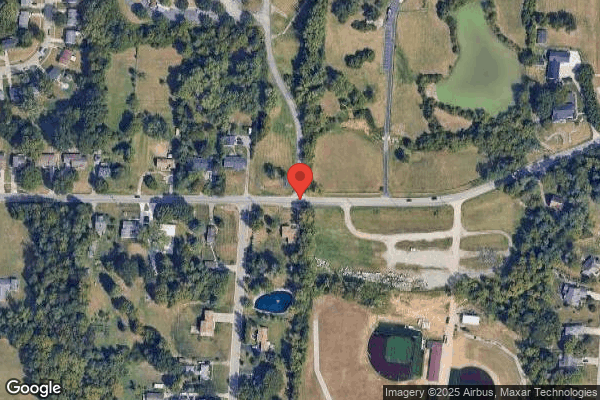
2222 SPRINGDALE ROAD, CINCINNATI, OH 45231 (513) 851-7888
For profit - Limited Liability company 122 Beds HEALTH CARE FACILITY MANAGEMENT, LLC Data: November 2025 1 Immediate Jeopardy citation
Trust Grade
23/100
#427 of 913 in OH
Last Inspection: May 2024

Within standard 12-15 month inspection cycle. Federal law requires annual inspections.

Overview

Burlington House Rehab & Alzheimer's Care Center has received a Trust Grade of F, indicating significant concerns and a poor overall performance. Ranking #427 out of 913 facilities in Ohio places them in the top half, while their county rank of #33 out of 70 suggests there are better options nearby. The facility's trend is improving, as issues decreased from seven in 2024 to one in 2025. Staffing is a relative strength, with a rating of 4 out of 5 stars and a turnover rate of 36%, which is below the state average. However, the facility has concerning fines of $109,083, which are higher than 90% of Ohio facilities. Specific incidents include a critical finding where a resident who required extensive assistance for transfers was moved by a single staff member instead of the required two, creating a risk of injury. Additionally, the facility failed to implement necessary care for a resident with pressure ulcers, leading to an advanced stage ulcer that developed during their stay. Another serious incident involved not providing nutritional supplements as recommended, which resulted in significant weight loss for a resident. While there are strengths in staffing and a trend towards improvement, families should weigh these against the facility's serious deficiencies and financial penalties.

Trust Score
F
23/100
In Ohio
#427/913
Top 46%
Safety Record
High Risk
Review needed
Inspections
Getting Better
7 → 1 violations
Staff Stability
○ Average
36% turnover. Near Ohio's 48% average. Typical for the industry.
Penalties
○ Average
$109,083 in fines. Higher than 51% of Ohio facilities. Some compliance issues.
Skilled Nurses
✓ Good
Each resident gets 55 minutes of Registered Nurse (RN) attention daily — more than average for Ohio. RNs are trained to catch health problems early.
Violations
⚠ Watch
36 deficiencies on record. Higher than average. Multiple issues found across inspections.
★★★☆☆
3.0
Overall Rating
★★★★☆
4.0
Staff Levels
★★★★★
5.0
Care Quality
★★☆☆☆
2.0
Inspection Score
Stable
2024: 7 issues
2025: 1 issues

The Good

  • 4-Star Staffing Rating · Above-average nurse staffing levels
  • 5-Star Quality Measures · Strong clinical quality outcomes
  • Full Sprinkler Coverage · Fire safety systems throughout facility
  • No fines on record
  • Staff turnover below average (36%)

    12 points below Ohio average of 48%

Facility shows strength in staffing levels, quality measures, fire safety.

The Bad

3-Star Overall Rating

Near Ohio average (3.2)

Meets federal standards, typical of most facilities

Staff Turnover: 36%

Near Ohio avg (46%)

Typical for the industry

Federal Fines: $109,083

Well above median ($33,413)

Significant penalties indicating serious issues

Chain: HEALTH CARE FACILITY MANAGEMENT, LL

Part of a multi-facility chain

Ask about local staffing decisions and management

The Ugly 36 deficiencies on record

1 life-threatening 2 actual harm
May 2025 1 deficiency
CONCERN (D) 📢 Someone Reported This

A family member, employee, or ombudsman was alarmed enough to file a formal complaint

Potential for Harm - no one hurt, but risky conditions existed

Free from Abuse/Neglect (Tag F0600)

Could have caused harm · This affected 1 resident

**NOTE- TERMS IN BRACKETS HAVE BEEN EDITED TO PROTECT CONFIDENTIALITY** Based on interview and closed and open record reviews and facility policy review, the facility failed to ensure a resident was f...

Read full inspector narrative →
**NOTE- TERMS IN BRACKETS HAVE BEEN EDITED TO PROTECT CONFIDENTIALITY** Based on interview and closed and open record reviews and facility policy review, the facility failed to ensure a resident was free from sexual abuse. This affected one resident (Resident #81) of one resident reviewed for sexual abuse. The facility total census was 97. Findings included: Closed record review for Resident #81 revealed the resident was admitted to the facility on [DATE] and discharged on 04/23/25 to home. Diagnoses for Resident #81 included Alzheimer ' s, dementia, heart disease, depressive disorder, and psychosis. Review of the Minimum Data Set, (MDS) comprehensive assessment dated [DATE], revealed the resident had severely impaired cognition and required partial assistance with toileting and supervision with ambulation. There were no functional impairments. The resident resided on the memory secured unit in room [ROOM NUMBER]. The resident had a guardian. Resident #81 had an emergency room visit on 03/30/25 and returned on 03/30/25. Record review of Resident Perpetrator, (RP) #11 revealed the resident was admitted to the facility on [DATE]. Diagnoses for Resident #11 include dementia, hypertension, anxiety disorder, PTSD, diabetes, and heart failure. Review of the Minimum Data Set, (MDS) comprehensive assessment dated [DATE], revealed the resident had severely impaired cognition and required supervision with feeding himself and partial assistance with hygiene. The resident required partial assistance with transfers and used a wheelchair for ambulation. The resident had a guardian. Review of physician orders for Resident #11 revealed an order for progesterone at 5 milligrams for hypersexuality started on 11/02/24 and for progesterone increased to 10 milligrams on 03/04/25. There was a physician order for one-on-one staff monitoring towards female residents beginning on 03/30/25. The resident resided on the memory secured unit. There was a room move on 03/30/25. Review of the nurse progress notes dated from 03/30/25 at 3:30 P.M. revealed Registered Nurse, (RN) # 43 was notified Resident #81 entered the bathroom of RP #11 and RP #11 and had his hand inside Resident #81's brief. The residents were separated. Resident #81 had a head-to-toe assessment with no injury noted, skin clean and dry and intact. Resident #81 was peaceful and displayed no signs of agitation or distress. The physician, police and Power of Attorney were notified. Resident #81 was sent non-emergent to the hospital for a Sexual Assault Nurse Exam, (SANE) examination. Review of the facility investigation witness statement dated 03/30/25 of Licensed Social worker, (LSW), #48, revealed on 03/30/25 at approximately 10:45 A.M., Resident #81 was observed standing in RP #11 bathroom with her pants at her ankles and brief pulled up. RP #11 was in a wheelchair and had his hand inside Resident #81's brief. The residents were separated with no resistance. Resident #81 and RP #11 had no response to questioning of the incident. The police were notified and filed a report. Review of the police report dated 03/30/25 at 1:17 P.M. revealed LSW #48 reported at 10:30 A.M. she passed by RP #11 room and observed Resident #81 standing in the bathroom with the briefs intact and pants at ankles. RP #11 was seated in wheelchair with his hand down front of Resident #81's brief. LSW #48 observed no movement, and neither residents were speaking or making any sound, with blank facial expressions. The police advised the guardian to permit Resident #81 to have a SANE examination. Review of the hospital emergency department report dated 03/30/25 at 3:50 P.M. revealed the SANE examination was completed. Resident #81 had some excoriation of the perineum, likely from the use of a diaper. Review of SANE nurse documents dated 03/30/25 at 5:28 P.M., SANE nurse #200 verified LSW #48 report of seeing Resident #81 standing in the bathroom doorway with her pants around her ankles and the assailant's, RP #11, hand in her depends. Neither nursing home resident involved recalling the incident. Resident #81 did not appear in distress and respirations appeared unlabored. Resident #81 appeared clean and well-groomed upon RN #200 arrival. A large area of redness with associated tenderness was observed to the external genitalia, groin, and buttocks, consistent with incontinence associated dermatitis. There was a scant amount of thick white secretions observed to the left labia minora. The SANE RN #200 was able to evaluate the vulva and no lacerations, bruising, or bleeding was observed. There were no further findings. Review of the State Reportable Incident , (SRI) dated 03/30/25 and timed 2:55 P.M., revealed the facility completed a thorough investigation of the incident including witness statement, vulnerable resident skin assessments and staff education on resident abuse. Observations made on 04/02/25 at 11:16 P.M., 04/03/25 at 10:05 A.M., 04/03/25 at 5:55 P.M. and 04/07/2 at 9:25 A.M. and at 12:00 P.M., revealed Resident #81 was in no apparent distress related to the incident of 03/30/25. The resident was clothed, clean and had no odors. Observations made on 04/02/25 at 11:16 P.M. , 04/03/25 at 10:05 A.M. , 04/03/25 at 5:55 P.M. and 04/07/2 at 9:25 A.M. , revealed the FR #11 new room was at end of hall, two halls away from Resident #81 with one- on- one monitoring of Certified Nursing Assistants, (CNA) #100. Interview on 04/02/25 at 10:00 A. M. and on 05/12/25 at 1148 A.M., witness LSW #48 verified on Sunday, 03/30/25, at approximately 10:45 A.M. Resident #81 was standing, coming out of RP #11's bathroom doorway with outwear pants at her ankles and her brief pulled up at her waist. RP #11 was facing Resident #81, sitting in his wheelchair with his hand down her brief. There was no movement of the hand and he removed his hand immediately. There were no verbalizations and flat emotions of both residents. With assistance from RN #43, the residents were separated, assessed and responsible parties were notified. LSW #48 verified Resident #81 was independently ambulatory, able to take herself to the bathroom, and wandered into other resident's rooms. LSW #48 stated RP #11's usual behavior was to sit in his wheelchair at his doorway. Interview on 04/02/25 at 9:50 A.M., the SANE RN #200 verified she completed the examination of Resident #81 on 03/30/25, and there was no evidence of sexual penetration or injury. There was a reddened rash indicative of an incontinence dermatitis. Interview on 04/07/25 at 10:00 A.M RN #43 verified he was notified of the incident between Resident #81 and RP #11 by LSW #48 on 03/30/25 at approximately 10:50 A.M. RN #43 verified the LSW #48 reported RP #11 had his hand inside Resident #81's brief. The residents were separated and assessed with no injury noted. The police and guardian were notified and the guardian agreed to a SANE examination. Interviews on 04/02/25 at 1:40 P.M., the Administrator and Director of Nursing, (DON) verified Resident #81 and RP #11 had physical contact in RP #11 room on 03/30/25 at approximately 10:45 A.M. , discovered by LSW #48. RP #11 had his hand inside Resident #81's brief. Review of facility policy titled Ohio Abuse, Neglect and Misappropriation , undated, revealed the facility intent is to prevent resident abuse. Sexual abuse is defined as non-consensual sexual contact of any type. This deficiency represents non-compliance investigated under Complaint Number OH00165513.
Sept 2024 1 deficiency
CONCERN (D) 📢 Someone Reported This

A family member, employee, or ombudsman was alarmed enough to file a formal complaint

Potential for Harm - no one hurt, but risky conditions existed

Safe Environment (Tag F0921)

Could have caused harm · This affected 1 resident

Based on observation and staff the facility failed to ensure a clean and sanitary environment in resident bathrooms. This affected two (Residents #25 and #27) of three residents reviewed for physical ...

Read full inspector narrative →
Based on observation and staff the facility failed to ensure a clean and sanitary environment in resident bathrooms. This affected two (Residents #25 and #27) of three residents reviewed for physical environment. The facility census was 100 residents. Findings include: Observation on 09/16/24 at 9:12 A.M. with State Tested Nurse Aide (STNA) #111 revealed a ceiling tile in Resident #25 and #27's bathroom had a large ring of discoloration of an unknown dark substance. Interview on 09/16/24 at 9:13 A.M. with STNA #111 confirmed the discolored ceiling tile in Resident #25 and #27's bathroom had been that way for a least a month and had occurred following a water leak. Observation on 09/17/24 at 11:00 A.M. revealed the ceiling tile in Resident #25 and #27's bathroom still had a large ring of discoloration of an unknown dark substance. Interview with on 09/17/24 at 11:00 A.M. with Maintenance Technician (MT) #81 confirmed the ceiling tile in Resident #25 and #27's bathroom was discolored, and he was going to treat the area with a commercial mold and mildew spray. This deficiency represents noncompliance investigated under Complaint Number OH00156321
May 2024 1 deficiency
CONCERN (D) 📢 Someone Reported This

A family member, employee, or ombudsman was alarmed enough to file a formal complaint

Potential for Harm - no one hurt, but risky conditions existed

Incontinence Care (Tag F0690)

Could have caused harm · This affected 1 resident

**NOTE- TERMS IN BRACKETS HAVE BEEN EDITED TO PROTECT CONFIDENTIALITY** Based on record review, observations, staff interviews, and review of facility policy, the facility failed to provide timely inc...

Read full inspector narrative →
**NOTE- TERMS IN BRACKETS HAVE BEEN EDITED TO PROTECT CONFIDENTIALITY** Based on record review, observations, staff interviews, and review of facility policy, the facility failed to provide timely incontinence care. This affected one resident (#04) out of three reviewed for incontinence care. The facility census was 98. Findings Included: Review of medical record for Resident #04 was admitted [DATE]. Diagnosis included Alzheimer's disease, dementia, epilepsy, hemiplegia, and hemiparesis. Review of the Bowel assessment dated [DATE] revealed Resident #04 was incontinent of bowel and required to be checked and changed every two hours. Review of the Urinary Incontinence assessment dated [DATE] revealed Resident #04 was incontinent with multiple episodes daily. Resident #04 wore an incontinent brief and was required to be checked and changed every two hours. Review of Minimum Data Set (MDS) assessment dated [DATE], revealed Resident #04 had a Brief Interview of Mental Status (BIMS) of 03 which indicated she was severely cognitively impaired. Resident #04 was dependent on staff for all activities of daily living (ADLs). Review of the plan of care dated 04/18/24 revealed Resident #04 was at risk for complications associated with episodes of urinary incontinence and was at risk due to self-care performance deficit related to dementia, Alzheimer's disease, and weakness. Interventions included two or more staff required for toileting, check the resident every two to three hours and as needed (PRN) for incontinent episodes, provide incontinence and perineum (peri) care after each incontinent episode, remind resident to go to bathroom every two to three hours, and report changes in bladder status to the physician. Numerous observations of Resident #04 on 05/29/24 starting at 9:56 A.M., revealed the resident was located in the lobby by herself and near the south hall nurses station dressed, covered in blanket and seated in a Geri-chair. At 10:20 A.M., Activity Aide #800 took the resident to the Music Hall dining room for activities. At 11:53 A.M., Activity Aide #800 took the resident to the dining room for lunch. At 12:22 P.M., Resident #04's daughter arrived and wheeled the resident to her room to assist with lunch. Interview with Resident #04's daughter on 05/29/24 at 12:25 P.M. revealed she visited the resident daily before noon to assist in her mother's meal. Resident #04's daughter stated when she arrived today, she asked the staff to check and change the resident because she smelled like urine. Resident #04's daughter indicated staff reported they would check and change the resident after 2:00 P.M. Observation of Resident #04 on 05/29/24 at 2:00 P.M. revealed Resident #04's daughter pushed the resident from her room to the dining room and exited the facility. Observation of incontinence care for Resident #04 on 05/29/24 2:20 P.M. by State Tested Nursing Assistant (STNA) #390 and Registered Nurse (RN) #395 revealed the resident's incontinence brief was saturated with urine and bowel. Resident #04 had no skin issues. Interview with RN #395 at the same time, revealed he was tasked with caring for Resident #04 as the STNA during the day shift (7:00 A.M. to 7:00 P.M.) due to staffing issues. RN #395 verified he had not checked and/or changed Resident #04's incontinence brief since arriving at 7:00 A.M. RN #395 indicated the resident should have been checked and/or changed every two hours. Interview with STNA #390 on 05/29/24 at 2:22 P.M. revealed she was also tasked with caring for Resident #04 during the day shift. STNA #390 verified she had not checked and/or changed Resident #04's incontinence brief since arriving at 7:00 A.M. Interview with STNA #370 on 05/29/24 at 4:12 P.M. revealed she was tasked to care for Resident #04 during the night shift (7:00 P.M. to 7:00 A.M.) which started on the evening of 05/28/24. STNA #370 stated she last cared for Resident #04 at 5:45 A.M. which included changing her incontinence brief. STNA #370 stated she left for the day at 6:00 A.M. Review of the facility policy titled Routine Resident Care undated revealed it was the policy of this facility to promote and provide routine daily care by a certified nurse assistance that can maintain proper body position and alignment for all residents, implement and maintain program for skin care, maintain a bladder and bowel training program, toileting, provide care for incontinence with dignity and maintaining skin integrity, and providing therapeutic interventions for cognitively impaired residents. This deficiency represents non-compliance investigated under Complaint Number OH00153822 and Complaint Number OH00153607.
May 2024 5 deficiencies
CONCERN (D)

Potential for Harm - no one hurt, but risky conditions existed

Free from Abuse/Neglect (Tag F0600)

Could have caused harm · This affected 1 resident

**NOTE- TERMS IN BRACKETS HAVE BEEN EDITED TO PROTECT CONFIDENTIALITY** Based on medical record review, review of a facility self-reported incident (SRI), observations, staff interviews, review of per...

Read full inspector narrative →
**NOTE- TERMS IN BRACKETS HAVE BEEN EDITED TO PROTECT CONFIDENTIALITY** Based on medical record review, review of a facility self-reported incident (SRI), observations, staff interviews, review of personnel files and policy review, the facility failed to ensure a resident was free from physical abuse. This affected one (#15) out of two residents reviewed for abuse. The facility census was 99. Findings include: Record review for Resident #15 revealed the resident was admitted to the facility on [DATE]. Her diagnoses included, hydrocephalus, osteoarthritis, schizo affective disorder, hypothyroidism, hyperlipidemia, major depressive disorder, anxiety disorder, dementia, and essential primary hypertension. Review of the most recent Minimum Data Set (MDS), dated [DATE], revealed Resident #15 had severe cognitive impairment. Further review of the MDS assessment for Resident #15 revealed she required maximum assistance from staff with toileting, bathing, and personal hygiene and was dependent on staff for medication management. Review of Resident #15's behavior care plan initiated on 03/10/23 revealed she was care planned for a behavior problems that included, increased agitation, verbal aggression, refuses care, refuses medication, refuses showers, refuses skin checks, physical aggressive toward staff, refuses to wear incontinence supplies, throws objects at others, refuses to be seen by wound care, refuses to go on appointments, and physical aggression toward other residents. The facility listed the following interventions for Resident #15's behaviors, administer medication as ordered, approach in a calm manner, behavioral health consult as needed, communicate with resident, consult with pastoral, psychological services, support groups, encourage active support by family, minimize potential for disruptive behaviors by offering tasks that divert attention, encourage resident to participate in activities of choice, encourage resident to maintain as much independence and control with depictions making as possible, intervene as necessary to protect the rights and safety of others, minimize potential for disruptive behaviors by offering tasks that divert attention, monitor behavioral episodes, attempt to determine underlying causes, observe and anticipate resident's needs, and encourage resident to express her feelings. Review of Resident #15's progress notes dated 04/25/24 as a late entry for 04/24/24 revealed the Administrator received a call from Resident #15's private care giver related to the facility care provided to Resident #15 by the facility staff and will be in a later time to provide more information and a video of the incident. Further review of the progress notes reveled on 04/24/24 the Administrator and Director of Nursing (DON) met with the Resident #15's care manager and she reported concerns of care not being provided in the way the family would prefer. Documentation revealed the family refused to send Resident #15 out for evaluation and treatment until 04/29/24. The family requested Resident #15 to be sent to the emergency department for evaluation and treatment related to the allegation of abuse and falls. Review of hospital records for Resident #15 dated 04/29/24 revealed was seen in the emergency room and was discharged from the hospital with a diagnosis of fall, agitation, and complicated urinary tract infection (UTI). Resident #15 was given a new order for an antibiotic. Review of the facility SRI, revealed the facility opened an investigation regarding physical abuse on 04/24/24 at 1:23 P.M. and closed the report on 04/30/24 at 8:53 P.M. The SRI revealed a personal care giver of Resident #15 called the Administrator on 04/24/24 and reported an allegation of abuse to Resident #15 by two facility State Tested Nurse Aides (STNA) #95 and #96 on 04/24/24. The report stated STNA #95 struck Resident #15 with a pillow, held her hands down, and caused Resident #15 to hit her head. As a result of the investigation the facility notified the police and substantiated the allegation of abuse. The investigation revealed Resident #15 was evaluated at the hospital on [DATE] and returned with a diagnoses of urinary tract infection. The SRI documented Resident #15 had no injuries or outcome from the incident. Observation on 04/30/24 at 2:08 P.M. of Resident #15 revealed there was no signs of abuse noted. Attempts to interview Resident #15 revealed the resident was not interviewable. Interview on 05/02/24 at 8:57 A.M. with the Administrator, Regional Nurse (RN) #91, and the facility [NAME] President of Risk Management (VPRM) #94 revealed the Administrator reported on 04/24/24 she received a call from Resident #15's personal care giver and she reported she will arrive at the facility and provide information related to care provided to Resident #15 from two STNA's (#95 and #96). The Administrator stated she immediately suspended STNA #95 and #96 and contacted the police department and filed a report. The Administrator stated the personal care giver arrived at the facility around 1:00 P.M. and provided a video of the abuse incident to the facility. The Administrator stated the video revealed the two STNA's (#95 and #96) were rough when they provided personal care to Resident #15. The Administrator confirmed the care provided by STNA #95 and #96 to Resident #15 was not consistent with the facility standards. The Administrator stated Resident #15 is resistive to care and this is care planned for Resident #15. The Administrator stated Resident #15 will swat, hit, kick and try to bite staff when the staff attempt to provide personal care to Resident #15. The Administrator confirmed the facility has provided education to the staff to walk away from the resident's if they are resistive to care and try another care giver or other attempts. The Administrator confirmed STNA #95 and #96 should have left Resident #15 and consulted with other staff members in an attempt to try again if she was resistive to care. The Administrator confirmed the video tape of the care provided to STNA #95 and #96 to Resident #15 appeared as though STNA #95 and #96 had attempted to restrain Resident #15 and had tossed a pillow at Resident #15's head during care. The Administrator confirmed the facility initiated a SRI regarding abuse which was substantiated. The Administrator confirmed STNA #95 and #96 were terminated from employment with the facility due to the incident involving Resident #15. The Administrator confirmed Resident #15 was assessed once the facility became aware of the incident and there was no injuries or outcome from the abuse incident. Observation on 05/02/24 at 11:30 A.M. with the VPRM #94 of the video footage dated 04/24/24 revealed care was being provided to Resident #15 by two STNA's #95 and #96. STNA's #95 and #96 were standing over Resident #15 while providing care. Resident #15 pushed at STNA #95 and #96 and struck out toward the staff members. STNA #95 threw a pillow at the resident, hitting her in the face. Resident #15 pulled the pillow off her face. STNA #95 then picked up a clean incontinence brief and hit the resident in the hand. Resident #15 continued to strike out and tried to bite the staff. STNA #96 stood at the foot of the bed and watched. STNA #95 then held both of Resident #15's hands down on her chest the resident tried to sit forward, and pressure was applied to keep the resident lying down. STNA #95 then put her right hand on the Resident #15's forehead and continued to hold Resident #15's hands down while STNA #96 changed the residents incontinence brief. Review of STNA #95's personnel file revealed the STNA was hired on 12/15/22. STNA #95 was in good standings with the Nurse Aide registry and received resident rights and abuse training. There was no other documented concerns regarding abuse in STNA #95's personnel file. Review of STNA #96's personnel file revealed the STNA was hired on 04/23/23. STNA #96 was in good standings with the Nurse Aide registry and received resident rights and abuse training. There was no other documented concerns regarding abuse in STNA #96's personnel file. Review of the facility policy titled, Ohio Abuse, Neglect & Misappropriation, dated 09/02/16 revealed the intent of the facility to provide resident centered care that meets the psychosocial physical and emotional needs and concerns of the residents. Further review of the facility policy revealed the intent of the facility is prevent the abuse, mistreatment, or neglect of residents.
CONCERN (D)

Potential for Harm - no one hurt, but risky conditions existed

Deficiency F0645 (Tag F0645)

Could have caused harm · This affected 1 resident

**NOTE- TERMS IN BRACKETS HAVE BEEN EDITED TO PROTECT CONFIDENTIALITY** Based on record review and staff interview, the facility failed to ensure a valid Preadmission Screening and Resident Review (PA...

Read full inspector narrative →
**NOTE- TERMS IN BRACKETS HAVE BEEN EDITED TO PROTECT CONFIDENTIALITY** Based on record review and staff interview, the facility failed to ensure a valid Preadmission Screening and Resident Review (PASARR) was completed upon admission to the facility. This affected one (#06) out of one resident reviewed for PASARR. The facility census was 99. Findings Include: Record review for Resident #06 revealed he was admitted to the facility on [DATE]. His diagnoses included, diabetes mellitus (DM)2, lymphedema, essential primary hypertension, anxiety disorder, post traumatic stress disorder (PTSD), adjustment disorder, heart failure, major depressive disorder, and chronic kidney disease stage 2. Review of the most recent Minimum Data Set (MDS) assessment, dated 03/13/24, revealed Resident #06 had severely impaired cognition. Further review for the MDS assessment revealed he required maximum assist with toileting and bathing. Review of the PASARR Review for Resident #06 dated 03/13/24 revealed the facility failed to identify Resident #06's mental health diagnoses of major depressive disorder. Interview on 05/02/24 at 8:18 A.M. with the facility Social Worker (SW) #42 confirmed Resident #06's PASARR dated 03/13/24 was not completed correctly and the residents diagnoses of major depressive disorder was not assessed.
CONCERN (D)

Potential for Harm - no one hurt, but risky conditions existed

Deficiency F0692 (Tag F0692)

Could have caused harm · This affected 1 resident

**NOTE- TERMS IN BRACKETS HAVE BEEN EDITED TO PROTECT CONFIDENTIALITY** 2. Review of the medical record for Resident #33 revealed an admission date of 07/31/21. Diagnoses included the following: Alzhe...

Read full inspector narrative →
**NOTE- TERMS IN BRACKETS HAVE BEEN EDITED TO PROTECT CONFIDENTIALITY** 2. Review of the medical record for Resident #33 revealed an admission date of 07/31/21. Diagnoses included the following: Alzheimer's Disease with early onset, pure hypercholesterolemia, major depressive disorder, moderate protein-calorie malnutrition, orthostatic hypotension, anemia, and anorexia. Review of the quarterly MDS assessment dated [DATE] revealed the resident had severely impaired cognition. The resident was assessed to require supervision for eating, moderate assistance for oral hygiene and transfer, and maximal assistance for toileting, bathing, dressing, personal hygiene, and bed mobility. Review of the care plan dated 08/31/21 revealed Resident #33 had the potential for nutritional problems related to Alzheimer's Disease, hypertension, hypercholesterolemia, major depressive disorder, protein-calorie malnutrition, dysphagia, hyperlipidemia, and anemia. Interventions included administering medications as ordered, identifying resident food and beverage preferences, monitor meal intake, provide assistance with meals as needed, and obtain, monitor, and record weights per facility protocol. Review of the weights documented for Resident #33 revealed a weight of 141 pounds on 02/07/24, 137 pounds on 03/07/24, 122 pounds on 04/05/24, and 127 pounds on 05/01/24. Review of the active physician orders revealed an order dated 02/16/24 for weekly weights. Interview on 05/01/24 at 10:14 A.M. via phone with Registered Dietician #98 confirmed weekly weights were not being obtained as ordered for Resident #33. 3. Review of the medical record for Resident #85 revealed an admission date of 12/01/23. Diagnoses included the following: dementia, vitamin B 12 deficiency anemia, and unspecified protein-calorie malnutrition. Review of the quarterly MDS assessment dated [DATE] revealed the resident had severely impaired cognition. The resident was assessed to require supervision for eating, oral hygiene, toileting, dressing, personal hygiene, and transfer, moderate assistance for bathing, and was independent for bed mobility. Review of the care plan dated 12/01/23 revealed Resident #85 had the potential for nutritional problems related to dementia, hypertension, mood disorder, vitamin B 12, and unspecified protein-calorie malnutrition. Interventions included identifying resident food and beverage preferences, monitoring meal intake, providing meals per diet order, and providing supplements per order. Review of the active physician orders revealed an order dated 02/16/24 for weekly weights. Review of the weights documented for Resident #85 revealed a weight of 163 pounds on 02/05/24, 164 pounds on 03/05/24, 164 pounds on 03/31/24, 155 pounds on 04/03/24, 154 pounds on 04/30/24, and 164 pounds on 05/01/24. Interview on 05/01/24 at 10:14 A.M. via phone with Registered Dietician #98 confirmed weekly weights were not being obtained as ordered for Resident #85. Review of the undated facility policy titled Resident Height and Weight revealed weights would be obtained monthly or as ordered by the physician or practitioner. Based on record review, staff interviews and policy review, the facility failed to ensure residents with compromised nutrition status were weighed weekly as ordered. This affected three (#70, #33, and #85) of nine residents reviewed for nutrition. The facility census was 99. Findings include: 1. Review of the medical record revealed Resident #70 was admitted to the facility on [DATE] with diagnoses including hyperlipidemia, unspecified obesity, major depressive disorder, and generalized anxiety disorder. Review of the most recent Minimum Data Set (MDS) assessment completed on 04/11/2024 revealed Resident #70 had severely impaired cognition, had no behaviors, did not wander, and did not reject care. Review of the care plan dated 11/04/2022 revealed Resident #70 had potential for altered nutrition, had weight loss, needs for supplementation, and had inconsistent meal intakes. Interventions included identify resident preferences notify provider/family of unplanned weight loss, obtain daily weights as needed, offer substitutions if meal is declined, provide Med pass supplement twice daily as ordered, and provide assistive devices/assistance/diet as ordered. Review of the medical record revealed Resident #70 had physician orders for regular diet, regular texture with thin liquids. Additionally, Resident #70 had an order for weekly weights dated 02/16/2024. Review of the medical record revealed weights were obtained on 02/05/2024 (176.6 pounds), 03/05/2024 (173.8 pounds), 03/22/2024 (173.5 pounds), and 04/03/2024 (172.0 pounds). During an interview on 05/01/24 at 7:46 A.M. Registered Nurse (RN) #36 verified Resident #70's weekly weights were not being completed as ordered. RN #36 stated it looked like when the order was entered, there was no prompt for weekly weights triggered to document in Resident #70's Medication Administration Record (MAR). During a telephone interview conducted on 05/01/24 at 10:05 A.M. Dietitian #98 confirmed Resident #70's weekly weights were not being done as ordered.
CONCERN (D)

Potential for Harm - no one hurt, but risky conditions existed

Medication Errors (Tag F0758)

Could have caused harm · This affected 1 resident

**NOTE- TERMS IN BRACKETS HAVE BEEN EDITED TO PROTECT CONFIDENTIALITY** Based on record review, staff interview and review of medication information, the facility failed to ensure residents were free ...

Read full inspector narrative →
**NOTE- TERMS IN BRACKETS HAVE BEEN EDITED TO PROTECT CONFIDENTIALITY** Based on record review, staff interview and review of medication information, the facility failed to ensure residents were free from unnecessary psychotropic medications when the facility administered antipsychotic medications without an adequate indication of use. This affected two (#66 and #349) of five residents reviewed for unnecessary medications. The facility census was 99. Findings include: 1. Review of the medical record for Resident #66 revealed an admission date of 01/24/24 with diagnoses of Alzheimer's Disease, dementia with other behavioral disturbance, unspecified psychosis not due to a substance or known physiological condition, and malignant neoplasm of unspecified site of right female breast. Review of the Minimum Data Set (MDS) assessment dated [DATE] revealed Resident #66 is cognitively impaired and frequently incontinent of bowel and bladder. Resident #66 has no range of motion impairment in upper and lower extremities, requires touch assistance with eating, oral hygiene, toileting, bathing, bed mobility, transfers, and ambulation, and moderate assistance with dressing. Review of hospital documents for Resident #66 revealed a hospital admission date of 01/22/24, with diagnoses of acute encephalopathy, altered mental status, and dementia associated with other underlying disease with behavioral disturbance. Resident #66 was living with a sister in a home environment at the time of hospitalization and had an order written on 12/01/23 for Seroquel 25 milligrams (mg) by mouth three times daily. It was reported on 01/18/24 that Resident #66 had not been taking the medication as ordered while at home. Review of the physician orders revealed Resident #66 had an order written on 01/24/24 for Seroquel (Quetiapine Fumarate) oral tablet 25 mg-give one tablet by mouth three times a day for depression. On 02/23/24, the order was changed to Seroquel (Quetiapine Fumarate) 25 mg-give one tablet by mouth every morning and at bedtime for dementia with behavioral disturbance, psychosis. Interview on 05/02/24 at 10:50 A.M. with Director of Nursing #38 confirmed Resident #66 is being administered Seroquel for a diagnosis of dementia with behavioral disturbance, psychosis which is not a clinically indicated diagnosis. Review of the 2021 [NAME] Pocket Drug Guide for Nurses revealed Seroquel (Quetiapine Fumarate) has a Black Box Warning (BBW) of do not use in elderly patients with dementia related psychosis as there is an increased risk of cardio vascular (CV) mortality, including stroke or myocardial infarction. Further review revealed Seroquel (Quetiapine Fumarate) is indicated for treatment of schizophrenia, manic episodes of bi-polar disorder, depressive episodes of bi-polar disorder, and major depressive disorder. 2. Review of the medical record revealed Resident #349 was admitted on [DATE] with diagnoses of Alzheimer's disease, dementia with agitation, anxiety disorder, and hypertension. Review of the MDS assessment dated [DATE] revealed Resident #349 is cognitively impaired and occasionally incontinent of bladder and frequently incontinent of bowel. Resident #349 has no range of motion impairment in upper and lower extremities, requires moderate assistance with eating, oral hygiene, and dressing, maximal assistance with toileting and bathing, and supervision with bed mobility and transfers. Review of the physician orders for Resident #349 revealed an order for Risperdal oral tablet 0.5 mg. (Risperidone), give 1 tablet by mouth two times a day for dementia with behavioral disturbance. Review of the hospital documents for Resident #349 revealed an admission date of 04/03/24 to psychiatric services with diagnoses of aggression aggravated, violent behavior, and dementia. It is indicated Resident #349 was receiving Risperdal 0.5 mg. by mouth two times a day for Alzheimer's dementia with behavioral disturbance prior to hospitalization. Review of the medical record for Resident #349 revealed a Consultant Pharmacist Medication Regimen Review dated 04/17/24 with recommendations in reference to a Celexa order. The facility was unable to provide a Consultant Pharmacist Medication Regimen Review for the Risperdal order and the indication for use. Interview on 05/02/24 at 1:47 P.M. with Regional Nurse #93 confirmed the facilities consultant pharmacist did not review the Risperdal order for Resident #349. Interview on 05/02/24 at 10:50 A.M. with Director of Nursing #38 (DON) confirmed Resident #349 is being administered Risperdal for a diagnosis of dementia with behavioral disturbance which is not a clinically indicated diagnosis. Review of the 2021 [NAME] Pocket Drug Guide for Nurses revealed Risperdal (Risperidone) has a Black Box Warning (BBW) of do not use in elderly patients with dementia as there is an increased risk of cardiovascular (CV) mortality and is not approved for this use. Further review revealed Risperdal (Risperidone) is indicated for treatment of schizophrenia, bi-polar 1 disorder, and bi-polar mania.
CONCERN (E)

Potential for Harm - no one hurt, but risky conditions existed

Safe Environment (Tag F0921)

Could have caused harm · This affected multiple residents

**NOTE- TERMS IN BRACKETS HAVE BEEN EDITED TO PROTECT CONFIDENTIALITY** Based on [NAME] record review, observations, staff interviews, review of facility documents and policy review, the facility fail...

Read full inspector narrative →
**NOTE- TERMS IN BRACKETS HAVE BEEN EDITED TO PROTECT CONFIDENTIALITY** Based on [NAME] record review, observations, staff interviews, review of facility documents and policy review, the facility failed to provide resident's with a clean and sanitary environment. This affected four (#06, #10, #48, #80) out of four residents reviewed for the physical environment. The facility census was 99. Findings include: 1. Record review for Resident #06 revealed he was admitted to the facility on [DATE]. His diagnoses included, diabetes mellitus (DM)2, lymphedema, essential primary hypertension, anxiety disorder, adjustment disorder, heart failure, major depressive disorder, and chronic kidney disease stage 2. Review of the most recent Minimum Data Set (MDS) assessment, dated 03/28/24, revealed Resident #06 had severely impaired cognition. Further review for the MDS assessment revealed he required maximum assist with toileting and bathing. Interview and observation on 04/30/24 at 2:30 P.M. with the housekeeper (HK) #90 confirmed she had cleaned Resident #06's room at an earlier time on 04/30/24. HK #90 confirmed the presence of brown splatter up the wall and onto the ceiling. HK #90 confirmed the brown substance all along the floor of the bathroom and dried on the toilet seat and around the toilet. HK #90 stated she thought the unknown brown substance on the toilet seat and around the toilet was feces. HK #90 stated she is unable to clean any brown substance and the task of cleaning unknown brown substances was the nursing staff's job. 2. Record review for Resident #10 revealed he was admitted to the facility on [DATE]. His diagnoses included, asthma, cachexia, osteoarthritis, dementia, and anxiety. Review of Resident #10's most recent MDS assessment, dated 03/11/24, revealed he required assistance from staff with toileting and bathing. Record review for Resident #10 revealed he was severely cognitively impaired. Interview and observation on 04/29/24 at 9:59 A.M. with Housekeeping Manager (HKM) #89 confirmed Resident #10's room had a very strong foul odor. HKM #89 confirmed the presence of brown water and splashed brown substance all around the toilet seat. HKM #89 confirmed Resident #10's toilet seat had several active flying gnats on and around the toilet seat. 3. Record review for Resident #48 revealed she was admitted to the facility on [DATE]. Her diagnoses included, Alzheimer's disease, hyperlipidemia, essential primary hypertension, hypokalemia, anxiety disorder, and major depressive disorder. Review of Resident #48's most recent MDS assessment, dated 03/18/24, revealed she was severely cognitively impaired. Further review of the MDS assessment revealed Resident #48 required assistance from staff with toileting and bathing. Record review for Resident #48 revealed an order for a pressure reducing mattress, dated 10/02/23. Observation of Resident #48's room revealed a mattress was on its side along the wall of the room. Resident #48's bed side table had a sticky substance on the top and splattered down the front. Resident #48's bathroom trash can was soiled and had brown splatter running down the sides of the trash can. Resident #48's toilet seat was dirty, soiled, and had numerous gnats flying around the toilet seat and on the toilet seat. Interview and observation on 04/19/24 at 9:46 A.M. with HKM #89 confirmed Resident #48's room had an extra mattress leaning up on the wall. HKM#48 confirmed that Resident #48 had a sticky substance all over the bed side table and running down the top drawer. HKM #48 confirmed the bathroom trash can had an unknown brown substance running down the bathroom trash can and the toilet had a unknown brown liquid in the toilet bowl. HKM #48 confirmed the soiled toilet seat had gnats flying around the toilet and around the bathroom. 4. Record review for Resident #80 revealed she was admitted to the facility on [DATE]. Her diagnoses included, bipolar disease, anxiety disorder, Alzheimer's disease, essential primary hypertension, dementia, and borderline personality disorder. Review of the most recent MDS assessment, dated 02/23/24, revealed she had impaired cognition. Further review of the MDS assessment revealed Resident #80 required supervision from staff with toileting and bathing. Interview and observation on 04/30/24 at 2:30 P.M. interview with HK #90 confirmed she had cleaned Resident #80's room. HK #90 confirmed the bathroom had a smudged brown substance all around the toilet and on the toilet seat was feces. HK #90 stated she was unable to clean feces from resident's bathrooms. Interview on 04/30/24 at 3:00 P.M. with the Administrator confirmed the housekeeping staff is expected to clean the feces from the toilet, however, nursing staff clean the feces from the floor. Review of the facility control treatments revealed the facility was treated from gnats in the dining area and kitchen area on 12/04/23, 01/15/24, 01/25/24, 02/29/24, 04/16/24, and 04/13/24. Further review of the pest treatments did not reveal any treatments of resident rooms for gnats. Review of the facility policy titled, Pest Control, dated 09/15/21 revealed, the facility will establish a regimented time each month for spraying and to eliminate pests in the facility. Review of the facility in-service policy titled, Seven Step Daily Washroom Cleaning, dated 01/01/200, revealed the policy was created to show housekeeping employees the proper method to sanitize a washroom or bathroom in a long-term care facility. Commodes includes the tank, the seat, the bowl and the base. The policy stated to use a separate rag and a germicide solution and to wipe every area of the commode.
Jun 2023 1 deficiency
CONCERN (D) 📢 Someone Reported This

A family member, employee, or ombudsman was alarmed enough to file a formal complaint

Potential for Harm - no one hurt, but risky conditions existed

Dental Services (Tag F0791)

Could have caused harm · This affected 1 resident

Based on record review, observation, resident interview, staff interview, and review of facility policy, the facility failed to ensure a resident received timely assistance with missing dentures. This...

Read full inspector narrative →
Based on record review, observation, resident interview, staff interview, and review of facility policy, the facility failed to ensure a resident received timely assistance with missing dentures. This affected one resident (#51) of three residents reviewed for dental care. The facility census was 101. Findings include: Review of the medical record for Resident #51 revealed an admission date of 07/02/20. Diagnosis included, but not limited to, alcohol dependence with alcohol induced persisting dementia. Additional record review revealed the resident's payor source was Medicaid and the resident had a guardian. Review of the Minimum Data Set (MDS) assessment for Resident #51 dated 03/25/23 revealed resident was cognitively intact and required supervision and set up help with activities of daily living (ADLs.) Review of the June 2023 monthly physician orders for Resident #51 revealed an order dated 07/20/20 for resident to have dental consult as needed. Review of the care plan for Resident #51 dated 10/07/20 revealed the resident had oral/dental health problems related to poor oral hygiene, and abnormal mouth tissue. Interventions including the following: monitor, document and report to physician as needed any oral/dental problems needing attention, provide mouth care, coordinate arrangements for dental care, transportation as needed/as ordered. The care plan did not include documentation regarding the presence or absence of dentures. Review of nurse progress note for Resident #51 dated 01/25/23 revealed the resident's guardian set up an outside appointment for resident to meet with a neuropsychologist. Review of nurse progress note for Resident #51 dated 02/06/23 revealed the resident went out of the facility for an appointment. The resident's guardian took him to the appointment and would bring the resident back. An additional progress note dated 02/06/23 for Resident #51, revealed the resident arrived back to the facility from the appointment, and guardian brought resident back to the facility. Review of nutritional assessments dated 03/28/23 and 06/27/23 for Resident #51 revealed they did not include documentation regarding the presence or absence of the resident's dentures. Review of the care conference note for Resident #51 dated 04/18/23 revealed the facility held a meeting with resident, guardian, and the facility staff present. The note did not include documentation regarding resident's missing dentures. Review of social service progress note dated 06/01/23 per Social Service Designee (SSD) #172 revealed she and the Administrator spoke to Resident #51's guardian about his dentures. Resident got lower dentures in 2022 and insurance would only cover dentures every 10 years. Guardian was made aware of this. SSD #172 contacted the dentist, and the dentist would reach out to the guardian as well on how to go about replacing resident's dentures. Review of the dental prior authorization for Resident #51 dated 06/16/23 revealed there would be no charge to replace resident's upper denture. Replacement of the lower denture would cost $1200. Interview on 06/28/23 at 12:21 P.M. with the Administrator confirmed she started working with the facility at the end of March 2023 and that sometime near the end of May 2023 Resident #51's guardian told her the resident's dentures were missing. Administrator confirmed SSD #172 told her the dentures got lost when resident went out to a doctor appointment with the guardian. Administrator confirmed in June 2023 the facility got a quote from the dentist on the cost of replacing the dentures. Administrator confirmed the lower dentures cost $1200 and Medicaid would not cover this. Administrator confirmed it was her understanding that the resident/guardian were responsible for paying for the dentures because they got lost when resident was out of the facility with the guardian. Observation on 06/28/23 at 12:52 P.M. of Resident #51 revealed he was edentulous and had no dentures in his mouth or in his room. Interview with Resident #51 at the same time confirmed his dentures got lost a few months ago and he did not remember where or how they got lost. Resident #51 confirmed he was embarrassed by not having teeth and he was upset that the facility had not helped him replace his dentures. Interview on 06/28/23 at 2:41 P.M. with the Director of Nursing (DON) and SSD #172 confirmed Resident #51 was admitted to the facility in 2020 and had upper and lower dentures. SSD #172 confirmed Resident #51 went to a neurology appointment with the guardian on 02/06/23 and when he returned, he had no dentures in his mouth. DON confirmed the facility called the doctor's office, and they did not have Resident #51's dentures. SSD #172 confirmed the facility called the guardian and she did not know what happened with the dentures. The guardian said she had not transported him back to the facility but did not provide information regarding who transported the resident back to the facility. DON confirmed the guardian was upset about the resident's dentures at the care conference on 04/18/23, but it was the guardian's responsibility to replace the dentures since the resident lost them when he was out of the facility. Interview on 06/28/23 at 4:15 P.M. with the Administrator and the DON confirmed Resident #51's payor source was Medicaid and he was admitted with upper and lower dentures. Resident #51's dentures were noted to be missing on 02/06/23 after resident returned from a doctor appointment. The referral to the dentist was dated 06/16/23. The resident's record had no documentation regarding the reason for the delay in referral to the dentist nor the potential effect on the resident of having his teeth missing for several months. The facility had no documentation of investigation regarding how and when the dentures got lost. Review of the undated facility policy titled Denture Loss or Damage revealed dignity and self-esteem may be compromised when the resident does not have their dentures. Speech or communication may also be compromised. For these reasons and more it is imperative that missing dentures be replaced in a timely manner. Dentures that are reported broken or lost shall be replaced with the assistance of facility staff. A referral will be made within three days of the missing or broken dentures reported. Social Service will place a referral for a dental consult within three days. If a referral does not occur within three days, the facility must provide documentation that the resident was assessed for the ability to eat and drink adequately while waiting for dental services and the reason for the delay. An investigation will be performed to determine if loss or damage of the denture was the result of facility neglect or mishandling. The facility will replace broken or lost dentures at the cost to the facility if the investigation reveals that the facility was negligent and/or irresponsible with handling and that the resident had that denture on admission. This deficiency represents non-compliance investigated under Complaint Number OH00143672.
May 2023 12 deficiencies 1 IJ
CRITICAL (J) 📢 Someone Reported This

A family member, employee, or ombudsman was alarmed enough to file a formal complaint

Immediate Jeopardy (IJ) - the most serious Medicare violation

Accident Prevention (Tag F0689)

Someone could have died · This affected 1 resident

**NOTE- TERMS IN BRACKETS HAVE BEEN EDITED TO PROTECT CONFIDENTIALITY** 3) Review of the medical record for Resident #32 revealed an admission date of [DATE]. Diagnoses included dementia, type two dia...

Read full inspector narrative →
**NOTE- TERMS IN BRACKETS HAVE BEEN EDITED TO PROTECT CONFIDENTIALITY** 3) Review of the medical record for Resident #32 revealed an admission date of [DATE]. Diagnoses included dementia, type two diabetes, conversion disorder, and personal history of malignant neoplasm of breast. Review of the quarterly MDS assessment dated [DATE] revealed Resident #32 had severe cognitive impairment. The resident required two-person extensive assistance with transfers, dressing, toilet use, one-person extensive assistance with eating, and one-person total dependence with bathing. Observation on [DATE] at 9:53 A.M. of State Tested Nurse Aide (STNA) #369 brought a mechanical lift out of Resident #32's room after transferring her into the wheelchair from the bed after providing a bed bath. Observation revealed STNA #369 was the only staff in the room. Interview on [DATE] at 9:58 A.M., with STNA #369 verified Resident #32 required a mechanical lift to transfer, and she completed the transfer on her own without another staff member. STNA #369 verified mechanical lift transfers should be completed by two staff members. Review of the facility policy titled Mechanical Lifts and Transfers, revealed lifts were utilized to provide a safe and ergonomic method to assist residents to transfer, stand, or toilet without physically/manually lifting them. Use two employees to assist and for support in the safe use of a total lift transfer. This deficiency represents noncompliance discovered in Complaint Number OH00142016. Based on medical record review, observations, staff interview, review of witness statements, review of the police report, review of information from Google Maps, review of a weather report, review of the facility investigative files, review of in-service education, and policy review, the facility failed to complete thorough investigations following resident elopements to prevent additional elopements from occurring. Additionally, the facility failed to update residents' elopement assessments and care plans following elopements. Lastly, the facility failed to identify like-residents at risk for elopement to ensure appropriate interventions were in place to potentially prevent the same actions, situations, and/or practices from occurring in the future. This resulted in Immediate Jeopardy and the potential for serious life-threatening harm, injuries, and/or death on [DATE] at an unknown time when Resident #306, who resided on the west hall, exited the facility's secured unit on the south hall through a thirty second egress alarmed door, which lead to an exterior door to exit the building. Resident #306 was found at 2:40 A.M. approximately three-fourths of a mile away from the facility, which was approximately a 14-minute walk. The Immediate Jeopardy continued when Resident #306 exited the secured unit through the same alarmed door on [DATE] at approximately 8:15 A.M. when Maintenance Supervisor (MS) #370 saw Resident #306 walk by the maintenance window and started running down the driveway. Furthermore, the Immediate Jeopardy continued when Resident #86 exited the secured unit through a thirty second egress door on [DATE] without floor staff's awareness. Moreover, the Immediate Jeopardy continued when Resident #86 exited through a thirty second egress door on [DATE], without staff's awareness, and was found one tenth of a mile from the facility by Receptionist #380. Additionally, the facility failed to follow their elopement policy and did not review and update Resident #86's elopement risk assessment and care plan. This affected two (#86 and #306) of seven residents reviewed for elopement. Lastly, the facility failed to ensure residents who required the use of a mechanical lift were transferred safely with the assessed amount of staff. This affected one (#32) of 13 residents reviewed for transfers. The facility census was 101. Findings include: On [DATE] at 3:46 P.M., the Administrator, Director of Nursing (DON), and Regional Director of Clinical Operations (RDCO) #427 were notified Immediate Jeopardy began on [DATE] at an unknown time when Resident #306 eloped from the facility and was found approximately 14 minutes later around 2:40 A.M. Resident #306 was found by Licensed Practical Nurse (LPN) #341 walking down the side of a two-lane busy road with no sidewalks or streetlights approximately three fourths of a mile away from the facility. Resident #306 was wearing black pants, a red t-shirt, and shoes. The temperature in the area was approximately 55 degrees Fahrenheit (F). Resident #306 refused to go back to the facility with staff, and police were called for assistance. Upon Resident #306's return to the facility, the facility had not updated his elopement care plan to prevent recurrence. Additionally, the facility had not identified like-residents to ensure appropriate interventions were in place to potentially prevent future elopements. The Immediate Jeopardy continued when Resident #306 exited the facility without floor staff awareness on [DATE] and was found by MS #370 running down the driveway. Upon Resident #306's return into the facility, the facility had not updated his wandering observation tool to prevent recurrence. Additionally, the facility had not identified like-residents to ensure appropriate interventions were in place to potentially prevent future elopements. The Immediate Jeopardy continued when Resident #86 exited the secured unit through a thirty second egressed door on [DATE] without floor staff's awareness. The Immediate Jeopardy continued when Resident #86 exited through a thirty second egress door on [DATE] without staff's awareness and was found one tenth of a mile from the facility by Receptionist #380. The facility failed to follow their elopement policy and did not review and update Resident #86's elopement risk assessment and care plan. The Immediate Jeopardy was removed on [DATE] when the facility implemented the following corrective actions: • On [DATE], the DON/Unit Manager (UM)/Designee ensured all residents were accounted for and began to obtain statements from all staff on duty. • On [DATE], the DON/UM/Designee completed education with all staff on elopement and acknowledgment of door alarms. Wandering assessments were updated for all residents, the elopement binders were reviewed, updated, and elopement drills were held. • On [DATE], the DON/UM/Designee ensured all residents were accounted for and began to obtain statements from all staff on duty. • On [DATE], the DON/UM/Designee completed education with all staff on elopement and acknowledgment of door alarms. Elopement binders were reviewed, updated, and elopement drills were held. • On [DATE], the DON/UM/Designee ensured that all residents were accounted for and began to obtain statements from all staff on duty. • On [DATE], the DON/UM/Designee completed education with all staff on elopement and acknowledgment of door alarms. Elopement binders were reviewed, updated, and elopement drills were held. • On [DATE], the DON/UM/Designee ensured that all residents were accounted for and began to obtain statements from all staff on duty. • On [DATE], MS #370 assessed all doors and alarms for functionality without noted deficiency. • On [DATE], the DON/UM/Designee completed staff education on elopement and completed an elopement drill. Wandering assessments were updated for all residents with no new elopement risks noted. Elopement binders were reviewed. discharged residents were removed from the elopement binders and any new admissions not previously added, were added to the elopement binders. The medical director was notified of each elopement and agreed with intervention to monitor one-to-one. • On [DATE], the elopement binders were reviewed for accuracy. Resident #100 was added to the binder due to an elopement in February 2023. • On [DATE], all wandering resident assessments were updated with no changes needed. All care plans were validated and updated with no changes needed. All elopement binders were validated with no changes needed. Wandering assessments are completed upon admission, quarterly, with change in condition, and upon any elopement event. Staff have been educated on elopement. Nurses have been educated on accurately completing wandering assessments, care planning, and timely completion of care plans. • On [DATE], RDCO #427 provided education with the DON, the UM, and the Administrator on completing a thorough investigation including staff interviews/witness statements with all staff working the dates of the elopements. • On [DATE], education was provided by the DON/Designee with all staff regarding elopement risk and facility policy. All newly hired staff will be educated. • On [DATE], education was provided by RDCO #427/Designee with the licensed nurse to ensure wander observation tools are completed accurately. • On [DATE], education was provided by RDCO #427 with the DON, UM #304, #310, and #314 and the Minimum Data Set (MDS) staff #375 on ensuring care plans are in place regarding those identified at risk. • On [DATE], education was provided by RDCO #427 with the DON, UM #304, #310, and #314, the Administrator, Activity Director #322, Activity Staff #319, #329, #336, #337, and #338, Admissions Coordinator #385, and the Electronic Health Records Clerk #387 to ensure elopement binders are up to date with residents at risk for elopement. • On [DATE], LPN #350, State Tested Nursing Assistant (STNA) #369, Receptionist #380 and Maintenance Supervisor #370 stated they had been educated about elopements and responding immediately or as soon as it was safe to do so when alarms sounded. • The Administrator/Designee will conduct elopement drills twice weekly on each shift for four weeks, then once a week on each shift for four weeks, then once a week on each shift every two weeks, then monthly for two months. • The DON/Designee will audit the elopement binders on each unit to ensure that all residents in the facility are included twice a week for four weeks, then weekly for four weeks, then every other week for four weeks then random observation thereafter. • The RDCO #427 will review the completeness of all elopement investigations to ensure that all staff were educated on elopements, elopement binders are updated, and wandering observation tools were completed and accurate. RDCO #427 will review all staff statements to ensure all staff on duty at the time of elopement have provided thorough statements. This audit will occur for all elopements for three months. • All variances will be corrected upon discovery, and additional training/follow-up will be provided as deemed necessary. The DON/Designee will bring the results of the audits to the monthly Quality Assurance Performance Improvement (QAPI) meeting. The results of the audit will be reported, reviewed, and trended for a minimum of six months, then randomly thereafter for further recommendations. Although the Immediate Jeopardy was removed on [DATE], the facility remained out of compliance at a Severity Level 2 (no actual harm with potential for more than minimal harm that is not Immediate Jeopardy) as the facility was in the process of implementing their corrective action plan and monitoring to ensure on-going compliance. Findings include: 1) Review of the medical record for Resident #306 revealed an admission date of [DATE] with diagnoses including dementia, schizophrenia, and Parkinson's disease. Review of the MDS assessment dated [DATE] revealed Resident #306 was severely cognitively impaired and required supervision with mobility. Review of the most recent wandering observation tool dated [DATE] revealed Resident #306 was not at risk for elopement. Further review of the medical record revealed the facility had not completed a wandering observation tool after the elopement on [DATE]. Review of the elopement care plan for Resident #306 updated on [DATE] revealed the resident was an elopement risk related to wandering behavior, diagnoses of Parkinson's, dementia, schizophrenia, and a history of elopement. Interventions included one-to-one supervision until further notice; care conference with the family to discuss a possible transfer ([DATE]), assess hunger, thirst, ambulation, and toileting needs ([DATE]), complete wandering evaluation upon admission/re-admission, quarterly, and as needed ([DATE]), evaluate for need of secured unit and notify medical provider as needed ([DATE]), notify medical provider and resident representative of behavior changes ([DATE]), provide diversionary activities as needed and redirect when appropriate ([DATE]), and provide structured activities at times of increased elopement risk, diversional tasks, redirection of ambulation pattern, and utilization of safe wandering areas ([DATE]). Review of the nurse progress note dated [DATE] at 3:58 A.M. revealed LPN #415 was alerted by State Tested Nurse's Aide (STNA) #349 the door alarm on the south hall was triggered. LPN #415 and STNA #349 went through the alarming door and visualized the main exit door was ajar. LPN #415 and STNA #347 got into their vehicles and drove down the street. Resident #306 was found walking down Springdale Road towards [NAME] Road on the left side approximately a half a mile down the road. The police stopped and helped. Resident #306 was non-cooperative and resisted returning to the facility. Resident #306 was returned by the police. A head-to-toe assessment, neurological checks, vital signs, and nurse's notes were completed. The Director of Nursing (DON) and the family were notified. Review of LPN #341's statement (undated) revealed approximately an hour prior to the incident, Resident #306 was seen on the south hall using the phone. LPN #341 was on lunch when the incident occurred. LPN #341 was heading back from lunch when she saw Resident #306 walking on Springdale Road and called the facility to notify staff and to call the police. Review of STNA #347's statement dated [DATE] revealed at approximately 2:40 A.M., LPN #415 and STNA #420 from west hall came to the south hall to look for Resident #306. STNA #347 began to search for Resident #306. STNA #347 got into his car and drove around the facility looking for Resident #306 but had not found him. STNA #347 drove onto Springdale Road where LPN #341 and STNA #347 found him. STNA #347 did not know how Resident #306 exited the facility because STNA #347 was busy doing rounds and changing other residents. Resident #306 was resistive with staff when trying to bring him back to the facility and made STNA #347 bleed beneath his chin. Review of agency STNA #420's statement dated [DATE] revealed she was alerted by LPN #415 that STNA #349 stated the alarm was going off on the south unit. STNA #349 looked in Resident #306's room, but he was not there. All staff started looking in rooms and hallways and then moved outside of the facility. Resident #306 was found walking down the road. Review of agency staff STNA #425's statement (undated) revealed Resident #306 was walking up and down south hall towards nurse's station, and STNA #425 tried redirecting him to west hall, where he resided, but he refused. STNA #425 asked other staff to help redirect him. STNA #425 went to check on another resident on west hall and noticed Resident #306 was not in his room. STNA #425 asked other staff if they had seen him, and the other staff said no. STNA #425 reported that was when staff started looking for him. Review of Registered Nurse (RN) #318's statement dated [DATE] revealed at 2:40 A.M. she was at north hall nurse's station when the phone rang. The call was from LPN #341 who reported Resident #306 from west hall was walking down Springdale Road, and she needed help to get him back to the facility. RN #318 reported LPN #303 went to help LPN #341 while she called emergency services to meet them on Springdale Road for assistance. RN #318 notified the DON and completed a head count on residents. Review of LPN #303's statement dated [DATE] revealed he received a call from LPN #341 that she found Resident #306 on the road on her way to lunch. LPN #303 went to the road to help bring Resident #306 back to the facility. While trying to bring Resident #306 back to the facility, the police stopped and brought Resident #306 back to the facility. Review of STNA #349's statement dated [DATE] revealed the door alarm on south hall was going off and STNA #349 went to turn off the alarm. STNA #349 went through the alarm door and noticed the door leading outside was open. STNA #349 looked around and had not seen any residents. STNA #349 saw Resident #306 on south hall before the alarm went off, and Resident #306 was nowhere to be found. STNA #349 alerted LPN #415 that Resident #306 got out of the facility. STNA #349 and LPN #415 went back through the door that was alarming and checked the maintenance room and parking lot. LPN #415 got into her car as well as STNA #347 to check the road. STNA #349 stated Resident #306 was found and brought back to the facility. Review of agency LPN #430's statement dated [DATE] revealed she heard door alarms sounding on south hall while she was unclogging a feeding tube in a resident's room. LPN #430 reported as she finished up with resident care, she witnessed LPN #415 and STNA #349 looking for Resident #306. LPN #430 had staff check all rooms and closets. LPN #430 went outside to check the grounds. LPN #415 and STNA #347 got into their cars to search for Resident #306. About twenty-five minutes later, the police and three staff members returned to the facility with Resident #306 in a police car. Review of the police report dated [DATE] revealed a call was placed at 2:43 A.M. for the well-being of Resident #306. On [DATE] at 2:45 A.M. police arrived on scene where Resident #306 was standing in the middle of the road. Staff were unable to get him back to the facility. Police assistance was needed, and Resident #306 was placed into a squad car. On [DATE] at 2:59 A.M. Resident #306 was escorted back to the facility. Review of the in-service provided to staff dated [DATE] revealed staff must immediately react to sounding door alarms. Staff must always investigate to ensure all residents were accounted for and safe. Door alarms may not be deactivated without ensuring all residents had been accounted for. Observations throughout the annual survey revealed the facility's secured door where Resident #306 resided was in working order and alarmed appropriately. Telephone interview on [DATE] at 9:39 A.M., with RN #318 revealed the other nurses went out and looked for Resident #306. RN #318 reported she completed a head count on her unit and notified the DON. RN #318 stated LPN #341 called into the facility and reported Resident #306 was on the road. Telephone interview on [DATE] at 10:09 A.M. with LPN #303 revealed he received a call from LPN #341, who was at lunch, that she saw Resident #306 walking down Springdale Road. LPN #303 reported he turned right out of the facility and met LPN #341 at the gas station. LPN #303 explained he tried to get Resident #306 in his car, but he refused. LPN #303 stated the police were notified and assisted with the return of Resident #306 back to the facility. Telephone interview on [DATE] at 3:31 P.M. with agency STNA #420 revealed she was working west hall where Resident #306 resided. STNA #420 reported Resident #306 got out of the south hall door. STNA #349 came and told LPN #415 that Resident #306 had gotten out of the facility. STNA #420 explained all staff started looking for Resident #306 on south unit, then checked the other units, and checked outside the facility. STNA #420 reported someone called the facility and said Resident #306 was walking down Springdale Road. Telephone interview on [DATE] at 3:36 P.M. with agency LPN #415 revealed Resident #306 was ambulatory on his own and typically walked from unit to unit at night. LPN #415 reported Resident #306 would walk to the south hall and would usually come back after 10 minutes. LPN #415 was working west hall on [DATE], where Resident #306 resided. LPN #415 heard the alarm going off on the south hall but could not recall how long the alarm sounded. STNA #349 notified LPN #415 that Resident #306 got out of the building. LPN #415 and STNA #347 got into their cars and drove in opposite directions down the road looking for Resident #306. LPN #415 reported the streets were very dark at that time. LPN #415 went the opposite direction of where they found Resident #306. Telephone interview on [DATE] at 8:14 A.M. with STNA #349 revealed she saw Resident #306 prior to entering a resident's room to provide care. STNA #349 reported when she came out of the resident's room, the door alarm had been sounding. STNA #349 turned off the alarm and went through the alarming door to see the door to the outside was ajar. STNA #349 looked around and in Resident #306's room but had not seen him. STNA #349 alerted LPN #415 that Resident #306 was missing. STNA #349 and staff looked for Resident #306. LPN #415 and STNA #347 got into their cars and headed down the road. Telephone interview on [DATE] at 8:23 A.M. with agency STNA #425 revealed Resident #306 exited the building when she was providing resident care. STNA #425 reported LPN #341 called into the facility and said Resident #306 was on the street. STNA #425 could not recall any other pertinent information about the incident. Telephone interview on [DATE] at 5:55 P.M. with LPN #341 revealed she had seen Resident #306 prior to the incident wearing different clothes. LPN #341 reported she went to lunch at approximately 2:00 A.M. LPN #341 stated she was on her lunch break when she saw Resident #306 walking down Springdale Road. LPN #341 noticed a man walking down the side of the road with black pants, a red t-shirt, and shoes on. LPN #341 slowed down because she was surprised to see someone walking in a short-sleeved shirt because it was chilly. LPN #341 slowed down and realized it was Resident #306. LPN #341 put on her hazards and yelled his name, but she said he didn ' t slow down or look her way. LPN #341 called into the facility and notified staff that Resident #306 was walking down Springdale Road and to call the police. LPN #341 reported when other staff arrived on scene, she left because she had a passenger in her car. LPN #341 explained the Assistant Director of Nursing (ADON) called her on [DATE] to obtain her statement regarding the incident on [DATE] because the facility misplaced her original statement. Review of the nurse progress note dated [DATE] at 8:32 A.M. revealed Resident #306 exited through the south hall door. RN #314 was notified Resident #306 possibly got out of the facility. RN #314 immediately went out to the parking lot where Resident #306 was with the Maintenance Supervisor (MS) #370. Resident #306 was assisted back to his room. Resident #306 was assessed from head-to-toe without injury noted. The daughter was notified, and Resident #306 was placed on one-to-one supervision. Review of the in-service provided to staff dated [DATE] revealed staff were trained regarding elopement prevention and elopement management. Review of the former Business Office Manager (BOM) #431's statement dated [DATE] revealed she was walking into work around 8:20 A.M. when she saw Resident #306 running out of the maintenance door on the side of the building. As former BOM #431 started towards him, MS #370 immediately followed Resident #306 trying to redirect him. Resident #306 continued to run. Former BOM #431 continued to move towards him to prevent him from going further away from the facility. MS #370 was able to reach him, and Resident #306 stopped running. RN #314 came out to the parking lot and escorted Resident #306 back into the facility. Review of MS #370's statement dated [DATE] revealed at approximately 8:20 A.M., he heard the alarm go off next to the maintenance door. MS #370 saw Resident #306 walking down the sidewalk toward Springdale Road. MS #370 caught up to Resident #306 and was able to redirect him toward the entrance of the facility. Interview on [DATE] at 3:18 P.M. with MS #370 revealed he had not recalled the door alarm going off, but he looked out the window and saw Resident #306 by the south door outside of the facility. MS #370 reported that by the time he got up from the desk and over to the door, Resident #306 was running down the hill on the driveway. Resident #306 was fully clothed but had no shoes, only socks on. MS #370 was shocked Resident #306 did not fall. MS #370 revealed Resident #306 made it approximately 40 to 50 yards from the facility. MS #370 stated the former Executive Director #440 and former BOM #431 met him out in the parking lot for assistance with Resident #306. MS #370 could not recall if any floor staff assisted. Interview on [DATE] at 1:39 P.M. with RDCO #427 verified Resident #306's wandering observation tool was not updated after the elopement on [DATE]. Review of an online map per google maps revealed the gas station near where Resident #306 was found on [DATE] was approximately 0.7 miles from the facility and approximately a 14-minute walk. Review of the online weather resource https://www.accuweather.com/en/us/[NAME]/45243/september-weather/2214995?year=2022 revealed the air temperature was 55 degrees F for the morning of [DATE] for the city in which the facility was located. 2) Resident #86 was admitted on [DATE] with diagnoses including dementia, hereditary neuropathy, hypertension, disorientation, and insomnia. Review of the quarterly MDS assessment dated [DATE] revealed Resident #86 had severe cognitive deficits and required supervision with locomotion. Review of the wandering observation tool dated [DATE] revealed Resident #86 was not a risk for elopement. Review of the next wandering observation tool dated [DATE] revealed the resident was an elopement risk. Review of the wandering observation tool dated [DATE] revealed the resident was an elopement risk. Review of the wandering observation tool dated [DATE] revealed it was completed with incorrect information revealing the resident was not an elopement risk. Review of a nursing note dated [DATE] at 3:51 P.M. revealed RN #343 was notified by staff Resident #86 was out in the parking lot walking. Resident #86 was seen by the receptionist at that time and was assisted back to the unit by staff and assessed with no injuries. Notifications were made and one-to-one supervision was initiated. Review of the investigation related to the elopement on [DATE] revealed there was no timeline to determine the root cause of how Resident #86 eloped. Resident #86 had no updated plan of care with interventions to prevent elopement. Review of STNA #329's witness statement dated [DATE] revealed two Residents (#16 and #103) were at the south ambulance entrance door touching the door which set off the alarm at the time. Resident #91 informed STNA #329 that Resident #86 was outside. Everyone began looking for Resident #86. Review of a physician order dated [DATE] revealed Resident #86 was placed on increased supervision one-to-one until [DATE] every shift for resident safety. Review of RN #389's witness statement dated [DATE] revealed Resident #91 informed her and another staff member that Resident #86 was outside. RN #389 immediately addressed the situation, running outside to get him. Resident #86 was standing by the cars in the parking lot. No alarms were going off when first notified of the incident. Resident #86 was redirected back to the facility without difficulty. Review of STNA #320's witness statement dated [DATE] revealed she had seen Resident #86 at the south door trying to leave the unit, STNA #320 redirected Resident #86 away from the door and he walked towards the west unit. Review of the former Licensed Social Worker (LSW) #428's witness statement dated [DATE] revealed following the incident, the south ambulance door was alarming with no staff around. LSW #428 and maintenance disarmed the door and ensured the door was locked. Review of STNA #363's witness statement dated [DATE] revealed she saw Resident #86 on the north unit trying to open the door and she redirected him back to his unit. Review of LPN #429's witness statement dated [DATE] revealed Resident #86 kept pushing on the door trying to open it and she asked him to stop pushing on the door. Review of Receptionist #380's witness statement dated [DATE] revealed she was walking past her desk and saw Resident #86 outside and got help. A follow-up interview on [DATE] at 11:57 A.M. with RDCO #427 verified there was no wandering observation tool completed related to the elopement on [DATE] until [DATE]. Review of the nursing note dated [DATE] at 7:40 P.M. revealed Resident #86 was found in the parking lot by Receptionist #380 with a coat, hat, and shoes on. Resident #86 was alert, verbal, and redirected back into the building with no behaviors. Resident #86 was placed on increased one-to-one supervision. Review of the investigation related to the elopement dated [DATE] revealed the incident was not thoroughly investigated and there was no timeline of events to determine a root cause. Review of Receptionist #380's witness statement dated [DATE] revealed she was taking her trash out and walked around the front of the facility and spotted Resident #86 walking towards the end of the driveway. Review of STNA #348's witness statement (undated) revealed she was providing care to Resident #54 and heard the back door alarm. After STNA #348 finished providing care she checked outside, reset the alarm, and informed the nurse. Review of Nurse Practitioner (NP) #430's note dated [DATE] revealed Resident #86 was seen for follow-up due to dementia with wandering behaviors/elopement. Resident #86 was an [AGE] year-old male with dementia and eloped from the facility over the weekend. Resident #86 was found in the parking lot and redirected back to the facility without difficulty. The plan was to continue one-to-one supervision and follow-up with the psychiatrist as needed for behaviors. Observation and interview on [DATE] at approximately 9:00 A.M., the door on the south unit was alarming continuously and when the surveyor questioned what the noise was, RN #399 stated it was the door alarm and it alarmed all the time because it was broken, and the facility can ' t seem to get it fixed. Observation on [DATE] at 12:15 P.M. with MS #370 revealed the door beyond the keypad 30 second egress door on the south unit, was opened, leading to an open outdoor area. The door was opened and immediately sounded a loud alarm, which sounded for 30 seconds. After 30 seconds, the alarm silenced automatically. No staff
CONCERN (D)

Potential for Harm - no one hurt, but risky conditions existed

Assessment Accuracy (Tag F0641)

Could have caused harm · This affected 1 resident

**NOTE- TERMS IN BRACKETS HAVE BEEN EDITED TO PROTECT CONFIDENTIALITY** Based on medical record review, family and staff interview, the facility failed to ensure resident assessments were completed ac...

Read full inspector narrative →
**NOTE- TERMS IN BRACKETS HAVE BEEN EDITED TO PROTECT CONFIDENTIALITY** Based on medical record review, family and staff interview, the facility failed to ensure resident assessments were completed accurately. This affected two residents (#59 and #50) of 21 residents reviewed for assessments. The facility census was 101. Findings include: 1. Review of the medical record of Resident #59 revealed an admission date of 11/22/19. The resident transferred to the hospital on [DATE] and readmitted to the facility on [DATE]. Diagnoses included Alzheimer's disease, chronic obstructive pulmonary disease, dementia, generalized anxiety disorder, hypotension, schizophrenia, and anorexia. Review of the quarterly Minimum Data Set (MDS) assessment dated [DATE] revealed Resident #59 had severely impaired cognition. The resident required extensive assistance for bed mobility and transfers. The resident was assessed as receiving tube feeding (K0510B) during the assessment period. Review of Resident #59's medical record revealed no evidence of Resident #59 receiving tube feeding during the assessment period. Interview on 04/18/23 at 1:17 P.M., Resident #59's responsible party stated Resident #59 had never received tube feeding, to her knowledge. Interview on 04/24/23 at 3:17 P.M., Registered Dietitian (RD) #400 verified tube feeding (section K0510B) was incorrectly checked as yes. RD #400 further stated Resident #59 definitely had not received tube feeding during that assessment period. 2. Review of the medical record of Resident #50 revealed an admission date of 10/26/18. Diagnoses included Alzheimer's disease, dementia without behavioral disturbance, type II diabetes mellitus, osteoarthritis, iron deficiency anemia, and hyperlipidemia. Review of the quarterly MDS assessment dated [DATE] revealed Resident #50 had severely impaired cognition. The resident required supervision for ambulation. The resident was coded as having no significant weight changes during the assessment period. Review of Resident #50's weights revealed, on 04/11/23, Resident #50 weighed 125.5 pounds. On 03/02/23, Resident #50 weighed 135 pounds. On 02/03/23, Resident #50 weighed 135 pounds. On 01/14/23, Resident #50 weighed 135 pounds. On 01/03/23, Resident #50 weighed 140 pounds. On 12/03/22, Resident #50 weighed 145 pounds. On 11/03/22, Resident #50 weighed 145 pounds. On 10/04/22, Resident #50 weighed 165 pounds. On 09/05/22, Resident #50 weighed 165 pounds. Further review of Resident #50's weights revealed the resident experienced an 18.1 percent weight loss between 09/2022 and 03/2022. Interview on 04/24/23 at 3:13 P.M., RD #400 verified Resident #50 had a significant weight loss during the 6 months prior to the assessment reference date and verified she had not correctly coded for Resident #50's weight loss for the 6 month period.
CONCERN (D)

Potential for Harm - no one hurt, but risky conditions existed

Comprehensive Care Plan (Tag F0656)

Could have caused harm · This affected 1 resident

**NOTE- TERMS IN BRACKETS HAVE BEEN EDITED TO PROTECT CONFIDENTIALITY** 2. Review of the medical record of Resident #91 revealed an admission date of 01/19/23. Diagnoses included metabolic encephalopa...

Read full inspector narrative →
**NOTE- TERMS IN BRACKETS HAVE BEEN EDITED TO PROTECT CONFIDENTIALITY** 2. Review of the medical record of Resident #91 revealed an admission date of 01/19/23. Diagnoses included metabolic encephalopathy, cognitive communication deficit, depression, dementia without behavioral disturbance, Alzheimer's disease, and hearing loss. Review of the comprehensive MDS assessment dated [DATE] revealed Resident #91 had a severe cognitive impairment. The resident was assessed as having moderate difficulty hearing and did not utilize a hearing aid. Review of the Care Area Assessment (CAA) for communication revealed the resident triggered for having moderate difficulty with hearing. Review of the CAA worksheet revealed the resident was at risk for decline in communication and had cognitive decline related to his Brief Interview for Mental Status (BIMS) scores and diagnoses of Alzheimer's. Staff were to monitor for a decline and provide cues and redirection/orientation as needed. Under care plan considerations, the worksheet indicated communication would be addressed in the care plan. Review of the plan of care dated 04/18/23 revealed Resident #91 had a communication problem related to hard of hearing. Interventions included to refer to audiologist for hearing consult as needed. Further review of prior care plans revealed Resident #91's communication deficit had not been addressed prior to 04/18/23. Interview and observation on 04/18/23 at 9:19 A.M., Resident #91 stated he could not hear worth an expletive and had not received any help with getting a hearing aid. Resident #91 was observed to have significant difficulty hearing during the conversation. Interview on 04/20/23 at 11:57 A.M., RDCO #427 verified a communication care plan for Resident #91's hearing impairment was not completed until 04/18/23 and should have been completed following the comprehensive MDS assessment dated [DATE]. Based on medical record review, staff interview, observation, and policy review, the facility failed to consistently develop resident centered care plans. This affected two residents (#86 and #91) out of 32 care plans reviewed. The facility census was 101. Findings include: 1. Medical record review revealed Resident #86 was admitted on [DATE] with diagnosis including dementia, hereditary neuropathy, edema, diverticulosis, hypertension, covid, and vitamin B12 deficiency. Review of the Quarterly Minimum Data Set (MDS) dated [DATE] revealed Resident #86 had severe cognitive deficits. Review of the care plans revealed Resident #86 had no care plan implemented after an on 11/23/22 and an elopement care plan was not initiated until 04/10/23 after a second elopement. Interview on 04/20/23 at 11:57 A.M., with the Regional Director of Clinical Operations (RDCO) #427 verified the elopement care plan should have been developed on 11/23/22 and the plan was not developed until 04/10/23. Review of the policy titled Plan of Care Overview undated revealed it is the policy of this facility to provide resident centered care that meets the psychosocial, physical, and emotional needs and concerns of the residents.
CONCERN (D) 📢 Someone Reported This

A family member, employee, or ombudsman was alarmed enough to file a formal complaint

Potential for Harm - no one hurt, but risky conditions existed

Deficiency F0657 (Tag F0657)

Could have caused harm · This affected 1 resident

**NOTE- TERMS IN BRACKETS HAVE BEEN EDITED TO PROTECT CONFIDENTIALITY** Based on medical record review, staff and family interview, and policy review, the facility failed to ensure residents and resid...

Read full inspector narrative →
**NOTE- TERMS IN BRACKETS HAVE BEEN EDITED TO PROTECT CONFIDENTIALITY** Based on medical record review, staff and family interview, and policy review, the facility failed to ensure residents and resident representatives participated in the plan of care. This affected one resident (#86) out of two residents (#38 and #86) reviewed for care conferences. The facility census was 101. Findings include: Medical record review revealed Resident #86 was admitted on [DATE]. Diagnoses included dementia, hereditary neuropathy, edema, diverticulosis, hypertension, covid, and vitamin B12 deficiency. Review of the quarterly Minimum Data Set (MDS) dated [DATE] revealed Resident #86 had severe cognitive deficits. Review of the care conference notes undated revealed no documentation indicating care conferences were offered or completed. Telephone interview on 04/18/23 at 1:27 P.M., with Resident #86's son reported he had not been invited to a care conference in over a year. Interview on 04/24/23 at approximately 4:00 P.M., with the Regional Director of Clinical Operations #427 verified there was no evidence of care conferences being completed with Resident #86's family. Review of the policy titled, Plan of Care Overview Policy, undated revealed the purpose of the policy is to provide guidance to the facility to support the inclusion of the resident or resident representative in all aspects of person-centered care planning. This deficiency represents noncompliance in Complaint Number OH00142048.
CONCERN (D)

Potential for Harm - no one hurt, but risky conditions existed

Room Equipment (Tag F0908)

Could have caused harm · This affected 1 resident

**NOTE- TERMS IN BRACKETS HAVE BEEN EDITED TO PROTECT CONFIDENTIALITY** Based on record review, observation, and resident and staff interview, the facility failed to provide timely servicing of the re...

Read full inspector narrative →
**NOTE- TERMS IN BRACKETS HAVE BEEN EDITED TO PROTECT CONFIDENTIALITY** Based on record review, observation, and resident and staff interview, the facility failed to provide timely servicing of the resident's equipment. This affected one (Resident #04) of 24 residents reviewed for working equipment. The facility census was 101. Findings include: Review of Resident #04's medical record revealed Resident #04 was admitted on [DATE]. Diagnoses included multiple sclerosis, paraplegia, and dementia. Review of the Minimum Data Set (MDS) assessment dated [DATE] revealed Resident #04 had severely impaired cognition and required extensive assistance to total dependence on staff with activities of daily living. An interview on 04/18/23 at 11:51 A.M. with Resident #04 stated he has not been out of his bed in months because the facility took his power wheelchair to fix it and has not brought it back. An observation and interview on 04/19/23 at 1:39 P.M. with Maintenance Director #370 revealed Resident #04's wheelchair was down in storage and not plugged in charging. Maintenance Director #370 stated Resident #04's wheelchair had been in the storage area for a few months, he was under the impression that Occupational Therapist (OT) #410 had ordered a battery and they were just waiting on it. An interview on 04/19/23 at 2:11 P.M. with OT #410 reported the wheelchair had been in storage since 01/25/23 and as of 04/19/23 the battery has not been ordered. OT #410 stated he would visit Resident #04 weekly and stated the resident had been requesting to get up, however he could not get up without his special power chair. OT #410 stated Resident #4 was unable to use another wheelchair due to loss of body control related to his diagnosis so Resident #4's has been in bed since 01/25/23.
CONCERN (F)

Potential for Harm - no one hurt, but risky conditions existed

Deficiency F0761 (Tag F0761)

Could have caused harm · This affected most or all residents

**NOTE- TERMS IN BRACKETS HAVE BEEN EDITED TO PROTECT CONFIDENTIALITY** Based on observation, interview, review of manufacturer recommendations, and policy review, the facility failed to ensure expire...

Read full inspector narrative →
**NOTE- TERMS IN BRACKETS HAVE BEEN EDITED TO PROTECT CONFIDENTIALITY** Based on observation, interview, review of manufacturer recommendations, and policy review, the facility failed to ensure expired medications were removed from the medication carts. This affected two medication rooms out of two observed, and two medication carts out of three carts observed for expired medications. This had the potential to affect all residents who reside in the facility. The facility census was 101. Findings include: Observation on 04/24/23 at 1:22 P.M. of the west unit cart one with Licensed Practical Nurse (LPN) #315 revealed there was one bottle of stool softener that expired on 10/2022, a bottle of calcium carbonate (a supplement) expired on 11/2022, and a bottle of senna plus (a laxative) that expired on 03/2023. Observation on 04/24/23 at 1:23 P.M. with LPN #315 revealed three vials of tuberculin serum were opened and undated. Interview on 04/24/23 at the time of the observation with LPN #315 verified the expired medications. Observation on 04/24/23 at 1:25 P.M. with LPN #426 of the Mount [NAME] medication cart revealed one bottle of geridryl (antihistamine) expired on 03/2023 and the north wing medication room revealed one vial of tuberculin serum with an open date of 01/12/23. Interview on 04/24/23 at 1:25 P.M., during the observation with LPN #426 verified the medications were expired. Interview on 04/24/23 at 1:30 P.M., with the Assisted Director of Nursing (ADON) #314 verified the medications had expired and were not removed from the carts or rooms. Review of the policy titled Storage of Medications Policy, dated 08/2020 revealed outdated, contaminated, or deteriorated medications and those in containers that are cracked, soiled, or without secure closures are immediately removed from inventory and disposed of according to procedure for medication disposal, and reordered from the pharmacy if a current order exists. Review of the manufacturer recommendation for tuberculin revealed the vial should be discarded after 30 days of opening.
CONCERN (F)

Potential for Harm - no one hurt, but risky conditions existed

Deficiency F0801 (Tag F0801)

Could have caused harm · This affected most or all residents

Based on record review, observations, and staff interviews, the facility failed to ensure dietary staff were competent to fulfill their responsibilities. This had the potential to affect 100 residents...

Read full inspector narrative →
Based on record review, observations, and staff interviews, the facility failed to ensure dietary staff were competent to fulfill their responsibilities. This had the potential to affect 100 residents who received food from the kitchen. The facility identified one resident (#24) who did not consume any food from the kitchen. The facility census was 101. Findings include: Interview on 04/19/23 at 5:49 P.M. with Culinary Aide #342 revealed he would put his hand in the water from the dishwasher and make an educated guess regarding the temperature. Review of a performance evaluation for Culinary Aide #346 completed on 11/07/22 indicated Culinary Aide #346 had an N for no on the evaluation for testing of parts per million (PPM) for the low temperature dishwasher. Review of a performance evaluation for Culinary Aide #342 completed on 11/08/22 indicated Culinary Aide #342 had an N for no on the evaluation for testing of PPM for the low temperature dishwasher. Interview on 04/20/23 at 3:04 P.M. with [NAME] #372 revealed he was not aware of how to test PPM. Interview on 04/20/23 at 3:13 P.M. with Culinary Aide #342 revealed he was unaware of how to test the PPM for the dishwasher. Interview on 04/20/23 at 3:15 P.M. with Culinary Aide #346 revealed he was unaware of how to test the PPM for the dishwasher. Observation on 04/20/23 at 3:24 P.M. of [NAME] #372 revealed he used a green colored bucket for sanitizing solution. Observation on 04/20/23 at 3:27 P.M. of [NAME] #372 revealed he tested a bucket filled with sanitizing solution with a test strip that showed the solution read at 7.81 milliliters per liter. Interview with [NAME] #372 at the time of the observation indicated the recommended level was 1.17 milliliters per liter. Interview on 04/20/23 at 4:31 P.M. with Mobile Dietary Manager #435 revealed he felt the dietary staff needed additional training regarding their assigned responsibilities. Mobile Dietary Manager #435 stated green buckets should be used for general purpose cleaning and red buckets should be used for sanitizing solution. Mobile Dietary Manager #435 revealed the facility was using Sink & Surface Cleaner Sanitizer Test Strips from Ecolab. Interview on 04/25/23 at 10:47 A.M. with Culinary Director #353 revealed he conducted staff evaluations every six months for dietary employees. Culinary Director #353 indicated he would follow-up with a dietary employee if that employee had not successfully met all competencies on the evaluation. Culinary Director #353 stated he had no documentation of any follow-ups he had conducted with dietary staff as needed based on their performance evaluations. Review of the facility's list of residents who do not receive food from the kitchen revealed Resident #24 did not receive food from the kitchen. Review of the Ecolab Sink & Surface Cleaner Sanitizer Test Strips How-To Guide, dated 2020, revealed the approved dilution range of the test strips were between 2.11 and 4.30 milliliters per liter.
CONCERN (F)

Potential for Harm - no one hurt, but risky conditions existed

Food Safety (Tag F0812)

Could have caused harm · This affected most or all residents

Based on record review, observations, staff interviews, review of facility policies, and review of manufacturer guidelines, the facility failed to ensure the refrigerator was functioning properly, foo...

Read full inspector narrative →
Based on record review, observations, staff interviews, review of facility policies, and review of manufacturer guidelines, the facility failed to ensure the refrigerator was functioning properly, foods were covered and dated, and the chemicals used for sanitation were at the recommended level. This had the potential to affect 100 residents who receive food from the kitchen. The facility identified one resident (#24) that did not consume any food from the kitchen. The facility census was 101. Findings include: Observations on 04/17/23 from 6:35 P.M. to 6:45 P.M. of the walk-in refrigerator revealed undated fruit cocktail, undated ricotta cheese, and an uncovered and undated metal container of sausage. The attached walk-in freezer had an undated bag of frozen ravioli, and two plastic sealable bags of an unknown frozen meat that was undated. Interview with Culinary Aide #455 at the time of the observations confirmed the undated and uncovered items in the refrigerator and freezer. Observation on 04/19/23 at 11:59 A.M. of the walk-in refrigerator revealed a metal container of uncovered chicken breast, which was confirmed by Healthcare Services Group District Manager #450 at the time of the observation. Observation on 04/19/23 at 12:00 P.M. of the walk-in refrigerator revealed the temperature was 60 degrees Fahrenheit (F), which was confirmed by Healthcare Services Group District Manager #450 at the time of the observation. Interview on 04/19/23 at 12:30 P.M. with Maintenance Technician #362 confirmed the walk-in refrigerator had been turned off. Interview on 04/19/23 at 1:30 P.M. with Healthcare Services Group District Manager #450 revealed the refrigerator had been off at least two to three hours for the temperature to be that high. Observation on 04/20/23 at 4:31 P.M. of a sanitizing bucket revealed the test strip indicated the sanitizing concentration was between 5.86 and 7.81 milliliters per liter. Interview with Mobile Dietary Manager #435 at the time of the observation confirmed the level should be between 2.11 to 4.30 milliliters per liter. Review of the facility's list of residents who do not receive food from the kitchen revealed Resident #24 did not receive food from the kitchen. Review of the Ecolab Sink & Surface Cleaner Sanitizer Test Strips How-To Guide, dated 2020, revealed the approved dilution range of the test strips were between 2.11 and 4.30 milliliters per liter. Review of the Healthcare Services Group policy titled Equipment, revised 09/2017, revealed all food service equipment would be clean, sanitary, and in proper working order. Review of the Healthcare Services Group policy titled Food Storage: Cold Foods, revised 04/2018, revealed all perishable food items would be maintained at a temperature of 41 degrees Fahrenheit or below. The policy also revealed that all foods would be stored wrapped or in covered containers and would be labeled and dated.
CONCERN (F)

Potential for Harm - no one hurt, but risky conditions existed

Deficiency F0865 (Tag F0865)

Could have caused harm · This affected most or all residents

Based on record review, staff interview, and policy review, the facility failed to have a developed Quality Assurance and Performance Improvement Plan (QAPI). This had the potential to affect all 101 ...

Read full inspector narrative →
Based on record review, staff interview, and policy review, the facility failed to have a developed Quality Assurance and Performance Improvement Plan (QAPI). This had the potential to affect all 101 residents residing in the facility. Findings include: Review of the facility QAPI program revealed the facility had not developed a QAPI plan for review. Interview on 04/26/23 at 3:21 P.M. with the Administrator confirmed the facility had no documentation of a developed QAPI plan. Review of the facility policy titled QAPI (Quality Assurance Performance Improvement) Plan, reviewed 10/01/22, revealed the QAPI program is ongoing, comprehensive, and encompasses the full range of services offered by the facility.
CONCERN (F)

Potential for Harm - no one hurt, but risky conditions existed

QAPI Program (Tag F0867)

Could have caused harm · This affected most or all residents

Based on record review, staff interview, and policy review, the facility failed to develop and implement action plans to improve performance or address concerns as part of their Quality Assurance and ...

Read full inspector narrative →
Based on record review, staff interview, and policy review, the facility failed to develop and implement action plans to improve performance or address concerns as part of their Quality Assurance and Performance Improvement (QAPI) program. This had the potential to affect all 101 residents residing in the facility. Findings include: Review of the facility QAPI program revealed the facility had no documentation regarding any performance improvement plans initiated to addressed identified concerns. Interview on 04/26/23 at 2:54 P.M. with the Director of Nursing (DON) revealed the facility had addressed concerns such as falls and wound management in their clinical meetings. Interview on 04/26/23 at 3:21 P.M. with the Administrator confirmed the facility had no documentation related to performance improvement activities as part of their QAPI program. Review of the facility policy titled QAPI (Quality Assurance Performance Improvement) Plan, reviewed 10/01/22, revealed that the facility would track, investigate, and monitor adverse events that must be investigated every time they occur, and action plans will be implemented to prevent a recurrence. The policy also revealed the facility would respond to identified quality and safety concerns using a performance improvement plan developed by the QAPI committee.
CONCERN (F)

Potential for Harm - no one hurt, but risky conditions existed

Deficiency F0868 (Tag F0868)

Could have caused harm · This affected most or all residents

Based on record review, staff interview, and policy review, the facility failed to conduct Quality Assurance and Performance Improvement (QAPI) meetings at least quarterly. This had the potential to a...

Read full inspector narrative →
Based on record review, staff interview, and policy review, the facility failed to conduct Quality Assurance and Performance Improvement (QAPI) meetings at least quarterly. This had the potential to affect all 101 residents residing in the facility. Findings include: Review of QAPI meeting minutes revealed the facility last conducted a QAPI meeting on 08/30/22. Interview on 04/26/23 at 3:21 P.M. with the Administrator confirmed the last documented QAPI meeting was on 08/30/22. Review of the facility policy titled QAPI (Quality Assurance Performance Improvement) Plan, reviewed 10/01/22, revealed the facility would conduct a QAPI meeting every month where required members would be present, and any trends or other facility data that required review would be addressed.
CONCERN (F)

Potential for Harm - no one hurt, but risky conditions existed

Deficiency F0944 (Tag F0944)

Could have caused harm · This affected most or all residents

Based on record review, staff interview, and policy review, the facility failed to ensure all staff were properly trained on the facility's Quality Assurance and Performance Improvement (QAPI) program...

Read full inspector narrative →
Based on record review, staff interview, and policy review, the facility failed to ensure all staff were properly trained on the facility's Quality Assurance and Performance Improvement (QAPI) program. This had the potential to affect all 101 residents residing in the facility. Findings include: Review of the facility records revealed the facility had no documentation of staff training related to QAPI. Interview on 04/26/23 at 4:19 P.M. with the Administrator confirmed the facility had no evidence of QAPI training records for staff. Review of the facility policy titled QAPI (Quality Assurance Performance Improvement) Plan, reviewed 10/01/22, revealed the facility staff would receive training on QAPI upon hire and annually.
Jan 2023 5 deficiencies 1 Harm
SERIOUS (G) 📢 Someone Reported This

A family member, employee, or ombudsman was alarmed enough to file a formal complaint

Actual Harm - a resident was hurt due to facility failures

Pressure Ulcer Prevention (Tag F0686)

A resident was harmed · This affected 1 resident

Based on record review, staff interview, review of facility policy, and review of guidelines from the National Pressure Injury Advisory Panel (NPIAP), the facility failed to implement physician-recomm...

Read full inspector narrative →
Based on record review, staff interview, review of facility policy, and review of guidelines from the National Pressure Injury Advisory Panel (NPIAP), the facility failed to implement physician-recommended interventions for residents with pressure ulcers, failed to thoroughly assess resident's skin and failed to identify pressure ulcers until they had already reached an advanced stage. This resulted in Actual Harm to Resident #105 who was admitted to the facility without pressure ulcers and developed an avoidable unstageable pressure ulcer to his right heel. This affected one (#105) of three residents reviewed for pressure ulcers. The facility census was 99. Findings include: Review of the medical record for Resident #105 revealed an admission date of 10/31/22. Diagnoses include inguinal hernia, emphysema, transient ischemic attack (TIA), cerebral infarction, atherosclerosis, vascular dementia with behavioral disturbance, chronic obstructive pulmonary disease (COPD), osteoarthritis, major depressive disorder, and hypertension (HTN). Review of the Minimum Data Set (MDS) assessment for Resident #105, dated 11/13/22, revealed the resident was cognitively impaired and required extensive assistance of one to two staff with activities of daily living (ADL's). Resident #105 was coded as negative for the presence of pressure ulcers. Review of the pressure ulcer risk assessment for Resident #105 dated 11/07/22 revealed the resident was at risk for the development of pressure ulcers. Review of the admission skin assessment for Resident #105 dated 10/31/22 revealed there was an area to the resident's right heel. There was no further description of the area. Review of the nurse progress note for Resident #105 dated 11/01/22 revealed the resident's heels were soft and an order was given to apply skin preparation to resident's heels daily. Review of the weekly skin assessments for Resident #105 dated 11/07/22, 11/14/22, and 11/21/22 revealed the resident's skin was intact. Review of the care plan for Resident #105 initiated on 11/02/22 and updated on 11/28/22 revealed the resident was at risk for altered skin integrity related to need for assistance with ADL's, and fragile skin. Interventions included the following: administer medications and treatments as ordered, barrier cream post incontinent episodes, complete skin at risk assessment upon admission/readmission, complete weekly skin checks, ensure residents are turned and repositioned, monitor meal intake, monitor vital signs, peri care as needed to prevent skin breakdown. Review of the care plan revealed it did not include specific interventions to reduce or eliminate pressure to the heels such as to float the heels. Review of wound nurse practitioner (NP) #99 assessment for Resident #105 dated 11/28/22 revealed had an unstageable pressure ulcer to his right heel which measured 1.82 centimeters (cm) in length by 1.40 cm in width. The wound bed was covered with 50 percent (%) slough/eschar tissue. Further review of the note revealed the resident needed to wear heel boots while in bed as much as possible. NP #99 gave an order dated 11/28/22 to cleanse pressure ulcer to right heel with normal saline, apply Medihoney to wound bed and cover with border foam once daily. Review of the November 2022 Treatment Administration Record (TAR) for Resident #105 revealed the treatment to the right heel was signed off as ordered. There was no order for heel boots. Review of the December 2022 TAR for Resident #105 revealed there was an order dated 12/19/22 for the resident to float heels while in bed with soft boots. Order was signed off for 12/20/22 and 12/21/22. Resident #105 was discharged from the facility on 12/21/22. Interview on 01/26/22 at 2:22 P.M. with Licensed Practical Nurse (LPN) #230 confirmed she had completed the admission skin assessment for Resident #105. LPN #230 confirmed the area to Resident #105's right heel was not open. LPN #230 stated the area was a discolored area to the resident's entire right heel. LPN #230 confirmed she did not recall if she had reported the area to anyone. Interview on 01/26/22 at 2:34 P.M. with Registered Nurse (RN) #235 confirmed she had observed Resident #105's right heel on 11/01/22 and it was not discolored or open. RN #235 confirmed Resident #105's bilateral heels were soft and that's why the order for skin preparation was obtained. Interview on 01/26/22 at 11:02 A.M. with the Director of Nursing (DON) confirmed Resident #105 was admitted to the facility without pressure ulcers and developed an unstageable pressure ulcer to his right heel which was first identified on 11/28/22. The DON further confirmed the weekly skin checks performed by licensed nurses on 11/07/22, 11/14/22, and 11/21/22 revealed Resident #105's skin was assessed as intact with no new areas noted. The DON confirmed the wound NP #99 made the recommendation for soft boots to the resident's heels while in bed on 11/28/22 but the facility did not implement the recommendation until 12/20/22, the day prior to resident's discharge from the facility. The DON confirmed the pressure ulcer to Resident #105's right heel was not identified until it had reached a classification of unstageable with the presence of slough/eschar to the wound bed. Review of the facility policy titled Skin and Wound Care Management Overview dated 04/20/17 revealed the facility staff would prevent resident skin impairment and would promote the healing of existing wounds. The staff would identify and implement interventions to prevent and and treat potential skin integrity issues. The staff would evaluate, and document identified skin impairments and pre-existing signs to determine the type of impairment, underlying condition(s) contributing to it and description of impairment to determine appropriate treatment. Application of treatment protocols would be based on clinical best practice standards for promoting wound healing. Review of the NPUAP guidelines dated 2014 pages 70-71 at https://npiap.com/general/custom.asp?page=2014Guidelines revealed facilities should educate health professionals on how to undertake a comprehensive skin assessment that includes the techniques for identifying blanching response, localized heat, edema, and induration. Further review of the guidelines revealed ongoing assessment of the skin was necessary in order to detect early signs of pressure damage. Visual assessment for erythema (redness of the skin) was the first component of every skin inspection. Skin redness and tissue edema resulting from capillary occlusion was a response to pressure, especially over bony prominence's. Staff should conduct a head-to-toe assessment with particular focus on skin overlying bony prominence's including the sacrum, ischial tuberosities, greater trochanters and heels and each time the patient was repositioned was an opportunity to conduct a brief skin assessment. Review of the NPUAP guidelines dated 2014 page 115 revealed ideally, heels should be free of all pressure, a state sometimes called floating heels. Pressure can be relieved by elevating the lower leg and calf from the mattress by placing a pillow under the lower legs, or by using a heel suspension device that floats the heel. Consequently, the pressure will instead spread to the lower legs, and the heels will no longer be subjected to pressure. This deficiency represents non-compliance investigated under Complaint Number OH00139054.
CONCERN (D) 📢 Someone Reported This

A family member, employee, or ombudsman was alarmed enough to file a formal complaint

Potential for Harm - no one hurt, but risky conditions existed

ADL Care (Tag F0677)

Could have caused harm · This affected 1 resident

Based on record review, staff interview, and review of the facility policy, the facility failed to ensure dependent residents received bathing services per the plan of care. This affected one (#100) o...

Read full inspector narrative →
Based on record review, staff interview, and review of the facility policy, the facility failed to ensure dependent residents received bathing services per the plan of care. This affected one (#100) of three residents reviewed for bathing services. The census was 99. Findings include: Review of the medical record for Resident #100 revealed an admission date of 06/09/22 with a diagnosis of vascular dementia with behavioral disturbance, cognitive communication defect, hypertension, mood disorder and a discharge date of 12/29/22. Review of the Minimum Data Set (MDS) for Resident#100 dated 10/11/22 revealed the resident was cognitively impaired and required hands on physical assistance with bathing. Review of the care plan for Resident #100 dated 07/22/22 revealed the resident had an activities of daily living (ADL) self-care performance deficit related to cognitive and functional deficits. Interventions included staff to provide assistance with bathing. Review of the resident's care plan revealed it did not include information regarding refusal of bathing. Review of bathing records for Resident #100 dated 12/01/22 to 12/29/22 revealed the resident refused bathing on the following dates: 12/01/22, 12/03/22, 12/06/22, 12/08/22, 12/10/22, 12/15/22, 12/17/22, 12/22/22, 12/25/22, 12/28/22. Review of the nurse progress notes for Resident #100 dated 12/01/22 to 12/29/22 (date of discharge) revealed there no notes regarding bathing and/or refusal of bathing for resident. Interview on 01/26/23 at 4:00 P.M. with the Director of Nursing (DON) confirmed the facility had no record of Resident #100 receiving a bath for the month of December 2022. DON confirmed the bathing records showed resident had been offered a bath but refused on the following dates: 12/01/22, 12/03/22, 12/06/22, 12/08/22, 12/10/22, 12/15/22, 12/17/22, 12/22/22, 12/25/22, 12/28/22. DON further confirmed resident's nurse progress notes did not include documentation regarding bathing and/or refusals of bathing. DON confirmed the resident's care plan did not include interventions regarding non-compliance with bathing. Review of the facility policy titled Routine Resident Care undated revealed nursing assistants would provide assistance with bathing to residents per their plan of care. This deficiency represents non-compliance investigated under Complaint Numbers OH00138711, OH00139160, OH00139054 and OH00139014.
CONCERN (D) 📢 Someone Reported This

A family member, employee, or ombudsman was alarmed enough to file a formal complaint

Potential for Harm - no one hurt, but risky conditions existed

Deficiency F0757 (Tag F0757)

Could have caused harm · This affected 1 resident

Based on record review, observation, staff interview, and review of the facility policy, the facility failed to ensure residents were free from unnecessary medications by failing to provide adequate m...

Read full inspector narrative →
Based on record review, observation, staff interview, and review of the facility policy, the facility failed to ensure residents were free from unnecessary medications by failing to provide adequate monitoring of Resident #79's blood pressure in response to the administration of medications used to treat high blood pressure, hypertension (HTN). Additionally, the facility also failed to properly adequate monitoring of Resident #105's laboratory values regarding the use of an anticoagulant, Coumadin. This affected two (#105 and #79) of three residents reviewed for unnecessary medications. The census was 99. Findings include: 1. Review of the medical record for Resident #79 revealed an admission date of 05/05/22 with diagnoses including unspecified dementia without behavioral disturbance, diabetes mellitus (DM), lymphedema, presence of coronary artery bypass graft, atherosclerotic heart disease, congenital pulmonary arteriovenous malformation, and HTN. Review of the Minimum Data Set (MDS) for Resident #79 dated 12/15/22 revealed the resident was cognitively impaired and required extensive assistance of two staff with activities of daily living (ADL's.) Review of the January 2023 monthly medication orders for Resident #79 revealed an orders dated 05/16/22 for carvedilol 12.5 mg, and lisinopril 40 mg, and an order dated 08/27/22 for amlodipine five mg for HTN. The order did not include parameters for administration. Review of the December 2022 and January 2023 Medication Administration Record (MAR) for Resident #79 revealed resident received carvedilol, lisinopril, and amlodipine daily as ordered. The MAR did not include any blood pressures for residents for the month of January. Review of the nurse progress notes for the month of December 2022 and January 2023 revealed there were no blood pressures recorded for Resident #79 Review of the facility vital sign records revealed there were no blood pressures recording for Resident #79 for December 2022 and January 2023. Observation on 01/24/23 at 8:43 A.M. of medication administration to Resident #79 per Registered Nurse (RN) #220 revealed nurse administered carvedilol, lisinopril, and amlodipine to resident. RN #220 did not check resident's blood pressure prior to administration. Interview on 01/24/23 at 8:55 A.M. of RN #220 confirmed she did not check Resident #79's blood pressure prior to administration of carvedilol, lisinopril, and amlodipine. RN #220 confirmed she did not check the blood pressure prior to administration unless it was ordered to do so. Interview on 01/24/23 at 12:00 P.M. with Nurse Practitioner (NP) #225 confirmed residents who are on a blood pressure should have their blood pressure checked regularly and suggested at least once weekly was an appropriate frequency. NP #225 confirmed the facility should notify the NP and physician if the resident's blood pressure was stable or not and if medications needed to be adjusted. Interview on 01/26/23 at 11:00 A.M. with the Director of Nursing (DON) confirmed Resident #79 had received three blood pressure medications daily for the months of December 2022 and January 2023. DON further confirmed the facility had no recorded blood pressures for resident for these months. DON confirmed resident's blood pressure should be taken at least weekly because he was on multiple blood pressure medications. Review of the facility policy titled Medication Administration dated 01/05/22 revealed the nurse should record pertinent information prior to giving medication such as recording blood pressure prior to giving blood pressure medication. 2. Review of the medical record for Resident #105 revealed an admission date of 10/31/22 with a diagnosis of inguinal hernia, emphysema, transient ischemic attack (TIA),cerebral infarction, atherosclerosis, vascular dementia with behavioral disturbance, chronic obstructive pulmonary disease (COPD), osteoarthritis, major depressive disorder, and hypertension (HTN.) Review of the Minimum Data Set (MDS) Resident #105 dated 11/13/22 revealed resident was cognitively impaired and required extensive assistance of one to two staff with activities of daily living (ADL's.) Review of the admission physician orders for Resident #105 revealed an order dated 10/31/22 for resident to have a daily laboratory test in conjunction with Coumadin administration: obtain Prothrombin Time/International Normalized Ratio (PT/INR) every day and report to the physician. Resident #105 had had order for Coumadin five milligrams (mg) on Monday, Wednesday, and Friday and 2.5 mg on Tuesday, Thursday, Saturday, and Sunday. Resident #105 had an order dated 10/31/22 to check daily for signs of bruising and bleeding due to anticoagulant medication. Review of the medical record for Resident #105 revealed it did not include a PT/INR log per the facility policy. Review of PT/INR results on 11/10/22 revealed PT was 23.9 and INR was 2.1. Both values were within normal limits. Review of November 2022 monthly physician orders for Resident #105 revealed an order dated 11/10/22 to decrease frequency of PT/INR labs to twice weekly on Mondays and Thursdays. The next PT/INR was scheduled for 11/14/22. Review of the PT/INR results on 11/14/22 revealed lab was collected on 11/14/22 at 3:25 A.M. and reported on 11/14/22 at 7:50 P.M. The PT was 67.9 and the INR was 6.4. The results were flagged as critical. Review of November 2022 Medication Administration Record (MAR) for Resident #105 revealed Coumadin five mg was given on 11/14/22 at 9:00 P.M. Review of the nurse progress note for Resident #105 dated 11/15/22 at 7:38 A.M. revealed critically high INR result of 6.4 was reported to the prescriber and Coumadin was discontinued. Review of the nurse progress note for Resident #105 dated 11/17/22 revealed resident's PT/INR was rechecked on 11/17/22 and the PT was 54.6 and the INR was 5.1 which were considered to be critically high. Resident #105 received a dose of vitamin K five mg tablet one time only on 11/17/22 due to the high INR level. Interview on 01/26/23 at 11:00 A.M. with the DON confirmed Resident #105 was admitted with orders for Coumadin and initially had PT/INR drawn daily. The order for frequency of labs was changed on 11/10/22 from daily to twice weekly on Monday and Thursdays, with 11/14/22 being the next PT/INR draw after the order change. DON confirmed Resident #105's PT/INR was collected on 11/14/22 at 3:25 A.M. and the critically high INR result of 6.4 was reported on 11/14/22 at 7:50 P.M. DON confirmed the nurse administered Coumadin five mg on 11/14/22 at 9:00 P.M. DON confirmed Resident #105 required administration of vitamin K on 11/17/22 due to critically high INR level. DON confirmed the facility policy called for a PT/INR log to be implemented so nurses could track the most recent INR result prior to administration of Coumadin. DON confirmed the facility did not have a log for Resident #105 and resident received Coumadin five mg on 11/14/22 even though his INR was critically high at 6.4. Review of the facility policy titled Lab and Radiological Services and Results Reporting undated revealed nurses will have a sense of urgency for reporting critical lab findings to the ordering prescriber and document reporting of such items in the progress notes. A PT/INR is considered a high alert lab and requires a sense of urgency for reporting. A PT/INR reporting system (such as a log but not limited to a log) will be utilized for systematic and on-going reporting of PT/lNR lab values. This deficiency represents non-compliance investigated under Complaint Number OH00139054.
CONCERN (E) 📢 Someone Reported This

A family member, employee, or ombudsman was alarmed enough to file a formal complaint

Potential for Harm - no one hurt, but risky conditions existed

Safe Environment (Tag F0584)

Could have caused harm · This affected multiple residents

Based on record review, observation, resident and staff interviews, and review of the facility policy, the facility failed to ensure resident trash and soiled linen were properly stored. This affected...

Read full inspector narrative →
Based on record review, observation, resident and staff interviews, and review of the facility policy, the facility failed to ensure resident trash and soiled linen were properly stored. This affected four (#4, #45, #52 #70) out of four residents on the North Unit observed for environmental concerns. The census was 99. Findings include: 1. Review of the medical record for Resident #70 revealed an admission date of 05/18/21 with a diagnosis of unspecified dementia with behavioral disturbance. Review of the Minimum Data Set (MDS) for Resident #70 dated 10/18/22 revealed resident was cognitively impaired and used a wheelchair for mobility. 2. Review of the medical record for Resident #4 revealed an admission dated of 03/02/22 with a diagnosis of traumatic brain injury and schizoaffective disorder. Review of the MDS for Resident #4 dated 12/06/22 revealed resident was cognitively impaired and required supervision and set up help with activities of daily living (ADL's.) 3. Review of the medical record for Resident #45 revealed an admission date of 03/11/21 with a diagnosis of early onset Alzheimer's disease. Review of the MDS for Resident #45 dated 11/29/22 revealed resident was cognitively impaired and required supervision with ambulation. 4. Review of the medical record for Resident #52 revealed an admission date of 12/10/09 with a diagnosis of dementia with behavioral disturbance. Review of the MDS for Resident #52 dated 01/02/23 revealed resident was cognitively impaired and required extensive assistance of one staff with ADL's. Observation on 01/2623 at 6:12 A.M. on the North Unit revealed there were two large open clear plastic garbage bags adjacent to the nurses' station. One bag contained trash including used incontinence products and the other bag contained soiled linen. The bags were in the hallway and blocked the flow of foot traffic on one side of the hallway. Registered Nurse (RN) #275 and Licensed Practical Nurse (LPN) #300 were seated behind the nurses station and were charting. Observation on 01/26/23 from 6:12 A.M. to 6:30 A.M. revealed Resident #70 was propelling himself about the unit in his wheelchair. Resident #4 was seated in the common area and the two large open trash bags were within his line of vision. Resident #45 was ambulating about the unit independently and had to walk around the large trash bags multiple times. Resident #45 was non interviewable. Resident #52 was seated in the common area in a wheelchair. Resident #52 declined to be interviewed. Interview on 01/26/23 at 6:29 A.M. with Resident #70 confirmed he thought the facility should take the trash bags out of the hallway because were getting in his way and he thought they should be put up and out of sight. Interview on 01/26/23 at 6:29 A.M. with Resident #4 confirmed he didn't like looking at trash sitting around on the floor. Interview on 01/26/23 at 6:30 A.M. with RN #275 confirmed the trash bags were from the aides doing rounds on the unit and one bag contained soiled linen and the other bag contained trash including soiled incontinence products. RN #275 confirmed the trash and soiled linen bags were open and were sitting directly on the floor in the resident hallway and had been there since approximately 6:00 A.M. on 01/26/23. RN #275 confirmed it was the job of the aides to dispose of trash and soiled linen appropriately and they must be busy in a resident's room. Observation on 01/26/23 at 6:31 A.M. revealed State Tested Nursing Assistant (STNA) #325 exited a resident room and dropped soiled linen and trash in the large bags sitting on the floor in the hallway by the nurses' station. Interview on 01/26/23 at 6:31 A.M. with STNA #325 confirmed she had been in a resident's room providing care from approximately 6:10 A.M. to 6:30 A.M. STNA #325 further confirmed she had left the large trash bags in the hallway adjacent to the nurses station because she was doing her morning rounds and she didn't know where they were supposed to go because she was agency. Interview on 01/26/23 at 4:00 P.M. with the Director of Nursing (DON) confirmed soiled linen and trash should not be left in the hallway but should be taken immediately to the soiled utility room. Review of facility policy titled Handling, Transport and Storage of Laundry dated 07/2020 revealed Staff should handle all used laundry as potentially contaminated and use standard precautions (i.e., gloves). Bags containing contaminated laundry must be clearly identified with labels, color-coding, or other methods so that health-care workers handle these items safely, regardless of whether the laundry is transported within the facility or destined for transport to an off-site laundry service. This deficiency represents non-compliance investigated under Complaint Numbers OH00139054, OH00139355 and OH00139711.
CONCERN (E) 📢 Someone Reported This

A family member, employee, or ombudsman was alarmed enough to file a formal complaint

Potential for Harm - no one hurt, but risky conditions existed

Deficiency F0761 (Tag F0761)

Could have caused harm · This affected multiple residents

**NOTE- TERMS IN BRACKETS HAVE BEEN EDITED TO PROTECT CONFIDENTIALITY** Based on observation, staff interview, and review of the facility policy, the facility failed to ensure medications were stored ...

Read full inspector narrative →
**NOTE- TERMS IN BRACKETS HAVE BEEN EDITED TO PROTECT CONFIDENTIALITY** Based on observation, staff interview, and review of the facility policy, the facility failed to ensure medications were stored appropriately. This had the potential to affect 25 (#1, #2, #3, #4, #5, #6, #7, 8, #9, #69, #70, #71, #72, #73, #74, #75, #76, #77, #78, #79, #80, #81, #82, #83, #84) residents with medication stored in the Over the [NAME] and Bits Park medication cart. The census was 99. Findings include: Observation of medication administration on 01/24/23 at 8:30 A.M. from the Over the [NAME] and Bits Park medication cart per Registered Nurse (RN) #220 revealed there were two plastic cups in the top drawer of the medication cart. One cup contained three and one half white oblong tablets and the other cup contained eight round pink tablets. There was no label on the cups of medications. Interview on 01/24/23 at 8:30 A.M. with RN #220 confirmed she had not noticed the cups of unlabeled medications in the top of the cart until the surveyor questioned it. RN #220 further confirmed she was unsure what the medications were because they were not labeled and she did not know who had put them there. Interview on 01/26/23 at 4:00 P.M. with the Director of Nursing (DON) confirmed medications must be stored in their original packaging from the pharmacy or the manufacturer. DON confirmed medications should not be repackaged or stored without proper labeling. The facility confirmed there are 25 (#1, #2, #3, #4, #5, #6, #7, 8, #9, #69, #70, #71, #72, #73, #74, #75, #76, #77, #78, #79, #80, #81, #82, #83, #84) residents with medication stored in the Over the [NAME] and Bits Park medication cart. Review of the facility policy titled Storage of Medications dated 08/2020 revealed the pharmacy dispenses medications in containers that meet regulatory requirements. Medications are kept in these containers. nurses may not transfer medications from one container to another. All medications dispensed by the pharmacy are stored in the pharmacy container with the pharmacy label. This deficiency is based on incidental findings discovered during the course of this complaint investigation.
Nov 2019 10 deficiencies 1 Harm
SERIOUS (G)

Actual Harm - a resident was hurt due to facility failures

Deficiency F0692 (Tag F0692)

A resident was harmed · This affected 1 resident

**NOTE- TERMS IN BRACKETS HAVE BEEN EDITED TO PROTECT CONFIDENTIALITY** Based on observation, record review, and staff interview, the facility failed to provide nutritional supplementation as recommen...

Read full inspector narrative →
**NOTE- TERMS IN BRACKETS HAVE BEEN EDITED TO PROTECT CONFIDENTIALITY** Based on observation, record review, and staff interview, the facility failed to provide nutritional supplementation as recommended by the Registered and Licensed Dietitian (RD, LD), and ordered by the physician, to improve the nutritional status of a resident identified with significant weight loss. This resulted in actual harm when Resident #36 was identified as having a 7.99 percent (%) significant weight loss in one month and did not receive nutritional interventions as ordered. In addition, the facility failed to provide nutritional interventions as ordered and identified on a second resident's (#20) care plan that placed the resident at risk for more than minimal harm. This affected two (#36 and #20) of seven residents reviewed for Nutrition. The facility census was 94. Findings include: 1. Review of Resident #36's medical record revealed the resident was admitted to the facility on [DATE] with diagnoses including fracture of the left femur, Alzheimer's disease, hypertensive heart disease, chronic kidney disease, dysphagia, gastro-esophageal reflux disease, dementia with behavioral disturbance, glaucoma, and osteoarthritis. The facility completed an admission minimum data set assessment (MDS 3.0) of Resident #36's cognitive and physical functional status dated 09/12/19. The 09/12/19 assessment identified the resident as having poor cognitive skills and requiring the extensive assistance of one staff person to eat. The resident's weight was documented as 102 pounds (lbs.) and height was 61 tall. Review of Resident #36's physician orders revealed upon admission, the resident was to receive a regular texture renal diet. The resident was also ordered to receive the following nutritional supplements as ordered: med pass 2.0 supplement 240 milliliters, three times a day, ordered on 09/21/19, fortified pudding at lunch and supper ordered 09/24/19, frozen nutritional treat in the afternoon, ordered 09/24/19, nutritional juice drink with meals ordered 10/03/19. A diet order change was implemented on 11/01/19 for a pureed consistency diet with nectar consistency liquids. Review of Resident #36's weight history revealed the resident weight was 102.6 lbs. on 09/30/19, and when weighed on 10/30/19, the resident's recorded weight was 94.4 lbs. This represented a loss of 7.99 percent (%) of the resident's body weight in a 30-day period. Review of Resident #36's comprehensive plan of care, reviewed and revised on 10/24/19, revealed a current plan of care to address the resident's nutritional problem. The care plan developed by RD, LD #150 identified the resident as having a significant weight loss over the past 30 days, and having increased nutrient needs for weight stability. The goal was for the resident to maintain her weight within normal limits for the resident, with no signs or symptoms of malnutrition, and consuming 50-100% of her meals daily through the next review date. Interventions included providing and serving her diet as ordered, providing and serving supplements as ordered included med pass 2.0, 240 ml's three times a day, super (fortified) pudding at lunch and dinner daily, and super (fortified) cereal at breakfast. The nutritional interventions did not include the physician ordered frozen nutritional treat in the afternoon, or nutritional juice drinks with meals. Review of Resident #36's dietary progress noted revealed an entry by RD, LD #150 on 10/24/19. RD, LD #150 documented she spoke with nursing regarding the resident's recent significant weight loss. The resident had a 5% weight loss over the last 30 days. Resident #36 had also recently had hip surgery, so RD, LD was trying to determine if appetite loss was related to that, or if there were other reasons for appetite loss. Resident's intake was varied, but she takes her med pass supplement well daily. Resident #36 required some assistance with feeding. RD, LD #150 added Remeron 15 milligrams daily (to stimulate appetite) related to varied weight loss and varied intake and would continue to monitor weight and intakes. Review of Resident #36's October and November 2019 medication administration records (MARs) revealed nursing staff were checking off daily the resident was provided with the fortified pudding every day during the lunch time meal. None of the other physician ordered nutritional supplements were noted on the MARs with the exception of the med pass supplement which was being provided. Resident #36 was observed on 11/04/19 at 12:35 P.M. through 1:05 P.M. during the lunch meal. She was eating in the unit dining room, sitting with other residents. The resident was served a pureed diet with nectar thick liquids. The resident ate very slowly, took small bits, and chewed for an extended period of time with each bite. She consumed 25%-50% of the meal served. There were no nutritional supplements of any kind served with her meal. Resident #36 was observed during the evening meal in the unit dining room on 11/05/19 at 5:56 P.M. The resident was feeding herself a pureed diet with nectar thick liquids. The resident stated her lunch was good. There were no nutritional supplements of any kind served with her meal, and her tray card did not specify any nutritional supplements were to be served with her meal. Resident #36 was observed during the lunch meal in the unit dining room on 11/06/19 at 12:56 P.M. feeding herself a pureed diet with nectar thick liquids. There was a State Tested Nurse Aide (STNA) sitting across from her, STNA #44. STNA #44 reported nursing provided residents with supplements unless it was the frozen one frozen nutritional treat, the special pudding (fortified pudding), or the special juice drink (nutritional juice drink), as those come from the kitchen with the resident ' s meals. STNA #44 verified Resident #36 was not provided with any nutritional supplements with her lunch and verified the tray card did not specify the resident was to have any nutritional supplements. During an interview conducted with RD, LD #150 on 11/07/19 at 11:02 A.M., she stated the resident's orders regarding the supplements, which were supposed to come from the kitchen, had not been entered into the meal tracker systems, thus they were not added to the tray card to notify dietary staff to place the items on the resident's tray. RD, LD #150 stated the only supplement the resident would have been receiving was the med pass nutritional supplement that was ordered and provided by nursing staff during medication administration. She verified the resident was not receiving any of the ordered and care planned nutritional supplements other than the med pass supplement provided by nursing. RD, LD #150 communicated that if nursing staff were marking the resident as receiving the fortified pudding with lunch daily, that was not an accurate reflection of what had occurred. An interview was conducted with the Director of Nursing on 11/07/19 at 11:59 A.M. regarding the observations of Resident #36 not receiving her nutritional supplements as ordered, including the fortified pudding, and documented from nursing staff the resident had been receiving it daily in the October and November 2019 MARs. She verified it was not appropriate for nursing staff to check off the resident had received the fortified pudding, when they in fact did not. 2. Resident #20 was admitted to the facility on [DATE], and readmitted on [DATE], with diagnoses including moderate protein calorie malnutrition, Alzheimer's dementia, diabetes mellitus type 2, diverticulitis of small intestine, and acute kidney failure. The facility completed an admission MDS assessment of Resident #20's cognitive and physical functional status dated 08/30/19. The 08/30/19 assessment identified the resident as having significant cognitive impairments and being able to feed himself with only supervision by staff. The resident was assessed as being 5'10 tall and weighing 131 lbs. Review of Resident #20's physician orders revealed an order for the resident to receive a regular texture, renal diet, with thin consistency liquids. In addition, there were orders for the resident to receive med pass 2.0, 240 milliliter three times a day as ordered on 08/27/19. The resident was also to receive fortified pudding with lunch and supper ordered 09/25/19, a frozen nutritional treat in the afternoon ordered 09/25/19, nutritional juice drink with meals three times daily ordered 10/03/19. Review of Resident #20's weight history revealed that he weighed 130.5 lbs. on 08/25/19 and weighed 135.2 lbs. when weighed on 11/05/19. Review of Resident #20's comprehensive plan of care initiated 08/27/19, current through 03/03/20, revealed a plan of care to address the resident's nutritional needs. The plan of care developed by RD, LD #150 specified the resident had a nutritional problem related to recent weight loss, visible wasting (hollow cheekbones, visible collar bone, loss of fat pads under eyes) and low body mass index of 19.5, indicating risk for being underweight. The goal was for the resident to maintain adequate nutritional status as evidenced by maintaining weight within normal limits for his height, no signs or symptoms of malnutrition, consuming 50-100% of meals, and tolerate supplements as ordered, through the next review date. Interventions included, providing and serving his diet as ordered, and providing the following supplements as ordered: med pass 2.0, 240 ml's three times a day, frozen nutritional treat in the afternoon, super (fortified) pudding at lunch and dinner, and nutritional juice drink three times a day with meals. Resident #20 was observed on 11/05/19 at 6:06 P.M. in the unit dining room finishing eating his supper meal and drinking coffee. He had consumed greater than or equal to 75% of the meal served. The resident did not have any supplements, and his tray card did not indicate that he was to have any supplements with his meal. An interview was conducted with STNA #75 who stated Resident #20 does not get any supplements, he eats pretty well, and the facility gives supplements to resident's who don't eat well. An interview was conducted with LPN #42 on 11/06/19 at 11:18 A.M. LPN #42 stated the med pass supplement was provided by nursing and nurses document the amount consumed in the MAR. LPN #42 stated as for other items like nutritional pudding frozen treat or nutritional juices, they come up on resident trays from the dietary department, and nursing check the MAR if they are consumed or note it was not accepted. Resident #20 was observed on 11/06/19 at 12:22 P.M. eating lunch in a unit dining room. The resident was served a regular diet with milk and juice, and no nutritional supplements. Activity Staff (AS) #303 stated supplements were provided by nursing or dietary, not when served their meal on the unit. AS #303 verified she served the resident his food, he did not have any supplements, and his tray card did not specify the resident was to have any supplements. An interview was conducted with Dietary Manager (DM) #113 on 11/06/19 at 12:26 P.M. revealed DM #113 was present in the unit dining room where Resident #20 was eating his lunch. DM #113 stated the dietary staff in the kitchen put nutritional supplements including fortified pudding, frozen supplement, and nutritional juice drinks on the resident ' s meal trays, and nursing provides the med pass supplement during med pass. An interview was conducted with Licensed Practical Nurse (LPN) #56 on 11/06/19 at 12:48 P.M. LPN #56 was supervising the dining room where Resident #20 was eating lunch. LPN #56 stated the resident received a med pass supplement only, which was provided by nursing. LPN #56 stated if they did get anything else like a frozen supplement, it would come from the kitchen. LPN #56 verified the resident did not get any supplements with his meal. Review of Resident #20's October and November 2019 MARs revealed nursing staff were documenting daily the resident was being provided with fortified pudding at lunch and dinner each day, frozen nutritional treat in the afternoon, and nutritional juice drink with meals three times daily. However, none of those nutritional supplements had been provided to the resident at meal time as the ordered supplements had not been added to his tray card. Nursing staff were documenting the resident was provided with the med pass 2.0 supplement three times daily and were recording how much he consumed. A nurse had documented the resident received all the physician ordered supplement designated to come from the kitchen during the noon meal on 11/06/19. An interview was conducted with RD, LD #150 on 11/06/19 at 2:41 P.M. stated the ordered supplements which were to be provided to Resident #20 by the dietary department had not been added into the meal tracker systems, which would result in the resident not being provided with the supplements. She stated dietary staff would not have known to add the supplements to Resident 20's meal tray. An interview was conducted with the Director of Nursing on 11/07/19 at 11:59 A.M. regarding the observations of Resident #20 not receiving his nutritional supplements as ordered, including the fortified pudding, frozen treat, and nutritional juice drink, and that nursing staff had been checking off the resident had been receiving it daily in the October and November 2019 MARs. She stated that it was not appropriate for nursing staff to be checking off the resident received the supplements when they did not.
CONCERN (D)

Potential for Harm - no one hurt, but risky conditions existed

Resident Rights (Tag F0550)

Could have caused harm · This affected 1 resident

**NOTE- TERMS IN BRACKETS HAVE BEEN EDITED TO PROTECT CONFIDENTIALITY** 2. Review of Resident #7's medical record revealed an admission date of 11/07/17 with diagnoses including Alzheimer's, dementia,...

Read full inspector narrative →
**NOTE- TERMS IN BRACKETS HAVE BEEN EDITED TO PROTECT CONFIDENTIALITY** 2. Review of Resident #7's medical record revealed an admission date of 11/07/17 with diagnoses including Alzheimer's, dementia, dysphagia, and protein-calorie malnutrition. Review of Resident #7's Minimum Date Set (MDS) assessment dated [DATE] revealed Resident #7 had severe cognitive impairment and was totally dependent upon one or two people for all activities of daily living, including total dependence on one person for eating. Observation on 11/04/19 at 12:22 P.M. revealed lunch service began in the 500 Hall dining area with Resident #5, Resident #7, Resident #40, Resident #44, Resident #59, Resident #73, Resident #300, and Resident #301 present and seated at tables. Resident #7 was noted to be seated at a table with four other residents and seated in a reclining wheeled chair. Resident #7 was unable to sit close enough to the table to reach their food without assistance. At 12:32 P.M. State Tested Nursing Aide (STNA) #22 served Resident #7's table, including serving Resident #7's food to the table, which she did not uncover. All residents except Resident #7 were able to eat independently. At 12:34 P.M. STNA #22 left the dining room with another STNA, leaving a speech therapist in the dining room. At 12:36 P.M. STNA #22 returned with Resident #62 in a wheelchair and moved him to another table, where she began to cue and supervise his meal. At 12:37 P.M. Resident #7 was observed reaching for the table and his food, the resident verbalized he was hungry. Residents began leaving the dining room as they finished their meals. At 12:39 P.M. STNA #22 uncovered Resident's #7's pureed meal and arranged his chair and her chair so she could assist him to eat. Before offering him any food, she recovered the plate at 12:41 P.M. to redirect Resident #44 out of dining room. At 12:41 P.M. STNA #22 asked Resident #7 if he was ready to eat than began to assist him with his meal. At 12:52 P.M. STNA #22 again recovered Resident #7's meal and left the dining room then returned to continue to assist Resident #7 finish his meal. Interview on 11/04/19 at 1:07 P.M. STNA #22 verified Resident #7 was unable to reach his meal and his meal assistance was interrupted multiple times.Based on medical record review, observations, and staff interviews, the facility failed to ensure residents were provided care in a dignified manner. This affected two (Resident #7 and #57) of three residents observed for dignity. The total facility census was 94. Findings include: 1. Medical record review revealed Resident #57 was admitted on [DATE]. Diagnoses included Huntington's disease, esophageal obstruction, gastro-esophageal reflux disease with esophagitis, osteoarthritis, major depressive disorder, anxiety disorder, lack of coordination, dementia, and muscle weakness. Review of the quarterly Minimum Data Set (MDS) assessment dated [DATE] revealed Resident #57 was cognitively impaired and was dependent for bed mobility, transfers, toileting, and eating for Activities of Daily Living (ADL). Observation on 11/04/19 at 12:00 P.M., revealed Resident #57 was sitting in the dining room alone facing the wall. Interview on 11/04/19 at 12:18 P.M., revealed State Tested Nursing Assistant (STNA) #32 verified Resident #57 was sitting in the dining room alone facing the wall with one sock on their left foot. Observation on 11/06/19 at 5:15 P.M., revealed Resident #57 was facing the wall, sitting alone waiting on a meal while staff were serving residents on the other side of the dining room. Interview on 11/06/19 at 5:35 P.M., with the Director of Nursing (DON) verified Resident #57 was facing the wall sitting alone waiting on a meal in the dining room. The DON stated Resident #57 was not supposed to be left alone facing the wall.
CONCERN (D)

Potential for Harm - no one hurt, but risky conditions existed

Deficiency F0578 (Tag F0578)

Could have caused harm · This affected 1 resident

**NOTE- TERMS IN BRACKETS HAVE BEEN EDITED TO PROTECT CONFIDENTIALITY** Based on record review, staff interview, and policy review, the facility failed to ensure the resident's advance directives were...

Read full inspector narrative →
**NOTE- TERMS IN BRACKETS HAVE BEEN EDITED TO PROTECT CONFIDENTIALITY** Based on record review, staff interview, and policy review, the facility failed to ensure the resident's advance directives were accurate in the medical record. This affected one (Resident #300) of 22 residents reviewed for advanced directives. The facility census was 94. Findings include: Review of Resident #300's medical records revealed an admission date of [DATE]. Review of Resident #300's Minimum Data Set (MDS) assessed revealed the was not completed at the time of review due to his recent admission. Review of Resident #300's progress notes revealed no concerns regarding resident needs for advanced directives from [DATE] to [DATE]. Review of Resident #300's electronic and paper medical records revealed resident to be considered a Full Code and requiring Cardio-Pulmonary Resuscitation (CPR). Observation on [DATE] at 10:14 A.M. revealed Resident #300's hard copy of the signed physician's orders for a Do Not Resuscitate - Comfort Care (DNRCC) order dated [DATE] in another resident's hard chart. Interview on [DATE] at 10:17 A.M. Director of Nursing (DON) verified that Resident #300's hard copy of his DNRCC order was located in the wrong medical records binder and there was no electronic record of his DNRCC in his electronic documentation. Review of policy titled General Code Status and dated [DATE] revealed nursing would determine upon admission the resident's advanced directives status, to place the hard copy of a valid physician's order in the resident's hard chart, and ensure that the correct advanced directives were accurately reflected in the resident's electronic health record.
CONCERN (D)

Potential for Harm - no one hurt, but risky conditions existed

Notification of Changes (Tag F0580)

Could have caused harm · This affected 1 resident

Based on observation, record review, staff interview, and review of facility policy, the facility failed to notify a resident's physician when they experienced a significant unplanned weight loss. Thi...

Read full inspector narrative →
Based on observation, record review, staff interview, and review of facility policy, the facility failed to notify a resident's physician when they experienced a significant unplanned weight loss. This affected one resident (#60) of seven reviewed for Nutrition. The facility census was 94. Findings include: Resident #60 was admitted to the facility in July of 2017 with diagnoses including hypertension, dysphagia, vascular dementia with behavioral disturbance, adult failure to thrive, contracture left shoulder, contracture right hip, Bells' palsy, low back pain, and chronic kidney disease. The facility completed a quarterly minimum data set assessment (MDS 3.0) of Resident #60's cognitive and physical functional status dated 10/01/19. The 10/01/19 assessment identified the resident as having severely impaired cognitive skills, and requiring the physical assistance of at least one staff person for all activities of daily living. The resident was assessed as standing 69 tall and weighing 163 pounds at the time the assessment was completed. Review of Resident #60's physician's orders revealed an order for the resident to receive a regular, dysphagia advanced texture diet, with thin consistency, and 240 milliliters of a med pass supplement to be given twice daily with medication administration, and a frozen nutritional treat twice daily for health maintenance. Review of Resident #60's weight history revealed the resident's record weight was 162.8 pounds on 09/08/19, and 154 pounds one month later on 10/20/19. This represented 5.4 percent (%) loss of the resident's body weight in one month. Review of Resident #60's current comprehensive plan of care through 01/01/20, revealed a plan of care to address nutritional problems and potential nutritional problems of having a history of and being at risk for significant weight loss. The goal was for the resident to maintain adequate nutritional status as evidenced by maintaining weight with no significant weight changes, no signs or symptoms of malnutrition, and consuming at least 75% of most meals daily. Interventions included, but were not limited to, monitor/record/report to the resident's physician signs or symptoms of malnutrition including emaciation, muscle wasting, significant weight loss: three pounds in a week, greater than 5% in one month, greater that 7.5% in three months, or greater than 10% in six months. Review of Resident #60's nursing progress notes, and dietary progress notes, failed to reveal any documented evidence to support the resident's physician was notified of the resident recorded weight loss of 5.4% in one month. An interview was conducted with Registered, Licensed Dietitian (RD, LD) #150 on 11/06/19 at 2:32 P.M. regarding Resident #60's significant weight loss from September 2019 to October 2019. RD, LD #150 reported she was not aware of the resident's recorded significant weight loss as of 11/06/19, and stated the resident should have been reweighed, and the physician should also have been notified if the weight loss was actual. The facility policy titled Physician notification of Change in Condition Reporting dated 05/29/19 was reviewed. Review of the facility policy revealed the nurse will report changes in condition based on the following criteria for reporting to the physician/provider: a weight loss of 5% or more within 30 days should be reported to the physician the next office day, that it was not a condition that required immediate reporting.
CONCERN (D)

Potential for Harm - no one hurt, but risky conditions existed

Deficiency F0604 (Tag F0604)

Could have caused harm · This affected 1 resident

Based on observation, record review, and staff interview, the facility failed to ensure residents were free from physical restraint imposed to address a behavioral outburst and prevent the resident fr...

Read full inspector narrative →
Based on observation, record review, and staff interview, the facility failed to ensure residents were free from physical restraint imposed to address a behavioral outburst and prevent the resident from accessing his environment. This affected one (Resident #60) of one resident reviewed for restraints. The facility census was 94. Findings include: Resident #60 was admitted to the facility in July of 2017 with diagnoses including hypertension, dysphagia, vascular dementia which behavioral disturbance, adult failure to thrive, contracture left shoulder, contracture right hip, Bells' palsy, low back pain, and chronic kidney disease. Review of Resident #60's current physician orders revealed an order dated 08/29/19 for the resident to use a new tilt-in-space wheel chair with a built in pressure reducing seat and rear anti-tippers, no leg rests to facilitate safe wheel chair mobility and to reduce risk for falls. The facility completed a quarterly minimum data set assessment (MDS 3.0) assessment of Resident #60's cognitive and physical functional status dated 10/01/19. The 10/01/19 assessment identified the resident as having severely impaired cognitive skills, and requiring the physical assistance of at least one staff person for all activities of daily living. He did not walk and mobilized via a wheel chair. The resident was assessed as not using any restraints. Review of Resident #60's current comprehensive plan of care revealed a plan of care to reduce the resident's risk for falling and sustaining injury. Interventions included for the resident to use a new tilt-in-space wheel chair with built in pressure reducing seat and rear anti-tippers and no leg rests to facilitate safe wheel chair mobility and to reduce risk for falls. There was no mention in the plan of care to use the tilt-in-space wheel chair to prevent the resident from rising. On 11/05/19 from 10:13 A.M. through 11:05 A.M., Resident #60 was observed in the a unit dining/activity room prior to the lunch meal. The resident's tilt-in-space wheel chair was tilted back so that his feet did not touch the floor throughout the observation period. State Tested Nurse Aide (STNA) #2 was sitting nearby the resident. The resident then started trying to sit up straight in the chair and appeared to either want to propel his wheel chair, or in an attempt to stand. STNA #2 then began telling the resident not to get up and was telling him to stay in the chair. Resident #60 became agitated and began swinging his arms at the aide. STNA #2 then tilted the resident's chair back further so he was partially on his back, where he could not place his feet on the floor, which agitated the resident further. Social Services Designee (SSD) #86 was nearby and intervened, and asked the resident what would make him more comfortable; the resident was wanting the chair forward so he could place his feet on the floor. SSD #86 then asked the resident if he needed to use the toilet, and the resident indicated he did, and SSD #86 had a different STNA take the resident to the toilet. STNA #2 was interviewed regarding the aforementioned incident on 11/05/19 at 3:34 P.M. The nurse aide was asked about the resident's tilt-in-space wheel chair and how it was to be used in relation to the resident's behaviors. STNA #2 reported when the resident was calm, the chair was tilted forward so the resident's feet were on the floor so he can self-propel the wheel chair. She stated when the resident was trying to get out of the chair, they can tilt it back a little. STNA #2 verified that today she did tilt the chair back further when the resident would not stay in the chair so he would not fall, the resident was striking out at her, and she did tilt the chair back further as the resident was trying to stand. She reported that when the wheel chair was sightly tilted back the resident was still able to use the hand rails to propel himself. An interview was conducted with Physical Therapist (PT) #403 on 11/06/19 at 11:35 A.M. regarding how Resident #60's tilt-in-space wheel chair, and when the chair should be tilted. PT #403 stated the purpose of the tilt-in-space wheel chair was to maintain the resident's ability to self mobilize, as his positioning in a regular wheel chair was poor due to him sliding forward. PT #403 stated the resident should be positioned in the chair with a slight tilt so he can still put his feet on the floor so he can still move himself about and not fall. He reported the resident had a history of falling and the resident had done better not falling since he got the chair, adding the resident had done well with it. PT #403 stated the resident should not be tilted to the point were he cannot mobilize himself, and affirmed it should not be used to restrain the resident. PT #403 communicated the resident does have a history of trying to stand, but its more of a behavior of just wanting to move about. An interview was conducted with the Director of Nursing (DON) on 11/06/19 at 5:24 P.M. regarding the incident observed on 11/05/19 between STNA #2 and Resident #60, where the resident's wheel chair was used to prevent the resident from standing or mobilizing himself. She stated the incident was reported to her by SSD #86. The DON verified it was not appropriate to use Resident #60's tilt-in-space wheel chair as a restraint to prevent the resident from moving about, or attempting to stand.
CONCERN (D)

Potential for Harm - no one hurt, but risky conditions existed

Transfer Notice (Tag F0623)

Could have caused harm · This affected 1 resident

**NOTE- TERMS IN BRACKETS HAVE BEEN EDITED TO PROTECT CONFIDENTIALITY** Based on record review and staff interview, the facility failed to provide all necessary transfer and discharge notices to three...

Read full inspector narrative →
**NOTE- TERMS IN BRACKETS HAVE BEEN EDITED TO PROTECT CONFIDENTIALITY** Based on record review and staff interview, the facility failed to provide all necessary transfer and discharge notices to three (Resident #1, Resident #5, and Resident #84)of three residents reviewed for transfers and/or discharge. The census was 94. Findings include: 1. Record review revealed Resident #5 admitted to the facility on [DATE] with diagnoses including obstructive and reflux uropathy, overactive bladder, gross hematuria, chronic kidney disease, retention of urine, and benign prostatic hyperplasia with lower urinary tract symptoms. Resident #5 was transferred to the hospital on [DATE] for a cystoscopy and Transurethral Resection of the Prostate (TURP). Review of Resident #5's transfer documentation revealed no information regarding resident rights to appeal the transfer. Review of Minimum Data Set (MDS) dated [DATE] revealed the resident was cognitively intact and required extensive assistance of one person to toilet. Interview on 11/06/19 at 3:40 P.M. with Social Services Designee (SSD) #86 revealed the facility did not provide Resident #5 with all necessary transfer documentation when he went to the hospital.2. Review of Resident #84's medical record revealed an admit date of 11/23/16 with diagnoses including anemia, hypertension, renal failure, gastroesophageal reflux, diabetes, hypothyroidism, and dementia. Review of Minimum Data Set (MDS) assessments indicated Resident #84 was transferred to the hospital on [DATE] and returned to the facility on [DATE]. She was also transferred to the hospital on [DATE] and returned 10/16/19. Review of transfer notices dated 09/29/19 and 10/13/19 provided by the facility for Resident #84 revealed the form provided transfer date and a copy of the licensure discharge rights only. Interview on 11/06/19 at 8:31 A.M. with Social Service Designee (SSD) #86 verifed Resdient #84's transfer notices did not contain appeal rights, legal rights, contact information, or the Long-Term Care Ombudsman information. Interview on 11/06/19 at 9:30 A.M. with the Licensed Nursing Home Administrator verified the transfer notices provided by the facility did not contain rights or notices as required. 3. Resident #1 was admitted to the facility on [DATE], and readmitted on [DATE] after a hospitalization. The resident's diagnoses included Parkinson's disease, dementia with behavioral disturbance, muscular dystrophy, anxiety disorder, major depressive disorder, sublixation of right finger, dysphagia, and abnormalities of gait and mobility. Review of Resident #1's nursing progress notes revealed the resident was transferred to the hospital on [DATE] due to a change in his condition, and guarding his right leg. He returned to the facility on [DATE]. Resident #1 was transferred to the hospital again on 09/03/19 after a fall and dislocating a finger. He remained at the hospital for 3 days, and was readmitted to the facility on [DATE]. The facility completed a significant change comprehensive assessment (MDS 3.0) of the resident's cognitive and physical functional status dated 09/03/19. The 09/03/19 assessment identified the resident as having short and long term memory problems, and the physical assistance of one to two staff persons to complete all activities of daily living. Review of the nursing progress notes, and social service progress notes, revealed the resident/representative were notified on 07/16/19 and 09/03/19 regarding the reason they were being transferred/discharged to the hospital. However there was no documentation to support that all required notices were provided to the resident/representative including a statement of the resident's appeal rights, including the name, address (mailing and email), and telephone number of the entity which receives such requests; information on how to obtain an appeal form and assistance in completing the form and submitting the appeal hearing request; the name, address (mailing and email) and telephone number of the Office of the State Long-Term Care Ombudsman. An interview was conducted with SSD #86 on 11/05/19 at 5:34 P.M. SSD #86 verified she did not have documentation to support all the information required in the contents of the the notice was provided to the resident/representative upon transfer/discharge from the facility. She provided a transfer notice for Resident #1 that had the State of Ohio nursing home licensure requirement titled Residents' right concerning transfer or discharge attached to the notice which documented the reason for the transfer and where the resident went. An interview was conducted with the Administrator on 11/06/19 at 9:30 A.M. verified not all required discharge notice information was being provided to residents/representative at transfer/discharge. The Administrator verified a copy of Residents' right concerning transfer or discharge was the only information being provided, and specific information regarding how to appeal a transfer/discharge, contact information to make an appeal or to receive assistance with making an appeal, or contact information for the Long Term Care Ombudsman was not.
CONCERN (D)

Potential for Harm - no one hurt, but risky conditions existed

Deficiency F0657 (Tag F0657)

Could have caused harm · This affected 1 resident

**NOTE- TERMS IN BRACKETS HAVE BEEN EDITED TO PROTECT CONFIDENTIALITY** Based on observation, interview, and record review the facility failed to develop, implement, and update the care plan of one re...

Read full inspector narrative →
**NOTE- TERMS IN BRACKETS HAVE BEEN EDITED TO PROTECT CONFIDENTIALITY** Based on observation, interview, and record review the facility failed to develop, implement, and update the care plan of one resident (Resident #5) of 22 residents reviewed. The facility census was 94. Findings include: Record review revealed Resident #5 admitted to the facility on [DATE] with diagnosis including obstructive and reflux uropathy, overactive bladder, gross hematuria, chronic kidney disease, retention of urine, and benign prostatic hyperplasia with lower urinary tract symptoms. Review of Resident #5's Minimum Data Set (MDS) assessment dated [DATE] revealed the resident was cognitively intact and required extensive assistance of one person to toilet. Resident #5 was transferred to the hospital on [DATE] for a cystoscopy and Transurethral Resection of the Prostate (TURP). The resident's care plan did not include indwelling catheter care nor urinary elimination. Review of current physician's orders regarding urinary catheter was dated 09/23/19 and indicated the resident's indwelling catheter should be removed and to straight catheterize the resident if no urine output in 12 hours. Review of progress note dated 10/06/19 at 12:40 P.M. revealed the resident was having pain, urgency, and frequency to urine. Resident was sent to a local emergency room. Progress note at 6:20 P.M. the same day revealed the resident returned to the facility with a urinary catheter in place. Observation on 11/04/19 at 11:15 A.M. revealed Resident #5 had an indwelling urinary catheter. Interview on 11/06/19 at 08:49 A.M. Director of Nursing (DON) verified Resident #5 did have an indwelling urinary catheter in place and the resident's care plan did not address the presence of an indwelling catheter nor urinary elimination.
CONCERN (D)

Potential for Harm - no one hurt, but risky conditions existed

Accident Prevention (Tag F0689)

Could have caused harm · This affected 1 resident

**NOTE- TERMS IN BRACKETS HAVE BEEN EDITED TO PROTECT CONFIDENTIALITY** Based on record review, observation, and staff interviews, the facility failed to ensure fall prevention interventions were in p...

Read full inspector narrative →
**NOTE- TERMS IN BRACKETS HAVE BEEN EDITED TO PROTECT CONFIDENTIALITY** Based on record review, observation, and staff interviews, the facility failed to ensure fall prevention interventions were in place as ordered. This affected one (Resident #80) of five residents reviewed for falls. Facility census was 94. Findings include: Review of the medical record for Resident #80 revealed an admission date of 04/17/19 with diagnoses including Alzheimer's, diabetes, hypertension, major depressive disorder, stroke, and chronic kidney disease. A quarterly Minimum Data Set (MDS) assessment dated [DATE] indicated a severe cognitive deficit and the resident required extensive assistance for activities of daily living. Review of Resident #80's current physician orders revealed an order dated 06/11/19 indicated the resident was to wear hipsters at all times and check every shift. A physician order dated 10/21/19 was written for anti-tippers and rollbacks for fall prevention. Review of Resident #80's fall risk care plan revealed an intervention (dated 10/18/19) for anti-tipper and rollbacks to the residents wheelchair. Observation on 11/05/19 at 10:15 A.M. and 4:55 P.M., and on 11/07/19 at 9:47 A.M., and 12:03 P.M., revealed Resident #80 was sitting in a wheelchair without anti-tippers or rollbacks on the chair. Interview on 11/05/19 at 4:55 P.M. with State Tested Nurse Assistants (STNA) #37 and #59 verified Resident #80 was not wearing hipsters. Both STNA's also verified the residents wheelchair did not have anti-tippers or rollbacks attached. STNA #37 stated the resident had rollbacks previously on her wheelchair but denied any anti-tippers currently and stated she should have the hipsters on. Interview on 11/07/19 at 9:47 A.M. with Licensed Practical Nurse (LPN) #66 and STNA #32 verified Resident #80 did not have hipsters on nor did her wheelchair have anti-tippers or rollbacks. Interview on 11/07/19 at 10:32 A.M. with facility Director of Nursing (DON) verified Resident #80 had orders for hipsters, anti-tippers, and rollbacks related falls in the facility.
CONCERN (D)

Potential for Harm - no one hurt, but risky conditions existed

Deficiency F0761 (Tag F0761)

Could have caused harm · This affected 1 resident

**NOTE- TERMS IN BRACKETS HAVE BEEN EDITED TO PROTECT CONFIDENTIALITY** Based on observation, staff interviews, and manufacturer recommendations, the facility failed to ensure medications were labeled...

Read full inspector narrative →
**NOTE- TERMS IN BRACKETS HAVE BEEN EDITED TO PROTECT CONFIDENTIALITY** Based on observation, staff interviews, and manufacturer recommendations, the facility failed to ensure medications were labeled when opened. This affected two (Resident #12, and #26) of seven resident's medication storage reviewed during medication administration. The facility census was 94. Findings include: 1. Review of Resident #12's medical record revealed an admission date of 07/26/19 with diagnoses including hypertension, diabetes, depression, osteoporosis, heart and kidney disease. Review of November 2019 physician orders revealed an order for Latanoprost 0.005 percent one drop in eye at bedtime. Medication storage observation on 11/06/19 at 2:05 P.M. revealed a bottle of Latanoprost eye drops labeled for Resident #12. The bottle did not have an opened date. Interview with Licensed Practical Nurse (LPN) #66 verified the Latanoprost bottle was not dated and was the current bottle in use for the resident. She also verified the bottle was delivered to the facility on [DATE]. Review of the manufacturer guidelines for Latanoprost revealed revealed, once a bottle was opened it may be stored at room temperature for six weeks. 2. Review of Resident #26's medical record revealed an admission date of 01/03/19 with diagnoses including hypertension, chronic obstructive pulmonary disease, and Alzheimer's disease. Review of November 2019 physician orders revealed an order for Brimonidine 0.2 percent one drop in eye twice per day. Medication storage observation on 11/06/19 at 2:05 P.M. revealed a bottle of Brimonidine eye drops labeled for Resident #26. The bottle did not have an opened date. Interview on 11/06/19 at 2:05 P.M. with LPN #66 verified the Brimonidine bottle did not have an opened date and was the current bottle in use. She also verified the bottle was delivered to the facility on [DATE]. Review of the manufacturer guidelines for Brimonidine revealed - throw the bottle away 28 days after opening.
CONCERN (E)

Potential for Harm - no one hurt, but risky conditions existed

Medical Records (Tag F0842)

Could have caused harm · This affected multiple residents

**NOTE- TERMS IN BRACKETS HAVE BEEN EDITED TO PROTECT CONFIDENTIALITY** Based on observations, interviews, and record reviews the facility failed to maintain complete and accurate documentation, inclu...

Read full inspector narrative →
**NOTE- TERMS IN BRACKETS HAVE BEEN EDITED TO PROTECT CONFIDENTIALITY** Based on observations, interviews, and record reviews the facility failed to maintain complete and accurate documentation, including physicians orders, and dietitian recommendations, for four (Resident #5, Resident #20, Resident #36, Resident #297) of 22 residents medical records reviewed. The census was 94. Findings include: 1. Record review revealed Resident #5 was admitted to the facility on [DATE] with diagnoses including obstructive and reflux uropathy, overactive bladder, gross hematuria, chronic kidney disease, retention of urine, and benign prostatic hyperplasia with lower urinary tract symptoms. Review of the Minimum Data Set (MDS) assessment dated [DATE] revealed the resident was cognitively intact and required extensive assistance of one person to toilet. Resident #5 was transferred to the hospital on [DATE] for a cystoscopy and Transurethral Resection of the Prostate (TURP). The resident's care plan did not include indwelling catheter care nor urinary elimination. Review of current physician's orders regarding urinary catheter was dated 09/23/19 and stated that resident's indwelling catheter should be removed and to straight catheterize the resident if no urine output in 12 hours. Review of progress note dated 10/06/19 at 12:40 P.M. revealed the resident was having pain, urgency, and frequency to urine. Resident was sent to a local emergency room. Progress note at 6:20 P.M. the same day revealed the resident returned to the facility with a urinary catheter in place. Observation on 11/04/19 at 11:15 A.M. revealed Resident #5 had an indwelling urinary catheter. Interview on 11/06/19 at 08:49 A.M. Director of Nursing (DON) verified Resident #5 did have an indwelling urinary catheter in place, but did not have an active physician's order for an indwelling catheter from 09/23/19 through 11/06/19 in his electronic medical records. The DON also verified Resident #5's care plan did not address the presence of an indwelling catheter nor urinary elimination. 2. Review of medical records for Resident #297 revealed an admission date of 12/01/17 with diagnoses including dehydration, adult failure to thrive, dysphagia, intellectual disabilities, generalized idiopathic epilepsy, convulsions, seizures, dementia, protein-calorie-malnutrition, and metabolic encephalopathy. Review of the Minimum Data Set (MDS) assessment dated [DATE] revealed the resident had severe cognitive impairment and was totally dependent upon one person for eating. Review of physician's electronic orders revealed two active orders for water boluses, one order dated 08/23/19 stated to flush every day and night shift the enteral tube with 120 milliliters (ml) every four hours, and another order dated 09/20/19 for flushes to be 250 ml and be given every four hours. Review of the physical copy of the physician's order dated 09/20/19 revealed orders written to discontinue the 120 ml flushes and begin the 250 ml flushes every four hours. Review of Resident #297's care plan for nutritional problems and at risk due to dementia, dehydration, and dysphagia had the intervention to administer 120 ml flushes, but the interventions for required tube feeding related to not taking anything by mouth had the intervention to administer 250 ml flushes every four hours. Review of medication administration records (MAR) from 09/20/19 to 11/05/19 revealed staff was documenting the resident received both 120 ml) and 250 ml water boluses every four hours. Interview on 11/05/19 at 3:33 P.M. Licensed Practical Nurse (LPN) #39 stated she programmed Resident #297's pump for 250 ml and verified that she signed off on the MAR the resident received both 125 ml and 250 ml boluses, but only gave the 250 ml. The 125 ml was signed in error. Interview on 11/05/19 at 4:03 P.M. DON verified the physician's orders were not documented correctly, the resident's care plan had not been updated, and the nursing staff had been signing that the resident received both boluses from 09/20/19 through 11/05/19. 3. Review of Resident #36's medical record revealed the resident was admitted to the facility on [DATE] with diagnoses including fracture of the left femur, Alzheimer's disease, hypertensive heart disease, chronic kidney disease, dysphagia, gastro-esophageal reflux disease, dementia with behavioral disturbance, glaucoma, and osteoarthritis. The facility completed an admission minimum data set assessment (MDS 3.0) of Resident #36's cognitive and physical functional status dated 09/12/19. The 09/12/19 assessment identified the resident as having poor cognitive skills and requiring the extensive assistance of one staff person to eat. The resident's weight was documented as 102 pounds (lbs.) and height was 61 tall. Review of Resident #36's physician orders revealed upon admission, the resident was to receive a regular texture renal diet. The resident was also ordered to receive the following nutritional supplements as ordered: med pass 2.0 supplement 240 milliliters, three times a day, ordered on 09/21/19, fortified pudding at lunch and supper ordered 09/24/19, frozen nutritional treat in the afternoon, ordered 09/24/19, nutritional juice drink with meals ordered 10/03/19. A diet order change was implemented on 11/01/19 for a pureed consistency diet with nectar consistency liquids. Review of Resident #36's weight history revealed the resident weight was 102.6 lbs. on 09/30/19, and when weighed on 10/30/19, the resident's recorded weight was 94.4 lbs. This represented a loss of 7.99 percent (%) of the resident's body weight in a 30-day period. Review of Resident #36's comprehensive plan of care, reviewed and revised on 10/24/19, revealed a current plan of care to address the resident's nutritional problem. The care plan developed by RD, LD #150 identified the resident as having a significant weight loss over the past 30 days, and having increased nutrient needs for weight stability. The goal was for the resident to maintain her weight within normal limits for the resident, with no signs or symptoms of malnutrition, and consuming 50-100% of her meals daily through the next review date. Interventions included providing and serving her diet as ordered, providing and serving supplements as ordered included med pass 2.0, 240 ml's three times a day, super (fortified) pudding at lunch and dinner daily, and super (fortified) cereal at breakfast. The nutritional interventions did not include the physician ordered frozen nutritional treat in the afternoon, or nutritional juice drinks with meals. Review of Resident #36's dietary progress noted revealed an entry by RD, LD #150 on 10/24/19. RD, LD #150 documented she spoke with nursing regarding the resident's recent significant weight loss. The resident had a 5% weight loss over the last 30 days. Resident #36 had also recently had hip surgery, so RD, LD was trying to determine if appetite loss was related to that, or if there were other reasons for appetite loss. Resident's intake was varied, but she takes her med pass supplement well daily. Resident #36 required some assistance with feeding. RD, LD #150 added Remeron 15 milligrams daily (to stimulate appetite) related to varied weight loss and varied intake and would continue to monitor weight and intakes. Review of Resident #36's October and November 2019 medication administration records (MARs) revealed nursing staff were checking off daily the resident was provided with the fortified pudding every day during the lunch time meal. None of the other physician ordered nutritional supplements were noted on the MARs with the exception of the med pass supplement which was being provided. Resident #36 was observed on 11/04/19 at 12:35 P.M. through 1:05 P.M. during the lunch meal. She was eating in the unit dining room, sitting with other residents. The resident was served a pureed diet with nectar thick liquids. The resident ate very slowly, took small bits, and chewed for an extended period of time with each bite. She consumed 25%-50% of the meal served. There were no nutritional supplements of any kind served with her meal. Resident #36 was observed during the evening meal in the unit dining room on 11/05/19 at 5:56 P.M. The resident was feeding herself a pureed diet with nectar thick liquids. The resident stated her lunch was good. There were no nutritional supplements of any kind served with her meal, and her tray card did not specify any nutritional supplements were to be served with her meal. Resident #36 was observed during the lunch meal in the unit dining room on 11/06/19 at 12:56 P.M. feeding herself a pureed diet with nectar thick liquids. There was a State Tested Nurse Aide (STNA) sitting across from her, STNA #44. STNA #44 reported nursing provided residents with supplements unless it was the frozen one frozen nutritional treat, the special pudding (fortified pudding), or the special juice drink (nutritional juice drink), as those come from the kitchen with the resident's meals. STNA #44 verified Resident #36 was not provided with any nutritional supplements with her lunch and verified the tray card did not specify the resident was to have any nutritional supplements. During an interview conducted with RD, LD #150 on 11/07/19 at 11:02 A.M., she stated the resident's orders regarding the supplements, which were supposed to come from the kitchen, had not been entered into the meal tracker systems, thus they were not added to the tray card to notify dietary staff to place the items on the resident's tray. RD, LD #150 stated the only supplement the resident would have been receiving was the med pass nutritional supplement that was ordered and provided by nursing staff during medication administration. She verified the resident was not receiving any of the ordered and care planned nutritional supplements other than the med pass supplement provided by nursing. RD, LD #150 communicated that if nursing staff were marking the resident as receiving the fortified pudding with lunch daily, that was not an accurate reflection of what had occurred. An interview was conducted with the Director of Nursing on 11/07/19 at 11:59 A.M. regarding the observations of Resident #36 not receiving her nutritional supplements as ordered, including the fortified pudding, and documented from nursing staff the resident had been receiving it daily in the October and November 2019 MARs. She verified it was not appropriate for nursing staff to check off the resident had received the fortified pudding, when they in fact did not. 4. Resident #20 was admitted to the facility on [DATE], and readmitted on [DATE], with diagnoses including moderate protein calorie malnutrition, Alzheimer's dementia, diabetes mellitus type 2, diverticulitis of small intestine, and acute kidney failure. The facility completed an admission MDS assessment of Resident #20's cognitive and physical functional status dated 08/30/19. The 08/30/19 assessment identified the resident as having significant cognitive impairments and being able to feed himself with only supervision by staff. The resident was assessed as being 5'10 tall and weighing 131 lbs. Review of Resident #20's physician orders revealed an order for the resident to receive a regular texture, renal diet, with thin consistency liquids. In addition, there were orders for the resident to receive med pass 2.0, 240 milliliter three times a day as ordered on 08/27/19. The resident was also to receive fortified pudding with lunch and supper ordered 09/25/19, a frozen nutritional treat in the afternoon ordered 09/25/19, nutritional juice drink with meals three times daily ordered 10/03/19. Review of Resident #20's weight history revealed that he weighed 130.5 lbs. on 08/25/19 and weighed 135.2 lbs. when weighed on 11/05/19. Review of Resident #20's comprehensive plan of care initiated 08/27/19, current through 03/03/20, revealed a plan of care to address the resident's nutritional needs. The plan of care developed by RD, LD #150 specified the resident had a nutritional problem related to recent weight loss, visible wasting (hollow cheekbones, visible collar bone, loss of fat pads under eyes) and low body mass index of 19.5, indicating risk for being underweight. The goal was for the resident to maintain adequate nutritional status as evidenced by maintaining weight within normal limits for his height, no signs or symptoms of malnutrition, consuming 50-100% of meals, and tolerate supplements as ordered, through the next review date. Interventions included, providing and serving his diet as ordered, and providing the following supplements as ordered: med pass 2.0 240 ml's three times a day, frozen nutritional treat in the afternoon, super (fortified) pudding at lunch and dinner, and nutritional juice drink three times a day with meals. Resident #20 was observed on 11/05/19 at 6:06 P.M. in the unit dining room finishing eating his supper meal and drinking coffee. He had consumed greater than or equal to 75% of the meal served. The resident did not have any supplements, and his tray card did not indicate that he was to have any supplements with his meal. An interview was conducted with STNA #75 who stated Resident #20 does not get any supplements, he eats pretty well, and the facility gives supplements to resident's who don't eat well. An interview was conducted with LPN #42 on 11/06/19 at 11:18 A.M. LPN #42 stated the med pass supplement was provided by nursing and nurses document the amount consumed in the MAR. LPN #42 stated as for other items like nutritional pudding frozen treat or nutritional juices, they come up on resident trays from the dietary department, and nursing check the MAR if they are consumed or note it was not accepted. Resident #20 was observed on 11/06/19 at 12:22 P.M. eating lunch in a unit dining room. The resident was served a regular diet with milk and juice, and no nutritional supplements. Activity Staff (AS) #303 stated supplements were provided by nursing or dietary, not when served their meal on the unit. AS #303 verified she served the resident his food, he did not have any supplements, and his tray card did not specify the resident was to have any supplements. An interview was conducted with Dietary Manager (DM) #113 on 11/06/19 at 12:26 P.M. revealed DM #113 was present in the unit dining room where Resident #20 was eating his lunch. DM #113 stated the dietary staff in the kitchen put nutritional supplements including fortified pudding, frozen supplement, and nutritional juice drinks on the resident ' s meal trays, and nursing provides the med pass supplement during med pass. An interview was conducted with Licensed Practical Nurse (LPN) #56 on 11/06/19 at 12:48 P.M. LPN #56 was supervising the dining room where Resident #20 was eating lunch. LPN #56 stated the resident received a med pass supplement only, which was provided by nursing. LPN #56 stated if they did get anything else like a frozen supplement, it would come from the kitchen. LPN #56 verified the resident did not get any supplements with his meal. Review of Resident #20's October and November 2019 MARs revealed nursing staff were documenting daily the resident was being provided with fortified pudding at lunch and dinner each day, frozen nutritional treat in the afternoon, and nutritional juice drink with meals three times daily. However, none of those nutritional supplements had been provided to the resident at meal time as the ordered supplements had not been added to his tray card. Nursing staff were documenting the resident was provided with the med pass 2.0 supplement three times daily and were recording how much he consumed. A nurse had documented the resident received all the physician ordered supplement designated to come from the kitchen during the noon meal on 11/06/19. An interview was conducted with RD, LD #150 on 11/06/19 at 2:41 P.M. stated the ordered supplements which were to be provided to Resident #20 by the dietary department had not been added into the meal tracker systems, which would result in the resident not being provided with the supplements. She stated dietary staff would not have known to add the supplements to Resident 20's meal tray. An interview was conducted with the Director of Nursing on 11/07/19 at 11:59 A.M. regarding the observations of Resident #20 not receiving his nutritional supplements as ordered, including the fortified pudding, frozen treat, and nutritional juice drink, and that nursing staff had been checking off the resident had been receiving it daily in the October and November 2019 MARs. She stated that it was not appropriate for nursing staff to be checking off the resident received the supplements when they did not.
Understanding Severity Codes (click to expand)
Life-Threatening (Immediate Jeopardy)
J - Isolated K - Pattern L - Widespread
Actual Harm
G - Isolated H - Pattern I - Widespread
Potential for Harm
D - Isolated E - Pattern F - Widespread
No Harm (Minor)
A - Isolated B - Pattern C - Widespread

Questions to Ask on Your Visit

  • "What changes have you made since the serious inspection findings?"
  • "Can I speak with families of current residents?"
  • "What's your RN coverage like on weekends and overnight?"

Our Honest Assessment

Strengths
  • • 36% turnover. Below Ohio's 48% average. Good staff retention means consistent care.
Concerns
  • • Multiple safety concerns identified: 1 life-threatening violation(s), 2 harm violation(s), $109,083 in fines, Payment denial on record. Review inspection reports carefully.
  • • 36 deficiencies on record, including 1 critical (life-threatening) violation. These warrant careful review before choosing this facility.
  • • $109,083 in fines. Extremely high, among the most fined facilities in Ohio. Major compliance failures.
  • • Grade F (23/100). Below average facility with significant concerns.
Bottom line: Trust Score of 23/100 indicates significant concerns. Thoroughly evaluate alternatives.

About This Facility

What is Burlington House Rehab & Alzheimer'S's CMS Rating?

CMS assigns BURLINGTON HOUSE REHAB & ALZHEIMER'S CARE CENTER an overall rating of 3 out of 5 stars, which is considered average nationally. Within Ohio, this rating places the facility higher than 0% of the state's 100 nursing homes. This mid-range rating indicates the facility meets federal standards but may have areas for improvement.
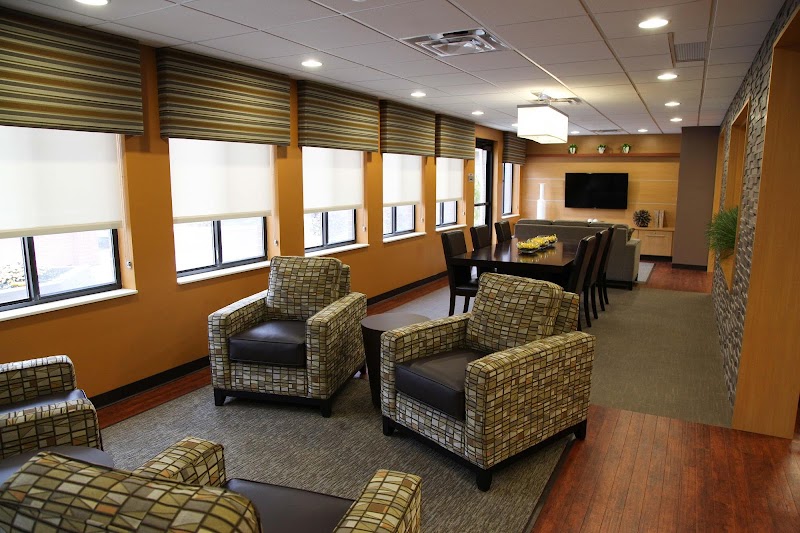
How is Burlington House Rehab & Alzheimer'S Staffed?

CMS rates BURLINGTON HOUSE REHAB & ALZHEIMER'S CARE CENTER's staffing level at 4 out of 5 stars, which is above average compared to other nursing homes. Staff turnover is 36%, compared to the Ohio average of 46%. This relatively stable workforce can support continuity of care.

What Have Inspectors Found at Burlington House Rehab & Alzheimer'S?

State health inspectors documented 36 deficiencies at BURLINGTON HOUSE REHAB & ALZHEIMER'S CARE CENTER during 2019 to 2025. These included: 1 Immediate Jeopardy (the most serious level, indicating potential for serious harm or death), 2 that caused actual resident harm, and 33 with potential for harm. Immediate Jeopardy findings are rare and represent the most serious regulatory concerns. They require immediate corrective action.
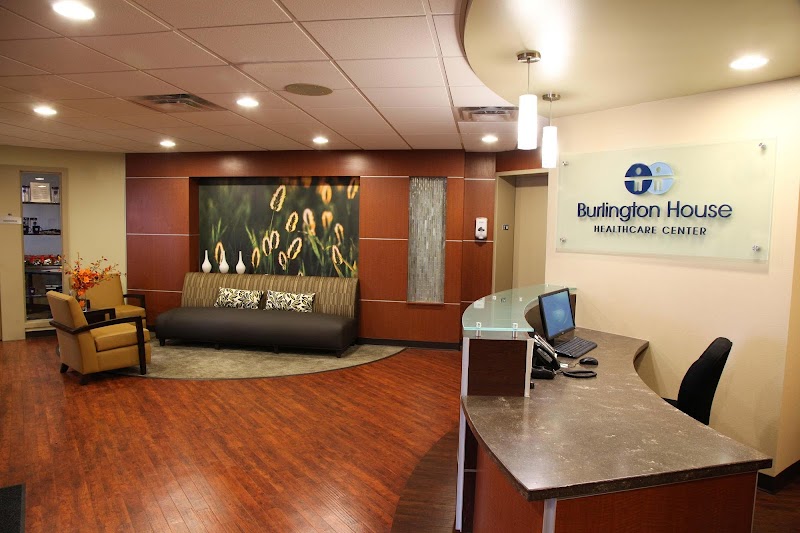
Who Owns and Operates Burlington House Rehab & Alzheimer'S?

BURLINGTON HOUSE REHAB & ALZHEIMER'S CARE CENTER is owned by a for-profit company. For-profit facilities operate as businesses with obligations to shareholders or private owners. The facility is operated by HEALTH CARE FACILITY MANAGEMENT, LLC, a chain that manages multiple nursing homes. With 122 certified beds and approximately 96 residents (about 79% occupancy), it is a mid-sized facility located in CINCINNATI, Ohio.
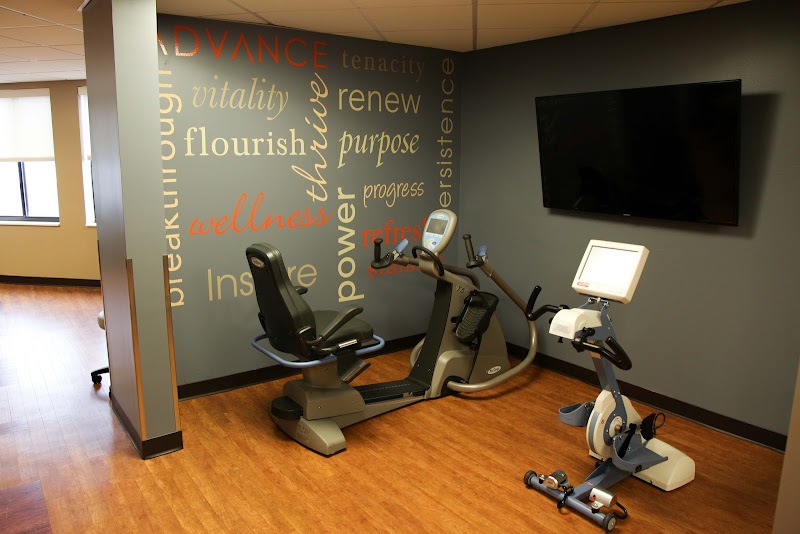
How Does Burlington House Rehab & Alzheimer'S Compare to Other Ohio Nursing Homes?

Compared to the 100 nursing homes in Ohio, BURLINGTON HOUSE REHAB & ALZHEIMER'S CARE CENTER's overall rating (3 stars) is below the state average of 3.2, staff turnover (36%) is near the state average of 46%, and health inspection rating (2 stars) is below the national benchmark.

What Should Families Ask When Visiting Burlington House Rehab & Alzheimer'S?

Based on this facility's data, families visiting should ask: "What changes have been made since the serious inspection findings, and how are you preventing similar issues?" "Can I visit during a mealtime to observe dining assistance and food quality?" "How do you handle medical emergencies, and what is your hospital transfer rate?" "Can I speak with family members of current residents about their experience?" These questions are particularly relevant given the facility's Immediate Jeopardy citations.

Is Burlington House Rehab & Alzheimer'S Safe?

Based on CMS inspection data, BURLINGTON HOUSE REHAB & ALZHEIMER'S CARE CENTER has documented safety concerns. Inspectors have issued 1 Immediate Jeopardy citation (the most serious violation level indicating risk of serious injury or death). The facility has a 3-star overall rating and ranks #100 of 100 nursing homes in Ohio. Families considering this facility should ask detailed questions about what corrective actions have been taken since these incidents.

Do Nurses at Burlington House Rehab & Alzheimer'S Stick Around?

BURLINGTON HOUSE REHAB & ALZHEIMER'S CARE CENTER has a staff turnover rate of 36%, which is about average for Ohio nursing homes (state average: 46%). Moderate turnover is common in nursing homes, but families should still ask about staff tenure and how the facility maintains care continuity when employees leave.

Was Burlington House Rehab & Alzheimer'S Ever Fined?

BURLINGTON HOUSE REHAB & ALZHEIMER'S CARE CENTER has been fined $109,083 across 2 penalty actions. This is 3.2x the Ohio average of $34,170. Fines at this level are uncommon and typically indicate a pattern of serious deficiencies, repeated violations, or failure to correct problems promptly. CMS reserves penalties of this magnitude for facilities that pose significant, documented risk to resident health or safety. Families should request specific documentation of what issues led to these fines and what systemic changes have been implemented.

Is Burlington House Rehab & Alzheimer'S on Any Federal Watch List?

BURLINGTON HOUSE REHAB & ALZHEIMER'S CARE CENTER is not on any federal watch list. The most significant is the Special Focus Facility (SFF) program, which identifies the bottom 1% of nursing homes nationally based on persistent, serious quality problems. Not being on this list means the facility has avoided the pattern of deficiencies that triggers enhanced federal oversight. This is a positive indicator, though families should still review the facility's inspection history directly.