CARECORE AT MARGARET HALL
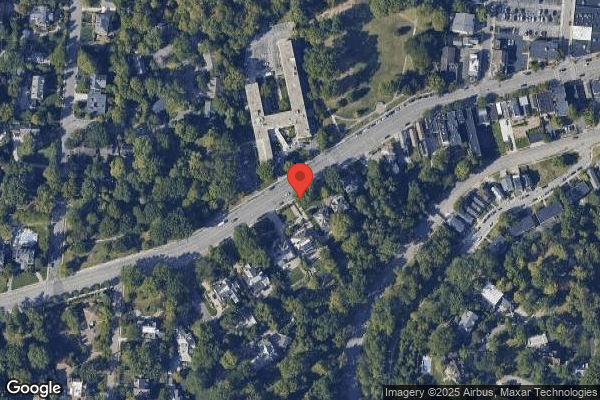
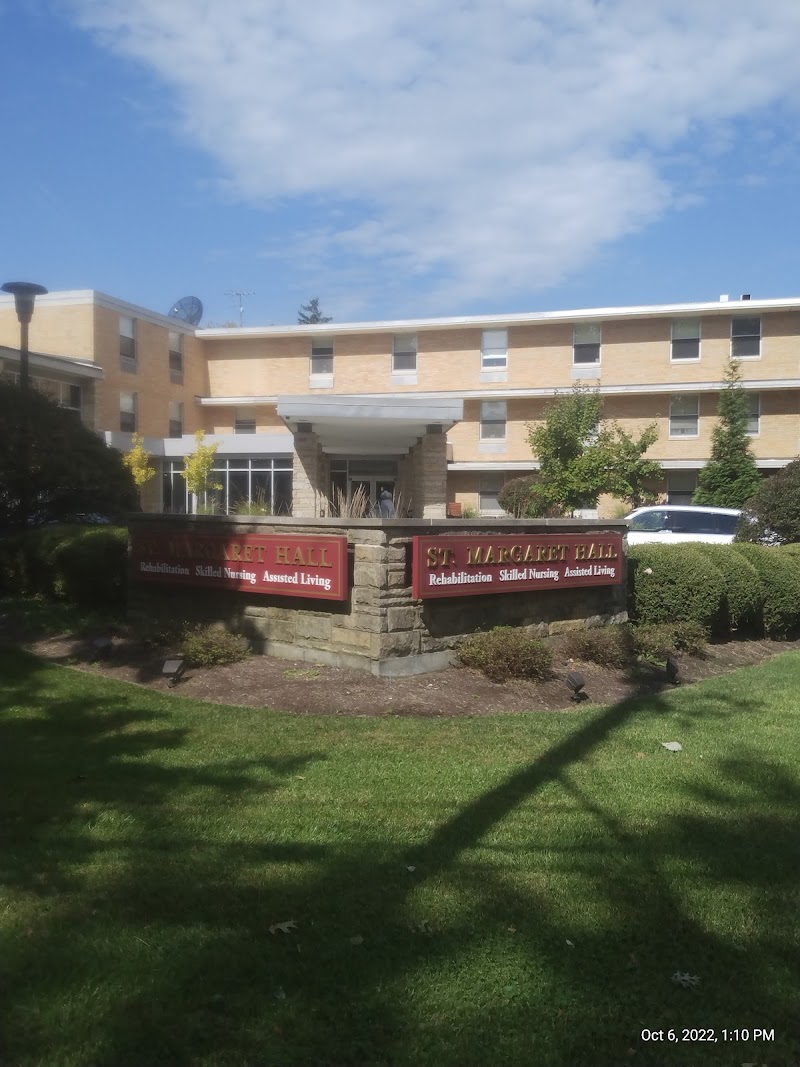
1960 MADISON ROAD, CINCINNATI, OH 45206 (513) 751-5880
For profit - Limited Liability company 99 Beds CARECORE HEALTH Data: November 2025
Trust Grade
40/100
#632 of 913 in OH
Last Inspection: February 2024

Within standard 12-15 month inspection cycle. Federal law requires annual inspections.

Overview

Carecore at Margaret Hall has a Trust Grade of D, indicating below-average performance with some significant concerns. They rank #632 out of 913 nursing homes in Ohio, placing them in the bottom half of facilities statewide, and #50 out of 70 in Hamilton County, which suggests only a few local options are better. The facility is showing an improving trend, reducing issues from 18 in 2024 to 4 in 2025, but still has notable weaknesses, including a low staffing rating of 1 out of 5 stars and a high turnover rate of 78%. Although there have been no fines recorded, which is a positive aspect, there is concerningly less RN coverage than 95% of Ohio facilities, which can impact the quality of care. Specific incidents have raised alarms, such as the lack of a comprehensive water management plan that could lead to potential contamination risks for residents. Additionally, staff failed to answer phones during nighttime hours, which left at least one resident unable to communicate with the staff during an emergency. There were also delays in providing timely incontinence care for another resident, which could lead to skin integrity issues. Overall, while there are some improvements, families should weigh these strengths against the facility's weaknesses when considering Carecore at Margaret Hall for their loved ones.

Trust Score
D
40/100
In Ohio
#632/913
Bottom 31%
Safety Record
Low Risk
No red flags
Inspections
Getting Better
18 → 4 violations
Staff Stability
⚠ Watch
78% turnover. Very high, 30 points above average. Constant new faces learning your loved one's needs.
Penalties
✓ Good
No fines on record. Clean compliance history, better than most Ohio facilities.
Skilled Nurses
⚠ Watch
Each resident gets only 19 minutes of Registered Nurse (RN) attention daily — below average for Ohio. Fewer RN minutes means fewer trained eyes watching for problems.
Violations
⚠ Watch
22 deficiencies on record. Higher than average. Multiple issues found across inspections.
★★☆☆☆
2.0
Overall Rating
★☆☆☆☆
1.0
Staff Levels
★★★☆☆
3.0
Care Quality
★★★☆☆
3.0
Inspection Score
Stable
2024: 18 issues
2025: 4 issues

The Good

  • Full Sprinkler Coverage · Fire safety systems throughout facility
  • No fines on record

Facility shows strength in fire safety.

The Bad

2-Star Overall Rating

Below Ohio average (3.2)

Below average - review inspection findings carefully

Staff Turnover: 78%

32pts above Ohio avg (46%)

Frequent staff changes - ask about care continuity

Chain: CARECORE HEALTH

Part of a multi-facility chain

Ask about local staffing decisions and management

Staff turnover is very high (78%)

30 points above Ohio average of 48%

The Ugly 22 deficiencies on record

Jan 2025 4 deficiencies
CONCERN (D) 📢 Someone Reported This

A family member, employee, or ombudsman was alarmed enough to file a formal complaint

Potential for Harm - no one hurt, but risky conditions existed

Deficiency F0558 (Tag F0558)

Could have caused harm · This affected 1 resident

Based on medical record review, staff interview, and observation, the facility failed to ensure the phones were answered during the nighttime hours. This affected one (Resident #45) of three residents...

Read full inspector narrative →
Based on medical record review, staff interview, and observation, the facility failed to ensure the phones were answered during the nighttime hours. This affected one (Resident #45) of three residents reviewed for communication with the staff via telephone. This had the potential to affect all of the residents. The facility census was 73 residents. Findings include: Review of the medical record for Resident #45 revealed an admission date of 12/20/24 with diagnoses including arthritis, malnutrition, and chronic obstructive pulmonary disease. Review of the Minimum Data Set (MDS) assessment for Resident #45 dated 12/32/24 revealed the resident was cognitively intact and required staff assistance with activities of daily living (ADLs.) Review of the progress note for Resident #45 dated 12/31/25 timed at 11:13 A.M. per Licensed Practical Nurse (LPN) #102 revealed at around 5:45 A.M. the resident's family entered the facility with emergency medical technicians (EMT's) because they weren't able to get in touch with the facility via telephone. Resident #45 had called the family because he had fallen in his room. Interview on 01/23/25 at 12:00 P.M. with the Director of Nursing (DON) confirmed the night shift nursing supervisor didn't report to work on 12/30/24. The DON confirmed the receptionist had left the phone on the desk for the night shift nurse supervisor to pick up once she arrived. Further interview with the DON confirmed when Resident #45's family called the facility on 12/30/24, no one answered the phone. The DON confirmed LPN #102 was educated on the importance on making sure to retrieve the phone from the reception desk and was terminated for safety violations. Observations on 01/25/25 at 7:30 P.M. and 10:00 P.M., on 01/26/25 at 1:51 A.M. and 6:37 P.M., and on 01/27/25 at 5:38 A.M of Surveyor phone calls to the facility revealed the phone rang one time, and then an answering machine picked up the call with a recorded greeting announcing the caller had reached the supervisor's phone followed by a prompt to leave a message. Interview on 01/27/25 at 7:53 A.M. with Registered Nurse (RN) #105 confirmed she was the supervisor in charge for 01/25/25 and 01/26/25 and she kept the facility phone on her person and answered it when calls came in over the weekend. RN #105 said she believed the Surveyor calls went straight to voicemail because the calls had not been properly forwarded by the front desk staff before they left for the evening. RN #105 confirmed resident representatives and other parties should be able to reach a staff person directly when calling into the facility, especially in case of an emergency. This deficiency represents noncompliance investigated under Complaint Number OH 00161275.
CONCERN (D) 📢 Someone Reported This

A family member, employee, or ombudsman was alarmed enough to file a formal complaint

Potential for Harm - no one hurt, but risky conditions existed

ADL Care (Tag F0677)

Could have caused harm · This affected 1 resident

Based on medical record review, observation, and staff interview, the facility failed to ensure incontinence care was provided in a timely manner. This affected one (Resident #36) of three residents r...

Read full inspector narrative →
Based on medical record review, observation, and staff interview, the facility failed to ensure incontinence care was provided in a timely manner. This affected one (Resident #36) of three residents reviewed for incontinence care. The facility census was 73 residents. Findings include: Review of the medical record review for Resident #36 revealed an admission date of 08/12/24 with diagnoses including chronic respiratory failure with hypoxia and non-Alzheimer's dementia. Review of the care plan for Resident #36 dated 08/24/24 revealed the resident was at risk for urinary incontinence with the potential for impaired skin integrity. Interventions included the following: keep call light within reach and remind the resident to use it, check and change frequently and provide good peri-care, observe for signs and symptoms of restlessness which might indicate the need to void, offer assistance to the bathroom as needed. Review of the Minimum Data Set (MDS) assessment for Resident #36 dated 01/03/25 revealed the resident was cognitively intact, required substantial staff assistance with toileting, bed mobility, and transfers, and was frequently incontinent of bladder and occasionally incontinent of bowel. Observation on 01/22/25 at 10:52 A.M. of Resident #36 revealed the resident was sitting in her room in her recliner. There was an odor of feces in the air and there was no trash in the garbage can and the toilet was clean. Observation on 01/22/25 at 11:09 A.M. revealed Certified Nursing Assistant (CNA) #107 entered Resident #36's room and said she had changed the resident her a little bit ago. Observation on 01/22/25 at 11:44 A.M. revealed CNA #107 walked down the hall and looked into Resident #36's room and then continued down the hall. Observation on 01/22/25 at 12:05 P.M. revealed CNA #107 returned from a break and went to Resident #36's door, but didn't go into the room. Observation on 01/22/25 at 12:07 P.M. revealed CNA #107 and Unit Manager (UM) #110 transferred the resident into a wheelchair using a Hoyer lift and the fecal smell persisted. Observation on 01/22/25 at 1:35 P.M. revealed CNA #107 changed Resident #36's incontinence brief. The resident had been incontinent of stool and urine. Interview on 01/22/25 at 1:37 P.M. with CNA #107 confirmed she changed Resident #36's incontinence brief at 8:30 A.M. and did not offer incontinence care again until 1:35 P.M. CNA #107 she was supposed to change Resident #36's incontinence brief every two hours, but she had not done so. This deficiency represents noncompliance investigated under Complaint Number OH 00161798.
CONCERN (D) 📢 Someone Reported This

A family member, employee, or ombudsman was alarmed enough to file a formal complaint

Potential for Harm - no one hurt, but risky conditions existed

Accident Prevention (Tag F0689)

Could have caused harm · This affected 1 resident

Based on medical record review, staff interview, and review of the facility policy, the facility failed to ensure staff provided the appropriate level of supervision during resident transfers using th...

Read full inspector narrative →
Based on medical record review, staff interview, and review of the facility policy, the facility failed to ensure staff provided the appropriate level of supervision during resident transfers using the sit to stand lift. This affected one (Resident #36) of three residents reviewed for falls. The facility census was 73 residents. Findings include: Review of the medical record for Resident #36 revealed an admission date of 08/12/24 with diagnoses including chronic respiratory failure with hypoxia and non-Alzheimer's dementia. Review of care plan for Resident #36 dated 08/14/24 revealed the resident was at risk for falls related to impaired mobility. The care plan had not been updated to reflect the use of a sit to stand lift for transferring the resident. Review of the Minimum Data Set (MDS) assessment for Resident #36 dated 01/03/25 revealed the resident was cognitively intact and required substantial/maximal assistance of staff for for toileting, bed mobility, and transfers. Review of the sit to stand assessment for Resident #36 dated 01/11/25 revealed therapy recommended the resident be transferred using the sit to stand lift. Review of the fall risk assessment for Resident #36 dated 01/13/25 revealed the resident was at risk for falls. Review of the progress note for Resident #36 dated 01/16/25 revealed Certified Nursing Assistant (CNA) #112 was transferring Resident #36 from the chair to the bed using a sit to stand lift, and the resident slid to the floor during the transfer. Staff assessed Resident #36 for injuries and finding no injuries, three staff members using a gait belt assisted the resident to get back to bed. Review of the Interdisciplinary Team (IDT) note for Resident #36 dated 01/17/25 revealed CNA #112 was to be educated on proper lift technique. Interview on 01/27/25 at 10:59 A.M. with the Director of Nursing (DON) confirmed on 01/16/25 CNA #112 had transferred Resident #36 using the sit to stand lift without the appropriate level of supervision resulting in a fall without injuries. The DON confirmed there should be two staff members when transferring residents using the sit to stand lift. The DON further confirmed CNA #112 was terminated for violating the facility policy for mechanical lift transfers. Review of the facility policy entitled Using a Mechanical Lifting Machine dated 2001 revealed at least two nursing assistants were needed to safely move a resident with a mechanical lift, and this included the use of a sit to stand lift. Staff must be trained and demonstrate competency using the specific machines or devices utilized in the facility. This deficiency represents noncompliance investigated under Complaint Number OH 00161798.
CONCERN (D) 📢 Someone Reported This

A family member, employee, or ombudsman was alarmed enough to file a formal complaint

Potential for Harm - no one hurt, but risky conditions existed

Safe Environment (Tag F0921)

Could have caused harm · This affected 1 resident

**NOTE- TERMS IN BRACKETS HAVE BEEN EDITED TO PROTECT CONFIDENTIALITY** Based on medical record review, observation, staff interview, resident interview, and review of the facility policy, the facilit...

Read full inspector narrative →
**NOTE- TERMS IN BRACKETS HAVE BEEN EDITED TO PROTECT CONFIDENTIALITY** Based on medical record review, observation, staff interview, resident interview, and review of the facility policy, the facility failed to ensure the temperature in resident rooms was satisfactory. This affected one (Resident #43) of three residents reviewed for the physical environment. The facility census was 73 residents. Findings include: Review of the medical record for Resident #43 revealed an admission date of 08/01/24 with diagnoses including [NAME] Syndrome, malnutrition, depression, respiratory disorder, and biliary cirrhosis. Review of the Minimum Data Set (MDS) assessment for Resident #43 dated 01/11/25 revealed the resident was cognitively intact and required assistance with activities of daily living (ADLs.) Observation on 01/22/25 at 1:12 P.M. of Resident #43 revealed the resident was sitting in her room wearing an oversized house coat and gloves. The heater was blowing out cold air. Interview on 01/22/25 at 1:14 P.M. with Resident #43 confirmed she was cold in her room and the heater was blowing out cold air. She stated she had been complaining about the coldness in her room since October 2024 with no resolution. Resident #43 confirmed she had a space heater her brother bought her, but staff had taken it out of her room earlier in the morning of 01/22/25. Resident #43 confirmed Maintenance Man (MM) #100 had come and adjusted the heater a couple of times, but it wasn't fixed, and her room was freezing. Observation on 01/22/25 at 1:30 P.M of room temperatures of Resident #43's room per MM #100 revealed the air temperature in the room was 68 degrees Fahrenheit (F.) Interview on 01/22/25 at 1:31 P.M. of MM #100 confirmed he knew about the resident's room being cold and had checked it a couple of times and adjusted the heat. MM #100 confirmed the air temperature in Resident #36's room was 68 degrees F, and the room was too cold. Review of the facility policy titled Safe and Homelike Environment updated 01/22/25 revealed the facility would maintain comfortable and safe temperature levels. The facility should strive to keep the temperature in common resident areas between 71 and 81 degrees F.
Nov 2024 1 deficiency
CONCERN (D) 📢 Someone Reported This

A family member, employee, or ombudsman was alarmed enough to file a formal complaint

Potential for Harm - no one hurt, but risky conditions existed

Accident Prevention (Tag F0689)

Could have caused harm · This affected 1 resident

Based on medical record review, and staff interview, the facility failed to use the proper lift for resident transfers. This affected one (Resident #10) of three residents reviewed for lift transfers....

Read full inspector narrative →
Based on medical record review, and staff interview, the facility failed to use the proper lift for resident transfers. This affected one (Resident #10) of three residents reviewed for lift transfers. The facility census was 81 residents. Findings include: Review of the medical record for Resident #10 revealed an admission date of 07/31/24 with diagnoses including cerebral infarction, hemiplegia/hemiparesis, edema, sepsis, dementia, and diabetes mellitus, and a discharge date of 11/10/24. Review of the care plan for Resident #10 dated 09/29/24 revealed the resident had an activities of daily living (ADL) self-care performance deficit related to history of cerebral vascular accident with hemiplegia with an intervention dated 10/02/24 to transfer with Hoyer lift with assist of two to transfer. Review of the Minimum Data Set (MDS) assessment for Resident #10 dated 10/07/24 revealed the resident had moderate to severe cognitive deficits and required extensive assistance with ADLs. Review of occupational therapy discharge summary for Resident #10 dated 10/10/24 revealed therapy recommended the resident be transferred with assistance of two staff using a Hoyer lift for safety. Review of nurse progress note for Resident #10 dated 11/02/24 revealed the Certified Nursing Assistant (CNA) was giving the resident a bed bath and noticed bruising to the resident's rib cage, under his armpits, and on the right wrist and reported the bruising to the nurse. Review of the facility investigation of the bruising observed for Resident #10 dated 11/04/24 revealed the resident did not know how he had obtained the bruises. Floor staff were interviewed and confirmed Resident #10 had not had any recent falls. The facility investigation revealed the bruising was caused from the resident being transferred by stand-up lift instead of the Hoyer lift as recommended by therapy and per the resident's plan of care. Interview on 11/18/24 at 11:45 A.M. with the Director of Nursing (DON) confirmed staff had been using the stand-up lift (instead of the Hoyer lift) to transfer Resident #10 and the pad was too tight. The DON further confirmed Resident #10 was on Eliquis (a blood thinning medication) which increased the resident's risk for bruising. Interview on 11/18/24 at 12:07 P.M. with Physical Therapy Manager (PTM) #40 confirmed therapy had recommended on 10/10/24 for staff to use the Hoyer lift for Resident #10's transfers as it was the safer option. This deficiency represents noncompliance investigated under Master Complaint number OH00159809 and Complaint Number OH00159808 and Complaint Number OH00159768.
Sept 2024 3 deficiencies
CONCERN (D) 📢 Someone Reported This

A family member, employee, or ombudsman was alarmed enough to file a formal complaint

Potential for Harm - no one hurt, but risky conditions existed

ADL Care (Tag F0677)

Could have caused harm · This affected 1 resident

**NOTE- TERMS IN BRACKETS HAVE BEEN EDITED TO PROTECT CONFIDENTIALITY** Based on medical record review, observations, and staff and resident interview, the facility failed to ensure a resident who was...

Read full inspector narrative →
**NOTE- TERMS IN BRACKETS HAVE BEEN EDITED TO PROTECT CONFIDENTIALITY** Based on medical record review, observations, and staff and resident interview, the facility failed to ensure a resident who was dependent on staff with transferring out of bed received timely assistance with activities of daily living (ADL). This affected one (Resident #3) of one resident reviewed for ADLs. The facility census was 87. Findings include: Review of the medical record for Resident #3 revealed an admission date of 08/19/24. Her medical diagnoses included coronary artery disease, heart failure, and cerebrovascular attack (CVA). Review of the admission Minimum Data Set (MDS) assessment dated [DATE] revealed Resident #3 was severely cognitively impaired. Her functional status was substantial/maximal from staff for bed mobility and dependent on staff for transfers. Observations and interviews on 09/29/24 at 8:51 A.M. revealed State Tested Nursing Aide (STNA) #227 was in the room and Resident #3 had her food in front of her. STNA #227 asked the resident if she would like to get out of bed after breakfast and the resident said yes she would. Subsequent observations on 09/29/24 at 10:25 A.M. revealed Resident #3 was in bed and said she didn't know where the STNA was. At 11:40 A.M., Resident #3 was in bed and said the STNA had not come back to get her dressed for the day. At 12:52 P.M., Resident #3 was in bed and stated the STNA had not come into the room to get her dressed. Interview with STNA #227 on 09/29/24 at 12:56 P.M. confirmed she didn't get Resident #3 out of bed after she requested to get up out of bed after breakfast. STNA #227 did not provide an explanation why she didn't get Resident #3 out of bed after breakfast. This deficiency represents non-compliance in Complaint Number OH00157615.
CONCERN (D) 📢 Someone Reported This

A family member, employee, or ombudsman was alarmed enough to file a formal complaint

Potential for Harm - no one hurt, but risky conditions existed

Pressure Ulcer Prevention (Tag F0686)

Could have caused harm · This affected 1 resident

**NOTE- TERMS IN BRACKETS HAVE BEEN EDITED TO PROTECT CONFIDENTIALITY** Based on medical record review, observations, and family and staff interviews, the facility failed to ensure the residents who w...

Read full inspector narrative →
**NOTE- TERMS IN BRACKETS HAVE BEEN EDITED TO PROTECT CONFIDENTIALITY** Based on medical record review, observations, and family and staff interviews, the facility failed to ensure the residents who were at risk for developing pressure ulcer were turned and repositioned every two to three hours per their care plan interventions and failed to complete treatments to the right heel ordered by the physician at the hospital. This affected three (#10, #18, and #72) three residents reviewed for change of positioning. The facility census was 87. Findings include: 1. Medical record review for Resident #18 revealed an admission date of 09/04/24. Medical diagnoses included fracture of the right lower extremity for after care healing. Review of the admission Minimum Data Set (MDS) assessment dated [DATE] revealed Resident #18 was cognitively intact. Review of the hospital orders for the right heel wound for Resident #18 dated 09/04/24 revealed there was mild drainage to the right heel and sutures were removed. The resident was advised to relieve pressure from the heel wound as she could tolerate. Resident #18 was advised to keep the dressing on the heel wound for three days and then remove it and wash daily with soap and water. Resident #18 was to follow up with orthopedic surgery on 09/26/24 and continue wound care for the right heel instructions until the time of the appointment on 09/26/24. Review of the physician orders from 09/04/24 to 09/15/24 revealed there were no physician orders to provide treatment to the right heel. Review of the dressing changes for the right heel for Resident #18 revealed there was no documentation the wound treatment to the right heel wound was completed after admission through 09/15/24. Interview with the Director of Nursing (DON) on 09/30/24 at 8:30 A.M. confirmed there wasn't any dressing changes or physician orders to cleanse the right heel wound for Resident #18 three days after admission through 09/15/24. 2. Medical record review for Resident #72 revealed an admission date of 12/27/23. Medical diagnoses included diabetes mellitus, heart failure, renal insufficiency, and respiratory failure. Review of the quarterly Minimum Data Set (MDS) assessment dated [DATE] revealed Resident #72 was severely cognitively impaired. Resident #72 was dependent on staff for bed mobility and transfers. Review of the care plan dated 07/04/24 for Resident #72 revealed she was at risk for developing pressure ulcers and skin injuries. Interventions included to turn and reposition the resident every two hours. Observations on 09/25/24 at 9:06 A.M. revealed Resident #72 was in bed and leaning to her right side of the bed. Subsequent observations on 09/29/24 at 9:03 A.M., 10:29 A.M., 11:46 A.M., and 1:02 P.M. revealed Resident #72 was lying in bed on her right side. There were no pillows under the resident. There was no indication Resident #72 was turned and repositioned on 09/29/24. Interview with the Licensed Practical Nurse (LPN) #250 on 09/29/24 at 1:10 P.M. stated she only turned the residents if staff asked her to assist. She denied the State Tested Nursing Aide (STNA) asked her for help with turning Resident #72 on 09/29/24. Interview with STNA #170 on 09/29/24 at 1:12 P.M. confirmed she did not turn and reposition Resident #72 that day (09/29/24). 3. Medical record review for Resident #10 revealed an admission date of 07/08/22. Medical diagnoses included dementia and renal insufficiency. Review of the quarterly Minimum Data Set (MDS) assessment dated [DATE] revealed Resident #10 was rarely or never understood. Her functional status was substantial/maximal from staff for bed mobility and was dependent on staff for transfers. Review of the care plan dated 09/11/24 revealed Resident #10 was at risk for developing a pressure ulcer. Interventions included to turn and reposition every two-to-three hours. Observations on 09/29/24 at 9:02 A.M., 10:28 A.M., 11:45 A.M. and 1:01 P.M. revealed Resident #10 was lying in bed in the same position, with a pillow under her left buttock leaning to the right of the bed. There was no indication Resident #10 was turned and repositioned on 09/29/24. Interview with Licensed Practical Nurse (LPN) #250 on 09/29/24 at 1:10 P.M. revealed she only turned the residents if staff asked her to assist. She denied the state tested nursing aide (STNA) asked her for help with turning Resident #10 on 09/29/24. Interview with STNA #170 on 09/29/24 at 1:12 P.M. confirmed she hadn't turned Resident #10 that day (09/29/24). Interview with Resident #10's family on 09/30/24 at 9:04 A.M. stated they visited everyday and the staff do not turn Resident #10 on a regular basis. This deficiency represents non-compliance investigated under Complaint Number OH00157615.
CONCERN (D) 📢 Someone Reported This

A family member, employee, or ombudsman was alarmed enough to file a formal complaint

Potential for Harm - no one hurt, but risky conditions existed

Incontinence Care (Tag F0690)

Could have caused harm · This affected 1 resident

**NOTE- TERMS IN BRACKETS HAVE BEEN EDITED TO PROTECT CONFIDENTIALITY** Based on medical record review, staff interview and policy review, the facility failed to ensure the resident's bladder scans we...

Read full inspector narrative →
**NOTE- TERMS IN BRACKETS HAVE BEEN EDITED TO PROTECT CONFIDENTIALITY** Based on medical record review, staff interview and policy review, the facility failed to ensure the resident's bladder scans were completed for a trial after the indwelling catheter was removed per hospital discharge orders. This affected one (#18) of one resident reviewed for bladder scanning. The facility census was 87. Findings include: Medical record review for Resident #18 revealed an admission date of 09/04/24. Medical diagnoses included fracture of the right lower extremity for after care healing. Review of the admission Minimum Data Set (MDS) assessment dated [DATE] revealed Resident #18 was cognitively intact. Her functional status was substantial/maximal assistance from staff for toileting and bed mobility, and supervision from staff for transfers. Review of the hospital orders dated 09/04/24 revealed Resident #18 had a indwelling catheter while at the hospital and it was removed and the plan was for Resident #18 to go to the nursing home for a trial. The orders were to obtain bladder scans every six hours and straight catheterize if the resident was retaining more than 300 milliliters (ml). If bladder scans for more than 24 hours remain more than 300 ml and the resident was maintaining adequate urine output, then discontinue further bladder scans. Resident #18's medical record did not have documentation of bladder scans on 09/04/24 and 09/05/24. There were only two bladder scans completed on 09/06/24, which were at 10:47 P.M. when the nurse completed a bladder scan and the first reading was 543 ml and the second reading was 511 ml. The charge nurse tried multiple times to straight catheterize Resident #18 but was unsuccessful. There was no documentation to show the physician was called for the delay of the bladder scanning order for two days or that Resident #18 could not be catheterized on 09/06/24. Interview with the Director of Nursing (DON) on 09/30/24 at 8:29 A.M. confirmed the physician wasn't called to report the bladder scanning wasn't started upon admission or the physician was notified concerning the nurse not being able to straight catheterize Resident #18 on 09/06/24. Review of the policy titled Notification of Change, dated 08/01/17, revealed the facility shall promptly notify the resident, consult with the resident's physician, and notify, consistent with his or her authority, the resident representative(s) when there are changes in the resident's condition or status, in order to obtain orders for appropriate treatment and monitoring and promote the resident's right to make choices about treatment and care preferences. This deficiency represents non-compliance investigated under Complaint Number OH00157917.
May 2024 3 deficiencies
CONCERN (D) 📢 Someone Reported This

A family member, employee, or ombudsman was alarmed enough to file a formal complaint

Potential for Harm - no one hurt, but risky conditions existed

Pharmacy Services (Tag F0755)

Could have caused harm · This affected 1 resident

**NOTE- TERMS IN BRACKETS HAVE BEEN EDITED TO PROTECT CONFIDENTIALITY** Based on medical record review, staff interviews and policy review, the facility failed to ensure medications were administered ...

Read full inspector narrative →
**NOTE- TERMS IN BRACKETS HAVE BEEN EDITED TO PROTECT CONFIDENTIALITY** Based on medical record review, staff interviews and policy review, the facility failed to ensure medications were administered via the physician ordered route. This affected one (#31) of five residents observed for medication administration observation. The facility census was 69. Findings include: Medical record review for Resident #31 revealed an admission on [DATE] with diagnoses including but not limited to cerebral infarction, hypertensive cerebral ischemic attack chronic pain and hemiplegia and hemiparesis. Review of the admission Minimum Data Set (MDS) assessment dated [DATE] for Resident #31 revealed a severely impaired cognition. Resident #31 was dependent for eating, bed mobility, toileting, and transfers. Review of the physician orders for Resident #31 for the month of April 2024 revealed an order for fluoxetine oral solution 20 milligrams (mg)/milliliter (ml) give 2.5 ml via gastrostomy (g-tube) in the morning, hydrochlorothiazide oral tablet 25 mg give 1 tablet via g-tube in the morning, levetiracetam oral solution 100 mg/ml give 5 ml via g-tube two times a day, metoprolol tartrate tablet give 12.5 mg by mouth two times a day, prohela 30 ml two times a day wound supplement every day administer into g-tube, hydroxyzine pamoate capsule 100 mg give one tablet via g-tube three times a day, keflex 500 mg give one capsule via g-tube three times a day, tramadol oral tablet 50 mg give one tablet via g-tube three times a day for pain, and diltiazem oral tablet 30 mg one tablet via g-tube every six hours. Review of the medication/treatment error report for Resident #31 dated 04/20/24 revealed the morning medications were given whole and should have been administered via g-tube. Family notified Director of Nursing (DON) about incident. Physician was notified. Further review of document revealed resident does receive meals by mouth. Interview on 5/16/24 at 2:10 P.M. with DON stated the family notified her the following Monday of the incident where Resident #31's medications were not administered via the ordered route. The DON stated Resident #31's physician was notified. The DON stated the family indicated the nurse was observed via video live camera of the resident. The resident did not experience any negative effects from the incident. The document was signed by the physician, the nurse making the error in the medication route and the DON. Review of the facility policy titled Administering Medication, undated stated medication are administered in accordance with prescribers orders. This deficiency represents non-compliance investigated under Complaint Number OH00153089.
CONCERN (D) 📢 Someone Reported This

A family member, employee, or ombudsman was alarmed enough to file a formal complaint

Potential for Harm - no one hurt, but risky conditions existed

Deficiency F0761 (Tag F0761)

Could have caused harm · This affected 1 resident

**NOTE- TERMS IN BRACKETS HAVE BEEN EDITED TO PROTECT CONFIDENTIALITY** Based on medical record review, observations, staff interviews and policy review, the facility failed to ensure medications were...

Read full inspector narrative →
**NOTE- TERMS IN BRACKETS HAVE BEEN EDITED TO PROTECT CONFIDENTIALITY** Based on medical record review, observations, staff interviews and policy review, the facility failed to ensure medications were securely stored. This affected two (#22 and #19) of five residents observed for medication administration. The facility census was 72. Findings include: 1. Review of the medical record for Resident #22 revealed an admission on [DATE] with diagnoses including but not limited to cerebral infarction, transient cerebral ischemic attack and vascular dementia. Review of the quarterly Minimum Data Set assessment (MDS) for Resident #22 dated 03/20/24 revealed an intact cognition. Resident #22 required set up for eating, and maximum assistance for transfers, bed mobility and total dependence for toileting. Review of physicians orders for Resident #22 for the month of May 2024 revealed an order for ibuprofen 200 milligrams (mg) tablet administer two tablets every eight hours as needed for musculoskeletal pain. Further review of Resident #22's medical record revealed there was no order or assessment permitting the resident to self-administer medications. Observation on 05/15/24 at 6:47 A.M. of Resident #22 sitting in his bed with the bedside table in front of him. On the bedside table was two tablets in applesauce with a spoon inside a medication administration cup. Further observation revealed no staff member in the room at the time of the observation. Interview on 05/15/24 at 6:49 A.M. with State Tested Nursing Assistant (STNA) #17 stated the nurse left the medication at Resident #22's bedside and she was not currently on the unit at the time of the observation. Interview on 05/15/24 at 6:55 A.M. with Registered Nurse (RN) #113 verified Resident #22 had two pills in a medication cup with applesauce and spoon sitting on the bedside table without licensed nurse supervision. 2. Medical record review for Resident #19 revealed an admission on [DATE] with diagnoses including but not limited to cerebrovascular disease, anemia, hypertension, hyperlipidemia, and dementia. Review of the quarterly MDS assessment dated [DATE] for Resident #19 revealed an impaired cognition. Resident #19 required set up for meals, maximum assistance for bed mobility and . Resident #19 was dependent for toileting. Review of the physicians orders for the month of May 2024 for Resident #19 revealed an order for Miralax 17 grams one capful daily with water. Further review of Resident #19's medical record revealed there was no order or assessment permitting the resident to self-administer medications. Observation of medication administration for Resident #19 on 05/15/24 at 8:01 A.M. revealed Licensed Practical Nurse (LPN) #202 prepare Miralax as ordered. LPN #202 attempted to give Resident #19 the medication and the resident only took a few sips and stated she would drink it after her breakfast. LPN #202 left the medication at bedside and stated she would come back later to pick it up after she was finished. Interview on 05/15/24 at 8:05 A.M. with LPN #202 verified that she left the Miralax for Resident #19 in her room for her to drink after breakfast. LPN #202 verified leaving the medication at bedside was acceptable for this resident. Interview on 05/15/24 at 12:10 P.M. with the Director of Nursing (DON) verified no medication should be left at the bedside for residents to take unsupervised. Further verified Resident #19 and Resident #22 are not allowed to self administer medications. Review of the facility policy titled Administrating Medication, undated revealed residents may self-administer their own medications only if the attending physician, in conjunction with the interdisciplinary care planning team, has determined that they have the decision-making capacity to do so safely. This deficiency represents non-compliance investigated under Complaint Number OH00153089.
CONCERN (D) 📢 Someone Reported This

A family member, employee, or ombudsman was alarmed enough to file a formal complaint

Potential for Harm - no one hurt, but risky conditions existed

Infection Control (Tag F0880)

Could have caused harm · This affected 1 resident

**NOTE- TERMS IN BRACKETS HAVE BEEN EDITED TO PROTECT CONFIDENTIALITY** Based on medical record review, staff interview, observations, policy review, review of manufacture's recommendations and review...

Read full inspector narrative →
**NOTE- TERMS IN BRACKETS HAVE BEEN EDITED TO PROTECT CONFIDENTIALITY** Based on medical record review, staff interview, observations, policy review, review of manufacture's recommendations and review of the Centers of Disease Control website, the facility failed to disinfect a glucose monitoring device after usage with an appropriate disinfectant. This had the potential to affect two residents (#13 and #6) residing on the B unit of the second floor who share the glucose monitoring device. Additionally, the facility failed to ensure staff completed hand hygiene after removing wound dressing on resident in enhanced barrier precaution. This affected one (#34) out of three residents reviewed for infection control practices. The facility census was 72. Findings include: 1. Medical record review for Resident #13 revealed an admission date on 06/23/23 with diagnoses that include but not limited to cerebral infarction, hypertension, obstructive sleep apnea, type two diabetes mellitus and obesity. Review of the quarterly Minimum Data Set (MDS) assessment dated [DATE] for Resident #13 revealed an impaired cognition. Resident #13 required extensive assistance with bed mobility, transfers, and toileting. Resident #13 was supervised for eating. Resident #13 was coded as receiving insulin every day during the assessment period. Review of the physician orders for Resident #13 revealed an order for Humalog kwikpen subcutaneous pen injector 100 units/milliliter (ml), inject as per sliding scale if 70-175=0, if less that 70 call physician, 176-200 administer one unit, 201-250 administer two units, 251-299 administer three units, 300-350 administer 4 units, 351-399 administer six units, if blood sugar is over 400 call physician administers subcutaneously before meals and at bed time. Review of the Medication Administration Record (MAR) for the month of May 2024 revealed Resident #13 has blood sugar monitored four times a day at 6:30 A.M., 11:30 A.M., 4:30 P.M. and at 9:00 A.M. Observation on 05/15/24 at 6:06 A.M. of Licensed Practical Nurse (LPN) #92 perform a blood glucose test for Resident #13 without concerns. After completing the glucose test, LPN #92 placed the glucometer on the medication cart, pulled the keys from her uniform pockets, unlocked the medication cart, and placed the glucometer into the top right-hand drawer without cleaning the glucometer. The observations revealed LPN #92 did not cleanse or disinfect the glucose monitoring device. 2. Review of the medical record for Resident #6 revealed an admission date on 06/23/23 with diagnoses including but not limited to cerebral infarction, cellulitis, asthma, hypertension type two diabetes mellitus, venous insufficiency, atherosclerosis and aortic valve stenosis. Review of the quarterly MDS assessment dated [DATE] revealed Resident #6 was cognitively impaired. Resident #6 required extensive assistance with bed mobility, transfers, and toileting. Resident #6 was independent with eating. Review of the active physician orders for Resident #6 revealed an order for Humalog kwikpen subcutaneous pen injector 100 units/ml, inject as per sliding scale if 70-175=0, if less that 70 call physician, 176-200 administer one unit, 201-250 administer two units, 251-299 administer three units, 300-350 administer 4 units, 351-399 administer six units, if blood sugar is over 400 call physician administers subcutaneously before meals and at bed time. Review of the MAR for the month of May 2024 revealed Resident #13 has blood sugar monitored four times a day at 6:30 A.M., 11:30 A.M., 4:30 P.M. and at 9:00 A.M. Observation on 05/15/24 at 6:18 A.M. of LPN #92 open the medication cart drawer and pulled out the blood glucose device that was previously used for Resident #6. LPN #92 laid the blood glucose testing device it on the medication cart surface without a barrier and without cleaning/disinfecting the device. LPN #92 collected accu check supplies and entered Resident #13's room. LPN #92 completed blood sugar monitoring. LPN #92 returned to the medication cart, placing the glucose monitoring unit onto the medication cart, pulled her keys from her pocket unlocking medication cart and placed the blood glucose unit into the top right-hand drawer without disinfecting it. Interview on 05/15/24 at 6:25 A.M. with LPN #92 verified she did not disinfect the blood glucose unit after completing blood sugar monitoring on Resident #13 or before using it on Resident #13. LPN #92 verified the medication cart had Sani Wipes available to use for disinfecting the blood glucose unit. LPN #92 stated she was unaware of the cleaning requirements related to the glucose monitoring unit. Interview on 05/15/23 at 11:22 A.M. with the Director of Nursing (DON) verified glucometer's should be cleaned with germicidal wipes between each resident. DON verified no active infectious diseases in the facility for the residents that use the multi-user glucose monitoring unit. The DON confirmed the blood glucose testing device LPN #92 used is shared between Resident #13 and #6. Review of the CDC's guidance titled Infection Prevention during Blood Glucose Monitoring and Insulin Administration, dated 03/02/11, revealed CDC has become increasingly concerned about the risks for transmitting hepatitis B virus (HBV) and other infectious diseases during assisted blood glucose (blood sugar) monitoring and insulin administration. CDC is alerting all persons who assist with blood glucose monitoring of the following infection control requirements, which included: whenever possible, blood glucose meters should not be shared. If they must be shared, the device should be cleaned and disinfected after every use, per manufacturer's instructions. If the manufacturer does not specify how the device should be cleaned and disinfected, then it should not be shared. An underappreciated risk of blood glucose testing is the opportunity for exposure to bloodborne viruses (HBV, hepatitis C virus and HIV) through contaminated equipment and supplies if devices used for testing and/or insulin administration (e.g. blood glucose meters, fingerstick devices) are shared. Unsafe practices during assisted monitoring of blood glucose and insulin administration that have contributed to transmission of HBV or have put persons at risk for infection include using fingerstick devices for more than one person, using a blood glucose meter for more than one person without cleaning and disinfecting it between uses, and failing to change gloves and perform hand hygiene between fingerstick procedures. In addition, in healthcare settings, the recommendation for hand hygiene was to wear gloves during blood glucose monitoring and during any other procedures that involves potential exposure to blood or body fluids and perform hand hygiene immediately after removal of gloves and before touching other medical supplies intended for use on other persons. Review of the manufacture's recommendations for cleaning and disinfecting facility glucometer's stated minimize the risk for transmitting blood-borne pathogens the cleaning and disinfecting procedure should be performed using Clorox germicidal wipes, Super Sani-cloth germicidal wipes before and after the collection of the blood sample. Review of the facility's policy titled Obtaining a fingerstick Glucose level, undated states under number three always ensure that blood glucose meters intended for reuse are cleaned and disinfected between resident uses. 3. Review of the medical record for Resident #34 revealed an admission on [DATE] with diagnoses including but not limited to encephalopathy, malnutrition, diabetes mellitus type two, hemiplegia and hemiparesis. Review of the quarterly MDS assessment for Resident #34 dated 05/05/24 revealed intact cognition. Resident #34 required maximum assistance for eating, toileting, bed mobility and transfers. Resident #34 was coded as having a diabetic ulcer during the assessment period. Review of the plan of care for Resident #34 revealed resident has a pressure ulcer to left gluteal, present on admission, risk for further decline and complications related to immobility. Interventions include administer medications as ordered, monitor/document for side effects, administer treatments as ordered, assess and monitor wound healing progress, report improvement and declines to the physician. Review of the physician's orders for May 2024 for Resident #34 revealed an order dated 04/24/24 to cleanse left ankle malleolus with wound cleaner, apply medi honey ointment and cover with foam border every other day and as needed for dislodgement or soiled, and an order for enhanced barrier precautions every shift for tube feed related to dysphagia dated 04/09/24. Observation on 05/15/24 at 8:56 A.M. of wound care for Resident #34 revealed Nurse Practitioner (NP) #600 and Registered Nurse (RN) #113 donned personal protective equipment (gloves and gown) prior to entering resident room. RN #113 did not tie the gown around her neck and gown was ill-fitting. NP #600 removed Resident #34's old dressing, enclosed the dressing into her glove and discarded both gloves into trash can. NP #600 completed hand hygiene with alcohol based gel. RN #113 applied a barrier to the bed under the left extremity. RN #113 completed wound cleansing of left ankle. RN #113's gown came in contact with bed linen on three occasions during the dressing application. RN #113 applied the medi honey to wound followed by foam barrier. RN #113 did not have a pen to initial the dressing, removed her gloves, disposing them into trash can, then exiting the room to the hallways to collect her pen. RN #113 used alcohol based gel to complete hand hygiene and used the pen to sign and date wound dressing. R N #113 did not reapply gloves when entering Resident #34's room. RN #113 then removed the barrier from under Resident #34's left leg and accidentally pulled the foam dressing from the wound. RN #113 exited Resident #34's room to obtain additional wound dressing supplies and did not remove her gown as she unlocked the treatment cart in the hallway with keys from her uniform pocket under the personal protective equipment. RN #113's gown brushed against the black uniform jacket hanging on the end of the treatment cart. RN #113 then collected wound dressing supplies from multiple drawers and entered the room without changing her gown or applying gloves. RN #113 did not complete hand hygiene before applying new gloves. RN #113 removed the dressing from the left ankle and removed her gloves encasing the dressing before placing it in the trash can. RN #113 completed wound cleansing, applications of medi honey followed by foam border dressing with NP #600 assisting with leg support. NP #600 and RN #113 removed gown and gloves placing them into the trash can and completed hand hygiene. RN #113 then tied a knot in the trash bag containing the gowns, gloves, and old dressing, removed it from the trash can and placed it on the floor beside the door stating she would be back to get the trash later. RN #113 then exited the room and put on her black uniform jacket that was hanging on the end of the treatment cart. Interview on 05/15/24 at 9:16 A.M. with RN #113 verified that she left the room without removing the gown to get additional dressing supplies and should not have. RN #113 further verified that she did not complete hand hygiene after removing the second wound dressing and should have. RN #113 then removed the black uniform jacket from the treatment cart and put it on. RN #113 verified she was unaware that she had touched the barrier gown to the jacket when she exited the room for additional supplies and stated she would get a different jacket. Review of the facility policy titled Wound Care, undated, stated under number four and five put on exam glove. Loosen tape and remove dressing, pull glove over dressing and discard into appropriate receptacle. Wash and dry your hands thoroughly. This deficiency represents non-compliance investigated under Complaint Number OH00153089.
Feb 2024 1 deficiency
CONCERN (F) 📢 Someone Reported This

A family member, employee, or ombudsman was alarmed enough to file a formal complaint

Potential for Harm - no one hurt, but risky conditions existed

Infection Control (Tag F0880)

Could have caused harm · This affected most or all residents

Based on record review, staff interview, and policy review, the facility failed to have a comprehensive water management plan to prevent water contamination. This had the potential to affect all resid...

Read full inspector narrative →
Based on record review, staff interview, and policy review, the facility failed to have a comprehensive water management plan to prevent water contamination. This had the potential to affect all residents residing in the facility. The census was 70. Findings include: Review of the facility's water management records revealed the facility lacked a water management plan that included specific control measures followed to monitor the water supply for contamination, such as monitoring of disinfectant levels in the water. Observations on 02/28/24 from 11:00 A.M. to 6:00 P.M. revealed filters were in place on sinks and showers, bottled water was available for use throughout the facility, and signs were posted indicating certain water sources were out of order. During an interview on 02/29/24 at 8:52 A.M., Maintenance Director #20 confirmed the facility lacked a comprehensive water management plan that included control measures that would be used to prevent water contamination, including disinfectant levels. Maintenance Director #20 reported the facility flushed sinks weekly and obtained temperatures at hot water mixing valve daily but had no formal plan that indicated the facility should take those measures, or actions to take if the measures were out of range. During an interview on 02/29/24 at 12:37 P.M., the Director of Nursing (DON) revealed once the facility became aware of possible legionella in the water supply, the facility immediately contacted the local health department, suspended use of water, implemented bottled water use for residents and cooking, installed filters, tested water samples, and hired a consultant for further remediation as needed. Review of the facility policy titled Water Management, dated 10/01/17, revealed the facility would decide where control measures would be applied and how to monitor them. This deficiency represents non-compliance investigated under Complaint Number OH00151428.
Feb 2024 10 deficiencies
CONCERN (D) 📢 Someone Reported This

A family member, employee, or ombudsman was alarmed enough to file a formal complaint

Potential for Harm - no one hurt, but risky conditions existed

Resident Rights (Tag F0550)

Could have caused harm · This affected 1 resident

**NOTE- TERMS IN BRACKETS HAVE BEEN EDITED TO PROTECT CONFIDENTIALITY** Based on observation, interview, and facility policy, the facility failed to treat a resident with dignity and respect. This aff...

Read full inspector narrative →
**NOTE- TERMS IN BRACKETS HAVE BEEN EDITED TO PROTECT CONFIDENTIALITY** Based on observation, interview, and facility policy, the facility failed to treat a resident with dignity and respect. This affected one (Resident #28) of one reviewed for dignity and respect. The facility census was 72. Findings include: Review of the medical record for Resident #28 revealed an admission date of 12/04/23. Diagnoses included fibromyalgia, hyperlipidemia, dorsalis, hypothyroidism, compression fracture, moderate calorie malnutrition. Review of the Minimum Data Set (MDS) assessment dated [DATE] revealed Resident #28 had a Brief Interview of Mental Status of 15 that indicated she was cognitively intact. Resident #28 required setup assistance for eating and supervision oral hygiene. Resident #28 was dependent upon staff for toileting, bathing, and transfers. Resident #28 required substantial maximum assistance for bed mobility. Resident #28 was frequently incontinent of bowel and bladder. Review of the verbal disciplinary action dated 01/12/24 revealed the Administrator informally met with State Tested Nurse Aide (STNA) #115 on 01/10/24. The discussion focused on good customer service and progression communication. It was explained to STNA #115 that there was a reason to believe she needed to be more prompt and change the delivery of resident services in a more positive fashion. STNA #115 signed the document. Interview and observation at 01/24/24 at 1:56 P.M. revealed STNA #115 providing incontinence care to Resident #28. STNA #115 with a loud voice yelled at Resident #28 to lift her feet from the sit to stand lift. STNA #115 appeared to be in a rush and was pushing the sit to stand lift around to get the resident back in her recliner quickly. Interview on 01/24/24 at 2:59 P.M. with Resident #28 revealed she felt staff were in a rush and treated residents like children. Review of the consecutive employee warning report dated 01/24/24 documented by Human Resource Director #97 revealed an investigation would be started and disciplinary action would be taken to STNA #115, who was disrespectful to Resident #28. Review of facility policy titled, Dignity Policy, not dated, revealed residents are always treated with dignity and respect. Residents may exercise their rights without interference, coercion, discrimination or reprisal from any person or entity associated with the facility. This deficiency represents non-compliance investigated under Complaint Number OH00149928.
CONCERN (D) 📢 Someone Reported This

A family member, employee, or ombudsman was alarmed enough to file a formal complaint

Potential for Harm - no one hurt, but risky conditions existed

Deficiency F0558 (Tag F0558)

Could have caused harm · This affected 1 resident

**NOTE- TERMS IN BRACKETS HAVE BEEN EDITED TO PROTECT CONFIDENTIALITY** Based on record review, observation, interview, and facility policy, facility failed to ensure a resident had access to their ca...

Read full inspector narrative →
**NOTE- TERMS IN BRACKETS HAVE BEEN EDITED TO PROTECT CONFIDENTIALITY** Based on record review, observation, interview, and facility policy, facility failed to ensure a resident had access to their call light. This affected one (Resident #71) of three residents reviewed for call lights. The facility census was 72. Findings include: 1. Review of the medical record for Resident #71 revealed an admission date 12/07/23. Diagnoses included respiratory disorders diseases, acute respiratory failure with hypoxia, anxiety disorder, and chronic atrial fibrillation. Review of the Minimum Data Set (MDS) assessment dated [DATE] revealed that Resident #71 was cognitively intact. Resident #71 was dependent upon staff for transfers, bathing, lower body dressing, and bed mobility. Observation and interview on 01/22/24 at 12:04 P.M. with Resident #71 verified she was sitting in her wheelchair and unable to reach the call light, which was on her bed, against the wall. Interview on 01/22/4 at 12:06 P.M. with Licensed Practical Nurse (LPN) #56 verified Resident #71's call light was in between the bed and wall and could not be reached by Resident #71. Review of facility policy titled, Answering the Call Light, not dated, revealed when the resident was in bed or confined to a chair be sure the call light was within reach of the resident.
CONCERN (D)

Potential for Harm - no one hurt, but risky conditions existed

Deficiency F0578 (Tag F0578)

Could have caused harm · This affected 1 resident

**NOTE- TERMS IN BRACKETS HAVE BEEN EDITED TO PROTECT CONFIDENTIALITY** Based on record review, staff interview, and policy review, the facility failed to ensure advance directives were documented app...

Read full inspector narrative →
**NOTE- TERMS IN BRACKETS HAVE BEEN EDITED TO PROTECT CONFIDENTIALITY** Based on record review, staff interview, and policy review, the facility failed to ensure advance directives were documented appropriately. This affected one (#37) out of eight residents reviewed for advance directives. The census was 72. Findings include: Review of the medical record for Resident #37 revealed she was admitted to the facility on [DATE]. Diagnoses included polyneuropathy, type two diabetes mellitus with diabetic polyneuropathy, chronic obstructive pulmonary disease, acute embolism and thrombosis of unspecified deep veins of left lower extremity, Alzheimer's Disease, sleep apnea, acute kidney failure, pure hypercholesterolemia, congestive heart failure, cardiomyopathy, hypercalcemia, overactive bladder, hypothyroidism, mixed hyperlipidemia, and anemia. Review of the admission Minimum Data Set (MDS) assessment dated [DATE] revealed Resident #37 had severely impaired cognition. This resident was assessed to require moderate assistance with eating, oral hygiene, and personal hygiene, and maximal assistance with toileting, bathing, dressing, bed mobility, and transfer. Review of the physician orders revealed an order dated 11/24/23 for Do Not Resuscitate (DNR) Comfort Care Arrest. Review of the electronic health record and paper chart revealed no evidence of a completed DNR form. Interview on 01/23/24 at 11:08 A.M. with Licensed Practical Nurse (LPN) #820 confirmed Resident #37 had an order for DNR, but there was not a completed form in either the electronic health record or paper chart. Review of the facility policy titled, Advance Directives, revised 09/2022, revealed copies of advance directives are obtained and readily retrievable by facility staff.
CONCERN (D)

Potential for Harm - no one hurt, but risky conditions existed

Report Alleged Abuse (Tag F0609)

Could have caused harm · This affected 1 resident

**NOTE- TERMS IN BRACKETS HAVE BEEN EDITED TO PROTECT CONFIDENTIALITY** Based on interview and record review, the facility failed to ensure an injury of unknown origin was reported to the state agency...

Read full inspector narrative →
**NOTE- TERMS IN BRACKETS HAVE BEEN EDITED TO PROTECT CONFIDENTIALITY** Based on interview and record review, the facility failed to ensure an injury of unknown origin was reported to the state agency. This affected one (#51) of one resident reviewed for abuse. The facility census was 72. Findings include: Review of Resident #51's medical record revealed Resident #51 admitted to the facility on [DATE] with diagnoses including unspecified dementia unspecified severity without behavioral disturbance psychotic disturbance, mood disturbance, and anxiety, muscle weakness, gastro esophageal reflux disease without esophagitis, chronic rhinitis, constipation, unspecified osteoarthritis, hyperglycemia, adult failure to thrive, and diarrhea. Review of Resident #51's quarterly Minimum Data Set (MDS) assessment dated [DATE] revealed the resident was severely cognitively impaired and required set up assistance with eating, and oral hygiene. Resident #51 required maximal assistance with toileting, showering, transfers, upper body dressing, lower body dressing, putting on and taking footwear, personal hygiene, and rolling left and right. Resident #51 required supervision with sitting to lying, lying to sitting, and sitting to standing. Review of Resident #51's hospice care plan dated 05/09/23 revealed Resident #51 had a terminal prognosis related to a terminal diagnosis of protein calorie malnutrition. Interventions included observe residents closely for signs of pain, administer pain medications as ordered, and notify the physician immediately if there is breakthrough pain. Review of Resident #51's pain tool dated 01/10/24 revealed Resident #51 had no complaints of pain other than baseline pain in shoulders. Resident #51 was on routine Tylenol. Review of Resident #51's Medication Administration Record from 01/01/24 to 01/16/24 revealed Resident #51 had a pain level of ten on 01/12/24 and on 01/16/24. All other daily pain levels were listed as zero. Review of Resident #51's progress note dated 01/12/24 at 8:43 A.M. revealed Resident #51 was noted with severe pain to right shoulder. Resident #51 was noted to be tearful related to pain and Resident #51 was not able to lift her right arm without severe pain. Resident #51 took Tylenol with water well. A call was placed to Resident #51's Power of Attorney (POA) related to the shoulder and Resident #51's POA agreed to the facility ordering an x-ray of the right shoulder. The physician was made aware, and a call placed to hospice. An x-ray was ordered. Review of the portable service requisition dated 01/12/24 revealed a complete two view shoulder x-ray for pain in the right shoulder with as soon as possible priority was requested. Review of Resident #51's progress note dated 01/15/24 at 5:22 P.M. revealed Resident #51 was out of the facility at 3:45 P.M. to the emergency room. Review of Resident #51's physician order dated 01/15/24 revealed a two view x-ray of the right shoulder was ordered for pain. Review of Resident #51's right shoulder complete two view x-ray dated 01/15/23 revealed demineralization and humeral head articulating with the expanded lower glenoid fossa thereby increasing acromiohumeral distance to 2.85 centimeters (cms). Review of Resident #51's hospital note dated 01/15/24 revealed Resident #51 presented to the emergency department for evaluation of fall with right shoulder pain. Per the triage note, the resident fell two weeks ago and had since had right shoulder pain. Resident #51 had an x-ray on 01/15/24 that showed up with a dislocation of the shoulder. Resident #51 stated her shoulder was okay and denied pain elsewhere. The joint was numbed with lidocaine and a reduction was attempted using inferior traction and abduction. The shoulder was then placed in a sling. Review of Resident #51's progress note dated 01/16/24 at 2:42 P.M. revealed the Director of Nursing (DON) spoke to Resident #51's POA and she stated Resident #51 had always had pain or discomfort related to her shoulders. Resident #51's POA had been reluctant with getting x-rays for Resident #51 due to radiation per hospice. Resident #51 did not remember when she could have dislocated or exactly when pain was present. Resident #51's POA believed it may have been due to her pulling up from bed to walker. Resident #51's last pain assessment noted shoulder pain which was baseline for patient. Resident #51's pain had been intermittent since and she is being managed by hospice and Ativan and Tylenol were added at beginning of month per family request. Resident #51 was currently wearing a sling to immobilize shoulder and the facility would continue to monitor for latent pain. Review of Resident #51's physician statement dated 01/24/24 revealed Physician #850 determined Resident #51's dislocated shoulder was the result of her chronic shoulder osteoarthritis. According to the POA, she pronates to the shoulder when she sleeps, and she has a history of generalized pain to shoulders. According to hospice and the emergency room physician, the dislocated shoulder was due to chronic issues. Reviewing the hospital diagnostics and in house x-ray, the tendons and connective tissue in the shoulder likely deteriorated leading to the possibility of dislocation without any forced trauma. Review of the facility's Self Reported Incidents (SRIs) from 01/01/24 to 01/24/24 revealed no SRIs were filed regarding Resident #51's dislocated right shoulder found on 01/15/24. Interview with the Director of Nursing (DON) on 01/25/24 at 11:31 A.M. verified Resident #51's dislocated right shoulder was not reported to the state agency as an SRI. The DON verified the hospital record stated Resident #51's shoulder dislocation was from a possible fall and Resident #51's progress note dated 01/16/24 stated that Resident #51 was unable to state how the injury occurred. The DON also confirmed that the 01/16/24 progress note also stated Resident #51's dislocated shoulder could have been caused by her laying on her shoulder or her pulling up from her bed to her walker. The DON stated she was in contact with Physician #850 and Physician #850 spoke with hospice, and the emergency room physician in order to determine Resident #51's dislocated right shoulder was pathological and caused by her osteoarthritis. The DON also verified that an investigation was not completed and staff that worked with Resident #51 or additional residents were not interviewed. Review of the facility's abuse, neglect, exploitation, or misappropriation reporting and investigating policy dated April 2021 revealed all reports of abuse including injuries of unknown origin are reported to local, state, and federal agencies as required by current regulations and thoroughly investigated by management. The administrator or the individual making the allegation will immediately report their suspicion to the state licensing agency responsible for surveying and licensing the facility. Immediately is defined as within two hours of an allegation involving abuse or resulted in serious bodily injury or within 24 hours of an allegation that does not involve abuse or result in serious bodily injury. Review of the prevention, identification, investigation, and reporting of abuse, neglect, mistreatment or exploitation of a resident or misappropriation of resident property dated 08/30/19 revealed injuries of unknown source were defined as the source of the injury was not observed by any person or could not be explained by the resident and the injury was suspicious because of the extent of the injury, location of the injury, the number of injuries observed at a particular point in time or the incident of injuries over time. Upon receipt of the report, the Administrator or designee must report to state or federal agencies as applicable any suspected injuries of unknown origin within 24 hours of the receipt of the report. The DON or designee shall initiate an investigation as soon as possible.
CONCERN (D)

Potential for Harm - no one hurt, but risky conditions existed

Investigate Abuse (Tag F0610)

Could have caused harm · This affected 1 resident

**NOTE- TERMS IN BRACKETS HAVE BEEN EDITED TO PROTECT CONFIDENTIALITY** Based on interview and record review, the facility failed to ensure an injury of unknown origin was thoroughly investigated. Thi...

Read full inspector narrative →
**NOTE- TERMS IN BRACKETS HAVE BEEN EDITED TO PROTECT CONFIDENTIALITY** Based on interview and record review, the facility failed to ensure an injury of unknown origin was thoroughly investigated. This affected one (#51) out of one resident reviewed for abuse. The facility census was 72. Findings include: Review of Resident #51's medical record revealed Resident #51 admitted to the facility on [DATE] with diagnoses including unspecified dementia unspecified severity without behavioral disturbance psychotic disturbance, mood disturbance, and anxiety, muscle weakness, gastro esophageal reflux disease without esophagitis, chronic rhinitis, constipation, unspecified osteoarthritis, hyperglycemia, adult failure to thrive, and diarrhea. Review of Resident #51's quarterly Minimum Data Set (MDS) assessment dated [DATE] revealed the resident was severely cognitively impaired and required set up assistance with eating, and oral hygiene. Resident #51 required maximal assistance with toileting, showering, transfers, upper body dressing, lower body dressing, putting on and taking footwear, personal hygiene, and rolling left and right. Resident #51 required supervision with sitting to lying, lying to sitting, and sitting to standing. Review of Resident #51's hospice care plan dated 05/09/23 revealed Resident #51 had a terminal prognosis related to a terminal diagnosis of protein calorie malnutrition. Interventions included observe residents closely for signs of pain, administer pain medications as ordered, and notify the physician immediately if there is breakthrough pain. Review of Resident #51's pain tool dated 01/10/24 revealed Resident #51 had no complaints of pain other than baseline pain in shoulders. Resident #51 was on routine Tylenol. Review of Resident #51's Medication Administration Record from 01/01/24 to 01/16/24 revealed Resident #51 had a pain level of ten on 01/12/24 and on 01/16/24. All other daily pain levels were listed as zero. Review of Resident #51's progress note dated 01/12/24 at 8:43 A.M. revealed Resident #51 was noted with severe pain to right shoulder. Resident #51 was noted to be tearful related to pain and Resident #51 was not able to lift her right arm without severe pain. Resident #51 took Tylenol with water well. A call was placed to Resident #51's Power of Attorney (POA) related to the shoulder and Resident #51's POA agreed to the facility ordering an x-ray of the right shoulder. The physician was made aware, and a call placed to hospice. An x-ray was ordered. Review of the portable service requisition dated 01/12/24 revealed a complete two view shoulder x-ray for pain in the right shoulder with as soon as possible priority was requested. Review of Resident #51's progress note dated 01/15/24 at 5:22 P.M. revealed Resident #51 was out of the facility at 3:45 P.M. to the emergency room. Review of Resident #51's physician order dated 01/15/24 revealed a two view x-ray of the right shoulder was ordered for pain. Review of Resident #51's right shoulder complete two view x-ray dated 01/15/23 revealed demineralization and humeral head articulating with the expanded lower glenoid fossa thereby increasing acromiohumeral distance to 2.85 centimeters (cms). Review of Resident #51's hospital note dated 01/15/24 revealed Resident #51 presented to the emergency department for evaluation of fall with right shoulder pain. Per the triage note, the resident fell two weeks ago and had since had right shoulder pain. Resident #51 had an x-ray on 01/15/24 that showed up with a dislocation of the shoulder. Resident #51 stated her shoulder was okay and denied pain elsewhere. The joint was numbed with lidocaine and a reduction was attempted using inferior traction and abduction. The shoulder was then placed in a sling. Review of Resident #51's progress note dated 01/16/24 at 2:42 P.M. revealed the Director of Nursing (DON) spoke to Resident #51's POA and she stated Resident #51 had always had pain or discomfort related to her shoulders. Resident #51's POA had been reluctant with getting x-rays for Resident #51 due to radiation per hospice. Resident #51 did not remember when she could have dislocated or exactly when pain was present. Resident #51's POA believed it may have been due to her pulling up from bed to walker. Resident #51's last pain assessment noted shoulder pain which was baseline for patient. Resident #51's pain had been intermittent since and she is being managed by hospice and Ativan and Tylenol were added at beginning of month per family request. Resident #51 was currently wearing a sling to immobilize shoulder and the facility would continue to monitor for latent pain. Review of Resident #51's physician statement dated 01/24/24 revealed Physician #850 determined Resident #51's dislocated shoulder was the result of her chronic shoulder osteoarthritis. According to the POA, she pronates to the shoulder when she sleeps, and she has a history of generalized pain to shoulders. According to hospice and the emergency room physician, the dislocated shoulder was due to chronic issues. Reviewing the hospital diagnostics and in house x-ray, the tendons and connective tissue in the shoulder likely deteriorated leading to the possibility of dislocation without any forced trauma. Review of the facility's Self Reported Incidents (SRIs) from 01/01/24 to 01/24/24 revealed no SRIs were filed regarding Resident #51's dislocated right shoulder found on 01/15/24. Interview with the Director of Nursing (DON) on 01/25/24 at 11:31 A.M. verified Resident #51's dislocated right shoulder was not reported to the state agency as an SRI. The DON verified the hospital record stated Resident #51's shoulder dislocation was from a possible fall and Resident #51's progress note dated 01/16/24 stated that Resident #51 was unable to state how the injury occurred. The DON also confirmed that the 01/16/24 progress note also stated Resident #51's dislocated shoulder could have been caused by her laying on her shoulder or her pulling up from her bed to her walker. The DON stated she was in contact with Physician #850 and Physician #850 spoke with hospice, and the emergency room physician in order to determine Resident #51's dislocated right shoulder was pathological and caused by her osteoarthritis. The DON also verified that an investigation was not completed and staff that worked with Resident #51 or additional residents were not interviewed. Review of the facility's abuse, neglect, exploitation, or misappropriation reporting and investigating policy dated April 2021 revealed all reports of abuse including injuries of unknown origin are thoroughly investigated. The individual conducting the investigation as a minimum will interview staff members who had contact with the resident during the period of the alleged incident, and interview other residents to whom the accused employee provides care or services. Review of the prevention, identification, investigation, and reporting of abuse, neglect, mistreatment or exploitation of a resident or misappropriation of resident property dated 08/30/19 revealed injuries of unknown source were defined as the source of the injury was not observed by any person or could not be explained by the resident and the injury was suspicious because of the extent of the injury, location of the injury, the number of injuries observed at a particular point in time or the incident of injuries over time. Upon receipt of the report, the Administrator or designee must report to state or federal agencies as applicable any suspected injuries of unknown origin within 24 hours of the receipt of the report. The DON or designee shall initiate an investigation as soon as possible.
CONCERN (D)

Potential for Harm - no one hurt, but risky conditions existed

Deficiency F0657 (Tag F0657)

Could have caused harm · This affected 1 resident

**NOTE- TERMS IN BRACKETS HAVE BEEN EDITED TO PROTECT CONFIDENTIALITY** Based on interview and record review, the facility failed to ensure resident care plans reflected the residents current status a...

Read full inspector narrative →
**NOTE- TERMS IN BRACKETS HAVE BEEN EDITED TO PROTECT CONFIDENTIALITY** Based on interview and record review, the facility failed to ensure resident care plans reflected the residents current status and behaviors. This affected one (#70) of one resident reviewed for care planning. The facility census was 72. Findings include: Review of Resident #70's medical record revealed Resident #30 admitted to the facility on [DATE] with diagnoses including other specified disorders of the brain, repeated falls, cognitive communication deficit, dysphagia, hypertension, hyperlipidemia, and muscle weakness. Review of Resident #70's quarterly Minimum Data Set (MDS) assessment dated [DATE] revealed the resident was severely cognitively impaired and required set up assistance with eating, and oral hygiene. Resident #70 was dependent with toileting, lower body dressing and sitting to lying. Resident #70 also required maximal assistance with showering, personal hygiene, and putting on and taking off shoes, and moderate assistance with upper body dressing, and rolling left to right. Review of Resident #70's progress note dated 12/29/23 at 7:29 P.M. revealed Resident #70 was beating at the tray table side handle and tried to wrap his call light around his neck. Staff continued to try to meet the resident's needs and check on him frequently related to safety. Review of Resident #70's progress note dated 01/01/24 6:22 P.M. revealed charge nurse elaborated and reported Resident #70 had the call cord around his neck loosely and the resident was offered a pin clip to the sheets but refused. Resident #70 was yelling at staff and will continually play with the call bell when he is in the room. The Power of Attorney (POA) stated his brother would do this because he did not want anyone to take the call light and he had a fear of not having a call light. No suicidal behavior was noted according to the POA. Review of Resident #70's behavior care plan dated 12/12/23 revealed the resident used psychotropic medications related to behavior management, adjustment disorder with mixed anxiety and depressed mood. Further review of Resident #70's care plan revealed no information or interventions related to Resident #70's behavior of wrapping the call light cord around his neck or him being fearful of staff taking his call light. Interview with Licensed Practical Nurse (LPN) Unit Manager #900 on 01/24/24 at 4:50 P.M. verified Resident #70 had wrapped the call light cord around his neck in the past due to the resident being afraid that the call light would be taken from him. LPN Unit Manager #900 also stated Resident #70 had a history of playing with his call light. LPN Unit Manager #900 verified Resident #70 continued to have a call light cord in his room and Resident #70 did not have a care plan for his behaviors related to playing with the call light cord, fear of the call light being taken, or wrapping the call light cord around his neck.
CONCERN (D)

Potential for Harm - no one hurt, but risky conditions existed

Deficiency F0685 (Tag F0685)

Could have caused harm · This affected 1 resident

**NOTE- TERMS IN BRACKETS HAVE BEEN EDITED TO PROTECT CONFIDENTIALITY** Based on medical record review, observation, and staff interview, the facility failed to ensure a resident had access to hearing...

Read full inspector narrative →
**NOTE- TERMS IN BRACKETS HAVE BEEN EDITED TO PROTECT CONFIDENTIALITY** Based on medical record review, observation, and staff interview, the facility failed to ensure a resident had access to hearing aids. This affected one (Resident #43) of one resident reviewed for hearing. The facility census was 72. Findings include: Review of Resident #43's medical record revealed Resident #43 admitted to the facility on [DATE] with diagnoses including urinary tract infection, radiculopathy, pain, lumbago with sciatica, other chronic pain, hypertension, other abnormalities of gait and mobility, unspecified fracture of shaft of unspecified tibia subsequent encounter for closed fracture with healing, unspecified fracture of shaft of unspecified fibula subsequent encounter for closed fracture with routine healing and generalized anxiety disorder. Review of Resident #43's quarterly Minimum Data Set (MDS) assessment dated [DATE] revealed the resident was cognitively intact and required set up assistance with oral hygiene. Resident #43 was independent with eating and dependent with toileting, putting on and taking off footwear, personal hygiene, sitting to standing, chair transfers, and toileting transfers. Resident #43 required maximal assistance with showering, upper body dressing, lower body dressing, rolling left to right, sitting to lying, and lying to sitting. Resident #43 was noted with moderate difficulty with hearing and Resident #43 used hearing aids. Review of Resident #43's hearing care plan dated 07/26/22 revealed Resident #43 had a communication problem related to a hearing deficit and had bilateral hearing aids. Interventions included ensure bilateral hearing aids are in place. Review of Resident #43's audiology consultation dated 04/19/21 revealed Resident #43 had moderately severe bilateral sensorineural hearing loss. Resident #43 had bilateral nuear canal aids which were under powered. Results will be discussed with family. Observation of Resident #43 on 01/22/24 at 12:06 P.M. revealed Resident #43 was not able to respond to interview questions due to difficulty hearing. Resident #43 did not have hearing aids in place. Interview with Licensed Practical Nurse (LPN) Unit Manager #900 on 01/24/24 at 12:33 P.M. revealed she was not aware Resident #43 had hearing aids and Resident #43 never wore hearing aids at the facility. LPN Unit Manager #900 stated she spoke with Resident #43 on 01/24/24 regarding the 04/19/21 audiology appointment and her hearing aids and Resident #43 stated that she had been to several audiology appointments and refused additional testing. LPN Unit Manager #900 reported Resident #43 told her that her family would love for her to use hearing aids and she wanted to be put back on the list to see audiology. LPN Unit Manager #900 verified Resident #43 did not have a care plan for the refusal of her hearing aids and verified the care plan stated Resident #43 had bilateral hearing aids. LPN Unit Manager #900 confirmed Resident #43 never used her hearing aids, and Resident #43 had difficulty hearing.
CONCERN (D)

Potential for Harm - no one hurt, but risky conditions existed

Accident Prevention (Tag F0689)

Could have caused harm · This affected 1 resident

**NOTE- TERMS IN BRACKETS HAVE BEEN EDITED TO PROTECT CONFIDENTIALITY** Based on record review, and staff interview, the facility failed to ensure residents received proper staff assistance with care ...

Read full inspector narrative →
**NOTE- TERMS IN BRACKETS HAVE BEEN EDITED TO PROTECT CONFIDENTIALITY** Based on record review, and staff interview, the facility failed to ensure residents received proper staff assistance with care to prevent falls. This affected one (#66) out of seven residents reviewed for accidents. The facility census was 72. Findings include: Review of the medical record for Resident #66 revealed she was admitted to the facility on [DATE]. Diagnoses included sciatica, hepatic encephalopathy, vitamin d deficiency, insomnia, bipolar disorder, atrial fibrillation, morbid obesity due to excess calories, anemia, hypokalemia, anxiety disorder, depression, and post-traumatic stress disorder. Review of the admission Minimum Data Set (MDS) 3.0 assessment dated [DATE] revealed Resident #66 had intact cognition evidenced by a Brief Interview for Mental Status (BIMS) score of 14. The resident was assessed to require setup assistance for eating, oral hygiene, maximal assistance for bathing and upper body dressing, and was dependent for toileting, lower body dressing, personal hygiene, bed mobility, and transfer. Review of the MDS 3.0 assessment dated [DATE] revealed Resident #66 required extensive physical assistance of two staff for bed mobility and toileting. Review of the plan of care initiated 11/24/23 revealed Resident #66 had self-care and mobility deficits related to weakness, impaired mobility, hepatic encephalopathy, and seizure disorder. Interventions included substantial/maximal assistance of two staff for bed mobility and dependent assistance for toileting. Review of the progress note dated 12/21/23 revealed the nurse entered Resident #66's room to administer medications. The note indicated the resident was turned on her side and was getting cleaned up. The nurse went to put the medications down on the table and heard the resident screaming. When the nurse turned around, the resident's legs were hanging off the bed, her knees were on the floor, and her arms were hanging onto the side of the bedrail. The resident was lowered to the ground and turned on her back. Upon assessment, the resident was found to have blood on her upper right chest area and was screaming out in pain, and stated she wanted to go to the emergency room. Review of the progress note dated 12/21/23 revealed Resident #66 returned from the hospital with abrasions to the abdomen, but no major injuries. Review of the fall investigation dated 12/21/23 revealed Resident #66's leg fell off the bed while she was being changed, which caused her to roll off the bed. Review of the witness statement dated 12/21/23 by State Tested Nursing Assistant (STNA) #830 revealed Resident #66 rolled over to the left side while STNA #830 was providing personal care and continued to slide off the bed. Interview on 01/25/24 at 2:27 P.M. with Licensed Practical Nurse (LPN) #102 revealed she entered the room to administer medications to Resident #66, and the aide had the resident on her side to provide incontinence care. LPN #102 stated she was going to help, but before she was able to set down the medications and turn around to assist, she heard screaming. LPN #102 expressed when she turned around, she discovered Resident #66 holding onto the bedrail on her knees with her elbows on the mattress. LPN #102 reported Resident #66 was lowered to the floor and propped up with pillows until emergency services arrived. LPN #102 confirmed Resident #66 required the assistance of two staff for personal care.
CONCERN (D) 📢 Someone Reported This

A family member, employee, or ombudsman was alarmed enough to file a formal complaint

Potential for Harm - no one hurt, but risky conditions existed

Incontinence Care (Tag F0690)

Could have caused harm · This affected 1 resident

**NOTE- TERMS IN BRACKETS HAVE BEEN EDITED TO PROTECT CONFIDENTIALITY** Based on medical record, observation, interview, and facility policy, facility failed to provide timely incontinence care for tw...

Read full inspector narrative →
**NOTE- TERMS IN BRACKETS HAVE BEEN EDITED TO PROTECT CONFIDENTIALITY** Based on medical record, observation, interview, and facility policy, facility failed to provide timely incontinence care for two residents (#328 and #28) of four reviewed for incontinence care. Facility census was 72. Findings include: 1. Review of the medical record revealed Resident #328 was admitted on [DATE]. Diagnoses included aphasia, cognitive communication deficit, osteoporosis, and hypertension. Review of the plan of care dated 01/10/24 revealed Resident #328 was at risk for incontinence related to impaired mobility, cerebral vascular accident, cognitive communication deficit, pain related to compression fracture T-11-T12, and potential adverse side effects of medication received. Interventions included check Resident #328 routinely and as required for incontinence. Wash, rinse, and dry perineum during care. Resident #328 used an incontinent brief. Change clothing as needed after incontinence episodes. Monitor for signs and symptoms of urinary tract infection and report to physician. Review of the bowel and bladder program screener dated 01/11/24 revealed Resident #328 was incontinent of stool 4-6 times a week. Transfer to toilet or commode and adjust clothing and wipe assistance. The resident was never aware of the need to toilet. Condition of skin on genital, perineum, and buttocks was some blanchable redness. Review of the Braden scale for predicting pressure ulcer risk dated 01/10/24 revealed Resident #328 was at moderate risk for developing pressure ulcers. Resident #328 was chairfast and skin was exposed to moisture that required linens to be changed once a shift. Resident #328's sensory perception was very limited and she could not communicate discomfort except moaning or restlessness or has a sensory impairment which limits the ability to feel pain or discomfort over half of body. Observation on 01/22/24 at 11:15 A.M. revealed Resident #328 in bed uncovered. Resident #328's depend was observed to be heavily saturated and there was feces on her left leg and on the flat sheet. Observation and interview on 01/22/24 at 2:06 P.M. revealed Occupational Therapy Assistant (OTA) #725 and Physical Therapy Assistant (PTA) #710 provided incontinence care to Resident #328. OTA #725 and PTA #710 both confirmed Resident #328 had feces on her flat sheet, leg, gown, and a cloth chuck under her bottom. The cloth chuck was heavily saturated with urine and feces. Resident #328's incontinent brief was heavily saturated with urine and no feces. Interview on 01/22/24 at 1:59 P.M. with State Tested Nurse Aide (STNA) #117 revealed she never checked or provided incontinence care for Resident #328. Interview on 01/22/24 at 2:11 P.M. with STNA #50 revealed she checked and changed Resident #328 last at 9:32 A.M. Interview on 01/22/24 at 5:31 P.M. with STNA #715 revealed she did not take care of Resident #328. 2. Review of the medical record for Resident #28 revealed an admission date of 12/04/23. Diagnoses included fibromyalgia, hyperlipidemia, dorsalis, hypothyroidism, compression fracture, moderate calorie malnutrition. Review of the Minimum Data Set (MDS) assessment dated [DATE] revealed Resident #28 had a Brief Interview of Mental Status of 15 that indicated she was cognitively intact. Resident #28 required setup assistance for eating and supervision oral hygiene. Resident #28 was dependent upon staff for toileting, bathing, and transfers. Resident #28 required substantial maximum assistance for bed mobility. Resident #28 was frequently incontinent of bowel and bladder. Review of the plan of care dated 12/14/23 revealed Resident #28 had potential for complications related to episodes of incontinence. Interventions included encourage fluids, ensure the resident had an unobstructed path to the bathroom, may straight cath for urinary retention, notify and document signs and symptoms of urinary tract infection, pericare after each incontinent episode, and utilize adult incontinent brief. Interview on 01/24/24 at 10:35 A.M. with Resident #28 revealed she did not receive good incontinence care and was soaked when they came to change her incontinent brief. Resident #28 stated she was very weak and unable to stand for long periods of time to go to the bathroom and toilet. Resident #28 stated staff members cannot take her to the bathroom due to the sit and stand lift not fitting in the width of the door. Interview on 01/24/24 at 11:30 A.M. with Resident #28 revealed an aide came into her room to offer to turn the station on the television. Resident #28 stated she did not get asked to reposition, get out of the chair, or receive incontinence care. Observation revealed Resident #28 sitting in a recliner. Interview and observation at 01/24/24 at 1:56 P.M. with STNA #115 verified Resident #28 had moderate urine saturation in her incontinent brief. STNA #115 stated she provided incontinence care to Resident #28 two to three times that day. Resident #28 stated STNA #115 had only changed her at 7:00 A.M. STNA #115 stated again she had changed her several times that day. Resident #28 again stated she was only changed once today at 7:00 A.M. STNA #115 then changed her mind and stated she does not remember how many times she had changed Resident #28 today. STNA #115 remembered she had only changed Resident #28 once today at 7:00 A.M. and now. Interview on 01/24/24 at 2:59 P.M. with Resident #28 stated it was not respectful when STNA #115 stated she had checked and changed her two to three times today already when it was not true. Resident #28 stated she knew she was only changed at 7:00 A.M. when she had gotten up for the day. Review of facility policy titled, Urinary Continence and Incontinence, Assessment and Management, not dated, revealed the staff will provide scheduled toileting, prompted voiding, or other interventions to try to manage incontinence. A check and change strategy involves checking the resident's continence status at regular intervals and using incontinence devices or garments. The primary goals are to maintain dignity and comfort and to protect the skin. This deficiency represents non-compliance investigated under Master Complaint Number OH00150176.
CONCERN (D)

Potential for Harm - no one hurt, but risky conditions existed

Deficiency F0761 (Tag F0761)

Could have caused harm · This affected 1 resident

**NOTE- TERMS IN BRACKETS HAVE BEEN EDITED TO PROTECT CONFIDENTIALITY** Review of facility record, observation, interview, and facility policy, the facility failed to provide supervision when taking m...

Read full inspector narrative →
**NOTE- TERMS IN BRACKETS HAVE BEEN EDITED TO PROTECT CONFIDENTIALITY** Review of facility record, observation, interview, and facility policy, the facility failed to provide supervision when taking medication for one resident (#50) out of four residents reviewed for medication. Facility census was 72. Findings include: Review of the medical record revealed Resident #50 had an admission date 11/21/23. Diagnoses included muscle wasting and atrophy, anxiety disorder, depression, glaucoma, and macular degeneration. Review of the Minimum Data Set (MDS) dated [DATE] revealed Resident #50 was cognitively intact. Observation and interview on 01/22/24 at 11:18 A.M. with Resident #50 in their room with a medication cup with five pills left on the bedside table unattended. Interview on 01/22/24 at 11:22 A.M. with Licensed Practical Nurse (LPN) #56 verified medications were left at Resident #50's bedside table unattended. LPN #56 reported medications left were Miralax in water, one Citalopram 20 milligram (mg), one Buspar 5 mg, one Robaxin 500 mg, and two Gabapentin 100 mg. Review of facility policy titled, Storage of Medications, not dated revealed the facility shall store all drugs and biologicals in a safe, secure, and orderly manner.
Understanding Severity Codes (click to expand)
Life-Threatening (Immediate Jeopardy)
J - Isolated K - Pattern L - Widespread
Actual Harm
G - Isolated H - Pattern I - Widespread
Potential for Harm
D - Isolated E - Pattern F - Widespread
No Harm (Minor)
A - Isolated B - Pattern C - Widespread

Questions to Ask on Your Visit

  • "Why is there high staff turnover? How do you retain staff?"
  • "Can I speak with families of current residents?"
  • "What's your RN coverage like on weekends and overnight?"

Our Honest Assessment

Strengths
  • • No major safety red flags. No abuse findings, life-threatening violations, or SFF status.
  • • No fines on record. Clean compliance history, better than most Ohio facilities.
Concerns
  • • 22 deficiencies on record. Higher than average. Multiple issues found across inspections.
  • • Grade D (40/100). Below average facility with significant concerns.
  • • 78% turnover. Very high, 30 points above average. Constant new faces learning your loved one's needs.
Bottom line: Trust Score of 40/100 indicates significant concerns. Thoroughly evaluate alternatives.

About This Facility

What is Carecore At Margaret Hall's CMS Rating?

CMS assigns CARECORE AT MARGARET HALL an overall rating of 2 out of 5 stars, which is considered below average nationally. Within Ohio, this rating places the facility higher than 0% of the state's 100 nursing homes. A rating at this level reflects concerns identified through health inspections, staffing assessments, or quality measures that families should carefully consider.

How is Carecore At Margaret Hall Staffed?

CMS rates CARECORE AT MARGARET HALL's staffing level at 1 out of 5 stars, which is much below average compared to other nursing homes. Staff turnover is 78%, which is 32 percentage points above the Ohio average of 46%. High turnover can affect care consistency as new staff learn residents' individual needs. RN turnover specifically is 80%, which is notably high. RNs provide skilled clinical oversight, so turnover in this role can affect medical care quality.

What Have Inspectors Found at Carecore At Margaret Hall?

State health inspectors documented 22 deficiencies at CARECORE AT MARGARET HALL during 2024 to 2025. These included: 22 with potential for harm.

Who Owns and Operates Carecore At Margaret Hall?

CARECORE AT MARGARET HALL is owned by a for-profit company. For-profit facilities operate as businesses with obligations to shareholders or private owners. The facility is operated by CARECORE HEALTH, a chain that manages multiple nursing homes. With 99 certified beds and approximately 69 residents (about 70% occupancy), it is a smaller facility located in CINCINNATI, Ohio.

How Does Carecore At Margaret Hall Compare to Other Ohio Nursing Homes?

Compared to the 100 nursing homes in Ohio, CARECORE AT MARGARET HALL's overall rating (2 stars) is below the state average of 3.2, staff turnover (78%) is significantly higher than the state average of 46%, and health inspection rating (3 stars) is at the national benchmark.

What Should Families Ask When Visiting Carecore At Margaret Hall?

Based on this facility's data, families visiting should ask: "How do you ensure continuity of care given staff turnover, and what is your staff retention strategy?" "Can you walk me through typical staffing levels on day, evening, and night shifts?" "Can I visit during a mealtime to observe dining assistance and food quality?" "How do you handle medical emergencies, and what is your hospital transfer rate?" These questions are particularly relevant given the facility's high staff turnover rate and the below-average staffing rating.

Is Carecore At Margaret Hall Safe?

Based on CMS inspection data, CARECORE AT MARGARET HALL has a clean safety record: no substantiated abuse findings (meaning no confirmed cases of resident harm), no Immediate Jeopardy citations (the most serious violation level indicating risk of serious injury or death), and is not on the Special Focus Facility watch list (a federal program monitoring the lowest-performing 1% of nursing homes). The facility has a 2-star overall rating and ranks #100 of 100 nursing homes in Ohio. While no facility is perfect, families should still ask about staff-to-resident ratios and recent inspection results during their visit.

Do Nurses at Carecore At Margaret Hall Stick Around?

Staff turnover at CARECORE AT MARGARET HALL is high. At 78%, the facility is 32 percentage points above the Ohio average of 46%. Registered Nurse turnover is particularly concerning at 80%. RNs handle complex medical decisions and coordinate care — frequent RN changes can directly impact care quality. High turnover means new staff may not know residents' individual needs, medications, or preferences. It can also be disorienting for residents, especially those with dementia who rely on familiar faces. Families should ask: What is causing the turnover? What retention programs are in place? How do you ensure care continuity during staff transitions?

Was Carecore At Margaret Hall Ever Fined?

CARECORE AT MARGARET HALL has no federal fines on record. CMS issues fines when nursing homes fail to meet care standards or don't correct problems found during inspections. The absence of fines suggests the facility has either maintained compliance or corrected any issues before penalties were assessed. This is a positive indicator, though families should still review recent inspection reports for the full picture.

Is Carecore At Margaret Hall on Any Federal Watch List?

CARECORE AT MARGARET HALL is not on any federal watch list. The most significant is the Special Focus Facility (SFF) program, which identifies the bottom 1% of nursing homes nationally based on persistent, serious quality problems. Not being on this list means the facility has avoided the pattern of deficiencies that triggers enhanced federal oversight. This is a positive indicator, though families should still review the facility's inspection history directly.