CARECORE AT THE MEADOWS
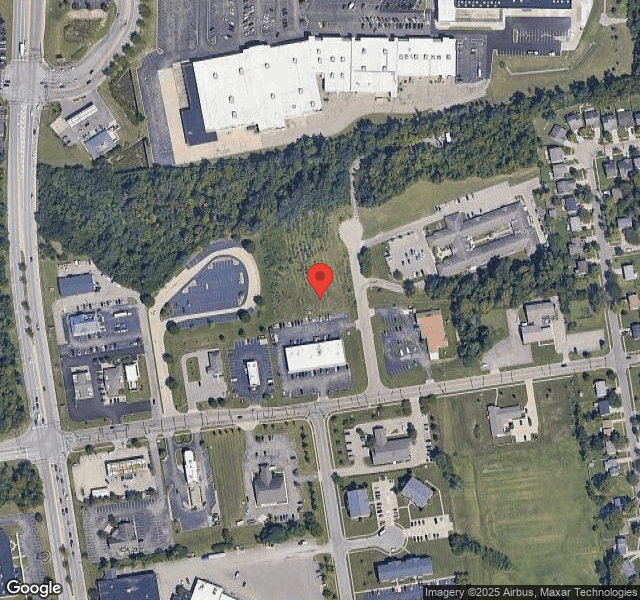
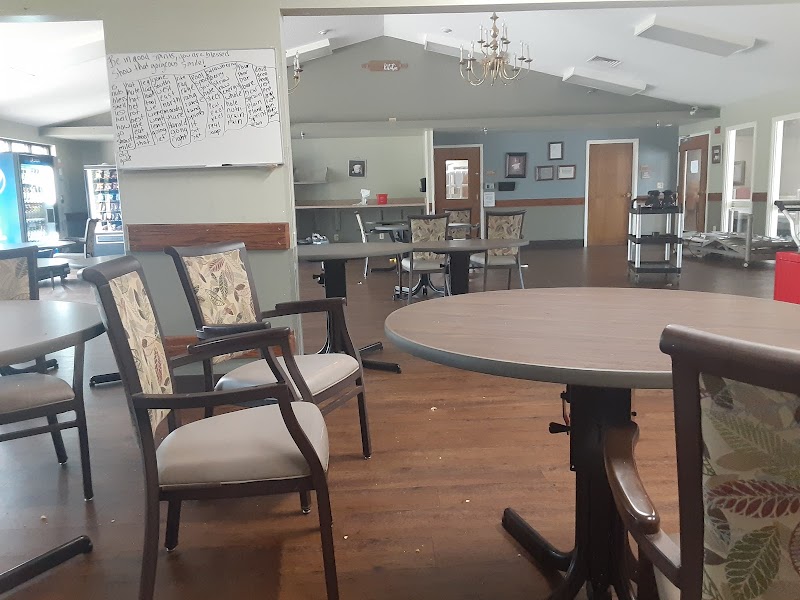
11760 PELLSTON COURT, CINCINNATI, OH 45240 (513) 851-8400
For profit - Partnership 97 Beds CARECORE HEALTH Data: November 2025
Trust Grade
33/100
#634 of 913 in OH
Last Inspection: May 2024

Within standard 12-15 month inspection cycle. Federal law requires annual inspections.

Overview

Carecore at the Meadows has received a Trust Grade of F, indicating significant concerns and a poor overall performance in care quality. It ranks #634 out of 913 facilities in Ohio, placing it in the bottom half, and #51 out of 70 in Hamilton County, meaning there are better local options available. The facility's situation is worsening, with the number of issues increasing from 7 in 2023 to 14 in 2024. Staffing is a significant concern, reflected by a low rating of 1 out of 5 stars and a high turnover rate of 67%, which is above the state average of 49%. There have been serious incidents, such as a resident requiring hospitalization due to a lack of bowel monitoring and another resident experiencing injury from abuse by another resident. Additionally, medications were found to be stored improperly, with expired medications present, raising further alarms about safety practices.

Trust Score
F
33/100
In Ohio
#634/913
Bottom 31%
Safety Record
Moderate
Needs review
Inspections
Getting Worse
7 → 14 violations
Staff Stability
⚠ Watch
67% turnover. Above average. Higher turnover means staff may not know residents' routines.
Penalties
○ Average
$9,750 in fines. Higher than 71% of Ohio facilities. Some compliance issues.
Skilled Nurses
⚠ Watch
Each resident gets only 23 minutes of Registered Nurse (RN) attention daily — below average for Ohio. Fewer RN minutes means fewer trained eyes watching for problems.
Violations
⚠ Watch
61 deficiencies on record. Higher than average. Multiple issues found across inspections.
★★☆☆☆
2.0
Overall Rating
★☆☆☆☆
1.0
Staff Levels
★★★★★
5.0
Care Quality
★☆☆☆☆
1.0
Inspection Score
Stable
2023: 7 issues
2024: 14 issues

The Good

  • 5-Star Quality Measures · Strong clinical quality outcomes
  • Full Sprinkler Coverage · Fire safety systems throughout facility
  • No fines on record

Facility shows strength in quality measures, fire safety.

The Bad

2-Star Overall Rating

Below Ohio average (3.2)

Below average - review inspection findings carefully

Staff Turnover: 67%

20pts above Ohio avg (46%)

Frequent staff changes - ask about care continuity

Federal Fines: $9,750

Below median ($33,413)

Minor penalties assessed

Chain: CARECORE HEALTH

Part of a multi-facility chain

Ask about local staffing decisions and management

Staff turnover is elevated (67%)

19 points above Ohio average of 48%

The Ugly 61 deficiencies on record

2 actual harm
Oct 2024 2 deficiencies
CONCERN (D) 📢 Someone Reported This

A family member, employee, or ombudsman was alarmed enough to file a formal complaint

Potential for Harm - no one hurt, but risky conditions existed

Safe Environment (Tag F0921)

Could have caused harm · This affected 1 resident

**NOTE- TERMS IN BRACKETS HAVE BEEN EDITED TO PROTECT CONFIDENTIALITY** Based on observations, interviews, and record review, the facility failed to maintain a clean and sanitary environment. This aff...

Read full inspector narrative →
**NOTE- TERMS IN BRACKETS HAVE BEEN EDITED TO PROTECT CONFIDENTIALITY** Based on observations, interviews, and record review, the facility failed to maintain a clean and sanitary environment. This affected three (#10, #59, and #63) of the three residents reviewed. The facility census was 87. Findings include: 1) Review of the medical record for Resident #10 revealed the resident was admitted to the facility on [DATE]. Diagnoses included vascular dementia, insomnia, diabetes mellitus (DM), obstructive sleep apnea, essential primary hypertension, anxiety disorder, chronic kidney disease, and hyperlipidemia. Review of the Minimum Data Set (MDS) assessment, for Resident #10, dated 08/09/24, revealed Resident #10 was cognitively intact. Interview with Resident #10 on 10/23/24 at 12:21 P.M., revealed the floors were so dirty in her room, she attempted to clean them herself with a cloth and soap. Observation of the resident's room at the same time revealed two large peeling black non-skid strips in front of Resident #10's bed. The floor in the resident's room and bathroom were very sticky. The bathroom walls were stained with brown splatter stains running down the walls. The floor in Resident #10's bathroom was lifted up around the toilet and the floor was soiled. Resident #10's toilet was soiled and heavily stained with an unknown brown substance. Interview with Licensed Practical Nurse (LPN) #161 on 10/23/24 at 12:23 P.M. verified the condition of the resident's room. LPN #161 stated the black strips on the floor were from a previous Resident's fall interventions. 2) Review of the medical record for Resident #59 revealed the resident was admitted to the facility on [DATE]. Diagnoses included, neurocognitive disorder with Lewy bodies, diabetes mellitus, history of Coronavirus 2019 (COVID-19), insomnia, edema, and major depressant disorder. Review of the MDS assessment, dated 10/01/24, revealed Resident #59 had impaired cognition. Observation of Resident #59's room on 10/23/24 at 12:14 P.M. with Housekeeping Director (HD) #179 revealed the resident's floor was sticky and soiled with a brown and black stain all around the walls. There was a bed frame with no mattress and missing a wheel which made the bed tilt to one side. There were two concrete bricks stacked next to the broken wheel on the floor. HD #179 verified the condition of the resident's room and the broken bed in the resident's room. HD #179 stated the two bricks stacked next to the bed was an attempt to fix the bed by maintenance staff. HD #179 stated the broken bed, and bricks were safety hazards for a memory care unit. Interview with Maintenance Supervisor (MS) #106 on 10/23/24 at 1:05 P.M., verified the broken bed frame and bricks located in Resident #59's room. MS #106 verified the concrete blocks lying on the floor next to the broken bed was an attempt to repair the broken bed frame. 3) Review of the medical record for Resident #63 revealed the resident was admitted to the facility on [DATE]. Diagnoses included ataxia, major depressant disorder, osteoarthritis, dementia, anxiety, Alzheimer's disease, kidney disease, and anxiety. The resident received Hospice services. Review of the MDS assessment, dated 09/03/24, revealed Resident #63 had severely impaired cognition. Observation of Resident #63's room on 10/23/24 at 12:11 P.M. with HD #179 revealed the cove base was hanging from the wall and the base of the wall had black spots throughout the resident's room. The floor was sticky and soiled, and a white towel stained with an unknown yellow substance which was pushed up against the television plug. HD #179 stated the towel was soaked with urine and the floor was sticky related to the resident's urine. Review of the facility policy titled, Quality of Life-Homelike Environment, dated May 2017, revealed the facility will provide residents with a clean, safe, and homelike environment. This includes a clean, safe, and orderly environment. This deficiency represents non-compliance investigated under Complaint Number OH00158493.
CONCERN (E) 📢 Someone Reported This

A family member, employee, or ombudsman was alarmed enough to file a formal complaint

Potential for Harm - no one hurt, but risky conditions existed

Food Safety (Tag F0812)

Could have caused harm · This affected multiple residents

Based on observations, interviews, and record review, the facility failed to prepare food in a safe and sanitary manner. This had the potential to affect all residents with the exception of three Resi...

Read full inspector narrative →
Based on observations, interviews, and record review, the facility failed to prepare food in a safe and sanitary manner. This had the potential to affect all residents with the exception of three Residents (#09, #19, and #39) who does not receive any food from the facility kitchen. The facility census was 83. Findings include: Observation of the kitchen on 10/23/24 at 11:54 A.M. with Dietary Manager (DM) # 195 revealed the following: a) The paint under the handwashing sink was bubbled up and peeling off. b) The soap dispenser near the handwashing sink was broken. c) The walls near the floor were heavily soiled with an unknown back and brown substance and pieces of the wall were missing. d) The ceiling near the walk-in refrigerator had an unknown brown colored substances splattered across it including on the light fixture. e) The appliances throughout the kitchen were heavily soiled with liquid splatter stains running down the sides. f) Multiple trash cans were heavily soiled with liquid splatter stains running down the sides. g) The counter near the sink contained an unknown brownish substance. h) There was a large white bath blanket with brown and yellow stains underneath the garbage disposal. The floor around the garbage disposal was heavily soiled with dirt and a black substance. i) A large while bath blanket with brown stains was stuffed under the three-compartment sink . j) The dish washer was heavily soiled with food debris, dirt, and crumbs across the top of it. Interview with DM #195 on 10/23/24 at 12:10 P.M. verified the current conditions in the kitchen. DM #195 stated the black substance throughout the kitchen was consistent with mold. DM #195 stated the bath blankets were under the garbage disposal and the three compartment sinks due to the pipes leaking DM #195 stated the kitchen was in need of a deep cleaning. Interview with Maintenance Supervisor (MS) #106 on 10/23/24 at 1:05 P.M. revealed the three-compartment sink was leaking a few weeks ago but he repaired it. MD #106 indicated he was not aware it was leaking again. MS #106 stated the black substance across the kitchen appeared to be mold.
May 2024 9 deficiencies
CONCERN (D)

Potential for Harm - no one hurt, but risky conditions existed

Safe Environment (Tag F0584)

Could have caused harm · This affected 1 resident

**NOTE- TERMS IN BRACKETS HAVE BEEN EDITED TO PROTECT CONFIDENTIALITY** Based on observation, medical record review, resident and staff interview, and review of service invoices, the facility failed t...

Read full inspector narrative →
**NOTE- TERMS IN BRACKETS HAVE BEEN EDITED TO PROTECT CONFIDENTIALITY** Based on observation, medical record review, resident and staff interview, and review of service invoices, the facility failed to maintain a homelike environment. This affected one (#329) of six residents reviewed for the physical environment. The facility census was 77. Findings include: Review of the medical record for Resident #329 revealed an admission date of 04/19/24. Diagnoses included diabetes mellitus, atheroscerotic heart disease of native coronary artery, and bipolar disorder. Review of the comprehensive Minimum Data Set (MDS) assessment dated [DATE] revealed Resident #329 had intact cognition and required supervision with toileting. Observation on 05/05/24 at 10:29 A.M. of Resident #329's bathroom revealed an area below the sink where there was no drywall and the pipes in the wall were exposed. The area measured approximately two feet long by one and one-half feet wide Interview on 05/05/24 at 10:29 A.M., with Resident #329 stated the dry wall below the sink had been missing since she was admitted . Resident #329 further stated she talked with someone about having it repaired and was told it would be addressed, however nothing more happened with the repair. Interview on 05/07/24 at 1:00 P.M., with Maintenance Director (MD) #330 verified the dry wall was missing below the sink in front of the pipes in Resident #329's bathroom. MD #330 stated he had a plumber out to repair the pipes and had not had a chance to repair the dry wall after that was completed. MD #330 estimated the dry wall had been missing for a few weeks. Review of an invoice from the plumber revealed the pipes were repaired 01/23/24. Follow-up interview on 05/08/24 at 9:50 A.M., with MD #330 verified the invoice was dated 01/23/24, indicating the dry wall had not been replaced over three months.
CONCERN (D)

Potential for Harm - no one hurt, but risky conditions existed

Assessment Accuracy (Tag F0641)

Could have caused harm · This affected 1 resident

**NOTE- TERMS IN BRACKETS HAVE BEEN EDITED TO PROTECT CONFIDENTIALITY** Based on medical record review and staff interview, the facility failed to ensure resident assessments were accurately completed...

Read full inspector narrative →
**NOTE- TERMS IN BRACKETS HAVE BEEN EDITED TO PROTECT CONFIDENTIALITY** Based on medical record review and staff interview, the facility failed to ensure resident assessments were accurately completed. This affected three (#4, #13, and #68) of 23 residents reviewed for assessments. The facility census was 77. Findings include: 1. Review of the medical record of Resident #68 revealed an admission date of 12/29/22. Diagnoses included anoxic brain damage, psychosis, psychotic disorder, psychoactive substance abuse, unspecified convulsions, unspecified mood disorder, anxiety, history of sudden cardiac arrest, and unspecified bilateral hearing loss. Review of the comprehensive Minimum Data Set (MDS) assessment dated [DATE] revealed section J1800, for any falls since the prior MDS assessment (11/08/23), was checked, no, indicating there had not been any falls since 11/08/23. Review of a progress note dated 12/19/23 revealed the resident had a fall in the shower room. Review of the quarterly MDS assessment dated [DATE] revealed Resident #68 had severely impaired cognition and was assessed as having adequate hearing. Review of the plan of care dated 02/28/23 revealed Resident #68 had the potential for altered communication and hearing deficit related to her cognitive deficit and hearing loss. Review of an audiology progress note dated 12/27/23 revealed Resident #68 had severe hearing loss in both ears. Interview on 05/08/24 at 1:10 P.M., Corporate MDS #606 verified Resident #68's MDS assessment from 01/17/24 did not accurately capture the fall which occurred on 12/19/23, and verified the MDS dated [DATE] did not accurately code the resident's hearing ability. 2. Review of the medical record revealed Resident #4 was admitted to the facility on [DATE] and had diagnoses including unspecified polyneuropathy, type II diabetes, chronic multifocal osteomyelitis of the left ankle and foot, and morbid obesity. Review of the most recent annual MDS assessment completed on 04/17/24 revealed Resident #4 was cognitively intact, had no behaviors, did not wander, and did not reject care. Further review revealed the resident had no obviously broken teeth, had adequate vision, and did not use corrective lenses. During an interview on 05/05/24 at 3:55 P.M. with Resident #4 the resident stated he needed to see the dentist regarding broken teeth and needed to see the ophthalmologist regarding glasses needing adjustment. During an interview on 05/08/24 at 1:40 P.M. with Corporate MDS #606 verified Resident #4 had broken teeth and wore prescription glasses and stated the annual MDS assessment dated [DATE] was coded wrong. 3. Review of the medical record of Resident #13 revealed an admission date of 12/27/23. Diagnoses included cerebral infarction, nontraumatic subarachnoid hemorrhage, other abnormalities of gait and mobility, muscle weakness, vascular dementia, and restlessness and agitation. Review of the MDS dated [DATE] revealed there were no issues with teeth including no broken teeth assessed for Resident #13. Observation on 05/06/24 at 2:14 P.M. revealed broken and missing teeth on the bottom jaw and missing teeth on the top jaw of Resident 13's mouth. Interview on 05/08/24 at 1:10 P.M. with Corporate MDS #606 confirmed Resident #13's MDS assessment dated [DATE] did not accurately reflect her dental status.
CONCERN (D)

Potential for Harm - no one hurt, but risky conditions existed

Deficiency F0655 (Tag F0655)

Could have caused harm · This affected 1 resident

**NOTE- TERMS IN BRACKETS HAVE BEEN EDITED TO PROTECT CONFIDENTIALITY** Based on medical record review and staff interview, the facility failed to ensure a baseline care plan was completed within 48 h...

Read full inspector narrative →
**NOTE- TERMS IN BRACKETS HAVE BEEN EDITED TO PROTECT CONFIDENTIALITY** Based on medical record review and staff interview, the facility failed to ensure a baseline care plan was completed within 48 hours of admission. This affected two (#13 and #329) of nine residents reviewed for baseline care plans. The facility census was 77. Findings include: 1. Review of the medical record for Resident #329 revealed an admission date of 04/19/24. Diagnoses included diabetes mellitus with diabetic neuropathy, atherosclerosis of coronary artery, unstable angina, pure hypercholesterolemia, and bipolar disorder. Review of the most recent Minimum Data Set (MDS) 3.0 assessment dated [DATE] revealed Resident #329 had intact cognition. Review of the medical record revealed no evidence of a baseline care plan being completed within 48 hours of Resident #329's admission as required. Interview on 05/08/24 at 2:14 P.M. with Regional Director of Clinical Operations (RDCO) #600 verified Resident #329 did not have a baseline care plan completed as required. 2. Review of the medical record of Resident #13 revealed an admission date of 12/27/23. Diagnoses included cerebral infarction, nontraumatic subarachnoid hemorrhage, other abnormalities of gait and mobility, muscle weakness, vascular dementia, and restlessness and agitation. Review of the most recent MDS 3.0 assessment dated [DATE] revealed Resident #13 had moderately impaired cognition. Review of the medical record revealed no evidence of a baseline care plan being completed within 48 hours of Resident #13's admission as required. Interview on 05/07/24 at 3:54 P.M. with Regional Business Office Manager (RBOM) #601 verified Resident #13 did not have a baseline care plan completed as required.
CONCERN (D)

Potential for Harm - no one hurt, but risky conditions existed

Accident Prevention (Tag F0689)

Could have caused harm · This affected 1 resident

**NOTE- TERMS IN BRACKETS HAVE BEEN EDITED TO PROTECT CONFIDENTIALITY** Based on observation, medical record review, staff interview, and policy review, the facility failed to ensure residents utilize...

Read full inspector narrative →
**NOTE- TERMS IN BRACKETS HAVE BEEN EDITED TO PROTECT CONFIDENTIALITY** Based on observation, medical record review, staff interview, and policy review, the facility failed to ensure residents utilized safe smoking practice while using electronic smoking devices and failed to thoroughly investigate resident falls. This affected one (#72) of one resident reviewed for smoking and one (#51) of three residents reviewed for falls. The facility census was 77. Findings include: 1. Review of the medical record revealed Resident #72 was admitted to the facility on [DATE] and had diagnoses including hemiplegia and hemiparesis following a cerebral infarction affecting the left non-dominant side, chronic pulmonary embolism, chronic combined heart failure, and morbid obesity. Review of the most recent Minimum Data Set (MDS) assessment dated [DATE] revealed Resident #72 had severely impaired cognition, had no behaviors, did not wander, and did not reject care. Review of a progress note dated 05/01/24 at 4:40 P.M. revealed Licensed Practical Nurse (LPN) #302 observed Resident #72 using a vaping device (a type of electronic device used to inhale an aerosol containing a substance) next to the nursing station. Resident #72 was told that vaping was not permitted inside the building, and the resident indicated he understood. Observation on 05/07/24 at 2:36 P.M. revealed Resident #72 used a pink vaping device and exhaled a [NAME] of white smoke near LPN #603's face as she searched for the bed remote control and asked the resident to consent to perform a dressing change. LPN #603 was observed to shake her head but did not say anything to Resident #72 and continued to gather supplies for a dressing change. During an interview on 05/07/24 at 2:37 P.M., when asked about Resident #72's vaping device at the bedside, LPN #603 stated she wondered what the device was. During an interview on 05/07/24 at 3:42 P.M. Regional Business Office Manager (RBOM) #601 confirmed a vaping device was the same as an electronic cigarette (e-cigarette) and residents should not be using them unsupervised in the room. During an interview on 05/08/24 at 8:57 A.M. LPN #302 stated on 05/01/24 Resident #72 was sitting in his wheelchair by the nursing station using his vaping device. LPN #302 stated she told the resident he was not allowed to use it inside the building. LPN #302 stated she did not take his vaping device away from him. LPN #302 stated Resident #72 was only allowed to use the vaping device outside, and he usually kept the device in his room or carried it with him when he was out of the room. Review of policy titled, Smoking Policy - Residents, dated June 2018, revealed electronic cigarettes were labeled with resident's name and kept locked up by facility staff. Residents were permitted to use their electronic cigarettes unsupervised outside in designated smoking areas during designated smoking times. This was noted on the resident's care plan and all personnel caring for the resident were aware. 2. Review of the medical record for Resident #51 revealed an admission date of 02/26/20. Diagnoses included Alzheimer's disease, major depressive disorder, unspecified dementia, unspecified severity, with other behavioral disturbance, and other recurrent depressive disorders. Review of the quarterly MDS assessment dated [DATE] revealed Resident #51 had severely impaired cognition. Resident #51 was assessed to require supervision for eating, bed mobility, and transfer, moderate assistance for oral hygiene, bathing, and upper body dressing, maximal assistance for lower body dressing and personal hygiene, and was dependent on staff for toileting. Review of the plan of care dated 02/27/20 revealed Resident #51 was at risk for falls related to balance deficit, cognitive deficits, disease progression, not waiting for assistance, impulsiveness, wandering, and history of falls. Interventions included to assist in position for comfort as needed, encourage non-skid footwear at all times, maintain an uncluttered environment, night light to room, non-skid strips to the bathroom floor, provide activities that minimize the potential for falls while providing diversion and distraction, and refer to therapy as needed. Review of a fall risk evaluation, dated 12/03/23, revealed Resident #51 was at risk for falls. Review of the progress note dated 12/03/23 revealed Resident #51 was found on the floor near her bed. Review of the fall investigation dated 12/03/23 revealed no root cause analysis for Resident #51's fall. Review of the progress note dated 12/04/23 revealed the interdisciplinary team reviewed Resident #51's fall on 12/03/23 and added an intervention of non-slip strips to the floor at bedside. Review of the progress note dated 03/07/24 revealed Resident #51 was found on the floor. Review of the fall investigation dated 03/07/24 revealed no root cause analysis for Resident #51's fall. Review of the progress note dated 03/12/24 revealed the interdisciplinary team reviewed Resident #51's fall on 03/07/24 and added an intervention of non-skid strips to the bathroom floor. Review of the progress note dated 03/17/24 revealed Resident #51 was found on the floor in front of her bed. Review of the fall investigation dated 03/17/24 revealed no root cause analysis for Resident #51's fall. Review of the progress note dated 03/27/24 revealed the interdisciplinary team reviewed Resident #51's fall on 03/17/24 and no new interventions were documented. Interview on 05/07/24 at 5:30 P.M. with Regional Business Office Manager (RBOM) #601 verified Resident #51's falls on 12/03/23, 03/12/24, and 03/17/24 the falls were not thoroughly investigated and a root cause of analysis of the falls was not completed. Review of the facility policy titled, Falls - Clinical Protocol, revised 03/2018, revealed staff would begin to try to identify possible causes within 24 hours of the fall.
CONCERN (D)

Potential for Harm - no one hurt, but risky conditions existed

Infection Control (Tag F0880)

Could have caused harm · This affected 1 resident

**NOTE- TERMS IN BRACKETS HAVE BEEN EDITED TO PROTECT CONFIDENTIALITY** Based on observation, staff interview, medical record review, and policy review, the facility failed to ensure nursing staff use...

Read full inspector narrative →
**NOTE- TERMS IN BRACKETS HAVE BEEN EDITED TO PROTECT CONFIDENTIALITY** Based on observation, staff interview, medical record review, and policy review, the facility failed to ensure nursing staff used appropriate hand hygiene when performing blood glucose monitoring. This affected one (#329) of two residents reviewed for blood glucose monitoring. The facility census was 77. Findings include: Review of the medical record revealed Resident #329 was admitted to the facility on [DATE] and had a primary diagnosis of type II diabetes with diabetic neuropathy. Review of the admission Minimum Data Set (MDS) assessment completed on 04/23/24 revealed Resident #329 was cognitively intact. Observation on 05/06/24 at 8:15 A.M. revealed Licensed Practical Nurse (LPN) #603 obtained Resident #329's blood glucose level and left the room without washing her hands with soap and water. During an interview on 05/06/24 at 8:22 A.M. LPN #603 verified she did not wash her hands after obtaining Resident #329's blood glucose level. Review of a policy titled, Obtaining a Fingerstick Glucose Level, dated October 2011, revealed after the procedure was completed, nurses disinfected the reusable blood glucose monitoring equipment, doffed gloves, and washed hands with soap and water.
CONCERN (E) 📢 Someone Reported This

A family member, employee, or ombudsman was alarmed enough to file a formal complaint

Potential for Harm - no one hurt, but risky conditions existed

Deficiency F0657 (Tag F0657)

Could have caused harm · This affected multiple residents

**NOTE- TERMS IN BRACKETS HAVE BEEN EDITED TO PROTECT CONFIDENTIALITY** Based on medical record review, resident and resident representative interview, staff interview, and policy review, the facility...

Read full inspector narrative →
**NOTE- TERMS IN BRACKETS HAVE BEEN EDITED TO PROTECT CONFIDENTIALITY** Based on medical record review, resident and resident representative interview, staff interview, and policy review, the facility failed to conduct care conferences and failed to update care plan interventions in a timely manner. This affected seven (#4, #19, #22, #34, #40, #51, and #68) out of eight residents reviewed for care planning. The facility census was 77. Findings include: 1. Review of the medical record for Resident #51 revealed an admission date of 02/26/20. Diagnoses included Alzheimer's disease, major depressive disorder, unspecified dementia with unspecified severity, other behavioral disturbance, and other recurrent depressive disorders. Review of the quarterly Minimum Data Set (MDS) assessment dated [DATE] revealed Resident #51 had severely impaired cognition. Resident #51 was assessed to require supervision for eating, bed mobility, and transfer, moderate assistance for oral hygiene, bathing, and upper body dressing, maximal assistance for lower body dressing and personal hygiene, and was dependent on staff for toileting. Review of the plan of care dated 02/27/20 revealed Resident #51 was at risk for falls related to balance deficit, cognitive deficits, disease progression, not waiting for assistance, impulsiveness, wandering, and history of falls. Interventions included to assist in position for comfort as needed, encourage non-skid footwear at all times, maintain an uncluttered environment, night light to room, non-skid strips to the bathroom floor, provide activities that minimize the potential for falls while providing diversion and distraction, and refer to therapy as needed. Review of a fall risk evaluation dated 12/03/23 revealed Resident #51 was at risk for falls. Review of the progress note dated 12/03/23 revealed Resident #51 was found on the floor near her bed. Review of the fall investigation dated 12/03/23 revealed Resident #51 had a fall and the intervention was non-skid strips to the floor. Review of the progress note dated 12/04/23 revealed the interdisciplinary team reviewed Resident #51's fall on 12/03/23 and added an intervention of non-slip strips to floor at bedside. Review of the progress note dated 03/17/24 revealed Resident #51 was found on the floor in front of her bed. Review of the fall investigation dated 03/17/24 revealed Resident #51 had a fall and the intervention was non-skid strips in front of the bed. Review of the progress note dated 03/27/24 revealed the interdisciplinary team reviewed Resident #51's fall on 03/17/24 and no new interventions were documented. Interview on 05/07/24 at 5:30 P.M. with Regional Business Office Manager #601 confirmed the fall interventions for non-skid strips to the flooring Resident #51's room were not added to the care plan following the falls on 12/03/23 and 03/17/24. 2. Review of the medical record revealed Resident #4 was admitted to the facility on [DATE] and had diagnoses including unspecified polyneuropathy, type II diabetes, chronic multifocal osteomyelitis of the left ankle and foot, and morbid obesity. Review of the most recent MDS assessment completed on 04/17/24 revealed Resident #4 was cognitively intact, had no behaviors, did not wander, and did not reject care. Review of the medical record revealed Resident #4 had one documented care conference held on 06/12/23 attended by the resident and social services. During an interview on 05/05/24 at 3:52 P.M., Resident #4 stated he had not had any care conferences since admission. During an interview on 05/07/24 at 3:48 P.M. Social Worker (SW) #316 verified Resident #4 had an initial care conference in June 2023 and had not had any quarterly care conferences since. 3. Review of the medical record revealed Resident #34 was admitted to the facility on [DATE] and had diagnoses including unspecified anxiety disorder, unspecified schizoaffective disorder, unspecified depression, unspecified hallucinations, and unspecified chronic obstructive pulmonary disease. Review of the most recent MDS assessment completed 02/02/24 revealed Resident #34 had moderately impaired cognition, had no behaviors, did not wander, and did not reject care. Review of the medical record revealed Resident #34 had one care conference on 10/26/23. During an interview on 05/05/24 at 1:42 P.M. Resident #34 stated she did not receive routine care conferences. During an interview on 05/08/24 at 9:32 A.M. SW #316 verified she had no additional documentation of care conferences for Resident #34. 4. Review of the medical record revealed Resident #40 was admitted to the facility on [DATE] and had diagnoses including unspecified affective mood disorder, type II diabetes, and mild major depressive disorder. Review of the most recent MDS assessment completed 01/27/24 revealed Resident #40 was cognitively intact, had no behaviors, did not wander, and did not reject care. Review of the medical record revealed Resident #40 had two documented care conferences dated 10/27/23 and 04/27/24. During an interview on 05/05/24 at 10:10 A.M. Resident #40 stated staff talked to her individually about her care, but could not recall any formal care conferences with the interdisciplinary team. During an interview on 05/08/24 at 9:30 A.M. SW #316 verified Resident #40 had no other care conferences documented in the past twelve months except on 10/27/23 and 04/27/24. 5. Review of the medical record of Resident #22 revealed an admission date of 12/18/20. Diagnoses included type II diabetes mellitus, atherosclerotic heart disease of native coronary artery, schizoaffective disorder, bipolar type, bipolar disorder, adjustment disorder with mixed disturbance of emotions and conduct, anxiety disorder, congestive heart failure, hyperlipidemia, essential hypertension, major depressive disorder, gastro-esophageal reflux disease, and dysphagia. Review of the quarterly MDS assessment dated [DATE] revealed Resident #22 had intact cognition. The resident was assessed as having fluctuating inattention and disorganized thinking and delusions during the assessment period. Interview on 05/05/24 at 10:07 A.M., Resident #22 stated he had not had a recent care conference. Review of the medical record of Resident #22 revealed the resident had care conferences on 12/22/22, 06/28/23, and 12/20/23. Interview on 05/07/24 at 12:34 P.M. SW #316 verified Resident #22's last care conference was 12/20/23. SW #316 stated care conferences were supposed to be completed on a quarterly basis. 6. Review of the medical record of Resident #68 revealed an admission date of 12/29/22. Diagnoses included anoxic brain damage, psychosis, psychotic disorder, psychoactive substance abuse, unspecified convulsions, unspecified mood disorder, anxiety, history of sudden cardiac arrest, and unspecified bilateral hearing loss. Review of the quarterly MDS assessment dated [DATE] revealed Resident #68 had severely impaired cognition. Interview on 05/05/24 at 4:48 P.M. Resident #68's responsible party stated she only had two care conferences since admission and had not had any recent care conferences. Review of the medical record revealed care conferences were held for Resident #68 on 06/27/23, 09/11/23, and 10/23/23. Interview on 05/07/24 at 12:34 P.M. with SW #316 verified Resident #68's last care conference was 10/23/23. SW #316 stated care conferences were supposed to be held quarterly. 7. Review of Resident #19's medical record revealed an admission date of 06/08/18 and diagnoses of cerebral vascular disease and dementia. Review of the comprehensive MDS assessment dated [DATE] revealed Resident #19 had severely impaired cognition. Review of the medical record revealed Resident #19 had a care conference on 03/28/24 which was the only care conference held during the past year. Interview on 05/06/24 at 10:09 A.M. with Resident #19's responsible party revealed he had not had any care conferences in the past two to three years. Interview on 05/08/24 at 9:31 A.M. with SW #316 verified there were no other care conference held in the past year for Resident #19. Review of a policy titled, Care Conference Procedure, dated 02/01/18, revealed care conferences were held quarterly to discuss diagnosis, condition, ancillary services, activities of daily living, rehabilitation, mood/behavior, falls/safety, nutrition, skin, medication issues, risks, discharge potential, review of code status, and additional topics as applicable. This deficiency represents non-compliance investigated under Complaint Number OH00152456.
CONCERN (E)

Potential for Harm - no one hurt, but risky conditions existed

Food Safety (Tag F0812)

Could have caused harm · This affected multiple residents

Based on observation, staff interview, and policy review, the facility failed to ensure food was stored and served in a safe and sanitary manner and failed to ensure clean dishes and eating utensils w...

Read full inspector narrative →
Based on observation, staff interview, and policy review, the facility failed to ensure food was stored and served in a safe and sanitary manner and failed to ensure clean dishes and eating utensils with handled in a manner to prevent contamination. This had the potential to affect 76 residents in the facility. The facility identified one resident (#63) who did not receive food from the kitchen. The facility census was 77. Findings include: 1. Observation on 05/05/24 at between 8:57 A.M. and approximately 9:10 A.M., of the facility kitchen, revealed the walk-in cooler had a large bag of brown salad, not wrapped, not sealed, and not labeled; a pan of an unidentified white substance, covered with plastic wrap, and dated 04/28/24; a large pan with unidentified food, covered loosely in foil, not labeled, and not dated; a pan of hot dogs in liquid, covered in plastic wrap, not labeled, and not dated; and a pan of macaroni and cheese, covered with plastic wrap, not labeled, and not dated. Observation of the dry storage area revealed a box of brownie mix, a box of fruit cocktail, and a box of stuffing mix all stored directly on the floor. Further observation revealed a box of rice on a shelf with a blue plastic bag sticking out of the top that was not sealed or dated. Observation of the general kitchen area revealed a ceiling ventilator, located directly above the pan storage area, was covered in a gray, fuzzy material. The gray, fuzzy material also surrounded the ventilator in an approximate three feet radius around the ventilator. A camera was also observed in the ceiling which was also covered in the gray, fuzzy material. Interview at the time of the observation of the kitchen with Dietary [NAME] (DC) #333 stated the white substance was butter, and verified the food items in the walk-in cooler were not properly stored as indicated. DC #333 verified all foods should be wrapped, sealed, labeled, and dated. DC #333 verified the boxes of food that were stored directly on the floor in the dry storage area and stated they should not be stored on the floor. DC #333 also verified the bag of rice was not sealed or dated. DC #333 verified the gray fuzzy material on the ventilator and ceiling surrounding the ventilator and stated the material was dust. 2. Observation on 05/05/24 at 9:10 A.M. revealed Dietary Aid (DA) #322 utilized the dishwasher to wash dishes from breakfast. DA #322 wore gloves as she cleaned off the plates, arranged the dishes and silverware in a rack, pushed the rack into the dishwasher, and retrieved and unloaded the clean dishes on the other end of the dishwasher wearing the same gloves she had used to clean off the dirty plates and handle the dirty dishes and silverware. DA #322 was observed over a period of approximately five minutes to repeat the process several times. Interview on 05/05/24 at 9:15 A.M. with DA #322 verified she handled the dirty dishes with gloves and unloaded the clean dishes without changing her gloves. DA #322 stated sometimes she changed her gloves between handling the dirty and clean dishes and sometimes she does not. 3. Observation on 05/05/24 at 9:10 A.M. revealed an approximate three feet long by six inch wide area directly above the counter of the loading side of the dishwasher with a black speckled substance. Further observation at 12:12 P.M. revealed the substance remained in place. Interview on 05/07/24 at 12:12 P.M., with Dietary Manager (DM) #346 verified the speckled black substance on the wall by the dish machine. 4. Observation on 05/07/24 at 10:13 A.M. revealed DM #346 prepared food for the lunch meal. Further observation revealed DM #346 had a beard which was not covered with any restraint. Interview at the time of the observation with DM #346 verified he was not wearing a restraint over his facial hair and stated the facility had just run out of beard restraints. Observations on 05/07/24 at 10:18 A.M., 11:12 A.M., 12:06 P.M., and 12:19 P.M., revealed DM #346 continued preparation of food without a beard restraint. Review of the facility policy titled, Food Receiving and Storage, dated 11/2022, revealed food in the dry storage area was kept at least six inches off the floor, dry foods are stored in a manner that maintains the integrity of the foods until they are ready to use, all foods stored in the refrigerator are covered, labeled and dated with a use by date, refrigerated foods are labeled, dated, and monitored so they are used by their use-by date. Review of the facility policy titled, Food Preparation and Service, dated 11/2022, revealed cross-contamination can occur when disease-causing microorganisms are transferred to food by hands (including gloved hands), and staff were to wear hair restraints (hair net, beard restraint, etc.) so that hair does not contact food.
CONCERN (E)

Potential for Harm - no one hurt, but risky conditions existed

Room Equipment (Tag F0908)

Could have caused harm · This affected multiple residents

Based on observation, staff interview, and review of equipment manuals, the facility failed to ensure kitchen equipment was maintained in working order. This had the potential to affect 76 residents i...

Read full inspector narrative →
Based on observation, staff interview, and review of equipment manuals, the facility failed to ensure kitchen equipment was maintained in working order. This had the potential to affect 76 residents in the facility. The facility identified one resident (#63) who did not receive food from the kitchen. The facility census was 77. Findings include: 1. Observation on 05/07/24 at 10:17 A.M. revealed the steamer in the kitchen was leaking water into a small reservoir connected to the steamer which was then leaking into a large bin. The bin measured approximately one foot long by two feet wide and had approximately four inches of white cloudy water inside. Interview at the time of the observation with Dietary Manager (DM) #346 verified water from the steamer was dripping into an overflowing reservoir and into a bin. DM #346 stated the steamer had been malfunctioning since he started working at the facility in October 2023. DM #346 stated someone came out to repair the steamer a few months prior and the steamer worked appropriately for a few days but then started leaking again. Review of the operation manual for the steamer, dated 09/18/19, revealed no mention of the need for a bin to collect water below the steamer. 2. Observation on 05/07/24 at 10:55 A.M., revealed DM #346 began the process of preparing pureed food for the upcoming meal. DM #346 scooped creamed corn into the food processor, placed the lid on top, stuck the prong of a thermometer into a hole on the food processor, and started to puree the creamed corn. Interview at the time of the observation with DM #346 stated he had to place the thermometer into the hole to get the food processor to work. DM #346 stated the food processor had been that way for approximately two weeks and would not work unless the thermometer prong was in the hole. Review of the undated food processor operation manual revealed no mention of the need to insert a thermometer prong into the machine for it to function. 3. Observation on 05/07/24 at 12:19 P.M., revealed the plate warmer sitting next to the counter. DM #346 was removing plates from the plate warmer and preparing plates for the lunch meal. The plate warmer was not observed to be hot nor warm to the touch. Further observation revealed the plate warmer was not plugged into any electrical source. Interview on 05/07/24 at 12:06 P.M., with DM #346 stated the plate warmer had not worked since he started working at the facility in October 2023. DM #346 stated he filled out a maintenance request form a while ago and filled another form out last week.
CONCERN (F)

Potential for Harm - no one hurt, but risky conditions existed

Deficiency F0761 (Tag F0761)

Could have caused harm · This affected most or all residents

**NOTE- TERMS IN BRACKETS HAVE BEEN EDITED TO PROTECT CONFIDENTIALITY** Based on observation, resident and staff interview, medical record review, and policy review, the facility failed to ensure medi...

Read full inspector narrative →
**NOTE- TERMS IN BRACKETS HAVE BEEN EDITED TO PROTECT CONFIDENTIALITY** Based on observation, resident and staff interview, medical record review, and policy review, the facility failed to ensure medications were stored appropriately. This had the potential to affect all 77 residents residing in the facility. The facility census was 77. Findings Include: 1. During medication storage observation on 05/08/24 at 11:15 A.M. revealed the facility stock medication room was observed to contain expired stock medications. There were three bottles of mucus relief medication that expired on April 2024 (04/24) and two bottles of an oral laxative (Bisacodyl) expired on February 2024 (02/24). Interview with Registered Nurse (RN) #605 on 05/08/24 at 11:25 A.M. confirmed the medications were expired. 2. Review of the medical record revealed Resident #40 was admitted to the facility on [DATE] and had diagnoses including unspecified affective mood disorder, type II diabetes, and mild major depressive disorder. Review of the most recent Minimum Data Set (MDS) assessment completed 01/27/24 revealed Resident #40 was cognitively intact, had no behaviors, did not wander, and did not reject care. Review of the medical record revealed Resident #40 had current physician orders for medications including the pain medication aspirin 81 milligrams (mg) by mouth once daily, the supplement cyanocobalamin 1000 micrograms (mcg) by mouth once daily, the heart medication isosorbide mononitrate extended release (ER) 30 mg by mouth once daily, the blood pressure medications losartan potassium 25 mg by mouth once daily and Norvasc five (5) mg by mouth once daily, the psychoactive medication sertraline 50 mg by mouth once daily, the thyroid medication Synthroid 50 mcg by mouth once daily, the diabetic medication metformin 1000 mg by mouth twice daily, the blood pressure medication metoprolol tartrate 25 mg by mouth twice daily, and the narcotic pain medication Tylenol with codeine by mouth three times daily. Observation on 05/05/24 at 10:20 A.M. revealed Resident #40 had crushed medication mixed in chocolate pudding in a plastic medication cup with a spoon on her bedside table. During an interview on 05/05/24 at 10:20 A.M. Resident #40 stated the mediation cup had all of her morning medications in it including her Tylenol with codeine. The resident stated the staff leave her medications at bedside all the time. During an interview on 05/05/2024 at 10:28 A.M. Licensed Practical Nurse (LPN) #400 asked Resident #40 why she had not taken her medication. LPN #400 verified she handed the medications to Resident #40 and had not watched her swallow the medications at the time of administration before leaving the room. LPN #400 confirmed the medications in the pill cup included all of Resident #40's morning medications. 3. Review of the medical record revealed Resident #11 was admitted to the facility on [DATE] and had diagnoses including type II diabetes, unspecified heart failure, stage II chronic kidney disease, unspecified anxiety disorder, and major depressive disorder. Review of the most recent MDS assessment completed 01/26/24 revealed Resident #11 had moderately impaired cognition, had no behaviors, did not wander, and did not reject care. Review of the medical record revealed Resident #11 had physician orders for metformin 500 mg two tablets by mouth once daily, the supplement potassium chloride ER 20 milliequivalents (mEq) by mouth once daily, therapeutic multivitamin with minerals by mouth once daily, the blood pressure medication lisinopril 10 mg by mouth once daily, the anti-inflammatory medication diclofenac 50 mg by mouth once daily, aspirin 81 mg by mouth once daily, and urinary retention medication tamsulosin 0.4 mg by mouth once daily. During an observation on 05/06/24 at 8:02 A.M. LPN #603 exited Resident #11's room with a plastic cup containing medications and placed the medications in the top drawer of the medication cart. During an interview on 05/06/24 at 8:02 A.M. LPN # 603 stated Resident #11 did not want to take her medicine right now and she would re-attempt to administration them later. LPN #603 stated the medication cup contained Resident #11's medications and stated she could leave the medications in the drawer until the resident was ready to take them as long as the medication cart was locked at all times. During an additional interview on 05/06/24 at 8:37 A.M. LPN #603 stated she did not know you could not store medications in the cart after the resident refused to take them. Review of the facility policy titled, Storage of Medications, revised February 2023, revealed drugs and biological's used in the facility are stored in locked compartments under proper temperature, light and humidity controls; discontinued, outdated, or deteriorated drugs or biological's are returned to the dispensing pharmacy or destroyed; compartments (including, but not limited to, drawers, cabinets, rooms, refrigerators, carts, and boxes) containing drugs and biological's are locked when not in use; and medications are stored separately from food and are labeled accordingly. The nursing staff was responsible for maintaining medication storage and preparation area in a safe, clean, and sanitary manner. Medications and biologicals were stored in the packing or containers in which they were received.
Mar 2024 3 deficiencies
CONCERN (D) 📢 Someone Reported This

A family member, employee, or ombudsman was alarmed enough to file a formal complaint

Potential for Harm - no one hurt, but risky conditions existed

Report Alleged Abuse (Tag F0609)

Could have caused harm · This affected 1 resident

**NOTE- TERMS IN BRACKETS HAVE BEEN EDITED TO PROTECT CONFIDENTIALITY** Based on medical record review, review of the facility's Self-Reported Incidents, staff and resident interview, review of a grie...

Read full inspector narrative →
**NOTE- TERMS IN BRACKETS HAVE BEEN EDITED TO PROTECT CONFIDENTIALITY** Based on medical record review, review of the facility's Self-Reported Incidents, staff and resident interview, review of a grievance form, and policy review, the facility failed to timely report an allegation of neglect of a resident to the State Survey Agency. This affected one (#64) of three residents reviewed for neglect. The facility census was 76. Findings include: Medical record review for Resident #64 revealed an admission date of 01/04/24. Diagnoses included stroke, diabetes mellitus, and heart failure. Review of the admission Minimum Data Set (MDS) assessment dated [DATE] revealed Resident #64 was cognitively intact. Resident #64 was dependent on staff for toileting and was frequently incontinent for bowel and bladder. Review of her care plan dated 01/29/24 revealed she had urinary incontinence. Interventions included to check and change the resident every two hours to keep clean and dry. Review of the bladder incontinence form for Resident #64 dated 02/16/24 revealed the resident was changed at 2:48 P.M. and 9:26 P.M. Review of a Resident Concern/Grievance form dated 02/16/24 revealed Resident #64 complained about a negative interaction with a night shift aide on 02/16/24. The resident asked to be changed and the state tested nursing aide (STNA) turned off the light and left the room. Review of the facility's Self-Reported Incidents dated 02/16/24 to 03/01/24 revealed there was no allegation of neglect involving Resident #64 on 02/16/24 reported to the State Survey Agency. Interview with Resident #64 on 03/06/24 at 2:45 P.M. revealed on the morning of 02/16/24, her brief became soiled with urine about 12:00 A.M. but she waited because she would have to go again and didn't want to bother the staff so many times. So she waited until the staff member was back from her lunch break before she rang out her call light. She stated she rang the call light about 2:00 A.M. and an aide came into the room and the resident told the aide she needed changed and the STNA turned off her light and left the room and didn't change the resident. The resident stated she didn't call back out because she thought the STNA would come back, but she didn't. She stated she didn't get changed until about 8:00 A.M. when the day shift staff came into to change her. The resident said this incident aggravated her and thought it was neglectful. Interview with the Administrator on 03/06/24 at 3:15 P.M. confirmed the facility did not report the allegation of neglect involving Resident #64 to the State Survey Agency on 02/16/24 or 02/17/24. The Administrator confirmed the allegation should have been reported. Review of the facility's policy titled Abuse, Neglect, Misappropriation and Reporting and Investigating revealed all reports of resident abuse (including injuries of unknown origin), neglect, exploitation, or theft/misappropriation of resident property are reported to local, state and federal agencies (as required by current regulations) and thoroughly investigated by facility management. Findings of all investigations are documented and reported. Upon receiving any allegations of abuse, neglect, exploitation, misappropriation of resident property or injury of unknown source, the Administrator is responsible for determining what actions (if any) are needed for the protection of residents. This was an incidental finding discovered during the complaint survey.
CONCERN (D) 📢 Someone Reported This

A family member, employee, or ombudsman was alarmed enough to file a formal complaint

Potential for Harm - no one hurt, but risky conditions existed

Investigate Abuse (Tag F0610)

Could have caused harm · This affected 1 resident

**NOTE- TERMS IN BRACKETS HAVE BEEN EDITED TO PROTECT CONFIDENTIALITY** Based on medical record review, staff and resident interview, review of a grievance form, and policy review, the facility failed...

Read full inspector narrative →
**NOTE- TERMS IN BRACKETS HAVE BEEN EDITED TO PROTECT CONFIDENTIALITY** Based on medical record review, staff and resident interview, review of a grievance form, and policy review, the facility failed to complete an investigation into a resident's allegation of neglect. This affected one (#64) of three residents reviewed for neglect. The facility census was 76. Findings include: Medical record review for Resident #64 revealed an admission date of 01/04/24. Diagnoses included stroke, diabetes mellitus, and heart failure. Review of the admission Minimum Data Set (MDS) assessment dated [DATE] revealed Resident #64 was cognitively intact. Resident #64 was dependent on staff for toileting and was frequently incontinent for bowel and bladder. Review of her care plan dated 01/29/24 revealed she had urinary incontinence. Interventions included to check and change the resident every two hours to keep clean and dry. Review of the bladder incontinence form for Resident #64 dated 02/16/24 revealed the resident was changed at 2:48 P.M. and 9:26 P.M. Review of a Resident Concern/Grievance form dated 02/16/24 revealed Resident #64 complained about a negative interaction with a night shift aide on 02/16/24. The resident asked to be changed and the state tested nursing aide (STNA) turned off the light and left the room. The facility was unable to provide any documentation of an investigation to Resident #64's grievance and allegation of neglect. Interview with Resident #64 on 03/06/24 at 2:45 P.M. revealed on the morning of 02/16/24, her brief became soiled with urine about 12:00 A.M. but she waited because she would have to go again and didn't want to bother the staff so many times. So she waited until the staff member was back from her lunch break before she rang out her call light. She stated she rang the call light about 2:00 A.M. and an aide came into the room and the resident told the aide she needed changed and the STNA turned off her light and left the room and didn't change the resident. The resident stated she didn't call back out because she thought the STNA would come back, but she didn't. She stated she didn't get changed until about 8:00 A.M. when the day shift staff came into to change her. The resident said this incident aggravated her and thought it was neglectful. Interview with the Administrator on 03/06/24 at 3:15 P.M. confirmed the facility had nothing in writing to show the facility completed an investigation into Resident #64's allegation of neglect on 02/16/24. Review of the facility policy titled Abuse, Neglect, Misappropriation and Reporting and Investigating revealed all reports of resident abuse (including injuries of unknown origin), neglect, exploitation, or theft/misappropriation of resident property are reported to local, state and federal agencies (as required by current regulations) and thoroughly investigated by facility management. Findings of all investigations are to be documented. All allegations are thoroughly investigated. The Administrator initiates investigations. The Administrator provides supporting documents and evidence related to the alleged incident to the individual in charge of the investigation. The individual conducting the investigation as a minimum: a. reviews the documentation and evidence; b. reviews the resident's medical record to determine the resident's physical and cognitive status at the time of the incident and since the incident; c. observes the alleged victim, including his or her interactions with staff and other residents; d. interviews the person(s) reporting the incident; e. interviews any witnesses to the incident; f. interviews the resident (as medically appropriate) or the resident's representative; g. interviews the resident's attending physician as needed to determine the resident's condition; h. interviews staff members (on all shifts) who have had contact with the resident during the period of the alleged incident; 1. interviews the resident's roommate, family members, and visitors; j. interviews other residents to whom the accused employee provides care or services; k. reviews all events leading up to the alleged incident; and l. documents the investigation completely and thoroughly. This was an incidental finding discovered during the course of the complaint investigation.
CONCERN (F) 📢 Someone Reported This

A family member, employee, or ombudsman was alarmed enough to file a formal complaint

Potential for Harm - no one hurt, but risky conditions existed

Safe Environment (Tag F0921)

Could have caused harm · This affected most or all residents

**NOTE- TERMS IN BRACKETS HAVE BEEN EDITED TO PROTECT CONFIDENTIALITY** Based on observations, medical record review, staff and resident interview, and policy review, the facility failed to ensure the...

Read full inspector narrative →
**NOTE- TERMS IN BRACKETS HAVE BEEN EDITED TO PROTECT CONFIDENTIALITY** Based on observations, medical record review, staff and resident interview, and policy review, the facility failed to ensure the toilets were in good working order. This affected one (#10) of one resident reviewed for toilets. The facility also failed to ensure the showers in the facility were safe. This had the potential to affect all of the residents who resided in the facility. The facility also failed to ensure the floors were clean and the smells of incontinence were eradicated on the memory care unit (MCU). This had the potential to affect 29 residents who resided on the MCU. The facility census was 76. Findings include: 1. Medical record review for Resident #10 revealed an admission date of 06/15/22. Diagnoses included heart failure and dementia. Review of the quarterly Minimum Data Set (MDS) assessment dated [DATE] revealed Resident #10 was moderately cognitively impaired. Interview with Resident #10 on 03/05/24 at 8:12 A.M. revealed her toilet had been stopped up for a few days and she hasn't been able to flush it and she has told everyone about it. Observation of the toilet on 03/05/24 at 8:15 A.M. revealed the hose going to toilet into the wall had been disconnected from the toilet and capped off. Inside the toilet there was an over abundance of waste in it, which made the room smell bad. Interview with the Maintenance Man (MM) #167 on 03/05/24 at 8:20 A.M. revealed the toilet overflowed on 03/03/24 in the evening sometime. He stated he had to cap off the toilet so the resident couldn't flush it until he could order the part, since the stores were already closed to buy a part for the toilet. He said the part came in on 03/04/24 but did not fix the toilet yet. At 9:00 A.M., MM #167 stated he was nervous when they spoke at 8:20 A.M. and wanted to say he had the part in the facility at the time of the toilet overflow but didn't fix it. MM #167 confirmed it was late getting the toilet fixed and admitted the smell was bad in the bathroom and in the resident's room. 2. Observation of the the MCU on 03/04/24 at 8:00 A.M., 1:55 P.M., on 03/05/24 at 8:08 A.M. and on 03/06/24 at 8:19 A.M. revealed the floors in the hall were sticky and shoes made a noise when they hit the floor. During the observations of the floor, there was a strong urine smell as you walked into the door of the MCU during these observations. Interview with the Housekeeper Aide (HA) #151 on 03/06/24 at 8:20 A.M. revealed she worked on the MCU unit and said the floors were sticky and thought it was because they hadn't been mopped in a while. She stated there was a resident who urinated on the floor sometimes all the way down the hall. There wasn't any wet spots on the floor at the time of the interview. She confirmed the unit smelled like urine when you walk into the door of the MCU and didn't know why. 3. Observations of the showers on 03/06/24 at 10:36 A.M. outside the door of the MCU revealed the Central Shower #2 had non-skid strips in the shower that were peeling up and were dirty. The floors in the shower room were dirty. Interview with State Tested Nursing Aide (STNA) #87 on 03/06/24 at 10:37 A.M. confirmed the non-skid strips in the shower were cracked and dirty and the floors were dirty in the room. Observation of Shower #2 on Hall #1 on 03/06/24 at 10:48 A.M. revealed before stepping into the shower, there were two cracks in the floor and black stirps on the floor that were dirty. Further observation of shower #1 on hall #1 revealed the floor was dirty, the walls were dented, and paint scraped off of the walls. There was a crack in the floor of the shower and the fiberglass was peeling off the bottom of the floor of the shower. The molding in the room was loose and coming apart and the fan and air duct were both rusted. Interview with the Housekeeping Supervisor (HS) #148 on 03/06/24 at 10:50 A.M. confirmed the showers need work done on them and they were dirty. Review of the facility policy titled Cleaning and Disinfection of Environmental Services dated 02/01/21 revealed environmental surfaces will be cleaned and disinfected according to current Centers of Disease Control (CDC) recommendations for disinfection of healthcare facilities. Housekeeping surfaces (e.g., floors, tabletops) will be cleaned on a regular basis, when spills occur when these surfaces are visibly soiled. This deficiency represents non-compliance investigated under Complaint Number OH00151552 and OH00150955.
Aug 2023 5 deficiencies
CONCERN (D) 📢 Someone Reported This

A family member, employee, or ombudsman was alarmed enough to file a formal complaint

Potential for Harm - no one hurt, but risky conditions existed

Accident Prevention (Tag F0689)

Could have caused harm · This affected 1 resident

Based on record review, observation, staff interview, and review of facility policy, the facility failed to ensure fall prevention interventions were in place as ordered by the physician. This affecte...

Read full inspector narrative →
Based on record review, observation, staff interview, and review of facility policy, the facility failed to ensure fall prevention interventions were in place as ordered by the physician. This affected two residents (#50 and #59) of three residents reviewed for falls. The facility census was 76. Findings include: 1) Review of the medical record for Resident #50 revealed an admission date of 01/25/22 with diagnoses including rhabdomyolysis, major depressive disorder, osteoarthritis (OA) hypothyroidism, and hypertension (HTN.) Review of the fall risk assessment for Resident #50 dated 02/22/23, revealed the resident was at risk for falls. Review of the physician orders for Resident #50, revealed an order dated 02/23/23 for the resident to have fall mats to bilateral sides of the bed. Review of the Minimum Data Set (MDS) assessment 3.0 for Resident #50 dated 07/07/23, revealed the resident was cognitively impaired and required extensive assistance with activities of daily living (ADLs.) Review of the care plan for Resident #50 updated 08/01/23, revealed the resident had a potential for injuries/falls related to balance deficit, cognitive deficits, disease progression, incontinence, non-compliance. Interventions included the following: fall mats to bilateral sides of the bed, anti-rollbacks to wheelchair, bed in lowest position while in bed, Dycem to wheelchair to prevent sliding, encourage non-skid footwear at all times, encourage to ask/use call light for assistance, and call light within reach. Observation of Resident #50 on 08/15/23 at 9:41 A.M., revealed the resident was in bed and had a fall mat to the left side of the bed but there was no fall mat on the right side of the bed. The bed was not pushed against the wall and there was a space on the floor to the right side of the bed for a fall mat. Interview with Resident #50 on 08/15/23 at 9:41 A.M., confirmed she only had one fall mat and it was placed on the left side of the bed. Resident #50 confirmed she was not sure if she was supposed to have one or two fall mats. Interview with Licensed Practical Nurse (LPN) #520 on 08/15/23 at 9:42 A.M., confirmed Resident #50 had only one fall mat and it was placed to the left side of the bed. LPN #520 confirmed there were no additional fall mats available in the resident's room, and she was unsure if resident's order was for one or two fall mats. Observation of Resident #50 on 08/15/23 at 1:25 P.M., revealed the resident was in bed and had a fall mat to the left side of the bed but there was no fall mat to the right side of the bed. Interview with State Tested Nursing Assistant (STNA) #175 on 08/15/23 at 1:25 P.M., confirmed Resident #50 was in bed and had a fall mat to the left side of her bed, but there was no fall mat to the right side of her bed. STNA #175 confirmed there were no additional fall mats available in Resident #50's room and she was unsure if resident was supposed to have one or two fall mats. Interview with Regional Nurse (RN) #525 on 08/16/23 at 12:18 P.M., confirmed Resident #50 was at risk for falls and injuries from falls. RN #525 further confirmed Resident #50 had a physician's order for resident to have fall mats to bilateral sides of the bed. Review of the August 2023 Treatment Administration Record (TAR) for Resident #50, revealed the staff were signing off on the order for the resident's fall mats to bilateral sides of the bed. 2) Review of the medical record for Resident #59 revealed an admission date of 07/19/23 with diagnoses including alcohol dependence in remission, sick sinus syndrome, chronic kidney disease (CKD), cardiomyopathy, major depressive disorder, and atherosclerotic heart disease. Review of the fall risk assessment for Resident #59 dated 07/19/23 revealed resident was at high risk for falls. Review of the MDS for Resident #59 dated 07/26/23, revealed the resident was cognitively impaired and required extensive assistance of one staff with ADLs. Review of the physician orders for Resident #59, revealed an order dated 07/27/23 for the resident to have bed at lowest position with fall mats in place for safety. Review of the care plan for Resident #59 dated 08/07/23, revealed the resident had the potential for injuries/falls related to balance deficit, cognitive deficits, disease progression, and weakness. Interventions included the following: assist in position for comfort as needed, anticipate needs as able, Dycem to chair, encourage to ask/use call light for assistance, call light within reach, frequent orientation to room, bathroom, call light, and facility, maintain uncluttered environment, monitor safety/preventative devices for application, instruct on use of adaptive equipment as needed, observe and report unsafe conditions, observe for signs and symptoms of pain, medicate per physician orders, pharmacy medication review as needed, provide activities that minimize the potential for falls while providing diversion and distraction, and refer to therapy as needed. Observation of Resident #59 on 08/15/23 at 9:30 A.M., revealed the resident was in bed and there were no fall mats in place. Interview with STNA #175 on 08/15/23 at 9:30 A.M., confirmed Resident #59 did not have falls mats in place and there were no fall mats available in the resident's room. Observation of Resident #59 on 08/15/23 at 1:29 P.M revealed the resident was in bed and there were no fall mats in place. Interview with LPN #530 on 08/15/23 at 1:29 P.M., confirmed Resident #59 did not have falls mats in place and there were no fall mats available in the resident's room. LPN #530 confirmed she was unsure if Resident #59 was supposed to have falls mats or not. Interview with RN #525 on 08/16/23 at 12:18 P.M., confirmed Resident #50 was at risk for falls and injury from falls. RN #525 further confirmed Resident #59 had a physician's order for the resident to have bed at lowest position with fall mats in place for safety. Review of the undated facility policy titled Falls and Fall Risk Managing revealed the staff, with the input of the attending physician, will implement a resident-centered fall prevention plan to reduce the specific risk factor(s) of falls for each resident at risk or with a history of falls. This deficiency represents non-compliance investigated under Complaint Number OH00145260.
CONCERN (E) 📢 Someone Reported This

A family member, employee, or ombudsman was alarmed enough to file a formal complaint

Potential for Harm - no one hurt, but risky conditions existed

Resident Rights (Tag F0550)

Could have caused harm · This affected multiple residents

Based on record review, observation, resident interview, staff interview, review of Resident Council minutes, and review of the facility policy, the facility failed to ensure residents had a dignified...

Read full inspector narrative →
Based on record review, observation, resident interview, staff interview, review of Resident Council minutes, and review of the facility policy, the facility failed to ensure residents had a dignified dining experience. This affected all residents in the facility with the exception of two residents (#31 and #46) identified by the facility as not receiving food prepared in the facility kitchen. The facility census was 76 residents. Findings include: Review of the medical record for Resident #14 revealed an admission date of 10/25/16 with diagnoses including chronic obstructive pulmonary disease, cerebral infarction, dysphagia, hemiplegia and hemiparesis, and major depressive disorder. Review of the Minimum Data Set (MDS) assessment 3.0 for Resident #14, revealed the resident was cognitively impaired and required limited assistance of one staff with eating. Observation of the breakfast meal on 08/15/23 at 8:39 A.M., revealed the breakfast trays were delivered with plastic cutlery instead of silverware. Resident #14 was observed feeding herself breakfast in the common area using a plastic fork. Interview with Resident #14 on 08/15/23 at 8:39 A.M., confirmed she was eating using a plastic fork because that was all she had to use. Resident #14 confirmed she preferred to dine using regular silverware. Interview with Licensed Practical Nurse (LPN) #290 on 08/15/23 at 8:40 A.M., confirmed all the breakfast trays were delivered with plastic cutlery instead of regular silverware. Interview with [NAME] #410 on 08/15/23 at 8:41 A.M., confirmed all the residents were provided plastic cutlery on their breakfast trays on 08/15/23 instead of silverware. [NAME] #410 confirmed the kitchen did not have sufficient staffing to wash dishes which included silverware and they did not have clean silverware available for the meal service. [NAME] #410 indicated using plastic cutlery was a frequent occurrence. Review of the medical record for Resident #19 revealed an admission date of 12/02/22 with diagnoses including diabetes mellitus (DM), osteomyelitis, hyperlipidemia, and chronic kidney disease (CKD.) Review of the MDS for Resident #19 dated 07/03/23, revealed the resident was cognitively impaired and required supervision and set up help with eating. Interview with Resident #19 on 08/15/23 at 11:00 A.M., confirmed the facility had served breakfast on 08/15/23 with plastic cutlery. Resident #19 confirmed the facility frequently served meals with plastic cutlery and this was not his preference. Resident #19 preferred to dine using regular silverware. Review of the Resident Council Minutes dated 06/28/23, revealed the residents' made complaints about the lack of silverware and when the kitchen was short staffed, they had to eat off paper or plastic products. Review of Resident Council Minutes dated 07/26/23 revealed the residents' made complaints about not having a complete set of utensils on the meal trays. Review of the undated facility policy titled Dignity revealed the residents should have a dignified dining experience. This deficiency represents non-compliance investigated under Complaint Numbers OH00145260 and OH00144877.
CONCERN (E) 📢 Someone Reported This

A family member, employee, or ombudsman was alarmed enough to file a formal complaint

Potential for Harm - no one hurt, but risky conditions existed

Menu Adequacy (Tag F0803)

Could have caused harm · This affected multiple residents

Based on medical record review, resident interview, staff interview, review of dietary staff schedules, review of menus, and review of the facility policy, the facility failed to ensure residents were...

Read full inspector narrative →
Based on medical record review, resident interview, staff interview, review of dietary staff schedules, review of menus, and review of the facility policy, the facility failed to ensure residents were fed meals per the facility menu. This affected all residents in the facility with the exception of two residents (#31 and #46) identified by the facility as not receiving food prepared in the facility kitchen. The facility census was 76 residents. Findings include: Review of the medical record for Resident #19 revealed an admission date of 12/02/22 with diagnoses including diabetes mellitus (DM), osteomyelitis, hyperlipidemia, and chronic kidney disease (CKD.) Review of the Minimum Data Set (MDS) assessment 3.0 for Resident #19 dated 07/03/23, revealed the resident was cognitively impaired and required supervision and set up help with eating. Review of the Dietary Schedule for 08/12/23, revealed [NAME] #410 and Dietary Aide (DA) #395 were scheduled to work in the kitchen for the breakfast meal on 08/12/23. Review of the time clock records for 08/12/23, revealed [NAME] #410 and DA #395 did not work on 08/12/23. Review of the facility menu dated 08/12/23, revealed it included the following items: choice of juice, oatmeal or cold cereal, pancakes, breakfast sausage links, and choice of milk, coffee, or hot tea. Interview with [NAME] #410 on 08/15/23 at 8:41 A.M., confirmed she was supposed to work on 08/12/23 but had to call off work. [NAME] #410 confirmed she heard there was no one at the facility to cook breakfast on 08/12/23. Interview with Resident #19 on 08/15/23 at 11:00 A.M., confirmed the facility had not served an adequate breakfast on 08/12/23. Resident #19 confirmed they were short-staffed in the kitchen, and they were supposed to have pancakes and sausage links but all he received for breakfast on 08/12/23 was an order of toast. Interview with the Administrator on 08/16/23 at 12:55 P.M., confirmed [NAME] #410 was scheduled to prepare breakfast for the residents on 08/12/23. The Administrator confirmed [NAME] #410 sent her a text message at 11:30 P.M. on 08/11/23 advising she could not be at work on 08/12/23 but the Administrator did not see the text message until 7:30 A.M. on 08/12/23. The Administrator confirmed she arrived at the facility on 08/12/23 at 9:00 A.M. and found Activity Director (AD) #495 had cooked scrambled eggs for some of the residents. Administrator confirmed AD #495 and staff told her the residents had been served toast or cereal per AD #495 and the nursing staff. The Administrator confirmed some of the residents on the B-Hall also received scrambled eggs. The Administrator confirmed the breakfast menu for 08/12/23 listed oatmeal or cereal, pancakes, and sausage links and the residents were not served the items on the menu which was reviewed by the facility registered dietitian (RD) to ensure the resident's nutritional needs were met. Interview with AD #495 on 08/16/23 at 1:00 P.M., confirmed she heard there was no one working in the dietary department at breakfast time on 08/12/23 so she assisted the nursing staff in passing out toast and cereal to the residents and also made scrambled eggs for some of the residents on the B-Hall. Review of the undated facility policy titled Assistance with Meals revealed the residents shall receive assistance with meals in a manner that meets the individual needs of each resident. This deficiency represents non-compliance investigated under Complaint Numbers OH00144908 and OH00144877.
CONCERN (E) 📢 Someone Reported This

A family member, employee, or ombudsman was alarmed enough to file a formal complaint

Potential for Harm - no one hurt, but risky conditions existed

Food Safety (Tag F0812)

Could have caused harm · This affected multiple residents

Based on observations, review of facility documents (temperature and sanitation logs), staff interview, and review of facility policy, the facility failed to adequately monitor the water temperature o...

Read full inspector narrative →
Based on observations, review of facility documents (temperature and sanitation logs), staff interview, and review of facility policy, the facility failed to adequately monitor the water temperature of the dishwashing machine in the kitchen and failed to adequately monitor the sanitizer level for the three-compartment sink in the kitchen. This had the potential to affect all resident residing in the facility with the exception of two residents identified by the facility residents (#31 and #46) who did not receive food prepared in the facility kitchen. The facility census was 76. Findings include: Review of the July 2023 facility dishwashing machine temperature log revealed there were no temperatures recorded during the dinner meals from 07/19/23 through 07/31/23. Observation of the kitchen on 08/15/23 at 11:18 A.M., revealed Laundry Aide (LA) #485 was pulling silverware out of the dishwashing machine and told [NAME] #410 it was ready for the lunch meal. Further observation revealed there were pans drying on the rack next to the three -compartment sink. LA #485 left the kitchen when the Surveyor entered and was not available for an interview. Interview with [NAME] #410 on 08/15/23 at 11:20 A.M., confirmed LA #485 normally worked in the laundry department but he had assisted in the kitchen by washing silverware in the dishwashing machine so it would be available for the lunch meal. [NAME] #410 indicated the kitchen staff should check the water temperatures for the dishwashing machine at each meal and the wash temperature should be at least 150 degrees (Fahrenheit) and the rinse temperature should be at least 180 degrees F. [NAME] #410 further confirmed the dishwasher was a high temperature machine and the temperatures should be recorded on the facility's temperature log. [NAME] #410 confirmed the kitchen staff should check the sanitizer level of the three-compartment sink at each meal and record the information on the sanitizer log. [NAME] #410 confirmed the sanitizer level should measure 150 to 200 parts per million (ppm.) [NAME] #410 confirmed the dishwashing machine temperature log had not been completed for the dinner meals from 07/19/23 through 07/31/23 and for August 2023 there were no temperatures recorded for dinner from 08/01/23 through 08/15/23. There were no temperatures recorded for breakfast, lunch, and dinner from 08/11/23 through 08/15/23. [NAME] #410 confirmed the sanitizer log for the three-compartment sink for August 2023 had not recorded sanitizer levels for breakfast, lunch, and dinner from 08/07/23 through 08/15/23. Interview with the Administrator on 08/16/23 at 12:55 P.M., confirmed the dishwashing machine temperature log had not been completed for the dinner meals from 07/19/23 through 07/31/23 and for August 2023 there were no temperatures recorded for dinner from 08/01/23 through 08/15/23. There were no temperatures recorded for breakfast, lunch, and dinner from 08/11/23 through 08/15/23. The Administrator confirmed the sanitizer log for the three-compartment sink for August 2023 had not recorded sanitizer levels for breakfast, lunch, and dinner from 08/07/23 through 08/15/23. Interview with the Administrator further confirmed the water temperature levels and sanitizer levels should be recorded with every meal as a food safety/sanitation measure and corrective action should be taken if required levels were not met. Review of the August 2023 facility dishwashing machine temperature log revealed there were no temperatures recorded during the dinner meal from 08/01/23 through 08/15/23. There were no dishwasher temperatures recorded for breakfast, lunch, and dinner meals from 08/11/23 through 08/15/23. Review of the for August 2023 sanitizer log for the three-compartment sink revealed there were no recorded sanitizer levels for breakfast, lunch, and dinner meals from 08/07/23 through 08/15/23. Review of the facility policy titled Dishwashing Machine Use revealed the facility dishwashing machine should have a water temperature of at least 150 degrees F for the wash cycle and at least 180 degrees F for the rinse cycle. The sanitizer level for the three-compartment sink should measure 150 to 200 ppm. The water temperature levels, and sanitizer levels should be checked for each meal and recorded in the temperature log. The kitchen staff will check temperatures using the machine gauge with each dishwashing machine cycle and will record the results in a facility approved log. The staff will monitor the gauge frequently during dishwashing machine cycle. Inadequate temperatures will be reported to the supervisor and corrected immediately. Corrective action will be taken immediately if sanitizer concentrations are too low. This deficiency represents non-compliance investigated under Complaint Number OH00144908.
CONCERN (F) 📢 Someone Reported This

A family member, employee, or ombudsman was alarmed enough to file a formal complaint

Potential for Harm - no one hurt, but risky conditions existed

Deficiency F0727 (Tag F0727)

Could have caused harm · This affected most or all residents

Based on review of staffing schedules, staff interviews, and review of the facility policy, the facility failed to ensure there was a Registered Nurse (RN) scheduled for at least eight consecutive hou...

Read full inspector narrative →
Based on review of staffing schedules, staff interviews, and review of the facility policy, the facility failed to ensure there was a Registered Nurse (RN) scheduled for at least eight consecutive hours daily. This had the potential to affect all residents residing in the facility. The facility census was 76 residents. Findings include: Review of the staffing schedules revealed there was no RN scheduled on the following dates: 08/06/23, 08/11/23, 08/14/23, and 08/15/23. Interview with the Administrator 08/16/23 at 2:25 P.M., confirmed the facility did not have an RN working for eight consecutive hours on the following dates: 08/06/23, 08/11/23, 08/14/23, and 08/15/23. Review of the facility policy titled Staffing dated October 2017, revealed the facility would provide sufficient numbers of staff with the skills and competency necessary to provide care and services for all residents in accordance with resident care plans and the facility assessment.
Apr 2023 2 deficiencies
CONCERN (D) 📢 Someone Reported This

A family member, employee, or ombudsman was alarmed enough to file a formal complaint

Potential for Harm - no one hurt, but risky conditions existed

Pressure Ulcer Prevention (Tag F0686)

Could have caused harm · This affected 1 resident

Based on medical record review, observation, staff interview, and review of the facility policy, the facility failed to ensure preventive devices and treatments to prevent the development of pressure ...

Read full inspector narrative →
Based on medical record review, observation, staff interview, and review of the facility policy, the facility failed to ensure preventive devices and treatments to prevent the development of pressure ulcers were in place per the resident's plan of care and physician's order. This affected one (#59) of three residents reviewed for pressure ulcers. The census was 71. Findings include: Review of the medical record for Resident #59 revealed an admission date of 01/28/21 with diagnoses including metabolic encephalopathy, Alzheimer's disease, hypertension (HTN), and osteoarthritis (OA). Review of the Minimum Data Set (MDS) assessment for Resident #59 dated 02/21/23 revealed the resident was cognitively impaired and required extensive assistance of one staff with activities of daily living (ADLs). Review of the pressure ulcer risk assessment for Resident #59 dated 03/26/23 revealed the resident was at risk for the development of pressure ulcers. Review of the care plan for Resident #59 dated 01/29/21 revealed the resident had the potential for impairment of skin integrity related to poor tissue integrity, disease process, immobility, incontinence, and obesity. Interventions included to consult the nurse practitioner for evaluation and treatment as indicated, elevate heels from bed surface while in bed, monitor use of skin protective devices, assess condition of the skin over bony prominences for breakdown, educate the resident on the need to reposition, provide treatment per physician orders, and instruct on the importance of good skin care. Review of the care plan for Resident #59 dated 04/25/23 revealed the resident had a pressure ulcer related to cognitive impairment, decreased functional ability, history of skin breakdown, impaired and decreased mobility, and medical decline. Interventions included to keep heel protectors in place (added 01/12/23), keep skin clean and dry, monitor nutrition and hydration, monitor shoes to ensure they fit well, observe for reddened areas, a pressure relieving bed, protect skin from further injury, provide wound care treatments per physician orders, and reposition at least every two hours as the resident allowed. Review of the nurse progress note for Resident #59 dated 01/11/23 revealed the resident developed an unstageable pressure ulcer (unstageable full-thickness skin and tissue loss) to her right heel first identified on 01/06/23. Resident #59 was assessed by the wound physician and the pressure ulcer measured 1.8 centimeters (cm) in length by 6.2 cm in width and the depth obscured by slough tissue (non-viable yellow, tan, gray, green or brown tissue). Review of a wound physician progress note for Resident #59 dated 03/22/23 revealed the pressure ulcer to the right heel was healed. Review of the physician's order dated 03/27/23 for Resident #59 revealed an order dated 03/27/23 to apply skin prep, an absorbent pad, and wrap the right foot with Kerlix gauze once daily for protection. Review of the April 2023 treatment administration record (TAR) for Resident #59 revealed the treatment order to the right heel was signed off as completed. Observation on 04/25/23 at 4:23 P.M. with Licensed Practical Nurse (LPN) #345 of Resident #59 revealed the protective treatment ordered by the physician was not in place to the resident's right foot and the resident was not wearing heel protectors. A pair of heel protectors was sitting across the room from the resident. Interview on 04/25/23 at 4:34 P.M. with LPN #345 confirmed Resident #59 did not have the protective treatment to her right foot in place and the resident was not wearing the heel protectors as care planned. Observation on 04/26/23 at 6:42 A.M. with State Tested Nursing Assistant (STNA) #285 of Resident #59 revealed the protective treatment ordered by the physician was not in place to the resident's right foot and the resident was not wearing heel protectors. A pair of heel protectors was sitting across the room from the resident. Interview on 04/26/23 at 6:42 A.M. with STNA #285 confirmed Resident #59 did not have the protective treatment to her right foot in place and the resident was not wearing the heel protectors. Interview on 04/26/23 at 12:55 P.M. with the Director of Nursing (DON) confirmed Resident #59 previously had an unstageable pressure ulcer to her right heel which healed in March 2023. DON confirmed Resident #59 was at risk of the pressure ulcer reopening, and the heel protectors to both feet and the protective treatment to her right foot should be in place at all times as preventative measures. Review of the facility policy titled, Pressure Ulcers/Skin Breakdown - Clinical Protocol, dated April 2018, revealed the nursing staff and practitioner will assess and document an individual's significant risk factors for developing pressure ulcers such as immobility, recent weight loss, and a history of pressure ulcers. The physician will order pertinent wound treatments, including pressure reduction surfaces, wound cleansing and debridement approaches, dressings (occlusive, absorptive, etc.), and application of topical agents. This deficiency represents non-compliance investigated under Complaint Number OH00142152.
CONCERN (D) 📢 Someone Reported This

A family member, employee, or ombudsman was alarmed enough to file a formal complaint

Potential for Harm - no one hurt, but risky conditions existed

Accident Prevention (Tag F0689)

Could have caused harm · This affected 1 resident

Based on medical record review, observation, staff interview, and review of the facility, policy the facility failed to ensure fall prevention devices were in place per the resident's plan of care and...

Read full inspector narrative →
Based on medical record review, observation, staff interview, and review of the facility, policy the facility failed to ensure fall prevention devices were in place per the resident's plan of care and physician's order. This affected one (#59) of three residents reviewed for falls. The census was 71. Findings include: Review of the medical record for Resident #59 revealed an admission date of 01/28/21 with diagnoses including metabolic encephalopathy, Alzheimer's disease, hypertension (HTN), and osteoarthritis (OA). Review of the Minimum Data Set (MDS) assessment for Resident #59 dated 02/21/23 revealed the resident was cognitively impaired and required extensive assistance of one staff with activities of daily living (ADLs). Review of the fall risk assessment for Resident #59 dated 03/26/23 revealed the resident was at risk for falls. Review of the care plan for Resident #59 dated 09/06/22 revealed the resident had the potential for injuries and falls related to balance deficit, cognitive deficits, disease progression, history of falls, impulsivity, poor communication and comprehension, wandering, weakness, and a fall on 08/25/22 with a laceration to the eye. Interventions included to assist in position for comfort as needed, anticipate needs as able, encourage to ask and use the call light for assistance, keep call light within reach, frequent orientation to room, bathroom, call light, and facility, keep hydration cup to bedside, maintain uncluttered environment, monitor safety and preventative devices for application, instruct on use of adaptive equipment as needed, and observe and report unsafe conditions. Review of the April 2023 monthly physician's orders revealed an order dated 09/07/22 for a fall mat to be placed to the left side of Resident #59's bed while in bed for fall prevention. Review of the April 2023 treatment administration record (TAR) for Resident #59 revealed the fall mat to the left side of the bed was signed off as completed. Observation on 04/25/23 at 4:23 P.M. with Licensed Practical Nurse (LPN) #345 of Resident #59 revealed the resident was resting in bed with the right side of the bed pushed against the wall. There was no fall mat in place to the left side of the bed. No fall mats were observed anywhere in the resident's room. Interview on 04/25/23 at 4:34 P.M. with LPN #345 confirmed Resident #59 did not have a fall mat in place to the left side of her bed. LPN #345 confirmed she was not aware of an order for the resident to have a fall mat. Observation on 04/26/23 at 6:42 A.M. with State Tested Nursing Assistant (STNA) #285 of Resident #59 revealed the resident was resting in bed with the right side of the bed pushed against the wall. There was no fall mat in place to the left side of the bed. No fall mats were observed anywhere in the resident's room. Interview on 04/26/23 at 6:42 A.M. with STNA #285 confirmed Resident #59 did not have a fall mat in place to the left side of her bed. STNA #285 confirmed she did not think the resident was supposed to have a fall mat. Observation on 04/26/23 at 11:06 A.M. with STNA #280 of Resident #59 revealed the resident was resting in bed with the right side of the bed pushed against the wall. There was no fall mat in place to the left side of the bed. No fall mats were observed anywhere in the resident's room. Interview on 04/26/23 at 11:06 AM. with STNA #280 confirmed Resident #59 did not have a fall mat in place to the left side of her bed. STNA #280 confirmed she did not think the resident was supposed to have a fall mat. Interview on 04/26/23 at 12:55 P.M. with the Director of Nursing (DON) confirmed Resident #59 was at risk for falls and experienced falls with injury in the facility in the past. DON confirmed Resident #59 had a physician's order to have a fall mat placed to the left side of her bed to with the right side of the bed pushed against the wall to maximize room space. DON confirmed the purpose of the fall mat was to minimize risk of injury if the resident fell out of bed. Review of the undated facility policy titled, Fall Risk Management, revealed based on previous evaluations and current data, the staff would identify interventions related to the resident's specific risks and causes to try to prevent the resident from falling and to try to minimize complications from falling. This deficiency represents non-compliance investigated under Master Complaint Number OH00142152, Complaint Number OH00141851, and Complaint Number OH00141822.
Dec 2022 13 deficiencies
CONCERN (D) 📢 Someone Reported This

A family member, employee, or ombudsman was alarmed enough to file a formal complaint

Potential for Harm - no one hurt, but risky conditions existed

Free from Abuse/Neglect (Tag F0600)

Could have caused harm · This affected 1 resident

**NOTE- TERMS IN BRACKETS HAVE BEEN EDITED TO PROTECT CONFIDENTIALITY** Based on record review, review of facility self-reported incidents (SRI's), staff interview, observation of videotape footage pe...

Read full inspector narrative →
**NOTE- TERMS IN BRACKETS HAVE BEEN EDITED TO PROTECT CONFIDENTIALITY** Based on record review, review of facility self-reported incidents (SRI's), staff interview, observation of videotape footage per facility camera, review of investigative statements, review of report to the Ohio Board of Nursing (OBN), and review of the facility policy, the facility failed to ensure residents were free from abuse. This affected one (#71) resident of five facility SRI's reviewed. The census was 69. Findings include: Review of the medical record for Resident #71 revealed an admission date of 09/07/22 with diagnoses including cerebral infarction, borderline personality disorder, congestive heart failure, malignant neoplasm of the right lung, generalized anxiety disorder, and atherosclerotic heart disease and a discharge date of 12/15/22. Review of the Minimum Data Set (MDS) for Resident #71 dated 10/05/22 revealed resident was cognitively impaired and required extensive assistance with bed mobility and transfers. Resident #71 required supervision and set up help with ambulation and used a wheelchair for mobility. Resident #71 was coded as negative for the presence of behavioral symptoms. Review of the care plan for Resident #71 updated 12/14/22 revealed resident had a potential for altered behavior patterns including being verbally disruptive and resistive to care. Interventions included the following: praise positive behavior, watch for signs of increasing anxiety and/or agitation, keep voice soft, establish routines, redirect as needed/able, praise/reward resident for demonstrating consistency, consistent desired/acceptable behavior, reinforce appropriate behavior, assess for internal/external contributors (pains, constipation, etc.) to rule out delirium, be careful to not invade resident's personal space, be respectful of others privacy. Review of the nurse progress note for Resident #71 dated 12/04/22 timed at 3:10 P.M. per the Director of Nursing (DON) revealed staff notified her resident was being aggressive and taunting staff. Review of the nurse progress note for Resident #71 dated 12/04/22 timed at 5:00 P.M. per the DON revealed staff notified her resident had called 911 for herself and was transported to the hospital because resident felt her blood pressure was high. Review of written statement per State Tested Nursing Assistant (STNA) #235 dated 12/04/22 revealed she witnessed Resident #71 and Licensed Practical Nurse (LPN) #700 getting into it and she stepped in between them. Review of written statement per STNA #135 dated 12/04/22 revealed she LPN #700 told Resident #71 she needed to go to her room and resident became agitated and began talking loudly and cursing at the nurse. LPN #700 called the B Hall on the telephone and said they needed to come get resident. Review of written statement per LPN #700 dated 12/07/22 revealed on 12/04/22 Resident #71 entered the A Hall from outside in her wheelchair. LPN #700's statement revealed the nurse told the resident she should go to the B Hall where resident resided, and resident refused and became loud and verbally aggressive. Review of statement revealed the nurse called the B Hall nurse and asked someone to come and get the resident and take her to the B Hall. Nurse then started to leave the unit to go outside for a smoke break and heard Resident #71 laugh at her and state, Good, I made the little bitch mad. Review of note revealed nurse came back inside and told the resident again to leave and the aides intervened and wheeled the resident to the B Hall side. Review of hospital note for Resident #71 dated 12/05/22 revealed the resident presented in the emergency room with complaints of chest pain and anxiety after getting into altercation with a nurse at the nursing home. Resident #71 stated she developed central substernal chest pain at 3:15 P.M. on 12/04/22 after getting into an altercation with a nurse at the facility earlier in the day. Review of care conference summary for Resident #71 dated 12/07/22 revealed a care conference was held with the resident, resident's representative, the DON, and the Administrator in attendance. The summary did not include documentation regarding resident's allegation of abuse per LPN #700 on 12/04/22. Review of the facility SRI initiated on 12/07/22 revealed during resident care conference on 12/07/22 resident and family stated that there was a situation that occurred over the weekend in which a nurse had an inappropriate conversation with the resident. Resident #71 was coming in from outside when LPN #700 asked why resident was on the other side of the building. Resident #71 became agitated with the nurse. LPN #700 and STNA #235 asked the resident to please leave A side and go to B side where her room is located. Resident #71 refused and words were exchanged between the nurse and the resident. Resident #71 did return to B side and was sent to the hospital per her request. The facility did not substantiate abuse and determined the evidence was inconclusive. Abuse was suspected, and LPN #700 was terminated, and her conduct was reported to the OBN. The facility made a report regarding the incident to the local police department. Review of the SRI file including the attachments and addendum revealed it did not include documentation regarding the presence of videotape footage of the alleged abuse. The category of alleged abuse was marked as emotional and verbal abuse, and the SRI did not include documentation regarding the potential physical abuse which may have occurred when LPN #700 jerked Resident's 71's wheelchair from behind the resident. Review of employee files revealed a termination form dated 12/08/22 per DON for LPN #700. Review of form revealed nurse was notified of immediate termination of her employment by telephone due to an allegation from a resident of abuse. Further review of the form revealed LPN #700 stated she must have been having a bad day that day for her to act that way. Further review of LPN #700's file revealed she had signed a form dated 02/22/22 indicating she acknowledged she had received a copy of the facility's employee handbook and had read and understood the contents. Review of employee files revealed a final written warning form dated 12/13/22 was provided per the DON to STNA #235 for a violation of the employee handbook for failure to report abuse. Employee refused to sign the form. Review of employee files revealed a final written warning form dated 12/15/22 was provided per the DON to STNA #135 for a violation of the employee handbook for failure to report abuse. Employee signed the form and wrote, I was under the impression the nurse called management. Review of report filed with the OBN on 12/07/22 per the DON revealed the following information was provided under the section of the form requesting details of the complaint or violation: During care conference on 12/7/22, resident's daughter reported to writer that LPN #700 threatened Resident #71. During conversation resident and daughter became tearful and resident voiced she felt threatened in regard to the way resident was treated. Upon reviewing audio and video camera it was discovered LPN #700 did have a verbal and physical altercation with resident. LPN #700 grabbed resident's wheelchair almost knocking resident to the floor. Then she yelled at the resident, You got the right one, while taking her stethoscope off in an aggressive manner. Three staff members intervened at that time attempting to get resident away from the nurse. The resident became combative while the three staff members were wheeling her away. LPN #700 then walked up to the side of the resident and stated, Get your [explicit term] back over there, while grabbing resident's arm and pushed it forward off the wheel of her wheelchair. The three staff continued to take resident to the other side of the building and LPN #700 left the facility. A SRI was initiated to the Ohio Department of Health, local police were notified and came to the facility to investigate. Officer reported he would discuss incident with the prosecutor and share the footage. Investigation pending. Interview on 12/20/22 at 10:52 A.M. with the DON confirmed LPN #700 called her at home on [DATE] and told her Resident #71 was being verbally aggressive and had later called 911 and gone to the hospital due feeling her blood pressure was too high. DON confirmed she asked the nurse and aides working with the resident to write statements about what happened and slide them under her door. DON confirmed she first learned of Resident #71's allegation of abuse/mistreatment per LPN #700 at a care conference for resident on 12/07/22. DON confirmed resident and her representative claimed LPN #700 had come at her and it upset resident and that's why she called 911 and went to the hospital with chest pain on 12/04/22. DON confirmed the facility initiated an investigation on 12/07/22 regarding the incident on 12/04/22. DON confirmed the facility had cameras and they reviewed the video and audio footage and saw nurse and resident yelling at each other. DON confirmed she saw LPN #700 tip Resident #700's wheelchair and it jerked the resident causing her to almost fall out of her wheelchair. Observation of the camera footage of the facility taken 12/04/22 at 3:18 P.M. with Regional Director of Clinical Operations (RDCO) #710 on 12/20/22 at 11:15 A.M. revealed Resident #71 wheeled onto A Hall unit and LPN #700 told her several times she needed to go back to the other side of the building. LPN #700 stated, Y'all be lurking and [explicit term]. Go on and beat it. LPN #700 then told Resident #71 she was going to call her nurse. LPN #700 picked up the phone and said, Come get (resident's first name) right now. She's lurking over here. You know I don't do that. The nurse and resident continued to verbally argue, and nurse started to walk out of the facility stating she was going to take a break. Resident #71 stated, Good. I made that little [explicit term] mad. Then LPN #700 turned around and came back towards resident. She was standing over the resident, facing the resident in her wheelchair and stated, You better get her and get her now. Then LPN #700 walked behind Resident #71's wheelchair and jerked it with force causing it to tip forward slightly. Resident #71 looked as if she were going to fall out of the wheelchair, but she didn't fall. Two aides came and redirected Resident #71 off the unit. Interview on 12/20/22 at 11:15 A.M. with RDCO #710 confirmed the facility staff interviewed LPN #700 while investigating the SRI, and nurse reported she had a bad day on 12/04/22. RDCO #710 confirmed she had watched the videotape of the incident before, and the nurse's behavior was inappropriate. RDCO #710 confirmed the facility turned LPN #700 into the OBN and thought she should never work in long term care again due to the way she treated Resident #71. RDCO #710 further confirmed the facility notified the local police and an officer came to the facility and viewed the videotape. He didn't think according to the Ohio Revised Code (ORC) there was enough evidence to convict LPN #700 of a crime. RDCO #710 confirmed a representative from the OBN had come to the facility to investigate the incident and view the tape and the OBN investigation was still ongoing. RDCO #710 confirmed LPN #700 was terminated from employment on 12/08/22. Interview on 12/20/22 at 1:04 P.M. with Regional Business Office Manager RBOM #730 confirmed LPN #700's behavior towards Resident #71 was inappropriate and unprofessional and she should not work in long term care. Interview on 12/20/22 at 11:59 A.M. of STNA #235 confirmed she witnessed LPN #700 and Resident #71 having a verbal altercation with both parties having voices raised. STNA #235 confirmed she did not witness LPN #700 jerk resident's wheelchair and she believes that happened when she was over on the B Hall trying to find the other nurse to help diffuse the situation. STNA #235 confirmed at one point she stepped in between the nurse and the resident. STNA #235 confirmed LPN #700 was yelling at the resident and even though the resident was yelling back she felt the nurse should have stayed calm. STNA #235 confirmed it was never okay to yell at a resident. STNA #235 confirmed she did not report the incident to the DON because LPN #700 told her she had reported it. Interview on 12/20/22 at 12:45 P.M. with the DON confirmed LPN #700 called her at home on [DATE] and reported Resident #71 was exhibiting increased anxiety and the staff was having difficulty managing her behavior. DON confirmed she directed LPN #700 and the aides on the unit to write statements regarding the behaviors and put them under her door to review on 12/05/22. DON confirmed she saw statements from STNA's #135 and #235 on Monday morning and didn't notice the part in STNA #235's statement which indicated LPN #700 and Resident #71 were getting into it and she had to step between them. DON confirmed she didn't realize possible abuse had occurred until Resident #71 and her daughter made the allegation during care conference on 12/07/22. DON confirmed STNA's #135 and #235 were given disciplinary action for failure to report abuse. Interview on 12/20/22 at 1:04 P.M. with RBOM #730 confirmed the facility contacted the local police department and there was no report available regarding the incident on 12/04/22. A second observation of the camera footage of the facility taken 12/04/22 at 3:18 P.M. with RDCO #710 and RBOM #730 was made on 12/22/22 at 9:30 A.M. via online. Second observation revealed that as aide redirected Resident #71 off the unit in her wheelchair, LPN #700 continued to yell at resident and followed the resident as aides were attempting to wheel her away. LPN #700 grabbed resident's right arm and took it off the wheel of the wheelchair and pushed resident's arm forward. LPN #700 also said loudly, Get your [explicit term] back over there. Interview on 12/22/22 at 1:30 P.M. with the DON confirmed that after the aide tried to wheel Resident #71 off the unit following the incident on 12/04/22 the nurse followed the resident and grabbed her right arm and pushed resident's arm forward. DON confirmed LPN #700 also said, Get your [explicit term] back over there. Review of the facility policy titled Abuse, Neglect, Exploitation or Misappropriation - Reporting and Investigating dated April 2021 revealed all reports of resident abuse are reported to local, state, and federal agencies (as required by current regulations) and thoroughly investigated by facility management. Findings of all investigations are documented and reported. Review of the facility policy titled Dignity dated February 2021 revealed residents should be treated with dignity and respect at all times. Review of employee handbook dated 01/01/19 on pages 63-69 revealed the facility categorized infractions of the policies on a continuum of I to IV with category IV violations considered to be the most severe. The following were listed as examples of category IV (severe) policy violations: any violation of the facility's resident abuse policy, threatening a resident, instigating a physical confrontation with a resident. This deficiency is based on incidental findings discovered during the course of this complaint investigation.
CONCERN (D) 📢 Someone Reported This

A family member, employee, or ombudsman was alarmed enough to file a formal complaint

Potential for Harm - no one hurt, but risky conditions existed

Report Alleged Abuse (Tag F0609)

Could have caused harm · This affected 1 resident

**NOTE- TERMS IN BRACKETS HAVE BEEN EDITED TO PROTECT CONFIDENTIALITY** Based on record review, review of facility self-reported incidents (SRI's), staff interview, observation of videotape footage pe...

Read full inspector narrative →
**NOTE- TERMS IN BRACKETS HAVE BEEN EDITED TO PROTECT CONFIDENTIALITY** Based on record review, review of facility self-reported incidents (SRI's), staff interview, observation of videotape footage per facility camera, review of investigative statements, review of employee files, review of report to the Ohio Board of Nursing (OBN), and and review of the facility policy, the facility failed to ensure allegations of resident abuse were reported to the Ohio Department of Health (ODH) in a timely manner. This affected one (#71) resident of five facility SRI's reviewed. The census was 69. Findings include: Review of the medical record for Resident #71 revealed an admission date of 09/07/22 with diagnoses including cerebral infarction, borderline personality disorder, congestive heart failure, malignant neoplasm of the right lung, generalized anxiety disorder, and atherosclerotic heart disease and a discharge date of 12/15/22. Review of the Minimum Data Set (MDS) for Resident #71 dated 10/05/22 revealed the resident was cognitively impaired and required extensive assistance with bed mobility and transfers. Resident #71 required supervision and set up help with ambulation and used a wheelchair for mobility. Resident #71 was coded as negative for the presence of behavioral symptoms. Review of the care plan for Resident #71 updated 12/14/22 revealed resident had a potential for altered behavior patterns including being verbally disruptive and resistive to care. Interventions included the following: praise positive behavior, watch for signs of increasing anxiety and/or agitation, keep voice soft, establish routines, redirect as needed/able, praise/reward resident for demonstrating consistency, consistent desired/acceptable behavior, reinforce appropriate behavior, assess for internal/external contributors (pains, constipation, etc.) to rule out delirium, be careful to not invade resident's personal space, be respectful of others privacy. Review of the nurse progress note for Resident #71 dated 12/04/22 timed at 3:10 P.M. per the Director of Nursing (DON) revealed staff notified her resident was being aggressive and taunting staff. Review of the nurse progress note for Resident #71 dated 12/04/22 timed at 5:00 P.M. per the DON revealed staff notified her resident had called 911 for herself and was transported to the hospital because resident felt her blood pressure was high. Review of written statement per State Tested Nursing Assistant (STNA) #235 dated 12/04/22 revealed she witnessed Resident #71 and Licensed Practical Nurse (LPN) #700 getting into it and she stepped in between them. Review of written statement per STNA #135 dated 12/04/22 revealed she LPN #700 told Resident #71 she needed to go to her room and resident became agitated and began talking loudly and cursing at the nurse. LPN #700 called the B Hall on the telephone and said they needed to come get resident. Review of written statement per LPN #700 dated 12/07/22 revealed on 12/04/22 Resident #71 entered the A Hall from outside in her wheelchair. LPN #700's statement revealed nurse told resident she should go to the B Hall where resident resided, and resident refused and became loud and verbally aggressive. Review of statement revealed nurse called the B Hall nurse and asked someone to come and get the resident and take her to the B Hall. Nurse then started to leave the unit to go outside for a smoke break and heard Resident #71 laugh at her and state, Good, I made the little bitch mad. Review of note revealed nurse came back inside and told the resident again to leave and the aides intervened and wheeled the resident to the B Hall side. Review of hospital note for Resident #71 dated 12/05/22 revealed resident presented in the emergency room with complaints of chest pain and anxiety after getting into altercation with a nurse at the nursing home. Resident #71 stated she developed central substernal chest pain at 3:15 P.M. on 12/04/22 after getting into an altercation with a nurse at the facility earlier in the day. Review of care conference summary for Resident #71 dated 12/07/22 revealed a care conference was held with resident, resident's representative, the DON, and the Administrator in attendance. The summary did not include documentation regarding resident's allegation of abuse per LPN #700 on 12/04/22. Review of the facility SRI initiated on 12/07/22 revealed during resident care conference on 12/07/22 resident and family stated that there was a situation that occurred over the weekend in which a nurse had an inappropriate conversation with the resident. Resident #71 was coming in from outside when LPN #700 asked why resident was on the other side of the building. Resident #71 became agitated with the nurse. LPN #700 and STNA #235 asked the resident to please leave A side and go to B side where her room is located. Resident #71 refused and words were exchanged between the nurse and the resident. Resident #71 did return to B side and was sent to the hospital per her request. The facility did not substantiate abuse and determined the evidence was inconclusive. Abuse was suspected, and LPN #700 was terminated, and her conduct was reported to the OBN. The facility made a report regarding the incident to the local police department. Review of the SRI file including the attachments and addendum revealed it did not include documentation regarding the presence of videotape footage of the alleged abuse. The category of alleged abuse was marked as emotional and verbal abuse, and the SRI did not include documentation regarding the potential physical abuse which may have occurred when LPN #700 jerked Resident's 71's wheelchair from behind the resident. Review of employee files revealed a termination form dated 12/08/22 per DON for LPN #700. Review of form revealed nurse was notified of immediate termination of her employment by telephone due to an allegation from a resident of abuse. Further review of the form revealed LPN #700 stated she must have been having a bad day that day for her to act that way. Further review of LPN #700's file revealed she had signed a form dated 02/22/22 indicating she acknowledged she had received a copy of the facility's employee handbook and had read and understood the contents. Review of employee files revealed a final written warning form dated 12/13/22 was provided per the DON to STNA #235 for a violation of the employee handbook for failure to report abuse. Employee refused to sign the form. Review of employee files revealed a final written warning form dated 12/15/22 was provided per the DON to STNA #135 for a violation of the employee handbook for failure to report abuse. Employee signed the form and wrote, I was under the impression the nurse called management. Review of report filed with the OBN on 12/07/22 per the DON revealed the following information was provided under the section of the form requesting details of the complaint or violation: During care conference on 12/7/22, resident's daughter reported to writer that LPN #700 threatened Resident #71. During conversation the resident and daughter became tearful and resident voiced she felt threatened in regard to the way resident was treated. Upon reviewing audio and video camera it was discovered LPN #700 did have a verbal and physical altercation with resident. LPN #700 grabbed resident's wheelchair almost knocking resident to the floor. Then she yelled at the resident, You got the right one, while taking her stethoscope off in an aggressive manner. Three staff members intervened at that time attempting to get the resident away from the nurse. The resident became combative while the three staff members were wheeling her away. LPN #700 then walked up to the side of the resident and stated, Get your [explicit term] back over there, while grabbing resident's arm and pushed it forward off the wheel of her wheelchair. The three staff continued to take resident to the other side of the building and LPN #700 left the facility. A SRI was initiated to the Ohio Department of Health, local police were notified and came to the facility to investigate. Officer reported he would discuss incident with the prosecutor and share the footage. Investigation pending. Interview on 12/20/22 at 10:52 A.M. with the DON confirmed LPN #700 called her at home on [DATE] and told her Resident #71 was being verbally aggressive and had later called 911 and gone to the hospital due feeling her blood pressure was too high. DON confirmed she asked the nurse and aides working with the resident to write statements about what happened and slide them under her door. DON confirmed she first learned of Resident #71's allegation of abuse/mistreatment per LPN #700 at a care conference for resident on 12/07/22. DON confirmed resident and her representative claimed LPN #700 had come at her and it upset resident and that's why she called 911 and went to the hospital with chest pain on 12/04/22. DON confirmed the facility initiated an investigation on 12/07/22 regarding the incident on 12/04/22. DON confirmed the facility had cameras and they reviewed the video and audio footage and saw nurse and resident yelling at each other. DON confirmed she saw LPN #700 tip Resident #700's wheelchair and it jerked the resident causing her to almost fall out of her wheelchair. Observation of the camera footage of the facility taken 12/04/22 at 3:18 P.M. with Regional Director of Clinical Operations (RDCO) #710 on 12/20/22 at 11:15 A.M. revealed Resident #71 wheeled onto A Hall unit and LPN #700 told her several times she needed to go back to the other side of the building. LPN #700 stated, Y'all be lurking and [explicit term]. Go on and beat it. LPN #700 then told Resident #71 she was going to call her nurse. LPN #700 picked up the phone and said, Come get (resident's first name) right now. She's lurking over here. You know I don't do that. The nurse and resident continued to verbally argue, and nurse started to walk out of the facility stating she was going to take a break. Resident #71 stated, Good. I made that little [explicit term] mad. Then LPN #700 turned around and came back towards resident. She was standing over resident, facing the resident in her wheelchair and stated, You better get her and get her now. Then LPN #700 walked behind Resident #71's wheelchair and jerked it with force causing it to tip forward slightly. Resident #71 looked as if she were going to fall out of the wheelchair, but she didn't fall. Two aides came and redirected Resident #71 off the unit. Interview on 12/20/22 at 11:15 A.M. with RDCO #710 confirmed the facility staff interviewed LPN #700 while investigating the SRI, and nurse reported she had a bad day on 12/04/22. RDCO #710 confirmed she had watched the videotape of the incident before, and the nurse's behavior was inappropriate. RDCO #710 confirmed the facility turned LPN #700 into the OBN and thought she should never work in long term care again due to the way she treated Resident #71. RDCO #710 further confirmed the facility notified the local police and an officer came to the facility and viewed the videotape. He didn't think according to the Ohio Revised Code (ORC) there was enough evidence to convict LPN #700 of a crime. RDCO #710 confirmed a representative from the OBN had come to the facility to investigate the incident and view the tape and the OBN investigation was still ongoing. RDCO #710 confirmed LPN #700 was terminated from employment on 12/08/22. Interview on 12/20/22 at 1:04 P.M. with Regional Business Office Manager RBOM #730 confirmed LPN #700's behavior towards Resident #71 was inappropriate and unprofessional and she should not work in long term care. Interview on 12/20/22 at 11:59 A.M. of STNA #235 confirmed she witnessed LPN #700 and Resident #71 having a verbal altercation with both parties having voices raised. STNA #235 confirmed she did not witness LPN #700 jerk resident's wheelchair and she believes that happened when she was over on the B Hall trying to find the other nurse to help diffuse the situation. STNA #235 confirmed at one point she stepped in between the nurse and the resident. STNA #235 confirmed LPN #700 was yelling at the resident and even though the resident was yelling back she felt the nurse should have stayed calm. STNA #235 confirmed it was never okay to yell at a resident. STNA #235 confirmed she did not report the incident to the DON because LPN #700 told her she had reported it. Interview on 12/20/22 at 12:45 P.M. with the DON confirmed LPN #700 called her at home on [DATE] and reported Resident #71 was exhibiting increased anxiety and the staff was having difficulty managing her behavior. DON confirmed she directed LPN #700 and the aides on the unit to write statements regarding the behaviors and put them under her door to review on 12/05/22. DON confirmed she saw statements from STNA's #135 and #235 on Monday morning and didn't notice the part in STNA #235's statement which indicated LPN #700 and Resident #71 were getting into it and she had to step between them. DON confirmed she didn't realize possible abuse had occurred until Resident #71 and her daughter made the allegation during care conference on 12/07/22. DON confirmed STNA's #135 and #235 were given disciplinary action for failure to report abuse. Interview on 12/20/22 at 1:04 P.M. with RBOM #730 confirmed the facility contacted the local police department and there was no report available regarding the incident on 12/04/22. A second observation of the camera footage of the facility taken 12/04/22 at 3:18 P.M. with RDCO #710 and RBOM #730 was made on 12/22/22 at 9:30 A.M. via online platform. Second observation revealed that as aide redirected Resident #71 off the unit in her wheelchair, LPN #700 continued to yell at resident and followed the resident as aides were attempting to wheel her away. LPN #700 grabbed resident's right arm and took it off the wheel of the wheelchair and pushed resident's arm forward. LPN #700 also said loudly, Get your [explicit term] back over there. Interview on 12/22/22 at 1:30 P.M. with the DON confirmed that after the aide tried to wheel Resident #71 off the unit following the incident on 12/04/22 the nurse followed the resident and grabbed her right arm and pushed resident's arm forward. DON confirmed LPN #700 also said, Get your [explicit term] back over there. Review of the facility policy titled Abuse, Neglect, Exploitation or Misappropriation - Reporting and Investigating dated April 2021 revealed all reports of resident abuse are reported to local, state, and federal agencies (as required by current regulations) and thoroughly investigated by facility management. Findings of all investigations are documented and reported. Review of the facility policy titled Dignity dated February 2021 revealed residents should be treated with dignity and respect at all times. Review of employee handbook dated 01/01/19 on pages 63-69 revealed the facility categorized infractions of the policies on a continuum of I to IV with category IV violations considered to be the most severe. The following were listed as examples of category IV (severe) policy violations: any violation of the facility's resident abuse policy, threatening a resident, instigating a physical confrontation with a resident. This deficiency is based on incidental findings discovered during the course of this complaint investigation.
CONCERN (D) 📢 Someone Reported This

A family member, employee, or ombudsman was alarmed enough to file a formal complaint

Potential for Harm - no one hurt, but risky conditions existed

Investigate Abuse (Tag F0610)

Could have caused harm · This affected 1 resident

**NOTE- TERMS IN BRACKETS HAVE BEEN EDITED TO PROTECT CONFIDENTIALITY** Based on record review, review of self-reported incidents (SRI's), staff interview, observation of videotape footage per facilit...

Read full inspector narrative →
**NOTE- TERMS IN BRACKETS HAVE BEEN EDITED TO PROTECT CONFIDENTIALITY** Based on record review, review of self-reported incidents (SRI's), staff interview, observation of videotape footage per facility camera, review of investigative statements, review of employee files, review of report to the Ohio Board of Nursing (OBN), and review of the facility policy the facility failed to ensure residents were protected from further possible abuse during an abuse investigation. This affected one (#71) resident of five facility SRI's reviewed. The census was 69. Findings include: Review of the medical record for Resident #71 revealed an admission date of 09/07/22 with diagnoses including cerebral infarction, borderline personality disorder, congestive heart failure, malignant neoplasm of the right lung, generalized anxiety disorder, and atherosclerotic heart disease and a discharge date of 12/15/22. Review of the Minimum Data Set (MDS) for Resident #71 dated 10/05/22 revealed the resident was cognitively impaired and required extensive assistance with bed mobility and transfers. Resident #71 required supervision and set up help with ambulation and used a wheelchair for mobility. Resident #71 was coded as negative for the presence of behavioral symptoms. Review of the care plan for Resident #71 updated 12/14/22 revealed resident had a potential for altered behavior patterns including being verbally disruptive and resistive to care. Interventions included the following: praise positive behavior, watch for signs of increasing anxiety and/or agitation, keep voice soft, establish routines, redirect as needed/able, praise/reward resident for demonstrating consistency, consistent desired/acceptable behavior, reinforce appropriate behavior, assess for internal/external contributors (pains, constipation, etc.) to rule out delirium, be careful to not invade resident's personal space, be respectful of others privacy. Review of the nurse progress note for Resident #71 dated 12/04/22 timed at 3:10 P.M. per the Director of Nursing (DON) revealed staff notified her resident was being aggressive and taunting staff. Review of the nurse progress note for Resident #71 dated 12/04/22 timed at 5:00 P.M. per the DON revealed staff notified her resident had called 911 for herself and was transported to the hospital because resident felt her blood pressure was high. Review of written statement per State Tested Nursing Assistant (STNA) #235 dated 12/04/22 revealed she witnessed Resident #71 and Licensed Practical Nurse (LPN) #700 getting into it and she stepped in between them. Review of written statement per STNA #135 dated 12/04/22 revealed she LPN #700 told Resident #71 she needed to go to her room and resident became agitated and began talking loudly and cursing at the nurse. LPN #700 called the B Hall on the telephone and said they needed to come get resident. Review of written statement per LPN #700 dated 12/07/22 revealed on 12/04/22 Resident #71 entered the A Hall from outside in her wheelchair. LPN #700's statement revealed nurse told resident she should go to the B Hall where resident resided, and resident refused and became loud and verbally aggressive. Review of statement revealed nurse called the B Hall nurse and asked someone to come and get the resident and take her to the B Hall. Nurse then started to leave the unit to go outside for a smoke break and heard Resident #71 laugh at her and state, Good, I made the little bitch mad. Review of note revealed nurse came back inside and told the resident again to leave and the aides intervened and wheeled the resident to the B Hall side. Review of hospital note for Resident #71 dated 12/05/22 revealed resident presented in the emergency room with complaints of chest pain and anxiety after getting into altercation with a nurse at the nursing home. Resident #71 stated she developed central substernal chest pain at 3:15 P.M. on 12/04/22 after getting into an altercation with a nurse at the facility earlier in the day. Review of care conference summary for Resident #71 dated 12/07/22 revealed a care conference was held with resident, resident's representative, the DON, and the Administrator in attendance. The summary did not include documentation regarding resident's allegation of abuse per LPN #700 on 12/04/22. Review of the facility SRI initiated on 12/07/22 revealed during resident care conference on 12/07/22 resident and family stated that there was a situation that occurred over the weekend in which a nurse had an inappropriate conversation with the resident. Resident #71 was coming in from outside when LPN #700 asked why resident was on the other side of the building. Resident #71 became agitated with the nurse. LPN #700 and STNA #235 asked the resident to please leave A side and go to B side where her room is located. Resident #71 refused and words were exchanged between the nurse and the resident. Resident #71 did return to B side and was sent to the hospital per her request. The facility did not substantiate abuse and determined the evidence was inconclusive. Abuse was suspected, and LPN #700 was terminated, and her conduct was reported to the OBN. The facility made a report regarding the incident to the local police department. Review of the SRI file including the attachments and addendum revealed it did not include documentation regarding the presence of videotape footage of the alleged abuse. The category of alleged abuse was marked as emotional and verbal abuse, and the SRI did not include documentation regarding the potential physical abuse which may have occurred when LPN #700 jerked Resident's 71's wheelchair from behind the resident. Review of employee files revealed a termination form dated 12/08/22 per DON for LPN #700. Review of form revealed nurse was notified of immediate termination of her employment by telephone due to an allegation from a resident of abuse. Further review of the form revealed LPN #700 stated she must have been having a bad day that day for her to act that way. Further review of LPN #700's file revealed she had signed a form dated 02/22/22 indicating she acknowledged she had received a copy of the facility's employee handbook and had read and understood the contents. Review of employee files revealed a final written warning form dated 12/13/22 was provided per the DON to STNA #235 for a violation of the employee handbook for failure to report abuse. Employee refused to sign the form. Review of employee files revealed a final written warning form dated 12/15/22 was provided per the DON to STNA #135 for a violation of the employee handbook for failure to report abuse. Employee signed the form and wrote, I was under the impression the nurse called management. Review of report filed with the OBN on 12/07/22 per the DON revealed the following information was provided under the section of the form requesting details of the complaint or violation: During care conference on 12/7/22, resident's daughter reported to writer that LPN #700 threatened Resident #71. During conversation the resident and daughter became tearful and resident voiced she felt threatened in regard to the way resident was treated. Upon reviewing audio and video camera it was discovered LPN #700 did have a verbal and physical altercation with resident. LPN #700 grabbed resident's wheelchair almost knocking resident to the floor. Then she yelled at the resident, You got the right one, while taking her stethoscope off in an aggressive manner. Three staff members intervened at that time attempting to get the resident away from the nurse. The resident became combative while the three staff members were wheeling her away. LPN #700 then walked up to the side of the resident and stated, Get your [explicit term] back over there, while grabbing resident's arm and pushed it forward off the wheel of her wheelchair. The three staff continued to take resident to the other side of the building and LPN #700 left the facility. A SRI was initiated to the Ohio Department of Health, local police were notified and came to the facility to investigate. Officer reported he would discuss incident with the prosecutor and share the footage. Investigation pending. Interview on 12/20/22 at 10:52 A.M. with the DON confirmed LPN #700 called her at home on [DATE] and told her Resident #71 was being verbally aggressive and had later called 911 and gone to the hospital due feeling her blood pressure was too high. DON confirmed she asked the nurse and aides working with the resident to write statements about what happened and slide them under her door. DON confirmed she first learned of Resident #71's allegation of abuse/mistreatment per LPN #700 at a care conference for resident on 12/07/22. DON confirmed resident and her representative claimed LPN #700 had come at her and it upset resident and that's why she called 911 and went to the hospital with chest pain on 12/04/22. DON confirmed the facility initiated an investigation on 12/07/22 regarding the incident on 12/04/22. DON confirmed the facility had cameras and they reviewed the video and audio footage and saw nurse and resident yelling at each other. DON confirmed she saw LPN #700 tip Resident #700's wheelchair and it jerked the resident causing her to almost fall out of her wheelchair. Observation of the camera footage of the facility taken 12/04/22 at 3:18 P.M. with Regional Director of Clinical Operations (RDCO) #710 on 12/20/22 at 11:15 A.M. revealed Resident #71 wheeled onto A Hall unit and LPN #700 told her several times she needed to go back to the other side of the building. LPN #700 stated, Y'all be lurking and [explicit term]. Go on and beat it. LPN #700 then told Resident #71 she was going to call her nurse. LPN #700 picked up the phone and said, Come get (resident's first name) right now. She's lurking over here. You know I don't do that. The nurse and resident continued to verbally argue, and nurse started to walk out of the facility stating she was going to take a break. Resident #71 stated, Good. I made that little [explicit term] mad. Then LPN #700 turned around and came back towards resident. She was standing over resident, facing the resident in her wheelchair and stated, You better get her and get her now. Then LPN #700 walked behind Resident #71's wheelchair and jerked it with force causing it to tip forward slightly. Resident #71 looked as if she were going to fall out of the wheelchair, but she didn't fall. Two aides came and redirected Resident #71 off the unit. Interview on 12/20/22 at 11:15 A.M. with RDCO #710 confirmed the facility staff interviewed LPN #700 while investigating the SRI, and nurse reported she had a bad day on 12/04/22. RDCO #710 confirmed she had watched the videotape of the incident before, and the nurse's behavior was inappropriate. RDCO #710 confirmed the facility turned LPN #700 into the OBN and thought she should never work in long term care again due to the way she treated Resident #71. RDCO #710 further confirmed the facility notified the local police and an officer came to the facility and viewed the videotape. He didn't think according to the Ohio Revised Code (ORC) there was enough evidence to convict LPN #700 of a crime. RDCO #710 confirmed a representative from the OBN had come to the facility to investigate the incident and view the tape and the OBN investigation was still ongoing. RDCO #710 confirmed LPN #700 was terminated from employment on 12/08/22. Interview on 12/20/22 at 1:04 P.M. with Regional Business Office Manager RBOM #730 confirmed LPN #700's behavior towards Resident #71 was inappropriate and unprofessional and she should not work in long term care. Interview on 12/20/22 at 11:59 A.M. of STNA #235 confirmed she witnessed LPN #700 and Resident #71 having a verbal altercation with both parties having voices raised. STNA #235 confirmed she did not witness LPN #700 jerk resident's wheelchair and she believes that happened when she was over on the B Hall trying to find the other nurse to help diffuse the situation. STNA #235 confirmed at one point she stepped in between the nurse and the resident. STNA #235 confirmed LPN #700 was yelling at the resident and even though the resident was yelling back she felt the nurse should have stayed calm. STNA #235 confirmed it was never okay to yell at a resident. STNA #235 confirmed she did not report the incident to the DON because LPN #700 told her she had reported it. Interview on 12/20/22 at 12:45 P.M. with the DON confirmed LPN #700 called her at home on [DATE] and reported Resident #71 was exhibiting increased anxiety and the staff was having difficulty managing her behavior. DON confirmed she directed LPN #700 and the aides on the unit to write statements regarding the behaviors and put them under her door to review on 12/05/22. DON confirmed she saw statements from STNA's #135 and #235 on Monday morning and didn't notice the part in STNA #235's statement which indicated LPN #700 and Resident #71 were getting into it and she had to step between them. DON confirmed she didn't realize possible abuse had occurred until Resident #71 and her daughter made the allegation during care conference on 12/07/22. DON confirmed STNA's #135 and #235 were given disciplinary action for failure to report abuse. Interview on 12/20/22 at 1:04 P.M. with RBOM #730 confirmed the facility contacted the local police department and there was no report available regarding the incident on 12/04/22. A second observation of the camera footage of the facility taken 12/04/22 at 3:18 P.M. with RDCO #710 and RBOM #730 was made on 12/22/22 at 9:30 A.M. via online platform. Second observation revealed that as aide redirected Resident #71 off the unit in her wheelchair, LPN #700 continued to yell at resident and followed the resident as aides were attempting to wheel her away. LPN #700 grabbed resident's right arm and took it off the wheel of the wheelchair and pushed resident's arm forward. LPN #700 also said loudly, Get your [explicit term] back over there. Interview on 12/22/22 at 1:30 P.M. with the DON confirmed that after the aide tried to wheel Resident #71 off the unit following the incident on 12/04/22 the nurse followed the resident and grabbed her right arm and pushed resident's arm forward. DON confirmed LPN #700 also said, Get your [explicit term] back over there. Review of the facility policy titled Abuse, Neglect, Exploitation or Misappropriation - Reporting and Investigating dated April 2021 revealed all reports of resident abuse are reported to local, state, and federal agencies (as required by current regulations) and thoroughly investigated by facility management. Findings of all investigations are documented and reported. Review of the facility policy titled Dignity dated February 2021 revealed residents should be treated with dignity and respect at all times. Review of employee handbook dated 01/01/19 on pages 63-69 revealed the facility categorized infractions of the policies on a continuum of I to IV with category IV violations considered to be the most severe. The following were listed as examples of category IV (severe) policy violations: any violation of the facility's resident abuse policy, threatening a resident, instigating a physical confrontation with a resident. This deficiency is based on incidental findings discovered during the course of this complaint investigation.
CONCERN (D) 📢 Someone Reported This

A family member, employee, or ombudsman was alarmed enough to file a formal complaint

Potential for Harm - no one hurt, but risky conditions existed

Quality of Care (Tag F0684)

Could have caused harm · This affected 1 resident

Based on record review, observation, resident and staff interviews, and review of facility policy, the facility failed to ensure treatments/dressing changes were completed as ordered by the physician....

Read full inspector narrative →
Based on record review, observation, resident and staff interviews, and review of facility policy, the facility failed to ensure treatments/dressing changes were completed as ordered by the physician. This affected one (#6) of three residents reviewed for wound treatments. The census was 69. Findings include: Review of the medical record for Resident #6 revealed an admission date of 12/02/22 with a diagnosis of osteomyelitis. Review of the Minimum Data Set (MDS) for Resident #6 dated 12/07/22 revealed the resident was cognitively impaired and required extensive assistance of one to two staff with activities of daily living (ADL's). Review of the December 2022 monthly physician orders for Resident #6 revealed orders dated 12/08/22 to change peripherally inserted central catheter (PICC) line dressing once weekly and to cleanse right great toe amputation site with normal saline, pat dry, apply wound gel to wound bed and cover with dry clean dressing once daily. Review of the nurse progress notes for Resident #6 dated 12/02/22 through 12/19/22 revealed the notes did not include documentation of refusal of treatments/dressing changes. Observation on 12/19/22 at 8:28 A.M. of Resident #6 revealed resident had a PICC line in his right upper arm with a dressing dated 11/29/22. There was a dressing to resident's right foot with a nurse's initials dated 12/16/22. Interview on 12/19/22 at 8:28 A.M. of Resident #6 confirmed the PICC line dressing to his right arm had not been changed since before he was admitted to the facility and the dressing to the amputation site of his right great toe was last changed on Friday 12/16/22 per Licensed Practical Nurse (LPN) #305. Interview and observation of Resident #6 on 12/19/22 at 2:00 P.M. with LPN #305 confirmed resident had a PICC line in his right upper arm with a dressing dated 11/29/22. LPN #305 confirmed there was a dressing to resident's right foot dated 12/16/22. LPN #305 confirmed she had initialed the dressing and performed wound care on 12/16/22. LPN #305 further confirmed the PICC line dressing was ordered to be changed once weekly on Tuesday and the dressing change to right foot was ordered to be changed once daily, and the progress notes did not include documentation of refusals of care. Review of the facility policy titled Wound Care dated October 2010 revealed the facility staff would provide wound care in accordance with the physician's order. The nurse should document in the medical record if the resident refused wound care and the reasons why care was refused. Review of the facility policy titled Peripheral and Midline Intravenous (IV) Dressing Changes dated March 2022 revealed the facility would perform PICC line dressing changes in order to prevent complications associated with intravenous therapy, including catheter-related infections associated with contaminated, loosened, or soiled catheter-site dressings. Perform site care and dressing change at established intervals or immediately if the integrity of the dressing is compromised (e.g., damp, loosened or visibly soiled). Maintain sterile dressing (transparent semi-permeable membrane [TSM] dressing or sterile gauze) for all peripheral catheter sites. The type of dressing is based on the condition of the resident and his or her preference. Change the dressing if it becomes damp, loosened or visibly soiled and at least every seven days for TSM dressing and at least every two days for sterile gauze dressing (including gauze under a TSM unless the site is not obscured). This deficiency represents non-compliance investigated under Complaint Numbers OH00138341, OH00137838 and OH00137836.
CONCERN (D) 📢 Someone Reported This

A family member, employee, or ombudsman was alarmed enough to file a formal complaint

Potential for Harm - no one hurt, but risky conditions existed

Deficiency F0757 (Tag F0757)

Could have caused harm · This affected 1 resident

**NOTE- TERMS IN BRACKETS HAVE BEEN EDITED TO PROTECT CONFIDENTIALITY** Based on record review, staff interview, review of the facility policy, and review of medication information from Medscape, the ...

Read full inspector narrative →
**NOTE- TERMS IN BRACKETS HAVE BEEN EDITED TO PROTECT CONFIDENTIALITY** Based on record review, staff interview, review of the facility policy, and review of medication information from Medscape, the facility failed to ensure a resident was free from unnecessary medications by failing ot implement adequate blood sugar monitoring in conjunction with insulin administration. This affected one (#50) of three residents reviewed for medications. The census was 69. Findings include: Review of the medical record for Resident #50 revealed an admission date of 11/21/22 with a diagnosis of diabetes mellitus (DM.) Review of the Minimum Data Set (MDS) for Resident #50 dated 11/28/22 revealed the resident was cognitively intact and required extensive assistance of one staff with activities of daily living (ADL's). Review of the December 2022 monthly physician orders for Resident #50 revealed an order dated 11/21/22 to inject five units of insulin subcutaneously two times daily for treatment of DM. Review of orders revealed there were no physician orders to check the resident's blood sugar via fingerstick. Review of the care plan for Resident #50 dated 11/28/22 revealed resident had DM which put her at risk of developing complications. Interventions included the following: diabetes medication as ordered by doctor, monitor/document for side effects and effectiveness, monitor, document, and report signs of hypo/hyperglycemia. Review of the December 2022 Medication Administration Record (MAR) for Resident #50 revealed the resident received insulin twice daily. The MAR did not include documentation of fingerstick blood sugars taken for the resident. Review of the vital sign section of the electronic medical record revealed there was only one blood sugar record for resident which was taken upon admission on [DATE] and it was 354. Review of the preadmission paperwork for Resident #50 provided by previous nursing home revealed the resident's blood sugar was checked twice daily, and they included blood sugar logs for the entire month of November 2022. Review of the admitting history and physical for Resident #50 dated 11/24/22 per the attending physician revealed resident was admitted with a history of DM from another nursing home on [DATE]. Resident #50 should continue on insulin with a goal of blood sugar levels below 200. Interview on 12/19/22 at 11:10 A.M. with Licensed Practical Nurse (LPN) #720 confirmed the facility had no recorded blood sugars for Resident #50 except for upon admission on [DATE]. LPN #720 confirmed a blood sugar level should be checked prior to insulin administration. Interview on 12/22/22 at 1:30 P.M. with the Director of Nursing (DON) confirmed residents who receive insulin should have blood sugar monitored frequently. Review of the facility policy titled Insulin Administration dated September 2014 revealed the facility would administer insulin in a safe manner and the nurse should document resident's blood glucose result in the medical record prior to insulin administration. Review of patient handout for insulin glargine per online resource Medscape at https://reference.medscape.com/drug/lantus-toujeo-insulin-glargine-999003#91 revealed individual taking insulin glargine should monitor blood sugar on a regular basis, keep track of the results, and share them with their doctor. This deficiency is based on incidental findings discovered during the course of this complaint investigation.
CONCERN (D) 📢 Someone Reported This

A family member, employee, or ombudsman was alarmed enough to file a formal complaint

Potential for Harm - no one hurt, but risky conditions existed

Unnecessary Medications (Tag F0759)

Could have caused harm · This affected 1 resident

**NOTE- TERMS IN BRACKETS HAVE BEEN EDITED TO PROTECT CONFIDENTIALITY** Based on record review, observations, staff interview, review of the facility policy, review of medication information from Meds...

Read full inspector narrative →
**NOTE- TERMS IN BRACKETS HAVE BEEN EDITED TO PROTECT CONFIDENTIALITY** Based on record review, observations, staff interview, review of the facility policy, review of medication information from Medscape, the facility failed to ensure the medications were administered as ordered resulting in two medication errors out of 27 opportunities or a 7.4 percent (%) medication error rate. This affected two (#50 and #53) of eight residents observed for medication administration. The census was 69. Findings include: 1. Review of the medical record for Resident #50 revealed an admission date of 11/21/22 with a diagnosis of diabetes mellitus (DM.) Review of the Minimum Data Set (MDS) for Resident #50 dated 11/28/22 revealed resident was cognitively intact and required extensive assistance of one staff with activities of daily living (ADL's). Review of the December 2022 monthly physician orders for Resident #50 revealed an order dated 11/21/22 to inject five units of insulin glargine subcutaneously two times daily for treatment of DM. Review of the care plan for Resident #50 dated 11/28/22 revealed resident had DM which put her at risk of developing complications. Interventions included the following: diabetes medication as ordered by doctor, monitor/document for side effects and effectiveness, monitor, document, and report signs of hypo/hyperglycemia. Review of the December 2022 Medication Administration Record (MAR) for Resident #50 revealed resident received insulin twice daily. Review of the preadmission paperwork for Resident #50 provided by previous nursing home revealed resident's blood sugar was checked twice daily, and they included blood sugar logs for the entire month of November 2022. Review of the admitting history and physical for Resident #50 dated 11/24/22 per the attending physician revealed resident was admitted with a history of DM from another nursing home on [DATE]. Resident #50 should continue on insulin with a goal of blood sugar levels below 200. Observation on 12/19/22 at 8:45 A.M. with Licensed Practical Nurse (LPN) #720 revealed there was no insulin glargine available in the cart for administration for Resident #50. Interview on 12/19/22 at 8:45 A.M. with LPN #720 confirmed there was no insulin glargine available in the cart for Resident #50 Observation on 12/19/22 at 8:49 A.M. with LPN #720 revealed nurse checked the medication room and found no insulin glargine for Resident #50. LPN #720 then reported to the Director of Nursing (DON) that there was no insulin glargine available in the facility for Resident #50. DON said she would call the pharmacy. Interview on 12/19/22 at 8:49 A.M. with LPN #720 confirmed there was no insulin glargine available in the medication room for Resident #50 and she had reported the concern to the DON. Interview on 12/19/22 at 11:10 A.M. with LPN #720 confirmed Resident #50's insulin glargine was ordered to be given at 9:00 A.M. and she had not given it yet. Review of medication information from Medscape at https://reference.medscape.com/drug/lantus-toujeo-insulin-glargine-999003#91 revealed insulin glargine is used with a proper diet and exercise program to control high blood sugar in people with diabetes. Controlling high blood sugar helps prevent kidney damage, blindness, nerve problems, loss of limbs, and sexual function problems. Proper control of diabetes may also lessen your risk of a heart attack or stroke. Measure each dose carefully, and use exactly as prescribed by your doctor. 2. Review of the medical record for Resident #53 revealed an admission date of 02/11/21 with diagnoses including cerebral infarction, chronic kidney disease, hypertension (HTN) and DM. Review of the MDS for Resident #53 dated 10/20/22 revealed resident was cognitively impaired and required limited assistance of one staff with ADL's. Review of the care plan for Resident #53 dated 02/12/21 revealed resident had a potential for alteration in cardiac output/arrhythmia/cardiorespiratory distress related to edema, hyperlipidemia, and HTN. Interventions included administer medications as ordered and monitor effectiveness/side effects. Review of the December 2022 monthly physician orders for Resident #53 revealed an order dated 02/12/21 for Valsartan 80 milligrams (mg) give one tablet per day for treatment of HTN. Review of the December 2022 MAR for Resident #53 revealed Valsartan was not documented as given on the following dates: 12/05/22, 12/08/22, 12/14/22, 12/16/22, 12/19/22. Observation on 12/19/22 at 9:00 A.M. with LPN #720 revealed Valsartan was not available in the medication cart for Resident #53. Interview on 12/19/22 at 9:00 A.M. with LPN #720 confirmed Valsartan was not available in the medication cart for Resident #53. LPN #720 confirmed according to the electronic medical record it looked the medication was last dispensed on 10/06/22 and she would electronically reorder the medication. Interview on 12/19/22 at 2:45 P.M. with LPN #720 confirmed the facility had not received Valsartan for Resident #53 so she had not been able to administer the medication. Observation of medication administration for the facility on 12/19/22 from 7:56 A.M. to 8:28 A.M. per LPN #345 and from 8:38 A.M. to 9:20 A.M. per LPN #720 revealed nurses administered medications to eight residents with a total of 27 medication opportunities and two medication errors with a medication error rate of 7.4 %. Interview on 12/20/22 at 12:45 P.M. with the Director of Nursing (DON) confirmed Resident #50 did not receive insulin as ordered on 12/19/22 and Resident #53 did not receive Valsartan as ordered and that the medication error rate was 7.4% for the medication administration observation on 12/19/22. Review of medication information from Medscape at https://reference.medscape.com/drug/diovan-valsartan-342325#91 revealed alsartan is used to treat high blood pressure and heart failure. It is also used to improve the chance of living longer after a heart attack. In people with heart failure, it may also lower the chance of having to go to the hospital for heart failure. Take this medication by mouth with or without food as directed by your doctor, usually once or twice daily. Review of the facility policy titled Administering Medications dated April 2019 revealed medications should be administered in a safe and timely manner, and as prescribed. This deficiency represents non-compliance investigated under Complaint Number OH00137838.
CONCERN (D) 📢 Someone Reported This

A family member, employee, or ombudsman was alarmed enough to file a formal complaint

Potential for Harm - no one hurt, but risky conditions existed

Deficiency F0760 (Tag F0760)

Could have caused harm · This affected 1 resident

**NOTE- TERMS IN BRACKETS HAVE BEEN EDITED TO PROTECT CONFIDENTIALITY** Based on record review, observations, staff interview, review of the facility policy, and review of medication information from ...

Read full inspector narrative →
**NOTE- TERMS IN BRACKETS HAVE BEEN EDITED TO PROTECT CONFIDENTIALITY** Based on record review, observations, staff interview, review of the facility policy, and review of medication information from Medscape, the facility failed to ensure insulin and/or hypertensive medications were administered as physician ordered resulting in significant medication errors. This affected two (#50 and#53) of eight residents observed for medication administration. The census was 69. Findings include: 1. Review of the medical record for Resident #50 revealed an admission date of 11/21/22 with a diagnosis of diabetes mellitus (DM.) Review of the Minimum Data Set (MDS) for Resident #50 dated 11/28/22 revealed resident was cognitively intact and required extensive assistance of one staff with activities of daily living (ADL's). Review of the December 2022 monthly physician orders for Resident #50 revealed an order dated 11/21/22 to inject five units of insulin glargine subcutaneously two times daily for treatment of DM. Review of the care plan for Resident #50 dated 11/28/22 revealed resident had DM which put her at risk of developing complications. Interventions included the following: diabetes medication as ordered by doctor, monitor/document for side effects and effectiveness, monitor, document, and report signs of hypo/hyperglycemia. Review of the December 2022 Medication Administration Record (MAR) for Resident #50 revealed resident received insulin twice daily. Review of the preadmission paperwork for Resident #50 provided by previous nursing home revealed resident's blood sugar was checked twice daily, and they included blood sugar logs for the entire month of November 2022. Review of the admitting history and physical for Resident #50 dated 11/24/22 per the attending physician revealed resident was admitted with a history of DM from another nursing home on [DATE]. Resident #50 should continue on insulin with a goal of blood sugar levels below 200. Observation on 12/19/22 at 8:45 A.M. with Licensed Practical Nurse (LPN) #720 revealed there was no insulin glargine available in the cart for administration for Resident #50. Interview on 12/19/22 at 8:45 A.M. with LPN #720 confirmed there was no insulin glargine available in the cart for Resident #50 Observation on 12/19/22 at 8:49 A.M. with LPN #720 revealed nurse checked the medication room and found no insulin glargine for Resident #50. LPN #720 then reported to the Director of Nursing (DON) that there was no insulin glargine available in the facility for Resident #50. DON said she would call the pharmacy. Interview on 12/19/22 at 8:49 A.M. with LPN #720 confirmed there was no insulin glargine available in the medication room for Resident #50 and she had reported the concern to the DON. Interview on 12/19/22 at 11:10 A.M. with LPN #720 confirmed Resident #50's insulin glargine was ordered to be given at 9:00 A.M. and she had not given it yet. Review of medication information from Medscape at https://reference.medscape.com/drug/lantus-toujeo-insulin-glargine-999003#91 revealed insulin glargine is used with a proper diet and exercise program to control high blood sugar in people with diabetes. Controlling high blood sugar helps prevent kidney damage, blindness, nerve problems, loss of limbs, and sexual function problems. Proper control of diabetes may also lessen your risk of a heart attack or stroke. Measure each dose carefully, and use exactly as prescribed by your doctor. 2. Review of the medical record for Resident #53 revealed an admission date of 02/11/21 with diagnoses including cerebral infarction, chronic kidney disease, hypertension (HTN) and DM. Review of the MDS for Resident #53 dated 10/20/22 revealed resident was cognitively impaired and required limited assistance of one staff with ADL's. Review of the care plan for Resident #53 dated 02/12/21 revealed resident had a potential for alteration in cardiac output/arrhythmia/cardiorespiratory distress related to edema, hyperlipidemia, and HTN. Interventions included administer medications as ordered and monitor effectiveness/side effects. Review of the December 2022 monthly physician orders for Resident #53 revealed an order dated 02/12/21 for Valsartan 80 milligrams (mg) give one tablet per day for treatment of HTN. Review of the December 2022 MAR for Resident #53 revealed Valsartan was not documented as given on the following dates: 12/05/22, 12/08/22, 12/14/22, 12/16/22, 12/19/22. Observation on 12/19/22 at 9:00 A.M. with LPN #720 revealed Valsartan was not available in the medication cart for Resident #53. Interview on 12/19/22 at 9:00 A.M. with LPN #720 confirmed Valsartan was not available in the medication cart for Resident #53. LPN #720 confirmed according to the electronic medical record it looked the medication was last dispensed on 10/06/22 and she would electronically reorder the medication. Interview on 12/19/22 at 2:45 P.M. with LPN #720 confirmed the facility had not received Valsartan for Resident #53 so she had not been able to administer the medication. Observation of medication administration for the facility on 12/19/22 from 7:56 A.M. to 8:28 A.M. per LPN #345 and from 8:38 A.M. to 9:20 A.M. per LPN #720 revealed nurses administered medications to eight residents with a total of 27 medication opportunities and two medication errors with a medication error rate of 7.4 %. Interview on 12/20/22 at 12:45 P.M. with the Director of Nursing (DON) confirmed Resident #50 did not receive insulin as ordered on 12/19/22 and Resident #53 did not receive Valsartan as ordered and that the medication error rate was 7.4% for the medication administration observation on 12/19/22. Review of medication information from Medscape at https://reference.medscape.com/drug/diovan-valsartan-342325#91 revealed alsartan is used to treat high blood pressure and heart failure. It is also used to improve the chance of living longer after a heart attack. In people with heart failure, it may also lower the chance of having to go to the hospital for heart failure. Take this medication by mouth with or without food as directed by your doctor, usually once or twice daily. Review of the facility policy titled Administering Medications dated April 2019 revealed medications should be administered in a safe and timely manner, and as prescribed. This deficiency represents non-compliance investigated under Complaint Number OH00137838.
CONCERN (D) 📢 Someone Reported This

A family member, employee, or ombudsman was alarmed enough to file a formal complaint

Potential for Harm - no one hurt, but risky conditions existed

Deficiency F0810 (Tag F0810)

Could have caused harm · This affected 1 resident

Based on record review, observation, resident and staff interviews and review of the facility policy, the facility failed to ensure residents had specialized utensils provided with her meal per physic...

Read full inspector narrative →
Based on record review, observation, resident and staff interviews and review of the facility policy, the facility failed to ensure residents had specialized utensils provided with her meal per physician's order and resident care plan. This affected one (#41) of three residents reviewed for weight loss. The census was 69. Findings include: Review of the medical record for Resident #41 revealed an admission date of 12/30/14 with a diagnosis of Parkinson's disease. Review of the Minimum Data Set (MDS) for Resident #41 dated 11/21/22 revealed the resident was cognitively intact and required supervision and one-person physical assistance with eating. Review of the December 2022 monthly physician orders for Resident #41 revealed an order dated 10/18/22 for resident to have built up utensils with all meals increase independence with self-feeding skills and an order dated 10/20/22 for resident to receive a regular diet pureed texture. Review of tray ticket for breakfast for 12/19/22 for Resident #41 revealed it did not include documentation of built-up utensils under resident's preferences and specialized eating needs. Review of the care plan for Resident #41 dated 12/09/22 revealed the resident had a nutritional problem related to medical diagnoses including Parkinson's, depression, hypertension (HTN), osteoporosis, anxiety, history of COVID-19, schizoaffective disorder, and diverticulosis. Resident had a history of weight changes with cycles of intentional loss, dieting/not dieting. history of significant weight change and recently had changed to a therapeutic diet/mechanically altered diet. with a significant weight loss. Interventions included the following: obtain weight monthly per facility policy, address significant changes as needed, therapy to screen and provide adaptive equipment for feeding as needed, provide, and serve diet as ordered, monitor intakes at meals, provide and serve supplements as ordered, dietitian to evaluate and make diet change recommendations as needed. Review of speech therapy (ST) note for Resident #41 dated 10/13/22 revealed tended to use fingers and place food on utensil. ST would refer resident to occupational therapy (OT) for self-feeding. Review of OT note for Resident #41 dated 10/14/22 revealed resident completed self-feeding with moderate spillage with regular utensils. Built up utensils retrieved, and resident was trialed with good accuracy and minimal spillage of food. Order was written for built-up utensils with all meals to increase independence in self feeding skills. Review of the occupational therapy notes for Resident #41 dated dc summary dated 11/23/22 revealed one of the goals of therapy was to prepare resident for meal consumption and increased ease of self-feeding tasks. Resident was continued to use built up utensils at meals upon discharge from OT services on 11/23/22. Review of dietary note per facility dietitian for Resident #41 dated 11/11/22 revealed resident was able to feed self independently with supervision and full set up. Resident ate in day room with supervision frequently. Resident at times needed items put on spoon and handed to her to continue to eat or start eating. Resident #41 was encouraged to be up in chair for all meals. Resident exhibited intermittent periods of drowsiness related to Parkinson's diagnosis which reduced intakes. Dietitian recommended resident continue the current physician's order for assistance /adaptive eating equipment. Review of dietary note per facility dietitian for Resident #41 dated 12/09/22 revealed resident's current body weight was 160 pounds which was significant weight loss of nine pounds, a 5.2 percent (%) weight loss in 30 days from her previous weight of 169 pounds. Resident #41's significant weight loss attributed to resident's periods of lethargy and unable to wake up for meals on some days. On other days the resident was alert and oriented and able to feed meal to self independently. Observation on 12/20/22 at 8:24 A.M. of Resident #41 revealed resident was in the common area in her wheelchair. Interview on 12/20/22 at 8:24 A.M. of Resident #41 confirmed no one had offered her breakfast yet. Observation on 12/20/22 at 8:25 A.M. with State Tested Nursing Assistant (STNA) #145 revealed Resident #41's tray was on the cart. The tray did not include built up utensils and the tray ticket did not include information regarding built up utensils. Interview on 12/20/22 at 8:25 A.M. with STNA #145 confirmed Resident #41's tray did not include built-up utensils and the tray ticket did not include information regarding built-up utensils. STNA #145 further confirmed she was not the aide for Resident #41 and was not aware she had refused breakfast. STNA #145 confirmed she would take Resident #41 down to her room to see if she could get her to eat. Interview on 12/20/22 at 8:41 A.M. with STNA #235 confirmed when she first offered breakfast to Resident #41 at approximately 8:20 A.M. resident had refused so she put the tray back on the cart so she could reapproach the resident later. STNA #235 confirmed STNA #145 told her the resident had said she wasn't offered a meal, so STNA #235 took resident to her room where there were fewer distractions and attempted to get resident to eat breakfast. STNA #235 confirmed the resident was able to feed herself but sometimes she would be sleepy, and staff would have to assist with feeding. STNA #235 confirmed Resident #41's breakfast tray did not include built-up utensils and she was unaware of any orders for resident to have specialized utensils. STNA #235 confirmed she placed the regular spoon in Resident #41's hand and tried to encourage resident to eat her biscuits and gravy, but resident kept falling asleep. STNA #235 confirmed the resident did consume 100 percent (%) of her biscuits when the aide fed the resident. Interview on 12/20/22 at 9:59 A.M. with Certified Occupational Therapy Assistant (COTA) #740 confirmed the therapy department had recommended an order for Resident #41 to have built up utensils at meals to encourage self-feeding. Interview on 12/20/22 at 10:15 A.M. with Licensed Practical Nurse (LPN) #390 confirmed Resident #41 had a physician's order for built-up utensils at all meals to increase self-feeding. LPN #390 confirmed Resident #41 had experienced a recent significant weight loss and her nutritional risk care plan included adaptive equipment as one of the interventions. Review of the facility policy titled Food and Nutrition Services dated October 2017 revealed nursing staff will ensure that assistive eating devices are available to residents as needed. Review of the facility policy titled Assistance with Meals dated March 2022 revealed adaptive devices (special eating equipment and utensils) will be provided for residents who need or request them. These may include devices such as silverware with enlarged/padded handles, plate guards, and/or specialized cups. This deficiency represents non-compliance investigated under Complaint Number OH00137836.
CONCERN (D) 📢 Someone Reported This

A family member, employee, or ombudsman was alarmed enough to file a formal complaint

Potential for Harm - no one hurt, but risky conditions existed

Administration (Tag F0835)

Could have caused harm · This affected 1 resident

**NOTE- TERMS IN BRACKETS HAVE BEEN EDITED TO PROTECT CONFIDENTIALITY** Based on record review, review of facility self-reported incidents (SRI's), staff interview, observation of videotape footage pe...

Read full inspector narrative →
**NOTE- TERMS IN BRACKETS HAVE BEEN EDITED TO PROTECT CONFIDENTIALITY** Based on record review, review of facility self-reported incidents (SRI's), staff interview, observation of videotape footage per facility camera, review of investigative statements, review of employee files, review of report to the Ohio Board of Nursing (OBN), and review of the facility policy, the facility failed to have effective administration by ensuring investigations of resident abuse were thorough and included critical information. Additionally, the facility also failed to correctly substantiate abuse allegations. This affected one (#71) resident of five facility SRI's reviewed. The census was 69. Findings include: Review of the medical record for Resident #71 revealed an admission date of 09/07/22 with diagnoses including cerebral infarction, borderline personality disorder, congestive heart failure, malignant neoplasm of the right lung, generalized anxiety disorder, and atherosclerotic heart disease and a discharge date of 12/15/22. Review of the Minimum Data Set (MDS) for Resident #71 dated 10/05/22 revealed resident was cognitively impaired and required extensive assistance with bed mobility and transfers. Resident #71 required supervision and set up help with ambulation and used a wheelchair for mobility. Resident #71 was coded as negative for the presence of behavioral symptoms. Review of the care plan for Resident #71 updated 12/14/22 revealed resident had a potential for altered behavior patterns including being verbally disruptive and resistive to care. Interventions included the following: praise positive behavior, watch for signs of increasing anxiety and/or agitation, keep voice soft, establish routines, redirect as needed/able, praise/reward resident for demonstrating consistency, consistent desired/acceptable behavior, reinforce appropriate behavior, assess for internal/external contributors (pains, constipation, etc.) to rule out delirium, be careful to not invade resident's personal space, be respectful of others privacy. Review of the nurse progress note for Resident #71 dated 12/04/22 timed at 3:10 P.M. per the Director of Nursing (DON) revealed staff notified her resident was being aggressive and taunting staff. Review of the nurse progress note for Resident #71 dated 12/04/22 timed at 5:00 P.M. per the DON revealed staff notified her resident had called 911 for herself and was transported to the hospital because resident felt her blood pressure was high. Review of written statement per State Tested Nursing Assistant (STNA) #235 dated 12/04/22 revealed she witnessed Resident #71 and Licensed Practical Nurse (LPN) #700 getting into it and she stepped in between them. Review of written statement per STNA #135 dated 12/04/22 revealed she LPN #700 told Resident #71 she needed to go to her room and resident became agitated and began talking loudly and cursing at the nurse. LPN #700 called the B Hall on the telephone and said they needed to come get resident. Review of written statement per LPN #700 dated 12/07/22 revealed on 12/04/22 Resident #71 entered the A Hall from outside in her wheelchair. LPN #700's statement revealed the nurse told the resident she should go to the B Hall where resident resided, and resident refused and became loud and verbally aggressive. Review of statement revealed the nurse called the B Hall nurse and asked someone to come and get the resident and take her to the B Hall. Nurse then started to leave the unit to go outside for a smoke break and heard Resident #71 laugh at her and state, Good, I made the little bitch mad. Review of note revealed nurse came back inside and told the resident again to leave and the aides intervened and wheeled the resident to the B Hall side. Review of hospital note for Resident #71 dated 12/05/22 revealed the resident presented in the emergency room with complaints of chest pain and anxiety after getting into altercation with a nurse at the nursing home. Resident #71 stated she developed central substernal chest pain at 3:15 P.M. on 12/04/22 after getting into an altercation with a nurse at the facility earlier in the day. Review of care conference summary for Resident #71 dated 12/07/22 revealed a care conference was held with the resident, resident's representative, the DON, and the Administrator in attendance. The summary did not include documentation regarding resident's allegation of abuse per LPN #700 on 12/04/22. Review of the facility SRI initiated on 12/07/22 revealed during resident care conference on 12/07/22 resident and family stated that there was a situation that occurred over the weekend in which a nurse had an inappropriate conversation with the resident. Resident #71 was coming in from outside when LPN #700 asked why resident was on the other side of the building. Resident #71 became agitated with the nurse. LPN #700 and STNA #235 asked the resident to please leave A side and go to B side where her room is located. Resident #71 refused and words were exchanged between the nurse and the resident. Resident #71 did return to B side and was sent to the hospital per her request. The facility did not substantiate abuse and determined the evidence was inconclusive. Abuse was suspected, and LPN #700 was terminated, and her conduct was reported to the OBN. The facility made a report regarding the incident to the local police department. Review of the SRI file including the attachments and addendum revealed it did not include documentation regarding the presence of videotape footage of the alleged abuse. The category of alleged abuse was marked as emotional and verbal abuse, and the SRI did not include documentation regarding the potential physical abuse which may have occurred when LPN #700 jerked Resident's 71's wheelchair from behind the resident. Review of employee files revealed a termination form dated 12/08/22 per DON for LPN #700. Review of form revealed nurse was notified of immediate termination of her employment by telephone due to an allegation from a resident of abuse. Further review of the form revealed LPN #700 stated she must have been having a bad day that day for her to act that way. Further review of LPN #700's file revealed she had signed a form dated 02/22/22 indicating she acknowledged she had received a copy of the facility's employee handbook and had read and understood the contents. Review of employee files revealed a final written warning form dated 12/13/22 was provided per the DON to STNA #235 for a violation of the employee handbook for failure to report abuse. Employee refused to sign the form. Review of employee files revealed a final written warning form dated 12/15/22 was provided per the DON to STNA #135 for a violation of the employee handbook for failure to report abuse. Employee signed the form and wrote, I was under the impression the nurse called management. Review of report filed with the OBN on 12/07/22 per the DON revealed the following information was provided under the section of the form requesting details of the complaint or violation: During care conference on 12/7/22, resident's daughter reported to writer that LPN #700 threatened Resident #71. During conversation resident and daughter became tearful and resident voiced she felt threatened in regard to the way resident was treated. Upon reviewing audio and video camera it was discovered LPN #700 did have a verbal and physical altercation with resident. LPN #700 grabbed resident's wheelchair almost knocking resident to the floor. Then she yelled at the resident, You got the right one, while taking her stethoscope off in an aggressive manner. Three staff members intervened at that time attempting to get resident away from the nurse. The resident became combative while the three staff members were wheeling her away. LPN #700 then walked up to the side of the resident and stated, Get your [explicit term] back over there, while grabbing resident's arm and pushed it forward off the wheel of her wheelchair. The three staff continued to take resident to the other side of the building and LPN #700 left the facility. A SRI was initiated to the Ohio Department of Health, local police were notified and came to the facility to investigate. Officer reported he would discuss incident with the prosecutor and share the footage. Investigation pending. Interview on 12/20/22 at 10:52 A.M. with the DON confirmed LPN #700 called her at home on [DATE] and told her Resident #71 was being verbally aggressive and had later called 911 and gone to the hospital due feeling her blood pressure was too high. DON confirmed she asked the nurse and aides working with the resident to write statements about what happened and slide them under her door. DON confirmed she first learned of Resident #71's allegation of abuse/mistreatment per LPN #700 at a care conference for resident on 12/07/22. DON confirmed resident and her representative claimed LPN #700 had come at her and it upset resident and that's why she called 911 and went to the hospital with chest pain on 12/04/22. DON confirmed the facility initiated an investigation on 12/07/22 regarding the incident on 12/04/22. DON confirmed the facility had cameras and they reviewed the video and audio footage and saw nurse and resident yelling at each other. DON confirmed she saw LPN #700 tip Resident #700's wheelchair and it jerked the resident causing her to almost fall out of her wheelchair. Observation of the camera footage of the facility taken 12/04/22 at 3:18 P.M. with Regional Director of Clinical Operations (RDCO) #710 on 12/20/22 at 11:15 A.M. revealed Resident #71 wheeled onto A Hall unit and LPN #700 told her several times she needed to go back to the other side of the building. LPN #700 stated, Y'all be lurking and [explicit term]. Go on and beat it. LPN #700 then told Resident #71 she was going to call her nurse. LPN #700 picked up the phone and said, Come get (resident's first name) right now. She's lurking over here. You know I don't do that. The nurse and resident continued to verbally argue, and nurse started to walk out of the facility stating she was going to take a break. Resident #71 stated, Good. I made that little [explicit term] mad. Then LPN #700 turned around and came back towards resident. She was standing over the resident, facing the resident in her wheelchair and stated, You better get her and get her now. Then LPN #700 walked behind Resident #71's wheelchair and jerked it with force causing it to tip forward slightly. Resident #71 looked as if she were going to fall out of the wheelchair, but she didn't fall. Two aides came and redirected Resident #71 off the unit. Interview on 12/20/22 at 11:15 A.M. with RDCO #710 confirmed the facility staff interviewed LPN #700 while investigating the SRI, and nurse reported she had a bad day on 12/04/22. RDCO #710 confirmed she had watched the videotape of the incident before, and the nurse's behavior was inappropriate. RDCO #710 confirmed the facility turned LPN #700 into the OBN and thought she should never work in long term care again due to the way she treated Resident #71. RDCO #710 further confirmed the facility notified the local police and an officer came to the facility and viewed the videotape. He didn't think according to the Ohio Revised Code (ORC) there was enough evidence to convict LPN #700 of a crime. RDCO #710 confirmed a representative from the OBN had come to the facility to investigate the incident and view the tape and the OBN investigation was still ongoing. RDCO #710 confirmed LPN #700 was terminated from employment on 12/08/22. Interview on 12/20/22 at 1:04 P.M. with Regional Business Office Manager RBOM #730 confirmed LPN #700's behavior towards Resident #71 was inappropriate and unprofessional and she should not work in long term care. Interview on 12/20/22 at 11:59 A.M. of STNA #235 confirmed she witnessed LPN #700 and Resident #71 having a verbal altercation with both parties having voices raised. STNA #235 confirmed she did not witness LPN #700 jerk resident's wheelchair and she believes that happened when she was over on the B Hall trying to find the other nurse to help diffuse the situation. STNA #235 confirmed at one point she stepped in between the nurse and the resident. STNA #235 confirmed LPN #700 was yelling at the resident and even though the resident was yelling back she felt the nurse should have stayed calm. STNA #235 confirmed it was never okay to yell at a resident. STNA #235 confirmed she did not report the incident to the DON because LPN #700 told her she had reported it. Interview on 12/20/22 at 12:45 P.M. with the DON confirmed LPN #700 called her at home on [DATE] and reported Resident #71 was exhibiting increased anxiety and the staff was having difficulty managing her behavior. DON confirmed she directed LPN #700 and the aides on the unit to write statements regarding the behaviors and put them under her door to review on 12/05/22. DON confirmed she saw statements from STNA's #135 and #235 on Monday morning and didn't notice the part in STNA #235's statement which indicated LPN #700 and Resident #71 were getting into it and she had to step between them. DON confirmed she didn't realize possible abuse had occurred until Resident #71 and her daughter made the allegation during care conference on 12/07/22. DON confirmed STNA's #135 and #235 were given disciplinary action for failure to report abuse. Interview on 12/20/22 at 1:04 P.M. with RBOM #730 confirmed the facility contacted the local police department and there was no report available regarding the incident on 12/04/22. A second observation of the camera footage of the facility taken 12/04/22 at 3:18 P.M. with RDCO #710 and RBOM #730 was made on 12/22/22 at 9:30 A.M. via online. Second observation revealed that as aide redirected Resident #71 off the unit in her wheelchair, LPN #700 continued to yell at resident and followed the resident as aides were attempting to wheel her away. LPN #700 grabbed resident's right arm and took it off the wheel of the wheelchair and pushed resident's arm forward. LPN #700 also said loudly, Get your [explicit term] back over there. Interview on 12/22/22 at 1:30 P.M. with the DON confirmed that after the aide tried to wheel Resident #71 off the unit following the incident on 12/04/22 the nurse followed the resident and grabbed her right arm and pushed resident's arm forward. DON confirmed LPN #700 also said, Get your [explicit term] back over there. Review of the facility policy titled Abuse, Neglect, Exploitation or Misappropriation - Reporting and Investigating dated April 2021 revealed all reports of resident abuse are reported to local, state, and federal agencies (as required by current regulations) and thoroughly investigated by facility management. Findings of all investigations are documented and reported. Review of the facility policy titled Dignity dated February 2021 revealed residents should be treated with dignity and respect at all times. Review of employee handbook dated 01/01/19 on pages 63-69 revealed the facility categorized infractions of the policies on a continuum of I to IV with category IV violations considered to be the most severe. The following were listed as examples of category IV (severe) policy violations: any violation of the facility's resident abuse policy, threatening a resident, instigating a physical confrontation with a resident. This deficiency is based on incidental findings discovered during the course of this complaint investigation.
CONCERN (E) 📢 Someone Reported This

A family member, employee, or ombudsman was alarmed enough to file a formal complaint

Potential for Harm - no one hurt, but risky conditions existed

Infection Control (Tag F0880)

Could have caused harm · This affected multiple residents

Based on record review, observation, staff interview, and review of the facility policy, the facility failed to ensure nurses cleaned and disinfected a glucometer after resident use. This affected one...

Read full inspector narrative →
Based on record review, observation, staff interview, and review of the facility policy, the facility failed to ensure nurses cleaned and disinfected a glucometer after resident use. This affected one (#49) of one residents observed for blood sugar checks and had the potential to affect five (#39, #46, #47, #50, and #51) additional residents who shared the glucometer on the B Hall bottom cart. The census was 69. Findings include: Review of the medical record for Resident #49 revealed an admission date of 01/06/21 with a diagnosis of diabetes mellitus (DM.) Review of the Minimum Data Set (MDS) for Resident #49 dated 09/06/22 revealed the resident was cognitively impaired and required extensive assistance of one staff with activities of daily living (ADL's). Review of the December 2022 monthly physician orders for Resident #49 revealed an order for resident to receive Novolog insulin per injection based on a sliding scale blood sugar: if 80 - 150 = 0 units; 151 - 200 = 2 units; 201 - 250 = 4 units; 251 - 300 = 6 units; 301 - 350 = 8 units; 351 - 400 = 12 units and recheck blood sugar in two hours. If blood sugar is over 300 call the physician. Observation on 12/19/22 at 8:38 A.M. revealed Licensed Practical Nurse (LPN) #720 checked Resident #49's blood sugar and it was 167. LPN #720 placed the glucometer directly on top of the medication cart after exiting the resident's room. LPN #720 did not clean or disinfect the glucometer. LPN #720 then continued to administer medications to residents. Interview on 12/19/22 at 8:40 A.M. with LPN #720 confirmed she would not administer Resident #49's insulin yet as it was ordered at, 10:00 A.M. and she would recheck the blood sugar prior to administration. Observation on 12/19/22 at 9:20 A.M. revealed the glucometer was still sitting directly on top of the B Hall bottom cart where LPN #720 had placed it at 8:38 A.M. Interview on 12/19/22 at 9:20 A.M. with LPN #720 confirmed she had used the glucometer at 8:38 A.M. to check Resident #49's blood sugar and she had not cleaned or disinfected the glucometer after use. Interview on 12/20/22 at 12:45 P.M. with the Director of Nursing (DON) confirmed glucometer's should be cleaned and disinfected immediately after use. The facility confirmed there are six (#39, #46, #47, #49, #50, and #51) residents who shared the glucometer on the B Hall bottom cart. Review of the facility policy titled Obtaining a Fingerstick Glucose Level dated 2018 revealed the nurses should clean and disinfect the glucometer between uses according to the manufacturer's instructions and current infection control standards of practice. Review of manufacturer's recommendations for the glucometer used by the facility dated September 2019 revealed the cleaning procedure was needed to clean dirt, blood and other bodily fluids off the exterior of the meter before performing the disinfecting procedure. The disinfecting procedure was needed to prevent the transmission of blood-borne pathogens. Further review revealed the meter should be cleaned and disinfected after use on each patient. This deficiency represents non-compliance investigated under Complaint Number OH00137836.
CONCERN (F) 📢 Someone Reported This

A family member, employee, or ombudsman was alarmed enough to file a formal complaint

Potential for Harm - no one hurt, but risky conditions existed

Deficiency F0727 (Tag F0727)

Could have caused harm · This affected most or all residents

Based on review of staffing schedules, staff interview, and review of the facility policy, the facility failed to ensure a Registered Nurse (RN) was working in the facility eight consecutive hours per...

Read full inspector narrative →
Based on review of staffing schedules, staff interview, and review of the facility policy, the facility failed to ensure a Registered Nurse (RN) was working in the facility eight consecutive hours per day. This had the potential to affect all 69 residents residing in the facility. The census was 69. Findings include: Review of staffing schedules for the following dates revealed the facility did not have an RN scheduled: 11/21/22, 11/22/22, 11/25/22, 11/26/22, 11/27/22, 12/02/22, 12/05/22, 12/06/22, 12/09/22, 12/10/22, 12/11/22 and 12/16/22. Interview on 12/19/22 at 10:36 A.M. with the Administrator confirmed the facility did not have an RN work on the following dates: 11/21/22, 11/22/22, 11/25/22, 11/26/22, 11/27/22, 12/02/22, 12/05/22, 12/06/22, 12/09/22, 12/10/22, 12/11/22 and 12/16/22. Review of the facility policy titled Staffing dated October 2017 revealed the facility should provide sufficient numbers of staff with the skills and competency necessary to provide care and services for all residents in accordance with resident care plans and the facility assessment. This deficiency is based on incidental findings discovered during the course of this complaint investigation.
CONCERN (F) 📢 Someone Reported This

A family member, employee, or ombudsman was alarmed enough to file a formal complaint

Potential for Harm - no one hurt, but risky conditions existed

Deficiency F0761 (Tag F0761)

Could have caused harm · This affected most or all residents

Based on observation, staff interview, and review of the facility policy, the facility failed to ensure resident medications were stored in a safe and secure manner. This had the potential to affect a...

Read full inspector narrative →
Based on observation, staff interview, and review of the facility policy, the facility failed to ensure resident medications were stored in a safe and secure manner. This had the potential to affect all 69 residents residing in the facility. The census was 69. Findings include: 1. Observation on 12/19/22 at 8:49 A.M. with Licensed Practical Nurse (LPN) #720 revealed the medication room for the facility was propped open with a garbage can. There were unlicensed staff and residents in the vicinity. The medication room contained a variety of house stock medications. The refrigerator inside the medication room was also unlocked and contained multiple vials and pens of various injectable medications. The facility confirmed the medication room can store/supply medications to all residents in the facility. Interview on 12/19/22 at 8:49 A.M. with LPN #720 confirmed the medication room on the A Hall contained the medication storage for the entire facility. LPN #720 further confirmed the door to the medication room was propped open with a garbage can allowing anyone to access the room. LPN #720 confirmed the door to the medication room should be closed and locked when not attended by a nurse. LPN #720 confirmed the refrigerator did not contain controlled substances, so it was not required to locked. Observation on 12/19/22 at 9:05 A.M. with LPN #720 revealed the B Hall Top cart contained a plastic cup with Resident #54's first and last name written on it. The cup contained a white capsule and a blue tablet. Interview on 12/19/22 at 9:05 A.M. with LPN #720 confirmed she had not placed the pills in the cart, and they should be discarded. Review of the facility policy titled Storage of Medications dated April 2019 revealed the facility should store all drugs and biological's in a safe, secure, and orderly manner. Only persons authorized to prepare and administer medications should have access to locked medications. Drugs and biological's should be stored in the packaging, containers, or other dispensing systems in which they are received. Only the issuing pharmacy is authorized to transfer medications between containers. This deficiency is based on incidental findings discovered during the course of this complaint investigation.
CONCERN (F) 📢 Someone Reported This

A family member, employee, or ombudsman was alarmed enough to file a formal complaint

Potential for Harm - no one hurt, but risky conditions existed

Food Safety (Tag F0812)

Could have caused harm · This affected most or all residents

Based on observation, staff interview, review of facility logs and documents, and review of the facility policy, the facility failed to store, prepare, and handle food and kitchen items in a sanitary ...

Read full inspector narrative →
Based on observation, staff interview, review of facility logs and documents, and review of the facility policy, the facility failed to store, prepare, and handle food and kitchen items in a sanitary manner. This had the potential to affect all 69 residents residing in the facility who receive their meals from the kitchen. The census was 69. Findings include: Observation on 12/15/22 at 3:34 P.M. with Dietary Supervisor (DS) #470 of the walk-in freezer revealed the following items of concern: undated package of biscuits, undated box of hashbrowns, undated bag of breadsticks. Interview on 12/15/22 at 3:34 P.M. with DS #480 confirmed the biscuits, hashbrowns, and breadsticks should be dated. Observation on 12/15/22 at 3:38 P.M. with DS #480 of the walk in refrigerator revealed the following areas of concern: spoiled grapes with a white substance upon them, three undated grilled cheese sandwiches, two undated 10 pound packages of ground beef, a box of bacon dated 11/28/22 which was uncovered and open to air, a metal container covered with foil which was unlabeled and undated and appeared to be chicken breast in some type of white sauce. Interview on 12/15/22 at 3:38 P.M. with DS #480 confirmed the grapes had mold on them and should have been discarded. DS #480 confirmed the grilled cheese sandwiches, the ground beef and the chicken should have been labeled and dated. DS #480 confirmed the bacon should be stored in an airtight container and should not be left open to air. Observation on 12/15/22 at 3:42 P.M. with DS #480 of the dry storage revealed the following areas of concern: three bags of undated fudge brownie mix, four bags of undated cornbread mix, five bags of undated blueberry muffin mix. Interview on 12/15/22 at 3:42 P.M. with DS #480 confirmed the dry mixes should be marked with use by dates. Observation on 12/15/22 at 3:45 P.M. with DS #480 revealed the handwashing sink in the kitchen had a soap dispenser above it which was out of hand soap. Interview on 12/15/22 at 3:45 P.M. with DS #480 confirmed staff had to walk over to the other side of the kitchen to get hand soap if needed to wash their hands. Observation on 12/15/22 at 3:46 P.M. with DS #480 of the food temperature logbook in the kitchen revealed the facility had not recorded food temperatures for the following dates/meals: 12/12/22-breakfast, lunch; 12/13/22-lunch, dinner; 12/14/22-breakfast, dinner; 12/15/22-lunch. Review of the facility document titled Food Temperature Log dated 12/12/22 through 12/15/22 revealed there were no food temperatures recorded for the following dates/meals: 12/12/22-breakfast, lunch; 12/13/22-lunch, dinner; 12/14/22-breakfast, dinner; 12/15/22-lunch. Interview on 12/15/22 at 3:46 P.M. with DS #480 confirmed the kitchen staff were supposed to take temperatures of all the food items prior to meal service and record them in the temperature log to ensure food was held at safe temperature. DS #480 confirmed the dates/meals where no temperatures had been recorded. Observation on 12/15/22 at 3:50 P.M. with DS #480 revealed the dish machine was running at 156 degrees F for the wash cycle and 164 degrees for the rinse cycle. Further observation of the Dish Machine Temperature Logbook revealed the facility had not recorded dish machine temperatures for the following dates: 12/13/22-lunch, dinner; 12/14/22-dinner; 12/15/22-lunch. Interview on 12/15/22 at 3:50 P.M. with DS #480 confirmed the staff were supposed to record dish machine temperatures accurately in the temperature log. The wash cycle needed to be at 150 degrees F at minimum and the rinse cycle needed to be at 180 degrees F at minimum. DS #480 confirmed if the dish machine was not running up to temp, the facility had either use paper plates and/or use the three-compartment sink for washing the dishes. The facility confirmed all 69 residents receive their meals from the kitchen. Review of the facility document titled Dish Machine Temperature Log dated 12/13/22 through 12/15/22 revealed there were no wash cycle or rinse cycle temperatures recorded for the following dates/meals: 12/13/22-lunch, dinner; 12/14/22-dinner; 12/15/22-lunch. Review of the facility policy titled Dishwashing Machine Use dated March 2010 revealed dish machines that use hot water to sanitize must maintain the following temps: 150 degrees Fahrenheit (F) for the wash cycle, 180 degrees F for the rinse cycle. The operator should check temperatures using the machine gauge with each dishwashing machine cycle and will record the results in a facility approved log. Operator will monitor the gauge frequently during machine cycle. Inadequate temperatures will be reported to the supervisor and corrected immediately. If hot water temps or chemical sanitation concentrations do not meet requirements facility should cease use of dishwashing machine immediately until temps are adjusted. Review of the facility policy titled Food Preparation and Service dated April 2019 revealed Policy Statement Food and nutrition services employees prepare and serve food in a manner that complies with safe food handling practices. Handwashing sinks are located near food preparation areas so employees may wash their hands. The danger zone for food temperatures is between 41 degrees F and 135 degrees F. This temperature range promotes the rapid growth of pathogenic microorganisms that cause foodborne illness. The facility would check and record food temperatures prior to serving food to residents. Review of the facility policy titled Food Receiving and Storage dated October 2017 revealed all foods stored in the refrigerator or freezer will be covered, labeled, and dated (use by date). This deficiency represents non-compliance investigated under Complaint Numbers OH00138018 and OH00137836.
Aug 2022 12 deficiencies 1 Harm
SERIOUS (G)

Actual Harm - a resident was hurt due to facility failures

Quality of Care (Tag F0684)

A resident was harmed · This affected 1 resident

Based on record review, staff interview, and review of the facility policy, the facility failed to monitor resident bowel functioning. This resulted in actual harm for Resident #45 when the resident w...

Read full inspector narrative →
Based on record review, staff interview, and review of the facility policy, the facility failed to monitor resident bowel functioning. This resulted in actual harm for Resident #45 when the resident went multiple days with no bowel movements and was subsequently treated at the hospital for severe fecal impaction. The facility also failed to ensure compression stockings were in place as ordered. This affected one resident (#45) out of three reviewed for bowel monitoring and one (#60) of five facility-identified residents with orders for compression stockings. The facility census was 63. Findings include: 1. Review of the medical record for Resident #45 revealed and admission date of 12/20/21 with a diagnosis of traumatic brain injury (TBI.) Review of the Minimum Data Set (MDS) assessment, dated 07/07/22, revealed Resident #45 was cognitively impaired and required extensive assistance of one to two staff with activities of daily living (ADLs), including toilet use. Resident #45 was incontinent of bowel. Review of physician orders dated 12/20/21 revealed senna tablets daily for treatment of constipation and Miralax as needed for constipation. Review of the February 2022 Medication Administration Record (MAR) for Resident #45 revealed resident received senna daily but did not receive any doses of Miralax. Review of the care plan for Resident #45, updated 05/23/22, revealed the resident had an alteration in bowel elimination; constipation related to immobility, pain medication use, and psychotropic medication use. Interventions included: administer laxatives per physician orders, assist with toileting as needed, record all stools, report irregularities to charge nurse, encourage fluid intake as appropriate, note signs and symptoms of constipation, monitor stool frequency, and follow bowel regimen protocol as needed, encourage the resident to voice the need to have bowel movements, report to charge nurse any complaints of abdominal discomfort or difficulty having a bowel movement. Review of the nurse progress note dated 02/22/22 revealed the resident was found with her gastrostomy tube (g-tube) dislodged and the resident was unable to verbalize how long the tube had been out. Resident #45 was sent to the hospital via 911 due to g-tube dislodgement. Review of hospital records for Resident #45, dated 02/22/22, revealed the resident presented in the emergency room with a chief complaint of dislodged g-tube. Resident's abdomen was distended and rigid. The resident was noted with moderately severe constipation and severe fecal impaction causing partial obstruction of the colon. General surgery was consulted and recommended Resident #45 receive soapsuds enemas every four hours and Miralax every six hours per g-tube. Review of nurse progress note for Resident #45 dated 02/23/22 revealed the facility received a report that resident was being admitted to the hospital for a diagnosis of urinary tract infection (UTI.). Review of bowel record for Resident #45 for February 2022 revealed there were no bowel movements recorded for 02/01/22, 02/02/22, 02/03/22, 02/04/22, 02/05/22, 02/06/22, 02/07/22, 02/08/22, 02/09/22, 02/10/22, 02/12/22, 02/14/22, 02/15/22, 02/16/22, 02/17/22, 02/19/22, 02/20/22, 02/20/22, 02/21/22, 02/22/22. Review of bowel record revealed the resident was incontinent of a small amount of formed stool times one on the each of the following days: 02/11/22, 02/13/22, 02/18/22. Review of nurse progress note dated 02/2622 revealed Resident #45 was readmitted to the facility with no new orders. Interview on 08/02/22 at 3:59 P.M. with State Tested Nursing Assistant (STNA) #410 confirmed Resident #45's bowel record for February 2022 revealed the resident did not have bowel movements on the following dates: 02/01/22, 02/02/22, 02/03/22, 02/04/22, 02/05/22, 02/06/22, 02/07/22, 02/08/22, 02/09/22, 02/10/22, 02/12/22, 02/14/22, 02/15/22, 02/16/22, 02/17/22, 02/19/22, 02/20/22, 02/20/22, 02/21/22, 02/22/22. STNA #410 confirmed Resident #45's bowel record for February 2022 indicated resident was incontinent of a small amount of formed stool times one on the following dates: 02/11/22, 02/13/22, 02/18/22. STNA #410 confirmed staff should inform the nurse if a resident goes three days or longer without a bowel movement (BM.) Interview on 08/03/22 at 8:14 A.M. with Licensed Practical Nurse (LPN) #285 confirmed if an aide says a resident has gone two to three days without a BM the nurse should assess the resident, check for as needed constipation medications, and call the physician if no results from the as needed medications. Interview on 08/03/22 at 9:16 A.M. with STNA #255 confirmed the computerized charting system gives the aide an alert if a resident has gone too long without a BM. STNA #255 confirmed she would notify the nurse if resident went more than two days without a BM or if they showed signs of abdominal pain. Interview on 08/03/22 at 12:44 P.M., Regional Director of Clinical Operations (RDCO) #580 confirmed the facility's bowel protocol per the medical director was if resident had no BM in three days the nurse should administer Miralax or senna and if still no BM, notify the physician. Interview on 08/04/22 at 1:55 P.M. with the Director of Nursing (DON) confirmed Resident #45 was sent to the hospital for a dislodged g-tube on 02/22/22 and at the hospital they discovered the resident had a severe fecal impaction. The DON further confirmed the bowel record for Resident #45 for February 2022 showed the resident went multiple days without a BM and had only three small BMs recorded for the month of February 2022 prior to the resident's hospitalization. 2. Review of the medical record for Resident #60 revealed an admission dated of 12/13/19. Diagnosis included schizoaffective disorder, bipolar, dementia with behavioral issues, falls, anxiety, repeated falls, and muscle weakness. Review of physician orders dated 05/24/22 revealed Resident #60 was ordered to have ted hose to bilateral lower legs. Review of July and August 2022 treatment administration record (TAR) revealed no documented evidence of resident having ted hose in place. Observations on 08/01/22 at 3:00 P. M revealed Resident #60 was lying in bed with no ted hose in place. Interview with Stated Tested Nurse's Aide (STNA) #220 at this time verified the resident had no ted hose in place. STNA #220 stated she had never seen Resident #60 wear TED hose. Interview 08/01/22 at 3:05 P.M. with Registered Nurse (RN) #565 verified Resident #60 was ordered ted hose and verified the resident had no ted hose in place. Observations on 08/02/22 from 6:30 A.M. to 12:30 P.M. reveled Resident #60 was seated in his wheelchair without ted hose in place. Interview on 08/02/22 at 12:36 P.M. with LPN #285 verified Resident #45 had no ted hose in place. LPN #285 was observed to look through resident's personal items and stated she could not find any ted hose. Interview on 08/02/22 at 1:05 P.M. with LPN #285 verified Resident#60 was ordered ted hose but the facility had nothing in place to record and monitor to ensure resident had ted hose placed and removed. LPN #285 stated she updated the physician orders and added ted hose to the TAR so application could be recorded. This deficiency substantiates Complaint Number OH00133859.
CONCERN (D)

Potential for Harm - no one hurt, but risky conditions existed

Deficiency F0558 (Tag F0558)

Could have caused harm · This affected 1 resident

Based on record review, observation, resident interview, staff interview, and review of the facility policy, the facility failed to ensure resident call lights were in reach and footrests were placed ...

Read full inspector narrative →
Based on record review, observation, resident interview, staff interview, and review of the facility policy, the facility failed to ensure resident call lights were in reach and footrests were placed on wheelchair per resident's preference. This affected two (#10 and #60) of 17 residents sampled. The census was 63. Findings include: 1. Review of the medical record for Resident #10 revealed an admission date of 05/12/22 with a diagnosis of paraplegia. Review of the Minimum Data Set (MDS) assessment, dated 05/16/22, revealed Resident #10 was mildly cognitively impaired and required extensive assistance of one to two staff with activities of daily living (ADLs). Review of the care plan dated 05/16/22 revealed Resident #10 had an ADL self-care performance deficit related to activity intolerance, disease process paralysis due to gunshot wound, hemiplegia, impaired balance, limited mobility, limited range of motion, musculoskeletal impairment, pain, shortness of breath. Interventions included staff to assist resident with mobility and adaptive devices. Review of the care plan dated 05/16/22 revealed Resident #10 had impaired physical mobility related to decreased range of motion, neuromuscular impairment, pain/discomfort, partial paralysis (hemiplegia), right sided neglect. Interventions included call light in reach. Observation on 008/03/22 at 4:00 P.M. revealed Resident #10 was up in his wheelchair and his call light was not in reach and his footrests were not on his wheelchair. Interview on 08/03/22 at 4:00 P.M. with Resident #10 confirmed the aides had gotten him up in his chair using the Hoyer lift. The staff had left his call light attached to wall and he was unable to reach it. Resident #10 confirmed he thought they were coming back to put his footrests on his wheelchair so he could wheel himself out to the smoking area. Resident confirmed it was not safe for him to propel himself in the wheelchair with footrests in place because his legs were paralyzed. Interview on 08/03/22 at 4:03 P.M. with Licensed Practical Nurse (LPN) #300 confirmed Resident #10's call light was out of reach and his footrests were not on his wheelchair. LPN #300 further confirmed Resident #10 was able to use his call light and it should be left within his reach. LPN #300 further confirmed resident's footrests need to be on his wheelchair for safety. 2. Review of medical record for Resident #60 revealed an admission dated of 12/13/19 with a diagnosis of schizoaffective disorder. Review of the MDS for Resident #60 dated 07/08/22 revealed resident was cognitively impaired and required extensive assistance with ADLs. Observation on 08/15/22 at 8:24 A.M. revealed Resident #60 was sitting up in his wheelchair next to his bed and his call light was hanging on the wall out of the resident's reach. Interview on 08/15/22 at 8:24 A.M. with Resident #60 confirmed his aide got him up in his wheelchair but didn't give him his call light and he wasn't able to reach it. Interview on 08/15/22 at 8:25 A.M. with State Tested Nursing Assistant (STNA) #235 confirmed she had assisted Resident #60 into his wheelchair and did not place his call light within reach before leaving the room. Review of the facility policy titled Answering the Call Light, dated March 2021, revealed when the resident is in bed or confined to a chair be sure the call light is within easy reach of the resident. This deficiency substantiates Complaint Number OH00133445.
CONCERN (D)

Potential for Harm - no one hurt, but risky conditions existed

Deficiency F0578 (Tag F0578)

Could have caused harm · This affected 1 resident

**NOTE- TERMS IN BRACKETS HAVE BEEN EDITED TO PROTECT CONFIDENTIALITY** Based on record review, staff interview, and review of the facility policy, the facility failed to ensure the record accurately ...

Read full inspector narrative →
**NOTE- TERMS IN BRACKETS HAVE BEEN EDITED TO PROTECT CONFIDENTIALITY** Based on record review, staff interview, and review of the facility policy, the facility failed to ensure the record accurately reflected the resident's preferred code status for two (#25 and #263) of four residents reviewed for advanced directives. The census was 63. Findings include: 1. Review of the medical record for Resident #25 revealed and admission date of 10/16/19 with a diagnosis of cerebral infarction. Review of Resident #25 physician order, dated 09/01/21, revealed the resident's code status was Do Not Resuscitate Comfort Care (DNRCC)-Arrest. Review of the care plan for Resident #25, dated 05/05/22, identified an advanced directive. Interventions included: resident had a court appointed legal guardian, resident had memory and cognitive issues and needed help in making important decisions, resident's code status was DNRCC-Arrest. Review of progress note per nurse practitioner (NP) for Resident #25 dated 07/13/22 revealed resident's code status was DNRCC-Arrest. Review of paper medical record for Resident #25, under the advanced directives tab in the chart, revealed two advanced directive forms were noted. There was a form dated 06/24/15 signed by the resident's physician and resident's representative indicating resident's code status was DNRCC-Arrest. On top of that form was a form dated 06/05/19 signed by the resident's physician and representative indicating resident's code status was DNRCC. Interview on 08/03/22 at 11:52 A.M. with Licensed Practical Nurse (LPN) #300 confirmed Resident #25's correct code status was DNRCC, not DNRCC Arrest, and the resident's record did not consistently reflect his correct code status. 2. Review of the medical record for Resident #263 revealed an admission date of 07/30/22 with a diagnosis of affective mood disorder. Review of the admission physician orders for Resident #263 revealed there were no orders regarding code status for resident. Review of the paper medical record for Resident #263 revealed there were no papers indicating resident's preferred code status. Review of the progress notes for Resident #263 revealed there was no documentation of the resident's preferred code status. Interview on 08/01/22 at 12:15 P.M. with LPN #575 confirmed the resident's code status should be in the front of the chart and should be included in the admission physician orders. LPN #575 further confirmed there was no information in the resident's medical record and the resident's paper medical record regarding code status and if the resident were to code right now she would be unsure how to proceed in accordance with the resident's wishes. Interview on 08/01/22 04:03 PM. with the Regional Director of Clinical Operations (RDCO) #580 confirmed code status is supposed to be addressed when a resident is admitted . RDCO #580 confirmed Resident #263 was admitted on [DATE] and his code status was not addressed, and his wishes added to the medical record until later in the day on 08/01/22, two days after admission. Review of the facility policy titled Advanced Directives, dated December 2016, revealed advanced directives will be respected in accordance with state law and facility policy. Prior to or upon admission the social services director or designee will inquire of the resident and his/her family members or representatives about the existence of any written advanced directives. Information about the resident's advanced directive will be displayed prominently in the resident's medical record.
CONCERN (D)

Potential for Harm - no one hurt, but risky conditions existed

Report Alleged Abuse (Tag F0609)

Could have caused harm · This affected 1 resident

Based on observation, record review, staff interviews, and policy review, the facility failed to ensure an injury of unknown origin was reported to the administrator and to the state agency in a timel...

Read full inspector narrative →
Based on observation, record review, staff interviews, and policy review, the facility failed to ensure an injury of unknown origin was reported to the administrator and to the state agency in a timely manner. This affected one (#43) out of one resident reviewed for abuse. The facility census was 63. Findings include: Review of the medical record for Resident #43 revealed an admission date of 06/08/18. Diagnoses included repeated falls, hyperlipidemia, major depressive disorder, dementia in other diseases classified elsewhere with behavioral disturbance, hypertension, muscle weakness, insomnia, and hypotension. Review of the quarterly Minimum Data Set (MDS) 3.0 assessment, dated 07/18/22, revealed this resident had severely impaired cognition. This resident was assessed to require extensive assistance for bed mobility, transfer, dressing, toileting, and personal hygiene as well as supervision for eating. Review of the nursing progress note dated 07/17/22 revealed the resident was found on the floor in the hallway in front of a doorway on her left side. The resident was assessed with no pain, discomfort, or facial grimacing identified. Review of the facility form titled Fall Investigation Worksheet revealed the resident had a fall on 07/17/22. The investigation indicated the resident placed herself on the floor and started crawling around. No injuries were documented on the form. Review of the nursing progress note dated 07/18/22 revealed the resident was assessed as part of a fall follow-up with no new skin issues identified. Review of the nursing progress note dated 07/19/22 revealed the resident was assessed again for a fall follow-up with no new issues or concerns documented. The note also indicated there were no latent injuries noted. Review of the nursing progress note dated 07/20/22 revealed the resident was assessed for a fall follow-up with no injuries identified, including no bruising noted. Review of the facility form titled CareCore Health Skin Review, dated 07/25/22, revealed there were no new skin issues noted. The section for the location and description of any skin issues is blank. The section for the type of skin issue has no issues marked, including the box for bruising. Review of the nursing progress note dated 07/31/22 at 6:40 A.M. revealed the nurse was called to the resident's room because the aide reported the resident's right eye was black and wasn't like that when she worked the other night. The note indicated the resident had a fall the previous week. Observation on 08/01/22 at 10:47 A.M. revealed Resident #43 had black and purple discoloration to her right eyelid. Interview on 08/01/22 at 4:37 P.M. with the Administrator confirmed the progress note was entered at 6:40 A.M. on 07/31/22. Interview on 08/01/22 at 4:49 P.M. with the Administrator confirmed the facility was not informed about the resident's bruised eye by the agency nurse, which was the reason for the facility not filing a Self-Reported Incident (SRI). The Administrator reported the agency nurse used her judgement and determined the injury must have occurred from the fall. Interview on 08/03/22 at 10:07 A.M. with State Tested Nursing Assistant (STNA) #255 revealed she last worked on 07/28/22 and did not remember the resident's eye looking as bruised as it did today. Interview on 08/03/22 at 5:35 P.M. with Registered Nurse (RN) #570 revealed Resident #43 had a bruise on her right eyelid that looked red and purple, which RN #570 identified as newer bruising as well as areas of yellow that indicated healing. Interview on 08/04/22 at 3:10 P.M. with the Director of Nursing (DON) verified the agency nurse did not notify the facility of the bruising to Resident #43's eye, but would have been expected to. The DON reported the proper response would have been to file an SRI and begin an investigation. Review of the facility policy titled Abuse, Neglect, Exploitation or Misappropriation - Reporting and Investigating, revised 04/2021, revealed if resident abuse, neglect, exploitation, misappropriation of resident property or injury of unknown source is suspected, the suspicion must be reported immediately to the administrator and to other officials according to state law.
CONCERN (D)

Potential for Harm - no one hurt, but risky conditions existed

Deficiency F0657 (Tag F0657)

Could have caused harm · This affected 1 resident

Based on medical record review, observations and staff interviews the facility failed to ensure care plans were updated or revised for residents residing on the secured unit. This affected three Resid...

Read full inspector narrative →
Based on medical record review, observations and staff interviews the facility failed to ensure care plans were updated or revised for residents residing on the secured unit. This affected three Residents (#17, # 28 and #52) of the 17 sampled residents. The facility identified 21 residents who resided on the secured unit. The facility census was 63. Findings included: 1. Review of medical record for Resident #17 revealed an admission date of 04/27/22. Diagnosis included dementia, suicide attempts, multiple fractures secondary to motor vehicle accident (MVA), schizoaffective disorder, and anxiety. The resident was placed in the secured unit upon admission. Review of health elopement risk screening dated 04/27/22 and 06/03/22 revealed Resident #17 was cognitively impaired with poor decision-making skills, had diagnosis of dementia, ambulated independently with no hearing vision problems. Review of plan of care for Resident #17 did not identify the resident required a secured unit. Observations on 08/01/22 from 9:30 A.M. to 4:30 P.M. and 08/02/22 from 6:30 A.M. to 4:30 P.M. revealed Resident #17 resided on the secured unit. 2. Review of medical record for Resident #28 revealed an admission date of 03/04/22. Diagnosis included dementia with behaviors, depression, Alzheimer's disease, and psychosis. The resident was placed in the secured unit upon admission. Review of physician orders dated 07/01/22 for Resident #28 revealed resident may reside in secured unit related to dementia. Review of health elopement risk screening dated 07/01/22 revealed Resident #28 was cognitively impaired with poor decision-making skills, had diagnosis of dementia, ambulated independent, had hearing and vision problems, and wandered aimlessly and Resident continued to reside on women's locked unit. Review of plan of care for Resident #28 did not identify the resident required a secured unit or any interventions to address the resident's wandering. Observations on 08/01/22 from 9:30 A.M. to 4:30 P.M. and 08/02/22 from 6:30 A.M. to 4:30 P.M. revealed Resident #28 resident resided on the secured unit. 3. Review of medical records for Resident #52 revealed an admission date of 01/04/22. Diagnosis included, but not limited to, dementia, schizoaffective disorder, adjustment disorder and cerebral infarction. The resident was placed in the secured unit upon admission. Review of physician orders for Resident #52 dated 01/04/22 revealed resident was ordered to reside in secured unit related to dementia. Review of health elopement risk screening dated 07/12/22 revealed Resident #52 was cognitively impaired with poor decision-making skills, had diagnosis of dementia, ambulated independently and resident wandered aimlessly. Notes indicated Resident continued to reside on locked dementia unit with no issues. Review of plan of care for Resident #52 did not identify the resident required a secured unit or any interventions to address the resident's wandering. Observations on 08/01/22 from 9:30 A.M. to 4:30 P.M. and 08/02/22 from 6:30 A.M. to 4:30 P.M. revealed Resident #52 resident resided on the secured unit. Interview with Director of Nursing (DON) on 08/04/22 at 4:15 P.M. verified Resident #17, #28 and #52 did not have care plans addressing their wandering and the need to reside on a secured unit. The DON stated her expectations were for residents to have individualized care plans which addressed residents being admitted to the secured unit. Review facility policy titled Care Plans, Comprehensive Person-Centered, dated 03/01/22, reveled a comprehensive, person-centered care plan that includes measurable objectives and timetables to meet the resident's physical, psychosocial and functional needs is developed and implemented for each resident.
CONCERN (D)

Potential for Harm - no one hurt, but risky conditions existed

Deficiency F0676 (Tag F0676)

Could have caused harm · This affected 1 resident

Based on observation, medical record review, staff interview and review of facility policy, the facility failed to ensure bed rails to assist with bed mobility were applied to the bed for one (#60) of...

Read full inspector narrative →
Based on observation, medical record review, staff interview and review of facility policy, the facility failed to ensure bed rails to assist with bed mobility were applied to the bed for one (#60) of 17 residents sampled for activities of daily living (ADLs). The facility census was 63. Findings included: Review of medical record for Resident #60 revealed an admission date of 12/13/19. Diagnosis included schizoaffective disorder, bipolar, dementia with behavioral issues, falls, anxiety, and weakness. Review of quarterly side rail screening, dated 07/07/22 by Licensed Practical Nurse (LPN) #285, revealed Resident #60 had weakness and requested side rails for sense of security, to move up and down in bed, entering bed more safely, transferring more safely and to avoid rolling out of bed. Assessment indicated side quarter side rails were recommended to help resident position self. Review of the Minimum Data Set (MDS) 3.0 assessment, dated 07/08/22, revealed Resident #60 had severely impaired cognition, had no behaviors, did not reject care, and was dependent or required extension supervision with activities of daily livings (ADLs). Review of care plan for Resident #60 indicated resident had ADL self-care deficit related to activity intolerance, confusion, dementia disease process fatigue impaired balance and limited mobility Interventions included half assist bars per resident's request to assist with turning, repositioning and bed mobility. Observation on 08/01/22 at 3:00 P.M. revealed Resident #60 lying in bed and with no bed rails in place. Observation revealed resident appeared to be having a difficult time with bed mobility and repositioning. Interview with State Tested Nurse's Aide (STNA) #220 at same time verified resident seemed to have a difficult time with bed mobility and repositioning and verified Resident #60 had no rails in place. STNA #220 stated she had never witnessed resident's bed with any rails in place and did not know if rails were ordered Interview on 08/01/22 at 3:10 P.M. with Registered Nurse (RN) #565 verified resident had no rails in place and there were no active orders for bed rails. Observation on 08/02/22 at 6:30 A.M. revealed Resident #60 lying in bed with no rails affixed to bed. Interview on 08/02/22 at 1:05 P.M. with LPN #285 stated she had never witnessed Resident #60's bed having bed rails installed. LPN #285 verified Resident #60 requested quarter rails on 07/07/22 for bed mobility and these should have been installed. LPN #285 additionally stated she is the one that assessed resident and forgot to order the quarter bed rails. Review the facility policy titled Bed Safety, dated 12/01/07, revealed the facility would strive to provide a safe sleeping environment for resident.
CONCERN (D)

Potential for Harm - no one hurt, but risky conditions existed

ADL Care (Tag F0677)

Could have caused harm · This affected 1 resident

Based on record review, observation, resident interview, staff interview, and review of the facility policy, the facility failed to ensure residents received proper nail care. This affected three (Res...

Read full inspector narrative →
Based on record review, observation, resident interview, staff interview, and review of the facility policy, the facility failed to ensure residents received proper nail care. This affected three (Resident #7, #25, #42) of four residents sampled for activities of daily living (ADLs.) The facility census was 63. Findings include: 1. Review of the medical record for Resident #7 revealed an admission date of 04/27/22 with a diagnosis of myopathy. Review of the Minimum Data Set (MDS) assessment, dated 08/03/22, revealed Resident #7 was cognitively impaired and required extensive assistance of one staff with ADLs. Review of the care plan for Resident #7, dated 08/02/22, revealed an ADL self-care deficit. Interventions included assist with ADLs and keep nails short and clean. Review of the care plan for Resident #7, dated 08/02/22, revealed the resident had the potential for impaired skin integrity and was at risk for skin tears. Interventions included staff should assist with hygiene and general skin care. Observation on 08/01/22 at 3:31 P.M. of Resident #7 revealed the resident's toenails were long, jagged and needed to be trimmed. The toenail extended past the toe approximately one fourth of an inch. Interview on 08/01/22 at 3:31 P.M. with Resident #7 confirmed the toenails were long and had not been trimmed recently. Interview on 08/01/22 at 3:32 P.M. with Licensed Practical Nurse (LPN) #575 confirmed Resident #7's toenails were long and jagged and needed to be trimmed. 2. Review of the medical record for Resident #25 revealed and admission date of 10/16/19 with a diagnosis of cerebral infarction. Review of the MDS assessment, dated 07/27/22, revealed resident was cognitively impaired and required extensive assistance of one to two staff with ADLs. Review of the care plan for Resident #25, dated 04/09/21, revealed resident had an ADL self-care performance deficit. Interventions included staff to assist resident in keeping fingernails short and clean. Observation on 08/01/22 at 1:03 P.M. of Resident #25 revealed the resident's fingernails were long and had debris underneath them. The fingernail extended approximately one quarter inch beyond the end of the fingers. Interview on 08/01/22 at 1:03 P.M. with Resident #25 confirmed his fingernails were too long and needed to be trimmed. Interview on 08/01/22 at 1:04 P.M. with State Tested Nursing Assistant (STNA) #280 confirmed Resident #25's nails were long and had debris under them. STNA #280 confirmed the resident's fingernails needed to be trimmed and cleaned. 3. Review of the medical record for Resident #42 revealed an admission date of 07/11/22 with a diagnosis of diabetes mellitus (DM). Review of MDS assessment, dated 07/17/22, revealed resident was cognitively intact and required extensive assistance of one staff with ADLs. Review of the care plan for Resident #42, dated 07/14/22, revealed an ADL self-care performance deficit. Interventions included staff should assist resident with ADLs and should ensure resident's fingernails are kept short and clean. Observation on 08/01/22 at 1:12 P.M. of Resident #42 revealed the resident's fingernails were long and had debris underneath them. The fingernail extended approximately one quarter inch beyond the end of the fingers. Interview on 08/01/22 at 1:12 P.M. with Resident #42 confirmed his fingernails were too long and needed to be trimmed. Interview on 08/01/22 at 1:13 P.M. STNA #220 confirmed Resident #42's nails were too long and had debris under them. STNA #220 confirmed resident's fingernails needed to be trimmed and cleaned but since he was a diabetic only the nurse could do that. Review of the facility policy titled Care of Fingernails and Toenails, dated February 2018, revealed nail care included daily cleaning and regular trimming and proper nail care could aid in the prevention of skin problems around the nail bed. This deficiency substantiates Complaint Number OH00133445 and Complaint Number OH00133627.
CONCERN (D)

Potential for Harm - no one hurt, but risky conditions existed

Pressure Ulcer Prevention (Tag F0686)

Could have caused harm · This affected 1 resident

Based on record review, staff interview, and review of the facility policy, the facility failed to assess and monitor a pressure ulcer for one (#10) resident. The facility identified four residents wi...

Read full inspector narrative →
Based on record review, staff interview, and review of the facility policy, the facility failed to assess and monitor a pressure ulcer for one (#10) resident. The facility identified four residents with pressure ulcers. The census was 63. Findings include: Review of the medical record for Resident #10 revealed an admission date of 05/12/22 with a diagnosis of paraplegia. Review of the Minimum Data Set (MDS) assessment, dated 05/16/22, revealed resident was mildly cognitively impaired and required extensive assistance of one to two staff with activities of daily living (ADLs). Resident was coded as negative for the presence of pressure ulcers and was at risk for the development of pressure ulcers. Review of the pressure ulcer risk assessment for Resident #10 dated 05/12/22 revealed the resident was at low risk for the development of pressure ulcers. Review of the care plan for Resident #10 dated 05/16/22 revealed a potential for impairment of skin integrity and at risk for skin tears, poor tissue integrity, potential for infection related to altered nutritional state, disease process, immobility, impaired tactile sense, neurological impairment. Interventions included assist with hygiene and general skin care, keep skin clean and dry, apply protective cream after each incontinent episode, turn and reposition per protocol, elevate heels from bed surface while in bed utilizing pillows, and monitor skin risk assessment quarterly. Review of weekly skin checks per licensed nurse for Resident #10 dated 06/02/22, 06/09/22, 06/12/22 revealed resident's skin was intact. Review of the nurse progress note by Licensed Practical Nurse (LPN) #390, dated 06/15/22, revealed Resident #10 had an open area to his sacrum which was identified by the resident's family member. The physician was notified and an order was given to cleanse area with normal saline, pat dry, apply collagen to the wound bed and cover with dry clean dressing once daily and as needed. Review of the medical record for Resident #10 from 06/15/22 to 06/28/22 revealed it did not include an assessment or measurements of the open area to resident's sacrum first identified on 06/15/22. Review of the wound physician visit note dated 06/29/22 revealed Resident #10 had a stage IV pressure ulcer to his sacrum, first noted on 06/15/22, which measured 1.3 centimeters (cm) in length by 0.6 cm in width by 0.4 cm in depth. Composition of the wound was 90 percent (%) granulation tissue and 10% slough. Interview on 08/03/22 at 1:50 P.M. with LPN #390 confirmed Resident #10's representative took a picture of the wound on resident's sacrum and showed it to her. LPN #390 confirmed the facility did not conduct a measurement or assessment of the resident's wound until 06/29/22. Review of the undated facility policy titled Pressure Ulcer/Injury Risk Assessment revealed if a new skin alteration is noted the nurse should initiate a (pressure or non-pressure) form related to the type of alteration in skin to document details of the alteration. This deficiency substantiates Complaint Number OH00133445.
CONCERN (D)

Potential for Harm - no one hurt, but risky conditions existed

Deficiency F0761 (Tag F0761)

Could have caused harm · This affected 1 resident

Based on record review, observation, resident interview, staff interview, and review of the facility policy, the facility failed to ensure medications were secured and not left at the residents' bedsi...

Read full inspector narrative →
Based on record review, observation, resident interview, staff interview, and review of the facility policy, the facility failed to ensure medications were secured and not left at the residents' bedside for two (#8 and #46) residents observed during the survey. The facility census was 63. 1. Review of the medical record for Resident #8 revealed an admission date of 04/29/22 with a diagnosis of paraplegia. Review of the Minimum Data Set (MDS) assessment, dated 08/03/22, revealed Resident #8 was cognitively impaired. Review of the August 2022 monthly physician's orders for Resident #8 revealed an order dated 04/29/22 for Zofran every eight hours as needed for nausea and vomiting. Observation on 08/02/22 at 9:56 A.M. of Resident #8's room revealed there was a plastic cup with a white pill sitting on top of resident's overbed table. Interview on 08/02/22 at 9:56 A.M. with Resident #8 confirmed there was plastic cup with a white pill on his overbed table and he thought the nurse had brought it in last night because he was sick to his stomach, but he didn't want to take any pills. Interview on 08/02/22 at 10:05 A.M. with Licensed Practical Nurse (LPN) #340 confirmed the night nurse had told her in report that Resident #8 had complained of stomach pain last night and she had offered him a Zofran, but he refused. LPN #340 confirmed she had not been in resident's room yet to assess him and had noticed the pill in the plastic cup on the resident's overbed table. LPN #340 confirmed the pill in the cup looked like a Zofran tablet. 2. Review of medical record for Resident # 46 revealed an admission date of 10/27/15. Diagnoses included Parkinson's disease, schizoaffective disorder, muscle weakness, bipolar disorder, and major depressive disorder. Review of physician orders dated 10/16/19 revealed Resident #46 was ordered to receive Nystatin Powder under breasts every shift. Physician orders dated 02/17/22 revealed Resident #46 was ordered to receive Voltaren Gel every shift for knee pain. Review of MDS assessment, dated 07/02/22, revealed Resident #46 had moderately impaired cognition. Observation on 08/01/22 at 10:30 A.M. of Resident #46's room revealed a basket containing one tube of Voltaren Gel with a pharmacy label affixed to the box, one box of Nystatin Powder with pharmacy label affixed to the box and one tube of Nystatin cream. Interview with Resident #46 at the time of the observation revealed nursing staff left the medication in her room so it was easier to access and so the resident could remind staff to apply the medications. Interview on 08/01/22 at 10:37 A.M. with Registered Nurse (RN) #565 verified Resident #46's medications were being stored in her room. RN #565 stated Resident #46's medications should not have been stored in her room and should have been secured in the medication cart. Review of the facility policy titled Storage of Medications, dated November 2020 revealed the facility should store all drugs and biologicals in a safe, secure, and orderly manner.
CONCERN (E)

Potential for Harm - no one hurt, but risky conditions existed

Safe Environment (Tag F0584)

Could have caused harm · This affected multiple residents

Based on observation, staff interview and review of facility policy, the facility failed to ensure residents had a safe and clean environment. This affected nine residents (#7, #8, #11, #20, #21, #22,...

Read full inspector narrative →
Based on observation, staff interview and review of facility policy, the facility failed to ensure residents had a safe and clean environment. This affected nine residents (#7, #8, #11, #20, #21, #22, #23, #24, and #25) who were identified by the facility as smoking. The facility census was 69. Findings include: Observations on 09/27/22 at 1:01 P.M. revealed nine Residents (#7, #8, #11, #20, #21, #22, #23, #24, and #25) smoking on the outside patio. Further observations revealed numerous cigarette butts which littered the area and numerous cigarette butts in the trashcan. Interview with Activities Staff #50 on 09/27/22 at 1:01 P.M. revealed she was tasked with monitoring the smokers. Activities Staff #50 verified the numerous cigarette butts littering the smoking area. Review of the undated facility policy titled Smoking revealed the facility would allow residents the ability to smoke while maintaining facility safety. This deficiency is a recite to the annual survey completed on 08/15/22.
CONCERN (E)

Potential for Harm - no one hurt, but risky conditions existed

Accident Prevention (Tag F0689)

Could have caused harm · This affected multiple residents

**NOTE- TERMS IN BRACKETS HAVE BEEN EDITED TO PROTECT CONFIDENTIALITY** Based on observations, staff interviews, medical records review, and review of facility policy, the facility failed to ensure re...

Read full inspector narrative →
**NOTE- TERMS IN BRACKETS HAVE BEEN EDITED TO PROTECT CONFIDENTIALITY** Based on observations, staff interviews, medical records review, and review of facility policy, the facility failed to ensure residents environment was free of accident hazards for two (#56 and #60) residents reviewed for falls. Additionally the facility failed to complete quarterly smoking assessments and utilize identified protective aprons while smoking for four (#44, #56, #27 and #29) of 13 residents identified by the facility who smoked. Lastly the facility failed to ensure hazardous chemicals and items were secured on a secured unit. This had the potential to affect all 21 Residents (#61, #62, #17, #364, #21, #40, #37, #32, #363, #55, #09, #59, #43, #35, #14, #52, #02, #04, #28, #54, and #01) who resided in the secured unit who the facility identified as being cognitively impaired and independently mobile. The facility census was 63. Findings include: 1. Review of medical record for Resident # 56 revealed an admission date of 12/13/19. Diagnoses included cerebral infarction with hemiplegia, lack of coordination, schizophrenia, muscle weakness, difficult in walking, dysphagia, convulsions/epilepsy, and vascular dementia. Review of the most recently completed Minimum Data Set (MDS) assessment, dated 07/04/22, revealed Resident #56 was cognitively intact. Review of the fall risk assessment for Resident #56, dated 06/15/22, revealed the resident was unable to independently come to a standing position. Review of physician orders dated 09/22/16 revealed Resident #56 was ordered Dycem to the wheelchair at all times. Review of physician orders dated 11/19/21 revealed an order for anti-tippers to the wheelchair. Review of the care plan revealed Resident #56 was at risk for falls, had poor balance, weakness, wandered daily and resident had poor safety awareness. Interventions included anti-tippers to wheelchair and Dycem (anti-slip) mat to wheelchair. Observation on 08/01/22 at 9:08 A.M. revealed Resident #56 sitting in a wheelchair inside his room. The wheelchair had no anti-tippers affixed to wheelchair. Observation on 08/01/22 from 10:00 A.M. through 2:50 P.M. revealed Resident #56 was situated in a wheelchair without anti-tippers in place. Observation and interview on 08/01/22 at 3:00 P.M. with State Tested Nurse's Aide (STNA) #220 verified Resident #56's wheelchair had no anti-tippers in place and there was no Dycem mat in place. STNA #220 stated she was not aware resident was ordered anti-tippers or a Dycem mat for the wheelchair. Interview on 08/01/22 at 3:10 P.M. with Licensed Practical Nurse (LPN) #385 verified Resident #56 was ordered to have anti-tippers affixed to the wheelchair and a Dycem mat due to fall precautions. Additionally, review of most recent smoking quarterly assessment, dated 08/18/21, revealed Resident #56 had a dexterity problem and required supervision during smoking. Review of the care plan revealed Resident #56 had potential for injury related to smoking cigarettes. Interventions included resident would have a smoking assessment quarterly for safety and with any significant change, provide supervision during smoking, and staff would remind resident to wear an apron. Observation on 08/01/22 at 1:13 P.M. of residents smoking revealed Resident #56 slouched in his wheelchair smoking with cigarette ashes falling on his clothes and no smoking apron in place. Interview with the DON on 08/04/22 at 4:00 P.M. revealed Resident #56 should have had a smoking apron in place. DON stated she would update the physician orders for Resident #56. The DON also verified the last smoking assessment for Resident #56 was on 08/18/21. The DON stated residents should have a smoking assessment quarterly and as needed for significant changes. 2. Review of medical record for Resident #60 revealed an admission dated of 12/13/19. Diagnoses included schizoaffective disorder, bipolar, dementia with behavioral issues, falls, anxiety, and weakness. Review of physician orders dated 07/14/21 for Resident #60 revealed the resident was ordered to have anti-tippers on wheelchair. Review of the most recently completed MDS assessment dated [DATE] revealed Resident #60 had severely impaired cognition, had no behaviors, did not reject care, was two-person physical assist and was dependent or required extension supervision with activities of daily livings (ADLs). During observations on 08/02/22 at 7:30 A.M. revealed Resident #60 was seated in his wheelchair inside his room eating breakfast. Further observations revealed resident's wheelchair revealed no anti-tippers affixed to resident's wheelchair. Continued observation of room revealed a set of anti-tippers lying on the floor of resident's bathroom. During interview on 08/02/22 at 8:40 A.M. with LPN # 285 revealed she assisted getting Resident #60 out of bed and into his wheelchair before breakfast. LPN #285 verified resident was ordered anti tippers and they were not affixed to his wheelchair. During observation and interview on 08/02/22 at 9:04 A.M. with Director of Nursing (DON) verified Resident #60 was ordered to have anti tippers affixed to his wheelchair and verified anti-tippers were not in place. DON verified the anti-tippers were lying in the bathroom floor. DON stated she would call maintenance to get the anti-tippers affixed to chair. DON stated her expectations were if residents had anti tippers ordered for their wheelchairs, they should be in place. Review of care plan for Resident #60 indicated resident had potential for injuries/falls related to balance deficit, cognitive impairment, history of falls, weakness. Intervention included anti tippers to rear of wheelchair to prevent tipping backwards. 3. Review of the medical records for Resident #44, revealed an admission date of 01/17/22. Diagnoses included epilepsy muscle weakness, anxiety, bipolar, osteoporosis, dysphagia, and cachexia. Review of most recent smoking assessment, dated 08/25/21, revealed Resident #44 required supervision during smoking. Review of the most recently completed Minimum Data Set (MDS) assessment dated [DATE] revealed Resident #44 was cognitively intact. Review of care plan for Resident #44 revealed resident was a smoker, required supervision due to poor decision making and judgement for safety of others and have potential for injury related to smoking. Interventions included the resident would wear a smoking apron at all times and facility would ensure resident smoked safely with quarterly smoking assessments. During observation on 08/01/22 at 1:13 P.M. of residents smoking revealed Resident #44 was actively smoking without an apron. Interview with Activities Staff #540 on 08/02/22 at 9:50 A.M. revealed she was tasked with monitoring the smokers. Activities Staff #540 verified she was not aware if any residents were required to wear a smoking apron and verified they were not in use when residents smoked. Interview on 08/04/22 at 4:00 P.M. with the Director of Nursing (DON) verified Resident #44 was smoking without an apron on and did not have quarterly assessments completed. The DON stated all residents who smoked should have a smoking assessment quarterly and as needed for significant changes due to smoking safely. 4. Review of medical record for Resident #27 revealed an admission date of 01/24/19. Diagnoses included anxiety, Alzheimer's Disease, dementia, chronic pain, and shortness of breath. Review of most recent smoking quarterly assessment, dated 08/23/21, revealed Resident #27 required supervision during smoking. Review of the most recently completed MDS assessment dated [DATE] revealed Resident #27 had moderately impaired cognition. Review of care plan for Resident #27 revealed resident had potential for injury related to smoking, was non-compliant with facilities smoking policy, at risk for harm/injury due to non-compliance and refusal to follow facility policies. Interventions revealed facility would complete smoking assessments quarterly for safety, resident would wear a smoking apron, and resident would be educated and reminded of facility policy to wear a smoking apron and provide supervision during smoking. Observation on 08/01/22 at 1:13 P.M. of residents smoking revealed Resident #27 was actively smoking with no smoking apron in place. Interview on 08/04/22 at 4:00 P.M. with the DON verified Resident #27 was smoking without an apron on and did not have quarterly smoking assessments completed. 5. Review of medical record for Resident #29 revealed an admission date of 11/12/19. Diagnoses included muscle weakness, shortness of breath, major depressive disorder, and repeated falls. Review of most recent smoking quarterly assessment, dated 12/01/21, for Resident #29 revealed required supervision during smoking. Review of the most recently completed MDS assessment dated [DATE] revealed Resident #29 was cognitively intact. Review of care plan for Resident #29 revealed resident was a smoker and required supervision due to poor decision making and judgement, and for safety of self and others, had a potential for injury related smoking cigarettes interventions included resident would be supervised during smoking, have quarterly smoking assessment and resident to wear a smoking apron at all times. During observation on 08/01/22 at 1:13 P.M. of residents smoking revealed Resident #29 was actively smoking with no apron in place Interview on 08/04/22 at 4:00 P.M. with the DON verified Resident #29 was smoking without an apron on and did not have quarterly smoking assessments completed. Review of undated facility policy titled Smoking revealed the facility would allow residents to the ability to smoke while maintaining facility safety. Policy indicated facility would do quarterly smoking assessments for Resident safety. 6. Review of medical record for Resident #62 revealed an admission date of 02/11/11. Diagnosis included, but not limited to, cerebral infarction, schizoaffective disorder, and dementia with behaviors. Review of MDS dated [DATE] revealed Resident #62 had severely impaired cognition, had no behaviors, was one-person physical assist and required extensive assistance with ADLs. During observations on 08/01/22 at 8:55 A.M. in Resident #62's room revealed an unsecured, reddish, liquid inside a gallon container sitting on resident's bathroom shelf marked floor cleaner. Interview on 08/01/22 at 9:01 A.M. with Licensed Practical Nurse (LPN) #340 indicated the gallon container of reddish liquid was a multi-purpose cleaner brought in by Resident #62 daughter to clean the floor. LPN # #340 stated the chemicals should have been secured in the secured unit. 7. Review of medical record for Resident #62 revealed an admission date of 02/11/11. Diagnosis included, but not limited to, cerebral infarction, schizoaffective disorder, and dementia with behaviors. Review of MDS dated [DATE] revealed Resident #62 had severely impaired cognition, had no behaviors, was one-person physical assist and required extensive assistance with ADLs. Observations of Resident #62's room on 08/01/22 at 8:55 A.M. revealed an unsecured, reddish, liquid inside a gallon container sitting on the resident's bathroom shelf marked floor cleaner. Interview on 08/01/22 at 9:01 A.M. with Licensed Practical Nurse (LPN) #340 revealed the gallon container of reddish liquid was a multi-purpose cleaner brought in by Resident #62's daughter to clean the floor. LPN # #340 stated the chemicals should have been secured in the secured unit. Observation on 08/03/22 at 9:32 A.M. on the women's secured unit revealed a room being used for storage with the door unlocked and slightly open. The room contained aero linen disinfectant and deodorizer, Orange Glo wood cleaner, HDX glass cleaner, and Husky disinfectant spray, all had caution labels. There was also a pair of scissors. Interview on 08/03/22 at 9:33 A.M. with LPN Unit Manager #390 confirmed the door to the room was unlocked with no staff present. LPN Unit Manager #390 reported housekeeping staff had just been in the room and must have left the door unlocked. LPN Unit Manager #390 also confirmed the presence of the unsecured scissors and the cleaning products with precautionary labels Observation on 08/03/22 at 10:14 A.M. of a door labeled janitor's closet on the women's secured unit near the common area revealed the door was unlocked. The closet contained disinfectant spray, bleach, and toilet bowl cleaner with precautionary labels. Interview on 08/03/22 at 10:14 A.M. with State Tested Nursing Assistant (STNA) #255 confirmed the door was unlocked at the time of the observation. Interview on 08/03/22 at 10:16 A.M. with Housekeeping Staff #500 verified the janitor's closet contained various cleaning products, including disinfectant spray, bleach, and toilet bowl cleaner marked with the word danger on the front of the bottle. The facility identified 21 Residents (#61, #62, #17, #364, #21, #40, #37, #32, #363, #55, #09, #59, #43, #35, #14, #52, #02, #04, #28, #54, and #01) who resided in the secured unit who were cognitively impaired and independently mobile. This deficiency substantiates Master Complaint Number OH00134900.
CONCERN (F)

Potential for Harm - no one hurt, but risky conditions existed

Deficiency F0868 (Tag F0868)

Could have caused harm · This affected most or all residents

Based on review of facility documents, staff interview, and review of the facility policy, the facility failed to ensure the Medical Director participated regularly as a member of the facility's Quali...

Read full inspector narrative →
Based on review of facility documents, staff interview, and review of the facility policy, the facility failed to ensure the Medical Director participated regularly as a member of the facility's Quality Assessment Performance Improvement (QAPI) Committee. This had the potential to affect all residents in the facility. The census was 63. Findings include: Review of facility QAPI meeting minutes sign-in sheets for July 2021 to August 2022 revealed the facility held QAPI meetings on the following dates: 07/21/21, 10/19/21, 11/18/21, 01/19/22, 04/20/22, 07/27/22. The only meeting sign in sheet which included a signature of Medical Director (MD) #585 was the meeting dated 04/20/22. Interview on 08/04/22 at 2:00 P.M. with the Director of Nursing confirmed the facility had no record of MD #585's involvement with the QAPI Committee. MD #585 only participated in the meeting on 04/20/22. Review of the facility policy titled QAPI Program-Governance and Leadership; dated March 2020, revealed the Medical Director should serve on the committee which meets at least quarterly.
Aug 2019 15 deficiencies 1 Harm
SERIOUS (G)

Actual Harm - a resident was hurt due to facility failures

Free from Abuse/Neglect (Tag F0600)

A resident was harmed · This affected 1 resident

**NOTE- TERMS IN BRACKETS HAVE BEEN EDITED TO PROTECT CONFIDENTIALITY** Based on observation, interview and record review, the facility failed to ensure four residents (Residents #9, #15, #79 and #31)...

Read full inspector narrative →
**NOTE- TERMS IN BRACKETS HAVE BEEN EDITED TO PROTECT CONFIDENTIALITY** Based on observation, interview and record review, the facility failed to ensure four residents (Residents #9, #15, #79 and #31) were free from resident to resident abuse. This resulted in Actual Harm for one resident (Resident #9) when Resident #39 pushed Resident #9, causing her to fall and sustain a laceration to her head that required five staples The facility census was 79. This affected four of seven residents reviewed. Findings include: 1. Record review revealed Resident #9 was admitted to the facility on [DATE] with diagnoses including dementia with behavioral disturbance, other pneumonia, Alzheimer's disease with early onset, difficulty in walking, need for assistance with personal care, dysphagia, muscle weakness, other secondary parkinsonism, anxiety disorder, unspecified psychosis not due to substance or known physiological condition, type two Diabetes Mellitus with diabetic neuropathy and recurrent depressive disorders. Review of Resident #9's quarterly Minimum Data Set 3.0 (MDS) assessment dated [DATE] revealed the resident was cognitively impaired and required extensive assistance with bed mobility, transfers, dressing, eating, toileting and personal hygiene. Record review revealed Resident #39 was admitted to the facility on [DATE] with diagnoses including frontotemporal dementia, deficiency of B group vitamins, vitamin D deficiency, other long term drug therapy, major depressive disorder, age related osteoporosis without current pathological fracture, gastro esophageal reflux disease without esophagitis and low back pain. Review of Resident #39's quarterly MDS assessment dated [DATE] revealed the resident was cognitively impaired and required supervision with bed mobility, transfers and eating and required extensive assistance with dressing, toileting and personal hygiene. Resident #39 was also reported to exhibit physical behaviors, verbal behaviors, rejection of care, wandering and other behaviors. Review of Resident #39's progress notes revealed on 07/16/19 Resident #39 was observed pacing the unit, hitting and pushing on staff, throwing ice water on staff and residents, charging staff members attempting to knock them over and being intrusive towards staff and other residents personal spaces. On 07/19/19 at 10:38 A.M., Resident #39 was aggressive towards residents and staff and was witnessed slapping another resident with no injury. At 1:00 P.M., Resident #39 threw milk onto a staff member while she was walking down the hallway. At 1:31 P.M., Resident #39 was extremely agitated. She came running out of her room, ran up to Resident #9 and pushed her, causing her to hit her head on the floor. Resident #39 was placed on one on one on 07/19/19. Review of Resident #9's progress notes revealed Resident #9 was pushed by another aggressive resident on 07/19/19, sustaining a laceration to the back of her head. Resident #9 was transported to the hospital for evaluation. The resident returned to the facility from the hospital on [DATE] with five staples to the top of her head and a diagnosis of a head injury with a laceration to her scalp. Review of the facility's self reported incident (SRI), dated 07/19/19, revealed a staff member reported to Director of Nursing (DON) that there was a resident to resident altercation on the secured unit. Staff members interviewed reported that Resident #9 was standing in hallway with a staff member when Resident #39 ran out of bedroom and pushed Resident #9 onto the floor. Staff members immediately separated the two residents. Resident #9 acquired a small laceration to her head and was sent out to the hospital. Resident #39 was placed on one on one care until she was sent out to the hospital for a psychiatric evaluation. Review of the facility's investigation regarding the resident to resident abuse between Resident #39 and Resident #9 revealed Licensed Practical Nurse (LPN) #41 wrote a statement dated 07/19/19 that stated Resident #39 came out of the room agitated and aggressively pushed another resident, causing her to hit her head on the door frame and fall back onto the floor. Resident #39 was assisted to her room and placed on one on one. Review of LPN #23's statement dated 07/19/19 revealed Resident #39 was being aggressive with residents and staff. Redirection was given and was ineffective. Resident #39 ran out of the room and pushed another resident causing her to fall. Review of State Tested Nurse Aide (STNA) #79's statement dated 07/19/19 revealed Resident #39 was combative and aggressive towards staff and other residents. Resident #39 charged out of the room and pushed another resident causing her to hit her head on the door frame and then fall onto the floor. Interview with the DON and the Administrator on 07/31/19 at 11:26 A.M. revealed Resident #39 charged at Resident #9 and caused her to fall. Staff immediately separated both residents and Resident #9 was sent out to the hospital. Resident #39 was placed on one on one and sent out to psychiatric services that day. The DON reported Resident #39 was placed back on one on one after she returned from the hospital. The DON stated Resident #9 had a laceration to her head with five staples as a result of the incident on 07/19/19. 2. Record review revealed Resident #15 was admitted to the facility on [DATE] with diagnoses including acute kidney failure, weakness, encephalopathy, chronic diastolic heart failure, dementia with behavioral disturbance, type two diabetes mellitus, osteoarthritis, acute duodenal ulcer without hemorrhage or perforation, essential hypertension, altered mental status and cognitive communication deficit. Review of Resident #15's quarterly MDS assessment dated [DATE] revealed the resident was severely cognitively impaired and required supervision with eating, was independent with bed mobility, transfers and she required limited assistance with toileting, dressing and personal hygiene. Record review revealed Resident #79 was admitted to the facility on [DATE] with diagnoses including Alzheimer's disease, essential hypertension, hyperlipidemia, dry eye syndrome, gastro esophageal reflux disease, type two diabetes, mood disorder, muscle weakness, lower back pain and shortness of breath. Review of Resident #79's quarterly MDS assessment dated [DATE] revealed the resident was severely cognitively impaired and require limited assistance with bed mobility and transfers, and required extensive assistance with dressing, eating, toileting and personal hygiene. Record review revealed Resident #236 was admitted to the facility on [DATE] with diagnoses including vascular dementia with behavioral disturbance, history of thyroid, schizoaffective disorder, hyperlipidemia, hypertension, bipolar disorder and chronic kidney disorder. Review of Resident #236's discharge MDS assessment dated [DATE] revealed the resident was moderately cognitively impaired and require limited assistance with toileting, personal hygiene and dressing and required supervision with transfers, bed mobility and eating. Review of Resident #236's progress notes revealed the resident had increased behaviors including cursing and hitting staff and other residents on 04/19/19. Review of Resident #15 and Resident #79's progress notes revealed both residents were ambulating in the corridor on 04/21/19 when Resident #236 physically assaulted both residents, hitting them both on the right side of their faces, resulting in bruising and swelling. Review of the facility's self reported incident (SRI) dated 04/21/19 revealed Resident #236 was sitting in the hallway while Resident #15 and Resident #79 were walking by her. Resident #236 hit both Resident #15 and Resident #79 in the face. Review of the facility's investigation regarding the incident revealed LPN #23's statement, dated 04/21/19, that Resident #236 walked up to Resident #79 and Resident #15 and slapped them both in the face. Review of STNA #800's statement revealed she observed Resident #236 punch Resident #15 in the face. Review of STNA #88's statement revealed Resident #236 punched Resident #15 in the right side of her face with her fists. Review of Laundry #21's statement dated 04/21/19 revealed Resident #79 and Resident #15 were walking down the hallway when Resident #236 came out of her room and walked by Resident #79 and punched her in the right side of her face. Resident #236 then walked up to Resident #15 and punched her in the right side of her face. Resident was #236 verbally abusive with staff and another resident threatening to strike the other resident on 04/22/19. Resident #236 had scissors and nail clippers stating she was going to kill them. Resident #236 was discharged to the psychiatric hospital on [DATE]. Interview with the Director of Nursing (DON) and the Administrator on 07/31/19 at 11:26 A.M. revealed Resident #236 hit Resident #15 and Resident #79 in the face on 04/21/19. Residents were separated and Resident #236 was sent out to the psychiatric hospital. 3. Record review revealed Resident #31 was admitted to the facility on [DATE] with diagnoses including unspecified dementia without behavioral disturbance, muscle weakness, essential hypertension, hyperlipidemia, transient cerebral ischemic attach, primary osteoarthritis, and type two diabetes. Review of Resident #31's quarterly MDS assessment, dated 06/06/19, revealed the resident was severely cognitively impaired and required supervision with bed mobility and eating, and required limited assistance with transfers and extensive assistance with dressing, toileting and personal hygiene. Record review revealed Resident #16 was admitted to the facility on [DATE] with diagnoses including dementia with behavioral disturbance, mixed hyperlipidemia, essential hypertension, anemia, cognitive communication deficit, need for assistance with personal care, muscle weakness, Alzheimer disease, major depressive disorder and insomnia. Review of Resident #16's quarterly MDS assessment, dated 05/14/19, revealed the resident was severely cognitively impaired and required limited assistance with transfers, toileting and personal hygiene and was independent with bed mobility and required extensive assistance with dressing, supervision with eating. Review of the facility's SRI, dated 07/15/19, revealed Resident #16 struck Resident #15 in the mouth. Staff immediately separated residents and Resident #16 appeared calm. Resident #16 then pushed Resident #31 in the hallway. Review of the facility's investigation revealed STNA #88's statement reported she heard loud voices in the hallway on 07/15/19 and came out of a resident's room and saw one resident shaking another resident. STNA #88 stepped in the middle of the two and redirected one of the residents. Review of LPN #720's statement dated 07/14/19 revealed she was in another resident's room administering medications and did not see Resident #16 touch another resident. LPN #720's statement also reported that during the evening Resident #16 was verbally aggressive towards staff and other residents. All interventions were ineffective. Review of LPN #750's statement dated 07/14/19 revealed Resident #16 had a verbal and physical altercation with Resident #15 and Resident #31. Resident #16 struck Resident #15 near her mouth. Resident #15 and Resident #16 were immediately separated and Resident #16 appeared calm. Resident #31 was in the hallway and Resident #16 pushed Resident #31. Interview with the Director of Nursing (DON) and the Administrator on 07/31/19 at 11:26 A.M. revealed Resident #16 hit Resident #15 in the hallway. The DON stated Resident #16 was separated from Resident #15 and appeared calm. Resident #16 then hit Resident #31. Review of the progress notes for Resident #15, Resident #16 and Resident #31 's progress notes revealed no information regarding an incident of resident to resident abuse that occurred on 07/14/19. Review of the facility policy titled Abuse Investigation and Reporting, dated August 2018, revealed residents have the right to be free from abuse, neglect and misappropriation. This includes the right to remain free from physical abuse.
CONCERN (D)

Potential for Harm - no one hurt, but risky conditions existed

Resident Rights (Tag F0550)

Could have caused harm · This affected 1 resident

**NOTE- TERMS IN BRACKETS HAVE BEEN EDITED TO PROTECT CONFIDENTIALITY** Based on observation, record review, and interview, the facility failed to ensure residents who were served breakfast in the din...

Read full inspector narrative →
**NOTE- TERMS IN BRACKETS HAVE BEEN EDITED TO PROTECT CONFIDENTIALITY** Based on observation, record review, and interview, the facility failed to ensure residents who were served breakfast in the dining room were treated in a dignified manner that promoted their quality of life at the facility. This affected one (Resident #82) resident. The facility census was 79 residents. Findings include: Review of Resident #82's record revealed she was admitted to the facility on [DATE], with pertinent diagnoses of Alzheimer's disease, dementia with behavioral symptoms, and dysphagia. Review of the quarterly Minimum Data Set (MDS) assessment dated [DATE] revealed the cognitively impaired resident required supervision of staff with eating tasks. The resident was on a pureed diet. A care plan dated 07/13/19 revealed the resident was at nutritional risk related to diagnoses of dementia requiring a mechanically altered diet. Pertinent interventions included monitoring for any signs of dysphagia, pocketing, choking, coughing, or holding food in mouth, providing supplements as ordered, providing supervision, cueing, encouragement, and feeding assistance at meals, and providing a pureed diet as ordered. The lunch meal was observed on 07/29/19 at 12:20 P.M., in the lounge across the hall from the 200 hall nurse's station. Residents #14 and #82 were seated at the dining table in the lounge awaiting their lunch trays. Resident #14's tray as delivered at 12:20 P.M., and placed in front of him. He was served four fish sticks, rice, carrots, and piece of cake. Resident #82 was not given a tray and watched Resident #14 as he ate a fish stick, a few bites of rice, carrots, and his cake. At 12:30 P.M., Resident #14 finished eating. Resident #82, who still had not received a tray, stated she was starved. Resident #14 then picked a fish stick off of Resident #14's tray and began eating. She also used her fingers and scooped some rice and carrots to eat. No staff were monitoring the dining room, nor did they deliver a tray for Resident #82. At 12:35 P.M., a State Tested Nurse Aide (STNA) was questioned if Resident #82 should be eating off of the other resident's tray. She stated she was working through an agency and would get the nurse. At 12:37 P.M., Licensed Practical Nurse (LPN) #7 entered the dining room and stated the Resident #82 was on a pureed diet and should not be eating off Resident #14's tray due to potential of choking. She stated both residents' trays should have been delivered together, so they could eat at the same time. LPN #7 then removed Resident #14's tray from the room. At 12:45 P.M., 25 minutes later, Resident #82's tray was brought to the dining room and given to the resident. The resident's food was pureed and on a three compartment plate.
CONCERN (D)

Potential for Harm - no one hurt, but risky conditions existed

Notification of Changes (Tag F0580)

Could have caused harm · This affected 1 resident

**NOTE- TERMS IN BRACKETS HAVE BEEN EDITED TO PROTECT CONFIDENTIALITY** Based on observation, record review and interview, the facility failed to ensure a resident's physician and resident representat...

Read full inspector narrative →
**NOTE- TERMS IN BRACKETS HAVE BEEN EDITED TO PROTECT CONFIDENTIALITY** Based on observation, record review and interview, the facility failed to ensure a resident's physician and resident representative were notified of an accident that resulted in a bruise to a resident's forehead. This affected one (Resident #9) of three residents reviewed for accidents. The facility census was 79. Findings include: Record review revealed Resident #39 was admitted to the facility on [DATE] with diagnoses including frontotemporal dementia. Review of Resident #39's quarterly Minimum Data Set (MDS) assessment dated [DATE] revealed the resident was cognitively impaired and required supervision with bed mobility, transfers and eating and required extensive assistance with dressing, toileting and personal hygiene. Review of Resident #39's progress notes and shower sheets from 06/01/19 to 07/31/19 revealed no documentation regarding bruising on Resident #39's forehead. Observation of Resident #39 on 07/29/19 at 11:50 A.M. revealed a light yellow colored bruise approximately one inch by one half inch on the right side of her forehead. Interview with the Director of Nursing (DON) on 08/01/19 at 10:39 A.M. verified resident to have a light yellow colored bruise on the right side of her forehead. Interview with Licensed Practical Nurse (LPN) #23 on 08/01/19 at 12:06 P.M. revealed Resident #39 walks with her head facing towards the ground. LPN #23 stated on 07/28/19 around 7:00 P.M. she witnessed Resident #39 hit her head on a wooden door while walking down the hall. LPN #23 reported she informed the charge nurse of the incident on 07/28/19. Interview with the DON on 08/01/19 at 12:06 P.M. revealed she was not made aware that resident had hit her head on a wooden door on 07/28/19. The DON verified the resident's physician or resident representative was not notified of the incident.
CONCERN (D)

Potential for Harm - no one hurt, but risky conditions existed

ADL Care (Tag F0677)

Could have caused harm · This affected 1 resident

**NOTE- TERMS IN BRACKETS HAVE BEEN EDITED TO PROTECT CONFIDENTIALITY** Based on observation, record review and interview, the facility failed to ensure residents received timely incontinence care. Th...

Read full inspector narrative →
**NOTE- TERMS IN BRACKETS HAVE BEEN EDITED TO PROTECT CONFIDENTIALITY** Based on observation, record review and interview, the facility failed to ensure residents received timely incontinence care. This affected two (Residents #56 and #61) of 19 sampled residents The facility census was 79 residents. Findings include: 1. Record review revealed Resident #56 was admitted to the facility on [DATE] with diagnoses including diabetes, vascular dementia, arthropathy, osteoporosis, dysarthria, cerebral vascular accident with hemiplegia, dysphagia, hypertensive retinopathy, glaucoma, major depressive disorder, seizures, aphasia, hypertension, and cerebral infarction. A care plan was developed on 07/23/17 that stated the resident was at risk of developing complications secondary to having functional bladder incontinence related to dementia and impaired mobility. Interventions included coordinating care with hospice team, checking for incontinence during rounds, washing, rinsing, and drying his perineum after incontinence episodes, and monitor for symptoms of urinary tract infections. Review of the annual Minimum Data Set (MDS) assessment dated [DATE], revealed the cognitively impaired resident was dependent on staff to provided bed mobility, transferring, dressing, and toilet use task and was always incontinent of bowel and bladder. On 07/29/19 at 10:30 A.M., the resident was observed in bed, feeding himself breakfast. He started to get visibly anxious and picked up an incontinence brief on his bed side table and handed it to this surveyor. When asked if he needed changed, he stated yes. His speech was garbled somewhat. State Tested Nurse Aide (STNA) #89 was informed of the resident's request to be changed. She entered the room with STNA #16 to change the resident. When STNA #16 removed his incontinence brief, it was heavily soaked with urine and loose stool. When asked when the resident was last changed, STNA #89, stated it was around 7:30 A.M., three hours earlier. When asked when how often residents should be changed, STNA #16 stated every two hours. During the care, the resident had a reddened scrotum with two small excoriated areas. STNA #16 stated she would inform the nurse, so the nurse could apply some ointment. On 07/31/19 at 11:00 A.M., Resident #56 was observed again receiving care from STNA's #16 and #46. When asked if anyone had changed him since 7:00 A.M., (four hours prior) he answered no. When STNA #16 removed his brief, it was saturated with urine. The resident's scrotum was observed with a white, zinc based barrier cream in place. Both STNA's confirmed the resident's saturated brief. They stated they were not assigned to care for the resident, so were not aware when he was last changed. On 07/31/19 at 11:15 A.M., the resident's assigned STNA #256 was interviewed. She stated she worked for an agency and was assigned to care for the resident. She stated she had not changed the resident as of yet this shift which started at 7:00 A.M. 2. Record review revealed Resident #61 was admitted to the facility on [DATE] with diagnoses including vascular dementia, tachycardia, hypertension, benign prostatic hyperplasia with lower urinary tract symptoms, repeated falls, and dysphagia. The care plan initiated on 01/28/19, revealed the resident was at risk for urinary incontinence, impaired skin integrity, urinary tract infections, and impaired dignity related to functional incontinence, mobility deficit, decreased bladder capacity, and cognitive deficit. Interventions included assessing the resident for a urinary tract infection, placing the call light within reach and answering promptly, checking and changing the resident as needed, encouraging fluid intake, monitoring bowel and bladder assessment and patterns, and providing peri-care when incontinent including the use of incontinence briefs, assisting with hygiene and clothing as needed, and keeping the resident clean and dry. The quarterly MDS assessment, dated 07/04/19, revealed the cognitively impaired resident required extensive assistance of staff with bed mobility, transferring, dressing, toilet use, and personal hygiene tasks and was totally incontinent of bowel and bladder. On 07/29/19 at 2:40 P.M., the resident's wife stopped the surveyor in the hallway and stated her husband had not been changed all day and asked this surveyor if she would make sure he was changed. The Administrator was informed of the wife's concern and sent STNA #16 to the room to change the resident. STNA #16 informed the surveyor she was not the resident's assigned STNA. When the resident was asked when he was last changed, he answered, last night. Once STNA #16 removed his disposable brief, it was observed to be so drenched with dark yellow urine that it began to clump. The resident's sheets under him were also soaked with urine, with large, wet, yellow stains observed. His dark blue mattress had a large wet spot of urine. The nurse aide confirmed how soaked the resident was. After changing the resident, she then placed him into his wheelchair and stated she was going to get the housekeeper to clean and sanitize his mattress. This deficiency substantiates complaint OH00105539.
CONCERN (D)

Potential for Harm - no one hurt, but risky conditions existed

Quality of Care (Tag F0684)

Could have caused harm · This affected 1 resident

**NOTE- TERMS IN BRACKETS HAVE BEEN EDITED TO PROTECT CONFIDENTIALITY** Based on observation, record review and interview, the facility failed to ensure a resident who sustained a bruise to her forehe...

Read full inspector narrative →
**NOTE- TERMS IN BRACKETS HAVE BEEN EDITED TO PROTECT CONFIDENTIALITY** Based on observation, record review and interview, the facility failed to ensure a resident who sustained a bruise to her forehead received appropriate assessment, treatment and monitoring. This affected one (Resident #39) of three residents reviewed for accidents. The facility census was 79. Findings include: Record review revealed Resident #39 was admitted to the facility on [DATE] with diagnoses including dementia. Review of Resident #39's quarterly Minimum Data Set assessment dated [DATE] revealed the resident was cognitively impaired and required supervision with bed mobility and transfers and required extensive assistance with dressing, toileting and personal hygiene. Review of Resident #39's progress notes and shower sheets from 06/01/19 to 07/31/19 revealed no documentation regarding bruising on Resident #39's forehead. Observation of Resident #39 on 07/29/19 at 11:50 A.M. revealed resident to have a light yellow colored bruise approximately one inch by one half inch on the right side of her forehead. Interview with the Director of Nursing (DON) on 08/01/19 at 10:39 A.M. verified resident to have a light yellow colored bruise on the right side of her forehead. Interview with Licensed Practical Nurse (LPN) #23 on 08/01/19 at 12:06 P.M. revealed Resident #39 walks with her head facing towards the ground. LPN #23 stated on 07/28/19 around 7:00 P.M. she witnessed Resident #39 hit her head on a wooden door while walking down the hall. LPN #23 reported she informed the charge nurse of the incident on 07/28/19. Interview with the DON on 08/01/19 at 12:06 P.M. revealed she was not made aware that resident had hit her head on a wooden door on 07/28/19. The DON verified the resident's physician or resident representative was not notified of the incident. The DON also confirmed there was no documented incident report or assessment of the resident after the incident on 07/28/19. The DON reported no monitoring of Resident #39 had occurred.
CONCERN (D)

Potential for Harm - no one hurt, but risky conditions existed

Pressure Ulcer Prevention (Tag F0686)

Could have caused harm · This affected 1 resident

**NOTE- TERMS IN BRACKETS HAVE BEEN EDITED TO PROTECT CONFIDENTIALITY** Based on record review and staff interview, the facility failed to ensure residents received their treatments consistently to pr...

Read full inspector narrative →
**NOTE- TERMS IN BRACKETS HAVE BEEN EDITED TO PROTECT CONFIDENTIALITY** Based on record review and staff interview, the facility failed to ensure residents received their treatments consistently to promote healing. This affected two (#65 and #81) of four residents reviewed for pressure sores. The facility identified three residents with pressure sores. The facility census was 79 residents. Findings include: 1. Review of Resident #65's record revealed she was admitted to the facility on [DATE] with diagnoses including diabetes mellitus, anxiety state, depression, kidney disease, chronic obstructive pulmonary disease and urinary incontinence. Review of a care plan, developed on 04/07/17, revealed the resident had the potential for impairment of skin integrity related to diabetes mellitus, immobility and incontinence. Pertinent interventions included assistance with repositioning, assisting with hygiene and general skin care including the application of barrier cream to the buttocks and skin prep to the heels and the use of a low air loss mattress. Review of the annual Minimum Data Set (MDS) assessment, dated 07/01/19, revealed the resident had short and long term memory losses and was dependent on staff to provide bed mobility and transferring. The resident was always incontinent of bowel and bladder and had moisture associated skin damage (MASD). On 07/15/19, the resident developed a stage two pressure sore (partial thickness loss of dermis presenting as a shallow open ulcer with a red-pink wound bed, without slough) on her sacrum that measured 3.5 centimeters (cm.) by 3.8 cm, with undetermined depth. The physician was notified and gave orders to cleanse the wound to the sacrum with normal saline, pat dry, and cover with border foam dressing daily and as needed. Review of the Treatment Administration Record (TAR) from 07/16/19 through 07/31/19, revealed the nurse did not document the treatments were completed as ordered on 07/17/19, 07/19/19, 07/23/19, 07/24/19, and 07/31/19 (five out of 15 treatments). Interview with the Director of Nursing on 08/01/19 at 1:00 P.M., she confirmed the treatments were not signed off as completed. She stated agency nurses cared for the resident on those dates. 2. Review of the record for Resident #81, revealed he was admitted to the facility on [DATE] with diagnoses including type two diabetes mellitus with diabetic peripheral angiopathy with gangrene, peripheral vascular disease, osteomyelitis of the right foot and ankle and chronic pain. The resident was admitted to the facility after incision and drainage of the right heel wound due to osteomyelitis and a partial left foot and toes amputation. The resident was under the care of the wound physician since his admission to the facility. The resident was documented as currently having a stage four pressure sore (full thickness tissue loss with exposed bone, tendon or muscle. Slough or eschar may be present on some parts of the wound bed) on his right heel. Review of the significant change MDS assessment, dated 07/04/19, revealed the cognitively intact resident was dependent on staff to provide bed mobility and transferring tasks. The MDS revealed the resident had a stage IV pressure sore. Review of the resident's pressure sore care plan, last updated 07/20/19, stating he had a stage IV pressure sore to his right heel and trauma to his right and left foot. Pertinent interventions included the application of skin prep to the bilateral heels every shift, keeping the skin clean and dry and applying protective cream to the buttocks after each incontinent episode, turning and repositioning per protocol, consulting with wound clinic as ordered, elevating the heels off of the bed surface when in bed, encourage resident not to pick at affected areas, ensure adequate hydration, apply foam boots when in bed, the use of an air loss mattress, the provision of hospice care, medicate for pain as needed, provide treatments as ordered and provide nutritional supplements as ordered. Review of the physician orders, dated 07/2019, revealed the resident was to have a foam, border dressing applied to his right heel twice daily, on the day shift and night shift and was also to have skin prep applied to his bilateral heels twice daily, on the day shift and night shift. Review of the wound physician note, dated 07/30/19, revealed the stage four pressure sore on the right heel measured 0.8 cm. by 1.4 cm. with a depth of 0.1 cm. The wound physician surgically excised 0.11 cm. of devitalized tissue including slough at a depth of 0.2 cm. with healthy, bleeding tissue observed. Review of the Treatment Administration Record (TAR) from 07/01/19 through 07/31/19, was revealed the nurses did not document the treatments of the application of skin prep to the bilateral heels and the application of a foam, border dressing to the right heel twice daily as being completed as ordered on 07/05/19, 07/19/19, 07/20/19, 07/23/19, 07/24/19, and 07/31/19 on the day shift, and on 07/20/19, 07/21/19, and 07/31/19 on the night shift. During interview with the Director of Nursing on 08/01/19 at 1:00 P.M., she confirmed the treatments were not signed off as completed. She stated agency nurses cared for the resident on those dates.
CONCERN (D)

Potential for Harm - no one hurt, but risky conditions existed

Pharmacy Services (Tag F0755)

Could have caused harm · This affected 1 resident

**NOTE- TERMS IN BRACKETS HAVE BEEN EDITED TO PROTECT CONFIDENTIALITY** Based on record review and staff interview, the facility failed to ensure a resident received sliding scale insulin in accordanc...

Read full inspector narrative →
**NOTE- TERMS IN BRACKETS HAVE BEEN EDITED TO PROTECT CONFIDENTIALITY** Based on record review and staff interview, the facility failed to ensure a resident received sliding scale insulin in accordance to physician orders. This affected one (#18) of five residents reviewed for unnecessary medications. The facility identified 17 residents on insulin. The facility census was 79 residents. Findings include: Review of the record Resident #18 revealed the resident was admitted to the facility on [DATE] with diagnoses including diabetes mellitus. Review of the quarterly Minimum Data Set (MDS) assessment, dated 05/15/19, revealed the resident was cognitively intact. Review of the physician orders, dated 11/10/18, revealed the resident received Novolog Insulin 10 units subcutaneously before meals for diabetes mellitus. He also was to receive Novolog Insulin in accordance to the sliding scale results before meals which stated if blood sugar test results were 150 - 200 administer five units Novolog Insulin; 201 - 250 administer 10 units Novolog Insulin; 251 - 300 administer 15 units Novolog Insulin; 301 - 350 administer 20 units Novolog Insulin; 351 - 400 administer 25 units Novolog Insulin. For results above 400, call the medical doctor. Review of the 06/2019 and 07/2019 Medication Administration records revealed on 06/28/19 at 11:00 A.M., the sliding scale result was 459. On 07/02/19 at 6:00 A.M., the result was 530, on 07/05/19 at 11:00 A.M., the result was 409, on 07/22/19 at 6:00 A.M., the result was 484, on 07/23/19 at 4:00 P.M., the result was 458, and on 07/31/19, the result was 478. There was no evidence the physician was not notified of the high blood sugar results in accordance to the orders. Interview with the Director of Nursing on 07/31/19 at 3:50 P.M. verified the physician was not notified per physician orders on 06/28/19, 07/02/19, 07/05/19, 07/22/19, 07/23/19 and 07/31/19 .
CONCERN (D)

Potential for Harm - no one hurt, but risky conditions existed

Drug Regimen Review (Tag F0756)

Could have caused harm · This affected 1 resident

**NOTE- TERMS IN BRACKETS HAVE BEEN EDITED TO PROTECT CONFIDENTIALITY** Based on record review and staff interview, the facility failed to ensure pharmacy recommendations were addressed timely by the ...

Read full inspector narrative →
**NOTE- TERMS IN BRACKETS HAVE BEEN EDITED TO PROTECT CONFIDENTIALITY** Based on record review and staff interview, the facility failed to ensure pharmacy recommendations were addressed timely by the physician. This affected two (Resident #5 and #24) of five residents reviewed for unnecessary medications. The facility census was 79. Findings include: 1. Record review for Resident #5 revealed the resident was admitted to the facility on [DATE] with the following diagnoses dementia with behavioral disturbance, major depressive disorder, psychosis and insomnia. Review of Resident #5's quarterly Minimum Data Set (MDS) assessment dated [DATE] revealed the resident to be severely cognitively impaired and received antipsychotics and antidepressants. Review of Resident #5's physicians orders revealed resident was prescribed Seroquel 50 milligrams (mg.) by mouth at bedtime for dementia on 06/08/18 and Seroquel 50 mg. by mouth in the afternoon for dementia on 06/08/18. Review of Resident #5's pharmacy recommendation, dated 04/11/19, revealed a trialed decrease of Seroquel was recommended. Further review of the pharmacy recommendation revealed the pharmacy recommendation was not responded to by the Certified Nurse Practitioner (CNP) until 07/22/19. Interview with the Director of Nursing (DON) on 07/30/19 at 3:55 P.M. verified Resident #5's pharmacy recommendation dated 04/11/19 was not responded to by the CNP until 07/22/19. 2. Record review revealed Resident #24 was admitted to the facility on [DATE] with diagnoses including dementia with behavioral disturbance, cognitive communication deficit and major depressive disorder. Review of Resident #24's quarterly MDS assessment, dated 05/22/19, revealed the resident to be severely cognitively impaired and received antipsychotics and antidepressants. Review of Resident #24's physicians orders revealed resident was prescribed Trazodone 25 mg. by mouth at bedtime for insomnia on 05/13/19. Review of Resident #24's pharmacy recommendation, dated 02/18/19, revealed a recommendation was made for resident's Trazodone be discontinued. Further review of the pharmacy recommendation revealed the pharmacy recommendation was not responded to by the physician until 04/26/19. Interview with the Director of Nursing (DON) on 07/30/19 at 5:13 P.M. verified Resident #24's pharmacy recommendation dated 02/18/19 was not responded to by the physician until 04/26/19.
CONCERN (D)

Potential for Harm - no one hurt, but risky conditions existed

Deficiency F0757 (Tag F0757)

Could have caused harm · This affected 1 resident

**NOTE- TERMS IN BRACKETS HAVE BEEN EDITED TO PROTECT CONFIDENTIALITY** Based on record review and staff interview, the facility failed to ensure a resident received adequate monitoring for the use of...

Read full inspector narrative →
**NOTE- TERMS IN BRACKETS HAVE BEEN EDITED TO PROTECT CONFIDENTIALITY** Based on record review and staff interview, the facility failed to ensure a resident received adequate monitoring for the use of an anticoagulant. This affected one (Resident #34) of five residents reviewed for unnecessary medications. The facility identified 13 residents on anticoagulants. The facility census was 79 residents. Findings include: Review of Resident's #34's admission record, revealed he was admitted to the facility on [DATE] with diagnoses including cerebral vascular accident (CVA) and cerebral infarction. Review of the annual Minimum Data Set (MDS) assessment, dated 06/07/19, revealed the resident had intact cognition. Review of the care plan, dated 04/17/17, revealed the resident needed monitoring for the use of Coumadin, an anticoagulant, with the potential for uncontrolled bleeding. Pertinent interventions included administering the Coumadin as ordered, monitoring his labs as ordered and adjusting the Coumadin dosage per physician orders, and monitoring for any bruising, blood in urine, and stool or coffee ground emesis. Review of the physician orders for 07/2019, revealed the resident was on Coumadin 5.0 milligrams (mg.) daily for cerebral infarction. The physician orders also stated the resident was to have a prothrombin time test (PT) and international normalized ration (INR) test once weekly on Monday. These tests measure how quickly the resident's blood clots. Review of the resident's lab reports, from 06/10/19 through 07/30/19, revealed there were no PT/INR tests conducted as ordered by the physician. After surveyor intervention on 07/30/19, the tests were obtained. On 07/31/19 at 3:50 P.M., the Director of Nursing (DON) verified the monitoring of the resident's PT/INR levels had not been completed as ordered by the physician.
CONCERN (D)

Potential for Harm - no one hurt, but risky conditions existed

Medication Errors (Tag F0758)

Could have caused harm · This affected 1 resident

**NOTE- TERMS IN BRACKETS HAVE BEEN EDITED TO PROTECT CONFIDENTIALITY** Based on record review, review of facility policy and staff interviews, the facility failed to provide a gradual dose reduction ...

Read full inspector narrative →
**NOTE- TERMS IN BRACKETS HAVE BEEN EDITED TO PROTECT CONFIDENTIALITY** Based on record review, review of facility policy and staff interviews, the facility failed to provide a gradual dose reduction for two residents who were receiving psychotropic medications and failed to provide rationale for extended use of an as needed psychotropic drug for one resident. This affected three residents (#5, #18 and #24) of five resident reviewed for unnecessary medications. The resident census was 79. Findings include: 1. Record review revealed Resident #5 was admitted to the facility on [DATE]. Diagnoses included dementia with behavioral disturbance, major depressive disorder and psychosis. Review of Resident #5's quarterly Minimum Data Set (MDS) assessment dated [DATE] revealed the resident to be severely cognitively impaired and received antipsychotics and antidepressants during the seven-day look back period of the assessment date. Review of the physician orders, dated 06/08/18, revealed the resident was prescribed Seroquel 50 milligrams (mg.) by mouth at bedtime for dementia, Seroquel 50 mg. by mouth in the afternoon for dementia, Trazodone 50 mg by mouth at bedtime for insomnia and Depakote delayed release 135 mg. by mouth every morning and at bedtime for dementia with behavioral disturbance. Review of Resident #5's chart revealed there were no gradual dose reductions or documentation contraindicating a gradual dose reduction on Resident #5's Trazodone 50 mg. by mouth at bedtime for insomnia prescribed on 06/08/18 and Depakote delayed release 135 mg. by mouth every morning and at bedtime for dementia with behavioral disturbance prescribed on 06/08/18. Interview with the Director of Nursing (DON) on 07/30/19 at 3:55 P.M. verified Resident #5's Trazodone 50 mg. by mouth at bedtime for insomnia prescribed on 06/08/18 and Depakote delayed release 135 mg. by mouth every morning and at bedtime for dementia with behavioral disturbance prescribed on 06/08/18 did not have a gradual dose reduction or any documentation contraindicating a gradual dose reduction. The DON also confirmed Resident #5's Seroquel 50 mg. by mouth at bedtime for dementia prescribed on 06/08/18 and Resident #5's Seroquel 50 mg. by mouth in the afternoon for dementia prescribed on 06/08/18 did not have an appropriate diagnosis or indication of use. 2. Record review revealed Resident #24 was admitted to the facility on [DATE]. Diagnoses included dementia with behavioral disturbance and major depressive disorder. Review of the quarterly MDS assessment, dated 05/22/19, revealed the resident to be severely cognitively impaired and received antipsychotics and antidepressants during the seven-day look back period of the assessment date. Review of the physician orders revealed resident was prescribed Buspirone 10 mg. one tablet by mouth two times a day for anxiety on 07/16/19 and Buspirone 10 mg. by mouth every eight hours as need for anxiety on 05/13/19. Review of Resident #24's chart revealed no documentation regarding a stop date or rationale for continuing Resident #24's Buspirone 10 mg. by mouth every eight hours as need for anxiety prescribed on 05/13/19. Interview with the Director of Nursing (DON) on 07/30/19 at 5:13 P.M. verified Resident #24's Buspirone 10 mg by mouth every 8 hours as need for anxiety prescribed on 05/13/19 did not have a stop date or rationale from the physician. 3. Review of the record for Resident #18 revealed the resident was admitted to the facility on [DATE], with diagnoses including anxiety disorder. Review of the quarterly Minimum Data Set (MDS) assessment, dated 05/15/19, revealed the resident was cognitively intact. Review of the physician order sheet, dated 11/08/18, revealed the resident was placed on a hypnotic, Ambien 10 milligrams (mg.) daily for insomnia. Review of the care plan, dated 02/19/19, revealed the resident received psychotropic medication related to altered thought processes, anxiety, insomnia, and behavior management. Pertinent interventions included administering the medication as ordered, monitor for side affects, and monitor and re-evaluate the need for the medication on a quarterly basis and initiate medication reduction if appropriate. Review of the resident's record, revealed the facility had not attempted a gradual dose reduction (GDR) in two separate quarters (with at least one month between the attempts), even though the resident had been on Ambien for three full quarters. Interview on 07/31/19 at 3:50 P.M. with the Director of Nursing (DON) verified the resident had been on Ambien for nine months with the required GDR's not yet attempted. Review of the facility's policy titled Antipsychotic Medication Use, dated December 2018, revealed diagnoses alone do not warrant the use of antipsychotic medications. Further review of the policy revealed antipsychotic medication will not be used if the only symptoms are impaired memory. The policy stated the need to continue as needed orders for psychotropic medications beyond 14 days requires that the practitioner document the rationale for extending the order.
CONCERN (D)

Potential for Harm - no one hurt, but risky conditions existed

Dental Services (Tag F0791)

Could have caused harm · This affected 1 resident

**NOTE- TERMS IN BRACKETS HAVE BEEN EDITED TO PROTECT CONFIDENTIALITY** Based on observation, record review and resident and staff interview, the facility failed to ensure one (#34) of five residents ...

Read full inspector narrative →
**NOTE- TERMS IN BRACKETS HAVE BEEN EDITED TO PROTECT CONFIDENTIALITY** Based on observation, record review and resident and staff interview, the facility failed to ensure one (#34) of five residents reviewed for dental services, received his dentures timely. The facility census was 79 residents. Findings include: Review of Resident #34's record, revealed he was admitted to the facility on [DATE] with diagnoses including cerebral vascular accident (CVA), degenerative joint disease, anxiety, and depression. Review of the annual Minimum Data Set (MDS) assessment, dated 06/07/19, revealed the cognitively aware resident, required extensive assistance with personal hygiene tasks. The MDS also revealed the resident had no natural teeth and was edentulous. Review of the care plan, dated 04/17/17, revealed the resident had a potential for or altered dental status related to the need for assistance with dental hygiene. Interventions included assisting with oral care as needed, notifying the nurse of any chewing problems or complaints of discomfort, assist with referrals as needed, consult with dentist if needed or requested by resident/family/physician, and monitor for any signs of oral/dental problems. On 02/27/19, the resident received dental care from the facility's contracted dental company. The dentist documented the resident was edentulous and dental prosthetics/dentures were in process. Mandibular ridge was minimal. At that time, impressions were made for the resident's dentures. Review of the physician orders, dated 05/06/19, revealed the resident was placed on a mechanical soft texture diet, with thin consistency liquids. On 07/29/19 at 4:11 P.M., the resident was interviewed and stated he saw the facility dentist about a year ago. The dentist took impressions and the resident was supposed to have new dentures made. The resident stated he has never heard about his dentures again. He stated he has trouble gumming his food. He showed the surveyor a cut on his upper right gum due to eating a crisp cookie. He asked this surveyor to find out when his new dentures would be coming in. During interview with the Social Services Director (SSD) #24 on 07/31/19 at 10:30 A.M., she stated the facility hired a new dental company when this facility was taken over by a new management company. When she contacted the old dental company who took the resident's impressions and were making the dentures, they stated since the facility did not renew their contract, they would not be following up with the resident's dentures. The resident would have to start the process to obtain dentures over again with the facility's current dental company. The SSD confirmed no one had followed up regarding the resident's dentures until surveyor intervention. She confirmed the resident had been without dentures since at least 02/19/19, with no follow up.
CONCERN (D)

Potential for Harm - no one hurt, but risky conditions existed

Medical Records (Tag F0842)

Could have caused harm · This affected 1 resident

**NOTE- TERMS IN BRACKETS HAVE BEEN EDITED TO PROTECT CONFIDENTIALITY** Based on observation, record review and staff interview, the facility failed to ensure a resident's code status was accurately d...

Read full inspector narrative →
**NOTE- TERMS IN BRACKETS HAVE BEEN EDITED TO PROTECT CONFIDENTIALITY** Based on observation, record review and staff interview, the facility failed to ensure a resident's code status was accurately documented in the care plan and hard chart. The facility also failed to ensure an incident that caused a bruise to a resident's forehead was documented in the chart. This affected two (Resident #9 and #39) of 24 residents reviewed for complete and accurate medical records. The facility census was 79. Findings include: 1. Record review revealed Resident #9 was admitted to the facility on [DATE] with the diagnoses including dementia in other diseases classified elsewhere with behavioral disturbance, Alzheimer's disease with early onset, type two diabetes mellitus with diabetic neuropathy and recurrent depressive disorders. Review of the quarterly Minimum Data Set (MDS) assessment, dated 04/30/19, revealed the resident to be cognitively impaired. Review of Resident #9's chart revealed Resident #9 to have a full resuscitation paper signed by Resident #9's representative on 09/06/19. Resident #9's chart also contained a signed Do Not Resuscitate Comfort Care (DNRCC) signed by the physician on 06/05/19. Review of Resident #9's care plan revealed resident to be a full code. Interview with the Director of Nursing (DON) on 07/31/19 at 9:45 A.M. verified Resident #9's code status form in the hard chart indicating resident was a full code should have been removed. The DON also confirmed Resident #9's code status in the care plan was inaccurate. 2. Record review revealed Resident #39 was admitted to the facility on [DATE] with diagnoses including other frontotemporal dementia, major depressive disorder, age related osteoporosis without current pathological fracture and gastroesophageal reflux disease without esophagitis. Review of the quarterly MDS assessment, dated 06/14/19 ,revealed the resident to be cognitively impaired. Review of Resident #39's progress notes from 06/01/19 to 07/31/19 revealed no information regarding bruising on Resident #39's forehead. Review of Resident #39's shower sheets from 06/01/19 to 07/31/19 revealed no information regarding bruising on Resident #39's forehead. Observation of Resident #39 on 07/29/19 at 11:50 A.M. and on 08/01/19 at 10:39 A.M. revealed resident to have a light yellow colored bruise approximately one inch by 0.5 inch on the right side of her forehead. Interview with the Director of Nursing (DON) on 08/01/19 at 10:39 A.M. verified the resident to have a light yellow colored bruise on the right side of her forehead. Interview with Licensed Practical Nurse (LPN) #23 on 08/01/19 at 12:06 P.M. revealed Resident #39 walks with her head facing towards the ground. LPN #23 stated on 07/28/19 around 7:00 P.M. she witnessed Resident #39 hit her head on a wooden door while walking down the hall. LPN #23 reported she informed the charge nurse of the incident on 07/28/19. Interview with the DON on 08/01/19 at 12:06 P.M. revealed she was not made aware that resident had hit her head on a wooden door on 07/28/19. The DON confirmed there was no documented incident report or assessment of the resident after the incident on 07/28/19.
CONCERN (E)

Potential for Harm - no one hurt, but risky conditions existed

Deficiency F0679 (Tag F0679)

Could have caused harm · This affected multiple residents

**NOTE- TERMS IN BRACKETS HAVE BEEN EDITED TO PROTECT CONFIDENTIALITY** Based on observation, interview and review of the activity calendar, the facility failed to provide an ongoing program of activi...

Read full inspector narrative →
**NOTE- TERMS IN BRACKETS HAVE BEEN EDITED TO PROTECT CONFIDENTIALITY** Based on observation, interview and review of the activity calendar, the facility failed to provide an ongoing program of activities for each resident that met their individual needs and preferences. This affected four (Resident #10, Resident #15, Resident #24 and Resident #39) residents and had the potential to affect all 20 residents of the secured unit for residents with dementia related diagnoses. The facility census was 79. Findings include: 1. Record review revealed Resident #15 was admitted to the facility on [DATE]. Review of Resident #15's activity interview for daily and activity preferences dated 02/13/19 revealed listening to music, being around animals, going outside and getting fresh air were somewhat important to Resident #15. Review of Resident #15's quarterly Minimum Data Set (MDS) assessment dated [DATE] revealed the resident was severely cognitively impaired. Review of Resident #15's activities care plan revealed staff should assist resident in developing a program of activities that are meaningful and of interest. Observation of the secured unit on 07/30/19 at 9:46 A.M. revealed Resident #15 was wandering around the secured unit. No activities were provided. Observation of the secured unit on 07/30/19 at 10:05 A.M. revealed Resident #15 was wandering around the secured unit. No activities were provided. Observation of the main dining room on 07/30/19 at 10:05 A.M. revealed residents were drinking coffee. The scheduled flex and stretch activity was not provided. There were no residents that resided on the secured unit present for coffee in the main dining room. Observation of the secured unit on 07/30/19 at 12:33 P.M. revealed Resident #15 was wandering around the secured unit. No activities were provided. Observation of the secured unit on 07/30/19 at 1:24 P.M. revealed Resident #15 was wandering around the secured unit. No activities were provided. Observation of the secured unit on 07/30/19 at 1:59 P.M. revealed Resident #15 was wandering around the secured unit. No activities were provided. Observation on 07/30/19 at 3:08 P.M. revealed Resident #15 to be wandering the secured unit. No activities were provided on the secured unit. There was a musical event with ice cream in the main dining room at the time of the observation. Observation of the secured unit on 07/31/19 at 9:26 A.M. revealed Resident #15 was wandering around the secured unit. No activities were provided. Observation of the secured unit on 07/31/19 at 9:56 A.M. revealed Resident #15 was wandering around the secured unit. No activities were provided. Observation of the secured unit on 07/31/19 at 10:39 A.M. revealed a painting activity was occurring on the unit. Resident #15 was observed wandering the unit at the time of the activity. Observation of the secured unit on 07/31/19 at 2:20 P.M. revealed Resident #15 was wandering around the secured unit. No activities were provided. Observation of the secured unit on 07/31/19 at 3:10 P.M. revealed Resident #15 was wandering around the secured unit. No activities were provided. Interview with State Tested Nurse Aide (STNA) #37 on 07/31/19 at 4:36 P.M. verified there was only one activity on the secured unit on 07/31/19. STNA #37 also reported music was played on 07/30/19 but no other activities were held on the unit on that date. STNA #37 stated Resident #15 is not taken to the main dining room for activities due to her becoming combative and not wanting to return to the unit. 2. Record review revealed Resident #24 was admitted to the facility on [DATE] with the following diagnoses; non traumatic intracerebral hemorrhage, weakness, restlessness, unspecified dementia with behavioral disturbance, pain in unspecified hip, hypertension, cognitive communication deficit and major depressive disorder. Review of Resident #24's activity interview for daily and activity preferences dated 02/28/19 revealed listening to music, going outside and getting fresh air were very important to Resident #24. Review of Resident #24's quarterly MDS assessment, dated 05/22/19, revealed the resident was severely cognitively impaired. Review of Resident #24's activities care plan revealed staff will invite and encourage resident to attend activities of interest and will escort her to activities of interest. The care plan also stated resident will be assisted in developing a program of activities that is meaningful and of interest. Observation of the secured unit on 07/30/19 at 9:46 A.M. revealed Resident #24 was in the day room on the secured unit. No activities were provided. Observation of the secured unit on 07/30/19 at 10:01 A.M. revealed Resident #24 was in the day room on the secured unit. No activities were provided. Observation of the secured unit on 07/30/19 at 10:05 A.M. revealed Resident #24 was in the day room on the secured unit. No activities were provided. Observation of the main dining room on 07/30/19 at 10:05 A.M. revealed residents were drinking coffee. The scheduled flex and stretch activity was not provided. There were no residents that resided on the secured unit present for coffee in the main dining room. Observation of the secured unit on 07/30/19 at 12:33 P.M. revealed Resident #24 was in the day room on the secured unit. No activities were provided. Observation of the secured unit on 07/30/19 at 1:24 P.M. revealed Resident #24 was in the day room on the secured unit. No activities were provided. Observation of the secured unit on 07/30/19 at 1:59 P.M. revealed Resident #24 was in the day room on the secured unit. No activities were provided. Observation of the secured unit on 07/31/19 at 9:26 A.M. revealed Resident #24 was in the day room on the secured unit. No activities were provided. Observation of the secured unit on 07/31/19 at 9:56 A.M. revealed Resident #24 was in the day room on the secured unit. A bucket was brought onto the unit and placed on the floor. No activities were provided. Observation of the secured unit on 07/31/19 at 10:39 A.M. revealed a painting activity was occurring on the unit. Resident #24 was observed laying in her geri chair and was not participating in the activity. Observation of the secured unit on 07/31/19 at 2:20 P.M. revealed Resident #24 was in the day room on the secured unit. No activities were provided. Observation of the secured unit on 07/31/19 at 3:10 P.M. revealed Resident #24 was in the day room on the secured unit. No activities were provided. 3. Record review revealed Resident #39 was admitted to the facility on [DATE] with the following diagnoses; other frontotemporal dementia, deficiency of other specified B group vitamins, vitamin D deficiency, other long term drug therapy, major depressive disorder, age related osteoporosis without current pathological fracture, gastro esophageal reflux disease without esophagitis and low back pain. Review of Resident #39's quarterly MDS assessment dated [DATE] revealed the resident was cognitively impaired. Review of Resident #39's activity interview for daily and activity preferences dated 12/04/18 revealed listening to music, being around animals, going outside and getting fresh air were very important to Resident #39. Review of Resident #39's activities care plan revealed staff should ensure that resident is attending activities that are compatible with her physical and mental capabilities, compatible with her interests and adapted to her needs. Observation of the secured unit on 07/30/19 at 9:46 A.M. revealed Resident #39 was wandering around the secured unit. No activities were provided. Observation of the secured unit on 07/30/19 at 10:05 A.M. revealed Resident #39 was wandering around the secured unit. No activities were provided. Observation of the main dining room on 07/30/19 at 10:05 A.M. revealed residents were drinking coffee. The scheduled flex and stretch activity was not provided. There were no residents that resided on the secured unit present for coffee in the main dining room. Observation of the secured unit on 07/30/19 at 12:33 P.M. revealed Resident #39 was wandering around the secured unit. No activities were provided. Observation of the secured unit on 07/30/19 at 1:24 P.M. revealed Resident #39 was wandering around the secured unit. No activities were provided. Observation of the secured unit on 07/30/19 at 1:59 P.M. revealed Resident #39 was wandering around the secured unit. No activities were provided. Observation on 07/30/19 at 3:08 P.M. revealed Resident #39 to be wandering the secured unit. No activities were provided on the secured unit. There was a musical event with ice cream in the main dining room at the time of the observation. Observation of the secured unit on 07/31/19 at 9:26 A.M. revealed Resident #39 was wandering around the secured unit. No activities were provided. Observation of the secured unit on 07/31/19 at 9:56 A.M. revealed Resident #39 was wandering around the secured unit. No activities were provided. Observation of the secured unit on 07/31/19 at 10:39 A.M. revealed a painting activity was occurring on the unit. Resident #39 was observed wandering the unit at the time of the activity. Observation of the secured unit on 07/31/19 at 2:20 P.M. revealed Resident #39 was wandering around the secured unit. No activities were provided. Observation of the secured unit on 07/31/19 at 3:10 P.M. revealed Resident #39 was wandering around the secured unit. No activities were provided. Interview with Licensed Practical Nurse (LPN) #600 on 07/31/19 at 4:34 P.M. revealed there was only one activity provided on the secured unit on 07/31/19. Interview with STNA #37 on 07/31/19 at 4:36 P.M. verified there was only one activity on the secured unit on 07/31/19. STNA #37 also reported music was played on 07/30/19 but no other activities were held on the unit on that date. 4. Review of resident #10's admission record, revealed he was admitted to the facility on [DATE]. with diagnoses including acute respiratory failure with hypoxemia, chronic anoxic encephalopathy, late effect stroke, functional quadriplegia, gastrostomy, seizures, anemia, hypertension, dysphagia, diabetes, peripheral vascular disease, chronic viral hepatitis, glaucoma. Review of the care plan developed on 05/23/17, revealed the resident had little or no activity involvement related to physical limitations and immobility. There were two interventions for this care plan, provide the resident with one on one bedside, in room visits and activities if unable to attend out of room events and provide resident with assistance/escort to activity functions. Review of the annual MDS dated [DATE], revealed the resident had short and long term memory losses and was dependent on staff to provide all transferring. The resident had no speech or ability to verbalize and rarely/never understands and rarely/never is understood. Observation of the resident on 07/29/19 at 10:00 A.M. and 2:00 P.M., on 07/30/19 at 09:23 A.M. and 11:00 A.M., 07/31/19 at 10:00 A.M. and 11:35 A.M., revealed the resident was in bed, with no evidence of activities including the television on or a radio on. No type of stimulation was observed. Review of the record of One on One Activities form for July 2019, revealed the resident was bedfast and was to have one on one activities three times a week. Further review of the form, revealed the resident was only engaged in a single one on one activity on 07/30/19, when the resident received a hand massage. During interview with the Activity Director #54 on 07/31/19 at 1:57 P.M., she stated the resident should have his television or a radio on each day. AD #54 also stated the resident received one on one activities in his room three times a week. The resident receives a hand massage or has music played. AD #54 confirmed there was only a single one on one activity activity recorded for the resident for the entire month of July 2019. Review of the activity schedule for the secured until on 07/30/19 revealed there was to be a balloon toss at 10:00 A.M., flex and stretch at 10:00 A.M., paint club at 11:00 A.M., flex your brains at 11:00 A.M., karaoke at 2:00 P.M., ice cream soda social at 3:00 P.M. and walking club at 6:00 P.M. The secured activities schedule for 07/31/19 revealed the unit was to have a news and coffee social at 9:30 A.M., an outing to the park at 10:00 A.M., sitting outdoors at 11:00 A.M., live entertainment at 3:00 P.M. and walking club at 6:00 P.M. Review of the facility policy titled Activities Programs, dated December 2018, revealed activities offered are based on the comprehensive resident centered assessment and preferences of each resident.
CONCERN (E)

Potential for Harm - no one hurt, but risky conditions existed

Menu Adequacy (Tag F0803)

Could have caused harm · This affected multiple residents

Based on observation, staff interview and record review, the facility failed to ensure the portion sizes reflected in the menu spreadsheet were followed to ensure residents received adequate nutrition...

Read full inspector narrative →
Based on observation, staff interview and record review, the facility failed to ensure the portion sizes reflected in the menu spreadsheet were followed to ensure residents received adequate nutrition. This affected nine (Resident #9, #23, #24, #56, #62, #72, #74, #81 and #83) of 79 residents residing in the facility that received pureed diets. The facility census was 79. Findings include: Review of the dietary menu spreadsheet revealed residents on pureed diets were to get four oz. of pancake. Observation of Dietary Director #35 on tray line on 07/31/19 at 7:34 A.M. revealed Dietary Director #35 gave Resident #72 and Resident #9 an ivory scoop or 3.2 ounces (oz.) of pureed pancake. Interview with Dietary Director #35 on 07/31/19 at 7:34 A.M. verified he was using an ivory scoop to serve the pureed pancakes. Interview with Dietician #500 on 07/31/19 at 2:45 P.M. verified the ivory scoop used to serve the pureed pancakes on 07/31/19 was a 3.2 oz scoop. Dietician #500 also confirmed the dietary menu spreadsheet reported pureed diets were to get four oz of pureed pancakes on 07/31/19. Review of the undated list of scoop sizes provided by the facility revealed the ivory scoop was 3.2 oz. Review of a list of residents on pureed diets provided by the facility revealed Residents #9, #23, #24, #56, #62, #72, #74, #81 and #83 received pureed diets.
CONCERN (F)

Potential for Harm - no one hurt, but risky conditions existed

Food Safety (Tag F0812)

Could have caused harm · This affected most or all residents

Based on observation, staff interview and review of facility policy, the facility failed to ensure food items in the kitchen, nourishment refrigerators and the facility food thermometer were maintaine...

Read full inspector narrative →
Based on observation, staff interview and review of facility policy, the facility failed to ensure food items in the kitchen, nourishment refrigerators and the facility food thermometer were maintained in a manner to prevent and protect food against contamination and spoilage. This affected all residents residing in the facility except for two residents (Resident #10 and #65) who received nothing by mouth (NPO). The facility census was 79. Findings include: 1. Observation of the kitchen on 07/29/19 at 9:35 A.M. revealed a bag of open undated strawberries and a bag of open undated blueberries to be in the ice cream freezer. There was also a plastic tub of cooked chicken breasts, dated 07/29/19, with no lid on them and a plastic tub of stir fry, dated 07/27/19, with no lid on it in the refrigerator. Interview with Dietary Director #35 on 07/29/19 at 9:35 A.M. verified there to be a bag of open undated strawberries and a bag of open undated blueberries to be in the ice cream freezer. Dietary Director #35 also confirmed there was a plastic tub of cooked chicken breasts dated 07/29/19 with no lid on them and a plastic tub of stir fry dated 07/27/19 with no lid on it in the walk in refrigerator. 2. Observation of Dietary Director #35 taking food temperatures on 07/31/19 at 7:34 A.M. revealed Dietary Director #35 took the temperature of the pureed eggs which was 130 degrees Fahrenheit (F) and then wiped off the thermometer probe with a towel. Dietary Director #35 was then observed putting the thermometer probe into the pancakes without sanitizing the thermometer probe. Dietary Director #35 placed the thermometer probe directly into the pureed pancakes after taking the temperature of the regular pancakes without sanitizing the thermometer probe. Interview with the Dietary Director #35 on 07/31/19 at 7:34 A.M. verified he did not sanitize the thermometer probe between the pureed eggs, pancakes and pureed pancakes. 3. Observation of the B wing nurses station nourishment refrigerator on 08/01/19 at 10:39 A.M. revealed there to be an open boost breeze supplement (a nutritional supplement) that was uncovered, unlabeled and undated, an open TwoCal supplement (a nutritional supplement) that was uncovered, unlabeled and undated, an open slim fast (a nutritional supplement) that was undated and unlabeled and an unknown sandwich that was undated and unlabeled in the refrigerator. Interview with the Director of Nursing (DON) on 08/01/19 at 10:29 A.M. verified there to be an open boost breeze supplement that was uncovered, unlabeled and undated, an open TwoCal supplement that was uncovered, unlabeled and undated, an open slim fast that was undated and unlabeled and an unknown sandwich that was undated and unlabeled in the nourishment refrigerator on the B wing. Review of the facility's list of residents that received no food by mouth (NPO) revealed Resident #10 and #65 were NPO. Review of the facility's policy titled Food Receiving and Storage, dated October 2018, revealed all foods stored in the refrigerator or freezer must be covered, labeled and dated. Review of the facility's food handling policy, dated December 2018, revealed all food service equipment and utensils will be sanitized according to current guidelines.
Understanding Severity Codes (click to expand)
Life-Threatening (Immediate Jeopardy)
J - Isolated K - Pattern L - Widespread
Actual Harm
G - Isolated H - Pattern I - Widespread
Potential for Harm
D - Isolated E - Pattern F - Widespread
No Harm (Minor)
A - Isolated B - Pattern C - Widespread

Questions to Ask on Your Visit

  • "Why is there high staff turnover? How do you retain staff?"
  • "Can I speak with families of current residents?"
  • "What's your RN coverage like on weekends and overnight?"

Our Honest Assessment

Strengths
  • • Licensed and certified facility. Meets minimum state requirements.
Concerns
  • • 61 deficiencies on record, including 2 serious (caused harm) violations. Ask about corrective actions taken.
  • • Grade F (33/100). Below average facility with significant concerns.
  • • 67% turnover. Above average. Higher turnover means staff may not know residents' routines.
Bottom line: Trust Score of 33/100 indicates significant concerns. Thoroughly evaluate alternatives.

About This Facility

What is Carecore At The Meadows's CMS Rating?

CMS assigns CARECORE AT THE MEADOWS an overall rating of 2 out of 5 stars, which is considered below average nationally. Within Ohio, this rating places the facility higher than 0% of the state's 100 nursing homes. A rating at this level reflects concerns identified through health inspections, staffing assessments, or quality measures that families should carefully consider.
How is Carecore At The Meadows Staffed?

CMS rates CARECORE AT THE MEADOWS's staffing level at 1 out of 5 stars, which is much below average compared to other nursing homes. Staff turnover is 67%, which is 20 percentage points above the Ohio average of 46%. High turnover can affect care consistency as new staff learn residents' individual needs. RN turnover specifically is 75%, which is notably high. RNs provide skilled clinical oversight, so turnover in this role can affect medical care quality.

What Have Inspectors Found at Carecore At The Meadows?

State health inspectors documented 61 deficiencies at CARECORE AT THE MEADOWS during 2019 to 2024. These included: 2 that caused actual resident harm and 59 with potential for harm. Deficiencies causing actual harm indicate documented cases where residents experienced negative health consequences.
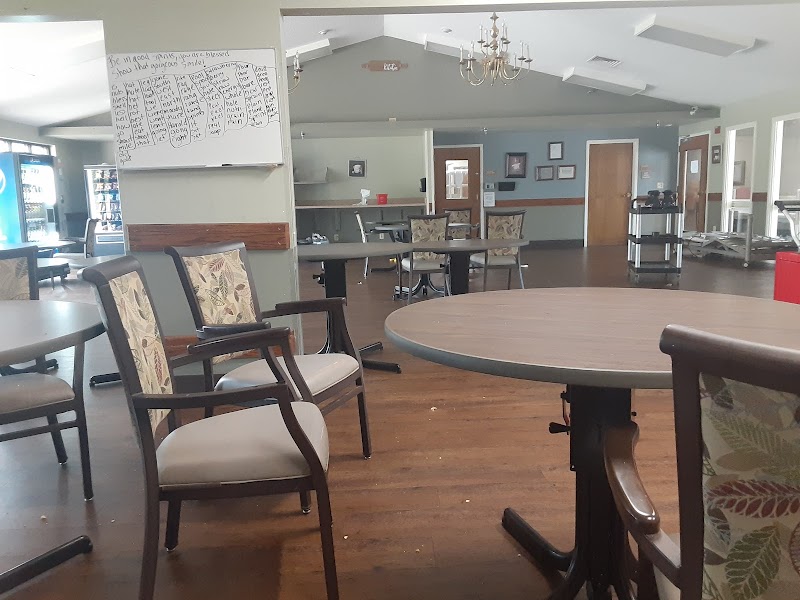
Who Owns and Operates Carecore At The Meadows?

CARECORE AT THE MEADOWS is owned by a for-profit company. For-profit facilities operate as businesses with obligations to shareholders or private owners. The facility is operated by CARECORE HEALTH, a chain that manages multiple nursing homes. With 97 certified beds and approximately 82 residents (about 85% occupancy), it is a smaller facility located in CINCINNATI, Ohio.
How Does Carecore At The Meadows Compare to Other Ohio Nursing Homes?

Compared to the 100 nursing homes in Ohio, CARECORE AT THE MEADOWS's overall rating (2 stars) is below the state average of 3.2, staff turnover (67%) is significantly higher than the state average of 46%, and health inspection rating (1 stars) is much below the national benchmark.

What Should Families Ask When Visiting Carecore At The Meadows?

Based on this facility's data, families visiting should ask: "How do you ensure continuity of care given staff turnover, and what is your staff retention strategy?" "Can you walk me through typical staffing levels on day, evening, and night shifts?" "Can I visit during a mealtime to observe dining assistance and food quality?" "How do you handle medical emergencies, and what is your hospital transfer rate?" These questions are particularly relevant given the facility's high staff turnover rate and the below-average staffing rating.

Is Carecore At The Meadows Safe?

Based on CMS inspection data, CARECORE AT THE MEADOWS has a clean safety record: no substantiated abuse findings (meaning no confirmed cases of resident harm), no Immediate Jeopardy citations (the most serious violation level indicating risk of serious injury or death), and is not on the Special Focus Facility watch list (a federal program monitoring the lowest-performing 1% of nursing homes). The facility has a 2-star overall rating and ranks #100 of 100 nursing homes in Ohio. While no facility is perfect, families should still ask about staff-to-resident ratios and recent inspection results during their visit.

Do Nurses at Carecore At The Meadows Stick Around?

Staff turnover at CARECORE AT THE MEADOWS is high. At 67%, the facility is 20 percentage points above the Ohio average of 46%. Registered Nurse turnover is particularly concerning at 75%. RNs handle complex medical decisions and coordinate care — frequent RN changes can directly impact care quality. High turnover means new staff may not know residents' individual needs, medications, or preferences. It can also be disorienting for residents, especially those with dementia who rely on familiar faces. Families should ask: What is causing the turnover? What retention programs are in place? How do you ensure care continuity during staff transitions?

Was Carecore At The Meadows Ever Fined?

CARECORE AT THE MEADOWS has been fined $9,750 across 1 penalty action. This is below the Ohio average of $33,176. While any fine indicates a compliance issue, fines under $50,000 are relatively common and typically reflect isolated problems that were subsequently corrected. Families should ask what specific issues led to these fines and confirm they've been resolved.

Is Carecore At The Meadows on Any Federal Watch List?

CARECORE AT THE MEADOWS is not on any federal watch list. The most significant is the Special Focus Facility (SFF) program, which identifies the bottom 1% of nursing homes nationally based on persistent, serious quality problems. Not being on this list means the facility has avoided the pattern of deficiencies that triggers enhanced federal oversight. This is a positive indicator, though families should still review the facility's inspection history directly.